EP1588713B1 - Production of human papillomavirus HBV-11 capsid protein L1 and virus-like particles - Google Patents
Production of human papillomavirus HBV-11 capsid protein L1 and virus-like particles Download PDFInfo
- Publication number
- EP1588713B1 EP1588713B1 EP05075889A EP05075889A EP1588713B1 EP 1588713 B1 EP1588713 B1 EP 1588713B1 EP 05075889 A EP05075889 A EP 05075889A EP 05075889 A EP05075889 A EP 05075889A EP 1588713 B1 EP1588713 B1 EP 1588713B1
- Authority
- EP
- European Patent Office
- Prior art keywords
- hpv
- virus
- vol
- vlps
- protein
- Prior art date
- Legal status (The legal status is an assumption and is not a legal conclusion. Google has not performed a legal analysis and makes no representation as to the accuracy of the status listed.)
- Expired - Lifetime
Links
- 238000000034 method Methods 0.000 claims abstract 12
- 239000002245 particle Substances 0.000 claims abstract 10
- 108090000623 proteins and genes Proteins 0.000 claims abstract 5
- 102000004169 proteins and genes Human genes 0.000 claims abstract 5
- 108090000565 Capsid Proteins Proteins 0.000 claims abstract 4
- 102100023321 Ceruloplasmin Human genes 0.000 claims abstract 4
- 108091026890 Coding region Proteins 0.000 claims abstract 4
- 241001631646 Papillomaviridae Species 0.000 claims abstract 3
- 241000701806 Human papillomavirus Species 0.000 claims 8
- 239000013604 expression vector Substances 0.000 claims 4
- 108091033319 polynucleotide Proteins 0.000 claims 4
- 239000002157 polynucleotide Substances 0.000 claims 4
- 102000040430 polynucleotide Human genes 0.000 claims 4
- 108020004999 messenger RNA Proteins 0.000 claims 3
- 108020004705 Codon Proteins 0.000 claims 2
- 241000701828 Human papillomavirus type 11 Species 0.000 claims 2
- 108091036066 Three prime untranslated region Proteins 0.000 claims 2
- 239000002671 adjuvant Substances 0.000 claims 2
- 239000002773 nucleotide Substances 0.000 claims 2
- 125000003729 nucleotide group Chemical group 0.000 claims 2
- 241000238631 Hexapoda Species 0.000 claims 1
- 241000700605 Viruses Species 0.000 claims 1
- 238000012258 culturing Methods 0.000 claims 1
- 230000001900 immune effect Effects 0.000 claims 1
- 230000000877 morphologic effect Effects 0.000 claims 1
- 229940031348 multivalent vaccine Drugs 0.000 claims 1
- 241000701447 unidentified baculovirus Species 0.000 claims 1
- 229960005486 vaccine Drugs 0.000 claims 1
- 239000013598 vector Substances 0.000 claims 1
- 210000000234 capsid Anatomy 0.000 abstract 1
- 239000012634 fragment Substances 0.000 abstract 1
Images






Classifications
-
- C—CHEMISTRY; METALLURGY
- C12—BIOCHEMISTRY; BEER; SPIRITS; WINE; VINEGAR; MICROBIOLOGY; ENZYMOLOGY; MUTATION OR GENETIC ENGINEERING
- C12N—MICROORGANISMS OR ENZYMES; COMPOSITIONS THEREOF; PROPAGATING, PRESERVING, OR MAINTAINING MICROORGANISMS; MUTATION OR GENETIC ENGINEERING; CULTURE MEDIA
- C12N7/00—Viruses; Bacteriophages; Compositions thereof; Preparation or purification thereof
-
- A—HUMAN NECESSITIES
- A61—MEDICAL OR VETERINARY SCIENCE; HYGIENE
- A61K—PREPARATIONS FOR MEDICAL, DENTAL OR TOILETRY PURPOSES
- A61K39/00—Medicinal preparations containing antigens or antibodies
- A61K39/12—Viral antigens
-
- A—HUMAN NECESSITIES
- A61—MEDICAL OR VETERINARY SCIENCE; HYGIENE
- A61P—SPECIFIC THERAPEUTIC ACTIVITY OF CHEMICAL COMPOUNDS OR MEDICINAL PREPARATIONS
- A61P31/00—Antiinfectives, i.e. antibiotics, antiseptics, chemotherapeutics
- A61P31/12—Antivirals
-
- A—HUMAN NECESSITIES
- A61—MEDICAL OR VETERINARY SCIENCE; HYGIENE
- A61P—SPECIFIC THERAPEUTIC ACTIVITY OF CHEMICAL COMPOUNDS OR MEDICINAL PREPARATIONS
- A61P31/00—Antiinfectives, i.e. antibiotics, antiseptics, chemotherapeutics
- A61P31/12—Antivirals
- A61P31/20—Antivirals for DNA viruses
-
- A—HUMAN NECESSITIES
- A61—MEDICAL OR VETERINARY SCIENCE; HYGIENE
- A61P—SPECIFIC THERAPEUTIC ACTIVITY OF CHEMICAL COMPOUNDS OR MEDICINAL PREPARATIONS
- A61P35/00—Antineoplastic agents
-
- C—CHEMISTRY; METALLURGY
- C07—ORGANIC CHEMISTRY
- C07K—PEPTIDES
- C07K14/00—Peptides having more than 20 amino acids; Gastrins; Somatostatins; Melanotropins; Derivatives thereof
- C07K14/005—Peptides having more than 20 amino acids; Gastrins; Somatostatins; Melanotropins; Derivatives thereof from viruses
-
- A—HUMAN NECESSITIES
- A61—MEDICAL OR VETERINARY SCIENCE; HYGIENE
- A61K—PREPARATIONS FOR MEDICAL, DENTAL OR TOILETRY PURPOSES
- A61K39/00—Medicinal preparations containing antigens or antibodies
- A61K2039/51—Medicinal preparations containing antigens or antibodies comprising whole cells, viruses or DNA/RNA
- A61K2039/525—Virus
- A61K2039/5258—Virus-like particles
-
- A—HUMAN NECESSITIES
- A61—MEDICAL OR VETERINARY SCIENCE; HYGIENE
- A61K—PREPARATIONS FOR MEDICAL, DENTAL OR TOILETRY PURPOSES
- A61K39/00—Medicinal preparations containing antigens or antibodies
-
- C—CHEMISTRY; METALLURGY
- C12—BIOCHEMISTRY; BEER; SPIRITS; WINE; VINEGAR; MICROBIOLOGY; ENZYMOLOGY; MUTATION OR GENETIC ENGINEERING
- C12N—MICROORGANISMS OR ENZYMES; COMPOSITIONS THEREOF; PROPAGATING, PRESERVING, OR MAINTAINING MICROORGANISMS; MUTATION OR GENETIC ENGINEERING; CULTURE MEDIA
- C12N2710/00—MICROORGANISMS OR ENZYMES; COMPOSITIONS THEREOF; PROPAGATING, PRESERVING, OR MAINTAINING MICROORGANISMS; MUTATION OR GENETIC ENGINEERING; CULTURE MEDIA dsDNA viruses
- C12N2710/00011—Details
- C12N2710/14011—Baculoviridae
- C12N2710/14111—Nucleopolyhedrovirus, e.g. autographa californica nucleopolyhedrovirus
- C12N2710/14141—Use of virus, viral particle or viral elements as a vector
- C12N2710/14143—Use of virus, viral particle or viral elements as a vector viral genome or elements thereof as genetic vector
-
- C—CHEMISTRY; METALLURGY
- C12—BIOCHEMISTRY; BEER; SPIRITS; WINE; VINEGAR; MICROBIOLOGY; ENZYMOLOGY; MUTATION OR GENETIC ENGINEERING
- C12N—MICROORGANISMS OR ENZYMES; COMPOSITIONS THEREOF; PROPAGATING, PRESERVING, OR MAINTAINING MICROORGANISMS; MUTATION OR GENETIC ENGINEERING; CULTURE MEDIA
- C12N2710/00—MICROORGANISMS OR ENZYMES; COMPOSITIONS THEREOF; PROPAGATING, PRESERVING, OR MAINTAINING MICROORGANISMS; MUTATION OR GENETIC ENGINEERING; CULTURE MEDIA dsDNA viruses
- C12N2710/00011—Details
- C12N2710/20011—Papillomaviridae
- C12N2710/20022—New viral proteins or individual genes, new structural or functional aspects of known viral proteins or genes
-
- C—CHEMISTRY; METALLURGY
- C12—BIOCHEMISTRY; BEER; SPIRITS; WINE; VINEGAR; MICROBIOLOGY; ENZYMOLOGY; MUTATION OR GENETIC ENGINEERING
- C12N—MICROORGANISMS OR ENZYMES; COMPOSITIONS THEREOF; PROPAGATING, PRESERVING, OR MAINTAINING MICROORGANISMS; MUTATION OR GENETIC ENGINEERING; CULTURE MEDIA
- C12N2710/00—MICROORGANISMS OR ENZYMES; COMPOSITIONS THEREOF; PROPAGATING, PRESERVING, OR MAINTAINING MICROORGANISMS; MUTATION OR GENETIC ENGINEERING; CULTURE MEDIA dsDNA viruses
- C12N2710/00011—Details
- C12N2710/20011—Papillomaviridae
- C12N2710/20023—Virus like particles [VLP]
-
- C—CHEMISTRY; METALLURGY
- C12—BIOCHEMISTRY; BEER; SPIRITS; WINE; VINEGAR; MICROBIOLOGY; ENZYMOLOGY; MUTATION OR GENETIC ENGINEERING
- C12N—MICROORGANISMS OR ENZYMES; COMPOSITIONS THEREOF; PROPAGATING, PRESERVING, OR MAINTAINING MICROORGANISMS; MUTATION OR GENETIC ENGINEERING; CULTURE MEDIA
- C12N2710/00—MICROORGANISMS OR ENZYMES; COMPOSITIONS THEREOF; PROPAGATING, PRESERVING, OR MAINTAINING MICROORGANISMS; MUTATION OR GENETIC ENGINEERING; CULTURE MEDIA dsDNA viruses
- C12N2710/00011—Details
- C12N2710/20011—Papillomaviridae
- C12N2710/20034—Use of virus or viral component as vaccine, e.g. live-attenuated or inactivated virus, VLP, viral protein
Definitions
- the present invention relates generally to papillomavirus (PV). More particularly, the invention relates to a method of expressing the human papillomavirus type 11 (HPV-11) capsid protein coding sequence using the baculovirus expression system, production of HPV virus-like particles (VLPs) and use of these VLPs for HPV vaccine development.
- PV papillomavirus
- HPV-11 human papillomavirus type 11
- VLPs HPV virus-like particles
- the family Papovaviridae constitutes a group of DNA viruses that induce both lytic infections and either benign or malignant tumors. Structurally, all are naked icosahedral virions with 72 capsomeres and contain double-stranded circular DNA. Viruses included in the family are: (1) human and animal papillomaviruses, (2) mouse polyomavirus, (3) simian vacuolating virus, and (4) human viruses BK and JC.
- HPV Human papillomaviruses
- HPV type 1 HPV-1
- HPV types 6 or 11 HPV-6 or HPV-11
- HPV-16 or HPV-18 HPV-16 or HPV-18
- HPV-16 or HPV-18 HPV-16 or HPV-18
- Whole virus particles have also been used to detect antibodies in human sera, including antibodies directed against conformational epitopes. These studies have been difficult to conduct because most naturally occurring HPV-induced lesions produce few particles. Whole virus particles can be obtained, however, in amounts sufficient to conduct immunologic assays from HPV type 1-induced plantar warts ( Kienzler et al., "Humoral and cell-mediated immunity to human papillomavirus type 1 (HPV-1) in human warts," 1983, Br. J. Dermatol., vol. 108, pp. 65-672 ; " Pfister et al., Seroepidemiological studies of human papilloma virus (HPV-1) infections," 1978, Int. J. Cancer, vol. 21, pp.
- Minson discloses a method of screening hybridoma culture supernatants for monoclonal antibodies with desired specificities.
- Minson's method is exemplified by the production of antibodies to the L1 protein of human papillomavirus type 16 (HPV-16) using this protein as the target antigen in mice.
- HPV-16 human papillomavirus type 16
- Minson fails to disclose the expression of the L1 protein or production of HPV virus-like particles (VLPs).
- U.S. Patent No. 5,057,411, to Lancaster et al. discloses a polynucleotide sequence of about 30 nucleotides of the papillomavirus L1 capsid protein open reading frame that the inventors contend encode a papillomavirus type-specific epitope.
- the inventors do not disclose infected animals that produced antibodies which recognize this sequence. Instead, they synthesized a bovine papillomavirus type 1 (BPV-1) version of the sequence (a 10 amino acid peptide, or decapeptide), then immunized rabbits and tested the antiserum's ability to react with either BPV-1 or BPV-2 induced fibropapilloma tissue.
- BPV-1 bovine papillomavirus type 1
- the peptide antiserum only reacted with BPV-1 and not BPV-2 tissue.
- the inventors then concluded that the peptide contained an antigenic determinant that was type-specific, and therefore, all papillomavirus L1 coding sequences contain a type-specific epitope at this locus. This is theoretical speculation on the part of the inventors, who give no supporting data for this hypothesis.
- the amino acid sequences disclosed (10 amino acids) are generally thought not to be capable of adopting higher order antigenic structures, i.e., conformational epitopes that possess a three-dimensional structure such as those produced by the method described herein.
- WO 93/02184 purports to describe a method ofproviding papilloma virus like particles.
- EP 0 390 252 relates to the production and purification of recombinant human interleukin-3 and muteins thereof.
- the invention provides a polynucleotide encoding an L1 capsid protein from human papillomavinrs-11 (HPV-11) wherein the 3' untranslated region of the mRNA transcribed therefrom does not contain the sequence AUUUA within 30 nucleotides of the stop codon of the L1 coding sequence.
- An expression vector including this polynucleotide is also provided.
- the present invention is also directed to a method of expressing the L1 capsid protein coding sequence of human papillomavirus-11 (HPV-11) in a cell, comprising transfecting the cell with an expression vector containing the human papillomavirus-11 L1 capsid protein coding sequence under conditions facilitating expression of the protein in the cell.
- HPV-11 human papillomavirus-11
- HPV-11 virus-like particle(s) produced by the method of the invention comprises antigenic characteristic(s) similar to those of native infectious papillomavirus particles.
- a method of expressing the L1 capsid protein coding sequence of human papillomavirus type-11 (HPV-11) in Sf-9 insect cells using the baculovirus expression system The HPV-11 coding sequence was cloned using standard techniques in the art into a baculovirus transfer vector. The resulting baculovirus transfer vector was used to co-transfect Sf-9 insect cells with Autographa californica nuclear polyhedrosis virus (AcNPV) forming a recombinant baculovirus (Ac11L1) which was recovered. Sf-9 insect cells were thereafter infected with Ac11L1 under conditions facilitating expression of the protein in the cells.
- AcNPV Autographa californica nuclear polyhedrosis virus
- VLPs virus-like particles
- Virus-like particle(s) produced in accordance with the method of the invention can be used in diagnostic assays, can play a role in the identification and characterization of an HPV cell receptor, and can be used for vaccine development (both therapeutic and prophylactic).
- VLPs produced in accordance with the invention will provide abundant reagents with which to carry out immunologic studies of papillomaviruses and for developing vaccines against papillomaviruses.
- the present invention includes a method of expressing the human papillomavirus-11 L1 capsid protein coding sequence in a cell using the baculovirus expression system under conditions facilitating expression of the protein in the cell wherein the L1 capsid protein is expressed from a polynucleotide of Claim 1.
- virus-like particle(s) VLPs
- fragment(s), capsomer(s) or portion(s) thereof are formed from the papillomavirus capsid protein.
- the virus-like particle(s) comprises antigenic characteristics similar to those of native infectious papillomavirus particles.
- virus-like particle(s) refer to a virus-like particle(s), fragment(s), capsomer(s) or portion(s) thereof produced from the capsid protein coding sequence of papillomavirus and comprising antigenic characteristic(s) similar to those of infectious papillomavirus particles.
- antigenic characteristic(s) refers to (1) the ability of the virus-like particle(s) to cross-react with wild-type particles (native infectious virus particles of the same HPV type) as determined by antisera generated in animals and/or humans by immunization with either VLPs or infectious virus; and/or (2) the ability to recognize or detect antibodies in human sera from persons known to be infected with homologous virus.
- L1 protein coding sequence or “L1 capsid protein coding sequence” or “L1 coding sequence” refers to the open reading frame which codes for the L1 protein in papillomavirus. When expressed, the L1 protein coding sequence produces a protein, or protein complex, or aggregate, which possesses immunological and morphological characteristics similar to those of native papillomavirus virions.
- the L1 coding sequence used in the invention can be isolated and purified from human papillomavirus-11 genomic DNA or synthesized using standard genetic engineering techniques.
- the term "transfecting” refers to any means for introducing a virus, plasmid or vector into a cell. Examples of such means include infection, calcium phosphate precipitation and electroporation.
- a method of expressing the coding sequence for the L1 capsid protein of human papillomavirus type-11 (HPV-11) in Sf-9 insect cells using the baculovirus expression system is provided.
- the preferred expression system used in the method of the invention is the baculovirus expression system, however, it is understood that any other expression system(s) can be employed herein provided the system(s) can expresses the L1 protein coding sequence.
- examples of such systems include, without limitation, any prokaryotic and/or eukaryotic system(s) including adenoviruse, SV40, E. coli, March 9, 1993CHO cells, vaccinia virus, insect viruses, yeast, bacteriophage virus or modified viruses, DNA plasmids, vectors and the like.
- the host cell for expression of the L1 coding sequence is dependent on the expression system used.
- suitable host cells include, without limitaiton, bacteria (prokaryotic) , microorganisms such as yeast, mammalian cells (eukaryotic) and insect cells.
- bacteria prokaryotic
- microorganisms such as yeast
- mammalian cells eukaryotic
- insect cells such as Sf-9 or Sf-21 are preferred.
- the HPV-11 L1 protein produces virus-like particles (VLPs), fragment(s), capsomer(s) or portion(s) thereof, formed from papillomavirus capsid protein. It has been discovered that the virus-like particle(s) comprises antigenic characteristic(s) similar to those of native infectious papillomavirus particles. More particularly, these VLPs contain an antigenic determinant that is specifically recognized by antibodies present in sera obtained from genital HPV-infected patients.
- VLPs produced in the baculovirus system will be useful in sero-epidemiology and pathogenesis studies of not only genital HPV infection but for any papillomavirus and for vaccine development.
- L1 has an intrinsic capacity for self-assembly.
- other papillomavirus proteins are not required for VLP formation in the baculovirus system. This supports the contention that VLPs to all types of papillomaviruses can be produced in accordance with the method described herein.
- the VLPs of the invention can be used to raise antibodies, either in subjects for which protection against infection by HPV is desired, i.e., vaccines, or to heighten the immune response to an HPV infection already present.
- the VLPs of the invention can be injected into animal species to obtain antisera useful in diagnosis.
- monoclonal antibodies can be obtained using the methods of Kohler and Milstein, or by modifications thereof, by immortalizing spleen or other antibody-producing cells from injected animals to obtain antibody-producing clones, i.e., hybridomas.
- the antibodies obtained can be used for diagnosis of HPV infection in cervical biopsies or Papanicolaou smears and in assessing disease levels in humans or other subjects.
- diagnosis using the antibodies of the invention permits monitoring the evolution of the disease.
- the antibodies can be used in analysis of serum to detect the virus, as well as to monitor the progress of therapy with antiviral or other therapeutic agents directed to control of the infection or carcinoma.
- the antibodies can also be used as passive therapy, taking into account species variations.
- the VLPs produced by the method of the invention can be used in immunoassays to detect the presence of antibodies raised against HPV in the serum of patients suspected of harboring HPV infections or to titrate the sera of patients being treated with an anti-HPV vaccine.
- the VLPs produced by the method of the invention can be directly administered to a host to induce the formation of neutralizing antibodies (Bonnez et al., 1992, cited elsewhere herein; and Rose et al., in press , cited elsewhere herein ), to confer either protective immunity against HPV or, if the patient is already infected, to boost the patient's own immune response.
- the VLps are administered in immunogenic form.
- the VLPs can be conjugated to an immunogenicity conferring carrier material, the material preferably being antigenically neutral.
- the VLPs of the invention have the ability to serve as type specific or broad range vaccines and diagnostics.
- VLPs which are to be administered as vaccines can be formulated according to conventional and/or future methods for such administration to the subject to be protected and can be mixed with conventional adjuvants.
- the peptide expressed can be used as an immunogen in subunit vaccine formulations, which may be multivalent.
- the multivalent vaccine formulation can comprise VLPs each encoding a different L1 protein from different HPVs.
- the product may be purified for purposes of vaccine formulation from any vector/host systems that express the heterologous protein.
- the purified VLPs should be adjusted to an appropriate concentration, formulated with any suitable vaccine adjuvant and packaged for use.
- Suitable adjuvants include, but are not limited to: mineral gels, e.g., aluminum hydroxide; surface active substances such as lysolecithin, pluronic polyols; polyanions; peptides; oil-emulsions; and potentially useful human adjuvants such as BCG (Bacille Calmette-Guerin) and Comebacterium parvum .
- the immunogen may also be incorporated into liposomes, or conjugated to polysaccharides and/or other polymers for use in a vaccine formulation. Many methods may be used to introduce the vaccine formulations described above; these include, but are not limited to, oral, intradermal, intramuscular, intraparitoneal, intravenous, subcutaneous and intranasal routes.
- Suitable hosts include mice, rats, rabbits, guinea pigs, or even larger mammals such as sheep.
- the antibodies can be used therapeutically so long as they are compatible with the host to be treated. Monoclonal antibodies having the proper species characteristics are preferred for this application.
- HPV-11 genomic DNA was obtained from virus particles which were purified from experimentally induced athymic mouse xenografts as described by Rose et al., "Expression of the full-length products of the HPV-6b and HPV-11 L2 open reading frames by recombinant baculovirus, and antigenic comparisons with HPV-11 whole virus particles," 1990, J. Gen. Virol., vol. 71, pp. 2725-2729 .
- the L1 coding sequence was cloned by PCR amplification of purified genomic DNA, using primers designed to introduce Bgl II and Eco RI restriction enzyme sites at the 5' and 3' ends, respectively.
- the forward and reverse primer sequences were, 5'-CGC AGA TCT ATG TGG CGG CCT AGC-3' and 5'-CAT AT G AAT TC C CAC AAC ACA CTG ACA CAC-3'. Restriction sites (underlined) were introduced proximal to the putative L1 start codon (bold text), and approximately 30 nucleotides downstream from the putative L1 stop codon, by primer-directed mutagenesis. Amplification was performed essentially as described by Bonnez et al., "Antibody-mediated neutralization of human papillomavirus type 11 (HPV-11) infection in the nude mouse: Detection of HPV-11 mRNAs by the polymerase chain reactions, 1992, J. Inf.
- baculovirus transfer vector pVL-1392 (M.D. Summers, Texas A&M University, College Station, TX).
- the resulting construct, pVL11L1 was used to co-transfect Sf-9 cells with Autographa californica nuclear polyhedrosis virus (AcNPV) genomic DNA according to the methods of Summers et al., A Manual of Methods for Baculovirus Vectors and Insect Cell Culture Procedures, 1987, Texas A&M University, College Station, Tex as, Recombinant baculoviruses were recovered by visual examination and selection of occlusion-negative (occ-) plaques, and were subjected to two further rounds of plaque-purification according to the methods of Summers et al., A Manual of Methods for Baculovirus Vectors and Insect Cell Culture Procedures, 1987, Texas A&M University, College Station, Tex as. Protein expression from isolated
- Infected Sf-9 cell cultures were grown in 150 cm 2 tissue culture flasks and prepared for analytical SDS-PAGE and Western Blot assay.
- Non-recombinant or recombinant L1-infected cells were collected from flasks by resuspending with a pasteur pipet, and equal numbers of wild-type or recombinant L1-infected cells were centrifuged at 500 x g for 10 minutes at 4°C.
- the NP40-soluble fraction contained in the supernatant was removed and diluted 1:1 with 2X Laemmli sample buffer as described by Laemmli, "Cleavage of structural proteins during the assembly of the head of the bacteriophage T4," 1970, Nature, vol. 277, pp. 680-685 , and heated to 95°C for 3 minutes.
- the NP40-insoluble pellet (containing nuclear material) was washed once with cold PBS (1mM PMSF: 10 ⁇ g/ml leupeptin) and solubilized by boiling and vortexing in 1X Laemmli buffer.
- Homogenates were transferred to cold 30 ml screw-cap Corex tubes and centrifuged at 3,000 x g for 10 minutes at 4°C. Low-speed supernatant fractions were then transferred to a clean tube and centrifuged at 100,000 x g for 30 minutes at 4°C.
- Total protein concentrations of high speed supernatant fractions were measured by spectrophotometric absorption at 280 nm according to the procedure of Stoscheck, "Quantitation of proteins," 1990, in Methods in Enzymology, vol. 182, p.54, Academic Press, Inc., New York , and adjusted to equivalence with fresh homogenization buffer (protein concentrations approximately equal to 30 mg/ml). Glycerol was added to 10% (v/v) and stock solutions were aliquoted and stored at -20°C.
- Western blot and immunodotblot assays were used to determine linear and conformational epitope antibody specificities in rabbit antisera and human sera.
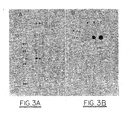
- the Western blot assays ( FIG. 3 , panel A, and Fig. 4 ) were performed using 2 ⁇ l (about 60 ⁇ g total protein) of recombinant L1 stock solution diluted 1:100 with 1X Laemmli sample buffer, which contains protein denaturation reagents as described by Laemmli, "Cleavage of structural proteins during the assembly of the head of the bacteriophage T4," 1990, Nature, vol. 277, pp. 680-685 , and heated to 95°C for 3 minutes.
- the denatured sample was loaded in a single 100 mm wide sample well, electrophoresed in a 10% SDS polyacrylamide gel, and blotted to an Immobilon-P membrane. After blocking with a 2% BSA solution (Kirkegaard and Perry Labs, Inc., Gaithersburg, MD) for 2 hours at 37°C, the membrane was sliced into 24, 4 mm wide strips, each containing about 2.5 ⁇ g total protein. Thereafter, the strips were probed with antisera ( Fig. 3 , panel A, and Fig. 4 ).
- non-recombinant or recombinant L1 stock solutions were diluted 1:1,000 with cold PBS (1 mM CaCl 2 ) and 100 ⁇ l aliquots (containing about 3.0 ⁇ g total protein) were dotted onto an Immobilon-P membrane. Protein denaturation reagents were omitted from the immunodotblot sample preparation to preserve the native conformation of recombinant L1.
- Blocking, primary and secondary antibody diluent solutions, washes, and substrate used are as described by Strike et al., "Expression in Escherichia coli of seven DNA segments comprising the complete L1 and L2 open reading frames of human papillomavirus type 6b and the location of the (common antigen)," 1989, J. Gen. Virol., vol. 70, pp. 543-555 .
- Primary antibody incubations were performed overnight at 4°C, second antibody incubations were done at room temperature for 90 minutes.
- All solutions except the substrate solution contained CaCl 2 at 1 mM.
- Primary antibody dilutions were 1:2,000 for rabbit antisera and 1:1,000 for human sera.
- Specifically-bound antibodies were detected with affinity-purified anti-rabbit (Kirkegaard and Perry Laboratories, Inc., Gaithersburg, MD), or anti-human (TAGO Immunodiagnostics, Burlingame, CA) IgG-alkaline phosphatase conjugates used at dilutions of 1:2,000 and 1:5,000, respectively, using BCIP/NBT (Kirkegaard and Perry Laboratories, Inc.) as substrate. Immunodotblot reactions were assessed by visual comparison of non-recombinant and recombinant L1 dot intensities. A reaction was considered positive if the color intensity of the recombinant L1 dot was greater than the color intensity of the non-recombinant control dot present on the same strip.
- the denatured L1 antiserum used was described previously as anti-pEX480 by Strike et al., "Expression in Escherichia coli of seven DNA segments comprising the complete L1 and L2 open reading frames of human papillomavirus type 6b and the location of the (common antigen)," 1989, J. Gen. Viro/., vol. 70, pp. 543-555 .
- This antiserum was obtained by rabbit immunization with a gel-purified bacterially-expressed fusion protein that contained a 160 amino acid sequence derived from the mid-region of the HPV-6b L1 open reading frame fused to the carboy terminus of betagalactosidase, as described by Stanley et al., "Construction of a new family of high efficiency bacterial expression vectors: Identification of cDNA clones coding for human liver proteins," 1984, EMBO. J., vol. 3, pp.
- the rabbit whole virus particle antiserum used was as described by Bonnez et al., "Antibody-mediated neutralization of human papillomavirus type 11 (HPV-11) infection in the nude mouse: Detection of HPV-11 mRNAs by the polymerase chain reaction," 1992, J. Inf. Dis., vol. 165, pp.
- Recombinant VLPs were purified directly from the cell-free culture supernatant of Ac11L1-infected Sf-9 cell suspension cultures by a series of low and high speed centrifugation steps. Infected Sf-9 cells were pelleted from a 200 ml suspension culture a low speed (1,000 x g) and the cell-free supernatant was centrifuged again at high speed (100,000 x g) for 90 minutes at 4°C.
- the high-speed pellet was resuspended in buffer A (50 mM Tris, pH8.0; 1 M NaCl; 10 mM MgCl 2 ; 10 mM CaCl 2 ; 2 mM phenylmethylsulfonyl fluoride (PMSF); 10 ⁇ g/ml Leupeptin), 5.2 g solid CsCl were added, and the final volume was adjusted to a total of 13 ml with fresh buffer A (0.4 g/ml final concentration).
- buffer A 50 mM Tris, pH8.0; 1 M NaCl; 10 mM MgCl 2 ; 10 mM CaCl 2 ; 2 mM phenylmethylsulfonyl fluoride (PMSF); 10 ⁇ g/ml Leupeptin
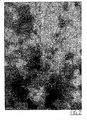
- VLPs purified by sucrose density gradient centrifugation were identified by electron microscopy after staining with 2% neutral buffered phosphotungstic acid ( Figs. 2 , 6 , and 7 ).
- Fig. 1A shows Coomassie-stained SDS polyacrylamide gel of wild-type AcNPV and recombinant Ac11L1-infected Sf-9 cell lysates and Fig.
- FIG. 1B shows Western blot of wild-type AcNPV and recombinant Ac11L1-infected Sf-9 cell lysates probed with a rabbit polyclonal antiserum specific for the HPV L1 common epitope.
- Non-recombinant (lanes 1,2) and recombinant L1-infecred (lanes 3,4) Sf-9 cell lysates were fractionated into insoluble (lanes 1,3) and soluble (lanes 2,4) fractions, and electrophoresed on 10% polyacrylamide gels.
- Molecular reference (M r ) markers are displayed at the left, and the arrow at the right indicates the approximate position of recombinant L1 (about 55 kD M r ).
- This protein is not present in wild-type AcNPV lysates, and co-migraies with a protein that is immunoreactive (Fig. 1B , lanes 3 and 4) with 2 rabbit antiserum prepared against the linear HPV L1 common antigen as described by Strike et al., "Expression in Escherichia coli of seven DNA segments comprising the complete L1 and L2 open reading frames of human papillomavirus type 6b and the location of the (common antigen)," 1989, J. Gen. V ⁇ rol., vol. 70, pp. 543-555 . Lower M r L1-immunoreactive bands were also detected and may be derived from degradation of the full-length L1 product ( Fig.
- FIG. 2 shows HPV-11 capsid-like particles which were present at the 50-60% interface of the sucrose density gradient.
- Fig. 6 shows HPV type 6b (HPV-6b) capsid-like particles which resulted from the expression of the HPV-6b L1 coding sequence in the baculovirus system, and which were purified in exactly the same manner.
- Fig. 7 demonstrates that this method is also suitable for the production of HPV type 16 (HPV-16) VLPs, upon expression of the HPV-16 L1 coding sequence.
- VLPs 12 & 16 demonstrate that VLPs can be purfied by cesium chloride density gradient centrifugation as well. Particle diameters determined by direct measurement of the VLPs in Figure 2 , were approximately 52 nm. This measurement is consistent with the diameter of isolated papillomavirus virions as described by Klug et al., "Structure of viruses of the papilloma-polyoma type I: Human wart virus," 1965, J. Mol. Biol., vol. 11, pp. 403-423 .
- the immunologic properties of the recombinant L1 protein were studied using rabbit antisera that reacted with native or denatured L1 protein epitopes.
- Rabbit antiserum pEX480 directed against the common papillomavirus antigen, reacted well with denatured recombinant L1 in Western blot assays, but did not react with the same antigen preparation by immunodotblot, a type of immunoassay in which the antigen is placed on the blotting membrane under non-denaturing conditions ( Fig. 3 , compare strips A).
- This result correlates well with results previously obtained using the same sera in an HPV-11 particle-based ELISA as described by Bonnez et al., "Use of human papillomavirus type 11 virions in an ELISA to detect specific antibodies in humans with condylomata acuminata," 1991, J. Gen. Virol., vol. 72, pp. 1343-1347 .
- CsCl-purified VLPs were quantitated by spectrophotometer (A 280 ) and diluted to a concentration of 8 ng/ul in cold PBS. Aliquots (100 ⁇ l) of either PBS or diluted VLP solution (800 ng total protein) were loaded into wells and plates were allowed to stand at 4°C overnight. Plates were blocked for 2 hours at room temperature with a 1% BSA solution, followed by the addition of antisera, in duplicate, at a dilution of 1:100. Primary antisera were reacted at room temperature for 90 minutes.
- samples (20 ⁇ g total protein/lane) were electrophoresed in a 10% SDS-polyacrylamide gel and Western blotted overnight as previously described by Bonnez et al., 1992, J. Inf. Dis., vol. 165, pp. 376-380 .
- the nitrocellulose blot was probed with rabbit antiserum R5-409, used at a dilution of 1:1000 as described by Christensen et al., 1991, Virus Research, vol. 21, pp. 169-179 .
- HPV-16 L1 recombinant HPV-11 L1 (lane 2) and recombinant HPV-16 L1 (lane 3) proteins were detected in approximately equal amounts by anti-papillomavirus L1 common epitope antiserum R5-409.
- the predicted amino acid sequence of the HPV-16 L1 protein is five amino acids longer than the predicted sequence of the HPV-11 L1 protein, which is consistent with the slightly slower rate of migration exhibited by the recombinant HPV-16 L1 protein.
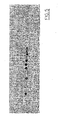
- samples were diluted (two-fold serial dilutions made with PBS) and applied to nitrocellulose under non-denaturing conditions, beginning with a total protein concentration of 25 ⁇ g (bottom), and ending with a total protein concentration of 25 ng (top)).
- Rabbit antiserum R-366 was used at a dilution of 1:1000.
- the whole virus particle antiserum detected the native recombinant HPV-11 L1 VLP preparation over a 1000-fold dilution range.
- the hyperimmune rabbit native HPV-11 virion neutralizing antiserum did not cross-react with native HPV-16 L1 protein, suggesting that the conformational epitope(s) of the HPV-11 capsid that is recognized by this antiserum is immunologically distinct from conformational epitopes present in the HPV-16 VLP preparation.
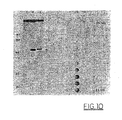
- VLPs were detected in, and purified directly from, the supernatant medium of an Ac11L1-infected Sf-9 cell suspension culture (200 ml). Cells were pelleted at low speed (1000 x g) and the cell-free supernatant was then centrifuged at high speed (100,000 x g). Cells were removed by low speed centrifugation (1000 x g), and VLPs were prepared from culture supernatants as previously described in Rose et al. in "Human papillomavirus type 11 (HPV-11) virus-like particles (VLPs) induce the formation of neutralizing antibodies.” (Submitted for publication) 1993 . Panel A is a 10% SDS-polyacrylamide gel stained with coomassie blue.
- Panel B is a western immunoblot of an identically loaded gel, probed with a rabbit antiserum specific for the HPV common antigen as described by Strike et al., 1989, J. Gen. Virol., vol. 70, pp. 543-555 , used at a dilution of 1:1000. Examinations of the high-speed pellets obtained from non-recombinant or recombinant L1-infected Sf-9 cell culture supernatants indicated the presence of VLPs in the recombinant L1-infected supernatant fraction. The resuspended recombinant L1 high-speed pellet was purified by equilibrium density gradient centrifugation as previously described in Bonnez et al., 1992, J. Inf.
- the single band obtained by this method was removed with a sterile 18 gauge needle, diluted with fresh buffer A (50 mM Tris, pH8.0; 1 M NaCl; 10 mM MgCl 2 ; 10 m M CaCl 2 ; 2 mM phenylmethylsulfonyl fluoride (PMSF); 10 ⁇ g/ml Leupeptin) to a volume of 12 ml, and again centrifuged at 100,000 x g for 90 minutes at 4°C.
- buffer A 50 mM Tris, pH8.0; 1 M NaCl; 10 mM MgCl 2 ; 10 m M CaCl 2 ; 2 mM phenylmethylsulfonyl fluoride (PMSF); 10 ⁇ g/ml Leupeptin
- VLPs were immunoreactive with antibodies directed against HPV-11 whole virus particles.
- applicants immunized rabbits with purified VLPs and tested the post-immune sera for immunoreactivity with whole virions.
- New Zealand white rabbits were immunized intramuscularly at two sites with a 1:1 emulsion of purified VLPs ( ⁇ 20 ⁇ g protein) in complete Freund's adjuvant (0.25 ml per site).
- Boosts were given after 30 days with a VLP emulsion prepared in incomplete Freund's adjuvant, and immune sera were collected 14 days later.
- grafts were prepared for analysis as described herein and infected with viral lysate that was Dre-treated with either (1) pre-, and (2) post-immune rabbit HPV-11 whole virus particle sera, or (3) pre-, and (4) post-immune rabbit HPV-11L1 virus-like particle sera.
- the filled circles correspond to the first replicate experiment, the open circles to the second replicate experiment.
- the horizontal bars indicate the median GMD.
- the geometric mean diameter (GMD) was calculated by taking the cubic root of the product of the length, width, and height of the recovered grafts.
- the median [range] GMDs (in mm) of the grafts were respectively 2.3 [1.3, 4.2] and 1.0 [1.0, 1.8].
- P 0.62
- P 0.007
- P 0.007
- HPV-11 genomic DNA ( Bonnez et al., 1991, J. Gen. Virol., vol. 72, pp. 1343-1347 ) and construction of the Ac11L1 recombinant baculovirus ( Rose et al., 1993, J. Virol., vol. 67, pp. 1936-1944 ) have been described.
- the HPV-16 genomic sequence was recovered from a CIN III lesion and standard cloning methods were used to construct the Ac16L1 baculovirus (Chesters and McCance, unpublished data).
- the HPV-18 L1 sequence was amplified by polymerase chain reaction from the HPV-18 prototype (provided by H. zur Hausen) and used to construct the Ac18L1 baculovirus by the same procedure used for the construction of Ac11L1 ( Rose et al., 1993, J. Virol., vol. 67, pp. 1936-1944 ).
- VLPs were purified as described by Rose et al., 1993, "Human papillomavirus type 11 (HPV-11) virus-like particles (VLPs) induce the formation of neutralizing antibodies and detect genital HPV-specific antibodies in human sera", in press.
- HPV-11 Human papillomavirus type 11 virus-like particles
- Single bands containing purified HPV-11, HPV-16, or HPV-18 VLPs were removed from CsCl density gradients by syringe, diluted with buffer A (phosphate-buffered saline (PBS); 1 mM Mgcl 2 ; 1 mM CaCl 2 ; 1 mM phenylmethylsulfonylfluoride (PMSF)) to 12 ml, and sedimented at 100,000 x g for 90 minutes at 40C.
- Pellets were resuspended in 200 ⁇ l of buffer A containing 50% glycerol, quantitated by spectrophotometry (280 nm), and stored at - 200C.
- Predicted coding capacities of the HPV-11, -16, and -18 L1 open reading frames are 501 amino acids ( Dartmann et al., 1986, Virology, vol. 151, pp. 124-130 ), 505 amino acids ( Seedorf et al., 1985, Virology, vol. 145, pp. 181-185 ), and 507 amino acids ( Cole et al., 1987, J. Mol. Biol., vol. 193, pp. 599-608 ), respectively, and an L1-immunoreactive band of the expected size ( ⁇ 55 kD M r ) appeared in each of the three sample preparations tested by Western blot immunoassay ( Fig. 15 ).
- HPV-11, HPV-16, and HPV-18 L1 VLP rabbit immune sera were prepared by immunizing two New Zealand white rabbits intramuscularly at two sites with each of the VLP preparations (i.e., six rabbits were immunized), using previously described methods ( Bonnez et al., 1992, J.Infect. Dis., vol. 165, pp. 376-380 ; Rose et al., 1993, J. Virol., vol. 67, pp. 1936-1944 ). Rabbit anti-PVL1 common antigen ( Strike et al., 1989, J. Gen. Virol., vol. 70, pp. 543-555 ), HPV-11 whole virion ( Bonnez et al., 1992, J.Infect.
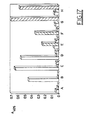
- VLP antisera were tested with ELISA against the three recombinant VLP preparations ( Fig. 17 ).
- ELISA purified VLPs were diluted to a concentration of 10 ng/ ⁇ l in PBS, and aliquots containing approximately 1 ⁇ g of antigen or PBS alone were dispensed into alternate rows of 96-well ELISA plates.
- Absorbance values for all of the rabbit anti-VLP antisera shown in Figure 17 were obtained at the optimal dilution for these antisera of 1:16,000.
- Absorbance values for the anti-PVL1 common antigen and HPV-11 whole virion rabbit antisera were obtained at lower dilution (1:1,000). Specific absorbance values were determined by subtracting control values (PVS wells) from experimental values (antigen-containing wells) for each replicate, and mean (405 nm) absorbance values were determined.
- VLPs were tested in ELISA immunoassay to assess their ability to detect specific antibodies in patients' sera, and the results were compared with results previously obtained using the same sera in an HPV-11 whole virion ELISA immunoassay ( Bonnez et al., 1993, J. Med. Virol., vol. 39, 340-344 ).
- the antigen was diluted in phosphate-buffered saline (PBS) to give an amount equivalent to that of the amount used in the previous whole virion ELISA ( Bonnez et al., 1993, J. Med. Virol., vol. 39, 340-344 ), and either the antigen solution or PBS without any antigen was aliquoted into alternate rows of 96-well plates.
- PBS phosphate-buffered saline
- P 0.01; Mann-Whitney U test.
- P 2 x 10 -4 ; Fisher's exact test. Therefore, the HPV-11 VLP ELISA was able to discriminate between patients with condyloma acuminatum and controls.
- Kienzler et al. "Humoral and cell-mediated immunity to human papillomavirus type 1 (HPV-1) in human warts," 1983, Br. J. Dermatol., vol. 108, pp. 665-672 ; and Steele et al., "Humoral assays of human sera to disrupted and nondisrupted epitopes of human papillomavirus type 1," 1990, Virology, vol. 174, pp. 388-398 ). These specificities can also play a significant role in viral pathogenesis.
- HPV 16 L1-L2 VLPs described by Zhou et al., 1991, Virology, vol. 185, pp. 251-257 were variable in size and smaller (35-40 nm in diameter) than either HPV virions (50-55) or baculovirus produced HPV 11 VLPs (50-55 nm; Rose et al., in press, 1993). These morphologic characteristics are quite different from those of the VLPs described in the present invention. Furthermore, using the method of the invention, HPV L1 protein alone is sufficient for the formation of particles whose biophysical characteristics and antigenic properties closely reflect those of native HPV virions.
- Kirnbauer, et al. reported inhibition of BPV-1-mediated transformation of mouse C127 cells in vitro by anti-BPV-1 VLP antibodies ( Kirnbauer et al., 1992, Proc. Natl. Acad. Sci. USA, vol. 89, pp. 12180-12184 ).
- the results obtained in that system support the results reported in the present invention, in which applicants have demonstrated neutralization using a genital HPV and its normal target tissue.
- concordance of results from the BPV-1/C127 cell assay and the athymic mouse bovine fetal skin xenograft system has been reported as previously described by Ghim et al., 1993, Int. J. Cancer, vol. 49, pp.
- the BPV-1/C127 mouse fibroblast system is non-productive, and therefore neutralization can only be inferred from the absence of transformed foci in vitro.
- BPV-1 does not naturally infect mice, and the mechanism by which it gains entry into C127 cells may differ from the mechanism involved in the natural infection process.
- the athymic mouse model used in the present study relies on infection by a genital HPV of its natural target tissue as previously described by Kreider et al., 1985, Nature, vol. 317, pp. 639-641 , the infected graft is maintained in vivo and morphologic and histologic transformation of the infected graft is accompanied by the production of infectious virions.
- Neutralizing antibodies to HPV-11 have been identified in humans with condyloma acuminatum as previously described by Christensen et al., 1992, J. Gen. Virol., vol. 73, pp. 1261-1267 , but their biological significance is unknown. If neutralization proves to be a protective immunologic effector mechanism against papillomavirus infections in vivo , then immunization with recombinant VLPs may provide protective immunity to individuals at risk for infection. Applicants results suggest that the magnitude of neutralization activity of HPV-11 VLP antibodies is similar to that of antibodies specific for HPV-11 infectious virions. Therefore, VLPs appear to be good vaccine candidates.
- HPV-11 whole virus particle (B) and HPV-11 VLP antisera (C,D) reacted strongly with HPV-11 VLPs, bunt none of these antisera reacted with the HPV-16 or HPV-18 VLP preparations.
- HPV-16 (E,F) and HPV-18 (G,H) L1 VLP rabbit antisera reacted only with homotypic VLPs. The specificities of these reactions were verified in preabsorption experiments, in which the immunoreactivity of each rabbit VLP antiserum was abrogated by preabsorption with homotypic, but not heterotypic, VLPs (data not shown). None of the rabbit pre-immune sera reacted with any of the VLP preparations (data not shown).
- the antiPVL1 common antigen antiserum which reacted well with recombinant L1 proteins by Western immunoblot ( Fig. 15 ), reacted only slightly with native VLP preparations in the ELISA ( Fig. 17A ). This observation suggests that epitopes normally recognized by this antiserum are masked under the conditions of the ELISA assay, and that the L1 proteins tested in this assay are predominantly non-denatured.
- L1 VLP epitopes of HPV-11, -16, and -18 are antigenically distinct. Although L2 capsid proteins were not present in these VLP preparations, it is likely that the observed antigenic difference between HPV types also applies to virions. L2 represents approximately 10% of the total protein content of HPV particles ( Doorbar et al., 1987, J. Virol., vol. 61, 2793-2799 ) and, although its exact location in the particle has not been determined ( Baker et al., 1991, Biophysical J., vol. 60, pp. 1445-1456 ), recent studies have suggested that it may be required for DNA encapsidation ( Zhou et al., 1993, J. Gen. Virol., vol.
- HPV-1 and HPV-2 are antigenically distinct.
- other HPV types are antigenically related.
- the detection of antibodies which specifically recognize HPV-11 virions in sera from patients with documented HPV-6 infection was previously reported ( Bonnez et al., 1991, J Gen. Virol., vol. 72, pp. 1343-1347 ; and Bonnez et al., 1992, Virol., vol. 188, pp. 384-387 ). Due to the lack of available HPV virions from most HPV types, VLPs are at present the best tool available to explore antigenic relatedness among HPVs.
- VLPs should play an important role in the delineation of the antigenic characteristics of HPVs, and in the conduct of studies of immune responses to these viruses.
Landscapes
- Health & Medical Sciences (AREA)
- Life Sciences & Earth Sciences (AREA)
- Chemical & Material Sciences (AREA)
- Organic Chemistry (AREA)
- Medicinal Chemistry (AREA)
- General Health & Medical Sciences (AREA)
- Virology (AREA)
- Veterinary Medicine (AREA)
- Public Health (AREA)
- Animal Behavior & Ethology (AREA)
- Pharmacology & Pharmacy (AREA)
- Chemical Kinetics & Catalysis (AREA)
- Engineering & Computer Science (AREA)
- General Chemical & Material Sciences (AREA)
- Genetics & Genomics (AREA)
- Nuclear Medicine, Radiotherapy & Molecular Imaging (AREA)
- Communicable Diseases (AREA)
- Biotechnology (AREA)
- Molecular Biology (AREA)
- Immunology (AREA)
- Microbiology (AREA)
- Biochemistry (AREA)
- Zoology (AREA)
- Bioinformatics & Cheminformatics (AREA)
- Wood Science & Technology (AREA)
- Oncology (AREA)
- Biomedical Technology (AREA)
- Epidemiology (AREA)
- Mycology (AREA)
- General Engineering & Computer Science (AREA)
- Gastroenterology & Hepatology (AREA)
- Biophysics (AREA)
- Proteomics, Peptides & Aminoacids (AREA)
- Micro-Organisms Or Cultivation Processes Thereof (AREA)
- Peptides Or Proteins (AREA)
- Medicines Containing Antibodies Or Antigens For Use As Internal Diagnostic Agents (AREA)
- Preparation Of Compounds By Using Micro-Organisms (AREA)
- Medicines Containing Material From Animals Or Micro-Organisms (AREA)
- Medicinal Preparation (AREA)
Applications Claiming Priority (5)
| Application Number | Priority Date | Filing Date | Title |
|---|---|---|---|
| US08/028,517 US8062642B1 (en) | 1993-03-09 | 1993-03-09 | Production of papillomavirus capsid protein and virus-like particles |
| US28517 | 1993-03-09 | ||
| US20730994A | 1994-03-07 | 1994-03-07 | |
| US207309 | 1994-03-07 | ||
| EP94912186A EP0688227B1 (en) | 1993-03-09 | 1994-03-08 | Production of human papillomavirus capsid protein and virus-like particles |
Related Parent Applications (2)
| Application Number | Title | Priority Date | Filing Date |
|---|---|---|---|
| EP94912186A Division EP0688227B1 (en) | 1993-03-09 | 1994-03-08 | Production of human papillomavirus capsid protein and virus-like particles |
| EP94912186.7 Division | 1994-09-15 |
Publications (2)
| Publication Number | Publication Date |
|---|---|
| EP1588713A1 EP1588713A1 (en) | 2005-10-26 |
| EP1588713B1 true EP1588713B1 (en) | 2010-12-22 |
Family
ID=26703787
Family Applications (3)
| Application Number | Title | Priority Date | Filing Date |
|---|---|---|---|
| EP05075889A Expired - Lifetime EP1588713B1 (en) | 1993-03-09 | 1994-03-08 | Production of human papillomavirus HBV-11 capsid protein L1 and virus-like particles |
| EP05075369A Expired - Lifetime EP1618888B1 (en) | 1993-03-09 | 1994-03-08 | Production of human papillomavirus capsid protein and virus-like particles |
| EP94912186A Expired - Lifetime EP0688227B1 (en) | 1993-03-09 | 1994-03-08 | Production of human papillomavirus capsid protein and virus-like particles |
Family Applications After (2)
| Application Number | Title | Priority Date | Filing Date |
|---|---|---|---|
| EP05075369A Expired - Lifetime EP1618888B1 (en) | 1993-03-09 | 1994-03-08 | Production of human papillomavirus capsid protein and virus-like particles |
| EP94912186A Expired - Lifetime EP0688227B1 (en) | 1993-03-09 | 1994-03-08 | Production of human papillomavirus capsid protein and virus-like particles |
Country Status (13)
| Country | Link |
|---|---|
| EP (3) | EP1588713B1 (enExample) |
| JP (4) | JPH08507685A (enExample) |
| AT (3) | ATE296111T1 (enExample) |
| AU (3) | AU688759C (enExample) |
| CA (1) | CA2157932C (enExample) |
| DE (9) | DE69434383T2 (enExample) |
| DK (2) | DK1618888T3 (enExample) |
| ES (3) | ES2242955T4 (enExample) |
| FR (1) | FR11C0022I2 (enExample) |
| LU (3) | LU91313I2 (enExample) |
| NL (3) | NL300265I2 (enExample) |
| PT (2) | PT1618888E (enExample) |
| WO (1) | WO1994020137A1 (enExample) |
Families Citing this family (74)
| Publication number | Priority date | Publication date | Assignee | Title |
|---|---|---|---|---|
| DE122007000023I1 (de) | 1991-07-19 | 2007-08-09 | Univ Queensland St Lucia | Impfsstoff gegen Humanes Papillomavirus (typ 18) |
| US5437951A (en) | 1992-09-03 | 1995-08-01 | The United States Of America As Represented By The Department Of Health And Human Services | Self-assembling recombinant papillomavirus capsid proteins |
| US6153201A (en) * | 1993-03-09 | 2000-11-28 | University Of Rochester | Oral immunization with papillomavirus virus-like particles |
| AUPM358894A0 (en) * | 1994-01-31 | 1994-02-24 | Csl Limited | Modified papilloma virus l2 protein and vlps formed therefrom |
| DE4415743C2 (de) | 1994-05-04 | 1996-10-10 | Deutsches Krebsforsch | Papillomviren, Mittel zu deren Nachweis sowie zur Therapie von durch sie verursachten Erkrankungen |
| US5888516A (en) * | 1994-05-16 | 1999-03-30 | Merck & Co. Inc. | Recombinant papillomavirus vaccines |
| AUPM566794A0 (en) * | 1994-05-17 | 1994-06-09 | University Of Queensland, The | Process and product |
| DE59511047D1 (de) * | 1994-10-07 | 2006-06-14 | Univ Loyola Chicago | Papillomavirusähnliche partikel, fusionsproteine sowie verfahren zu deren herstellung |
| AU2003235191B2 (en) * | 1994-10-07 | 2006-09-21 | Loyola University Of Chicago | Papilloma virus-like particles, fusion proteins as well as processes for their production |
| AR004464A1 (es) * | 1994-11-14 | 1998-12-16 | Merck Sharp & Dohme | Un metodo para producir una proteina de capside de papilomavirus |
| JP3958360B2 (ja) * | 1995-02-24 | 2007-08-15 | キャンタブ ファーマシューティカルズ リサーチ リミティド | 免疫治療剤として役立つポリペプチド及びポリペプチド調製の方法 |
| US5820870A (en) * | 1995-03-22 | 1998-10-13 | Merck & Co., Inc. | Recombinant human papillomavirus type 18 vaccine |
| US5840306A (en) * | 1995-03-22 | 1998-11-24 | Merck & Co., Inc. | DNA encoding human papillomavirus type 18 |
| IL117459A (en) * | 1995-03-22 | 2005-11-20 | Merck & Co Inc | Dna encoding human papillomavirus type 18 |
| IL117591A0 (en) * | 1995-03-30 | 1996-07-23 | Merck & Co Inc | Synthetic DNA encoding human papillomavirus type 11 L1 protein |
| US5821087A (en) * | 1995-03-30 | 1998-10-13 | Merck & Co., Inc. | Production of recombinant human papillomavirus type II protein utilizing papillomavirus 6/11 hybrid DNA |
| EP0863982B1 (en) * | 1995-11-15 | 2004-01-21 | Merck & Co., Inc. | Synthetic hpv11 virus-like particles |
| DE19543553B4 (de) * | 1995-11-22 | 2009-04-09 | Deutsches Primatenzentrum Gmbh | VP-Antigene des JC-Virus |
| US6908615B1 (en) | 1996-03-18 | 2005-06-21 | Merck & Co., Inc. | DNA encoding human papilloma virus type 18 |
| FR2749323B1 (fr) * | 1996-06-04 | 1998-07-10 | Pasteur Merieux Serums Vacc | Pseudo-particules virales utiles en tant que vecteur de delivrance d'acide nucleique |
| ATE256734T1 (de) * | 1996-10-04 | 2004-01-15 | Merck & Co Inc | Synthetische hpv16 virus-ähnliche partikel |
| CA2274474C (en) * | 1996-12-09 | 2008-07-22 | Steven Ludmerer | Synthetic hpv16 virus-like particles |
| US6228368B1 (en) * | 1997-10-06 | 2001-05-08 | Loyola University Of Chicago | Papilloma virus capsomere formulations and method of use |
| CA2229955C (en) | 1998-02-20 | 2003-12-09 | Medigene Gmbh | Papilloma virus capsomere vaccine formulations and methods of use |
| US20020039584A1 (en) | 1998-02-20 | 2002-04-04 | Medigene Ag | Papilloma virus capsomere vaccine formulations and methods of use |
| US7182947B2 (en) | 1998-02-20 | 2007-02-27 | Medigene Ag | Papillomavirus truncated L1 protein and fusion protein constructs |
| US7494658B2 (en) | 1998-02-20 | 2009-02-24 | Medigene Ag | Papilloma virus truncated L1 protein and fusion protein constructs |
| US6926897B1 (en) | 1998-03-24 | 2005-08-09 | Medigene Aktiengesellschaft | Medicament for the avoidance or treatment of papillomavirus-specific tumour |
| US6692752B1 (en) | 1999-09-08 | 2004-02-17 | Smithkline Beecham Biologicals S.A. | Methods of treating human females susceptible to HSV infection |
| DE19925199A1 (de) | 1999-06-01 | 2000-12-07 | Medigene Ag | Zytotoxische T-Zellepitope des Papillomavirus L1-Proteins und ihre Verwendung in Diagnostik und Therapie |
| DE19925235A1 (de) | 1999-06-01 | 2000-12-07 | Medigene Ag | Zytotoxische T-Zellepitope des Papillomavirus L1-Proteins und ihre Verwendung in Diagnostik und Therapie |
| ATE490346T1 (de) * | 2000-09-18 | 2010-12-15 | Medimmune Llc | In vitro testverfahren zur bestimmung der immunogenizität eines impfstoffes |
| GB0109297D0 (en) | 2001-04-12 | 2001-05-30 | Glaxosmithkline Biolog Sa | Vaccine |
| EP1425423B1 (en) | 2001-08-13 | 2010-06-23 | University of Rochester | Transcutaneous immunization against papillomavirus with papillomavirus virus-like particles |
| GB0206360D0 (en) | 2002-03-18 | 2002-05-01 | Glaxosmithkline Biolog Sa | Viral antigens |
| ES2356154T3 (es) | 2003-07-21 | 2011-04-05 | Transgene S.A. | Citoquinas multifuncionales. |
| EP1877087B1 (en) | 2005-04-15 | 2013-02-20 | GOVERNMENT OF THE UNITED STATES OF AMERICA, as represented by THE SECRETARY, DEPARTMENT OF HEALTH AND HUMAN SERVICES | Methods and compositions for producing an enhanced immune response to a human papillomavirus immunogen |
| WO2006065166A1 (en) * | 2005-07-26 | 2006-06-22 | Obschestvo S Ogranichennoi Otvetstvennostyu 'rusgen' | Protein l1 and protein e7 peptide-based composition for treating and preventing a human papillomaviral infection |
| TWI457133B (zh) | 2005-12-13 | 2014-10-21 | Glaxosmithkline Biolog Sa | 新穎組合物 |
| WO2008082719A2 (en) | 2006-08-30 | 2008-07-10 | University Of Rochester | Combined human papillomavirus vlp/gene delivery system and use thereof as a vaccine for prophylaxis and immunotherapy of infectious diseases and tumors |
| US20090181078A1 (en) | 2006-09-26 | 2009-07-16 | Infectious Disease Research Institute | Vaccine composition containing synthetic adjuvant |
| ES2657392T3 (es) | 2006-09-26 | 2018-03-05 | Infectious Disease Research Institute | Composición de vacuna que contiene un adyuvante sintético |
| LT2137210T (lt) | 2007-03-02 | 2016-12-27 | Glaxosmithkline Biologicals Sa | Naujas būdas ir kompozicijos |
| BRPI0811016B1 (pt) * | 2007-04-29 | 2021-09-21 | Xiamen Innovax Biotech Co., Ltd. | Proteína li truncada do papiloma vírus humano tipo 16 |
| BRPI0815818A2 (pt) | 2007-04-29 | 2016-08-02 | Beijing Wantai Biological Pharmacy Entpr Co Ltd | proteína l1 truncada do papiloma vírus humano tipo 18 |
| DK2910566T5 (en) | 2007-05-29 | 2016-11-07 | Univ Xiamen | Truncated L1 protein of human papillomavirus 11 |
| US8748127B2 (en) | 2007-05-29 | 2014-06-10 | Xiamen University | Truncated L1 protein of human papillomavirus type 6 |
| US20110091496A1 (en) * | 2008-01-19 | 2011-04-21 | Graham Barney S | Methods and compositions for the delivery of vaccines to disrupted epithelium |
| ES2565846T3 (es) | 2008-05-26 | 2016-04-07 | Cadila Healthcare Limited | Vacuna combinada contra el sarampión-papiloma humano |
| GB0815872D0 (en) | 2008-09-01 | 2008-10-08 | Pasteur Institut | Novel method and compositions |
| GB0820822D0 (en) | 2008-11-13 | 2008-12-24 | Inst Catala D Oncologia | Novel product and processes |
| US20120115207A1 (en) * | 2009-04-03 | 2012-05-10 | Deutsches Krebsforschungszentrum | Enhanced production of papillomavirus-like particles with a modified baculovirus expression system |
| PT2437753T (pt) | 2009-06-05 | 2016-11-23 | Infectious Disease Res Inst | Adjuvantes lipídicos de glucopiranosilo sintéticos e composições de vacina contendo os mesmos |
| WO2011026111A1 (en) | 2009-08-31 | 2011-03-03 | The United States Of America, As Represented By The Secretary, Department Of Health And Human Services | Oral delivery of a vaccine to the large intestine to induce mucosal immunity |
| ES2643498T3 (es) | 2010-04-08 | 2017-11-23 | University Of Pittsburgh - Of The Commonwealth System Of Higher Education | Ensayo de células presentadoras de antígenos de linfocitos B |
| EP3632463A1 (en) | 2011-04-08 | 2020-04-08 | Immune Design Corp. | Immunogenic compositions and methods of using the compositions for inducing humoral and cellular immune responses |
| RS58868B1 (sr) | 2012-02-07 | 2019-08-30 | Infectious Disease Res Inst | Poboljšane adjuvansne formulacije koje sadrže agoniste tlr4 i postupci upotrebe istih |
| BR112014023092A8 (pt) | 2012-03-18 | 2017-07-25 | Glaxosmithkline Biologicals Sa | Composição imunogênica, método para a prevenção de infecção ou doença por hpv em um indivíduo, e, kit |
| SMT201800368T1 (it) | 2012-05-16 | 2018-09-13 | Immune Design Corp | Vaccini per l'infezione da virus-2 herpes simplex |
| WO2014066443A1 (en) | 2012-10-23 | 2014-05-01 | Emory University | Gm-csf and il-4 conjugates, compositions, and methods related thereto |
| EP3711768A1 (en) | 2013-04-18 | 2020-09-23 | Immune Design Corp. | Gla monotherapy for use in cancer treatment |
| US9463198B2 (en) | 2013-06-04 | 2016-10-11 | Infectious Disease Research Institute | Compositions and methods for reducing or preventing metastasis |
| IL310015B1 (en) | 2013-12-31 | 2025-10-01 | Access To Advanced Health Inst | Single vial formulation |
| CN108885212B (zh) | 2016-02-22 | 2022-05-31 | 勃林格殷格翰维特梅迪卡有限公司 | 固定生物分子的方法 |
| EP4112638A1 (en) | 2016-05-16 | 2023-01-04 | Access to Advanced Health Institute | Formulation containing tlr agonist and methods of use |
| JP7195147B2 (ja) | 2016-05-16 | 2022-12-23 | アクセス ツー アドバンスト ヘルス インスティチュート | Peg化リポソームおよび使用方法 |
| WO2017210364A1 (en) | 2016-06-01 | 2017-12-07 | Infectious Disease Research Institute | Nanoalum particles containing a sizing agent |
| AU2018285694B2 (en) | 2017-06-15 | 2025-04-10 | Access To Advanced Health Institute | Nanostructured lipid carriers and stable emulsions and uses thereof |
| AU2018330165B2 (en) | 2017-09-08 | 2025-07-17 | Access To Advanced Health Institute | Liposomal formulations comprising saponin and methods of use |
| BR112021023726A2 (pt) | 2019-05-25 | 2022-02-15 | Infectious Disease Res Inst | Composição e método para secagem por pulverização de uma emulsão de vacina adjuvante |
| WO2022051022A1 (en) | 2020-09-04 | 2022-03-10 | Infectious Disease Research Institute | Co-lyophilized rna and nanostructured lipid carrier |
| CN117222428A (zh) | 2021-02-11 | 2023-12-12 | 葛兰素史克生物有限公司 | Hpv疫苗生产 |
| AU2023336224A1 (en) | 2022-09-09 | 2025-03-27 | Access To Advanced Health Institute | Immunogenic vaccine composition incorporating a saponin |
| CN116375816B (zh) * | 2023-01-06 | 2023-09-05 | 北京康乐卫士生物技术股份有限公司 | 一种人乳头瘤病毒56型l1蛋白突变体及减少重组蛋白降解的方法及应用 |
Family Cites Families (3)
| Publication number | Priority date | Publication date | Assignee | Title |
|---|---|---|---|---|
| US4956288A (en) * | 1988-04-22 | 1990-09-11 | Biogen, Inc. | Method for producing cells containing stably integrated foreign DNA at a high copy number, the cells produced by this method, and the use of these cells to produce the polypeptides coded for by the foreign DNA |
| NZ232913A (en) * | 1989-03-15 | 1992-08-26 | Gist Brocades Nv | Il-3 produced recombinantly and purified to homogeneity; vectors and pharmaceutical preparations |
| DE122007000023I1 (de) | 1991-07-19 | 2007-08-09 | Univ Queensland St Lucia | Impfsstoff gegen Humanes Papillomavirus (typ 18) |
-
1994
- 1994-03-08 ES ES94912186T patent/ES2242955T4/es not_active Expired - Lifetime
- 1994-03-08 AU AU64436/94A patent/AU688759C/en not_active Expired
- 1994-03-08 DE DE69434383T patent/DE69434383T2/de not_active Expired - Lifetime
- 1994-03-08 DE DE1994634383 patent/DE122007000014I1/de active Pending
- 1994-03-08 DE DE05075889T patent/DE05075889T1/de active Pending
- 1994-03-08 DE DE69435331T patent/DE69435331D1/de not_active Expired - Lifetime
- 1994-03-08 AT AT94912186T patent/ATE296111T1/de active
- 1994-03-08 EP EP05075889A patent/EP1588713B1/en not_active Expired - Lifetime
- 1994-03-08 PT PT05075369T patent/PT1618888E/pt unknown
- 1994-03-08 DE DE122007000090C patent/DE122007000090I1/de active Pending
- 1994-03-08 JP JP6520236A patent/JPH08507685A/ja not_active Withdrawn
- 1994-03-08 DK DK05075369.8T patent/DK1618888T3/da active
- 1994-03-08 AT AT05075369T patent/ATE494005T1/de active
- 1994-03-08 DE DE69435332T patent/DE69435332D1/de not_active Expired - Lifetime
- 1994-03-08 DE DE122007000089C patent/DE122007000089I1/de active Pending
- 1994-03-08 WO PCT/US1994/002443 patent/WO1994020137A1/en not_active Ceased
- 1994-03-08 AT AT05075889T patent/ATE492289T1/de not_active IP Right Cessation
- 1994-03-08 EP EP05075369A patent/EP1618888B1/en not_active Expired - Lifetime
- 1994-03-08 DK DK94912186T patent/DK0688227T3/da active
- 1994-03-08 EP EP94912186A patent/EP0688227B1/en not_active Expired - Lifetime
- 1994-03-08 ES ES05075889T patent/ES2263406T3/es not_active Expired - Lifetime
- 1994-03-08 ES ES05075369T patent/ES2263405T3/es not_active Expired - Lifetime
- 1994-03-08 CA CA2157932A patent/CA2157932C/en not_active Expired - Lifetime
- 1994-03-08 DE DE05075369T patent/DE05075369T1/de active Pending
- 1994-03-08 DE DE201112100018 patent/DE122011100018I1/de active Pending
- 1994-03-08 PT PT94912186T patent/PT688227E/pt unknown
-
2006
- 2006-10-11 JP JP2006277056A patent/JP4486075B2/ja not_active Expired - Lifetime
-
2007
- 2007-02-21 NL NL300265C patent/NL300265I2/nl unknown
- 2007-02-21 LU LU91313C patent/LU91313I2/fr unknown
- 2007-03-07 AU AU2007201005A patent/AU2007201005B2/en not_active Expired
- 2007-03-07 AU AU2007201006A patent/AU2007201006B2/en not_active Expired
- 2007-12-14 LU LU91391C patent/LU91391I2/fr unknown
- 2007-12-14 LU LU91392C patent/LU91392I2/fr unknown
- 2007-12-14 NL NL300310C patent/NL300310I1/nl unknown
- 2007-12-14 NL NL300309C patent/NL300309I2/nl unknown
-
2010
- 2010-02-05 JP JP2010023691A patent/JP5386392B2/ja not_active Expired - Lifetime
- 2010-02-05 JP JP2010023690A patent/JP5306251B2/ja not_active Expired - Lifetime
-
2011
- 2011-07-04 FR FR11C0022C patent/FR11C0022I2/fr active Active
Also Published As
Similar Documents
| Publication | Publication Date | Title |
|---|---|---|
| EP1588713B1 (en) | Production of human papillomavirus HBV-11 capsid protein L1 and virus-like particles | |
| Rose et al. | Expression of human papillomavirus type 11 L1 protein in insect cells: in vivo and in vitro assembly of viruslike particles | |
| EP0595935B1 (en) | Papillomavirus Vaccine | |
| US6153201A (en) | Oral immunization with papillomavirus virus-like particles | |
| NO328128B1 (no) | Antigenisk formulering som omfatter et humant papillomaviruskapsomer for anvendelse som en vaksine, samt anvendelse derav for fremstilling av en farmasoytisk sammensetning for behandling og forebygging av HPV infeksjon og tilstander beslektet dermed. | |
| JP2010263899A (ja) | L2ペプチドを含むキメラ・ヒト・パピローマウイルス16l1タンパク質、それから調製したウイルス様粒子および該粒子の調製方法 | |
| US8062642B1 (en) | Production of papillomavirus capsid protein and virus-like particles | |
| HK1082196B (en) | Production of human papillomavirus hbv-11 capsid protein l1 and virus-like particles | |
| HK1082206B (en) | Production of human papillomavirus capsid protein and virus-like particles | |
| Rose | Production and characterization of human papillomavirus (HPV) virus-like particles (VLPs): novel diagnostic reagents and vaccine candidates for genital HPV disease | |
| HK1070384A (en) | Method of making a recombinant molecule for the expression of hpv-16 l1 protein |
Legal Events
| Date | Code | Title | Description |
|---|---|---|---|
| PUAI | Public reference made under article 153(3) epc to a published international application that has entered the european phase |
Free format text: ORIGINAL CODE: 0009012 |
|
| 17P | Request for examination filed |
Effective date: 20050505 |
|
| AC | Divisional application: reference to earlier application |
Ref document number: 0688227 Country of ref document: EP Kind code of ref document: P |
|
| AK | Designated contracting states |
Kind code of ref document: A1 Designated state(s): AT BE CH DE DK ES FR GB GR IE IT LI LU MC NL PT SE |
|
| RIN1 | Information on inventor provided before grant (corrected) |
Inventor name: ROSE, ROBERT C. Inventor name: BONNEZ, WILLIAM Inventor name: REICHMAN, RICHARD C. |
|
| REG | Reference to a national code |
Ref country code: SE Ref legal event code: TRCL |
|
| REG | Reference to a national code |
Ref country code: HK Ref legal event code: DE Ref document number: 1082196 Country of ref document: HK |
|
| EL | Fr: translation of claims filed | ||
| AKX | Designation fees paid |
Designated state(s): AT BE CH DE DK ES FR GB GR IE IT LI LU MC NL PT SE |
|
| TCNL | Nl: translation of patent claims filed | ||
| REG | Reference to a national code |
Ref country code: GR Ref legal event code: PP Ref document number: 20060300010 Country of ref document: GR |
|
| 17Q | First examination report despatched |
Effective date: 20060705 |
|
| TCAT | At: translation of patent claims filed | ||
| DET | De: translation of patent claims | ||
| GRAP | Despatch of communication of intention to grant a patent |
Free format text: ORIGINAL CODE: EPIDOSNIGR1 |
|
| GRAS | Grant fee paid |
Free format text: ORIGINAL CODE: EPIDOSNIGR3 |
|
| GRAA | (expected) grant |
Free format text: ORIGINAL CODE: 0009210 |
|
| AC | Divisional application: reference to earlier application |
Ref document number: 0688227 Country of ref document: EP Kind code of ref document: P |
|
| AK | Designated contracting states |
Kind code of ref document: B1 Designated state(s): AT BE CH DE DK ES FR GB GR IE IT LI LU MC NL PT SE |
|
| REG | Reference to a national code |
Ref country code: GB Ref legal event code: FG4D |
|
| REG | Reference to a national code |
Ref country code: CH Ref legal event code: EP |
|
| REG | Reference to a national code |
Ref country code: IE Ref legal event code: FG4D |
|
| REF | Corresponds to: |
Ref document number: 69435331 Country of ref document: DE Date of ref document: 20110203 Kind code of ref document: P |
|
| REG | Reference to a national code |
Ref country code: DE Ref legal event code: R096 Ref document number: 69435331 Country of ref document: DE Effective date: 20110203 |
|
| REG | Reference to a national code |
Ref country code: NL Ref legal event code: VDEP Effective date: 20101222 |
|
| PG25 | Lapsed in a contracting state [announced via postgrant information from national office to epo] |
Ref country code: AT Free format text: LAPSE BECAUSE OF FAILURE TO SUBMIT A TRANSLATION OF THE DESCRIPTION OR TO PAY THE FEE WITHIN THE PRESCRIBED TIME-LIMIT Effective date: 20101222 Ref country code: SE Free format text: LAPSE BECAUSE OF FAILURE TO SUBMIT A TRANSLATION OF THE DESCRIPTION OR TO PAY THE FEE WITHIN THE PRESCRIBED TIME-LIMIT Effective date: 20101222 |
|
| REG | Reference to a national code |
Ref country code: ES Ref legal event code: FG2A Ref document number: 2263406 Country of ref document: ES Kind code of ref document: T3 Effective date: 20110606 |
|
| PG25 | Lapsed in a contracting state [announced via postgrant information from national office to epo] |
Ref country code: PT Free format text: LAPSE BECAUSE OF FAILURE TO SUBMIT A TRANSLATION OF THE DESCRIPTION OR TO PAY THE FEE WITHIN THE PRESCRIBED TIME-LIMIT Effective date: 20110422 Ref country code: GR Free format text: LAPSE BECAUSE OF FAILURE TO SUBMIT A TRANSLATION OF THE DESCRIPTION OR TO PAY THE FEE WITHIN THE PRESCRIBED TIME-LIMIT Effective date: 20110323 |
|
| REG | Reference to a national code |
Ref country code: HK Ref legal event code: GR Ref document number: 1082196 Country of ref document: HK |
|
| PG25 | Lapsed in a contracting state [announced via postgrant information from national office to epo] |
Ref country code: NL Free format text: LAPSE BECAUSE OF FAILURE TO SUBMIT A TRANSLATION OF THE DESCRIPTION OR TO PAY THE FEE WITHIN THE PRESCRIBED TIME-LIMIT Effective date: 20101222 |
|
| PLBE | No opposition filed within time limit |
Free format text: ORIGINAL CODE: 0009261 |
|
| STAA | Information on the status of an ep patent application or granted ep patent |
Free format text: STATUS: NO OPPOSITION FILED WITHIN TIME LIMIT |
|
| PG25 | Lapsed in a contracting state [announced via postgrant information from national office to epo] |
Ref country code: DK Free format text: LAPSE BECAUSE OF FAILURE TO SUBMIT A TRANSLATION OF THE DESCRIPTION OR TO PAY THE FEE WITHIN THE PRESCRIBED TIME-LIMIT Effective date: 20101222 Ref country code: MC Free format text: LAPSE BECAUSE OF NON-PAYMENT OF DUE FEES Effective date: 20110331 |
|
| REG | Reference to a national code |
Ref country code: CH Ref legal event code: PL |
|
| 26N | No opposition filed |
Effective date: 20110923 |
|
| REG | Reference to a national code |
Ref country code: IE Ref legal event code: MM4A |
|
| REG | Reference to a national code |
Ref country code: DE Ref legal event code: R097 Ref document number: 69435331 Country of ref document: DE Effective date: 20110923 |
|
| PG25 | Lapsed in a contracting state [announced via postgrant information from national office to epo] |
Ref country code: IE Free format text: LAPSE BECAUSE OF NON-PAYMENT OF DUE FEES Effective date: 20110308 Ref country code: LI Free format text: LAPSE BECAUSE OF NON-PAYMENT OF DUE FEES Effective date: 20110331 Ref country code: CH Free format text: LAPSE BECAUSE OF NON-PAYMENT OF DUE FEES Effective date: 20110331 |
|
| PGFP | Annual fee paid to national office [announced via postgrant information from national office to epo] |
Ref country code: IT Payment date: 20120316 Year of fee payment: 19 |
|
| PGFP | Annual fee paid to national office [announced via postgrant information from national office to epo] |
Ref country code: GB Payment date: 20130225 Year of fee payment: 20 Ref country code: ES Payment date: 20130325 Year of fee payment: 20 Ref country code: FR Payment date: 20130315 Year of fee payment: 20 |
|
| PG25 | Lapsed in a contracting state [announced via postgrant information from national office to epo] |
Ref country code: LU Free format text: LAPSE BECAUSE OF NON-PAYMENT OF DUE FEES Effective date: 20101222 |
|
| PGFP | Annual fee paid to national office [announced via postgrant information from national office to epo] |
Ref country code: BE Payment date: 20130410 Year of fee payment: 20 Ref country code: DE Payment date: 20130328 Year of fee payment: 20 |
|
| REG | Reference to a national code |
Ref country code: DE Ref legal event code: R071 Ref document number: 69435331 Country of ref document: DE |
|
| REG | Reference to a national code |
Ref country code: DE Ref legal event code: R071 Ref document number: 69435331 Country of ref document: DE |
|
| BE20 | Be: patent expired |
Owner name: THE UNIVERSITY OF ROCHESTER Effective date: 20140308 |
|
| REG | Reference to a national code |
Ref country code: GB Ref legal event code: PE20 Expiry date: 20140307 |
|
| PG25 | Lapsed in a contracting state [announced via postgrant information from national office to epo] |
Ref country code: DE Free format text: LAPSE BECAUSE OF EXPIRATION OF PROTECTION Effective date: 20140311 Ref country code: GB Free format text: LAPSE BECAUSE OF EXPIRATION OF PROTECTION Effective date: 20140307 |
|
| REG | Reference to a national code |
Ref country code: ES Ref legal event code: FD2A Effective date: 20141120 |
|
| PG25 | Lapsed in a contracting state [announced via postgrant information from national office to epo] |
Ref country code: ES Free format text: LAPSE BECAUSE OF EXPIRATION OF PROTECTION Effective date: 20140309 |