EP1537235B1 - Diagnostic assays for parvovirus b19 - Google Patents
Diagnostic assays for parvovirus b19 Download PDFInfo
- Publication number
- EP1537235B1 EP1537235B1 EP02748013.6A EP02748013A EP1537235B1 EP 1537235 B1 EP1537235 B1 EP 1537235B1 EP 02748013 A EP02748013 A EP 02748013A EP 1537235 B1 EP1537235 B1 EP 1537235B1
- Authority
- EP
- European Patent Office
- Prior art keywords
- sequence
- dna
- seq
- artificial sequence
- nucleic acid
- Prior art date
- Legal status (The legal status is an assumption and is not a legal conclusion. Google has not performed a legal analysis and makes no representation as to the accuracy of the status listed.)
- Expired - Lifetime
Links
- 241000702617 Human parvovirus B19 Species 0.000 title claims description 123
- 238000003556 assay Methods 0.000 title description 45
- 239000013615 primer Substances 0.000 claims description 117
- 239000000523 sample Substances 0.000 claims description 102
- 150000007523 nucleic acids Chemical class 0.000 claims description 97
- 102000039446 nucleic acids Human genes 0.000 claims description 85
- 108020004707 nucleic acids Proteins 0.000 claims description 85
- 238000000034 method Methods 0.000 claims description 72
- 108091032973 (ribonucleotides)n+m Proteins 0.000 claims description 43
- 230000003321 amplification Effects 0.000 claims description 43
- 238000003199 nucleic acid amplification method Methods 0.000 claims description 43
- 108091034117 Oligonucleotide Proteins 0.000 claims description 38
- 238000001514 detection method Methods 0.000 claims description 30
- 102000040430 polynucleotide Human genes 0.000 claims description 30
- 108091033319 polynucleotide Proteins 0.000 claims description 30
- 239000002157 polynucleotide Substances 0.000 claims description 30
- 230000000295 complement effect Effects 0.000 claims description 28
- 108020004414 DNA Proteins 0.000 claims description 25
- 102000004163 DNA-directed RNA polymerases Human genes 0.000 claims description 25
- 108090000626 DNA-directed RNA polymerases Proteins 0.000 claims description 25
- 238000006243 chemical reaction Methods 0.000 claims description 23
- 108020005187 Oligonucleotide Probes Proteins 0.000 claims description 22
- 239000002751 oligonucleotide probe Substances 0.000 claims description 22
- RXNXLAHQOVLMIE-UHFFFAOYSA-N phenyl 10-methylacridin-10-ium-9-carboxylate Chemical compound C12=CC=CC=C2[N+](C)=C2C=CC=CC2=C1C(=O)OC1=CC=CC=C1 RXNXLAHQOVLMIE-UHFFFAOYSA-N 0.000 claims description 20
- 239000012472 biological sample Substances 0.000 claims description 18
- 238000009396 hybridization Methods 0.000 claims description 16
- 230000015572 biosynthetic process Effects 0.000 claims description 15
- 230000000694 effects Effects 0.000 claims description 15
- 239000003155 DNA primer Substances 0.000 claims description 14
- 208000007985 Erythema Infectiosum Diseases 0.000 claims description 12
- 241000700605 Viruses Species 0.000 claims description 12
- 230000001419 dependent effect Effects 0.000 claims description 12
- 239000000975 dye Substances 0.000 claims description 11
- 108020001019 DNA Primers Proteins 0.000 claims description 10
- 230000000536 complexating effect Effects 0.000 claims description 10
- 230000000692 anti-sense effect Effects 0.000 claims description 9
- 238000002955 isolation Methods 0.000 claims description 8
- 230000003612 virological effect Effects 0.000 claims description 8
- 230000006820 DNA synthesis Effects 0.000 claims description 6
- 230000000977 initiatory effect Effects 0.000 claims description 6
- 238000000137 annealing Methods 0.000 claims description 5
- 108010037497 3'-nucleotidase Proteins 0.000 claims description 4
- 239000002245 particle Substances 0.000 claims description 4
- GNBHRKFJIUUOQI-UHFFFAOYSA-N fluorescein Chemical group O1C(=O)C2=CC=CC=C2C21C1=CC=C(O)C=C1OC1=CC(O)=CC=C21 GNBHRKFJIUUOQI-UHFFFAOYSA-N 0.000 claims description 3
- 241000589500 Thermus aquaticus Species 0.000 claims description 2
- 239000001022 rhodamine dye Substances 0.000 claims description 2
- 239000002773 nucleotide Substances 0.000 description 81
- 125000003729 nucleotide group Chemical group 0.000 description 80
- 238000003752 polymerase chain reaction Methods 0.000 description 62
- 239000012634 fragment Substances 0.000 description 52
- 101710132601 Capsid protein Proteins 0.000 description 38
- 101710197658 Capsid protein VP1 Proteins 0.000 description 38
- 101710118046 RNA-directed RNA polymerase Proteins 0.000 description 38
- 101710108545 Viral protein 1 Proteins 0.000 description 38
- 108090000623 proteins and genes Proteins 0.000 description 38
- 235000018102 proteins Nutrition 0.000 description 34
- 102000004169 proteins and genes Human genes 0.000 description 34
- 101710081079 Minor spike protein H Proteins 0.000 description 29
- 108090000765 processed proteins & peptides Proteins 0.000 description 22
- 101710158312 DNA-binding protein HU-beta Proteins 0.000 description 21
- 101710128560 Initiator protein NS1 Proteins 0.000 description 21
- 101710144127 Non-structural protein 1 Proteins 0.000 description 21
- 102000004196 processed proteins & peptides Human genes 0.000 description 20
- 102000053602 DNA Human genes 0.000 description 18
- 239000002585 base Substances 0.000 description 18
- 229920001184 polypeptide Polymers 0.000 description 18
- 102000004190 Enzymes Human genes 0.000 description 17
- 108090000790 Enzymes Proteins 0.000 description 17
- 108091028043 Nucleic acid sequence Proteins 0.000 description 17
- 150000001413 amino acids Chemical class 0.000 description 17
- 108010092799 RNA-directed DNA polymerase Proteins 0.000 description 16
- VYPSYNLAJGMNEJ-UHFFFAOYSA-N Silicium dioxide Chemical compound O=[Si]=O VYPSYNLAJGMNEJ-UHFFFAOYSA-N 0.000 description 16
- 235000001014 amino acid Nutrition 0.000 description 16
- 239000007787 solid Substances 0.000 description 16
- 238000013518 transcription Methods 0.000 description 16
- 230000035897 transcription Effects 0.000 description 16
- 229940024606 amino acid Drugs 0.000 description 15
- 230000027455 binding Effects 0.000 description 15
- 239000002987 primer (paints) Substances 0.000 description 15
- 108010014303 DNA-directed DNA polymerase Proteins 0.000 description 14
- 102000016928 DNA-directed DNA polymerase Human genes 0.000 description 14
- 102100031780 Endonuclease Human genes 0.000 description 14
- JLCPHMBAVCMARE-UHFFFAOYSA-N [3-[[3-[[3-[[3-[[3-[[3-[[3-[[3-[[3-[[3-[[3-[[5-(2-amino-6-oxo-1H-purin-9-yl)-3-[[3-[[3-[[3-[[3-[[3-[[5-(2-amino-6-oxo-1H-purin-9-yl)-3-[[5-(2-amino-6-oxo-1H-purin-9-yl)-3-hydroxyoxolan-2-yl]methoxy-hydroxyphosphoryl]oxyoxolan-2-yl]methoxy-hydroxyphosphoryl]oxy-5-(5-methyl-2,4-dioxopyrimidin-1-yl)oxolan-2-yl]methoxy-hydroxyphosphoryl]oxy-5-(6-aminopurin-9-yl)oxolan-2-yl]methoxy-hydroxyphosphoryl]oxy-5-(6-aminopurin-9-yl)oxolan-2-yl]methoxy-hydroxyphosphoryl]oxy-5-(6-aminopurin-9-yl)oxolan-2-yl]methoxy-hydroxyphosphoryl]oxy-5-(6-aminopurin-9-yl)oxolan-2-yl]methoxy-hydroxyphosphoryl]oxyoxolan-2-yl]methoxy-hydroxyphosphoryl]oxy-5-(5-methyl-2,4-dioxopyrimidin-1-yl)oxolan-2-yl]methoxy-hydroxyphosphoryl]oxy-5-(4-amino-2-oxopyrimidin-1-yl)oxolan-2-yl]methoxy-hydroxyphosphoryl]oxy-5-(5-methyl-2,4-dioxopyrimidin-1-yl)oxolan-2-yl]methoxy-hydroxyphosphoryl]oxy-5-(5-methyl-2,4-dioxopyrimidin-1-yl)oxolan-2-yl]methoxy-hydroxyphosphoryl]oxy-5-(6-aminopurin-9-yl)oxolan-2-yl]methoxy-hydroxyphosphoryl]oxy-5-(6-aminopurin-9-yl)oxolan-2-yl]methoxy-hydroxyphosphoryl]oxy-5-(4-amino-2-oxopyrimidin-1-yl)oxolan-2-yl]methoxy-hydroxyphosphoryl]oxy-5-(4-amino-2-oxopyrimidin-1-yl)oxolan-2-yl]methoxy-hydroxyphosphoryl]oxy-5-(4-amino-2-oxopyrimidin-1-yl)oxolan-2-yl]methoxy-hydroxyphosphoryl]oxy-5-(6-aminopurin-9-yl)oxolan-2-yl]methoxy-hydroxyphosphoryl]oxy-5-(4-amino-2-oxopyrimidin-1-yl)oxolan-2-yl]methyl [5-(6-aminopurin-9-yl)-2-(hydroxymethyl)oxolan-3-yl] hydrogen phosphate Polymers Cc1cn(C2CC(OP(O)(=O)OCC3OC(CC3OP(O)(=O)OCC3OC(CC3O)n3cnc4c3nc(N)[nH]c4=O)n3cnc4c3nc(N)[nH]c4=O)C(COP(O)(=O)OC3CC(OC3COP(O)(=O)OC3CC(OC3COP(O)(=O)OC3CC(OC3COP(O)(=O)OC3CC(OC3COP(O)(=O)OC3CC(OC3COP(O)(=O)OC3CC(OC3COP(O)(=O)OC3CC(OC3COP(O)(=O)OC3CC(OC3COP(O)(=O)OC3CC(OC3COP(O)(=O)OC3CC(OC3COP(O)(=O)OC3CC(OC3COP(O)(=O)OC3CC(OC3COP(O)(=O)OC3CC(OC3COP(O)(=O)OC3CC(OC3COP(O)(=O)OC3CC(OC3COP(O)(=O)OC3CC(OC3COP(O)(=O)OC3CC(OC3CO)n3cnc4c(N)ncnc34)n3ccc(N)nc3=O)n3cnc4c(N)ncnc34)n3ccc(N)nc3=O)n3ccc(N)nc3=O)n3ccc(N)nc3=O)n3cnc4c(N)ncnc34)n3cnc4c(N)ncnc34)n3cc(C)c(=O)[nH]c3=O)n3cc(C)c(=O)[nH]c3=O)n3ccc(N)nc3=O)n3cc(C)c(=O)[nH]c3=O)n3cnc4c3nc(N)[nH]c4=O)n3cnc4c(N)ncnc34)n3cnc4c(N)ncnc34)n3cnc4c(N)ncnc34)n3cnc4c(N)ncnc34)O2)c(=O)[nH]c1=O JLCPHMBAVCMARE-UHFFFAOYSA-N 0.000 description 13
- 239000003153 chemical reaction reagent Substances 0.000 description 13
- 239000011324 bead Substances 0.000 description 12
- 238000003786 synthesis reaction Methods 0.000 description 12
- 240000004808 Saccharomyces cerevisiae Species 0.000 description 11
- 235000014680 Saccharomyces cerevisiae Nutrition 0.000 description 11
- -1 aromatic amino acids Chemical class 0.000 description 11
- 239000013612 plasmid Substances 0.000 description 10
- 239000002253 acid Substances 0.000 description 9
- 210000004027 cell Anatomy 0.000 description 9
- 239000002299 complementary DNA Substances 0.000 description 9
- 150000007513 acids Chemical class 0.000 description 8
- 238000010367 cloning Methods 0.000 description 8
- 238000002405 diagnostic procedure Methods 0.000 description 8
- 230000014509 gene expression Effects 0.000 description 8
- 239000000203 mixture Substances 0.000 description 8
- 230000004048 modification Effects 0.000 description 8
- 238000012986 modification Methods 0.000 description 8
- 210000002966 serum Anatomy 0.000 description 8
- 238000006467 substitution reaction Methods 0.000 description 8
- 238000012360 testing method Methods 0.000 description 8
- 108091026890 Coding region Proteins 0.000 description 7
- 241000588724 Escherichia coli Species 0.000 description 7
- 101710163270 Nuclease Proteins 0.000 description 7
- 239000000872 buffer Substances 0.000 description 7
- 239000012139 lysis buffer Substances 0.000 description 7
- 210000002381 plasma Anatomy 0.000 description 7
- 229920000642 polymer Polymers 0.000 description 7
- 239000011541 reaction mixture Substances 0.000 description 7
- 239000000377 silicon dioxide Substances 0.000 description 7
- 108020004635 Complementary DNA Proteins 0.000 description 6
- 108010017826 DNA Polymerase I Proteins 0.000 description 6
- 102000004594 DNA Polymerase I Human genes 0.000 description 6
- ROHFNLRQFUQHCH-YFKPBYRVSA-N L-leucine Chemical compound CC(C)C[C@H](N)C(O)=O ROHFNLRQFUQHCH-YFKPBYRVSA-N 0.000 description 6
- 238000011534 incubation Methods 0.000 description 6
- 208000015181 infectious disease Diseases 0.000 description 6
- 230000008569 process Effects 0.000 description 6
- 238000011160 research Methods 0.000 description 6
- 239000013598 vector Substances 0.000 description 6
- WHUUTDBJXJRKMK-VKHMYHEASA-N L-glutamic acid Chemical compound OC(=O)[C@@H](N)CCC(O)=O WHUUTDBJXJRKMK-VKHMYHEASA-N 0.000 description 5
- ROHFNLRQFUQHCH-UHFFFAOYSA-N Leucine Natural products CC(C)CC(N)C(O)=O ROHFNLRQFUQHCH-UHFFFAOYSA-N 0.000 description 5
- 239000011543 agarose gel Substances 0.000 description 5
- 239000012491 analyte Substances 0.000 description 5
- 238000004458 analytical method Methods 0.000 description 5
- 238000010804 cDNA synthesis Methods 0.000 description 5
- 238000005516 engineering process Methods 0.000 description 5
- 230000007062 hydrolysis Effects 0.000 description 5
- 238000006460 hydrolysis reaction Methods 0.000 description 5
- 239000000463 material Substances 0.000 description 5
- 229910052751 metal Inorganic materials 0.000 description 5
- 239000002184 metal Substances 0.000 description 5
- 238000000746 purification Methods 0.000 description 5
- 108091008146 restriction endonucleases Proteins 0.000 description 5
- 239000000243 solution Substances 0.000 description 5
- 239000001226 triphosphate Substances 0.000 description 5
- 235000011178 triphosphate Nutrition 0.000 description 5
- 241000713838 Avian myeloblastosis virus Species 0.000 description 4
- DHMQDGOQFOQNFH-UHFFFAOYSA-N Glycine Chemical compound NCC(O)=O DHMQDGOQFOQNFH-UHFFFAOYSA-N 0.000 description 4
- AGPKZVBTJJNPAG-WHFBIAKZSA-N L-isoleucine Chemical compound CC[C@H](C)[C@H](N)C(O)=O AGPKZVBTJJNPAG-WHFBIAKZSA-N 0.000 description 4
- COLNVLDHVKWLRT-QMMMGPOBSA-N L-phenylalanine Chemical compound OC(=O)[C@@H](N)CC1=CC=CC=C1 COLNVLDHVKWLRT-QMMMGPOBSA-N 0.000 description 4
- AYFVYJQAPQTCCC-GBXIJSLDSA-N L-threonine Chemical compound C[C@@H](O)[C@H](N)C(O)=O AYFVYJQAPQTCCC-GBXIJSLDSA-N 0.000 description 4
- OUYCCCASQSFEME-QMMMGPOBSA-N L-tyrosine Chemical compound OC(=O)[C@@H](N)CC1=CC=C(O)C=C1 OUYCCCASQSFEME-QMMMGPOBSA-N 0.000 description 4
- 108700026244 Open Reading Frames Proteins 0.000 description 4
- 241000125945 Protoparvovirus Species 0.000 description 4
- 102000007056 Recombinant Fusion Proteins Human genes 0.000 description 4
- 108010008281 Recombinant Fusion Proteins Proteins 0.000 description 4
- 101150100956 VSP2 gene Proteins 0.000 description 4
- KZSNJWFQEVHDMF-UHFFFAOYSA-N Valine Natural products CC(C)C(N)C(O)=O KZSNJWFQEVHDMF-UHFFFAOYSA-N 0.000 description 4
- 206010058874 Viraemia Diseases 0.000 description 4
- DZBUGLKDJFMEHC-UHFFFAOYSA-N acridine Chemical compound C1=CC=CC2=CC3=CC=CC=C3N=C21 DZBUGLKDJFMEHC-UHFFFAOYSA-N 0.000 description 4
- 238000007792 addition Methods 0.000 description 4
- AVKUERGKIZMTKX-NJBDSQKTSA-N ampicillin Chemical compound C1([C@@H](N)C(=O)N[C@H]2[C@H]3SC([C@@H](N3C2=O)C(O)=O)(C)C)=CC=CC=C1 AVKUERGKIZMTKX-NJBDSQKTSA-N 0.000 description 4
- 229960000723 ampicillin Drugs 0.000 description 4
- 239000000427 antigen Substances 0.000 description 4
- 108091007433 antigens Proteins 0.000 description 4
- 102000036639 antigens Human genes 0.000 description 4
- 210000004369 blood Anatomy 0.000 description 4
- 239000008280 blood Substances 0.000 description 4
- 210000000234 capsid Anatomy 0.000 description 4
- 238000004925 denaturation Methods 0.000 description 4
- 230000036425 denaturation Effects 0.000 description 4
- 239000000499 gel Substances 0.000 description 4
- 238000007899 nucleic acid hybridization Methods 0.000 description 4
- 230000010076 replication Effects 0.000 description 4
- 150000003839 salts Chemical class 0.000 description 4
- 238000000926 separation method Methods 0.000 description 4
- 238000012163 sequencing technique Methods 0.000 description 4
- 239000000126 substance Substances 0.000 description 4
- 230000002194 synthesizing effect Effects 0.000 description 4
- 239000011534 wash buffer Substances 0.000 description 4
- 102000040650 (ribonucleotides)n+m Human genes 0.000 description 3
- 108091093088 Amplicon Proteins 0.000 description 3
- 108090001008 Avidin Proteins 0.000 description 3
- 241000701832 Enterobacteria phage T3 Species 0.000 description 3
- XUJNEKJLAYXESH-REOHCLBHSA-N L-Cysteine Chemical compound SC[C@H](N)C(O)=O XUJNEKJLAYXESH-REOHCLBHSA-N 0.000 description 3
- CKLJMWTZIZZHCS-REOHCLBHSA-N L-aspartic acid Chemical compound OC(=O)[C@@H](N)CC(O)=O CKLJMWTZIZZHCS-REOHCLBHSA-N 0.000 description 3
- ZDXPYRJPNDTMRX-VKHMYHEASA-N L-glutamine Chemical compound OC(=O)[C@@H](N)CCC(N)=O ZDXPYRJPNDTMRX-VKHMYHEASA-N 0.000 description 3
- QIVBCDIJIAJPQS-VIFPVBQESA-N L-tryptophane Chemical compound C1=CC=C2C(C[C@H](N)C(O)=O)=CNC2=C1 QIVBCDIJIAJPQS-VIFPVBQESA-N 0.000 description 3
- KZSNJWFQEVHDMF-BYPYZUCNSA-N L-valine Chemical compound CC(C)[C@H](N)C(O)=O KZSNJWFQEVHDMF-BYPYZUCNSA-N 0.000 description 3
- 239000006137 Luria-Bertani broth Substances 0.000 description 3
- KDXKERNSBIXSRK-UHFFFAOYSA-N Lysine Natural products NCCCCC(N)C(O)=O KDXKERNSBIXSRK-UHFFFAOYSA-N 0.000 description 3
- 238000012408 PCR amplification Methods 0.000 description 3
- 108091093037 Peptide nucleic acid Proteins 0.000 description 3
- 239000004793 Polystyrene Substances 0.000 description 3
- 108020004682 Single-Stranded DNA Proteins 0.000 description 3
- QIVBCDIJIAJPQS-UHFFFAOYSA-N Tryptophan Natural products C1=CC=C2C(CC(N)C(O)=O)=CNC2=C1 QIVBCDIJIAJPQS-UHFFFAOYSA-N 0.000 description 3
- 238000013459 approach Methods 0.000 description 3
- 239000003795 chemical substances by application Substances 0.000 description 3
- 150000001875 compounds Chemical class 0.000 description 3
- 230000002950 deficient Effects 0.000 description 3
- 239000005547 deoxyribonucleotide Substances 0.000 description 3
- 238000013461 design Methods 0.000 description 3
- 238000009585 enzyme analysis Methods 0.000 description 3
- 230000001747 exhibiting effect Effects 0.000 description 3
- 238000002474 experimental method Methods 0.000 description 3
- 239000007850 fluorescent dye Substances 0.000 description 3
- 229960000310 isoleucine Drugs 0.000 description 3
- AGPKZVBTJJNPAG-UHFFFAOYSA-N isoleucine Natural products CCC(C)C(N)C(O)=O AGPKZVBTJJNPAG-UHFFFAOYSA-N 0.000 description 3
- 239000011159 matrix material Substances 0.000 description 3
- 230000001404 mediated effect Effects 0.000 description 3
- 108020004999 messenger RNA Proteins 0.000 description 3
- 150000002739 metals Chemical class 0.000 description 3
- MYWUZJCMWCOHBA-VIFPVBQESA-N methamphetamine Chemical compound CN[C@@H](C)CC1=CC=CC=C1 MYWUZJCMWCOHBA-VIFPVBQESA-N 0.000 description 3
- COLNVLDHVKWLRT-UHFFFAOYSA-N phenylalanine Natural products OC(=O)C(N)CC1=CC=CC=C1 COLNVLDHVKWLRT-UHFFFAOYSA-N 0.000 description 3
- 229920002223 polystyrene Polymers 0.000 description 3
- 238000002360 preparation method Methods 0.000 description 3
- 238000010791 quenching Methods 0.000 description 3
- 230000002285 radioactive effect Effects 0.000 description 3
- 230000035945 sensitivity Effects 0.000 description 3
- 230000000405 serological effect Effects 0.000 description 3
- 238000010561 standard procedure Methods 0.000 description 3
- 238000013519 translation Methods 0.000 description 3
- 230000014616 translation Effects 0.000 description 3
- OUYCCCASQSFEME-UHFFFAOYSA-N tyrosine Natural products OC(=O)C(N)CC1=CC=C(O)C=C1 OUYCCCASQSFEME-UHFFFAOYSA-N 0.000 description 3
- 239000004474 valine Substances 0.000 description 3
- 238000005406 washing Methods 0.000 description 3
- YBJHBAHKTGYVGT-ZKWXMUAHSA-N (+)-Biotin Chemical compound N1C(=O)N[C@@H]2[C@H](CCCCC(=O)O)SC[C@@H]21 YBJHBAHKTGYVGT-ZKWXMUAHSA-N 0.000 description 2
- XUVKSPPGPPFPQN-UHFFFAOYSA-N 10-Methyl-9(10H)-acridone Chemical compound C1=CC=C2N(C)C3=CC=CC=C3C(=O)C2=C1 XUVKSPPGPPFPQN-UHFFFAOYSA-N 0.000 description 2
- 239000004475 Arginine Substances 0.000 description 2
- 102000012410 DNA Ligases Human genes 0.000 description 2
- 108010061982 DNA Ligases Proteins 0.000 description 2
- 108010042407 Endonucleases Proteins 0.000 description 2
- 108010054218 Factor VIII Proteins 0.000 description 2
- 102000001690 Factor VIII Human genes 0.000 description 2
- WHUUTDBJXJRKMK-UHFFFAOYSA-N Glutamic acid Natural products OC(=O)C(N)CCC(O)=O WHUUTDBJXJRKMK-UHFFFAOYSA-N 0.000 description 2
- 239000004471 Glycine Substances 0.000 description 2
- MHAJPDPJQMAIIY-UHFFFAOYSA-N Hydrogen peroxide Chemical compound OO MHAJPDPJQMAIIY-UHFFFAOYSA-N 0.000 description 2
- 206010061598 Immunodeficiency Diseases 0.000 description 2
- DCXYFEDJOCDNAF-REOHCLBHSA-N L-asparagine Chemical compound OC(=O)[C@@H](N)CC(N)=O DCXYFEDJOCDNAF-REOHCLBHSA-N 0.000 description 2
- HNDVDQJCIGZPNO-YFKPBYRVSA-N L-histidine Chemical compound OC(=O)[C@@H](N)CC1=CN=CN1 HNDVDQJCIGZPNO-YFKPBYRVSA-N 0.000 description 2
- FFEARJCKVFRZRR-BYPYZUCNSA-N L-methionine Chemical compound CSCC[C@H](N)C(O)=O FFEARJCKVFRZRR-BYPYZUCNSA-N 0.000 description 2
- 239000004472 Lysine Substances 0.000 description 2
- TWRXJAOTZQYOKJ-UHFFFAOYSA-L Magnesium chloride Chemical compound [Mg+2].[Cl-].[Cl-] TWRXJAOTZQYOKJ-UHFFFAOYSA-L 0.000 description 2
- 241000713869 Moloney murine leukemia virus Species 0.000 description 2
- 108091092724 Noncoding DNA Proteins 0.000 description 2
- 108020004711 Nucleic Acid Probes Proteins 0.000 description 2
- 241000701945 Parvoviridae Species 0.000 description 2
- 239000002202 Polyethylene glycol Substances 0.000 description 2
- ONIBWKKTOPOVIA-UHFFFAOYSA-N Proline Natural products OC(=O)C1CCCN1 ONIBWKKTOPOVIA-UHFFFAOYSA-N 0.000 description 2
- 108091034057 RNA (poly(A)) Proteins 0.000 description 2
- 108091028664 Ribonucleotide Proteins 0.000 description 2
- 238000012300 Sequence Analysis Methods 0.000 description 2
- MTCFGRXMJLQNBG-UHFFFAOYSA-N Serine Natural products OCC(N)C(O)=O MTCFGRXMJLQNBG-UHFFFAOYSA-N 0.000 description 2
- FAPWRFPIFSIZLT-UHFFFAOYSA-M Sodium chloride Chemical compound [Na+].[Cl-] FAPWRFPIFSIZLT-UHFFFAOYSA-M 0.000 description 2
- 101710137500 T7 RNA polymerase Proteins 0.000 description 2
- 108010006785 Taq Polymerase Proteins 0.000 description 2
- ISAKRJDGNUQOIC-UHFFFAOYSA-N Uracil Chemical compound O=C1C=CNC(=O)N1 ISAKRJDGNUQOIC-UHFFFAOYSA-N 0.000 description 2
- 108020005202 Viral DNA Proteins 0.000 description 2
- 230000002378 acidificating effect Effects 0.000 description 2
- OIRDTQYFTABQOQ-KQYNXXCUSA-N adenosine Chemical compound C1=NC=2C(N)=NC=NC=2N1[C@@H]1O[C@H](CO)[C@@H](O)[C@H]1O OIRDTQYFTABQOQ-KQYNXXCUSA-N 0.000 description 2
- 235000004279 alanine Nutrition 0.000 description 2
- PYMYPHUHKUWMLA-LMVFSUKVSA-N aldehydo-D-ribose Chemical compound OC[C@@H](O)[C@@H](O)[C@@H](O)C=O PYMYPHUHKUWMLA-LMVFSUKVSA-N 0.000 description 2
- 239000003513 alkali Substances 0.000 description 2
- ODKSFYDXXFIFQN-UHFFFAOYSA-N arginine Natural products OC(=O)C(N)CCCNC(N)=N ODKSFYDXXFIFQN-UHFFFAOYSA-N 0.000 description 2
- 229940009098 aspartate Drugs 0.000 description 2
- 230000005540 biological transmission Effects 0.000 description 2
- 229960002685 biotin Drugs 0.000 description 2
- 239000011616 biotin Substances 0.000 description 2
- 210000001185 bone marrow Anatomy 0.000 description 2
- 230000008859 change Effects 0.000 description 2
- 210000000349 chromosome Anatomy 0.000 description 2
- XUJNEKJLAYXESH-UHFFFAOYSA-N cysteine Natural products SCC(N)C(O)=O XUJNEKJLAYXESH-UHFFFAOYSA-N 0.000 description 2
- 235000018417 cysteine Nutrition 0.000 description 2
- SUYVUBYJARFZHO-UHFFFAOYSA-N dATP Natural products C1=NC=2C(N)=NC=NC=2N1C1CC(O)C(COP(O)(=O)OP(O)(=O)OP(O)(O)=O)O1 SUYVUBYJARFZHO-UHFFFAOYSA-N 0.000 description 2
- 238000006731 degradation reaction Methods 0.000 description 2
- 238000012217 deletion Methods 0.000 description 2
- 230000037430 deletion Effects 0.000 description 2
- 239000003599 detergent Substances 0.000 description 2
- 238000011161 development Methods 0.000 description 2
- 208000037265 diseases, disorders, signs and symptoms Diseases 0.000 description 2
- 238000010494 dissociation reaction Methods 0.000 description 2
- 230000005593 dissociations Effects 0.000 description 2
- 238000001962 electrophoresis Methods 0.000 description 2
- 238000010828 elution Methods 0.000 description 2
- 230000002255 enzymatic effect Effects 0.000 description 2
- 239000013604 expression vector Substances 0.000 description 2
- 238000000605 extraction Methods 0.000 description 2
- 229960000301 factor viii Drugs 0.000 description 2
- 239000012530 fluid Substances 0.000 description 2
- 238000009472 formulation Methods 0.000 description 2
- 238000001502 gel electrophoresis Methods 0.000 description 2
- 229930195712 glutamate Natural products 0.000 description 2
- ZDXPYRJPNDTMRX-UHFFFAOYSA-N glutamine Natural products OC(=O)C(N)CCC(N)=O ZDXPYRJPNDTMRX-UHFFFAOYSA-N 0.000 description 2
- 235000004554 glutamine Nutrition 0.000 description 2
- ZJYYHGLJYGJLLN-UHFFFAOYSA-N guanidinium thiocyanate Chemical compound SC#N.NC(N)=N ZJYYHGLJYGJLLN-UHFFFAOYSA-N 0.000 description 2
- 238000010438 heat treatment Methods 0.000 description 2
- HNDVDQJCIGZPNO-UHFFFAOYSA-N histidine Natural products OC(=O)C(N)CC1=CN=CN1 HNDVDQJCIGZPNO-UHFFFAOYSA-N 0.000 description 2
- 229920001519 homopolymer Polymers 0.000 description 2
- 229910052739 hydrogen Inorganic materials 0.000 description 2
- 239000001257 hydrogen Substances 0.000 description 2
- 229930182817 methionine Natural products 0.000 description 2
- 230000011987 methylation Effects 0.000 description 2
- 238000007069 methylation reaction Methods 0.000 description 2
- 238000010369 molecular cloning Methods 0.000 description 2
- 238000012544 monitoring process Methods 0.000 description 2
- 238000007857 nested PCR Methods 0.000 description 2
- 239000002853 nucleic acid probe Substances 0.000 description 2
- 150000004713 phosphodiesters Chemical class 0.000 description 2
- 150000008298 phosphoramidates Chemical class 0.000 description 2
- 229920002401 polyacrylamide Polymers 0.000 description 2
- 229920001223 polyethylene glycol Polymers 0.000 description 2
- 238000006116 polymerization reaction Methods 0.000 description 2
- 230000000379 polymerizing effect Effects 0.000 description 2
- 238000011533 pre-incubation Methods 0.000 description 2
- 230000037452 priming Effects 0.000 description 2
- ZCCUUQDIBDJBTK-UHFFFAOYSA-N psoralen Chemical compound C1=C2OC(=O)C=CC2=CC2=C1OC=C2 ZCCUUQDIBDJBTK-UHFFFAOYSA-N 0.000 description 2
- 230000001105 regulatory effect Effects 0.000 description 2
- 230000002441 reversible effect Effects 0.000 description 2
- 239000002336 ribonucleotide Substances 0.000 description 2
- 238000001179 sorption measurement Methods 0.000 description 2
- 230000009870 specific binding Effects 0.000 description 2
- ATHGHQPFGPMSJY-UHFFFAOYSA-N spermidine Chemical compound NCCCCNCCCN ATHGHQPFGPMSJY-UHFFFAOYSA-N 0.000 description 2
- 239000000758 substrate Substances 0.000 description 2
- 210000001519 tissue Anatomy 0.000 description 2
- 230000005030 transcription termination Effects 0.000 description 2
- 230000009466 transformation Effects 0.000 description 2
- 230000001052 transient effect Effects 0.000 description 2
- 241001515965 unidentified phage Species 0.000 description 2
- 230000029812 viral genome replication Effects 0.000 description 2
- YUXKOWPNKJSTPQ-AXWWPMSFSA-N (2s,3r)-2-amino-3-hydroxybutanoic acid;(2s)-2-amino-3-hydroxypropanoic acid Chemical compound OC[C@H](N)C(O)=O.C[C@@H](O)[C@H](N)C(O)=O YUXKOWPNKJSTPQ-AXWWPMSFSA-N 0.000 description 1
- JKMHFZQWWAIEOD-UHFFFAOYSA-N 2-[4-(2-hydroxyethyl)piperazin-1-yl]ethanesulfonic acid Chemical compound OCC[NH+]1CCN(CCS([O-])(=O)=O)CC1 JKMHFZQWWAIEOD-UHFFFAOYSA-N 0.000 description 1
- QKNYBSVHEMOAJP-UHFFFAOYSA-N 2-amino-2-(hydroxymethyl)propane-1,3-diol;hydron;chloride Chemical compound Cl.OCC(N)(CO)CO QKNYBSVHEMOAJP-UHFFFAOYSA-N 0.000 description 1
- ASJSAQIRZKANQN-CRCLSJGQSA-N 2-deoxy-D-ribose Chemical compound OC[C@@H](O)[C@@H](O)CC=O ASJSAQIRZKANQN-CRCLSJGQSA-N 0.000 description 1
- 108020005345 3' Untranslated Regions Proteins 0.000 description 1
- VXGRJERITKFWPL-UHFFFAOYSA-N 4',5'-Dihydropsoralen Natural products C1=C2OC(=O)C=CC2=CC2=C1OCC2 VXGRJERITKFWPL-UHFFFAOYSA-N 0.000 description 1
- WCKQPPQRFNHPRJ-UHFFFAOYSA-N 4-[[4-(dimethylamino)phenyl]diazenyl]benzoic acid Chemical compound C1=CC(N(C)C)=CC=C1N=NC1=CC=C(C(O)=O)C=C1 WCKQPPQRFNHPRJ-UHFFFAOYSA-N 0.000 description 1
- 108020003589 5' Untranslated Regions Proteins 0.000 description 1
- OPIFSICVWOWJMJ-AEOCFKNESA-N 5-bromo-4-chloro-3-indolyl beta-D-galactoside Chemical compound O[C@@H]1[C@@H](O)[C@@H](O)[C@@H](CO)O[C@H]1OC1=CNC2=CC=C(Br)C(Cl)=C12 OPIFSICVWOWJMJ-AEOCFKNESA-N 0.000 description 1
- BZTDTCNHAFUJOG-UHFFFAOYSA-N 6-carboxyfluorescein Chemical compound C12=CC=C(O)C=C2OC2=CC(O)=CC=C2C11OC(=O)C2=CC=C(C(=O)O)C=C21 BZTDTCNHAFUJOG-UHFFFAOYSA-N 0.000 description 1
- 101150022075 ADR1 gene Proteins 0.000 description 1
- 208000030507 AIDS Diseases 0.000 description 1
- HRPVXLWXLXDGHG-UHFFFAOYSA-N Acrylamide Chemical compound NC(=O)C=C HRPVXLWXLXDGHG-UHFFFAOYSA-N 0.000 description 1
- 206010000830 Acute leukaemia Diseases 0.000 description 1
- 102000002260 Alkaline Phosphatase Human genes 0.000 description 1
- 108020004774 Alkaline Phosphatase Proteins 0.000 description 1
- 102100034044 All-trans-retinol dehydrogenase [NAD(+)] ADH1B Human genes 0.000 description 1
- 101710193111 All-trans-retinol dehydrogenase [NAD(+)] ADH4 Proteins 0.000 description 1
- 208000006820 Arthralgia Diseases 0.000 description 1
- DCXYFEDJOCDNAF-UHFFFAOYSA-N Asparagine Natural products OC(=O)C(N)CC(N)=O DCXYFEDJOCDNAF-UHFFFAOYSA-N 0.000 description 1
- 241000193830 Bacillus <bacterium> Species 0.000 description 1
- ZOXJGFHDIHLPTG-UHFFFAOYSA-N Boron Chemical compound [B] ZOXJGFHDIHLPTG-UHFFFAOYSA-N 0.000 description 1
- 229930182476 C-glycoside Natural products 0.000 description 1
- 150000000700 C-glycosides Chemical class 0.000 description 1
- QCMYYKRYFNMIEC-UHFFFAOYSA-N COP(O)=O Chemical class COP(O)=O QCMYYKRYFNMIEC-UHFFFAOYSA-N 0.000 description 1
- KXDHJXZQYSOELW-UHFFFAOYSA-M Carbamate Chemical compound NC([O-])=O KXDHJXZQYSOELW-UHFFFAOYSA-M 0.000 description 1
- 102100022641 Coagulation factor IX Human genes 0.000 description 1
- 108091035707 Consensus sequence Proteins 0.000 description 1
- DCXYFEDJOCDNAF-UWTATZPHSA-N D-Asparagine Chemical compound OC(=O)[C@H](N)CC(N)=O DCXYFEDJOCDNAF-UWTATZPHSA-N 0.000 description 1
- 229930182846 D-asparagine Natural products 0.000 description 1
- 238000007400 DNA extraction Methods 0.000 description 1
- 108090000204 Dipeptidase 1 Proteins 0.000 description 1
- KCXVZYZYPLLWCC-UHFFFAOYSA-N EDTA Chemical compound OC(=O)CN(CC(O)=O)CCN(CC(O)=O)CC(O)=O KCXVZYZYPLLWCC-UHFFFAOYSA-N 0.000 description 1
- 102000004533 Endonucleases Human genes 0.000 description 1
- 241000121268 Erythroparvovirus Species 0.000 description 1
- 241001131785 Escherichia coli HB101 Species 0.000 description 1
- 208000010201 Exanthema Diseases 0.000 description 1
- 108060002716 Exonuclease Proteins 0.000 description 1
- 108010076282 Factor IX Proteins 0.000 description 1
- 208000001951 Fetal Death Diseases 0.000 description 1
- 206010055690 Foetal death Diseases 0.000 description 1
- WQZGKKKJIJFFOK-GASJEMHNSA-N Glucose Natural products OC[C@H]1OC(O)[C@H](O)[C@@H](O)[C@@H]1O WQZGKKKJIJFFOK-GASJEMHNSA-N 0.000 description 1
- 102100031181 Glyceraldehyde-3-phosphate dehydrogenase Human genes 0.000 description 1
- 101150026303 HEX1 gene Proteins 0.000 description 1
- 241000700721 Hepatitis B virus Species 0.000 description 1
- 241000282412 Homo Species 0.000 description 1
- 238000009015 Human TaqMan MicroRNA Assay kit Methods 0.000 description 1
- 241000725303 Human immunodeficiency virus Species 0.000 description 1
- 206010021450 Immunodeficiency congenital Diseases 0.000 description 1
- 108091092195 Intron Proteins 0.000 description 1
- ONIBWKKTOPOVIA-BYPYZUCNSA-N L-Proline Chemical compound OC(=O)[C@@H]1CCCN1 ONIBWKKTOPOVIA-BYPYZUCNSA-N 0.000 description 1
- QNAYBMKLOCPYGJ-REOHCLBHSA-N L-alanine Chemical compound C[C@H](N)C(O)=O QNAYBMKLOCPYGJ-REOHCLBHSA-N 0.000 description 1
- ODKSFYDXXFIFQN-BYPYZUCNSA-P L-argininium(2+) Chemical compound NC(=[NH2+])NCCC[C@H]([NH3+])C(O)=O ODKSFYDXXFIFQN-BYPYZUCNSA-P 0.000 description 1
- FYYHWMGAXLPEAU-UHFFFAOYSA-N Magnesium Chemical compound [Mg] FYYHWMGAXLPEAU-UHFFFAOYSA-N 0.000 description 1
- NQTADLQHYWFPDB-UHFFFAOYSA-N N-Hydroxysuccinimide Chemical group ON1C(=O)CCC1=O NQTADLQHYWFPDB-UHFFFAOYSA-N 0.000 description 1
- 239000000020 Nitrocellulose Substances 0.000 description 1
- 102000007999 Nuclear Proteins Human genes 0.000 description 1
- 108010089610 Nuclear Proteins Proteins 0.000 description 1
- 239000004677 Nylon Substances 0.000 description 1
- 108010038807 Oligopeptides Proteins 0.000 description 1
- 102000015636 Oligopeptides Human genes 0.000 description 1
- 238000009004 PCR Kit Methods 0.000 description 1
- 108010043958 Peptoids Proteins 0.000 description 1
- 108010002747 Pfu DNA polymerase Proteins 0.000 description 1
- 108010010677 Phosphodiesterase I Proteins 0.000 description 1
- 239000004952 Polyamide Substances 0.000 description 1
- 108010076504 Protein Sorting Signals Proteins 0.000 description 1
- KDCGOANMDULRCW-UHFFFAOYSA-N Purine Natural products N1=CNC2=NC=NC2=C1 KDCGOANMDULRCW-UHFFFAOYSA-N 0.000 description 1
- CZPWVGJYEJSRLH-UHFFFAOYSA-N Pyrimidine Chemical compound C1=CN=CN=C1 CZPWVGJYEJSRLH-UHFFFAOYSA-N 0.000 description 1
- 230000004570 RNA-binding Effects 0.000 description 1
- 108020004511 Recombinant DNA Proteins 0.000 description 1
- 241001468001 Salmonella virus SP6 Species 0.000 description 1
- 108091081021 Sense strand Proteins 0.000 description 1
- 238000002105 Southern blotting Methods 0.000 description 1
- 108010090804 Streptavidin Proteins 0.000 description 1
- 101710172711 Structural protein Proteins 0.000 description 1
- 241000205180 Thermococcus litoralis Species 0.000 description 1
- 241000589499 Thermus thermophilus Species 0.000 description 1
- RYYWUUFWQRZTIU-UHFFFAOYSA-N Thiophosphoric acid Chemical class OP(O)(S)=O RYYWUUFWQRZTIU-UHFFFAOYSA-N 0.000 description 1
- AYFVYJQAPQTCCC-UHFFFAOYSA-N Threonine Natural products CC(O)C(N)C(O)=O AYFVYJQAPQTCCC-UHFFFAOYSA-N 0.000 description 1
- 239000004473 Threonine Substances 0.000 description 1
- 108700009124 Transcription Initiation Site Proteins 0.000 description 1
- 108091023040 Transcription factor Proteins 0.000 description 1
- 102000040945 Transcription factor Human genes 0.000 description 1
- 108091061763 Triple-stranded DNA Proteins 0.000 description 1
- 229920004890 Triton X-100 Polymers 0.000 description 1
- 239000013504 Triton X-100 Substances 0.000 description 1
- 108091023045 Untranslated Region Proteins 0.000 description 1
- IXKSXJFAGXLQOQ-XISFHERQSA-N WHWLQLKPGQPMY Chemical compound C([C@@H](C(=O)N[C@@H](CC=1C2=CC=CC=C2NC=1)C(=O)N[C@@H](CC(C)C)C(=O)N[C@@H](CCC(N)=O)C(=O)N[C@@H](CC(C)C)C(=O)N1CCC[C@H]1C(=O)NCC(=O)N[C@@H](CCC(N)=O)C(=O)N[C@@H](CC(O)=O)C(=O)N1CCC[C@H]1C(=O)N[C@@H](CCSC)C(=O)N[C@@H](CC=1C=CC(O)=CC=1)C(O)=O)NC(=O)[C@@H](N)CC=1C2=CC=CC=C2NC=1)C1=CNC=N1 IXKSXJFAGXLQOQ-XISFHERQSA-N 0.000 description 1
- XUQUNBOKLNVMMK-UHFFFAOYSA-N [5-[6-[2-cyanoethoxy-[di(propan-2-yl)amino]phosphanyl]oxyhexylcarbamoyl]-6'-(2,2-dimethylpropanoyloxy)-3-oxospiro[2-benzofuran-1,9'-xanthene]-3'-yl] 2,2-dimethylpropanoate Chemical compound C12=CC=C(OC(=O)C(C)(C)C)C=C2OC2=CC(OC(=O)C(C)(C)C)=CC=C2C21OC(=O)C1=CC(C(=O)NCCCCCCOP(N(C(C)C)C(C)C)OCCC#N)=CC=C21 XUQUNBOKLNVMMK-UHFFFAOYSA-N 0.000 description 1
- MGPYJVWEJNTXLC-UHFFFAOYSA-N [6-[6-[2-cyanoethoxy-[di(propan-2-yl)amino]phosphanyl]oxyhexylcarbamoyl]-6'-(2,2-dimethylpropanoyloxy)-3-oxospiro[2-benzofuran-1,9'-xanthene]-3'-yl] 2,2-dimethylpropanoate Chemical group C12=CC=C(OC(=O)C(C)(C)C)C=C2OC2=CC(OC(=O)C(C)(C)C)=CC=C2C11OC(=O)C2=CC=C(C(=O)NCCCCCCOP(N(C(C)C)C(C)C)OCCC#N)C=C21 MGPYJVWEJNTXLC-UHFFFAOYSA-N 0.000 description 1
- 230000021736 acetylation Effects 0.000 description 1
- 238000006640 acetylation reaction Methods 0.000 description 1
- 239000012670 alkaline solution Substances 0.000 description 1
- 239000002168 alkylating agent Substances 0.000 description 1
- 150000001408 amides Chemical class 0.000 description 1
- 230000006229 amino acid addition Effects 0.000 description 1
- 125000000539 amino acid group Chemical group 0.000 description 1
- 208000007502 anemia Diseases 0.000 description 1
- 230000000840 anti-viral effect Effects 0.000 description 1
- 239000003443 antiviral agent Substances 0.000 description 1
- 229940121357 antivirals Drugs 0.000 description 1
- PYMYPHUHKUWMLA-UHFFFAOYSA-N arabinose Natural products OCC(O)C(O)C(O)C=O PYMYPHUHKUWMLA-UHFFFAOYSA-N 0.000 description 1
- 206010003246 arthritis Diseases 0.000 description 1
- 235000009582 asparagine Nutrition 0.000 description 1
- 229960001230 asparagine Drugs 0.000 description 1
- 235000003704 aspartic acid Nutrition 0.000 description 1
- 238000002820 assay format Methods 0.000 description 1
- 230000001580 bacterial effect Effects 0.000 description 1
- SRBFZHDQGSBBOR-UHFFFAOYSA-N beta-D-Pyranose-Lyxose Natural products OC1COC(O)C(O)C1O SRBFZHDQGSBBOR-UHFFFAOYSA-N 0.000 description 1
- OQFSQFPPLPISGP-UHFFFAOYSA-N beta-carboxyaspartic acid Natural products OC(=O)C(N)C(C(O)=O)C(O)=O OQFSQFPPLPISGP-UHFFFAOYSA-N 0.000 description 1
- 210000000941 bile Anatomy 0.000 description 1
- 230000004071 biological effect Effects 0.000 description 1
- 238000001574 biopsy Methods 0.000 description 1
- 235000020958 biotin Nutrition 0.000 description 1
- 230000006287 biotinylation Effects 0.000 description 1
- 238000007413 biotinylation Methods 0.000 description 1
- 239000010836 blood and blood product Substances 0.000 description 1
- 210000000601 blood cell Anatomy 0.000 description 1
- 239000003914 blood derivative Substances 0.000 description 1
- 229940125691 blood product Drugs 0.000 description 1
- 238000010322 bone marrow transplantation Methods 0.000 description 1
- 229910052796 boron Inorganic materials 0.000 description 1
- 244000309466 calf Species 0.000 description 1
- 150000004657 carbamic acid derivatives Chemical class 0.000 description 1
- 230000015556 catabolic process Effects 0.000 description 1
- 238000006555 catalytic reaction Methods 0.000 description 1
- 238000004113 cell culture Methods 0.000 description 1
- 230000010261 cell growth Effects 0.000 description 1
- 210000003850 cellular structure Anatomy 0.000 description 1
- 239000001913 cellulose Substances 0.000 description 1
- 229920002678 cellulose Polymers 0.000 description 1
- 238000005119 centrifugation Methods 0.000 description 1
- 230000003196 chaotropic effect Effects 0.000 description 1
- 239000002738 chelating agent Substances 0.000 description 1
- 230000001684 chronic effect Effects 0.000 description 1
- 239000013599 cloning vector Substances 0.000 description 1
- 238000004590 computer program Methods 0.000 description 1
- 239000012141 concentrate Substances 0.000 description 1
- 239000003636 conditioned culture medium Substances 0.000 description 1
- 239000000470 constituent Substances 0.000 description 1
- 239000005289 controlled pore glass Substances 0.000 description 1
- 238000007796 conventional method Methods 0.000 description 1
- 238000001816 cooling Methods 0.000 description 1
- 230000009089 cytolysis Effects 0.000 description 1
- 238000004163 cytometry Methods 0.000 description 1
- 210000000805 cytoplasm Anatomy 0.000 description 1
- SUYVUBYJARFZHO-RRKCRQDMSA-N dATP Chemical compound C1=NC=2C(N)=NC=NC=2N1[C@H]1C[C@H](O)[C@@H](COP(O)(=O)OP(O)(=O)OP(O)(O)=O)O1 SUYVUBYJARFZHO-RRKCRQDMSA-N 0.000 description 1
- RGWHQCVHVJXOKC-SHYZEUOFSA-J dCTP(4-) Chemical compound O=C1N=C(N)C=CN1[C@@H]1O[C@H](COP([O-])(=O)OP([O-])(=O)OP([O-])([O-])=O)[C@@H](O)C1 RGWHQCVHVJXOKC-SHYZEUOFSA-J 0.000 description 1
- HAAZLUGHYHWQIW-KVQBGUIXSA-N dGTP Chemical compound C1=NC=2C(=O)NC(N)=NC=2N1[C@H]1C[C@H](O)[C@@H](COP(O)(=O)OP(O)(=O)OP(O)(O)=O)O1 HAAZLUGHYHWQIW-KVQBGUIXSA-N 0.000 description 1
- NHVNXKFIZYSCEB-XLPZGREQSA-N dTTP Chemical compound O=C1NC(=O)C(C)=CN1[C@@H]1O[C@H](COP(O)(=O)OP(O)(=O)OP(O)(O)=O)[C@@H](O)C1 NHVNXKFIZYSCEB-XLPZGREQSA-N 0.000 description 1
- 125000002637 deoxyribonucleotide group Chemical group 0.000 description 1
- 238000003745 diagnosis Methods 0.000 description 1
- 230000029087 digestion Effects 0.000 description 1
- 238000007865 diluting Methods 0.000 description 1
- 239000000539 dimer Substances 0.000 description 1
- 201000010099 disease Diseases 0.000 description 1
- 208000035475 disorder Diseases 0.000 description 1
- NAGJZTKCGNOGPW-UHFFFAOYSA-N dithiophosphoric acid Chemical class OP(O)(S)=S NAGJZTKCGNOGPW-UHFFFAOYSA-N 0.000 description 1
- VHJLVAABSRFDPM-QWWZWVQMSA-N dithiothreitol Chemical compound SC[C@@H](O)[C@H](O)CS VHJLVAABSRFDPM-QWWZWVQMSA-N 0.000 description 1
- 239000012149 elution buffer Substances 0.000 description 1
- 239000003623 enhancer Substances 0.000 description 1
- 239000002532 enzyme inhibitor Substances 0.000 description 1
- 108700020302 erbB-2 Genes Proteins 0.000 description 1
- 238000010931 ester hydrolysis Methods 0.000 description 1
- ZMMJGEGLRURXTF-UHFFFAOYSA-N ethidium bromide Chemical compound [Br-].C12=CC(N)=CC=C2C2=CC=C(N)C=C2[N+](CC)=C1C1=CC=CC=C1 ZMMJGEGLRURXTF-UHFFFAOYSA-N 0.000 description 1
- 229960005542 ethidium bromide Drugs 0.000 description 1
- 238000011156 evaluation Methods 0.000 description 1
- 201000005884 exanthem Diseases 0.000 description 1
- 102000013165 exonuclease Human genes 0.000 description 1
- 239000013613 expression plasmid Substances 0.000 description 1
- 229960004222 factor ix Drugs 0.000 description 1
- 210000003608 fece Anatomy 0.000 description 1
- 231100000479 fetal death Toxicity 0.000 description 1
- 230000002068 genetic effect Effects 0.000 description 1
- 239000011521 glass Substances 0.000 description 1
- 239000008103 glucose Substances 0.000 description 1
- 235000013922 glutamic acid Nutrition 0.000 description 1
- 239000004220 glutamic acid Substances 0.000 description 1
- 108020004445 glyceraldehyde-3-phosphate dehydrogenase Proteins 0.000 description 1
- 230000013595 glycosylation Effects 0.000 description 1
- 238000006206 glycosylation reaction Methods 0.000 description 1
- PCHJSUWPFVWCPO-UHFFFAOYSA-N gold Chemical compound [Au] PCHJSUWPFVWCPO-UHFFFAOYSA-N 0.000 description 1
- 239000010931 gold Substances 0.000 description 1
- 229910052737 gold Inorganic materials 0.000 description 1
- 230000005283 ground state Effects 0.000 description 1
- 239000001963 growth medium Substances 0.000 description 1
- 230000036541 health Effects 0.000 description 1
- 230000002949 hemolytic effect Effects 0.000 description 1
- 230000002163 immunogen Effects 0.000 description 1
- 238000007901 in situ hybridization Methods 0.000 description 1
- 238000000338 in vitro Methods 0.000 description 1
- 238000012606 in vitro cell culture Methods 0.000 description 1
- 230000000415 inactivating effect Effects 0.000 description 1
- 230000002779 inactivation Effects 0.000 description 1
- 238000010348 incorporation Methods 0.000 description 1
- 230000001939 inductive effect Effects 0.000 description 1
- 230000000968 intestinal effect Effects 0.000 description 1
- 210000000936 intestine Anatomy 0.000 description 1
- BPHPUYQFMNQIOC-NXRLNHOXSA-N isopropyl beta-D-thiogalactopyranoside Chemical compound CC(C)S[C@@H]1O[C@H](CO)[C@H](O)[C@H](O)[C@H]1O BPHPUYQFMNQIOC-NXRLNHOXSA-N 0.000 description 1
- 238000011901 isothermal amplification Methods 0.000 description 1
- 150000002540 isothiocyanates Chemical group 0.000 description 1
- 230000000155 isotopic effect Effects 0.000 description 1
- 238000002372 labelling Methods 0.000 description 1
- 239000003446 ligand Substances 0.000 description 1
- 238000007834 ligase chain reaction Methods 0.000 description 1
- 210000004880 lymph fluid Anatomy 0.000 description 1
- 229920002521 macromolecule Polymers 0.000 description 1
- 239000011777 magnesium Substances 0.000 description 1
- 229910052749 magnesium Inorganic materials 0.000 description 1
- 229910001629 magnesium chloride Inorganic materials 0.000 description 1
- 238000004519 manufacturing process Methods 0.000 description 1
- 238000004949 mass spectrometry Methods 0.000 description 1
- 230000007246 mechanism Effects 0.000 description 1
- 238000002844 melting Methods 0.000 description 1
- 230000008018 melting Effects 0.000 description 1
- 210000004779 membrane envelope Anatomy 0.000 description 1
- 229910021645 metal ion Inorganic materials 0.000 description 1
- 235000013336 milk Nutrition 0.000 description 1
- 210000004080 milk Anatomy 0.000 description 1
- 239000008267 milk Substances 0.000 description 1
- 239000003068 molecular probe Substances 0.000 description 1
- 230000035772 mutation Effects 0.000 description 1
- 238000006386 neutralization reaction Methods 0.000 description 1
- 229920001220 nitrocellulos Polymers 0.000 description 1
- 244000309711 non-enveloped viruses Species 0.000 description 1
- 229920001778 nylon Polymers 0.000 description 1
- 229940124276 oligodeoxyribonucleotide Drugs 0.000 description 1
- 238000002515 oligonucleotide synthesis Methods 0.000 description 1
- 230000003287 optical effect Effects 0.000 description 1
- 210000000056 organ Anatomy 0.000 description 1
- 230000001590 oxidative effect Effects 0.000 description 1
- 239000006174 pH buffer Substances 0.000 description 1
- 230000001717 pathogenic effect Effects 0.000 description 1
- 230000002085 persistent effect Effects 0.000 description 1
- 150000008300 phosphoramidites Chemical class 0.000 description 1
- 230000026731 phosphorylation Effects 0.000 description 1
- 238000006366 phosphorylation reaction Methods 0.000 description 1
- 229920000729 poly(L-lysine) polymer Polymers 0.000 description 1
- 230000008488 polyadenylation Effects 0.000 description 1
- 229920002647 polyamide Polymers 0.000 description 1
- 125000002924 primary amino group Chemical group [H]N([H])* 0.000 description 1
- 230000001737 promoting effect Effects 0.000 description 1
- 125000006239 protecting group Chemical group 0.000 description 1
- IGFXRKMLLMBKSA-UHFFFAOYSA-N purine Chemical compound N1=C[N]C2=NC=NC2=C1 IGFXRKMLLMBKSA-UHFFFAOYSA-N 0.000 description 1
- 238000011002 quantification Methods 0.000 description 1
- 206010037844 rash Diseases 0.000 description 1
- 238000003753 real-time PCR Methods 0.000 description 1
- 230000003252 repetitive effect Effects 0.000 description 1
- 230000000241 respiratory effect Effects 0.000 description 1
- 210000002345 respiratory system Anatomy 0.000 description 1
- 238000010839 reverse transcription Methods 0.000 description 1
- 238000012552 review Methods 0.000 description 1
- 125000002652 ribonucleotide group Chemical group 0.000 description 1
- 210000003296 saliva Anatomy 0.000 description 1
- 238000012216 screening Methods 0.000 description 1
- 230000028327 secretion Effects 0.000 description 1
- 239000013049 sediment Substances 0.000 description 1
- 238000013207 serial dilution Methods 0.000 description 1
- 238000002741 site-directed mutagenesis Methods 0.000 description 1
- 239000011780 sodium chloride Substances 0.000 description 1
- 238000010532 solid phase synthesis reaction Methods 0.000 description 1
- 230000007928 solubilization Effects 0.000 description 1
- 238000005063 solubilization Methods 0.000 description 1
- 229940063673 spermidine Drugs 0.000 description 1
- 238000012289 standard assay Methods 0.000 description 1
- 239000000725 suspension Substances 0.000 description 1
- 208000024891 symptom Diseases 0.000 description 1
- 210000001138 tear Anatomy 0.000 description 1
- ABZLKHKQJHEPAX-UHFFFAOYSA-N tetramethylrhodamine Chemical compound C=12C=CC(N(C)C)=CC2=[O+]C2=CC(N(C)C)=CC=C2C=1C1=CC=CC=C1C([O-])=O ABZLKHKQJHEPAX-UHFFFAOYSA-N 0.000 description 1
- 238000005382 thermal cycling Methods 0.000 description 1
- 150000003573 thiols Chemical class 0.000 description 1
- 239000003053 toxin Substances 0.000 description 1
- 231100000765 toxin Toxicity 0.000 description 1
- 108700012359 toxins Proteins 0.000 description 1
- 230000001960 triggered effect Effects 0.000 description 1
- UNXRWKVEANCORM-UHFFFAOYSA-N triphosphoric acid Chemical compound OP(O)(=O)OP(O)(=O)OP(O)(O)=O UNXRWKVEANCORM-UHFFFAOYSA-N 0.000 description 1
- 230000009452 underexpressoin Effects 0.000 description 1
- 238000011144 upstream manufacturing Methods 0.000 description 1
- 229940035893 uracil Drugs 0.000 description 1
- 210000002700 urine Anatomy 0.000 description 1
- 230000009385 viral infection Effects 0.000 description 1
- 210000002845 virion Anatomy 0.000 description 1
- 238000003260 vortexing Methods 0.000 description 1
- XLYOFNOQVPJJNP-UHFFFAOYSA-N water Substances O XLYOFNOQVPJJNP-UHFFFAOYSA-N 0.000 description 1
Images











Classifications
-
- A—HUMAN NECESSITIES
- A61—MEDICAL OR VETERINARY SCIENCE; HYGIENE
- A61P—SPECIFIC THERAPEUTIC ACTIVITY OF CHEMICAL COMPOUNDS OR MEDICINAL PREPARATIONS
- A61P31/00—Antiinfectives, i.e. antibiotics, antiseptics, chemotherapeutics
- A61P31/12—Antivirals
-
- C—CHEMISTRY; METALLURGY
- C12—BIOCHEMISTRY; BEER; SPIRITS; WINE; VINEGAR; MICROBIOLOGY; ENZYMOLOGY; MUTATION OR GENETIC ENGINEERING
- C12N—MICROORGANISMS OR ENZYMES; COMPOSITIONS THEREOF; PROPAGATING, PRESERVING, OR MAINTAINING MICROORGANISMS; MUTATION OR GENETIC ENGINEERING; CULTURE MEDIA
- C12N15/00—Mutation or genetic engineering; DNA or RNA concerning genetic engineering, vectors, e.g. plasmids, or their isolation, preparation or purification; Use of hosts therefor
- C12N15/09—Recombinant DNA-technology
- C12N15/11—DNA or RNA fragments; Modified forms thereof; Non-coding nucleic acids having a biological activity
- C12N15/113—Non-coding nucleic acids modulating the expression of genes, e.g. antisense oligonucleotides; Antisense DNA or RNA; Triplex- forming oligonucleotides; Catalytic nucleic acids, e.g. ribozymes; Nucleic acids used in co-suppression or gene silencing
- C12N15/1131—Non-coding nucleic acids modulating the expression of genes, e.g. antisense oligonucleotides; Antisense DNA or RNA; Triplex- forming oligonucleotides; Catalytic nucleic acids, e.g. ribozymes; Nucleic acids used in co-suppression or gene silencing against viruses
-
- C—CHEMISTRY; METALLURGY
- C12—BIOCHEMISTRY; BEER; SPIRITS; WINE; VINEGAR; MICROBIOLOGY; ENZYMOLOGY; MUTATION OR GENETIC ENGINEERING
- C12Q—MEASURING OR TESTING PROCESSES INVOLVING ENZYMES, NUCLEIC ACIDS OR MICROORGANISMS; COMPOSITIONS OR TEST PAPERS THEREFOR; PROCESSES OF PREPARING SUCH COMPOSITIONS; CONDITION-RESPONSIVE CONTROL IN MICROBIOLOGICAL OR ENZYMOLOGICAL PROCESSES
- C12Q1/00—Measuring or testing processes involving enzymes, nucleic acids or microorganisms; Compositions therefor; Processes of preparing such compositions
- C12Q1/68—Measuring or testing processes involving enzymes, nucleic acids or microorganisms; Compositions therefor; Processes of preparing such compositions involving nucleic acids
-
- C—CHEMISTRY; METALLURGY
- C12—BIOCHEMISTRY; BEER; SPIRITS; WINE; VINEGAR; MICROBIOLOGY; ENZYMOLOGY; MUTATION OR GENETIC ENGINEERING
- C12Q—MEASURING OR TESTING PROCESSES INVOLVING ENZYMES, NUCLEIC ACIDS OR MICROORGANISMS; COMPOSITIONS OR TEST PAPERS THEREFOR; PROCESSES OF PREPARING SUCH COMPOSITIONS; CONDITION-RESPONSIVE CONTROL IN MICROBIOLOGICAL OR ENZYMOLOGICAL PROCESSES
- C12Q1/00—Measuring or testing processes involving enzymes, nucleic acids or microorganisms; Compositions therefor; Processes of preparing such compositions
- C12Q1/68—Measuring or testing processes involving enzymes, nucleic acids or microorganisms; Compositions therefor; Processes of preparing such compositions involving nucleic acids
- C12Q1/6813—Hybridisation assays
-
- C—CHEMISTRY; METALLURGY
- C12—BIOCHEMISTRY; BEER; SPIRITS; WINE; VINEGAR; MICROBIOLOGY; ENZYMOLOGY; MUTATION OR GENETIC ENGINEERING
- C12Q—MEASURING OR TESTING PROCESSES INVOLVING ENZYMES, NUCLEIC ACIDS OR MICROORGANISMS; COMPOSITIONS OR TEST PAPERS THEREFOR; PROCESSES OF PREPARING SUCH COMPOSITIONS; CONDITION-RESPONSIVE CONTROL IN MICROBIOLOGICAL OR ENZYMOLOGICAL PROCESSES
- C12Q1/00—Measuring or testing processes involving enzymes, nucleic acids or microorganisms; Compositions therefor; Processes of preparing such compositions
- C12Q1/68—Measuring or testing processes involving enzymes, nucleic acids or microorganisms; Compositions therefor; Processes of preparing such compositions involving nucleic acids
- C12Q1/6876—Nucleic acid products used in the analysis of nucleic acids, e.g. primers or probes
- C12Q1/6888—Nucleic acid products used in the analysis of nucleic acids, e.g. primers or probes for detection or identification of organisms
-
- C—CHEMISTRY; METALLURGY
- C12—BIOCHEMISTRY; BEER; SPIRITS; WINE; VINEGAR; MICROBIOLOGY; ENZYMOLOGY; MUTATION OR GENETIC ENGINEERING
- C12Q—MEASURING OR TESTING PROCESSES INVOLVING ENZYMES, NUCLEIC ACIDS OR MICROORGANISMS; COMPOSITIONS OR TEST PAPERS THEREFOR; PROCESSES OF PREPARING SUCH COMPOSITIONS; CONDITION-RESPONSIVE CONTROL IN MICROBIOLOGICAL OR ENZYMOLOGICAL PROCESSES
- C12Q1/00—Measuring or testing processes involving enzymes, nucleic acids or microorganisms; Compositions therefor; Processes of preparing such compositions
- C12Q1/70—Measuring or testing processes involving enzymes, nucleic acids or microorganisms; Compositions therefor; Processes of preparing such compositions involving virus or bacteriophage
-
- C—CHEMISTRY; METALLURGY
- C12—BIOCHEMISTRY; BEER; SPIRITS; WINE; VINEGAR; MICROBIOLOGY; ENZYMOLOGY; MUTATION OR GENETIC ENGINEERING
- C12Q—MEASURING OR TESTING PROCESSES INVOLVING ENZYMES, NUCLEIC ACIDS OR MICROORGANISMS; COMPOSITIONS OR TEST PAPERS THEREFOR; PROCESSES OF PREPARING SUCH COMPOSITIONS; CONDITION-RESPONSIVE CONTROL IN MICROBIOLOGICAL OR ENZYMOLOGICAL PROCESSES
- C12Q1/00—Measuring or testing processes involving enzymes, nucleic acids or microorganisms; Compositions therefor; Processes of preparing such compositions
- C12Q1/70—Measuring or testing processes involving enzymes, nucleic acids or microorganisms; Compositions therefor; Processes of preparing such compositions involving virus or bacteriophage
- C12Q1/701—Specific hybridization probes
-
- C—CHEMISTRY; METALLURGY
- C12—BIOCHEMISTRY; BEER; SPIRITS; WINE; VINEGAR; MICROBIOLOGY; ENZYMOLOGY; MUTATION OR GENETIC ENGINEERING
- C12Q—MEASURING OR TESTING PROCESSES INVOLVING ENZYMES, NUCLEIC ACIDS OR MICROORGANISMS; COMPOSITIONS OR TEST PAPERS THEREFOR; PROCESSES OF PREPARING SUCH COMPOSITIONS; CONDITION-RESPONSIVE CONTROL IN MICROBIOLOGICAL OR ENZYMOLOGICAL PROCESSES
- C12Q2600/00—Oligonucleotides characterized by their use
- C12Q2600/112—Disease subtyping, staging or classification
-
- C—CHEMISTRY; METALLURGY
- C12—BIOCHEMISTRY; BEER; SPIRITS; WINE; VINEGAR; MICROBIOLOGY; ENZYMOLOGY; MUTATION OR GENETIC ENGINEERING
- C12Q—MEASURING OR TESTING PROCESSES INVOLVING ENZYMES, NUCLEIC ACIDS OR MICROORGANISMS; COMPOSITIONS OR TEST PAPERS THEREFOR; PROCESSES OF PREPARING SUCH COMPOSITIONS; CONDITION-RESPONSIVE CONTROL IN MICROBIOLOGICAL OR ENZYMOLOGICAL PROCESSES
- C12Q2600/00—Oligonucleotides characterized by their use
- C12Q2600/166—Oligonucleotides used as internal standards, controls or normalisation probes
Definitions
- the present invention pertains generally to viral diagnostics.
- the invention relates to nucleic acid-based assays for accurately diagnosing parvovirus B 19 infection and to primers and probes for use in these assays.
- Human parvovirus B 19 is a member of the family Parvoviridae, genus Erythrovirus and is a small 22-nm icosahedral nonenveloped virus with a linear single-stranded DNA molecule of approximately 5,600 nucleotides.
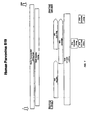
- the viral genome encodes three major proteins, VP1, VP2 and NS1. See, Shade et al., J. Virol. (1986) 58:921-936 and Figure 1 herein.
- VP1 (83kDa) and VP2 (58 kDa) are the structural proteins of the capsid. The two proteins are encoded in overlapping reading frames from about nucleotides 2444 to 4789 and about 3125 to 4789, respectively.
- VP2 constitutes 95% of the capsid and the larger VP1 protein only 5% of the capsid. VP1 is required for the mature conformation of the virus.
- NS 1 (77 kDa), is a nonstructural protein and is present only in the nuclear fraction of infected cells and absent from the cytoplasm and intact virions in sera.
- Parvovirus B19 was first discovered in the sera of normal blood donors and is the only member of the family Parvoviridae known to be pathogenic in humans. The virus is associated with a wide range of disease manifestations. Human parvovirus B 19 normally causes an asymptomatic or mild self-limiting infection in children. In adults, parvovirus B 19 may cause a rash, transient symmetrical polyarthralgia and arthritis. Parvovirus B19 has been associated with transient aplastic crisis (TAC) in patients with underlying hemolytic disorders. Chronic B19 infection and persistent anemia have been reported in immunocompromised patients with acute leukemia, congenital immunodeficiencies, AIDS, and following bone marrow transplantation. Parvovirus B 19 has also been associated with fetal death in pregnant women.
- TAC transient aplastic crisis
- B19 virus infection generally occurs during childhood, with approximately 50% of children having anti-B19 antibodies by the age of 15 years. B19 antibody prevalence may further increase during lifetime and reaches values higher than 90% in elderly individuals.
- parvovirus B 19 extremely resistant to physicochemical inactivation. Parvovirus B 19, especially at high concentration, can withstand conventional heat treatment of blood products and transmission of B19 through the administration of solvent-detergent-treated factor VIII and steam- or dry-heated factor VIII and IX preparations has been documented.
- Nucleic acid-based hybridization assays such as dot blot and in situ hybridization have been used for B 19 detection. These assays generally have detection limits of 1 to 0.1 pg viral DNA ( ⁇ 10 4 -10 5 viral particles). PCR has greater sensitivity ( ⁇ 100 genome copies). However, DNA hybridization techniques are time consuming and limited in use and PCR is impractical for screening large numbers of samples.
- the present invention is based on the discovery of unique primers and probes for use in nucleic acid-based assays, as well as on the development of a sensitive, reliable nucleic acid-based diagnostic test for the detection of parvovirus B19 DNA in biological samples from potentially infected individuals.
- the techniques described herein utilize extracted sample DNA as a template for amplification of conserved genomic regions of the B 19 sequence using transcription-mediated amplification (TMA), as well as in a 5' nuclease assay, such as the TaqMan TM technique.
- TMA transcription-mediated amplification
- the methods allow for the detection of B19 DNA in viremic samples having viral titers as low as 10 3 virus particles/ml. Accordingly, infected samples can be identified and excluded from transfusion, as well as from the preparation of blood derivatives.
- the invention is directed to a method for detecting human parvovirus B19 infection in a biological sample, said method comprising:
- the invention is directed to a method of detecting human parvovirus B19 infection in a biological sample, said method comprising:
- the method further comprises the steps of:
- the label is an acridinium ester.
- an internal control is provided.
- the internal control can be derived from the sequence of Figure 12 (SEQ ID NO:92).
- the internal control comprises SEQ ID NO:90.
- a diagnostic test kit comprising the oligonucleotide primers, and instructions for conducting the diagnostic test may be provided.
- the test kit may further comprises an oligonucleotide probe comprising a parvovirus B 19-specific hybridizing sequence of about 10 to about 50 nucleotides linked to an acridinium ester label.
- polypeptide and protein refer to a polymer of amino acid residues and are not limited to a minimum length of the product. Thus, peptides, oligopeptides, dimers, multimers, and the like, are included within the definition. Both full-length proteins and fragments thereof are encompassed by the definition.
- the terms also include postexpression modifications of the polypeptide, for example, glycosylation, acetylation, phosphorylation and the like.
- a "polypeptide” refers to a protein which includes modifications, such as deletions, additions and substitutions (generally conservative in nature), to the native sequence, so long as the protein maintains the desired activity. These modifications may be deliberate, as through site-directed mutagenesis, or may be accidental, such as through mutations of hosts which produce the proteins or errors due to PCR amplification.
- a parvovirus B19 polypeptide is a polypeptide, as defined above, derived from a protein encoded by the B 19 genome, such as from the nonstructural proteins, NS 1 and NS2, as well as from the proteins which form the viral capsid, VP1 (approximately 781 amino acids in length) or VP2 (approximately 554 amino acids in length).
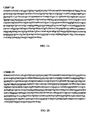
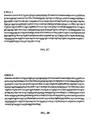
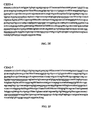
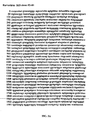
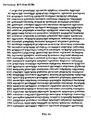
- Representative NS1, VP1 and VP2 sequences are depicted in Figures 5-10 herein.
- the polypeptide need not be physically derived from parvovirus B 19, but may be synthetically or recombinantly produced. Moreover, the polypeptide may be derived from any of the various parvovirus B19 strains and isolates.
- VP1 polypeptide refers to native VP1 from any of the various parvovirus B19 strains and isolates.
- the complete genotypes and sequences for the above proteins of many parvovirus B 19 strains and isolates are known. See, e.g., Shade et al., J. Virol. (1986) 58:921-936 ; Gallinella et al., J.
- analog and mutant refer to biologically active derivatives of the reference molecule, or fragments of such derivatives, that retain desired activity, such as immunoreactivity in diagnostic assays.
- analog refers to compounds having a native polypeptide sequence and structure with one or more amino acid additions, substitutions (generally conservative in nature) and/or deletions, relative to the native molecule, so long as the modifications do not destroy immunogenic activity.
- mutein refers to peptides having one or more peptide mimics ("peptoids"), such as those described in International Publication No. WO 91/04282 .
- the analog or mutein has at least the same immunoactivity as the native molecule. Methods for making polypeptide analogs and muteins are known in the art and are described further below.
- amino acids are generally divided into four families: (1) acidic -- aspartate and glutamate; (2) basic -- lysine, arginine, histidine; (3) non-polar -- alanine, valine, leucine, isoleucine, proline, phenylalanine, methionine, tryptophan; and (4) uncharged polar -- glycine, asparagine, glutamine, cysteine, serine threonine, tyrosine. Phenylalanine, tryptophan, and tyrosine are sometimes classified as aromatic amino acids.
- the polypeptide of interest may include up to about 5-10 conservative or non-conservative amino acid substitutions, or even up to about 15-25 conservative or non-conservative amino acid substitutions, or any integer between 5-25, so long as the desired function of the molecule remains intact.
- One of skill in the art may readily determine regions of the molecule of interest that can tolerate change by reference to Hopp/Woods and Kyte-Doolittle plots, well known in the art.
- isolated is meant, when referring to a polypeptide, that the indicated molecule is separate and discrete from the whole organism with which the molecule is found in nature or is present in the substantial absence of other biological macromolecules of the same type.
- isolated with respect to a polynucleotide is a nucleic acid molecule devoid, in whole or part, of sequences normally associated with it in nature; or a sequence, as it exists in nature, but having heterologous sequences in association therewith; or a molecule disassociated from the chromosome.
- a polynucleotide "derived from” or “specific for” a designated sequence refers to a polynucleotide sequence which comprises a contiguous sequence of approximately at least about 6 nucleotides, preferably at least about 8 nucleotides, more preferably at least about 10-12 nucleotides, and even more preferably at least about 15-20 nucleotides corresponding, i.e., identical or complementary to, a region of the designated nucleotide sequence.
- the derived polynucleotide will not necessarily be derived physically from the nucleotide sequence of interest, but may be generated in any manner, including, but not limited to, chemical synthesis, replication, reverse transcription or transcription, which is based on the information provided by the sequence of bases in the region(s) from which the polynucleotide is derived. As such, it may represent either a sense or an antisense orientation of the original polynucleotide.
- “Homology” refers to the percent similarity between two polynucleotide or two polypeptide moieties.
- Two DNA, or two polypeptide sequences are "substantially homologous" to each other when the sequences exhibit at least about 50% , preferably at least about 75%, more preferably at least about 80%-85%, preferably at least about 90%, and most preferably at least about 95%-98% sequence similarity over a defined length of the molecules.
- substantially homologous also refers to sequences showing complete identity to the specified DNA or polypeptide sequence.
- identity refers to an exact nucleotide-to-nucleotide or amino acid-to-amino acid correspondence of two polynucleotides or polypeptide sequences, respectively. Percent identity can be determined by a direct comparison of the sequence information between two molecules by aligning the sequences, counting the exact number of matches between the two aligned sequences, dividing by the length of the shorter sequence, and multiplying the result by 100.
- percent homology of a particular nucleotide sequence to a reference sequence can be determined using the homology algorithm of Smith and Waterman with a default scoring table and a gap penalty of six nucleotide positions.
- Another method of establishing percent homology is to use the MPSRCH package of programs copyrighted by the University of Edinburgh, developed by John F. Collins and Shane S. Sturrok, and distributed by IntelliGenetics, Inc. (Mountain View, CA). From this suite of packages the Smith-Waterman algorithm can be employed where default parameters are used for the scoring table (for example, gap open penalty of 12, gap extension penalty of one, and a gap of six). From the data generated the "Match" value reflects "sequence homology.”
- Other suitable programs for calculating the percent identity or similarity between sequences are generally known in the art, for example, another alignment program is BLAST, used with default parameters.
- homology can be determined by hybridization of polynucleotides under conditions which form stable duplexes between homologous regions, followed by digestion with single-stranded-specific nuclease(s), and size determination of the digested fragments.
- DNA sequences that are substantially homologous can be identified in a Southern hybridization experiment under, for example, stringent conditions, as defined for that particular system. Defining appropriate hybridization conditions is within the skill of the art. See, e.g., Sambrook et al., supra; DNA Cloning, supra; Nucleic Acid Hybridization, supra.
- operably linked refers to an arrangement of elements wherein the components so described are configured so as to perform their desired function.
- a given promoter operably linked to a nucleic acid sequence is capable of effecting the transcription, and in the case of a coding sequence, the expression of the coding sequence when the proper transcription factors, etc., are present.
- the promoter need not be contiguous with the nucleic acid sequence, so long as it functions to direct the transcription and/or expression thereof.
- intervening untranslated yet transcribed sequences can be present between the promoter sequence and the coding sequence, as can transcribed introns, and the promoter sequence can still be considered “operably linked" to the coding sequence.
- Recombinant as used herein to describe a nucleic acid molecule means a polynucleotide of genomic, cDNA, viral, semisynthetic, or synthetic origin which, by virtue of its origin or manipulation is not associated with all or a portion of the polynucleotide with which it is associated in nature.
- the term "recombinant” as used with respect to a protein or polypeptide means a polypeptide produced by expression of a recombinant polynucleotide.
- the gene of interest is cloned and then expressed in transformed organisms, as described further below. The host organism expresses the foreign gene to produce the protein under expression conditions.
- control element refers to a polynucleotide sequence which aids in the transcription and/or translation of a nucleotide sequence to which it is linked.
- the term includes promoters, transcription termination sequences, upstream regulatory domains, polyadenylation signals, untranslated regions, including 5'-UTRs and 3'-UTRs and when appropriate, leader sequences and enhancers, which collectively provide for the transcription and translation of a coding sequence in a host cell.
- a “promoter” as used herein is a regulatory region capable of binding a polymerase and initiating transcription of a downstream (3' direction) nucleotide sequence operably linked thereto.
- a promoter sequence includes the minimum number of bases or elements necessary to initiate transcription of a sequence of interest at levels detectable above background. Within the promoter sequence is a transcription initiation site, as well as protein binding domains (consensus sequences) responsible for the binding of RNA or DNA polymerase.
- promoter may be a nucleic acid sequence that is recognized by a DNA-dependent RNA polymerase ("transcriptase”) as a signal to bind to the nucleic acid and begin the transcription of RNA at a specific site.
- transcriptases For binding, such transcriptases generally require DNA which is double-stranded in the portion comprising the promoter sequence and its complement; the template portion (sequence to be transcribed) need not be double-stranded.
- Individual DNA-dependent RNA polymerases recognize a variety of different promoter sequences which can vary markedly in their efficiency in promoting transcription. When an RNA polymerase binds to a promoter sequence to initiate transcription, that promoter sequence is not part of the sequence transcribed. Thus, the RNA transcripts produced thereby will not include that sequence.
- a control sequence "directs the transcription" of a nucleotide sequence when RNA or DNA polymerase will bind the promoter sequence and transcribe the adjacent sequence.
- a "DNA-dependent DNA polymerase” is an enzyme that synthesizes a complementary DNA copy from a DNA template. Examples are DNA polymerase I from E. coli and bacteriophage T7 DNA polymerase. All known DNA-dependent DNA polymerases require a complementary primer to initiate synthesis. Under suitable conditions, a DNA-dependent DNA polymerase may synthesize a complementary DNA copy from an RNA template.
- a "DNA-dependent RNA polymerase” or a “transcriptase” is an enzyme that synthesizes multiple RNA copies from a double-stranded or partially-double stranded DNA molecule having a (usually double-stranded) promoter sequence.
- the RNA molecules ("transcripts") are synthesized in the 5' to 3' direction beginning at a specific position just downstream of the promoter. Examples of transcriptases are the DNA-dependent RNA polymerase from E. coli and bacteriophages T7, T3, and SP6.
- RNA-dependent DNA polymerase or "reverse transcriptase” is an enzyme that synthesizes a complementary DNA copy from an RNA template. All known reverse transcriptases also have the ability to make a complementary DNA copy from a DNA template; thus, they are both RNA- and DNA-dependent DNA polymerases. A primer is required to initiate synthesis with both RNA and DNA templates.
- RNAse H is an enzyme that degrades the RNA portion of an RNA:DNA duplex. These enzymes may be endonucleases or exonucleases. Most reverse transcriptase enzymes normally contain an RNAse H activity in addition to their polymerase activity. However, other sources of the RNAse H are available without an associated polymerase activity. The degradation may result in separation of RNA From a RNA:DNA complex. Alternatively, the RNAse H may simply cut the RNA at various locations such that portions of the RNA melt off or permit enzymes to unwind portions of the RNA.
- polynucleotide oligonucleotide
- nucleic acid nucleic acid molecule
- polynucleotide oligonucleotide
- nucleic acid molecule a polymeric form of nucleotides of any length, either ribonucleotides or deoxyribonucleotides. This term refers only to the primary structure of the molecule. Thus, the term includes triple-, double- and single-stranded DNA, as well as triple-, double- and single-stranded RNA. It also includes modifications, such as by methylation and/or by capping, and unmodified forms of the polynucleotide.
- polynucleotide examples include polydeoxyribonucleotides (containing 2-deoxy-D-ribose), polyribonucleotides (containing D-ribose), any other type of polynucleotide which is an N- or C-glycoside of a purine or pyrimidine base, and other polymers containing nonnucleotidic backbones, for example, polyamide (e.g., peptide nucleic acids (PNAs)) and polymorpholino (commercially available from the Anti-Virals, Inc., Corvallis, Oregon, as Neugene) polymers, and other synthetic sequence-specific nucleic acid polymers providing that the polymers contain nucleobases in a configuration which allows for base pairing and base stacking, such as is found in DNA and RNA.
- PNAs peptide nucleic acids
- these terms include, for example, 3'-deoxy-2',5'-DNA, oligodeoxyribonucleotide N3' P5' phosphoramidates, 2'-O-alkyl-substituted RNA, double- and single-stranded DNA, as well as double- and single-stranded RNA, DNA:RNA hybrids, and hybrids between PNAs and DNA or RNA, and also include known types of modifications, for example, labels which are known in the art, methylation, "caps," substitution of one or more of the naturally occurring nucleotides with an analog, internucleotide modifications such as, for example, those with uncharged linkages (e.g., methyl phosphonates, phosphotriesters, phosphoramidates, carbamates, etc.), with negatively charged linkages (e.g., phosphorothioates, phosphorodithioates, etc.), and with positively charged linkages (e.g., aminoalklyphosphoramidates
- target nucleic acid region or “target nucleic acid” denotes a nucleic acid molecule with a “target sequence” to be amplified.
- the target nucleic acid may be either single-stranded or double-stranded and may include other sequences besides the target sequence, which may not be amplified.
- target sequence refers to the particular nucleotide sequence of the target nucleic acid which is to be amplified.
- the target sequence may include a probe-hybridizing region contained within the target molecule with which a probe will form a stable hybrid under desired conditions.
- target sequence may also include the complexing sequences to which the oligonucleotide primers complex and be extended using the target sequence as a template.
- target sequence also refers to the sequence complementary to the "target sequence” as present in the target nucleic acid. If the "target nucleic acid” is originally double-stranded, the term “target sequence” refers to both the plus (+) and minus (-) strands.
- primer refers to an oligonucleotide which acts to initiate synthesis of a complementary DNA strand when placed under conditions in which synthesis of a primer extension product is induced, i.e., in the presence of nucleotides and a polymerization-inducing agent such as a DNA or RNA polymerase and at suitable temperature, pH, metal concentration, and salt concentration.
- the primer is preferably single-stranded for maximum efficiency in amplification, but may alternatively be double-stranded. If double-stranded, the primer is first treated to separate its strands before being used to prepare extension products.
- a "primer” is complementary to a template, and complexes by hydrogen bonding or hybridization with the template to give a primer/template complex for initiation of synthesis by a polymerase, which is extended by the addition of covalently bonded bases linked at its 3' end complementary to the template in the process of DNA synthesis.
- probe or “oligonucleotide probe” refers to a structure comprised of a polynucleotide, as defined above, that contains a nucleic acid sequence complementary to a nucleic acid sequence present in the target nucleic acid analyte.
- the polynucleotide regions of probes may be composed of DNA, and/or RNA, and/or synthetic nucleotide analogs.
- the probe When an "oligonucleotide probe" is to be used in a 5' nuclease assay, such as the TaqMan TM technique, the probe will contain at least one fluorescer and at least one quencher which is digested by the 5' endonuclease activity of a polymerase used in the reaction in order to detect any amplified target oligonucleotide sequences.
- the oligonucleotide probe will have a sufficient number of phosphodiester linkages adjacent to its 5' end so that the 5' to 3' nuclease activity employed can efficiently degrade the bound probe to separate the fluorescers and quenchers.
- an oligonucleotide probe When an oligonucleotide probe is used in the TMA technique, it will be suitably labeled, as described below.
- hybridizing sequences need not have perfect complementarity to provide stable hybrids. In many situations, stable hybrids will form where fewer than about 10% of the bases are mismatches, ignoring loops of four or more nucleotides. Accordingly, as used herein the term “complementary” refers to an oligonucleotide that forms a stable duplex with its "complement” under assay conditions, generally where there is about 90% or greater homology.
- hybridize and “hybridization” refer to the formation of complexes between nucleotide sequences which are sufficiently complementary to form complexes via Watson-Crick base pairing.
- target template
- such complexes (or hybrids) are sufficiently stable to serve the priming function required by, e.g., the DNA polymerase to initiate DNA synthesis.
- binding pair refers to first and second molecules that specifically bind to each other, such as complementary polynucleotide pairs capable of forming nucleic acid duplexes. "Specific binding" of the first member of the binding pair to the second member of the binding pair in a sample is evidenced by the binding of the first member to the second member, or vice versa, with greater affinity and specificity than to other components in the sample. The binding between the members of the binding pair is typically noncovalent. Unless the context clearly indicates otherwise, the terms “affinity molecule” and “target analyte” are used herein to refer to first and second members of a binding pair, respectively.
- selective bind is meant that the molecule binds preferentially to the target of interest or binds with greater affinity to the target than to other molecules.
- a DNA molecule will bind to a substantially complementary sequence and not to unrelated sequences.
- the "melting temperature” or “Tm” of double-stranded DNA is defined as the temperature at which half of the helical structure of DNA is lost due to heating or other dissociation of the hydrogen bonding between base pairs, for example, by acid or alkali treatment, or the like.
- the T m of a DNA molecule depends on its length and on its base composition. DNA molecules rich in GC base pairs have a higher T m than those having an abundance of AT base pairs. Separated complementary strands of DNA spontaneously reassociate or anneal to form duplex DNA when the temperature is lowered below the T m . The highest rate of nucleic acid hybridization occurs approximately 25 °C below the T m .
- a "biological sample” refers to a sample of tissue or fluid isolated from a subject, that commonly includes antibodies produced by the subject. Typical samples that include such antibodies are known in the art and include but not limited to, blood, plasma, serum, fecal matter, urine, bone marrow, bile, spinal fluid, lymph fluid, samples of the skin, secretions of the skin, respiratory, intestinal, and genitourinary tracts, tears, saliva, milk, blood cells, organs, biopsies and also samples of in vitro cell culture constituents including but not limited to conditioned media resulting from the growth of cells and tissues in culture medium, e.g., recombinant cells, and cell components.
- label and “detectable label” refer to a molecule capable of detection, including, but not limited to, radioactive isotopes, fluorescers, chemiluminescers, chromophores, enzymes, enzyme substrates, enzyme cofactors, enzyme inhibitors, chromophores, dyes, metal ions, metal sols, ligands (e.g., biotin, avidin, strepavidin or haptens) and the like.
- fluorescer refers to a substance or a portion thereof which is capable of exhibiting fluorescence in the detectable range.
- the present invention is based on the discovery of novel primers and probes and diagnostic methods for accurately detecting parvovirus B 19 infection in a biological sample.
- the methods rely on sensitive nucleic acid-based detection techniques that allow identification of parvovirus B19 target nucleic acid sequences in samples containing small amounts of virus.
- the inventors herein have characterized regions within the parvovirus B 19 genome which are desirable targets for diagnostic tests. Primers and probes derived from these regions are extremely useful for detection of parvovirus B 19 infection in biological samples. These parvovirus B19 primers and probes are used in nucleic acid-based assays for the detection of human parvovirus B19 infection in biological samples. In particular, primers and probes for use in these assays are preferably derived from the approximately 4.7 kb fragment of the parvovirus B 19 genome corresponding to nucleotide positions 217-4678 of Shade et al., J. Virol. (1986) 58:921-936 .
- nucleotide sequences of this region from two different parvovirus B19 isolates are depicted in Figures 3A-3C and 4A-4C herein. As explained above, this fragment contains the NS1, VP1 and VP2 coding regions.
- the primers and probes for use with the present assays are designed from highly conserved regions of the parvovirus B 19 genome to allow detection of parvovirus B 19 infection caused by a variety of isolates. As described herein, a highly conserved region of the parvovirus B 19 genome is found within the 700 bp region spanning nucleotide positions 2936-3635, numbered relative to the parvovirus B19 genome described in Shade et al., J. Virol. (1986) 58:921-936 .
- This region is found within the VP1 region of the genome.
- the sequence of this region from 21 different parvovirus B19 isolates is shown herein in Figures 2A-2U .
- the sequences from an additional 26 isolates are shown in Figures 11A-11Z herein.
- a comparison of the sequences shows that this region displays from about 98% to 99.5% sequence homology from isolate to isolate, making it a highly desirable target sequence.
- Also desirable for the design of primers and probes is the 370 bp region found within VP1 which spans approximately nucleotide positions 3073-3442, numbered relative to Shade et al., J. Virol.
- the 4.7 kbp, 700 bp and 370 bp regions are readily obtained from additional isolates using portions of the parvovirus B19 sequence found within these particular regions as primers in PCR reactions such as those described herein, as well as in U.S. Patent Nos. 4,683,195 , 4,683,202 and 4,889,818 , and based on the sequences provided herein.
- Another method of obtaining nucleotide sequences with the desired sequences is by annealing complementary sets of overlapping synthetic oligonucleotides produced in a conventional, automated polynucleotide synthesizer, followed by ligation with an appropriate DNA ligase and amplification of the ligated nucleotide sequence via PCR.
- Suitable vectors include, but are not limited to, plasmids, phages, transposons, cosmids, chromosomes or viruses which are capable of replication when associated with the proper control elements. Recombinant clones are readily identified by restriction enzyme analysis and polyacryamide or agarose gel electrophresis, using techniques well known in the art, and described in the examples below.
- Primers and probes for use in the assays herein are derived from these sequences and are readily synthesized by standard techniques, e.g., solid phase synthesis via phosphoramidite chemistry, as disclosed in U.S. Patent Nos. 4,458,066 and 4,415,732 ; Beaucage et al. (1992) Tetrahedron 48:2223-2311 ; and Applied Biosystems User Bulletin No. 13 (1 April 1987 ).
- Other chemical synthesis methods include, for example, the phosphotriester method described by Narang et al., Meth. Enzymol. (1979) 68:90 and the phosphodiester method disclosed by Brown et al., Meth. Enzymol. (1979) 68:109 .
- Poly(A) or poly(C), or other non-complementary nucleotide extensions may be incorporated into probes using these same methods. Hexaethylene oxide extensions may be coupled to probes by methods known in the art. Cload et al. (1991) J. Am. Chem. Soc. 113:6324-6326 ; U.S. Patent No. 4,914,210 to Levenson et al. ; Durand et al. (1990) Nucleic Acids Res. 18:6353-6359 ; and Horn et al. (1986) Tet. Lett. 27:4705-4708 .
- primer sequences are in the range of between 10-75 nucleotides in length, such as 15-60, 20-40 and so on, more typically in the range of between 18-40 nucleotides long, and any length between the stated ranges.
- the typical probe is in the range of between 10-50 nucleotides long, such as 15-40, 18-30, and so on, and any length between the stated ranges.
- the probes may be coupled to labels for detection.
- labels for detection.
- derivatizing oligonucleotides with reactive functionalities which permit the addition of a label.
- biotinylating probes so that radioactive, fluorescent, chemiluminescent, enzymatic, or electron dense labels can be attached via avidin. See, e.g., Broken et al., Nucl. Acids Res. (1978) 5:363-384 which discloses the use of ferritin-avidin-biotin labels; and Chollet et al. Nucl. Acids Res.
- probes may be fluorescently labeled by linking a fluorescent molecule to the non-ligating terminus of the probe.
- Guidance for selecting appropriate fluorescent labels can be found in Smith et al., Meth. Enzymol. (1987) 155:260-301 ; Karger et al., Nucl. Acids Res. (1991) 19:4955-4962 ; Haugland (1989) Handbook of Fluorescent Probes and Research Chemicals (Molecular Probes, Inc., Eugene , OR).
- Preferred fluorescent labels include fluorescein and derivatives thereof, such as disclosed in U.S. Patent No.
- probes can be labeled with an acridinium ester (AE) using the techniques described below.
- Current technologies allow the AE label to be placed at any location within the probe. See, e.g., Nelson et al. (1995) "Detection of Acridinium Esters by Chemiluminescence” in Nonisotopic Probing, Blotting and Sequencing, Kricka L.J.(ed) Academic Press, San Diego, CA ; Nelson et al. (1994) "Application of the Hybridization Protection Assay (HPA) to PCR” in The Polymerase Chain Reaction, Mullis et al. (eds.) Birkhauser, Boston, MA ; Weeks et al., Clin. Chem.
- HPA Hybridization Protection Assay
- An AE molecule can be directly attached to the probe using non-nucleotide-based linker arm chemistry that allows placement of the label at any location within the probe. See, e.g., U.S. Patent Nos. 5,585,481 and 5,185,439 .
- an internal control (IC) or an internal standard is added to serve as a control for target capture and amplification.
- the IC includes a sequence that differs from the target sequence, is capable of hybridizing with the probe sequences used for separating the oligonucleotides specific for the organism from the sample, and is capable of amplification.
- the use of the IC permits the control of the separation process, the amplification process, and the detection system, and permits the monitoring of assay performance and quantification for the sample(s).
- a representative sequence from which the IC can be obtained is shown in Figure 12 .
- the IC can be included at any suitable point, for example, in the lysis buffer.
- the IC comprises M13 ssDNA containing a nucleotide sequence from a parvovirus B 19 and a unique sequence that hybridizes with the probe, for example, comprising sequences from the VP1 region, where the target sequence is modified by substituting or deleting 5-20 bases or more, preferably 5-15 bases, such as 5, 10 or 15, bases or any number within these ranges.
- the substituted or deleted bases preferably occur over the entire length of the target sequence such that only 2 or 3 consecutive sequences are replaced.
- the sequence may be substituted with, for example, AGCTAGACCTGCATGTCACTG (SEQ ID NO:90) in the IC.
- the solid support may additionally include probes specific to the internal standard (IC probe), thereby facilitating capture when using the IC probe.
- the IC probe can optionally be coupled with a detectable label that is different from the detectable label for the target sequence.
- the detectable label is a fluorophore
- the IC can be quantified spectrophotometrically and by limit of detection studies.
- the copy number of the IC which does not interfere with the target detection is determined by titrating the IC with a fixed IU of target, preferably at the lower end, and a standard curve is generated by diluting a sample of internationally accepted IU.
- an eight member panel of 8000 IU - 125 IU can be used.
- RNA isolated from the sample is then reverse-transcribed using a reverse transcriptase to provide copy DNA.
- the cDNA sequences can be optionally amplified (e.g., by PCR) using labeled primers.
- the amplification products are separated, typically by electrophoresis, and the amount of radioactivity (proportional to the amount of amplified product) is determined.
- the amount of mRNA in the sample is then calculated by comparison with the signal produced by the known standards.
- the primers and probes may be used in polymerase chain reaction (PCR)-based techniques to detect parvovirus B 19 infection in biological samples.
- PCR is a technique for amplifying a desired target nucleic acid sequence contained in a nucleic acid molecule or mixture of molecules.
- a pair of primers is employed in excess to hybridize to the complementary strands of the target nucleic acid.
- the primers are each extended by a polymerase using the target nucleic acid as a template.
- the extension products become target sequences themselves after dissociation from the original target strand.
- New primers are then hybridized and extended by a polymerase, and the cycle is repeated to geometrically increase the number of target sequence molecules.
- PCR method for amplifying target nucleic acid sequences in a sample is well known in the art and has been described in, e.g., Innis et al. (eds.) PCR Protocols (Academic Press, NY 1990 ); Taylor (1991) Polymerase chain reaction: basic principles and automation, in PCR: A Practical Approach, McPherson et al. (eds.) IRL Press, Oxford ; Saiki et al. (1986) Nature 324:163 ; as well as in U.S. Patent Nos. 4,683,195 , 4,683,202 and 4,889,818 .
- PCR uses relatively short oligonucleotide primers which flank the target nucleotide sequence to be amplified, oriented such that their 3' ends face each other, each primer extending toward the other.
- the polynucleotide sample is extracted and denatured, preferably by heat, and hybridized with first and second primers which are present in molar excess.
- Polymerization is catalyzed in the presence of the four deoxyribonucleotide triphosphates (dNTPs -- dATP, dGTP, dCTP and dTTP) using a primer- and template-dependent polynucleotide polymerizing agent, such as any enzyme capable of producing primer extension products, for example, E.
- dNTPs -- dATP, dGTP, dCTP and dTTP deoxyribonucleotide triphosphates
- a primer- and template-dependent polynucleotide polymerizing agent such as any enzyme capable of producing primer extension products
- thermostable DNA polymerases isolated from Thermus aquaticus ( Taq ) , available from a variety of sources (for example, Perkin Elmer), Thermus thermophilus (United States Biochemicals), Bacillus stereothermophilus (Bio-Rad), or Thermococcus litoralis ("Vent" polymerase, New England Biolabs). This results in two "long products" which contain the respective primers at their 5' ends covalently linked to the newly synthesized complements of the original strands.
- the reaction mixture is then returned to polymerizing conditions, e.g., by lowering the temperature, inactivating a denaturing agent, or adding more polymerase, and a second cycle is initiated.
- the second cycle provides the two original strands, the two long products from the first cycle, two new long products replicated from the original strands, and two "short products" replicated from the long products.
- the short products have the sequence of the target sequence with a primer at each end.
- an additional two long products are produced, and a number of short products equal to the number of long and short products remaining at the end of the previous cycle.
- the number of short products containing the target sequence grow exponentially with each cycle.
- PCR is carried out with a commercially available thermal cycler, e.g., Perkin Elmer.
- RNAs may be amplified by reverse transcribing the mRNA into cDNA, and then performing PCR (RT-PCR), as described above. Alternatively, a single enzyme may be used for both steps as described in U.S. Patent No. 5,322,770 .
- mRNA may also be reverse transcribed into cDNA, followed by asymmetric gap ligase chain reaction (RT-AGLCR) as described by Marshall et al. (1994) PCR Meth. App. 4:80-84 .
- RT-AGLCR asymmetric gap ligase chain reaction
- the fluorogenic 5' nuclease assay known as the TaqMan TM assay (Perkin-Elmer), is a powerful and versatile PCR-based detection system for nucleic acid targets.
- primers and probes derived from regions of the parvovirus B 19 genome described herein can be used in TaqMan TM analyses to detect the presence of infection in a biological sample. Analysis is performed in conjunction with thermal cycling by monitoring the generation of fluorescence signals.
- the assay system dispenses with the need for gel electrophoretic analysis, and has the capability to generate quantitative data allowing the determination of target copy numbers.
- the fluorogenic 5' nuclease assay is conveniently performed using, for example, AmpliTaq GoldTM DNA polymerase, which has endogenous 5' nuclease activity, to digest an internal oligonucleotide probe labeled with both a fluorescent reporter dye and a quencher (see, Holland et al., Proc. Natl. Acad.Sci. USA (1991) 88:7276-7280 ; and Lee et al., Nucl. Acids Res. (1993) 21:3761-3766 ). Assay results are detected by measuring changes in fluorescence that occur during the amplification cycle as the fluorescent probe is digested, uncoupling the dye and quencher labels and causing an increase in the fluorescent signal that is proportional to the amplification of target DNA.
- the amplification products can be detected in solution or using solid supports.
- the TaqMan TM probe is designed to hybridize to a target sequence within the desired PCR product.
- the 5' end of the TaqMan TM probe contains a fluorescent reporter dye.
- the 3' end of the probe is blocked to prevent probe extension and contains a dye that will quench the fluorescence of the 5' fluorophore.
- the 5' fluorescent label is cleaved off if a polymerase with 5' exonuclease activity is present in the reaction. Excision of the 5' fluorophore results in an increase in fluorescence which can be detected.
- the oligonucleotide probe is constructed such that the probe exists in at least one single-stranded conformation when unhybridized where the quencher molecule is near enough to the reporter molecule to quench the fluorescence of the reporter molecule.
- the oligonucleotide probe also exists in at least one conformation when hybridized to a target polynucleotide such that the quencher molecule is not positioned close enough to the reporter molecule to quench the fluorescence of the reporter molecule.
- the probe can be designed such that the quencher molecule quenches the reporter molecule when the probe is not hybridized, the probe can be designed such that the reporter molecule exhibits limited fluorescence unless the probe is either hybridized or digested.
- the present invention relates to methods for amplifying a target parvovirus B 19 nucleotide sequence using a nucleic acid polymerase having 5' to 3' nuclease activity, one or more primers capable of hybridizing to the target B19 sequence, and an oligonucleotide probe capable of hybridizing to the target B19 sequence 3' relative to the primer.
- the polymerase digests the oligonucleotide probe when it is hybridized to the target sequence, thereby separating the reporter molecule from the quencher molecule.
- the fluorescence of the reporter molecule is monitored, with fluorescence corresponding to the occurrence of nucleic acid amplification.
- the reporter molecule is preferably a fluorescein dye and the quencher molecule is preferably a rhodamine dye.
- primer sequences are selected such that they have a lower melt temperature than the primer sequences. Hence, the primer sequences are generally longer than the probe sequences.
- primer sequences are in the range of between 10-75 nucleotides long, more typically in the range of 20-45.
- the typical probe is in the range of between 10-50 nucleotides long, more typically 15-40 nucleotides in length.
- the oligonucleotide probe may be attached to the solid support in a variety of manners.
- the probe may be attached to the solid support by attachment of the 3' or 5' terminal nucleotide of the probe to the solid support.
- the probe is attached to the solid support by a linker which serves to distance the probe from the solid support.
- the linker is usually at least 15-30 atoms in length, more preferably at least 15-50 atoms in length. The required length of the linker will depend on the particular solid support used. For example, a six atom linker is generally sufficient when high cross-linked polystyrene is used as the solid support.
- linkers are known in the art which may be used to attach the oligonucleotide probe to the solid support.
- the linker may be formed of any compound which does not significantly interfere with the hybridization of the target sequence to the probe attached to the solid support.
- the linker may be formed of a homopolymeric oligonucleotide which can be readily added on to the linker by automated synthesis.
- polymers such as functionalized polyethylene glycol can be used as the linker. Such polymers are preferred over homopolymeric oligonucleotides because they do not significantly interfere with the hybridization of probe to the target oligonucleotide. Polyethylene glycol is particularly preferred.
- linkages between the solid support, the linker and the probe are preferably not cleaved during removal of base protecting groups under basic conditions at high temperature.
- preferred linkages include carbamate and amide linkages.
- Examples of preferred types of solid supports for immobilization of the oligonucleotide probe include controlled pore glass, glass plates, polystyrene, avidin-coated polystyrene beads, cellulose, nylon, acrylamide gel and activated dextran.
- TMA transcription-mediated amplification
- TMA provides a method of identifying target nucleic acid sequences present in very small amounts in a biological sample. Such sequences may be difficult or impossible to detect using direct assay methods.
- TMA is an isothemal, autocatalytic nucleic acid target amplification system that can provide more than a billion RNA copies of a target sequence.
- the assay can be done qualitatively, to accurately detect the presence or absence of the target sequence in a biological sample.
- the assay can also provide a quantitative measure of the amount of target sequence over a concentration range of several orders of magnitude.
- TMA provides a method for autocatalytically synthesizing multiple copies of a target nucleic acid sequence without repetitive manipulation of reaction conditions such as temperature, ionic strength and pH.
- TMA includes the following steps: (a) isolating nucleic acid, including RNA, from the biological sample of interest suspected of being infected with parvovirus B19; and (b) combining into a reaction mixture (i) the isolated nucleic acid, (ii) first and second oligonucleotide primers, the first primer having a complexing sequence sufficiently complementary to the 3' terminal portion of an RNA target sequence, if present (for example the (+) strand), to complex therewith, and the second primer having a complexing sequence sufficiently complementary to the 3' terminal portion of the target sequence of its complement (for example, the (-) strand) to complex therewith, wherein the first oligonucleotide further comprises a sequence 5' to the complexing sequence which includes a promoter, (iii) a reverse transcriptase or RNA and DNA dependent DNA polymerases, (iv) an enzyme activity which selectively degrades the RNA strand of an RNA-DNA complex (such as an RNAse H
- the components of the reaction mixture may be combined stepwise or at once.
- the reaction mixture is incubated under conditions whereby an oligonucleotide/target sequence is formed, including DNA priming and nucleic acid synthesizing conditions (including ribonucleotide triphosphates and deoxyribonucleotide triphosphates) for a period of time sufficient to provide multiple copies of the target sequence.
- the reaction advantageously takes place under conditions suitable for maintaining the stability of reaction components such as the component enzymes and without requiring modification or manipulation of reaction conditions during the course of the amplification reaction. Accordingly, the reaction may take place under conditions that are substantially isothermal and include substantially constant ionic strength and pH.
- the reaction conveniently does not require a denaturation step to separate the RNA-DNA complex produced by the first DNA extension reaction.
- Suitable DNA polymerases include reverse transcriptases, such as avian myeloblastosis virus (AMV) reverse transcriptase (available from, e.g., Seikagaku America, Inc.) and Moloney murine leukemia virus (MMLV) reverse transcriptase (available from, e.g., Bethesda Research Laboratories).
- AMV avian myeloblastosis virus
- MMLV Moloney murine leukemia virus
- Promoters or promoter sequences suitable for incorporation in the primers are nucleic acid sequences (either naturally occurring, produced synthetically or a product of a restriction digest) that are specifically recognized by an RNA polymerase that recognizes and binds to that sequence and initiates the process of transcription whereby RNA transcripts are produced.
- the sequence may optionally include nucleotide bases extending beyond the actual recognition site for the RNA polymerase which may impart added stability or susceptibility to degradation processes or increased transcription efficiency.
- useful promoters include those which are recognized by certain bacteriophage polymerases such as those from bacteriophage T3, T7 or SP6, or a promoter from E. coli. These RNA polymerases are readily available from commercial sources, such as New England Biolabs and Epicentre.
- RNAse H activity
- AMV reverse transcriptase RNAse H activity
- exogenous RNAse H such as E. coli RNAse H
- RNAse H is readily available from, e.g., Bethesda Research Laboratories.
- RNA transcripts produced by these methods may serve as templates to produce additional copies of the target sequence through the above-described mechanisms.
- the system is autocatalytic and amplification occurs autocatalytically without the need for repeatedly modifying or changing reaction conditions such as temperature, pH, ionic strength or the like.
- Detection may be done using a wide variety of methods, including direct sequencing, hybridization with sequence-specific oligomers, gel electrophoresis and mass spectrometry, these methods can use heterogeneous or homogeneous formats, isotopic or nonisotopic labels, as well as no labels at all.
- a method of detection is the use of target sequence-specific oligonucleotide probes, derived from the 4.7 kbp, 700 bp, 370 bp and 214 bp fragments described above.
- the probes may be used in hybridization protection assays (HPA).
- HPA hybridization protection assays
- the probes are conveniently labeled with acridinium ester (AE), a highly chemiluminescent molecule.
- AE acridinium ester
- HPA Hybridization Protection Assay
- Chemiluminescence is triggered by reaction with alkaline hydrogen peroxide which yields an excited N-methyl acridone that subsequently collapses to ground state with the emission of a photon. Additionally, AE causes ester hydrolysis which yields the nonchemiluminescent -methyl acridinium carboxylic acid.
- HPA generally consists of the following steps: (a) the AE-labeled probe is hybridized with the target nucleic acid in solution for about 15 to about 30 minutes. A mild alkaline solution is then added and AE coupled to the unhybridized probe is hydrolyzed. This reaction takes approximately 5 to 10 minutes. The remaining hybrid-associated AE is detected as a measure of the amount of target present. This step takes approximately 2 to 5 seconds.
- the differential hydrolysis step is conducted at the same temperature as the hybridization step, typically at 50 to 70 °C. Alternatively, a second differential hydrolysis step may be conducted at room temperature.
- HPA is described in detail in, e.g., U.S. Patent Nos. 6,004,745 ; 5,948,899 ; and 5,283,174 .
- TMA is described in detail in, e.g., U.S. Patent No. 5,399,491 .
- an isolated nucleic acid sample suspected of containing a parvovirus B 19 target sequence, is mixed with a buffer concentrate containing the buffer, salts, magnesium, nucleotide triphosphates, primers, dithiothreitol, and spermidine.
- the reaction is optionally incubated at about 100 °C for approximately two minutes to denature any secondary structure.
- reverse transcriptase, RNA polymerase, and RNAse H are added and the mixture is incubated for two to four hours at 37 °C.
- the reaction can then be assayed by denaturing the product, adding a probe solution, incubating 20 minutes at 60 °C, adding a solution to selectively hydrolyze the unhybridized probe, incubating the reaction six minutes at 60 °C, and measuring the remaining chemiluminescence in a luminometer.
- oligonucleotide molecules disclosed herein may also be used in nucleic acid sequence-based amplification (NASBA).
- NASBA nucleic acid sequence-based amplification
- the reagents for conducting NASBA include a first DNA primer with a 5' tail comprising a promoter, a second DNA primer, reverse transcriptase, RNAse-H, T7 RNA polymerase, NTP's and dNTP's.
- NASBA nucleic acid sequence-based amplification
- the ssRNA serves as a template for the synthesis of a first DNA strand by elongation of a first primer containing an RNA polymerase recognition site.
- This DNA strand in turn serves as the template for the synthesis of a second, complementary, DNA strand by elongation of a second primer, resulting in a double- stranded active RNA-polymerase promoter site, and the second DNA strand serves as a template for the synthesis of large amounts of the first template, the ssRNA, with the aid of a RNA polymerase.
- the NASBA technique is known in the art and described in, e.g., European Patent 329,822 , International Patent Application No. WO 91/02814 , and U.S. Patent Nos. 6,063,603 , 5,554,517 and 5,409,818 .
- parvovirus B 19 sequences described herein are also useful in nucleic acid hybridization and amplification techniques that utilize branched DNA molecules.
- a basic nucleic acid hybridization assay single-stranded analyte nucleic acid is hybridized to a labeled single-stranded nucleic acid probe and resulting labeled duplexes are detected. Variations of this basic scheme have been developed to facilitate separation of the duplexes to be detected from extraneous materials and/or to amplify the signal that is detected.
- One method for amplifying the signal uses amplification multimers that are polynucleotides with a first segment that hybridizes specifically to the analyte nucleic acid or a strand of nucleic acid bound to the analyte and iterations of a second segment that hybridizes specifically to a labeled probe.
- the amplification is theoretically proportional to the number of iterations of the second segment.
- the multimers may be either linear or branched. Two general types of branched multimers are useful in these techniques: forked and combed. Methods for making and using branched nucleic acid molecules are known in the art and described in, e.g., U.S. Patent No. 5,849,481 .
- TMA transcription mediated amplification
- NAT alternative nucleic acid testing
- the above-described assay reagents can be provided in kits, with suitable instructions and other necessary reagents, in order to conduct the assays as described above.
- the kit will normally contain in separate containers the combination of primers and probes (either already bound to a solid matrix or separate with reagents for binding them to the matrix), control formulations (positive and/or negative), labeled reagents when the assay format requires same and signal generating reagents (e.g., enzyme substrate) if the label does not generate a signal directly.
- kit can also contain, depending on the particular assay used, other packaged reagents and materials (i.e. wash buffers and the like). Standard assays, such as those described above, can be conducted using these kits.
- enzymes were purchased from commercial sources, and used according to the manufacturers' directions. Nitrocellulose filters and the like were also purchased from commercial sources.
- Human serum samples that had previously tested positive for human parvovirus B19 by either IgM or PCR tests were obtained from commercial sources and used to isolate DNA for subsequent PCR experiments. Samples were stored at - 80 °C until used.
- DNA was extracted from 0.2 mL of serum using the QIAamp DNA Blood Mini Kit (QIAGEN, Valencia, CA) following the manufacturer's specifications with the following considerations.
- Carrier DNA was added to the lysis buffer to enhance nucleic acid binding and yield. In particular, an amount of 5.6 ⁇ g per sample of poly-adenylic acid 5' (Sigma, St. Louis, MO) or poly-dA (Roche, Indianapolis, IN) was added. Additionally, parvovirus B19 DNA was eluted with 200 ⁇ L of buffer AE (Qiagen) instead of water.
- the amplification profile involved denaturation at 94 °C for 2 min., primer annealing at 37 °C for 3 min. and extension at 72 °C for 3 min. for 35 cycles.
- PCR products were electrophoresed on 7% polyacrylamide gels, stained with ethidium bromide and visualized under an UV source. Purification of amplified fragments was carried out using the QiaQuick PCR purification kit (QIAGEN). Nested PCR to amplify the 370 bp B19 fragment was performed when the 700 bp band was not visualized on the polyacrylamide gels.
- the 700 bp DNA material was used for the nested PCR using primers shown in Table 1.
- High Fidelity Expand PCR (Roche) was used to amplify the parvovirus B 19 fragment of 4.7 kb as follows.
- Amplification conditions were 94 °C for 1 min., 50 °C for 2 min. and 68 °C for 4 min. for 35 or 45 cycles.
- a pre-incubation at 94 °C for 2 min. and a post incubation at 75 °C for 7 min. were also included.
- the PCR products were separated on 1% agarose gels and purified using the PCR Purification kit (Promega, Madison, WI).
- the PCR fragments were cloned into TOPO-TA vectors (Invitrogen, Carlsbad, CA). Cloning into these vectors is highly facilitated when the amplified DNA contains a single deoxyadenosine (A) at its 3' end. Accordingly, a catalytic reaction to add the 3' (A) overhead was used.
- the reaction mix contained 1.25 mM of dATP, 0.5 units of Taq polymerase (Perkin Elmer, Boston, MA) and proceeded at 72 °C for 15 min.
- PCR fragments were cloned into the pCR2.1-TOPO vector using Invitrogen's TA cloning kit (TOPO TM TA Cloning R Kit with One Shot TOP10 Electrocompetent Cells) following the manufacturer's specifications. Bacterial cells were incubated at 37 °C on Luria Broth plates containing ampicillin at 100 ⁇ g/ml, 0.66 mM IPTG and 0.033% X-Gal. A number of white colonies were inoculated in 4 mL of Luria-Broth ampicillin (100 ⁇ g/ml) and incubated overnight at 37 °C with shaking.
- plasmids from recombinant clones were prepared as above and the DNA suspended in TE (10 mM Tris-HCl, pH 8.0, 1 mM EDTA) at 0.2 mg/ml. Nucleotide sequence determination of the parvovirus B19 fragments was performed using an Applied Biosystems Model 373 (or Model 377) DNA Sequencer system.
- Figures 2A through 2U depict DNA sequences from 21 parvovirus B 19 isolates, purified, amplified and sequenced as described above, which correspond to nucleotide positions 2936-3635 of the parvovirus B19 genome described in Shade et al., J. Virol. (1986) 58:921-936 (the 700 bp fragment from Figure 1 and described above).
- Figure 2A (SEQ ID NO:1) is the sequence from isolate CH47-26; Figure 2B (SEQ ID NO:2) is the sequence from isolate CH48-29; Figure 2C (SEQ ID NO:3) is the sequence from isolate CH33-2; Figure 2D (SEQ ID NO:4) is the sequence from isolate CH33-3; Figure 2E (SEQ ID NO:5) is the sequence from isolate CH33-4; Figure 2F (SEQ ID NO:6) is the sequence from isolate CH42-7; Figure 2G (SEQ ID NO:7) is the sequence from isolate CH42-18; Figure 2H (SEQ ID NO:8) is the sequence from isolate CH42-19; Figure 2I (SEQ ID NO:9) is the sequence from isolate CH46-23; Figure 2J (SEQ ID NO:10) is the sequence from isolate CH2-1; Figure 2K (SEQ ID NO:11) is the sequence from isolate CH1-6; Figure 2L (SEQ ID NO:12) is the sequence from isolate CH2-8; Figure 2M (SEQ ID NO:13) is the sequence from isolate CH2-10; Figure 2N
- Figures 11A through 11Z depict DNA sequences from an additional 26 parvovirus B19 isolates, purified, amplified and sequenced as described above, which correspond to nucleotide positions 2936-3635 of the parvovirus B19 genome described in Shade et al., J. Virol. (1986) 58:921-936 (the 700 bp fragment from Figure 1 and described above).
- Figure 11A is the sequence from isolate CH80-1; Figure 11B (SEQ ID NO:63) is the sequence from isolate CH81-3; Figure 11C (SEQ ID NO:64) is the sequence from isolate B19SCL1-4; Figure 11D (SEQ ID NO:65) is the sequence from isolate B19SCL2-1; Figure 11E (SEQ ID NO:66) is the sequence from isolate B19SCL3-1; Figure 11F (SEQ ID NO:67) is the sequence from isolate B19SCL4-3; Figure 11G (SEQ ID NO:68) is the sequence from isolate B19SCL5-2; Figure 11H (SEQ ID NO:69) is the sequence from isolate B19SCL6-2; Figure 11I (SEQ ID NO:70) is the sequence from isolate B19SCL7-3; Figure 11J (SEQ ID NO:71) is the sequence from isolate B19SCL8-2; Figure 11K (SEQ ID NO:72) is the sequence from isolate B19SCL9-1; Figure 11L (SEQ ID NO:73) is
- Figures 3A-3C show the sequence for the approximately 4.7 kbp PCR fragment shown in Figure 1 and described above from parvovirus B19 clone 2-B1.
- the sequence depicted in the figures is a 4677 nucleotide fragment corresponding to nucleotide positions 217-4893 of Shade et al., J. Virol. (1986) 58:921-936 .
- the sequence depicted contains the parvovirus B19 full-length open reading frame which encodes NS1, VP1 and VP2, plus additional 5' and 3' untranslated sequences.
- the fragment sequenced contained an additional nucleotide in the 5' non-coding region between nucleotide position 367 and 368 of the B19 sequence reported by Shade et al., J. Virol. (1986) 58:921-936 .
- Figures 4A-4C show the sequence for the approximately 4.7 kbp PCR fragment shown in Figure 1 from parvovirus B19 clone 2-B6.
- the sequence is a 4677 nucleotide fragment corresponding to nucleotide positions 217-4893 of Shade et al., J. Virol. (1986) 58:921-936 .
- the sequence depicted contains the parvovirus B19 full-length open reading frame which encodes NS1, VP1 and VP2, plus additional 5' and 3' untranslated sequences.
- the fragment sequenced contained an additional nucleotide in the 5' non-coding region between nucleotide position 367 and 368 of the B19 sequence reported by Shade et al., J. Virol. (1986) 58:921-936 .
- Fragments encoding NS1, VP1 and VP2 were amplified using the 4.7 kb fragment of parvovirus B 19 cloned in pCR2.1-TOPO (described above).
- PCR primers (see below) were designed to PCR out the NS1, VP1, and VP2 regions of parvovirus B19.
- Xba I, Hind III and Sal I restriction sites were introduced in the primers as required.
- the primers used to clone and amplify parvovirus B19 fragments for yeast expression of NS1, VP1 and VP2 recombinant proteins were based on the sequences obtained above and were as follows:
- PCR primers were synthesized, purified and suspended in 300 ⁇ L of dH 2 O and their optical densities at 260 nm determined.
- the reaction mix contained 0.25 ng of template, 100 pmol of each primer, 10 ⁇ L of 1.25 mM of each dNTP and 1 unit of Taq polymerase (Perkin Elmer, Boston, MA) in a final volume of 50 ⁇ L.
- Amplification conditions were 94°C for 1 min., 50°C for 2 min. and 68°C for 4 min. for 35 cycles.
- a 7-min. post-incubation at 75°C was added to ensure the full extension of fragments.
- Aliquots of 5 ⁇ L were used to check PCR synthesis by electrophoresis on 1% agarose gels.
- PCR Purification kit Promega
- Plasmid pBS24.1 was used for heterologous expression of the parvovirus B 19 recombinant proteins.
- This yeast expression vector contains 2 ⁇ sequences and inverted repeats (IR) for autonomous replication in yeast, the ⁇ -factor terminator to ensure transcription termination, and the yeast leu2-d and URA3 for selection.
- the ColE1 origin of replication and the ⁇ -lactamase gene are also present for propagation and selection in E. coli ( Pichuantes et al. (1996) "Expression of Heterologous Gene Products in Yeast.” In: Protein Engineering: A Guide to Design and Production, Chapter 5. J. L. Cleland and C. Craik, eds., Wiley-Liss, Inc., New York, N.Y. pp.
- Plasmid pBS24.1 was digested with Bam HI/ Sal I and dephosphorylated with 10 units of calf intestine alkaline phosphatase (Boheringer Manheim, Indianapolis, IN) under the conditions recommended by the vendor. The digested and purified PCR fragments were mixed with Bam HI/ Sal I digested pBS24.1 and with a DNA fragment containing the yeast hybrid promoter ADH2/GAPDH (Cousens et al., Gene (1987) 61 :265- 275) digested with either Bam HI/ Sfu I or a Bam HI/ Hind III, depending on the restriction sites present in the PCR fragments to be cloned.
- Ligation was carried out with the Roche Rapid Ligation kit and protocol. The ligation mix was then used to transform E. coli HB101 competent cells and transformants were selected in Luria-Broth plates containing ampicillin at 100 ⁇ g/ml after an overnight incubation at 37°C. Several colonies of each transformation were picked and inoculated in 3mL of Luria-Broth with ampicillin at 100 ⁇ g/ml and incubated at 37°C with shaking overnight.
- Plasmid DNA was prepared using 1.5 mL of cultures and the QIAprep Miniprep kit (QIAGEN). Recombinant clones were identified by analytical restriction enzyme analysis with Bam HI -Sal I. Large-scale preparations of recombinant plasmids were made to perform sequencing to confirm the nucleotide sequence of the cloned parvovirus B19 fragments.
- Yeast expression plasmids exhibiting the expected sequence for NS1, VP1 and VP2 were used for yeast transformation as follows. Competent Saccharomyces cerevisiae AD3 cells [ Mat a, trp1 +, ura3-52, prb1-1122, pep4-3, prc1-407 , [cir 0 ],::pDM15(pGAP / ADR1::G418 R )], leu2( ⁇ AD) ] were transformed with plasmid DNAs encoding for NS1, VP1 or VP2, cloned as described above.
- yeast recombinants were achieved by two rounds of uracil-deficient plates followed by one round of leucine-deficient plates after incubation at 30 °C for 48-72 hours. Cultures were then grown in leucine-deficient media and then in YEP supplemented with 2% glucose ( Pichuantes et al., Proteins: Struct. Funct. Genet. (1989) 6:324-337 ) for 48h before checking expression of the recombinant proteins.
- Figures 5-10 The sequences for the various proteins from two different isolates are shown in Figures 5-10 .
- Figures 5A (SEQ ID NO:24) and 5B (SEQ ID NO:25) show the NS1 nucleotide and protein sequences, respectively, from parvovirus B19 clone 2-B1.
- Figures 6A (SEQ ID NO:26) and 6B (SEQ ID NO:27) show the VP1 nucleotide and protein sequences, respectively, from parvovirus B19 clone 2-B1.
- Figures 7A (SEQ ID NO:28) and 7B (SEQ ID NO:29) show the VP2 nucleotide and protein sequences, respectively, from parvovirus B19 clone 2-B1.
- Figures 8A (SEQ ID NO:30) and 8B (SEQ ID NO:31) show the NS1 nucleotide and protein sequences, respectively, from parvovirus B19 clone 2-B6.
- Figures 9A (SEQ ID NO:32) and 9B (SEQ ID NO:33) show the VP1 nucleotide and protein sequences, respectively, from parvovirus B19 clone 2-B6.
- Figures 10A (SEQ ID NO:34) and 10B (SEQ ID NO:35) show the VP2 nucleotide and protein sequences, respectively, from parvovirus B 19 clone 2-B6.
- a sensitive diagnostic method for the detection of parvovirus B19 infection was designed as follows.
- TaqMan TM PCR technology was used to detect and quantitate parvovirus B 19 DNA.
- Quantitative PCR requires efficient extraction of nucleic acid.
- the volume of plasma/serum used for DNA extraction also influences the sensitivity of detection.
- Two approaches were used to isolate nucleic acid from 0.5 ml of plasma/serum.
- DNA was extracted by (a) binding to silica; and (b) annealing to target-specific oligonucleotides.
- nucleic acids bind to silica.
- Small sized nucleic acids bind more efficiently to silica under conditions of acidic pH.
- the bound nucleic acids are efficiently eluted in low salt, alkaline pH buffer at high temperatures.
- the substitution of magnetized silica for regular silica greatly facilitates washing and elution steps of nucleic acid isolation.
- a magnetic base was used to capture the nucleic acid-bound silica particles, thus eliminating centrifugations required to sediment regular silica particles.
- the lysis buffer used was from Organon-Teknika (Durham, NC).
- This lysis buffer contains guanidinium isothiocyanate to solubilize proteins and inactivate RNases and DNases.
- the detergent Triton X-100 further facilitates the process of solubilization and disintegration of cell structure and nuclear proteins, thus releasing nucleic acid.
- the lysis reagent was acidified to enhance nucleic acid binding, and 50 ⁇ l of alkaline elution buffer was used to elute the bound nucleic acid. Following nucleic acid isolation, the presence of parvovirus DNA was determined by performing TaqMan TM PCR, as described below.
- the antisense capture oligonucleotides used were derived from the 700 bp fragment and were as follows:
- the magnetic beads were suspended in Novagen lysis buffer (Madison, WI) and a series of seven capture oligonucleotides (VSPC1-VSPC7, described above) were tested individually or in combination, to capture parvovirus B 19 DNA from a panel obtained from the FDA Center for Biologic Evaluation and Research, U.S. Department of Health and Human Services (FDA-CBER).
- Novagen lysis buffer Modison, WI
- VSPC1-VSPC7 capture oligonucleotides
- the beads were washed with a buffer containing 10 mM Hepes buffered to pH 7.5 in 0.3 M NaCl., and 0.5% NP-40. After treatment of serum with lysis buffer, hybridization, magnetic adsorption of beads, and removal of lysis buffer, 1.5 ml of the wash buffer was added to the beads. Following the usual vortexing, magnetic adsorption, and removal of the wash buffer, the beads were washed a second time in 0.5 ml of the same buffer, so that the magnetic beads can be compacted, for easy suspension in 100 ml of Universal PCR buffer containing all the reagents for the Taqman assay. The beads with the captured DNA were transferred to a TaqMan TM plate for detection by TaqMan TM PCR as described below. Several oligonucleotide combinations were efficient at capturing B19 as detected by TaqMan TM assay.
- amplification oligonucleotides consisted of a parvovirus B19-specific primer with a T7 promoter sequence, in order to generate RNA amplicons using T7 RNA polymerase.
- Three amplification primers VSA1-A3, described below, derived from the 700 bp sequence corresponding to nucleotides 2936-3635 of the parvovirus B19 genome described in Shade et al., J. Virol. (1986) 58:921-936 were tested for their ability to amplify. The primers were as follows:
- RNamplifire kit Qiagen reagents were used to examine amplification efficiency using 50 copies of the parvovirus DNA as target in a final volume of 20 mLs.
- the amplification primers were tested individually or in combination using VSP2 as the second primer. Following one hour incubation at 42 0 C as recommended by the manufacturer, an aliquot of the amplified material was diluted 100 fold, for detection by the TaqMan TM assay to assess the efficiency of the amplification primers.
- a combination of two amplifications primers, VSA2 and VSA3 with VSP2 was highly efficient at generating RNA amplicons.
- the sensitivity of the TaqMan TM assay, the suitability of the PCR primers and the optimum reaction conditions were established using plasmid DNA containing the 4.7 kb fragment described above.
- This fragment includes the VP1 region, as well as the NS 1 and VP2 regions (see, Figure 1 ).
- PCR amplification primers derived from the VP1 region, as detailed below, were used. The numbering is relative to Shade et al., J. Virol. (1986) 58: 921-936 .
- X represents 5'-fluorescein phosphoramidite and Z represents DABCYL-dT, both obtained from Glen Research Corporation, Sterling, VA.
- VSP1-GGAGGCAAAGGTTTGCA Sense Primer-nt 3334-3350
- VSP2-GTGCTGAAACTCTAAAGGT Anti-sense Primer-nt 3424-3442
- VSPPR1-XCCCATGGAGATATTTAGATTZ Probe-nt 3379-3398
- Vpara 8 TCCATATGACCCAGAGCACCA (nt3262-3282)
- Vpara 9 TTTCCACTGGCATTGTGGC (Anti-sense Primer- nt 3315-3333)
- Vpara10 X AGCTAGACCTGCATGTCACTG Z, where X is Fam and Z is Tamra. (nt3286-3310) (SEQ ID NO: 90)
- the plasmid DNA concentration was estimated spectrophotometrically, and serial dilution was performed to obtain 5,000-10 copies/20 ⁇ l.
- the reaction mix in a final volume of 50 ⁇ l contained 20 ⁇ l sample, 1X Gold Taq amplification buffer (Perkin Elmer) with 3.2 mM MgCl 2 , 300 ⁇ M each of dNTPs, 1 pmol each of the amplification primers, 0.4 pmol of the probe, and 1 unit of AmpliTaq enzyme.
- the reaction conditions included 10 min at 95°C to activate the enzyme followed by 45 cycles of 30 secs at 95 0 C, alternating with 60 0 C in an ABI 7700 Sequence Detector.
- TaqMan TM technology detected as few as 50 copies per assay. In an attempt to correlate the nucleic acid and immunotiter, the viral DNA load was quantitated in several antibody-positive samples.
Landscapes
- Chemical & Material Sciences (AREA)
- Life Sciences & Earth Sciences (AREA)
- Health & Medical Sciences (AREA)
- Organic Chemistry (AREA)
- Engineering & Computer Science (AREA)
- Zoology (AREA)
- Wood Science & Technology (AREA)
- Proteomics, Peptides & Aminoacids (AREA)
- Immunology (AREA)
- Genetics & Genomics (AREA)
- Bioinformatics & Cheminformatics (AREA)
- Molecular Biology (AREA)
- Biotechnology (AREA)
- General Health & Medical Sciences (AREA)
- Analytical Chemistry (AREA)
- General Engineering & Computer Science (AREA)
- Biochemistry (AREA)
- Microbiology (AREA)
- Biophysics (AREA)
- Physics & Mathematics (AREA)
- Virology (AREA)
- Biomedical Technology (AREA)
- Chemical Kinetics & Catalysis (AREA)
- Communicable Diseases (AREA)
- Nuclear Medicine, Radiotherapy & Molecular Imaging (AREA)
- Medicinal Chemistry (AREA)
- General Chemical & Material Sciences (AREA)
- Animal Behavior & Ethology (AREA)
- Oncology (AREA)
- Pharmacology & Pharmacy (AREA)
- Public Health (AREA)
- Veterinary Medicine (AREA)
- Plant Pathology (AREA)
- Measuring Or Testing Involving Enzymes Or Micro-Organisms (AREA)
- Investigating Or Analysing Materials By The Use Of Chemical Reactions (AREA)
- Apparatus Associated With Microorganisms And Enzymes (AREA)
- Ultra Sonic Daignosis Equipment (AREA)
- Peptides Or Proteins (AREA)
Applications Claiming Priority (7)
| Application Number | Priority Date | Filing Date | Title |
|---|---|---|---|
| US30207701P | 2001-06-28 | 2001-06-28 | |
| US302077P | 2001-06-28 | ||
| US36595602P | 2002-03-19 | 2002-03-19 | |
| US365956P | 2002-03-19 | ||
| US36922402P | 2002-03-29 | 2002-03-29 | |
| US369224P | 2002-03-29 | ||
| PCT/US2002/020684 WO2003002753A2 (en) | 2001-06-28 | 2002-06-28 | Diagnostic assays for parvovirus b19 |
Publications (3)
| Publication Number | Publication Date |
|---|---|
| EP1537235A2 EP1537235A2 (en) | 2005-06-08 |
| EP1537235A4 EP1537235A4 (en) | 2007-10-03 |
| EP1537235B1 true EP1537235B1 (en) | 2015-04-01 |
Family
ID=28794978
Family Applications (1)
| Application Number | Title | Priority Date | Filing Date |
|---|---|---|---|
| EP02748013.6A Expired - Lifetime EP1537235B1 (en) | 2001-06-28 | 2002-06-28 | Diagnostic assays for parvovirus b19 |
Country Status (20)
| Country | Link |
|---|---|
| US (2) | US6936442B2 (pl) |
| EP (1) | EP1537235B1 (pl) |
| JP (5) | JP2005511004A (pl) |
| KR (2) | KR100944674B1 (pl) |
| CN (1) | CN1324147C (pl) |
| AU (2) | AU2002318450B2 (pl) |
| BG (1) | BG66283B1 (pl) |
| BR (1) | BRPI0211191B8 (pl) |
| CA (2) | CA2779653C (pl) |
| CZ (1) | CZ308201B6 (pl) |
| ES (1) | ES2537549T3 (pl) |
| HK (1) | HK1080516B (pl) |
| HU (1) | HU230244B1 (pl) |
| MX (1) | MXPA03011802A (pl) |
| NO (1) | NO337901B1 (pl) |
| NZ (1) | NZ530602A (pl) |
| PL (1) | PL210849B1 (pl) |
| RU (1) | RU2301263C2 (pl) |
| SK (1) | SK15752003A3 (pl) |
| WO (1) | WO2003002753A2 (pl) |
Families Citing this family (26)
| Publication number | Priority date | Publication date | Assignee | Title |
|---|---|---|---|---|
| WO2003020742A1 (en) | 2001-08-31 | 2003-03-13 | Gen-Probe Incorporated | Assay for detection of human parvovirus b19 nucleic acid |
| US8288523B2 (en) | 2003-09-11 | 2012-10-16 | Ibis Biosciences, Inc. | Compositions for use in identification of bacteria |
| WO2005071401A2 (en) * | 2004-01-15 | 2005-08-04 | Chiron Corporation | Homogeneous multiplex assay for nucleic acid targets |
| WO2006031608A2 (en) * | 2004-09-10 | 2006-03-23 | Focus Diagnostics, Inc. | Methods and compositions for detecting erythrovirus genotypes |
| US20060223080A1 (en) * | 2004-11-09 | 2006-10-05 | Gen-Probe Incorporated | Compositions and methods for detecting group a streptococci |
| US7572584B2 (en) * | 2005-06-02 | 2009-08-11 | The United States Of America As Represented By The U.S. Environmental Protection Agency | Species-specific primer sets and identification of species-specific DNA sequences using genome fragment enrichment |
| US8058000B2 (en) * | 2005-06-02 | 2011-11-15 | The United States Of America As Represented By The U.S. Environmental Protection Agency | Species-specific primer sets and identification of species-specific DNA sequences using genome fragment enrichment |
| DE102006034844B3 (de) * | 2006-07-27 | 2007-12-06 | DRK-Blutspendedienst Baden-Württemberg-Hessen gGmbH | Zusammensetzungen und Verfahren zur Amplifikation von Hepatitis A-Viren (HAV) und/oder Parvoviren B19 (PB19) mittels Multiplex-PCR |
| WO2008089193A2 (en) * | 2007-01-16 | 2008-07-24 | Talecris Biotherapeutics | Human erythrovirus |
| JP5893829B2 (ja) * | 2007-06-14 | 2016-03-23 | ザ・ボード・オブ・リージェンツ・フォー・オクラホマ・ステート・ユニバーシティ | イヌパルボウイルス遺伝子変異株を含むワクチン |
| US20110045456A1 (en) * | 2007-06-14 | 2011-02-24 | Ibis Biosciences, Inc. | Compositions for use in identification of adventitious contaminant viruses |
| US8227583B2 (en) * | 2007-06-14 | 2012-07-24 | The Board Of Regents For Oklahoma State University | Vaccines containing canine parvovirus genetic variants |
| JP2011521255A (ja) * | 2008-07-23 | 2011-07-21 | インダストリー−アカデミック コーオペレーション ファンデーション キョンサン ナショナル ユニバーシティ | ウイルス診断方法及びシステム |
| CA2756659A1 (en) | 2009-02-26 | 2010-09-02 | Gen-Probe Incorporated | Assay for detection of human parvovirus nucleic acid |
| US9598739B1 (en) | 2009-03-13 | 2017-03-21 | Grifols Therapeutics Inc. | Human erythrovirus |
| JP2013529894A (ja) * | 2010-04-07 | 2013-07-25 | ノバルティス アーゲー | パルボウイルスb19のウイルス様粒子を生成するための方法 |
| EP2732054B1 (en) | 2011-07-15 | 2019-04-03 | Gen-Probe Incorporated | Method for detecting human parvovirus nucleic acid in single-plex or multiplex assays |
| CN103451320B (zh) * | 2013-08-09 | 2015-05-06 | 中国人民解放军军事医学科学院野战输血研究所 | 人细小病毒B19三种基因型的实时荧光定量PCR检测方法及其通用检测引物、TaqMan探针与试剂盒 |
| US9410172B2 (en) * | 2013-09-16 | 2016-08-09 | General Electric Company | Isothermal amplification using oligocation-conjugated primer sequences |
| EP4154908A1 (en) | 2014-03-10 | 2023-03-29 | University Of Louisville Research Foundation, Inc. | Compositions and methods for treating, including preventing, parvovirus infections and related diseases |
| CN103820581B (zh) * | 2014-03-17 | 2016-01-13 | 成都蓉生药业有限责任公司 | 一种检测人细小病毒b19的试剂盒和方法 |
| JP6414409B2 (ja) * | 2014-07-29 | 2018-10-31 | 株式会社微生物化学研究所 | 弱毒化パルボウイルスおよび弱毒化パルボウイルスを用いたワクチン |
| BR112017009321B1 (pt) * | 2014-11-05 | 2024-03-05 | King George's Medical University | Sonda, mistura reacional, e, kit de teste |
| TWI735433B (zh) | 2015-03-27 | 2021-08-11 | 美商再生元醫藥公司 | 偵測生物污染物之組成物及方法 |
| CN105158471A (zh) * | 2015-08-24 | 2015-12-16 | 北京中检安泰诊断科技有限公司 | 人细小病毒B19型IgM抗体检测试剂盒及其制备方法 |
| CN114410836B (zh) * | 2021-12-17 | 2024-03-01 | 上海交通大学医学院附属仁济医院 | 一种集样本处理、核酸提取及多重恒温扩增一体化的检测人细小病毒b19的试剂盒和方法 |
Family Cites Families (24)
| Publication number | Priority date | Publication date | Assignee | Title |
|---|---|---|---|---|
| US5516630A (en) | 1983-09-30 | 1996-05-14 | The United States Of America As Represented By The Department Of Health And Human Services | Methods of detecting hepatitis A virus |
| US5283174A (en) | 1987-09-21 | 1994-02-01 | Gen-Probe, Incorporated | Homogenous protection assay |
| CA2020958C (en) * | 1989-07-11 | 2005-01-11 | Daniel L. Kacian | Nucleic acid sequence amplification methods |
| US6204044B1 (en) * | 1989-09-14 | 2001-03-20 | Caroline Sarah Brown | Human parvovirus B19 proteins and virus-like particles, their production and their use in diagnostic assays and vaccines |
| NL8902301A (nl) | 1989-09-14 | 1991-04-02 | Rijksuniversiteit | Humaan parvovirus b19 eiwitten, hun produktie en hun gebruik in diagnostische assays en vaccins. |
| US6287815B1 (en) * | 1989-09-14 | 2001-09-11 | Rijksuniversiteit Te Leiden | Human parvovirus B19 proteins and virus-like particles, their production and their use in diagnostic assays and vaccines |
| DE4003826C2 (de) | 1990-02-08 | 1995-11-23 | Mikrogen Molekularbiol Entw | Peptide der Kapsidproteine VP1 oder VP2 des Parvovirus B19 |
| WO1994010294A1 (en) | 1992-10-23 | 1994-05-11 | New York University | Human monoclonal antibodies to human parvovirus and methods of making and using thereof |
| US5449608A (en) | 1993-03-22 | 1995-09-12 | The United States Of America As Represented By The Department Of Health And Human Services | Parvovirus B19 receptor and parvovirus B19 detection |
| JPH06293798A (ja) | 1993-04-06 | 1994-10-21 | Shin Etsu Chem Co Ltd | ヒトパルボウイルスb19のエピトープ関連ペプチド |
| US5538848A (en) * | 1994-11-16 | 1996-07-23 | Applied Biosystems Division, Perkin-Elmer Corp. | Method for detecting nucleic acid amplification using self-quenching fluorescence probe |
| WO1996009391A2 (en) | 1994-09-22 | 1996-03-28 | Hans Wolf | Dna sequence and protein of the non-structural reading frame i of the human parvovirus b19 |
| US6004044A (en) * | 1995-05-03 | 1999-12-21 | Itt Cannon, Inc. | Optoelectric connector |
| JPH0910000A (ja) | 1995-06-26 | 1997-01-14 | Nippon Sekijiyuujishiya | ヒトパルボウイルスの検出方法及びそのための試薬 |
| EP0875581B1 (en) * | 1995-11-13 | 2007-01-17 | Shionogi & Co., Ltd. | Diagnosis of diseases associated with coronary twitching |
| AU6267596A (en) | 1995-12-14 | 1997-07-03 | Steritech, Inc. | Inactivation of non-enveloped virus |
| EP0890963A3 (en) * | 1997-07-09 | 1999-11-17 | Mitsubishi Chemical Corporation | Electric double-layer capacitor |
| WO1999018227A1 (en) | 1997-10-08 | 1999-04-15 | Advanced Research And Technology Institute | Chimeric parvovirus-based recombinant vector system that specifically targets the erythroid lineage |
| DE19752898A1 (de) | 1997-11-28 | 1999-08-05 | Centeon Pharma Gmbh | Verfahren zum Nachweis hoher Vierenkonzentrationen im Blutplasma und/oder Blutserum mittels der Polymerasekettenreaktion |
| CA2318880C (en) * | 1998-02-04 | 2010-07-27 | Perkin-Elmer Corporation | Determination of a genotype of an amplification product at multiple allelic sites |
| RU2146372C1 (ru) * | 1998-04-16 | 2000-03-10 | Гематологический научный центр РАМН | Способ определения парвовируса б19 |
| US6238860B1 (en) * | 1998-11-05 | 2001-05-29 | Dyax Corp. | Binding moieties for human parvovirus B19 |
| US6642033B1 (en) * | 1999-07-20 | 2003-11-04 | V.I. Technologies, Inc. | Nucleic acids for detecting parvovirus and methods of using same |
| CA2378408C (en) * | 1999-07-23 | 2010-07-06 | Gen-Probe Incorporated | Polynucleotide amplification method |
-
2002
- 2002-06-28 ES ES02748013.6T patent/ES2537549T3/es not_active Expired - Lifetime
- 2002-06-28 CA CA2779653A patent/CA2779653C/en not_active Expired - Lifetime
- 2002-06-28 CZ CZ2003-3516A patent/CZ308201B6/cs not_active IP Right Cessation
- 2002-06-28 RU RU2004102205/13A patent/RU2301263C2/ru active
- 2002-06-28 NZ NZ530602A patent/NZ530602A/en not_active IP Right Cessation
- 2002-06-28 KR KR1020087029745A patent/KR100944674B1/ko not_active Expired - Fee Related
- 2002-06-28 CA CA002451756A patent/CA2451756A1/en not_active Abandoned
- 2002-06-28 CN CNB028128168A patent/CN1324147C/zh not_active Expired - Fee Related
- 2002-06-28 BR BRPI0211191A patent/BRPI0211191B8/pt not_active IP Right Cessation
- 2002-06-28 MX MXPA03011802A patent/MXPA03011802A/es active IP Right Grant
- 2002-06-28 US US10/187,253 patent/US6936442B2/en not_active Expired - Lifetime
- 2002-06-28 HK HK06100271.4A patent/HK1080516B/zh not_active IP Right Cessation
- 2002-06-28 PL PL368049A patent/PL210849B1/pl unknown
- 2002-06-28 AU AU2002318450A patent/AU2002318450B2/en not_active Ceased
- 2002-06-28 WO PCT/US2002/020684 patent/WO2003002753A2/en not_active Ceased
- 2002-06-28 KR KR1020037017171A patent/KR100888377B1/ko not_active Expired - Fee Related
- 2002-06-28 EP EP02748013.6A patent/EP1537235B1/en not_active Expired - Lifetime
- 2002-06-28 SK SK1575-2003A patent/SK15752003A3/sk unknown
- 2002-06-28 JP JP2003508717A patent/JP2005511004A/ja active Pending
- 2002-06-28 HU HU0600779A patent/HU230244B1/hu not_active IP Right Cessation
-
2003
- 2003-12-19 NO NO20035732A patent/NO337901B1/no not_active IP Right Cessation
-
2004
- 2004-01-13 BG BG108526A patent/BG66283B1/bg unknown
-
2005
- 2005-05-23 US US11/135,189 patent/US20050221300A1/en not_active Abandoned
-
2007
- 2007-11-05 AU AU2007231822A patent/AU2007231822B2/en not_active Ceased
-
2008
- 2008-08-21 JP JP2008213329A patent/JP2009011324A/ja not_active Withdrawn
-
2011
- 2011-11-11 JP JP2011247977A patent/JP2012075440A/ja not_active Withdrawn
-
2013
- 2013-12-27 JP JP2013271027A patent/JP6026401B2/ja not_active Expired - Fee Related
-
2016
- 2016-07-28 JP JP2016148172A patent/JP2016182149A/ja not_active Withdrawn
Non-Patent Citations (1)
| Title |
|---|
| AUBIN J T ET AL: "Large-scale screening for human parvovirus B19 DNA by PCR: Application to the quality control of plasma for fractionation", VOX SANGUINIS, S. KARGER AG, BASEL, CH, vol. 78, no. 1, 1 February 2000 (2000-02-01), pages 7 - 12, XP002288714, ISSN: 0042-9007, DOI: 10.1159/000031142 * |
Also Published As
Similar Documents
| Publication | Publication Date | Title |
|---|---|---|
| AU2007231822B2 (en) | Diagnostic assays for parvovirus B19 | |
| AU2002318450A1 (en) | Diagnostic assays for parvovirus B19 | |
| US20120219941A1 (en) | Identification of Oligonucleotides for the Capture, Detection and Quantitation of Hepatitis A Viral Nucleic Acid | |
| EP1910578A2 (en) | Methods and compositions for detecting bk virus | |
| US20030143527A1 (en) | Identification of oligonucleotides for the capture, detection and quantitation of hepatitis B viral DNA |
Legal Events
| Date | Code | Title | Description |
|---|---|---|---|
| PUAI | Public reference made under article 153(3) epc to a published international application that has entered the european phase |
Free format text: ORIGINAL CODE: 0009012 |
|
| 17P | Request for examination filed |
Effective date: 20040114 |
|
| AK | Designated contracting states |
Kind code of ref document: A2 Designated state(s): AT BE CH CY DE DK ES FI FR GB GR IE IT LI LU MC NL PT SE TR |
|
| AX | Request for extension of the european patent |
Extension state: AL LT LV MK RO SI |
|
| RAP1 | Party data changed (applicant data changed or rights of an application transferred) |
Owner name: NOVARTIS VACCINES AND DIAGNOSTICS, INC. |
|
| RIC1 | Information provided on ipc code assigned before grant |
Ipc: C12Q 1/70 20060101AFI20070525BHEP |
|
| A4 | Supplementary search report drawn up and despatched |
Effective date: 20070904 |
|
| 17Q | First examination report despatched |
Effective date: 20071217 |
|
| GRAJ | Information related to disapproval of communication of intention to grant by the applicant or resumption of examination proceedings by the epo deleted |
Free format text: ORIGINAL CODE: EPIDOSDIGR1 |
|
| GRAP | Despatch of communication of intention to grant a patent |
Free format text: ORIGINAL CODE: EPIDOSNIGR1 |
|
| DAX | Request for extension of the european patent (deleted) | ||
| INTG | Intention to grant announced |
Effective date: 20141218 |
|
| GRAS | Grant fee paid |
Free format text: ORIGINAL CODE: EPIDOSNIGR3 |
|
| GRAA | (expected) grant |
Free format text: ORIGINAL CODE: 0009210 |
|
| RAP1 | Party data changed (applicant data changed or rights of an application transferred) |
Owner name: GRIFOLS WORLDWIDE OPERATIONS LIMITED |
|
| AK | Designated contracting states |
Kind code of ref document: B1 Designated state(s): AT BE CH CY DE DK ES FI FR GB GR IE IT LI LU MC NL PT SE TR |
|
| REG | Reference to a national code |
Ref country code: GB Ref legal event code: FG4D |
|
| REG | Reference to a national code |
Ref country code: CH Ref legal event code: EP |
|
| REG | Reference to a national code |
Ref country code: IE Ref legal event code: FG4D |
|
| REG | Reference to a national code |
Ref country code: FR Ref legal event code: PLFP Year of fee payment: 14 |
|
| REG | Reference to a national code |
Ref country code: AT Ref legal event code: REF Ref document number: 719128 Country of ref document: AT Kind code of ref document: T Effective date: 20150515 |
|
| REG | Reference to a national code |
Ref country code: DE Ref legal event code: R096 Ref document number: 60247084 Country of ref document: DE Effective date: 20150521 |
|
| REG | Reference to a national code |
Ref country code: ES Ref legal event code: FG2A Ref document number: 2537549 Country of ref document: ES Kind code of ref document: T3 Effective date: 20150609 |
|
| REG | Reference to a national code |
Ref country code: NL Ref legal event code: VDEP Effective date: 20150401 |
|
| REG | Reference to a national code |
Ref country code: AT Ref legal event code: MK05 Ref document number: 719128 Country of ref document: AT Kind code of ref document: T Effective date: 20150401 |
|
| PG25 | Lapsed in a contracting state [announced via postgrant information from national office to epo] |
Ref country code: NL Free format text: LAPSE BECAUSE OF FAILURE TO SUBMIT A TRANSLATION OF THE DESCRIPTION OR TO PAY THE FEE WITHIN THE PRESCRIBED TIME-LIMIT Effective date: 20150401 |
|
| PG25 | Lapsed in a contracting state [announced via postgrant information from national office to epo] |
Ref country code: FI Free format text: LAPSE BECAUSE OF FAILURE TO SUBMIT A TRANSLATION OF THE DESCRIPTION OR TO PAY THE FEE WITHIN THE PRESCRIBED TIME-LIMIT Effective date: 20150401 Ref country code: PT Free format text: LAPSE BECAUSE OF FAILURE TO SUBMIT A TRANSLATION OF THE DESCRIPTION OR TO PAY THE FEE WITHIN THE PRESCRIBED TIME-LIMIT Effective date: 20150803 |
|
| PG25 | Lapsed in a contracting state [announced via postgrant information from national office to epo] |
Ref country code: AT Free format text: LAPSE BECAUSE OF FAILURE TO SUBMIT A TRANSLATION OF THE DESCRIPTION OR TO PAY THE FEE WITHIN THE PRESCRIBED TIME-LIMIT Effective date: 20150401 Ref country code: GR Free format text: LAPSE BECAUSE OF FAILURE TO SUBMIT A TRANSLATION OF THE DESCRIPTION OR TO PAY THE FEE WITHIN THE PRESCRIBED TIME-LIMIT Effective date: 20150702 |
|
| REG | Reference to a national code |
Ref country code: DE Ref legal event code: R097 Ref document number: 60247084 Country of ref document: DE |
|
| PG25 | Lapsed in a contracting state [announced via postgrant information from national office to epo] |
Ref country code: MC Free format text: LAPSE BECAUSE OF FAILURE TO SUBMIT A TRANSLATION OF THE DESCRIPTION OR TO PAY THE FEE WITHIN THE PRESCRIBED TIME-LIMIT Effective date: 20150401 Ref country code: DK Free format text: LAPSE BECAUSE OF FAILURE TO SUBMIT A TRANSLATION OF THE DESCRIPTION OR TO PAY THE FEE WITHIN THE PRESCRIBED TIME-LIMIT Effective date: 20150401 |
|
| REG | Reference to a national code |
Ref country code: CH Ref legal event code: PL |
|
| PLBE | No opposition filed within time limit |
Free format text: ORIGINAL CODE: 0009261 |
|
| STAA | Information on the status of an ep patent application or granted ep patent |
Free format text: STATUS: NO OPPOSITION FILED WITHIN TIME LIMIT |
|
| PG25 | Lapsed in a contracting state [announced via postgrant information from national office to epo] |
Ref country code: LU Free format text: LAPSE BECAUSE OF FAILURE TO SUBMIT A TRANSLATION OF THE DESCRIPTION OR TO PAY THE FEE WITHIN THE PRESCRIBED TIME-LIMIT Effective date: 20150628 |
|
| 26N | No opposition filed |
Effective date: 20160105 |
|
| REG | Reference to a national code |
Ref country code: FR Ref legal event code: CA Effective date: 20160215 |
|
| REG | Reference to a national code |
Ref country code: FR Ref legal event code: PLFP Year of fee payment: 15 |
|
| REG | Reference to a national code |
Ref country code: IE Ref legal event code: MM4A |
|
| PG25 | Lapsed in a contracting state [announced via postgrant information from national office to epo] |
Ref country code: IE Free format text: LAPSE BECAUSE OF NON-PAYMENT OF DUE FEES Effective date: 20150628 Ref country code: CH Free format text: LAPSE BECAUSE OF NON-PAYMENT OF DUE FEES Effective date: 20150630 Ref country code: LI Free format text: LAPSE BECAUSE OF NON-PAYMENT OF DUE FEES Effective date: 20150630 |
|
| PG25 | Lapsed in a contracting state [announced via postgrant information from national office to epo] |
Ref country code: BE Free format text: LAPSE BECAUSE OF FAILURE TO SUBMIT A TRANSLATION OF THE DESCRIPTION OR TO PAY THE FEE WITHIN THE PRESCRIBED TIME-LIMIT Effective date: 20150401 |
|
| REG | Reference to a national code |
Ref country code: FR Ref legal event code: PLFP Year of fee payment: 16 |
|
| PG25 | Lapsed in a contracting state [announced via postgrant information from national office to epo] |
Ref country code: CY Free format text: LAPSE BECAUSE OF FAILURE TO SUBMIT A TRANSLATION OF THE DESCRIPTION OR TO PAY THE FEE WITHIN THE PRESCRIBED TIME-LIMIT Effective date: 20150401 Ref country code: SE Free format text: LAPSE BECAUSE OF FAILURE TO SUBMIT A TRANSLATION OF THE DESCRIPTION OR TO PAY THE FEE WITHIN THE PRESCRIBED TIME-LIMIT Effective date: 20150401 |
|
| PG25 | Lapsed in a contracting state [announced via postgrant information from national office to epo] |
Ref country code: TR Free format text: LAPSE BECAUSE OF FAILURE TO SUBMIT A TRANSLATION OF THE DESCRIPTION OR TO PAY THE FEE WITHIN THE PRESCRIBED TIME-LIMIT Effective date: 20150401 |
|
| REG | Reference to a national code |
Ref country code: FR Ref legal event code: PLFP Year of fee payment: 17 |
|
| PGFP | Annual fee paid to national office [announced via postgrant information from national office to epo] |
Ref country code: DE Payment date: 20200429 Year of fee payment: 19 Ref country code: FR Payment date: 20200417 Year of fee payment: 19 |
|
| PGFP | Annual fee paid to national office [announced via postgrant information from national office to epo] |
Ref country code: IT Payment date: 20200529 Year of fee payment: 19 Ref country code: GB Payment date: 20200604 Year of fee payment: 19 |
|
| PGFP | Annual fee paid to national office [announced via postgrant information from national office to epo] |
Ref country code: ES Payment date: 20200701 Year of fee payment: 19 |
|
| REG | Reference to a national code |
Ref country code: DE Ref legal event code: R119 Ref document number: 60247084 Country of ref document: DE |
|
| GBPC | Gb: european patent ceased through non-payment of renewal fee |
Effective date: 20210628 |
|
| PG25 | Lapsed in a contracting state [announced via postgrant information from national office to epo] |
Ref country code: GB Free format text: LAPSE BECAUSE OF NON-PAYMENT OF DUE FEES Effective date: 20210628 Ref country code: DE Free format text: LAPSE BECAUSE OF NON-PAYMENT OF DUE FEES Effective date: 20220101 |
|
| PG25 | Lapsed in a contracting state [announced via postgrant information from national office to epo] |
Ref country code: FR Free format text: LAPSE BECAUSE OF NON-PAYMENT OF DUE FEES Effective date: 20210630 |
|
| PG25 | Lapsed in a contracting state [announced via postgrant information from national office to epo] |
Ref country code: IT Free format text: LAPSE BECAUSE OF NON-PAYMENT OF DUE FEES Effective date: 20210628 |
|
| REG | Reference to a national code |
Ref country code: ES Ref legal event code: FD2A Effective date: 20220829 |
|
| PG25 | Lapsed in a contracting state [announced via postgrant information from national office to epo] |
Ref country code: ES Free format text: LAPSE BECAUSE OF NON-PAYMENT OF DUE FEES Effective date: 20210629 |