EP1328812B1 - Method for quantifying phosphokinase activity on proteins - Google Patents
Method for quantifying phosphokinase activity on proteins Download PDFInfo
- Publication number
- EP1328812B1 EP1328812B1 EP01973567A EP01973567A EP1328812B1 EP 1328812 B1 EP1328812 B1 EP 1328812B1 EP 01973567 A EP01973567 A EP 01973567A EP 01973567 A EP01973567 A EP 01973567A EP 1328812 B1 EP1328812 B1 EP 1328812B1
- Authority
- EP
- European Patent Office
- Prior art keywords
- protein
- phosphorylated
- kinase
- antibody
- pssa
- Prior art date
- Legal status (The legal status is an assumption and is not a legal conclusion. Google has not performed a legal analysis and makes no representation as to the accuracy of the status listed.)
- Expired - Lifetime
Links
Images





Classifications
-
- C—CHEMISTRY; METALLURGY
- C07—ORGANIC CHEMISTRY
- C07K—PEPTIDES
- C07K16/00—Immunoglobulins [IG], e.g. monoclonal or polyclonal antibodies
- C07K16/18—Immunoglobulins [IG], e.g. monoclonal or polyclonal antibodies against material from animals or humans
- C07K16/28—Immunoglobulins [IG], e.g. monoclonal or polyclonal antibodies against material from animals or humans against receptors, cell surface antigens or cell surface determinants
- C07K16/2863—Immunoglobulins [IG], e.g. monoclonal or polyclonal antibodies against material from animals or humans against receptors, cell surface antigens or cell surface determinants against receptors for growth factors, growth regulators
-
- C—CHEMISTRY; METALLURGY
- C07—ORGANIC CHEMISTRY
- C07K—PEPTIDES
- C07K16/00—Immunoglobulins [IG], e.g. monoclonal or polyclonal antibodies
- C07K16/18—Immunoglobulins [IG], e.g. monoclonal or polyclonal antibodies against material from animals or humans
-
- C—CHEMISTRY; METALLURGY
- C12—BIOCHEMISTRY; BEER; SPIRITS; WINE; VINEGAR; MICROBIOLOGY; ENZYMOLOGY; MUTATION OR GENETIC ENGINEERING
- C12Q—MEASURING OR TESTING PROCESSES INVOLVING ENZYMES, NUCLEIC ACIDS OR MICROORGANISMS; COMPOSITIONS OR TEST PAPERS THEREFOR; PROCESSES OF PREPARING SUCH COMPOSITIONS; CONDITION-RESPONSIVE CONTROL IN MICROBIOLOGICAL OR ENZYMOLOGICAL PROCESSES
- C12Q1/00—Measuring or testing processes involving enzymes, nucleic acids or microorganisms; Compositions therefor; Processes of preparing such compositions
- C12Q1/48—Measuring or testing processes involving enzymes, nucleic acids or microorganisms; Compositions therefor; Processes of preparing such compositions involving transferase
- C12Q1/485—Measuring or testing processes involving enzymes, nucleic acids or microorganisms; Compositions therefor; Processes of preparing such compositions involving transferase involving kinase
-
- C—CHEMISTRY; METALLURGY
- C07—ORGANIC CHEMISTRY
- C07K—PEPTIDES
- C07K2317/00—Immunoglobulins specific features
- C07K2317/30—Immunoglobulins specific features characterized by aspects of specificity or valency
- C07K2317/34—Identification of a linear epitope shorter than 20 amino acid residues or of a conformational epitope defined by amino acid residues
-
- G—PHYSICS
- G01—MEASURING; TESTING
- G01N—INVESTIGATING OR ANALYSING MATERIALS BY DETERMINING THEIR CHEMICAL OR PHYSICAL PROPERTIES
- G01N2333/00—Assays involving biological materials from specific organisms or of a specific nature
- G01N2333/435—Assays involving biological materials from specific organisms or of a specific nature from animals; from humans
- G01N2333/46—Assays involving biological materials from specific organisms or of a specific nature from animals; from humans from vertebrates
- G01N2333/47—Assays involving proteins of known structure or function as defined in the subgroups
- G01N2333/4701—Details
- G01N2333/4709—Amyloid plaque core protein
Definitions
- This invention relates to assays and reagents for measuring protein kinase activity in vitro.
- Drug development efforts involve a continuum of activities initiated by target selection of a molecule. Since all drugs work at the level of the cell, those targets are usually proteins that somehow are involved in cellular communication pathways. Signal transduction pathways are key to normal cell function. Aberrations in the expression of intracellular molecules and coordinated interactions of signal transduction pathways are associated with a variety of diseases and, thus, are the focus of drug discovery efforts. Phosphorylation of proteins in signal transduction pathways is one of the key covalent modifications that occur in multicellular organisms. The enzymes that carry out this modification are the protein kinases, which catalyze the transfer of the phosphate from ATP to tyrosine, serine or threonine residues on protein substrates.
- protein kinases are critical components of cellular signaling pathways, their catalytic activity is strictly regulated Abnormalities in protein kinase activity alter patterns of phosphorylation with subsequent affects on the cell function. Many drug discovery efforts involve the identification of chemicals that selectively suppress protein kinase activity. This invention is designed to provide assays and reagents to monitor protein kinase activity.
- the targeted residues for phosphorylation can be contained in a full-length, biologically active molecule of recombinant or natural origin.
- Most methods currently employed for measuring protein kinase activity use peptide substrates, which include the targeted phosphorylation residue. This art is taught in US 6, 066,462 (Quantitation of individual protein kinase activity). This method differs from the present invention in that the peptide substrate does not contain all possible phosphorylation sites that can be acted on by kinases and thus may not truly reflect activity on a natural protein.
- the invention described herein can be used with whole molecule or fragments, of natural or recombinant origin, Also, the delineation of activity at different residue sites requires in the invention, a different PSSA for detection as opposed to a different peptide in US 6,066,462 .
- Another method for detection of kinase activity involves use of a generic antibody that binds to all phospho-tyrosine residues. This method is described in US 5,766,863 (Kinase receptor activation assay). This method suffers from an inability to discriminate among phosphorylated tyrosine residues on a molecule. This method is also incapable of detecting phospho-serine or phospho-threonine molecules since the antibody does not detect such phosphorylated residues. In contrast, the method described herein uses antibodies, which bind to the sequence specific residues surrounding the phosphorylated amino acid plus the phospho-residue itself. The reagents used in this invention are capable of detecting phosphorylated threonine, serine or tyrosine molecules.
- Tau a neuronal microtubule-associated protein found predominantly in axons.
- the function of Tau is to promote tubulin polymerization and stabilize microtubules, but it also serves to link certain signaling pathways to the cytoskeleton.
- Tau phosphorylation regulates both normal and pathological functions of this protein.
- Tau in its hyper-phosphorylated form, is the major component of paired helical filaments (PHF), the building block of neurofibrillary lesions in Akzheimer's disease (AD) brain.
- PHF paired helical filaments
- Hyperphosphorylation impairs the microtubule binding function of Tau, resulting in the destabilization of microtubules in AD brains, ultimately leading to neuronal degeneration.
- Hyperphosphorylated Tau is also found in a range of other central nervous system disorders. Numerous serine/theoanine kinases, including GSK-3 ⁇ , PKA, PKC, CDK5, MARK, JNK, p38MAPK and casein kinase II, can phosphorylate Tau.
- Detection of in vitro kinase activity is critical for screening compounds that may be able to inhibit this activity and therefore could be useful in ameliorating various neurodegenerative diseases where Tau phosphorylation is abnormally high.
- Phosphorylation at individual Serine or Threonine residues within the Tau protein has been shown to correlate with disease. This invention overcomes both of these deficiencies in the described 'art'.
- US Patent 5,601,985 relates to methods of detecting abnormally phosphorylated Tau Protein
- US Patent 5,843,779 relates to monoclonal antibodies directed against the microtubule-associated protein, Tau, and hybridomas secreting these antibodies
- US Patent 5,733,734 relates to methods of screening for Alzheimer's disease or disease associated with the accumulation of paired helical filaments
- US Patent 6,066,462 relates to quantitation of individual protein kinase activity.
- Rb protein Retinoblastoma protein
- EGFR cell surface receptor molecule
- Retinoblastoma protein (Rb), the tumor suppressor product of the retinoblastoma susceptibility gene, is a 110 kDa protein which plays an important role in regulating cell growth and differentiation. Loss of its function leads to uncontrolled cell growth and tumor development. Mutational inactivation of the Rb gene is found in all retinoblastomas and in a variety of other human malignancies including cancers of breast, lung, colon, prostate, osteosarcomas, soft tissue sarcomas, and leukemia. Central to the role of the Rb protein as a tumor suppressor is the ability of Rb to suppress inappropriate proliferation by arresting cells in the G1 phase of the cell cycle.
- Rb protein exerts its growth suppressive function by binding to transcription factors including E2F-1, PU.1, ATF-2, UBF, Elf-1, and c-Abl.
- the binding of Rb protein is governed by its phosphorylation state.
- Hypo- or under-phosphorylated Rb binds and sequesters transcription factors, most notably those of the E2F/DP family, inhibiting the transcription of genes required to traverse the G1 to S phase boundary.
- the cell cycle inhibitory function is abrogated when Rb undergoes phosphorylation catalyzed by the complex of cyclins/cyclin-dependent protein kinases (cdks).
- Rb contains at least 16 consensus serine/threonine sequences for cdk phosphorylation, although the significance of all these sites is unclear. It has been demonstrated that phosphorylation of threonine 821 on Rb is catalyzed by cdk2/complex such as Cyclin E/cdk2 and Cyclin A/cdk2. The phosphorylation of threonine 821 disrupts the interaction of Rb with the proteins containing the sequence LXCXE. The dephosphorylation of Rb protein returns Rb to its active, growth suppressive state.
- Rb Removal of phosphates on Rb appears to be carried out by a multimeric complex of protein phosphatase type 1 (PP1) and noncatalytic regulatory subunits at the completion of mitosis.
- PP1 protein phosphatase type 1
- WO 01/11367 (Assay of the phosphorylation activity of cyclin/CDK complex on retinoblastoma (RB) protein for identifying compounds which modify this activity) describes a method for detecting kinase activity by ELISA using a synthetic peptide and a monoclonal antibody that recognizes the phosphorylated form of the peptide.
- the basis of this method is the coating of a solid phase with a synthetic peptide containing the consensus sequence of a region upon which a kinase acts. The peptide is allowed to come in contact with a kinase that allows a specific residue on that peptide to become phosphorylated.
- the activity of the kinase is reflected in the by the binding of the monoclonal antibody.
- Our invention differs from WO 01/11367 by the ability to use natural protein as the substrate for kinase activity. This feature is superior to the use of peptides since all naturally occurring phosphorylation sites would be present.
- EGFR Epidermal growth factor receptor
- RTKs receptor tyrosine kinases
- EGFR is expressed at full length as a 170 kDa type I transmembrane glycoprotein which consists of an extracellular ligand-binding domain, a single hydrophobic transmembrane region, and an intracellular, highly conserved region involved with signal transduction.
- Several deletions in the extra- and intracellular domain of the EGFR have been found in number of tumors.
- EGFRvIII is a 145 kDa protein with a deletion of exons 2-7 in EGFR mRNA.
- a 100 kDa truncated EGFR without the cytoplasmic domain is observed in the culture supernatant from A431 cells, a human epidermal carcinoma cell line.
- EGFR is activated by binding of a number of ligands such as EGF, transforming growth factor ⁇ (TGF ⁇ ), amphiregulin, betacellulin, heparin binding EGF-like growth factor (HB-EGF) and epiregalin.
- EGF transforming growth factor ⁇
- TGF ⁇ transforming growth factor ⁇
- HB-EGF heparin binding EGF-like growth factor
- epiregalin The binding causes EGFR homo- and heterodimerization and rapid activation of its intrinsic tyrosine kinase followed by autophosphorylation of multiple tyrosine residues in the cytoplasmic domain.
- the phosphorylation of tyrosine residues in the COOH-terminal tail of the molecule serve as binding sites for cytosolic signaling proteins containing Src homology 2 (SH2) domains.
- SH2 Src homology 2
- Elevated expression and/or amplification of the EGFR have been found in breast, bladder, glioma, colon, lung, squamous cell, head and neck, ovarian, and pancreatic cancers.
- Selective compounds have been developed that target either the extracellular ligand-binding domain of EGFR or the intracellular tyrosine kinase region, resulting in interference with the signalling pathways that modulate mitogenic and other cancer-promoting responses.
- These potential anticancer agents include a number of small molecule, tyrosine kinase inhibitors.
- WO 96/04309 discloses monoclonal antibodies specific for a particular type of phosphorylated epitopes present in a particular form or subclass of phosphorylated tau.
- EP 0544942 identifies a phosphorylated epitope characteristic for the Alzheimer tau protein.
- WO 95/17429 discloses a monoclonal, antibody which forms a complex with a phosphorylated epitope of an antigen belonging to abnormally phosphorylated tau.
- the present invention provides a method for quantitatively measuring kinase activity of a kinase comprising:
- kits useful for performing the above methods are also disclosed.
- the invention particularly relates to phosphorylation of Tau, Rb, and EGFR proteins and antibodies specific for the site of phosphorylation of the Tau, Rb, and EGFR proteins.
- the targeted protein (Tau, Rb or EGFR) is phosphorylated in vitro or in vivo and the specific phosphorylation event is detected using a highly selective phosphorylation site-specific antibody (PSSA).
- PSSA highly selective phosphorylation site-specific antibody
- the appearance or disappearance of the targeted phosphorylation event can be quantified as a percentage of total protein that may be phosphorylated at each site.
- the highly specific nature of the PSSAs allows parallel independent measurement of multiple phosphorylation sites on one protein. Moreover, different kinases can be measured simultaneously by using different PSSAs that selectively target different sites in the protein, thereby providing an avenue for generating phosphorylation site profiles.
- this invention measures protein kinase enzymatic activity that results in the phosphorylation of proteins at a specific site(s). This method is also amenable to large-scale 'High Throughput Screening' formats currently being used by pharmaceutical and biotech companies to discover new drugs.
- antibody used herein refers to monoclonal, polyclonal, Fab and F(ab)2 fragments, genetically engineered antibodies or fragments thereof. Antibodies may be modified, for example, humanized to minimize cross species reaction. Pan antibodies as the term is used herein refers to antibodies that bind to phosphorylated and non-phosphorylated forms of the protein.
- the Tau protein system demonstrates the utility of this invention on a protein that is found both intracellularly and extracellularly in normal and pathological conditions.
- the Tau protein has multiple phosphorylation sites acted upon by multiple protein kinases. Phosphoserine and phosphotyrosine residues exist. Both mono-phospho and dual-phosphoresidues are distinguishable in this model system.
- Tau Recombinant Protein Full length Tau-441 protein is purified recombinant protein derived through cloning of human Tau cDNA and expressed in E.coli. The protein is purified via standard methods. This protein is commercially available from multiple vendors.
- Tau pS 199 PSSA Rabbits were immunized with a chemically synthesized and KLH conjugated phosphopeptide corresponding to the region of the longest isoform of the Tau protein that includes serine 199.
- the chemically synthesized phosphopeptides (RSGYS( pS )PGSPG) is sequence ID #1.
- the Tau pS 199 PSSA was purified from rabbit serum by sequential epitope-specific chromatography. The antibody was negatively preadsorbed using a non-phosphopeptide corresponding to the site of phosphorylation to remove antibody that is reactive with non-phosphorylated Tau. The final product was generated by affinity chromatography using the peptide that is phosphorylated at serine 199.
- This antibody recognizes specifically the Tau protein when phosphorylated on serine 199, as demonstrated by peptide competition analysis in a western blotting assay.
- Serine 199 is phosphorylated in vitro and in vivo by glycogen synthase kinase-3 ⁇ (GSK-3 ⁇ ). This reagent is commercially available.
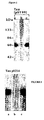
- PSSA Tau specificity is shown in figure 1 .
- Tau [pS 214 ] PSSA The procedures for generating this antibody were similar to those described above for the Tau pS 199 PSSA.
- the chemically synthesized phosphopeptide was derived from the region of the longest isoform of Tau protein that includes serine 214 (GSRSRTP( pS )LPTPP) sequence ID#2.
- This antibody recognizes specifically the Tau protein when phosphorylated on serine 214, as demonstrated by peptide competition analysis in a western blotting assay.
- Serine 214 is phosphorylated in vitro and in vivo by cAMP-dependent protein kinase (PKA). This reagent is commercially available Biosource International.
- Tau pS 214 PSSA specificity is show in Figure 2 .
- SF-9 cell extracts, expressing human four repeat tau, were resolved by SDS PAGE on a 10% Tris-glycine gel. The proteins were transferred to nitrocellulose. Membranes were incubated with 0.50 ⁇ g/mL anti-phospho tau [ps 214 ], following prior incubation in the absence (a) or presence of the peptide immunogen (b), or the non-phosphopeptide corresponding to the tau phosphopeptide (c). After washing, membranes were incubated with goat F(ab') 2 anti-rabbit IgG alkaline phosphatase and bands were detected using the Tropix WesternStarTM detection method.
- Rabbits were immunized with the recombinant Tau protein.
- the antibody was purified from the rabbit serum using a protein-A affinity column. This antibody recognizes multiple antigenic sites on Tau protein. This antibody will bind to both non-phosphorylated and phosphorylated forms of Tau protein.
- the mouse mAb to Tau was raised using purified bovine microtubule-associated proteins (MAPs) as the immunogen.
- MAPs bovine microtubule-associated proteins
- the resulting hybridoma was produced by fusing immunized BALB/c mouse splenocytes and mouse myeloma Sp2/0-Ag14 cells. It shows no cross-reaction with other MAPs or tubulin. It reacts with the non-phosphorylated as well as the phosphorylated forms of Tau and the reactive epitope maps to residues 210-230. This reagent is commercially available from Biosource International.
- Phosphorylation of Tau using PKA occurred as follows.
- PKA was purchased from New England Biolabs.
- Recombinant Tau protein (1 ⁇ g) was incubated with various concentrations of PKA enzyme in buffer containing 50 mM Tris-HCl (pH 7.5), 10 mM MgCl 2 and 100 ⁇ M ATP for 1 hour at 30°C.
- GSK-3 ⁇ was purchased from Upstate Biotechnology Inc. Recombinant Tau protein (1 ⁇ g) was incubated with various concentrations of the enzyme in buffer containing 40 mM HEPES (pH 7.2), 5 mM MgCl 2 , 5 mM EDTA, 100 ⁇ M ATP, and 50 ⁇ g/mL heparin for 1 hour at 30°C.
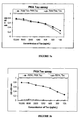
- FIGs 3a and 3b show the assessment of total Tau and selective Tau phosphorylation at the PKA/ Ser 214 site by ELISA.
- phosphorylated Tau was placed into an ELISA with detection either by PSSA specific for Tau pS 214 or by pan-Tau antibody. Both detection antibodies detected the phosphorylated Tau with equal signals.
- non-phosphorylated Tau was placed into the same assay. As expected, the Tau pS 214 failed to detect the Tau protein without the phosphate group whereas the pan-Tau detector did quantitate the protein
- Figures 4a and 4b show the assessment of total Tau and selective Tau phosphorylation at the GSK-3 ⁇ / Ser 199/202 sites by ELISA.
- Figure 4a uses either non-phosphorylated Tau or GSK-3 ⁇ - phosphorylated Tau in the ELISA with a detector of Tau pS 199/202 .
- Non-phosphorylated Tau does not react positively in the ELISA whereas the phosphorylated Tau shows strong results. If pan-Tau is used as the detector, both proteins are readily detected ( figure 4b ).
- FIG. 5 shows the direct relationship between the amount of phosphoTau detected by ELISA as a relationship of the quantity of kinase activity added to the in vitro reaction.
- PKA tau 1 5 units, the PKA enzyme was then serially diluted 1:2 as shown, followed by a 1:1000 dilution and then applied to each well of the ELISA assay. Detection of phosphoTau was performed using a PSSA to Tau that is phosphorylated at Ser 214 (a PKA site).
- FIG. 6a and 6b shows the specificity in detecting Tau protein phosphorylation catalyzed by PKA vs. GSK3 ⁇ enzymes using the Tau PSSAs and ELISA.
- the results demonstrate that the Tau pS 214 PSSA ELISA only detects Tau when phosphorylated by PKA and the Tau pS 199 PSSA ELISA only detects Tau when phosphorylated by GSK3 ⁇ .
- FIG. 7 shows that GSK3 ⁇ enzyme can phosphorylate multiple sites on Tau protein and PSSAs can independently detect the phosphorylated sites at Tau pT 181 , Tau pS 202 , Tau pS 199 /pS 202 , Tau pS 396 , and Tau pS 404 .
- This provides evidence that the ELISA is useful in creating a profile of phosphorylation events on the protein subjected to kinase enzyme activity.
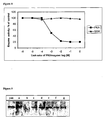
- Figure 8 shows the specificity of kinase reaction when tested as a profile with two antibodies, one specific for a PKA phosphorylation site (pS 214 ) and the other for a GSK site (pS 199 ) on Tau protein.
- a PKA-specific inhibitor PKI (heat-stable inhibitor of c-AMP-dependent protein kinase; New England Biolab)
- PKI heat-stable inhibitor of c-AMP-dependent protein kinase
- the PKA-specific inhibitor altered the kinase activity of the pS 214 site alone.
- Rb System This model system presents an intra-nuclear protein that is large with multiple phosphorylation sites acted upon by multiple protein kinases. Phosphoserine and phosphotyrosine residues exist. Both mono-phospho and dual- phosphoresidues are distinguishable in this model system.
- Rb protein Full length Rb protein is purified recombinant protein derived through cloning of human Rb cDNA and expressed in E. coli. The protein is purified via standard methods. This protein is commercially available from multiple vendors.
- PSSA The rabbit antiserum was produced against a chemically synthesized phosphopeptide derived from a region of human Rb that contains threonine 821.
- Antibody was purified from rabbit serum by sequential epitope-specific chromatography. The antibody has been negatively preadsorbed using a non-phosphopeptide corresponding to the site of phosphorylation to remove antibody that is reactive with non-phosphorylated pRb. The final product is generated by affinity chromatography using a pRb-derived peptide that is phosphorylated at threonine 821.
- Figure 9 defines the specificity of the anti-Rb [pT 821 ].
- the detection antibody is a monoclonal, clone G3-245, available commercially from BD/Pharmingen (San Diego, CA). It recognizes an epitope between amino acids 332-344 of Rb protein. This antibody will bind to both non-phosphorylated and phosphorylated forms of Rb protein.
- Rb monoclonal antibody the capture antibody [linked to the solid phase] is a monoclonal, clone 3C8, available commercially from QED Biosciences (San Diego, CA). It reacts with epitope on near the C-terminal end of the Rb protein (aa886-aa905). This antibody will bind to both non-phosphorylated and phosphorylated forms of Rb protein.
- ELISA A concentration of 1.25 ⁇ g/mL of Rb monoclonal antibody in carbonate buffer, pH 9.4, was incubated at 100 ⁇ L/well in microtiter plates at 4°C overnight. The wells were washed with a PBS/Tween-20 solution three times followed by blocking on other sites on the plastic surface with a buffered solution containing unrelated proteins such as BSA for 2 hours at room temperature. Jurkat cell lysate containing phosphorylated Rb or non-phosphorylated recombinant Rb were added to the wells at various concentrations and incubated for 2 hour at room temperature.
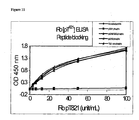
- Figure 10 shows studies to determine the specificity of the Rb [pT 821 ] ELISA.
- solutions containing Rb protein at a concentration of 20 ⁇ g/mL from Jurkat, U2OS, and Colo205 were analyzed with the Rb [pT 821 ] ELISA kit, along with a solution containing 20 ng/mL purified full length Rb protein expressed in E. coli (non-phosphorylated).
- Figure 11 shows that the Rb protein isolated from the cell lines was strongly recognized.
- kinase reactions for Rb Natural sources for Rb were obtained for these studies from exponentially growing cells. Endogenous cellular kinases provided the phosphorylation of the natural Rb protein.
- Figure 12 shows the application of this ELISA to study kinase reactions.
- Jurkat cells were grown in the presence of the kinase inhibitor, staurosporine, at various concentrations for 36 hours prior to lysis. Lysates were normalized for total Rb content using the BioSource Total Rb ELISA (catalog #KHO0011). Levels of Rb phosphorylation at threonine 821 were determined. These data show that staurosporine inhibits the phosphorylation of Rb at threonine 821, possibly through the inhibition of cdks.
- EGFR System This model system presents a cell surface receptor protein. This protein is large with multiple phosphorylation sites consisting of phospho-threonine, phospho-serine and phospho-tyrosine residues.
- EGFR protein Human EGFR protein was purified from human carcinoma A431 cells by affinity purification. The product is purchased from Sigma (St. Louis, MO cat # E-2645).
- PSSA Rabbit antiserum was produced against a chemically synthesized phosphopeptide derived from the region of EGFR that contains tyrosine 1173. The sequence is conserved in human, mouse, and rat. Antibody was purified from serum by sequential epitope-specific chromatography. The antibody has been negatively preadsorbed using (i) a non-phosphopeptide corresponding to the site of phosphorylation to remove antibody that is reactive with non-phosphorylated EGFR enzyme, and (ii) a generic tyrosine phosphorylated peptide to remove antibody that is reactive with phospho-tyrosine (irrespective of the sequence).
- the final product is generated by affinity chromatography using an EGFR-derived peptide that is phosphorylated at tyrosine 1173.
- Figure 13 illustrates the specificity of the EGFR PSSA [pY 1173 ].
- Cell extracts prepared from NIH3T3 cells expressing EGFR were starved for 30 hours, then stimulated for 10 minutes with 30 ng/mL EGF (+), or left unstimulated (-), then resolved by SDS-PAGE on a 6% Tris-glycine gel, and transferred to nitrocellulose.
- Membranes were incubated with 0.50 ⁇ g/mL anti-EGFR [pY 1173 ] antibody, following prior incubation in the absence (lanes 1& 2), or presence of the peptide immunogen (lanes 3 & 4), or the non-phosphopeptide corresponding to the EGFR phosphopeptide (lanes 5 & 6). After washing, membranes were incubated with goat F(ab') 2 anti-rabbit IgG alkaline phosphatase and bands were detected using the Tropix WesternStarTM detection method. The data show that only the phosphopeptide corresponding to this site blocks the antibody signal, demonstrating the specificity of the anti-EGFR [pY 1173 ] antibody for this phosphorylated residue.
- EGFR [pY 845 ] PSSA Prepared essentially as EGFR [pY 1173 ] PSSA but using chemically synthesized phosphopeptides from the region that contains tyrosine 845.
- EGFR [Pan] monoclonal antibody The capture antibody is a mouse monoclonal antibody, clone 199.12, available commercially from Neomarkers, Inc. (Union City, CA). It is specific for human EGFR and does not react with HER2/neu, HER3 and HER4. This antibody will bind to both non-phosphorylated and phosphorylated forms of EGFR protein.
- EGFR [Pan] Detection Antibody This rabbit antibody was prepared by immunization with a synthetic peptide corresponding to C-terminus of human EGFR. The antibody was purified using protein A affinity column. It shows no cross-reactivity with HER2/neu, HER3 and HER4.
- EGFR PSSA and Full Length ELISA A concentration of 2.5 ⁇ g/mL of pan-EGFR monoclonal antibody in carbonate buffer, pH 9.4, was incubated at 100 ⁇ L/well in microtiter plates at 4°C overnight. The wells were washed with a PBS/Tween-20 solution three times followed by blocking on other sites on the plastic surface with a buffered solution containing unrelated proteins such as BSA for 2 hours at room temperature. Autophosphorylated EGFR or non-phosphorylated EGFR were added to the wells at various concentrations and incubated for 1 hour at room temperature.
- EGFR was incubated (auto-phosphorylated) in the buffer of 15 mM HEPES (pH7.4), 6 mM MnC12 and 15 mM MgC12 containing luM ATP for 30 minutes at 30oC.
- Figure 15 demonstrates the response curve of phosphorylation of EGFR in A431 cells after treatment with EGF at 1-500 ng/mL for 10 minutes.
- the phosphorylation of EGFR tyrosine was detected with EGFR [pY 1173 ] ELISA.
- Figure 16 demonstrates use of the described invention to detect protein kinase activity associated with EGFR at residue pY845 and inhibition of that activity by a protein kinase inhibitor.
- 2 ng/ vial of purified human EGFR was incubated (auto-phosphorylated) in the buffer of 15 mM HEPES (pH7.4), 6 mM MnC12 and 15 mM MgCl2 containing luM ATP for 30 minutes at 30oC.
- tyrosine kinase inhibitor PD158780 (Calbiochem, cat #. 513035) was added to the vials at indicated concentration.
- EGFR [pY 845 ] phosphorylation was measured at 4ng/mL using EGFR [pY 845 ] phosphorylation site specific ELISA.
- Table 1 List signal transduction proteins the phosphorylation of which can be determined by methods of the present invention.
- PAK1 p21-Activated protein Kinase 1
- PAK2 p21-Activated protein Kinase 2
- PAK3 p21-Activated protein Kinase 3
- PARP Poly(ADP-Ribose) Polymerase)
- PCNA Proliferating Cell Nuclear Antigen
- PDGF Receptor Platinum Derived Growth Factor Receptor
- PDK1 Phosphoinositide-Dependent Kinase-1)
- PDK-2 Phosphoinositide-Dependent Kinase-2/ Integrin-linked kinase
- PECAM-1 Platinum-Endothelial Cell Adhesion Molecule-1) PI3K
Landscapes
- Chemical & Material Sciences (AREA)
- Organic Chemistry (AREA)
- Health & Medical Sciences (AREA)
- Life Sciences & Earth Sciences (AREA)
- Immunology (AREA)
- Proteomics, Peptides & Aminoacids (AREA)
- Biochemistry (AREA)
- Biophysics (AREA)
- General Health & Medical Sciences (AREA)
- Genetics & Genomics (AREA)
- Molecular Biology (AREA)
- Zoology (AREA)
- Wood Science & Technology (AREA)
- Medicinal Chemistry (AREA)
- Engineering & Computer Science (AREA)
- Biotechnology (AREA)
- Microbiology (AREA)
- Physics & Mathematics (AREA)
- Analytical Chemistry (AREA)
- Bioinformatics & Cheminformatics (AREA)
- General Engineering & Computer Science (AREA)
- Measuring Or Testing Involving Enzymes Or Micro-Organisms (AREA)
- Peptides Or Proteins (AREA)
- Enzymes And Modification Thereof (AREA)
- Preparation Of Compounds By Using Micro-Organisms (AREA)
Priority Applications (2)
| Application Number | Priority Date | Filing Date | Title |
|---|---|---|---|
| EP10179876A EP2298814A3 (en) | 2000-09-27 | 2001-09-27 | Method for quantifying phosphokinase activity on proteins |
| EP08169121A EP2040078A1 (en) | 2000-09-27 | 2001-09-27 | Method for quantifying phosphokinase activity on proteins |
Applications Claiming Priority (3)
| Application Number | Priority Date | Filing Date | Title |
|---|---|---|---|
| US23562000P | 2000-09-27 | 2000-09-27 | |
| US235620P | 2000-09-27 | ||
| PCT/US2001/030186 WO2002027017A2 (en) | 2000-09-27 | 2001-09-27 | Method for quantifying phosphokinase activity on proteins |
Related Child Applications (1)
| Application Number | Title | Priority Date | Filing Date |
|---|---|---|---|
| EP08169121A Division EP2040078A1 (en) | 2000-09-27 | 2001-09-27 | Method for quantifying phosphokinase activity on proteins |
Publications (2)
| Publication Number | Publication Date |
|---|---|
| EP1328812A2 EP1328812A2 (en) | 2003-07-23 |
| EP1328812B1 true EP1328812B1 (en) | 2008-12-03 |
Family
ID=22886277
Family Applications (3)
| Application Number | Title | Priority Date | Filing Date |
|---|---|---|---|
| EP01973567A Expired - Lifetime EP1328812B1 (en) | 2000-09-27 | 2001-09-27 | Method for quantifying phosphokinase activity on proteins |
| EP10179876A Withdrawn EP2298814A3 (en) | 2000-09-27 | 2001-09-27 | Method for quantifying phosphokinase activity on proteins |
| EP08169121A Withdrawn EP2040078A1 (en) | 2000-09-27 | 2001-09-27 | Method for quantifying phosphokinase activity on proteins |
Family Applications After (2)
| Application Number | Title | Priority Date | Filing Date |
|---|---|---|---|
| EP10179876A Withdrawn EP2298814A3 (en) | 2000-09-27 | 2001-09-27 | Method for quantifying phosphokinase activity on proteins |
| EP08169121A Withdrawn EP2040078A1 (en) | 2000-09-27 | 2001-09-27 | Method for quantifying phosphokinase activity on proteins |
Country Status (7)
| Country | Link |
|---|---|
| US (4) | US20030162230A1 (https=) |
| EP (3) | EP1328812B1 (https=) |
| JP (2) | JP2004516823A (https=) |
| AT (1) | ATE416385T1 (https=) |
| CA (1) | CA2423979C (https=) |
| DE (1) | DE60136840D1 (https=) |
| WO (1) | WO2002027017A2 (https=) |
Families Citing this family (36)
| Publication number | Priority date | Publication date | Assignee | Title |
|---|---|---|---|---|
| US20040014082A1 (en) * | 2000-08-11 | 2004-01-22 | Invitrogen Corporation | Highly homogeneous molecular markers for electrophoresis |
| US20030162230A1 (en) * | 2000-09-27 | 2003-08-28 | Reagan Kevin J. | Method for quantifying phosphokinase activity on proteins |
| GB0208104D0 (en) * | 2002-04-09 | 2002-05-22 | Univ Dundee | Method |
| US7217796B2 (en) | 2002-05-24 | 2007-05-15 | Schering Corporation | Neutralizing human anti-IGFR antibody |
| US7619059B2 (en) | 2003-07-29 | 2009-11-17 | Life Technologies Corporation | Bimolecular optical probes |
| US7727752B2 (en) | 2003-07-29 | 2010-06-01 | Life Technologies Corporation | Kinase and phosphatase assays |
| CA2445420A1 (en) | 2003-07-29 | 2005-01-29 | Invitrogen Corporation | Kinase and phosphatase assays |
| US7781173B2 (en) * | 2003-09-25 | 2010-08-24 | Life Technologies Corporation | Homogeneous populations of molecules |
| JP2007510434A (ja) | 2003-11-12 | 2007-04-26 | シェーリング コーポレイション | 多重遺伝子発現のためのプラスミドシステム |
| PE20050928A1 (es) | 2003-11-21 | 2005-11-08 | Schering Corp | Combinaciones terapeuticas de anticuerpo anti-igfr1 |
| EP2283831A3 (en) | 2004-12-03 | 2013-10-23 | Merck Sharp & Dohme Corp. | Biomakers for pre-selection of patients for anti-IGF1R therapy |
| US7807789B2 (en) * | 2004-12-21 | 2010-10-05 | Cell Signaling Technology, Inc. | Reagents for the detection of protein phosphorylation in EGFR-signaling pathways |
| EP1910828A4 (en) * | 2005-07-01 | 2012-03-14 | Univ St Louis | PHOSPHOSPECTIVE CHEMOKIN RECEPTOR ANTIBODIES |
| WO2007133688A2 (en) * | 2006-05-12 | 2007-11-22 | Cell Signaling Technology, Inc. | Reagents for the detection of tyrosine phosphorylation in brain ischemia signaling pathways |
| US20100160339A1 (en) * | 2007-05-21 | 2010-06-24 | Mayo Foundation For Medical Education And Research | Treating pancreatitis |
| KR101612442B1 (ko) | 2008-05-13 | 2016-04-15 | 삼성전자주식회사 | 컨텐츠 시청 제한 정보의 제공 및 이용을 위한 방법 및장치 |
| US20130231305A1 (en) * | 2010-03-29 | 2013-09-05 | Medvet Science Pty. Ltd. | Method of Modulating Protein 14-3-3 Functionality By Facilitating or Inhibiting Phosphorylation |
| US20170016900A1 (en) | 2010-09-07 | 2017-01-19 | Stephen G. Marx | Kit for monitoring, detecting and staging gvhd |
| ES2692833T3 (es) * | 2010-09-07 | 2018-12-05 | Stephen G. Marx | Kit para controlar, detectar y estadificar GVHD |
| US9200068B2 (en) | 2012-12-18 | 2015-12-01 | Regents Of The University Of Minnesota | Compositions and methods related to tauopathy |
| HRP20200384T1 (hr) | 2013-12-20 | 2020-06-12 | F. Hoffmann - La Roche Ag | Humanizirana anti-tau(ps422) protutijela i načini uporabe |
| WO2015099094A1 (ja) * | 2013-12-27 | 2015-07-02 | 国立大学法人東京医科歯科大学 | アルツハイマー病及び前頭側頭葉変性症の診断方法、診断薬、治療薬、及びこれら薬剤のスクリーニング方法 |
| AU2015240088B2 (en) * | 2014-03-31 | 2021-07-22 | Merck Patent Gmbh | Method for detecting protein modifications using specific antibodies |
| AR100978A1 (es) | 2014-06-26 | 2016-11-16 | Hoffmann La Roche | LANZADERAS CEREBRALES DE ANTICUERPO HUMANIZADO ANTI-Tau(pS422) Y USOS DE LAS MISMAS |
| CN107810196B (zh) | 2015-06-24 | 2021-11-05 | 豪夫迈·罗氏有限公司 | 人源化的抗-Tau(pS422)抗体和使用方法 |
| JO3711B1 (ar) | 2015-07-13 | 2021-01-31 | H Lundbeck As | أجسام مضادة محددة لبروتين تاو وطرق استعمالها |
| AU2017225907B2 (en) * | 2016-03-01 | 2023-11-23 | Celosia Therapeutics Pty Ltd | Use of phosphorylated tau and p38gamma to treat a neurological condition |
| PL3484916T3 (pl) | 2016-07-12 | 2021-07-19 | H. Lundbeck A/S | Przeciwciała swoiste wobec hiperfosforylowanego białka tau i sposoby ich zastosowania |
| ES2791962T3 (es) * | 2016-11-21 | 2020-11-06 | Univ Ruhr Bochum | Ensayo combinado para el diagnóstico diferencial de la enfermedad de Alzheimer |
| WO2018127519A1 (en) | 2017-01-04 | 2018-07-12 | H. Lundbeck A/S | Antibodies specific for hyperphosphorylated tau for the treatment of ocular diseases |
| KR20200100726A (ko) * | 2017-12-18 | 2020-08-26 | 예일 유니버시티 | 섬유증 치료용 화합물 및 조성물 |
| MA53338A (fr) | 2018-03-05 | 2022-01-05 | Janssen Pharmaceutica Nv | Dosages pour détecter la neurodégénérescence |
| CA3093200A1 (en) | 2018-03-05 | 2019-09-12 | Janssen Pharmaceutica Nv | Anti-phf-tau antibodies and uses thereof |
| US11085935B2 (en) * | 2018-05-03 | 2021-08-10 | Washington University | Methods of treating based on site-specific tau phosphorylation |
| US12331320B2 (en) | 2018-10-10 | 2025-06-17 | The Research Foundation For The State University Of New York | Genome edited cancer cell vaccines |
| EP4028775A4 (en) | 2019-09-10 | 2023-04-12 | Washington University | BLOOD-BASED TEST FOR DIAGNOSIS AND TREATMENT BASED ON SITE-SPECIFIC TAU PHOSPHORYLATION |
Citations (2)
| Publication number | Priority date | Publication date | Assignee | Title |
|---|---|---|---|---|
| WO1995017429A1 (en) * | 1993-12-21 | 1995-06-29 | Innogenetics N.V. | Monoclonal antibodies specific for phf-tau, hybridomas secreting them, antigen recognition by these antibodies and their applications |
| EP1207395A1 (en) * | 1999-08-04 | 2002-05-22 | Medical & Biological Laboratories Co., Ltd. | Method for measuring kinase activity of cyclin/cdk complex |
Family Cites Families (23)
| Publication number | Priority date | Publication date | Assignee | Title |
|---|---|---|---|---|
| DE2354288C2 (de) | 1973-10-30 | 1976-01-02 | Hoechst Ag, 6000 Frankfurt | Verfahren zur Herstellung von Aminophenylalkyläthern |
| US4444879A (en) * | 1981-01-29 | 1984-04-24 | Science Research Center, Inc. | Immunoassay with article having support film and immunological counterpart of analyte |
| US5733734A (en) * | 1991-08-14 | 1998-03-31 | The Trustees Of The University Of Pennsylvania | Method of screening for Alzheimer's disease or disease associated with the accumulation of paired helical filaments |
| JPH05126833A (ja) | 1991-10-31 | 1993-05-21 | Tosoh Corp | チロシンキナ−ゼ活性の免疫化学的測定法及びそのキツト |
| ATE398176T1 (de) * | 1991-12-06 | 2008-07-15 | Max Planck Gesellschaft | Phosphorylierungsepitope aus dem tau-protein zur diagnose und behandlung der alzheimer-krankheit |
| EP0544942A1 (en) * | 1991-12-06 | 1993-06-09 | Max-Planck-Gesellschaft zur Förderung der Wissenschaften e.V. | Novel tools for the diagnosis and treatment of Alzheimer disease |
| ES2268684T3 (es) | 1992-04-10 | 2007-03-16 | Dana-Farber Cancer Institute, Inc. | Inmunodeteccion de fosfoproteina especifica al estado de activacion. |
| DE69318420T2 (de) * | 1992-12-14 | 1999-01-28 | Naamloze Vennootschap Innogenetics S.A., Gent | Monoklonale antikörper gegen das mikrotubulusassoziierte tauprotein,hybridomen, die diese antikörper sezernieren, antigenerkennung durch diese monoklonalen antikörper und deren verwendung |
| US6924361B1 (en) | 1993-11-02 | 2005-08-02 | Phosphoproteomics Llc | Phosphopeptide-specific antibodies that are activity specific; methods of production and antibody uses |
| AU697142B2 (en) * | 1993-11-23 | 1998-10-01 | Genentech Inc. | Protein tyrosine kinases named Rse |
| US6348310B1 (en) * | 1994-03-04 | 2002-02-19 | Promega Corporation | Quantitation of individual protein kinase activity |
| US5763198A (en) * | 1994-07-22 | 1998-06-09 | Sugen, Inc. | Screening assays for compounds |
| EP0772634B1 (en) * | 1994-07-29 | 2003-03-12 | Innogenetics N.V. | Monoclonal antibodies specific for an epitope of a particular subclass or form of phosphorylated tau, hybridomas secreting them, antigen recognition of these antibodies and their applications |
| US6001580A (en) * | 1995-03-28 | 1999-12-14 | Takeda Chemical Industries, Inc. | Method for assaying ERK2 map kinase |
| AU753557B2 (en) * | 1997-11-07 | 2002-10-24 | Vasopharm Biotech Gmbh | Antibodies against phosphorylated vasp (vasodilator-stimulated phosphoprotein), hybridoma cells for their preparation, and their use |
| DE69811724T2 (de) * | 1997-12-05 | 2003-10-16 | Pharmacia & Upjohn Co., Kalamazoo | Fluoreszenz-basierte hts-(high throughput screening)assayverfahren für proteinkinase und phosphatase |
| GB9803399D0 (en) * | 1998-02-19 | 1998-04-15 | Imp Cancer Res Tech | Protein kinase c |
| JP2000034300A (ja) * | 1998-07-17 | 2000-02-02 | Mitsubishi Chemicals Corp | 抗リン酸化タウ蛋白質抗体及びそれを用いるアルツハイマー病の検出方法 |
| US6309863B1 (en) | 1999-01-25 | 2001-10-30 | Brookhaven Science Associates | Methods for generating phosphorylation site-specific immunological reagents |
| AU5604900A (en) * | 1999-06-09 | 2000-12-28 | Ljl Biosystems, Inc. | Phosphorylation assays |
| DE60123752T2 (de) * | 2000-01-24 | 2007-08-23 | Innogenetics N.V. | Diagnose von tauopathien durch bestimmung des verhältnisses von tau/phospho-tau |
| US20030166016A1 (en) | 2000-04-28 | 2003-09-04 | Foster Barbara A. | Assay methods for cyclin dependent kinases |
| US20030162230A1 (en) | 2000-09-27 | 2003-08-28 | Reagan Kevin J. | Method for quantifying phosphokinase activity on proteins |
-
2001
- 2001-09-07 US US09/948,972 patent/US20030162230A1/en not_active Abandoned
- 2001-09-27 JP JP2002530779A patent/JP2004516823A/ja not_active Withdrawn
- 2001-09-27 WO PCT/US2001/030186 patent/WO2002027017A2/en not_active Ceased
- 2001-09-27 EP EP01973567A patent/EP1328812B1/en not_active Expired - Lifetime
- 2001-09-27 DE DE60136840T patent/DE60136840D1/de not_active Expired - Lifetime
- 2001-09-27 EP EP10179876A patent/EP2298814A3/en not_active Withdrawn
- 2001-09-27 EP EP08169121A patent/EP2040078A1/en not_active Withdrawn
- 2001-09-27 AT AT01973567T patent/ATE416385T1/de not_active IP Right Cessation
- 2001-09-27 CA CA2423979A patent/CA2423979C/en not_active Expired - Lifetime
-
2006
- 2006-03-22 JP JP2006079226A patent/JP2006225396A/ja active Pending
-
2008
- 2008-07-24 US US12/179,526 patent/US7888050B2/en not_active Expired - Fee Related
-
2010
- 2010-12-16 US US12/970,250 patent/US8114617B2/en not_active Expired - Fee Related
-
2011
- 2011-09-26 US US13/245,045 patent/US20120135426A1/en not_active Abandoned
Patent Citations (2)
| Publication number | Priority date | Publication date | Assignee | Title |
|---|---|---|---|---|
| WO1995017429A1 (en) * | 1993-12-21 | 1995-06-29 | Innogenetics N.V. | Monoclonal antibodies specific for phf-tau, hybridomas secreting them, antigen recognition by these antibodies and their applications |
| EP1207395A1 (en) * | 1999-08-04 | 2002-05-22 | Medical & Biological Laboratories Co., Ltd. | Method for measuring kinase activity of cyclin/cdk complex |
Also Published As
| Publication number | Publication date |
|---|---|
| ATE416385T1 (de) | 2008-12-15 |
| EP2040078A1 (en) | 2009-03-25 |
| WO2002027017A3 (en) | 2003-01-16 |
| WO2002027017A2 (en) | 2002-04-04 |
| CA2423979C (en) | 2012-03-06 |
| EP2298814A2 (en) | 2011-03-23 |
| CA2423979A1 (en) | 2002-04-04 |
| US20110165588A1 (en) | 2011-07-07 |
| US20120135426A1 (en) | 2012-05-31 |
| US8114617B2 (en) | 2012-02-14 |
| EP1328812A2 (en) | 2003-07-23 |
| JP2006225396A (ja) | 2006-08-31 |
| JP2004516823A (ja) | 2004-06-10 |
| DE60136840D1 (de) | 2009-01-15 |
| US7888050B2 (en) | 2011-02-15 |
| US20090104628A1 (en) | 2009-04-23 |
| US20030162230A1 (en) | 2003-08-28 |
| EP2298814A3 (en) | 2012-05-30 |
Similar Documents
| Publication | Publication Date | Title |
|---|---|---|
| EP1328812B1 (en) | Method for quantifying phosphokinase activity on proteins | |
| AU698975B2 (en) | Kinase receptor activation assay | |
| US5766863A (en) | Kinase receptor activation assay | |
| US5599681A (en) | Activation-state-specific phosphoprotein immunodetection | |
| HK1008440B (en) | Kinase receptor activation assay | |
| Lamphere et al. | Interaction between Cdc37 and Cdk4 in human cells | |
| JP4987970B2 (ja) | Zap−70相互作用分子の同定およびzap−70の精製のための方法 | |
| Li et al. | DGCR6L, a novel PAK4 interaction protein, regulates PAK4-mediated migration of human gastric cancer cell via LIMK1 | |
| US20210079445A1 (en) | Multi Component Detection | |
| Kazanecki et al. | Characterization of anti‐osteopontin monoclonal antibodies: binding sensitivity to post‐translational modifications | |
| JP5283872B2 (ja) | 腫瘍細胞に対する阻害剤の増殖抑制効果を評価する方法、及び腫瘍細胞の増殖を阻害する化合物をスクリーニングする方法 | |
| JP4828752B2 (ja) | サイクリン/cdk複合体のリン酸化酵素活性測定方法 | |
| EP2278025B1 (en) | Method for evaluation of degree of malignancy of tumor cell | |
| US20080227128A1 (en) | Resonance Energy Transfer System and Method | |
| US20120282633A1 (en) | Antibody specific to activated egfr | |
| US20030129638A1 (en) | Reagents for antagonizing the protein-protein interaction between Raf-1 and apoptosis signal-regulating kinase and uses therefor | |
| HK1111738B (en) | High-throughput enzyme-linked immuno absorbent assay (ht-elisa) for identifying rho-kinase (rok) modulator | |
| HK1111738A1 (en) | High-throughput enzyme-linked immuno absorbent assay (ht-elisa) for identifying rho-kinase (rok) modulator |
Legal Events
| Date | Code | Title | Description |
|---|---|---|---|
| PUAI | Public reference made under article 153(3) epc to a published international application that has entered the european phase |
Free format text: ORIGINAL CODE: 0009012 |
|
| 17P | Request for examination filed |
Effective date: 20030425 |
|
| AK | Designated contracting states |
Designated state(s): AT BE CH CY DE DK ES FI FR GB GR IE IT LI LU MC NL PT SE TR |
|
| 17Q | First examination report despatched |
Effective date: 20040705 |
|
| RAP1 | Party data changed (applicant data changed or rights of an application transferred) |
Owner name: INVITROGEN CORPORATION |
|
| GRAP | Despatch of communication of intention to grant a patent |
Free format text: ORIGINAL CODE: EPIDOSNIGR1 |
|
| GRAS | Grant fee paid |
Free format text: ORIGINAL CODE: EPIDOSNIGR3 |
|
| GRAA | (expected) grant |
Free format text: ORIGINAL CODE: 0009210 |
|
| AK | Designated contracting states |
Kind code of ref document: B1 Designated state(s): AT BE CH CY DE DK ES FI FR GB GR IE IT LI LU MC NL PT SE TR |
|
| REG | Reference to a national code |
Ref country code: GB Ref legal event code: FG4D |
|
| REG | Reference to a national code |
Ref country code: CH Ref legal event code: EP |
|
| REG | Reference to a national code |
Ref country code: IE Ref legal event code: FG4D |
|
| REF | Corresponds to: |
Ref document number: 60136840 Country of ref document: DE Date of ref document: 20090115 Kind code of ref document: P |
|
| PG25 | Lapsed in a contracting state [announced via postgrant information from national office to epo] |
Ref country code: ES Free format text: LAPSE BECAUSE OF FAILURE TO SUBMIT A TRANSLATION OF THE DESCRIPTION OR TO PAY THE FEE WITHIN THE PRESCRIBED TIME-LIMIT Effective date: 20090314 |
|
| NLV1 | Nl: lapsed or annulled due to failure to fulfill the requirements of art. 29p and 29m of the patents act | ||
| PG25 | Lapsed in a contracting state [announced via postgrant information from national office to epo] |
Ref country code: NL Free format text: LAPSE BECAUSE OF FAILURE TO SUBMIT A TRANSLATION OF THE DESCRIPTION OR TO PAY THE FEE WITHIN THE PRESCRIBED TIME-LIMIT Effective date: 20081203 Ref country code: FI Free format text: LAPSE BECAUSE OF FAILURE TO SUBMIT A TRANSLATION OF THE DESCRIPTION OR TO PAY THE FEE WITHIN THE PRESCRIBED TIME-LIMIT Effective date: 20081203 |
|
| RAP2 | Party data changed (patent owner data changed or rights of a patent transferred) |
Owner name: LIFE TECHNOLOGIES CORPORATION |
|
| PG25 | Lapsed in a contracting state [announced via postgrant information from national office to epo] |
Ref country code: BE Free format text: LAPSE BECAUSE OF FAILURE TO SUBMIT A TRANSLATION OF THE DESCRIPTION OR TO PAY THE FEE WITHIN THE PRESCRIBED TIME-LIMIT Effective date: 20081203 |
|
| PG25 | Lapsed in a contracting state [announced via postgrant information from national office to epo] |
Ref country code: SE Free format text: LAPSE BECAUSE OF FAILURE TO SUBMIT A TRANSLATION OF THE DESCRIPTION OR TO PAY THE FEE WITHIN THE PRESCRIBED TIME-LIMIT Effective date: 20090303 Ref country code: PT Free format text: LAPSE BECAUSE OF FAILURE TO SUBMIT A TRANSLATION OF THE DESCRIPTION OR TO PAY THE FEE WITHIN THE PRESCRIBED TIME-LIMIT Effective date: 20090504 Ref country code: AT Free format text: LAPSE BECAUSE OF FAILURE TO SUBMIT A TRANSLATION OF THE DESCRIPTION OR TO PAY THE FEE WITHIN THE PRESCRIBED TIME-LIMIT Effective date: 20081203 |
|
| REG | Reference to a national code |
Ref country code: GB Ref legal event code: 732E Free format text: REGISTERED BETWEEN 20090903 AND 20090909 |
|
| PLBE | No opposition filed within time limit |
Free format text: ORIGINAL CODE: 0009261 |
|
| STAA | Information on the status of an ep patent application or granted ep patent |
Free format text: STATUS: NO OPPOSITION FILED WITHIN TIME LIMIT |
|
| PG25 | Lapsed in a contracting state [announced via postgrant information from national office to epo] |
Ref country code: DK Free format text: LAPSE BECAUSE OF FAILURE TO SUBMIT A TRANSLATION OF THE DESCRIPTION OR TO PAY THE FEE WITHIN THE PRESCRIBED TIME-LIMIT Effective date: 20081203 |
|
| 26N | No opposition filed |
Effective date: 20090904 |
|
| PG25 | Lapsed in a contracting state [announced via postgrant information from national office to epo] |
Ref country code: MC Free format text: LAPSE BECAUSE OF NON-PAYMENT OF DUE FEES Effective date: 20090930 |
|
| REG | Reference to a national code |
Ref country code: CH Ref legal event code: PL |
|
| PG25 | Lapsed in a contracting state [announced via postgrant information from national office to epo] |
Ref country code: IE Free format text: LAPSE BECAUSE OF NON-PAYMENT OF DUE FEES Effective date: 20090927 |
|
| PG25 | Lapsed in a contracting state [announced via postgrant information from national office to epo] |
Ref country code: LI Free format text: LAPSE BECAUSE OF NON-PAYMENT OF DUE FEES Effective date: 20090930 Ref country code: GR Free format text: LAPSE BECAUSE OF FAILURE TO SUBMIT A TRANSLATION OF THE DESCRIPTION OR TO PAY THE FEE WITHIN THE PRESCRIBED TIME-LIMIT Effective date: 20090304 Ref country code: CH Free format text: LAPSE BECAUSE OF NON-PAYMENT OF DUE FEES Effective date: 20090930 |
|
| PG25 | Lapsed in a contracting state [announced via postgrant information from national office to epo] |
Ref country code: IT Free format text: LAPSE BECAUSE OF FAILURE TO SUBMIT A TRANSLATION OF THE DESCRIPTION OR TO PAY THE FEE WITHIN THE PRESCRIBED TIME-LIMIT Effective date: 20081203 |
|
| PG25 | Lapsed in a contracting state [announced via postgrant information from national office to epo] |
Ref country code: LU Free format text: LAPSE BECAUSE OF NON-PAYMENT OF DUE FEES Effective date: 20090927 |
|
| PG25 | Lapsed in a contracting state [announced via postgrant information from national office to epo] |
Ref country code: TR Free format text: LAPSE BECAUSE OF FAILURE TO SUBMIT A TRANSLATION OF THE DESCRIPTION OR TO PAY THE FEE WITHIN THE PRESCRIBED TIME-LIMIT Effective date: 20081203 |
|
| PG25 | Lapsed in a contracting state [announced via postgrant information from national office to epo] |
Ref country code: CY Free format text: LAPSE BECAUSE OF FAILURE TO SUBMIT A TRANSLATION OF THE DESCRIPTION OR TO PAY THE FEE WITHIN THE PRESCRIBED TIME-LIMIT Effective date: 20081203 |
|
| REG | Reference to a national code |
Ref country code: DE Ref legal event code: R082 Ref document number: 60136840 Country of ref document: DE Representative=s name: SSM SANDMAIR PATENTANWAELTE RECHTSANWALT PARTN, DE Ref country code: DE Ref legal event code: R082 Ref document number: 60136840 Country of ref document: DE Representative=s name: SCHWABE SANDMAIR MARX PATENTANWAELTE RECHTSANW, DE |
|
| REG | Reference to a national code |
Ref country code: FR Ref legal event code: PLFP Year of fee payment: 16 |
|
| REG | Reference to a national code |
Ref country code: FR Ref legal event code: PLFP Year of fee payment: 17 |
|
| REG | Reference to a national code |
Ref country code: FR Ref legal event code: PLFP Year of fee payment: 18 |
|
| PGFP | Annual fee paid to national office [announced via postgrant information from national office to epo] |
Ref country code: GB Payment date: 20200916 Year of fee payment: 20 Ref country code: DE Payment date: 20200916 Year of fee payment: 20 Ref country code: FR Payment date: 20200812 Year of fee payment: 20 |
|
| REG | Reference to a national code |
Ref country code: DE Ref legal event code: R071 Ref document number: 60136840 Country of ref document: DE |
|
| REG | Reference to a national code |
Ref country code: GB Ref legal event code: PE20 Expiry date: 20210926 |
|
| PG25 | Lapsed in a contracting state [announced via postgrant information from national office to epo] |
Ref country code: GB Free format text: LAPSE BECAUSE OF EXPIRATION OF PROTECTION Effective date: 20210926 |