EP1156117A2 - Verfahren zum Auffinden von Modulatoren von Enzymen des Carotenoid-Biosyntheseweges - Google Patents

Verfahren zum Auffinden von Modulatoren von Enzymen des Carotenoid-Biosyntheseweges Download PDF

Info

Publication number
EP1156117A2
EP1156117A2 EP01109477A EP01109477A EP1156117A2 EP 1156117 A2 EP1156117 A2 EP 1156117A2 EP 01109477 A EP01109477 A EP 01109477A EP 01109477 A EP01109477 A EP 01109477A EP 1156117 A2 EP1156117 A2 EP 1156117A2
Authority
EP
European Patent Office
Prior art keywords
polypeptide
nucleic acid
sequences
seq
plant
Prior art date
Legal status (The legal status is an assumption and is not a legal conclusion. Google has not performed a legal analysis and makes no representation as to the accuracy of the status listed.)
Withdrawn
Application number
EP01109477A
Other languages
English (en)
French (fr)
Other versions
EP1156117A3 (de
Inventor
Marco Busch
Rüdiger Prof. Dr. Hain
Current Assignee (The listed assignees may be inaccurate. Google has not performed a legal analysis and makes no representation or warranty as to the accuracy of the list.)
Bayer CropScience AG
Original Assignee
Bayer AG
Priority date (The priority date is an assumption and is not a legal conclusion. Google has not performed a legal analysis and makes no representation as to the accuracy of the date listed.)
Filing date
Publication date
Application filed by Bayer AG filed Critical Bayer AG
Publication of EP1156117A2 publication Critical patent/EP1156117A2/de
Publication of EP1156117A3 publication Critical patent/EP1156117A3/de
Withdrawn legal-status Critical Current

Links

Images

Classifications

    • CCHEMISTRY; METALLURGY
    • C12BIOCHEMISTRY; BEER; SPIRITS; WINE; VINEGAR; MICROBIOLOGY; ENZYMOLOGY; MUTATION OR GENETIC ENGINEERING
    • C12NMICROORGANISMS OR ENZYMES; COMPOSITIONS THEREOF; PROPAGATING, PRESERVING, OR MAINTAINING MICROORGANISMS; MUTATION OR GENETIC ENGINEERING; CULTURE MEDIA
    • C12N9/00Enzymes; Proenzymes; Compositions thereof; Processes for preparing, activating, inhibiting, separating or purifying enzymes
    • C12N9/0004Oxidoreductases (1.)
    • CCHEMISTRY; METALLURGY
    • C12BIOCHEMISTRY; BEER; SPIRITS; WINE; VINEGAR; MICROBIOLOGY; ENZYMOLOGY; MUTATION OR GENETIC ENGINEERING
    • C12NMICROORGANISMS OR ENZYMES; COMPOSITIONS THEREOF; PROPAGATING, PRESERVING, OR MAINTAINING MICROORGANISMS; MUTATION OR GENETIC ENGINEERING; CULTURE MEDIA
    • C12N9/00Enzymes; Proenzymes; Compositions thereof; Processes for preparing, activating, inhibiting, separating or purifying enzymes

Definitions

  • the invention relates to nucleic acids for which the zeta carotene synthase Coding tobacco, including coded polypeptides and methods for finding Modulators of the activity of zeta carotene synthase, phytoene synthase and the phytoene desaturase.
  • the carotenoids have a variety of meanings in the metabolism of plants. In the photosynthetic apparatus, they are associated with the Light Harvesting Complex , which guarantees the optimal transmission of the incident photons to the photosynthetic reaction centers. Furthermore, they are involved in the dissipation of excess light energy and the trapping of oxygen radicals, and therefore have a protective function. In addition to its importance for photosynthesis, the carotenoid precursors for the biosynthesis of xanthophylls and the growth regulator abscisic acid. In the flowers and fruits, the carotenoids act as color pigments, for example the lycopene in the tomato (Lycopersicon esculentum ) or the ⁇ -carotene in the carrot ( Daucus carota ).
  • the resulting lycopene is then either in a first step by Lycopene ⁇ -cyclase (LCYe) to ⁇ -carotene or Lycopene ⁇ -cyclase (LCYb) to ⁇ -carotene implemented.
  • LCYe Lycopene ⁇ -cyclase
  • LCYb Lycopene ⁇ -cyclase
  • ⁇ - or ⁇ -carotene is created. This second cyclization is carried out by the Lycopene ⁇ -cyclase carried out.
  • ⁇ - and ⁇ -carotene then form the precursors for the synthesis of Xanthophylls such as lutein, astaxanthin, violaxanthin, etc.
  • All enzymes involved in the biosynthesis of carotenoids and xanthophylls are nuclear coded.
  • the gene sequences of at least all proteins are at least known to a plant.
  • the translated preprotein is over a recognition sequence, the transit peptide into which chloroplasts are imported, processed, oligomerized and possibly translocated. This process takes place with the participation of the Chaperons Cpn60 and the heat-shock protein Hsp70 (Bonk, 1997).
  • Phytoene synthase is a protein of ⁇ 45 kDa.
  • the PSY requires manganese ions and ATP as cofactors (Dogbo, 1988). Furthermore, the association with galactolipids is required for the activity of the plant enzyme.
  • sensitivity to phosphate and inhibibility by squalestatin were measured with a pI value of 15 ⁇ M (Neudert, 1998). This correlates with the homology at the amino acid level of ⁇ 34% of the known PSY genes to squalene synthases and indicates a close relationship between these two enzymes.
  • Phytoene desaturase is a protein of ⁇ 64 kDa.
  • PDS is activated by flavinylation and uses plastoquinone as an electron acceptor (Norris, 1995). Contradictory information is available on the regulation of phytoene desaturase. Influencing of PDS gene expression by chlorophyll and pigment content is reported on the one hand (Corona, 1996), and on the other hand the dependence of PDS expression on pigment content is negated (Woetzel, 1998). After inhibition of PDS with the known inhibitors norflurazon and fluridone, a loss of the activity of Photosystem II was demonstrated in vitro .
  • Zeta carotene desaturase has a size of ⁇ 65 kDa and is the least characterized enzyme in carotenoid biosynthesis.
  • the sequences of the known plant ZDS e.g. B. from rice, corn, wheat, soybeans or Capsicum anuum (WO 99/55888) have homologies of 34% to the known PDS sequences. To date, no information is available on the regulation of the ZDS.
  • Lycopene ⁇ -cyclase is a protein with a size of ⁇ 55 kDa. In the plastids, she competes with the lycopene ⁇ -cyclase for the common substrate lycopene. In contrast to the ⁇ -cyclases, of which the genes are known from various plants, only the plant genes from Arabidoposis thaliana and tomato are known in the ⁇ -cyclase. The comparison of the sequences of the two types of cyclase shows homology at the amino acid level of ⁇ 36%. The cyclization of the lycopene by the two cyclases represents a branching point of the carotenoid biosynthesis and thus a sensible regulation point.
  • the present application describes the cloning of genes of carotenoid biosynthesis.
  • two phytoene synthase genes were found.
  • An analogy to the development-dependent regulation as with the tomato could not be shown.
  • one gene could encode the house keeping activity, while the other could be regulated depending on the light intensity.
  • the present application also describes the cloning of the gene for the Zeta-Carotene Desaturase.
  • the application also describes the cloning of the gene coding for the phytoene desaturase from Nicotiana tabacum .
  • the present application also describes that the known enzymes of Carotenoid biosynthetic pathway, the phytoene synthase, the phytoene desaturase as well as the Zeta Carotene Desaturase, which are catalyzed by successive Interrelated steps in carotenoid biosynthesis are essential for plants.
  • the present application also describes that the enzymes Phytoene Synthase, Phytoene Desaturase and Zeta Carotene Desaturase as target molecules for herbicidal active ingredients are suitable and therefore in processes for finding herbicidal active ingredients can be used.
  • the present invention accordingly relates to the use of the enzymes carotenoid biosynthesis, phytoene synthase, phytoene desaturase and the zeta carotene desaturase, in methods for finding herbicidally active Substances.
  • the present invention accordingly relates to nucleic acids which code for plant polypeptides with the biological activity of a phytoene synthase which comprises the amino acid sequence according to SEQ ID NO: 2 or SEQ ID NO: 4.
  • the nucleic acids according to the invention code for the phytoene synthase from tobacco, the nucleic acids from Nicotiana tabacum SR1 being particularly preferred.
  • the present invention also relates to fragments of the invention Nucleic acids encoding phytoene synthase.
  • the present invention also relates to nucleic acids which are suitable for plant polypeptides with the biological activity of a zeta-carotene desaturase which have the amino acid sequence according to SEQ ID NO. 6: includes, encode.
  • the nucleic acids according to the invention code for the zeta-carotene desaturase from tobacco, the nucleic acids from Nicotiana tabacum SR1 being particularly preferred.
  • the present invention also relates to fragments of the invention Nucleic acids coding for the zeta-carotene desaturase.
  • the nucleic acids according to the invention are in particular single-stranded or double-stranded deoxyribonucleic acids (DNA) or ribonucleic acids (RNA).
  • DNA deoxyribonucleic acids
  • RNA ribonucleic acids
  • Preferred embodiments are fragments of genomic DNA, which may also contain introns, and cDNAs.
  • the fragments can also be single-stranded or double-stranded, wherein single-stranded fragments complementary to the codogenic or to the coding Can be strand of the nucleic acids of the invention. Such single-stranded Fragments can then each on the codogenic or on the coding strand hybridize the nucleic acid of the invention.
  • fragment includes single-stranded or double-stranded nucleic acids with a length of 10 to 1,000 base pairs (bp), preferably a length of 12 to 500 bp, particularly preferably one Length of 15 to 200 bp and most preferably a length of 20 to 100 Base pairs.
  • the nucleic acids according to the invention are preferably DNA which the genomic DNA of tobacco plants, which may contain introns, or fragments of which corresponds.
  • a very particularly preferred embodiment of the nucleic acids according to the invention represents a cDNA molecule with the sequence according to SEQ ID NO: 1.
  • Nucleic acids represent a cDNA molecule with the sequence according to SEQ ID NO: 3.
  • Nucleic acids represent a cDNA molecule with the sequence according to SEQ ID NO: 5.
  • hybridize describes the process in which a single-stranded nucleic acid molecule with a complementary Strand paired.
  • DNA fragments from others Plants are isolated as tobacco plants, which for the phytoene synthase or encode the zeta carotene desaturase, which have the same or similar properties like the enzymes with the amino acid sequence according to SEQ ID NO: 2 or 4, or SEQ ID NO: 5.
  • Hybridization conditions are approximately calculated using the following formula:
  • c is the concentration and n is the length of the hybridizing sequence section in base pairs.
  • the expression 500 / n is omitted for a sequence> 100 bp. It is washed with the highest stringency at a temperature of 5-15 ° C below Tm and an ionic strength of 15 mM Na + (corresponds to 0.1 x SSC). If an RNA sample is used for hybridization, the melting point is 10 to 15 ° C higher.
  • the degree of identity of the nucleic acids is preferably determined using the Program NCBI BLASTN version 2.0.4. (Altschul et al., 1997).
  • the present invention also relates to the regulatory regions which are naturally found in plant cells, especially in tobacco plants Check the transcription of the nucleic acids according to the invention.
  • regulatory regions refers to to non-translated regions of the gene in question, such as promoters, enhancers, Repressor or activator binding sites or termination sequences with cellular proteins interact, thereby controlling transcription.
  • the present invention furthermore relates to DNA constructs which contain an invention Include nucleic acid and a heterologous promoter.
  • heterologous promoter refers to a promoter that has different properties than that promoter that in The organism of origin controls the expression of the gene in question.
  • heterologous promoters depends on whether for expression pro- or eukaryotic cells or cell-free systems can be used.
  • the 35S promoter of the cauliflower mosaic virus are for plant cells, the promoter of alcohol dehydrogenase for yeast cells, the T3, T7 or SP6 promoters for prokaryotic cells or cell-free systems.
  • the present invention further relates to vectors which are an inventive Nucleic acid, a regulatory region according to the invention or one according to the invention DNA construct included.
  • the vectors can all be used in molecular biological Laboratories used phages, plasmids, phagmids, phasmids, Cosmids, YACs, BACs, artificial chromosomes or particles used for particle bombardment are suitable to be used.
  • Preferred vectors are pBIN (Bevan, 1984) and its derivatives for vegetable Cells, pFL61 (Minet et al., 1992) for yeast cells, pBLUESCRIPT vectors for bacterial cells, lamdaZAP (from Stratagene) for phages.
  • the present invention also relates to host cells that have an inventive Nucleic acid, a DNA construct according to the invention or one according to the invention Vector included.
  • host cell refers to cells that do not naturally contain the nucleic acids according to the invention.
  • Suitable host cells are both prokaryotic cells, preferably E. coli , and eukaryotic cells, such as cells from Saccharomyces cerevisiae , Pichia pastoris , insects, plants, frog oocytes and cell lines from mammals.
  • the present invention furthermore relates to polypeptides with the biological Activity of a phytoene synthase derived from the nucleic acids of the invention be encoded.
  • they are polypeptides, the invention Represent phytoene synthases.
  • the polypeptides are very special Subject matter of this invention, the an amino acid sequence according to SEQ ID NO: 2 or SEQ ID NO: 4.
  • the present invention furthermore relates to polypeptides with the biological Activity of a Zeta Carotene Desaturase by those of the invention Nucleic acids are encoded.
  • Nucleic acids are encoded.
  • they are polypeptides, the invention Zeta carotene represent desaturases.
  • They are very special Polypeptides the subject of this invention that an amino acid sequence according to SEQ ID NO: 6 correspond.
  • polypeptides refers to both short amino acid chains, commonly called peptides, oligopeptides, or oligomers are referred to as longer amino acid chains, commonly called proteins be designated. It includes amino acid chains that are either natural Processes, such as post-translational processing, or by chemical processes, which are state of the art, can be modified. Such modifications can occur in different locations and multiple times in a polypeptide, such as for example on the peptide backbone, on the amino acid side chain, on the amino and / or at the carboxy terminus.
  • acetylations include, for example, acetylations, acylations, ADP ribosylations, amidations, covalent linkages with flavins, Heme portions, nucleotides or nucleotide derivatives, lipids or lipid derivatives or phosphatidylinositol, cyclizations, disulfide bridging, Demethylation, cystine formation, formylation, gamma-carboxylation, Glycosylations, hydroxylations, iodinations, methylations, myristoylations, Oxidations, proteolytic processing, phosphorylation, selenoylation and tRNA-mediated additions of amino acids.
  • polypeptides according to the invention can be in the form of "mature” proteins or as Parts of larger proteins, e.g. as fusion proteins. Furthermore, they can Secreting or "leader” sequences, pro sequences, sequences that are simple Allow purification, such as multiple histidine residues, or additional stabilizing ones Have amino acids.
  • polypeptides according to the invention do not have to be complete phytoenes Synthase or Zeta Carotene Desaturase represent, but can only fragments of it, as long as it is at least still a biological activity of complete Have phytoene synthase or zeta carotenes desaturase.
  • Such Fragments that have the same biological activity as a phytoene synthase with an amino acid sequence according to SEQ ID NO: 2 or SEQ ID NO: 4 or one biological activity similar to that of a zeta carotene desaturase with an amino acid sequence according to SEQ ID NO: 6 are considered to be according to the invention considered.
  • a preferred embodiment of the polypeptides according to the invention is phytoene Tobacco synthase with the amino acid sequence of SEQ ID NO: 2 or the amino acid sequence according to SEQ ID NO: 4.
  • polypeptides according to the invention is the zeta carotene desaturase from tobacco with the amino acid sequence according to SEQ ID NO: 6.
  • the present invention furthermore relates to antibodies which specifically bind the polypeptides of the invention.
  • Such antibodies are produced in the usual way. These antibodies can be used for this purpose, for example expression clones, e.g. a gene bank, to identify the invention Wear nucleic acids.
  • antibody as used herein also extends to parts of complete antibodies, such as Fa-, F (ab ') 2 - or Fv fragments, which still have the ability to bind to the epitopes of the polypeptides according to the invention .
  • nucleic acids according to the invention can be made in the usual way.
  • the Nucleic acid molecules can be synthesized completely chemically.
  • the labeled oligonucleotides can also be used to start from Browse plant mRNA-made cDNA libraries. Clones to which the marked Oliogonucleotides hybridize to isolate them DNA fragments selected. After characterizing the isolated DNA obtained the nucleic acids according to the invention are obtained in a simple manner.
  • the nucleic acids according to the invention can also be carried out using a PCR method Using chemically synthesized oligonucleotides.
  • oligonucleotide (s) as used herein means DNA molecules, which consist of 10 to 50 nucleotides, preferably 15 to 30 nucleotides. They are chemically synthesized and can be used as probes.
  • the present invention furthermore relates to processes for producing the polypeptides according to the invention.
  • host cells which contain nucleic acids according to the invention can be cultivated under suitable conditions.
  • the desired polypeptides can then be isolated from the cells or the culture medium in a conventional manner.
  • the polypeptides can also be produced in in vitro systems.
  • a rapid method for isolating the polypeptides of the invention begins with the expression of a fusion protein, the fusion partner can be easily cleaned of affinity.
  • the fusion partner can, for example Be glutathione S-transferase.
  • the fusion protein can then on one Glutathione affinity column can be purified.
  • the merger partner can by partial proteolytic cleavage, for example, on linkers between the fusion partner and the polypeptide of the invention to be purified.
  • the linker can be designed to target amino acids such as arginine and lysine residues includes defining sites for trypsin cleavage. About such linkers can generate using standard cloning methods Oligonucleotides are used.
  • polypeptides according to the invention can also be used without fusion partners using Antibodies that bind to the polypeptides are affinity purified.
  • the present invention also relates to methods for locating chemical compounds that bind to the polypeptides according to the invention and change their properties. Such connections can act as modulators Polypeptides according to the invention act either as agonists or as antagonists.
  • the present invention also relates to methods for locating chemical compounds that bind to the phytoene desaturase and their properties change, these compounds acting as agonists or antagonists can
  • agonist refers to a molecule which is the enzymatic activity of the enzyme phytoene synthase, the enzyme phytoene Desaturase or the enzyme Zeta Carotene desaturase accelerates or increases.
  • antagonist refers to a molecule which is the enzymatic activity of the enzyme phytoene synthase, the enzyme Phytoene desaturase or the enzyme zeta carotene desaturase slows down or inhibited.
  • modulator provides the preamble Agonist or antagonist.
  • Modulators can be small organic chemical molecules, Be peptides or antibodies that bind to the polypeptides according to the invention.
  • modulators can be small organic chemical molecules, peptides or be antibodies that bind to a molecule, which in turn binds to the invention Binds polypeptides, thereby influencing their biological activity.
  • Modulators can be natural substrates and ligands or structural or functional mimetics thereof.
  • the modulators are preferably small organic chemical Links.
  • the binding of the modulators to the enzymes phytoene synthase, phytoene desaturase and zeta-carotene desaturase can alter cellular processes in a way which leads to the death of the plants treated with it.
  • the present invention thus also includes the use of the invention Polypeptides phytoene synthase, zeta carotene desaturase and phytoene Desaturase in methods of finding compounds that affect activity of the enzymes affect.
  • the present invention further includes methods for locating chemical compounds which express the expression of phytoene synthase, Zeta Change carotene desaturase and phytoene desturase. Even those "Expression modulators" can be new growth-regulating or herbicidal active substances represent. Expression modulators can be small organic chemical molecules, Peptides or antibodies to the regulatory regions of the for the Phytoene synthase, zeta carotene desaturase or the phytoene desturase Bind nucleic acids.
  • Expression modulators can also be used for small organic-chemical Molecules, peptides or antibodies that bind to a molecule, which in turn attaches to regulatory regions of the phytoene synthase, zeta Binds carotene desaturase and the nucleic acids encoding phytoene desaturase, and thereby affects their expression.
  • Expression modulators can also Antisense molecules.
  • the present invention extends to the use of Modulators of phytoene synthase, zeta carotene desaturase and phytoene Desaturase or expression modulators as plant growth regulators or Herbicides.
  • the methods of the invention include high throughput screening (high throughput screening; HTS). Both host cells and cell-free ones can do this Preparations are used which contain the nucleic acids according to the invention and / or the phytoene synthase, zeta carotene desaturase or the phytoene desaturase or contain nucleic acids coding therefor.
  • HTS high throughput screening
  • a synthetic reaction mix e.g. products of in vitro transcription
  • a cellular component containing the phytoene synthase, zeta carotene desaturase or the phytoene desaturase together with a labeled substrate or ligand of the polypeptides in the presence and absence of a Candidate molecule, which can be an agonist or antagonist, are incubated.
  • the ability of the candidate molecule to increase or to inhibit the activity of the phytoene synthase, zeta carotene desaturase or the phytoene desaturase is evident from an increased or decreased binding of the labeled ligand or from an increased or decreased conversion of the labeled substrate.
  • Molecules that bind well and lead to an increased activity of the phytoene synthase, zeta carotene desaturase or the phytoene desaturase are agonists. Molecules that bind well but do not trigger the biological activity of phytoene synthase, zeta carotene desaturase or phytoene desaturase are likely to be good antagonists. The detection of the biological activity of the phytoene synthase, zeta carotene desaturase or the phytoene desaturase can be improved by a so-called reporter system.
  • Reporter systems in this regard include, but are not limited to, colorimetrically labeled substrates that are converted to a product, a reporter gene that responds to changes in the activity or expression of the phytoene synthase, zeta carotene desaturase or the phytoene desaturase, or other known binding assays.
  • Another example of a method with which modulators of the invention Polypeptides and / or the phytoene desaturase can be found can is a displacement test, in which one under suitable conditions the phytoene synthase, zeta carotene desaturase or the phytoene desaturase and a potential modulator with a molecule known to be according to the invention Polypeptides bind, such as a natural substrate or ligand or a substrate or ligand mimetic.
  • the invention Polypeptides or the phytoene desaturase itself can be labeled e.g. radioactive or colorimetric so that you can see the number of polypeptides attached to it are bound to a ligand or have undergone a reaction, exactly can determine. This way the effectiveness of an agonist or Measure antagonists.
  • the invention furthermore relates to the use of a device according to the invention Nucleic acid, a DNA construct according to the invention or one according to the invention Vectors for the production of transgenic plants, as well as the corresponding transgenic plants as such or their parts or propagation material.
  • Transgenic plants, plant parts, protoplasts, plant tissue or plant propagation materials in which after introduction of a nucleic acid according to the invention, a DNA construct according to the invention or one according to the invention Vector the intracellular concentration of the receptor-like protein kinases in the Compared to the corresponding wild type forms are increased or decreased also subject of the present invention.
  • plant parts as used herein means all above ground and underground parts and organs of plants, such as sprout, leaf, flower and Root, as well as protoplasts and tissue cultures made from it.
  • propagation material means vegetative and generative propagation material, such as cuttings, tubers, rhizomes, Offshoots and seeds.
  • the invention also relates to plants in which changes to the Phytoene synthase coding sequence can be made and the plants which lead to the production of a phytoene synthase according to the invention become, or in which an increase by mutagenesis or. Reduction of endogenous phytoene synthase activity is achieved.
  • the invention also relates to plants in which changes to the sequence encoding zeta-carotenes desaturase and the Plants used to produce a zeta-carotene desaturase according to the invention lead, be selected, or in which an increase or decrease by mutagenesis the endogenous zeta-carotenes desaturase activity is achieved.
  • the 5'- and 3'-termini of the PSY were cloned using RACE-PCR.
  • the received Fragments were sequenced. From the sequences of the fragments assembled the complete sequence for the PSY. From the sequenced Fragments each showed a middle and a 3'-terminal fragment a different one Sequence with approximately 80% homology at the nucleotide level the other fragments. These two were in the overlapping area Fragments 100% identical. The fact that the two differ Fragments from different PCR reactions implied the presence another PSY gene in tobacco. The already complete PSY sequence therefore got the addition PSY1, the different sequence the addition PSY2. Corresponding The partial sequence of PSY2 was a new primer for RACE amplification of the corresponding 5 'term.
  • RNA prepared.
  • the total RNA was used as a template for the synthesis double-stranded cDNA used.
  • the cDNA was filled in with Klenow fragment and phosphorylated with T4 polynucleotide kinase.
  • Marathon adapters were attached to the cDNA (5'-ctaatacgac tcactatagg gctcgagcgg ccgccgggc aggt-3 '/ 3'-cccg tcca-5') ligated (Clontech, Advantage cDNA PCR Kit).
  • a fragment of the coding sequence of the Nicotiana tabacum phytoene synthase was amplified by means of the PCR technique with the primers of the sequences 5'-tatgctaaga cgttttatct tggaac-3 'and 5'-ccatacaggc catctgctag c-3'.
  • the amplified fragment was cloned into the bacterial vector pCR2.1 (Invitrogen) via TOPO TA cloning.
  • the sequence of the amplified fragment was determined by Sanger sequencing. Two different sequences were obtained and named PSY1 and PSY2.
  • the 5'-terminus of the Nicotiana tabacum phytoene synthase 1 sequence was amplified using the PCR technique with the primers of the sequences 5'-ccatcgacta gctcatccgt tctcctgcac c-3 'and 5'-ccatcctaat acgactcacta tagggc-3'.
  • the 5'-terminus of the sequence of phytoene synthase 2 from Nicotiana tabacum was amplified using the PCR technique with the primers of the sequences 5'-aagccggtct tcccacctat ctaaggcttg g-3 'and 5'-ccatcctaat acgactcacta tagggc-3'.
  • the 3'-termini of the sequence of phytoene synthase 1 and 2 from Nicotiana tabacum were amplified using the PCR technique with the primers of the sequences 5'-agtaggactg atgagtgttc cagttatggg tattgcacc-3 'and 5'-ccatcctaat acgactcacta tagggc-3'.
  • the amplified fragments were cloned into the bacterial via TOPO TA Vector pCR2.1 (Invitrogen) cloned.
  • the sequences of the amplified fragments were determined by Sanger sequencing.
  • the transcribed sequence of phytoene synthase 1 from Nicotiana tabacum was amplified using the PCR technique with the primers of the sequences 5'-agaaacccag aaagaacaac aggttttg-3 'and 5'-ctcacttgag ggtttgatga gtgtgg-3'.
  • the amplified fragment was cloned into the bacterial vector pCR2.1 (Invitrogen) via TOPO TA cloning.
  • the sequence of the amplified fragment was determined by Sanger sequencing. The sequence was named PSY1.
  • the coding sequence of the phytoene synthase 1 from Nicotiana tabacum was amplified using the PCR technique with the primers of the sequences 5'-ttcccgggtt gtttcatgag catg-3 'and 5'-ttcccgggtc attcatgtct ttgc-3'.
  • the amplified fragment was cut with the restriction endonuclease Xma I.
  • the resulting XmaI- PSY1 fragment was ligated into the linearized and dephosphorylated vector pSS.
  • the resulting constructs pSS-PSY1 were checked for the orientation of the transgene by restriction mapping.
  • the coding sequence of the phytoene synthase 2 from Nicotiana tabacum was amplified using the PCR technique with the primers of the sequences 5'-atgaattctg ttcaaaatgt ctgttgcc-3 'and 5'-atgaattcct gatgtctatg ccttagctag ag-3'.
  • the amplified fragment was cut with the restriction endonuclease Eco RI.
  • the resulting Eco RI-PSY2 fragment was ligated into the linearized and dephosphorylated vector pSS.
  • the resulting constructs pSS-PSY2 were checked for the orientation of the transgene by restriction mapping.
  • RNA prepared.
  • the total RNA was used as a template for the synthesis double-stranded cDNA used.
  • the cDNA was filled in with Klenow fragment and phosphorylated with T4 polynucleotide kinase.
  • Marathon adapters were attached to the cDNA (5'-ctaatacgac tcactatagg gctcgagcgg ccgccgggc aggt-3 '/ 3'-cccg tcca-5') ligated (Clontech, Advantage cDNA PCR Kit).
  • a fragment of the coding sequence of the Nicotiana tabacum zeta-carotene desaturase was amplified by means of the PCR technique with the primers of the sequences 5'-gagctggact tgcaggcatg tcg-3 'and 5'-aactggaaga attcgcggcc gcaggaattt tttttttttttttt-3'.
  • the amplified fragment was cloned into the bacterial vector pCR2.1 (Invitrogen) via TOPO TA cloning.
  • the sequence of the amplified fragment was determined by Sanger sequencing.
  • the 5'-terminus of the sequence of the Nicotiana tabacum zeta-carotene desaturase was amplified by means of the PCR technique with the primers of the sequences 5'-tccacctcat gtccttgatc caagagctcc-3 'and 5'-ccatcctaat acgactcacta tagggc-3'.
  • the amplified fragment was cloned into the bacterial vector pCR2.1 (Invitrogen) via TOPO TA cloning.
  • the sequence of the amplified fragment was determined by Sanger sequencing.
  • the transcribed sequence of the Nicotiana tabacum zeta-carotene desaturase was amplified using the PCR technique with the primers of the sequences 5'-ctggcatctt acatctgcca aatttcc-3 'and 5'-tcttctcaat gaatgatgag caatacgatc c-3'.
  • the amplified fragment was cloned into the bacterial vector pCR2.1 (Invitrogen) via TOPO TA cloning.
  • the sequence of the amplified fragment was determined by Sanger sequencing. The sequence SEQ ID NO. 1 was received.
  • the coding sequence of the zeta-carotene desaturase from Nicotiana tabacum was amplified with the aid of the PCR technique with the primers of the sequences according to SEQ ID NO: 3 and SEQ ID NO: 4.
  • the amplified fragment was cut with the restriction endonuclease Xma I.
  • the resulting XmaI- ZDS fragment was ligated into the linearized and dephosphorylated vector pSS.
  • the resulting pSS-ZDS constructs were checked for the orientation of the transgene by restriction mapping.
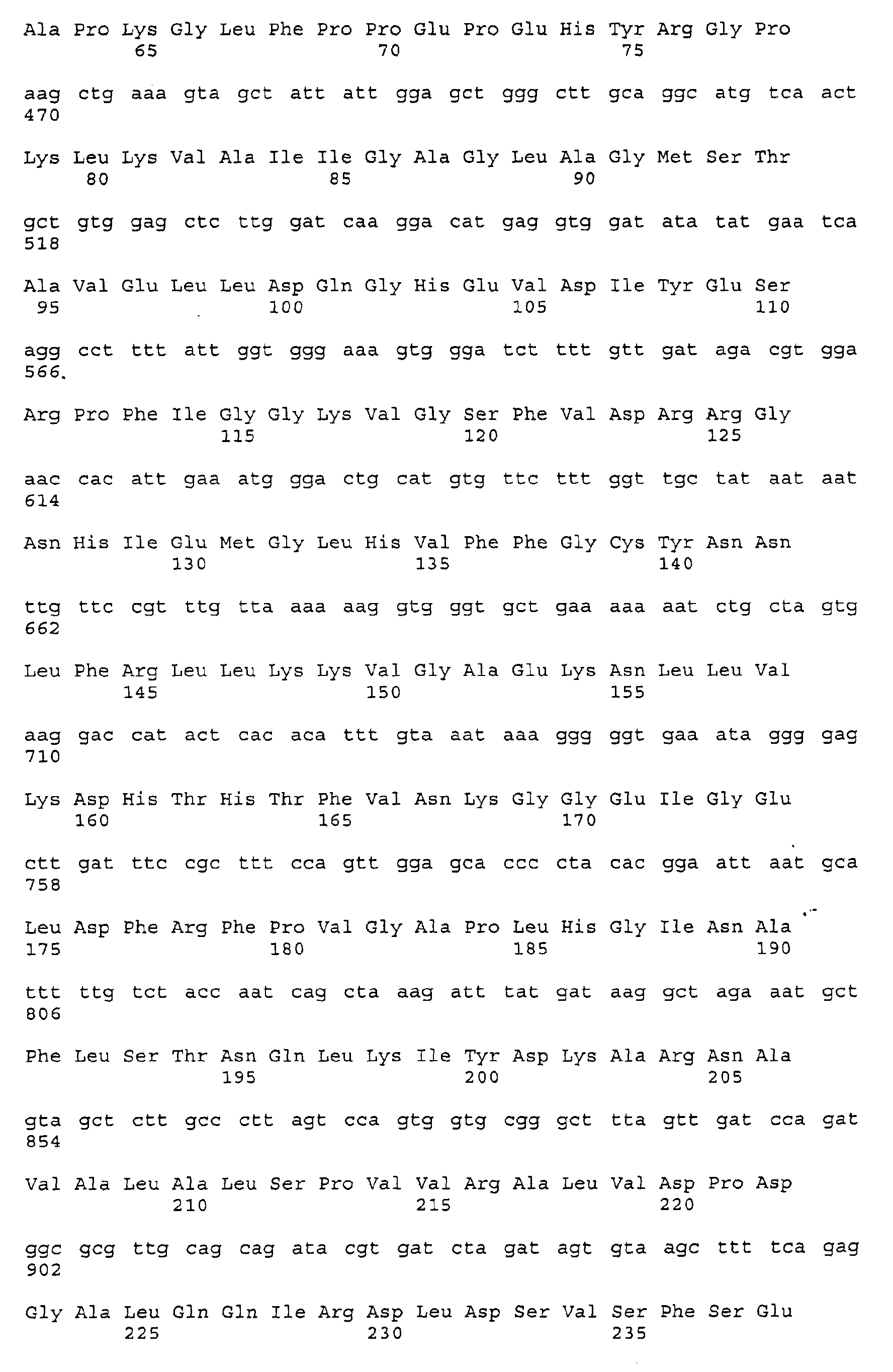
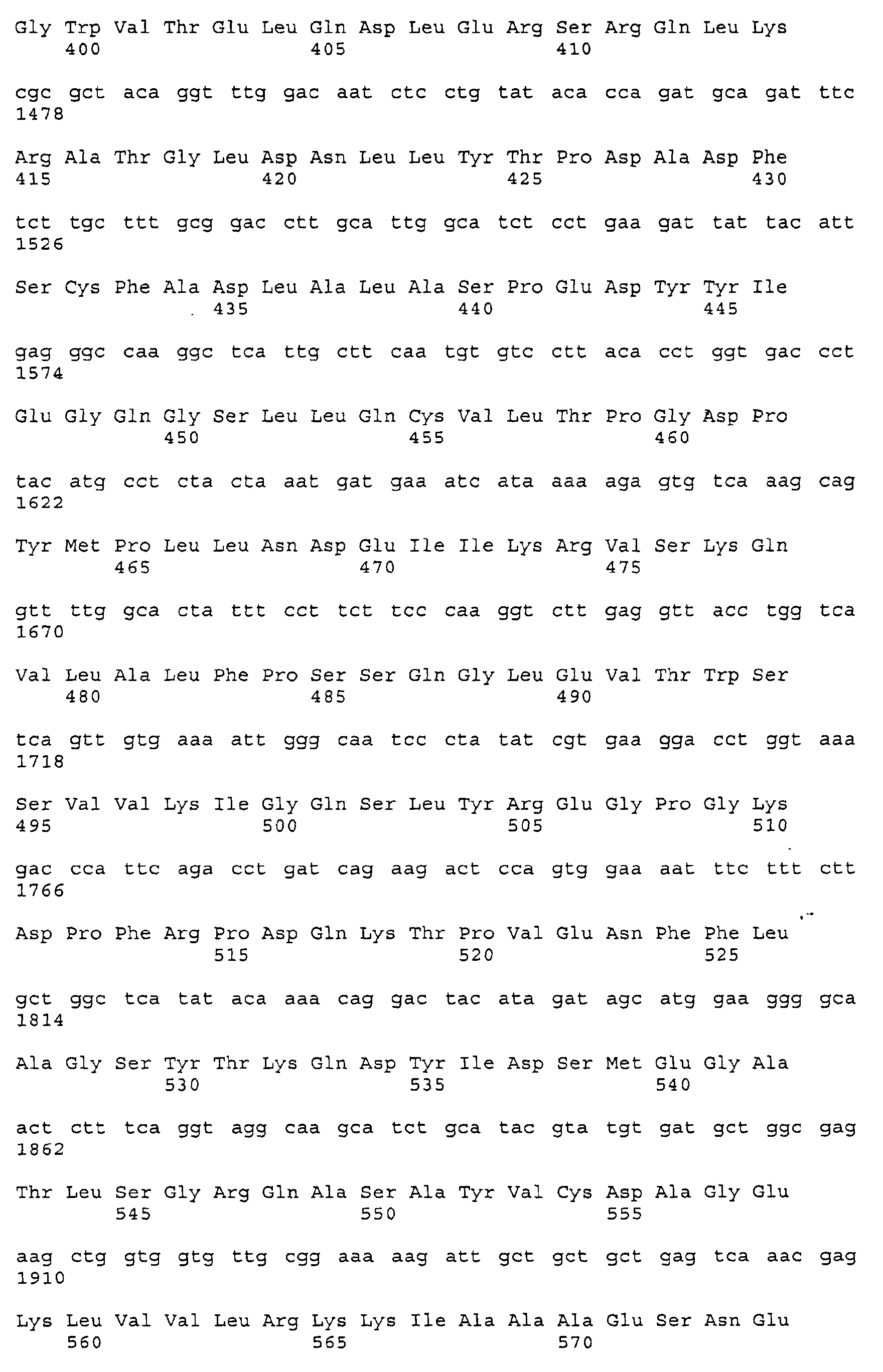
  • the open reading frame found for the ZDS codes for a protein of 588 amino acids corresponding to ⁇ 65 kDa.
  • the homology at the amino acid level to the known ZDS from Capsicum anuum is 95%. It is therefore the plastid ZDS from tobacco.
  • RNA was prepared from the seedlings.
  • the total RNA was used as a template for the synthesis of single-stranded cDNA (Pharmacia, 1 st strand cDNA synthesis kit).
  • the coding sequence of the phytoene desaturase from Nicotiana tabacum was amplified with the aid of the PCR technique with the primers of the sequences according to SEQ ID NO: 9 and SEQ ID NO: 10.
  • the amplified fragment was cut with the restriction endonuclease Xma I.
  • the resulting XmaI -PDS fragment was ligated into the linearized and dephosphorylated vector pSS.
  • the resulting pSS-PDS constructs were checked for the orientation of the transgene by restriction mapping.
  • a Southern blot was used to further characterize the PSY genes from tobacco carried out. Genomic DNA from tobacco was prepared and used with various Restriction endonucleases cut. The DNA was blotted onto nitrocellulose and hybridized with radioactively labeled probe PSY1. There are 3 and 4 respectively Recognizing gangs. To give an indication of the functionality of the two or where appropriate To get more PSY genes into tobacco, tobacco seeds were in the greenhouse designed. After 2, 4 and 6 weeks, part of the plant material was harvested and frozen in liquid nitrogen. Petals of adult tobacco plants are harvested and treated in the same way. From this material mRNA preparations performed. The mRNA was transferred to nitrocellulose (Slot blot) and hybridized separately with radioactive PSY1 and PSY2 probes. The Both genes show a very different level of transcription overall. However, the ratio of the two genes remains independent of the development stage constant.
  • Primers for the amplification of the complete coding sequences were defined using the PSY, PDS and ZDS sequences obtained and the known sequence of the LCY from tobacco. PCR reactions were carried out with these primers. The amplificates were cloned into the bacterial vector pCR2.1 using TOPO TA cloning (Invitrogen). The identity of the inserts was checked by sequencing. Primers for the amplification with bilateral Xma I restriction site were defined for all genes. PCR reactions were carried out with these primers. The constructs of the genes in the vector pCR2.1 served as templates. The fragments obtained were cut with the restriction endonuclease Xma I.
  • the binary vector pSS was also cut with Xma I and dephosphorylated with alkaline phosphatase from calf thymus.
  • the cut genes were ligated into the vector pSS.
  • the constructs obtained were checked for the orientation of the genes in sense or antisense by means of restriction analyzes .
  • Several clones were selected and additionally checked by sequencing the pSS and gene transitions.
  • the selected constructs and the empty vector pSS (control) were transformed into competent S17.1 cells.
  • the plasmids were transferred to Agrobacterium tumefaciens pMP90RK by conjugation.
  • the agrobacterial cultures were checked for the presence of the plasmids by means of PCR.
  • mRNA was prepared and identical as a slot blot on nitrocellulose membrane in 4 Transfer copies. One copy each was made with a radioactive probe PSY1, PDS, ZDS and LCY hybridized. Strong signals can be seen in all samples for the transcripts of the genes transferred into the plants. The activity of the double 35S promoter is thus proven.
  • the regenerated shoots were rooted in sterile culture.
  • the top was on implemented new medium and cut off the sprout. After rooting the The newly sprouted sprout from the sterile culture in the greenhouse in the top became top planted. The rooted tip remained in sterile culture and was regular Intervals implemented on fresh medium.
  • transgenic plants in a greenhouse sheet was cut off at a height of about 2/3 of the plant after 5-6 weeks.
  • 0.5 g of this sheet was ground in a pot with a spatula tip of magnesium oxide and 3 ml of acetone.
  • the digestion was filtered and the content of xanthophylls, carotenoids and chlorophylls was determined by HPLC.
  • the remaining leaf material was immediately frozen in liquid nitrogen and ground. From this material, mRNA preparations for slot blots were carried out.
  • the transgenic plants with the phytoene synthase in sense orientation show phenotypically strong effects in both sterile culture and in the greenhouse.
  • the leaf morphology is strongly influenced: young leaves have a slightly orange-yellow color, which fades with age, older leaves then have a very irregular pale green pigmentation.
  • the leaves are also thick-fleshed, hairy and very firm, their edges curling inwards from the sides. Overall, the plants are severely retarded in their development compared to control plants.
  • the flowers of some particularly badly affected plants are almost colorless and do not have the pink coloring of the petals that is characteristic of the control plants.
  • the seed pods are colored distinctly orange instead of green.
  • the measurement of the carotenoid, xanthophyll and chlorophyll contents of these plants shows the accumulation of small amounts of phytoene and a significant increase in the ⁇ -carotene content.
  • Phytoene as a direct product of phytoene synthase cannot be detected in control plants under the given conditions.
  • the transgenic plants show a reduction in chlorophyll content of up to 40%. This can be attributed to the redirection of geranylgeranyl pyrophosphate from phytol synthesis to carotenoid synthesis, which then leads to reduced chlorophyll synthesis.
  • Transgenic plants with the phytoene desaturase in an antisense orientation show effects in leaf pigmentation in the greenhouse.
  • the leaves have white veins, the tips of the leaves are partly completely white.
  • the seed pods on a line were also completely white.
  • the measurement of the carotenoid contents of the affected lines shows a very strong accumulation of phytoene, which is approximately of the order of magnitude found in tobacco plants treated with norflurazone.
  • the levels of xanthophylls and chlorophyll are reduced.
  • Seeds from a self-plant were planted from one of the affected lines and germinated under selection. These seedlings showed a split into 3 phenotypes. Selected plants that only had white cotyledons and green and white plants that grew beyond the primary leaves.
  • the white seedlings are homozygous transgenic plants. After transfer to the greenhouse, all white plants died within a week, the green ones show the described phenotype of the adult heterozygous plants. The determination of the profiles showed a very strong accumulation of phytoene for the green seedlings. No beta-carotene and only small amounts of xanthophylls could be detected in the white seedlings.
  • DNA sequence coding for a phytoene synthase from Nicotiana tabacum The amino acid sequence encoded by the DNA is given.
  • DNA sequence coding for a phytoene synthase from Nicotiana tabacum The amino acid sequence encoded by the DNA is given.
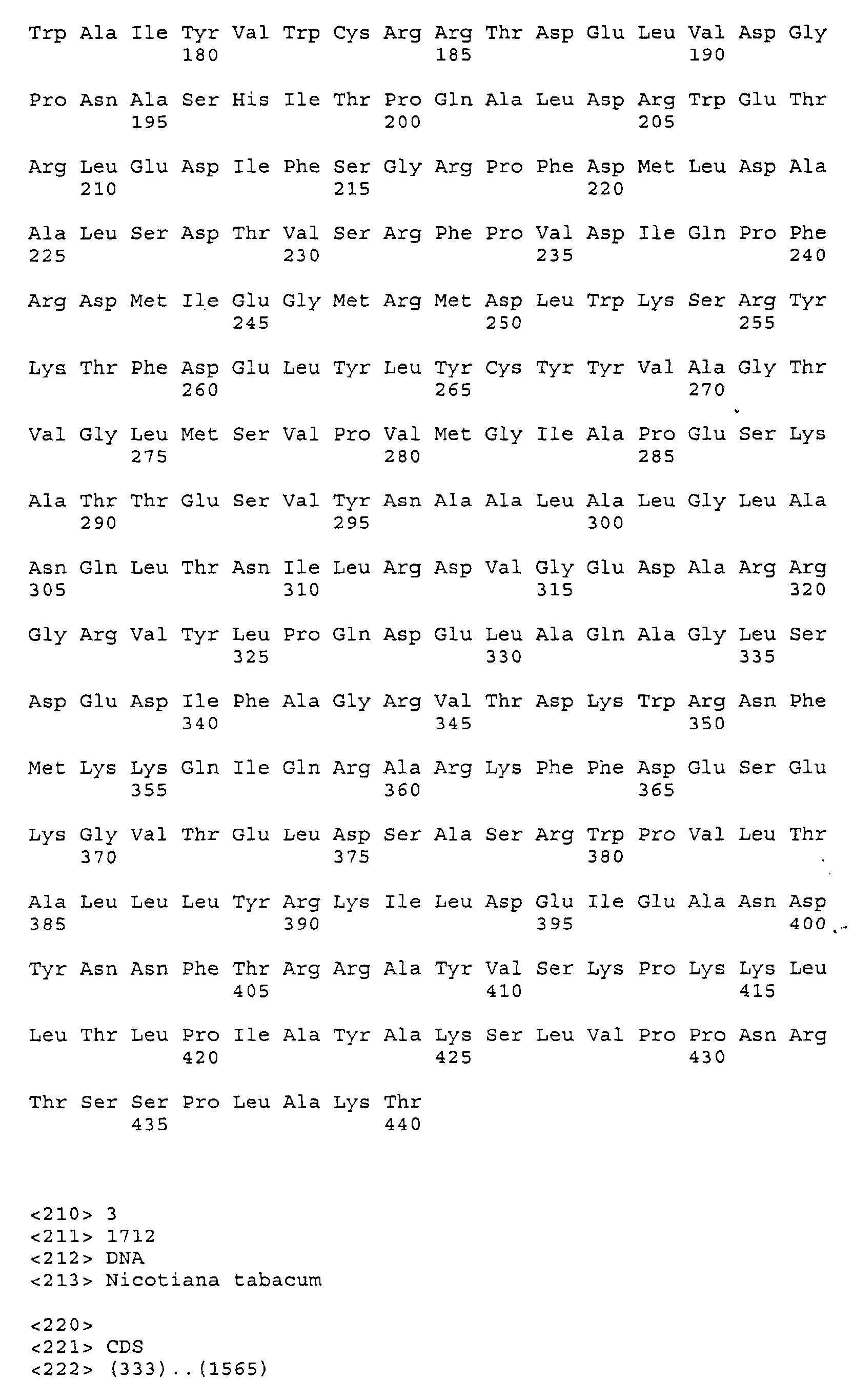
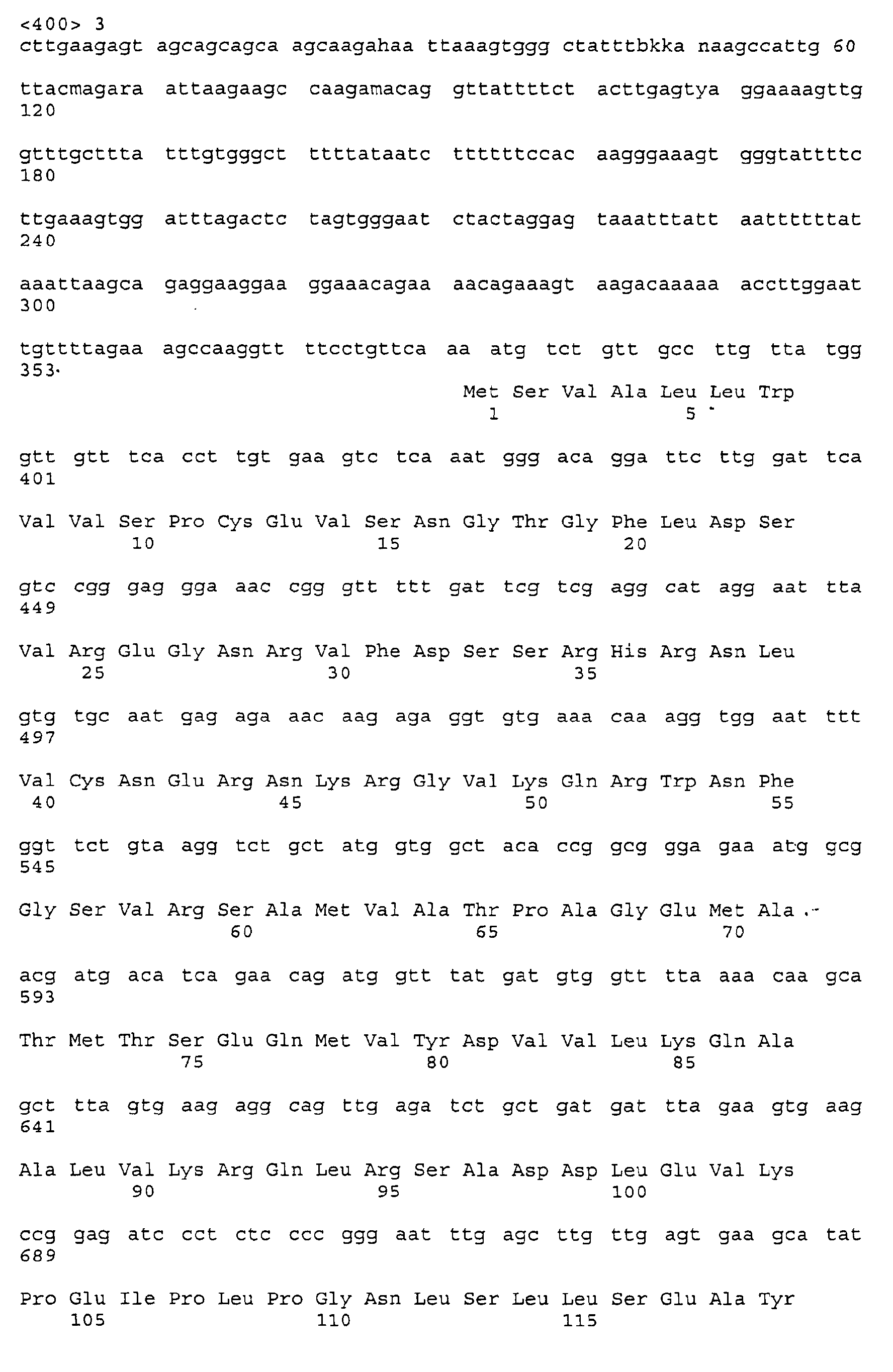
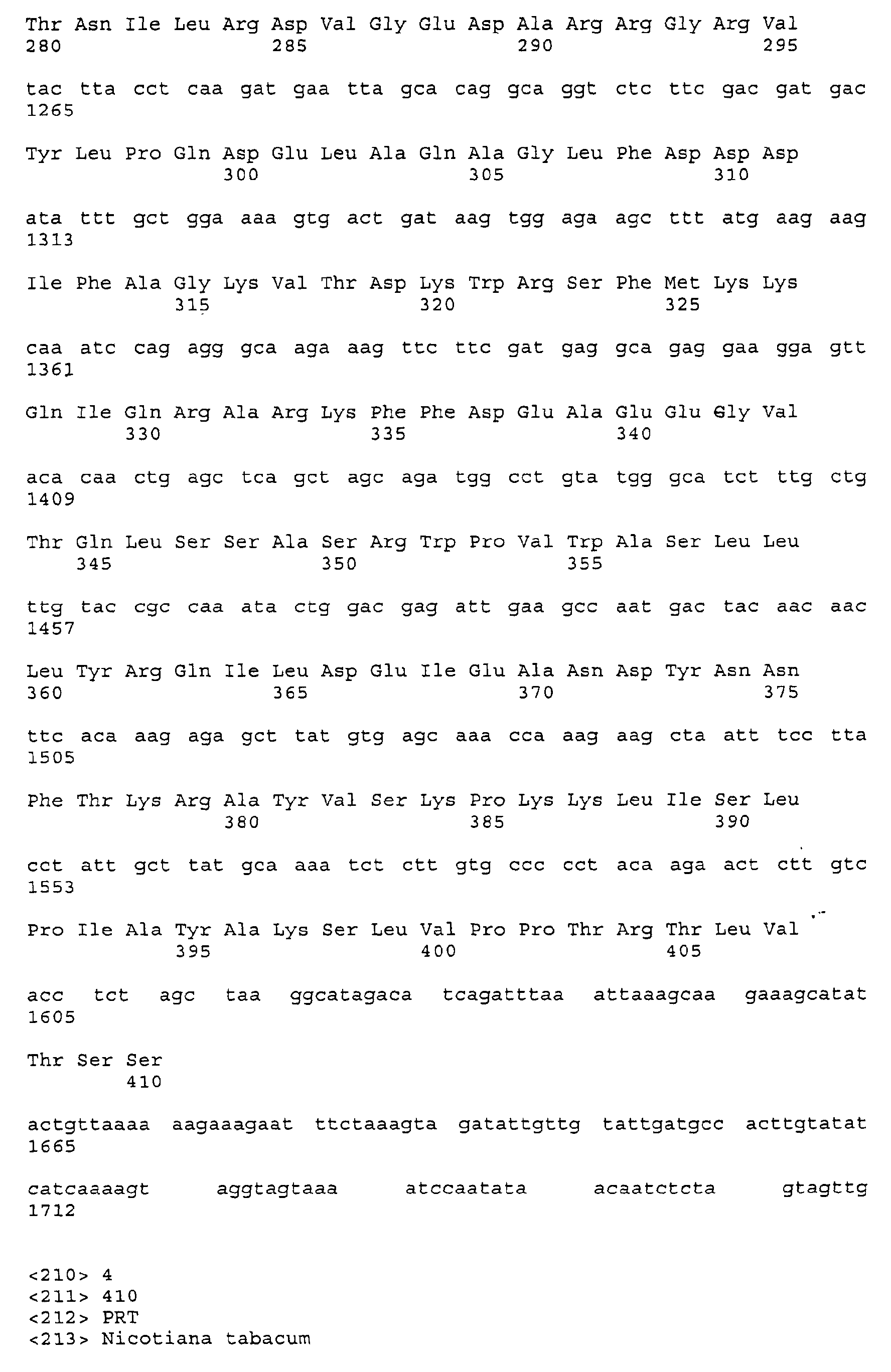
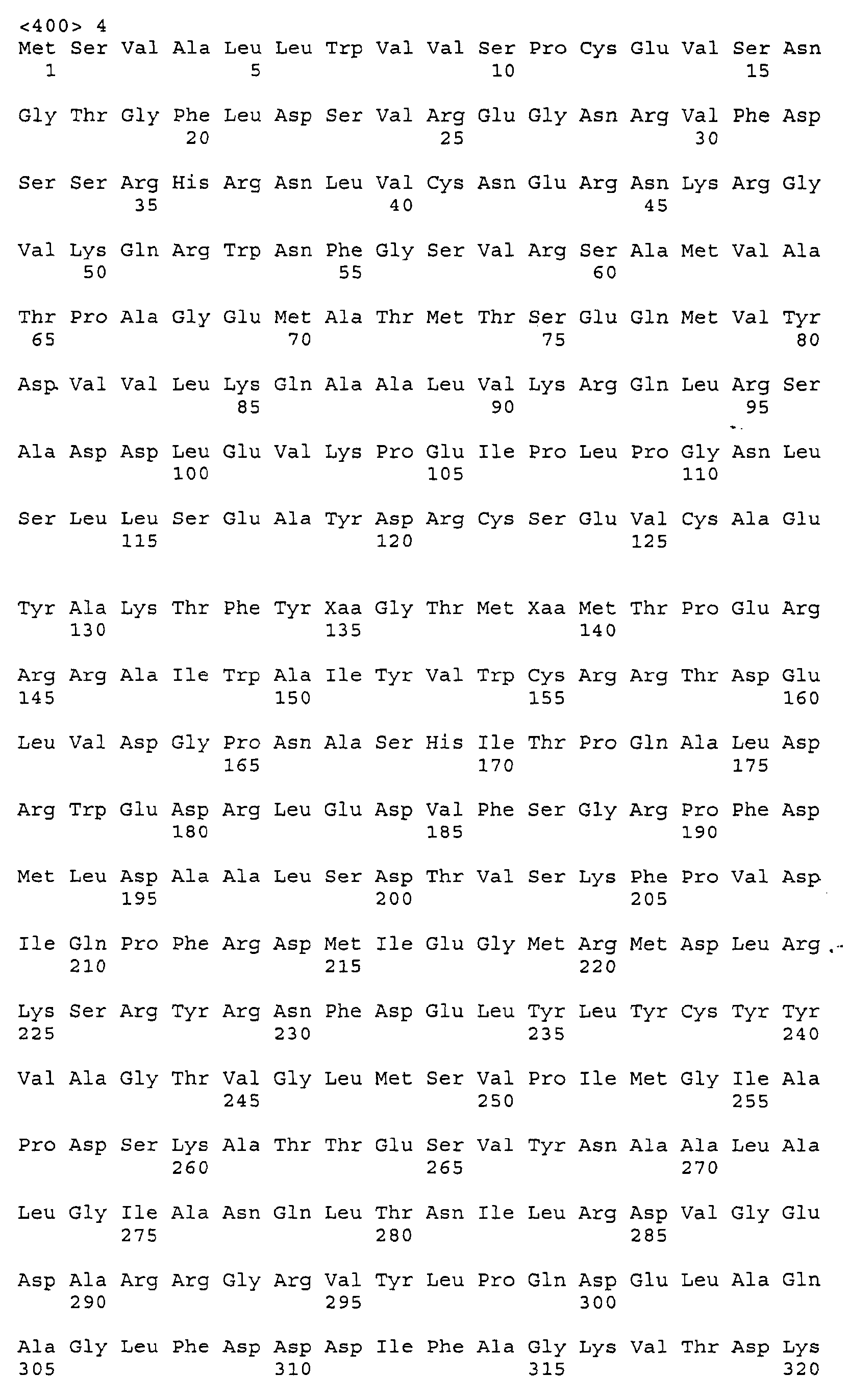
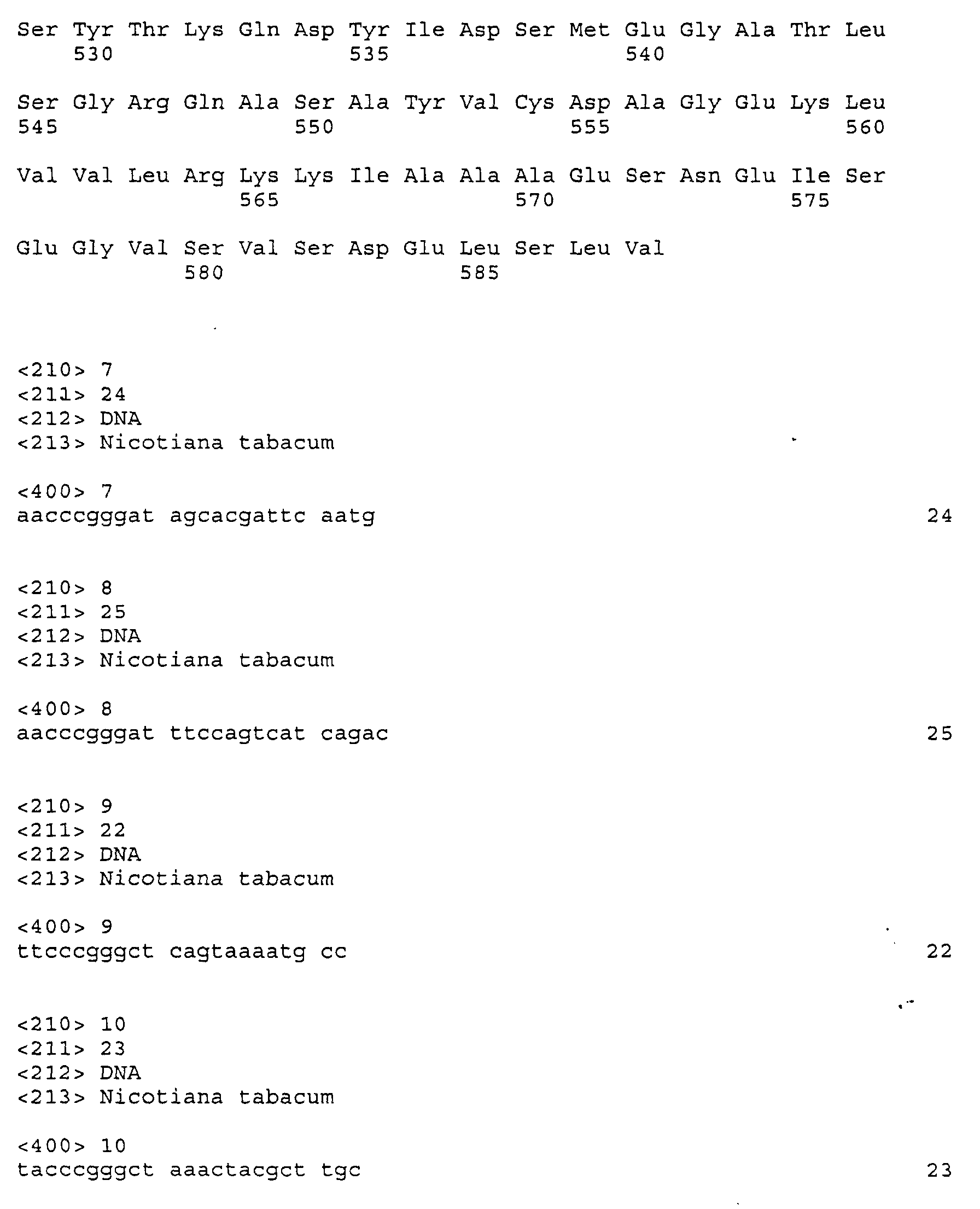
  • DNA sequence coding for the Zeta carotene desaturase from Nicotiana tabacum The amino acid sequence encoded by the DNA is given.
  • Oligonucleotide for the amplification of the zeta-carotene desaturase from Nicotiana tabacum using the PCR technique is provided.
  • Oligonucleotide for the amplification of the zeta-carotene desaturase from Nicotiana tabacum using the PCR technique is provided.
  • Oligonucleotide for the amplification of phytoene desaturase from Nicotiana tabacum using the PCR technique is provided.
  • Oligonucleotide for the amplification of phytoene desaturase from Nicotiana tabacum using the PCR technique is provided.

Landscapes

  • Life Sciences & Earth Sciences (AREA)
  • Chemical & Material Sciences (AREA)
  • Health & Medical Sciences (AREA)
  • Genetics & Genomics (AREA)
  • Organic Chemistry (AREA)
  • Zoology (AREA)
  • Engineering & Computer Science (AREA)
  • Bioinformatics & Cheminformatics (AREA)
  • Wood Science & Technology (AREA)
  • Microbiology (AREA)
  • Medicinal Chemistry (AREA)
  • Biomedical Technology (AREA)
  • Molecular Biology (AREA)
  • Biochemistry (AREA)
  • General Engineering & Computer Science (AREA)
  • General Health & Medical Sciences (AREA)
  • Biotechnology (AREA)
  • Enzymes And Modification Thereof (AREA)
  • Breeding Of Plants And Reproduction By Means Of Culturing (AREA)
  • Investigating Or Analysing Biological Materials (AREA)
  • Measuring Or Testing Involving Enzymes Or Micro-Organisms (AREA)
  • Micro-Organisms Or Cultivation Processes Thereof (AREA)
  • Peptides Or Proteins (AREA)

Abstract

Die Erfindung betrifft Nukleinsäuren, die für die die Zeta Carotene Synthase aus Tabak kodieren, davon kodierte Polypeptide sowie Verfahren zum Auffinden von Modulatoren der Aktivität der Zeta Carotene Synthase, der Phytoene Synthase und der Phytoene Desaturase.

Description

Die Erfindung betrifft Nukleinsäuren, die für die die Zeta Carotene Synthase aus Tabak kodieren, davon kodierte Polypeptide sowie Verfahren zum Auffinden von Modulatoren der Aktivität der Zeta Carotene Synthase, der Phytoene Synthase und der Phytoene Desaturase.
Unerwünschtes Pflanzenwachstum kann durch die Verwendung von Herbiziden verhindert werden. Die Ansprüche an Herbizide sind dabei hinsichtlich ihrer Wirksamkeit, Kosten und Umweltverträglichkeit stetig angestiegen. Es existiert deshalb ein Bedarf an neuen Substanzen, die zu leistungsfähigen neuen Herbiziden entwickelt werden können. Im Allgemeinen ist es üblich, in Gewächshaustests nach solchen neuen Leitstrukturen zu suchen. Solche Tests sind jedoch arbeitsintensiv und teuer. Die Anzahl der Substanzen, die im Gewächshaus getestet werden können, ist entsprechend begrenzt.
Vorteilhafte Angriffspunkte für Herbizide werden in pflanzenspezifischen Biosynthesewegen gesucht, die in tierischen Organismen nicht vorkommen. Ein Beispiel dafür ist der Carotenoid-Biosyntheseweg.
Die Carotinoide haben im Stoffwechsel der Pflanzen vielfältige Bedeutung. Sie sind im photosynthetischen Apparat mit dem Light Harvesting Complex assoziiert, der die optimale Weiterleitung der einstrahlenden Photonen an die photosynthetischen Reaktionszentren garantiert. Des weiteren sind sie an der Dissipation überschüssiger Lichtenergie und dem Abfangen von Sauerstoffradikalen beteiligt, und besitzen demnach eine Schutzfunktion. Neben der Bedeutung für die Photosynthese sind die Carotinoide Precursor für die Biosynthese der Xantophylle und den Wachstumsregulator Abscisinsäure. In den Blüten und Früchten fungieren die Carotinoide als Farbpigmente, beispielsweise das Lycopin in der Tomate (Lycopersicon esculentum) oder das β-Carotin in der Karotte (Daucus carota).
Die Biosynthese der Carotinoide findet in den Plastiden statt. Der Precursor für die Synthese ist das Diterpen Geranylgeranylpyrophosphat. Es wird vermutlich über den sogenannten DXP- oder auch Rohmer-Pathway gebildet und nicht über den klassischen Mevalonat-Weg (Lichtenthaler, 1997). Zwei Moleküle Geranylgeranylpyrophosphat (GGPP) werden durch die Phytoene Synthase (PSY) in einer Kopf-Kopf-Kupplung zu einem Molekül Phytoen umgesetzt (Abbildung 1). Durch die Enzyme Phytoene Desaturase (PDS) und Zeta Carotene Desaturase (ZDS) werden sukzessive vier weitere Doppelbindungen eingeführt. Dabei katalysiert jedes Enzym die Dehydrierung an symmetrischen Positionen (Abbildung 1).
Das entstehende Lycopin wird dann in einem ersten Schritt entweder durch die Lycopene ε-Cyclase (LCYe) zu δ-Carotin oder die Lycopene β-Cyclase (LCYb) zu γ-Carotin umgesetzt. In einem zweiten Schritt entstehen daraus α- respektive β-Carotin. Diese zweite Zyklisierung wird jeweils durch die Lycopene β-Cyclase durchgefürt. α- und β-Carotin bilden dann die Precursor für die Synthese der Xantophylle wie Lutein, Astaxanthin, Violaxanthin u.s.w..
Sämtliche an der Biosynthese der Carotinoide und Xanthophylle beteiligte Enzyme sind nukleär kodiert. Von fast allen Proteinen sind die Gensequenzen aus mindestens einer Pflanze bekannt. Das translatierte Präprotein wird über eine Erkennungssequenz, das Transitpeptid, in den Chloroplasten importiert, prozessiert, oligomerisiert und gegebenenfalls transloziert. Dieser Prozess findet unter Beteiligung des Chaperons Cpn60 und des Heat-Shock-Proteins Hsp70 statt (Bonk, 1997).
Die Phytoene Synthase ist ein Protein von ∼45 kDa. Die PSY benötigt als Cofaktoren Manganionen und ATP (Dogbo, 1988). Des weiteren ist für die Aktivität des pflanzlichen Enzyms die Assoziation an Galactolipide erforderlich. Bei der Überexpression der PSY aus Erwinia uredovora wurde eine Sensitivität gegenüber Phosphat und eine Inhibierbarkeit durch Squalestatin mit einem pI-Wert von 15 µM gemessen (Neudert, 1998). Das korreliert mit der Homologie auf Aminosäureebene von ∼34 % der bekannten PSY-Gene zu Squalensynthasen und weist auf ein enge Verwandschaft dieser beiden Enzyme hin. Die Synthese von Squalen läuft über die analoge Kopf-Kopf-Kupplung von zwei Molekülen Farnesylpyrophosphat ab, die mechanistisch der Phytoensynthese entspricht. Für die Phytoene Synthase aus Capsicum anuum konnte eine lichtabhängige Induktion der Expression nachgewiesen werden (Lintig, 1997). Die Überexpression der fruchtspezifischen PSY1 in Tomatenpflanzen führte phänotypisch zu Zwergenwuchs. Dies wurde auf die Umleitung von Geranylgeranylpyrophosphat aus der Gibberellin- in die Carotinoidbiosynthese zurückgeführt (Fray, 1995). DNA kodierend für die PSY, z. B. aus der Melone und aus Nicotiana-Spezies wurde bereits beschrieben (WO 96/02650, US 5,705,624). Bislang ist jedoch über die Bedeutung der Phytoene Synthase für die Vitalität einer Pflanze jedoch nichts bekannt geworden. Ob das Ausschalten des Gens kodierend für die PSY für eine Pflanze letal ist, das Enzym also als Zielmoleküle für herbizid wirksame Substanzen geeignet ist, wurde bislang nicht bekannt.
Die Phytoene Desaturase ist ein Protein von ∼64 kDa. Die PDS wird durch Flavinylierung aktiviert und verwendet Plastoquinon als Elektronenakzeptor (Norris, 1995). Über die Regulation der Phytoene Desaturase liegen widersprüchliche Angaben vor. So wird einerseits von einer Beeinflussung der PDS-Genexpression durch den Chlorophyll- und Pigmentgehalt berichtet (Corona, 1996), andererseits die Abhängigkeit der PDS-Expression vom Pigmentgehalt negiert (Woetzel, 1998). Nach Inhibition der PDS mit den bekannten Inhibitoren Norflurazon bzw. Fluridon konnte in vitro ein Verlust der Aktivität des Photosystems II nachgewiesen werden. Dieser Aktivitätsverlust wurde auf die Notwendigkeit des Vorhandenseins von β-Carotene für den Einbau des D1-Proteins in ein funktionelles Photosystems II zurückgeführt (Trebst, 1997). Ob das Ausschalten der Phytoene Desaturase für die Pflanze jedoch letal ist, das Enzym also als Zielmolekül für herbizide Wirkstoffe geeignet ist, wurde bislang jedoch nicht untersucht. Die Sequenz der Phytoene Desaturase aus Nicotiana tabacum ist im Dokument US 5,539,093 beschrieben. Diese Sequenz soll ausdrücklich Teil der vorliegenden Anmeldung sein. DNA-Sequenzen kodierend für die PDS finden sich unter anderem in der WO 99/55888.
Die Zeta Carotene Desaturase hat eine Größe von ∼65 kDa und ist das am wenigsten charakterisierte Enzym der Carotinoid-Biosynthese. Die Sequenzen der bekannten pflanzlichen ZDS, z. B. aus Reis, Mais, Weizen, Soja oder Capsicum anuum (WO 99/55888), weisen Homologien um 34 % zu den bekannten PDS-Sequenzen auf. Über die Regulation der ZDS liegen bis dato keine Angaben vor.
Die Lycopene β-Cyclase ist ein Protein mit einer Größe von ∼55 kDa. In den Plastiden kompetiert sie mit der Lycopene ε-Cyclase um das gemeinsame Substrat Lycopin. Im Gegensatz zu den β-Cyclasen, von denen die Gene aus verschiedenen Pflanzen bekannt sind, sind bei der ε-Cyclase nur die pflanzlichen Gene aus Arabidoposis thaliana und Tomate bekannt. Der Vergleich der Sequenzen der zwei Cyclase-Typen zeigt eine Homologie auf Aminosäureebene von ∼36%. Die Zyklisierung des Lycopins durch die beiden Cyclasen stellt einen Verzweigungspunkt der Carotinoidbiosynthese und damit einen sinnvollen Regulationspunkt dar. Unter Starklicht steigt das Verhältnis von β- zu ε-Cyclase und es werden mehr der protektiven Xantophylle Zeaxanthin, Violaxanthin und Antheraxanthin gebildet. Bei Schwachlicht sinkt das Verhältnis von β- zu ε-Cyclase und es wird mehr an der Lichternte beteiligtes Lutein gebildet (Cunningham, 1996).
Die Biosynthese der Cartoinoide wie auch der Xanthophylle stellt einen hochgradig regulierten Prozess dar. In den Chloroplasten der photosynthetischen Gewebe findet eine Regulation der Biosynthese in Abhängigkeit von der Lichtintensität statt. Demgegenüber steht in den Chromoplasten der Blüten und Früchte eine Regulation in Abhängigkeit vom Entwicklungsstadium. In den Früchten der Tomate (Lycopersicon esculentum) wird die Rotfärbung im Verlauf der Reifung durch die Akkumulation von Lycopin erreicht. Diese Akkumulation geht einher mit einer Erhöhung der Transkriptmengen der PSY und der PDS. Gleichzeitig verschwinden die Transkripte für die Lycopin-Cyclasen (Pecker, 1996).
Über die genauen Mechanismen der Regulation der Carotinoidbiosynthese ist nur wenig bekannt.
Die vorliegende Anmeldung beschreibt die Klonierung von Genen der Carotinoid-Biosynthese. Dabei wurden unter anderem zwei Phytoene Synthase-Gene gefunden. Eine Analogie zur entwicklungsabhängigen Regulation wie bei der Tomate konnte nicht gezeigt werden. Es besteht die Möglichkeit einer Regulation in Abhängigkeit von der Lichtintensität. In diesem Fall könnte ein Gen die house keeping -Aktivität kodieren, das andere hingegen in Abhängigkeit von der Lichtintensität reguliert sein.
Die vorliegende Anmeldung beschreibt ebenfalls die Klonierung des Gens kodierend für die Zeta-Carotene Desaturase.
Die Anmeldung beschreibt ebenfalls die Klonierung des Gens kodierend für die Phytoene Desaturase aus Nicotiana tabacum.
Die vorliegende Anmeldung beschreibt ebenfalls, dass die bekannten Enzyme des Carotinoid-Biosyntheseweges, die Phytoene Synthase, die Phytoene Desaturase sowie die Zeta Carotene Desaturase, die durch die Katalyse aufeinander folgender Schritte bei der Biosynthese von Carotenoiden miteinander in Zusammenhang stehen, von essentieller Bedeutung für Pflanzen sind. Die vorliegende Anmeldung beschreibt ebenfalls, dass die Enzyme Phytoene Synthase, Phytoene Desaturase sowie Zeta Carotene Desaturase als Zielmoleküle (Targets) für herbizide Wirkstoffe geeignet sind und deshalb in Verfahren zum Auffinden von herbiziden Wirkstoffen verwendet werden können.
Gegenstand der vorliegenden Erfindung ist demnach die Verwendung der Enzyme der Carotenoid-Biosynthese, der Phytoene Synthase, der Phytoene Desaturase und der Zeta Carotene Desaturase, in Verfahren zum Auffinden von herbizid wirksamen Substanzen.
Gegenstand der vorliegenden Erfindung sind demnach Nukleinsäuren, die für pflanzliche Polypeptide mit der biologischen Aktivität einer Phytoene Synthase, welche die Aminosäuresequenz gemäß SEQ ID NO: 2 oder SEQ ID NO: 4 umfasst, kodieren. Insbesondere kodieren die erfindungsgemäßen Nukleinsäuren für die Phytoene Synthase aus Tabak, wobei die erfindungsgemäßen Nukleinsäuren aus Nicotiana tabacum SR1 besonders bevorzugt sind.
Gegenstand der vorliegenden Erfindung sind ebenfalls Fragmente der erfindungsgemäßen Nukleinsäuren, die für die Phytoene Synthase kodieren.
Gegenstand der vorliegenden Erfindung sind ebenfalls Nukleinsäuren, die für pflanzliche Polypeptide mit der biologischen Aktivität einer Zeta-Carotene Desaturase, welche die Aminosäuresequenz gemäß SEQ ID NO. 6: umfasst, kodieren. Insbesondere kodieren die erfindungsgemäßen Nukleinsäuren für die Zeta-Carotene Desaturase aus Tabak, wobei die erfindungsgemäßen Nukleinsäuren aus Nicotiana tabacum SR1 besonders bevorzugt sind.
Gegenstand der vorliegenden Erfindung sind ebenfalls Fragmente der erfindungsgemäßen Nukleinsäuren, die für die Zeta-Carotene Desaturase kodieren.
Bei den erfindungsgemäßen Nukleinsäuren handelt es sich insbesondere um einzelsträngige oder doppelsträngige Desoxyribonukleinsäuren (DNA) oder Ribonukleinsäuren (RNA). Bevorzugte Ausführungsformen sind Fragmente genomischer DNA, die gegebenenfalls auch Introns enthalten können, und cDNAs.
Die Fragmente können dabei ebenfalls einzelsträngig oder doppelsträngig sein, wobei einzelsträngige Fragmente komplementär zum kodogenen oder zum kodierenden Strang der erfindungsgemäßen Nukleinsäuren sein können. Solche einzelsträngigen Fragmente können dann jeweils an den kodogenen oder an den kodierenden Strang der erfindungsgemäßen Nukleinsäure hybridisieren.
Der Ausdruck "Fragment", wie er hierin verwendet wird, umfasst dabei einzelsträngige oder doppelsträngige Nukleinsäuren einer Länge von 10 bis 1 000 Basenpaaren (bp), bevorzugt einer Länge von 12 bis 500 bp, besonders bevorzugt einer Länge von 15 bis 200 bp und ganz besonders bevorzugt einer Länge von 20 bis 100 Basenpaaren.
Bevorzugt handelt es sich bei den erfindungsgemäßen Nukleinsäuren um DNA, die der genomischen DNA von Tabakpflanzen, die Introns enthalten kann, oder Fragmenten davon entspricht.
Besonders bevorzugt umfassen die erfindungsgemäßen Nukleinsäuren eine Sequenz ausgewählt aus
  • a) der Sequenz gemäß SEQ ID NO: 1, 3 oder 5
  • b) Sequenzen, die für ein Polypeptid kodieren, welches die Aminosäuresequenz gemäß SEQ ID NO: 2, 4 oder 6 umfasst,
  • c) zumindest 14 Basenpaare langen Teilsequenzen der unter a) oder b) definierten Sequenzen,
  • d) Sequenzen, welche an die unter a), b) oder c) definierten Sequenzen hybridisieren,
  • e) Sequenzen, welche zu den unter a), b) oder c) definierten Sequenzen komplementär sind, und
  • f) Sequenzen, welche aufgrund der Degeneriertheit des genetischen Codes für dieselbe Aminosäuresequenz codieren wie die unter a) bis c) definierten Sequenzen.
  • Eine ganz besonders bevorzugte Ausführungsform der erfindungsgemäßen Nukleinsäuren stellt ein cDNA-Molekül mit der Sequenz gemäß SEQ ID NO: 1 dar.
    Eine weitere ganz besonders bevorzugte Ausführungsform der erfindungsgemäßen Nukleinsäuren stellt ein cDNA-Molekül mit der Sequenz gemäß SEQ ID NO: 3 dar.
    Eine weitere banz besonders bevorzugte Ausführungsform der erfindungsgemäßen Nukleinsäuren stellt ein cDNA-Molekül mit der Sequenz gemäß SEQ ID NO: 5 dar.
    Der Ausdruck "hybridisieren", wie er hierin verwendet wird, beschreibt den Vorgang, bei welchem ein einzelsträngiges Nukleinsäuremolekül mit einem komplementären Strang eine Basenpaarung eingeht. Auf diese Weise können ausgehend von der hierin offenbarten Sequenzinformation beispielsweise DNA-Fragmente aus anderen Pflanzen als Tabakpflanzen isoliert werden, welche für die Phytoene Synthase oder die Zeta Carotene Desaturase kodieren, welche dieselben oder ähnliche Eigenschaften wie die Enzyme mit der Aminosäuresequenz gemäß SEQ ID NO: 2 oder 4, bzw. SEQ ID NO: 5 aufweisen.
    Hybridisierungsbedingungen werden nach folgender Formel näherungsweise berechnet:
    Die Schmelztemperatur Tm = 81,5°C + 16,6 log{c(Na+)] + 0,41(%G + C)) - 500/n (Lottspeich und Zorbas, 1998).
    Dabei ist c die Konzentration und n die Länge des hybridisierenden Sequenzabschnitts in Basenpaaren. Für eine Sequenz >100 bp entfällt der Ausdruck 500/n. Mit höchster Stringenz wird bei einer Temperatur 5-15°C unterhalb Tm und einer Ionenstärke von 15 mM Na+ (entspricht 0.1 x SSC) gewaschen. Wird eine RNA-Probe zur Hybridisierung verwendet, so ist der Schmelzpunkt um 10 bis 15°C höher.
    Bevorzugte Hybridisierungsbedingungen sind nachstehend angegeben:
  • Hybridisierungslösung: 6x SSC / 5x Denhardt's Lösung / 50 % Formamid;
  • Hybridisierungstemperatur: 36°C, bevorzugt 42°C;
  • 1. Waschschritt: 2x SSC, 30 min bei Raumtemperatur;
  • 2. Waschschritt: 1x SSC, 30 min bei 50°C; bevorzugt 0,5x SSC, 30 min bei 65°C; besonders bevorzugt 0,2x SSC, 30 min bei 65°C.
  • Der Grad der Identität der Nukleinsäuren wird vorzugsweise bestimmt mit Hilfe des Programms NCBI BLASTN Version 2.0.4. (Altschul et al., 1997).
    Gegenstand der vorliegenden Erfindung sind auch die regulatorischen Regionen, welche natürlicherweise in Pflanzenzellen, insbesondere in Tabakpflanzen, die Transkription der erfindungsgemäßen Nukleinsäuren kontrollieren.
    Der Ausdruck "regulatorische Regionen", wie er hierin verwendet wird, bezieht sich auf nicht-translatierte Regionen des betreffenden Gens, wie Promotoren, Enhancer, Repressor- oder Aktivator-Bindungsstellen oder Terminationssequenzen, die mit zellulären Proteinen interagieren, wodurch die Transkription gesteuert wird.
    Gegenstand der vorliegenden Erfindung sind weiterhin DNA-Konstrukte, die eine erfindungsgemäße Nukleinsäure und einen heterologen Promotor umfassen.
    Der Ausdruck "heterologer Promotor", wie er hierin verwendet wird, bezieht sich auf einen Promotor, der andere Eigenschaften als derjenige Promotor aufweist, der im Ursprungsorganismus die Expression des betreffenden Gens kontrolliert.
    Die Auswahl von heterologen Promotoren ist davon abhängig, ob zur Expression pro- oder eukaryotische Zellen oder zellfreie Systeme verwendet werden. Beispiele für heterologe Promotoren sind der 35S Promoter des Blumenkohlmosaikvirus für pflanzliche Zellen, der Promoter der Alkoholdehydrogenase für Hefezellen, die T3-, T7- oder SP6-Promotoren für prokaryotische Zellen oder zellfreie Systeme.
    Gegenstand der vorliegenden Erfindung sind ferner Vektoren, die eine erfindungsgemäße Nukleinsäure, eine erfindungsgemäße regulatorische Region oder ein erfindungsgemäßes DNA-Konstrukt enthalten. Als Vektoren können alle in molekularbiologischen Laboratorien verwendeten Phagen, Plasmide, Phagmide, Phasmide, Cosmide, YACs, BACs, künstliche Chromosomen oder Partikel, die für einen Partikelbeschuss geeignet sind, verwendet werden.
    Bevorzugte Vektoren sind pBIN (Bevan, 1984) und seine Derivate für pflanzliche Zellen, pFL61 (Minet et al., 1992) für Hefezellen, pBLUESCRIPT-Vektoren für bakterielle Zellen, lamdaZAP (Fa. Stratagene) für Phagen.
    Gegenstand der vorliegenden Erfindung sind auch Wirtszellen, die eine erfindungsgemäße Nukleinsäure, ein erfindungsgemäßes DNA-Konstrukt oder einen erfindungsgemäßen Vektor enthalten.
    Der Ausdruck "Wirtszelle", wie er hierin verwendet wird, bezieht sich auf Zellen, die natürlicherweise die erfindungsgemäßen Nukleinsäuren nicht enthalten.
    Als Wirtszellen eignen sich sowohl prokaryotische Zellen, vorzugsweise E. coli, als auch eukaryotische Zellen, wie Zellen von Saccharomyces cerevisiae, Pichia pastoris, Insekten, Pflanzen, Froschoozyten und Zelllinien von Säugern.
    Gegenstand der vorliegenden Erfindung sind weiterhin Polypeptide mit der biologischen Aktivität einer Phytoene Synthase, die von den erfindungsgemäßen Nukleinsäuren kodiert werden. Insbesondere handelt es sich um Polypeptide, die erfindungsgemäße Phytoene Synthasen darstellen. Ganz besonders sind die Polypeptide Gegenstand dieser Erfindung, die einer Aminosäuresequenz gemäß SEQ ID NO: 2 oder SEQ ID NO: 4 entsprechen.
    Gegenstand der vorliegenden Erfindung sind weiterhin Polypeptide mit der biologischen Aktivität einer Zeta Carotene Desaturase, die von den erfindungsgemäßen Nukleinsäuren kodiert werden. Insbesondere handelt es sich um Polypeptide, die erfindungsgemäße Zeta Carotene Desaturasen darstellen. Ganz besonders sind die Polypeptide Gegenstand dieser Erfindung, die einer Aminosäuresequenz gemäß SEQ ID NO: 6 entsprechen.
    Der Ausdruck "Polypeptide", wie er hierin verwendet wird, bezieht sich sowohl auf kurze Aminosäureketten, die gewöhnlich als Peptide, Oligopeptide oder Oligomere bezeichnet werden, als auch auf längere Aminosäureketten, die gewöhnlich als Proteine bezeichnet werden. Er umfasst Aminosäureketten, die entweder durch natürliche Prozesse, wie posttranslationale Prozessierung, oder durch chemische Verfahren, die Stand der Technik sind, modifiziert sein können. Solche Modifikationen können an verschiedenen Stellen und mehrfach in einem Polypeptid vorkommen, wie beispielsweise am Peptid-Rückgrat, an der Aminosäure-Seitenkette, am Amino-und/oder am Carboxy-Terminus. Sie umfassen beispielsweise Acetylierungen, Acylierungen, ADP-Ribosylierungen, Amidierungen, kovalente Verknüpfungen mit Flavinen, Häm-Anteilen, Nukleotiden oder Nukleotid-Derivaten, Lipiden oder Lipid-Derivaten oder Phosphatidylinositol, Cyclisierungen, Disulfidbrückenbildungen, Demethylierungen, Cystin-Bildungen, Formylierungen, gamma-Carboxylierungen, Glycosylierungen, Hydroxylierungen, Iodierungen, Methylierungen, Myristoylierungen, Oxidationen, proteolytische Prozessierungen, Phosphorylierungen, Selenoylierungen und tRNA-vermittelte Additionen von Aminosäuren.
    Die erfindungsgemäßen Polypeptide können in der Form "reifer" Proteine oder als Teile größerer Proteine, z.B. als Fusionsproteine, vorliegen. Weiterhin können sie Sezernierungs- oder "Leader"-Sequenzen, Pro-Sequenzen, Sequenzen, die eine einfache Reinigung ermöglichen, wie mehrfache Histidin-Reste, oder zusätzliche stabilisierende Aminosäuren aufweisen.
    Die erfindungsgemäßen Polypeptide müssen nicht eine vollständige Phytoene Synthase bzw. Zeta Carotene Desaturase darstellen, sondern können auch nur Fragmente davon sein, solange sie zumindest noch eine biologische Aktivität der vollständigen Phytoene Synthase bzw. Zeta Carotene Desaturase aufweisen. Solche Fragmente, die eine gleichartige biologische Aktivität wie eine Phytoene Synthase mit einer Aminosäuresequenz gemäß SEQ ID NO: 2 oder SEQ ID NO: 4 oder eine gleichartige biologische Aktivität wie eine Zeta Carotene Desaturase mit einer Aminosäuresequenz gemäß SEQ ID NO: 6 ausüben, werden als erfindungsgemäß betrachtet.
    Die erfindungsgemäßen Polypeptide können im Vergleich zu den entsprechenden Regionen von natürlich vorkommenden Phytoene Synthasen bzw. Zeta Carotene Desaturasen aus Tabak Deletionen oder Aminosäuresubstitutionen aufweisen, solange sie zumindest noch eine biologische Aktivität der vollständigen Enzyme ausüben. Konservative Substitutionen sind bevorzugt. Solche konservativen Substitutionen umfassen Variationen, wobei eine Aminosäure durch eine andere Aminosäure aus der folgenden Gruppe ersetzt wird:
  • 1. Kleine aliphatische, nicht-polare oder wenig polare Reste: Ala, Ser, Thr, Pro und Gly;
  • 2. Polare, negativ geladene Reste und deren Amide: Asp, Asn, Glu und Gln;
  • 3. Polare, positiv geladene Reste: His, Arg und Lys;
  • 4. Große aliphatische, nicht-polare Reste: Met, Leu, Ile, Val und Cys; und
  • 5. Aromatische Reste: Phe, Tyr und Trp.
  • Die folgende Liste zeigt bevorzugte konservative Substitutionen:
    Ursprünglicher Rest Substitution
    Ala Gly, Ser
    Arg Lys
    Asn Gln, His
    Asp Glu
    Cys Ser
    Gln Asn
    Glu Asp
    Gly Ala, Pro
    His Asn, Gln
    Ile Leu, Val
    Leu Ile, Val
    Lys Arg, Gln, Glu
    Met Leu, Tyr, Ile
    Phe Met, Leu, Tyr
    Ser Thr
    Thr Ser
    Trp Tyr
    Tyr Trp, Phe
    Val Ile, Leu
    Eine bevorzugte Ausführungsform der erfindungsgemäßen Polypeptide ist die Phytoene Synthase aus Tabak mit der Aminosäuresequenz gemäß SEQ ID NO: 2 oder der Aminosäuresequenz gemäß SEQ ID NO: 4.
    Eine weitere bevorzugte Ausführungsform der erfindungsgemäßen Polypeptide ist die Zeta Carotene Desaturase aus Tabak mit der Aminosäuresequenz gemäß SEQ ID NO: 6.
    Gegenstand der vorliegenden Erfindung sind weiterhin Antikörper, die spezifisch an die erfindungsgemäßen Polypeptide binden. Die Herstellung solcher Antikörper erfolgt auf die übliche Weise. Diese Antikörper können beispielsweise dazu genutzt werden, um Expressionsklone, z.B. einer Genbank, zu identifizieren, die die erfindungsgemäßen Nukleinsäuren tragen.
    Der Ausdruck "Antikörper", wie er hierin verwendet wird, erstreckt sich auch auf Teile vollständiger Antikörper, wie Fa-, F(ab')2- oder Fv-Fragmente, welche noch die Fähigkeit besitzen, an die Epitope der erfindungsgemäßen Polypeptide zu binden.
    Weiterhin sind auch Verfahren zum Herstellen der erfindungsgemäßen Nukleinsäuren Gegenstand der vorliegenden Erfindung. Die erfindungsgemäßen Nukleinsäuren können auf die übliche Weise hergestellt werden. Beispielsweise können die Nukleinsäuremoleküle vollständig chemisch synthetisiert werden. Man kann auch kurze Stücke der erfindungsgemäßen Nukleinsäuren chemisch synthetisieren und solche Oligonukleotide radioaktiv oder mit einem Fluoreszenzfarbstoff markieren. Die markierten Oligonukleotide können auch verwendet werden, um ausgehend von Pflanzen-mRNA hergestellte cDNA-Banken zu durchsuchen. Klone, an die die markierten Oliogonukleotide hybridisieren, werden zur Isolierung der betreffenden DNA-Fragmente ausgewählt. Nach der Charakterisierung der isolierten DNA erhält man auf einfache Weise die erfindungsgemäßen Nukleinsäuren.
    Die erfindungsgemäße Nukleinsäuren können auch mittels PCR-Verfahren unter Verwendung chemisch synthetisierter Oligonukleotide hergestellt werden.
    Der Ausdruck "Oligonukleotid(e)", wie er hierin verwendet wird, bedeutet DNA-Moleküle, die aus 10 bis 50 Nukleotiden, vorzugsweise 15 bis 30 Nukleotiden, bestehen. Sie werden chemisch synthetisiert und können als Sonden verwendet werden.
    Gegenstand der vorliegenden Erfindung sind weiterhin Verfahren zum Herstellen der erfindungsgemäßen Polypeptide. Zur Herstellung der Polypeptide, die von den erfindungsgemäßen Nukleinsäuren codiert werden, können Wirtszellen, die erfindungsgemäße Nukleinsäuren enthalten, unter geeigneten Bedingungen kultiviert werden. Die gewünschten Polypeptide können danach auf übliche Weise aus den Zellen oder dem Kulturmedium isoliert werden. Die Polypeptide können auch in in-vitro-Systemen hergestellt werden.
    Ein schnelles Verfahren zum Isolieren der erfindungsgemäßen Polypeptide, die von Wirtszellen unter Verwendung einer erfindungsgemäßen Nukleinsäure synthetisiert werden, beginnt mit der Expression eines Fusionsproteins, wobei der Fusionspartner auf einfache Weise affinitätsgereinigt werden kann. Der Fusionspartner kann beispielsweise Glutathion S-Transferase sein. Das Fusionsprotein kann dann an einer Glutathion-Affinitätssäule gereinigt werden. Der Fusionspartner kann durch partielle proteolytische Spaltung beispielsweise an Linkern zwischen dem Fusionspartner und dem zu reinigenden erfindungsgemäßen Polypeptid abgetrennt werden. Der Linker kann so gestaltet werden, dass er Ziel-Aminosäuren, wie Arginin- und Lysin-Reste einschließt, die Stellen für eine Spaltung durch Trypsin definieren. Um solche Linker zu erzeugen, können Standard-Klonierungsverfahren unter Verwendung von Oligonukleotiden angewendet werden.
    Weitere mögliche Reinigungsverfahren basieren auf präparativer Elektrophorese, FPLC, HPLC (z.B. unter Anwendung von Gelfiltrations-, Reversphasen- oder leicht hydrophoben Säulen), Gelfiltration, differentieller Präzipitation, Ionenaustausch-Chromatographie und Affinitätschromatographie.
    Die Ausdrücke "Isolierung oder Reinigung", wie sie hierin verwendet werden, bedeuten, dass die erfindungsgemäßen Polypeptide von anderen Proteinen oder anderen Makromolekülen der Zelle oder des Gewebes abgetrennt werden. Vorzugsweise ist eine die erfindungsgemäßen Polypeptide enthaltende Zusammensetzung hinsichtlich des Proteingehalts gegenüber einer Präparation aus den Wirtszellen mindestens 10-fach und besonders bevorzugt mindestens 100-fach angereichert.
    Die erfindungsgemäßen Polypeptide können auch ohne Fusionspartner mit Hilfe von Antikörpern, die an die Polypeptide binden, affinitätsgereinigt werden.
    Gegenstand der vorliegenden Erfindung sind auch Verfahren zum Auffinden von chemischen Verbindungen, die an die erfindungsgemäßen Polypeptide binden und deren Eigenschaften verändern. Solche Verbindungen können als Modulatoren der erfindungsgemäßen Polypeptide wirken, entweder als Agonisten oder als Antagonisten.
    Gegenstand der vorliegenden Erfindung sind auch Verfahren zum Auffinden von chemischen Verbindungen, die an die Phytoene Desaturase binden und deren Eigenschaften verändern, wobei diese Verbindungen als Agonisten oder Antagonisten wirken können
    Der Ausdruck "Agonist", wie er hierin verwendet wird, bezieht sich auf ein Molekül, das die enzymatische Aktivität des Enzyms Phytoene Synthase, des Enzyms Phytoene Desaturase oder des Enzyms Zeta Carotene Desaturase beschleunigt oder verstärkt.
    Der Ausdruck "Antagonist", wie er hierin verwendet wird, bezieht sich auf ein Molekül, das die enzymatische Aktivität des Enzyms Phytoene Synthase, des Enzyms Phytoene Desaturase oder des Enzyms Zeta Carotene Desaturase verlangsamt oder inhibiert.
    Der Ausdruck "Modulator", wie er hierin verwendet wird, stellt den Oberbegriff zu Agonist bzw. Antagonist dar. Modulatoren können kleine organisch-chemische Moleküle, Peptide oder Antikörper sein, die an die erfindungsgemäßen Polypeptide binden. Weiterhin können Modulatoren kleine organisch-chemische Moleküle, Peptide oder Antikörper sein, die an ein Molekül binden, welches wiederum an die erfindungsgemäßen Polypeptide bindet, und dadurch deren biologische Aktivität beeinflusst. Modulatoren können natürliche Substrate und Liganden darstellen oder strukturelle oder funktionelle Mimetika davon.
    Vorzugsweise handelt es sich bei den Modulatoren um kleine organisch-chemische Verbindungen.
    Die Bindung der Modulatoren an die Enzyme Phytoene Synthase, Phytoene Desaturase und Zeta-Carotene Desaturase kann die zellulären Vorgänge auf eine Weise verändern, die zum Absterben der damit behandelten Pflanzen führt.
    Die vorliegende Erfindung umfasst damit auch die Verwendung der erfindungsgemäßen Polypeptide Phytoene Synthase, Zeta Carotene Desaturase sowie der Phytoene Desaturase in Verfahren zum Auffinden von Verbindungen, die die Aktivität der Enzyme beeinflussen.
    Weiterhin umfasst die vorliegende Erfindung Verfahren zum Auffinden von chemischen Verbindungen, welche die Expression der Phytoene Synthase, Zeta Carotene Desaturase sowie der Phytoene Desturase verändern. Auch solche "Expressionsmodulatoren" können neue wuchsregulierende oder herbizide Wirkstoffe darstellen. Expressionsmodulatoren können kleine organisch-chemische Moleküle, Peptide oder Antikörper sein, die an die regulatorischen Regionen der für die Phytoene Synthase, Zeta Carotene Desaturase oder die Phytoene Desturase kodierenden Nukleinsäuren binden. Weiterhin können Expressionsmodulatoren kleine organisch-chemische Moleküle, Peptide oder Antikörper sein, die an ein Molekül binden, welches wiederum an regulatorische Regionen der für die Phytoene Synthase, Zeta Carotene Desaturase sowie der Phytoene Desaturase kodierenden Nukleinsäuren bindet, und dadurch deren Expression beeinflusst. Expressionsmodulatoren können auch Antisense-Moleküle sein.
    Daher erstreckt sich die vorliegende Erfindung auch auf die Verwendung von Modulatoren der Phytoene Synthase, Zeta Carotene Desaturase und der Phytoene Desaturase oder von Expressionsmodulatoren als Pflanzenwuchsregulatoren oder Herbizide.
    Die erfindungsgemäßen Verfahren schließen Hochdurchsatz-Screening (high throughput screening; HTS) ein. Dafür können sowohl Wirtszellen als auch zellfreie Präparationen verwendet werden, die die erfindungsgemäßen Nukleinsäuren und/oder die Phytoene Synthase, Zeta Carotene Desaturase oder die Phytoene Desaturase oder dafür kodierende Nukleinsäuren enthalten.
    Um Modulatoren aufzufinden, kann ein synthetischer Reaktionsmix (z.B. Produkte der in vitro-Transkription) oder ein zellulärer Bestandteil, der die Phytoene Synthase, Zeta Carotene Desaturase oder die Phytoene Desaturase enthält, zusammen mit einem markierten Substrat oder Liganden der Polypeptide in Gegenwart und Abwesenheit eines Kandidatenmoleküls, das ein Agonist oder Antagonist sein kann, inkubiert werden. Die Fähigkeit des Kandidatenmoleküls die Aktivität der Phytoene Synthase, Zeta Carotene Desaturase oder der Phytoene Desaturase zu erhöhen oder zu hemmen, wird erkennbar an einer erhöhten oder verringerten Bindung des markierten Liganden oder an einer erhöhten oder verringerten Umsetzung des markierten Substrates. Moleküle, die gut binden und zu einer erhöhten Aktivität der Phytoene Synthase, Zeta Carotene Desaturase oder der Phytoene Desaturase führen, sind Agonisten. Moleküle, die gut binden, aber nicht die biologische Aktivität der Phytoene Synthase, Zeta Carotene Desaturase oder der Phytoene Desaturase auslösen, sind wahrscheinlich gute Antagonisten. Die Detektion der biologischen Aktivität der Phytoene Synthase, Zeta Carotene Desaturase oder der Phytoene Desaturase kann durch ein sogenanntes Reportersystem verbessert werden. Reportersysteme in dieser Hinsicht umfassen, sind aber nicht beschränkt auf colorimetrisch markierte Substrate, die in ein Produkt umgewandelt werden oder ein Reportergen, das auf Veränderungen der Aktivität oder der Expression der Phytoene Synthase, Zeta Carotene Desaturase oder der Phytoene Desaturase anspricht oder andere bekannte Bindungstests.
    Ein weiteres Beispiel für ein Verfahren, mit welchem Modulatoren der erfindungsgemäßen Polypeptide und/oder der Phytoene Desaturase aufgefunden werden können, ist ein Verdrängungstest, bei dem man unter dafür geeigneten Bedingungen die Phytoene Synthase, Zeta Carotene Desaturase oder die Phytoene Desaturase und einen potenziellen Modulator mit einem Molekül, das bekanntermaßen an die erfindungsgemäßen Polypeptide bindet, wie einem natürlichen Substrat oder Liganden oder einem Substrat- oder Liganden-Mimetikum zusammenbringt. Die erfindungsgemäßen Polypeptide oder die Phytoene Desaturase selbst können markiert werden, z.B. radioaktiv oder colorimetrisch, so dass man die Anzahl der Polypeptide, die an einen Liganden gebunden sind oder die eine Umsetzung mitgemacht haben, exakt bestimmen kann. Auf diese Weise lässt sich die Effektivität eines Agonisten oder Antagonisten ermessen.
    Gegenstand der Erfindung ist weiterhin die Verwendung einer erfindungsgemäßen Nukleinsäure, eines erfindungsgemäßen DNA-Konstrukts oder eines erfindungsgemäßen Vektors zum Herstellen von transgenen Pflanzen, sowie die entsprechenden transgenen Pflanzen als solche bzw. deren Teile oder Vermehrungsmaterial.
    Transgene Pflanzen, Pflanzenteile, Protoplasten, Pflanzengewebe oder Pflanzenvermehrungsmaterialien, in denen nach Einbringen einer erfindungsgemäßen Nukleinsäure, eines erfindungsgemäßen DNA-Konstrukts oder eines erfindungsgemäßen Vektors die intrazelluläre Konzentration der rezeptorähnlichen Proteinkinasen im Vergleich zu den entsprechenden Wildtypformen erhöht oder vermindert ist, sind ebenfalls Gegenstand der vorliegenden Erfindung.
    Der Ausdruck "Pflanzenteile", wie er hierin verwendet wird, bedeutet alle oberirdischen und unterirdischen Teile und Organe der Pflanzen, wie Spross, Blatt, Blüte und Wurzel, sowie daraus hergestellte Protoplasten und Gewebekulturen.
    Der Ausdruck "Vermehrungsmaterial", wie er hierin verwendet wird, bedeutet vegetatives und generatives Vermehrungsmaterial, wie Stecklinge, Knollen, Rhizome, Ableger und Samen.
    Gegenstand der Erfindung sind auch Pflanzen, in denen Veränderungen an der die Phytoene Synthase kodierenden Sequenz vorgenommen werden und die Pflanzen, die zur Herstellung einer erfindungsgemäßen Phytoene Synthase führen, selektiert werden, oder in denen durch Mutagenese eine Erhöhung oder. Verminderung der endogenen Phytoene Synthaseaktivität erreicht wird.
    Gegenstand der Erfindung sind ebenfalls Pflanzen, in denen Veränderungen an der die Zeta-Carotene Desaturase kodierenden Sequenz vorgenommen werden und die Pflanzen, die zur Herstellung einer erfindungsgemäßen Zeta-Carotene Desaturase führen, selektiert werden, oder in denen durch Mutagenese eine Erhöhung oder Verminderung der endogenen Zeta-Carotene Desaturaseaktivität erreicht wird.
    Beispiele Beispiel 1 Klonierung von Phytoene Synthase-Genen aus Tabak
    Die Klonierung der 5'- und 3'-Termini der PSY erfolgte über RACE-PCR. Die erhaltenen Fragmente wurden sequenziert. Aus den Sequenzen der Fragmente wurde die vollständige Sequenz für die PSY zusammengesetzt. Von den sequenzierten Fragmenten zeigte jeweils ein mittleres und ein 3'-terminales Fragment eine abweichende Sequenz mit einer Homologie von ungefähr 80 % auf Nukleotidebene gegenüber den sonstigen Fragmenten. Im überlappenden Bereich waren diese beiden Fragmente 100 % identisch. Die Tatsache der Übereinstimmung der zwei abweichenden Fragmente aus verschiedenen PCR-Reaktionen implizierte das Vorhandensein eines weiteren PSY-Gens in Tabak. Die bereits vollständige PSY-Sequenz bekam daher den Zusatz PSY1, die abweichende Sequenz den Zusatz PSY2. Entsprechend der partiellen Sequenz der PSY2 wurde ein neuer Primer für die RACE-Amplifikation des entsprechenden 5'-Terminus definiert. Unter Verwendung dieses Primers wurden 5'-terminale Fragmente erhalten. Die Sequenzen dieser Fragmente wurden bestimmt. Sie zeigten 100% Homologie im überlappenden Berich zu der bereits vorliegenden Sequenz der PSY2. Aus den Sequenzen der Fragmente wurde die vollständige Sequenz der PSY2 zusammengesetzt. Auf Basis der erhaltenen Sequenzen wurden die Proteinsequenzen ermittelt. Das gefundene offene Leseraster für die PSY1 kodiert ein Protein von 439 Aminosäuren entsprechend ∼48 kDa. Das offene Leseraster für die PSY2 kodiert ein Protein von 410 Aminosäuren entsprechend ∼45 kDa. Die beiden PSY-Gene aus Tabak zeigen auf Aminosäureebene eine Homologie von 86 %. Dabei liegen die größten Abweichungen in zwei Deletionen von 4 und 22 Aminosäuren im N-terminalen Bereich. Die PSY1 und PSY2 zeigen auf Aminosäureebene Homologien von 96 % respektive 93 % zur PSY2 aus Tomate und von 85 % respektive 87 % zur PSY1 aus Tomate. Aus allen anderen Pflanzen ist jeweils höchstens ein PSY-Gen bekannt.
    Die genaue Durchführung der Klonierung wird im Folgenden beschrieben.
    Im Gewächshaus wurde Tabaksamen ausgelegt und nach 4 Wochen aus den Keimlingen gesamt-RNA präpariert. Die gesamt-RNA wurde als Vorlage für die Synthese doppelsträngiger cDNA eingesetzt. Die cDNA wurde mit Klenowfragment aufgefüllt und mit T4-Polynukleotidkinase phosphoryliert. An die cDNA wurden Marathon-Adaptoren (5'-ctaatacgac tcactatagg gctcgagcgg ccgcccgggc aggt-3' / 3'-cccg tcca-5') ligiert (Clontech, Advantage cDNA PCR Kit).
    Ein Fragment der kodierenden Sequenz der Phytoene Synthase aus Nicotiana tabacum wurde mit Hilfe der PCR-Technik mit den Primern der Sequenzen 5'-tatgctaaga cgttttatct tggaac-3' und 5'-ccatacaggc catctgctag c-3' amplifiziert. Das amplifizierte Fragment wurde über TOPO TA-Cloning in den bakteriellen Vektor pCR2.1 (Invitrogen) kloniert. Die Sequenz des amplifizierten Fragments wurde durch Sequenzierung nach Sanger bestimmt. Zwei unterschiedliche Sequenzen wurden erhalten und mit PSY1 und PSY2 benannt.
    Der 5'-Terminus der Sequenz der Phytoene Synthase 1 aus Nicotiana tabacum wurde mit Hilfe der PCR-Technik mit den Primern der Sequenzen 5'-ccatcgacta gctcatccgt tctcctgcac c-3' und 5'-ccatcctaat acgactcacta tagggc-3' amplifiziert.
    Der 5'-Terminus der Sequenz der Phytoene Synthase 2 aus Nicotiana tabacum wurde mit Hilfe der PCR-Technik mit den Primern der Sequenzen 5'-aagccggtct tcccacctat ctaaggcttg g-3' und 5'-ccatcctaat acgactcacta tagggc-3' amplifiziert.
    Die 3'-Termini der Sequenz der Phytoene Synthase 1 und 2 aus Nicotiana tabacum wurden mit Hilfe der PCR-Technik mit den Primern der Sequenzen 5'-agtaggactg atgagtgttc cagttatggg tattgcacc-3' und 5'-ccatcctaat acgactcacta tagggc-3' amplifiziert.
    Die amplifizierten Fragmente wurden über TOPO TA-Cloning in den bakteriellen Vektor pCR2.1 (Invitrogen) kloniert. Die Sequenzen der amplifizierten Fragmente wurden durch Sequenzierung nach Sanger bestimmt.
    Die transkribierte Sequenz der Phytoene Synthase 1 aus Nicotiana tabacum wurde mit Hilfe der PCR-Technik mit den Primern der Sequenzen 5'-agaaacccag aaagaacaac aggttttg-3' und 5'-ctcacttgag ggtttgatga gtgtgg-3' amplifiziert. Das amplifizierte Fragment wurde über TOPO TA-Cloning in den bakteriellen Vektor pCR2.1 (Invitrogen) kloniert. Die Sequenz des amplifizierten Fragments wurde durch Sequenzierung nach Sanger bestimmt. Die Sequenz wurde mit PSY1 benannt.
    Die kodierende Sequenz der Phytoene Synthase 1 aus Nicotiana tabacum wurde mit Hilfe der PCR-Technik mit den Primern der Sequenzen 5'-ttcccgggtt gtttcatgag catg-3' und 5'-ttcccgggtc attcatgtct ttgc-3' amplifiziert. Das amplifizierte Fragment wurde mit der Restriktionsendonuklease Xma I nachgeschnitten. Das entstandene XmaI-PSY1-Fragment wurde in den linearisierten und dephosphorylierten Vektor pSS ligiert. Die entstandenen Konstrukte pSS-PSY1 wurden durch Restriktionskartierung auf die Orientierung des Transgens überprüft.
    Die kodierende Sequenz der Phytoene Synthase 2 aus Nicotiana tabacum wurde mit Hilfe der PCR-Technik mit den Primern der Sequenzen 5'-atgaattctg ttcaaaatgt ctgttgcc-3' und 5'-atgaattcct gatgtctatg ccttagctag ag-3' amplifiziert. Das amplifizierte Fragment wurde mit der Restriktionsendonuklease EcoRI nachgeschnitten. Das entstandene EcoRI-PSY2-Fragment wurde in den linearisierten und dephosphorylierten Vektor pSS ligiert. Die entstandenen Konstrukte pSS-PSY2 wurden durch Restriktionskartierung auf die Orientierung des Transgens überprüft.
    Beispiel 2 Klonierung der Zeta-Carotene Desaturase aus Nicotiana tabacum
    Im Gewächshaus wurde Tabaksamen ausgelegt und nach 4 Wochen aus den Keimlingen gesamt-RNA präpariert. Die gesamt-RNA wurde als Vorlage für die Synthese doppelsträngiger cDNA eingesetzt. Die cDNA wurde mit Klenowfragment aufgefüllt und mit T4-Polynukleotidkinase phosphoryliert. An die cDNA wurden Marathon-Adaptoren (5'-ctaatacgac tcactatagg gctcgagcgg ccgcccgggc aggt-3' / 3'-cccg tcca-5') ligiert (Clontech, Advantage cDNA PCR Kit).
    Ein Fragment der kodierenden Sequenz der Zeta-Carotene Desaturase aus Nicotiana tabacum wurde mit Hilfe der PCR-Technik mit den Primern der Sequenzen 5'-gagctggact tgcaggcatg tcg-3' und 5'-aactggaaga attcgcggcc gcaggaattt tttttttttt ttttt-3' amplifiziert. Das amplifizierte Fragment wurde über TOPO TA-Cloning in den bakteriellen Vektor pCR2.1 (Invitrogen) kloniert. Die Sequenz des amplifizierten Fragments wurde durch Sequenzierung nach Sanger bestimmt.
    Der 5'-Terminus der Sequenz der Zeta-Carotene Desaturase aus Nicotiana tabacum wurde mit Hilfe der PCR-Technik mit den Primern der Sequenzen 5'-tccacctcat gtccttgatc caagagctcc-3' und 5'-ccatcctaat acgactcacta tagggc-3' amplifiziert. Das amplifizierte Fragment wurden über TOPO TA-Cloning in den bakteriellen Vektor pCR2.1 (Invitrogen) kloniert. Die Sequenz des amplifizierten Fragments wurde durch Sequenzierung nach Sanger bestimmt.
    Die transkribierte Sequenz der Zeta-Carotene Desaturase aus Nicotiana tabacum wurde mit Hilfe der PCR-Technik mit den Primern der Sequenzen 5'-ctggcatctt acatctgcca aatttcc-3' und 5'-tcttctcaat gaatgatgag caatacgatc c-3' amplifiziert. Das amplifizierte Fragment wurde über TOPO TA-Cloning in den bakteriellen Vektor pCR2.1 (Invitrogen) kloniert. Die Sequenz des amplifizierten Fragments wurde durch Sequenzierung nach Sanger bestimmt. Die Sequenz SEQ ID NO. 1 wurde erhalten.
    Die kodierende Sequenz der Zeta-Carotene Desaturase aus Nicotiana tabacum wurde mit Hilfe der PCR-Technik mit den Primern der Sequenzen gemäß SEQ ID NO: 3 und SEQ ID NO: 4 amplifiziert. Das amplifizierte Fragment wurde mit der Restriktionsendonuklease Xma I nachgeschnitten. Das entstandene XmaI-ZDS-Fragment wurde in den linearisierten und dephosphorylierten Vektor pSS ligiert. Die entstandenen Konstrukte pSS-ZDS wurden durch Restriktionskartierung auf die Orientierung des Transgens überprüft.
    Das gefundene offene Leseraster für die ZDS kodiert für ein Protein von 588 Aminosäuren entsprechend ∼65 kDa. Die Homologie auf Aminosäureebene zu der bekannten ZDS aus Capsicum anuum liegt bei 95%. Es handelt sich demnach um die plastidäre ZDS aus Tabak.
    Beispiel 3 Klonierung der Phytoene Desaturase aus Nicotiana tabacum SR1
    Im Gewächshaus wurde Tabaksamen ausgelegt und nach 4 Wochen aus den Keimlingen gesamt-RNA präpariert. Die gesamt RNA wurde als Vorlage für die Synthese einzelsträngiger cDNA eingesetzt (Pharmacia, 1st strand cDNA Synthesis Kit).
    Die kodierende Sequenz der Phytoene Desaturase aus Nicotiana tabacum wurde mit Hilfe der PCR-Technik mit den Primern der Sequenzen gemäß SEQ ID NO: 9 und SEQ ID NO: 10 amplifiziert. Das amplifizierte Fragment wurde mit der Restriktionsendonuklease Xma I nachgeschnitten. Das entstandene XmaI-PDS-Fragment wurde in den linearisierten und dephosphorylierten Vektor pSS ligiert. Die entstandenen Konstrukte pSS-PDS wurden durch Restriktionskartierung auf die Orientierung des Transgens überprüft.
    Beispiel 4 Southern und Northern Blot
    Für die weitere Charakterisierung der PSY-Gene aus Tabak wurde ein Southern-Blot durchgeführt. Genomische DNA aus Tabak wurde präpariert und mit verschiedenen Restriktionsendonukleasen geschnitten. Die DNA wurde auf Nitrocellulose geblottet und mit radioaktiv markierter Sonde PSY1 hybridisiert. Es sind jeweils 3 bzw. 4 Banden zu erkennen. Um einen Hinweis auf die Funktionalität der zwei oder gegebenenfalls mehr PSY-Gene in Tabk zu erhalten, wurden Tabak-Samen im Gewächshaus ausgelegt. Nach 2, 4 und 6 Wochen wurde ein Teil des Pflanzenmaterials geemtet und in flüssigem Stickstoff eingefroren. Parallel wurden Blütenblätter von adulten Tabakpflanzen geerntet und ebenso behandelt. Von diesem Material wurden mRNA-Präparationen durchgeführt. Die mRNA wurde auf Nitrocellulose übertragen (Slot Blot) und getrennt mit radioaktiven PSY1- und PSY2-Sonden hybridisiert. Die beiden Gene zeigen insgesamt ein stark unterschiedliches Transkriptions-Niveau. Das Verhältnis der beiden Gene bleibt jedoch unabhängig vom Entwicklungsstadium konstant.
    Beispiel 5 Ausschalten der für Enzyme des Carotinoid-Biosynthesewegs kodierenden Gene in Tabak
    Mit den erhaltenen Sequenzen der PSY, PDS und ZDS sowie der bekannten Sequenz der LCY aus Tabak wurden Primer für die Amplifikation der vollständigen kodierenden Sequenzen definiert. Mit diesen Primern wurden PCR-Reaktionen durchgeführt. Die Amplifikate wurden mittels TOPO TA-Cloning (Invitrogen) in den bakteriellen Vektor pCR2.1 kloniert. Die Identität der Insertionen wurde durch Sequenzierung überprüft. Für alle Gene wurden Primer für die Amplifikation mit beidseitiger Xma I-Restriktionsschnittstelle definiert. Mit diesen Primern wurden PCR-Reaktionen durchgeführt. Als Template dienten die Konstrukte der Gene im Vektor pCR2.1. Die erhaltenen Fragmente wurden mit der Restriktionsendonuklease Xma I geschnitten. Der binäre Vektor pSS wurde ebenfalls mit Xma I geschnitten und mit alkaliner Phosphatase aus Kalbsthymus dephosphoryliert. Die geschnittenen Gene wurden in den Vektor pSS ligiert. Die erhaltenen Konstrukte wurden mittels Restriktionsanalysen hinsichtlich der Orientierung der Gene in sense oder antisense überprüft. Mehrere Klone wurden ausgewählt und zusätzlich durch Sequenzierung der Übergänge von pSS und Gen überprüft.
    Die ausgewählten Konstrukte sowie der leere Vektor pSS (Kontrolle) wurden in kompetente S17.1-Zellen transformiert. Durch Konjugation wurden die Plasmide auf Agrobacterium tumefaciens pMP90RK übertragen. Die Agrobakterien-Kulturen wurden mittels PCR auf das Vorhandensein der Plasmide überprüft. Die Transformation von Tabakpflanzen mit den pSS-Konstrukten erfolgte über zwei unterschiedliche Ansätze. Ausgehend von 4 Wochen alten Sprosskulturen von Nicotiana tabacum SR1 wurden Protoplasten isoliert. Die Protoplasten wurden durch Cokultur mit den Agrobakterien transformiert. Dabei wurden die Agrobakterien mit den Konstrukten der Gene in sense und antisense für die Cokultur eingesetzt. Aus transformierten Protoplasten wurden unter entsprechendem Selektionsdruck Kalli gezogen. Je Konstrukt und Kontrolle wurden 70 Kalli regeneriert. Parallel wurden Blattscheiben-Transformationen mit allen Konstrukten durchgeführt.
    Nach der Umsetzung auf kanamycinhaltigem Medium regenerierter Sprosse wurden die verbliebenen Kalli jedes einzelnen Konstrukts vereinigt. Von diesem Material wurde mRNA präpariert und als Slot-Blot auf Nitrocellulosemembran in 4 identischen Kopien übertragen. Je eine Kopie wurde mit je einer radioaktiven Sonde der PSY1, PDS, ZDS und LCY hybridisiert. In allen Proben zeigen sich starke Signale für die Transkripte der jeweils in die Pflanzen übertragenen Gene. Die Aktivität des doppelten 35S-Promoter ist damit nachgewiesen.
    Die regenerierten Sprosse wurden in Sterilkultur bewurzelt. Die Spitze wurde auf neues Medium umgesetzt und der Spross heruntergeschnitten. Nach Bewurzelung der Spitze wurde der neu getriebene Spross aus der Sterilkultur im Gewächshaus in Erde gepflanzt. Die bewurzelte Spitze blieb in Sterilkultur und wurde in regelmäßigen Zeitabständen auf frisches Medium umgesetzt.
    Von den transgenen Gewächshauspflanzen wurde nach 5-6 Wochen ein Blatt in einer Höhe von etwa 2/3 der Pflanze abgeschnitten. Von diesem Blatt wurden 0,5 g mit einer Spatelspitze Magnesiumoxid und 3 ml Aceton im Potter zerkleinert. Der Aufschluss wurde filtriert und über HPLC der Gehalt an Xantophyllen, Carotinoiden und Chlorophyllen bestimmt. Das verbliebene Blattmaterial wurde sofort in flüssigem Stickstoff eingefroren und gemörsert. Von diesem Material wurden mRNA-Präparationen für Slot-Blots durchgeführt.
    Beispiel 6 Phänotypische Analyse der transgenen Pflanzen
    Die transgenen Pflanzen mit der Phytoene Synthase in sense-Orientierung zeigen sowohl in der Sterilkultur als auch im Gewächshaus phänotypisch zum Teil starke Effekte. Die Blattmorphologie ist stark beeinflusst: junge Blätter weisen zum Teil eine leicht orange-gelbe Färbung auf, die jedoch mit zunehmendem Alter verblasst, ältere Blätter weisen dann eine sehr unregelmäßige blassgrüne Pigmentierung auf. Die Blätter sind zudem dickfleischig, behaart und sehr fest, ihre Ränder rollen sich von den Seiten nach innen. Die Pflanzen sind insgesamt in ihrer Entwicklung gegenüber Kontrollpflanzen stark retardiert. Die Blüten einiger besonders stark betroffener Pflanzen sind fast farblos und weisen nicht die den Kontrollpflanzen eigene rosa Färbung der Blütenblätter auf. Die Samenkapseln sind deutlich orange statt grün gefärbt. Die Messung der Carotinoid-, Xanthophyll- und Chlorophyllgehalte dieser Pflanzen zeigt die Akkumulation geringer Mengen von Phytoen und einen deutlichen Anstieg des β-Carotin-Gehaltes. Phytoen als direktes Produkt der Phytoene Synthase lässt sich in Kontrollpflanzen unter den gegebenen Bedingungen nicht nachweisen. Des weiteren zeigen die transgenen Pflanzen eine Reduktion im Chlorophyllgehalt von bis zu 40%. Dies lässt sich auf die Umleitung von Geranylgeranylpyrophosphat aus der Phytolsynthese in die Carotinoidsynthese zurückführen, die dann in Folge zu einer reduzierten Chlorophyllsynthese führt.
    Transgene Pflanzen mit der Phytoene Desaturase in antisense-Orientierung zeigen im Gewächshaus Effekte in der Blattpigmentierung. Die Blätter weisen weiße Adern auf, die Blattspitzen sind teilweise vollständig weiß. Die Samenkapseln einer Linie waren ebenfalls vollständig weiß. Die Messung der Carotinoidgehalte der betroffenen Linien zeigt eine sehr starke Akkumulation von Phytoen, die ungefähr in der Größenordnung liegt, die bei Norflurazon-behandelten Tabakpflanzen gefunden wird. Die Gehalte an Xanthophyllen und Chlorophyll sind reduziert. Von einer der betroffenen Linien wurden Samen einer geselbsteten Pflanze ausgelegt und unter Selektion zur Keimung gebracht. Diese Keimlinge zeigten eine Aufspaltung in 3 Phänotypen. Selektionierten Pflanzen, die nur weiße Cotyledonen aufwiesen, sowie grüne und weiße Pflanzen, die über die Primärblätter hinauswuchsen. Bei den weißen Keimlingen handelt es sich um homozygot transgene Pflanzen. Nach Umsetzen in das Gewächhaus starben alle weißen Pflanzen innerhalb einer Woche, die grünen zeigen den beschriebenen Phänotyp der adulten heterozygoten Pflanzen. Die Bestimmung der Profile zeigte für die grünen Keimlinge eine sehr starke Akkumulation von Phytoen. Bei den weißen Keimlingen konnte kein β-Carotin und nur noch geringe Mengen an Xanthophyllen nachgewiesen werden.
    Literatur
  • Altschul, S.F., Madden, T.L., Schaffer, A.A., Zhang, J.Z.; Miller W. and Lipman, D.J. 1997. Gapped BLAST und PSI-BLAST generation of protein database search programs. Nucleic Acids Res. 25: 3389-3402
  • Lichtenthaler, H.K., Schwender, J., Disch, A., Rohmer, M. Biosynthesis of isoprenoids in higher plant chloroplasts proceeds via a mevalonate-independent pathway. FEBS Letters (1997) 400, 271-274.
  • Pecker, I., Chamovitz, D., Linden, H., Sandmann, G., Hirschberg, J. A single polypeptide catalyzing the conversion of phytoene to zeta-carotene is transriptionally regulated during tomato fruit ripening. Plant Molecular Biology (1996) 30, 807-819.
  • Bonk, M., Hoffmann, B., Lintig, von, J., Schledz, M., Al-Babili, S., Hobeika, E., Kleinig, H., Beyer, P. Chloroplast import of four carotenoid biosynthetic enzymes in vitro reveals differetial fates prior to membrane binding and oligomeric assembly. Eur. J. Biochem. (1997) 247, 942-950.
  • Dogbo, O., Laferrière, A., d'Harlingue, A., Camara, B. Carotenoid biosynthesis: Isolation and characterization of a bifunctional enzyme catalyzing the synthesis of phytoene. PNAS (1988) 85, 7054-7058.
  • Fire, A., Xu, S. Montgomery, M.K., Kostas, S.A., Driver, S.E., Mello, C.C. Potent and specific genetic interference by double-stranded RNA in Caenorhabditis elegans. Nature (1998) 391, 806-811.
  • Fray, R.G., Wallace, A., Fraser, P.D., Valero, D., Hedden, P., Bramley, P.M., Grierson, D. Constitutive expression of a fruit phytoene synthase gene in transgenic tomatoes causes dwarfism by redirecting metabolites from the gibberellin pathway. Plant J. (1995) 8 (5), 693-701.
  • Lintig, von , J, Welsch, R., Bonk, M., Giuliano, G., Batschauer, A., Kleinig, H. Light-dependant regulation of carotenoid biosynthesis occurs at the level of phytoene synthase exoression and is mediated by phytochrome in Sinapis alba and Arabidopsis thaliana seedligs. Plant J. (1997) 12(3), 625-634.
  • Lottspeich, F., Zorbas H. (Hrsg.) 1998. Bioanalytik. Spektrum Akademischer Verlag, Heidelberg, Berlin.
  • Minet, M., Dufour, M.-E. and Lacroute, F. 1992. Complementation of Saccharomyces cerevisiae auxotrophic mutants by Arabidopsis thaliana cDNAs. Plant J. 2: 417-422.
  • Neudert, U., Martinez, I.M., Fraser, P.D., Sandmann, G. Expression of an active phytoene synthase form Erwinia uredovora and biochemical properties of the enzyme. Biochimics et Biophysica Acta (1998) 1392, 51-58.
  • Norris, S.R., Barrette, T., DellaPenna, D. Genetic dissection of carotenoid synthesis in Arabidopsis defines plastoquinone as an essential component of phytoene desaturation. Plant Cell (1995) 7, 2139-2149.
  • Wetzel, C.M., Rodermel, S.R. Regulation of phytoene desaturase expression is independant of leaf pigment content in Arabidopsis thaliana. Plant Molecular Biology (1998) 37, 1045-1053.
  • Corona, V., Aracri, B., Kosturkova, G., Bartley, G.E., Pitto, L., Giorgetti; L. Scolnik, P.A.., Giuliano, G. Regulation of a carotenoid biosynthesis gene promoter during plant development. The Plant J. (1996) 9(4), 505-512.
  • Trebst, A., Depka, B. Role of carotene in the rapid turnover and assembly of photosystem II in Chlamydomonas reinhardtii. FEBS Letters (1997) 400, 359-362.
  • Cunningham, F.X., Pogson, B., Sun, Z., McDonald, K.A., DellaPenna, D., Gantt, E. Functional analysis of the β and ε lycopene cyclase enzymes of Arabidopsis reveals a mechanism for control of cyclic carotenoid formation. Plant Cell, 8: 1613-1626, 1996.
  • Erläuterungen zum Sequenzprotokoll und zu den Abbildungen SEQ ID NO. 1
    DNA-Sequenz kodierend für eine Phytoene Synthase aus Nicotiana tabacum. Die von der DNA kodierte Aminosäuresequenz ist angegeben.
    SEQ ID NO. 2
    Aminosäuresequenz eines Polypeptids mit der Aktivität einer Phytoene Synthase aus Nicotiana tabacum.
    SEQ ID NO. 3
    DNA-Sequenz kodierend für eine Phytoene Synthase aus Nicotiana tabacum. Die von der DNA kodierte Aminosäuresequenz ist angegeben.
    SEQ ID NO. 4
    Aminosäuresequenz eines Polypeptids mit der Aktivität einer Phytoene Synthase aus Nicotiana tabacum.
    SEQ ID NO: 5
    DNA-Sequenz kodierend für die Zeta Carotene Desaturase aus Nicotiana tabacum. Die von der DNA kodierte Aminosäuresequenz ist angegeben.
    SEQ ID NO: 6
    Aminosäuresequenz eines Polypeptids mit der Aktivität einer Zeta Carotene Desaturase aus Nicotiana tabacum.
    SEQ ID NO: 7
    Oligonukleotid zur Amplifikation der Zeta-Carotene Desaturase aus Nicotiana tabacum mittels PCR-Technik.
    SEQ ID NO: 8
    Oligonukleotid zur Amplifikation der Zeta-Carotene Desaturase aus Nicotiana tabacum mittels PCR-Technik.
    SEQ ID NO: 9
    Oligonukleotid zur Amplifikation der Phytoene Desaturase aus Nicotiana tabacum mittels PCR-Technik.
    SEQ ID NO: 10
    Oligonukleotid zur Amplifikation der Phytoene Desaturase aus Nicotiana tabacum mittels PCR-Technik.
    Abbildung 1
    Carotinoidbiosynthese in den Plastiden von Pflanzen; Abkürzungen: PSY: Phytoene Synthase; PDS: Phytoene Desaturase; ZDS: Zetacarotene Desaturase; LCY: Lycopene β-Cyclase.
    Abbildung 2
    Überprüfung der Transkriptakkumulation in transgenen Kalli: Nach Umsetzung regenerierter Sprosse wurden die verbliebenen Kalli einer Transformation vereinigt. Von diesen Kalli-Mischungen wurde mRNA präpariert. Je ∼500 ng der mRNA wurde auf Nitrocellulosemembran entsprechend dargestelltem Probenschema geblottet. Je eine der Membranen wurde mit einer radioaktiven Sonde der vier verschiedenen Gene hybridisiert. Als Kontrollen wurde mRNA von 4 Wochen alten Tabak-Keimlingen und von 4 Wochen alten Reis-Keimlingen verwendet. Abkürzungen: Pp: Protoplasten, K3 o,4M: K3 0,4M-Medium, KPS:KPS-Medium.
    Figure 00350001
    Figure 00360001
    Figure 00370001
    Figure 00380001
    Figure 00390001
    Figure 00400001
    Figure 00410001
    Figure 00420001
    Figure 00430001
    Figure 00440001
    Figure 00450001
    Figure 00460001
    Figure 00470001
    Figure 00480001
    Figure 00490001
    Figure 00500001

    Claims (27)

    1. Nukleinsäuren, die für Polypeptide aus Tabak mit der biologischen Aktivität einer Zeta Carotene Desaturase, welche die Aminosäuresequenz gemäß SEQ ID NO: 6 umfasst, kodieren.
    2. Nukleinsäuren gemäß Anspruch 1, dadurch gekennzeichnet, dass sie für Polypeptide mit der Aminosäuresequenz gemäß SEQ ID NO: 6 kodieren.
    3. Nukleinsäuren gemäß Anspruch 1 oder 2, dadurch gekennzeichnet, dass es sich um einzelsträngige oder doppelsträngige DNA oder RNA handelt.
    4. Nukleinsäuren gemäß Anspruch 3, dadurch gekennzeichnet, dass es sich um Fragmente genomischer DNA oder cDNA handelt.
    5. Nukleinsäuren gemäß einem der Ansprüche 1 bis 4, dadurch gekennzeichnet, dass sie aus Tabakpflanzen stammen.
    6. Nukleinsäuren gemäß einem der Ansprüche 1 bis 5, umfassend eine Sequenz ausgewählt aus
      (a) der Sequenz gemäß SEQ ID NO: 5
      (b) Sequenzen, die für ein Polypeptid kodieren, welches die Aminosäuresequenz gemäß SEQ ID NO: 6 umfasst,
      (c) zumindest 14 Basenpaare langen Teilsequenzen der unter (a) oder (b) definierten Sequenzen,
      (d) Sequenzen, welche an die unter (a), (b) oder (c) definierten Sequenzen hybridisieren,
      (e) Sequenzen, welche zu den unter (a), (b) oder c) definierten Sequenzen komplementär sind, und
      (f) Sequenzen, welche aufgrund der Degeneriertheit des genetischen Codes für dieselbe Aminosäuresequenz kodieren wie die unter a) bis c) definierten Sequenzen.
    7. Regulatorische Region, welche natürlicherweise die Transkription einer Nukleinsäure gemäß einem der Ansprüche 1 bis 6 in Pflanzenzellen, insbesondere in Tabakpflanzen, kontrolliert.
    8. DNA-Konstrukt umfassend eine Nukleinsäure gemäß einem der Ansprüche 1 bis 6 und einen heterologen Promotor.
    9. Vektor umfassend eine Nukleinsäure gemäß einem der Ansprüche 1 bis 6, eine regulatorische Region gemäß Anspruch 7 oder ein DNA-Konstrukt gemäß Anspruch 8.
    10. Vektor gemäß Anspruch 9, dadurch gekennzeichnet, dass die Nukleinsäure funktionell mit regulatorischen Sequenzen verknüpft ist, die die Expression der Nukleinsäure in pro- oder eukaryotischen Zellen gewährleisten.
    11. Wirtszelle enthaltend eine Nukleinsäure gemäß einem der Ansprüche 1 bis 6, ein DNA-Konstrukt gemäß Anspruch 8 oder einen Vektor gemäß Anspruch 9 oder 10.
    12. Wirtszelle gemäß Anspruch 11, dadurch gekennzeichnet, dass es sich um eine prokaryotische Zelle, insbesondere um E. coli, handelt.
    13. Wirtszelle gemäß Anspruch 11, dadurch gekennzeichnet, dass es sich um eine eukaryotische Zelle, insbesondere um eine Hefe-, Insekten-, Säugetier oder Pflanzenzelle, handelt.
    14. Polypeptid mit der biologischen Aktivität einer Phytoene Synthase, welches von einer Nukleinsäure gemäß SEQ ID NO:1 oder SEQ ID NO:3 kodiert wird, umfassend eine Aminosäuresequenz gemäß SEQ ID NO:2 oder SEQ ID NO:4.
    15. Polypeptid mit der biologischen Aktivität eine Zeta Carotene Desaturase, welches von einer Nukleinsäure gemäß einem der Ansprüche 1 bis 6 kodiert wird.
    16. Antikörper, welcher spezifisch an ein Polypeptid gemäß Anspruch 14 bindet.
    17. Antikörper, welcher spezifisch an ein Polypeptid gemäß Anspruch 15 bindet.
    18. Verfahren zum Herstellen einer Nukleinsäure gemäß einem der Ansprüche 1 bis 6, umfassend die folgenden Schritte:
      (a) Vollständige chemische Synthese auf an sich bekannte Weise oder
      (b) chemische Synthese von Oligonukleotiden, Markieren der Oligonukleotide, Hybridisieren der Oligonukleotide an DNA einer genomischen oder cDNA-Bank, die ausgehend von genomischer DNA bzw. mRNA aus Pflanzenzellen hergestellt wurde, Selektieren von positiven Klonen und Isolieren der hybridisierenden DNA aus positiven Klonen oder
      (c) chemische Synthese von Oligonukleotiden und Amplifizierung der Ziel-DNA mittels PCR.
    19. Verfahren zum Herstellen eines Polypeptids gemäß Anspruch 14 oder 15, umfassend
      (a) das Kultivieren einer Wirtszelle gemäß einem der Ansprüche 11 bis 13 unter Bedingungen, die die Expression der Nukleinsäure gemäß einem der Ansprüche 1 bis 6 gewährleisten, oder
      (b) das Exprimieren einer Nukleinsäure gemäß einem der Ansprüche 1 bis 6 in einem in vitro-System, und
      (c) die Gewinnung des Polypeptids aus der Zelle, dem Kulturmedium oder dem in vitro-System.
    20. Verfahren zum Auffinden einer chemischen Verbindung, die an ein Polypeptid gemäß Anspruch 14 und/oder 15 oder ein Polypeptid mit der biologischen Aktivität einer Phytoene Desaturase bindet, umfassend die folgenden Schritte:
      (a) Inkontaktbringen einer Wirtszelle gemäß einem der Ansprüche 11 bis 13, eines Polypeptids gemäß Anspruch 14 oder 15 oder eines Polypeptids mit der biologischen Aktivität einer Phytoene Desaturase mit einer chemischen Verbindung oder einem Gemisch von chemischen Verbindungen unter Bedingungen, die die Interaktion einer chemischen Verbindung mit dem Polypeptid erlauben, und
      (b) Bestimmen der chemischen Verbindung, die spezifisch an das Polypeptid bindet.
    21. Verfahren zum Auffinden einer Verbindung, welche die Expression von Polypeptiden gemäß Anspruch 14, 15 oder eines Polypeptids mit der biologischen Aktivität einer Phytoene Desaturase verändert, umfassend die folgenden Schritte:
      (a) Inkontaktbringen einer Wirtszelle gemäß einem der Ansprüche 11 bis 13 mit einer chemischen Verbindung oder einem Gemisch von chemischen Verbindungen,
      (b) Bestimmen der Polypeptidkonzentration, und
      (c) Bestimmen der Verbindung, welche die Expression des Polypeptids spezifisch beeinflusst.
    22. Verwendung einer Nukleinsäure gemäß einem der Ansprüche 1 bis 6, eines DNA-Konstrukts gemäß Anspruch 8, eines Vektors gemäß Anspruch 9 oder 10, einer Wirtszelle gemäß einem der Ansprüche 11 bis 13, eines Polypeptids gemäß Anspruch 14 oder 15 oder eines Polypeptids mit der biologischen Aktivität einer Phytoene Desaturase oder eines Antikörpers gemäß Anspruch 16 oder 17 zum Auffinden neuer herbizider Wirkstoffe.
    23. Verwendung eines Modulators eines Polypeptids gemäß Anspruch 14 oder 15 oder eines Polypeptids mit der biologischen Aktivität einer Phytoene Desaturase als Pflanzenwuchsregulator oder Herbizid.
    24. Verwendung einer Nukleinsäure gemäß einem der Ansprüche 1 bis 6, eines DNA-Konstrukts gemäß Anspruch 8 oder eines Vektors gemäß Anspruch 9 oder 10 zum Herstellen von transgenen Pflanzen.
    25. Transgene Pflanzen, Pflanzenteile, Protoplasten, Pflanzengewebe oder Pflanzenvermehrungsmaterialien, dadurch gekennzeichnet, dass nach Einbringen einer Nukleinsäure gemäß einem der Ansprüche 1 bis 6, eines DNA-Konstrukts gemäß Anspruch 8 oder eines Vektors gemäß Anspruch 9 die intrazelluläre Konzentration eines Polypeptids gemäß Anspruch 16 oder 17 im Vergleich zu den entsprechenden Wildtyp-Zellen erhöht oder vermindert ist.
    26. Pflanzen, Pflanzenteile, Protoplasten, Pflanzengewebe oder Pflanzenvermehrungsmaterialien, dadurch gekennzeichnet, dass sie ein Polypeptid gemäß Anspruch 14 oder 15 enthalten, dessen biologische Aktivität oder Expressionsmuster im Vergleich zu den entsprechenden endogenen Polypeptiden verändert ist.
    27. Verfahren zum Herstellen von Pflanzen, Pflanzenteilen, Protoplasten, Pflanzengeweben oder Pflanzenvermehrungsmaterialien gemäß Anspruch 25, dadurch gekennzeichnet, dass man eine Nukleinsäure gemäß einem der Ansprüche 1 bis 6 oder eine regulatorische Region gemäß Anspruch 7 durch endogene Mutagenese verändert.
    EP01109477A 2000-05-08 2001-04-25 Verfahren zum Auffinden von Modulatoren von Enzymen des Carotenoid-Biosyntheseweges Withdrawn EP1156117A3 (de)

    Applications Claiming Priority (2)

    Application Number Priority Date Filing Date Title
    DE10022362A DE10022362A1 (de) 2000-05-08 2000-05-08 Verfahren zum Auffinden von Modulatoren von Enzymen des Carotenoid-Biosyntheseweges
    DE10022362 2000-05-08

    Publications (2)

    Publication Number Publication Date
    EP1156117A2 true EP1156117A2 (de) 2001-11-21
    EP1156117A3 EP1156117A3 (de) 2002-02-27

    Family

    ID=7641184

    Family Applications (1)

    Application Number Title Priority Date Filing Date
    EP01109477A Withdrawn EP1156117A3 (de) 2000-05-08 2001-04-25 Verfahren zum Auffinden von Modulatoren von Enzymen des Carotenoid-Biosyntheseweges

    Country Status (4)

    Country Link
    US (1) US20020128464A1 (de)
    EP (1) EP1156117A3 (de)
    JP (1) JP2002355040A (de)
    DE (1) DE10022362A1 (de)

    Cited By (2)

    * Cited by examiner, † Cited by third party
    Publication number Priority date Publication date Assignee Title
    WO2006098626A3 (en) * 2005-03-18 2007-05-10 Plant Res Int Bv Resistance against parasitic weeds
    WO2007028115A3 (en) * 2005-09-02 2007-10-18 Cornell Res Foundation Inc Polynucleotides encoding carotenoid and apocarotenoid biosynthetic pathway

    Families Citing this family (2)

    * Cited by examiner, † Cited by third party
    Publication number Priority date Publication date Assignee Title
    US9441248B2 (en) * 2010-06-11 2016-09-13 Uchicago Argonne, Llc Engineered photosynthetic bacteria, method of manufacture of biofuels
    CN109055409B (zh) * 2018-09-11 2021-03-12 青岛大学 一种编码裙带菜ζ-胡萝卜素脱氢酶的基因与应用

    Family Cites Families (6)

    * Cited by examiner, † Cited by third party
    Publication number Priority date Publication date Assignee Title
    GB8928179D0 (en) * 1989-12-13 1990-02-14 Ici Plc Dna,constructs,cells and plants derived therefrom
    US5539093A (en) * 1994-06-16 1996-07-23 Fitzmaurice; Wayne P. DNA sequences encoding enzymes useful in carotenoid biosynthesis
    CA2190760A1 (en) * 1994-07-18 1996-02-01 Zeneca Limited Dna, constructs, cells and plants derived therefrom
    US5705624A (en) * 1995-12-27 1998-01-06 Fitzmaurice; Wayne Paul DNA sequences encoding enzymes useful in phytoene biosynthesis
    WO1999055887A2 (en) * 1998-04-24 1999-11-04 E.I. Du Pont De Nemours And Company Carotenoid biosynthesis enzymes
    AU5346099A (en) * 1998-08-10 2000-03-06 Monsanto Company Methods for controlling gibberellin levels

    Cited By (3)

    * Cited by examiner, † Cited by third party
    Publication number Priority date Publication date Assignee Title
    WO2006098626A3 (en) * 2005-03-18 2007-05-10 Plant Res Int Bv Resistance against parasitic weeds
    WO2007028115A3 (en) * 2005-09-02 2007-10-18 Cornell Res Foundation Inc Polynucleotides encoding carotenoid and apocarotenoid biosynthetic pathway
    US8252977B2 (en) 2005-09-02 2012-08-28 Nestec S. A. Polynucleotides encoding carotenoid and apocartenoid biosynthetic pathway enzymes in coffee

    Also Published As

    Publication number Publication date
    DE10022362A1 (de) 2001-11-15
    EP1156117A3 (de) 2002-02-27
    JP2002355040A (ja) 2002-12-10
    US20020128464A1 (en) 2002-09-12

    Similar Documents

    Publication Publication Date Title
    EP0765393B1 (de) Dna-moleküle, die für einen plastidären 2-oxoglutarat/malat-translokator codieren
    WO1999004021A1 (de) Dna-sequenz codierend für eine hydroxyphenylpyruvatdioxygenase und deren überproduktion in pflanzen
    DE69528045T2 (de) Dna konstruktionen, zellen und die davon abgeleiteten pflanzen
    WO2000008169A1 (de) Dna-sequenz kodierend für eine 1-deoxy-d-xylulose-5-phosphat synthase und deren überproduktion in pflanzen
    DE60036159T2 (de) Für flavonsynthase kodierendes gen
    DE19752647C1 (de) Reduktiion des Chlorophyllgehaltes in Ölpflanzensamen
    DE10111676A1 (de) Erhöhung des Vitamin-E-Gehalts in Organismen durch Erhöhung der Tyrosinaminotransferase-Aktivität
    WO2001004330A1 (de) Identifizierung und überexpression einer dna-sequenz kodierend für eine 2-methyl-6-phytylhydrochinon-methyltransferase in pflanzen
    DE19918949A1 (de) Überexpression einer DNA-Sequenz codierend für eine 1-Desoxy-D-Xylulose-5-Phosphat Reduktoisomerase in Pflanzen
    EP1156117A2 (de) Verfahren zum Auffinden von Modulatoren von Enzymen des Carotenoid-Biosyntheseweges
    DE19835219A1 (de) DNA-Sequenz codierend für eine 1-Deoxy-D-Xylulose-5-Phosphat Synthase und deren Überproduktion in Pflanzen
    KR102026764B1 (ko) 안토시아닌 생합성을 증진시키기 위한 재조합 벡터 및 이의 용도
    EP0918849A1 (de) TRANSGENE PFLANZENZELLEN UND PFLANZEN MIT VERÄNDERTER ACETYL-CoA-BILDUNG
    EP1025248A1 (de) Reduktion des chlorophyllgehaltes in ölpflanzensamen
    DE69931579T2 (de) Gen, das für ein protein mit auron-synthetisierender aktivität kodiert.
    EP1209236B1 (de) Phosphomevalonat Kinasen aus Pflanzen
    EP1070120A1 (de) Amp-deaminase
    WO2000044911A1 (de) Überexpression einer dna-sequenz codierend für transketolase in pflanzen
    EP2109676A1 (de) Veränderte ppase-expression in zuckerrübe
    EP1252318A2 (de) Allenoxidcyclasegen und dessen verwendung zum herstellen von jasmonsäure
    DE19632121C2 (de) Transgene Pflanzenzellen und Pflanzen mit veränderter Acetyl-CoA-Bildung
    DE10063879B4 (de) Nucleinsäuren, die vacuoläre Invertasen codieren, Pflanzenzellen und Pflanzen, die diese enthalten sowie ihre Verwendung
    WO1997025346A1 (de) Dna-sequenz kodierend einen phosphoenolpyruvat-phosphat-translokator, plasmide, bakterien, hefen und pflanzen enthaltend diesen transporter
    EP1198578A2 (de) Planzliche s-adenosylmethionin: mg-protoporphyrin-ix-o-methyltransferase, pflanzen mit verändertem chlorophyllgehalt und/oder herbizidtoleranz
    Rozema Expression of acetyl-CoA carboxylase promoter: GUS fusions in developing Arabidopsis thaliana

    Legal Events

    Date Code Title Description
    PUAI Public reference made under article 153(3) epc to a published international application that has entered the european phase

    Free format text: ORIGINAL CODE: 0009012

    AK Designated contracting states

    Kind code of ref document: A2

    Designated state(s): AT BE CH CY DE DK ES FI FR GB GR IE IT LI LU MC NL PT SE TR

    AX Request for extension of the european patent

    Free format text: AL;LT;LV;MK;RO;SI

    PUAL Search report despatched

    Free format text: ORIGINAL CODE: 0009013

    AK Designated contracting states

    Kind code of ref document: A3

    Designated state(s): AT BE CH CY DE DK ES FI FR GB GR IE IT LI LU MC NL PT SE TR

    AX Request for extension of the european patent

    Free format text: AL;LT;LV;MK;RO;SI

    17P Request for examination filed

    Effective date: 20020827

    AKX Designation fees paid

    Free format text: AT BE CH CY DE DK ES FI FR GB GR IE IT LI LU MC NL PT SE TR

    AXX Extension fees paid

    Free format text: AL PAYMENT 20020827;LT PAYMENT 20020827;LV PAYMENT 20020827;RO PAYMENT 20020827;SI PAYMENT 20020827

    RAP1 Party data changed (applicant data changed or rights of an application transferred)

    Owner name: BAYER CROPSCIENCE AG

    17Q First examination report despatched

    Effective date: 20040816

    STAA Information on the status of an ep patent application or granted ep patent

    Free format text: STATUS: THE APPLICATION IS DEEMED TO BE WITHDRAWN

    18D Application deemed to be withdrawn

    Effective date: 20041103