EP1131408B1 - Cells, culture methods, and their use in autologous transplantation therapy - Google Patents
Cells, culture methods, and their use in autologous transplantation therapy Download PDFInfo
- Publication number
- EP1131408B1 EP1131408B1 EP99954269A EP99954269A EP1131408B1 EP 1131408 B1 EP1131408 B1 EP 1131408B1 EP 99954269 A EP99954269 A EP 99954269A EP 99954269 A EP99954269 A EP 99954269A EP 1131408 B1 EP1131408 B1 EP 1131408B1
- Authority
- EP
- European Patent Office
- Prior art keywords
- cells
- host
- cell
- disease
- therapy
- Prior art date
- Legal status (The legal status is an assumption and is not a legal conclusion. Google has not performed a legal analysis and makes no representation as to the accuracy of the status listed.)
- Revoked
Links
- 238000002054 transplantation Methods 0.000 title claims abstract description 38
- 238000002560 therapeutic procedure Methods 0.000 title claims abstract description 29
- 238000012136 culture method Methods 0.000 title 1
- 239000000203 mixture Substances 0.000 claims abstract description 10
- 238000002360 preparation method Methods 0.000 claims abstract description 6
- 210000004027 cell Anatomy 0.000 claims description 250
- 208000037265 diseases, disorders, signs and symptoms Diseases 0.000 claims description 77
- 201000010099 disease Diseases 0.000 claims description 57
- 238000000034 method Methods 0.000 claims description 47
- 210000004369 blood Anatomy 0.000 claims description 27
- 239000008280 blood Substances 0.000 claims description 27
- 210000001744 T-lymphocyte Anatomy 0.000 claims description 25
- 230000005059 dormancy Effects 0.000 claims description 22
- 208000035475 disorder Diseases 0.000 claims description 20
- 210000004698 lymphocyte Anatomy 0.000 claims description 18
- 210000000987 immune system Anatomy 0.000 claims description 12
- 241000282414 Homo sapiens Species 0.000 claims description 10
- 238000007710 freezing Methods 0.000 claims description 9
- 230000008014 freezing Effects 0.000 claims description 9
- 208000017667 Chronic Disease Diseases 0.000 claims description 5
- 230000001225 therapeutic effect Effects 0.000 claims description 5
- 208000031886 HIV Infections Diseases 0.000 claims description 4
- 208000037357 HIV infectious disease Diseases 0.000 claims description 4
- 208000033519 human immunodeficiency virus infectious disease Diseases 0.000 claims description 4
- 230000000366 juvenile effect Effects 0.000 claims description 3
- 238000004519 manufacturing process Methods 0.000 claims description 3
- 208000030507 AIDS Diseases 0.000 claims description 2
- 238000011275 oncology therapy Methods 0.000 claims 1
- 241000700159 Rattus Species 0.000 description 49
- 210000001519 tissue Anatomy 0.000 description 37
- 206010028980 Neoplasm Diseases 0.000 description 25
- 239000002131 composite material Substances 0.000 description 21
- 241001465754 Metazoa Species 0.000 description 20
- 208000032839 leukemia Diseases 0.000 description 17
- IJGRMHOSHXDMSA-UHFFFAOYSA-N Atomic nitrogen Chemical compound N#N IJGRMHOSHXDMSA-UHFFFAOYSA-N 0.000 description 16
- 238000011282 treatment Methods 0.000 description 16
- 230000000694 effects Effects 0.000 description 15
- 108090000623 proteins and genes Proteins 0.000 description 15
- 238000005070 sampling Methods 0.000 description 15
- 238000003860 storage Methods 0.000 description 13
- IAZDPXIOMUYVGZ-UHFFFAOYSA-N Dimethylsulphoxide Chemical compound CS(C)=O IAZDPXIOMUYVGZ-UHFFFAOYSA-N 0.000 description 12
- 206010025323 Lymphomas Diseases 0.000 description 12
- 238000005138 cryopreservation Methods 0.000 description 12
- 229960001760 dimethyl sulfoxide Drugs 0.000 description 12
- 239000007788 liquid Substances 0.000 description 12
- XYJRXVWERLGGKC-UHFFFAOYSA-D pentacalcium;hydroxide;triphosphate Chemical compound [OH-].[Ca+2].[Ca+2].[Ca+2].[Ca+2].[Ca+2].[O-]P([O-])([O-])=O.[O-]P([O-])([O-])=O.[O-]P([O-])([O-])=O XYJRXVWERLGGKC-UHFFFAOYSA-D 0.000 description 12
- 230000014509 gene expression Effects 0.000 description 11
- 229910052588 hydroxylapatite Inorganic materials 0.000 description 11
- 239000002609 medium Substances 0.000 description 11
- YQYJSBFKSSDGFO-UHFFFAOYSA-N Epihygromycin Natural products OC1C(O)C(C(=O)C)OC1OC(C(=C1)O)=CC=C1C=C(C)C(=O)NC1C(O)C(O)C2OCOC2C1O YQYJSBFKSSDGFO-UHFFFAOYSA-N 0.000 description 10
- 230000008901 benefit Effects 0.000 description 10
- 208000015181 infectious disease Diseases 0.000 description 10
- 210000004881 tumor cell Anatomy 0.000 description 10
- 210000000988 bone and bone Anatomy 0.000 description 9
- 230000002068 genetic effect Effects 0.000 description 9
- 238000000338 in vitro Methods 0.000 description 9
- 210000005259 peripheral blood Anatomy 0.000 description 9
- 239000011886 peripheral blood Substances 0.000 description 9
- 230000008569 process Effects 0.000 description 9
- 102000004457 Granulocyte-Macrophage Colony-Stimulating Factor Human genes 0.000 description 8
- 108010017213 Granulocyte-Macrophage Colony-Stimulating Factor Proteins 0.000 description 8
- 210000001185 bone marrow Anatomy 0.000 description 8
- 239000001307 helium Substances 0.000 description 8
- 229910052734 helium Inorganic materials 0.000 description 8
- SWQJXJOGLNCZEY-UHFFFAOYSA-N helium atom Chemical compound [He] SWQJXJOGLNCZEY-UHFFFAOYSA-N 0.000 description 8
- 229910052757 nitrogen Inorganic materials 0.000 description 8
- 238000003752 polymerase chain reaction Methods 0.000 description 8
- 210000000130 stem cell Anatomy 0.000 description 8
- 102000004269 Granulocyte Colony-Stimulating Factor Human genes 0.000 description 7
- 108010017080 Granulocyte Colony-Stimulating Factor Proteins 0.000 description 7
- 102000004067 Osteocalcin Human genes 0.000 description 7
- 108090000573 Osteocalcin Proteins 0.000 description 7
- 230000032683 aging Effects 0.000 description 7
- 239000000725 suspension Substances 0.000 description 7
- 102000002260 Alkaline Phosphatase Human genes 0.000 description 6
- 108020004774 Alkaline Phosphatase Proteins 0.000 description 6
- 238000013459 approach Methods 0.000 description 6
- 201000011510 cancer Diseases 0.000 description 6
- 238000005516 engineering process Methods 0.000 description 6
- 238000010561 standard procedure Methods 0.000 description 6
- 230000003833 cell viability Effects 0.000 description 5
- 230000004069 differentiation Effects 0.000 description 5
- 210000003527 eukaryotic cell Anatomy 0.000 description 5
- 239000007789 gas Substances 0.000 description 5
- 210000004524 haematopoietic cell Anatomy 0.000 description 5
- 238000003306 harvesting Methods 0.000 description 5
- 238000012423 maintenance Methods 0.000 description 5
- 210000003819 peripheral blood mononuclear cell Anatomy 0.000 description 5
- 230000002035 prolonged effect Effects 0.000 description 5
- 230000010076 replication Effects 0.000 description 5
- 230000003362 replicative effect Effects 0.000 description 5
- 210000002966 serum Anatomy 0.000 description 5
- HEDRZPFGACZZDS-UHFFFAOYSA-N Chloroform Chemical compound ClC(Cl)Cl HEDRZPFGACZZDS-UHFFFAOYSA-N 0.000 description 4
- 210000000612 antigen-presenting cell Anatomy 0.000 description 4
- 210000002798 bone marrow cell Anatomy 0.000 description 4
- 230000006378 damage Effects 0.000 description 4
- 238000011161 development Methods 0.000 description 4
- 230000018109 developmental process Effects 0.000 description 4
- 208000014674 injury Diseases 0.000 description 4
- 239000000463 material Substances 0.000 description 4
- 230000004048 modification Effects 0.000 description 4
- 238000012986 modification Methods 0.000 description 4
- 210000003061 neural cell Anatomy 0.000 description 4
- 230000002062 proliferating effect Effects 0.000 description 4
- 238000001356 surgical procedure Methods 0.000 description 4
- 230000004083 survival effect Effects 0.000 description 4
- 208000024891 symptom Diseases 0.000 description 4
- 210000001541 thymus gland Anatomy 0.000 description 4
- 230000035899 viability Effects 0.000 description 4
- PEDCQBHIVMGVHV-UHFFFAOYSA-N Glycerine Chemical compound OCC(O)CO PEDCQBHIVMGVHV-UHFFFAOYSA-N 0.000 description 3
- 102000043276 Oncogene Human genes 0.000 description 3
- 108700020796 Oncogene Proteins 0.000 description 3
- 208000001388 Opportunistic Infections Diseases 0.000 description 3
- 208000001132 Osteoporosis Diseases 0.000 description 3
- 206010039491 Sarcoma Diseases 0.000 description 3
- 230000001594 aberrant effect Effects 0.000 description 3
- 230000005856 abnormality Effects 0.000 description 3
- 210000004102 animal cell Anatomy 0.000 description 3
- 230000003466 anti-cipated effect Effects 0.000 description 3
- 239000000427 antigen Substances 0.000 description 3
- 108091007433 antigens Proteins 0.000 description 3
- 102000036639 antigens Human genes 0.000 description 3
- 238000001574 biopsy Methods 0.000 description 3
- 238000012754 cardiac puncture Methods 0.000 description 3
- 238000005119 centrifugation Methods 0.000 description 3
- 210000001175 cerebrospinal fluid Anatomy 0.000 description 3
- 238000002512 chemotherapy Methods 0.000 description 3
- 239000000306 component Substances 0.000 description 3
- 238000012258 culturing Methods 0.000 description 3
- 210000001151 cytotoxic T lymphocyte Anatomy 0.000 description 3
- 230000002124 endocrine Effects 0.000 description 3
- 238000002474 experimental method Methods 0.000 description 3
- 238000010353 genetic engineering Methods 0.000 description 3
- 239000001963 growth medium Substances 0.000 description 3
- 230000003394 haemopoietic effect Effects 0.000 description 3
- 230000001965 increasing effect Effects 0.000 description 3
- 230000001939 inductive effect Effects 0.000 description 3
- 210000003140 lateral ventricle Anatomy 0.000 description 3
- 239000007791 liquid phase Substances 0.000 description 3
- 230000007774 longterm Effects 0.000 description 3
- 230000035800 maturation Effects 0.000 description 3
- 230000035772 mutation Effects 0.000 description 3
- 230000000626 neurodegenerative effect Effects 0.000 description 3
- 239000008188 pellet Substances 0.000 description 3
- 230000005855 radiation Effects 0.000 description 3
- 238000001959 radiotherapy Methods 0.000 description 3
- 239000000243 solution Substances 0.000 description 3
- 210000000689 upper leg Anatomy 0.000 description 3
- XLYOFNOQVPJJNP-UHFFFAOYSA-N water Substances O XLYOFNOQVPJJNP-UHFFFAOYSA-N 0.000 description 3
- 206010002091 Anaesthesia Diseases 0.000 description 2
- 241000283690 Bos taurus Species 0.000 description 2
- 241000282472 Canis lupus familiaris Species 0.000 description 2
- 102000004127 Cytokines Human genes 0.000 description 2
- 108090000695 Cytokines Proteins 0.000 description 2
- RTZKZFJDLAIYFH-UHFFFAOYSA-N Diethyl ether Chemical compound CCOCC RTZKZFJDLAIYFH-UHFFFAOYSA-N 0.000 description 2
- 241000283086 Equidae Species 0.000 description 2
- LFQSCWFLJHTTHZ-UHFFFAOYSA-N Ethanol Chemical compound CCO LFQSCWFLJHTTHZ-UHFFFAOYSA-N 0.000 description 2
- 241000282326 Felis catus Species 0.000 description 2
- 102000018233 Fibroblast Growth Factor Human genes 0.000 description 2
- 108050007372 Fibroblast Growth Factor Proteins 0.000 description 2
- 241000282412 Homo Species 0.000 description 2
- 208000023105 Huntington disease Diseases 0.000 description 2
- 102000013462 Interleukin-12 Human genes 0.000 description 2
- 108010065805 Interleukin-12 Proteins 0.000 description 2
- 241000699670 Mus sp. Species 0.000 description 2
- 206010049088 Osteopenia Diseases 0.000 description 2
- 241001494479 Pecora Species 0.000 description 2
- 241000700157 Rattus norvegicus Species 0.000 description 2
- FAPWRFPIFSIZLT-UHFFFAOYSA-M Sodium chloride Chemical compound [Na+].[Cl-] FAPWRFPIFSIZLT-UHFFFAOYSA-M 0.000 description 2
- 241000282887 Suidae Species 0.000 description 2
- 230000024932 T cell mediated immunity Effects 0.000 description 2
- 102100040247 Tumor necrosis factor Human genes 0.000 description 2
- 208000036142 Viral infection Diseases 0.000 description 2
- 208000027418 Wounds and injury Diseases 0.000 description 2
- 238000007792 addition Methods 0.000 description 2
- 210000001789 adipocyte Anatomy 0.000 description 2
- 238000013019 agitation Methods 0.000 description 2
- 238000001949 anaesthesia Methods 0.000 description 2
- 230000037005 anaesthesia Effects 0.000 description 2
- 238000004458 analytical method Methods 0.000 description 2
- 210000000601 blood cell Anatomy 0.000 description 2
- 239000012503 blood component Substances 0.000 description 2
- 238000010241 blood sampling Methods 0.000 description 2
- 210000004271 bone marrow stromal cell Anatomy 0.000 description 2
- 210000004556 brain Anatomy 0.000 description 2
- 238000004113 cell culture Methods 0.000 description 2
- 230000001413 cellular effect Effects 0.000 description 2
- 230000008859 change Effects 0.000 description 2
- 239000003795 chemical substances by application Substances 0.000 description 2
- 238000001816 cooling Methods 0.000 description 2
- 230000034994 death Effects 0.000 description 2
- 230000003247 decreasing effect Effects 0.000 description 2
- 206010012601 diabetes mellitus Diseases 0.000 description 2
- 238000001085 differential centrifugation Methods 0.000 description 2
- 239000003814 drug Substances 0.000 description 2
- ZMMJGEGLRURXTF-UHFFFAOYSA-N ethidium bromide Chemical compound [Br-].C12=CC(N)=CC=C2C2=CC=C(N)C=C2[N+](CC)=C1C1=CC=CC=C1 ZMMJGEGLRURXTF-UHFFFAOYSA-N 0.000 description 2
- 229960005542 ethidium bromide Drugs 0.000 description 2
- 230000007717 exclusion Effects 0.000 description 2
- 238000000605 extraction Methods 0.000 description 2
- 229940126864 fibroblast growth factor Drugs 0.000 description 2
- 239000012737 fresh medium Substances 0.000 description 2
- 230000036449 good health Effects 0.000 description 2
- 208000024908 graft versus host disease Diseases 0.000 description 2
- 230000005484 gravity Effects 0.000 description 2
- 239000003102 growth factor Substances 0.000 description 2
- 210000005260 human cell Anatomy 0.000 description 2
- 230000002989 hypothyroidism Effects 0.000 description 2
- 208000003532 hypothyroidism Diseases 0.000 description 2
- 230000006872 improvement Effects 0.000 description 2
- 238000001727 in vivo Methods 0.000 description 2
- 238000010348 incorporation Methods 0.000 description 2
- 238000002955 isolation Methods 0.000 description 2
- 210000003141 lower extremity Anatomy 0.000 description 2
- 210000003071 memory t lymphocyte Anatomy 0.000 description 2
- 230000001394 metastastic effect Effects 0.000 description 2
- 206010061289 metastatic neoplasm Diseases 0.000 description 2
- 210000005087 mononuclear cell Anatomy 0.000 description 2
- 210000001577 neostriatum Anatomy 0.000 description 2
- 230000001537 neural effect Effects 0.000 description 2
- 230000004770 neurodegeneration Effects 0.000 description 2
- 208000015122 neurodegenerative disease Diseases 0.000 description 2
- 230000011164 ossification Effects 0.000 description 2
- 201000008482 osteoarthritis Diseases 0.000 description 2
- 230000002188 osteogenic effect Effects 0.000 description 2
- 208000028169 periodontal disease Diseases 0.000 description 2
- 238000009117 preventive therapy Methods 0.000 description 2
- 238000010926 purge Methods 0.000 description 2
- 230000008439 repair process Effects 0.000 description 2
- 230000009758 senescence Effects 0.000 description 2
- 239000007787 solid Substances 0.000 description 2
- 241000894007 species Species 0.000 description 2
- UCSJYZPVAKXKNQ-HZYVHMACSA-N streptomycin Chemical compound CN[C@H]1[C@H](O)[C@@H](O)[C@H](CO)O[C@H]1O[C@@H]1[C@](C=O)(O)[C@H](C)O[C@H]1O[C@@H]1[C@@H](NC(N)=N)[C@H](O)[C@@H](NC(N)=N)[C@H](O)[C@H]1O UCSJYZPVAKXKNQ-HZYVHMACSA-N 0.000 description 2
- 239000013589 supplement Substances 0.000 description 2
- 230000009885 systemic effect Effects 0.000 description 2
- 210000002303 tibia Anatomy 0.000 description 2
- 230000009261 transgenic effect Effects 0.000 description 2
- 230000008733 trauma Effects 0.000 description 2
- VBEQCZHXXJYVRD-GACYYNSASA-N uroanthelone Chemical compound C([C@@H](C(=O)N[C@H](C(=O)N[C@@H](CS)C(=O)N[C@@H](CC(N)=O)C(=O)N[C@@H](CS)C(=O)N[C@H](C(=O)N[C@@H]([C@@H](C)CC)C(=O)NCC(=O)N[C@@H](CC=1C=CC(O)=CC=1)C(=O)N[C@@H](CO)C(=O)NCC(=O)N[C@@H](CC(O)=O)C(=O)N[C@@H](CCCNC(N)=N)C(=O)N[C@@H](CS)C(=O)N[C@@H](CCC(N)=O)C(=O)N[C@@H]([C@@H](C)O)C(=O)N[C@@H](CCCNC(N)=N)C(=O)N[C@@H](CC(O)=O)C(=O)N[C@@H](CC(C)C)C(=O)N[C@@H](CCCNC(N)=N)C(=O)N[C@@H](CC=1C2=CC=CC=C2NC=1)C(=O)N[C@@H](CC=1C2=CC=CC=C2NC=1)C(=O)N[C@@H](CCC(O)=O)C(=O)N[C@@H](CC(C)C)C(=O)N[C@@H](CCCNC(N)=N)C(O)=O)C(C)C)[C@@H](C)O)NC(=O)[C@H](CO)NC(=O)[C@H](CC(O)=O)NC(=O)[C@H](CC(C)C)NC(=O)[C@H](CO)NC(=O)[C@H](CCC(O)=O)NC(=O)[C@@H](NC(=O)[C@H](CC=1NC=NC=1)NC(=O)[C@H](CCSC)NC(=O)[C@H](CS)NC(=O)[C@@H](NC(=O)CNC(=O)CNC(=O)[C@H](CC(N)=O)NC(=O)[C@H](CC(C)C)NC(=O)[C@H](CS)NC(=O)[C@H](CC=1C=CC(O)=CC=1)NC(=O)CNC(=O)[C@H](CC(O)=O)NC(=O)[C@H](CC=1C=CC(O)=CC=1)NC(=O)[C@H](CO)NC(=O)[C@H](CO)NC(=O)[C@H]1N(CCC1)C(=O)[C@H](CS)NC(=O)CNC(=O)[C@H]1N(CCC1)C(=O)[C@H](CC=1C=CC(O)=CC=1)NC(=O)[C@H](CO)NC(=O)[C@@H](N)CC(N)=O)C(C)C)[C@@H](C)CC)C1=CC=C(O)C=C1 VBEQCZHXXJYVRD-GACYYNSASA-N 0.000 description 2
- 208000019553 vascular disease Diseases 0.000 description 2
- 230000009385 viral infection Effects 0.000 description 2
- IRJCBFDCFXCWGO-BYPYZUCNSA-N (2s)-2-amino-2-(3-oxo-1,2-oxazol-5-yl)acetic acid Chemical compound OC(=O)[C@@H](N)C1=CC(=O)NO1 IRJCBFDCFXCWGO-BYPYZUCNSA-N 0.000 description 1
- MZOFCQQQCNRIBI-VMXHOPILSA-N (3s)-4-[[(2s)-1-[[(2s)-1-[[(1s)-1-carboxy-2-hydroxyethyl]amino]-4-methyl-1-oxopentan-2-yl]amino]-5-(diaminomethylideneamino)-1-oxopentan-2-yl]amino]-3-[[2-[[(2s)-2,6-diaminohexanoyl]amino]acetyl]amino]-4-oxobutanoic acid Chemical compound OC[C@@H](C(O)=O)NC(=O)[C@H](CC(C)C)NC(=O)[C@H](CCCN=C(N)N)NC(=O)[C@H](CC(O)=O)NC(=O)CNC(=O)[C@@H](N)CCCCN MZOFCQQQCNRIBI-VMXHOPILSA-N 0.000 description 1
- 208000024827 Alzheimer disease Diseases 0.000 description 1
- 206010003571 Astrocytoma Diseases 0.000 description 1
- 208000023275 Autoimmune disease Diseases 0.000 description 1
- 241000894006 Bacteria Species 0.000 description 1
- 208000035143 Bacterial infection Diseases 0.000 description 1
- 208000019838 Blood disease Diseases 0.000 description 1
- 208000003174 Brain Neoplasms Diseases 0.000 description 1
- 201000009030 Carcinoma Diseases 0.000 description 1
- 239000003155 DNA primer Substances 0.000 description 1
- 206010011968 Decreased immune responsiveness Diseases 0.000 description 1
- 108700003861 Dominant Genes Proteins 0.000 description 1
- 239000006144 Dulbecco’s modified Eagle's medium Substances 0.000 description 1
- 208000017701 Endocrine disease Diseases 0.000 description 1
- 102000009024 Epidermal Growth Factor Human genes 0.000 description 1
- 101800003838 Epidermal growth factor Proteins 0.000 description 1
- 102000003974 Fibroblast growth factor 2 Human genes 0.000 description 1
- 108090000379 Fibroblast growth factor 2 Proteins 0.000 description 1
- 201000008808 Fibrosarcoma Diseases 0.000 description 1
- 206010017533 Fungal infection Diseases 0.000 description 1
- 102100039289 Glial fibrillary acidic protein Human genes 0.000 description 1
- 101710193519 Glial fibrillary acidic protein Proteins 0.000 description 1
- 206010018338 Glioma Diseases 0.000 description 1
- 241001326189 Gyrodactylus prostae Species 0.000 description 1
- 102000008949 Histocompatibility Antigens Class I Human genes 0.000 description 1
- 108010088652 Histocompatibility Antigens Class I Proteins 0.000 description 1
- 108050004784 Huntingtin Proteins 0.000 description 1
- 208000000038 Hypoparathyroidism Diseases 0.000 description 1
- 206010021137 Hypovolaemia Diseases 0.000 description 1
- IRJCBFDCFXCWGO-UHFFFAOYSA-N Ibotenic acid Natural products OC(=O)C(N)C1=CC(=O)NO1 IRJCBFDCFXCWGO-UHFFFAOYSA-N 0.000 description 1
- 206010061598 Immunodeficiency Diseases 0.000 description 1
- 102000015696 Interleukins Human genes 0.000 description 1
- 108010063738 Interleukins Proteins 0.000 description 1
- ZDXPYRJPNDTMRX-VKHMYHEASA-N L-glutamine Chemical compound OC(=O)[C@@H](N)CCC(N)=O ZDXPYRJPNDTMRX-VKHMYHEASA-N 0.000 description 1
- 229930182816 L-glutamine Natural products 0.000 description 1
- 241000124008 Mammalia Species 0.000 description 1
- 208000031888 Mycoses Diseases 0.000 description 1
- 206010029260 Neuroblastoma Diseases 0.000 description 1
- 102000008763 Neurofilament Proteins Human genes 0.000 description 1
- 108010088373 Neurofilament Proteins Proteins 0.000 description 1
- 229910019142 PO4 Inorganic materials 0.000 description 1
- 208000018737 Parkinson disease Diseases 0.000 description 1
- 229930182555 Penicillin Natural products 0.000 description 1
- JGSARLDLIJGVTE-MBNYWOFBSA-N Penicillin G Chemical compound N([C@H]1[C@H]2SC([C@@H](N2C1=O)C(O)=O)(C)C)C(=O)CC1=CC=CC=C1 JGSARLDLIJGVTE-MBNYWOFBSA-N 0.000 description 1
- ISWSIDIOOBJBQZ-UHFFFAOYSA-N Phenol Chemical compound OC1=CC=CC=C1 ISWSIDIOOBJBQZ-UHFFFAOYSA-N 0.000 description 1
- 208000035965 Postoperative Complications Diseases 0.000 description 1
- 208000006994 Precancerous Conditions Diseases 0.000 description 1
- 102000052575 Proto-Oncogene Human genes 0.000 description 1
- 108700020978 Proto-Oncogene Proteins 0.000 description 1
- 101710130181 Protochlorophyllide reductase A, chloroplastic Proteins 0.000 description 1
- 208000007660 Residual Neoplasm Diseases 0.000 description 1
- 201000000582 Retinoblastoma Diseases 0.000 description 1
- 206010039203 Road traffic accident Diseases 0.000 description 1
- 108700025695 Suppressor Genes Proteins 0.000 description 1
- 108091008874 T cell receptors Proteins 0.000 description 1
- 102000016266 T-Cell Antigen Receptors Human genes 0.000 description 1
- GLNADSQYFUSGOU-GPTZEZBUSA-J Trypan blue Chemical compound [Na+].[Na+].[Na+].[Na+].C1=C(S([O-])(=O)=O)C=C2C=C(S([O-])(=O)=O)C(/N=N/C3=CC=C(C=C3C)C=3C=C(C(=CC=3)\N=N\C=3C(=CC4=CC(=CC(N)=C4C=3O)S([O-])(=O)=O)S([O-])(=O)=O)C)=C(O)C2=C1N GLNADSQYFUSGOU-GPTZEZBUSA-J 0.000 description 1
- 102000004142 Trypsin Human genes 0.000 description 1
- 108090000631 Trypsin Proteins 0.000 description 1
- 108060008682 Tumor Necrosis Factor Proteins 0.000 description 1
- 241000700605 Viruses Species 0.000 description 1
- 230000002159 abnormal effect Effects 0.000 description 1
- DPKHZNPWBDQZCN-UHFFFAOYSA-N acridine orange free base Chemical compound C1=CC(N(C)C)=CC2=NC3=CC(N(C)C)=CC=C3C=C21 DPKHZNPWBDQZCN-UHFFFAOYSA-N 0.000 description 1
- 230000004913 activation Effects 0.000 description 1
- 230000001154 acute effect Effects 0.000 description 1
- 230000001464 adherent effect Effects 0.000 description 1
- 239000011543 agarose gel Substances 0.000 description 1
- 238000002266 amputation Methods 0.000 description 1
- -1 and serum Substances 0.000 description 1
- 238000002617 apheresis Methods 0.000 description 1
- 206010003246 arthritis Diseases 0.000 description 1
- 230000003190 augmentative effect Effects 0.000 description 1
- 210000003719 b-lymphocyte Anatomy 0.000 description 1
- 230000001580 bacterial effect Effects 0.000 description 1
- 208000022362 bacterial infectious disease Diseases 0.000 description 1
- 230000009286 beneficial effect Effects 0.000 description 1
- DZBUGLKDJFMEHC-UHFFFAOYSA-N benzoquinolinylidene Natural products C1=CC=CC2=CC3=CC=CC=C3N=C21 DZBUGLKDJFMEHC-UHFFFAOYSA-N 0.000 description 1
- 238000009835 boiling Methods 0.000 description 1
- 210000002449 bone cell Anatomy 0.000 description 1
- 238000010322 bone marrow transplantation Methods 0.000 description 1
- 210000000481 breast Anatomy 0.000 description 1
- 238000000423 cell based assay Methods 0.000 description 1
- 239000006143 cell culture medium Substances 0.000 description 1
- 230000005779 cell damage Effects 0.000 description 1
- 230000003915 cell function Effects 0.000 description 1
- 230000010261 cell growth Effects 0.000 description 1
- 239000002771 cell marker Substances 0.000 description 1
- 239000006285 cell suspension Substances 0.000 description 1
- 210000001612 chondrocyte Anatomy 0.000 description 1
- 238000003501 co-culture Methods 0.000 description 1
- 210000001072 colon Anatomy 0.000 description 1
- 230000001332 colony forming effect Effects 0.000 description 1
- 239000003636 conditioned culture medium Substances 0.000 description 1
- 230000001143 conditioned effect Effects 0.000 description 1
- 238000010276 construction Methods 0.000 description 1
- 238000007796 conventional method Methods 0.000 description 1
- 238000009109 curative therapy Methods 0.000 description 1
- 230000009089 cytolysis Effects 0.000 description 1
- 230000003412 degenerative effect Effects 0.000 description 1
- 238000012217 deletion Methods 0.000 description 1
- 230000037430 deletion Effects 0.000 description 1
- 230000001419 dependent effect Effects 0.000 description 1
- 238000000586 desensitisation Methods 0.000 description 1
- 230000006866 deterioration Effects 0.000 description 1
- 238000003745 diagnosis Methods 0.000 description 1
- 238000007865 diluting Methods 0.000 description 1
- 238000010790 dilution Methods 0.000 description 1
- 239000012895 dilution Substances 0.000 description 1
- 208000022602 disease susceptibility Diseases 0.000 description 1
- 230000003828 downregulation Effects 0.000 description 1
- 229940079593 drug Drugs 0.000 description 1
- 238000001035 drying Methods 0.000 description 1
- 230000006862 enzymatic digestion Effects 0.000 description 1
- 229940116977 epidermal growth factor Drugs 0.000 description 1
- 230000008029 eradication Effects 0.000 description 1
- 238000012869 ethanol precipitation Methods 0.000 description 1
- 230000001747 exhibiting effect Effects 0.000 description 1
- 235000013861 fat-free Nutrition 0.000 description 1
- 239000000835 fiber Substances 0.000 description 1
- 210000002950 fibroblast Anatomy 0.000 description 1
- 210000002082 fibula Anatomy 0.000 description 1
- 238000001943 fluorescence-activated cell sorting Methods 0.000 description 1
- 239000012634 fragment Substances 0.000 description 1
- 238000004108 freeze drying Methods 0.000 description 1
- 230000002538 fungal effect Effects 0.000 description 1
- 239000000499 gel Substances 0.000 description 1
- 238000012239 gene modification Methods 0.000 description 1
- 230000005017 genetic modification Effects 0.000 description 1
- 235000013617 genetically modified food Nutrition 0.000 description 1
- 239000011521 glass Substances 0.000 description 1
- 210000005046 glial fibrillary acidic protein Anatomy 0.000 description 1
- 230000012010 growth Effects 0.000 description 1
- BCQZXOMGPXTTIC-UHFFFAOYSA-N halothane Chemical compound FC(F)(F)C(Cl)Br BCQZXOMGPXTTIC-UHFFFAOYSA-N 0.000 description 1
- 229960003132 halothane Drugs 0.000 description 1
- 230000036541 health Effects 0.000 description 1
- 208000019622 heart disease Diseases 0.000 description 1
- 208000014951 hematologic disease Diseases 0.000 description 1
- 208000018706 hematopoietic system disease Diseases 0.000 description 1
- 230000003463 hyperproliferative effect Effects 0.000 description 1
- 208000036260 idiopathic disease Diseases 0.000 description 1
- 230000001900 immune effect Effects 0.000 description 1
- 230000036737 immune function Effects 0.000 description 1
- 230000028993 immune response Effects 0.000 description 1
- 238000003364 immunohistochemistry Methods 0.000 description 1
- 239000007943 implant Substances 0.000 description 1
- 230000000415 inactivating effect Effects 0.000 description 1
- 230000006698 induction Effects 0.000 description 1
- 238000001802 infusion Methods 0.000 description 1
- 230000005764 inhibitory process Effects 0.000 description 1
- 238000002347 injection Methods 0.000 description 1
- 239000007924 injection Substances 0.000 description 1
- 230000003993 interaction Effects 0.000 description 1
- 239000007928 intraperitoneal injection Substances 0.000 description 1
- 238000011835 investigation Methods 0.000 description 1
- 210000004731 jugular vein Anatomy 0.000 description 1
- 150000002617 leukotrienes Chemical class 0.000 description 1
- 210000004185 liver Anatomy 0.000 description 1
- 210000004072 lung Anatomy 0.000 description 1
- 210000002751 lymph Anatomy 0.000 description 1
- 230000000527 lymphocytic effect Effects 0.000 description 1
- 230000003211 malignant effect Effects 0.000 description 1
- 239000003550 marker Substances 0.000 description 1
- 238000005259 measurement Methods 0.000 description 1
- 238000013160 medical therapy Methods 0.000 description 1
- 230000002571 modificatory effect Effects 0.000 description 1
- 238000010369 molecular cloning Methods 0.000 description 1
- 210000003098 myoblast Anatomy 0.000 description 1
- 210000005044 neurofilament Anatomy 0.000 description 1
- 238000010449 nuclear transplantation Methods 0.000 description 1
- 238000010899 nucleation Methods 0.000 description 1
- 235000015097 nutrients Nutrition 0.000 description 1
- 238000012829 orthopaedic surgery Methods 0.000 description 1
- 210000000963 osteoblast Anatomy 0.000 description 1
- 230000002611 ovarian Effects 0.000 description 1
- 244000045947 parasite Species 0.000 description 1
- 230000008506 pathogenesis Effects 0.000 description 1
- 230000001717 pathogenic effect Effects 0.000 description 1
- 210000004197 pelvis Anatomy 0.000 description 1
- 229940049954 penicillin Drugs 0.000 description 1
- 230000010412 perfusion Effects 0.000 description 1
- 239000012071 phase Substances 0.000 description 1
- NBIIXXVUZAFLBC-UHFFFAOYSA-K phosphate Chemical compound [O-]P([O-])([O-])=O NBIIXXVUZAFLBC-UHFFFAOYSA-K 0.000 description 1
- 239000010452 phosphate Substances 0.000 description 1
- 210000002826 placenta Anatomy 0.000 description 1
- 238000004321 preservation Methods 0.000 description 1
- 239000013615 primer Substances 0.000 description 1
- 239000000047 product Substances 0.000 description 1
- 210000001236 prokaryotic cell Anatomy 0.000 description 1
- 230000035755 proliferation Effects 0.000 description 1
- 230000000069 prophylactic effect Effects 0.000 description 1
- 238000011321 prophylaxis Methods 0.000 description 1
- 210000002307 prostate Anatomy 0.000 description 1
- 230000001681 protective effect Effects 0.000 description 1
- 238000011536 re-plating Methods 0.000 description 1
- 238000011084 recovery Methods 0.000 description 1
- 230000001105 regulatory effect Effects 0.000 description 1
- 230000004044 response Effects 0.000 description 1
- 230000002441 reversible effect Effects 0.000 description 1
- 238000012552 review Methods 0.000 description 1
- 201000009410 rhabdomyosarcoma Diseases 0.000 description 1
- 206010039073 rheumatoid arthritis Diseases 0.000 description 1
- 238000000926 separation method Methods 0.000 description 1
- 210000003625 skull Anatomy 0.000 description 1
- 239000011780 sodium chloride Substances 0.000 description 1
- 238000012453 sprague-dawley rat model Methods 0.000 description 1
- 238000010186 staining Methods 0.000 description 1
- 239000008223 sterile water Substances 0.000 description 1
- 239000011550 stock solution Substances 0.000 description 1
- 210000002784 stomach Anatomy 0.000 description 1
- 229960005322 streptomycin Drugs 0.000 description 1
- 239000000126 substance Substances 0.000 description 1
- 239000006228 supernatant Substances 0.000 description 1
- 230000002459 sustained effect Effects 0.000 description 1
- 230000002123 temporal effect Effects 0.000 description 1
- 230000002381 testicular Effects 0.000 description 1
- 238000012360 testing method Methods 0.000 description 1
- 238000010257 thawing Methods 0.000 description 1
- 239000003104 tissue culture media Substances 0.000 description 1
- 230000000451 tissue damage Effects 0.000 description 1
- 231100000827 tissue damage Toxicity 0.000 description 1
- 238000012546 transfer Methods 0.000 description 1
- 239000012588 trypsin Substances 0.000 description 1
- 210000003954 umbilical cord Anatomy 0.000 description 1
- 229960005486 vaccine Drugs 0.000 description 1
- 230000002861 ventricular Effects 0.000 description 1
- 230000003612 virological effect Effects 0.000 description 1
- 239000002699 waste material Substances 0.000 description 1
Images


Classifications
-
- A—HUMAN NECESSITIES
- A01—AGRICULTURE; FORESTRY; ANIMAL HUSBANDRY; HUNTING; TRAPPING; FISHING
- A01N—PRESERVATION OF BODIES OF HUMANS OR ANIMALS OR PLANTS OR PARTS THEREOF; BIOCIDES, e.g. AS DISINFECTANTS, AS PESTICIDES OR AS HERBICIDES; PEST REPELLANTS OR ATTRACTANTS; PLANT GROWTH REGULATORS
- A01N1/00—Preservation of bodies of humans or animals, or parts thereof
- A01N1/10—Preservation of living parts
-
- A—HUMAN NECESSITIES
- A61—MEDICAL OR VETERINARY SCIENCE; HYGIENE
- A61K—PREPARATIONS FOR MEDICAL, DENTAL OR TOILETRY PURPOSES
- A61K35/00—Medicinal preparations containing materials or reaction products thereof with undetermined constitution
- A61K35/12—Materials from mammals; Compositions comprising non-specified tissues or cells; Compositions comprising non-embryonic stem cells; Genetically modified cells
- A61K35/28—Bone marrow; Haematopoietic stem cells; Mesenchymal stem cells of any origin, e.g. adipose-derived stem cells
-
- A—HUMAN NECESSITIES
- A61—MEDICAL OR VETERINARY SCIENCE; HYGIENE
- A61K—PREPARATIONS FOR MEDICAL, DENTAL OR TOILETRY PURPOSES
- A61K40/00—Cellular immunotherapy
- A61K40/10—Cellular immunotherapy characterised by the cell type used
-
- A—HUMAN NECESSITIES
- A61—MEDICAL OR VETERINARY SCIENCE; HYGIENE
- A61K—PREPARATIONS FOR MEDICAL, DENTAL OR TOILETRY PURPOSES
- A61K40/00—Cellular immunotherapy
- A61K40/20—Cellular immunotherapy characterised by the effect or the function of the cells
- A61K40/22—Immunosuppressive or immunotolerising
-
- A—HUMAN NECESSITIES
- A61—MEDICAL OR VETERINARY SCIENCE; HYGIENE
- A61K—PREPARATIONS FOR MEDICAL, DENTAL OR TOILETRY PURPOSES
- A61K40/00—Cellular immunotherapy
- A61K40/30—Cellular immunotherapy characterised by the recombinant expression of specific molecules in the cells of the immune system
- A61K40/32—T-cell receptors [TCR]
-
- A—HUMAN NECESSITIES
- A61—MEDICAL OR VETERINARY SCIENCE; HYGIENE
- A61K—PREPARATIONS FOR MEDICAL, DENTAL OR TOILETRY PURPOSES
- A61K40/00—Cellular immunotherapy
- A61K40/40—Cellular immunotherapy characterised by antigens that are targeted or presented by cells of the immune system
- A61K40/41—Vertebrate antigens
- A61K40/414—Nervous system antigens
-
- A—HUMAN NECESSITIES
- A61—MEDICAL OR VETERINARY SCIENCE; HYGIENE
- A61K—PREPARATIONS FOR MEDICAL, DENTAL OR TOILETRY PURPOSES
- A61K40/00—Cellular immunotherapy
- A61K40/40—Cellular immunotherapy characterised by antigens that are targeted or presented by cells of the immune system
- A61K40/41—Vertebrate antigens
- A61K40/416—Antigens related to auto-immune diseases; Preparations to induce self-tolerance
-
- A—HUMAN NECESSITIES
- A61—MEDICAL OR VETERINARY SCIENCE; HYGIENE
- A61K—PREPARATIONS FOR MEDICAL, DENTAL OR TOILETRY PURPOSES
- A61K40/00—Cellular immunotherapy
- A61K40/40—Cellular immunotherapy characterised by antigens that are targeted or presented by cells of the immune system
- A61K40/41—Vertebrate antigens
- A61K40/42—Cancer antigens
- A61K40/4267—Cancer testis antigens, e.g. SSX, BAGE, GAGE or SAGE
- A61K40/4268—MAGE
-
- A—HUMAN NECESSITIES
- A61—MEDICAL OR VETERINARY SCIENCE; HYGIENE
- A61P—SPECIFIC THERAPEUTIC ACTIVITY OF CHEMICAL COMPOUNDS OR MEDICINAL PREPARATIONS
- A61P19/00—Drugs for skeletal disorders
- A61P19/02—Drugs for skeletal disorders for joint disorders, e.g. arthritis, arthrosis
-
- A—HUMAN NECESSITIES
- A61—MEDICAL OR VETERINARY SCIENCE; HYGIENE
- A61P—SPECIFIC THERAPEUTIC ACTIVITY OF CHEMICAL COMPOUNDS OR MEDICINAL PREPARATIONS
- A61P19/00—Drugs for skeletal disorders
- A61P19/08—Drugs for skeletal disorders for bone diseases, e.g. rachitism, Paget's disease
- A61P19/10—Drugs for skeletal disorders for bone diseases, e.g. rachitism, Paget's disease for osteoporosis
-
- A—HUMAN NECESSITIES
- A61—MEDICAL OR VETERINARY SCIENCE; HYGIENE
- A61P—SPECIFIC THERAPEUTIC ACTIVITY OF CHEMICAL COMPOUNDS OR MEDICINAL PREPARATIONS
- A61P25/00—Drugs for disorders of the nervous system
-
- A—HUMAN NECESSITIES
- A61—MEDICAL OR VETERINARY SCIENCE; HYGIENE
- A61P—SPECIFIC THERAPEUTIC ACTIVITY OF CHEMICAL COMPOUNDS OR MEDICINAL PREPARATIONS
- A61P31/00—Antiinfectives, i.e. antibiotics, antiseptics, chemotherapeutics
- A61P31/12—Antivirals
- A61P31/14—Antivirals for RNA viruses
- A61P31/18—Antivirals for RNA viruses for HIV
-
- A—HUMAN NECESSITIES
- A61—MEDICAL OR VETERINARY SCIENCE; HYGIENE
- A61P—SPECIFIC THERAPEUTIC ACTIVITY OF CHEMICAL COMPOUNDS OR MEDICINAL PREPARATIONS
- A61P35/00—Antineoplastic agents
-
- C—CHEMISTRY; METALLURGY
- C12—BIOCHEMISTRY; BEER; SPIRITS; WINE; VINEGAR; MICROBIOLOGY; ENZYMOLOGY; MUTATION OR GENETIC ENGINEERING
- C12N—MICROORGANISMS OR ENZYMES; COMPOSITIONS THEREOF; PROPAGATING, PRESERVING, OR MAINTAINING MICROORGANISMS; MUTATION OR GENETIC ENGINEERING; CULTURE MEDIA
- C12N5/00—Undifferentiated human, animal or plant cells, e.g. cell lines; Tissues; Cultivation or maintenance thereof; Culture media therefor
- C12N5/0068—General culture methods using substrates
-
- C—CHEMISTRY; METALLURGY
- C12—BIOCHEMISTRY; BEER; SPIRITS; WINE; VINEGAR; MICROBIOLOGY; ENZYMOLOGY; MUTATION OR GENETIC ENGINEERING
- C12N—MICROORGANISMS OR ENZYMES; COMPOSITIONS THEREOF; PROPAGATING, PRESERVING, OR MAINTAINING MICROORGANISMS; MUTATION OR GENETIC ENGINEERING; CULTURE MEDIA
- C12N5/00—Undifferentiated human, animal or plant cells, e.g. cell lines; Tissues; Cultivation or maintenance thereof; Culture media therefor
- C12N5/06—Animal cells or tissues; Human cells or tissues
- C12N5/0602—Vertebrate cells
- C12N5/0618—Cells of the nervous system
- C12N5/0619—Neurons
-
- C—CHEMISTRY; METALLURGY
- C12—BIOCHEMISTRY; BEER; SPIRITS; WINE; VINEGAR; MICROBIOLOGY; ENZYMOLOGY; MUTATION OR GENETIC ENGINEERING
- C12N—MICROORGANISMS OR ENZYMES; COMPOSITIONS THEREOF; PROPAGATING, PRESERVING, OR MAINTAINING MICROORGANISMS; MUTATION OR GENETIC ENGINEERING; CULTURE MEDIA
- C12N5/00—Undifferentiated human, animal or plant cells, e.g. cell lines; Tissues; Cultivation or maintenance thereof; Culture media therefor
- C12N5/06—Animal cells or tissues; Human cells or tissues
- C12N5/0602—Vertebrate cells
- C12N5/0652—Cells of skeletal and connective tissues; Mesenchyme
- C12N5/0662—Stem cells
- C12N5/0663—Bone marrow mesenchymal stem cells (BM-MSC)
-
- A—HUMAN NECESSITIES
- A61—MEDICAL OR VETERINARY SCIENCE; HYGIENE
- A61K—PREPARATIONS FOR MEDICAL, DENTAL OR TOILETRY PURPOSES
- A61K35/00—Medicinal preparations containing materials or reaction products thereof with undetermined constitution
- A61K35/12—Materials from mammals; Compositions comprising non-specified tissues or cells; Compositions comprising non-embryonic stem cells; Genetically modified cells
- A61K2035/124—Materials from mammals; Compositions comprising non-specified tissues or cells; Compositions comprising non-embryonic stem cells; Genetically modified cells the cells being hematopoietic, bone marrow derived or blood cells
-
- A—HUMAN NECESSITIES
- A61—MEDICAL OR VETERINARY SCIENCE; HYGIENE
- A61K—PREPARATIONS FOR MEDICAL, DENTAL OR TOILETRY PURPOSES
- A61K35/00—Medicinal preparations containing materials or reaction products thereof with undetermined constitution
- A61K35/12—Materials from mammals; Compositions comprising non-specified tissues or cells; Compositions comprising non-embryonic stem cells; Genetically modified cells
-
- C—CHEMISTRY; METALLURGY
- C12—BIOCHEMISTRY; BEER; SPIRITS; WINE; VINEGAR; MICROBIOLOGY; ENZYMOLOGY; MUTATION OR GENETIC ENGINEERING
- C12N—MICROORGANISMS OR ENZYMES; COMPOSITIONS THEREOF; PROPAGATING, PRESERVING, OR MAINTAINING MICROORGANISMS; MUTATION OR GENETIC ENGINEERING; CULTURE MEDIA
- C12N2533/00—Supports or coatings for cell culture, characterised by material
- C12N2533/10—Mineral substrates
- C12N2533/18—Calcium salts, e.g. apatite, Mineral components from bones, teeth, shells
Definitions
- the present invention relates to autologous transplantation therapy and in particular to the removal of samples of eukaryotic tissues or cells from a healthy host organism for subsequent transplantation to that host, after a temporal change to the host, for example when the need arises, e.g. a therapeutic need.
- the advantages are that cells held in suspended animation (ie. dormant cells) can be manipulated and/or revitalised at a future date when required eg. for therapy. Cell samples in a state of suspended animation can also be accumulated by performing several rounds of harvesting of primary samples from the same source organism(s) prior to the manipulation and/or revitalization.
- eukaryotic cells in culture for sustained periods has always been and remains fraught with difficulty.
- the major problem is that it is generally not possible to keep eukaryotic cells taken from multicellular organisms in primary culture for more than a few days to weeks. This is because cells in primary culture have a limited lifespan. In some instances, though, their maintenance can be prolonged indefinitely. For example, a single cell, or group of cells, can undergo genetic changes which enable it/them to maintain continuous cell replication in an in vitro culture environment.
- tumour cells give rise to cancers not because of the sudden activation of immortalizing oncogenes, but because of mutations in genes which normally regulate the cell's ability to limit its own replication.
- prokaryotic organisms such as bacteria and viruses showed that it was possible to keep them in a state of dormancy for long periods of time without affecting their ability to survive and replicate once revived, or revitalised, from their state of dormancy. It was shown that prokaryotic organisms could be put into a state of dormancy (suspended animation) using a number of methods such as freezing, freeze-drying, drying or by placing them in various organic or inorganic solutions with or without subsequent freezing.
- the solutions include dimethylsulphoxide (DMSO), ethanol, ether, glycerol, phosphate buffered sodium chloride, and serum, or mixtures thereof, or with any other substance that can prolong shelf-life but is not confined to them.
- graft versus host graft versus host
- the vast majority of lymphocytes in a marrow donor sample are immature and unable to elicit a full-blown immune response without first undergoing a process of maturation. Maturation occurs when lymphocytes are processed via the thymus. If immature lymphocytes from the donor are processed through the new host's thymus they will accept the host as "self". However, it is inevitable that a proportion of the donor T-lymphocytes will have undergone maturation via the donor's thymus prior to transplantation, and, consequently, might regard the recipient as foreign. If so, the mature donor T-lymphocytes may attempt to attack the host's cells leading to GVH disease (Immunol Rev 157(1997)79).
- the donor marrow samples can be trawled with, for example, antibodies which specifically recognise and bind to mature T-cells allowing for their removal or lysis prior to transplantation (Curr Op Oncol 9(1997)131). It can be seen, therefore, that the in vitro culture of donor human cells and their manipulation prior to grafting is a recognized methodology in transplantation therapy.
- the donor marrow sample is made dormant e.g. by the addition of DMSO to the sample followed by freezing of the sample.
- the donor sample may be kept in a frozen state for, potentially, many years prior to its use for grafting, with little deterioration.
- the donor cells may be manipulated, eg. the mature T-lymphocytes removed, either before or after freezing.
- the ability to store the marrow samples for long periods has enabled donor marrow banks to be set up to support treatment programmes for patients with various leukaemias and lymphomas (Bone Marrow Transpl 17(1996)197).
- allograft means cells or tissue grafted or transplanted between different members of the same species; a xenograft is a transplant of tissue/cells between members of different species; and an autograft is a tissue/cell graft from self to self.
- autografting Prior to the scientific advances which made allografting feasible for the treatment of lymphoma and leukaemia, bone marrow transplantation was restricted to autografting (Stem Cells 13(Suppl 3) (1995) 63) .
- autografting is where cells/tissue are removed from an individual, and grafted back to the same individual.
- Autografting remains commonplace, and is particularly relevant in the treatment of burns where skin is removed from undamaged regions of the body and grafted to help repair/regenerate the damaged skin areas (Burns 24(1998)46).
- Autografting is also common in orthopaedic surgery where the patient's own bone is taken from eg. the pelvis, rib, or chin and used to augment/repair bone in another region of the body, eg. the face (J Oral Maxillo Surg 54(1996)420).
- Autografting for the treatment of leukaemias and lymphomas has advantages and disadvantages.
- the key advantage to the patient is that there is no problem of rejection (either by the patient or by the graft) when cells/tissue from the patient are returned to the patient.
- the main disadvantage, though, is that the grafted cells/tissue removed for subsequent grafting may contain diseased cells.
- the value of autografting therefore, is dependent on the ability to obtain or produce donor tissue which is disease-free.
- Leukaemias and lymphomas are diseases affecting cells of the blood and the lymph, and the medical consensus is that seeding or infiltrating of diseased cells to bone marrow can occur irregularly, may involve specific bone marrow sites, and/or happen late in the onset disease.
- the rationale for autografting leukaemia/lymphoma patients is that, once the patient has been treated by radiotherapy and/or chemotherapy to destroy tumour cells, it should be possible to return their own, essentially disease-free, bone marrow.
- the autografted sample can be treated in a number of ways. For example, it can be purged by separating/destroying residual tumour cells in the sample.
- a common purging method for instance, is to apply tumour cell-identifying antibodies to tag the tumour cells in the sample - the tumour cells can then be removed using cell-sorting technology such as fluorescence-activated cell sorting (Curr Op Hematol 4(1997)423).
- the value of autografting for the treatment of metastatic or systemic disease such as leukaemia and lymphoma remains questionable, though, since the donor sample may still contain some element of the disease which cannot be completely purged with current technologies.
- the quality of the autograft will also depend on the status of the disease in the donor material eg. the type and aggressive nature of the cells involved, the ability of diseased cells to seed the marrow, and the time from onset of the disease when the donor sample was taken. In essence then, the value of an autograft in such circumstances is empirical and will vary significantly between individual patients who present with various symptoms of proliferative disease.
- neurodegenerative diseases such as Alzheimer's disease and Huntington's chorea
- endocrine and exocrine diseases such as diabetes and hypothyroidism
- skeletal disorders such as age-related osteopaenia, osteoporosis, arthritis and periodontal disease.
- an offending cell e.g. a virally-infected or tumour cell
- an HLA class I restricted tumour or viral epitope with danger signals such as GM-CSF and/or TNF- ⁇ , so that the antigen-presenting cells (APC) of the immune system will express co-stimulatory signals such as B7 and IL-12 in conjunction with antigen to the interacting cytotoxic T-lymphocyte (CTL) population.
- APC antigen-presenting cells
- the spawning of a tumour may lead to eradication of the very cells that provide cell-mediated immunity against the tumour.
- the required T-lymphocytes, or a sample thereof, were removed from the patient prior to the onset of proliferative disease, the relevant T-cell population could now be returned to the patient, after the necessary co-stimulation of the T-cells, so as to alleviate disease.
- the present invention is based on our recognition of this possibility, namely the concept of removing cells or tissues from a healthy host organism for subsequent transplantation to that same host organism in a subsequent autologous (autogeneic) transplantation procedure, when the need or desire to do so arises.
- the present invention thus provides use of a host cell population of mature, healthy lymphocyte cells obtained from blood of a non-diseased host organism for the preparation of a cell composition for use in subsequent autologous therapeutic transplantation therapy of a disease or disorder of said host organism, wherein the cells are obtained from the host organism before the disease or disorder develops or manifests itself.
- Also disclosed is a method of autologous transplantation therapy comprising obtaining a population of host cells from a non-diseased host organism; and preparing a cell composition from said host cell population for subsequent transplantation to said host organism.
- the specification also discloses a cell composition
- a cell composition comprising a host cell population obtained from a non-diseased host organism for use in subsequent autologous transplantation therapy of said host organism.
- the host organism may be any eukaryotic organism, but preferably will be an animal, more preferably a mammal, and most preferably a human.
- Other representative host organisms include rats, mice, pigs, dogs, cats, sheep, horses and cattle.
- non-diseased is used herein to describe a state in which the host organism is not suffering from, or demonstrating symptoms of, the disease or disorder, which it is subsequently intended to treat by the transplantation, procedure.
- the host organism is preferably not predisposed to, or at risk from, any particular disease or disorder e.g. preferably not exhibiting any symptoms or manifestations predictive of a subsequent disease or disorder.
- the host organism is preferably not suffering from any injuries or damage which may give rise to an anticipated or expected condition.
- a major idea or concept behind the present invention is to harvest or collect the host cells from the host organism at a stage when there is no direct prediction, suggestion, or suspicion that a particular disorder or disease may develop, for use against a future possible or unpredicted event, or an event which may occur simply by chance, rather than an anticipated or suspected or predicted illness or condition.
- non-diseased region or area of the body of the host organism, even though other areas or regions of the body or cells or tissues of the body may be affected by a disease or disorder. What is required is that the cells removed are themselves healthy ie. "non-diseased" within the definition given above.
- the cells are obtained from the host organism before any disease or disorder develops or manifests itself, and more preferably when the host organism is in general good health, and preferably not immunocompromised in any way.
- the host cells are obtained from host organisms when they are young, preferably in adolescence or early adulthood- In the case of humans, cell sampling at the ages of about 12 to 30, preferably 15 to 25 is preferred. Especially preferably, sampling is from the age of 16 or 17 upwards, for example in the age range 16 to 30, 17 to 30, or 18 to 30, or perhaps 18 to 35 or 40. It is thus preferred that the cells be obtained when the host organism is mature, or reaching maturity, but before the processes of ageing or senescence have significantly set in. In particular, it is preferred and advantageous that the immune system of the host organism is mature or fully developed.
- cells may be obtained at any post-natal life stage e.g. from juvenile host organisms e.g. in mid-to late childhood, or even infants, or from older individuals, as long as they remain "non-diseased".
- Foetal host organisms are thus excluded from the present invention and sampling of foetal cells is not encompassed.
- the advantages of the present invention are that taking cells from post-natal or older hosts allows multiple samples to be collected, thereby increasing the opportunity of storing sufficient number of cells.
- sampling from juvenile or older hosts overcomes the ethical requirements such as providing informed consent.
- Sampling from adolescent or adult host organisms is preferred since the sampled cells, from blood in particular, will contain a greater proportion of valuable mature T-cells capable of recognising aberrant cell populations, such as cancer cells or virally-infected cells.
- a mature immune system ie. not foetal or neonatal.
- autologous is used herein to mean that the transplantation is to the same organism (ie. the same individual) from which the host cells were removed. Thus, autogeneic transplantation [self-to-self] or autografting is intended.
- Transplantation refers to any procedure involving the introduction of cells to an organism. Thus, any form of transplantation or grafting known in the art is encompassed.
- Transplantation therapy refers to any procedure involving transplantation of cells. Both therapeutic (e.g. curative or palliative, or symptom-relieving) and prophylactic (ie. preventative or protective) therapies are covered.
- the term “transplantation therapy” encompasses the transplantation of cells to a host organism in need thereof, or in anticipated, expected or suspected need thereof, for any reason.
- the transplantation therapy is to treat or alleviate a disease or disorder which develops, or is threatened, subsequently, e.g. cancer or infection, or a degenerative condition (e.g. neuro-degenerative).
- host organism as used herein means the post-natal body, and does not include "waste” or "disposable” tissues which are not part of the body per se. Thus, the umbilical cord and placenta are not included. However, any part of the actual body of the host organism may be used as the source of the host cells.
- a preferred lymphocyte cell type according to the invention is the T-lymphocyte (a T-cell). Mature T-lymphocytes are particularly preferred.
- the disease or disorder which may be treated by the transplantation therapy may be any disease or disorder known to man.
- any disease condition, illness, disorder or abnormality of the body is included. Mention may be made, for example, of infections e.g. diseases arising from pathogenic activity e.g. bacterial, fungal or viral infections, or infections by any other organism e.g. a protozoa or other parasite; any malignant or pre-malignant condition; proliferative or hyper-proliferative conditions; or any disease or diseases arising or deriving from or associated with a functional or other disturbance or abnormality, in the cells or tissues of the body, e.g. aberrant gene expression or cell or tissue damage (whether induced or caused by internal or external causes e.g. ageing, injury, trauma or infection etc.), or idiopathic diseases (e.g. Parkinson's disease).
- the present invention has particular utility in the therapy of chronic conditions (ie. chronic diseases or disorders).
- Representative diseases or disorders thus include any cancer (whether of solid tissues of the body (e.g. prostate or manmary tumours), or of haemopoietic tissues or other individual cells, in particular leukaemias or lymphomas), vascular disorders, neural disorders including in particular neuro-degenerative conditions, endocrine and exocrine diseases and skeletal disorders, as discussed above, or any condition associated with ageing or senescence. Particular mention may be made of osteoporosis and osteoarthritis.
- Uses of the invention for the therapy of cancer represents a preferred embodiment of the invention, and includes cancers of any cells or tissues of the body.
- the invention is not limited to any one type of cancer (e.g. leukaemia, lymphoma, carcinoma or sarcoma), nor is it restricted to specific oncogenes or tumour-suppressor gene epitopes such as ras, myc, myb, fos, fas, retinoblastoma, p53 etc. or other tumour cell marker epitopes that are presented in an HLA class I antigen restricted fashion.
- cancer e.g. leukaemia, lymphoma, carcinoma or sarcoma
- tumour-suppressor gene epitopes such as ras, myc, myb, fos, fas, retinoblastoma, p53 etc. or other tumour cell marker epitopes that are presented in an HLA class I antigen restricted fashion.
- All cancers such as breast, stomach, colon, rectal, lung, liver, uterine, testicular, ovarian, prostate and brain tumours such as gliomas, astrocytomas and neuroblastomas, sarcomas such as rhabdomyosarcomas and fibrosarcomas are included for the therapy by the present invention.
- a further preferred embodiment of the invention is the use of the invention for the therapy of infections, particularly viral infections, including HIV and other infections which may have a latent phase.
- the host cell population which is used according to the invention for a subsequent transplantation procedure to the host organism may be used at any convenient or desired time after removal from the host organism.
- a tissue or cell sample removed from an individual may be used at a future date when required for use in therapy.
- the invention permits the subsequent transplantation to be at a prolonged time interval after the cell removal, e.g. from 3 months to many years (e.g. up to 80 years or more).
- the invention allows healthy, non-diseased cells to be removed from an individual when in good health, or good immunological status and used, many years later, for therapy of that individual, when a problem develops.
- Preferred or representative time intervals for subsequent transplantation thus include 6 months to 70 years, 1 to 50 years, and 1 to 30 years or 5 to 30 years.
- Conventional cryopreservation conditions and procedures allow for such periods (Scand. J. Haematol. 10 (1977) 470; Int. J. Soc. Exp. Haematol. 7 (1979) 113).
- the host cell population may be obtained or removed from the host cell organism in any convenient way. This may depend on the cells and the location in the body from which they are obtained.
- lymphocytic cells and, in particular, immature T-lymphocytes in the peripheral blood.
- Their administration to the host organism means that, after a few days to allow an effect, it is possible to filter large quantities of the cells of interest directly from host's blood without the need to sample the marrow (Stem Cells 15(1997)9).
- the technology for extracting lymphocytes from blood, by removing blood from the patient, passing it through a cell separator and then returning it to the patient, all virtually simultaneously, has been available for many years (Practical Immunology, 3rd Edition, Blackwell Scientific Publications, 1989).
- the removed host cell population may be stored, cultured, handled, manipulated or treated in any known or desired manner for subsequent transplantation (i.e. to prepare the cell composition for transplantation).
- Cell handling, culture and storage procedures are well known in the art and widely described in the literature, and any of the standard procedures may be used.
- Cells may be stored in any convenient or desired medium, e.g. as known in the art. (See e.g. Freshney's (supra) for cell culture requirements and WO 98/33891 for lymphocyte preparation).
- the host cell population may be put into a state of dormancy.
- the term ''dormancy as used herein includes any state of suspended animation or stasis, and procedures for achieving this are well known in the art, as described above. Any of the known procedures may be used (see e.g. Freshneys, supra).
- the cells may be held or maintained in a quiescent, inactive or non-proliferating state.
- the cells are frozen preferably to a temperature below -160°C.
- a particularly preferred means of achieving dormancy is to freeze the cells to the boiling point of helium (He) ie. to about -269°C or below.
- the present invention provides a method of making and/or maintaining lymphocyte cells dormant, said method comprising feezing said cells to a temperature at or below -269°C.
- the cells may be suspended in a suitable medium (e.g. containing 5-10% DMSO) and cooled at a controlled rate e.g. 1°C per minute to -70°C, then into liquid/gae N 2 .
- a suitable medium e.g. containing 5-10% DMSO
- a controlled rate e.g. 1°C per minute to -70°C
- Such conventional procedures may be adapted to cool the cells into He/N 2 mixtures or He.
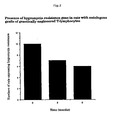
- Results have been obtained which show that by using the (ie. the lower temperature) improvements in the long-term viability of the cells may be obtained. When multiplied over 10-20 years for example, this enhancement in viability may be important in the successful storage of the cells (see Example 6 below).
- the cells may be cultured if desired, for example as part of a treatment or modification process (see later) or they may be expanded ie. they may be cultured to increase cell numbers.
- the cells may be passaged, according to methods well known in the art. The culturing may be before or after the period of dormancy, or both.
- the cells Prior to transplantation, the cells may also or alternatively be modified or manipulated in some way, e.g. genetically or functionally and/or by inducing or modulating their differentiation. Again, as described above, this is known in the art and any of the known or standard procedures may be used. (see e.g. WO98/06823, WO98/32840, WO98/18486). Such modification or manipulation may be carried out before or after dormancy, or both. The modification/manipulations are not restricted temporally, in that the sequence and/or number of manipulations is flexible.
- genetic interventions may include regulating or modifying the expression of one or more genes, e.g. increasing or decreasing gene expression, inactivating or knocking out one or more genes, gene replacement, expression of one or more heterologous genes etc.
- the cells may also be used as a source of nuclei for nuclear transfer into stem cells.
- the cells may be exposed to or contacted with factors, e.g. cytokines, growth factors etc. which may modify their growth and/or activity etc, or their state of differentiation etc.
- factors e.g. cytokines, growth factors etc. which may modify their growth and/or activity etc, or their state of differentiation etc.
- the cells may also be treated to separate or selectively isolate or enrich desired cell types or to purge unwanted cells.
- T-cells are co-stimulated prior to transplantation.
- haematopoietic cells may be co-presented with HLA class I restricted tumour antigen and B7 and/or IL12, so as to produce both activated and memory T-cells.
- the sample may then returned to the host organism before the onset of disease, as a prophylactic therapy.
- the co-presenting antigen-presenting cells APCs
- the cells may be exposed to the host's tumour in vitro with appropriate danger signals and co-presentation of co-stimulatory molecules, before being returned to the host.
- the host's CTLs may be genetically modified to recognize the tumour prior to replacement.
- the cells are revitalised prior to use in transplantation. Again, this may be achieved in any convenient manner known in the art, and any method of revitalising or reviving the cells may be used.
- this may, for example, be achieved by thawing and/or diluting the cells, e.g. as described in the Examples.
- Techniques for revitalisation are well known in the art (see e.g. Freshney's supra). Cells may be thawed by gentle agitation of the container holding the cells in water at 37°C, followed by dilution of DMSO to 1% or below, e.g. with medium, or patient serum etc. Cells may be implanted immediately or after recovery in culture. Revitalisation is designed to re-establish the usefulness of the cells e.g. in prophylaxis or curative therapy.
- the invention relates to the recognition that a tissue sample from a non-diseased individual may be put into a state of dormancy. The tissue may then be revitalized and returned to the same individual when required at a later date. Grafting the revitalized tissue 1, 2, 3, 4, 5, 6 or more months or 1, 2, 3, 4, 5, 6 or more years after its removal from the patient is intended to alleviate or protect against disease, to slow the progression of disease, or to augment and/or support the functioning of the remaining normal, or damaged, tissue in the patient.
- the invention is clearly distinct from the freezing of bone marrow cells from patients with eg. leukaemia, and from the freezing of gametes, eg. sperm, prior to treatment of patients with eg.
- childhood leukaemia because the patients already have disease. It is also distinguished from patients who provide blood for chilled storage for possible later use, eg. at a subsequent operation, for the same reason.
- the duration of storage for the possible return of such a blood sample is commonly only up to one month.
- individuals with no diagnosed abnormality may choose to provide blood for chilled storage for prospective use by themselves prior to travelling abroad. Such use might include for the treatment of hypovolaemia after acute blood loss, such might occur after a road traffic accident or other trauma, but this again is for a short period of storage of about one month only, and not intended for use in future disease e.g. chronic disease.
- the invention provides a prospective therapeutic method. It would be beneficial for such presently healthy individuals to provide a tissue sample or multiple tissue samples (eg. bone marrow or blood). The sample/s could be kept in a state of dormancy until their use at a future date to replace/augment aberrant or lost tissues/cells and alleviate the disease they were likely to contract after the sample was taken.
- the invention may also have applicability for individuals whose environments pre-dispose them to e.g. leukaemia, for example power station workers.
- the invention is against all conventional teachings, then, which recommend retrospective allografts or autografts to provide a curative intervention in diseases such as leukaemia and lymphoma or solid tumours.
- Other types of predisposition are also included within the scope of this aspect of the invention, as indeed are other factors e.g. a family history which might suggest a risk of a suspected condition.
- a further advantageous utility of the invention is in the treatment of HIV infection or disease.
- CD4 + cells can be collected from an individual when healthy or non-infected, and stored for subsequent transplantation into said individual when HIV infection manifests itself or when AIDS develops, or CD4 + cell count falls etc. Such a procedure may be attractive to an individual with a life-style likely to place them at risk from contracting HIV infection.
- the invention can be seen as being particularly advantageous in the light of recent discoveries related to the down-regulation of cytotoxic T-lymphocyte activity in response to HLA class I antigen-restricted tumour-epitope presentation.
- Marrow and/or blood samples taken much earlier in life from the patient such as during adolescence or early adulthood when their immune system is mature but uncompromised, and maintained subsequently in a state of dormancy, could be revitalized and reinfused to the patient to boost their immune system.
- Such an approach would provide for a method of augmenting the patient's immune system after surgery in order to lessen the likelihood of post-operative complications caused by opportunistic infections.
- the invention therefore, could be used as a prophylactic therapy, eg- for elderly patients when they are more susceptible to disease.
- Another area in which the invention can be seen to have particular advantages is where individuals may be predisposed to endocrine disorders in later life such as diabetes; hypothyroidism or hypoparathyroidism, or to the loss or disease of skeletal material leading to age-related osteopaenia, osteoporosis, osteoarthritis, rheumatoid arthritis, and periodontal disease.
- 4 Tissue/cell samples could be taken from these individuals, stored in a state of dormancy, and then reinfused back, optionally after in vitro expansion, into the individual when their endocrine/skeletal status indicated a requirement.
- the invention has particular advantages in the treatment of neurodegenerative illness with a genetic component.
- the donor cells can be modified genetically, either before or after dormancy to, for example, override, negate, alleviate or reverse the effects, future or current, of the abnormal inherited component of the disease.
- the IT15 gene coding for huntingtin contains an abnormally large number of CAG repeats (Cell 72 (1993) 971). This dominant gene may be inactivated or knocked out in vitro, and replaced by the normal version (J. Neuro Sci: 18 (1998) 6207; Bioessays 20 (1998) 200).
- the present invention has clear advantages, therefore, in the treatment of neurodegenerative disease, by providing graftable (PNAS 89 (1992) 4187), and in this case autograftable material, both with and without prior modification of the cell's functionality, differentiation or genotype. Analogous principles would apply to the treatment of other diseases or disorders.
- the invention would also have advantages where cell/tissue samples need to be transported to specialist laboratories to undergo manipulations (eg. genetic modifications e.g. nuclear transplantation into stem cells) prior to their return to the patient. Often, it may not be possible to treat/modify the cells, either genetically or functionally, or phenotypically at the place where the patient is sampled. Even if it is possible, the process may not be immediately initiatable. Placing the sample in a state of dormancy may be considerably advantageous to the procedure, as the cell manipulations that need to be made can be performed at a time suitable to the management of the process eg. either before making the cells dormant or after they are resuscitated, but before they are returned to the patient.
- manipulations e.g. genetic modifications e.g. nuclear transplantation into stem cells
- the invention would be seen also as advantageous when a multiplicity of samples from a single donor are needed.
- the invention could be used to build a stock by multiple sample additions (i.e. 2 or more) to the first sample, all of them being placed in a state of dormancy prior to revitalizing part of, or the complete collection for use, for example, in therapy.
- the donor tissue for autografting may be from animals including transgenic animals. Such animals would include, but not be limited to, rats, mice, pigs, dogs, cats, sheep horses and cattle.
- the invention may also include the incorporation of a negative selection marker into all cells/tissues destined to be returned to the patient as described, for example, in WO96/14401 (Transgenic organisms and their uses),and WO96/14400 (Genetically modified neural cells).
- Bone marrow cells and/or blood cells were sampled using standard procedures. All sampling was performed under anaesthesia. Blood was sampled by cardiac puncture, or by exposure of the jugular vein followed by blood extraction therefrom. Marrow was extracted from the femur after a hind leg amputation; and from the tibia and fibula of the amputated hind leg. (Practical Immunology, 3rd Edition, Blackwell Scientific Publications, 1989).
- the rat femur and/or tibia was exposed and bone marrow cells removed using disposable bone aspirating needle(s) or an Islam bone marrow harvesting needle, or equivalent thereof, for rats.
- Several areas of the bone were sampled so as to provide an adequate harvest of marrow cells for future needs.
- a rib biopsy was taken which was particularly advantageous for the sampling of bone cells of the CFU-F (colony forming units-fibroblast) type.
- the iliac crest is usually sampled.
- the marrow cells were suspended in culture medium and separated from fatty materials essentially as described previously for human cell sampling (Bone 22(1998)7).
- the resulting cell suspension was transferred to a universal container and allowed to stand undisturbed for 10 minutes (min), after which time fat deposits that had floated to the top were removed.
- the marrow-derived cells were transferred to a centrifuge tube and spun at 100 x gravity (g) for 5 min to harvest the cells.
- the medium and fat deposits were again removed and the cell pellet resuspended in 5 ml of fresh culture medium.
- the resuspended cells were loaded onto a 70% Percoll gradient which was centrifuged at 460 g for 15 min.
- an equal volume of fresh medium was added and the suspension centrifuged at 100 g for 10 min.
- the resulting cell pellet was resuspended in fresh medium and a single cell solution obtained by passing the cells through a 19-gauge needle several times. The number of viable cells was then determined by trypan blue (1% w/v) exclusion.
- haematopoietically-derived and mesenchymally-derived tissues could be obtained by marrow sampling such that, in addition to cells of the immune system, cells capable of giving rise to osteoblasts, chondroblasts, myoblasts, fibroblasts and/or adipocytes could be also obtained.
- the mesenchymal cells can be separated, for example, by taking advantage of their adherent properties. Placing the sampled cells on standard tissue culture plasticware, for varying lengths of time, leads to adherence of the mesenchymal cell population to the plastic, leaving the haematopoietic cells in suspension. The different cell types can be then physically separated by pouring off the supernatant.
- Peripheral blood was also sampled from rats given an intraperitoneal injection/s of either granulocyte colony stimulating factor (G-CSF) or granulocyte macrophage colony stimulating factor (GM-CSF) or haemopoietin for periods up to 96 hours prior to sampling.
- G-CSF granulocyte colony stimulating factor
- GM-CSF granulocyte macrophage colony stimulating factor
- haemopoietin haemopoietin for periods up to 96 hours prior to sampling.
- the peripheral blood mononuclear cells were sampled 1 to 4 days after G-CSF/GM-CSF administration.
- G-CSF and GM-CSF have been shown to increase the peripheral blood mononuclear cell population which comprises haematopoietic T-lymphocytes and their progenitors and stem cells, as well as other blood cells.
- This approach therefore, helps to increase, in vivo , the abundance of cells required for subsequent transplantation prior to their removal from the body.
- agents such as G-CSF, GM-CSF, haemopoietin or combinations thereof 3-4 days prior to sampling of blood by apheresis is a method currently used to obtain peripheral blood stem cells for human therapy and may be used in the invention (Stem Cells 15(1997)9).
- the marrow cell samples (either non-separated samples, or samples separated into different cell types - e.g. fat/non-fat, mesenchymal/haematopoietic cells) collected were placed in fresh cryopreservation containers.
- Rats sampled were given several weeks to recover prior to undergoing further treatment(s).
- the radiation dose given has been shown to compromise the immune system which is highly radiation-sensitive, such that animals die readily from infection soon after treatment (Practical Immunology, 3rd Edition, Blackwell Scientific Publications, 1989). Removal of the thymus may have a similar effect.
- Marrow cells or white cells were thawed from frozen, with gentle agitation of the cryovial in a beaker of 37°C water. Medium was then added to dilute the DMSO eg. 10-fold, and the cells gently pelleted by centrifugation at 400g. The cells were resuspended in a small volume of autologous plasma before being returned to the animal by infusion.
- Both male and female Wistar rats were used in the study and marrow cells and/or peripheral blood mononuclear cell samples were obtained as described in Example 1.
- the mononuclear cells were genetically engineered to express the a and b chains of the T-cell receptor which, when combined, recognised the Mage 1 tumour antigen.
- the genetic construction also provided hygromycin resistance to the engineered cells and is described further in WO96/15238 - Targeted T-lymphocytes, incorporated herein.
- the buffy coat was separated and genomic DNA prepared by phenol/ chloroform extraction followed by ethanol precipitation and resuspension in sterile water (Sambrook et al., Molecular Cloning. A Laboratory Manual, Vols. 1-3, Cold Spring Harbour Laboratory Press, 1989).
- the genomic DNA was PCR amplified in the presence of oligonucleotide primers designed to recognise a 272 base pair sequence of the hygromycin resistance gene (see McPherson et al., PCR. A Practical Approach, IRL Press, 1993 for PCR conditions).
- Hygromycin primers detecting hygromycin gene sequence of size 1.023 kb were as follows: A sample of the PCR product was electrophoresed through a 4% agarose gel and the 272 base pair fragment of the hygromycin resistance gene identified by UV transillumination after staining the gel with ethidium bromide. The ability to identify the hygromycin gene in the rat blood samples over time is provided in Figure 2.
- Example 3 was performed as for Example 2, except that the cells for autologous grafting were cryopreserved prior to genetic engineering. Samples were thawed as described in Example 1 prior to autografting. Results of the maintenance of gene expression in the autograft over time is given in Figure 3.
- Cell samples were revitalised from 3 months to 2 years after cryopreservation and suspended in culture medium at 2 x 10 6 cells/ml.
- a single porous hydroxyapatite disc was added and left for 24 hours to allow cells to adhere to it - producing a cell/HA composite.
- the composites were then implanted subcutaneously as either autogenous or syngeneic grafts. The grafts were removed after 8 weeks and subjected to histological analysis, and osteocalcin and alkaline phosphatase measurements.
- osteocalcin expression was 8-10 fold higher in composites containing young cells when compared to composites containing old cells.
- the 8-10 ratio of osteocalcin expressed between composites comprising young compared to composites comprising old cells did not vary significantly due to cryopreservation and revitalisation, or because of syngeneic rather than autologous grafting.
- Alkaline phosphatase activity was also seen to vary between composites comprising either young or old cells.
- Composites comprising young cells had 4-6 fold the alkaline phosphatase activity of old cell composites. Similar to the osteocalcin study, no significant change to this ratio was brought about by cryopreservation of cells prior to forming the composites; or from syngeneic grafting rather than autografting.
- Table 1 below discloses the ratios of osteocalcin expression seen between the different groups: Table 1 Group x/Group y Ratio 1a/1b 1.3 1a/1c 1.4 1a/1d 1.5 2a/2b 0.9 2a/2c 1.4 2a/2d 1.6 3a/3b 1.0 3a/3c 1.0 4a/4b 1.3 4a/4c 0.9 1a/2a 9.7 3a/4a 9.8 1a/3a 1.4 2a/4a 1.4
- Table 2 discloses the ratios of alkaline phosphatase expression seen between the different groups: Table 2 Group x/Group y Ratio 1a/1b 1.1 1a/1c 1.3 1a/1d 1.3 2a/2b 1.3 2a/2c 1.5 2a/2d 1.8 3a/3b 1.1 3a/3c 0.9 4a/4b 1.3 4a/4c 0.9 1a/2a 5.8 3a/4a 5.9 1a/3a 1.1 2a/4a 1.1
- Such medium comprised a mixture of Dulbecco's modified Eagle's medium and Ham's F12 (50/50 v/v) supplemented with L-glutamine (2mM), penicillin:streptomycin (100 IU/ml: 10 mg/ml) and modified stock solution (PNAS USA 76(1979)514; J Neurophysiol 40(1981)1132) containing 10 ng/ml epidermal growth factor (EGF), 5 ng/ml basic fibroblast growth factor (FGF), or the like.
- transmembrane co-culture with replicative neural cells, or conditioned medium from such cells was also used to support the survival of the newly-dissociated adult cells.
- the clusters of replicating cells were expanded, and "passaged” by sectioning into. 4 - 6 parts followed by replating. This allowed prolonged expansion.
- Cell clusters, or mechanically dissociated cells derived from them were frozen either at this stage, or after differentiation (vide infra), in medium containing 10% DMSO and using conventional methods. They were then placed in gas/liquid phase nitrogen followed by prolonged storage in gas/liquid phase helium for periods of up to or including one year.
- Example 6 The "one year" study of Example 6 was repeated, storing an aliquot of cells in liquid helium for 2 years. The cells were then thawed and cell viability was assessed as described in Example 6. The results are shown in Table 4. Figures are the means and SEM of 6 sample pairs, and are expressed as a proportion of the cells surviving after 1 hour in liquid nitrogen. It will be seen that, after two years storage similarly good viability results may be obtained. Table 4 Cell type Liquid nitrogen Liquid helium Human neural cell line 89.28 ⁇ 2.51 97.08 ⁇ 1.32 Human white cells 88.19 ⁇ 0.96 96.98 ⁇ 1.41 Human marrow stromal cells 86.20 ⁇ 1.67 97.56 ⁇ 0.93
Landscapes
- Health & Medical Sciences (AREA)
- Life Sciences & Earth Sciences (AREA)
- Engineering & Computer Science (AREA)
- General Health & Medical Sciences (AREA)
- Biomedical Technology (AREA)
- Public Health (AREA)
- Animal Behavior & Ethology (AREA)
- Chemical & Material Sciences (AREA)
- Veterinary Medicine (AREA)
- Organic Chemistry (AREA)
- Zoology (AREA)
- Bioinformatics & Cheminformatics (AREA)
- Biotechnology (AREA)
- Epidemiology (AREA)
- Wood Science & Technology (AREA)
- Genetics & Genomics (AREA)
- Cell Biology (AREA)
- Developmental Biology & Embryology (AREA)
- Medicinal Chemistry (AREA)
- Immunology (AREA)
- Pharmacology & Pharmacy (AREA)
- Microbiology (AREA)
- Biochemistry (AREA)
- General Engineering & Computer Science (AREA)
- Neurology (AREA)
- Rheumatology (AREA)
- Chemical Kinetics & Catalysis (AREA)
- General Chemical & Material Sciences (AREA)
- Nuclear Medicine, Radiotherapy & Molecular Imaging (AREA)
- Virology (AREA)
- Physical Education & Sports Medicine (AREA)
- Hematology (AREA)
- Orthopedic Medicine & Surgery (AREA)
- Neurosurgery (AREA)
- Dentistry (AREA)
- Environmental Sciences (AREA)
- Molecular Biology (AREA)
- Tropical Medicine & Parasitology (AREA)
- Communicable Diseases (AREA)
- AIDS & HIV (AREA)
Applications Claiming Priority (3)
| Application Number | Priority Date | Filing Date | Title |
|---|---|---|---|
| GB9825096 | 1998-11-16 | ||
| GB9825096A GB2343679A (en) | 1998-11-16 | 1998-11-16 | Autologous transplantation and method for making cells dormant |
| PCT/GB1999/003813 WO2000029551A2 (en) | 1998-11-16 | 1999-11-16 | Cells, culture methods, and their use in autologous transplantation therapy |
Publications (2)
| Publication Number | Publication Date |
|---|---|
| EP1131408A2 EP1131408A2 (en) | 2001-09-12 |
| EP1131408B1 true EP1131408B1 (en) | 2006-03-29 |
Family
ID=10842531
Family Applications (1)
| Application Number | Title | Priority Date | Filing Date |
|---|---|---|---|
| EP99954269A Revoked EP1131408B1 (en) | 1998-11-16 | 1999-11-16 | Cells, culture methods, and their use in autologous transplantation therapy |
Country Status (12)
| Country | Link |
|---|---|
| US (1) | US20060246042A1 (OSRAM) |
| EP (1) | EP1131408B1 (OSRAM) |
| JP (1) | JP2002530293A (OSRAM) |
| AT (1) | ATE321843T1 (OSRAM) |
| AU (1) | AU775597B2 (OSRAM) |
| CY (1) | CY1105439T1 (OSRAM) |
| DE (1) | DE69930660T2 (OSRAM) |
| DK (1) | DK1131408T3 (OSRAM) |
| ES (1) | ES2262346T3 (OSRAM) |
| GB (1) | GB2343679A (OSRAM) |
| PT (1) | PT1131408E (OSRAM) |
| WO (1) | WO2000029551A2 (OSRAM) |
Families Citing this family (15)
| Publication number | Priority date | Publication date | Assignee | Title |
|---|---|---|---|---|
| GB0322806D0 (en) | 2003-09-30 | 2003-10-29 | Lifeforce Group Plc | Cell bank for contingent autologous leukocyte transplantation |
| EP1711214A1 (en) | 2004-02-02 | 2006-10-18 | Interface Multigrad Technology (IMT) Ltd. | Device for directional cooling of biological matter |
| JP4777908B2 (ja) | 2004-02-02 | 2011-09-21 | コア・ダイナミクス・リミテッド | 生物学的材料ならびに生物学的材料の保存のための方法および溶液 |
| ATE460947T1 (de) | 2004-06-07 | 2010-04-15 | Core Dynamics Ltd | Verfahren zur sterilisation von biologischen präparaten |
| US8037696B2 (en) | 2004-08-12 | 2011-10-18 | Core Dynamics Limited | Method and apparatus for freezing or thawing of a biological material |
| US8198085B2 (en) | 2005-08-03 | 2012-06-12 | Core Dynamics Limited | Somatic cells for use in cell therapy |
| DE102007004855B4 (de) * | 2007-01-31 | 2014-03-27 | Fraunhofer-Gesellschaft zur Förderung der angewandten Forschung e.V. | Vorrichtung und Verfahren zur Deposition von biologischem Material in einem Zielsubstrat |
| US20120070450A1 (en) * | 2009-03-24 | 2012-03-22 | Riken | Leukemia stem cell markers |
| EP2943206A4 (en) * | 2013-01-12 | 2017-01-04 | Cesca Therapeutics Inc. | Rapid infusion of autologous bone marrow derived stem cells |
| ES2729640T3 (es) * | 2013-10-24 | 2019-11-05 | Neuroplast Beheer B V | Procedimiento de reducción de la actividad inflamatoria de un trasplante de células madre y usos del mismo |
| CN105219709A (zh) * | 2015-09-23 | 2016-01-06 | 上海吉泉生物技术有限公司 | 单采法建立免疫细胞库及应用 |
| CL2016000753A1 (es) * | 2016-03-31 | 2017-11-10 | Fund Ciencia Para La Vida | Atenuación de la neurodegeneración asociada a la enfermedad de parkison mediante la inhibición del receptor de dopamina d3 en células t cd4+. |
| JP6401818B2 (ja) * | 2016-04-27 | 2018-10-10 | 株式会社金太郎CellsPower | 活性化幹細胞製造方法 |
| DE102021116694B4 (de) * | 2021-06-29 | 2023-03-09 | Promocell Gmbh | Wässrige Lösung zur Zellkonservierung |
| CN114984048A (zh) * | 2022-06-16 | 2022-09-02 | 浙江百越生物技术有限公司 | 一种预防与治疗老年人行动迟缓的细胞疗法 |
Family Cites Families (12)
| Publication number | Priority date | Publication date | Assignee | Title |
|---|---|---|---|---|
| US5004681B1 (en) * | 1987-11-12 | 2000-04-11 | Biocyte Corp | Preservation of fetal and neonatal hematopoietic stem and progenitor cells of the blood |
| JPH04282301A (ja) * | 1991-03-08 | 1992-10-07 | Kachiku Jiyuseiran Ishiyoku Gijutsu Kenkyu Kumiai | 生物試料の急速凍結方法 |
| US5750376A (en) * | 1991-07-08 | 1998-05-12 | Neurospheres Holdings Ltd. | In vitro growth and proliferation of genetically modified multipotent neural stem cells and their progeny |
| AU6167394A (en) * | 1993-01-27 | 1994-08-15 | Hemosol Inc. | Selective cell proliferation |
| AU8078894A (en) * | 1993-10-08 | 1995-05-04 | Cellpro Ii | Methods for collection and cryopreservation of human granulocytes |
| US5866332A (en) * | 1994-02-02 | 1999-02-02 | Incyte Pharmaceuticals, Inc. | Human myeloid terminal differentiation response gene |
| EP0668013B1 (en) * | 1994-02-22 | 2005-04-20 | Nippon Telegraph And Telephone Corporation | Freeze-dried blood cells, stem cells and platelets and manufacturing method for the same |
| US5704889A (en) * | 1995-04-14 | 1998-01-06 | Cobe Laboratories, Inc. | Spillover collection of sparse components such as mononuclear cells in a centrifuge apparatus |
| US5865784A (en) * | 1995-06-07 | 1999-02-02 | Alliance Pharmaceutical Corp. | Method of hemodilution facilitated by monitoring oxygenation status |
| US5922597A (en) * | 1995-11-14 | 1999-07-13 | Regents Of The University Of Minnesota | Ex vivo culture of stem cells |
| JP2002515756A (ja) * | 1997-01-31 | 2002-05-28 | ヘモソル インク. | 選択されたリンパ球の生産方法 |
| AU6346898A (en) * | 1997-03-06 | 1998-09-22 | University Of Massachusetts | Gene therapy using bone marrow transplants transfected with therapeutic genes under the control of tissue-specific promoters |
-
1998
- 1998-11-16 GB GB9825096A patent/GB2343679A/en not_active Withdrawn
-
1999
- 1999-11-16 WO PCT/GB1999/003813 patent/WO2000029551A2/en not_active Ceased
- 1999-11-16 JP JP2000582535A patent/JP2002530293A/ja active Pending
- 1999-11-16 AT AT99954269T patent/ATE321843T1/de not_active IP Right Cessation
- 1999-11-16 ES ES99954269T patent/ES2262346T3/es not_active Expired - Lifetime
- 1999-11-16 PT PT99954269T patent/PT1131408E/pt unknown
- 1999-11-16 AU AU10680/00A patent/AU775597B2/en not_active Ceased
- 1999-11-16 EP EP99954269A patent/EP1131408B1/en not_active Revoked
- 1999-11-16 DE DE69930660T patent/DE69930660T2/de not_active Expired - Lifetime
- 1999-11-16 DK DK99954269T patent/DK1131408T3/da active
-
2006
- 2006-04-10 US US11/400,767 patent/US20060246042A1/en not_active Abandoned
- 2006-06-26 CY CY20061100868T patent/CY1105439T1/el unknown
Also Published As
| Publication number | Publication date |
|---|---|
| GB2343679A (en) | 2000-05-17 |
| CY1105439T1 (el) | 2010-04-28 |
| DE69930660D1 (de) | 2006-05-18 |
| EP1131408A2 (en) | 2001-09-12 |
| PT1131408E (pt) | 2006-08-31 |
| DE69930660T2 (de) | 2007-04-05 |
| ATE321843T1 (de) | 2006-04-15 |
| AU775597B2 (en) | 2004-08-05 |
| US20060246042A1 (en) | 2006-11-02 |
| AU1068000A (en) | 2000-06-05 |
| WO2000029551B1 (en) | 2001-01-11 |
| DK1131408T3 (da) | 2006-08-07 |
| WO2000029551A2 (en) | 2000-05-25 |
| JP2002530293A (ja) | 2002-09-17 |
| GB9825096D0 (en) | 1999-01-13 |
| WO2000029551A3 (en) | 2000-10-19 |
| ES2262346T3 (es) | 2006-11-16 |
Similar Documents
| Publication | Publication Date | Title |
|---|---|---|
| AU775597B2 (en) | Cells, culture methods and their uses | |
| Wyns et al. | Options for fertility preservation in prepubertal boys | |
| US20030054331A1 (en) | Preservation of non embryonic cells from non hematopoietic tissues | |
| Pavlovic et al. | Stem cells and tissue engineering | |
| US20090324567A1 (en) | Leukocyte Cell Banks | |
| CN111454903B (zh) | 免疫细胞体外培养、诱导、激活、冻存方法及其细胞库建立 | |
| KR20220004086A (ko) | 골수의 추출 및 저온보존을 위한 시스템 및 방법 | |
| Nicolas et al. | Evaluation of the qualitative and quantitative effectiveness of three media of centrifugation (Maxifreeze, Cushion Fluid Equine, and PureSperm 100) in preparation of fresh or frozen-thawed brown bear spermatozoa | |
| CN103074298A (zh) | 一种人脂肪间充质干细胞库及其构建方法 | |
| US6037175A (en) | Method and media for enhancing cryopreservation of cells | |
| CN109453198A (zh) | 移植物抗宿主疾病的治疗或预防方法 | |
| WO2004089439A2 (en) | Elective collection and banking of autologous peripheral blood stem cells | |
| US20070212674A1 (en) | Blood Co-Processing For Contingent Autologous Leukocyte Transplantation | |
| WO2001088099A1 (en) | Cells, culture methods and their uses | |
| Choi et al. | Depletion of αβ+ T cells for a haploidentical hematopoietic stem cell transplantation in children | |
| JANNEY et al. | Characterization of lymphocytes from rejected and nonrejected islet xenografts | |
| Yu et al. | Donor liver natural killer cells alleviate liver allograft acute rejection in rats | |
| Mohammadi et al. | Human peripheral blood derived hematopoietic stem cell: history, the isolation methods and investigation of different parameters effects on their differentiation to the body cells | |
| Tiurbe et al. | Inhibitory effects of rat bone marrow-derived dendritic cells on naïve and alloantigen-specific CD4+ T cells: a comparison between dendritic cells generated with GM-CSF plus IL-4 and dendritic cells generated with GM-CSF plus IL-10 | |
| CN101506353A (zh) | 外周造血干细胞的处理方法 | |
| CA2580712A1 (en) | Blood pack for leukocyte banking | |
| Michejda et al. | Comparative study of hemopoietic precursors from fetal and adult bone marrow: utilization of stem cells derived from miscarriages | |
| Chu et al. | Xenogeneic but not allogeneic pancreatic islet graft survival in recipients lacking humoral immunity and major histocompatibility complex class II antigens | |
| Balint et al. | Hematopoietic stem cells–from hemobiology to the extracorporeal manipulative viewpoints | |
| Ayala et al. | Flow Cytometry Analysis of Graft Conditioning on the T-Cell Response in Graft-Versus-Host Disease Following Murine Allogeneic Transplantation |
Legal Events
| Date | Code | Title | Description |
|---|---|---|---|
| PUAI | Public reference made under article 153(3) epc to a published international application that has entered the european phase |
Free format text: ORIGINAL CODE: 0009012 |
|
| 17P | Request for examination filed |
Effective date: 20010605 |
|
| AK | Designated contracting states |
Kind code of ref document: A2 Designated state(s): AT BE CH CY DE DK ES FI FR GB GR IE IT LI LU MC NL PT SE |
|
| 17Q | First examination report despatched |
Effective date: 20041013 |
|
| GRAP | Despatch of communication of intention to grant a patent |
Free format text: ORIGINAL CODE: EPIDOSNIGR1 |
|
| GRAS | Grant fee paid |
Free format text: ORIGINAL CODE: EPIDOSNIGR3 |
|
| GRAA | (expected) grant |
Free format text: ORIGINAL CODE: 0009210 |
|
| AK | Designated contracting states |
Kind code of ref document: B1 Designated state(s): AT BE CH CY DE DK ES FI FR GB GR IE IT LI LU MC NL PT SE |
|
| PG25 | Lapsed in a contracting state [announced via postgrant information from national office to epo] |
Ref country code: IT Free format text: LAPSE BECAUSE OF FAILURE TO SUBMIT A TRANSLATION OF THE DESCRIPTION OR TO PAY THE FEE WITHIN THE PRESCRIBED TIME-LIMIT;WARNING: LAPSES OF ITALIAN PATENTS WITH EFFECTIVE DATE BEFORE 2007 MAY HAVE OCCURRED AT ANY TIME BEFORE 2007. THE CORRECT EFFECTIVE DATE MAY BE DIFFERENT FROM THE ONE RECORDED. Effective date: 20060329 |
|
| REG | Reference to a national code |
Ref country code: GB Ref legal event code: FG4D |
|
| REG | Reference to a national code |
Ref country code: CH Ref legal event code: EP |
|
| REG | Reference to a national code |
Ref country code: IE Ref legal event code: FG4D |
|
| REF | Corresponds to: |
Ref document number: 69930660 Country of ref document: DE Date of ref document: 20060518 Kind code of ref document: P |
|
| REG | Reference to a national code |
Ref country code: SE Ref legal event code: TRGR |
|
| REG | Reference to a national code |
Ref country code: CH Ref legal event code: NV Representative=s name: A. BRAUN, BRAUN, HERITIER, ESCHMANN AG PATENTANWAE |
|
| REG | Reference to a national code |
Ref country code: GR Ref legal event code: EP Ref document number: 20060402205 Country of ref document: GR |
|
| REG | Reference to a national code |
Ref country code: DK Ref legal event code: T3 |
|
| REG | Reference to a national code |
Ref country code: PT Ref legal event code: SC4A Effective date: 20060626 |
|
| REG | Reference to a national code |
Ref country code: ES Ref legal event code: FG2A Ref document number: 2262346 Country of ref document: ES Kind code of ref document: T3 |
|
| ET | Fr: translation filed | ||
| PLBI | Opposition filed |
Free format text: ORIGINAL CODE: 0009260 |
|
| PLBI | Opposition filed |
Free format text: ORIGINAL CODE: 0009260 |
|
| 26 | Opposition filed |
Opponent name: LIFEFORCE IMMUNE SYSTEM BANK PLC Effective date: 20061220 |
|
| PLAX | Notice of opposition and request to file observation + time limit sent |
Free format text: ORIGINAL CODE: EPIDOSNOBS2 |
|
| 26 | Opposition filed |
Opponent name: SANKHIA CORPORATION Effective date: 20061229 Opponent name: LIFEFORCE IMMUNE SYSTEM BANK PLC Effective date: 20061220 |
|
| NLR1 | Nl: opposition has been filed with the epo |
Opponent name: SANKHIA CORPORATION Opponent name: LIFEFORCE IMMUNE SYSTEM BANK PLC |
|
| PLAF | Information modified related to communication of a notice of opposition and request to file observations + time limit |
Free format text: ORIGINAL CODE: EPIDOSCOBS2 |
|
| REG | Reference to a national code |
Ref country code: GB Ref legal event code: 732E |
|
| PLBP | Opposition withdrawn |
Free format text: ORIGINAL CODE: 0009264 |
|
| PLAF | Information modified related to communication of a notice of opposition and request to file observations + time limit |
Free format text: ORIGINAL CODE: EPIDOSCOBS2 |
|
| PLBB | Reply of patent proprietor to notice(s) of opposition received |
Free format text: ORIGINAL CODE: EPIDOSNOBS3 |
|
| REG | Reference to a national code |
Ref country code: GB Ref legal event code: 732E |
|
| REG | Reference to a national code |
Ref country code: CH Ref legal event code: PFA Owner name: HEBE LIMITED Free format text: HEBE LIMITED#CEDAR HOUSE, 41 CEDAR AVENUE#HAMILTON HM 12 (BM) -TRANSFER TO- HEBE LIMITED#CEDAR HOUSE, 41 CEDAR AVENUE#HAMILTON HM 12 (BM) |
|
| PLAB | Opposition data, opponent's data or that of the opponent's representative modified |
Free format text: ORIGINAL CODE: 0009299OPPO |
|
| PGFP | Annual fee paid to national office [announced via postgrant information from national office to epo] |
Ref country code: SE Payment date: 20091126 Year of fee payment: 11 Ref country code: MC Payment date: 20091123 Year of fee payment: 11 Ref country code: LU Payment date: 20091118 Year of fee payment: 11 Ref country code: IE Payment date: 20091123 Year of fee payment: 11 Ref country code: FI Payment date: 20091124 Year of fee payment: 11 Ref country code: ES Payment date: 20091126 Year of fee payment: 11 Ref country code: DK Payment date: 20091114 Year of fee payment: 11 Ref country code: DE Payment date: 20091127 Year of fee payment: 11 Ref country code: CH Payment date: 20091124 Year of fee payment: 11 Ref country code: AT Payment date: 20091119 Year of fee payment: 11 |
|
| PLBP | Opposition withdrawn |
Free format text: ORIGINAL CODE: 0009264 |
|
| PGFP | Annual fee paid to national office [announced via postgrant information from national office to epo] |
Ref country code: NL Payment date: 20091127 Year of fee payment: 11 |
|
| RAP2 | Party data changed (patent owner data changed or rights of a patent transferred) |
Owner name: BGT LTD Owner name: BIOBANC GROUP LIMITED |
|
| PGFP | Annual fee paid to national office [announced via postgrant information from national office to epo] |
Ref country code: CY Payment date: 20091116 Year of fee payment: 11 Ref country code: PT Payment date: 20091112 Year of fee payment: 11 |
|
| RIC2 | Information provided on ipc code assigned after grant |
Ipc: C12N 5/07 20100101AFI20100219BHEP |
|
| PGFP | Annual fee paid to national office [announced via postgrant information from national office to epo] |
Ref country code: GB Payment date: 20091112 Year of fee payment: 11 Ref country code: FR Payment date: 20091202 Year of fee payment: 11 |
|
| PGFP | Annual fee paid to national office [announced via postgrant information from national office to epo] |
Ref country code: GR Payment date: 20091119 Year of fee payment: 11 Ref country code: BE Payment date: 20091207 Year of fee payment: 11 |
|
| PG25 | Lapsed in a contracting state [announced via postgrant information from national office to epo] |
Ref country code: IT Free format text: LAPSE BECAUSE OF NON-PAYMENT OF DUE FEES Effective date: 20091116 |
|
| RDAF | Communication despatched that patent is revoked |
Free format text: ORIGINAL CODE: EPIDOSNREV1 |
|
| REG | Reference to a national code |
Ref country code: DE Ref legal event code: R103 Ref document number: 69930660 Country of ref document: DE Ref country code: DE Ref legal event code: R064 Ref document number: 69930660 Country of ref document: DE |
|
| REG | Reference to a national code |
Ref country code: PT Ref legal event code: MM4A Free format text: LAPSE DUE TO NON-PAYMENT OF FEES Effective date: 20110516 |
|
| BERE | Be: lapsed |
Owner name: *HEBE LTD Effective date: 20101130 |
|
| REG | Reference to a national code |
Ref country code: NL Ref legal event code: V1 Effective date: 20110601 |
|
| REG | Reference to a national code |
Ref country code: SE Ref legal event code: EUG |
|
| PG25 | Lapsed in a contracting state [announced via postgrant information from national office to epo] |
Ref country code: MC Free format text: LAPSE BECAUSE OF NON-PAYMENT OF DUE FEES Effective date: 20101130 |
|
| REG | Reference to a national code |
Ref country code: CH Ref legal event code: PL |
|
| REG | Reference to a national code |
Ref country code: DK Ref legal event code: EBP |
|
| GBPC | Gb: european patent ceased through non-payment of renewal fee |
Effective date: 20101116 |
|
| PG25 | Lapsed in a contracting state [announced via postgrant information from national office to epo] |
Ref country code: PT Free format text: LAPSE BECAUSE OF NON-PAYMENT OF DUE FEES Effective date: 20110516 Ref country code: LI Free format text: LAPSE BECAUSE OF NON-PAYMENT OF DUE FEES Effective date: 20101130 Ref country code: CH Free format text: LAPSE BECAUSE OF NON-PAYMENT OF DUE FEES Effective date: 20101130 Ref country code: GR Free format text: LAPSE BECAUSE OF NON-PAYMENT OF DUE FEES Effective date: 20110602 |
|
| PGFP | Annual fee paid to national office [announced via postgrant information from national office to epo] |
Ref country code: IT Payment date: 20091120 Year of fee payment: 11 |
|
| PGRI | Patent reinstated in contracting state [announced from national office to epo] |
Ref country code: IT Effective date: 20110616 |
|
| RDAG | Patent revoked |
Free format text: ORIGINAL CODE: 0009271 |
|
| STAA | Information on the status of an ep patent application or granted ep patent |
Free format text: STATUS: PATENT REVOKED |
|
| REG | Reference to a national code |
Ref country code: FR Ref legal event code: ST Effective date: 20110801 |
|
| PG25 | Lapsed in a contracting state [announced via postgrant information from national office to epo] |
Ref country code: CY Free format text: LAPSE BECAUSE OF NON-PAYMENT OF DUE FEES Effective date: 20101116 Ref country code: FI Free format text: LAPSE BECAUSE OF NON-PAYMENT OF DUE FEES Effective date: 20101116 Ref country code: AT Free format text: LAPSE BECAUSE OF NON-PAYMENT OF DUE FEES Effective date: 20101116 Ref country code: BE Free format text: LAPSE BECAUSE OF NON-PAYMENT OF DUE FEES Effective date: 20101130 |
|
| 27W | Patent revoked |
Effective date: 20110506 |
|
| REG | Reference to a national code |
Ref country code: PT Ref legal event code: MP4A Effective date: 20110919 |
|
| PG25 | Lapsed in a contracting state [announced via postgrant information from national office to epo] |
Ref country code: SE Free format text: LAPSE BECAUSE OF NON-PAYMENT OF DUE FEES Effective date: 20101117 |
|
| PG25 | Lapsed in a contracting state [announced via postgrant information from national office to epo] |
Ref country code: DK Free format text: LAPSE BECAUSE OF NON-PAYMENT OF DUE FEES Effective date: 20101130 Ref country code: FR Free format text: LAPSE BECAUSE OF NON-PAYMENT OF DUE FEES Effective date: 20101130 |
|
| PG25 | Lapsed in a contracting state [announced via postgrant information from national office to epo] |
Ref country code: GB Free format text: LAPSE BECAUSE OF NON-PAYMENT OF DUE FEES Effective date: 20101116 |
|
| PGRI | Patent reinstated in contracting state [announced from national office to epo] |
Ref country code: IT Effective date: 20110616 |
|
| REG | Reference to a national code |
Ref country code: SE Ref legal event code: ECNC |
|
| PG25 | Lapsed in a contracting state [announced via postgrant information from national office to epo] |
Ref country code: ES Free format text: LAPSE BECAUSE OF NON-PAYMENT OF DUE FEES Effective date: 20101117 |