EP1026171A1 - Polymer modification - Google Patents
Polymer modification Download PDFInfo
- Publication number
- EP1026171A1 EP1026171A1 EP00105847A EP00105847A EP1026171A1 EP 1026171 A1 EP1026171 A1 EP 1026171A1 EP 00105847 A EP00105847 A EP 00105847A EP 00105847 A EP00105847 A EP 00105847A EP 1026171 A1 EP1026171 A1 EP 1026171A1
- Authority
- EP
- European Patent Office
- Prior art keywords
- polymer
- poly
- target
- acid
- formula
- Prior art date
- Legal status (The legal status is an assumption and is not a legal conclusion. Google has not performed a legal analysis and makes no representation as to the accuracy of the status listed.)
- Withdrawn
Links
- 229920000642 polymer Polymers 0.000 title claims abstract description 251
- 238000012986 modification Methods 0.000 title description 15
- 230000004048 modification Effects 0.000 title description 14
- 238000000034 method Methods 0.000 claims abstract description 173
- -1 sulphonate ester Chemical class 0.000 claims abstract description 162
- 238000006243 chemical reaction Methods 0.000 claims abstract description 89
- 230000008569 process Effects 0.000 claims abstract description 80
- 150000001875 compounds Chemical class 0.000 claims abstract description 60
- 239000013077 target material Substances 0.000 claims abstract description 52
- UHOVQNZJYSORNB-UHFFFAOYSA-N Benzene Chemical compound C1=CC=CC=C1 UHOVQNZJYSORNB-UHFFFAOYSA-N 0.000 claims abstract description 45
- 239000003153 chemical reaction reagent Substances 0.000 claims abstract description 19
- CXCHEKCRJQRVNG-UHFFFAOYSA-N 2,2,2-trifluoroethanesulfonyl chloride Chemical compound FC(F)(F)CS(Cl)(=O)=O CXCHEKCRJQRVNG-UHFFFAOYSA-N 0.000 claims abstract description 18
- 125000002887 hydroxy group Chemical group [H]O* 0.000 claims abstract description 18
- XLYOFNOQVPJJNP-UHFFFAOYSA-N water Substances O XLYOFNOQVPJJNP-UHFFFAOYSA-N 0.000 claims abstract description 17
- 239000002808 molecular sieve Substances 0.000 claims abstract description 14
- URGAHOPLAPQHLN-UHFFFAOYSA-N sodium aluminosilicate Chemical compound [Na+].[Al+3].[O-][Si]([O-])=O.[O-][Si]([O-])=O URGAHOPLAPQHLN-UHFFFAOYSA-N 0.000 claims abstract description 14
- 238000004821 distillation Methods 0.000 claims abstract description 10
- 239000002274 desiccant Substances 0.000 claims abstract description 6
- 239000003960 organic solvent Substances 0.000 claims abstract description 6
- 239000000463 material Substances 0.000 claims description 65
- 239000000047 product Substances 0.000 claims description 48
- 108010017213 Granulocyte-Macrophage Colony-Stimulating Factor Proteins 0.000 claims description 44
- 229940105423 erythropoietin Drugs 0.000 claims description 37
- 102100039620 Granulocyte-macrophage colony-stimulating factor Human genes 0.000 claims description 33
- OXCMYAYHXIHQOA-UHFFFAOYSA-N potassium;[2-butyl-5-chloro-3-[[4-[2-(1,2,4-triaza-3-azanidacyclopenta-1,4-dien-5-yl)phenyl]phenyl]methyl]imidazol-4-yl]methanol Chemical compound [K+].CCCCC1=NC(Cl)=C(CO)N1CC1=CC=C(C=2C(=CC=CC=2)C2=N[N-]N=N2)C=C1 OXCMYAYHXIHQOA-UHFFFAOYSA-N 0.000 claims description 33
- 108020004414 DNA Proteins 0.000 claims description 31
- 102000003951 Erythropoietin Human genes 0.000 claims description 31
- 108090000394 Erythropoietin Proteins 0.000 claims description 31
- 230000003213 activating effect Effects 0.000 claims description 31
- YMWUJEATGCHHMB-UHFFFAOYSA-N Dichloromethane Chemical compound ClCCl YMWUJEATGCHHMB-UHFFFAOYSA-N 0.000 claims description 27
- 102000004169 proteins and genes Human genes 0.000 claims description 19
- 108090000623 proteins and genes Proteins 0.000 claims description 19
- 229920001282 polysaccharide Polymers 0.000 claims description 18
- 239000005017 polysaccharide Substances 0.000 claims description 18
- 150000004804 polysaccharides Chemical class 0.000 claims description 18
- 229920001223 polyethylene glycol Polymers 0.000 claims description 17
- 150000002148 esters Chemical class 0.000 claims description 16
- 239000003446 ligand Substances 0.000 claims description 16
- 238000003860 storage Methods 0.000 claims description 15
- 229920002307 Dextran Polymers 0.000 claims description 14
- 229920001400 block copolymer Polymers 0.000 claims description 14
- 238000004519 manufacturing process Methods 0.000 claims description 14
- 230000002401 inhibitory effect Effects 0.000 claims description 13
- LYCAIKOWRPUZTN-UHFFFAOYSA-N Ethylene glycol Chemical compound OCCO LYCAIKOWRPUZTN-UHFFFAOYSA-N 0.000 claims description 12
- 239000012634 fragment Substances 0.000 claims description 12
- 229920001515 polyalkylene glycol Polymers 0.000 claims description 12
- 229920001451 polypropylene glycol Polymers 0.000 claims description 11
- 238000004587 chromatography analysis Methods 0.000 claims description 10
- FZWBNHMXJMCXLU-BLAUPYHCSA-N isomaltotriose Chemical compound O[C@@H]1[C@@H](O)[C@H](O)[C@@H](CO)O[C@@H]1OC[C@@H]1[C@@H](O)[C@H](O)[C@@H](O)[C@@H](OC[C@@H](O)[C@@H](O)[C@H](O)[C@@H](O)C=O)O1 FZWBNHMXJMCXLU-BLAUPYHCSA-N 0.000 claims description 10
- 229920002554 vinyl polymer Chemical class 0.000 claims description 10
- 229920000669 heparin Polymers 0.000 claims description 9
- 229960002897 heparin Drugs 0.000 claims description 9
- 239000007859 condensation product Substances 0.000 claims description 8
- 239000003102 growth factor Substances 0.000 claims description 8
- HTTJABKRGRZYRN-UHFFFAOYSA-N Heparin Chemical compound OC1C(NC(=O)C)C(O)OC(COS(O)(=O)=O)C1OC1C(OS(O)(=O)=O)C(O)C(OC2C(C(OS(O)(=O)=O)C(OC3C(C(O)C(O)C(O3)C(O)=O)OS(O)(=O)=O)C(CO)O2)NS(O)(=O)=O)C(C(O)=O)O1 HTTJABKRGRZYRN-UHFFFAOYSA-N 0.000 claims description 7
- 108091034117 Oligonucleotide Proteins 0.000 claims description 7
- 230000004913 activation Effects 0.000 claims description 7
- IAJILQKETJEXLJ-UHFFFAOYSA-N Galacturonsaeure Natural products O=CC(O)C(O)C(O)C(O)C(O)=O IAJILQKETJEXLJ-UHFFFAOYSA-N 0.000 claims description 6
- 102000003886 Glycoproteins Human genes 0.000 claims description 6
- 108090000288 Glycoproteins Proteins 0.000 claims description 6
- 239000002202 Polyethylene glycol Substances 0.000 claims description 6
- DNIAPMSPPWPWGF-UHFFFAOYSA-N Propylene glycol Chemical compound CC(O)CO DNIAPMSPPWPWGF-UHFFFAOYSA-N 0.000 claims description 6
- JLCPHMBAVCMARE-UHFFFAOYSA-N [3-[[3-[[3-[[3-[[3-[[3-[[3-[[3-[[3-[[3-[[3-[[5-(2-amino-6-oxo-1H-purin-9-yl)-3-[[3-[[3-[[3-[[3-[[3-[[5-(2-amino-6-oxo-1H-purin-9-yl)-3-[[5-(2-amino-6-oxo-1H-purin-9-yl)-3-hydroxyoxolan-2-yl]methoxy-hydroxyphosphoryl]oxyoxolan-2-yl]methoxy-hydroxyphosphoryl]oxy-5-(5-methyl-2,4-dioxopyrimidin-1-yl)oxolan-2-yl]methoxy-hydroxyphosphoryl]oxy-5-(6-aminopurin-9-yl)oxolan-2-yl]methoxy-hydroxyphosphoryl]oxy-5-(6-aminopurin-9-yl)oxolan-2-yl]methoxy-hydroxyphosphoryl]oxy-5-(6-aminopurin-9-yl)oxolan-2-yl]methoxy-hydroxyphosphoryl]oxy-5-(6-aminopurin-9-yl)oxolan-2-yl]methoxy-hydroxyphosphoryl]oxyoxolan-2-yl]methoxy-hydroxyphosphoryl]oxy-5-(5-methyl-2,4-dioxopyrimidin-1-yl)oxolan-2-yl]methoxy-hydroxyphosphoryl]oxy-5-(4-amino-2-oxopyrimidin-1-yl)oxolan-2-yl]methoxy-hydroxyphosphoryl]oxy-5-(5-methyl-2,4-dioxopyrimidin-1-yl)oxolan-2-yl]methoxy-hydroxyphosphoryl]oxy-5-(5-methyl-2,4-dioxopyrimidin-1-yl)oxolan-2-yl]methoxy-hydroxyphosphoryl]oxy-5-(6-aminopurin-9-yl)oxolan-2-yl]methoxy-hydroxyphosphoryl]oxy-5-(6-aminopurin-9-yl)oxolan-2-yl]methoxy-hydroxyphosphoryl]oxy-5-(4-amino-2-oxopyrimidin-1-yl)oxolan-2-yl]methoxy-hydroxyphosphoryl]oxy-5-(4-amino-2-oxopyrimidin-1-yl)oxolan-2-yl]methoxy-hydroxyphosphoryl]oxy-5-(4-amino-2-oxopyrimidin-1-yl)oxolan-2-yl]methoxy-hydroxyphosphoryl]oxy-5-(6-aminopurin-9-yl)oxolan-2-yl]methoxy-hydroxyphosphoryl]oxy-5-(4-amino-2-oxopyrimidin-1-yl)oxolan-2-yl]methyl [5-(6-aminopurin-9-yl)-2-(hydroxymethyl)oxolan-3-yl] hydrogen phosphate Polymers Cc1cn(C2CC(OP(O)(=O)OCC3OC(CC3OP(O)(=O)OCC3OC(CC3O)n3cnc4c3nc(N)[nH]c4=O)n3cnc4c3nc(N)[nH]c4=O)C(COP(O)(=O)OC3CC(OC3COP(O)(=O)OC3CC(OC3COP(O)(=O)OC3CC(OC3COP(O)(=O)OC3CC(OC3COP(O)(=O)OC3CC(OC3COP(O)(=O)OC3CC(OC3COP(O)(=O)OC3CC(OC3COP(O)(=O)OC3CC(OC3COP(O)(=O)OC3CC(OC3COP(O)(=O)OC3CC(OC3COP(O)(=O)OC3CC(OC3COP(O)(=O)OC3CC(OC3COP(O)(=O)OC3CC(OC3COP(O)(=O)OC3CC(OC3COP(O)(=O)OC3CC(OC3COP(O)(=O)OC3CC(OC3COP(O)(=O)OC3CC(OC3CO)n3cnc4c(N)ncnc34)n3ccc(N)nc3=O)n3cnc4c(N)ncnc34)n3ccc(N)nc3=O)n3ccc(N)nc3=O)n3ccc(N)nc3=O)n3cnc4c(N)ncnc34)n3cnc4c(N)ncnc34)n3cc(C)c(=O)[nH]c3=O)n3cc(C)c(=O)[nH]c3=O)n3ccc(N)nc3=O)n3cc(C)c(=O)[nH]c3=O)n3cnc4c3nc(N)[nH]c4=O)n3cnc4c(N)ncnc34)n3cnc4c(N)ncnc34)n3cnc4c(N)ncnc34)n3cnc4c(N)ncnc34)O2)c(=O)[nH]c1=O JLCPHMBAVCMARE-UHFFFAOYSA-N 0.000 claims description 6
- 239000002253 acid Substances 0.000 claims description 6
- 230000012010 growth Effects 0.000 claims description 6
- 108090000765 processed proteins & peptides Proteins 0.000 claims description 6
- 229920002125 Sokalan® Polymers 0.000 claims description 5
- 150000001408 amides Chemical class 0.000 claims description 5
- 150000001720 carbohydrates Chemical class 0.000 claims description 5
- 229920001577 copolymer Polymers 0.000 claims description 5
- YWEUIGNSBFLMFL-UHFFFAOYSA-N diphosphonate Chemical compound O=P(=O)OP(=O)=O YWEUIGNSBFLMFL-UHFFFAOYSA-N 0.000 claims description 5
- 150000002170 ethers Chemical class 0.000 claims description 5
- DLYUQMMRRRQYAE-UHFFFAOYSA-N phosphorus pentoxide Inorganic materials O1P(O2)(=O)OP3(=O)OP1(=O)OP2(=O)O3 DLYUQMMRRRQYAE-UHFFFAOYSA-N 0.000 claims description 5
- 230000001225 therapeutic effect Effects 0.000 claims description 5
- VUDQSRFCCHQIIU-UHFFFAOYSA-N 1-(3,5-dichloro-2,6-dihydroxy-4-methoxyphenyl)hexan-1-one Chemical compound CCCCCC(=O)C1=C(O)C(Cl)=C(OC)C(Cl)=C1O VUDQSRFCCHQIIU-UHFFFAOYSA-N 0.000 claims description 4
- 108010039209 Blood Coagulation Factors Proteins 0.000 claims description 4
- 102000015081 Blood Coagulation Factors Human genes 0.000 claims description 4
- SRBFZHDQGSBBOR-IOVATXLUSA-N D-xylopyranose Chemical compound O[C@@H]1COC(O)[C@H](O)[C@H]1O SRBFZHDQGSBBOR-IOVATXLUSA-N 0.000 claims description 4
- AOJJSUZBOXZQNB-TZSSRYMLSA-N Doxorubicin Chemical compound O([C@H]1C[C@@](O)(CC=2C(O)=C3C(=O)C=4C=CC=C(C=4C(=O)C3=C(O)C=21)OC)C(=O)CO)[C@H]1C[C@H](N)[C@H](O)[C@H](C)O1 AOJJSUZBOXZQNB-TZSSRYMLSA-N 0.000 claims description 4
- 229930186217 Glycolipid Natural products 0.000 claims description 4
- 229920002683 Glycosaminoglycan Polymers 0.000 claims description 4
- 101000942967 Homo sapiens Leukemia inhibitory factor Proteins 0.000 claims description 4
- 108090000723 Insulin-Like Growth Factor I Proteins 0.000 claims description 4
- 102100032352 Leukemia inhibitory factor Human genes 0.000 claims description 4
- 241001465754 Metazoa Species 0.000 claims description 4
- 239000004372 Polyvinyl alcohol Substances 0.000 claims description 4
- 229920002472 Starch Polymers 0.000 claims description 4
- 235000010443 alginic acid Nutrition 0.000 claims description 4
- 229920000615 alginic acid Polymers 0.000 claims description 4
- 150000001412 amines Chemical class 0.000 claims description 4
- 239000012736 aqueous medium Substances 0.000 claims description 4
- PYMYPHUHKUWMLA-UHFFFAOYSA-N arabinose Natural products OCC(O)C(O)C(O)C=O PYMYPHUHKUWMLA-UHFFFAOYSA-N 0.000 claims description 4
- SRBFZHDQGSBBOR-UHFFFAOYSA-N beta-D-Pyranose-Lyxose Natural products OC1COC(O)C(O)C1O SRBFZHDQGSBBOR-UHFFFAOYSA-N 0.000 claims description 4
- MSWZFWKMSRAUBD-UHFFFAOYSA-N beta-D-galactosamine Natural products NC1C(O)OC(CO)C(O)C1O MSWZFWKMSRAUBD-UHFFFAOYSA-N 0.000 claims description 4
- WQZGKKKJIJFFOK-VFUOTHLCSA-N beta-D-glucose Chemical compound OC[C@H]1O[C@@H](O)[C@H](O)[C@@H](O)[C@@H]1O WQZGKKKJIJFFOK-VFUOTHLCSA-N 0.000 claims description 4
- 239000003114 blood coagulation factor Substances 0.000 claims description 4
- 229920002678 cellulose Polymers 0.000 claims description 4
- 239000001913 cellulose Substances 0.000 claims description 4
- 235000010980 cellulose Nutrition 0.000 claims description 4
- HVYWMOMLDIMFJA-DPAQBDIFSA-N cholesterol Chemical compound C1C=C2C[C@@H](O)CC[C@]2(C)[C@@H]2[C@@H]1[C@@H]1CC[C@H]([C@H](C)CCCC(C)C)[C@@]1(C)CC2 HVYWMOMLDIMFJA-DPAQBDIFSA-N 0.000 claims description 4
- 230000018044 dehydration Effects 0.000 claims description 4
- 238000006297 dehydration reaction Methods 0.000 claims description 4
- 229920000592 inorganic polymer Polymers 0.000 claims description 4
- 210000002540 macrophage Anatomy 0.000 claims description 4
- 239000002609 medium Substances 0.000 claims description 4
- 229920000609 methyl cellulose Polymers 0.000 claims description 4
- 239000001923 methylcellulose Substances 0.000 claims description 4
- 235000010981 methylcellulose Nutrition 0.000 claims description 4
- 229920001281 polyalkylene Polymers 0.000 claims description 4
- 229920002451 polyvinyl alcohol Polymers 0.000 claims description 4
- 235000019698 starch Nutrition 0.000 claims description 4
- 238000002560 therapeutic procedure Methods 0.000 claims description 4
- 125000000391 vinyl group Chemical group [H]C([*])=C([H])[H] 0.000 claims description 4
- HRPVXLWXLXDGHG-UHFFFAOYSA-N Acrylamide Chemical compound NC(=O)C=C HRPVXLWXLXDGHG-UHFFFAOYSA-N 0.000 claims description 3
- 229920000936 Agarose Polymers 0.000 claims description 3
- 102000004127 Cytokines Human genes 0.000 claims description 3
- 108090000695 Cytokines Proteins 0.000 claims description 3
- WQZGKKKJIJFFOK-QTVWNMPRSA-N D-mannopyranose Chemical compound OC[C@H]1OC(O)[C@@H](O)[C@@H](O)[C@@H]1O WQZGKKKJIJFFOK-QTVWNMPRSA-N 0.000 claims description 3
- 102000004190 Enzymes Human genes 0.000 claims description 3
- 108090000790 Enzymes Proteins 0.000 claims description 3
- 229920001917 Ficoll Polymers 0.000 claims description 3
- 102000014150 Interferons Human genes 0.000 claims description 3
- 108010050904 Interferons Proteins 0.000 claims description 3
- 108010063738 Interleukins Proteins 0.000 claims description 3
- 102000015696 Interleukins Human genes 0.000 claims description 3
- 102100020880 Kit ligand Human genes 0.000 claims description 3
- 229920002305 Schizophyllan Polymers 0.000 claims description 3
- 108010039445 Stem Cell Factor Proteins 0.000 claims description 3
- 235000014633 carbohydrates Nutrition 0.000 claims description 3
- 238000002405 diagnostic procedure Methods 0.000 claims description 3
- 229940088598 enzyme Drugs 0.000 claims description 3
- 229940047124 interferons Drugs 0.000 claims description 3
- 229940047122 interleukins Drugs 0.000 claims description 3
- FPYJFEHAWHCUMM-UHFFFAOYSA-N maleic anhydride Chemical compound O=C1OC(=O)C=C1 FPYJFEHAWHCUMM-UHFFFAOYSA-N 0.000 claims description 3
- 239000002773 nucleotide Substances 0.000 claims description 3
- 125000003729 nucleotide group Chemical group 0.000 claims description 3
- 229920000233 poly(alkylene oxides) Polymers 0.000 claims description 3
- 102000004196 processed proteins & peptides Human genes 0.000 claims description 3
- WWUZIQQURGPMPG-UHFFFAOYSA-N (-)-D-erythro-Sphingosine Natural products CCCCCCCCCCCCCC=CC(O)C(N)CO WWUZIQQURGPMPG-UHFFFAOYSA-N 0.000 claims description 2
- SFLSHLFXELFNJZ-QMMMGPOBSA-N (-)-norepinephrine Chemical compound NC[C@H](O)C1=CC=C(O)C(O)=C1 SFLSHLFXELFNJZ-QMMMGPOBSA-N 0.000 claims description 2
- FPJHWYCPAOPVIV-VOZMEZHOSA-N (2R,3S,4R,5R,6R)-6-[(2R,3R,4R,5R,6R)-5-acetamido-2-(hydroxymethyl)-6-methoxy-3-sulfooxyoxan-4-yl]oxy-4,5-dihydroxy-3-methoxyoxane-2-carboxylic acid Chemical compound CO[C@@H]1O[C@H](CO)[C@H](OS(O)(=O)=O)[C@H](O[C@@H]2O[C@H]([C@@H](OC)[C@H](O)[C@H]2O)C(O)=O)[C@H]1NC(C)=O FPJHWYCPAOPVIV-VOZMEZHOSA-N 0.000 claims description 2
- KIUKXJAPPMFGSW-DNGZLQJQSA-N (2S,3S,4S,5R,6R)-6-[(2S,3R,4R,5S,6R)-3-Acetamido-2-[(2S,3S,4R,5R,6R)-6-[(2R,3R,4R,5S,6R)-3-acetamido-2,5-dihydroxy-6-(hydroxymethyl)oxan-4-yl]oxy-2-carboxy-4,5-dihydroxyoxan-3-yl]oxy-5-hydroxy-6-(hydroxymethyl)oxan-4-yl]oxy-3,4,5-trihydroxyoxane-2-carboxylic acid Chemical compound CC(=O)N[C@H]1[C@H](O)O[C@H](CO)[C@@H](O)[C@@H]1O[C@H]1[C@H](O)[C@@H](O)[C@H](O[C@H]2[C@@H]([C@@H](O[C@H]3[C@@H]([C@@H](O)[C@H](O)[C@H](O3)C(O)=O)O)[C@H](O)[C@@H](CO)O2)NC(C)=O)[C@@H](C(O)=O)O1 KIUKXJAPPMFGSW-DNGZLQJQSA-N 0.000 claims description 2
- WDQLRUYAYXDIFW-RWKIJVEZSA-N (2r,3r,4s,5r,6r)-4-[(2s,3r,4s,5r,6r)-3,5-dihydroxy-4-[(2r,3r,4s,5s,6r)-3,4,5-trihydroxy-6-(hydroxymethyl)oxan-2-yl]oxy-6-[[(2r,3r,4s,5s,6r)-3,4,5-trihydroxy-6-(hydroxymethyl)oxan-2-yl]oxymethyl]oxan-2-yl]oxy-6-(hydroxymethyl)oxane-2,3,5-triol Chemical compound O[C@@H]1[C@@H](CO)O[C@@H](O)[C@H](O)[C@H]1O[C@H]1[C@H](O)[C@@H](O[C@H]2[C@@H]([C@@H](O)[C@H](O)[C@@H](CO)O2)O)[C@H](O)[C@@H](CO[C@H]2[C@@H]([C@@H](O)[C@H](O)[C@@H](CO)O2)O)O1 WDQLRUYAYXDIFW-RWKIJVEZSA-N 0.000 claims description 2
- FFJCNSLCJOQHKM-CLFAGFIQSA-N (z)-1-[(z)-octadec-9-enoxy]octadec-9-ene Chemical class CCCCCCCC\C=C/CCCCCCCCOCCCCCCCC\C=C/CCCCCCCC FFJCNSLCJOQHKM-CLFAGFIQSA-N 0.000 claims description 2
- SGRHVVLXEBNBDV-UHFFFAOYSA-N 1,6-dibromohexane Chemical compound BrCCCCCCBr SGRHVVLXEBNBDV-UHFFFAOYSA-N 0.000 claims description 2
- DURPTKYDGMDSBL-UHFFFAOYSA-N 1-butoxybutane Chemical class CCCCOCCCC DURPTKYDGMDSBL-UHFFFAOYSA-N 0.000 claims description 2
- FDCJDKXCCYFOCV-UHFFFAOYSA-N 1-hexadecoxyhexadecane Chemical class CCCCCCCCCCCCCCCCOCCCCCCCCCCCCCCCC FDCJDKXCCYFOCV-UHFFFAOYSA-N 0.000 claims description 2
- SMZOUWXMTYCWNB-UHFFFAOYSA-N 2-(2-methoxy-5-methylphenyl)ethanamine Chemical compound COC1=CC=C(C)C=C1CCN SMZOUWXMTYCWNB-UHFFFAOYSA-N 0.000 claims description 2
- HVAUUPRFYPCOCA-AREMUKBSSA-N 2-O-acetyl-1-O-hexadecyl-sn-glycero-3-phosphocholine Chemical compound CCCCCCCCCCCCCCCCOC[C@@H](OC(C)=O)COP([O-])(=O)OCC[N+](C)(C)C HVAUUPRFYPCOCA-AREMUKBSSA-N 0.000 claims description 2
- NIXOWILDQLNWCW-UHFFFAOYSA-N 2-Propenoic acid Natural products OC(=O)C=C NIXOWILDQLNWCW-UHFFFAOYSA-N 0.000 claims description 2
- MSWZFWKMSRAUBD-GASJEMHNSA-N 2-amino-2-deoxy-D-galactopyranose Chemical compound N[C@H]1C(O)O[C@H](CO)[C@H](O)[C@@H]1O MSWZFWKMSRAUBD-GASJEMHNSA-N 0.000 claims description 2
- 125000003903 2-propenyl group Chemical group [H]C([*])([H])C([H])=C([H])[H] 0.000 claims description 2
- FUGYGGDSWSUORM-UHFFFAOYSA-N 4-hydroxystyrene Chemical compound OC1=CC=C(C=C)C=C1 FUGYGGDSWSUORM-UHFFFAOYSA-N 0.000 claims description 2
- 102000040125 5-hydroxytryptamine receptor family Human genes 0.000 claims description 2
- 108091032151 5-hydroxytryptamine receptor family Proteins 0.000 claims description 2
- XVMSFILGAMDHEY-UHFFFAOYSA-N 6-(4-aminophenyl)sulfonylpyridin-3-amine Chemical compound C1=CC(N)=CC=C1S(=O)(=O)C1=CC=C(N)C=N1 XVMSFILGAMDHEY-UHFFFAOYSA-N 0.000 claims description 2
- FHVDTGUDJYJELY-UHFFFAOYSA-N 6-{[2-carboxy-4,5-dihydroxy-6-(phosphanyloxy)oxan-3-yl]oxy}-4,5-dihydroxy-3-phosphanyloxane-2-carboxylic acid Chemical compound O1C(C(O)=O)C(P)C(O)C(O)C1OC1C(C(O)=O)OC(OP)C(O)C1O FHVDTGUDJYJELY-UHFFFAOYSA-N 0.000 claims description 2
- ODPYDILFQYARBK-UHFFFAOYSA-N 7-thiabicyclo[4.1.0]hepta-1,3,5-triene Chemical class C1=CC=C2SC2=C1 ODPYDILFQYARBK-UHFFFAOYSA-N 0.000 claims description 2
- 229920000178 Acrylic resin Polymers 0.000 claims description 2
- 239000004925 Acrylic resin Substances 0.000 claims description 2
- 229920001817 Agar Polymers 0.000 claims description 2
- 108010033760 Amphiregulin Proteins 0.000 claims description 2
- 102100038778 Amphiregulin Human genes 0.000 claims description 2
- 229920000945 Amylopectin Polymers 0.000 claims description 2
- 229920000856 Amylose Polymers 0.000 claims description 2
- 108090000935 Antithrombin III Proteins 0.000 claims description 2
- 102000004411 Antithrombin III Human genes 0.000 claims description 2
- 229920002134 Carboxymethyl cellulose Polymers 0.000 claims description 2
- 229920001287 Chondroitin sulfate Polymers 0.000 claims description 2
- 102000007644 Colony-Stimulating Factors Human genes 0.000 claims description 2
- 108010071942 Colony-Stimulating Factors Proteins 0.000 claims description 2
- 229920002558 Curdlan Polymers 0.000 claims description 2
- 239000001879 Curdlan Substances 0.000 claims description 2
- FBPFZTCFMRRESA-JGWLITMVSA-N D-glucitol Polymers OC[C@H](O)[C@@H](O)[C@H](O)[C@H](O)CO FBPFZTCFMRRESA-JGWLITMVSA-N 0.000 claims description 2
- WHUUTDBJXJRKMK-GSVOUGTGSA-N D-glutamic acid Chemical compound OC(=O)[C@H](N)CCC(O)=O WHUUTDBJXJRKMK-GSVOUGTGSA-N 0.000 claims description 2
- 229930182847 D-glutamic acid Natural products 0.000 claims description 2
- KDXKERNSBIXSRK-RXMQYKEDSA-N D-lysine Chemical compound NCCCC[C@@H](N)C(O)=O KDXKERNSBIXSRK-RXMQYKEDSA-N 0.000 claims description 2
- SHZGCJCMOBCMKK-UHFFFAOYSA-N D-mannomethylose Natural products CC1OC(O)C(O)C(O)C1O SHZGCJCMOBCMKK-UHFFFAOYSA-N 0.000 claims description 2
- AEMOLEFTQBMNLQ-VANFPWTGSA-N D-mannopyranuronic acid Chemical compound OC1O[C@H](C(O)=O)[C@@H](O)[C@H](O)[C@@H]1O AEMOLEFTQBMNLQ-VANFPWTGSA-N 0.000 claims description 2
- 229920000045 Dermatan sulfate Polymers 0.000 claims description 2
- 229920001353 Dextrin Polymers 0.000 claims description 2
- 239000004375 Dextrin Substances 0.000 claims description 2
- LCGLNKUTAGEVQW-UHFFFAOYSA-N Dimethyl ether Chemical class COC LCGLNKUTAGEVQW-UHFFFAOYSA-N 0.000 claims description 2
- 102000015554 Dopamine receptor Human genes 0.000 claims description 2
- 108050004812 Dopamine receptor Proteins 0.000 claims description 2
- 101800003838 Epidermal growth factor Proteins 0.000 claims description 2
- 102400001368 Epidermal growth factor Human genes 0.000 claims description 2
- VGGSQFUCUMXWEO-UHFFFAOYSA-N Ethene Chemical compound C=C VGGSQFUCUMXWEO-UHFFFAOYSA-N 0.000 claims description 2
- 239000005977 Ethylene Substances 0.000 claims description 2
- 108010049003 Fibrinogen Proteins 0.000 claims description 2
- 102000008946 Fibrinogen Human genes 0.000 claims description 2
- 102000018233 Fibroblast Growth Factor Human genes 0.000 claims description 2
- 108050007372 Fibroblast Growth Factor Proteins 0.000 claims description 2
- 229930091371 Fructose Natural products 0.000 claims description 2
- RFSUNEUAIZKAJO-ARQDHWQXSA-N Fructose Chemical compound OC[C@H]1O[C@](O)(CO)[C@@H](O)[C@@H]1O RFSUNEUAIZKAJO-ARQDHWQXSA-N 0.000 claims description 2
- 239000005715 Fructose Substances 0.000 claims description 2
- PNNNRSAQSRJVSB-SLPGGIOYSA-N Fucose Natural products C[C@H](O)[C@@H](O)[C@H](O)[C@H](O)C=O PNNNRSAQSRJVSB-SLPGGIOYSA-N 0.000 claims description 2
- 229920002148 Gellan gum Polymers 0.000 claims description 2
- 229920001503 Glucan Polymers 0.000 claims description 2
- WQZGKKKJIJFFOK-GASJEMHNSA-N Glucose Natural products OC[C@H]1OC(O)[C@H](O)[C@@H](O)[C@@H]1O WQZGKKKJIJFFOK-GASJEMHNSA-N 0.000 claims description 2
- JZNWSCPGTDBMEW-UHFFFAOYSA-N Glycerophosphorylethanolamin Natural products NCCOP(O)(=O)OCC(O)CO JZNWSCPGTDBMEW-UHFFFAOYSA-N 0.000 claims description 2
- 229920002527 Glycogen Polymers 0.000 claims description 2
- 108010017080 Granulocyte Colony-Stimulating Factor Proteins 0.000 claims description 2
- 102000004269 Granulocyte Colony-Stimulating Factor Human genes 0.000 claims description 2
- 229920002907 Guar gum Polymers 0.000 claims description 2
- 229920002971 Heparan sulfate Polymers 0.000 claims description 2
- 108010007267 Hirudins Proteins 0.000 claims description 2
- 102000007625 Hirudins Human genes 0.000 claims description 2
- 102000000543 Histamine Receptors Human genes 0.000 claims description 2
- 108010002059 Histamine Receptors Proteins 0.000 claims description 2
- 229920001612 Hydroxyethyl starch Polymers 0.000 claims description 2
- 108010002352 Interleukin-1 Proteins 0.000 claims description 2
- 108090000174 Interleukin-10 Proteins 0.000 claims description 2
- 108090000177 Interleukin-11 Proteins 0.000 claims description 2
- 108010002350 Interleukin-2 Proteins 0.000 claims description 2
- 108010002386 Interleukin-3 Proteins 0.000 claims description 2
- 108090000978 Interleukin-4 Proteins 0.000 claims description 2
- 108010002616 Interleukin-5 Proteins 0.000 claims description 2
- 108090001005 Interleukin-6 Proteins 0.000 claims description 2
- 108010002586 Interleukin-7 Proteins 0.000 claims description 2
- 108090001007 Interleukin-8 Proteins 0.000 claims description 2
- 108010002335 Interleukin-9 Proteins 0.000 claims description 2
- 229920000288 Keratan sulfate Polymers 0.000 claims description 2
- SHZGCJCMOBCMKK-DHVFOXMCSA-N L-fucopyranose Chemical compound C[C@@H]1OC(O)[C@@H](O)[C@H](O)[C@@H]1O SHZGCJCMOBCMKK-DHVFOXMCSA-N 0.000 claims description 2
- FBOZXECLQNJBKD-ZDUSSCGKSA-N L-methotrexate Chemical compound C=1N=C2N=C(N)N=C(N)C2=NC=1CN(C)C1=CC=C(C(=O)N[C@@H](CCC(O)=O)C(O)=O)C=C1 FBOZXECLQNJBKD-ZDUSSCGKSA-N 0.000 claims description 2
- 229920001543 Laminarin Polymers 0.000 claims description 2
- 229920000877 Melamine resin Polymers 0.000 claims description 2
- 229920000715 Mucilage Polymers 0.000 claims description 2
- 108091005804 Peptidases Proteins 0.000 claims description 2
- 102000035195 Peptidases Human genes 0.000 claims description 2
- 108010003541 Platelet Activating Factor Proteins 0.000 claims description 2
- 102000010780 Platelet-Derived Growth Factor Human genes 0.000 claims description 2
- 108010038512 Platelet-Derived Growth Factor Proteins 0.000 claims description 2
- 229920003171 Poly (ethylene oxide) Polymers 0.000 claims description 2
- 239000004952 Polyamide Substances 0.000 claims description 2
- 229920000805 Polyaspartic acid Polymers 0.000 claims description 2
- 239000004698 Polyethylene Substances 0.000 claims description 2
- 229920002873 Polyethylenimine Polymers 0.000 claims description 2
- 108010020346 Polyglutamic Acid Proteins 0.000 claims description 2
- 108010039918 Polylysine Proteins 0.000 claims description 2
- 229920000037 Polyproline Polymers 0.000 claims description 2
- 239000004365 Protease Substances 0.000 claims description 2
- 101800004937 Protein C Proteins 0.000 claims description 2
- 102000017975 Protein C Human genes 0.000 claims description 2
- 229940096437 Protein S Drugs 0.000 claims description 2
- 102000029301 Protein S Human genes 0.000 claims description 2
- 108010066124 Protein S Proteins 0.000 claims description 2
- 102000016611 Proteoglycans Human genes 0.000 claims description 2
- 108010067787 Proteoglycans Proteins 0.000 claims description 2
- 229920001218 Pullulan Polymers 0.000 claims description 2
- 239000004373 Pullulan Substances 0.000 claims description 2
- 101800001700 Saposin-D Proteins 0.000 claims description 2
- 102000013275 Somatomedins Human genes 0.000 claims description 2
- FBPFZTCFMRRESA-NQAPHZHOSA-N Sorbitol Polymers OCC(O)[C@H](O)[C@@H](O)[C@H](O)CO FBPFZTCFMRRESA-NQAPHZHOSA-N 0.000 claims description 2
- 108010023197 Streptokinase Proteins 0.000 claims description 2
- QAOWNCQODCNURD-UHFFFAOYSA-L Sulfate Chemical compound [O-]S([O-])(=O)=O QAOWNCQODCNURD-UHFFFAOYSA-L 0.000 claims description 2
- AUYYCJSJGJYCDS-LBPRGKRZSA-N Thyrolar Chemical compound IC1=CC(C[C@H](N)C(O)=O)=CC(I)=C1OC1=CC=C(O)C(I)=C1 AUYYCJSJGJYCDS-LBPRGKRZSA-N 0.000 claims description 2
- 108090000373 Tissue Plasminogen Activator Proteins 0.000 claims description 2
- 102000003978 Tissue Plasminogen Activator Human genes 0.000 claims description 2
- 108091023040 Transcription factor Proteins 0.000 claims description 2
- 102000040945 Transcription factor Human genes 0.000 claims description 2
- 102000009618 Transforming Growth Factors Human genes 0.000 claims description 2
- 108010009583 Transforming Growth Factors Proteins 0.000 claims description 2
- 229920001807 Urea-formaldehyde Polymers 0.000 claims description 2
- 108090000435 Urokinase-type plasminogen activator Proteins 0.000 claims description 2
- 102000003990 Urokinase-type plasminogen activator Human genes 0.000 claims description 2
- DHKHKXVYLBGOIT-UHFFFAOYSA-N acetaldehyde Diethyl Acetal Natural products CCOC(C)OCC DHKHKXVYLBGOIT-UHFFFAOYSA-N 0.000 claims description 2
- 150000001241 acetals Chemical class 0.000 claims description 2
- 239000000853 adhesive Substances 0.000 claims description 2
- 239000008272 agar Substances 0.000 claims description 2
- IAJILQKETJEXLJ-RSJOWCBRSA-N aldehydo-D-galacturonic acid Chemical compound O=C[C@H](O)[C@@H](O)[C@@H](O)[C@H](O)C(O)=O IAJILQKETJEXLJ-RSJOWCBRSA-N 0.000 claims description 2
- IAJILQKETJEXLJ-QTBDOELSSA-N aldehydo-D-glucuronic acid Chemical compound O=C[C@H](O)[C@@H](O)[C@H](O)[C@H](O)C(O)=O IAJILQKETJEXLJ-QTBDOELSSA-N 0.000 claims description 2
- 229940072056 alginate Drugs 0.000 claims description 2
- 239000000783 alginic acid Substances 0.000 claims description 2
- 229960001126 alginic acid Drugs 0.000 claims description 2
- 150000004781 alginic acids Chemical class 0.000 claims description 2
- 150000001336 alkenes Chemical class 0.000 claims description 2
- 102000004305 alpha Adrenergic Receptors Human genes 0.000 claims description 2
- 108090000861 alpha Adrenergic Receptors Proteins 0.000 claims description 2
- WQZGKKKJIJFFOK-PHYPRBDBSA-N alpha-D-galactose Chemical compound OC[C@H]1O[C@H](O)[C@H](O)[C@@H](O)[C@H]1O WQZGKKKJIJFFOK-PHYPRBDBSA-N 0.000 claims description 2
- 239000003242 anti bacterial agent Substances 0.000 claims description 2
- 230000000843 anti-fungal effect Effects 0.000 claims description 2
- 229940088710 antibiotic agent Drugs 0.000 claims description 2
- 229940127090 anticoagulant agent Drugs 0.000 claims description 2
- 239000003146 anticoagulant agent Substances 0.000 claims description 2
- 229940121375 antifungal agent Drugs 0.000 claims description 2
- 229960005348 antithrombin iii Drugs 0.000 claims description 2
- PYMYPHUHKUWMLA-WDCZJNDASA-N arabinose Chemical compound OC[C@@H](O)[C@@H](O)[C@H](O)C=O PYMYPHUHKUWMLA-WDCZJNDASA-N 0.000 claims description 2
- 230000001580 bacterial effect Effects 0.000 claims description 2
- 230000003385 bacteriostatic effect Effects 0.000 claims description 2
- MSWZFWKMSRAUBD-QZABAPFNSA-N beta-D-glucosamine Chemical compound N[C@H]1[C@H](O)O[C@H](CO)[C@@H](O)[C@@H]1O MSWZFWKMSRAUBD-QZABAPFNSA-N 0.000 claims description 2
- SQVRNKJHWKZAKO-UHFFFAOYSA-N beta-N-Acetyl-D-neuraminic acid Natural products CC(=O)NC1C(O)CC(O)(C(O)=O)OC1C(O)C(O)CO SQVRNKJHWKZAKO-UHFFFAOYSA-N 0.000 claims description 2
- 230000001588 bifunctional effect Effects 0.000 claims description 2
- 230000008468 bone growth Effects 0.000 claims description 2
- 150000004649 carbonic acid derivatives Chemical class 0.000 claims description 2
- 239000001768 carboxy methyl cellulose Substances 0.000 claims description 2
- 235000010948 carboxy methyl cellulose Nutrition 0.000 claims description 2
- 150000001735 carboxylic acids Chemical class 0.000 claims description 2
- 125000002057 carboxymethyl group Chemical group [H]OC(=O)C([H])([H])[*] 0.000 claims description 2
- 239000008112 carboxymethyl-cellulose Substances 0.000 claims description 2
- 235000010418 carrageenan Nutrition 0.000 claims description 2
- 229920001525 carrageenan Polymers 0.000 claims description 2
- 239000000679 carrageenan Substances 0.000 claims description 2
- 229940113118 carrageenan Drugs 0.000 claims description 2
- 235000012000 cholesterol Nutrition 0.000 claims description 2
- 229940047120 colony stimulating factors Drugs 0.000 claims description 2
- 235000019316 curdlan Nutrition 0.000 claims description 2
- 229940078035 curdlan Drugs 0.000 claims description 2
- 229940127089 cytotoxic agent Drugs 0.000 claims description 2
- 239000002254 cytotoxic agent Substances 0.000 claims description 2
- 231100000599 cytotoxic agent Toxicity 0.000 claims description 2
- 235000019425 dextrin Nutrition 0.000 claims description 2
- AQEFLFZSWDEAIP-UHFFFAOYSA-N di-tert-butyl ether Chemical class CC(C)(C)OC(C)(C)C AQEFLFZSWDEAIP-UHFFFAOYSA-N 0.000 claims description 2
- 230000004069 differentiation Effects 0.000 claims description 2
- 229960004679 doxorubicin Drugs 0.000 claims description 2
- 239000003814 drug Substances 0.000 claims description 2
- 239000012636 effector Substances 0.000 claims description 2
- 229940116977 epidermal growth factor Drugs 0.000 claims description 2
- 239000003822 epoxy resin Substances 0.000 claims description 2
- 229940012952 fibrinogen Drugs 0.000 claims description 2
- 239000003527 fibrinolytic agent Substances 0.000 claims description 2
- 230000003480 fibrinolytic effect Effects 0.000 claims description 2
- IVJISJACKSSFGE-UHFFFAOYSA-N formaldehyde;1,3,5-triazine-2,4,6-triamine Chemical class O=C.NC1=NC(N)=NC(N)=N1 IVJISJACKSSFGE-UHFFFAOYSA-N 0.000 claims description 2
- SLGWESQGEUXWJQ-UHFFFAOYSA-N formaldehyde;phenol Chemical compound O=C.OC1=CC=CC=C1 SLGWESQGEUXWJQ-UHFFFAOYSA-N 0.000 claims description 2
- 230000002538 fungal effect Effects 0.000 claims description 2
- 229930182830 galactose Natural products 0.000 claims description 2
- 229960003692 gamma aminobutyric acid Drugs 0.000 claims description 2
- BTCSSZJGUNDROE-UHFFFAOYSA-N gamma-aminobutyric acid Chemical compound NCCCC(O)=O BTCSSZJGUNDROE-UHFFFAOYSA-N 0.000 claims description 2
- 150000002270 gangliosides Chemical class 0.000 claims description 2
- 150000002298 globosides Chemical class 0.000 claims description 2
- 239000008103 glucose Substances 0.000 claims description 2
- 150000002303 glucose derivatives Polymers 0.000 claims description 2
- 150000002304 glucoses Polymers 0.000 claims description 2
- 125000002791 glucosyl group Polymers C1([C@H](O)[C@@H](O)[C@H](O)[C@H](O1)CO)* 0.000 claims description 2
- 229940097043 glucuronic acid Drugs 0.000 claims description 2
- 150000002314 glycerols Polymers 0.000 claims description 2
- 229940096919 glycogen Drugs 0.000 claims description 2
- 150000002334 glycols Chemical class 0.000 claims description 2
- 235000010417 guar gum Nutrition 0.000 claims description 2
- LNEPOXFFQSENCJ-UHFFFAOYSA-N haloperidol Chemical compound C1CC(O)(C=2C=CC(Cl)=CC=2)CCN1CCCC(=O)C1=CC=C(F)C=C1 LNEPOXFFQSENCJ-UHFFFAOYSA-N 0.000 claims description 2
- 239000002634 heparin fragment Substances 0.000 claims description 2
- 125000000623 heterocyclic group Chemical group 0.000 claims description 2
- 229940006607 hirudin Drugs 0.000 claims description 2
- WQPDUTSPKFMPDP-OUMQNGNKSA-N hirudin Chemical compound C([C@@H](C(=O)N[C@@H](CCC(O)=O)C(=O)N[C@@H](CCC(O)=O)C(=O)N[C@@H]([C@@H](C)CC)C(=O)N1[C@@H](CCC1)C(=O)N[C@@H](CCC(O)=O)C(=O)N[C@@H](CCC(O)=O)C(=O)N[C@@H](CC=1C=CC(OS(O)(=O)=O)=CC=1)C(=O)N[C@@H](CC(C)C)C(=O)N[C@@H](CCC(N)=O)C(O)=O)NC(=O)[C@H](CC(O)=O)NC(=O)CNC(=O)[C@H](CC(O)=O)NC(=O)[C@H](CC(N)=O)NC(=O)[C@H](CC=1NC=NC=1)NC(=O)[C@H](CO)NC(=O)[C@H](CCC(N)=O)NC(=O)[C@H]1N(CCC1)C(=O)[C@H](CCCCN)NC(=O)[C@H]1N(CCC1)C(=O)[C@@H](NC(=O)CNC(=O)[C@H](CCC(O)=O)NC(=O)CNC(=O)[C@@H](NC(=O)[C@@H](NC(=O)[C@H]1NC(=O)[C@H](CCC(N)=O)NC(=O)[C@H](CC(N)=O)NC(=O)[C@H](CCCCN)NC(=O)[C@H](CCC(O)=O)NC(=O)CNC(=O)[C@H](CC(O)=O)NC(=O)[C@H](CO)NC(=O)CNC(=O)[C@H](CC(C)C)NC(=O)[C@H]([C@@H](C)CC)NC(=O)[C@@H]2CSSC[C@@H](C(=O)N[C@@H](CCC(O)=O)C(=O)NCC(=O)N[C@@H](CO)C(=O)N[C@@H](CC(N)=O)C(=O)N[C@H](C(=O)N[C@H](C(NCC(=O)N[C@@H](CCC(N)=O)C(=O)NCC(=O)N[C@@H](CC(N)=O)C(=O)N[C@@H](CCCCN)C(=O)N2)=O)CSSC1)C(C)C)NC(=O)[C@H](CC(C)C)NC(=O)[C@H]1NC(=O)[C@H](CC(C)C)NC(=O)[C@H](CC(N)=O)NC(=O)[C@H](CCC(N)=O)NC(=O)CNC(=O)[C@H](CO)NC(=O)[C@H](CCC(O)=O)NC(=O)[C@H]([C@@H](C)O)NC(=O)[C@@H](NC(=O)[C@H](CC(O)=O)NC(=O)[C@@H](NC(=O)[C@H](CC=2C=CC(O)=CC=2)NC(=O)[C@@H](NC(=O)[C@@H](N)C(C)C)C(C)C)[C@@H](C)O)CSSC1)C(C)C)[C@@H](C)O)[C@@H](C)O)C1=CC=CC=C1 WQPDUTSPKFMPDP-OUMQNGNKSA-N 0.000 claims description 2
- 229920002674 hyaluronan Polymers 0.000 claims description 2
- 229960003160 hyaluronic acid Drugs 0.000 claims description 2
- 229920000831 ionic polymer Chemical class 0.000 claims description 2
- KXCLCNHUUKTANI-RBIYJLQWSA-N keratan Chemical compound CC(=O)N[C@@H]1[C@@H](O)C[C@@H](COS(O)(=O)=O)O[C@H]1O[C@@H]1[C@@H](O)[C@H](O[C@@H]2[C@H](O[C@@H](O[C@H]3[C@H]([C@@H](COS(O)(=O)=O)O[C@@H](O)[C@@H]3O)O)[C@H](NC(C)=O)[C@H]2O)COS(O)(=O)=O)O[C@H](COS(O)(=O)=O)[C@@H]1O KXCLCNHUUKTANI-RBIYJLQWSA-N 0.000 claims description 2
- BQINXKOTJQCISL-GRCPKETISA-N keto-neuraminic acid Chemical compound OC(=O)C(=O)C[C@H](O)[C@@H](N)[C@@H](O)[C@H](O)[C@H](O)CO BQINXKOTJQCISL-GRCPKETISA-N 0.000 claims description 2
- DBTMGCOVALSLOR-VPNXCSTESA-N laminarin Chemical compound O[C@@H]1[C@@H](O)[C@H](O)[C@@H](CO)OC1O[C@@H]1[C@@H](O)C(O[C@H]2[C@@H]([C@@H](CO)OC(O)[C@@H]2O)O)O[C@H](CO)[C@H]1O DBTMGCOVALSLOR-VPNXCSTESA-N 0.000 claims description 2
- 208000032839 leukemia Diseases 0.000 claims description 2
- 150000002617 leukotrienes Chemical class 0.000 claims description 2
- 229960000485 methotrexate Drugs 0.000 claims description 2
- 239000000178 monomer Substances 0.000 claims description 2
- MMOVWHVCSYHEMR-UHFFFAOYSA-N n'-acetyl-2-methylprop-2-enehydrazide Chemical compound CC(=O)NNC(=O)C(C)=C MMOVWHVCSYHEMR-UHFFFAOYSA-N 0.000 claims description 2
- CERZMXAJYMMUDR-UHFFFAOYSA-N neuraminic acid Natural products NC1C(O)CC(O)(C(O)=O)OC1C(O)C(O)CO CERZMXAJYMMUDR-UHFFFAOYSA-N 0.000 claims description 2
- 239000002736 nonionic surfactant Substances 0.000 claims description 2
- 239000002777 nucleoside Substances 0.000 claims description 2
- 125000003835 nucleoside group Chemical group 0.000 claims description 2
- 229920001542 oligosaccharide Polymers 0.000 claims description 2
- 229920000620 organic polymer Polymers 0.000 claims description 2
- 229920001277 pectin Polymers 0.000 claims description 2
- 239000001814 pectin Substances 0.000 claims description 2
- 235000010987 pectin Nutrition 0.000 claims description 2
- 239000000813 peptide hormone Substances 0.000 claims description 2
- 229920001568 phenolic resin Polymers 0.000 claims description 2
- 150000008104 phosphatidylethanolamines Chemical class 0.000 claims description 2
- 229920000885 poly(2-vinylpyridine) Polymers 0.000 claims description 2
- 229920000075 poly(4-vinylpyridine) Polymers 0.000 claims description 2
- 229920002939 poly(N,N-dimethylacrylamides) Polymers 0.000 claims description 2
- 229920003213 poly(N-isopropyl acrylamide) Polymers 0.000 claims description 2
- 229920001308 poly(aminoacid) Polymers 0.000 claims description 2
- 229920000371 poly(diallyldimethylammonium chloride) polymer Polymers 0.000 claims description 2
- 229920002432 poly(vinyl methyl ether) polymer Polymers 0.000 claims description 2
- 239000004584 polyacrylic acid Substances 0.000 claims description 2
- 108010054442 polyalanine Proteins 0.000 claims description 2
- 229920002647 polyamide Polymers 0.000 claims description 2
- 108010064470 polyaspartate Proteins 0.000 claims description 2
- 229920000647 polyepoxide Polymers 0.000 claims description 2
- 229920002643 polyglutamic acid Polymers 0.000 claims description 2
- 229920000656 polylysine Polymers 0.000 claims description 2
- 229920001444 polymaleic acid Polymers 0.000 claims description 2
- ODGAOXROABLFNM-UHFFFAOYSA-N polynoxylin Chemical compound O=C.NC(N)=O ODGAOXROABLFNM-UHFFFAOYSA-N 0.000 claims description 2
- 229920005862 polyol Polymers 0.000 claims description 2
- 150000003077 polyols Chemical class 0.000 claims description 2
- 229920006324 polyoxymethylene Polymers 0.000 claims description 2
- 229920001184 polypeptide Polymers 0.000 claims description 2
- 108010026466 polyproline Proteins 0.000 claims description 2
- 229920001296 polysiloxane Polymers 0.000 claims description 2
- 229920000136 polysorbate Polymers 0.000 claims description 2
- 229940068965 polysorbates Drugs 0.000 claims description 2
- 229920002689 polyvinyl acetate Polymers 0.000 claims description 2
- 239000011118 polyvinyl acetate Substances 0.000 claims description 2
- 229920000036 polyvinylpyrrolidone Polymers 0.000 claims description 2
- 239000001267 polyvinylpyrrolidone Substances 0.000 claims description 2
- 235000013855 polyvinylpyrrolidone Nutrition 0.000 claims description 2
- KCXFHTAICRTXLI-UHFFFAOYSA-N propane-1-sulfonic acid Chemical compound CCCS(O)(=O)=O KCXFHTAICRTXLI-UHFFFAOYSA-N 0.000 claims description 2
- 229960000856 protein c Drugs 0.000 claims description 2
- 235000019423 pullulan Nutrition 0.000 claims description 2
- 229920005989 resin Polymers 0.000 claims description 2
- 239000011347 resin Substances 0.000 claims description 2
- 108010073863 saruplase Proteins 0.000 claims description 2
- SQVRNKJHWKZAKO-OQPLDHBCSA-N sialic acid Chemical compound CC(=O)N[C@@H]1[C@@H](O)C[C@@](O)(C(O)=O)OC1[C@H](O)[C@H](O)CO SQVRNKJHWKZAKO-OQPLDHBCSA-N 0.000 claims description 2
- 150000004760 silicates Chemical class 0.000 claims description 2
- WWUZIQQURGPMPG-KRWOKUGFSA-N sphingosine Chemical compound CCCCCCCCCCCCC\C=C\[C@@H](O)[C@@H](N)CO WWUZIQQURGPMPG-KRWOKUGFSA-N 0.000 claims description 2
- 239000008107 starch Substances 0.000 claims description 2
- 150000003431 steroids Chemical class 0.000 claims description 2
- 229960005202 streptokinase Drugs 0.000 claims description 2
- 150000005846 sugar alcohols Chemical class 0.000 claims description 2
- 229910021653 sulphate ion Inorganic materials 0.000 claims description 2
- 239000001117 sulphuric acid Substances 0.000 claims description 2
- 235000011149 sulphuric acid Nutrition 0.000 claims description 2
- 229960000187 tissue plasminogen activator Drugs 0.000 claims description 2
- 230000002103 transcriptional effect Effects 0.000 claims description 2
- 229940035722 triiodothyronine Drugs 0.000 claims description 2
- 125000003258 trimethylene group Chemical group [H]C([H])([*:2])C([H])([H])C([H])([H])[*:1] 0.000 claims description 2
- 230000004614 tumor growth Effects 0.000 claims description 2
- 150000003673 urethanes Chemical class 0.000 claims description 2
- VBEQCZHXXJYVRD-GACYYNSASA-N uroanthelone Chemical compound C([C@@H](C(=O)N[C@H](C(=O)N[C@@H](CS)C(=O)N[C@@H](CC(N)=O)C(=O)N[C@@H](CS)C(=O)N[C@H](C(=O)N[C@@H]([C@@H](C)CC)C(=O)NCC(=O)N[C@@H](CC=1C=CC(O)=CC=1)C(=O)N[C@@H](CO)C(=O)NCC(=O)N[C@@H](CC(O)=O)C(=O)N[C@@H](CCCNC(N)=N)C(=O)N[C@@H](CS)C(=O)N[C@@H](CCC(N)=O)C(=O)N[C@@H]([C@@H](C)O)C(=O)N[C@@H](CCCNC(N)=N)C(=O)N[C@@H](CC(O)=O)C(=O)N[C@@H](CC(C)C)C(=O)N[C@@H](CCCNC(N)=N)C(=O)N[C@@H](CC=1C2=CC=CC=C2NC=1)C(=O)N[C@@H](CC=1C2=CC=CC=C2NC=1)C(=O)N[C@@H](CCC(O)=O)C(=O)N[C@@H](CC(C)C)C(=O)N[C@@H](CCCNC(N)=N)C(O)=O)C(C)C)[C@@H](C)O)NC(=O)[C@H](CO)NC(=O)[C@H](CC(O)=O)NC(=O)[C@H](CC(C)C)NC(=O)[C@H](CO)NC(=O)[C@H](CCC(O)=O)NC(=O)[C@@H](NC(=O)[C@H](CC=1NC=NC=1)NC(=O)[C@H](CCSC)NC(=O)[C@H](CS)NC(=O)[C@@H](NC(=O)CNC(=O)CNC(=O)[C@H](CC(N)=O)NC(=O)[C@H](CC(C)C)NC(=O)[C@H](CS)NC(=O)[C@H](CC=1C=CC(O)=CC=1)NC(=O)CNC(=O)[C@H](CC(O)=O)NC(=O)[C@H](CC=1C=CC(O)=CC=1)NC(=O)[C@H](CO)NC(=O)[C@H](CO)NC(=O)[C@H]1N(CCC1)C(=O)[C@H](CS)NC(=O)CNC(=O)[C@H]1N(CCC1)C(=O)[C@H](CC=1C=CC(O)=CC=1)NC(=O)[C@H](CO)NC(=O)[C@@H](N)CC(N)=O)C(C)C)[C@@H](C)CC)C1=CC=C(O)C=C1 VBEQCZHXXJYVRD-GACYYNSASA-N 0.000 claims description 2
- 229960005356 urokinase Drugs 0.000 claims description 2
- 229960005486 vaccine Drugs 0.000 claims description 2
- 239000011782 vitamin Substances 0.000 claims description 2
- 229940088594 vitamin Drugs 0.000 claims description 2
- 229930003231 vitamin Natural products 0.000 claims description 2
- 235000013343 vitamin Nutrition 0.000 claims description 2
- 229920001285 xanthan gum Polymers 0.000 claims description 2
- UHVMMEOXYDMDKI-JKYCWFKZSA-L zinc;1-(5-cyanopyridin-2-yl)-3-[(1s,2s)-2-(6-fluoro-2-hydroxy-3-propanoylphenyl)cyclopropyl]urea;diacetate Chemical compound [Zn+2].CC([O-])=O.CC([O-])=O.CCC(=O)C1=CC=C(F)C([C@H]2[C@H](C2)NC(=O)NC=2N=CC(=CC=2)C#N)=C1O UHVMMEOXYDMDKI-JKYCWFKZSA-L 0.000 claims description 2
- FEBUJFMRSBAMES-UHFFFAOYSA-N 2-[(2-{[3,5-dihydroxy-2-(hydroxymethyl)-6-phosphanyloxan-4-yl]oxy}-3,5-dihydroxy-6-({[3,4,5-trihydroxy-6-(hydroxymethyl)oxan-2-yl]oxy}methyl)oxan-4-yl)oxy]-3,5-dihydroxy-6-(hydroxymethyl)oxan-4-yl phosphinite Chemical compound OC1C(O)C(O)C(CO)OC1OCC1C(O)C(OC2C(C(OP)C(O)C(CO)O2)O)C(O)C(OC2C(C(CO)OC(P)C2O)O)O1 FEBUJFMRSBAMES-UHFFFAOYSA-N 0.000 claims 1
- NVLAWQAYTDXWRJ-UHFFFAOYSA-N 5-prop-2-enyl-2H-1,3-oxazol-2-id-4-one Chemical compound C(=C)CC1C(N=[C-]O1)=O NVLAWQAYTDXWRJ-UHFFFAOYSA-N 0.000 claims 1
- 102000005915 GABA Receptors Human genes 0.000 claims 1
- 108010005551 GABA Receptors Proteins 0.000 claims 1
- 102000004300 GABA-A Receptors Human genes 0.000 claims 1
- 108090000839 GABA-A Receptors Proteins 0.000 claims 1
- 102000004218 Insulin-Like Growth Factor I Human genes 0.000 claims 1
- WHNWPMSKXPGLAX-UHFFFAOYSA-N N-Vinyl-2-pyrrolidone Chemical compound C=CN1CCCC1=O WHNWPMSKXPGLAX-UHFFFAOYSA-N 0.000 claims 1
- 239000000921 anthelmintic agent Substances 0.000 claims 1
- 230000000844 anti-bacterial effect Effects 0.000 claims 1
- 229920002338 polyhydroxyethylmethacrylate Polymers 0.000 claims 1
- 238000005859 coupling reaction Methods 0.000 description 75
- 239000007787 solid Substances 0.000 description 73
- 238000010168 coupling process Methods 0.000 description 66
- 230000008878 coupling Effects 0.000 description 62
- 229920001427 mPEG Polymers 0.000 description 54
- 238000002360 preparation method Methods 0.000 description 46
- 230000000694 effects Effects 0.000 description 38
- 239000012071 phase Substances 0.000 description 33
- IQFYYKKMVGJFEH-XLPZGREQSA-N Thymidine Chemical compound O=C1NC(=O)C(C)=CN1[C@@H]1O[C@H](CO)[C@@H](O)C1 IQFYYKKMVGJFEH-XLPZGREQSA-N 0.000 description 24
- 230000004071 biological effect Effects 0.000 description 19
- 210000004027 cell Anatomy 0.000 description 18
- 238000003556 assay Methods 0.000 description 16
- 239000000872 buffer Substances 0.000 description 15
- JUJWROOIHBZHMG-UHFFFAOYSA-N Pyridine Chemical compound C1=CC=NC=C1 JUJWROOIHBZHMG-UHFFFAOYSA-N 0.000 description 14
- 125000001424 substituent group Chemical group 0.000 description 14
- 230000000052 comparative effect Effects 0.000 description 13
- 230000006320 pegylation Effects 0.000 description 13
- OKKJLVBELUTLKV-UHFFFAOYSA-N Methanol Chemical compound OC OKKJLVBELUTLKV-UHFFFAOYSA-N 0.000 description 12
- 239000002953 phosphate buffered saline Substances 0.000 description 12
- 239000002904 solvent Substances 0.000 description 12
- 125000006850 spacer group Chemical group 0.000 description 12
- DWRXFEITVBNRMK-UHFFFAOYSA-N Beta-D-1-Arabinofuranosylthymine Natural products O=C1NC(=O)C(C)=CN1C1C(O)C(O)C(CO)O1 DWRXFEITVBNRMK-UHFFFAOYSA-N 0.000 description 11
- 102000004457 Granulocyte-Macrophage Colony-Stimulating Factor Human genes 0.000 description 11
- IQFYYKKMVGJFEH-UHFFFAOYSA-N beta-L-thymidine Natural products O=C1NC(=O)C(C)=CN1C1OC(CO)C(O)C1 IQFYYKKMVGJFEH-UHFFFAOYSA-N 0.000 description 11
- 230000015572 biosynthetic process Effects 0.000 description 11
- 239000000203 mixture Substances 0.000 description 11
- 229940104230 thymidine Drugs 0.000 description 11
- 239000004472 Lysine Substances 0.000 description 10
- KDXKERNSBIXSRK-UHFFFAOYSA-N Lysine Natural products NCCCCC(N)C(O)=O KDXKERNSBIXSRK-UHFFFAOYSA-N 0.000 description 10
- FAPWRFPIFSIZLT-UHFFFAOYSA-M Sodium chloride Chemical compound [Na+].[Cl-] FAPWRFPIFSIZLT-UHFFFAOYSA-M 0.000 description 10
- 239000000356 contaminant Substances 0.000 description 10
- 238000007796 conventional method Methods 0.000 description 10
- MGNCLNQXLYJVJD-UHFFFAOYSA-N cyanuric chloride Chemical compound ClC1=NC(Cl)=NC(Cl)=N1 MGNCLNQXLYJVJD-UHFFFAOYSA-N 0.000 description 10
- 238000002474 experimental method Methods 0.000 description 10
- 239000002502 liposome Substances 0.000 description 10
- 238000000746 purification Methods 0.000 description 10
- 238000000638 solvent extraction Methods 0.000 description 10
- RAHZWNYVWXNFOC-UHFFFAOYSA-N Sulphur dioxide Chemical group O=S=O RAHZWNYVWXNFOC-UHFFFAOYSA-N 0.000 description 9
- 230000000269 nucleophilic effect Effects 0.000 description 9
- AHWALFGBDFAJAI-UHFFFAOYSA-N phenyl carbonochloridate Chemical compound ClC(=O)OC1=CC=CC=C1 AHWALFGBDFAJAI-UHFFFAOYSA-N 0.000 description 9
- 230000002829 reductive effect Effects 0.000 description 9
- 241000894007 species Species 0.000 description 9
- 238000009826 distribution Methods 0.000 description 8
- 238000005194 fractionation Methods 0.000 description 8
- 230000009257 reactivity Effects 0.000 description 8
- 238000000926 separation method Methods 0.000 description 8
- 231100000331 toxic Toxicity 0.000 description 8
- 230000002588 toxic effect Effects 0.000 description 8
- 238000001994 activation Methods 0.000 description 7
- 238000011109 contamination Methods 0.000 description 7
- 230000005764 inhibitory process Effects 0.000 description 7
- 239000007788 liquid Substances 0.000 description 7
- UMJSCPRVCHMLSP-UHFFFAOYSA-N pyridine Natural products COC1=CC=CN=C1 UMJSCPRVCHMLSP-UHFFFAOYSA-N 0.000 description 7
- 239000000523 sample Substances 0.000 description 7
- 239000000243 solution Substances 0.000 description 7
- TZCPCKNHXULUIY-RGULYWFUSA-N 1,2-distearoyl-sn-glycero-3-phosphoserine Chemical compound CCCCCCCCCCCCCCCCCC(=O)OC[C@H](COP(O)(=O)OC[C@H](N)C(O)=O)OC(=O)CCCCCCCCCCCCCCCCC TZCPCKNHXULUIY-RGULYWFUSA-N 0.000 description 6
- ZWZWYGMENQVNFU-UHFFFAOYSA-N Glycerophosphorylserin Natural products OC(=O)C(N)COP(O)(=O)OCC(O)CO ZWZWYGMENQVNFU-UHFFFAOYSA-N 0.000 description 6
- HEMHJVSKTPXQMS-UHFFFAOYSA-M Sodium hydroxide Chemical compound [OH-].[Na+] HEMHJVSKTPXQMS-UHFFFAOYSA-M 0.000 description 6
- APKFDSVGJQXUKY-INPOYWNPSA-N amphotericin B Chemical compound O[C@H]1[C@@H](N)[C@H](O)[C@@H](C)O[C@H]1O[C@H]1/C=C/C=C/C=C/C=C/C=C/C=C/C=C/[C@H](C)[C@@H](O)[C@@H](C)[C@H](C)OC(=O)C[C@H](O)C[C@H](O)CC[C@@H](O)[C@H](O)C[C@H](O)C[C@](O)(C[C@H](O)[C@H]2C(O)=O)O[C@H]2C1 APKFDSVGJQXUKY-INPOYWNPSA-N 0.000 description 6
- 230000003466 anti-cipated effect Effects 0.000 description 6
- 230000008901 benefit Effects 0.000 description 6
- 230000002051 biphasic effect Effects 0.000 description 6
- 210000004369 blood Anatomy 0.000 description 6
- 239000008280 blood Substances 0.000 description 6
- 229910052799 carbon Inorganic materials 0.000 description 6
- 239000007795 chemical reaction product Substances 0.000 description 6
- 231100000673 dose–response relationship Toxicity 0.000 description 6
- 239000007791 liquid phase Substances 0.000 description 6
- 239000002243 precursor Substances 0.000 description 6
- 238000007086 side reaction Methods 0.000 description 6
- 229930183010 Amphotericin Natural products 0.000 description 5
- QGGFZZLFKABGNL-UHFFFAOYSA-N Amphotericin A Natural products OC1C(N)C(O)C(C)OC1OC1C=CC=CC=CC=CCCC=CC=CC(C)C(O)C(C)C(C)OC(=O)CC(O)CC(O)CCC(O)C(O)CC(O)CC(O)(CC(O)C2C(O)=O)OC2C1 QGGFZZLFKABGNL-UHFFFAOYSA-N 0.000 description 5
- 238000005481 NMR spectroscopy Methods 0.000 description 5
- 229940009444 amphotericin Drugs 0.000 description 5
- 125000004429 atom Chemical group 0.000 description 5
- 238000010828 elution Methods 0.000 description 5
- 210000003743 erythrocyte Anatomy 0.000 description 5
- 239000011521 glass Substances 0.000 description 5
- 230000007062 hydrolysis Effects 0.000 description 5
- 238000006460 hydrolysis reaction Methods 0.000 description 5
- 239000003112 inhibitor Substances 0.000 description 5
- 210000000056 organ Anatomy 0.000 description 5
- 238000005192 partition Methods 0.000 description 5
- 239000011541 reaction mixture Substances 0.000 description 5
- 230000009467 reduction Effects 0.000 description 5
- 239000011780 sodium chloride Substances 0.000 description 5
- 229910000162 sodium phosphate Inorganic materials 0.000 description 5
- 229930024421 Adenine Natural products 0.000 description 4
- GFFGJBXGBJISGV-UHFFFAOYSA-N Adenine Chemical compound NC1=NC=NC2=C1N=CN2 GFFGJBXGBJISGV-UHFFFAOYSA-N 0.000 description 4
- 102000053602 DNA Human genes 0.000 description 4
- 239000008118 PEG 6000 Substances 0.000 description 4
- 229920002584 Polyethylene Glycol 6000 Polymers 0.000 description 4
- 229960000643 adenine Drugs 0.000 description 4
- 230000002776 aggregation Effects 0.000 description 4
- 238000004220 aggregation Methods 0.000 description 4
- 125000003277 amino group Chemical group 0.000 description 4
- JXLHNMVSKXFWAO-UHFFFAOYSA-N azane;7-fluoro-2,1,3-benzoxadiazole-4-sulfonic acid Chemical class N.OS(=O)(=O)C1=CC=C(F)C2=NON=C12 JXLHNMVSKXFWAO-UHFFFAOYSA-N 0.000 description 4
- PFKFTWBEEFSNDU-UHFFFAOYSA-N carbonyldiimidazole Chemical compound C1=CN=CN1C(=O)N1C=CN=C1 PFKFTWBEEFSNDU-UHFFFAOYSA-N 0.000 description 4
- 230000015556 catabolic process Effects 0.000 description 4
- 230000008859 change Effects 0.000 description 4
- 239000003795 chemical substances by application Substances 0.000 description 4
- 238000003776 cleavage reaction Methods 0.000 description 4
- 238000004132 cross linking Methods 0.000 description 4
- OPTASPLRGRRNAP-UHFFFAOYSA-N cytosine Chemical compound NC=1C=CNC(=O)N=1 OPTASPLRGRRNAP-UHFFFAOYSA-N 0.000 description 4
- 238000006731 degradation reaction Methods 0.000 description 4
- UYTPUPDQBNUYGX-UHFFFAOYSA-N guanine Chemical compound O=C1NC(N)=NC2=C1N=CN2 UYTPUPDQBNUYGX-UHFFFAOYSA-N 0.000 description 4
- 239000001257 hydrogen Substances 0.000 description 4
- 229910052739 hydrogen Inorganic materials 0.000 description 4
- 238000001727 in vivo Methods 0.000 description 4
- 238000010348 incorporation Methods 0.000 description 4
- 230000003993 interaction Effects 0.000 description 4
- 125000002496 methyl group Chemical group [H]C([H])([H])* 0.000 description 4
- 239000002861 polymer material Substances 0.000 description 4
- 102000005962 receptors Human genes 0.000 description 4
- 108020003175 receptors Proteins 0.000 description 4
- 230000007017 scission Effects 0.000 description 4
- 238000003797 solvolysis reaction Methods 0.000 description 4
- 238000006467 substitution reaction Methods 0.000 description 4
- JYEUMXHLPRZUAT-UHFFFAOYSA-N 1,2,3-triazine Chemical group C1=CN=NN=C1 JYEUMXHLPRZUAT-UHFFFAOYSA-N 0.000 description 3
- JKMHFZQWWAIEOD-UHFFFAOYSA-N 2-[4-(2-hydroxyethyl)piperazin-1-yl]ethanesulfonic acid Chemical compound OCC[NH+]1CCN(CCS([O-])(=O)=O)CC1 JKMHFZQWWAIEOD-UHFFFAOYSA-N 0.000 description 3
- VLEIUWBSEKKKFX-UHFFFAOYSA-N 2-amino-2-(hydroxymethyl)propane-1,3-diol;2-[2-[bis(carboxymethyl)amino]ethyl-(carboxymethyl)amino]acetic acid Chemical compound OCC(N)(CO)CO.OC(=O)CN(CC(O)=O)CCN(CC(O)=O)CC(O)=O VLEIUWBSEKKKFX-UHFFFAOYSA-N 0.000 description 3
- QXZGLTYKKZKGLN-UHFFFAOYSA-N 4-(2,5-dioxopyrrolidin-1-yl)oxy-4-oxobutanoic acid Chemical compound OC(=O)CCC(=O)ON1C(=O)CCC1=O QXZGLTYKKZKGLN-UHFFFAOYSA-N 0.000 description 3
- OKTJSMMVPCPJKN-UHFFFAOYSA-N Carbon Chemical compound [C] OKTJSMMVPCPJKN-UHFFFAOYSA-N 0.000 description 3
- 239000007995 HEPES buffer Substances 0.000 description 3
- 206010020751 Hypersensitivity Diseases 0.000 description 3
- VYPSYNLAJGMNEJ-UHFFFAOYSA-N Silicium dioxide Chemical group O=[Si]=O VYPSYNLAJGMNEJ-UHFFFAOYSA-N 0.000 description 3
- 108020004682 Single-Stranded DNA Proteins 0.000 description 3
- NINIDFKCEFEMDL-UHFFFAOYSA-N Sulfur Chemical compound [S] NINIDFKCEFEMDL-UHFFFAOYSA-N 0.000 description 3
- USDJGQLNFPZEON-UHFFFAOYSA-N [[4,6-bis(hydroxymethylamino)-1,3,5-triazin-2-yl]amino]methanol Chemical compound OCNC1=NC(NCO)=NC(NCO)=N1 USDJGQLNFPZEON-UHFFFAOYSA-N 0.000 description 3
- 208000026935 allergic disease Diseases 0.000 description 3
- 230000007815 allergy Effects 0.000 description 3
- 238000004458 analytical method Methods 0.000 description 3
- 230000000890 antigenic effect Effects 0.000 description 3
- 239000007864 aqueous solution Substances 0.000 description 3
- VEFXTGTZJOWDOF-UHFFFAOYSA-N benzene;hydrate Chemical compound O.C1=CC=CC=C1 VEFXTGTZJOWDOF-UHFFFAOYSA-N 0.000 description 3
- 238000004166 bioassay Methods 0.000 description 3
- 238000009835 boiling Methods 0.000 description 3
- 238000001035 drying Methods 0.000 description 3
- 238000001704 evaporation Methods 0.000 description 3
- 230000008020 evaporation Effects 0.000 description 3
- 238000005227 gel permeation chromatography Methods 0.000 description 3
- 150000004820 halides Chemical class 0.000 description 3
- 230000002163 immunogen Effects 0.000 description 3
- 230000001976 improved effect Effects 0.000 description 3
- 238000000338 in vitro Methods 0.000 description 3
- 238000011534 incubation Methods 0.000 description 3
- 230000002452 interceptive effect Effects 0.000 description 3
- 239000000543 intermediate Substances 0.000 description 3
- 231100000053 low toxicity Toxicity 0.000 description 3
- 230000014759 maintenance of location Effects 0.000 description 3
- 238000006116 polymerization reaction Methods 0.000 description 3
- 125000002924 primary amino group Chemical group [H]N([H])* 0.000 description 3
- 239000012429 reaction media Substances 0.000 description 3
- 230000035484 reaction time Effects 0.000 description 3
- 238000011160 research Methods 0.000 description 3
- 230000004044 response Effects 0.000 description 3
- 239000001488 sodium phosphate Substances 0.000 description 3
- 239000000126 substance Substances 0.000 description 3
- BDHFUVZGWQCTTF-UHFFFAOYSA-N sulfonic acid Chemical class OS(=O)=O BDHFUVZGWQCTTF-UHFFFAOYSA-N 0.000 description 3
- 210000001519 tissue Anatomy 0.000 description 3
- 231100000419 toxicity Toxicity 0.000 description 3
- 230000001988 toxicity Effects 0.000 description 3
- ITMCEJHCFYSIIV-UHFFFAOYSA-N triflic acid Chemical group OS(=O)(=O)C(F)(F)F ITMCEJHCFYSIIV-UHFFFAOYSA-N 0.000 description 3
- RYFMWSXOAZQYPI-UHFFFAOYSA-K trisodium phosphate Chemical compound [Na+].[Na+].[Na+].[O-]P([O-])([O-])=O RYFMWSXOAZQYPI-UHFFFAOYSA-K 0.000 description 3
- 239000011800 void material Substances 0.000 description 3
- AZUYLZMQTIKGSC-UHFFFAOYSA-N 1-[6-[4-(5-chloro-6-methyl-1H-indazol-4-yl)-5-methyl-3-(1-methylindazol-5-yl)pyrazol-1-yl]-2-azaspiro[3.3]heptan-2-yl]prop-2-en-1-one Chemical compound ClC=1C(=C2C=NNC2=CC=1C)C=1C(=NN(C=1C)C1CC2(CN(C2)C(C=C)=O)C1)C=1C=C2C=NN(C2=CC=1)C AZUYLZMQTIKGSC-UHFFFAOYSA-N 0.000 description 2
- XGMDYIYCKWMWLY-UHFFFAOYSA-N 2,2,2-trifluoroethanesulfonic acid Chemical group OS(=O)(=O)CC(F)(F)F XGMDYIYCKWMWLY-UHFFFAOYSA-N 0.000 description 2
- XNWFRZJHXBZDAG-UHFFFAOYSA-N 2-METHOXYETHANOL Chemical compound COCCO XNWFRZJHXBZDAG-UHFFFAOYSA-N 0.000 description 2
- ZCYVEMRRCGMTRW-UHFFFAOYSA-N 7553-56-2 Chemical compound [I] ZCYVEMRRCGMTRW-UHFFFAOYSA-N 0.000 description 2
- IKHGUXGNUITLKF-UHFFFAOYSA-N Acetaldehyde Chemical compound CC=O IKHGUXGNUITLKF-UHFFFAOYSA-N 0.000 description 2
- PAYRUJLWNCNPSJ-UHFFFAOYSA-N Aniline Chemical compound NC1=CC=CC=C1 PAYRUJLWNCNPSJ-UHFFFAOYSA-N 0.000 description 2
- IJGRMHOSHXDMSA-UHFFFAOYSA-N Atomic nitrogen Chemical compound N#N IJGRMHOSHXDMSA-UHFFFAOYSA-N 0.000 description 2
- CURLTUGMZLYLDI-UHFFFAOYSA-N Carbon dioxide Chemical compound O=C=O CURLTUGMZLYLDI-UHFFFAOYSA-N 0.000 description 2
- HEDRZPFGACZZDS-UHFFFAOYSA-N Chloroform Chemical compound ClC(Cl)Cl HEDRZPFGACZZDS-UHFFFAOYSA-N 0.000 description 2
- IAZDPXIOMUYVGZ-WFGJKAKNSA-N Dimethyl sulfoxide Chemical compound [2H]C([2H])([2H])S(=O)C([2H])([2H])[2H] IAZDPXIOMUYVGZ-WFGJKAKNSA-N 0.000 description 2
- KCXVZYZYPLLWCC-UHFFFAOYSA-N EDTA Chemical compound OC(=O)CN(CC(O)=O)CCN(CC(O)=O)CC(O)=O KCXVZYZYPLLWCC-UHFFFAOYSA-N 0.000 description 2
- 108090000371 Esterases Proteins 0.000 description 2
- SXRSQZLOMIGNAQ-UHFFFAOYSA-N Glutaraldehyde Chemical compound O=CCCCC=O SXRSQZLOMIGNAQ-UHFFFAOYSA-N 0.000 description 2
- DHMQDGOQFOQNFH-UHFFFAOYSA-N Glycine Chemical compound NCC(O)=O DHMQDGOQFOQNFH-UHFFFAOYSA-N 0.000 description 2
- VEXZGXHMUGYJMC-UHFFFAOYSA-N Hydrochloric acid Chemical compound Cl VEXZGXHMUGYJMC-UHFFFAOYSA-N 0.000 description 2
- 108010046938 Macrophage Colony-Stimulating Factor Proteins 0.000 description 2
- 102000007651 Macrophage Colony-Stimulating Factor Human genes 0.000 description 2
- TWRXJAOTZQYOKJ-UHFFFAOYSA-L Magnesium chloride Chemical compound [Mg+2].[Cl-].[Cl-] TWRXJAOTZQYOKJ-UHFFFAOYSA-L 0.000 description 2
- 102000007474 Multiprotein Complexes Human genes 0.000 description 2
- 108010085220 Multiprotein Complexes Proteins 0.000 description 2
- 241000699670 Mus sp. Species 0.000 description 2
- JOCBASBOOFNAJA-UHFFFAOYSA-N N-tris(hydroxymethyl)methyl-2-aminoethanesulfonic acid Chemical compound OCC(CO)(CO)NCCS(O)(=O)=O JOCBASBOOFNAJA-UHFFFAOYSA-N 0.000 description 2
- 229910019142 PO4 Inorganic materials 0.000 description 2
- ISWSIDIOOBJBQZ-UHFFFAOYSA-N Phenol Chemical compound OC1=CC=CC=C1 ISWSIDIOOBJBQZ-UHFFFAOYSA-N 0.000 description 2
- 239000005864 Sulphur Substances 0.000 description 2
- ISAKRJDGNUQOIC-UHFFFAOYSA-N Uracil Chemical compound O=C1C=CNC(=O)N1 ISAKRJDGNUQOIC-UHFFFAOYSA-N 0.000 description 2
- 230000032683 aging Effects 0.000 description 2
- 125000003172 aldehyde group Chemical group 0.000 description 2
- 150000001335 aliphatic alkanes Chemical class 0.000 description 2
- 150000008064 anhydrides Chemical class 0.000 description 2
- 239000003963 antioxidant agent Substances 0.000 description 2
- 125000003118 aryl group Chemical group 0.000 description 2
- 239000012620 biological material Substances 0.000 description 2
- 239000006227 byproduct Substances 0.000 description 2
- 125000003178 carboxy group Chemical group [H]OC(*)=O 0.000 description 2
- 230000005757 colony formation Effects 0.000 description 2
- 238000004891 communication Methods 0.000 description 2
- 229940104302 cytosine Drugs 0.000 description 2
- SUYVUBYJARFZHO-RRKCRQDMSA-N dATP Chemical compound C1=NC=2C(N)=NC=NC=2N1[C@H]1C[C@H](O)[C@@H](COP(O)(=O)OP(O)(=O)OP(O)(O)=O)O1 SUYVUBYJARFZHO-RRKCRQDMSA-N 0.000 description 2
- SUYVUBYJARFZHO-UHFFFAOYSA-N dATP Natural products C1=NC=2C(N)=NC=NC=2N1C1CC(O)C(COP(O)(=O)OP(O)(=O)OP(O)(O)=O)O1 SUYVUBYJARFZHO-UHFFFAOYSA-N 0.000 description 2
- 238000011161 development Methods 0.000 description 2
- 230000018109 developmental process Effects 0.000 description 2
- 239000003085 diluting agent Substances 0.000 description 2
- 238000010790 dilution Methods 0.000 description 2
- 239000012895 dilution Substances 0.000 description 2
- VHJLVAABSRFDPM-QWWZWVQMSA-N dithiothreitol Chemical compound SC[C@@H](O)[C@H](O)CS VHJLVAABSRFDPM-QWWZWVQMSA-N 0.000 description 2
- 125000006575 electron-withdrawing group Chemical group 0.000 description 2
- 210000003617 erythrocyte membrane Anatomy 0.000 description 2
- 230000000925 erythroid effect Effects 0.000 description 2
- 239000000499 gel Substances 0.000 description 2
- 229920000140 heteropolymer Polymers 0.000 description 2
- 239000013542 high molecular weight contaminant Substances 0.000 description 2
- 239000013628 high molecular weight specie Substances 0.000 description 2
- NOESYZHRGYRDHS-UHFFFAOYSA-N insulin Chemical compound N1C(=O)C(NC(=O)C(CCC(N)=O)NC(=O)C(CCC(O)=O)NC(=O)C(C(C)C)NC(=O)C(NC(=O)CN)C(C)CC)CSSCC(C(NC(CO)C(=O)NC(CC(C)C)C(=O)NC(CC=2C=CC(O)=CC=2)C(=O)NC(CCC(N)=O)C(=O)NC(CC(C)C)C(=O)NC(CCC(O)=O)C(=O)NC(CC(N)=O)C(=O)NC(CC=2C=CC(O)=CC=2)C(=O)NC(CSSCC(NC(=O)C(C(C)C)NC(=O)C(CC(C)C)NC(=O)C(CC=2C=CC(O)=CC=2)NC(=O)C(CC(C)C)NC(=O)C(C)NC(=O)C(CCC(O)=O)NC(=O)C(C(C)C)NC(=O)C(CC(C)C)NC(=O)C(CC=2NC=NC=2)NC(=O)C(CO)NC(=O)CNC2=O)C(=O)NCC(=O)NC(CCC(O)=O)C(=O)NC(CCCNC(N)=N)C(=O)NCC(=O)NC(CC=3C=CC=CC=3)C(=O)NC(CC=3C=CC=CC=3)C(=O)NC(CC=3C=CC(O)=CC=3)C(=O)NC(C(C)O)C(=O)N3C(CCC3)C(=O)NC(CCCCN)C(=O)NC(C)C(O)=O)C(=O)NC(CC(N)=O)C(O)=O)=O)NC(=O)C(C(C)CC)NC(=O)C(CO)NC(=O)C(C(C)O)NC(=O)C1CSSCC2NC(=O)C(CC(C)C)NC(=O)C(NC(=O)C(CCC(N)=O)NC(=O)C(CC(N)=O)NC(=O)C(NC(=O)C(N)CC=1C=CC=CC=1)C(C)C)CC1=CN=CN1 NOESYZHRGYRDHS-UHFFFAOYSA-N 0.000 description 2
- 238000011835 investigation Methods 0.000 description 2
- 229910052740 iodine Inorganic materials 0.000 description 2
- 239000011630 iodine Substances 0.000 description 2
- 210000003734 kidney Anatomy 0.000 description 2
- 125000005647 linker group Chemical group 0.000 description 2
- 150000002632 lipids Chemical class 0.000 description 2
- NRUBUZBAZRTHHX-UHFFFAOYSA-N lithium;propan-2-ylazanide Chemical compound [Li+].CC(C)[NH-] NRUBUZBAZRTHHX-UHFFFAOYSA-N 0.000 description 2
- 231100000252 nontoxic Toxicity 0.000 description 2
- 230000003000 nontoxic effect Effects 0.000 description 2
- OJUGVDODNPJEEC-UHFFFAOYSA-N phenylglyoxal Chemical compound O=CC(=O)C1=CC=CC=C1 OJUGVDODNPJEEC-UHFFFAOYSA-N 0.000 description 2
- 239000010452 phosphate Substances 0.000 description 2
- XHXFXVLFKHQFAL-UHFFFAOYSA-N phosphoryl trichloride Chemical compound ClP(Cl)(Cl)=O XHXFXVLFKHQFAL-UHFFFAOYSA-N 0.000 description 2
- 229920002401 polyacrylamide Polymers 0.000 description 2
- 239000002244 precipitate Substances 0.000 description 2
- 230000002035 prolonged effect Effects 0.000 description 2
- WGYKZJWCGVVSQN-UHFFFAOYSA-N propylamine Chemical compound CCCN WGYKZJWCGVVSQN-UHFFFAOYSA-N 0.000 description 2
- 108091008146 restriction endonucleases Proteins 0.000 description 2
- 150000003839 salts Chemical class 0.000 description 2
- 238000003345 scintillation counting Methods 0.000 description 2
- 125000000467 secondary amino group Chemical group [H]N([*:1])[*:2] 0.000 description 2
- 230000035945 sensitivity Effects 0.000 description 2
- 238000013207 serial dilution Methods 0.000 description 2
- 210000002966 serum Anatomy 0.000 description 2
- AJPJDKMHJJGVTQ-UHFFFAOYSA-M sodium dihydrogen phosphate Chemical compound [Na+].OP(O)([O-])=O AJPJDKMHJJGVTQ-UHFFFAOYSA-M 0.000 description 2
- 239000012064 sodium phosphate buffer Substances 0.000 description 2
- 239000007858 starting material Substances 0.000 description 2
- 210000000130 stem cell Anatomy 0.000 description 2
- 230000004936 stimulating effect Effects 0.000 description 2
- 230000000638 stimulation Effects 0.000 description 2
- 238000003756 stirring Methods 0.000 description 2
- 238000012360 testing method Methods 0.000 description 2
- 125000003396 thiol group Chemical group [H]S* 0.000 description 2
- FYSNRJHAOHDILO-UHFFFAOYSA-N thionyl chloride Chemical compound ClS(Cl)=O FYSNRJHAOHDILO-UHFFFAOYSA-N 0.000 description 2
- RWQNBRDOKXIBIV-UHFFFAOYSA-N thymine Chemical compound CC1=CNC(=O)NC1=O RWQNBRDOKXIBIV-UHFFFAOYSA-N 0.000 description 2
- JOXIMZWYDAKGHI-UHFFFAOYSA-N toluene-4-sulfonic acid Chemical compound CC1=CC=C(S(O)(=O)=O)C=C1 JOXIMZWYDAKGHI-UHFFFAOYSA-N 0.000 description 2
- 239000002691 unilamellar liposome Substances 0.000 description 2
- BEECAQIHCYTZHC-UHFFFAOYSA-N 2,3,4,5-tetrafluoroaniline Chemical compound NC1=CC(F)=C(F)C(F)=C1F BEECAQIHCYTZHC-UHFFFAOYSA-N 0.000 description 1
- NHBKXEKEPDILRR-UHFFFAOYSA-N 2,3-bis(butanoylsulfanyl)propyl butanoate Chemical compound CCCC(=O)OCC(SC(=O)CCC)CSC(=O)CCC NHBKXEKEPDILRR-UHFFFAOYSA-N 0.000 description 1
- QKNYBSVHEMOAJP-UHFFFAOYSA-N 2-amino-2-(hydroxymethyl)propane-1,3-diol;hydron;chloride Chemical compound Cl.OCC(N)(CO)CO QKNYBSVHEMOAJP-UHFFFAOYSA-N 0.000 description 1
- JBMAUZQHVVHPEL-UHFFFAOYSA-N 4-hydroxy-3-nitrobenzenesulfonic acid Chemical compound OC1=CC=C(S(O)(=O)=O)C=C1[N+]([O-])=O JBMAUZQHVVHPEL-UHFFFAOYSA-N 0.000 description 1
- 101710169336 5'-deoxyadenosine deaminase Proteins 0.000 description 1
- 102000055025 Adenosine deaminases Human genes 0.000 description 1
- 102000015790 Asparaginase Human genes 0.000 description 1
- 108010024976 Asparaginase Proteins 0.000 description 1
- 241000283690 Bos taurus Species 0.000 description 1
- FRPHFZCDPYBUAU-UHFFFAOYSA-N Bromocresolgreen Chemical compound CC1=C(Br)C(O)=C(Br)C=C1C1(C=2C(=C(Br)C(O)=C(Br)C=2)C)C2=CC=CC=C2S(=O)(=O)O1 FRPHFZCDPYBUAU-UHFFFAOYSA-N 0.000 description 1
- 210000003771 C cell Anatomy 0.000 description 1
- 102000055006 Calcitonin Human genes 0.000 description 1
- 108060001064 Calcitonin Proteins 0.000 description 1
- 102000014914 Carrier Proteins Human genes 0.000 description 1
- 108010078791 Carrier Proteins Proteins 0.000 description 1
- VEXZGXHMUGYJMC-UHFFFAOYSA-M Chloride anion Chemical compound [Cl-] VEXZGXHMUGYJMC-UHFFFAOYSA-M 0.000 description 1
- 230000008836 DNA modification Effects 0.000 description 1
- 239000003298 DNA probe Substances 0.000 description 1
- 230000007018 DNA scission Effects 0.000 description 1
- 108010054576 Deoxyribonuclease EcoRI Proteins 0.000 description 1
- 241000196324 Embryophyta Species 0.000 description 1
- IAYPIBMASNFSPL-UHFFFAOYSA-N Ethylene oxide Chemical group C1CO1 IAYPIBMASNFSPL-UHFFFAOYSA-N 0.000 description 1
- 102000004547 Glucosylceramidase Human genes 0.000 description 1
- 108010017544 Glucosylceramidase Proteins 0.000 description 1
- 239000004471 Glycine Substances 0.000 description 1
- 229940033332 HIV-1 vaccine Drugs 0.000 description 1
- 108010022901 Heparin Lyase Proteins 0.000 description 1
- 101000987586 Homo sapiens Eosinophil peroxidase Proteins 0.000 description 1
- 101000920686 Homo sapiens Erythropoietin Proteins 0.000 description 1
- 101000746373 Homo sapiens Granulocyte-macrophage colony-stimulating factor Proteins 0.000 description 1
- 229920000869 Homopolysaccharide Polymers 0.000 description 1
- 102000008100 Human Serum Albumin Human genes 0.000 description 1
- 108091006905 Human Serum Albumin Proteins 0.000 description 1
- 102000004877 Insulin Human genes 0.000 description 1
- 108090001061 Insulin Proteins 0.000 description 1
- 102100037852 Insulin-like growth factor I Human genes 0.000 description 1
- 241000699666 Mus <mouse, genus> Species 0.000 description 1
- 206010028980 Neoplasm Diseases 0.000 description 1
- 101710163270 Nuclease Proteins 0.000 description 1
- REYJJPSVUYRZGE-UHFFFAOYSA-N Octadecylamine Chemical compound CCCCCCCCCCCCCCCCCCN REYJJPSVUYRZGE-UHFFFAOYSA-N 0.000 description 1
- 239000012980 RPMI-1640 medium Substances 0.000 description 1
- 229920005654 Sephadex Polymers 0.000 description 1
- 239000012507 Sephadex™ Substances 0.000 description 1
- 229920002684 Sepharose Polymers 0.000 description 1
- QAOWNCQODCNURD-UHFFFAOYSA-N Sulfuric acid Chemical compound OS(O)(=O)=O QAOWNCQODCNURD-UHFFFAOYSA-N 0.000 description 1
- 102000019197 Superoxide Dismutase Human genes 0.000 description 1
- 108010012715 Superoxide dismutase Proteins 0.000 description 1
- 108010046516 Wheat Germ Agglutinins Proteins 0.000 description 1
- 238000002835 absorbance Methods 0.000 description 1
- 238000009825 accumulation Methods 0.000 description 1
- 230000002378 acidificating effect Effects 0.000 description 1
- 238000012382 advanced drug delivery Methods 0.000 description 1
- 230000002411 adverse Effects 0.000 description 1
- 238000001042 affinity chromatography Methods 0.000 description 1
- 238000003450 affinity purification method Methods 0.000 description 1
- 239000011543 agarose gel Substances 0.000 description 1
- 230000001476 alcoholic effect Effects 0.000 description 1
- 150000001299 aldehydes Chemical class 0.000 description 1
- 150000007854 aminals Chemical class 0.000 description 1
- 150000001413 amino acids Chemical class 0.000 description 1
- 230000000507 anthelmentic effect Effects 0.000 description 1
- 239000000427 antigen Substances 0.000 description 1
- 102000036639 antigens Human genes 0.000 description 1
- 108091007433 antigens Proteins 0.000 description 1
- 230000003078 antioxidant effect Effects 0.000 description 1
- 238000013459 approach Methods 0.000 description 1
- 229960003272 asparaginase Drugs 0.000 description 1
- DCXYFEDJOCDNAF-UHFFFAOYSA-M asparaginate Chemical compound [O-]C(=O)C(N)CC(N)=O DCXYFEDJOCDNAF-UHFFFAOYSA-M 0.000 description 1
- 239000012298 atmosphere Substances 0.000 description 1
- QVGXLLKOCUKJST-UHFFFAOYSA-N atomic oxygen Chemical group [O] QVGXLLKOCUKJST-UHFFFAOYSA-N 0.000 description 1
- 238000000376 autoradiography Methods 0.000 description 1
- 239000003899 bactericide agent Substances 0.000 description 1
- 238000011021 bench scale process Methods 0.000 description 1
- 230000000903 blocking effect Effects 0.000 description 1
- 230000036765 blood level Effects 0.000 description 1
- 230000037396 body weight Effects 0.000 description 1
- 210000001185 bone marrow Anatomy 0.000 description 1
- BBBFJLBPOGFECG-VJVYQDLKSA-N calcitonin Chemical compound N([C@H](C(=O)N[C@@H](CC(C)C)C(=O)NCC(=O)N[C@@H](CCCCN)C(=O)N[C@@H](CC(C)C)C(=O)N[C@@H](CO)C(=O)N[C@@H](CCC(N)=O)C(=O)N[C@@H](CCC(O)=O)C(=O)N[C@@H](CC(C)C)C(=O)N[C@@H](CC=1NC=NC=1)C(=O)N[C@@H](CCCCN)C(=O)N[C@@H](CC(C)C)C(=O)N[C@@H](CCC(N)=O)C(=O)N[C@@H]([C@@H](C)O)C(=O)N[C@@H](CC=1C=CC(O)=CC=1)C(=O)N1[C@@H](CCC1)C(=O)N[C@@H](CCCNC(N)=N)C(=O)N[C@@H]([C@@H](C)O)C(=O)N[C@@H](CC(N)=O)C(=O)N[C@@H]([C@@H](C)O)C(=O)NCC(=O)N[C@@H](CO)C(=O)NCC(=O)N[C@@H]([C@@H](C)O)C(=O)N1[C@@H](CCC1)C(N)=O)C(C)C)C(=O)[C@@H]1CSSC[C@H](N)C(=O)N[C@@H](CO)C(=O)N[C@@H](CC(N)=O)C(=O)N[C@@H](CC(C)C)C(=O)N[C@@H](CO)C(=O)N[C@@H]([C@@H](C)O)C(=O)N1 BBBFJLBPOGFECG-VJVYQDLKSA-N 0.000 description 1
- 229960004015 calcitonin Drugs 0.000 description 1
- 244000309466 calf Species 0.000 description 1
- 201000011510 cancer Diseases 0.000 description 1
- 150000001721 carbon Chemical group 0.000 description 1
- 125000004432 carbon atom Chemical group C* 0.000 description 1
- 239000001569 carbon dioxide Substances 0.000 description 1
- 229910002092 carbon dioxide Inorganic materials 0.000 description 1
- RSOCSVWZTHPBBQ-UHFFFAOYSA-N carbonic acid;pyrrolidine-2,5-dione Chemical compound OC(O)=O.O=C1CCC(=O)N1 RSOCSVWZTHPBBQ-UHFFFAOYSA-N 0.000 description 1
- 150000001732 carboxylic acid derivatives Chemical class 0.000 description 1
- 239000000969 carrier Substances 0.000 description 1
- 238000004113 cell culture Methods 0.000 description 1
- 210000000170 cell membrane Anatomy 0.000 description 1
- 239000006285 cell suspension Substances 0.000 description 1
- 238000005119 centrifugation Methods 0.000 description 1
- 239000000460 chlorine Substances 0.000 description 1
- 229910052801 chlorine Inorganic materials 0.000 description 1
- 125000001309 chloro group Chemical group Cl* 0.000 description 1
- 230000002281 colonystimulating effect Effects 0.000 description 1
- 239000003636 conditioned culture medium Substances 0.000 description 1
- 238000013270 controlled release Methods 0.000 description 1
- 238000010219 correlation analysis Methods 0.000 description 1
- ATDGTVJJHBUTRL-UHFFFAOYSA-N cyanogen bromide Chemical compound BrC#N ATDGTVJJHBUTRL-UHFFFAOYSA-N 0.000 description 1
- 238000000354 decomposition reaction Methods 0.000 description 1
- 230000007547 defect Effects 0.000 description 1
- 230000002939 deleterious effect Effects 0.000 description 1
- 230000001627 detrimental effect Effects 0.000 description 1
- 238000003745 diagnosis Methods 0.000 description 1
- 239000010432 diamond Substances 0.000 description 1
- LOKCTEFSRHRXRJ-UHFFFAOYSA-I dipotassium trisodium dihydrogen phosphate hydrogen phosphate dichloride Chemical compound P(=O)(O)(O)[O-].[K+].P(=O)(O)([O-])[O-].[Na+].[Na+].[Cl-].[K+].[Cl-].[Na+] LOKCTEFSRHRXRJ-UHFFFAOYSA-I 0.000 description 1
- 239000006185 dispersion Substances 0.000 description 1
- 238000002224 dissection Methods 0.000 description 1
- 239000012153 distilled water Substances 0.000 description 1
- 230000008030 elimination Effects 0.000 description 1
- 238000003379 elimination reaction Methods 0.000 description 1
- 239000000839 emulsion Substances 0.000 description 1
- 230000002255 enzymatic effect Effects 0.000 description 1
- 238000001976 enzyme digestion Methods 0.000 description 1
- 230000000913 erythropoietic effect Effects 0.000 description 1
- 238000012869 ethanol precipitation Methods 0.000 description 1
- 230000007717 exclusion Effects 0.000 description 1
- 230000029142 excretion Effects 0.000 description 1
- 238000000605 extraction Methods 0.000 description 1
- 210000003414 extremity Anatomy 0.000 description 1
- 239000012467 final product Substances 0.000 description 1
- 125000001153 fluoro group Chemical group F* 0.000 description 1
- 235000013305 food Nutrition 0.000 description 1
- 238000009472 formulation Methods 0.000 description 1
- 230000008014 freezing Effects 0.000 description 1
- 238000007710 freezing Methods 0.000 description 1
- 230000004927 fusion Effects 0.000 description 1
- 238000000227 grinding Methods 0.000 description 1
- 239000001963 growth medium Substances 0.000 description 1
- 230000003394 haemopoietic effect Effects 0.000 description 1
- 229910052736 halogen Inorganic materials 0.000 description 1
- 150000002367 halogens Chemical group 0.000 description 1
- 210000002216 heart Anatomy 0.000 description 1
- SPSXSWRZQFPVTJ-ZQQKUFEYSA-N hepatitis b vaccine Chemical compound C([C@H](NC(=O)[C@H]([C@@H](C)O)NC(=O)[C@H]([C@@H](C)O)NC(=O)[C@H](CO)NC(=O)[C@H](CC(N)=O)NC(=O)[C@H](CC=1C2=CC=CC=C2NC=1)NC(=O)[C@H](CCC(N)=O)NC(=O)[C@@H](N)CCSC)C(=O)N[C@@H](CC1N=CN=C1)C(=O)N[C@@H](CCC(N)=O)C(=O)N[C@@H]([C@@H](C)O)C(=O)N[C@@H](CC(C)C)C(=O)N[C@@H](CCC(N)=O)C(=O)N[C@@H](CC(O)=O)C(=O)N1[C@@H](CCC1)C(=O)N[C@@H](CCCNC(N)=N)C(=O)N[C@@H](C(C)C)C(=O)OC(=O)CNC(=O)CNC(=O)[C@H](C)NC(=O)[C@H]1N(CCC1)C(=O)[C@H](CC=1C=CC=CC=1)NC(=O)[C@H](CC=1C=CC(O)=CC=1)NC(=O)[C@H](CC(C)C)NC(=O)CNC(=O)[C@@H](N)CCCNC(N)=N)C1=CC=CC=C1 SPSXSWRZQFPVTJ-ZQQKUFEYSA-N 0.000 description 1
- 229940124736 hepatitis-B vaccine Drugs 0.000 description 1
- 229920001519 homopolymer Polymers 0.000 description 1
- 102000046157 human CSF2 Human genes 0.000 description 1
- 102000044890 human EPO Human genes 0.000 description 1
- 238000009396 hybridization Methods 0.000 description 1
- FUKUFMFMCZIRNT-UHFFFAOYSA-N hydron;methanol;chloride Chemical compound Cl.OC FUKUFMFMCZIRNT-UHFFFAOYSA-N 0.000 description 1
- XLYOFNOQVPJJNP-UHFFFAOYSA-M hydroxide Chemical compound [OH-] XLYOFNOQVPJJNP-UHFFFAOYSA-M 0.000 description 1
- 230000001771 impaired effect Effects 0.000 description 1
- 230000006872 improvement Effects 0.000 description 1
- 230000002779 inactivation Effects 0.000 description 1
- 230000006698 induction Effects 0.000 description 1
- 239000012442 inert solvent Substances 0.000 description 1
- 230000001524 infective effect Effects 0.000 description 1
- 229940125396 insulin Drugs 0.000 description 1
- 230000010354 integration Effects 0.000 description 1
- 238000002372 labelling Methods 0.000 description 1
- 210000000265 leukocyte Anatomy 0.000 description 1
- 230000000670 limiting effect Effects 0.000 description 1
- 238000012417 linear regression Methods 0.000 description 1
- 210000004185 liver Anatomy 0.000 description 1
- 239000012160 loading buffer Substances 0.000 description 1
- 210000003141 lower extremity Anatomy 0.000 description 1
- 210000004072 lung Anatomy 0.000 description 1
- 125000003588 lysine group Chemical group [H]N([H])C([H])([H])C([H])([H])C([H])([H])C([H])([H])C([H])(N([H])[H])C(*)=O 0.000 description 1
- 229910001629 magnesium chloride Inorganic materials 0.000 description 1
- 238000012423 maintenance Methods 0.000 description 1
- 229940124735 malaria vaccine Drugs 0.000 description 1
- 238000013507 mapping Methods 0.000 description 1
- 230000000873 masking effect Effects 0.000 description 1
- 230000035800 maturation Effects 0.000 description 1
- 229940115256 melanoma vaccine Drugs 0.000 description 1
- 230000008018 melting Effects 0.000 description 1
- 238000002844 melting Methods 0.000 description 1
- 239000012528 membrane Substances 0.000 description 1
- GXHMMDRXHUIUMN-UHFFFAOYSA-N methanesulfonic acid Chemical group CS(O)(=O)=O.CS(O)(=O)=O GXHMMDRXHUIUMN-UHFFFAOYSA-N 0.000 description 1
- 125000000956 methoxy group Chemical group [H]C([H])([H])O* 0.000 description 1
- 239000000693 micelle Substances 0.000 description 1
- 239000004530 micro-emulsion Substances 0.000 description 1
- REOJLIXKJWXUGB-UHFFFAOYSA-N mofebutazone Chemical group O=C1C(CCCC)C(=O)NN1C1=CC=CC=C1 REOJLIXKJWXUGB-UHFFFAOYSA-N 0.000 description 1
- 230000003472 neutralizing effect Effects 0.000 description 1
- 229910052757 nitrogen Inorganic materials 0.000 description 1
- 108020004707 nucleic acids Proteins 0.000 description 1
- 102000039446 nucleic acids Human genes 0.000 description 1
- 150000007523 nucleic acids Chemical class 0.000 description 1
- 230000003647 oxidation Effects 0.000 description 1
- 238000007254 oxidation reaction Methods 0.000 description 1
- 239000001301 oxygen Substances 0.000 description 1
- 229910052760 oxygen Inorganic materials 0.000 description 1
- 238000012856 packing Methods 0.000 description 1
- 244000052769 pathogen Species 0.000 description 1
- 238000012510 peptide mapping method Methods 0.000 description 1
- 230000035699 permeability Effects 0.000 description 1
- 239000008194 pharmaceutical composition Substances 0.000 description 1
- 230000000144 pharmacologic effect Effects 0.000 description 1
- 230000005501 phase interface Effects 0.000 description 1
- UHZYTMXLRWXGPK-UHFFFAOYSA-N phosphorus pentachloride Chemical compound ClP(Cl)(Cl)(Cl)Cl UHZYTMXLRWXGPK-UHFFFAOYSA-N 0.000 description 1
- 230000001766 physiological effect Effects 0.000 description 1
- 210000002381 plasma Anatomy 0.000 description 1
- 239000013612 plasmid Substances 0.000 description 1
- 229920001983 poloxamer Polymers 0.000 description 1
- 239000004417 polycarbonate Substances 0.000 description 1
- 229920000515 polycarbonate Polymers 0.000 description 1
- 229940068917 polyethylene glycols Drugs 0.000 description 1
- 238000003752 polymerase chain reaction Methods 0.000 description 1
- 229920002503 polyoxyethylene-polyoxypropylene Polymers 0.000 description 1
- 229920003053 polystyrene-divinylbenzene Polymers 0.000 description 1
- 238000011176 pooling Methods 0.000 description 1
- 230000000750 progressive effect Effects 0.000 description 1
- 230000006337 proteolytic cleavage Effects 0.000 description 1
- 238000000425 proton nuclear magnetic resonance spectrum Methods 0.000 description 1
- 239000000700 radioactive tracer Substances 0.000 description 1
- 238000011084 recovery Methods 0.000 description 1
- 238000009877 rendering Methods 0.000 description 1
- 125000006853 reporter group Chemical group 0.000 description 1
- 230000002441 reversible effect Effects 0.000 description 1
- 238000012552 review Methods 0.000 description 1
- 239000000741 silica gel Substances 0.000 description 1
- 229910002027 silica gel Inorganic materials 0.000 description 1
- 239000000377 silicon dioxide Substances 0.000 description 1
- RYMZZMVNJRMUDD-HGQWONQESA-N simvastatin Chemical compound C([C@H]1[C@@H](C)C=CC2=C[C@H](C)C[C@@H]([C@H]12)OC(=O)C(C)(C)CC)C[C@@H]1C[C@@H](O)CC(=O)O1 RYMZZMVNJRMUDD-HGQWONQESA-N 0.000 description 1
- 210000000278 spinal cord Anatomy 0.000 description 1
- 210000000952 spleen Anatomy 0.000 description 1
- 238000007920 subcutaneous administration Methods 0.000 description 1
- 238000010254 subcutaneous injection Methods 0.000 description 1
- 239000007929 subcutaneous injection Substances 0.000 description 1
- 239000000758 substrate Substances 0.000 description 1
- 125000001273 sulfonato group Chemical group [O-]S(*)(=O)=O 0.000 description 1
- YBBRCQOCSYXUOC-UHFFFAOYSA-N sulfuryl dichloride Chemical compound ClS(Cl)(=O)=O YBBRCQOCSYXUOC-UHFFFAOYSA-N 0.000 description 1
- 239000006228 supernatant Substances 0.000 description 1
- 239000003447 supported reagent Substances 0.000 description 1
- 239000000725 suspension Substances 0.000 description 1
- 230000002195 synergetic effect Effects 0.000 description 1
- 150000003512 tertiary amines Chemical class 0.000 description 1
- 229940113082 thymine Drugs 0.000 description 1
- 125000002088 tosyl group Chemical group [H]C1=C([H])C(=C([H])C([H])=C1C([H])([H])[H])S(*)(=O)=O 0.000 description 1
- 125000005490 tosylate group Chemical group 0.000 description 1
- ITMCEJHCFYSIIV-UHFFFAOYSA-M triflate Chemical compound [O-]S(=O)(=O)C(F)(F)F ITMCEJHCFYSIIV-UHFFFAOYSA-M 0.000 description 1
- YOIAWAIKYVEKMF-UHFFFAOYSA-N trifluoromethanesulfonic acid Chemical group OS(=O)(=O)C(F)(F)F.OS(=O)(=O)C(F)(F)F YOIAWAIKYVEKMF-UHFFFAOYSA-N 0.000 description 1
- GRGCWBWNLSTIEN-UHFFFAOYSA-N trifluoromethanesulfonyl chloride Chemical compound FC(F)(F)S(Cl)(=O)=O GRGCWBWNLSTIEN-UHFFFAOYSA-N 0.000 description 1
- 125000002023 trifluoromethyl group Chemical group FC(F)(F)* 0.000 description 1
- 210000001364 upper extremity Anatomy 0.000 description 1
- 210000000689 upper leg Anatomy 0.000 description 1
- 229940035893 uracil Drugs 0.000 description 1
- 210000003462 vein Anatomy 0.000 description 1
- 238000005406 washing Methods 0.000 description 1
- 229920003169 water-soluble polymer Polymers 0.000 description 1
- 238000005303 weighing Methods 0.000 description 1
Images
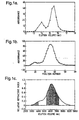

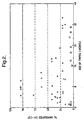
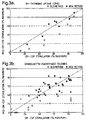
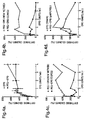
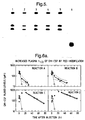
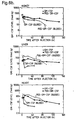
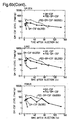
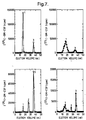
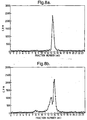
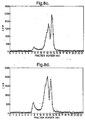
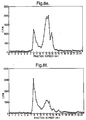
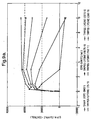
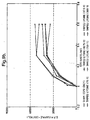
Classifications
-
- C—CHEMISTRY; METALLURGY
- C07—ORGANIC CHEMISTRY
- C07K—PEPTIDES
- C07K1/00—General methods for the preparation of peptides, i.e. processes for the organic chemical preparation of peptides or proteins of any length
- C07K1/107—General methods for the preparation of peptides, i.e. processes for the organic chemical preparation of peptides or proteins of any length by chemical modification of precursor peptides
- C07K1/1072—General methods for the preparation of peptides, i.e. processes for the organic chemical preparation of peptides or proteins of any length by chemical modification of precursor peptides by covalent attachment of residues or functional groups
- C07K1/1077—General methods for the preparation of peptides, i.e. processes for the organic chemical preparation of peptides or proteins of any length by chemical modification of precursor peptides by covalent attachment of residues or functional groups by covalent attachment of residues other than amino acids or peptide residues, e.g. sugars, polyols, fatty acids
-
- A—HUMAN NECESSITIES
- A61—MEDICAL OR VETERINARY SCIENCE; HYGIENE
- A61K—PREPARATIONS FOR MEDICAL, DENTAL OR TOILETRY PURPOSES
- A61K47/00—Medicinal preparations characterised by the non-active ingredients used, e.g. carriers or inert additives; Targeting or modifying agents chemically bound to the active ingredient
- A61K47/50—Medicinal preparations characterised by the non-active ingredients used, e.g. carriers or inert additives; Targeting or modifying agents chemically bound to the active ingredient the non-active ingredient being chemically bound to the active ingredient, e.g. polymer-drug conjugates
- A61K47/51—Medicinal preparations characterised by the non-active ingredients used, e.g. carriers or inert additives; Targeting or modifying agents chemically bound to the active ingredient the non-active ingredient being chemically bound to the active ingredient, e.g. polymer-drug conjugates the non-active ingredient being a modifying agent
- A61K47/56—Medicinal preparations characterised by the non-active ingredients used, e.g. carriers or inert additives; Targeting or modifying agents chemically bound to the active ingredient the non-active ingredient being chemically bound to the active ingredient, e.g. polymer-drug conjugates the non-active ingredient being a modifying agent the modifying agent being an organic macromolecular compound, e.g. an oligomeric, polymeric or dendrimeric molecule
- A61K47/59—Medicinal preparations characterised by the non-active ingredients used, e.g. carriers or inert additives; Targeting or modifying agents chemically bound to the active ingredient the non-active ingredient being chemically bound to the active ingredient, e.g. polymer-drug conjugates the non-active ingredient being a modifying agent the modifying agent being an organic macromolecular compound, e.g. an oligomeric, polymeric or dendrimeric molecule obtained otherwise than by reactions only involving carbon-to-carbon unsaturated bonds, e.g. polyureas or polyurethanes
- A61K47/60—Medicinal preparations characterised by the non-active ingredients used, e.g. carriers or inert additives; Targeting or modifying agents chemically bound to the active ingredient the non-active ingredient being chemically bound to the active ingredient, e.g. polymer-drug conjugates the non-active ingredient being a modifying agent the modifying agent being an organic macromolecular compound, e.g. an oligomeric, polymeric or dendrimeric molecule obtained otherwise than by reactions only involving carbon-to-carbon unsaturated bonds, e.g. polyureas or polyurethanes the organic macromolecular compound being a polyoxyalkylene oligomer, polymer or dendrimer, e.g. PEG, PPG, PEO or polyglycerol
Definitions
- the present invention relates to a process for direct covalent bonding of polymer moieties to target molecules in order to improve or modify the biological properties of the target molecules.
- the invention also relates to certain products which may be produced by this process and to intermediates useful in the process as well as to methods of use of the products of the process.
- Typical targets are proteins which contain one or more reactive groups on which the attachment of the coupling moiety or polymer itself can take place, such as primary and secondary amino groups, thiol groups and aromatic hydroxy groups. Alternatively, the protein molecule has been modified so that it contains suitable groups. Similar techniques are applied in coupling PEG and other polymers to other types of target molecule.
- PEG-Aldehyde Methods Harris at al (1989) Separations Using Aqeous Phase Systems. Applications in Cell Biology and Biotechnology (ad. by D. Fisher and I.A. Sutherland), p.203. Plenum Press, London; Harris at al (1991) Water-Soluble Polymers (ad. by S.W. Shalaby, C.L. McCormick and G.B. Butler), American Chemical Society, Washington, D.C. USP 4 002 531 foyer; EP-A-0-251 304 Minami at al; WO 90/05534 Capon at al.
- TMPEG 2,2,2-trifluoroethanesulphonylmonomethoxy PEG
- the TMPEG method mentioned above for instance in WO-A-90/04606, comprises activation of monomethoxy PEG (MPEG) with 2,2,2-trifluoroethanesulphonyl chloride (tresyl chloride) to produce tresyl MPEG (TMPEG) which is subsequently reacted with the target protein molecule to produce monomethoxy products.
- MPEG monomethoxy PEG
- tresyl chloride 2,2,2-trifluoroethanesulphonyl chloride
- TMPEG tresyl MPEG
- the same technique is described in WO 90/04650 for coupling monomethoxy PEG moieties to DNA/protein complexes and in WO/04384 for coupling monomethoxy PEG moieties to liposomes.
- the present inventors have addressed these difficulties in further research and have identified a number of factors which, in combination, contribute to the poor performance of the TMPEG process. This has allowed development of an improved technique for producing PEG adducts. The technique has been extended to include additional technical developments permitting more facile formation of complex adducts of PEG and other polymers and the formulation of adducts of a wider range of target molecules.
- the present invention relates to an improved process for producing polymer:target molecule adducts which are directly covalently linked without any intervening coupling moiety residue from the activating group on the polymer and in which the link between polymer and target moieties is non-immunogenic, non-antigenic, non-toxic and non-biodegradable, this objective being achieved by careful control of the properties of certain of the reagents and the reaction conditions.
- the coupling step may be performed in aqueous media and occurs rapidly thus minimising damage to fragile target species.
- the invention provides a process for producing adducts of a polymer and a target material which process comprises the steps of
- the process of the invention is conducted in the liquid phase, using a compound of formula (I) in step (a), in solvents and reaction media as defined above.
- a solid:liquid interface by using a solid support-bound, sulphonate ester-activated polymer of formula (III').
- the reaction can be conducted on, for instance, a column of solid support-bound sulphonate ester-activated polymer with other reagents and reaction media being passed through the column.
- the objective of performing the reaction on a solid support is that although the target is exposed to a molar excess of sulphonate ester-activated polymer, only those polymer moieties which become attached to the target are eluted from the solid support and the potentially toxic coproduct remains attached to the column.
- the flow rate and column length provide a means of controlling the degree of modification.
- Column media can also be selected to achieve differential elution of targets modified to different extents.
- Binding of the sulphonate ester-activated polymer to the solid support is achieved via the activating ester-sulphonyl moiety -AM in one of two ways:
- the present invention therefore provides the following particular embodiments of the process:
- the proportion of the groups -AM on the sulphonate ester-activated polymer which react with the (initial) target material is controlled such that in at least a proportion of the molecules of polymer:target adduct produced there remain unreacted activating sulphonyl moieties -AM.
- Such unreacted reactive groups -AM may then be reacted with one or more different further target materials so as to form materials polymer:[target] n wherein n is 2 or more and the initial and further target entities are different; or they are reacted with more of the initial target material so as to form materials polymer:[target] n wherein the target entities are all the same; or they are reacted with further unreacted groups in the initial target entity of the polymer:target adduct (for instance under conditions which hinder intermolecular reactions, such as high dilution) such that the polymer moieties are bonded at two or more positions to the target entity.
- the polymer and/or the target materials may be multivalent, it is possible by the process of the invention to produce a variety of polymer:target structures.
- a univalent polymer and univalent target produce 1:1 adducts;
- a bivalent target and a univalent polymer may form adducts wherein the target entities bear two polymer moieties whereas a bivalent polymer and a univalent target may produce species where two target entities are linked to a single polymer moiety;
- use of higher-valent polymers can lead to the formation of clusters of target entities bound to a single polymer moiety whereas higher-valent targets may become encrusted with a plurality of polymer moieties.
- target moieties are likely to have more than one reactive group which will react with the activated polymer and the possibility of forming complex structures must always be considered; when it is desired to form simple structures such as 1:1 adducts of polymer and target, or to use bivalent polymers to form target:polymer:target adducts, it will be necessary to use predetermined ratios of activated polymer and target material, predetermined concentrations thereof and to conduct the reaction under predetermined conditions (such as duration, temperature, pH etc.) so as to form a proportion of the described product and then to separate the described product from the other reaction products.
- predetermined ratios of activated polymer and target material predetermined concentrations thereof and to conduct the reaction under predetermined conditions (such as duration, temperature, pH etc.) so as to form a proportion of the described product and then to separate the described product from the other reaction products.
- the necessary reaction conditions, proportions and concentrations of the reagents can be obtained by relatively simple trial-and-error experiments with appropriate scaling-up as necessary. It will be appreciated that molar proportions and the concentrations of individual reagents may need to be adjusted on scaling up compared with the optimal molar proportions and concentrations identified at the laboratory bench scale for production of a particular product; this may also require relatively simple trial-and-error experimentation. Purification and separation of the products is similarly achieved by conventional techniques well known to those skilled in the art.
- the present invention therefore provides the following particular embodiments of the process:
- process variants may each be used in conjunction with any of the process variants described earlier relating to liquid phase and solid:liquid phase interface reactions.
- the leaving group X is intended to react with groups G on the polymer of formula (II) and, in the broadest sense, may be selected from any of the known leaving groups which will undergo such a reaction. However it is generally preferred that X is a halogen and most preferably X is chlorine.
- Activating moieties, -AM and -AM'- are sulphonyl-type activating groups, and optionally have a binding substituent for subsequent linking to a solid support or are attached to a solid support.
- the groups -AM will be described below in general, followed by further information on binding substituents and linkage to solid supports.
- the activating moieties -AM are moieties having the following properties:
- Preferred groups -AM are:
- the most preferred group -AM is 2,2,2 trifluoroethane-sulphonyl.
- the definition of the activated polymers used in the present invention excludes certain sulphonic acid esters of polymers which have previously been used in "active ester" methods of PEGylation such as the ester between the carboxylic acid of the polymer and the hydroxyl of 4-hydroxy-3-nitrobenzene sulphonic acid described in Katre et al .(1987).
- binding substituents for linking the group -AM to a solid support are suitably groups which can be coupled to conventional solid support materials, optionally via a conventional spacer moiety, by well known techniques.
- a preferred binding substituent is an aminophenyl group which can be coupled to a solid support via the amino substituent.
- Preferred compounds of formula (I) for binding to solid supports are therefore sulphonyl halides having an aminophenyl group bound to the sulphur atom, possibly via other moieties, such as 2',3',5',6'-tetra-fluoro-4-amino-phenyl-azobenzene-4'-sulphonic halides, especially the chloride.
- Solid support materials which may be used in the process of the invention are entirely conventional and well known to those skilled in the art. It is preferred that the solid support is selected from silica, silconised glass, agarose, Sepharose, polystyrene divinyl benzene copolymer and polyacrylamide.
- Coupling of compounds of formula (I) bearing moieties -AM having solid support binding groups or precursors thereof are coupled to a solid support, for instance by reacting the compound of formula (I) with the solid support, with a spacer group on the solid support, or with reagents to introduce a spacer group and coupling the spacer group to the solid support.
- a spacer group on the solid support or with reagents to introduce a spacer group and coupling the spacer group to the solid support.
- the spacer needs to be inert and not damaging to the target material in the context of the complete solid-supported reagent since, for instance, polymer modification may alter the properties of the solid support.
- the spacer needs to conserve the electron withdrawing groups giving -AM'- an appropriate substituent constant as defined for soluble -AM polymer constructs.
- the selection of the spacer will also depend on the support selected and the properties defined above.
- the group on the sulphonyl activating moiety -AM for covalent bonding to the solid support will be capable of reacting with a reactive group on the solid support or spacer and will be chosen depending on the nature of the chosen solid support and any spacer group.
- solid supports bearing aldehyde groups are reacted with an amino group on the compound of formula (I) in the presence of a non-nucleophilic base such as lithium isopropylamide so as to form a Schiff's base, followed by reduction of the double bond, for instance using an appropriate borohydride.
- a non-nucleophilic base such as lithium isopropylamide
- Suitable precursors of the compounds of formula (I) are readily available or can be produced by conventional techniques.
- Suitable solid support materials are also readily available; those which do not have groups capable of linking the precursor of the compound of formula (I) may readily be modified by conventional techniques in order to introduce the necessary functionalities, for instance siliconised glass (prepared as described by Mohr and Pommerening (1985) Affinity Chromatography, Practical and Theoretical Aspects, Marcel Dekker, Inc, New York and Basel) is activated using glutaraldehyde [Weston & Avrameas (1991) Biochemical and Biophysical Research Communications, 45, 1574-1580].
- the compounds of formula (I) and solid supports bearing groups of formula (I') are readily hydrolysed and extremely labile and are preferably used when freshly prepared or, after preparation, are stored in air-tight containers such as glass ampoules prior to use.
- the polymers of formula (II) used in the present invention are all based on known and readily available polymers which generally already contain at least one group G, reactive with the group X of the compound of formula (I).
- the value of g will be an average for the material as a whole but is preferably nearly or, more preferably, exactly integral, preferably with a high degree of homogeneity.
- the number of capping groups will also be an average for the material as a whole and is preferably nearly or, more preferably, exactly integral, or is zero when no capping groups are required.
- the polymers, reactive groups G and capping groups C will be further described below.
- the polymers that can be used are selected from the following which are all readily available to those skilled in the art:
- the polymer will be water soluble.
- the polymer is preferably of very low toxicity in vivo and in vitro , since many applications involve administration to man or animals and/or exposure to cells in cell culture systems.
- the polymer length is not restricted in this invention, since it will depend on the principal use of the product (e.g. short lengths may be best for coupling two proteins together and longer polymers for improving plasma half life). With each application optimum polymer length must be selected either empirically or by reference to the desired application.
- the polymer's own inherent hydrophobicity is also important in some settings and will have to be evaluated on a case-by-case basis.
- the reactive groups G are terminal hydroxyl groups. Depending upon the selected polymer such groups G may already be available for reaction or it may be necessary to introduce groups G by conventional techniques in a preliminary step. Generally groups G will be groups bonded to carbon atoms of the polymer. The groups G must be capable of reacting with the group X of the compounds of formula (I). The groups G will be selected such that they ultimately permit formation of the desired non-immunogenic, non-antigenic, non-toxic, non-biodegradable direct covalent link between the polymer and target. Preferred groups G are primary (-CH 2 OH) or secondary (-CHOH) alcoholic hydroxyls for instance primary hydroxyls as found at the termini of polyalkylene glycols such as in PEG. Such hydroxyls react with sulphonyl halides and other activating compounds of formula (I) to form activating sulphonate ester moieties.
- capping groups C are an important feature of the reaction since this embodiment of the invention has special advantages discussed further below.
- the function of the capping groups C is to protect one or more reactive groups G of the polymer molecule from nucleophilic attack while leaving the activated polymer product susceptible to nucleophilic attack only at the carbon or equivalent atom adjacent to the groups -AM. C therefore must lack the properties of -AM and should preferably be an inert group with respect to reactivity with other molecules and should be of low toxicity.
- Suitable groups C are well known to those skilled in the art as are techniques for introducing such groups.
- a preferred group C is methyl.
- Production of the polymers for use in the process of the invention may be achieved by conventional techniques although most materials will be obtained commercially, possibly then being modified to introduce the desired reactive groups G and/or capping groups C as mentioned above.
- the size of the polymer actually used will be selected according to the desired properties of the end product.
- MPEG i.e. the polymer MeO-(CH 2 CH 2 0) x -H which has one capping group C, i.e. the methyl group and one reactive group G, i.e. the hydroxyl group
- x is 3, 4, 5 or 6 or is large enough to provide molecular weights of, for instance, about 500, 1000, 2000, 3000, 4000, 5000, 6000 or 10000.
- Branched PEGs can also be used.
- Suitable target materials to which polymer can be attached in accordance with the present invention are all materials having biological activity which are useful in, for instance diagnosis or therapy and which are all well-known to those skilled in the art. They all contain at least one reactive group (hereinafter referred to as groups "N") containing an atom which is capable of mounting a nucleophilic attack on the carbon or equivalent atom of the polymer adjacent to the group AM.
- groups "N" include primary and secondary amino groups, thiol groups and aromatic hydroxy groups.
- potential targets include proteins, peptides, amino acids and their derivatives such as: antibodies and fragments thereof; cytokines and derivatives or fragments thereof, for example, the interleukins (IL) and especially the IL-1, IL-2, IL-3, IL-4, IL-5, IL-6, IL-7, IL-8, IL-9, IL-10 and IL-11 subtypes thereof; colony stimulating factors, for example granulocyte-macrophage colony stimulating factor, granulocyte-colony stimulating factor (alpha and beta forms) and macrophage-colony stimulating factor (also known as CSF-1); haemopoietins, for example erythropoietin, haemopoietin-alpha and kit-ligand (also known as stem cell factor or Steel factor); interferons (IFNS), for example IFNalpha, IFNbeta and IFNgamma; growth factors and bifunctional growth modulators, for example epidermal growth factor
- the target molecules may also be part of larger multi-molecular structures. These include cells or parts thereof, for instance erythrocytes, erythrocyte "ghosts” and leukocytes, liposomes such as multilamellar vesicles and unilamellar vesicles, micelles and micelle-like structures, and aggregates, microemulsions, coacervates, emulsions, suspensions of the foregoing.
- reaction with a multimolecular target may result in intermolecular cross-linking by the polymer between molecules of the same target structure and/or between molecules of different target structures as well as intramolecular bonding of the polymer to more than one position on the same molecule of a target structure.
- the situation can then be remedied either by modifying the group N to abrogate coupling of polymer at that site or by shielding N with an appropriate non-covalent bond (examples include hydrogen bonding of base pairs for DNA and protein/protein binding like receptor ligand interactions).
- Two alternative strategies are available depending on the nature of the critical N group, in particular whether there are significant differences in the susceptibility of the group compared to the other such groups (either being more or less susceptible) to coupling to the polymer. If the group N is less susceptible the coupling conditions (usually the coupling ratio) can be altered so that the critical group N is rarely modified. If it is more susceptible, a two step procedure where short polymer molecules are first linked to more accessible (susceptible) sites (i.e. including the group(s) N) then long polymer molecules are linked to the remaining sites may prove acceptable, the outcome depending on the nature of the problem at the N site with respect to biological activity.
- Targets lacking a reactive group may be modified so as to create one or more reactive groups; this is within the ability of those skilled in the art and can be achieved by well-known techniques.
- Some target structures e.g. RNA and single stranded DNA pose special problems because they provide too many "N" groups to which the polymer would attach in a standard reaction. There the groups N may be temporarily protected by involvement in an appropriate conformation precluding the nucleophilic attack, as for example in the hydrogen bonding associated with base pairing of DNA (see below).
- An embodiment of the present process involves site-specific modification of DNA, RNA and synthetic oligonucleotide targets (or of any molecule containing an amino or other reactive group which can participate in interactions such as hydrogen bonding with another molecule or compound) by precluding the nucleophilic attack on the activated polymer species by reactive groups on the target.
- the bases adenine (A), cytosine (C) and guanine (G) [but not uracil (U) or thymine (T)] provide suitable targets in DNA, RNA and synthetic oligonucleotides for modification with polymer moieties according to the invention and thus these are special targets with the problem that there are too many available reactive groups to which the polymer can be attached.
- TMPEG activated PEG
- A, C or G can be modified by the expedient of leaving short stretches (e.g. 2-4 bases) single stranded.
- Adenine bases appear to be the most susceptible to much modification.
- Blunt ended double stranded DNA is not readily coupled under the conditions described, indicating that hydrogen bonding between base pairs is sufficient to preclude interaction of the amino groups of A, C and G bases with the activated polymers.
- Site-specific DNA modification by polymer can be achieved by the expedient of including one or more A, C or G bases in a short single stranded section of DNA by appropriate restriction enzyme digestion or by hybridising oligonucleotides of dissimilar lengths with the DNA to protect bases which are not to be modified or by exploiting the natural strand asymmetry of polymerase chain reaction products which have a one base-pair overhang, or by exploiting localised regions of single strandedness achieved by natural or artificial localised melting of the double helix.
- step (a) must be conducted using dry polymer, dry solvents and with water being excluded from the reaction vessel. Dryness of the polymer may be determined by benzene distillation as described below. If the polymer is not sufficiently dry, interfering side reactions occur making it difficult to obtain economical amounts of the final adduct. Likewise, wet solvents and ingress of water during the reaction will also cause interfering side reactions. Suitably dry solvents are obtained using molecular sieves (0.3nm) as described below. Exclusion of water from the reaction vessel can be achieved by conventional techniques.
- the water-benzene azeotrope has a boiling point of 65°C and that after water has been removed from a sample, the distilling temperature rises to that of pure benzene (i.e 79 to 80°C).
- the water-benzene azeotrope is cloudy and benzene is clear so that the change from cloudy to clear distillate confirms that drying is complete. If a suitably dry sample is heated in benzene the distillation temperature will be that of pure benzene and the distillate will be clear from the first.
- Solvents may be dried by any conventional method provided that they are dried to the extent obtainable by use of 0.3 nm molecular sieves.
- 0.3 nm molecular sieves an amount of molecular sieve is added to and left in contact with the solvent for several hours (preferably about 10 hours or more) and at about room temperature (ca 20°C), the amount of molecular sieves used suitably represents a twenty fold excess over the recommended amount to adsorb the anticipated water content in the solvent, according to the manufacturer's instructions, for instance about 100g of molecular sieve per litre of substantially dry solvent.
- the solvent should be inert to the reagents and the activated polymer.
- Suitable inert solvents include halogenated alkanes such as dichloromethane and other organic solvents with low hydrophilicity and low hygroscopicity; such solvents are well known to those skilled in the art. Halogenated alkanes, especially dichloromethane, are preferred.
- the activated polymer is preferably used directly following its production in accordance with step (a) as this affords the minimum opportunity for degradation leading to formation of other reactive species which will interfere with subsequent reactions. If the product is to be stored prior to use, for instance when formed in bulk for use in smaller quantities at a later date, it must be stored so as to avoid hydrolysis, i.e. in the presence of a more hygroscopic desiccant. Sulphonyl halides are highly hygroscopic and will dry many common desiccants such as silica gel and thus become hydrolysed. The preferred desiccant for drying and storage of the activated polymer is phosphorus pentoxide.
- step (b) The reaction of the activated polymer with the target material in step (b) takes place in a non-denaturing medium; for many biological materials this will of necessity be an aqueous medium. There are also many target materials which are stable under non-aqueous conditions and for these it is quite acceptable to conduct step (b) in organic solvents which are inert to the reagents. Ultimately the choice of reaction medium will be depandant on the stability of the target material and final adduct in that medium. Selection of pH, salt concentration, protein concentration and other requirements for stability will be determined on a case-by-case basis. Those skilled in the art will have no difficulty with this. The same applies in relation to determination of non-denaturing temperatures.
- the reactions involved in coupling the activating moiety to the solid support will also be conducted under dry conditions, i.e. dry reagents as determined by benzene distillation and dry solvents as determined using molecular sieves of 0.3 nm, will be employed whenever sulphonyl halide groups are present.
- step (a) is conducted in the presence of a base such as a tertiary amine
- preferred bases include those which are easily removed by washing, such as pyridine, and volatile bases which may be removed by evaporation.
- the preferred base is pyridine.
- certain bases, especially pyridine may react deleteriously with the target material and these should be removed prior to step (b). This may be achieved by conventional means.
- the reagents for step (a) are mixed at reduced temperature, preferably at 0°C for instance by chilling with ice and that the reaction mixture is then allowed to warn to ambient temperature, for instance about 20°C.
- Contaminants of formula (II') in which c' is 2 and g' is 0 will be unreactive and thus not detrimental but contaminants in which c' is 0 and g' is 2 will cause cross-linking of target materials; preferably such contaminants are avoided in production of the compounds of formula (II) or are removed prior to use of the compound in step (a) of the present process.
- the polymer of formula (II) is a material in which c' + g' > 2 there are many possible contaminants; again those wherein g' is 0 are unreactive and of little concern whereas those wherein g' > 1 and g' > g, especially those wherein g' > g, cause unwanted side reactions and are preferably removed from the reagent before use.
- the amount of all compounds of formula (II') present in the compound of formula (II) is less than 35%, for instance less than 25%, more preferably less than 20%, for instance, 15, 10 or 5% and yet more preferably below 1% by weight based on the total weight of the compound of formula (II) and all compounds of formula (II'). This may be achieved by purifying the starting materials used in forming the polymer, controlling the polymerisation and subsequent process steps required to form the compound of formula (II) and/or by purifying the compound of formula (II) before use in the process of the invention.
- the compound of formula (II) is MPEG in which POL is a divalent residue -0-(CH 2 CH 2 0) x - (for instance the residue of PEG 5000), c is 1 and C is methyl and g is 1 and G is hydroxyl.
- POL is a divalent residue -0-(CH 2 CH 2 0) x - (for instance the residue of PEG 5000), c is 1 and C is methyl and g is 1 and G is hydroxyl.
- This material is produced by polymerisation from methoxyethanol and ethylene glycol and tends to contain a large proportion of material where polymerisation has initiated from ethylene glycol rather than the methoxyethanol such that chain extension occurs in both directions and a PEG product of approximately twice the molecular weight of the MPEG is present as a major contaminant; this may readily be removed by gel permeation chromatography at an appropriate molecular weight cut-off.
- the activated polymer may, in one variant of the process, be linked to a solid support after reacting a compound of formula (I) having a suitable linking group with the polymer.
- the linking reaction may be effected as described above in connection with the production of compounds of formula (I) linked to a solid support.
- a tetrafluoro-4-amino-azobenzene-4'-sulphonyl derivative of the polymer is reacted with a solid support bearing aldehyde groups (for instance siliconised glass treated with glutaraldehyde) in the presence of a non-nucleophilic base, such as lithium isopropylamide, followed by borohydride reduction of the potentially labile double bond.
- aldehyde groups for instance siliconised glass treated with glutaraldehyde
- a non-nucleophilic base such as lithium isopropylamide
- the process of the invention is conducted using tresyl chloride as the compound of formula (I) and MPEG, for instance MPEG 5000, as the polymer of formula (II).
- MPEG for instance MPEG 5000, purity can be checked by nmr but for higher molecular weight material the methyl signal is swamped and chromatographic techniques must be adopted.
- the product of formula (III) is TMPEG.
- TMPEG is TMPEG.
- this is used immediately but, if not, storage of TMPEG is critical and activity is not well maintained unless it is properly stored.
- activity is maintained for at least 1 year.
- Degradation of TMPEG is detectable on the basis of a change in the FPLC profiles of exposed peptide targets (see Example 1). It produces less substitution of the target at a given molar ratio (a loss of resolution and right shift of the elution profile accompanies the former if FPLC loads are not corrected for the amount of PEG loaded).
- Substantial aging of TMPEG prepared as previously described is documented in Figure 8 in WO90/04606. Since degradation produces coproduct, degraded TMPEG preparations are also more acidic.
- PEG itself is known to oxidise on storage to a brown discoloured product.
- the TMPEG preparation process removes the antioxidants present in commercially supplied PEG. Oxidation has been observed in several stored TMPEG preparations and it is recommended that, if prolonged storage is anticipated, an appropriate antioxidant should be included.
- This new method for preparing and storing the TMPEG has significant advantages over previously described methods in terms of the activity, reproducibility between preparations and stability of individual preparations.
- the present invention provides a process comprising the steps of
- the molar ratio of tresyl chloride to MPEG is 2:1 or more, most preferably about 2.5:1.
- the process of the present invention may be supplemented by one or more separation and/or purification steps at any stage as necessary or desirable. Separation and purification may be achieved by appropriate techniques well known in the art selected having regard to the need to maintain the activity of the reagents and products and to avoid use of toxic or interfering materials. In some cases, for instance where the polymer is a polyalkylene glycol, aqueous biphasic polyalkylene glycol solutions may be used to effect separation and/or purification of the activated polymer and/or polymer:target adduct.
- the present invention further provides polymer:target adducts obtainable by the process of the invention other than the known polymer:target adducts having polymer and target moieties directly linked by stable, non biodegradable covalent bonds which are described in the references discussed above.
- the invention also extends to such products for use in therapeutic and diagnostic methods of treatment of the human or animal body and to the use of such products in the manufacture of medicaments for use in therapeutic and diagnostic methods of treatment of the human or animal body and to pharmaceutical compositions comprising products of the invention together with pharmaceutically acceptable diluents or carriers.
- the products of the present invention preferably comprise any one of the polymer materials set out above and any one or more of the target materials set out above.
- Particularly preferred products of the invention are adducts of a polyalkylene glycol, especially polyethylene glycol and polypropylene glycol with the former being most preferred, with any one or more of the target materials set out above, with erythropoietin (EPO) being particularly preferred.
- EPO erythropoietin
- the excess -AM is neutralised with a monovalent neutralising agent e.g. with glycine, and the products are purified to discriminate the combinatorial possibilities.
- a monovalent neutralising agent e.g. with glycine
- the products are purified to discriminate the combinatorial possibilities. This may be possible on the basis of molecular weight if target(A) and target(B) differ significantly in size or via differential labelling of the targets.
- a monovalent neutralising agent e.g. with glycine
- a particular advantage of the present invention is that the process enables the coupling of polymer moieties to oligonucleotides and nucleic acids (DNA and RNA) at defined positions.
- EP-A-O 292 128 (Sager 1988) deals with "improved DNA probes" and uses PEG, amongst other molecules, to link DNA to reporter groups for hybridisation. However the PEG is linked to the 5'-phosphate of the DNA and there is no indication of a method which would link the PEG without leaving a coupling moiety.
- This ability to modify DNA, RNA and synthetic oligonucleotides with polymer will influence the solubility and alter biodistribution and has applications in both the in vitro and therapeutic or diagnostic ( in vivo ) use of nucleotides.
- MPEG-5000 (Union Carbide) was subjected to permeation gel chromatography on Superose 12 (Fig. 1a).
- the material has a clearly biphasic size distribution with an estimated 22.9% high molecular weight contaminant (9280Da) and a low molecular weight component (5460Da).
- the good agreement between proportions of the two peak areas and the NMR estimate of PEG versus MPEG in the same preparation suggest that all the PEG is accounted for by the high molecular weight species.
- vesicle chromatography [Ehwald (1991)] was used. Analytical and preparative scale preparations gave different efficiencies of separation.
- Analytical scale separation was performed using vesicular packing material P1(5) equilibrated in 0.05M NaH 2 PO 4 buffer pH 5.5 (column bed volume 22 ml).
- the MPEG preparation (Union Carbide Mw 5000), 0.5ml of a 20mg/ml solution in PBS was loaded onto the column.
- the column was eluted with PBS using a flow rate of 0.08 ml/min and 0.5 ml fractions were collected.
- the elution profile is shown in Fig.1b; circa 8% of the material was eluted in the excluded fraction (high molecular weight) and 92% in the permeable fraction (low molecular weight fraction).
- NMR analysis of the permeable fraction gave an estimated ratio of PEG:MPEG of 11:89 mole:mole, which is in good agreement with the area under the curve estimate of the residual high molecular weight contaminant in the permeable fraction on the elution profile on Superose 12 (Fig.1d, squares). NMR analysis could not be performed on the excluded fraction because of its much higher molecular weight. Further rounds of vesicle chromatography, at analytical scale, gave a comparable reduction in the high molecular weight material (the permeable fraction yielded a smaller "excluded" peak on rechromatography, circa 4% in the high molecular weight excluded fraction, using a second round of vesicle chromatography, Fig. 1e).
- Tresyl chloride was used when freshly prepared or after storage in airtight ampoules.
- MPEG-5000 (Mr 5000, 18g, 3.5 mmol) was dried with benzene (B.P. 79-80°C) by distillation of the water-benzene azeotrope and then the benzene.
- the water-free MPEG was then immediately dissolved in dichloromethane (45 ml, ANALAR, previously dried over molecular sieve 3 ⁇ , 100 g per litre of solvent, overnight at room temperature).
- Activation of MPEG-5000 with tresyl chloride was carried out at a molar ratio of 2.5:1 (tresyl chloride to available hydroxyl groups in MPEG).
- the MPEG/dichloromethane mixture was then cooled on ice (to circa 3°C) and pyridine (1 ml, 12.4 mmol) followed by tresyl chloride (1 ml, 9 mmol), both precooled on ice were added dropwise with constant stirring using a magnetic stirrer. The reaction was allowed to continue (for 2 hr) at room temperature with constant stirring before the removal of dichloromethane by evaporation under reduced pressure. The solid obtained (TMPEG) was redissolved in methanol-hydrochloric acid mixture (1000:0.3 v/v) and allowed to precipitate overnight at reduced temperature (-20°C).
- the precipitate was recovered by centrifugation (at 1100 x g, for 10 minutes) at reduced temperature (0°C) and the supernatant was spectrophotometrically checked for pyridine content ( ⁇ max 255nm). This procedure was repeated until no pyridine could be detected, usually 12 to 15 washes. Finally, the pyridine-free precipitate was washed in methanol only, preferably at least twice, and then the methanol was removed by evaporation under reduced pressure and the TMPEG was finally dried by freezing in liquid nitrogen and lyophilising under reduced pressure. The hydroxyl content of the white solid as determined by 1 H nmr obtained was undetectable (4.56ppm). Therefore, approximately 100 % of hydroxyl groups in the MPEG were transformed into tresyl esters.
- the TMPEG so produced was desiccated over phosphorus pentoxide and stored at 4°C.
- TMPEG samples were monitored by exposure of the samples to gm-CSF at molar ratios of 305:1 (Example 1a and Comparative Example 1a) or 75:1 (Example 1b and Comparative Example 1b) in a standard coupling reaction and estimating the percent of the preparation remaining unmodified after the reaction as shown in Fig.2: the relative activities of TMPEG preparations obtained as described above (Examples 1a and b) and of TMPEG made by a prior art process (Comparative Examples 1a and b) is plotted against the storage period. TMPEG made by the process of the invention and used at 305:1 (squares), throughout the observation period, gave ⁇ 10% residual unmodified gm-CSF.
- Example 1 The process described above (Example 1) has been repeated on a number of occasions with similar results.
- the gm-CSF PEGylated using the process of Example 1 showed no significant loss of its growth stimulating activity as assessed by granulocyte-macrophage colony assay (Fig.3a) or by thymidine uptake (Fig. 3b).
- Dose response analyses are a relatively insensitive means for demonstrating subtle differences in bioactivity and are also difficult to analyse after pooling because of the high contribution to errors of the variation in the response level between experiments.
- a better approach is to perform a correlation analysis, plotting the response obtained with equivalent amounts of the modified and unmodified materials on an XY plot. Identical activity gives datum points randomly distributed about the line representing equal activity (the dashed lines).
- Reduced activity reveals itself as a curvilinear departure from the equal activity line which converges towards the line at the extremities (if sufficiently broad a dose response range is examined such that the plateau of maximum stimulation is reached).
- the presence of inhibitory material, with or without loss of intrinsic activity produces a departure, usually without convergence to the upper extremity.
- failure to observe divergence at the lower extremity indicates that the inhibitor is masking activity only at relatively high inhibitor levels; divergence throughout the plot indicates either an inhibitor with powerful effect at low dilution or combined inhibition and loss of activity.
- PEG-6000 (10.5 g, 1.75 mmol) was dissolved in benzene (30 ml) and dried as in Example 1 above. The dry PEG-6000 was then immediately dissolved in 25 ml of dichloromethane (dried as in Example 1), cooled on ice and pyridine (1 ml, 2.4 mmol) followed by tresyl chloride (1 ml, 9 mmol) were added dropwise. The mixture was left to react (two hours at room temperature) and the dichloromethane was evaporated as in Example 1. The solid was resuspended in methanol:hydrochloric acid and was treated as above.
- this TPEGT was used to aggregate GM-CSF.
- 125 I-GM-CSF (1.4nmol/ml) was reacted with TPEGT (160mg/ml) for 2h at room temperature.
- the resulting aggregates were estimated by FPLC and contained 95% of the total GM-CSF.
- the bivalent AM-polymer-AM construct is demonstrated to be functional.
- Example 2 was repeated using TMPEG prepared from a sample of MPEG containing 8% PEG as contaminant, and thus containing about 8% TPEGT. When used to aggregate GM-CSF, this material (160 mg/ml) produced an aggregate estimated by FPLC to contain only 20% of the total GM-CSF. This demonstrates that the higher proportion of conjugates seen in Example 2 was related to the additional TPEGT and not merely due to non-specific aggregation. It should be noted that using a prior art process, the present inventors have shown [Malik at al (1992) Experimental Hematology, 20 , 1028, fig.
- Fig.4 shows the excellent conservation of biological activity achieved with EPO PEGylated with the TMPEG (filled circles) compared with unmodified EPO (open circles). Datum points are superimposed except at 4U/ml (33.6 ng/ml) erythropoietin. Similar effects observed in CFUgm assays were found to be due to a modest inhibitory effect of TMPEG in the assay system.
- Fig. 4b shows a complete loss of detectable activity when the cyanuric chloride method (filled circles) was used compared with PEG-EPO prepared according to Example 1 (open circles) and a high dose inhibition of endogenously stimulated erythroid colonies. This indicates either the presence of a profoundly inhibitory substance in the reaction mixture or loss of all intrinsic erythropoietic activity in conjunction with some inhibitory material. Lack of even a slight increment in colony formation at low doses and the shallow dose related inhibition of endogenously stimulated colonies at high concentrations favours the latter interpretation.
- the FPLC profile for this material also differed somewhat from that obtained with the other three activated PEG preparations in that there was a higher proportion of material eluting with the void volume, indicating the presence of more aggregates. This suggests that crosslinking of target molecules may be occurring (as has previously been observed for this agent [Leonard (1984)]).
- Fig. 4c shows a somewhat different picture for PEG-EPO prepared by the succinimidyl succinate method (filled circles), with detectable activity only at 4U/ml (33.6ng/ml) compared with PEG-EPO according to the invention (open circles).
- This type of shift in the dose-response curve is less likely to be due to inhibitor and probably represents over an order of magnitude loss in bioactivity. This is somewhat surprising because this method is claimed to have good conservation of biological activity [Katre (1987), Zalipsky (1992)].
- this method is claimed to have good conservation of biological activity [Katre (1987), Zalipsky (1992)].
- the erythropoietin needs to be available throughout the 14-16 day culture period.
- This process might well influence bioactivity adversely since there is a charge conversion from a lysine amino group to a carboxyl group at the previously PEGylated site.
- Fig. 4d shows PEG-erythropoietin made using monomethoxy PEG-p-nitrophenylcarbonate (filled circles) compared with unmodified (sham-treated) EPO (open circles).
- EPO unmodified EPO
- the partition coefficient of amphotericin in both samples was measured as follows: 100 ⁇ l samples were mixed with 1 ml of top and 1 ml of bottom phases of a biphasic system containing 5% dextran T-500, 5% PEG-6000, 0.15 M sodium chloride and 0.01 M sodium phosphate pH 6.8. After shaking for 1 min. the system was left to settle for 20 min. and then 500 ⁇ l from the top and bottom phases were removed to quantify amphotericin (by measuring the absorbance at 330 nm).
- the % material in the top (PEG-rich) phase was: a) control 4.9 ⁇ 0.2%; b) MPEG control 4.1 ⁇ 0.4%; c) TMPEG (preparation 1) 92.8 ⁇ 0.1%; d) TMPEG (preparation 2) 92.7 ⁇ 0.2%.
- PEG-WGA polyethyleneglycol modified wheat germ agglutinin
- Liposomes were reacted with TMPEG prepared by the process of WO90/04384 (Comparative Example 6) and the process of Example 1 (Example 8).
- the success of the PEGylation was followed in a PEG-dextran phase system by quantitating the liposome content of the top (PEG-rich) and bottom (dextran-rich) phases and at the interface.
- the TMPEG prepared by the process of Example 1 was known to be more active, only half the molar ratio was used. Despite this, a much higher degree of substitution of the liposome was achieved.
- Vesicles (300 ⁇ l) were incubated with TMPEG (39 mg, molar ratio TMPEG:PS at outer surface 4:1 or 19.5 mg, molar ratio 2:1) in HEPES buffer (60 ⁇ l) for 18 hrs at room temperature. As a control MPEG was substituted for TMPEG.
- Vesicle partitionings calculated as the percentage of added vesicles that were present in the top(T) and bottom(B) phases and at the interface (100-T-B) were as shown in Table 2.
- TMPEG sample TMPEG:PS Molar ratio Partitioning (%) (mean of triplicate partitions)
- Control MPEG 4.9 ⁇ 0.2 1.6 ⁇ 1.6 104.3 ⁇ 7.3
- the molar ratio was increased to 20:1, using a final concentration of 35% w/w TMPEG. This caused the vesicles to aggregate. Controls with MPEG also showed aggregation.
- mice Male, 6-8 week-old mice, weighing approximately 20g, were pooled into groups of three per condition, with adlib access to food and water.
- PEG-modified GM-CSF samples were prepared as in Example 1, using the concentrations of GM-CSF and TM-PEG indicated in Table 4a.
- the reaction products were evaluated by FPLC and the proportions of individual species were estimated by fitting summated Gaussian curves to the FPLC profiles and estimating the area under the curve corresponding to each individual peak and expressing this as a % of the total area for the whole FPLC profile (Table 4b).
- the inventors have previously established that the individual peaks seen at low TMPEG concentrations (peaks 0, 1, 2 and 3) correspond to GM-CSF, PEG 1 -GM-CSF, PEG 2 -GM-CSF, PEG 3 -GM-CSF, respectively.
- the peaks are broader and less well resolved thus fitting of individual Gaussian curves over all regions of the FPLC profile may not be possible.
- peak 3 and the peaks for more highly substituted GM-CSF (potentially PEG 4-7 -GM-CSF) have been pooled.
- the peak eluting with the void volume peak is well resolved from the PEG 4-7 -GM-CSF and presumably represents aggregates, the area of this peak was used to estimate the proportion of aggregated material (Table 4b).
- reaction D which is known to contain >50% of aggregates (the latter are known to clear slowly)
- t 1/2 for the other reactions are similar. Although there may be some increment in t 1/2 between reactions A and B, surprisingly, there is no additional increment in t 1/2 betwen reactions B and C. This was not anticipated in view of the fact that reaction C produced a higher proportion of PEG 2 -GM-CSF and adducts with higher PEGylation ratios.
- PEG 1 -GM-CSF should not exceed the renal molecular weight threshold for excretion and the major increment in the t 1/2 would have been expected to be between PEG 1 - and PEG 2 -GM-CSF not between GM-CSF and PEG 1 -GM-CSF.
- This result is also surprising in that the increment in apparent molecular weight is unexpectedly large for the addition of the first MPEG 5000 molecule (12.5 to 41.1 kDa).
- Other proteins e.g. recombinant erythropoietin
- Unmodified GM-CSF Peak 0
- Unmodified Control 100 0.0 0.0 0.0 0.0 0.0 Reaction A 48.6 27.7 14.1 3.1 0.0 Reaction B 31.0 26.0 21.6 8.0 1.6 Reaction C 16.8 23.5 15.9 19.2 20.7 Reaction D 11.1 37.7 51.2 Half-life of late clearing components in PEGylated (GM-CSF) preparations).
- 125 I-GM-CSF shows degradation with the appearance of label in low molecular weight material. This process is slowed by PEG modification.
- Fig.7 shows FPLC profiles of representative examples stored for 1 day (upper panels) and 33 days (lower panels). When supplied, 125 I-GM-CSF has little or no low molecular weight labelled species. After storage for 1 day of an unmodified (open circles) preparation and a modified preparation (exposed to TMPEG at a molar ratio of 305:1 as described above, filled circles) there was a small amount of labelled low molecular weight material (peak 3) in both preparations.
- Example 2 Dry stored TMPEG, prepared as in Example 1 above, derived from an MPEG preparation (Union Carbide UK) contaminated with circa 22% PEG (when estimated by NMR) was used in this Example.
- This contaminating PEG results (during the polymer activation process) in the formation of biactivated tresyl PEG which produces aggregates in the final product; the formation of aggregates can be reduced by reducing the level of contamination of the MPEG preparation by PEG.
- the erythropoietin (EPO) preparation used was a commercial preparation obtained from Cilag Ltd and the erythropoietin stock contained 3200 u/ml in PBS. This preparation contains 3200 units of EPO, and 2 mg/ml of human serum albumin.
- the coupling ratios were calculated on the basis of the total number of available lysine groups in the erythropoietin and carrier protein, and would need to be adjusted accordingly for pure erythropoietin preparations.
- the erythropoietin preparation was exposed to the stated molar ratios of TMPEG:lysine and was incubated at room temperature for two hours on a rotary mixer. The sham-reacted control was similarly exposed to diluent, (PBS).
- TF-1 cells To increase sensitivity of TF-1 cells to cytokine, they were deprived of their maintenance growth stimulus (GM-CSF at 50 units/ml) for 24 hours prior to assay. Each well contained either PEG-erythropoietin or unmodified erythropoietin, diluted in RMPI-1640. Cultures were incubated in a humidified atmosphere of 5% carbon dioxide in air at 37°C for 18 h. Cells were then exposed to 0.5 ⁇ Ci of [methyl- 3 H]thymidine 25Ci/mmol. Amersham) in 50 ⁇ l of culture medium and incubation was continued as above for 4 h.
- GM-CSF maintenance growth stimulus
- Fig.9a shows the induction of thymidine uptake by all preparations, both PEG-modified and unmodified.
- Fig. 9b shows the early portion of the dose-response curves for concentrations less than one unit/ml at expanded scale to facilitate comparison. All preparations produced stimulation of incorporation of thymidine, but there is a progressive contamination by inhibitory material, whose activity is most evident at 3 and 10 units/ml of erythropoietin. The inhibitor is related to the TMPEG:lysine molar ratio suggesting that either TMPEG itself or co-product is responsible (TMPEG does have an inhibitory effect in this assay system [Malik (1992)].
- PEG contamination results from its production as a by-product during the polymerisation reaction for the manufacture of MPEG (hydroxide used to catalyse the reaction, initiates a side reaction yielding PEG). Since PEG has two termini at which polymerisation can take place, it should achieve a larger molecular weight than that of the MPEG.
- TMPEG preparation derived from the same MPEG preparation analysed above was fractionated on the expectation that it would contain circa 25.5% biactivated PEG. [Such fractionation requires prolonged exposure to an aqueous environment and resulted in some overall loss of activity (thus requiring appropriate sham-treatment of unfractionated controls) and is therefore not advisable as a step in the process of the invention, rather purification prior to activation is recommended].
- the TMPEG was then exposed to 125 I-gm-CSF under standard coupling conditions as described over a range of molar ratios as indicated in Table 8 (aggregate formation is more likely at higher molar ratios and/or concentrations of polymer and target). Aggregates were identified by FPLC on Superose 12 (as labelled material eluting with the void volume) and PEG-modified GM-CSF species (as labelled material eluting faster than unmodified GM-CSF, but not as fast as the aggregated material). This identification has been confined independently by phase partitioning.
- the fractionation by vesicle chromatography separates material less prone to produce aggregates (permeable fraction) and more prone (excluded fraction) than the starting material respectively. This validates two points; first that the PEG becomes biactivated and second that the reduction of the contaminating PEG by size fractionation will reduce he amount of aggregates. Since the acceptable level of aggregates will vary from application to application a limit for contamination of MPEG by PEG will have to be selected on a case-by-case basis.
Landscapes
- Chemical & Material Sciences (AREA)
- Health & Medical Sciences (AREA)
- General Health & Medical Sciences (AREA)
- Organic Chemistry (AREA)
- Medicinal Chemistry (AREA)
- Life Sciences & Earth Sciences (AREA)
- Proteomics, Peptides & Aminoacids (AREA)
- Epidemiology (AREA)
- Biochemistry (AREA)
- Genetics & Genomics (AREA)
- Analytical Chemistry (AREA)
- Molecular Biology (AREA)
- General Chemical & Material Sciences (AREA)
- Chemical Kinetics & Catalysis (AREA)
- Engineering & Computer Science (AREA)
- Bioinformatics & Cheminformatics (AREA)
- Pharmacology & Pharmacy (AREA)
- Biophysics (AREA)
- Animal Behavior & Ethology (AREA)
- Public Health (AREA)
- Veterinary Medicine (AREA)
- Addition Polymer Or Copolymer, Post-Treatments, Or Chemical Modifications (AREA)
- Polyethers (AREA)
- Other Resins Obtained By Reactions Not Involving Carbon-To-Carbon Unsaturated Bonds (AREA)
- Medicinal Preparation (AREA)
- Medicines Containing Antibodies Or Antigens For Use As Internal Diagnostic Agents (AREA)
- Peptides Or Proteins (AREA)
Applications Claiming Priority (3)
| Application Number | Priority Date | Filing Date | Title |
|---|---|---|---|
| GB9317618 | 1993-08-24 | ||
| GB939317618A GB9317618D0 (en) | 1993-08-24 | 1993-08-24 | Polymer modifications |
| EP94924920A EP0714402B9 (en) | 1993-08-24 | 1994-08-23 | Polymer modification |
Related Parent Applications (1)
| Application Number | Title | Priority Date | Filing Date |
|---|---|---|---|
| EP94924920A Division EP0714402B9 (en) | 1993-08-24 | 1994-08-23 | Polymer modification |
Publications (1)
| Publication Number | Publication Date |
|---|---|
| EP1026171A1 true EP1026171A1 (en) | 2000-08-09 |
Family
ID=10740975
Family Applications (2)
| Application Number | Title | Priority Date | Filing Date |
|---|---|---|---|
| EP00105847A Withdrawn EP1026171A1 (en) | 1993-08-24 | 1994-08-23 | Polymer modification |
| EP94924920A Expired - Lifetime EP0714402B9 (en) | 1993-08-24 | 1994-08-23 | Polymer modification |
Family Applications After (1)
| Application Number | Title | Priority Date | Filing Date |
|---|---|---|---|
| EP94924920A Expired - Lifetime EP0714402B9 (en) | 1993-08-24 | 1994-08-23 | Polymer modification |
Country Status (7)
| Country | Link |
|---|---|
| EP (2) | EP1026171A1 (enExample) |
| JP (1) | JPH09504515A (enExample) |
| AT (1) | ATE197589T1 (enExample) |
| DE (1) | DE69426300T2 (enExample) |
| ES (1) | ES2151558T3 (enExample) |
| GB (1) | GB9317618D0 (enExample) |
| WO (1) | WO1995006058A1 (enExample) |
Cited By (1)
| Publication number | Priority date | Publication date | Assignee | Title |
|---|---|---|---|---|
| WO2006019950A3 (en) * | 2004-07-16 | 2006-08-03 | Nektar Therapeutics Al Corp | Conjugates of a gm-csf moiety and a polymer |
Families Citing this family (163)
| Publication number | Priority date | Publication date | Assignee | Title |
|---|---|---|---|---|
| IL95031A (en) | 1989-07-18 | 2007-03-08 | Amgen Inc | Method for the production of a human recombinant tumor necrosis factor inhibitor |
| US6552170B1 (en) * | 1990-04-06 | 2003-04-22 | Amgen Inc. | PEGylation reagents and compounds formed therewith |
| US7597886B2 (en) | 1994-11-07 | 2009-10-06 | Human Genome Sciences, Inc. | Tumor necrosis factor-gamma |
| US7429646B1 (en) | 1995-06-05 | 2008-09-30 | Human Genome Sciences, Inc. | Antibodies to human tumor necrosis factor receptor-like 2 |
| US7048906B2 (en) | 1995-05-17 | 2006-05-23 | Cedars-Sinai Medical Center | Methods of diagnosing and treating small intestinal bacterial overgrowth (SIBO) and SIBO-related conditions |
| US7888466B2 (en) | 1996-01-11 | 2011-02-15 | Human Genome Sciences, Inc. | Human G-protein chemokine receptor HSATU68 |
| US5908624A (en) * | 1996-06-27 | 1999-06-01 | Albany Medical College | Antigenic modulation of cells |
| US6713061B1 (en) | 1996-03-12 | 2004-03-30 | Human Genome Sciences, Inc. | Death domain containing receptors |
| US7357927B2 (en) | 1996-03-12 | 2008-04-15 | Human Genome Sciences, Inc. | Death domain containing receptors |
| WO1997033904A1 (en) | 1996-03-12 | 1997-09-18 | Human Genome Sciences, Inc. | Death domain containing receptors |
| US6635743B1 (en) | 1996-03-22 | 2003-10-21 | Human Genome Sciences, Inc. | Apoptosis inducing molecule II and methods of use |
| US7964190B2 (en) | 1996-03-22 | 2011-06-21 | Human Genome Sciences, Inc. | Methods and compositions for decreasing T-cell activity |
| US8007784B1 (en) | 1996-06-27 | 2011-08-30 | Albany Medical College | Antigenic modulation of cells |
| TW555765B (en) | 1996-07-09 | 2003-10-01 | Amgen Inc | Low molecular weight soluble tumor necrosis factor type-I and type-II proteins |
| US6455040B1 (en) | 1997-01-14 | 2002-09-24 | Human Genome Sciences, Inc. | Tumor necrosis factor receptor 5 |
| US8329179B2 (en) | 1997-01-28 | 2012-12-11 | Human Genome Sciences, Inc. | Death domain containing receptor 4 antibodies and methods |
| US6433147B1 (en) | 1997-01-28 | 2002-08-13 | Human Genome Sciences, Inc. | Death domain containing receptor-4 |
| US7452538B2 (en) | 1997-01-28 | 2008-11-18 | Human Genome Sciences, Inc. | Death domain containing receptor 4 antibodies and methods |
| EP1862548A1 (en) | 1997-01-28 | 2007-12-05 | Human Genome Sciences, Inc. | Death domain containing receptor 4 (DR4 : death receptor 4), member of the TNF-receptor superfamily and binding to trail (APO2-L) |
| AU5773798A (en) * | 1997-01-29 | 1998-08-18 | Polymasc Pharmaceuticals Plc | Pegylation process |
| US6872568B1 (en) | 1997-03-17 | 2005-03-29 | Human Genome Sciences, Inc. | Death domain containing receptor 5 antibodies |
| US5985263A (en) * | 1997-12-19 | 1999-11-16 | Enzon, Inc. | Substantially pure histidine-linked protein polymer conjugates |
| US6423685B1 (en) | 1998-03-05 | 2002-07-23 | Chiron Corporation | Method for increasing the serum half-life of a biologically active molecule |
| US6066673A (en) * | 1998-03-12 | 2000-05-23 | The Procter & Gamble Company | Enzyme inhibitors |
| US6312685B1 (en) | 1998-03-13 | 2001-11-06 | Timothy C. Fisher | Red blood cells covalently bound with two different polyethylene glycol derivatives |
| US6942859B2 (en) | 1998-03-13 | 2005-09-13 | University Of Southern California | Red blood cells covalently bound with polymers |
| US6686446B2 (en) | 1998-03-19 | 2004-02-03 | The Regents Of The University Of California | Methods and compositions for controlled polypeptide synthesis |
| US6632922B1 (en) | 1998-03-19 | 2003-10-14 | The Regents Of The University Of California | Methods and compositions for controlled polypeptide synthesis |
| US6660843B1 (en) | 1998-10-23 | 2003-12-09 | Amgen Inc. | Modified peptides as therapeutic agents |
| EP2357192A1 (en) | 1999-02-26 | 2011-08-17 | Human Genome Sciences, Inc. | Human endokine alpha and methods of use |
| DE60022170T2 (de) * | 1999-03-09 | 2006-02-23 | Rhodia Chimie | Sulfoniertes copolymer und verfahren zur reinigung von oberflächen und/oder zur herstellung von flecken abweisenden eigenschaften dieser oberflächen und/oder zur entfernung von flecken oder verschmutzungen |
| EP1189928A1 (en) * | 1999-05-10 | 2002-03-27 | The Regents Of The University Of California | Methods and compositions for controlled polypeptide synthesis |
| SK11672002A3 (sk) | 2000-01-10 | 2002-12-03 | Maxygen Holdings Ltd. | Polypeptidový konjugát, spôsob jeho výroby, farmaceutický prostriedok s jeho obsahom a jeho použitie |
| RU2278123C2 (ru) | 2000-02-11 | 2006-06-20 | Максиджен Холдингз Лтд. | Молекулы, подобные фактору vii или viia |
| EP1274719A4 (en) | 2000-04-12 | 2004-05-19 | Human Genome Sciences Inc | ALBUMIN FUSION PROTEIN |
| EP1294949A4 (en) | 2000-06-15 | 2004-08-25 | Human Genome Sciences Inc | HUMAN TUMORNESCROSE FACTOR DELTA AND EPSILON |
| EP2184291A1 (en) | 2000-08-18 | 2010-05-12 | Dyax Corp. | Binding polypeptides for B lymphocyte stimulator protein (BLyS) |
| AU2001296962A1 (en) * | 2000-09-29 | 2002-04-08 | Schering Corporation | Pegylated interleukin-10 |
| EP1333036B1 (en) | 2000-10-16 | 2009-01-21 | Chugai Seiyaku Kabushiki Kaisha | Peg-modified erythropoietin |
| IL156059A0 (en) | 2001-02-27 | 2003-12-23 | Maxygen Aps | NEW INTERFERON beta-LIKE MOLECULES |
| NZ529359A (en) | 2001-05-25 | 2007-04-27 | Human Genome Sciences Inc | Antibodies that immunospecifically bind to a TR4 polypeptide or polypeptide fragment or variant of TR4 and their use in a medicament for treating cancer |
| US7348003B2 (en) | 2001-05-25 | 2008-03-25 | Human Genome Sciences, Inc. | Methods of treating cancer using antibodies that immunospecifically bind to TRAIL receptors |
| US7361341B2 (en) | 2001-05-25 | 2008-04-22 | Human Genome Sciences, Inc. | Methods of treating cancer using antibodies that immunospecifically bind to trail receptors |
| CN100350968C (zh) | 2001-09-24 | 2007-11-28 | 皇家创新有限公司 | 饮食行为的改进 |
| CA2841097A1 (en) | 2001-12-21 | 2003-07-24 | Human Genome Sciences, Inc. | Albumin and g-csf fusion proteins |
| EP2329839B1 (en) | 2002-01-10 | 2015-09-16 | Imperial Innovations Limited | Modification of feeding behavior by GLP-1 and PYY |
| DE10209821A1 (de) | 2002-03-06 | 2003-09-25 | Biotechnologie Ges Mittelhesse | Kopplung von Proteinen an ein modifiziertes Polysaccharid |
| ATE503498T1 (de) | 2002-06-21 | 2011-04-15 | Novo Nordisk Healthcare Ag | Pegylierte glykoformen von faktor vii |
| ATE409048T1 (de) | 2002-10-08 | 2008-10-15 | Fresenius Kabi De Gmbh | Pharmazeutisch aktive oligosaccharid-conjugate |
| AU2003300133B2 (en) | 2002-12-31 | 2008-11-13 | Nektar Therapeutics | Hydrolytically stable maleimide-terminated polymers |
| US7432331B2 (en) | 2002-12-31 | 2008-10-07 | Nektar Therapeutics Al, Corporation | Hydrolytically stable maleimide-terminated polymers |
| ATE459647T1 (de) | 2003-04-15 | 2010-03-15 | Glaxosmithkline Llc | Humane il-18 substitutionsmutanten und deren konjugate |
| US20040249119A1 (en) * | 2003-06-05 | 2004-12-09 | Fox Martin Edward | Novel mPEG propionaldehyde precursor |
| WO2005014655A2 (en) | 2003-08-08 | 2005-02-17 | Fresenius Kabi Deutschland Gmbh | Conjugates of hydroxyalkyl starch and a protein |
| US20080206182A1 (en) * | 2003-08-08 | 2008-08-28 | Fresenius Kabi Deutschland Gmbh | Conjugates of a Polymer and a Protein Linked by an Oxime Group |
| CN102516386A (zh) | 2003-10-10 | 2012-06-27 | 诺沃挪第克公司 | Il-21衍生物 |
| EP2633866A3 (en) | 2003-10-17 | 2013-12-18 | Novo Nordisk A/S | Combination therapy |
| WO2005074650A2 (en) | 2004-02-02 | 2005-08-18 | Ambrx, Inc. | Modified human four helical bundle polypeptides and their uses |
| MXPA06009072A (es) | 2004-02-09 | 2007-03-29 | Human Genome Sciences Inc | Proteinas de fusion de albumina. |
| US7973139B2 (en) | 2004-03-26 | 2011-07-05 | Human Genome Sciences, Inc. | Antibodies against nogo receptor |
| MXPA06014684A (es) | 2004-06-18 | 2007-02-12 | Ambrx Inc | Novedosos polipeptidos de enlace antigeno y sus usos. |
| US7638299B2 (en) | 2004-07-21 | 2009-12-29 | Ambrx, Inc. | Biosynthetic polypeptides utilizing non-naturally encoded amino acids |
| CN103290084A (zh) | 2004-12-22 | 2013-09-11 | Ambrx公司 | 表达和纯化重组人类生长激素的方法 |
| JP2008525473A (ja) | 2004-12-22 | 2008-07-17 | アンブレツクス・インコーポレイテツド | 修飾されたヒト成長ホルモン |
| KR101252835B1 (ko) | 2004-12-22 | 2013-04-10 | 암브룩스, 인코포레이티드 | 아미노아실-tRNA 합성효소의 조성물 및 그것의 용도 |
| SG161209A1 (en) | 2004-12-22 | 2010-05-27 | Ambrx Inc | Formulations of human growth hormone comprising a non-naturally encoded amino acid |
| EP1848461A2 (en) | 2005-02-16 | 2007-10-31 | Nektar Therapeutics Al, Corporation | Conjugates of an epo moiety and a polymer |
| AU2006255122B2 (en) | 2005-06-03 | 2010-10-21 | Ambrx, Inc. | Improved human interferon molecules and their uses |
| JP5335422B2 (ja) | 2005-06-17 | 2013-11-06 | ノボ ノルディスク ヘルス ケア アクチェンゲゼルシャフト | 少なくとも1つの非天然のシステインを含んでいる操作されたタンパク質の選択的な還元および誘導体化 |
| JP4829969B2 (ja) | 2005-08-18 | 2011-12-07 | アンブルックス,インコーポレイテッド | tRNA組成物、およびその使用 |
| US8293900B2 (en) | 2005-09-29 | 2012-10-23 | Merck Sharp & Dohme Corp | Acylated spiropiperidine derivatives as melanocortin-4 receptor modulators |
| EP3037544A1 (en) | 2005-10-13 | 2016-06-29 | Human Genome Sciences, Inc. | Methods and compositions for use in treatment of systemic lupus erythematosus (sle) patients with autoantibody positive diseases |
| WO2007047922A2 (en) | 2005-10-19 | 2007-04-26 | Smartcells, Inc. | Polymer-drug conjugates |
| PT2339014E (pt) | 2005-11-16 | 2015-10-13 | Ambrx Inc | Métodos e composições compreendendo aminoácidos não-naturais |
| CN103232540A (zh) | 2006-02-01 | 2013-08-07 | 赛法隆澳大利亚控股有限公司 | 结构域抗体构建体 |
| MX2008013304A (es) | 2006-04-20 | 2008-10-27 | Amgen Inc | Compuestos de peptido 1 tipo glucagon. |
| CN101484576A (zh) | 2006-05-24 | 2009-07-15 | 诺沃-诺迪斯克保健股份有限公司 | 具有延长的体内半寿期的因子ix类似物 |
| KR20090051227A (ko) | 2006-09-08 | 2009-05-21 | 암브룩스, 인코포레이티드 | 척추동물 세포를 위한 하이브리드 서프레서 tRNA |
| NZ574960A (en) | 2006-09-08 | 2012-02-24 | Ambrx Inc | Suppressor trna transcription in vertebrate cells |
| US8618257B2 (en) | 2006-09-08 | 2013-12-31 | Ambrx, Inc. | Modified human plasma polypeptide or Fc scaffolds and their uses |
| US8173629B2 (en) | 2006-09-22 | 2012-05-08 | Merck Sharp & Dohme Corp. | Method of treatment using fatty acid synthesis inhibitors |
| TWI428346B (zh) | 2006-12-13 | 2014-03-01 | Imp Innovations Ltd | 新穎化合物及其等對進食行為影響 |
| BRPI0809583B1 (pt) | 2007-03-30 | 2022-02-22 | Ambrx, Inc | Polipeptídeo fgf-21 modificado, composição compreendendo o mesmo, método para produzir o referido polipetídeo fgf-21 e célula compreendendo um polinucleotídeo |
| WO2008120653A1 (ja) | 2007-04-02 | 2008-10-09 | Banyu Pharmaceutical Co., Ltd. | インドールジオン誘導体 |
| WO2008137471A2 (en) | 2007-05-02 | 2008-11-13 | Ambrx, Inc. | Modified interferon beta polypeptides and their uses |
| WO2009067636A2 (en) | 2007-11-20 | 2009-05-28 | Ambrx, Inc. | Modified insulin polypeptides and their uses |
| WO2015164330A1 (en) | 2014-04-21 | 2015-10-29 | Millennium Pharmaceuticals, Inc. | Anti-psyk antibody molecules and use of same for syk-targeted therapy |
| US9181327B2 (en) | 2008-01-07 | 2015-11-10 | The United States Of America, As Represented By The Secretary, Department Of Health And Human Services | Anti-HIV domain antibodies and method of making and using same |
| SG188143A1 (en) | 2008-02-08 | 2013-03-28 | Ambrx Inc | Modified leptin polypeptides and their uses |
| EP2260102A1 (en) | 2008-03-25 | 2010-12-15 | Novartis Forschungsstiftung, Zweigniederlassung Friedrich Miescher Institute For Biomedical Research | Treating cancer by down-regulating frizzled-4 and/or frizzled-1 |
| UA103774C2 (uk) | 2008-07-23 | 2013-11-25 | Амбркс, Інк. | Модифіковані поліпептиди бичачого гранулоцитарного колонієстимулювального фактора (g-csf) та їх застосування |
| UA106731C2 (uk) | 2008-09-26 | 2014-10-10 | Амбркс, Інк. | Модифіковані поліпептиди еритропоетину тварин та їх застосування |
| BRPI0919031A2 (pt) | 2008-09-26 | 2014-09-23 | Ambrx Inc | Micro-organismos e vacinas dependentes de replicação através do uso de aminoácidos não naturais |
| EP3348281B1 (en) | 2008-12-17 | 2023-07-05 | Merck Sharp & Dohme Corp. | Mono- and di-peg il-10 production; and uses |
| AU2010208305A1 (en) | 2009-01-28 | 2011-09-08 | Smartcells, Inc. | Synthetic conjugates and uses thereof |
| US20110311521A1 (en) | 2009-03-06 | 2011-12-22 | Pico Caroni | Novel therapy for anxiety |
| CA2754950A1 (en) | 2009-03-20 | 2010-09-23 | Smartcells, Inc. | Terminally-functionalized conjugates and uses thereof |
| US8580732B2 (en) | 2009-04-07 | 2013-11-12 | Duke University | Peptide therapy for hyperglycemia |
| EP2241323A1 (en) | 2009-04-14 | 2010-10-20 | Novartis Forschungsstiftung, Zweigniederlassung Friedrich Miescher Institute For Biomedical Research | Tenascin-W and brain cancers |
| EP2292266A1 (en) | 2009-08-27 | 2011-03-09 | Novartis Forschungsstiftung, Zweigniederlassung | Treating cancer by modulating copine III |
| WO2011036118A1 (en) | 2009-09-22 | 2011-03-31 | Novartis Forschungsstiftung, Zweigniederlassung Friedrich Miescher Institute For Biomedical Research | Treating cancer by modulating mex-3 |
| WO2011045352A2 (en) | 2009-10-15 | 2011-04-21 | Novartis Forschungsstiftung | Spleen tyrosine kinase and brain cancers |
| MX366890B (es) | 2009-10-23 | 2019-07-30 | Millennium Pharm Inc | Moléculas de anticuerpo anti - gcc y composiciones y métodos relacionados. |
| US20120213801A1 (en) | 2009-10-30 | 2012-08-23 | Ekaterina Gresko | Phosphorylated Twist1 and cancer |
| EA201290541A1 (ru) | 2009-12-21 | 2013-05-30 | Амбркс, Инк. | Модифицированные бычьи соматотропиновые полипептиды и их применение |
| PE20121799A1 (es) | 2009-12-21 | 2013-01-02 | Ambrx Inc | Polipeptidos de somatotropina porcina modificados y sus usos |
| EP2542569B1 (en) | 2010-03-05 | 2020-09-16 | Omeros Corporation | Chimeric inhibitor molecules of complement activation |
| WO2011107586A1 (en) | 2010-03-05 | 2011-09-09 | Novartis Forschungsstiftung, Zweigniederlassung, Friedrich Miescher Institute For Biomedical Research, | Smoc1, tenascin-c and brain cancers |
| EP2561076A1 (en) | 2010-04-19 | 2013-02-27 | Novartis Forschungsstiftung, Zweigniederlassung Friedrich Miescher Institute For Biomedical Research | Modulating xrn1 |
| JP2013528374A (ja) | 2010-05-10 | 2013-07-11 | パーシード セラピューティクス リミテッド ライアビリティ カンパニー | Vla4のポリペプチド阻害剤 |
| WO2011154485A1 (en) | 2010-06-10 | 2011-12-15 | Novartis Forschungsstiftung, Zweigniederlassung Friedrich Miescher Institute For Biomedical Research | Treating cancer by modulating mammalian sterile 20-like kinase 3 |
| CA2808596C (en) | 2010-08-17 | 2020-12-15 | Ambrx, Inc. | Modified relaxin polypeptides and their uses |
| US9567386B2 (en) | 2010-08-17 | 2017-02-14 | Ambrx, Inc. | Therapeutic uses of modified relaxin polypeptides |
| US20130171159A1 (en) | 2010-09-10 | 2013-07-04 | Brian Arthur Hemmings | Phosphorylated twist1 and metastasis |
| TWI480288B (zh) | 2010-09-23 | 2015-04-11 | Lilly Co Eli | 牛顆粒細胞群落刺激因子及其變體之調配物 |
| US20140093506A1 (en) | 2010-11-15 | 2014-04-03 | Marc Buehler | Anti-fungal-agents |
| EP2474612A1 (en) | 2011-01-05 | 2012-07-11 | University College Dublin, National University of Ireland Dublin | Affinity separation means, and uses thereof to separate, purify or concentrate a target molecule |
| WO2012168259A1 (en) | 2011-06-06 | 2012-12-13 | Novartis Forschungsstiftung, Zweigniederlassung | Protein tyrosine phosphatase, non-receptor type 11 (ptpn11) and triple-negative breast cancer |
| BR112014000055A2 (pt) | 2011-07-01 | 2017-06-13 | Bayer Ip Gmbh | polipeptídeos de fusão de relaxina e usos dos mesmos |
| EP2776022A1 (en) | 2011-11-08 | 2014-09-17 | Novartis Forschungsstiftung, Zweigniederlassung Friedrich Miescher Institute For Biomedical Research | New treatment for neurodegenerative diseases |
| EP2776838A1 (en) | 2011-11-08 | 2014-09-17 | Novartis Forschungsstiftung, Zweigniederlassung Friedrich Miescher Institute For Biomedical Research | Early diagnostic of neurodegenerative diseases |
| US20140363448A1 (en) | 2012-01-02 | 2014-12-11 | Novartis Ag | Cdcp1 and breast cancer |
| US8993614B2 (en) | 2012-03-15 | 2015-03-31 | F. Hoffmann-La Roche Ag | Substituted pyrrolidine-2-carboxamides |
| WO2013144240A1 (en) | 2012-03-29 | 2013-10-03 | Friedrich Miescher Institute For Biomedical Research | Inhibition of interleukin- 8 and/or its receptor cxcrl in the treatment her2/her3 -overexpressing breast cancer |
| US9156915B2 (en) | 2012-04-26 | 2015-10-13 | Thomas Jefferson University | Anti-GCC antibody molecules |
| EP3505534A1 (en) | 2012-06-08 | 2019-07-03 | Sutro Biopharma, Inc. | Antibodies comprising sitespecific nonnatural amino acid residues, methods of their preparation and methods of their use |
| ES2611788T3 (es) | 2012-06-26 | 2017-05-10 | Sutro Biopharma, Inc. | Proteínas de Fc modificadas que comprenden residuos de aminoácidos no naturales específicos del sitio, conjugados de las mismas, métodos para su preparación y métodos para su uso |
| WO2014001482A1 (en) | 2012-06-29 | 2014-01-03 | Novartis Forschungsstiftung, Zweigniererlassung, Friedrich Miescher Institute For Biomedical Research | Treating diseases by modulating a specific isoform of mkl1 |
| EP2870242A1 (en) | 2012-07-05 | 2015-05-13 | Novartis Forschungsstiftung, Zweigniederlassung Friedrich Miescher Institute For Biomedical Research | New treatment for neurodegenerative diseases |
| SI2890402T1 (sl) | 2012-08-31 | 2019-07-31 | Sutro Biopharma, Inc. | Modificirane aminokisline vsebujoče acido skupino |
| CN106913865A (zh) | 2013-04-18 | 2017-07-04 | 阿尔莫生物科技股份有限公司 | 使用白细胞介素‑10治疗疾病和病症的方法 |
| JP2016528879A (ja) | 2013-06-17 | 2016-09-23 | アルモ・バイオサイエンシーズ・インコーポレイテッド | タンパク質の同一性および安定性を評価する方法 |
| WO2015006555A2 (en) | 2013-07-10 | 2015-01-15 | Sutro Biopharma, Inc. | Antibodies comprising multiple site-specific non-natural amino acid residues, methods of their preparation and methods of their use |
| US20160178610A1 (en) | 2013-08-07 | 2016-06-23 | Friedrich Miescher Institute For Biomedical Research | New screening method for the treatment Friedreich's ataxia |
| CN105658232A (zh) | 2013-08-30 | 2016-06-08 | 阿尔莫生物科技股份有限公司 | 使用白细胞介素-10治疗疾病和病症的方法 |
| US9840493B2 (en) | 2013-10-11 | 2017-12-12 | Sutro Biopharma, Inc. | Modified amino acids comprising tetrazine functional groups, methods of preparation, and methods of their use |
| CN105848674A (zh) | 2013-11-11 | 2016-08-10 | 阿尔莫生物科技股份有限公司 | 将白细胞介素-10用于治疗疾病和病症的方法 |
| WO2015187295A2 (en) | 2014-06-02 | 2015-12-10 | Armo Biosciences, Inc. | Methods of lowering serum cholesterol |
| WO2015189816A1 (en) | 2014-06-13 | 2015-12-17 | Friedrich Miescher Institute For Biomedical Research | New treatment against influenza virus |
| EP3157535A1 (en) | 2014-06-23 | 2017-04-26 | Friedrich Miescher Institute for Biomedical Research | Methods for triggering de novo formation of heterochromatin and or epigenetic silencing with small rnas |
| WO2016046768A1 (en) | 2014-09-24 | 2016-03-31 | Friedrich Miescher Institute For Biomedical Research | Lats and breast cancer |
| JP2017536098A (ja) | 2014-10-14 | 2017-12-07 | アルモ・バイオサイエンシーズ・インコーポレイテッド | インターロイキン−15組成物及びその使用 |
| JP6675394B2 (ja) | 2014-10-22 | 2020-04-01 | アルモ・バイオサイエンシーズ・インコーポレイテッド | 疾患及び障害の治療のためにインターロイキン−10を使用する方法 |
| CN114853868A (zh) | 2014-10-24 | 2022-08-05 | 百时美施贵宝公司 | 修饰的fgf-21多肽及其用途 |
| WO2016126615A1 (en) | 2015-02-03 | 2016-08-11 | Armo Biosciences, Inc. | Methods of using interleukin-10 for treating diseases and disorders |
| EP3302547A1 (en) | 2015-05-28 | 2018-04-11 | Armo Biosciences, Inc. | Pegylated interleukin-10 for use in treating cancer |
| CN107921103A (zh) | 2015-08-12 | 2018-04-17 | 细胞机械股份有限公司 | 涉及长半衰期凝血复合物的方法和组合物 |
| CA2995120A1 (en) | 2015-08-25 | 2017-03-02 | Armo Biosciences, Inc. | Methods of using interleukin-10 for treating diseases and disorders |
| US20180348224A1 (en) | 2015-10-28 | 2018-12-06 | Friedrich Miescher Institute For Biomedical Resear Ch | Tenascin-w and biliary tract cancers |
| EP3580232B1 (en) | 2017-02-08 | 2023-09-20 | Bristol-Myers Squibb Company | Modified relaxin polypeptides comprising a pharmacokinetic enhancer and uses thereof |
| WO2019030692A1 (en) | 2017-08-10 | 2019-02-14 | Friedrich Miescher Institute For Biomedical Research | HDAC6 AND AGGREGATION OF PROTEINS |
| FI3849614T3 (fi) | 2018-09-11 | 2024-02-08 | Ambrx Inc | Interleukiini-2-polypeptidikonjugaatteja ja niiden käyttöjä |
| EP3867265A1 (en) | 2018-10-19 | 2021-08-25 | Ambrx, Inc. | Interleukin-10 polypeptide conjugates, dimers thereof, and their uses |
| MX2021009644A (es) | 2019-02-12 | 2021-09-08 | Ambrx Inc | Composiciones que contienen, metodos y usos de conjugados de anticuerpo-agonista de tlr. |
| JP2023517595A (ja) | 2020-03-11 | 2023-04-26 | アンブルックス,インコーポレイテッド | インターロイキン-2ポリペプチド結合物およびその使用方法 |
| CA3190606A1 (en) | 2020-08-20 | 2022-02-24 | Ambrx, Inc. | Antibody-tlr agonist conjugates, methods and uses thereof |
| TW202237639A (zh) | 2020-12-09 | 2022-10-01 | 日商武田藥品工業股份有限公司 | 鳥苷酸環化酶c(gcc)抗原結合劑之組成物及其使用方法 |
| TW202237638A (zh) | 2020-12-09 | 2022-10-01 | 日商武田藥品工業股份有限公司 | 烏苷酸環化酶c(gcc)抗原結合劑之組成物及其使用方法 |
| IL305181A (en) | 2021-02-15 | 2023-10-01 | Takeda Pharmaceuticals Co | Cell therapy compositions and methods for modulating TGF-B signaling |
| WO2022212899A1 (en) | 2021-04-03 | 2022-10-06 | Ambrx, Inc. | Anti-her2 antibody-drug conjugates and uses thereof |
| CN116008205B (zh) * | 2022-12-16 | 2026-06-12 | 苏州海狸生物医学工程有限公司 | 一种二羰基咪唑活化凝胶活化度的检测方法 |
| CN117563055B (zh) * | 2023-11-17 | 2025-10-24 | 浙江大学绍兴研究院 | 一种超润滑抗生物膜水凝胶交联涂层及其制备方法与应用 |
| WO2026043823A2 (en) | 2024-08-19 | 2026-02-26 | Sutro Biopharma, Inc. | Antibodies comprising site-specific non-natural amino acid residues, methods of preparation and uses thereof |
Citations (4)
| Publication number | Priority date | Publication date | Assignee | Title |
|---|---|---|---|---|
| WO1990004606A1 (en) * | 1988-10-20 | 1990-05-03 | Royal Free Hospital School Of Medicine | A process for fractionating polyethylene glycol (peg)-protein adducts and an adduct of peg and granulocyte-macrophage colony stimulating factor |
| WO1990004384A1 (en) * | 1988-10-20 | 1990-05-03 | Royal Free Hospital School Of Medicine | Liposomes |
| WO1990004650A1 (en) * | 1988-10-20 | 1990-05-03 | Royal Free Hospital School Of Medicine | A purification process for covalently bound dna/protein complexes |
| EP0539167A2 (en) * | 1991-10-21 | 1993-04-28 | Ortho Pharmaceutical Corporation | Peg imidates and protein derivatives thereof |
-
1993
- 1993-08-24 GB GB939317618A patent/GB9317618D0/en not_active Ceased
-
1994
- 1994-08-23 EP EP00105847A patent/EP1026171A1/en not_active Withdrawn
- 1994-08-23 ES ES94924920T patent/ES2151558T3/es not_active Expired - Lifetime
- 1994-08-23 WO PCT/GB1994/001844 patent/WO1995006058A1/en not_active Ceased
- 1994-08-23 AT AT94924920T patent/ATE197589T1/de not_active IP Right Cessation
- 1994-08-23 DE DE69426300T patent/DE69426300T2/de not_active Expired - Fee Related
- 1994-08-23 JP JP7507430A patent/JPH09504515A/ja active Pending
- 1994-08-23 EP EP94924920A patent/EP0714402B9/en not_active Expired - Lifetime
Patent Citations (4)
| Publication number | Priority date | Publication date | Assignee | Title |
|---|---|---|---|---|
| WO1990004606A1 (en) * | 1988-10-20 | 1990-05-03 | Royal Free Hospital School Of Medicine | A process for fractionating polyethylene glycol (peg)-protein adducts and an adduct of peg and granulocyte-macrophage colony stimulating factor |
| WO1990004384A1 (en) * | 1988-10-20 | 1990-05-03 | Royal Free Hospital School Of Medicine | Liposomes |
| WO1990004650A1 (en) * | 1988-10-20 | 1990-05-03 | Royal Free Hospital School Of Medicine | A purification process for covalently bound dna/protein complexes |
| EP0539167A2 (en) * | 1991-10-21 | 1993-04-28 | Ortho Pharmaceutical Corporation | Peg imidates and protein derivatives thereof |
Non-Patent Citations (6)
Cited By (1)
| Publication number | Priority date | Publication date | Assignee | Title |
|---|---|---|---|---|
| WO2006019950A3 (en) * | 2004-07-16 | 2006-08-03 | Nektar Therapeutics Al Corp | Conjugates of a gm-csf moiety and a polymer |
Also Published As
| Publication number | Publication date |
|---|---|
| DE69426300T2 (de) | 2001-04-12 |
| EP0714402B9 (en) | 2001-03-21 |
| DE69426300D1 (de) | 2000-12-21 |
| JPH09504515A (ja) | 1997-05-06 |
| EP0714402B1 (en) | 2000-11-15 |
| WO1995006058A1 (en) | 1995-03-02 |
| ES2151558T3 (es) | 2001-01-01 |
| ATE197589T1 (de) | 2000-12-15 |
| EP0714402A1 (en) | 1996-06-05 |
| GB9317618D0 (en) | 1993-10-06 |
Similar Documents
| Publication | Publication Date | Title |
|---|---|---|
| EP0714402B1 (en) | Polymer modification | |
| CN104906594B (zh) | 用于与蛋白质和肽缀合的四个支链的树枝状大分子peg | |
| EP1090036B1 (en) | Site specific protein modification by mutagenesis | |
| EP0921817B1 (en) | Pegylation process | |
| CN1088721C (zh) | 干扰素结合物 | |
| JP3177251B2 (ja) | N末端化学修飾タンパク質組成物および方法 | |
| EP0906122B1 (en) | Activated linkers and methods for making and purifying the same | |
| da Silva Freitas et al. | Biochemical and biophysical characterization of lysozyme modified by PEGylation | |
| AU2007339238B2 (en) | Factor IX moiety-polymer conjugates having a releasable linkage | |
| US8901277B2 (en) | Interferon alpha mutant and its polyethylene glycol derivative | |
| EA008866B1 (ru) | ПОЛИМЕРНЫЙ КОНЪЮГАТ МОДИФИКАЦИЙ ИНТЕРФЕРОНА-β, ФАРМАЦЕВТИЧЕСКИЕ ПРОДУКТЫ НА ЕГО ОСНОВЕ И СПОСОБ ИХ ПОЛУЧЕНИЯ | |
| Koumenis et al. | Modulating pharmacokinetics of an anti-interleukin-8 F (ab′) 2 by amine-specific PEGylation with preserved bioactivity | |
| KR20060135887A (ko) | 신규의 g-csf 콘쥬게이트 | |
| WO2006095029A2 (en) | Di-polymer protein conjugates and processes for their preparation | |
| US20100239532A1 (en) | Interferon alpha2a modified by polyethylene glycol, the preparation and use thereof | |
| Jevševar et al. | Half-life extension through PEGylation | |
| CN106749608B (zh) | 干扰素α缀合物 | |
| Yun et al. | Preparation and characterization of mono‐PEGylated consensus interferon by a novel polyethylene glycol derivative | |
| EP1869079A2 (en) | Di-polymer protein conjugates and processes for their preparation | |
| HK1130191B (en) | Factor ix moiety-polymer conjugates having a releaseable linkage |
Legal Events
| Date | Code | Title | Description |
|---|---|---|---|
| PUAI | Public reference made under article 153(3) epc to a published international application that has entered the european phase |
Free format text: ORIGINAL CODE: 0009012 |
|
| 17P | Request for examination filed |
Effective date: 20000406 |
|
| AC | Divisional application: reference to earlier application |
Ref document number: 714402 Country of ref document: EP |
|
| AK | Designated contracting states |
Kind code of ref document: A1 Designated state(s): AT BE CH DE DK ES FR GB GR IE IT LI LU MC NL PT SE |
|
| RIN1 | Information on inventor provided before grant (corrected) |
Inventor name: MALIK, FAROOQ Inventor name: DELGADO, CRISTINA Inventor name: FISHER, DEREK Inventor name: FRANCIS, GILLIAN ELIZABETH |
|
| AKX | Designation fees paid |
Free format text: AT BE CH DE DK ES FR GB GR IE IT LI LU MC NL PT SE |
|
| 17Q | First examination report despatched |
Effective date: 20010426 |
|
| STAA | Information on the status of an ep patent application or granted ep patent |
Free format text: STATUS: THE APPLICATION IS DEEMED TO BE WITHDRAWN |
|
| 18D | Application deemed to be withdrawn |
Effective date: 20021024 |