EP0986577B1 - Opsonic and protective monoclonal and chimeric antibodies specific for lipoteichoic acid of gram positive bacteria - Google Patents
Opsonic and protective monoclonal and chimeric antibodies specific for lipoteichoic acid of gram positive bacteria Download PDFInfo
- Publication number
- EP0986577B1 EP0986577B1 EP98931278A EP98931278A EP0986577B1 EP 0986577 B1 EP0986577 B1 EP 0986577B1 EP 98931278 A EP98931278 A EP 98931278A EP 98931278 A EP98931278 A EP 98931278A EP 0986577 B1 EP0986577 B1 EP 0986577B1
- Authority
- EP
- European Patent Office
- Prior art keywords
- antibody
- seq
- antigen
- monoclonal antibody
- binding fragment
- Prior art date
- Legal status (The legal status is an assumption and is not a legal conclusion. Google has not performed a legal analysis and makes no representation as to the accuracy of the status listed.)
- Expired - Lifetime
Links
Images








Classifications
-
- C—CHEMISTRY; METALLURGY
- C07—ORGANIC CHEMISTRY
- C07K—PEPTIDES
- C07K14/00—Peptides having more than 20 amino acids; Gastrins; Somatostatins; Melanotropins; Derivatives thereof
- C07K14/195—Peptides having more than 20 amino acids; Gastrins; Somatostatins; Melanotropins; Derivatives thereof from bacteria
-
- A—HUMAN NECESSITIES
- A61—MEDICAL OR VETERINARY SCIENCE; HYGIENE
- A61P—SPECIFIC THERAPEUTIC ACTIVITY OF CHEMICAL COMPOUNDS OR MEDICINAL PREPARATIONS
- A61P31/00—Antiinfectives, i.e. antibiotics, antiseptics, chemotherapeutics
- A61P31/04—Antibacterial agents
-
- C—CHEMISTRY; METALLURGY
- C07—ORGANIC CHEMISTRY
- C07K—PEPTIDES
- C07K16/00—Immunoglobulins [IG], e.g. monoclonal or polyclonal antibodies
- C07K16/12—Immunoglobulins [IG], e.g. monoclonal or polyclonal antibodies against material from bacteria
- C07K16/1267—Gram-positive bacteria
-
- C—CHEMISTRY; METALLURGY
- C07—ORGANIC CHEMISTRY
- C07K—PEPTIDES
- C07K16/00—Immunoglobulins [IG], e.g. monoclonal or polyclonal antibodies
- C07K16/12—Immunoglobulins [IG], e.g. monoclonal or polyclonal antibodies against material from bacteria
- C07K16/1267—Gram-positive bacteria
- C07K16/1271—Micrococcaceae (F); Staphylococcaceae (F), e.g. Staphylococcus (G)
-
- A—HUMAN NECESSITIES
- A61—MEDICAL OR VETERINARY SCIENCE; HYGIENE
- A61K—PREPARATIONS FOR MEDICAL, DENTAL OR TOILETRY PURPOSES
- A61K39/00—Medicinal preparations containing antigens or antibodies
- A61K2039/505—Medicinal preparations containing antigens or antibodies comprising antibodies
-
- A—HUMAN NECESSITIES
- A61—MEDICAL OR VETERINARY SCIENCE; HYGIENE
- A61K—PREPARATIONS FOR MEDICAL, DENTAL OR TOILETRY PURPOSES
- A61K38/00—Medicinal preparations containing peptides
-
- A—HUMAN NECESSITIES
- A61—MEDICAL OR VETERINARY SCIENCE; HYGIENE
- A61K—PREPARATIONS FOR MEDICAL, DENTAL OR TOILETRY PURPOSES
- A61K39/00—Medicinal preparations containing antigens or antibodies
-
- C—CHEMISTRY; METALLURGY
- C07—ORGANIC CHEMISTRY
- C07K—PEPTIDES
- C07K2317/00—Immunoglobulins specific features
- C07K2317/20—Immunoglobulins specific features characterized by taxonomic origin
- C07K2317/24—Immunoglobulins specific features characterized by taxonomic origin containing regions, domains or residues from different species, e.g. chimeric, humanized or veneered
-
- C—CHEMISTRY; METALLURGY
- C07—ORGANIC CHEMISTRY
- C07K—PEPTIDES
- C07K2317/00—Immunoglobulins specific features
- C07K2317/30—Immunoglobulins specific features characterized by aspects of specificity or valency
- C07K2317/33—Crossreactivity, e.g. for species or epitope, or lack of said crossreactivity
-
- C—CHEMISTRY; METALLURGY
- C07—ORGANIC CHEMISTRY
- C07K—PEPTIDES
- C07K2317/00—Immunoglobulins specific features
- C07K2317/30—Immunoglobulins specific features characterized by aspects of specificity or valency
- C07K2317/34—Identification of a linear epitope shorter than 20 amino acid residues or of a conformational epitope defined by amino acid residues
-
- C—CHEMISTRY; METALLURGY
- C07—ORGANIC CHEMISTRY
- C07K—PEPTIDES
- C07K2317/00—Immunoglobulins specific features
- C07K2317/70—Immunoglobulins specific features characterized by effect upon binding to a cell or to an antigen
- C07K2317/73—Inducing cell death, e.g. apoptosis, necrosis or inhibition of cell proliferation
-
- C—CHEMISTRY; METALLURGY
- C07—ORGANIC CHEMISTRY
- C07K—PEPTIDES
- C07K2317/00—Immunoglobulins specific features
- C07K2317/70—Immunoglobulins specific features characterized by effect upon binding to a cell or to an antigen
- C07K2317/77—Internalization into the cell
-
- C—CHEMISTRY; METALLURGY
- C07—ORGANIC CHEMISTRY
- C07K—PEPTIDES
- C07K2319/00—Fusion polypeptide
Definitions
- This invention in the fields of immunology and infectious diseases relates to antibodies that are specific for Gram positive bacteria, particularly to lipoteichoic acids exposed on the surface of the bacteria.
- the invention includes monoclonal and chimeric antibodies, as well as fragments, regions and derivatives thereof.
- This invention also relates to the epitope to which the antibodies of the invention bind as well as the sequences, fragments, and regions of the epitopes. Both the antibodies and peptides that encompass the epitope, and regions and fragments thereof, may be used for diagnostic, prophylactic and therapeutic application.
- bacteria are the product of nearly 3 billion years of natural selection-from which they have emerged as an enormous diverse group of organisms that colonize almost all parts of the world and its inhabitants.
- bacteria requires categorization, and the most fundamental categories for bacteria are their response to the Gram stain, yielding (for the most part) Gram positive bacteria and Gram negative bacteria.
- the difference in response to the Gram stain results from differences in bacterial cell walls.
- the cells walls of Gram negative bacteria are made up of a unique outer membrane of two opposing phospholipid-protein leaflets, with an ordinary phospholipid in the inner leaflet but the extremely toxic lipopolysaccharide in the outer leaflet.
- the cell walls of Gram positive bacteria seem much simpler in comparison, containing two major components, peptidoglycan and teichoic acids plus additional carbohydrates and proteins depending on the species.
- Staphylococcus Of the Gram positive bacteria, one of the most common genera is Staphylococcus. Staphylococci commonly colonize humans and animals and are an important cause of human morbidity and mortality, particularly in hospitalized patients. Staphylococci are prevalent on the skin and mucosal linings and, accordingly, are ideally situated to produce both localized and systemic infections.
- Staphylococci There are two main groups of Staphylococci divided according to the production of "coagulase," an enzyme that causes fibrin to coagulate and to form a clot: coagulase positive and coagulase negative.
- the coagulase positive Staphylococcus species most frequently pathogenic in humans is Staphylococcus aureus.
- S. aureus is the most virulent Staphylococcus and produces severe and often fatal disease in both normal and immunocompromised hosts.
- Staphylococcus epidermidis is the most common coagulase negative species.
- S. epidermidis has become a major cause of nosocomial infection in patients whose treatments include the placement of foreign objects such as cerebrospinal fluid shunts, cardiac valves, vascular catheters, joint prostheses, and other implants into the body.
- S. epidermidis and S. aureus are common causes of post-operative wound infections and S . epidermidis has also become a common cause of peritonitis in patients with continuous ambulatory peritoneal dialysis.
- patients with impaired immunity and those receiving parenteral nutrition through central venous catheters are at high risk for developing S. epidermidis sepsis. ( C.C. Patrick, J. Pediatr., 116:497 (1990 )).
- S. epidermidis is now recognized as a common cause of neonatal nosocomial sepsis. Infections frequently occur in premature infants that have received parenteral nutrition which can be a direct or indirect source of contamination.
- Staphylococcal infections are difficult to treat for a variety of reasons. Resistance to antibiotics is common and becoming more so. See L. Garrett, The Coming Plague, "The Revenge of the Germs or Just Keep Inventing New Drugs" Ch. 13, pgs. 411-456, Farrar, Straus and Giroux, NY, Eds. (1994 ). In one study, the majority of Staphylococci isolated from blood cultures of septic infants were multiply resistant to antibiotics ( A. Fleer et al., Pediatr. Infect. Dis. 2:426 (1983 )). A more recent study describes methicillin-resistant S. aureus ( J. Romero-Vivas, et al., Clin. Infect. Dis.
- Opsonic antibodies have been proposed to prevent or treat Staphylococcal infections. See U.S. Patent No. 5,571.511 to G.W. Fischer issued November 5. 1996 .
- the microbial targets for these antibodies have been capsular polysaccharides or surface proteins.
- capsular polysaccharides the immunization studies of Fattom et al., J. Clin. Micro. 30(12):3270-3273 (1992 ) demonstrated that opsonization was related to S. epidermidis type-specific anti-capsular antibody, suggesting that S. epidermidis and S.
- aureas have a similar pathogenesis and opsonic requirement as other encapsulated Gram positive cocci such as Streptococcus pneumonia.
- surface proteins Timmerman, et al., J. Med. Micro. 35:65.71 (1991 ) identified a surface protein of S. epidermidis that was opsonic for the homologous strain used for immunization and for monoclonal antibody production. While other monoclonal antibodies were identified that bound to non-homologous S. epidermidis strains, only the monoclonal antibody produced to the homologous strain was opsonic and opsonization was enhanced only to the homologous strain but not to heterologous strains.
- the present invention encompasses opsonic and protective monoclonal and chimeric antibodies that bind to lipoteichoic acid of Gram positive bacteria.
- the antibodies also bind to whole bacteria and enhance phagocytosis and killing of the bacteria in vitro and enhance protection from lethal infection in vivo.
- the mouse monoclonal antibody has been humanized and the resulting chimeric antibody provides a previously unknown means to diagnose, prevent and/or treat infections caused by gram positive bacteria bearing lipoteichoic acids.
- This invention also encompasses a peptide mimic of the lipoteichoic acid epitope binding site defined by the monoclonal antibody.
- This epitope or epitope peptide mimic identifies other antibodies that may bind to the lipoteichoic acid epitope. Moreover, the epitope or epitope peptide mimic provides a valuable substrate for the generation of vaccines or other therapeutics.
- the present invention provides a monoclonal antibody, or antigen-binding fragment thereof, obtainable by immunisation with S. epidermidis strain Hay (ATCC deposit No 55133), which specifically binds to Lipoteichoic acid (LTA) of Gram positive bacteria and is of an IgG isotype, wherein the antibody binds to and enhances opsonization of multiple serotypes of Staphylococcus epidermidis, coagulase negative staphylococci, Staphylococcus aureus and Streptococcus mutans by phagocytic cells with or without complement as compared to an appropriate control in an in vitro opsonization assay, and wherein the antibody is capable of preventing staphylococcal infection in neonates.
- LTA Lipoteichoic acid
- the invention provides a monoclonal antibody or antigen-binding fragment thereof of the invention which is a humanized antibody or antigen-binding fragment thereof, comprising a light chain comprising three complementarity determining regions (CDRs) from the 96-110 immunoglobulin light chain variable region sequence set forth in Seq ID Nos 98,100 and 104 and a heavy chain comprising three complementarity determining regions (CDRs) from the 96-110 immunoglobulin heavy chain variable region sequence set forth in Seq ID Nos 88, 90 and 94.
- CDRs complementarity determining regions
- the invention provides a monoclonal antibody or antigen-binding fragment thereof of the invention comprising the heavy chain variable region set forth in Seq ID Nos 86 to 95 and the light chain variable region set forth in Seq ID Nos 96 to 105.
- the invention provides a monoclonal antibody or antigen-binding fragment thereof of the invention comprising a light chain variable region set forth in Seq ID Nos 96 to 105, provided that amino acid 1 of the light chain is aspartic acid and amino acid 106 of the light chain is lysine.
- the invention provides a monoclonal antibody or antigen-binding fragment thereof of the invention, wherein the monoclonal antibody is a chimeric antibody comprising the 96-110 immunoglobulin heavy and light chain variable region sequences set forth in Seq ID Nos 86 to 105 and a human constant region.
- the invention provides a monoclonal antibody or antigen-binding fragment thereof of the invention, wherein the monoclonal antibody is a humanized antibody comprising a heavy chain and a light chain from an anti-LTA antibody, the light chain comprising
- the antibodies, fragments, regions, and derivatives thereof of the invention preferably recognize and bind to an epitope of LTA that can block the binding of Gram positive bacteria to epithelial cells, such as human epithelial cells. Accordingly, the invention provides broadly reactive and opsonic antibodies for the diagnosis, prevention, and/or treatment or bacterial infections caused by Gram positive bacteria.
- the antibodies of the invention are broadly reactive with Gram positive bacteria, meaning that they selectively recognize and bind to Gram positive bacteria and do not recognize or bind to Gram negative bacteria. Any conventional binding assay can be used to assess this binding, including for example, the enzyme linked immunosorbent assay described below.
- the basis of the binding is the presence of LTA exposed on the surface of the cell wall of Gram positive bacteria.
- the cell walls of Gram positive bacteria characteristically contain peptidoglycans such as murein as well as teichoic acids.
- Teichoic acids are polymers of either glycerol phosphate or ribitol phosphate with various sugars, amino sugars, and amino acids as substituents. Although the lengths of the chains and the nature and location of the substituents vary from species to species and sometimes between species, in general teichoic acids make up a major part of the cell wall.
- the teichoic acids related to this invention are lipoteichoic acids which are teichoic acids made up of glycerol phosphate which is primarily linked to a glycolipid in the underlying cell membrane.
- the antibodies of the invention are also opsonic, or exhibit opsonic activity, for Gram positive bacteria.
- opsonic activity refers to the ability of an opsonin (generally either an antibody or the serum factor C3b) to bind to an antigen to promote attachment of the antigen to the phagocyte and thereby enhance phagocytosis.
- an opsonin generally either an antibody or the serum factor C3b
- Certain bacteria, especially encapsulated bacteria which resist phagocytosis due to the presence of the capsule become extremely attractive to phagocytes such as neutrophils and macrophages when coated with an opsonic antibody and their rate of clearance from the bloodstream is strikingly enhanced.
- Opsonic activity may be measured in any conventional manner as described below.
- anti-LTA antibodies of the invention to bind to and opsonize Gram positive bacteria and thereby enhance phagocytosis and cell killing in vitro and to enhance protection in vivo is completely unexpected because anti-LTA antibodies have been reported to lack opsonic activity. Indeed, anti-LTA antibodies have been often used as controls.
- both S . aureus and S. epidermidis are common causes of post-operative wound infections; S. epidermidis has become a major cause of nosocomial infections in patients whose treatments include the placement of foreign objects: S. epidermidis has become a common cause of peritonitis in patients with continuous ambulatory peritoneal dialysis; and S. epidermidis is now recognized as a common cause of neonatal sepsis.
- the issued patent describes the search for broadly reactive opsonic antibodies particularly against Staphylococci.
- the "Directed Human Immune Globulin” applications describes the selection and use of Directed Human Immune Globulin to prevent or treat infections caused by S. epidermidis which contains antibodies with the ability to bind to surface antigens of S. epidermidis in an ELISA and the exhibition of greater than 80% opsonophagocytic bactericidal activity against S. epidermidis in a particularly described in vitro assay.
- the issued patent claims describes for the first time a particular strain of S.
- epidermidis that identifies broadly reactive opsonic antibodies against both coagulase positive and coagulase negative Staphylococci and specifically claims an antigen preparation isolated from S. epidermidis strain Hay ATCC 55133, deposited on December 19, 1990, which generates broadly reactive opsonic antibody which specifically reacts in an assay with S. epidermidis serotypes I, II and III, and which exhibits opsonic activity greater than 70%.
- the "in Vitro Methods" application describes the use of a Serotype II S. epidermidis , such as the Hay strain, that identifies pathogenic Staphylococcus infections.
- the fourth application in the chain describes a surface protein identified on the Hay strain that can induce broadly reactive opsonic antibodies.
- mice were immunized with whole strain Hay S. epidermidis from which hybridomas were produced.
- the antibodies of one clone (first designated 96-105CE11 IF6 and later designated 96-110 MAB) exhibited a strong IgG reaction (Tables 1 and 2) and, in further tests, was found to bind very strongly to Gram positive bacteria such as to strain Hay, to all three serotypes of S. epidermidis, to S. hemolyticus, S. hominus, and two serotypes of S . aureus (Tables 3-6) but not to the Gram negative control, Haemophilus influenza.
- the antibody of the present invention exhibits very strong binding, i.e., O.D.s of around twice background in an enzyme-linked immunosorbent assay (described below), against strain Hay.
- the level of high binding is equal to or greater than five times background. In other embodiments, the level of high binding is equal to or greater than 10 times background.
- any meaningful increase over background (the level observed when all the reagents other than the antibody being tested) will be recognized by skilled persons in the art as high binding and therefor within the scope of the invention.
- an enhanced response is equal to or greater than 75% over background.
- the enhanced response is equal to or greater than 80% over background.
- the enhanced response is equal to or greater than 90% over background.
- MAB 96-110 was assessed in a lethal infection model in both neonatal rats and adult mice. As set forth in Example 3, survival in control animals given either no therapy, saline, or control MAB, ranged from 0 to less than 10%. However, MAB 96-110 enhanced the survival to 50% or greater.
- the enhancement measured is of survival
- the preferred increase over background may be more modest than above.
- an increase in survival of 25% may be an enhanced response.
- enhanced survival may be greater than 50%.
- epitope of the antigen In view of the impressive opsonic activity in vitro as well as the protective activity in vivo of MAB 96-110, we sought the identity of the epitope of the antigen to which it bound.
- An "antigen” is a molecule or a portion of a molecule capable of being bound by an antibody and which is also capable of inducing an animal to produce antibody capable of binding to an epitope of that antigen.
- An antigen may have one or more epitopes.
- An “epitope” analogously means that portion of the molecule that is capable of being recognized by and bound by an antibody.
- epitopes consist of chemically active surface groupings of molecules such as amino acids or sugar side chains that have specified three dimensional structural and specific charge characteristics.
- the epitope may be identical to one of these sequences or may be substantially homologous to these sequences such that the anti-LTA antibodies of the invention will bind to them.
- the substantially homologous sequences of the disclosure are those that are able to induce the anti-LTA antibodies of the invention.
- Other peptide epitope mimics may vary in length and sequence from these two peptides.
- the present disclosure also encompasses recombinant epitopes, epitope mimics, and antigens.
- the DNA sequence of the gene coding for the isolated antigen can be identified, isolated, cloned, and transferred to a prokaryotic or eukaryotic cell for expression by procedures well-known in the art. For example, procedures are generally described in Sambrook et al., Molecular Cloning, A Laboratory Manual, 2nd Ed., Cold Springs Harbor Press, Cold Spring Harbor, New York (1989 ).
- the present invention includes antibodies that are capable of binding to the LTA of Gram positive bacteria, including both coagulase negative and coagulase positive bacteria, and of enhancing the opsonization of such bacteria.
- anti-LTA antibodies include polyclonal antibodies as well as monoclonal antibodies produced by the hybridomas of the invention, such as MAB 96-110 as well as other monoclonal antibodies, fragments and regions thereof, as well as derivatives thereof.
- the strength of the binding may range from twice above background, to five- and ten-times above background.
- the antibodies, fragments, regions, and derivatives of the present invention are capable of enhancing the opsonization of such bacteria, at rates ranging from 75% and up.
- fragments of the antibodies of the invention include, for example, Fab, Fab', F(ab') 2 , and SFv. These fragments are produced from intact antibodies using methods well known in the art such as, for example, proteolytic cleavage with enzymes such as papain (to produce Fab fragments) or pepsin (to produce F(ab') 2 ).
- the "regions" of the antibodies of the present invention include a heavy chain constant region (H c or C H ), a heavy chain variable region (H v or V H ), a light chain constant region (L c or C L ), and a light chain variable region (L v or V L ) ( Figure 2 ).
- the light chains may be either a lambda or a kappa chain.
- the regions include at least one heavy chain variable region or a light chain variable region which binds a portion of LTA, including for example the specific antigen binding sites (that which binds to the epitope) of the two regions.
- these two variable regions can be linked together as a single chain antibody. While a full length heavy chain may be critical for opsonic activity and enhance anti-cytokine (anti-inflammatory) activity, the antibody fragments encompassing the variable regions may be suitable for inhibition of bacterial binding to epithelial cells and may also be anti-inflammatory.
- the antibody is a chimeric mouse/human antibody made up of regions from the anti-LTA antibodies of the invention together with regions of human antibodies.
- a chimeric H chain can comprise the antigen binding region of the heavy chain variable region of the anti-LTA antibody of the invention linked to at least a portion of a human heavy chain constant region.
- This humanized or chimeric heavy chain may be combined with a chimeric L chain that comprises the antigen binding region of the light chain variable region of the anti-LTA antibody linked to at least a portion of the human light chain constant region.
- the chimeric antibodies of the invention may be monovalent, divalent, or polyvalent immunoglobulins.
- a monovalent chimeric antibody is a dimer (HL) formed by a chimeric H chain associated through disulfide bridges with a chimeric L chain, as noted above.
- a divalent chimeric antibody is a tetramer (H 2 L 2 ) formed by two HL dimers associated through at least one disulfide bridge.
- a polyvalent chimeric antibody is based on an aggregation of chains.
- a particularly preferred chimeric antibody of the invention is described in Examples 8-10 which set forth in detail the preparation of a preferred chimeric IgG antibody (and in Examples 11-13 which describe the functional activity of this preferred chimeric anibody).
- the heavy chain constant region can be an IgM or IgA antibody.
- the present invention also encompasses the DNA sequence of the gene coding for the antibodies as well as the peptides encoded by the DNA.
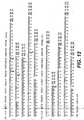
- Particularly preferred DNA and peptide sequences are set forth in Figure 12 . That figure provides the variable regions of both the heavy and light chains of MAB 96-110, including the Complementarity Determining Regions ("CDR"), the hypervariable amino acid sequences within antibody variable regions which interact with amino acids on the complementary antigen.
- CDR Complementarity Determining Regions
- the invention includes these DNA and peptide sequences as well as DNA and peptide sequences that are homologous to these sequences.
- these sequences are 70 % homologous although other preferred embodiments include sequences that are 75%, 80%, 85%, 90%, and 95% homologous. Determining these levels of homology for both the DNA and peptide sequence is well within the routine skill of those in the art.
- the DNA sequences of the invention can be identified, isolated, cloned, and transferred to a prokaryotic or eukaryotic cell for expression by procedures well-known in the art. Such procedures are generally described in Sambrook et al., supra, as well as Current Protocols in Molecular Biology (Ausubel et al, eds., John Wiley & Sons, 1989 ).
- the CDR can be graphed onto any human antibody frame using techniques standard in the art, in such a manner that the CDR maintains the same binding specificity as in the intact antibody.
- DNA and peptide sequences of the antibodies of the invention may form the basis of antibody "derivatives," which include, for example, the proteins or peptides encoded by truncated or modified genes. Such proteins or peptides may function similarly to the antibodies of the invention. Other modifications, such as the addition of other sequences that may enhance the effector function, which includes phagocytosis and/or killing of the bacteria, are also within the present invention.
- the present invention also discloses a pharmaceutical composition
- a pharmaceutical composition comprising the anti-LTA antibodies of the invention, as well as antigen-binding fragments thereof together with a pharmaceutically acceptable carrier.
- Pharmaceutically acceptable carriers can be sterile liquids, such as water, oils, including petroleum oil, animal oil, vegetable oil, peanut oil, soybean oil, mineral oil, sesame oil, and the like. With intravenous administration, water is a preferred carrier. Saline solutions, aqueous dextrose, and glycerol solutions can also be employed as liquid carriers, particularly for injectable solutions. Suitable pharmaceutical carriers are described in Remington's Pharmaceutical Sciences, 18th Edition (A. Gennaro. ed., Mack Pub., Easton, Pa., 1990 ).
- the present invention provides a monoclonal antibody of the invention for use in the prevention of staphylococcal infection in neonates and the use of an effective dosage of a monoclonal antibody of the invention in the manufacture of a medicament for the prevention of staphylococcal infection in neonates.
- the medicaments are administered to patients in therapeutically effective amounts.
- a patient can be a human or other mammal, such as a dog, cat, cow, sheep, pig, or goat.
- the patient is preferably a human.
- a therapeutically effective amount is an amount reasonably believed to provide some measure of relief or assistance in the treatment of the infection.
- Such therapy as above or as described below may be primary or supplemental to additional treatment, such as antibiotic therapy, for a staphylococcal infection, an infection caused by a different agent, or an unrelated disease.
- combination therapy with other antibodies is expressly contemplated within the invention.
- the medicaments can be used in a method of preventing such infections, comprising administering a prophylactically effective amount of a pharmaceutical composition comprising the anti-LTA antibody (whether polyclonal or monoclonal or chimeric, including fragments, regions, and derivatives thereof) and a pharmaceutically acceptable carrier.
- a pharmaceutical composition comprising the anti-LTA antibody (whether polyclonal or monoclonal or chimeric, including fragments, regions, and derivatives thereof) and a pharmaceutically acceptable carrier.
- a prophylactically effective amount is an amount reasonably believed to provide some measure of prevention of infection by Gram positive bacteria.
- Such - therapy as above or as described below may be primary or supplemental to additional treatment, such as antibiotic therapy, for a staphylococcal infection, an infection caused by a different agent, or an unrelated disease. Indeed, combination therapy with other antibodies is expressly contemplated within the invention.
- the antibodies of the invention or antigen-binding fragments thereof can be used as a vaccine together with a pharmaceutically acceptable carrier.
- the vaccine Upon introduction into a host, the vaccine generates an antibody broadly protective and opsonic against infection by Gram positive bacteria-
- the vaccine may include the epitope, an epitope mimic, any mixture of epitopes and epitope mimics, the antigen, different antigens, or any combination of epitopes, epitope mimics and antigens.
- Vaccinations are particularly beneficial for individuals known to be or suspected of being at risk of infection by Gram positive bacteria. This includes patients receiving body implants, such as valves, patients with indwelling catheters, patients preparing to undergo surgery involving breakage or damage of skin or mucosal tissue, certain health care workers, and patients expected to developp impaired immune systems from some form of therapy, such as chemotherapy or radiation therapy.
- body implants such as valves, patients with indwelling catheters, patients preparing to undergo surgery involving breakage or damage of skin or mucosal tissue, certain health care workers, and patients expected to developp impaired immune systems from some form of therapy, such as chemotherapy or radiation therapy.
- Treatment comprises administering the pharmaceutical composition (including antibodies and vaccines) by intravenous, intraperitoneal, intracorporeal injection, intra-articular, intraventricular, intrathecal, intramuscular, subcutaneous, intranasally, intravaginally, orally, or by any other effective method of administration.
- the composition may also be given locally, such as by injection to the particular area infected, either intramuscularly or subcutaneously.
- Administration can comprise administering the pharmaceutical composition by swabbing, immersing, soaking, or wiping directly to a patient.
- the treatment can also be applied to objects to be placed within a patient, such as dwelling catheters, cardiac values, cerebrospinal fluid shunts, joint prostheses, other implants into the body, or any other objects, instruments, or appliances at risk of becoming infected with a Gram positive bacteria, or at risk of introducing such an infection into a patient.
- objects to be placed within a patient such as dwelling catheters, cardiac values, cerebrospinal fluid shunts, joint prostheses, other implants into the body, or any other objects, instruments, or appliances at risk of becoming infected with a Gram positive bacteria, or at risk of introducing such an infection into a patient.
- compositions of the invention including the antibodies of the invention or antigen-binding fragments thereof
- all pharmaceutical compositions based on such antibodies, as well as on epitope, epitope mimics, or other part of the LTA, antigen and vaccines based on such epitope or antigens is the reduction in cytokine release that results from the introduction of the LTA of a Gram positive bacteria.
- LTA induces cytokines, including for example tumor necrosis factor alpha, Interleukin 6, and interferon gamma. See Takada et al., Infection and Immunity, 63 (1):57-65 (January 1995 ).
- compositions of the invention may enhance protection at three levels: (1) by binding to LTA on the bacteria and thereby blocking the initial binding to epithelial cells and preventing subsequent invasion of the bacteria; (2) by enhancing opsonization of the bacteria and thereby enhancing clearance of the bacteria from tissues and blood; and/or (3) by binding to LTA and partially or fully blocking cytokine release and modulating the inflammatory responses to prevent shock and tissue destruction.
- Hybridoma 96-110 was deposited at the ATCC on June 13, 1997 under Accession No. HB-12368.
- Isotype was determined using an isotype kit obtained from Zymed Laboratories. The kit can be ordered under number 90-6550.
- the binding assay of the invention immunoglobulin is reacted with a preparation of a Staphylococcal organism.
- the binding assay is preferably an enzyme-linked immunosorbent assay (ELISA) or a radioimmunoassay (RIA), but may also be an agglutination assay, a coagglutination assay, a colorimetric assay, a fluorescent binding assay, or any other suitable binding assay that is known in the art.
- the assay can be performed by competitive or noncompetitive procedures with results determined directly or indirectly.
- the Staphylococcus preparation may be fixed to a suitable solid support, such as a glass or plastic plate, well, bead, micro-bead, paddle, propeller, or stick.
- the solid support is preferably a titration plate.
- the fixed preparation is incubated with immunoglobulin, which is isolated or in a biological fluid such as ascites, and the amount of binding determined.
- a positive reaction occurs when the amount of binding observed for the test sample is greater than the amount of binding for a negative control.
- a negative control is any sample known not to contain antigen-specific immunoglobulin. Positive binding may be determined from a simple positive/negative reaction or from the calculation of a series of reactions.
- This series may include samples containing measured amounts of immunoglobulin that specifically bind to the fixed antigen, creating a standard curve from which the amount of antigen-specific immunoglobulin in an unknown sample can be determined.
- antibody can be fixed to a solid support and immunoglobulin identified by its ability to bind a bacterial preparation bound to the fixed antibodies.
- the bacteria-coated plates were washed once with PBS and non-specific reactive sites on the bacteria were blocked by the addition of 120 ul/well of a solution of 1% bovine serum albumin (BSA) in PBS. After a 30-60 minute incubation, the wells were washed four times with PBS containing 0.05% Tween-20 (PBS-T). Antibody, diluted in PBS-T, was then added to the wells. Supernatants were tested at a dilution of 1:2. Ascites and purified antibody were tested at dilutions indicated in the Tables. After addition of the antibody, the wells were incubated at room temperature for 30-60 minutes in a draft-free environment.
- BSA bovine serum albumin
- detection antibody rabbit anti-mouse IgG, conjugated to horse radish peroxidase (HRP) and diluted 1:4000 in PBS-T.
- the detection antibodies were specific for mouse gamma, mu or alpha heavy chains (Zymed catalog numbers 61-6020, 61-6820 or 61-6720 respectively), as indicated in the Tables.
- TMB substrate solution 100 ul of one-component TMB substrate solution (Kirkegaard and Perry Labs catalog number 50-76-05).
- the wells were incubated in the dark at room temperature for 15 minutes.
- the reaction was stopped by the addition of 80 ul of TMB stop solution (Kirkegaard and Perry Labs catalog number 50-85-05) and the absorbance of each well at 450 nm was determined using a Molecular Devices Vmax plate reader.
- Immunoassay on LTA's Reactivity of MAB 96-110 was measured by immunoassay on wells coated with LTA's.
- LTA's were obtained from Sigma Chemical Company and diluted in PBS to 1 ug/ml. One hundred microliters of the 1 ug/ml solution was distributed into replicate Nunc Maxisorp Stripwells. The LTA was incubated in the wells overnight at room temperature. The unbound material was removed from the wells with four washes of PBS-T. The wells were not blocked with BSA or other proteins. Antibody, diluted in PBS-T, was then added to the wells and the assay continued as described above.
- Binding of MAB 96-110 to the LTA in the PBS-T solution resulted in a complex of MAB/LTA which was removed from the plate during the subsequent washing step.
- the interaction of the MAB 96-110 with the LTA inhibited the antibody from binding to the LTA on the surface of the bacteria and thus reduced the number of MAB 96-110 molecules bound to the MeOH-fixed strain Hay used to coat the wells. Because the number of MAB 96-110 molecules bound to the MeOH-fixed Strain Hay was reduced, the level of binding of the detection antibody (rabbit anti-mouse IgG-HPR) was therefore also decreased, leading to a reduction of color development when compared to wells in which no LTA was present.
- Immunoassay with Protein A Method In order to evaluate monoclonal antibody 96-110 for reactivity with S. aureus 5 and S. aureus 8, it was necessary to modify the immunoassay procedure described above. Both S. aureus strains express Protein A on their surfaces. Because Protein A binds strongly to the constant region of the heavy chains of gamma-globulins, it was possible that false positive results would be obtained due to non-specific binding of the 96-110 antibody to the Protein A molecule. In order to overcome this difficulty, the immunoassay wells were coated with bacteria as described above.
- the purified monoclonal antibody (MAb) was reacted with a solution of recombinant Protein A conjugated to HRP and diluted 1:500 in PBS-T. This reaction was allowed to proceed for 30 minutes. The wells were washed four times with PBS-T and 100 ul of the solution of Protein A-HRP-MAb was added to the wells. The presence of the Protein A-HRP from the pretreatment prevented the MAb from binding to the Protein A on the S. aureus 5 and 8. Furthermore, the binding of the Protein A-HRP to the constant region of the heavy chain did not interfere with the antibody binding site on the MAb, thereby allowing evaluation of the MAb on S. aureus and other bacteria.
- the Protein A-HRP-MAb was allowed to react in the coated wells for 30-60 minutes at room temperature. The wells were then washed with PBS-T and TMB substrate solution was added and the assay completed as described above.
- An opsonization assay can be a colorimetric assay, a chemiluminescent assay, a fluorescent or radiolabel uptake assay, a cell-mediated bactericidal assay, or any other appropriate assay known in the art which measures the opsonic potential of a substance and identifies broadly reactive immunoglobulin.
- an opsonization assay the following are incubated together: an infectious agent, a eukaryotic cell, and the opsonizing substance to be tested, or an opsonizing substance plus a purported opsonizing enhancing substance.
- the opsonization assay is a cell-mediated bactericidal assay.
- an infectious agent typically a bacterium, a phagocytic cell, and an opsonizing substance, such as immunoglobulin.
- an infectious agent typically a bacterium, a phagocytic cell, and an opsonizing substance, such as immunoglobulin.
- an eukaryotic cell with phagocytic or binding ability may be used in a cell-mediated bactericidal assay, a macrophage, a monocyte, a neutrophil, or any combination of these cells, is preferred.
- Complement proteins may be included to promote opsonization by both the classical and alternate pathways.
- the opsonic ability of immunoglobulin is determined from the amount or number of infectious agents remaining after incubation. In a cell-mediated bactericidal assay, this is accomplished by comparing the number of surviving bacteria between two similar assays, only one of which contains the purported opsonizing immunoglobulin. Alternatively, the opsonic ability is determined by measuring the numbers of viable organisms before and after incubation. A reduced number of bacteria after incubation in the presence of immunoglobulin indicates a positive opsonizing ability. In the cell-mediated bactericidal assay, positive opsonization is determined by culturing the incubation mixture under appropriate bacterial growth conditions. Any significant reduction in the number of viable bacteria comparing pre- and post-incubation samples, or between samples which contain immunoglobulin and those that do not, is a positive reaction.
- Another preferred method of identifying agents for the treatment or prevention of a infection by Gram positive bacteria employs lethal models of sepsis that measure clearance and protection.
- agents can be immunoglobulin or other antimicrobial substances.
- a particularly useful animal model comprises administering an antibody and a Gram positive organism to an immunocompromised (e.g., an immature) animal, followed by evaluating whether the antibody reduces mortality of the animal or enhances clearance of the organism from the animal.
- This assay may use any immature animal, including the rabbit, the guinea pig, the mouse, the rat, or any other suitable laboratory animal.
- the suckling rat lethal animal model is most preferred.
- Such a model can readily incorporate an infected foreign body, such as an infected catheter, to more closely mimic the clinical setting.
- An alternative model utilizes adult susceptible animals, such as CF1 mice.
- Clearance is evaluated by determining whether the pharmaceutical composition enhances clearance of the infectious agent from the animal. This is typically determined from a sample of biological fluid, such as blood, peritoneal fluid, or cerebrospinal fluid.
- the infectious agent is cultured from the biological fluid in a manner suitable for growth or identification of the surviving infectious agent. From samples of fluid taken over a period of time after treatment, one skilled in the art can determine the effect of the pharmaceutical composition on the ability of the animal to clear the infectious agent. Further data may be obtained by measuring over a period of time, preferably a period of days, survival of animals to which the pharmaceutical composition is administered. Typically, both sets of data are utilized. Results are considered positive if the pharmaceutical composition enhances clearance or decreases mortality. In situations in which there is enhanced organism clearance, but the test animals still perish, a positive result is still indicated.
- mice were immunized with whole S. epidermidis, Strain Hay.
- a suspension of heat killed S. epidermidis was adjusted to an optical density (OD) of 0.137 at a wavelength of 650 nm when measured through a 1 centimeter light path.
- Bacteria from five mls of the suspension were pelleted by centrifugation (approximately 1800 X g, 10 minutes, room temperature). The supernatant was discarded and the pellet resuspended in 0.6 mls of PBS, which was then mixed with 0.9 mls of complete Freund's adjuvant (CFA). The resulting emulsion was used as the immunogen.
- CFA complete Freund's adjuvant
- IFA incomplete Freund's adjuvant
- Hybridomas were prepared by the general methods of Shulman, Wilde and Kohler Nature 276:269-270 (1978 ) and Bartal and Hirshaut "Current Methods in Hybridoma Formation in Methods of Hybridoma Formation, Bartal and Heishaut, eds., Humana Press, Clifton, New Jersey (1987 ).
- a total of 2.135 X 10 8 spleenocytes from mouse 8159 were mixed with 2.35 X 10 7 SP2/0 mouse myeloma cells (ATCC Catalog number CRL 1581) and pelleted by centrifugation (400 X g, 10 minutes at room temperature) and washed in serum free medium.
- the supernatant was removed to near-dryness and fusion of the cell mixture was accomplished in a sterile 50 ml centrifuge conical by the addition of 1 ml of polyethylene glycol (PEG; mw 1400; Boehringer Mannheim) over a period of 60-90 seconds.
- PEG polyethylene glycol
- the PEG was diluted by slow addition of serum-free medium in successive volumes of 1, 2, 4, 8, 16 and 19 mls.
- the hybridoma cell suspension was gently resuspended into the medium and the cells pelleted by centrifugation (500 X g, 10 minutes at room temperature).
- the supernatant was removed and the cells resuspended in medium RPMI 1640, supplemented with 10% heat-inactivated fetal bovine serum, 0.05 mM hypoxanthine and 16 uM thymidine (HT medium).
- medium RPMI 1640 supplemented with 10% heat-inactivated fetal bovine serum, 0.05 mM hypoxanthine and 16 uM thymidine (HT medium).
- One hundred ul of the hybridoma cells were planted into 760 wells of 96-well tissue culture plates. Eight wells (column 1 of plate A) received approximately 2.5 X 10 4 SP2/0 cells in 100 ul. The SP2/0 cells served as a control for killing by the selection medium added 24 hours later.
- 96-110 MAB was purified over a protein G column (Pharmacia).
- peroxidase labeled protein A was mixed with the purified 96-110 MAB and then reacted with S. aureus type 5 (SA5) and S. aureus type 8 (SA8) obtained from ATCC at Accession Nos. 12602 and 12605, respectively.
- SA5 S. aureus type 5
- SA8 S. aureus type 8
- Antibodies which bind to an antigen may not necessarily enhance opsonization or enhance protection from infection. Therefore, a neutrophil mediated bactericidal assay was used to determine the functional activity of antibody to S. epidermidis.
- Neutrophils were isolated from adult venous blood by dextran sedimentation and ficoll-hypaque density centrifugation. Washed neutrophils were added to round-bottomed wells of microtiter plates (approximately 10 6 cells per well) with approximately 3x10 4 mid-log phase bacteria ( S. epidermidis Hay, ATCC 55133). Newborn lamb serum (10 uls), screened to assure absence of antibody to S. epidermidis, was used as a source of active complement.
- Opsonic antibody correlates with enhanced protection from staphylococcal infections, as set forth in the recent series of Fischer applications and issued patent described above.
- studies were conducted using lethal infection models.
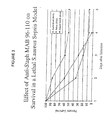
- MAB 96-110 enhanced survival in this lethal neonatal model of coagulase positive staphylococcus sepsis ( Figure 3 ): 8/15 survived after treatment with MAB 96-110, and 0/10 survived with Control MAB or 2/25 with saline treatment.
- MAB 96-110 enhanced survival in adult mice infected with coagulase negative staphylococci.
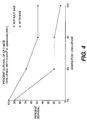
- Adult CF1 mice were given 0.5 ml S. epidermidis (Hay) IP (3.5 x 10 9 bacteria).
- 320 ug of MAB 96-110 were given to one group of mice and compared with a second group infected in the same manner, but not treated with antibody. All animals were followed 5 days to determine survival.
- 70% of the animals treated with MAB 96-110 were alive compared with 20% of animals not given antibody ( Figure 4 ). When the study was terminated 50% of the MAB animals remained alive compared to only 10% of controls.
- MAB 96-110 could enhance survival in lethal coagulase positive and coagulase negative staphylococcal infections. This enhancement occurred in an adult model and an immunocompromised model (immature neonatal immune system).
- Amplified random 6mer and 15mer fd-tet phage libraries were panned against the 96-110 antibody to yield populations of 6 and 15 amino acid length peptides which cross react with the 96-110 antibody.
- the original libraries were acquired from George P. Smith, Division of Biological Sciences, University of Missouri, Columbia, MO.
- the 96-110 antibody was crosslinked to Biotin using the Sulfo-NHS-biotin ester crosslinking kit following the manufacturers protocol (Pierce Chemical Co.).
- 35mm polystyrene petri dishes (Costar) were coated with streptavidin by incubating the plates overnight at 4°C rocking with 100mM NaHCO 3 and 10ug streptavidin. Streptavidin was then discarded and plates were filled with blocking solution (0.1 M NaHCO 3 , 5mg/ml dialyzed BSA, 0.1ug/ml streptavidin) and incubated for 1hr at 4°C. The following protocol was then followed: Wash dishes six times with TBS/Tween (50mM Tris-HCl pH 7.5, 150mM NaCl, 0.5% v/v Tween 20).
- the second and third round of panning are carried out the same way.
- the eluted, amplified phage (100ul) from the previous panning is preincubated with biotinylated 96-110 antibody (100nM for the second round; 0.1 nM for the third round) overnight at 4°C.
- 400 ul TBS/Tween is added to the mixture and it is pipetted onto streptavidin coated plates (prepared as previously stated) and then incubated with rocking gentle at room temperature for 10 min. The plates are then washed, eluted, and amplified as previously stated.
- the input and resultant phage are titered to determine yield from biopanning.
- the titered infection plates are used to pick 20 single isolated colonies for each library.
- the colonies are grown overnight in 5ml NZY medium containing 40ug/ml tetracycline.
- Replicative form DNA is extracted from each culture using Qiaplasmid quick prep kit (Qiagen Inc.) following the manufacturer's protocol. Media supernatants are saved for phage stock to be used in Example 4.
- 2.5ul of each RF DNA sample is added to a reaction containing 3.5pmole CLC502 primer (5'-TGAATTTTCTGTATGAGGTTT-3') (SEQ ID NO 3), 8 Ul Prizm sequencing mix (ABI Inc.), QS to 20ul with water and amplified following manufacturers protocol.
- the saved media phage stocks for each of the common resulting peptide sequences were amplified as previously stated.
- Amplified phage preparations were quantitated by AbS 269 and diluted to 1X10 13 vir/ml and serially diluted 1.2 seven times.
- a 96-well polystyrene plate was coated with 2ug/ml streptavidin in 0.1 M NaHCO 3 overnight at 4°C. Plates were emptied and blocked for 1hr at room temperature with phage blocking solution, 100ul/well. The following protocol was then followed. Wash wells three times with TBS/Tween. Incubate overnight at 4°C with 0.2ug/ml biotinylated 96110 in phage blocking solution, 100ul/well.
- the inhibition of MAB 96-110 binding was greatest at the highest concentration of LTA inhibitor (9 ug/ml for each LTA) and varied according to which bacterial LTA was used (52% inhibition with S. mutans, 40.6% with S. aureus and 38.2% with S. faecalis).
- the MAB 96-110 was also analyzed for binding to LTA from S. pyogenes (group A streptococcus) and various group A streptococcal M types.
- the MAB showed strong binding to the LTA and also bound to the different M types with strongest binding to M1 and M3 (Table 10).
- this strong anti-LTA reactivity will provide a method to block the binding of LTA bearing bacteria to epithelial cells and prevent colonization of important pathogens such as staphylococci, group A streptococci, S. faecalis (enterococci) and S. mutans.
- LTA induces proinflammatory cytokines such as TNF, IL-6 and Interferon gamma
- MABs with strong anti-LTA binding will also have an anti-inflammatory action and modulate cytokine production secondary to LTA bearing bacteria.
- Anti-LTA antibodies or vaccines could be designed and produced to modulate cytokine production and inflammation in tissues and prevent the adverse effects of these proinflammatory cytokines.
- Substrate was TMB. TABLE 10 Reactivity of MAB 96-110 on Whole Methanol Fixed Group A Strep Antibody ID Dilution or Conc. GAS* Type 1 #12344 GAS Type 3 #21546 GAS Type 18 #12357 GAS Type 24 #10782 Response on pyogenes LTA Buffer 0.511 0.161 0.234 0.148 0.075 Anti-Hay MAb 0.3 ug/ml 1.377 1.113 0.844 0.566 -- Anti-Hay Mab 0.1 ug/ml 1.016 0.553 0.555 0.402 2.228 *All Group A Streptococcus (GAS) from ATCC (accession numbers noted above); plates were coated with MeoH-fixed bacteria and read at 15 minutes.
- GAS Group A Streptococcus
- the hybridoma cell producing the 96-110 antibody was obtained as described above. A vial of cells was thawed, washed with serum free medium and then resuspended in IMDM (Mediatech) complete media supplemented with 10%FBS (Irvine). Total RNA was isolated from 1x10 8 96-110 cells using the Midi RNA Isolation kit (Qiagen) following the manufacturer's procedure. The RNA was dissolved in 10mM Tris, 0.1 mM EDTA (pH8.4) containing 0.03U/ ⁇ g Prime RNase Inhibitor (5'-3') to a final concentration of 0.25 ⁇ g/ ⁇ l.
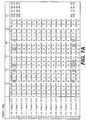
- Figure 10 shows the strategy for cloning the variable region gene fragments and Figure 11 lists the oligonucleotides primers used.
- the 96-110 total RNA (2 ⁇ g) was converted to cDNA by using Superscript II-MMLV Reverse transcriptase (Life Technologies) and mouse kappa (OKA57) and mouse heavy chain (JS160-162)-specific priming according of manufacturer's procedures.
- the first strand cDNA synthesis products were then purified using a Centricon-30 concentrator device (Amicon). Of the 40 ⁇ l of cDNA recovered, 5 ⁇ l was used as template DNA for PCR.
- Typical PCR amplification reactions (100 ⁇ l) contained template DNA, 50 pmoles of the appropriate primers (PMC12-15,55 and OKA57 for tight chains, JSS1-4,8 and JS 160-162 for heavy chains), 2.5 units of ExTaq polymerase (PanVera), 1x ExTaq reaction buffer, 200 ⁇ M dNTP, 1mM MgCl 2 .
- the template was denatured by an initial incubation at 96°C for 5 min.
- the products were amplified by 15 thermal cycles of 55°C for 30 sec., 70°C for 30 sec, then 96°C for 1 min. followed by 25 step cycles of 70°C for 1 min., then 96°C for 1 min.
- the PCR products from the successful reactions were purified using the Wizard PCR Purification system (Promega) as per manufacturer's procedure.
- the heavy chain PCR products (approximately 400 bp) were then cloned into a bacterial vector for DNA sequence determination. Ligations of the PCR fragments were carried out into the PCR2.1 (invitrogen) T/A style cloning vector following the manufacturer's procedures using a 3:1 insert to vector molar ratio. One half (5 ul) of the ligation reactions were used to transform Ultracompetent XL2Blue cells (Stratagene) as per the manufacturer's procedure. Plasmid clones containing DNA inserts were identified using diagnostic restriction enzyme digestions with Ncol (New England Biolabs). The DNA sequence of plasmids (pJRS308) containing inserts of the appropriate size (400bp) was then determined. The final consensus DNA sequence of the heavy chain variable regions is shown in Figure 12 .
- the light chain PCR products were treated differently.
- the hybridoma cell line that expresses the 96-110 antibody was made by fusing mouse spleenocytes with the SP20 myeloma cell line.
- the SP20 cell line transcribes a pseudogene for the kappa light chain.
- the hybridoma cell line that expresses the 96-110 antibody transcribes a second pseudogene product for a kappa light chain that apparently arose from the spleenocyte partner of the hybridoma fusion event.
- This second pseudogene transcript can be expressed from an expression vector transfected into mammalian cells, but this recombinant antibody product does not bind to heat-killed Staph HAY cells in an ELISA (see Example 9).
- Both of these pseudogene transcripts when converted to cDNA by RT-PCR, contain an Af/III restriction site. For this reason, the PCR products synthesized for the light chain variable region was digested with Af/III and those products that did not cut were then cloned into the pGEM T-Easy (Promega) T/A style cloning vector using the manufacturer's procedures.
- Light chain candidate (pJRS319) clones were digested with EcoRI (New England Biolabs) using the manufacturer's procedures to identify clones containing inserts of the appropriate size (350bp).
- the final consensus DNA sequence of the light chain variable regions is shown in Figure 12 .
- the amino acids encoded by these sequences match the N-terminal amino acid analyses of the heavy and light chain peptide fragments produced by the hybridoma cell line.
- the heavy and light chain variable regions were then subcloned into a mammalian expression plasmid vector pSUN 15 for production of recombinant chimeric antibody molecules.
- the creation of the expression vector was an extensive process of DNA fragment ligations and site directed mutagenesis steps.
- the result was a vector that expresses both antibody chains with CMV promoter driven transcription.
- Neomycin resistance serves as a dominant selectable marker for transfection of mammalian cells.
- it has been designed to allow convenient cloning of any light chain variable region as Eco RVI Bst BI fragment, any heavy chain variable region as a Nru I/ Eco RI fragment, and any heavy chain constant domain as an EcoRI / Notl fragment.
- the backbone of the vector was the plasmid pCDNA3 (Invitrogen). This plasmid was cut with HindIII/XhoI and a "light chain polylinker" DNA fragment was inserted to create the stated "light chain vector.” This linker contained the restriction sites H ind III, K p nI, Cla/, Pm/I, EcoRV XmaI, BamHI and XhoI to facilitate subsequent cloning steps to create the plasmid pCDNA3.LCPL.
- a SmaI/ BcII DNA fragment containing a light chain leader, anti-CKMB kappa light chain genomic fragment, and 3' UTR was cloned into the EcoRV/BamHI sites of pCDNA3.LCPL.
- the mouse kappa intron, exon and 3' UTR in this fragment was derived from LCPXK2 received from Dr. Richard Near ( Near, RI et al, 1990, Mol Immunol. 27:901-909 ). Mutagenesis was then performed to eliminate an Nrul (209), Mlul (229) and BstBI (2962) and to introduce an Nhel (1229) and a BamHI (1214) site to create pCDNA3mut.LCPL.LCVK.
- a second "heavy chain vector” was constructed from the pCDNA3mut.
- LCPL.LCVK plasmid by replacing the light chain expression region (HindIII/XhoI) with a "heavy chain polylinker” consisting of restriction sites Hpal, BspEI, EcoRV, KpnI, and Xhol.
- a Small KpnI DNA fragment contains a heavy chain leader, antiCKMB IgG2b chain genomic fragment.
- a Kpnl/SalI oligo nucleotide fragment containing a 3' UTR and a Notl upstream of the SaII site was subsequently cloned into the KpnI1XhoI digested plasmid, (knocking out the Xhol site) to create the plasmid pCDNA3mut.HCPL.HCV2b.
- a human kappa light chain constant domain was then cloned into pSUN9 as a BstB/XhoI fragment, and a human IgG1 constant domain was cloned into pSUN1O as a EcoRI/Notl f ⁇ ragment.
- a BgIII/NheI fragment from the human heavy chain vector was then cloned into the human light chain vector cut with BamHI/NheI to create pSUN15.
- the heavy chain molecules are direct cDNA constructs that fuse the variable region sequence directly into the human IgG1 constant domain.
- the light chain molecules on the other hand, have a mouse kappa intron region 3' of the variable region coding fragment. After splicing the variable region becomes fused to a human kappa constant region exon.
- the selectable marker for the vector in mammalian coils is Neomycin (G418).
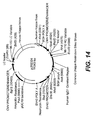
- variable region gene fragments were re-amplified by PCR using primers that adapted the fragments for cloning into the expression vector (see Figures 12 and 14 ).
- the heavy chain front primer (96110HF2) includes a 5' tail that encodes the C-terminus of the heavy chain leader and an Nrul restriction site for cloning, while the heavy chain reverse primer (96110HB) adds a 3' Eco RI restriction site for cloning.
- the light chain front primer (96110bLF) converts the first amino acid of the 96-110 light chain variable region sequence from glutamine (Q) to aspartic acid (D) via the introduction of an Eco RV restriction site at the N-terminus of the light chain variable region for cloning, while the light chain reverse primer (96-110bLB) adds a 3' DNA sequence for the joining region-kappa exon splice junction followed by a Bst B1 restriction site for cloning.
- the reverse primer introduces a point mutation in the codon for amino acid 106 that converts it to the much more common lysine (L). This was done because the splice junction in the expression vector for the kappa chain was derived from a J region that encoded a lysine at this position. Neither mutation in the recombinant form of the antibody would be anticipated to alter the antibodies binding characteristics.
- PCRs were performed as described above except 10ng of plasmid template was used in each case. Following a 5 min. incubation at 96°C, the PCR perimeters were 35 thermal cycles of 58°C for 30 sec., 70°C for 30 sec., and 96°C for 1 min.
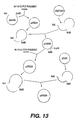
- the 96-110 heavy chain PCR product (approximately 400 bp) was digested with Nru l and Eco RI (New England Biolabs), purified using a Qiaquick PCR Purification column (Qiagen), as described by the manufacturer, and ligated into Nru l / Eco RI digested and gel-purified pSUN15, resulting in plasmid pJRS311 (see Figure 13 ).
- the 96-110 light chain PCR product (approximately 350 bp) was digested with Eco RV and Bst BI (New England Biolabs), purified using a Qiaquick PCR Purification column (Qiagen), as described by the manufacturer, and ligated into Eco RV/ Bs /BI digested and gel-purified pJRS315, resulting in plasmid pJRS326 (see Figure 13 ).
- pJRS334-1, -2 Two individual clones of the plasmid pJRS334 (pJRS334-1, -2) were transfected into COS and CHO cells using Superfectant (Qiagen) in 6 well tissue culture cells as described by the manufacturer. After three days the supernatant was assayed for the production of "humanized” antibody and for the capability for the expressed antibody to bind to the heat-killed Staph antigen.
- Antibody production assays were preformed in 8-well strips from 96-well microtiter plates (Maxisorp F8; Nunc, Inc.) coated at a 1:500 dilution with Goat antiHuman IgG antibody (Pierce) using a bicarbonate coating buffer, pH 8.5.
- the plates are covered with pressure sensitive film (Falcon, Becton Dickinson) and incubated overnight at 4°C. Plates are then washed once with Wash solution (imadazole/NaCl/0.4% Tween-20). 100 microliters of culture supernatant was then applied to duplicate wells and allowed to incubate for 30 minutes on plate rotator at room temperatures. The plates were washed five times with Wash solution.
- a Goat anti Human kappa-HRP (Southern Biotechnologies) conjugate was diluted 1:800 in the sample/conjugate diluent. 100 microliters was added to the samples, then incubated on a plate rotator for 30 minutes at room temperature. The samples were washed as above and then incubated with 100 ⁇ L/well of ABTS developing substrate (Kirkgaard & Perry Laboratories) for 10-15 minutes on a plate rotator at room temperature.
- the activity assays were preformed in 8-well strips from 96-well microtiter plates (Maxisorp F8; Nunc, Inc.) coated at 0.09 OD/well with heat-killed Staph Hay cell material suspended in MeOH. The plates are left uncovered and incubated overnight at 4°C. Plates are then washed once PBS. 100 microliters of culture supernatant was then applied to duplicate wells and allowed to incubate for 60 minutes on plate rotator at room temperature. The plates were washed five times with Wash solution. The goat anti Human kappa-HRP was diluted 1:800 in the sample/conjugate diluent.
- the plasmid pJRS334-1 was transfected into NS/0 cells (obtainable from Baxter International) and CHO cells using electroporation.
- the plasmid was linearized with Pvul restriction digestion.
- 25 micrograms of digested plasmid DNA was mixed with 1x10 7 cells in a total volume of 800 microliters in a 4 centimeter cuvette and subjected to a pulse of 250mA, 9600microF.
- the cells were plated out after 24 hours in 10ml non-selective media. The cells were then diluted out into 96-well microtiter plates.
- Neutrophils specifically polymorphonuclear neutrophils, were isolated from adult venous blood by dextran sedimentation and ficoll-hypaque density centrifugation. Washed neutrophils were added to round-bottomed wells of microtiter plates (approximately 10 6 cells per well) with approximately 3 x10 4 mid-log phase bacteria ( S. epidermidis Hay, ATCC 55133). Human sera (10 uls), screened to assure absence of antibody to S. epidermidis, was used as a source of active complement (C-Barb-Ex (1:4)).
- the addition of the MAB markedly enhanced opsonic activity for staphylococcus at 20-160 ug/ml).
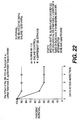
- mice were given 0.5 ml S. epidermidis (Hay) IP (3.5 x 10 9 bacteria). About 24 hrs and 1 hr before infection, 14 mg/kg of each MAB was given to a group of mice, with a third group of mice given only PBS. All animals were followed for 40 hours after challenge to determine survival.
Landscapes
- Chemical & Material Sciences (AREA)
- Health & Medical Sciences (AREA)
- Organic Chemistry (AREA)
- General Health & Medical Sciences (AREA)
- Medicinal Chemistry (AREA)
- Life Sciences & Earth Sciences (AREA)
- Biochemistry (AREA)
- Biophysics (AREA)
- Genetics & Genomics (AREA)
- Molecular Biology (AREA)
- Proteomics, Peptides & Aminoacids (AREA)
- Immunology (AREA)
- Gastroenterology & Hepatology (AREA)
- Communicable Diseases (AREA)
- Chemical Kinetics & Catalysis (AREA)
- General Chemical & Material Sciences (AREA)
- Nuclear Medicine, Radiotherapy & Molecular Imaging (AREA)
- Pharmacology & Pharmacy (AREA)
- Animal Behavior & Ethology (AREA)
- Public Health (AREA)
- Veterinary Medicine (AREA)
- Oncology (AREA)
- Peptides Or Proteins (AREA)
- Medicines Containing Antibodies Or Antigens For Use As Internal Diagnostic Agents (AREA)
- Preparation Of Compounds By Using Micro-Organisms (AREA)
- Measuring Or Testing Involving Enzymes Or Micro-Organisms (AREA)
Priority Applications (1)
| Application Number | Priority Date | Filing Date | Title |
|---|---|---|---|
| EP10182580A EP2357198A1 (en) | 1997-06-16 | 1998-06-16 | Opsonic and protective monoclonal and chimeric antibodies specific for lipoteichoic acid of gram positive bacteria |
Applications Claiming Priority (3)
| Application Number | Priority Date | Filing Date | Title |
|---|---|---|---|
| US4987197P | 1997-06-16 | 1997-06-16 | |
| US498711P | 1997-06-16 | ||
| PCT/US1998/012402 WO1998057994A2 (en) | 1997-06-16 | 1998-06-16 | Opsonic and protective monoclonal and chimeric antibodies specific for lipoteichoic acid of gram positive bacteria |
Related Child Applications (2)
| Application Number | Title | Priority Date | Filing Date |
|---|---|---|---|
| EP10001171.7 Division-Into | 2010-02-04 | ||
| EP10182580.0 Division-Into | 2010-09-29 |
Publications (2)
| Publication Number | Publication Date |
|---|---|
| EP0986577A2 EP0986577A2 (en) | 2000-03-22 |
| EP0986577B1 true EP0986577B1 (en) | 2011-02-09 |
Family
ID=21962176
Family Applications (2)
| Application Number | Title | Priority Date | Filing Date |
|---|---|---|---|
| EP98931278A Expired - Lifetime EP0986577B1 (en) | 1997-06-16 | 1998-06-16 | Opsonic and protective monoclonal and chimeric antibodies specific for lipoteichoic acid of gram positive bacteria |
| EP10182580A Withdrawn EP2357198A1 (en) | 1997-06-16 | 1998-06-16 | Opsonic and protective monoclonal and chimeric antibodies specific for lipoteichoic acid of gram positive bacteria |
Family Applications After (1)
| Application Number | Title | Priority Date | Filing Date |
|---|---|---|---|
| EP10182580A Withdrawn EP2357198A1 (en) | 1997-06-16 | 1998-06-16 | Opsonic and protective monoclonal and chimeric antibodies specific for lipoteichoic acid of gram positive bacteria |
Country Status (10)
| Country | Link |
|---|---|
| US (5) | US6610293B1 (https=) |
| EP (2) | EP0986577B1 (https=) |
| JP (2) | JP4691225B2 (https=) |
| AT (1) | ATE497977T1 (https=) |
| AU (1) | AU8144098A (https=) |
| CA (1) | CA2293732A1 (https=) |
| DE (1) | DE69842129D1 (https=) |
| DK (1) | DK0986577T3 (https=) |
| ES (1) | ES2363689T3 (https=) |
| WO (1) | WO1998057994A2 (https=) |
Families Citing this family (78)
| Publication number | Priority date | Publication date | Assignee | Title |
|---|---|---|---|---|
| US20080139789A1 (en) * | 1990-10-22 | 2008-06-12 | Henry M. Jackson Foundation For The Advancement Of Military Medicine | Isolated Broadly Reactive Opsonic Immunoglobulin for Treating a Pathogenic Coagulase-Negative Staphylococcus Infection |
| US7749498B2 (en) * | 1997-03-10 | 2010-07-06 | Genentech, Inc. | Antibodies for inhibiting blood coagulation and methods of use thereof |
| US20030109680A1 (en) * | 2001-11-21 | 2003-06-12 | Sunol Molecular Corporation | Antibodies for inhibiting blood coagulation and methods of use thereof |
| US5986065A (en) * | 1997-03-10 | 1999-11-16 | Sunol Molecular Corporation | Antibodies for inhibiting blood coagulation and methods of use thereof |
| US20060235209A9 (en) * | 1997-03-10 | 2006-10-19 | Jin-An Jiao | Use of anti-tissue factor antibodies for treating thromboses |
| US6610293B1 (en) * | 1997-06-16 | 2003-08-26 | The Henry M. Jackson Foundation For The Advancement Of Military Medicine | Opsonic and protective monoclonal and chimeric antibodies specific for lipoteichoic acid of gram positive bacteria |
| US7250494B2 (en) * | 1998-06-15 | 2007-07-31 | Biosynexus Incorporated | Opsonic monoclonal and chimeric antibodies specific for lipoteichoic acid of Gram positive bacteria |
| US9134303B1 (en) | 1998-08-25 | 2015-09-15 | Alere Scarborough, Inc. | ICT immunoassay for Legionella pneumophila serogroup 1 antigen employing affinity purified antibodies thereto |
| US6824997B1 (en) | 1998-09-18 | 2004-11-30 | Binax, Inc. | Process and materials for the rapid detection of streptococcus pneumoniae employing purified antigen-specific antibodies |
| US20020092987A1 (en) * | 1998-09-05 | 2002-07-18 | Taehee Cho | Photo detect device using quantum dots and materialization method thereof |
| DE19912706A1 (de) * | 1999-03-05 | 2000-09-07 | Petry Genmedics Gmbh Dr | Wirkstoffe zur Bekämpfung von bakteriellen Infektionserkrankungen |
| US6790661B1 (en) * | 1999-07-16 | 2004-09-14 | Verax Biomedical, Inc. | System for detecting bacteria in blood, blood products, and fluids of tissues |
| WO2002045742A2 (en) * | 2000-09-12 | 2002-06-13 | U.S. Army Medical Research And Materiel Command | Lipoteichoic acid immunogenic compositions and methods of making and using thereof |
| US20030190705A1 (en) * | 2001-10-29 | 2003-10-09 | Sunol Molecular Corporation | Method of humanizing immune system molecules |
| AU2012254925B2 (en) * | 2001-12-21 | 2016-10-13 | Biosynexus Incorporated | Opsonic monoclonal and chimeric antibodies specific for lipoteichoic acid of gram positive bacteria |
| WO2003059259A2 (en) * | 2001-12-21 | 2003-07-24 | Biosynexus Incorporated | Multifunctional monoclonal antibodies directed to peptidoglycan of gram-positive bacteria |
| US7169903B2 (en) * | 2001-12-21 | 2007-01-30 | Biosynexus Incorporated | Multifunctional monoclonal antibodies directed to peptidoglycan of gram-positive bacteria |
| US20030224000A1 (en) * | 2001-12-21 | 2003-12-04 | Kokai-Kun John Fitzgerald | Methods for blocking or alleviating staphylococcal nasal colonization by intranasal application of monoclonal antibodies |
| US20040052779A1 (en) * | 2001-12-21 | 2004-03-18 | Stinson Jeffrey R. | Opsonic monoclonal and chimeric antibodies specific for lipoteichoic acid of Gram positive bacteria |
| AU2003298770A1 (en) * | 2002-12-02 | 2004-06-23 | Biosynexus Inc | Wall teichoic acid as a target for anti-staphylococcal therapies and vaccines |
| CA2530980A1 (en) * | 2003-06-19 | 2005-01-20 | Tanox, Inc. | Tissue factor-specific antibodies for preventing or treating acute lung injury or acute respiratory distress syndrome |
| TWI333977B (en) | 2003-09-18 | 2010-12-01 | Symphogen As | Method for linking sequences of interest |
| GB2408573A (en) * | 2003-11-25 | 2005-06-01 | Univ Leicester | Assay for the interaction of L-Ficolin with lipoteichoic acid |
| NZ553776A (en) | 2004-09-22 | 2010-05-28 | Glaxosmithkline Biolog Sa | Immunogenic composition comprising staphylococcal PNAG and Type 5 and/or 8 Capsular polysaccharide or oligosaccharide. |
| US20060188526A1 (en) * | 2005-02-24 | 2006-08-24 | Cunnion Kenji M | Method for enhancing the immune response to Staphylococcus aureus infection |
| US20080206276A1 (en) | 2005-07-08 | 2008-08-28 | Michael Otto | Targeting Poly-Gamma-Glutamic Acid to Treat Staphylococcus Epidermidis and Related Infections |
| EP2476433A1 (en) | 2006-03-30 | 2012-07-18 | GlaxoSmithKline Biologicals S.A. | Immunogenic composition |
| MX2008014978A (es) * | 2006-06-06 | 2008-12-09 | Crucell Holland Bv | Moleculas de union humanas que tienen actividad exterminadora contra enterococos y staphylococcus aureus y usos de las mismas. |
| KR20160003317A (ko) * | 2006-06-06 | 2016-01-08 | 크루셀 홀란드 비.브이. | 장내구균에 대한 사멸활성을 갖는 인간결합분자 및 그것의 용도 |
| AU2012268821B2 (en) * | 2006-06-06 | 2016-06-02 | Janssen Vaccines & Prevention B.V. | Human binding molecules having killing activity against staphylococci and uses thereof |
| CA2881717C (en) | 2006-06-06 | 2018-06-12 | Cecilia Anna Wilhelmina Geuijen | Human binding molecules having killing activity against staphylococci and uses thereof |
| US8652782B2 (en) | 2006-09-12 | 2014-02-18 | Longhorn Vaccines & Diagnostics, Llc | Compositions and methods for detecting, identifying and quantitating mycobacterial-specific nucleic acids |
| US9481912B2 (en) | 2006-09-12 | 2016-11-01 | Longhorn Vaccines And Diagnostics, Llc | Compositions and methods for detecting and identifying nucleic acid sequences in biological samples |
| US8097419B2 (en) | 2006-09-12 | 2012-01-17 | Longhorn Vaccines & Diagnostics Llc | Compositions and method for rapid, real-time detection of influenza A virus (H1N1) swine 2009 |
| US8080645B2 (en) * | 2007-10-01 | 2011-12-20 | Longhorn Vaccines & Diagnostics Llc | Biological specimen collection/transport compositions and methods |
| US8084443B2 (en) | 2007-10-01 | 2011-12-27 | Longhorn Vaccines & Diagnostics Llc | Biological specimen collection and transport system and methods of use |
| DK2121920T3 (da) | 2007-03-01 | 2011-11-21 | Symphogen As | Fremgangsmåde til kloning af sammenhørende antistoffer |
| WO2009029132A2 (en) | 2007-05-31 | 2009-03-05 | Merck & Co., Inc. | Antigen-binding proteins targeting s. aureus orf0657n |
| US11041215B2 (en) | 2007-08-24 | 2021-06-22 | Longhorn Vaccines And Diagnostics, Llc | PCR ready compositions and methods for detecting and identifying nucleic acid sequences |
| US9683256B2 (en) | 2007-10-01 | 2017-06-20 | Longhorn Vaccines And Diagnostics, Llc | Biological specimen collection and transport system |
| EP2772267B1 (en) | 2007-08-27 | 2016-04-27 | Longhorn Vaccines and Diagnostics, LLC | Immunogenic compositions and methods |
| US10004799B2 (en) | 2007-08-27 | 2018-06-26 | Longhorn Vaccines And Diagnostics, Llc | Composite antigenic sequences and vaccines |
| JP5658564B2 (ja) * | 2007-08-31 | 2015-01-28 | ザ・ユニバーシティ・オブ・シカゴThe University Of Chicago | ブドウ球菌肺疾患および状態に対する免疫に関連した方法および組成物 |
| US9181329B2 (en) | 2007-08-31 | 2015-11-10 | The University Of Chicago | Methods and compositions related to immunizing against Staphylococcal lung diseases and conditions |
| US11041216B2 (en) | 2007-10-01 | 2021-06-22 | Longhorn Vaccines And Diagnostics, Llc | Compositions and methods for detecting and quantifying nucleic acid sequences in blood samples |
| WO2010014304A1 (en) * | 2008-07-29 | 2010-02-04 | University Of Chicago | Compositions and methods related to staphylococcal bacterium proteins |
| US20100082438A1 (en) * | 2008-10-01 | 2010-04-01 | Ronnie Jack Garmon | Methods and systems for customer performance scoring |
| WO2010085590A1 (en) | 2009-01-23 | 2010-07-29 | Biosynexus Incorporated | Opsonic and protective antibodies specific for lipoteichoic acid gram positive bacteria |
| HUE026855T2 (en) | 2009-04-03 | 2016-07-28 | Univ Chicago | Compositions and methods related to protein a (spa) variants |
| JP6192294B2 (ja) | 2009-07-15 | 2017-09-06 | エーアイエムエム セラピューティクス ベー.フェー. | グラム陽性菌特異的結合化合物 |
| US8221753B2 (en) * | 2009-09-30 | 2012-07-17 | Tracon Pharmaceuticals, Inc. | Endoglin antibodies |
| US20120244147A1 (en) | 2009-08-17 | 2012-09-27 | Theuer Charles P | Combination therapy of cancer with anti-endoglin antibodies and anti-vegf agents |
| WO2011123452A1 (en) * | 2010-03-29 | 2011-10-06 | Biosynexus Incorporated | Compositions and methods for prophylactic and therapeutic treatment of infection |
| EP2555794A4 (en) | 2010-04-05 | 2014-01-15 | Univ Chicago | COMPOSITIONS AND METHODS RELATING TO PROTEIN A (SPA) ANTIBODIES AS IMMUNE REACTION AMPLIFIERS |
| CA2803298C (en) | 2010-07-02 | 2020-07-14 | The University Of Chicago | Compositions and methods related to protein a (spa) variants |
| EP2614074A1 (en) | 2010-09-09 | 2013-07-17 | The University of Chicago | Methods and compositions involving protective staphylococcal antigens |
| US8945588B2 (en) | 2011-05-06 | 2015-02-03 | The University Of Chicago | Methods and compositions involving protective staphylococcal antigens, such as EBH polypeptides |
| BR112014003315A2 (pt) | 2011-08-15 | 2017-03-01 | Univ Chicago | composições e métodos relacionados a anticorpos para a proteína a estafilocócica |
| US10364298B2 (en) | 2011-11-18 | 2019-07-30 | National Research Council Of Canada | Clostridium difficile lipoteichoic acid and uses thereof |
| EP3494989B1 (en) | 2012-01-26 | 2025-07-16 | Longhorn Vaccines and Diagnostics, LLC | Composite antigenic sequences and vaccines |
| JP6670106B2 (ja) | 2012-04-26 | 2020-03-18 | ザ・ユニバーシティ・オブ・シカゴThe University Of Chicago | ブドウ球菌コアグラーゼ抗原およびその使用方法 |
| CN104703622B (zh) | 2012-04-26 | 2017-05-24 | 芝加哥大学 | 与金黄色葡萄球菌疾病期间抵消凝固酶活性的抗体相关的组合物和方法 |
| US9777076B2 (en) | 2012-07-16 | 2017-10-03 | Pfizer Inc. | Saccharides and uses thereof |
| UA115789C2 (uk) | 2012-09-05 | 2017-12-26 | Трейкон Фармасутікалз, Інк. | Композиція антитіла до cd105 та її застосування |
| GB201310008D0 (en) | 2013-06-05 | 2013-07-17 | Glaxosmithkline Biolog Sa | Immunogenic composition for use in therapy |
| EP3086805B1 (en) | 2013-12-28 | 2018-10-03 | Longhorn Vaccines and Diagnostics, LLC | Use of glycyl-glycine endopeptidase for treating mycobacteria infections |
| CA2966905A1 (en) | 2014-11-12 | 2016-05-19 | Tracon Pharmaceuticals, Inc. | Anti-endoglin antibodies and uses thereof |
| US9926375B2 (en) | 2014-11-12 | 2018-03-27 | Tracon Pharmaceuticals, Inc. | Anti-endoglin antibodies and uses thereof |
| AU2015359503B2 (en) | 2014-12-10 | 2019-05-09 | Glaxosmithkline Biologicals Sa | Method of treatment |
| EP3294448A4 (en) | 2015-05-14 | 2018-12-12 | Longhorn Vaccines and Diagnostics, LLC | Rapid methods for the extraction of nucleic acids from biological samples |
| AU2017218768B2 (en) | 2016-02-12 | 2022-03-31 | Janssen Pharmaceuticals, Inc. | Compositions and methods related to antibodies that neutralize coagulase activity during staphylococcus aureus disease |
| US12514914B2 (en) | 2019-05-14 | 2026-01-06 | The University Of Chicago | Methods and compositions comprising Staphylococcus protein a (SpA) variants |
| CN114929750B (zh) | 2019-09-13 | 2024-11-22 | 芝加哥大学 | 用于治疗葡萄球菌感染的方法和组合物 |
| JP2022550884A (ja) | 2019-10-02 | 2022-12-05 | ヤンセン ファッシンズ アンド プリベンション ベーフェー | スタフィロコッカス(Staphylococcus)ペプチドおよび使用方法 |
| US12485166B2 (en) | 2020-02-06 | 2025-12-02 | Longhorn Vaccines And Diagnostics, Llc | Vaccines for the treatment and prevention of zoonotic infections |
| IE20210235A1 (en) | 2020-10-20 | 2023-08-16 | Longhorn Vaccines & Diagnostics Llc | Immunogenic antigens |
| WO2023086542A2 (en) * | 2021-11-12 | 2023-05-19 | Longhorn Vaccines And Diagnostics, Llc | Immunogenic compositions and vaccines in the treatment and prevention of infections |
| WO2025149667A1 (en) | 2024-01-12 | 2025-07-17 | Pheon Therapeutics Ltd | Antibody drug conjugates and uses thereof |
Family Cites Families (62)
| Publication number | Priority date | Publication date | Assignee | Title |
|---|---|---|---|---|
| GB1499035A (en) | 1975-04-10 | 1978-01-25 | Ts Nii Gematologii I Perelivan | Antistaphylococcus human immune globulin and method of preparing same |
| JPS5452794A (en) | 1977-09-30 | 1979-04-25 | Kousaku Yoshida | Extracting of polysacchride from capusle containing epidermis staphylococus |
| USRE33565E (en) * | 1978-02-06 | 1991-04-02 | Stolle Research And Development Corporation | Prevention and treatment of rheumatioid arthritis |
| US4732757A (en) | 1978-02-06 | 1988-03-22 | Stolle Research And Development Corporation | Prevention and treatment of rheumatoid arthritis |
| US4235869A (en) * | 1978-05-16 | 1980-11-25 | Syva Company | Assay employing a labeled Fab-fragment ligand complex |
| DE2901822A1 (de) * | 1979-01-18 | 1980-07-31 | Biotest Serum Institut Gmbh | Verfahren zur herstellung einer fuer die intravenoese applikation geeigneten immunglobulinloesung, die igm in ankonzentrierter form enthaelt |
| FR2475900A1 (fr) | 1980-02-20 | 1981-08-21 | Fabre Sa Pierre | Complexe vaccinal contenant un antigene specifique et vaccin le contenant |
| US4425330A (en) | 1981-05-20 | 1984-01-10 | Cornell Research Foundation, Inc. | Bovine mastitis vaccine and method for detecting efficacy thereof |
| US4954449A (en) * | 1982-08-24 | 1990-09-04 | The United States Of America As Represented By The Secretary Of The Army | Human monoclonal antibody reactive with polyribosylribitol phosphate |
| US4744982A (en) * | 1982-08-24 | 1988-05-17 | Hunter Kenneth W | Human monoclonal antibody reactive with polyribosylribitol phosphate |
| US4482483A (en) | 1983-04-06 | 1984-11-13 | Armour Pharmceutical Company | Composition of intravenous immune globulin |
| US4761283A (en) * | 1983-07-05 | 1988-08-02 | The University Of Rochester | Immunogenic conjugates |
| US4719290A (en) | 1983-09-02 | 1988-01-12 | Armour Pharmaceutical Corporation | Composition of intravenous immune globulin |
| US4596769A (en) * | 1984-03-05 | 1986-06-24 | Temple University | Monoclonal antibodies to peptidoglycan and methods of preparing same |
| US5043267A (en) * | 1984-05-18 | 1991-08-27 | E. I. Du Pont De Nemours And Company | Method for rapid detection of bacterial and fungal infection |
| NZ214503A (en) | 1984-12-20 | 1990-02-26 | Merck & Co Inc | Covalently-modified neutral bacterial polysaccharides, stable covalent conjugates of such polysaccharides and immunogenic proteins, and methods of preparing such polysaccharides and conjugates |
| US4888279A (en) * | 1984-12-21 | 1989-12-19 | Thomas Jefferson University | Novel immunosorbent assays employing antibiotic keying agents |
| DE3516119A1 (de) * | 1985-05-04 | 1986-11-06 | Biotest Pharma GmbH, 6000 Frankfurt | Polyvalentes hyperimmunglobulin-praeparat |
| FR2581877B1 (fr) | 1985-05-14 | 1987-12-18 | Louvain Universite Catholique | Conjugue constitue d'une adhesine de paroi de s. mutans, de nature proteique et d'un polysaccharide de s. mutans, sa preparation et son utilisation notamment dans des vaccins anti-caries |
| CA1341235C (en) | 1987-07-24 | 2001-05-22 | Randy R. Robinson | Modular assembly of antibody genes, antibodies prepared thereby and use |
| FR2619122B1 (fr) | 1987-08-03 | 1990-03-09 | Pasteur Institut | Procede d'obtention de polyosides capsulaires de staphylocoques, polyosides obtenus, applications de ces polyosides et souches pour la mise en oeuvre du procede |
| US5034515A (en) | 1987-09-22 | 1991-07-23 | Wisconsin Alumni Research Foundation | Staphylococcal fibronectin receptor, monoclonal antibodies thereto and methods of use |
| JP2666212B2 (ja) * | 1988-03-07 | 1997-10-22 | 鐘紡株式会社 | 抗体およびそれを有効成分とする齲蝕予防剤の製造方法 |
| US5055455A (en) | 1988-09-28 | 1991-10-08 | Brigham And Women's Hospital | Capsular polysaccharide adhesin antigen, preparation, purification and use |
| US5530101A (en) * | 1988-12-28 | 1996-06-25 | Protein Design Labs, Inc. | Humanized immunoglobulins |
| SE8901687D0 (sv) | 1989-05-11 | 1989-05-11 | Alfa Laval Agri Int | Fibronectin binding protein as well as its preparation |
| US5069896A (en) * | 1989-06-01 | 1991-12-03 | The Gillette Company | Malodor inhibiting skin deodorant composition comprising a monoclonal antibody and method of deodorizing |
| US5440014A (en) | 1990-08-10 | 1995-08-08 | H+E,Uml/Oo/ K; Magnus | Fibronectin binding peptide |
| US5153312A (en) | 1990-09-28 | 1992-10-06 | American Cyanamid Company | Oligosaccharide conjugate vaccines |
| US6632432B1 (en) * | 1990-10-22 | 2003-10-14 | Henry M. Jackson Foundation For The Advancement Of Military Medicine | Directed human immune globulin for the prevention and treatment of staphylococcal infections |
| US5571511A (en) * | 1990-10-22 | 1996-11-05 | The U.S. Government | Broadly reactive opsonic antibodies that react with common staphylococcal antigens |
| USRE37525E1 (en) * | 1991-05-01 | 2002-01-22 | Henry M. Jackson Foundation | Method for treating infectious respiratory diseases |
| EP0605522B1 (en) * | 1991-09-23 | 1999-06-23 | Medical Research Council | Methods for the production of humanized antibodies |
| ES2198405T3 (es) | 1991-11-22 | 2004-02-01 | Nabi Biopharmaceuticals | Antigenos de superficie de tipo i asociados a staphylococcus epidermis. |
| CA2117480A1 (en) | 1992-02-25 | 1993-09-02 | Gerald W. Fischer | Directed human immune globulin for the prevention and treatment of staphylococcal infections |
| CA2132421C (en) | 1992-03-19 | 2010-11-23 | Gerald W. Fischer | Broadly reactive opsonic antibodies that react with common staphylococcal antigens |
| DK0752248T3 (da) | 1992-11-13 | 2000-11-13 | Idec Pharma Corp | Terapeutisk anvendelse af kimæriske og radioaktivt mærkede antistoffer mod humant B-lymfocytbegrænset differentieringsantig |
| US5545721A (en) | 1992-12-21 | 1996-08-13 | Ophidian Pharmaceuticals, Inc. | Conjugates for the prevention and treatment of sepsis |
| EP0680337A4 (en) | 1993-01-12 | 1997-07-30 | Anthony George Gristina | METHODS AND COMPOSITIONS FOR DIRECT APPLICATION WITH HIGH CONCENTRATION OF ANTIBODIES, PRODUCING PASSIVE IMMUNITY. |
| US5955078A (en) | 1993-02-05 | 1999-09-21 | Smithkline Beecham P.L.C. | Fibronectin binding protein polypeptides |
| US6645493B1 (en) * | 1993-05-17 | 2003-11-11 | The Picower Institute For Medical Research | Composition containing anti-MIF antibody |
| US5354654A (en) | 1993-07-16 | 1994-10-11 | The United States Of America As Represented By The Secretary Of The Navy | Lyophilized ligand-receptor complexes for assays and sensors |
| US5624904A (en) | 1993-11-17 | 1997-04-29 | Massachusetts Institute Of Technology | Method for treating gram positive septicemia |
| US5585098A (en) * | 1993-11-23 | 1996-12-17 | Ovimmune, Inc. | Oral administration of chicken yolk immunoglobulins to lower somatic cell count in the milk of lactating ruminants |
| US5538733A (en) | 1994-07-07 | 1996-07-23 | Willmar Poultry Company, Inc. | Method of priming an immune response in a one-day old animal |
| ATE308994T1 (de) * | 1994-09-16 | 2005-11-15 | Scripps Research Inst | Gebrauch von antikörpern zur verhinderung von auswirkungen hervorgerufen durch grampositive- und myko-bakterien |
| PT783520E (pt) | 1994-09-21 | 2002-05-31 | Henry M Jackson Found Advanc M | Anticorpos opsonicos amplamente reactivos que reagem com antigenios de estafilococos comuns |
| CA2208780C (en) * | 1995-01-30 | 2010-03-30 | Peter Truog | Antitumor and anticholesterol preparations comprising lipoteichoic acid lta-t of streptococcus sp dsm 8747 |
| FR2729960A1 (fr) * | 1995-01-30 | 1996-08-02 | Bio Merieux | Polypeptides mimotopes de toxoplasma gondii et applications |
| AU6094696A (en) * | 1995-06-05 | 1996-12-24 | Bionebraska, Inc. | Lead binding polypeptides and nucleotides coding therefor |
| MA24512A1 (fr) | 1996-01-17 | 1998-12-31 | Univ Vermont And State Agrienl | Procede pour la preparation d'agents anticoagulants utiles dans le traitement de la thrombose |
| DE69734601T2 (de) * | 1996-05-16 | 2006-08-03 | The Texas A & M University System, College Station | Zusammensetzung von kollagenbindungsprotein und verfahren zu deren verwendungen |
| GB9614274D0 (en) * | 1996-07-06 | 1996-09-04 | Univ Manchester | Treatment and diagnosis of infections of gram positive cocci |
| US5770208A (en) | 1996-09-11 | 1998-06-23 | Nabi | Staphylococcus aureus B-linked hexosamine antigen |
| US6294177B1 (en) * | 1996-09-11 | 2001-09-25 | Nabi | Staphylococcus aureus antigen-containing whole cell vaccine |
| US6610293B1 (en) * | 1997-06-16 | 2003-08-26 | The Henry M. Jackson Foundation For The Advancement Of Military Medicine | Opsonic and protective monoclonal and chimeric antibodies specific for lipoteichoic acid of gram positive bacteria |
| US6248329B1 (en) * | 1998-06-01 | 2001-06-19 | Ramaswamy Chandrashekar | Parasitic helminth cuticlin nucleic acid molecules and uses thereof |
| US7250494B2 (en) | 1998-06-15 | 2007-07-31 | Biosynexus Incorporated | Opsonic monoclonal and chimeric antibodies specific for lipoteichoic acid of Gram positive bacteria |
| US6487198B1 (en) | 1998-06-16 | 2002-11-26 | Mci Communications Corporation | Method and system for unloading T1 payloads from ATM cells |
| ES2321892T3 (es) * | 1998-09-14 | 2009-06-12 | Nabi Biopharmaceuticals | Composiciones de beta-glucanos e inmunoglobulinas especificas. |
| CN1355690A (zh) * | 1999-04-16 | 2002-06-26 | 奥赛尔股份有限公司 | 一种延长可溶性病毒特异性配体在粘膜上半寿期的方法 |
| US20040052779A1 (en) * | 2001-12-21 | 2004-03-18 | Stinson Jeffrey R. | Opsonic monoclonal and chimeric antibodies specific for lipoteichoic acid of Gram positive bacteria |
-
1998
- 1998-06-15 US US09/097,055 patent/US6610293B1/en not_active Expired - Fee Related
- 1998-06-16 DE DE69842129T patent/DE69842129D1/de not_active Expired - Lifetime
- 1998-06-16 JP JP50463399A patent/JP4691225B2/ja not_active Expired - Fee Related
- 1998-06-16 DK DK98931278.0T patent/DK0986577T3/da active
- 1998-06-16 WO PCT/US1998/012402 patent/WO1998057994A2/en not_active Ceased
- 1998-06-16 EP EP98931278A patent/EP0986577B1/en not_active Expired - Lifetime
- 1998-06-16 ES ES98931278T patent/ES2363689T3/es not_active Expired - Lifetime
- 1998-06-16 EP EP10182580A patent/EP2357198A1/en not_active Withdrawn
- 1998-06-16 AU AU81440/98A patent/AU8144098A/en not_active Abandoned
- 1998-06-16 CA CA002293732A patent/CA2293732A1/en not_active Abandoned
- 1998-06-16 AT AT98931278T patent/ATE497977T1/de not_active IP Right Cessation
-
2001
- 2001-06-29 US US09/893,615 patent/US6939543B2/en not_active Expired - Fee Related
-
2003
- 2003-06-23 US US10/601,171 patent/US8372958B2/en not_active Expired - Fee Related
-
2005
- 2005-08-01 US US11/193,440 patent/US7511122B2/en not_active Expired - Fee Related
-
2008
- 2008-12-23 US US12/317,718 patent/US7884198B2/en not_active Expired - Fee Related
-
2010
- 2010-09-10 JP JP2010202662A patent/JP2011026327A/ja active Pending
Non-Patent Citations (1)
| Title |
|---|
| DRABICK J. ET AL: "A MONOCLONAL ANTIBODY DIRECTED AGAINST LIPOTEICHOIC ACID OF STREPTOCOCCUS PYOGENES IS BROADLY CROSS-REACTIVE WITH MANY GRAM POSITIVE ORGANISMS", ABSTRACTS OF THE GENERAL MEETING OF THE AMERICAN SOCIETY FOR MICROBIOLOGY, THE SOCIETY, WASHINGTON, DC, US, vol. 93, 1993, pages 109, XP008006209 * |
Also Published As
| Publication number | Publication date |
|---|---|
| JP4691225B2 (ja) | 2011-06-01 |
| EP0986577A2 (en) | 2000-03-22 |
| US20040013673A1 (en) | 2004-01-22 |
| WO1998057994A2 (en) | 1998-12-23 |
| US7884198B2 (en) | 2011-02-08 |
| US20060002939A1 (en) | 2006-01-05 |
| US6610293B1 (en) | 2003-08-26 |
| WO1998057994A3 (en) | 1999-03-25 |
| US20020082395A1 (en) | 2002-06-27 |
| ES2363689T3 (es) | 2011-08-11 |
| AU8144098A (en) | 1999-01-04 |
| EP2357198A1 (en) | 2011-08-17 |
| US7511122B2 (en) | 2009-03-31 |
| US8372958B2 (en) | 2013-02-12 |
| DK0986577T3 (da) | 2011-05-23 |
| JP2002503966A (ja) | 2002-02-05 |
| DE69842129D1 (de) | 2011-03-24 |
| US20100221822A1 (en) | 2010-09-02 |
| JP2011026327A (ja) | 2011-02-10 |
| US6939543B2 (en) | 2005-09-06 |
| CA2293732A1 (en) | 1998-12-23 |
| ATE497977T1 (de) | 2011-02-15 |
Similar Documents
| Publication | Publication Date | Title |
|---|---|---|
| EP0986577B1 (en) | Opsonic and protective monoclonal and chimeric antibodies specific for lipoteichoic acid of gram positive bacteria | |
| US7777017B2 (en) | Nucleic acids encoding opsonic monoclonal and chimeric antibodies specific for lipoteichoic acid of gram positive bacteria | |
| AU2009202762B2 (en) | Opsonic monoclonal and chimeric antibodies specific for lipoteichoic acid of Gram positive bacteria | |
| AU2009210372A1 (en) | Multifunctional monoclonal antibodies directed to peptidoglycan of gram-positive bacteria | |
| US20030228322A1 (en) | Multifunctional monoclonal antibodies directed to peptidoglycan of gram-positive bacteria | |
| JP2005514053A6 (ja) | グラム陽性細菌のリポタイコ酸に特異的なオプソニン性モノクローナルおよびキメラ抗体 | |
| AU2010201603B2 (en) | Opsonic and protective monoclonal and chimeric antibodies specific for lipoteichoic acid of gram positive bacteria | |
| HK1160872A (en) | Opsonic and protective monoclonal and chimeric antibodies specific for lipoteichoic acid of gram positive bacteria | |
| AU2012201369A1 (en) | Opsonic and protective monoclonal and chimeric antibodies specific for lipoteichoic acid of gram positive bacteria | |
| AU2012254925B2 (en) | Opsonic monoclonal and chimeric antibodies specific for lipoteichoic acid of gram positive bacteria |
Legal Events
| Date | Code | Title | Description |
|---|---|---|---|
| PUAI | Public reference made under article 153(3) epc to a published international application that has entered the european phase |
Free format text: ORIGINAL CODE: 0009012 |
|
| 17P | Request for examination filed |
Effective date: 20000117 |
|
| AK | Designated contracting states |
Kind code of ref document: A2 Designated state(s): AT BE CH CY DE DK ES FI FR GB GR IE IT LI LU MC NL PT SE |
|
| GRAP | Despatch of communication of intention to grant a patent |
Free format text: ORIGINAL CODE: EPIDOSNIGR1 |
|
| RIC1 | Information provided on ipc code assigned before grant |
Ipc: C07K 16/46 20060101ALI20100831BHEP Ipc: C12N 5/20 20060101ALI20100831BHEP Ipc: A61P 31/04 20060101ALI20100831BHEP Ipc: A61K 39/40 20060101ALI20100831BHEP Ipc: C07K 16/12 20060101ALI20100831BHEP Ipc: C07K 16/00 20060101AFI20100831BHEP |
|
| GRAS | Grant fee paid |
Free format text: ORIGINAL CODE: EPIDOSNIGR3 |
|
| GRAA | (expected) grant |
Free format text: ORIGINAL CODE: 0009210 |
|
| AK | Designated contracting states |
Kind code of ref document: B1 Designated state(s): AT BE CH CY DE DK ES FI FR GB GR IE IT LI LU MC NL PT SE |
|
| REG | Reference to a national code |
Ref country code: GB Ref legal event code: FG4D |
|
| REG | Reference to a national code |
Ref country code: CH Ref legal event code: EP |
|
| REG | Reference to a national code |
Ref country code: IE Ref legal event code: FG4D |
|
| REF | Corresponds to: |
Ref document number: 69842129 Country of ref document: DE Date of ref document: 20110324 Kind code of ref document: P |
|
| REG | Reference to a national code |
Ref country code: DE Ref legal event code: R096 Ref document number: 69842129 Country of ref document: DE Effective date: 20110324 |
|
| REG | Reference to a national code |
Ref country code: NL Ref legal event code: T3 |
|
| REG | Reference to a national code |
Ref country code: DK Ref legal event code: T3 |
|
| PG25 | Lapsed in a contracting state [announced via postgrant information from national office to epo] |
Ref country code: PT Free format text: LAPSE BECAUSE OF FAILURE TO SUBMIT A TRANSLATION OF THE DESCRIPTION OR TO PAY THE FEE WITHIN THE PRESCRIBED TIME-LIMIT Effective date: 20110609 Ref country code: SE Free format text: LAPSE BECAUSE OF FAILURE TO SUBMIT A TRANSLATION OF THE DESCRIPTION OR TO PAY THE FEE WITHIN THE PRESCRIBED TIME-LIMIT Effective date: 20110209 Ref country code: GR Free format text: LAPSE BECAUSE OF FAILURE TO SUBMIT A TRANSLATION OF THE DESCRIPTION OR TO PAY THE FEE WITHIN THE PRESCRIBED TIME-LIMIT Effective date: 20110510 |
|
| REG | Reference to a national code |
Ref country code: CH Ref legal event code: NV Representative=s name: KIRKER & CIE S.A. |
|
| REG | Reference to a national code |
Ref country code: ES Ref legal event code: FG2A Ref document number: 2363689 Country of ref document: ES Kind code of ref document: T3 Effective date: 20110811 |
|
| PG25 | Lapsed in a contracting state [announced via postgrant information from national office to epo] |
Ref country code: CY Free format text: LAPSE BECAUSE OF FAILURE TO SUBMIT A TRANSLATION OF THE DESCRIPTION OR TO PAY THE FEE WITHIN THE PRESCRIBED TIME-LIMIT Effective date: 20110209 Ref country code: FI Free format text: LAPSE BECAUSE OF FAILURE TO SUBMIT A TRANSLATION OF THE DESCRIPTION OR TO PAY THE FEE WITHIN THE PRESCRIBED TIME-LIMIT Effective date: 20110209 Ref country code: AT Free format text: LAPSE BECAUSE OF FAILURE TO SUBMIT A TRANSLATION OF THE DESCRIPTION OR TO PAY THE FEE WITHIN THE PRESCRIBED TIME-LIMIT Effective date: 20110209 |
|
| PLBE | No opposition filed within time limit |
Free format text: ORIGINAL CODE: 0009261 |
|
| STAA | Information on the status of an ep patent application or granted ep patent |
Free format text: STATUS: NO OPPOSITION FILED WITHIN TIME LIMIT |
|
| 26N | No opposition filed |
Effective date: 20111110 |
|
| REG | Reference to a national code |
Ref country code: DE Ref legal event code: R097 Ref document number: 69842129 Country of ref document: DE Effective date: 20111110 |
|
| PGFP | Annual fee paid to national office [announced via postgrant information from national office to epo] |
Ref country code: ES Payment date: 20120626 Year of fee payment: 15 |
|
| PG25 | Lapsed in a contracting state [announced via postgrant information from national office to epo] |
Ref country code: MC Free format text: LAPSE BECAUSE OF NON-PAYMENT OF DUE FEES Effective date: 20110630 |
|
| PG25 | Lapsed in a contracting state [announced via postgrant information from national office to epo] |
Ref country code: LU Free format text: LAPSE BECAUSE OF NON-PAYMENT OF DUE FEES Effective date: 20110616 |
|
| PGFP | Annual fee paid to national office [announced via postgrant information from national office to epo] |
Ref country code: GB Payment date: 20130627 Year of fee payment: 16 Ref country code: CH Payment date: 20130627 Year of fee payment: 16 Ref country code: DE Payment date: 20130627 Year of fee payment: 16 Ref country code: IE Payment date: 20130625 Year of fee payment: 16 Ref country code: DK Payment date: 20130625 Year of fee payment: 16 |
|
| PGFP | Annual fee paid to national office [announced via postgrant information from national office to epo] |
Ref country code: IT Payment date: 20130625 Year of fee payment: 16 Ref country code: FR Payment date: 20130702 Year of fee payment: 16 |
|
| PGFP | Annual fee paid to national office [announced via postgrant information from national office to epo] |
Ref country code: BE Payment date: 20130627 Year of fee payment: 16 |
|
| PGFP | Annual fee paid to national office [announced via postgrant information from national office to epo] |
Ref country code: NL Payment date: 20130626 Year of fee payment: 16 |
|
| REG | Reference to a national code |
Ref country code: DE Ref legal event code: R119 Ref document number: 69842129 Country of ref document: DE |
|
| REG | Reference to a national code |
Ref country code: DK Ref legal event code: EBP Effective date: 20140630 |
|
| REG | Reference to a national code |
Ref country code: NL Ref legal event code: V1 Effective date: 20150101 |
|
| REG | Reference to a national code |
Ref country code: CH Ref legal event code: PL |
|
| GBPC | Gb: european patent ceased through non-payment of renewal fee |
Effective date: 20140616 |
|
| REG | Reference to a national code |
Ref country code: IE Ref legal event code: MM4A |
|
| REG | Reference to a national code |
Ref country code: FR Ref legal event code: ST Effective date: 20150227 |
|
| PG25 | Lapsed in a contracting state [announced via postgrant information from national office to epo] |
Ref country code: NL Free format text: LAPSE BECAUSE OF NON-PAYMENT OF DUE FEES Effective date: 20150101 |
|
| REG | Reference to a national code |
Ref country code: DE Ref legal event code: R119 Ref document number: 69842129 Country of ref document: DE Effective date: 20150101 |
|
| PG25 | Lapsed in a contracting state [announced via postgrant information from national office to epo] |
Ref country code: LI Free format text: LAPSE BECAUSE OF NON-PAYMENT OF DUE FEES Effective date: 20140630 Ref country code: CH Free format text: LAPSE BECAUSE OF NON-PAYMENT OF DUE FEES Effective date: 20140630 Ref country code: IE Free format text: LAPSE BECAUSE OF NON-PAYMENT OF DUE FEES Effective date: 20140616 Ref country code: IT Free format text: LAPSE BECAUSE OF NON-PAYMENT OF DUE FEES Effective date: 20140616 Ref country code: DE Free format text: LAPSE BECAUSE OF NON-PAYMENT OF DUE FEES Effective date: 20150101 |
|
| PG25 | Lapsed in a contracting state [announced via postgrant information from national office to epo] |
Ref country code: GB Free format text: LAPSE BECAUSE OF NON-PAYMENT OF DUE FEES Effective date: 20140616 Ref country code: FR Free format text: LAPSE BECAUSE OF NON-PAYMENT OF DUE FEES Effective date: 20140630 |
|
| REG | Reference to a national code |
Ref country code: ES Ref legal event code: FD2A Effective date: 20150729 |
|
| PG25 | Lapsed in a contracting state [announced via postgrant information from national office to epo] |
Ref country code: DK Free format text: LAPSE BECAUSE OF NON-PAYMENT OF DUE FEES Effective date: 20140630 |
|
| PG25 | Lapsed in a contracting state [announced via postgrant information from national office to epo] |
Ref country code: ES Free format text: LAPSE BECAUSE OF NON-PAYMENT OF DUE FEES Effective date: 20140617 |
|
| PG25 | Lapsed in a contracting state [announced via postgrant information from national office to epo] |
Ref country code: BE Free format text: LAPSE BECAUSE OF NON-PAYMENT OF DUE FEES Effective date: 20140630 |