EP0848703B1 - Derivate von benzosulfonamiden als hemmer des enzym cyclooxygenase ii - Google Patents
Derivate von benzosulfonamiden als hemmer des enzym cyclooxygenase ii Download PDFInfo
- Publication number
- EP0848703B1 EP0848703B1 EP96922910A EP96922910A EP0848703B1 EP 0848703 B1 EP0848703 B1 EP 0848703B1 EP 96922910 A EP96922910 A EP 96922910A EP 96922910 A EP96922910 A EP 96922910A EP 0848703 B1 EP0848703 B1 EP 0848703B1
- Authority
- EP
- European Patent Office
- Prior art keywords
- wurde
- 100mhz
- mmol
- group
- denotes
- Prior art date
- Legal status (The legal status is an assumption and is not a legal conclusion. Google has not performed a legal analysis and makes no representation as to the accuracy of the status listed.)
- Expired - Lifetime
Links
- 0 CS(Nc(c(OC1=CC*C=C1Cl)c1)cc(CO)c1[N+]([O-])OI)(=O)=O Chemical compound CS(Nc(c(OC1=CC*C=C1Cl)c1)cc(CO)c1[N+]([O-])OI)(=O)=O 0.000 description 4
- CUFPHCAOAAIPHW-UHFFFAOYSA-N CS(NC(CC1)C(Sc(ccc(F)c2)c2F)=CC1S(N)(=O)=O)=O Chemical compound CS(NC(CC1)C(Sc(ccc(F)c2)c2F)=CC1S(N)(=O)=O)=O CUFPHCAOAAIPHW-UHFFFAOYSA-N 0.000 description 1
- ITIOXBIOGPJVLK-UHFFFAOYSA-N Cc1cc(C[O]=C)ccc1[O](c1ccccc1)[O]=[SH+]=O Chemical compound Cc1cc(C[O]=C)ccc1[O](c1ccccc1)[O]=[SH+]=O ITIOXBIOGPJVLK-UHFFFAOYSA-N 0.000 description 1
- OZQZWAKOXJCDHH-UHFFFAOYSA-N Cc1nnc(Sc2cc(S(N=C)(=O)=O)ccc2N)[s]1 Chemical compound Cc1nnc(Sc2cc(S(N=C)(=O)=O)ccc2N)[s]1 OZQZWAKOXJCDHH-UHFFFAOYSA-N 0.000 description 1
- DKBMNJRRXWTRNV-UHFFFAOYSA-N NC(C(SC1C(Cl)=CC(F)=CC1)=C1)=CCC1S(N)(=O)=O Chemical compound NC(C(SC1C(Cl)=CC(F)=CC1)=C1)=CCC1S(N)(=O)=O DKBMNJRRXWTRNV-UHFFFAOYSA-N 0.000 description 1
- KQFGYMOYLOYSSG-UHFFFAOYSA-N NS(C(CC=C1NS=O)C=C1SC1=CCCCC1)(=O)=O Chemical compound NS(C(CC=C1NS=O)C=C1SC1=CCCCC1)(=O)=O KQFGYMOYLOYSSG-UHFFFAOYSA-N 0.000 description 1
- YXNCNRVFXVSFNW-UHFFFAOYSA-N [OH2+][OH+]c1ccccc1Oc(ccc(Cl)c1)c1Cl Chemical compound [OH2+][OH+]c1ccccc1Oc(ccc(Cl)c1)c1Cl YXNCNRVFXVSFNW-UHFFFAOYSA-N 0.000 description 1
Classifications
-
- C—CHEMISTRY; METALLURGY
- C07—ORGANIC CHEMISTRY
- C07C—ACYCLIC OR CARBOCYCLIC COMPOUNDS
- C07C311/00—Amides of sulfonic acids, i.e. compounds having singly-bound oxygen atoms of sulfo groups replaced by nitrogen atoms, not being part of nitro or nitroso groups
- C07C311/30—Sulfonamides, the carbon skeleton of the acid part being further substituted by singly-bound nitrogen atoms, not being part of nitro or nitroso groups
- C07C311/37—Sulfonamides, the carbon skeleton of the acid part being further substituted by singly-bound nitrogen atoms, not being part of nitro or nitroso groups having the sulfur atom of at least one of the sulfonamide groups bound to a carbon atom of a six-membered aromatic ring
- C07C311/38—Sulfonamides, the carbon skeleton of the acid part being further substituted by singly-bound nitrogen atoms, not being part of nitro or nitroso groups having the sulfur atom of at least one of the sulfonamide groups bound to a carbon atom of a six-membered aromatic ring having sulfur atoms of sulfonamide groups and amino groups bound to carbon atoms of six-membered rings of the same carbon skeleton
- C07C311/39—Sulfonamides, the carbon skeleton of the acid part being further substituted by singly-bound nitrogen atoms, not being part of nitro or nitroso groups having the sulfur atom of at least one of the sulfonamide groups bound to a carbon atom of a six-membered aromatic ring having sulfur atoms of sulfonamide groups and amino groups bound to carbon atoms of six-membered rings of the same carbon skeleton having the nitrogen atom of at least one of the sulfonamide groups bound to hydrogen atoms or to an acyclic carbon atom
-
- A—HUMAN NECESSITIES
- A61—MEDICAL OR VETERINARY SCIENCE; HYGIENE
- A61P—SPECIFIC THERAPEUTIC ACTIVITY OF CHEMICAL COMPOUNDS OR MEDICINAL PREPARATIONS
- A61P29/00—Non-central analgesic, antipyretic or antiinflammatory agents, e.g. antirheumatic agents; Non-steroidal antiinflammatory drugs [NSAID]
-
- C—CHEMISTRY; METALLURGY
- C07—ORGANIC CHEMISTRY
- C07C—ACYCLIC OR CARBOCYCLIC COMPOUNDS
- C07C311/00—Amides of sulfonic acids, i.e. compounds having singly-bound oxygen atoms of sulfo groups replaced by nitrogen atoms, not being part of nitro or nitroso groups
- C07C311/30—Sulfonamides, the carbon skeleton of the acid part being further substituted by singly-bound nitrogen atoms, not being part of nitro or nitroso groups
- C07C311/37—Sulfonamides, the carbon skeleton of the acid part being further substituted by singly-bound nitrogen atoms, not being part of nitro or nitroso groups having the sulfur atom of at least one of the sulfonamide groups bound to a carbon atom of a six-membered aromatic ring
- C07C311/38—Sulfonamides, the carbon skeleton of the acid part being further substituted by singly-bound nitrogen atoms, not being part of nitro or nitroso groups having the sulfur atom of at least one of the sulfonamide groups bound to a carbon atom of a six-membered aromatic ring having sulfur atoms of sulfonamide groups and amino groups bound to carbon atoms of six-membered rings of the same carbon skeleton
- C07C311/39—Sulfonamides, the carbon skeleton of the acid part being further substituted by singly-bound nitrogen atoms, not being part of nitro or nitroso groups having the sulfur atom of at least one of the sulfonamide groups bound to a carbon atom of a six-membered aromatic ring having sulfur atoms of sulfonamide groups and amino groups bound to carbon atoms of six-membered rings of the same carbon skeleton having the nitrogen atom of at least one of the sulfonamide groups bound to hydrogen atoms or to an acyclic carbon atom
- C07C311/40—Sulfonamides, the carbon skeleton of the acid part being further substituted by singly-bound nitrogen atoms, not being part of nitro or nitroso groups having the sulfur atom of at least one of the sulfonamide groups bound to a carbon atom of a six-membered aromatic ring having sulfur atoms of sulfonamide groups and amino groups bound to carbon atoms of six-membered rings of the same carbon skeleton having the nitrogen atom of at least one of the sulfonamide groups bound to hydrogen atoms or to an acyclic carbon atom to an acyclic carbon atom of a hydrocarbon radical substituted by singly-bound oxygen atoms
-
- C—CHEMISTRY; METALLURGY
- C07—ORGANIC CHEMISTRY
- C07C—ACYCLIC OR CARBOCYCLIC COMPOUNDS
- C07C311/00—Amides of sulfonic acids, i.e. compounds having singly-bound oxygen atoms of sulfo groups replaced by nitrogen atoms, not being part of nitro or nitroso groups
- C07C311/30—Sulfonamides, the carbon skeleton of the acid part being further substituted by singly-bound nitrogen atoms, not being part of nitro or nitroso groups
- C07C311/37—Sulfonamides, the carbon skeleton of the acid part being further substituted by singly-bound nitrogen atoms, not being part of nitro or nitroso groups having the sulfur atom of at least one of the sulfonamide groups bound to a carbon atom of a six-membered aromatic ring
- C07C311/38—Sulfonamides, the carbon skeleton of the acid part being further substituted by singly-bound nitrogen atoms, not being part of nitro or nitroso groups having the sulfur atom of at least one of the sulfonamide groups bound to a carbon atom of a six-membered aromatic ring having sulfur atoms of sulfonamide groups and amino groups bound to carbon atoms of six-membered rings of the same carbon skeleton
- C07C311/39—Sulfonamides, the carbon skeleton of the acid part being further substituted by singly-bound nitrogen atoms, not being part of nitro or nitroso groups having the sulfur atom of at least one of the sulfonamide groups bound to a carbon atom of a six-membered aromatic ring having sulfur atoms of sulfonamide groups and amino groups bound to carbon atoms of six-membered rings of the same carbon skeleton having the nitrogen atom of at least one of the sulfonamide groups bound to hydrogen atoms or to an acyclic carbon atom
- C07C311/42—Sulfonamides, the carbon skeleton of the acid part being further substituted by singly-bound nitrogen atoms, not being part of nitro or nitroso groups having the sulfur atom of at least one of the sulfonamide groups bound to a carbon atom of a six-membered aromatic ring having sulfur atoms of sulfonamide groups and amino groups bound to carbon atoms of six-membered rings of the same carbon skeleton having the nitrogen atom of at least one of the sulfonamide groups bound to hydrogen atoms or to an acyclic carbon atom to an acyclic carbon atom of a hydrocarbon radical substituted by carboxyl groups
-
- C—CHEMISTRY; METALLURGY
- C07—ORGANIC CHEMISTRY
- C07C—ACYCLIC OR CARBOCYCLIC COMPOUNDS
- C07C311/00—Amides of sulfonic acids, i.e. compounds having singly-bound oxygen atoms of sulfo groups replaced by nitrogen atoms, not being part of nitro or nitroso groups
- C07C311/30—Sulfonamides, the carbon skeleton of the acid part being further substituted by singly-bound nitrogen atoms, not being part of nitro or nitroso groups
- C07C311/37—Sulfonamides, the carbon skeleton of the acid part being further substituted by singly-bound nitrogen atoms, not being part of nitro or nitroso groups having the sulfur atom of at least one of the sulfonamide groups bound to a carbon atom of a six-membered aromatic ring
- C07C311/38—Sulfonamides, the carbon skeleton of the acid part being further substituted by singly-bound nitrogen atoms, not being part of nitro or nitroso groups having the sulfur atom of at least one of the sulfonamide groups bound to a carbon atom of a six-membered aromatic ring having sulfur atoms of sulfonamide groups and amino groups bound to carbon atoms of six-membered rings of the same carbon skeleton
- C07C311/44—Sulfonamides, the carbon skeleton of the acid part being further substituted by singly-bound nitrogen atoms, not being part of nitro or nitroso groups having the sulfur atom of at least one of the sulfonamide groups bound to a carbon atom of a six-membered aromatic ring having sulfur atoms of sulfonamide groups and amino groups bound to carbon atoms of six-membered rings of the same carbon skeleton having the nitrogen atom of at least one of the sulfonamide groups bound to a carbon atom of a six-membered aromatic ring
-
- C—CHEMISTRY; METALLURGY
- C07—ORGANIC CHEMISTRY
- C07C—ACYCLIC OR CARBOCYCLIC COMPOUNDS
- C07C311/00—Amides of sulfonic acids, i.e. compounds having singly-bound oxygen atoms of sulfo groups replaced by nitrogen atoms, not being part of nitro or nitroso groups
- C07C311/48—Amides of sulfonic acids, i.e. compounds having singly-bound oxygen atoms of sulfo groups replaced by nitrogen atoms, not being part of nitro or nitroso groups having nitrogen atoms of sulfonamide groups further bound to another hetero atom
-
- C—CHEMISTRY; METALLURGY
- C07—ORGANIC CHEMISTRY
- C07C—ACYCLIC OR CARBOCYCLIC COMPOUNDS
- C07C311/00—Amides of sulfonic acids, i.e. compounds having singly-bound oxygen atoms of sulfo groups replaced by nitrogen atoms, not being part of nitro or nitroso groups
- C07C311/50—Compounds containing any of the groups, X being a hetero atom, Y being any atom
- C07C311/51—Y being a hydrogen or a carbon atom
-
- C—CHEMISTRY; METALLURGY
- C07—ORGANIC CHEMISTRY
- C07C—ACYCLIC OR CARBOCYCLIC COMPOUNDS
- C07C323/00—Thiols, sulfides, hydropolysulfides or polysulfides substituted by halogen, oxygen or nitrogen atoms, or by sulfur atoms not being part of thio groups
- C07C323/64—Thiols, sulfides, hydropolysulfides or polysulfides substituted by halogen, oxygen or nitrogen atoms, or by sulfur atoms not being part of thio groups containing thio groups and sulfur atoms, not being part of thio groups, bound to the same carbon skeleton
- C07C323/67—Thiols, sulfides, hydropolysulfides or polysulfides substituted by halogen, oxygen or nitrogen atoms, or by sulfur atoms not being part of thio groups containing thio groups and sulfur atoms, not being part of thio groups, bound to the same carbon skeleton containing sulfur atoms of sulfonamide groups, bound to the carbon skeleton
-
- C—CHEMISTRY; METALLURGY
- C07—ORGANIC CHEMISTRY
- C07D—HETEROCYCLIC COMPOUNDS
- C07D201/00—Preparation, separation, purification or stabilisation of unsubstituted lactams
- C07D201/02—Preparation of lactams
-
- C—CHEMISTRY; METALLURGY
- C07—ORGANIC CHEMISTRY
- C07D—HETEROCYCLIC COMPOUNDS
- C07D205/00—Heterocyclic compounds containing four-membered rings with one nitrogen atom as the only ring hetero atom
- C07D205/02—Heterocyclic compounds containing four-membered rings with one nitrogen atom as the only ring hetero atom not condensed with other rings
- C07D205/04—Heterocyclic compounds containing four-membered rings with one nitrogen atom as the only ring hetero atom not condensed with other rings having no double bonds between ring members or between ring members and non-ring members
-
- C—CHEMISTRY; METALLURGY
- C07—ORGANIC CHEMISTRY
- C07D—HETEROCYCLIC COMPOUNDS
- C07D213/00—Heterocyclic compounds containing six-membered rings, not condensed with other rings, with one nitrogen atom as the only ring hetero atom and three or more double bonds between ring members or between ring members and non-ring members
- C07D213/02—Heterocyclic compounds containing six-membered rings, not condensed with other rings, with one nitrogen atom as the only ring hetero atom and three or more double bonds between ring members or between ring members and non-ring members having three double bonds between ring members or between ring members and non-ring members
- C07D213/04—Heterocyclic compounds containing six-membered rings, not condensed with other rings, with one nitrogen atom as the only ring hetero atom and three or more double bonds between ring members or between ring members and non-ring members having three double bonds between ring members or between ring members and non-ring members having no bond between the ring nitrogen atom and a non-ring member or having only hydrogen or carbon atoms directly attached to the ring nitrogen atom
- C07D213/60—Heterocyclic compounds containing six-membered rings, not condensed with other rings, with one nitrogen atom as the only ring hetero atom and three or more double bonds between ring members or between ring members and non-ring members having three double bonds between ring members or between ring members and non-ring members having no bond between the ring nitrogen atom and a non-ring member or having only hydrogen or carbon atoms directly attached to the ring nitrogen atom with hetero atoms or with carbon atoms having three bonds to hetero atoms with at the most one bond to halogen, e.g. ester or nitrile radicals, directly attached to ring carbon atoms
- C07D213/62—Oxygen or sulfur atoms
- C07D213/63—One oxygen atom
- C07D213/65—One oxygen atom attached in position 3 or 5
-
- C—CHEMISTRY; METALLURGY
- C07—ORGANIC CHEMISTRY
- C07D—HETEROCYCLIC COMPOUNDS
- C07D213/00—Heterocyclic compounds containing six-membered rings, not condensed with other rings, with one nitrogen atom as the only ring hetero atom and three or more double bonds between ring members or between ring members and non-ring members
- C07D213/02—Heterocyclic compounds containing six-membered rings, not condensed with other rings, with one nitrogen atom as the only ring hetero atom and three or more double bonds between ring members or between ring members and non-ring members having three double bonds between ring members or between ring members and non-ring members
- C07D213/04—Heterocyclic compounds containing six-membered rings, not condensed with other rings, with one nitrogen atom as the only ring hetero atom and three or more double bonds between ring members or between ring members and non-ring members having three double bonds between ring members or between ring members and non-ring members having no bond between the ring nitrogen atom and a non-ring member or having only hydrogen or carbon atoms directly attached to the ring nitrogen atom
- C07D213/60—Heterocyclic compounds containing six-membered rings, not condensed with other rings, with one nitrogen atom as the only ring hetero atom and three or more double bonds between ring members or between ring members and non-ring members having three double bonds between ring members or between ring members and non-ring members having no bond between the ring nitrogen atom and a non-ring member or having only hydrogen or carbon atoms directly attached to the ring nitrogen atom with hetero atoms or with carbon atoms having three bonds to hetero atoms with at the most one bond to halogen, e.g. ester or nitrile radicals, directly attached to ring carbon atoms
- C07D213/62—Oxygen or sulfur atoms
- C07D213/70—Sulfur atoms
-
- C—CHEMISTRY; METALLURGY
- C07—ORGANIC CHEMISTRY
- C07D—HETEROCYCLIC COMPOUNDS
- C07D213/00—Heterocyclic compounds containing six-membered rings, not condensed with other rings, with one nitrogen atom as the only ring hetero atom and three or more double bonds between ring members or between ring members and non-ring members
- C07D213/02—Heterocyclic compounds containing six-membered rings, not condensed with other rings, with one nitrogen atom as the only ring hetero atom and three or more double bonds between ring members or between ring members and non-ring members having three double bonds between ring members or between ring members and non-ring members
- C07D213/04—Heterocyclic compounds containing six-membered rings, not condensed with other rings, with one nitrogen atom as the only ring hetero atom and three or more double bonds between ring members or between ring members and non-ring members having three double bonds between ring members or between ring members and non-ring members having no bond between the ring nitrogen atom and a non-ring member or having only hydrogen or carbon atoms directly attached to the ring nitrogen atom
- C07D213/60—Heterocyclic compounds containing six-membered rings, not condensed with other rings, with one nitrogen atom as the only ring hetero atom and three or more double bonds between ring members or between ring members and non-ring members having three double bonds between ring members or between ring members and non-ring members having no bond between the ring nitrogen atom and a non-ring member or having only hydrogen or carbon atoms directly attached to the ring nitrogen atom with hetero atoms or with carbon atoms having three bonds to hetero atoms with at the most one bond to halogen, e.g. ester or nitrile radicals, directly attached to ring carbon atoms
- C07D213/72—Nitrogen atoms
- C07D213/75—Amino or imino radicals, acylated by carboxylic or carbonic acids, or by sulfur or nitrogen analogues thereof, e.g. carbamates
-
- C—CHEMISTRY; METALLURGY
- C07—ORGANIC CHEMISTRY
- C07D—HETEROCYCLIC COMPOUNDS
- C07D233/00—Heterocyclic compounds containing 1,3-diazole or hydrogenated 1,3-diazole rings, not condensed with other rings
- C07D233/04—Heterocyclic compounds containing 1,3-diazole or hydrogenated 1,3-diazole rings, not condensed with other rings having one double bond between ring members or between a ring member and a non-ring member
- C07D233/28—Heterocyclic compounds containing 1,3-diazole or hydrogenated 1,3-diazole rings, not condensed with other rings having one double bond between ring members or between a ring member and a non-ring member with hetero atoms or with carbon atoms having three bonds to hetero atoms with at the most one bond to halogen, e.g. ester or nitrile radicals, directly attached to ring carbon atoms
- C07D233/30—Oxygen or sulfur atoms
- C07D233/42—Sulfur atoms
-
- C—CHEMISTRY; METALLURGY
- C07—ORGANIC CHEMISTRY
- C07D—HETEROCYCLIC COMPOUNDS
- C07D275/00—Heterocyclic compounds containing 1,2-thiazole or hydrogenated 1,2-thiazole rings
- C07D275/04—Heterocyclic compounds containing 1,2-thiazole or hydrogenated 1,2-thiazole rings condensed with carbocyclic rings or ring systems
- C07D275/06—Heterocyclic compounds containing 1,2-thiazole or hydrogenated 1,2-thiazole rings condensed with carbocyclic rings or ring systems with hetero atoms directly attached to the ring sulfur atom
-
- C—CHEMISTRY; METALLURGY
- C07—ORGANIC CHEMISTRY
- C07D—HETEROCYCLIC COMPOUNDS
- C07D285/00—Heterocyclic compounds containing rings having nitrogen and sulfur atoms as the only ring hetero atoms, not provided for by groups C07D275/00 - C07D283/00
- C07D285/01—Five-membered rings
- C07D285/02—Thiadiazoles; Hydrogenated thiadiazoles
- C07D285/04—Thiadiazoles; Hydrogenated thiadiazoles not condensed with other rings
- C07D285/12—1,3,4-Thiadiazoles; Hydrogenated 1,3,4-thiadiazoles
- C07D285/125—1,3,4-Thiadiazoles; Hydrogenated 1,3,4-thiadiazoles with oxygen, sulfur or nitrogen atoms, directly attached to ring carbon atoms, the nitrogen atoms not forming part of a nitro radical
-
- C—CHEMISTRY; METALLURGY
- C07—ORGANIC CHEMISTRY
- C07D—HETEROCYCLIC COMPOUNDS
- C07D307/00—Heterocyclic compounds containing five-membered rings having one oxygen atom as the only ring hetero atom
- C07D307/02—Heterocyclic compounds containing five-membered rings having one oxygen atom as the only ring hetero atom not condensed with other rings
- C07D307/34—Heterocyclic compounds containing five-membered rings having one oxygen atom as the only ring hetero atom not condensed with other rings having two or three double bonds between ring members or between ring members and non-ring members
- C07D307/56—Heterocyclic compounds containing five-membered rings having one oxygen atom as the only ring hetero atom not condensed with other rings having two or three double bonds between ring members or between ring members and non-ring members with hetero atoms or with carbon atoms having three bonds to hetero atoms with at the most one bond to halogen, e.g. ester or nitrile radicals, directly attached to ring carbon atoms
- C07D307/64—Sulfur atoms
-
- C—CHEMISTRY; METALLURGY
- C07—ORGANIC CHEMISTRY
- C07D—HETEROCYCLIC COMPOUNDS
- C07D333/00—Heterocyclic compounds containing five-membered rings having one sulfur atom as the only ring hetero atom
- C07D333/02—Heterocyclic compounds containing five-membered rings having one sulfur atom as the only ring hetero atom not condensed with other rings
- C07D333/04—Heterocyclic compounds containing five-membered rings having one sulfur atom as the only ring hetero atom not condensed with other rings not substituted on the ring sulphur atom
- C07D333/26—Heterocyclic compounds containing five-membered rings having one sulfur atom as the only ring hetero atom not condensed with other rings not substituted on the ring sulphur atom with hetero atoms or with carbon atoms having three bonds to hetero atoms with at the most one bond to halogen, e.g. ester or nitrile radicals, directly attached to ring carbon atoms
- C07D333/30—Hetero atoms other than halogen
- C07D333/34—Sulfur atoms
Definitions
- the invention relates to new derivatives of benzenesulfonic acids with an anti-inflammatory effect.
- Prostaglandins play a crucial role in inflammatory processes and the inhibition of prostaglandin formation, especially the formation of PGG 2 , PGH 2 and PGE 2 is the common property of compounds with an anti-inflammatory effect.
- NSAIDs non-steroidal anti-inflammatory drugs
- NSAIDs that reduce prostaglandin-induced pain and swelling in inflammatory processes also affect prostaglandin-regulated processes that are not associated with inflammatory processes. Therefore, most known NSAIDs in higher doses cause undesirable side effects, often even life-threatening ulcers, especially gastric ulcers, gastric bleeding and the like. This significantly limits the therapeutic potential of these compounds.
- NSAIDs inhibit the formation of prostaglandins by inhibition of enzymes in human arachidonic acid metabolism, especially by inhibition of the enzyme cyclooxygenase (COX).
- COX cyclooxygenase
- a recently discovered human enzyme Arachidonic acid metabolism is the enzyme cyclooxygenase II (COX-2).
- COX-2 is induced by cytokines or endotoxins.
- This inducible enzyme which plays a crucial role in inflammatory processes plays, opens the possibility of selectively active compounds with anti-inflammatory Seeking effects that more effectively inhibit the inflammatory process without others Affect prostaglandin-regulated processes and thereby less and less serious side effects exhibit.
- the object of the present invention was therefore to provide new nonsteroidal anti-inflammatories (NSAIDs) that selectively inhibit cyclooxygenase II (COX-2) and therefore less and have less serious undesirable side effects.
- NSAIDs nonsteroidal anti-inflammatories
- COX-2 cyclooxygenase II
- A means oxygen, sulfur or NH.
- R 1 represents a cycloalkyl radical, for example a cyclohexyl or a cyclopentyl radical, an aryl radical, for example a phenyl radical, or heteroaryl radical, for example a furyl, thienyl, thiazolyl, imidazolyl, thiadiazolyl, pyridyl, pyrazolyl radical.
- radicals can optionally be substituted one or more times by halogen, for example Cl, F, Br, or by CF 3 or alkyl having 1 to 4 carbon atoms, for example methyl, ethyl, propyl, isopropyl, butyl, isobutyl or tertiary Butyl or alkoxy with 1 to 4 carbon atoms, for example methoxy. Ethoxy, propoxy or butoxy may be substituted.
- halogen for example Cl, F, Br, or by CF 3 or alkyl having 1 to 4 carbon atoms, for example methyl, ethyl, propyl, isopropyl, butyl, isobutyl or tertiary Butyl or alkoxy with 1 to 4 carbon atoms, for example methoxy. Ethoxy, propoxy or butoxy may be substituted.
- R 2 and R 3 independently of one another are hydrogen, an optionally polyfluorinated alkyl radical having 1-6 C atoms, for example methyl, an ethyl, a propyl, an iso-propyl, a butyl, - an iso-butyl, one tertiary butyl.
- R 2 and R 3 can also independently of one another represent a radical - (CH 2 ) n -X, where X is halogen, -NO 2 , -OR 4 , -COR 4 , -CO 2 R 4 , - OCO 2 R 4 , -CN, -CONR 4 OR 5 , -CONR 4 R 5 , -SR 4 , -S (O) R 4 , -S (O) 2 R 4 , -NR 4 R 5 , -NHC (O) R 4 , -NHS (O) 2 R 4 , and n is an integer from 0 to 6.
- radicals are haloalkyl radicals, for example chloromethyl, chloroethyl, the radical -CN, nitroalkyl radicals, for example nitromethyl-, nitro-ethyl, or cyanoalkyl radicals, for example cyanomethyl, cyanopropyl, cyanohexyl, a hydroxyl radical or hydroxyalkyl radicals, for example hydroxmethyl, hydroxethyl, hydroxypropyl bishydroxymethyl methyl, further examples are alkoxy residues such as methoxy, ethoxy, propoxy, butoxy, pentoxy, the residues methyloxy-ethyl, ethyloxy-methyl, carboxylic acid residues such as ethoxycarbonyl, methoxycarbonyl, acetyl, propionyl, butyryl, isobutyryl and their alkyl.
- R 2 denotes hydrogen, an optionally polyfluorinated alkyl radical with 1-6 C atoms, for example methyl, ethyl, propyl. an iso-propyl, a butyl, - an iso-butyl, a tertiary-butyl, a pentyl, an iso-pentyl, a hexyl or an iso-hexyl radical, a CF 3 or C 2 F 5 radical
- Aralkyl radical with 1-4C atoms in the alkyl chain for example a benzyl radical, an ethylphenyl radical, an aryl radical, for example a phenyl radical or a heteroaryl radical, for example a pyridyl radical, a pyridazinyl radical, a thienyl radical, a thiazoyl radical or an isothiazolyl radical.
- R 4 and R 5 independently of one another denote hydrogen, alkyl having 1 to 6 carbon atoms.
- Aralkyl with 1 to 4 carbon atoms in the alkyl chain for example benzyl, ethylphenyl or aryl, for example phenyl.
- R 2 and R 3 together with the N atom can form a three- to seven-membered, saturated, partially or completely unsaturated heterocycle with one or more heteroatoms N, O, or S, which may be replaced by oxo, an alkyl, alkylaryl - or aryl radical or a radical (CH 2 ) n -X where X is halogen, NO 2 , -OR 4 , -COR 4 , -CO 2 R 4 , - OCO 2 R 4 , -CN, -CONR 4 OR 5 , - CONR 4 R 5 , -SR 4 , -S (O) R 4 , -S (O) 2 R 4 , -NR 4 R 5 , -NHC (O) R 4 , -NHS (O) 2 R 4 -, and n represents an integer from 0 to 6, may be substituted.
- Examples of such rings are the morpholyl group, the aziridinyl group, the aze
- R 6 represents a straight-chain or branched alkyl radical having 1 to 4 carbon atoms, for example methyl, ethyl, propyl, isopropyl, butyl, isobutyl or tertiary butyl. These radicals can optionally be substituted one or more times by halogen, for example Cl, F, or Br, or alkoxy, for example methoxy, ethoxy and the like.
- the compounds of the invention in which B is a group of the formula II a can be prepared by using a compound of the formula III with a compound of formula IV HNR 2 R 3 or implement their salt.
- the reaction is preferably carried out in the presence of an inert under reaction conditions Diluent or solvent, for example dioxane, tetrahydrofuran or the like,
- Diluent or solvent for example dioxane, tetrahydrofuran or the like
- the reaction temperature is about -10 ° C to the reflux temperature of the solution or Diluent, preferably -10 ° C to room temperature.
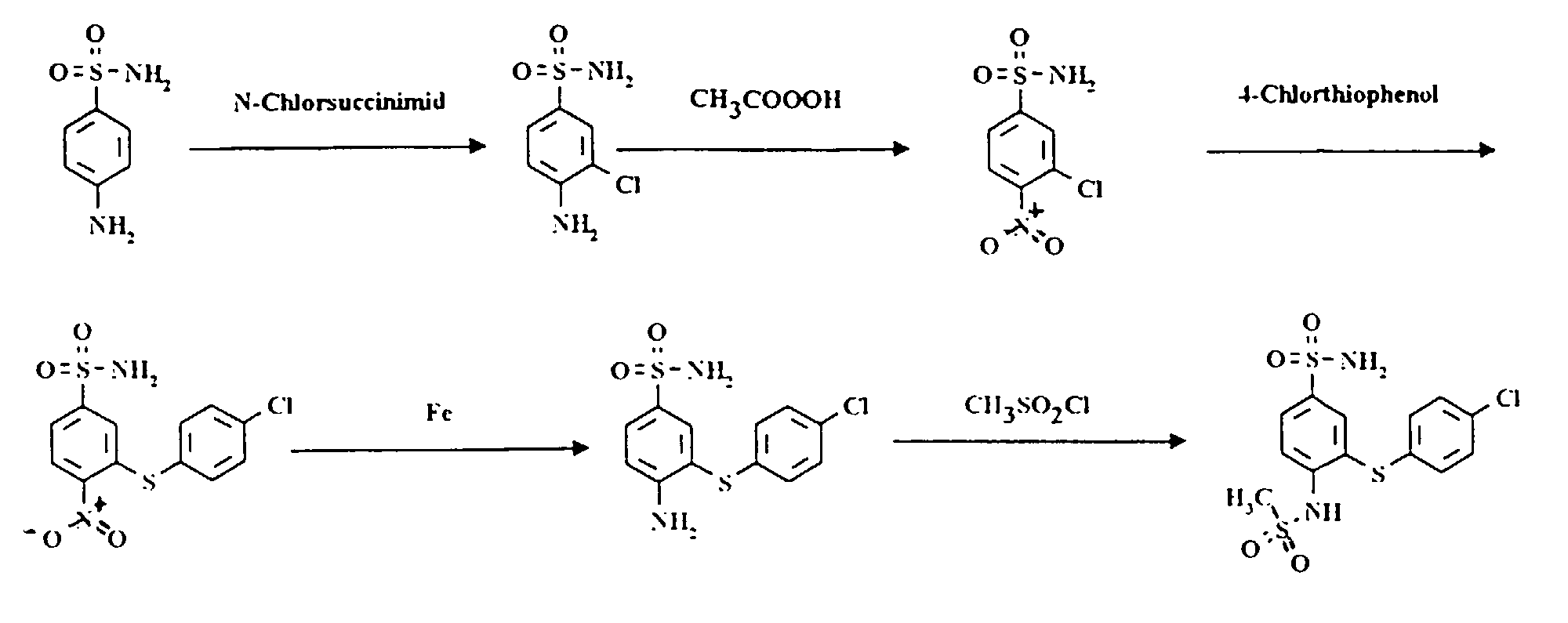
- the starting compounds of the formula III can be prepared, for example, according to the following reaction scheme or by other methods known to the person skilled in the art.
- the compounds according to the invention in which B is a group of the formula II b can be prepared by using a compound of the formula V with an acid halide of sulfur, for example sulfuryl chloride.
- the reaction is preferably carried out in the presence of an inert under reaction conditions Diluent or solvent, for example dioxane, tetrahydrofuran or the like, preferably in the presence of a catalyst, for example aluminum chloride.
- the reaction temperature is about -10 ° C to the reflux temperature of the solvent or diluent, preferably -10 ° C to room temperature.
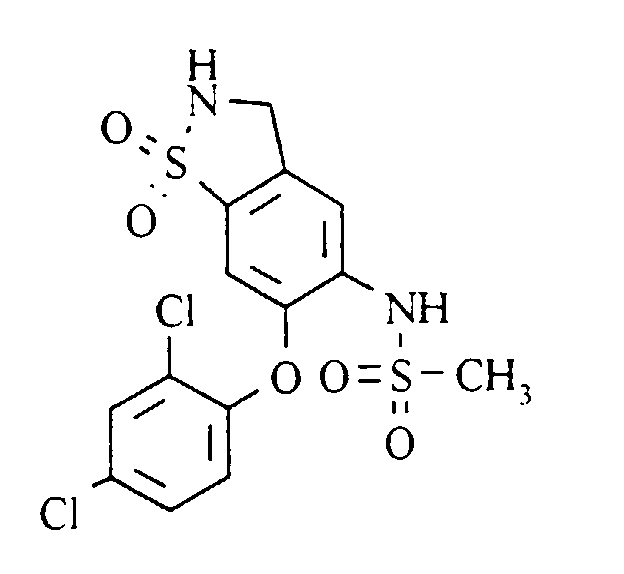
- the starting compounds of the formula V can be prepared, for example, according to the following reaction scheme or by other methods known to the person skilled in the art.
- the compounds of formula I obtained in the manner described above are acidic or basic compounds and can in the usual way with inorganic or organic Bases or acids are converted into their pharmaceutically acceptable salts.
- Salt formation can be carried out, for example, by using a compound of the formula I in a suitable solvent, such as water, acetone, acetonitrile, benzene, dimethylformamide, Dimethyl sulfoxide, chloroform, dioxane, methanol, ethanol, hexanol, ethyl acetate or in an aliphatic ether, for example diethyl ether, or mixtures thereof Solvent dissolves. adding an at least equivalent amount of the desired base or acid, ensures good mixing and the precipitated salt after the salt formation has ended filtered off, lyophilized or the solvent distilled off in vacuo. If necessary, you can the salts are recrystallized after isolation.
- a suitable solvent such as water, acetone, acetonitrile, benzene, dimethyl
- Pharmaceutically acceptable salts are those with inorganic acids, such as hydrochloric acid, hydrobromic acid. Sulfuric acid, phosphoric acid or nitric acid, or with organic acids such as citric acid, tartaric acid, maleic acid, fumaric acid, succinic acid, malic acid, methanesulfonic acid, aminosulfonic acid, acetic acid.
- Benzoic acid and the like Pharmaceutically acceptable salts are, for example, metal salts, in particular alkali metal or alkaline earth metal salts, such as sodium, potassium, magnesium or calcium salts.
- Other pharmaceutical salts are, for example, easily crystallizing ammonium salts.
- ammonia or organic amines such as mono-, di- or tri-lower (alkyl, cycloalkyl or hydroxyalkyl) amines, lower alkylenediamines or hydroxy or aryl-lower alkylammonium bases, for example methylamine, diethylamine, triethylamine, ethylenediamine, tris (hydroxymethyl ) -aminomethane, benzyltrimethylammonium hydroxide and the like.
- amines such as mono-, di- or tri-lower (alkyl, cycloalkyl or hydroxyalkyl) amines, lower alkylenediamines or hydroxy or aryl-lower alkylammonium bases, for example methylamine, diethylamine, triethylamine, ethylenediamine, tris (hydroxymethyl ) -aminomethane, benzyltrimethylammonium hydroxide and the like.
- the new compounds are readily soluble and have a selective effect on the enzyme Cyclooxygenase II excellent anti-inflammatory. analgesic, antipyretric and antiallergic effect, but without the extremely undesirable side effects known To have anti-inflammatory drugs.
- the new compounds can be used alone or in Combination with other active substances in the form of conventional galenical preparation as a remedy for the treatment of disorders or diseases caused by inhibition of cyclooxygenase II can be prevented, treated or cured.
- fever and inflammation Art.
- rheumatic fever symptoms associated with flu, flu or others viral infections. Headache and body aches. Toothache. Sprains. Distortion, neuralgia. Muscle inflammation. Joint inflammation, joint inflammation, Arthritis, rheumatoid arthritis, other forms of rheumatic inflammation, degenerative Apparitions. for example, osteoarthritis, gout, joint stiffening, spondylitis, Bursitis. Burns and injuries
- the invention therefore also relates to pharmaceutical preparations which are the inventive Compounds of formula I or their salts, alone or mixed with others, therapeutically valuable active ingredients. as well as conventional pharmaceutical auxiliaries and / or carriers or Contain diluents.
- the compounds of the invention can be in the form of tablets or capsules, which are a unit dose of the compound together with auxiliaries and diluents such as corn starch, calcium carbonate, dicalcium phosphate. Alginic acid, lactose. Contain magnesium stearate, Primogel or talc, orally administered.
- the tablets are produced in a conventional manner by granulating the ingredients and pressing, the capsules by filling into hard gelatin capsules of a suitable size.
- suppositories which contain adjuvants such as beeswax derivatives, polyethylene glycol or polyethylene glycol derivatives, linoleic or linolenic acid esters, together with a unit dose of the compound, and can be administered rectally.
- adjuvants such as beeswax derivatives, polyethylene glycol or polyethylene glycol derivatives, linoleic or linolenic acid esters
- the compounds according to the invention can also be administered parenterally, for example by intramuscular, intravenous or subcutaneous injection.
- parenteral application they are best used in the form of a sterile aqueous solution which other dissolved Substances such as tonic agents.
- PH adjusting agents, preservatives and Stabilizers can contain.
- the compounds can be added to distilled water and the pH can be adjusted using, for example, citric acid, lactic acid or hydrochloric acid can be set to 3 to 6.
- Sufficiently dissolved substances such as dextrose or Saline solution can be added to make the solution isotonic.
- You can also Preservatives such as p-hydroxybenzoates and stabilizers such as EDTA are added to ensure sufficient durability and stability of the solution.
- the so obtained Solution can then be sterilized and placed in sterile vials of suitable size so that they contain the desired volume of solution.
- the compounds of the invention can also be by infusing a parenteral formulation as described
- the compounds according to the invention can also be used for topical or transdermal application with suitable auxiliaries and / or carriers, emulsifiers, surfactants and / or diluents, e.g. Vaseline, olive oil.
- suitable auxiliaries and / or carriers emulsifiers, surfactants and / or diluents, e.g. Vaseline, olive oil.
- creams, gels or plasters or can be formulated with powder, for example, with talc.
- the daily dosage value a compound of the invention in the range of 0.01 to 1000 mg per day for a typical adult patient of 70 kg. Therefore, tablets or capsules can usually 0.003 to 300 mg of active compound, for example 0.1 to 50 mg, for the oral Application included up to three times a day. With parenteral administration, the dose can be Range from 0.01 to 1000 mg per 70 kg and day, for example about 5 mg.
- Example 48 3- (2,4-dichlorophenoxy) -4-methylsulfonylaminobenzenesulfonic acid - (3-pyridyl) amide
- Methanesulfonic acid amide (1.2 g, 12.5 mmol) was abs. THF (50 ml) dissolved and TMEDA (7.55 ml) was added. The solution was cooled to -50 ° C and BuLi (7.8 ml, 12.5 mmol) was added. It was 15 min. at this temperature a solution of 3- (2,4-dichlorophenoxy) -4-methylsulfonylaminobenzenesulfonyl chloride (0.5 g, 1.25 mmol) in THF (5 ml) was then added dropwise. The mixture was stirred at -40 ° C for 4 h and quenched by adding acetic acid.
- Formamide (0.5 ml, 12.5 mmol) was abs.
- THF 50 ml
- TMEDA 7.55 ml
- the solution was cooled to -50 ° C and BuLi (7.8 ml, 12.5 mmol) was added. It was 15 min. at this temperature a solution of 3- (2,4-dichlorophenoxy) -4-methylsulfonylaminobenzenesulfonyl chloride (0.5 g, 1.25 mmol) in THF (5 ml) was then added dropwise.
- the mixture was stirred at -40 ° C for 5 h and quenched by adding acetic acid.
- the mixture was dissolved in ethyl acetate and extracted with water.
- Example 70 3- (2-fluoro-4-chlorophenylamino) -4-methylsulfonylaminobenzenesulfonamide
- Example 78 3- (2,4-dichlorophenylthio) -4-isopropylsulfonylaminobenzenesulfonamide
- Example 81 3- (2,4-dichlorophenylthio) -4- (2-chloroethylsulfonylamino) benzenesulfonamide
- Cells from a human monocytoid cell line are stimulated with LPS (incubator at 37 ° C. 5% CO 2 enriched atmosphere and approximately 100% humidity) to induce COX-2.
- LPS incubator at 37 ° C. 5% CO 2 enriched atmosphere and approximately 100% humidity
- the culture medium RPMI 1640 enriched with 10% FCS, 2 mM glutamine, 10,000 U / ml penicillin, 10 ng / ml streptomycin and 1 mM pyruvate
- potential inhibitors of cyclooxygenase-2 dissolved in culture medium or buffered in phosphate Saline or in any other cell culture compatible solvent, added and incubated for half an hour as described above.
- Arachidonic acid is pipetted in and incubated for a further 15 minutes.
- the culture supernatant of the cells is removed and its content of products of cyclooxygenase metabolism (eg prostaglandin E2, prostaglandin F 1a , thromboxan
- the inhibition of arachidonic acid-induced aggregation of washed human Platelets were used as a test system for assessing the inhibition of cyclooxygenase I used.
- the test substances were a platelet suspension at 37 ° C for two minutes before adding the arachidonic acid (10 ⁇ M final concentration) and the course of aggregation registered by means of an aggregometer. With the help of a concentration-effect curve, the Concentration of the test substance determined at which 50% aggregation was measured (IC50).
Landscapes
- Chemical & Material Sciences (AREA)
- Organic Chemistry (AREA)
- Health & Medical Sciences (AREA)
- Life Sciences & Earth Sciences (AREA)
- General Health & Medical Sciences (AREA)
- Chemical Kinetics & Catalysis (AREA)
- General Chemical & Material Sciences (AREA)
- Medicinal Chemistry (AREA)
- Nuclear Medicine, Radiotherapy & Molecular Imaging (AREA)
- Pharmacology & Pharmacy (AREA)
- Pain & Pain Management (AREA)
- Animal Behavior & Ethology (AREA)
- Rheumatology (AREA)
- Public Health (AREA)
- Veterinary Medicine (AREA)
- Pharmaceuticals Containing Other Organic And Inorganic Compounds (AREA)
- Acyclic And Carbocyclic Compounds In Medicinal Compositions (AREA)
- Organic Low-Molecular-Weight Compounds And Preparation Thereof (AREA)
- Medicines That Contain Protein Lipid Enzymes And Other Medicines (AREA)
- Thiazole And Isothizaole Compounds (AREA)
- Nitrogen- Or Sulfur-Containing Heterocyclic Ring Compounds With Rings Of Six Or More Members (AREA)
- Pyridine Compounds (AREA)
- Heterocyclic Carbon Compounds Containing A Hetero Ring Having Nitrogen And Oxygen As The Only Ring Hetero Atoms (AREA)
Description

- A
- Sauerstoff, Schwefel oder NH.
- R1
- einen gegebenenfalls ein- oder mehrfach durch Halogen, Alkyl, CF3 oder Alkoxy substituierter Cycloalkyl-, Aryl- oder Heteroarylrest
- B eine Gruppe der Formel II a oder IIb
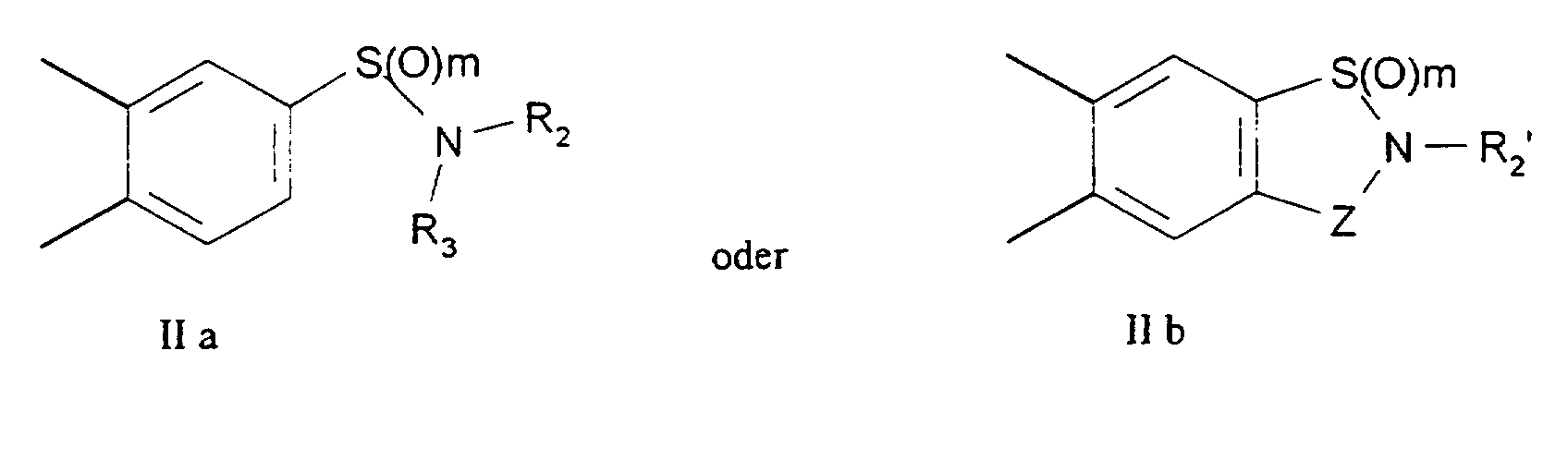
- R2 und R3 unabhängig voneinander Wasserstoff, einen gegebenenfalls polyfluorierten Alkylrest,
einen Aralkyl- Aryl- oder Heteroarylrest oder einen Rest (CH2)n-X.
oder - R2 und R3 gemeinsam mit dem N- Atom einen drei bis siebengliedrigen, gesättigten, teilweise oder vollständig ungesättigten Heterocyclus mit einem oder mehreren Heteroatomen N, O, oder S, der gegebenenfalls durch Oxo, einen Alkyl-, Alkylaryl- oder Arylrest oder einen Rest (CH2)n-X substituiert sein kann,
- R2' Wasserstoff, einen gegebenenfalls polyfluorierten Alkylrest, einen Aralkyl- Aryl- oder Heteroarylrest
oder einen Rest (CH2)n-X,
wobei - X Halogen, NO2, -OR4, -COR4, -CO2R4, -OCO2R4, -CN, -CONR4OR5, -CONR4R5,-SR4, -S(O)R4, -S(O)2R4, -NR4R5, -NHC(O)R4, -NHS(O)2R4
- Z -CH2-, -CH2-CH2-, -CH2-CH2-CH2-, -CH2-CH=CH-, -CH=CH-CH2-, -CH2-CO-, -CO-CH2-, -NHCO-, - -CONH-, -NHCH2-, -CH2NH-, -N=CH-, -NHCH-, -CH2-CH2-NH-, -CH=CH-, >N-R3, >C=O, >S(O)m.
- R4 und R5 unabhängig voneinander Wasserstoff, Alkyl, Aralkyl oder Aryl,
- n eine ganze Zahl von 0 bis 6,
- R6 einen geradkettigen oder verzweigten Alkylrest mit 1 - 4 C- Atomen, der gegebenenfalls durch Halogen oder Alkoxy ein- oder mehrfach substituiert sein kann, oder CF3 und
- m eine ganze Zahl von 0 bis 2
mit der Bedingung, daß A nicht O bedeutet, wenn R6CF3 bedeutet,
und deren pharmazeutisch verträgliche Salze.
Diese Reste können gegebenenfalls ein oder mehrfach durch Halogen, beispielsweise Cl, F, Br, oder durch CF3 oder Alkyl mit 1 - 4 C-Atomen, beispielsweise Methyl, Ethyl, Propyl, iso- Propyl, Butyl, iso-Butyl oder tertiär-Butyl oder Alkoxy mit 1 - 4 C- Atomen, beispielsweise Methoxy. Ethoxy, Propoxy oder Butoxy substituiert sein.
Beispiele für solche Reste sind Halogenalkylreste, beispielsweise Chlormethyl, Chlorethyl, der Rest -CN, Nitroalkylreste, beispielsweise Nitromethyl-, Nitro-ethyl, oder Cyanoalkylreste, beispielsweise Cyanomethyl, Cyanopropyl, Cyanohexyl, ein Hydroxyrest oder Hydroxyalkylreste, beispielsweise Hydroxmethyl, Hydroxethyl, Hydroxypropyl Bishydroxymethyl-methyl, Weitere Beispiele sind Alkoxyreste wie Methoxy, Ethoxy, Propoxy, Butoxy, Pentoxy, die Reste Methyloxy-ethyl, Ethyloxy-methyl, Carbonsäurereste wie Ethoxycarbonyl,- Methoxycarbonyl, Acetyl-, Propionyl-, Butyryl-, Isobutyrylreste und deren Alkyl-. Aralkyl- oder Aryl-ester, Carbamoylreste, Oxycarbonyloxyreste, beispielsweise der Ethoxycarbonyloxyrest, Carboximidsäurereste, Thiocarboxyreste und dergleichen.
R2' kann ferner einen Rest -(CH2)n-X, bedeuten, wobei X Halogen, -NO2, -OR4, -COR4,-CO2R4, - OCO2R4 -CN, -CONR4OR5, -CONR4R5, -SR4, -S(O)R4, -S(O)2R4, -NR4R5,-NHC(O)R4, -NHS(O)2R4, und n eine ganze Zahl von 0 bis 6 ist
Beispiele für solche Ringe sind der Morpholylrest, der Aziridinylrest, der Azetidinylrest, der Pyridylrest, der Pyrazolylrest, der Thiazolylrest und dergleichen.




Pharmazeutisch verträgliche Salze sind z.B. Metallsalze, insbesondere Alkalimetall- oder Erdalkalimetallsalze, wie Narium-, Kalium-, Magnesium- oder Calciumsalze. Andere pharmazeutische Salze sind beispielsweise leicht kristallisierende Ammoniumsalze. Diese leiten sich von Ammoniak oder organischen Aminen, wie Mono-, Di- oder Tri-nieder-(alkyl, cykloalkyl oder Hydroxyalkyl)-aminen, Niederalkylendiaminen oder Hydroxy- oder Arylniederalkylammoniumbasen, z.B. Methylamin, Diethylamin, Triethylamin, Ethylendiamin, Tris-(hydroxymethyl)-aminomethan, Benzyltrimethylammonium-hydroxid und dergleichen ab.
Eine weitere Applikationsform der erfindungsgemäßen Verbindungen sind Suppositorien, die Hilfsstoffe, wie Bienenwachsderivate, Polyethylenglykol oder Polyethylenglykolderivate, Linol- oder Linolensäureester, zusammen mit einer Einheitsdosierung der Verbindung enthalten und rektal verabreicht werden können.


Ausbeute: 26.2 g = 72.7 %
13C (100MHz. CDCl3) δ 150.01, 149.81. 140.81, 134.28, 130.86. 130.77, 128.38, 126.99, 126.02, 123.73, 121.79, 119.22

13C (100MHz, CDCl3) δ 151.79, 142.68, 138.29, 130.31, 128.24, 127.91, 125.45, 125.04, 119.46, 118.89, 118.78, 116.68
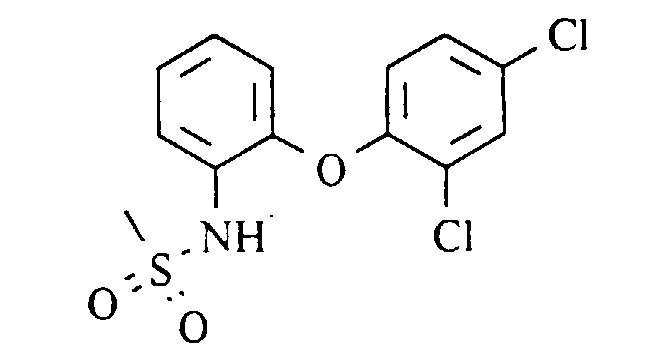
Ausbeute: 9.28 g = 80 %
13C (100MHz, CDCl3) δ 149.68, 147.24, 130.88, 130.78, 128.51, 127.30, 126.98, 125.86, 124.44, 122.40, 122.19, 116.09, 39.73

Ausbeute: 0.50 g = 38.8 %
13C (100MHz, CDCl3) δ 147.79, 145.65, 139.20, 133.80, 132.84, 131.51, 129.21, 127.39, 123.43, 118.26, 112.98, 40.85
Eine Mischung von Dioxan (20 ml) und konz. Salmiak (20 ml) wurde auf 0°C gekühlt und eine Lösung von 3-(2,4-Dichlorphenoxy)-4-methylsulfonyl-aminobenzolsulfonsäurechlorid (0.49 g, 1.14 mmol) in Dioxan (10 ml) wurde zugetropft. Die Lösung wurde 1 h bei 0°C gerührt und anschließend mit konz. HCl angesäuert. Es wurde mit Ethylacetat extrahiert, über MgSO4 getrocknet und abrotiert. Der Rückstand wurde aus Chloroform umkristallisiert. Ausbeute: 0.37 g = 80%
13C (100MHz, DMSO-d6) δ 149.96, 147.96, 141.03, 131.42, 130.40, 129.60, 129.21, 126.33, 123.97, 123.03, 121.57, 114,05, 40.99

Ausbeute: 74.5 g = 94%
13C (100MHz ,CDCl3) δ 188.39, 154.42, 148.22, 140.21. 134.28, 132.51, 131.30, 131.19, 128.92. 127.74, 127.72, 123.51, 117.80
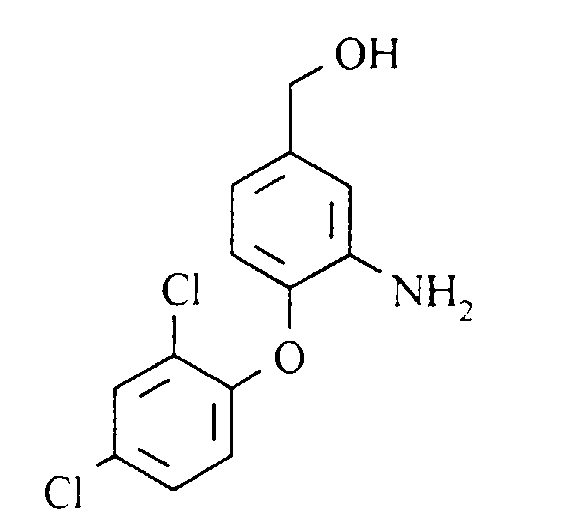
Ausbeute: 13.5g = 99%
13C (100MHz, CDCl3) δ 151.69, 142.15, 138.29, 130.34, 128.38, 127.94, 125.09, 119.30, 119.01, 117.26, 115.23, 64.91
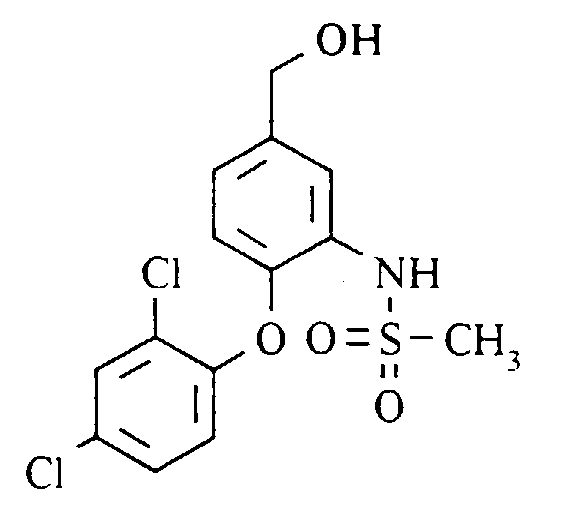
Ausbeute: 5.60 g = 69%
13C (100MHz, CDCl3) δ 149.68, 146.49, 137.49, 130.92, 130.86, 128.52, 127.23, 126.92, 124.33, 122.10, 120.86, 116.16, 64.43, 39.87
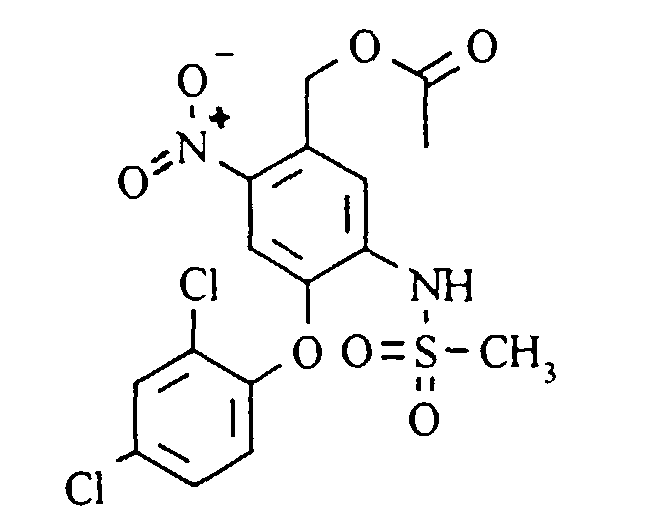
Ausbeute : 1.11 g = 96%
13C (100MHz, CDCl3) δ 170.40, 147.99, 144.96, 142.35, 132.70, 132.43, 131.42, 129.64, 129.13, 127.42, 123.43, 117.81, 111.75, 62.67, 40.59, 20.71
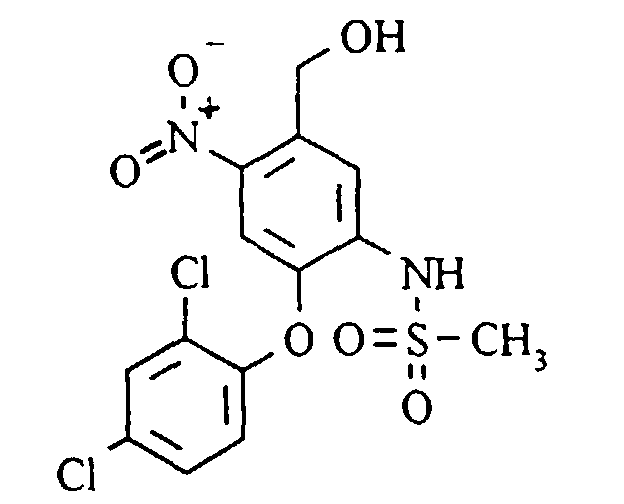
Ausbeute : 0.88 g = 87%
13C (100MHz, CDCl3) δ 150.10, 145.06, 141.71, 136.05, 134.31, 130.42, 129.52, 129,14, 125.95, 122.46, 120.54, 113.50, 59.91, 40.98

Ausbeute: 0.70 g = 86%
13C (100MHz, CDCl3) δ 150.31, 149.71, 146.23, 130.85, 130.71, 128.50, 128.05, 126.92, 122.08, 120.65, 115.85, 103.15, 63.53, 39.30
4-Amino-2-(2,4-dichlorphenoxy)-5-hydroxymethyl-N-methylsulfonylanilid (0.70 g, 1.86 mmol) wurde bei 0°C in 8M Tetrafluoroborwasserstoffsäure (15 ml) suspendiert und eine Lösung von NaNO2 (0.14 g, 2.0 mmol) in Wasser (1 ml) zugegeben. Es wurde 30 min gerührt und bei 0°C die Suspension in eine Mischung von ges. CuCl2 Lösung in Wasser (10 ml) und ges. SO2 Lösung in HOAc (50 ml) zugegeben . Nach 30 min bei dieser Temperatur wurde noch 30 min bei Raumtemperatur gerührt, mit Wasser verdünnt, mit Ethylacetat extrahiert, über MgSO4 getrocknet und das Lösungsmittel abrotiert.
Der Rückstand wurde in Dioxan (2 ml) gelöst und in eine Mischung von Dioxan (20 ml) und konz. Salmiak (20 ml) zugetropft. Die Lösung wurde 1 h bei 0°C gerührt und anschließend mit konz. HCl angesäuert. Es wurde mit Ethylacetat extrahiert, über MgSO4 getrocknet und abrotiert. Der Rückstand wurde chromatographisch gereinigt (CH2Cl2/Ethylacetat 9/1)
Ausbeute: 0.24g = 32%
13C (100MHz, CDCl3) δ 148.31, 147.37, 142.82, 133.96, 132.37, 131.29, 131.19, 129.01, 127.49, 123.53, 112.91, 109.41, 78.52, 40.29
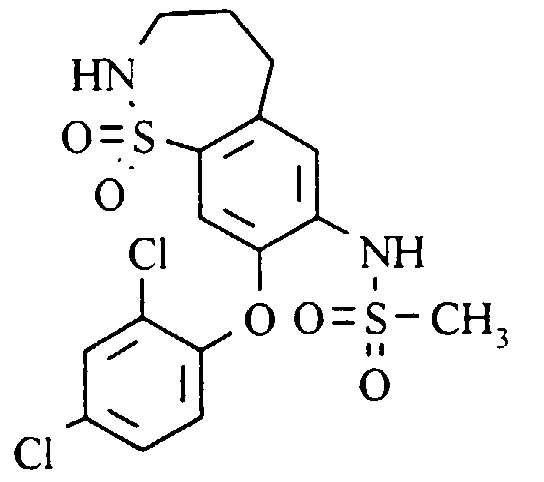
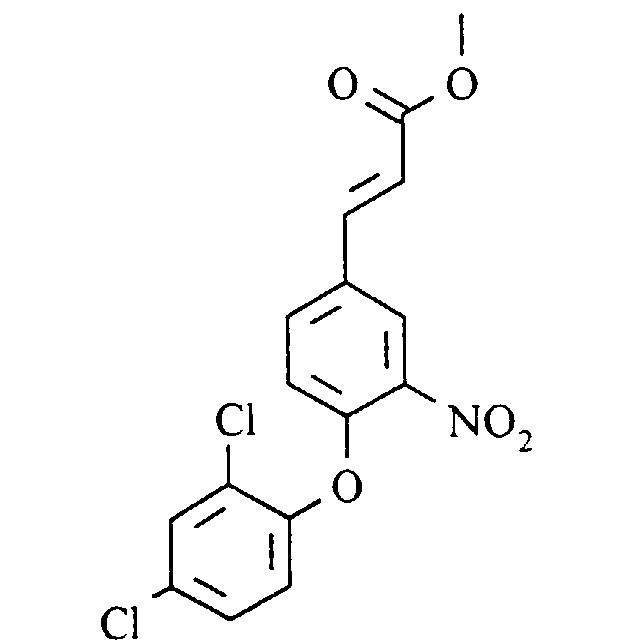
Ausbeute: 31.3 g = 92%
13C (100MHz, CDCl3) δ 165.56, 150.98, 149.15, 141.17, 133.19, 131.60, 131.01, 130.23, 128.63, 127.36, 125.20, 122.64, 119.98, 118.76, 51.93

Ausbeute: 29.9 g = 99.9 %
13C (100MHz, CDCl3) δ 173.30, 151.92, 141.05, 138.22, 137.99, 130.26, 128.07, 127.87, 124.85, 119.64, 118.48, 116.51, 51.59, 35.65, 30.47
Die Synthese wurde analog zu Beispiel 2 (c) durchgeführt. Das Produkt wurde chromatographisch gereinigt (Petrolether/Ethylacetat 8/3, Kieselgel).
13C (100MHz, CDCl3) δ 172.94, 149.90, 145.54, 137.17, 130.83, 130.57, 128.44, 127.30, 126.78, 125.60, 122.08, 121.83, 116.35, 51.66, 39.70, 35.52, 30.32
Die Synthese wurde analog zu Beispiel 2 (d) durchgeführt. Das Produkt wurde chromatographisch gereinigt (CH2Cl2, Kieselgel).
13C (100MHz, CDCl3) δ 172.63, 148.33, 144.38, 143.93, 132.80, 132.24, 132.04, 131.26, 129.00, 127.31, 123.19, 121.48, 111.99, 51.79, 40.52, 34.33, 28.56

Ausbeute: 5.84 g = 52%
13C (100MHz,DMSO-d6) δ 151.46, 150.22, 146.71, 130.66, 129.80, 128.72, 127.85, 125.26, 121.67, 121.36, 114.83, 103,19, 60.28, 40,17, 31.66, 26.16
Die Synthese wurde analog zu Beispiel 2 (g) durchgeführt. Der Rückstand nach der Amidierung wurde noch einmal in Toluol aufgenommen und 2 h unter Rückfluß erhitzt. Nach dem Abdampfen des Lösungsmittels wurde der Rückstand chromatographisch gereinigt (CH2Cl2, Kieselgel)
13C (100MHz,CDCl3) δ 148.83, 145.24, 142.86, 135.40, 131.69, 131,13, 130.00, 128.82, 127.11, 122.78, 122,13, 113.52, 67.55, 40.24, 31.71, 29.17


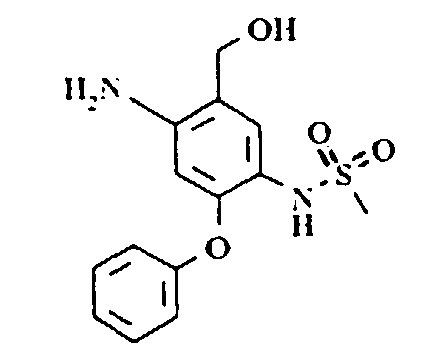
Die Synthese wurde analog zu Beispiel 2 (g) durchgeführt.
13C (100MHz , CDCl3) δ 159.63, 147.85, 143,17, 134.67, 133.77, 130.64, 129.46, 124.41, 120.68, 113.95, 75.20, 41.04

Die Synthese wurde analog zu Beispiel 1 (a) durchgeführt. Zur Reinigung wurde mit CH2Cl2/Petrolether 1/9 über Kieselgel chromatographiert.
13C (100MHz, CDCl3) δ 160.87, 160.77, 158.41, 158.31, 155.40, 155.27, 152.88, 152.76, 150.71, 140.37, 138.59, 138.56, 138.51, 138.48, 134.18, 125.92, 123.17, 123.05, 122.96, 117.93, 111.95, 111.91, 111.72, 111.68, 106.05, 105.84, 105.78, 105.57
Die Synthese wurde analog zu Beispiel 1(b) durchgeführt.
1H (400MHz. CDCl3) δ 159.52, 159.42, 157.09, 156.98, 154.88, 154.76, 152.38, 152.26, 144.06, 140.73, 140.70, 140.62, 140.58, 137.71, 124.60, 120.90, 120.88, 120.81, 120.79, 118.66, 117.55, 116.48, 111.22, 111.18, 111.00, 110.95, 105.55, 105.33, 105.28, 105.06
Die Synthese wurde analog zu Beispiel 1 (c) durchgeführt. Das Produkt wurde ohne Reinigung für die weitere Synthese eingesetzt.
13C (100MHz, CDCl3) δ 160.82, 160.72, 158.36, 158.22, 155.58, 155.47, 153.08, 152.96, 148.18, 138.52, 138.48, 138.40, 138.36, 129.72, 126.80, 125.81, 124.01, 123.37, 123.36, 123.28, 123.26, 122.27, 114.92, 111.97, 111.93, 111.74, 111.70, 106.12, 105.91, 105.86, 105.64, 39.45
Chlorsulfonsäure (3.6 ml, 53.6 mmol) wurde in Chloroform (40 ml) gelöst und auf 0°C gekühlt. Eine Lösung von 2-(2,4-Difluorphenoxy)-N-methylsulfonyl-anilid (4.02 g, 13.4 mmol) in Chloroform (20 ml) wurde zugetropft und die Lösung 30 min, bei 0°C und 2 h bei Raumtemeratur gerührt. Danach wurde Phosphorpentachlorid (11 g. 53.6 mmol) zugegeben und 2 h nachgerührt. Das nicht umgesetzte Phosphorpentachlorid wurde abfiltriert und das Filtrat wurde mit Eiswasser extrahiert, über MgSO4 getrocknet und abrotiert. Der Rückstand (7.1 g) wurde in Dioxan (70 ml) gelöst und bei 10°C Ammoniak eingeleitet. Nach 1.5 h wurde Ethylacetat (100 ml) und mit IN HCl extrahiert. Die organische Phase wurde über MgSO4 getrocknet und abrotiert. Der Rückstand wurde chromatographisch gereinigt (Kieselgel, CH2Cl2/Ethylacetat 19/1)
Ausbeute: 3.9 g= 57%
13C (100MHz, DMSO-d6) δ 160.21, 160.10, 157.78, 157.67, 155.08, 154.95, 152.59, 152.46,148.84, 141.02,138.51, 138.47, 138.40, 138.36, 130.79, 123.90, 123.84, 121.15, 112.87,112.67, 112.64, 112.45, l12.41,106.35, 106.13, 106.07, 105.85, 40.88

Die Synthese wurde analog zu Beispiel 1 (a) durchgeführt. Zur Reinigung wurde aus Petrolether kristallisiert.
13C (100MHz, CDCl3) δ 166,16, 166.05, 165.06, 164.93, 163.63, 163.52, 162.54, 162.42, 145.18, 139.01, 139.00, 138.91, 137.22, 133.69, 127.38, 126.05, 125.44, 114.06, 114.02, 113.87, 113.83, 113.27, 113.23, 113.05, 113.01, 105.78, 105.52, 105.26
Die Synthese wurde analog zu Beispiel 1(b) durchgeführt.
13C (100MHz, CDCl3) δ 162.90, 162.80, 161,15, 161.03, 160.44, 160.33, 158.70, 158.58, 148.88, 137.31, 131.35, 130.37, 130.34, 130.28, 130.25, 118.92, 115.46, 113.22, 112.04, 112.01, 111.83, 111.79, 104.46, 104.02, 103.95,
Die Synthese wurde analog zu Beispiel 1 (c) durchgeführt. Das Produkt wurde ohne Reinigung für die weitere Synthese eingesetzt.
13C (100MHz, CDCl3) δ 164.25, 164.13, 162.42, 162.30, 161.75, 161.62, 160.42, 160.30, 138.63, 136.09, 133.27, 133.16, 131.09, 125.37, 119.82, 112.62, 112.59, 112.41, 112.37, 105.27, 105.01, 104.75, 39.70
Die Synthese wurde analog zu Beispiel 1 (d) und 1 (e) durchgeführt. Der Rückstand wurde aus Ethanol umkristallisiert.
13C (100MHz, DMSO-d6) δ 164.61, 164.50, 163.22, 163.09, 162.13, 162.01, 160.75, 160.62, 142.33, 138.26, 136.95, 136.86, 132.32, 126.95, 126.38, 125.97, 125.30, 115.18, 115.14, 115.00, 114.96, 113.50, 113.47, 113.29, 113.25, 105.86, 105.59, 105.33, 41.33

Die Synthese wurde analog zu Beispiel 1 (a) durchgeführt. Zur Reinigung wurde aus Petrolether kristallisiert.
13C (100MHz, CDCl3) δ 145.45, 139.39, 138.85, 136.44, 134.88, 134.54, 130.59, 129.22, 128.72, 128.42, 126.94, 126.14
Die Synthese wurde analog zu Beispiel 1(b) durchgeführt.
13C (100MHz, CDCl3) δ 149.19, 137.84, 134.88, 131.98, 131.58, 131.16, 129.26, 127.45, 127.23, 119.09, 115.54, 112.13
Die Synthese wurde analog zu Beispiel 1 (c) durchgeführt. Der Rückstand wurde chromatographisch gereinigt (CH2Cl2/Kieselgel).
13C (100MHz, CDCl3) δ 139.70, 137.54, 133.33, 132.93, 132.15, 129.89, 128.53, 127.88, 125.50. 119.63, 119.55, 39.88
Die Synthese wurde analog zu Beispiel 1 (d) und 1 (e) durchgeführt. Der Rückstand wurde aus CH2Cl2/MeOH 24/1 kristallisiert.
13C (100MHz, DMSO-d6) δ 141.78, 141.06, 134.07, 132.82, 132.10, 131.04, 129.72, 128.58, 127.26, 127.25, 124.93, 41.26
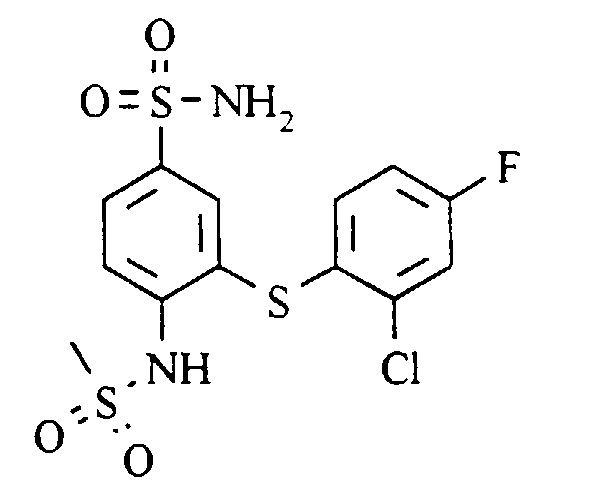
Die Synthese wurde analog zu Beispiel 1 (a) durchgeführt. Zur Reinigung wurde aus Diethylether kristallisiert.
13C (100MHz, CDCl3) δ 165.10, 162.56, 145.17, 141.60, 141.49, 139.54, 139.45, 137.08, 133.68, 127.49, 126.04, 125.89, 125.85, 125.44, 118.74, 118.49, 115.87, 115.65
Die Synthese wurde analog zu Beispiel 1(b) durchgeführt.
13C (100MHz, CDCl3) δ 161.79, 159.33, 149.11, 137.72, 131.77, 131.36, 131.33, 127.91, 127.83, 119.04, 117.20, 116.94, 115.50, 114.79, 114.58, 112.90
Die Synthese wurde analog zu Beispiel 1 (c) durchgeführt. Der Rückstand wurde aus Ethanol umkristallisiert.
13C (100MHz, CDCl3) δ 162.71, 160.22, 155.57, 139.30, 136.99, 133.91, 133.80, 131.74, 130.12, 130.03, 129.74, 129.70, 125.50, 120.88, 119.77, 117.90, 117.65, 115.30, 115.08, 39.82
Die Synthese wurde analog zu Beispiel 1 (d) und 1 (e) durchgeführt.
13C (100MHz, DMSO-d6) δ 163.76, 161.27, 143.05, 137.92, 137.81, 137.28, 137.19, 135.07, 129.49, 126.94, 124.45, 118.46, 118.21, 116.34, 116.12, 41.27
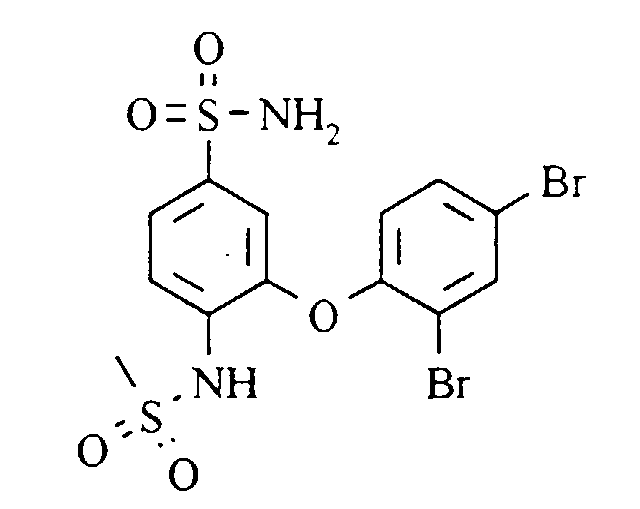
Die Synthese wurde analog zu Beispiel 1 (a) durchgeführt. Zur Reinigung wurde aus CH2Cl2/Petroleteher 1/1.5 kristallisiert.
13C (100MHz, CDCl3) δ 151.84, 149.60, 141.05, 136.46, 134.33, 131.99, 126.03, 123.88, 121.82, 119.60, 118.09, 115.94
Die Synthese wurde analog zu Beispiel 1(b) durchgeführt.
13C (100MHz, CDCl3) δ 153.42, 142.48, 138.37, 135.84, 131.53, 125.61, 119.83, 118.89, 118.81, 116.73, 11548, 114.01
Die Synthese wurde analog zu Beispiel 1 (c) durchgeführt. Der Rückstand wurde chromatographisch gereinigt (CH2Cl2 /Kieselgel) und anschließend aus Ethanol umkristallisiert.
13C (100MHz, CDCl3) δ 151.42, 146.96, 136.49, 132.12, 127.44, 125.84, 124.59, 122.31, 122.15, 118.60, 118.16, 116.43, 116.05, 39.81
Die Synthese wurde analog zu Beispiel 1 (d) und 1 (e) durchgeführt. Das Produkt wurde chromatographisch gereinigt (Kieselgel; CH2Cl2/MeOH 50/1).
13C (100MHz, DMSO-d6) δ 151.67, 147.90, 141.03, 135.77, 132.68, 131.47, 123.99, 123.24, 121.57, 117.54, 116.01, 114.20, 41.05

Cyclohexanol (5 ml, 47 mmol) und NaH (2.0 g, 50 mmol) wurden in Dioxan (80 ml) 1 h auf 70°C erhitzt. Nach dem Abkühlen auf Raumtemperatur wurde eine Lösung von 1-Fluor-2-nitrobenzol (7.0 g, 49.6 mmol) in Dioxan (20 ml) zugesetzt und über Nacht bei Raumtemperatur gerührt. Die Mischung wurde auf Wasser gegossen und mit CH2Cl2 extrahiert. Es wurde über MgSO4 getrocknet und das Lösungsmittel abgedampft. Der Rückstand chromatographisch gereinigt (CH2Cl2/Petrolether 6/4)
Ausbeute: 3.9 g = 37%
13C (100MHz, CDCl3) δ 150.96, 141.05, 133.29, 125.18, 119.73, 116.00, 66.85, 31.05, 25.20, 22.87
Die Synthese wurde analog zu Beispiel 1(b) durchgeführt.
13C (100MHz, CDCl3) δ 145.22, 137.62, 121.23, 118.28, 115.41, 114.12, 76.09, 32.13, 25.74, 23.84
Die Synthese wurde analog zu Beispiel 1 (c) durchgeführt. Der Rückstand wurde aus Ethanol umkristallisiert.
13C (100MHz, CDCl3) δ 147.59, 126.93, 125.45, 121.21, 121.10, 113.06, 76.63, 39.07, 31.92, 25,40, 23.87
Chlorsulfonsäure (0.15 ml, 2.26 mmol) wurde in Chloroform (6 ml) gelöst und auf -25°C gekühlt. Bei dieser Temperatur wurde langsam eine Lösung von 2-(Cyclohexyloxy)-N-methylsulfonylanilid (0.50 g, 1.85 mmol) in Chloroform (5 ml) zugetropft. Nach 1 h bei -25°C wurde noch einmal Chlorsulfonsäure (0.15 ml. 2.26 mmol) zugetropft und eine weitere Stunde nachgerührt. Anschließend wurde Phosphorpentachlorid (0.9 g. 4.5 mmol) zugesetzt und weitere 2 h bei -20°C gerührt. Es wurde auf Eiswasser gegossen, die organische Phase abgetrennt. über MgSO4 getrocknet und das Lösungsmittel abrotiert. Der Rückstand wurde ohne weitere Reinigung eingesetzt.
Die Amidierung zum Sulfonamid wurde wie in Beispiel 1 (e) beschrieben durchgeführt. Das Rohprodukt wurde chromatographisch gereinigt (Kieselgel, Petrolether/Ethylacetat 4/6). Ausbeute: 0.28 g = 43 %
13C (100MHz, DMSO-d6) δ 152.94, 135.78, 126.47, 124.53, 123.47, 113.29, 75.89, 40.59, 31.04, 25,17, 23.22

Die Synthese wurde analog zu Beispiel 1 (a) durchgeführt. Das Produkt konnte ohne Reinigung weiter eingesetzt werden.
13C (100MHz, CDCl3) δ 150.59, 149.68, 140.91, 134.30, 133.66, 131.32, 127.22, 126.03, 123.81, 122.07, 119.37, 117.87
Die Synthese wurde analog zu Beispiel 1(b) durchgeführt.
13C (100MHz, CDCl3) δ 152.34, 142.52, 138.31, 133.08, 130.85, 125.53, 125.30, 119.60, 119.22, 118.81, 116.71, 115.20
Die Synthese wurde analog zu Beispiel 1 (c) durchgeführt. Das Produkt konnte ohne Reinigung weiterverarbeitet werden.
13C (100MHz, CDCl3) δ 150.21, 147.07, 133.71, 131.45, 127.34, 127.24, 125.84, 124.52, 122.48, 122.31, 117.94, 116.17, 39.73
Die Synthese wurde analog zu Beispiel 1 (d) und 1 (e) durchgeführt. Das Produkt wurde chromatographisch gereinigt (Kieselgel, CH2Cl2/Ethylacetat 8/2)
13C (100MHz, DMSO-d6) δ 150.35, 147.72, 137.18, 133.13, 132.14, 132.04, 126.55, 123.58, 123.35, 122.62, 117.34, 114.62, 41.00, 37.57, 14.73
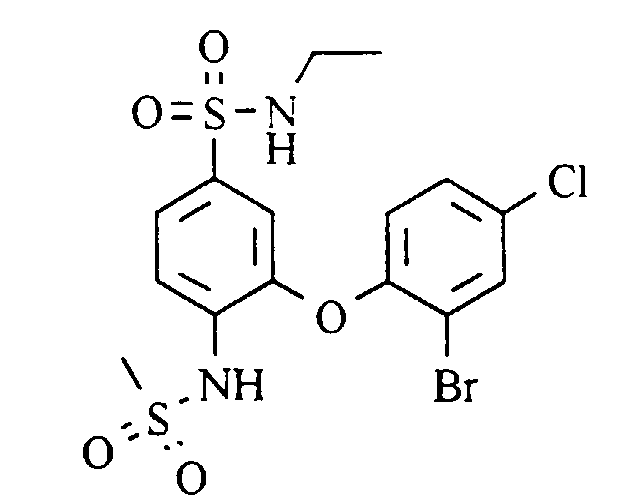
Die Synthese wurde analog zu Beispiel 1 (a) durchgeführt. Das Produkt konnte ohne Reinigung weiter eingesetzt werden.
13C (100MHz, CDCl3) δ 151.27. 149.74, 140.90, 134.28, 133.72, 130.91, 129.04, 126.02, 123,77, 121,51, 119.43, 115.64
Die Synthese wurde analog zu Beispiel 1(b) durchgeführt
13C (100MHz, CDCl3) 152.88, 142.63, 138.34, 133.13, 128.59, 128.45, 125.52, 119.69, 118.80, 118.51, 116.71, 113.66
Die Synthese wurde analog zu Beispiel 1 (c) durchgeführt. Das Produkt konnte ohne Reinigung weiterverarbeitet werden.
13C (100MHz, CDCl3) δ 150.87, 147.07, 133.74, 130.98, 129.17, 127.39, 125.82, 124.53, 122.28, 121.80, 116.32, 115.72, 39.80
Die Synthese wurde analog zu Beispiel 1 (d) und 1 (e) durchgeführt. Das Produkt wurde chromatographisch gereinigt (Kieselgel, CH2Cl2/Ethylacetat 8/2)
13C (100MHz, DMSO-d6) δ 151.07, 147.92, 137.16, 133.20, 131.87, 129.81, 123.62, 123.02, 122.47, 120.20, 115.74, 114.48, 41.07, 37.57, 14.75

Die Synthese wurde analog zu Beispiel 1 (a) durchgeführt. Das Produkt wurde chromatographisch gereinigt (Kieselgel/Petrolether/Ethylacetat 4/6)
13C (100MHz, CDCl3) δ 144.90, 139.91, 138.40, 133.77, 133.38, 128.76, 128.71, 127.62, 125.64, 125.32
2-(Thienyl-2-thio)-nitrobenzol (7.77 g, 32.7 mmol) wurde in MeCN (50 ml) gelöst und unter Stickstoff auf 60°C erwärmt, N-Chlorsuccinimid (4.65 g. 35.0 mmol) wurde rasch zugegeben und 1 h unter Rückfluß erhitzt. Das Lösungsmittel wurde im Vakuum abgedampft, der Rückstand in CH2Cl2 gelöst, 2 mal mit 4N NaOH extrahiert und über MgSO4 getrocknet. Das Lösungmittel wurde abgedampft und der Rückstand ohne weitere Reinigung eingesetzt. Ausbeute: 8.56g=85%
13C (100MHz, CDCl3) 144.94, 139.02, 138.37, 136.37, 133.96, 127.91, 127.53, 127,50, 125.76, 125.71
Die Synthese wurde analog zu Beispiel 1(b) durchgeführt. Das Produkt wurde ohne Reinigung weiterverarbeitet.
13C (100MHz, CDCl3) δ 147.42, 135.11, 131.40, 130.98, 130.75, 129.30, 126.61, 118.92, 115.65, 115.16
Die Synthese wurde analog zu Beispiel 1 (c) durchgeführt. Das Produkt wurde chromatographisch gereinigt (Kieselgel, CH2Cl2)
13C (100MHz, CDCl3) δ 136.86, 133.66, 133.60, 130.51, 130.31, 127.09, 126,14, 125.79, 125.36, 120.98, 39.79
Die Synthese wurde analog zu Beispiel 1 (d) und (e) durchgeführt. Das Produkt wurde durch Kristallisation aus CH2Cl2 gereinigt.
13C (100MHz, DMSO-d6) δ 141.92, 141.66, 141.07, 136.04, 131.89, 128.62, 128.21, 127.91, 127.38, 124.45, 41.09

Die Synthese wurde analog zu Beispiel 1 (a) durchgeführt. Das Produkt wurde chromatographisch gereinigt (Kieselgel/Petrolether/Ethylacetat 4/6)
13C (100MHz, CDCl3) δ 144.90, 139.91, 138.40, 133.77, 133.38, 128.76, 128.71, 127.62, 125.64, 125.32
2-(Thienyl-2-thio)-nitrobenzol (1.00 g, 3.68 mmol) wurde in MeCN (20 ml) gelöst und unter Stickstoff auf 60°C erwärmt. N-Chlorsuccinimid (4.91 g, 36 8 mmol) wurde rasch zugegeben und 4 h unter Rückfluß erhitzt. Das Lösungsmittel wurde im Vakuum abgedampft, der Rückstand in CH2Cl2 gelöst, 4 mal mit 4N NaOH extrahiert und über MgSO4 getrocknet. Das Lösungmittel wurde abgedampft und der Rückstand aus CH2Cl2 kristallisiert
Ausbeute: 1.06 g = 94% 13C (100MHz, CDCl3) 144.98, 136.73, 135.48. 134.60, 134.21, 128.18, 127.10, 126.08, 126.04, 121.93
Die Synthese wurde analog zu Beispiel 1(b) durchgeführt. Das Produkt wurde ohne Reinigung weiterverarbeitet.
13C (100MHz, CDCl3) δ 147.85, 135.90, 131.23, 130.82, 128.18, 126.93, 126.58, 118.88, 116.17, 115.67
Die Synthese wurde analog zu Beispiel 1 (c) durchgeführt. Das Produkt wurde aus Petrolether/Ethylacetat kristallisiert.
13C (100MHz, CDCl3) δ 137.43, 134.58, 133.16, 130.95, 130.09, 127.37, 125.68, 124.89, 124.40, 120.67, 39.86
Die Synthese wurde analog zu Beispiel 1 (d) und (e) durchgeführt. Das Produkt wurde durch Kristallisation aus Aceton/CH2Cl2 gereinigt.
13C (100MHz, DMSO-d6) δ 143.02, 137.26, 134.27, 133.14, 132.42, 128.84, 127.45, 125.29, 125.20, 122.67, 41.26

Die Synthese wurde analog zu Beispiel 1 (a) durchgeführt. Zur Reinigung wurde chromatographiert (Kieselgel; CH2Cl2/Petroleteher 7/3).
13C (100MHz, CDCl3) δ 151.61, 150.62, 140.85, 135.00, 133.94, 132.43, 129.84, 127.94, 125.72, 121.77, 120.05, 117.86, 20.74, 15.87
Die Synthese wurde analog zu Beispiel 1(b) durchgeführt.
13C (100MHz, CDCl3) δ 152.49, 144.77, 137.58, 132.88, 132.01, 128.72, 127.53, 123.47, 118.63, 118.06, 117.40, 116.09, 20.64, 16.01
Die Synthese wurde analog zu Beispiel 1 (c) durchgeführt. Der Rückstand wurde aus Ethanol umkristallisiert.
13C (100MHz, CDCl3) δ 150.79, 148.31, 134.77, 132.45, 129.51, 128.02, 126.91, 125.62, 123.01, 121.51, 119.73, 115.51, 39.43, 20.72, 15.96
Die Synthese wurde analog zu Beispiel 1 (d) und 1 (e) durchgeführt. Das Produkt wurde chromatographisch gereinigt (Kieselgel:CH2Cl2/Ethylacetat 3/2).
13C (100MHz, DMSO-d6) δ 150.26, 148.71, 141.40, 141.03, 135.54, 134.06, 132.55, 130.87, 123.83, 120.79, 119.00, 112.97, 40,91, 19.16, 15.63
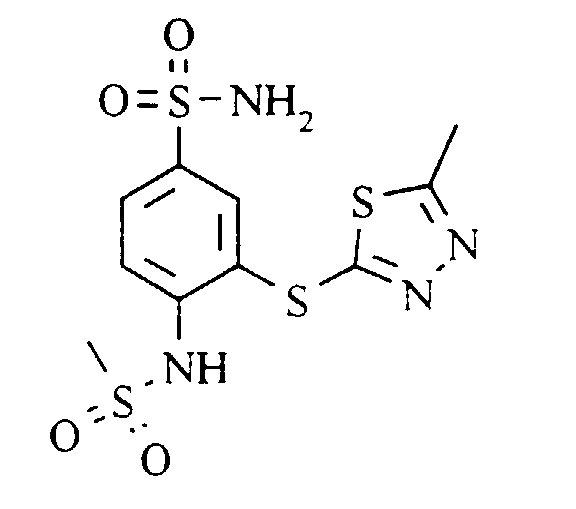
Die Synthese wurde analog zu Beispiel 1 (a) durchgeführt. Zur Reinigung wurde chromatographiert (Kieselgel: CH2Cl2).
13C (100MHz, CDCl3) δ 170.57, 160.37, 146.09, 134.13, 133.29, 129.55, 127.37, 125.80, 16.08
Die Synthese wurde analog zu Beispiel 1(b) durchgeführt.
13C (100MHz, CDCl3) δ 168.84, 165.95, 149.03, 136.98, 132,74, 118.96, 115.99, 113.04, 15.65
Die Synthese wurde analog zu Beispiel 1 (c) durchgeführt. Der Rückstand wurde aus CH2Cl2 umkristallisiert.
13C (100MHz, CDCl3) δ 167.04, 164.39, 140.04, 136.97, 132.86, 125.52, 120.86, 119.96, 40.12, 15.76
Die Synthese wurde analog zu Beispiel 1 (d) und 1 (e) durchgeführt. Das Produkt wurde aus CH2Cl2 kristallisiert.
13C (100MHz, DMSO-d6) δ 167.62, 164.43, 141.82, 141.45, 132.62, 128.54, 126.14, 124.93, 40.94, 15.49
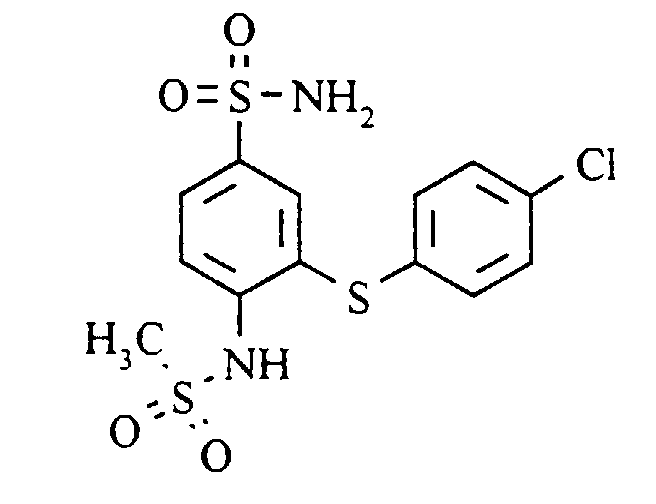
Sulfanilamid (50.0 g; 290.34 mmol) wurde in MeCN (500 ml) gelöst und auf 60°C erwärmt. N-Chlorsuccinimid (40.06 g; 300 mmol) wurde rasch zugegeben und es wurde 2 h unter Rückfluß erhitzt. Nach dem Abkühlen wurde das Lösungsmittel abrotiert, der Rückstand in Ethylacetat gelöst und 2 mal mit 4N Ammoniak-Lösung extrahiert. Die organische Phase wurde mit Wasser gewaschen. über MgSO4 getrocknet und eingedampft. Es wurde aus Ethylacetat umkristallisiert.
Ausbeute: 45 g = 75%
13C (100MHz, DMSO-d6) δ 147.87, 131.46, 127.22, 125.91, 115.84, 114.27
3-Chlorsulfanilamid (2.27 g, 11 mmol) wurde in einer Mischung aus Eisessig (50 ml) und 35%igem Wasserstoffperoxid (18 ml) gelöst und auf 70°C erwärmt. Nach 3 h wurde der kristalline Niederschlag abfiltriert und das Filtrat mit Ethylacetat verdünnt. Zur Vernichtung der überschüssigen Peroxide wurde Eisen(II)sulfat zugegeben und nach dem Abfiltrieren das Lösungsmittel abgedampft. Der Rückstand wurde in Ethylacetat gelöst, mit Wasser gewaschen. über MgSO4 getrocknet und eingedampft.
Ausbeute: 1.35 g = 52 %
13C (100MHz, DMSO-d6) δ 149.26, 148.45, 128.72, 126.91, 125.98, 125.91
3-Chlor-4-nitrobenzolsulfonamid (1.08 g; 4.53 mmol), 4-Chlorthiophenol (0.66 g; 4.53 mmol) und K2CO3 (0.64 g: 4.60 mmol) wurden in Dioxan (30 ml) 3 h unter Rückfluß erwärmt. Danach wurde mit CH2Cl2 verdünnt, filtriert und mit Wasser gewaschen. Die organische Phase wurde über MgSO4 getrocknet und eingedampft. Das Produkt wurde aus Petrolether/Ethylacetat umkristallisiert.
Ausbeute: 1.0 g = 64%
13C (100MHz, DMSO-d6) δ 148.57. 146.43, 138.07, 137.08, 135.76, 130.70, 128.74, 127.27, 125.43, 123.52
3-(4-Chlorphenylthio)-4-nitro-benzolsulfonamid (0.50 g, 1.45 mmol), NH4Cl (0.16 g, 2.90 mmol) und Fe-Pulver (0.40 g: 7.25 mmol) wurden in EtOH (10 ml)/Wasser (5 ml) suspendiert und 30 min unter Rückfluß erhitzt. Die Lösung wurde filtriert, abrotiert und der Rückstand in CH2Cl2 aufgenommen. Es wurde mit Wasser gewaschen, über MgSO4 getrocknet und eingedampft. Der Rückstand wurde roh weiter eingesetzt
Ausbeute: 0.43 g = 94%
13C (100MHz, CDCl3)d 152.17, 136.12, 133.59, 132.24, 130.75, 129.86, 129.38, 128.37, 114.69, 114,09
4-Amino-3-(4-chlorphenylthio)-benzolsulfonamid (0.43 g: 1.37 mmol) wurde in Pyridin (10 ml) gelöst und bei 0°C wurde Methansulfonsäurechlorid (4.7 g; 41.0 mmol) zugetropft. Die
Lösung kam über Nacht auf Raumtemperatur, wurde auf Wasser gegossen und mit CH2Cl2 extrahiert. Das Lösungsmittel wurde abrotiert und der Rückstand in Dioxan (10 ml)/ 2N wässriger NaOH (10 ml) gerührt. Nach dem Ansäuem mit 2N HCl wurde mit Ethylacetat extrahiert, über MgSO4 getrocknet und eingedampft. Der Rückstand wurde aus CH2Cl2 umkristallisiert. Ausbeute: 0.28 g = 52%
13C (100MHz, DMSO-d6) δ 141.50, 140.23, 133.03, 132.82, 132.73, 129.79, 129.78, 129.46, 126.16, 123.90, 41.03

Die Synthese wurde analog zu Beispiel 17 (c) durchgeführt. Das Produkt wurde aus CH2Cl2 umkristallisiert.
13C (100MHz, DMSO-d6) δ 148.98, 145.94, 137.18, 133.80, 130.95, 127.69, 126.47, 124.49, 123.95, 33.64
Die Synthese wurde analog zu Beispiel 17 (d) durchgeführt. Das Produkt wurde aus Ethylacetat umkristallisiert.
13C (100MHz, DMSO-d6) δ 152.15, 136.60, 132.13, 131.33, 128.99, 128.01, 124.84, 114.40, 112.40, 33.66
Die Synthese wurde analog zu Beispiel 17 (e) durchgeführt. Das Produkt wurde aus CH2Cl2 /MeOH umkristallisiert.
13C (100MHz, DMSO-d6) δ 141,72, 139.05, 135.74, 131.13, 129.85, 127.15, 125,79, 125,70, 125.48, 41,19, 33.63

Die Synthese wurde analog zu Beispiel 17 (c) durchgeführt. Das Produkt wurde aus Diisopropylether umkristallisiert.
13C (100MHz, DMSO-d6) δ 148.82, 148.10, 135.04, 126.68, 126.12, 122.87, 44.15, 32.07, 25.30, 25.18
Die Synthese wurde analog zu Beispiel 17 (d) durchgeführt. Das Produkt wurde aus Diisopropylether umkristallisiert.
13C (100MHz, CDCl3) δ 152.79, 135.75, 130.02, 128.49, 116.79, 113.84, 47,70, 33.61, 26.01, 25.61
Die Synthese wurde analog zu Beispiel 17 (e) durchgeführt.
13C (100MHz, CDCl3) δ 143.35, 137.04, 134.83, 128.44, 123.18, 116.86, 49.57, 40.49, 33.41, 25,91, 25.35

Die Synthese wurde analog zu Beispiel 1 (a) durchgeführt. Zur Reinigung wurde der Rückstand mit Petrolether ausgerührt.
13C (100MHz, CDCl3) δ 161.90, 146.99, 146.96, 146.92, 146.88, 144.82, 135.05, 134.08, 134.05, 134.02, 133.99, 133.05, 129.14, 127.87, 125.37, 124.68, 124.38, 123.69, 122.00
Die Synthese wurde analog zu Beispiel 1(b) durchgeführt.
13C (100MHz, CDCl3) δ 165.60, 149.24, 146.54, 146.49, 146.45, 146.40, 137.71, 133.60, 133.60, 133.57, 133.54, 133.50, 132.31, 129.26, 125.03, 122.90, 122.57, 122.32, 122.24, 119.35, 119.13, 115.69, 118.54, 111.41
Die Synthese wurde analog zu Beispiel 1 (c) durchgeführt. Der Rückstand wurde chromatographisch gereinigt (Kieselgel; CH2Cl2/Ethylacetat 19/1).
13C (100MHz, CDCl3) δ 163.03, 163.02, 146.90, 146.86, 146.81, 146.77, 140.46, 137.76, 134.17, 134.13, 134.10, 134.07, 132.53, 125.59, 124.68, 124.56, 124.23, 123.90, 123.57, 121.02, 120.87, 119.29, 40.02
Die Synthese wurde analog zu Beispiel 1 (d) und 1 (e) durchgeführt.
13C (100MHz, DMSO-d6) δ 165.38, 146.27, 140.11, 137.79, 134.32, 131.63, 126.93, 125.67, 123.65, 121.88, 121.56, 120.80, 40.68

Die Synthese wurde analog zu Beispiel 17 (c) durchgeführt. Das Produkt wurde aus CH2Cl2 umkristallisiert.
13C (100MHz, DMSO-d6) δ 161.28, 148.48, 145.73, 140.12, 137.54, 127.21, 124.78, 122.89, 119.37, 116.31, 55.61
Die Synthese wurde analog zu Beispiel 17 (d) durchgeführt. Das Produkt wurde aus CH2Cl2/Petrolether umkristallisiert.
13C (100MHz, DMSO-d6) δ 158.66, 152.24, 133.68, 131.23, 130.91, 128.14, 125.36, 115.16, 114.44, 113.92, 55.37
Die Synthese wurde analog zu Beispiel 17 (e) durchgeführt. Das Produkt wurde chromatographisch gereinigt (Kieselgel, CH2Cl2/MeOH 50/1)
13C (100MHz, DMSO-d6) δ 160.20, 142.05, 137.43, 135.63, 135.20, 126.53, 126.00, 124.48, 121.77, 115.82, 55.49, 41.44
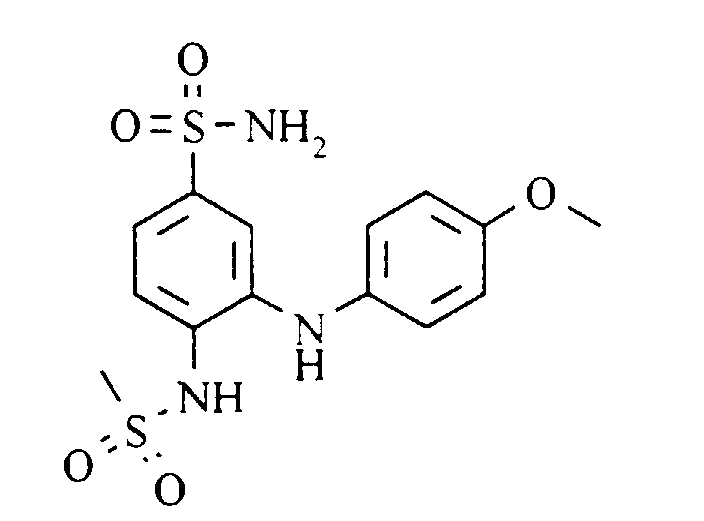
Natriumhydrid (1.69 g; 42.26 mmol) wurde in absolutem DMF suspendiert und bei 0°C wurde eine Lösung von p-Anisidin (5.20 g; 42.26 mmol) zugetropft. Nach 30 min wurde 3-Chlorsulfanilamid (1.00 g; 4.23 mmol) zugegeben und bei 40°C für 30 min gerührt. Die Mischung wurde auf Wasser gegossen, mit konz. Salzsäure auf pH 1-2 eingestellt und mit Ethylacetat extrahiert. Die vereinigten organischen Phasen wurden über MgSO4 getrocknet . Der Rückstand wurde chromatographisch gereinigt (Kieselgel; CH2Cl2).
13C (100MHz, DMSO-d6) δ 157.83, 150.90, 137.80, 131.44, 130.66, 128.86, 125.82, 124.33, 115.13, 111.50, 55.56
Die Synthese wurde analog zu Beispiel 1 (b) durchgeführt. Das Produkt wurde chromatographisch gereinigt (Kieselgel; CH2Cl2).
13C (100MHz, DMSO-d6) δ 154.36, 137.89, 137.22, 137.01, 120,11, 119.70, 119.60, 118.96, 117.04, 114.91, 55.72
Die Synthese wurde analog zu Beispiel 17 (e) durchgeführt. Das Produkt wurde chromatographisch gereinigt (Kieselgel, CH2Cl2/MeOH 10/1)
13C (100MHz, DMSO-d6) δ 154.99, 145.93, 134.76, 131.77, 130.93, 123.31, 122.21, 114.83, 114.07, 113.30, 55.37, 40.64
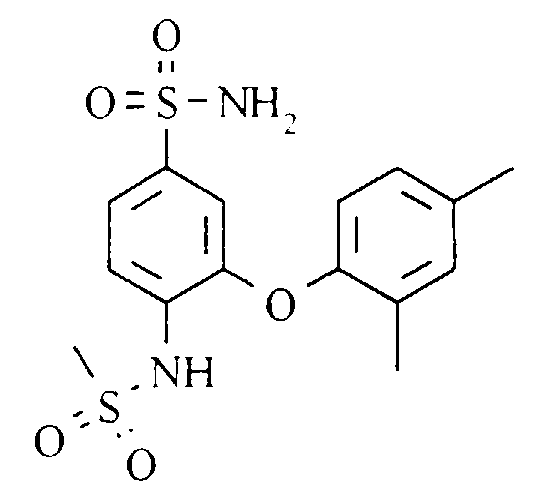
Die Synthese wurde analog zu Beispiel 17 (c) durchgeführt. Das Produkt wurde chromatographisch gereinigt (Kieselgel:CH2Cl2/MeOH 25/1).
13C (100MHz, DMSO-d6) δ 150.41, 149.51, 149.01, 141.41, 135.57, 132.68, 129.34, 128.59, 126.70, 120.50, 119.75, 114.22, 20.46, 15.43
Die Synthese wurde analog zu Beispiel 17 (d) durchgeführt. Das Produkt wurde aus CH2Cl2 umkristallisiert.
13C (100MHz, DMSO-d6) δ 151.64, 142.65, 133.16, 132,14, 130.59, 128.76, 127.85, 121.80, 118.94, 113.72 113.55, 20.39, 15.74
Die Synthese wurde analog zu Beispiel 17 (e) durchgeführt. Das Produkt wurde chromatographisch gereinigt (Kieselgel. CH2Cl2/Ethylacetat 9/1)
13C (100MHz, DMSO-d6) δ 150.32. 149.63. 141.03, 134.57, 132.37, 130.39, 129.70, 128.30, 123.98, 120.54, 119.98, 112.30, 40.95, 20.47, 15.73

Die Synthese wurde analog zu Beispiel 1 (a) durchgeführt. Das Produkt wurde chromatographisch gereinigt (Kieselgel, Ethylacetat/Petrolether 1:1)
13C NMR (100 MHz, CDCl3) (152.91, 149.41, 145.48, 141.08, 134.48, 125.93, 125.59, 124.47, 124.31, 121.14.
Zu einer stark gerührten Suspension bestehend aus Rh/C und 2-(Pyridyl-3-oxy)nitrobenzol in THF (25 mL), wurde N2H4·H2O langsam bei 0 °C zugetropft. Die Reaktionslösung ließ man langsam über Nacht auf Raumtemperatur kommen. Das Reaktionsgemisch wurde filtriert und das Filtrat eingedampft. Der so entstandene Rückstand wurde in Ethylacetat (100 ml) aufgenommen und mit verdünnter Salzsäure (3 x 50 ml, pH 2) gewaschen. Die wäßrige Lösung wurde neutralisiert (NaHCO3) und mit CH2Cl2 (3 x 50 ml) extrahiert. Die organische Lösung wurde über MgSO4 getrocknet und anschließend eingedampft. Das erhaltene Öl wurde aus Ethylacetat umkristallisiert
Ausbeute: 5.60 g = 64%
13C NMR (100 MHz, CDCl3) (154.06, 143.83, 142.20, 140.20, 138.89, 125.66, 124.01, 123.58, 120.16, 118.76, 116.72.
Die Synthese wurde analog zu Beispiel 1 (c) durchgeführt. Das Produkt wurde chromatographisch gereinigt (Kieselgel, CH2Cl2/MeOH 10:1)
13C NMR (100 MHz, CDCl3) (152.66, 146.54, 145.51, 141.26, 128.44, 125.72, 125.67, 125.09, 124.37, 121.71, 118.09, 39.84.
Die Synthese wurde analog zu Beispiel 1 (d) und 1 (e) durchgeführt Der Rückstand wurde mit Diisopropylether digeriert und aus Ethanol umkristallisiert
13C (100MHz, DMSO-d6) (152.50, 147.68, 145.42, 141.42, 140.90, 132.30, 126.37, 124.92, 123,68, 121.97, 115.81, 40.94
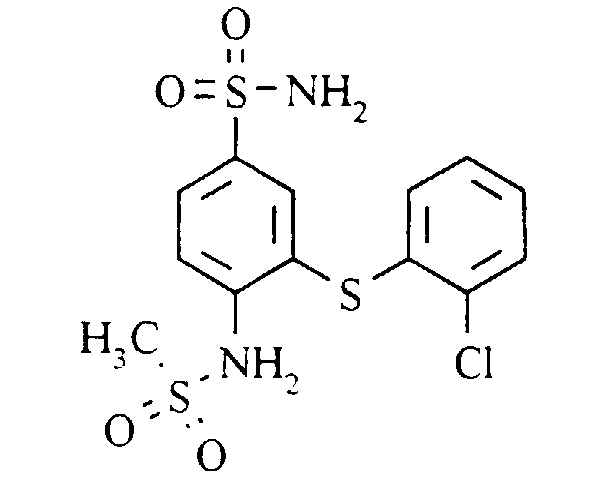
Die Synthese wurde analog zu Beispiel 17 (c) durchgeführt. Das Produkt wurde aus Petrolether/CH2Cl2 umkristallisiert.
13C (100MHz, DMSO-d6) δ 148.74, 146.51, 138.38, 137.96, 136.51, 133.00, 131.19, 129.24, 128.43, 127.50, 124.99, 123.75
Die Synthese wurde analog zu Beispiel 17 (d) durchgeführt. Das Produkt wurde aus CH2Cl2 umkristallisiert.
13C (100MHz, DMSO-d6) δ 153.62. 135.57, 134.97, 131.54, 130.27. 129.79. 129.52, 127.90, 12692, 126.22, 114.42, 108.95
Die Synthese wurde analog zu Beispiel 17 (e) durchgeführt. Das Produkt wurde chromatographisch gereinigt (Kieselgel, CH2Cl2/MeOH 19/1) und aus CHCl3 umkristallisiert
13C (100MHz. DMSO-d6) δ 141.48, 141.08, 133.36, 133.28, 131.23, 130.80. 130.28, 129.17, 128.45, 127.60, 126.99, 124.62, 41.22
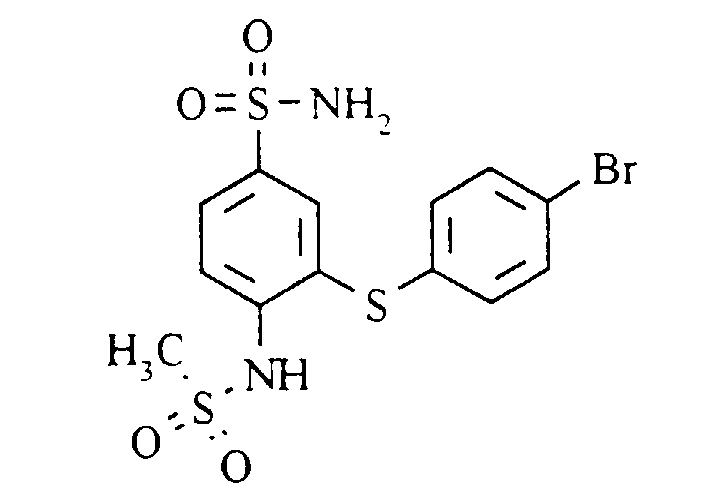
Die Synthese wurde analog zu Beispiel 17 (c) durchgeführt. Das Produkt wurde aus Petrolether/CH2Cl2 umkristallisiert.
13C (100MHz DMSO-d6) δ 148.56, 146.50, 137.85, 137.19, 133.62, 129.27, 127.26, 125.50, 124.49, 123.56
Die Synthese wurde analog zu Beispiel 17 (d) durchgeführt.
13C (100MHz, CDCl3)d 153.16, 135.54, 135.18, 132.08, 131.34, 129.20, 128.72, 118.83, 114.28, 110.70
Die Synthese wurde analog zu Beispiel 17 (e) durchgeführt. Das Produkt wurde chromatographisch gereinigt (Kieselgel ,Petrolether/Ethylacetat 1/1).
13C (100MHz, DMSO-d6) δ 141.75, 139.98, 133.44, 132.79, 132.75, 130.11, 130.05, 126.41, 125.04, 121.25, 41.21
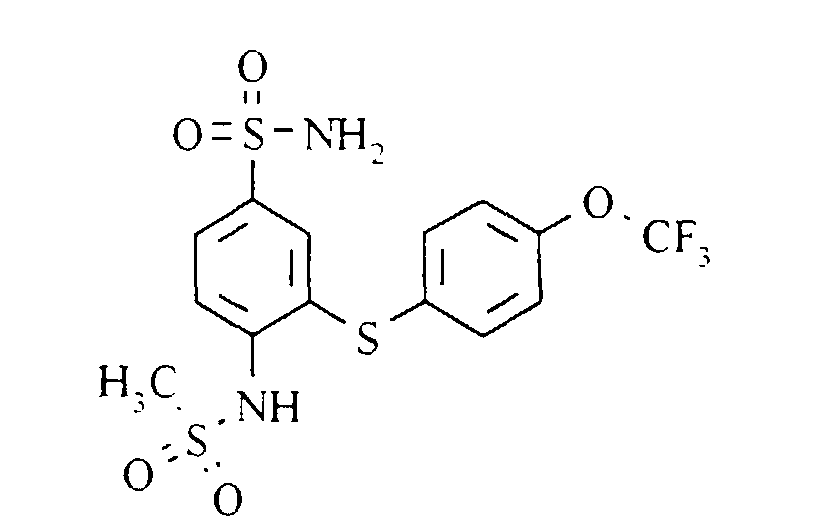

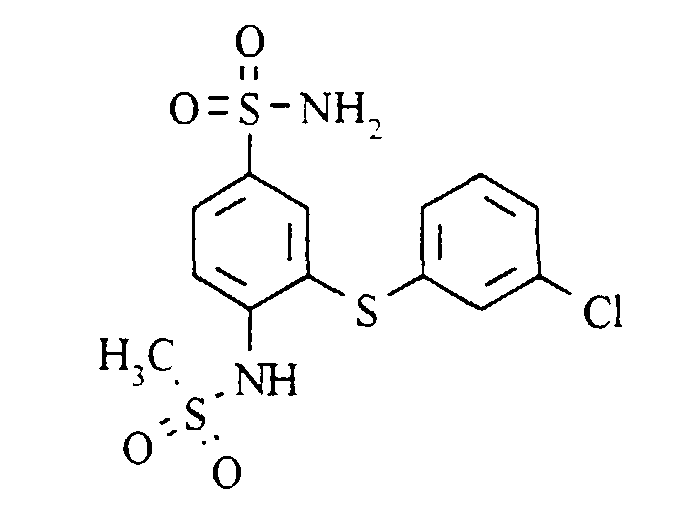

13C (100MHz, DMSO-d6) δ 148.58, 146.62, 137.58, 134.73, 134.37, 133.85, 132.22. 132.12, 130.70, 127.23, 125.74, 123.70

13C (100MHz, DMSO-d6) δ 153.32, 138.54, 135.44, 133.87, 131.36, 13092, 129.43, 125.83, 125.71, 125.16, 114.33, 110.09

13C (100MHz, DMSO-d6) δ 141.62, 140.60, 136.64, 134,16, 131.42, 131.05, 129.46, 128.80, 128.74, 127.72, 126.93, 124.73, 41.19
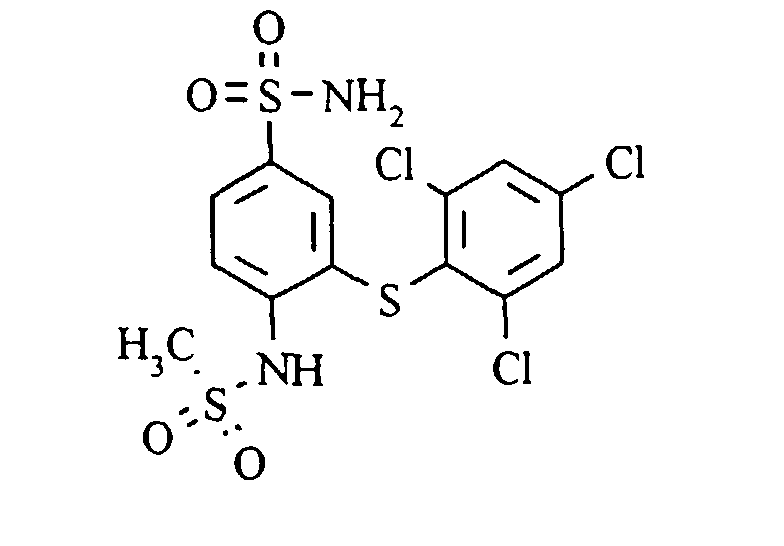

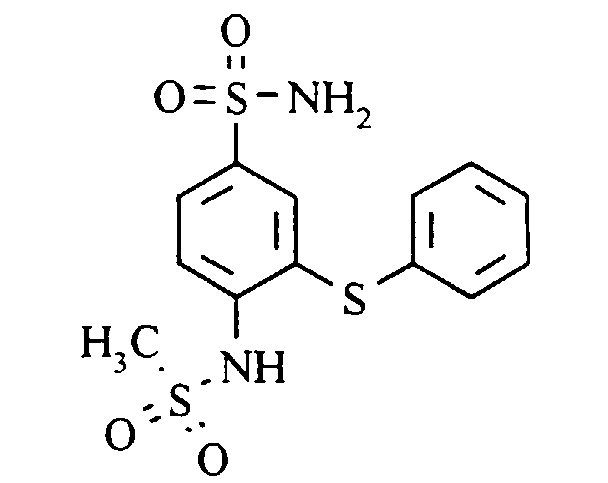
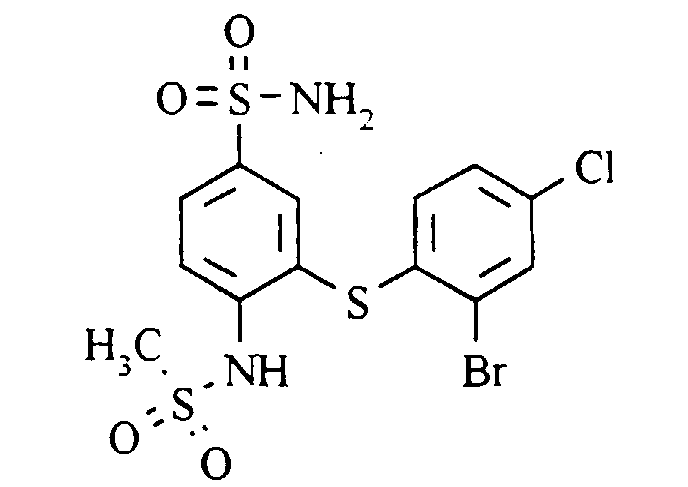
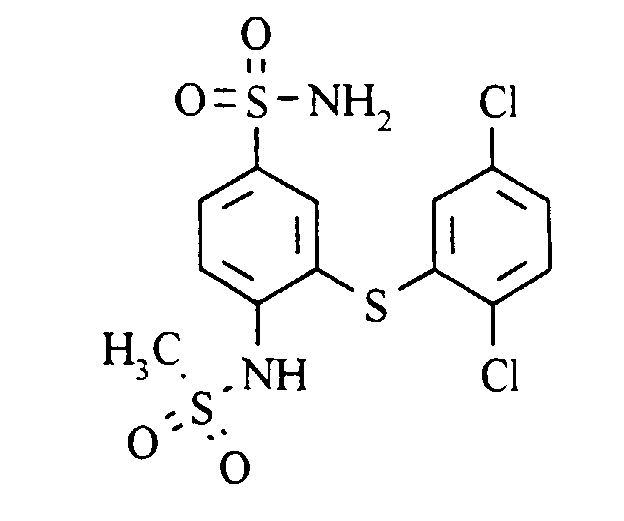
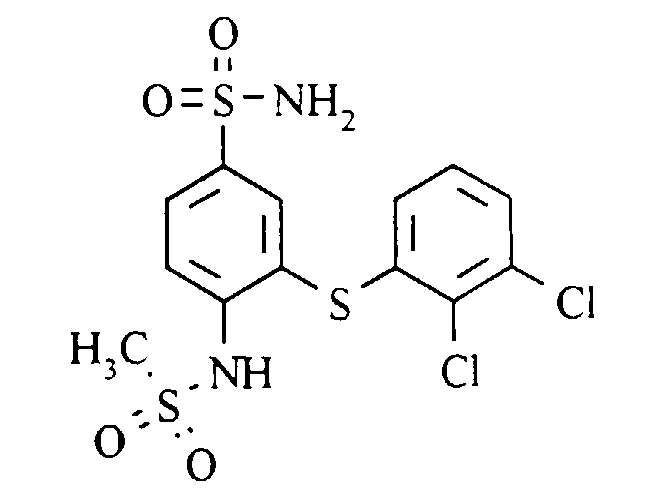

Ausbeute: 0.25 g = 45%
13C (100MHz, CDCl3) δ 148.35, 146.21, 134.97, 132.03, 131.28, 131.16, 128.98, 127,15, 123.15, 123.12, 119.56, 113.81, 40.45, 29.18

Ausbeute: 0.27g=24%
13C (100MHz, DMSO-d6) δ 150.02, 147.24, 133.01, 13081, 130.42, 129.53, 129.18, 126.03, 123.74, 123.17, 122.57, 115.72, 41.03, 37.59
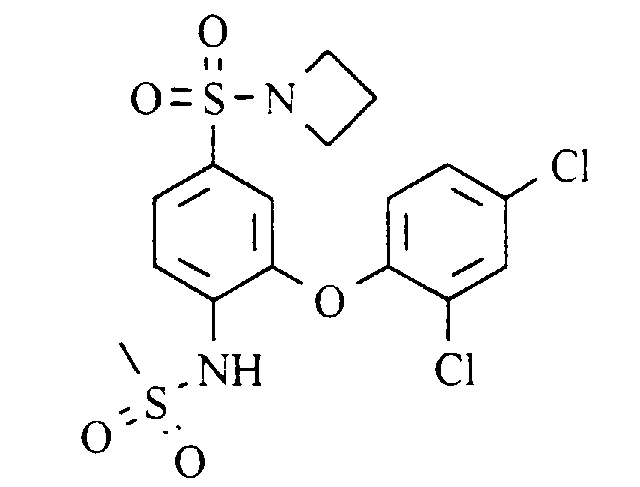
Ausbeute: 0.18 g = 33%
13C (100MHz, DMSO-d6) δ 149.94, 147.28, 133.32, 130.49, 129.70, 129.58, 129.26, 126.15, 124.39, 122.87, 122.86, 116.02, 50.94, 41.08, 14.87
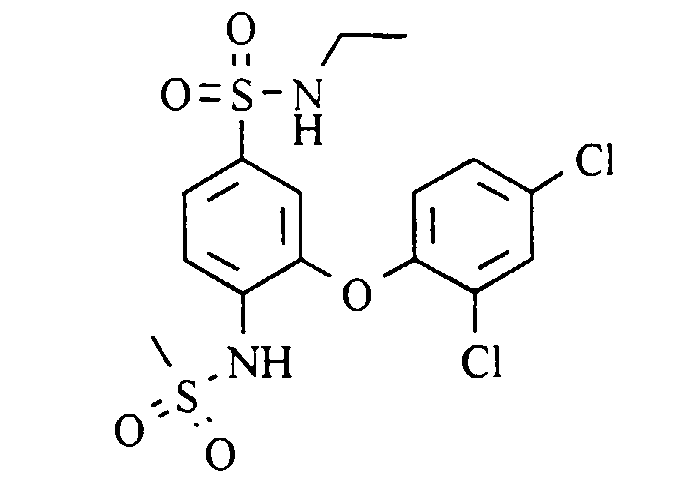
Ausbeute: 0.46 g = 28%
13C (100MHz, DMSO-d6) δ 149.88, 147.82, 137.13, 131.96, 130.44, 129.66, 129.24, 126.31, 123.58, 123.03, 122.58, 114.53, 41.00, 37.57, 14.73

Ausbeute: 0.22 g = 19%
13C (100MHz, DMSO-d6) δ 149.98, 147.50, 136.21, 132.37, 130.43, 129.63, 129.21, 126.15, 123.56, 122.86, 122.72, 114.90, 41.77, 41.02, 14.02
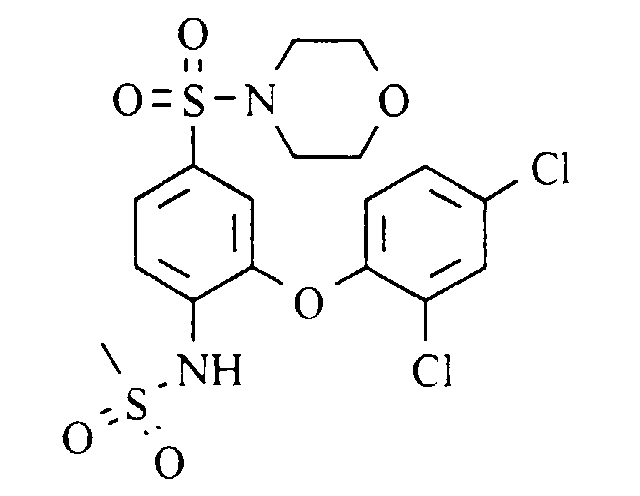
Ausbeute: 0.93 g = 60%
13C (100MHz, DMSO-d6) δ 150.02, 147.15, 133.44, 130.43, 129.51, 129.31, 129.18, 126.23, 125.98, 123.95, 123.02, 122,51, 116.78, 115,83, 65.41, 45.83, 41.03
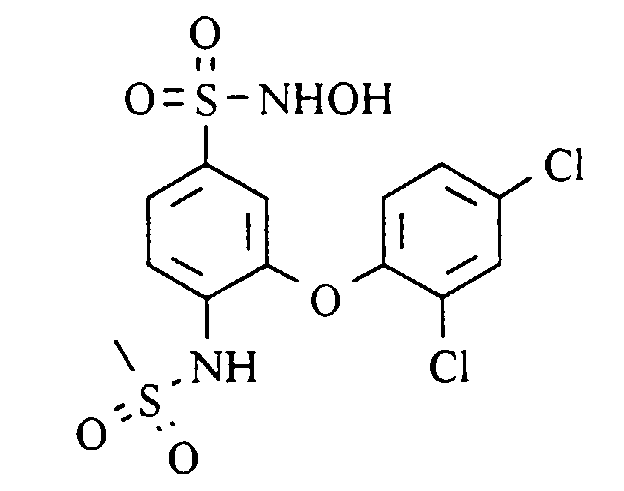
Ausbeute: 0.1 g = 62%
13C (100MHz, DMSO-d6) δ 149.92, 147.35, 133.60, 132.91. 130.40, 129.60, 129.20, 126.25, 124.41, 122.99, 122.90, 116.22, 41.09
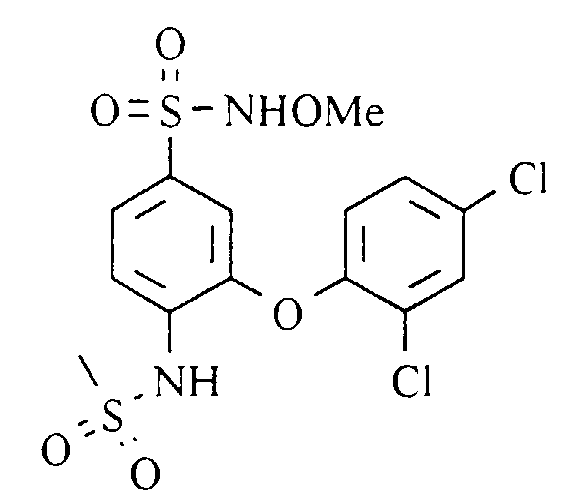
Ausbeute: 0.28 g = 25%
13C (100MHz, DMSO-d6) δ 149.89, 147.25, 133.47, 133.06, 130.42, 129.64, 129.20, 126.24, 124.42, 122.85, 122.71, 116.00, 64.44, 41.11
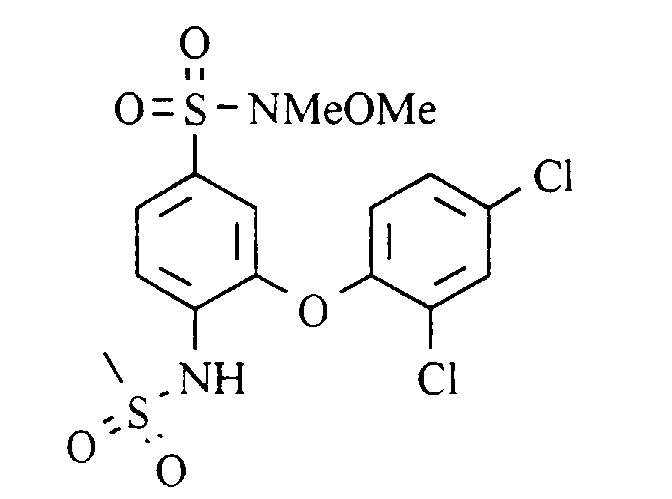
Ausbeute: 0.43 g = 37%
13C (100MHz, DMSO-d6) δ 149.94, 146.71, 134.37, 130.45, 129.64, 129.18, 126.97, 126.10, 125.77, 122.77, 122.20, 117.43, 63.36, 41.12, 38.97

Ausbeute: 0.18 g= 15%
13C (100MHz, DMSO-d6) δ 149.94, 147.70, 137.38, 137.26, 132.04, 130.41, 129.55, 129.19, 128.30, 127.71, 127.28, 126.23, 123.52, 122.87, 122.67, 114.71, 46.23, 40.92
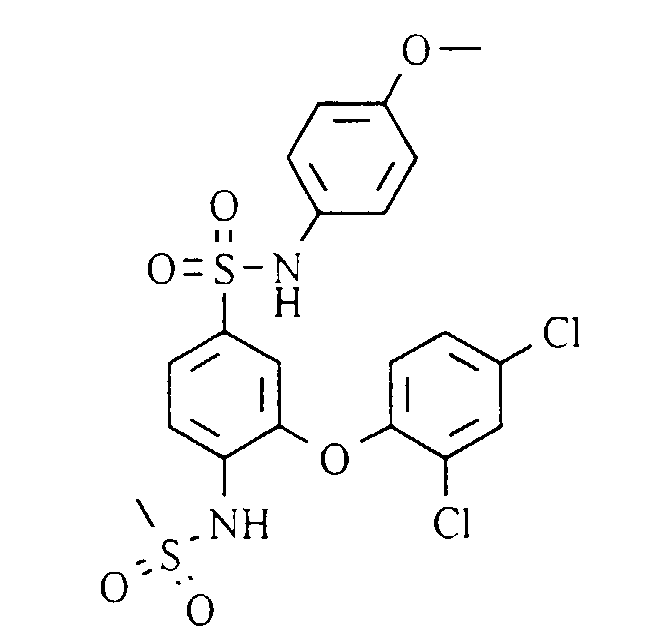
Ausbeute: 0.37 g = 29%
13C (100MHz, DMSO-d6) δ 156.96, 149.63, 147.53, 135.54, 132.26, 130.44, 129.82, 129.77, 129.13, 126.41, 124.11, 123.12, 123.07, 122.72, 114.57, 114.42, 55.31, 41.03

Ausbeute: 0.22 g = 18%
13C (100MHz, DMSO-d6) (155.91, 150.50, 148.60, 146.84, 141.94, 139.86, 130.21, 129.08, 128.95, 127.90, 126.19, 125.43, 123.47, 121.39, 114.14, 112.17, 11.81, 40.66
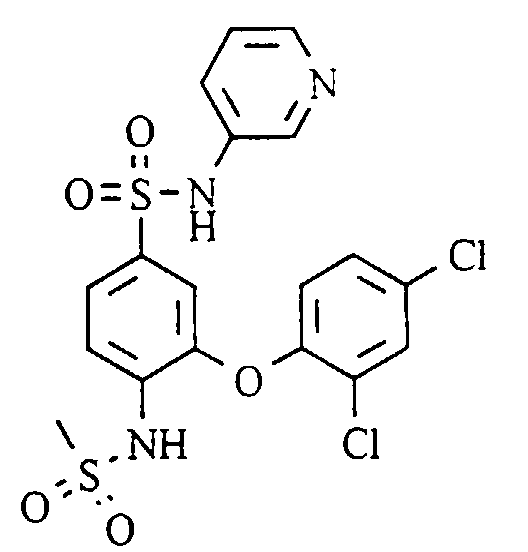
Ausbeute: 0.18 g= 15%
13C (100MHz, DMSO-d6) (149.43, 147.65, 145.75, 142.35, 134.92, 134.17, 132.57, 130.56, 130.03, 129.30, 128.21, 126.52, 124.12, 123.39, 122.90, 122.70, 114.05, 41.07
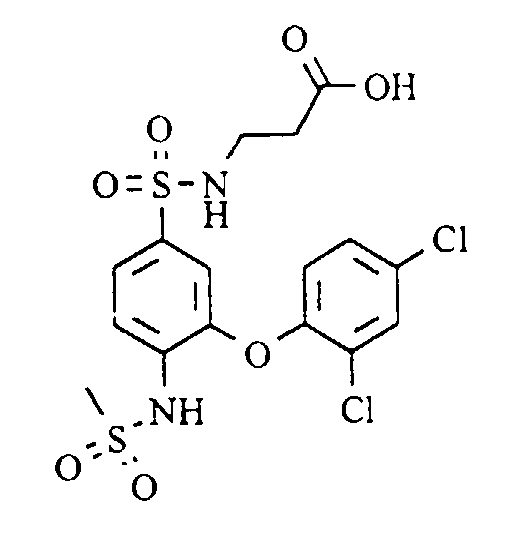
Ausbeute: 0.52 g = 20%
13C (100MHz, DMSO-d6) δ 172.25, 150.01, 147.65, 136.43, 132.52, 130.41, 129.48, 129.18, 126.14, 123.38, 122.81, 122.78, 114.83, 40.97, 38.62, 34.20

Ausbeute: 0.28 g = 24%
13C (100MHz, DMSO-d6) δ 149.97, 147.71, 137.12, 130.41, 129.53, 129.20, 126.19, 123.55, 123.52, 122.83, 122.66, 114.77, 59.95, 45.11, 41.01
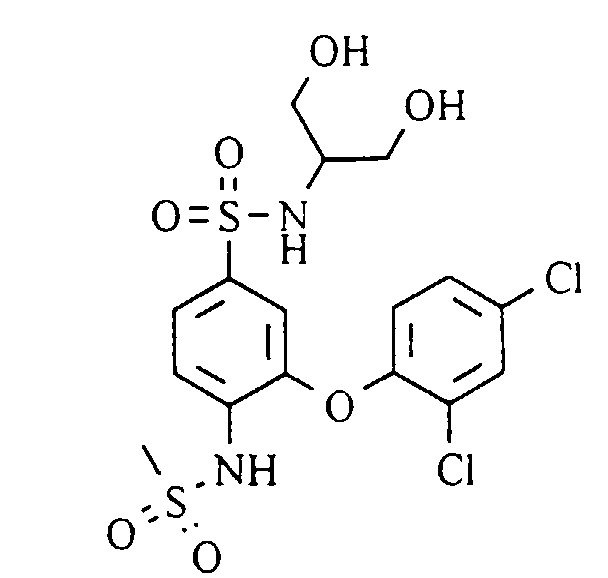
Ausbeute: 0.35 g = 29%
13C (100MHz, DMSO-d6) δ 150.17, 147.50, 138.39, 132.09, 130.34, 129.29, 129.10, 126.02, 123.25, 122.75, 122.51, 115.22, 60.36, 57.07, 40.94

Ausbeute: 0.43 g = 30%
13C (100MHz, DMSO-d6) δ 167.68, 149.54, 147.56, 143.23, 139.25, 130.47, 130.33, 130.07, 129.89, 129.42, 129.21, 126.45, 123.19, 122.96, 122.71, 120,18, 118.42, 114.28, 113.74, 41.10

Ausbeute: 0.18 g = 29%
13C (100MHz, DMSO-d6) δ 150.59, 147.38, 144.52, 130.19, 129.82, 128.93, 128.80, 125.72, 124.30, 122.50, 121.96, 115.67, 42.92, 40.84

Ausbeute: 0.04 g = 7%
13C (100MHz, MeOH-d4) δ 166.05, 150.96, 149.39, 139.60, 133.78, 132.83, 132.16, 130.45, 128.84, 125.06, 123.82, 123.57, 115,15, 41.10

Ausbeute: 0.73 g = 64%
13C (100MHz, DMSO-d6) δ 166.84, 159.45, 150.27, 150.15, 147.20, 146.95, 134.81, 133.25, 130.32, 129.27, 129.07, 125.82, 124.43, 124.19, 124.01, 123.03, 122.89, 122.33, 122,14, 116.68, 116.35, 40.95, 40.88


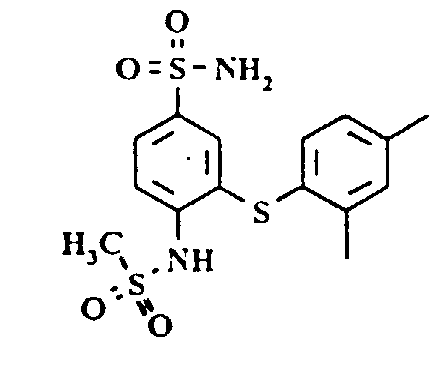
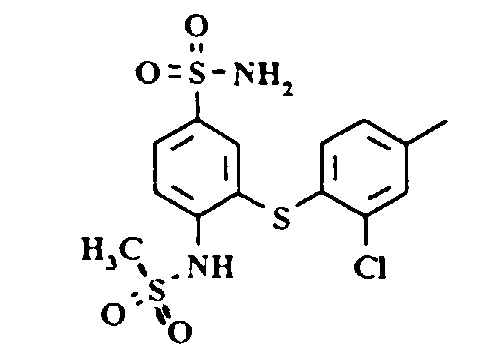
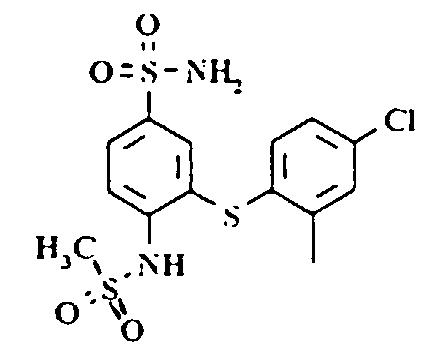
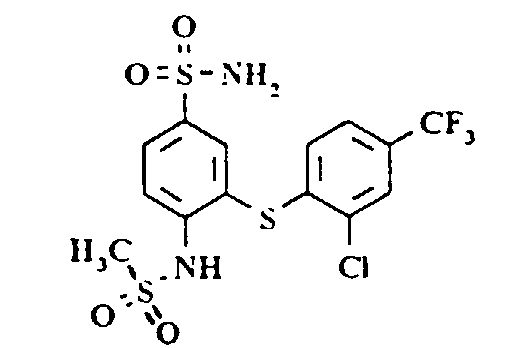

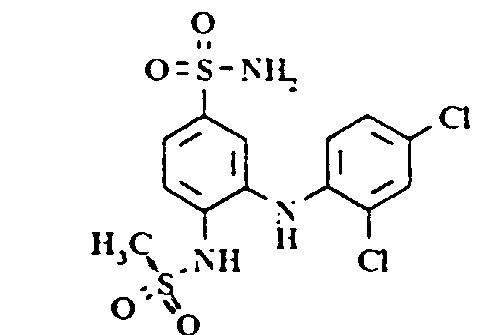


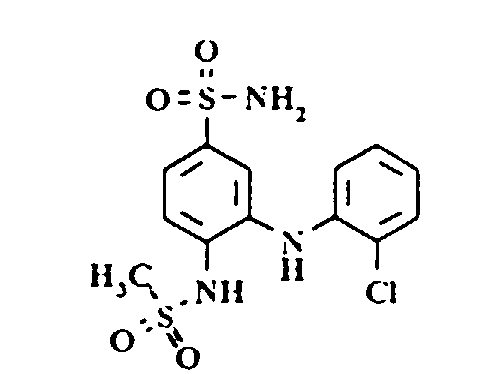
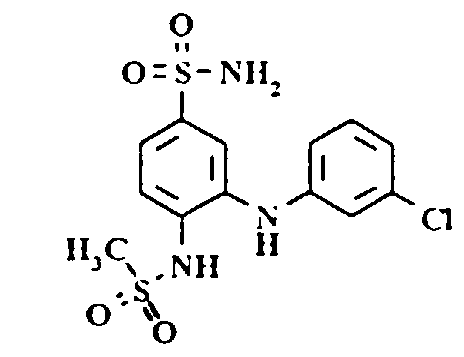

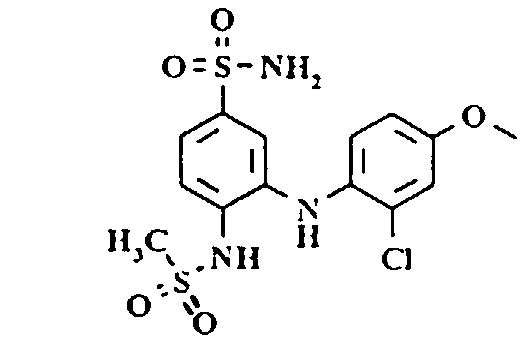
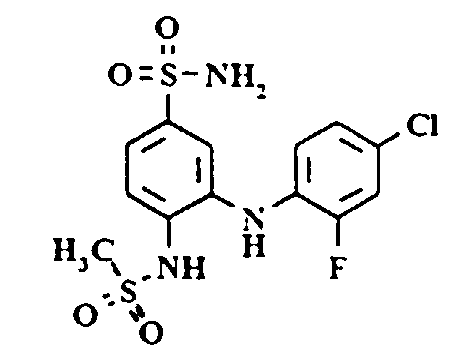


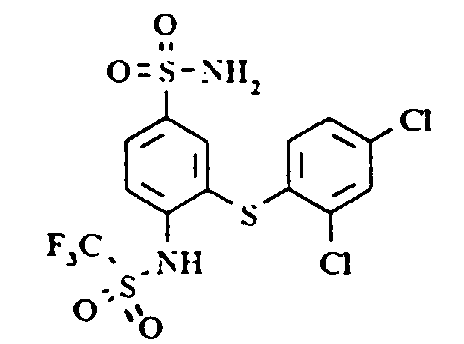
Ausbeute: 0.15 g = 11%
13C (100MHz, CDCl3)d 151.39, 136.07, 134.56, 133.88, 131.84, 131.62, 130.06, 129.51, 129.31, 127.58, 127.55, 126.20, 122.89, 119.58, 114.70, 111.42


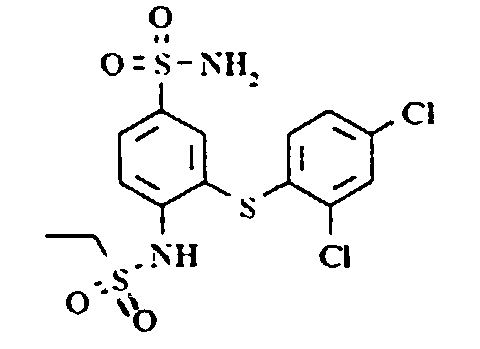
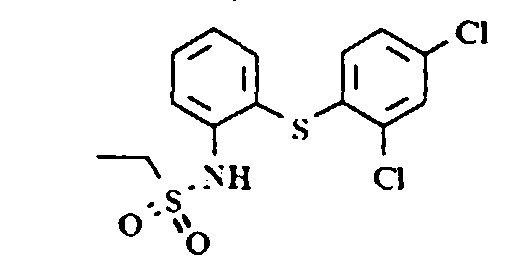
13C (100MHz , CDCl3)d 139.98, 137.64, 133.48, 132.73, 132.15, 129.77, 128.35, 127.88, 125.18, 118.99, 118.87, 46.73, 8.12

13C (100MHz, DMSO-d 6)d 141.78, 141.11, 134.04, 132.89, 132.81, 132.03, 131.06, 129.71, 128.58, 127.23, 127.12, 125.20, 47.70, 8.11

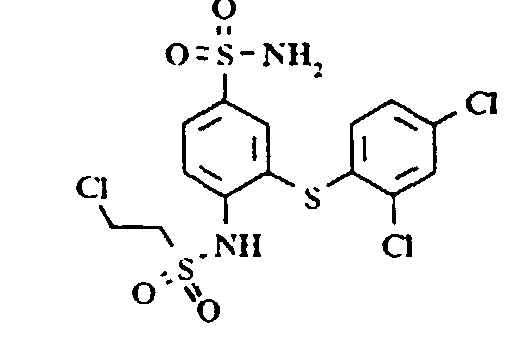
| Verbindung | COX I IC50 µM | COX II IC50 µM | COX I/COX II |
| 1 | ≥50 | 0,10 | ≥500 |
| 4 | ≥45 | 0,11 | ≥450 |
| 6 | 52 | 0,2 | 260 |
| 7 | 27 | 0,027 | 1000 |
| 8 | 11 | 0,15 | 73 |
| 17 | 60 | 0,17 | 353 |
| 19 | ≥60 | 0,54 | ≥110 |
| 25 | ≥35 | 0,17 | ≥196 |
| 26 | ≥70 | 0,27 | ≥253 |
Claims (7)
- Verbindungen der Formel Iin der
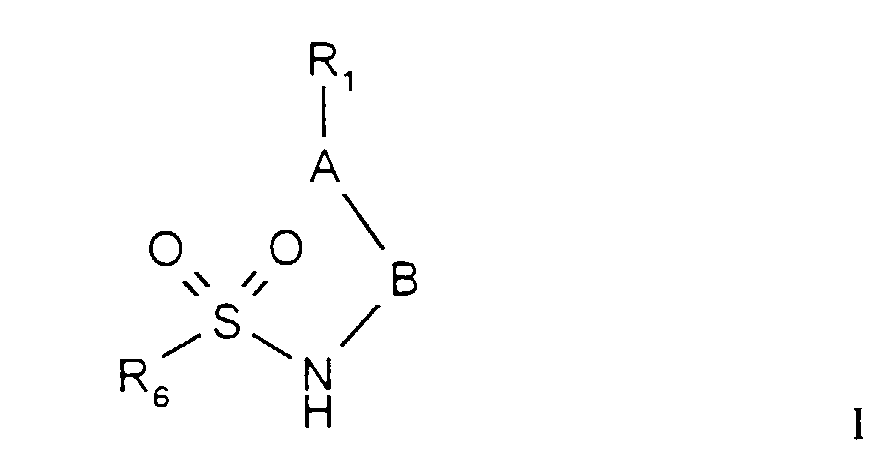
- A
- Sauerstoff Schwefel oder NH,
- R1
- einen gegebenenfalls ein- oder mehrfach durch Halogen, Alkyl, CF3 oder Alkoxy substituierter Cycloalkyl-, Aryl- oder Heteroarylrest
- B
- eine Gruppe der Formel II a oder II b
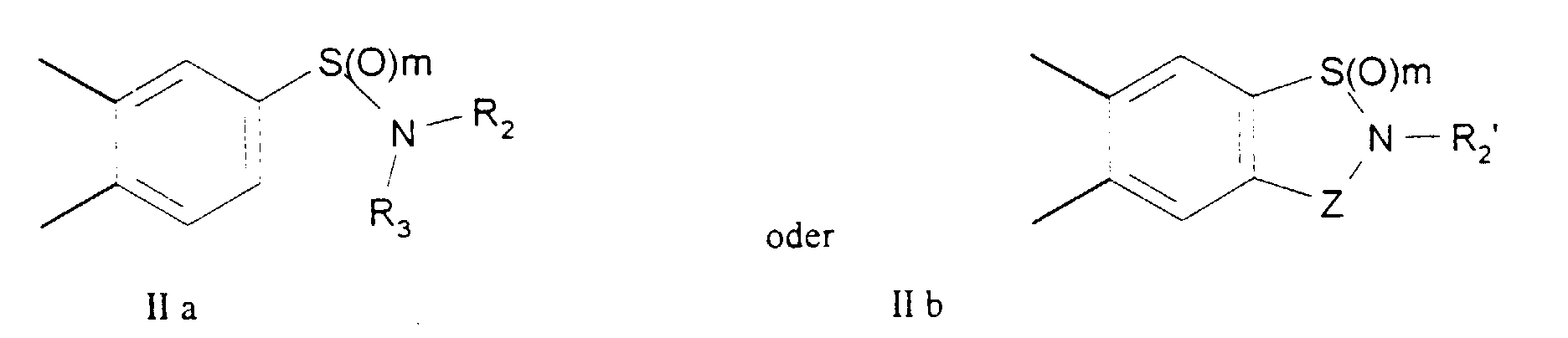
bedeuten,R2 und R3 unabhängig voneinander Wasserstoff, einen gegebenenfalls polyfluorierten Alkylrest. einen Aralkyl- Aryl- oder Heteroarylrest oder einen Rest (CH2)n-X,
oderR2 und R3 gemeinsam mit dem N- Atom einen drei bis siebengliedrigen, gesättigten, teilweise oder vollständig ungesättigten Heterocyclus mit einem oder mehreren Heteroatomen N, O, oder S, der gegebenenfalls durch Oxo, einen Alkyl-, Alkylaryl- oder Arylrest oder einen Rest (CH2)n-X substituiert sein kann,R2' Wasserstoff, einen gegebenenfalls polyfluorierten Alkylrest, einen Aralkyl- Aryl- oder Heteroarylrest oder einen Rest (CH2)n-X,
wobeiX Halogen, NO2, -OR4, -COR4, -CO2R4, - OCO2R4, -CN, -CONR4OR5, -CONR4R5,-SR4, -S(O)R4, -S(O)2R4, -NR4R5, -NHC(O)R4, -NHS(O)2R4Z -CH2-, -CH2-CH2-, -CH2-CH2-CH2-, -CH2-CH=CH-, -CH=CH-CH2-, -CH2-CO-, -CO-CH2-, -NHCO-, - -CONH-, -NHCH2-, -CH2NH-, -N=CH-, -NHCH-, -CH2-CH2-NH-, -CH=CH-, >N-R3, >C=O, >S(O)m,R4 und R5 unabhängig voneinander Wasserstoff, Alkyl, Aralkyl oder Aryl,n eine ganze Zahl von 0 bis 6,R6 einen geradkettigen oder verzweigten Alkylrest mit 1 - 4 C- Atomen, der gegebenenfalls durch Halogen oder Alkoxy ein- oder mehrfach substituiert sein kann, oder CF3 undm eine ganze Zahl von 0 bis 2
mit der Bedingung, daß A nicht O bedeutet, wenn R6 CF3 bedeutet,
und deren pharmazeutisch verträgliche Salze. - Verbindungen der Formel I nach Anspruch 1, in der R1 einen gegebenenfalls ein- oder mehrfach durch Halogen, Methoxy, Methyl oder Ethyl substituierten Cyclopentyl-, Cyclohexyl-, Phenyl-, Pyridyl-, Thienyl- oder Thiazolylrest bedeutet.
- Verbindungen der Formel I nach Anspruch 2, in der R1 einen Cyclohexylrest, einen Phenylrest. einen 2,4-Dichlorphenylrest oder einen 2,4-Difluorphenylrest bedeutet
- Pharmazeutische Zusammensetzung enthaltend als Wirkstoff mindestens eine Verbindung der allgemeinen Formel I nach Anspruch 1.
- Verwendung von Verbindungen der Formel Iin der
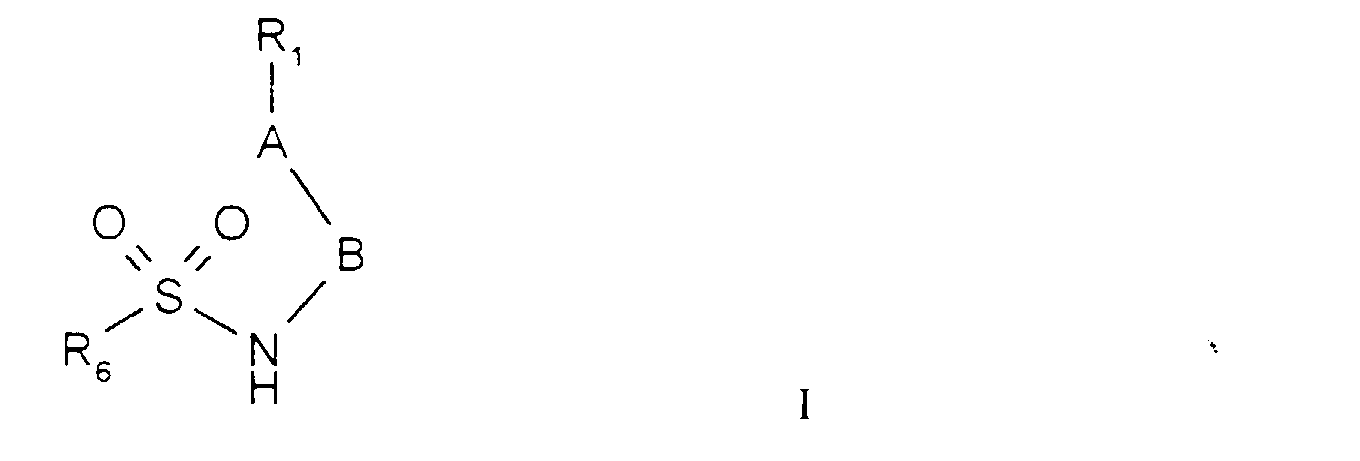
- A
- Sauerstoff Schwefel oder NH,
- R1
- einen gegebenenfalls ein- oder mehrfach durch Halogen, Alkyl, CF3 oder Alkoxy substituierter Cycloalkyl-, Aryl- oder Heteroarylrest
- B
- eine Gruppe der Formel II a oder II b

bedeuten,R2 und R3 unabhängig voneinander Wasserstoff, einen gegebenenfalls polyfluorierten Alkylrest, einen Aralkyl- Aryl- oder Heteroarylrest oder einen Rest (CH2)n-X,
oderR2 und R3 gemeinsam mit dem N- Atom einen drei bis siebengliedrigen, gesättigten, teilweise oder vollständig ungesättigten Heterocyclus mit einem oder mehreren Heteroatomen N, O, oder S, der gegebenenfalls durch Oxo, einen Alkyl-, Alkylaryl- oder Arylrest oder einen Rest (CH2)n-X substituiert sein kann,R2' Wasserstoff, einen gegebenenfalls polyfluorierten Alkylrest, einen Aralkyl- Aryl- oder Heteroarylrest oder einen Rest (CH2)n-R
wobeiX Halogen, NO2, -OR4, -COR4, -CO2R4, -OCO2R4, -CN, -CONR4OR5, -CONR4R5,-SR4, -S(O)R4, -S(O)2R4, -NR4R5, -NHC(O)R4, -NHS(O)2R4Z -CH2-, -CH2-CH2-, -CH2-CH2-CH2-, -CH2-CH=CH-, -CH=CH-CH2-, -CH2-CO-, -CO-CH2-, -NHCO-, - -CONH-, -NHCH2-, -CH2NH-, -N=CH-, -NHCH-, -CH2-CH2-NH-, -CH=CH-, >N-R3, >C=O, >S(O)m,R4 und R5 unabhängig voneinander Wasserstoff, Alkyl, Aralkyl oder Aryl,n eine ganze Zahl von 0 bis 6,R6 einen geradkettigen oder verzweigten Alkylrest mit 1 - 4 C- Atomen, der gegebenenfalls durch Halogen oder Alkoxy ein- oder mehrfach substituiert sein kann, undm eine ganze Zahl von 0 bis 2
und deren pharmazeutisch verträgliche Salze zur Herstellung eines Mittel zu Behandlung und Linderung von Krankheiten oder Störungen, die durch Hemmung des Enzym Cyclooxygenase II geheilt oder gelindert werden können. - Verwendung von Verbindungen der Formel I nach Anspruch 5 zur Herstellung eines Mittels zur Behandlung oder Linderung von entzündlichen Prozessen.
- Verwendung von Verbindungen der Formel I nach Anspruch 5 zur Herstellung eines als Mittels zur Behandlung von Schmerzen.
Applications Claiming Priority (7)
| Application Number | Priority Date | Filing Date | Title |
|---|---|---|---|
| AT124295 | 1995-07-21 | ||
| AT1242/95 | 1995-07-21 | ||
| AT124395 | 1995-07-21 | ||
| AT124395 | 1995-07-21 | ||
| AT1243/95 | 1995-07-21 | ||
| AT124295 | 1995-07-21 | ||
| PCT/EP1996/002954 WO1997003953A1 (de) | 1995-07-21 | 1996-07-05 | Derivate von benzosulfonamiden als hemmer des enzym cyclooxygenase ii |
Publications (2)
| Publication Number | Publication Date |
|---|---|
| EP0848703A1 EP0848703A1 (de) | 1998-06-24 |
| EP0848703B1 true EP0848703B1 (de) | 2000-09-27 |
Family
ID=25595297
Family Applications (1)
| Application Number | Title | Priority Date | Filing Date |
|---|---|---|---|
| EP96922910A Expired - Lifetime EP0848703B1 (de) | 1995-07-21 | 1996-07-05 | Derivate von benzosulfonamiden als hemmer des enzym cyclooxygenase ii |
Country Status (13)
| Country | Link |
|---|---|
| US (1) | US6004948A (de) |
| EP (1) | EP0848703B1 (de) |
| JP (1) | JPH11510485A (de) |
| AT (1) | ATE196629T1 (de) |
| AU (1) | AU715762B2 (de) |
| CA (1) | CA2230036A1 (de) |
| DE (1) | DE59605948D1 (de) |
| DK (1) | DK0848703T3 (de) |
| ES (1) | ES2150679T3 (de) |
| GR (1) | GR3035068T3 (de) |
| PT (1) | PT848703E (de) |
| TW (1) | TW513398B (de) |
| WO (1) | WO1997003953A1 (de) |
Families Citing this family (44)
| Publication number | Priority date | Publication date | Assignee | Title |
|---|---|---|---|---|
| US6268392B1 (en) | 1994-09-13 | 2001-07-31 | G. D. Searle & Co. | Combination therapy employing ileal bile acid transport inhibiting benzothiepines and HMG Co-A reductase inhibitors |
| US6262277B1 (en) | 1994-09-13 | 2001-07-17 | G.D. Searle And Company | Intermediates and processes for the preparation of benzothiepines having activity as inhibitors of ileal bile acid transport and taurocholate uptake |
| US6642268B2 (en) | 1994-09-13 | 2003-11-04 | G.D. Searle & Co. | Combination therapy employing ileal bile acid transport inhibiting benzothipines and HMG Co-A reductase inhibitors |
| ATA16597A (de) * | 1997-02-03 | 1998-04-15 | Nycomed Austria Gmbh | Neue substituierte p-sulfonylaminobenzol- sulfonsäureamide |
| US20040072889A1 (en) * | 1997-04-21 | 2004-04-15 | Pharmacia Corporation | Method of using a COX-2 inhibitor and an alkylating-type antineoplastic agent as a combination therapy in the treatment of neoplasia |
| DK1140184T3 (da) | 1998-12-23 | 2003-09-29 | Searle Llc | Kombinationer af cholesterylestertransferproteinhæmmere og nikotinsyrederivater til hjertekar indikationer |
| EP1342475A1 (de) | 1998-12-23 | 2003-09-10 | G.D. Searle LLC. | Kombinationen von Ileumgallensäuretransportinhibitoren und Cholesterylestertransferproteininhibitoren für kardiovaskuläre Indikationen |
| DK1140185T3 (da) | 1998-12-23 | 2003-09-29 | Searle Llc | Kombinationer af cholesterylestertransferhæmmere og galdesyre kompleksdannende forbindelser til hjertekar indikationer |
| PT1140190E (pt) | 1998-12-23 | 2003-02-28 | Searle Llc | Combinacoes de inibidores do transporte ileal dos acidos biliares e agentes sequestrantes dos acidos biliares usadas para problemas cardiovasculares |
| MXPA01006472A (es) | 1998-12-23 | 2004-03-10 | Searle Llc | Combinaciones de inhibidores de transporte de acido biliar ileal y derivados de acido fibrico para indicaciones cardiovasculares. |
| EP1140186B1 (de) | 1998-12-23 | 2003-06-04 | G.D. Searle LLC. | Kombinationen von cholesteryl ester transfer protein inhibitoren und fibronsäure derivaten für kardiovaskuläre indikationen |
| EA008242B1 (ru) | 1999-12-08 | 2007-04-27 | Фармация Корпорейшн | Композиции на основе ингибитора циклооксигеназы-2 с быстро наступающим терапевтическим действием и способы лечения заболеваний |
| US6649629B2 (en) | 1999-12-23 | 2003-11-18 | Nitromed, Inc. | Nitrosated and nitrosylated cyclooxygenase-2 inhibitors, compositions and methods of use |
| EP1286984A2 (de) | 2000-03-10 | 2003-03-05 | Pharmacia Corporation | Verfahren zur herstellung von tetrahydrobenzothiepinen |
| US7507767B2 (en) | 2001-02-08 | 2009-03-24 | Schering Corporation | Cannabinoid receptor ligands |
| US7067539B2 (en) | 2001-02-08 | 2006-06-27 | Schering Corporation | Cannabinoid receptor ligands |
| US20060167074A1 (en) * | 2001-06-19 | 2006-07-27 | Norbert Muller | Methods and compositions for the treatment of psychiatric disorders |
| DE10129320A1 (de) | 2001-06-19 | 2003-04-10 | Norbert Mueller | Verwendung von COX-2 Inhibitoren zur Behandlung von Schizophrenie, wahnhaften Störungen, affektiven Störungen oder Ticstörungen |
| JP2005509032A (ja) | 2001-11-14 | 2005-04-07 | シェーリング コーポレイション | カンナビノイドレセプターリガンド |
| US20030212138A1 (en) * | 2002-01-14 | 2003-11-13 | Pharmacia Corporation | Combinations of peroxisome proliferator-activated receptor-alpha agonists and cyclooxygenase-2 selective inhibitors and therapeutic uses therefor |
| US20030220374A1 (en) * | 2002-01-14 | 2003-11-27 | Pharmacia Corporation | Compositions and methods of treatment involving peroxisome proliferator-activated receptor-gamma agonists and cyclooxygenase-2 selective inhibitors |
| AU2003207431A1 (en) | 2002-01-17 | 2003-09-02 | Pharmacia Corporation | Novel alkyl/aryl hydroxy or keto thiepines. |
| EP1539693B9 (de) | 2002-06-19 | 2008-10-08 | Schering Corporation | Agonisten des cannabinoidrezeptors |
| US7211598B2 (en) | 2002-06-28 | 2007-05-01 | Nitromed, Inc. | Oxime and/or hydrozone containing nitrosated and/or nitrosylated cyclooxygenase-2 selective inhibitors, compositions and methods of use |
| US20040147581A1 (en) * | 2002-11-18 | 2004-07-29 | Pharmacia Corporation | Method of using a Cox-2 inhibitor and a 5-HT1A receptor modulator as a combination therapy |
| DE60332387D1 (de) | 2002-12-13 | 2010-06-10 | Warner Lambert Co | Alpha-2-delta-ligand zur behandlung vonsymptomen der unteren harnwege |
| TW200505902A (en) | 2003-03-20 | 2005-02-16 | Schering Corp | Cannabinoid receptor ligands |
| US20040220155A1 (en) * | 2003-03-28 | 2004-11-04 | Pharmacia Corporation | Method of providing a steroid-sparing benefit with a cyclooxygenase-2 inhibitor and compositions therewith |
| ES2275218T3 (es) | 2003-05-07 | 2007-06-01 | Osteologix A/S | Sales de estroncio hidrosolubles para el tratamiento de afecciones de cartilagos y/o huesos. |
| WO2005009342A2 (en) * | 2003-07-16 | 2005-02-03 | Pharmacia Corporation | Method for the treatment or prevention of dermatological disorders with a cyclooxygenase-2 inhibitor alone and in combination with a dermatological treatment agent and compositions therewith |
| US20050119262A1 (en) * | 2003-08-21 | 2005-06-02 | Pharmacia Corporation | Method for preventing or treating an optic neuropathy with a cox-2 inhibitor and an intraocular pressure reducing agent |
| WO2005023189A2 (en) * | 2003-09-03 | 2005-03-17 | Pharmacia Corporation | Method of cox-2 selective inhibitor and nitric oxide-donating agent |
| JP2007518788A (ja) | 2004-01-22 | 2007-07-12 | ファイザー・インク | バソプレッシンのアンタゴニスト活性を阻害するトリアゾール誘導体 |
| KR20060111723A (ko) * | 2004-02-16 | 2006-10-27 | 라보라토리오스 델 드라. 에스테브.에스.에이. | 시클로옥시게나제-1-시클로옥시게나제-2 저해제로써 치환된아제티딘 화합물, 및 그 제조 및 약제로써의 용도 |
| ES2244313B1 (es) * | 2004-02-16 | 2007-02-16 | Laboratorios Del Dr. Esteve, S.A. | Compuestos de azetidina substituidos, su preparacion y su uso como medicamentos. |
| CA2563963A1 (en) * | 2004-04-28 | 2005-11-10 | Pfizer Inc. | 3-heterocyclyl-4-phenyl-triazole derivatives as inhibitors of the vasopressin v1a receptor |
| WO2006121887A2 (en) * | 2005-05-05 | 2006-11-16 | Cook Biotech Incorporated | Implantable materials and methods for inhibiting tissue adhesion formation |
| ATE511860T1 (de) | 2006-12-22 | 2011-06-15 | Recordati Ireland Ltd | Kombinationstherapie für erkrankungen der unteren harnwege mit 2 liganden und nsar |
| JP5443975B2 (ja) * | 2007-04-27 | 2014-03-19 | 富山化学工業株式会社 | 新規なスルホンアミド誘導体またはその塩 |
| GB0723794D0 (en) | 2007-12-05 | 2008-01-16 | Lectus Therapeutics Ltd | Potassium ion channel modulators and uses thereof |
| US8815828B2 (en) * | 2008-07-02 | 2014-08-26 | University Of Florida Research Foundation, Inc. | Therapeutic combinations for use in neoplasia |
| CN109906082A (zh) | 2016-09-07 | 2019-06-18 | 塔夫茨大学信托人 | 使用免疫dash抑制剂和pge2拮抗剂的组合治疗 |
| BR112022012471A2 (pt) * | 2019-12-24 | 2022-11-29 | Dana Farber Cancer Inst Inc | Inibidores de fator de transcrição de domínio transcricional associado aprimorado (tead) e usos dos mesmos |
| CN114671827B (zh) * | 2020-12-24 | 2024-09-20 | 杭州百新生物医药科技有限公司 | 邻苯甲酰磺酰亚胺类衍生物及其应用 |
Family Cites Families (10)
| Publication number | Priority date | Publication date | Assignee | Title |
|---|---|---|---|---|
| US3139381A (en) * | 1957-02-07 | 1964-06-30 | Merck & Co Inc | Process of effecting diuresis with nitro disulfamylaniline compounds |
| US3288852A (en) * | 1964-05-08 | 1966-11-29 | Dow Chemical Co | Anthracene dialkanesulfonamides |
| US3560512A (en) * | 1967-11-14 | 1971-02-02 | Colgate Palmolive Co | 3-substituted-2,1-benzisothiazoline-2,2-dioxides |
| US3906024A (en) * | 1971-02-24 | 1975-09-16 | Minnesota Mining & Mfg | Perfluoroalkanesulfonamidoaryl compounds |
| US3755605A (en) * | 1972-06-13 | 1973-08-28 | Riker Laboratories Inc | Diphenylamine derivatives |
| US4064239A (en) * | 1974-12-16 | 1977-12-20 | Merck & Co., Inc. | Halogenated unsaturated alkyl benzenedisulfonamides as anthelmintics |
| CH658453A5 (fr) * | 1982-12-17 | 1986-11-14 | Rhone Poulenc Agrochimie | Procede pour la preparation d'acides aryloxybenzoiques a groupe sulfonamide. |
| US4518594A (en) * | 1983-09-08 | 1985-05-21 | Sumitomo Chemical Company, Limited | Use of trifluoromethanesulfonanilides |
| DE69210629T2 (de) * | 1991-08-08 | 1996-09-19 | Taisho Pharma Co Ltd | 5-aminosulfonanilid-verbindungen |
| US5604260A (en) * | 1992-12-11 | 1997-02-18 | Merck Frosst Canada Inc. | 5-methanesulfonamido-1-indanones as an inhibitor of cyclooxygenase-2 |
-
1996
- 1996-07-05 TW TW085108133A patent/TW513398B/zh not_active IP Right Cessation
- 1996-07-05 DE DE59605948T patent/DE59605948D1/de not_active Expired - Fee Related
- 1996-07-05 JP JP9506230A patent/JPH11510485A/ja not_active Withdrawn
- 1996-07-05 AT AT96922910T patent/ATE196629T1/de not_active IP Right Cessation
- 1996-07-05 US US09/000,049 patent/US6004948A/en not_active Expired - Fee Related
- 1996-07-05 CA CA002230036A patent/CA2230036A1/en not_active Abandoned
- 1996-07-05 EP EP96922910A patent/EP0848703B1/de not_active Expired - Lifetime
- 1996-07-05 DK DK96922910T patent/DK0848703T3/da active
- 1996-07-05 AU AU63610/96A patent/AU715762B2/en not_active Ceased
- 1996-07-05 PT PT96922910T patent/PT848703E/pt unknown
- 1996-07-05 ES ES96922910T patent/ES2150679T3/es not_active Expired - Lifetime
- 1996-07-05 WO PCT/EP1996/002954 patent/WO1997003953A1/de not_active Ceased
-
2000
- 2000-12-13 GR GR20000402756T patent/GR3035068T3/el not_active IP Right Cessation
Also Published As
| Publication number | Publication date |
|---|---|
| AU715762B2 (en) | 2000-02-10 |
| WO1997003953A1 (de) | 1997-02-06 |
| PT848703E (pt) | 2001-01-31 |
| ES2150679T3 (es) | 2000-12-01 |
| EP0848703A1 (de) | 1998-06-24 |
| US6004948A (en) | 1999-12-21 |
| DE59605948D1 (de) | 2000-11-02 |
| AU6361096A (en) | 1997-02-18 |
| DK0848703T3 (da) | 2001-01-02 |
| JPH11510485A (ja) | 1999-09-14 |
| CA2230036A1 (en) | 1997-02-06 |
| ATE196629T1 (de) | 2000-10-15 |
| GR3035068T3 (en) | 2001-03-30 |
| TW513398B (en) | 2002-12-11 |
Similar Documents
| Publication | Publication Date | Title |
|---|---|---|
| EP0848703A1 (de) | Derivate von benzosulfonamiden als hemmer des enzym cyclooxygenase ii | |
| DE69808130T2 (de) | Adamantan-derivate | |
| DE69221290T2 (de) | Auf aromatischen sulfonamiden basierende hydroxamsäurederivate | |
| EP0358118B1 (de) | Phenylamide - Verfahren zu ihrer Herstellung sowie diese Verbindungen enthaltende Arzneimittel | |
| DE4102024A1 (de) | Biphenylderivate, diese verbindungen enthaltende arzneimittel und verfahren zu ihrer herstellung | |
| DE3931432A1 (de) | Pyrimidin-4,6-dicarbonsaeurediamide, verfahren zu deren herstellung sowie verwendung derselben sowie arzneimittel auf basis dieser verbindungen | |
| EP0266558A2 (de) | 5-Alkylbenzimidazole, Verfahren zu ihrer Herstellung und diese enthaltende Arzneimittel | |
| US4216160A (en) | Substituted mercapto acid amides and their use | |
| DE69312567T2 (de) | 2-Formylpyridin-Thiosemicarbazonderivate, ihre Herstellung und ihre Verwendung als Antitumor Mittel | |
| DD299424A5 (de) | Phenolderivate zur foerderung des menschlichen nervenwachstumsfaktors | |
| DE3830060A1 (de) | 2-phenylbenzimidazole - verfahren zu ihrer herstellung sowie diese verbindungen enthaltende arzneimittel | |
| DD287495A5 (de) | Verfahren zur herstellung herterozyclischer stickstoffverbindungen | |
| DE2824341A1 (de) | N- eckige klammer auf 6- eckige klammer auf (aminosulfonyl)phenyl eckige klammer zu -1,2-dihydro-2-oxonicotinyl eckige klammer zu penicilline und -cephalosporine | |
| DE68910523T2 (de) | Trizyklische 3-oxo-propannitril-derivate und verfahren zu deren herstellung. | |
| DE19533644A1 (de) | Neue Benzolsulfonamide | |
| EP0021207A1 (de) | Alphacarbamoyl-pyrrolpropionitrile, Verfahren zu ihrer Herstellung, sowie pharmazeutische Präparate die diese Verbindungen enthalten | |
| DE2833986A1 (de) | Immunstimulierende n-substituierte aziridin-2-carbonsaeurederivate, verfahren zu ihrer herstellung sowie arzneimittel, die diese substanzen enthalten | |
| CS216207B2 (en) | Method of making the derivatives of the 1,4-diphenylpyrazole | |
| DE69607597T2 (de) | Benzol-derivate | |
| DE4417705A1 (de) | Substituierte Furoxane | |
| EP0156091B1 (de) | Beta-Oxo-alpha-carbamoyl-pyrrolpropionitrile, Verfahren zu ihrer Herstellung, pharmazeutische Präparate enthaltend diese Verbindungen, sowie ihre therapeutische Verwendung | |
| DE3804346A1 (de) | Tert.-butylphenyl-pyridyl-amide - verfahren zu ihrer herstellung sowie diese verbindungen enthaltende arzneimittel | |
| CH619213A5 (en) | Process for the preparation of carbazole derivatives | |
| DE19533643A1 (de) | Neue cyclische Derivate von Benzolsulfonamiden | |
| DE2047384A1 (de) | Benzolsulfonamide |
Legal Events
| Date | Code | Title | Description |
|---|---|---|---|
| PUAI | Public reference made under article 153(3) epc to a published international application that has entered the european phase |
Free format text: ORIGINAL CODE: 0009012 |
|
| 17P | Request for examination filed |
Effective date: 19980218 |
|
| AK | Designated contracting states |
Kind code of ref document: A1 Designated state(s): AT BE CH DE DK ES FI FR GB GR IE IT LI LU MC NL PT SE |
|
| GRAG | Despatch of communication of intention to grant |
Free format text: ORIGINAL CODE: EPIDOS AGRA |
|
| 17Q | First examination report despatched |
Effective date: 19990715 |
|
| GRAG | Despatch of communication of intention to grant |
Free format text: ORIGINAL CODE: EPIDOS AGRA |
|
| GRAG | Despatch of communication of intention to grant |
Free format text: ORIGINAL CODE: EPIDOS AGRA |
|
| GRAH | Despatch of communication of intention to grant a patent |
Free format text: ORIGINAL CODE: EPIDOS IGRA |
|
| GRAH | Despatch of communication of intention to grant a patent |
Free format text: ORIGINAL CODE: EPIDOS IGRA |
|
| GRAA | (expected) grant |
Free format text: ORIGINAL CODE: 0009210 |
|
| AK | Designated contracting states |
Kind code of ref document: B1 Designated state(s): AT BE CH DE DK ES FI FR GB GR IE IT LI LU MC NL PT SE |
|
| ITF | It: translation for a ep patent filed | ||
| REF | Corresponds to: |
Ref document number: 196629 Country of ref document: AT Date of ref document: 20001015 Kind code of ref document: T |
|
| REG | Reference to a national code |
Ref country code: CH Ref legal event code: NV Representative=s name: A. BRAUN, BRAUN, HERITIER, ESCHMANN AG PATENTANWAE Ref country code: CH Ref legal event code: EP |
|
| GBT | Gb: translation of ep patent filed (gb section 77(6)(a)/1977) |
Effective date: 20000927 |
|
| REG | Reference to a national code |
Ref country code: IE Ref legal event code: FG4D Free format text: GERMAN |
|
| REF | Corresponds to: |
Ref document number: 59605948 Country of ref document: DE Date of ref document: 20001102 |
|
| ET | Fr: translation filed | ||
| REG | Reference to a national code |
Ref country code: ES Ref legal event code: FG2A Ref document number: 2150679 Country of ref document: ES Kind code of ref document: T3 |
|
| REG | Reference to a national code |
Ref country code: DK Ref legal event code: T3 |
|
| REG | Reference to a national code |
Ref country code: PT Ref legal event code: SC4A Free format text: AVAILABILITY OF NATIONAL TRANSLATION Effective date: 20001018 |
|
| PLBE | No opposition filed within time limit |
Free format text: ORIGINAL CODE: 0009261 |
|
| STAA | Information on the status of an ep patent application or granted ep patent |
Free format text: STATUS: NO OPPOSITION FILED WITHIN TIME LIMIT |
|
| 26N | No opposition filed | ||
| REG | Reference to a national code |
Ref country code: GB Ref legal event code: IF02 |
|
| PGFP | Annual fee paid to national office [announced via postgrant information from national office to epo] |
Ref country code: PT Payment date: 20020619 Year of fee payment: 7 |
|
| PGFP | Annual fee paid to national office [announced via postgrant information from national office to epo] |
Ref country code: IE Payment date: 20020620 Year of fee payment: 7 |
|
| PGFP | Annual fee paid to national office [announced via postgrant information from national office to epo] |
Ref country code: GR Payment date: 20020621 Year of fee payment: 7 |
|
| PGFP | Annual fee paid to national office [announced via postgrant information from national office to epo] |
Ref country code: FR Payment date: 20020626 Year of fee payment: 7 |
|
| PGFP | Annual fee paid to national office [announced via postgrant information from national office to epo] |
Ref country code: GB Payment date: 20020627 Year of fee payment: 7 |
|
| PGFP | Annual fee paid to national office [announced via postgrant information from national office to epo] |
Ref country code: BE Payment date: 20020703 Year of fee payment: 7 |
|
| PGFP | Annual fee paid to national office [announced via postgrant information from national office to epo] |
Ref country code: MC Payment date: 20020705 Year of fee payment: 7 Ref country code: FI Payment date: 20020705 Year of fee payment: 7 |
|
| PGFP | Annual fee paid to national office [announced via postgrant information from national office to epo] |
Ref country code: DK Payment date: 20020708 Year of fee payment: 7 |
|
| PGFP | Annual fee paid to national office [announced via postgrant information from national office to epo] |
Ref country code: LU Payment date: 20020710 Year of fee payment: 7 |
|
| PGFP | Annual fee paid to national office [announced via postgrant information from national office to epo] |
Ref country code: AT Payment date: 20020716 Year of fee payment: 7 |
|
| PGFP | Annual fee paid to national office [announced via postgrant information from national office to epo] |
Ref country code: SE Payment date: 20020717 Year of fee payment: 7 |
|
| PGFP | Annual fee paid to national office [announced via postgrant information from national office to epo] |
Ref country code: ES Payment date: 20020718 Year of fee payment: 7 |
|
| PGFP | Annual fee paid to national office [announced via postgrant information from national office to epo] |
Ref country code: CH Payment date: 20020725 Year of fee payment: 7 |
|
| PGFP | Annual fee paid to national office [announced via postgrant information from national office to epo] |
Ref country code: DE Payment date: 20020726 Year of fee payment: 7 |
|
| PGFP | Annual fee paid to national office [announced via postgrant information from national office to epo] |
Ref country code: NL Payment date: 20020731 Year of fee payment: 7 |
|
| PG25 | Lapsed in a contracting state [announced via postgrant information from national office to epo] |
Ref country code: LU Free format text: LAPSE BECAUSE OF NON-PAYMENT OF DUE FEES Effective date: 20030705 Ref country code: GB Free format text: LAPSE BECAUSE OF NON-PAYMENT OF DUE FEES Effective date: 20030705 Ref country code: FI Free format text: LAPSE BECAUSE OF NON-PAYMENT OF DUE FEES Effective date: 20030705 Ref country code: AT Free format text: LAPSE BECAUSE OF NON-PAYMENT OF DUE FEES Effective date: 20030705 |
|
| PG25 | Lapsed in a contracting state [announced via postgrant information from national office to epo] |
Ref country code: SE Free format text: LAPSE BECAUSE OF NON-PAYMENT OF DUE FEES Effective date: 20030706 |
|
| PG25 | Lapsed in a contracting state [announced via postgrant information from national office to epo] |
Ref country code: IE Free format text: LAPSE BECAUSE OF NON-PAYMENT OF DUE FEES Effective date: 20030707 Ref country code: ES Free format text: LAPSE BECAUSE OF NON-PAYMENT OF DUE FEES Effective date: 20030707 |
|
| PG25 | Lapsed in a contracting state [announced via postgrant information from national office to epo] |
Ref country code: MC Free format text: LAPSE BECAUSE OF NON-PAYMENT OF DUE FEES Effective date: 20030731 Ref country code: LI Free format text: LAPSE BECAUSE OF NON-PAYMENT OF DUE FEES Effective date: 20030731 Ref country code: DK Free format text: LAPSE BECAUSE OF NON-PAYMENT OF DUE FEES Effective date: 20030731 Ref country code: CH Free format text: LAPSE BECAUSE OF NON-PAYMENT OF DUE FEES Effective date: 20030731 Ref country code: BE Free format text: LAPSE BECAUSE OF NON-PAYMENT OF DUE FEES Effective date: 20030731 |
|
| BERE | Be: lapsed |
Owner name: *NYCOMED AUSTRIA G.M.B.H. Effective date: 20030731 |
|
| PG25 | Lapsed in a contracting state [announced via postgrant information from national office to epo] |
Ref country code: PT Free format text: LAPSE BECAUSE OF NON-PAYMENT OF DUE FEES Effective date: 20040131 |
|
| PG25 | Lapsed in a contracting state [announced via postgrant information from national office to epo] |
Ref country code: NL Free format text: LAPSE BECAUSE OF NON-PAYMENT OF DUE FEES Effective date: 20040201 |
|
| PG25 | Lapsed in a contracting state [announced via postgrant information from national office to epo] |
Ref country code: DE Free format text: LAPSE BECAUSE OF NON-PAYMENT OF DUE FEES Effective date: 20040203 |
|
| PG25 | Lapsed in a contracting state [announced via postgrant information from national office to epo] |
Ref country code: GR Free format text: LAPSE BECAUSE OF NON-PAYMENT OF DUE FEES Effective date: 20040205 |
|
| GBPC | Gb: european patent ceased through non-payment of renewal fee |
Effective date: 20030705 |
|
| EUG | Se: european patent has lapsed | ||
| REG | Reference to a national code |
Ref country code: CH Ref legal event code: PL |
|
| PG25 | Lapsed in a contracting state [announced via postgrant information from national office to epo] |
Ref country code: FR Free format text: LAPSE BECAUSE OF NON-PAYMENT OF DUE FEES Effective date: 20040331 |
|
| NLV4 | Nl: lapsed or anulled due to non-payment of the annual fee |
Effective date: 20040201 |
|
| REG | Reference to a national code |
Ref country code: DK Ref legal event code: EBP |
|
| REG | Reference to a national code |
Ref country code: FR Ref legal event code: ST Ref country code: PT Ref legal event code: MM4A Free format text: LAPSE DUE TO NON-PAYMENT OF FEES Effective date: 20040131 |
|
| REG | Reference to a national code |
Ref country code: IE Ref legal event code: MM4A |
|
| REG | Reference to a national code |
Ref country code: ES Ref legal event code: FD2A Effective date: 20030707 |
|
| PG25 | Lapsed in a contracting state [announced via postgrant information from national office to epo] |
Ref country code: IT Free format text: LAPSE BECAUSE OF NON-PAYMENT OF DUE FEES;WARNING: LAPSES OF ITALIAN PATENTS WITH EFFECTIVE DATE BEFORE 2007 MAY HAVE OCCURRED AT ANY TIME BEFORE 2007. THE CORRECT EFFECTIVE DATE MAY BE DIFFERENT FROM THE ONE RECORDED. Effective date: 20050705 |