EP0584348B1 - Genetic vaccine for immunodeficiency viruses - Google Patents
Genetic vaccine for immunodeficiency viruses Download PDFInfo
- Publication number
- EP0584348B1 EP0584348B1 EP93908340A EP93908340A EP0584348B1 EP 0584348 B1 EP0584348 B1 EP 0584348B1 EP 93908340 A EP93908340 A EP 93908340A EP 93908340 A EP93908340 A EP 93908340A EP 0584348 B1 EP0584348 B1 EP 0584348B1
- Authority
- EP
- European Patent Office
- Prior art keywords
- virus
- cells
- viral
- carrier particles
- vaccine
- Prior art date
- Legal status (The legal status is an assumption and is not a legal conclusion. Google has not performed a legal analysis and makes no representation as to the accuracy of the status listed.)
- Expired - Lifetime
Links
- 229960005486 vaccine Drugs 0.000 title claims abstract description 84
- 241000700605 Viruses Species 0.000 title claims abstract description 68
- 230000002068 genetic effect Effects 0.000 title claims abstract description 50
- 208000029462 Immunodeficiency disease Diseases 0.000 title claims description 14
- 206010061598 Immunodeficiency Diseases 0.000 title claims description 12
- 230000007813 immunodeficiency Effects 0.000 title claims description 12
- 241000725303 Human immunodeficiency virus Species 0.000 claims abstract description 45
- 230000003612 virological effect Effects 0.000 claims abstract description 36
- 230000000890 antigenic effect Effects 0.000 claims abstract description 19
- 230000028993 immune response Effects 0.000 claims abstract description 17
- 238000010276 construction Methods 0.000 claims abstract description 15
- 239000002245 particle Substances 0.000 claims description 64
- 108090000623 proteins and genes Proteins 0.000 claims description 43
- 108020004414 DNA Proteins 0.000 claims description 25
- 238000004519 manufacturing process Methods 0.000 claims description 19
- PCHJSUWPFVWCPO-UHFFFAOYSA-N gold Chemical compound [Au] PCHJSUWPFVWCPO-UHFFFAOYSA-N 0.000 claims description 17
- 239000010931 gold Substances 0.000 claims description 16
- 229910052737 gold Inorganic materials 0.000 claims description 16
- 108700026244 Open Reading Frames Proteins 0.000 claims description 12
- 241000701024 Human betaherpesvirus 5 Species 0.000 claims description 7
- 230000010076 replication Effects 0.000 claims description 7
- 230000001939 inductive effect Effects 0.000 claims description 6
- 239000003814 drug Substances 0.000 claims description 4
- 238000012546 transfer Methods 0.000 claims description 2
- 241000288906 Primates Species 0.000 claims 6
- 238000000034 method Methods 0.000 abstract description 50
- 239000000427 antigen Substances 0.000 abstract description 29
- 108091007433 antigens Proteins 0.000 abstract description 29
- 102000036639 antigens Human genes 0.000 abstract description 29
- 238000013459 approach Methods 0.000 abstract description 10
- 210000004027 cell Anatomy 0.000 description 64
- 239000013612 plasmid Substances 0.000 description 33
- 102000004169 proteins and genes Human genes 0.000 description 27
- 241000699670 Mus sp. Species 0.000 description 25
- 239000012634 fragment Substances 0.000 description 25
- 208000015181 infectious disease Diseases 0.000 description 25
- 230000001717 pathogenic effect Effects 0.000 description 18
- 230000008569 process Effects 0.000 description 18
- 241001465754 Metazoa Species 0.000 description 15
- LFQSCWFLJHTTHZ-UHFFFAOYSA-N Ethanol Chemical compound CCO LFQSCWFLJHTTHZ-UHFFFAOYSA-N 0.000 description 14
- 230000014509 gene expression Effects 0.000 description 14
- 231100000433 cytotoxic Toxicity 0.000 description 13
- 230000001472 cytotoxic effect Effects 0.000 description 13
- 201000010099 disease Diseases 0.000 description 13
- 208000037265 diseases, disorders, signs and symptoms Diseases 0.000 description 13
- 210000001519 tissue Anatomy 0.000 description 12
- 238000001890 transfection Methods 0.000 description 12
- 108091026890 Coding region Proteins 0.000 description 11
- 108010067390 Viral Proteins Proteins 0.000 description 11
- 101710205625 Capsid protein p24 Proteins 0.000 description 10
- 101710177166 Phosphoprotein Proteins 0.000 description 10
- 101710149279 Small delta antigen Proteins 0.000 description 10
- 230000005875 antibody response Effects 0.000 description 10
- 230000002238 attenuated effect Effects 0.000 description 10
- 230000036039 immunity Effects 0.000 description 10
- 241000713311 Simian immunodeficiency virus Species 0.000 description 9
- 210000001151 cytotoxic T lymphocyte Anatomy 0.000 description 9
- 238000011161 development Methods 0.000 description 9
- 230000018109 developmental process Effects 0.000 description 9
- 229940124590 live attenuated vaccine Drugs 0.000 description 9
- 229940023012 live-attenuated vaccine Drugs 0.000 description 9
- 239000002773 nucleotide Substances 0.000 description 9
- 125000003729 nucleotide group Chemical group 0.000 description 9
- 230000002458 infectious effect Effects 0.000 description 8
- 239000002609 medium Substances 0.000 description 8
- 244000052769 pathogen Species 0.000 description 8
- 210000002966 serum Anatomy 0.000 description 8
- 229940031626 subunit vaccine Drugs 0.000 description 8
- 108091028043 Nucleic acid sequence Proteins 0.000 description 7
- 238000010171 animal model Methods 0.000 description 7
- 238000003556 assay Methods 0.000 description 7
- 239000013604 expression vector Substances 0.000 description 7
- 238000000338 in vitro Methods 0.000 description 7
- 238000001727 in vivo Methods 0.000 description 7
- 210000004962 mammalian cell Anatomy 0.000 description 7
- 230000008488 polyadenylation Effects 0.000 description 7
- 108090000765 processed proteins & peptides Proteins 0.000 description 7
- 230000004044 response Effects 0.000 description 7
- 238000011282 treatment Methods 0.000 description 7
- 239000012591 Dulbecco’s Phosphate Buffered Saline Substances 0.000 description 6
- 238000005516 engineering process Methods 0.000 description 6
- 230000006054 immunological memory Effects 0.000 description 6
- 238000011081 inoculation Methods 0.000 description 6
- 230000009466 transformation Effects 0.000 description 6
- 238000002255 vaccination Methods 0.000 description 6
- 241000894006 Bacteria Species 0.000 description 5
- 108010027044 HIV Core Protein p24 Proteins 0.000 description 5
- 229940031567 attenuated vaccine Drugs 0.000 description 5
- 230000001413 cellular effect Effects 0.000 description 5
- 210000002615 epidermis Anatomy 0.000 description 5
- 238000001476 gene delivery Methods 0.000 description 5
- 239000000203 mixture Substances 0.000 description 5
- 230000003472 neutralizing effect Effects 0.000 description 5
- 230000009257 reactivity Effects 0.000 description 5
- 238000012360 testing method Methods 0.000 description 5
- 230000029812 viral genome replication Effects 0.000 description 5
- 108091032973 (ribonucleotides)n+m Proteins 0.000 description 4
- 108010014303 DNA-directed DNA polymerase Proteins 0.000 description 4
- 102000016928 DNA-directed DNA polymerase Human genes 0.000 description 4
- 238000002965 ELISA Methods 0.000 description 4
- 108700018351 Major Histocompatibility Complex Proteins 0.000 description 4
- 241000699666 Mus <mouse, genus> Species 0.000 description 4
- 101710172711 Structural protein Proteins 0.000 description 4
- 230000024932 T cell mediated immunity Effects 0.000 description 4
- 230000008901 benefit Effects 0.000 description 4
- 239000001963 growth medium Substances 0.000 description 4
- 230000001900 immune effect Effects 0.000 description 4
- 210000000987 immune system Anatomy 0.000 description 4
- 238000003119 immunoblot Methods 0.000 description 4
- 230000006698 induction Effects 0.000 description 4
- 230000001404 mediated effect Effects 0.000 description 4
- 108020004999 messenger RNA Proteins 0.000 description 4
- 230000003278 mimic effect Effects 0.000 description 4
- 210000003491 skin Anatomy 0.000 description 4
- 210000001082 somatic cell Anatomy 0.000 description 4
- 230000020382 suppression by virus of host antigen processing and presentation of peptide antigen via MHC class I Effects 0.000 description 4
- 239000000725 suspension Substances 0.000 description 4
- 239000013598 vector Substances 0.000 description 4
- 244000052613 viral pathogen Species 0.000 description 4
- 229920002799 BoPET Polymers 0.000 description 3
- 241000282693 Cercopithecidae Species 0.000 description 3
- 238000008157 ELISA kit Methods 0.000 description 3
- PEDCQBHIVMGVHV-UHFFFAOYSA-N Glycerine Chemical compound OCC(O)CO PEDCQBHIVMGVHV-UHFFFAOYSA-N 0.000 description 3
- 108010000521 Human Growth Hormone Proteins 0.000 description 3
- 239000005041 Mylar™ Substances 0.000 description 3
- 229920001213 Polysorbate 20 Polymers 0.000 description 3
- 230000003187 abdominal effect Effects 0.000 description 3
- 230000001133 acceleration Effects 0.000 description 3
- 230000009471 action Effects 0.000 description 3
- 238000003149 assay kit Methods 0.000 description 3
- 210000003719 b-lymphocyte Anatomy 0.000 description 3
- 230000007402 cytotoxic response Effects 0.000 description 3
- 230000000694 effects Effects 0.000 description 3
- 230000005847 immunogenicity Effects 0.000 description 3
- 230000002779 inactivation Effects 0.000 description 3
- 230000000977 initiatory effect Effects 0.000 description 3
- 210000004379 membrane Anatomy 0.000 description 3
- 239000012528 membrane Substances 0.000 description 3
- 230000007918 pathogenicity Effects 0.000 description 3
- 210000004976 peripheral blood cell Anatomy 0.000 description 3
- 239000000256 polyoxyethylene sorbitan monolaurate Substances 0.000 description 3
- 239000013641 positive control Substances 0.000 description 3
- 238000012545 processing Methods 0.000 description 3
- 230000001681 protective effect Effects 0.000 description 3
- 238000011160 research Methods 0.000 description 3
- 238000010839 reverse transcription Methods 0.000 description 3
- 239000000523 sample Substances 0.000 description 3
- 230000009885 systemic effect Effects 0.000 description 3
- 230000014616 translation Effects 0.000 description 3
- 241001430294 unidentified retrovirus Species 0.000 description 3
- QKNYBSVHEMOAJP-UHFFFAOYSA-N 2-amino-2-(hydroxymethyl)propane-1,3-diol;hydron;chloride Chemical compound Cl.OCC(N)(CO)CO QKNYBSVHEMOAJP-UHFFFAOYSA-N 0.000 description 2
- 102000002260 Alkaline Phosphatase Human genes 0.000 description 2
- 108020004774 Alkaline Phosphatase Proteins 0.000 description 2
- 108010032595 Antibody Binding Sites Proteins 0.000 description 2
- 208000035143 Bacterial infection Diseases 0.000 description 2
- 208000035473 Communicable disease Diseases 0.000 description 2
- 240000006497 Dianthus caryophyllus Species 0.000 description 2
- 235000009355 Dianthus caryophyllus Nutrition 0.000 description 2
- 102000004190 Enzymes Human genes 0.000 description 2
- 108090000790 Enzymes Proteins 0.000 description 2
- 241000713800 Feline immunodeficiency virus Species 0.000 description 2
- 108010010803 Gelatin Proteins 0.000 description 2
- 102000018997 Growth Hormone Human genes 0.000 description 2
- 108010051696 Growth Hormone Proteins 0.000 description 2
- 241000713772 Human immunodeficiency virus 1 Species 0.000 description 2
- 241000124008 Mammalia Species 0.000 description 2
- 239000000020 Nitrocellulose Substances 0.000 description 2
- 108020004511 Recombinant DNA Proteins 0.000 description 2
- FAPWRFPIFSIZLT-UHFFFAOYSA-M Sodium chloride Chemical compound [Na+].[Cl-] FAPWRFPIFSIZLT-UHFFFAOYSA-M 0.000 description 2
- 241000700618 Vaccinia virus Species 0.000 description 2
- 108020000999 Viral RNA Proteins 0.000 description 2
- 108010087302 Viral Structural Proteins Proteins 0.000 description 2
- 230000002411 adverse Effects 0.000 description 2
- 208000022362 bacterial infectious disease Diseases 0.000 description 2
- 230000007969 cellular immunity Effects 0.000 description 2
- 238000005119 centrifugation Methods 0.000 description 2
- 239000011248 coating agent Substances 0.000 description 2
- 238000000576 coating method Methods 0.000 description 2
- 230000001010 compromised effect Effects 0.000 description 2
- 239000000470 constituent Substances 0.000 description 2
- 238000001514 detection method Methods 0.000 description 2
- 230000029087 digestion Effects 0.000 description 2
- 235000013861 fat-free Nutrition 0.000 description 2
- 239000000499 gel Substances 0.000 description 2
- 239000008273 gelatin Substances 0.000 description 2
- 229920000159 gelatin Polymers 0.000 description 2
- 235000019322 gelatine Nutrition 0.000 description 2
- 235000011852 gelatine desserts Nutrition 0.000 description 2
- 238000011239 genetic vaccination Methods 0.000 description 2
- 239000000122 growth hormone Substances 0.000 description 2
- 230000036541 health Effects 0.000 description 2
- 210000002443 helper t lymphocyte Anatomy 0.000 description 2
- 210000005260 human cell Anatomy 0.000 description 2
- 230000003053 immunization Effects 0.000 description 2
- 238000002649 immunization Methods 0.000 description 2
- 230000002163 immunogen Effects 0.000 description 2
- 239000012678 infectious agent Substances 0.000 description 2
- 238000002347 injection Methods 0.000 description 2
- 239000007924 injection Substances 0.000 description 2
- 230000003834 intracellular effect Effects 0.000 description 2
- 238000005304 joining Methods 0.000 description 2
- 230000005923 long-lasting effect Effects 0.000 description 2
- 210000004698 lymphocyte Anatomy 0.000 description 2
- 230000000813 microbial effect Effects 0.000 description 2
- 244000000010 microbial pathogen Species 0.000 description 2
- 239000008267 milk Substances 0.000 description 2
- 210000004080 milk Anatomy 0.000 description 2
- 235000013336 milk Nutrition 0.000 description 2
- 210000004400 mucous membrane Anatomy 0.000 description 2
- 230000035772 mutation Effects 0.000 description 2
- 229920001220 nitrocellulos Polymers 0.000 description 2
- 230000037361 pathway Effects 0.000 description 2
- 229940023041 peptide vaccine Drugs 0.000 description 2
- 235000010486 polyoxyethylene sorbitan monolaurate Nutrition 0.000 description 2
- 238000002360 preparation method Methods 0.000 description 2
- 230000037452 priming Effects 0.000 description 2
- 230000001566 pro-viral effect Effects 0.000 description 2
- 102000004196 processed proteins & peptides Human genes 0.000 description 2
- 239000000047 product Substances 0.000 description 2
- 238000010188 recombinant method Methods 0.000 description 2
- 230000003362 replicative effect Effects 0.000 description 2
- 230000000241 respiratory effect Effects 0.000 description 2
- 108091008146 restriction endonucleases Proteins 0.000 description 2
- ATHGHQPFGPMSJY-UHFFFAOYSA-N spermidine Chemical compound NCCCCNCCCN ATHGHQPFGPMSJY-UHFFFAOYSA-N 0.000 description 2
- 239000006228 supernatant Substances 0.000 description 2
- 239000003053 toxin Substances 0.000 description 2
- 231100000765 toxin Toxicity 0.000 description 2
- 241000701161 unidentified adenovirus Species 0.000 description 2
- 239000003981 vehicle Substances 0.000 description 2
- 229960004854 viral vaccine Drugs 0.000 description 2
- 238000001262 western blot Methods 0.000 description 2
- 108010077805 Bacterial Proteins Proteins 0.000 description 1
- 208000019300 CLIPPERS Diseases 0.000 description 1
- UXVMQQNJUSDDNG-UHFFFAOYSA-L Calcium chloride Chemical compound [Cl-].[Cl-].[Ca+2] UXVMQQNJUSDDNG-UHFFFAOYSA-L 0.000 description 1
- 208000005623 Carcinogenesis Diseases 0.000 description 1
- KCXVZYZYPLLWCC-UHFFFAOYSA-N EDTA Chemical compound OC(=O)CN(CC(O)=O)CCN(CC(O)=O)CC(O)=O KCXVZYZYPLLWCC-UHFFFAOYSA-N 0.000 description 1
- 241000196324 Embryophyta Species 0.000 description 1
- 241000206602 Eukaryota Species 0.000 description 1
- 244000068988 Glycine max Species 0.000 description 1
- 208000031886 HIV Infections Diseases 0.000 description 1
- 208000037357 HIV infectious disease Diseases 0.000 description 1
- 241000282412 Homo Species 0.000 description 1
- 102000002265 Human Growth Hormone Human genes 0.000 description 1
- 239000000854 Human Growth Hormone Substances 0.000 description 1
- 102100034343 Integrase Human genes 0.000 description 1
- 108091092195 Intron Proteins 0.000 description 1
- YQEZLKZALYSWHR-UHFFFAOYSA-N Ketamine Chemical compound C=1C=CC=C(Cl)C=1C1(NC)CCCCC1=O YQEZLKZALYSWHR-UHFFFAOYSA-N 0.000 description 1
- 241000282560 Macaca mulatta Species 0.000 description 1
- 201000005505 Measles Diseases 0.000 description 1
- 102000012750 Membrane Glycoproteins Human genes 0.000 description 1
- 108010090054 Membrane Glycoproteins Proteins 0.000 description 1
- 108091061960 Naked DNA Proteins 0.000 description 1
- 101710192141 Protein Nef Proteins 0.000 description 1
- 102000002067 Protein Subunits Human genes 0.000 description 1
- 108010092799 RNA-directed DNA polymerase Proteins 0.000 description 1
- 240000004808 Saccharomyces cerevisiae Species 0.000 description 1
- 108010008038 Synthetic Vaccines Proteins 0.000 description 1
- 239000013504 Triton X-100 Substances 0.000 description 1
- 229920004890 Triton X-100 Polymers 0.000 description 1
- 208000036142 Viral infection Diseases 0.000 description 1
- 210000000612 antigen-presenting cell Anatomy 0.000 description 1
- 230000008350 antigen-specific antibody response Effects 0.000 description 1
- 244000052616 bacterial pathogen Species 0.000 description 1
- 238000005422 blasting Methods 0.000 description 1
- 210000004369 blood Anatomy 0.000 description 1
- 239000008280 blood Substances 0.000 description 1
- 239000001110 calcium chloride Substances 0.000 description 1
- 229910001628 calcium chloride Inorganic materials 0.000 description 1
- 239000001506 calcium phosphate Substances 0.000 description 1
- 229910000389 calcium phosphate Inorganic materials 0.000 description 1
- 235000011010 calcium phosphates Nutrition 0.000 description 1
- 230000036952 cancer formation Effects 0.000 description 1
- 125000003178 carboxy group Chemical group [H]OC(*)=O 0.000 description 1
- 231100000504 carcinogenesis Toxicity 0.000 description 1
- 238000012993 chemical processing Methods 0.000 description 1
- 238000006243 chemical reaction Methods 0.000 description 1
- 239000003153 chemical reaction reagent Substances 0.000 description 1
- 239000003795 chemical substances by application Substances 0.000 description 1
- 208000021930 chronic lymphocytic inflammation with pontine perivascular enhancement responsive to steroids Diseases 0.000 description 1
- 230000000052 comparative effect Effects 0.000 description 1
- 239000012141 concentrate Substances 0.000 description 1
- 239000012468 concentrated sample Substances 0.000 description 1
- 238000012790 confirmation Methods 0.000 description 1
- 230000008878 coupling Effects 0.000 description 1
- 238000010168 coupling process Methods 0.000 description 1
- 238000005859 coupling reaction Methods 0.000 description 1
- 239000006071 cream Substances 0.000 description 1
- 210000004748 cultured cell Anatomy 0.000 description 1
- 230000001419 dependent effect Effects 0.000 description 1
- 230000002951 depilatory effect Effects 0.000 description 1
- 210000004207 dermis Anatomy 0.000 description 1
- LOKCTEFSRHRXRJ-UHFFFAOYSA-I dipotassium trisodium dihydrogen phosphate hydrogen phosphate dichloride Chemical compound P(=O)(O)(O)[O-].[K+].P(=O)(O)([O-])[O-].[Na+].[Na+].[Cl-].[K+].[Cl-].[Na+] LOKCTEFSRHRXRJ-UHFFFAOYSA-I 0.000 description 1
- KAKKHKRHCKCAGH-UHFFFAOYSA-L disodium;(4-nitrophenyl) phosphate;hexahydrate Chemical compound O.O.O.O.O.O.[Na+].[Na+].[O-][N+](=O)C1=CC=C(OP([O-])([O-])=O)C=C1 KAKKHKRHCKCAGH-UHFFFAOYSA-L 0.000 description 1
- 230000002500 effect on skin Effects 0.000 description 1
- 238000010892 electric spark Methods 0.000 description 1
- 238000001962 electrophoresis Methods 0.000 description 1
- 230000008030 elimination Effects 0.000 description 1
- 238000003379 elimination reaction Methods 0.000 description 1
- 238000005538 encapsulation Methods 0.000 description 1
- 210000001339 epidermal cell Anatomy 0.000 description 1
- 238000011156 evaluation Methods 0.000 description 1
- 238000002474 experimental method Methods 0.000 description 1
- 239000013613 expression plasmid Substances 0.000 description 1
- 239000000706 filtrate Substances 0.000 description 1
- 238000001914 filtration Methods 0.000 description 1
- 238000009472 formulation Methods 0.000 description 1
- 239000012737 fresh medium Substances 0.000 description 1
- 102000034356 gene-regulatory proteins Human genes 0.000 description 1
- 108091006104 gene-regulatory proteins Proteins 0.000 description 1
- 239000011521 glass Substances 0.000 description 1
- 230000013595 glycosylation Effects 0.000 description 1
- 238000006206 glycosylation reaction Methods 0.000 description 1
- 210000004209 hair Anatomy 0.000 description 1
- 210000003780 hair follicle Anatomy 0.000 description 1
- 238000000703 high-speed centrifugation Methods 0.000 description 1
- 208000033519 human immunodeficiency virus infectious disease Diseases 0.000 description 1
- 230000028996 humoral immune response Effects 0.000 description 1
- 238000007654 immersion Methods 0.000 description 1
- 238000003018 immunoassay Methods 0.000 description 1
- 230000009851 immunogenic response Effects 0.000 description 1
- 230000001976 improved effect Effects 0.000 description 1
- 238000011065 in-situ storage Methods 0.000 description 1
- 238000011534 incubation Methods 0.000 description 1
- 230000002401 inhibitory effect Effects 0.000 description 1
- 229960003299 ketamine Drugs 0.000 description 1
- 230000002045 lasting effect Effects 0.000 description 1
- 239000002502 liposome Substances 0.000 description 1
- 230000002101 lytic effect Effects 0.000 description 1
- 238000013507 mapping Methods 0.000 description 1
- 239000000463 material Substances 0.000 description 1
- 238000005259 measurement Methods 0.000 description 1
- 238000002156 mixing Methods 0.000 description 1
- 238000012544 monitoring process Methods 0.000 description 1
- 210000000214 mouth Anatomy 0.000 description 1
- 231100000219 mutagenic Toxicity 0.000 description 1
- 230000003505 mutagenic effect Effects 0.000 description 1
- 239000013642 negative control Substances 0.000 description 1
- 229960005030 other vaccine in atc Drugs 0.000 description 1
- 230000003950 pathogenic mechanism Effects 0.000 description 1
- 239000008188 pellet Substances 0.000 description 1
- 210000005259 peripheral blood Anatomy 0.000 description 1
- 239000011886 peripheral blood Substances 0.000 description 1
- 239000002953 phosphate buffered saline Substances 0.000 description 1
- 210000004180 plasmocyte Anatomy 0.000 description 1
- 239000004033 plastic Substances 0.000 description 1
- 229920003023 plastic Polymers 0.000 description 1
- 229920002401 polyacrylamide Polymers 0.000 description 1
- 230000003389 potentiating effect Effects 0.000 description 1
- 238000001556 precipitation Methods 0.000 description 1
- 239000002243 precursor Substances 0.000 description 1
- 230000003449 preventive effect Effects 0.000 description 1
- 230000035755 proliferation Effects 0.000 description 1
- 238000011321 prophylaxis Methods 0.000 description 1
- 229940124551 recombinant vaccine Drugs 0.000 description 1
- 230000006798 recombination Effects 0.000 description 1
- 238000005215 recombination Methods 0.000 description 1
- 230000001105 regulatory effect Effects 0.000 description 1
- 210000001533 respiratory mucosa Anatomy 0.000 description 1
- 230000001177 retroviral effect Effects 0.000 description 1
- 238000002976 reverse transcriptase assay Methods 0.000 description 1
- 210000003705 ribosome Anatomy 0.000 description 1
- 239000011780 sodium chloride Substances 0.000 description 1
- 239000000243 solution Substances 0.000 description 1
- 125000006850 spacer group Chemical group 0.000 description 1
- 229940063673 spermidine Drugs 0.000 description 1
- 210000000952 spleen Anatomy 0.000 description 1
- 230000004936 stimulating effect Effects 0.000 description 1
- 230000000638 stimulation Effects 0.000 description 1
- 238000006467 substitution reaction Methods 0.000 description 1
- 239000013595 supernatant sample Substances 0.000 description 1
- 208000024891 symptom Diseases 0.000 description 1
- 230000002194 synthesizing effect Effects 0.000 description 1
- 229940126577 synthetic vaccine Drugs 0.000 description 1
- 230000005030 transcription termination Effects 0.000 description 1
- 230000002103 transcriptional effect Effects 0.000 description 1
- 230000002463 transducing effect Effects 0.000 description 1
- QORWJWZARLRLPR-UHFFFAOYSA-H tricalcium bis(phosphate) Chemical compound [Ca+2].[Ca+2].[Ca+2].[O-]P([O-])([O-])=O.[O-]P([O-])([O-])=O QORWJWZARLRLPR-UHFFFAOYSA-H 0.000 description 1
- 230000001960 triggered effect Effects 0.000 description 1
- 238000011144 upstream manufacturing Methods 0.000 description 1
- 230000035899 viability Effects 0.000 description 1
- 230000009385 viral infection Effects 0.000 description 1
- 230000009447 viral pathogenesis Effects 0.000 description 1
- 210000002845 virion Anatomy 0.000 description 1
- 238000005406 washing Methods 0.000 description 1
- XLYOFNOQVPJJNP-UHFFFAOYSA-N water Substances O XLYOFNOQVPJJNP-UHFFFAOYSA-N 0.000 description 1
Images


Classifications
-
- A—HUMAN NECESSITIES
- A61—MEDICAL OR VETERINARY SCIENCE; HYGIENE
- A61K—PREPARATIONS FOR MEDICAL, DENTAL OR TOILETRY PURPOSES
- A61K39/00—Medicinal preparations containing antigens or antibodies
- A61K39/12—Viral antigens
- A61K39/21—Retroviridae, e.g. equine infectious anemia virus
-
- A—HUMAN NECESSITIES
- A61—MEDICAL OR VETERINARY SCIENCE; HYGIENE
- A61K—PREPARATIONS FOR MEDICAL, DENTAL OR TOILETRY PURPOSES
- A61K39/00—Medicinal preparations containing antigens or antibodies
- A61K39/12—Viral antigens
-
- A—HUMAN NECESSITIES
- A61—MEDICAL OR VETERINARY SCIENCE; HYGIENE
- A61P—SPECIFIC THERAPEUTIC ACTIVITY OF CHEMICAL COMPOUNDS OR MEDICINAL PREPARATIONS
- A61P31/00—Antiinfectives, i.e. antibiotics, antiseptics, chemotherapeutics
- A61P31/12—Antivirals
-
- A—HUMAN NECESSITIES
- A61—MEDICAL OR VETERINARY SCIENCE; HYGIENE
- A61P—SPECIFIC THERAPEUTIC ACTIVITY OF CHEMICAL COMPOUNDS OR MEDICINAL PREPARATIONS
- A61P31/00—Antiinfectives, i.e. antibiotics, antiseptics, chemotherapeutics
- A61P31/12—Antivirals
- A61P31/14—Antivirals for RNA viruses
-
- A—HUMAN NECESSITIES
- A61—MEDICAL OR VETERINARY SCIENCE; HYGIENE
- A61P—SPECIFIC THERAPEUTIC ACTIVITY OF CHEMICAL COMPOUNDS OR MEDICINAL PREPARATIONS
- A61P31/00—Antiinfectives, i.e. antibiotics, antiseptics, chemotherapeutics
- A61P31/12—Antivirals
- A61P31/14—Antivirals for RNA viruses
- A61P31/18—Antivirals for RNA viruses for HIV
-
- C—CHEMISTRY; METALLURGY
- C07—ORGANIC CHEMISTRY
- C07K—PEPTIDES
- C07K14/00—Peptides having more than 20 amino acids; Gastrins; Somatostatins; Melanotropins; Derivatives thereof
- C07K14/005—Peptides having more than 20 amino acids; Gastrins; Somatostatins; Melanotropins; Derivatives thereof from viruses
-
- C—CHEMISTRY; METALLURGY
- C12—BIOCHEMISTRY; BEER; SPIRITS; WINE; VINEGAR; MICROBIOLOGY; ENZYMOLOGY; MUTATION OR GENETIC ENGINEERING
- C12N—MICROORGANISMS OR ENZYMES; COMPOSITIONS THEREOF; PROPAGATING, PRESERVING, OR MAINTAINING MICROORGANISMS; MUTATION OR GENETIC ENGINEERING; CULTURE MEDIA
- C12N15/00—Mutation or genetic engineering; DNA or RNA concerning genetic engineering, vectors, e.g. plasmids, or their isolation, preparation or purification; Use of hosts therefor
- C12N15/09—Recombinant DNA-technology
- C12N15/63—Introduction of foreign genetic material using vectors; Vectors; Use of hosts therefor; Regulation of expression
- C12N15/79—Vectors or expression systems specially adapted for eukaryotic hosts
- C12N15/85—Vectors or expression systems specially adapted for eukaryotic hosts for animal cells
- C12N15/86—Viral vectors
-
- C—CHEMISTRY; METALLURGY
- C12—BIOCHEMISTRY; BEER; SPIRITS; WINE; VINEGAR; MICROBIOLOGY; ENZYMOLOGY; MUTATION OR GENETIC ENGINEERING
- C12N—MICROORGANISMS OR ENZYMES; COMPOSITIONS THEREOF; PROPAGATING, PRESERVING, OR MAINTAINING MICROORGANISMS; MUTATION OR GENETIC ENGINEERING; CULTURE MEDIA
- C12N15/00—Mutation or genetic engineering; DNA or RNA concerning genetic engineering, vectors, e.g. plasmids, or their isolation, preparation or purification; Use of hosts therefor
- C12N15/09—Recombinant DNA-technology
- C12N15/87—Introduction of foreign genetic material using processes not otherwise provided for, e.g. co-transformation
-
- A—HUMAN NECESSITIES
- A61—MEDICAL OR VETERINARY SCIENCE; HYGIENE
- A61F—FILTERS IMPLANTABLE INTO BLOOD VESSELS; PROSTHESES; DEVICES PROVIDING PATENCY TO, OR PREVENTING COLLAPSING OF, TUBULAR STRUCTURES OF THE BODY, e.g. STENTS; ORTHOPAEDIC, NURSING OR CONTRACEPTIVE DEVICES; FOMENTATION; TREATMENT OR PROTECTION OF EYES OR EARS; BANDAGES, DRESSINGS OR ABSORBENT PADS; FIRST-AID KITS
- A61F13/00—Bandages or dressings; Absorbent pads
- A61F2013/00089—Wound bandages
- A61F2013/00187—Wound bandages insulating; warmth or cold applying
- A61F2013/00195—Wound bandages insulating; warmth or cold applying electric warmer
-
- A—HUMAN NECESSITIES
- A61—MEDICAL OR VETERINARY SCIENCE; HYGIENE
- A61F—FILTERS IMPLANTABLE INTO BLOOD VESSELS; PROSTHESES; DEVICES PROVIDING PATENCY TO, OR PREVENTING COLLAPSING OF, TUBULAR STRUCTURES OF THE BODY, e.g. STENTS; ORTHOPAEDIC, NURSING OR CONTRACEPTIVE DEVICES; FOMENTATION; TREATMENT OR PROTECTION OF EYES OR EARS; BANDAGES, DRESSINGS OR ABSORBENT PADS; FIRST-AID KITS
- A61F13/00—Bandages or dressings; Absorbent pads
- A61F2013/00089—Wound bandages
- A61F2013/00187—Wound bandages insulating; warmth or cold applying
- A61F2013/002—Wound bandages insulating; warmth or cold applying with temperature control
-
- A—HUMAN NECESSITIES
- A61—MEDICAL OR VETERINARY SCIENCE; HYGIENE
- A61F—FILTERS IMPLANTABLE INTO BLOOD VESSELS; PROSTHESES; DEVICES PROVIDING PATENCY TO, OR PREVENTING COLLAPSING OF, TUBULAR STRUCTURES OF THE BODY, e.g. STENTS; ORTHOPAEDIC, NURSING OR CONTRACEPTIVE DEVICES; FOMENTATION; TREATMENT OR PROTECTION OF EYES OR EARS; BANDAGES, DRESSINGS OR ABSORBENT PADS; FIRST-AID KITS
- A61F13/00—Bandages or dressings; Absorbent pads
- A61F2013/00089—Wound bandages
- A61F2013/00187—Wound bandages insulating; warmth or cold applying
- A61F2013/00204—Wound bandages insulating; warmth or cold applying insulating
-
- A—HUMAN NECESSITIES
- A61—MEDICAL OR VETERINARY SCIENCE; HYGIENE
- A61F—FILTERS IMPLANTABLE INTO BLOOD VESSELS; PROSTHESES; DEVICES PROVIDING PATENCY TO, OR PREVENTING COLLAPSING OF, TUBULAR STRUCTURES OF THE BODY, e.g. STENTS; ORTHOPAEDIC, NURSING OR CONTRACEPTIVE DEVICES; FOMENTATION; TREATMENT OR PROTECTION OF EYES OR EARS; BANDAGES, DRESSINGS OR ABSORBENT PADS; FIRST-AID KITS
- A61F13/00—Bandages or dressings; Absorbent pads
- A61F2013/00361—Plasters
- A61F2013/00544—Plasters form or structure
- A61F2013/00604—Multilayer
-
- A—HUMAN NECESSITIES
- A61—MEDICAL OR VETERINARY SCIENCE; HYGIENE
- A61F—FILTERS IMPLANTABLE INTO BLOOD VESSELS; PROSTHESES; DEVICES PROVIDING PATENCY TO, OR PREVENTING COLLAPSING OF, TUBULAR STRUCTURES OF THE BODY, e.g. STENTS; ORTHOPAEDIC, NURSING OR CONTRACEPTIVE DEVICES; FOMENTATION; TREATMENT OR PROTECTION OF EYES OR EARS; BANDAGES, DRESSINGS OR ABSORBENT PADS; FIRST-AID KITS
- A61F13/00—Bandages or dressings; Absorbent pads
- A61F2013/00361—Plasters
- A61F2013/00655—Plasters adhesive
- A61F2013/00676—Plasters adhesive hydrogel
-
- A—HUMAN NECESSITIES
- A61—MEDICAL OR VETERINARY SCIENCE; HYGIENE
- A61F—FILTERS IMPLANTABLE INTO BLOOD VESSELS; PROSTHESES; DEVICES PROVIDING PATENCY TO, OR PREVENTING COLLAPSING OF, TUBULAR STRUCTURES OF THE BODY, e.g. STENTS; ORTHOPAEDIC, NURSING OR CONTRACEPTIVE DEVICES; FOMENTATION; TREATMENT OR PROTECTION OF EYES OR EARS; BANDAGES, DRESSINGS OR ABSORBENT PADS; FIRST-AID KITS
- A61F13/00—Bandages or dressings; Absorbent pads
- A61F2013/00361—Plasters
- A61F2013/00727—Plasters means for wound humidity control
- A61F2013/00748—Plasters means for wound humidity control with hydrocolloids or superabsorbers
-
- A—HUMAN NECESSITIES
- A61—MEDICAL OR VETERINARY SCIENCE; HYGIENE
- A61F—FILTERS IMPLANTABLE INTO BLOOD VESSELS; PROSTHESES; DEVICES PROVIDING PATENCY TO, OR PREVENTING COLLAPSING OF, TUBULAR STRUCTURES OF THE BODY, e.g. STENTS; ORTHOPAEDIC, NURSING OR CONTRACEPTIVE DEVICES; FOMENTATION; TREATMENT OR PROTECTION OF EYES OR EARS; BANDAGES, DRESSINGS OR ABSORBENT PADS; FIRST-AID KITS
- A61F13/00—Bandages or dressings; Absorbent pads
- A61F2013/00361—Plasters
- A61F2013/00727—Plasters means for wound humidity control
- A61F2013/00757—Plasters means for wound humidity control with absorbent adhesives
-
- A—HUMAN NECESSITIES
- A61—MEDICAL OR VETERINARY SCIENCE; HYGIENE
- A61F—FILTERS IMPLANTABLE INTO BLOOD VESSELS; PROSTHESES; DEVICES PROVIDING PATENCY TO, OR PREVENTING COLLAPSING OF, TUBULAR STRUCTURES OF THE BODY, e.g. STENTS; ORTHOPAEDIC, NURSING OR CONTRACEPTIVE DEVICES; FOMENTATION; TREATMENT OR PROTECTION OF EYES OR EARS; BANDAGES, DRESSINGS OR ABSORBENT PADS; FIRST-AID KITS
- A61F13/00—Bandages or dressings; Absorbent pads
- A61F2013/00361—Plasters
- A61F2013/00902—Plasters containing means
- A61F2013/00919—Plasters containing means for physical therapy, e.g. cold or magnetic
-
- A—HUMAN NECESSITIES
- A61—MEDICAL OR VETERINARY SCIENCE; HYGIENE
- A61K—PREPARATIONS FOR MEDICAL, DENTAL OR TOILETRY PURPOSES
- A61K39/00—Medicinal preparations containing antigens or antibodies
- A61K2039/51—Medicinal preparations containing antigens or antibodies comprising whole cells, viruses or DNA/RNA
- A61K2039/525—Virus
- A61K2039/5256—Virus expressing foreign proteins
-
- A—HUMAN NECESSITIES
- A61—MEDICAL OR VETERINARY SCIENCE; HYGIENE
- A61K—PREPARATIONS FOR MEDICAL, DENTAL OR TOILETRY PURPOSES
- A61K39/00—Medicinal preparations containing antigens or antibodies
- A61K2039/51—Medicinal preparations containing antigens or antibodies comprising whole cells, viruses or DNA/RNA
- A61K2039/53—DNA (RNA) vaccination
-
- A—HUMAN NECESSITIES
- A61—MEDICAL OR VETERINARY SCIENCE; HYGIENE
- A61K—PREPARATIONS FOR MEDICAL, DENTAL OR TOILETRY PURPOSES
- A61K39/00—Medicinal preparations containing antigens or antibodies
- A61K2039/545—Medicinal preparations containing antigens or antibodies characterised by the dose, timing or administration schedule
-
- A—HUMAN NECESSITIES
- A61—MEDICAL OR VETERINARY SCIENCE; HYGIENE
- A61K—PREPARATIONS FOR MEDICAL, DENTAL OR TOILETRY PURPOSES
- A61K39/00—Medicinal preparations containing antigens or antibodies
-
- C—CHEMISTRY; METALLURGY
- C12—BIOCHEMISTRY; BEER; SPIRITS; WINE; VINEGAR; MICROBIOLOGY; ENZYMOLOGY; MUTATION OR GENETIC ENGINEERING
- C12N—MICROORGANISMS OR ENZYMES; COMPOSITIONS THEREOF; PROPAGATING, PRESERVING, OR MAINTAINING MICROORGANISMS; MUTATION OR GENETIC ENGINEERING; CULTURE MEDIA
- C12N2740/00—Reverse transcribing RNA viruses
- C12N2740/00011—Details
- C12N2740/10011—Retroviridae
- C12N2740/15011—Lentivirus, not HIV, e.g. FIV, SIV
- C12N2740/15041—Use of virus, viral particle or viral elements as a vector
- C12N2740/15043—Use of virus, viral particle or viral elements as a vector viral genome or elements thereof as genetic vector
-
- C—CHEMISTRY; METALLURGY
- C12—BIOCHEMISTRY; BEER; SPIRITS; WINE; VINEGAR; MICROBIOLOGY; ENZYMOLOGY; MUTATION OR GENETIC ENGINEERING
- C12N—MICROORGANISMS OR ENZYMES; COMPOSITIONS THEREOF; PROPAGATING, PRESERVING, OR MAINTAINING MICROORGANISMS; MUTATION OR GENETIC ENGINEERING; CULTURE MEDIA
- C12N2740/00—Reverse transcribing RNA viruses
- C12N2740/00011—Details
- C12N2740/10011—Retroviridae
- C12N2740/16011—Human Immunodeficiency Virus, HIV
- C12N2740/16111—Human Immunodeficiency Virus, HIV concerning HIV env
- C12N2740/16122—New viral proteins or individual genes, new structural or functional aspects of known viral proteins or genes
-
- C—CHEMISTRY; METALLURGY
- C12—BIOCHEMISTRY; BEER; SPIRITS; WINE; VINEGAR; MICROBIOLOGY; ENZYMOLOGY; MUTATION OR GENETIC ENGINEERING
- C12N—MICROORGANISMS OR ENZYMES; COMPOSITIONS THEREOF; PROPAGATING, PRESERVING, OR MAINTAINING MICROORGANISMS; MUTATION OR GENETIC ENGINEERING; CULTURE MEDIA
- C12N2740/00—Reverse transcribing RNA viruses
- C12N2740/00011—Details
- C12N2740/10011—Retroviridae
- C12N2740/16011—Human Immunodeficiency Virus, HIV
- C12N2740/16111—Human Immunodeficiency Virus, HIV concerning HIV env
- C12N2740/16134—Use of virus or viral component as vaccine, e.g. live-attenuated or inactivated virus, VLP, viral protein
Definitions
- the present invention relates to the general field of genetic vaccines and relates, in particular, to genetic vaccines for immunodeficiency viruses.
- the vaccination of individuals to render the vaccinated individuals resistant to the development of infectious disease is one of the oldest forms of preventive care in medicine.
- vaccines for viral and bacterial pathogens for pediatric, adult, and veterinary usage were derived directly from the infectious organisms and could be categorized as falling into one of three broad categories: live attenuated, killed, and subunit vaccines.
- live attenuated, killed, and subunit vaccines Although the three categories of vaccines differs significantly in their development and mode of actions, the administration of any of these three categories of these vaccines is intended to result in production of specific immunological response to the pathogen, following one or more inoculations of the vaccine.
- the resultive immunological response may or may not completely immunize the individual against subsequent infection, but will usually prevent the manifestation of disease symptoms and significantly limit the extent of any subsequent infection.
- the first broad category of classical vaccine is live attenuated vaccines.
- a live attenuated vaccine represents a specific strain of the pathogenic virus, or bacterium, which has been altered so as to lose its pathogenicity, but not its ability to infect and replicate in humans.
- Live attenuated vaccines are regarded as the most effective form of vaccine because they establish a true infection within the individual.
- the replicating pathogen and its infection of human cells stimulates both humoral and cellular compartments of the immune system as well as long lasting immunological memory.
- live attenuated vaccines for viral and intracellular bacterial infections stimulate the production of neutralizing antibodies as well as stimulating the production of cytotoxic t-lymphocytes (CTLs), usually after only a single inoculation.
- CTLs cytotoxic t-lymphocytes
- CTLs are recognized as the main component of the immune system responsible for the actual clearing of viral and intracellular bacterial infections. CTLs are triggered by the production of foreign proteins in individual infected cells of the hosts, the infected cells processing the antigen and presenting the specific antigenic determinants on the cell surface for immunological recognition. The induction of CTL immunity by attenuated vaccines is due to the establishment of an actual, though limited, infection in the host cells including the production of foreign antigens in the individual infected cells.
- the vaccination process resulting from a live attenuated vaccine also results in the induction of immunological memory, which manifests itself in the prompt expansion of specific CTL clones and antibody-producing plasma cells in the event of future exposure to a pathogenic form of the infectious agent, resulting in the rapid clearing of this infection and practical protection from disease.
- Attenuated vaccines can be difficult to identify for some pathogens and that the frequency of mutagenic drift for some pathogens can be so great that the risk associated with reversion are simply unacceptable.
- a virus for which this latter point is particularly well exemplified is the human immunodeficiency virus (HIV) in which the lack of an appropriate animal model, as well as an incomplete understanding of its pathogenic mechanism, makes the identification and testing of attenuated mutant virus strains effectively impossible. Even if such mutants could be identified, the rapid rate of genetic drift and the tendency of retroviruses, such as HIV, to recombine would likely lead to an unacceptable level of instability in any attenuated phenotype of the virus. Due to these complications, the production of a live attenuated vaccine for certain viruses may be unacceptable, even though this approach efficiently produces the desired cytotoxic cellular immunity and immunological memory.
- the second category of vaccines consists of killed and subunit vaccines. These vaccines consist of inactivated whole bacteria or viruses, or their purified components. These vaccines are derived from pathogenic viruses or bacteria which have been inactivated by physical or chemical processing, and either the whole microbial pathogen, or a purified component of the pathogen, is formulated as the vaccine. Vaccines of this category can be made relatively safe, through the inactivation procedure, but there is a trade-off between the extent of inactivation and the extent of the immune system reaction induced in the vaccinated patient. Too much inactivation can result in extensive changes in the conformation of immunological determinants such that subsequent immune responses to the product are not protective.
- killed or subunit vaccines can induce a significant titer of neutralizing antibodies in the vaccinated individual.
- Killed vaccines are generally more immunogenic than subunit vaccines, in that they elicit responses to multiple antigenic sites on the pathogen.
- Killed virus or subunit vaccines routinely require multiple inoculations to achieve the appropriate priming and booster responses, but the resultant immunity can be long lasting.
- These vaccines are particularly effective at preventing disease caused by toxin-producing bacteria, where the mode of protection is a significant titer of toxin neutralizing antibody.
- the antibody response can last for a significant period or rapidly rebound upon subsequent infection, due to an anamnestic or secondary response.
- these vaccines generally fail to produce a cytotoxic cellular immune response, making them less than ideal for preventing viral disease. Since cytotoxic lymphocytes are the primary vehicle for the elimination of viral infections, any vaccine strategy which cannot stimulate cytotoxic cellular immunity is usually the less preferred methodology for a virus disease, thereby resulting in attenuated virus being the usual methodology of choice.
- peptide vaccines do not appear to be the best vehicle for the stimulation of neutralizing antibodies for viral pathogens.
- peptides representing the determinants recognized by cytotoxic T-lymphocytes can induce CTLs, if they are targeted to the membranes of cells bearing class I major histocompatibility (MHC) antigens, via coupling to a lipophilic moiety.
- MHC major histocompatibility
- Another new recombinant technique which has been proposed for vaccines is to create live recombinant vaccines representing non-pathogenic viruses, such as a vaccinia virus or adenovirus, in which a segment of the viral genome has been replaced with a gene encoding a viral antigen from a heterologous, pathogenic virus.
- a vaccinia virus or adenovirus in which a segment of the viral genome has been replaced with a gene encoding a viral antigen from a heterologous, pathogenic virus.
- Live recombinant viruses are, therefore, similar to attenuated viruses in their mode of action and result in immune responses, but do not exhibit the tendency to revert to a more virulent phenotype.
- the strategy is not without disadvantage in that vaccinia virus and adenovirus, though non-pathogenic, can still induce pathogenic infections at a low frequency. Thus it would not be indicated for use with immune-compromised individuals, due to the possibility of a catastrophic disseminated infection.
- the ability of these vaccines to induce immunity to a heterologous protein may be compromised by pre-existing immunity to the carrier virus, thus preventing a successful infection with the recombinant virus, and thereby preventing production of the heterologous protein.
- vaccines be developed which are capable of producing cytotoxic immunity, immunological memory as well as the production of circulating antibodies, without having any unacceptable risk of pathogenicity, or mutation, or recombination of the virus in the vaccinated individual.
- a genetic vaccine construction derived from the human immunodeficiency virus (HIV) is used to manufacture a medicament for the vaccination of an animal against HIV by a genetic vaccination method including the steps of preparing copies of a foreign genetic construction including a promoter operative in cells of the animal and a protein coding region coding for a determinant produced by the virus, coating the copies of the foreign genetic construction onto carrier particles small in size in relation to the size of the cells of the animal, and accelerating the coated carrier particles into cells of the animal in vivo.
- HAV human immunodeficiency virus
- the present invention is also summarized in that a genetic vaccine for HIV. is created by joining a DNA sequence encoding all of the open reading frames of the viral genome, but not the long terminal repeats or primer binding site, to a promoter effective in human cells to make a genetic vaccine and then transducing the genetic vaccine into cells of an individual by a particle mediated transfection process.
- the present invention is intended to create genetic vaccines for the immunodeficiency viruses, by transfecting somatic cells in the animal to be immunized with a gene sequence capable of causing expression in cells of the animal the antigenically correct proteins from the pathogenic virus, the gene sequence not including elements of the viral genome necessary for viral replication or pathogenesis.
- the introduction of such a genetic vaccine construction into animal somatic cells is intended to mimic the actions of attenuated or live recombinant viruses without the risk of pathogenic infection in either healthy or immune-compromised individuals.
- the introduction of the genetic vaccine will cause to be expressed within those cells the structural protein determinants associated with the virus particle.
- the processed structural proteins will be displayed on the cellular surface of the transfected cells in conjunction with the major histocompatibility complex (MHC) antigens of the normal cell.
- MHC major histocompatibility complex
- the display of these antigenic virus determinants in association with the MHC antigens is intended to elicit the proliferation of cytotoxic T-cell clones specific to the viral determinants.
- the structural proteins released by the expressing transfected cells can also be picked up by antigen presenting cells to trigger antibody responses.
- the genetic vaccine construction capable of eliciting this immune response is preferably delivered into the transfected cells by means of an accelerated-particle transformation system.
- the genetic vaccine approach of the present invention is particularly advantageously used for vaccination against immunodeficiency viruses, such as human immunodeficiency virus (HIV) and related animal viruses, simian immunodeficiency virus (SIV) and feline immunodeficiency virus (FIV).
- HIV virus does not lend itself to attenuated vaccine approaches due to the inherent possibility of reversion of mutated forms of this virus.
- viral protein subunit vaccines for these viruses are under development, such subunit vaccines cannot produce a cytotoxic response, which may be necessary to prevent the establishment of HIV infection or HIV-related disease.
- the use of a genetic vaccine transfection strategy as described here would trigger a cytotoxic response.
- this vaccine approach allows for delivery to mucosal tissues which may aid in conferring resistance to viral introduction, which with HIV is believed to sometimes occur through mucosal membranes.
- a genetic vaccine construction must be created which is capable of causing transfected cells of the vaccinated individual to express the major antigenic determinants from the virus. This can be done by identifying the coding regions for the various proteins which are encoded by the genome of the virus, creating a synthetic coding sequence for each such protein, and joining each of such coding sequences to promoters capable of expressing the sequences in mammalian cells. Alternatively, the viral genome itself can be used.
- the coding sequence can be made from the DNA form of the viral genome, the provirus, as long as the provirus clone has been altered so as to remove from it the sequences necessary for viral replication in infectious processes such as the long terminal repeats and the primer binding site.
- the provirus clone would inherently have the mRNA processing sequences necessary to cause expression of all of the viral structural proteins in transfected cells.
- the viral genetic material must be altered to prevent the pathogenic process from beginning.
- the method of altering the virus will vary from virus to virus.
- the immunodeficiency virus is a retrovirus carrying its genetic material in the form of RNA.
- the RNA is processed by an enzyme, referred to as reverse transcriptase, which converts the RNA sequence of the virus into a DNA form, known as the provirus.
- the provirus for the human immunodeficiency virus (HIV) has as many as a dozen open reading frames, all of which are translated to produce proteins during the infectious process. Some of the proteins are structural, and others are regulatory for steps in the infectious process.
- the proteins produced from the provirus are actually produced from a single mRNA precursor which is differentially spliced to produce a variety of differently spliced RNA products, which are translated into the various proteins expressed by the virus.
- the transfected cell utilized in the vaccination process of the present invention expressed as many of the viral structural proteins as possible. Accordingly, it would be desirable to use as much as possible of the provirus as the genetic vaccine coding sequence for this genetic vaccine, assuming only that sufficient portions are removed from the provirus so as to render it incapable of initiating a viral replication stage in a vaccinated individual.
- a convenient strategy for achieving this objective with either the HIV or SIV viruses is based on the fact that the infectious viruses have important genetic elements necessary for replication of the viral genome, known as the long terminal repeat (LTR) elements and the primer binding site, and which are located at the ends of the native provirus sequence.
- the primer binding site is the site on the viral RNA where a tRNA recognizes the viral RNA, and binds to it to serve as a primer for the initiation of the reverse transcription process. Both the LTR elements and the primer binding site are necessary to permit reverse transcription to occur. Removing either the LTRs or the primer binding site would impede viral replication. Removing both the LTRs and the primer binding site from the DNA provirus ensures that the genetic sequence thus created is incapable of causing viral replication or the encoding of pathogenic viral particles.
- the use of intact viral coding regions for structural and regulatory proteins is preferred for the present invention, both for reasons of convenient genetic vaccine assembly and to ensure the correct production of as many viral proteins as possible to effectively mimic a natural infection.
- a promoter sequence operable in the target cells is needed.
- Several such promoters are known for mammalian systems which may be joined 5', or upstream, of the coding sequence for the protein to be expressed.
- a downstream transcriptional terminator, or polyadenylation sequence may also be added 3' to the protein coding sequence.
- a method is required to deliver the genetic sequence encoding the viral proteins into the cells of the individual sought to be immunized.
- genes can be delivered into the somatic cells of mammals subject to immunodeficiency viral disease.
- Known techniques include direct DNA injection, use of retroviral vectors to deliver genetic sequences into somatic cells, or the delivery of DNA in liposomes or other encapsulation agents which can direct the delivery of the encapsulated DNA into one or more cell types of a susceptible individual.
- the technique of accelerated-particle gene delivery is based on the coating of genetic constructions to be delivered into cells onto extremely small carrier particles, which are designed to be small in relation to the cells sought to be transformed by the process.
- the coated carrier particles are then physically accelerated toward the cells to be transformed such that the carrier particles lodge in the interior of the target cells.
- This technique can be used either with cells in vitro or in vivo.
- the DNA which has been previously coated onto the carrier particles is expressed in the target cells.
- This gene expression technique has been demonstrated to work in procaryotes and eukaryotes, from bacteria and yeasts to higher plants and animals.
- the accelerated particle method provides a convenient methodology for delivering genes into the cells of a wide variety of tissue types, and offers the capability of delivering those genes to cells in situ and in vivo without any adverse impact or effect on the treated individual.
- aqueous droplets containing naked DNA can be delivered by suitable acceleration techniques into the tissues of the individual sought to be vaccinated. At some frequence, such "naked" DNA will be taken up in the treated tissues.
- transfected is used herein to refer to cells which have incorporated the delivered foreign genetic vaccine construction, whichever delivery technique is used.
- transfection is used in preference to the term transformation to avoid the ambiguity inherent in the latter term, which is also used to refer to cellular changes in the process of oncogenesis.
- a genetic vaccine can be delivered in a non-invasive manner to a variety of susceptible tissue types in order to achieve the desired antigenic response in the individual.
- the genetic vaccine can be introduced into the epidermis.
- Such delivery it has been found, will produce a systemic humoral immune response and will likely also stimulate a cytotoxic immune response.
- suitable delivery sites available including any number of sites on the epidermis, peripheral blood cells, i.e. lymphocytes, which could be treated in vitro and placed back into the individual, and a variety of oral, upper respiratory, and genetal mucosal surfaces.
- the adequacy of the immunodeficiency virus vaccine expression vectors to be transfected into cells by accelerated particle transfection processes can be assessed by assaying for viral antigenic production in mammalian cells in vitro.
- Susceptible mammalian cells of a cell type which can be maintained in culture such as monkey COS cells, can be transfected in vitro by any of a number of cell transfection techniques, including calcium phosphate-mediated transfection, as well as accelerated particle transfection.
- the genetic vaccine expression vector is introduced into the susceptible cells, the expression of the viral antigens can then be monitored in medium supernatants of the culture of such cells by a variety of techniques including ELISA, Western blotting, or reverse transcriptase assay.
- the genetic vaccine is capable of inducing viral protein production and immune responses in small laboratory animals, it then becomes necessary to determine the dosage and timing suitable to produce meaningful immune responses in an animal model for human immunodeficiency disease. This can be done most effectively using the SIV and rhesus macaque model. Animals would receive several doses of the expression constructs by accelerated particle transfection techniques at a variety of tissues sites.
- the treated tissue sites would include, but would not be limited to, the epidermis, dermis (through the epidermis), the oral cavity and upper respiratory mucosa, and peripheral blood cells.
- Antibody responses in the treated individuals can be detected by any of the known techniques for recognizing antibodies to specific viral antigens, again using standard Western blot and ELISA techniques. It is also possible to detect the cell mediated cytotoxic response, using standard methodologies known to those of ordinary skill in immunological biology. Specifically, the presence of cytotoxic T-cells in the spleen or peripheral blood can be indicated by the presence of lytic activity, which recognizes histocompatible target cells which are themselves expressing the viral antigens from the immunodeficiency virus.
- HIV human immunodeficiency virus
- SIV simian immunodeficiency virus
- the HIV genetic vaccine expression vector was constructed to include an 8266 base pair fragment derived from the proviral genome of HIV strain LAV-1/BRU.
- the fragment was the portion of the HIV DNA provirus sequence beginning at the Sac I site in nucleotide position 678 and ending at the Xho I site at nucleotide number 8944 (the nucleotide numbering convention used here assumes that nucleotide number 1 corresponds to the first nucleotide of the U3 region of the 5' LTR).
- This designated fragment of the HIV genome contains all of the viral open reading frames, excepting only for a portion which encodes the carboxyl terminus of the nef protein.
- This fragment once transcribed, results in an mRNA which contains all of the splicing donor and acceptor sites necessary to effectuate the RNA splicing pathways actuated in an infected cell during the pathogenic process initiated by the HIV virus.
- This coding sequence fragment must be coupled to a promoter capable of expression in mammalian cells in order to achieve expression of the viral antigenic proteins in a susceptible cell. Once coupled to a promoter, this coding sequence fragment leads to the expression of the major open reading frames from the virus (including gag, pol, and env) and makes use of the native ribosomal frame shifting and mRNA processing pathways, in the same fashion as would be utilized by the virus itself. However, this fragment does lack certain viral genetic elements necessary for replication of the viral genome, including specifically the long terminal repeat (LTR) elements and the primer binding site. Thus the fragment is incapable of reverse transcription, thus inhibiting any potential pathogenic process from occurring with this genetic sequence.
- LTR long terminal repeat
- HCMV human cytomegalovirus immediate early promoter
- An expression cassette had been constructed, designated pWRG1602, which is illustrated by the plasmid map of Figure 1.
- the plasmid pWRG1602 yields a 660 base pair Eco R1 and Bam H1 restriction fragment which contains several synthetic restriction sites which had been added to the end of a 619 base pair region containing the HCMV immediate early promoter.
- the transcription termination segment utilized was a polyadenylation sequence from the SV40 virus.
- the SV40 polyadenylation fragment is an approximately 800 base pair fragment (obtained by Bgl II and Bam HI digestion) derived from the plasmid psv2dhfr, which was formerly commercially available from the Bethesda Research Labs, catalog number 5369SS.
- the same polyadenylation fragment is also described in Subramani, et al., Mol. Cell. Biol., 1:854-864 (1981). This fragment also contains a small SV40 intervening sequence near the Bgl II end, with the SV40 polyadenylation region lying toward the Bam HI end of the fragment.
- An HIV genetic vaccine expression plasmid designated pCHIVpAL, was constructed in the following manner.
- the 800 base pair SV40 fragment from psv2dhfr was treated with Klenow DNA polymerase to "fill in" the overhanging termini.
- a quantity of Bluescript M13+SK DNA cleaved with Xho I (Accession Number X52325, with the Xho I site at position 668) and similarly treated with Klenow DNA polymerase.
- the two fragments were ligated resulting in a plasmid designated pBSpAL.
- the orientation of the SV40 fragment in the Bluescript vector was such that the Bam HI end, or the end containing the polyadenylation site, was oriented toward the main body of the polylinker contained in the plasmid.
- Quantities of the plasmid pBSpAL were then digested with the restriction enzymes Sac I and Sal I to create a plasmid having compatible ends for ligation to a fragment created by Xho I and Sac I digestion.
- Sac I and Sal I restriction enzymes
- the plasmid pHIVpAL was cleaved with the restriction enzyme Sac I, and the 3' overhanging ends were deleted using Klenow DNA polymerase.
- Sac I restriction enzyme Sac I
- the 660 base pair fragment containing the HCMV promoter (the ends of which had been filled with Klenow DNA polymerase) was inserted.
- the result is the plasmid designated in Figure 2 which contains, oriented 5' to 3', the HCMV immediate early promoter, the 8266 base pair fragment from the HIV genome encoding all the important open reading frames on the virus. and the SV40 polyadenvlation fragment.
- This construct served as a genetic vaccine construction for the method of the present invention.
- the SIV expression vector was constructed in a manner analogous to the HIV expression vector except utilizing, in lieu of the HIV gene sequence, an 8404 base pair fragment from the proviral genome of SIVmac239 (found in GenBank at Accession No. M33262), beginning at the Nar I site at nucleotide position 823 and ending at the Sac I site at nucleotide position 9226 (following the same nucleotide numbering convention as with the HIV).
- the SIV genome expression fragment can be substituted for the HIV genome fragment plasmid pCHIVpAL above.
- Quantities of the plasmid pCHIVpAL were reproduced in vitro. Copies of the DNA of this plasmid were then coated onto gold carrier particles before transfection into cells in culture. This was done by mixing 10 milligrams of precipitated gold powder (1.5 micron average diameter) with 50 microliters of 0.1 M spermidine and 25 micrograms of DNA of the plasmid pCHIVpAL. The mixture was incubated at room temperature for 10 minutes. Then, 50 microliters of the 2.5 M CaCl 2 was added to the mixture, while continuously agitating, after which the sample was incubated an additional 3 minutes at room temperature to permit precipitation of the DNA onto the carrier particles.
- the mixture was centrifuged for 30 seconds in a microcentrifuge to concentrate the carrier particles with the DNA thereon, after which the carrier particles were washed gently with ethanol and resuspended in 10 milliliters of ethanol in a glass capped vial.
- the resuspension of the carrier particles in the ethanol was aided by immersion of the vial in a sonicating water bath for several seconds.
- the DNA-coated carrier particles were then layered onto 35 millimeter square mylar sheets (1.7 cm on each side) at a rate of 170 microliters of DNA-coated gold carrier particles per mylar sheet. This was done by applying the ethanol suspension of the carrier particles onto the carrier sheet and then allowing the ethanol to evaporate.
- the DNA-coated gold particles on each mylar sheet were then placed in an accelerated particle transformation apparatus of the type described in U.S. Patent No. 5,015,580, which utilizes an adjustable electric spark discharge to accelerate the carrier particle at the target cells to be transfected by the carrier DNA.
- a culture of monkey COS-7 cells had been prepared in a 3.5 cm culture dish.
- the medium was temporarily removed from the COS cells, and the culture dish was inverted to serve as the target surface for the accelerated particle transfection process.
- a spark discharge of 8 kilovolts was utilized in the process described in more detail in the above-identified U.S. Patent No. 5,015,580.
- two milliliters of fresh medium was added to the culture dish to facilitate continued viability of the cells.
- the medium was harvested from 35 culture dishes of the cells and concentrated to test for high molecular weight HIV antigens.
- the medium was concentrated by high speed centrifugation. 0.5 milliliters of the unconcentrated medium was set aside for future determination of HIV p24 content, using a commercial ELISA kit. Fresh growth medium was added to the plates to allow continued monitoring of HIV antigen production.
- the harvested medium was cleared of cellular debris by first centrifuging it 1500 RPM in a standard laboratory centrifuge, and then filtering it through a 0.45 micron membrane.
- the cleared filtrate was layered gently onto 1 milliliter cushions of 20% glycerol, 100 mM KCl, 50 mM Tris-HCl, pH 7.8 in each of 6 ultracentrifuge tubes (Beckman SW41 rotor). The samples were centrifuged at 35,000 RPM for 70 minutes at 4°C. Following centrifugation, the medium was discarded, and the pellets were resuspended in a total of 20 microliters as 0.15 M NaCl, 50 mM Tris-HCl, pH 7.5, 1 mM EDTA.
- the concentrated sample was subjected to an electrophoresis process in a pre-cast 12% SDS-polyacrylamide gel (Bio-Rad).
- the gel was electroblotted onto a nitrocellulose sheet using a Buchler semi-dry blotter (Model Number 433-2900) according to the manufacturer's directions.
- Assays were then conducted to detect the HIV viral antigens immobilized on the nitrocellulose sheet.
- the HIV antigens p24 and gp120 were detected using a Bio-Rad immunoblot assay kit (Catalog number 170-6451). To utilize the immunoblot assay kit, specific antibodies for the antigens sought to be detected are required. For use in the HIV specific assay, the following monoclonal antibodies, which are commercially available, were used.
- monoclonal antibody number 4001 from American Bio-Technologies and antibody NEA 9283 from DuPont was utilized.
- the immunoblot assay was performed according to the manufacturer's directions, except for the direct substitution of Carnation non-fat dry milk for gelatin in all solutions calling for gelatin.
- the developed immunoblot assay revealed bands corresponding to both the gp120 and p24 antigens produced in the sample from the treated COS cells. A negative control produced no such bands and positive controls consisting of the antigenic proteins themselves produced bands similar to those from the samples from the treated cells.
- the first control preparation utilized a plasmid containing the human growth hormone gene
- the second was prepared without the addition of any DNA onto the gold carrier particles.
- Six Balb/C mice were anesthetized with 50 microliters of a 10:2 mixture of Ketamine/Rompin, and the abdominal hairs of the mice were shaved with clippers. Hair follicles were removed with a depilatory cream (Nair).
- the anesthetized mice were suspended 15 millimeters above the retaining screen on a particle delivery chamber using a plastic petri dish as a spacer, using the method described in published PCT application No. WO 91/19781.
- mice were divided into three sets of two mice each.
- the mice in each of the three sets received a single "blast" of carrier particles, which were accelerated utilizing an electric discharge voltage of 25 kV.
- the mice in each of the three sets received treatments representing the pCHIVpAL, the growth hormone plasmid, or the gold carrier particles free of DNA, respectively.
- the target skin areas were excised from the treated mice, as well as from the two control mice which had not been subjected to any particle-mediated transfection protocols.
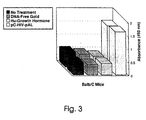
- tissue samples were minced with dissecting scissors in 600 microliters of phosphate buffered saline containing 0.5% Triton X-100. The tissue suspensions were then centrifuged at 5,000 RPM for five minutes and the resulting supernatants were collected. The supernatant samples were diluted ten-fold and analyzed for HIV p24 antigen content using the Coulter HIV p24 antigen ELISA kit (catalog number 6603698) utilizing the directions of the manufacturer. Figure 3 illustrates the results of this protocol. Tissue samples from the pCHIVpAL treated mice exhibited 3-fold more reactivity than the control samples, indicating that the treated tissues were synthesizing HIV p24 antigen as a result of the gene delivery protocol. After subtraction of background, this level of reactivity is consistent with the release of 0.6 nanograms of HIV p24 antigen from the minced tissue when compared to a standard curve generated with positive control reagents in the ELISA kit.
- the next experiment was conducted to test the ability of mice to exhibit a systemic immune response to foreign proteins expressed as a result of gene delivery into epidermal cells of the mice.
- Copies of the plasmid pCHIVpAL were created and coated onto gold carrier particles as described in Examples 1 and 2 above, except that 10 micrograms of plasmid DNA was used per milligram of the gold carrier particles.
- a heterologous plasmid containing the human growth hormone gene was also used for preparing plasmid-coated gold carrier particles for in vivo gene delivery.
- 5.0 micrograms of DNA was used per milligram of gold carrier particles due, to the smaller size of human growth hormone plasmid, and so as to have approximately the same number of copies of the plasmid delivered to the cells in vivo.
- mice Ten male Balb/C mice (5 to 7 weeks old) were divided into three groups of four, three, and three mice, respectively.
- a first step of priming immunization was conducted on the four mice in group 1, in which each received a single treatment of accelerated particles coated only with the growth hormone plasmid.
- the acceleration was conducted at 25 kV by the method as described in Example 3 above.
- the three mice in group 2 each received a single treatment of gold carrier particles coated with the plasmid pCHIVpAL.
- the mice in group 3 each received three abdominal treatments of accelerated particles which were coated with pCHIVpAL.
- the blast areas were arranged so as not to be overlapping.
- the blasting routine for all three of the groups was repeated four and seven weeks later in order to boost the immune responses.
- Eight to ten days following the last treatment retro-orbital blood samples were taken from each mouse and allowed to coagulate at 4°C in microtainer tubes. Following centrifugation at 5000 RPM, the serum was collected.
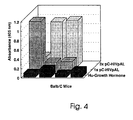
- An assay was next conducted to detect HIV p24-specific antibodies in the mouse serum by an enzyme immunoassay. This assay was performed by adsorbing 0.4 micrograms of recombinant HIV p24 antigen (American Bio-Technologies, Inc.) to each well of a 96 well microtiter plate in 50 microliter Dulbecco's phosphate buffered saline (D-PBS) by incubating overnight at 4°C. Following adsorbtion of the antigen, the remaining protein binding sites were blocked by the addition of D-PBS containing 2% Carnation non-fat dry milk (200 microliters per well) for two hours.
- D-PBS Dulbecco's phosphate buffered saline
- the wells were then washed three times with 300 microliters D-PBS containing 0.025% Tween-20.
- the serum samples of 5 microliters each were diluted 1:10 with D-PBS (45 microliters), and added to a single well following which they were incubated at room temperature for one hour. After washing with D-PBS Tween-20 as described above, the presence of bound mouse antibody was detected using a goat-anti-mouse alkaline phosphatase conjugated second antibody (Bio-Rad, catalog number 172-1015) diluted 1:1500 in D-PBS-Tween-20 (50 microliters per well).
- a goat-anti-mouse alkaline phosphatase conjugated second antibody Bio-Rad, catalog number 172-1015
- the wells were washed again and the conjugated antibody was detected using a Bio-Rad alkaline phosphatase substrate kit (Catalog No. 172-1063) according to the manufacturer's instructions.
- the ELISA plate was analyzed on a microplate reader using a 405 nm filter.
- circulating levels of antibodies to an immunodeficiency virus antigens can be created in vivo by delivering into the patient not quantities of the antigenic proteins of the virus, or the virus itself, but rather by instead delivering into the patient to be treated gene sequences causing expression of the antigenic proteins in cells in the vaccinated individual.
- This method thus enables the creation of a serum antibody response in vaccinated individuals without the necessity for delivering into the individual either any portions of live virus or any portions of the genetic material which are capable of effectuating replication of the virus in individuals.
Landscapes
- Health & Medical Sciences (AREA)
- Life Sciences & Earth Sciences (AREA)
- Chemical & Material Sciences (AREA)
- Virology (AREA)
- Organic Chemistry (AREA)
- Genetics & Genomics (AREA)
- General Health & Medical Sciences (AREA)
- Engineering & Computer Science (AREA)
- Medicinal Chemistry (AREA)
- Molecular Biology (AREA)
- Public Health (AREA)
- Pharmacology & Pharmacy (AREA)
- Animal Behavior & Ethology (AREA)
- Veterinary Medicine (AREA)
- Zoology (AREA)
- Communicable Diseases (AREA)
- Wood Science & Technology (AREA)
- Bioinformatics & Cheminformatics (AREA)
- General Engineering & Computer Science (AREA)
- Microbiology (AREA)
- Biotechnology (AREA)
- Biomedical Technology (AREA)
- Chemical Kinetics & Catalysis (AREA)
- Nuclear Medicine, Radiotherapy & Molecular Imaging (AREA)
- General Chemical & Material Sciences (AREA)
- Oncology (AREA)
- Biochemistry (AREA)
- Biophysics (AREA)
- Mycology (AREA)
- Immunology (AREA)
- Physics & Mathematics (AREA)
- Epidemiology (AREA)
- Plant Pathology (AREA)
- Hematology (AREA)
- Proteomics, Peptides & Aminoacids (AREA)
- Gastroenterology & Hepatology (AREA)
- AIDS & HIV (AREA)
- Tropical Medicine & Parasitology (AREA)
- Medicines Containing Antibodies Or Antigens For Use As Internal Diagnostic Agents (AREA)
- Micro-Organisms Or Cultivation Processes Thereof (AREA)
Applications Claiming Priority (3)
| Application Number | Priority Date | Filing Date | Title |
|---|---|---|---|
| US850189 | 1986-04-10 | ||
| US85018992A | 1992-03-11 | 1992-03-11 | |
| PCT/US1993/002338 WO1993017706A1 (en) | 1992-03-11 | 1993-03-10 | Genetic vaccine for immunodeficiency viruses |
Publications (3)
| Publication Number | Publication Date |
|---|---|
| EP0584348A1 EP0584348A1 (en) | 1994-03-02 |
| EP0584348A4 EP0584348A4 (en) | 1996-05-29 |
| EP0584348B1 true EP0584348B1 (en) | 2005-05-18 |
Family
ID=25307503
Family Applications (1)
| Application Number | Title | Priority Date | Filing Date |
|---|---|---|---|
| EP93908340A Expired - Lifetime EP0584348B1 (en) | 1992-03-11 | 1993-03-10 | Genetic vaccine for immunodeficiency viruses |
Country Status (9)
| Country | Link |
|---|---|
| EP (1) | EP0584348B1 (enExample) |
| JP (1) | JP3881689B2 (enExample) |
| AT (1) | ATE295895T1 (enExample) |
| CA (1) | CA2102918C (enExample) |
| DE (1) | DE69333814T2 (enExample) |
| DK (1) | DK0584348T3 (enExample) |
| ES (1) | ES2242954T3 (enExample) |
| PT (1) | PT584348E (enExample) |
| WO (1) | WO1993017706A1 (enExample) |
Families Citing this family (63)
| Publication number | Priority date | Publication date | Assignee | Title |
|---|---|---|---|---|
| US5643578A (en) * | 1992-03-23 | 1997-07-01 | University Of Massachusetts Medical Center | Immunization by inoculation of DNA transcription unit |
| US7001759B1 (en) | 1993-01-26 | 2006-02-21 | The Trustees Of The University Of Pennsylvania | Compositions and methods for delivery of genetic material |
| US5593972A (en) | 1993-01-26 | 1997-01-14 | The Wistar Institute | Genetic immunization |
| US5981505A (en) * | 1993-01-26 | 1999-11-09 | The Trustees Of The University Of Pennsylvania | Compositions and methods for delivery of genetic material |
| WO1994016737A1 (en) | 1993-01-26 | 1994-08-04 | Weiner David B | Compositions and methods for delivery of genetic material |
| EP1473369B1 (en) * | 1993-01-26 | 2009-01-07 | The Trustees of the University of Pennsylvania (a corporation of Pennsylvania) | Compositions and methods for delivery of genetic material |
| US5804566A (en) * | 1993-08-26 | 1998-09-08 | The Regents Of The University Of California | Methods and devices for immunizing a host through administration of naked polynucleotides with encode allergenic peptides |
| US6348449B1 (en) | 1993-09-21 | 2002-02-19 | The Trustees Of The University Of Pennsylvania | Methods of inducing mucosal immunity |
| EP0740704A1 (en) | 1994-01-27 | 1996-11-06 | University Of Massachusetts Medical Center | Immunization by inoculation of dna transcription unit |
| US6995008B1 (en) | 1994-03-07 | 2006-02-07 | Merck & Co., Inc. | Coordinate in vivo gene expression |
| AT405607B (de) * | 1995-05-23 | 1999-10-25 | Immuno Ag | Verbesserte vakzine zur immunisierung gegen tbe-virusinfektionen sowie ein verfahren zu dessen herstellung |
| HU224199B1 (hu) | 1994-07-08 | 2005-06-28 | Baxter Aktiengesellschaft | Flavivírus-fertőzések elleni immunizálásra alkalmas, csupasz nukleinsavat tartalmazó vakcina |
| US7223739B1 (en) | 1995-06-07 | 2007-05-29 | Powderject Vaccines, Inc. | Adjuvanted genetic vaccines |
| US6300118B1 (en) | 1995-06-07 | 2001-10-09 | American Home Products Corporation | Plasmids comprising a genetically altered feline immunodeficiency virus genome |
| US5820869A (en) * | 1995-06-07 | 1998-10-13 | American Home Products Corporation | Recombinant raccoon pox viruses and their use as an effective vaccine against feline immunodeficiency virus infection |
| US5851804A (en) * | 1996-05-06 | 1998-12-22 | Apollon, Inc. | Chimeric kanamycin resistance gene |
| AU717542B2 (en) | 1996-06-11 | 2000-03-30 | Merck & Co., Inc. | Synthetic hepatitis C genes |
| WO1998017323A1 (en) | 1996-10-23 | 1998-04-30 | The Trustees Of The University Of Pennsylvania | Improved vaccines |
| US6200959B1 (en) | 1996-12-04 | 2001-03-13 | Powerject Vaccines Inc. | Genetic induction of anti-viral immune response and genetic vaccine for filovirus |
| US6818627B1 (en) | 1997-08-14 | 2004-11-16 | The Trustees Of The University Of Pennsylvania | Functional fragments of HIV-1 Vpr protein and methods of using the same |
| ES2389519T3 (es) | 1997-09-18 | 2012-10-26 | The Trustees Of The University Of Pennsylvania | Casetes de inmunización de ADN de vif atenuados para vacunas genéticas |
| AU745805B2 (en) | 1997-10-28 | 2002-04-11 | Wyeth | Compositions and methods for delivery of genetic material |
| US6693087B1 (en) | 1998-08-20 | 2004-02-17 | Aventis Pasteur Limited | Nucleic acid molecules encoding POMP91A protein of Chlamydia |
| CA2340330A1 (en) | 1998-08-20 | 2000-03-02 | Aventis Pasteur Limited | Nucleic acid molecules encoding inclusion membrane protein c of chlamydia |
| US6686339B1 (en) | 1998-08-20 | 2004-02-03 | Aventis Pasteur Limited | Nucleic acid molecules encoding inclusion membrane protein C of Chlamydia |
| DK1150918T3 (da) | 1999-02-03 | 2004-12-20 | Biosante Pharmaceuticals Inc | Fremgangsmåde til fremstilling af terapeutiske calciumphosphatpartikler |
| ATE464910T1 (de) | 1999-04-30 | 2010-05-15 | Univ Pennsylvania | Humane cd80-mutante und zusammensetzungen und methoden zu deren herstellung und verwendung |
| EP1083230A1 (en) * | 1999-09-10 | 2001-03-14 | Academisch Medisch Centrum Amsterdam | Viral replicons and viruses dependent on inducing agents |
| ATE391726T1 (de) | 1999-10-22 | 2008-04-15 | Sanofi Pasteur Ltd | Modifiziertes gp100 und dessen verwendung |
| EP1792995A3 (en) | 2000-05-08 | 2007-06-13 | Sanofi Pasteur Limited | Chlamydia secretory locus orf and uses thereof |
| AU5810201A (en) | 2000-05-10 | 2001-11-20 | Aventis Pasteur | Immunogenic polypeptides encoded by mage minigenes and uses thereof |
| AU2001284672B2 (en) | 2000-07-27 | 2007-05-24 | The Trustees Of The University Of Pennsylvania | Compositions for and methods of using herpes simplex virus glycoprotein d to suppress immune responses |
| US7491394B2 (en) | 2001-02-15 | 2009-02-17 | The Board Of Trustees Of The University Of Illinois | Cytotoxic factors for modulating cell death |
| AU2002329176A1 (en) | 2001-05-25 | 2002-12-23 | The Trustees Of The University Of Pennsylvania | Targeted particles and methods of using the same |
| WO2003087163A1 (en) | 2002-04-15 | 2003-10-23 | Chugai Seiyaku Kabushiki Kaisha | METHOD OF CONSTRUCTING scDb LIBRARY |
| US7732149B2 (en) | 2002-04-26 | 2010-06-08 | Chugai Seiyaku Kabushiki Kaisha | Methods of screening agonistic antibodies |
| EP1356820A1 (en) | 2002-04-26 | 2003-10-29 | Institut National De La Sante Et De La Recherche Medicale (Inserm) | DNA vaccine combined with an inducer of tumor cell apoptosis |
| TW200407335A (en) | 2002-07-22 | 2004-05-16 | Chugai Pharmaceutical Co Ltd | Non-neutralizing antibody to inhibit the inactivation of activated protein C |
| WO2005035753A1 (ja) | 2003-10-10 | 2005-04-21 | Chugai Seiyaku Kabushiki Kaisha | 機能蛋白質を代替する二重特異性抗体 |
| WO2005035754A1 (ja) | 2003-10-14 | 2005-04-21 | Chugai Seiyaku Kabushiki Kaisha | 機能蛋白質を代替する二重特異性抗体 |
| BRPI0507680A (pt) | 2004-02-13 | 2007-07-17 | Nod Pharmaceuticals Inc | partìculas de fosfato de cálcio terapêuticas e métodos de fabricação e uso das mesmas |
| WO2006135382A2 (en) | 2004-08-04 | 2006-12-21 | Chemocentryx, Inc. | Enzymatic activities in chemokine-mediated inflammation |
| WO2006041048A1 (ja) | 2004-10-15 | 2006-04-20 | Mie University | 肝再生・修復制御剤 |
| CA2586035A1 (en) | 2004-11-01 | 2006-05-11 | Biosante Pharmaceuticals, Inc. | Therapeutic calcium phosphate particles in use for aesthetic or cosmetic medicine, and methods of manufacture and use |
| JP4917024B2 (ja) | 2005-04-08 | 2012-04-18 | 中外製薬株式会社 | 血液凝固第viii因子の機能代替抗体 |
| JP2007006728A (ja) * | 2005-06-28 | 2007-01-18 | Bando Chem Ind Ltd | 被覆無機粒子およびその利用 |
| EP2123299A4 (en) | 2007-02-15 | 2011-10-05 | Univ Kyushu Nat Univ Corp | THERAPEUTIC AGENT FOR INTERSTITIAL LUNG DISEASE WITH AN ANTI-HMGB-1 ANTIBODY |
| JP2012521749A (ja) | 2009-03-27 | 2012-09-20 | アンスティテュ ナシオナル ドゥ ラ サントゥ エ ドゥ ラ ルシェルシェ メディカル(イーエヌエスエーエールエム) | 癌の治療のためのカナマイシンアンチセンス核酸 |
| EP2576613A1 (en) | 2010-06-07 | 2013-04-10 | Pfizer Inc. | Her-2 peptides and vaccines |
| DK2623592T3 (da) | 2010-09-28 | 2019-08-19 | Nb Health Laboratory Co Ltd | Anti-humane ccr7-antistoffer, hybridom, medicinsk sammensætning og antistof-immobiliseret bærer |
| PT2644698T (pt) | 2010-11-17 | 2018-01-31 | Chugai Pharmaceutical Co Ltd | Molécula multiespecífica de ligação ao antigénio com uma função alternativa à função do fator viii de coagulação do sangue |
| JP6057296B2 (ja) | 2011-04-15 | 2017-01-11 | 国立大学法人大阪大学 | Dnaワクチン |
| WO2014034735A1 (ja) | 2012-08-31 | 2014-03-06 | 国立大学法人 大阪大学 | Vegf及び/又はアンギオポエチン-2の特異的エピトープを含むdnaワクチン |
| WO2020171020A1 (ja) | 2019-02-18 | 2020-08-27 | 株式会社エヌビィー健康研究所 | 細胞の選抜方法、核酸の製造方法、組換え細胞の製造方法、目的物質の製造方法、医薬組成物の製造方法、及び試薬 |
| IT201900007060A1 (it) | 2019-05-21 | 2020-11-21 | St Superiore Di Sanita | Cellule tumorali ingegnerizzate e loro usi |
| IT201900012540A1 (it) | 2019-07-22 | 2021-01-22 | Humanitas Mirasole Spa | Inibitori di CHI3L1 e loro usi |
| JP2023106635A (ja) | 2020-04-17 | 2023-08-02 | 中外製薬株式会社 | 二重特異性抗原結合分子ならびに、それに関連する組成物、組成物の製造のための使用、キット、および方法 |
| TW202220677A (zh) | 2020-07-31 | 2022-06-01 | 日商中外製藥股份有限公司 | 含有表現嵌合受體之細胞的醫藥組成物 |
| EP4596706A4 (en) | 2022-09-30 | 2026-01-14 | Fujifilm Corp | A CELL SCREENING METHOD PRODUCING AN OBJECTIVE SUBSTANCE, A METHOD FOR PRODUCING NUCLEIC ACID AND A METHOD FOR PRODUCING AN OBJECTIVE SUBSTANCE |
| WO2024085081A1 (ja) | 2022-10-18 | 2024-04-25 | 株式会社エヌビィー健康研究所 | 抗体、核酸、細胞、及び医薬 |
| US20260209364A1 (en) | 2023-03-28 | 2026-07-23 | Nb Health Laboratory Co., Ltd. | Antibody, nucleic acid, cell and drug |
| EP4704818A1 (en) | 2023-03-30 | 2026-03-11 | Vivadju | Pvax14 nucleic acid in combination with all-trans retinoic acid (atra) and a checkpoint inhibitor for the treatment of cancer |
| JP7784193B1 (ja) | 2024-01-31 | 2025-12-11 | 株式会社エヌビィー健康研究所 | 抗体、核酸、細胞、及び医薬 |
Family Cites Families (6)
| Publication number | Priority date | Publication date | Assignee | Title |
|---|---|---|---|---|
| US5036006A (en) * | 1984-11-13 | 1991-07-30 | Cornell Research Foundation, Inc. | Method for transporting substances into living cells and tissues and apparatus therefor |
| AU6170486A (en) * | 1985-08-23 | 1987-02-26 | Advanced Genetics Research Institute | Defective viral vaccines |
| WO1989005349A1 (en) * | 1987-12-09 | 1989-06-15 | The Australian National University | Method of combating viral infections |
| WO1991000359A1 (en) * | 1989-06-26 | 1991-01-10 | Agracetus, Inc. | Particle-mediated transformation of animal somatic cells |
| JPH05503841A (ja) * | 1989-11-16 | 1993-06-24 | デューク ユニバーシティ | 動物組織細胞の微片仲介トランスフォーメーション |
| US7506947B2 (en) * | 2004-03-09 | 2009-03-24 | Canon Kabushiki Kaisha | Ink jet printing apparatus and method using media shape detection |
-
1993
- 1993-03-10 EP EP93908340A patent/EP0584348B1/en not_active Expired - Lifetime
- 1993-03-10 CA CA002102918A patent/CA2102918C/en not_active Expired - Fee Related
- 1993-03-10 ES ES93908340T patent/ES2242954T3/es not_active Expired - Lifetime
- 1993-03-10 PT PT93908340T patent/PT584348E/pt unknown
- 1993-03-10 DK DK93908340T patent/DK0584348T3/da active
- 1993-03-10 DE DE69333814T patent/DE69333814T2/de not_active Expired - Fee Related
- 1993-03-10 AT AT93908340T patent/ATE295895T1/de not_active IP Right Cessation
- 1993-03-10 WO PCT/US1993/002338 patent/WO1993017706A1/en not_active Ceased
- 1993-03-10 JP JP51604693A patent/JP3881689B2/ja not_active Expired - Fee Related
Also Published As
| Publication number | Publication date |
|---|---|
| WO1993017706A1 (en) | 1993-09-16 |
| DK0584348T3 (da) | 2005-09-19 |
| CA2102918C (en) | 2007-05-08 |
| ES2242954T3 (es) | 2005-11-16 |
| DE69333814T2 (de) | 2006-02-02 |
| JP3881689B2 (ja) | 2007-02-14 |
| EP0584348A4 (en) | 1996-05-29 |
| CA2102918A1 (en) | 1993-09-12 |
| ATE295895T1 (de) | 2005-06-15 |
| JPH06508153A (ja) | 1994-09-14 |
| PT584348E (pt) | 2005-10-31 |
| EP0584348A1 (en) | 1994-03-02 |
| DE69333814D1 (de) | 2005-06-23 |
Similar Documents
| Publication | Publication Date | Title |
|---|---|---|
| CA2102918C (en) | Genetic vaccine for immunodeficiency viruses | |
| US8454972B2 (en) | Method for inducing a multiclade immune response against HIV utilizing a multigene and multiclade immunogen | |
| Issel et al. | Efficacy of inactivated whole-virus and subunit vaccines in preventing infection and disease caused by equine infectious anemia virus | |
| O'Hagan et al. | Induction of potent immune responses by cationic microparticles with adsorbed human immunodeficiency virus DNA vaccines | |
| Wang et al. | Induction of humoral and cellular immune responses to the human immunodeficiency type 1 virus in nonhuman primates by in vivo DNA inoculation | |
| Ishii et al. | Cationic liposomes are a strong adjuvant for a DNA vaccine of human immunodeficiency virus type 1 | |
| EP0969862B1 (en) | Synthetic hiv gag genes | |
| ES2348013T3 (es) | Inmunización por inoculación de una unidad de transcripción de adn. | |
| EP0817854A2 (en) | Antigen presentation system based on retrovirus-like particles | |
| JP2009254383A (ja) | 抗原性b型hivポリペプチドをコードするポリヌクレオチド、そのポリペプチドおよびそれらの使用 | |
| Billaut-Mulot et al. | Interleukin-18 modulates immune responses induced by HIV-1 Nef DNA prime/protein boost vaccine | |
| JP2004537303A (ja) | 抗原性b型hivポリペプチドおよび/または抗原性c型hivポリペプチドをコードするポリヌクレオチド、それらのポリペプチドおよびそれらの使用 | |
| Li et al. | Mucosal antibody responses to vaccines targeting SIV protease cleavage sites or full-length Gag and Env proteins in Mauritian cynomolgus macaques | |
| JP2007508319A (ja) | 方法 | |
| WO1999008689A1 (en) | Mucosal immunization using particle-mediated delivery techniques | |
| US20030092665A1 (en) | Methods and compositions for administering DNA to mucosal surfaces | |
| EP1073461B1 (en) | Viral chimeras comprised of caev and hiv-1 genetic elements | |
| US20060014714A1 (en) | Genetic induction of anti-viral immune response and genetic vaccine for viruses | |
| WO1998040493A1 (en) | Fiv vaccine | |
| TWI329647B (en) | Vaccines | |
| Newman et al. | Characterization of Immune Responses Elicited by an Experimental Facilitated-DNA Vaccine for Human Immunodeficiency Virus Type-1 (HIV-1) | |
| MXPA99007248A (en) | Synthetic hiv gag | |
| CN101255434A (zh) | 疫苗 | |
| PT969862E (pt) | Genes sintéticos gag de hiv |
Legal Events
| Date | Code | Title | Description |
|---|---|---|---|
| PUAI | Public reference made under article 153(3) epc to a published international application that has entered the european phase |
Free format text: ORIGINAL CODE: 0009012 |
|
| 17P | Request for examination filed |
Effective date: 19931111 |
|
| AK | Designated contracting states |
Kind code of ref document: A1 Designated state(s): AT BE CH DE DK ES FR GB GR IE IT LI LU MC NL PT SE |
|
| RHK1 | Main classification (correction) |
Ipc: C12N 15/86 |
|
| A4 | Supplementary search report drawn up and despatched |
Effective date: 19960411 |
|
| AK | Designated contracting states |
Kind code of ref document: A4 Designated state(s): AT BE CH DE DK ES FR GB GR IE IT LI LU MC NL PT SE |
|
| RAP1 | Party data changed (applicant data changed or rights of an application transferred) |
Owner name: AURAGEN, INC. |
|
| RAP1 | Party data changed (applicant data changed or rights of an application transferred) |
Owner name: POWDERJECT VACCINES, INC. |
|
| 17Q | First examination report despatched |
Effective date: 20001004 |
|
| GRAP | Despatch of communication of intention to grant a patent |
Free format text: ORIGINAL CODE: EPIDOSNIGR1 |
|
| GRAS | Grant fee paid |
Free format text: ORIGINAL CODE: EPIDOSNIGR3 |
|
| GRAA | (expected) grant |
Free format text: ORIGINAL CODE: 0009210 |
|
| AK | Designated contracting states |
Kind code of ref document: B1 Designated state(s): AT BE CH DE DK ES FR GB GR IE IT LI LU MC NL PT SE |
|
| REG | Reference to a national code |
Ref country code: GB Ref legal event code: FG4D |
|
| REG | Reference to a national code |
Ref country code: CH Ref legal event code: EP |
|
| REG | Reference to a national code |
Ref country code: IE Ref legal event code: FG4D |
|
| REF | Corresponds to: |
Ref document number: 69333814 Country of ref document: DE Date of ref document: 20050623 Kind code of ref document: P |
|
| REG | Reference to a national code |
Ref country code: SE Ref legal event code: TRGR Ref country code: CH Ref legal event code: NV Representative=s name: PATENTANWAELTE SCHAAD, BALASS, MENZL & PARTNER AG |
|
| REG | Reference to a national code |
Ref country code: DK Ref legal event code: T3 |
|
| REG | Reference to a national code |
Ref country code: GR Ref legal event code: EP Ref document number: 20050402532 Country of ref document: GR |
|
| REG | Reference to a national code |
Ref country code: PT Ref legal event code: SC4A Effective date: 20050816 |
|
| REG | Reference to a national code |
Ref country code: ES Ref legal event code: FG2A Ref document number: 2242954 Country of ref document: ES Kind code of ref document: T3 |
|
| PLBE | No opposition filed within time limit |
Free format text: ORIGINAL CODE: 0009261 |
|
| STAA | Information on the status of an ep patent application or granted ep patent |
Free format text: STATUS: NO OPPOSITION FILED WITHIN TIME LIMIT |
|
| ET | Fr: translation filed | ||
| 26N | No opposition filed |
Effective date: 20060221 |
|
| PGFP | Annual fee paid to national office [announced via postgrant information from national office to epo] |
Ref country code: DK Payment date: 20080314 Year of fee payment: 16 Ref country code: CH Payment date: 20080228 Year of fee payment: 16 |
|
| PGFP | Annual fee paid to national office [announced via postgrant information from national office to epo] |
Ref country code: SE Payment date: 20080306 Year of fee payment: 16 Ref country code: PT Payment date: 20080221 Year of fee payment: 16 Ref country code: NL Payment date: 20080303 Year of fee payment: 16 Ref country code: MC Payment date: 20080228 Year of fee payment: 16 Ref country code: LU Payment date: 20080313 Year of fee payment: 16 Ref country code: IT Payment date: 20080327 Year of fee payment: 16 Ref country code: IE Payment date: 20080313 Year of fee payment: 16 Ref country code: GB Payment date: 20080305 Year of fee payment: 16 |
|
| PGFP | Annual fee paid to national office [announced via postgrant information from national office to epo] |
Ref country code: AT Payment date: 20080313 Year of fee payment: 16 |
|
| PGFP | Annual fee paid to national office [announced via postgrant information from national office to epo] |
Ref country code: FR Payment date: 20080311 Year of fee payment: 16 Ref country code: ES Payment date: 20080418 Year of fee payment: 16 Ref country code: DE Payment date: 20080306 Year of fee payment: 16 |
|
| PGFP | Annual fee paid to national office [announced via postgrant information from national office to epo] |
Ref country code: GR Payment date: 20080215 Year of fee payment: 16 |
|
| PGFP | Annual fee paid to national office [announced via postgrant information from national office to epo] |
Ref country code: BE Payment date: 20081013 Year of fee payment: 16 |
|
| REG | Reference to a national code |
Ref country code: PT Ref legal event code: MM4A Free format text: LAPSE DUE TO NON-PAYMENT OF FEES Effective date: 20090910 |
|
| BERE | Be: lapsed |
Owner name: *POWDERJECT VACCINES INC. Effective date: 20090331 |
|
| PG25 | Lapsed in a contracting state [announced via postgrant information from national office to epo] |
Ref country code: PT Free format text: LAPSE BECAUSE OF NON-PAYMENT OF DUE FEES Effective date: 20090910 Ref country code: MC Free format text: LAPSE BECAUSE OF NON-PAYMENT OF DUE FEES Effective date: 20090331 Ref country code: AT Free format text: LAPSE BECAUSE OF NON-PAYMENT OF DUE FEES Effective date: 20090310 |
|
| REG | Reference to a national code |
Ref country code: CH Ref legal event code: PL |
|
| REG | Reference to a national code |
Ref country code: DK Ref legal event code: EBP |
|
| EUG | Se: european patent has lapsed | ||
| GBPC | Gb: european patent ceased through non-payment of renewal fee |
Effective date: 20090310 |
|
| NLV4 | Nl: lapsed or anulled due to non-payment of the annual fee |
Effective date: 20091001 |
|
| REG | Reference to a national code |
Ref country code: FR Ref legal event code: ST Effective date: 20091130 |
|
| REG | Reference to a national code |
Ref country code: IE Ref legal event code: MM4A |
|
| PG25 | Lapsed in a contracting state [announced via postgrant information from national office to epo] |
Ref country code: LI Free format text: LAPSE BECAUSE OF NON-PAYMENT OF DUE FEES Effective date: 20090331 Ref country code: IE Free format text: LAPSE BECAUSE OF NON-PAYMENT OF DUE FEES Effective date: 20090310 Ref country code: DE Free format text: LAPSE BECAUSE OF NON-PAYMENT OF DUE FEES Effective date: 20091001 Ref country code: CH Free format text: LAPSE BECAUSE OF NON-PAYMENT OF DUE FEES Effective date: 20090331 |
|
| PG25 | Lapsed in a contracting state [announced via postgrant information from national office to epo] |
Ref country code: BE Free format text: LAPSE BECAUSE OF NON-PAYMENT OF DUE FEES Effective date: 20090331 Ref country code: NL Free format text: LAPSE BECAUSE OF NON-PAYMENT OF DUE FEES Effective date: 20091001 |
|
| PG25 | Lapsed in a contracting state [announced via postgrant information from national office to epo] |
Ref country code: GB Free format text: LAPSE BECAUSE OF NON-PAYMENT OF DUE FEES Effective date: 20090310 Ref country code: FR Free format text: LAPSE BECAUSE OF NON-PAYMENT OF DUE FEES Effective date: 20091123 Ref country code: DK Free format text: LAPSE BECAUSE OF NON-PAYMENT OF DUE FEES Effective date: 20090331 |
|
| REG | Reference to a national code |
Ref country code: ES Ref legal event code: FD2A Effective date: 20090311 |
|
| PG25 | Lapsed in a contracting state [announced via postgrant information from national office to epo] |
Ref country code: GR Free format text: LAPSE BECAUSE OF NON-PAYMENT OF DUE FEES Effective date: 20091002 |
|
| PG25 | Lapsed in a contracting state [announced via postgrant information from national office to epo] |
Ref country code: ES Free format text: LAPSE BECAUSE OF NON-PAYMENT OF DUE FEES Effective date: 20090311 |
|
| PG25 | Lapsed in a contracting state [announced via postgrant information from national office to epo] |
Ref country code: IT Free format text: LAPSE BECAUSE OF NON-PAYMENT OF DUE FEES Effective date: 20090310 |
|
| PG25 | Lapsed in a contracting state [announced via postgrant information from national office to epo] |
Ref country code: LU Free format text: LAPSE BECAUSE OF NON-PAYMENT OF DUE FEES Effective date: 20090310 |
|
| PG25 | Lapsed in a contracting state [announced via postgrant information from national office to epo] |
Ref country code: SE Free format text: LAPSE BECAUSE OF NON-PAYMENT OF DUE FEES Effective date: 20090311 |