EP0506868B2 - Immunologisch aktive proteine von borrelia burgdorferi, zusammenhängende testkits und impfstoff - Google Patents
Immunologisch aktive proteine von borrelia burgdorferi, zusammenhängende testkits und impfstoff Download PDFInfo
- Publication number
- EP0506868B2 EP0506868B2 EP91902687A EP91902687A EP0506868B2 EP 0506868 B2 EP0506868 B2 EP 0506868B2 EP 91902687 A EP91902687 A EP 91902687A EP 91902687 A EP91902687 A EP 91902687A EP 0506868 B2 EP0506868 B2 EP 0506868B2
- Authority
- EP
- European Patent Office
- Prior art keywords
- burgdorferi
- immunologically active
- proteins
- protein
- assay kit
- Prior art date
- Legal status (The legal status is an assumption and is not a legal conclusion. Google has not performed a legal analysis and makes no representation as to the accuracy of the status listed.)
- Expired - Lifetime
Links
Images


Classifications
-
- C—CHEMISTRY; METALLURGY
- C07—ORGANIC CHEMISTRY
- C07K—PEPTIDES
- C07K16/00—Immunoglobulins [IG], e.g. monoclonal or polyclonal antibodies
- C07K16/12—Immunoglobulins [IG], e.g. monoclonal or polyclonal antibodies against material from bacteria
- C07K16/1203—Gram-negative bacteria
- C07K16/1207—Gram-negative bacteria from Spirochaetales (O), e.g. Treponema, Leptospira
-
- C—CHEMISTRY; METALLURGY
- C07—ORGANIC CHEMISTRY
- C07K—PEPTIDES
- C07K14/00—Peptides having more than 20 amino acids; Gastrins; Somatostatins; Melanotropins; Derivatives thereof
- C07K14/195—Peptides having more than 20 amino acids; Gastrins; Somatostatins; Melanotropins; Derivatives thereof from bacteria
- C07K14/20—Peptides having more than 20 amino acids; Gastrins; Somatostatins; Melanotropins; Derivatives thereof from bacteria from Spirochaetales (O), e.g. Treponema, Leptospira
-
- G—PHYSICS
- G01—MEASURING; TESTING
- G01N—INVESTIGATING OR ANALYSING MATERIALS BY DETERMINING THEIR CHEMICAL OR PHYSICAL PROPERTIES
- G01N33/00—Investigating or analysing materials by specific methods not covered by groups G01N1/00 - G01N31/00
- G01N33/48—Biological material, e.g. blood, urine; Haemocytometers
- G01N33/50—Chemical analysis of biological material, e.g. blood, urine; Testing involving biospecific ligand binding methods; Immunological testing
- G01N33/53—Immunoassay; Biospecific binding assay; Materials therefor
- G01N33/569—Immunoassay; Biospecific binding assay; Materials therefor for microorganisms, e.g. protozoa, bacteria, viruses
- G01N33/56911—Bacteria
-
- A—HUMAN NECESSITIES
- A61—MEDICAL OR VETERINARY SCIENCE; HYGIENE
- A61K—PREPARATIONS FOR MEDICAL, DENTAL OR TOILETRY PURPOSES
- A61K38/00—Medicinal preparations containing peptides
-
- A—HUMAN NECESSITIES
- A61—MEDICAL OR VETERINARY SCIENCE; HYGIENE
- A61K—PREPARATIONS FOR MEDICAL, DENTAL OR TOILETRY PURPOSES
- A61K39/00—Medicinal preparations containing antigens or antibodies
-
- Y—GENERAL TAGGING OF NEW TECHNOLOGICAL DEVELOPMENTS; GENERAL TAGGING OF CROSS-SECTIONAL TECHNOLOGIES SPANNING OVER SEVERAL SECTIONS OF THE IPC; TECHNICAL SUBJECTS COVERED BY FORMER USPC CROSS-REFERENCE ART COLLECTIONS [XRACs] AND DIGESTS
- Y02—TECHNOLOGIES OR APPLICATIONS FOR MITIGATION OR ADAPTATION AGAINST CLIMATE CHANGE
- Y02A—TECHNOLOGIES FOR ADAPTATION TO CLIMATE CHANGE
- Y02A50/00—TECHNOLOGIES FOR ADAPTATION TO CLIMATE CHANGE in human health protection, e.g. against extreme weather
- Y02A50/30—Against vector-borne diseases, e.g. mosquito-borne, fly-borne, tick-borne or waterborne diseases whose impact is exacerbated by climate change
-
- Y—GENERAL TAGGING OF NEW TECHNOLOGICAL DEVELOPMENTS; GENERAL TAGGING OF CROSS-SECTIONAL TECHNOLOGIES SPANNING OVER SEVERAL SECTIONS OF THE IPC; TECHNICAL SUBJECTS COVERED BY FORMER USPC CROSS-REFERENCE ART COLLECTIONS [XRACs] AND DIGESTS
- Y10—TECHNICAL SUBJECTS COVERED BY FORMER USPC
- Y10S—TECHNICAL SUBJECTS COVERED BY FORMER USPC CROSS-REFERENCE ART COLLECTIONS [XRACs] AND DIGESTS
- Y10S436/00—Chemistry: analytical and immunological testing
- Y10S436/804—Radioisotope, e.g. radioimmunoassay
-
- Y—GENERAL TAGGING OF NEW TECHNOLOGICAL DEVELOPMENTS; GENERAL TAGGING OF CROSS-SECTIONAL TECHNOLOGIES SPANNING OVER SEVERAL SECTIONS OF THE IPC; TECHNICAL SUBJECTS COVERED BY FORMER USPC CROSS-REFERENCE ART COLLECTIONS [XRACs] AND DIGESTS
- Y10—TECHNICAL SUBJECTS COVERED BY FORMER USPC
- Y10S—TECHNICAL SUBJECTS COVERED BY FORMER USPC CROSS-REFERENCE ART COLLECTIONS [XRACs] AND DIGESTS
- Y10S530/00—Chemistry: natural resins or derivatives; peptides or proteins; lignins or reaction products thereof
- Y10S530/82—Proteins from microorganisms
- Y10S530/825—Bacteria
Definitions
- Lyme disease is the most common tick-borne infectious disease in the Federal Republic of Germany of the human. In contrast to early summer meningoencephalitis (TBE), which is also transmitted by ticks , Lyme disease is not limited to a few endemic areas, but occurs in all countries the FRG.
- TBE early summer meningoencephalitis
- Ixodes ricinus with the causative agent of Lyme disease, the spirochete Borrelia burgdorferi, is located in southern Germany in about 20% of adults, about 10% of nymphs and in about 1% of the larvae.
- the main vector in USA, Ixodes dammini can be up to 100% in high-end regions Borrelia infested.
- B. burgdorferi belongs to the spirochete family.
- Spirochetes are helical bacteria of 8-30 ⁇ m Length. They consist of an outer shell, the endoflagella in the periplasm and the protoplasmic cylinder.
- the Protoplasmic cylinder is a complex of cytoplasm, inner cell membrane and peptidoglycan.
- Representatives of the spirochetes include, in addition to B. burgdorferi, the relapsing fever borrelia (e.g. B. recurrentis), the Pathogen of syphilis (Treponema (T.) pallidum) and leptospires. Because of the close immunological relationship cross-reactions are a problem in the serological detection of antibodies in syphilis and Lyme disease with tests available to date.
- ACA patients with ACA were never younger than 30 years. ACA affects women far more often than men.
- the antibody detection (IgM, IgG) is carried out in the serum and, in the case of neurological manifestations, also from cerebrospinal fluid.
- the serological findings depend on the stage of the disease, the duration of the symptoms and a possible Antibiotic therapy has already taken place. This is the antibody detection with previously available tests for erythema migrans only successful in 20-50% of cases. with neurological manifestations in 50-90% and with ACA and arthritis in 90-100%.
- Lyme disease is predominantly with penicillin G, tetracyclines, erythromycin or cephalosporins carried out. Lyme disease often heals spontaneously in the early stages, but there are also then late manifestations are not excluded. Therefore early therapy is essential. In addition, one Clinical cure after antibiotic therapy in late manifestations can only be achieved in some cases (e.g. only approx. 50% for Lyme arthritis).
- Lyme disease should be diagnosed as early as possible. Since (as already explained) the pathogen isolation Better serodiagnostic tests should be expensive, time consuming and also not always successful be developed.
- the previously used methods immunofluorescence test (IFT), indirect hemagglutination test (IHA), enzyme-linked immunosorbent assay (ELISA) often fail in the early stages.
- IFT immunofluorescence test
- IHA indirect hemagglutination test
- ELISA enzyme-linked immunosorbent assay
- the cells are fixed on slides or ultrasonic antigen on microtiter plates, incubated with serum or CSF and the Borrelia-specific antibodies with a second fluorescent or peroxidase-labeled antibody of the corresponding Immunoglobulin class detected.
- the reaction is then either in the fluorescence microscope (IFT) or evaluated after a color reaction in a photometer (ELISA).
- test antigens are generally made up of If there are lysates of the entire pathogen, antibodies against so-called “common antigens” are also detected (Hansen, K .; Hindersson, P .; Pedersen, N.S. (1988): Measurement of antibodies to the Borrelia burgdorferi flagellum improves serodiagnosis in Lyme disease. J.Clin.Microbiol., 26, 338-346).
- the object of the present invention is therefore to provide immunologically active proteins from Borrelia burgdorferi to be used in a test kit that does not have the disadvantages mentioned above. Farther the purpose of this test kit is to provide rapid and reliable detection of antibodies directed against Borrelia burgdorferi enable.
- immunologically active proteins are to be made available that can be used as vaccines against infections caused by Borrelia strains are suitable.
- immunologically active proteins which are particularly suitable for use in test kits were found in generally available and commercially available Escherichia coli cells, such as the strains JM 105 (Pharmacia) or DH 5 (Gibco-BRL).
- Escherichia coli cells such as the strains JM 105 (Pharmacia) or DH 5 (Gibco-BRL).
- JM 105 the strains JM 105 (Pharmacia) or DH 5 (Gibco-BRL).
- the coding for these proteins B. burgdorferi DNA fragments isolated and then used in effective expression vectors (Ex. 2 and 3).
- p41 protein is called, by means of polymerase chain reaction (PCR) and specific primers, their sequences were synthesized, shown (Ex. 2).
- Proteins with molecular weights of approximately 100 kD and 31 kD were also cloned and sequenced. Another method was to select certain selected immunologically active proteins (antigens) from B. burgdorferi lysates and to determine amino acid sequences of these antigens. Then were synthesized oligodeoxynucleotides corresponding to the amino acid sequence and those clones by hybridization of the gene bank identified the DNA sequences coding for the immunologically active proteins. The the latter two methods are explained in more detail in Example 3.
- Example 4 After characterization, sequencing and recloning of the genes into corresponding expression vectors the antigens are expressed in E. coli cells and then purified. A preferred cleaning method is described in Example 4.
- the immunologically active proteins of Borrelia burgdorferi produced according to the invention can be in test kits can be used, the surprisingly sensitive detection of antibodies against B. burgdorferi in different Provide test fluids.
- An advantage of the immunologically produced according to the invention active proteins is that the preparations only from the desired protein and possibly those Proteins exist that are due to signs of degradation and / or incomplete translation. These preparations do not contain such B. burgdorferi proteins that do not contain the recombinantly produced protein correspond, since they were produced using genetic engineering.
- test kits is understood to mean a set of test reagents which are used for the detection of certain Antibodies.
- the principles underlying the test kits were described in "Immunoassays for the 80s" (1981) by A. Voller et al., published by MTP Press Ltd, Falcon House, Lancaster, England.
- the test reagents have as the most important component the antigen (s) and optionally specific, preferably monoclonal Antibodies.
- test kits according to the invention for the detection of antibodies against Borrelia burgdorferi are characterized in that they contain at least one above-defined immunologically active protein according to the invention which without contamination by other proteins from the Borrelia burgdorferi strain.
- This immunologically active protein acts as an antigen and reacts with the antibodies present in the test liquid.
- the test kits according to the invention preferably have two to four immunologically active proteins which have no Contamination by other proteins from B. burgdorferi are available.
- the test kit also contains one Display component that enables the presence of antigen-antibody complexes.
- test kits according to the invention can be based on various principles known per se.
- the antigen can carry a label, the label consisting of a radioactive isotope or an enzyme can exist that catalyzes a color reaction.
- the antigen can also be attached to a solid support (microtiter plates or beads) and the display component can be in an antibody directed against antibodies exist which carries a label, the label consisting of a radioactive isotope or an enzyme that catalyzes a color reaction.
- test kits show a differentiation correlated with the disease stage.
- the combined use of several antigens in one test kit also enables the detection of antibodies against Borrelia burgdorferi in cases where the symptoms of the disease have not yet manifested clinically. Infections can also occur can be diagnosed with B. burgdorferi, in which the patient only undergoes a subclinical infection.
- the Statements that can be obtained from the test kits according to the invention are particularly important in the cases in which a tick bite was found, but it is not clear whether an infection with a Borrelia strain is present.
- the combined use of several of the immunologically active proteins is within the scope of the present invention prefers.
- a combination of the proteins, pC, and p100 is very particularly preferred.
- the ELISA test kits preferred according to the invention can also differentiate in terms of nature the antibodies are done. If, for example, IgM antibodies are to be detected, the so-called ⁇ capture assay can be used are used, antibodies directed against IgM antibodies are bound to the solid phase. After the test plates have been incubated with the liquid to be examined, they are cored in the test liquid existing IgM antibody bound to the solid phase. After saturation of non-specific bonds can then an immunologically active protein of the present invention can be added. This antigen is then through detected a display molecule. The antigen can be biotinylated, with avidin subsequently added which has covalently bound peroxidase. The peroxidase then catalyzes a reaction that leads to color formation leads.
- Antibodies / antigen according to the invention which are specific for the antigen are and are biotinylated. Biotinylation is described, for example, in Monoclonal Antibodies (1985) Springer Verlag, J.H. Peters et al. described.
- the complex is detected by adding avidin to which a color reaction occurs catalyzing enzyme is coupled.
- Another embodiment of the present invention is that the IgM detection by indirect ELISA is carried out.
- the antigens according to the invention are bound on microtiter plates with the one to be examined Incubated in liquid and after washing, the immune complexes are detected using an anti- ⁇ conjugate.
- Monoclonal antibodies can also be produced against the immunologically active proteins of Borrelia burgdorferi are addressed. The production of such monoclonal antibodies is explained in more detail in Example 6. Such monoclonal antibodies can be used as reagents for direct pathogen detection. It monoclonal antibodies can also be coupled to the solid phase of a microtiter plate. After expand The immunologically active proteins (antigens) are bound to the microtiter plate by antibody-antigen binding fixed. Then the test liquid (which is, for example, serum or cerebrospinal fluid) can) added. The antibodies present in the test fluid then bind to the antigen and can be demonstrated with the help of a display component.
- test liquid which is, for example, serum or cerebrospinal fluid
- the monoclonal antibodies are very good for cleaning the immunologically active proteins Use (antigens).
- the advantage here is that the cleaning is particularly gentle.
- the monoclonal antibodies bound to a solid matrix.
- This solid matrix is preferably in the form of a column in front.
- the partially pre-purified antigens under physiological conditions with those of a solid Matrix coupled antibodies.
- the antigens can be eluted.
- high salt concentrations or buffers with such a pH value are used which enables elution.
- DNA sequences can also be provided which correspond to the amino acid sequence of the immunologically active Completely or partially match proteins. These DNA sequences can preferably be used for the detection of Borrelia strains can be used in the test material by hybridization. To do this, an oligonucleotide is made that partially corresponds to the DNA sequence. This oligonucleotide is radiolabelled. On the other hand, the DNA bound from the test material to a suitable filter, preferably nitrocellulose and then hybridized with the radioactively labeled oligonucleotide. The DNA sequences according to the invention can also be used for in-situ hybridization for the direct detection of B. burgdorferi in infected tissue.
- corresponding DNA fragments can also be propagated in bacteria are then cut out of the vectors with the aid of restriction endonucleases. After isolation of these DNA fragments, these can be radioactively labeled and, as described above, for hybridization be used.
- the immunologically active Proteins (antigens) from Borrelia burgdorferi can be used as vaccines.
- the invention Antigens presented in pure form. They are then used individually or in combination with or without one the immune response-stimulating agent of the person to be vaccinated is applied. This will result in the formation of antibodies that are specific to Borrelia burgdorferi strains.
- the proteins according to the invention can be used in various areas. So can the invention Test kits can also be used to detect B. burgdorferi infections in animals and the proteins Can also be used to vaccinate animals, especially valuable animals.
- proteins from Borrelia burgdorferi they can also be protein fragments act that have only a partial sequence of the complete amino acid sequence.
- Such partial sequences have at least 10 amino acids and preferably at least 15 amino acids.
- the protein fragments are usually larger.
- proteins according to the invention with a molecular weight of about 22 kD and 100 kD are particularly preferred. These proteins can also come from other Borrelia burgdorferi strains if they are of the above Match definition.
- the protein p41 mentioned in the examples is not Subject of the invention.
- the gels consisted of a collection gel with pockets for the samples and a separating gel.
- the composition the separating gels were as follows: 15% acrylamide (Bio-Rad), 0.026% diallyltartardiamide (DATD, Bio-Rad) per percent Acrylamide, 0.15% SDS. 375 mM Tris-HCl pH 8.5, 0.14 mM ammonium peroxodisulphate (AMPER, Bio-Rad) and 0.035% N, N, N ', N'-tetramethylethylenediamine (TEMED, Bio-Rad). AMPER and TEMED served as radical initiators for the polymerization.
- the stacking gel (3.1% acrylamide, 0.08% diallyftartardiamide, 0.1% SDS, 125 mM Tris-HCl pH 7.0, 3 mM AMPER and 0.05% TEMED) poured over the separating gel and with a Teflon comb provided.
- the anode and cathode chambers were filled with identical buffer solution: 25 mM Tris base, 192 mM glycine and 0.1% SDS, pH 8.5.
- the gel with the attached nitrocellulose was between Whatman 3MM filter paper, conductive, 1 cm thick foam and two carbon plates, which conducted the current via platinum electrodes.
- Filter paper, foam and nitrocellulose were well soaked with blot buffer (192 mM glycine, 25 mM Tris base, 20% methanol, pH 8.5). The transfer took place at 2 mA / cm 2 for 2 h.
- Free binding sites on the nitrocellulose were treated for 1 h at 37 ° C with Cohen buffer (1 mg / ml Ficoll 400, 1 mg / ml polyvinylpyrrolidone, 16 mg / ml bovine serum albumin, 0.1% NP 40, 0.05% bacto-gelatin in sodium borate buffer pH 8.2); (Cohen GH, Dietzschold, B., Ponce de Leon, M., Long, D., Golub. E., Varrichio, A., Pereira, L. and Eisenberg, RJ: Localization and synthesis of an antigenic determinant of herpes simplex virus glycoprotein D that stimulates the production of neutralizing antibodies. J. Virol. 49 (1984) 4183-4187). The blot was incubated overnight at room temperature with the patient sera (dilution 1: 100 in 154 mM NaCl and 10 mM Tris-HCl pH 7.5) with shaking.
- TTBS 50 mM Tris-HCl pH7.5, 500 mM NaCl, 0.01% Tween 20
- TTBS 50 mM Tris-HCl pH7.5, 500 mM NaCl, 0.01% Tween 20
- DAKO peroxidase-linked anti-human immunoglobulin
- the blot was filled with 0.5 mg / ml diaminobenzidine and 0.01% hydrogen peroxide stained in 50 mM Tris-HCl pH 7.5.
- the dyeing was then stopped with 1 N sulfuric acid Blot washed acid-free with water and dried between filter paper.
- p41 represents the flagellin protein (Barbour, A.G.S., Hayes, S.F, Heiland, R.A., Schrumpf, M. E. and Tessier, S.L .: A Borrelia genus-specific monoclonal antibody binds to a flagellar epitope. Infect. Immune. 52 (1986) 549-554.).
- IgG western blots in 12 CSF / serum pairs from patients with lymphocytic meningoradiculitis Bannwarth showed a local intrathecal immune response against p41 in all cases.
- IgG antibodies to the flagellin mainly antibodies to proteins in the 100 kD range (p100) and in the 17 kD range (p17) were found, which were not or only rarely detectable in the early stages. Antibody reactivities against the p17 and p100 proteins are therefore good markers for reaching stage III (Fig. 2b, western blot).
- the proteins p41, pC and p17 also show only a low cross-reactivity to other bacterial strains, the Protein p100 was found to be a genus-specific protein with B. burgdorferi-specific epitopes.
- Table 2 reactivity of immune sera against various bacterial pathogens with proteins from B.burgdorferi
- the cross-activity of sera against various related pathogens with B.burgdorferi antigens according to Westem Blot Analysis listed.
- attempts to purify the four proteins (p41, pC, p17, p100) from B. burgdorferi extracts showed that large amounts of starting material are required. Cleaning was particularly difficult of p100, which is underrepresented in the total extract.
- the coding region of p41 was determined by means of DNA amplification by means of a "polymerase chain reaction” (PCR) obtained from a B. burgdorferi (DSM No. 5662 P / Ko2 / 85) total DNA preparation. The sequence thus obtained was then placed under the control of inducible promoters and after transfection in E. coli for Expression brought (Maniatis, T .; Fritsch, E.F .; Sambrook, J. (1982) Molecular cloning. Cold Spring Harbor).
- PCR polymerase chain reaction
- B. burgdorferi cells were 2 weeks at 37 ° C in 2 l modified Barbour-Stoenner-Kelly- (BSK) Medium (Preac-Mursic. V: Wilske, B .; Schierz, G. (1986): European Borreliae burgdorferi isolated from humans and ticks - culture conditions and antibiotic susceptibility. Zbl. Bakt. Hyg.
- the batches from the PCRs were then combined and, after addition of NaCl in a final concentration of 0.2 M, the DNA was precipitated with 2.5-fold ethanol at -20 ° C. for 5 h. After pelleting and washing in 70% ethanol, the DNA was dissolved in 200 ⁇ l H 2 O and, after addition of appropriate buffers, cleaved with the restriction enzymes Bam HI and Pst I (Boehringer Mannheim) according to the manufacturer's instructions.
- the amplified DNA fragment (approx. 1000 bp) isolated and into a pUC8 vector (Pharmacia) cut with BamHl and Pstl (Vieira, J .; Messing, J. (1982): The pUC plasmids, and M13mp7-derived system for insertion mutagenesis and sequencing with synthetic universal primers. Gene 19, 259-268) with 0.25 ⁇ g of the vector, 0.5 ⁇ g of the p41 fragment and 2U T4 DNA ligase with buffer according to the manufacturer (Boehringer Mannhein) were used.
- the B.burgdorferi flagellin-coding DNA fragment is thus located behind the inducible lacUV5 promoter of the vector in the same reading frame as the lacZ ⁇ -coding transcript started by this promoter. This creates a flagellin, which contains some pUC8-encoded amino acids at its N-terminus. This area is listed below:
- E. coli clones e.g. pUC8ly13 which contained the vector with DNA insert in the expected length (1000 bp) liquid cultures were again grown and the transcription from the lac promoter of the plasmid by 3 hours Induction with 1 mM IPTG at 37 ° C and shaking induced. 1.5 ml of these cultures were then briefly pelleted, the bacteria with "boiling mix" (3% sucrose, 2% SDS, 5% ⁇ -mercaptoethanol, 20 mM Tris-HCl pH 7.0, 2% Bromophenol blue) at 100 ° C for 10 min. lysed, and the proteins separated by means of 17.5% SDS-PAGE.
- "boiling mix” 3% sucrose, 2% SDS, 5% ⁇ -mercaptoethanol, 20 mM Tris-HCl pH 7.0, 2% Bromophenol blue
- any other inducible plasmid that starts a transcript in the same reading frame is suitable for the production of p41.
- cleaving the p41-coding region at the start of translation with BspHl (TC ATG A) and Pstl (at the 3 'end) and inserting the fragment into the Ncol site (CC ATG G) and Pstl site one
- the so-called ATG vector is also possible to express an authentic p41 which does not contain any foreign amino acids fused.
- the clone pUC8ly17 was used for the methods shown below.
- a chromosomal gene bank was used in E. coli created. With the help of suitable methods such as immunoscreening or hybridization with selected oligonucleotides E. coli clones could be identified in this gene bank, which corresponding B. burgdorferi specific DNA sequences contained. After restriction enzyme analysis, a restriction enzyme map was created. This could can be used to convert the sought-after DNA sequences into expression vectors or their sequencing perform. The individual procedure was as follows: For the isolation of B. burgdorferi (DSM no. 5662) DNA (chromosomal DNA such as plasmid DNA), the cells were cultivated as described in Example 2.
- the cells were washed and placed in SET buffer (20% sucrose, 50 mM Tris-HCl pH 7.6; 50 mM EDTA) resuspended. By adding 15 mg / 5 ml of lysozyme for 20 minutes partially split the cell wall. The protoplasted cells were then removed by adding SDS (n-dodecyl sulfate Sodium salt) final concentration 1% lysed.
- SET buffer 20% sucrose, 50 mM Tris-HCl pH 7.6; 50 mM EDTA
- the filamentously precipitated DNA could be obtained by winding on a glass rod and washed in 70% ethanol become. After briefly drying in the desiccator, the DNA was dissolved in TE buffer (10 mM Tris-HCl pH 7.6, 1 mM EDTA) RNAse (20 ⁇ g / ml) contained. The DNA prepared in this way was used for the further steps.
- B. burgdorferi DNA was incubated with the restriction enzyme Sau 3A (Boehringer Mannheim) according to the manufacturer's instructions. A partial cleavage of the enzyme was achieved by the choice of suitable enzyme dilutions or the exposure time of the enzyme to DNA. Partially cleaved DNA thus obtained was ligated with BamH I-restricted vector DNA (pUC18 or other suitable vector DNA) and dephosphorylated by treatment with alkaline phosphatase. For this purpose, T4 DNA ligase (Boehringer Mannheim) according to the manufacturer's instructions was used. 0.2 - 0.5 ⁇ g / ⁇ l total DNA was used per transformation approach. E. coli JM 109 (or other suitable E.
- coli clones were selected and cultivated on LB medium (10 g tryptone, Difco, 5 g yeast extract, Difco, 5 g NaCl, Merck), which contained 100 ⁇ g / ml ampicillin (or another suitable antibiotic).
- the colony pattern was transferred identically to LB plates and colony impressions were made on nitrocellulose. The cells of these colony impressions were lysed differently on the filter depending on the screening method used.
- mono- or polyclonal sera for the detection of B. burgdorferi-specific gene products which are induced by the recombined DNA, the cells were lysed for 15 minutes over saturated chloroform vapor.
- the cells on the nitrocellulose filter were lysed alkaline (by wetting the filter for 5 minutes with 0.5 M NaOH , 1.5 M NaCl). After neutralization (by wetting the filter for 5 minutes in 1.5 M NaCl 0.5 M Tris-HCl pH 8.0), the filters were washed with the denatured DNA with 2x SSPE (20x SSPE: 3.6 M NaCl. 200 mM NaH 2 PO 4 , pH 7.4, 20 mM EDTA, pH 7.4) and dried. The DNA was fixed by baking the filter at 80 ° C.
- the filters treated in this way were then used for the hybridization.
- the hybridization was carried out using radioactive ( 32 P) or non-radioactive (eg digoxigenin, Boehringer Mannheim) detection methods. This was done according to known (Maniatis, T (1982): Molecular cloning: a laboratory manual. Cold Spring Harbor Laboratory, Cold Spring Harbor) or the labeling methods recommended by the manufacturer (Boehringer Mannheim) ( 32 P-labeling with 32 P-gamma-ATP and kinase reaction or digoxygenin labeling with Dig-11-UTP and terminal transferase reaction).
- a restriction enzyme analysis of positive E. coli clones was carried out and, with this information, expression of the antigen-coding DNA sequences in suitable vectors or their sequencing was carried out.
- hybrid oligodeoxynucleotides were used as hybridization samples, based on their sequence of p100 and pC amino acid sequences were selected. The procedure was as follows:
- the two proteins were partially purified from lysates from B. burgdorferi by extraction with n-octyl ⁇ -D-thioglucopyranoside and further separated by SDS-polyacrylamide gel electrophoresis.
- the antigens were then transferred to a glass fiber matrix by Western blotting and the corresponding pieces were cut out with the B. burgdorfen proteins.
- p100 was then sequenced at the N-terminal and the first 22 amino acids of the amino terminus were determined (this method of "micro-sequencing" is described in: Eckerskorn, C., Mewes, W., Goretzki, H. and Lott parks, F .: A new siliconized fiber as support for protein-chemical analysis of electroblotted proteins. Eur.
- p100-p1 - p100 - amino acid sequence p100 - oligodeoxynucleotide sequence, the bases given in parentheses and separated by "";”were inserted during the synthesis (on Milligen / Biosearch 8700 DNA Synthesizer) in equimolar ratios:
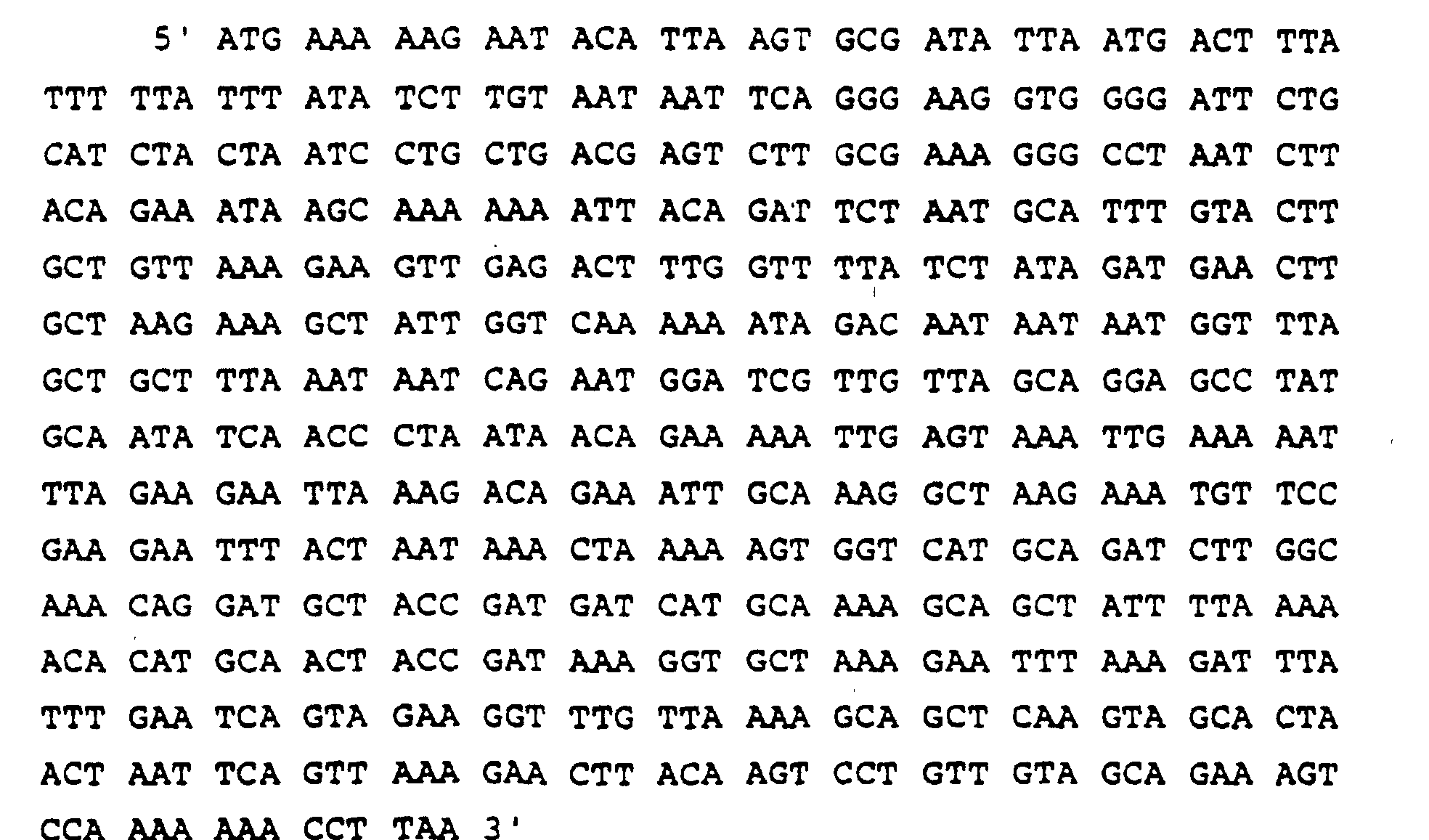
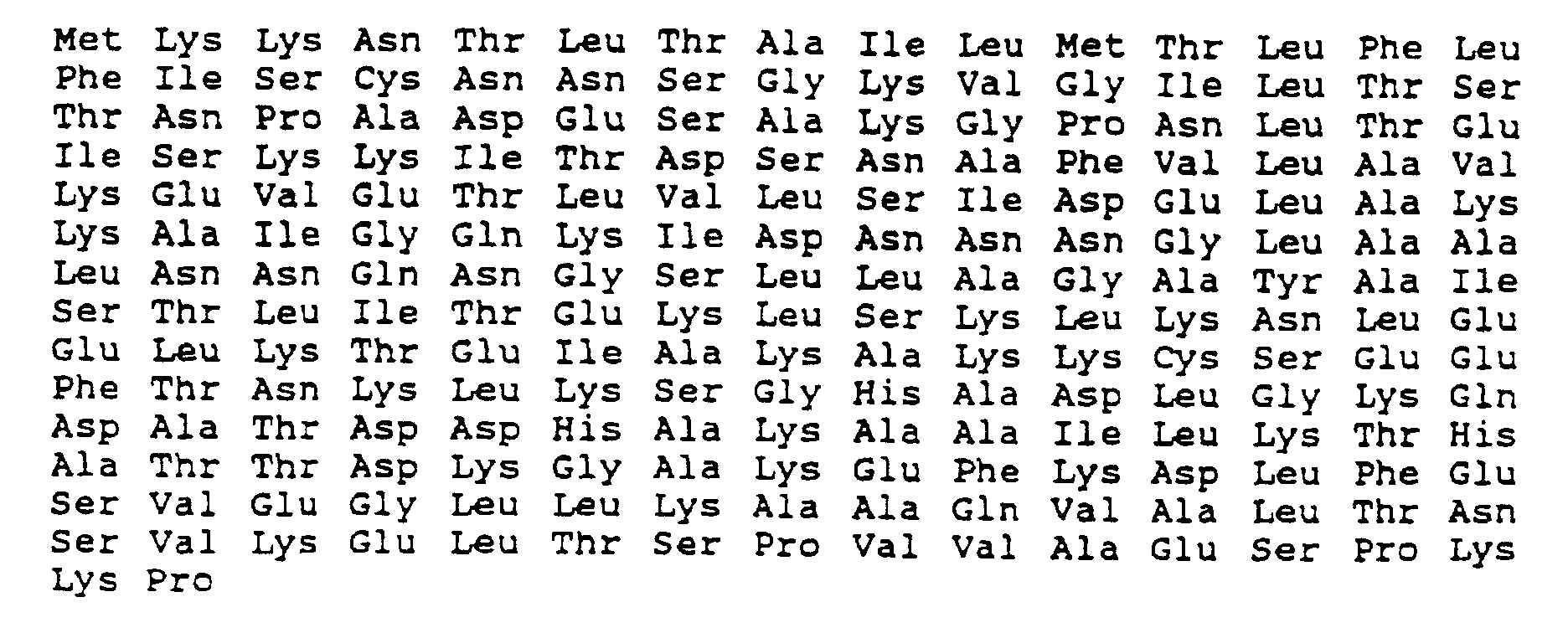
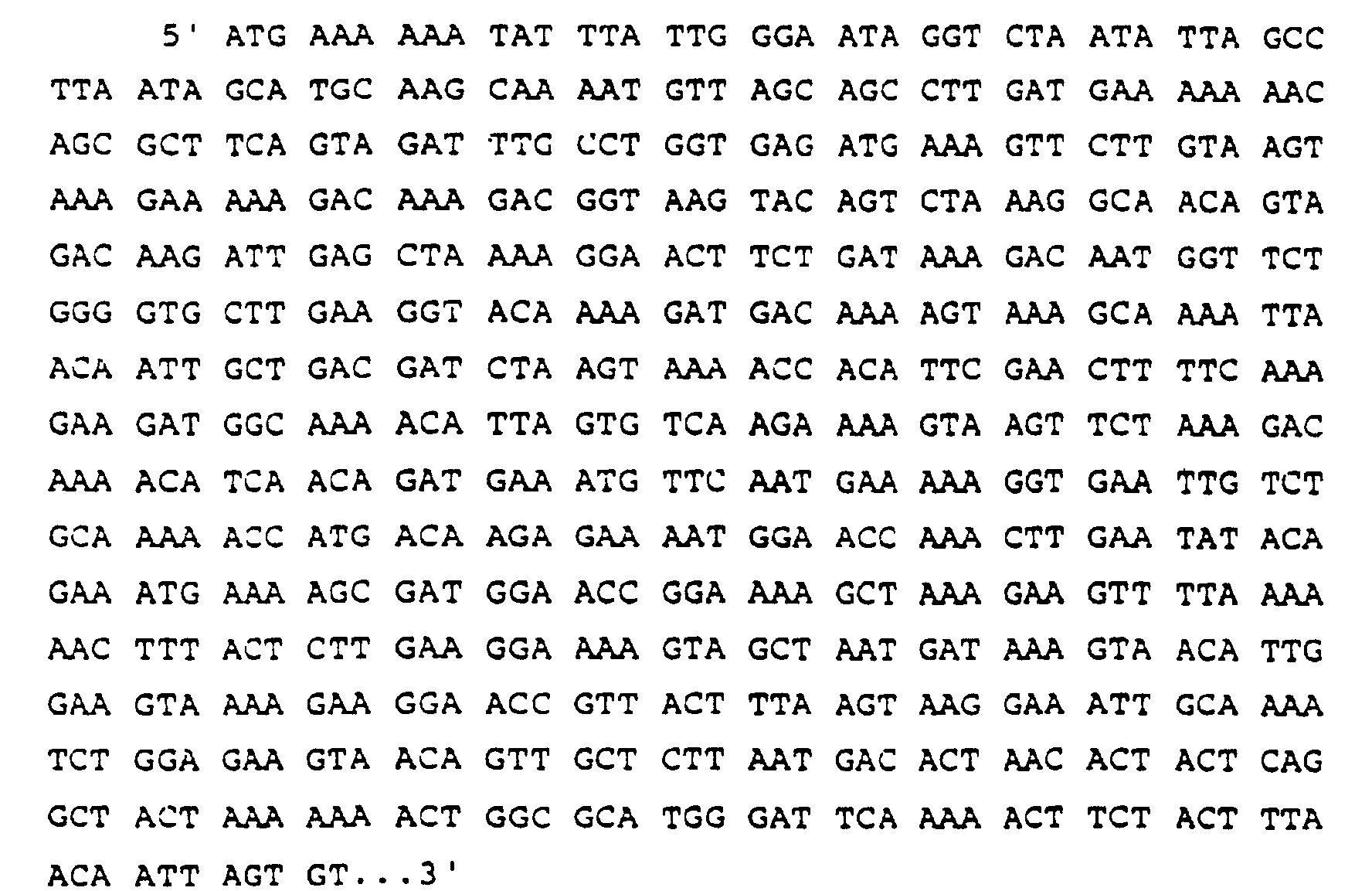
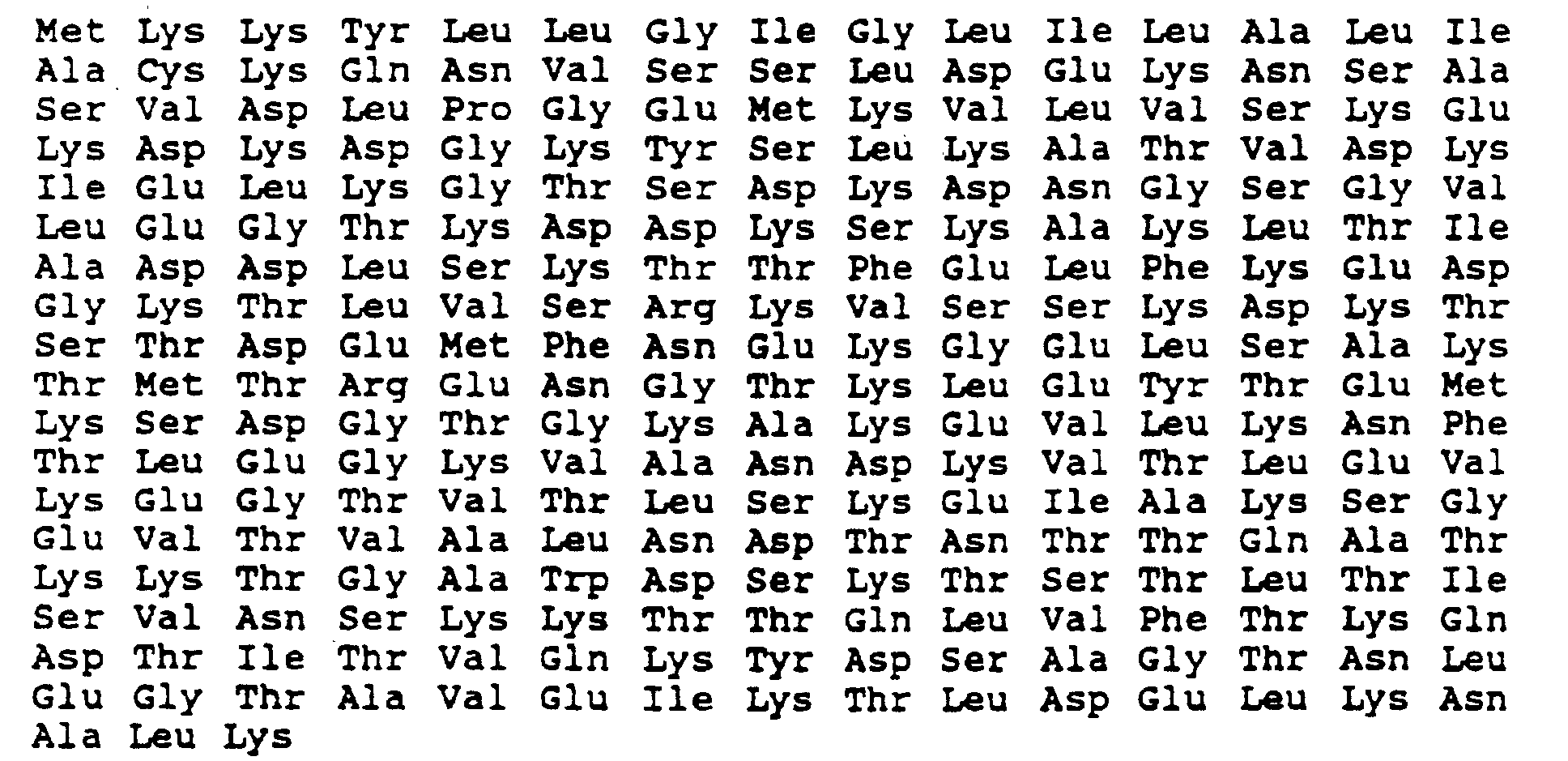
- the oligodeoxynucleotide sequence was used as a probe and hybridized with the clones containing the B. burgdorferi DNA. After subcloning, a clone was obtained which contains the gene for p100. The following coding DNA sequence of p100 (5 'end) of the PKo strain with a length of 346 base pairs was determined: After complete cloning, the following amino acid sequence was determined:
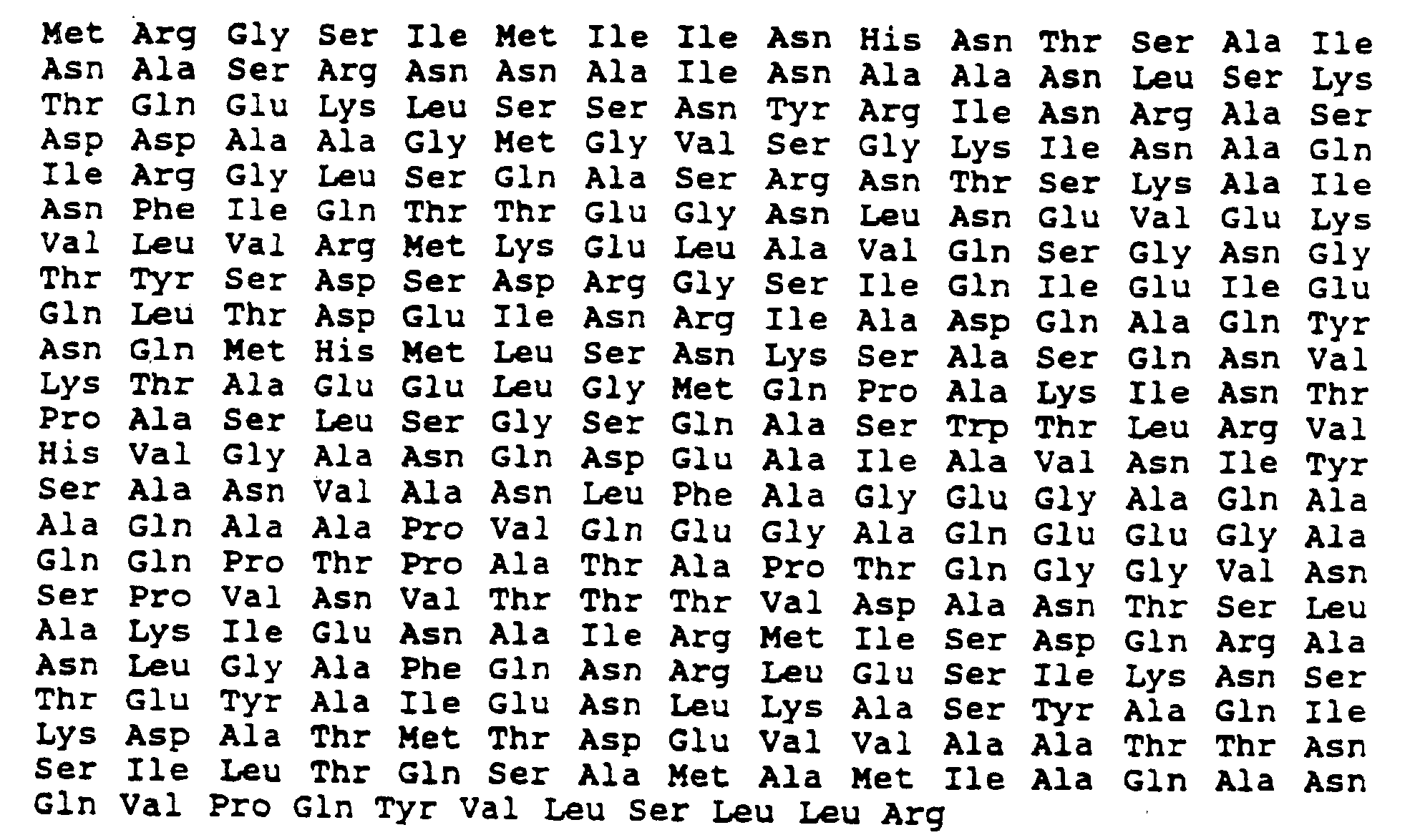
- the protein pC has the following sequences with a length of 212 amino acids:
- a 50 ml overnight culture of the clone pUC8ly2 described in Example 2 was placed in 1.5 ml of fresh L-Broth medium given and incubated at 37 ° C and intensive shaking. When an optical density of 0.7 was reached the culture was induced with IPTG at a final concentration of 1 mM and incubated for a further 3 h. The bacteria were pelleted (6000 rpm. 10 min.), resuspended in 300 ml 20 mM Tris-HCl pH 8.0, 50 mM EDTA, 0.5 mg / ml lysozyme and for 45 min. placed in a 37 ° C water bath.
- the pellet was then resuspended in 150 ml of 20 mM Tris-HCl pH 8.0, 8 M urea, 1% ⁇ -mercaptoethanol by stirring for 2 h. Insoluble constituents were again removed by centrifugation at 17000 rpm in 30 min. separated, and the supernatant pumped onto a DEAE-Sephacel column (Pharmacia, Freiburg) with a gel volume of 550 ml (3 cm diameter, 80 cm height). The p41 antigen was eluted in a NaCl gradient of 0-800 mM in a total volume of 600 ml. The recombinant p41 is eluted at a NaCl concentration of approximately 0.25 M.
- a clone that contains the gene for the antigen pC. (pDSIPC5) is in 100ml L-Broth (with 50 ⁇ g ampicillin / ml) inoculated, grown overnight and then in 900ml L-Broth / Ampicillin - double concentrated yeast extract / 2ml Glycerin - transferred, induced after approx. 1 h with 2mM IPTG and shaken for 2 - 3 h.
- the pC protein After centrifugation at 4 ° C, 30 min., 15,000 rpm, the pC protein is quantitatively in the supernatant. The Pellet is discarded. The supernatant is dialyzed against 10mM Tris-HCl, pH 8.0 with repeated buffer changes. After centrifugation and / or filtration is applied to DEAE-Sepharose (Pharmacia), the column with 10mM Tris-HCl, pH 8.0 is equilibrated. When eluted with 0 M NaCl, the pC protein is in the second peak of the run. The first fractions can be discarded, the rest is collected and re-chromatographed. The separation column is regenerated with 1 M NaCl and equilibrated in 10mM Tris-HCl pH 8.0. The antigen thus obtained can now be in one suitable test kit, for example an ELISA.
- a clone containing the gene for the antigen OspA (pDSIOspA) is in 100ml L-Broth (with 50 ⁇ g ampicillin / ml) vaccinated and dressed overnight.
- the culture broth is in 900ml L-Broth / Ampicillin - double concentrated yeast extract / 2ml Glycerin - transferred, induced after approx. 1 h with 2mM IPTG and shaken for 2 - 3 h.
- the cells are at 6000rpm, 5min. centrifuged and the pellet in 20ml lysis buffer (50mM Tris-HCl, pH 7.5, 2mM EDTA, 0.1mM DTE, 0.1mM PMSF; 0.4 mg / ml lysozyme) resuspended. After 30min. Stir at room temperature Triton-X 100 is added (final concentration 0.5 - 1%). In addition, 10 ⁇ l benzonase (MERCK) are added. Then another 30min. stirred at room temperature.
- lysis buffer 50mM Tris-HCl, pH 7.5, 2mM EDTA, 0.1mM DTE, 0.1mM PMSF; 0.4 mg / ml lysozyme
- the supernatant is in a dialysis tube against 5 mM MES (2- [N-morpholino] ethanesulfonic acid) buffer, pH 6.0 dialyzed, a repeated buffer change is absolutely necessary.
- MES MES
- the Protein applied to S-Sepharose fast flow (Pharmacia) column. First wash with 0 M NaCl, then with a gradient of 0 to 1 M NaCl eluted.
- the OspA antigen elutes as a sharp peak at about 0.4 M NaCl.
- To Dialysis against 10 mM Tris-HCl pH 7.5 can use the OspA antigen in a suitable test kit, for example an ELISA become.
- B. burgdorferi Due to the high purity of the recombinant antigens produced, B. burgdorferi are specific tests possible that are machine-readable and can be carried out without great technical and personnel expenditure.
- Microtiter plates were coated with 50 ⁇ l of the cleaned p41 (concentration 0.5 - 5 ⁇ g / ml) per well. The plates were incubated by standard methods at 4 ° C. overnight, washed and the still free binding sites of 2% bovine serum albumin solution were saturated. Then 50 ⁇ l serum (dilution 1: 200) were pipetted in, incubated for 2 h at 37 ° C., unbound parts were washed off and the bound immune complexes were detected with 50 ⁇ l peroxidase-labeled anti-human IgG (dilution 1: 1000).
- mice Female Balb / c mice were immunized intraperitoneally with B. burgdorferi (DSM No. 5662). The 1st immunization was carried out with complete Freund's adjuvant, 2-5 further immunizations with incomplete Freund's adjuvant followed 2 weeks apart. 2 weeks later the antigen was applied without adjuvant and 3 days later the mice were killed and the spleen removed.
- the spleen lymphocytes were mixed with mouse myeloma cells (Ag8-653) in a ratio of 1: 1, sedimented and with fusion solution (2.5 g polyethylene glycol (PEG), 2.5 ml RPMI medium, 250 ⁇ l DMSO): 1 min. Adding the Fusion solution, 90 sec. Incubation at 37 ° C. The cells were sedimented again, the PEG removed and culture medium (HAT medium) added. Finally, the cell suspension in microtiter plates containing macrophages as feeder cells sown and incubated.
- fusion solution 2.5 g polyethylene glycol (PEG), 2.5 ml RPMI medium, 250 ⁇ l DMSO
- HAT medium culture medium
- Hybridoma supernatants were tested undiluted in indirect immunofluorescence (IFT) (Wilske, B .; Schierz, G .; Preac-Mursic, V .; Weber, K; Pfister, H.-W .; Eincher, K. (1984): Serological diagnosis of erythema migrans disease and related disorders. Infection, 12th 331-337).
- IFT indirect immunofluorescence
- IFT-positive cell supernatants were analyzed by Western blot. Hybridomas reactive in the Western blot were obtained Subcloned 4 times using "limiting dilution" and identified with regard to their immunoglobulin class and IgG subclass.
- MAB L32 2E7 and MAB L22 1F8 and the reaction with MAB L100 1D4 allows identification by B. burgdorferi Borrelia and Treponemen. A reliable identification and differentiation of B. burgdorferi was not possible with previously available monoclonal antibodies.
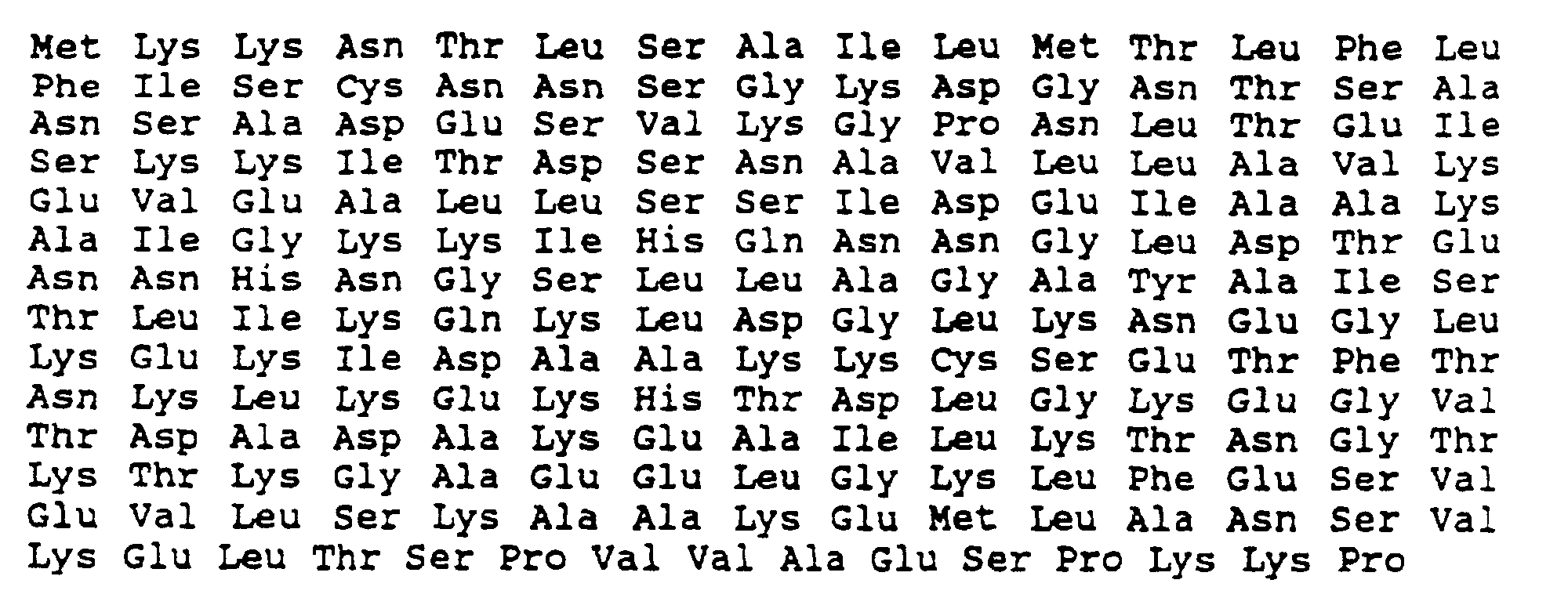
- amino acid sequence of a protein with a molecular weight of about 22 kD was determined according to the method described in the preceding examples. This protein was cloned from another Borrelia strain and then sequenced. This strain has been deposited with the ATCC under number 35210 and is generally accessible. The following amino acid sequence was determined:
- stage III Sera from stages II and III (neuroborreliosis, stage II (IgM and IgG); acrodermatitis (lgG) and Arthritis (IgG), stage III).
- the early immune response is independent of the test strain against a narrow spectrum of Borrelia proteins targeted (pC and p41).
- the late immune response is against a broad panel of Borrelia proteins directed.
- immunodominant proteins are (regardless of the test strain) p100 (with variable molecular weight) and p41.
- the pC protein can be the immunodominant protein of the early immune response. Antibodies against p41 can occur later and are only weak. If the disease lasts longer, IgM antibodies against p17 occur.
- IgG antibodies recognize a wide range of Borrelia proteins. Prove PKo when using the strain p17 and p100 as immunodominant proteins. p17 is strongly pronounced by the PKo strain (in contrast to other tribes; see Fig.1). Flagellin p41 was not recognized in 2 of these examples (serum 1 and 2).
- the recombinant antigen (see Fig. 5) purified via anion exchanger (MonoQ) was in a concentration of 0.5 ⁇ g / ml.
- the IgG ELISA showed a comparable result.
- Y axis: optical density at wavelength 486 nm; LIMITS. borderline
Landscapes
- Health & Medical Sciences (AREA)
- Chemical & Material Sciences (AREA)
- Life Sciences & Earth Sciences (AREA)
- Organic Chemistry (AREA)
- Immunology (AREA)
- Molecular Biology (AREA)
- General Health & Medical Sciences (AREA)
- Medicinal Chemistry (AREA)
- Engineering & Computer Science (AREA)
- Biochemistry (AREA)
- Biophysics (AREA)
- Hematology (AREA)
- Urology & Nephrology (AREA)
- Genetics & Genomics (AREA)
- Biomedical Technology (AREA)
- Proteomics, Peptides & Aminoacids (AREA)
- Food Science & Technology (AREA)
- Cell Biology (AREA)
- Physics & Mathematics (AREA)
- Microbiology (AREA)
- General Physics & Mathematics (AREA)
- Pathology (AREA)
- Gastroenterology & Hepatology (AREA)
- Analytical Chemistry (AREA)
- Biotechnology (AREA)
- Virology (AREA)
- Tropical Medicine & Parasitology (AREA)
- Peptides Or Proteins (AREA)
- Preparation Of Compounds By Using Micro-Organisms (AREA)
- Medicines Containing Antibodies Or Antigens For Use As Internal Diagnostic Agents (AREA)
Description
- Frühphase: Stadium I
- Erythema migrans
lymphozytäre Meningoradikulitis Bannwarth (LMR)
Borrelien-Lymphozytom - Spätphase: Stadium III
- Lymearthritis
Acrodermatitis chronica atrophicans (ACA)
chronische Borrelien-Encephalomyelitis
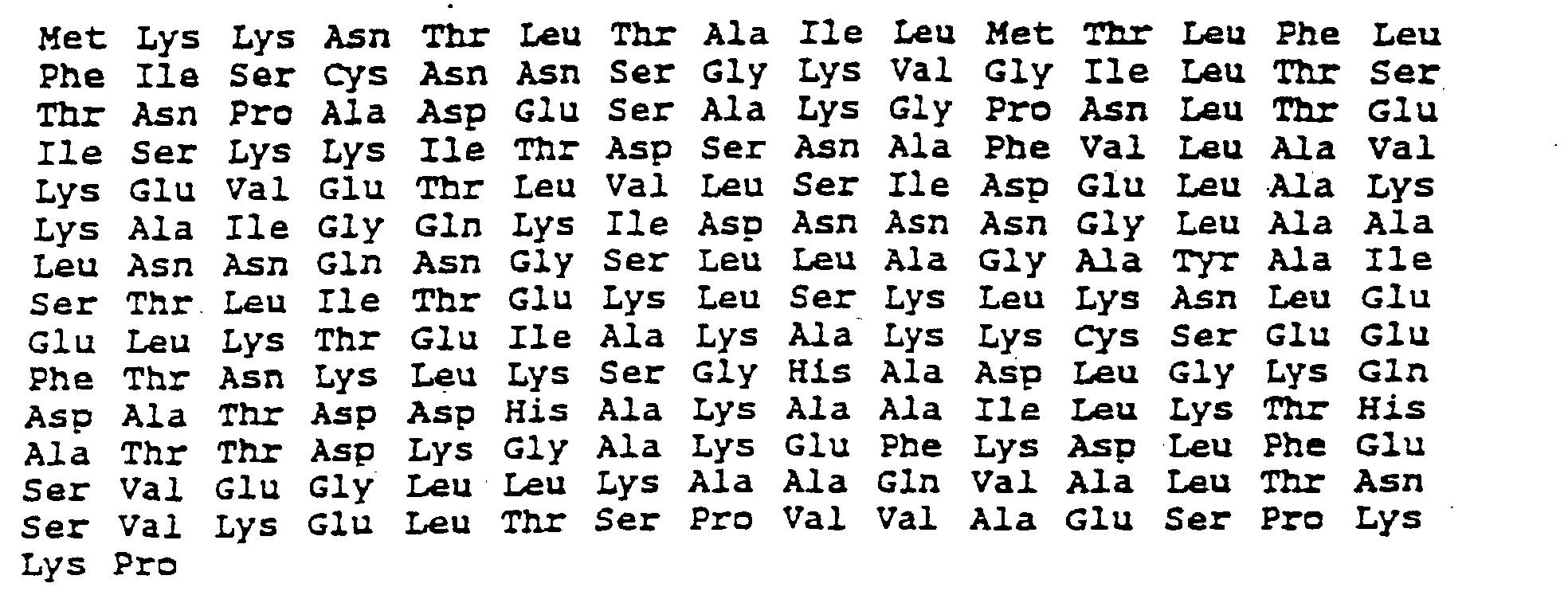
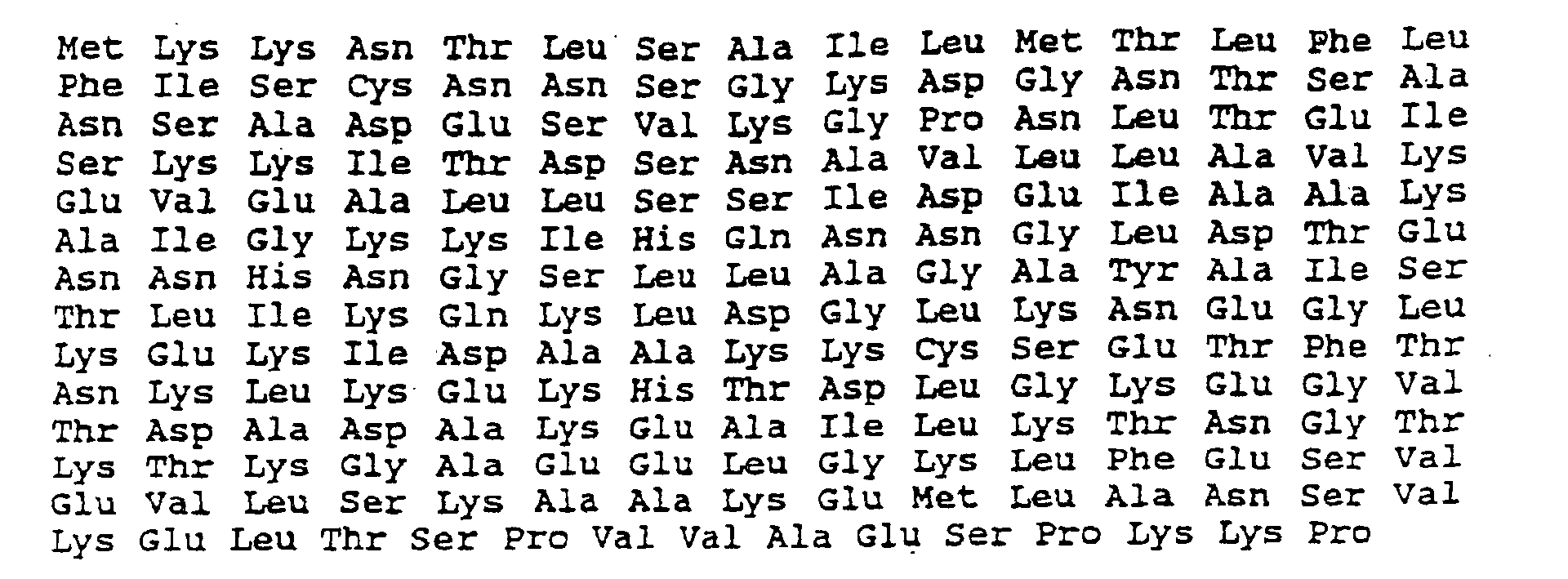


p100-p1 - p100 - Aminosäuren-Sequenz:




Dieser Antikörper war mit allen 30 getesteten B. burgdorferi Stämmen und mit Rückfallfieber Borrelien (außer B. hermsii), nicht jedoch mit Treponemen reaktiv.
Dieser Antikörper war mit der Mehrzahl (21 von 24) der B. burgdorferi Stämme, nicht jedoch mit Rückfallfieber Borrelien und Treponemen reaktiv.
OspA ist ein Hauptprotein (30 kD-Bereich) der äußeren Membran der meisten B. burgdorferi Stämme. OspA Proteine europäischer B. burgdorferi Stämme sind antigenetisch heterogen und unterscheiden sich antigenetisch von den amerikanischen Stämmen. Die wenigen OspA-negativen Stämme haben pC-Proteine.
Insgesamt waren 29 von 32 Stämmen reaktiv. Die negativen Stämme wiesen kein OspA-Protein auf. Die 3 negativen Stämme waren mit dem pC-spezifischen MAB L22 1F8 reaktiv.
Dieser MAB war nur bei 3 von 25 getesteten Stämmen reaktiv.
| NACHWEIS von IgM-Antikörpern | |
| ELISA/Antigen | Erythema migrans (n=74) |
| Ultrasonikat | 20 27.0% |
| p41 (recomb.) | 2229.7% |
| OspA(rekomb.) | 79.4% |
| pC(rekomb.) | 2635.1% |
| p41 und/oder pC | 34 45.9% |
| p41 und/oder pC und/oder OspA | 3445.9% |
| NACHWEIS von IgG-Antikörpern | |
| ELISA/Antigen | Erythema migrans (n=74) |
| Ultrasonikat | 17 22.9% |
| p41(recomb.) | 23 31.1% |
| OspA(rekomb.) | 68.1% |
| pC(rekomb.) | 27 36.5% |
| p41 und/oder pC | 34 45.9% |
| p41 und/oder pC und/oder OspA | 35 47.3% |
| NACHWEIS von IgG-und/oder IgM-Antikörpern | |
| ELISA/Antigen | Erythema migrans (n=74) |
| Ultrasonikat | 30 40% |
| p41 (recomb.) | 39 53% |
| OspA(rekomb.) | 11 15% |
| pC(rekomb.) | 41 55% |
| p41 und/oder pC | 53 72% |
| p41 und/oder pC und/oder OspA | 53 72% |
Claims (12)
- Verfahren zur Herstellung eines immunologisch aktiven Proteins von Borrelia burgdorferi, das in einer von anderen aus Borrelia burgdorferi stammenden Proteinen freien Form vorliegt, unda) die Aminosäuresequenzoder eine Teilsequenz davon von wenigstens 10 Aminosäuren aufweist oder
 b) die Aminosäuresequenzoder eine Teilsequenz davon von wenigstens 10 Aminosäuren aufweist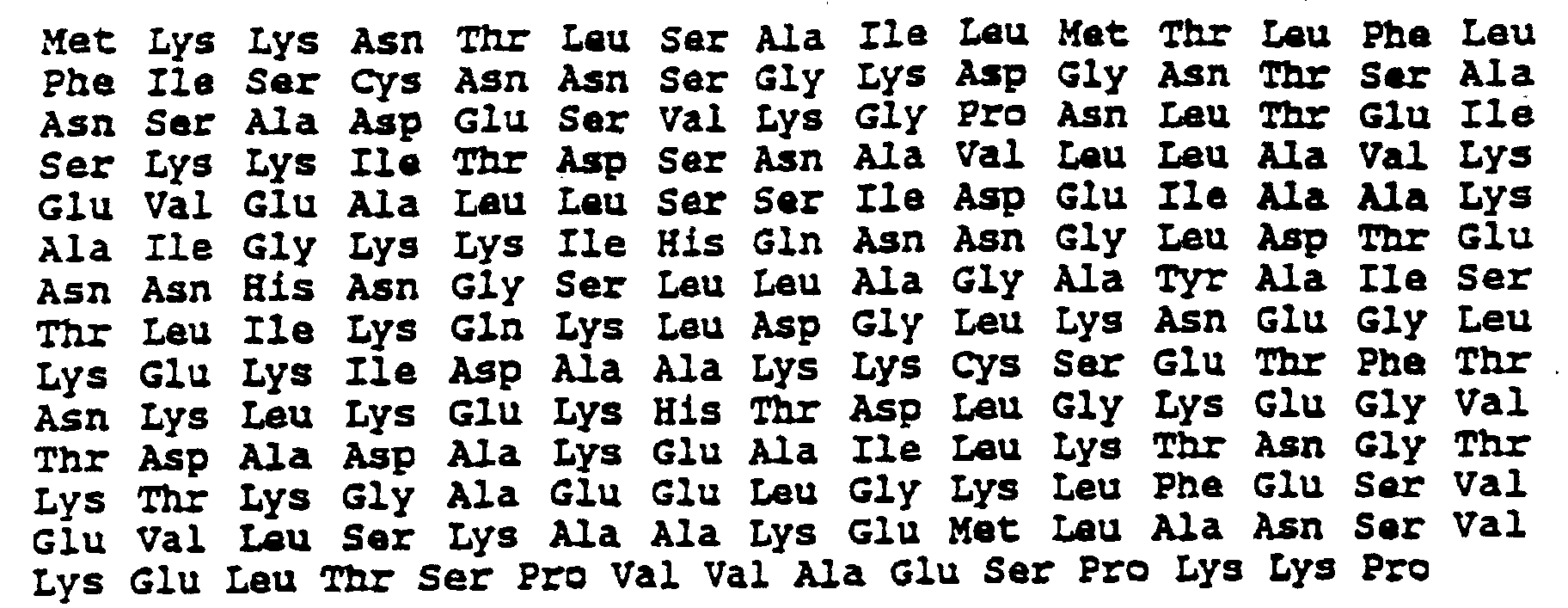
oderc) aus der Aminosäuresequenzoder der Teilsequenz dieses Proteins besteht, oder mit einer Deletion von 20-25 Aminosäuren am N-Terminus des Proteins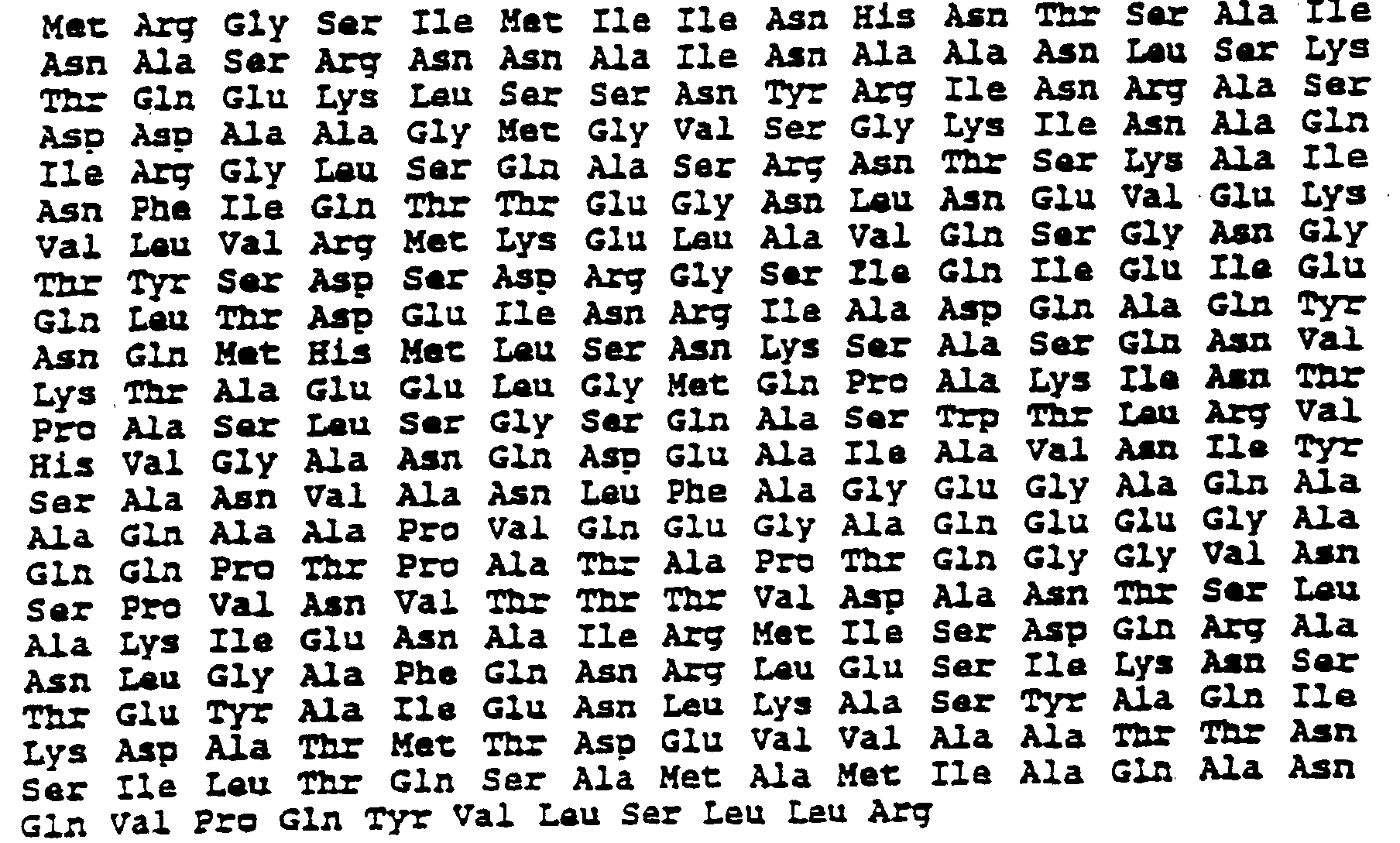 d) die Aminosäuresequenzoder eine Teilsequenz davon von wenigstens 10 Aminosäuren aufweist, dadurch gekennzeichnet, daß es gentechnologisch hergestellt wird.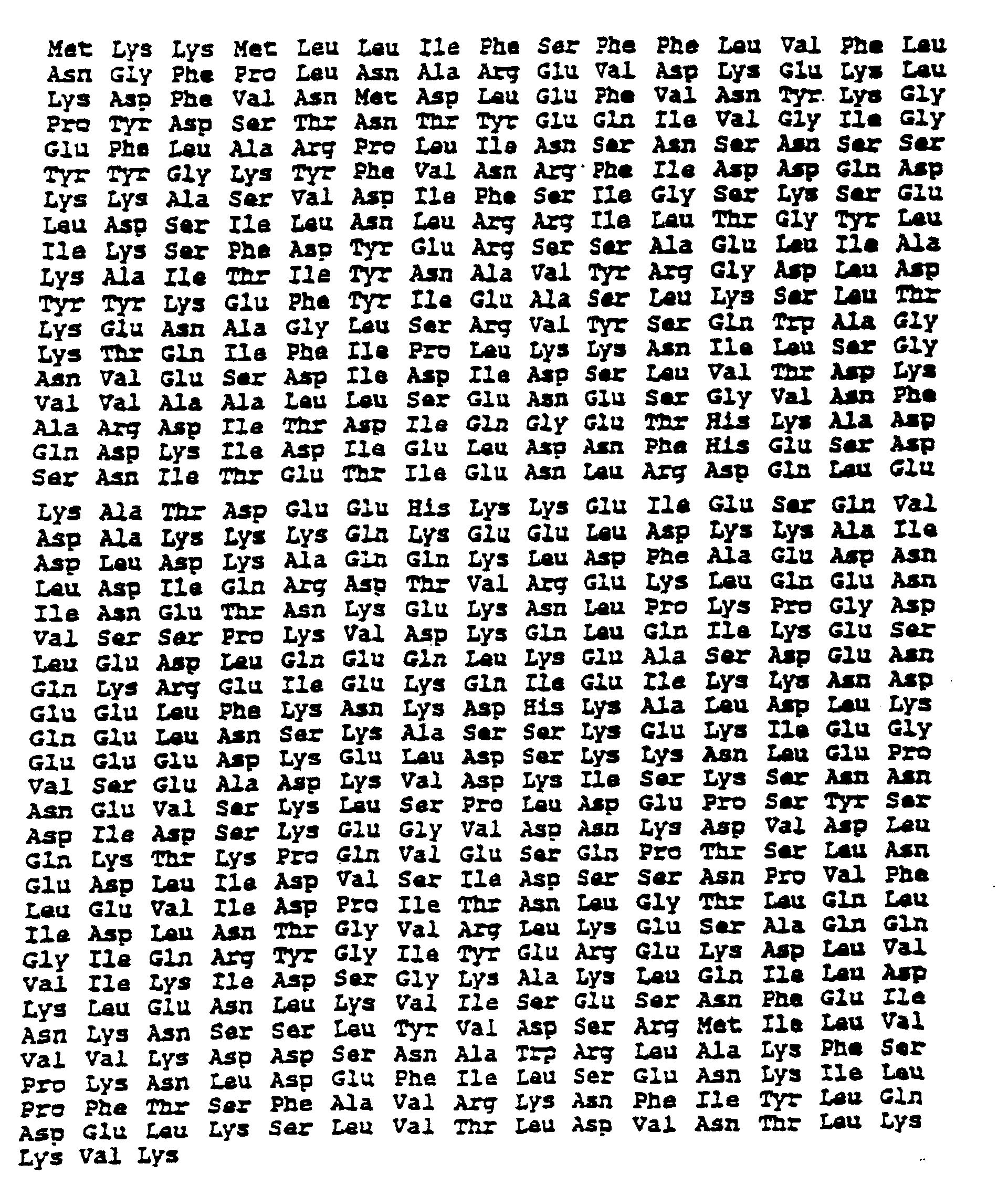
- Verfahren nach Anspruch 1, dadurch gekennzeichnet, daß das immunologisch aktive Protein unter Verwendung von aus Borrelia burgdorferi isolierter DNA herstellbar ist.
- Verfahren nach Anspruch 2, dadurch gekennzeichnet, daß das immunologisch aktive Protein unter Verwendung von aus Borrelia burgdorferi (DSM-Nr. 5662) isolierter DNA herstellbar ist.
- Testkit zum Nachweis von Antikörpern gegen Borrelia-Stämme, dadurch gekennzeichnet, daß es wenigstens ein immunologisch aktives Protein enthält, das nach einem der Ansprüche 1 bis 3 herstellbar ist und das mit den in der Untersuchungsflüssigkeit vorhandenen Antikörpern reagieren kann und, daß es wenigstens eine Anzeigekomponente aufweist, die den Nachweis von Komplexen aus immunologisch aktivem Protein und Antikörper ermöglicht.
- Testkit nach Anspruch 4, dadurch gekennzeichnet, daß es 2 bis 4 immunologisch aktive Proteine, die nach den Ansprüchen 1 bis 3 herstellbar sind, enthält.
- Testkit nach einem der Ansprüche 4 oder 5 , dadurch gekennzeichnet daß die Anzeigekomponente ein gegen den nachzuweisenden Antikörper gerichteter Antikörper ist, der eine Markierung aufweist.
- Testkit nach Anspruch 6 , dadurch gekennzeichnet, daß die Markierung in einem radioaktiven Isotop besteht.
- Testkit nach einem der Ansprüche 4 bis 6 , dadurch gekennzeichnet, daß die Markierung aus einem Enzym besteht, das eine Farbreaktion katalysieren kann.
- Testkit nach den Ansprüchen 4 oder 5 , dadurch gekennzeichnet, daß das immunologisch aktive Protein oder ein dagegen gerichteter monoklonaler Antikörper biotinyliert ist und die Anzeigekomponente Avidin oder Streptavidin mit daran kovalent gebundenem Enzym, insbesondere Peroxydase ist.
- Testkit nach einem der Ansprüche 4 bis 6, dadurch gekennzeichnet, daß es ein ELISA-Testkit ist.
- Testkit nach Anspruch 10, dadurch gekennzeichnet, daß wenigstens ein immunologisch aktives Protein nach einem der Ansprüche 1 bis 3 an Mikrotiterplatten gekoppelt ist und die Anzeigekomponente aus Anti-human- Immunoglobulin. insbesondere IgG- und/oder IgM-Antikörpern besteht, an die ein eine Farbreaktion katalysierendes Enzym gekoppelt ist.
- Verfahren zur Herstellung von Impfstoffen zum Schutz gegen Infektionen von Borrelia-Bakterien, vorzugsweise Borrelia burgdorferi-Stämmen, dadurch gekennzeichnet, daß immunologisch aktive Proteine, die nach einem der Ansprüche 1 bis 3 herstellbar sind, verwendet werden.
Applications Claiming Priority (5)
| Application Number | Priority Date | Filing Date | Title |
|---|---|---|---|
| DE3942728A DE3942728C1 (en) | 1989-12-22 | 1989-12-22 | New immunologically active proteins derived from Borelia burgdorferiensity polyethylene vessel and a high density polyethylene sealing cap - useful as vaccine and for quick accurate diagnosis of Borelia infections |
| DE3942728 | 1989-12-22 | ||
| DE4018988A DE4018988C2 (de) | 1990-06-13 | 1990-06-13 | Immunologisch aktive Proteine von Borrelia burgdorferi, Testkits, die diese Proteine enthalten und zum Nachweis von Antikörpern in Untersuchungsflüssigkeiten geeignet sind, monoklonale Antikörper, die gegen die immunologisch aktiven Proteine gerichtet sind und die Verwendung dieser Proteine als Impfstoffe gegen durch Borrelia-Stämme hervorgerufene Infektionen |
| DE4018988 | 1990-06-13 | ||
| PCT/EP1990/002282 WO1991009870A1 (de) | 1989-12-22 | 1990-12-21 | Immunologisch aktive proteine von borrelia burgdorferi, zusammenhängende testkits und impfstoff |
Publications (3)
| Publication Number | Publication Date |
|---|---|
| EP0506868A1 EP0506868A1 (de) | 1992-10-07 |
| EP0506868B1 EP0506868B1 (de) | 1996-07-17 |
| EP0506868B2 true EP0506868B2 (de) | 2004-02-11 |
Family
ID=25888425
Family Applications (1)
| Application Number | Title | Priority Date | Filing Date |
|---|---|---|---|
| EP91902687A Expired - Lifetime EP0506868B2 (de) | 1989-12-22 | 1990-12-21 | Immunologisch aktive proteine von borrelia burgdorferi, zusammenhängende testkits und impfstoff |
Country Status (9)
| Country | Link |
|---|---|
| US (5) | US6248538B1 (de) |
| EP (1) | EP0506868B2 (de) |
| AT (1) | ATE140461T1 (de) |
| AU (1) | AU7058691A (de) |
| CA (1) | CA2072008C (de) |
| DE (1) | DE59010422D1 (de) |
| DK (1) | DK0506868T4 (de) |
| ES (1) | ES2092560T5 (de) |
| WO (1) | WO1991009870A1 (de) |
Families Citing this family (47)
| Publication number | Priority date | Publication date | Assignee | Title |
|---|---|---|---|---|
| US5777095A (en) * | 1988-10-24 | 1998-07-07 | Symbicom Aktiebolag | Osp A and B Sequence of Borrelia burgdonferi strains ACA1 and IP90 |
| US6143872A (en) * | 1988-10-24 | 2000-11-07 | Symbicom Aktiebolag | Borrelia burdorferi Osp A and B proteins and immunogenic peptides |
| DE4015911A1 (de) * | 1989-09-19 | 1991-03-28 | Max Planck Gesellschaft | Impfstoff gegen die lyme-krankheit |
| DK0506868T4 (da) * | 1989-12-22 | 2004-04-26 | Mikrogen Molekularbiol Entw | Immunologisk aktive proteiner fra Borrelia burgdorferi, tilhørende testkits og vaccine |
| EP0536335A4 (en) * | 1990-06-15 | 1993-07-14 | Yale University | Compositions and methods for the prevention and diagnosis of lyme disease |
| HU216204B (hu) * | 1990-06-15 | 1999-05-28 | MTA Műszaki Fizikai és Anyagtudományi Kutatóintézet | Eljárás és berendezés kis mágneses terek és térváltozások mérésére, valamint magnetométer szonda |
| DE4120345C5 (de) * | 1991-06-19 | 2004-08-12 | Arnold Prof. Dr.med. Vogt | Proteinfragmente aus dem mittleren Bereich des Flagellins von Borrelia burgdorferi, geeignet als Antigene zum spezifischen Antikörpernachweis sowie Verfahren zu ihrer Herstellung |
| US6221363B1 (en) * | 1991-07-11 | 2001-04-24 | Baxter Aktiengesellschaft | Vaccine for the prevention of lyme disease |
| US6872550B1 (en) | 1991-07-11 | 2005-03-29 | Baxter Vaccine Ag | Immunogenic formulation of OspC antigen vaccines for the prevention and treatment of lyme disease and recombinant methods for the preparation of such antigens |
| US6676942B1 (en) * | 1991-08-15 | 2004-01-13 | Smithkline Beecham Biologicals (S.A.) | Osp a proteins of Borrelia burgdorferi subgroups, encoding genes and vaccines |
| WO1993008299A1 (en) * | 1991-10-18 | 1993-04-29 | Connaught Laboratories Inc. | Preparation of recombinant borrelia proteins |
| JPH07501797A (ja) * | 1991-11-12 | 1995-02-23 | リージェンツ オブ ザ ユニバーシティ オブ ミネソタ | ライム病に対する組換えワクチン |
| US5618533A (en) * | 1992-02-11 | 1997-04-08 | Yale University | Flagellin-based polypeptides for the diagnosis of lyme disease |
| WO1993024145A1 (en) * | 1992-05-26 | 1993-12-09 | Smithkline Beecham Corporation | Compositions useful in diagnosis and prophylaxis of lyme disease |
| NZ258824A (en) * | 1992-12-16 | 1997-11-24 | Univ Melbourne | Nucleic acid encoding type ii serine proteinase inhibitor precursor and its use |
| US5656451A (en) * | 1993-07-30 | 1997-08-12 | Yale University | OspE, OspF, and S1 polypeptides in borrelia burgdorferi |
| US6716591B1 (en) | 1993-07-30 | 2004-04-06 | Yale University | B. burgdorferi polypeptides |
| US7008625B2 (en) | 1993-11-01 | 2006-03-07 | Research Foundation Of The State University Of New York | Recombinant constructs of Borrelia burgdorferi |
| US6248562B1 (en) | 1993-11-01 | 2001-06-19 | Research Foundation State University Of New York | Chimeric proteins comprising borrelia polypeptides and uses therefor |
| US5620862A (en) * | 1993-11-24 | 1997-04-15 | University Of Connecticut | Methods for diagnosing early Lyme disease |
| US6251405B1 (en) | 1995-06-07 | 2001-06-26 | Connaught Laboratories, Inc. | Immunological combination compositions and methods |
| ZA964896B (en) | 1995-06-07 | 1997-01-08 | Connaught Lab | Expression of lipoproteins |
| US6716574B2 (en) | 1996-05-02 | 2004-04-06 | Dako A/S | Osp-C derived peptide fragments |
| ES2270523T3 (es) | 1997-06-30 | 2007-04-01 | The Administrators Of The Tulane Educational Fund | Antigenos de superficie y proteinas utiles en composiciones para la diagnosis y prevencion de la enfermedad de lyme. |
| US6224882B1 (en) | 1997-11-07 | 2001-05-01 | Protein Science Corp. | Insect cells or fractions as adjuvant for antigens |
| US6475492B1 (en) | 1999-04-28 | 2002-11-05 | The Administrators Of The Tulane Educational Fund | Peptides and assays for the diagnosis of lyme disease |
| AU2001285049A1 (en) | 2000-08-18 | 2002-03-04 | Brookhaven Sciences Associates, Llc | Altered ospa of borrelia burgdorferi |
| AU2002247905A1 (en) * | 2002-03-28 | 2003-10-13 | Markus Fritzsche | Antibody against an epitope of the b. burgdorferi flagellar basal rod protein (fbrp) |
| US20040033623A1 (en) * | 2002-08-16 | 2004-02-19 | Igenex, Inc. | Assay for detection of antigen in bodily fluid |
| WO2008031133A2 (en) | 2006-09-15 | 2008-03-20 | Intercell Ag | Borrelia antigens |
| EP2155782A2 (de) | 2007-03-26 | 2010-02-24 | Dako Denmark A/S | Mhc-peptid-komplexe und anwendungen davon bei infektionskrankheiten |
| EP2167537A2 (de) | 2007-07-03 | 2010-03-31 | Dako Denmark A/S | Zusammengestellte verfahren für die analyse und sortierung von proben |
| US10611818B2 (en) | 2007-09-27 | 2020-04-07 | Agilent Technologies, Inc. | MHC multimers in tuberculosis diagnostics, vaccine and therapeutics |
| DK2254592T3 (da) | 2008-02-28 | 2019-09-09 | Dako Denmark As | MHC-multimerer til Borrelia-diagnostik og sygdom |
| CN102170903B (zh) | 2008-05-02 | 2016-04-06 | 亮点医疗有限公司 | 用于刺激免疫反应的产品和方法 |
| WO2010009735A2 (en) | 2008-07-23 | 2010-01-28 | Dako Denmark A/S | Combinatorial analysis and repair |
| GB0817244D0 (en) | 2008-09-20 | 2008-10-29 | Univ Cardiff | Use of a protein kinase inhibitor to detect immune cells, such as T cells |
| US11992518B2 (en) | 2008-10-02 | 2024-05-28 | Agilent Technologies, Inc. | Molecular vaccines for infectious disease |
| WO2010037402A1 (en) | 2008-10-02 | 2010-04-08 | Dako Denmark A/S | Molecular vaccines for infectious disease |
| ES2421885T3 (es) | 2008-12-12 | 2013-09-06 | Euroimmun Medizinische Labordiagnostika Ag | Polipéptidos y procedimiento para la detección específica de anticuerpos en pacientes con una infección por Borrelia |
| EP2545071A2 (de) | 2010-03-09 | 2013-01-16 | Maksyutov, Amir | Polyepitopkonstrukte sowie verfahren zu ihrer herstellung und verwendung |
| US8142050B2 (en) | 2010-06-24 | 2012-03-27 | Mitutoyo Corporation | Phosphor wheel configuration for high intensity point source |
| WO2012023033A2 (en) | 2010-08-18 | 2012-02-23 | Purdue Pharma L.P. | Improved peptide immunogens |
| WO2013067448A2 (en) | 2011-11-03 | 2013-05-10 | Vca Antech Inc. | Compositions and methods to detect various infectious organisms |
| WO2020127222A2 (en) | 2018-12-17 | 2020-06-25 | Immudex Aps | Panel comprising borrelia mhc multimers |
| WO2023240124A1 (en) | 2022-06-07 | 2023-12-14 | Regeneron Pharmaceuticals, Inc. | Pseudotyped viral particles for targeting tcr-expressing cells |
| AU2023285085A1 (en) | 2022-06-07 | 2024-12-19 | Regeneron Pharmaceuticals, Inc. | Multispecific molecules for modulating t-cell activity, and uses thereof |
Family Cites Families (3)
| Publication number | Priority date | Publication date | Assignee | Title |
|---|---|---|---|---|
| US4888276A (en) | 1986-06-26 | 1989-12-19 | Minnesota Mining And Manufacturing Company | Method and composition for the diagnosis of Lyme disease |
| DK0506868T4 (da) * | 1989-12-22 | 2004-04-26 | Mikrogen Molekularbiol Entw | Immunologisk aktive proteiner fra Borrelia burgdorferi, tilhørende testkits og vaccine |
| US5620862A (en) | 1993-11-24 | 1997-04-15 | University Of Connecticut | Methods for diagnosing early Lyme disease |
-
1990
- 1990-12-21 DK DK91902687T patent/DK0506868T4/da active
- 1990-12-21 CA CA002072008A patent/CA2072008C/en not_active Expired - Lifetime
- 1990-12-21 ES ES91902687T patent/ES2092560T5/es not_active Expired - Lifetime
- 1990-12-21 WO PCT/EP1990/002282 patent/WO1991009870A1/de not_active Ceased
- 1990-12-21 DE DE59010422T patent/DE59010422D1/de not_active Expired - Lifetime
- 1990-12-21 AU AU70586/91A patent/AU7058691A/en not_active Abandoned
- 1990-12-21 AT AT91902687T patent/ATE140461T1/de not_active IP Right Cessation
- 1990-12-21 EP EP91902687A patent/EP0506868B2/de not_active Expired - Lifetime
-
1994
- 1994-03-10 US US08/209,603 patent/US6248538B1/en not_active Expired - Lifetime
-
1998
- 1998-11-19 US US09/196,293 patent/US6183755B1/en not_active Expired - Fee Related
-
2000
- 2000-11-13 US US09/711,546 patent/US6509019B1/en not_active Expired - Fee Related
-
2002
- 2002-11-07 US US10/289,795 patent/US6753183B2/en not_active Expired - Fee Related
-
2004
- 2004-01-22 US US10/762,665 patent/US7083792B2/en not_active Expired - Fee Related
Non-Patent Citations (20)
| Title |
|---|
| Barbour, Journal of Clinical Microbiology, 1988, pp475-478 † |
| Coleman et al., J. Clin. Invest., 1989 † |
| Fuchs et al., Molecular Mikrobiology, 1992 † |
| Gassman et al., Nucleic Acids Research, 1989 † |
| Gassmann et al., FEMS Microbiologie Letters, 1989 † |
| Geysen et al., J. Immunol. Methods, 1987, 102:259-274 † |
| Geysen et al., Proc. Natl. Acad. Sci., 1984, vol.81 pp.3998-4002 † |
| Hansen et al., Journal of Clinical Microbiology, 1988 † |
| Harlow et al., Antibodies, 1988 † |
| Jauris-Heipke et al., Med, Microbiol. Immunol., 1993, 182:37-50 † |
| Lee et al., Science,vol 239, pp 1288-1291 † |
| Luft et al., Infection and Immunity, 1989 † |
| Maniatis et al., Molecular Cloning, 1989 † |
| Pallesen et al., Infection and Immunity, 1989 † |
| Preac-Mursic et al., Infection 20, 1992 † |
| Sadziene et al., Infection and Immunity, vol. 61 No.5, 1993 † |
| Wallich, et al., Infection and Immunity, 1990 † |
| Wilske et al., Annals New York Acad., 1988 † |
| Wilske et al., Med. Microbiol. Immunol., 1994, 183:43-59 † |
| Wilske et al., Zbl. Bakt. Suppl.18, 1989. † |
Also Published As
| Publication number | Publication date |
|---|---|
| US20030157562A1 (en) | 2003-08-21 |
| US6183755B1 (en) | 2001-02-06 |
| US7083792B2 (en) | 2006-08-01 |
| US6753183B2 (en) | 2004-06-22 |
| CA2072008C (en) | 2003-01-28 |
| AU7058691A (en) | 1991-07-24 |
| ES2092560T5 (es) | 2004-09-16 |
| DE59010422D1 (de) | 1996-08-22 |
| WO1991009870A1 (de) | 1991-07-11 |
| ATE140461T1 (de) | 1996-08-15 |
| EP0506868B1 (de) | 1996-07-17 |
| US6248538B1 (en) | 2001-06-19 |
| CA2072008A1 (en) | 1991-06-23 |
| DK0506868T4 (da) | 2004-04-26 |
| ES2092560T3 (es) | 1996-12-01 |
| US20040253611A1 (en) | 2004-12-16 |
| DK0506868T3 (da) | 1996-08-12 |
| EP0506868A1 (de) | 1992-10-07 |
| US6509019B1 (en) | 2003-01-21 |
Similar Documents
| Publication | Publication Date | Title |
|---|---|---|
| EP0506868B1 (de) | Immunologisch aktive proteine von borrelia burgdorferi, zusammenhängende testkits und impfstoff | |
| EP0633028B1 (de) | Impfstoff gegen die Lyme-Krankheit | |
| DE3751467T2 (de) | Plasmid zur Herstellung von Membranprotein, dieses Plasmid enthaltendes Bakterium, monoklonaler Antikörper hierfür und Verfahren zur Identifikation von Hämophilus influenzae. | |
| DE69232956T2 (de) | Verbesserungen der diagnose und der prophylaxe von borrelia burgdorferi | |
| DE69434681T2 (de) | VAKZINE FÜR -i(BRANHAMELLA CATARRHALIS) | |
| DE69333042T2 (de) | Protein l und entsprechenden proteinhybriden | |
| AT400441B (de) | Zell-linien und verfahren zur herstellung von humanen monoklonalen antikörpern sowie kit und verfahren zur bestimmung der anwesenheit von p.aeruginosa | |
| DE3650571T2 (de) | Hauptprotein der Aussenmembran von Chlamydia | |
| DE69835682T2 (de) | Oberflächenantigene und proteine für zusammensetzungen zu diagnose und vorbeugung der lyme-kkrankheit | |
| DE69122240T2 (de) | Antigen-wirkende proteine von borrelia burgdorferi | |
| DE69214277T2 (de) | Dna-sequenzen, die für die virulente eigenschaft von -i(streptococcus suis) kodieren, und teile davon, polypeptide und antikörper die sich davon ableiten und deren verwendung für diagnose und prophylaxe der infektion mit streptococcus suis in säugetieren, insbesondere in menschen | |
| DE69408135T2 (de) | Ospc-antigen-impfstoffe immunogene zusammensetzung zur vorbeugung und behandlung von lyme-krankheit und rekombinante verfahren zur herstellung von derartige antigene | |
| DE3751870T2 (de) | REKOMBINANTES PLASMID, UMFASSEND EIN FRAGMENT EINES DNA-SEGMENTES, DAS FüR EIN 47 KDA OBERFLäCHENIMMUNOGEN VON TREPONEMA PALLIDUM KODIERT | |
| DE69834194T2 (de) | Oberfläche-exponierte proteine von chlamydia pneumoniae | |
| EP0918865B1 (de) | Immunologisch aktive proteine von borrelia burgdorferi, dafür kodierende nukleinsäuren sowie deren verwendung in testkits und als impfstoffe | |
| DE3942728C1 (en) | New immunologically active proteins derived from Borelia burgdorferiensity polyethylene vessel and a high density polyethylene sealing cap - useful as vaccine and for quick accurate diagnosis of Borelia infections | |
| DE69331377T2 (de) | Verfahren und zusammensetzungen zur diagnose der katzenkratzkrankheit und der bakteriellen angiomatose | |
| DE68916424T2 (de) | Pasteurella-impfstoff. | |
| Lepper et al. | Characterisation and quantitation of pilus antigens of Moraxella bovis by ELISA | |
| DE69131319T2 (de) | Isoliertes PCTD Plasmid aus Chlamydia trachomatis von Serotyp D, dessen Genen und davon kodierten Proteine, rekombinante Plasmide für die Expression von deren Genen als Fusionsproteine in einem keterologen System, und ihre Verwendung als Impfstoff- und/oder Diagnostiekformulierung | |
| DE69733067T2 (de) | Behandlung und bestimmung von gram-positiven kokkeninfektionen | |
| DE69535156T2 (de) | Verfahren und zusammensetzungen zur diagnose von rochalimaea henselae und rochalimaea quintana infektion | |
| DE69521985T2 (de) | Diagnose und behandlung von streptococus oder enterococus infektionen | |
| DE4018988C2 (de) | Immunologisch aktive Proteine von Borrelia burgdorferi, Testkits, die diese Proteine enthalten und zum Nachweis von Antikörpern in Untersuchungsflüssigkeiten geeignet sind, monoklonale Antikörper, die gegen die immunologisch aktiven Proteine gerichtet sind und die Verwendung dieser Proteine als Impfstoffe gegen durch Borrelia-Stämme hervorgerufene Infektionen | |
| DE69332312T2 (de) | Cloniertes protein der äusseren membran von leptospira |
Legal Events
| Date | Code | Title | Description |
|---|---|---|---|
| PUAI | Public reference made under article 153(3) epc to a published international application that has entered the european phase |
Free format text: ORIGINAL CODE: 0009012 |
|
| 17P | Request for examination filed |
Effective date: 19920619 |
|
| AK | Designated contracting states |
Kind code of ref document: A1 Designated state(s): AT BE CH DE DK ES FR GB IT LI LU NL SE |
|
| 17Q | First examination report despatched |
Effective date: 19930316 |
|
| GRAH | Despatch of communication of intention to grant a patent |
Free format text: ORIGINAL CODE: EPIDOS IGRA |
|
| GRAH | Despatch of communication of intention to grant a patent |
Free format text: ORIGINAL CODE: EPIDOS IGRA |
|
| GRAH | Despatch of communication of intention to grant a patent |
Free format text: ORIGINAL CODE: EPIDOS IGRA |
|
| GRAA | (expected) grant |
Free format text: ORIGINAL CODE: 0009210 |
|
| AK | Designated contracting states |
Kind code of ref document: B1 Designated state(s): AT BE CH DE DK ES FR GB IT LI LU NL SE |
|
| REF | Corresponds to: |
Ref document number: 140461 Country of ref document: AT Date of ref document: 19960815 Kind code of ref document: T |
|
| REG | Reference to a national code |
Ref country code: DK Ref legal event code: T3 |
|
| ITF | It: translation for a ep patent filed | ||
| REF | Corresponds to: |
Ref document number: 59010422 Country of ref document: DE Date of ref document: 19960822 |
|
| ET | Fr: translation filed | ||
| GBT | Gb: translation of ep patent filed (gb section 77(6)(a)/1977) |
Effective date: 19960902 |
|
| REG | Reference to a national code |
Ref country code: CH Ref legal event code: NV Representative=s name: PATENTANWAELTE SCHAAD, BALASS, MENZL & PARTNER AG |
|
| REG | Reference to a national code |
Ref country code: ES Ref legal event code: FG2A Ref document number: 2092560 Country of ref document: ES Kind code of ref document: T3 |
|
| PLBQ | Unpublished change to opponent data |
Free format text: ORIGINAL CODE: EPIDOS OPPO |
|
| PLBI | Opposition filed |
Free format text: ORIGINAL CODE: 0009260 |
|
| PLBF | Reply of patent proprietor to notice(s) of opposition |
Free format text: ORIGINAL CODE: EPIDOS OBSO |
|
| 26 | Opposition filed |
Opponent name: RAVO DIAGNOSTIKA GMBH Effective date: 19970411 Opponent name: IMMUNO AKTIENGESELLSCHAFT Effective date: 19970417 |
|
| NLR1 | Nl: opposition has been filed with the epo |
Opponent name: RAVO DIAGNOSTIKA GMBH Opponent name: IMMUNO AKTIENGESELLSCHAFT |
|
| PLBF | Reply of patent proprietor to notice(s) of opposition |
Free format text: ORIGINAL CODE: EPIDOS OBSO |
|
| PLBF | Reply of patent proprietor to notice(s) of opposition |
Free format text: ORIGINAL CODE: EPIDOS OBSO |
|
| PLBF | Reply of patent proprietor to notice(s) of opposition |
Free format text: ORIGINAL CODE: EPIDOS OBSO |
|
| PLBF | Reply of patent proprietor to notice(s) of opposition |
Free format text: ORIGINAL CODE: EPIDOS OBSO |
|
| PLBQ | Unpublished change to opponent data |
Free format text: ORIGINAL CODE: EPIDOS OPPO |
|
| PLAB | Opposition data, opponent's data or that of the opponent's representative modified |
Free format text: ORIGINAL CODE: 0009299OPPO |
|
| R26 | Opposition filed (corrected) |
Opponent name: RAVO DIAGNOSTIKA GMBH * 970417 IMMUNO AKTIENGESELL Effective date: 19970411 |
|
| NLR1 | Nl: opposition has been filed with the epo |
Opponent name: RAVO DIAGNOSTIKA GMBH Opponent name: IMMUNO AKTIENGESELLSCHAFT |
|
| PLAB | Opposition data, opponent's data or that of the opponent's representative modified |
Free format text: ORIGINAL CODE: 0009299OPPO |
|
| R26 | Opposition filed (corrected) |
Opponent name: RAVO DIAGNOSTIKA GMBH * 19970417 BAXTER AKTIENGESE Effective date: 19970411 |
|
| NLR1 | Nl: opposition has been filed with the epo |
Opponent name: RAVO DIAGNOSTIKA GMBH Opponent name: BAXTER AKTIENGESELLSCHAFT |
|
| PLAW | Interlocutory decision in opposition |
Free format text: ORIGINAL CODE: EPIDOS IDOP |
|
| APAC | Appeal dossier modified |
Free format text: ORIGINAL CODE: EPIDOS NOAPO |
|
| APAE | Appeal reference modified |
Free format text: ORIGINAL CODE: EPIDOS REFNO |
|
| REG | Reference to a national code |
Ref country code: GB Ref legal event code: IF02 |
|
| APBQ | Date of receipt of statement of grounds of appeal recorded |
Free format text: ORIGINAL CODE: EPIDOSNNOA3O |
|
| APBU | Appeal procedure closed |
Free format text: ORIGINAL CODE: EPIDOSNNOA9O |
|
| PLBQ | Unpublished change to opponent data |
Free format text: ORIGINAL CODE: EPIDOS OPPO |
|
| PLAB | Opposition data, opponent's data or that of the opponent's representative modified |
Free format text: ORIGINAL CODE: 0009299OPPO |
|
| PLBQ | Unpublished change to opponent data |
Free format text: ORIGINAL CODE: EPIDOS OPPO |
|
| PLAB | Opposition data, opponent's data or that of the opponent's representative modified |
Free format text: ORIGINAL CODE: 0009299OPPO |
|
| R26 | Opposition filed (corrected) |
Opponent name: BAXTER AKTIENGESELLSCHAFT Effective date: 19970417 Opponent name: RAVO DIAGNOSTIKA GMBH Effective date: 19970411 |
|
| R26 | Opposition filed (corrected) |
Opponent name: RAVO DIAGNOSTIKA GMBH Effective date: 19970411 Opponent name: BAXTER AKTIENGESELLSCHAFT Effective date: 19970417 |
|
| NLR1 | Nl: opposition has been filed with the epo |
Opponent name: RAVO DIAGNOSTIKA GMBH Opponent name: BAXTER AKTIENGESELLSCHAFT |
|
| PUAH | Patent maintained in amended form |
Free format text: ORIGINAL CODE: 0009272 |
|
| STAA | Information on the status of an ep patent application or granted ep patent |
Free format text: STATUS: PATENT MAINTAINED AS AMENDED |
|
| 27A | Patent maintained in amended form |
Effective date: 20040211 |
|
| AK | Designated contracting states |
Kind code of ref document: B2 Designated state(s): AT BE CH DE DK ES FR GB IT LI LU NL SE |
|
| REG | Reference to a national code |
Ref country code: CH Ref legal event code: AEN Free format text: AUFRECHTERHALTUNG DES PATENTES IN GEAENDERTER FORM |
|
| GBTA | Gb: translation of amended ep patent filed (gb section 77(6)(b)/1977) | ||
| NLR2 | Nl: decision of opposition |
Effective date: 20040211 |
|
| REG | Reference to a national code |
Ref country code: SE Ref legal event code: RPEO |
|
| REG | Reference to a national code |
Ref country code: DK Ref legal event code: T4 |
|
| NLR3 | Nl: receipt of modified translations in the netherlands language after an opposition procedure | ||
| REG | Reference to a national code |
Ref country code: ES Ref legal event code: DC2A Date of ref document: 20040402 Kind code of ref document: T5 |
|
| ET3 | Fr: translation filed ** decision concerning opposition | ||
| APAH | Appeal reference modified |
Free format text: ORIGINAL CODE: EPIDOSCREFNO |
|
| PGFP | Annual fee paid to national office [announced via postgrant information from national office to epo] |
Ref country code: LU Payment date: 20091221 Year of fee payment: 20 Ref country code: DK Payment date: 20091222 Year of fee payment: 20 Ref country code: CH Payment date: 20091222 Year of fee payment: 20 Ref country code: AT Payment date: 20091217 Year of fee payment: 20 Ref country code: ES Payment date: 20091218 Year of fee payment: 20 Ref country code: SE Payment date: 20091218 Year of fee payment: 20 |
|
| PGFP | Annual fee paid to national office [announced via postgrant information from national office to epo] |
Ref country code: NL Payment date: 20091221 Year of fee payment: 20 |
|
| PGFP | Annual fee paid to national office [announced via postgrant information from national office to epo] |
Ref country code: GB Payment date: 20091221 Year of fee payment: 20 Ref country code: FR Payment date: 20100105 Year of fee payment: 20 Ref country code: IT Payment date: 20091224 Year of fee payment: 20 |
|
| PGFP | Annual fee paid to national office [announced via postgrant information from national office to epo] |
Ref country code: BE Payment date: 20091221 Year of fee payment: 20 Ref country code: DE Payment date: 20091127 Year of fee payment: 20 |
|
| REG | Reference to a national code |
Ref country code: NL Ref legal event code: V4 Effective date: 20101221 |
|
| BE20 | Be: patent expired |
Owner name: *MIKROGEN MOLEKULARBIOLOGISCHE ENTWICKLUNGS-G.M.B. Effective date: 20101221 |
|
| REG | Reference to a national code |
Ref country code: CH Ref legal event code: PL |
|
| REG | Reference to a national code |
Ref country code: GB Ref legal event code: PE20 Expiry date: 20101220 |
|
| REG | Reference to a national code |
Ref country code: DK Ref legal event code: EUP |
|
| EUG | Se: european patent has lapsed | ||
| REG | Reference to a national code |
Ref country code: ES Ref legal event code: FD2A Effective date: 20110302 |
|
| PG25 | Lapsed in a contracting state [announced via postgrant information from national office to epo] |
Ref country code: GB Free format text: LAPSE BECAUSE OF EXPIRATION OF PROTECTION Effective date: 20101220 Ref country code: NL Free format text: LAPSE BECAUSE OF EXPIRATION OF PROTECTION Effective date: 20101221 |
|
| PG25 | Lapsed in a contracting state [announced via postgrant information from national office to epo] |
Ref country code: ES Free format text: LAPSE BECAUSE OF EXPIRATION OF PROTECTION Effective date: 20101222 |
|
| PG25 | Lapsed in a contracting state [announced via postgrant information from national office to epo] |
Ref country code: DE Free format text: LAPSE BECAUSE OF EXPIRATION OF PROTECTION Effective date: 20101221 |