WO2025013739A1 - 遺伝子組換えチョウ目昆虫 - Google Patents
遺伝子組換えチョウ目昆虫 Download PDFInfo
- Publication number
- WO2025013739A1 WO2025013739A1 PCT/JP2024/024180 JP2024024180W WO2025013739A1 WO 2025013739 A1 WO2025013739 A1 WO 2025013739A1 JP 2024024180 W JP2024024180 W JP 2024024180W WO 2025013739 A1 WO2025013739 A1 WO 2025013739A1
- Authority
- WO
- WIPO (PCT)
- Prior art keywords
- sequence
- gene
- genome
- homologous
- protein
- Prior art date
- Legal status (The legal status is an assumption and is not a legal conclusion. Google has not performed a legal analysis and makes no representation as to the accuracy of the status listed.)
- Pending
Links
Images


Classifications
-
- A—HUMAN NECESSITIES
- A01—AGRICULTURE; FORESTRY; ANIMAL HUSBANDRY; HUNTING; TRAPPING; FISHING
- A01K—ANIMAL HUSBANDRY; AVICULTURE; APICULTURE; PISCICULTURE; FISHING; REARING OR BREEDING ANIMALS, NOT OTHERWISE PROVIDED FOR; NEW BREEDS OF ANIMALS
- A01K67/00—Rearing or breeding animals, not otherwise provided for; New or modified breeds of animals
- A01K67/60—New or modified breeds of invertebrates
-
- C—CHEMISTRY; METALLURGY
- C07—ORGANIC CHEMISTRY
- C07K—PEPTIDES
- C07K14/00—Peptides having more than 20 amino acids; Gastrins; Somatostatins; Melanotropins; Derivatives thereof
- C07K14/435—Peptides having more than 20 amino acids; Gastrins; Somatostatins; Melanotropins; Derivatives thereof from animals; from humans
-
- C—CHEMISTRY; METALLURGY
- C12—BIOCHEMISTRY; BEER; SPIRITS; WINE; VINEGAR; MICROBIOLOGY; ENZYMOLOGY; MUTATION OR GENETIC ENGINEERING
- C12N—MICROORGANISMS OR ENZYMES; COMPOSITIONS THEREOF; PROPAGATING, PRESERVING, OR MAINTAINING MICROORGANISMS; MUTATION OR GENETIC ENGINEERING; CULTURE MEDIA
- C12N15/00—Mutation or genetic engineering; DNA or RNA concerning genetic engineering, vectors, e.g. plasmids, or their isolation, preparation or purification; Use of hosts therefor
- C12N15/09—Recombinant DNA-technology
-
- C—CHEMISTRY; METALLURGY
- C12—BIOCHEMISTRY; BEER; SPIRITS; WINE; VINEGAR; MICROBIOLOGY; ENZYMOLOGY; MUTATION OR GENETIC ENGINEERING
- C12N—MICROORGANISMS OR ENZYMES; COMPOSITIONS THEREOF; PROPAGATING, PRESERVING, OR MAINTAINING MICROORGANISMS; MUTATION OR GENETIC ENGINEERING; CULTURE MEDIA
- C12N15/00—Mutation or genetic engineering; DNA or RNA concerning genetic engineering, vectors, e.g. plasmids, or their isolation, preparation or purification; Use of hosts therefor
- C12N15/09—Recombinant DNA-technology
- C12N15/11—DNA or RNA fragments; Modified forms thereof; Non-coding nucleic acids having a biological activity
-
- C—CHEMISTRY; METALLURGY
- C12—BIOCHEMISTRY; BEER; SPIRITS; WINE; VINEGAR; MICROBIOLOGY; ENZYMOLOGY; MUTATION OR GENETIC ENGINEERING
- C12N—MICROORGANISMS OR ENZYMES; COMPOSITIONS THEREOF; PROPAGATING, PRESERVING, OR MAINTAINING MICROORGANISMS; MUTATION OR GENETIC ENGINEERING; CULTURE MEDIA
- C12N15/00—Mutation or genetic engineering; DNA or RNA concerning genetic engineering, vectors, e.g. plasmids, or their isolation, preparation or purification; Use of hosts therefor
- C12N15/09—Recombinant DNA-technology
- C12N15/11—DNA or RNA fragments; Modified forms thereof; Non-coding nucleic acids having a biological activity
- C12N15/52—Genes encoding for enzymes or proenzymes
-
- C—CHEMISTRY; METALLURGY
- C12—BIOCHEMISTRY; BEER; SPIRITS; WINE; VINEGAR; MICROBIOLOGY; ENZYMOLOGY; MUTATION OR GENETIC ENGINEERING
- C12N—MICROORGANISMS OR ENZYMES; COMPOSITIONS THEREOF; PROPAGATING, PRESERVING, OR MAINTAINING MICROORGANISMS; MUTATION OR GENETIC ENGINEERING; CULTURE MEDIA
- C12N15/00—Mutation or genetic engineering; DNA or RNA concerning genetic engineering, vectors, e.g. plasmids, or their isolation, preparation or purification; Use of hosts therefor
- C12N15/09—Recombinant DNA-technology
- C12N15/63—Introduction of foreign genetic material using vectors; Vectors; Use of hosts therefor; Regulation of expression
-
- C—CHEMISTRY; METALLURGY
- C12—BIOCHEMISTRY; BEER; SPIRITS; WINE; VINEGAR; MICROBIOLOGY; ENZYMOLOGY; MUTATION OR GENETIC ENGINEERING
- C12P—FERMENTATION OR ENZYME-USING PROCESSES TO SYNTHESISE A DESIRED CHEMICAL COMPOUND OR COMPOSITION OR TO SEPARATE OPTICAL ISOMERS FROM A RACEMIC MIXTURE
- C12P21/00—Preparation of peptides or proteins
- C12P21/02—Preparation of peptides or proteins having a known sequence of two or more amino acids, e.g. glutathione
Definitions
- the present invention relates to genetically modified lepidopteran insects and methods for producing the same.
- the silk gland of the silkworm (Bombyx mori) has the ability to synthesize large amounts of protein in a short period of time.
- the silk gland of the silkworm is a large organ, making it easy to remove, and the synthesized protein is stored in the lumen of the silk gland, making it easy to recover. For this reason, genetically modified silkworms that express a target protein in the silk gland are considered promising as a mass-production system for proteins.
- the silk gland of the silkworm is a pair of organs, one on the left and one on the right, each of which is composed of three regions: the anterior silk gland, the middle silk gland, and the posterior silk gland.
- the posterior silk gland cells three major proteins that make up fibroin, the fiber component of silk thread, are expressed: fibroin H chain (hereinafter often abbreviated as "Fib H”), fibroin L chain (hereinafter often abbreviated as "Fib L”), and fibrohexamarin (also called p25/FHX).
- Fib H fibroin H chain
- Fib L fibroin L chain
- fibrohexamarin also called p25/FHX
- sericin a gelatin-like protein that is a coating component of silk thread, is expressed.
- SFEU complex sinoplasmic fibroin elementary unit
- sericin is secreted into the lumen of the middle silk gland after expression.
- the fibroin secreted into the lumen of the posterior silk gland then migrates to the lumen of the middle silk gland, where it is coated with sericin and spun into silk threads (Non-Patent Document 1). Therefore, when using the silkworm silk gland as a protein expression system, it is sufficient to use a gene expression system that is specifically expressed in the middle or posterior silk gland.
- Non-Patent Document 2 When using silkworm silk glands as a protein expression system, the GAL4/UAS system (Non-Patent Document 2) and a mass expression method using a system that combines the sericin 1 promoter and Hr3 enhancer (Non-Patent Document 3) have been reported as recombinant protein expression systems, but the GAL4/UAS system is currently widely used due to its superiority in terms of protein expression levels.
- the GAL4/UAS system is a gene control system that uses a combination of the yeast-derived transcription factor GAL4 and the regulatory sequence UAS.
- GAL4/UAS system used as a protein production system in the silk gland of silkworms, a GAL4 strain that expresses the GAL4 gene under the promoter control of a gene that is specifically expressed in the middle or posterior silk gland, and a UAS strain that expresses a target protein gene under the control of the regulatory sequence UAS are independently established by genetic recombination using piggyBac, and then the two strains are crossed to construct an expression system that expresses a target protein in the silk gland.
- the GAL4/UAS system it is necessary to establish the GAL4 line and the UAS line separately and then cross them, so it takes time to construct the expression system, and the GAL4 gene and the UAS regulatory sequence are introduced at random positions on the genome, so the expression level of the target protein may vary, which are obstacles to establishing new GAL4 and UAS lines.
- the expression level in the GAL4/UAS system is thought to have reached its technical limit. Therefore, there is a need for new methods for stable and large-scale production of target proteins.
- the object of the present invention is to provide a new expression system for stable and large-scale production of a target protein in lepidopteran insects such as silkworms.
- the inventors came up with the idea of constructing a new expression system that uses the promoter and enhancer activities of endogenous genes to express a target gene by knocking in a target gene that encodes a target protein fused to the C-terminus of an endogenous signal peptide into an exon sequence that encodes a signal peptide in a sericin gene, fibroin gene, or the like.
- the inventors therefore attempted to knock-in a target gene sequence into an exon sequence by cutting the genome not in the exon sequence where the target gene sequence is introduced, but in an intron sequence adjacent to the exon sequence.
- the present invention is based on the above research results and provides the following.
- a genetically modified lepidopteran insect In an exon sequence encoding a signal peptide or a functional fragment thereof of an endogenous gene, the exon sequence includes a gene sequence encoding a protein of interest or a fragment thereof, The genetically modified lepidopteran insect as described above, wherein the target protein or a fragment thereof is fused to the C-terminus of the signal peptide or a functional fragment thereof.
- the endogenous gene is fibroin H chain and fibroin L chain, Fibroin H chain and sericin 1, or fibroin H chain, fibroin L chain, and sericin 1
- a genetically modified lepidopteran insect according to (1) which encodes (5) The genetically modified lepidopteran insect according to any one of (1) to (4), wherein the exon sequence comprises a transcription termination sequence on the 3'-terminal side of the target gene sequence.
- a double-stranded circular DNA for introducing a target gene sequence into a genomic cleavage site in an intron sequence in an endogenous gene of a genetically modified lepidopteran insect comprising:
- the endogenous gene is (a) a first spacer sequence adjacent to the 5'-terminus of the genome cleavage site; (b) a second spacer sequence adjacent to the 3'-terminus of the genome cleavage site; (c) a first recognition sequence recognized by a first genome editing enzyme at the 5' end of the first spacer sequence; and (d) a second recognition sequence recognized by a second genome editing enzyme at the 3' end of the second spacer sequence;
- the double-stranded circular DNA comprises the first recognition sequence, the second spacer sequence, the first spacer sequence, a genome homologous sequence, and a target gene sequence in this order;
- the genome-homologous sequence comprises a base sequence homologous to a genome sequence from the second recognition sequence to an exon sequence or a partial sequence thereof located on
- a donor nucleic acid for producing a genetically modified lepidopteran insect by homologous recombination comprising:
- the homologous recombination method includes cleaving a genomic cleavage site within an intron sequence in an endogenous gene with a genome editing enzyme,
- the donor nucleic acid is (a) a first genomic homologous sequence and a second genomic homologous sequence derived from the endogenous gene; and (b) a gene of interest sequence disposed therebetween,
- the first genome homologous sequence is a base sequence homologous to a genome sequence from a base located on the 5'-end side of the genome cleavage position on the genome to an exon sequence or a partial sequence thereof located on the 3'-end side of the intron sequence, and has a mutation in a recognition sequence for the genome editing enzyme;
- the second genomic homologous sequence is a base sequence homologous to a genomic sequence located on the 3'-terminal side of the exon sequence or a partial sequence thereof
- a donor nucleic acid for producing a genetically modified lepidopteran insect by homologous recombination comprising:
- the homologous recombination method includes cleaving a genomic cleavage site within an intron sequence in an endogenous gene with a genome editing enzyme,
- the donor nucleic acid is (a) a first genomic homologous sequence and a second genomic homologous sequence derived from the endogenous gene; and (b) a gene of interest sequence disposed therebetween,
- the first genomic homologous sequence is a nucleotide sequence homologous to a genomic sequence from a nucleotide located on the 5'-terminal side of the intron sequence to an exon sequence or a partial sequence thereof located on the 5'-terminal side of the intron sequence
- the second genome homologous sequence is a base sequence homologous to a genome sequence from a base located on the 3'-terminal side of the exon sequence or a partial sequence thereof and on the 5'-terminal side
- a method for producing a genetically modified lepidopteran insect comprising the steps of: (6) The double-stranded circular DNA according to (6).
- the method includes an introduction step of introducing the first genome editing enzyme or a nucleic acid encoding the first genome editing enzyme in an expressible state, and the second genome editing enzyme or a nucleic acid encoding the second genome editing enzyme in an expressible state into an egg of a lepidopteran insect by microinjection.
- a method for producing a genetically modified lepidopteran insect comprising the steps of: The method includes a step of introducing the donor nucleic acid according to any one of (7) to (10), and the genome editing enzyme, or a nucleic acid encoding the genome editing enzyme in an expressible state, into an egg of a lepidopteran insect by microinjection.
- the present invention makes it possible to stably and mass-produce a target protein in lepidopteran insects such as silkworms.
- FIG. 2A shows the sericin 1 gene
- FIG. 2B shows the fibroin H gene
- FIG. 2A shows the sericin 1 gene
- FIG. 2B shows the fibroin H gene
- FIG. 2C shows the fibroin L gene.
- This is a diagram showing an outline of gene knock-in using the TAL-PITCh method.
- Figure 3A shows the position in an endogenous gene from which each sequence used in constructing a donor nucleic acid used in the TAL-PITCh method originates.
- Figure 3B shows the structure of a double-stranded circular DNA used in the TAL-PITCh method.
- Figure 3C shows the structure of a knock-in gene obtained by knocking in a target gene sequence using the TAL-PITCh method.
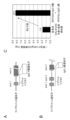
- FIG. 1 shows a method for gene knock-in using homologous recombination. 1 shows the results of observation of silk glands and cocoons in 5th instar larvae of the SP(FibH)-EGFP knock-in line.
- the results of measuring the amount of EGFP expression per silkworm for each knock-in line are shown below.
- 7 shows GM-CSF production in a silkworm line in which the GM-CSF gene sequence was knocked into the second exon of the endogenous fibroin H gene.
- Figure 7A shows the knock-in of the GM-CSF gene sequence into the fibroin H gene.
- Figure 7B shows the results of detecting GM-CSF by Western blotting.
- Figure 8 shows IgG production in silkworm strains in which gene sequences encoding IgG heavy chain and IgG light chain were knocked into the second exon of the endogenous fibroin H gene and the third exon of the endogenous fibroin L gene, respectively.
- Figure 8A shows the knock-in of the IgG heavy chain gene sequence into the fibroin H gene.
- Figure 8B shows the knock-in of the IgG light chain gene sequence into the fibroin L gene.
- Figure 8C shows the amount of IgG production.
- the results of knock-in were performed by designing the genome cleavage site within an intron sequence or exon sequence.
- Figure 9A shows the results of performing homologous recombination by cleaving the genome within the intron sequence of the Fib H gene.
- Figure 9B shows the results of performing homologous recombination by cleaving the genome within the exon sequence of the Fib H gene. Less than 2% of individuals developed into mating-competent adults, and more than 95% of the injected generations showed incomplete pupation or showed naked pupae or thin cocoons.
- the first aspect of the present invention is a genetically modified Lepidoptera insect.
- the genetically modified Lepidoptera insect of the present invention contains a target gene sequence in an exon sequence encoding a signal peptide or a functional fragment thereof of an endogenous gene, and expresses a target protein or a fragment thereof fused to the C-terminus of the signal peptide or the functional fragment thereof.
- the genetically modified Lepidoptera insect of this aspect is capable of stably and mass-producing a target protein.
- lepidoptera insects refers to insects belonging to the taxonomic order Lepidoptera, and refers to butterflies or moths.
- Butterflies include insects belonging to the families Nymphalidae, Papilionidae, Pieridae, Lycaenidae, and Hesperiidae.
- Moths include insects belonging to the families Saturniidae, Bombycidae, Brahmaeidae, Eupterotidae, Lasiocampidae, Psychidae, Geometridae, Archtiidae, Noctuidae, Pyralidae, Sphingidae, and the like.
- moths include species belonging to the genera Bombyx, Samia, Antheraea, Saturnia, Attacus, and Rhodinia, specifically, silkworms, Bombyx mandarina, Samia cynthia (including Samia cynthia ricini and hybrids of Samia cynthia and Samia ricini), Antheraea yamamai, Antheraea pernyi, Saturnia japonica, Actias gnoma, etc.
- Lepidoptera insects as hosts for the transformant of the present invention are not limited to these, but silkworms, which have high industrial applicability, are particularly preferred as hosts.
- Genetically modified lepidopteran insect refers to a genetically modified lepidopteran insect carrying foreign DNA produced using recombinant gene technology, or its progeny.
- genetically modified lepidopteran insect specifically refers to a genetically modified insect obtained by introducing foreign DNA into lepidopteran insect eggs by microinjection.
- silk gland refers to a tubular organ that is a modified salivary gland that has the function of producing, accumulating, and secreting liquid silk.
- Silk glands are usually found in pairs along the digestive tract of insects that can spin silk thread, mainly in the larvae, and each silk gland is composed of three regions: the anterior, middle, and posterior silk gland.
- the posterior silk gland produces and secretes fibroin, the fiber component of silk thread.
- the middle silk gland also produces and secretes sericin, a coating component, and accumulates in its lumen together with fibroin that has migrated from the posterior silk gland.
- an endogenous gene refers to a gene derived from a lepidopteran insect that is present a priori in the genome of that lepidopteran insect.
- an endogenous gene is, in principle, a gene that encodes a protein having a signal peptide. Therefore, in this specification, an endogenous gene is, in principle, a gene that encodes a secretory protein or a membrane protein.
- a secretory protein may be, for example, any protein that constitutes silk thread.
- any protein that constitutes silk thread is often referred to as a "silk protein,” and a gene that encodes a silk protein is referred to as a "silk gene.”
- specific examples of endogenous genes in lepidopteran insects include genes that encode fibroin, sericin, and fibrohexamarin.
- exogenous gene or “foreign gene” refers to a foreign gene acquired later in life through artificial manipulation or the like, and is a gene that does not exist in the genome of wild-type lepidopteran insects.
- Fibroin is a protein that constitutes the fiber component of silk thread.
- Silkworm fibroin is mainly composed of three proteins, namely, fibroin H chain (Fib H), fibroin L chain (Fib L), and fibrohexamerin. As mentioned above, fibrohexamerin is also called p25/FHX.
- Sericin is a protein that covers the outer layer of the fibers formed by fibroin in silk threads.
- silkworms sericin is synthesized in the cells of the middle silk gland and secreted into the lumen of the middle silk gland after synthesis.
- the functions of sericin are known to be adhesion between fibroin fibers as well as protection of fibroin fibers from external stimuli.
- Silkworms can spin silk immediately after hatching, but the protein components of silk threads spun at each stage and silk threads from cocoons are different, and the sericin variant composition contained therein is also different.
- sericin protein variants In general, about six types of sericin protein variants (sericin 1A', sericin 1C, sericin 1D, sericin 2, sericin 3, and sericin 4) are known to be biosynthesized from four types of sericin genes (Ser1, Ser2, Ser3, and Ser4) in silkworms. Of these, there are four main sericin variants contained in cocoons (sericin 1A', sericin 1C, sericin 1D, and sericin 3). In this specification, when the term "sericin” is used, it is intended to mean a general term for sericin unless otherwise specified.
- the sequence of a signal peptide can be predicted based on the amino acid sequence of a protein using a prediction tool such as signalP, but structure predictions provided in a database can also be used.
- the sequence region of the signal peptide can be determined based on the sequence annotations provided in databases such as KAIKObase and KAIKOcDNA available in the Agrigenomics Information Database.
- a "functional fragment" of a signal peptide refers to a fragment that consists of a partial sequence of the signal peptide and retains extracellular localization signal activity.
- a functional fragment of a signal peptide may retain, for example, 50% or more, 60% or more, 70% or more, 80% or more, 90% or more, 95% or more, 98% or more, or the same or more, of the extracellular localization signal activity of the full-length signal peptide.
- the amino acid length of a functional fragment is not particularly limited as long as it retains the activity of the full-length signal peptide, and may be, for example, 50% or more, 60% or more, 70% or more, 80% or more, 90% or more, 95% or more, or 98% or more of the full length.
- full length means the entire amino acid sequence corresponding to a protein that is synthesized and functions in a living organism, or the entire base sequence in a gene that codes for it.
- the full length gene corresponds to the sequence from the start codon to the stop codon
- the full length protein corresponds to a polypeptide or peptide consisting of the amino acid sequence encoded by the full length gene.
- the endogenous signal peptide contained on the N-terminus side is cleaved and removed during the secretion process and is not ultimately included.
- the "full length” does not have to include the signal peptide.
- the full length protein before the signal peptide is cleaved and removed during the secretion process is called the “precursor protein”
- the full length protein after the signal peptide is cleaved and removed is called the “mature protein.”
- exon refers to a region of the base sequence of a gene that remains in the mature transcript.
- an intervening region called an "intron” is removed by splicing, and exons are linked to each other to form a mature transcript.
- exon sequence refers to a base sequence corresponding to an exon
- intron sequence refers to a base sequence corresponding to an intron.
- exon sequence and intron sequence of any gene can be determined by comparing the genome sequence and cDNA sequence of the gene, but it is also possible to obtain sequence information published in databases such as the National Center for Biotechnology Information (NCBI) or predict the exon/intron structure using genome analysis tools available in the technical field.
- NCBI National Center for Biotechnology Information
- exon sequences and intron sequences can be searched for using databases such as KAIKObase and KAIKOcDNA available in the Agrigenomics Information Database.
- target protein refers to a desired protein encoded by a target gene.
- the type of target protein is not important. It may be either a structural protein or a functional protein.
- structural proteins include fibrous proteins such as collagen, actin, myosin, and fibroin, keratin, and histones.
- peptide hormones insulin receptor, IL, IL, interleukin, IFN, tumor necrosis factor alpha (TNF- ⁇ ), transforming growth factor beta (TGF- ⁇ ), etc.
- cytokines granulocyte-macrophage colony-stimulating factor (GM-CSF), epidermal growth factor (EGF), fibroblast growth factor (FGF), interleukin (IL), interferon (IFN), tumor necrosis factor alpha (TNF- ⁇ ), transforming growth factor beta (TGF- ⁇ ), etc.
- transcription factors including GAL4
- antibodies immunoglobulins, etc.
- serum albumin hemoglobin
- hemoglobin enzymes
- fluorescent proteins pigment synthesis proteins
- luminescent proteins include peptide hormones (insulin, calcitonin, parathormone, growth hormone, etc.), cytokines (granulocyte-macrophage colony-stimulating factor (GM-CSF), epidermal growth factor (EGF), fibroblast growth factor (FGF
- the immunoglobulin may be of any class (e.g., IgG, IgE, IgM, IgA, IgD, and IgY) or any subclass (e.g., IgG1, IgG2, IgG3, IgG4, IgA1, IgA2).
- the fluorescent protein is not limited and may be, for example, CFP, AmCyan, RFP, DsRed, YFP, or GFP (including derivatives such as EGFP and EYFP).
- the pigment synthesis protein may be, for example, a protein involved in the biosynthesis of melanin pigments (including dopamine melanin), ommochrome pigments, or pteridine pigments.
- the luminescent protein may be, for example, aequorin or luciferase.
- the target protein may be either a wild-type protein or a mutant protein.
- a "fragment" of a protein refers to a polypeptide or peptide that includes a partial region of a full-length protein.
- the fragment preferably retains activity.
- the fragment may retain 50% or more, 60% or more, 70% or more, 80% or more, 90% or more, 95% or more, 98% or more, or an equivalent or greater amount, of the activity of the full-length protein.
- the amino acid length of the fragment is not particularly limited as long as it retains the activity of the full-length protein, but may be, for example, 50% or more, 60% or more, 70% or more, 80% or more, 90% or more, 95% or more, or 98% or more of the full-length amount.
- transcription termination sequence refers to a sequence capable of terminating gene transcription, and is also called a terminator.
- the type of transcription termination sequence is not particularly limited.
- the terminator is derived from the same species as the genetically modified Lepidoptera insect.
- an insect such as a silkworm
- an hsp70 terminator an SV40 terminator, etc.
- plural refers to an integer of 2 or more, for example, an integer of 2 to 10, 2 to 7, 2 to 5, 2 to 4, or 2 to 3.
- identity refers to the percentage of matching bases in the entire length of the two base sequences when the two base sequences are aligned by inserting appropriate gaps into one or both of them as necessary to maximize the number of matching bases.
- homologous sequence refers to a base sequence that has approximately 60% or more identity to a reference sequence.
- the identity of a homologous sequence to a reference sequence may be, for example, 70% or more, 80% or more, 90% or more, 95% or more, 96% or more, 97% or more, 98% or more, 99% or more, or 99.9% or more.
- gene-homologous sequence refers to a base sequence that has any of the above-mentioned identities using the genome sequence of a lepidopteran insect as a reference sequence
- genomic sequence refers to a sequence that has 100% identity to the corresponding base sequence in the genome.
- amino acid identity refers to the percentage of matching amino acid residues out of the total number of amino acid residues in the amino acid sequences of two polypeptides being compared, when the sequences are aligned by inserting appropriate gaps into one or both sequences as necessary to maximize the number of matching amino acid residues.
- amino acid substitution refers to substitution within a conservative amino acid group that has similar properties such as charge, side chain, polarity, and aromaticity among the 20 types of amino acids that make up natural proteins. Examples include substitutions within the uncharged polar amino acids with low polarity side chains (Gly, Asn, Gln, Ser, Thr, Cys, Tyr), branched-chain amino acids (Leu, Val, Ile), neutral amino acids (Gly, Ile, Val, Leu, Ala, Met, Pro), neutral amino acids with hydrophilic side chains (Asn, Gln, Thr, Ser, Tyr, Cys), acidic amino acids (Asp, Glu), basic amino acids (Arg, Lys, His), and aromatic amino acids (Phe, Tyr, Trp).
- the terms “5' end” and “3' end” refer to the 5' end and 3' end, respectively, of the transcription product transcribed from an endogenous gene, unless otherwise specified.
- upstream and downstream refer to the upstream and downstream directions of a gene, respectively, based on the transcription direction of an endogenous gene, unless otherwise specified.
- the genetically modified lepidopteran insect of the present invention comprises a target gene sequence encoding a target protein or a fragment thereof in an exon sequence encoding a signal peptide or a functional fragment thereof of an endogenous gene.
- the target gene sequence is contained in the exon sequence such that the target protein or a fragment thereof is fused to the C-terminus of the signal peptide or the functional fragment thereof.
- the term "exon sequence encoding a signal peptide or a functional fragment thereof of an endogenous gene” is not limited to an exon sequence encoding a signal peptide in an endogenous gene.
- a signal peptide is encoded in the first exon located most upstream in the mRNA transcribed from the endogenous gene, or in a sequence of multiple exons including the first exon, but the target exon sequence may be any exon sequence.
- the target exon sequence may be the first exon, second exon, third exon, or fourth exon.
- the target exon sequence may be, for example, an exon encoding the C-terminal amino acid residue of a signal peptide, or an exon adjacent to the 5'-terminal side of the exon.
- the target gene sequence is inserted into the target exon sequence so that the target protein or a fragment thereof encoded by the target gene sequence is fused to the C-terminus of the signal peptide or a functional fragment thereof of the endogenous gene. More specifically, the target gene sequence is linked in frame to the 3'-terminus of the base sequence encoding the signal peptide or a functional fragment thereof in the target exon sequence of the endogenous gene.
- the N-terminus of the target protein or a fragment thereof is fused to the C-terminus of the signal peptide or a functional fragment thereof of the endogenous gene, and a fusion gene encoding a fusion polypeptide containing the signal peptide or a functional fragment thereof of the endogenous gene and the target protein or a fragment thereof is constructed in the locus of the endogenous gene.
- the signal peptide or a functional fragment thereof and the target protein or a fragment thereof may be directly linked, or an amino acid sequence other than the signal peptide encoded by the target exon sequence (for example, an amino acid sequence located at the N-terminus of the mature protein described below) may be inserted between them.
- the endogenous gene encodes a protein that constitutes the silk thread.
- the protein that constitutes the silk thread is not particularly limited and may be, for example, fibroin, sericin, and/or fibrohexamarin.
- the fibroin may be a fibroin H chain and/or a fibroin L chain.
- the sericin is not particularly limited and may be, for example, sericin 1.
- the precursor protein including the signal peptide consists of the amino acid sequence shown in SEQ ID NO:1
- the mature protein excluding the signal peptide consists of the amino acid sequence shown in SEQ ID NO:2.
- the signal peptide of the fibroin H chain consists of the amino acid sequence from positions 1 to 21 in SEQ ID NO:1.
- the signal peptide is encoded by the first and second exons, and the C-terminal amino acid residues of the signal peptide are encoded by the second exon ( Figure 2B).
- the first exon is from position 1001 to 1042
- the first intron is from position 1043 to 2013,
- the second exon includes positions 2014 to at least 17763, and the region encoding the signal peptide in the second exon is from position 2014 to 2034.
- the precursor protein including the signal peptide consists of the amino acid sequence shown in SEQ ID NO: 4, and the mature protein excluding the signal peptide consists of the amino acid sequence shown in SEQ ID NO: 5.
- the signal peptide of the fibroin L chain consists of the amino acid sequence of positions 1 to 16 in SEQ ID NO: 4.
- the precursor protein including the signal peptide consists of the amino acid sequence shown in SEQ ID NO:7
- the mature protein excluding the signal peptide consists of the amino acid sequence shown in SEQ ID NO:8.
- the signal peptide consists of the amino acid sequence of positions 1 to 19 in SEQ ID NO:7.
- the precursor protein including the signal peptide consists of the amino acid sequence shown in SEQ ID NO: 10
- the mature protein excluding the signal peptide consists of the amino acid sequence shown in SEQ ID NO: 11.
- the signal peptide of fibrohexamarin consists of the amino acid sequence of positions 1 to 17 in SEQ ID NO: 10.
- the signal peptide is encoded by exon 1, and the C-terminal amino acid residue of the signal peptide is encoded by exon 1.
- the first exon of the fibrohexamarin gene is at positions 918 to 1052, the first intron is at positions 1053 to 1536, the second exon is at positions 1537 to 1756, and the region encoding the signal peptide in exon 1 is at positions 1001 to 1051.
- the target gene sequence may be introduced into a single endogenous gene or into multiple endogenous genes.
- the genetically modified lepidopteran insect of the present invention may have an exon sequence containing the target gene sequence in a heterozygous state or in a homozygous state.
- the types of target gene sequences introduced into the multiple endogenous genes may be the same or different.
- the multiple endogenous genes into which the gene sequence of interest has been introduced may be genes encoding a fibroin H chain and a fibroin L chain, or genes encoding a fibroin H chain and sericin 1, or genes encoding a fibroin H chain, a fibroin L chain, and sericin 1.
- the gene sequence of interest has a stop codon.
- the target exon sequence includes a transcription termination sequence 3' to the stop codon of the gene sequence of interest.
- the protein of interest is a fluorescent protein, an antibody, an antigenic polypeptide, an enzyme, a cytokine, or an antimicrobial polypeptide.
- the protein of interest is an antibody
- the heavy and light chain genes constituting the antibody may be introduced into different endogenous genes.
- the genetically modified lepidopteran insect of the present invention is capable of stably and mass-producing a target protein encoded by a target gene introduced into a target exon sequence.
- the GAL4 gene and UAS regulatory sequence are introduced into random locations on the genome, which can cause large variations in the expression level of the target protein.
- the promoter activity and enhancer activity of the endogenous gene can be directly utilized to express the target gene, allowing for more reliable control of the expression level.
- the second aspect of the present invention is a double-stranded circular DNA.
- the double-stranded circular DNA of this aspect can introduce a target gene sequence into a target exon sequence located on the 3'-terminal side of a genomic cleavage site in an intron sequence in an endogenous gene of a lepidopteran insect.
- the double-stranded circular DNA of this aspect can be used for knocking in a target gene based on, for example, the TAL-PITCh (precise integration into target chromosome) method.
- double-stranded circular DNA refers to a circular double-stranded DNA molecule that contains at least a gene sequence of interest for introducing the gene sequence into an endogenous gene of a lepidopteran insect.
- the double-stranded circular DNA is preferably a vector that can be maintained and/or replicated in bacterial cells such as E. coli, and may contain, for example, sequences necessary for maintenance and replication in the cells (such as a replication origin and/or a gene encoding an antibiotic resistance protein).
- the double-stranded circular DNA may be, for example, a plasmid vector.
- gene editing refers to a gene targeting technology that utilizes DNA repair mechanisms associated with double strand breaks (DSBs) caused by DNA cleaving enzymes to insert foreign genes (knock-in) or destroy target genes (knock-out) at any position in the genome.
- DSBs double strand breaks
- Known genome editing techniques include the zinc finger nuclease (ZFN) method, the TALEN method, and the CRISPR/Cas method, and any of these methods may be used in this specification.
- TALEN Transcription Activator-Like Effector Nuclease
- TALEN Transcription Activator-Like Effector Nuclease
- TALEN Transcription Activator-Like Effector Nuclease
- TALEN is a genome editing technology using an artificial DNA cleaving enzyme that combines a TAL effector (TALE) protein derived from the plant pathogenic bacterium Xanthomonas with a non-specific endonuclease domain.
- TALE TAL effector
- TALEN is a protein consisting of a TALE domain that contains repeated DNA binding units as a DNA binding domain and a non-specific endonuclease domain such as the nuclease domain of FokI.
- TALEN functions as a dimer consisting of a polypeptide (often referred to herein as "Left-TALEN”) that recognizes the DNA sequence near the upstream (5') side of the double-strand break (DSB) site in the target base sequence and a polypeptide (often referred to herein as "Right-TALEN”) that recognizes the DNA sequence near the downstream (3') side of the DSB site.
- the DNA-binding unit constituting the TALE domain has mutations in the amino acid residues at positions 12 and 13 from the N-terminus, and each pair of amino acids can specifically recognize each of the four bases constituting DNA (A: adenine, G: guanine, C: cytosine, T: thymine).
- A adenine
- G guanine
- C cytosine
- T thymine
- the number of repeats of the DNA-binding unit can be changed depending on the base length of the target base sequence.
- a gene knockout method using the TALEN method in lepidopteran insects such as silkworms is a known technique.
- the method described in Takasu Y., et al., 2013, PLoS One 8, e73458 may be referred to.
- ZFN Zinc Finger Nuclease
- a DNA-binding domain a DNA-binding domain
- a non-specific endonuclease domain such as the nuclease domain of FokI. Since one zinc finger motif can recognize three bases and bind to a target nucleic acid, linking multiple zinc finger motifs together will specifically recognize and bind to three times the number of bases linked. It functions as a dimer, and after binding to the target site, it uses its endonuclease activity to create a double-strand break (DSB) at a specific site in the target nucleic acid.
- DSB double-strand break
- CRISPR/Cas Clustered Regularly Interspaced Short Palindromic Repeats/CRISPR associated proteins
- the CRISPR/Cas9 method uses the Cas9 protein, and variations using other Cas proteins such as Cpf1 and Cas13a have been reported. Bacteria and archaea fragment the invading foreign DNA or RNA, insert it into the CRISPR region in the genome, and use it as a template to synthesize CRISPR RNA (crRNA) of about 40 bp.
- crRNA CRISPR RNA
- the crRNA binds to a Cas protein with nuclease activity directly or via a trans-activating RNA (tracrRNA) to form a CRISPR/Cas complex.
- the CRISPR/Cas complex binds to and cuts target DNA or RNA sequences with complementary base sequences via the crRNA.
- double-stranded nucleases such as Cas9 and Cpf1 are used as Cas proteins, DSBs are induced at the target site.
- the double-stranded circular DNA of this embodiment contains a first recognition sequence, a second spacer sequence, a first spacer sequence, a genome homologous sequence, and a target gene sequence in this order.
- the first recognition sequence, the second spacer sequence, the first spacer sequence, and the genome homologous sequence are derived from the base sequence of a genome region containing an endogenous gene that is a target for introducing the target gene sequence.
- the double-stranded circular DNA of this embodiment contains a second recognition sequence on the 5'-end side of the genome homologous sequence.
- a double-stranded cleavage site is generated in an intron sequence on the genome using two genome editing enzymes (hereinafter referred to as the "first genome editing enzyme” and the “second genome editing enzyme") in the target endogenous gene.
- this double-stranded cleavage site is referred to as the "genome cleavage position”.
- the genome cleavage position can be set at any position within the intron sequence of the endogenous gene, but it is preferable to place it at a position other than the functional sequences such as the splice donor sequence and splice acceptor sequence required for splicing, and the branch site.
- each element sequence constituting the double-stranded circular DNA is specified based on the position assumed as the genome cleavage position, and the position where the above-mentioned two genome editing enzymes actually cleave the genome and double-stranded circular DNA is not limited to that position, but may be a position nearby (for example, any position in the first spacer sequence and/or the second spacer sequence).
- the first recognition sequence, the second spacer sequence, and the first spacer sequence contained in the double-stranded circular DNA of this embodiment, as well as the second recognition sequence located at the 5' end in the genome homologous sequence, are derived from a base sequence located near the genome cleavage site in the genome sequence of the endogenous gene.
- the "first recognition sequence” and the “second recognition sequence” are located at the 5' end and 3' end of the genome cleavage site in the genome sequence of the endogenous gene, respectively, and are identical to the base sequences recognized and bound by the first genome editing enzyme and the second genome editing enzyme, respectively.
- the base length of the first recognition sequence and the second recognition sequence varies depending on the type of genome editing enzyme, but is usually 8 to 30 bases long, for example, 10 to 25 bases long, 12 to 20 bases long, or 14 to 18 bases long.
- the "first spacer sequence” is derived from a sequence adjacent to the 5' end of the genome cleavage site in the genome sequence of the endogenous gene, and is derived from a base sequence located between the above-mentioned first recognition sequence and the genome cleavage site.
- the "second spacer sequence” is derived from a sequence adjacent to the 3' end of the genome cleavage site in the genome sequence of the endogenous gene, and is derived from a base sequence located between the genome cleavage site and the above-mentioned second recognition sequence.
- the base lengths of the first spacer sequence and the second spacer sequence vary depending on the type of genome editing enzyme, but are usually 6 to 30 bases long, for example, 8 to 25 bases long, 10 to 20 bases long, or 12 to 15 bases long.
- the endogenous gene includes, in order from the upstream side of the gene, the first recognition sequence, the first spacer sequence, the second spacer sequence, and the second recognition sequence, whereas the double-stranded circular DNA of this embodiment is characterized in that the arrangement of the first spacer sequence and the second spacer sequence is reversed.
- the genome-homologous sequence contained in the double-stranded circular DNA of this embodiment includes the above-mentioned second recognition sequence on its 5'-end side, and is composed of a base sequence homologous to the genome sequence from the second recognition sequence to the exon sequence or a partial sequence thereof located on the 3'-end side of the intron sequence including the genome cleavage position.
- the exon sequence or a partial sequence thereof located on the 3'-end side of the intron sequence including the genome cleavage position may be an exon sequence adjacent to the 3'-end side of the intron sequence including the genome cleavage position.
- the exon sequence or a partial sequence thereof included on the 3'-end side of the genome-homologous sequence encodes the C-terminal side of a signal peptide or a functional fragment thereof, and is linked in frame to the target gene sequence located on the 3'-end side thereof.
- the genome-homologous sequence is not particularly limited as long as it includes the second recognition sequence of the genome editing enzyme.
- the base length of the genomic homologous sequence may be, for example, 15 to 20,000 bases, 20 to 10,000 bases, 50 to 5,000 bases, 100 to 2,000 bases, or 500 to 1,000 bases.
- the region from the first recognition sequence to the second recognition sequence in the genome homologous sequence consists of the first recognition sequence, the second spacer sequence, the first spacer sequence, and the second recognition sequence in the genome homologous sequence.
- the target gene sequence in the double-stranded circular DNA of this embodiment includes a stop codon.
- the double-stranded circular DNA of this embodiment includes a transcription termination sequence on the 3'-end side of the target gene sequence.
- the double-stranded circular DNA of this aspect contains a marker gene for identifying an individual in which a target gene sequence has been introduced into an endogenous gene.
- the marker gene can be located on the 3' end side of the transcription termination sequence located on the 3' end side of the target gene sequence.
- the type of genome editing enzyme that recognizes the first recognition sequence and the second recognition sequence contained in the double-stranded circular DNA of this embodiment is not limited, and may be TALEN, ZFN, and/or Cas9.
- the genome editing enzyme that recognizes the first recognition sequence and the second recognition sequence may be TALEN.
- the two genome editing enzymes that recognize the first recognition sequence and the second recognition sequence may be Left-TALEN and Right-TALEN that function as a dimer.
- multiple exons, including the first exon encode a signal peptide.
- the double-stranded circular DNA of this embodiment can be used in the TAL-PITCh method.
- TAL-PITCh method See the known technical literature (Nature communications, 2014, 5:5560).
- the third aspect of the present invention is a donor nucleic acid.
- the donor nucleic acid of this aspect can introduce a target gene sequence into a target exon sequence located on the 3'-end or 5'-end side of a genomic cleavage site in an intron sequence in an endogenous gene of a lepidopteran insect.
- the donor nucleic acid of this aspect can be used, for example, for knocking in a target gene based on homologous recombination.
- donor nucleic acid refers to a nucleic acid for introducing a target gene sequence into an endogenous gene of a lepidopteran insect.
- the form of the donor nucleic acid is not limited, and it may be, for example, a double-stranded circular DNA such as a plasmid vector or a linear DNA.
- the donor nucleic acid of this embodiment includes a first genome homologous sequence, a second genome homologous sequence, and a target gene sequence disposed therebetween.
- the first genome homologous sequence and the second genome homologous sequence are derived from the base sequence of a genomic region that includes an endogenous gene that is a target for introducing the target gene sequence.
- a genome editing enzyme that recognizes a sequence in the vicinity of an intron sequence on the genome is used to generate a double-stranded cleavage site in the intron sequence on the genome in the target endogenous gene.
- this double-stranded cleavage site is called the "genome cleavage position".
- the genome cleavage position may not be accurately identified.
- the specific configurations of the first genome homologous sequence and the second genome homologous sequence contained in the donor nucleic acid of this embodiment differ between when the genome cleavage site is located on the 5' end side of the target exon sequence into which the gene sequence of interest is introduced and when they are located on the 3' end side of the genome cleavage site, and therefore will be explained separately below.
- the genomic cleavage position is located on the 5'-end side of the target exon sequence
- the first genomic homologous sequence is composed of a base sequence homologous to the genomic sequence from a base located on the 5'-end side of the genomic cleavage position on the genome (e.g., a base located 10 bases, 20 bases, 50 bases, 100 bases, 500 bases, 1,000 bases or more upstream from the genomic cleavage position) to a target exon sequence or a partial sequence thereof located on the 3'-end side of an intron sequence including the genomic cleavage position (or adjacent thereto).
- the genomic sequence corresponding to the first genomic homologous sequence has a mutation in its recognition sequence so as not to be cleaved by a genome editing enzyme that cleaves the above-mentioned genomic cleavage position.
- the type of the mutation is not particularly limited, and may be, for example, a substitution, deletion, and/or insertion of a base in the recognition sequence.
- the number of mutated bases in the recognition sequence is not particularly limited. For example, one or more bases may be substituted, deleted, and/or inserted, more specifically, one or more, two or more, three or more, four or more, five or more, or six or more bases may be substituted, deleted, and/or inserted.
- the second genome-homologous sequence consists of a base sequence that is homologous to a genome sequence located on the 3'-terminal side of the target sequence or a partial sequence thereof.
- the base length of the first and second genome homologous sequences is not particularly limited, and may be, for example, 100 to 20,000 bases, 200 to 10,000 bases, 500 to 5,000 bases, or 1,000 to 2,000 bases.
- the second genome homologous sequence is a base sequence homologous to the genome sequence from a base located on the 3'-terminal side of the target exon sequence or a partial sequence thereof and on the 5'-terminal side of the genome cleavage position (e.g., a base encoding an amino acid residue further C-terminal than the C-terminal amino acid residue of a signal peptide or a functional fragment thereof in the target exon sequence) to a base located on the 3'-terminal side of the genome cleavage position (e.g., a base located 10 bases, 20 bases, 50 bases, 100 bases, 500 bases, 1,000 bases, 5,000 bases, or 10,000 bases or more downstream from the genome cleavage position).
- a base located 10 bases, 20 bases, 50 bases, 100 bases, 500 bases, 1,000 bases, 5,000 bases, or 10,000 bases or more downstream from the genome cleavage position e.g., a base located 10 bases, 20 bases, 50 bases, 100 bases, 500 bases, 1,000 bases, 5,000 bases, or
- the genome sequence corresponding to the second genome homologous sequence has a mutation in its recognition sequence so as not to be cut by the genome editing enzyme that cuts the above-mentioned genome cleavage position.
- the type of the mutation and the number of mutated bases are not particularly limited, and may be, for example, a substitution, deletion, and/or insertion of one or more bases in the recognition sequence, as in (1) above.
- the base length of the first and second genome homologous sequences is not particularly limited, and may be, for example, 100 to 20,000 bases, 200 to 10,000 bases, 500 to 5,000 bases, or 1,000 to 2,000 bases.
- the target exon sequence or a partial sequence thereof contained in either the first or second genome homologous sequence encodes a signal peptide or a functional fragment thereof or a sequence on the C-terminal side thereof, and is linked in frame to a target gene sequence located on the 3'-terminal side thereof via a base sequence that optionally encodes multiple amino acid residues.
- the gene of interest sequence in the donor nucleic acid of this aspect comprises a stop codon.
- the donor nucleic acid of this aspect comprises a transcription termination sequence on the 3' end of the gene of interest sequence.
- the donor nucleic acid of this aspect contains a marker gene for identifying a transgenic Lepidoptera insect in which a gene sequence of interest has been introduced into an endogenous gene.
- the type of genome editing enzyme used in the homologous recombination method using the donor nucleic acid of this embodiment is not limited, and may be TALEN, ZFN, and/or Cas9.
- the donor nucleic acid of this aspect includes a nuclease recognition sequence at the end of the first genome homologous sequence and/or the second genome homologous sequence opposite the target gene sequence.
- the nuclease recognition sequence is not particularly limited and may be a recognition sequence of a genome editing enzyme that cleaves the above-mentioned genome cleavage site, or may be a restriction enzyme recognition sequence that can be cleaved by any restriction enzyme other than the genome editing enzyme.
- the nuclease recognition sequence is a TALEN recognition sequence
- the nuclease recognition sequence may be a combination of two recognition sequences recognized by a Left TALEN and a Right TALEN.
- the fourth aspect of the present invention is a method for producing a genetically modified Lepidopteran insect.
- the double-stranded circular DNA described in the second aspect or the donor nucleic acid described in the third aspect is introduced into an egg of a Lepidopteran insect by microinjection to introduce a target gene sequence into the exon sequence of an endogenous gene, thereby producing a genetically modified Lepidopteran insect.
- the production method of this embodiment includes an essential step of introducing a double-stranded circular DNA or a donor nucleic acid into an egg of a lepidopteran insect by microinjection, and includes an egg obtaining step and a genetically modified lepidopteran insect selecting step.
- the composition of each step is described below.
- the "egg obtaining step” is a step of obtaining eggs by allowing adult female parent silkworms to lay eggs.
- the method of obtaining eggs may be a conventional method in the field.
- Egg laying is initiated by providing an egg-laying mat to the mated female parent silkworm.
- the temperature during egg laying is 23 to 28°C, preferably around 25°C.
- Female silkworms usually begin laying eggs several hours after mating.
- microinjection In order to incorporate the DNA introduced into the eggs into the nucleus, microinjection must be performed within 2 to 8 hours, preferably 3 to 6 hours, after laying.
- the "introducing step” is a step of introducing a double-stranded circular DNA or a donor nucleic acid into an egg of a lepidopteran insect by microinjection.
- the configuration of the double-stranded circular DNA conforms to that described in the second aspect.
- the double-stranded circular DNA described in the second aspect, the first genome editing enzyme described in the second aspect or a nucleic acid encoding the first genome editing enzyme in an expressible state, and the second genome editing enzyme described in the second aspect or a nucleic acid encoding the second genome editing enzyme in an expressible state are introduced into an egg of a lepidopteran insect by microinjection.
- the configuration of the donor nucleic acid is as described in the third aspect.
- the donor nucleic acid described in the third aspect, the genome editing enzyme described in the third aspect, or a nucleic acid encoding a genome editing enzyme in an expressible state is introduced into an egg of a lepidopteran insect by microinjection.
- expressible state refers to the placement of a gene to be expressed downstream of a promoter under the control of the promoter.
- the nucleic acid encoding the genome editing enzyme in an expressible state may be RNA such as mRNA, or DNA such as plasmid DNA or linear DNA.
- the DNA encoding the genome editing enzyme in an expressible state contains a promoter expressible in the eggs of a lepidopteran insect in addition to a base sequence encoding the first or second genome editing enzyme, and may contain components such as a marker gene (selection marker), an enhancer, a terminator, a replication origin, and a polyA signal, as necessary.
- Microinjection may be performed by a method known in the art.
- the double-stranded circular DNA or donor nucleic acid, and the genome editing enzyme or a nucleic acid encoding the genome editing enzyme in an expressible state are dissolved or diluted with a solvent such as water or a buffer to an appropriate concentration to prepare an injection solution.
- the fertilized eggs are microinjected 3 to 6 hours after laying.
- the amount of nucleic acid to be introduced It may be determined appropriately depending on the type, properties, and purpose of the nucleic acid. Usually, 50 nL to 30 nL is sufficient.
- the lepidopteran eggs may be incubated under appropriate conditions, for example, at 25°C, until they hatch.
- the "genetically modified Lepidoptera insect selection step” is a step of selecting a genetically modified Lepidoptera insect from hatched Lepidoptera insects. This step may also be carried out by a method known in the art. For example, when the double-stranded circular DNA or donor nucleic acid used in the introduction step contains a marker gene, the desired genetically modified Lepidoptera insect can be easily selected based on the expression of the marker gene.
- the term "marker gene” refers to a polynucleotide consisting of a base sequence that codes for a marker protein, also called a selection marker.
- a "marker protein” refers to a protein that can confer new traits not present in the host lepidopteran insect upon expression of a marker gene, and includes enzymes, fluorescent proteins, pigment synthesis proteins, luminescent proteins, etc. Based on the activity of the marker protein, it becomes possible to easily identify transformants that have the introduced nucleic acid.
- the fifth aspect of the present invention is a method for producing a target protein, a fragment thereof, or a fusion protein containing the target protein or a fragment thereof. According to the production method of this aspect, it is possible to mass-produce a target protein, a fragment thereof, or a fusion protein containing the target protein or a fragment thereof, using the genetically modified lepidopteran insect of the first aspect or the genetically modified lepidopteran insect produced by the production method described in the fourth aspect.
- the production method of the present invention includes a rearing step and a recovery step. Each step will be described below.
- the "rearing step” is a step of rearing the genetically modified lepidopteran insect of the first embodiment or the genetically modified lepidopteran insect produced by the production method described in the fourth embodiment.
- the genetically modified lepidopteran insect may be reared by a technique known in the art for each lepidopteran insect. For example, if the lepidopteran insect is a silkworm, "General Theory of Silkworms; Takami Tsuyoshi, published by the National Silkworm Association" may be referred to.
- the feed may be, for example, natural leaves of food tree species such as leaves of the genus Morus for silkworms and mulberry silkworms, leaves of Ricinus communis or Ailanthus altissima for Eri silkworms, and leaves of Fagaceae for Scutellaria japonica, or artificial feed such as Silkmate L4M or for 1st to 3rd instar silkworms (Nihon Nosan Kogyo). Considering that it is possible to suppress the occurrence of diseases, to provide stable quality and amount of food, and to rear the silkworms in a sterile environment as necessary, artificial feed is preferable. Below, a simple rearing method will be explained using silkworms as an example.
- the eggs laid by an appropriate number of females of the same genetically modified lepidopteran species are used for breeding.
- the hatched larvae are transferred from the egg carrier to a container lined with dry-proof paper (paraffin-treated paper) to serve as a silkworm bed, and artificial food such as Silkmate is arranged on the dry-proof paper and fed.
- dry-proof paper paraffin-treated paper
- Silkmate artificial food
- the food is replaced once for the 1st and 2nd instars, and once to three times for the 3rd instar. If there is a lot of leftover old food, it is removed to prevent spoilage.
- For rearing of 4th to 5th instar adult silkworm larvae they are transferred to a large container and the number of larvae per container is adjusted appropriately.
- the container may be covered with dry-proof paper, acrylic, or mesh lids. The rearing temperature is 25-28°C throughout all instars.
- Recovery step is a step of recovering the target protein or a fragment thereof, or a fusion protein containing the same, which is expressed in the silk gland cells of the larvae of a genetically modified lepidopteran insect, secreted, and then accumulated in the lumen of the silk gland.
- the genetically modified lepidopteran insect used in this embodiment expresses in silk gland cells a precursor protein in which a signal peptide or a functional fragment thereof is fused to the N-terminus of a fusion protein (hereinafter referred to as "target protein, etc.") containing a mature protein or a C-terminal fragment thereof encoded by an endogenous gene at the C-terminus of the target protein or fragment thereof.
- target protein a fusion protein
- the precursor protein expressed in the silk gland cells is transported to the endoplasmic reticulum by the action of the signal peptide or a functional fragment thereof, and the signal peptide or a functional fragment thereof is cleaved by the action of an enzyme such as a peptidase in the endoplasmic reticulum, and then secreted into the lumen of the silk gland.
- the target protein, etc. after the signal peptide or the functional fragment is cleaved is secreted from the anterior silk gland to the outside of the individual during the pupation stage and spun. Therefore, the target protein, etc. can be recovered from the cocoon, or directly by extracting the silk gland from the insect body at the late final instar to pre-pupal stage.
- the method of recovery from cocoons is advantageous in that it allows the desired proteins to be recovered easily.
- the method for recovering the target protein from the cocoon is as follows: first, the final stage larvae are transferred to the cocoon and allowed to spin a cocoon. Next, the target protein is extracted from the cocoon.
- the target protein can be recovered by simply immersing the cocoon in water or a suitable neutral extraction buffer that does not contain a protein denaturant (e.g., phosphate-buffered saline, pH 7.2, with or without 1% Tween-20 and 0.05% sodium azide).
- a protein denaturant e.g., phosphate-buffered saline, pH 7.2, with or without 1% Tween-20 and 0.05% sodium azide.
- the cocoon may be cut or crushed before immersion.
- the extraction temperature is low, 0 to 10°C, preferably 0 to 5°C, to prevent thermal denaturation of the target protein.
- the extraction can also be performed at 10 to 40°C.
- the extraction liquid may be stirred as necessary.
- the extraction time varies depending on the state of the cocoons (e.g., uncut or powdered), the amount of extract, the extraction temperature, the presence or absence of stirring, and other extraction conditions, so it can be determined appropriately according to the conditions.
- Insoluble components such as fibroin can be removed from the extract by centrifugation or filtration as necessary.
- the method of extracting the silk gland from the late final stage to prodromal stage and recovering the target protein, etc. can be achieved by a method known in the art.
- silkworms on the sixth day of the final stage (fifth instar), immediately before spinning can be anesthetized on ice, the dorsal side can be incised, and the silk gland can be extracted with tweezers without damaging it (see Mori Yasushi, ed., New Biological Experiments with Silkworms, Sanseido, 1970, pp. 249-255).
- the extracted silk gland can be gently shaken in the extraction buffer at, for example, 0 to 10°C, preferably 0 to 5°C, to elute the target protein, etc., into the buffer.
- the target protein, etc. is not a heat-sensitive peptide, it may be extracted at a temperature of 10 to 40°C. Then, impurities such as tissue fragments can be removed by centrifugation or filtration, and the supernatant containing the target protein, etc. can be recovered.
- the production method of the present invention by using the genetically modified lepidopteran insect of the first embodiment or the larvae of the genetically modified lepidopteran insect produced by the production method described in the fourth embodiment as a protein production system, it is possible to mass-produce and easily recover a target protein, etc., compared to the case where the GAL4/UAS system is used.
- the inventors therefore came up with the idea of constructing a new expression system for stable mass production of a target protein by knocking in a target gene sequence into an endogenous gene. More specifically, if a target gene encoding a target protein is knocked in so that it is fused to a signal peptide in an exon sequence encoding a signal peptide in an endogenous sericin gene or fibroin gene, it may be possible to directly utilize the promoter activity and enhancer activity of the endogenous gene to highly express the target gene.
- TALEN expression vectors were constructed with reference to Y. Takasu, S. Sajwan, T. Daimon, M. Osanai-Futahashi, K. Uchino, H. Sezutsu, T. Tamura, M. Zurovec (2013): Efficient TALEN construction for Bombyx mori gene targeting, PLoS One, 8, e73458.
- TALEN mRNA was synthesized using each TALEN expression vector as a template with the mMESSAGE mMACHINE T7 ULTRA Transcription Kit (Invitrogen).
- a double-stranded circular DNA shown in Fig. 3B was constructed as a donor nucleic acid for use in the TAL-PITCh method (hereinafter referred to as "SP(FibH)-EGFP donor nucleic acid for TAL-PITCh").
- the SP(FibH)-EGFP donor nucleic acid for TAL-PITCh contains the first recognition sequence, the second spacer sequence, the first spacer sequence, the genomic homology sequence, the target gene sequence, the transcription termination sequence, and the marker gene in this order (Fig. 3B).
- the first spacer sequence is adjacent to the 5' end of the genome cleavage site and is a 10-base-long sequence consisting of positions 1945 to 1954 in SEQ ID NO: 3.
- the second spacer sequence is adjacent to the 3' end of the genome cleavage site and is a 10-base-long sequence consisting of positions 1955 to 1964 in SEQ ID NO: 3.
- the first recognition sequence is a 20-base-long sequence consisting of positions 1925 to 1944 in SEQ ID NO: 3 that is recognized by Left TALEN at the 5' end of the first spacer sequence.
- the genome homologous sequence is a base sequence homologous to the genome sequence from the second recognition sequence to the codon encoding the C-terminal residue of the signal peptide in the second exon sequence, and is a 70-base-long sequence consisting of positions 1965 to 2034 in SEQ ID NO: 3.
- the second recognition sequence is a 20-base-long sequence consisting of positions 1965 to 1984 in SEQ ID NO: 3 that is recognized by Right TALEN at the 3' end of the second spacer sequence.
- the target gene sequence was the EGFP gene sequence, and the transcription termination sequence used was the transcription termination sequence of the silkworm-derived sericin 1 gene.
- the SP(FibH)-EGFP donor nucleic acid for TAL-PITCh was injected into silkworm eggs 2 to 8 hours after oviposition from the w1-pnd strain, a white-eyed, white-egg, non-diapause strain maintained at the National Agriculture and Food Research Organization, together with mRNAs encoding the Left and Right TALENs, which were synthesized using the mMESSAGE mMACHINE T7 ULTRA Transcription Kit (Invitrogen). After injection, the eggs were incubated in a humidified environment at 25°C until they hatched.
- the silkworms of the current generation after injection were crossed with the parent strain, and the resulting next-generation larvae were selected based on the fluorescence of DsRed2 expressed throughout the body or EGFP expressed in the silk gland to obtain knock-in silkworm strains.
- the knock-in strain obtained is referred to as the "SP(FibH)-EGFP knock-in strain.”
- the knock-in Fib H gene is referred to as the "SP(FibH)-EGFP knock-in gene.”
- the SP(FibH)-EGFP donor nucleic acid for homologous recombination contains a first genome homologous sequence and a second genome homologous sequence, as well as an EGFP gene sequence, a transcription termination sequence, and a marker gene, which are the target gene sequence arranged between them, and contains a TALEN recognition sequence at the end opposite to the EGFP gene sequence of the first genome homologous sequence and the second genome homologous sequence.
- the first genome homologous sequence is a 1034-base-long sequence homologous to the genome sequence from the base located 5'-terminal of the genome cleavage position on the genome (position 1001 in SEQ ID NO: 3) to the codon encoding the C-terminal residue of the signal peptide in the second exon sequence.
- the protein in which the FibH-derived signal peptide is fused to the N-terminus of EGFP, encoded by the gene after knock-in ( Figure 4), consists of the amino acid sequence shown in SEQ ID NO: 14 as in (1) above (hereinafter, referred to as "SP(FibH)-EGFP fusion protein" as in (1) above).
- the SP(FibH)-EGFP donor nucleic acid for homologous recombination was injected into silkworm eggs of the w1-pnd strain 2 to 8 hours after spawning together with mRNAs encoding the Left and Right TALENs, which were synthesized using the mMESSAGE mMACHINE T7 ULTRA Transcription Kit (Invitrogen). After injection, the eggs were incubated in a humidified environment at 25°C until they hatched. The injected silkworms were crossed with the parent strain, and the resulting next-generation larvae were selected based on the fluorescence of DsRed2 expressed throughout the body or EGFP expressed in the silk gland to obtain knock-in silkworm strains.
- the resulting knock-in strains are referred to as "SP(FibH)-EGFP knock-in strains" as in (1) above.
- a position in the second intron of the FibL gene (position between positions 8937 and 8954 in SEQ ID NO: 6) was set as the genome cleavage position, and a double-stranded circular DNA was constructed as a donor nucleic acid to be used in homologous recombination (hereinafter referred to as "SP(FibL)-EGFP donor nucleic acid for homologous recombination").
- the SP(FibL)-EGFP donor nucleic acid for homologous recombination contains a first genome homologous sequence and a second genome homologous sequence, as well as an EGFP gene sequence, a transcription termination sequence, and a marker gene, which are the target gene sequence arranged between them, and contains a TALEN recognition sequence at the end opposite to the EGFP gene sequence of the first genome homologous sequence and the second genome homologous sequence.
- the above-mentioned genomic cleavage site is cleaved by a Left TALEN that recognizes a 20-base sequence consisting of positions 8917 to 8936 in SEQ ID NO:6, and a Right TALEN that recognizes a 20-base sequence consisting of positions 8955 to 8974 in SEQ ID NO:6.
- the first genome homologous sequence is a 1128-base-long sequence homologous to the genome sequence from the base located 5'-terminal of the genome cleavage position on the genome (position 7864 in SEQ ID NO: 6) to the codon encoding the C-terminal residue of the signal peptide in the third exon sequence.
- the first genome homologous sequence has a mutation in the vicinity of the above-mentioned genome cleavage position so that it is not recognized by the Left TALEN and Right TALEN (specifically, the base sequence CCCGAGAAAACAATTTGTTGTGTATAATTTAAACCAAAACCCGAATTTAATTTTTCGC (SEQ ID NO: 35) located at positions 8917 to 8974 in SEQ ID NO: 6 is replaced with the base sequence CCCGAGAAAAgAATTcGTTcTGTATAATTTAAACCAAAAttCGAATTTAATTTTTCGC (SEQ ID NO: 36)).
- the second genome homologous sequence is a 1362-base sequence homologous to the genome sequence located 3'-terminal of the codon encoding the C-terminal residue of the signal peptide in the third exon sequence on the genome.
- the TALEN recognition sequence and the base sequence from the first genome homologous sequence to the second genome homologous sequence and TALEN recognition sequence are shown in SEQ ID NO: 16.
- the protein encoded by the gene after knock-in in which the FibL signal peptide is fused to the N-terminus of the C-terminal fragment of EGFP excluding the initiating methionine, consists of the amino acid sequence shown in SEQ ID NO: 17 (hereinafter referred to as "SP(FibL)-EGFP fusion protein").
- the SP(FibL)-EGFP donor nucleic acid for homologous recombination was injected into silkworm eggs of the w1-pnd strain 2 to 8 hours after spawning together with mRNAs encoding the Left TALEN and Right TALEN synthesized using mMESSAGE mMACHINE T7 ULTRA Transcription Kit (Invitrogen).
- the eggs after injection were incubated in a humidified state at 25°C until hatching.
- a knock-in silkworm line was obtained in the same manner as in (2) above.
- the knock-in line obtained is referred to as the "SP(FibL)-EGFP knock-in line" as in (1) above.
- the FibL gene after this knock-in is referred to as the "SP(FibL)-EGFP knock-in gene".
- SP(FibL)-EGFP knock-in gene In the individuals developed from the microinjected embryos, no defects in cocoon spinning or mating were observed, as in (1) above.
- the EGFP gene sequence was introduced into the second exon of the sericin 1 (hereinafter referred to as "Ser1") gene by homologous recombination so that the EGFP protein was fused to the C-terminus of the signal peptide of Ser1.
- a position in the first intron of the Ser1 gene (between positions 3020 and 3033 in SEQ ID NO:9) was used as the genome cleavage position, and a double-stranded circular DNA was constructed as a donor nucleic acid to be used in homologous recombination (hereinafter referred to as "SP(Ser1)-EGFP donor nucleic acid for homologous recombination").
- the SP(Ser1)-EGFP donor nucleic acid for homologous recombination contains a first genome homologous sequence and a second genome homologous sequence, as well as an EGFP gene sequence, a transcription termination sequence, and a marker gene, which are the target gene sequence, disposed between them, and contains a TALEN recognition sequence at the end opposite to the EGFP gene sequence of the first genome homologous sequence and the second genome homologous sequence.
- the above-mentioned genomic cleavage site is cleaved by a Left TALEN that recognizes a 19-base sequence consisting of positions 3001 to 3019 in SEQ ID NO:9, and a Right TALEN that recognizes a 16-base sequence consisting of positions 3034 to 3049 in SEQ ID NO:9.
- the first genome homologous sequence is a 2069-base-long sequence homologous to the genome sequence from the base located on the 5'-end side of the genome cleavage position on the genome (position 947 in SEQ ID NO: 9) to the codon encoding the C-terminal residue of the signal peptide in the second exon sequence.
- the first genome homologous sequence has a mutation in the vicinity of the above-mentioned genome cleavage position so that it is not recognized by the Left TALEN and the Right TALEN (specifically, the base sequence TATATTGTAAAGCACAACATATATATTAATGAATTTTTTATTTATTTTTC (SEQ ID NO: 37) located at positions 3000 to 3049 in SEQ ID NO: 9 is replaced with the base sequence agTATTGagAAGCACAAgtaATATATTAATGAATTTTTTcTTTcTTTTTC (SEQ ID NO: 38)).
- the second genome homologous sequence is a 2000-base-long sequence homologous to the genome sequence located on the 3'-end side of the codon encoding the C-terminal residue of the signal peptide in the second exon sequence on the genome.
- the base sequence from the restriction enzyme recognition sequence and the first genome homologous sequence to the second genome homologous sequence and the restriction enzyme recognition sequence is shown in SEQ ID NO: 18.
- the SP(Ser1)-EGFP donor nucleic acid for homologous recombination was injected into silkworm eggs of the w1-pnd strain 2 to 8 hours after spawning together with mRNAs encoding the Left and Right TALENs synthesized using the mMESSAGE mMACHINE T7 ULTRA Transcription Kit (Invitrogen). After injection, the eggs were incubated in a humidified environment at 25°C until they hatched. A knock-in silkworm line was obtained using the same method as in (2) above. Hereinafter, the obtained knock-in line will be referred to as the "SP(Ser1)-EGFP knock-in line" as in (1) above. The Ser1 gene after this knock-in will be referred to as the "SP(Ser1)-EGFP knock-in gene".
- Example 2 Production of EGFP protein (the purpose) The expression level of EGFP protein in the silk gland of each knock-in line prepared in Example 1 is measured.
- Silkworm strains Lines having a combination of multiple knock-in genes were prepared by crossbreeding each of the knock-in lines prepared in (2) to (4) of Example 1.
- a line having two knock-in genes for example, an SP(FibH)-EGFP knock-in gene and an SP(FibL)-EGFP knock-in gene, is referred to as an SP(FibH)-EGFP/SP(FibL)-EGFP knock-in line, etc. Note that in the silkworms used in this example, all of the knock-in genes are heterozygous.
- a line obtained by crossing a FibH+Ser1-GAL4 line expressing the GAL4 gene under the control of the FibH gene promoter and the Ser1 gene promoter with a UAS-EGFP line expressing the EGFP gene under the control of the UAS regulatory sequence (hereinafter referred to as the "EGFP-producing GAL4/UAS line") was used as a control group.
- Silkworms were reared as follows. All stages of larvae were reared on artificial diet (Silkmate Original Species 1-3 Stages S, Nosan Corporation) in a rearing room at 25-27°C. The artificial diet was changed every 2-3 days (Uchino K. et al., 2006, J Insect Biotechnol Sericol, 75:89-97).
- the amount of EGFP expression in the SP(Ser1)-EGFP knock-in line was slightly higher than that of the EGFP-producing GAL4/UAS line (Fig. 6, Control(GAL4/UAS)).
- GAL4 protein is expressed from two promoters, the Ser1 gene promoter and the FibH gene promoter, and the amount of expression derived from the Ser1 gene promoter of the 3.3 mg of EGFP expression is estimated to be less than 1 mg. Therefore, the amount of EGFP expression in the SP(Ser1)-EGFP knock-in line is considered to be overwhelmingly higher.
- the amount of EGFP expression in the SP(FibH)-EGFP knock-in line was more than twice as high as that in the SP(FibL)-EGFP knock-in line (Fig. 6, SP(FibL)-EGFP), and more than four times as high as that in the SP(Ser1)-EGFP knock-in line (Fig. 6, SP(Ser1)-EGFP).
- This result was unexpected, given that the molar amounts of FibH and FibL proteins produced in the silk gland of silkworms are equal in terms of the composition of fibroin, and that the amount of fibroin that constitutes silk thread is three times that of sericin by weight.
- the SP(FibH)-EGFP/SP(FibL)-EGFP/SP(Ser1)-EGFP knock-in line ( Figure 6, far right) expressed 33.7 mg of EGFP, which was significantly higher than the expected sum of the EGFP expression levels in the SP(FibH)-EGFP knock-in line, the SP(FibL)-EGFP knock-in line, and the SP(Ser1)-EGFP knock-in line.
- Example 3 Production of GM-CSF protein (the purpose) We performed knock-in by homologous recombination so that granulocyte-macrophage colony-stimulating factor (GM-CSF) was fused to the C-terminus of the signal peptide of FibH. We then evaluated the amount of GM-CSF produced in the silk gland.
- GM-CSF granulocyte-macrophage colony-stimulating factor
- FibH-derived signal peptide in which the FibH-derived signal peptide is fused to the N-terminus of the mature amino acid sequence of GM-CSF excluding the GM-CSF-derived signal peptide, consists of the amino acid sequence shown in SEQ ID NO: 22 (hereinafter referred to as the "SP(FibH)-GM-CSF fusion protein").
- a line obtained by crossing the Ser1-GAL4 line expressing the GAL4 gene under the control of the Ser1 gene promoter with the UAS-GM-CSF line expressing the GM-CSF gene under the control of the UAS regulatory sequence (hereinafter referred to as the "middle silk gland GM-CSF-producing GAL4/UAS line"), and a line obtained by crossing the FibH-GAL4 line expressing the GAL4 gene under the control of the FibH gene promoter with the UAS-GM-CSF line (hereinafter referred to as the "posterior silk gland GM-CSF-producing GAL4/UAS line”) were used as controls.
- the membrane was gently shaken for 5 minutes with EZ wash (AE-1480, ATTO), and then reacted with the primary antibody (anti-GM-CSF antibody, 3000-fold dilution, Immundiagnostik, product number AS1021.2) at 4°C overnight.
- the membrane was washed three times for 10 minutes with EZ wash, and then reacted with the secondary antibody (Anti-Rabbit IgG, HRP-Linked Whole Ab Donkey, Cytiva, product number NA934-100UL, 50,000-fold dilution) at room temperature for 1 hour.
- the membrane was washed three times for 10 minutes with EZ wash, and then reacted with ECL prime (RPN2232, GE Healthcare) for 5 minutes, and the signal was detected with Fusion FX (Vilber Bio Imaging).
- Example 4 Antibody production (the purpose) Knock-in is performed by homologous recombination so that the IgG H chain is fused to the C-terminus of the signal peptide of FibH. Furthermore, knock-in is performed by homologous recombination so that the IgG L chain is fused to the C-terminus of the signal peptide of FibL. The two knock-in strains obtained are crossed to produce antibody molecules containing the IgG H chain and the IgG L chain.
- FibH-derived signal peptide in which a FibH-derived signal peptide is fused to the N-terminus of the IgG H chain consists of the amino acid sequence shown in SEQ ID NO: 25 (hereinafter referred to as the "SP(FibH)-IgG H chain fusion protein").
- Example 1 (3) was performed by replacing the target gene from the EGFP gene sequence with the IgG L chain gene sequence.
- the IgG L chain gene sequence consists of the base sequence shown in SEQ ID NO: 26, and encodes an IgG L chain consisting of the amino acid sequence shown in SEQ ID NO: 27.
- the resulting knock-in line is called the "SP(FibL)-IgG L chain knock-in line.”
- the protein in which a FibL-derived signal peptide is fused to the N-terminus of the IgG L chain, encoded by the gene after knock-in ( Figure 8B), consists of the amino acid sequence shown in SEQ ID NO: 28 (hereinafter referred to as the "SP(FibL)-IgG L chain fusion protein").
- the FibH+Ser1-GAL4 line which expresses the GAL4 gene under the control of the FibH gene promoter and the Ser1 gene promoter
- the UAS-IgG H-chain line which expresses the IgG H-chain gene under the control of the UAS regulatory sequence
- the UAS-IgG L-chain line which expresses the IgG L-chain gene under the control of the UAS regulatory sequence
- the results are shown in Figure 8C.
- the SP(FibH)-IgG H chain/SP(FibL)-IgG L chain knock-in line was shown to be capable of producing approximately 4.6 times more IgG than the middle and posterior silk glands of the antibody-producing GAL4/UAS line. It was revealed that the silk glands of the SP(FibH)-IgG H chain/SP(FibL)-IgG L chain knock-in line expressed and secreted antibody molecules containing IgG H chain and IgG L chain with extremely high efficiency.
- ⁇ Comparative Example 1 Creation of knock-in lineage when genome cleavage site is designed in exon sequence> (the purpose) By creating a genomic cleavage site within an exon sequence, not an intron sequence, the EGFP gene is knocked into the fibroin H gene by homologous recombination. The efficiency of generating knock-in lines is compared with that of cleaving the genome within an intron sequence.
- the donor nucleic acid for homologous recombination was injected into 384 eggs together with mRNA encoding TALEN, which was synthesized using mMESSAGE mMACHINE T7 ULTRA Transcription Kit (Invitrogen) into silkworm eggs of the w1-pnd strain 2 to 8 hours after spawning.
- the eggs after injection were incubated in a humidified state at 25°C until hatching.
- the silkworms of the current generation after injection were raised to adulthood and crossed with the parent strain to determine whether they had the ability to mate.
Landscapes
- Life Sciences & Earth Sciences (AREA)
- Health & Medical Sciences (AREA)
- Genetics & Genomics (AREA)
- Engineering & Computer Science (AREA)
- Chemical & Material Sciences (AREA)
- Organic Chemistry (AREA)
- Zoology (AREA)
- Wood Science & Technology (AREA)
- Biomedical Technology (AREA)
- General Engineering & Computer Science (AREA)
- Bioinformatics & Cheminformatics (AREA)
- Biotechnology (AREA)
- Molecular Biology (AREA)
- Biochemistry (AREA)
- General Health & Medical Sciences (AREA)
- Microbiology (AREA)
- Biophysics (AREA)
- Plant Pathology (AREA)
- Physics & Mathematics (AREA)
- Proteomics, Peptides & Aminoacids (AREA)
- Environmental Sciences (AREA)
- General Chemical & Material Sciences (AREA)
- Toxicology (AREA)
- Gastroenterology & Hepatology (AREA)
- Medicinal Chemistry (AREA)
- Animal Behavior & Ethology (AREA)
- Animal Husbandry (AREA)
- Biodiversity & Conservation Biology (AREA)
- Chemical Kinetics & Catalysis (AREA)
- Preparation Of Compounds By Using Micro-Organisms (AREA)
- Micro-Organisms Or Cultivation Processes Thereof (AREA)
- Peptides Or Proteins (AREA)
Applications Claiming Priority (2)
| Application Number | Priority Date | Filing Date | Title |
|---|---|---|---|
| JP2023-114730 | 2023-07-12 | ||
| JP2023114730A JP2025012136A (ja) | 2023-07-12 | 2023-07-12 | 遺伝子組換えチョウ目昆虫 |
Publications (1)
| Publication Number | Publication Date |
|---|---|
| WO2025013739A1 true WO2025013739A1 (ja) | 2025-01-16 |
Family
ID=94215287
Family Applications (1)
| Application Number | Title | Priority Date | Filing Date |
|---|---|---|---|
| PCT/JP2024/024180 Pending WO2025013739A1 (ja) | 2023-07-12 | 2024-07-04 | 遺伝子組換えチョウ目昆虫 |
Country Status (2)
| Country | Link |
|---|---|
| JP (1) | JP2025012136A (https=) |
| WO (1) | WO2025013739A1 (https=) |
Citations (3)
| Publication number | Priority date | Publication date | Assignee | Title |
|---|---|---|---|---|
| JP2002315580A (ja) * | 2001-04-18 | 2002-10-29 | Japan Science & Technology Corp | ヒト・コラーゲンを産生する形質転換カイコ |
| WO2014104269A1 (ja) * | 2012-12-25 | 2014-07-03 | 独立行政法人農業生物資源研究所 | 後部絹糸腺遺伝子発現ユニット及びそれを有する遺伝子組換え絹糸虫 |
| JP2020134368A (ja) * | 2019-02-21 | 2020-08-31 | 国立研究開発法人農業・食品産業技術総合研究機構 | AGEsを検出するためのアッセイ系 |
-
2023
- 2023-07-12 JP JP2023114730A patent/JP2025012136A/ja active Pending
-
2024
- 2024-07-04 WO PCT/JP2024/024180 patent/WO2025013739A1/ja active Pending
Patent Citations (3)
| Publication number | Priority date | Publication date | Assignee | Title |
|---|---|---|---|---|
| JP2002315580A (ja) * | 2001-04-18 | 2002-10-29 | Japan Science & Technology Corp | ヒト・コラーゲンを産生する形質転換カイコ |
| WO2014104269A1 (ja) * | 2012-12-25 | 2014-07-03 | 独立行政法人農業生物資源研究所 | 後部絹糸腺遺伝子発現ユニット及びそれを有する遺伝子組換え絹糸虫 |
| JP2020134368A (ja) * | 2019-02-21 | 2020-08-31 | 国立研究開発法人農業・食品産業技術総合研究機構 | AGEsを検出するためのアッセイ系 |
Non-Patent Citations (5)
| Title |
|---|
| KEN-ICHIRO TATEMATSU ; ISAO KOBAYASHI ; KEIRO UCHINO ; HIDEKI SEZUTSU ; TETSUYA IIZUKA ; NAOYUKI YONEMURA ; TOSHIKI TAMURA: "Construction of a binary transgenic gene expression system for recombinant protein production in the middle silk gland of the silkworm Bombyx mori", TRANSGENIC RESEARCH, KLUWER ACADEMIC PUBLISHERS-PLENUM PUBLISHERS, NE, vol. 19, no. 3, 30 September 2009 (2009-09-30), Ne , pages 473 - 487, XP019831648, ISSN: 1573-9368 * |
| KENICHIRO TATEMATSU ET AL: "2P-0713: TALEN-based knock-in into silkworm sericin 1 gene intronic region", 41ST ANNUAL MEETING OF THE MOLECULAR BIOLOGY SOCIETY OF JAPAN , NOVEMBER 28 TO 30, 2018; PACIFICO YOKOHAMA, JAPAN, MOLECULAR BIOLOGY SOCIETY OF JAPAN, JP, vol. 41, 1 January 2018 (2018-01-01) - 30 November 2018 (2018-11-30), JP, pages 2P - 0713, XP009560111 * |
| NGUYEN THI MAI; LU CHUNG-AN; HUANG LI-FEN: "Applications of CRISPR/Cas9 in a rice protein expression system via an intron-targeted insertion approach", PLANT SCIENCE, ELSEVIER IRELAND LTD, IE, vol. 315, 26 November 2021 (2021-11-26), IE , XP086933588, ISSN: 0168-9452, DOI: 10.1016/j.plantsci.2021.111132 * |
| SHOTA NAKADE, TAKUYA TSUBOTA, YUTO SAKANE, SATOSHI KUME, NAOAKI SAKAMOTO, MASANOBU OBARA, TAKAAKI DAIMON, HIDEKI SEZUTSU, TAKASHI : "Microhomology-mediated end-joining-dependent integration of donor DNA in cells and animals using TALENs and CRISPR/Cas9", NATURE COMMUNICATIONS, vol. 5, pages 5560, XP055342780, DOI: 10.1038/ncomms6560 * |
| TATEMATSU KENICHIRO: "Recombinant protein production by means of TALEN-based knock-in into silkworm fibroin gene", ABSTRACTS OF THE 46TH ANNUAL MEETING OF THE MOLECULAR BIOLOGY SOCIETY OF JAPAN, MOLECULAR BIOLOGY SOCIETY OF JAPAN, JP, vol. 46, 27 November 2023 (2023-11-27) - 1 December 2023 (2023-12-01), JP, pages 1P - 283, XP009560112 * |
Also Published As
| Publication number | Publication date |
|---|---|
| JP2025012136A (ja) | 2025-01-24 |
Similar Documents
| Publication | Publication Date | Title |
|---|---|---|
| JP6253109B2 (ja) | 後部絹糸腺遺伝子発現ユニット及びそれを有する遺伝子組換え絹糸虫 | |
| JP6326703B2 (ja) | 外因性遺伝子発現増強剤 | |
| JP6990413B2 (ja) | 遺伝子組換えミノムシ絹糸 | |
| EP2581446B1 (en) | Method for producing pentameric crp, pentameric crp-producing transgenic silkworm and method for constructing same, dna encoding canine monomeric crp and expression vector containing the dna | |
| Takasu et al. | Fibroin heavy chain gene replacement with a highly ordered synthetic repeat sequence in Bombyx mori | |
| Qian et al. | High-efficiency production of human serum albumin in the posterior silk glands of transgenic silkworms, Bombyx mori L | |
| WO2025013739A1 (ja) | 遺伝子組換えチョウ目昆虫 | |
| JP2025012122A (ja) | 遺伝子組換えチョウ目昆虫 | |
| JP2006521802A (ja) | 鱗翅目の後部絹糸腺における有用ポリペプチド発現を指令する核酸およびその応用 | |
| CN114854748B (zh) | apoc1基因启动子及其应用和由其构建的动物模型和方法 | |
| JP6541173B2 (ja) | 細胞死誘導ベクター及びそれを有する部位特異的細胞死誘導カイコ系統 | |
| JP5177431B2 (ja) | TRACP5bの製造方法 | |
| JP2008125367A (ja) | 組換えプロリン水酸化ヒトコラーゲンを生産する組換え細胞およびトランスジェニック生物 | |
| JP7445250B2 (ja) | 発現ベクター及び目的タンパク質の製造方法 | |
| US20220017917A1 (en) | Synthesis of High Molecular Weight Proteins Using Inteins | |
| JP2004254681A (ja) | 昆虫への遺伝子導入ベクターおよび遺伝子産物製造法 | |
| JP6948064B2 (ja) | ミトコンドリア機能異常型遺伝子組換え絹糸虫 | |
| US9359416B2 (en) | DNA encoding canine monomeric CRP and expression vector containing the DNA | |
| JP2023084919A (ja) | 不妊性チョウ目昆虫の生産方法及びチョウ目昆虫の不妊化剤 | |
| HK40095764A (zh) | 基因重组蓑蛾虫丝 |
Legal Events
| Date | Code | Title | Description |
|---|---|---|---|
| NENP | Non-entry into the national phase |
Ref country code: DE |