WO2021186520A1 - 車両制御装置、隊列走行管理装置、及び隊列走行管理方法 - Google Patents
車両制御装置、隊列走行管理装置、及び隊列走行管理方法 Download PDFInfo
- Publication number
- WO2021186520A1 WO2021186520A1 PCT/JP2020/011582 JP2020011582W WO2021186520A1 WO 2021186520 A1 WO2021186520 A1 WO 2021186520A1 JP 2020011582 W JP2020011582 W JP 2020011582W WO 2021186520 A1 WO2021186520 A1 WO 2021186520A1
- Authority
- WO
- WIPO (PCT)
- Prior art keywords
- vehicle
- platoon
- unit
- vehicles
- interrupt
- Prior art date
- Legal status (The legal status is an assumption and is not a legal conclusion. Google has not performed a legal analysis and makes no representation as to the accuracy of the status listed.)
- Ceased
Links
Images








Classifications
-
- G—PHYSICS
- G08—SIGNALLING
- G08G—TRAFFIC CONTROL SYSTEMS
- G08G1/00—Traffic control systems for road vehicles
- G08G1/22—Platooning, i.e. convoy of communicating vehicles
-
- B—PERFORMING OPERATIONS; TRANSPORTING
- B60—VEHICLES IN GENERAL
- B60W—CONJOINT CONTROL OF VEHICLE SUB-UNITS OF DIFFERENT TYPE OR DIFFERENT FUNCTION; CONTROL SYSTEMS SPECIALLY ADAPTED FOR HYBRID VEHICLES; ROAD VEHICLE DRIVE CONTROL SYSTEMS FOR PURPOSES NOT RELATED TO THE CONTROL OF A PARTICULAR SUB-UNIT
- B60W30/00—Purposes of road vehicle drive control systems not related to the control of a particular sub-unit, e.g. of systems using conjoint control of vehicle sub-units
- B60W30/14—Adaptive cruise control
- B60W30/16—Control of distance between vehicles, e.g. keeping a distance to preceding vehicle
- B60W30/165—Automatically following the path of a preceding lead vehicle, e.g. "electronic tow-bar"
-
- H—ELECTRICITY
- H04—ELECTRIC COMMUNICATION TECHNIQUE
- H04W—WIRELESS COMMUNICATION NETWORKS
- H04W4/00—Services specially adapted for wireless communication networks; Facilities therefor
- H04W4/30—Services specially adapted for particular environments, situations or purposes
- H04W4/40—Services specially adapted for particular environments, situations or purposes for vehicles, e.g. vehicle-to-pedestrians [V2P]
- H04W4/46—Services specially adapted for particular environments, situations or purposes for vehicles, e.g. vehicle-to-pedestrians [V2P] for vehicle-to-vehicle communication [V2V]
Definitions
- This disclosure relates to a vehicle control device, a platooning management device, and a platooning management method.
- a technology related to platooning has been proposed in which multiple vehicles with the same destination form a platoon, and one or more following vehicles follow the leading vehicle in the platoon.
- Vehicles running in platoon and other vehicles not participating in platooning are mixed on the road, and other vehicles may interrupt the platoon.
- the vehicle group control device described in Patent Document 1 divides the platoon before and after the interrupted vehicle and reorganizes it as a separate platoon when an interrupted vehicle occurs.
- Patent Document 1 when all the vehicles constituting the platoon can be the leading vehicle of the platoon, that is, all the vehicles are independently operated by some driving control function such as automatic driving, remote driving, or manual driving. It is only assumed that you can drive to your destination. In this assumption, even if the platoons are divided before and after the interrupted vehicle and reorganized as separate platoons, each platoon can run to the destination.
- the vehicle behind the interrupted vehicle is a vehicle capable of only follow-up driving and manual driving, and only a non-driving occupant (drinking state, extreme fatigue state, etc.) is occupying the vehicle. Assume that it is a vehicle.
- the present disclosure has been made to solve the above-mentioned problems, and an object of the present disclosure is to allow a vehicle behind the interrupted vehicle to continue platooning when an interrupted vehicle occurs in the platoon. ..
- the vehicle control device manages information indicating the driving control function of the own vehicle and information indicating the state of the occupants of the own vehicle as driving control information, and notifies the driving control information to the platooning management server.
- the management unit, the interrupt vehicle detection unit that notifies the interrupt vehicle information to the platoon travel management server when it detects the occurrence of an interrupt vehicle for the platoon including its own vehicle, and the platoon travel management server are each of a plurality of vehicles.
- the running order in the platoon of a plurality of vehicles including the own vehicle is determined so that the vehicle that can be the leading vehicle is placed at the head of the platoon and in the platoon, and the vehicle runs.
- the own vehicle is platooned according to the traveling order indicated by the notification, and the platooning management server interrupts the vehicle information from any of the plurality of vehicles.
- the driving control information is used to determine the new leading vehicle that can be the new leading vehicle from the following vehicles following the leading vehicle in the platoon, and when the interruption of the interrupting vehicle continues. Divide the platoon into the first platoon before the interrupt vehicle and the second platoon behind the interrupt vehicle, and instruct the new lead vehicle to interrupt the interrupt vehicle forward and become the lead vehicle in the second platoon.
- the driving control information including the above is notified, if the own vehicle is the new leading vehicle, the interrupting vehicle is interrupted in front of the own vehicle and the driving control unit is provided to make the own vehicle the leading vehicle of the second platoon. be.
- the vehicle behind the interrupting vehicle can continue the platooning as the second platoon.
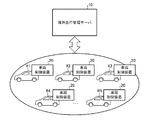
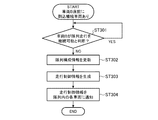
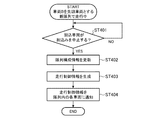
- FIG. 1 It is a figure which shows the example of the formation which has a different driving control function for each vehicle which constitutes a formation. It is a figure explaining the problem when the interrupting vehicle interrupts in front of the vehicle which cannot become the leading vehicle in the formation shown in FIG. It is a figure which shows the configuration example of the formation running management system which concerns on Embodiment 1.
- FIG. It is a block diagram which shows the configuration example of the formation running management server which concerns on Embodiment 1.
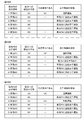
- FIG. It is a table which shows the example of the traveling order determined based on the operation control information. (1) It is a flowchart which shows the operation example of the platoon management unit and the platoon control unit when a new interrupt vehicle is generated.
- 13A and 13B are diagrams showing a hardware configuration example of the platooning management server according to the first embodiment.
- 14A and 14B are diagrams showing a hardware configuration example of the vehicle control device according to the first embodiment. It is a figure which shows the configuration example of the platoon running management system which concerns on Embodiment 2. It is a block diagram which shows the structural example of the platoon running management apparatus which concerns on Embodiment 2. (11) It is a flowchart which shows the operation example of the interrupt possibility determination unit and the formation management unit when a new interrupt vehicle occurs. (12) It is a flowchart which shows the operation example of the formation management part when the interrupting vehicle stops interrupting.
- 21A and 21B are diagrams showing a hardware configuration example of the platooning management device according to the second embodiment.
- FIG. 1 is a diagram showing an example of a formation having different driving control functions for each vehicle constituting the formation.
- the leading vehicle # 1 is a vehicle having at least one driving control function of automatic driving, remote driving, or manual driving.
- Vehicles # 2 to # 9 are vehicles having a driving control function only for follow-up driving and manual driving.
- Vehicle # 2 follows the leading vehicle # 1 by follow-up driving
- vehicle # 3 follows the preceding vehicle # 2 by following driving
- vehicle # 4 follows the preceding vehicle # 3 by following driving, and so on.
- Vehicle # 5 follows the vehicle # 4 in front by following driving
- vehicle # 6 follows vehicle # 5 in front by following driving
- vehicle # 7 follows vehicle # 6 in front by following driving
- Vehicle # 8 follows the vehicle # 7 in front by the follow-up driving operation
- vehicle # 9 follows the vehicle # 8 in front by the follow-up driving operation.
- FIG. 2 is a diagram for explaining a problem when the interrupting vehicle # 10 interrupts in front of the vehicle # 5 which cannot be the leading vehicle in the formation shown in FIG. Since only drunk people are on board vehicle # 5, manual driving is not possible. Therefore, vehicle # 5 cannot run once it leaves the platoon, that is, it cannot become the leading vehicle. As shown in FIG. 2, when the interrupting vehicle # 10 interrupts between the vehicle # 4 and the vehicle # 5, the vehicle # 5 loses sight of the preceding vehicle # 4 and leaves the formation. Since the occupants of vehicle # 5 are in a state where manual driving is not possible, vehicle # 5 has no choice but to stop. Then, the vehicles # 6 to # 9 following the vehicle # 5 also stop, so that the platooning cannot be continued.
- the platooning management system is in a platooning order and during platooning even when a vehicle outside the platoon interrupts the platoon in a platooning composed of vehicles having different driving control functions. By controlling the running of each vehicle, the platooning is continued. Furthermore, it does not hinder the running of vehicles outside the platoon and increases the degree of freedom of running of vehicles outside the platoon.
- FIG. 3 is a block diagram showing a configuration example of the platoon running management system according to the first embodiment.
- the platooning management system includes a platooning management server 10 and a plurality of vehicle control devices 20.
- the vehicle control device 20 is mounted on the vehicle.
- the vehicle control device 20 is mounted on each of the vehicles # 1 to # N.
- N is any integer greater than or equal to 2.
- the vehicles # 1 to # N are vehicles having the same destination and are scheduled to travel in a platoon.
- the vehicles # 1 to # N may be vehicles having the same waypoint.
- FIG. 4 is a block diagram showing a configuration example of the platooning management server 10 according to the first embodiment.
- the platooning management server 10 includes a receiving unit 11, a transmitting unit 12, a platooning unit 13, a platooning management unit 14, and a platooning control unit 15.
- the receiving unit 11 collects driving control information from vehicles # 1 to # N, including information indicating the driving control function of each vehicle and information indicating the state of the occupants in each vehicle.
- the driving control function refers to automatic driving, remote driving, follow-up driving driving, and manual driving.
- Crew status includes the number of occupants, the number of people who can drive, and the health status of each occupant.
- the receiving unit 11 outputs the collected operation control information of the vehicles # 1 to # N to the formation unit 13 and the formation management unit 14.
- the receiving unit 11 receives the interrupted vehicle information and the preceding vehicle information transmitted from the vehicles # 1 to # N.
- the receiving unit 11 outputs the received interrupt vehicle information and the preceding vehicle information to the platoon management unit 14.
- the transmission unit 12 transmits the traveling order information of the vehicles # 1 to # N generated by the formation unit 13 to the vehicle control devices 20 of the vehicles # 1 to # N. Further, the transmission unit 12 transmits the travel control information of the vehicles # 1 to # N generated by the platoon control unit 15 to the vehicle control devices 20 of the vehicles # 1 to # N.
- the platoon formation unit 13 determines the traveling order in the platoon of vehicles # 1 to # N by using the operation control information of vehicles # 1 to # N.
- the platoon formation unit 13 outputs the platoon formation result indicating the traveling order of the vehicles # 1 to # N to the platoon management unit 14. Further, the platoon formation unit 13 outputs the travel order information indicating the travel order of the vehicles # 1 to # N to the transmission unit 12.
- FIG. 5 is a table showing an example of the traveling order determined based on the operation control information.
- the platooning unit 13 selects a plurality of vehicles capable of at least one of automatic driving, remote control, and manual driving from the vehicles # 1 to # N. At that time, the platoon formation unit 13 selects the vehicle on which the driver who can manually drive is on board as the vehicle which can be manually driven. That is, the platoon formation unit 13 includes a plurality of vehicles that can be interrupted forward by an interrupting vehicle, in other words, a plurality of vehicles that can be the leading vehicles (vehicles # 1, # 2, and # 4 in FIG. 5). select.
- the platoon formation unit 13 determines the traveling order of all the vehicles # 1 to # N in the platoon by arranging a plurality of vehicles that can be the leading vehicles at the head of the platoon and in the platoon. do. For example, the platoon formation unit 13 regularly arranges vehicles that can be the leading vehicles in the platoon. In the example of FIG. 5, since the number of vehicles that can be the leading vehicle and the number of vehicles that cannot be the leading vehicle are the same, the vehicles that can be the leading vehicle and the vehicles that cannot be the leading vehicle alternate. Is placed in. It is desirable that the vehicle that can be the lead vehicle and the vehicle that cannot be the lead vehicle are evenly arranged in the platoon. By determining the traveling order in this way, it becomes possible to have a plurality of places where vehicles outside the platoon can interrupt the platoon, so that the degree of freedom of traveling of vehicles outside the platoon, such as changing lanes, is increased.
- the driving control information of vehicles # 1 to # N may include information other than the driving control function and the occupant status. For example, the intention of a occupant who may become a driver (want to drive, may drive, do not want to drive, etc.), or whether or not there is a residual update of vehicle software is included in the driving control information. May be good. Further, the platooning management server 10 may collect the operation control information of the vehicles # 1 to #N from the vehicle control devices 20 of the vehicles # 1 to #N each time the operation control information is required, or collect the information in advance. The traveling order of the platoon may be determined by using the operation control information of the vehicles # 1 to # N.
- the platoon management unit 14 holds the platoon formation result notified from the platoon formation unit 13 as the initial state of the platoon composition information.
- the platoon composition information includes the running order in the platoon, whether or not to interrupt forward, and the state of running control for the vehicles # 1 to # N constituting the platoon. Whether or not the interrupting vehicle can interrupt the vehicle forward indicates whether or not the interrupting vehicle can interrupt the vehicle forward.
- the state of driving control indicates the driving control function or the like performed by the vehicle.
- FIG. 10A is a table showing an example of platoon configuration information at the start of platooning.
- the platoon management unit 14 is among the vehicles # 1 to # N running in platoon based on the interrupted vehicle information notified from the vehicle control devices 20 of the vehicles # 1 to # N running in platoon. From, determine the vehicle to interrupt the interrupting vehicle forward, and update the formation information. Further, the platoon management unit 14 newly heads the vehicle in which the interrupted vehicle is interrupted forward based on the preceding vehicle information notified from the vehicle control devices 20 of the vehicles # 1 to # N traveling in the platoon. Decide to be a vehicle and update the formation information. The formation management unit 14 outputs the initial state and the updated formation information to the formation control unit 15. The details of the operation of the formation management unit 14 will be described later.
- the platoon control unit 15 generates travel control information for vehicles # 1 to # N traveling in platoon based on the platoon configuration information notified from the platoon management unit 14, and outputs it to the transmission unit 12.
- the driving control information includes an instruction to continue the current driving (instruction to drive as the leading vehicle or an instruction to follow the driving), an instruction to increase the inter-vehicle distance, an instruction to become the leading vehicle, an instruction to follow a new leading vehicle, or a source. Instructions to return to the formation of. The details of the operation of the formation control unit 15 will be described later.
- the details of the operation of the platoon management unit 14 and the platoon control unit 15 when the interrupt vehicle is present will be described. If the interrupting vehicle interrupts in front of the own vehicle, the own vehicle may not be able to follow the preceding vehicle that it follows. However, if the own vehicle becomes a new leading vehicle by switching to a driving control function other than the follow-up driving operation and can continue traveling to the destination, the interrupting vehicle can be interrupted forward.
- vehicle A the vehicle that has notified the platooning management server 10 of the interrupted vehicle information
- vehicle B the vehicle in which the interrupt vehicle # 10 is interrupted forward
- the platooning management server 10 determines a vehicle to be separated from the vehicle in order to interrupt the interrupted vehicle in the platoon, and determines the vehicle to be separated from the determined vehicle. It controls the running of the following vehicle.
- FIG. 6 is a flowchart showing an operation example of the formation management unit 14 and the formation control unit 15 in the case of (1). At the start of the operation shown in the flowchart of FIG. 6, vehicles # 1 to # N are in a state of starting platooning.
- step ST101 when the vehicle control device 20 of the vehicle A detects the presence of an interrupt vehicle trying to interrupt the platoon, the platoon management unit 14 is notified of the interrupt vehicle information from the vehicle control device 20. (Step ST101 “YES”). If the interrupt vehicle information is not notified (step ST101 “NO”), the platoon management unit 14 repeats the operation of step ST101.
- step ST102 the platoon management unit 14 determines whether or not to interrupt the vehicle A in front of the vehicle A by using the operation control information of the vehicles # 1 to # N.
- the process of the platoon management unit 14 proceeds to step ST103.
- the process of the platoon management unit 14 proceeds to step ST106.
- step ST103 the platoon management unit 14 updates the platoon configuration information by setting the vehicle A as the vehicle B and the traveling control state of the vehicle B as "there is an interrupted vehicle in front".
- FIG. 10B is a table showing an example of platoon configuration information when an interrupted vehicle exists in the platoon.
- the interrupting vehicle exists in front of the vehicle # 2, which is the third traveling order, and in a lane different from the vehicle # 2.
- step ST104 the platoon control unit 15 temporarily sets a distance from the preceding vehicle in order for the vehicle B to interrupt the interrupting vehicle forward based on the platoon configuration information notified from the platoon management unit 14. Generates travel control information that decelerates in a targeted manner. Further, the platoon control unit 15 generates travel control information in which the following vehicle of the vehicle B temporarily decelerates in accordance with the temporary deceleration of the vehicle B.
- step ST105 the platoon control unit 15 notifies the vehicles # 1 to #N in the platoon of the running control information via the transmission unit 12.
- the platoon management unit 14 selects the vehicle B traveling in the vicinity of the vehicle A from the vehicles # 1 to #N in the platoon.
- the platoon management unit 14 updates the platoon configuration information by setting the traveling control state of the vehicle B to "there is an interrupted vehicle in front". For example, when an interrupting vehicle is trying to interrupt in front of vehicle # 5, which is vehicle A, since this vehicle # 5 cannot interrupt forward, the platoon management unit 14 may instead use vehicle # 2 or Vehicle # 4 is elected as vehicle B.
- FIG. 7 is a flowchart showing an operation example of the formation management unit 14 and the formation control unit 15 in the case of (2). At the start of the operation shown in the flowchart of FIG. 7, an interrupting vehicle exists immediately before the vehicle B in a lane different from the vehicle B.
- step ST201 When the vehicle control device 20 of the vehicle B detects the interruption stop of the interrupt vehicle in step ST201, the platoon management unit 14 is notified of the interrupt vehicle information indicating the interruption stop from the vehicle control device 20 ( Step ST201 “YES”). If the interrupt vehicle information is not notified (step ST201 “NO”), the platoon management unit 14 repeats the operation of step ST201.
- step ST202 the platoon management unit 14 updates the platoon configuration information by changing the traveling control state of the vehicle B from "there is an interrupted vehicle in front” to “driving following the preceding vehicle".
- the updated formation information will be as shown in FIG. 10A.
- step ST203 the platoon control unit 15 generates travel control information in which the vehicle B temporarily accelerates so as to shorten the inter-vehicle distance from the other vehicle based on the platoon configuration information notified from the platoon management unit 14. .. Further, the platoon control unit 15 generates travel control information in which the following vehicle of the vehicle B temporarily accelerates in accordance with the temporary acceleration of the vehicle B.
- step ST204 the platoon control unit 15 notifies the vehicles # 1 to # N in the platoon of the running control information via the transmission unit 12.
- the platooning management server 10 sets the vehicle B as the new leading vehicle, and sets the vehicle B and its following vehicle. Organize as a new formation.
- the platoon running management server 10 actually organizes a new platoon when the interrupt continues in (3), not when the interrupt occurs in (1) above, so that the interrupted vehicle trying to interrupt the platoon actually Processing costs related to platoon reorganization when not interrupted, driver's burden when the leading vehicle of the new platoon is manually driven, operator's burden when remote driving, and communication resources when automatic driving Reduce the burden.
- FIG. 8 is a flowchart showing an operation example of the formation management unit 14 and the formation control unit 15 in the case of (3).
- an interrupting vehicle exists immediately before the vehicle B in the same lane as the vehicle B.
- the platoon management unit 14 determines whether or not the vehicle B can continue the platooning by using the preceding vehicle information or the like notified from the vehicle control device 20 of the vehicle B. For example, the platoon management unit 14 determines that the vehicle B cannot continue platooning when a predetermined time elapses from the time when the interruption occurs in (1) above. Further, for example, when the platoon management unit 14 indicates that the preceding vehicle information notified from the vehicle control device 20 of the vehicle B is information indicating that the vehicle B may lose sight of the preceding vehicle, the vehicle B runs in a platoon. You may decide that you cannot continue.
- step ST301 “NO”) If vehicle B cannot continue platooning (step ST301 “NO”), the process of platoon management unit 14 proceeds to step ST302, and if vehicle B can continue platooning (step ST301 “YES”), platoon management unit 14 The process returns to step ST301.
- step ST302 the platoon management unit 14 changes the driving control state of the vehicle B from "there is an interrupted vehicle in front” to "execution driving control (automatic driving, remote driving, manual driving, etc.)", and further, "leading vehicle".
- the formation information is updated as "is.”
- the platoon management unit 14 may select the driving control to be executed by the vehicle B from automatic driving, remote control, and manual driving by using the driving control information of the vehicle B.
- FIG. 10C is a table showing an example of formation information when the interrupt of the interrupting vehicle continues. In the example of FIG. 10C, since the interrupting vehicle continues to exist in front of the vehicle # 2 which is the traveling order No. 3, the vehicle # 2 becomes the leading vehicle and switches from the follow-up traveling operation to the manual operation.
- the platoon consisting of vehicle # 1 to vehicle # 6 becomes the first platoon consisting of vehicle # 1 and vehicle # 3, with vehicle # 1 as the leading vehicle, and vehicle # 2.
- step ST303 the platoon control unit 15 generates travel control information in which the vehicle B switches the travel control state from follow-up driving to automatic driving, remote control, or manual driving to become a new leading vehicle. do. Further, the platoon control unit 15 generates travel control information in which the following vehicle of the vehicle B constitutes a new platoon with the vehicle B at the head.
- step ST304 the platoon control unit 15 notifies the vehicles # 1 to #N in the platoon of the traveling control information via the transmission unit 12. After the interrupting vehicle interrupts the platoon, vehicle B continues to travel to the destination as the new leading vehicle unless the interrupting vehicle stops the interruption.
- FIG. 9 is a flowchart showing an operation example of the formation management unit 14 and the formation control unit 15 in the case of (4).
- the first platoon and the second platoon with vehicle B as the new leading vehicle are running.
- an interrupt vehicle is running between the first and second platoons.
- step ST401 when the vehicle control device 20 of the vehicle B detects that the interrupting vehicle traveling in front of the vehicle B has stopped interrupting, the platoon management unit 14 informs the platoon management unit 14.
- the vehicle control device 20 notifies the interrupted vehicle information indicating that the interrupt is stopped (step ST401 “YES”). If the interrupt vehicle information is not notified (step ST401 “NO”), the platoon management unit 14 repeats the operation of step ST401.
- step ST402 the platoon management unit 14 updates the platoon configuration information by changing the running control state of the vehicle B from “execution driving control” to “following the preceding vehicle” and further changing it to "not the leading vehicle”.
- the updated formation information will be as shown in FIG. 10A.
- step ST403 the platoon control unit 15 and the following vehicle, in order for the vehicle B to follow the following vehicle at the end of the first platoon, based on the platoon configuration information notified from the platoon management unit 14. Generates driving control information that temporarily accelerates so as to shorten the inter-vehicle distance. Further, the platoon control unit 15 generates travel control information in which the following vehicle of the vehicle B temporarily accelerates in accordance with the temporary acceleration of the vehicle B.
- step ST404 the platoon control unit 15 notifies the vehicles # 1 to # N in the platoon of the running control information via the transmission unit 12.
- FIG. 11 is a block diagram showing a configuration example of the vehicle control device 20 according to the first embodiment.
- the vehicle control device 20 includes a reception unit 21, a transmission unit 22, a vehicle state management unit 23, an interrupt vehicle detection unit 24, a preceding vehicle detection unit 25, and a travel control unit 26.
- the receiving unit 21 receives the traveling order information for the own vehicle from the platoon traveling management server 10. The receiving unit 21 outputs the received travel order information to the travel control unit 26. Further, the receiving unit 21 receives the traveling control information for the own vehicle from the platoon traveling management server 10. The receiving unit 21 outputs the received travel control information to the travel control unit 26.
- the transmission unit 22 transmits the operation control information of the own vehicle output by the vehicle state management unit 23 to the platooning management server 10. Further, the transmission unit 22 transmits the interrupt vehicle information output by the interrupt vehicle detection unit 24 to the platoon running management server 10. In addition, the transmission unit 22 transmits the preceding vehicle information output by the preceding vehicle detection unit 25 to the platooning management server 10.
- the vehicle state management unit 23 manages information indicating the driving control function of the own vehicle and information indicating the state of the occupants in the own vehicle. Management refers to periodically acquiring and updating information on the driving control function and occupant status from the own vehicle.
- the vehicle state management unit 23 outputs the information indicating the latest driving control function and the information indicating the occupant state to the transmitting unit 22 as driving control information.
- the vehicle state management unit 23 transmits the changed driving control information at any time when the content of the driving control information changes, such as when the occupant state changes, when an abnormality or failure occurs in the own vehicle, or the like. It is desirable to transmit to the platooning management server 10 via 22.
- the interrupt vehicle detection unit 24 acquires peripheral information from the own vehicle and detects the presence or absence of an interrupt vehicle around the own vehicle using the acquired peripheral information.
- the peripheral information includes information indicating the lighting state of the winker of the peripheral vehicle, information detected by a sensor mounted on the own vehicle, route information of the peripheral vehicle received from the peripheral vehicle, and the like.
- the interrupt vehicle detection unit 24 detects an interrupt vehicle that is about to interrupt the platoon and an interrupt vehicle that is about to stop interrupting the platoon, based on the lighting state of the winkers of the peripheral vehicles.
- the interrupt vehicle detection unit 24 detects a peripheral vehicle approaching the own vehicle as an interrupt vehicle based on the detection information of the sensor, and detects an interrupt vehicle that is about to leave the own vehicle.
- the interrupt vehicle detection unit 24 predicts a lane change due to a route change by the peripheral vehicle based on the route information received from the peripheral vehicle, and tries to interrupt the platoon based on the lane to be changed. Detects interrupting vehicles and interrupting vehicles that are about to stop interrupting the lane.
- the interrupt vehicle detection unit 24 generates interrupt vehicle information and outputs it to the transmission unit 22.
- the interrupt vehicle information detects the interrupt vehicle that is trying to interrupt the platoon, the interrupt vehicle that is trying to interrupt the platoon stops the interruption, and the interrupt vehicle that is interrupting the platoon stops the interruption. This is information such as interrupts.
- the preceding vehicle detection unit 25 generates preceding vehicle information indicating the detection status of the following preceding vehicle when the own vehicle is following the platoon, and outputs the information to the transmitting unit 22.
- the preceding vehicle information can correctly follow the preceding vehicle by following driving, which is a driving control function of the own vehicle. Since there is an interrupted vehicle outside the platoon between the preceding vehicle and the own vehicle, it is possible to lose sight of the preceding vehicle. It is information such as having sex and losing sight of the preceding vehicle.
- the travel control unit 26 notifies each component (not shown) in the own vehicle of control information based on the travel order information and the travel control information for the own vehicle notified from the platooning management server 10.
- Each component in the vehicle implements at least one of automatic driving, remote driving, follow-up driving, and manual driving. For example, each component in the own vehicle travels so as to follow the designated preceding vehicle based on the control information from the travel control unit 26. Further, for example, each component in the own vehicle temporarily decelerates the vehicle speed in order to increase the inter-vehicle distance based on the control information from the travel control unit 26, and returns the vehicle speed after the predetermined inter-vehicle distance is established. do.
- FIG. 12 is a flowchart showing an operation example of the platooning running management system according to the first embodiment.
- the transmission unit 22 of each vehicle control device 20 of the vehicles # 1 to # N notifies the driving control information to the platooning management server 10.
- the receiving unit 11 of the platooning management server 10 collects driving control information from the vehicle control devices 20 of the vehicles # 1 to # N.
- step ST502 the platooning unit 13 of the platooning management server 10 determines the traveling order of the vehicles # 1 to #N using the collected operation control information of the vehicles # 1 to #N, and forms a platoon.
- the transmission unit 12 transmits the traveling order information of the vehicles # 1 to # N to the vehicle control devices 20 of the vehicles # 1 to # N.
- step ST503 the travel control unit 26 of each vehicle control device 20 of vehicles # 1 to #N starts platooning in the travel order indicated by the travel order information notified from the platooning management server 10.
- step ST504 when the interrupt vehicle detection unit 24 of each vehicle control device 20 of the vehicles # 1 to # N traveling in a platoon detects the occurrence or stop of the interrupt vehicle (step ST504 “YES”), the transmission unit The interrupted vehicle information indicating the occurrence or cancellation of an interrupt is notified to the platooning management server 10 via 22. If the interrupt vehicle detection unit 24 does not detect the occurrence or stop of the interrupt vehicle (step ST504 “NO”), the travel control unit 26 continues the platooning.
- step ST505 when the platoon management unit 14 of the platooning management server 10 is notified of the interrupted vehicle information from the vehicle control device 20 mounted on any of the vehicles # 1 to #N, the platoon configuration information is transmitted. change.
- step ST506 the platoon control unit 15 generates travel control information for vehicles # 1 to # N based on the platoon configuration information changed in step ST505.
- the transmission unit 12 transmits the travel control information of the vehicles # 1 to # N to the vehicle control devices 20 of the vehicles # 1 to # N.
- step ST507 the travel control unit 26 of each vehicle control device 20 of the vehicles # 1 to # N controls the travel of the own vehicle based on the travel control information notified from the platoon travel management server 10.
- FIGS. 13A and 13B are diagrams showing a hardware configuration example of the platooning management server 10 according to the first embodiment.
- the receiving unit 11 and the transmitting unit 12 in the platooning management server 10 are communication devices 103.
- the functions of the platooning unit 13, the platooning management unit 14, and the platooning control unit 15 in the platooning management server 10 are realized by the processing circuit. That is, the platooning management server 10 includes a processing circuit for realizing the above functions.
- the processing circuit may be a processing circuit 100 as dedicated hardware, or a processor 101 that executes a program stored in the memory 102.
- the processing circuit 100 when the processing circuit is dedicated hardware, the processing circuit 100 may be, for example, a single circuit, a composite circuit, a programmed processor, a parallel programmed processor, or an ASIC (Application Specific Integrated Circuit). ), FPGA (Field Processor Gate Array), or a combination thereof.
- the functions of the formation unit 13, the formation management unit 14, and the formation control unit 15 may be realized by a plurality of processing circuits 100, or the functions of each unit may be collectively realized by one processing circuit 100.
- the processing circuit is the processor 101
- the functions of the formation unit 13, the formation management unit 14, and the formation control unit 15 are realized by software, firmware, or a combination of software and firmware.
- the software or firmware is described as a program and stored in the memory 102.
- the processor 101 realizes the functions of each part by reading and executing the program stored in the memory 102. That is, when the formation unit 13, the formation management unit 14, and the formation control unit 15 are executed by the processor 101, the steps shown in the flowcharts of FIGS. 6 to 9 and 12 are eventually executed.
- a memory 102 for storing a program to be used is provided. It can also be said that this program causes the computer to execute the procedure or method of the formation unit 13, the formation management unit 14, and the formation control unit 15.
- the functions of the formation unit 13, the formation management unit 14, and the formation control unit 15 may be realized by dedicated hardware and part by software or firmware.
- the processing circuit in the platooning management server 10 can realize the above-mentioned functions by hardware, software, firmware, or a combination thereof.
- the 14A and 14B are diagrams showing a hardware configuration example of the vehicle control device 20 according to the first embodiment.
- the receiving unit 21 and the transmitting unit 22 in the vehicle control device 20 are communication devices 203.
- the functions of the vehicle state management unit 23, the interrupt vehicle detection unit 24, the preceding vehicle detection unit 25, and the travel control unit 26 in the vehicle control device 20 are realized by the processing circuit. That is, the vehicle control device 20 includes a processing circuit for realizing the above functions.
- the processing circuit may be a processing circuit 200 as dedicated hardware, or a processor 201 that executes a program stored in the memory 202.
- the processing circuit 200 may include, for example, a single circuit, a composite circuit, a programmed processor, a parallel programmed processor, an ASIC, an FPGA, or any of these. The combination of is applicable.
- the functions of the vehicle state management unit 23, the interrupt vehicle detection unit 24, the preceding vehicle detection unit 25, and the travel control unit 26 may be realized by a plurality of processing circuits 200, or the functions of each unit may be combined into one processing circuit. It may be realized at 200.
- the functions of the vehicle state management unit 23, the interrupt vehicle detection unit 24, the preceding vehicle detection unit 25, and the travel control unit 26 are software, firmware, or It is realized by the combination of software and firmware.
- the software or firmware is written as a program and stored in memory 202.
- the processor 201 realizes the functions of each part by reading and executing the program stored in the memory 202. That is, when the vehicle state management unit 23, the interrupt vehicle detection unit 24, the preceding vehicle detection unit 25, and the travel control unit 26 are executed by the processor 201, the steps shown in the flowchart of FIG. 12 are eventually executed.
- a memory 202 for storing a program to be executed is provided. Further, it can be said that this program causes the computer to execute the procedures or methods of the vehicle state management unit 23, the interrupt vehicle detection unit 24, the preceding vehicle detection unit 25, and the travel control unit 26.
- the functions of the vehicle state management unit 23, the interrupt vehicle detection unit 24, the preceding vehicle detection unit 25, and the travel control unit 26 are partially realized by dedicated hardware and partly realized by software or firmware. You may do so.
- the processing circuit in the vehicle control device 20 can realize the above-mentioned functions by hardware, software, firmware, or a combination thereof.
- the processors 101 and 201 refer to a CPU (Central Processing Unit), a processing device, an arithmetic unit, a microprocessor, and the like.
- the memories 102 and 202 may be a non-volatile or volatile semiconductor memory such as a RAM (Random Access Memory), a ROM (Read Only Memory), an EPROM (Erasable Program ROM), or a flash memory, and may be an optical disk or a flexible. It may be a magnetic disk such as a disk, or an optical disk such as a CD (Compact Disc) or a DVD (Digital Versaille Disc).
- the platooning management server 10 includes a platooning unit 13, a platooning management unit 14, and a platooning control unit 15.
- the platoon formation unit 13 collects information indicating the driving control function of the vehicle and information indicating the state of the occupants of the vehicle as driving control information from each of the plurality of vehicles # 1 to #N, and collects driving control information.
- the platoon management unit 14 When the platoon management unit 14 is notified of the interrupt vehicle information indicating the occurrence of the interrupt vehicle for the platoon from any of the plurality of vehicles # 1 to # N traveling in the platoon in accordance with the notification of the platoon formation unit 13, the platoon management unit 14 receives the interrupt vehicle information. Using the above driving control information, the new leading vehicle that can be the new leading vehicle is determined from the following vehicles that are following the leading vehicle in the formation, and when the interruption of the interrupting vehicle continues, the formation is selected. Divide into the first platoon before the interrupt vehicle and the second platoon behind the interrupt vehicle.
- the platoon control unit 15 notifies the new leading vehicle determined by the platoon management unit 14 of travel control information including an instruction to interrupt the interrupting vehicle ahead and an instruction to become the leading vehicle of the second platoon. Since the platooning management server 10 interrupts the interrupted vehicle in front of the vehicle that can be the leading vehicle in the platoon, the vehicle behind the interrupted vehicle can continue the platooning as the second platoon. Further, since the platoons of vehicles # 1 to # N do not interfere with the running of vehicles outside the platoon, the degree of freedom of running of vehicles outside the platoon is improved.
- the platoon running management server 10 does not divide the platoon, so that the processing cost related to the platoon reorganization and the leading vehicle of the new platoon It is possible to reduce the burden on the driver in the case of manual operation, the burden on the operator in the case of remote operation, and the burden on communication resources in the case of automatic operation.
- the platoon formation unit 13 regularly arranges vehicles that can be the leading vehicles in the platoon.
- the platooning management server 10 can easily interrupt the interrupting vehicle at an arbitrary position in the platooning.
- vehicles outside the platoon can easily interrupt an arbitrary position in the platoon, and the degree of freedom of running of vehicles outside the platoon is improved.
- the platoon management unit 14 indicates that an interrupt vehicle is generated for the platoon from any of the plurality of vehicles # 1 to # N traveling in the platoon according to the notification of the platoon formation unit 13.
- the above driving control information is used to determine a new leading vehicle that can be a new leading vehicle from among the following vehicles following the leading vehicle in the platoon, and the new leading vehicle is determined.
- the platoon is divided into a first platoon before the interrupt vehicle and a second platoon behind the interrupt vehicle.
- the platooning management server 10 has a processing cost related to the platoon reorganization when the interrupting vehicle trying to interrupt the platoon does not actually interrupt, and an operation when the leading vehicle of the new platoon is manually operated. It is possible to reduce the burden on the person, the burden on the operator in the case of remote operation, the burden on the communication resource in the case of automatic operation, and the like.
- the platoon management unit 14 is an interrupt vehicle from any of the vehicles constituting the first platoon and the second platoon running in platoon according to the notification of the platoon formation unit 13.
- the interrupt vehicle information indicating that the interruption is stopped is notified, the first platoon and the second platoon are returned to the original one platoon.
- the platoon control unit 15 notifies the new leading vehicle of travel control information including an instruction to follow the rearmost vehicle constituting the first platoon.
- the platooning management server 10 can return the vehicles # 1 to #N to the original platoon when the interrupting vehicle stops interrupting the platoon.
- the vehicle control device 20 includes a vehicle state management unit 23, an interrupt vehicle detection unit 24, and a travel control unit 26.
- the vehicle state management unit 23 manages information indicating the driving control function of the own vehicle and information indicating the state of the occupants of the own vehicle as driving control information, and notifies the driving control information to the platooning management server 10.
- the interrupt vehicle detection unit 24 detects the occurrence of an interrupt vehicle for a platoon including its own vehicle, the interrupt vehicle detection unit 24 notifies the platoon running management server 10 of the interrupt vehicle information.
- the platooning management server 10 uses the driving control information collected from each of the plurality of vehicles # 1 to #N, and the vehicle that can be the leading vehicle is at the head of the platoon and in the platoon.
- the traveling order in the formation of vehicles # 1 to # N including the own vehicle is determined so as to be arranged in, and the traveling order information indicating the above traveling order is notified to each of the vehicles # 1 to #N, the notification is sent.
- the own vehicle is run in a platoon according to the running order shown. Further, when the platooning management server 10 is notified of the interrupted vehicle information from any of the plurality of vehicles # 1 to # N, the traveling control unit 26 follows the leading vehicle in the platoon using the driving control information.
- the new leading vehicle that can be the new leading vehicle is determined from the following vehicles, and if the interruption of the interrupting vehicle continues, the above-mentioned platoon is changed to the first platoon before the above-mentioned interrupting vehicle and the above-mentioned interrupting vehicle.
- the vehicle is divided into the second platoon behind and the new leading vehicle is notified of the driving control information including the instruction to interrupt the interrupted vehicle in front and the instruction to become the leading vehicle in the second platoon, the own vehicle is new. If it is the leading vehicle, the interrupting vehicle is interrupted in front of the own vehicle, and the own vehicle is made the leading vehicle in the second platoon.
- the interrupting vehicle is interrupted in front of the own vehicle, so that the vehicle control device 20 interrupts the own vehicle and its following vehicle. You can continue platooning as the second platoon. Further, since the platoons of vehicles # 1 to # N do not interfere with the running of vehicles outside the platoon, the degree of freedom of running of vehicles outside the platoon is improved. Further, when the interrupting vehicle interrupting the platoon does not continue the interruption and immediately stops the interruption, the vehicle control device 20 does not divide the platoon, so that the processing cost related to the platoon reorganization and the leading vehicle of the new platoon are increased. It is possible to reduce the burden on the driver in the case of manual operation, the burden on the operator in the case of remote operation, the burden on communication resources in the case of automatic operation, and the like.
- FIG. 15 is a block diagram showing a configuration example of the platooning running management system according to the second embodiment.
- the platooning management system includes a platooning management device 30 mounted on each of the plurality of vehicles # 1 to # N.
- N is any integer greater than or equal to 2.
- the vehicles # 1 to # N are vehicles having the same destination and are scheduled to travel in a platoon.
- the vehicles # 1 to # N may be vehicles having the same waypoint.
- One of the vehicles # 1 to # N is the own vehicle, and the remaining vehicle is the other vehicle.
- FIG. 16 is a block diagram showing a configuration example of the platoon running management device 30 according to the second embodiment.
- the platoon running management device 30 mounted on the own vehicle includes a receiving unit 31, a transmitting unit 32, a platoon formation unit 33, a platoon management unit 34, a platoon control unit 35, a vehicle state management unit 36, a preceding vehicle detection unit 37, and an interrupt. It includes a vehicle detection unit 38, an interrupt enable / disable determination unit 39, and a travel control unit 40.
- the receiving unit 31 receives the driving control information of the other vehicle from the platoon running management device 30 mounted on the other vehicle, and outputs the received driving control information of the other vehicle to the platooning unit 33. In addition, the receiving unit 31 receives the formation result and formation information of the formation from the formation management device 30 mounted on the other vehicle, and outputs the received formation result and formation information of the other vehicle to the formation management unit 34. do. Further, the receiving unit 31 receives the interrupt enable / disable determination request from the platoon running management device 30 mounted on the other vehicle, and outputs the received interrupt enable / disable determination request to the interrupt enable / disable determination unit 39.
- the transmission unit 32 transmits the formation result of the own vehicle output by the formation unit 33 and the formation information of the own vehicle output by the formation management unit 34 to the formation running management device 30 mounted on the other vehicle. Further, the transmission unit 32 transmits the interrupt enable / disable determination request output by the interrupt enable / disable determination unit 39 to the platoon running management device 30 mounted on another vehicle.
- the platooning section 33 collects driving control information from the platooning management devices 30 of the vehicles # 1 to # N including the own vehicle, and the platooning section 33 collects driving control information from the platooning management devices 30 and the vehicles # 1 to #. Determine the running order in the N formation.
- the platooning unit 33 notifies the platooning management unit 34 of its own vehicle and the platooning management unit 34 of other vehicles of the determined running order as the platooning result.
- the driving control information of the own vehicle corresponds to the "self-driving control information"
- the driving control information of the other vehicle corresponds to the "other driving control information".
- the platoon management unit 34 displays the platoon formation result notified from the platoon formation unit 33 of its own vehicle or the platoon formation unit 33 of another vehicle in the initial state of the platoon composition information as in the platoon management unit 14 shown in FIG. Hold as.
- the formation unit 33 of the own vehicle and the formation unit 33 of another vehicle determine the traveling order according to the same driving control information and the same conditions, the formation result of the formation notified from the formation unit 33 of the own vehicle and others.
- the platoon formation result notified from the platoon formation unit 33 of the vehicle is the same in the initial state.
- the platoon management unit 34 updates the platoon configuration information when the interrupt enable / disable determination unit 39 of the own vehicle notifies the interrupt enable / disable information, and the updated platoon configuration information is used by the platoon control unit 35 of the own vehicle and the platoon control unit 35. Notify the platoon control unit 35 of another vehicle. The details of the operation of the formation management unit 34 will be described later.
- the platoon control unit 35 Similar to the platoon control unit 15 shown in FIG. 4, the platoon control unit 35 generates travel control information for the own vehicle based on the platoon configuration information notified from the platoon management unit 34 of the own vehicle. The platoon control unit 35 outputs the generated travel control information for the own vehicle to the travel control unit 40. That is, when the formation information of the own vehicle is updated, the running control of the own vehicle is executed according to the updated contents.
- the vehicle state management unit 36 manages the operation control information of the own vehicle in the same manner as the vehicle state management unit 23 shown in FIG.
- the vehicle state management unit 36 outputs the operation control information of the own vehicle to the platoon formation unit 33 and the interrupt enable / disable determination unit 39.
- the preceding vehicle detection unit 37 generates preceding vehicle information in the same manner as the preceding vehicle detection unit 25 shown in FIG.
- the preceding vehicle detection unit 37 outputs the generated preceding vehicle information to the formation management unit 34 and the interrupt enable / disable determination unit 39.
- the interrupt vehicle detection unit 38 generates interrupt vehicle information in the same manner as the interrupt vehicle detection unit 24 shown in FIG.
- the interrupt vehicle detection unit 38 outputs the generated interrupt vehicle information to the platoon management unit 34 and the interrupt enable / disable determination unit 39.
- the interrupt enable / disable determination unit 39 platoons its own vehicle forward based on the interrupt vehicle information notified from the interrupt vehicle detection unit 38 and the interrupt enable / disable determination request notified from the platooning management device 30 of another vehicle. Determine if an outside vehicle (ie, an interrupting vehicle) can be interrupted.
- the interrupt enable / disable determination unit 39 outputs the determination result to the platoon management unit 34 as interrupt enable / disable information.
- the interrupt enable / disable determination unit 39 determines whether to interrupt is possible based on the driving control information of the own vehicle notified from the vehicle state management unit 36 of the own vehicle.
- the interrupt enable / disable determination unit 39 notifies the platoon running management device 30 of another vehicle of the interrupt enable / disable determination request according to the result of the interrupt enable / disable determination. Specifically, the interrupt enable / disable determination unit 39 notifies the preceding vehicle of the own vehicle of the interrupt enable / disable determination request when it is impossible to interrupt the interrupt vehicle in front of the own vehicle. The details of the operation of the interrupt enable / reject determination unit 39 will be described later.
- the travel control unit 40 similarly to the travel control unit 26 shown in FIG. 11, with respect to each component (not shown) of the own vehicle based on the travel control information for the own vehicle notified from the platoon control unit 35. Notify control information.
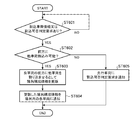
- FIG. 17 is a flowchart showing an operation example of the interrupt enable / disable determination unit 39 and the formation management unit 34 in the case of (11). At the start of the operation shown in the flowchart of FIG. 17, vehicles # 1 to # N are in a state of starting platooning.
- step ST601 when the interrupt vehicle information is notified from the interrupt vehicle detection unit 38, or when the interrupt possibility determination request is notified from the platoon running management device 30 of another vehicle (step ST601 “YES”), the interruption is performed.
- the process of the interrupt enable / reject determination unit 39 proceeds to step ST602, and in other cases (step ST601 “NO”), the process of the interrupt enable / reject determination unit 39 returns to step ST601.
- step ST602 the interrupt enable / disable determination unit 39 determines whether to interrupt in front of the own vehicle by using the operation control information of the own vehicle.
- the process of the interrupt enable / disable determination unit 39 proceeds to step ST603.
- the process of the interrupt enable / disable determination unit 39 goes to step ST605. move on.
- step ST603 the interrupt enable / disable determination unit 39 notifies the platoon management unit 34 of the interrupt enable / disable information.
- the platoon management unit 34 updates the platoon configuration information by setting the running control state of the own vehicle to "there is an interrupted vehicle in front".
- step ST604 the platoon management unit 34 notifies the platoon control unit 35 of the own vehicle and the platoon control unit 35 of another vehicle of the updated platoon configuration information.
- the platoon control unit 35 generates travel control information of its own vehicle based on the updated platoon configuration information.
- the traveling control state of the own vehicle is "there is an interrupting vehicle in front”
- the platoon control unit 35 temporarily increases the distance from the preceding vehicle in order to interrupt the interrupting vehicle in front. Generates driving control information for deceleration.
- the platoon management unit 34 of another vehicle notifies the platoon control unit 35 of the own vehicle of the updated platoon configuration information
- the platoon control unit 35 of the own vehicle bases the platoon configuration information of the own vehicle on the own vehicle.
- step ST605 the interrupt enable / disable determination unit 39 notifies the platoon running management device 30 mounted on the preceding vehicle of the own vehicle of the interrupt enable / disable determination request.
- FIG. 18 is a flowchart showing an operation example of the formation management unit 34 in the case of (12).
- an interrupting vehicle exists immediately before the own vehicle in a lane different from the own vehicle.
- the own vehicle is a vehicle that can be the leading vehicle.
- step ST701 When the interrupt vehicle detection unit 38 detects the interruption stop of the interrupt vehicle in step ST701, the interrupt vehicle detection unit 38 notifies the platoon management unit 34 of the interrupt vehicle information indicating the interruption stop (step ST701 ". YES ”). If the interrupt vehicle information is not notified (step ST701 “NO”), the platoon management unit 34 repeats the operation of step ST701.
- step ST702 the platoon management unit 34 updates the platoon configuration information by changing the running control state of the own vehicle from "there is an interrupted vehicle in front” to “driving following the preceding vehicle".
- step ST703 the platoon management unit 34 notifies the platoon control unit 35 of the own vehicle and the platoon control unit 35 of another vehicle of the updated platoon configuration information.
- FIG. 19 is a flowchart showing an operation example of the formation management unit 34 in the case of (13).
- an interrupting vehicle exists immediately before the own vehicle in a lane different from the own vehicle.
- the own vehicle is a vehicle that can be the leading vehicle.
- step ST801 the platoon management unit 34 determines whether or not the own vehicle can continue platooning by using the preceding vehicle information or the like notified from the preceding vehicle detection unit 37. Since the determination method by the formation management unit 34 is the same as the determination method of the formation management unit 14 of the first embodiment, the description thereof will be omitted. If the own vehicle can continue running in the platoon (step ST801 “YES”), the process of the platoon management unit 34 returns to step ST801. If the own vehicle cannot continue the platooning (step ST801 “NO”), the process of the platooning management unit 34 proceeds to step ST802.
- step ST802 the platoon management unit 34 changes the driving control state of the own vehicle from "there is an interrupted vehicle in front” to "execution driving control (automatic driving, remote driving, manual driving, etc.)", and further "leading vehicle”.
- execution driving control automated driving, remote driving, manual driving, etc.
- the formation information is updated as "is.”
- step ST803 the platoon management unit 34 notifies the platoon control unit 35 of the own vehicle and the platoon control unit 35 of another vehicle of the updated platoon configuration information.
- FIG. 20 is a flowchart showing an operation example of the formation management unit 34 in the case of (14).
- the first platoon and the second platoon with the own vehicle as the new leading vehicle are running.
- an interrupt vehicle is running between the first and second platoons.
- step ST901 when the interrupt vehicle detection unit 38 detects that the interrupt vehicle running in front of the own vehicle has stopped interrupting, the interrupt vehicle detection unit 38 interrupts the platoon management unit 34.
- the interrupted vehicle information to be shown is notified (step ST901 “YES”). If the interrupt vehicle information is not notified (step ST901 “NO”), the platoon management unit 34 repeats the operation of step ST901.
- step ST902 the platoon management unit 34 updates the platoon configuration information by changing the running control state of the own vehicle from “execution driving control” to “following the preceding vehicle” and further changing it to "not the leading vehicle”.
- step ST903 the platoon management unit 34 notifies the platoon control unit 35 of the own vehicle and the platoon control unit 35 of another vehicle of the updated platoon configuration information.
- 21A and 21B are diagrams showing a hardware configuration example of the platooning management device 30 according to the second embodiment.
- the receiving unit 31 and the transmitting unit 32 in the platooning management device 30 are communication devices 303.
- the function of unit 40 is realized by a processing circuit. That is, the platooning management device 30 includes a processing circuit for realizing the above functions.
- the processing circuit may be a processing circuit 300 as dedicated hardware, or may be a processor 301 that executes a program stored in the memory 302.
- the processing circuit 300 may include, for example, a single circuit, a composite circuit, a programmed processor, a parallel programmed processor, an ASIC, an FPGA, or any of these. The combination of is applicable. Multiple functions of platoon formation unit 33, platoon management unit 34, platoon control unit 35, vehicle state management unit 36, preceding vehicle detection unit 37, interrupt vehicle detection unit 38, interrupt availability determination unit 39, and travel control unit 40. It may be realized by the processing circuit 300 of the above, or the functions of each part may be collectively realized by one processing circuit 300.
- the processing circuit is the processor 301
- the formation unit 33, the formation management unit 34, the formation control unit 35, the vehicle state management unit 36, the preceding vehicle detection unit 37, and the interrupt vehicle detection unit 38 are realized by software, firmware, or a combination of software and firmware.
- the software or firmware is written as a program and stored in the memory 302.
- the processor 301 realizes the functions of each part by reading and executing the program stored in the memory 302.
- the formation unit 33, the formation management unit 34, the formation control unit 35, the vehicle state management unit 36, the preceding vehicle detection unit 37, the interrupt vehicle detection unit 38, the interruption possibility determination unit 39, and the travel control unit 40 are It includes a memory 302 for storing a program in which the steps shown in the flowcharts of FIGS. 17 to 20 will eventually be executed when executed by the processor 301.
- this program includes a platoon formation unit 33, a platoon management unit 34, a platoon control unit 35, a vehicle state management unit 36, a preceding vehicle detection unit 37, an interrupt vehicle detection unit 38, an interrupt enable / disable determination unit 39, and running control. It can also be said that the procedure or method of the part 40 is executed by a computer.
- the processing circuit in the platooning management device 30 can realize the above-mentioned functions by hardware, software, firmware, or a combination thereof.
- the processor 301 is a CPU, a processing unit, an arithmetic unit, a microprocessor, or the like.
- the memory 302 may be a non-volatile or volatile semiconductor memory such as RAM, ROM, EPROM, or flash memory, a magnetic disk such as a hard disk or a flexible disk, or a CD or DVD. It may be an optical disk.
- the platoon running management device 30 includes the vehicle state management unit 36, the platoon formation unit 33, the interruptability determination unit 39, the platoon management unit 34, and the platoon control unit 35.
- a traveling control unit 40 is provided.
- the vehicle state management unit 36 manages information indicating the driving control function of the own vehicle and information indicating the state of the occupants of the own vehicle as self-driving control information.
- the platooning unit 33 collects information indicating the driving control function of the other vehicle and information indicating the state of the occupants of the other vehicle from one or more other vehicles as the other driving control information, and collects the self-driving control information and the said self-driving control information.
- the running order of the own vehicle and one or more other vehicles in the platoon is determined so that the vehicle that can be the leading vehicle is placed at the head of the platoon and in the platoon, and the vehicle runs. Notify one or more other vehicles of the driving order information indicating the order.
- the interrupt enable / disable determination unit 39 may use the above-mentioned self-driving control information to make the own vehicle the leading vehicle. Determine if it can be done.
- the platoon management unit 34 sets the platoon in the first platoon before the interrupting vehicle and the second platoon behind the interrupting vehicle. Notify one or more other vehicles of the platoon configuration information indicating that the own vehicle is the leading vehicle of the second platoon separately from the platoon. Based on the platoon configuration information, the platoon control unit 35 generates travel control information including an instruction to interrupt the interrupting vehicle in front of the own vehicle and an instruction to become the leading vehicle of the second platoon.
- the travel control unit 40 makes the own vehicle travel in a platoon according to the travel order determined by the platoon formation unit 33, interrupts the interrupt vehicle in front of the own vehicle according to the travel control information generated by the platoon control unit 35, and causes the own vehicle. Is the first vehicle in the second platoon.
- the platoon running management device 30 interrupts the interrupting vehicle in front of the own vehicle. Can be continued as the second platoon. Further, since the platoons of vehicles # 1 to # N do not interfere with the running of vehicles outside the platoon, the degree of freedom of running of vehicles outside the platoon is improved.
- the platoon running management device 30 does not divide the platoon when the interrupting vehicle interrupting the platoon does not continue the interruption and immediately stops the interruption. Therefore, the processing cost related to the platoon reorganization and the leading vehicle of the new platoon It is possible to reduce the burden on the driver in the case of manual operation, the burden on the operator in the case of remote operation, and the burden on communication resources in the case of automatic operation.
- the platoon formation unit 33 of the second embodiment regularly arranges vehicles that can be the leading vehicles in the platoon.
- the platoon running management device 30 can easily interrupt the interrupting vehicle at an arbitrary position in the platoon.
- vehicles outside the platoon can easily interrupt an arbitrary position in the platoon, and the degree of freedom of running of vehicles outside the platoon is improved.
- the travel control unit 40 of the second embodiment follows the travel control information generated by the platoon control unit 35. Make the vehicle the first vehicle in the second platoon.
- the platoon running management device 30 has a processing cost related to the platoon reorganization when the interrupting vehicle trying to interrupt the platoon does not actually interrupt, and an operation when the leading vehicle of the new platoon is manually operated. It is possible to reduce the burden on the person, the burden on the operator in the case of remote operation, the burden on the communication resource in the case of automatic operation, and the like.
- the platoon management unit 34 of the second embodiment provides one or more platoon information indicating that when the interrupting vehicle leaves from the front of the own vehicle, the first platoon and the second platoon are returned to the original one platoon. Notify other vehicles.
- the travel control unit 40 controls its own vehicle so as to follow the rearmost vehicle forming the first platoon.
- the platoon running management device 30 can return the vehicles # 1 to #N to the original platoon when the interrupting vehicle stops interrupting the platoon.
- the own vehicle in the follow-up driving, which is one of the driving control functions of the own vehicle, the own vehicle is the preceding vehicle immediately before the own vehicle based on the information detected by the sensor or the like mounted on the own vehicle. It was a function to run so as to follow, but it is not limited to this.
- the follow-up driving function is such that, for example, the leading vehicle of the platoon and the own vehicle, which is the following vehicle of the platoon, exchange position information and the like with each other through inter-vehicle communication and the like, so that the own vehicle follows the leading vehicle. It may be a function of traveling like this.
- the distance between the leading vehicle and the own vehicle is separated due to the interruption vehicle interrupting the formation, and the communication quality such as vehicle-to-vehicle communication is predetermined. It is judged that there is a possibility of losing sight of the leading vehicle when the quality is lower than the above quality, and it is judged that the leading vehicle is lost when the inter-vehicle communication or the like is interrupted.
- the platooning running management system interrupts the interrupting vehicle in front of the vehicle that can be the leading vehicle among the following vehicles in the platoon, the driving control functions possessed by a plurality of vehicles are different from each other. It is suitable for use in a platooning management system that keeps the organized platoon running.
- 10 platoon running management server 11 receiver, 12 transmitter, 13 platoon formation, 14 platoon management, 15 platoon control, 20 vehicle control device, 21 receiver, 22 transmitter, 23 vehicle condition management, 24% Interrupt vehicle detection unit, 25 preceding vehicle detection unit, 26 travel control unit, 30 platoon travel management device, 31 receiver unit, 32 transmitter unit, 33 platoon formation unit, 34 platoon management unit, 35 platoon control unit, 36 vehicle condition management unit , 37 preceding vehicle detection unit, 38 interrupt vehicle detection unit, 39 interrupt enable / disable judgment unit, 40 travel control unit, 100, 200, 300 processing circuit, 101, 201, 301 processor, 102, 202, 302 memory, 103, 203, 303 communication device, # 1 to # 9, # N vehicle, # 10 interrupt vehicle.
Landscapes
- Engineering & Computer Science (AREA)
- Physics & Mathematics (AREA)
- General Physics & Mathematics (AREA)
- Computer Networks & Wireless Communication (AREA)
- Signal Processing (AREA)
- Automation & Control Theory (AREA)
- Transportation (AREA)
- Mechanical Engineering (AREA)
- Traffic Control Systems (AREA)
- Control Of Driving Devices And Active Controlling Of Vehicle (AREA)
- Train Traffic Observation, Control, And Security (AREA)
Abstract
隊列編成部(13)は、複数の車両(#1~#N)から収集した運転制御情報を用いて、先頭車両となることができる車両が隊列の先頭及び当該隊列の中に配置されるように車両(#1~#N)の隊列における走行順序を決定し、走行順序情報を車両(#1~#N)に通知する。隊列管理部(14)は、走行順序情報に従い隊列走行している車両(#1~#N)のいずれかから、隊列に対する割込車両の発生が通知されると、運転制御情報を用いて、隊列の先頭車両に追従している後続車両の中から新先頭車両を決定し、割込車両の割り込みが継続した場合に隊列を割込車両より前の第1隊列と当該割込車両より後ろの第2隊列とに分ける。隊列制御部(15)は、隊列管理部(14)により決定された新先頭車両に対して、前方に割込車両を割り込ませる指示及び第2隊列の先頭車両になる指示を含む走行制御情報を通知する。
Description
本開示は、車両制御装置、隊列走行管理装置、及び隊列走行管理方法に関するものである。
目的地が同じ複数の車両が隊列を編成し、当該隊列の先頭車両を1台以上の後続車両が追従して走行する、隊列走行に関する技術が提案されている。道路には、隊列走行している車両と、隊列走行に参加していない他車両とが混在しており、隊列に他車両が割り込む場合がある。隊列に対して割込車両が発生すると、当該隊列における後続車両が先頭車両に追従することが困難になる。そこで、特許文献1に記載されている車群制御装置は、割込車両が発生した場合に、当該割込車両の前後で隊列を分断して別々の隊列として再編成する。
特許文献1では、隊列を構成している全車両が、隊列の先頭車両となることが可能な場合、すなわち全車両が自動運転、遠隔運転、又は手動運転等の何等かの運転制御機能によって単独で目的地まで走行可能な場合のみが想定されている。この想定の場合、割込車両の前後で隊列が分断されて別々の隊列として再編成されたとしても、各隊列が目的地まで走行できる。
隊列走行においては、隊列を構成している全車両が自動運転、遠隔運転、又は手動運転等を有している必要はなく、少なくとも先頭車両がこれらの運転制御機能を有していればよい。後続車両は、先頭車両に追従して走行するための運転制御機能を有していればよい。このように、隊列は、有する運転制御機能が互いに異なる複数の車両によって編成される場合がある。ここで、割込車両の後ろの車両が、追従走行運転と手動運転のみが可能な車両であって、かつ運転不可能な乗員(飲酒状態、又は極度の疲労状態等)のみが乗員している車両である場合を想定する。この場合に、特許文献1に記載されている車群制御装置が、割込車両の前後で隊列を分断して別々の隊列として再編成すると、割込車両の後ろの上記車両は、分断後に元の先行車両に追従して走行することができないため、停車せざるを得ず、隊列走行を継続できない。
本開示は、上記のような課題を解決するためになされたもので、隊列に対して割込車両が発生した場合に、割込車両の後ろの車両に隊列走行を継続させることを目的とする。
本開示に係る車両制御装置は、自車両が有する運転制御機能を示す情報及び自車両の乗員の状態を示す情報を運転制御情報として管理し、運転制御情報を隊列走行管理サーバへ通知する車両状態管理部と、自車両を含む隊列に対する割込車両の発生を検知した場合に割込車両情報を隊列走行管理サーバへ通知する割込車両検知部と、隊列走行管理サーバが、複数の車両のそれぞれから収集した運転制御情報を用いて、先頭車両となることができる車両が隊列の先頭及び当該隊列の中に配置されるように自車両を含む複数の車両の隊列における走行順序を決定し、走行順序を示す走行順序情報を複数の車両のそれぞれに通知した場合、当該通知が示す走行順序に従い自車両を隊列走行させると共に、隊列走行管理サーバが、複数の車両のいずれかから割込車両情報を通知されると運転制御情報を用いて隊列の先頭車両に追従している後続車両の中から新たな先頭車両となることができる新先頭車両を決定し、割込車両の割り込みが継続した場合に隊列を割込車両より前の第1隊列と割込車両より後ろの第2隊列とに分け、新先頭車両に対して前方に割込車両を割り込ませる指示及び第2隊列の先頭車両になる指示を含む走行制御情報を通知した場合、自車両が新先頭車両であれば自車両の前方に割込車両を割り込ませると共に自車両を第2隊列の先頭車両にする走行制御部とを備えるものである。
本開示によれば、隊列中の先頭車両となることができる車両の前方に割込車両を割り込ませるようにしたので、割込車両より後ろの車両が第2隊列として隊列走行を継続できる。
以下、本開示をより詳細に説明するために、本開示を実施するための形態について、添付の図面に従って説明する。
実施の形態1.
図1は、隊列を構成する車両ごとに有する運転制御機能が異なる隊列の例を示す図である。図1において、先頭車両#1は、自動運転、遠隔運転、又は手動運転のうちの少なくとも1つの運転制御機能を有する車両である。車両#2~#9は、追従走行運転及び手動運転のみ、運転制御機能を有する車両である。車両#2が追従走行運転によって先頭車両#1に追従し、車両#3が追従走行運転によって前方の車両#2に追従し、車両#4が追従走行運転によって前方の車両#3に追従し、車両#5が追従走行運転によって前方の車両#4に追従し、車両#6が追従走行運転によって前方の車両#5に追従し、車両#7が追従走行運転によって前方の車両#6に追従し、車両#8が追従走行運転によって前方の車両#7に追従し、車両#9が追従走行運転によって前方の車両#8に追従する。これにより、先頭車両#1と後続する車両#2~#9とは隊列走行している。
実施の形態1.
図1は、隊列を構成する車両ごとに有する運転制御機能が異なる隊列の例を示す図である。図1において、先頭車両#1は、自動運転、遠隔運転、又は手動運転のうちの少なくとも1つの運転制御機能を有する車両である。車両#2~#9は、追従走行運転及び手動運転のみ、運転制御機能を有する車両である。車両#2が追従走行運転によって先頭車両#1に追従し、車両#3が追従走行運転によって前方の車両#2に追従し、車両#4が追従走行運転によって前方の車両#3に追従し、車両#5が追従走行運転によって前方の車両#4に追従し、車両#6が追従走行運転によって前方の車両#5に追従し、車両#7が追従走行運転によって前方の車両#6に追従し、車両#8が追従走行運転によって前方の車両#7に追従し、車両#9が追従走行運転によって前方の車両#8に追従する。これにより、先頭車両#1と後続する車両#2~#9とは隊列走行している。
図2は、図1に示される隊列において、先頭車両になることができない車両#5の前に割込車両#10が割り込んだ場合の課題を説明する図である。車両#5には、飲酒した人のみが乗車しているため、手動運転は不可状態である。そのため、車両#5は、隊列を離れると走行できない、つまり先頭車両になることができない。図2に示されるように、車両#4と車両#5との間に割込車両#10が割り込むと、車両#5が先行する車両#4を見失い、隊列から外れる。車両#5の乗員は手動運転不可状態であるため、車両#5は停止せざるを得ない。すると、車両#5に後続する車両#6~#9も停止するため、隊列走行が継続できない。
本開示に係る隊列走行管理システムは、有する運転制御機能が互いに異なる車両によって構成される隊列走行において、隊列外の車両による当該隊列への割り込みが発生する場合でも、隊列走行する順序と隊列走行中の各車両の走行制御によって、隊列走行を継続させる。さらに、隊列外の車両の走行を妨げず、かつ当該隊列外の車両の走行の自由度を上げる。
図3は、実施の形態1に係る隊列走行管理システムの構成例を示すブロック図である。隊列走行管理システムは、隊列走行管理サーバ10と、複数の車両制御装置20とを含む。車両制御装置20は、車両に搭載される。図3では、車両#1~#Nのそれぞれに車両制御装置20が搭載される。Nは、2以上の任意の整数である。ここで、車両#1~#Nは、目的地が同じ車両であり、隊列走行する予定の車両である。なお、車両#1~#Nは、経由地が同じ車両であってもよい。
図4は、実施の形態1に係る隊列走行管理サーバ10の構成例を示すブロック図である。隊列走行管理サーバ10は、受信部11、送信部12、隊列編成部13、隊列管理部14、及び隊列制御部15を備える。
受信部11は、車両#1~#Nから、各車両が有する運転制御機能を示す情報と、各車両に乗車している乗員の状態を示す情報とを含む運転制御情報を収集する。運転制御機能は、自動運転、遠隔運転、追従走行運転、及び手動運転を指す。乗員状態は、乗員数、運転可能人数、及び各乗員の健康状態を含む。受信部11は、収集した車両#1~#Nの運転制御情報を隊列編成部13及び隊列管理部14へ出力する。また、受信部11は、車両#1~#Nから送信される割込車両情報及び先行車両情報を受信する。受信部11は、受信した割込車両情報及び先行車両情報を隊列管理部14へ出力する。
送信部12は、隊列編成部13が生成した車両#1~#Nの走行順序情報を、車両#1~#Nの各車両制御装置20へ送信する。また、送信部12は、隊列制御部15が生成した車両#1~#Nの走行制御情報を、車両#1~#Nの各車両制御装置20へ送信する。
隊列編成部13は、車両#1~#Nの運転制御情報を用いて、車両#1~#Nの隊列における走行順序を決定する。隊列編成部13は、車両#1~#Nの走行順序を示す隊列編成結果を隊列管理部14へ出力する。また、隊列編成部13は、車両#1~#Nの走行順序を示す走行順序情報を送信部12へ出力する。
図5は、運転制御情報に基づいて決定された走行順序の例を示す表である。隊列編成部13は、車両#1~#Nの中から、自動運転、遠隔運転、又は手動運転のうちの少なくとも1つが可能な複数の車両を選択する。その際、隊列編成部13は、手動運転可能な運転者が乗車している車両を、手動運転が可能な車両として選択する。つまり、隊列編成部13は、割込車両による前方への割り込みが可能な複数の車両、言い換えれば先頭車両となることができる複数の車両(図5では車両#1、#2、#4)を選択する。そして、隊列編成部13は、先頭車両となることができる複数の車両を、隊列の先頭及び当該隊列の中に配置するようにして、全ての車両#1~#Nの隊列における走行順序を決定する。例えば、隊列編成部13は、先頭車両となることができる車両を、隊列中に規則的に配置する。図5の例では、先頭車両となることができる車両と先頭車両となることができない車両とが同数であるため、先頭車両となることができる車両と先頭車両となることができない車両とが交互に配置される。先頭車両となることができる車両と先頭車両となることができない車両とは、隊列中に均一に配置されることが望ましい。このように走行順序が決定されることにより、隊列外の車両が当該隊列に割り込むことができる箇所が複数できるようになるため、隊列外の車両の、車線変更等の走行自由度が上がる。
なお、車両#1~#Nの運転制御情報は、運転制御機能及び乗員状態以外の情報を含んでもよい。例えば、運転者となる可能性のある乗員の意思(運転したい、運転してもよい、及び運転したくない等)、又は車両ソフトウェアのアップデート残件の有無等が、運転制御情報に含まれてもよい。また、隊列走行管理サーバ10は、車両#1~#Nの運転制御情報が必要になる都度、車両#1~#Nの各車両制御装置20から収集してもよいし、事前に収集しておいた車両#1~#Nの運転制御情報を用いて隊列の走行順序を決定してもよい。
隊列管理部14は、隊列編成部13から通知される隊列編成結果を、隊列構成情報の初期状態として保持する。隊列構成情報は、隊列を構成する車両#1~#Nについての、隊列内での走行順序、前方への割込可否、及び走行制御の状態を含む。前方への割込可否は、割込車両による前方への割り込みが可能か否かを示す。走行制御の状態は、車両が実施している運転制御機能等を示す。図10Aは、隊列走行開始時の隊列構成情報の一例を示す表である。また、隊列管理部14は、隊列走行している車両#1~#Nの各車両制御装置20から通知される割込車両情報に基づいて、隊列走行している車両#1~#Nの中から、割込車両を前方に割り込ませる車両を決定し、隊列構成情報を更新する。さらに、隊列管理部14は、隊列走行している車両#1~#Nの各車両制御装置20から通知される先行車両情報に基づいて、割込車両を前方に割り込ませた車両を新たな先頭車両とすることを決定し、隊列構成情報を更新する。隊列管理部14は、初期状態及び更新後の隊列構成情報を隊列制御部15へ出力する。隊列管理部14の動作の詳細は後述する。
隊列制御部15は、隊列管理部14から通知される隊列構成情報に基づいて、隊列走行している車両#1~#Nの走行制御情報を生成し、送信部12へ出力する。走行制御情報は、現在の走行を継続する指示(先頭車両として走行する指示、又は追従走行する指示)、車間距離をあける指示、先頭車両になる指示、新たな先頭車両に追従する指示、又は元の隊列に戻る指示等である。隊列制御部15の動作の詳細は後述する。
次に、割込車両が存在する場合の隊列管理部14と隊列制御部15の動作の詳細を説明する。
自車両の前方に割込車両が割り込んだ場合、当該自車両は、自身が追従する先行車両に追従して走行することができなくなる可能性がある。しかしながら、当該自車両が、追従走行運転以外の運転制御機能に切り替えることによって、新たな先頭車両となり、目的地までの走行を継続可能な場合、割込車両を前方に割り込ませることができる。
自車両の前方に割込車両が割り込んだ場合、当該自車両は、自身が追従する先行車両に追従して走行することができなくなる可能性がある。しかしながら、当該自車両が、追従走行運転以外の運転制御機能に切り替えることによって、新たな先頭車両となり、目的地までの走行を継続可能な場合、割込車両を前方に割り込ませることができる。
以下の説明では、隊列走行している車両#1~#Nのうち、隊列走行管理サーバ10に割込車両情報を通知した車両を車両Aと呼ぶ。また、車両#1~#Nのうち、割込車両#10を前方に割り込ませる車両を車両Bと呼ぶ。
(1)新規に割込車両が発生する場合
(1)の場合、隊列走行管理サーバ10は、割込車両を隊列内に割り込ませるために、車間距離をあける車両を決定し、決定した車両とその後続車両の走行を制御する。
図6は、(1)の場合の隊列管理部14及び隊列制御部15の動作例を示すフローチャートである。図6のフローチャートに示される動作開始時、車両#1~#Nは、隊列走行を開始した状態である。
(1)の場合、隊列走行管理サーバ10は、割込車両を隊列内に割り込ませるために、車間距離をあける車両を決定し、決定した車両とその後続車両の走行を制御する。
図6は、(1)の場合の隊列管理部14及び隊列制御部15の動作例を示すフローチャートである。図6のフローチャートに示される動作開始時、車両#1~#Nは、隊列走行を開始した状態である。
ステップST101において、車両Aの車両制御装置20が、隊列に割り込もうとしている割込車両の存在を検知した場合、隊列管理部14には、当該車両制御装置20から割込車両情報が通知される(ステップST101“YES”)。隊列管理部14は、割込車両情報が通知されなければ(ステップST101“NO”)、ステップST101の動作を繰り返す。
ステップST102において、隊列管理部14は、車両#1~#Nの運転制御情報を用いて、車両Aの前方への割込可否を判断する。車両Aの前方への割り込みが可能な場合、つまり車両Aが先頭車両となることができる車両である場合(ステップST102“YES”)、隊列管理部14の処理はステップST103へ進む。一方、車両Aの前方への割り込みが不可能な場合、つまり車両Aが先頭車両となることができない車両である場合(ステップST102“NO”)、隊列管理部14の処理はステップST106へ進む。
ステップST103において、隊列管理部14は、車両Aを車両Bとし、車両Bの走行制御状態を「前方に割込車両あり」として、隊列構成情報を更新する。図10Bは、隊列内に割込車両が存在する場合の隊列構成情報の一例を示す表である。図10Bの例では、走行順序3番である車両#2の前方かつ車両#2と異なる車線に、割込車両が存在する。
ステップST104において、隊列制御部15は、隊列管理部14から通知された隊列構成情報に基づいて、車両Bが、割込車両を前方に割り込ませるために先行車両との車間距離をあけるように一時的に減速する走行制御情報を生成する。また、隊列制御部15は、車両Bの後続車両が、車両Bの一時的な減速に合わせて一時的に減速する走行制御情報を生成する。
ステップST105において、隊列制御部15は、送信部12を介して隊列内の車両#1~#Nに対して、走行制御情報を通知する。
ステップST106において、隊列管理部14は、隊列内の車両#1~#Nの中から、車両A付近を走行する車両Bを選出する。隊列管理部14は、車両Bの走行制御状態を「前方に割込車両あり」として、隊列構成情報を更新する。例えば、車両Aである車両#5の前方に割込車両が割り込もうとしている場合、この車両#5は前方への割込みが不可であるため、隊列管理部14は、代わりに車両#2又は車両#4を車両Bとして選出する。
(2)上記(1)の発生後、割込車両が割り込みを中止する場合
(2)の場合、隊列走行管理サーバ10は、車間距離をあけていた車両を元の車間距離に戻すよう制御する。
図7は、(2)の場合の隊列管理部14及び隊列制御部15の動作例を示すフローチャートである。図7のフローチャートに示される動作開始時、車両Bとは異なる車線において、車両Bの直前に割込車両が存在する。
(2)の場合、隊列走行管理サーバ10は、車間距離をあけていた車両を元の車間距離に戻すよう制御する。
図7は、(2)の場合の隊列管理部14及び隊列制御部15の動作例を示すフローチャートである。図7のフローチャートに示される動作開始時、車両Bとは異なる車線において、車両Bの直前に割込車両が存在する。
ステップST201において、車両Bの車両制御装置20が、割込車両の割り込み中止を検知した場合、隊列管理部14には、当該車両制御装置20から割り込み中止を示す割込車両情報が通知される(ステップST201“YES”)。隊列管理部14は、割込車両情報が通知されなければ(ステップST201“NO”)、ステップST201の動作を繰り返す。
ステップST202において、隊列管理部14は、車両Bの走行制御状態を「前方に割込車両あり」から「先行車両に追従走行運転」として、隊列構成情報を更新する。更新された隊列構成情報は、図10Aに示される内容となる。
ステップST203において、隊列制御部15は、隊列管理部14から通知された隊列構成情報に基づいて、車両Bが、先方車両との車間距離を縮めるように一時的に加速する走行制御情報を生成する。また、隊列制御部15は、車両Bの後続車両が、車両Bの一時的な加速に合わせて一時的に加速する走行制御情報を生成する。
ステップST204において、隊列制御部15は、送信部12を介して隊列内の車両#1~#Nに対して、走行制御情報を通知する。
(3)上記(1)の発生後、割込車両の割り込みが継続する場合
(3)の場合、隊列走行管理サーバ10は、車両Bを新たな先頭車両とし、車両Bとその後続車両とを新たな隊列として編成する。隊列走行管理サーバ10は、上記(1)の割り込み発生時ではなく、(3)で割り込みが継続した場合に新隊列を編成することで、隊列に割り込もうとしている割込車両が実際には割り込まなかった場合の隊列再編成に係る処理コスト、新隊列の先頭車両が手動運転となる場合の運転者の負担、遠隔運転となる場合のオペレータの負担、及び自動運転となる場合の通信リソースの負担等を低減する。
(3)の場合、隊列走行管理サーバ10は、車両Bを新たな先頭車両とし、車両Bとその後続車両とを新たな隊列として編成する。隊列走行管理サーバ10は、上記(1)の割り込み発生時ではなく、(3)で割り込みが継続した場合に新隊列を編成することで、隊列に割り込もうとしている割込車両が実際には割り込まなかった場合の隊列再編成に係る処理コスト、新隊列の先頭車両が手動運転となる場合の運転者の負担、遠隔運転となる場合のオペレータの負担、及び自動運転となる場合の通信リソースの負担等を低減する。
図8は、(3)の場合の隊列管理部14及び隊列制御部15の動作例を示すフローチャートである。図8のフローチャートに示される動作開始時、車両Bと同じ車線において、車両Bの直前に割込車両が存在する。
ステップST301において、隊列管理部14は、車両Bの車両制御装置20から通知された先行車両情報等を用いて、車両Bが隊列走行を継続できるか否かを判断する。例えば、隊列管理部14は、上記(1)で割り込みが発生した時点から、予め定められた時間が経過した場合、車両Bが隊列走行を継続できないと判断する。また、例えば、隊列管理部14は、車両Bの車両制御装置20から通知された先行車両情報が、車両Bが先行車両を見失う可能性があることを示す情報である場合、車両Bが隊列走行を継続できないと判断してもよい。車両Bが隊列走行を継続できない場合(ステップST301“NO”)、隊列管理部14の処理はステップST302へ進み、車両Bが隊列走行を継続できる場合(ステップST301“YES”)、隊列管理部14の処理はステップST301へ戻る。
ステップST302において、隊列管理部14は、車両Bの走行制御状態を「前方に割込車両あり」から「実施する運転制御(自動運転、遠隔運転、又は手動運転等)」とし、さらに「先頭車両である」として、隊列構成情報を更新する。なお、隊列管理部14は、車両Bの運転制御情報を用いて、車両Bが実施する運転制御を、自動運転、遠隔運転、及び手動運転の中から選択すればよい。図10Cは、割込車両の割り込みが継続する場合の隊列構成情報の一例を示す表である。図10Cの例では、走行順序3番である車両#2の前方に割込車両が継続して存在しているため、当該車両#2は、先頭車両となり、追従走行運転から手動運転に切り替える。車両#2が新たな先頭車両になると、車両#1~車両#6からなる隊列が、車両#1を先頭車両とする、車両#1と車両#3とからなる第1隊列と、車両#2を新先頭車両とする、車両#2と車両#5と車両#4と車両#6とからなる第2隊列とに再編成される。
ステップST303において、隊列制御部15は、車両Bが、走行制御状態を追従走行運転から自動運転、遠隔運転、又は手動運転のうちのいずれかに切り替えて新たな先頭車両になる走行制御情報を生成する。また、隊列制御部15は、車両Bの後続車両が、車両Bを先頭とする新隊列を構成する走行制御情報を生成する。
ステップST304において、隊列制御部15は、送信部12を介して隊列内の車両#1~#Nに対して、走行制御情報を通知する。
割込車両が隊列に割り込んだ後、当該割込車両が割り込みを中止しない限り、車両Bは、新先頭車両として目的地までの走行を継続する。
割込車両が隊列に割り込んだ後、当該割込車両が割り込みを中止しない限り、車両Bは、新先頭車両として目的地までの走行を継続する。
(4)上記(3)の新隊列編成後、割込車両が割り込みを中止する場合
(4)の場合、隊列走行管理サーバ10は、割込車両で分断された第1隊列と第2隊列を元の1つの隊列に戻す。
図9は、(4)の場合の隊列管理部14及び隊列制御部15の動作例を示すフローチャートである。図9のフローチャートに示される動作開始時、第1隊列と、車両Bを新先頭車両とする第2隊列とが走行している。また、割込車両が第1隊列と第2隊列の間を走行している。
(4)の場合、隊列走行管理サーバ10は、割込車両で分断された第1隊列と第2隊列を元の1つの隊列に戻す。
図9は、(4)の場合の隊列管理部14及び隊列制御部15の動作例を示すフローチャートである。図9のフローチャートに示される動作開始時、第1隊列と、車両Bを新先頭車両とする第2隊列とが走行している。また、割込車両が第1隊列と第2隊列の間を走行している。
ステップST401において、隊列管理部14は、車両Bの車両制御装置20が、車両Bの前を走行している割込車両が割り込みを中止したことを検知した場合、隊列管理部14には、当該車両制御装置20から割り込み中止を示す割込車両情報が通知される(ステップST401“YES”)。隊列管理部14は、割込車両情報が通知されなければ(ステップST401“NO”)、ステップST401の動作を繰り返す。
ステップST402において、隊列管理部14は、車両Bの走行制御状態を「実施する運転制御」から「先行車両に追従走行」とし、さらに「先頭車両でない」として、隊列構成情報を更新する。更新された隊列構成情報は、図10Aに示される内容となる。
ステップST403において、隊列制御部15は、隊列管理部14から通知された隊列構成情報に基づいて、車両Bが第1隊列の最後尾の後続車両に追従して走行するために、当該後続車両との車間距離を縮めるように一時的に加速する走行制御情報を生成する。また、隊列制御部15は、車両Bの後続車両が、車両Bの一時的な加速に合わせて一時的に加速する走行制御情報を生成する。
ステップST404において、隊列制御部15は、送信部12を介して隊列内の車両#1~#Nに対して、走行制御情報を通知する。
図11は、実施の形態1に係る車両制御装置20の構成例を示すブロック図である。車両制御装置20は、受信部21、送信部22、車両状態管理部23、割込車両検知部24、先行車両検知部25、及び走行制御部26を備える。
受信部21は、隊列走行管理サーバ10から、自車両用の走行順序情報を受信する。受信部21は、受信した走行順序情報を走行制御部26へ出力する。また、受信部21は、隊列走行管理サーバ10から、自車両用の走行制御情報を受信する。受信部21は、受信した走行制御情報を走行制御部26へ出力する。
送信部22は、車両状態管理部23が出力する自車両の運転制御情報を、隊列走行管理サーバ10へ送信する。また、送信部22は、割込車両検知部24が出力する割込車両情報を、隊列走行管理サーバ10へ送信する。また、送信部22は、先行車両検知部25が出力する先行車両情報を、隊列走行管理サーバ10へ送信する。
車両状態管理部23は、自車両が有する運転制御機能を示す情報と、自車両に乗車している乗員の状態を示す情報とを管理する。管理とは、運転制御機能及び乗員状態の情報を定期的に自車両から取得して更新することを指す。車両状態管理部23は、最新の運転制御機能を示す情報と乗員状態を示す情報とを、運転制御情報として送信部22へ出力する。なお、車両状態管理部23は、乗員状態に変化が生じた場合、自車両に異常又は故障が発生した場合等、運転制御情報の内容が変わった場合、変更後の運転制御情報を随時送信部22を介して隊列走行管理サーバ10へ送信することが望ましい。
割込車両検知部24は、自車両から周辺情報を取得し、取得した周辺情報を用いて自車両周辺の割込車両の有無を検知する。周辺情報は、周辺車両のウィンカの点灯状態を示す情報、自車両に搭載されたセンサが検知する情報、又は周辺車両から受信した当該周辺車両の経路情報等である。例えば、割込車両検知部24は、周辺車両のウィンカの点灯状態に基づいて、隊列に割り込もうとしている割込車両、及び隊列への割り込みを中止しようとしている割込車両を検知する。また、例えば、割込車両検知部24は、センサの検知情報に基づいて、自車両へ接近してくる周辺車両を割込車両として検知し、及び自車両から離れようとしている割込車両を、割り込みを中止する割込車両として検知する。また、例えば、割込車両検知部24は、周辺車両から受信した経路情報に基づいて、周辺車両が経路変更のために車線変更を予測し、変更する車線に基づいて隊列に割り込もうとしている割込車両、及び隊列への割り込みを中止しようとしている割込車両を検知する。割込車両検知部24は、割込車両情報を生成し、送信部22へ出力する。割込車両情報は、隊列に割り込もうとしている割込車両を検知した、隊列に割り込もうとしている割込車両が割り込みを中止した、及び隊列内に割り込んでいる割込車両が割り込みを中止した等の情報である。
先行車両検知部25は、自車両が隊列内で追従走行している場合に、追従している先行車両の検知状況を示す先行車両情報を生成し、送信部22へ出力する。先行車両情報は、自車両が有する運転制御機能である追従走行運転により先行車両を正しく追従できている、先行車両と自車両の間に隊列外の割込車両が存在するので先行車両を見失う可能性がある、及び先行車両を見失った等の情報である。
走行制御部26は、隊列走行管理サーバ10から通知される自車両用の走行順序情報及び走行制御情報に基づいて、自車両内の各コンポーネント(不図示)に対して制御情報を通知する。自車両内の各コンポーネントにより、自動運転、遠隔運転、追従走行運転、及び手動運転のうちの少なくとも1つが実施される。例えば、自車両内の各コンポーネントは、走行制御部26からの制御情報に基づき、指定された先行車両に追従するように走行する。また、例えば、自車両内の各コンポーネントは、走行制御部26からの制御情報に基づき、車間距離をあけるために車速を一時的に減速し、所定の車間距離をあけた後は車速を戻す処理をする。
図12は、実施の形態1に係る隊列走行管理システムの動作例を示すフローチャートである。
ステップST501において、車両#1~#Nの各車両制御装置20の送信部22は、運転制御情報を隊列走行管理サーバ10へ通知する。隊列走行管理サーバ10の受信部11は、車両#1~#Nの各車両制御装置20から運転制御情報を収集する。
ステップST501において、車両#1~#Nの各車両制御装置20の送信部22は、運転制御情報を隊列走行管理サーバ10へ通知する。隊列走行管理サーバ10の受信部11は、車両#1~#Nの各車両制御装置20から運転制御情報を収集する。
ステップST502において、隊列走行管理サーバ10の隊列編成部13は、収集した車両#1~#Nの運転制御情報を用いて、車両#1~#Nの走行順序を決定し、隊列を編成する。送信部12は、車両#1~#Nの各車両制御装置20に対し、車両#1~#Nの走行順序情報を送信する。
ステップST503において、車両#1~#Nの各車両制御装置20の走行制御部26は、隊列走行管理サーバ10から通知された走行順序情報が示す走行順序で隊列走行を開始する。
ステップST504において、隊列走行している車両#1~#Nの各車両制御装置20の割込車両検知部24は、割込車両の発生又は中止を検知すると(ステップST504“YES”)、送信部22を介して隊列走行管理サーバ10へ割り込み発生又は中止を示す割込車両情報を通知する。割込車両検知部24が割込車両の発生又は中止を検知しなければ(ステップST504“NO”)、走行制御部26は隊列走行を継続する。
ステップST505において、隊列走行管理サーバ10の隊列管理部14は、車両#1~#Nのうちのいずれかに搭載された車両制御装置20から割込車両情報が通知されると、隊列構成情報を変更する。
ステップST506において、隊列制御部15は、ステップST505で変更された隊列構成情報に基づいて車両#1~#Nの走行制御情報を生成する。送信部12は、車両#1~#Nの各車両制御装置20に対し、車両#1~#Nの走行制御情報を送信する。
ステップST507において、車両#1~#Nの各車両制御装置20の走行制御部26は、隊列走行管理サーバ10から通知された走行制御情報に基づいて自車両の走行を制御する。
図13A及び図13Bは、実施の形態1に係る隊列走行管理サーバ10のハードウェア構成例を示す図である。隊列走行管理サーバ10における受信部11及び送信部12は、通信装置103である。隊列走行管理サーバ10における隊列編成部13、隊列管理部14、及び隊列制御部15の機能は、処理回路により実現される。即ち、隊列走行管理サーバ10は、上記機能を実現するための処理回路を備える。処理回路は、専用のハードウェアとしての処理回路100であってもよいし、メモリ102に格納されるプログラムを実行するプロセッサ101であってもよい。
図13Aに示されるように、処理回路が専用のハードウェアである場合、処理回路100は、例えば、単一回路、複合回路、プログラム化したプロセッサ、並列プログラム化したプロセッサ、ASIC(Application Specific Integrated Circuit)、FPGA(Field Programmable Gate Array)、又はこれらを組み合わせたものが該当する。隊列編成部13、隊列管理部14、及び隊列制御部15の機能を複数の処理回路100で実現してもよいし、各部の機能をまとめて1つの処理回路100で実現してもよい。
図13Bに示されるように、処理回路がプロセッサ101である場合、隊列編成部13、隊列管理部14、及び隊列制御部15の機能は、ソフトウェア、ファームウェア、又はソフトウェアとファームウェアとの組み合わせにより実現される。ソフトウェア又はファームウェアはプログラムとして記述され、メモリ102に格納される。プロセッサ101は、メモリ102に格納されたプログラムを読みだして実行することにより、各部の機能を実現する。即ち、隊列編成部13、隊列管理部14、及び隊列制御部15は、プロセッサ101により実行されるときに、図6~図9及び図12のフローチャートで示されるステップが結果的に実行されることになるプログラムを格納するためのメモリ102を備える。また、このプログラムは、隊列編成部13、隊列管理部14、及び隊列制御部15の手順又は方法をコンピュータに実行させるものであるとも言える。
なお、隊列編成部13、隊列管理部14、及び隊列制御部15の機能について、一部を専用のハードウェアで実現し、一部をソフトウェア又はファームウェアで実現するようにしてもよい。このように、隊列走行管理サーバ10における処理回路は、ハードウェア、ソフトウェア、ファームウェア、又はこれらの組み合わせによって、上述の機能を実現することができる。
図14A及び図14Bは、実施の形態1に係る車両制御装置20のハードウェア構成例を示す図である。車両制御装置20における受信部21及び送信部22は、通信装置203である。車両制御装置20における車両状態管理部23、割込車両検知部24、先行車両検知部25、及び走行制御部26の機能は、処理回路により実現される。即ち、車両制御装置20は、上記機能を実現するための処理回路を備える。処理回路は、専用のハードウェアとしての処理回路200であってもよいし、メモリ202に格納されるプログラムを実行するプロセッサ201であってもよい。
図14Aに示されるように、処理回路が専用のハードウェアである場合、処理回路200は、例えば、単一回路、複合回路、プログラム化したプロセッサ、並列プログラム化したプロセッサ、ASIC、FPGA、又はこれらを組み合わせたものが該当する。車両状態管理部23、割込車両検知部24、先行車両検知部25、及び走行制御部26の機能を複数の処理回路200で実現してもよいし、各部の機能をまとめて1つの処理回路200で実現してもよい。
図14Bに示されるように、処理回路がプロセッサ201である場合、車両状態管理部23、割込車両検知部24、先行車両検知部25、及び走行制御部26の機能は、ソフトウェア、ファームウェア、又はソフトウェアとファームウェアとの組み合わせにより実現される。ソフトウェア又はファームウェアはプログラムとして記述され、メモリ202に格納される。プロセッサ201は、メモリ202に格納されたプログラムを読みだして実行することにより、各部の機能を実現する。即ち、車両状態管理部23、割込車両検知部24、先行車両検知部25、及び走行制御部26は、プロセッサ201により実行されるときに、図12のフローチャートで示されるステップが結果的に実行されることになるプログラムを格納するためのメモリ202を備える。また、このプログラムは、車両状態管理部23、割込車両検知部24、先行車両検知部25、及び走行制御部26の手順又は方法をコンピュータに実行させるものであるとも言える。
なお、車両状態管理部23、割込車両検知部24、先行車両検知部25、及び走行制御部26の機能について、一部を専用のハードウェアで実現し、一部をソフトウェア又はファームウェアで実現するようにしてもよい。このように、車両制御装置20における処理回路は、ハードウェア、ソフトウェア、ファームウェア、又はこれらの組み合わせによって、上述の機能を実現することができる。
ここで、プロセッサ101,201とは、CPU(Central Processing Unit)、処理装置、演算装置、又はマイクロプロセッサ等のことである。
メモリ102,202は、RAM(Random Access Memory)、ROM(Read Only Memory)、EPROM(Erasable Programmable ROM)、又はフラッシュメモリ等の不揮発性もしくは揮発性の半導体メモリであってもよいし、ハードディスク又はフレキシブルディスク等の磁気ディスクであってもよいし、CD(Compact Disc)又はDVD(Digital Versatile Disc)等の光ディスクであってもよい。
メモリ102,202は、RAM(Random Access Memory)、ROM(Read Only Memory)、EPROM(Erasable Programmable ROM)、又はフラッシュメモリ等の不揮発性もしくは揮発性の半導体メモリであってもよいし、ハードディスク又はフレキシブルディスク等の磁気ディスクであってもよいし、CD(Compact Disc)又はDVD(Digital Versatile Disc)等の光ディスクであってもよい。
以上のように、実施の形態1に係る隊列走行管理サーバ10は、隊列編成部13、隊列管理部14、及び隊列制御部15を備える。隊列編成部13は、車両が有する運転制御機能を示す情報及び当該車両の乗員の状態を示す情報を運転制御情報として、複数の車両#1~#Nのそれぞれから収集し、収集した運転制御情報を用いて、先頭車両となることができる車両が隊列の先頭及び当該隊列の中に配置されるように車両#1~#Nの隊列における走行順序を決定し、走行順序を示す走行順序情報を車両#1~#Nのそれぞれに通知する。隊列管理部14は、隊列編成部13の通知に従い隊列走行している複数の車両#1~#Nのいずれかから、隊列に対する割込車両の発生を示す割込車両情報が通知されると、上記運転制御情報を用いて、隊列の先頭車両に追従している後続車両の中から新たな先頭車両となることができる新先頭車両を決定し、割込車両の割り込みが継続した場合に隊列を割込車両より前の第1隊列と当該割込車両より後ろの第2隊列とに分ける。隊列制御部15は、隊列管理部14により決定された新先頭車両に対して、前方に割込車両を割り込ませる指示及び第2隊列の先頭車両になる指示を含む走行制御情報を通知する。隊列走行管理サーバ10は、隊列中の先頭車両となることができる車両の前方に割込車両を割り込ませるようにしたので、割込車両より後ろの車両が第2隊列として隊列走行を継続できる。また、車両#1~#Nの隊列が、隊列外の車両の走行を妨げないので、当該隊列外の車両の走行自由度が向上する。また、隊列走行管理サーバ10は、隊列に割り込んだ割込車両が割込みを継続せずすぐに割り込みを中止した場合、当該隊列を分断しないため、隊列再編成に係る処理コスト、新隊列の先頭車両が手動運転となる場合の運転者の負担、遠隔運転となる場合のオペレータの負担、及び自動運転となる場合の通信リソースの負担等を低減できる。
また、実施の形態1によれば、隊列編成部13は、先頭車両となることができる車両を、隊列中に規則的に配置する。これにより、隊列走行管理サーバ10は、隊列中の任意の位置に割込車両を割り込ませやすくなる。また、隊列外の車両が当該隊列の任意の位置に割り込みやすくなり、当該隊列外の車両の走行自由度が向上する。
また、実施の形態1によれば、隊列管理部14は、隊列編成部13の通知に従い隊列走行している複数の車両#1~#Nのいずれかから、隊列に対する割込車両の発生を示す割込車両情報が通知されると、上記運転制御情報を用いて、隊列の先頭車両に追従している後続車両の中から新たな先頭車両となることができる新先頭車両を決定し、当該新先頭車両が隊列走行を継続できない場合に隊列を割込車両より前の第1隊列と当該割込車両より後ろの第2隊列とに分ける。これにより、隊列走行管理サーバ10は、隊列に割り込もうとしている割込車両が実際には割り込まなかった場合の隊列再編成に係る処理コスト、新隊列の先頭車両が手動運転となる場合の運転者の負担、遠隔運転となる場合のオペレータの負担、及び自動運転となる場合の通信リソースの負担等を低減できる。
また、実施の形態1によれば、隊列管理部14は、隊列編成部13の通知に従い隊列走行している第1隊列及び第2隊列を構成しているいずれかの車両から、割込車両の割り込み中止を示す割込車両情報が通知されると、第1隊列と第2隊列とを元の1つの隊列に戻す。隊列制御部15は、上記新先頭車両に対して、第1隊列を構成している一番後ろの車両に追従する指示を含む走行制御情報を通知する。これにより、隊列走行管理サーバ10は、割込車両が隊列への割り込みを中止した場合に、車両#1~#Nを元の隊列に戻すことができる。
また、実施の形態1に係る車両制御装置20は、車両状態管理部23、割込車両検知部24、及び走行制御部26を備える。車両状態管理部23は、自車両が有する運転制御機能を示す情報及び自車両の乗員の状態を示す情報を運転制御情報として管理し、上記運転制御情報を隊列走行管理サーバ10へ通知する。割込車両検知部24は、自車両を含む隊列に対する割込車両の発生を検知した場合に割込車両情報を隊列走行管理サーバ10へ通知する。走行制御部26は、隊列走行管理サーバ10が、複数の車両#1~#Nのそれぞれから収集した運転制御情報を用いて、先頭車両となることができる車両が隊列の先頭及び当該隊列の中に配置されるように自車両を含む車両#1~#Nの隊列における走行順序を決定し、上記走行順序を示す走行順序情報を車両#1~#Nのそれぞれに通知した場合、当該通知が示す走行順序に従い自車両を隊列走行させる。また、走行制御部26は、隊列走行管理サーバ10が、複数の車両#1~#Nのいずれかから割込車両情報を通知されると運転制御情報を用いて隊列の先頭車両に追従している後続車両の中から新たな先頭車両となることができる新先頭車両を決定し、割込車両の割り込みが継続した場合に上記隊列を上記割込車両より前の第1隊列と上記割込車両より後ろの第2隊列とに分け、新先頭車両に対して前方に上記割込車両を割り込ませる指示及び第2隊列の先頭車両になる指示を含む走行制御情報を通知した場合、自車両が新先頭車両であれば自車両の前方に上記割込車両を割り込ませると共に自車両を第2隊列の先頭車両にする。自車両が、隊列中の先頭車両となることができる車両である場合に、自車両の前方に割込車両を割り込ませるようにしたので、車両制御装置20は、自車両とその後続車両とを第2隊列として隊列走行を継続できる。また、車両#1~#Nの隊列が、隊列外の車両の走行を妨げないので、当該隊列外の車両の走行自由度が向上する。また、車両制御装置20は、隊列に割り込んだ割込車両が割込みを継続せずすぐに割り込みを中止した場合、当該隊列を分断しないため、隊列再編成に係る処理コスト、新隊列の先頭車両が手動運転となる場合の運転者の負担、遠隔運転となる場合のオペレータの負担、及び自動運転となる場合の通信リソースの負担等を低減できる。
実施の形態2.
図15は、実施の形態2に係る隊列走行管理システムの構成例を示すブロック図である。隊列走行管理システムは、複数の車両#1~#Nのそれぞれに搭載された隊列走行管理装置30を含む。Nは、2以上の任意の整数である。ここで、車両#1~#Nは、目的地が同じ車両であり、隊列走行する予定の車両である。なお、車両#1~#Nは、経由地が同じ車両であってもよい。車両#1~#Nのうちのいずれか1台が自車両であり、残りの車両が他車両である。
図15は、実施の形態2に係る隊列走行管理システムの構成例を示すブロック図である。隊列走行管理システムは、複数の車両#1~#Nのそれぞれに搭載された隊列走行管理装置30を含む。Nは、2以上の任意の整数である。ここで、車両#1~#Nは、目的地が同じ車両であり、隊列走行する予定の車両である。なお、車両#1~#Nは、経由地が同じ車両であってもよい。車両#1~#Nのうちのいずれか1台が自車両であり、残りの車両が他車両である。
図16は、実施の形態2に係る隊列走行管理装置30の構成例を示すブロック図である。自車両に搭載された隊列走行管理装置30は、受信部31、送信部32、隊列編成部33、隊列管理部34、隊列制御部35、車両状態管理部36、先行車両検知部37、割込車両検知部38、割込可否判定部39、及び走行制御部40を備える。
受信部31は、他車両に搭載された隊列走行管理装置30から、他車両の運転制御情報を受信し、受信した他車両の運転制御情報を隊列編成部33へ出力する。また、受信部31は、他車両に搭載された隊列走行管理装置30から、隊列編成結果及び隊列構成情報を受信し、受信した他車両の隊列編成結果及び隊列構成情報を隊列管理部34へ出力する。また、受信部31は、他車両に搭載された隊列走行管理装置30から割込可否判定要求を受信し、受信した割込可否判定要求を割込可否判定部39へ出力する。
送信部32は、隊列編成部33が出力する自車両の隊列編成結果と、隊列管理部34が出力する自車両の隊列構成情報を、他車両に搭載された隊列走行管理装置30へ送信する。また、送信部32は、割込可否判定部39が出力する割込可否判定要求を、他車両に搭載された隊列走行管理装置30へ送信する。
隊列編成部33は、図4に示された隊列編成部13と同様に、自車両を含む車両#1~#Nの各隊列走行管理装置30から運転制御情報を収集し、車両#1~#Nの隊列における走行順序を決定する。隊列編成部33は、決定した走行順序を隊列編成結果として、自車両の隊列管理部34及び他車両の隊列管理部34へ通知する。
自車両の運転制御情報は、「自運転制御情報」に該当し、他車両の運転制御情報は、「他運転制御情報」に該当する。
自車両の運転制御情報は、「自運転制御情報」に該当し、他車両の運転制御情報は、「他運転制御情報」に該当する。
隊列管理部34は、自車両の隊列編成部33又は他車両の隊列編成部33から通知される隊列編成結果を、図4に示された隊列管理部14と同様に、隊列構成情報の初期状態として保持する。なお、自車両の隊列編成部33及び他車両の隊列編成部33は、同じ運転制御情報、同じ条件に従って走行順序を決定するため、自車両の隊列編成部33から通知される隊列編成結果と他車両の隊列編成部33から通知される隊列編成結果とは、初期状態では同じになる。また、隊列管理部34は、自車両の割込可否判定部39から割込可否情報が通知された場合、隊列構成情報を更新し、更新した隊列構成情報を、自車両の隊列制御部35及び他車両の隊列制御部35へ通知する。隊列管理部34の動作の詳細は後述する。
隊列制御部35は、図4に示された隊列制御部15と同様に、自車両の隊列管理部34から通知される隊列構成情報に基づいて、自車両用の走行制御情報を生成する。隊列制御部35は、生成した自車両用の走行制御情報を走行制御部40へ出力する。すなわち、自車両の隊列構成情報が更新されると、更新された内容に応じて自車両の走行制御が実施されることになる。
車両状態管理部36は、図11に示された車両状態管理部23と同様に、自車両の運転制御情報を管理する。車両状態管理部36は、自車両の運転制御情報を、隊列編成部33及び割込可否判定部39へ出力する。
先行車両検知部37は、図11に示された先行車両検知部25と同様に、先行車両情報を生成する。先行車両検知部37は、生成した先行車両情報を、隊列管理部34及び割込可否判定部39へ出力する。
割込車両検知部38は、図11に示された割込車両検知部24と同様に、割込車両情報を生成する。割込車両検知部38は、生成した割込車両情報を、隊列管理部34及び割込可否判定部39へ出力する。
割込可否判定部39は、割込車両検知部38から通知される割込車両情報及び他車両の隊列走行管理装置30から通知される割込可否判定要求に基づいて、自車両が前方に隊列外の車両(つまり、割込車両)を割り込ませることができるか否かを判定する。割込可否判定部39は、判定結果を割込可否情報として隊列管理部34へ出力する。割込可否判定部39による割込可否判定は、自車両の車両状態管理部36から通知される自車両の運転制御情報に基づいて行われる。また、割込可否判定部39は、割込可否判定の結果に応じて、他車両の隊列走行管理装置30へ割込可否判定要求を通知する。具体的には、割込可否判定部39は、自車両の前方への割込車両の割り込みが不可能である場合、自車両の先行車両に対して割込可否判定要求を通知する。割込可否判定部39の動作の詳細は後述する。
走行制御部40は、隊列制御部35から通知される自車両用の走行制御情報に基づいて、図11に示された走行制御部26と同様に、自車両の各コンポーネント(不図示)に対して制御情報を通知する。
次に、割込車両が存在する場合の割込可否判定部39と隊列管理部34の動作の詳細を説明する。
(11)新規に割込車両が発生する場合
(11)の場合、隊列走行管理装置30は、割込車両を隊列内に割り込ませるために、車間距離をあける車両を決定し、決定した車両とその後続車両の走行を制御する。
図17は、(11)の場合の割込可否判定部39及び隊列管理部34の動作例を示すフローチャートである。図17のフローチャートに示される動作開始時、車両#1~#Nは、隊列走行を開始した状態である。
(11)の場合、隊列走行管理装置30は、割込車両を隊列内に割り込ませるために、車間距離をあける車両を決定し、決定した車両とその後続車両の走行を制御する。
図17は、(11)の場合の割込可否判定部39及び隊列管理部34の動作例を示すフローチャートである。図17のフローチャートに示される動作開始時、車両#1~#Nは、隊列走行を開始した状態である。
ステップST601において、割込車両検知部38から割込車両情報が通知された場合、又は他車両の隊列走行管理装置30から割込可否判定要求が通知された場合(ステップST601“YES”)、割込可否判定部39の処理はステップST602へ進み、それ以外の場合(ステップST601“NO”)、割込可否判定部39の処理はステップST601へ戻る。
ステップST602において、割込可否判定部39は、自車両の運転制御情報を用いて、自車両の前方への割込可否を判断する。自車両の前方への割り込みが可能な場合、つまり自車両が先頭車両となることができる車両である場合(ステップST602“YES”)、割込可否判定部39の処理はステップST603へ進む。一方、自車両の前方への割り込みが不可能な場合、つまり自車両が先頭車両となることができない車両である場合(ステップST602“NO”)、割込可否判定部39の処理はステップST605へ進む。
ステップST603において、割込可否判定部39は、割込可否情報を隊列管理部34へ通知する。隊列管理部34は、自車両の走行制御状態を「前方に割込車両あり」として、隊列構成情報を更新する。
ステップST604において、隊列管理部34は、更新した隊列構成情報を、自車両の隊列制御部35及び他車両の隊列制御部35へ通知する。隊列制御部35は、更新された隊列構成情報に基づいて、自車両の走行制御情報を生成する。隊列制御部35は、自車両の走行制御状態が「前方に割込車両あり」となっている場合、割込車両を前方に割り込ませるために先行車両との車間距離をあけるように一時的に減速する走行制御情報を生成する。
なお、他車両の隊列管理部34から自車両の隊列制御部35へ、更新された隊列構成情報が通知された場合、自車両の隊列制御部35は、当該隊列構成情報に基づいて、自車両の走行制御情報を生成する。隊列制御部35は、隊列において自車両より前方を走行している先行車両が「前方に割込車両あり」となっている場合、当該先行車両の一時的な減速に合わせて一時的に減速する走行制御情報を生成する。
なお、他車両の隊列管理部34から自車両の隊列制御部35へ、更新された隊列構成情報が通知された場合、自車両の隊列制御部35は、当該隊列構成情報に基づいて、自車両の走行制御情報を生成する。隊列制御部35は、隊列において自車両より前方を走行している先行車両が「前方に割込車両あり」となっている場合、当該先行車両の一時的な減速に合わせて一時的に減速する走行制御情報を生成する。
ステップST605において、割込可否判定部39は、割込可否判定要求を、自車両の先行車両に搭載された隊列走行管理装置30へ通知する。
(12)上記(11)の発生後、割込車両が割り込みを中止する場合
(12)の場合、隊列走行管理装置30は、車間距離をあけていた車両を元の車間距離に戻すように制御する。
図18は、(12)の場合の隊列管理部34の動作例を示すフローチャートである。図18のフローチャートに示される動作開始時、自車両とは異なる車線において、自車両の直前に割込車両が存在する。また、自車両は、先頭車両となることができる車両である。
(12)の場合、隊列走行管理装置30は、車間距離をあけていた車両を元の車間距離に戻すように制御する。
図18は、(12)の場合の隊列管理部34の動作例を示すフローチャートである。図18のフローチャートに示される動作開始時、自車両とは異なる車線において、自車両の直前に割込車両が存在する。また、自車両は、先頭車両となることができる車両である。
ステップST701において、割込車両検知部38が割込車両の割り込み中止を検知した場合、割込車両検知部38から隊列管理部34へ割り込み中止を示す割込車両情報が通知される(ステップST701“YES”)。隊列管理部34は、割込車両情報が通知されなければ(ステップST701“NO”)、ステップST701の動作を繰り返す。
ステップST702において、隊列管理部34は、自車両の走行制御状態を「前方に割込車両あり」から「先行車両に追従走行運転」として、隊列構成情報を更新する。
ステップST703において、隊列管理部34は、更新した隊列構成情報を、自車両の隊列制御部35及び他車両の隊列制御部35へ通知する。
(13)上記(1)の発生後、割込車両の割り込みが継続する場合
(13)の場合、隊列走行管理装置30は、自車両を新たな先頭車両とし、自車両とその後続車両とを新たな隊列として編成する。
図19は、(13)の場合の隊列管理部34の動作例を示すフローチャートである。図19のフローチャートに示される動作開始時、自車両とは異なる車線において、自車両の直前に割込車両が存在する。また、自車両は、先頭車両となることができる車両である。
(13)の場合、隊列走行管理装置30は、自車両を新たな先頭車両とし、自車両とその後続車両とを新たな隊列として編成する。
図19は、(13)の場合の隊列管理部34の動作例を示すフローチャートである。図19のフローチャートに示される動作開始時、自車両とは異なる車線において、自車両の直前に割込車両が存在する。また、自車両は、先頭車両となることができる車両である。
ステップST801において、隊列管理部34は、先行車両検知部37から通知された先行車両情報等を用いて、自車両が隊列走行を継続できるか否かを判断する。隊列管理部34による判断方法は、実施の形態1の隊列管理部14と同様の判断方法であるため、説明を省略する。自車両が隊列走行を継続できる場合(ステップST801“YES”)、隊列管理部34の処理はステップST801へ戻る。自車両が隊列走行を継続できない場合(ステップST801“NO”)、隊列管理部34の処理はステップST802へ進む。
ステップST802において、隊列管理部34は、自車両の走行制御状態を「前方に割込車両あり」から「実施する運転制御(自動運転、遠隔運転、又は手動運転等)」とし、さらに「先頭車両である」として、隊列構成情報を更新する。
ステップST803において、隊列管理部34は、更新した隊列構成情報を、自車両の隊列制御部35及び他車両の隊列制御部35へ通知する。
(14)上記(3)の新隊列編成後、割込車両が割り込みを中止する場合
(14)の場合、隊列走行管理装置30は、割込車両で分断された第1隊列と第2隊列を元の1つの隊列に戻す。
図20は、(14)の場合の隊列管理部34の動作例を示すフローチャートである。図20のフローチャートに示される動作開始時、第1隊列と、自車両を新先頭車両とする第2隊列とが走行している。また、割込車両が第1隊列と第2隊列の間を走行している。
(14)の場合、隊列走行管理装置30は、割込車両で分断された第1隊列と第2隊列を元の1つの隊列に戻す。
図20は、(14)の場合の隊列管理部34の動作例を示すフローチャートである。図20のフローチャートに示される動作開始時、第1隊列と、自車両を新先頭車両とする第2隊列とが走行している。また、割込車両が第1隊列と第2隊列の間を走行している。
ステップST901において、割込車両検知部38が、自車両の前を走行している割込車両が割り込みを中止したことを検知した場合、割込車両検知部38から隊列管理部34へ割り込み中止を示す割込車両情報が通知される(ステップST901“YES”)。隊列管理部34は、割込車両情報が通知されなければ(ステップST901“NO”)、ステップST901の動作を繰り返す。
ステップST902において、隊列管理部34は、自車両の走行制御状態を「実施する運転制御」から「先行車両に追従走行」とし、さらに「先頭車両でない」として、隊列構成情報を更新する。
ステップST903において、隊列管理部34は、更新した隊列構成情報を、自車両の隊列制御部35及び他車両の隊列制御部35へ通知する。
図21A及び図21Bは、実施の形態2に係る隊列走行管理装置30のハードウェア構成例を示す図である。隊列走行管理装置30における受信部31及び送信部32は、通信装置303である。隊列走行管理装置30における隊列編成部33、隊列管理部34、隊列制御部35、車両状態管理部36、先行車両検知部37、割込車両検知部38、割込可否判定部39、及び走行制御部40の機能は、処理回路により実現される。即ち、隊列走行管理装置30は、上記機能を実現するための処理回路を備える。処理回路は、専用のハードウェアとしての処理回路300であってもよいし、メモリ302に格納されるプログラムを実行するプロセッサ301であってもよい。
図21Aに示されるように、処理回路が専用のハードウェアである場合、処理回路300は、例えば、単一回路、複合回路、プログラム化したプロセッサ、並列プログラム化したプロセッサ、ASIC、FPGA、又はこれらを組み合わせたものが該当する。隊列編成部33、隊列管理部34、隊列制御部35、車両状態管理部36、先行車両検知部37、割込車両検知部38、割込可否判定部39、及び走行制御部40の機能を複数の処理回路300で実現してもよいし、各部の機能をまとめて1つの処理回路300で実現してもよい。
図21Bに示されるように、処理回路がプロセッサ301である場合、隊列編成部33、隊列管理部34、隊列制御部35、車両状態管理部36、先行車両検知部37、割込車両検知部38、割込可否判定部39、及び走行制御部40の機能は、ソフトウェア、ファームウェア、又はソフトウェアとファームウェアとの組み合わせにより実現される。ソフトウェア又はファームウェアはプログラムとして記述され、メモリ302に格納される。プロセッサ301は、メモリ302に格納されたプログラムを読みだして実行することにより、各部の機能を実現する。即ち、隊列編成部33、隊列管理部34、隊列制御部35、車両状態管理部36、先行車両検知部37、割込車両検知部38、割込可否判定部39、及び走行制御部40は、プロセッサ301により実行されるときに、図17~図20のフローチャートで示されるステップが結果的に実行されることになるプログラムを格納するためのメモリ302を備える。また、このプログラムは、隊列編成部33、隊列管理部34、隊列制御部35、車両状態管理部36、先行車両検知部37、割込車両検知部38、割込可否判定部39、及び走行制御部40の手順又は方法をコンピュータに実行させるものであるとも言える。
なお、隊列編成部33、隊列管理部34、隊列制御部35、車両状態管理部36、先行車両検知部37、割込車両検知部38、割込可否判定部39、及び走行制御部40の機能について、一部を専用のハードウェアで実現し、一部をソフトウェア又はファームウェアで実現するようにしてもよい。このように、隊列走行管理装置30における処理回路は、ハードウェア、ソフトウェア、ファームウェア、又はこれらの組み合わせによって、上述の機能を実現することができる。
ここで、プロセッサ301とは、CPU、処理装置、演算装置、又はマイクロプロセッサ等のことである。
メモリ302は、RAM、ROM、EPROM、又はフラッシュメモリ等の不揮発性もしくは揮発性の半導体メモリであってもよいし、ハードディスク又はフレキシブルディスク等の磁気ディスクであってもよいし、CD又はDVD等の光ディスクであってもよい。
メモリ302は、RAM、ROM、EPROM、又はフラッシュメモリ等の不揮発性もしくは揮発性の半導体メモリであってもよいし、ハードディスク又はフレキシブルディスク等の磁気ディスクであってもよいし、CD又はDVD等の光ディスクであってもよい。
以上のように、実施の形態2に係る隊列走行管理装置30は、車両状態管理部36と、隊列編成部33と、割込可否判定部39と、隊列管理部34と、隊列制御部35と、走行制御部40とを備える。車両状態管理部36は、自車両が有する運転制御機能を示す情報及び当該自車両の乗員の状態を示す情報を自運転制御情報として管理する。隊列編成部33は、他車両が有する運転制御機能を示す情報及び当該他車両の乗員の状態を示す情報を他運転制御情報として1台以上の他車両から収集し、上記自運転制御情報及び当該他運転制御情報を用いて、先頭車両となることができる車両が隊列の先頭及び当該隊列の中に配置されるように自車両と1台以上の他車両の隊列における走行順序を決定し、走行順序を示す走行順序情報を1台以上の他車両に通知する。割込可否判定部39は、隊列編成部33の通知に従い隊列走行している自車両の周囲への割込車両が発生すると、上記自運転制御情報を用いて自車両が先頭車両となることができるか否かを判定する。隊列管理部34は、自車両が先頭車両となることができる場合かつ前記割込車両の割り込みが継続した場合、隊列を割込車両より前の第1隊列と当該割込車両より後ろの第2隊列とに分けて自車両が当該第2隊列の先頭車両となることを示す隊列構成情報を1台以上の他車両へ通知する。隊列制御部35は、上記隊列構成情報に基づいて、自車両の前方に割込車両を割り込ませる指示及び第2隊列の先頭車両になる指示を含む走行制御情報を生成する。走行制御部40は、隊列編成部33により決定された走行順序に従い自車両を隊列走行させ、隊列制御部35により生成された走行制御情報に従い自車両の前方に割込車両を割り込ませると共に自車両を第2隊列の先頭車両にする。隊列走行管理装置30は、自車両が、隊列中の先頭車両となることができる車両である場合に、自車両の前方に割込車両を割り込ませるようにしたので、自車両とその後続車両とを第2隊列として隊列走行を継続できる。また、車両#1~#Nの隊列が、隊列外の車両の走行を妨げないので、当該隊列外の車両の走行自由度が向上する。また、隊列走行管理装置30は、隊列に割り込んだ割込車両が割込みを継続せずすぐに割り込みを中止した場合、当該隊列を分断しないため、隊列再編成に係る処理コスト、新隊列の先頭車両が手動運転となる場合の運転者の負担、遠隔運転となる場合のオペレータの負担、及び自動運転となる場合の通信リソースの負担等を低減できる。
また、実施の形態2の隊列編成部33は、先頭車両となることができる車両を、隊列中に規則的に配列する。これにより、隊列走行管理装置30は、隊列中の任意の位置に割込車両を割り込ませやすくなる。また、隊列外の車両が当該隊列の任意の位置に割り込みやすくなり、当該隊列外の車両の走行自由度が向上する。
また、実施の形態2の走行制御部40は、自車両が先頭車両となることができる場合、自車両が追従走行を継続できなくなると、隊列制御部35により生成された走行制御情報に従い、自車両を第2隊列の先頭車両にする。これにより、隊列走行管理装置30は、隊列に割り込もうとしている割込車両が実際には割り込まなかった場合の隊列再編成に係る処理コスト、新隊列の先頭車両が手動運転となる場合の運転者の負担、遠隔運転となる場合のオペレータの負担、及び自動運転となる場合の通信リソースの負担等を低減できる。
また、実施の形態2の隊列管理部34は、自車両の前方から割込車両が離脱すると、第1隊列と第2隊列とを元の1つの隊列に戻すことを示す隊列情報を1台以上の他車両へ通知する。走行制御部40は、第1隊列を構成している一番後ろの車両に追従するよう自車両を制御する。これにより、隊列走行管理装置30は、割込車両が隊列への割り込みを中止した場合に、車両#1~#Nを元の隊列に戻すことができる。
なお、本開示はその開示の範囲内において、各実施の形態の自由な組み合わせ、各実施の形態の任意の構成要素の変形、又は各実施の形態の任意の構成要素の省略が可能である。
実施の形態1,2では、自車両が有する運転制御機能のうちの1つである追従走行運転は、自車両に搭載されたセンサ等が検知する情報に基づいて当該自車両が直前の先行車両に追従するように走行する機能であったが、これに限定されない。追従走行運転の機能は、例えば、隊列の先頭車両と、当該隊列の後続車両である自車両とが車車間通信等を通じて互いの位置情報等をやり取りすることによって、自車両が先頭車両に追従するように走行する機能であってもよい。この場合、先行車両検知部25及び先行車両検知部37は、例えば、隊列に割込車両が割り込んだことにより先頭車両と自車両との距離が離れ、車車間通信等の通信品質が予め定められた品質より低下した場合に先頭車両を見失う可能性があると判断し、車車間通信等が途切れた場合に先頭車両を見失ったと判断する。
本開示に係る隊列走行管理システムは、隊列の後続車両のうち、先頭車両となることができる車両の前方へ割込車両を割り込ませるようにしたので、有する運転制御機能が互いに異なる複数の車両によって編成された隊列の走行を継続させる隊列走行管理システム等に用いるのに適している。
10 隊列走行管理サーバ、11 受信部、12 送信部、13 隊列編成部、14 隊列管理部、15 隊列制御部、20 車両制御装置、21 受信部、22 送信部、23 車両状態管理部、24 割込車両検知部、25 先行車両検知部、26 走行制御部、30 隊列走行管理装置、31 受信部、32 送信部、33 隊列編成部、34 隊列管理部、35 隊列制御部、36 車両状態管理部、37 先行車両検知部、38 割込車両検知部、39 割込可否判定部、40 走行制御部、100,200,300 処理回路、101,201,301 プロセッサ、102,202,302 メモリ、103,203,303 通信装置、#1~#9,#N 車両、#10 割込車両。
Claims (9)
- 自車両が有する運転制御機能を示す情報及び前記自車両の乗員の状態を示す情報を運転制御情報として管理し、前記運転制御情報を隊列走行管理サーバへ通知する車両状態管理部と、
前記自車両を含む隊列に対する割込車両の発生を検知した場合に割込車両情報を前記隊列走行管理サーバへ通知する割込車両検知部と、
前記隊列走行管理サーバが、複数の車両のそれぞれから収集した運転制御情報を用いて、先頭車両となることができる車両が隊列の先頭及び当該隊列の中に配置されるように前記自車両を含む前記複数の車両の隊列における走行順序を決定し、前記走行順序を示す走行順序情報を前記複数の車両のそれぞれに通知した場合、当該通知が示す走行順序に従い前記自車両を隊列走行させると共に、前記隊列走行管理サーバが、前記複数の車両のいずれかから前記割込車両情報を通知されると前記運転制御情報を用いて前記隊列の先頭車両に追従している後続車両の中から新たな先頭車両となることができる新先頭車両を決定し、前記割込車両の割り込みが継続した場合に前記隊列を前記割込車両より前の第1隊列と前記割込車両より後ろの第2隊列とに分け、前記新先頭車両に対して前方に前記割込車両を割り込ませる指示及び前記第2隊列の先頭車両になる指示を含む走行制御情報を通知した場合、前記自車両が前記新先頭車両であれば前記自車両の前方に前記割込車両を割り込ませると共に前記自車両を前記第2隊列の先頭車両にする走行制御部とを備えることを特徴とする車両制御装置。 - 自車両が有する運転制御機能を示す情報及び当該自車両の乗員の状態を示す情報を自運転制御情報として管理する車両状態管理部と、
他車両が有する運転制御機能を示す情報及び当該他車両の乗員の状態を示す情報を他運転制御情報として1台以上の他車両から収集し、前記自運転制御情報及び前記他運転制御情報を用いて、先頭車両となることができる車両が隊列の先頭及び当該隊列の中に配置されるように前記自車両と前記1台以上の他車両の隊列における走行順序を決定し、前記走行順序を示す走行順序情報を前記1台以上の他車両に通知する隊列編成部と、
前記隊列編成部の通知に従い隊列走行している前記自車両の周囲への割込車両が発生すると、前記自運転制御情報を用いて前記自車両が先頭車両となることができるか否かを判定する割込可否判定部と、
前記自車両が先頭車両となることができる場合かつ前記割込車両の割り込みが継続した場合、前記隊列を前記割込車両より前の第1隊列と前記割込車両より後ろの第2隊列とに分けて前記自車両が当該第2隊列の先頭車両となることを示す隊列構成情報を前記1台以上の他車両へ通知する隊列管理部と、
前記隊列構成情報に基づいて、前記自車両の前方に前記割込車両を割り込ませる指示及び前記第2隊列の先頭車両になる指示を含む走行制御情報を生成する隊列制御部と、
前記隊列編成部により決定された前記走行順序に従い前記自車両を隊列走行させ、前記隊列制御部により生成された前記走行制御情報に従い前記自車両の前方に前記割込車両を割り込ませると共に前記自車両を前記第2隊列の先頭車両にする走行制御部とを備える隊列走行管理装置。 - 前記隊列編成部は、先頭車両となることができる車両を、隊列中に規則的に配置することを特徴とする請求項2記載の隊列走行管理装置。
- 前記走行制御部は、前記自車両が先頭車両となることができる場合、前記自車両が追従走行を継続できなくなると、前記隊列制御部により生成された前記走行制御情報に従い、前記自車両を前記第2隊列の先頭車両にすることを特徴とする請求項2記載の隊列走行管理装置。
- 前記隊列管理部は、前記自車両の前方から前記割込車両が離脱すると、前記第1隊列と前記第2隊列とを元の1つの隊列に戻すことを示す隊列構成情報を前記1台以上の他車両へ通知し、
前記走行制御部は、前記第1隊列を構成している一番後ろの車両に追従するよう前記自車両を制御することを特徴とする請求項2記載の隊列走行管理装置。 - 隊列走行を行う複数の車両の走行を制御する隊列走行管理方法であって、
隊列編成部が、車両が有する運転制御機能を示す情報及び当該車両の乗員の状態を示す情報を運転制御情報として前記複数の車両のそれぞれから収集し、収集した前記運転制御情報を用いて、先頭車両となることができる車両が隊列の先頭及び当該隊列の中に配置されるように前記複数の車両の隊列における走行順序を決定し、前記走行順序を示す走行順序情報を前記複数の車両のそれぞれに通知し、
隊列管理部が、前記隊列編成部の通知に従い隊列走行している前記複数の車両のいずれかから、前記隊列に対する割込車両の発生を示す割込車両情報が通知されると、前記運転制御情報を用いて、前記隊列の先頭車両に追従している後続車両の中から新たな先頭車両となることができる新先頭車両を決定し、前記割込車両の割り込みが継続した場合に前記隊列を前記割込車両より前の第1隊列と前記割込車両より後ろの第2隊列とに分け、
隊列制御部が、前記隊列管理部により決定された前記新先頭車両に対して、前方に前記割込車両を割り込ませる指示及び前記第2隊列の先頭車両になる指示を含む走行制御情報を通知することを特徴とする隊列走行管理方法。 - 前記隊列編成部は、先頭車両となることができる車両を、隊列中に規則的に配置することを特徴とする請求項6記載の隊列走行管理方法。
- 前記隊列管理部は、前記隊列編成部の通知に従い隊列走行している前記複数の車両のいずれかから、前記隊列に対する割込車両の発生を示す割込車両情報が通知されると、前記運転制御情報を用いて、前記隊列の先頭車両に追従している後続車両の中から新たな先頭車両となることができる新先頭車両を決定し、当該新先頭車両が追従走行を継続できない場合に前記隊列を前記割込車両より前の第1隊列と前記割込車両より後ろの第2隊列とに分けることを特徴とする請求項6記載の隊列走行管理方法。
- 前記隊列管理部は、前記隊列編成部の通知に従い隊列走行している前記第1隊列及び前記第2隊列を構成しているいずれかの車両から、前記割込車両の割り込み中止を示す割込車両情報が通知されると、前記第1隊列と前記第2隊列とを元の1つの隊列に戻し、
前記隊列制御部は、前記新先頭車両に対して、前記第1隊列を構成している一番後ろの車両に追従する指示を含む走行制御情報を通知することを特徴とする請求項6記載の隊列走行管理方法。
Priority Applications (5)
| Application Number | Priority Date | Filing Date | Title |
|---|---|---|---|
| DE112020006902.8T DE112020006902T5 (de) | 2020-03-17 | 2020-03-17 | Fahrzeugsteuervorrichtung, Konvoiverwaltungsvorrichtung und Konvoiverwaltungsverfahren |
| CN202080098294.XA CN115280389B (zh) | 2020-03-17 | 2020-03-17 | 车辆控制装置、队列行驶管理装置及队列行驶管理方法 |
| PCT/JP2020/011582 WO2021186520A1 (ja) | 2020-03-17 | 2020-03-17 | 車両制御装置、隊列走行管理装置、及び隊列走行管理方法 |
| US17/795,108 US20230069005A1 (en) | 2020-03-17 | 2020-03-17 | Vehicle control device, convoy travel management device, and convoy travel management method |
| JP2022508633A JP7370453B2 (ja) | 2020-03-17 | 2020-03-17 | 車両制御装置、隊列走行管理装置、及び隊列走行管理方法 |
Applications Claiming Priority (1)
| Application Number | Priority Date | Filing Date | Title |
|---|---|---|---|
| PCT/JP2020/011582 WO2021186520A1 (ja) | 2020-03-17 | 2020-03-17 | 車両制御装置、隊列走行管理装置、及び隊列走行管理方法 |
Publications (1)
| Publication Number | Publication Date |
|---|---|
| WO2021186520A1 true WO2021186520A1 (ja) | 2021-09-23 |
Family
ID=77770925
Family Applications (1)
| Application Number | Title | Priority Date | Filing Date |
|---|---|---|---|
| PCT/JP2020/011582 Ceased WO2021186520A1 (ja) | 2020-03-17 | 2020-03-17 | 車両制御装置、隊列走行管理装置、及び隊列走行管理方法 |
Country Status (5)
| Country | Link |
|---|---|
| US (1) | US20230069005A1 (ja) |
| JP (1) | JP7370453B2 (ja) |
| CN (1) | CN115280389B (ja) |
| DE (1) | DE112020006902T5 (ja) |
| WO (1) | WO2021186520A1 (ja) |
Cited By (3)
| Publication number | Priority date | Publication date | Assignee | Title |
|---|---|---|---|---|
| JP7224564B1 (ja) * | 2022-06-24 | 2023-02-17 | 三菱電機株式会社 | 隊列管理装置及び隊列管理方法 |
| JP2024067880A (ja) * | 2022-11-07 | 2024-05-17 | トヨタ自動車株式会社 | 走行支援システム |
| JP2024102525A (ja) * | 2023-01-19 | 2024-07-31 | トヨタ自動車株式会社 | 隊列走行管理システム |
Families Citing this family (4)
| Publication number | Priority date | Publication date | Assignee | Title |
|---|---|---|---|---|
| KR20220056304A (ko) * | 2020-10-27 | 2022-05-06 | 현대자동차주식회사 | 차량의 군집 주행 제어 장치 및 방법 |
| JP2022122302A (ja) * | 2021-02-10 | 2022-08-23 | ロベルト・ボッシュ・ゲゼルシャフト・ミト・ベシュレンクテル・ハフツング | 制御装置及び制御方法 |
| KR20240040454A (ko) * | 2022-09-21 | 2024-03-28 | 현대모비스 주식회사 | 군집 주행 제어 장치 및 제어 방법 |
| JP7772019B2 (ja) * | 2023-04-24 | 2025-11-18 | トヨタ自動車株式会社 | 移動体 |
Citations (5)
| Publication number | Priority date | Publication date | Assignee | Title |
|---|---|---|---|---|
| JPH11328584A (ja) * | 1998-05-15 | 1999-11-30 | Fujitsu Ten Ltd | 車両群形成制御装置 |
| JP2015022421A (ja) * | 2013-07-17 | 2015-02-02 | 日産自動車株式会社 | 隊列走行制御装置、隊列走行制御方法 |
| JP2015022419A (ja) * | 2013-07-17 | 2015-02-02 | 日産自動車株式会社 | 隊列走行制御装置、隊列走行制御方法 |
| JP2015064662A (ja) * | 2013-09-24 | 2015-04-09 | 株式会社デンソー | 隊列走行制御装置 |
| JP2019096177A (ja) * | 2017-11-27 | 2019-06-20 | トヨタ自動車株式会社 | 車群制御装置 |
Family Cites Families (18)
| Publication number | Priority date | Publication date | Assignee | Title |
|---|---|---|---|---|
| KR100957137B1 (ko) * | 2009-02-26 | 2010-05-11 | 한국과학기술원 | 군집주행 제어 시스템 및 방법 |
| US8676466B2 (en) * | 2009-04-06 | 2014-03-18 | GM Global Technology Operations LLC | Fail-safe speed profiles for cooperative autonomous vehicles |
| JP5516070B2 (ja) | 2010-05-25 | 2014-06-11 | トヨタ自動車株式会社 | 車群管理方法および隊列走行通信システム |
| JP6015329B2 (ja) * | 2012-10-11 | 2016-10-26 | 株式会社デンソー | 隊列走行システム及び隊列走行装置 |
| JP6388127B2 (ja) * | 2015-02-09 | 2018-09-12 | アイシン・エィ・ダブリュ株式会社 | 隊列走行管理装置、及び隊列走行管理プログラム |
| CN105809950A (zh) * | 2016-03-28 | 2016-07-27 | 重庆邮电大学 | 一种基于车路协同技术的车辆编队方法及其系统 |
| WO2018035145A1 (en) * | 2016-08-19 | 2018-02-22 | Pcms Holdings, Inc. | Method for changing the lead vehicle of a vehicle platoon |
| US10503176B2 (en) * | 2016-12-30 | 2019-12-10 | Bendix Commercial Vehicle Systems Llc | Self-ordering of fleet vehicles in a platoon |
| CN108632888B (zh) * | 2017-03-24 | 2023-04-07 | 中兴通讯股份有限公司 | 一种车辆群组的建立、更新方法及其装置 |
| CN108877199A (zh) * | 2017-05-15 | 2018-11-23 | 华为技术有限公司 | 车队的控制方法、设备及车联网系统 |
| KR102290055B1 (ko) * | 2017-12-08 | 2021-08-13 | 현대모비스 주식회사 | 군집주행 제어장치 및 그 방법 |
| CN108845570A (zh) * | 2018-05-11 | 2018-11-20 | 重庆长安汽车股份有限公司 | 基于链式结构的车辆编队控制方法 |
| EP3614355B1 (en) * | 2018-08-23 | 2025-04-23 | Volkswagen Aktiengesellschaft | Apparatuses, methods and computer programs for vehicles of a platoon of vehicles |
| JP7052692B2 (ja) * | 2018-11-26 | 2022-04-12 | トヨタ自動車株式会社 | 隊列走行システム |
| CN109949567A (zh) * | 2019-04-23 | 2019-06-28 | 深圳成谷科技有限公司 | 一种基于车路协同技术的车辆编队方法与系统 |
| KR20210014433A (ko) * | 2019-07-30 | 2021-02-09 | 현대자동차주식회사 | 군집 주행 제어 장치, 그를 포함한 시스템 및 그 방법 |
| CN110322684A (zh) * | 2019-08-08 | 2019-10-11 | 北京佑仁天下网络科技有限公司 | 一种车队动态组队方法、组队设备终端 |
| KR102882413B1 (ko) * | 2019-10-11 | 2025-11-07 | 현대자동차주식회사 | 군집 주행 제어 장치 및 그 방법 |
-
2020
- 2020-03-17 US US17/795,108 patent/US20230069005A1/en not_active Abandoned
- 2020-03-17 WO PCT/JP2020/011582 patent/WO2021186520A1/ja not_active Ceased
- 2020-03-17 JP JP2022508633A patent/JP7370453B2/ja active Active
- 2020-03-17 CN CN202080098294.XA patent/CN115280389B/zh active Active
- 2020-03-17 DE DE112020006902.8T patent/DE112020006902T5/de active Pending
Patent Citations (5)
| Publication number | Priority date | Publication date | Assignee | Title |
|---|---|---|---|---|
| JPH11328584A (ja) * | 1998-05-15 | 1999-11-30 | Fujitsu Ten Ltd | 車両群形成制御装置 |
| JP2015022421A (ja) * | 2013-07-17 | 2015-02-02 | 日産自動車株式会社 | 隊列走行制御装置、隊列走行制御方法 |
| JP2015022419A (ja) * | 2013-07-17 | 2015-02-02 | 日産自動車株式会社 | 隊列走行制御装置、隊列走行制御方法 |
| JP2015064662A (ja) * | 2013-09-24 | 2015-04-09 | 株式会社デンソー | 隊列走行制御装置 |
| JP2019096177A (ja) * | 2017-11-27 | 2019-06-20 | トヨタ自動車株式会社 | 車群制御装置 |
Cited By (5)
| Publication number | Priority date | Publication date | Assignee | Title |
|---|---|---|---|---|
| JP7224564B1 (ja) * | 2022-06-24 | 2023-02-17 | 三菱電機株式会社 | 隊列管理装置及び隊列管理方法 |
| WO2023248451A1 (ja) * | 2022-06-24 | 2023-12-28 | 三菱電機株式会社 | 隊列管理装置及び隊列管理方法 |
| JP2024067880A (ja) * | 2022-11-07 | 2024-05-17 | トヨタ自動車株式会社 | 走行支援システム |
| JP7754055B2 (ja) | 2022-11-07 | 2025-10-15 | トヨタ自動車株式会社 | 走行支援システム |
| JP2024102525A (ja) * | 2023-01-19 | 2024-07-31 | トヨタ自動車株式会社 | 隊列走行管理システム |
Also Published As
| Publication number | Publication date |
|---|---|
| JP7370453B2 (ja) | 2023-10-27 |
| CN115280389B (zh) | 2024-02-02 |
| DE112020006902T5 (de) | 2023-01-26 |
| US20230069005A1 (en) | 2023-03-02 |
| CN115280389A (zh) | 2022-11-01 |
| JPWO2021186520A1 (ja) | 2021-09-23 |
Similar Documents
| Publication | Publication Date | Title |
|---|---|---|
| WO2021186520A1 (ja) | 車両制御装置、隊列走行管理装置、及び隊列走行管理方法 | |
| US20240045445A1 (en) | Method, apparatus, medium, and device for vehicle automatic navigation control | |
| JP6583185B2 (ja) | 自動運転システム及び自動運転車両 | |
| WO2017026504A1 (ja) | 情報伝達装置、電子制御装置、情報送信装置、及び電子制御システム | |
| JP6870607B2 (ja) | 自動運転システム | |
| KR102898186B1 (ko) | 차량 제어 장치 및 그것을 포함하는 차량 | |
| JP7345626B2 (ja) | 管理用サーバ、巡回車両制御装置、及び追従車両制御装置 | |
| CN114510016A (zh) | 车辆的队列行驶控制器及队列行驶控制方法 | |
| JP2010244290A (ja) | 交通情報通信装置 | |
| US20210146948A1 (en) | Vehicle and Control Method Thereof | |
| JP2020035155A (ja) | 走行制御装置、走行制御方法および走行制御プログラム | |
| US20230166596A1 (en) | Vehicle display control device, vehicle display control system, and vehicle display control method | |
| JP4992878B2 (ja) | 交通信号制御システム、信号制御装置 | |
| JP2015075802A (ja) | 車両の運転支援制御装置または運転支援制御方法 | |
| JP2018067140A (ja) | 交通制御装置、交通制御方法、および自動運転車両 | |
| US12347320B2 (en) | Vehicle, server, method of controlling vehicle, and method of controlling server | |
| WO2023157515A1 (ja) | 車両用表示制御装置及び車両用表示制御方法 | |
| JP2023111852A (ja) | 車両用制御装置及び車両用制御方法 | |
| JP2023121723A (ja) | 車両用表示制御装置及び車両用表示制御方法 | |
| JP2020115262A (ja) | 調停装置、車両制御装置、方法、およびプログラム | |
| KR102655314B1 (ko) | 군집 주행 환승 방법, 이를 수행하는 서버 및 사용자 어플리케이션 | |
| JP7840917B2 (ja) | サーバシステム及び車両 | |
| JP7081464B2 (ja) | 制御装置 | |
| JP2024102525A (ja) | 隊列走行管理システム | |
| JP2025039664A (ja) | 車両用制御装置及び車両用制御方法 |
Legal Events
| Date | Code | Title | Description |
|---|---|---|---|
| 121 | Ep: the epo has been informed by wipo that ep was designated in this application |
Ref document number: 20925425 Country of ref document: EP Kind code of ref document: A1 |
|
| ENP | Entry into the national phase |
Ref document number: 2022508633 Country of ref document: JP Kind code of ref document: A |
|
| 122 | Ep: pct application non-entry in european phase |
Ref document number: 20925425 Country of ref document: EP Kind code of ref document: A1 |