WO2020195902A1 - 監視装置、水処理システム、監視対象水中の難分解性物質の監視方法及び水処理方法 - Google Patents
監視装置、水処理システム、監視対象水中の難分解性物質の監視方法及び水処理方法 Download PDFInfo
- Publication number
- WO2020195902A1 WO2020195902A1 PCT/JP2020/010849 JP2020010849W WO2020195902A1 WO 2020195902 A1 WO2020195902 A1 WO 2020195902A1 JP 2020010849 W JP2020010849 W JP 2020010849W WO 2020195902 A1 WO2020195902 A1 WO 2020195902A1
- Authority
- WO
- WIPO (PCT)
- Prior art keywords
- water
- carbon amount
- toc2
- toc1
- reclaimed
- Prior art date
- Legal status (The legal status is an assumption and is not a legal conclusion. Google has not performed a legal analysis and makes no representation as to the accuracy of the status listed.)
- Ceased
Links
Images
Classifications
-
- C—CHEMISTRY; METALLURGY
- C02—TREATMENT OF WATER, WASTE WATER, SEWAGE, OR SLUDGE
- C02F—TREATMENT OF WATER, WASTE WATER, SEWAGE, OR SLUDGE
- C02F1/00—Treatment of water, waste water, or sewage
-
- G—PHYSICS
- G01—MEASURING; TESTING
- G01N—INVESTIGATING OR ANALYSING MATERIALS BY DETERMINING THEIR CHEMICAL OR PHYSICAL PROPERTIES
- G01N31/00—Investigating or analysing non-biological materials by the use of the chemical methods specified in the subgroup; Apparatus specially adapted for such methods
-
- G—PHYSICS
- G01—MEASURING; TESTING
- G01N—INVESTIGATING OR ANALYSING MATERIALS BY DETERMINING THEIR CHEMICAL OR PHYSICAL PROPERTIES
- G01N33/00—Investigating or analysing materials by specific methods not covered by groups G01N1/00 - G01N31/00
- G01N33/18—Water
Definitions
- pure water is produced by performing reverse osmosis membrane treatment, deionization treatment, etc. on raw water from which turbid components have been removed in a pure water production apparatus.
- the pure water produced is supplied to the point of use.
- the pure water used at the point of use is being recovered and reused. That is, the pure water used at the point of use is recovered as recovered water, the amount of impurities in the recovered water is reduced by the recovered water treatment device to obtain reclaimed water, and the reclaimed water is supplied to the pure water production device again. There is.
- Patent Document 1 describes an ultrapure water production apparatus that recovers wastewater from a factory or used ultrapure water as recovered water and produces ultrapure water from the recovered water.
- the quality of the treated water is controlled by measuring the total organic carbon concentration in the treated water (ultrapure water) obtained by the sub-ulpure water production system. are doing.
- the recovered water recovered from the use point may contain various organic substances as impurities. Therefore, the recovered water treatment device removes organic substances as impurities from the recovered water to the extent that it can be used as raw water for the pure water production device.
- Persistent organic matter is detected by a total organic carbon concentration meter.
- the total organic carbon concentration meter also detects organic substances other than persistent organic substances. That is, the total organic carbon concentration meter detects the total amount of persistent organic matter and organic matter other than persistent organic matter.
- the concentration of persistent organic matter in pure water may be monitored as part of quality control of pure water. If the supplied pure water contains persistent organic substances with a concentration exceeding the standard value, it is necessary to stop accepting and using the pure water. However, alternative treated water is not always readily available and may interfere with operations at the point of use. Therefore, it is necessary to monitor persistent organic substances in pure water even at the pure water production base.
- the present invention has been made in view of the above circumstances, and is a monitoring device that enables monitoring of the concentration of persistent organic matter by a total organic carbon concentration meter, a water treatment system equipped with this monitoring device, and water to be monitored.
- An object of the present invention is to provide a method for monitoring persistent substances and a method for treating water.
- a monitoring device that monitors the concentration of persistent substances contained in the monitored water.
- a first total carbon amount measuring device for measuring the total organic carbon amount TOC1 of the first test water separated from the monitored water, and a first total carbon amount measuring device.
- the magnitude relationship between the total organic carbon amount TOC1 of the first test water and the first threshold Th1 is determined, and from the total organic carbon amount TOC2 of the second test water and the first threshold Th1.
- a reclaimed water production device that purifies the wastewater used at the point of use and turns it into reclaimed water.
- a monitoring device that monitors the concentration of persistent substances in the regenerated water,
- a pure water production device capable of accepting the reclaimed water as raw water is provided at least.
- the monitoring device is A first total carbon amount measuring device for measuring the total organic carbon amount TOC1 of the first test water separated from the reclaimed water, and a first total carbon amount measuring device.
- the supply means supplies the regenerated water to the pure water production apparatus.
- the water treatment system according to [3], wherein the water treatment system is supplied.
- the monitoring device includes a control unit, and also includes the reclaimed water supply means between the reclaimed water production device and the pure water production device.
- the control unit The total organic carbon amount TOC1 of the first test water measured by the first total carbon amount measuring device, and the total organic carbon amount of the second test water measured by the second total carbon amount measuring device.
- the regenerated water is supplied to the pure water production apparatus by the supply means.
- the water treatment system according to [3], wherein the water treatment system is supplied to the water treatment system.
- the reclaimed water supply means is provided between the reclaimed water production device and the pure water production device.
- the total organic carbon amount TOC1 of the first test water measured by the first total carbon amount measuring device, and the total organic carbon amount of the second test water measured by the second total carbon amount measuring device.
- the magnitude relations of TOC2, the first threshold Th1 and the second threshold Th2 smaller than the first threshold Th1 are respectively.
- the supply means supplies the reclaimed water to the pure water production apparatus.
- the supply means causes the reclaimed water to be supplied to another use point.
- the monitoring device includes a control unit, and also includes the reclaimed water supply means between the reclaimed water production device and the pure water production device.
- the control unit The total organic carbon amount TOC1 of the first test water measured by the first total carbon amount measuring device, and the total organic carbon amount of the second test water measured by the second total carbon amount measuring device.
- the magnitude relations of TOC2, the first threshold Th1 and the second threshold Th2 smaller than the first threshold Th1 are respectively.
- a monitoring method for monitoring the concentration of persistent substances contained in the monitored water The total organic carbon amount TOC1 of the first test water separated from the monitored water was measured by the first total carbon amount measuring device.
- the second test water separated from the monitored water is sequentially subjected to oxidative decomposition treatment by an ultraviolet oxidizing device and deionizing treatment by a deionizing device, and then by the second total carbon content measuring device, the second test water is used.
- Measure the total organic carbon amount TOC2 of the test water The magnitude relationship between the total organic carbon content TOC1 of the first test water and the first threshold value Th1 is determined, and the total organic carbon content TOC2 of the second test water is smaller than the first threshold value Th1.
- a method for monitoring a persistent substance in monitored water which comprises monitoring the concentration of the persistent substance by determining the magnitude relationship with the two threshold Th2.
- a reclaimed water production process that purifies the wastewater used at the point of use into reclaimed water.
- a monitoring process that monitors the concentration of persistent substances in the regenerated water with a monitoring device, and At least a pure water production process for producing pure water from the reclaimed water by the pure water production apparatus is provided.
- the monitoring process is The total organic carbon amount TOC1 of the first test water separated from the reclaimed water was measured by the first total carbon amount measuring device.
- the second test water separated from the reclaimed water is sequentially subjected to an oxidative decomposition treatment by an ultraviolet oxidizing device and a deionizing treatment by a deionizing device, and then the second test water is subjected to a second total carbon amount measuring device.
- Total organic carbon amount TOC2 of The magnitude relationship between the total organic carbon amount TOC1 of the first test water and the first threshold Th1 is determined, and the total organic carbon amount TOC2 of the second test water is smaller than the first threshold Th1.
- a water treatment method comprising monitoring the concentration of the persistent substance by determining the magnitude relationship with the two threshold Th2.
- the reclaimed water is supplied to the pure water by the reclaimed water supply means provided between the reclaimed water production apparatus and the pure water production apparatus.
- the water treatment method according to [9] which comprises supplying to a manufacturing apparatus.
- the reclaimed water is supplied to the pure water by the reclaimed water supply means provided between the reclaimed water production apparatus and the pure water production apparatus. Supply to manufacturing equipment
- the reclaimed water is supplied to another use point by the supply means.
- the reclaimed water is discharged to the outside of the water treatment system by the supply means [9]. The water treatment method described.
- the monitoring device of the present invention includes a first total carbon amount measuring device and a second total carbon amount measuring device, and the total organic carbon of the organic substance contained in the monitored water is provided by the first total carbon amount measuring device.
- the amount TOC1 is measured, and the total organic carbon amount TOC2 of the organic substance that has not been removed by the ultraviolet oxidizing device and the deionizing device is measured by the second total carbon amount measuring device.
- the monitoring device of the present invention monitors the concentration of the persistent substance from the magnitude relationship between the total organic carbon content TOC1 and the first threshold value Th1 and the magnitude relationship between the total organic carbon content TOC2 and the second threshold value Th2. Since it is further equipped with a control unit, fluctuations in the concentration of persistent organic matter can be continuously monitored, and the quality of the monitored water can also be continuously monitored.
- the water treatment system of the present invention includes a reclaimed water production device that converts the wastewater used at the point of use into reclaimed water, a monitoring device that monitors persistent substances in the reclaimed water, and pure water that can accept the reclaimed water as raw water.
- a manufacturing device and the monitoring device grasping the total organic carbon amount TOC1 and the total organic carbon amount TOC2
- the supply means when the water treatment system of the present invention is provided with the supply means, the magnitude relation of the total organic carbon amount TOC1, the total organic carbon amount TOC2, the first threshold Th1 and the second threshold Th2 is Th1 ⁇ TOC1.
- the supply means supplies the reclaimed water to the pure water production apparatus, so that the reclaimed water having a low concentration of persistent substances and suitable for pure water production can be supplied to the pure water production apparatus, which is difficult. Pure water with a reduced concentration of degradable substances can be produced.
- the control unit supplies the reclaimed water to the pure water production apparatus by the supply means. Since the water is supplied, reclaimed water having a low concentration of persistent substances and suitable for producing pure water can be supplied to the pure water production apparatus, and pure water having a reduced concentration of persistent substances can be produced.
- the magnitude relation of the total organic carbon amounts TOC1, TOC2, the first threshold Th1 and the second threshold Th2 is Th1 ⁇ TOC1 and Th2 ⁇ TOC2.
- the supply means supplies the regenerated water to the pure water production apparatus, and when Th1 ⁇ TOC1 and Th2 ⁇ TOC2 is satisfied, the supply means supplies the regenerated water to another use point, and further, Th1 ⁇ TOC1 and Th2 ⁇ .
- the supply means discharges the regenerated water to the outside of the water treatment system.
- the control unit causes the pure water production apparatus to supply regenerated water by the supply means when Th1 ⁇ TOC1 and Th2 ⁇ TOC2 are satisfied.
- the regenerated water is supplied to another use point by the supply means, and when Th1 ⁇ TOC1 and Th2 ⁇ TOC2 or Th1 ⁇ TOC1 and Th2 ⁇ TOC2 are satisfied, the supply means. Discharges recycled water to the outside of the water treatment system.
- the monitoring method of the present invention determines the magnitude relationship between the total organic carbon content TOC1 and the first threshold value Th1 and the magnitude relationship between the total organic carbon content TOC2 and the second threshold value Th2. As a result, fluctuations in the concentration of persistent organic matter in the monitored water can be continuously monitored, and the quality of the monitored water can also be continuously monitored.
- the water treatment method of the present invention includes a regeneration step of converting the wastewater used at the point of use into reclaimed water, a monitoring step of monitoring the concentration of persistent substances in the reclaimed water, and a pure production of pure water from the reclaimed water.
- the reclaimed water is provided with at least a water production step, and the monitoring step determines the magnitude relationship between the total organic carbon content TOC1 and the first threshold Th1 and the magnitude relationship between the total organic carbon content TOC2 and the second threshold Th2. Fluctuations in the concentration of persistent organic substances and the quality of reclaimed water can be continuously monitored, and pure water with a reduced concentration of persistent organic substances can be produced.
- the reclaimed water is supplied to the pure water production apparatus by the supply means, so that the concentration of persistent substances is low and the pure water is produced.
- Suitable reclaimed water can be supplied to the pure water production apparatus, and pure water having a reduced concentration of persistent substances can be produced.
- the reclaimed water in the monitoring step, when Th1 ⁇ TOC1 and Th2 ⁇ TOC2 are satisfied, the reclaimed water is supplied to the pure water production apparatus by the supply means, and Th1 ⁇ TOC1 and Th2 ⁇ TOC2 are satisfied.
- the reclaimed water is supplied to another use point by the supply means, and the reclaimed water is discharged to the outside of the water treatment system by the supply means when Th1 ⁇ TOC1 and Th2 ⁇ TOC2 or Th1 ⁇ TOC1 and Th2 ⁇ TOC2 are satisfied.
- the supply destination of the reclaimed water can be changed according to the quality of the reclaimed water.
- relatively high-purity reclaimed water is used as raw water for pure water production equipment, and reclaimed water that is not suitable for raw water for pure water production equipment but has a purity that can be used for other purposes is supplied to the use point of the relevant application.
- Reclaimed water that is not suitable for the use of the use points can be discharged to the outside of the system, and the reclaimed water can be used appropriately according to the water quality.
- reclaimed water that is not suitable for pure water production is sent to another use point or discharged outside the system, persistent substances should be accumulated in the water circulating in the pure water production equipment, use point and reclaimed water production equipment. It is possible to always produce high quality pure water.
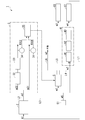
- FIG. 1 is a schematic diagram showing a configuration of a water treatment system according to an embodiment of the present invention.
- FIG. 1 a monitoring device, a water treatment system, a monitoring method for persistent substances in the monitored water, and a water treatment method according to an embodiment of the present invention will be described with reference to FIG. It should be noted that the present embodiment is specifically described in order to better understand the gist of the invention, and is not limited to the present invention unless otherwise specified.
- the water treatment system 1 of the present embodiment includes a reclaimed water production device 2, a monitoring device 3, a pure water production device 4, and a supply means 5.
- the reclaimed water production apparatus 2 purifies the wastewater w1 used at the use point 61 to make the reclaimed water w2.
- the monitoring device 3 separates a part of the reclaimed water w2 purified by the reclaimed water production device 2 and monitors the concentration of the persistent substance in the reclaimed water w2.
- the supply means 5 sends the reclaimed water w2 purified by the reclaimed water production device 2 to either the pure water production device 4, another use point 62, or the outside of the water treatment system.
- the pure water production apparatus 4 receives the reclaimed water w2 sent from the supply means 5 as raw water, and produces pure water w4 from the reclaimed water w2.
- the pure water w4 produced by the pure water production apparatus 4 is supplied to the use point 61.
- the water treatment system 1 is provided with supply paths L1 to L6 for sending water between the devices.
- the supply path L1 connects the use point 61 and the reclaimed water production device 2, and sends the wastewater w1 discharged from the use point 61 to the reclaimed water production device 2.
- the supply path L2 connects the reclaimed water production device 2 and the monitoring device 3, and sends a part of the reclaimed water w2 (monitored water w3) from the reclaimed water production device 2 to the monitoring device 3.
- the supply path L3 connects the reclaimed water production device 2 and the supply means 5, and sends the rest of the reclaimed water w2 from the reclaimed water production device 2 to the supply means 5.
- the supply path L4 connects the supply means 5 and the pure water production device 4, and sends the reclaimed water w2 from the supply means 5 to the pure water production device 4.
- the supply path L5 connects the supply means 5 and another use point 62, and sends the reclaimed water w2 from the supply means 5 to another use point 62.
- the supply path L6 discharges the reclaimed water w2 from the supply means 5 to the outside of the water treatment system 1.
- the use point 61 is a facility or facility that uses the pure water w4 produced by the pure water production apparatus 4.
- the usage pattern of the pure water w4 at the use point 61 is not particularly limited. For example, various chemicals may be added to pure water w4 and used for various treatments, or pure water w4 may be used as cleaning water when cleaning intermediate products and final products. Therefore, the wastewater w1 recovered from the use point 61 may contain various organic substances as impurities.
- Another use point 62 is a facility or facility where the reclaimed water w2 can be used as facility water. Another use point 62 does not require high purity water such as pure water w4. Examples of such equipment include other processes that can be sufficiently applied with water quality of about primary pure water, cooling towers, scrubbers, boilers, and the like.
- the reclaimed water production device 2 may be any device that can purify the wastewater w1 discharged from the use point 61 to the extent that it can be used as the raw water of the pure water production device 4.
- the reclaimed water production device 2 may be provided with a reverse osmosis membrane and a deionizing device, may be further provided with an ultraviolet oxidizing device, and may be further provided with a degassing device.
- the monitoring device 3 includes a first total carbon amount measuring device 31, an ultraviolet oxidizing device 32, a deionizing device 33, and a second total carbon amount measuring device 34. Further, the monitoring device 3 may include a control unit 35.
- the monitoring device 3 receives a part of the reclaimed water w2 purified by the reclaimed water production device 2 as the monitored water w3 via the supply path L2. Then, the received monitored water w3 is divided into the first test water w31 and the second test water w32, the first test water w31 is sent to the first total carbon amount measuring device 31, and the second test water w32 is sent. It is sent to the ultraviolet oxidizing device 32.
- the first total carbon amount measuring device 31 measures the total organic carbon amount TOC1 of the first test water w31 separated from the reclaimed water w2. That is, the first total carbon amount measuring device 31 measures the total organic carbon amount TOC1 of the reclaimed water w2. Further, the first total carbon amount measuring device 31 may output the measured total organic carbon amount TOC1 to the control unit 35.
- the ultraviolet oxidation device 32 performs an ultraviolet oxidation treatment on the second test water w32 separated from the reclaimed water w2.
- the ultraviolet oxidizing device 32 is preferably capable of decomposing the organic matter contained in the reclaimed water w2 into a decomposed product having a relatively low molecular weight. More specifically, the ultraviolet oxidizing device 32 is preferably capable of decomposing organic substances in the reclaimed water w2 to low molecular weight organic acids. However, the ability to decompose persistent organic substances such as urea and urea compounds is not required.
- the deionizing device 33 performs a deionizing treatment on the second test water w32 treated by the ultraviolet oxidizing device 32.
- the deionizing device 33 is preferably capable of removing the decomposition products in the reclaimed water w2 generated by the ultraviolet oxidation treatment from the reclaimed water w2.
- the deionization device 33 may be, for example, an electrodeionization device (electrically regenerating ion exchange device, Continuus Divisionization: CDI), a reverse osmosis membrane, or an ion exchange device. Further, an ion exchange resin column in which a container (column) is filled with an ion exchange resin may be used.
- the second total carbon amount measuring device 34 measures the total organic carbon amount TOC2 of the second test water w32 treated by the deionizing device 33. That is, the second total carbon amount measuring device 34 measures the total organic carbon amount TOC2 of the reclaimed water w2 that has been subjected to the ultraviolet oxidation treatment and the deionization treatment. Further, the second total carbon amount measuring device 34 may output the measured total organic carbon amount TOC2 to the control unit 35.
- the total organic carbon content TOC1 and TOC2 are input to the control unit 35.
- the control unit 35 determines the magnitude relationship between the total organic carbon content TOC1 and the first threshold value Th1, and determines the magnitude relationship between the total organic carbon content TOC2 and the second threshold value Th2 in the regenerated water w2. Monitor the concentration of persistent substances. Then, the control unit 35 outputs the monitoring result to the supply means 5. The details of the operation of the control unit 35 will be described later.
- the second threshold Th2 is a threshold smaller than the first threshold Th1.
- control unit 35 for example, a data input unit that accepts total organic carbon amounts TOC1 and TOC2, a central processing unit, a memory device, and a data output unit that outputs monitoring results to the supply means 5 are displayed.
- a computer equipped with a unit can be used.
- the memory device holds a computer program for operating the control unit 35. This computer program may be executed by a central processing unit.
- the first total carbon amount measuring device 31, the second total carbon amount measuring device 34, the control unit 35, and the supply means 5 may be connected by a wired line or may be connected by a wireless line.
- the supply means 5 is input with the monitoring result of the reclaimed water w2 by the control unit 35, and depending on the result, the reclaimed water w2 is sent to either the pure water production apparatus 4, another use point 62, or the outside of the water treatment system 1. It is something to send. Details of the operation of the supply means 5 will be described later.
- the water treatment system 1 may be provided with a supply means 51 different from the supply means 5.
- the supply means 51 is for supplying another raw water w5 different from the reclaimed water w2 to the pure water production apparatus 4 in order to make up for the shortage. It is a means.
- the pure water production device 4 produces pure water w4 from the reclaimed water w2 purified by the reclaimed water production device 2.
- the pure water production device 4 shown in FIG. 1 includes a raw water tank 41, a primary pure water production device 42, and a secondary pure water production device 43.
- the primary pure water production apparatus 42 produces pure water w4 from the reclaimed water w2. Further, in the secondary pure water production apparatus 43, the pure water w4 produced by the primary pure water production apparatus 42 is changed to higher purity pure water w4 (ultra pure water).
- the pure water production device 4 is not limited to the configuration shown in FIG. 1, and the secondary pure water production device 43 may be omitted.
- the primary pure water production device 42 may be provided with a reverse osmosis membrane and a degassing device, and may be further provided with a degassing device.
- the secondary pure water production apparatus 43 may be provided with, for example, a deionization apparatus and an UF membrane apparatus.
- the secondary pure water production apparatus 43 may be further provided with an ultraviolet oxidizing apparatus, and may be further provided with a degassing apparatus and a catalyst resin apparatus.
- the water treatment method of the present embodiment includes a regeneration step, a monitoring step, and a pure water production step.
- the reclaimed water production apparatus 2 shown in FIG. 1 purifies the wastewater w1 used at the use point 61 to make the reclaimed water w2.
- the monitoring step the reclaimed water w2 purified by the reclaimed water production device 2 is set as the monitored water w3, and the persistent substance in the monitored water w3 is monitored by the monitoring device 3 shown in FIG.
- the pure water production step the pure water w4 is produced from the reclaimed water w2 by the pure water production apparatus 4 shown in FIG.
- each step will be described.
- the wastewater w1 used at the use point 61 and introduced into the reclaimed water production apparatus 2 via the supply path L1 is purified.
- an organic substance having a relatively large molecular weight is removed from the wastewater w1 by a reverse osmosis membrane, and then the organic substance that has passed through the reverse osmosis membrane is decomposed into a decomposition product having a low separation amount by an ultraviolet oxidizing device, and further, ultraviolet rays
- the decomposition products decomposed by the oxidizing device are removed by the deionizing device.
- a part of the reclaimed water w2 obtained in the reclaiming process is sent to the monitoring device 3 by the supply path L2. Further, the remaining portion of the reclaimed water w2 is sent to the supply means 5 by the supply path L3.
- the distribution ratio between the monitoring device 3 and the supply means 5 of the reclaimed water w2 is not particularly limited.
- the reclaimed water w2 sent from the reclaimed water production device 2 via the supply path L2 is set as the monitored water w3, and the concentration of the persistent substance in the monitored water w3 is monitored by the monitoring device 3 shown in FIG. ..
- the reclaimed water w2 supplied through the supply path L2 is further divided into two to obtain the first test water w31 and the second test water w32.
- the first test water w31 is sent to the first total carbon amount measuring device 31 as it is, and the total organic carbon amount TOC1 is measured.
- the second test water w32 is sent to the second total carbon amount measuring device 34 after passing through the ultraviolet oxidizing device 32 and the deionizing device 33, and the total organic carbon amount TOC2 is measured.
- the second test water w32 passes through the ultraviolet oxidizing device 32 and the deionizing device 33, among the organic substances remaining in the second test water w32, the organic substances that are relatively easily decomposed are decomposed by the ultraviolet oxidizing device 32. It is a low molecular weight decomposition product, and this decomposition product is further removed by the deionizing device 33.
- the second test water w32 sent to the second total carbon content measuring device 34 is further subjected to ultraviolet oxidation treatment and deionization treatment on the reclaimed water w2, and thus is divided into two from the same reclaimed water w2.
- the total organic carbon amount TOC2 of the second test water w32 is lower than that of the total organic carbon amount TOC1 of the first test water w31.
- the total organic carbon amount TOC1 and the total organic carbon amount TOC2 measured by the first total carbon amount measuring device 31 and the second total carbon amount measuring device 34 are controlled by the control unit. Output to 35. Then, the control unit 35 monitors the concentration of the persistent substance based on the total organic carbon amount TOC1 and the total organic carbon amount TOC2. The operation of the control unit 35 will be described below.
- the control unit 35 determines the magnitude relationship between the total organic carbon content TOC1 of the first test water w31 and the first threshold value Th1, and also determines the magnitude relationship between the total organic carbon content TOC2 and the second threshold value Th2 of the second test water w32.
- the concentration of persistent substances is monitored by determining the magnitude relationship.
- the first threshold value Th1 is a threshold value for determining whether or not the total organic carbon content TOC1 satisfies a predetermined criterion.
- the first threshold Th1 is, for example, any value in the range of 5 ppb to 1000 ppb.
- the second threshold value Th2 is a threshold value for determining whether or not the total organic carbon amount TOC2 satisfies a predetermined criterion.
- the second threshold Th2 is any value within the range of 1 ppb to 100 ppb, and is a value less than the first threshold Th2.
- the first threshold Th1 and the second threshold Th2 may be appropriately set with reference to the processing capacity of the pure water production apparatus 4, the required quality of pure water w4 at the use point 61, the required quality of the reclaimed water w2 at the use point 62, and the like. ..
- the upper limit of the total organic carbon content is set as one of the water quality standards of the raw water supplied to the pure water production apparatus 4, the upper limit of the total organic carbon content of the raw water is set as the first threshold value. It may be Th1.
- the second threshold value Th2 may be set with reference to the upper limit of the concentration and the processing capacity of the pure water production apparatus 4.
- the supply means 5 is made to perform the operation as described below.
- Table 1 shows the magnitude relationship between TOC1 and Th1, the magnitude relationship between TOC2 and Th2, and the mutual relationship with the operation in the supply means 5.
- Pattern 1 (when Th1 ⁇ TOC1 and Th2 ⁇ TOC2)
- the total organic carbon amount TOC1 of the first test water w31 is the upper limit of the total organic carbon amount in the raw water quality standard of the pure water production apparatus 4.
- the total organic carbon content TOC2 of the second test water w32 is low enough to satisfy the required quality of pure water w4 at the use point 61.
- the control unit 35 issues a command to the supply means 5 to supply the reclaimed water w2 to the pure water production apparatus 4, and the supply means 5 supplies the reclaimed water w2 to the pure water production apparatus 4.
- Pattern 2 (when Th1 ⁇ TOC1 and Th2 ⁇ TOC2)
- the total organic carbon amount TOC1 of the first test water w31 is the upper limit of the total organic carbon amount in the raw water quality standard of the pure water production apparatus 4.
- the total organic carbon content TOC2 of the second test water w32 cannot satisfy the required quality of pure water w4 at the use point 61.
- the control unit 35 issues a command to the supply means 5 to supply the reclaimed water w2 to another use point 62, and the supply means 5 supplies the reclaimed water w2 to the other use point 62.
- the reason for making such a determination is that the pure water production apparatus 4 may not be able to remove the persistent substance. Therefore, the reclaimed water w2 determined to satisfy Th1 ⁇ TOC1 and Th2 ⁇ TOC2 in the monitoring step is used as the pure water production apparatus 4. This is because the produced pure water w4 may not satisfy the required quality of the pure water w4 at the use point 61 even if the pure water w4 is produced by supplying the pure water w4 to the water.
- Pattern 3 (when Th1 ⁇ TOC1 and Th2 ⁇ TOC2)
- the total organic carbon content TOC1 of the first test water w31 is the upper limit of the total organic carbon content in the raw water quality standard of the pure water production apparatus 4. If it exceeds.
- the control unit 35 reclaimed water with respect to the supply means 5.
- a command is issued to discharge w2 to the outside of the water treatment system, and the supply means 5 discharges the reclaimed water w2 to the outside of the water treatment system.
- the reason for making such a judgment is that the reclaimed water w2 determined to satisfy Th1 ⁇ TOC1 in the monitoring process, even if Th2 ⁇ TOC2, has a high organic matter concentration as the reclaimed water w2, so another use point. This is because even if it is supplied to 62, it may cause some problems.
- Pattern 4 (when Th1 ⁇ TOC1 and Th2 ⁇ TOC2)
- the total organic carbon content TOC1 of the first test water w31 is the upper limit of the total organic carbon content in the raw water quality standard of the pure water production apparatus 4.
- the total organic carbon content TOC2 of the second test water w32 cannot satisfy the required quality of pure water w4 at the use point 61.
- the control unit 35 issues a command to the supply means 5 to discharge the reclaimed water w2 to the outside of the water treatment system, and the supply means 5 discharges the reclaimed water w2 to the outside of the water treatment system.
- the reason for making such a determination is that the reclaimed water w2 determined to satisfy Th1 ⁇ TOC1 and Th2 ⁇ TOC2 in the monitoring process may cause some problems even if it is supplied to another use point 62.
- the pure water production process will be described.
- the raw water tank 41 of the pure water production apparatus 4 receives the reclaimed water w2.
- the reclaimed water w2 is treated by the primary pure water production apparatus 42 and the secondary pure water production apparatus 43 to produce pure water w4.
- the produced pure water w4 is sent to use point 61 and used at use point 61.
- the reclaimed water w2 when the reclaimed water w2 is supplied from the supply means 5 to another use point 62 via the supply path L5 as in the above pattern 2, the reclaimed water w2 is used at the use point 62. Further, as in the patterns 3 and 4, the reclaimed water w2 may be discharged from the supply means 5 to the outside of the water treatment system 1 via the supply path L6.
- the control unit 35 determines the magnitude relationship between the total organic carbon amount TOC1, the total organic carbon amount TOC2, the first threshold value Th1 and the second threshold value Th2, and based on the determination result, the control unit
- the mode in which 35 directs the supply destination of the reclaimed water w2 to the supply means 5 has been described, the present invention is not limited thereto.
- the operator determines the magnitude relationship between the total organic carbon amount TOC1, the total organic carbon amount TOC2, the first threshold value Th1 and the second threshold value Th2, and based on the determination result, the operator determines the supply means 5 with respect to the supply means 5. You may also specify the supply destination of the reclaimed water w2.
- control unit 35 determines the magnitude relationship between the total organic carbon amount TOC1, the total organic carbon amount TOC2, the first threshold value Th1 and the second threshold value Th2, and the operator sends the supply means 5 based on the determination result. You may also specify the supply destination of the reclaimed water w2.
- the monitoring device 3 of the present embodiment includes a first total carbon amount measuring device 31 and a second total carbon amount measuring device 34.
- the total organic carbon amount TOC1 of the organic substance contained in the monitored water w3 is measured by the first total carbon amount measuring device 31, and the ultraviolet oxidizing device 32 and the desorption are performed by the second total carbon amount measuring device 34.
- the total organic carbon content TOC2 of the organic substance not removed by the ion device 33 is measured.
- the monitoring device 3 of the present embodiment determines the concentration of the persistent substance from the magnitude relationship between the total organic carbon content TOC1 and the first threshold value Th1 and the magnitude relationship between the total organic carbon content TOC2 and the second threshold value Th2.
- a control unit 35 for monitoring is further provided.
- the water treatment system 1 of the present embodiment includes a reclaimed water production device 2 that converts the wastewater w1 used in the use point 61 into reclaimed water w2, a monitoring device 3 that monitors persistent substances in the reclaimed water w2, and reclaimed water. It is provided with a pure water production apparatus 4 capable of accepting w2 as raw water.
- the monitoring device 3 can monitor the fluctuation of the concentration of the persistent organic matter in the reclaimed water w2 by grasping the total organic carbon amount TOC1 and the total organic carbon amount TOC2, and also the water quality of the reclaimed water w2. Can be monitored.
- the water treatment system 1 of the present embodiment includes the supply means 5, and the magnitude relation of the total organic carbon amount TOC1, the total organic carbon amount TOC2, the first threshold value Th1 and the second threshold value Th2 is Th1 ⁇ .
- the supply means 5 supplies the reclaimed water w2 to the pure water production apparatus 4.
- reclaimed water w2 having a low concentration of persistent substances and suitable for producing pure water can be supplied to the pure water production apparatus 4, and pure water w4 having a reduced concentration of persistent substances can be produced.
- the water treatment system 1 of the present embodiment includes a control unit 35 and a supply means 5, and when Th1 ⁇ TOC1 and Th2 ⁇ TOC2 are satisfied, the control unit 35 purifies the reclaimed water w2 by the supply means 5. It is supplied to the water production apparatus 4. As a result, reclaimed water w2 having a low concentration of persistent substances and suitable for producing pure water can be supplied to the pure water production apparatus 4, and pure water w4 having a reduced concentration of persistent substances can be produced.
- the water treatment system of the present embodiment includes the supply means 5, and supplies the water according to the magnitude relationship of the total organic carbon amount TOC1, the total organic carbon amount TOC2, the first threshold Th1 and the second threshold Th2.
- the means 5 supplies the reclaimed water w2 to the pure water production apparatus 4, the reclaimed water w2 is supplied to another use point 62, or the supply means 5 discharges the reclaimed water w2 to the outside of the water treatment system 1.
- the control unit 35 has a total organic carbon amount TOC1, a total organic carbon amount TOC2, and a first threshold Th1.
- the reclaimed water w2 is supplied to the pure water production apparatus 4, the reclaimed water w2 is supplied to another use point 62, or the reclaimed water w2 is supplied by the supply means 5. Discharge to the outside of the water treatment system 1. Thereby, the supply destination of the reclaimed water w2 can be changed according to the water quality of the reclaimed water w2. That is, the reclaimed water w2 having a relatively high purity is used as the raw water of the pure water production apparatus 4, and the reclaimed water w2 having a purity that is not suitable for the raw water of the pure water production apparatus but can be used for other purposes is the use point 62 of the application.
- the reclaimed water w2 that is supplied and is not suitable for the use of another use point 62 can be discharged to the outside of the system, and the reclaimed water w2 can be appropriately used according to the water quality. Further, since the reclaimed water w2 unsuitable for pure water production is sent to another use point or discharged to the outside of the system, it is a persistent substance in the water circulating in the pure water production apparatus 4, the use point 61 and the reclaimed water production apparatus 2. High-quality pure water w4 can always be produced without accumulating.
- the monitoring method of the present embodiment determines the magnitude relationship between the total organic carbon content TOC1 and the first threshold value Th1 and the magnitude relationship between the total organic carbon content TOC2 and the second threshold value Th2. As a result, fluctuations in the concentration of persistent organic matter in the monitored water w3 can be continuously monitored, and the water quality of the monitored water w3 can also be continuously monitored.
- the water treatment method of the present embodiment includes a regeneration step of converting the wastewater w1 used in use point 61 into reclaimed water w2, a monitoring step of monitoring persistent substances in the reclaimed water w2, and pure water from the reclaimed water w2.
- a pure water production step for producing w4 is provided, and the monitoring step determines the magnitude relationship between the total organic carbon content TOC1 and the first threshold Th1 and the magnitude relationship between the total organic carbon content TOC2 and the second threshold Th2.
- the reclaimed water w2 is supplied to the pure water production apparatus 4 by the supply means 5.
- reclaimed water w2 having a low concentration of persistent substances and suitable for producing pure water can be supplied to the pure water production apparatus 4, and pure water w4 having a reduced concentration of persistent substances can be produced.
- the reclaimed water w2 is supplied to the pure water production apparatus 4 by the supply means 5, and Th1 ⁇ TOC1 and Th2 ⁇
- the reclaimed water w2 is supplied to another use point 62 by the supply means 5, and when Th1 ⁇ TOC1 and Th2 ⁇ TOC2 or Th1 ⁇ TOC1 and Th2 ⁇ TOC2 are satisfied, the reclaimed water w2 is supplied by the supply means 5. Discharge to the outside of the processing system 1. Thereby, the supply destination of the reclaimed water w2 can be changed according to the water quality of the reclaimed water w2.
- the reclaimed water w2 having a relatively high purity is used as the raw water of the pure water production apparatus 4, and the reclaimed water w2 having a purity that is not suitable for the raw water of the pure water production apparatus 4 but can be used for other purposes is the use point 62 of the application.
- the reclaimed water w2, which is supplied to the water and is not suitable for the use of another use point 62, can be discharged to the outside of the system, and the reclaimed water w2 can be appropriately used according to the water quality.
- the reclaimed water w2 unsuitable for pure water production is sent to another use point or discharged to the outside of the system, it is a persistent substance in the water circulating in the pure water production apparatus 4, the use point 61 and the reclaimed water production apparatus 2.
- High-quality pure water w4 can always be produced without accumulating.
Landscapes
- Life Sciences & Earth Sciences (AREA)
- Chemical & Material Sciences (AREA)
- Health & Medical Sciences (AREA)
- Immunology (AREA)
- Engineering & Computer Science (AREA)
- Pathology (AREA)
- Physics & Mathematics (AREA)
- Analytical Chemistry (AREA)
- Biochemistry (AREA)
- General Health & Medical Sciences (AREA)
- General Physics & Mathematics (AREA)
- Medicinal Chemistry (AREA)
- Food Science & Technology (AREA)
- Hydrology & Water Resources (AREA)
- Environmental & Geological Engineering (AREA)
- Water Supply & Treatment (AREA)
- Organic Chemistry (AREA)
- Molecular Biology (AREA)
- Investigating Or Analyzing Non-Biological Materials By The Use Of Chemical Means (AREA)
- Physical Water Treatments (AREA)
- Separation Using Semi-Permeable Membranes (AREA)
- Treatment Of Water By Oxidation Or Reduction (AREA)
Abstract
本発明の監視装置(3)は、監視対象水(w3)に含まれる難分解性物質の濃度を 監視する監視装置(3)であって、監視対象水(w3)から分取された第1試験水( w31)の全有機性炭素量(TOC1)を測定する第1全炭素量測定装置(31)と 、監視対象水(w3)から分取された第2試験水(w32)が導入される紫外線酸化 装置(32)と、紫外線酸化装置(32)によって処理された第2試験水(w32) が導入される脱イオン装置(33)と、脱イオン装置(33)によって処理された第 2試験水(w32)の全有機性炭素量(TOC2)を測定する第2全炭素量測定装置 (34)と、を備える。
Description
本発明は、監視装置、水処理システム、監視対象水中の難分解性物質の監視方法及び水処理方法に関する。
本願は、2019年3月27日に、日本に出願された特願2019-061708号に基づき優先権を主張し、その内容をここに援用する。
本願は、2019年3月27日に、日本に出願された特願2019-061708号に基づき優先権を主張し、その内容をここに援用する。
一般に、純水は、濁質成分が除去された原水を、純水製造装置において、逆浸透膜処理や脱イオン処理等を行うことにより製造される。製造された純水は、ユースポイントに供給される。
最近は、環境負荷の低減やコスト低減のために、ユースポイントにおいて使用された純水を回収して再利用することが行われている。すなわち、ユースポイントにおいて使用された純水を回収水として回収し、回収水処理装置によって回収水中の不純物量を低減させて再生水とし、この再生水を再び純水製造装置に供給することが行われている。
例えば、特許文献1には、工場からの廃水または使用済みの超純水を回収水として回収し、回収水から超純水を製造する超純水製造装置が記載されている。特許文献1に記載されている超純水製造装置では、サブ超純水製造システムによって得られた処理水(超純水)中の全有機炭素濃度を測定することで、処理水の品質を管理している。
ところで、ユースポイントにおいては、純水に種々の薬剤を添加して各種の処理に用いたり、あるいは、中間製品や最終製品を洗浄する際に純水を洗浄水として利用したりすることがある。このため、ユースポイントから回収された回収水には、様々な有機物が不純物として含まれる場合がある。そこで、回収水処理装置によって、純水製造装置の原水として利用可能な程度まで、回収水から不純物としての有機物を取り除いている。
しかし、有機物の中には、回収水処理装置や純水製造装置によっても除去が難しい難分解性有機物が存在する。このような難分解性有機物の例として、例えば、尿素および尿素化合物が挙げられる。このため、ユースポイントと回収水処理装置と純水製造装置とによって水の再利用システムを構築した場合、水の循環を繰り返すことにより、純水中に難分解性有機物が徐々に蓄積されることがある。
難分解性有機物は、全有機炭素濃度計で検出される。また、全有機炭素濃度計は、難分解性有機物以外の有機物も検出する。すなわち、全有機炭素濃度計は、難分解性有機物と、難分解性有機物以外の有機物の合計量を検出する。しかしながら、全有機炭素濃度計は、前記の合計量の中から難分解性有機物の量を求めることが難しいとされている。このため、特許文献1では、処理水中の全有機炭素濃度を測定しているものの、難分解性有機物の含有量を充分に監視できていない可能性がある。
ユースポイントにおいては、純水の品質管理の一環として、純水中の難分解性有機物の濃度を監視する場合がある。供給された純水に、基準値を超える濃度の難分解性有機物が含まれる場合、純水の受入れ及び利用を停止する必要がある。しかし、代替の処理水を直ちに入手できるとは限らず、ユースポイントにおける操業に支障が生じることがある。このため、純水の製造拠点においても、純水中の難分解性有機物の監視を行う必要がある。
しかし、上述したように、全有機炭素濃度計によって純水中の難分解性有機物の含有量を求めることは難しいとされている。また、難分解性有機物の測定に適した分析装置の導入も考えられるが、設備コストが増大することがある。
本発明は上記事情に鑑みてなされたものであって、全有機炭素濃度計による難分解性有機物の濃度の監視を可能にする監視装置、この監視装置を備えた水処理システム、監視対象水中の難分解性物質の監視方法及び水処理方法を提供することを課題とする。
上記課題を解決するため、本発明は以下の構成を採用する。
[1]監視対象水に含まれる難分解性物質の濃度を監視する監視装置であって、
前記監視対象水から分取された第1試験水の全有機性炭素量TOC1を測定する第1全炭素量測定装置と、
前記監視対象水から分取された第2試験水が導入される紫外線酸化装置と、
前記紫外線酸化装置によって処理された前記第2試験水が導入される脱イオン装置と、
前記脱イオン装置によって処理された前記第2試験水の全有機性炭素量TOC2を測定する第2全炭素量測定装置と、を備えることを特徴とする監視装置。
[2]前記第1試験水の前記全有機性炭素量TOC1と第1閾値Th1との大小関係を判定するとともに、前記第2試験水の前記全有機性炭素量TOC2と前記第1閾値Th1よりも小さな第2閾値Th2との大小関係を判定することにより、前記難分解性物質の濃度を監視する制御部を更に備えることを特徴とする[1]に記載の監視装置。
[1]監視対象水に含まれる難分解性物質の濃度を監視する監視装置であって、
前記監視対象水から分取された第1試験水の全有機性炭素量TOC1を測定する第1全炭素量測定装置と、
前記監視対象水から分取された第2試験水が導入される紫外線酸化装置と、
前記紫外線酸化装置によって処理された前記第2試験水が導入される脱イオン装置と、
前記脱イオン装置によって処理された前記第2試験水の全有機性炭素量TOC2を測定する第2全炭素量測定装置と、を備えることを特徴とする監視装置。
[2]前記第1試験水の前記全有機性炭素量TOC1と第1閾値Th1との大小関係を判定するとともに、前記第2試験水の前記全有機性炭素量TOC2と前記第1閾値Th1よりも小さな第2閾値Th2との大小関係を判定することにより、前記難分解性物質の濃度を監視する制御部を更に備えることを特徴とする[1]に記載の監視装置。
[3]ユースポイントにおいて使用された排水を浄化して再生水にする再生水製造装置と、
前記再生水中の難分解性物質の濃度を監視する監視装置と、
前記再生水を原水として受け入れ可能な純水製造装置と、を少なくとも備え、
前記監視装置は、
前記再生水から分取された第1試験水の全有機性炭素量TOC1を測定する第1全炭素量測定装置と、
前記再生水から分取された第2試験水が導入される紫外線酸化装置と、
前記紫外線酸化装置によって処理された前記第2試験水が導入される脱イオン装置と、
前記脱イオン装置によって処理された前記第2試験水の全有機性炭素量TOC2を測定する第2全炭素量測定装置と、
を備えることを特徴とする水処理システム。
[4]前記再生水製造装置と前記純水製造装置との間に前記再生水の供給手段を備え、
前記第1全炭素量測定装置によって測定された前記第1試験水の前記全有機性炭素量TOC1、前記第2全炭素量測定装置によって測定された前記第2試験水の前記全有機性炭素量TOC2、第1閾値Th1及び前記第1閾値Th1よりも小さな第2閾値Th2の大小関係が、Th1≧TOC1かつTh2≧TOC2を満たす場合に、前記供給手段は、前記再生水を前記純水製造装置に供給させることを特徴とする[3]に記載の水処理システム。
[5]前記監視装置は制御部を備えるとともに、前記再生水製造装置と前記純水製造装置との間に前記再生水の供給手段を備え、
前記制御部は、
前記第1全炭素量測定装置によって測定された前記第1試験水の前記全有機性炭素量TOC1、前記第2全炭素量測定装置によって測定された前記第2試験水の前記全有機性炭素量TOC2、第1閾値Th1及び前記第1閾値Th1よりも小さな第2閾値Th2の大小関係を判定し、Th1≧TOC1かつTh2≧TOC2を満たす場合に、前記供給手段によって前記再生水を前記純水製造装置に供給させることを特徴とする[3]に記載の水処理システム。
[6]前記再生水製造装置と前記純水製造装置との間に前記再生水の供給手段を備え、
前記第1全炭素量測定装置によって測定された前記第1試験水の前記全有機性炭素量TOC1、前記第2全炭素量測定装置によって測定された前記第2試験水の前記全有機性炭素量TOC2、第1閾値Th1及び前記第1閾値Th1よりも小さな第2閾値Th2の大小関係がそれぞれ、
Th1≧TOC1かつTh2≧TOC2を満たす場合に、前記供給手段は、前記再生水を前記純水製造装置に供給させ、
Th1≧TOC1かつTh2<TOC2を満たす場合に、前記供給手段は、前記再生水を別のユースポイントに供給させ、
Th1<TOC1かつTh2≧TOC2またはTh1<TOC1かつTh2<TOC2を満たす場合に、前記供給手段は、前記再生水を前記水処理システムの外部に排出させることを特徴とする[3]に記載の水処理システム。
[7]前記監視装置は制御部を備えるとともに、前記再生水製造装置と前記純水製造装置との間に前記再生水の供給手段を備え、
前記制御部は、
前記第1全炭素量測定装置によって測定された前記第1試験水の前記全有機性炭素量TOC1、前記第2全炭素量測定装置によって測定された前記第2試験水の前記全有機性炭素量TOC2、第1閾値Th1及び前記第1閾値Th1よりも小さな第2閾値Th2の大小関係がそれぞれ、
Th1≧TOC1かつTh2≧TOC2を満たす場合に、前記供給手段によって前記再生水を前記純水製造装置に供給させ、
Th1≧TOC1かつTh2<TOC2を満たす場合に、前記供給手段によって前記再生水を別のユースポイントに供給させ、
Th1<TOC1かつTh2≧TOC2またはTh1<TOC1かつTh2<TOC2を満たす場合に、前記供給手段によって前記再生水を前記水処理システムの外部に排出させることを特徴とする[3]に記載の水処理システム。
前記再生水中の難分解性物質の濃度を監視する監視装置と、
前記再生水を原水として受け入れ可能な純水製造装置と、を少なくとも備え、
前記監視装置は、
前記再生水から分取された第1試験水の全有機性炭素量TOC1を測定する第1全炭素量測定装置と、
前記再生水から分取された第2試験水が導入される紫外線酸化装置と、
前記紫外線酸化装置によって処理された前記第2試験水が導入される脱イオン装置と、
前記脱イオン装置によって処理された前記第2試験水の全有機性炭素量TOC2を測定する第2全炭素量測定装置と、
を備えることを特徴とする水処理システム。
[4]前記再生水製造装置と前記純水製造装置との間に前記再生水の供給手段を備え、
前記第1全炭素量測定装置によって測定された前記第1試験水の前記全有機性炭素量TOC1、前記第2全炭素量測定装置によって測定された前記第2試験水の前記全有機性炭素量TOC2、第1閾値Th1及び前記第1閾値Th1よりも小さな第2閾値Th2の大小関係が、Th1≧TOC1かつTh2≧TOC2を満たす場合に、前記供給手段は、前記再生水を前記純水製造装置に供給させることを特徴とする[3]に記載の水処理システム。
[5]前記監視装置は制御部を備えるとともに、前記再生水製造装置と前記純水製造装置との間に前記再生水の供給手段を備え、
前記制御部は、
前記第1全炭素量測定装置によって測定された前記第1試験水の前記全有機性炭素量TOC1、前記第2全炭素量測定装置によって測定された前記第2試験水の前記全有機性炭素量TOC2、第1閾値Th1及び前記第1閾値Th1よりも小さな第2閾値Th2の大小関係を判定し、Th1≧TOC1かつTh2≧TOC2を満たす場合に、前記供給手段によって前記再生水を前記純水製造装置に供給させることを特徴とする[3]に記載の水処理システム。
[6]前記再生水製造装置と前記純水製造装置との間に前記再生水の供給手段を備え、
前記第1全炭素量測定装置によって測定された前記第1試験水の前記全有機性炭素量TOC1、前記第2全炭素量測定装置によって測定された前記第2試験水の前記全有機性炭素量TOC2、第1閾値Th1及び前記第1閾値Th1よりも小さな第2閾値Th2の大小関係がそれぞれ、
Th1≧TOC1かつTh2≧TOC2を満たす場合に、前記供給手段は、前記再生水を前記純水製造装置に供給させ、
Th1≧TOC1かつTh2<TOC2を満たす場合に、前記供給手段は、前記再生水を別のユースポイントに供給させ、
Th1<TOC1かつTh2≧TOC2またはTh1<TOC1かつTh2<TOC2を満たす場合に、前記供給手段は、前記再生水を前記水処理システムの外部に排出させることを特徴とする[3]に記載の水処理システム。
[7]前記監視装置は制御部を備えるとともに、前記再生水製造装置と前記純水製造装置との間に前記再生水の供給手段を備え、
前記制御部は、
前記第1全炭素量測定装置によって測定された前記第1試験水の前記全有機性炭素量TOC1、前記第2全炭素量測定装置によって測定された前記第2試験水の前記全有機性炭素量TOC2、第1閾値Th1及び前記第1閾値Th1よりも小さな第2閾値Th2の大小関係がそれぞれ、
Th1≧TOC1かつTh2≧TOC2を満たす場合に、前記供給手段によって前記再生水を前記純水製造装置に供給させ、
Th1≧TOC1かつTh2<TOC2を満たす場合に、前記供給手段によって前記再生水を別のユースポイントに供給させ、
Th1<TOC1かつTh2≧TOC2またはTh1<TOC1かつTh2<TOC2を満たす場合に、前記供給手段によって前記再生水を前記水処理システムの外部に排出させることを特徴とする[3]に記載の水処理システム。
[8]監視対象水に含まれる難分解性物質の濃度を監視する監視方法であって、
第1全炭素量測定装置により、前記監視対象水から分取された第1試験水の全有機性炭素量TOC1を測定し、
前記監視対象水から分取された第2試験水に対して、紫外線酸化装置による酸化分解処理と脱イオン装置による脱イオン処理を順次行ってから、第2全炭素量測定装置により、前記第2試験水の全有機性炭素量TOC2を測定し、
前記第1試験水の前記全有機性炭素量TOC1と第1閾値Th1との大小関係を判定するとともに、前記第2試験水の前記全有機性炭素量TOC2と前記第1閾値Th1よりも小さな第2閾値Th2との大小関係を判定することにより、前記難分解性物質の濃度を監視することを特徴とする監視対象水中の難分解性物質の監視方法。
第1全炭素量測定装置により、前記監視対象水から分取された第1試験水の全有機性炭素量TOC1を測定し、
前記監視対象水から分取された第2試験水に対して、紫外線酸化装置による酸化分解処理と脱イオン装置による脱イオン処理を順次行ってから、第2全炭素量測定装置により、前記第2試験水の全有機性炭素量TOC2を測定し、
前記第1試験水の前記全有機性炭素量TOC1と第1閾値Th1との大小関係を判定するとともに、前記第2試験水の前記全有機性炭素量TOC2と前記第1閾値Th1よりも小さな第2閾値Th2との大小関係を判定することにより、前記難分解性物質の濃度を監視することを特徴とする監視対象水中の難分解性物質の監視方法。
[9]再生水製造装置により、ユースポイントにおいて使用された排水を浄化して再生水にする再生工程と、
監視装置により、前記再生水中の難分解性物質の濃度を監視する監視工程と、
純水製造装置により、前記再生水から純水を製造する純水製造工程と、を少なくとも備え、
前記監視工程は、
第1全炭素量測定装置により、前記再生水から分取された第1試験水の全有機性炭素量TOC1を測定し、
前記再生水から分取された第2試験水に対して、紫外線酸化装置による酸化分解処理と脱イオン装置による脱イオン処理を順次行ってから、第2全炭素量測定装置により、前記第2試験水の全有機性炭素量TOC2を測定し、
前記第1試験水の前記全有機性炭素量TOC1と第1閾値Th1との大小関係を判定するとともに、前記第2試験水の前記全有機性炭素量TOC2と前記第1閾値Th1よりも小さな第2閾値Th2との大小関係を判定することにより、前記難分解性物質の濃度を監視することを特徴とする水処理方法。
[10]前記監視工程において、Th1≧TOC1かつTh2≧TOC2を満たす場合に、前記再生水製造装置と前記純水製造装置との間に備えられた前記再生水の供給手段により、前記再生水を前記純水製造装置に供給することを特徴とする[9]に記載の水処理方法。
[11]前記監視工程において、Th1≧TOC1かつTh2≧TOC2を満たす場合に、前記再生水製造装置と前記純水製造装置との間に備えられた前記再生水の供給手段により、前記再生水を前記純水製造装置に供給し、
前記監視工程において、Th1≧TOC1かつTh2<TOC2を満たす場合に、前記供給手段により、前記再生水を別のユースポイントに供給し、
前記監視工程において、Th1<TOC1かつTh2≧TOC2またはTh1<TOC1かつTh2<TOC2を満たす場合に、前記供給手段により、前記再生水を水処理システムの外部に排出することを特徴とする[9]に記載の水処理方法。
監視装置により、前記再生水中の難分解性物質の濃度を監視する監視工程と、
純水製造装置により、前記再生水から純水を製造する純水製造工程と、を少なくとも備え、
前記監視工程は、
第1全炭素量測定装置により、前記再生水から分取された第1試験水の全有機性炭素量TOC1を測定し、
前記再生水から分取された第2試験水に対して、紫外線酸化装置による酸化分解処理と脱イオン装置による脱イオン処理を順次行ってから、第2全炭素量測定装置により、前記第2試験水の全有機性炭素量TOC2を測定し、
前記第1試験水の前記全有機性炭素量TOC1と第1閾値Th1との大小関係を判定するとともに、前記第2試験水の前記全有機性炭素量TOC2と前記第1閾値Th1よりも小さな第2閾値Th2との大小関係を判定することにより、前記難分解性物質の濃度を監視することを特徴とする水処理方法。
[10]前記監視工程において、Th1≧TOC1かつTh2≧TOC2を満たす場合に、前記再生水製造装置と前記純水製造装置との間に備えられた前記再生水の供給手段により、前記再生水を前記純水製造装置に供給することを特徴とする[9]に記載の水処理方法。
[11]前記監視工程において、Th1≧TOC1かつTh2≧TOC2を満たす場合に、前記再生水製造装置と前記純水製造装置との間に備えられた前記再生水の供給手段により、前記再生水を前記純水製造装置に供給し、
前記監視工程において、Th1≧TOC1かつTh2<TOC2を満たす場合に、前記供給手段により、前記再生水を別のユースポイントに供給し、
前記監視工程において、Th1<TOC1かつTh2≧TOC2またはTh1<TOC1かつTh2<TOC2を満たす場合に、前記供給手段により、前記再生水を水処理システムの外部に排出することを特徴とする[9]に記載の水処理方法。
本発明の監視装置は、第1全炭素量測定装置と、第2全炭素量測定装置とを備えており、第1全炭素量測定装置によって、監視対象水に含まれる有機物の全有機性炭素量TOC1が測定され、また、第2全炭素量測定装置によって、紫外線酸化装置及び脱イオン装置により除去されなかった有機物の全有機性炭素量TOC2が測定される。これら全有機性炭素量TOC1及び全有機性炭素量TOC2を把握することで、監視対象水の難分解性有機物の濃度の変動を監視でき、また、監視対象水の水質も監視できる。
また、本発明の監視装置は、全有機性炭素量TOC1及び第1閾値Th1の大小関係と全有機性炭素量TOC2及び第2閾値Th2の大小関係とから、難分解性物質の濃度を監視する制御部を更に備えているので、難分解性有機物の濃度の変動を継続して監視できるとともに、監視対象水の水質も継続して監視できる。
次に、本発明の水処理システムは、ユースポイントにおいて使用された排水を再生水にする再生水製造装置と、再生水中の難分解性物質を監視する監視装置と、再生水を原水として受け入れ可能な純水製造装置とを少なくとも備え、監視装置が、全有機性炭素量TOC1及び全有機性炭素量TOC2を把握することで、再生水中の難分解性有機物の濃度の変動を監視でき、また、再生水の水質も監視できる。
また、本発明の水処理システムは、供給手段を備えている場合に、全有機性炭素量TOC1、全有機性炭素量TOC2、第1閾値Th1及び第2閾値Th2の大小関係が、Th1≧TOC1かつTh2≧TOC2を満たす場合に、供給手段は、再生水を純水製造装置に供給させるので、難分解物質濃度が低く純水製造に適した再生水を純水製造装置に供給することができ、難分解性物質濃度が低減された純水を製造できる。
また、本発明の水処理システムは、制御部と供給手段とを備えている場合には、Th1≧TOC1かつTh2≧TOC2を満たす場合に、制御部は、供給手段によって再生水を純水製造装置に供給させるので、難分解物質濃度が低く純水製造に適した再生水を純水製造装置に供給することができ、難分解性物質濃度が低減された純水を製造できる。
また、本発明の水処理システムは、供給手段を備えている場合に、全有機性炭素量TOC1、TOC2、第1閾値Th1及び第2閾値Th2の大小関係が、Th1≧TOC1かつTh2≧TOC2を満たす場合に供給手段は再生水を純水製造装置に供給させ、また、Th1≧TOC1かつTh2<TOC2を満たす場合に供給手段は再生水を別のユースポイントに供給させ、更に、Th1<TOC1かつTh2≧TOC2またはTh1<TOC1かつTh2<TOC2を満たす場合に供給手段は再生水を水処理システムの外部に排出させる。
また、本発明の水処理システムは、制御部と供給手段とを備えている場合に、制御部は、Th1≧TOC1かつTh2≧TOC2を満たす場合に供給手段によって再生水を純水製造装置に供給させ、また、Th1≧TOC1かつTh2<TOC2を満たす場合に供給手段によって再生水を別のユースポイントに供給させ、更に、Th1<TOC1かつTh2≧TOC2またはTh1<TOC1かつTh2<TOC2を満たす場合に供給手段によって再生水を水処理システムの外部に排出させる。
これにより、再生水の水質に応じて、再生水の供給先を変更できる。すなわち、比較的高純度の再生水は純水製造装置の原水とし、純水製造装置の原水には適さないが他の用途に利用可能な純度を有する再生水は当該用途のユースポイントに供給し、別のユースポイントの利用にも適さない再生水は系外に排出することができ、再生水をその水質に応じて適切に利用できる。また、純水製造に適さない再生水は別のユースポイントに送るか、または系外に排出するので、純水製造装置、ユースポイント及び再生水製造装置を循環する水に難分解性物質を蓄積させることがなく、常に高品質な純水を製造できる。
次に、本発明の監視方法は、全有機性炭素量TOC1及び第1閾値Th1の大小関係と全有機性炭素量TOC2及び第2閾値Th2との大小関係を判定する。これにより、監視対象水の難分解性有機物の濃度の変動を継続して監視できるとともに、監視対象水の水質も継続して監視できる。
次に、本発明の水処理方法は、ユースポイントにおいて使用された排水を再生水にする再生工程と、再生水中の難分解性物質の濃度を監視する監視工程と、再生水から純水を製造する純水製造工程とを少なくとも備え、監視工程は、全有機性炭素量TOC1及び第1閾値Th1の大小関係と全有機性炭素量TOC2及び第2閾値Th2との大小関係とを判定するので、再生水中の難分解性有機物の濃度の変動及び再生水の水質を継続して監視することができ、難分解性有機物の濃度が低減された純水を製造できる。
また、本発明の水処理方法は、監視工程において、Th1≧TOC1かつTh2≧TOC2を満たす場合に、供給手段によって再生水を純水製造装置に供給するので、難分解物質濃度が低く純水製造に適した再生水を純水製造装置に供給することができ、難分解性物質濃度が低減された純水を製造できる。
また、本発明の水処理方法は、監視工程において、Th1≧TOC1かつTh2≧TOC2を満たす場合に供給手段によって再生水を純水製造装置に供給し、また、Th1≧TOC1かつTh2<TOC2を満たす場合に供給手段によって再生水を別のユースポイントに供給し、更に、Th1<TOC1かつTh2≧TOC2またはTh1<TOC1かつTh2<TOC2を満たす場合に供給手段によって再生水を水処理システムの外部に排出する。これにより、再生水の水質に応じて、再生水の供給先を変更できる。すなわち、比較的高純度の再生水は純水製造装置の原水とし、純水製造装置の原水には適さないが他の用途に利用可能な純度を有する再生水は当該用途のユースポイントに供給し、別のユースポイントの利用にも適さない再生水は系外に排出することができ、再生水をその水質に応じて適切に利用できる。また、純水製造に適さない再生水は別のユースポイントに送るか、または系外に排出するので、純水製造装置、ユースポイント及び再生水製造装置を循環する水に難分解性物質を蓄積させることがなく、常に高品質な純水を製造できる。
以下、本発明の実施形態である監視装置、水処理システム、監視対象水中の難分解性物質の監視方法及び水処理方法について図1を参照して説明する。
なお、本実施形態は、発明の趣旨をより良く理解させるために具体的に説明するものであり、特に指定のない限り、本発明を限定するものではない。
なお、本実施形態は、発明の趣旨をより良く理解させるために具体的に説明するものであり、特に指定のない限り、本発明を限定するものではない。
(水処理システム、監視装置)
図1に示すように、本実施形態の水処理システム1は、再生水製造装置2と、監視装置3と、純水製造装置4と、供給手段5とを備える。再生水製造装置2は、ユースポイント61において使用された排水w1を浄化して再生水w2にする。また、監視装置3は、再生水製造装置2によって浄化された再生水w2の一部を分取し、再生水w2中の難分解性物質の濃度を監視する。供給手段5は、再生水製造装置2よって浄化された再生水w2を、純水製造装置4、別のユースポイント62または水処理システムの外部のいずれかに送る。また、純水製造装置4は、供給手段5から送られた再生水w2を原水として受け入れ、再生水w2から純水w4を製造する。純水製造装置4によって製造された純水w4は、ユースポイント61に供給される。
図1に示すように、本実施形態の水処理システム1は、再生水製造装置2と、監視装置3と、純水製造装置4と、供給手段5とを備える。再生水製造装置2は、ユースポイント61において使用された排水w1を浄化して再生水w2にする。また、監視装置3は、再生水製造装置2によって浄化された再生水w2の一部を分取し、再生水w2中の難分解性物質の濃度を監視する。供給手段5は、再生水製造装置2よって浄化された再生水w2を、純水製造装置4、別のユースポイント62または水処理システムの外部のいずれかに送る。また、純水製造装置4は、供給手段5から送られた再生水w2を原水として受け入れ、再生水w2から純水w4を製造する。純水製造装置4によって製造された純水w4は、ユースポイント61に供給される。
また、水処理システム1には、各装置間で水を送水するための供給路L1~L6が設けられている。供給路L1は、ユースポイント61と再生水製造装置2を接続し、ユースポイント61から排出された排水w1を再生水製造装置2に送る。供給路L2は、再生水製造装置2と監視装置3とを接続し、再生水w2の一部(監視対象水w3)を再生水製造装置2から監視装置3に送る。供給路L3は、再生水製造装置2と供給手段5とを接続し、再生水w2の残部を再生水製造装置2から供給手段5に送る。
供給路L4は、供給手段5と純水製造装置4とを接続し、再生水w2を供給手段5から純水製造装置4に送る。供給路L5は、供給手段5と別のユースポイント62とを接続し、再生水w2を供給手段5から別のユースポイント62に送る。供給路L6は、再生水w2を供給手段5から水処理システム1の外部に排出する。
ユースポイント61は、純水製造装置4によって製造された純水w4を利用する設備若しくは施設である。ユースポイント61における純水w4の利用形態は特に限定されない。例えば、純水w4に種々の薬剤を添加して各種の処理に用いてもよく、あるいは、中間製品や最終製品を洗浄する際に純水w4を洗浄水として利用してもよい。このため、ユースポイント61から回収された排水w1には、様々な有機物が不純物として含まれる場合がある。
また、別のユースポイント62は、再生水w2を設備用水として利用可能な設備若しくは施設である。別のユースポイント62では、純水w4のような高純度の水は必要としない。このような設備の一例としては、例えば、一次純水程度の水質で充分適用可能な他のプロセスや、クーリングタワー、スクラバーやボイラー等が挙げられる。
再生水製造装置2は、ユースポイント61から排出された排水w1を、純水製造装置4の原水として利用できる程度まで浄化できるものであればよい。例えば、再生水製造装置2は、逆浸透膜及び脱イオン装置を備えたものであってもよく、更に紫外線酸化装置を備えたものでもよく、更に脱ガス装置を備えたものでもよい。
監視装置3は、第1全炭素量測定装置31と、紫外線酸化装置32と、脱イオン装置33と、第2全炭素量測定装置34とを備える。また、監視装置3は、制御部35を備えていてもよい。監視装置3は、供給路L2を介して、再生水製造装置2によって浄化された再生水w2の一部を、監視対象水w3として受け入れる。そして、受け入れた監視対象水w3を第1試験水w31と第2試験水w32の2つに分けて、第1試験水w31を第1全炭素量測定装置31に送り、第2試験水w32を紫外線酸化装置32に送る。
第1全炭素量測定装置31は、再生水w2から分取された第1試験水w31の全有機性炭素量TOC1を測定するものである。すなわち、第1全炭素量測定装置31は、再生水w2の全有機性炭素量TOC1を測定するものである。また、第1全炭素量測定装置31は、測定した全有機性炭素量TOC1を制御部35に出力してもよい。
紫外線酸化装置32は、再生水w2からから分取された第2試験水w32に対して紫外線酸化処理を行う。紫外線酸化装置32は、再生水w2に含まれる有機物を、比較的低分子量の分解物にまで分解できるものがよい。紫外線酸化装置32は、より具体的には再生水w2中の有機物を低分子量の有機酸まで分解できるものがよい。ただし、尿素や尿素化合物のような難分解性有機物の分解能力までは必要ない。
脱イオン装置33は、紫外線酸化装置32によって処理された第2試験水w32に対して、脱イオン処理を行う。脱イオン装置33は、紫外線酸化処理によって生成した再生水w2中の分解物を、再生水w2から除去できるものがよい。脱イオン装置33は、例えば、電気脱イオン装置(電気再生式イオン交換装置、Continuous Deionization:CDI)、逆浸透膜、イオン交換装置であってもよい。また、イオン交換樹脂を容器(カラム)に充填したイオン交換樹脂カラムでもよい。
更に、第2全炭素量測定装置34は、脱イオン装置33によって処理された第2試験水w32の全有機性炭素量TOC2を測定するものである。すなわち、第2全炭素量測定装置34は、紫外線酸化処理及び脱イオン処理された再生水w2の全有機性炭素量TOC2を測定するものである。また、第2全炭素量測定装置34は、測定した全有機性炭素量TOC2を制御部35に出力してもよい。
制御部35は、全有機性炭素量TOC1及びTOC2が入力される。制御部35は、全有機性炭素量TOC1と第1閾値Th1との大小関係を判定するとともに、全有機性炭素量TOC2と第2閾値Th2との大小関係を判定することにより、再生水w2中の難分解性物質の濃度を監視する。そして、制御部35は、その監視結果を供給手段5に出力する。制御部35の動作の詳細は後述する。なお、第2閾値Th2は、第1閾値Th1よりも小さな閾値である。
制御部35として具体的には、例えば、全有機性炭素量TOC1及びTOC2を受け入れるデータ入力部と、中央演算装置と、メモリ装置と、監視結果を供給手段5に出力するデータ出力部と、表示部とを備えたコンピュータを用いることができる。メモリ装置には、制御部35を動作させるためのコンピュータプログラムが保持される。このコンピュータプログラムは、中央演算装置によって実行されるようにしてもよい。また、第1全炭素量測定装置31、第2全炭素量測定装置34及び制御部35と供給手段5とは、有線回線で接続されていてもよく、無線回線で接続されていてもよい。
供給手段5は、制御部35による再生水w2の監視結果が入力され、その結果に応じて、再生水w2を、純水製造装置4、別のユースポイント62または水処理システム1の外部のいずれかに送るものである。供給手段5の動作の詳細は後述する。
また、水処理システム1には、供給手段5とは別の供給手段51を備えても良い。供給手段51は、純水製造装置4への再生水w2の供給量が不足する際、その不足分を補うために、再生水w2とは異なる別の原水w5を純水製造装置4へ供給するための手段である。別の原水w5としては、例えば、上水、工業用水、河川水、湖沼水あるいは井戸水などを凝集加圧浮上及び/又は濾過処理などされたものが挙げられる。
純水製造装置4は、再生水製造装置2によって浄化された再生水w2から純水w4を製造する。図1に示す純水製造装置4は、原水槽41と、一次純水製造装置42と、二次純水製造装置43とを備える。一次純水製造装置42は、再生水w2から純水w4を製造する。また、二次純水製造装置43は、一次純水製造装置42によって製造された純水w4を更に高純度の純水w4(超純水)とする。なお、純水製造装置4は図1に示す構成に限るものではなく、二次純水製造装置43が省略されたものでもよい。また、一次純水製造装置42は、逆浸透膜及び脱イオン装置を備えたものであってもよく、更に脱ガス装置を備えたものであってもよい。更に、二次純水製造装置43は、例えば、脱イオン装置及びUF膜装置を備えたものであってもよい。二次純水製造装置43は、更に紫外線酸化装置を備えたものであってもよく、更には脱ガス装置や触媒樹脂装置を備えたものであってもよい。
(水処理方法、監視対象水中の難分解性物質の監視方法)
次に、図1に示す水処理システム1を利用した、水処理方法及び監視対象水中の難分解性物質の監視方法について、説明する。
本実施形態の水処理方法は、再生工程と、監視工程と、純水製造工程とを備える。再生工程は、図1に示す再生水製造装置2により、ユースポイント61において使用された排水w1を浄化して再生水w2にする。また、監視工程においては、再生水製造装置2よって浄化された再生水w2を監視対象水w3とし、図1に示す監視装置3によって監視対象水w3中の難分解性物質の監視を行う。更に、純水製造工程では、図1に示す純水製造装置4により、再生水w2から純水w4を製造する。以下、各工程について説明する。
次に、図1に示す水処理システム1を利用した、水処理方法及び監視対象水中の難分解性物質の監視方法について、説明する。
本実施形態の水処理方法は、再生工程と、監視工程と、純水製造工程とを備える。再生工程は、図1に示す再生水製造装置2により、ユースポイント61において使用された排水w1を浄化して再生水w2にする。また、監視工程においては、再生水製造装置2よって浄化された再生水w2を監視対象水w3とし、図1に示す監視装置3によって監視対象水w3中の難分解性物質の監視を行う。更に、純水製造工程では、図1に示す純水製造装置4により、再生水w2から純水w4を製造する。以下、各工程について説明する。
再生工程は、ユースポイント61において使用され、供給路L1を介して再生水製造装置2に導入された排水w1に対して、浄化処理を行う。再生工程は、例えば、逆浸透膜によって比較的分子量が大きい有機物を排水w1から除去し、次いで、逆浸透膜を通過した有機物を紫外線酸化装置によって低分離量の分解物まで分解し、更に、紫外線酸化装置によって分解された分解物を、脱イオン装置によって除去する。ただし、再生工程によっても、尿素や尿素化合物のような難分解性物質を除去できない可能性がある。
再生工程によって得られた再生水w2は、その一部が供給路L2によって監視装置3に送られる。また、再生水w2の残部は、供給路L3によって供給手段5に送られる。再生水w2の監視装置3と供給手段5の分配比率は特に制限はない。
次に、監視工程について説明する。監視工程では、再生水製造装置2から供給路L2を介して送られた再生水w2を監視対象水w3とし、図1に示す監視装置3によって監視対象水w3中の難分解性物質の濃度を監視する。
監視装置3では、供給路L2を介して供給された再生水w2を、更に2分して第1試験水w31と第2試験水w32とする。第1試験水w31は、そのまま、第1全炭素量測定装置31に送られて、全有機性炭素量TOC1が測定される。一方、第2試験水w32は、紫外線酸化装置32及び脱イオン装置33を通過した後に第2全炭素量測定装置34に送られて、全有機性炭素量TOC2が測定される。
監視装置3では、供給路L2を介して供給された再生水w2を、更に2分して第1試験水w31と第2試験水w32とする。第1試験水w31は、そのまま、第1全炭素量測定装置31に送られて、全有機性炭素量TOC1が測定される。一方、第2試験水w32は、紫外線酸化装置32及び脱イオン装置33を通過した後に第2全炭素量測定装置34に送られて、全有機性炭素量TOC2が測定される。
第2試験水w32が紫外線酸化装置32及び脱イオン装置33を通過することにより、第2試験水w32中に残留する有機物のうち、比較的分解されやすい有機物が、紫外線酸化装置32によって分解されて低分子量の分解物とされ、更に、この分解物が脱イオン装置33によって除去される。このように、第2全炭素量測定装置34に送られる第2試験水w32は、再生水w2に対して更に紫外線酸化処理と脱イオン処理が施されたものとなるから、同じ再生水w2から二分された第1試験水w31の全有機性炭素量TOC1に比べて、第2試験水w32の全有機性炭素量TOC2は低くなる。
図1に示す水処理システム1の監視装置3では、第1全炭素量測定装置31及び第2全炭素量測定装置34によって測定した全有機性炭素量TOC1及び全有機性炭素量TOC2を制御部35に出力する。そして、制御部35において、全有機性炭素量TOC1及び全有機性炭素量TOC2に基づき、難分解性物質の濃度の監視を行う。以下、制御部35の動作を説明する。
制御部35では、第1試験水w31の全有機性炭素量TOC1と第1閾値Th1との大小関係を判定するとともに、第2試験水w32の全有機性炭素量TOC2と第2閾値Th2との大小関係を判定することにより、難分解性物質の濃度を監視する。
第1閾値Th1は、全有機性炭素量TOC1が所定の基準を満たすかどうかを判定する閾値である。第1閾値Th1は、例えば、5ppb~1000ppbの範囲内のいずれかの値である。また、第2閾値Th2は、全有機性炭素量TOC2が所定の基準を満たすかどうかを判定する閾値である。第2閾値Th2は1ppb~100ppbの範囲内のいずれかの値であり、かつ、第1閾値Th2未満の値である。
第1閾値Th1及び第2閾値Th2は、純水製造装置4の処理能力、ユースポイント61における純水w4の要求品質、ユースポイント62における再生水w2の要求品質等を参考にして適宜設定すればよい。例えば、純水製造装置4に供給する原水の水質基準の1つとして、全有機性炭素量の上限値が決められている場合は、その原水の全有機性炭素量の上限値を第1閾値Th1としてもよい。また、ユースポイント61において、純水w4の水質基準の1つとして、尿素や尿素化合物のような難分解性物質濃度の上限値が決められている場合は、その純水w4の難分解性物質濃度の上限値及び純水製造装置4の処理能力を参考にして、第2閾値Th2を設定してもよい。
制御部35では、第1試験水w31の全有機性炭素量TOC1と第1閾値Th1との大小関係と、第2試験水w32の全有機性炭素量TOC2と第2閾値Th2との大小関係とに基づき、供給手段5に対して以下に説明するような動作を行わせる。表1には、TOC1とTh1との大小関係、TOC2とTh2との大小関係、及び、供給手段5における動作との相互関係を示す。

パターン1(Th1≧TOC1かつTh2≧TOC2の場合)
パターン1は、Th1≧TOC1かつTh2≧TOC2を満たす場合、例えば、第1試験水w31の全有機性炭素量TOC1が、純水製造装置4の原水の水質基準のうち全有機性炭素量の上限を下回り、かつ、第2試験水w32の全有機性炭素量TOC2が、ユースポイント61における純水w4の要求品質を満足させる程度に低い場合である。この場合、制御部35は供給手段5に対して再生水w2を純水製造装置4に供給させる指令を発し、供給手段5は再生水w2を純水製造装置4に供給する。
パターン1は、Th1≧TOC1かつTh2≧TOC2を満たす場合、例えば、第1試験水w31の全有機性炭素量TOC1が、純水製造装置4の原水の水質基準のうち全有機性炭素量の上限を下回り、かつ、第2試験水w32の全有機性炭素量TOC2が、ユースポイント61における純水w4の要求品質を満足させる程度に低い場合である。この場合、制御部35は供給手段5に対して再生水w2を純水製造装置4に供給させる指令を発し、供給手段5は再生水w2を純水製造装置4に供給する。
パターン2(Th1≧TOC1かつTh2<TOC2の場合)
パターン2は、Th1≧TOC1かつTh2<TOC2を満たす場合、例えば、第1試験水w31の全有機性炭素量TOC1が、純水製造装置4の原水の水質基準のうち全有機性炭素量の上限を下回るが、その一方で、第2試験水w32の全有機性炭素量TOC2が、ユースポイント61における純水w4の要求品質を満足させられない場合である。この場合、制御部35は供給手段5に対して再生水w2を別のユースポイント62に供給させる指令を発し、供給手段5は再生水w2を別のユースポイント62に供給する。このように判断する理由は、純水製造装置4が難分解性物質を除去できないことがあるので、監視工程においてTh1≧TOC1かつTh2<TOC2を満たすと判定された再生水w2を純水製造装置4に供給して純水w4を製造したとしても、製造された純水w4は、ユースポイント61における純水w4の要求品質を満たさない可能性があるためである。
パターン2は、Th1≧TOC1かつTh2<TOC2を満たす場合、例えば、第1試験水w31の全有機性炭素量TOC1が、純水製造装置4の原水の水質基準のうち全有機性炭素量の上限を下回るが、その一方で、第2試験水w32の全有機性炭素量TOC2が、ユースポイント61における純水w4の要求品質を満足させられない場合である。この場合、制御部35は供給手段5に対して再生水w2を別のユースポイント62に供給させる指令を発し、供給手段5は再生水w2を別のユースポイント62に供給する。このように判断する理由は、純水製造装置4が難分解性物質を除去できないことがあるので、監視工程においてTh1≧TOC1かつTh2<TOC2を満たすと判定された再生水w2を純水製造装置4に供給して純水w4を製造したとしても、製造された純水w4は、ユースポイント61における純水w4の要求品質を満たさない可能性があるためである。
パターン3(Th1<TOC1かつTh2≧TOC2の場合)
パターン3は、Th1<TOC1かつTh2≧TOC2を満たす場合、例えば、第1試験水w31の全有機性炭素量TOC1が、純水製造装置4の原水の水質基準のうち全有機性炭素量の上限を上回る場合である。この場合、第2試験水w32の全有機性炭素量TOC2が、ユースポイント61における純水w4の要求品質を満足させる程度に低い場合であっても、制御部35は供給手段5に対して再生水w2を水処理システムの外部に排出させる指令を発し、供給手段5は再生水w2を水処理システムの外部に排出させる。このように判断する理由は、監視工程においてTh1<TOC1を満たすと判定された再生水w2、例えTh2≧TOC2であったとしても、再生水w2としてのそもそもの有機物濃度が高いために、別のユースポイント62に供給したとしても何らかの問題を起こすことがあるためである。
パターン3は、Th1<TOC1かつTh2≧TOC2を満たす場合、例えば、第1試験水w31の全有機性炭素量TOC1が、純水製造装置4の原水の水質基準のうち全有機性炭素量の上限を上回る場合である。この場合、第2試験水w32の全有機性炭素量TOC2が、ユースポイント61における純水w4の要求品質を満足させる程度に低い場合であっても、制御部35は供給手段5に対して再生水w2を水処理システムの外部に排出させる指令を発し、供給手段5は再生水w2を水処理システムの外部に排出させる。このように判断する理由は、監視工程においてTh1<TOC1を満たすと判定された再生水w2、例えTh2≧TOC2であったとしても、再生水w2としてのそもそもの有機物濃度が高いために、別のユースポイント62に供給したとしても何らかの問題を起こすことがあるためである。
パターン4(Th1<TOC1かつTh2<TOC2の場合)
パターン4は、Th1<TOC1かつTh2<TOC2を満たす場合、例えば、第1試験水w31の全有機性炭素量TOC1が、純水製造装置4の原水の水質基準のうち全有機性炭素量の上限を上回り、かつ、第2試験水w32の全有機性炭素量TOC2が、ユースポイント61における純水w4の要求品質を満足させられない場合である。この場合、制御部35は供給手段5に対して再生水w2を水処理システムの外部に排出させる指令を発し、供給手段5は再生水w2を水処理システムの外部に排出させる。このように判断する理由は、監視工程においてTh1<TOC1かつTh2<TOC2を満たすと判定された再生水w2は、別のユースポイント62に供給したとしても何らかの問題を起こすことがあるためである。
パターン4は、Th1<TOC1かつTh2<TOC2を満たす場合、例えば、第1試験水w31の全有機性炭素量TOC1が、純水製造装置4の原水の水質基準のうち全有機性炭素量の上限を上回り、かつ、第2試験水w32の全有機性炭素量TOC2が、ユースポイント61における純水w4の要求品質を満足させられない場合である。この場合、制御部35は供給手段5に対して再生水w2を水処理システムの外部に排出させる指令を発し、供給手段5は再生水w2を水処理システムの外部に排出させる。このように判断する理由は、監視工程においてTh1<TOC1かつTh2<TOC2を満たすと判定された再生水w2は、別のユースポイント62に供給したとしても何らかの問題を起こすことがあるためである。
次に、純水製造工程について説明する。上記パターン1のように、供給手段5から供給路L4を介して再生水w2が純水製造装置4に供給された場合は、純水製造装置4の原水槽41が再生水w2を受入れる。そして、再生水w2を一次純水製造装置42及び二次純水製造装置43によって処理することで、純水w4を製造する。製造された純水w4はユースポイント61に送られ、ユースポイント61において利用される。
また、上記パターン2のように、供給手段5から供給路L5を介して再生水w2が別のユースポイント62に供給された場合は、再生水w2はユースポイント62において利用される。
更に、上記パターン3及びパターン4のように、供給手段5から供給路L6を介して再生水w2が水処理システム1の外部に排出される場合もある。
更に、上記パターン3及びパターン4のように、供給手段5から供給路L6を介して再生水w2が水処理システム1の外部に排出される場合もある。
なお、上記の実施形態では、制御部35において全有機性炭素量TOC1、全有機性炭素量TOC2、第1閾値Th1及び第2閾値Th2の大小関係を判定し、その判定結果に基づき、制御部35が供給手段5に対して再生水w2の供給先を指令する態様について説明したが、本発明はこれに限定されない。本発明では、全有機性炭素量TOC1、全有機性炭素量TOC2、第1閾値Th1及び第2閾値Th2の大小関係の判定をオペレータが行い、その判定結果に基づき、オペレータが供給手段5に対して再生水w2の供給先を指示してもよい。また、全有機性炭素量TOC1、全有機性炭素量TOC2、第1閾値Th1及び第2閾値Th2の大小関係の判定を制御部35が行い、その判定結果に基づき、オペレータが供給手段5に対して再生水w2の供給先を指示してもよい。
以上説明したように、本実施形態の監視装置3は、第1全炭素量測定装置31と、第2全炭素量測定装置34とを備える。これにより、第1全炭素量測定装置31によって、監視対象水w3に含まれる有機物の全有機性炭素量TOC1が測定され、また、第2全炭素量測定装置34によって、紫外線酸化装置32及び脱イオン装置33により除去されなかった有機物の全有機性炭素量TOC2が測定される。これら全有機性炭素量TOC1及び全有機性炭素量TOC2を把握することで、監視対象水w3の難分解性有機物の濃度の変動を監視でき、また、監視対象水w3の水質も監視できる。
また、本実施形態の監視装置3は、全有機性炭素量TOC1及び第1閾値Th1の大小関係と全有機性炭素量TOC2及び第2閾値Th2の大小関係とから、難分解性物質の濃度を監視する制御部35を更に備える。これにより、難分解性有機物の濃度の変動を継続して監視できるとともに、監視対象水w3の水質も継続して監視できる。
次に、本実施形態の水処理システム1は、ユースポイント61において使用された排水w1を再生水w2にする再生水製造装置2と、再生水w2中の難分解性物質を監視する監視装置3と、再生水w2を原水として受け入れ可能な純水製造装置4とを備える。これにより、監視装置3が、全有機性炭素量TOC1及び全有機性炭素量TOC2を把握することで、再生水w2中の難分解性有機物の濃度の変動を監視でき、また、再生水w2の水質も監視できる。
また、本実施形態の水処理システム1は、供給手段5を備えており、全有機性炭素量TOC1、全有機性炭素量TOC2、第1閾値Th1及び第2閾値Th2の大小関係が、Th1≧TOC1かつTh2≧TOC2を満たす場合に、供給手段5は、再生水w2を純水製造装置4に供給させる。これにより、難分解物質濃度が低く純水製造に適した再生水w2を純水製造装置4に供給でき、難分解性物質濃度が低減された純水w4を製造できる。
また、本実施形態の水処理システム1は、制御部35と供給手段5とを備えており、Th1≧TOC1かつTh2≧TOC2を満たす場合に、制御部35は、供給手段5によって再生水w2を純水製造装置4に供給させる。これにより、難分解物質濃度が低く純水製造に適した再生水w2を純水製造装置4に供給でき、難分解性物質濃度が低減された純水w4を製造できる。
また、本実施形態の水処理システムは、供給手段5を備えており、全有機性炭素量TOC1、全有機性炭素量TOC2、第1閾値Th1及び第2閾値Th2の大小関係に応じて、供給手段5は再生水w2を純水製造装置4に供給させるか、再生水w2を別のユースポイント62に供給させるか、あるいは、供給手段5は再生水w2を水処理システム1の外部に排出させる。
また、本実施形態の水処理システムは、制御部35と供給手段5とを備えている場合には、制御部35は、全有機性炭素量TOC1、全有機性炭素量TOC2、第1閾値Th1及び第2閾値Th2の大小関係を判定した上で、供給手段5によって、再生水w2を純水製造装置4に供給させるか、再生水w2を別のユースポイント62に供給させるか、あるいは、再生水w2を水処理システム1の外部に排出させる。
これにより、再生水w2の水質に応じて、再生水w2の供給先を変更できる。すなわち、比較的高純度の再生水w2は純水製造装置4の原水とし、純水製造装置の原水には適さないが他の用途に利用可能な純度を有する再生水w2は当該用途のユースポイント62に供給し、別のユースポイント62の利用にも適さない再生水w2は系外に排出することができ、再生水w2をその水質に応じて適切に利用できる。また、純水製造に適さない再生水w2は別のユースポイントに送るか、または系外に排出するので、純水製造装置4、ユースポイント61及び再生水製造装置2を循環する水に難分解性物質を蓄積させることがなく、常に高品質な純水w4を製造できる。
また、本実施形態の水処理システムは、制御部35と供給手段5とを備えている場合には、制御部35は、全有機性炭素量TOC1、全有機性炭素量TOC2、第1閾値Th1及び第2閾値Th2の大小関係を判定した上で、供給手段5によって、再生水w2を純水製造装置4に供給させるか、再生水w2を別のユースポイント62に供給させるか、あるいは、再生水w2を水処理システム1の外部に排出させる。
これにより、再生水w2の水質に応じて、再生水w2の供給先を変更できる。すなわち、比較的高純度の再生水w2は純水製造装置4の原水とし、純水製造装置の原水には適さないが他の用途に利用可能な純度を有する再生水w2は当該用途のユースポイント62に供給し、別のユースポイント62の利用にも適さない再生水w2は系外に排出することができ、再生水w2をその水質に応じて適切に利用できる。また、純水製造に適さない再生水w2は別のユースポイントに送るか、または系外に排出するので、純水製造装置4、ユースポイント61及び再生水製造装置2を循環する水に難分解性物質を蓄積させることがなく、常に高品質な純水w4を製造できる。
次に、本実施形態の監視方法は、全有機性炭素量TOC1及び第1閾値Th1の大小関係と全有機性炭素量TOC2及び第2閾値Th2の大小関係を判定する。これにより、監視対象水w3の難分解性有機物の濃度の変動を継続して監視できるとともに、監視対象水w3の水質も継続して監視できる。
次に、本実施形態の水処理方法は、ユースポイント61において使用された排水w1を再生水w2にする再生工程と、再生水w2中の難分解性物質を監視する監視工程と、再生水w2から純水w4を製造する純水製造工程とを備え、監視工程は、全有機性炭素量TOC1及び第1閾値Th1の大小関係と全有機性炭素量TOC2及び第2閾値Th2の大小関係とを判定する。これにより、再生水w2中の難分解性有機物の濃度の変動及び再生水w2の水質を継続して監視することができ、難分解性有機物の濃度が低減された純水w4を製造できる。
また、本実施形態の水処理方法は、監視工程において、Th1≧TOC1かつTh2≧TOC2を満たす場合に、供給手段5によって再生水w2を純水製造装置4に供給する。これにより、難分解物質濃度が低く純水製造に適した再生水w2を純水製造装置4に供給することができ、難分解性物質濃度が低減された純水w4を製造できる。
また、本実施形態の水処理方法は、監視工程において、Th1≧TOC1かつTh2≧TOC2を満たす場合に供給手段5によって再生水w2を純水製造装置4に供給し、また、Th1≧TOC1かつTh2<TOC2を満たす場合に供給手段5によって再生水w2を別のユースポイント62に供給し、更に、Th1<TOC1かつTh2≧TOC2またはTh1<TOC1かつTh2<TOC2を満たす場合に供給手段5によって再生水w2を水処理システム1の外部に排出する。これにより、再生水w2の水質に応じて、再生水w2の供給先を変更できる。すなわち、比較的高純度の再生水w2は純水製造装置4の原水とし、純水製造装置4の原水には適さないが他の用途に利用可能な純度を有する再生水w2は当該用途のユースポイント62に供給し、別のユースポイント62の利用にも適さない再生水w2は系外に排出することができ、再生水w2をその水質に応じて適切に利用できる。また、純水製造に適さない再生水w2は別のユースポイントに送るか、または系外に排出するので、純水製造装置4、ユースポイント61及び再生水製造装置2を循環する水に難分解性物質を蓄積させることがなく、常に高品質な純水w4を製造できる。
1 水処理システム
2 再生水製造装置
3 監視装置
4 純水製造装置
5 供給手段
31 第1全炭素量測定装置
32 紫外線酸化装置
33 脱イオン装置
34 第2全炭素量測定装置
35 制御部
41 原水槽
42 一次純水製造装置
43 二次純水製造装置
51 別の原水の供給手段
61 ユースポイント
62 別のユースポイント
L1~L6 供給路
TOC1,TOC2 全有機性炭素量
Th1 第1閾値
Th2 第2閾値
w1 排水
w2 再生水
w3 監視対象水
w31 第1試験水
w32 第2試験水
w4 純水
w5 別の原水
2 再生水製造装置
3 監視装置
4 純水製造装置
5 供給手段
31 第1全炭素量測定装置
32 紫外線酸化装置
33 脱イオン装置
34 第2全炭素量測定装置
35 制御部
41 原水槽
42 一次純水製造装置
43 二次純水製造装置
51 別の原水の供給手段
61 ユースポイント
62 別のユースポイント
L1~L6 供給路
TOC1,TOC2 全有機性炭素量
Th1 第1閾値
Th2 第2閾値
w1 排水
w2 再生水
w3 監視対象水
w31 第1試験水
w32 第2試験水
w4 純水
w5 別の原水
Claims (11)
- 監視対象水に含まれる難分解性物質の濃度を監視する監視装置であって、
前記監視対象水から分取された第1試験水の全有機性炭素量TOC1を測定する第1全炭素量測定装置と、
前記監視対象水から分取された第2試験水が導入される紫外線酸化装置と、
前記紫外線酸化装置によって処理された前記第2試験水が導入される脱イオン装置と、
前記脱イオン装置によって処理された前記第2試験水の全有機性炭素量TOC2を測定する第2全炭素量測定装置と、を備えることを特徴とする監視装置。 - 前記第1試験水の前記全有機性炭素量TOC1と第1閾値Th1との大小関係を判定するとともに、前記第2試験水の前記全有機性炭素量TOC2と前記第1閾値Th1よりも小さな第2閾値Th2との大小関係を判定することにより、前記難分解性物質の濃度を監視する制御部を更に備えることを特徴とする請求項1に記載の監視装置。
- ユースポイントにおいて使用された排水を浄化して再生水にする再生水製造装置と、
前記再生水中の難分解性物質の濃度を監視する監視装置と、
前記再生水を原水として受け入れ可能な純水製造装置と、を少なくとも備え、
前記監視装置は、
前記再生水から分取された第1試験水の全有機性炭素量TOC1を測定する第1全炭素量測定装置と、
前記再生水から分取された第2試験水が導入される紫外線酸化装置と、
前記紫外線酸化装置によって処理された前記第2試験水が導入される脱イオン装置と、
前記脱イオン装置によって処理された前記第2試験水の全有機性炭素量TOC2を測定する第2全炭素量測定装置と、
を備えることを特徴とする水処理システム。 - 前記再生水製造装置と前記純水製造装置との間に前記再生水の供給手段を備え、
前記第1全炭素量測定装置によって測定された前記第1試験水の前記全有機性炭素量TOC1、前記第2全炭素量測定装置によって測定された前記第2試験水の前記全有機性炭素量TOC2、第1閾値Th1及び前記第1閾値Th1よりも小さな第2閾値Th2の大小関係が、Th1≧TOC1かつTh2≧TOC2を満たす場合に、前記供給手段は、前記再生水を前記純水製造装置に供給させることを特徴とする請求項3に記載の水処理システム。 - 前記監視装置は制御部を備えるとともに、前記再生水製造装置と前記純水製造装置との間に前記再生水の供給手段を備え、
前記制御部は、
前記第1全炭素量測定装置によって測定された前記第1試験水の前記全有機性炭素量TOC1、前記第2全炭素量測定装置によって測定された前記第2試験水の前記全有機性炭素量TOC2、第1閾値Th1及び前記第1閾値Th1よりも小さな第2閾値Th2の大小関係を判定し、Th1≧TOC1かつTh2≧TOC2を満たす場合に、前記供給手段によって前記再生水を前記純水製造装置に供給させることを特徴とする請求項3に記載の水処理システム。 - 前記再生水製造装置と前記純水製造装置との間に前記再生水の供給手段を備え、
前記第1全炭素量測定装置によって測定された前記第1試験水の前記全有機性炭素量TOC1、前記第2全炭素量測定装置によって測定された前記第2試験水の前記全有機性炭素量TOC2、第1閾値Th1及び前記第1閾値Th1よりも小さな第2閾値Th2の大小関係がそれぞれ、
Th1≧TOC1かつTh2≧TOC2を満たす場合に、前記供給手段は、前記再生水を前記純水製造装置に供給させ、
Th1≧TOC1かつTh2<TOC2を満たす場合に、前記供給手段は、前記再生水を別のユースポイントに供給させ、
Th1<TOC1かつTh2≧TOC2またはTh1<TOC1かつTh2<TOC2を満たす場合に、前記供給手段は、前記再生水を前記水処理システムの外部に排出させることを特徴とする請求項3に記載の水処理システム。 - 前記監視装置は制御部が備えるとともに、前記再生水製造装置と前記純水製造装置との間に前記再生水の供給手段を備え、
前記制御部は、
前記第1全炭素量測定装置によって測定された前記第1試験水の前記全有機性炭素量TOC1、前記第2全炭素量測定装置によって測定された前記第2試験水の前記全有機性炭素量TOC2、第1閾値Th1及び前記第1閾値Th1よりも小さな第2閾値Th2の大小関係がそれぞれ、
Th1≧TOC1かつTh2≧TOC2を満たす場合に、前記供給手段によって前記再生水を前記純水製造装置に供給させ、
Th1≧TOC1かつTh2<TOC2を満たす場合に、前記供給手段によって前記再生水を別のユースポイントに供給させ、
Th1<TOC1かつTh2≧TOC2またはTh1<TOC1かつTh2<TOC2を満たす場合に、前記供給手段によって前記再生水を前記水処理システムの外部に排出させることを特徴とする請求項3に記載の水処理システム。 - 監視対象水に含まれる難分解性物質の濃度を監視する監視方法であって、
第1全炭素量測定装置により、前記監視対象水から分取された第1試験水の全有機性炭素量TOC1を測定し、
前記監視対象水から分取された第2試験水に対して、紫外線酸化装置による酸化分解処理と脱イオン装置による脱イオン処理を順次行ってから、第2全炭素量測定装置により、前記第2試験水の全有機性炭素量TOC2を測定し、
前記第1試験水の前記全有機性炭素量TOC1と第1閾値Th1との大小関係を判定するとともに、前記第2試験水の前記全有機性炭素量TOC2と前記第1閾値Th1よりも小さな第2閾値Th2との大小関係を判定することにより、前記難分解性物質の濃度を監視することを特徴とする監視対象水中の難分解性物質の監視方法。 - 再生水製造装置により、ユースポイントにおいて使用された排水を浄化して再生水にする再生工程と、
監視装置により、前記再生水中の難分解性物質の濃度を監視する監視工程と、
純水製造装置により、前記再生水から純水を製造する純水製造工程と、を少なくとも備え、
前記監視工程は、
第1全炭素量測定装置により、前記再生水から分取された第1試験水の全有機性炭素量TOC1を測定し、
前記再生水から分取された第2試験水に対して、紫外線酸化装置による酸化分解処理と脱イオン装置による脱イオン処理を順次行ってから、第2全炭素量測定装置により、前記第2試験水の全有機性炭素量TOC2を測定し、
前記第1試験水の前記全有機性炭素量TOC1と第1閾値Th1との大小関係を判定するとともに、前記第2試験水の前記全有機性炭素量TOC2と前記第1閾値Th1よりも小さな第2閾値Th2との大小関係を判定することにより、前記難分解性物質の濃度を監視することを特徴とする水処理方法。 - 前記監視工程において、Th1≧TOC1かつTh2≧TOC2を満たす場合に、前記再生水製造装置と前記純水製造装置との間に備えられた前記再生水の供給手段により、前記再生水を前記純水製造装置に供給することを特徴とする請求項9に記載の水処理方法。
- 前記監視工程において、Th1≧TOC1かつTh2≧TOC2を満たす場合に、前記再生水製造装置と前記純水製造装置との間に備えられた前記再生水の供給手段により、前記再生水を前記純水製造装置に供給し、
前記監視工程において、Th1≧TOC1かつTh2<TOC2を満たす場合に、前記供給手段により、前記再生水を別のユースポイントに供給し、
前記監視工程において、Th1<TOC1かつTh2≧TOC2またはTh1<TOC1かつTh2<TOC2を満たす場合に、前記供給手段により、前記再生水を水処理システムの外部に排出することを特徴とする請求項9に記載の水処理方法。
Applications Claiming Priority (2)
| Application Number | Priority Date | Filing Date | Title |
|---|---|---|---|
| JP2019061708A JP6806179B2 (ja) | 2019-03-27 | 2019-03-27 | 監視装置、水処理システム及び水処理方法 |
| JP2019-061708 | 2019-03-27 |
Publications (1)
| Publication Number | Publication Date |
|---|---|
| WO2020195902A1 true WO2020195902A1 (ja) | 2020-10-01 |
Family
ID=72609306
Family Applications (1)
| Application Number | Title | Priority Date | Filing Date |
|---|---|---|---|
| PCT/JP2020/010849 Ceased WO2020195902A1 (ja) | 2019-03-27 | 2020-03-12 | 監視装置、水処理システム、監視対象水中の難分解性物質の監視方法及び水処理方法 |
Country Status (2)
| Country | Link |
|---|---|
| JP (1) | JP6806179B2 (ja) |
| WO (1) | WO2020195902A1 (ja) |
Cited By (1)
| Publication number | Priority date | Publication date | Assignee | Title |
|---|---|---|---|---|
| JP2023150984A (ja) * | 2022-03-31 | 2023-10-16 | オルガノ株式会社 | 水処理管理装置及び水処理管理システム並びに水処理方法 |
Families Citing this family (4)
| Publication number | Priority date | Publication date | Assignee | Title |
|---|---|---|---|---|
| JP2023114712A (ja) * | 2022-02-07 | 2023-08-18 | 栗田工業株式会社 | 超純水製造装置、および超純水製造装置の運転管理方法 |
| CN114677013B (zh) * | 2022-03-28 | 2022-10-25 | 王大成 | 一种基于物联网的大气碳浓度监控系统 |
| JP7770235B2 (ja) * | 2022-03-31 | 2025-11-14 | オルガノ株式会社 | 水処理管理装置及び水質監視方法 |
| JP2026066813A (ja) * | 2024-10-07 | 2026-04-17 | 栗田工業株式会社 | 水処理システム |
Citations (7)
| Publication number | Priority date | Publication date | Assignee | Title |
|---|---|---|---|---|
| JPH05293468A (ja) * | 1992-04-17 | 1993-11-09 | T & C Technical:Kk | 造水機構 |
| JP2002282850A (ja) * | 2001-03-26 | 2002-10-02 | Mitsubishi Electric Corp | 超純水製造装置 |
| US20110180485A1 (en) * | 2006-06-06 | 2011-07-28 | Fluid Lines | Ultraviolet light activated oxidation process for the reduction of organic carbon in semiconductor process water |
| JP2013202587A (ja) * | 2012-03-29 | 2013-10-07 | Kurita Water Ind Ltd | 超純水製造装置 |
| JP2013220393A (ja) * | 2012-04-17 | 2013-10-28 | Chugoku Electric Power Co Inc:The | Toc低減装置およびtoc低減方法 |
| JP2016107249A (ja) * | 2014-12-10 | 2016-06-20 | 野村マイクロ・サイエンス株式会社 | 超純水製造システム及び超純水製造方法 |
| JP2019155275A (ja) * | 2018-03-13 | 2019-09-19 | オルガノ株式会社 | 水処理管理装置及び水質監視方法 |
-
2019
- 2019-03-27 JP JP2019061708A patent/JP6806179B2/ja active Active
-
2020
- 2020-03-12 WO PCT/JP2020/010849 patent/WO2020195902A1/ja not_active Ceased
Patent Citations (7)
| Publication number | Priority date | Publication date | Assignee | Title |
|---|---|---|---|---|
| JPH05293468A (ja) * | 1992-04-17 | 1993-11-09 | T & C Technical:Kk | 造水機構 |
| JP2002282850A (ja) * | 2001-03-26 | 2002-10-02 | Mitsubishi Electric Corp | 超純水製造装置 |
| US20110180485A1 (en) * | 2006-06-06 | 2011-07-28 | Fluid Lines | Ultraviolet light activated oxidation process for the reduction of organic carbon in semiconductor process water |
| JP2013202587A (ja) * | 2012-03-29 | 2013-10-07 | Kurita Water Ind Ltd | 超純水製造装置 |
| JP2013220393A (ja) * | 2012-04-17 | 2013-10-28 | Chugoku Electric Power Co Inc:The | Toc低減装置およびtoc低減方法 |
| JP2016107249A (ja) * | 2014-12-10 | 2016-06-20 | 野村マイクロ・サイエンス株式会社 | 超純水製造システム及び超純水製造方法 |
| JP2019155275A (ja) * | 2018-03-13 | 2019-09-19 | オルガノ株式会社 | 水処理管理装置及び水質監視方法 |
Cited By (2)
| Publication number | Priority date | Publication date | Assignee | Title |
|---|---|---|---|---|
| JP2023150984A (ja) * | 2022-03-31 | 2023-10-16 | オルガノ株式会社 | 水処理管理装置及び水処理管理システム並びに水処理方法 |
| JP7795401B2 (ja) | 2022-03-31 | 2026-01-07 | オルガノ株式会社 | 水処理管理装置及び水処理管理システム並びに水処理方法 |
Also Published As
| Publication number | Publication date |
|---|---|
| JP6806179B2 (ja) | 2021-01-06 |
| JP2020159961A (ja) | 2020-10-01 |
Similar Documents
| Publication | Publication Date | Title |
|---|---|---|
| JP6806179B2 (ja) | 監視装置、水処理システム及び水処理方法 | |
| JP5649520B2 (ja) | 超純水製造装置 | |
| CN100482602C (zh) | 从水中脱除有机杂质的方法 | |
| US5470461A (en) | Apparatus for producing pure water | |
| KR102602540B1 (ko) | 초순수 제조 장치 및 초순수 제조 장치의 운전 방법 | |
| JP2016107249A (ja) | 超純水製造システム及び超純水製造方法 | |
| JP6907514B2 (ja) | 超純水製造システム及び超純水製造方法 | |
| JP4935395B2 (ja) | 膜分離装置被処理水の評価方法、水処理方法及び水処理装置 | |
| JP4305905B2 (ja) | 排水処理方法および装置 | |
| TW548245B (en) | A process for treating aqueous waste containing copper and copper CMP particles | |
| JP5499433B2 (ja) | 超純水製造方法及び装置並びに電子部品部材類の洗浄方法及び装置 | |
| Myers | Evaluating alternative disinfectants for THM control in small systems | |
| JPH10309588A (ja) | 水処理方法、水処理装置及び純水製造装置 | |
| JPH10202296A (ja) | 超純水製造装置 | |
| TW202100227A (zh) | 純水製造裝置及純水製造裝置的運轉方法 | |
| JP2010221115A (ja) | フッ素含有排水の処理方法、及び処理装置 | |
| KR101363142B1 (ko) | 음식물 폐수 처리장치 및 음식물 폐수 처리방법 | |
| JP3259557B2 (ja) | 有機物の除去方法 | |
| JP2023150986A (ja) | 水処理管理装置及び水質監視方法 | |
| US20150336813A1 (en) | Ultrapure water producting apparatus | |
| JP2014124600A (ja) | 排水処理システム | |
| JP7646772B1 (ja) | 超純水製造装置 | |
| JP2003245659A (ja) | 排水処理方法及び装置 | |
| US20170267550A1 (en) | Ultrapure water producing method | |
| KR102702098B1 (ko) | 초순수 제조 시스템의 관리 방법 |
Legal Events
| Date | Code | Title | Description |
|---|---|---|---|
| 121 | Ep: the epo has been informed by wipo that ep was designated in this application |
Ref document number: 20779449 Country of ref document: EP Kind code of ref document: A1 |
|
| NENP | Non-entry into the national phase |
Ref country code: DE |
|
| 122 | Ep: pct application non-entry in european phase |
Ref document number: 20779449 Country of ref document: EP Kind code of ref document: A1 |