WO2020175495A1 - 塩の製造方法 - Google Patents
塩の製造方法 Download PDFInfo
- Publication number
- WO2020175495A1 WO2020175495A1 PCT/JP2020/007539 JP2020007539W WO2020175495A1 WO 2020175495 A1 WO2020175495 A1 WO 2020175495A1 JP 2020007539 W JP2020007539 W JP 2020007539W WO 2020175495 A1 WO2020175495 A1 WO 2020175495A1
- Authority
- WO
- WIPO (PCT)
- Prior art keywords
- group
- solvent
- general formula
- producing
- salt
- Prior art date
- Legal status (The legal status is an assumption and is not a legal conclusion. Google has not performed a legal analysis and makes no representation as to the accuracy of the status listed.)
- Ceased
Links
Classifications
-
- G—PHYSICS
- G03—PHOTOGRAPHY; CINEMATOGRAPHY; ANALOGOUS TECHNIQUES USING WAVES OTHER THAN OPTICAL WAVES; ELECTROGRAPHY; HOLOGRAPHY
- G03F—PHOTOMECHANICAL PRODUCTION OF TEXTURED OR PATTERNED SURFACES, e.g. FOR PRINTING, FOR PROCESSING OF SEMICONDUCTOR DEVICES; MATERIALS THEREFOR; ORIGINALS THEREFOR; APPARATUS SPECIALLY ADAPTED THEREFOR
- G03F7/00—Photomechanical, e.g. photolithographic, production of textured or patterned surfaces, e.g. printing surfaces; Materials therefor, e.g. comprising photoresists; Apparatus specially adapted therefor
- G03F7/004—Photosensitive materials
- G03F7/0045—Photosensitive materials with organic non-macromolecular light-sensitive compounds not otherwise provided for, e.g. dissolution inhibitors
-
- C—CHEMISTRY; METALLURGY
- C07—ORGANIC CHEMISTRY
- C07C—ACYCLIC OR CARBOCYCLIC COMPOUNDS
- C07C381/00—Compounds containing carbon and sulfur and having functional groups not covered by groups C07C301/00 - C07C337/00
- C07C381/12—Sulfonium compounds
-
- C—CHEMISTRY; METALLURGY
- C07—ORGANIC CHEMISTRY
- C07C—ACYCLIC OR CARBOCYCLIC COMPOUNDS
- C07C25/00—Compounds containing at least one halogen atom bound to a six-membered aromatic ring
- C07C25/18—Polycyclic aromatic halogenated hydrocarbons
-
- C—CHEMISTRY; METALLURGY
- C07—ORGANIC CHEMISTRY
- C07C—ACYCLIC OR CARBOCYCLIC COMPOUNDS
- C07C303/00—Preparation of esters or amides of sulfuric acids; Preparation of sulfonic acids or of their esters, halides, anhydrides or amides
- C07C303/02—Preparation of esters or amides of sulfuric acids; Preparation of sulfonic acids or of their esters, halides, anhydrides or amides of sulfonic acids or halides thereof
- C07C303/22—Preparation of esters or amides of sulfuric acids; Preparation of sulfonic acids or of their esters, halides, anhydrides or amides of sulfonic acids or halides thereof from sulfonic acids, by reactions not involving the formation of sulfo or halosulfonyl groups; from sulfonic halides by reactions not involving the formation of halosulfonyl groups
-
- C—CHEMISTRY; METALLURGY
- C07—ORGANIC CHEMISTRY
- C07C—ACYCLIC OR CARBOCYCLIC COMPOUNDS
- C07C303/00—Preparation of esters or amides of sulfuric acids; Preparation of sulfonic acids or of their esters, halides, anhydrides or amides
- C07C303/36—Preparation of esters or amides of sulfuric acids; Preparation of sulfonic acids or of their esters, halides, anhydrides or amides of amides of sulfonic acids
- C07C303/40—Preparation of esters or amides of sulfuric acids; Preparation of sulfonic acids or of their esters, halides, anhydrides or amides of amides of sulfonic acids by reactions not involving the formation of sulfonamide groups
-
- C—CHEMISTRY; METALLURGY
- C07—ORGANIC CHEMISTRY
- C07C—ACYCLIC OR CARBOCYCLIC COMPOUNDS
- C07C31/00—Saturated compounds having hydroxy or O-metal groups bound to acyclic carbon atoms
- C07C31/34—Halogenated alcohols
- C07C31/40—Halogenated alcohols perhalogenated
-
- C—CHEMISTRY; METALLURGY
- C07—ORGANIC CHEMISTRY
- C07C—ACYCLIC OR CARBOCYCLIC COMPOUNDS
- C07C319/00—Preparation of thiols, sulfides, hydropolysulfides or polysulfides
- C07C319/14—Preparation of thiols, sulfides, hydropolysulfides or polysulfides of sulfides
- C07C319/20—Preparation of thiols, sulfides, hydropolysulfides or polysulfides of sulfides by reactions not involving the formation of sulfide groups
-
- C—CHEMISTRY; METALLURGY
- C07—ORGANIC CHEMISTRY
- C07C—ACYCLIC OR CARBOCYCLIC COMPOUNDS
- C07C319/00—Preparation of thiols, sulfides, hydropolysulfides or polysulfides
- C07C319/22—Preparation of thiols, sulfides, hydropolysulfides or polysulfides of hydropolysulfides or polysulfides
- C07C319/24—Preparation of thiols, sulfides, hydropolysulfides or polysulfides of hydropolysulfides or polysulfides by reactions involving the formation of sulfur-to-sulfur bonds
-
- C—CHEMISTRY; METALLURGY
- C07—ORGANIC CHEMISTRY
- C07C—ACYCLIC OR CARBOCYCLIC COMPOUNDS
- C07C39/00—Compounds having at least one hydroxy or O-metal group bound to a carbon atom of a six-membered aromatic ring
- C07C39/02—Compounds having at least one hydroxy or O-metal group bound to a carbon atom of a six-membered aromatic ring monocyclic with no unsaturation outside the aromatic ring
- C07C39/06—Alkylated phenols
-
- C—CHEMISTRY; METALLURGY
- C07—ORGANIC CHEMISTRY
- C07C—ACYCLIC OR CARBOCYCLIC COMPOUNDS
- C07C39/00—Compounds having at least one hydroxy or O-metal group bound to a carbon atom of a six-membered aromatic ring
- C07C39/02—Compounds having at least one hydroxy or O-metal group bound to a carbon atom of a six-membered aromatic ring monocyclic with no unsaturation outside the aromatic ring
- C07C39/06—Alkylated phenols
- C07C39/07—Alkylated phenols containing only methyl groups, e.g. cresols, xylenols
-
- C—CHEMISTRY; METALLURGY
- C07—ORGANIC CHEMISTRY
- C07C—ACYCLIC OR CARBOCYCLIC COMPOUNDS
- C07C39/00—Compounds having at least one hydroxy or O-metal group bound to a carbon atom of a six-membered aromatic ring
- C07C39/24—Halogenated derivatives
- C07C39/26—Halogenated derivatives monocyclic monohydroxylic containing halogen bound to ring carbon atoms
- C07C39/27—Halogenated derivatives monocyclic monohydroxylic containing halogen bound to ring carbon atoms all halogen atoms being bound to ring carbon atoms
-
- C—CHEMISTRY; METALLURGY
- C07—ORGANIC CHEMISTRY
- C07C—ACYCLIC OR CARBOCYCLIC COMPOUNDS
- C07C49/00—Ketones; Ketenes; Dimeric ketenes; Ketonic chelates
- C07C49/04—Saturated compounds containing keto groups bound to acyclic carbon atoms
- C07C49/16—Saturated compounds containing keto groups bound to acyclic carbon atoms containing halogen
- C07C49/167—Saturated compounds containing keto groups bound to acyclic carbon atoms containing halogen containing only fluorine as halogen
-
- C—CHEMISTRY; METALLURGY
- C07—ORGANIC CHEMISTRY
- C07C—ACYCLIC OR CARBOCYCLIC COMPOUNDS
- C07C53/00—Saturated compounds having only one carboxyl group bound to an acyclic carbon atom or hydrogen
- C07C53/02—Formic acid
- C07C53/06—Salts thereof
-
- C—CHEMISTRY; METALLURGY
- C07—ORGANIC CHEMISTRY
- C07C—ACYCLIC OR CARBOCYCLIC COMPOUNDS
- C07C53/00—Saturated compounds having only one carboxyl group bound to an acyclic carbon atom or hydrogen
- C07C53/08—Acetic acid
- C07C53/10—Salts thereof
-
- C—CHEMISTRY; METALLURGY
- C07—ORGANIC CHEMISTRY
- C07C—ACYCLIC OR CARBOCYCLIC COMPOUNDS
- C07C53/00—Saturated compounds having only one carboxyl group bound to an acyclic carbon atom or hydrogen
- C07C53/15—Saturated compounds having only one carboxyl group bound to an acyclic carbon atom or hydrogen containing halogen
- C07C53/16—Halogenated acetic acids
- C07C53/18—Halogenated acetic acids containing fluorine
-
- C—CHEMISTRY; METALLURGY
- C07—ORGANIC CHEMISTRY
- C07C—ACYCLIC OR CARBOCYCLIC COMPOUNDS
- C07C59/00—Compounds having carboxyl groups bound to acyclic carbon atoms and containing any of the groups OH, O—metal, —CHO, keto, ether, groups, groups, or groups
- C07C59/01—Saturated compounds having only one carboxyl group and containing hydroxy or O-metal groups
- C07C59/06—Glycolic acid
-
- C—CHEMISTRY; METALLURGY
- C07—ORGANIC CHEMISTRY
- C07C—ACYCLIC OR CARBOCYCLIC COMPOUNDS
- C07C63/00—Compounds having carboxyl groups bound to a carbon atoms of six-membered aromatic rings
- C07C63/68—Compounds having carboxyl groups bound to a carbon atoms of six-membered aromatic rings containing halogen
- C07C63/70—Monocarboxylic acids
-
- C—CHEMISTRY; METALLURGY
- C07—ORGANIC CHEMISTRY
- C07C—ACYCLIC OR CARBOCYCLIC COMPOUNDS
- C07C303/00—Preparation of esters or amides of sulfuric acids; Preparation of sulfonic acids or of their esters, halides, anhydrides or amides
- C07C303/42—Separation; Purification; Stabilisation; Use of additives
-
- C—CHEMISTRY; METALLURGY
- C07—ORGANIC CHEMISTRY
- C07C—ACYCLIC OR CARBOCYCLIC COMPOUNDS
- C07C41/00—Preparation of ethers; Preparation of compounds having groups, groups or groups
- C07C41/01—Preparation of ethers
- C07C41/34—Separation; Purification; Stabilisation; Use of additives
-
- C—CHEMISTRY; METALLURGY
- C07—ORGANIC CHEMISTRY
- C07C—ACYCLIC OR CARBOCYCLIC COMPOUNDS
- C07C45/00—Preparation of compounds having >C = O groups bound only to carbon or hydrogen atoms; Preparation of chelates of such compounds
- C07C45/78—Separation; Purification; Stabilisation; Use of additives
- C07C45/86—Use of additives, e.g. for stabilisation
-
- C—CHEMISTRY; METALLURGY
- C07—ORGANIC CHEMISTRY
- C07C—ACYCLIC OR CARBOCYCLIC COMPOUNDS
- C07C51/00—Preparation of carboxylic acids or their salts, halides or anhydrides
- C07C51/41—Preparation of salts of carboxylic acids
- C07C51/412—Preparation of salts of carboxylic acids by conversion of the acids, their salts, esters or anhydrides with the same carboxylic acid part
Definitions
- the present invention relates to a method for producing a salt. More specifically, the present invention relates to a method for producing a salt that is a compound that generates an acid upon irradiation with actinic rays or radiation. Background technology
- a salt having a sulfonium ion or an iodonium ion as a cation moiety is widely used as a compound (photoacid generator) that generates an acid upon irradiation with actinic rays or radiation, for example, in the photolithography process of the semiconductor manufacturing field.
- a compound photoacid generator
- a salt containing a hydrophilic anion moiety such as hydrogen carbonate ion is produced, for example, by performing a salt exchange of an onium halide salt using an anion exchange resin.
- Patent Document 1 describes a method for producing a sulfonium salt compound in which a triarylsulfonium halide is subjected to salt exchange using an ion exchange resin, and the obtained hydrogencarbonate sulfonium salt is used as an intermediate. ..
- Patent Document 2 describes a resist composition containing a sulfonium hydrogen carbonate salt.
- Patent Document 1 International Publication No. 2 0 1 5/0 1 9 9 8 3
- Patent Document 2 Japanese Patent Laid-Open No. 20 17-3 9 2 7
- salts containing hydrophilic anions such as acetate ions and hydrogen carbonate ions have high water solubility and metal impurities are also present in the water layer. Therefore, metal impurities are removed by liquid separation purification (washing). I can't. For this reason, it is inevitable that metal impurities are mixed into the photo-acid generator, and it is difficult to control the quality of the metal content.
- the standards for metal content are strict, and it is required to reduce the content of metal impurities in the photo-acid generator.
- An object of the present invention is to provide a method for producing a photo-acid generator having a low content of metal impurities.
- the present inventors have found that the above-mentioned problems can be solved by the following constitution, and completed the present invention. That is, the present invention is as follows.
- the above 1 to 1 is a conjugated acid of X ⁇ ,
- the above 1 ⁇ 1 is a conjugated acid of -
- the above 1 ⁇ /1+ ⁇ - is a compound that generates an acid upon irradiation with actinic rays or radiation
- reaction solvent is an ether solvent, an ester solvent, a ketone solvent, a dichloroethyl solvent, an alcohol solvent, or a fluorine solvent.
- washing solvent is an ether solvent, an ester solvent, a ketone solvent, a dichloroethyl solvent, an alcohol solvent, or a fluorine solvent.
- the above X ⁇ and the above _ are each independently anions represented by any one of the following general formulas (1) to (6), [1] to [7] Method for producing salt.
- General formula (2) Represents a hydrogen atom, a halogen atom, a hydroxy group, or a monovalent organic group.
- General formula (4) Represents a hydrogen atom, a halogen atom, a hydroxy group, or a monovalent organic group.
- General formula (5) are each independently a hydrogen atom, a halogen atom, a hydroxy group, or a monovalent organic group.
- actinic rays or “radiation” means, for example, a bright line spectrum of a mercury lamp, deep ultraviolet rays represented by an excimer laser, and extreme ultraviolet rays (Min II V: £ XI 11 1 “3 1 ⁇ 1 61 1:), X-rays, and electron beams (Minami: Mi ⁇ 0 ⁇ 1: “ ⁇
- Actinic rays or radiation means, for example, a bright line spectrum of a mercury lamp, deep ultraviolet rays represented by an excimer laser, and extreme ultraviolet rays (Min II V: £ XI 11 1 “3 1 ⁇ 1 61 1:), X-rays, and electron beams (Minami: Mi ⁇ 0 ⁇ 1: “ ⁇
- acid dissociation constant 3 is defined in Chemical Handbook (II) (Revised 4th Edition, 1991, Nissha) for acid dissociation in aqueous solution.
- the value of acid dissociation constant ⁇ 3 is low. The value of is calculated by using software package 1 below, based on Hammett's substituent constants and a database of known literature values. All values of ⁇ 3 given in this specification are ⁇ 02020/175495 7 ⁇ (: 171? 2020 /007539
- the log P value can be obtained by actual measurement using n-octanol and water, but in the present invention, the distribution coefficient (C log P value) calculated from the ⁇ ⁇ g P value estimation program is used. use.
- the “C I o g P value” in the present specification refers to the C g o P value obtained from “C he mB i o D r aw u l t r a v e r.
- notation that does not indicate substituted or unsubstituted includes not only a group having no substituent but also a group having a substituent.
- the “alkyl group” includes not only an alkyl group having no substituent (unsubstituted alkyl group) but also an alkyl group having a substituent (substituted alkyl group).
- organic group in the present specification refers to a group containing at least one carbon atom.
- the type of the substituent, the position of the substituent, and the number of the substituents when "may have a substituent" are not particularly limited.
- the number of substituents may be, for example, 1, 2, 3, or more.
- the substituent include a monovalent non-metal atomic group excluding a hydrogen atom.
- the substituent T can be selected from the following.
- a halogen atom such as a fluorine atom, a chlorine atom, a bromine atom and an iodine atom
- an alkoxy group such as a methoxy group, an ethoxy group and a tert-butoxy group
- an aryloxy group such as a phenoxy group and a P-tolyloxy group.
- alkoxycarbonyl group such as methoxycarbonyl group, butoxycarbonyl group and phenoxycarbonyl group
- Acyloxy group such as zoyloxy group; Acyl group such as acetyl group, benzoyl group, isoptyryl group, acryloyl group, methacryloyl group and methoxalyl group; Group and arylsulfanyl group such as 1-tolylsulfanyl group; alkyl group; cycloalkyl group; aryl group; heteroaryl group; hydroxy group; carboxy group; formyl group; sulfo group; cyano group; alkylaminocarbonyl group; arylaminocarbonyl group A sulfone amide group; a silyl group; an amino group; a monoalkylamino group; a dialkylamino group; an arylamino group; and combinations thereof.
- the method for producing a salt of the present invention is
- the above 1 to 1 is a conjugated acid of X ⁇ ,
- the above 1 ⁇ 1 is a conjugated acid of -
- the above 1 ⁇ /1 +- is a compound (photoacid generator) that generates an acid upon irradiation with actinic rays or radiation,
- a preferred embodiment to which the production method of the present invention is applied is production of a salt containing a hydrophilic anion, which cannot reduce metal impurities by liquid separation purification (washing).
- a salt (1 ⁇ /1 + ⁇ _) containing a hydrophilic anion ( ⁇ _) In producing a salt (1 ⁇ /1 + ⁇ _) containing a hydrophilic anion ( ⁇ _), a salt (1 ⁇ /! +) that can be separated and purified containing a more hydrophobic anion (X -). By using -), it is possible to reduce metal impurities. ⁇ 0 2020/175 495 9 ⁇ (: 171? 2020 /007539
- salt (1 ⁇ /1+ ⁇ _) which has reduced the amount of metal impurities by separation purification (washing), is used as the raw material, and the salt is exchanged to obtain the target product (1 ⁇ /1+ ⁇ _). It is also possible to reduce the amount of metal impurities in the above. Greater than. That is, 1 to 1 is a stronger acid than 1 to 1.
- [ ⁇ 3 of 1 to 1 is not particularly limited, but is preferably 6 to 12,
- [1 to 1] [ ⁇ 3 is not particularly limited, but is preferably 11 to 8, more preferably _2 to 7, and even more preferably 0 to 6. Also, Difference, i.e., the (3 say yes 1 ⁇ 1 ⁇ 3 _ ⁇ 1 to 1), 0. Preferably 5 or more, 1 or higher it is rather more preferable, it is 2 or more More preferable.
- the value of 0 to 9 of 1 to 1 is larger than 2. That is, the lines 1 to 1 are hydrophobic, and X ⁇ is also a hydrophobic anion.
- metal impurities are water-soluble, and highly hydrophobic 1 ⁇ /1 +- can be reduced by liquid separation purification (washing). Further, in the method for producing a salt of the present invention, the generated X 1 to 1 can be removed to obtain IV!
- ⁇ 9? Value of ⁇ 1 to 1 is, ⁇ 9 value of preferably less than ⁇ 9 value of say yes 1 to 1 ⁇ 1 to 1 is, of say yes 1 to 1 ⁇
- ⁇ 9 value preferably less than ⁇ 9 value of say yes 1 to 1 ⁇ 1 to 1 is, of say yes 1 to 1 ⁇
- 1 ⁇ /1 +- may be a photo acid generator or may not be a photo acid generator.
- 1 ⁇ /1+- and 1 ⁇ /1+- are preferably sulfonium salts or iodonium salts, and more preferably sulfonium salts. That is, IV! + is preferably a sulfonium ion or an iodonium ion, and more preferably a sulfonium ion.
- 1 ⁇ /1+ is not particularly limited, but is preferably represented by, for example, the following general formula (I) or the following general formula ( ⁇ ).
- [3 ⁇ 4 201 , [3 ⁇ 4 202 and [3 ⁇ 4 203] each independently represent an organic group.
- [3 ⁇ 4 204 and [3 ⁇ 4 205 each independently represents an organic group.
- the carbon number of the organic group as [3 ⁇ 4 201 , [3 ⁇ 4 202 and [3 ⁇ 4 203] is generally 1 to 30, and preferably 1 to 20.
- the organic group is not particularly limited, and examples thereof include an alkyl group, an aryl group, a cycloalkyl group, and a heteroaryl group (the hetero atom is preferably an oxygen atom, a nitrogen atom, a sulfur atom or the like).
- [3 ⁇ 4 201 ⁇ may form two members ring structure of 3 ⁇ 4 203, an oxygen atom, a sulfur atom, an ester bond, amino de bond, or a carbonyl group may be free Ndei .
- Examples of the group formed by combining two of 8 201 to 8 203 include an alkylene group (for example, a putylene group, a pentylene group) and
- At least one of [3 ⁇ 4 201 to [3 ⁇ 4 203 ] is an aryl group (preferably having 6 carbon atoms).
- aryl groups more preferably a phenyl group or a naphthyl group, still more preferably a phenyl group. ) Is preferable.
- ⁇ 201 If at least one of ⁇ 2 0 1 to ⁇ 2 0 3 is an aryl group, ⁇ 201 ⁇
- All of 8 203 may be an aryl group, or a part of 8 201 to 8 203 may be an aryl group and the rest may be an alkyl group or a cycloalkyl group.
- One of 203 is an aryl group, and the remaining two of ⁇ ?201 to ⁇ ?203 may be bonded to each other to form a ring structure, and an oxygen atom, a sulfur atom, an ester group, It may contain an amide group or a carbonyl group.
- Examples of the group formed by combining two of ⁇ 1 to ⁇ 2 ⁇ 3 are one or more methylene groups such as oxygen atom, sulfur atom, ester group, amide group, and/or carbonyl group.
- optionally substituted alkylene group e.g., heptylene, pen styrene group, or one Rei_1 ⁇ 1 2 - ⁇ _1 - 1 2 - ⁇ one Rei_1 ⁇ 1 2 - ⁇ _1 - 1 2 -) and the like .
- alkylene group e.g., heptylene, pen styrene group, or one Rei_1 ⁇ 1 2 - ⁇ _1 - 1 2 - ⁇ one Rei_1 ⁇ 1 2 - ⁇ _1 - 1 2 -
- [ 201 to [ 203 ] may have a substituent.
- substituents include the above-mentioned substituents, and an alkoxy group or an alkyl group is preferable.
- [3 ⁇ 4 204 and [3 ⁇ 4 205] each independently represent an organic group, and specific examples and preferable ranges are as follows: [3 ⁇ 4 201 , [3 ⁇ 4] in the above general formula (). 202 and [the same as 3 ⁇ 4 20 3.
- X— and _ are not particularly limited, but are preferably each independently an anion represented by any one of the following formulas (1) to (6).
- General formula (2) Represents a hydrogen atom, a halogen atom, a hydroxy group, or a monovalent organic group.
- General formula (4) Represents a hydrogen atom, a halogen atom, a hydroxy group, or a monovalent organic group.
- General formula (5) are each independently a hydrogen atom, a halogen atom, a hydroxy group, or a monovalent organic group.
- Examples of the halogen atom represented by [ 5] include a fluorine atom, a chlorine atom, a bromine atom, and an iodine atom.
- the chain organic group may be a chain hydrocarbon group, or may be a hetero atom-containing group having an oxygen atom, a nitrogen atom, a sulfur atom or the like between carbon-carbon bonds.
- the chain hydrocarbon group and the hetero atom-containing group may be linear or branched.
- the cyclic organic group may be a cyclic hydrocarbon group or a heterocyclic group having an oxygen atom, a nitrogen atom, a sulfur atom or the like in the ring.
- the cyclic hydrocarbon group and the heterocyclic group may be an aliphatic group or an aromatic group.
- the monovalent organic group represented by is preferably a chain hydrocarbon group or a cyclic hydrocarbon group.
- chain hydrocarbon group examples include an alkyl group, an alkenyl group, an alkynyl group and the like.
- the chain hydrocarbon group is preferably a chain hydrocarbon group having 1 to 10 carbon atoms, more preferably an alkyl group having 1 to 10 carbon atoms, and an alkyl group having 1 to 5 carbon atoms. It is more preferable that there is.
- alkyl group having 1 to 5 carbon atoms examples include a methyl group, an ethyl group, an 11-propyl group, a propyl group, a butyl group, a 360-butyl group, — Examples include butyl group.
- the alkyl group may have a substituent, and examples of the substituent include the above-mentioned substituents, preferably a hydroxy group and a halogen atom.
- the alkyl group has a substituent and the substitution group has a carbon atom
- the carbon atom in the substitution group is included in the above range of the number of carbon atoms.
- the same treatment is applied to other groups having a preferable carbon number in 16 .
- Examples of the cyclic hydrocarbon group include a cycloalkyl group, a cycloalkenyl group, a cycloalkynyl group, and an aryl group.
- the cyclic hydrocarbon group is preferably a cyclic hydrocarbon group having 3 to 20 carbon atoms, and more preferably an aryl group having 6 to 20 carbon atoms.
- Examples of the aryl group having 6 to 20 carbon atoms include a phenyl group, a naphthyl group, an anthryl group, and the like.
- a phenyl group and a naphthyl group are preferable, and a phenyl group is more preferable.
- the aryl group may have a substituent, and examples of the substituent include the above-mentioned substituents, preferably an alkyl group having 1 to 5 carbon atoms.
- the alkyl group as a substituent may further have a substituent, and examples thereof include a hydroxy group and a halogen atom (preferably a fluorine atom).
- the ring structure formed is preferably a ring structure having 3 to 20 carbon atoms, more preferably a ring structure having 4 to 10 carbon atoms, and a ring structure having 4 to 8 carbon atoms.
- the structure is more preferable.
- [0044] is preferably a hydrogen atom, a halogen atom, or an alkyl group having 1 to 10 carbon atoms, and a hydrogen atom, a bromine atom, a fluorine atom, or a fluorine-substituted or unsubstituted alkyl group having 1 to 5 carbon atoms. More preferably, it is a group.
- halogen atom represented by 6 is as described above. Is the same as the halogen atom as.
- the monovalent organic group represented by 6 is not particularly limited and may be as described above. ⁇ 0 2020/175 495 18 ⁇ (: 171? 2020 /007539
- Examples of the monovalent organic group are the same.
- the monovalent organic group represented by 6 is preferably a chain hydrocarbon group or a cyclic hydrocarbon group.
- the chain hydrocarbon group represented by 6 has been described above.
- the same examples as those of the chain hydrocarbon group as are mentioned, and the preferable examples are also the same.
- [0048] is a hydrogen atom, a hydroxy group, an alkyl group having 1 to 10 carbon atoms, or a carbon number
- An aryl group having 6 to 20 is preferable, a hydrogen atom, a hydroxy group, a substituted or unsubstituted alkyl group having 1 to 5 carbon atoms, or a fluorinated alkyl group-substituted phenyl group is more preferable.
- It is preferably a chain hydrocarbon group or a cyclic hydrocarbon group.
- the anion part of the compound represented by the general formula (3) is a ring structure having 4 to 10 carbon atoms, and a ring structure having 4 to 8 carbon atoms. It is more preferable that
- the group formed by combining 7 and 8 is a fluorine-substituted or unsubstituted alkyl group. ⁇ 0 2020/175 495 19 ⁇ (: 171? 2020 /007539
- At least one one 3_Rei 2 of 1- 1 and 1_ 2 - is preferable to represent, 1_ 1 and! - Both both one 3_Rei 2 - and more preferably represents.
- the halogen atom represented by 9 has been described above. And the same examples as the halogen atom as.
- the monovalent organic group represented by 9 is not particularly limited, and is described above. Examples of the monovalent organic group are as follows.
- the monovalent organic group represented by 9 is preferably a chain hydrocarbon group or a cyclic hydrocarbon group.
- the chain hydrocarbon group represented by 9 has been described above.
- the same examples as those of the chain hydrocarbon group as are mentioned, and the preferable examples are also the same.
- [0057] is preferably an alkyl group having 1 to 10 carbon atoms or an aryl group having 6 to 20 carbon atoms, and a fluorine-substituted or unsubstituted alkyl group having 1 to 5 carbon atoms, or an alkyl group-substituted Alternatively, it is more preferably an unsubstituted phenyl group.
- the halogen atom represented by is as described above. And the same examples as the halogen atom as.
- It is preferably a chain hydrocarbon group or a cyclic hydrocarbon group.
- 3_Rei 2 - it is preferred that it is an [3 ⁇ 4 1 6, or a cyano group,
- [0064] represents a hydrogen atom, a halogen atom, a hydroxy group, or a monovalent organic group.
- the monovalent organic group represented by 16 is preferably a chain hydrocarbon group or a cyclic hydrocarbon group.
- cyclic hydrocarbon group examples are as follows, and preferred examples are also the same.
- X- is preferably an anion represented by the general formula (1) or (3), and more preferably an anion represented by the general formula (1).
- Preferred examples of 1 ⁇ /1 + ⁇ - include compounds 3-10 to 3 _ 32.
- the amount of 1 to 1 used for 1 ⁇ /1 + ⁇ - is not particularly limited, and, for example, it is usually 0,8 to 10 molar equivalent to the amount of substance (mol) of 1 ⁇ /1 + ⁇ -. , Preferably 0.8 to 5 molar equivalents, more preferably 0.9 to 2 molar equivalents.
- the reaction solvent is preferably an ether solvent, an ester solvent, a ketone solvent, a nitrile solvent, an alcohol solvent, or a fluorine solvent.
- the ether solvent is preferably an ether solvent having 1 to 10 carbon atoms, and methyl ether 16 It is more preferable that it is butyl ether (1 ⁇ /1 Tsumami), diisopropyl ether, cyclopentyl methyl ether ( ⁇ 1 ⁇ /1M), or tetrahydrofuran (D1 to 1).
- ester solvent an ester solvent having 1 to 10 carbon atoms is preferable, and ethyl acetate is more preferable.
- the ketone solvent is preferably a ketone solvent having 1 to 10 carbon atoms, and more preferably aceton.
- nitrile solvent a nitrile solvent having 1 to 5 carbon atoms is preferable, and acetonitrile is more preferable.
- the alcohol-based solvent is preferably an alcohol-based solvent having 1 to 5 carbon atoms, and more preferably methanol, ethanol or isopropanol.
- a fluorine-based solvent having 1 to 5 carbon atoms is preferable, and hexafluoroisopropanol (1 to 1) is more preferable.
- the reaction solvent is preferably an ether solvent, a ketone solvent, or a nitrile solvent, more preferably an ether solvent, and may be 0 1 ⁇ /1 or 1 to 1. More preferable.
- reaction solvent one kind of solvent may be used alone, or two or more kinds of solvents may be used in combination.
- the amount of the reaction solvent used is not particularly limited, and may be, for example, 1 ⁇ /1 + _ 1 With respect to I, it is usually 0.1 to 201_, preferably 0.5 to 101_, and more preferably 1 to 51_.
- the reaction temperature of the above-mentioned reaction in the production method of the present invention is, in terms of the reaction efficiency and the yield of 1 ⁇ /1 + ⁇ ? Is preferable, and 0° ⁇ to 40° ⁇ is more preferable.
- the pressure during the reaction of the above-mentioned reaction in the production method of the present invention is not particularly limited as long as the series of reactions are carried out without delay, and for example, it may be carried out at normal pressure. ⁇ 02020/175 495 27 (:171? 2020 /007539
- the reaction time of the above-mentioned reaction in the production method of the present invention is not particularly limited, and the more preferable reaction time varies depending on the type and amount of components used, the type of reaction solvent, the reaction temperature, the pressure during the reaction and the like. However, for example, it is usually 1 minute to 10 hours, preferably 1 minute to 5 hours.
- M + Y _ can be isolated by removing the by-produced X H, reaction solvent and the like by general post-treatment operations and purification operations.
- M + Y ⁇ when M + Y ⁇ is obtained as crystals, it can be isolated by filtration operation. If M + Y _ is not obtained as crystals, it can be isolated as an oily product by reduced pressure concentration.
- M + X-and YH are reacted to obtain a crystal containing M + Y- or an oily product containing M + Y-, and the above-mentioned crystal is washed with a washing solvent or the above-mentioned oily product is obtained.
- the product is preferably concentrated under reduced pressure to remove the XH contained in the crystals or the oily product. As a result, XH in the target can be further reduced.
- the solvent used for washing is preferably an ether solvent, an ester solvent, a ketone solvent, a nitrile solvent, an alcohol solvent, or a fluorine solvent.
- Specific examples and preferable examples of each solvent include the same examples as the above-mentioned reaction solvent.
- the content of metal impurities in the target M + Y- is preferably 10 p pm (p a r t s p e r m i l l i o n) or less on a mass basis,
- it is less than 2 ppm, it can be used in fields where the metal content standard is strict, such as in the field of semiconductor manufacturing, which is preferable.
- the content of metal impurities can be measured by an ICP (Ind uct i v e l y Co u p l e d P l a s m a) emission spectrophotometer.
- ICP Ind uct i v e l y Co u p l e d P l a s m a
- the contents of silver and silver are each within the above range.
- the method for preparing 1 ⁇ /1+- which is one of the starting materials for the reaction in the method for producing a salt of the present invention, is not particularly limited, but the following method is preferable.
- 1 ⁇ /1 + ⁇ ⁇ and ⁇ + ⁇ ⁇ are reacted to generate 1 ⁇ /1 + ⁇ ⁇ and ⁇ + ⁇ ⁇ , and then the created ⁇ + ⁇ ⁇ is removed. It is preferable to get 1 ⁇ /1 + ⁇ -.
- Is a halogen ion
- + is an alkali metal ion
- + ⁇ - is typically an onium halide salt and the cation (1 ⁇ /1 +) is the same as previously described.
- _ examples include fluorine ion (_), chlorine ion ( ⁇ _), bromine ion (Min “_", iodine ion (I _), etc. It is preferably an ion or a bromide ion.
- triphenylsulfonium chloride triphenylsulfonium bromide, or trimethyloxytriphenylsulfonium bromide is preferable, and triphenylsulfonium bromide is more preferable.
- lithium ion (!_ 1 +), sodium ion (3 +), potassium ion ( ⁇ +) and the like can be mentioned.
- the amount of ⁇ + ⁇ - used for 1 ⁇ /1 + ⁇ - is not particularly limited as long as it is a practical amount. Normally, 0.5 to 2 molar equivalents, preferably 0.7 to 1.5 molar equivalents, and more preferably 0.7 to 1.2 molar equivalents, relative to the substance amount (mol) of 1 ⁇ /1 + ⁇ - It is equivalent.
- the reaction time of the reaction of 1 ⁇ /1 + ⁇ -and ⁇ + ⁇ - is not particularly limited, and it is a preferable reaction depending on the types and amounts of components used, the types of solvents, the reaction temperature, the pressure during the reaction, and the like. Although the time varies, it is usually 1 minute to 5 hours, preferably 1 minute to 2 hours ⁇ 0 2020/175 495 29 ⁇ (: 171? 2020 /007539
- reaction temperature and reaction pressure are not particularly limited, and may be, for example, normal temperature and normal pressure.
- the reaction of 1 ⁇ /1 + ⁇ ⁇ and ⁇ + ⁇ ⁇ is performed in the presence of an organic solvent and water, and the obtained organic layer is washed with water to obtain 1 ⁇ /1 + It is preferable to obtain -.
- 1 ⁇ /1+ ⁇ -to 1 ⁇ /1+X-is synthesized and then 1 ⁇ /1+ ⁇ -to 1 ⁇ /1+ Synthesize -. That is, 1 ⁇ /1 + h-is synthesized as an intermediate, and 1 ⁇ /1 + h-is synthesized using this. 1 ⁇ /1 + ⁇ -is hydrophilic, while 1 ⁇ /1 + ⁇ - is hydrophobic. Therefore, -React with + +-in the presence of an organic solvent and water, and purify the resulting organic layer (most of 1 ⁇ /1 +-exists) by liquid separation (washing). Therefore, it is possible to obtain 1 ⁇ /1 + ⁇ - with reduced metal content.
- the organic solvent in the reaction of 1 ⁇ /1 + ⁇ - and ⁇ +- is not particularly limited, but examples thereof include dichloromethane, chloroform, and ethyl acetate, with dichloromethane being more preferable. .. Only one organic solvent may be used, or two or more organic solvents may be used in combination.
- the amounts of the organic solvent and water used are not particularly limited, and include, for example, ⁇
- I it is usually 0.1 to 200 1 11_, preferably 0.5 to 100 1 1_, more preferably
- the mixing ratio of the organic solvent and water is not particularly limited.
- Example 1 The reaction scheme of Example 1 is shown below.
- the compound (8) was reacted by reacting with “3 (1 ⁇ /1+ ⁇ _)” and 3,5-bis(trifluoromethyl)phenol sodium salt (0+_).
- One 1 (1 ⁇ /1 + _) Generate (0 + 0 -).
- the compound eight_ 1 (1 ⁇ /1 + h_) exists mainly in the organic layer, and NaBr(0 + ⁇ -) mainly exists in the aqueous layer. Therefore, the compound (8 + 1-) can be obtained by removing (0 + 0-) by separation.
- the organic layer is washed with water, it is slightly present in the organic layer. ⁇ 02020/175495 31 ⁇ (: 171? 2020 /007539
- Triphenyl sulfonyl iodide (D3 3) 1 09 (25.6 01 10 1)
- the metal impurities contained in the photo-acid generator obtained by the production method of the present invention contained 8, 08, 89 less than the detection limit (2 ⁇ 0 2020/175 495 45 ⁇ (: 171? 2020 /007539
- the content of metal impurities is higher than that of the photoacid generator of Comparative Example 1 produced using an ion exchange resin and the photoacid generators of Comparative Examples 2 and 3 produced using a silver compound.
- the quantity was significantly smaller.
- " ⁇ " indicates that the value was below the detection limit.
Landscapes
- Chemical & Material Sciences (AREA)
- Organic Chemistry (AREA)
- Physics & Mathematics (AREA)
- Chemical Kinetics & Catalysis (AREA)
- Spectroscopy & Molecular Physics (AREA)
- General Physics & Mathematics (AREA)
- Organic Low-Molecular-Weight Compounds And Preparation Thereof (AREA)
- Materials For Photolithography (AREA)
Abstract
本発明により、M+X-とYHを反応させて、XHとM+Y-を生成させ、その後、生成した上記XHを除去して、上記M+Y-を得る、塩の製造方法であって、 上記M+X-は、M+で表されるカチオンとX-で表されるアニオンの塩であり、 上記M+Y-は、M+で表されるカチオンとY-で表されるアニオンの塩であり、 上記XHは、X-の共役酸であり、 上記YHは、Y-の共役酸であり、 上記M+Y-は、活性光線又は放射線の照射により酸を発生する化合物であり、 上記XHのpKaが、上記YHのpKaよりも大きく、 上記XHのClogP値が2より大きい、塩の製造方法が提供される。
Description
\¥0 2020/175495 1 卩(:17 2020 /007539 明 細 書
発明の名称 : 塩の製造方法
技術分野
[0001 ] 本発明は、 塩の製造方法に関する。 より詳細には、 本発明は、 活性光線又 は放射線の照射により酸を発生する化合物である塩の製造方法に関する。 背景技術
[0002] スルホニウムイオンやヨードニウムイオンをカチオン部とする塩は、 活性 光線又は放射線の照射により酸を発生する化合物 (光酸発生剤) として、 例 えば半導体製造分野のフォトリソグラフィーエ程などにおいて広く用いられ ている。
[0003] 従来、 炭酸水素イオンのような親水的なアニオン部を含む塩は、 例えば、 ハロゲン化オニウム塩を、 陰イオン交換樹脂を使用して塩交換を行うことな どにより製造されている。
例えば、 特許文献 1 には、 トリアリールスルホニウムハライ ドを、 イオン 交換樹脂を用いて塩交換を行い、 得られた炭酸水素スルホニゥム塩を中間体 に用いたスルホニウム塩化合物の製造方法が記載されている。
また、 特許文献 2には、 炭酸水素スルホニウム塩を含むレジスト組成物が 記載されている。
先行技術文献
特許文献
[0004] 特許文献 1 :国際公開第 2 0 1 5 / 0 1 9 9 8 3号
特許文献 2 : 日本国特開 2 0 1 7 - 3 9 2 7号公報
発明の概要
発明が解決しようとする課題
[0005] レジスト組成物に用いられる光酸発生剤の製造においては、 塩交換により 目的物を合成した後に、 金属不純物の低減を目的として、 分液精製 (水洗) を行うことが一般的である。
\¥0 2020/175495 2 卩(:171? 2020 /007539
しかしながら、 例えば、 酢酸イオンや炭酸水素イオンのような親水的なァ ニオンを含む塩は水溶性が高く、 金属不純物も水層に存在するため、 分液精 製 (水洗) により金属不純物の除去を行うことができない。 このため、 光酸 発生剤への金属不純物の混入が避けられず、 金属含有量の品質コントロール が難しかった。 特に、 半導体製造分野では金属含有量の規格が厳しく、 光酸 発生剤中の金属不純物の含有量の低減が求められている。
[0006] 本発明は、 金属不純物の含有量が少ない、 光酸発生剤の製造方法を提供す ることを課題とする。
課題を解決するための手段
[0007] 本発明者らは、 上記課題を解決すべく鋭意検討した結果、 下記構成により 上記課題を解決できることを見出し、 本発明を完成させた。 すなわち、 本発 明は以下のとおりである。
[0008] [ 1 ]
1\/1 +乂 -と丫 1~1を反応させて、 乂1~1と 1\/1 +丫 -を生成させ、 その後、 生成した 上記乂1~1を除去して、 上記 1\/1 +丫 -を得る、 塩の製造方法であって、
上記 1\/1 +乂 -は、 1\/1 +で表されるカチオンと X -で表されるアニオンの塩であ り、
上記 1\/1 +丫 -は、 1\/1 +で表されるカチオンと丫-で表されるアニオンの塩であ り、
上記乂1~1は、 X -の共役酸であり、
上記丫1~1は、 丫-の共役酸であり、
上記 1\/1 +丫 -は、 活性光線又は放射線の照射により酸を発生する化合物であ り、

上記乂1~1の(3 丨 〇 9 値が 2より大きい、 塩の製造方法。
[ 2 ]
上記丫!~1の〇 丨 〇 9 値が、 上記乂!~1の〇 丨 〇 9 値よりも小さい、 [ 1
] に記載の塩の製造方法。
\¥0 2020/175495 3 卩(:171? 2020 /007539
[3]
上記 1\/1 +乂 -と上記丫1~1の反応を、 反応溶媒中、 _ 7 8 °〇以上 1 0 0 °〇以下 で行う、 [1] 又は [2] に記載の塩の製造方法。
[4]
上記反応溶媒が、 エーテル系溶媒、 エステル系溶媒、 ケトン系溶媒、 二卜 リル系溶媒、 アルコール系溶媒、 又はフッ素系溶媒である、 [3] に記載の 塩の製造方法。
[5]
上記 IV! + X -と上記丫 1~1の反応により、 上記 IV! +丫 -を含む結晶又は上記 IV! +丫 -を含む油状生成物を得て、 上記結晶を洗浄溶媒で洗浄し又は上記油状生成物 を減圧留去して、 上記結晶又は上記油状生成物に含まれる上記 X 1~1を除去す る、 [1] 〜 [4] のいずれか 1項に記載の塩の製造方法。
[6]
上記洗浄溶媒が、 エーテル系溶媒、 エステル系溶媒、 ケトン系溶媒、 二卜 リル系溶媒、 アルコール系溶媒、 又はフッ素系溶媒である、 [5] に記載の 塩の製造方法。
[7]
上記 IV! +がスルホニウムイオン又はヨードニウムイオンである、 [1] ~ [ 6] のいずれか 1項に記載の塩の製造方法。
[8]
上記 X -及び上記丫_が、 それぞれ独立に、 下記一般式 (1) 〜 (6) のい ずれかで表されるアニオンである、 [1] 〜 [7] のいずれか 1項に記載の 塩の製造方法。
[0009]
\¥02020/175495 4 卩(:171? 2020 /007539
[化 1]

(4) (5) (6)
[0010] —般式 (1) 中、
 それぞれ独立に、 水素原子、 ハロゲン原子 、 ヒドロキシ基、 又は一価の有機基を表す。
 のいずれか少なくとも 2つが結合して環構造を形成していてもよい。
一般式 (2) 中、
 は、 水素原子、 ハロゲン原子、 ヒドロキシ基、 又は一 価の有機基を表す。
一般式 (3) 中、
 及び は、 それぞれ独立に、 水素原子、 ハロゲン原 子、 ヒドロキシ基、 又は一価の有機基を表す。
 及び は結合して環構造 を形成していてもよい。 いは、 一3〇2 -、 一〇 (=〇) 一、 又は単結合を 表し、 !_2は一 3〇2—、 又は一〇 (=〇) 一を表す。
一般式 (4) 中、
 は、 水素原子、 ハロゲン原子、 ヒドロキシ基、 又は一 価の有機基を表す。
一般式 (5) 中、
 は、 それぞれ独立に、 水素原子、 ハロゲン原 子、 ヒドロキシ基、 又は一価の有機基を表す。
一般式 (6) 中、
 それぞれ独立に、 — 3〇2— [¾16、 一〇 (=〇)
 又はシアノ基を表す。 は、 水素原子、 ハロゲン原子、 ヒドロキシ基、 又は一価の有機基を表す。
\¥0 2020/175495 5 卩(:171? 2020 /007539
又はシアノ基を表す。 は、 水素原子、 ハロゲン原子、 ヒドロキシ基、 又は一価の有機基を表す。
\¥0 2020/175495 5 卩(:171? 2020 /007539
[9]
上記 X -が、 上記一般式 (1) 又は (3) で表されるアニオンである、 [8 ] に記載の塩の製造方法。
[1 0]
上記 X -が、 上記一般式 (1) で表され、 かつ上記一般式


[1 1]
上記丫_が、
上記一般式 (1) で表されるアニオンであって、 かつ上記一般式 (1) 中

上記一般式 (2) で表されるアニオンであって、 かつ上記一般式 (2) 中 の がヒドロキシ基、 又は一価の有機基を表すものであるか、
上記一般式 (3) で表されるアニオンであって、 かつ上記一般式 (3) 中 の 7及び 8が一価の有機基を表すものであるか、
上記一般式 (4) で表されるアニオンであって、 かつ上記一般式 (4) 中 の 9が一価の有機基を表すものであるか、
上記一般式 (5) で表されるアニオンであって、 かつ上記一般式 (5) 中
 又は、 上記一般式 (6) で表されるアニオンであって、 かつ上記一般式 (6) 中

を表すものである、
[8] 〜 [1 0] のいずれか 1項に記載の塩の製造方法。
[1 2]
!\/1 +〇 -と〇 +乂 -を反応させて、 上記 !\/! +乂 -と〇 +〇 -を生成させ、 その後、 生成した上記〇+〇 -を除去して、 上記 1\/1 +乂 -を得る、 [1] 〜 [1 1] のい ずれか 1項に記載の塩の製造方法。

又はアンモニウムイオンである。
[1 3]
上記 1\/1 +〇 -と上記〇 +乂 -の反応を、 有機溶媒及び水の存在下で行い、 得ら れた有機層を水洗することで上記 !\/! +乂 -を得る、 [1 2] に記載の塩の製造 方法。
[1 4]

発明の効果
[0011] 本発明によれば、 金属不純物の含有量が少ない、 光酸発生剤の製造方法を 提供することができる。
発明を実施するための形態
[0012] 以下、 本発明について詳細に説明する。
以下に記載する構成要件の説明は、 本発明の代表的な実施態様に基づいて なされることがあるが、 本発明はそのような実施態様に制限されない。
本明細書中における 「活性光線」 又は 「放射線」 とは、 例えば、 水銀灯の 輝線スペク トル、 エキシマレーザーに代表される遠紫外線、 極紫外線 (巳 II V : £ X I
 11 1 「 3 1 〇 1 6 1:) 、 X線、 及び電子線 (巳巳 : 巳 丨 0〇 1: 「〇 |·! 663111) 等を意味する。 本明細書中における 「光」 とは、 活性光線又は放射線を意味する。
本明細書において、 「〜」 とはその前後に記載される数値を下限値及び上 限値として含む意味で使用される。
[0013] 本明細書において
 3 (酸解離定数
 3) とは、 水溶液中での酸解離 えば、 化学便覧 ( I I) (改訂 4版、 1 993年、 日 会社) に定義される。 酸解離定数 < 3の値が低いほ

 の値は、 下記ソフトウェアパッケージ 1 を用いて 、 ハメッ トの置換基定数及び公知文献値のデータベースに基づいた値を、 計 算により求められる。 本明細書中に記載した < 3の値は、 全て、 このソフ
\¥02020/175495 7 卩(:171? 2020 /007539
の値は、 下記ソフトウェアパッケージ 1 を用いて 、 ハメッ トの置換基定数及び公知文献値のデータベースに基づいた値を、 計 算により求められる。 本明細書中に記載した < 3の値は、 全て、 このソフ
\¥02020/175495 7 卩(:171? 2020 /007539
トウェアパッケージを用いて計算により求めた値を示す。
ソフトウェアパッケージ 1 : Ad v a n c e d C h e m i s t r y D e v e l o pme n t (ACD/L a b s) S o f t wa r e V 8 . 1 4 f o r S o l a r i s (1 994-2007 ACD/L a b s)
[0014] l o g P値は、 n—オクタノールと水を用いて実測により求めることもで きるが、 本発明においては、 丨 〇 g P値推算プログラムから算出される分配 係数 (C l o g P値) を使用する。 具体的には、 本明細書における 『C I 〇 g P値』 は、 “C h e mB i o D r aw u l t r a v e r. 1 2” から 求められる C 丨 〇 g P値を指す。
[0015] 本明細書中における基 (原子団) の表記について、 置換及び無置換を記し ていない表記は、 置換基を有さない基と共に置換基を有する基をも包含する 。 例えば、 「アルキル基」 とは、 置換基を有さないアルキル基 (無置換アル キル基) のみならず、 置換基を有するアルキル基 (置換アルキル基) をも包 含する。
また、 本明細書中における 「有機基」 とは、 少なくとも 1個の炭素原子を 含む基をいう。
[0016] また、 本明細書において、 「置換基を有していてもよい」 というときの置 換基の種類、 置換基の位置、 及び置換基の数は特に制限されない。 置換基の 数は例えば、 1つ、 2つ、 3つ、 又はそれ以上であってもよい。 置換基の例 としては水素原子を除く 1価の非金属原子団を挙げることができ、 例えば、 以下の置換基 Tから選択できる。
[0017] (置換基 T)
置換基 Tとしては、 フッ素原子、 塩素原子、 臭素原子及びヨウ素原子等の ハロゲン原子; メ トキシ基、 エトキシ基及び t e r t—ブトキシ基等のアル コキシ基; フェノキシ基及び P-トリルオキシ基等のアリールオキシ基; メ トキシカルボニル基、 ブトキシカルボニル基及びフェノキシカルボニル基等 のアルコキシカルボニル基; アセトキシ基、 プロピオニルオキシ基及びベン
\¥0 2020/175495 8 卩(:171? 2020 /007539
ゾイルオキシ基等のアシルオキシ基; アセチル基、 ベンゾイル基、 イソプチ リル基、 アクリロイル基、 メタクリロイル基及びメ トキサリル基等のアシル 基; メチルスルファニル基及び ㊀ ーブチルスルファニル基等のアルキ ルスルファニル基; フエニルスルファニル基及び 一トリルスルファニル基 等のアリールスルファニル基; アルキル基;シクロアルキル基; アリール基 ;ヘテロアリール基; ヒドロキシ基;カルボキシ基;ホルミル基;スルホ基 ;シアノ基; アルキルアミノカルボニル基; アリールアミノカルボニル基; スルホンアミ ド基;シリル基; アミノ基;モノアルキルアミノ基;ジアルキ ルアミノ基; アリールアミノ基;並びにこれらの組み合わせが挙げられる。
[0018] 〔塩の製造方法〕
本発明の塩の製造方法は、
1\/1 +乂 -と丫 1~1を反応させて、 乂1~1と 1\/1 +丫 -を生成させ、 その後、 生成した 上記乂1~1を除去して、 上記 1\/1 +丫 -を得る、 塩の製造方法であって、
上記 1\/1 +乂 -は、 1\/1 +で表されるカチオンと X -で表されるアニオンの塩であ り、
上記 1\/1 +丫 -は、 1\/1 +で表されるカチオンと丫-で表されるアニオンの塩であ り、
上記乂1~1は、 X -の共役酸であり、
上記丫1~1は、 丫-の共役酸であり、
上記 1\/1 +丫 -は、 活性光線又は放射線の照射により酸を発生する化合物 (光 酸発生剤) であり、

上記乂1~1の(3 丨 〇 9 値が 2より大きい、 塩の製造方法である。
[0019] 上記本発明の製造方法が適用される好ましい態様としては、 分液精製 (水 洗) による金属不純物の低減を行うことができない、 親水的なアニオンを含 む塩の製造が挙げられる。 親水的なアニオン (丫_) を含む塩 (1\/1 +丫_) を製 造するにあたり、 より疎水的なアニオン (X -) を含む、 分液精製可能な塩 ( 1\/! +乂-) を用いることで、 金属不純物の低減化を図ることが可能である。
\¥0 2020/175495 9 卩(:171? 2020 /007539
すなわち、 分液精製 (水洗) により金属不純物量を低減した塩 (1\/1 +乂_) を原料とし、 これを塩交換することで、 得られる目的物 (1\/1 +丫_) の金属不 純物量をも低減化することができる。
 よりも大きい。 すなわち 、 丫1~1は乂1~1よりも強い酸である。
乂1~1の [< 3は、 特に限定されないが、 6〜 1 2であることが好ましく、
6 . 5〜 1 0 . 5であることがより好ましく、 7〜 8であることが更に好ま しい。
丫1~1の [< 3は、 特に限定されないが、 一 1 1〜 8であることが好ましく 、 _ 2〜 7であることがより好ましく、 〇〜 6であることが更に好ましい。 また、
 の差、 すなわち、 (乂1~1の < 3 _丫1~1の 3) は、 0 . 5以上であることが好ましく、 1以上であることがより好まし く、 2以上であることが更に好ましい。
[0021 ] <乂 1~1の(3 丨 〇 9 値及び丫 1~1の(3 丨 〇 9 値>
本発明において、 乂1~1の〇 丨 〇 9 値は 2より大きい。 すなわち、 乂1~1は 疎水性であり、 X -も疎水性のアニオンである。 一般的に金属不純物は水溶性 であるため、 疎水性の高い 1\/1 +乂 -は金属不純物を分液精製 (水洗) により低 減化することが可能である。 また、 本発明の塩の製造方法において、 生成し た X 1~1を除去して、 IV! +丫 -を得る場合も分液により容易に行うことが可能で ある。
[0022] 丫1~1の〇 丨 〇 9 ?値は、 乂1~1の〇 丨 〇 9 値よりも小さいことが好ましい 丫1~1の〇 丨 〇 9 値は、 乂1~1の〇 丨 〇 9 値よりも小さければ特に限定さ れないが、 例えば、 4以下であることが好ましく、 3以下であることがより 好ましく、 2 . 5以下であることが更に好ましく、 2以下であることが特に 好ましい。
[0023] !\/! +丫 -は、 活性光線又は放射線の照射により酸を発生する化合物 (光酸発
\¥02020/175495 10 卩(:171? 2020 /007539
生剤) であるが、 特に、 活性光線又は放射線の照射により有機酸を発生する 化合物であることが好ましい。 また、 1\/1 +乂 -は光酸発生剤であってもよいし 、 光酸発生剤でなくてもよい。
[0024] 1\/1 +乂 -及び 1\/1 +丫 -は、 スルホニウム塩又はヨードニウム塩であることが好 ましく、 スルホニウム塩であることがより好ましい。 すなわち、 IV! +はスルホ ニウムイオン又はヨードニウムイオンであることが好ましく、 スルホニウム イオンであることがより好ましい。

1\/1 +は、 特に限定されないが、 例えば、 下記一般式 ( I) 又は下記一般式 ( 丨 丨) で表されることが好ましい。
[0026] [化 2]

[0027] —般式 ( I) 中、 [¾201、 [¾ 202及び[¾ 203は、 各々独立に、 有機基を表 す。
一般式 ( I I) 中、 [¾ 204及び[¾ 205は、 各々独立に、 有機基を表す。
[0028] 一般式 ( I) 中、 [¾201、 [¾ 202及び[¾ 203としての有機基の炭素数は、 —般的に 1〜 30であり、 好ましくは 1〜 20である。
有機基としては、 特に限定されないが、 例えば、 アルキル基、 アリール基 、 シクロアルキル基、 ヘテロアリール基 (ヘテロ原子としては酸素原子、 窒 素原子、 硫黄原子などが好ましい。 ) が挙げられる。
また、 [¾201〜[¾ 203のうち 2つが結合して環構造を形成してもよく、 環内 に酸素原子、 硫黄原子、 エステル結合、 アミ ド結合、 又はカルボニル基を含 んでいてもよい。 8201~8203の内の 2つが結合して形成する基としては、 アルキレン基 (例えば、 プチレン基、 ペンチレン基) 及び

〇一〇
 が挙げられる。
\¥02020/175495 11 卩(:171? 2020 /007539
が挙げられる。
\¥02020/175495 11 卩(:171? 2020 /007539
[0029] [¾201~[¾ 203のうち、 少なくとも 1つがアリール基 (好ましくは炭素数 6
〜 1 0のアリール基であり、 フエニル基又はナフチル基がより好ましく、 フ エニル基が更に好ましい。 ) であることが好ましい。
^2〇1~^2〇3のうち、 少なくとも 1つがアリール基である場合、 ^201~
8203の全てがアリール基でもよいし、 8201~8203の一部がアリール基で あり、 残りがアルキル基又はシクロアルキル基であつてもよい。
また、
 203のうちの 1つがアリール基であり、 ^?201~^?203の うちの残りの 2つが結合して環構造を形成してもよく、 環内に酸素原子、 硫 黄原子、 エステル基、 アミ ド基、 又はカルボニル基を含んでいてもよい。
 〇1~^2〇3のうちの 2つが結合して形成する基としては、 例えば、 1つ以上の メチレン基が酸素原子、 硫黄原子、 エステル基、 アミ ド基、 及び/又はカル ボニル基で置換されていてもよいアルキレン基 (例えば、 プチレン基、 ペン チレン基、 又は一〇1~12—〇1~12—〇一〇1~12—〇1~12—) が挙げられる。
[0030] [¾201〜[¾ 203は置換基を有していてもよい。 置換基としては前述の置換基 丁が挙げられ、 アルコキシ基又はアルキル基が好ましい。
[0031] 一般式 ( I I) 中、 [¾ 204及び [¾ 205は、 各々独立に、 有機基を表し、 具 体例及び好ましい範囲は、 前述の一般式 ( 丨) 中の [¾201、 [¾ 202及び [¾20 3と同様である。
[0032] 1\/1 +の好ましい例を以下に示すが、 これらに限定されない。
[0033]
ii Sl

[0034]
[M

[0035]
\¥0 2020/175495 14 卩(:171? 2020 /007539
[化 5]

[0036] <乂_及び丫_の構造>
本発明において、 X—及び丫_は、 特に限定されないが、 それぞれ独立に、 下記式 (1) 〜 (6) のいずれかで表されるアニオンであることが好ましい
[0037]
\¥02020/175495 15 卩(:171? 2020 /007539
[化 6]

(4) (5) (6)
[0038] 一般式 (1) 中、
 は、 それぞれ独立に、 水素原子、 ハロゲン原子 、 ヒドロキシ基、 又は一価の有機基を表す。
 のいずれか少なくとも 2つが結合して環構造を形成していてもよい。
一般式 (2) 中、
 は、 水素原子、 ハロゲン原子、 ヒドロキシ基、 又は一 価の有機基を表す。
一般式 (3) 中、
 及び は、 それぞれ独立に、 水素原子、 ハロゲン原 子、 ヒドロキシ基、 又は一価の有機基を表す。
 及び は結合して環構造 を形成していてもよい。 いは、 一3〇2 -、 一〇 (=〇) 一、 又は単結合を 表し、 !_2は一 3〇2—、 又は一〇 (=〇) 一を表す。
一般式 (4) 中、
 は、 水素原子、 ハロゲン原子、 ヒドロキシ基、 又は一 価の有機基を表す。
一般式 (5) 中、
 は、 それぞれ独立に、 水素原子、 ハロゲン原 子、 ヒドロキシ基、 又は一価の有機基を表す。
一般式 (6) 中、
 それぞれ独立に、 — 3〇2— [¾16、 又は -0 (=0)
 又はシアノ基を表す。
 は、 水素原子、 ハロゲン原 子、 ヒドロキシ基、 又は一価の有機基を表す。
\¥0 2020/175495 16 卩(:171? 2020 /007539
は、 水素原子、 ハロゲン原 子、 ヒドロキシ基、 又は一価の有機基を表す。
\¥0 2020/175495 16 卩(:171? 2020 /007539
[0039] 以下、 各一般式について説明するが、 本発明においては、 乂-及び丫-は互 いに異なるアニオンであり、
 丫1~1の [< 3、 乂1~1の〇 I 〇 9 値、 丫1~1の〇 I 〇 9 値などを考慮して各一般式における

[0040] 一般式 (1) 中、
 は、 それぞれ独立に、 水素原子、 ハロゲン原子
、 ヒドロキシ基、 又は一価の有機基を表す。
〜[¾ 5が表すハロゲン原子としては、 例えば、 フッ素原子、 塩素原子、 臭素原子及びヨウ素原子等が挙げられる。

鎖状有機基は、 鎖状炭化水素基であってもよく、 炭素一炭素結合の間に酸 素原子、 窒素原子、 又は硫黄原子等を有する、 ヘテロ原子含有基であっても よい。 鎖状炭化水素基及びへテロ原子含有基は、 直鎖状であってもよく、 分 岐鎖状であってもよい。
環状有機基は、 環状炭化水素基であってもよく、 環内に酸素原子、 窒素原 子、 又は硫黄原子等を有する複素環基であってもよい。 環状炭化水素基及び 複素環基は、 脂肪族基であってもよく、 芳香族基であってもよい。
が表す一価の有機基は、 鎖状炭化水素基、 又は環状炭化水素基で あることが好ましい。
[0041 ] 鎖状炭化水素基としては、 アルキル基、 アルケニル基、 アルキニル基等が 挙げられる。 鎖状炭化水素基は、 炭素数 1〜 1 〇の鎖状炭化水素基であるこ とが好ましく、 炭素数 1〜 1 〇のアルキル基であることがより好ましく、 炭 素数 1〜 5のアルキル基であることがさらに好ましい。
炭素数 1〜 5のアルキル基としては、 例えば、 メチル基、 エチル基、 11— プロピル基、 丨 ープロピル基、 门ーブチル基、 3 6 0—ブチル基、
 —ブチル基等が挙げられる。
上記アルキル基は、 置換基を有していてもよく、 置換基としては、 例えば 、 上述の置換基丁が挙げられ、 好ましくは、 ヒドロキシ基及びハロゲン原子
\¥0 2020/175495 17 卩(:171? 2020 /007539
(好ましくは、 フッ素原子) である。 なお、 アルキル基が置換基を有し、 置 換基中に炭素原子を有する場合、 置換基中の炭素原子は上述の炭素数の範囲 に含めるものとする。
 1 6において、 好ましい炭素数を示した他の基に ついても同様の取扱いとする。
[0042] 環状炭化水素基としては、 シクロアルキル基、 シクロアルケニル基、 シク ロアルキニル基、 アリール基等が挙げられる。 環状炭化水素基としては、 炭 素数 3〜 2 0の環状炭化水素基であることが好ましく、 炭素数 6〜 2 0のア リール基であることがより好ましい。
炭素数 6〜 2 0のアリール基としては、 例えば、 フエニル基、 ナフチル基 、 及びアントリル基等が挙げられ、 フエニル基、 ナフチル基が好ましく、 フ エニル基がより好ましい。
上記アリール基は、 置換基を有していてもよく、 置換基としては、 例えば 、 上述の置換基丁が挙げられ、 好ましくは、 炭素数 1〜 5のアルキル基であ る。 置換基としてのアルキル基は、 さらに置換基を有していてもよく、 例え ば、 ヒドロキシ基及びハロゲン原子 (好ましくは、 フッ素原子) が挙げられ る。
[0043] は、 少なくともいずれか 2つが結合して環構造を形成していても よい。 この場合、 形成される環構造としては、 炭素数 3〜 2 0の環構造であ ることが好ましく、 炭素数 4〜 1 0の環構造であることがより好ましく、 炭 素数 4〜 8の環構造であることが更に好ましい。
[0044] は水素原子、 ハロゲン原子、 又は炭素数 1〜 1 0のアルキル基で あることが好ましく、 水素原子、 臭素原子、 フッ素原子、 又は、 フッ素置換 若しくは無置換の炭素数 1〜 5のアルキル基であることがより好ましい。
[0045] 一般式 (2) 中、
 は、 水素原子、 ハロゲン原子、 ヒドロキシ基、 又は一 価の有機基を表す。
[0046] 6が表すハロゲン原子としては、 前述した
 としてのハロゲン原子 と同様である。
6が表す一価の有機基としては、 特に限定されず、 前述した とし
\¥0 2020/175495 18 卩(:171? 2020 /007539
ての一価の有機基と同様の例が挙げられる。
6が表す一価の有機基は、 鎖状炭化水素基、 又は環状炭化水素基であるこ とが好ましい。
[0047] 6が表す鎖状炭化水素基としては、 前述した
 としての鎖状炭化水 素基と同様の例が挙げられ、 好ましい例も同様である。

[0048] は水素原子、 ヒドロキシ基、 炭素数 1〜 1 0のアルキル基、 又は炭素数
6〜 2 0のアリール基であることが好ましく、 水素原子、 ヒドロキシ基、 置 換若しくは無置換の炭素数 1〜 5のアルキル基、 又はフッ化アルキル基置換 フエニル基であることがより好ましい。
[0049] 一般式 (3) 中、
 及び は、 それぞれ独立に、 水素原子、 ハロゲン原 子、 ヒドロキシ基、 又は一価の有機基を表す。
[0050] 及び が表すハロゲン原子としては、 前述した
 としてのハロ ゲン原子と同様の例が挙げられる。

が挙げられる。

[0051 ]
 しては、 前述した

状炭化水素基と同様の例が挙げられ、 好ましい例も同様である。

[0052] 及び は結合して環構造を形成していてもよい。 この場合、 形成され る環構造としては、 一般式 (3) で表される化合物のアニオン部が、 炭素数 4〜 1 0の環構造となることがより好ましく、 炭素数 4〜 8の環構造となる ことが更に好ましい。
7及び 8が結合して形成する基としては、 フッ素置換又は無置換のアル
\¥0 2020/175495 19 卩(:171? 2020 /007539
キレン基であることが好ましい。
[0053] 及び は、 炭素数 1〜 1 0のアルキル基、 又は結合して環構造を形成 することが好ましく、 フッ素置換若しくは無置換の炭素数 1〜 5のアルキル 基、 又は、 結合して、 一般式 (3) で表される化合物のアニオン部が、 炭素 数 4〜 8の環構造となることがより好ましい。
1- 1及び 1_ 2のうち少なくとも 1つが一 3〇2 -を表すことが好ましく、 1_ 1 及び!- 2が両方とも一 3〇 2—を表すことがより好ましい。
[0054] 一般式 (4) 中、
 は、 水素原子、 ハロゲン原子、 ヒドロキシ基、 又は一 価の有機基を表す。
[0055] 9が表すハロゲン原子としては、 前述した
 としてのハロゲン原子 と同様の例が挙げられる。
9が表す一価の有機基としては、 特に限定されず、 前述した
 とし ての一価の有機基と同様の例が挙げられる。
9が表す一価の有機基は、 鎖状炭化水素基、 又は環状炭化水素基であるこ とが好ましい。
[0056] 9が表す鎖状炭化水素基としては、 前述した
 としての鎖状炭化水 素基と同様の例が挙げられ、 好ましい例も同様である。

[0057] は炭素数 1〜 1 0のアルキル基、 又は炭素数 6〜 2 0のアリール基であ ることが好ましく、 フッ素置換若しくは無置換の炭素数 1〜 5のアルキル基 、 又はアルキル基置換若しくは無置換のフエニル基であることがより好まし い。
[0058] 一般式 (5) 中、
 は、 それぞれ独立に、 水素原子、 ハロゲン原 子、 ヒドロキシ基、 又は一価の有機基を表す。
[0059] が表すハロゲン原子としては、 前述した
 としてのハロ ゲン原子と同様の例が挙げられる。

が挙げられる。

[0060]
 前述した
前述した
 としての鎖 状炭化水素基と同様の例が挙げられ、 好ましい例も同様である。


素数 1〜 1 0のアルキル基、 又は炭素数 6〜 2 0のアリール基であることが 更に好ましく、 フッ素置換の炭素数 1〜 5のアルキル基であることが特に好 ましい。
[0062] —般式 (6) 中、
 それぞれ独立に、 一 3〇2— [¾ 1 6、 一〇 (=〇) 一 [¾ 1 6、 又はシアノ基を表す。
[0063]
 それぞれ独立に、 一 3〇2— [¾ 1 6、 又はシアノ基であるこ とが好ましく、

[0064] は、 水素原子、 ハロゲン原子、 ヒドロキシ基、 又は一価の有機基を表 す。
[0065]
 前述した
前述した

子と同様の例が挙げられる。

しての一価の有機基と同様の例が挙げられる。
1 6が表す一価の有機基は、 鎖状炭化水素基、 又は環状炭化水素基である ことが好ましい。
[0066]
 前述した
前述した

水素基と同様の例が挙げられ、 好ましい例も同様である。

[0067]
 炭素数 1
\¥0 2020/175495 21 卩(:17 2020 /007539
炭素数 1
\¥0 2020/175495 21 卩(:17 2020 /007539
〜 1 0のアルキル基、 又は炭素数 6〜 2 0のアリール基であることが更に好 ましく、 フッ素置換の炭素数 1〜 5のアルキル基であることが特に好ましい
[0068] X -は、 一般式 (1) 又は (3) で表されるアニオンであることが好ましく 、 一般式 (1) で表されるアニオンであることがより好ましい。
X -が、 一般式 (1) で表され、 かつ一般式
 の少なくと も 1つが一価の有機基を表すことが好ましい。
[0069] 丫_が、
—般式 (1) で表されるアニオンであって、 かつ一般式 (1) 中の 5がハロゲン原子を表すものであるか、
—般式 (2) で表されるアニオンであって、 かつ一般式 (2) 中の がヒ ドロキシ基、 又は一価の有機基を表すものであるか、
—般式 (3) で表されるアニオンであって、 かつ一般式 (3) 中の 及び が一価の有機基を表すものであるか、
—般式 (4) で表されるアニオンであって、 かつ一般式 (4) 中の が一 価の有機基を表すものであるか、
—般式 (5) で表されるアニオンであって、 かつ一般式 (5)

 又は、
又は、
—般式 (6) で表されるアニオンであって、 かつ一般式 (6)


のであることが好ましい。
[0070] 以下に、 X -又は丫_が一般式 (1) 〜 (6) のいずれかで表される 1\/1 +乂_ 又は IV! +丫 -の具体例を示すが、 本発明はこれらに限定されるものではない。 下記具体例において、 IV! 6はメチル基を表す。
[0071 ]
um

[0072]

[0073]

[0074]
\¥0 2020/175495 25 卩(:17 2020 /007539
[化 10]

8~3?
[0075] 1\/1 +乂 -としては、 化合物 3 - 1 ~ 3 _ 9が好ましく挙げられる。
1\/1 +丫 -としては、 化合物 3 - 1 0 ~ 3 _ 3 2が好ましく挙げられる。
[0076] < 1\/1 +乂_と丫1~1の反応 >
本発明の塩の製造方法における、 1\/1 +乂 -と丫 1~1の反応について説明する。
1\/1 +乂 -に対する丫 1~1の使用量は、 特に制限されず、 例えば、 1\/1 +乂 -の物質 量 (モル) に対して、 通常〇. 8〜 1 0モル当量、 好ましくは〇. 8〜 5モ ル当量、 より好ましくは〇. 9〜 2モル当量である。
[0077] 1\/1 +乂 -と丫1~1の反応は、 反応溶媒中で行うことが好ましい。
反応溶媒としては、 エーテル系溶媒、 エステル系溶媒、 ケトン系溶媒、 二 トリル系溶媒、 アルコール系溶媒、 又はフッ素系溶媒が好ましく挙げられる
\¥0 2020/175495 26 卩(:17 2020 /007539
[0078] エーテル系溶媒としては、 炭素数 1〜 1 0のエーテル系溶媒が好ましく、 メチル 1 6
 プチルエーテル (1\/1丁巳巳) 、 ジイソプロピルエーテル、 シクロペンチルメチルエーテル (〇 1\/1巳) 、 又はテトラヒドロフラン (丁 1~1 ) であることがより好ましい。
エステル系溶媒としては、 炭素数 1〜 1 0のエステル系溶媒が好ましく、 酢酸エチルであることがより好ましい。
ケトン系溶媒としては、 炭素数 1〜 1 0のケトン系溶媒が好ましく、 アセ トンであることがより好ましい。
ニトリル系溶媒としては、 炭素数 1〜 5のニトリル系溶媒が好ましく、 ア セトニトリルであることがより好ましい。
アルコール系溶媒としては、 炭素数 1〜 5のアルコール系溶媒が好ましく 、 メタノール、 エタノール、 イソプロパノールであることがより好ましい。 フッ素系溶媒としては、 炭素数 1〜 5のフッ素系溶媒が好ましく、 へキサ フルオロイソプロパノール (1~1 丨 ) であることがより好ましい。
[0079] 反応溶媒は、 エーテル系溶媒、 ケトン系溶媒又は二トリル系溶媒であるこ とが好ましく、 エーテル系溶媒であることがより好ましく、 〇 1\/1巳又は丁 1~1 であることがさらに好ましい。
[0080] 反応溶媒は、 1種類の溶媒を単独で用いてもよく、 2種類以上の溶媒を組 み合わせて用いてもよい。
[0081 ] 反応溶媒の使用量は、 特に制限されず、 例えば 1\/1 +乂_ 1
 I に対して 、 通常 0 . 1〜 2 0 1_、 好ましくは 0 . 5〜 1 0 1_、 より好ましくは 1 ~ 5 1_である。
[0082] 本発明の製造方法における上記反応の反応温度としては、 反応効率及び目 的物である 1\/1 +丫 -の収率の観点から、 一7 8 °〇~ 1 0 0 °〇であることが好ま しく、 0 °〇~ 4 0 °〇であることがより好ましい。
[0083] 本発明の製造方法における上記反応の反応時の圧力は、 一連の反応が滞り なく実施されれば特に制限はなく、 例えば常圧で行えばよい。
\¥02020/175495 27 卩(:171? 2020 /007539
[0084] 本発明の製造方法における上記反応の反応時間は、 特に制限はなく、 用い る成分の種類及び使用量、 反応溶媒の種類、 反応温度、 反応時の圧力などに より好ましい反応時間は異なるが、 例えば通常 1分〜 1 0時間、 好ましくは 1分〜 5時間である。
[0085] 本発明の製造方法では、 M + X-と YHの反応により、 乂1~1と1\/1 +丫-が生成 する。 その後、 XHを除去して、 目的物である M + Y-を得る。
本発明においては、 一般的な後処理操作及び精製操作により、 副生する X Hや反応溶媒等を除去し、 M + Y _を単離することができる。
単離方法の具体例としては、 M + Y-が結晶として得られる場合は、 ろ過操 作により単離することができる。 M + Y _が結晶として得られない場合は、 減 圧濃縮により油状生成物として単離することができる。
[0086] 本発明では、 M + X-と YHの反応により、 M + Y-を含む結晶又は M + Y-を 含む油状生成物を得て、 上記結晶を洗浄溶媒で洗浄し又は上記油状生成物を 減圧濃縮して、 上記結晶又は上記油状生成物に含まれる上記 X Hを除去する ことが好ましい。 これにより、 目的物中の XHを更に低減することができる
[0087] 洗浄を行う際に用いる溶媒としては、 エーテル系溶媒、 エステル系溶媒、 ケトン系溶媒、 二トリル系溶媒、 アルコール系溶媒、 又はフッ素系溶媒であ ることが好ましい。 各溶媒の具体例及び好ましい例としては、 上述の反応溶 媒と同様の例が挙げられる。
[0088] 目的物である M + Y-中の金属不純物の含有量としては、 質量基準で 1 0 p pm (p a r t s p e r m i l l i o n) 以下であることが好ましく、
2 p p m未満であることがより好ましい。 2 p p m未満とすることで、 例え ば半導体製造分野など金属含有量の規格が厳しい分野においても使用できる ため好ましい。
金属不純物の含有量は、 I C P ( I n d u c t i v e l y Co u p l e d P l a s m a) 発光分光分析装置により測定できる。
特に、 本発明では、 目的物である M + Y-中のナトリウム、 カルシウム、 及
\¥0 2020/175495 28 卩(:171? 2020 /007539
び銀の含有量がそれぞれ上記範囲であることが好ましい。
[0089] <1\/1 +乂_の調製>
本発明の塩の製造方法における反応の原料の 1つである 1\/1 +乂 -の調製方法 は特に限定されないが、 例えば以下の方法であることが好ましい。
すなわち、 本発明では、 1\/1 +〇 -と〇+乂 -を反応させて、 1\/1 +乂 -と〇+〇 -を 生成させ、 その後、 生成した〇+〇 -を除去して、 1\/1 +乂 -を得ることが好まし い。
ただし、
 はハロゲンイオンであり、 〇+はアルカリ金属イオンである。
[0090] +〇 -は典型的にはハロゲン化オニウム塩であり、 カチオン (1\/1 +) は、 前 述したものと同じである。
◦ _としては、 例えば、 フッ素イオン ( _) 、 塩素イオン (〇 丨 _) 、 臭素 イオン (巳 「_) 、 ヨウ素イオン ( I _) 等が挙げられ、 水への溶解性の観点 から、 塩素イオン又は臭素イオンであることが好ましい。
+〇 -としては、 トリフエニルスルホニウムクロリ ド、 トリフエニルスル ホニウムブロミ ド、 又はトリメ トキシトリフエニルスルホニウムブロミ ドで あることが好ましく、 トリフエニルスルホニウムブロミ ドであることがより 好ましい。
[0091 ] 〇+乂 -におけるアニオン (X -) は、 前述したものと同じである。
〇+としては、 例えば、 リチウムイオン (!_ 1 +) 、 ナトリウムイオン ( 3 +) 、 カリウムイオン (<+) 等が挙げられる。
なお〇 + X -は公知の方法で入手可能である。
[0092] 1\/1 +〇 -と〇+乂 -の反応において、 1\/1 +〇 -に対する〇+乂 -の使用量は、 実用 的な量であれば特に制限されず、 例えば、 1\/1 +〇 -の物質量 (モル) に対して 、 通常〇. 5〜 2モル当量、 好ましくは〇. 7 ~ 1 . 5モル当量、 より好ま しくは〇. 7〜 1 . 2モル当量である。
[0093] 1\/1 +〇 -と〇+乂 -の反応の反応時間は、 特に限定されず、 用いる成分の種類 及び使用量、 溶媒の種類、 反応温度、 反応時の圧力などにより好ましい反応 時間は異なるが、 例えば通常 1分〜 5時間、 好ましくは 1分〜 2時間である
\¥0 2020/175495 29 卩(:171? 2020 /007539
反応温度及び反応圧力についても特に制限はなく、 例えば常温、 常圧で行 うこともできる。
[0094] 本発明においては、 1\/1 +〇 -と〇 +乂 -の反応を、 有機溶媒及び水の存在下で 行い、 得られた有機層を水洗することで 1\/1 +乂 -を得ることが好ましい。
従来は、 1\/1 +〇 -から直接、 イオン交換により、 本発明の目的物である 1\/1 +丫 -を合成するのが一般的であったが、
 〇 -も 1\/1 +丫 -も共に親水的な塩である 場合は、 水洗による金属含有量の低減ができなかった。
これに対して、 本発明の好ましい態様では、 上記のとおり、 1\/1 +〇 -から 1\/1 + X -を合成し、 次いで、 1\/1 +乂 -から 1\/1 +丫 -を合成する。 すなわち、 中間体とし て 1\/1 +乂 -を合成し、 これを用いて 1\/1 +丫 -を合成する。 1\/1 +〇 -が親水的である のに対し、 1\/1 +乂 -は疎水的である。 したがって、
 -と〇+乂 -の反応を、 有機溶媒及び水の存在下で行い、 得られた有機層 (1\/1 +乂-の大部分が存在す る) を分液精製 (水洗) することができ、 金属含有量が低減された 1\/1 +乂 -を 得ることができる。
[0095] 1\/1 +〇 -と〇+乂 -の反応における上記有機溶媒としては、 特に限定されない が、 例えば、 ジクロロメタン、 クロロホルム、 酢酸エチルが好ましく挙げら れ、 ジクロロメタンであることがより好ましい。 有機溶媒は 1種のみでもよ いし、 2種以上を併用してもよい。
[0096] 上記有機溶媒及び水の使用量は、 特に制限されず、 例えば
 〇
〇
I に対して、 通常 0 . 1〜 2 0〇1 1_、 好ましくは 0 . 5〜 1 0〇1 1_、 より好 ましくは

上記有機溶媒及び水の混合比は特に限定はない。
〇+〇 -の除去、 及び 1\/1 +乂 -の精製を常法により行うこともできる。 実施例
[0097] 以下に実施例に基づいて本発明を更に詳細に説明する。 以下の実施例に示 す材料、 使用量、 割合、 処理内容、 及び処理手順等は、 本発明の趣旨を逸脱 しない限り適宜変更できる。 したがって、 本発明の範囲は以下に示す実施例
\¥02020/175495 30 卩(:171? 2020 /007539
により限定的に解釈されるべきものではない。
[0098] <実施例 1 >
3, 5—ビス (トリフルオロメチル) フエノール (巳 丨 3〇 3? 〇1~1)
209 (87〇1〇1〇 1) と 3〇1~1 (50質量%水溶液) 6. 979 (87 〇 丨) 、 水 (50 1_) を混合し、 25 °〇で 30分撹拌した。 その後、 トリフエニルスルホニウムブロミ ド (丁 3巳 1〇 38. 89 (1 1 3〇1〇1
〇 I) 、 ジクロロメタン (200 1_) 、 水 (50 1_) を加えて、 1 00 0 1_の分液口一卜で混合した。 有機層を〇. 01 〇1〇 丨 /1_の1~1〇 丨 (2
00 1_) で 1回、 水 (200 !_) で 4回洗浄し、 洗浄後の有機層を濃縮 することで、 中間体 (化合物八一 1) を 44. 79 (収率 9
 1: . ) 得 た。
続いて、 5. 09 (1 0.
 の化合物八一 1 をシクロペンチル メチルエーテル (〇 1\/1巳) (50 1_) に溶解し、 さらに水を

加えた。 反応系に二酸化炭素を吹き込み、 25°◦で 1時間 30分撹拌した。 生じた結晶をろ過し、 〇 1\/1巳 (30 !_) で 2回洗浄することで白色結晶 を 1. 499 (収率 45%) 得た。 11~1— 1\/^及び 〇一 1\/^で分析し、 白色結晶が炭酸水素トリフエニルスルホニウム塩 (化合物巳一 1) であるこ とを確認した。 11~1_ 1\/|[¾及び13〇_ 1\/|[¾の結果を以下に示す。

13〇一_[¾ (4001\/11·^, 020) : 1 24. 1 , 1 30. 7, 1 3 1. 4, 1 34. 7, 1 60. 3
[0099] 実施例 1の反応スキームを以下に示した。 実施例 1では、 まず、 丁 3巳 「 (1\/1 +〇_) と 3, 5—ビス (トリフルオロメチル) フエノールのナトリウ ム塩 (0 +乂_) とを反応させて、 化合物八一 1 (1\/1 +乂_)
 (0 + 0 -) を生成させる。 ここで、 化合物八_ 1 (1\/1 +乂_) は主として有機層に存在 し、 N a B r (0 +〇-) は主として水層に存在する。 したがって、 分液によ (0 + 0-) を除去して、 化合物八一 1 (1\/1 +乂_) を得ることがで きる。 さらに、 有機層を水洗することで、 有機層中にわずかに存在する 3
\¥02020/175495 31 卩(:171? 2020 /007539
(0 + 0 -) を生成させる。 ここで、 化合物八_ 1 (1\/1 +乂_) は主として有機層に存在 し、 N a B r (0 +〇-) は主として水層に存在する。 したがって、 分液によ (0 + 0-) を除去して、 化合物八一 1 (1\/1 +乂_) を得ることがで きる。 さらに、 有機層を水洗することで、 有機層中にわずかに存在する 3
\¥02020/175495 31 卩(:171? 2020 /007539
(0 + 0-) を除去することができ、 有機層中の化合物八一 1 (1\/1 +乂-) の純度を高めることができる。 その後、 化合物八一 1 (1\/1 +乂-) と炭酸 (丫 1~1) とを反応させて、 化合物巳一 1 (1\/1 +丫-) と 3, 5—ビス (トリフルオ ロメチル) フエノール (乂1~1) を生成させる。 ここで、 化合物巳一 1 (1\/1 +丫 -) は結晶となり、 3, 5—ビス (トリフルオロメチル) フエノール (乂1~1) と分離することで、 3, 5 -ビス (トリフルオロメチル) フエノール (乂1~1
) を除去して、 目的物である化合物巳一 1 (1\/1 +丫_) を得ることができる。 さらに、 結晶を〇 IV!巳で洗浄することで、 結晶中にわずかに存在する 3,
5—ビス (トリフルオロメチル) フエノール (乂1~1) を除去することができ 、 より高純度の化合物巳一 1 (!\/1 +丫_) を得ることができる。
[0100] [化 11]

[0101] <実施例 2>
実施例 1 と同様の方法で中間体 (化合物 _ 1) を合成し、 続いて 5. 0 9 (1 0.
 の化合物八一 1 をテトラヒドロフラン (丁 1~1 ) (
50 1_) に溶解し、 さらに酢酸 5. 09 (1 0.
 を加え、 2 5 °◦で 2時間撹拌した。 反応液を口ータリーエバポレーターで減圧濃縮し、 減圧条件下 80°〇に加熱することで 3, 5—ビス (トリフルオロメチル) フ エノールを除去し、 油状生成物を 2. 809 (収率 90 %) 得た。 11~1 _ IV! 8で分析し、 得られた油状生成物が酢酸トリフエニルスルホニウム塩 (化合 物巳_2) であることを確認した。 11~1_ 1\/|[¾の結果を以下に示す。

!!, ) 、 1 54 (31~1, 3)
[0102] [化 12]

[0103] <実施例 3>
実施例 1 と同様の方法で中間体 (化合物 _ 1) を合成し、 続いて、 5.
09 (1 0. 2〇1〇1〇 1) の化合物八一 1 をテトラヒドロフラン (丁 1~1 )

I) を加え、 25°〇で 2時間撹拌した。 反応液を口ータリーエバポレーター で減圧濃縮し、 減圧条件下 80°〇に加熱することで 3, 5—ビス (トリフル オロメチル) フエノールを除去し、 油状生成物を 2. 99 (収率 75%) 得 た。 11~1 _ IV! 及び 19 _ IV! で分析し、 得られた油状生成物がトリフル オロ酢酸トリフエニルスルホニウム塩 (化合物巳一3) であることを確認し た。
[0104] <実施例 4>
実施例 1 と同様の方法で中間体 (化合物 _ 1) を合成し、 続いて、 5.
09 (1 0. 2〇1〇1〇 1) の化合物八一 1 をテトラヒドロフラン (丁 1~1 )
(50 !_) に溶解し、 さらに 3, 5 -ビス(トリフルオロメチル)安息香酸 2. 69 (1 0. 2 〇 丨) を加え、 25°〇で 3時間撹拌した。 反応液を ロータリーエバポレーターで減圧濃縮し、 減圧条件下 80°〇に加熱すること
\¥02020/175495 33 卩(:171? 2020 /007539
で 3, 5—ビス (トリフルオロメチル) フエノールを除去し、 油状生成物を 4. 59 (収率 85%) 得た。
 で分析し、 得ら れた油状生成物が 3 , 5 -ビス(トリフルオロメチル)安息香酸トリフエニル スルホニウム塩 (化合物巳一4) であることを確認した。
[0105] <実施例 5>
実施例 1 と同様の方法で中間体 (化合物 _ 1) を合成し、 続いて 5. 0 9 (1 0.
 の化合物八一 1 を· GH F (50 !_) に溶解し、 さ らにペンタフルオロフエノール 1. 889 (1 0. 2〇1〇1〇 丨) を加え、 2
5 °◦で 3時間撹拌した。 反応液を口ータリーエバポレーターで減圧濃縮し、 減圧条件下 80°〇に加熱することで 3, 5—ビス (トリフルオロメチル) フ エノールを除去し、 油状生成物を 3. 59 (収率 78%) 得た。 1 |~1_ 1\/|[¾ 及び 19 F _ IV! で分析し、 得られた油状生成物がぺンタフルオロフエノー ルトリフエニルスルホニウム塩 (化合物巳一5) であることを確認した。 11~1 — IV! 及び19 _ IV! の結果を以下に示す。

, - 1 72. 2 (2 , 〇〇, - 1 96. 2 (1 , 〇〇
[0106] [化 13]

)
\¥02020/175495 34 卩(:171? 2020 /007539
[0107] <実施例 6>
実施例 1 と同様の方法で中間体 (化合物 _ 1) を合成し、 続いて、 化合 物八一 1 (1 0. 20101〇 I) とビストリフルオロアセトアミ ド ( 1 0. 2 を実施例 2と同様の操作で反応、 精製し油状生成物を収率 80% で得た。 11~1_ 1\/|[¾及び 19 _ 1\/|[¾で分析し、 得られた油状生成物が化合 物巳一 6であることを確認した。
11~1_ 1\/|[¾及び19 _ 1\/|[¾の結果を以下に示す。

[0108] <実施例 7>
実施例 1 と同様の方法で中間体 (化合物 _ 1) を合成し、 続いて、 化合 物八一 1 (1 0. 20101〇 丨) と 1\1— (トリフルオロメタンスルホニル) 卜 リフルオロアセトアミ ド (1 0.
 を実施例 2と同様の操作で反 応、 精製し油状生成物を収率 75%で得た。 11~1- 1\/|[¾で分析し、 得られた 油状生成物が化合物巳_7であることを確認した。 11~1 _ IV! の結果を以下 に^^す。

[0109] <実施例 8>
実施例 1 と同様の方法で中間体 (化合物 _ 1) を合成し、 続いて、 化合 物八一 1 (1 0. 20101〇 丨) とビストリフルオロメタンスルホニルイミ ド
(1 0. 2 〇 I) を実施例 2と同様の操作で反応、 精製し油状生成物を 収率 60 %で得た。 1 |~1_ 1\/|[¾及び 19 _ 1\/|[¾で分析し、 得られた油状生 成物が化合物巳 _ 8であることを確認した。 11~1_ 1\/|[¾及び 19 _ 1\/|[¾の 結果を以下に示す。

1~1 , 〇〇
\¥02020/175495 35 卩(:171? 2020 /007539

[0110] <実施例 9>
実施例 1 と同様の方法で中間体 (化合物 _ 1) を合成し、 続いて、 化合 物八_ 1 (1 0. 201010 丨) と 2, 4, 6—トリイソプロピルベンゼンス ルホン酸 (1 〇. 2 〇 I) を実施例 1 と同様の操作で反応、 精製し油状 生成物を収率 82%で得た。
 で分析し、 得られた油状生成物が化 合物巳 _ 9であることを確認した。 11~1_ 1\/|[¾の結果を以下に示す。

[0111] <実施例 1 〇>
実施例 1 と同様の方法で中間体 (化合物 _ 1) を合成し、 続いて、 化合 物八_ 1 (1 0. 2〇1111〇 1) とノナフルオロー
 ( 1
( 1
〇. 〇 I) を実施例 1 と同様の操作で反応、 精製し油状生成物を収率 55 %で得た。 11~1_ 1\/|[¾及び 19 _ 1\/|[¾で分析し、 得られた油状生成物 が化合物巳一 1 0であることを確認した。 11~1— IV! 及び19 ー IV! の結 果を以下に示す。

[0112] <実施例 1 1>
3, 5—ジー 6 「 1:—ブチルフエノール 1 89 (87〇1111〇 1) と N 8 〇 1~1 ( 50質量%水溶液) 6. 979 (87〇1〇1〇 I) 、 水 (50 1_) を 混合し、 25 °〇で 30分撹拌した。 その後、 トリフエニルスルホニウムブロ ミ ド (丁 3巳 1〇 38. 89 (1 1 3〇1〇1〇 1) 、 ジクロロメタン (20 0〇11_) 、 水 (50〇11_) を加えて、 1 000〇! !_の分液口一卜で混合した 。 有機層を〇 01 〇1〇 1 /1_の1~1〇 1 (200 !_) で 1回、 水 (200
〇!_) で 4回洗浄し、 洗浄後の有機層を濃縮することで、 中間体 (化合物八
\¥02020/175495 36 卩(:171? 2020 /007539
-2) を 32. 69 (収率 80%) 得た。 続いて、 4. 89 (1 〇. 2 〇 I) の化合物八一2をシクロペンチルメチルエーテル (〇 1\/1巳) (50 mL) に溶解し、 さらに水を 27〇 9加えた。 反応系に二酸化炭素を吹き 込み、 25°〇で 1時間 30分撹拌した。 生じた結晶をろ過し、 〇 1\/1巳 (3 0 !_) で 2回洗浄することで白色結晶を 1. 329 (収率 40%) 得た。 1 1~1_ 1\/|[¾及び 13〇_ 1\/|[¾で分析し、 白色結晶が化合物巳 _ 1であること を確認した。
[0113] <実施例 1 2>
実施例 1 1 と同様の方法で中間体 (化合物 _2) を合成し、 続いて、 化 合物八一 2 (1 0. 2〇1111〇 1) と酢酸 (1 0. 20101〇 I) を実施例 2と 同様の操作で反応、 精製し油状生成物 (化合物巳 _ 2) を収率 75%で得た
[0114] <実施例 1 3>
実施例 1 1 と同様の方法で中間体 (化合物 _2) を合成し、 続いて、 化 合物八一 2 (1 0. 2〇1111〇 1) とトリフルオロ酢酸 (1 0.

を実施例 1 2と同様の操作で反応、 精製し油状生成物 (化合物巳 _ 3) を収 率 70%で得た。
[0115] <実施例 1 4>
実施例 1 1 と同様の方法で中間体 (化合物 _2) を合成し、 続いて、 化 合物八一2 (1 0.
 と 3, 5 -ビス (トリフルオロメチル) 安 息香酸 (1 〇. 200^0 I) を実施例 1 2と同様の操作で反応、 精製し油状 生成物 (化合物巳 _ 4) を収率 58%で得た。
[0116] <実施例 1 5>
実施例 1 1 と同様の方法で中間体 (化合物 _2) を合成し、 続いて、 化 合物八一2 (1 0. 2〇1〇1〇 丨) とペンタフルオロフエノール (1 0.
 〇 I) を実施例 1 2と同様の操作で反応、 精製し油状生成物 (化合物 5) を収率 70%で得た。
[0117] <実施例 1 6>
\¥02020/175495 37 卩(:171? 2020 /007539
実施例 1 1 と同様の方法で中間体 (化合物 _2) を合成し、 続いて、 化 合物八一 2 (1 0.
 とビストリフルオロアセトアミ ド ( 1 〇.
2000 1) を実施例 1 2と同様の操作で反応、 精製し油状生成物 (化合物 6-6) を収率 75%で得た。
[0118] <実施例 1 7>
実施例 1 1 と同様の方法で中間体 (化合物 _2) を合成し、 続いて、 化 合物八一 2 (1 0. 2〇1〇1〇 1) と 1\1- (トリフルオロメタンスルホニル) トリフルオロアセトアミ ド (1 0. 2〇1〇1〇 1) を実施例 1 2と同様の操作 で反応、 精製し油状生成物 (化合物巳一 7) を収率 65%で得た。
[0119] <実施例 1 8>
実施例 1 1 と同様の方法で中間体 (化合物 _2) を合成し、 続いて、 化 合物八一2 (1 0.
 とビストリフルオロメタンスルホニルイミ ド (1 〇. 2 〇 I) を実施例 1 2と同様の操作で反応、 精製し油状生成 物 (化合物巳 _ 8) を収率 50%で得た。
[0120] <実施例 1 9>
実施例 1 1 と同様の方法で中間体 (化合物 _ 2) を合成し、 続いて、 化 合物八一2 (1 〇.
 と 2, 4, 6 -トリイソプロピルベンゼン スルホン (化合物巳一9) 酸 (1 〇. 2 〇 I) を実施例 1 2と同様の操 作で反応、 精製し油状生成物を収率 76%で得た。
[0121] <実施例 20>
実施例 1 1 と同様の方法で中間体 (化合物 _2) を合成し、 続いて、 化 合物八一 2 (1 0. 2〇1111〇 1) とノナフルオロー ㊀ 「 1:—ブタノール (
1 〇. 2 〇 I) を実施例 1 2と同様の操作で反応、 精製し油状生成物 ( 化合物巳_ 1 0) を収率 45%で得た。
[0122] <実施例 2 1 >
3, 5—ビス (トリフルオロメチル) フエノール (巳 丨 3〇 3? 〇1~1)
209 (87〇1〇1〇 1) と 3〇1~1 (50質量%水溶液) 6. 979 (87 〇 丨) 、 水 (50 1_) を混合し、 25 °〇で 30分撹拌した。 その後、
\¥02020/175495 38 卩(:171? 2020 /007539
トリメ トキシトリフエニルスルホニウムブロミ ド (〇 1\/16丁 3巳 「) 49 . 09 (1 1 3〇1111〇 I) 、 ジクロロメタン (200〇11_) 、 水 (50〇11_
) を加えて、 1 〇〇〇 1_の分液口一卜で混合した。 有機層を〇. 01 〇1〇 1 /1 -の 1~1〇 1 (200 1_) で 1回、 水 (200 1_) で 4回洗浄し、 洗 浄後の有機層を濃縮することで、 中間体 (化合物 _3) を 48. 1 9 (収 率 95%) 得た。 続いて、 5. 9 (1 0. 2〇1〇1〇 1) の化合物八一 3を シクロペンチルメチルエーテル (〇 1\/1巳) (50 1_) に溶角?し、 さらに 水を 27〇 9加えた。 反応系に二酸化炭素を吹き込み、 25°◦で 1時間 3 〇分撹拌した。 生じた結晶をろ過し、 〇 !\/1巳 (30 !_) で 2回洗浄する ことで白色結晶を 2. 1 1 9 (収率 50%) 得た。 11~1_ 1\/|[¾及び 〇一 IV! で分析し、 白色結晶が炭酸水素トリフエニルスルホニウム塩 (化合物巳 - 1 1) であることを確認した。
[0123] <実施例 22>
実施例 2 1 と同様の方法で中間体 (化合物 _3) を合成し、 続いて 5.
09 (8. 58〇1〇1〇 1) の化合物八一3を丁1~1 (50 1_) に溶解し、 さらにペンタフルオロフエノール 1. 589 (8. 58〇1〇1〇 丨) を加え、
25 °◦で 3時間撹拌した。 反応液を口ータリーエバポレーターで減圧濃縮す ることで油状生成物を 3. 59 (収率 75%) 得た。 1 |~1_ 1\/|[¾及び ー 1\/|[¾で分析し、 得られた油状生成物がペンタフルオロフエノールトリス (
3 -メ トキシフエニル) スルホニウム塩 (化合物巳一 1 2) であることを確 認した。 11~1_ 1\/|[¾及び 19 _ 1\/|[¾の結果を以下に示す。

, - 1 72. 2 (2 , 〇〇 , - 1 96. 2 (1 , 〇〇
[0124]
\¥02020/175495 39 卩(:171? 2020 /007539
[化 14]

[0125] <実施例 23>
3, 5—ビス (トリフルオロメチル) フエノール (巳 丨 3〇 3? 〇1~1)
209 (87〇1〇1〇 1) と 3〇1~1 (50質量%水溶液) 6. 979 (87 〇 丨) 、 水 (50 1_) を混合し、 25 °〇で 30分撹拌した。 その後、 ビス (4, ㊀ 「 ーブチルフエニル) ヨードニウムブロミ ド ( 1 1 3
 〇 I) 、 ジクロロメタン (200 1_) 、 水 (50 1_) を加えて、 1 00 0 1_の分液口一卜で混合した。 有機層を〇. 01 〇1〇 丨 /1_の1~1〇 丨 (2 00 1_) で 1回、 水 (200 !_) で 4回洗浄し、 洗浄後の有機層を濃縮 することで、 中間体 (化合物八_4) を収率 70%で得た。 続いて、 化合物 八一4 (1 0. 2 〇 1) を実施例 1 1 と同様の操作で反応、 精製し油状 生成物 (化合物巳_ 1 3) を収率 68%で得た。
[0126] <実施例 24>
実施例 1 1 と同様の方法で中間体 (化合物 _2) を合成した。 続いて、 化合物八一2 (1 0. 2〇1〇1〇 1) とトリス (トリフルオロアセチル) メタ ン (1 〇. 2 〇 I) を実施例 2と同様の操作で反応、 精製し白色固体 ( 化合物 6- 1 4) を収率 95 %で得た。 11~1_ 1\/|[¾及び19 _ 1\/|[¾の結果 を以下に示す。

1~1 , 01)

[0127] <比較例 1 >
丁 3巳 「 5. 1 1 9 (1 4. 9〇1〇1〇 1) をメタノール (1\/16〇1~1) ( 1 00 1_) に溶解させた溶液を、 アニオン部を炭酸水素イオンに交換した 強塩基性陰イオン交換樹脂中に通液した。 得られた溶出液を減圧濃縮して IV! 6〇1~1を留去後、 減圧残渣に水を加え、 〇 1\/1日で洗浄した。 水溶液を適宜 濃縮し、 20%水溶液 2 1. 459 (収率 88%) を得た。

13〇一 1\/|[¾で分析し、 得られた生成物が炭酸水素トリフエニルスルホニゥ ム塩 (化合物巳一 1) であることを確認した。 11~1— 1\/^及び13〇一 1\/^ の結果を以下に示す。
一 !^ (4001\/11·^, 020) : 7. 77 - 7. 60
 〇〇
〇〇
13〇一_[¾ (4001\/11·^, 020) : 1 24. 8, 1 3 1. 4, 1 3 1. 9, 1 35. 2, 1 6 1. 5
[0128] <比較例 2>
ヨウ化トリフエニルスルホニル (丁 3 丨) 1 09 (25. 6〇1〇1〇 1)

〇 I) を加え、 25°◦で 4時間撹拌した。 反応液をセライ トろ過し、 反応液

収率 70%) 得た。 1 |~1- 1\/|[¾で分析し、 得られた油状生成物が酢酸トリフ エニルスルホニウム塩 (化合物巳一2) であることを確認した。 11~1- 1\/|[¾ の結果を以下に示す。

1~1, 〇〇 、 1. 54 (31~1, 3)
[0129] <比較例 3>
丁?3巳 1^ 1 09 (29.
 (1 20〇11_) に溶解 し、 さらに酸化銀 7. 09 (30. 6 〇 1) を加え、 25°〇で 4時間撹 拌した。 反応液をセライ トろ過し、 Me OH (60 1_) で 2回洗浄し、 さ
\¥02020/175495 41 卩(:171? 2020 /007539
(1 20〇11_) に溶解 し、 さらに酸化銀 7. 09 (30. 6 〇 1) を加え、 25°〇で 4時間撹 拌した。 反応液をセライ トろ過し、 Me OH (60 1_) で 2回洗浄し、 さ
\¥02020/175495 41 卩(:171? 2020 /007539
らにペンタフルオロフエノール 5. 389 (29. 2〇1〇1〇 丨) を加え、 2 5 °◦で 2時間撹拌した。 反応液を口ータリーエバポレーターで減圧濃縮し、 メチルー I—ブチルエーテル/ヘキサン = 1 / 1の混合溶媒

え、 25°〇で 30分撹拌した。 その後、 上澄み液を除去し、 メチルー 1 _ブ チルエーテルを 25
 丨加えることで白色結晶が析出し、 ろ過後、 メチル — 1—プチルエーテル (1 〇〇 丨) で 2回洗浄することで白色結晶を 9.
89 (収率 75%) 得た。 11~1— 1\/|[¾及び ー 1\/|[¾で分析し、 得られた 白色結晶がペンタフルオロフエノールトリフエニルスルホニウム塩 (化合物 巳一 5) であることを確認した。
 の結果を以下 に^^す。

, - 1 72. 2 (2 , 〇〇 , - 1 96. 2 (1 , 〇〇
[0130] 上記実施例及び比較例にて合成した中間体 (化合物
 1〜 _4) 及び
、 目的物 (化合物 1〜巳_ 1 4) の構造を以下に示す。 以下の構造にお いて、 IV! 6はメチル基を表す。
[0131] [化 15]

[0132]
u

[0133]
\¥02020/175495 43 卩(:17 2020 /007539
[化 17]

[0134] <評価>
実施例及び比較例において得られた白色結晶及び油状生成物について、 金 属含有量を 丨 c P発光分光分析装置で測定した。 結果を表 1 に示す。 なお、 p pm (p a r t s p e r m i l l i o n) は質量基準である。
[0135]
\¥0 2020/175495 44 卩(:17 2020 /007539

[0136] 表 1の結果から分かるように、 本発明の製造方法によって得られた光酸発 生剤に含まれる金属不純物は 8、 0 8 , 八 9いずれも検出限界以下 (2
\¥0 2020/175495 45 卩(:171? 2020 /007539
未満) であり、 イオン交換樹脂を使用して製造した比較例 1の光酸発生 剤や、 銀化合物を使用して製造した比較例 2、 3の光酸発生剤に比して金属 不純物の含有量は大幅に少なかった。 表 1中、 「氺」 は検出限界以下であっ たことを示す。
産業上の利用可能性
[0137] 本発明によれば、 金属不純物の含有量が少ない、 光酸発生剤の製造方法を 提供することができる。
[0138] 本発明を詳細にまた特定の実施態様を参照して説明したが、 本発明の精神 と範囲を逸脱することなく様々な変更や修正を加えることができることは当 業者にとって明らかである。
本出願は、 2 0 1 9年 2月 2 6日出願の日本特許出願 (特願 2 0 1 9 - 0 3 3 2 1 2) に基づくものであり、 その内容はここに参照として取り込まれ る。
Claims
\¥0 2020/175495 46 卩(:171? 2020 /007539
請求の範囲
[請求項 1] 1\/1 +乂 -と丫 1~1を反応させて、 乂1~1と 1\/1 +丫 -を生成させ、 その後、 生成した前記 X ! !を除去して、 前記 1\/1 +丫 -を得る、 塩の製造方法で あって、
前記 IV! +乂 -は、 IV! +で表されるカチオンと X -で表されるアニオン の塩であり、
前記 IV! +丫 -は、 IV! +で表されるカチオンと丫_で表されるアニオン の塩であり、
前記乂1~1は、 X -の共役酸であり、
前記丫1~1は、 丫_の共役酸であり、
前記 1\/1 +丫 -は、 活性光線又は放射線の照射により酸を発生する化 合物であり、
前記乂1~1の [< 3が、 前記丫1~1の 3よりも大きく、
前記乂1~1の(3 丨 〇 9 値が 2より大きい、 塩の製造方法。
[請求項 2] 前記丫1~1の〇 丨 〇 9 値が、 前記乂1~1の〇 丨 〇 9 値よりも小さい
、 請求項 1 に記載の塩の製造方法。
[請求項 3] 前記 1\/1 +乂 -と前記丫1~1の反応を、 反応溶媒中、 _ 7 8 °〇以上 1 0
〇°〇以下で行う、 請求項 1又は 2に記載の塩の製造方法。
[請求項 4] 前記反応溶媒が、 エーテル系溶媒、 エステル系溶媒、 ケトン系溶媒
、 二トリル系溶媒、 アルコール系溶媒、 又はフッ素系溶媒である、 請 求項 3に記載の塩の製造方法。
[請求項 5] 前記 1\/1 +乂 -と前記丫1~1の反応により、 前記 1\/1 +丫 -を含む結晶又は 前記 !\/! +丫 -を含む油状生成物を得て、 前記結晶を洗浄溶媒で洗浄し 又は前記油状生成物を減圧留去して、 前記結晶又は前記油状生成物に 含まれる前記 X 1~1を除去する、 請求項 1〜 4のいずれか 1項に記載の 塩の製造方法。
[請求項 6] 前記洗浄溶媒が、 エーテル系溶媒、 エステル系溶媒、 ケトン系溶媒
、 二トリル系溶媒、 アルコール系溶媒、 又はフッ素系溶媒である、 請
\¥0 2020/175495 47 卩(:171? 2020 /007539
求項 5に記載の塩の製造方法。
[請求項 7] 前記 1\/1 +がスルホニウムイオン又はヨードニウムイオンである、 請 求項 1〜 6のいずれか 1項に記載の塩の製造方法。
[請求項 8] 前記 X -及び前記丫_が、 それぞれ独立に、 下記一般式 (1) 〜 (
6) のいずれかで表されるアニオンである、 請求項 1〜 7のいずれか 1項に記載の塩の製造方法。
[化 1 ]


一般式 (3) 中、
 それぞれ独立に、 水素原子、 ハ ロゲン原子、 ヒドロキシ基、 又は一価の有機基を表す。

は結合して環構造を形成していてもよい。 は、 一3〇2 -、 一〇 (=〇) 一、 又は単結合を表し、 1_ 2は一 3〇2—、 又は一〇 (=〇
\¥02020/175495 48 卩(:171? 2020 /007539
)
 表す。
表す。
一般式 (4) 中、 は、 水素原子、 ハロゲン原子、 ヒドロキシ基 、 又は一価の有機基を表す。
一般式 (5) 中、
 それぞれ独立に、 水素原子、 ハ ロゲン原子、 ヒドロキシ基、 又は一価の有機基を表す。
—般式 (6) 中、 [¾13〜[¾15は、 それぞれ独立に、

、 一〇 (=〇) 一[¾16、 又はシアノ基を表す。
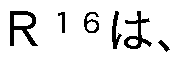 水素原子、 ハロゲン原子、 ヒドロキシ基、 又は一価の有機基を表す。
[請求項 9] 前記 X—が、 前記一般式 (1) 又は (3) で表されるアニオンであ る、 請求項 8に記載の塩の製造方法。
[請求項 10] 前記 X-が、 前記一般式 (1) で表され、 かつ前記一般式 (1) 中
 の少なくとも 1つが一価の有機基を表す、 請求項 8又は 9に記載の塩の製造方法。
[請求項 11] 前記丫_が、
前記一般式 (1) で表されるアニオンであって、 かつ前記一般式 (

前記一般式 (2) で表されるアニオンであって、 かつ前記一般式 (
2)
 がヒドロキシ基、 又は一価の有機基を表すものであるか 前記一般式 (3) で表されるアニオンであって、 かつ前記一般式 (
3) 中の 7及·び 8が一価の有機基を表すものであるか、
前記一般式 (4) で表されるアニオンであって、 かつ前記一般式 (
4) 中の 9が一価の有機基を表すものであるか、
前記一般式 (5) で表されるアニオンであって、 かつ前記一般式 (
5) 中の 1◦〜[¾ 12がそれぞれ独立に一価の有機基を表すものであ るか、 又は、
前記一般式 (6) で表されるアニオンであって、 かつ前記一般式 (
6) 中の[¾13~[¾15がそれぞれ独立に一3〇2-[¾16を表し、
\¥0 2020/175495 49 卩(:171? 2020 /007539
が一価の有機基を表すものである、
請求項 8〜 1 0のいずれか 1項に記載の塩の製造方法。
[請求項 12]
 を生成させ、 その後、 生成した前記
 を除去して、 前記 1\/1 +乂 -を得る、 請求 項 1〜 1 1のいずれか 1項に記載の塩の製造方法。
ただし、 前記 はハロゲンイオンであり、 前記〇+はアルカリ金 属イオン又はアンモニウムイオンである。
[請求項 13] 前記 IV! +◦ -と前記 0 + X _の反応を、 有機溶媒及び水の存在下で行 い、 得られた有機層を水洗することで前記 !\/! +乂 -を得る、 請求項 1 2に記載の塩の製造方法。
[請求項 14] 前記 が、 臭素イオン又は塩素イオンである、 請求項 1 2又は 1
3に記載の塩の製造方法。
Priority Applications (2)
| Application Number | Priority Date | Filing Date | Title |
|---|---|---|---|
| JP2021502285A JPWO2020175495A1 (ja) | 2019-02-26 | 2020-02-25 | 塩の製造方法 |
| US17/391,301 US20210355082A1 (en) | 2019-02-26 | 2021-08-02 | Method for producing salt |
Applications Claiming Priority (2)
| Application Number | Priority Date | Filing Date | Title |
|---|---|---|---|
| JP2019-033212 | 2019-02-26 | ||
| JP2019033212 | 2019-02-26 |
Related Child Applications (1)
| Application Number | Title | Priority Date | Filing Date |
|---|---|---|---|
| US17/391,301 Continuation US20210355082A1 (en) | 2019-02-26 | 2021-08-02 | Method for producing salt |
Publications (1)
| Publication Number | Publication Date |
|---|---|
| WO2020175495A1 true WO2020175495A1 (ja) | 2020-09-03 |
Family
ID=72239993
Family Applications (1)
| Application Number | Title | Priority Date | Filing Date |
|---|---|---|---|
| PCT/JP2020/007539 Ceased WO2020175495A1 (ja) | 2019-02-26 | 2020-02-25 | 塩の製造方法 |
Country Status (3)
| Country | Link |
|---|---|
| US (1) | US20210355082A1 (ja) |
| JP (1) | JPWO2020175495A1 (ja) |
| WO (1) | WO2020175495A1 (ja) |
Cited By (4)
| Publication number | Priority date | Publication date | Assignee | Title |
|---|---|---|---|---|
| KR20220166733A (ko) | 2021-06-10 | 2022-12-19 | 신에쓰 가가꾸 고교 가부시끼가이샤 | 포지티브형 레지스트 재료 및 패턴 형성 방법 |
| JP2023002465A (ja) * | 2021-06-22 | 2023-01-10 | 信越化学工業株式会社 | ポジ型レジスト材料及びパターン形成方法 |
| US20230123203A1 (en) * | 2021-08-31 | 2023-04-20 | Fujifilm Corporation | Method for producing actinic ray-sensitive or radiation-sensitive resin composition, pattern forming method, method for producing electronic device, and method for producing onium salt |
| US12619152B2 (en) * | 2021-08-31 | 2026-05-05 | Fujifilm Corporation | Method for producing actinic ray-sensitive or radiation-sensitive resin composition, pattern forming method, method for producing electronic device, and method for producing onium salt |
Families Citing this family (1)
| Publication number | Priority date | Publication date | Assignee | Title |
|---|---|---|---|---|
| JP7726058B2 (ja) * | 2021-01-22 | 2025-08-20 | 信越化学工業株式会社 | ポジ型レジスト材料及びパターン形成方法 |
Citations (2)
| Publication number | Priority date | Publication date | Assignee | Title |
|---|---|---|---|---|
| WO2015019983A1 (ja) * | 2013-08-05 | 2015-02-12 | 和光純薬工業株式会社 | スルホニウム塩化合物の製造方法およびその中間体 |
| JP2016006495A (ja) * | 2014-05-29 | 2016-01-14 | ローム アンド ハース エレクトロニック マテリアルズ エルエルシーRohm and Haas Electronic Materials LLC | 光分解性消光剤及び関連するフォトレジスト組成物、並びにデバイスの形成方法 |
Family Cites Families (5)
| Publication number | Priority date | Publication date | Assignee | Title |
|---|---|---|---|---|
| US5731364A (en) * | 1996-01-24 | 1998-03-24 | Shipley Company, L.L.C. | Photoimageable compositions comprising multiple arylsulfonium photoactive compounds |
| JP4262406B2 (ja) * | 1999-12-03 | 2009-05-13 | 東洋合成工業株式会社 | オニウム塩誘導体の製造方法 |
| KR100763625B1 (ko) * | 2000-08-30 | 2007-10-05 | 와코 쥰야꾸 고교 가부시키가이샤 | 술포늄염화합물 |
| JP5364436B2 (ja) * | 2008-05-08 | 2013-12-11 | 東京応化工業株式会社 | レジスト組成物、レジストパターン形成方法、新規な化合物、および酸発生剤 |
| JP6782540B2 (ja) * | 2015-12-01 | 2020-11-11 | 東京応化工業株式会社 | レジスト組成物、レジストパターン形成方法及び化合物 |
-
2020
- 2020-02-25 JP JP2021502285A patent/JPWO2020175495A1/ja active Pending
- 2020-02-25 WO PCT/JP2020/007539 patent/WO2020175495A1/ja not_active Ceased
-
2021
- 2021-08-02 US US17/391,301 patent/US20210355082A1/en not_active Abandoned
Patent Citations (2)
| Publication number | Priority date | Publication date | Assignee | Title |
|---|---|---|---|---|
| WO2015019983A1 (ja) * | 2013-08-05 | 2015-02-12 | 和光純薬工業株式会社 | スルホニウム塩化合物の製造方法およびその中間体 |
| JP2016006495A (ja) * | 2014-05-29 | 2016-01-14 | ローム アンド ハース エレクトロニック マテリアルズ エルエルシーRohm and Haas Electronic Materials LLC | 光分解性消光剤及び関連するフォトレジスト組成物、並びにデバイスの形成方法 |
Cited By (9)
| Publication number | Priority date | Publication date | Assignee | Title |
|---|---|---|---|---|
| KR20220166733A (ko) | 2021-06-10 | 2022-12-19 | 신에쓰 가가꾸 고교 가부시끼가이샤 | 포지티브형 레지스트 재료 및 패턴 형성 방법 |
| JP2022189737A (ja) * | 2021-06-10 | 2022-12-22 | 信越化学工業株式会社 | ポジ型レジスト材料及びパターン形成方法 |
| TWI812260B (zh) * | 2021-06-10 | 2023-08-11 | 日商信越化學工業股份有限公司 | 基礎聚合物及圖案形成方法 |
| JP7644050B2 (ja) | 2021-06-10 | 2025-03-11 | 信越化学工業株式会社 | ポジ型レジスト材料及びパターン形成方法 |
| JP2023002465A (ja) * | 2021-06-22 | 2023-01-10 | 信越化学工業株式会社 | ポジ型レジスト材料及びパターン形成方法 |
| US20230023593A1 (en) * | 2021-06-22 | 2023-01-26 | Shin-Etsu Chemical Co., Ltd. | Positive resist composition and pattern forming process |
| JP7677240B2 (ja) | 2021-06-22 | 2025-05-15 | 信越化学工業株式会社 | ポジ型レジスト材料及びパターン形成方法 |
| US20230123203A1 (en) * | 2021-08-31 | 2023-04-20 | Fujifilm Corporation | Method for producing actinic ray-sensitive or radiation-sensitive resin composition, pattern forming method, method for producing electronic device, and method for producing onium salt |
| US12619152B2 (en) * | 2021-08-31 | 2026-05-05 | Fujifilm Corporation | Method for producing actinic ray-sensitive or radiation-sensitive resin composition, pattern forming method, method for producing electronic device, and method for producing onium salt |
Also Published As
| Publication number | Publication date |
|---|---|
| US20210355082A1 (en) | 2021-11-18 |
| JPWO2020175495A1 (ja) | 2021-11-04 |
Similar Documents
| Publication | Publication Date | Title |
|---|---|---|
| WO2020175495A1 (ja) | 塩の製造方法 | |
| CN119630677A (zh) | 高纯度烷基锡化合物及其制备方法 | |
| US12145955B2 (en) | Cyclic azastannane and cyclic oxostannane compounds and methods for preparation thereof | |
| TW200918502A (en) | Cyclic compound, photoresist base material and photoresist composition | |
| JP6116912B2 (ja) | 有枝鎖シロキサンおよび合成のための方法 | |
| EP1734032A1 (en) | Calixresorcinarene compounds, photoresist base materials, and compositions thereof | |
| JP5116312B2 (ja) | スルホニウム塩 | |
| WO2024181551A1 (ja) | 高純度スズ化合物、その保管方法および製造方法、並びにそれを用いたスズ加水分解物、スズ加水分解物溶液、スズ加水分解物薄膜 | |
| JP2009263596A (ja) | 不完全縮合オリゴシルセスキオキサン及びその製造方法 | |
| TW202540140A (zh) | 含有氟烷氧基取代基之高純度錫化合物及其製備方法 | |
| JP2009263316A (ja) | 不完全縮合オリゴシルセスキオキサンの製造方法 | |
| CN108997182A (zh) | 光分解碱、含其的光刻胶组合物及其制备方法 | |
| TWI745596B (zh) | 具有烷氧基烷基的異三聚氰酸衍生物及其製造方法 | |
| JP7322716B2 (ja) | アルコール化合物の製造方法及び(メタ)アクリレート化合物の製造方法 | |
| JP6094837B2 (ja) | メマンチンの製造プロセス | |
| KR102376869B1 (ko) | 요오드 함유 규소 화합물의 제조 방법 | |
| EP3551615B1 (en) | Scalable polypropionate lactone stereotetrads | |
| Rahimizadeh et al. | Iodine-Catalyzed Synthesis of Spiroorthocarbonates under Neutral Conditions. | |
| JP3477631B2 (ja) | 1,3−ビス(3−アミノプロピル)−1,1,3,3−テトラオルガノジシロキサンの精製方法 | |
| JP2013227262A (ja) | 1−オクタンスルホン酸ナトリウムの製造方法 | |
| JP6409415B2 (ja) | アトラクチロジン類の製造方法、及び、コバルト錯体化合物 | |
| JP2011068602A (ja) | ジスルホニウム塩及びその製造方法 | |
| JP4372281B2 (ja) | アダマンタン誘導体及びその製造法 | |
| CA3046358C (en) | Scalable polypropionate lactone stereotetrads | |
| CN108137457B (zh) | 苯氧乙醇衍生物的制造方法 |
Legal Events
| Date | Code | Title | Description |
|---|---|---|---|
| 121 | Ep: the epo has been informed by wipo that ep was designated in this application |
Ref document number: 20763896 Country of ref document: EP Kind code of ref document: A1 |
|
| ENP | Entry into the national phase |
Ref document number: 2021502285 Country of ref document: JP Kind code of ref document: A |
|
| NENP | Non-entry into the national phase |
Ref country code: DE |
|
| 122 | Ep: pct application non-entry in european phase |
Ref document number: 20763896 Country of ref document: EP Kind code of ref document: A1 |