WO2020012972A1 - 芳香族脂肪族混合セルロースエステル、非水電解質二次電池正極用添加剤、非水電解質二次電池用正極、及び非水電解質二次電池用正極の製造方法 - Google Patents
芳香族脂肪族混合セルロースエステル、非水電解質二次電池正極用添加剤、非水電解質二次電池用正極、及び非水電解質二次電池用正極の製造方法 Download PDFInfo
- Publication number
- WO2020012972A1 WO2020012972A1 PCT/JP2019/025622 JP2019025622W WO2020012972A1 WO 2020012972 A1 WO2020012972 A1 WO 2020012972A1 JP 2019025622 W JP2019025622 W JP 2019025622W WO 2020012972 A1 WO2020012972 A1 WO 2020012972A1
- Authority
- WO
- WIPO (PCT)
- Prior art keywords
- positive electrode
- secondary battery
- electrolyte secondary
- aqueous electrolyte
- aromatic
- Prior art date
- Legal status (The legal status is an assumption and is not a legal conclusion. Google has not performed a legal analysis and makes no representation as to the accuracy of the status listed.)
- Ceased
Links
Classifications
-
- C—CHEMISTRY; METALLURGY
- C08—ORGANIC MACROMOLECULAR COMPOUNDS; THEIR PREPARATION OR CHEMICAL WORKING-UP; COMPOSITIONS BASED THEREON
- C08B—POLYSACCHARIDES; DERIVATIVES THEREOF
- C08B3/00—Preparation of cellulose esters of organic acids
- C08B3/08—Preparation of cellulose esters of organic acids of monobasic organic acids with three or more carbon atoms, e.g. propionate or butyrate
- C08B3/10—Preparation of cellulose esters of organic acids of monobasic organic acids with three or more carbon atoms, e.g. propionate or butyrate with five or more carbon-atoms, e.g. valerate
-
- C—CHEMISTRY; METALLURGY
- C08—ORGANIC MACROMOLECULAR COMPOUNDS; THEIR PREPARATION OR CHEMICAL WORKING-UP; COMPOSITIONS BASED THEREON
- C08B—POLYSACCHARIDES; DERIVATIVES THEREOF
- C08B3/00—Preparation of cellulose esters of organic acids
- C08B3/16—Preparation of mixed organic cellulose esters, e.g. cellulose aceto-formate or cellulose aceto-propionate
-
- C—CHEMISTRY; METALLURGY
- C08—ORGANIC MACROMOLECULAR COMPOUNDS; THEIR PREPARATION OR CHEMICAL WORKING-UP; COMPOSITIONS BASED THEREON
- C08L—COMPOSITIONS OF MACROMOLECULAR COMPOUNDS
- C08L1/00—Compositions of cellulose, modified cellulose or cellulose derivatives
- C08L1/08—Cellulose derivatives
- C08L1/10—Esters of organic acids, i.e. acylates
- C08L1/14—Mixed esters, e.g. cellulose acetate-butyrate
-
- C—CHEMISTRY; METALLURGY
- C09—DYES; PAINTS; POLISHES; NATURAL RESINS; ADHESIVES; COMPOSITIONS NOT OTHERWISE PROVIDED FOR; APPLICATIONS OF MATERIALS NOT OTHERWISE PROVIDED FOR
- C09J—ADHESIVES; NON-MECHANICAL ASPECTS OF ADHESIVE PROCESSES IN GENERAL; ADHESIVE PROCESSES NOT PROVIDED FOR ELSEWHERE; USE OF MATERIALS AS ADHESIVES
- C09J101/00—Adhesives based on cellulose, modified cellulose, or cellulose derivatives
- C09J101/08—Cellulose derivatives
- C09J101/10—Esters of organic acids
- C09J101/14—Mixed esters, e.g. cellulose acetate-butyrate
-
- H—ELECTRICITY
- H01—ELECTRIC ELEMENTS
- H01M—PROCESSES OR MEANS, e.g. BATTERIES, FOR THE DIRECT CONVERSION OF CHEMICAL ENERGY INTO ELECTRICAL ENERGY
- H01M4/00—Electrodes
- H01M4/02—Electrodes composed of, or comprising, active material
- H01M4/13—Electrodes for accumulators with non-aqueous electrolyte, e.g. for lithium-accumulators; Processes of manufacture thereof
- H01M4/139—Processes of manufacture
-
- H—ELECTRICITY
- H01—ELECTRIC ELEMENTS
- H01M—PROCESSES OR MEANS, e.g. BATTERIES, FOR THE DIRECT CONVERSION OF CHEMICAL ENERGY INTO ELECTRICAL ENERGY
- H01M4/00—Electrodes
- H01M4/02—Electrodes composed of, or comprising, active material
- H01M4/62—Selection of inactive substances as ingredients for active masses, e.g. binders, fillers
-
- Y—GENERAL TAGGING OF NEW TECHNOLOGICAL DEVELOPMENTS; GENERAL TAGGING OF CROSS-SECTIONAL TECHNOLOGIES SPANNING OVER SEVERAL SECTIONS OF THE IPC; TECHNICAL SUBJECTS COVERED BY FORMER USPC CROSS-REFERENCE ART COLLECTIONS [XRACs] AND DIGESTS
- Y02—TECHNOLOGIES OR APPLICATIONS FOR MITIGATION OR ADAPTATION AGAINST CLIMATE CHANGE
- Y02E—REDUCTION OF GREENHOUSE GAS [GHG] EMISSIONS, RELATED TO ENERGY GENERATION, TRANSMISSION OR DISTRIBUTION
- Y02E60/00—Enabling technologies; Technologies with a potential or indirect contribution to GHG emissions mitigation
- Y02E60/10—Energy storage using batteries
Definitions
- the present invention relates to a method for producing an aromatic / aliphatic mixed cellulose ester, an additive for a positive electrode of a non-aqueous electrolyte secondary battery, a positive electrode for a non-aqueous electrolyte secondary battery, and a positive electrode for a non-aqueous electrolyte secondary battery.
- non-aqueous electrolyte secondary batteries represented by lithium ion secondary batteries having high energy density and high capacity have been used as driving power supplies for mobile terminal devices such as mobile phones and notebook computers. Is widely used.
- the mobile terminal devices are being improved in performance, downsizing and weight reduction, and non-aqueous electrolyte secondary batteries are being used in hybrid vehicles (HEV), electric power tools and the like.
- HEV hybrid vehicles
- it is also required to suppress deterioration in battery characteristics due to expansion and contraction of electrodes due to repeated charge and discharge.
- the electrode is usually produced by combining an active material, a conductive auxiliary agent, a binder, an organic solvent, and the like, dispersing the slurry, applying the slurry, applying the slurry on a current collector, and drying and solidifying the slurry.
- an organic fluorine compound such as PVDF (polyvinylidene fluoride) or PTFE (polytetrafluoroethylene) is usually used.
- Patent Documents 1 and 2 describe the use of an organic fluorine compound such as a vinylidene fluoride copolymer.
- these fluorine compounds are poor in decomposability under a natural environment and have a large environmental load. For this reason, use of a polysaccharide such as a cellulose derivative having a small environmental load as a binder instead of the organic fluorine compound has been studied.
- Patent Document 3 discloses “a current collector and a positive electrode active material formed on the current collector, a positive electrode active material, a thickener containing a nonionic cellulose compound, a conductive agent, and a binder containing a positive electrode active material.
- a positive electrode for a lithium secondary battery comprising:
- a non-aqueous electrolyte secondary battery is composed of a positive electrode, a negative electrode, an electrolyte, a separator, and the like.However, conventional electrodes containing a cellulose derivative do not have sufficient electrolyte resistance, swell with the electrolyte, and deteriorate battery characteristics. connected.
- the present invention provides an additive for a positive electrode of a non-aqueous electrolyte secondary battery having a small environmental load, excellent solubility in an organic solvent used for producing an electrode of a non-aqueous electrolyte secondary battery, and excellent electrolyte resistance.
- the purpose is to do.
- a first aspect of the present invention is that an aromatic acyl group substitution degree (DS Bz ) is 0.1 or more and 2.9 or less, and an aliphatic acyl group substitution degree (DS St ) is 0.1 or more and 2.9 or less.
- the present invention relates to a mixed aromatic-aliphatic cellulose ester.
- a second aspect of the present invention includes an aromatic-aliphatic mixed cellulose ester, wherein the aromatic-aliphatic mixed cellulose ester has an aromatic acyl group substitution degree (DS Bz ) of 0.1 to 2.9, and a saturated fatty acid.
- the present invention relates to an additive for a positive electrode of a non-aqueous electrolyte secondary battery, having a degree of substitution of group acyl group (DS St ) of 0.1 or more and 2.9 or less.
- the third aspect of the present invention relates to a positive electrode for a non-aqueous electrolyte secondary battery, which contains the additive for a positive electrode for a non-aqueous electrolyte secondary battery.
- a fourth step of the present invention is a step of preparing a slurry by dispersing the additive for a positive electrode of a nonaqueous electrolyte secondary battery, a positive electrode active material, a conductive auxiliary, and an organic solvent, and forming the slurry into a foil-like current collector. And a method of producing a positive electrode for a non-aqueous electrolyte secondary battery.
- the environmental load is small, the solubility in an organic solvent used for producing an electrode of a non-aqueous electrolyte secondary battery is excellent, and the additive for a positive electrode of a non-aqueous electrolyte secondary battery having excellent electrolyte resistance is provided.
- the aromatic-aliphatic mixed cellulose ester of the present disclosure refers to an aromatic-aliphatic mixed cellulose ester in which the hydrogen of the hydroxyl group of cellulose is substituted with an aromatic acyl group and a saturated aliphatic acyl group.
- the degree of acyl group substitution (DS Bz ) is 0.1 or more and 2.9 or less
- the degree of substitution of saturated aliphatic acyl group (DS St ) is 0.1 or more and 2.9 or less.
- Aromatic acyl group refers to an acyl group having an unsubstituted aromatic ring and an aromatic ring substituted with a hydroxyl group, a halogen atom, or an alkyl group having 1 to 4 carbon atoms.
- the aromatic acyl group include a benzoyl group, a 2-methylbenzoyl group, a 2-methoxybenzoyl group, a 4-methylbenzoyl group, and a 4-methoxybenzoyl group. Among these, a benzoyl group is desirable.
- Saturated aliphatic acyl group means a saturated aliphatic acyl group having 14 to 20 carbon atoms, which may be linear or branched.
- saturated aliphatic acyl group include a myristoyl group, a pentadecanoyl group, a palmitoyl group, a heptadecanoyl group, a stearoyl group, an isostearoyl group, a nonadecanoyl group, and an icosanoyl group.
- a stearoyl group is preferable.
- Examples of the aromatic / aliphatic mixed cellulose ester of the present disclosure include cellulose benzoate stearate.
- the aromatic-aliphatic mixed cellulose ester of the present disclosure has a small environmental load, has excellent solubility in an organic solvent used for producing an electrode of a non-aqueous electrolyte secondary battery, and has excellent electrolyte resistance. Therefore, by adding the aromatic-aliphatic mixed cellulose ester of the present disclosure, it is possible to obtain a positive electrode for a non-aqueous electrolyte secondary battery having a small environmental load and excellent electrolyte resistance.
- the aromatic acyl group substitution degree (DS Bz ) of the aromatic / aliphatic mixed cellulose ester of the present disclosure is 0.1 or more and 2.9 or less, it is preferably 1.8 or more and 2.8 or less, and is 2.2 or more. 2.7 or less is more preferable.
- the degree of substitution of the saturated aliphatic acyl group (DS St ) is 0.1 to 2.9, preferably 0.15 to 1.0, more preferably 0.2 to 0.7.
- the organic solvent used for preparing the electrode of the non-aqueous electrolyte secondary battery especially N- Excellent solubility in methyl-2-pyrrolidone (NMP). Further, it has excellent swelling resistance and dissolution resistance to an electrolyte that can be used for a nonaqueous electrolyte secondary battery, particularly to ethylene carbonate and propylene carbonate.
- the aromatic acyl group substitution degree refers to an aromatic acyl group that substitutes a hydrogen atom of a hydroxyl group (hydroxyl group at the 2-, 3-, and 6-position) per repeating unit (glucopyranose unit) of cellulose. Shows the number of groups (average value).
- the degree of substitution of a saturated aliphatic acyl group refers to a saturated aliphatic group that substitutes a hydrogen atom of a hydroxyl group (hydroxyl group at the 2-, 3-, and 6-position) per repeating unit (glucopyranose unit) of cellulose. Shows the number (average value) of acyl groups.
- the degree of substitution of the aromatic acyl group (DS Bz ) and the degree of substitution of the saturated aliphatic acyl group (DS St ) can be measured by the following methods. It can be measured by a method according to ASTM: D-817-91, or by 13 C-NMR or 1 H-NMR.
- the number of hydroxyl groups in which the hydrogen of the hydroxyl group of cellulose is not substituted is determined by the number of hydroxyl groups (2-, 3-, and 6-positions) per repeating unit (glucopyranose unit) of cellulose.
- the number (average value) of the number of hydroxyl groups is represented by DSOH .
- DS OH aromatic aliphatic mixed cellulose ester of the present disclosure is preferably 0 or 2.8 or less, more preferably 0 to 1.5, more preferably 0 to 1.0.
- the degree of substitution of the hydroxyl group is too high, it dissolves or swells in an electrolyte that can be used for a non-aqueous electrolyte secondary battery, particularly, ethylene carbonate, propylene carbonate, or the like, and has an undesirable effect.
- the mixed aromatic / aliphatic cellulose ester of the present disclosure can be prepared by reacting a cellulose with a halide of an aromatic carboxylic acid and a halide of a saturated aliphatic carboxylic acid in the presence of a base catalyst.
- Non-aqueous electrolyte secondary battery positive electrode additive contains an aromatic-aliphatic mixed cellulose ester, and the aromatic-aliphatic mixed cellulose ester has an aromatic acyl group substitution degree (DS Bz ) of 0.1 or more. 2.9 or less, and the degree of substitution of the saturated aliphatic acyl group (DS St ) is 0.1 or more and 2.9 or less.
- DS Bz aromatic acyl group substitution degree
- the additive for a positive electrode of a non-aqueous electrolyte secondary battery of the present disclosure has a small environmental load, has excellent solubility in an organic solvent used for manufacturing an electrode of the non-aqueous electrolyte secondary battery, and has excellent electrolyte resistance. Therefore, according to the additive for a positive electrode of a nonaqueous electrolyte secondary battery of the present disclosure, a positive electrode for a nonaqueous electrolyte secondary battery having a small environmental load and excellent electrolyte resistance can be obtained.
- Non-aqueous electrolyte secondary battery is a general term for secondary batteries using electrolytes other than aqueous solutions.
- electrolytes other than aqueous solutions include organic electrolytes, polymer gel electrolytes, solid electrolytes, polymer electrolytes, and molten salt electrolytes. Is mentioned.
- the nonaqueous electrolyte secondary battery include a lithium ion battery and a lithium ion capacitor.
- the non-aqueous electrolyte secondary battery can include at least a positive electrode, a negative electrode, and an electrolyte disposed between the positive electrode and the negative electrode.
- an electrode (especially a positive electrode) of a nonaqueous electrolyte secondary battery is performed, for example, by dispersing an active material, a conductive auxiliary agent, a binder, an organic solvent, and the like to form a slurry, applying the slurry on a current collector, and solidifying by drying.
- the organic solvent is, for example, an aromatic solvent such as N-methyl-2-pyrrolidone (NMP), toluene or xylene; an amide such as dimethylformamide or dimethylacetamide.
- Known solvents include ketone solvents such as methyl ethyl ketone and cyclohexanone; ester solvents such as acetate; and hydrocarbon solvents such as hexane and cyclohexane. These organic solvents may be used alone or in combination of two or more.
- the degree of substitution of the aromatic acyl group (DS Bz ) of the aromatic-aliphatic mixed cellulose ester is from 0.1 to 2.9, it is preferably from 1.8 to 2.8, and more preferably from 2.2 to 2.7. The following is more preferred.
- the degree of substitution of the saturated aliphatic acyl group (DS St ) is 0.1 to 2.9, preferably 0.15 to 1.0, more preferably 0.2 to 0.7.
- the organic solvent used for preparing the electrode of the non-aqueous electrolyte secondary battery especially N- Excellent solubility in methyl-2-pyrrolidone (NMP). Further, it has excellent swelling resistance and dissolution resistance to an electrolyte that can be used for a nonaqueous electrolyte secondary battery, particularly to ethylene carbonate and propylene carbonate.
- an electrode having high flexibility and excellent adhesion between an electrode coating film and a current collector can be obtained.
- the additive for a positive electrode of a nonaqueous electrolyte secondary battery of the present disclosure can improve the binding between active materials, and the adhesion between a coating film and a current collector, and is therefore preferably added as a binder constituting an electrode. .
- the binder binds the active materials or binds the coating film and the current collector to maintain a conductive network structure.
- the additive for a positive electrode of a non-aqueous electrolyte secondary battery of the present disclosure may be used in combination with a conventionally known organic fluorine compound such as PVDF (polyvinylidene fluoride) and PTFE (polytetrafluoroethylene) as a binder.
- a conventionally known organic fluorine compound such as PVDF (polyvinylidene fluoride) and PTFE (polytetrafluoroethylene) as a binder.
- the additive for a positive electrode of a non-aqueous electrolyte secondary battery of the present disclosure is excellent in solubility in an organic solvent used for manufacturing an electrode of a non-aqueous electrolyte secondary battery, and therefore, the addition thereof facilitates the manufacture of an electrode.
- the positive electrode for a non-aqueous electrolyte secondary battery according to the present disclosure contains the additive for a positive electrode for a non-aqueous electrolyte secondary battery.
- the positive electrode for a nonaqueous electrolyte secondary battery according to the present disclosure has a small environmental load and has excellent electrolyte resistance. Further, it has high flexibility and excellent adhesion between the electrode coating film and the current collector.
- the method of manufacturing a positive electrode for a non-aqueous electrolyte secondary battery of the present disclosure includes a step of preparing a slurry by dispersing the positive electrode additive for a non-aqueous electrolyte secondary battery, a positive electrode active material, a conductive auxiliary, and an organic solvent, Applying the slurry onto a foil-like current collector.
- Step of preparing slurry In the step of preparing the slurry, the additive for the positive electrode of the non-aqueous electrolyte secondary battery, the positive electrode active material, the conductive auxiliary, and the organic solvent are dispersed.
- the method of dispersing the additive for the positive electrode of the non-aqueous electrolyte secondary battery, the positive electrode active material, the conductive additive, and the organic solvent is not particularly limited, and a known method can be adopted.
- the order of adding the additive for the positive electrode of the non-aqueous electrolyte secondary battery, the positive electrode active material, the conductive additive, and the organic solvent is not particularly limited.
- a slurry is prepared by adding an additive for the positive electrode of the non-aqueous electrolyte secondary battery (for example, the mixed cellulose ester of the aromatic / aliphatic), a positive electrode active material, and a conductive additive to an organic solvent and dispersing the same.
- a method of adding and dispersing a positive electrode active material to an organic solvent, adding and dispersing a conductive auxiliary to the organic solvent, and further adding the additive for the positive electrode of the nonaqueous electrolyte secondary battery for example, the aromatic aliphatic A method of preparing a slurry by adding and dispersing a mixed cellulose ester).
- the dispersion may be performed using a pulverizer or a classifier.
- a pulverizer or a classifier examples thereof include a mortar, a ball mill, a bead mill, a sand mill, a vibrating ball mill, a planetary ball mill, a jet mill, a counter jet mill, a swirling air jet mill, and a sieve.
- the slurry refers to a suspension obtained by suspending the non-aqueous electrolyte secondary battery positive electrode additive, the positive electrode active material, and a conductive auxiliary in an organic solvent, and the slurry includes the non-aqueous electrolyte.
- an optional component may be included.
- the additive for the positive electrode of the nonaqueous electrolyte secondary battery contains an aromatic-aliphatic mixed cellulose ester.
- the content of the additive for a positive electrode of a non-aqueous electrolyte secondary battery in the slurry is preferably from 0.1% by mass to 10% by mass, and more preferably from 0.1% by mass to 10% by mass, based on the whole solid content of the slurry excluding the organic solvent.
- the content is more preferably not less than 8% by mass and more preferably not less than 0.1% by mass and not more than 5% by mass.
- the non-aqueous electrolyte secondary battery positive electrode additive can improve the binding between active materials and the adhesion between the coating film and the current collector. It is suitable as.
- a conventionally known organic fluorine compound such as PVDF (polyvinylidene fluoride) or PTFE (polytetrafluoroethylene) may be used in combination with the additive for a positive electrode of a nonaqueous electrolyte secondary battery according to the present disclosure. .
- the additive for a positive electrode of a nonaqueous electrolyte secondary battery of the present disclosure can enhance the dispersibility of a material constituting an electrode, and is therefore suitable as a dispersant for a positive electrode of a nonaqueous electrolyte secondary battery.
- an organic solvent is added and dispersed with a positive electrode active material, a conductive additive is added and dispersed, and the nonaqueous electrolyte secondary battery positive electrode additive (for example, When the method of preparing a slurry by adding and dispersing the above-mentioned aromatic / aliphatic mixed cellulose ester) is used, instead of the conductive auxiliary, a conductive auxiliary, the non-aqueous electrolyte secondary battery positive electrode additive (For example, the mixed aromatic-aliphatic cellulose ester) and a small amount of an organic solvent can be used.
- the conductive additive has a smaller particle size and poor dispersibility as compared with the active material
- the additive for the positive electrode of the non-aqueous electrolyte secondary battery for example, the aromatic-aliphatic mixed cellulose ester
- a small amount of an organic solvent are used in advance. By dispersing the slurry, the whole obtained slurry can be more uniformly dispersed.
- the positive electrode active material refers to a material that is directly involved in charging and discharging in a secondary battery and is used for a positive electrode.
- the positive electrode active material for example, a conventionally known material used for a lithium ion secondary battery, such as a lithium-transition metal composite oxide and a lithium-transition metal phosphate compound capable of inserting and extracting lithium ions.
- a lithium-transition metal composite oxide examples include LiMnO 2 , LiCoO 2 , and LiNiO 2
- examples of the lithium-transition metal phosphate compound include LiFePO 4 .
- the content of the positive electrode active material in the slurry is preferably 70% by mass or more and 99% by mass or less, more preferably 80% by mass or more and 99% by mass or less based on the whole solid content of the slurry excluding the organic solvent.
- the conductive assistant refers to a substance that assists conductivity between active materials.
- Examples of the conductive assistant include conductive carbon such as carbon black, carbon nanotube, acetylene black, Ketjen black, graphite, and vapor grown carbon fiber. These conductive aids may be used alone or in combination of two or more.
- the content of the conductive additive in the slurry is preferably from 1% by mass to 25% by mass, more preferably from 1% by mass to 20% by mass, based on the entire solid content of the slurry excluding the organic solvent.
- organic solvent examples include aromatic solvents such as N-methyl-2-pyrrolidone (NMP), toluene, and xylene; amide solvents such as dimethylformamide and dimethylacetamide; ketone solvents such as methyl ethyl ketone and cyclohexanone. Ester solvents such as acetate; and hydrocarbon solvents such as hexane and cyclohexane. These solvents may be used alone or in combination of two or more.
- aromatic solvents such as N-methyl-2-pyrrolidone (NMP), toluene, and xylene
- amide solvents such as dimethylformamide and dimethylacetamide
- ketone solvents such as methyl ethyl ketone and cyclohexanone. Ester solvents such as acetate
- hydrocarbon solvents such as hexane and cyclohexane.
- the additive for a positive electrode of a nonaqueous electrolyte secondary battery of the present disclosure is particularly excellent in solubility in N-methyl-2-pyrrolidone (NMP). Therefore, N-methyl-2-pyrrolidone (NMP) is suitable as the organic solvent used for preparing the slurry.
- the content of the organic solvent in the slurry is preferably 50 parts by mass or more and 300 parts by mass or less, more preferably 75 parts by mass or more and 150 parts by mass or less, based on 100 parts by mass of the solid content of the slurry excluding the organic solvent.
- a positive electrode active material in addition to the additive for a positive electrode of a nonaqueous electrolyte secondary battery of the present disclosure, a positive electrode active material, a conductive auxiliary and an organic solvent, if necessary, a dispersant, a leveling agent, an antioxidant, and a thickener And any other conventionally known optional components.
- a polymer compound having a hydrophobic chain and a hydrophilic group an anionic compound having a sulfate, a sulfonate, a phosphate, or the like; a cationic compound such as an amine
- cellulose carboxymethylcellulose (CMC), methylcellulose, ethylcellulose, hydroxypropylcellulose, butyral, polyvinyl alcohol, modified polyvinyl alcohol, polyethylene oxide, polyvinylpyrrolidone, and the like can be used.
- Step of applying the slurry on a foil-shaped current collector a conventionally known method can be adopted as a method of applying the slurry to the foil-shaped current collector.
- a conventionally known method can be adopted as a method of applying the slurry to the foil-shaped current collector.
- the method for applying the slurry to the current collector include a bar coating method, a spray coating method, a roll coating method, a doctor blade method, a flow coating method, a dip coating method, a screen printing method, and an ink jet method.
- the thickness and area of the coating film formed by applying the slurry are not particularly limited, and the coating amount, the coating area, and the like may be appropriately adjusted according to the application, and the coating may be performed. Further, it may be applied to one surface of the foil-shaped current collector, or may be applied to both surfaces.
- the amount of application may be, for example, a basis weight of one side of 100 g / m 2 or more and 500 g / m 2 or less.
- a conventionally known material can be used.
- aluminum which is known as a positive electrode current collector of a lithium ion secondary battery.
- copper can be used as a negative electrode current collector.
- the thickness of the positive electrode current collector may be 1 ⁇ m or more and 100 ⁇ m or less.
- the applied slurry may be dried.
- the slurry mainly the organic solvent and the like are removed, and the coating film is fixed on the foil-shaped current collector.
- Drying conditions may be appropriately determined according to the solid content of the slurry, the material contained in the slurry, the thickness of the target coating film, and the like.
- the temperature is preferably lower than the flash temperature of the organic solvent contained in the slurry and lower than the temperature at which oxidation or discoloration of the current collector occurs.
- the drying temperature is preferably from 60 ° C to 130 ° C, more preferably from 70 ° C to 110 ° C.
- a suitable drying device such as a hot air device, a low-humidity air device, a vacuum device, various infrared devices, an electromagnetic induction device, a microwave device, and a drying promotion means such as a blower may be used alone or in combination. it can.
- the drying may be performed in a plurality of times. For example, the drying may be performed once when the current collector is arranged on one side, and twice when the current collector is arranged on both sides.
- the thickness of the dried coating film formed on the current collector a conventionally known thickness can be adopted. For example, it may be 5 ⁇ m or more and 200 ⁇ m or less.
- Non-aqueous electrolyte secondary battery When a non-aqueous electrolyte secondary battery is manufactured using the positive electrode for a non-aqueous electrolyte secondary battery manufactured by the above-described method for manufacturing a positive electrode for a non-aqueous electrolyte secondary battery, it may be manufactured by a conventionally known method.
- At least the nonaqueous electrolyte secondary battery can include a positive electrode, a negative electrode, and an electrolyte disposed between the positive electrode and the negative electrode.
- examples of the electrolyte include ethylene carbonate, propylene carbonate, butylene carbonate, diethyl carbonate, dimethyl carbonate, and ethyl methyl carbonate.
- Organic solvents such as carbonates can be used.
- the additive for a positive electrode of a non-aqueous electrolyte secondary battery of the present disclosure is unlikely to swell with an organic solvent of these carbonates, particularly, ethylene carbonate and propylene carbonate. Therefore, the electrode containing the additive for a positive electrode of a nonaqueous electrolyte secondary battery according to the present disclosure is excellent in electrolyte resistance, particularly swelling resistance and dissolution resistance, even when these carbonates are used as an electrolyte. Therefore, the non-aqueous electrolyte secondary battery constituted by the electrode containing the additive for a positive electrode of the non-aqueous electrolyte secondary battery of the present disclosure has battery characteristics even when the electrode is repeatedly expanded and contracted by repeated charge and discharge. Is expected to suppress the decrease in
- Example A-1 30 g of cellulose, 156 g of benzoyl chloride, and 300 g of pyridine were placed in a round-bottom flask equipped with a stirrer and a condenser, and stirred at room temperature. Thereafter, the temperature was raised to 100 ° C., and the stirring time was adjusted so that the degree of substitution (DS Bz ) became 2.55.
- the degree of benzoyl substitution (DS Bz ) and the degree of stearoyl substitution (DS St ) were measured by the following method, and the electrolyte resistance and the dissolution in an organic solvent used for producing an electrode were measured. Sex was evaluated respectively. The results are shown in Table 1.
- Electrolyte resistance About 0.1 g of a sample was placed in a 9-ml sample tube so that the sample concentration was about 5% by mass, and then about 2 g of an organic solvent was placed as an electrolyte. The mixture was stirred at 45 ° C. overnight, and the inside of the sample tube was visually observed. When ethylene carbonate was used as the organic solvent and when propylene carbonate was used as the organic solvent, the electrolyte resistance was evaluated for each case.
- the electrolyte resistance was evaluated according to the following criteria.
- the solubility in organic solvents was evaluated according to the following criteria.
- PVDF polyvinylidene fluoride: KYNAR (registered trademark) HSV900
- PVDF polyvinylidene fluoride: KYNAR (registered trademark) HSV1800
- the aromatic-aliphatic mixed cellulose ester and the additive for a positive electrode of a non-aqueous electrolyte secondary battery of the present disclosure have excellent solubility in an organic solvent used for manufacturing an electrode of a non-aqueous electrolyte secondary battery. In addition, it has excellent electrolyte resistance without dissolving or swelling in the electrolyte.
- Example B-1 100 parts by mass of lithium cobaltate (LiCoO 2 ) (manufactured by Nippon Chemical Industries, Cell Seed C5H), 2 parts by mass of carbon black (manufactured by Denki Kagaku Kogyo, Denka Black), 2 parts by mass of cellulose benzoate stearate obtained in Example A-1
- the resulting mixture was dispersed in N-methyl-2-pyrrolidone to prepare a slurry (in other words, a slurry-like positive electrode mixture).
- the amount of N-methyl-2-pyrrolidone added is appropriately adjusted according to the inherent viscosity (intrinsic viscosity) of cellulose benzoate stearate, and the viscosity of the mixture is determined by using an E-type viscometer at 25 ° C. and a shear rate of 2 s ⁇ . When the measurement was performed at 1 , the adjustment was made so as to be 5000 to 30000 mPa ⁇ s.
- the amount of N-methyl-2-pyrrolidone added was 120 parts by mass based on 100 parts by mass of the total content of lithium cobaltate (LiCoO 2 ), carbon black, and cellulose benzoate stearate obtained in Example A-1. It became.
- the slurry (in other words, the positive electrode mixture) is applied on a 15 ⁇ m-thick Al (aluminum) foil with a bar coater (bar coating method), and dried with hot air at 110 ° C. for 30 minutes, and the weight per side is 200 g / m 2.
- the single-sided coated electrode (positive electrode) was produced. About the obtained electrode, the adhesiveness between the electrode coating film and the current collector was evaluated by the following method. The results are shown in Table 2.
- the adhesion between the electrode coating and the current collector was evaluated by the following method.
- the electrode was cut into a rectangle having a width of 25 mm and a length of 90 mm to obtain a test piece.
- the test piece was wound around a stainless steel rod having a diameter of 10 mm, and the presence or absence of cracks in the electrode was visually evaluated according to the following criteria. The less cracking or peeling, the higher the flexibility of the electrode, and the better the adhesion between the electrode coating and the current collector.
- B Cracks were observed on the surface
- C Cracks occurred and peeling occurred
- Example B-2 100 parts by mass of lithium cobalt oxide (LiCoO 2 ) (manufactured by Nippon Chemical Industry Co., Ltd., Cell Seed C5H), 2 parts by mass of carbon black (manufactured by Denki Kagaku Kogyo Co., Ltd., Denka Black), polyvinylidene fluoride-hexafluoropropylene copolymer (Arkema Co., Ltd.) 2 parts by mass) and 2 parts by mass of the cellulose benzoate stearate obtained in Example A-1 were dispersed in N-methyl-2-pyrrolidone to prepare a slurry (in other words, a slurry-like positive electrode mixture). did.
- LiCoO 2 lithium cobalt oxide
- carbon black manufactured by Denki Kagaku Kogyo Co., Ltd., Denka Black
- Polyvinylidene fluoride-hexafluoropropylene copolymer Arkema Co., Ltd.
- the amount of N-methyl-2-pyrrolidone added is appropriately adjusted according to the inherent viscosity (intrinsic viscosity) of the vinylidene fluoride copolymer and cellulose benzoate stearate, and the viscosity of the mixture is measured using an E-type viscometer. When measured at 25 ° C. and a shear rate of 2 s ⁇ 1 , it was adjusted to be 5000 to 30000 mPa ⁇ s.
- the amount of N-methyl-2-pyrrolidone added was the total of lithium cobaltate (LiCoO 2 ), carbon black, polyvinylidene fluoride-hexafluoropropylene copolymer, and cellulose benzoate stearate obtained in Example A-1.
- the content was 135 parts by mass with respect to 100 parts by mass.
- the slurry (in other words, the positive electrode mixture) is applied on a 15 ⁇ m-thick Al (aluminum) foil with a bar coater (bar coating method), and dried with hot air at 110 ° C. for 30 minutes, and the weight per side is 200 g / m 2.
- the single-sided coated electrode (positive electrode) was produced. About the obtained electrode, the adhesiveness of the electrode coating film and a collector was evaluated by the above-mentioned method. The results are shown in Table 2.
- Example B-3 25 parts by mass of carbon black (CB) having an average primary particle size of 14 nm and a specific surface area of 290 m 2 / g, 3.75 parts by mass of cellulose benzoate stearate obtained in Example A-1, N-methyl 2-pyrrolidone (NMP) 71.25 parts by mass were mixed to obtain a mixture having a volume of 87 ml.
- the mixture was dispersed in 87 cm 3 of zirconia beads having a diameter of 0.25 mm as medium particles using a sand mill at a disk rotation speed of 10 m / sec for 2 hours to obtain a CB slurry.
- the number N of the medium particles of the zirconia beads was about 81500 / ml per CB slurry volume.
- the average particle size of the CB slurry measured by a laser diffraction scattering method was 202 nm.
- the slurry (in other words, the positive electrode mixture) is applied on a 15 ⁇ m-thick Al (aluminum) foil with a bar coater (bar coating method), and dried with hot air at 110 ° C. for 30 minutes, and the weight per side is 200 g / m 2.
- the single-sided coated electrode (positive electrode) was produced. About the obtained electrode, the adhesiveness of the electrode coating film and a collector was evaluated by the above-mentioned method. The results are shown in Table 2.
- Example B-1 In the same manner as in Example B-2, 2 parts by mass of a polyvinylidene fluoride-hexafluoropropylene copolymer (manufactured by Arkema Co., Ltd.) and 2 parts by mass of the cellulose benzoate stearate obtained in Example A-1 were used. Instead of using it, a single-sided coated electrode (positive electrode) was produced using 4 parts by mass of a polyvinylidene fluoride-hexafluoropropylene copolymer (manufactured by Arkema Co., Ltd.). About the obtained electrode, the adhesiveness of the electrode coating film and a collector was evaluated by the above-mentioned method. The results are shown in Table 2.
- the positive electrode for a nonaqueous electrolyte secondary battery according to the present disclosure has high flexibility and excellent adhesion between the electrode coating film and the current collector.
Landscapes
- Chemical & Material Sciences (AREA)
- Chemical Kinetics & Catalysis (AREA)
- Organic Chemistry (AREA)
- Engineering & Computer Science (AREA)
- Health & Medical Sciences (AREA)
- Materials Engineering (AREA)
- Medicinal Chemistry (AREA)
- Polymers & Plastics (AREA)
- Electrochemistry (AREA)
- General Chemical & Material Sciences (AREA)
- Life Sciences & Earth Sciences (AREA)
- Biochemistry (AREA)
- Manufacturing & Machinery (AREA)
- Battery Electrode And Active Subsutance (AREA)
- Polysaccharides And Polysaccharide Derivatives (AREA)
- Compositions Of Macromolecular Compounds (AREA)
Abstract
本発明は、環境負荷が小さく、優れた耐電解質性を有する非水電解質二次電池の電極を提供することを目的とする。 芳香族アシル基置換度(DSBz)が0.1以上2.9以下、及び飽和脂肪族アシル基置換度(DSSt)が0.1以上2.9以下である、芳香族脂肪族混合セルロースエステル。
Description
本発明は、芳香族脂肪族混合セルロースエステル、非水電解質二次電池正極用添加剤、非水電解質二次電池用正極、及び非水電解質二次電池用正極の製造方法に関するものである。
近年、携帯電話やノートパソコン等のモバイル端末機器の駆動電源として、高いエネルギー密度を有し、高容量であるリチウムイオン二次電池に代表される非水電解質二次電池(非水系二次電池)が広く利用されている。前記モバイル端末機器は、高性能化、小型化及び軽量化が進められており、また、ハイブリッド自動車(HEV)や電動工具等にも非水電解質二次電池が用いられるようになっていることから、非水電解質二次電池をより高容量化及び高出力化することが検討されている。また、非水電解質二次電池の高容量化及び高出力化に伴って、充放電の繰り返しによる電極の膨張及び収縮による電池特性の低下を抑制することも要求されている。
電極の作製は、通常、活物質、導電助剤、バインダー及び有機溶媒等を合せ、分散してスラリー化し、集電体上に塗布し、乾燥固化することにより行われる。バインダーとしては、通常、PVDF(ポリフッ化ビニリデン)、PTFE(ポリテトラフルオロエチレン)等の有機系フッ素化合物が使用される。また、特許文献1及び2には、フッ化ビニリデン系共重合体等の有機系フッ素化合物の使用について記載されている。しかし、これらのフッ素化合物は、自然環境下では分解性に劣り、環境負荷が大きい。このため、有機系フッ素化合物に代えて、環境負荷の小さいセルロース誘導体などの多糖類をバインダーとして用いることが検討されている。
特許文献3には、「電流集電体と、前記電流集電体上に形成され、正極活物質、非イオン性セルロース系化合物を含む増粘剤、導電剤、およびバインダーを含む正極活物質組成物層と、を備えることを特徴とするリチウム二次電池用正極。」が記載されている。
非水電解質二次電池は、正極、負極、電解質、及びセパレータ等によって構成されるところ、従来のセルロース誘導体を含む電極は、耐電解質性が充分ではなく、電解質によって膨潤し、電池特性の低下につながった。
本発明は、環境負荷が小さく、非水電解質二次電池の電極の作製に用いられる有機溶媒に対する溶解性に優れると共に、優れた耐電解質性を有する非水電解質二次電池正極用添加剤を提供することを目的とする。
本発明の第一は、芳香族アシル基置換度(DSBz)が0.1以上2.9以下、及び脂肪族アシル基置換度(DSSt)が0.1以上2.9以下である、芳香族脂肪族混合セルロースエステルに関する。
本発明の第二は、芳香族脂肪族混合セルロースエステルを含有し、前記芳香族脂肪族混合セルロースエステルの芳香族アシル基置換度(DSBz)が0.1以上2.9以下、及び飽和脂肪族アシル基置換度(DSSt)が0.1以上2.9以下である、非水電解質二次電池正極用添加剤に関する。
本発明の第三は、前記非水電解質二次電池正極用添加剤を含有する、非水電解質二次電池用正極に関する。
本発明の第四は、前記非水電解質二次電池正極用添加剤、正極活物質、導電助剤、及び有機溶媒を分散してスラリーを調製する工程と、前記スラリーを箔状の集電体上に塗布する工程とを有する、非水電解質二次電池用正極の製造方法に関する。
本発明によれば、環境負荷が小さく、非水電解質二次電池の電極の作製に用いられる有機溶媒に対する溶解性に優れると共に、優れた耐電解質性を有する非水電解質二次電池正極用添加剤を提供することができる。
[芳香族脂肪族混合セルロースエステル]
本開示の芳香族脂肪族混合セルロースエステルは、セルロースの水酸基の水素が芳香族アシル基及び飽和脂肪族アシル基で置換されたものをいい、本開示の芳香族脂肪族混合セルロースエステルは、芳香族アシル基置換度(DSBz)が0.1以上2.9以下、及び飽和脂肪族アシル基置換度(DSSt)が0.1以上2.9以下である。
本開示の芳香族脂肪族混合セルロースエステルは、セルロースの水酸基の水素が芳香族アシル基及び飽和脂肪族アシル基で置換されたものをいい、本開示の芳香族脂肪族混合セルロースエステルは、芳香族アシル基置換度(DSBz)が0.1以上2.9以下、及び飽和脂肪族アシル基置換度(DSSt)が0.1以上2.9以下である。
芳香族アシル基とは、無置換の芳香族環、並びに水酸基、ハロゲン原子、炭素数1~4のアルキル基で置換された芳香環を有するアシル基をいう。芳香族アシル基としては、例えば、ベンゾイル基、2-メチルベンゾイル基、2-メトキシベンゾイル基、4-メチルベンゾイル基、及び4-メトキシベンゾイル基等が挙げられる。これらの中でも、ベンゾイル基が望ましい。
飽和脂肪族アシル基とは、炭素数14~20の飽和脂肪族アシル基をいい、直鎖状又は分岐鎖状の何れであってもよい。飽和脂肪族アシル基としては、例えば、ミリストイル基、ペンタデカノイル基、パルミトイル基、ヘプタデカノイル基、ステアロイル基、イソステアロイル基、ノナデカノイル基、及びイコサノイル基等が挙げられる。これらの中でも、ステアロイル基が好ましい。
本開示の芳香族脂肪族混合セルロースエステルとしては、例えば、セルロースベンゾエートステアレートが挙げられる。
本開示の芳香族脂肪族混合セルロースエステルは、環境負荷が小さく、非水電解質二次電池の電極の作製に用いられる有機溶媒に対する溶解性に優れると共に、優れた耐電解質性を有する。そのため、本開示の芳香族脂肪族混合セルロースエステルを添加することにより、環境負荷が小さく、優れた耐電解質性を有する非水電解質二次電池用の正極を得ることができる。
本開示の芳香族脂肪族混合セルロースエステルの芳香族アシル基置換度(DSBz)は、0.1以上2.9以下であるところ、1.8以上2.8以下が好ましく、2.2以上2.7以下がより好ましい。また、飽和脂肪族アシル基置換度(DSSt)は、0.1以上2.9以下であるところ、0.15以上1.0以下が好ましく、0.2以上0.7以下がより好ましい。芳香族アシル基置換度(DSBz)及び飽和脂肪族アシル基置換度(DSSt)が上記範囲であることにより、非水電解質二次電池の電極の調製に用いられる有機溶媒、特に、N-メチル-2-ピロリドン(NMP)に対する溶解性に優れる。また、非水電解質二次電池に用いられ得る電解質、特に、エチレンカーボネート、及びプロピレンカーボネートに対する耐膨潤性、及び耐溶解性に優れる。
ここで、芳香族アシル基置換度(DSBz)とは、セルロースの繰り返し単位(グルコピラノース単位)あたりの水酸基(2位、3位、及び6位の水酸基)の水素原子を置換する芳香族アシル基の数(平均値)を示す。また、飽和脂肪族アシル基置換度(DSSt)とは、セルロースの繰り返し単位(グルコピラノース単位)あたりの水酸基(2位、3位、及び6位の水酸基)の水素原子を置換する飽和脂肪族アシル基の数(平均値)を示す。
芳香族アシル基置換度(DSBz)及び飽和脂肪族アシル基置換度(DSSt)は、以下の方法により測定することができる。ASTM:D-817-91に準ずる方法や、13C-NMR、1H-NMRにより測定できる。
以下、セルロースベンゾエートステアレートの芳香族アシル基置換度(DSBz)及び飽和脂肪族アシル基置換度(DSSt)を1H-NMRにより定量する場合の条件の例を記載する。
装置:JEOL JNM ECA-500
温度:30℃
溶媒:CDCl3
試料濃度:0.8wt%
計算:
芳香族アシル基置換度(DSBz)=7α/5β
飽和脂肪族アシル基置換度(DSSt)=7γ/35β
α:8.1~6.7ppmの積分値
β:5.5~2.7ppmの積分値
γ:2.0~0.4ppmの積分値
温度:30℃
溶媒:CDCl3
試料濃度:0.8wt%
計算:
芳香族アシル基置換度(DSBz)=7α/5β
飽和脂肪族アシル基置換度(DSSt)=7γ/35β
α:8.1~6.7ppmの積分値
β:5.5~2.7ppmの積分値
γ:2.0~0.4ppmの積分値
また、本開示の芳香族脂肪族混合セルロースエステルについて、セルロースの水酸基の水素が未置換の水酸基の数を、セルロースの繰り返し単位(グルコピラノース単位)あたりの水酸基(2位、3位、及び6位の水酸基)の数(平均値)として示したものをDSOHとする。本開示の芳香族脂肪族混合セルロースエステルのDSOHは、0以上2.8以下が好ましく、0以上1.5以下がより好ましく、0以上1.0以下がさらに好ましい。あまり水酸基の置換度が高くなると、非水電解質二次電池に用いられ得る電解質、特に、エチレンカーボネート、及びプロピレンカーボネート等に溶解あるいは膨潤し、好ましくない影響を与えるためである。
本開示の芳香族脂肪族混合セルロースエステルは、セルロースに、塩基触媒下、芳香族カルボン酸のハロゲン化物及び飽和脂肪族カルボン酸のハロゲン化物を順に反応させることにより調製できる。
[非水電解質二次電池正極用添加剤]
本開示の非水電解質二次電池正極用添加剤は、芳香族脂肪族混合セルロースエステルを含有し、前記芳香族脂肪族混合セルロースエステルの芳香族アシル基置換度(DSBz)が0.1以上2.9以下、及び飽和脂肪族アシル基置換度(DSSt)が0.1以上2.9以下である。
本開示の非水電解質二次電池正極用添加剤は、芳香族脂肪族混合セルロースエステルを含有し、前記芳香族脂肪族混合セルロースエステルの芳香族アシル基置換度(DSBz)が0.1以上2.9以下、及び飽和脂肪族アシル基置換度(DSSt)が0.1以上2.9以下である。
本開示の非水電解質二次電池正極用添加剤は、環境負荷が小さく、非水電解質二次電池の電極の作製に用いられる有機溶媒に対する溶解性に優れると共に、優れた耐電解質性を有する。そのため、本開示の非水電解質二次電池正極用添加剤によれば、環境負荷が小さく、優れた耐電解質性を有する非水電解質二次電池用の正極を得ることができる。
非水電解質二次電池とは、水溶液以外の電解質を用いた二次電池の総称であり、水溶液以外の電解質としては、有機電解液、ポリマーゲル電解質、固体電解質、ポリマー電解質、及び溶融塩電解質等が挙げられる。また、非水電解質二次電池としては、リチウムイオン電池及びリチウムイオンキャパシタ等が挙げられる。
非水電解質二次電池は、少なくとも正極、負極、及び正極と負極との間に配置された電解質を備えることができる。
非水電解質二次電池の電極(特に正極)の作製は、例えば、活物質、導電助剤、バインダー及び有機溶媒等を分散してスラリー化し、当該スラリーを集電体上に塗布し、乾燥固化して、塗膜を形成することにより行われるところ、当該有機溶媒として、例えば、N-メチル-2-ピロリドン(NMP)、トルエン、キシレン等の芳香族系溶媒;ジメチルホルムアミド、ジメチルアセトアミド等のアミド系溶媒;メチルエチルケトン、シクロヘキサノン等のケトン系溶媒;酢酸エステル等のエステル系溶媒;ヘキサン、シクロヘキサン等の炭化水素系溶媒等が知られている。また、これらの有機溶媒は、単独で用いてもよいし、2種以上を併用してもよい。
芳香族脂肪族混合セルロースエステルの芳香族アシル基置換度(DSBz)は、0.1以上2.9以下であるところ、1.8以上2.8以下が好ましく、2.2以上2.7以下がより好ましい。また、飽和脂肪族アシル基置換度(DSSt)は、0.1以上2.9以下であるところ、0.15以上1.0以下が好ましく、0.2以上0.7以下がより好ましい。芳香族アシル基置換度(DSBz)及び飽和脂肪族アシル基置換度(DSSt)が上記範囲であることにより、非水電解質二次電池の電極の調製に用いられる有機溶媒、特に、N-メチル-2-ピロリドン(NMP)に対する溶解性に優れる。また、非水電解質二次電池に用いられ得る電解質、特に、エチレンカーボネート、及びプロピレンカーボネートに対する耐膨潤性、及び耐溶解性に優れる。
また、本開示の非水電解質二次電池正極用添加剤を電極に添加することにより、柔軟性が高く、電極塗膜と集電体との密着性に優れた電極を得ることができる。
本開示の非水電解質二次電池正極用添加剤は、活物質同士の結着性、及び塗膜と集電体との密着性を向上できるため、電極を構成するバインダーとして添加することが好ましい。バインダーとは、活物質同士の結着、または塗膜と集電体とを結着させ、導電ネットワーク構造を保つものである。
本開示の非水電解質二次電池正極用添加剤は、バインダーとして従来公知のPVDF(ポリフッ化ビニリデン)、PTFE(ポリテトラフルオロエチレン)等の有機系フッ素化合物と併用してもよい。
本開示の非水電解質二次電池正極用添加剤は、非水電解質二次電池の電極の作製に用いられる有機溶媒に対する溶解性に優れることから、添加により電極の作製を容易とする。
[非水電解質二次電池用正極]
本開示の非水電解質二次電池用正極は、前記非水電解質二次電池正極用添加剤を含有するものである。本開示の非水電解質二次電池用正極は、環境負荷が小さく、優れた耐電解質性を有する。また、柔軟性が高く、電極塗膜と集電体との密着性にも優れる。
本開示の非水電解質二次電池用正極は、前記非水電解質二次電池正極用添加剤を含有するものである。本開示の非水電解質二次電池用正極は、環境負荷が小さく、優れた耐電解質性を有する。また、柔軟性が高く、電極塗膜と集電体との密着性にも優れる。
[非水電解質二次電池用正極の製造方法]
本開示の非水電解質二次電池用正極の製造方法は、前記非水電解質二次電池正極用添加剤、正極活物質、導電助剤、及び有機溶媒を分散してスラリーを調製する工程と、前記スラリーを箔状の集電体上に塗布する工程とを有する。
本開示の非水電解質二次電池用正極の製造方法は、前記非水電解質二次電池正極用添加剤、正極活物質、導電助剤、及び有機溶媒を分散してスラリーを調製する工程と、前記スラリーを箔状の集電体上に塗布する工程とを有する。
(スラリーを調製する工程)
スラリーを調製する工程は、前記非水電解質二次電池正極用添加剤、正極活物質、導電助剤、及び有機溶媒を分散する。
スラリーを調製する工程は、前記非水電解質二次電池正極用添加剤、正極活物質、導電助剤、及び有機溶媒を分散する。
前記非水電解質二次電池正極用添加剤、正極活物質、導電助剤、及び有機溶媒を分散する方法は特に限定されるものではなく、公知の方法を採用できる。前記非水電解質二次電池正極用添加剤、正極活物質、導電助剤、及び有機溶媒の添加順序も特に限定されるものではない。例えば、有機溶媒に対し、前記非水電解質二次電池正極用添加剤(例えば、前記芳香族脂肪族混合セルロースエステル)、正極活物質、及び導電助剤を添加し、分散してスラリーを調製する方法;並びに、有機溶媒に対し、正極活物質を添加して分散し、導電助剤を添加して分散し、さらに、前記非水電解質二次電池正極用添加剤(例えば、前記芳香族脂肪族混合セルロースエステル)を添加して分散することによりスラリーを調製する方法等が挙げられる。
分散は、粉砕機や分級機を用いて行ってもよい。例えば、乳鉢、ボールミル、ビーズミル、サンドミル、振動ボールミル、遊星ボールミル、ジェットミル、カウンタージェトミル、旋回気流型ジェットミル及び篩等が挙げられる。
ここで、スラリーとは、前記非水電解質二次電池正極用添加剤、正極活物質、及び導電助剤を有機溶媒に懸濁させた懸濁液をいい、当該スラリーには、前記非水電解質二次電池正極用添加剤、正極活物質及び導電助剤の他、任意成分が含まれていてもよい。
(非水電解質二次電池正極用添加剤)
非水電解質二次電池正極用添加剤は、上記のとおり、芳香族脂肪族混合セルロースエステルを含有するものである。
非水電解質二次電池正極用添加剤は、上記のとおり、芳香族脂肪族混合セルロースエステルを含有するものである。
前記スラリーにおける非水電解質二次電池正極用添加剤の含有量は、有機溶媒を除く、スラリーの固形分全体に対して、0.1質量%以上10質量%以下が好ましく、0.1質量%以上8質量%以下がより好ましく、0.1質量%以上5質量%以下がさらに好ましい。
非水電解質二次電池正極用添加剤は、上記のとおり、活物質同士の結着性、及び塗膜と集電体との密着性を向上できるため、非水電解質二次電池用正極のバインダーとして好適である。このとき、バインダーとして従来公知のPVDF(ポリフッ化ビニリデン)、PTFE(ポリテトラフルオロエチレン)等の有機系フッ素化合物と、本開示の非水電解質二次電池正極用添加剤とを併用してもよい。
また、本開示の非水電解質二次電池正極用添加剤は、電極を構成する材料の分散性を高めることもできるため、非水電解質二次電池用正極の分散剤として好適である。
例えば、上記スラリーを調製する工程において、有機溶媒に対し、正極活物質を添加して分散し、導電助剤を添加して分散し、さらに、前記非水電解質二次電池正極用添加剤(例えば、前記芳香族脂肪族混合セルロースエステル)を添加して分散することによりスラリーを調製する方法を用いる場合に、導電助剤に代えて、導電助剤、前記非水電解質二次電池正極用添加剤(例えば、前記芳香族脂肪族混合セルロースエステル)及び少量の有機溶媒を分散したものを用いることができる。導電助剤は、活物質に比べて粒子径が小さく、分散性に乏しいため、予め前記非水電解質二次電池正極用添加剤(例えば、前記芳香族脂肪族混合セルロースエステル)及び少量の有機溶媒と分散しておくことにより、得られるスラリー全体をより均一に分散できる。
(正極活物質)
正極活物質とは、二次電池において、充放電に直接関与する物質であって、正極に用いられるものをいう。
正極活物質とは、二次電池において、充放電に直接関与する物質であって、正極に用いられるものをいう。
正極活物質としては、例えば、リチウムイオン二次電池に使用されている従来公知のもの、例えば、リチウムイオンを吸蔵放出可能とする、リチウム-遷移金属複合酸化物及びリチウム-遷移金属リン酸化合物等が挙げられる。リチウム-遷移金属複合酸化物としては、例えば、LiMnO2、LiCoO2、及びLiNiO2等が、リチウム-遷移金属リン酸化合物としては、例えば、LiFePO4等が挙げられる。
前記スラリーにおける正極活物質の含有量は、有機溶媒を除くスラリーの固形分全体に対して、70質量%以上99質量%以下が好ましく、80質量%以上99質量%以下がより好ましい。
(導電助剤)
導電助剤とは、活物質間の導電を補助する物質をいう。
導電助剤とは、活物質間の導電を補助する物質をいう。
導電助剤としては、例えば、カーボンブラック、カーボンナノチューブ、アセチレンブラック、ケッチェンブラック、グラファイト、及び気相成長カーボン繊維等の導電性カーボンが挙げられる。これらの導電助剤は、単独で用いてもよいし、2種以上を併用してもよい。
前記スラリーにおける導電助剤の含有量は、有機溶媒を除く、スラリーの固形分全体に対して、1質量%以上25質量%以下が好ましく、1質量%以上20質量%以下がより好ましい。
(有機溶媒)
有機溶媒としては、例えば、N-メチル-2-ピロリドン(NMP)、トルエン、及びキシレン等の芳香族系溶媒;ジメチルホルムアミド、及びジメチルアセトアミド等のアミド系溶媒;メチルエチルケトン、及びシクロヘキサノン等のケトン系溶媒;酢酸エステル等のエステル系溶媒;並びに、ヘキサン、及びシクロヘキサン等の炭化水素系溶媒等が挙げられる。これらの溶媒は、単独で用いてもよいし、2種以上を併用してもよい。
有機溶媒としては、例えば、N-メチル-2-ピロリドン(NMP)、トルエン、及びキシレン等の芳香族系溶媒;ジメチルホルムアミド、及びジメチルアセトアミド等のアミド系溶媒;メチルエチルケトン、及びシクロヘキサノン等のケトン系溶媒;酢酸エステル等のエステル系溶媒;並びに、ヘキサン、及びシクロヘキサン等の炭化水素系溶媒等が挙げられる。これらの溶媒は、単独で用いてもよいし、2種以上を併用してもよい。
また、本開示の非水電解質二次電池正極用添加剤は、上記のとおり、特に、N-メチル-2-ピロリドン(NMP)に対する溶解性に優れる。したがって、スラリーの調製に用いられる有機溶媒としては、N-メチル-2-ピロリドン(NMP)が好適である。
前記スラリーにおける有機溶媒の含有量は、有機溶媒を除く、スラリーの固形分を100質量部として、50質量部以上300質量部以下が好ましく、75質量部以上150質量部以下がより好ましい。
(任意成分)
スラリーには、本開示の非水電解質二次電池正極用添加剤、正極活物質、導電助剤及び有機溶媒の他、必要に応じて、分散剤、レベリング剤、酸化防止剤、及び増粘剤等の従来公知の任意成分が含まれていてもよい。
スラリーには、本開示の非水電解質二次電池正極用添加剤、正極活物質、導電助剤及び有機溶媒の他、必要に応じて、分散剤、レベリング剤、酸化防止剤、及び増粘剤等の従来公知の任意成分が含まれていてもよい。
分散剤としては、疎水性鎖と親水性基をもつ高分子化合物;硫酸塩、スルホン酸塩、リン酸塩等を有するアニオン性化合物;及びアミン等のカチオン性化合物等を用いることができる。具体的には、例えば、セルロース、カルボキシメチルセルロース(CMC)、メチルセルロース、エチルセルロース、ヒドロキシプロピルセルロース、ブチラール、ポリビニルアルコール、変性ポリビニルアルコール、ポリエチレンオキシド、及びポリビニルピロリドン等を用いることができる。
(前記スラリーを箔状の集電体上に塗布する工程)
前記スラリーを箔状の集電体上に塗布する工程において、スラリーを箔状の集電体に塗布する方法としては、従来公知のものを採用できる。スラリーを集電体に塗布する方法としては、バーコート法、スプレーコート法、ロールコート法、ドクターブレード法、フローコート法、ディップコート法、スクリーン印刷法、及びインクジェット法等があげられる。
前記スラリーを箔状の集電体上に塗布する工程において、スラリーを箔状の集電体に塗布する方法としては、従来公知のものを採用できる。スラリーを集電体に塗布する方法としては、バーコート法、スプレーコート法、ロールコート法、ドクターブレード法、フローコート法、ディップコート法、スクリーン印刷法、及びインクジェット法等があげられる。
スラリーの塗布により形成される塗膜の厚み及び面積は特に限定されず、用途に応じて塗布量、塗布面積等を適宜調整して塗布すればよい。また、箔状の集電体の一方の面に塗布してよく、両面に塗布してもよい。塗布量としては、例えば、片面目付け量が100g/m2以上500g/m2以下であってよい。
集電体を形成する材料としては、従来公知の材料を用いることができる。例えば、リチウムイオン二次電池の正極集電体として知られるアルミニウムを用いることが好ましい。なお、正極集電体として知られるアルミニウムを用いる場合、負極集電体としては、銅を用いることができる。また、正極集電体の厚みは、1μm以上100μm以下であってよい。
(任意工程)
前記スラリーを箔状の集電体上に塗布する工程の後、塗布したスラリーを乾燥してもよい。スラリーの乾燥により、主に有機溶媒等を除去して、箔状の集電体上に塗膜を定着させる。
前記スラリーを箔状の集電体上に塗布する工程の後、塗布したスラリーを乾燥してもよい。スラリーの乾燥により、主に有機溶媒等を除去して、箔状の集電体上に塗膜を定着させる。
乾燥の条件(例えば、乾燥温度や所要時間)は、スラリーの固形分率、スラリーに含まれる材料、目的とする塗膜の厚み等に応じて適宜決定すればよい。スラリーに含まれる有機溶媒の引火温度を下回り、かつ集電体の酸化や変色が生じる温度を下回る温度が好ましい。例えば、有機溶媒として、N-メチル-2-ピロリドンを用い、集電体として、アルミニウムを用いる場合、乾燥温度は60℃以上130℃以下が好ましく、70℃以上110℃以下がより好ましい。
乾燥方法としては、例えば、熱風装置、低湿風装置、真空装置、各種赤外線装置、電磁誘導装置、マイクロ波装置等の適当な乾燥装置や、送風機等の乾燥促進手段を単独または組み合わせて用いることができる。
また乾燥は複数回に分けて実施してもよく、例えば、集電体の一方の面に配置した場合は1回、両面に配置した場合は2回実施することが出来る。
集電体上に形成される乾燥後の塗膜の厚みとしては、従来公知の厚みを採用できる。例えば、5μm以上200μm以下であってよい。
[非水電解質二次電池]
上記の非水電解質二次電池正極の製造方法により製造した非水電解質二次電池用正極を用いて、非水電解質二次電池を製造する場合、従来公知の方法により製造すればよい。
上記の非水電解質二次電池正極の製造方法により製造した非水電解質二次電池用正極を用いて、非水電解質二次電池を製造する場合、従来公知の方法により製造すればよい。
少なくとも、非水電解質二次電池は、正極、負極、及び正極と負極との間に配置された電解質を備えることができる。非水電解質二次電池として、リチウムイオン二次電池を製造する場合、電解質(特に電解液)としては、例えば、エチレンカーボネート、プロピレンカーボネート、ブチレンカーボネート、ジエチルカーボネート、ジメチルカーボネート、及びエチルメチルカーボネート等のカーボネート類の有機溶媒を用いることができる。
本開示の非水電解質二次電池正極用添加剤は、これらのカーボネート類の有機溶媒、特に、エチレンカーボネート、及びプロピレンカーボネートにより膨潤しにくい。そのため、本開示の非水電解質二次電池正極用添加剤を含有する電極は、これらのカーボネート類の有機溶媒を電解質としても、耐電解質性、特に、耐膨潤性、及び耐溶解性に優れる。したがって、本開示の非水電解質二次電池正極用添加剤を含有する電極により構成される非水電解質二次電池は、充放電の繰り返しにより、電極の膨張及び収縮が繰り返されても、電池特性の低下を抑制することが期待される。
以下、実施例により本発明を具体的に説明するが、本発明は、これらの実施例によりその技術的範囲が限定されるものではない。
(実施例A-1)
攪拌機、冷却管を備えた丸底フラスコに、セルロース30g、塩化ベンゾイル156g、ピリジン300gを入れ、室温で攪拌した。その後100℃に昇温し、置換度(DSBz)が2.55になるように攪拌時間を調整した。
攪拌機、冷却管を備えた丸底フラスコに、セルロース30g、塩化ベンゾイル156g、ピリジン300gを入れ、室温で攪拌した。その後100℃に昇温し、置換度(DSBz)が2.55になるように攪拌時間を調整した。
得られた反応液にメタノール1500gを加えて、基白色固体の粗セルロースベンゾエートのウエットケーキを得た。
得られたウエットケーキに、メタノールを加え、攪拌することにより洗浄し、脱液した。このメタノールによる洗浄操作をさらに3回繰り返した後、水で溶媒置換を行った。熱風乾燥機で乾燥させ、セルロースベンゾエート65gを得た。
攪拌機、冷却管を備えた丸底フラスコに得られたセルロースベンゾエート(DSBz=2.55)、塩化ステアリル100g、ピリジン600g、4-ジメチルアミノピリジン2gを入れ、80℃で5時間攪拌した。
得られた反応液にエタノール2000gを加えて、基白色固体の粗セルロースベンゾエートステアレートのウエットケーキを得た。
得られたウエットケーキに、エタノールを加え、攪拌することにより洗浄し、脱液した。このエタノールによる洗浄操作をさらに3回繰り返した後、水で溶媒置換を行った。熱風乾燥機で乾燥させ、セルロースベンゾエートステアレート75gを得た。
得られたセルロースベンゾエートステアレートについて、以下の方法で、ベンゾイル置換度(DSBz)及びステアロイル置換度(DSSt)を測定し、また、耐電解質性、及び電極の作製に用いる有機溶媒への溶解性をそれぞれ評価した。結果は表1に示す。
(ベンゾイル置換度(DSBz)及びステアロイル置換度(DSSt))
芳香族アシル基置換度(DSBz)及び飽和脂肪族アシル基置換度(DSSt)を1H-NMRにより以下の条件にて定量した。
装置:JEOL JNM ECA-500
温度:30℃
溶媒:CDCl3
試料濃度:0.8wt%
計算:
芳香族アシル基置換度(DSBz)=7α/5β
飽和脂肪族アシル基置換度(DSSt)=7γ/35β
α:8.1~6.7ppmの積分値
β:5.5~2.7ppmの積分値
γ:2.0~0.4ppmの積分値
芳香族アシル基置換度(DSBz)及び飽和脂肪族アシル基置換度(DSSt)を1H-NMRにより以下の条件にて定量した。
装置:JEOL JNM ECA-500
温度:30℃
溶媒:CDCl3
試料濃度:0.8wt%
計算:
芳香族アシル基置換度(DSBz)=7α/5β
飽和脂肪族アシル基置換度(DSSt)=7γ/35β
α:8.1~6.7ppmの積分値
β:5.5~2.7ppmの積分値
γ:2.0~0.4ppmの積分値
(耐電解質性)
サンプル濃度が約5質量%となるよう、容量9mlのサンプル管に、サンプルを約0.1g入れ、続いて、電解質として有機溶媒を約2g入れた。45℃で一晩攪拌し、サンプル管内の様子を目視で観察した。有機溶媒としてエチレンカーボネートを用いた場合、及び有機溶媒としてプロピレンカーボネートを用いた場合、それぞれについて耐電解質性の評価を行った。
サンプル濃度が約5質量%となるよう、容量9mlのサンプル管に、サンプルを約0.1g入れ、続いて、電解質として有機溶媒を約2g入れた。45℃で一晩攪拌し、サンプル管内の様子を目視で観察した。有機溶媒としてエチレンカーボネートを用いた場合、及び有機溶媒としてプロピレンカーボネートを用いた場合、それぞれについて耐電解質性の評価を行った。
耐電解質性を以下の基準により評価した。
A:サンプルは、有機溶媒に溶解しない、膨潤も起こらず、粉状のままである。
B:サンプルは、有機溶媒に溶解しないが、膨潤がおきており、粉状は残っていない。
C:サンプルは、有機溶媒にほぼ溶解している。膨潤部分も無く、多少にごりがあるか、もしくは透明の溶液となっている。
A:サンプルは、有機溶媒に溶解しない、膨潤も起こらず、粉状のままである。
B:サンプルは、有機溶媒に溶解しないが、膨潤がおきており、粉状は残っていない。
C:サンプルは、有機溶媒にほぼ溶解している。膨潤部分も無く、多少にごりがあるか、もしくは透明の溶液となっている。
(有機溶媒への溶解性)
サンプル濃度が約5質量%となるよう、容量9mlのサンプル管に、サンプルを約0.1g入れ、続いて、N-メチル-2-ピロリドン(NMP)を約2g入れた。45℃で一晩攪拌し、サンプル管内の様子を目視で観察した。
サンプル濃度が約5質量%となるよう、容量9mlのサンプル管に、サンプルを約0.1g入れ、続いて、N-メチル-2-ピロリドン(NMP)を約2g入れた。45℃で一晩攪拌し、サンプル管内の様子を目視で観察した。
有機溶媒への溶解性を以下の基準により評価した。
A:サンプルは、有機溶媒に溶解しない、膨潤も起こらず、粉状のままである。
B:サンプルは、有機溶媒に溶解しないが、膨潤がおきており、粉状は残っていない。
C:サンプルは、有機溶媒にほぼ溶解している。膨潤部分も無く、多少にごりがあるか、もしくは透明の溶液となっている。
A:サンプルは、有機溶媒に溶解しない、膨潤も起こらず、粉状のままである。
B:サンプルは、有機溶媒に溶解しないが、膨潤がおきており、粉状は残っていない。
C:サンプルは、有機溶媒にほぼ溶解している。膨潤部分も無く、多少にごりがあるか、もしくは透明の溶液となっている。
(比較例A-1)
セルローストリアセテート(アセチル置換度:2.9、LT-35:(株)ダイセル製)について、上記の方法で耐電解質性、及び電極の作製に用いる有機溶媒への溶解性を評価した。結果は表1に示す。
セルローストリアセテート(アセチル置換度:2.9、LT-35:(株)ダイセル製)について、上記の方法で耐電解質性、及び電極の作製に用いる有機溶媒への溶解性を評価した。結果は表1に示す。
(比較例A-2)
セルロースジアセテート(アセチル置換度:2.4、L-30:(株)ダイセル製)について、上記の方法で耐電解質性、及び電極の作製に用いる有機溶媒への溶解性を評価した。結果は表1に示す。
セルロースジアセテート(アセチル置換度:2.4、L-30:(株)ダイセル製)について、上記の方法で耐電解質性、及び電極の作製に用いる有機溶媒への溶解性を評価した。結果は表1に示す。
(比較例A-3)
メチルセルロース(メチル置換度:1.8、和光純薬工業(株)製)について、上記の方法で耐電解質性、及び電極の作製に用いる有機溶媒への溶解性を評価した。結果は表1に示す。
メチルセルロース(メチル置換度:1.8、和光純薬工業(株)製)について、上記の方法で耐電解質性、及び電極の作製に用いる有機溶媒への溶解性を評価した。結果は表1に示す。
(比較例A-4)
PVDF(ポリフッ化ビニリデン:KYNAR(登録商標)HSV900)について、上記の方法で耐電解質性、及び電極の作製に用いる有機溶媒への溶解性を評価した。結果は表1に示す。
PVDF(ポリフッ化ビニリデン:KYNAR(登録商標)HSV900)について、上記の方法で耐電解質性、及び電極の作製に用いる有機溶媒への溶解性を評価した。結果は表1に示す。
(比較例A-5)
PVDF(ポリフッ化ビニリデン:KYNAR(登録商標)HSV1800)について、上記の方法で耐電解質性、及び電極の作製に用いる有機溶媒への溶解性を評価した。結果は表1に示す。
PVDF(ポリフッ化ビニリデン:KYNAR(登録商標)HSV1800)について、上記の方法で耐電解質性、及び電極の作製に用いる有機溶媒への溶解性を評価した。結果は表1に示す。

表1に示すように、芳香族脂肪族混合セルロースエステル、及び本開示の非水電解質二次電池正極用添加剤は、非水電解質二次電池の電極の作製に用いられる有機溶媒に対する優れた溶解性を有すると共に、電解質に対しては溶解も膨潤もせず優れた耐電解質性を有する。
(実施例B-1)
コバルト酸リチウム(LiCoO2)(日本化学工業製、セルシードC5H)100質量部、カーボンブラック(電気化学工業製、デンカブラック)2質量部、実施例A-1により得られたセルロースベンゾエートステアレート2質量部を、N-メチル-2-ピロリドンに分散させ、スラリー(言い換えれば、スラリー状の正極合剤)を調製した。N-メチル―2-ピロリドンの添加量はセルロースベンゾエートステアレートのインヘレント粘度(極限粘度)に応じて適宜調整し、合剤の粘度が、E型粘度計を用いて、25℃、せん断速度2s-1で測定を行った際、5000~30000mPa・sとなるよう調整した。N-メチル-2-ピロリドンの添加量は、コバルト酸リチウム(LiCoO2)、カーボンブラック、及び実施例A-1により得られたセルロースベンゾエートステアレートの合計含量を100質量部に対し、120質量部となった。
コバルト酸リチウム(LiCoO2)(日本化学工業製、セルシードC5H)100質量部、カーボンブラック(電気化学工業製、デンカブラック)2質量部、実施例A-1により得られたセルロースベンゾエートステアレート2質量部を、N-メチル-2-ピロリドンに分散させ、スラリー(言い換えれば、スラリー状の正極合剤)を調製した。N-メチル―2-ピロリドンの添加量はセルロースベンゾエートステアレートのインヘレント粘度(極限粘度)に応じて適宜調整し、合剤の粘度が、E型粘度計を用いて、25℃、せん断速度2s-1で測定を行った際、5000~30000mPa・sとなるよう調整した。N-メチル-2-ピロリドンの添加量は、コバルト酸リチウム(LiCoO2)、カーボンブラック、及び実施例A-1により得られたセルロースベンゾエートステアレートの合計含量を100質量部に対し、120質量部となった。
前記スラリー(言い換えれば、正極合剤)を、厚み15μmのAl(アルミニウム)箔上にバーコーターで塗布し(バーコート法)、110℃で30分熱風乾燥し、片面目付け量が200g/m2の片面塗工電極(正極)を作製した。得られた電極について、以下の方法で電極塗膜と集電体との密着性を評価した。結果は表2に示す。
(密着性:電極折り曲げ試験)
電極塗膜と集電体との密着性を以下の方法により評価した。電極を幅25mm×長さ90mmの矩形に切って試験片とした。試験片を直径10mmのステンレス棒に巻きつけ、目視にて電極の割れの有無を以下の基準により評価した。ひび割れまたは剥がれが少ないほど、電極が柔軟性が高く、電極塗膜と集電体との密着性に優れることを示す。
A:割れは認められなかった
B:表面にひびが認められた
C:割れが発生し、剥離が生じた
電極塗膜と集電体との密着性を以下の方法により評価した。電極を幅25mm×長さ90mmの矩形に切って試験片とした。試験片を直径10mmのステンレス棒に巻きつけ、目視にて電極の割れの有無を以下の基準により評価した。ひび割れまたは剥がれが少ないほど、電極が柔軟性が高く、電極塗膜と集電体との密着性に優れることを示す。
A:割れは認められなかった
B:表面にひびが認められた
C:割れが発生し、剥離が生じた
(実施例B-2)
コバルト酸リチウム(LiCoO2)(日本化学工業製、セルシードC5H)100質量部、カーボンブラック(電気化学工業製、デンカブラック)2質量部、ポリフッ化ビニリデン-ヘキサフルオロプロピレン共重合体(アルケマ(株)製)2質量部、及び実施例A-1により得られたセルロースベンゾエートステアレート2質量部を、N-メチル-2-ピロリドンに分散させ、スラリー(言い換えれば、スラリー状の正極合剤)を調製した。N-メチル―2-ピロリドンの添加量はフッ化ビニリデン系共重合体とセルロースベンゾエートステアレートのインヘレント粘度(極限粘度)に応じて適宜調整し、合剤の粘度が、E型粘度計を用いて、25℃、せん断速度2s-1で測定を行った際、5000~30000mPa・sとなるよう調整した。N-メチル-2-ピロリドンの添加量は、コバルト酸リチウム(LiCoO2)、カーボンブラック、ポリフッ化ビニリデン-ヘキサフルオロプロピレン共重合体、及び実施例A-1により得られたセルロースベンゾエートステアレートの合計含量を100質量部に対し、135質量部となった。
コバルト酸リチウム(LiCoO2)(日本化学工業製、セルシードC5H)100質量部、カーボンブラック(電気化学工業製、デンカブラック)2質量部、ポリフッ化ビニリデン-ヘキサフルオロプロピレン共重合体(アルケマ(株)製)2質量部、及び実施例A-1により得られたセルロースベンゾエートステアレート2質量部を、N-メチル-2-ピロリドンに分散させ、スラリー(言い換えれば、スラリー状の正極合剤)を調製した。N-メチル―2-ピロリドンの添加量はフッ化ビニリデン系共重合体とセルロースベンゾエートステアレートのインヘレント粘度(極限粘度)に応じて適宜調整し、合剤の粘度が、E型粘度計を用いて、25℃、せん断速度2s-1で測定を行った際、5000~30000mPa・sとなるよう調整した。N-メチル-2-ピロリドンの添加量は、コバルト酸リチウム(LiCoO2)、カーボンブラック、ポリフッ化ビニリデン-ヘキサフルオロプロピレン共重合体、及び実施例A-1により得られたセルロースベンゾエートステアレートの合計含量を100質量部に対し、135質量部となった。
前記スラリー(言い換えれば、正極合剤)を、厚み15μmのAl(アルミニウム)箔上にバーコーターで塗布し(バーコート法)、110℃で30分熱風乾燥し、片面目付け量が200g/m2の片面塗工電極(正極)を作製した。得られた電極について、上記の方法で電極塗膜と集電体との密着性を評価した。結果は表2に示す。
(実施例B-3)
平均一次粒径14nm、比表面積290m2/gのカーボンブラック(CB)25質量部、実施例A-1により得られたセルロースベンゾエートステアレート3.75質量部、N-メチル2-ピロリドン(NMP)71.25質量部を混合し、体積87mlの混合物を得た。この混合物に対して媒体粒子として直径が0.25mmのジルコニアビーズを87cm3使用し、サンドミルを用いてディスク回転周速10m/秒の速さで2時間、分散を行い、CBスラリーを得た。
平均一次粒径14nm、比表面積290m2/gのカーボンブラック(CB)25質量部、実施例A-1により得られたセルロースベンゾエートステアレート3.75質量部、N-メチル2-ピロリドン(NMP)71.25質量部を混合し、体積87mlの混合物を得た。この混合物に対して媒体粒子として直径が0.25mmのジルコニアビーズを87cm3使用し、サンドミルを用いてディスク回転周速10m/秒の速さで2時間、分散を行い、CBスラリーを得た。
このときのジルコニアビーズの媒体粒子数Nは、CBスラリー体積あたり約81500個/mlであった。また、このCBスラリーの平均粒径をレーザー回折散乱法により測定したところ、202nmであった。
次いで、このCBスラリー40質量部と、正極活物質としてコバルト酸リチウム(LiCoO2)(日本化学工業製、セルシードC5H)を85質量部と、ポリフッ化ビニリデン(PVDF)5質量部とを、溶媒としてN-メチル2-ピロリドン(NMP)を用いて、固形分濃度が45質量%となるように混合し、直径が0.25mmのジルコニアビーズを87cm3使用し、サンドミルを用いてディスク回転周速7.5m/秒の速さで15分間、混合を行い、スラリー(言い換えれば、スラリー状の正極合剤)を調製した。
前記スラリー(言い換えれば、正極合剤)を、厚み15μmのAl(アルミニウム)箔上にバーコーターで塗布し(バーコート法)、110℃で30分熱風乾燥し、片面目付け量が200g/m2の片面塗工電極(正極)を作製した。得られた電極について、上記の方法で電極塗膜と集電体との密着性を評価した。結果は表2に示す。
(比較例B-1)
実施例B-2と同様な方法で、ポリフッ化ビニリデン-ヘキサフルオロプロピレン共重合体(アルケマ(株)製)2質量部、及び実施例A-1により得られたセルロースベンゾエートステアレート2質量部を用いる代わりに、ポリフッ化ビニリデン-ヘキサフルオロプロピレン共重合体(アルケマ(株)製)4質量部を用いて片面塗工電極(正極)を作製した。得られた電極について、上記の方法で電極塗膜と集電体との密着性を評価した。結果は表2に示す。
実施例B-2と同様な方法で、ポリフッ化ビニリデン-ヘキサフルオロプロピレン共重合体(アルケマ(株)製)2質量部、及び実施例A-1により得られたセルロースベンゾエートステアレート2質量部を用いる代わりに、ポリフッ化ビニリデン-ヘキサフルオロプロピレン共重合体(アルケマ(株)製)4質量部を用いて片面塗工電極(正極)を作製した。得られた電極について、上記の方法で電極塗膜と集電体との密着性を評価した。結果は表2に示す。
(比較例B-2)
実施例B-2と同様な方法で、セルロースベンゾエートステアレート2質量部を用いる代わりに、セルロースベンゾエート(DSBz=3.0)2質量部を用いて片面塗工電極(正極)を作製した。得られた電極について、上記の方法で電極塗膜と集電体との密着性を評価した。結果は表2に示す。
実施例B-2と同様な方法で、セルロースベンゾエートステアレート2質量部を用いる代わりに、セルロースベンゾエート(DSBz=3.0)2質量部を用いて片面塗工電極(正極)を作製した。得られた電極について、上記の方法で電極塗膜と集電体との密着性を評価した。結果は表2に示す。
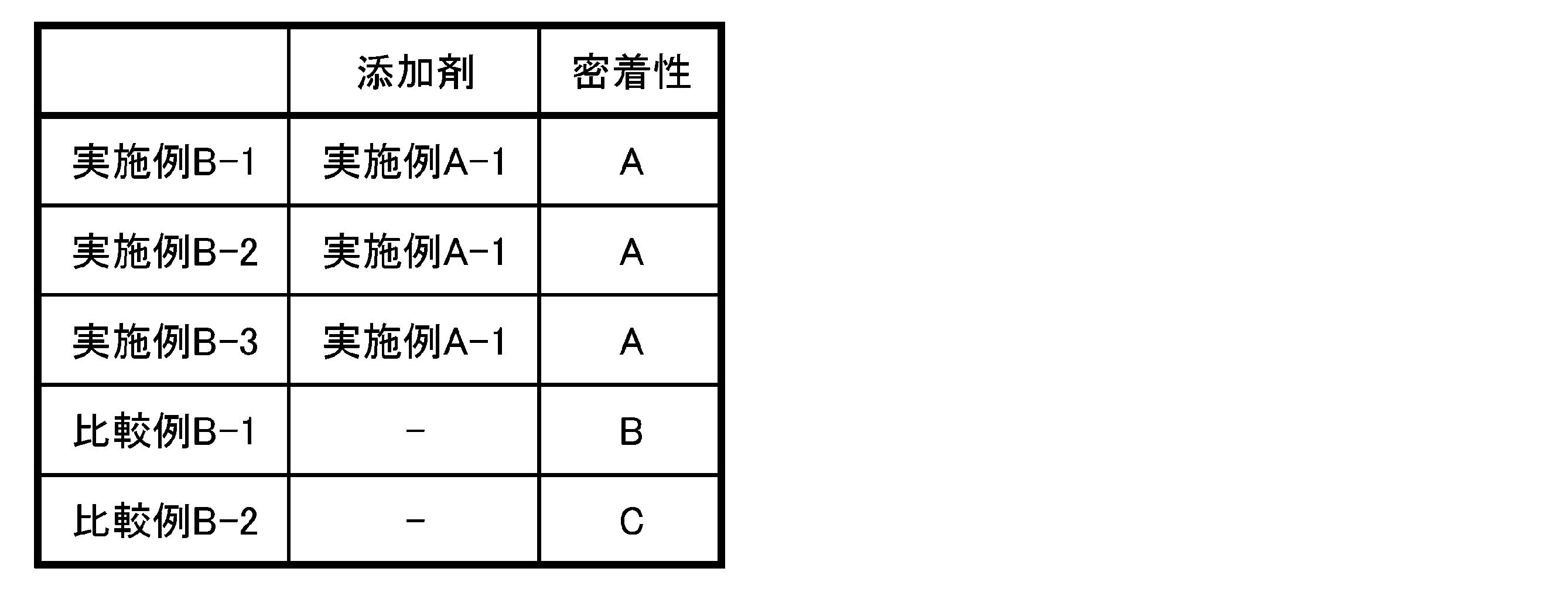
表2に示すように、本開示の非水電解質二次電池用正極は、柔軟性が高く、電極塗膜と集電体との密着性に優れる。
Claims (4)
- 芳香族アシル基置換度(DSBz)が0.1以上2.9以下、及び飽和脂肪族アシル基置換度(DSSt)が0.1以上2.9以下である、芳香族脂肪族混合セルロースエステル。
- 芳香族脂肪族混合セルロースエステルを含有し、
前記芳香族脂肪族混合セルロースエステルの芳香族アシル基置換度(DSBz)が0.1以上2.9以下、及び飽和脂肪族アシル基置換度(DSSt)が0.1以上2.9以下である、非水電解質二次電池正極用添加剤。 - 請求項2に記載の非水電解質二次電池正極用添加剤を含有する、非水電解質二次電池用正極。
- 請求項2に記載の非水電解質二次電池正極用添加剤、正極活物質、導電助剤、及び有機溶媒を分散してスラリーを調製する工程と、
前記スラリーを箔状の集電体上に塗布する工程とを有する、非水電解質二次電池用正極の製造方法。
Applications Claiming Priority (2)
| Application Number | Priority Date | Filing Date | Title |
|---|---|---|---|
| JP2018-131038 | 2018-07-10 | ||
| JP2018131038A JP2020007474A (ja) | 2018-07-10 | 2018-07-10 | 芳香族脂肪族混合セルロースエステル、非水電解質二次電池正極用添加剤、非水電解質二次電池用正極、及び非水電解質二次電池用正極の製造方法 |
Publications (1)
| Publication Number | Publication Date |
|---|---|
| WO2020012972A1 true WO2020012972A1 (ja) | 2020-01-16 |
Family
ID=69141911
Family Applications (1)
| Application Number | Title | Priority Date | Filing Date |
|---|---|---|---|
| PCT/JP2019/025622 Ceased WO2020012972A1 (ja) | 2018-07-10 | 2019-06-27 | 芳香族脂肪族混合セルロースエステル、非水電解質二次電池正極用添加剤、非水電解質二次電池用正極、及び非水電解質二次電池用正極の製造方法 |
Country Status (2)
| Country | Link |
|---|---|
| JP (1) | JP2020007474A (ja) |
| WO (1) | WO2020012972A1 (ja) |
Citations (8)
| Publication number | Priority date | Publication date | Assignee | Title |
|---|---|---|---|---|
| JP2000100438A (ja) * | 1998-09-24 | 2000-04-07 | Daicel Chem Ind Ltd | 結着剤、積層体並びにリチウム二次電池 |
| JP2004349263A (ja) * | 2003-05-22 | 2004-12-09 | Samsung Sdi Co Ltd | リチウム二次電池用正極及びこれを用いたリチウム二次電池 |
| JP2008163193A (ja) * | 2006-12-28 | 2008-07-17 | Kaneka Corp | セルロース誘導体、セルロース誘導体溶液、およびそれらを用いた光学フィルムとその製造方法 |
| JP2008266559A (ja) * | 2007-03-28 | 2008-11-06 | Fujifilm Corp | セルロース体組成物、セルロース体フィルム、光学補償シート、偏光板および液晶表示装置 |
| JP2009056713A (ja) * | 2007-08-31 | 2009-03-19 | Fujifilm Corp | 感熱転写インクシート、感熱転写インクシートの染料層用塗布組成物、インクカートリッジおよび感熱転写記録方法 |
| JP2015191864A (ja) * | 2014-03-28 | 2015-11-02 | 富士フイルム株式会社 | 全固体二次電池、これに用いる固体電解質組成物および電池用電極シート、ならびに全固体二次電池の製造方法 |
| JP2017203051A (ja) * | 2016-05-09 | 2017-11-16 | 株式会社ダイセル | 混合脂肪酸セルロースエステル及び混合脂肪酸セルロースエステルの製造方法 |
| WO2017213156A1 (ja) * | 2016-06-09 | 2017-12-14 | 日本ゼオン株式会社 | 固体電解質電池用バインダー組成物および固体電解質電池用スラリー組成物 |
-
2018
- 2018-07-10 JP JP2018131038A patent/JP2020007474A/ja active Pending
-
2019
- 2019-06-27 WO PCT/JP2019/025622 patent/WO2020012972A1/ja not_active Ceased
Patent Citations (8)
| Publication number | Priority date | Publication date | Assignee | Title |
|---|---|---|---|---|
| JP2000100438A (ja) * | 1998-09-24 | 2000-04-07 | Daicel Chem Ind Ltd | 結着剤、積層体並びにリチウム二次電池 |
| JP2004349263A (ja) * | 2003-05-22 | 2004-12-09 | Samsung Sdi Co Ltd | リチウム二次電池用正極及びこれを用いたリチウム二次電池 |
| JP2008163193A (ja) * | 2006-12-28 | 2008-07-17 | Kaneka Corp | セルロース誘導体、セルロース誘導体溶液、およびそれらを用いた光学フィルムとその製造方法 |
| JP2008266559A (ja) * | 2007-03-28 | 2008-11-06 | Fujifilm Corp | セルロース体組成物、セルロース体フィルム、光学補償シート、偏光板および液晶表示装置 |
| JP2009056713A (ja) * | 2007-08-31 | 2009-03-19 | Fujifilm Corp | 感熱転写インクシート、感熱転写インクシートの染料層用塗布組成物、インクカートリッジおよび感熱転写記録方法 |
| JP2015191864A (ja) * | 2014-03-28 | 2015-11-02 | 富士フイルム株式会社 | 全固体二次電池、これに用いる固体電解質組成物および電池用電極シート、ならびに全固体二次電池の製造方法 |
| JP2017203051A (ja) * | 2016-05-09 | 2017-11-16 | 株式会社ダイセル | 混合脂肪酸セルロースエステル及び混合脂肪酸セルロースエステルの製造方法 |
| WO2017213156A1 (ja) * | 2016-06-09 | 2017-12-14 | 日本ゼオン株式会社 | 固体電解質電池用バインダー組成物および固体電解質電池用スラリー組成物 |
Also Published As
| Publication number | Publication date |
|---|---|
| JP2020007474A (ja) | 2020-01-16 |
Similar Documents
| Publication | Publication Date | Title |
|---|---|---|
| CN103828104B (zh) | 含有纤维素纤维作为粘合剂的锂二次电池电极形成用浆料组合物和锂二次电池用电极 | |
| JP6015649B2 (ja) | 二次電池電極用バインダ樹脂組成物、二次電池電極用スラリー、二次電池用電極、リチウムイオン二次電池 | |
| EP3790085B1 (en) | Binder aqueous solution for lithium-ion battery electrode, slurry for lithium-ion battery electrode, lithium-ion battery electrode, and lithium-ion battery | |
| KR20200028854A (ko) | 리튬이온 전지용 바인더 수용액, 리튬이온 전지전극용 슬러리 및 그 제조방법, 리튬이온 전지전극 및 리튬이온 전지 | |
| JP2016192409A (ja) | 電気化学素子用集電体の製造方法、電気化学素子用電極の製造方法、及び、電気化学素子用集電体を作製するための塗工液 | |
| JP6645040B2 (ja) | 電気化学素子用導電材分散液、電気化学素子正極用スラリー、電気化学素子用正極および電気化学素子 | |
| WO2015128328A1 (de) | Polymerzusammensetzung als bindersystem für lithiumionenbatterien | |
| CN111566858B (zh) | 电极用粘合剂、电极以及蓄电器件 | |
| WO2020017656A1 (ja) | 化合物、分散剤、電池用分散組成物、電極、電池 | |
| EP2752927A1 (en) | Binder composition for secondary battery negative electrode, negative electrode for secondary battery, negative electrode slurry composition, manufacturing method, and secondary battery | |
| CN111433951A (zh) | 用于制造锂二次电池正极的粘结剂和通过使用所述粘结剂制造正极的方法 | |
| JP2018006333A (ja) | リチウムイオン電池正極用バインダー水溶液、リチウムイオン電池正極用粉体状バインダー、リチウムイオン電池正極用スラリー、リチウムイオン電池用正極、リチウムイオン電池 | |
| TWI772337B (zh) | 非水電解質二次電池負極及非水電解質二次電池 | |
| JP5900111B2 (ja) | 二次電池電極形成用組成物、二次電池電極、及び二次電池 | |
| JP2017069108A (ja) | リチウムイオン二次電池電極用スラリー組成物、リチウムイオン二次電池用電極およびリチウムイオン二次電池 | |
| JP7194860B1 (ja) | カーボンナノチューブ分散液、及びそれを用いた電極用塗料、電極、非水電解質二次電池 | |
| JP6380642B1 (ja) | 分散剤、分散組成物、電池用分散組成物、電極、電池 | |
| CN114188539A (zh) | 一种制备负极极片的方法、由此制备的负极极片和包括它的锂离子电池 | |
| EP3989310A2 (en) | Multilayer electrode for secondary battery and fabrication method thereof | |
| JP2015005474A (ja) | 結着剤、電極材スラリー、電極及びその製造方法並びに二次電池 | |
| JP2016021391A (ja) | 電気化学素子用導電材分散液、電気化学素子正極用スラリー、電気化学素子用正極および電気化学素子 | |
| CN110660997B (zh) | 电池浆料及其制备方法和电池极片及其制备方法 | |
| JP4617886B2 (ja) | 非水二次電池およびその正極ペーストの製造方法 | |
| JP3399193B2 (ja) | 非水電解液電池用正極合剤ペ−ストとその製造法および非水電解液電池 | |
| WO2020012972A1 (ja) | 芳香族脂肪族混合セルロースエステル、非水電解質二次電池正極用添加剤、非水電解質二次電池用正極、及び非水電解質二次電池用正極の製造方法 |
Legal Events
| Date | Code | Title | Description |
|---|---|---|---|
| 121 | Ep: the epo has been informed by wipo that ep was designated in this application |
Ref document number: 19833997 Country of ref document: EP Kind code of ref document: A1 |
|
| NENP | Non-entry into the national phase |
Ref country code: DE |
|
| 122 | Ep: pct application non-entry in european phase |
Ref document number: 19833997 Country of ref document: EP Kind code of ref document: A1 |