WO2017149870A1 - 金属酸化物粒子、金属酸化物粒子分散液、金属酸化物粒子分散液の製造方法及びサーモクロミックフィルム - Google Patents
金属酸化物粒子、金属酸化物粒子分散液、金属酸化物粒子分散液の製造方法及びサーモクロミックフィルム Download PDFInfo
- Publication number
- WO2017149870A1 WO2017149870A1 PCT/JP2016/085331 JP2016085331W WO2017149870A1 WO 2017149870 A1 WO2017149870 A1 WO 2017149870A1 JP 2016085331 W JP2016085331 W JP 2016085331W WO 2017149870 A1 WO2017149870 A1 WO 2017149870A1
- Authority
- WO
- WIPO (PCT)
- Prior art keywords
- metal oxide
- particles
- oxide particles
- particle dispersion
- present
- Prior art date
- Legal status (The legal status is an assumption and is not a legal conclusion. Google has not performed a legal analysis and makes no representation as to the accuracy of the status listed.)
- Ceased
Links
Images



Classifications
-
- C—CHEMISTRY; METALLURGY
- C01—INORGANIC CHEMISTRY
- C01B—NON-METALLIC ELEMENTS; COMPOUNDS THEREOF; METALLOIDS OR COMPOUNDS THEREOF NOT COVERED BY SUBCLASS C01C
- C01B13/00—Oxygen; Ozone; Oxides or hydroxides in general
- C01B13/14—Methods for preparing oxides or hydroxides in general
-
- C—CHEMISTRY; METALLURGY
- C01—INORGANIC CHEMISTRY
- C01G—COMPOUNDS CONTAINING METALS NOT COVERED BY SUBCLASSES C01D OR C01F
- C01G31/00—Compounds of vanadium
- C01G31/02—Oxides
-
- C—CHEMISTRY; METALLURGY
- C09—DYES; PAINTS; POLISHES; NATURAL RESINS; ADHESIVES; COMPOSITIONS NOT OTHERWISE PROVIDED FOR; APPLICATIONS OF MATERIALS NOT OTHERWISE PROVIDED FOR
- C09K—MATERIALS FOR MISCELLANEOUS APPLICATIONS, NOT PROVIDED FOR ELSEWHERE
- C09K9/00—Tenebrescent materials, i.e. materials for which the range of wavelengths for energy absorption is changed as a result of excitation by some form of energy
Definitions
- the present invention relates to a metal oxide particle, a metal oxide particle dispersion, a method for producing a metal oxide particle dispersion, and a thermochromic film, and more specifically, a metal oxide particle exhibiting excellent dispersion stability, etc. About.
- Metal oxide particles have hydrophilic groups such as hydroxy groups on the surface, and the hydroxy groups can be ionized and stably dispersed in water by charge repulsion, but they are oxidized by direct contact with water and dissolved oxygen. If so, the unique properties of metal oxides are often impaired. For example, vanadium dioxide particles having a valence of vanadium cause thermochromic properties by causing a phase transition due to heat, but are liable to be oxidized to pentavalent vanadium pentoxide and lose thermochromic properties. was there.
- the vanadium dioxide particles described in Patent Document 1 improve the chemical stability and dispersibility of vanadium dioxide particles by linking long-chain molecules of organic modifiers to the particle surface.
- the surface organic modifier must have at least two hydrophilic groups in order to satisfy the two functions of particle surface modification and dispersion stability in water.
- the selectivity for both functions of the hydrophilic group is small, and if the metal oxide particles aggregate together, it causes haze generation when a film is produced, and further improvement has been desired.
- the present invention has been made in view of the above-described problems and circumstances, and the problem to be solved is metal oxide particles exhibiting excellent dispersion stability, metal oxide particle dispersions containing metal oxide particles, metal oxides It is providing the manufacturing method and thermochromic film of a metal oxide particle dispersion which manufacture a product particle dispersion.
- the present inventors have modified the surface of the metal oxide particles of the present invention with an organic compound having a hydrophilic monofunctional group.
- a vesicle-like structure in which oxide particles are encapsulated can be formed.
- the present invention was achieved. That is, the said subject of this invention is solved by the following means.
- Metal oxide particles that are surface-modified with an organic compound having a hydrophilic monofunctional group A metal oxide particle having a vesicle-like structure of the organic compound.
- the metal oxide particle according to item 2 further comprising an element for adjusting the phase transition temperature.
- a metal oxide particle dispersion wherein the metal oxide particles according to any one of items 1 to 4 are dispersed in an aqueous medium.
- a method for producing a metal oxide particle dispersion comprising producing a metal oxide particle dispersion in which the metal oxide particles according to any one of items 1 to 4 are dispersed, Modifying the surface of the metal oxide particles with a first organic compound; Forming a vesicle-like structure on the surface of the metal oxide particles by the interaction of the second organic compound with the first organic compound;
- a process for producing a metal oxide particle dispersion characterized by comprising:
- thermochromic film comprising the metal oxide particles according to any one of Items 2 to 4.
- thermochromic films Production of metal oxide particles exhibiting excellent dispersion stability, metal oxide particle dispersion containing metal oxide particles, and metal oxide particle dispersion for producing metal oxide particle dispersion by the above means of the present invention Methods and thermochromic films can be provided.
- the metal oxide particles of the present invention are obtained by modifying the surface of the metal oxide particles with an organic compound having a hydrophilic monofunctional group, and then adding the organic compound having the same hydrophilic monofunctional group. It is characterized by having a vesicle-like structure. This is because the surface of the metal oxide particle is modified with a hydrophilic monofunctional group, and on the outer side, a portion other than the hydrophilic group of the organic compound having the hydrophilic monofunctional group is overlapped to gather the hydrophobic group portion. A layer is formed, and on the outer side, a layer in which hydrophilic group portions composed of hydrophilic monofunctional groups are gathered is formed.
- the metal oxide particles are included inside the vesicle structure formed by the organic compound that modifies the surface of the metal oxide particles, a vesicle-like structure similar to the so-called vesicle structure is formed.
- the vesicle-like structure is presumed to have excellent dispersion stability in water without aggregation of metal oxide particles because the hydrophilic group is located on the outermost surface of the vesicle-like structure.
- the thermochromic film of the present invention is produced using metal oxide particles containing vanadium dioxide. Thus, it is presumed that the haze is reduced and the moisture resistance is high.
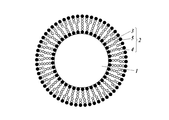
- thermochromic film of the present invention Schematic sectional view showing an example of a vesicle-like structure of the metal oxide particles of the present invention
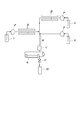
- Schematic sectional view showing an example of a vesicle-like structure of the metal oxide particles of the present invention Schematic configuration diagram showing an example of a flow reactor used in the present invention
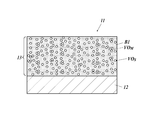
- Schematic sectional view showing an example of the basic configuration of the thermochromic film of the present invention Schematic sectional view showing another example of the basic configuration of the thermochromic film of the present invention
- Schematic sectional view showing an example of the layer arrangement of the thermochromic film of the present invention having a near infrared light shielding layer Schematic sectional view showing an example of the layer arrangement of the thermochromic film of
- the metal oxide particles of the present invention are metal oxide particles that are surface-modified with an organic compound having a hydrophilic monofunctional group, and are characterized by having a vesicle-like structure of the organic compound. This feature is a technical feature common to or corresponding to the claimed invention.
- vanadium dioxide particles exhibiting thermochromic properties, because low haze and high wet heat resistance can be realized.
- both the load on the cooling equipment in summer and the load on the heating equipment in winter are reduced. It is more preferable from the point that it can be reduced and more energy saving measures can be taken.
- an alkyl carboxylic acid is contained as the organic compound from the viewpoint that compatibility with the vanadium dioxide particles can be improved and haze and thermochromic response can be further improved.
- the metal oxide particle dispersion of the present invention is more preferable because the metal oxide particles are dispersed in an aqueous medium, so that the load on the environment is small.
- the method for producing a metal oxide particle dispersion according to the present invention includes a step of modifying the surface of the metal oxide particles with a first organic compound, and a step of interchanging the first organic compound with a second organic compound. And a step of forming a vesicle-like structure on the surface of the metal oxide particles by the action, from the viewpoint of manifesting the effects of the present invention.
- thermochromic film of the present invention contains the metal oxide particles of the present invention because the vanadium dioxide particles can be used without agglomeration, from the viewpoint of improving haze.
- the metal oxide particles of the present invention are metal oxide particles that are surface-modified with an organic compound having a hydrophilic monofunctional group, and have a vesicle-like structure of the organic compound.
- the “particles” may be those having an average particle size of 1 ⁇ m (1000 nm) or less, and preferably nanoparticles.
- a nanoparticle refers to a particle having an average particle size of 200 nm or less, preferably 200 nm or less.
- the nanoparticles preferably have an average particle size of 100 nm or less, and may be 50 nm or less.
- the nanoparticles may have an average particle size of 20 nm or less, a size of 10 nm or less, or a size of 5 nm or less.
- a uniform particle size of the nanoparticles is preferable, but a mixture of particles having different particle sizes at a certain ratio may be preferable.
- the particle diameter can be measured by a method known in the art. For example, transmission electron microscope (TEM), adsorption method, light scattering method, small angle X-ray scattering X-ray angle X- ray scattering (SAXS).
- TEM transmission electron microscope
- SAXS small angle X-ray scattering X-ray angle X- ray scattering
- TEM when the particle size distribution is wide, it is necessary to pay attention to whether or not the particles entering the field of view represent all the particles.
- the BET surface area is evaluated by N 2 adsorption or the like.
- particles were generated using a hydrolysis reaction, for example, a hydroxide such as Fe (OH) 3, higher temperatures FeO (OH), equilibrated to Fe 2 O 3 is shifted.
- a hydroxide such as Fe (OH) 3
- FeO OH
- the molecular arrangement state shifts from a random amorphous state to an aligned crystalline state as the temperature increases.
- a dot is obtained as a diffraction interference image for a single crystal, a ring for a polycrystal, and a halo for an amorphous.
- the crystal plane is solid if it is a single crystal, and it is polycrystalline if it has such a shape that crystals further appear from above the particles.
- polycrystalline primary particles are small and many particles aggregate to form secondary particles, they become spherical. If it is amorphous, it must be spherical.
- X-ray diffraction a sharp peak is obtained if it is a single crystal.
- the crystallite size can be evaluated from the width of 1/2 height of the X-ray peak using the Sherre equation. If the crystallite size obtained by the evaluation is the same as the particle diameter evaluated from the electron microscope image, it is evaluated as a single crystal.
- thermogravimetric analysis when heated in a dry inert gas with a thermobalance, a mass decrease due to evaporation of moisture adsorbed at around 100 ° C was observed, and a mass decrease due to dehydration from within the particles up to about 250 ° C. Is seen.
- a mass loss is observed at 250 to 400 ° C.
- the mass loss due to dehydration from the inside of the crystal is 10% or less at maximum, which is much larger than that of metal oxide particles synthesized at low temperature Different.
- the organically modified metal oxide particles obtained according to the present invention are characterized by high crystallinity, for example, a sharp peak in X-ray diffraction, a dot or ring observed in electron diffraction, and heat
- high crystallinity for example, a sharp peak in X-ray diffraction, a dot or ring observed in electron diffraction, and heat
- dehydration of crystal water is 10% or less per dry particle by gravimetric analysis, and / or primary particles have crystal planes in an electron micrograph.
- the “metal” in the metal oxide contained in the metal oxide particles is not particularly limited as long as it can typically produce nanoparticles, and is selected from those known to those skilled in the art. Can be used.
- the line of the group 13 boron (B) —the group 14 silicon (Si) —the group 15 arsenic (As) —the group 16 tellurium (Te) is bounded. And the elements on the left side and the lower side in the periodic table from the elements on the line and the boundaries thereof.
- group 8 to 10 elements Fe, Co, Ni, Ru, Rh, Pd, Os, Ir , Pt, etc.
- group 11 elements such as Cu, Ag, Au, etc.
- group 12 elements such as Zn, Cd, Hg, etc.
- group 13 elements such as B, Al, Ga, In, Tl, etc.
- group 14 These elements include Si, Ge, Sn, Pb, etc., Group 15 elements As, Sb, Bi, etc., Group 16 elements Te, Po, etc., and Group 1-7 elements.
- Metal oxides include Fe, Co, Ni, Cu, Ag, Au, Zn, Cd, Hg, Al, Ga, In, Tl, Si, Ge, Sn, Pb, Ti, Zr, Mn, Eu, Y, nb, Ce, Ba, V, oxides such as Ta and the like, for example, SiO 2, TiO 2, ZnO 2, SnO 2, Al 2 O 3, MnO 2, NiO, Eu 2 O 3, Y 2 O 3 , Nb 2 O 3 , Nb 2 O 5 , InO, ZnO, Fe 2 O 3 , Fe 3 O 4 , Co 3 O 4 , ZrO 2 , CeO 2 , BaO ⁇ 6Fe 2 O 3 , Al 5 (Y + Tb) 3 O 12 , BaTiO 3 , LiCoO 2 , LiMn 2 O 4 , K 2 O.6TiO 2 , AlO (OH), VO 2 , V 2 O 5 , Ta 2 O 5 and the like.
- the modifier used in the present invention is typically an organic modifier such as a compound containing an organic group.
- the surface of the metal oxide particle is usually an ion. An interaction that does not significantly bind is mentioned.
- the organic modifier is not particularly limited as long as it can bind an organic molecular residue to the surface of the particle.
- the organic modifier can be chemically bonded to the surface of the particle. It is possible to select from organic substances (or organic molecules) widely known in fields where application of metal oxide particles is expected, including fields of organic chemistry, inorganic materials, and polymer chemistry. it can.
- the organic residue is not particularly limited, and examples thereof include those known in the art and / or those known in the field of organic synthesis.
- a hydrocarbon group, or Examples thereof include a group containing the same.
- Examples of the organic residue include a linear or branched alkyl group that may be substituted, a linear or branched alkenyl group that may be substituted, and a linear or branched alkynyl group that may be substituted.
- the hydrocarbon the number of carbon atoms is not particularly limited, and those having 1 or 2 carbon atoms can be used. From the viewpoint of utilizing the characteristics of the present invention, long-chain carbonization having a chain having 3 or more carbon atoms.
- Those which are hydrogen are preferable, and examples thereof include linear or branched or cyclic hydrocarbons having 3 to 30 carbon atoms.
- the hydrocarbon may be substituted or unsubstituted.
- the substituent may be selected from functional groups widely known in the fields of organic chemistry, inorganic materials, polymer chemistry, etc., and one or more substituents exist. May be the same or different from each other.
- substituents examples include a linear or branched alkyl group, a linear or branched alkenyl group, a linear or branched alkynyl group, a cyclic alkyl group, an aryl group, an aralkyl group, a saturated or unsaturated heterocyclic group.
- Ring group cyano group, nitro group, halogen, carboxy group, ester group, acyl group, amide group, imino group, acylamino group, ketone group, formyl group, ether group, hydroxy group, acyloxy group, sulfhydryl group, amino group
- substituent include those containing a bond such as —O—, —S—, —N—, and —P—.
- organic modifiers include carboxylic acids, amines, alcohols, aldehydes, ketones, esters, amides, oximes, phosgene, enamines, amino acids, peptides, saccharides, phosphate esters, Phosphoric acid esters, phosphonic acid esters, phosphonic acid esters, phosphinic acid esters, phosphinic acid esters, phosphine, phosphine oxides and other organic phosphorus compounds, thiols, thiocarboxylic acids and their sulfur analogues, etc. Can be mentioned.
- the organic modifier added to the reaction field with the metal oxide particles is chemically bonded to the generated metal oxide particles and covers at least a part of the surface of the metal oxide particles as an organic ligand. If it is a thing, it will not specifically limit, For example, what was known in the said field
- the modifying agent is an organic molecule, and those having an action of stabilizing the metal oxide particles to be formed can be suitably used, and those that function as an organic modifying agent in a high-temperature and high-pressure aqueous phase are suitable. Can be used for
- Examples of the carboxylic acids include organic carboxylic acids or sulfur analogs thereof.
- the organic carboxylic acids are not particularly limited as long as the object and effects of the present invention are not significantly impaired.
- Examples thereof include aliphatic carboxylic acids, alicyclic carboxylic acids, aromatic carboxylic acids, and the like, and preferably aliphatic carboxylic acids.
- the number of carbon atoms of the carboxylic acids is arbitrary as long as the objective effect of the present invention is not significantly impaired, but is usually 5 or more, in some cases 8 or more, or 14 or more, in other cases 16 or more, and usually 24 or less. , Preferably 20 or less, more preferably 18 or less.
- carboxylic acids include hexanoic acid, decanoic acid (n-capric acid), oleic acid, linoleic acid, linolenic acid, caprylic acid (octanoic acid), lauric acid, behenic acid, stearic acid, myristic acid, palmitic acid, Examples include arachidic acid, lignoceric acid, myristoleic acid, palmitoleic acid, vaccenic acid, eicosenoic acid, stearidonic acid, eicosapentaenoic acid, docosahexaenoic acid, arachidonic acid and erucic acid.
- Examples of the amines include organic amines.
- the organic amines may be any of primary amines, secondary amines, and tertiary amines, and preferably primary amines and secondary amines.
- Examples of the organic amines include aliphatic amines, and examples thereof include primary aliphatic amines and secondary aliphatic amines.
- the number of carbon atoms of the amines is not particularly limited as long as the objective effect of the present invention is not significantly impaired. For example, it is usually 8 or more, preferably 14 or more, more preferably 16 or more, and usually 24 or less, preferably 20. Below, more preferably 18 or less.
- Typical aliphatic amines include, for example, oleylamine, laurylamine, myristylamine, palmitylamine, stearylamine, octylamine, decylamine, dodecylamine, tetradecylamine, hexadecylamine, octadecylamine, dioctylamine and the like.
- alkylamines aromatic amines such as aniline, hydroxy group-containing amines such as methylethanolamine and diethanolamine, and derivatives thereof.
- Examples of the alcohols include those corresponding to the above organic carboxylic acids.
- aldehydes, ketones, esters, amides, and the like can be exemplified by those corresponding to the above organic carboxylic acids.
- Those sulfur analogs such as thiols may also correspond to, for example, the above organic carboxylic acids.
- organic phosphorus compounds examples include phosphate esters, phosphine, phosphine oxides, trialkylphosphine, phosphite esters, phosphonate esters, phosphinate esters, phosphinic acid. Esters, phosphinic acid esters and the like may be included.
- organic phosphorus compounds include those containing, as an organic group, one selected from the hydrocarbon groups described above.
- Typical organic phosphorus compounds include, for example, trialkylphosphine such as tributylphosphine, trihexylphosphine, trioctylphosphine, tributylphosphine oxide, trihexylphosphine oxide, trioctylphosphine oxide ( TOPO), and trialkylphosphine oxides such as tridecylphosphine oxide.
- trialkylphosphine such as tributylphosphine, trihexylphosphine, trioctylphosphine, tributylphosphine oxide, trihexylphosphine oxide, trioctylphosphine oxide ( TOPO), and trialkylphosphine oxides such as tridecylphosphine oxide.
- organophosphorus compounds compounds having a carbon-phosphorus single bond in the molecule can be preferably used.
- Typical organic modifiers include, for example, pentanol, pentanal, pentanoic acid, pentanamide, pentanethiol, hexanol, hexanal, hexanoic acid, hexanamide, hexanethiol, heptanol, heptanal, heptanoic acid, heptanamide, heptanethiol Octanol, octanal, octanoic acid, octatanamide, octanethiol, decanol, decanal, decanoic acid, decanamide, decanethiol and the like.
- the organic modifier organic molecule
- the organic modifier is used as an aqueous solution, but may be used as a mixed solvent solution of an organic solvent and water, if necessary.
- a vesicle is a vesicle generally formed of a lipid bilayer membrane and has an inner aqueous phase separated by a lipid membrane. Vesicles are widely used as a transport medium for functional substances because various substances can be encapsulated in the inner aqueous phase and the lipid membrane.
- International Publication No. 2014/017233 describes a microbial activity regulator present in a reaction vessel of a biological wastewater treatment facility comprising a microbial activity regulator and a transport medium.
- a vesicle is a vesicle formed of a lipid bilayer such as phospholipid, the inner surface and the outer surface of the vesicle in which hydrophilic groups are aggregated show hydrophilicity, and a hydrophobic group
- the inside of the lipid bilayer membrane in which is assembled is hydrophobic.
- the lipid bilayer membrane may contain sugar, protein, etc. as other components.
- the metal oxide particle 1 of the present invention includes a hydrophilic group portion 3 in which hydrophilic groups are gathered on the surface of the metal oxide particle, and a hydrophobic group portion inside the lipid bilayer membrane. 4 and a vesicle-like structure 2 having at least a hydrophilic group portion 5 on the outer surface.
- metal oxide particles having high dispersion stability in an aqueous solvent were obtained by having a structure similar to the vesicle structure.
- the layer of the hydrophobic group portion can be made thicker and moisture can be prevented from entering, so that the wet heat resistance can be further improved.
- the method for producing the metal oxide particles used in the present invention is a metal whose surface is modified with an organic group by reacting the metal oxide particles with an organic modifier under conditions where water in a high temperature and high pressure condition exists.
- the surface of the starting metal oxide particles is activated in advance, or the starting metal oxide particles are previously treated in the presence of water in a subcritical state. You may include the process to process.
- the water in the high temperature and high pressure state is, for example, subcritical water or supercritical water, and by using a ligand molecule that is a surface modifier in the reaction field, the size of the metal oxide particles can be accurately determined.
- a surface modified product preferably consisting of a uniform sized particle population.
- hydrothermal synthesis reaction is utilized, and the reaction between the metal oxide particles and the organic modifier is carried out by an aqueous sol or suspension containing the core metal oxide particles or their slurry liquid. Is prepared and then reacted with the organic modifier.
- the amount of organic modifier used to modify the surface of the metal oxide particles is about 0.01 to 100 times, preferably about 0.5, based on the molar amount of metal in the metal oxide particles used.
- the amount may be ⁇ 10 times, but may be, for example, an equimolar amount or an amount close thereto.
- the concentration of the modifier solution is not strictly limited, but is usually within the range of about 0.0001 to 1M, preferably about 0.01 to 0.3M.
- the solution to be charged into the reaction system can be prepared at room temperature such as room temperature with stirring, and the pH can be adjusted by adding a base or acid as necessary.
- water in a high-temperature and high-pressure state means high-temperature and high-pressure water in a subcritical or supercritical state, that is, sub-critical water (sub-CW), or supercritical water.
- subcritical water SCW
- the critical temperature of water is 374.2 ° C.
- the critical pressure of water is 22.12 MPa
- the reaction temperature and reaction pressure can be selected with reference to this.
- subcritical water refers to water that is slightly lower in temperature and / or pressure than the supercritical point of water.
- a critical temperature 374 from a region of 150 ° C. or higher.
- a region where the temperature is lower than the critical temperature of water and the pressure is a critical pressure of 22 MPa or higher is exemplified.
- the pressure of the raw material mixture liquid supplied to a reaction system is set to a critical pressure of water of 22.12 MPa or more (for example, 30 MPa or 35 MPa, etc.) and a reactor (subcritical water) in which a raw material mixture liquid heated up to a predetermined reaction temperature, such as heated to approximately 150 ° C., is set to a reaction temperature of 250 ° C.
- a reactor subcritical water
- a method such as supplying to a reactor (reaction in supercritical water) set to a reaction temperature of 390 ° C. Conditions in which high temperature and high pressure water is present can be achieved.
- a typical subcritical water region has a critical pressure of 22 MPa or higher, and a region of 180 ° C. or higher to a critical temperature of 374 ° C., or a temperature of 200 ° C. or higher to a critical temperature of 374 ° C. Or a region from a temperature of 250 ° C. or higher to a critical temperature of 374 ° C., a region of 300 ° C. or higher to a critical temperature of 374 ° C.
- the subcritical water region has a pressure range of 10.0 MPa or higher to a critical pressure of 22 MPa, or a pressure range of 15.0 MPa or higher to a critical pressure of 22 MPa, or a pressure of 18.0 MPa or higher to a critical pressure of 22 MPa.
- a region or a region from a pressure of 20.0 MPa or more to a critical pressure of 22 MPa may also be included.
- the treatment temperature is, for example, 150 to 374 ° C., preferably 200 to 374 ° C., more preferably 230 to 374 ° C., and further preferably 280 to 360 ° C. It is.
- the treatment pressure is, for example, 15 to 50 MPa, preferably 18 to 45 MPa, more preferably 20 to 40 MPa, and still more preferably 20 to 35 MPa.
- the processing temperature is 280 to 320 ° C., and the processing pressure is 20 to 25 MPa.
- the reaction temperature is, for example, 375 to 500 ° C., preferably 375 to 450 ° C., more preferably 375 to 420. ° C, more preferably 375-400 ° C, and in some cases, for example, the reaction pressure at 375-395 ° C, preferably 375-390 ° C, more preferably 375-385 ° C, or 375-380 ° C.
- the reaction pressure at 375-395 ° C, preferably 375-390 ° C, more preferably 375-385 ° C, or 375-380 ° C.
- Is for example, 20 to 50 MPa, preferably 21 to 45 MPa, more preferably 22 to 40 MPa, and still more preferably 22 to 35 MPa.
- the reaction can be carried out by a batch type (batch type) or a semi-batch type (semi-batch type), but a flow type reactor (flow type reactor) such as a pressure resistant tube type or tank type is preferably used.
- a continuous method can be used, and in particular, a continuous method using a tubular reactor can be suitably used.
- FIG. 2 A schematic configuration diagram of a typical flow reactor used in the synthesis method (ex-situ surface modification) of the present invention is shown in FIG.
- the apparatus is a preheated water tank (hot water supply source tank (deionized hot water supply) that preheats preheated water 9 such as distilled water, deionized water, or pure water.
- a heater part H By passing through the heater part H, after pre-treatment, it joins the water supply path.
- the mixture of the heated high-pressure raw material liquid 7 and the high-temperature high-pressure water merges with the modifier solution 8 in the modification part M, and a modification reaction under high temperature and high pressure is performed.
- a pressurizing means for pressurizing water to a subcritical pressure or a critical pressure or higher that is, a high pressure pump and P, and the high pressure water is subcritical temperature.
- a heating means for heating to a predetermined temperature above the critical temperature or above that is, a heating furnace (heater) H is provided in order.
- the mixture obtained by mixing at the junction is introduced into a reactor disposed in the isothermal zone of the modification unit.
- the reactor is covered with a molten salt bath jacket or the like, has a constant temperature zone, and is adjusted to have a predetermined reaction temperature.
- the temperature can be monitored by, for example, a temperature sensor equipped with a thermocouple.
- the generated metal oxide particle product 10 passes through a cooling unit (water cooling jacket) C, a recovery unit G, a pressure regulating valve, for example, a back pressure valve V, and moves to a particle reservoir, that is, a product receiving tank.
- a cooling unit water cooling jacket
- a recovery unit G a pressure regulating valve
- V back pressure valve
- the raw material liquid 7 is changed to a metal oxide particle precursor containing in-situ surface modification, and mixed with high-temperature high-pressure water to produce metal oxide particles.
- surface modification is performed.
- the raw material liquid 7 is changed to a metal oxide particle precursor that does not contain in-situ surface modification, and metal oxide particles are produced by mixing with high-temperature and high-pressure water.
- the modifier solution 8 may be merged to perform a modification reaction under high temperature and pressure.
- the metal oxide particle product 10 organically modified according to the present invention is typically cooled to room temperature after the reaction.
- a method for separating the generated metal oxide particles from the reaction mixture a known method may be used, or a physical method or a chemical method may be used. Since the surface of the metal oxide particles obtained in the present invention is modified with an organic group, various physical properties can be imparted by the modifying group, and the metal oxide particles can be isolated using the properties of the modifying group. it can. In general, it is possible to separate from impurities and raw materials by performing phase separation or phase partitioning using water and an organic solvent such as hydrophilic or hydrophobic. It is also preferable to separate by solvent extraction or chromatography.
- the obtained product containing the surface-modified metal oxide particles can be subjected to filtration treatment as necessary to remove aggregates, and further, centrifugal treatment, decantation treatment, distillation
- the metal oxide particles can be washed by repeating a redispersion treatment and a centrifugal separation treatment using a washing treatment with water, pure water or the like, a dilute alkaline aqueous solution such as a dilute KOH aqueous solution, or performing ultrafiltration.
- the metal oxide particles of the present invention thus obtained can be obtained in the form of a powder by drying by a known method, for example, freeze-drying.
- Vesicle-like structure forming step The surface of the metal oxide particles that have undergone the step of treating the surface of the metal oxide particles are interacted with the organic modifier (first organic compound) with the second organic compound. A vesicle-like structure is formed on the surface of the modified metal oxide particles to obtain an aqueous dispersion.
- the particles subjected to the surface modification step are mixed and dispersed in the presence of water and the second organic compound.
- Examples of the dispersing method include a mixing / dispersing method using a stirring type disperser, a mixing / dispersing method using a bead mill, a beadless mill, a ball mill, a three-roll mixing / dispersing method, and a mixing / dispersing method using a rotation / revolution mixer.
- the organic solvent may be dried and then the vesicle-like structure may be formed and dispersed as described above, or phosphate ester, phthalate ester, etc. After adding the high boiling point solvent, water and the second organic compound are mixed and dispersed to evaporate the organic solvent.
- the high boiling point solvent 6 is dispersed inside the vesicle-like structure 2 as shown in FIG. 1B. You may let them.
- the second organic compound may be the same as or different from the first organic compound.
- the amount of the second organic compound added is not particularly limited as long as a vesicle-like structure can be formed, but can be about 0.5 to 10 times that of the first organic compound.
- the metal oxide particles of the present invention preferably contain vanadium dioxide particles exhibiting thermochromic properties.
- vanadium dioxide which shows thermochromic property
- the “main component” means that the content ratio is the highest among all the components contained in the optical functional layer.
- the crystal form of the vanadium dioxide particles according to the present invention is not particularly limited, but rutile vanadium dioxide particles (VO 2 particles) may be used from the viewpoint of efficiently expressing thermochromic properties (automatic light control). Is particularly preferred. Since the rutile VO 2 particles have a monoclinic structure below the transition temperature, they are also called M-type.
- the vanadium dioxide particles according to the present invention may contain VO 2 particles of other crystal types such as A-type or B-type within a range that does not impair the purpose.
- the primary particle size of the vanadium dioxide particles according to the present invention is preferably in the range of 10 to 100 nm. Therefore, the particle diameter of the secondary particles varies depending on the number of aggregated particles, but is preferably in the range of 50 to 500 nm.
- the number average particle diameter of the primary particles and secondary particles of the vanadium dioxide particles in the optical functional layer is preferably 200 nm or less, more preferably in the range of 1 to 180 nm. More preferably, it is in the range of 5 to 100 nm.
- the aspect ratio of the vanadium dioxide particles is preferably in the range of 1.0 to 3.0.
- the vanadium dioxide particles having such characteristics have a sufficiently small aspect ratio and isotropic shape, and therefore have good dispersion stability when added to a solution.
- the particle diameter of the single crystal is sufficiently small, better thermochromic properties can be exhibited compared to conventional particles.
- vanadium dioxide particles in addition to vanadium dioxide (VO 2 ), for example, tungsten (W), molybdenum (Mo), niobium (Nb), tantalum (Ta), tin (Sn), rhenium (Re) , Iridium (Ir), osmium (Os), ruthenium (Ru), germanium (Ge), chromium (Cr), iron (Fe), gallium (Ga), aluminum (Al), fluorine (F) and phosphorus (P) It may contain at least one element selected from the group consisting of The addition of such an element is effective in that the phase transition characteristics (particularly the phase transition temperature) of the vanadium dioxide particles can be controlled. The total amount of such additives with respect to the finally obtained vanadium dioxide particles is sufficient to be about 0.1 to 5.0 atomic% with respect to the vanadium (V) atom.
- the method for producing vanadium dioxide particles includes a method of pulverizing a VO 2 sintered body synthesized by a solid phase method, and a vanadium compound such as divanadium pentoxide (V 2 O 5 ) or ammonium vanadate as a raw material.
- a aqueous synthesis method in which particles are grown while synthesizing VO 2 in a liquid phase using an aqueous solution instead of an organic solvent is preferably used.
- the water-based synthesis method is preferable in that the average primary particle size is small and variation in particle size can be suppressed.
- the metal oxide particles of the present invention are vanadium dioxide particles, the aforementioned surface modification can be performed on the vanadium dioxide particles produced by the following method.
- examples of the aqueous synthesis method include a hydrothermal synthesis method and an aqueous synthesis method using a supercritical state.
- Details of an aqueous synthesis method using a supercritical state also referred to as a supercritical hydrothermal synthesis method.
- a supercritical hydrothermal synthesis method also referred to as a supercritical hydrothermal synthesis method.
- a substance (I) containing vanadium (V), hydrazine (N 2 H 4 ) or a hydrate thereof (N 2 H 4 .nH 2 O), and water are mixed to prepare a solution (A).
- This solution may be an aqueous solution in which the substance (I) is dissolved in water, or a suspension in which the substance (I) is dispersed in water.
- the substance (I) examples include divanadium pentoxide (V 2 O 5 ), ammonium vanadate (NH 4 VO 3 ), vanadium trichloride (VOCl 3 ), sodium metavanadate (NaVO 3 ), and the like. .
- the substance (I) is not particularly limited as long as it is a compound containing pentavalent vanadium (V). Hydrazine (N 2 H 4 ) and its hydrate (N 2 H 4 .nH 2 O) function as a reducing agent for the substance (I) and have a property of being easily dissolved in water.
- the solution (A) may further contain a substance (II) containing the element to be added in order to add the element to the finally obtained vanadium dioxide (VO 2 ) single crystal particles.
- the element to be added include tungsten (W), molybdenum (Mo), niobium (Nb), tantalum (Ta), tin (Sn), rhenium (Re), iridium (Ir), osmium (Os), ruthenium ( Ru), germanium (Ge), chromium (Cr), iron (Fe), gallium (Ga), aluminum (Al), fluorine (F), or phosphorus (P).
- thermochromic properties of the vanadium dioxide particles in particular, the transition temperature can be controlled.
- the solution (A) may further contain a substance (III) having oxidizing property or reducing property.
- the substance (III) include hydrogen peroxide (H 2 O 2 ).
- hydrothermal reaction treatment is performed using the prepared solution (A).
- “hydrothermal reaction” means a chemical reaction that occurs in hot water (subcritical water) whose temperature and pressure are lower than the critical point of water (374 ° C., 22 MPa).
- the hydrothermal reaction treatment is performed, for example, in an autoclave apparatus.
- single crystal particles containing vanadium dioxide (VO 2 ) are obtained.
- the conditions of the hydrothermal reaction treatment are set as appropriate, but the temperature of the hydrothermal reaction treatment is, for example, within the range of 250 to 350 ° C. Preferably, it is in the range of 250 to 300 ° C, more preferably in the range of 250 to 280 ° C.
- the hydrothermal reaction treatment time is preferably in the range of 1 hour to 5 days, for example. By increasing the time, the particle diameter and the like of the obtained single crystal particles can be controlled.
- a batch type (batch type) or a semi-batch type (semi-batch type) can be performed.
- a continuous method of mixing with high-temperature and high-pressure water in a subcritical or supercritical state can be used.
- a continuous method using a tubular reactor can be suitably used.
- the dispersion of vanadium dioxide particles prepared by the above-described aqueous synthesis method contains impurities such as residues generated during the synthesis process, which triggers the generation of secondary aggregated particles when forming the optical functional layer.
- the optical functional layer may deteriorate during long-term storage, and it is preferable to remove impurities in advance at the stage of the dispersion.
- the vanadium dioxide particle dispersion As a method for removing impurities in the vanadium dioxide particle dispersion, conventionally known means for separating foreign substances and impurities can be applied.
- the vanadium dioxide particle dispersion is centrifuged to precipitate vanadium dioxide particles. It is possible to remove impurities in the supernatant and add and disperse the dispersion medium again, or to remove impurities out of the system using an exchange membrane such as an ultrafiltration membrane. From the viewpoint of preventing aggregation, the method using an ultrafiltration membrane is most preferable.
- Examples of the material for the ultrafiltration membrane include cellulose, polyethersulfone, and polytetrafluoroethylene (abbreviation: PTFE). Among these, polyethersulfone and PTFE are preferably used. By applying and drying the aqueous dispersion from which impurities have been removed, vanadium dioxide particle powder can be obtained.
- thermochromic film of the present invention is characterized in that it contains at least metal oxide particles containing vanadium dioxide particles exhibiting the thermochromic property of the present invention, and further contains a hydrophilic binder or a hydrophobic binder as a binder resin. It is preferable.
- the typical structural example of the thermochromic film of this invention is demonstrated with reference to figures.
- One of the preferable aspects of the thermochromic film of this invention is the structure by which the optical function layer is formed on the transparent base material.
- FIG. 3 is a schematic cross-sectional view showing an example of a basic configuration of a thermochromic film containing vanadium dioxide particles.
- the thermochromic film 11 shown in FIG. 3 has a configuration in which an optical functional layer 13 is laminated on a transparent substrate 12.
- the optical functional layer 13 is present in a state where vanadium dioxide particles are dispersed in the hydrophobic binder B1.
- the vanadium dioxide particles constitute the primary particles VO S of vanadium dioxide particles vanadium dioxide particles are present independently, an aggregate of two or more vanadium dioxide particles (also referred to as aggregates.) , there is a secondary particle VO M of vanadium dioxide particles.
- an aggregate of two or more vanadium dioxide particles is collectively referred to as secondary particles, and is also referred to as secondary particle aggregates or secondary aggregate particles.
- the number average particle diameter measured by the total particles of the primary particles VO S and secondary particles VO M of vanadium dioxide particles in the optical function layer 13, is preferably 200nm or less.
- the average particle size of the vanadium dioxide particles in the optical functional layer can be determined according to the following method. First, the side surface of the optical functional layer 13 constituting the thermochromic film 11 is trimmed with a microtome to expose a cross section as shown in FIG. Next, the exposed cross section is photographed at 10,000 to 100,000 times using a transmission electron microscope (TEM). The particle diameter is measured for all vanadium dioxide particles present in a certain area of the photographed cross section. At this time, the vanadium dioxide particles to be measured are preferably in the range of 50 to 100 particles. The shot particles, the primary particles are single particles, as shown in FIG.
- TEM transmission electron microscope
- the particle size of the primary particles VO S of vanadium dioxide particles Measures the diameter of each independent particle. If it is not spherical, the projected area of the particle is converted into a circle, and the diameter is taken as the particle diameter. On the other hand, for vanadium dioxide in which two or more particles are aggregated, after obtaining the projected area of the entire aggregate, the projected area is converted into a circle and the diameter is taken as the particle diameter. The number average diameter is obtained for each diameter of the primary particles and secondary particles obtained as described above. Since the cut-out cross-sectional portion has a variation in particle distribution, such measurement is performed for 10 different cross-sectional regions to obtain the whole number-average diameter, which is referred to in the present invention as the number-average particle size (nm). It was.
- thermochromic film of the present invention preferably has a near-infrared light shielding layer having a function of shielding at least part of the light wavelength range of 700 to 1000 nm in addition to the optical functional layer.
- a near-infrared light shielding layer having a function of shielding at least part of the light wavelength range of 700 to 1000 nm in addition to the optical functional layer.
- Another preferred embodiment of the thermochromic film of the present invention is a hybrid configuration in which the optical functional layer also functions as a resin base material.
- FIG. 4 is a schematic cross-sectional view showing another example of the basic configuration of the thermochromic film of the present invention.
- the transparent base material 12 and the optical functional layer 13 shown in FIG. 3 are composed of a hybrid optical functional layer (12 + 13), which is an embodiment composed of the same layer, and the polymer constituting the transparent base material is hydrophobic.
- the polymer constituting the transparent base material is hydrophobic.
- sex binder B2 in the hydrophobic binder B2
- the primary particles VO S of vanadium dioxide particles vanadium dioxide particles are present independently, the secondary particles VO M of two or more vanadium dioxide particles dispersed
- the optical functional layer having a transparent base material function is formed as a single layer.
- FIG. 5 is a schematic cross-sectional view showing a typical layer arrangement of a thermochromic film having the near-infrared light shielding layer together with the optical functional layer 13 on the transparent substrate in the configuration shown in FIG.
- the thermochromic film 11 shown in FIG. 5A has a configuration in which the optical functional layer 13, the near-infrared light shielding layer 14, and the transparent substrate 12 are arranged in this order from the light incident side L.
- the thermochromic film 11 shown in FIG. 5B is an example in which the optical functional layer 13 according to the present invention is disposed between the transparent substrate 12 and the near-infrared light shielding layer 14, and FIG. This is an example in which the near-infrared light shielding layer 14 is disposed on the light incident side L, and the optical functional layer 13 according to the present invention is disposed on the back surface side of the transparent substrate 12.
- thermochromic film of this invention you may provide various functional layers as needed other than each structure layer demonstrated above.
- the total thickness of the thermochromic film of the present invention is not particularly limited, but is in the range of 10 to 1500 ⁇ m, preferably in the range of 20 to 1000 ⁇ m, more preferably in the range of 30 to 500 ⁇ m, Particularly preferably, it is in the range of 40 to 300 ⁇ m.
- the visible light transmittance measured by JIS R3106 is preferably 30% or more, more preferably 50% or more, and further preferably 60% or more. It is.
- thermochromic film of the present invention is a near red having a function of shielding at least a part of a light wavelength range of 700 to 1000 nm, a metal oxide particle containing vanadium dioxide particles, an optical functional layer containing a binder resin, and a light wavelength range of 700 to 1000 nm. It is preferable to have an external light shielding layer.
- the optical functional layer which is a constituent element of the thermochromic film of the present invention, a resin base material provided if necessary, and the near infrared light shielding layer will be described.
- the optical functional layer according to the present invention contains vanadium dioxide particles and a binder resin.
- concentration of vanadium dioxide particles in the optical functional layer is not particularly limited, but is generally preferably in the range of 5 to 60% by mass, more preferably 5 to 40% by mass with respect to the total mass of the optical functional layer. Within the range, more preferably within the range of 5 to 30% by mass.
- the primary particle number ratio of vanadium dioxide particles in the optical functional layer is preferably 30% by number or more of the total number of primary particles and secondary particles, and more preferably. It is 50 number% or more, and particularly preferably 70 number% or more. The ideal upper limit is 100% by number, but the current maximum value is 95% by number or less.
- the measuring method is the same as the method for measuring the average particle size of the vanadium dioxide particles.
- thermochromic film of the present invention it is preferable to apply a hydrophilic binder as a binder for holding the vanadium dioxide particles.
- the hydrophilic binder referred to in the present invention is not particularly limited as long as it is a resin having a dissolution amount of 1.0 g or more at a liquid temperature of 25 ° C. with respect to 100 g of water.
- As the hydrophilic binder applied to the present invention it is preferable to use a water-soluble polymer.
- hydrophilic polymer examples include polyvinyl alcohol, polyethyleneimine, gelatin (for example, a hydrophilic polymer typified by gelatin described in JP-A-2006-343391), starch, guar gum, and alginate.
- thermochromic film of the present invention it is preferable to apply a hydrophobic binder as a binder for holding vanadium dioxide particles.
- the hydrophobic binder as used in the present invention refers to a resin having a dissolution amount of less than 1.0 g at a liquid temperature of 25 ° C. with respect to 100 g of water, and more preferably a resin having a dissolution amount of less than 0.5 g. More preferably, the resin has a dissolution amount of less than 0.25 g.
- the hydrophobic binder applied to the present invention it is preferable to use an emulsion in which a hydrophobic polymer is dispersed in water.
- hydrophobic polymer examples include polyethylene, polypropylene, ethylene-propylene copolymer, olefin-based polymer such as poly (4-methyl-1-pentene), acrylate-based copolymer; Halogen-containing polymers such as vinyl and chlorinated vinyl resins; Styrene polymers such as polystyrene, styrene-methyl methacrylate copolymer, styrene-acrylonitrile copolymer, acrylonitrile-butadiene-styrene block copolymer; polyethylene terephthalate, poly Polyesters such as butylene terephthalate and polyethylene naphthalate; polyamides such as nylon 6, nylon 66 and nylon 610; polyacetal; polycarbonate; polyphenylene oxide; polyphenylene sulfide; Polysulfone; Polysulfone; Polyethersulfone; Polyoxybenzylene; Polyamideimide; ABS resin (acrylonitrile), acrylate
- additives for optical functional layers Various additives that can be applied to the optical functional layer according to the present invention as long as the effects of the present invention are not impaired are listed below.
- surfactants such as cation or nonion, JP-A-59-42993, JP-A-59-52689, JP-A-62-280069, JP-A-61-242871, and JP-A-4-242 209266, etc.
- optical brighteners sulfuric acid, phosphoric acid, acetic acid, citric acid, sodium hydroxide, potassium hydroxide, potassium carbonate and other pH adjusters
- antifoaming agents Lubricants such as diethylene glycol, antiseptics, antifungal agents, antistatic agents, matting agents, heat stabilizers, antioxidants, flame retardants, crystal nucleating agents, inorganic particles, organic particles, viscosity reducing agents, lubricants, infrared absorbers
- additives such as dyes and pigments.
- the transparent substrate applicable to the present invention is not particularly limited as long as it is transparent, and examples thereof include glass, quartz, and a transparent resin film. However, it is possible to impart flexibility and suitability for production (manufacturing process suitability). From the viewpoint, a transparent resin film is preferable.
- “Transparent” in the present invention means that the average light transmittance in the visible light region is 50% or more, preferably 60% or more, more preferably 70% or more, and particularly preferably 80% or more.
- the thickness of the transparent substrate according to the present invention is preferably in the range of 30 to 200 ⁇ m, more preferably in the range of 30 to 100 ⁇ m, and still more preferably in the range of 35 to 70 ⁇ m. If the thickness of the transparent substrate is 30 ⁇ m or more, wrinkles or the like are less likely to occur during handling, and if the thickness is 200 ⁇ m or less, the followability to the curved glass surface when bonded to the glass substrate is improved. .
- the transparent substrate according to the present invention is preferably a biaxially oriented polyester film, but an unstretched or at least one stretched polyester film can also be used.
- a stretched film is preferred from the viewpoint of improving strength and suppressing thermal expansion.
- a stretched film is more preferable.
- the transparent substrate according to the present invention has a thermal shrinkage within the range of 0.1 to 3.0% at a temperature of 150 ° C. from the viewpoint of preventing generation of wrinkles of the thermochromic film and cracking of the optical functional layer. Preferably, it is in the range of 1.5 to 3.0%, more preferably 1.9 to 2.7%.
- the transparent substrate applicable to the thermochromic film of the present invention is not particularly limited as long as it is transparent, but various resin films are preferably used.
- polyolefin films for example, cycloolefin, polyethylene) , Polypropylene, etc.
- polyester films for example, polyethylene terephthalate, polyethylene naphthalate, etc.
- polyvinyl chloride for example, polyethylene terephthalate, polyethylene naphthalate, etc.
- triacetyl cellulose films, etc. can be used, preferably cycloolefin films, polyester films, triacetyl cellulose films.
- the transparent resin film is preferably coated with the undercoat layer coating solution in-line on one or both sides during the film formation process. In the present invention, undercoating during the film forming process is referred to as in-line undercoating.
- thermochromic film of the present invention in addition to the optical functional layer, it is also preferable to provide a near-infrared light shielding layer having a function of shielding at least part of the light wavelength range of 700 to 1000 nm.
- a near-infrared light shielding layer having a function of shielding at least part of the light wavelength range of 700 to 1000 nm.
- JP 2012-131130 A, JP 2012-139948 A, JP 2012-185342 A, JP 2013-080178 A Reference can be made to constituent elements and formation methods described in JP-A-2014-089347.
- thermochromic film is formed using a wet coating method.
- the wet coating method include a roll coating method, a rod bar coating method, an air knife coating method, a spray coating method, a slide curtain coating method, or US Pat. No. 2,761,419, US Pat. No. 2,761791, and the like. Examples thereof include a slide hopper coating method and an extrusion coating method.
- thermochromic film of this invention can be set as the structure pasted on glass,
- the glass which bonded this film can be used for a motor vehicle, a rail vehicle, an aircraft, a ship, a building, etc.
- the glass bonded together can be used for other purposes.
- the glass on which the film is bonded is preferably used for buildings or vehicles, and can be used for automobile windshields, side glasses, rear glasses, roof glasses, and the like.
- the glass member examples include inorganic glass and organic glass (resin glazing).
- the inorganic glass examples include float plate glass, heat ray absorbing plate glass, polished plate glass, mold plate glass, netted plate glass, lined plate glass, and colored glass such as green glass.
- the organic glass is a synthetic resin glass substituted for inorganic glass.
- the organic glass (resin glazing) examples include a polycarbonate plate and a poly (meth) acrylic resin plate.
- the poly (meth) acrylic resin plate examples include a polymethyl (meth) acrylate plate.
- the reaction was performed for 10 minutes, and the generated metal oxide particles were recovered.
- Polymer A (Marialim AKM-053, manufactured by NOF Corporation) made of pure water and a polycarboxylic acid anhydride having a polyoxyalkylene group in the side chain was added to the resulting metal oxide particles, and zirconia having a diameter of 30 ⁇ m was added.
- a bead mill dispersion (Ultra Apex Mill, manufactured by Kotobuki Industries Co., Ltd.) was performed using beads to prepare a metal oxide particle dispersion liquid 101.
- the mixture was further reacted for 20 seconds, and then reduced in pressure and cooled to recover metal oxide particles whose surface was modified with hexanoic acid. Pure water and oleic acid are added to the obtained metal oxide particles, and the stirring blade is rotated at a peripheral speed of 7.85 m / sec using a homomixer (Primix Co., Ltd., TK homomixer Mark II).
- the metal oxide particle dispersion liquid 102 was prepared by stirring.
- thermochromic film 201 ⁇ Preparation of thermochromic film ⁇
- 0.833 g of ammonium vanadate (NH 4 VO 3 , manufactured by Wako Pure Chemical Industries, special grade) was mixed with 10 mL of pure water, and further hydrazine hydrate (N 2 H 4 ⁇ H 2 O, manufactured by Wako Pure Chemical Industries, Ltd.). , Special grade) 5 mass% aqueous solution was slowly added dropwise to prepare a solution X having a pH value of 9.2 at 23 ° C.
- the prepared solution X is put in a commercially available autoclave for hydrothermal reaction treatment (HU-25 type, manufactured by Sanai Kagaku Co., which has a 25 mL volume Teflon (registered trademark) inner cylinder in a SUS body) at 100 ° C. Hydrothermal reaction treatment was applied for 8 hours, and subsequently at 270 ° C. for 24 hours.
- HU-25 type manufactured by Sanai Kagaku Co., which has a 25 mL volume Teflon (registered trademark) inner cylinder in a SUS body
- reaction product was filtered, and the filtration residue was filtered and washed with water and ethanol. Further, this reaction product was dried at 60 ° C. for 10 hours by using a constant temperature dryer to obtain vanadium dioxide particle powder.
- the obtained vanadium dioxide particle powder was prepared by adding to pure water so that the vanadium dioxide particles had a concentration of 3.0% by mass, and an ultrasonic disperser (UH-300 manufactured by SMT) was used. An ultrasonic dispersion treatment was performed for 5 minutes and redispersed to prepare a metal oxide particle dispersion.
- an ultrasonic disperser UH-300 manufactured by SMT
- the coating liquid for forming an optical functional layer prepared above has a layer thickness of 1 after drying. Wet application was performed under the condition of 0.5 ⁇ m, then hot air of 110 ° C. was blown for 2 minutes to dry, an optical functional layer was formed, and a thermochromic film 201 was produced.
- the vanadium dioxide particles obtained by the same manner as the preparation of the polymer A composed of pure water and an anhydride of a polycarboxylic acid having a polyoxyalkylene group in the side chain and the thermochromic film 201 were 3.0 vanadium dioxide particles.
- a homomixer Principal Co., Ltd., TK homomixer Mark II
- Thermochromic Film 203 The powder of the vanadium dioxide particles obtained in the same manner as the production of the thermochromic film 201 was added to pure water so that the vanadium dioxide particles had a concentration of 3.0% by mass, and an ultrasonic disperser (SM) An ultrasonic dispersion treatment was performed for 5 minutes using UH-300) manufactured by Tee Co., Ltd., and redispersed to prepare a metal oxide particle dispersion. Using the flow type reactor shown in FIG. 2, the metal oxide particle dispersion liquid is charged into the raw material liquid 7 and the 1-aminodecane aqueous solution having a concentration of 3.0% by mass is charged into the modifier solution 8. While maintaining the water in a supercritical state at 400 ° C.
- SM ultrasonic disperser
- the metal oxide particle dispersion was mixed, and after 1 second, a 1-aminodecane aqueous solution was mixed. After reacting for 20 seconds, the mixture was reduced in pressure and cooled. The surface-modified metal oxide particles were collected. Pure water and 1-aminodecane are added to the obtained metal oxide particles, and the stirring blade is rotated at a peripheral speed of 7.85 m / sec using a homomixer (Primix Co., Ltd., TK homomixer Mark II). Then, a dispersion of vanadium dioxide particles having a vesicle-like structure with 1-aminodecane was prepared. The preparation of the coating solution for forming the optical functional layer and the formation of the optical functional layer were performed in the same manner as the thermochromic film 201, and the thermochromic film 203 was produced.
- thermochromic films 204 to 211 In the production of the thermochromic films 204 to 211, 1-aminodecane used in the production of the thermochromic film 203 was changed to the modifier 1 and the modifier 2 described in Table 1, and the thermochromic films 205, 207, 209 and 211 were changed. Similarly, except that the elements shown in Table 1 (2.0 atomic% molybdenum, 1.5 atomic% niobium, and 1.0 atomic% tungsten) were added, a vesicle-like structure was obtained using modifier 1 and modifier 2. A vanadium dioxide particle dispersion liquid having a concentration of 3.0% by mass having a thermochromic film was prepared.
- thermochromic film ⁇ Evaluation of thermochromic film> Each of the produced thermochromic films was subjected to the following evaluations.
- thermochromic properties before and after storage were evaluated. Specifically, each light transmittance at a wavelength of 1500 nm at 25 ° C./50% RH (before storage) and 80 ° C./50% RH (after storage) is measured, and the calculated light transmittance difference ⁇ T% is calculated. The ratio [ ⁇ T% (after storage) / ⁇ T% (before storage)] before and after storage was evaluated according to the following evaluation criteria. The measurement was performed by attaching a temperature control unit (manufactured by JASCO Corporation) to a spectrophotometer V-670 (manufactured by JASCO Corporation). ⁇ : 90% or more and 100% ⁇ : 80% or more and less than 90% ⁇ : 70% or more and less than 80% ⁇ : Less than 70%
- thermochromic film of the present invention had a lower haze and superior moisture heat resistance compared to the comparative example. Moreover, about the thermochromic films 205, 207, 209, and 211 of this invention, it has confirmed that the phase transition temperature fell by adding the element of Table 1.
- thermochromic films Since the metal oxide particles of the present invention exhibit excellent dispersion stability, they can be suitably used for thermochromic films and the like. Moreover, the thermochromic film of this invention can be utilized suitably for the window glass etc. of a building or a moving body.
Landscapes
- Chemical & Material Sciences (AREA)
- Organic Chemistry (AREA)
- Inorganic Chemistry (AREA)
- Engineering & Computer Science (AREA)
- Materials Engineering (AREA)
- Inorganic Compounds Of Heavy Metals (AREA)
- Oxygen, Ozone, And Oxides In General (AREA)
Abstract
本発明の課題は、優れた分散安定性を示す金属酸化物粒子、金属酸化物粒子を含有する金属酸化物粒子分散液、金属酸化物粒子分散液を製造する金属酸化物粒子分散液の製造方法及びサーモクロミックフィルムを提供することである。 本発明の金属酸化物粒子は、親水性単官能基を持つ有機化合物により表面修飾されている金属酸化物粒子であって、前記有機化合物によるベシクル類似構造を有することを特徴とする。
Description
本発明は、金属酸化物粒子、金属酸化物粒子分散液、金属酸化物粒子分散液の製造方法及びサーモクロミックフィルムに関するものであり、より詳しくは、優れた分散安定性を示す金属酸化物粒子等に関する。
金属酸化物粒子は表面にヒドロキシ基などの親水性基を持ち、そのヒドロキシ基が電離して電荷反発により水中に安定分散することが可能であるが、水と溶存酸素に直接触れることにより酸化されてしまうと、金属酸化物が持つ特有の性質が損なわれることが多い。
例えば、バナジウムの価数が4価の二酸化バナジウム粒子は、熱により相転移を起こしサーモクロミック性を示すが、酸化されて5価の五酸化バナジウムになりやすく、サーモクロミック特性をなくしてしまうという問題があった。
例えば、バナジウムの価数が4価の二酸化バナジウム粒子は、熱により相転移を起こしサーモクロミック性を示すが、酸化されて5価の五酸化バナジウムになりやすく、サーモクロミック特性をなくしてしまうという問題があった。
これに対して、特許文献1に記載の二酸化バナジウム粒子は、粒子表面に有機修飾剤の長鎖分子を連結させることで二酸化バナジウム粒子の化学安定性と分散性を向上させているが、使用している表面有機修飾剤が粒子表面修飾と水への分散安定性の二つの機能を満たすために少なくとも2個以上の親水性基を有する必要がある。しかし親水性基の両機能に対する選択性は小さく、金属酸化物粒子同士が凝集を起こしてしまうとフィルムを作製した場合にヘイズ発生の原因となり、さらなる改良が望まれていた。
本発明は、上記問題・状況に鑑みてなされたものであり、その解決課題は、優れた分散安定性を示す金属酸化物粒子、金属酸化物粒子を含有する金属酸化物粒子分散液、金属酸化物粒子分散液を製造する金属酸化物粒子分散液の製造方法及びサーモクロミックフィルムを提供することである。
本発明者は、上記課題を解決すべく上記問題の原因等について検討した結果、本発明の金属酸化物粒子が、親水性単官能基を持つ有機化合物で粒子の表面を修飾することで、金属酸化物粒子が内包されたベシクル類似構造を形成することができる。これにより、優れた分散安定性を示すことを見いだし本発明に至った。
すなわち、本発明の上記課題は、下記の手段により解決される。
すなわち、本発明の上記課題は、下記の手段により解決される。
1.親水性単官能基を持つ有機化合物により表面修飾されている金属酸化物粒子であって、
前記有機化合物によるベシクル類似構造を有することを特徴とする金属酸化物粒子。
前記有機化合物によるベシクル類似構造を有することを特徴とする金属酸化物粒子。
2.サーモクロミック性を示す二酸化バナジウム粒子を含有することを特徴とする第1項に記載の金属酸化物粒子。
3.さらに、相転移温度を調節するための元素を含有することを特徴とする第2項に記載の金属酸化物粒子。
4.前記有機化合物として、アルキルカルボン酸が含有されていることを特徴とする第2項又は第3項に記載の金属酸化物粒子。
5.第1項から第4項までのいずれか一項に記載の金属酸化物粒子が、水系媒体中に分散されていることを特徴とする金属酸化物粒子分散液。
6.第1項から第4項までのいずれか一項に記載の金属酸化物粒子が分散されている金属酸化物粒子分散液を製造する金属酸化物粒子分散液の製造方法であって、
第1の有機化合物で前記金属酸化物粒子の表面を修飾する工程と、
第2の有機化合物で前記第1の有機化合物との相互作用により、前記金属酸化物粒子の表面にベシクル類似構造を形成する工程と、
を有することを特徴とする金属酸化物粒子分散液の製造方法。
第1の有機化合物で前記金属酸化物粒子の表面を修飾する工程と、
第2の有機化合物で前記第1の有機化合物との相互作用により、前記金属酸化物粒子の表面にベシクル類似構造を形成する工程と、
を有することを特徴とする金属酸化物粒子分散液の製造方法。
7.第2項から第4項までのいずれか一項に記載の金属酸化物粒子を含有することを特徴とするサーモクロミックフィルム。
本発明の上記手段により、優れた分散安定性を示す金属酸化物粒子、金属酸化物粒子を含有する金属酸化物粒子分散液、金属酸化物粒子分散液を製造する金属酸化物粒子分散液の製造方法及びサーモクロミックフィルムを提供することができる。
本発明の効果の発現機構又は作用機構については、明確にはなっていないが、以下のように推察している。
本発明の金属酸化物粒子は、親水性単官能基を有する有機化合物で金属酸化物粒子の表面を修飾した後、同じく親水性単官能基を有する有機化合物を添加することにより、金属酸化物粒子を内包する、ベシクル類似構造を持つことを特徴とする。
これは、金属酸化物粒子の表面が、親水性単官能基で修飾され、その外側には親水性単官能基を有する有機化合物の親水性基以外の部分が重なって疎水性基部分が集合した層が形成され、さらに外側には、親水性単官能基で構成される親水性基部分が集合した層が形成される。すなわち、金属酸化物粒子の表面を修飾する有機化合物によって形成されるベシクル構造の内側に金属酸化物粒子が内包されるため、いわゆるベシクル構造に類似する、ベシクル類似構造が形成される。
これにより、ベシクル類似構造が、親水性基がベシクル類似構造の最表面に位置するため、金属酸化物粒子同士が凝集することなく水への優れた分散安定性が確保できたものと推察される。さらには、ベシクル類似構造が、水分の侵入を防いで金属酸化物粒子が酸化されるのを防止するため、二酸化バナジウムを含有する金属酸化物粒子を用いて本発明のサーモクロミックフィルムを作製することで、ヘイズの低下と高い湿熱耐性を示すものと推察される。
本発明の金属酸化物粒子は、親水性単官能基を有する有機化合物で金属酸化物粒子の表面を修飾した後、同じく親水性単官能基を有する有機化合物を添加することにより、金属酸化物粒子を内包する、ベシクル類似構造を持つことを特徴とする。
これは、金属酸化物粒子の表面が、親水性単官能基で修飾され、その外側には親水性単官能基を有する有機化合物の親水性基以外の部分が重なって疎水性基部分が集合した層が形成され、さらに外側には、親水性単官能基で構成される親水性基部分が集合した層が形成される。すなわち、金属酸化物粒子の表面を修飾する有機化合物によって形成されるベシクル構造の内側に金属酸化物粒子が内包されるため、いわゆるベシクル構造に類似する、ベシクル類似構造が形成される。
これにより、ベシクル類似構造が、親水性基がベシクル類似構造の最表面に位置するため、金属酸化物粒子同士が凝集することなく水への優れた分散安定性が確保できたものと推察される。さらには、ベシクル類似構造が、水分の侵入を防いで金属酸化物粒子が酸化されるのを防止するため、二酸化バナジウムを含有する金属酸化物粒子を用いて本発明のサーモクロミックフィルムを作製することで、ヘイズの低下と高い湿熱耐性を示すものと推察される。
本発明の金属酸化物粒子は、親水性単官能基を持つ有機化合物により表面修飾されている金属酸化物粒子であって、前記有機化合物によるベシクル類似構造を有することを特徴とする。この特徴は、各請求項に係る発明に共通する又は対応する技術的特徴である。
本発明の実施態様としては、サーモクロミック性を示す二酸化バナジウム粒子を含有することが、低ヘイズ及び高い湿熱耐性を実現できるため好ましい。
また、さらに、相転移温度を調節するための元素を含有することにより、相転移温度を調節して最適化することで、夏場の冷房設備への負荷と冬場の暖房設備への負荷の双方を減少させてより省エネルギー対策をすることができる点からより好ましい。
また、前記有機化合物として、アルキルカルボン酸が含有されていることが、二酸化バナジウム粒子との相溶性を高め、ヘイズやサーモクロミック応答性をより向上させることができる点から好ましい。
また、本発明の金属酸化物粒子分散液は、金属酸化物粒子が、水系媒体中に分散されていることにより、環境への負荷が小さい点からより好ましい。
また、本発明の金属酸化物粒子分散液の製造方法は、第1の有機化合物で前記金属酸化物粒子の表面を修飾する工程と、第2の有機化合物で前記第1の有機化合物との相互作用により、前記金属酸化物粒子の表面にベシクル類似構造を形成する工程と、を有することが、本発明の効果発現の観点から好ましい。
また、本発明のサーモクロミックフィルムは、本発明の金属酸化物粒子を含有することが、二酸化バナジウム粒子を凝集させることなく使用できるのでヘイズ向上の点からより好ましい。
[金属酸化物粒子]
本発明の金属酸化物粒子は、親水性単官能基を持つ有機化合物により表面修飾されている金属酸化物粒子であって、前記有機化合物によるベシクル類似構造を有することを特徴とする。
ここで「粒子」とは、その平均粒子径が1μm(1000nm)以下のサイズのものであればよいが、好ましくはナノ粒子が挙げられる。
ナノ粒子とは、平均粒子径が200nm以下のサイズのものを指しており、好ましくは200nm以下のサイズのものが挙げられる。ナノ粒子は、その平均粒子径が100nm以下のサイズのものが好ましく、50nm以下であってよい。また、ナノ粒子は、その平均粒子径が20nm以下のサイズのもの、10nm以下のサイズのもの又は5nm以下のサイズのものであってよい。
ナノ粒子の粒子サイズは均一なものが好ましいが、一定の割合でその粒子サイズの異なるものの混合しているものが好ましい場合もある。
本発明の金属酸化物粒子は、親水性単官能基を持つ有機化合物により表面修飾されている金属酸化物粒子であって、前記有機化合物によるベシクル類似構造を有することを特徴とする。
ここで「粒子」とは、その平均粒子径が1μm(1000nm)以下のサイズのものであればよいが、好ましくはナノ粒子が挙げられる。
ナノ粒子とは、平均粒子径が200nm以下のサイズのものを指しており、好ましくは200nm以下のサイズのものが挙げられる。ナノ粒子は、その平均粒子径が100nm以下のサイズのものが好ましく、50nm以下であってよい。また、ナノ粒子は、その平均粒子径が20nm以下のサイズのもの、10nm以下のサイズのもの又は5nm以下のサイズのものであってよい。
ナノ粒子の粒子サイズは均一なものが好ましいが、一定の割合でその粒子サイズの異なるものの混合しているものが好ましい場合もある。
粒子径の測定は当該分野で知られた方法によりそれを行うことができ、例えば、透過型電子顕微鏡(Transmission Electron Microscope;TEM)、吸着法、光散乱法、X線小角散乱(small angle X-ray scattering;SAXS)などにより測定できる。TEMでは、粒子径分布が広い場合には、視野内に入った粒子が全粒子を代表しているか否かに注意を払う必要がある。吸着法は、N2吸着などによりBET表面積を評価するものである。
一般に、加水分解反応を利用して生成させた粒子は、例えば、Fe(OH)3のような水酸化物であり、高温ほどFeO(OH)、Fe2O3へと平衡はシフトする。分子配列状態は、高温ほどランダムなアモルファス状態から整列した結晶状態へとシフトする。本発明の技術を利用すれば、高い結晶性のナノ粒子であって有機修飾されたものを得ることが可能である。
高い結晶性は、電子回折法、電子顕微鏡写真の解析、エックス線回折、熱重量分析などにより確認できる。例えば、電子回折では、単結晶であれば回折干渉像としてドットが得られ、多結晶ではリング、そしてアモルファスではハローが得られる。電子顕微鏡写真では、単結晶であれば結晶面がしっかり出ており、粒子の上からさらに結晶が現れるような形状であれば、多結晶である。多結晶の一次粒子が小さく多くの粒子が凝集して二次粒子をつくっている場合球状になる。アモルファスであれば必ず球状である。エックス線回折では単結晶であればシャープなピークが得られる。Sherreの式を利用してX線のピークの1/2高さの幅から結晶子サイズを評価できる。該評価により得られた結晶子サイズが電子顕微鏡像から評価される粒子径と同一であれば、単結晶と評価される。
高い結晶性は、電子回折法、電子顕微鏡写真の解析、エックス線回折、熱重量分析などにより確認できる。例えば、電子回折では、単結晶であれば回折干渉像としてドットが得られ、多結晶ではリング、そしてアモルファスではハローが得られる。電子顕微鏡写真では、単結晶であれば結晶面がしっかり出ており、粒子の上からさらに結晶が現れるような形状であれば、多結晶である。多結晶の一次粒子が小さく多くの粒子が凝集して二次粒子をつくっている場合球状になる。アモルファスであれば必ず球状である。エックス線回折では単結晶であればシャープなピークが得られる。Sherreの式を利用してX線のピークの1/2高さの幅から結晶子サイズを評価できる。該評価により得られた結晶子サイズが電子顕微鏡像から評価される粒子径と同一であれば、単結晶と評価される。
熱重量分析では、熱天秤により、乾燥不活性ガス中で加熱すると、100℃付近で吸着していた水分の蒸発による質量減少がみられ、さらに250℃程度までで粒子内からの脱水による質量減少がみられる。有機物質を含む場合には、250~400℃においてさらに大きな質量減少が観察される。本発明の技術で得られた粒子の場合、400℃まで昇温しても、結晶内部からの脱水による質量減少は最大10%以下であり、低温で合成された金属酸化物粒子の場合と大きく異なる。
本発明に従って得られる有機修飾された金属酸化物粒子の特徴としては、高い結晶性、例えば、X線回折でシャープなピークを有している、電子線回折でドット又はリングが観察される、熱重量分析で結晶水の脱水が乾粒子あたり10%以下、及び/又は電子顕微鏡写真で一次粒子が結晶面を持っているなどが挙げられる。
本発明に従って得られる有機修飾された金属酸化物粒子の特徴としては、高い結晶性、例えば、X線回折でシャープなピークを有している、電子線回折でドット又はリングが観察される、熱重量分析で結晶水の脱水が乾粒子あたり10%以下、及び/又は電子顕微鏡写真で一次粒子が結晶面を持っているなどが挙げられる。
また、表面エネルギーと重力、電場等の外部エネルギーとが拮抗する遠心力や重力沈降、電気泳動などで粒子を分離したり、分散操作を行う場合、粒子径が、数100nmサイズ以下となると大きな外場力を与えないと分散しない。50nm以下となると、表面エネルギーの影響がさらに大きくなり、表面性状を制御したり、溶媒の物性を制御するなどしないと、外部エネルギーだけでは制御が極めて困難となる。
特に粒子の大きさを10nm以下とすると、量子状態の重なりがなくなり、また表面の電子状態の影響がバルク物性にも大きく影響する。そのため、バルクの粒子と全く異なる物性が得られること、すなわち量子サイズ効果(久保効果)が現れることがわかってきた。
特に粒子の大きさを10nm以下とすると、量子状態の重なりがなくなり、また表面の電子状態の影響がバルク物性にも大きく影響する。そのため、バルクの粒子と全く異なる物性が得られること、すなわち量子サイズ効果(久保効果)が現れることがわかってきた。
金属酸化物粒子に含まれる金属酸化物中の「金属」としては、典型的にはナノ粒子を製造することが可能なものであれば特に限定されず、当業者に知られたものから選択して使用できる。
代表的な金属としては、元素周期表で第13族のホウ素(B)-第14族のケイ素(Si)-第15族のヒ素(As)-第16族のテルル(Te)の線を境界としてその線上にある元素及びその境界より、周期表において左側及び下側にあるものが挙げられ、例えば、第8~10族の元素ではFe、Co、Ni、Ru、Rh、Pd、Os、Ir、Ptなど、第11族の元素ではCu、Ag、Auなど、第12族の元素ではZn、Cd、Hgなど、第13族の元素ではB、Al、Ga、In、Tlなど、第14族の元素ではSi、Ge、Sn、Pbなど、第15族の元素ではAs、Sb、Biなど、第16族の元素ではTe、Poなど、そして第1~7族の元素などが挙げられる。
金属酸化物としては、Fe、Co、Ni、Cu、Ag、Au、Zn、Cd、Hg、Al、Ga、In、Tl、Si、Ge、Sn、Pb、Ti、Zr、Mn、Eu、Y、Nb、Ce、Ba、V、Taなどの酸化物が挙げられ、例えば、SiO2、TiO2、ZnO2、SnO2、Al2O3、MnO2、NiO、Eu2O3、Y2O3、Nb2O3、Nb2O5、InO、ZnO、Fe2O3、Fe3O4、Co3O4、ZrO2、CeO2、BaO・6Fe2O3、Al5(Y+Tb)3O12、BaTiO3、LiCoO2、LiMn2O4、K2O・6TiO2、AlO(OH)、VO2、V2O5、Ta2O5などが挙げられる。
代表的な金属としては、元素周期表で第13族のホウ素(B)-第14族のケイ素(Si)-第15族のヒ素(As)-第16族のテルル(Te)の線を境界としてその線上にある元素及びその境界より、周期表において左側及び下側にあるものが挙げられ、例えば、第8~10族の元素ではFe、Co、Ni、Ru、Rh、Pd、Os、Ir、Ptなど、第11族の元素ではCu、Ag、Auなど、第12族の元素ではZn、Cd、Hgなど、第13族の元素ではB、Al、Ga、In、Tlなど、第14族の元素ではSi、Ge、Sn、Pbなど、第15族の元素ではAs、Sb、Biなど、第16族の元素ではTe、Poなど、そして第1~7族の元素などが挙げられる。
金属酸化物としては、Fe、Co、Ni、Cu、Ag、Au、Zn、Cd、Hg、Al、Ga、In、Tl、Si、Ge、Sn、Pb、Ti、Zr、Mn、Eu、Y、Nb、Ce、Ba、V、Taなどの酸化物が挙げられ、例えば、SiO2、TiO2、ZnO2、SnO2、Al2O3、MnO2、NiO、Eu2O3、Y2O3、Nb2O3、Nb2O5、InO、ZnO、Fe2O3、Fe3O4、Co3O4、ZrO2、CeO2、BaO・6Fe2O3、Al5(Y+Tb)3O12、BaTiO3、LiCoO2、LiMn2O4、K2O・6TiO2、AlO(OH)、VO2、V2O5、Ta2O5などが挙げられる。
[修飾剤]
本願発明で使用する修飾剤としては、典型的には有機基を含有している化合物などの有機修飾剤で、典型的には、常温常圧では、通常、金属酸化物粒子の表面とはイオン相互作用はしても有意に結合しないようなものが挙げられる。
該有機修飾剤としては、粒子の表面に有機分子残基を結合することのできるものであれば特には限定されず、好適には、粒子の表面に有機分子残基を化学結合することのできるもので、有機化学の分野、無機材料分野、高分子化学の分野を含めて金属酸化物粒子の応用が期待されている分野で広く知られている有機物質(又は有機分子)から選択することができる。
本願発明で使用する修飾剤としては、典型的には有機基を含有している化合物などの有機修飾剤で、典型的には、常温常圧では、通常、金属酸化物粒子の表面とはイオン相互作用はしても有意に結合しないようなものが挙げられる。
該有機修飾剤としては、粒子の表面に有機分子残基を結合することのできるものであれば特には限定されず、好適には、粒子の表面に有機分子残基を化学結合することのできるもので、有機化学の分野、無機材料分野、高分子化学の分野を含めて金属酸化物粒子の応用が期待されている分野で広く知られている有機物質(又は有機分子)から選択することができる。
例えば、エーテル結合、エステル結合などを含むO原子を介した結合、アミノ結合又はアミド結合を含むN原子を介した結合、S原子を介した結合、金属-C-を介した結合、金属-C=を介した結合、金属-(C=O)-を介した結合、P原子を介した結合、-O-P-を介した結合、リン酸エステル結合、亜リン酸結合、フォスフォン酸結合、亜フォスフォン酸結合、フォスフィン酸結合、亜フォスフィン酸結合などの化学結合を形成することを許容するものが挙げられる。
有機残基(有機分子残基)としては、特には限定されず、当該分野で知られたもの、及び/又は、有機合成の分野で知られたものが挙げられ、例えば、炭化水素基、又はそれを含有する基などが挙げられる。
有機残基(有機分子残基)としては、特には限定されず、当該分野で知られたもの、及び/又は、有機合成の分野で知られたものが挙げられ、例えば、炭化水素基、又はそれを含有する基などが挙げられる。
有機残基としては、置換されていてもよい直鎖又は分岐鎖のアルキル基、置換されていてもよい直鎖又は分岐鎖のアルケニル基、置換されていてもよい直鎖又は分岐鎖のアルキニル基、置換されていてもよい飽和又は不飽和の環式アルキル基、置換されていてもよいアリール基、置換されていてもよいアラルキル基、置換されていてもよい飽和又は不飽和の複素環基などが挙げられる。該炭化水素としては、その炭素数は特に限定されず、炭素数1や2のものも使用できるが、本発明の特徴を生かす観点からは、炭素数3又はそれ以上の鎖を有する長鎖炭化水素であるものは好ましく、例えば、炭素数3~30の直鎖又は分岐鎖、又は環状の炭化水素などが挙げられる。該炭化水素は、置換されていてもよいし、非置換のものであってもよい。該置換基としては、有機化学の分野、無機材料分野、高分子化学の分野などで広く知られた官能基の中から選択されたものであってよく、該置換基は1又はそれ以上が存在していてもよいし、複数の場合互いは同じでも異なっていてもよい。
該置換基としては、直鎖又は分岐鎖のアルキル基、直鎖又は分岐鎖のアルケニル基、直鎖又は分岐鎖のアルキニル基、環式アルキル基、アリール基、アラルキル基、飽和又は不飽和の複素環基、シアノ基、ニトロ基、ハロゲン、カルボキシ基、エステル基、アシル基、アミド基、イミノ基、アシルアミノ基、ケトン基、ホルミル基、エーテル基、ヒドロキシ基、アシロキシ基、スルフヒドリル基、アミノ基、スルホニル基、スルフィド基、ジスルフィド基、アジド基などが挙げられる。該置換基としては、-O-、-S-、-N-、-P-などの結合を含有するものを挙げることもできる。
有機修飾剤としては、例えば、カルボン酸類、アミン類、アルコール類、アルデヒド類、ケトン類、エステル類、アミド類、オキシム類、ホスゲン、エナミン類、アミノ酸類、ペプチド類、糖類、リン酸エステル、亜リン酸エステル、フォスフォン酸エステル、亜フォスフォン酸エステル、フォスフィン酸エステル、亜フォスフィン酸エステル、フォスフィン、フォスフィンオキシドなどの有機リン化合物類、チオール類、チオカルボン酸などのそれらの硫黄類縁体などが挙げられる。
本発明において、金属酸化物粒子との反応場に添加する有機修飾剤としては、生成される金属酸化物粒子に化学結合し、有機配位子として金属酸化物粒子の表面の少なくとも一部を覆うものであれば、特に限定されることはなく、例えば、当該分野で知られたものを使用できる。好適には、該修飾剤は、有機分子であり、形成する金属酸化物粒子を安定化する作用のあるものを好適に使用できるし、高温高圧の水相で有機修飾剤として機能するものを好適に使用できる。
本発明において、金属酸化物粒子との反応場に添加する有機修飾剤としては、生成される金属酸化物粒子に化学結合し、有機配位子として金属酸化物粒子の表面の少なくとも一部を覆うものであれば、特に限定されることはなく、例えば、当該分野で知られたものを使用できる。好適には、該修飾剤は、有機分子であり、形成する金属酸化物粒子を安定化する作用のあるものを好適に使用できるし、高温高圧の水相で有機修飾剤として機能するものを好適に使用できる。
該カルボン酸類としては、例えば、有機カルボン酸類又はそれらの硫黄類縁体などが挙げられる。有機カルボン酸類としては、本発明の目的効果を著しく損なわない限り特に限定されないが、例えば、脂肪族カルボン酸類、脂環式カルボン酸類、芳香族カルボン酸類などが挙げられ、好適には脂肪族カルボン酸類から選択されて使用できる。
カルボン酸類の炭素数は、本発明の目的効果を著しく損なわない限り任意であるが、通常5以上、ある場合には8以上、又は14以上、別の場合には16以上、また、通常24以下、好ましくは20以下、より好ましくは18以下であってよい。
カルボン酸類としては、例えば、ヘキサン酸、デカン酸(n-カプリン酸)、オレイン酸、リノール酸、リノレン酸、カプリル酸(オクタン酸)、ラウリン酸、ベヘン酸、ステアリン酸、ミリスチン酸、パルミチン酸、アラキジン酸、リグノセリン酸、ミリストレイン酸、パルミトレイン酸、バクセン酸、エイコセン酸、ステアリドン酸、エイコサペンタエン酸、ドコサヘキサエン酸、アラキドン酸、エルカ酸などが挙げられる。
カルボン酸類の炭素数は、本発明の目的効果を著しく損なわない限り任意であるが、通常5以上、ある場合には8以上、又は14以上、別の場合には16以上、また、通常24以下、好ましくは20以下、より好ましくは18以下であってよい。
カルボン酸類としては、例えば、ヘキサン酸、デカン酸(n-カプリン酸)、オレイン酸、リノール酸、リノレン酸、カプリル酸(オクタン酸)、ラウリン酸、ベヘン酸、ステアリン酸、ミリスチン酸、パルミチン酸、アラキジン酸、リグノセリン酸、ミリストレイン酸、パルミトレイン酸、バクセン酸、エイコセン酸、ステアリドン酸、エイコサペンタエン酸、ドコサヘキサエン酸、アラキドン酸、エルカ酸などが挙げられる。
該アミン類としては、例えば、有機アミン類が挙げられる。有機アミン類としては、1級アミン類、2級アミン類及び3級アミン類のいずれであってもよいが、好ましくは1級アミン類、2級アミン類が挙げられる。有機アミン類としては、例えば、脂肪族アミン類などが挙げられ、1級脂肪族アミン類、2級脂肪族アミン類を挙げることができる。アミン類の炭素数は、本発明の目的効果を著しく損なわない限り特に限定されないが、例えば、通常は8以上、好ましくは14以上、より好ましくは16以上で、また、通常24以下、好ましくは20以下、より好ましくは18以下である。代表的な脂肪族アミン類としては、例えば、オレイルアミン、ラウリルアミン、ミリスチルアミン、パルミチルアミン、ステアリルアミン、オクチルアミン、デシルアミン、ドデシルアミン、テトラデシルアミン、ヘキサデシルアミン、オクタデシルアミン、ジオクチルアミン等のアルキルアミン類、アニリン等の芳香族アミン、メチルエタノールアミン、ジエタノールアミン等のヒドロキシ基含有アミン類、さらにそれらの誘導体などが挙げられる。
該アルコール類としては、例えば、上記有機カルボン酸類に対応するものが挙げられる。同様に、アルデヒド類、ケトン類、エステル類、アミド類なども、例えば、上記有機カルボン酸類に対応するものを挙げることができる。チオール類などのそれらの硫黄類縁体も、例えば、上記有機カルボン酸類に対応するものであってよい。
該有機リン化合物類としては、例えば、リン酸エステル類、フォスフィン類、フォスフィンオキシド類、トリアルキルフォスフィン類、亜リン酸エステル類、フォスフォン酸エステル類、亜フォスフォン酸エステル類、フォスフィン酸エステル類、亜フォスフィン酸エステルなどを包含していてよい。当該有機リン化合物類としては、上記した炭化水素基から選択されたものを有機基として含有しているものが挙げられる。代表的な有機リン化合物類としては、例えば、トリブチルフォスフィン、トリヘキシルフォスフィン、トリオクチルフォスフィン等のトリアルキルフォスフィン類、トリブチルフォスフィンオキシド、トリヘキシルフォスフィンオキシド、トリオクチルフォスフィンオキシド(TOPO)、トリデシルフォスフィンオキシド等のトリアルキルフォスフィンオキシド類などが挙げられる。有機リン化合物類としては、分子中に炭素-リン単結合を有する化合物を、好適に使用することもできる。
代表的な有機修飾剤としては、例えば、ペンタノール、ペンタナール、ペンタン酸、ペンタンアミド、ペンタンチオール、ヘキサノール、ヘキサナール、ヘキサン酸、ヘキサンアミド、ヘキサンチオール、ヘプタノール、ヘプタナール、ヘプタン酸、ヘプタンアミド、ヘプタンチオール、オクタノール、オクタナール、オクタン酸、オクタンアミド、オクタンチオール、デカノール、デカナール、デカン酸、デカンアミド、デカンチオールなどが挙げられる。原料として使用する有機修飾剤(有機分子)は、水可溶性のものが好適に使用できる。該有機修飾剤は、水溶液として使用されるが、必要に応じて有機溶媒と水との混合溶媒の溶液などとして使用されてもよい。
[ベシクル]
ベシクルとは、一般的に脂質二重膜で形成された小胞であり、脂質膜で隔たれた内水相を有する。ベシクルは、内水相及び脂質膜に種々の物質を内包させることができるため、機能性物質の運搬媒体として広く利用されている。例えば、国際公開第2014/017233号には、微生物活性調節物質及び運搬媒体を含む、生物学的排水処理設備の反応槽中に存在する微生物用活性調節剤が記載されている。
具体的には、ベシクルは、リン脂質等の脂質二重膜で形成された小胞であり、親水性基が集合している小胞の内側表面と外側表面が親水性を示し、疎水性基が集合している脂質二重膜の内部が疎水性を示す。脂質二重膜は、他の構成成分として、糖、タンパク質等を含むこともある。
ベシクルとは、一般的に脂質二重膜で形成された小胞であり、脂質膜で隔たれた内水相を有する。ベシクルは、内水相及び脂質膜に種々の物質を内包させることができるため、機能性物質の運搬媒体として広く利用されている。例えば、国際公開第2014/017233号には、微生物活性調節物質及び運搬媒体を含む、生物学的排水処理設備の反応槽中に存在する微生物用活性調節剤が記載されている。
具体的には、ベシクルは、リン脂質等の脂質二重膜で形成された小胞であり、親水性基が集合している小胞の内側表面と外側表面が親水性を示し、疎水性基が集合している脂質二重膜の内部が疎水性を示す。脂質二重膜は、他の構成成分として、糖、タンパク質等を含むこともある。
本発明の金属酸化物粒子1は、図1Aに示すように、金属酸化物粒子の表面に親水性基が集合している親水性基部分3と、脂質二重膜の内部の疎水性基部分4と、外側表面の親水性基部分5を少なくとも持つベシクル類似構造2を有している。
このように、ベシクル構造に類似した構造を有することで、水系溶媒中で高い分散安定性を示す金属酸化物粒子を得られたものと考えられる。
また、図1Aで示すベシクル類似構造2の疎水性基部分4の内部に高沸点溶媒6を含有することも好ましい(図1B参照)。
高沸点溶媒を含有させることにより、疎水性基部分の層をより厚くすることができ、水分の浸入防止を図ることができるため、湿熱耐性をさらに向上させることができる。
このように、ベシクル構造に類似した構造を有することで、水系溶媒中で高い分散安定性を示す金属酸化物粒子を得られたものと考えられる。
また、図1Aで示すベシクル類似構造2の疎水性基部分4の内部に高沸点溶媒6を含有することも好ましい(図1B参照)。
高沸点溶媒を含有させることにより、疎水性基部分の層をより厚くすることができ、水分の浸入防止を図ることができるため、湿熱耐性をさらに向上させることができる。
[ベシクル類似構造を有する金属酸化物粒子分散液の製造方法]
(1)表面修飾工程
(in-situ表面修飾)
水熱合成は、高温高圧の水を反応場として行い、有機修飾剤(第1の有機化合物)存在下で金属酸化物粒子を合成することにより粒子径の微細な粒子とすることができるから、in-situ表面修飾を行うことで、より微細な有機修飾粒子を得ることができる。また、温度や圧力を調節することで、粒子のサイズをコントロールすることもできる。
最終的に脱水反応により表面からヒドロキシ基が脱水反応によって脱離したとしても、反応前駆体として生成物、又はその表面に多くのヒドロキシ基が生成する。
この反応場に有機修飾剤が共存していれば、ヒドロキシ基が存在する条件で反応を行わせることが可能である。また、反応場には、脱水反応を進行させるための触媒でもある酸が共存するため、修飾反応は加速される。これにより、酸化物に対して最終的には表面修飾を行うことができる。
(1)表面修飾工程
(in-situ表面修飾)
水熱合成は、高温高圧の水を反応場として行い、有機修飾剤(第1の有機化合物)存在下で金属酸化物粒子を合成することにより粒子径の微細な粒子とすることができるから、in-situ表面修飾を行うことで、より微細な有機修飾粒子を得ることができる。また、温度や圧力を調節することで、粒子のサイズをコントロールすることもできる。
最終的に脱水反応により表面からヒドロキシ基が脱水反応によって脱離したとしても、反応前駆体として生成物、又はその表面に多くのヒドロキシ基が生成する。
この反応場に有機修飾剤が共存していれば、ヒドロキシ基が存在する条件で反応を行わせることが可能である。また、反応場には、脱水反応を進行させるための触媒でもある酸が共存するため、修飾反応は加速される。これにより、酸化物に対して最終的には表面修飾を行うことができる。
(ex-situ表面修飾)
本発明で用いられる金属酸化物粒子を製造する方法は、高温高圧状態にある水が存在する条件下で金属酸化物粒子と有機修飾剤を反応させることで、有機基で表面が修飾された金属酸化物粒子を形成させることにより行われるが、その場合、事前に、出発金属酸化物粒子の表面を活性化する処理、又は、出発金属酸化物粒子を亜臨界状態にある水の存在下で前処理する工程を含んでもよい。
高温高圧状態にある水とは、例えば、亜臨界水又は超臨界水であり、その反応場で表面修飾剤である配位子分子を利用することで、金属酸化物粒子のサイズなどを、正確にコントロールして、好ましくは均一なサイズの粒子集団からなる表面の修飾された生成物を製造することを可能にする。
その反応場では、水熱合成反応を利用しており、該金属酸化物粒子と有機修飾剤との反応は、コアとなる金属酸化物粒子を含有する水性ゾル又は懸濁液又はそれらのスラリー液を調製した後、これを当該有機修飾剤と反応させるものである。
本発明で用いられる金属酸化物粒子を製造する方法は、高温高圧状態にある水が存在する条件下で金属酸化物粒子と有機修飾剤を反応させることで、有機基で表面が修飾された金属酸化物粒子を形成させることにより行われるが、その場合、事前に、出発金属酸化物粒子の表面を活性化する処理、又は、出発金属酸化物粒子を亜臨界状態にある水の存在下で前処理する工程を含んでもよい。
高温高圧状態にある水とは、例えば、亜臨界水又は超臨界水であり、その反応場で表面修飾剤である配位子分子を利用することで、金属酸化物粒子のサイズなどを、正確にコントロールして、好ましくは均一なサイズの粒子集団からなる表面の修飾された生成物を製造することを可能にする。
その反応場では、水熱合成反応を利用しており、該金属酸化物粒子と有機修飾剤との反応は、コアとなる金属酸化物粒子を含有する水性ゾル又は懸濁液又はそれらのスラリー液を調製した後、これを当該有機修飾剤と反応させるものである。
金属酸化物粒子の表面を修飾するために使用する有機修飾剤の量は、用いる金属酸化物粒子中の金属のモル量を基準にして、約0.01~100倍、好ましくは約0.5~10倍とすることができるが、例えば、等モル又はそれに近い量とするものでもよい。
また、修飾剤溶液の濃度も厳密に制限されるものではないが、通常約0.0001~1M、好ましくは約0.01~0.3Mの範囲内が適当である。反応系に投入する溶液の調製は、撹拌下に室温などの常温で行うことができ、必要に応じて塩基又は酸を添加してpHを調整することができる。
また、修飾剤溶液の濃度も厳密に制限されるものではないが、通常約0.0001~1M、好ましくは約0.01~0.3Mの範囲内が適当である。反応系に投入する溶液の調製は、撹拌下に室温などの常温で行うことができ、必要に応じて塩基又は酸を添加してpHを調整することができる。
本発明で用いられる製造方法において、高温高圧状態にある水とは、亜臨界又は超臨界状態にある高温高圧水、すなわち、亜臨界水(sub-critical water:sub-CW)、又は超臨界水(super-critical water:SCW)である。水の臨界温度は374.2℃、水の臨界圧力は22.12MPaであるので、これを参考に反応温度・反応圧力を選択できる。具体的には、亜臨界水とは、水の超臨界点より僅かながら温度及び/又は圧力が低い状態にある水を指しており、例えば、温度でいうと150℃以上の領域から臨界温度374℃までというように、その温度が水の臨界温度より低く、かつ圧力が水の臨界圧力22MPa又はそれ以上の圧力である領域が挙げられる。
一つの具体的な態様では、反応を行う系(例えば、恒温ゾーンにあるリアクター(反応器))に供給する原料混合物液の圧力を、水の臨界圧力22.12MPa又はそれ以上のもの(例えば、30MPa又は35MPaなど)とし、おおよそ150℃にまで加温されたといったように所定反応温度近傍にまで加熱した原料混合物液を、反応温度として250℃になるように設定されたリアクター(亜臨界水下での反応)に供給、又は、反応温度として390℃になるように設定されたリアクター(超臨界水下での反応)に供給するといった手法で、反応場である亜臨界又は超臨界状態にある高温高圧水が存在する条件を達成できる。
典型的な亜臨界水の領域は、圧力が臨界圧力22MPa又はそれ以上であり、かつ、180℃以上の温度から臨界温度374℃の領域、又は、200℃以上の温度から臨界温度374℃の領域、又は、250℃以上の温度から臨界温度374℃の領域、300℃以上の温度から臨界温度374℃の領域などが挙げられる。もちろん、亜臨界水の領域は、10.0MPa以上の圧力から臨界圧力22MPaの領域、又は、15.0MPa以上の圧力から臨界圧力22MPaの領域、又は、18.0MPa以上の圧力から臨界圧力22MPaの領域、又は、20.0MPa以上の圧力から臨界圧力22MPaの領域なども含まれてよい。
本発明で用いられる金属酸化物粒子の前処理においては、その処理温度としては、例えば、150~374℃、好ましくは200~374℃、より好ましくは230~374℃、さらに好ましくは280~360℃である。
また、その処理圧力としては、例えば、15~50MPa、好ましくは18~45MPa、より好ましくは20~40MPa、さらに好ましくは20~35MPaである。典型的な場合では、その処理温度としては、280~320℃、その処理圧力としては、20~25MPaである。
また、本発明のベシクル類似構造を持つ金属酸化物粒子の形成反応(表面修飾反応)においては、その反応温度として、例えば、375~500℃、好ましくは375~450℃、より好ましくは375~420℃、さらに好ましくは375~400℃であり、ある場合には、例えば、375~395℃、好ましくは375~390℃、より好ましくは375~385℃、又は、375~380℃で、その反応圧力としては、例えば、20~50MPa、好ましくは21~45MPa、より好ましくは22~40MPa、さらに好ましくは22~35MPaである。
また、その処理圧力としては、例えば、15~50MPa、好ましくは18~45MPa、より好ましくは20~40MPa、さらに好ましくは20~35MPaである。典型的な場合では、その処理温度としては、280~320℃、その処理圧力としては、20~25MPaである。
また、本発明のベシクル類似構造を持つ金属酸化物粒子の形成反応(表面修飾反応)においては、その反応温度として、例えば、375~500℃、好ましくは375~450℃、より好ましくは375~420℃、さらに好ましくは375~400℃であり、ある場合には、例えば、375~395℃、好ましくは375~390℃、より好ましくは375~385℃、又は、375~380℃で、その反応圧力としては、例えば、20~50MPa、好ましくは21~45MPa、より好ましくは22~40MPa、さらに好ましくは22~35MPaである。
反応の方式としては、バッチ式(回分式)、セミバッチ式(半回分式)で行うこともできるが、好ましくは耐圧性の管型又は槽型などのフロー型リアクター(流通型反応器)を用いる連続法を使用でき、特には管型のリアクターを利用する連続法を好適に利用できる。
本発明の合成法(ex-situ表面修飾)で利用される典型的なフロー型リアクターの概略構成図を、図2に示す。図2に示すように、当該装置は、蒸留水、脱イオン水、又は純水等の予熱水9をあらかじめ加温した上で溜めておく予熱水槽(熱水供給源槽(脱イオン熱水供給槽))から亜臨界水又は超臨界水となる水を供給する水供給路と、出発金属酸化物粒子原料である高圧原料液を供給する原料供給路を備えており、該原料液7は、ヒーター部Hを通ることにより、前処理を受けた後、水供給路に合流する。次に、加熱した高圧原料液7と高温高圧水との混合体は、修飾部Mで修飾剤溶液8と合流し、高温高圧下での修飾反応がなされることとなる。
本発明の合成法(ex-situ表面修飾)で利用される典型的なフロー型リアクターの概略構成図を、図2に示す。図2に示すように、当該装置は、蒸留水、脱イオン水、又は純水等の予熱水9をあらかじめ加温した上で溜めておく予熱水槽(熱水供給源槽(脱イオン熱水供給槽))から亜臨界水又は超臨界水となる水を供給する水供給路と、出発金属酸化物粒子原料である高圧原料液を供給する原料供給路を備えており、該原料液7は、ヒーター部Hを通ることにより、前処理を受けた後、水供給路に合流する。次に、加熱した高圧原料液7と高温高圧水との混合体は、修飾部Mで修飾剤溶液8と合流し、高温高圧下での修飾反応がなされることとなる。
上記水供給路、原料供給路、そして修飾剤供給路には、水を亜臨界圧力や臨界圧力以上に加圧するための加圧手段、すなわち、高圧ポンプとP、この高圧水などを亜臨界温度以上又は臨界温度以上の所定の温度に加熱するための加熱手段、すなわち、加熱炉(ヒーター)Hとが順に設けてある。
上記合流部で混合して得られた混合物は、修飾部の等温ゾーンに配置されたリアクターに導入されることになる。リアクターは、溶融塩浴ジャケットなどで覆われて、恒温ゾーンとなっており、所定の反応温度となるように調整されている。温度は、例えば、熱電対を備えた温度センサーなどによりモニターできる。次に、生成した金属酸化物粒子生成物10は、冷却部(水冷ジャケット)C、回収部G、圧力調整弁、例えば、背圧弁Vを通り、粒子溜、すなわち、生成物受槽へと移動する。
なお本発明の合成法(in-situ表面修飾)では前記原料液7をin-situ表面修飾を含有させた金属酸化物粒子前駆体に変え、高温高圧水との混合により金属酸化物粒子生成と同時に表面修飾がなされる。
また本発明の合成法(ex-situ表面修飾)においても前記原料液7をin-situ表面修飾を含有させない金属酸化物粒子前駆体に変え、高温高圧水との混合により金属酸化物粒子を生成させた直後に修飾剤溶液8と合流させ、高温高圧下での修飾反応を行わせてもよい。
上記合流部で混合して得られた混合物は、修飾部の等温ゾーンに配置されたリアクターに導入されることになる。リアクターは、溶融塩浴ジャケットなどで覆われて、恒温ゾーンとなっており、所定の反応温度となるように調整されている。温度は、例えば、熱電対を備えた温度センサーなどによりモニターできる。次に、生成した金属酸化物粒子生成物10は、冷却部(水冷ジャケット)C、回収部G、圧力調整弁、例えば、背圧弁Vを通り、粒子溜、すなわち、生成物受槽へと移動する。
なお本発明の合成法(in-situ表面修飾)では前記原料液7をin-situ表面修飾を含有させた金属酸化物粒子前駆体に変え、高温高圧水との混合により金属酸化物粒子生成と同時に表面修飾がなされる。
また本発明の合成法(ex-situ表面修飾)においても前記原料液7をin-situ表面修飾を含有させない金属酸化物粒子前駆体に変え、高温高圧水との混合により金属酸化物粒子を生成させた直後に修飾剤溶液8と合流させ、高温高圧下での修飾反応を行わせてもよい。
本発明に従い有機修飾された金属酸化物粒子生成物10は、反応後、通常、室温にまで冷却される。生成した金属酸化物粒子を反応混合物から分離する方法は、公知の方法を用いてもよく、物理的な手法や化学的な手法を利用して行うこともできる。本発明で得られる金属酸化物粒子は、その表面が有機基で修飾されているので、その修飾基により様々な物性を付与可能であり、当該修飾基の性質を利用して単離することもできる。一般的には、水と親水性又は疎水性などの有機溶媒を利用して、相分離又は相分配などを施して、夾雑物などや原料物質などから分離することも可能である。溶媒抽出やクロマトグラフィーによって分離することも好ましい。
得られた表面修飾された金属酸化物粒子を含む生成物は、適宜、必要に応じて、濾過処理することにより、凝集物を除去することができるし、さらに、遠心処理、デカンテーション処理、蒸留水、純水などによる洗浄処理、希KOH水溶液などの希アルカリ水溶液などを使用し再分散化処理と遠心分離処理を繰り返す、また限外濾過を施すなどして金属酸化物粒子を洗浄できる。こうして得られる本発明の金属酸化物粒子は、既知の方法で乾燥し、例えば、凍結乾燥することにより、粉末の形で取得することもできる。
得られた表面修飾された金属酸化物粒子を含む生成物は、適宜、必要に応じて、濾過処理することにより、凝集物を除去することができるし、さらに、遠心処理、デカンテーション処理、蒸留水、純水などによる洗浄処理、希KOH水溶液などの希アルカリ水溶液などを使用し再分散化処理と遠心分離処理を繰り返す、また限外濾過を施すなどして金属酸化物粒子を洗浄できる。こうして得られる本発明の金属酸化物粒子は、既知の方法で乾燥し、例えば、凍結乾燥することにより、粉末の形で取得することもできる。
(2)ベシクル類似構造形成工程
金属酸化物粒子の表面を処理する工程を経た金属酸化物粒子に第2の有機化合物で前記有機修飾剤(第1の有機化合物)との相互作用により、前記表面修飾された金属酸化物粒子の表面にベシクル類似構造を形成させて水系分散液を得る。その方法は例えば前記表面修飾工程を経た粒子を水と第2の有機化合物の存在化で混合・分散させる。
分散方法としては撹拌型の分散機による混合・分散法、ビーズミル、ビーズレスミル、ボールミルによる混合・分散法、3本ロールによる混合・分散法、自転・公転ミキサーによる混合・分散法などが挙げられる。
また、有機溶媒を利用して金属酸化物粒子を分離した場合は、有機溶媒を乾燥させてから上記のようにベシクル類似構造を形成させ分散させても良いし、リン酸エステル、フタル酸エステル等の高沸点溶媒を添加後に水と第2の有機化合物を混合、分散して有機溶媒を蒸発させ、例えば図1Bに示すようなベシクル類似構造2内部に高沸点溶媒6を含有させた形で分散させても良い。ここで第2の有機化合物は第1の有機化合物と同一のものでも良いし、異なっていても良い。第2の有機化合物の添加量はベシクル類似構造が形成できれば特に制限はないが、第1の有機化合物に対して約0.5~10倍とすることができる。
金属酸化物粒子の表面を処理する工程を経た金属酸化物粒子に第2の有機化合物で前記有機修飾剤(第1の有機化合物)との相互作用により、前記表面修飾された金属酸化物粒子の表面にベシクル類似構造を形成させて水系分散液を得る。その方法は例えば前記表面修飾工程を経た粒子を水と第2の有機化合物の存在化で混合・分散させる。
分散方法としては撹拌型の分散機による混合・分散法、ビーズミル、ビーズレスミル、ボールミルによる混合・分散法、3本ロールによる混合・分散法、自転・公転ミキサーによる混合・分散法などが挙げられる。
また、有機溶媒を利用して金属酸化物粒子を分離した場合は、有機溶媒を乾燥させてから上記のようにベシクル類似構造を形成させ分散させても良いし、リン酸エステル、フタル酸エステル等の高沸点溶媒を添加後に水と第2の有機化合物を混合、分散して有機溶媒を蒸発させ、例えば図1Bに示すようなベシクル類似構造2内部に高沸点溶媒6を含有させた形で分散させても良い。ここで第2の有機化合物は第1の有機化合物と同一のものでも良いし、異なっていても良い。第2の有機化合物の添加量はベシクル類似構造が形成できれば特に制限はないが、第1の有機化合物に対して約0.5~10倍とすることができる。
[二酸化バナジウム粒子]
本発明の金属酸化物粒子は、サーモクロミック性を示す二酸化バナジウム粒子を含有していることが好ましい。本発明の金属酸化物粒子をサーモクロミックフィルムに用いる場合は、サーモクロミック性を示す二酸化バナジウムを主成分とすることが好ましい。
なお、ここで「主成分」とは、光学機能層に含有する全成分の中で最も含有割合が高いことを意味する。
本発明に係る二酸化バナジウム粒子の結晶形は、特に制限はないが、サーモクロミック性(自動調光性)を効率よく発現させる観点から、ルチル型の二酸化バナジウム粒子(VO2粒子)を用いることが、特に好ましい。
ルチル型のVO2粒子は、転移温度以下では、単斜晶系(monoclinic)の構造を有するため、M型とも呼ばれる。本発明に係る二酸化バナジウム粒子においては、目的を損なわない範囲で、A型、又はB型などの他の結晶型のVO2粒子を含んでもよい。
本発明の金属酸化物粒子は、サーモクロミック性を示す二酸化バナジウム粒子を含有していることが好ましい。本発明の金属酸化物粒子をサーモクロミックフィルムに用いる場合は、サーモクロミック性を示す二酸化バナジウムを主成分とすることが好ましい。
なお、ここで「主成分」とは、光学機能層に含有する全成分の中で最も含有割合が高いことを意味する。
本発明に係る二酸化バナジウム粒子の結晶形は、特に制限はないが、サーモクロミック性(自動調光性)を効率よく発現させる観点から、ルチル型の二酸化バナジウム粒子(VO2粒子)を用いることが、特に好ましい。
ルチル型のVO2粒子は、転移温度以下では、単斜晶系(monoclinic)の構造を有するため、M型とも呼ばれる。本発明に係る二酸化バナジウム粒子においては、目的を損なわない範囲で、A型、又はB型などの他の結晶型のVO2粒子を含んでもよい。
本発明に係る二酸化バナジウム粒子の一次粒子の粒子径としては、10~100nmの範囲内であることが好ましい。したがって、二次粒子の粒子径としては、凝集している粒子数により異なるが、おおまかには50~500nmの範囲内であることが好ましい。
また、本発明のサーモクロミックフィルムにおいては、光学機能層中における二酸化バナジウム粒子の一次粒子及び二次粒子の数平均粒子径が、200nm以下であることが好ましく、1~180nmの範囲内がより好ましく、さらに好ましくは、5~100nmの範囲内である。
また、本発明のサーモクロミックフィルムにおいては、光学機能層中における二酸化バナジウム粒子の一次粒子及び二次粒子の数平均粒子径が、200nm以下であることが好ましく、1~180nmの範囲内がより好ましく、さらに好ましくは、5~100nmの範囲内である。
また、二酸化バナジウム粒子のアスペクト比としては、1.0~3.0の範囲内であることが好ましい。
このような特徴をもつ二酸化バナジウム粒子では、アスペクト比が十分に小さく、形状が等方的であるので、溶液に添加した場合の分散安定性が良好である。加えて、単結晶の粒子径が十分に小さいので、従来の粒子に比べて、良好なサーモクロミック性を発揮することができる。
このような特徴をもつ二酸化バナジウム粒子では、アスペクト比が十分に小さく、形状が等方的であるので、溶液に添加した場合の分散安定性が良好である。加えて、単結晶の粒子径が十分に小さいので、従来の粒子に比べて、良好なサーモクロミック性を発揮することができる。
本発明に係る二酸化バナジウム粒子では、二酸化バナジウム(VO2)の他に、例えば、タングステン(W)、モリブデン(Mo)、ニオブ(Nb)、タンタル(Ta)、スズ(Sn)、レニウム(Re)、イリジウム(Ir)、オスミウム(Os)、ルテニウム(Ru)、ゲルマニウム(Ge)、クロム(Cr)、鉄(Fe)、ガリウム(Ga)、アルミニウム(Al)、フッ素(F)及びリン(P)からなる群から選定された、少なくとも一つの元素を含んでいても良い。このような元素の添加により、二酸化バナジウム粒子の相転移特性(特に、相転移温度)を制御することができる点で有効である。なお、最終的に得られる二酸化バナジウム粒子に対する、そのような添加物の総量は、バナジウム(V)原子に対して、0.1~5.0原子%程度で十分である。
[二酸化バナジウム粒子の製造方法]
一般に、二酸化バナジウム粒子の製造方法は、固相法により合成されたVO2焼結体を粉砕する方法と、五酸化二バナジウム(V2O5)やバナジン酸アンモニウムなどのバナジウム化合物を原料として、有機溶媒ではなく水溶液を使用した液相でVO2を合成しながら粒子成長させる水系合成法が好ましく用いられる。
水系合成法は、平均一次粒子径が小さく、粒子径のばらつきを抑制することができる点で好ましい。
本発明の金属酸化物粒子が二酸化バナジウム粒子である場合は、以下の方法により製造した二酸化バナジウム粒子に前述の表面修飾を行うことができる。
一般に、二酸化バナジウム粒子の製造方法は、固相法により合成されたVO2焼結体を粉砕する方法と、五酸化二バナジウム(V2O5)やバナジン酸アンモニウムなどのバナジウム化合物を原料として、有機溶媒ではなく水溶液を使用した液相でVO2を合成しながら粒子成長させる水系合成法が好ましく用いられる。
水系合成法は、平均一次粒子径が小さく、粒子径のばらつきを抑制することができる点で好ましい。
本発明の金属酸化物粒子が二酸化バナジウム粒子である場合は、以下の方法により製造した二酸化バナジウム粒子に前述の表面修飾を行うことができる。
更に、水系合成法としては、水熱合成法と、超臨界状態を用いた水系合成法が挙げられ、超臨界状態を用いた水系合成法(超臨界水熱合成法ともいう。)の詳細については、例えば、特開2010-58984号公報の段落番号(0011)、同(0015)~(0018)に記載されている製造方法を参照することができる。
次いで、本発明に好適な水熱法による二酸化バナジウム粒子の製造方法について、その詳細をさらに説明する。
以下に、代表的な水熱法による二酸化バナジウム粒子の製造工程を示す。
以下に、代表的な水熱法による二酸化バナジウム粒子の製造工程を示す。
(工程1)
バナジウム(V)を含む物質(I)と、ヒドラジン(N2H4)又はその水和物(N2H4・nH2O)と、水とを混ぜて溶液(A)を調製する。この溶液は、物質(I)が水中に溶解した水溶液であっても良いし、物質(I)が水中に分散した懸濁液であっても良い。
バナジウム(V)を含む物質(I)と、ヒドラジン(N2H4)又はその水和物(N2H4・nH2O)と、水とを混ぜて溶液(A)を調製する。この溶液は、物質(I)が水中に溶解した水溶液であっても良いし、物質(I)が水中に分散した懸濁液であっても良い。
物質(I)としては、例えば、五酸化二バナジウム(V2O5)、バナジン酸アンモニウム(NH4VO3)、三塩化酸化バナジウム(VOCl3)、メタバナジン酸ナトリウム(NaVO3)等が挙げられる。なお、物質(I)としては、五価のバナジウム(V)を含む化合物であれば、特に限定されない。ヒドラジン(N2H4)及びその水和物(N2H4・nH2O)は、物質(I)の還元剤として機能するものであって、水に容易に溶解する性質を有する。
溶液(A)は、最終的に得られる二酸化バナジウム(VO2)の単結晶粒子に元素を添加するため、添加する元素を含む物質(II)が更に含有していてもよい。添加する元素としては、例えば、タングステン(W)、モリブデン(Mo)、ニオブ(Nb)、タンタル(Ta)、スズ(Sn)、レニウム(Re)、イリジウム(Ir)、オスミウム(Os)、ルテニウム(Ru)、ゲルマニウム(Ge)、クロム(Cr)、鉄(Fe)、ガリウム(Ga)、アルミニウム(Al)、フッ素(F)又はリン(P)が挙げられる。
これらの元素を、最終的に得られる二酸化バナジウム(VO2)含有の単結晶粒子に添加することにより、二酸化バナジウム粒子のサーモクロミック性、特に、転移温度を制御することができる。
また、この溶液(A)は、酸化性又は還元性を有する物質(III)が更に含有されていてもよい。物質(III)としては、例えば、過酸化水素(H2O2)が挙げられる。酸化性又は還元性を有する物質(III)を添加することにより、溶液のpHを調整したり、物質(I)であるバナジウム(V)を含む物質を均一に溶解させたりすることができる。
(工程2)
次に、調製した溶液(A)を用いて、水熱反応処理を行う。ここで、「水熱反応」とは、温度と圧力が、水の臨界点(374℃、22MPa)よりも低い熱水(亜臨界水)中において生じる化学反応を意味する。水熱反応処理は、例えば、オートクレーブ装置内で行われる。水熱反応処理により、二酸化バナジウム(VO2)含有の単結晶粒子が得られる。
次に、調製した溶液(A)を用いて、水熱反応処理を行う。ここで、「水熱反応」とは、温度と圧力が、水の臨界点(374℃、22MPa)よりも低い熱水(亜臨界水)中において生じる化学反応を意味する。水熱反応処理は、例えば、オートクレーブ装置内で行われる。水熱反応処理により、二酸化バナジウム(VO2)含有の単結晶粒子が得られる。
水熱反応処理の条件(例えば、反応物の量、処理温度、処理圧力、処理時間等。)は、適宜設定されるが、水熱反応処理の温度は、例えば、250~350℃の範囲内であり、好ましくは250~300℃の範囲内であり、より好ましくは250~280℃の範囲内である。温度を低くすることにより、得られる単結晶粒子の粒子径を小さくすることができるが、過度に粒子径が小さいと、結晶性が低くなる。また、水熱反応処理の時間は、例えば1時間~5日の範囲内であることが好ましい。時間を長くすることにより、得られる単結晶粒子の粒子径等を制御することができるが、過度に長い処理時間では、エネルギー消費量が多くなる。
以上の反応の方式としては、バッチ式(回分式)、セミバッチ式(半回分式)で行うことができるが、好ましくは前述の耐圧性の管型又は槽型などのフロー型リアクター(流通型反応器)を用いて亜臨界又は超臨界状態にある高温高圧水と混合して合成する連続法も使用でき、特には管型のリアクターを利用する連続法を好適に利用できる。
以上の反応の方式としては、バッチ式(回分式)、セミバッチ式(半回分式)で行うことができるが、好ましくは前述の耐圧性の管型又は槽型などのフロー型リアクター(流通型反応器)を用いて亜臨界又は超臨界状態にある高温高圧水と混合して合成する連続法も使用でき、特には管型のリアクターを利用する連続法を好適に利用できる。
以上の工程1及び工程2を経て、サーモクロミック性を有する二酸化バナジウム(VO2)含有の単結晶粒子を含む分散液が得られる。
(二酸化バナジウム粒子分散液の不純物の除去処理)
上記水系合成法により調製された二酸化バナジウム粒子の分散液中には、合成過程で生じた残渣などの不純物が含まれており、光学機能層を形成する際に、二次凝集粒子発生のきっかけとなり、光学機能層の長期保存での劣化要因となることがあり、あらかじめ分散液の段階で不純物を除去することが好ましい。
上記水系合成法により調製された二酸化バナジウム粒子の分散液中には、合成過程で生じた残渣などの不純物が含まれており、光学機能層を形成する際に、二次凝集粒子発生のきっかけとなり、光学機能層の長期保存での劣化要因となることがあり、あらかじめ分散液の段階で不純物を除去することが好ましい。
二酸化バナジウム粒子分散液中の不純物を除去する方法としては、従来公知の異物や不純物を分離する手段を適用することができ、例えば、二酸化バナジウム粒子分散液に遠心分離を施し、二酸化バナジウム粒子を沈殿させ、上澄み中の不純物を除去し、再び分散媒を添加、分散する方法でも良いし、限外濾過膜などの交換膜を用いて不純物を系外へ除去する方法でも良いが、二酸化バナジウム粒子の凝集を防止する観点からは、限外濾過膜を用いる方法が最も好ましい。
限外濾過膜の材質としては、セルロース系、ポリエーテルスルホン系、ポリテトラフルオロエチレン(略称:PTFE)などを挙げることができ、その中でも、ポリエーテルスルホン系、PTFEを用いることが好ましい。
不純物を除去した水分散液を塗布・乾燥することにより、二酸化バナジウム粒子の粉体を得ることができる。
不純物を除去した水分散液を塗布・乾燥することにより、二酸化バナジウム粒子の粉体を得ることができる。
《サーモクロミックフィルムの構成の概要》
本発明のサーモクロミックフィルムは、少なくとも本発明のサーモクロミック性を示す二酸化バナジウム粒子を含有する金属酸化物粒子を含有することを特徴とし、さらにバインダー樹脂として親水性バインダーや疎水性バインダーをさらに含有することが好ましい。
本発明のサーモクロミックフィルムの代表的な構成例について、図を参照して説明する。
本発明のサーモクロミックフィルムの好ましい態様の一つは、透明基材上に、光学機能層が形成されている構成である。
図3は、二酸化バナジウム粒子を含有するサーモクロミックフィルムの基本的な構成の一例を示す概略断面図である。
本発明のサーモクロミックフィルムは、少なくとも本発明のサーモクロミック性を示す二酸化バナジウム粒子を含有する金属酸化物粒子を含有することを特徴とし、さらにバインダー樹脂として親水性バインダーや疎水性バインダーをさらに含有することが好ましい。
本発明のサーモクロミックフィルムの代表的な構成例について、図を参照して説明する。
本発明のサーモクロミックフィルムの好ましい態様の一つは、透明基材上に、光学機能層が形成されている構成である。
図3は、二酸化バナジウム粒子を含有するサーモクロミックフィルムの基本的な構成の一例を示す概略断面図である。
図3に示すサーモクロミックフィルム11は、透明基材12上に、光学機能層13を積層した構成を有している。この光学機能層13は、疎水性バインダーB1中に、二酸化バナジウム粒子が分散されて状態で存在している。この二酸化バナジウム粒子には、二酸化バナジウム粒子が独立して存在している二酸化バナジウム粒子の一次粒子VOSと、2個以上の二酸化バナジウム粒子の集合体(凝集体ともいう。)を構成している、二酸化バナジウム粒子の二次粒子VOMが存在している。本発明では、2個以上の二酸化バナジウム粒子の集合体を総括して二次粒子と称し、二次粒子凝集体、又は二次凝集粒子ともいう。
本発明においては、光学機能層13中における二酸化バナジウム粒子の一次粒子VOS及び二次粒子VOMの全粒子による数平均粒子径が、200nm以下であることが好ましい。
本発明においては、光学機能層13中における二酸化バナジウム粒子の一次粒子VOS及び二次粒子VOMの全粒子による数平均粒子径が、200nm以下であることが好ましい。
本発明において、光学機能層中における二酸化バナジウム粒子の平均粒子径は、以下の方法に従って求めることができる。
はじめに、サーモクロミックフィルム11を構成する光学機能層13の側面をミクロトームによりトリミングして、図3に示すような断面を露出させる。次いで、露出した断面について、透過型電子顕微鏡(TEM)を用いて、1万~10万倍で撮影する。撮影した断面の一定領域内に存在している全ての二酸化バナジウム粒子について、その粒子径を測定する。この時、測定する二酸化バナジウム粒子は、50~100個の範囲内であることが好ましい。撮影した粒子には、図3に示すように単一粒子である一次粒子と、2粒子以上の凝集体である二次粒子とが含まれており、二酸化バナジウム粒子の一次粒子VOSの粒子径は、各独立している粒子の直径を測定する。もし、球形でない場合には、粒子の投影面積を円換算し、その直径をもって粒子径とする。一方、2個以上の粒子が凝集して存在している二酸化バナジウムについては、凝集体全体の投影面積を求めたのち、投影面積を円換算し、その直径をもって粒子径とする。
以上のようにして求めた一次粒子と二次粒子の各直径について、数平均直径を求める。切り出した断面部には粒子分布のバラつきがあるため、このような測定を、異なる断面領域10か所について行い、全体の数平均直径を求め、これを本発明でいう数平均粒子径(nm)とした。
はじめに、サーモクロミックフィルム11を構成する光学機能層13の側面をミクロトームによりトリミングして、図3に示すような断面を露出させる。次いで、露出した断面について、透過型電子顕微鏡(TEM)を用いて、1万~10万倍で撮影する。撮影した断面の一定領域内に存在している全ての二酸化バナジウム粒子について、その粒子径を測定する。この時、測定する二酸化バナジウム粒子は、50~100個の範囲内であることが好ましい。撮影した粒子には、図3に示すように単一粒子である一次粒子と、2粒子以上の凝集体である二次粒子とが含まれており、二酸化バナジウム粒子の一次粒子VOSの粒子径は、各独立している粒子の直径を測定する。もし、球形でない場合には、粒子の投影面積を円換算し、その直径をもって粒子径とする。一方、2個以上の粒子が凝集して存在している二酸化バナジウムについては、凝集体全体の投影面積を求めたのち、投影面積を円換算し、その直径をもって粒子径とする。
以上のようにして求めた一次粒子と二次粒子の各直径について、数平均直径を求める。切り出した断面部には粒子分布のバラつきがあるため、このような測定を、異なる断面領域10か所について行い、全体の数平均直径を求め、これを本発明でいう数平均粒子径(nm)とした。
本発明のサーモクロミックフィルムにおいては、前記光学機能層に加えて、700~1000nmの光波長範囲内の少なくとも一部を遮蔽する機能を有する近赤外光遮蔽層を有することが好ましい構成である。
また、本発明のサーモクロミックフィルムの好ましい態様の他の一つは、光学機能層が樹脂基材機能を兼ねたハイブリッド構成である。
また、本発明のサーモクロミックフィルムの好ましい態様の他の一つは、光学機能層が樹脂基材機能を兼ねたハイブリッド構成である。
図4は、本発明のサーモクロミックフィルムの基本的な構成の他の一例を示す概略断面図である。図3で示した透明基材12と光学機能層13が同一層で構成されている態様であるハイブリッド光学機能層(12+13)で構成されており、透明基材を構成しているポリマーに、疎水性バインダーB2を用い、当該疎水性バインダーB2中に、二酸化バナジウム粒子が独立して存在している二酸化バナジウム粒子の一次粒子VOSと、2個以上の二酸化バナジウム粒子の二次粒子VOMが分散されて、単層で透明基材機能を兼ね備えた光学機能層を形成している構成である。
図5は、図3に示す構成で、透明基材上に、光学機能層13とともに近赤外光遮蔽層を有するサーモクロミックフィルムで、その代表的な層配置を示す概略断面図である。
図5Aで示すサーモクロミックフィルム11は、光線入射側Lより、光学機能層13、近赤外光遮蔽層14及び透明基材12の順に配置されている構成である。
図5Bで示すサーモクロミックフィルム11では、透明基材12と近赤外光遮蔽層14との間に、本発明に係る光学機能層13を配置した例であり、図5Cは、透明基材12の光線入射側Lに近赤外光遮蔽層14を配置し、透明基材12の裏面側に本発明に係る光学機能層13を配置した例である。
図5Aで示すサーモクロミックフィルム11は、光線入射側Lより、光学機能層13、近赤外光遮蔽層14及び透明基材12の順に配置されている構成である。
図5Bで示すサーモクロミックフィルム11では、透明基材12と近赤外光遮蔽層14との間に、本発明に係る光学機能層13を配置した例であり、図5Cは、透明基材12の光線入射側Lに近赤外光遮蔽層14を配置し、透明基材12の裏面側に本発明に係る光学機能層13を配置した例である。
本発明のサーモクロミックフィルムとしては、上記説明した各構成層の他に、必要に応じて、各種機能層を設けてもよい。
本発明のサーモクロミックフィルムの総厚としては、特に制限はないが、10~1500μmの範囲内であり、好ましくは20~1000μmの範囲内であり、さらに好ましくは30~500μmの範囲内であり、特に好ましくは40~300μmの範囲内である。
本発明のサーモクロミックフィルムの総厚としては、特に制限はないが、10~1500μmの範囲内であり、好ましくは20~1000μmの範囲内であり、さらに好ましくは30~500μmの範囲内であり、特に好ましくは40~300μmの範囲内である。
本発明のサーモクロミックフィルムの光学特性として、JIS R3106(1998)で測定される可視光透過率としては、好ましくは30%以上であり、より好ましくは50%以上であり、さらに好ましくは60%以上である。
《サーモクロミックフィルムの各構成材料》
本発明のサーモクロミックフィルムは、二酸化バナジウム粒子を含有する金属酸化物粒子と、バインダー樹脂を含有する光学機能層と、700~1000nmの光波長範囲内の少なくとも一部を遮蔽する機能を有する近赤外光遮蔽層を有することが好ましい構成である。
以下、本発明のサーモクロミックフィルムの構成要素である光学機能層、必要により設ける樹脂基材、近赤外光遮蔽層の詳細について説明する。
本発明のサーモクロミックフィルムは、二酸化バナジウム粒子を含有する金属酸化物粒子と、バインダー樹脂を含有する光学機能層と、700~1000nmの光波長範囲内の少なくとも一部を遮蔽する機能を有する近赤外光遮蔽層を有することが好ましい構成である。
以下、本発明のサーモクロミックフィルムの構成要素である光学機能層、必要により設ける樹脂基材、近赤外光遮蔽層の詳細について説明する。
[光学機能層]
本発明に係る光学機能層は、二酸化バナジウム粒子と、バインダー樹脂とを含有している。光学機能層における二酸化バナジウム粒子の濃度としては、特に制限はないが、おおむね光学機能層全質量に対し、5~60質量%の範囲内であることが好ましく、より好ましくは5~40質量%の範囲内であり、さらに好ましくは5~30質量%の範囲内である。
本発明に係る光学機能層は、二酸化バナジウム粒子と、バインダー樹脂とを含有している。光学機能層における二酸化バナジウム粒子の濃度としては、特に制限はないが、おおむね光学機能層全質量に対し、5~60質量%の範囲内であることが好ましく、より好ましくは5~40質量%の範囲内であり、さらに好ましくは5~30質量%の範囲内である。
本発明のサーモクロミックフィルムにおいては、光学機能層中における二酸化バナジウム粒子の一次粒子の粒子個数比率が、一次粒子及び二次粒子の総粒子数の30個数%以上であることが好ましく、さらに好ましくは50個数%以上であり、特に好ましくは70個数%以上である。理想的な上限は100個数%であるが、現状における最大値としては、95個数%以下である。測定法は、二酸化バナジウム粒子の平均粒子径を測定する方法と同様である。
[親水性バインダー]
本発明のサーモクロミックフィルムは、二酸化バナジウム粒子を保持するバインダーとして、親水性バインダーを適用することが好ましい。
本発明でいう親水性バインダーとは、100gの水に対し、液温25℃での溶解量が1.0g以上である樹脂であれば特に制限なく用いられる。
本発明に適用する親水性バインダーとしては、水溶性高分子を用いることが好ましい。本発明に適用可能な親水性ポリマーとしては、例えば、ポリビニルアルコール、ポリエチレンイミン、ゼラチン(例えば、特開2006-343391号公報記載のゼラチンを代表とする親水性高分子)、デンプン、グアーガム、アルギン酸塩、メチルセルロース、エチルセルロース、ヒドロキシアルキルセルロース、カルボキシアルキルセルロース、ポリ(メタ)アクリルアミド、ポリエチレンイミン、ポリエチレングリコール、ポリアルキレンオキサイド、ポリビニルピロリドン(PVP)、ポリビニルメチルエーテル、カルボキシビニルポリマー、ポリ(メタ)アクリル酸、ポリ(メタ)アクリル酸ナトリウム、ナフタリンスルホン酸縮合物や、アルブミン、カゼイン等のタンパク質、アルギン酸ソーダ、デキストリン、デキストラン、デキストラン硫酸塩等の糖誘導体などを挙げることができる。
本発明のサーモクロミックフィルムは、二酸化バナジウム粒子を保持するバインダーとして、親水性バインダーを適用することが好ましい。
本発明でいう親水性バインダーとは、100gの水に対し、液温25℃での溶解量が1.0g以上である樹脂であれば特に制限なく用いられる。
本発明に適用する親水性バインダーとしては、水溶性高分子を用いることが好ましい。本発明に適用可能な親水性ポリマーとしては、例えば、ポリビニルアルコール、ポリエチレンイミン、ゼラチン(例えば、特開2006-343391号公報記載のゼラチンを代表とする親水性高分子)、デンプン、グアーガム、アルギン酸塩、メチルセルロース、エチルセルロース、ヒドロキシアルキルセルロース、カルボキシアルキルセルロース、ポリ(メタ)アクリルアミド、ポリエチレンイミン、ポリエチレングリコール、ポリアルキレンオキサイド、ポリビニルピロリドン(PVP)、ポリビニルメチルエーテル、カルボキシビニルポリマー、ポリ(メタ)アクリル酸、ポリ(メタ)アクリル酸ナトリウム、ナフタリンスルホン酸縮合物や、アルブミン、カゼイン等のタンパク質、アルギン酸ソーダ、デキストリン、デキストラン、デキストラン硫酸塩等の糖誘導体などを挙げることができる。
[疎水性バインダー]
本発明のサーモクロミックフィルムは、二酸化バナジウム粒子を保持するバインダーとして、疎水性バインダーを適用することが好ましい。
本発明でいう疎水性バインダーとは、100gの水に対し、液温25℃での溶解量が1.0g未満である樹脂をいい、さらに好ましくは、溶解量が0.5g未満の樹脂であり、さらに好ましくは、溶解量が0.25g未満の樹脂である。
本発明に適用する疎水性バインダーとしては、疎水性ポリマーを水に分散させたエマルジョンを用いることが好ましい。
本発明のサーモクロミックフィルムは、二酸化バナジウム粒子を保持するバインダーとして、疎水性バインダーを適用することが好ましい。
本発明でいう疎水性バインダーとは、100gの水に対し、液温25℃での溶解量が1.0g未満である樹脂をいい、さらに好ましくは、溶解量が0.5g未満の樹脂であり、さらに好ましくは、溶解量が0.25g未満の樹脂である。
本発明に適用する疎水性バインダーとしては、疎水性ポリマーを水に分散させたエマルジョンを用いることが好ましい。
本発明に適用可能な疎水性ポリマーとしては、例えば、ポリエチレン、ポリプロピレン、エチレン-プロピレン共重合体、ポリ(4-メチル-1-ペンテン)等のオレフィン系ポリマー、アクリル酸エステル系共重合体;塩化ビニル、塩素化ビニル樹脂等の含ハロゲン系ポリマー;ポリスチレン、スチレン-メタクリル酸メチル共重合体、スチレン-アクリロニトリル共重合体、アクリロニトリル-ブタジエン-スチレンブロック共重合体等のスチレン系ポリマー;ポリエチレンテレフタレート、ポリブチレンテレフタレート、ポリエチレンナフタレート等のポリエステル;ナイロン6、ナイロン66、ナイロン610等のポリアミド;ポリアセタール;ポリカーボネート;ポリフェニレンオキシド;ポリフェニレンスルフィド;ポリエーテルエーテルケトン;ポリサルホン;ポリエーテルサルホン;ポリオキシベンジレン;ポリアミドイミド;ポリブタジエン系ゴム、アクリル系ゴムを配合したABS樹脂(アクリロニトリル-ブタジエン-スチレン樹脂)やASA樹脂(アクリロニトリル-スチレン-アクリレート樹脂)、セルロース系樹脂、ブチラール系樹脂等が挙げられる。
[光学機能層のその他の添加剤]
本発明に係る光学機能層に、本発明の目的とする効果を損なわない範囲で適用可能な各種の添加剤を、以下に列挙する。例えば、特開昭57-74193号公報、特開昭57-87988号公報、及び特開昭62-261476号公報に記載の紫外線吸収剤、特開昭57-74192号公報、特開昭57-87989号公報、特開昭60-72785号公報、特開昭61-146591号公報、特開平1-95091号公報、及び特開平3-13376号公報等に記載されている退色防止剤、アニオン、カチオン又はノニオンの各種界面活性剤、特開昭59-42993号公報、特開昭59-52689号公報、特開昭62-280069号公報、特開昭61-242871号公報、及び特開平4-219266号公報等に記載されている蛍光増白剤、硫酸、リン酸、酢酸、クエン酸、水酸化ナトリウム、水酸化カリウム、炭酸カリウム等のpH調整剤、消泡剤、ジエチレングリコール等の潤滑剤、防腐剤、防黴剤、帯電防止剤、マット剤、熱安定剤、酸化防止剤、難燃剤、結晶核剤、無機粒子、有機粒子、減粘剤、滑剤、赤外線吸収剤、色素、顔料等の公知の各種添加剤などが挙げられる。
本発明に係る光学機能層に、本発明の目的とする効果を損なわない範囲で適用可能な各種の添加剤を、以下に列挙する。例えば、特開昭57-74193号公報、特開昭57-87988号公報、及び特開昭62-261476号公報に記載の紫外線吸収剤、特開昭57-74192号公報、特開昭57-87989号公報、特開昭60-72785号公報、特開昭61-146591号公報、特開平1-95091号公報、及び特開平3-13376号公報等に記載されている退色防止剤、アニオン、カチオン又はノニオンの各種界面活性剤、特開昭59-42993号公報、特開昭59-52689号公報、特開昭62-280069号公報、特開昭61-242871号公報、及び特開平4-219266号公報等に記載されている蛍光増白剤、硫酸、リン酸、酢酸、クエン酸、水酸化ナトリウム、水酸化カリウム、炭酸カリウム等のpH調整剤、消泡剤、ジエチレングリコール等の潤滑剤、防腐剤、防黴剤、帯電防止剤、マット剤、熱安定剤、酸化防止剤、難燃剤、結晶核剤、無機粒子、有機粒子、減粘剤、滑剤、赤外線吸収剤、色素、顔料等の公知の各種添加剤などが挙げられる。
[透明基材]
本発明に適用可能な透明基材としては、透明であれば特に制限はなく、ガラス、石英、透明樹脂フィルム等を挙げることができるが、可撓性の付与及び生産適性(製造工程適性)の観点からは、透明樹脂フィルムであることが好ましい。本発明でいう「透明」とは、可視光領域における平均光線透過率が50%以上であることをいい、好ましくは60%以上、より好ましくは70%以上、特に好ましくは80%以上である。
本発明に適用可能な透明基材としては、透明であれば特に制限はなく、ガラス、石英、透明樹脂フィルム等を挙げることができるが、可撓性の付与及び生産適性(製造工程適性)の観点からは、透明樹脂フィルムであることが好ましい。本発明でいう「透明」とは、可視光領域における平均光線透過率が50%以上であることをいい、好ましくは60%以上、より好ましくは70%以上、特に好ましくは80%以上である。
本発明に係る透明基材の厚さは、30~200μmの範囲内であることが好ましく、より好ましくは30~100μmの範囲内であり、更に好ましくは35~70μmの範囲内である。透明基材の厚さが30μm以上であれば、取り扱い中にシワ等が発生しにくくなり、また厚さが200μm以下であれば、ガラス基材と貼り合わせる際のガラス曲面への追従性がよくなる。
本発明に係る透明基材は、二軸配向ポリエステルフィルムであることが好ましいが、未延伸又は少なくとも一方に延伸されたポリエステルフィルムを用いることもできる。強度の向上、熱膨張抑制の点から延伸フィルムが好ましい。特に、本発明のサーモクロミックフィルムを具備した合わせガラスを自動車用のガラスとして用いる場合、延伸フィルムがより好ましい。
本発明に係る透明基材は、サーモクロミックフィルムのシワの生成や光学機能層の割れを防止する観点から、温度150℃において、熱収縮率が0.1~3.0%の範囲内であることが好ましく、1.5~3.0%の範囲内であることがより好ましく、1.9~2.7%であることがさらに好ましい。
本発明のサーモクロミックフィルムに適用可能な透明基材としては、透明であれば特に制限されることはないが、種々の樹脂フィルムを用いることが好ましく、例えば、ポリオレフィンフィルム(例えば、シクロオレフィン、ポリエチレン、ポリプロピレン等)、ポリエステルフィルム(例えば、ポリエチレンテレフタレート、ポリエチレンナフタレート等)、ポリ塩化ビニル、トリアセチルセルロースフィルム等を用いることができ、好ましくは、シクロオレフィンフィルム、ポリエステルフィルム、トリアセチルセルロースフィルムである。
透明樹脂フィルムは、成膜過程で片面又は両面にインラインで下引層塗布液を塗布することが好ましい。本発明においては、成膜工程中での下引塗布をインライン下引という。
透明樹脂フィルムは、成膜過程で片面又は両面にインラインで下引層塗布液を塗布することが好ましい。本発明においては、成膜工程中での下引塗布をインライン下引という。
[近赤外光遮蔽層]
本発明のサーモクロミックフィルムにおいては、光学機能層に加え、700~1000nmの光波長範囲内の少なくとも一部を遮蔽する機能を有する近赤外光遮蔽層を設ける構成とすることも好ましい。
本発明に適用可能な近赤外光遮蔽層の詳細については、例えば、特開2012-131130号公報、特開2012-139948号公報、特開2012-185342号公報、特開2013-080178号公報、特開2014-089347号公報等に記載されている構成要素及び形成方法等を参考にすることができる。
本発明のサーモクロミックフィルムにおいては、光学機能層に加え、700~1000nmの光波長範囲内の少なくとも一部を遮蔽する機能を有する近赤外光遮蔽層を設ける構成とすることも好ましい。
本発明に適用可能な近赤外光遮蔽層の詳細については、例えば、特開2012-131130号公報、特開2012-139948号公報、特開2012-185342号公報、特開2013-080178号公報、特開2014-089347号公報等に記載されている構成要素及び形成方法等を参考にすることができる。
[サーモクロミックフィルムの作製方法]
本発明のサーモクロミックフィルムの作製方法としては、特に制限はないが、好ましくは湿式塗布法を用いて光学機能層を形成する。湿式塗布法として具体的には、ロールコーティング法、ロッドバーコーティング法、エアナイフコーティング法、スプレーコーティング法、スライド型カーテン塗布法、又は米国特許第2761419号明細書、米国特許第2761791号明細書などに記載のスライドホッパー塗布法、エクストルージョンコート法などが挙げられる。
本発明のサーモクロミックフィルムの作製方法としては、特に制限はないが、好ましくは湿式塗布法を用いて光学機能層を形成する。湿式塗布法として具体的には、ロールコーティング法、ロッドバーコーティング法、エアナイフコーティング法、スプレーコーティング法、スライド型カーテン塗布法、又は米国特許第2761419号明細書、米国特許第2761791号明細書などに記載のスライドホッパー塗布法、エクストルージョンコート法などが挙げられる。
《サーモクロミックフィルムの用途》
本発明のサーモクロミックフィルムの用途としては、ガラスに後貼りする構成とすることができ、このフィルムを貼合したガラスは、自動車、鉄道車両、航空機、船舶及び建築物等に使用できる。フィルムを貼合したガラスは、これらの用途以外にも使用できる。前記フィルムを貼合したガラスは、建築用又は車両に用いることが好ましく、自動車のフロントガラス、サイドガラス、リアガラス又はルーフガラス等に使用できる。
本発明のサーモクロミックフィルムの用途としては、ガラスに後貼りする構成とすることができ、このフィルムを貼合したガラスは、自動車、鉄道車両、航空機、船舶及び建築物等に使用できる。フィルムを貼合したガラスは、これらの用途以外にも使用できる。前記フィルムを貼合したガラスは、建築用又は車両に用いることが好ましく、自動車のフロントガラス、サイドガラス、リアガラス又はルーフガラス等に使用できる。
ガラス部材としては、無機ガラス及び有機ガラス(樹脂グレージング)が挙げられる。無機ガラスとしては、フロート板ガラス、熱線吸収板ガラス、磨き板ガラス、型板ガラス、網入り板ガラス、線入り板ガラス、及びグリーンガラス等の着色ガラス等が挙げられる。上記有機ガラスは、無機ガラスに代用される合成樹脂ガラスである。上記有機ガラス(樹脂グレージング)としては、ポリカーボネート板及びポリ(メタ)アクリル樹脂板等が挙げられる。上記ポリ(メタ)アクリル樹脂板としては、ポリメチル(メタ)アクリレート板等が挙げられる。
以下、実施例を挙げて本発明を具体的に説明するが、本発明はこれらに限定されるものではない。なお、実施例において「部」又は「%」の表示を用いるが、特に断りがない限り「質量部」又は「質量%」を表す。
《金属酸化物粒子分散液の調製》
〔金属酸化物粒子分散液101の調製〕
5mLの管型オートクレーブ(Tube Bomb Reactor)を用いて反応を行うことで実験を行った。0.01Mol/LのMn(NO3)2水溶液に過酸化水素を0.05Mol/Lとなるように加え、それを反応管に2.5g仕込み、さらに、ヘキサノールを0.1mL仕込んだ。あらかじめ、400℃に設定した加熱炉に反応管を入れて加熱させた。純水と仮定した時の圧力は、390×105Paである。昇温には、1.5分を要した。10分間反応させ、生成した金属酸化物粒子を回収した。得られた金属酸化物粒子に純水と側鎖にポリオキシアルキレン基を有するポリカルボン酸の無水物からなるポリマーA(マリアリムAKM-0531 日油株式会社製)を添加して、直径30μmのジルコニアビーズを用いてビーズミル分散(寿工業株式会社製、ウルトラアペックスミル)を行い、金属酸化物粒子分散液101を調製した。
〔金属酸化物粒子分散液101の調製〕
5mLの管型オートクレーブ(Tube Bomb Reactor)を用いて反応を行うことで実験を行った。0.01Mol/LのMn(NO3)2水溶液に過酸化水素を0.05Mol/Lとなるように加え、それを反応管に2.5g仕込み、さらに、ヘキサノールを0.1mL仕込んだ。あらかじめ、400℃に設定した加熱炉に反応管を入れて加熱させた。純水と仮定した時の圧力は、390×105Paである。昇温には、1.5分を要した。10分間反応させ、生成した金属酸化物粒子を回収した。得られた金属酸化物粒子に純水と側鎖にポリオキシアルキレン基を有するポリカルボン酸の無水物からなるポリマーA(マリアリムAKM-0531 日油株式会社製)を添加して、直径30μmのジルコニアビーズを用いてビーズミル分散(寿工業株式会社製、ウルトラアペックスミル)を行い、金属酸化物粒子分散液101を調製した。
〔金属酸化物粒子分散液102の調製〕
図2に示すフロー型リアクターを用い、0.01Mol/LのMn(NO3)2水溶液を原料液7に、0.25Mol/L過酸化水素水を予熱水9に、0.01Mol/Lヘキサン酸水溶液を修飾剤溶液8にそれぞれ投入し、上記過酸化水素水を400℃・30MPaの超臨界状態にして保ちながらMn(NO3)2水溶液を混合し20秒間反応後にヘキサン酸水溶液を混合し、さらに20秒間反応させた後に減圧、冷却し、ヘキサン酸で表面修飾された金属酸化物粒子を回収した。
得られた金属酸化物粒子に純水とオレイン酸を加え、ホモミキサー(プライミクス株式会社製、T.K.ホモミキサーMarkII)を用い、撹拌羽根を7.85m/秒の周速で回転させて撹拌して金属酸化物粒子分散液102を調製した。
図2に示すフロー型リアクターを用い、0.01Mol/LのMn(NO3)2水溶液を原料液7に、0.25Mol/L過酸化水素水を予熱水9に、0.01Mol/Lヘキサン酸水溶液を修飾剤溶液8にそれぞれ投入し、上記過酸化水素水を400℃・30MPaの超臨界状態にして保ちながらMn(NO3)2水溶液を混合し20秒間反応後にヘキサン酸水溶液を混合し、さらに20秒間反応させた後に減圧、冷却し、ヘキサン酸で表面修飾された金属酸化物粒子を回収した。
得られた金属酸化物粒子に純水とオレイン酸を加え、ホモミキサー(プライミクス株式会社製、T.K.ホモミキサーMarkII)を用い、撹拌羽根を7.85m/秒の周速で回転させて撹拌して金属酸化物粒子分散液102を調製した。
《金属酸化物粒子分散液の評価》
得られた金属酸化物粒子分散液101と、本発明の金属酸化物粒子分散液102の、得られた両分散液を乾燥しSEM(SU1510、株式会社日立ハイテクノロジーズ社製)観察にて粒子100個の平均粒子径を測定したところ、両者はともにほぼ60nmであった。
一方、動的光散乱方式の測定器(ゼータサイザーナノS、マルバーン社製)で分散液の平均粒子径を測定したところ、金属酸化物粒子分散液101の平均粒子径が200nmであったのに対して、金属酸化物粒子分散液102の平均粒子径は80nmであった。
この結果より本発明の金属酸化物粒子分散液のほうが粒子凝集しておらず分散安定性がよいことがわかった。
得られた金属酸化物粒子分散液101と、本発明の金属酸化物粒子分散液102の、得られた両分散液を乾燥しSEM(SU1510、株式会社日立ハイテクノロジーズ社製)観察にて粒子100個の平均粒子径を測定したところ、両者はともにほぼ60nmであった。
一方、動的光散乱方式の測定器(ゼータサイザーナノS、マルバーン社製)で分散液の平均粒子径を測定したところ、金属酸化物粒子分散液101の平均粒子径が200nmであったのに対して、金属酸化物粒子分散液102の平均粒子径は80nmであった。
この結果より本発明の金属酸化物粒子分散液のほうが粒子凝集しておらず分散安定性がよいことがわかった。
《サーモクロミックフィルムの作製》
〔サーモクロミックフィルム201の作製〕
純水10mLに、バナジン酸アンモニウム(NH4VO3、和光純薬社製、特級)0.433gを混合し、更に、ヒドラジン水和物(N2H4・H2O、和光純薬社製、特級)の5質量%水溶液をゆっくり滴下し、23℃におけるpH値が9.2の溶液Xを調製した。調製した溶液Xを、市販の水熱反応処理用オートクレーブ(三愛科学社製HU-25型、SUS製本体に25mL容積のテフロン(登録商標)製内筒を備える構成)内に入れ、100℃で8時間、引き続き270℃で24時間、水熱反応処理を施した。
〔サーモクロミックフィルム201の作製〕
純水10mLに、バナジン酸アンモニウム(NH4VO3、和光純薬社製、特級)0.433gを混合し、更に、ヒドラジン水和物(N2H4・H2O、和光純薬社製、特級)の5質量%水溶液をゆっくり滴下し、23℃におけるpH値が9.2の溶液Xを調製した。調製した溶液Xを、市販の水熱反応処理用オートクレーブ(三愛科学社製HU-25型、SUS製本体に25mL容積のテフロン(登録商標)製内筒を備える構成)内に入れ、100℃で8時間、引き続き270℃で24時間、水熱反応処理を施した。
次に、得られた反応生成物を濾過し、濾過残渣を水及びエタノールで濾過洗浄を行った。さらに、この反応生成物を、定温乾燥機を用いて、60℃で10時間乾燥させて、二酸化バナジウム粒子の粉体を得た。
次いで、得られた二酸化バナジウム粒子の粉体を純水に二酸化バナジウム粒子が3.0質量%の濃度となるように添加して調製し、超音波分散機(エスエムティー社製UH-300)で5分間の超音波分散処理を施して再分散させ、金属酸化物粒子分散液を調製した。
(光学機能層形成用塗布液の調製)
下記の各構成材料を順次添加、混合及び溶解して水系の光学機能層形成用塗布液を調製した。
3質量%の金属酸化物粒子分散液 128質量部
3質量%のホウ酸水溶液 10質量部
5質量%の親水性バインダー樹脂水溶液(PVA105、クラレ社製)
60質量部
下記の各構成材料を順次添加、混合及び溶解して水系の光学機能層形成用塗布液を調製した。
3質量%の金属酸化物粒子分散液 128質量部
3質量%のホウ酸水溶液 10質量部
5質量%の親水性バインダー樹脂水溶液(PVA105、クラレ社製)
60質量部
(光学機能層の形成)
厚さが50μmのポリエチレンテレフタレートフィルム(東洋紡製A4300、両面易接着層)の透明基材上に、押出コーターを用いて、上記調製した光学機能層形成用塗布液を、乾燥後の層厚が1.5μmとなる条件で湿式塗布を行い、次いで110℃の温風を2分間吹きつけて乾燥させて、光学機能層を形成して、サーモクロミックフィルム201を作製した。
厚さが50μmのポリエチレンテレフタレートフィルム(東洋紡製A4300、両面易接着層)の透明基材上に、押出コーターを用いて、上記調製した光学機能層形成用塗布液を、乾燥後の層厚が1.5μmとなる条件で湿式塗布を行い、次いで110℃の温風を2分間吹きつけて乾燥させて、光学機能層を形成して、サーモクロミックフィルム201を作製した。
〔サーモクロミックフィルム202の作製〕
純水と側鎖にポリオキシアルキレン基を有するポリカルボン酸の無水物からなるポリマーAとサーモクロミックフィルム201の作製と同様にして得られた二酸化バナジウム粒子の粉体を二酸化バナジウム粒子が3.0質量%の濃度となるように添加して調製し、ホモミキサー(プライミクス株式会社製、T.K.ホモミキサーMarkII)を用い、撹拌羽根を7.85m/秒の周速で回転させて撹拌して二酸化バナジウム粒子分散液を調製した。
光学機能層形成用塗布液の調製及び光学機能層の形成については、サーモクロミックフィルム201と同様に行い、サーモクロミックフィルム202を作製した。
純水と側鎖にポリオキシアルキレン基を有するポリカルボン酸の無水物からなるポリマーAとサーモクロミックフィルム201の作製と同様にして得られた二酸化バナジウム粒子の粉体を二酸化バナジウム粒子が3.0質量%の濃度となるように添加して調製し、ホモミキサー(プライミクス株式会社製、T.K.ホモミキサーMarkII)を用い、撹拌羽根を7.85m/秒の周速で回転させて撹拌して二酸化バナジウム粒子分散液を調製した。
光学機能層形成用塗布液の調製及び光学機能層の形成については、サーモクロミックフィルム201と同様に行い、サーモクロミックフィルム202を作製した。
〔サーモクロミックフィルム203の作製〕
サーモクロミックフィルム201の作製と同様にして得られた二酸化バナジウム粒子の粉体を純水に二酸化バナジウム粒子が3.0質量%の濃度となるように添加して調整し、超音波分散機(エスエムティー社製UH-300)で5分間の超音波分散処理を施して再分散させ、金属酸化物粒子分散液を調製した。図2に示すフロー型リアクターを用い、前記金属酸化物粒子分散液を原料液7に、3.0質量%の濃度の1-アミノデカン水溶液を修飾剤溶液8にそれぞれ投入し、予熱水9から純水を400℃・30MPaの超臨界状態にして保ちながら前記金属酸化物粒子分散液を混合し1秒後に1-アミノデカン水溶液を混合し、20秒間反応させた後に減圧、冷却し、1-アミノデカンで表面修飾された金属酸化物粒子を回収した。
得られた金属酸化物粒子に純水と1-アミノデカンを加え、ホモミキサー(プライミクス株式会社製、T.K.ホモミキサーMarkII)を用い、撹拌羽根を7.85m/秒の周速で回転させて撹拌して1-アミノデカンでベシクル類似構造を有する二酸化バナジウム粒子分散液を調製した。
光学機能層形成用塗布液の調製及び光学機能層の形成については、サーモクロミックフィルム201と同様に行い、サーモクロミックフィルム203を作製した。
サーモクロミックフィルム201の作製と同様にして得られた二酸化バナジウム粒子の粉体を純水に二酸化バナジウム粒子が3.0質量%の濃度となるように添加して調整し、超音波分散機(エスエムティー社製UH-300)で5分間の超音波分散処理を施して再分散させ、金属酸化物粒子分散液を調製した。図2に示すフロー型リアクターを用い、前記金属酸化物粒子分散液を原料液7に、3.0質量%の濃度の1-アミノデカン水溶液を修飾剤溶液8にそれぞれ投入し、予熱水9から純水を400℃・30MPaの超臨界状態にして保ちながら前記金属酸化物粒子分散液を混合し1秒後に1-アミノデカン水溶液を混合し、20秒間反応させた後に減圧、冷却し、1-アミノデカンで表面修飾された金属酸化物粒子を回収した。
得られた金属酸化物粒子に純水と1-アミノデカンを加え、ホモミキサー(プライミクス株式会社製、T.K.ホモミキサーMarkII)を用い、撹拌羽根を7.85m/秒の周速で回転させて撹拌して1-アミノデカンでベシクル類似構造を有する二酸化バナジウム粒子分散液を調製した。
光学機能層形成用塗布液の調製及び光学機能層の形成については、サーモクロミックフィルム201と同様に行い、サーモクロミックフィルム203を作製した。
〔サーモクロミックフィルム204~211の作製〕
サーモクロミックフィルム204~211の作製においては、サーモクロミックフィルム203の作製で用いた1-アミノデカンを表1に記載の修飾剤1及び修飾剤2に変更し、サーモクロミックフィルム205、207、209及び211については表1に記載の元素(モリブデン2.0原子%、ニオブ1.5原子%、タングステン1.0原子%)を添加した点以外は同様に、修飾剤1及び修飾剤2でベシクル類似構造を有する3.0質量%の濃度の二酸化バナジウム粒子分散液を調製し、サーモクロミックフィルムを作製した。
サーモクロミックフィルム204~211の作製においては、サーモクロミックフィルム203の作製で用いた1-アミノデカンを表1に記載の修飾剤1及び修飾剤2に変更し、サーモクロミックフィルム205、207、209及び211については表1に記載の元素(モリブデン2.0原子%、ニオブ1.5原子%、タングステン1.0原子%)を添加した点以外は同様に、修飾剤1及び修飾剤2でベシクル類似構造を有する3.0質量%の濃度の二酸化バナジウム粒子分散液を調製し、サーモクロミックフィルムを作製した。
《サーモクロミックフィルムの評価》
作製した各サーモクロミックフィルムについて、下記の各評価を行った。
作製した各サーモクロミックフィルムについて、下記の各評価を行った。
(ヘイズの評価)
上記作製した各サーモクロミックフィルムについて、室温にて、ヘイズメーター(日本電色工業社製、NDH2000)を用いて、ヘイズ(%)を測定し、下記の基準に従ってヘイズの評価を行った。
◎:ヘイズが、2.0%未満である
○:ヘイズが、2.0%以上、3.0%未満である
△:ヘイズが、3.0%以上、5.0%未満である
×:5.0%以上である
上記作製した各サーモクロミックフィルムについて、室温にて、ヘイズメーター(日本電色工業社製、NDH2000)を用いて、ヘイズ(%)を測定し、下記の基準に従ってヘイズの評価を行った。
◎:ヘイズが、2.0%未満である
○:ヘイズが、2.0%以上、3.0%未満である
△:ヘイズが、3.0%以上、5.0%未満である
×:5.0%以上である
(湿熱耐性の評価)
各測定用フィルムを85℃・85%RHに400時間保存し、保存前後のサーモクロミック性の評価を行った。
具体的には、25℃・50%RH(保存前)、80℃・50%RH(保存後)における波長1500nmでのそれぞれの光透過率を測定し、算出される光透過率差ΔT%を出し、保存前後の各ΔT%の比率[ΔT%(保存後)/ΔT%(保存前)]を下記評価基準に従って評価した。測定は、分光光度計V-670(日本分光株式会社製)に温調ユニット(日本分光株式会社製)を取り付けて行った。
◎:90%以上100%である
○:80%以上90%未満である
△:70%以上80%未満である
×:70%未満である
各測定用フィルムを85℃・85%RHに400時間保存し、保存前後のサーモクロミック性の評価を行った。
具体的には、25℃・50%RH(保存前)、80℃・50%RH(保存後)における波長1500nmでのそれぞれの光透過率を測定し、算出される光透過率差ΔT%を出し、保存前後の各ΔT%の比率[ΔT%(保存後)/ΔT%(保存前)]を下記評価基準に従って評価した。測定は、分光光度計V-670(日本分光株式会社製)に温調ユニット(日本分光株式会社製)を取り付けて行った。
◎:90%以上100%である
○:80%以上90%未満である
△:70%以上80%未満である
×:70%未満である
表1に記載の結果より明らかなように、本発明のサーモクロミックフィルムは、比較例に対し、ヘイズが低下しており、湿熱耐性も優れていることがわかった。また、本発明のサーモクロミックフィルム205、207、209及び211については、表1に記載の元素を添加することにより、相転移温度が低下することを確認できた。
本発明の金属酸化物粒子は、優れた分散安定性を示すため、サーモクロミックフィルム等に好適に利用できる。また、本発明のサーモクロミックフィルムは、建物や移動体の窓ガラス等に好適に利用できる。
1 金属酸化物粒子
2 ベシクル類似構造
3、5 親水性基部分
4 疎水性基部分
6 高沸点溶媒
7 原料液
8 修飾剤溶液
9 予熱水
10 金属酸化物粒子生成物
M 修飾部
C 冷却部
G 回収部
P ポンプ
H ヒーター
V 背圧弁
11 サーモクロミックフィルム
12 透明基材
13 光学機能層
12+13 ハイブリッド光学機能層
14 近赤外光遮蔽層
B1、B2 疎水性バインダー
L 光線入射側
VOS 二酸化バナジウム粒子の一次粒子
VOM 二酸化バナジウム粒子の二次粒子
2 ベシクル類似構造
3、5 親水性基部分
4 疎水性基部分
6 高沸点溶媒
7 原料液
8 修飾剤溶液
9 予熱水
10 金属酸化物粒子生成物
M 修飾部
C 冷却部
G 回収部
P ポンプ
H ヒーター
V 背圧弁
11 サーモクロミックフィルム
12 透明基材
13 光学機能層
12+13 ハイブリッド光学機能層
14 近赤外光遮蔽層
B1、B2 疎水性バインダー
L 光線入射側
VOS 二酸化バナジウム粒子の一次粒子
VOM 二酸化バナジウム粒子の二次粒子
Claims (7)
- 親水性単官能基を持つ有機化合物により表面修飾されている金属酸化物粒子であって、
前記有機化合物によるベシクル類似構造を有することを特徴とする金属酸化物粒子。 - サーモクロミック性を示す二酸化バナジウム粒子を含有することを特徴とする請求項1に記載の金属酸化物粒子。
- さらに、相転移温度を調節するための元素を含有することを特徴とする請求項2に記載の金属酸化物粒子。
- 前記有機化合物として、アルキルカルボン酸が含有されていることを特徴とする請求項2又は請求項3に記載の金属酸化物粒子。
- 請求項1から請求項4までのいずれか一項に記載の金属酸化物粒子が、水系媒体中に分散されていることを特徴とする金属酸化物粒子分散液。
- 請求項1から請求項4までのいずれか一項に記載の金属酸化物粒子が分散されている金属酸化物粒子分散液を製造する金属酸化物粒子分散液の製造方法であって、
第1の有機化合物で前記金属酸化物粒子の表面を修飾する工程と、
第2の有機化合物で前記第1の有機化合物との相互作用により、前記金属酸化物粒子の表面にベシクル類似構造を形成する工程と、
を有することを特徴とする金属酸化物粒子分散液の製造方法。 - 請求項2から請求項4までのいずれか一項に記載の金属酸化物粒子を含有することを特徴とするサーモクロミックフィルム。
Applications Claiming Priority (2)
| Application Number | Priority Date | Filing Date | Title |
|---|---|---|---|
| JP2016-039579 | 2016-03-02 | ||
| JP2016039579A JP2019069862A (ja) | 2016-03-02 | 2016-03-02 | 金属酸化物粒子、金属酸化物粒子分散液、金属酸化物粒子分散液の製造方法及びサーモクロミックフィルム |
Publications (1)
| Publication Number | Publication Date |
|---|---|
| WO2017149870A1 true WO2017149870A1 (ja) | 2017-09-08 |
Family
ID=59743696
Family Applications (1)
| Application Number | Title | Priority Date | Filing Date |
|---|---|---|---|
| PCT/JP2016/085331 Ceased WO2017149870A1 (ja) | 2016-03-02 | 2016-11-29 | 金属酸化物粒子、金属酸化物粒子分散液、金属酸化物粒子分散液の製造方法及びサーモクロミックフィルム |
Country Status (2)
| Country | Link |
|---|---|
| JP (1) | JP2019069862A (ja) |
| WO (1) | WO2017149870A1 (ja) |
Citations (5)
| Publication number | Priority date | Publication date | Assignee | Title |
|---|---|---|---|---|
| JPH08500700A (ja) * | 1992-06-08 | 1996-01-23 | バイオクエスト インコーポレイテッド | 分離、磁気分子スイッチ、および医療用途の無機リポソームとして使用する粒径を制御した無機粒子の製造 |
| JP2012250879A (ja) * | 2011-06-03 | 2012-12-20 | Sekisui Chem Co Ltd | サーモクロミック性フィルム、合わせガラス用中間膜、合わせガラス及び貼り付け用フィルム |
| JP2013530921A (ja) * | 2010-07-07 | 2013-08-01 | グラスフレイク・リミテッド | ガラスフレークおよびそれらの製造方法 |
| JP2014073955A (ja) * | 2012-09-12 | 2014-04-24 | Sekisui Chem Co Ltd | 酸化バナジウム組成物、酸化バナジウム粒子、酸化バナジウム粒子を含有する分散液、合わせガラス用中間膜及び合わせガラス |
| JP2015533892A (ja) * | 2012-09-24 | 2015-11-26 | フラウンホッファー−ゲゼルシャフト・ツァー・フォデラング・デル・アンゲワンテン・フォーシュング・エー.ファウ. | サーモクロミック材料、サーモクロミック材料を含む成形品、及びその利用 |
-
2016
- 2016-03-02 JP JP2016039579A patent/JP2019069862A/ja active Pending
- 2016-11-29 WO PCT/JP2016/085331 patent/WO2017149870A1/ja not_active Ceased
Patent Citations (5)
| Publication number | Priority date | Publication date | Assignee | Title |
|---|---|---|---|---|
| JPH08500700A (ja) * | 1992-06-08 | 1996-01-23 | バイオクエスト インコーポレイテッド | 分離、磁気分子スイッチ、および医療用途の無機リポソームとして使用する粒径を制御した無機粒子の製造 |
| JP2013530921A (ja) * | 2010-07-07 | 2013-08-01 | グラスフレイク・リミテッド | ガラスフレークおよびそれらの製造方法 |
| JP2012250879A (ja) * | 2011-06-03 | 2012-12-20 | Sekisui Chem Co Ltd | サーモクロミック性フィルム、合わせガラス用中間膜、合わせガラス及び貼り付け用フィルム |
| JP2014073955A (ja) * | 2012-09-12 | 2014-04-24 | Sekisui Chem Co Ltd | 酸化バナジウム組成物、酸化バナジウム粒子、酸化バナジウム粒子を含有する分散液、合わせガラス用中間膜及び合わせガラス |
| JP2015533892A (ja) * | 2012-09-24 | 2015-11-26 | フラウンホッファー−ゲゼルシャフト・ツァー・フォデラング・デル・アンゲワンテン・フォーシュング・エー.ファウ. | サーモクロミック材料、サーモクロミック材料を含む成形品、及びその利用 |
Also Published As
| Publication number | Publication date |
|---|---|
| JP2019069862A (ja) | 2019-05-09 |
Similar Documents
| Publication | Publication Date | Title |
|---|---|---|
| US10481301B2 (en) | Nanometric tin-containing metal oxide particle and dispersion, and preparation method and application thereof | |
| CN104341000B (zh) | 纳米掺杂vib族金属氧化物颗粒或其分散体的制备方法和用途 | |
| Lee et al. | Solvothermal ion exchange of aliphatic dicarboxylates into the gallery space of layered double hydroxides immobilized on Si substrates | |
| JP5804491B2 (ja) | 超臨界水中における金属酸化物表面修飾処理方法 | |
| US9090468B2 (en) | Process of making metal chalcogenide particles | |
| CN101522560A (zh) | 核壳型金属氧化物微粒分散液的制造方法及其分散液 | |
| JP2009509902A (ja) | 表面変性されたナノ粒子状の金属酸化物、金属水酸化物および/または金属オキシ水酸化物の製造方法 | |
| Waseem et al. | Physical properties of α-Fe2O3 nanoparticles fabricated by modified hydrolysis technique | |
| Boal et al. | Microtubule‐templated biomimetic mineralization of lepidocrocite | |
| CN113287635A (zh) | 用于抗菌、防霉的掺杂金属氧化物纳米颗粒、分散体或粉体的制备方法 | |
| JP6065021B2 (ja) | 表面被覆粒子およびその用途 | |
| JP2018058734A (ja) | サーモクロミック性二酸化バナジウム含有コア・シェル粒子及びその製造方法と、サーモクロミックフィルム及びその製造方法 | |
| US8444280B2 (en) | Magnetically deformable ferrofluids and mirrors | |
| CN114867687A (zh) | 复合材料 | |
| US8173166B2 (en) | Methods of producing tungsten nanoparticles | |
| WO2017149870A1 (ja) | 金属酸化物粒子、金属酸化物粒子分散液、金属酸化物粒子分散液の製造方法及びサーモクロミックフィルム | |
| CN112166088A (zh) | 用于生产复合材料的方法 | |
| JPWO2017073183A1 (ja) | サーモクロミックフィルム及びサーモクロミックフィルムの製造方法 | |
| WO2017212778A1 (ja) | サーモクロミック性二酸化バナジウム含有粒子、その製造方法、サーモクロミックフィルム及びその製造方法 | |
| JP6638570B2 (ja) | サーモクロミックフィルムの製造方法 | |
| JP2019135272A (ja) | サーモクロミック性二酸化バナジウム含有粒子及びその製造方法と、サーモクロミックフィルム及びその製造方法 | |
| JP2019135273A (ja) | サーモクロミック性二酸化バナジウム含有粒子及びその製造方法と、サーモクロミックフィルム及びその製造方法 | |
| Pomelova et al. | Top-down synthesis and characterization of exfoliated layered KLnS2 (Ln= La, Ce, Gd, Yb, Lu) nanosheets, their colloidal dispersions and films | |
| US20220372300A1 (en) | Pigment and ink for electrophoretic display using black titanium dioxide | |
| JP2018145063A (ja) | 二酸化バナジウム含有粒子、二酸化バナジウム含有粒子分散液の製造方法、サーモクロミックフィルム及びその製造方法、二酸化バナジウム含有粒子集合体 |
Legal Events
| Date | Code | Title | Description |
|---|---|---|---|
| NENP | Non-entry into the national phase |
Ref country code: DE |
|
| 121 | Ep: the epo has been informed by wipo that ep was designated in this application |
Ref document number: 16892705 Country of ref document: EP Kind code of ref document: A1 |
|
| 122 | Ep: pct application non-entry in european phase |
Ref document number: 16892705 Country of ref document: EP Kind code of ref document: A1 |
|
| NENP | Non-entry into the national phase |
Ref country code: JP |