WO2017069192A1 - 安定化剤および安定化方法 - Google Patents
安定化剤および安定化方法 Download PDFInfo
- Publication number
- WO2017069192A1 WO2017069192A1 PCT/JP2016/081083 JP2016081083W WO2017069192A1 WO 2017069192 A1 WO2017069192 A1 WO 2017069192A1 JP 2016081083 W JP2016081083 W JP 2016081083W WO 2017069192 A1 WO2017069192 A1 WO 2017069192A1
- Authority
- WO
- WIPO (PCT)
- Prior art keywords
- general formula
- salt
- represented
- formula
- group represented
- Prior art date
- Legal status (The legal status is an assumption and is not a legal conclusion. Google has not performed a legal analysis and makes no representation as to the accuracy of the status listed.)
- Ceased
Links
- 0 Cc(c(*)cc1cc(*)ccc11)c1N=NC Chemical compound Cc(c(*)cc1cc(*)ccc11)c1N=NC 0.000 description 1
Classifications
-
- C—CHEMISTRY; METALLURGY
- C09—DYES; PAINTS; POLISHES; NATURAL RESINS; ADHESIVES; COMPOSITIONS NOT OTHERWISE PROVIDED FOR; APPLICATIONS OF MATERIALS NOT OTHERWISE PROVIDED FOR
- C09K—MATERIALS FOR MISCELLANEOUS APPLICATIONS, NOT PROVIDED FOR ELSEWHERE
- C09K15/00—Anti-oxidant compositions; Compositions inhibiting chemical change
- C09K15/04—Anti-oxidant compositions; Compositions inhibiting chemical change containing organic compounds
- C09K15/28—Anti-oxidant compositions; Compositions inhibiting chemical change containing organic compounds containing nitrogen, oxygen and sulfur
-
- C—CHEMISTRY; METALLURGY
- C07—ORGANIC CHEMISTRY
- C07C—ACYCLIC OR CARBOCYCLIC COMPOUNDS
- C07C309/00—Sulfonic acids; Halides, esters, or anhydrides thereof
- C07C309/01—Sulfonic acids
- C07C309/28—Sulfonic acids having sulfo groups bound to carbon atoms of six-membered aromatic rings of a carbon skeleton
- C07C309/45—Sulfonic acids having sulfo groups bound to carbon atoms of six-membered aromatic rings of a carbon skeleton containing nitrogen atoms, not being part of nitro or nitroso groups, bound to the carbon skeleton
- C07C309/49—Sulfonic acids having sulfo groups bound to carbon atoms of six-membered aromatic rings of a carbon skeleton containing nitrogen atoms, not being part of nitro or nitroso groups, bound to the carbon skeleton the carbon skeleton being further substituted by singly-bound oxygen atoms
- C07C309/50—Sulfonic acids having sulfo groups bound to carbon atoms of six-membered aromatic rings of a carbon skeleton containing nitrogen atoms, not being part of nitro or nitroso groups, bound to the carbon skeleton the carbon skeleton being further substituted by singly-bound oxygen atoms having at least one of the sulfo groups bound to a carbon atom of a six-membered aromatic ring being part of a condensed ring system
-
- C—CHEMISTRY; METALLURGY
- C07—ORGANIC CHEMISTRY
- C07C—ACYCLIC OR CARBOCYCLIC COMPOUNDS
- C07C245/00—Compounds containing chains of at least two nitrogen atoms with at least one nitrogen-to-nitrogen multiple bond
- C07C245/02—Azo compounds, i.e. compounds having the free valencies of —N=N— groups attached to different atoms, e.g. diazohydroxides
- C07C245/06—Azo compounds, i.e. compounds having the free valencies of —N=N— groups attached to different atoms, e.g. diazohydroxides with nitrogen atoms of azo groups bound to carbon atoms of six-membered aromatic rings
- C07C245/08—Azo compounds, i.e. compounds having the free valencies of —N=N— groups attached to different atoms, e.g. diazohydroxides with nitrogen atoms of azo groups bound to carbon atoms of six-membered aromatic rings with the two nitrogen atoms of azo groups bound to carbon atoms of six-membered aromatic rings, e.g. azobenzene
-
- C—CHEMISTRY; METALLURGY
- C07—ORGANIC CHEMISTRY
- C07C—ACYCLIC OR CARBOCYCLIC COMPOUNDS
- C07C245/00—Compounds containing chains of at least two nitrogen atoms with at least one nitrogen-to-nitrogen multiple bond
- C07C245/02—Azo compounds, i.e. compounds having the free valencies of —N=N— groups attached to different atoms, e.g. diazohydroxides
- C07C245/06—Azo compounds, i.e. compounds having the free valencies of —N=N— groups attached to different atoms, e.g. diazohydroxides with nitrogen atoms of azo groups bound to carbon atoms of six-membered aromatic rings
- C07C245/10—Azo compounds, i.e. compounds having the free valencies of —N=N— groups attached to different atoms, e.g. diazohydroxides with nitrogen atoms of azo groups bound to carbon atoms of six-membered aromatic rings with nitrogen atoms of azo groups bound to carbon atoms of six-membered aromatic rings being part of condensed ring systems
-
- C—CHEMISTRY; METALLURGY
- C07—ORGANIC CHEMISTRY
- C07C—ACYCLIC OR CARBOCYCLIC COMPOUNDS
- C07C309/00—Sulfonic acids; Halides, esters, or anhydrides thereof
- C07C309/01—Sulfonic acids
- C07C309/28—Sulfonic acids having sulfo groups bound to carbon atoms of six-membered aromatic rings of a carbon skeleton
- C07C309/33—Sulfonic acids having sulfo groups bound to carbon atoms of six-membered aromatic rings of a carbon skeleton of six-membered aromatic rings being part of condensed ring systems
- C07C309/34—Sulfonic acids having sulfo groups bound to carbon atoms of six-membered aromatic rings of a carbon skeleton of six-membered aromatic rings being part of condensed ring systems formed by two rings
- C07C309/35—Naphthalene sulfonic acids
-
- C—CHEMISTRY; METALLURGY
- C07—ORGANIC CHEMISTRY
- C07C—ACYCLIC OR CARBOCYCLIC COMPOUNDS
- C07C309/00—Sulfonic acids; Halides, esters, or anhydrides thereof
- C07C309/01—Sulfonic acids
- C07C309/28—Sulfonic acids having sulfo groups bound to carbon atoms of six-membered aromatic rings of a carbon skeleton
- C07C309/41—Sulfonic acids having sulfo groups bound to carbon atoms of six-membered aromatic rings of a carbon skeleton containing singly-bound oxygen atoms bound to the carbon skeleton
- C07C309/42—Sulfonic acids having sulfo groups bound to carbon atoms of six-membered aromatic rings of a carbon skeleton containing singly-bound oxygen atoms bound to the carbon skeleton having the sulfo groups bound to carbon atoms of non-condensed six-membered aromatic rings
-
- C—CHEMISTRY; METALLURGY
- C07—ORGANIC CHEMISTRY
- C07C—ACYCLIC OR CARBOCYCLIC COMPOUNDS
- C07C309/00—Sulfonic acids; Halides, esters, or anhydrides thereof
- C07C309/01—Sulfonic acids
- C07C309/28—Sulfonic acids having sulfo groups bound to carbon atoms of six-membered aromatic rings of a carbon skeleton
- C07C309/41—Sulfonic acids having sulfo groups bound to carbon atoms of six-membered aromatic rings of a carbon skeleton containing singly-bound oxygen atoms bound to the carbon skeleton
- C07C309/43—Sulfonic acids having sulfo groups bound to carbon atoms of six-membered aromatic rings of a carbon skeleton containing singly-bound oxygen atoms bound to the carbon skeleton having at least one of the sulfo groups bound to a carbon atom of a six-membered aromatic ring being part of a condensed ring system
-
- C—CHEMISTRY; METALLURGY
- C07—ORGANIC CHEMISTRY
- C07C—ACYCLIC OR CARBOCYCLIC COMPOUNDS
- C07C309/00—Sulfonic acids; Halides, esters, or anhydrides thereof
- C07C309/01—Sulfonic acids
- C07C309/28—Sulfonic acids having sulfo groups bound to carbon atoms of six-membered aromatic rings of a carbon skeleton
- C07C309/45—Sulfonic acids having sulfo groups bound to carbon atoms of six-membered aromatic rings of a carbon skeleton containing nitrogen atoms, not being part of nitro or nitroso groups, bound to the carbon skeleton
- C07C309/46—Sulfonic acids having sulfo groups bound to carbon atoms of six-membered aromatic rings of a carbon skeleton containing nitrogen atoms, not being part of nitro or nitroso groups, bound to the carbon skeleton having the sulfo groups bound to carbon atoms of non-condensed six-membered aromatic rings
-
- C—CHEMISTRY; METALLURGY
- C07—ORGANIC CHEMISTRY
- C07C—ACYCLIC OR CARBOCYCLIC COMPOUNDS
- C07C309/00—Sulfonic acids; Halides, esters, or anhydrides thereof
- C07C309/01—Sulfonic acids
- C07C309/28—Sulfonic acids having sulfo groups bound to carbon atoms of six-membered aromatic rings of a carbon skeleton
- C07C309/45—Sulfonic acids having sulfo groups bound to carbon atoms of six-membered aromatic rings of a carbon skeleton containing nitrogen atoms, not being part of nitro or nitroso groups, bound to the carbon skeleton
- C07C309/47—Sulfonic acids having sulfo groups bound to carbon atoms of six-membered aromatic rings of a carbon skeleton containing nitrogen atoms, not being part of nitro or nitroso groups, bound to the carbon skeleton having at least one of the sulfo groups bound to a carbon atom of a six-membered aromatic ring being part of a condensed ring system
-
- C—CHEMISTRY; METALLURGY
- C07—ORGANIC CHEMISTRY
- C07D—HETEROCYCLIC COMPOUNDS
- C07D231/00—Heterocyclic compounds containing 1,2-diazole or hydrogenated 1,2-diazole rings
- C07D231/02—Heterocyclic compounds containing 1,2-diazole or hydrogenated 1,2-diazole rings not condensed with other rings
- C07D231/10—Heterocyclic compounds containing 1,2-diazole or hydrogenated 1,2-diazole rings not condensed with other rings having two or three double bonds between ring members or between ring members and non-ring members
- C07D231/14—Heterocyclic compounds containing 1,2-diazole or hydrogenated 1,2-diazole rings not condensed with other rings having two or three double bonds between ring members or between ring members and non-ring members with hetero atoms or with carbon atoms having three bonds to hetero atoms with at the most one bond to halogen, e.g. ester or nitrile radicals, directly attached to ring carbon atoms
- C07D231/44—Oxygen and nitrogen or sulfur and nitrogen atoms
- C07D231/46—Oxygen atom in position 3 or 5 and nitrogen atom in position 4
-
- C—CHEMISTRY; METALLURGY
- C09—DYES; PAINTS; POLISHES; NATURAL RESINS; ADHESIVES; COMPOSITIONS NOT OTHERWISE PROVIDED FOR; APPLICATIONS OF MATERIALS NOT OTHERWISE PROVIDED FOR
- C09K—MATERIALS FOR MISCELLANEOUS APPLICATIONS, NOT PROVIDED FOR ELSEWHERE
- C09K11/00—Luminescent materials, e.g. electroluminescent or chemiluminescent
- C09K11/06—Luminescent materials, e.g. electroluminescent or chemiluminescent containing organic luminescent materials
- C09K11/07—Luminescent materials, e.g. electroluminescent or chemiluminescent containing organic luminescent materials having chemically-interreactive components, e.g. reactive chemiluminescent compositions
-
- G—PHYSICS
- G01—MEASURING; TESTING
- G01N—INVESTIGATING OR ANALYSING MATERIALS BY DETERMINING THEIR CHEMICAL OR PHYSICAL PROPERTIES
- G01N21/00—Investigating or analysing materials by the use of optical means, i.e. using sub-millimetre waves, infrared, visible or ultraviolet light
- G01N21/75—Systems in which material is subjected to a chemical reaction, the progress or the result of the reaction being investigated
- G01N21/76—Chemiluminescence; Bioluminescence
-
- G—PHYSICS
- G01—MEASURING; TESTING
- G01N—INVESTIGATING OR ANALYSING MATERIALS BY DETERMINING THEIR CHEMICAL OR PHYSICAL PROPERTIES
- G01N33/00—Investigating or analysing materials by specific methods not covered by groups G01N1/00 - G01N31/00
- G01N33/48—Biological material, e.g. blood, urine; Haemocytometers
- G01N33/50—Chemical analysis of biological material, e.g. blood, urine; Testing involving biospecific ligand binding methods; Immunological testing
-
- C—CHEMISTRY; METALLURGY
- C09—DYES; PAINTS; POLISHES; NATURAL RESINS; ADHESIVES; COMPOSITIONS NOT OTHERWISE PROVIDED FOR; APPLICATIONS OF MATERIALS NOT OTHERWISE PROVIDED FOR
- C09K—MATERIALS FOR MISCELLANEOUS APPLICATIONS, NOT PROVIDED FOR ELSEWHERE
- C09K11/00—Luminescent materials, e.g. electroluminescent or chemiluminescent
- C09K11/02—Use of particular materials as binders, particle coatings or suspension media therefor
-
- C—CHEMISTRY; METALLURGY
- C09—DYES; PAINTS; POLISHES; NATURAL RESINS; ADHESIVES; COMPOSITIONS NOT OTHERWISE PROVIDED FOR; APPLICATIONS OF MATERIALS NOT OTHERWISE PROVIDED FOR
- C09K—MATERIALS FOR MISCELLANEOUS APPLICATIONS, NOT PROVIDED FOR ELSEWHERE
- C09K2211/00—Chemical nature of organic luminescent or tenebrescent compounds
- C09K2211/10—Non-macromolecular compounds
- C09K2211/1018—Heterocyclic compounds
Definitions
- the present invention relates to 8-amino-5-chloro-7-phenylpyrido [3,4-d] pyridazine-1,4 (2H, 3H) -dione (hereinafter sometimes abbreviated as L-012) or its.
- the present invention relates to a salt stabilizer, a stabilization method, a composition, and a kit for measuring luminescence.
- chemiluminescence reaction Since the analytical method based on chemiluminescence reaction enables high-sensitivity measurement, research is being actively conducted as a measurement system in the immunological field.
- a chemiluminescent reaction In an enzyme immunoassay in which an antigen or antibody is labeled with an enzyme, a chemiluminescent reaction is used for measuring enzyme activity, and luminol derivatives such as luminol and isoluminol are used as chemiluminescent substances.
- luminol and luminol derivatives are widely used as compounds having an excellent chemiluminescence quantum yield because it is necessary to detect a target substance with high sensitivity for quantification of a substance that exists only in a trace amount in a living body.
- L-012 (or a salt thereof) is known to have a luminescence intensity 10 times or more larger than that of luminol (for example, Non-Patent Document 1), and quantification of basic fibroblast growth factor. (For example, Non-Patent Document 2) and detection / quantification of superoxide radicals (for example, Non-Patent Document 3). Therefore, L-012 (or a salt thereof) has attracted attention as an excellent chemiluminescent substance that can replace luminol.
- L-012 or a salt thereof is exposed to natural light (for example, sunlight) or artificial light (for example, light derived from a fluorescent lamp), there is a problem that measurement sensitivity is lowered. Therefore, a measurement system using L-012 or a salt thereof is exposed to natural light or artificial light during the production process of the measurement reagent containing L-012 or a salt thereof or when the measurement reagent is used (exposure). ) May reduce the measurement sensitivity and cause an error in the measurement value. For these reasons, it is desired to develop a stabilizer for L-012 or a salt thereof that does not adversely affect the measurement and can suppress a decrease in measurement sensitivity due to exposure.
- natural light for example, sunlight
- artificial light for example, light derived from a fluorescent lamp
- the present invention has been made in view of the above-described situation, and does not adversely affect the measurement, and that the measurement sensitivity of the measurement solution (luminescent substrate solution) containing L-012 or a salt thereof is reduced by exposure.
- the object is to provide a stabilizer capable of suppressing the phenomenon.
- the present invention has the following configuration.
- M represents 0 or 1
- p represents an integer of 1 to 3
- q represents an integer of 0 to 4
- Y represents a nitrogen atom or a CH group (methine group)
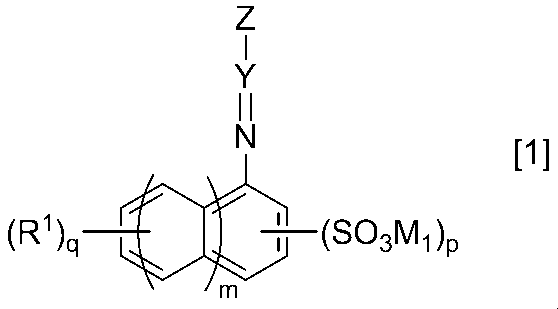
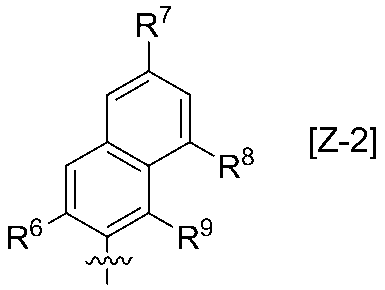
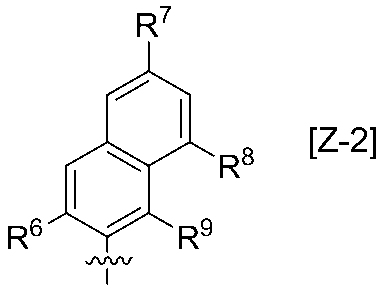
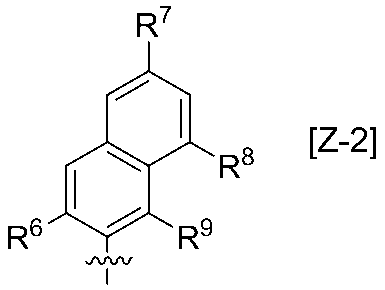
- Z represents A group represented by the general formula [Z-1], a group represented by the general formula [Z-2] or a group represented by the general formula [Z-3].
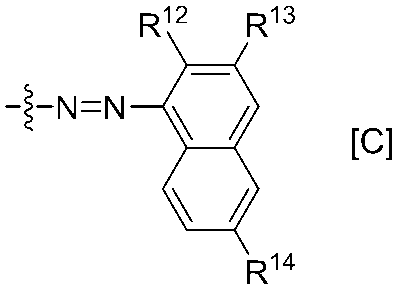
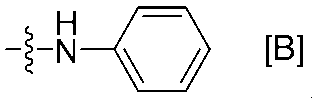
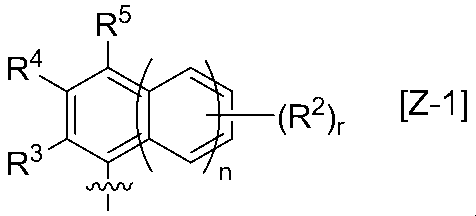
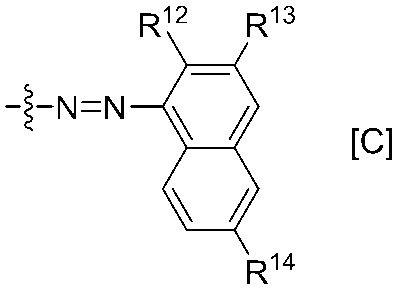
- R 5 represents a hydrogen atom, a phenylamino group represented by the formula [B] or a naphthylazo group represented by the general formula [C], and n is , 0 or 1 and r represents an integer of 0 to 4.
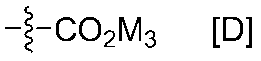
- each of p M 1 independently represents a hydrogen atom or an alkali metal atom, and each of q R 1 independently represents a hydroxyl group or a sulfonic acid group represented by the general formula [A].
- M represents 0 or 1
- p represents an integer of 1 to 3
- q represents an integer of 0 to 4
- Y represents a nitrogen atom or a CH group (methine group)
- Z represents A group represented by the general formula [Z-1], a group represented by the general formula [Z-2] or a group represented by the general formula [Z-3].
- the stabilizer of the present invention is a compound having a specific structure having an azo group or an imino group and a benzenesulfonic acid group.
- the stabilizer of the present invention is allowed to coexist in L-012 or a salt thereof, L-012 or While maintaining the light emission amount of the salt itself, it is possible to suppress a decrease in light emission intensity (decrease in measurement sensitivity) of L-012 or the salt due to decomposition (deterioration) by light or the like.
- composition of the present invention and the kit for measuring luminescence of the present invention comprise L-012 or a salt thereof and a compound represented by the above general formula [1] (stabilizer of the present invention).
- stabilizer of the present invention In the manufacturing process of the product or the kit and its use (measurement), the decrease in the emission intensity of L-012 or its salt (decrease in measurement sensitivity) due to exposure is suppressed, and if this is used, it is highly sensitive and accurate.
- the target substance can be measured well.
- the salt of the compound represented by the formula [X-1] means a compound in which a carbonyl group of a pyridopyridazine ring in the compound is enolized to form a salt with a monovalent or divalent cation.
- monovalent cations include alkali metal ions such as sodium ion, potassium ion and lithium ion, for example, ammonium ions such as methylammonium ion, ethylammonium ion, propylammonium ion and butylammonium ion.
- Monoalkylammonium ions such as dimethylammonium ions, diethylammonium ions, dipropylammonium ions, dibutylammonium ions and the like, such as trialkylammonium ions, triethylammonium ions, tripropylammonium ions, tributyl.
- Trialkylammonium ions having 3 to 12 carbon atoms such as ammonium ions, such as tetramethylammonium Ion, tetraethylammonium ion, tetrapropylammonium ion, tetraalkylammonium ion having a carbon number of 4-16 such as tetrabutylammonium ion, pyridinium ion, an ammonium ion or the like of hydrazinium ion, and the like.
- divalent cations include alkaline earth metal ions such as magnesium ions and calcium ions. Of these monovalent or divalent cations, sodium ion is preferred.
- each of p M 1 independently represents a hydrogen atom or an alkali metal atom, and each of q R 1 independently represents a hydroxyl group or a sulfonic acid group represented by the general formula [A].
- M represents 0 or 1
- p represents an integer of 1 to 3
- q represents an integer of 0 to 4
- Y represents a nitrogen atom or a CH group (methine group)
- Z represents A group represented by the general formula [Z-1], a group represented by the general formula [Z-2] or a group represented by the general formula [Z-3].
- R 5 represents a hydrogen atom, a phenylamino group represented by the formula [B] or a naphthylazo group represented by the general formula [C], and n is , 0 or 1 and r represents an integer of 0 to 4.
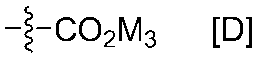
- the alkali metal atom represented by p M 1 in the general formula [ 1 ], M 2 in the general formula [A], and M 3 in the general formula [D] is preferably a lithium atom, a sodium atom, or a potassium atom. However, a sodium atom is preferable.
- R 2 in the general formula [Z-1] it is preferable that all R 2 are sulfonic acid groups represented by the general formula [A].
- R 3 in the general formula [Z-1] is preferably a hydroxyl group.
- R 4 in the general formula [Z-1] is preferably a hydrogen atom.
- R 5 is preferably a hydrogen atom.
- R 6 and R 7 in the general formula [Z-2] are preferably sulfonic acid groups represented by the general formula [A].
- R 10 in the general formula [Z-3] is preferably a carboxylic acid group represented by the general formula [D].
- R 11 in the general formula [Z-3] it is preferable that all R 11 are sulfonic acid groups represented by the general formula [A].
- R 12 in the general formula [C] is preferably a hydroxyl group.
- R 13 and R 14 in the general formula [C] are preferably sulfonic acid groups represented by the general formula [A].
- n in the general formula [Z-1] is 0, it represents a benzene ring, and when n is 1, it represents a naphthalene ring. Note that when n is 0, a group represented by the r R 2 means that there is no.
- an integer of 1 to 2 is preferable, and among them, 1 is more preferable.
- the p sulfonic acid groups represented by —SO 3 M 1 in the general formula [1] are the carbon atom at the 1-position of the benzene ring or naphthalene ring to which the group represented by —N ⁇ YZ is bonded. In this case, it is preferably bonded to the 3- or 4-position carbon atom of the benzene ring or naphthalene ring.
- Q in the general formula [1] is preferably an integer of 0 to 2, and more preferably 0 or 2.
- q when q is 0, it means that the group represented by R 1 does not exist.
- the q groups represented by R 1 in the general formula [1] are those in which the carbon atom to which the group represented by —N ⁇ YZ is bonded is the 1-position carbon atom of the naphthalene ring. It is preferably bonded to the 6th or 8th carbon atom.
- r is preferably 2. In addition, when r is 0, it means that the group represented by R 2 does not exist.
- the s R 11 groups are defined as the 4-position carbon atom of the benzene ring when the carbon atom to which the pyrazoline ring is bonded is the 1-position carbon atom of the benzene ring. Bonding is preferred.
- the group represented by the general formula [Z-3] (the structure represented by the general formula [Z-3]) is the group represented by the general formula [Z-4] (the structure represented by the general formula [Z-4]). May isomerize. In the present invention, even if the stabilizer represented by the general formula [1] has a structure (enol type) represented by the general formula [Z-4], Included).
- the stabilizers represented by the above formulas [1-1] to [1-6] may form a salt with an alkali metal, for example, the formulas [1-7] to [1-12] The thing shown by is mentioned.
- the stabilizer of the present invention which is an alkali metal salt is not limited to those represented by the following formulas [1-7] to [1-12].
- the stabilizer of the present invention Since the stabilizer of the present invention has the specific structure represented by the above general formula [1], it does not adversely affect the measurement by coexisting with L-012 or a salt thereof, and it is also due to exposure. A decrease in measurement sensitivity can be suppressed.
- the stabilizer of the present invention is known as a general water-soluble dye. However, any water-soluble dye does not have the stabilizing effect of L-012 or a salt thereof, and the stabilizing effect of L-012 or a salt thereof is correlated with the maximum absorption wavelength of the dye. do not do. That is, the stabilizer of the present invention is characterized by a specific structure represented by the general formula [1] having an azo group or an imino group and having a resonance structure. Therefore, only the stabilizer of the present invention has both the stabilizing effect of L-012 or a salt thereof and the effect of not adversely affecting the measurement.
- the stabilizer represented by the general formula [2] is preferable.
- stabilizer represented by the above general formula [2] include those represented by the above formulas [1-1], [1-2], [1-7] and [1-8]. Can be mentioned.
- the stabilizer represented by the above general formula [2] does not adversely affect the measurement, and moreover can suppress the decrease in measurement sensitivity due to exposure more effectively. Play.
- the stabilizer represented by the general formula [2 ′] is preferable.
- the stabilizer of the present invention a commercially available one may be used, or one appropriately synthesized by a known method may be used.
- the stabilization method of the present invention is a method in which the compound represented by the above general formula [1] (the stabilizer of the present invention) is allowed to coexist with L-012 or a salt thereof.
- a method in which the compound represented by the above general formula [1] (the stabilizer of the present invention) can coexist in L-012 or a salt thereof As long as it is not limited, for example, (1) a compound represented by the general formula [1] (the stabilizer of the present invention) is added to a solution containing L-012 or a salt thereof, and L-012 or A method of allowing the compound represented by the general formula [1] (the stabilizer of the present invention) to coexist with the salt, and (2) a solution containing the compound represented by the general formula [1] (the stabilizer of the present invention).
- a salt and a compound represented by the general formula [1] (stabilizer of the present invention) are mixed with water. It was added to a solution such as an appropriate buffer, a method to coexist compound represented by the general formula [1] (stabilizing agent of the present invention) to L-012 or its salt.
- the stabilizer of the present invention as the compound represented by the general formula [1] (the stabilizer of the present invention), one type of compound (stabilizer) may be used alone, or two or more types of compounds may be used. (Stabilizer) may be used in combination.
- the stabilization method of the present invention as a solution to be contained in L-012 or a salt thereof, and / or a compound represented by the general formula [1] (the stabilizer of the present invention), those used in this field If it is, it will not restrict
- the water used for the stabilization method of the present invention is not particularly limited as long as it is water used in this field, and specific examples include purified water such as distilled water and deionized water.
- the buffer for the stabilization method of the present invention is not particularly limited as long as it is a buffer used in this field.
- ACES N- (2-acetamido) -2-aminoethanesulfonic acid
- ADA N- (2-acetamido) iminodiacetic acid
- BES N-bis (2-hydroxyethyl) -2-aminoethanesulfonic acid
- BES N, N-bis (2-hydroxyethyl) Bicine, bis (2-hydroxyethyl) iminotris (hydroxyethyl) methane (Bis-Tris)
- N-cyclohexyl-3-aminopropanesulfonic acid CAPS
- CAPSO N-cyclohexyl-2-hydroxy-3-aminopropane Sulfonic acid
- CHES N-cyclohexyl-2-aminoethanesulfonic acid
- buffer solutions may be used alone or in combination of two or more buffer solutions such as sodium hydroxide and potassium hydroxide.
- a buffer solution may be combined with an alkali metal hydroxide.
- Specific examples of buffer combinations include 3- [4- (2-hydroxyethyl) -1-piperazinyl] propanesulfonic acid (EPPS) / sodium hydroxide buffer, 2-hydroxy-3- [4- (2 -Hydroxyethyl) -1-piperazinyl] propanesulfonic acid (HEPPSO) / sodium hydroxide buffer, boric acid / sodium hydroxide buffer and the like.
- the concentration of the compound represented by the general formula [1] (stabilizer of the present invention) in the stabilization method of the present invention is as follows: in a solution such as a reagent containing L-012 or a salt thereof or a measurement solution (luminescent substrate solution) If it is the density
- the lower limit of the concentration of the compound represented by the general formula [1] (the stabilizer of the present invention) in the solution containing 012 or a salt thereof is usually 0.001 ⁇ M or more, preferably 0.01 ⁇ M or more, more preferably Is 0.05 ⁇ M or more, and the upper limit is usually 1000 ⁇ M or less, preferably 800 ⁇ M or less, more preferably 500 ⁇ M or less.
- the concentration of L-012 or a salt thereof in the stabilization method of the present invention may be appropriately selected from a concentration range used in the field of chemiluminescence measurement, and specifically, L-012 or a salt thereof in a solution.
- the salt concentration the lower limit is usually 0.01 mM or more, preferably 0.1 mM or more, more preferably 0.3 mM or more, and the upper limit is usually 5 mM or less, preferably 2 mM or less, more preferably 1 mM or less. .
- the concentration ratio of the compound shown (the stabilizer of the present invention) is not particularly limited as long as it is a concentration ratio capable of stabilizing L-012 or a salt thereof.
- L in solution The lower limit of the concentration of the compound represented by the general formula [1] (stabilizer of the present invention) in the solution is usually 0.002 ⁇ M or more, preferably 0.
- the upper limit is usually 2000 ⁇ M or less, preferably 1600 ⁇ M or less, more preferably 1000 ⁇ M or less.
- the concentration of the buffering agent in the buffer solution in the stabilization method of the present invention may be appropriately selected from the range of usually 10 to 500 mM, preferably 10 to 300 mM.
- the pH of the buffer solution in the stabilization method of the present invention may be appropriately selected from the range of usually pH 3 to 12, preferably pH 5 to 10, more preferably pH 6.5 to 9.
- the stabilization method of the present invention in addition to the compound represented by the general formula [1] (the stabilizer of the present invention), L-012 or a salt thereof, and water or / and a buffer solution, for example, sodium azide and the like
- Preservatives such as sugars such as maltose, sucrose and trehalose, stabilizers such as proteins, salts such as sodium chloride and magnesium chloride, such as 5-chloro-2-methyl-4-isothiazoline-3-one, 2 -Methyl-4-isothiazolin-3-one, 5-bromo-5-nitro-1,3-dioxane, preservatives such as (+)-10-camphorsulfonic acid, surfactants, etc.
- the additive may be coexistent.
- the addition amount of these additives may be appropriately set within the range used in this field.
- the stabilization method of the present invention performed based on the specific method described above suppresses the decomposition (deterioration) of L-012 or a salt thereof by exposure, stabilizes L-012 or a salt thereof for a long period of time, and consequently, L- This is a method capable of suppressing a decrease in emission intensity (decrease in measurement sensitivity) of 012 or a salt thereof.
- the general formula [1] is used when a reagent or a measurement solution (luminescent substrate solution) containing L-012 or a salt thereof is used. Since the compound shown (the stabilizer of the present invention) does not adversely affect the measurement, the target substance can be measured with high sensitivity and accuracy.
- composition of the present invention comprises L-012 or a salt thereof and the compound represented by the above general formula [1] (the stabilizer of the present invention).
- the stabilizer of the present invention In (at the time of measurement), a decrease in light emission intensity of L-012 or a salt thereof (a decrease in measurement sensitivity) due to exposure is suppressed.
- the target substance in the living body can be measured with high sensitivity and high accuracy.
- composition of the present invention is generally in a solution state, but may be in a frozen state or a lyophilized state.
- composition of the present invention contains L-012 or a salt thereof in the above concentration range and the compound represented by the general formula [1] in the above concentration range (stabilizer of the present invention) in the above concentration ratio. To do.
- composition of the present invention when the composition of the present invention is in a solution state, L-012 or a salt thereof and the compound represented by the general formula [1] (the stabilizer of the present invention) are respectively described in an appropriate solution. What is necessary is just to contain so that it may become a density
- L-012 or a salt thereof and a compound represented by the general formula [1] (the stabilizer of the present invention) May be contained so that the concentration at the time of preparation with the dissolving solution becomes the above-described concentration range and concentration ratio, respectively.
- Examples of the solution used in the composition of the present invention include those similar to the specific examples of water and buffer used in the above-described stabilization method of the present invention, and the use concentration and pH are also in the above range. It is the same.
- additives used in this field coexist.
- additives include those similar to the specific examples of additives in the stabilization method of the present invention, and the amount of the additive may be appropriately set within the range used in this field. That's fine.
- the compound represented by the general formula [1] (the stabilizer of the present invention) can be used in any luminescence measurement method in which L-012 or a salt thereof is present in the reaction system.
- Such a luminescence measurement method include a method for detecting and measuring chemiluminescence generated by the reaction of an oxidizing agent such as hydrogen peroxide with L-012 or a salt thereof. , Various methods known per se, such as a sandwich method, a competitive method, and a two-antibody method.
- chemiluminescence measurement utilizing the reaction between an oxidant and L-012 or a salt thereof include a method of causing chemiluminescence by reacting a catalyst in a sample with an oxidant and L-012 or a salt thereof, Examples include a method of causing chemiluminescence by reacting an oxidizing agent in a sample with a catalyst and L-012 or a salt thereof.
- the catalyst examples include transition metal complexes containing iron ions such as potassium ferricyanide, copper ions, cobalt ions, etc., enzymes such as peroxidase (POD) and catalase, biological components such as hemoglobin, etc. Enzymes such as peroxidase (POD) and catalase are preferred, and peroxidase (POD) is more preferred.
- the above-mentioned peroxidase (POD) is not particularly limited as long as L-012 or a salt thereof can be chemiluminescent in the presence of an oxidizing agent such as hydrogen peroxide.
- an oxidizing agent such as hydrogen peroxide.
- Specific examples include those derived from plants such as horseradish, pineapple and fig, such as those derived from microorganisms such as mold and yeast, such as those derived from leukocytes of animals, thyroid gland, etc. Those derived from horseradish are preferred.
- Such peroxidase (POD) is produced by genetic engineering or obtained by hydrolyzing part of the structure of a naturally derived peroxidase (POD) with a proteolytic enzyme or the like. In addition, those having POD activity are also included.
- the peroxidase (POD) may be itself (unmodified) or may be chemically modified with, for example, an antigen or an antibody.
- oxidizing agent examples include hydrogen peroxide, sodium peroxide, sodium perchlorate, potassium perchlorate, sodium permanganate, potassium permanganate, iodine, and the like. Among them, hydrogen peroxide is preferable. . Note that these oxidizing agents may be commercially available.
- a sensitizer (enhancer) is used in addition to L-012 or a salt thereof, the compound represented by the general formula [1] (the stabilizer of the present invention), a catalyst and an oxidizing agent. May be.
- the above-described sensitizer (enhancer) is not particularly limited as long as it is a sensitizer (enhancer) used in this field.
- thiazo- such as 4- (4-hydroxyphenyl) thiazole
- imidazole derivatives such as 4- (imidazol-1-yl) phenol
- oxazole derivatives such as 4- (4-hydroxyphenyl) oxazole, for example p-iodophenol
- 4-hydroxycinnamic acid examples include phenol derivatives such as 4- (4′-thiazolyl) phenol, naphthol derivatives such as 1-bromonaphthol, and, among others, thiazo- such as 4- (4-hydroxyphenyl) thiazole.
- these sensitizers include one type of sensitizer (enhancer) may be used alone, or two or more types of sensitizers (enhancer) may be used in combination.
- These sensitizers (enhancers) may be commercially available.
- the amount of L-012 or a salt thereof used in the above-described chemiluminescence measurement cannot be generally described because it may vary depending on the measurement mode.
- a normal concentration of 0.01 to 5 mM 5 ⁇ L to 1 mL, preferably in a concentration of 0.1 to 2 mM, 10 to 500 ⁇ L, more preferably in a concentration of 0.3 to 1 mM, 20 to 300 ⁇ L. is there.
- the amount of L-012 or a salt thereof to be used is 5 ⁇ L to 1 mL at a normal concentration of 0.01 to 5 mM with respect to 25 ⁇ L of the sample, preferably A concentration of 0.1 to 2 mM is 10 to 500 ⁇ L, and a concentration of 0.3 to 1 mM is more preferably 20 to 300 ⁇ L.
- the amount of the compound represented by the general formula [1] used in the above chemiluminescence measurement cannot be generally described because it may vary depending on the measurement mode. In the case of measuring 25 ⁇ L of sample, it is 5 ⁇ L to 1 mL with a normal concentration of 0.001 to 1000 ⁇ M, preferably 10 to 500 ⁇ L with a concentration of 0.01 to 800 ⁇ M, more preferably 0 concentration. .05-500 ⁇ M and 20-300 ⁇ L.
- the amount of the compound represented by the general formula [1] used (the stabilizer of the present invention) is usually 0.001 to 1000 ⁇ M with respect to 25 ⁇ L of the sample. 5 to 1 mL, preferably 10 to 500 ⁇ L at a concentration of 0.01 to 800 ⁇ M, more preferably 20 to 300 ⁇ L at a concentration of 0.05 to 500 ⁇ M.
- the concentration of the compound represented by (the stabilizer of the present invention) ⁇ the concentration ratio of the compound represented by the general formula [1] (the stabilizer of the present invention) to L-012 or a salt thereof ⁇ is usually 0.002 ⁇ M or more, preferably 0 with respect to the concentration of L-012 or a salt thereof of 1 mM. 0.02 ⁇ M or more, more preferably 0.1 ⁇ M or more, and the upper limit is usually 2000 ⁇ M or less, preferably 1600 ⁇ M or less, more preferably 1000 ⁇ M or less.
- the amount of catalyst used in the chemiluminescence measurement described above may not be unconditional because it may vary depending on the type of catalyst used and the mode of measurement.
- the catalyst is peroxidase (POD), and the total light emission amount.
- POD peroxidase
- it is usually 5 ⁇ L to 1 mL at a concentration of 0.1 to 200 U / mL, preferably 10 to 500 ⁇ L at a concentration of 0.2 to 100 U / mL, The concentration is preferably 0.5 to 50 U / mL and 20 to 300 ⁇ L.
- the amount of peroxidase (POD) to be used is 5 ⁇ L to 1 mL at a normal concentration of 0.1 to 200 U / mL with respect to 25 ⁇ L of the sample, preferably A concentration of 0.2 to 100 U / mL is 10 to 500 ⁇ L, and a concentration of 0.5 to 50 U / mL is more preferably 20 to 300 ⁇ L.
- the amount of oxidant used in the chemiluminescence measurement described above may not be unconditional because it may vary depending on the type of oxidant used and the mode of measurement.
- the oxidant is hydrogen peroxide
- it is usually 5 ⁇ L to 1 mL at a concentration of 0.3 ⁇ M to 0.1 mM, preferably 10 to 500 ⁇ L at a concentration of 0.5 to 500 ⁇ M, more preferably 25 ⁇ L of the sample.
- the concentration is preferably 0.7 to 200 ⁇ M and 20 to 300 ⁇ L.
- the amount of hydrogen peroxide to be used is 2.5 to 500 ⁇ L with a normal concentration of 0.3 ⁇ M to 0.1 mM with respect to 25 ⁇ L of the sample. Is 5 to 250 ⁇ L at a concentration of 0.5 to 500 ⁇ M, more preferably 10 to 150 ⁇ L at a concentration of 0.7 to 200 ⁇ M.
- the amount of the sensitizer (enhancer) used in the chemiluminescence measurement described above cannot be generally described because it may vary depending on the type of sensitizer (enhancer) used and the mode of measurement.
- (enhancer) is a thiazole derivative and the total amount of luminescence is measured, it is usually 5 ⁇ L to 1 mL with a concentration of 0.1 ⁇ M to 10 mM, preferably 1 ⁇ M to 2 mM with respect to 25 ⁇ L of the sample.
- the concentration is 10 to 500 ⁇ L, more preferably 20 to 300 ⁇ L at a concentration of 100 ⁇ M to 1 mM.
- the amount of thiazole derivative to be used is 5 ⁇ L to 1 mL with a normal concentration of 0.1 ⁇ M to 10 mM, preferably 1 ⁇ M to 2 mM, with respect to 25 ⁇ L of the sample. 10 to 500 ⁇ L, more preferably 20 to 300 ⁇ L at a concentration of 100 ⁇ M to 1 mM.
- a surfactant and an activator are used in the measurement system.
- Additives used in this field may be added. Moreover, what is necessary is just to set suitably as the addition amount of these additives from the range used in this field
- the luminescence reaction of L-012 or a salt thereof in the above-described chemiluminescence measurement may be usually performed under the conditions of pH 3 to 12, preferably pH 5 to 10, more preferably pH 6.5 to 9.
- the pH can be adjusted by adjusting the pH of a solution such as a measurement solution (luminescent substrate solution).
- a solution such as a measurement solution (luminescent substrate solution).
- the pH may be adjusted by using a buffer containing an inventive stabilizer), a catalyst or an oxidizing agent.
- a buffer solution include those similar to the specific examples of the buffer solution mentioned in the stabilization method of the present invention, and the use concentration thereof is also in the above range.
- the luminescence reaction of L-012 or a salt thereof in the chemiluminescence measurement described above and the subsequent luminescence measurement may be usually performed under a temperature condition of 10 to 60 ° C., preferably 15 to 50 ° C., more preferably 20 to 45 ° C. .
- the luminescence reaction of L-012 or a salt thereof and the subsequent luminescence measurement time are usually 10 seconds to 30 minutes, preferably 30 seconds to 20 minutes, more preferably 30 seconds to 10 minutes.
- an antigen-antibody reaction is performed to form an enzyme-labeled immune complex, and the complex is used for the chemiluminescence measurement described above.
- the antigen-antibody reaction may be performed under the same pH and temperature conditions as the luminescence reaction of L-012 or a salt thereof in the chemiluminescence measurement described above.
- the reaction time of the antigen-antibody reaction described above is usually 10 seconds to 120 minutes, preferably 30 seconds to 60 minutes, and more preferably 1 to 30 minutes.
- an antibody against a specific component labeled with peroxidase (POD) (labeled antibody) reacts with the specific component to produce an immune complex of the specific component and labeled antibody
- POD peroxidase
- the compound represented by the general formula [1] (the stabilizer of the present invention) are preferably used.
- HBs antibody hepatitis B virus surface antibody
- hepatitis B virus surface antigen (hereinafter sometimes abbreviated as HBs antigen) may be bound to a suitable automatic analyzer equipped with a mechanism for making the atmosphere around the reaction container and / or the reaction container in the photometric chamber constant.
- a solution containing magnetic particles, a solution containing peroxidase (POD) -labeled HBs antigen, L-012 or a salt thereof, a compound represented by the general formula [1] (stabilizer of the present invention) and a sensitizer (enhancer) 4 -A solution containing (4-hydroxyphenyl) thiazole (a luminescent substrate solution) and a hydrogen peroxide-containing solution are loaded.
- the machine is started and the sample containing HBs antibody and the solution containing HBs antigen-binding magnetic particles are reacted to form a “HBs antigen-binding magnetic particle-HBs antibody” complex, and B / F separation is performed.
- B / F separation is performed.
- a POD-labeled HBs antigen-containing solution is added to the solution containing the “HBs antigen-binding magnetic particle-HBs antibody” complex, and reacted to obtain a “HBs antigen-binding magnetic particle-HBs antibody-POD-labeled HBs antigen” complex.
- B / F separation Subsequently, the luminescent substrate solution and the hydrogen peroxide-containing solution are added to the magnetic particles subjected to B / F separation, and after mixing, the light emission of the sample may be measured.
- the magnetic particles in the chemiluminescence measurement described above are not particularly limited as long as they are magnetic particles used in this field, and commercially available particles may be used, or those appropriately synthesized by known methods may be used. .
- the production of magnetic particles bound with an antigen or antibody such as HBs antigen-binding magnetic particles using the magnetic particles may be performed according to a method known per se.
- the sample is reacted with various reagents by a method to cause a luminescence reaction, and then the reaction vessel is changed to a reaction vessel or / And may be set in a spectroscopic measuring device having a mechanism for making the atmosphere around the reaction vessel in the photometric chamber constant, and the light emission of the sample may be measured.
- the measurement system of HBs antibody was taken as an example, but various compounds can be used by using the compound represented by the general formula [1] (the stabilizer of the present invention) and L-012 or a salt thereof.
- the target substance (substance to be measured) can be measured.
- Such target substances (substances to be measured) are not particularly limited as long as antibodies or antigens can be obtained by any method, for example, drugs having biological and clinical significance, metabolism
- substances to be measured that are usually considered to be measurable by complement immunoassay, such as substances, vitamins, insecticides, steroids, peptides, hormones, hepatitis markers, cancer markers, antibodies and serum proteins, can be mentioned.
- endocrine function-related substances include thyroid stimulating hormone (TSH), parathyroid hormone (iPTH), growth hormone (GH), somatomedin C (IGF-1), luteinizing hormone (LH), follicle stimulating hormone. (FSH), prolactin (PRL), adrenocorticotropic hormone (ACTH), vasopressin, oxytocin, somatostatin, enkephalin, ⁇ -endorphin, thyroxine, triiodothyronine, thyroglobulin, antithyroglobulin antibody, anti-T3 antibody, anti-T4 antibody, Anti-TSH antibody, calcitonin, catecholamine, dopamine, serotonin, aldosterone, renin, angiotensin, cortisol, deoxycortisol, cortisone, corticosterone, deoxycorticosterone, andros Teron, progesterone, pregnenolone, estrogen, esters,
- tumor-related substances include CEA, ferritin, ⁇ 2-microglobulin, elastase, ⁇ -fetoprotein, nerve-specific enolase, prostate-specific antigen, CA19-9, etc., drugs, vitamins Related substances include, for example, phenobarbital, phenytoin, carbamazepine, primidone, ethosuximide, valproic acid, acetazolamide, sultiam, Tethimide, clonazepam, nitrazepam, diazepam, pentobarbital, secobarbital, bupivacaine, mepivacaine, lidocaine, procainamide, quinidine, digoxin, dichitoxin, theophylline, amitriptyline, imipramine, amikacin, gentamicin, tobramytotoxate , Cyclosporine, methylprednisolone, salicylic acid, acetaminoph
- plasma protein-related substances include albumin, ⁇ 1-microglobulin, ⁇ 1-antitrypsi , ⁇ 2-macroglobulin, haptoglobulin, hemopexin, transferrin, myoglobin, IgG, IgM, IgA, IgD, IgE, fibrinogen, antithrombin, plasminogen, antiplasmin, protein C, rheumatoid factor, anti-DNA antibody, C reaction
- viruses and infectious disease-related substances include HBs antigen, HBs antibody, HBc antibody, HTLV-I antibody, HTLV-III antibody, TPHA, various viral antigens, various viral antibodies, and the like.
- TSH thyroid stimulating hormone
- iPTH parathyroid hormone
- aldosterone renin
- cortisol cortisol
- HBs antibody and HBc antibody
- the concentration of these target substances (measurement target substances) in chemiluminescence measurement may be appropriately selected from the concentration range in this field according to the type of target substance (measurement target substance).
- the compound represented by the general formula [1] (the stabilizer of the present invention) is allowed to coexist with L-012 or a salt thereof. Even if the measurement solution (luminescent substrate solution) containing 012 or a salt thereof is exposed, a decrease in the emission intensity (decrease in measurement sensitivity) of L-012 or a salt thereof can be suppressed, and L-012 or Since the amount of luminescence of the salt itself does not adversely affect, the target substance (measurement target substance) can be measured with high sensitivity and accuracy without adversely affecting the measurement.
- the stabilizer of the present invention is allowed to coexist with L-012 or a salt thereof, the measurement solution (luminescent substrate solution) containing L-012 or a salt thereof need not be shielded from light, so that the measurement can be performed more easily. There is an effect.
- the luminescence measurement kit of the present invention is used in a method utilizing the chemiluminescence of L-012 or a salt thereof.
- L-012 or a salt thereof is used. It contains per se known reagents such as catalysts and oxidants used in the chemiluminescence measurement method, L-012 or a salt thereof and the compound represented by the above general formula [1] (stabilizer of the present invention).
- the luminescence measurement kit of the present invention include, for example, L-012 or a salt thereof, a kit containing the compound represented by the general formula [1] (the stabilizer of the present invention) and an oxidizing agent, such as L-012 or Kit containing the salt, compound represented by general formula [1] (stabilizer of the present invention) and catalyst, for example, L-012 or a salt thereof, compound represented by general formula [1] (stabilizer of the present invention ), A kit containing an oxidizing agent and a catalyst, and the like.
- the content of L-012 or a salt thereof, the compound represented by the general formula [1] (stabilizer of the present invention) and reagents contained in the luminescence measurement kit of the present invention is as follows. If the final concentration and concentration ratio of each component such as L-012 or a salt thereof, the compound represented by the general formula [1] (the stabilizer of the present invention) and reagents are within the above-mentioned range, Good.
- the luminescence measurement kit of the present invention is used in this field such as a sensitizer (enhancer), an activator, a preservative, a stabilizer, a preservative, and a surfactant.
- a sensitizer an activator
- a preservative a stabilizer
- a preservative a surfactant
- an additive may be included.
- what is necessary is just to set suitably as content of these additives from the range used in this field
- Examples of the luminescence measurement kit of the present invention containing such additives and the like include the following.
- C) hydrogen peroxide C) hydrogen peroxide
- F) magnetic particles A kit for measuring luminescence.
- the form in the kit for luminescence measurement of the present invention described above may be in a solution state, a frozen state, or a lyophilized state.
- the sample was exposed to light from a 450 Lx fluorescent lamp for 30 minutes (exposure light emission measurement reagent first liquid), and the other was shielded from light by covering the test tube with aluminum foil (light-shielding light emission measurement reagent first liquid).
- the first reagent for exposure luminescence measurement (1-A solution, 1-B solution, 1-C solution) or the first light-shielding luminescence measurement reagent solution (1-A solution, 1-B).
- Solution, 1-C solution 100 ⁇ L of luminescence measurement reagent second solution at the same time, and luminescence reaction at 37 ° C. for 43 seconds, and luminescence measurement reagent first solution and second solution were added simultaneously.
- the average amount of luminescence in 43 to 45 seconds was measured with a luminescence detector (Lumat LB9507: manufactured by Berto Japan).
- the light stabilizing effect of various stabilizers or water-soluble dyes was evaluated. That is, the closer the light emission ratio is to 100%, the higher the light stabilizing effect of various stabilizers or water-soluble dyes on L-012 (sodium salt thereof), and the addition of stabilizers or water-soluble dyes.
- the luminescence amount ratio was 64%, so it was included in the luminescence measurement reagent No. 1-A solution showing a luminescence amount ratio of 70% or more.
- Stabilizers or water-soluble dyes were evaluated as stabilizers or water-soluble dyes that have a high light stabilizing effect and can suppress a decrease in measurement sensitivity during exposure.
- the luminescence measurement reagent for the light-shielded luminescence amount (L-012 luminescence amount) in each luminescence measurement reagent 1-A solution or 1-B solution
- the reagent 1-A for luminescence measurement which showed L-012 luminescence amount higher than luminol luminescence amount (127,400 cps), has higher measurement sensitivity and higher sensitivity than luminescence measurement using luminol luminescence. It was evaluated as a reagent (L-012 luminescent reagent) that enables measurement.
- the stabilizer or the water-soluble dye contained in the luminescence measurement reagent No. 1-A showing a relative sensitivity of 100% or more is high without adversely affecting the luminescence intensity of L-012. It was evaluated as a stabilizer or a water-soluble dye capable of measuring sensitivity.
- anti-renin monoclonal antibody (mouse) -bound magnetic particles This was diluted with 50 mM MES buffer (pH 5.5) to a concentration of 0.5 mg / mL as the concentration of anti-renin monoclonal antibody-bound magnetic particles, and a reagent containing antibody-bound magnetic particles (anti-renin monoclonal).
- Antibody (mouse) bound magnetic particle reagent) was prepared and stored refrigerated (2-10 ° C.) until used for measurement.
- buffer for immune reaction A 50 mM 3- (N-morpholino) propanesulfonic acid (MOPS) buffer (pH 7.0) was prepared to obtain a buffer for immune reaction. Refrigerated (2-10 ° C.) until used for measurement.
- MOPS propanesulfonic acid
- the renin concentration prepared with 10-50 ⁇ g of a reagent containing antibody-bound magnetic particles (anti-renin monoclonal antibody (mouse) -bound magnetic particle reagent) and 15 mM phosphate buffer (pH 7.2) containing 1% bovine serum albumin.
- 25 ⁇ L of a standard renin solution of 25 pg / mL and 50 ⁇ L of an immune reaction buffer solution are added to a test tube, mixed, and reacted at 37 ° C. for 3 minutes to give an “anti-renin monoclonal antibody (mouse) -bound magnetic particle-renin” complex.
- the body was formed.
- the magnetic particles are collected with a neodymium magnet, and the liquid is sucked and removed with an aspirator. Then, 100 ⁇ L of physiological saline is added to disperse the magnetic particles. I went twice. Subsequently, 50 ⁇ L of an enzyme labeling reagent (POD-labeled anti-renin monoclonal antibody (mouse) reagent) was added to the test tube and reacted at 37 ° C. for 3 minutes to give “anti-renin monoclonal antibody (mouse) -bound magnetic particle-renin-POD labeling”. An “anti-renin monoclonal antibody (mouse)” complex was formed.
- POD-labeled anti-renin monoclonal antibody (mouse) reagent an enzyme labeling reagent
- the magnetic particles are collected with a neodymium magnet, and the liquid is sucked and removed with an aspirator. Then, 100 ⁇ L of physiological saline is added to disperse the magnetic particles, and the magnetic particles are collected and then the liquid is sucked and removed with an aspirator. I went twice. Finally, 100 ⁇ L each of the first reagent for exposure luminescence measurement (1-A liquid, 1-B liquid) or the first reagent for light-shielding luminescence measurement (1-A liquid, 1-B liquid, 1-C liquid) And 100 ⁇ L of the second reagent for luminescence measurement were simultaneously added, allowed to undergo a luminescence reaction at 37 ° C. for 43 seconds, and after adding the first and second liquids for luminescence measurement simultaneously, the average luminescence over 43 to 45 seconds. The amount was measured with a luminescence detector (Lumat LB9507: manufactured by Bertoled Japan).
- the light stabilizing effect of various stabilizers or water-soluble dyes was evaluated. That is, the closer the light emission ratio is to 100%, the higher the light stabilizing effect of various stabilizers or water-soluble dyes on L-012 (sodium salt thereof), and the addition of stabilizers or water-soluble dyes.
- the luminescence amount ratio was 75%, and therefore included in the luminescence measurement reagent No. 1-A solution showing an luminescence amount ratio of 80% or more.
- Stabilizers or water-soluble dyes were evaluated as stabilizers or water-soluble dyes that have a high light stabilizing effect and can suppress a decrease in measurement sensitivity during exposure.
- the luminescence measurement reagent for the light-shielded luminescence amount (L-012 luminescence amount) in each luminescence measurement reagent 1-A solution or 1-B solution
- the reagent 1-A for luminescence measurement which showed L-012 luminescence amount higher than luminol luminescence amount (645,938 cps) has higher measurement sensitivity and higher sensitivity than luminescence measurement utilizing luminol luminescence. It was evaluated as a reagent (L-012 luminescent reagent) that enables measurement.
- the stabilizer or the water-soluble dye contained in the luminescence measurement reagent No. 1-A showing a relative sensitivity of 100% or more is high without adversely affecting the luminescence intensity of L-012. It was evaluated as a stabilizer or a water-soluble dye capable of measuring sensitivity.
- the stabilizer of the present invention azomethine H, neucoccin and tartrazine, can suppress the decrease in measurement sensitivity due to exposure (light stabilization effect), and L-012 (sodium salt thereof) ) Has a small influence on the emission intensity, and it has been found that both have the effect of enabling high-sensitivity measurement.
- distilled water was added, the cap was closed, the polyethylene bottle was slowly inverted and stirred twice, the magnetic particles were collected with a neodymium magnet, and the liquid was sucked and removed with an aspirator to wash the magnetic particles. This washing operation was performed three times. Further, the washed magnetic particles were added to a polyethylene bottle with a lid containing 8 mL of 15 mM phosphate buffer (pH 7.2) containing HBs antigen (manufactured by TRINA BIOREACTIVES AG) at a concentration of 2.24 mg / mL, The reaction was performed at 25 ° C. for 2 hours.
- 15 mM phosphate buffer pH 7.2
- HBs antigen manufactured by TRINA BIOREACTIVES AG
- the magnetic particles are collected with a neodymium magnet, washed with physiological saline, and then added with a blocking solution ⁇ 50 mM MES buffer (pH 5.5) containing 0.5% Block Ace ⁇ at 37 ° C for 15 minutes.
- a blocking solution ⁇ 50 mM MES buffer (pH 5.5) containing 0.5% Block Ace ⁇ at 37 ° C for 15 minutes.
- HBs antigen-binding magnetic particles were prepared. This was treated with 50 mM 3- (N-morpholino) propanesulfonic acid (MOPS) buffer (pH 7.5) containing 0.5% Block Ace (manufactured by Snow Brand Milk Products Co., Ltd.) as the HBs antigen-binding magnetic particle concentration.
- MOPS N-morpholino propanesulfonic acid
- a reagent containing antigen-binding magnetic particles was prepared by diluting to a concentration of 0.5 mg / mL, and stored in a refrigerator (2 to 10 ° C.) until used for measurement.
- Luminescence Measurement Reagent Second Solution 67 ⁇ L of hydrogen peroxide solution (manufactured by Wako Pure Chemical Industries, Ltd., reagent grade, concentration 30% by weight) was charged into a 100 mL volumetric flask. Next, the volume of the solution was made up to 100 mL using distilled water, and mixed uniformly at 25 ° C. to prepare a reagent second solution for luminescence measurement. Refrigerated (2-10 ° C.) until used for measurement.
- the sample was exposed to light from a 450 Lx fluorescent lamp for 30 minutes (exposure light emission measurement reagent first liquid), and the other was shielded from light by covering the test tube with aluminum foil (light-shielding light emission measurement reagent first liquid).
- the HBs antibody concentration prepared with 10-50 ⁇ g of a reagent containing antigen-binding magnetic particles (HBs antigen-binding magnetic particle reagent) and 50 mM MOPS buffer (pH 7.5) containing 2% bovine serum albumin was 250 mIU / mL. 25 ⁇ L of standard HBs antibody solution was added to a test tube, mixed, and reacted at 37 ° C.
- the magnetic particles are collected with a neodymium magnet, and the liquid is sucked and removed with an aspirator. Then, 100 ⁇ L of physiological saline is added to disperse the magnetic particles, and the magnetic particles are collected and then the liquid is sucked and removed with an aspirator. I went twice. Finally, a reagent first solution for exposure luminescence measurement (1-A solution, 1-B solution, 1-C solution) or a light shielding luminescence measurement reagent first solution (1-A solution, 1-B solution, 1-C) 100 ⁇ L of each solution) and 100 ⁇ L of the second reagent for luminescence measurement were added at the same time, allowed to undergo a luminescence reaction at 37 ° C. for 43 seconds, and the first and second solutions for luminescence measurement were added at the same time. The average amount of luminescence per second was measured with a luminescence detector (Lumat LB9507: manufactured by Bertolu Japan).
- the light stabilizing effect of various stabilizers or water-soluble dyes was evaluated. That is, the closer the light emission ratio is to 100%, the higher the light stabilizing effect of various stabilizers or water-soluble dyes on L-012 (sodium salt thereof), and the addition of stabilizers or water-soluble dyes. Since the luminescence amount ratio was 67% when the luminescence measurement reagent No. 1-B solution was used, it was included in the luminescence measurement reagent No. 1-A solution showing a luminescence amount ratio of 72% or more. Stabilizers or water-soluble dyes were evaluated as stabilizers or water-soluble dyes that have a high light stabilizing effect and can suppress a decrease in measurement sensitivity during exposure.
- the luminescence measurement reagent for the light-shielded luminescence amount (L-012 luminescence amount) in each luminescence measurement reagent 1-A solution or 1-B solution
- the reagent 1-A for luminescence measurement which showed L-012 luminescence amount higher than the luminol luminescence amount (321,482 cps) has higher measurement sensitivity and higher sensitivity than the luminescence measurement utilizing luminol luminescence. It was evaluated as a reagent (L-012 luminescent reagent) that enables measurement.
- the stabilizer or the water-soluble dye contained in the luminescence measurement reagent No. 1-A showing a relative sensitivity of 100% or more is high without adversely affecting the luminescence intensity of L-012. It was evaluated as a stabilizer or a water-soluble dye capable of measuring sensitivity.
- azomethine H was added in such an amount that the final concentration at the time of chemiluminescence measurement was a predetermined concentration shown in Table 4, and further 3- [4- (2-hydroxyethyl) -1-piperazinyl] propanesulfonic acid
- the volume of the solution is made up to 100 mL using distilled water, and mixed uniformly at 25 ° C.
- a 1-A solution was prepared. Refrigerated (2-10 ° C.) until used for measurement.
- the mixture was reacted at 25 ° C. for 15 to 25 hours.
- the magnetic particles were collected with a neodymium magnet and washed with MES buffer, and then 8 mL of 0.03% glutaraldehyde aqueous solution was added and reacted at 25 ° C. for 2 hours.
- the magnetic particles were collected with a neodymium magnet and washed with MES buffer, followed by blocking solution ⁇ 0.5% Block Ace.
- Anti-mouse IgG polyclonal antibody (goat) -bound magnetic particles were prepared by adding 50 mM MES buffer (pH 5.5) containing (Snow Brand Milk Products Co., Ltd.) and reacting at 25 ° C. for 15 to 25 hours. . Further, after collecting magnetic particles with a neodymium magnet and sucking and removing the blocking solution with an aspirator, this was treated with MES buffer (pH 5.5), and the concentration of anti-mouse IgG polyclonal antibody-bound magnetic particles was 0.5 mg / mL. The reagent containing antibody-bound magnetic particles (anti-mouse IgG polyclonal antibody (goat) -bound magnetic particle reagent) was prepared and stored in a refrigerator (2-10 ° C.) until used for measurement.
- buffer for immune reaction buffer containing anti-aldosterone monoclonal antibody (mouse)
- buffer containing anti-aldosterone monoclonal antibody (mouse) To 100 mL of 200 mM N- [tris (hydroxymethyl) methyl] glycine (Tricine) buffer (pH 8.2), anti-aldosterone Monoclonal antibody (mouse) (manufactured by ITM Co., Ltd.) (0.1 mL) was added, and the mixture was stirred at 25 ° C. for 5 minutes to give 200 mM N-[-containing anti-aldosterone monoclonal antibody (mouse) at a concentration of 1 mL / L. Tris (hydroxymethyl) methyl] glycine buffer (pH 8.2) was prepared to obtain a buffer for immune reaction. Refrigerated (2-10 ° C.) until used for measurement.
- aldosterone prepared with 10-50 ⁇ g of a reagent (anti-mouse IgG polyclonal antibody (goat) -bound magnetic particle reagent) containing antibody-bound magnetic particles and a 15 mM phosphate buffer (pH 7.2) containing 1% bovine serum albumin.
- a reagent anti-mouse IgG polyclonal antibody (goat) -bound magnetic particle reagent
- 15 mM phosphate buffer pH 7.2
- bovine serum albumin 15 mM phosphate buffer
- the light stabilization effect of azomethine H (stabilizer) was evaluated. That is, the closer the luminescence ratio is to 100%, the higher the light stabilizing effect of azomethine H (stabilizer) on L-012 (sodium salt thereof).
- azomethine Judgment is made on whether or not the luminescence ratio is higher than the ratio of luminescence when the reagent 1-B for luminescence measurement without adding H (stabilizer) is used, and the aldosterone concentration range and light stability The relationship with the crystallization effect was evaluated.
- the luminescence measurement reagent for the light-shielded luminescence amount (L-012 luminescence amount) in each luminescence measurement reagent 1-A solution or 1-B solution
- the measurement sensitivity of azomethine H (stabilizer) was evaluated. That is, in each aldosterone concentration shown in Table 4, it was determined whether or not L-012 luminescence was higher than luminol luminescence, and the relationship between the aldosterone concentration range and measurement sensitivity was evaluated.
- azomethine H which is the stabilizer of the present invention, has the effect of suppressing a decrease in measurement sensitivity due to exposure in a wide concentration range of aldosterone of 0 to 800 pg / mL (light stabilization effect). And the effect of the L-012 (sodium salt thereof) on the luminescence intensity is small and high sensitivity measurement is possible. It was found that both the light stabilization effect and the high sensitivity measurement were possible regardless of the concentration of the substance.
- any one of the stabilizers of the present invention azomethine H, neucoccine, azochromotrope sulfanilate, methanyl yellow, Ponceau S, and tartrazine is stabilized with L-012 or a salt thereof.
- the stabilizer of the present invention shows a deterioration (decomposition) of L-012 or a salt thereof due to exposure because it shows a higher light emission ratio than when no stabilizer is used. It was found that it was suppressed (has a light stabilization effect).
- the stabilizer of the present invention coexists in a measurement solution (luminescent substrate solution) containing L-012 or a salt thereof, a decrease in measurement sensitivity due to exposure can be suppressed.
- the measurement solution (luminescent substrate solution) containing the salt does not need to be shielded from light, and can be used for measurement more easily.
- the stabilizer of the present invention is less likely to adversely affect the light emission amount of L-012 or a salt thereof, and can be measured with higher sensitivity than light emission measurement using luminol light emission. all right.
- the stabilizer of the present invention is allowed to coexist in a measurement solution (luminescent substrate solution) containing L-012 or a salt thereof, the target substance is highly sensitive and accurate without adversely affecting the measurement. (Substance to be measured) can be measured.
- a measurement solution luminescent substrate solution
- azomethine H and neucoccin generally have a high light stabilizing effect, and it was found that the target substance (substance to be measured) can be measured with high sensitivity and high accuracy regardless of the measurement system. .
- water-soluble dyes such as N-benzoyl H acid, monopotassium, monosodium salt, alizarin yellow GG and cresol red do not provide a light stabilization effect or adversely affect the measurement. It was found that the substance (substance to be measured) could not be measured accurately. Considering that the effects as described above do not correlate with the maximum absorption wavelength of the stabilizer, it is suggested that the effect is related to the structure of the stabilizer.
- the stabilizer of the present invention has both the stabilizing effect of L-012 or a salt thereof and the effect of not adversely affecting the measurement. Therefore, in chemiluminescence measurement, if the stabilizer of the present invention coexists in a measurement solution (luminescent substrate solution) containing L-012 or a salt thereof, various target substances (measuring substances) in a living body can be highly sensitive. It was found that the measurement can be performed with high accuracy and with ease.
- the stabilizer represented by the general formula [1] of the present invention is a compound capable of suppressing decomposition (deterioration) due to exposure of the chemiluminescent substance L-012 or a salt thereof.
- L-012 or a salt thereof is stabilized for a long period of time by suppressing decomposition (deterioration) of L-012 or the salt by exposure, and as a result, L-012 or the salt thereof is stabilized. It is possible to suppress the decrease in salt emission intensity (decrease in measurement sensitivity).
- the composition of the present invention and the kit for measuring luminescence of the present invention comprise L-012 or a salt thereof and the compound represented by the above general formula [1] (the stabilizer of the present invention),
- the stabilizer of the present invention In the production process of the composition or the kit and its use (measurement), a decrease in light emission intensity of L-012 or a salt thereof (decrease in measurement sensitivity) due to exposure is suppressed, and L-012 or Since it does not adversely affect the amount of luminescence of the salt itself, for example, it can be used in chemiluminescence measurement to measure the target substance (measuring substance) in the living body with high sensitivity, accuracy, and simplicity. It is.
Landscapes
- Chemical & Material Sciences (AREA)
- Organic Chemistry (AREA)
- Engineering & Computer Science (AREA)
- Health & Medical Sciences (AREA)
- Life Sciences & Earth Sciences (AREA)
- Immunology (AREA)
- Physics & Mathematics (AREA)
- Molecular Biology (AREA)
- Hematology (AREA)
- Analytical Chemistry (AREA)
- Biochemistry (AREA)
- General Health & Medical Sciences (AREA)
- General Physics & Mathematics (AREA)
- Urology & Nephrology (AREA)
- Pathology (AREA)
- Biomedical Technology (AREA)
- Materials Engineering (AREA)
- Chemical Kinetics & Catalysis (AREA)
- Cell Biology (AREA)
- Plasma & Fusion (AREA)
- Microbiology (AREA)
- Biotechnology (AREA)
- Food Science & Technology (AREA)
- Medicinal Chemistry (AREA)
- General Chemical & Material Sciences (AREA)
- Plural Heterocyclic Compounds (AREA)
- Investigating Or Analysing Materials By The Use Of Chemical Reactions (AREA)
- Anti-Oxidant Or Stabilizer Compositions (AREA)
- Cosmetics (AREA)
Abstract
Description
(1)一般式[1]で示される、8-アミノ-5-クロロ-7-フェニルピリド[3,4-d]ピリダジン-1,4(2H,3H)-ジオン(L-012)またはその塩の安定化剤(以下、本発明の安定化剤と略記する場合がある。)。
一般式[1]:
一般式[A]:

一般式[Z-1]:

式[B]:

一般式[Z-2]:
一般式[Z-3]:

一般式[D]:
一般式[1]:

一般式[A]:

一般式[Z-1]:

式[B]:

一般式[Z-2]:
一般式[Z-3]:

一般式[D]:
式[X-1]:

式[X-2]:

本発明の安定化剤は、一般式[1]で示されるものである。
一般式[1]:

一般式[A]:

一般式[Z-1]:
式[B]:

一般式[Z-2]:
一般式[Z-3]:

一般式[D]:

一般式[Z-4]:

式[1-1]~[1-6]:

式[1-1]:4-ヒドロキシ-5-(サリチリデンアミノ)-2,7-ナフタレンジスルホン酸:アゾメチンH
式[1-2]:7-ヒドロキシ-8-(4-スルホ-1-ナフチルアゾ)-1,3-ナフタレンジスルホン酸
式[1-3]:2-(4-スルホフェニルアゾ)-1,8-ジヒドロキシ-3,6-ナフタレンジスルホン酸
式[1-4]:3-[4-(フェニルアミノ)フェニルアゾ]ベンゼンスルホン酸
式[1-5]:3-ヒドロキシ-4-[4-(4-スルホフェニルアゾ)-2-スルホフェニルアゾ]-2,7-ナフタレンジスルホン酸
式[1-6]:4,5-ジヒドロ-5-オキソ-1-(4-スルホフェニル)-4-[(4-スルホフェニル)アゾ]-1H-ピラゾール-3-カルボン酸
式[1-7]~[1-12]:

式[1-7]:4-ヒドロキシ-5-(サリチリデンアミノ)-2,7-ナフタレンジスルホン酸,ナトリウム塩または4-ヒドロキシ-5-(サリチリデンアミノ)-2,7-ナフタレンジスルホン酸,2ナトリウム塩:アゾメチンH,ナトリウム塩またはアゾメチンH,2ナトリウム塩
式[1-8]:7-ヒドロキシ-8-(4-スルホ-1-ナフチルアゾ)-1,3-ナフタレンジスルホン酸,3ナトリウム塩:ニューコクシン
式[1-9]:2-(4-スルホフェニルアゾ)-1,8-ジヒドロキシ-3,6-ナフタレンジスルホン酸,3ナトリウム塩:スルファニル酸アゾクロムトロップ
式[1-10]:3-[4-(フェニルアミノ)フェニルアゾ]ベンゼンスルホン酸,ナトリウム塩:メタニルイエロー
式[1-11]:3-ヒドロキシ-4-[4-(4-スルホフェニルアゾ)-2-スルホフェニルアゾ]-2,7-ナフタレンジスルホン酸,4ナトリウム塩:ポンソーS
式[1-12]:4,5-ジヒドロ-5-オキソ-1-(4-スルホフェニル)-4-[(4-スルホフェニル)アゾ]-1H-ピラゾール-3-カルボン酸,3ナトリウム塩:タートラジン
一般式[2]:

一般式[2']:

一般式[E]:

本発明の安定化方法は、L-012またはその塩に、上述の一般式[1]で示される化合物(本発明の安定化剤)を共存させる方法である。
本発明の組成物は、L-012またはその塩と、上述の一般式[1]で示される化合物(本発明の安定化剤)を含むものであり、該組成物の製造過程やその使用時(測定時)において、露光によるL-012またはその塩の発光強度の減少(測定感度の低下)が抑制されている。例えば化学発光測定において、本発明の組成物を用いれば、生体中の目的物質を高感度で精度よく測定することができる。
一般式[1]で示される化合物(本発明の安定化剤)は、L-012またはその塩を反応系に存在させる任意の発光測定法に使用することができる。
本発明の発光測定用キットは、L-012またはその塩の化学発光を利用する方法に用いられるものであり、上述の発光測定法の具体例から明らかなように、L-012またはその塩の化学発光測定法において用いられる触媒、酸化剤等の自体公知の試薬類と、L-012またはその塩と上述の一般式[1]で示される化合物(本発明の安定化剤)を含むものである。
A)L-012またはその塩、B)一般式[1]で示される化合物(本発明の安定化剤)およびC)過酸化水素を含有する発光測定用キット。
A)L-012またはその塩、B)一般式[1]で示される化合物(本発明の安定化剤)およびD)ペルオキシダーゼ(POD)を含有する発光測定用キット。
A)L-012またはその塩、B)一般式[1]で示される化合物(本発明の安定化剤)、C)過酸化水素およびD)ペルオキシダーゼ(POD)を含有する発光測定用キット。
A)L-012またはその塩、B)一般式[1]で示される化合物(本発明の安定化剤)、C)過酸化水素およびE)増感剤(エンハンサー)を含有する発光測定用キット。
A)L-012またはその塩、B)一般式[1]で示される化合物(本発明の安定化剤)、C)過酸化水素およびF)磁性粒子を含有する発光測定用キット。
A)L-012またはその塩、B)一般式[1]で示される化合物(本発明の安定化剤)、C)過酸化水素、E)増感剤(エンハンサー)およびF)磁性粒子を含有する発光測定用キット。
ペルオキシダーゼ(POD)を用いた化学発光測定の一般的手法において、試薬の調製、ならびに各種安定化剤または水溶性色素を用いた化学発光の測定方法および評価方法を以下に示す。
(1)発光測定用試薬第1液の調製
(a)発光測定用試薬第1-A液の調製(実施例1~14および比較例1~12)
8-アミノ-5-クロロ-7-フェニルピリド[3,4-d]ピリダジン-1,4(2H,3H)-ジオン,ナトリウム塩(和光純薬工業(株)製)15.6mgおよび4-(4-ヒドロキシフェニル)チアゾール(和光純薬工業(株)製)3.5mgを100mLメスフラスコに仕込んだ。次いで、表1に示す各種安定化剤または水溶性色素を、化学発光測定時の終濃度が表1に示す所定濃度となるような量を添加し、さらに、2-ヒドロキシ-3-[4-(2-ヒドロキシエチル)-1-ピペラジニル]プロパンスルホン酸(HEPPSO)/水酸化ナトリウム緩衝液(250mM、pH8.55)20mLを添加した後、蒸留水を用いて溶液の容量を100mLにメスアップし、25℃で均一に混合して発光測定用試薬第1-A液を調製した。測定に用いるまで冷蔵(2~10℃)で保存した。なお、表1に示す安定化剤および水溶性色素は、以下に示す市販のものを用いた。
アゾメチンH:和光純薬工業(株)製
ニューコクシン:和光純薬工業(株)製
スルファニル酸アゾクロムトロップ:和光純薬工業(株)製
メタニルイエロー:和光純薬工業(株)製
ポンソーS:和光純薬工業(株)製
タートラジン:和光純薬工業(株)製
N-ベンゾイルH酸,1カリウム,1ナトリウム塩:和光純薬工業(株)製
アリザリンイエローGG:東京化成工業(株)製
クレゾールレッド:和光純薬工業(株)製
(b)発光測定用試薬第1-B液の調製(比較例13)
8-アミノ-5-クロロ-7-フェニルピリド[3,4-d]ピリダジン-1,4(2H,3H)-ジオン,ナトリウム塩(和光純薬工業(株)製)15.6mgおよび4-(4-ヒドロキシフェニル)チアゾール(和光純薬工業(株)製)3.5mgを100mLメスフラスコに仕込んだ。次いで、2-ヒドロキシ-3-[4-(2-ヒドロキシエチル)-1-ピペラジニル]プロパンスルホン酸(HEPPSO)/水酸化ナトリウム緩衝液(250mM、pH8.55)20mLを添加した後、蒸留水を用いて溶液の容量を100mLにメスアップし、25℃で均一に混合して発光測定用試薬第1-B液を調製した。測定に用いるまで冷蔵(2~10℃)で保存した。
(c)発光測定用試薬第1-C液の調製(比較例14)
ルミノール,ナトリウム塩(和光純薬工業(株)製)40mgおよび4-(4-ヒドロキシフェニル)チアゾール(和光純薬工業(株)製)3.5mgを100mLメスフラスコに仕込んだ。次いで、ホウ酸/水酸化ナトリウム緩衝液(250mM、pH8.55)20mLを添加した後、蒸留水を用いて溶液の容量を100mLにメスアップし、25℃で均一に混合して発光測定用試薬第1-C液を調製した。測定に用いるまで冷蔵(2~10℃)で保存した。
西洋ワサビ由来POD(ロシュ・ダイアグノスティックス(株)製)を0.02μg/mLとなるように50mMの2-(N-モルホリノ)エタンスルホン酸(MES)緩衝液(pH6.8)を用いて希釈調製し、POD緩衝液を得た。測定に用いるまで冷蔵(2~10℃)で保存した。
過酸化水素水(和光純薬工業(株)製、試薬特級、濃度30重量%)67μLを100mLメスフラスコに仕込んだ。次いで、蒸留水を用いて溶液の容量を100mLにメスアップし、25℃で均一に混合して発光測定用試薬第2液を調製した。測定に用いるまで冷蔵(2~10℃)で保存した。
得られた各試薬を用いて、以下に示す測定方法により、実施例1~14および比較例1~14にかかる発光測定用試薬第1液に基づいて発光量(平均値)を測定し、各種安定化剤または水溶性色素の光安定化効果およびL-012(のナトリウム塩)の発光強度に対する影響の有無を評価した。
先ず、(1)で得られた発光測定用試薬第1液(1-A液、1-B液、1-C液)を1mLずつ5mLの試験管2つにそれぞれ移し、一方については430~450Lxの蛍光灯の光に30分間晒し(露光発光測定用試薬第1液)、他方については試験管をアルミホイルで覆うことにより遮光した(遮光発光測定用試薬第1液)。
次いで、POD緩衝液50μLに、露光発光測定用試薬第1液(1-A液、1-B液、1-C液)または遮光発光測定用試薬第1液(1-A液、1-B液、1-C液)をそれぞれ100μLと、発光測定用試薬第2液100μLとを同時に加え、37℃で43秒間発光反応させ、発光測定用試薬第1液および第2液を同時に添加してから、43~45秒間での平均発光量を発光検出器(Lumat LB9507:ベルトールドジャパン製)で測定した。
得られた結果から、以下に示すように「安定化剤または水溶性色素の光安定化効果」および「ルミノールに対する相対感度」を算出し、各種安定化剤または水溶性色素の評価を行った。結果を表1にそれぞれ示す。
〈安定化剤または水溶性色素の光安定化効果〉
それぞれの発光測定用試薬第1液について、遮光発光測定用試薬第1液での平均発光量(遮光発光量)に対する露光発光測定用試薬第1液での平均発光量(露光発光量)の割合〔露光発光量/遮光発光量×100%=発光量比〕を算出した。この発光量比に基づいて、各種安定化剤または水溶性色素の光安定化効果を評価した。
すなわち、発光量比が100%に近いほど、各種安定化剤または水溶性色素のL-012(のナトリウム塩)に対する光安定化効果が高いことを意味し、安定化剤または水溶性色素を添加していない発光測定用試薬第1-B液を用いた場合における発光量比が64%であったことから、70%以上の発光量比を示した発光測定用試薬第1-A液に含まれる安定化剤または水溶性色素を、光安定化効果が高く、露光時における測定感度の低下を抑制できる安定化剤または水溶性色素と評価した。
〈ルミノールに対する相対感度〉
それぞれの発光測定用試薬第1-A液および1-B液について、各発光測定用試薬第1-A液または1-B液での遮光発光量(L-012発光量)に対する発光測定用試薬第1-C液での遮光発光量(ルミノール発光量)の割合〔L-012発光量/ルミノール発光量×100%=相対感度〕を算出した。この相対感度に基づいて、各種安定化剤または水溶性色素の測定感度を評価した。
すなわち、ルミノール発光量(127,400cps)よりも高いL-012発光量を示した発光測定用試薬第1-A液は、測定感度が高く、ルミノール発光を利用した発光測定よりも、高感度での測定を可能にする試薬(L-012発光試薬)と評価した。換言すれば、100%以上の相対感度を示した発光測定用試薬第1-A液に含まれる安定化剤または水溶性色素は、L-012の発光強度に対して悪影響を及ぼすことなく、高感度測定が可能な安定化剤または水溶性色素であると評価した。

ペルオキシダーゼ(POD)を用いた活性型レニンの測定系において、試薬の調製、ならびに各種安定化剤または水溶性色素を用いた活性型レニンの測定方法および評価方法を以下に示す。
(1)発光測定用試薬第1液の調製
(a)発光測定用試薬第1-A液の調製(実施例15~27および比較例15~26)
8-アミノ-5-クロロ-7-フェニルピリド[3,4-d]ピリダジン-1,4(2H,3H)-ジオン,ナトリウム塩(和光純薬工業(株)製)15.6mgおよび4-(4-ヒドロキシフェニル)チアゾール(和光純薬工業(株)製)3.5mgを100mLメスフラスコに仕込んだ。次いで、表2に示す各種安定化剤または水溶性色素を、化学発光測定時の終濃度が表2に示す所定濃度となるような量を添加し、さらに、2-ヒドロキシ-3-[4-(2-ヒドロキシエチル)-1-ピペラジニル]プロパンスルホン酸(HEPPSO)/水酸化ナトリウム緩衝液(250mM、pH8.55)20mLを添加した後、蒸留水を用いて溶液の容量を100mLにメスアップし、25℃で均一に混合して発光測定用試薬第1-A液を調製した。測定に用いるまで冷蔵(2~10℃)で保存した。
(b)発光測定用試薬第1-B液の調製(比較例27)
8-アミノ-5-クロロ-7-フェニルピリド[3,4-d]ピリダジン-1,4(2H,3H)-ジオン,ナトリウム塩(和光純薬工業(株)製)15.6mgおよび4-(4-ヒドロキシフェニル)チアゾール(和光純薬工業(株)製)3.5mgを100mLメスフラスコに仕込んだ。次いで、2-ヒドロキシ-3-[4-(2-ヒドロキシエチル)-1-ピペラジニル]プロパンスルホン酸(HEPPSO)/水酸化ナトリウム緩衝液(250mM、pH8.55)20mLを添加した後、蒸留水を用いて溶液の容量を100mLにメスアップし、25℃で均一に混合して発光測定用試薬第1-B液を調製した。測定に用いるまで冷蔵(2~10℃)で保存した。
(c)発光測定用試薬第1-C液の調製(比較例28)
ルミノール,ナトリウム塩(和光純薬工業(株)製)40mgおよび4-(4-ヒドロキシフェニル)チアゾール(和光純薬工業(株)製)3.5mgを100mLメスフラスコに仕込んだ。次いで、ホウ酸/水酸化ナトリウム緩衝液(250mM、pH8.55)20mLを添加した後、蒸留水を用いて溶液の容量を100mLにメスアップし、25℃で均一に混合して発光測定用試薬第1-C液を調製した。測定に用いるまで冷蔵(2~10℃)で保存した。
97重量%3-アミノプロピルトリエトキシシラン含有エタノール溶液50mLの入った蓋付きポリエチレン瓶に磁性粒子(WO2012/173002号公報に記載の製造例1に準じて作製)12.5mLを加え、25℃で1時間反応させた後、ネオジウム磁石で磁性粒子を集磁し、液体をアスピレーターで吸引除去した。次いで、10mMの酢酸緩衝液(pH5.1)50mLを加えて蓋をし、ポリエチレン瓶をゆっくりと2回倒置攪拌した後、ネオジウム磁石で磁性粒子を集磁し、液体をアスピレーターで吸引除去して磁性粒子を洗浄した。この洗浄操作を4回行った。
この洗浄後の磁性粒子を、0.5重量%無水コハク酸エタノール溶液50mLの入った蓋付きポリエチレン瓶に加え、25℃で2時間反応させた。反応後、100mMの2-(N-モルホリノ)エタンスルホン酸(MES)緩衝液(pH5.0)50mLを加えて蓋をし、ポリエチレン瓶をゆっくりと2回倒置攪拌した後、ネオジウム磁石で磁性粒子を集磁し、液体をアスピレーターで吸引除去して磁性粒子を洗浄した。この洗浄操作を4回行った。
さらに、この洗浄後の磁性粒子を、抗レニンモノクローナル抗体(マウス)((株)ITM製)を200μg/mLの濃度で含む100mMのMES緩衝液(pH5.0)50mLの入った蓋付きポリエチレン瓶に加え、11℃で15~25時間反応させた。反応後、ネオジウム磁石で磁性粒子を集磁し、MES緩衝液で洗浄した後、ブロッキング液{0.5%ブロックエース(雪印乳業(株)製)を含む50mMのMES緩衝液(pH5.5)}を加え、11℃で15時間反応させることにより、抗レニンモノクローナル抗体(マウス)結合磁性粒子を作製した。これを、50mMのMES緩衝液(pH5.5)で、抗レニンモノクローナル抗体結合磁性粒子濃度として0.5mg/mLの濃度となるように希釈し、抗体結合磁性粒子を含有する試薬(抗レニンモノクローナル抗体(マウス)結合磁性粒子試薬)を調製し、測定に用いるまで冷蔵(2~10℃)で保存した。
50mMの3-(N-モルホリノ)プロパンスルホン酸(MOPS)緩衝液(pH7.0)を調製し、免疫反応用緩衝液を得た。測定に用いるまで冷蔵(2~10℃)で保存した。
抗レニンモノクローナル抗体(マウス)((株)ITM製)、西洋ワサビ由来POD(ロシュ・ダイアグノスティックス(株)製)を用い、文献(S. YOSHITAKE, M. IMAGAWA, E. ISHIKAWA, H. OGAWA; J Biochem (1982) Vol. 92, (5): 1413-1424)に記載の方法でPOD標識抗レニンモノクローナル抗体(マウス)を調製した。これを、50mMのMES緩衝液(pH6.5)で、POD標識抗レニンモノクローナル抗体濃度として1.0mL/Lの濃度となるように希釈し、酵素標識試薬(POD標識抗レニンモノクローナル抗体(マウス)試薬)を調製し、測定に用いるまで冷蔵(2~10℃)で保存した。
過酸化水素水(和光純薬工業(株)製、試薬特級、濃度30重量%)67μLを100mLメスフラスコに仕込んだ。次いで、蒸留水を用いて溶液の容量を100mLにメスアップし、25℃で均一に混合して発光測定用試薬第2液を調製した。測定に用いるまで冷蔵(2~10℃)で保存した。
得られた各試薬を用いて、以下に示す測定方法により、実施例15~27および比較例15~28にかかる発光測定用試薬第1液に基づいて発光量(平均値)を測定し、各種安定化剤または水溶性色素の光安定化効果およびL-012(のナトリウム塩)の発光強度に対する影響の有無を評価した。
先ず、(1)で得られた発光測定用試薬第1液のうち、第1-A液および第1-B液については、それぞれ1mLずつ5mLの試験管2つにそれぞれ移し、一方については430~450Lxの蛍光灯の光に30分間晒し(露光発光測定用試薬第1液)、他方については試験管をアルミホイルで覆うことにより遮光した(遮光発光測定用試薬第1液)。第1-C液については、その1mLを5mLの試験管1つに移し、試験管をアルミホイルで覆うことにより遮光した(遮光発光測定用試薬第1液)。
次いで、抗体結合磁性粒子を含有する試薬(抗レニンモノクローナル抗体(マウス)結合磁性粒子試薬)10~50μg、1%の牛血清アルブミン含有の15mMリン酸緩衝液(pH7.2)で調製したレニン濃度が25pg/mLの標準レニン溶液25μL、および免疫反応用緩衝液50μLを試験管に加えて混合し、37℃で3分間反応させて、「抗レニンモノクローナル抗体(マウス)結合磁性粒子-レニン」複合体を形成させた。反応後、ネオジウム磁石で磁性粒子を集磁し、液体をアスピレーターで吸引除去した後、生理食塩水100μLを加え、磁性粒子を分散させて集磁後、アスピレーターで液体を吸引除去する洗浄操作を3回行った。
続いて、酵素標識試薬(POD標識抗レニンモノクローナル抗体(マウス)試薬)50μLを試験管に加え、37℃で3分間反応させて、「抗レニンモノクローナル抗体(マウス)結合磁性粒子-レニン-POD標識抗レニンモノクローナル抗体(マウス)」複合体を形成させた。反応後、ネオジウム磁石で磁性粒子を集磁し、液体をアスピレーターで吸引除去した後、生理食塩水100μLを加え、磁性粒子を分散させて集磁後、アスピレーターで液体を吸引除去する洗浄操作を2回行った。
最後に、露光発光測定用試薬第1液(1-A液、1-B液)または遮光発光測定用試薬第1液(1-A液、1-B液、1-C液)をそれぞれ100μLと、発光測定用試薬第2液100μLとを同時に加え、37℃で43秒間発光反応させ、発光測定用試薬第1液および第2液を同時に添加してから、43~45秒間での平均発光量を発光検出器(Lumat LB9507:ベルトールドジャパン製)で測定した。
得られた結果から、以下に示すように「安定化剤または水溶性色素の光安定化効果」および「ルミノールに対する相対感度」を算出し、各種安定化剤または水溶性色素の評価を行った。結果を表2にそれぞれ示す。
〈安定化剤または水溶性色素の光安定化効果〉
それぞれの発光測定用試薬第1液について、遮光発光測定用試薬第1液での平均発光量(遮光発光量)に対する露光発光測定用試薬第1液での平均発光量(露光発光量)の割合〔露光発光量/遮光発光量×100%=発光量比〕を算出した。この発光量比に基づいて、各種安定化剤または水溶性色素の光安定化効果を評価した。
すなわち、発光量比が100%に近いほど、各種安定化剤または水溶性色素のL-012(のナトリウム塩)に対する光安定化効果が高いことを意味し、安定化剤または水溶性色素を添加していない発光測定用試薬第1-B液を用いた場合における発光量比が75%であったことから、80%以上の発光量比を示した発光測定用試薬第1-A液に含まれる安定化剤または水溶性色素を、光安定化効果が高く、露光時における測定感度の低下を抑制できる安定化剤または水溶性色素と評価した。
〈ルミノールに対する相対感度〉
それぞれの発光測定用試薬第1-A液および1-B液について、各発光測定用試薬第1-A液または1-B液での遮光発光量(L-012発光量)に対する発光測定用試薬第1-C液での遮光発光量(ルミノール発光量)の割合〔L-012発光量/ルミノール発光量×100%=相対感度〕を算出した。この相対感度に基づいて、各種安定化剤または水溶性色素の測定感度を評価した。
すなわち、ルミノール発光量(645,938cps)よりも高いL-012発光量を示した発光測定用試薬第1-A液は、測定感度が高く、ルミノール発光を利用した発光測定よりも、高感度での測定を可能にする試薬(L-012発光試薬)と評価した。換言すれば、100%以上の相対感度を示した発光測定用試薬第1-A液に含まれる安定化剤または水溶性色素は、L-012の発光強度に対して悪影響を及ぼすことなく、高感度測定が可能な安定化剤または水溶性色素であると評価した。
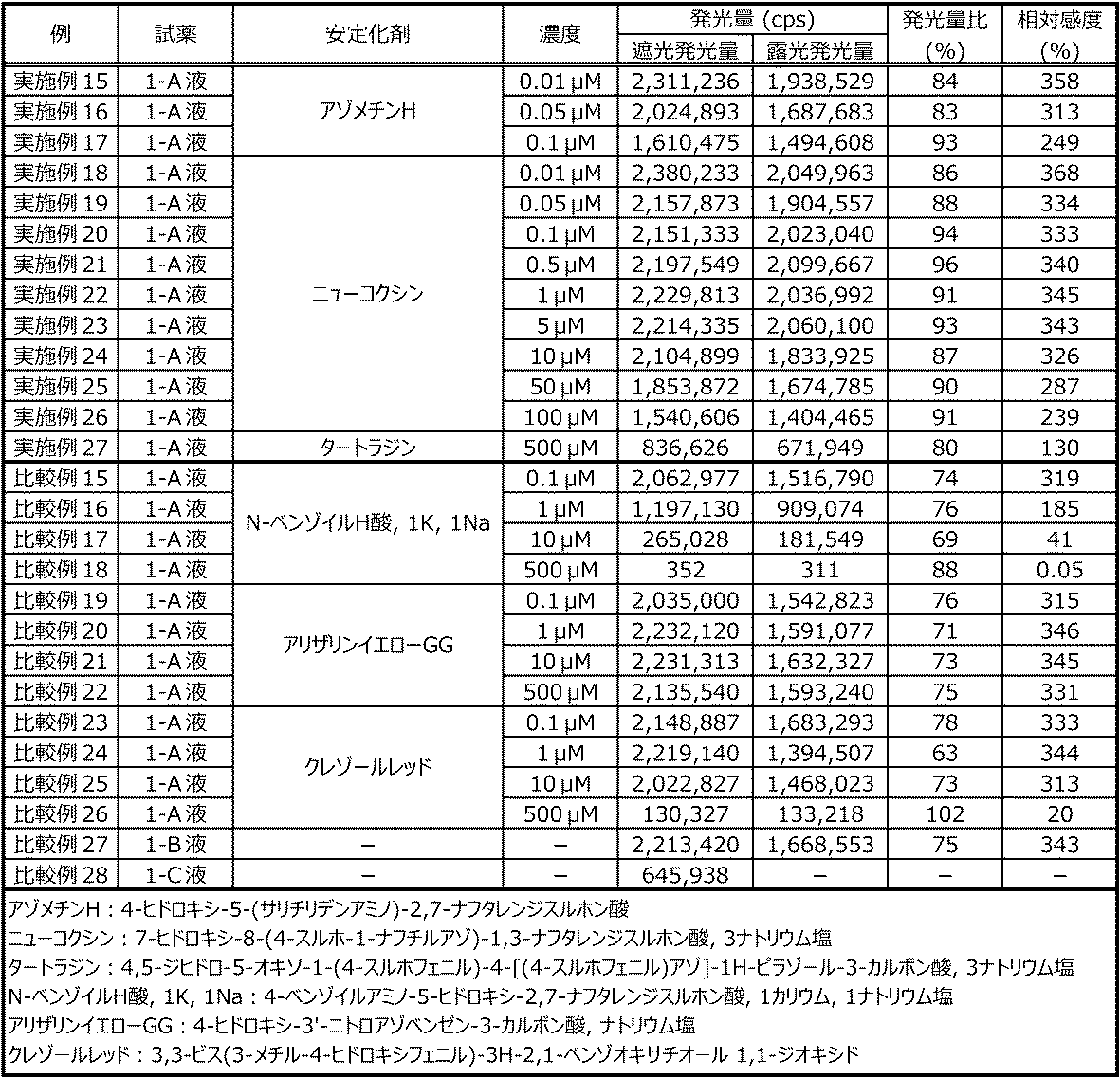
ペルオキシダーゼ(POD)を用いたHBs抗体の測定系において、試薬の調製、ならびに各種安定化剤または水溶性色素を用いたHBs抗体の測定方法および評価方法を以下に示す。
(1)発光測定用試薬第1液の調製
(a)発光測定用試薬第1-A液の調製(実施例28~43)
8-アミノ-5-クロロ-7-フェニルピリド[3,4-d]ピリダジン-1,4(2H,3H)-ジオン,ナトリウム塩(和光純薬工業(株)製)15.6mgおよび4-(4-ヒドロキシフェニル)チアゾール(和光純薬工業(株)製)3.5mgを100mLメスフラスコに仕込んだ。次いで、表3に示す各種安定化剤または水溶性色素を、化学発光測定時の終濃度が表3に示す所定濃度となるような量を添加し、さらに、2-ヒドロキシ-3-[4-(2-ヒドロキシエチル)-1-ピペラジニル]プロパンスルホン酸(HEPPSO)/水酸化ナトリウム緩衝液(250mM、pH8.55)20mLを添加した後、蒸留水を用いて溶液の容量を100mLにメスアップし、25℃で均一に混合して発光測定用試薬第1-A液を調製した。測定に用いるまで冷蔵(2~10℃)で保存した。
(b)発光測定用試薬第1-B液の調製(比較例29)
8-アミノ-5-クロロ-7-フェニルピリド[3,4-d]ピリダジン-1,4(2H,3H)-ジオン,ナトリウム塩(和光純薬工業(株)製)15.6mgおよび4-(4-ヒドロキシフェニル)チアゾール(和光純薬工業(株)製)3.5mgを100mLメスフラスコに仕込んだ。次いで、2-ヒドロキシ-3-[4-(2-ヒドロキシエチル)-1-ピペラジニル]プロパンスルホン酸(HEPPSO)/水酸化ナトリウム緩衝液(250mM、pH8.55)20mLを添加した後、蒸留水を用いて溶液の容量を100mLにメスアップし、25℃で均一に混合して発光測定用試薬第1-B液を調製した。測定に用いるまで冷蔵(2~10℃)で保存した。
(c)発光測定用試薬第1-C液の調製(比較例30)
ルミノール,ナトリウム塩(和光純薬工業(株)製)40mgおよび4-(4-ヒドロキシフェニル)チアゾール(和光純薬工業(株)製)3.5mgを100mLメスフラスコに仕込んだ。次いで、ホウ酸/水酸化ナトリウム緩衝液(250mM、pH8.55)20mLを添加した後、蒸留水を用いて溶液の容量を100mLにメスアップし、25℃で均一に混合して発光測定用試薬第1-C液を調製した。測定に用いるまで冷蔵(2~10℃)で保存した。
97重量%3-アミノプロピルトリエトキシシラン含有エタノール溶液50mLの入った蓋付きポリエチレン瓶に磁性粒子(WO2012/173002号公報に記載の製造例1に準じて作製)12.5mLを加え、25℃で1時間反応させた後、ネオジウム磁石で磁性粒子を集磁し、液体をアスピレーターで吸引除去した。次いで、10mMの酢酸緩衝液(pH5.1)50mLを加えて蓋をし、ポリエチレン瓶をゆっくりと2回倒置攪拌した後、ネオジウム磁石で磁性粒子を集磁し、液体をアスピレーターで吸引除去して磁性粒子を洗浄した。この洗浄操作を4回行った。
この洗浄後の磁性粒子を、25重量%グルタルアルデヒド1mL/炭酸水素ナトリウム緩衝液9mLの入った蓋付きポリエチレン瓶に加え、25℃で1時間反応させた。反応後、蒸留水を加えて蓋をし、ポリエチレン瓶をゆっくりと2回倒置攪拌した後、ネオジウム磁石で磁性粒子を集磁し、液体をアスピレーターで吸引除去して磁性粒子を洗浄した。この洗浄操作を3回行った。
さらに、この洗浄後の磁性粒子を、HBs抗原(TRINA BIOREACTIVES AG製)を2.24mg/mLの濃度で含む15mMのリン酸緩衝液(pH7.2)8mLの入った蓋付きポリエチレン瓶に加え、25℃で2時間反応させた。反応後、ネオジウム磁石で磁性粒子を集磁し、生理食塩水で洗浄した後、ブロッキング液{0.5%ブロックエースを含む50mMのMES緩衝液(pH5.5)}を加え、37℃で15~25時間反応させることにより、HBs抗原結合磁性粒子を作製した。これを、ブロックエース(雪印乳業(株)製)0.5%を含む50mMの3-(N-モルホリノ)プロパンスルホン酸(MOPS)緩衝液(pH7.5)で、HBs抗原結合磁性粒子濃度として0.5mg/mLの濃度となるように希釈し、抗原結合磁性粒子を含有する試薬(HBs抗原結合磁性粒子試薬)を調製し、測定に用いるまで冷蔵(2~10℃)で保存した。
HBs抗原(TRINA BIOREACTIVES AG製)、西洋ワサビ由来POD(ロシュ・ダイアグノスティックス(株)製)を用い、文献(S. YOSHITAKE, M. IMAGAWA, E. ISHIKAWA, H. OGAWA; J Biochem (1982) Vol. 92, (5): 1413-1424)に記載の方法でPOD標識HBs抗原を調製した。これを、50mMのMES緩衝液(pH6.8)で、POD標識HBs抗原濃度として1.0mL/Lの濃度となるように希釈し、酵素標識試薬(POD標識HBs抗原試薬)を調製し、測定に用いるまで冷蔵(2~10℃)で保存した。
過酸化水素水(和光純薬工業(株)製、試薬特級、濃度30重量%)67μLを100mLメスフラスコに仕込んだ。次いで、蒸留水を用いて溶液の容量を100mLにメスアップし、25℃で均一に混合して発光測定用試薬第2液を調製した。測定に用いるまで冷蔵(2~10℃)で保存した。
得られた各試薬を用いて、以下に示す測定方法により、実施例28~43および比較例29~30にかかる発光測定用試薬第1液に基づいて発光量(平均値)を測定し、各種安定化剤または水溶性色素の光安定化効果およびL-012(のナトリウム塩)の発光強度に対する影響の有無を評価した。
先ず、(1)で得られた発光測定用試薬第1液(1-A液、1-B液、1-C液)を1mLずつ5mLの試験管2つにそれぞれ移し、一方については430~450Lxの蛍光灯の光に30分間晒し(露光発光測定用試薬第1液)、他方については試験管をアルミホイルで覆うことにより遮光した(遮光発光測定用試薬第1液)。
次いで、抗原結合磁性粒子を含有する試薬(HBs抗原結合磁性粒子試薬)10~50μg、および2%の牛血清アルブミン含有の50mMMOPS緩衝液(pH7.5)で調製したHBs抗体濃度が250mIU/mLの標準HBs抗体溶液25μLを試験管に加えて混合し、37℃で3分間反応させて、「HBs抗原結合磁性粒子-HBs抗体」複合体を形成させた。反応後、ネオジウム磁石で磁性粒子を集磁し、液体をアスピレーターで吸引除去した後、生理食塩水100μLを加え、磁性粒子を分散させて集磁後、アスピレーターで液体を吸引除去する洗浄操作を3回行った。
続いて、酵素標識試薬(POD標識HBs抗原試薬)50μLを試験管に加え、37℃で3分間反応させて、「HBs抗原結合磁性粒子-HBs抗体-POD標識HBs抗原」複合体を形成させた。反応後、ネオジウム磁石で磁性粒子を集磁し、液体をアスピレーターで吸引除去した後、生理食塩水100μLを加え、磁性粒子を分散させて集磁後、アスピレーターで液体を吸引除去する洗浄操作を2回行った。
最後に、露光発光測定用試薬第1液(1-A液、1-B液、1-C液)または遮光発光測定用試薬第1液(1-A液、1-B液、1-C液)をそれぞれ100μLと、発光測定用試薬第2液100μLとを同時に加え、37℃で43秒間発光反応させ、発光測定用試薬第1液および第2液を同時に添加してから、43~45秒間での平均発光量を発光検出器(Lumat LB9507:ベルトールドジャパン製)で測定した。
得られた結果から、以下に示すように「安定化剤または水溶性色素の光安定化効果」および「ルミノールに対する相対感度」を算出し、各種安定化剤または水溶性色素の評価を行った。結果を表3にそれぞれ示す。
〈安定化剤または水溶性色素の光安定化効果〉
それぞれの発光測定用試薬第1液について、遮光発光測定用試薬第1液での平均発光量(遮光発光量)に対する露光発光測定用試薬第1液での平均発光量(露光発光量)の割合〔露光発光量/遮光発光量×100%=発光量比〕を算出した。この発光量比に基づいて、各種安定化剤または水溶性色素の光安定化効果を評価した。
すなわち、発光量比が100%に近いほど、各種安定化剤または水溶性色素のL-012(のナトリウム塩)に対する光安定化効果が高いことを意味し、安定化剤または水溶性色素を添加していない発光測定用試薬第1-B液を用いた場合における発光量比が67%であったことから、72%以上の発光量比を示した発光測定用試薬第1-A液に含まれる安定化剤または水溶性色素を、光安定化効果が高く、露光時における測定感度の低下を抑制できる安定化剤または水溶性色素と評価した。
〈ルミノールに対する相対感度〉
それぞれの発光測定用試薬第1-A液および1-B液について、各発光測定用試薬第1-A液または1-B液での遮光発光量(L-012発光量)に対する発光測定用試薬第1-C液での遮光発光量(ルミノール発光量)の割合〔L-012発光量/ルミノール発光量×100%=相対感度〕を算出した。この相対感度に基づいて、各種安定化剤または水溶性色素の測定感度を評価した。
すなわち、ルミノール発光量(321,482cps)よりも高いL-012発光量を示した発光測定用試薬第1-A液は、測定感度が高く、ルミノール発光を利用した発光測定よりも、高感度での測定を可能にする試薬(L-012発光試薬)と評価した。換言すれば、100%以上の相対感度を示した発光測定用試薬第1-A液に含まれる安定化剤または水溶性色素は、L-012の発光強度に対して悪影響を及ぼすことなく、高感度測定が可能な安定化剤または水溶性色素であると評価した。

ペルオキシダーゼ(POD)を用いたアルドステロンの測定系において、試薬の調製、ならびに各種安定化剤または水溶性色素を用いたアルドステロンの測定方法および評価方法を以下に示す。
(1)発光測定用試薬第1液の調製
(a)発光測定用試薬第1-A液の調製(実施例44~47)
8-アミノ-5-クロロ-7-フェニルピリド[3,4-d]ピリダジン-1,4(2H,3H)-ジオン,ナトリウム塩(和光純薬工業(株)製)15.6mgおよび4-(4-ヒドロキシフェニル)チアゾール(和光純薬工業(株)製)3.5mgを100mLメスフラスコに仕込んだ。次いで、アゾメチンHを、化学発光測定時の終濃度が表4に示す所定濃度となるような量を添加し、さらに、3-[4-(2-ヒドロキシエチル)-1-ピペラジニル]プロパンスルホン酸(EPPS)/水酸化ナトリウム緩衝液(250mM、pH8.0)20mLを添加した後、蒸留水を用いて溶液の容量を100mLにメスアップし、25℃で均一に混合して発光測定用試薬第1-A液を調製した。測定に用いるまで冷蔵(2~10℃)で保存した。
(b)発光測定用試薬第1-B液の調製(比較例31~33)
8-アミノ-5-クロロ-7-フェニルピリド[3,4-d]ピリダジン-1,4(2H,3H)-ジオン,ナトリウム塩(和光純薬工業(株)製)15.6mgおよび4-(4-ヒドロキシフェニル)チアゾール(和光純薬工業(株)製)3.5mgを100mLメスフラスコに仕込んだ。次いで、3-[4-(2-ヒドロキシエチル)-1-ピペラジニル]プロパンスルホン酸(EPPS)/水酸化ナトリウム緩衝液(250mM、pH8.0)20mLを添加した後、蒸留水を用いて溶液の容量を100mLにメスアップし、25℃で均一に混合して発光測定用試薬第1-B液を調製した。測定に用いるまで冷蔵(2~10℃)で保存した。
(c)発光測定用試薬第1-C液の調製(比較例34~36)
ルミノール,ナトリウム塩(和光純薬工業(株)製)40mgおよび4-(4-ヒドロキシフェニル)チアゾール(和光純薬工業(株)製)3.5mgを100mLメスフラスコに仕込んだ。次いで、ホウ酸/水酸化ナトリウム緩衝液(250mM、pH8.55)20mLを添加した後、蒸留水を用いて溶液の容量を100mLにメスアップし、25℃で均一に混合して発光測定用試薬第1-C液を調製した。測定に用いるまで冷蔵(2~10℃)で保存した。
97重量%3-アミノプロピルトリエトキシシラン含有エタノール溶液80mLの入った蓋付きポリエチレン瓶に磁性粒子(WO2012/173002号公報に記載の製造例1に準じて作製)20mLを加え、25℃で1時間反応させた後、ネオジウム磁石で磁性粒子を集磁し、液体をアスピレーターで吸引除去した。次いで、10mMの酢酸緩衝液(pH5.1)80mLを加えて蓋をし、ポリエチレン瓶をゆっくりと2回倒置攪拌した後、ネオジウム磁石で磁性粒子を集磁し、液体をアスピレーターで吸引除去して磁性粒子を洗浄した。この洗浄操作を4回行った。
この洗浄後の磁性粒子を、0.5重量%無水コハク酸エタノール溶液80mLの入った蓋付きポリエチレン瓶に加え、25℃で2時間反応させた。反応後、100mMの2-(N-モルホリノ)エタンスルホン酸(MES)緩衝液(pH5.0)80mLを加えて蓋をし、ポリエチレン瓶をゆっくりと2回倒置攪拌した後、ネオジウム磁石で磁性粒子を集磁し、液体をアスピレーターで吸引除去して磁性粒子を洗浄した。この洗浄操作を4回行った。
さらに、この洗浄後の磁性粒子を、抗マウスIgGポリクローナル抗体(ヤギ)(Jackson ImmunoResearch製)を100μg/mLの濃度で含む100mMのMES緩衝液(pH5.0)80mLの入った蓋付きポリエチレン瓶に加え、25℃で15~25時間反応させた。反応後、ネオジウム磁石で磁性粒子を集磁し、MES緩衝液で洗浄した後、0.03%グルタルアルデヒド水溶液8mLを加えて、25℃で2時間反応させた。次いで、水素化ホウ素ナトリウム19.2mgを加えて、25℃で30分反応させた後、ネオジウム磁石で磁性粒子を集磁し、MES緩衝液で洗浄した後、ブロッキング液{0.5%ブロックエース(雪印乳業(株)製)を含む50mMのMES緩衝液(pH5.5)}を加え、25℃で15~25時間反応させることにより、抗マウスIgGポリクローナル抗体(ヤギ)結合磁性粒子を作製した。さらに、ネオジウム磁石で磁性粒子を集磁し、ブロッキング液をアスピレーターで吸引除去した後、これを、MES緩衝液(pH5.5)で、抗マウスIgGポリクローナル抗体結合磁性粒子濃度として0.5mg/mLの濃度となるように希釈し、抗体結合磁性粒子を含有する試薬(抗マウスIgGポリクローナル抗体(ヤギ)結合磁性粒子試薬)を調製し、測定に用いるまで冷蔵(2~10℃)で保存した。
200mMのN-[トリス(ヒドロキシメチル)メチル]グリシン(Tricine)緩衝液(pH8.2)100mLに、抗アルドステロンモノクローナル抗体(マウス)((株)ITM製)0.1mLを添加した後、25℃で5分間攪拌することにより、抗アルドステロンモノクローナル抗体(マウス)を1mL/Lの濃度で含む200mMのN-[トリス(ヒドロキシメチル)メチル]グリシン緩衝液(pH8.2)を調製し、免疫反応用緩衝液を得た。測定に用いるまで冷蔵(2~10℃)で保存した。
アルドステロン抗原(SIGMA ALDRICH製)、西洋ワサビ由来POD(ロシュ・ダイアグノスティックス(株)製)を用い、文献(S. YOSHITAKE, M. IMAGAWA, E. ISHIKAWA, H. OGAWA; J Biochem (1982) Vol. 92, (5): 1413-1424)に記載の方法でPOD標識アルドステロン抗原を調製した。これを、50mMのN-(2-アセトアミド)-2-アミノエタンスルホン酸(ACES)緩衝液(pH7.2)で、POD標識アルドステロン抗原濃度として1.0mL/Lの濃度となるように希釈し、酵素標識試薬(POD標識アルドステロン抗原試薬)を調製し、測定に用いるまで冷蔵(2~10℃)で保存した。
過酸化水素水(和光純薬工業(株)製、試薬特級、濃度30重量%)67μLを100mLメスフラスコに仕込んだ。次いで、蒸留水を用いて溶液の容量を100mLにメスアップし、25℃で均一に混合して発光測定用試薬第2液を調製した。測定に用いるまで冷蔵(2~10℃)で保存した。
得られた各試薬を用いて、以下に示す測定方法により、実施例44~47および比較例31~36にかかる発光測定用試薬第1液に基づいて発光量(平均値)を測定し、アゾメチンHの光安定化効果およびL-012(のナトリウム塩)の発光強度に対する影響の有無を評価した。
先ず、(1)で得られた発光測定用試薬第1液のうち、第1-A液および第1-B液については、それぞれ1mLずつ5mLの試験管2つにそれぞれ移し、一方については430~450Lxの蛍光灯の光に30分間晒し(露光発光測定用試薬第1液)、他方については試験管をアルミホイルで覆うことにより遮光した(遮光発光測定用試薬第1液)。第1-C液については、その1mLを5mLの試験管1つに移し、試験管をアルミホイルで覆うことにより遮光した(遮光発光測定用試薬第1液)。
次いで、抗体結合磁性粒子を含有する試薬(抗マウスIgGポリクローナル抗体(ヤギ)結合磁性粒子試薬)10~50μg、1%の牛血清アルブミン含有の15mMリン酸緩衝液(pH7.2)で調製したアルドステロン濃度が0~800pg/mLの標準アルドステロン溶液25μL、および免疫反応用緩衝液50μLを試験管に加えて混合し、37℃で3分間反応させた後、さらに、酵素標識試薬(POD標識アルドステロン抗原試薬)50μLを試験管に加え、37℃で3分間反応させて、「抗マウスIgGポリクローナル抗体(ヤギ)結合磁性粒子-抗アルドステロンモノクローナル抗体(マウス)-POD標識アルドステロン抗原」複合体を形成させた。反応後、ネオジウム磁石で磁性粒子を集磁し、液体をアスピレーターで吸引除去した後、生理食塩水100μLを加え、磁性粒子を分散させて集磁後、アスピレーターで液体を吸引除去する洗浄操作を2回行った。
最後に、露光発光測定用試薬第1液(1-A液、1-B液)または遮光発光測定用試薬第1液(1-A液、1-B液、1-C液)をそれぞれ100μLと、発光測定用試薬第2液100μLとを同時に加え、37℃で43秒間発光反応させ、発光測定用試薬第1液および第2液を同時に添加してから、43~45秒間での平均発光量を発光検出器(Lumat LB9507:ベルトールドジャパン製)で測定した。
得られた結果から、以下に示すように「アゾメチンH(安定化剤)の光安定化効果」および「ルミノールに対する相対感度」を算出し、アゾメチンH(安定化剤)の評価を行った。結果を表4にそれぞれ示す。
〈アゾメチンH(安定化剤)の光安定化効果〉
それぞれの発光測定用試薬第1液について、遮光発光測定用試薬第1液での平均発光量(遮光発光量)に対する露光発光測定用試薬第1液での平均発光量(露光発光量)の割合〔露光発光量/遮光発光量×100%=発光量比〕を算出した。この発光量比に基づいて、アゾメチンH(安定化剤)の光安定化効果を評価した。
すなわち、発光量比が100%に近いほど、アゾメチンH(安定化剤)のL-012(のナトリウム塩)に対する光安定化効果が高いことを意味し、表4に示す各アルドステロン濃度において、アゾメチンH(安定化剤)を添加していない発光測定用試薬第1-B液を用いた場合における発光量比よりも高い発光量比を示すか否かを判定し、アルドステロンの濃度範囲と光安定化効果との関係を評価した。
〈ルミノールに対する相対感度〉
それぞれの発光測定用試薬第1-A液および1-B液について、各発光測定用試薬第1-A液または1-B液での遮光発光量(L-012発光量)に対する発光測定用試薬第1-C液での遮光発光量(ルミノール発光量)の割合〔L-012発光量/ルミノール発光量×100%=相対感度〕を算出した。この相対感度に基づいて、アゾメチンH(安定化剤)の測定感度を評価した。
すなわち、表4に示す各アルドステロン濃度において、ルミノール発光量よりも高いL-012発光量を示すか否かを判定し、アルドステロンの濃度範囲と測定感度との関係を評価した。

Claims (20)
- 一般式[1]で示される、8-アミノ-5-クロロ-7-フェニルピリド[3,4-d]ピリダジン-1,4(2H,3H)-ジオンまたはその塩の安定化剤。
一般式[1]:
(式中、p個のM1はそれぞれ独立して、水素原子またはアルカリ金属原子を表し、q個のR1はそれぞれ独立して、ヒドロキシル基または一般式[A]で示されるスルホン酸基を表し、mは、0または1を表し、pは、1~3の整数を表し、qは、0~4の整数を表し、Yは、窒素原子またはCH基(メチン基)を表し、Zは、一般式[Z-1]で示される基、一般式[Z-2]で示される基または一般式[Z-3]で示される基を表す。)
一般式[A]:
(式中、M2は、水素原子またはアルカリ金属原子を表す。)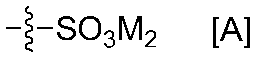
一般式[Z-1]:
(式中、r個のR2はそれぞれ独立して、ヒドロキシル基または前記一般式[A]で示されるスルホン酸基を表し、R3は、水素原子またはヒドロキシル基を表し、R4は、水素原子または前記一般式[A]で示されるスルホン酸基を表し、R5は、水素原子、式[B]で示されるフェニルアミノ基または一般式[C]で示されるナフチルアゾ基を表し、nは、0または1を表し、rは、0~4の整数を表す。)
式[B]:
一般式[C]:
(式中、R12~R14はそれぞれ独立して、水素原子、ヒドロキシル基または前記一般式[A]で示されるスルホン酸基を表す。)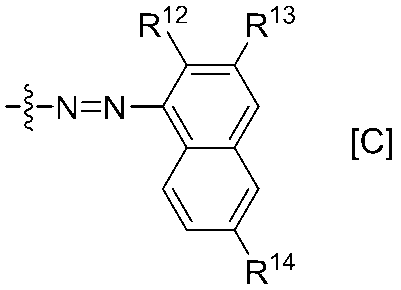
一般式[Z-2]:
(式中、R6~R9はそれぞれ独立して、水素原子、ヒドロキシル基または前記一般式[A]で示されるスルホン酸基を表す。)
一般式[Z-3]:
(式中、R10は、水素原子または一般式[D]で示されるカルボン酸基を表し、s個のR11はそれぞれ独立して、ヒドロキシル基または前記一般式[A]で示されるスルホン酸基を表し、sは、0~5の整数を表す。)
一般式[D]:
(式中、M3は、水素原子またはアルカリ金属原子を表す。)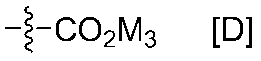
- 前記一般式[1]で示される安定化剤が、一般式[2]で示されるものである、請求項1に記載の安定化剤。
一般式[2]:
(式中、p個のM1、q個のR1、r個のR2、m、n、p、q、rおよびYは、前記に同じ。)
- 前記一般式[1]で示される安定化剤が、一般式[2']で示されるものである、請求項1に記載の安定化剤。
一般式[2']:
(式中、R15およびR16はそれぞれ独立して、水素原子または一般式[E]で示されるスルホン酸基を表し、q個のR1、r個のR2、n、q、rおよびYは、前記に同じ。ただし、R15およびR16のうち、少なくとも1つは一般式[E]で示されるスルホン酸基である。)
一般式[E]:
(式中、M1は、前記に同じ。)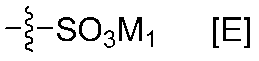
- 前記一般式[1]で示される安定化剤が、4-ヒドロキシ-5-(サリチリデンアミノ)-2,7-ナフタレンジスルホン酸またはその塩、7-ヒドロキシ-8-(4-スルホ-1-ナフチルアゾ)-1,3-ナフタレンジスルホン酸またはその塩、2-(4-スルホフェニルアゾ)-1,8-ジヒドロキシ-3,6-ナフタレンジスルホン酸またはその塩、3-[4-(フェニルアミノ)フェニルアゾ]ベンゼンスルホン酸またはその塩、3-ヒドロキシ-4-[4-(4-スルホフェニルアゾ)-2-スルホフェニルアゾ]-2,7-ナフタレンジスルホン酸またはその塩、および4,5-ジヒドロ-5-オキソ-1-(4-スルホフェニル)-4-[(4-スルホフェニル)アゾ]-1H-ピラゾール-3-カルボン酸またはその塩から選ばれるものである、請求項1に記載の安定化剤。
- 前記一般式[1]で示される安定化剤が、4-ヒドロキシ-5-(サリチリデンアミノ)-2,7-ナフタレンジスルホン酸またはその塩、および7-ヒドロキシ-8-(4-スルホ-1-ナフチルアゾ)-1,3-ナフタレンジスルホン酸またはその塩から選ばれるものである、請求項1に記載の安定化剤。
- 8-アミノ-5-クロロ-7-フェニルピリド[3,4-d]ピリダジン-1,4(2H,3H)-ジオンまたはその塩に、一般式[1]で示される化合物を共存させる、8-アミノ-5-クロロ-7-フェニルピリド[3,4-d]ピリダジン-1,4(2H,3H)-ジオンまたはその塩の安定化方法。
一般式[1]:
(式中、p個のM1はそれぞれ独立して、水素原子またはアルカリ金属原子を表し、q個のR1はそれぞれ独立して、ヒドロキシル基または一般式[A]で示されるスルホン酸基を表し、mは、0または1を表し、pは、1~3の整数を表し、qは、0~4の整数を表し、Yは、窒素原子またはCH基(メチン基)を表し、Zは、一般式[Z-1]で示される基、一般式[Z-2]で示される基または一般式[Z-3]で示される基を表す。)
一般式[A]:
(式中、M2は、水素原子またはアルカリ金属原子を表す。)
一般式[Z-1]:
(式中、r個のR2はそれぞれ独立して、ヒドロキシル基または前記一般式[A]で示されるスルホン酸基を表し、R3は、水素原子またはヒドロキシル基を表し、R4は、水素原子または前記一般式[A]で示されるスルホン酸基を表し、R5は、水素原子、式[B]で示されるフェニルアミノ基または一般式[C]で示されるナフチルアゾ基を表し、nは、0または1を表し、rは、0~4の整数を表す。)
式[B]:
一般式[C]:
(式中、R12~R14はそれぞれ独立して、水素原子、ヒドロキシル基または前記一般式[A]で示されるスルホン酸基を表す。)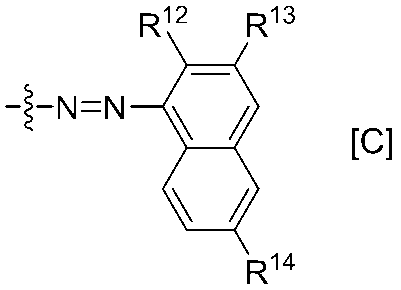
一般式[Z-2]:
(式中、R6~R9はそれぞれ独立して、水素原子、ヒドロキシル基または前記一般式[A]で示されるスルホン酸基を表す。)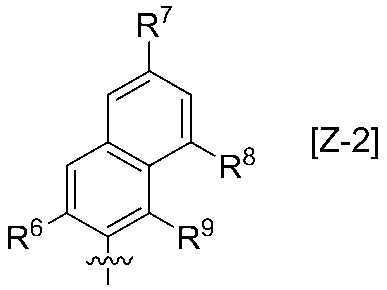
一般式[Z-3]:
(式中、R10は、水素原子または一般式[D]で示されるカルボン酸基を表し、s個のR11はそれぞれ独立して、ヒドロキシル基または前記一般式[A]で示されるスルホン酸基を表し、sは、0~5の整数を表す。)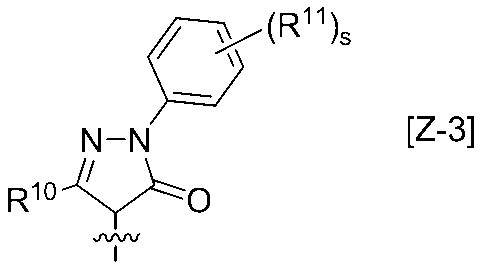
一般式[D]:
(式中、M3は、水素原子またはアルカリ金属原子を表す。)
- 前記一般式[1]で示される化合物が、一般式[2]で示されるものである、請求項6に記載の安定化方法。
一般式[2]:
(式中、p個のM1、q個のR1、r個のR2、m、n、p、q、rおよびYは、前記に同じ。)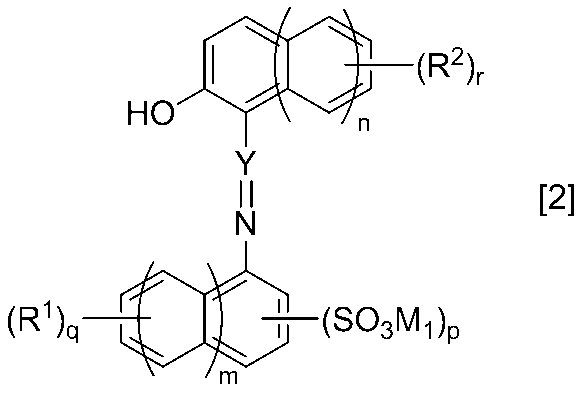
- 前記一般式[1]で示される化合物が、一般式[2']で示されるものである、請求項6に記載の安定化方法。
一般式[2']:
(式中、R15およびR16はそれぞれ独立して、水素原子または一般式[E]で示されるスルホン酸基を表し、q個のR1、r個のR2、n、q、rおよびYは、前記に同じ。ただし、R15およびR16のうち、少なくとも1つは一般式[E]で示されるスルホン酸基である。)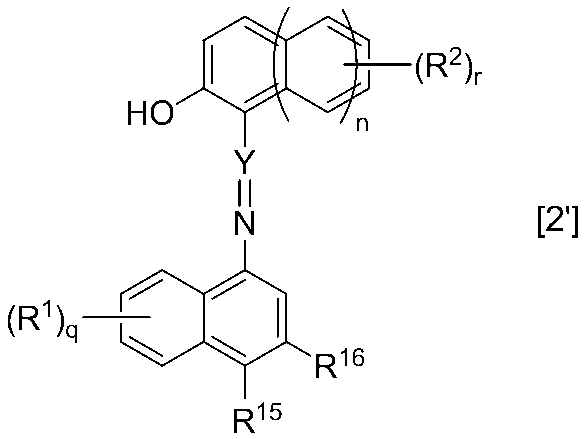
一般式[E]:
(式中、M1は、前記に同じ。)
- 前記一般式[1]で示される化合物が、4-ヒドロキシ-5-(サリチリデンアミノ)-2,7-ナフタレンジスルホン酸またはその塩、7-ヒドロキシ-8-(4-スルホ-1-ナフチルアゾ)-1,3-ナフタレンジスルホン酸またはその塩、2-(4-スルホフェニルアゾ)-1,8-ジヒドロキシ-3,6-ナフタレンジスルホン酸またはその塩、3-[4-(フェニルアミノ)フェニルアゾ]ベンゼンスルホン酸またはその塩、3-ヒドロキシ-4-[4-(4-スルホフェニルアゾ)-2-スルホフェニルアゾ]-2,7-ナフタレンジスルホン酸またはその塩、および4,5-ジヒドロ-5-オキソ-1-(4-スルホフェニル)-4-[(4-スルホフェニル)アゾ]-1H-ピラゾール-3-カルボン酸またはその塩から選ばれるものである、請求項6に記載の安定化方法。
- 前記一般式[1]で示される化合物が、4-ヒドロキシ-5-(サリチリデンアミノ)-2,7-ナフタレンジスルホン酸またはその塩、および7-ヒドロキシ-8-(4-スルホ-1-ナフチルアゾ)-1,3-ナフタレンジスルホン酸またはその塩から選ばれるものである、請求項6に記載の安定化方法。
- 8-アミノ-5-クロロ-7-フェニルピリド[3,4-d]ピリダジン-1,4(2H,3H)-ジオンまたはその塩と、一般式[1]で示される化合物を含む、組成物。
一般式[1]:
(式中、p個のM1はそれぞれ独立して、水素原子またはアルカリ金属原子を表し、q個のR1はそれぞれ独立して、ヒドロキシル基または一般式[A]で示されるスルホン酸基を表し、mは、0または1を表し、pは、1~3の整数を表し、qは、0~4の整数を表し、Yは、窒素原子またはCH基(メチン基)を表し、Zは、一般式[Z-1]で示される基、一般式[Z-2]で示される基または一般式[Z-3]で示される基を表す。)
一般式[A]:
(式中、M2は、水素原子またはアルカリ金属原子を表す。)
一般式[Z-1]:
(式中、r個のR2はそれぞれ独立して、ヒドロキシル基または前記一般式[A]で示されるスルホン酸基を表し、R3は、水素原子またはヒドロキシル基を表し、R4は、水素原子または前記一般式[A]で示されるスルホン酸基を表し、R5は、水素原子、式[B]で示されるフェニルアミノ基または一般式[C]で示されるナフチルアゾ基を表し、nは、0または1を表し、rは、0~4の整数を表す。)
式[B]:
一般式[C]: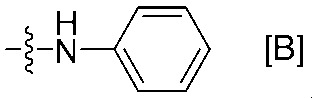
(式中、R12~R14はそれぞれ独立して、水素原子、ヒドロキシル基または前記一般式[A]で示されるスルホン酸基を表す。)
一般式[Z-2]:
(式中、R6~R9はそれぞれ独立して、水素原子、ヒドロキシル基または前記一般式[A]で示されるスルホン酸基を表す。)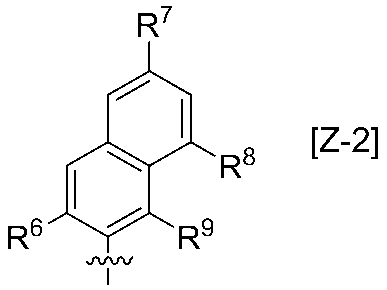
一般式[Z-3]:
(式中、R10は、水素原子または一般式[D]で示されるカルボン酸基を表し、s個のR11はそれぞれ独立して、ヒドロキシル基または前記一般式[A]で示されるスルホン酸基を表し、sは、0~5の整数を表す。)
一般式[D]:
(式中、M3は、水素原子またはアルカリ金属原子を表す。)
- 前記一般式[1]で示される化合物が、一般式[2]で示されるものである、請求項11に記載の組成物。
一般式[2]:
(式中、p個のM1、q個のR1、r個のR2、m、n、p、q、rおよびYは、前記に同じ。)
- 前記一般式[1]で示される化合物が、一般式[2']で示されるものである、請求項11に記載の組成物。
一般式[2']:
(式中、R15およびR16はそれぞれ独立して、水素原子または一般式[E]で示されるスルホン酸基を表し、q個のR1、r個のR2、n、q、rおよびYは、前記に同じ。ただし、R15およびR16のうち、少なくとも1つは一般式[E]で示されるスルホン酸基である。)
一般式[E]:
(式中、M1は、前記に同じ。)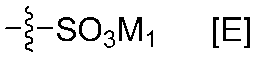
- 前記一般式[1]で示される化合物が、4-ヒドロキシ-5-(サリチリデンアミノ)-2,7-ナフタレンジスルホン酸またはその塩、7-ヒドロキシ-8-(4-スルホ-1-ナフチルアゾ)-1,3-ナフタレンジスルホン酸またはその塩、2-(4-スルホフェニルアゾ)-1,8-ジヒドロキシ-3,6-ナフタレンジスルホン酸またはその塩、3-[4-(フェニルアミノ)フェニルアゾ]ベンゼンスルホン酸またはその塩、3-ヒドロキシ-4-[4-(4-スルホフェニルアゾ)-2-スルホフェニルアゾ]-2,7-ナフタレンジスルホン酸またはその塩、および4,5-ジヒドロ-5-オキソ-1-(4-スルホフェニル)-4-[(4-スルホフェニル)アゾ]-1H-ピラゾール-3-カルボン酸またはその塩から選ばれるものである、請求項11に記載の組成物。
- 前記一般式[1]で示される化合物が、4-ヒドロキシ-5-(サリチリデンアミノ)-2,7-ナフタレンジスルホン酸またはその塩、および7-ヒドロキシ-8-(4-スルホ-1-ナフチルアゾ)-1,3-ナフタレンジスルホン酸またはその塩から選ばれるものである、請求項11に記載の組成物。
- 8-アミノ-5-クロロ-7-フェニルピリド[3,4-d]ピリダジン-1,4(2H,3H)-ジオンまたはその塩と、一般式[1]で示される化合物を含む、発光測定用キット。
一般式[1]:
(式中、p個のM1はそれぞれ独立して、水素原子またはアルカリ金属原子を表し、q個のR1はそれぞれ独立して、ヒドロキシル基または一般式[A]で示されるスルホン酸基を表し、mは、0または1を表し、pは、1~3の整数を表し、qは、0~4の整数を表し、Yは、窒素原子またはCH基(メチン基)を表し、Zは、一般式[Z-1]で示される基、一般式[Z-2]で示される基または一般式[Z-3]で示される基を表す。)
一般式[A]:
(式中、M2は、水素原子またはアルカリ金属原子を表す。)
一般式[Z-1]:
(式中、r個のR2はそれぞれ独立して、ヒドロキシル基または前記一般式[A]で示されるスルホン酸基を表し、R3は、水素原子またはヒドロキシル基を表し、R4は、水素原子または前記一般式[A]で示されるスルホン酸基を表し、R5は、水素原子、式[B]で示されるフェニルアミノ基または一般式[C]で示されるナフチルアゾ基を表し、nは、0または1を表し、rは、0~4の整数を表す。)
式[B]:
一般式[C]: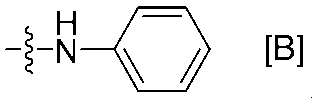
(式中、R12~R14はそれぞれ独立して、水素原子、ヒドロキシル基または前記一般式[A]で示されるスルホン酸基を表す。)
一般式[Z-2]:
(式中、R6~R9はそれぞれ独立して、水素原子、ヒドロキシル基または前記一般式[A]で示されるスルホン酸基を表す。)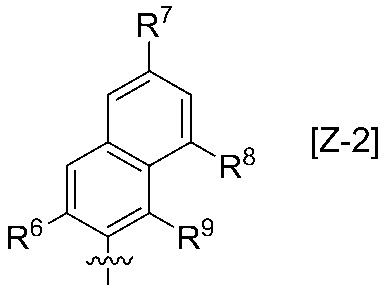
一般式[Z-3]:
(式中、R10は、水素原子または一般式[D]で示されるカルボン酸基を表し、s個のR11はそれぞれ独立して、ヒドロキシル基または前記一般式[A]で示されるスルホン酸基を表し、sは、0~5の整数を表す。)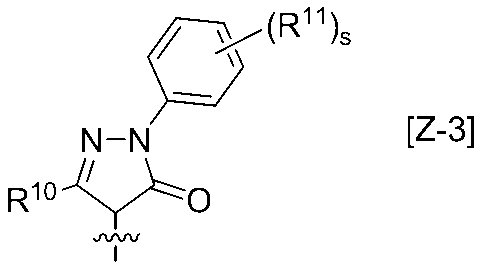
一般式[D]:
(式中、M3は、水素原子またはアルカリ金属原子を表す。)
- 前記一般式[1]で示される化合物が、一般式[2]で示されるものである、請求項16に記載の発光測定用キット。
一般式[2]:
(式中、p個のM1、q個のR1、r個のR2、m、n、p、q、rおよびYは、前記に同じ。)
- 前記一般式[1]で示される化合物が、一般式[2']で示されるものである、請求項16に記載の発光測定用キット。
一般式[2']:
(式中、R15およびR16はそれぞれ独立して、水素原子または一般式[E]で示されるスルホン酸基を表し、q個のR1、r個のR2、n、q、rおよびYは、前記に同じ。ただし、R15およびR16のうち、少なくとも1つは一般式[E]で示されるスルホン酸基である。)
一般式[E]:
(式中、M1は、前記に同じ。)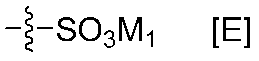
- 前記一般式[1]で示される化合物が、4-ヒドロキシ-5-(サリチリデンアミノ)-2,7-ナフタレンジスルホン酸またはその塩、7-ヒドロキシ-8-(4-スルホ-1-ナフチルアゾ)-1,3-ナフタレンジスルホン酸またはその塩、2-(4-スルホフェニルアゾ)-1,8-ジヒドロキシ-3,6-ナフタレンジスルホン酸またはその塩、3-[4-(フェニルアミノ)フェニルアゾ]ベンゼンスルホン酸またはその塩、3-ヒドロキシ-4-[4-(4-スルホフェニルアゾ)-2-スルホフェニルアゾ]-2,7-ナフタレンジスルホン酸またはその塩、および4,5-ジヒドロ-5-オキソ-1-(4-スルホフェニル)-4-[(4-スルホフェニル)アゾ]-1H-ピラゾール-3-カルボン酸またはその塩から選ばれるものである、請求項16に記載の発光測定用キット。
- 前記一般式[1]で示される化合物が、4-ヒドロキシ-5-(サリチリデンアミノ)-2,7-ナフタレンジスルホン酸またはその塩、および7-ヒドロキシ-8-(4-スルホ-1-ナフチルアゾ)-1,3-ナフタレンジスルホン酸またはその塩から選ばれるものである、請求項16に記載の発光測定用キット。
Priority Applications (5)
| Application Number | Priority Date | Filing Date | Title |
|---|---|---|---|
| US15/770,145 US10961185B2 (en) | 2015-10-21 | 2016-10-20 | Stabilizer and stabilization method |
| KR1020187006176A KR20180070552A (ko) | 2015-10-21 | 2016-10-20 | 안정화제 및 안정화 방법 |
| CN201680056707.1A CN108138047B (zh) | 2015-10-21 | 2016-10-20 | 稳定剂以及稳定化方法 |
| EP16857505.8A EP3366750B1 (en) | 2015-10-21 | 2016-10-20 | Stabilizer and stabilization method |
| JP2017545783A JP6737284B2 (ja) | 2015-10-21 | 2016-10-20 | 安定化剤および安定化方法 |
Applications Claiming Priority (2)
| Application Number | Priority Date | Filing Date | Title |
|---|---|---|---|
| JP2015-207370 | 2015-10-21 | ||
| JP2015207370 | 2015-10-21 |
Publications (1)
| Publication Number | Publication Date |
|---|---|
| WO2017069192A1 true WO2017069192A1 (ja) | 2017-04-27 |
Family
ID=58557091
Family Applications (1)
| Application Number | Title | Priority Date | Filing Date |
|---|---|---|---|
| PCT/JP2016/081083 Ceased WO2017069192A1 (ja) | 2015-10-21 | 2016-10-20 | 安定化剤および安定化方法 |
Country Status (6)
| Country | Link |
|---|---|
| US (1) | US10961185B2 (ja) |
| EP (1) | EP3366750B1 (ja) |
| JP (1) | JP6737284B2 (ja) |
| KR (1) | KR20180070552A (ja) |
| CN (1) | CN108138047B (ja) |
| WO (1) | WO2017069192A1 (ja) |
Cited By (1)
| Publication number | Priority date | Publication date | Assignee | Title |
|---|---|---|---|---|
| WO2022220288A1 (ja) | 2021-04-16 | 2022-10-20 | 富士フイルム株式会社 | 組成物、安定化方法、および、発光量を測定する方法、ならびに、発光基質用安定化剤 |
Citations (4)
| Publication number | Priority date | Publication date | Assignee | Title |
|---|---|---|---|---|
| JPH0578356A (ja) * | 1990-11-27 | 1993-03-30 | Takeda Chem Ind Ltd | ピリドピリダジン誘導体およびその用途 |
| JPH06281581A (ja) * | 1993-01-28 | 1994-10-07 | Takeda Chem Ind Ltd | スーパーオキシドラジカルの検出・定量法 |
| WO2014118543A2 (en) * | 2013-01-30 | 2014-08-07 | Vantix Holdings Limited | Electrochemical total protein detection system |
| WO2015155248A1 (fr) * | 2014-04-09 | 2015-10-15 | Bio-Rad Innovations | Utilisation d'un colorant pour améliorer la détection du signal dans un procédé d'analyse |
Family Cites Families (8)
| Publication number | Priority date | Publication date | Assignee | Title |
|---|---|---|---|---|
| CA2056142A1 (en) * | 1990-11-27 | 1992-05-28 | Hirotomo Masuya | Pyridopyridazine compounds and their use |
| JPH04316049A (ja) * | 1991-04-15 | 1992-11-06 | Konica Corp | 感光性組成物 |
| JPH0572729A (ja) * | 1991-09-12 | 1993-03-26 | Mitsubishi Kasei Corp | 感光性組成物 |
| US8278219B2 (en) * | 2006-12-04 | 2012-10-02 | Nomura Micro Science Co., Ltd. | Method for purifying chemical added with chelating agent |
| EP2567116A4 (en) * | 2010-05-05 | 2014-03-26 | Nrb Bearings Ltd | SEAL ASSEMBLY IN A DRAWER SPREADING ASSEMBLY |
| IN2010KO01429A (ja) | 2010-12-22 | 2012-02-24 | ||
| AU2013274078A1 (en) * | 2012-06-14 | 2015-01-29 | Ambrx, Inc. | Anti-PSMA antibodies conjugated to nuclear receptor ligand polypeptides |
| CN103751943B (zh) * | 2014-01-13 | 2020-10-13 | 湖北及安盾消防科技有限公司 | 一种含有含氮类有机化合物的灭火组合物 |
-
2016
- 2016-10-20 KR KR1020187006176A patent/KR20180070552A/ko not_active Withdrawn
- 2016-10-20 US US15/770,145 patent/US10961185B2/en not_active Expired - Fee Related
- 2016-10-20 WO PCT/JP2016/081083 patent/WO2017069192A1/ja not_active Ceased
- 2016-10-20 EP EP16857505.8A patent/EP3366750B1/en active Active
- 2016-10-20 CN CN201680056707.1A patent/CN108138047B/zh not_active Expired - Fee Related
- 2016-10-20 JP JP2017545783A patent/JP6737284B2/ja not_active Expired - Fee Related
Patent Citations (4)
| Publication number | Priority date | Publication date | Assignee | Title |
|---|---|---|---|---|
| JPH0578356A (ja) * | 1990-11-27 | 1993-03-30 | Takeda Chem Ind Ltd | ピリドピリダジン誘導体およびその用途 |
| JPH06281581A (ja) * | 1993-01-28 | 1994-10-07 | Takeda Chem Ind Ltd | スーパーオキシドラジカルの検出・定量法 |
| WO2014118543A2 (en) * | 2013-01-30 | 2014-08-07 | Vantix Holdings Limited | Electrochemical total protein detection system |
| WO2015155248A1 (fr) * | 2014-04-09 | 2015-10-15 | Bio-Rad Innovations | Utilisation d'un colorant pour améliorer la détection du signal dans un procédé d'analyse |
Non-Patent Citations (4)
| Title |
|---|
| DAIBER, ANDREAS ET AL.: "Measurement of NAD(P)H oxidase-derived superoxide with the luminol analogue L-012", FREE RADICAL BIOLOGY & MEDICINE, vol. 36, no. 1, 2004, pages 101 - 111, XP055377425 * |
| NAKAZAWA, HIROYUKI ET AL.: "On-line photostability evaluation system for chemiluminescence detection of phloxine (R-104)", JOURNAL OF AGRICULTURAL AND FOOD CHEMISTRY, vol. 45, no. 12, 1997, pages 4525 - 4529, XP055377427 * |
| See also references of EP3366750A4 * |
| SHIRO YAMASHOJI ET AL.: "Chemiluminescent Cytotoxicity Test for Food Stuff with Vitamin K3", NIPPON SHOKUHIN KAGAKU KOGAKU KAISHI, vol. 44, no. 6, 1997, pages 424 - 429, XP055377435 * |
Cited By (1)
| Publication number | Priority date | Publication date | Assignee | Title |
|---|---|---|---|---|
| WO2022220288A1 (ja) | 2021-04-16 | 2022-10-20 | 富士フイルム株式会社 | 組成物、安定化方法、および、発光量を測定する方法、ならびに、発光基質用安定化剤 |
Also Published As
| Publication number | Publication date |
|---|---|
| CN108138047A (zh) | 2018-06-08 |
| US10961185B2 (en) | 2021-03-30 |
| EP3366750A1 (en) | 2018-08-29 |
| EP3366750A4 (en) | 2019-07-03 |
| US20180290969A1 (en) | 2018-10-11 |
| JP6737284B2 (ja) | 2020-08-05 |
| JPWO2017069192A1 (ja) | 2018-08-30 |
| KR20180070552A (ko) | 2018-06-26 |
| EP3366750B1 (en) | 2021-07-21 |
| CN108138047B (zh) | 2021-02-09 |
Similar Documents
| Publication | Publication Date | Title |
|---|---|---|
| KR101840525B1 (ko) | 비타민 d 의 측정 방법 및 측정용 키트 | |
| JP2001249079A (ja) | 発光量調節剤を用いた化学発光測定方法及び酵素免疫測定方法 | |
| JP6014091B2 (ja) | 検体中の測定対象成分の測定方法及び測定用キット | |
| JP5362797B2 (ja) | 凝集反応安定化方法 | |
| EP2085782A1 (en) | Method of immunoassay of component to be measured | |
| Shackleton et al. | Dehydroepiandrosterone sulfate quantification in serum using high-performance liquid chromatography/mass spectrometry and a deuterated internal standard: a technique suitable for routine use or as a reference method | |
| JP7578741B2 (ja) | 免疫学的測定方法、免疫学的測定用キット及び固相担体試薬 | |
| JP6737284B2 (ja) | 安定化剤および安定化方法 | |
| JP3871677B2 (ja) | 免疫反応測定方法及びそれに用いる免疫反応測定用試薬キット | |
| WO2019026569A1 (ja) | 不溶性担体粒子を含有する免疫測定試薬の劣化防止手段 | |
| JP6636072B2 (ja) | 免疫測定用試薬、免疫測定用キット及び免疫測定方法 | |
| US20240043742A1 (en) | Composition, stabilization method, method for measuring amount of luminescence, and stabilizer for luminescent substrate | |
| EP0232348B1 (fr) | Procede homogene de detection et/ou de determination par luminescence d'un analyte dans un milieu susceptible de le contenir | |
| JP7007862B2 (ja) | 化学発光試薬組成物及び化学発光試薬キット | |
| JP6672353B2 (ja) | 免疫測定方法及びそれに用いられる免疫測定用キット | |
| JP2020180915A (ja) | 免疫測定の検体前処理用試薬及び検体前処理方法、並びに免疫測定用キット | |
| JP7191913B2 (ja) | 免疫測定方法及び免疫測定用キット | |
| WO2025206270A1 (ja) | 測定対象物質の検出方法、溶血による影響を低減する方法、組成物および測定対象物質測定キット | |
| EP0082156A1 (en) | 8-anilino naphthalene-1-sulphonic acid analogues | |
| JP2013205261A (ja) | 酵素免疫測定法及び酵素免疫測定法用化学発光試薬キット | |
| WO2025070747A1 (ja) | 被検試料に含まれる抗原の測定方法、およびヒト絨毛性ゴナドトロピン又はエストラジオールの測定キット | |
| WO2025070748A1 (ja) | 化学発光反応用エンハンサー試薬、および化合物 | |
| JP6733671B2 (ja) | 甲状腺ホルモン類標準液 | |
| JPH0989894A (ja) | 免疫学的測定法 | |
| JPH05340946A (ja) | 競合法による免疫測定法および測定用キット |
Legal Events
| Date | Code | Title | Description |
|---|---|---|---|
| 121 | Ep: the epo has been informed by wipo that ep was designated in this application |
Ref document number: 16857505 Country of ref document: EP Kind code of ref document: A1 |
|
| ENP | Entry into the national phase |
Ref document number: 20187006176 Country of ref document: KR Kind code of ref document: A |
|
| ENP | Entry into the national phase |
Ref document number: 2017545783 Country of ref document: JP Kind code of ref document: A |
|
| WWE | Wipo information: entry into national phase |
Ref document number: 15770145 Country of ref document: US |
|
| NENP | Non-entry into the national phase |
Ref country code: DE |
|
| WWE | Wipo information: entry into national phase |
Ref document number: 2016857505 Country of ref document: EP |