WO2016181783A1 - コンテンツ配信システム、コンテンツ配信装置及びコンテンツ配信方法 - Google Patents
コンテンツ配信システム、コンテンツ配信装置及びコンテンツ配信方法 Download PDFInfo
- Publication number
- WO2016181783A1 WO2016181783A1 PCT/JP2016/062612 JP2016062612W WO2016181783A1 WO 2016181783 A1 WO2016181783 A1 WO 2016181783A1 JP 2016062612 W JP2016062612 W JP 2016062612W WO 2016181783 A1 WO2016181783 A1 WO 2016181783A1
- Authority
- WO
- WIPO (PCT)
- Prior art keywords
- content
- distribution
- information
- identification information
- unit
- Prior art date
- Legal status (The legal status is an assumption and is not a legal conclusion. Google has not performed a legal analysis and makes no representation as to the accuracy of the status listed.)
- Ceased
Links
Images


















Classifications
-
- G—PHYSICS
- G06—COMPUTING OR CALCULATING; COUNTING
- G06F—ELECTRIC DIGITAL DATA PROCESSING
- G06F13/00—Interconnection of, or transfer of information or other signals between, memories, input/output devices or central processing units
Definitions
- the present invention relates to a content distribution system, a content distribution device, and a content distribution method.
- a technique for showing content in 3D (three-dimensional) using the parallax between the right-eye image and the left-eye image is widely known as a known technique.
- a technique for reading a two-dimensional barcode attached to a (game) card or magazine with a terminal such as a smartphone and downloading and viewing content associated with the two-dimensional barcode for example, see Patent Document 1
- a technique for reading and displaying a character stored in an RFID in a game screen when a medal or RFID (Radio Frequency Identification) is placed over a game machine see, for example, Patent Document 2.
- 3D image content that is, content that shows a moving image, a still image, or the like in 3D
- a stereoscopic device such as an HMD (head mounted display) or glasses for viewing the 3D image content is used. Many. Therefore, a user who does not own a stereoscopic device may not wish to distribute 3D image content.
- the present invention has been made in view of the above circumstances, and provides a content distribution system, a content distribution device, and a content distribution method capable of distributing 3D image content only to a user who owns a stereoscopic device. To do.
- a first aspect of the present invention is a content distribution system having a user terminal device and a content distribution device that distributes 3D image content to the user terminal device, wherein the user terminal device specifies 3D image content. That viewing of the 3D image content is permitted based on information obtained from the distribution content information acquiring unit that acquires the content identification information to be obtained from the article and the stereoscopic device used for viewing the 3D image content.
- a content distribution request that sets a permission information acquisition unit that acquires the permission identification information to be indicated, the content identification information acquired by the distribution content information acquisition unit, and the permission identification information acquired by the permission information acquisition unit.
- a content request unit to be transmitted to the device, and the content corresponding to the content distribution request.
- a receiving unit that receives 3D image content distributed from the distribution device, wherein the content distribution device is permitted to view the content identification information, the 3D image content, and the 3D image content.
- a content management information storage unit that stores content management information associated with permission identification information
- a distribution request reception unit that receives the content distribution request from the user terminal device, and the content set in the content distribution request
- a distribution determination unit that determines that distribution is possible when identification information and permission identification information are associated and set in the content management information, and the content distribution request when the distribution determination unit determines that distribution is possible
- Corresponding to the content identification information and permission identification information set in It includes a content delivery unit for the set in the information to obtain the three-dimensional image content distributed to the user terminal device.
- a second aspect of the present invention is a content distribution apparatus that stores content management information in which content identification information, three-dimensional image content, and permission identification information that allows viewing of the three-dimensional image content are associated with each other.
- the user based on the content management information storage unit, the user terminal device, the content identification information acquired from the article by the user terminal device, and information obtained from the stereoscopic device used for viewing the 3D image content.
- the content management by associating the distribution request receiving unit that receives the content distribution request set with the permission identification information acquired by the terminal device, the content identification information and the permission identification information set in the content distribution request A delivery judgment unit that judges that delivery is possible when set in the information, and delivery is possible by the delivery judgment unit If it is determined, the user terminal device acquires the 3D image content set in the content management information corresponding to the content identification information and permission identification information set in the content distribution request. And a content distribution unit for distributing to the network.
- the permission identification information allocation request in which information indicating the three-dimensional image content is set is received from the user terminal device, and the three-dimensional image content
- a process of allocating permission identification information for permitting viewing and notifying the user terminal apparatus, and setting the permission identification information allocated in association with the 3D image content indicated by the permission identification information allocation request in the content management information An allocating unit that performs the processing to be performed may be further provided.
- the permission identification information allocation request in which information indicating the 3D image content is set is received from the user terminal device, and the permission identification information allocation request is received.
- the content management information includes content identification information, 3D image content, and viewing of the 3D image content. Is information that associates permission identification information that is permitted with information on a distribution period, and the content distribution unit is set in the content distribution request when the distribution determination unit determines that distribution is possible.
- the 3D image content set in the content management information corresponding to the content identification information and permission identification information and the information of the distribution period including the current time are acquired and stored in the user terminal device. You may distribute.
- the content management information includes content identification information, 3D image content, and viewing of the 3D image content. Is information that associates permission identification information that is permitted with information on a distribution area, and the content distribution request further includes information on a current position of the user terminal device,
- the distribution determining unit determines that distribution is possible, the content identification information and permission identification information set in the content distribution request, and information on the distribution area including the current position indicated by the content distribution request
- the user terminal device by acquiring the 3D image content set in the content management information corresponding to It may be distributed.
- the content distribution unit includes a plurality of the content distribution requests determined to be distributed by the distribution determination unit.
- the 3D image content obtained by combining the 3D image content acquired from the content management information may be distributed to the user terminal device.
- the same or different content identification information corresponding to the same three-dimensional image content is provided for each of the plurality of articles. May be given.
- a ninth aspect of the present invention is the content distribution device according to any one of the second to eighth aspects, wherein each of the plurality of stereoscopic devices that permits viewing of the same three-dimensional image content is provided.
- the same or different permission identification information may be given.
- a tenth aspect of the present invention is the content distribution device according to any one of the second to ninth aspects, wherein different content identification information corresponding to the same three-dimensional image content is provided for each of the plurality of articles. Is given, and different permission identification information is given to each of the plurality of stereoscopic devices permitting viewing of the same three-dimensional image content, and the tertiary specified by the content identification information and the content identification information It may further include a usage registration information storage unit that stores usage registration information associated with the permission identification information in which usage of the original image content is registered, and the distribution determination unit is set in the content distribution request. If the content identification information and the permission identification information associated with each other are set in the usage registration information, it is determined that distribution is possible.
- the content identification information set in the content distribution request is not set in the usage registration information, and the content identification information and the permission identification information set in the content distribution request are associated with each other.
- the content management information is set, it is determined that distribution is possible, the content identification information set in the content distribution request and the permission identification information are associated with each other and registered in the use registration information,
- the content identification information set in the content distribution request and permission identification information different from the permission identification information set in the content distribution request are set in the use registration information, it is determined that distribution is not possible. May be.
- An eleventh aspect of the present invention is a content distribution method for storing content management information in which content identification information, three-dimensional image content, and permission identification information permitted to view the three-dimensional image content are associated with each other.
- a content distribution method executed by a content distribution device having a content management information storage unit that performs the distribution request reception unit from the user terminal device, the content identification information acquired from the article by the user terminal device, and a three-dimensional image
- a distribution request receiving step for receiving a content distribution request in which permission identification information acquired by the user terminal device based on information obtained from a stereoscopic device used for viewing content is set; and a distribution determination unit, The content identification information and permission identification information set in the content distribution request are associated with each other.
- the 3D image content can be distributed only to the user who owns the stereoscopic device.
- 1 is a configuration diagram of a content distribution system according to a first embodiment of the present invention. It is a functional block diagram of the content delivery apparatus by the 1st embodiment of this invention. It is a functional block diagram of the user terminal device by the 1st Embodiment of this invention. 1 is an external view of an HMD (head mounted display) according to a first embodiment of the present invention. It is a figure which shows the content management information by the 1st Embodiment of this invention. It is a figure which shows the registration information by the 1st Embodiment of this invention. It is a figure which shows the example of a setting of the content management information by the 1st Embodiment of this invention.
- HMD head mounted display
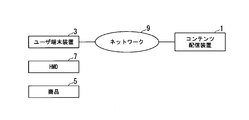
- FIG. 1 is a configuration diagram of a content distribution system according to the first embodiment of the present invention.
- the content distribution system includes a content distribution device 1, a user terminal device 3, a product 5, and a head mounted display (hereinafter referred to as “HMD”) 7.
- the content distribution device 1 and the user terminal device 3 are connected via a network 9 such as the Internet.
- a network 9 such as the Internet.
- only one user terminal device 3, one product 5, and one HMD 7 are shown, but there are actually a plurality of them.
- a plurality of content distribution apparatuses 1 may be provided.
- the content distribution device 1 distributes the 3D image content to the user terminal device 3.
- the three-dimensional image content is content data that displays an image such as a moving image or a still image in three dimensions.
- the right eye image is displayed on the right half of the display screen and the left eye image is displayed on the left half.
- the user terminal device 3 is, for example, a computer terminal such as a smartphone or a tablet terminal, and displays the 3D image content distributed from the content distribution device 1 on a display.
- the product 5 is an example of an article, and is provided to the user for a fee or free of charge.
- the product 5 may be a product sold in a store or the like, or may be a product distributed free of charge such as a free sample.
- Distribution content information can be acquired from the product 5.
- the distribution content information indicates information regarding viewable 3D image content.
- the distribution content information indicates a content ID (content identification information) that is information for specifying viewable 3D image content, and an access destination URL (Universal Resource Locator) for downloading the 3D image content. .
- the URL of the access destination for downloading the 3D image content is registered in the user terminal device 3 in advance, or when the URL is input to the user terminal device 3 by the user, the distribution content information includes only the content ID.
- distribution content information is printed on a product 5, a package of the product 5, a product tag of the product 5, a card or a booklet provided together with the product 5, or a seal on which the distribution content information is printed is attached.
- the distribution content information is represented by a character string or an image (for example, a two-dimensional barcode).
- RFID Radio Frequency Identification
- storing distribution content information may be built in or affixed to the product 5, the package of the product 5, the product tag of the product 5, a card or booklet provided together with the product 5, and the like.
- Different content IDs may be used for each of the plurality of products 5 for the same 3D image content, or the same content ID may be used.
- the HMD 7 is an example of a stereoscopic device used for viewing 3D image content displayed on the user terminal device 3.
- the HMD 7 is assigned permission identification information used for determining whether or not the 3D image content can be viewed.
- a permission ID is used as permission identification information. From the HMD 7, it is possible to obtain permission information indicating a permission ID assigned to the HMD 7. Different permission IDs may be assigned to each of the plurality of HMDs 7, or the same permission ID may be assigned. For example, permission information is printed on a HMD7, a package of HMD7, a product tag of HMD7, a card or a booklet provided together with HMD7, or a seal on which permission information is printed is attached.
- the permission information is represented by, for example, a character string or an image (for example, a two-dimensional barcode) representing the permission ID.
- the RFID storing the permission information may be built in or affixed to the HMD7, HMD7 package, HMD7 product tag, card or booklet provided together with the HMD7.
- the stereoscopic device may be glasses used for viewing 3D image content displayed on the user terminal device 3.
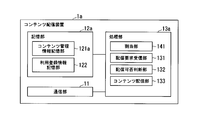
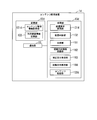
- FIG. 2 is a functional block diagram showing a configuration of the content distribution apparatus 1, and only functional blocks related to the present embodiment are extracted and shown.
- the content distribution apparatus 1 is realized by one or a plurality of computer servers, and includes a communication unit 11, a storage unit 12, and a processing unit 13.
- the communication unit 11 transmits / receives data to / from other devices via the network 9.
- the storage unit 12 stores various information.
- the storage unit 12 includes a content management information storage unit 121 and a usage registration information storage unit 122.
- the content management information storage unit 121 stores content management information.
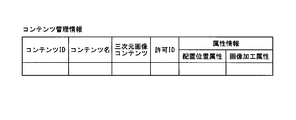
- the content management information is information in which the content ID, the 3D image content, and the permission ID that permits distribution of the 3D image content are associated with each other.
- the 3D image content is stored in another device connected to the content distribution device 1, the storage location of the 3D image content may be set in the content management information.
- the usage registration information storage unit 122 stores usage registration information.
- the usage registration information is information in which the content ID is associated with the permission ID registered to be used for viewing the 3D image content from the user among the permission IDs that permit the distribution of the 3D image content of the content ID. It is.
- the processing unit 13 includes a distribution request receiving unit 131, a distribution determining unit 132, and a content distribution unit 133.
- the distribution request receiving unit 131 receives a content distribution request in which a permission ID and a content ID are set from the user terminal device 3.
- the distribution determining unit 132 determines that distribution is possible when the combination of the content ID and permission ID set in the content distribution request received by the distribution request receiving unit 131 is registered in the content management information. Even if the same 3D image content is used, when a different content ID is used for each product 5 and a different permission ID is assigned for each HMD 7, the distribution determination unit 132 sets the received content distribution request. When the combination of the content ID and permission ID that has been registered is registered in the use registration information, it is determined that the distribution is possible.
- the distribution determination unit 132 determines that distribution is possible when the combination of the content ID and permission ID set in the content distribution request is not registered in the usage registration information and is set in the content management information. To do. In this case, the distribution determination unit 132 registers the combination of the content ID and the permission ID in the usage registration information. The distribution determining unit 132 determines that distribution is not possible when the combination of the content ID and permission ID set in the content distribution request is not set in the usage registration information or the content management information. When the distribution determination unit 132 determines that distribution is possible, the content distribution unit 133 displays the 3D image content set in the content management information corresponding to the content ID and permission ID set in the content distribution request. Then, the content is distributed to the user terminal device 3 that requested the content distribution.
- FIG. 3 is a functional block diagram showing a configuration of the user terminal device 3, and only functional blocks related to the present embodiment are extracted and shown.
- the user terminal device 3 is, for example, a smartphone, a tablet terminal, a mobile phone terminal, a portable personal computer, or the like. Below, the case where the user terminal device 3 is a smart phone is demonstrated to an example.
- the user terminal device 3 includes a communication unit 31, an input unit 32, an imaging unit 33, a processing unit 34, and a display unit 35. Note that when the distribution content information and the permission information are stored in the RFID, the user terminal device 3 includes a tag reader.
- the communication unit 31 transmits and receives information via the network 9.
- the input unit 32 receives information input by a user operation.
- the imaging unit 33 is a camera.
- the processing unit 34 includes a permission information acquisition unit 341, a distribution content information acquisition unit 342, a content request unit 343, a reception unit 344, and a display control unit 345.
- the permission information acquisition unit 341 acquires the permission ID from the permission information of the HMD 7 captured by the imaging unit 33 or the permission information of the HMD 7 read by the tag reader.
- the distribution content information acquisition unit 342 acquires the content ID and the URL of the access destination from the distribution content information of the product 5 captured by the imaging unit 33 or the distribution content information of the product 5 read by the tag reader.
- the content request unit 343 transmits the content distribution request in which the content ID and the permission ID are set to the content distribution apparatus 1 using the access destination URL as the destination.
- the receiving unit 344 receives data such as 3D image content distributed from the content distribution device 1.
- the display control unit 345 causes the display unit 35 to display the data distributed from the content distribution device 1.
- the display unit 35 is a display and displays data.
- the user terminal device 3 is a smartphone
- the display unit 35 is a touch panel
- the input unit 32 is a sensor arranged on the touch panel.
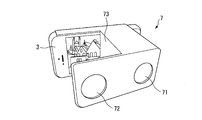
- FIG. 4 is an external view of the HMD 7.
- the figure shows an example of the HMD 7 when a smartphone is used as the user terminal device 3.
- the right-eye lens 71 provided in the HMD 7 is a lens for viewing the right-eye image displayed on the right side of the display by the user terminal device 3, and the left-eye lens 72 provided in the HMD 7 is displayed on the left side of the display by the user terminal device 3. This is a lens for viewing the left-eye image.
- a partition 73 is attached to the HMD 7 so that the left-eye image cannot be seen through the right-eye lens 71 and the right-eye image cannot be seen through the left-eye lens 72.
- the user sets the user terminal device 3 on the HMD 7 so that the edge of the partition 73 opposite to the lens overlaps in the vicinity of the separation between the right-eye image and the left-eye image displayed on the screen of the user terminal device 3.
- the user views the 3D image content displayed by the user terminal device 3 through the right-eye lens 71 and the left-eye lens 72.
- the housing of the HMD 7 can be assembled from paper, for example.
- FIG. 5 is a diagram showing a data configuration example of content management information.
- the content management information shown in the figure is information in which a content ID, a 3D image content (or a storage location of the 3D image content), and a permission ID that permits viewing of the 3D image content are associated with each other.
- One content ID may correspond to one or a plurality of three-dimensional image contents.
- One or more content IDs can correspond to one 3D image content.
- one content ID can correspond to one content ID.
- FIG. 6 is a diagram illustrating a data configuration example of registration information.
- the registration information is information in which the permission ID is associated with the content ID of the 3D image content registered by the user for viewing with the permission ID.
- One permission ID is associated with one or more content IDs.
- One content ID is associated with one or more permission IDs.
- the content distributor registers content management information in the content management information storage unit 121.
- the product 5 to which the distribution content information indicating the content ID registered in the content management information is given is sold to the user at a store or the like, or distributed free of charge at a store, a station, or on the road.
- the HMD 7 provided with permission information indicating the permission ID registered in the content management information is sold or distributed free of charge to the user.
- the HMD 7 may be sold together with the product 5 or separately from the product 5, distributed as an appendix of the product 5, or distributed together with the product 5 for free.
- the product 5 is a book such as a magazine, a picture book, and a picture book.
- the distribution content information of the 3D image content related to the content of the page is printed on each page or some pages of the book.
- the same permission ID may be given to the plurality of HMDs 7 for viewing the 3D image content delivered using the delivery content information printed on the book, or different authorization IDs may be assigned to each HMD 7 Good.
- FIG. 7 is a diagram illustrating a setting example of content management information when one content ID is assigned to one 3D image content and the same type of product 5 uses the HMD 7 having a common permission ID.
- the contents A1, A2, A3, and A4 can be viewed by the magazine A (product 5), and the contents B1, B2, B3, and A4 can be viewed by the magazine B (product 5).
- the contents A1, A2, A3, A4, B1, B2, and B3 are 3D image contents.
- the content IDs “A1”, “A2”, “A3”, “A4”, “B1”, “B2”, “B3” are assigned to the contents A1, A2, A3, A4, B1, B2, B3, respectively. assign.
- the permission ID “Pa” is assigned to the HMD 7 for the magazine A
- the permission ID “Pb” is assigned to the HMD 7 for the magazine B.
- the content management information includes content ID “A1” and content A1, content ID “A2” and content A2, content ID “A3” and content A3, content ID “A4” and content A4, and content ID “B1”.
- Content B1, content ID “B2” and content B2, and content ID “B3” and content B3 are registered in association with each other.
- the permission ID “Pa” is associated with the content IDs “A1”, “A2”, and “A3”
- the permission ID is associated with the content IDs “B1”, “B2”, and “B3”.
- “Pb” is associated with the content ID “A4”, and permission IDs “Pa” and “Pb” are registered.
- distribution content information indicating content IDs “A1”, “A2”, “A3”, and “A4” is printed, and for magazine B, content IDs “B1”, “B2”, and “B3” are printed. , “A4” distribution content information is printed.
- the permission information indicating the permission ID “Pa” is printed on the HMD 7 in the appendix of the magazine A, and the permission information indicating the permission ID “Pb” is printed on the HMD 7 in the appendix of the magazine B.
- a content ID “A4” and a content ID “B4” are assigned to the content A4.
- the content A4 and the permission ID “Pa” are registered in association with the content ID “A4”
- the content A4 and the permission ID “Pb” are registered in association with the content ID “B4”.
- the distribution content information indicating the content ID “A4” is printed on the magazine A
- the distribution content information indicating the content ID “B4” is printed on the magazine B.
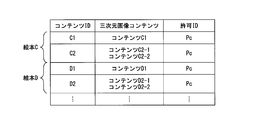
- FIG. 8 is a diagram showing a setting example of content management information when one content ID is assigned to one or a plurality of three-dimensional image contents and the HMD 7 having a common permission ID is used for different types of related products 5.
- different types of products 5 that are related are picture books of the same series, pictorial books consisting of a plurality of volumes, monthly magazines of different publication months, and the like.
- picture book C product 5
- picture book D product 5
- the contents C1, C2-1 and C2-2 can be viewed with the picture book C
- the contents D1, D2-1 and D2-2 can be viewed with the picture book D.
- the contents C1, C2-1, C2-2, D1, D2-1, and D2-2 are 3D image contents.
- the content ID “C1” is assigned to the content C1
- the content ID “C2” is assigned to the content C2-1 and C2-2
- the content ID “D1” is assigned to the content D1
- the content ID “C1” is assigned to the content D2-1 and D2-2.
- D2 is assigned.
- a permission ID “Pc” is assigned to the HMD 7 commonly used in the picture book series.
- the content management information includes content ID “C1” and content C1, content ID “C2” and content C2-1 and C2-2, content ID “D1” and content D1, content ID “D2” and content D2-. 1 and D2-2 are registered in association with each other. Further, the permission ID “Pc” is registered in the content management information in association with the content IDs “C1”, “C2”, “D1”, and “D2”.
- distribution content information indicating each of the content IDs “C1” and “C2” is printed
- distribution content information indicating each of the content IDs “D1” and “D2” is printed.
- the permission information indicating the permission ID “Pc” is printed on the HMD 7 commonly used in the picture book series and is sold separately from the picture book C and the picture book D, or distributed to users who have purchased the picture book C and the picture book D. Moreover, you may distribute to the user who purchased the other picture book with the leaflet of the picture book series in which the picture book C and the picture book D are included.
- the distribution apparatus 1 distributes both the content C2-1 and the content C2-2, or distributes the content C2-1 or the content C2-2 selected by the user.
- FIG. 9 is a diagram illustrating a setting example of content management information when one content ID is assigned to one 3D image content and different permission IDs are assigned to the HMDs 7 of the same type of product 5.
- contents A1, A2, and A3, which are three-dimensional image contents can be viewed by magazine A (product 5).
- Permit IDs “Pa0000” to “Pa9999” are used for HMD7 in the appendix of magazine A.
- the content ID “A1” and the content A1, the content ID “A2” and the content A2, and the content ID “A3” and the content A3 are registered in association with the content management information.
- permission IDs “Pa0000 to Pa9999” are registered in the content management information in association with the content IDs “A1”, “A2”, and “A3”.
- distribution content information indicating the content IDs “A1”, “A2”, and “A3” is printed. Further, permission information indicating any one of permission IDs “Pa0000” to “Pa9999” is given to each of the HMDs 7 in the appendix of 10000 copies of magazine A so as not to overlap.
- the product 5 is a card (game card or the like), a medal, or a figure of each character appearing in a game or animation.
- the distribution content information of the 3D image content related to the character is printed on each product 5.
- the HMD 7 is sold separately from the product 5.
- FIG. 10 is a diagram showing a setting example of content management information when one content ID is assigned to one 3D image content and different permission IDs are assigned to the HMDs 7 used in the same product series.
- the contents E1, E2, E3,... which are three-dimensional image contents, can be viewed by the cards E1, E2, E3,.
- permission IDs “Pe0000” to “Pe9999” are used for the HMD7 of the game card series.
- the content ID “E1” and the content E1, the content ID “E2” and the content E2, and the content ID “E3” and the content E3 are registered in association with the content management information. Further, permission IDs “Pe0000 to Pe9999” are registered in the content management information in association with the content IDs “E1”, “E2”, “E3”,.
- the distribution content information indicating the content ID “E1” is printed on the card E1
- the distribution content information indicating the content ID “E2” is printed on the card E2
- the distribution content information indicating the content ID “E3” is printed on the card E3.
- permission information indicating any one of permission IDs “Pe0000” to “Pe9999” is printed on each of the 10,000 HMDs 7 for viewing the 3D image content of the game card series so as not to overlap. And so on.
- a part of the permission ID for example, a predetermined number of characters or numbers from the top of the permission ID may be used as information for specifying the group.
- a group of permission IDs that permit viewing of 3D image content is registered in the content management information in association with the content ID.
- “Pe” from the beginning of the permission ID to the second character represents a group corresponding to this series.
- Each of the plurality of HMDs 7 for viewing the 3D image content of the game card series is assigned a permission ID starting from “Pe” so as not to overlap.
- a group “Pe” of permission IDs is registered in association with content IDs “E1”, “E2”, “E3”,.
- FIG. 11 is a diagram illustrating a setting example of content management information in the case where different content IDs are assigned to one 3D image content for each product 5 (card) and different permission IDs are assigned to the HMDs 7 used in the same product series. is there.
- contents E1, E2, E3,... which are three-dimensional image contents, can be viewed by the cards E1, E2, E3,.
- Content IDs “E10000” to “E19999” are assigned to the content E1
- content IDs “E20000” to “E29999” are assigned to the content E2
- content IDs “E30000” to “E39999” are assigned to the content E3.
- permission IDs “Pe0000” to “Pe9999” are used for the HMD7 of this game card series.
- the content ID “E10000 to E19999” and the content E1 are registered in association with each other. Furthermore, permission IDs “Pe0000 to Pe9999” are registered in the content management information in association with content IDs “E10000 to E19999”, “E20000 to E29999”, “E30000 to E39999”,.
- distribution content information indicating one of the content IDs “E10000” to “E19999” is printed so that there is no duplication on the 10,000 cards E1, and there is no duplication on the 10,000 cards E2.
- the distribution content information indicating any of the content IDs “E30000” to “E29999” is printed, and the distribution content information indicating any of the content IDs “E30000 to E39999” is printed on the card E3 so that there is no duplication.
- permission information indicating any one of permission IDs “Pe0000” to “Pe9999” is printed on each of the 10,000 HMDs 7 for viewing the 3D image content of the game card series so as not to overlap. And so on.
- FIG. 12 shows a setting example of content management information in the case where different content IDs are assigned to one or a plurality of three-dimensional image contents for each product 5 (card) and different permission IDs are assigned to each HMD 7 used in the same product series.
- FIG. 12 For example, there is a certain game card series, and the contents E1, E2, E3,..., Which are three-dimensional image contents, can be viewed by the cards E1, E2, E3,.
- Content IDs “E10000” to “E19999” are assigned to the content E1
- content IDs “E20000” to “E29999” are assigned to the content E2
- content IDs “E30000” to “E39999” are assigned to the content E3.
- permission IDs “Pe0000” to “Pe9999” are used for the HMD7 of the game card series.
- 100 specially released HMDs 7 use the permission IDs “Pe0000” to “Pe0099”, and the contents Ea, which are privileged three-dimensional image contents, are obtained from the cards E1, E2, E3,. Eb, Ec,... Can be further viewed.
- the content ID “E10000 to E19999”, the content E1 and the content Ea, and the permission IDs “Pe0000” to “Pe0099” are stored in association with each other, and the content ID “E10000 to E19999” is stored.
- the content E1 and the permission IDs “Pe0100” to “Pe9999” are registered in association with each other.
- the content ID “E20000 to E29999”, the content E2 and the content Eb, and the permission IDs “Pe0000” to “Pe0099” are stored in association with each other, and the content ID “E20000 to E29999” is stored.
- the content E2 and the permission IDs “Pe0100” to “Pe9999” are registered in association with each other.
- the distribution content information indicating any of the content IDs “E10000” to “E19999” is printed so that there is no duplication on the 10,000 cards E1, and the 10,000 cards E2 are not duplicated.
- Distribution content information indicating one of the content IDs “E20000” to “E29999” is printed, and distribution content information indicating one of the content IDs “E30000 to E39999” is printed on the card E3 so that there is no duplication. To do.
- one of the permission IDs “Pe 0000” to “Pe 0099” is shown for 100 specially released items so as not to overlap.
- the permission information is printed, and permission information indicating any of the permission IDs “Pe0100” to “Pe9999” is printed on the other HMDs 7 that are normally released so as not to overlap.
- the set of the product 5 and the HMD 7 may be a souvenir sold at a sightseeing spot or a museum.
- the product 5 is a booklet or a postcard printed with a list of introduction texts about sightseeing spots such as scenery and history of sightseeing spots and distribution content information indicating content IDs of 3D image contents related to the introduction text.
- the product 5 may be a figurine that imitates a typical building in a sightseeing spot, a stuffed toy mascot character in a sightseeing spot, stationery goods, or the like.
- the product 5 may be a pamphlet on which a list of explanations about museum exhibits and distribution content information representing 3D image content related to the exhibits is printed.
- the product 5 and the HMD 7 are distributed to the user.
- the user terminal device 3 of the user who has acquired the product 5 and the HMD 7 performs content distribution request processing as shown in FIG. 13, and the content distribution device 1 performs content distribution processing as shown in FIG.
- the processing unit 13 of the content distribution device 1 transmits / receives data to / from the user terminal device 3 via the communication unit 11, and the processing unit 34 of the user terminal device 3 transmits / receives data to / from the content distribution device 1 via the communication unit 31.
- description of those processes is omitted.
- FIG. 13 is a flowchart of content distribution request processing in the user terminal device 3.
- the user terminal device 3 images the permission information of the HMD 7 by the imaging unit 33 according to the instruction input by the user by the input unit 32.
- the permission information acquisition unit 341 acquires a permission ID from the permission information imaged by the imaging unit 33 (step S105).
- the permission information acquisition unit 341 may store the permission ID acquired in the past and read the permission ID.
- the user terminal device 3 images the distribution content information of the product 5 by the imaging unit 33 according to the instruction input by the user by the input unit 32.
- the distribution content information acquisition unit 342 acquires the content distribution request destination URL and the content ID from the image data of the distribution content information captured by the imaging unit 33 (step S110).
- the content request unit 343 transmits the content distribution request with the URL acquired in step S110 as a destination (step S115).
- the permission ID acquired in step S105 and the content ID acquired in step S110 are set.
- the display control unit 345 displays the received 3D image content on the display unit 35. (Step S125).
- step S120 NO, step S130: YES
- the display control unit 345 displays the received error screen data. It is displayed on the display unit 35 (step S135).
- the processing unit 34 ends the process after the process of step S125 or step S135 or when neither the 3D image content nor the error screen data is received (step S120: NO, step S130: NO). Note that the processing unit 34 may perform the processing from Step S115 or Step S120 when neither the 3D image content nor the error screen data is received. Note that the processing order of step S105 and step S110 may be reversed.
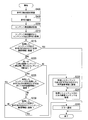
- FIG. 14 is a flowchart of content distribution processing in the content distribution apparatus 1.
- the distribution request receiving unit 131 of the content distribution device 1 receives a content distribution request from the user terminal device 3 (step S205).
- the distribution determination unit 132 acquires a content ID and a permission ID from the received content distribution request (step S210), and determines whether or not the acquired content ID and the acquired permission ID are associated with each other and registered in the registration information. Judgment is made (step S215).
- step S220 the distribution determination unit 132 determines whether different content IDs are assigned to the plurality of products 5 of the same type even for the same 3D image content. Is determined (step S220). If the distribution determination unit 132 determines that the same content ID is assigned to the same 3D image content for the same type of product 5 (step S220: NO), the distribution determination unit 132 performs a process of step S230 described later.
- step S225 determines whether or not the content ID acquired from the content distribution request and the permission ID different from the permission ID acquired from the content distribution request are registered in the registration information in association with each other (Step S1). S225).
- the distribution determination unit 132 does not register the content ID acquired from the content distribution request and the permission ID different from the permission ID acquired from the content distribution request in association with the registration information.
- the distribution determining unit 132 determines whether the content ID acquired from the content distribution request and the permission ID are registered in association with the content management information (Ste S230).
- the distribution determination unit 132 determines the requested 3D image content. Judge that delivery is possible.
- the distribution determination unit 132 includes a content ID acquired from the content distribution request and a group to which the permission ID acquired from the content distribution request belongs to the content management information. Are registered in association with each other, YES is determined in step S230.
- the distribution determination unit 132 associates the content ID acquired from the received content distribution request with the permission ID and sets the registration information (step S235).
- the distribution determination unit 132 outputs the acquired content ID and permission ID to the content distribution unit 133 and instructs distribution of the content.
- the content distribution unit 133 When the content distribution unit 133 receives the content ID and the permission ID from the distribution determination unit 132, the content distribution unit 133 reads the 3D image content (or the storage location of the 3D image content) corresponding to the content ID and the permission ID from the content management information. When reading the storage location, the content distribution unit 133 reads the 3D image content from the storage location. The content distribution unit 133 distributes the read 3D image content to the user terminal device 3 (step S240).
- the content distribution unit 133 may distribute the plurality of 3D image contents in a predetermined order.
- the distribution inquiry screen data indicating which of the plurality of 3D image contents is to be distributed may be transmitted to the user terminal device 3 and displayed on the display unit 35.
- the content distribution unit 133 receives information on the 3D image content selected by the user using the input unit 32 from the user terminal device 3 corresponding to the transmitted distribution inquiry screen data.
- the content distribution unit 133 distributes the 3D image content selected by the user to the user terminal device 3.
- step S215 when the distribution determining unit 132 determines that the acquired content ID and permission ID are registered in association with the registration information (step S215: YES), the requested 3D image content is requested. And the process of step S240 is performed. That is, the distribution determination unit 132 outputs the acquired content ID and permission ID to the content distribution unit 133 to instruct content distribution, and the content distribution unit 133 determines the 3D image content specified by the content ID and permission ID. Is distributed to the user terminal device 3 (step S240).
- step S225 If it is determined in step S225 that the registration information includes a content ID acquired from the content distribution request and a permission ID that is different from the permission ID acquired from the content distribution request (step S225: YES). ) Alternatively, if it is determined in step S230 that the content ID acquired from the content distribution request and the permission ID are not registered in association with the content management information (step S230: NO), the distribution determination unit 132 An error is notified to the user terminal device 3 (step S245). For example, the distribution determination unit 132 transmits error screen data for displaying a message indicating that distribution is impossible to the user terminal device 3.
- the imaging unit 33 of the user terminal device 3 continuously captures moving image data
- the permission information acquisition unit 341 captures the moving image captured by the imaging unit 33 even if the user does not input an instruction using the input unit 32.
- the permission information may be detected from the data, and the permission ID may be read from the detected permission information.
- the distribution content information acquisition unit 342 detects the distribution content information from the moving image data continuously captured by the imaging unit 33 even if the user does not input an instruction through the input unit 32, and the detected distribution content information May acquire the URL of the content distribution request destination and the content ID.
- the content request unit 343 transmits the content distribution request to the content distribution device 1 even if the user does not input an instruction using the input unit 32. .
- the newest permission ID acquired by the permission information acquisition unit 341 is set in the content distribution request.
- the distribution content information acquisition unit 342 continues to detect distribution content information while the imaging unit 33 continues to capture images, even if the user does not input an instruction using the input unit 32, and the content request unit 343 The process of transmitting the content distribution request based on the detected distribution content information is repeated. Accordingly, the user can view the 3D image content one after another by simply holding the product 5 over the imaging unit 33 of the user terminal device 3 or pointing the imaging unit 33 toward the product 5 without performing an operation each time. Can do.
- the 3D image content related to the product can be distributed only to a user who possesses a stereoscopic viewing tool necessary for viewing the 3D image content. Further, by providing the user with 3D image content related to the product, the added value of the product is improved, which leads to sales promotion.
- the processing unit 34 of the user terminal device 3 of the user A (or user B) A permission ID change request in which the content ID read from the information, the permission ID before the registration change, and the permission ID after the registration change is set is transmitted to the content distribution apparatus 1.
- the permission ID before the registration change is the permission ID acquired from the permission information of the user A's HMD7
- the permission ID after the registration change is the permission ID acquired from the permission information of the user B's HMD7.
- the processing unit 13 of the content distribution apparatus 1 reads the content ID, the permission ID before the registration change, and the permission ID after the registration change from the permission ID change request.
- the processing unit 13 rewrites the permission ID before the registration change set in the registration information in association with the read content ID to the permission ID after the registration change. As a result, even a user who has received the product 5 can view the 3D image content.
- the content distribution system of this embodiment includes a content distribution device 1a shown in FIG. 15 instead of the content distribution device 1 shown in FIG. Further, the permission information printed or pasted on the HMD 7 of the present embodiment indicates a permission ID assignment URL.
- the permission ID assignment URL is a URL of a website that assigns a permission ID.
- FIG. 15 is a functional block diagram showing a configuration of the content distribution apparatus 1a, and only functional blocks related to the present embodiment are extracted and shown.
- the content distribution apparatus 1a is realized by one or a plurality of computer servers.
- the difference between the content distribution apparatus 1a and the content distribution apparatus 1 of the first embodiment is that a storage unit 12a and a processing unit 13a are provided instead of the storage unit 12 and the processing unit 13.
- the storage unit 12a is different from the storage unit 12 of the first embodiment illustrated in FIG. 2 in that a content management information storage unit 121a is provided instead of the content management information storage unit 121.
- the content management information stored in the content management information storage unit 121a has a data configuration in which information on a permission ID assignment URL is added to the content management information of the first embodiment.
- the permission ID allocation URL is associated with the content ID and the 3D image content, and is used as information representing the viewable 3D image content.
- the difference between the processing unit 13a and the processing unit 13 of the first embodiment is that an allocation unit 141 is further provided.
- the assigning unit 141 assigns a permission ID to a user who has requested the assignment of a permission ID using the permission information acquired from the HMD 7.
- FIG. 16 is a functional block diagram showing a configuration of the user terminal device 3a, and only functional blocks related to the present embodiment are extracted and shown.
- the user terminal device 3a differs from the user terminal device 3 of the first embodiment shown in FIG. 3 in that a processing unit 34a is provided instead of the processing unit 34.
- the processing unit 34a differs from the processing unit 34 of the first embodiment in that a permission information acquisition unit 341a is provided instead of the permission information acquisition unit 341.
- the permission information acquisition unit 341a transmits a permission ID allocation request (permission identification information allocation request) with the URL acquired from the permission information as a destination.
- FIG. 17 is a diagram illustrating a data configuration example of content management information according to the present embodiment.
- the content management information includes a content ID, a 3D image content (or a storage location of the 3D image content), a permission ID that permits viewing of the 3D image content, and a permission ID assignment URL. Is information associated with each other.
- the content distributor associates the content ID, the 3D image content (or the storage location of the 3D image content), the permission ID for permitting the distribution (viewing) of the 3D image content, and the permission ID assignment URL.
- the content management information is registered in the content management information storage unit 121a of the content distribution apparatus 1a. After the content management information is registered, the product 5 and the HMD 7 are distributed to the user.
- FIG. 18 is a flowchart of content distribution request processing in the user terminal device 3a.
- the same step number is assigned to the same process as the content distribution request process shown in FIG. 13, and the detailed description is omitted.
- the user terminal device 3a images the permission information of the HMD 7 by the imaging unit 33 according to the instruction input by the user using the input unit 32 (step S305).
- the permission information acquisition unit 341a accesses the content distribution apparatus 1a using the permission ID allocation URL indicated by the permission information captured by the imaging unit 33 as a destination, and transmits a permission ID allocation request (step S310).
- the permission information acquisition unit 341a receives the permission ID from the content distribution device 1a in response to the permission ID assignment request (step S315).
- the user terminal device 3a performs the process after step S110 of FIG.
- the permission ID received in step S315 and the content ID acquired in step S110 are set in the content distribution request transmitted in step S115.
- the permission information acquisition unit 341a may store the permission ID received from the content distribution device 1a, read the permission ID, and set the content distribution request. In that case, the processing in steps S305 to S315 can be omitted. Further, the processing order of steps S305 to S315 and step S110 may be reversed.
- FIG. 19 is a flowchart of content distribution processing in the content distribution apparatus 1a.
- the allocation unit 141 of the content distribution device 1a receives a permission ID allocation request from the user terminal device 3a (step S405).
- the assigning unit 141 randomly determines an unused permission ID and assigns it to the user (step S410).
- the assigning unit 141 may determine the group ID based on the URL used by the user terminal device 3a for access, and may randomly determine a part other than the group ID of the permission ID.
- the assigning unit 141 sets the assigned permission ID in the content management information in association with the URL used for access by the user terminal device 3a.
- the assigning unit 141 notifies the user terminal device 3a of the assigned permission ID (step S415).
- the content distribution apparatus 1a performs the same process as the process after step S205 of the content distribution apparatus 1 of the first embodiment.
- the content distributor in advance, the content ID, the 3D image content (or the storage location of the 3D image content), the permission ID for permitting the distribution (viewing) of the 3D image content, and the permission ID assignment URL. May be registered in the content management information storage unit 121a.
- the assigning unit 141 is unused (not yet assigned to any user) from among the permission IDs set in the content management information corresponding to the URL used for access by the user terminal device 3a.
- the permission ID is selected and assigned to the user terminal device 3a that is the transmission source of the permission ID assignment request.
- the allocation unit 141 acquires and stores a set of terminal identification information of the transmission source user terminal device 3a and a permission ID allocation URL from the permission ID allocation request, and reads out from the received permission ID allocation request. If a set of terminal identification information and permission ID assignment URL has been used more than a predetermined number of times in the past, an error screen may be transmitted to the user terminal device 3a without assigning a permission ID. Also, different permission ID assignment URLs are assigned to each HMD 7, and the assignment unit 141, when the permission ID assignment URL used as the access destination of the permission ID assignment request has been used more than a predetermined number of times in the past, An error screen may be transmitted to the user terminal device 3a without assigning a permission ID.
- the same effect as in the first embodiment can be obtained.
- the content distribution system of the present embodiment includes a content distribution device 1b illustrated in FIG. 20 and a user terminal device 3b illustrated in FIG. 21 instead of the content distribution device 1 and the user terminal device 3 illustrated in FIG.
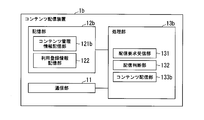
- FIG. 20 is a functional block diagram showing the configuration of the content distribution apparatus 1b, and only functional blocks related to the present embodiment are extracted and shown.
- the difference between the content distribution apparatus 1b and the content distribution apparatus 1 according to the first embodiment shown in FIG. 2 is that a storage unit 12b and a processing unit 13b are provided instead of the storage unit 12 and the processing unit 13.
- the storage unit 12b is different from the storage unit 12 of the first embodiment illustrated in FIG. 2 in that a content management information storage unit 121b is provided instead of the content management information storage unit 121.
- the content management information stored in the content management information storage unit 121b has a data configuration in which one or both of a distribution period and a distribution area are added to the content management information of the first embodiment.
- the difference between the processing unit 13 b and the processing unit 13 of the first embodiment is that a content distribution unit 133 b is provided instead of the content distribution unit 133.
- the content distribution unit 133b selects the 3D image content to be distributed based on the distribution period and the distribution area in addition to the content ID and permission ID set in the content management information.
- FIG. 21 is a functional block diagram showing a configuration of the user terminal device 3b, and only functional blocks related to the present embodiment are extracted and shown.
- the difference between the user terminal device 3b and the user terminal device 3 of the first embodiment shown in FIG. 3 is that it further includes a time information acquisition unit 41 and a position information acquisition unit 42, and a processing unit instead of the processing unit 34. 34b.
- the time information acquisition unit 41 acquires current time information.
- the position information acquisition unit 42 acquires information on the current position.
- the processing unit 34b is different from the processing unit 34 in that a content requesting unit 343b is provided instead of the content requesting unit 343.
- the content request unit 343b transmits a content distribution request in which the current position information and the current time information are further set to the content distribution apparatus 1b.
- FIG. 22 is a diagram illustrating a data configuration example of content management information.
- the content management information includes the content ID of the 3D image content, the distribution period, the distribution area, the 3D image content (or the storage location of the 3D image content), and the 3D image content.
- This information is associated with a permission ID that permits viewing.
- Either or both of the distribution period and the distribution area may be NULL (no setting).
- the distribution area may be represented by the latitude / longitude and radius of the center, each vertex of the polygonal area may be represented by latitude / longitude, and may be represented by a zip code, city name, address, etc. Good.
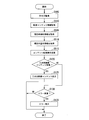
- FIG. 23 is a flowchart of content distribution request processing in the user terminal device 3b.
- the same step number is assigned to the same process as the content distribution request process shown in FIG. 13, and the detailed description is omitted.
- the permission information acquisition unit 341 of the user terminal device 3b acquires a permission ID based on the permission information imaged by the imaging unit 33 (step S105).
- the distribution content information acquisition unit 342 acquires the content distribution request destination URL and the content ID from the image data of the distribution content information captured by the imaging unit 33 (step S110).
- the time information acquisition unit 41 of the user terminal device 3b acquires information on the current time (step S505).
- the time information acquisition unit 41 may acquire current time information from a clock (not shown) included in the user terminal device 3b, or may receive time information by receiving a radio wave representing the time.
- the position information acquisition unit 42 acquires position information (step S510).
- the position information acquisition unit 42 is realized by GPS (Global Positioning System), and information on the current position is acquired.
- the position information acquisition unit 42 may receive position information by short-range communication from a communication device provided in a building such as a building, a pole, a signboard, or an image installed indoors or outdoors.
- a character or an image (such as a two-dimensional barcode) indicating position information drawn on a poster or the like attached to the image may be acquired by imaging with the imaging unit 33.
- WiFi registered trademark
- Bluetooth registered trademark
- visible light communication infrared communication
- NFC Near field communication
- the content request unit 343b transmits the content distribution request with the URL acquired in step S110 as a destination (step S515).
- the permission ID acquired in step S105, the content ID acquired in step S110, the current time information acquired in step S510, and the current position information acquired in step S515 are set.
- the user terminal device 3b executes the same process as the process after step S120 of FIG. That is, the display control unit 345 causes the display unit 35 to display the 3D image content or the error screen data received by the receiving unit 344 from the content distribution device 1b (Steps S120 to S135).
- the processing order of step S105, step S110, step S505, and step S510 may be arbitrary.
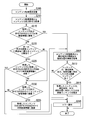
- FIG. 24 is a flowchart of content distribution processing in the content distribution apparatus 1b.
- the same step number is assigned to the same process as the content distribution process shown in FIG. 14, and the description is omitted.
- the processing from step S205 to step S235 and the processing of step S245 of the content distribution device 1b are the same as in the first embodiment.
- the content distribution unit 133b of the content distribution device 1b acquires the current time information and the current position information from the content distribution request (step S605). Instead of setting the current time information in the content distribution request, the content distribution unit 133b may receive the current time information using a clock (not shown) included in the content distribution device 1b or a radio wave received from the outside.
- the content distribution unit 133b associates the content management information with the content ID and permission ID acquired from the content distribution request, the distribution period that includes the current time, and the distribution area that includes the current position. It is determined whether or not (or the storage location of the 3D image content) is registered (step S610). The content distribution unit 133b determines that the current time is included in the distribution period when the distribution period is not set in the content management information in association with the content ID and the permission ID, and corresponds to the content ID and the permission ID. If no distribution area is set, it is determined that the current position is included in the distribution area.
- the content distribution unit 133b associates the content management information with the content ID and permission ID acquired from the content distribution request, the distribution period including the current time, and the location including the current position, in accordance with the 3D image content (or If it is determined that the 3D image content storage location is registered (step S610: YES), the 3D image content (or 3D image content storage location) is read out.
- the content distribution unit 133b reads the 3D image content from the storage location.
- the content distribution unit 133b distributes the read 3D image content to the user terminal device 3b (step S615).
- the content distribution unit 133b associates the registration information with the content ID and permission ID acquired from the content distribution request, the distribution period including the current time, and the distribution area including the current position.
- an error is notified to the user terminal device 3b (step S245). That is, the content distribution unit 133b transmits error screen data for displaying a message indicating that distribution is impossible to the user terminal device 3b. (Step S245).
- the product 5 and the HMD 7 can be sold at a certain event, and different 3D image contents can be provided before, during, or after the event at the event venue.
- different 3D image contents can be provided before, during, or after the event at the event venue.
- after the user returns from the event it is possible to provide different 3D image contents depending on the location of the home.
- a communicator that sells product 5 and HMD7 at a theme park, etc., and installs a communication device that transmits location information by short-range communication on a rope or chain that is used to guide a line to enter the attraction. To do.
- a signboard or the like on which position information is printed is installed near the queue.
- a communication device that transmits position information or a signboard on which the position information is drawn is installed.
- the user can view and enjoy the 3D image content provided by the point.
- the user terminal device 3b may further include a sensor that detects the direction in which the user terminal device 3b is facing, and information on the direction detected by the sensor may be added to the current position information.
- the content distribution unit 133b acquires the direction information added to the current position information in step S615, cuts out the video that matches the direction in which the user terminal device 3b faces from the read 3D image content, and the user terminal device. Deliver to 3b. Thereby, for example, in a sightseeing spot or ruins, an image of the old state in the direction that the user is facing can be provided by the three-dimensional image content.
- the user can view the structure of a castle or the like that was built on the land in the past and the state of historical events that were in the land in the past by viewing the 3D image content and compare it with the current landscape.
- the two-dimensional image content is content data of an image such as a two-dimensional moving image or a still image.
- the difference from the second embodiment will be mainly described, but this difference can also be applied to the first embodiment and the third embodiment.
- the content distribution system of the present embodiment includes a content distribution device 1c shown in FIG. 25 and a user terminal device 3c shown in FIG. 26 instead of the content distribution device 1 and user terminal device 3 shown in FIG.
- FIG. 25 is a functional block diagram showing the configuration of the content distribution apparatus 1c, and only functional blocks related to the present embodiment are extracted and shown.
- the difference between the content distribution device 1c and the content distribution device 1a of the second embodiment shown in FIG. 15 is that a storage unit 12c and a processing unit 13c are provided instead of the storage unit 12a and the processing unit 13a.
- the storage unit 12c is different from the storage unit 12a of the second embodiment shown in FIG. 15 in that a content management information storage unit 121c is provided instead of the content management information storage unit 121a.
- the content management information stored in the content management information storage unit 121c has a data configuration in which the 2D image content corresponding to the 3D image content or the storage location of the 2D image content is added to the content management information of the first embodiment. is there.
- the processing unit 13c is different from the processing unit 13a of the second embodiment in that the processing unit 13c further includes an inquiry transmission unit 151 and a content distribution unit 133c instead of the content distribution unit 133.
- the inquiry transmission unit 151 transmits inquiry screen data indicating which of the 3D image content and the 2D image content is to be distributed to the user terminal device 3c.
- the content distribution unit 133c specifies the 3D image content to be distributed to the user terminal device 3c that is the content distribution request source.
- the content distribution unit 133c selects either the user's selection received from the user terminal device 3c, or the specified 3D image content based on the user's age and the 2D image content corresponding to the specified 3D image content. To deliver.
- FIG. 26 is a functional block diagram showing the configuration of the user terminal device 3c, and only functional blocks related to the present embodiment are extracted and shown.
- the difference between the user terminal device 3c and the user terminal device 3a of the second embodiment shown in FIG. 16 is that a processing unit 34c is provided instead of the processing unit 34a.
- the processing unit 34c is different from the processing unit 34a of the second embodiment illustrated in FIG. 16 in that an inquiry unit 351 is further provided.
- the inquiry unit 351 causes the display unit 35 to display inquiry screen data indicating which of the 3D image content and the 2D image content is to be distributed.
- FIG. 27 is a diagram illustrating a data configuration example of content management information according to the present embodiment.
- the content management information includes content ID, 3D image content (or storage location of 3D image content), 2D image content (or storage location of 2D image content), 3D This information is associated with a permission ID that permits viewing of image content.
- the user terminal device 3c can obtain inquiry screen data for requesting distribution of 3D image content or 2D image content at any timing, or inquiry screen data from the content distribution device 1c. Is displayed on the display unit 35 at the time of reception.
- the inquiry unit 351 of the user terminal device 3c downloads and installs the viewer program from the content distribution device 1c
- the inquiry unit 351 receives the assigned permission ID from the content distribution device 1c before transmitting the permission ID assignment request.
- the distribution content information is read from the product 5
- the inquiry screen data is displayed on the display unit 35 before the transmission of the content distribution request.
- the viewer program is a program for causing the user terminal device 3c to function as the permission information acquisition unit 341a, the distribution content information acquisition unit 342, the content request unit 343, the reception unit 344, and the display control unit 345.
- the inquiry transmission unit 151 of the content distribution device 1c distributes the content from the user terminal device 3c before downloading the viewer program to the user terminal device 3c, before or after transmitting the permission ID assigned to the user terminal device 3c.
- the inquiry screen data is transmitted to the user terminal device 3c.
- the inquiry unit 351 of the user terminal device 3c causes the display unit 35 to display inquiry screen data received from the content distribution device 1c.
- the user inputs which of the 3D image content and the 2D image content is to be selected by the input unit 32.
- the inquiry unit 351 of the user terminal device 3c transmits to the content distribution device 1c which of the 3D image content and the 2D image content has been selected.
- the content distribution unit 133c of the content distribution device 1c receives information that the 3D image content is selected, in step S240, the content distribution unit 133c distributes the 3D image content in the same manner as in the above-described embodiment.
- the content distribution unit 133c of the content distribution device 1c distributes the two-dimensional image content corresponding to the three-dimensional image content specified in step S240 when receiving the notification that the two-dimensional image content is selected.
- the content distribution unit 133c reads from the content management information the two-dimensional image content (or the storage location of the two-dimensional image content) corresponding to the content ID and permission ID received from the distribution determination unit 132.
- the content distribution unit 133c reads the two-dimensional image content from the storage location.
- the content distribution unit 133c distributes the read two-dimensional image content to the user terminal device 3c.
- age input screen data may be used instead of inquiry screen data for requesting distribution of 3D image content or 2D image content.
- the inquiry unit 351 of the user terminal device 3c transmits the age information input by the user through the input unit 32 to the content distribution device 1c.
- the content distribution unit 133c of the content distribution device 1c distributes the 3D image content in the same manner as described above in step S240.
- the content distribution unit 133c of the content distribution device 1c distributes the two-dimensional image content corresponding to the three-dimensional image content in the same manner as described above in step S240.
- the content distribution device 1c can select and distribute the 3D image content or the 2D image content by the user.
- the content distribution system of this embodiment includes a content distribution device 1d shown in FIG. 28 and a user terminal device 3d shown in FIG. 29 instead of the content distribution device 1 and user terminal device 3 shown in FIG.
- FIG. 28 is a functional block diagram showing the configuration of the content distribution apparatus 1d, and only the functional blocks related to the present embodiment are extracted and shown.
- the content distribution device 1d is different from the content distribution device 1 of the first embodiment shown in FIG. 2 in that a storage unit 12d and a processing unit 13d are provided instead of the storage unit 12 and the processing unit 13.
- the storage unit 12d is different from the storage unit 12 of the first embodiment shown in FIG. 2 in that a content management information storage unit 121d is provided instead of the content management information storage unit 121.
- the content management information storage unit 121d stores content management information in which the attribute information of the 3D image content is further set.
- the attribute information indicates an attribute that affects (performs processing) an attribute related to an arrangement position or an attribute related to image display.
- the content management information storage unit 121d stores background content.
- the background content is a 3D image content of a moving image or a still image as a background.
- the processing unit 13d is different from the processing unit 13 of the first embodiment in that a distribution request receiving unit 131d and a content distribution unit 133d are provided instead of the distribution request receiving unit 131 and the content distribution unit 133, and a synthesizing unit 161.
- the viewing direction information receiving unit 162, the correction instruction receiving unit 163, and the deletion instruction receiving unit 164 are further provided.
- the distribution request receiving unit 131d receives a content distribution request in which viewing direction information and arrangement position information are set in addition to the content ID and permission ID.
- the arrangement position information indicates information capable of acquiring a three-dimensional position where the three-dimensional image content is arranged.
- the viewing direction information indicates the viewing direction of the user, that is, the direction in which the user is facing.
- the viewing direction information may include information on the current position of the user.
- the current position may be a geographical absolute position or a relative position based on a predetermined position in the background content image.
- a geographical absolute position may be set, or a relative position or direction based on a predetermined position in the background content image may be set.
- the synthesizing unit 161 synthesizes the 3D image content requested by the content distribution request with the background content, and generates a 3D image content for distribution which is a 3D image content for distribution. At this time, the synthesizing unit 161 synthesizes the background content so that the three-dimensional image content is arranged at a three-dimensional position acquired from the arrangement position information set in the content distribution request. Note that when the arrangement position information indicates a geographical absolute position, the composition unit 161 converts the absolute position into a position in the background content image.
- the viewing direction information receiving unit 162 receives viewing direction information from the user terminal device 3d.
- the content distribution unit 133d transmits the 3D image content extracted based on the viewing direction information from the distribution 3D image content generated by the combining unit 161 to the user terminal device 3d.
- the correction instruction receiving unit 163 receives a correction instruction for instructing correction of the arrangement position or orientation of the 3D image content superimposed on the 3D image content for distribution.
- the synthesizing unit 161 corrects the position or orientation at which the 3D image content is arranged in the 3D image content for distribution in accordance with the position information correction instruction.
- the deletion instruction receiving unit 164 receives a deletion instruction that instructs to delete the 3D image content superimposed on the 3D image content for distribution.
- the composition unit 161 deletes the 3D image content instructed to be deleted by the deletion instruction from the 3D image content for distribution.
- FIG. 29 is a functional block diagram showing a configuration of the user terminal device 3d, and only functional blocks related to the present embodiment are extracted and shown.
- the difference between the user terminal device 3d and the user terminal device 3 of the first embodiment shown in FIG. 3 is that it further includes a detection unit 43 and a processing unit 34d instead of the processing unit 34.
- the detection unit 43 is a sensor that detects a direction.
- the detection unit 43 may include a GPS that obtains information on the current position.
- the processing unit 34d is different from the processing unit 34 of the first embodiment in that it includes a transmission unit 363 instead of the content requesting unit 343, and further includes an arrangement position information acquisition unit 361 and a viewing direction information acquisition unit 362. It is.
- the arrangement position information acquisition unit 361 acquires arrangement position information.
- the viewing direction information acquisition unit 362 acquires viewing direction information.
- the transmission unit 363 transmits various information such as a content distribution request and viewing direction information to the content distribution apparatus 1d. Further, the transmission unit 363 transmits a correction instruction and a deletion instruction to the content distribution device 1d based on the user operation input by the input unit 32.
- FIG. 30 is a diagram illustrating a data configuration example of content management information according to the present embodiment.
- the content management information shown in the figure includes a content ID, a content name, a 3D image content (or a storage location of the 3D image content), a permission ID that permits viewing of the 3D image content, and attribute information.
- the attribute information includes information on an arrangement position attribute and an image processing attribute.
- the arrangement position attribute indicates an attribute relating to a position where the 3D image content is arranged.
- the image processing attribute indicates an attribute that affects (performs processing) an attribute relating to image display. Only one of the arrangement position attribute and the image processing attribute may be set in the attribute information.
- NULL or dummy (no actual) 3D image content may be registered in the content management information.
- the 3D image content is not superimposed on the 3D image content for distribution, but the 3D image content for distribution can be processed by the image processing attribute set in the attribute information.
- the 3D image content managed by the content management information is an object content that is an object moving image or a still image 3D image content.
- the background content can be the 3D image content of the place where the story of the picture book is set
- the object content can be the 3D image content of an object such as a character appearing in the picture book or a character's belongings.
- the background content can be a model three-dimensional image content
- the object content can be a three-dimensional image content of an object such as clothes or accessories published in a magazine.
- the background content can be a 3D image content where the story of the card game develops
- the object content can be a 3D image content of an object such as a character or item appearing in the card game.
- the background content can be a three-dimensional image content of a scenery of a tourist spot
- the object content can be a three-dimensional image content of a person, character, building, etc. related to the land.
- the same content distribution destination URL is set in the distribution content information of the object content that can be superimposed.
- related content ID of the object content which can be superimposed may be previously registered into the content management information storage part 121d.
- the synthesizing unit 161 superimposes the object content determined to be superimposable based on this information on the distribution 3D image content.
- FIG. 31 is a flowchart of content distribution request processing in the user terminal device 3d.
- the same processing as the content distribution request processing of the first embodiment shown in FIG. 13 is denoted by the same reference numeral, and detailed description thereof is omitted.
- the permission information acquisition unit 341 of the user terminal device 3 acquires a permission ID from the permission information of the HMD 7 captured by the imaging unit 33 (step S105).
- the distribution content information acquisition unit 342 of the user terminal device 3d acquires the content distribution request destination URL and the content ID from the image data of the distribution content information captured by the imaging unit 33 (step S110).
- the arrangement position information acquisition unit 361 acquires arrangement position information (step S705).
- the arrangement position information acquisition unit 361 acquires information on the current position from the GPS that constitutes the detection unit 43 and uses it as arrangement position information.
- the arrangement position information acquisition unit 361 may use the user orientation information acquired from the detection unit 43 as the arrangement position information.
- the arrangement position information indicates the direction of the user, the position that is advanced by a predetermined distance in the direction of the user from the predetermined three-dimensional position in the image of the background content (or distribution three-dimensional image content) is the arrangement position.
- the arrangement position information acquisition unit 361 receives position information by short-range communication from a communication device provided on a wall or floor of a building where the user is present, a signboard or an image installed in a place where the user is present. It is good also as arrangement position information.
- the imaging unit 33 captures characters and images indicating information on positions drawn on posters or markers attached to a wall or floor of a building where the user is currently present, a signboard or an image installed in a place where the user is present, or the like. May be.
- the arrangement position information acquisition unit 361 acquires position information from the captured image data and uses it as arrangement position information.
- the viewing direction information acquisition unit 362 acquires viewing direction information (step S710).
- the viewing direction information acquisition unit 362 acquires information on the direction and the current position from the detection unit 43 and sets it as viewing direction information.
- the viewing direction information acquisition unit 362 acquires signboards and images installed on the wall and floor of the building where the user is present, or where the user is located, instead of acquiring the current position information from the GPS constituting the detection unit 43. It is also possible to receive position information by short-range communication from a communication device provided for the current position as the current position information.
- the viewing direction information acquisition unit 362 acquires position information from the captured image data and sets it as current position information.
- the transmission unit 363 transmits the content distribution request with the URL acquired in step S110 as a destination (step S715).
- the permission ID acquired in step S105, the content ID acquired in step S110, the arrangement position information acquired in step S705, and the viewing direction information acquired in step S710 are set.
- step S120: NO, step S130: YES When the reception unit 344 receives error screen data from the content distribution device 1d in response to the content distribution request (step S120: NO, step S130: YES), the display control unit 345 displays the received error screen data on the display unit. 35 is displayed (step S135).
- the processing unit 34d ends the process after the process of step S135 or when neither the 3D image content nor the error screen data is received (step S120: NO, step S130: NO).
- the display control unit 345 displays the received 3D image content on the display unit 35. (Step S125).
- the user terminal device 3 performs the process shown in FIG.
- FIG. 32 shows a continuation process of FIG.
- the viewing direction information acquisition unit 362 acquires viewing direction information.
- the viewing direction information acquisition unit 362 determines that the newly acquired viewing direction information is the same as the previously acquired viewing direction information (step S805: NO)
- the user terminal device 3 performs the process of step S825 described later. I do.
- the viewing direction information acquisition unit 362 determines that the newly acquired viewing direction information is different from the previously acquired viewing direction information (step S805: YES)
- the viewing direction information acquisition unit 362 transmits the newly acquired viewing direction information to the content distribution device 1d. (Step S810).
- the receiving unit 344 receives the 3D image content from the content distribution device 1d (step S815).
- the display control unit 345 displays the received 3D image content on the display unit 35 (step S820).
- step S825 determines whether or not a new distribution content information acquisition instruction has been input.
- step S825: NO determines whether or not a new distribution content information acquisition instruction has been input.
- step S825: YES determines whether or not a new distribution content information acquisition instruction has been input.
- the distribution content information acquisition unit 342 acquires a content distribution request destination URL and a content ID from the image data of the distribution content information captured by the imaging unit 33 (step S830). Subsequently, the arrangement position information acquisition unit 361 acquires arrangement position information (step S835).
- the transmission unit 363 transmits the content distribution request with the URL acquired in step S830 as a destination (step S840). In the content distribution request, the content ID acquired in step S840, the permission ID acquired in step S105, and the arrangement position information acquired in step S835 are set.
- the user terminal device 3d repeats the process from step S815.
- step S845 the transmission unit 363 determines whether an instruction to correct the position or orientation of the object has been input. If the transmission unit 363 determines that an object correction instruction has not been input (step S845: NO), the transmission unit 363 performs a process of step S855 described later.
- the transmission unit 363 transmits the input correction instruction to the content distribution device 1d (step S850).
- the user wants to move the position of the object image
- the user touches the object image displayed on the touch panel with a finger and moves the object image in the direction in which the user wants to move (drag operation).
- the transmission unit 363 transmits the content ID of the object whose image is displayed at the touched position on the screen and the correction instruction in which the movement direction and the movement amount are set to the content distribution device 1d.
- the amount of movement is information according to the distance that the finger is moved while touching the touch panel. Or a user shakes in the direction which wants to move a head, holding HMD7.
- the sensor included in the detection unit 43 detects the direction in which the head is shaken, and the transmission unit 363 transmits a correction instruction in which the detected direction is set as the movement direction to the content distribution device 1d.
- the transmission unit 363 may set the movement amount according to the speed at which the head is shaken or the distance at which the head is shaken as the correction instruction.
- the user terminal device 3d includes a sensor that detects the line of sight, and detects the direction in which the user moves the line of sight. The transmission unit 363 transmits the content ID of the object whose image is displayed at the position where the user's line of sight was hit and the correction instruction in which the detected direction is set as the movement direction to the content distribution device 1d.
- the transmission unit 363 may set a movement amount corresponding to the distance the line of sight has moved to the correction instruction.
- the user wants to rotate the orientation of the object image, the user performs an operation such as tapping the object image displayed on the touch panel.
- the transmission unit 363 transmits the content ID of the object whose image is displayed at the tapped position on the screen and the correction instruction in which the rotation is set to the content distribution device 1d.
- the user terminal device 3d repeats the process from step S815.
- the transmission unit 363 determines whether an object deletion instruction has been input (step S855). If the transmission unit 363 determines that an object deletion instruction has been input (step S855: YES), the transmission unit 363 transmits the input deletion instruction to the content distribution apparatus 1d (step S860). For example, the user touches the image of the object to be deleted displayed on the touch panel with a finger and performs a flick operation in the direction outside the screen, or double taps the image of the object to be deleted. The transmission unit 363 transmits a deletion instruction in which the content ID of the object for which such a deletion operation has been performed is set to the content distribution device 1d. The user terminal device 3d repeats the process from step S815.
- step S855 determines whether an instruction to delete the object has been input.
- step S865 determines whether the processing end has been input by the input unit 32. ). If the processing unit 34d determines that the end of processing has not been input (step S865: NO), the processing unit 34d repeats the processing from step S805. If the processing unit 34d determines in step S865 that the processing end has been input (step S865: YES), the processing unit 34d ends the processing.
- FIG. 33 is a flowchart of content distribution processing in the content distribution apparatus 1d.
- the distribution request receiving unit 131d of the content distribution device 1d receives a content distribution request from the user terminal device 3d (step S905: YES)
- the synthesizing unit 161 acquires the object content to be superimposed (step S910).
- the processing unit 13d performs the processing from step S210 to step S235 shown in FIG.
- the distribution determination unit 132 outputs the content ID and permission ID acquired from the content distribution request to the synthesis unit 161.
- the composition unit 161 When the composition unit 161 receives the content ID and the permission ID from the distribution determination unit 132, the composition unit 161 reads out the object content (or the storage location of the object content) corresponding to the content ID and the permission ID from the content management information. When the combining unit 161 reads the storage location, the combining unit 161 reads the object content from the storage location.
- step S225 When the processing unit 13d executes the process of FIG. 14, if it is determined YES in step S225, or if it is determined NO in step S230, the distribution determining unit 132 generates a three-dimensional image content for distribution. If not, an error is notified by performing the process of step S245. On the other hand, when the distribution 3D image content has been generated, the content distribution unit 133d performs processing from step S945 in FIG.
- the composition unit 161 determines whether or not the distribution 3D image content has been generated (step S915). When it is determined that the 3D image content for distribution has been generated (step S915: YES), the composition unit 161 performs a process of step S925 described later.
- the composition unit 161 determines that the distribution 3D image content has not yet been generated (step S915: NO)
- the composition unit 161 reads the background content stored in advance in association with the content ID from the content management information storage unit 121d.
- 3D image content for distribution is set (step S920).
- the background content may be specified by position information acquired from viewing direction information or arrangement position information.
- you may further receive the information which specifies background content from the user terminal device 3d.
- the synthesizing unit 161 reads out from the content management information storage unit 121d specified by the received information and sets it as a three-dimensional image content for distribution.
- the synthesizing unit 161 reads attribute information corresponding to the content ID and permission ID received from the distribution determining unit 132 from the content management information stored in the content management information storage unit 121d (step S925).
- the synthesizing unit 161 obtains a three-dimensional arrangement position in the distribution three-dimensional image content from the arrangement position information set in the content distribution request.
- the arrangement position information indicates a geographical absolute position
- the composition unit 161 converts the position information into a position in the background image.
- the synthesizing unit 161 superimposes (synthesizes) the read object content on the current distribution 3D image content so as to be arranged at the arrangement position in the distribution 3D image content, and the updated distribution 3D image Content is generated (step S930).
- the content ID of the object content is added to the object content superimposed on the 3D image content for distribution.
- the composition unit 161 corrects the three-dimensional arrangement position of the object content arranged in step S930 according to the arrangement position attribute indicated by the read attribute information (step S935).
- the composition unit 161 may correct the arrangement position indicated by the received arrangement position information according to the arrangement position attribute before the composition.
- the synthesizing unit 161 superimposes (synthesizes) the object content on the current delivery 3D image content so that the object content is placed at the corrected placement position in the delivery 3D image content, and then delivers the updated delivery. 3D image content is generated.
- the composition unit 161 may further correct the orientation of the object content according to the arrangement position attribute.
- the synthesizing unit 161 performs processing according to the image processing attribute indicated by the read attribute information on the attribute relating to the display of the generated distribution 3D image content (step S940).
- composition unit 161 does not perform the processing of step S930 and step S935 when the object content is not read. Further, when the arrangement position attribute is not set in the attribute information, the process of step S935 is not performed, and when the image processing attribute is not set in the attribute information, the process of step S940 is not performed.
- the content distribution unit 133d extracts, from the distribution 3D image content, the 3D image content of the region (part) corresponding to the user direction and position indicated by the viewing direction information received from the user terminal device 3d (step S945).
- the content distribution unit 133d acquires viewing direction information from the content distribution request.
- the content distribution unit 133d transmits the 3D image content extracted from the 3D image content for distribution to the user terminal device 3d (step S950).
- step S905 NO, step S955: YES
- the content distribution unit 133d performs the process of step S945. That is, the content distribution unit 133d extracts, from the 3D image content for distribution, the 3D image content of the region (part) corresponding to the user direction and position indicated by the received viewing direction information (step S945), and the user terminal The data is transmitted to the device 3d (step S950).
- the synthesizing unit 161 performs three-dimensional distribution for distribution according to the received correction instruction.
- the arrangement position or orientation of the object content in the image content is corrected (step S965).
- the composition unit 161 corrects the current arrangement position of the object content in the distribution 3D image content according to the movement direction and the movement amount indicated by the correction instruction.
- the composition unit 161 moves the arrangement position of only the object content specified by the content ID.
- the composition unit 161 moves the placement position by a fixed movement amount.
- the composition unit 161 is specified by the content ID set in the correction instruction among the object contents superimposed on the distribution 3D image content.
- the direction of the object content is rotated by a predetermined angle in a predetermined direction.
- the content distribution unit 133d extracts, from the distribution 3D image content, the 3D image content of the region (part) according to the user direction and position indicated by the viewing direction information last received from the user terminal device 3d (step). S945), and transmits to the user terminal device 3d (step S950).
- the synthesizing unit 161 performs the process of step S975. .
- the composition unit 161 deletes the object content specified by the content ID set in the deletion instruction from the object content superimposed on the distribution 3D image content (step S975).
- the content distribution unit 133d extracts, from the distribution 3D image content, the 3D image content of the region (part) according to the user direction and position indicated by the viewing direction information last received from the user terminal device 3d (step). S945), and transmits to the user terminal device 3d (step S950).
- the content management information includes the content ID, the content name, the distribution period, the distribution area, and the 3D image content (or the storage location of the 3D image content). ), A permission ID that permits viewing of the 3D image content, and attribute information.
- the processing unit 13d performs the processes in steps S210 to S235 shown in FIG.
- the distribution determination unit 132 outputs the content ID and permission ID acquired from the content distribution request to the synthesis unit 161.
- the synthesis unit 161 performs the processes of steps S605 to S610. That is, the synthesizing unit 161 acquires the current time information and the current position information from the content distribution request.
- the composition unit 161 registers object content in the content management information in association with the content ID and permission ID acquired from the content distribution request, the distribution period including the current time, and the distribution area including the current position. If it is determined that the object content is determined, the object content is read from the content management information.
- the processing unit 13d executes the process of FIG. 24, if it is determined YES in step S225, NO is determined in step S230, or NO is determined in step S610, the distribution determining unit 132 If the 3D image content for distribution has not been generated, the process of step S245 is performed to notify an error. On the other hand, when the 3D image content for distribution has been generated, the content distribution unit 133d performs the processing from step S945.
- FIG. 34 is a diagram showing a situation where the user uses the HMD 7.
- the user is in a room R provided in a showroom that sells furniture published in a magazine (product 5).
- a marker M printed with position information is attached to the floor or wall.
- FIG. 35 is a diagram illustrating a setting example of content management information.
- information about furniture and interior object content such as chairs, curtains, clocks,... Is set in the content management information.
- distribution content information indicating the content IDs “F1”, “F2”,... Of the object content is printed
- permission information indicating the permission ID “Pf” is printed in the HMD 7 of the magazine appendix.
- the placement position attribute is “floor”, for the object content of the object placed on the window, the placement position attribute is “window”, and the object content of the object placed on the wall
- the arrangement position attribute is “ceiling”.
- how to process the image is set in the image processing attribute of the object content such as lighting that affects the brightness of the image. Further, no object content is registered for the sun object, and an image processing attribute is registered.
- the orientation attribute of the object content may be obtained by the arrangement position attribute.
- the arrangement position attribute “floor” the object content is arranged so that the orientation is the same as the room
- the arrangement position attribute “window” the object content is arranged so as to be parallel to the window.
- the object content is arranged in parallel with the wall.
- the orientation of the object may be explicitly set in the arrangement position attribute.
- FIG. 36 is a diagram illustrating a generation example of the distribution 3D image content.
- the user inputs an imaging instruction for permission information of the HMD 7 through the input unit 32.
- the permission information acquisition unit 341 acquires a permission ID from the permission information imaged by the imaging unit 33 (step S105).
- the user opens distribution content information of a magazine page on which furniture to be installed is printed, and inputs an imaging instruction using the input unit 32 of the user terminal device 3d.
- the distribution content information acquisition unit 342 acquires the content ID and URL from the image data of the distribution content information imaged by the imaging unit 33 (step S110).
- the imaging unit 33 of the user terminal device 3d images the marker M of the place where the furniture is desired to be installed.
- the arrangement position information acquisition unit 361 acquires the position information from the image data captured by the imaging unit 33 and sets it as arrangement position information (step S705).
- the viewing direction information acquisition unit 362 acquires the user orientation and current position information acquired by the detection unit 43 as viewing direction information (step S710).
- the transmission unit 363 transmits the content distribution request in which the acquired content ID, permission ID, arrangement position information, and viewing direction information are set to the content distribution device 1d (step S715).
- the synthesizing unit 161 is based on the content ID and permission ID set in the content distribution request.
- Object content is acquired (step S910). For example, when the content ID is “F1” and the permission ID is “Pf”, the composition unit 161 reads the object content F1 having the content name “chair” from the content management information. The composition unit 161 reads the background content J1 of the room R corresponding to the current position indicated by the viewing direction information from the content management information storage unit 121d.
- the synthesizing unit 161 sets the background content J1 as the distribution 3D image content G11 as shown in FIG. 36A (step S915: NO, step S920).
- the background content J1 is a three-dimensional image content generated by photographing the room R in advance. From this background content J1, by specifying the position and orientation, it is possible to acquire the 3D image content when viewed in the designated orientation from the designated location.
- the composition unit 161 reads out attribute information corresponding to the content ID and the permission ID from the content management information (step S925). Here, it is assumed that the attribute information of the object content F1 has been read.
- the synthesizing unit 161 superimposes (synthesizes) the object content F1 on the current delivery 3D image content G11 to generate the delivery 3D image content G12 shown in FIG. 36B (step S930).
- the object content F1 is superimposed on the image of the distribution three-dimensional image content G11 so as to be arranged at a three-dimensional arrangement position indicated by the arrangement position information.
- the synthesizing unit 161 corrects the arrangement position of the object content F1 in the generated distribution 3D image content G12 so as to coincide with the arrangement position attribute “floor” set in the attribute information of the object content F1.
- the object content F1 may be arranged in the same direction, but may be arranged such that the lower end is above the floor height of the distribution 3D image content G12. Therefore, the composition unit 161 corrects the arrangement position of the object content F1 in the distribution 3D image content G12 so that the lower end of the object content F1 matches the height of the floor (step S935). Further, as illustrated in FIG.
- the composition unit 161 displays the orientation of the room in the background content J1 (or the 3D image content G12 for distribution) superimposed on the 3D image content G12 for distribution,
- the object content F11 may be rotated so that the direction of the content F1 is matched.
- the composition unit 161 similarly corrects the arrangement position including the direction even when an object content such as a carpet with an arrangement position attribute “floor” is superimposed.
- the composition unit 161 corrects the placement position of the object content to the position of the wall in the 3D image content for distribution, Rotate the direction to be parallel.
- the synthesizing unit 161 may generate the distribution three-dimensional image content after correcting the arrangement position of the object content F1, and distribute the moving image that moves the object content F1 from the initial arrangement position to the corrected arrangement position. Three-dimensional image content may be generated.
- the content distribution unit 133d starts from the distribution three-dimensional image content G12 in which the arrangement position of the object content F1 is corrected, and displays a three-dimensional image of an area corresponding to the position and orientation of the user indicated by the viewing direction information set in the content distribution request
- the content is extracted (step S945) and transmitted to the user terminal device 3d (step S950).
- the display control unit 345 of the user terminal device 3d displays the 3D image content received from the content distribution device 1d on the display unit 35 (step S120: YES to step S125). Thereby, the user can view the 3D image content when viewing the room R in which the chair is installed from the current position.
- the viewing direction information acquisition unit 362 of the user terminal device 3d transmits the user orientation and current position information newly acquired by the detection unit 43 to the content distribution device 1d as viewing direction information.
- the viewing direction information receiving unit 162 of the content distribution device 1d receives new viewing direction information from the user terminal device 3d (step S905, NO, step S955: YES).
- the content distribution unit 133d extracts the three-dimensional image content in the region corresponding to the position and orientation of the user indicated by the newly received viewing direction information from the generated three-dimensional image content for distribution G12 (step S945). Then, the data is transmitted to the user terminal device 3d (step S950).
- the display control unit 345 of the user terminal device 3d displays the 3D image content received from the content distribution device 1d on the display unit 35 (steps S815 to S820). Thereby, the user can view the 3D image content when the room R is viewed from the moved position.
- step S845 When the user wants to move the position of the chair, the user moves the chair image displayed on the user terminal device 3d in the desired direction while touching with the finger (step S845: YES).
- the transmission unit 363 of the user terminal device 3d transmits the chair content ID, the correction instruction in which the movement direction and the movement amount are set, to the content distribution device 1d (step S850).
- the composition unit 161 of the content distribution device 1d acquires the content ID, the movement direction, and the movement amount from the correction instruction received by the correction instruction reception unit 163.
- the composition unit 161 corrects the arrangement position of the object content F1 of the chair in the distribution 3D image content G12 in accordance with the correction instruction (step S960: YES, step S965).
- the content distribution unit 133d extracts the three-dimensional image content in the region corresponding to the position and orientation of the user indicated by the latest viewing direction information from the distribution three-dimensional image content G12 in which the arrangement position of the object content F11 is corrected (Step S1). S945), and transmits to the user terminal device 3d (step S950). Thereby, the user can view the three-dimensional image content when the position of the chair installed in the room R is moved. Since the position can be corrected in this way, it is not necessary to install the markers M in the room R at a narrow interval.
- the user moves to a place where he wants to install different furniture in the room R.
- the user terminal device 3d transmits viewing direction information indicating information on the user direction and the current position newly acquired by the movement to the content distribution device 1d.
- the content distribution device 1d extracts the three-dimensional image content of the area corresponding to the position and orientation of the user indicated by the newly received viewing direction information from the distribution three-dimensional image content G12, and transmits it to the user terminal device 3d. .
- the user images the distribution content information printed on the page of the magazine on which the new furniture to be installed is posted by the imaging unit 33 of the user terminal device 3d (step S825: YES).
- the distribution content information acquisition unit 342 acquires the content ID and URL from the image data of the distribution content information imaged by the imaging unit 33 (step S830). Further, the user images the marker M at the place where the furniture is to be installed by the imaging unit 33 of the user terminal device 3d.
- the arrangement position information acquisition unit 361 acquires the position information from the image data captured by the imaging unit 33 and sets it as arrangement position information (step S835).
- the transmission unit 363 transmits a content distribution request in which the acquired content ID and arrangement position information and the stored permission ID are set to the content distribution device 1d (step S840).
- the synthesizing unit 161 acquires the object content based on the content ID and permission ID set in the content distribution request. (Step S910). For example, when the content ID is “F4” and the permission ID is “Pf”, the composition unit 161 reads the object content F4 having the content name “lighting 1” from the content management information. Since the distribution three-dimensional image content G12 has been generated, the composition unit 161 does not read the background content (step S915: YES).
- the synthesizing unit 161 reads out the attribute information corresponding to the content ID “F4” and the permission ID “Pf” from the content management information (step S925).
- the synthesizing unit 161 superimposes (synthesizes) the object content F4 on the distribution 3D image content G12 to generate a distribution 3D image content (step S930).
- the object content F4 is superimposed on the image of the distribution three-dimensional image content G12 so as to be arranged at a three-dimensional arrangement position indicated by the arrangement position information.
- the three-dimensional image content for distribution generated here is a three-dimensional image content in which the background content J1, the object content F1, and the object content F4 are superimposed.
- the synthesizing unit 161 corrects the arrangement position of the object content F4 in the generated distribution 3D image content so as to coincide with the arrangement position attribute “ceiling” set in the attribute information.
- the upper end of the object content F4 may be arranged at a height below or above the ceiling in the distribution 3D image content. Therefore, the composition unit 161 corrects the arrangement position of the object content F4 so that the upper end of the object content F4 coincides with the height of the ceiling (step S935). Furthermore, the composition unit 161 sets the object content F4 so that the orientation of the room in the background content J1 (or the delivery 3D image content) superimposed on the delivery 3D image content matches the orientation of the object content F4. It may be rotated.
- the synthesizing unit 161 performs a process of “lightening one level” on the distribution three-dimensional image content in which the position of the object content F4 is corrected as indicated by the image processing attribute (step S940).
- the content distribution unit 133d extracts the 3D image content in the area corresponding to the position and orientation of the user indicated by the latest viewing direction information from the processed 3D image content for distribution (step S945), and the user terminal device 3d. (Step S950).
- the user terminal device 3d may read and store the content ID in advance from, for example, a magazine or an actual piece of furniture (product 5) displayed in an exhibition hall. In this case, it is desirable to add a content name representing the name of the furniture to the content ID.
- the user selects the content name of the furniture to be installed in the room R from the content name displayed on the display unit 35 by the user terminal device 3d using the input unit 32.
- the transmission unit 363 of the user terminal device 3d sets the content ID corresponding to the selected content name in the content distribution request.
- FIG. 37 is a diagram showing an example of the 3D image content for distribution when a plurality of furniture objects are installed.
- the distribution 3D image content is generated by superimposing the object contents F21 to F28 on the background content J1 which is the 3D image content of the room R.
- the user shown in the figure shows the virtual position of the user in the distribution 3D image content.
- the user can experience an immersive feeling as if he / she is actually in the room R where the furniture of the object contents F21 to F28 is installed by viewing the 3D image content extracted from the 3D image content for distribution with the HMD 7. it can.
- FIG. 38 is a diagram showing a setting example of content management information.
- information on character object content that can appear on the game screen is set in the content management information.
- the object contents H1, H2, H3,... Can be viewed with a plurality of cards constituting the game card series.
- Content IDs “H10000” to “H19999” are assigned to the content H1, and content IDs “H20000” to “H29999” are assigned to the content H2.
- distribution content information indicating one of the content IDs “H10000” to “H19999” is printed so that there is no duplication on the 10,000 cards H1, and there is no duplication on the 10,000 cards H2.
- the distribution content information indicating any of the content IDs “H20000” to “H29999” is printed.
- permission IDs “Ph0000” to “Ph9999” are used for the HMD7 of this game card series.
- the placement position attribute For object content of objects that move or are placed on the ground, the placement position attribute is "ground", and for object content of objects that move in the sky or float in the sky, the placement position attribute is "empty" And When the arrangement position attribute is empty, the height from the ground may be set.
- the image processing attribute of the object content such as the sun or the cumulonimbus that affects the brightness of the image is set as to how the attribute related to the image display is processed.
- FIG. 39 is a diagram illustrating an example of the three-dimensional image content displayed by the user terminal device 3d.
- the permission information acquisition unit 341 acquires the permission ID “Ph5000” from the image data of the permission information (step S105).
- the user images the distribution content information printed on the bag (product 5) of the bag (product) with the imaging unit 33 of the user terminal device 3d.
- the distribution content information acquisition unit 342 acquires the content ID “H10000” and the URL from the image data of the distribution content information (step S110).
- the arrangement position information acquisition unit 361 of the user terminal device 3d uses the user orientation information acquired by the detection unit 43 as arrangement position information (step S705).
- the viewing direction information acquisition unit 362 also uses the user orientation information acquired by the detection unit 43 as viewing direction information.
- the transmission unit 363 transmits the content distribution request in which the acquired content ID, permission ID, arrangement position information, and viewing direction information are set to the content distribution device 1d (step S715).
- the synthesizing unit 161 acquires the object content H1 based on the content ID and permission ID set in the content distribution request. (Step S910).
- the composition unit 161 reads the background content J2 corresponding to the content ID or the permission ID from the content management information storage unit 121d and sets it as a three-dimensional image content for distribution (step S915: NO, step S920).
- the composition unit 161 reads out attribute information corresponding to the content ID and the permission ID from the content management information (step S925).
- the synthesizing unit 161 acquires user orientation information from the arrangement position information set in the content distribution request, and from a predetermined three-dimensional position such as the center position of the background content (or three-dimensional image content for distribution), A position advanced by a predetermined distance in the direction indicated by the acquired information is acquired as an arrangement position.
- the synthesizing unit 161 superimposes (synthesizes) the object content H1 on the current 3D image content for distribution to generate the updated 3D image content for distribution (step S930).
- the object content H1 is superimposed on the acquired three-dimensional image content image so as to be arranged at the obtained three-dimensional arrangement position.
- the composition unit 161 corrects the arrangement position of the object content H1 in the updated three-dimensional image content for distribution so as to coincide with the arrangement position “ground” set in the attribute information. That is, the composition unit 161 corrects the arrangement position of the object content H1 in the distribution 3D image content so that the lower end of the object content H1 matches the height of the ground (step S935).
- the content distribution unit 133d extracts, from the newly generated 3D image content for distribution, 3D image content in an area corresponding to the user orientation indicated by the viewing direction information set in the content distribution request (step S945). Then, the data is transmitted to the user terminal device 3d (step S950).
- the user images the cloud A card (product 5) by the imaging unit 33 of the user terminal device 3d, and acquires the content ID “H80100” from the captured image data (step S725: YES, step S730).
- the transmission unit 363 of the user terminal device 3d transmits a content distribution request in which the acquired content ID, the read permission ID, and the arrangement position information indicating the user orientation are set to the content distribution device 1d (step S825; YES to step S840).
- the composition unit 161 of the content distribution device 1d reads the object content H8 and attribute information corresponding to the received content ID “H80100” and permission ID “Ph5000” (step S905: YES to step S925).
- the synthesizing unit 161 acquires a position advanced by a predetermined distance from the predetermined three-dimensional position such as the center position of the distribution three-dimensional image content in the direction indicated by the received arrangement position information.
- the composition unit 161 superimposes (synthesizes) the object content H8 on the current 3D image content for distribution to generate the 3D image content for distribution G21 (step S930).
- the object content H8 is superimposed on the acquired three-dimensional image content image for distribution so as to be arranged at the obtained three-dimensional arrangement position.
- the synthesizing unit 161 corrects the arrangement position of the object content H8 in the distribution three-dimensional image content so as to coincide with the arrangement position “sky (height W from the ground)” set in the attribute information (step S935). ).
- the content distribution unit 133d extracts the 3D image content in the area corresponding to the user orientation indicated by the latest viewing direction information from the distribution 3D image content G21 (step S945), and transmits it to the user terminal device 3d (step S945). Step S950).
- the display control unit 345 of the user terminal device 3d displays the three-dimensional image content received from the content distribution device 1d on the display unit 35 (step S815 to step S820), as shown in FIG.
- the content distribution device 1d is for distribution in which the background content J2, the object content H1, H2, H4, H8, and H9 are superimposed.
- the three-dimensional image content G22 is generated.
- the content distribution device 1d transmits, to the user terminal device 3d, 3D image content obtained by extracting a range corresponding to the direction of the user from the distribution 3D image content G22.
- the display control unit 345 of the user terminal device 3d displays the three-dimensional image content shown in FIG. 39B on the display unit 35 (steps S815 to S820).
- the user terminal device 3d When the user rotates his / her head while viewing the 3D image content for distribution using the HMD 7, the user terminal device 3d transmits the newly acquired user orientation information to the content distribution device 1d.
- the content distribution device 1d extracts the newly received 3D image content in the area corresponding to the orientation of the user from the distribution 3D image content G22 and transmits it to the user terminal device 3d.
- the display control unit 345 of the user terminal device 3d displays the 3D image content received from the content distribution device 1d on the display unit 35. Thereby, the user can view the 3D image content when viewing in a different direction.
- the 3D image content for distribution is generated by superimposing the background content and the object content, but the 3D image for distribution is superimposed by superimposing only the object content (3D image content permitted to be distributed). Image content may be generated.
- the user terminal device 3d performs the step You may make it perform the process after S705 or the process after step S835. Thereby, even if the user does not perform an operation each time, the object is successively added by simply holding the product 5 over the imaging unit 33 of the user terminal device 3d or pointing the imaging unit 33 toward the product 5. Image content can be viewed.
- the user can view different 3D image content depending on the purchased product. Therefore, it becomes a motivation to purchase those products in series and is effective for sales promotion.
- the content distribution apparatuses 1, 1a, 1b, 1c, and 1d and the user terminal apparatuses 3, 3a, 3b, 3c, and 3d described above have a computer system therein.
- the operation processes of the content distribution apparatuses 1, 1a, 1b, 1c, 1d and the user terminal apparatuses 3, 3a, 3b, 3c, 3d are stored in a computer-readable recording medium in the form of a program.
- the above processing is performed by the computer system reading and executing the program.
- the computer system here includes a CPU, various memories, an OS, and hardware such as peripheral devices.
- the “computer system” includes a homepage providing environment (or display environment) if a WWW system is used.
- the “computer-readable recording medium” refers to a storage device such as a flexible medium, a magneto-optical disk, a portable medium such as a ROM or a CD-ROM, and a hard disk incorporated in a computer system.
- the “computer-readable recording medium” dynamically holds a program for a short time like a communication line when transmitting a program via a network such as the Internet or a communication line such as a telephone line. And those that hold a program for a certain period of time, such as a volatile memory inside a computer system serving as a server or client in that case.
- the program may be a program for realizing a part of the functions described above, and may be a program capable of realizing the functions described above in combination with a program already recorded in a computer system.
Landscapes
- Engineering & Computer Science (AREA)
- Theoretical Computer Science (AREA)
- Physics & Mathematics (AREA)
- General Engineering & Computer Science (AREA)
- General Physics & Mathematics (AREA)
- Information Transfer Between Computers (AREA)
- Management, Administration, Business Operations System, And Electronic Commerce (AREA)
Abstract
ユーザ端末装置と、三次元画像コンテンツを前記ユーザ端末装置に配信するコンテンツ配信装置とを有するコンテンツ配信システムであって、前記ユーザ端末装置は、三次元画像コンテンツを特定するコンテンツ識別情報を物品から取得する配信コンテンツ情報取得部と、三次元画像コンテンツの視聴に用いられる立体視用器具から得た情報に基づいて、三次元画像コンテンツの視聴が許可されていることを示す許可識別情報を取得する許可情報取得部と、前記配信コンテンツ情報取得部が取得した前記コンテンツ識別情報と前記許可情報取得部が取得した前記許可識別情報とを設定したコンテンツ配信要求を前記コンテンツ配信装置に送信するコンテンツ要求部と、前記コンテンツ配信要求に対応して前記コンテンツ配信装置から配信される三次元画像コンテンツを受信する受信部と、を備える。
Description
本発明は、コンテンツ配信システム、コンテンツ配信装置及びコンテンツ配信方法に関する。
右目用画像と左目用画像の視差を利用してコンテンツを3D(三次元)に見せる技術は公知の技術として広く知られている。また、(ゲーム)カードや雑誌に付された二次元バーコードをスマートフォンなどの端末で読み込み、二次元バーコードに紐付けられたコンテンツをダウンロードして視聴する技術や(例えば、特許文献1参照)、ゲーム機にメダルやRFID(Radio Frequency Identification)をかざすと、RFIDに記憶しているキャラクターをゲーム画面内に読み込み、表示する技術がある(例えば、特許文献2参照)。
三次元画像コンテンツ、すなわち、動画や静止画などを三次元に見せるコンテンツを視聴するためには、三次元画像コンテンツ視聴用のHMD(ヘッドマウントディスプレイ)や眼鏡などの立体視用器具を用いることが多い。そのため、立体視用器具を所有していないユーザは、三次元画像コンテンツの配信を希望しない場合がある。
本発明は、上記事情を考慮してなされたもので、立体視用器具を所有しているユーザにのみ三次元画像コンテンツを配信することができるコンテンツ配信システム、コンテンツ配信装置及びコンテンツ配信方法を提供する。
本発明の第1態様は、ユーザ端末装置と、三次元画像コンテンツを前記ユーザ端末装置に配信するコンテンツ配信装置とを有するコンテンツ配信システムであって、前記ユーザ端末装置は、三次元画像コンテンツを特定するコンテンツ識別情報を物品から取得する配信コンテンツ情報取得部と、三次元画像コンテンツの視聴に用いられる立体視用器具から得た情報に基づいて、三次元画像コンテンツの視聴が許可されていることを示す許可識別情報を取得する許可情報取得部と、前記配信コンテンツ情報取得部が取得した前記コンテンツ識別情報と前記許可情報取得部が取得した前記許可識別情報とを設定したコンテンツ配信要求を前記コンテンツ配信装置に送信するコンテンツ要求部と、前記コンテンツ配信要求に対応して前記コンテンツ配信装置から配信される三次元画像コンテンツを受信する受信部と、を備え、前記コンテンツ配信装置は、前記コンテンツ識別情報と、前記三次元画像コンテンツと、前記三次元画像コンテンツの視聴が許可される許可識別情報とを対応付けたコンテンツ管理情報を記憶するコンテンツ管理情報記憶部と、前記ユーザ端末装置から前記コンテンツ配信要求を受信する配信要求受信部と、前記コンテンツ配信要求に設定されている前記コンテンツ識別情報及び前記許可識別情報が対応付けて前記コンテンツ管理情報に設定されている場合に配信可と判断する配信判断部と、前記配信判断部により配信可と判断された場合に、前記コンテンツ配信要求に設定されている前記コンテンツ識別情報及び前記許可識別情報に対応して前記コンテンツ管理情報に設定されている前記三次元画像コンテンツを取得して前記ユーザ端末装置に配信するコンテンツ配信部と、を備える。
本発明の第2態様は、コンテンツ配信装置であって、コンテンツ識別情報と、三次元画像コンテンツと、前記三次元画像コンテンツの視聴が許可される許可識別情報とを対応付けたコンテンツ管理情報を記憶するコンテンツ管理情報記憶部と、ユーザ端末装置から、前記ユーザ端末装置が物品から取得した前記コンテンツ識別情報と、三次元画像コンテンツの視聴に用いられる立体視用器具から得た情報に基づいて前記ユーザ端末装置が取得した許可識別情報とが設定されたコンテンツ配信要求を受信する配信要求受信部と、前記コンテンツ配信要求に設定されている前記コンテンツ識別情報及び前記許可識別情報が対応付けて前記コンテンツ管理情報に設定されている場合に配信可と判断する配信判断部と、前記配信判断部により配信可と判断された場合に、前記コンテンツ配信要求に設定されている前記コンテンツ識別情報及び前記許可識別情報に対応して前記コンテンツ管理情報に設定されている前記三次元画像コンテンツを取得して前記ユーザ端末装置に配信するコンテンツ配信部と、を備える。
本発明の第3態様は、上記第2態様のコンテンツ配信装置において、前記ユーザ端末装置から前記三次元画像コンテンツを示す情報が設定された許可識別情報割当要求を受信し、前記三次元画像コンテンツの視聴を許可する許可識別情報を割り当てて前記ユーザ端末装置に通知する処理と、前記許可識別情報割当要求が示す前記三次元画像コンテンツと対応付けて割り当てた前記許可識別情報を前記コンテンツ管理情報に設定する処理とを行う割当部をさらに備えていてもよい。
本発明の第4態様は、上記第2態様のコンテンツ配信装置において、前記ユーザ端末装置から前記三次元画像コンテンツを示す情報が設定された許可識別情報割当要求を受信し、前記許可識別情報割当要求が示す前記三次元画像コンテンツに対応して前記コンテンツ管理情報に設定されている前記許可識別情報のうち未使用の前記許可識別情報を割り当てて前記ユーザ端末装置に通知する割当部をさらに備えていてもよい。
本発明の第5態様は、上記第2から第4態様のいずれか1態様のコンテンツ配信装置において、前記コンテンツ管理情報は、コンテンツ識別情報と、三次元画像コンテンツと、前記三次元画像コンテンツの視聴が許可される許可識別情報と、配信期間の情報とを対応付けた情報であり、前記コンテンツ配信部は、前記配信判断部により配信可と判断された場合に、前記コンテンツ配信要求に設定されている前記コンテンツ識別情報及び前記許可識別情報と、現在時刻が含まれる前記配信期間の情報とに対応して前記コンテンツ管理情報に設定されている前記三次元画像コンテンツを取得して前記ユーザ端末装置に配信してもよい。
本発明の第6態様は、上記第2から第5態様のいずれか1態様のコンテンツ配信装置において、前記コンテンツ管理情報は、コンテンツ識別情報と、三次元画像コンテンツと、前記三次元画像コンテンツの視聴が許可される許可識別情報と、配信エリアの情報とを対応付けた情報であり、前記コンテンツ配信要求には、前記ユーザ端末装置の現在位置の情報がさらに設定され、前記コンテンツ配信部は、前記配信判断部により配信可と判断された場合に、前記コンテンツ配信要求に設定されている前記コンテンツ識別情報及び前記許可識別情報と、前記コンテンツ配信要求が示す前記現在位置が含まれる前記配信エリアの情報とに対応して前記コンテンツ管理情報に設定されている前記三次元画像コンテンツを取得して前記ユーザ端末装置に配信してもよい。
本発明の第7態様は、上記第2から第6態様のいずれか1態様のコンテンツ配信装置において、前記コンテンツ配信部は、前記配信判断部により配信可と判断された複数の前記コンテンツ配信要求それぞれについて前記コンテンツ管理情報から取得される前記三次元画像コンテンツを合成した三次元画像コンテンツを前記ユーザ端末装置に配信してもよい。
本発明の第8態様は、上記第2から第7態様のいずれか1態様のコンテンツ配信装置において、複数の前記物品のそれぞれに、同一の前記三次元画像コンテンツに対応した同一または異なるコンテンツ識別情報が付与されていてもよい。
本発明の第9態様は、上記第2から第8態様のいずれか1態様のコンテンツ配信装置であって、同一の前記三次元画像コンテンツの視聴を許可する複数の前記立体視用器具のそれぞれに、同一または異なる許可識別情報が付与されていてもよい。
本発明の第10態様は、上記第2から第9態様のいずれか1態様のコンテンツ配信装置であって、複数の前記物品のそれぞれに、同一の前記三次元画像コンテンツに対応した異なるコンテンツ識別情報が付与され、同一の前記三次元画像コンテンツの視聴を許可する複数の前記立体視用器具のそれぞれに、異なる許可識別情報が付与され、前記コンテンツ識別情報と、前記コンテンツ識別情報により特定される三次元画像コンテンツの利用が登録された前記許可識別情報とを対応付けた利用登録情報を記憶する利用登録情報記憶部をさらに備えていてもよく、前記配信判断部は、前記コンテンツ配信要求に設定されている前記コンテンツ識別情報及び前記許可識別情報が対応付けて前記利用登録情報に設定されている場合に配信可と判断し、前記コンテンツ配信要求に設定されている前記コンテンツ識別情報が前記利用登録情報に設定されておらず、かつ、前記コンテンツ配信要求に設定されている前記コンテンツ識別情報及び前記許可識別情報が対応付けて前記コンテンツ管理情報に設定されている場合に配信可と判断し、前記コンテンツ配信要求に設定されている前記コンテンツ識別情報及び前記許可識別情報を対応付けて前記利用登録情報に登録する処理を行い、前記コンテンツ配信要求に設定されている前記コンテンツ識別情報と前記コンテンツ配信要求に設定されている前記許可識別情報とは異なる許可識別情報とが前記利用登録情報に設定されている場合に配信不可と判断してもよい。
本発明の第11態様は、コンテンツ配信方法であって、コンテンツ識別情報と、三次元画像コンテンツと、前記三次元画像コンテンツの視聴が許可される許可識別情報とを対応付けたコンテンツ管理情報を記憶するコンテンツ管理情報記憶部を有するコンテンツ配信装置が実行するコンテンツ配信方法であって、配信要求受信部が、ユーザ端末装置から、前記ユーザ端末装置が物品から取得した前記コンテンツ識別情報と、三次元画像コンテンツの視聴に用いられる立体視用器具から得た情報に基づいて前記ユーザ端末装置が取得した許可識別情報とが設定されたコンテンツ配信要求を受信する配信要求受信ステップと、配信判断部が、前記コンテンツ配信要求に設定されている前記コンテンツ識別情報及び前記許可識別情報が対応付けて前記コンテンツ管理情報に設定されている場合に配信可と判断する配信判断ステップと、コンテンツ配信部が、前記配信判断ステップにより配信可と判断された場合に、前記コンテンツ配信要求に設定されている前記コンテンツ識別情報及び前記許可識別情報に対応して前記コンテンツ管理情報に設定されている前記三次元画像コンテンツを取得して前記ユーザ端末装置に配信するコンテンツ配信ステップと、を有する。
上記本発明に係る態様によれば、立体視用器具を所有しているユーザにのみ三次元画像コンテンツを配信することができる。
以下、図面を参照しながら本発明の実施形態を詳細に説明する。
[第1の実施形態]
図1は、本発明の第1の実施形態によるコンテンツ配信システムの構成図である。同図に示すように、コンテンツ配信システムは、コンテンツ配信装置1と、ユーザ端末装置3と、商品5と、ヘッドマウントディスプレイ(以下、「HMD」と記載する。)7とを備える。コンテンツ配信装置1とユーザ端末装置3とは、インターネットなどのネットワーク9を介して接続される。同図では、ユーザ端末装置3、商品5、及び、HMD7をそれぞれ1つのみ示しているが、現実には複数が存在する。また、コンテンツ配信装置1が複数台備えられてもよい。
図1は、本発明の第1の実施形態によるコンテンツ配信システムの構成図である。同図に示すように、コンテンツ配信システムは、コンテンツ配信装置1と、ユーザ端末装置3と、商品5と、ヘッドマウントディスプレイ(以下、「HMD」と記載する。)7とを備える。コンテンツ配信装置1とユーザ端末装置3とは、インターネットなどのネットワーク9を介して接続される。同図では、ユーザ端末装置3、商品5、及び、HMD7をそれぞれ1つのみ示しているが、現実には複数が存在する。また、コンテンツ配信装置1が複数台備えられてもよい。
コンテンツ配信装置1は、ユーザ端末装置3に三次元画像コンテンツを配信する。三次元画像コンテンツは、動画や静止画などの画像を三次元に見せるコンテンツデータである。本実施形態の三次元画像コンテンツは、表示画面の右半分に右目用画像を、左半分に左目用画像を表示させる。ユーザ端末装置3は、例えば、スマートフォン、タブレット端末などのコンピュータ端末であり、コンテンツ配信装置1から配信された三次元画像コンテンツをディスプレイに表示する。
商品5は、物品の一例であり、ユーザに有償あるは無償で提供される。例えば、商品5は、店舗などで販売されている商品でもよく、試供品など無料で配布される商品でもよい。商品5からは、配信コンテンツ情報を取得可能である。配信コンテンツ情報は、視聴可能な三次元画像コンテンツに関する情報を示す。例えば、配信コンテンツ情報は、視聴可能な三次元画像コンテンツを特定する情報であるコンテンツID(コンテンツ識別情報)と、三次元画像コンテンツをダウンロードするためのアクセス先のURL(Universal Resource Locator)とを示す。なお、三次元画像コンテンツをダウンロードするためのアクセス先のURLがユーザ端末装置3に予め登録されている場合、あるいは、ユーザによりユーザ端末装置3に入力される場合、配信コンテンツ情報はコンテンツIDのみを示してもよい。例えば、商品5、商品5のパッケージ、商品5の商品タグ、商品5とともに提供されるカードや冊子等に配信コンテンツ情報が印刷されるか、配信コンテンツ情報を印刷したシールが貼付される。この場合、配信コンテンツ情報は、文字列や画像(例えば、二次元バーコードなど)により表される。あるいは、商品5、商品5のパッケージ、商品5の商品タグ、商品5とともに提供されるカードや冊子等に、配信コンテンツ情報を記憶したRFID(Radio Frequency Identification)を内蔵あるいは貼付してもよい。同一の三次元画像コンテンツに対して、複数の商品5それぞれに異なるコンテンツIDを用いてもよく、同一のコンテンツIDを用いてもよい。
HMD7は、ユーザ端末装置3に表示される三次元画像コンテンツを視聴するために用いられる立体視用器具の一例である。HMD7には、三次元画像コンテンツの視聴可否の判定に使用される許可識別情報が割り当てられる。本実施形態では、許可識別情報として、許可IDを用いる。HMD7からは、HMD7に割り当てられた許可IDを表す許可情報を取得可能である。複数のHMD7それぞれに異なる許可IDを割当ててもよく、同一の許可IDを割当ててもよい。例えば、HMD7、HMD7のパッケージ、HMD7の商品タグ、HMD7とともに提供されるカードや冊子等に許可情報が印刷されるか、許可情報を印刷したシールが貼付される。この場合、許可情報は、例えば、許可IDを表す文字列や画像(例えば、二次元バーコードなど)により表される。あるいは、HMD7、HMD7のパッケージ、HMD7の商品タグ、HMD7とともに提供されるカードや冊子等に許可情報を記憶したRFIDを内蔵あるいは貼付してもよい。立体視用器具は、HMD7のほか、ユーザ端末装置3に表示される三次元画像コンテンツを視聴するために用いられる眼鏡であってもよい。
図2は、コンテンツ配信装置1の構成を示す機能ブロック図であり、本実施形態と関係する機能ブロックのみを抽出して示してある。コンテンツ配信装置1は、1台または複数台のコンピュータサーバにより実現され、通信部11と、記憶部12と、処理部13とを備える。
通信部11は、ネットワーク9を介して他の装置とデータを送受信する。
記憶部12は、各種情報を記憶する。記憶部12は、コンテンツ管理情報記憶部121と、利用登録情報記憶部122とを備える。
コンテンツ管理情報記憶部121は、コンテンツ管理情報を記憶する。コンテンツ管理情報は、コンテンツIDと、三次元画像コンテンツと、三次元画像コンテンツの配信を許可する許可IDとを対応付けた情報である。三次元画像コンテンツがコンテンツ配信装置1と接続される他の装置に記憶される場合、コンテンツ管理情報に三次元画像コンテンツの記憶場所を設定してもよい。
利用登録情報記憶部122は、利用登録情報を記憶する。利用登録情報は、コンテンツIDと、コンテンツIDの三次元画像コンテンツの配信を許可する許可IDのうち、ユーザから三次元画像コンテンツの視聴に使用することが登録された許可IDとを対応付けた情報である。
記憶部12は、各種情報を記憶する。記憶部12は、コンテンツ管理情報記憶部121と、利用登録情報記憶部122とを備える。
コンテンツ管理情報記憶部121は、コンテンツ管理情報を記憶する。コンテンツ管理情報は、コンテンツIDと、三次元画像コンテンツと、三次元画像コンテンツの配信を許可する許可IDとを対応付けた情報である。三次元画像コンテンツがコンテンツ配信装置1と接続される他の装置に記憶される場合、コンテンツ管理情報に三次元画像コンテンツの記憶場所を設定してもよい。
利用登録情報記憶部122は、利用登録情報を記憶する。利用登録情報は、コンテンツIDと、コンテンツIDの三次元画像コンテンツの配信を許可する許可IDのうち、ユーザから三次元画像コンテンツの視聴に使用することが登録された許可IDとを対応付けた情報である。
処理部13は、配信要求受信部131と、配信判断部132と、コンテンツ配信部133とを備える。
配信要求受信部131は、ユーザ端末装置3から許可ID及びコンテンツIDが設定されたコンテンツ配信要求を受信する。
配信判断部132は、配信要求受信部131が受信したコンテンツ配信要求に設定されているコンテンツID及び許可IDの組み合わせが、コンテンツ管理情報に登録されている場合に、配信可と判断する。なお、同一の三次元画像コンテンツであっても、商品5毎に異なるコンテンツIDが用いられ、かつ、HMD7毎に異なる許可IDが割り当てられるときには、配信判断部132は、受信したコンテンツ配信要求に設定されているコンテンツID及び許可IDの組み合わせが利用登録情報に登録されている場合に、配信可と判断する。あるいは、配信判断部132は、コンテンツ配信要求に設定されているコンテンツID及び許可IDの組み合わせが利用登録情報に登録されておらず、かつ、コンテンツ管理情報に設定されている場合に配信可と判断する。この場合、配信判断部132は、コンテンツIDと許可IDの組み合わせを利用登録情報に登録する。そして、配信判断部132は、コンテンツ配信要求に設定されているコンテンツID及び許可IDの組み合わせが利用登録情報にもコンテンツ管理情報にも設定されていない場合には配信不可と判断する。
コンテンツ配信部133は、配信判断部132により配信可と判断された場合に、コンテンツ配信要求に設定されているコンテンツID及び許可IDに対応してコンテンツ管理情報に設定されている三次元画像コンテンツを、コンテンツ配信要求元のユーザ端末装置3に配信する。
配信要求受信部131は、ユーザ端末装置3から許可ID及びコンテンツIDが設定されたコンテンツ配信要求を受信する。
配信判断部132は、配信要求受信部131が受信したコンテンツ配信要求に設定されているコンテンツID及び許可IDの組み合わせが、コンテンツ管理情報に登録されている場合に、配信可と判断する。なお、同一の三次元画像コンテンツであっても、商品5毎に異なるコンテンツIDが用いられ、かつ、HMD7毎に異なる許可IDが割り当てられるときには、配信判断部132は、受信したコンテンツ配信要求に設定されているコンテンツID及び許可IDの組み合わせが利用登録情報に登録されている場合に、配信可と判断する。あるいは、配信判断部132は、コンテンツ配信要求に設定されているコンテンツID及び許可IDの組み合わせが利用登録情報に登録されておらず、かつ、コンテンツ管理情報に設定されている場合に配信可と判断する。この場合、配信判断部132は、コンテンツIDと許可IDの組み合わせを利用登録情報に登録する。そして、配信判断部132は、コンテンツ配信要求に設定されているコンテンツID及び許可IDの組み合わせが利用登録情報にもコンテンツ管理情報にも設定されていない場合には配信不可と判断する。
コンテンツ配信部133は、配信判断部132により配信可と判断された場合に、コンテンツ配信要求に設定されているコンテンツID及び許可IDに対応してコンテンツ管理情報に設定されている三次元画像コンテンツを、コンテンツ配信要求元のユーザ端末装置3に配信する。
図3は、ユーザ端末装置3の構成を示す機能ブロック図であり、本実施形態と関係する機能ブロックのみを抽出して示してある。ユーザ端末装置3は、例えば、スマートフォン、タブレット端末、携帯電話端末、可搬のパーソナルコンピュータなどである。以下では、ユーザ端末装置3がスマートフォンである場合を例に説明する。ユーザ端末装置3は、通信部31と、入力部32と、撮像部33と、処理部34と、表示部35とを備える。なお、配信コンテンツ情報や許可情報がRFIDに記憶されている場合、ユーザ端末装置3は、タグリーダを備える。
通信部31は、ネットワーク9を介して情報を送受信する。入力部32は、ユーザの操作による情報の入力を受ける。撮像部33は、カメラである。処理部34は、許可情報取得部341と、配信コンテンツ情報取得部342と、コンテンツ要求部343と、受信部344と、表示制御部345とを備える。許可情報取得部341は、撮像部33が撮像したHMD7の許可情報、または、タグリーダが読み出したHMD7の許可情報から許可IDを取得する。配信コンテンツ情報取得部342は、撮像部33が撮像した商品5の配信コンテンツ情報、または、タグリーダが読み出した商品5の配信コンテンツ情報から、コンテンツIDとアクセス先のURLとを取得する。コンテンツ要求部343は、コンテンツID及び許可IDを設定したコンテンツ配信要求を、アクセス先のURLを宛先に用いてコンテンツ配信装置1に送信する。受信部344は、コンテンツ配信装置1から配信された三次元画像コンテンツなどのデータを受信する。表示制御部345は、コンテンツ配信装置1から配信されたデータを表示部35に表示させる。表示部35は、ディスプレイであり、データを表示する。ユーザ端末装置3がスマートフォンである場合、表示部35はタッチパネルであり、入力部32はタッチパネルに配されたセンサである。
図4は、HMD7の外観図である。同図は、ユーザ端末装置3としてスマートフォンを利用する場合のHMD7の例を示している。
HMD7が備える右目用レンズ71は、ユーザ端末装置3がディスプレイの右側に表示する右目用画像を見るためのレンズであり、HMD7が備える左目用レンズ72は、ユーザ端末装置3がディスプレイの左側に表示する左目用画像を見るためのレンズである。HMD7には、右目用レンズ71を通して左目用画像が見えないように、また、左目用レンズ72を通して右目用画像が見えないように仕切り73が取り付けられる。ユーザは、ユーザ端末装置3の画面が表示する右目用画像と左目用画像の区切り付近に、仕切り73のレンズとは反対側の縁が重なるように、ユーザ端末装置3をHMD7にセットする。ユーザは、右目用レンズ71及び左目用レンズ72を通して、ユーザ端末装置3が表示する三次元画像コンテンツを視聴する。HMD7の筐体は、例えば、紙により組み立てることができる。
HMD7が備える右目用レンズ71は、ユーザ端末装置3がディスプレイの右側に表示する右目用画像を見るためのレンズであり、HMD7が備える左目用レンズ72は、ユーザ端末装置3がディスプレイの左側に表示する左目用画像を見るためのレンズである。HMD7には、右目用レンズ71を通して左目用画像が見えないように、また、左目用レンズ72を通して右目用画像が見えないように仕切り73が取り付けられる。ユーザは、ユーザ端末装置3の画面が表示する右目用画像と左目用画像の区切り付近に、仕切り73のレンズとは反対側の縁が重なるように、ユーザ端末装置3をHMD7にセットする。ユーザは、右目用レンズ71及び左目用レンズ72を通して、ユーザ端末装置3が表示する三次元画像コンテンツを視聴する。HMD7の筐体は、例えば、紙により組み立てることができる。
図5は、コンテンツ管理情報のデータ構成例を示す図である。同図に示すコンテンツ管理情報は、コンテンツIDと、三次元画像コンテンツ(または三次元画像コンテンツの記憶場所)と、三次元画像コンテンツの視聴を許可する許可IDとを対応付けた情報である。1つのコンテンツIDに、1または複数の三次元画像コンテンツが対応し得る。また、1つの三次元画像コンテンツに、1または複数のコンテンツIDが対応し得る。また、1つのコンテンツIDに、1または複数の許可IDが対応し得る。
図6は、登録情報のデータ構成例を示す図である。同図に示すように、登録情報は、許可IDと、ユーザが許可IDによる視聴を登録した三次元画像コンテンツのコンテンツIDとを対応付けた情報である。1つの許可IDには、1または複数のコンテンツIDが対応付けられる。また、1つのコンテンツIDには、1または複数の許可IDが対応付けられる。
続いて、コンテンツ配信システムの動作について説明する。
まず、コンテンツ配信業者は、コンテンツ管理情報記憶部121にコンテンツ管理情報を登録しておく。そして、コンテンツ管理情報に登録されたコンテンツIDを示す配信コンテンツ情報が付与された商品5は、ユーザに店舗等で販売されるか、店舗や駅、路上などで無料配布される。さらに、コンテンツ管理情報に登録された許可IDを示す許可情報が付与されたHMD7が、ユーザに販売または無料で配布される。例えば、HMD7を、商品5とセットで、あるいは、商品5とは別に販売してもよく、商品5の付録として配布してもよく、商品5と共に無料で配布してもよい。
まず、コンテンツ配信業者は、コンテンツ管理情報記憶部121にコンテンツ管理情報を登録しておく。そして、コンテンツ管理情報に登録されたコンテンツIDを示す配信コンテンツ情報が付与された商品5は、ユーザに店舗等で販売されるか、店舗や駅、路上などで無料配布される。さらに、コンテンツ管理情報に登録された許可IDを示す許可情報が付与されたHMD7が、ユーザに販売または無料で配布される。例えば、HMD7を、商品5とセットで、あるいは、商品5とは別に販売してもよく、商品5の付録として配布してもよく、商品5と共に無料で配布してもよい。
例えば、商品5が雑誌、絵本、図鑑などの書籍であるとする。この場合、例えば、書籍の各ページや一部のページに、ページの内容に関連する三次元画像コンテンツの配信コンテンツ情報を印刷する。書籍に印刷された配信コンテンツ情報を用いて配信される三次元画像コンテンツを視聴するための複数のHMD7には、同じ許可IDを付与してもよく、各HMD7に異なる許可IDを付与してもよい。
図7は、1つの三次元画像コンテンツに1つのコンテンツIDを割り当て、同じ種類の商品5には共通の許可IDのHMD7を利用する場合のコンテンツ管理情報の設定例を示す図である。
例えば、雑誌A(商品5)により、コンテンツA1、A2、A3、A4を視聴可能とし、雑誌B(商品5)により、コンテンツB1、B2、B3、A4を視聴可能とする。コンテンツA1、A2、A3、A4、B1、B2、B3は、三次元画像コンテンツである。そして、コンテンツA1、A2、A3、A4、B1、B2、B3のそれぞれに、コンテンツID「A1」、「A2」、「A3」、「A4」、「B1」、「B2」、「B3」を割り当てる。また、雑誌A用のHMD7に許可ID「Pa」を割り当て、雑誌B用のHMD7に許可ID「Pb」を割り当てる。
例えば、雑誌A(商品5)により、コンテンツA1、A2、A3、A4を視聴可能とし、雑誌B(商品5)により、コンテンツB1、B2、B3、A4を視聴可能とする。コンテンツA1、A2、A3、A4、B1、B2、B3は、三次元画像コンテンツである。そして、コンテンツA1、A2、A3、A4、B1、B2、B3のそれぞれに、コンテンツID「A1」、「A2」、「A3」、「A4」、「B1」、「B2」、「B3」を割り当てる。また、雑誌A用のHMD7に許可ID「Pa」を割り当て、雑誌B用のHMD7に許可ID「Pb」を割り当てる。
この場合、コンテンツ管理情報に、コンテンツID「A1」とコンテンツA1、コンテンツID「A2」とコンテンツA2、コンテンツID「A3」とコンテンツA3、コンテンツID「A4」とコンテンツA4、コンテンツID「B1」とコンテンツB1、コンテンツID「B2」とコンテンツB2、コンテンツID「B3」とコンテンツB3を対応付けて登録する。さらに、コンテンツ管理情報に、コンテンツID「A1」、「A2」、「A3」と対応付けて許可ID「Pa」を、コンテンツID「B1」、「B2」、「B3」と対応付けて許可ID「Pb」を、コンテンツID「A4」と対応付けて許可ID「Pa」及び「Pb」を登録する。
雑誌Aには、コンテンツID「A1」、「A2」、「A3」、「A4」それぞれを示す配信コンテンツ情報を印刷し、雑誌Bには、コンテンツID「B1」、「B2」、「B3」、「A4」それぞれを示す配信コンテンツ情報を印刷する。雑誌Aの付録のHMD7には許可ID「Pa」を示す許可情報を印刷し、雑誌Bの付録のHMD7には許可ID「Pb」を示す許可情報を印刷する。
なお、1つの三次元画像コンテンツに商品5の種類毎に異なるコンテンツIDを割り当てる場合、例えば、コンテンツA4にコンテンツID「A4」及びコンテンツID「B4」を割り当てる。そして、コンテンツ管理情報に、コンテンツID「A4」と対応付けてコンテンツA4及び許可ID「Pa」を登録し、コンテンツID「B4」と対応付けて、コンテンツA4及び許可ID「Pb」を登録する。雑誌Aには、コンテンツID「A4」を示す配信コンテンツ情報を印刷し、雑誌Bには、コンテンツID「B4」を示す配信コンテンツ情報を印刷する。
図8は、1または複数の三次元画像コンテンツに1つのコンテンツIDを割り当て、関連がある異なる種類の商品5に共通の許可IDのHMD7を利用する場合のコンテンツ管理情報の設定例を示す図である。例えば、関連がある異なる種類の商品5は、同じシリーズの絵本、複数巻からなる図鑑、異なる発行月の月刊誌などである。
例えば、同じ絵本シリーズの絵本C(商品5)と絵本D(商品5)があるとする。絵本Cにより、コンテンツC1、C2-1、C2-2を視聴可能とし、絵本Dにより、コンテンツD1、D2-1、D2-2を視聴可能とする。コンテンツC1、C2-1、C2-2、D1、D2-1、D2-2は、三次元画像コンテンツである。そして、コンテンツC1にコンテンツID「C1」を、コンテンツC2-1及びC2-2にコンテンツID「C2」を、コンテンツD1にコンテンツID「D1」を、コンテンツD2-1及びD2-2にコンテンツID「D2」を割り当てる。また、絵本シリーズに共通して使用されるHMD7には許可ID「Pc」を割り当てる。
例えば、同じ絵本シリーズの絵本C(商品5)と絵本D(商品5)があるとする。絵本Cにより、コンテンツC1、C2-1、C2-2を視聴可能とし、絵本Dにより、コンテンツD1、D2-1、D2-2を視聴可能とする。コンテンツC1、C2-1、C2-2、D1、D2-1、D2-2は、三次元画像コンテンツである。そして、コンテンツC1にコンテンツID「C1」を、コンテンツC2-1及びC2-2にコンテンツID「C2」を、コンテンツD1にコンテンツID「D1」を、コンテンツD2-1及びD2-2にコンテンツID「D2」を割り当てる。また、絵本シリーズに共通して使用されるHMD7には許可ID「Pc」を割り当てる。
この場合、コンテンツ管理情報に、コンテンツID「C1」とコンテンツC1、コンテンツID「C2」とコンテンツC2-1及びC2-2、コンテンツID「D1」とコンテンツD1、コンテンツID「D2」とコンテンツD2-1及びD2-2を対応付けて登録する。さらに、コンテンツ管理情報に、コンテンツID「C1」、「C2」、「D1」、「D2」と対応付けて許可ID「Pc」を登録する。
絵本Cには、コンテンツID「C1」、「C2」のそれぞれを示す配信コンテンツ情報を印刷し、絵本Dには、コンテンツID「D1」、「D2」のそれぞれを示す配信コンテンツ情報を印刷する。絵本シリーズに共通して使用されるHMD7には許可ID「Pc」を示す許可情報を印刷し、絵本Cや絵本Dとは別に販売するか、絵本Cや絵本Dを購入したユーザに配布する。また、他の絵本を購入したユーザに絵本Cや絵本Dが含まれる絵本シリーズのチラシと一緒に配布してもよい。
上記の設定により、ユーザ端末装置3が、絵本Cから取得したコンテンツID「C2」と、HMD7から取得した許可ID「Pc」とを設定したコンテンツ配信要求をコンテンツ配信装置1に送信した場合、コンテンツ配信装置1は、コンテンツC2-1及びコンテンツC2-2の両方を配信するか、ユーザが選択したコンテンツC2-1またはコンテンツC2-2を配信する。
図9は、1つの三次元画像コンテンツに1つのコンテンツIDを割り当て、同じ種類の商品5のHMD7にそれぞれ異なる許可IDを付与する場合のコンテンツ管理情報の設定例を示す図である。
例えば、雑誌A(商品5)により、三次元画像コンテンツであるコンテンツA1、A2、A3を視聴可能とする。雑誌Aの付録のHMD7には、許可ID「Pa0000」~「Pa9999」を使用する。
この場合、コンテンツ管理情報に、コンテンツID「A1」とコンテンツA1、コンテンツID「A2」とコンテンツA2、コンテンツID「A3」とコンテンツA3を対応付けて登録する。さらに、コンテンツ管理情報に、コンテンツID「A1」、「A2」、及び「A3」と対応付けて許可ID「Pa0000~Pa9999」を登録する。
例えば、雑誌A(商品5)により、三次元画像コンテンツであるコンテンツA1、A2、A3を視聴可能とする。雑誌Aの付録のHMD7には、許可ID「Pa0000」~「Pa9999」を使用する。
この場合、コンテンツ管理情報に、コンテンツID「A1」とコンテンツA1、コンテンツID「A2」とコンテンツA2、コンテンツID「A3」とコンテンツA3を対応付けて登録する。さらに、コンテンツ管理情報に、コンテンツID「A1」、「A2」、及び「A3」と対応付けて許可ID「Pa0000~Pa9999」を登録する。
10000部の雑誌Aには、コンテンツID「A1」、「A2」、「A3」それぞれを示す配信コンテンツ情報を印刷する。さらに、10000部の雑誌Aの付録のHMD7のそれぞれには、重複がないように、許可ID「Pa0000」~「Pa9999」のいずれかを示す許可情報を印刷するなどして付与する。
また、例えば、商品5が、ゲームやアニメーションに登場する各キャラクターのカード(ゲームカードなど)、メダル、フィギュアなどであるとする。この場合、各商品5には、キャラクターに関連する三次元画像コンテンツの配信コンテンツ情報が印刷される。HMD7は、商品5とは別に販売される。
図10は、1つの三次元画像コンテンツに1つのコンテンツIDを割り当て、同じ商品シリーズで使用するHMD7それぞれに異なる許可IDを割り当てる場合のコンテンツ管理情報の設定例を示す図である。
例えば、あるゲームカードシリーズがあり、ゲームカードシリーズを構成するカードE1、E2、E3、…(商品5)それぞれにより、三次元画像コンテンツであるコンテンツE1、E2、E3、…を視聴可能とする。また、ゲームカードシリーズのHMD7には、許可ID「Pe0000」~「Pe9999」を使用する。
例えば、あるゲームカードシリーズがあり、ゲームカードシリーズを構成するカードE1、E2、E3、…(商品5)それぞれにより、三次元画像コンテンツであるコンテンツE1、E2、E3、…を視聴可能とする。また、ゲームカードシリーズのHMD7には、許可ID「Pe0000」~「Pe9999」を使用する。
この場合、コンテンツ管理情報に、コンテンツID「E1」とコンテンツE1、コンテンツID「E2」とコンテンツE2、コンテンツID「E3」とコンテンツE3を対応付けて登録する。さらに、コンテンツ管理情報に、コンテンツID「E1」、「E2」、「E3」、…と対応付けて許可ID「Pe0000~Pe9999」を登録する。
カードE1にはコンテンツID「E1」を示す配信コンテンツ情報を、カードE2にはコンテンツID「E2」を示す配信コンテンツ情報を、カードE3にはコンテンツID「E3」を示す配信コンテンツ情報を印刷する。また、ゲームカードシリーズの三次元画像コンテンツを視聴するための10000個のHMD7にはそれぞれには、重複がないように、許可ID「Pe0000」~「Pe9999」のいずれかを示す許可情報を印刷するなどして付与する。
なお、許可IDの一部、例えば、許可IDの先頭から所定数の文字や数字などを、グループを特定する情報として用いてもよい。この場合、コンテンツ管理情報には、コンテンツIDと対応付けて、三次元画像コンテンツの視聴を許可する許可IDのグループを登録する。例えば、上記のゲームカードのシリーズの場合、許可IDの先頭から2文字目までの「Pe」が、このシリーズに対応したグループを表すとする。ゲームカードシリーズの三次元画像コンテンツを視聴するための複数のHMD7にはそれぞれ、「Pe」から始まる許可IDを重複がないように割り当てる。コンテンツ管理情報には、コンテンツID「E1」、「E2」、「E3」、…と対応付けて許可IDのグループ「Pe」を登録しておく。
図11は、1つの三次元画像コンテンツに商品5(カード)毎に異なるコンテンツIDを割り当て、同じ商品シリーズで使用するHMD7それぞれに異なる許可IDを割り当てる場合のコンテンツ管理情報の設定例を示す図である。
例えば、あるゲームカードシリーズがあり、ゲームカードシリーズを構成するカードE1、E2、E3、…(商品5)それぞれにより、三次元画像コンテンツであるコンテンツE1、E2、E3、…を視聴可能とする。コンテンツE1にはコンテンツID「E10000」~「E19999」を割り当て、コンテンツE2にはコンテンツID「E20000」~「E29999」を割り当て、コンテンツE3にはコンテンツID「E30000」~「E39999」を割り当てる。また、このゲームカードシリーズのHMD7には、許可ID「Pe0000」~「Pe9999」を使用する。
例えば、あるゲームカードシリーズがあり、ゲームカードシリーズを構成するカードE1、E2、E3、…(商品5)それぞれにより、三次元画像コンテンツであるコンテンツE1、E2、E3、…を視聴可能とする。コンテンツE1にはコンテンツID「E10000」~「E19999」を割り当て、コンテンツE2にはコンテンツID「E20000」~「E29999」を割り当て、コンテンツE3にはコンテンツID「E30000」~「E39999」を割り当てる。また、このゲームカードシリーズのHMD7には、許可ID「Pe0000」~「Pe9999」を使用する。
この場合、コンテンツ管理情報には、コンテンツID「E10000~E19999」とコンテンツE1、コンテンツID「E20000~E29999」とコンテンツE2、コンテンツID「E30000~E39999」とコンテンツE3を対応付けて登録しておく。さらに、コンテンツ管理情報には、コンテンツID「E10000~E19999」、「E20000~E29999」、「E30000~E39999」、…と対応付けて許可ID「Pe0000~Pe9999」を登録しておく。
そして、10000枚のカードE1には、重複がないように、コンテンツIDが「E10000」~「E19999」のいずれかを示す配信コンテンツ情報を印刷し、10000枚のカードE2には、重複がないように、コンテンツIDが「E20000」~「E29999」のいずれかを示す配信コンテンツ情報を印刷し、カードE3には、重複がないように、コンテンツID「E30000~E39999」のいずれかを示す配信コンテンツ情報を印刷する。また、ゲームカードシリーズの三次元画像コンテンツを視聴するための10000個のHMD7にはそれぞれには、重複がないように、許可ID「Pe0000」~「Pe9999」のいずれかを示す許可情報を印刷するなどして付与する。
図12は、1または複数の三次元画像コンテンツに商品5(カード)毎に異なるコンテンツIDを割り当て、同じ商品シリーズで使用するHMD7それぞれに異なる許可IDを割り当てる場合のコンテンツ管理情報の設定例を示す図である。
例えば、あるゲームカードシリーズがあり、ゲームカードシリーズを構成するカードE1、E2、E3、…(商品5)それぞれにより、三次元画像コンテンツであるコンテンツE1、E2、E3、…を視聴可能とする。コンテンツE1にはコンテンツID「E10000」~「E19999」を割り当て、コンテンツE2にはコンテンツID「E20000」~「E29999」を割り当て、コンテンツE3にはコンテンツID「E30000」~「E39999」を割り当てる。
また、ゲームカードシリーズのHMD7には、許可ID「Pe0000」~「Pe9999」を使用する。HMD7のうち、特別に発売された100個のHMD7には許可ID「Pe0000」~「Pe0099」を使用し、カードE1、E2、E3、…それぞれにより、特典の三次元画像コンテンツであるコンテンツEa、Eb、Ec、…をさらに視聴可能とする。
例えば、あるゲームカードシリーズがあり、ゲームカードシリーズを構成するカードE1、E2、E3、…(商品5)それぞれにより、三次元画像コンテンツであるコンテンツE1、E2、E3、…を視聴可能とする。コンテンツE1にはコンテンツID「E10000」~「E19999」を割り当て、コンテンツE2にはコンテンツID「E20000」~「E29999」を割り当て、コンテンツE3にはコンテンツID「E30000」~「E39999」を割り当てる。
また、ゲームカードシリーズのHMD7には、許可ID「Pe0000」~「Pe9999」を使用する。HMD7のうち、特別に発売された100個のHMD7には許可ID「Pe0000」~「Pe0099」を使用し、カードE1、E2、E3、…それぞれにより、特典の三次元画像コンテンツであるコンテンツEa、Eb、Ec、…をさらに視聴可能とする。
この場合、コンテンツ管理情報には、コンテンツID「E10000~E19999」と、コンテンツE1及びコンテンツEaと、許可ID「Pe0000」~「Pe0099」とを対応付けて保存し、コンテンツID「E10000~E19999」と、コンテンツE1と、許可ID「Pe0100」~「Pe9999」とを対応付けて登録しておく。同様に、コンテンツ管理情報には、コンテンツID「E20000~E29999」と、コンテンツE2及びコンテンツEbと、許可ID「Pe0000」~「Pe0099」とを対応付けて保存し、コンテンツID「E20000~E29999」と、コンテンツE2と、許可ID「Pe0100」~「Pe9999」とを対応付けて登録しておく。
10000枚のカードE1には、重複がないように、コンテンツIDが「E10000」~「E19999」のいずれかを示す配信コンテンツ情報を印刷し、10000枚のカードE2には、重複がないように、コンテンツIDが「E20000」~「E29999」のいずれかを示す配信コンテンツ情報を印刷し、カードE3には、重複がないように、コンテンツID「E30000~E39999」のいずれかを示す配信コンテンツ情報を印刷する。また、ゲームカードシリーズの三次元画像コンテンツを視聴するための10000個のHMD7のうち、特別に発売する100個には、重複がないように許可ID「Pe0000」~「Pe0099」のいずれかを示す許可情報を印刷し、それ以外の通常発売するHMD7には、重複がないように許可ID「Pe0100」~「Pe9999」のいずれかを示す許可情報を印刷する。
また、商品5とHMD7のセットが、観光地や博物館などで販売されるお土産品であってもよい。例えば、商品5は、観光地の景色や歴史など観光地についての紹介文と、紹介文に関連した三次元画像コンテンツのコンテンツIDを示す配信コンテンツ情報との一覧が印刷された小冊子や絵葉書である。あるいは、商品5は、観光地の代表的な建造物を模した置物や、観光地のマスコットキャラクターのぬいぐるみやステーショナリーグッズ等であってもよい。あるいは、商品5は、博物館の展示物についての解説と、展示物に関連した三次元画像コンテンツを表す配信コンテンツ情報との一覧が印刷されたパンフレットであってもよい。
コンテンツ管理情報が設定された後、商品5とHMD7がユーザに配布される。商品5とHMD7を入手したユーザのユーザ端末装置3は、図13に示すようにコンテンツ配信要求処理を行い、コンテンツ配信装置1は、図14に示すようにコンテンツ配信処理を行う。なお、コンテンツ配信装置1の処理部13は通信部11を介してユーザ端末装置3とデータを送受信し、ユーザ端末装置3の処理部34は通信部31を介してコンテンツ配信装置1とデータを送受信するが、それらの処理の記載を省略する。
図13は、ユーザ端末装置3におけるコンテンツ配信要求処理のフロー図である。
まず、ユーザ端末装置3は、入力部32によりユーザが入力した指示に従って、撮像部33により、HMD7の許可情報を撮像する。許可情報取得部341は、撮像部33が撮像した許可情報から許可IDを取得する(ステップS105)。なお、許可情報取得部341は、過去に取得した許可IDを記憶しておき、許可IDを読み出してもよい。さらに、ユーザ端末装置3は、入力部32によりユーザが入力した指示に従って、撮像部33により、商品5の配信コンテンツ情報を撮像する。配信コンテンツ情報取得部342は、撮像部33が撮像した配信コンテンツ情報の画像データから、コンテンツ配信要求先のURLと、コンテンツIDとを取得する(ステップS110)。
まず、ユーザ端末装置3は、入力部32によりユーザが入力した指示に従って、撮像部33により、HMD7の許可情報を撮像する。許可情報取得部341は、撮像部33が撮像した許可情報から許可IDを取得する(ステップS105)。なお、許可情報取得部341は、過去に取得した許可IDを記憶しておき、許可IDを読み出してもよい。さらに、ユーザ端末装置3は、入力部32によりユーザが入力した指示に従って、撮像部33により、商品5の配信コンテンツ情報を撮像する。配信コンテンツ情報取得部342は、撮像部33が撮像した配信コンテンツ情報の画像データから、コンテンツ配信要求先のURLと、コンテンツIDとを取得する(ステップS110)。
入力部32によりユーザがコンテンツ配信要求の送信指示を入力すると、コンテンツ要求部343は、ステップS110において取得したURLを宛先としてコンテンツ配信要求を送信する(ステップS115)。コンテンツ配信要求には、ステップS105において取得した許可IDと、ステップS110において取得したコンテンツIDとが設定される。受信部344が、コンテンツ配信要求に対応してコンテンツ配信装置1から三次元画像コンテンツを受信した場合(ステップS120:YES)、表示制御部345は、受信した三次元画像コンテンツを表示部35に表示させる(ステップS125)。
一方、受信部344が、コンテンツ配信要求に対応してコンテンツ配信装置1からエラー画面データを受信した場合(ステップS120:NO、ステップS130:YES)、表示制御部345は、受信したエラー画面データを表示部35に表示させる(ステップS135)。
処理部34は、ステップS125またはステップS135の処理の後、あるいは、三次元画像コンテンツもエラー画面データも受信しなかった場合(ステップS120:NO、ステップS130:NO)、処理を終了する。なお、処理部34は、三次元画像コンテンツもエラー画面データも受信しなかった場合、ステップS115またはステップS120からの処理を行ってもよい。
なお、ステップS105とステップS110の処理順は逆でもよい。
なお、ステップS105とステップS110の処理順は逆でもよい。
図14は、コンテンツ配信装置1におけるコンテンツ配信処理のフロー図である。
コンテンツ配信装置1の配信要求受信部131は、ユーザ端末装置3からコンテンツ配信要求を受信する(ステップS205)。配信判断部132は、受信したコンテンツ配信要求からコンテンツID及び許可IDを取得し(ステップS210)、登録情報に、取得したコンテンツIDと取得した許可IDとが対応付けて登録されているか否かを判断する(ステップS215)。
コンテンツ配信装置1の配信要求受信部131は、ユーザ端末装置3からコンテンツ配信要求を受信する(ステップS205)。配信判断部132は、受信したコンテンツ配信要求からコンテンツID及び許可IDを取得し(ステップS210)、登録情報に、取得したコンテンツIDと取得した許可IDとが対応付けて登録されているか否かを判断する(ステップS215)。
配信判断部132は、登録情報に、取得したコンテンツIDと取得した許可IDとが対応付けて登録されてないと判断した場合(ステップS215:NO)、ステップS220の処理を行う。すなわち、配信判断部132は、記憶部12に予め記憶されている情報に基づいて、同じ三次元画像コンテンツであっても同じ種類の複数の商品5それぞれに異なるコンテンツIDが割り当てられているか否かを判断する(ステップS220)。
配信判断部132は、同じ種類の商品5には同じ三次元画像コンテンツに同一のコンテンツIDが割り当てられていると判断した場合(ステップS220:NO)、後述するステップS230の処理を行う。
一方、配信判断部132は、同じ三次元画像コンテンツであっても同じ種類の複数の商品5それぞれに異なるコンテンツIDが割り当てられていると判断した場合(ステップS220:YES)、ステップS225の処理を行う。すなわち、配信判断部132は、登録情報に、コンテンツ配信要求から取得したコンテンツIDとコンテンツ配信要求から取得した許可IDとは異なる許可IDとが対応付けて登録されている否かを判断する(ステップS225)。配信判断部132は、登録情報に、コンテンツ配信要求から取得したコンテンツIDとコンテンツ配信要求から取得した許可IDとは異なる許可IDとが対応付けて登録されていない、すなわち、登録情報に、コンテンツ配信要求から取得したコンテンツIDが未登録であると判断した場合(ステップS225:NO)、ステップS230の処理を行う。
配信判断部132は、同じ種類の商品5には同じ三次元画像コンテンツに同一のコンテンツIDが割り当てられていると判断した場合(ステップS220:NO)、後述するステップS230の処理を行う。
一方、配信判断部132は、同じ三次元画像コンテンツであっても同じ種類の複数の商品5それぞれに異なるコンテンツIDが割り当てられていると判断した場合(ステップS220:YES)、ステップS225の処理を行う。すなわち、配信判断部132は、登録情報に、コンテンツ配信要求から取得したコンテンツIDとコンテンツ配信要求から取得した許可IDとは異なる許可IDとが対応付けて登録されている否かを判断する(ステップS225)。配信判断部132は、登録情報に、コンテンツ配信要求から取得したコンテンツIDとコンテンツ配信要求から取得した許可IDとは異なる許可IDとが対応付けて登録されていない、すなわち、登録情報に、コンテンツ配信要求から取得したコンテンツIDが未登録であると判断した場合(ステップS225:NO)、ステップS230の処理を行う。
配信判断部132は、ステップS220またはステップS225においてNOと判断された場合、コンテンツ管理情報に、コンテンツ配信要求から取得したコンテンツIDと許可IDとが対応付けて登録されているか否かを判断する(ステップS230)。配信判断部132は、コンテンツ管理情報に、コンテンツ配信要求から取得したコンテンツIDと許可IDとが対応付けて登録されていると判断した場合(ステップS230:YES)、要求された三次元画像コンテンツの配信可と判断する。なお、コンテンツ管理情報に許可IDのグループが設定されている場合、配信判断部132は、コンテンツ管理情報に、コンテンツ配信要求から取得したコンテンツIDと、コンテンツ配信要求から取得した許可IDが属するグループとが対応付けて登録されている場合、ステップS230においてYESと判断する。配信判断部132は、受信したコンテンツ配信要求から取得したコンテンツIDと許可IDとを対応付けて登録情報に設定する(ステップS235)。配信判断部132は、取得したコンテンツIDと許可IDをコンテンツ配信部133に出力し、コンテンツの配信を指示する。
コンテンツ配信部133は、配信判断部132からコンテンツID及び許可IDを受信すると、コンテンツ管理情報から、コンテンツID及び許可IDに対応した三次元画像コンテンツ(または三次元画像コンテンツの記憶場所)を読み出す。コンテンツ配信部133は、記憶場所を読み出した場合、記憶場所から三次元画像コンテンツを読み出す。コンテンツ配信部133は、読み出した三次元画像コンテンツをユーザ端末装置3に配信する(ステップS240)。
なお、配信判断部132から受信したコンテンツID及び許可IDにより複数の三次元画像コンテンツが特定される場合、コンテンツ配信部133は、それら複数の三次元画像コンテンツを所定の順序で配信してもよく、それら複数の三次元画像コンテンツのうちいずれを配信するかの配信問合せ画面データをユーザ端末装置3に送信し、表示部35に表示させてもよい。後者の場合、コンテンツ配信部133は、送信した配信問合せ画面データに対応してユーザ端末装置3からユーザが入力部32により選択した三次元画像コンテンツの情報を受信する。コンテンツ配信部133は、ユーザが選択した三次元画像コンテンツをユーザ端末装置3に配信する。
また、ステップS215において、配信判断部132は、登録情報に、取得したコンテンツIDと許可IDとが対応付けて登録されていると判断した場合(ステップS215:YES)、要求された三次元画像コンテンツの配信可と判断し、ステップS240の処理を行う。すなわち、配信判断部132は、取得したコンテンツID及び許可IDをコンテンツ配信部133に出力してコンテンツの配信を指示し、コンテンツ配信部133は、コンテンツID及び許可IDにより特定される三次元画像コンテンツをユーザ端末装置3に配信する(ステップS240)。
なお、ステップS225において、登録情報に、コンテンツ配信要求から取得したコンテンツIDとコンテンツ配信要求から取得した許可IDとは異なる許可IDとが対応付けて登録されていると判断した場合(ステップS225:YES)、あるいは、ステップS230において、コンテンツ管理情報に、コンテンツ配信要求から取得したコンテンツIDと許可IDとが対応付けて登録されていないと判断した場合(ステップS230:NO)、配信判断部132は、エラーをユーザ端末装置3に通知する(ステップS245)。例えば、配信判断部132は、配信不可である旨のメッセージを表示させるエラー画面データをユーザ端末装置3に送信する。
なお、ユーザ端末装置3の撮像部33は、動画像データを継続して撮像し、許可情報取得部341は、ユーザが入力部32により指示を入力しなくとも、撮像部33が撮像した動画像データから許可情報を検出し、検出した許可情報から許可IDを読み出すようにしてもよい。
さらに、配信コンテンツ情報取得部342は、ユーザが入力部32により指示を入力しなくとも、撮像部33が継続して撮像している動画像データから配信コンテンツ情報を検出し、検出した配信コンテンツ情報からコンテンツ配信要求先のURLと、コンテンツIDを取得してもよい。配信コンテンツ情報取得部342が配信コンテンツ情報からURL及びコンテンツIDを取得した場合、コンテンツ要求部343は、ユーザが入力部32により指示を入力しなくとも、コンテンツ配信要求をコンテンツ配信装置1に送信する。コンテンツ配信要求には、許可情報取得部341が取得した最も新しい許可IDが設定される。配信コンテンツ情報取得部342は、撮像部33が継続して撮像を行っている間は、ユーザが入力部32により指示を入力しなくとも、配信コンテンツ情報の検出を継続し、コンテンツ要求部343は、検出された配信コンテンツ情報に基づいてコンテンツ配信要求を送信する処理を繰り返す。
これにより、ユーザは、都度操作を行わなくとも、ユーザ端末装置3の撮像部33に商品5をかざしたり、撮像部33を商品5に向けたりするだけで次々と三次元画像コンテンツを視聴することができる。
さらに、配信コンテンツ情報取得部342は、ユーザが入力部32により指示を入力しなくとも、撮像部33が継続して撮像している動画像データから配信コンテンツ情報を検出し、検出した配信コンテンツ情報からコンテンツ配信要求先のURLと、コンテンツIDを取得してもよい。配信コンテンツ情報取得部342が配信コンテンツ情報からURL及びコンテンツIDを取得した場合、コンテンツ要求部343は、ユーザが入力部32により指示を入力しなくとも、コンテンツ配信要求をコンテンツ配信装置1に送信する。コンテンツ配信要求には、許可情報取得部341が取得した最も新しい許可IDが設定される。配信コンテンツ情報取得部342は、撮像部33が継続して撮像を行っている間は、ユーザが入力部32により指示を入力しなくとも、配信コンテンツ情報の検出を継続し、コンテンツ要求部343は、検出された配信コンテンツ情報に基づいてコンテンツ配信要求を送信する処理を繰り返す。
これにより、ユーザは、都度操作を行わなくとも、ユーザ端末装置3の撮像部33に商品5をかざしたり、撮像部33を商品5に向けたりするだけで次々と三次元画像コンテンツを視聴することができる。
上記実施形態によれば、三次元画像コンテンツの視聴に必要な立体視用器具を保有するユーザのみに、商品に関連した三次元画像コンテンツを配信することができる。
また、商品に関連した三次元画像コンテンツをユーザに提供することにより、商品の付加価値が向上し、販売促進にもつながる。
また、商品に関連した三次元画像コンテンツをユーザに提供することにより、商品の付加価値が向上し、販売促進にもつながる。
また、図11に示すように、同じ種類の商品5により同じ三次元画像コンテンツを提供する場合であっても、それらの商品5に異なるコンテンツIDを用い、また、HMD7にも異なる許可IDを割り当てることとで、一旦ユーザが、商品5を三次元画像コンテンツの視聴に用いた後は、商品5を他人が入手しても、三次元画像コンテンツを視聴できないようにすることができる。
そこで、例えばユーザAから商品5を譲り受けたユーザBが、三次元画像コンテンツを視聴できるようにする場合、ユーザA(またはユーザB)のユーザ端末装置3の処理部34は、商品5の配信コンテンツ情報から読み出したコンテンツIDと、登録変更前の許可IDと、登録変更後の許可IDとを設定した許可ID変更要求をコンテンツ配信装置1に送信する。登録変更前の許可IDは、ユーザAのHMD7の許可情報から取得した許可IDであり、登録変更後の許可IDは、ユーザBのHMD7の許可情報から取得した許可IDである。
コンテンツ配信装置1の処理部13は、許可ID変更要求からコンテンツIDと、登録変更前の許可IDと、登録変更後の許可IDとを読み出す。処理部13は、読み出したコンテンツIDに対応付けて登録情報に設定されている登録変更前の許可IDを、登録変更後の許可IDに書き換える。
これにより、商品5を譲り受けたユーザであっても、三次元画像コンテンツを視聴することが可能となる。
これにより、商品5を譲り受けたユーザであっても、三次元画像コンテンツを視聴することが可能となる。
[第2の実施形態]
第1の実施形態では、HMD7に許可IDを付与した後に配布していた。本実施形態では、HMD7の配布後に許可IDを付与する。以下では、第1の実施形態との差分を中心に説明する。
第1の実施形態では、HMD7に許可IDを付与した後に配布していた。本実施形態では、HMD7の配布後に許可IDを付与する。以下では、第1の実施形態との差分を中心に説明する。
本実施形態のコンテンツ配信システムは、図1に示すコンテンツ配信装置1に代えて、図15に示すコンテンツ配信装置1aを備える。また、本実施形態のHMD7に印刷または貼付される許可情報は、許可ID割当用URLを示す。許可ID割当用URLは、許可IDの割当てを行うウェブサイトのURLである。
図15は、コンテンツ配信装置1aの構成を示す機能ブロック図であり、本実施形態と関係する機能ブロックのみを抽出して示してある。同図において、図2に示す第1の実施形態によるコンテンツ配信装置1と同一の部分には同一の符号を付し、その説明を省略する。コンテンツ配信装置1aは、1台または複数台のコンピュータサーバにより実現される。コンテンツ配信装置1aと第1の実施形態のコンテンツ配信装置1が異なる点は、記憶部12及び処理部13に代えて記憶部12a及び処理部13aを備える点である。
記憶部12aが、図2に示す第1の実施形態の記憶部12と異なる点は、コンテンツ管理情報記憶部121に代えて、コンテンツ管理情報記憶部121aを備える点である。コンテンツ管理情報記憶部121aが記憶するコンテンツ管理情報は、第1の実施形態のコンテンツ管理情報に、許可ID割当用URLの情報を追加したデータ構成である。許可ID割当用URLは、コンテンツID及び三次元画像コンテンツと対応付けられており、視聴可能な三次元画像コンテンツを表す情報として用いられる。
処理部13aが第1の実施形態の処理部13と異なる点は、割当部141をさらに備える点である。割当部141は、HMD7から取得した許可情報を用いて許可IDの割り当てを要求してきたユーザに許可IDを割り当てる。
記憶部12aが、図2に示す第1の実施形態の記憶部12と異なる点は、コンテンツ管理情報記憶部121に代えて、コンテンツ管理情報記憶部121aを備える点である。コンテンツ管理情報記憶部121aが記憶するコンテンツ管理情報は、第1の実施形態のコンテンツ管理情報に、許可ID割当用URLの情報を追加したデータ構成である。許可ID割当用URLは、コンテンツID及び三次元画像コンテンツと対応付けられており、視聴可能な三次元画像コンテンツを表す情報として用いられる。
処理部13aが第1の実施形態の処理部13と異なる点は、割当部141をさらに備える点である。割当部141は、HMD7から取得した許可情報を用いて許可IDの割り当てを要求してきたユーザに許可IDを割り当てる。
図16は、ユーザ端末装置3aの構成を示す機能ブロック図であり、本実施形態と関係する機能ブロックのみを抽出して示してある。ユーザ端末装置3aと図3に示す第1の実施形態のユーザ端末装置3が異なる点は、処理部34に代えて処理部34aを備える点である。処理部34aが第1の実施形態の処理部34と異なる点は、許可情報取得部341に代えて許可情報取得部341aを備える点である。許可情報取得部341aは、許可情報から取得したURLを宛先として許可ID割当要求(許可識別情報割当要求)を送信する。
図17は、本実施形態のコンテンツ管理情報のデータ構成例を示す図である。同図に示すように、コンテンツ管理情報は、コンテンツIDと、三次元画像コンテンツ(または三次元画像コンテンツの記憶場所)と、三次元画像コンテンツの視聴を許可する許可IDと、許可ID割当用URLを対応付けた情報である。
続いて、コンテンツ配信システムの処理を説明する。
コンテンツ配信業者は、コンテンツIDと、三次元画像コンテンツ(または三次元画像コンテンツの記憶場所)と、三次元画像コンテンツの配信(視聴)を許可する許可IDと、許可ID割当用URLとを対応付けたコンテンツ管理情報をコンテンツ配信装置1aのコンテンツ管理情報記憶部121aに登録しておく。コンテンツ管理情報の登録後、商品5とHMD7がユーザに配布される。
コンテンツ配信業者は、コンテンツIDと、三次元画像コンテンツ(または三次元画像コンテンツの記憶場所)と、三次元画像コンテンツの配信(視聴)を許可する許可IDと、許可ID割当用URLとを対応付けたコンテンツ管理情報をコンテンツ配信装置1aのコンテンツ管理情報記憶部121aに登録しておく。コンテンツ管理情報の登録後、商品5とHMD7がユーザに配布される。
図18は、ユーザ端末装置3aにおけるコンテンツ配信要求処理のフロー図である。同図において、図13に示すコンテンツ配信要求処理と同一の処理には、同一のステップ番号を付与し、詳細な説明を省略する。
まず、ユーザ端末装置3aは、入力部32によりユーザが入力した指示に従って、撮像部33により、HMD7の許可情報を撮像する(ステップS305)。許可情報取得部341aは、撮像部33が撮像した許可情報が示す許可ID割当用URLを宛先に用いてコンテンツ配信装置1aにアクセスし、許可ID割当要求を送信する(ステップS310)。許可情報取得部341aは、許可ID割当要求に対応して、コンテンツ配信装置1aから許可IDを受信する(ステップS315)。ステップS315の処理の後、ユーザ端末装置3aは、図13のステップS110以降の処理を実行する。ただし、ステップS115において送信されるコンテンツ配信要求には、ステップS315において受信した許可IDと、ステップS110において取得したコンテンツIDとが設定される。
まず、ユーザ端末装置3aは、入力部32によりユーザが入力した指示に従って、撮像部33により、HMD7の許可情報を撮像する(ステップS305)。許可情報取得部341aは、撮像部33が撮像した許可情報が示す許可ID割当用URLを宛先に用いてコンテンツ配信装置1aにアクセスし、許可ID割当要求を送信する(ステップS310)。許可情報取得部341aは、許可ID割当要求に対応して、コンテンツ配信装置1aから許可IDを受信する(ステップS315)。ステップS315の処理の後、ユーザ端末装置3aは、図13のステップS110以降の処理を実行する。ただし、ステップS115において送信されるコンテンツ配信要求には、ステップS315において受信した許可IDと、ステップS110において取得したコンテンツIDとが設定される。
なお、許可情報取得部341aは、コンテンツ配信装置1aから受信した許可IDを記憶しておき、許可IDを読み出してコンテンツ配信要求に設定してもよい。その場合、ステップS305~ステップS315の処理を省略することができる。
また、ステップS305~ステップS315と、ステップS110の処理順は逆でもよい。
また、ステップS305~ステップS315と、ステップS110の処理順は逆でもよい。
図19は、コンテンツ配信装置1aにおけるコンテンツ配信処理のフロー図である。同図において、図14に示すコンテンツ配信処理と同一の処理には、同一のステップ番号を付与し、説明を省略する。
コンテンツ配信装置1aの割当部141は、ユーザ端末装置3aから許可ID割当要求を受信する(ステップS405)。割当部141は、まだ未使用の許可IDをランダムに決定し、ユーザに割り当てる(ステップS410)。許可IDの一部がグループを表す場合、割当部141は、ユーザ端末装置3aがアクセスに用いたURLによりグループIDを決定し、許可IDのグループID以外の部分をランダムに決定してもよい。割当部141は、コンテンツ管理情報に、ユーザ端末装置3aがアクセスに用いたURLに対応付けて、割り当てた許可IDを設定する。割当部141は、割り当てた許可IDを、ユーザ端末装置3aに通知する(ステップS415)。
ステップS415の処理の後、コンテンツ配信装置1aは、第1の実施形態のコンテンツ配信装置1のステップS205以降の処理と同様の処理を行う。
コンテンツ配信装置1aの割当部141は、ユーザ端末装置3aから許可ID割当要求を受信する(ステップS405)。割当部141は、まだ未使用の許可IDをランダムに決定し、ユーザに割り当てる(ステップS410)。許可IDの一部がグループを表す場合、割当部141は、ユーザ端末装置3aがアクセスに用いたURLによりグループIDを決定し、許可IDのグループID以外の部分をランダムに決定してもよい。割当部141は、コンテンツ管理情報に、ユーザ端末装置3aがアクセスに用いたURLに対応付けて、割り当てた許可IDを設定する。割当部141は、割り当てた許可IDを、ユーザ端末装置3aに通知する(ステップS415)。
ステップS415の処理の後、コンテンツ配信装置1aは、第1の実施形態のコンテンツ配信装置1のステップS205以降の処理と同様の処理を行う。
なお、コンテンツ配信業者は、予め、コンテンツIDと、三次元画像コンテンツ(または三次元画像コンテンツの記憶場所)と、三次元画像コンテンツの配信(視聴)を許可する許可IDと、許可ID割当用URLとを対応付けたコンテンツ管理情報をコンテンツ管理情報記憶部121aに登録してもよい。この場合、割当部141は、ユーザ端末装置3aがアクセスに用いたURLに対応してコンテンツ管理情報に設定されている許可IDの中から、未使用の(まだいずれのユーザにも割り当てていない)許可IDを選択して、許可ID割当要求の送信元のユーザ端末装置3aに割り当てる。
また、割当部141は、許可ID割当要求から送信元のユーザ端末装置3aの端末識別情報と許可ID割当用URLとの組を取得して記憶しておき、受信した許可ID割当要求から読み出した端末識別情報と許可ID割当用URLの組が過去に所定回数以上使用されている場合には、許可IDの割当てを行わずにエラー画面をユーザ端末装置3aに送信してもよい。
また、HMD7毎に異なる許可ID割当用URLを割当ておき、割当部141は、許可ID割当要求のアクセス先として用いられた許可ID割当用URLが過去に所定回数以上使用されている場合には、許可IDの割当てを行わずにエラー画面をユーザ端末装置3aに送信してもよい。
また、HMD7毎に異なる許可ID割当用URLを割当ておき、割当部141は、許可ID割当要求のアクセス先として用いられた許可ID割当用URLが過去に所定回数以上使用されている場合には、許可IDの割当てを行わずにエラー画面をユーザ端末装置3aに送信してもよい。
上記実施形態によれば、第1の実施形態と同様の効果が得られる。また、予めHMD7の数を予測して割り当て可能な許可IDを決めておかなくてもよいため、HMD7の数が増加した場合でも、ユーザに三次元画像コンテンツを提供することができる。
[第3の実施形態]
本実施形態では、時間や場所に応じた三次元画像コンテンツを配信する。以下では、第1の実施形態との差分を中心に説明するが、第2の実施形態にこの差分を適用することもできる。
本実施形態では、時間や場所に応じた三次元画像コンテンツを配信する。以下では、第1の実施形態との差分を中心に説明するが、第2の実施形態にこの差分を適用することもできる。
本実施形態のコンテンツ配信システムは、図1に示すコンテンツ配信装置1及びユーザ端末装置3に代えて、図20に示すコンテンツ配信装置1b及び図21に示すユーザ端末装置3bを備える。
図20は、コンテンツ配信装置1bの構成を示す機能ブロック図であり、本実施形態と関係する機能ブロックのみを抽出して示してある。コンテンツ配信装置1bと図2に示す第1の実施形態のコンテンツ配信装置1が異なる点は、記憶部12及び処理部13に代えて記憶部12b及び処理部13bを備える点である。
記憶部12bが、図2に示す第1の実施形態の記憶部12と異なる点は、コンテンツ管理情報記憶部121に代えて、コンテンツ管理情報記憶部121bを備える点である。コンテンツ管理情報記憶部121bが記憶するコンテンツ管理情報は、第1の実施形態のコンテンツ管理情報に、配信期間と配信エリアの一方または両方を追加したデータ構成である。
処理部13bが第1の実施形態の処理部13と異なる点は、コンテンツ配信部133に代えて、コンテンツ配信部133bを備える点である。コンテンツ配信部133bは、コンテンツ管理情報に設定されているコンテンツID及び許可IDに加えて、配信期間と配信エリアに基づいて、配信する三次元画像コンテンツを選択する。
記憶部12bが、図2に示す第1の実施形態の記憶部12と異なる点は、コンテンツ管理情報記憶部121に代えて、コンテンツ管理情報記憶部121bを備える点である。コンテンツ管理情報記憶部121bが記憶するコンテンツ管理情報は、第1の実施形態のコンテンツ管理情報に、配信期間と配信エリアの一方または両方を追加したデータ構成である。
処理部13bが第1の実施形態の処理部13と異なる点は、コンテンツ配信部133に代えて、コンテンツ配信部133bを備える点である。コンテンツ配信部133bは、コンテンツ管理情報に設定されているコンテンツID及び許可IDに加えて、配信期間と配信エリアに基づいて、配信する三次元画像コンテンツを選択する。
図21は、ユーザ端末装置3bの構成を示す機能ブロック図であり、本実施形態と関係する機能ブロックのみを抽出して示してある。ユーザ端末装置3bと図3に示す第1の実施形態のユーザ端末装置3が異なる点は、時刻情報取得部41及び位置情報取得部42をさらに備える点、及び、処理部34に代えて処理部34bを備える点である。時刻情報取得部41は、現在時刻の情報を取得する。位置情報取得部42は、現在位置の情報を取得する。処理部34bが処理部34と異なる点は、コンテンツ要求部343に代えてコンテンツ要求部343bを備える点である。コンテンツ要求部343bは、現在位置の情報と、現在時刻の情報をさらに設定したコンテンツ配信要求をコンテンツ配信装置1bに送信する。
図22は、コンテンツ管理情報のデータ構成例を示す図である。同図に示すように、コンテンツ管理情報は、三次元画像コンテンツのコンテンツIDと、配信期間と、配信エリアと、三次元画像コンテンツ(または三次元画像コンテンツの記憶場所)と、三次元画像コンテンツの視聴を許可する許可IDとを対応付けた情報である。配信期間と配信エリアの何れかまたは両方がNULL(設定なし)であってもよい。配信エリアは、例えば、中心の緯度・経度及び半径で表してもよく、多角形のエリアの各頂点を緯度・経度で表してもよく、郵便番号、市区町村名、住所などで表してもよい。
続いて、コンテンツ配信システムの処理を説明する。
図23は、ユーザ端末装置3bにおけるコンテンツ配信要求処理のフロー図である。同図において、図13に示すコンテンツ配信要求処理と同一の処理には、同一のステップ番号を付与し、詳細な説明を省略する。
まず、ユーザ端末装置3bの許可情報取得部341は、撮像部33が撮像した許可情報に基づいて許可IDを取得する(ステップS105)。さらに、配信コンテンツ情報取得部342は、撮像部33が撮像した配信コンテンツ情報の画像データから、コンテンツ配信要求先のURLと、コンテンツIDとを取得する(ステップS110)。
図23は、ユーザ端末装置3bにおけるコンテンツ配信要求処理のフロー図である。同図において、図13に示すコンテンツ配信要求処理と同一の処理には、同一のステップ番号を付与し、詳細な説明を省略する。
まず、ユーザ端末装置3bの許可情報取得部341は、撮像部33が撮像した許可情報に基づいて許可IDを取得する(ステップS105)。さらに、配信コンテンツ情報取得部342は、撮像部33が撮像した配信コンテンツ情報の画像データから、コンテンツ配信要求先のURLと、コンテンツIDとを取得する(ステップS110)。
ユーザ端末装置3bの時刻情報取得部41は、現在の時刻の情報を取得する(ステップS505)。例えば、時刻情報取得部41は、現在の時刻の情報を、ユーザ端末装置3bが備える図示しない時計から取得してもよく、時刻を表す電波を受信して時刻の情報を取得してもよい。
続いて、位置情報取得部42は、位置の情報を取得する(ステップS510)。例えば、位置情報取得部42を、GPS(Global Positioning System)により実現し、現在の位置の情報を取得する。あるいは、位置情報取得部42は、ビルなどの建造物、屋内や屋外に設置されたポール、看板、像などに備えられた通信装置から近距離通信により位置の情報を受信してもよく、それらに貼られたポスターなどに描かれた位置の情報を示す文字や画像(二次元バーコードなど)を撮像部33により撮像することにより取得してもよい。近距離通信には、WiFi(登録商標)、Bluetooth(登録商標)、可視光通信、赤外線通信、NFC(Near field communication)などを用いることができる。
入力部32によりユーザがコンテンツ配信要求の送信指示を入力すると、コンテンツ要求部343bは、ステップS110において取得したURLを宛先としてコンテンツ配信要求を送信する(ステップS515)。コンテンツ配信要求には、ステップS105において取得した許可IDと、ステップS110において取得したコンテンツIDと、ステップS510において取得した現在時刻の情報と、ステップS515において取得した現在位置の情報とが設定される。ステップS515の処理の後、ユーザ端末装置3bは、図13のステップS120以降の処理と同様の処理を実行する。つまり、表示制御部345は、受信部344がコンテンツ配信装置1bから受信した三次元画像コンテンツ又はエラー画面データを表示部35に表示させる(ステップS120~ステップS135)。
なお、ステップS105、ステップS110、ステップS505、ステップS510の処理順は任意でもよい。
なお、ステップS105、ステップS110、ステップS505、ステップS510の処理順は任意でもよい。
図24は、コンテンツ配信装置1bにおけるコンテンツ配信処理のフロー図である。同図において、図14に示すコンテンツ配信処理と同一の処理には、同一のステップ番号を付与し、説明を省略する。
コンテンツ配信装置1bのステップS205~ステップS235までの処理、及び、ステップS245の処理は、第1の実施形態と同様である。ステップS235の処理の後、あるいは、ステップS215においてYESと判断した後、コンテンツ配信装置1bのコンテンツ配信部133bは、コンテンツ配信要求から現在時刻の情報及び現在位置の情報を取得する(ステップS605)。なお、現在時刻の情報をコンテンツ配信要求に設定せず、コンテンツ配信部133bが、コンテンツ配信装置1bが備える図示しない時計や、外部から受信した電波により現在時刻の情報を受信してもよい。
コンテンツ配信装置1bのステップS205~ステップS235までの処理、及び、ステップS245の処理は、第1の実施形態と同様である。ステップS235の処理の後、あるいは、ステップS215においてYESと判断した後、コンテンツ配信装置1bのコンテンツ配信部133bは、コンテンツ配信要求から現在時刻の情報及び現在位置の情報を取得する(ステップS605)。なお、現在時刻の情報をコンテンツ配信要求に設定せず、コンテンツ配信部133bが、コンテンツ配信装置1bが備える図示しない時計や、外部から受信した電波により現在時刻の情報を受信してもよい。
コンテンツ配信部133bは、コンテンツ管理情報に、コンテンツ配信要求から取得したコンテンツID及び許可IDと、現在時刻が含まれる配信期間と、現在位置が含まれる配信エリアとに対応付けて、三次元画像コンテンツ(または三次元画像コンテンツの記憶場所)が登録されているか否かを判断する(ステップS610)。なお、コンテンツ配信部133bは、コンテンツ管理情報に、コンテンツID及び許可IDと対応付けて配信期間が設定されていない場合は現在時刻が配信期間に含まれると判断し、コンテンツID及び許可IDと対応付けて配信エリアが設定されていない場合は、現在位置が配信エリアに含まれると判断する。コンテンツ配信部133bは、コンテンツ管理情報に、コンテンツ配信要求から取得したコンテンツID及び許可IDと、現在時刻が含まれる配信期間と、現在位置が含まれる場所とに対応付けて三次元画像コンテンツ(または三次元画像コンテンツの記憶場所)が登録されていると判断した場合(ステップS610:YES)、三次元画像コンテンツ(または三次元画像コンテンツの記憶場所)を読み出す。コンテンツ配信部133bは、記憶場所を読み出した場合、記憶場所から三次元画像コンテンツを読み出す。コンテンツ配信部133bは、読み出した三次元画像コンテンツをユーザ端末装置3bに配信する(ステップS615)。
一方、コンテンツ配信部133bは、登録情報に、コンテンツ配信要求から取得したコンテンツID及び許可IDと、現在時刻が含まれる配信期間と、現在位置が含まれる配信エリアとに対応付けて、三次元画像コンテンツ(または三次元画像コンテンツの記憶場所)が登録されていないと判断した場合(ステップS610:NO)、エラーをユーザ端末装置3bに通知する(ステップS245)。すなわち、コンテンツ配信部133bは、配信不可である旨のメッセージを表示させるエラー画面データをユーザ端末装置3bに送信する。(ステップS245)。
上記実施形態によれば、同じ商品5とHMD7を用いた場合でも、季節ごとに異なる三次元画像コンテンツをユーザに提供したり、ある一定期間だけユーザに三次元画像コンテンツを提供したりすることができる。また、同じ商品5とHMD7を用いた場合でも、ユーザの現在位置によって、異なる三次元画像コンテンツを提供することができる。
例えば、あるイベントにおいて商品5とHMD7を販売し、イベント会場においてイベント開始前、イベント開催中、イベント終了後に異なる三次元画像コンテンツを提供することができる。また、ユーザがイベントから帰宅した後は、自宅の場所によって異なる三次元画像コンテンツを提供することができる。
また、例えば、テーマパークなどで商品5及びHMD7を販売し、アトラクションへ入場するための行列の誘導に用いられるロープや鎖をつなぐポールなどに、近距離通信により位置情報を送信する通信装置を設置する。あるいは、行列付近に位置情報が印刷された看板などを設置する。これによりユーザは、行列待ちをしている間も、テーマパークやアトラクションに関係した三次元画像コンテンツを視聴し、楽しむことができる。
また、例えば、オリエンテーションやスタンプラリーなどのポイントに、位置情報を送信する通信装置や位置情報が描かれた看板などを設置しておく。これによりユーザは、ポイントを訪れるたびに、ポイントで提供される三次元画像コンテンツを視聴して楽しむことができる。あるいは、ポイントの三次元画像コンテンツにより、ポイント毎に提供されるキーワードや、次に訪れるポイントの情報など提供することができる。
なお、ユーザ端末装置3bに、さらに、ユーザ端末装置3bが向いている方向を検出するセンサを備え、センサが検出した方向の情報を現在位置の情報に付加してもよい。コンテンツ配信部133bは、ステップS615において現在位置の情報に付加された方向の情報を取得し、読み出した三次元画像コンテンツからユーザ端末装置3bが向いている方向に合った映像を切り出してユーザ端末装置3bに配信する。
これにより、例えば、観光地や遺跡などにおいて、ユーザが向いている方向の昔の様子の映像を三次元画像コンテンツにより提供することもできる。ユーザは、その土地に昔建っていた城などの建造物や、昔その土地であった歴史的な出来事の様子などを三次元画像コンテンツで視聴し、現在の風景と見比べて楽しむことができる。また、夏であれば冬の風景の映像を、冬であれば夏の風景の映像を提供することもできる。また、観光からの帰宅後には、観光地で提供した三次元画像コンテンツとは異なる三次元画像コンテンツをユーザに提供することができる。
これにより、例えば、観光地や遺跡などにおいて、ユーザが向いている方向の昔の様子の映像を三次元画像コンテンツにより提供することもできる。ユーザは、その土地に昔建っていた城などの建造物や、昔その土地であった歴史的な出来事の様子などを三次元画像コンテンツで視聴し、現在の風景と見比べて楽しむことができる。また、夏であれば冬の風景の映像を、冬であれば夏の風景の映像を提供することもできる。また、観光からの帰宅後には、観光地で提供した三次元画像コンテンツとは異なる三次元画像コンテンツをユーザに提供することができる。
[第4の実施形態]
本実施形態では、ユーザ端末装置に配信するコンテンツを三次元画像コンテンツとするか、二次元画像コンテンツとするかの選択を可能とする。二次元画像コンテンツは、二次元の動画や静止画などの画像のコンテンツデータである。以下では、第2の実施形態との差分を中心に説明するが、第1の実施形態や第3の実施形態にこの差分を適用することもできる。
本実施形態では、ユーザ端末装置に配信するコンテンツを三次元画像コンテンツとするか、二次元画像コンテンツとするかの選択を可能とする。二次元画像コンテンツは、二次元の動画や静止画などの画像のコンテンツデータである。以下では、第2の実施形態との差分を中心に説明するが、第1の実施形態や第3の実施形態にこの差分を適用することもできる。
本実施形態のコンテンツ配信システムは、図1に示すコンテンツ配信装置1及びユーザ端末装置3に代えて、図25に示すコンテンツ配信装置1c及び図26に示すユーザ端末装置3cを備える。
図25は、コンテンツ配信装置1cの構成を示す機能ブロック図であり、本実施形態と関係する機能ブロックのみを抽出して示してある。コンテンツ配信装置1cと図15に示す第2の実施形態のコンテンツ配信装置1aが異なる点は、記憶部12a及び処理部13aに代えて記憶部12c及び処理部13cを備える点である。
記憶部12cが、図15に示す第2の実施形態の記憶部12aと異なる点は、コンテンツ管理情報記憶部121aに代えて、コンテンツ管理情報記憶部121cを備える点である。コンテンツ管理情報記憶部121cが記憶するコンテンツ管理情報は、第1の実施形態のコンテンツ管理情報に、三次元画像コンテンツに対応した二次元画像コンテンツまたは二次元画像コンテンツの記憶場所を追加したデータ構成である。
処理部13cが第2の実施形態の処理部13aと異なる点は、問合送信部151をさらに備える点、及び、コンテンツ配信部133に代えてコンテンツ配信部133cを備える点である。問合送信部151は、ユーザ端末装置3cに三次元画像コンテンツと二次元画像コンテンツのいずれを配信するかの問合画面データを送信する。コンテンツ配信部133cは、第1の実施形態のコンテンツ配信部133と同様に、コンテンツ配信要求元のユーザ端末装置3cに配信する三次元画像コンテンツを特定する。コンテンツ配信部133cは、ユーザ端末装置3cから受信したユーザの選択、あるいは、ユーザの年齢に基づいて、特定した三次元画像コンテンツと、特定した三次元画像コンテンツに対応した二次元画像コンテンツのいずれかを配信する。
図26は、ユーザ端末装置3cの構成を示す機能ブロック図であり、本実施形態と関係する機能ブロックのみを抽出して示してある。ユーザ端末装置3cと図16に示す第2の実施形態のユーザ端末装置3aが異なる点は、処理部34aに代えて処理部34cを備える点である。
処理部34cが、図16に示す第2の実施形態の処理部34aと異なる点は、問合部351をさらに備える点である。問合部351は、三次元画像コンテンツと二次元画像コンテンツのいずれを配信するかの問合画面データを表示部35に表示させる。
処理部34cが、図16に示す第2の実施形態の処理部34aと異なる点は、問合部351をさらに備える点である。問合部351は、三次元画像コンテンツと二次元画像コンテンツのいずれを配信するかの問合画面データを表示部35に表示させる。
図27は、本実施形態のコンテンツ管理情報のデータ構成例を示す図である。同図に示すように、コンテンツ管理情報は、コンテンツIDと、三次元画像コンテンツ(または三次元画像コンテンツの記憶場所)と、二次元画像コンテンツ(または二次元画像コンテンツの記憶場所)と、三次元画像コンテンツの視聴を許可する許可IDとを対応付けた情報である。
上記構成により、ユーザ端末装置3cは、三次元画像コンテンツと二次元画像コンテンツのいずれの配信を要求するかの問合画面データを任意のタイミングで、あるいは、コンテンツ配信装置1cからの問合画面データの受信時に表示部35に表示させる。
例えば、ユーザ端末装置3cの問合部351は、ビューワのプログラムをコンテンツ配信装置1cからダウンロードして実装するとき、許可ID割当要求の送信前、割り当てられた許可IDをコンテンツ配信装置1cから受信したとき、商品5から配信コンテンツ情報を読取ったとき、コンテンツ配信要求の送信前などにおいて問合画面データを表示部35に表示させる。ビューワのプログラムとは、ユーザ端末装置3cを、許可情報取得部341a、配信コンテンツ情報取得部342、コンテンツ要求部343、受信部344、及び、表示制御部345として機能させるためのプログラムである。
あるいは、コンテンツ配信装置1cの問合送信部151は、ビューワのプログラムをユーザ端末装置3cにダウンロードする前、ユーザ端末装置3cに割り当てた許可IDを送信する前または後、ユーザ端末装置3cからコンテンツ配信要求を受信した時に、問合画面データをユーザ端末装置3cに送信する。ユーザ端末装置3cの問合部351は、コンテンツ配信装置1cから受信した問合画面データを表示部35に表示させる。
あるいは、コンテンツ配信装置1cの問合送信部151は、ビューワのプログラムをユーザ端末装置3cにダウンロードする前、ユーザ端末装置3cに割り当てた許可IDを送信する前または後、ユーザ端末装置3cからコンテンツ配信要求を受信した時に、問合画面データをユーザ端末装置3cに送信する。ユーザ端末装置3cの問合部351は、コンテンツ配信装置1cから受信した問合画面データを表示部35に表示させる。
ユーザは、入力部32により三次元画像コンテンツと二次元画像コンテンツのいずれを選択するかを入力する。ユーザ端末装置3cの問合部351は、三次元画像コンテンツと二次元画像コンテンツのいずれが選択されたかをコンテンツ配信装置1cに送信する。コンテンツ配信装置1cのコンテンツ配信部133cは、三次元画像コンテンツが選択された旨を受信した場合、ステップS240において、上述した実施形態と同様に三次元画像コンテンツを配信する。一方、コンテンツ配信装置1cのコンテンツ配信部133cは、二次元画像コンテンツが選択された旨を受信した場合、ステップS240において特定した三次元画像コンテンツに対応した二次元画像コンテンツを配信する。すなわち、コンテンツ配信部133cは、配信判断部132から受信したコンテンツID及び許可IDに対応した二次元画像コンテンツ(または二次元画像コンテンツの記憶場所)を、コンテンツ管理情報から読み出す。コンテンツ配信部133cは、記憶場所を読み出した場合、記憶場所から二次元画像コンテンツを読み出す。コンテンツ配信部133cは、読み出した二次元画像コンテンツをユーザ端末装置3cに配信する。
また、子供が三次元画像コンテンツを視聴することにより視覚障害が発生する危険性があるとの指摘もある。そこで、三次元画像コンテンツと二次元画像コンテンツのいずれの配信を要求するかの問合画面データの代わりに、年齢入力画面データを用いてもよい。ユーザ端末装置3cの問合部351は、入力部32によりユーザが入力した年齢の情報をコンテンツ配信装置1cに送信する。コンテンツ配信装置1cのコンテンツ配信部133cは、受信した年齢の情報が閾値以上の年齢を示す場合、ステップS240において、上記と同様に三次元画像コンテンツを配信する。一方、コンテンツ配信装置1cのコンテンツ配信部133cは、受信した年齢の情報が閾値未満の年齢を示す場合、ステップS240において、上記と同様に三次元画像コンテンツに対応した二次元画像コンテンツを配信する。
本実施形態によれば、コンテンツ配信装置1cは、ユーザによって、三次元画像コンテンツを配信するか、二次元画像コンテンツを配信するかを選択して配信することができる。
[第5の実施形態]
本実施形態では、配信が許可された複数の三次元画像コンテンツを重畳して配信する。以下では、第1の実施形態との差分を中心に説明するが、第2~第4の実施形態にこの差分を適用することもできる。
本実施形態では、配信が許可された複数の三次元画像コンテンツを重畳して配信する。以下では、第1の実施形態との差分を中心に説明するが、第2~第4の実施形態にこの差分を適用することもできる。
本実施形態のコンテンツ配信システムは、図1に示すコンテンツ配信装置1及びユーザ端末装置3に代えて、図28に示すコンテンツ配信装置1d及び図29に示すユーザ端末装置3dを備える。
図28は、コンテンツ配信装置1dの構成を示す機能ブロック図であり、本実施形態と関係する機能ブロックのみを抽出して示してある。コンテンツ配信装置1dと図2に示す第1の実施形態のコンテンツ配信装置1とが異なる点は、記憶部12及び処理部13に代えて記憶部12d及び処理部13dを備える点である。
記憶部12dが、図2に示す第1の実施形態の記憶部12と異なる点は、コンテンツ管理情報記憶部121に代えてコンテンツ管理情報記憶部121dを備える点である。コンテンツ管理情報記憶部121dは、三次元画像コンテンツの属性情報がさらに設定されたコンテンツ管理情報を記憶する。属性情報は、配置位置に関する属性や、画像の表示に関する属性にどのような影響を与える(加工を行う)かの属性を示す。また、コンテンツ管理情報記憶部121dは、背景コンテンツを記憶する。背景コンテンツは、背景となる動画または静画の三次元画像コンテンツである。
処理部13dが第1の実施形態の処理部13と異なる点は、配信要求受信部131及びコンテンツ配信部133に代えて配信要求受信部131d及びコンテンツ配信部133dを備える点、ならびに、合成部161、視聴方向情報受信部162、補正指示受信部163、及び、削除指示受信部164をさらに備える点である。
配信要求受信部131dは、コンテンツID及び許可IDに加え、視聴方向情報及び配置位置情報が設定されたコンテンツ配信要求を受信する。配置位置情報は、三次元画像コンテンツを配置する三次元上の位置を取得可能な情報を示す。視聴方向情報は、ユーザの視聴方向、すなわち、ユーザが向いている方向を示す。視聴方向情報は、ユーザの現在位置の情報を含み得る。現在位置は、地理的な絶対位置でもよく、背景コンテンツの画像における所定位置を基準とした相対位置でもよい。配置位置情報には、地理的な絶対位置が設定されてもよく、背景コンテンツの画像における所定位置を基準とした相対位置や方向が設定されてもよい。
合成部161は、背景コンテンツに、コンテンツ配信要求により要求された三次元画像コンテンツを合成し、配信用の三次元画像コンテンツである配信用三次元画像コンテンツを生成する。このとき、合成部161は、背景コンテンツに、コンテンツ配信要求に設定されている配置位置情報から取得した三次元上の位置に三次元画像コンテンツを配置するように合成する。なお、合成部161は、配置位置情報が地理的な絶対位置を示す場合、絶対位置を背景コンテンツの画像における位置に変換する。
視聴方向情報受信部162は、視聴方向情報をユーザ端末装置3dから受信する。
コンテンツ配信部133dは、合成部161により生成された配信用三次元画像コンテンツから、視聴方向情報に基づいて抽出した三次元画像コンテンツをユーザ端末装置3dに送信する。
コンテンツ配信部133dは、合成部161により生成された配信用三次元画像コンテンツから、視聴方向情報に基づいて抽出した三次元画像コンテンツをユーザ端末装置3dに送信する。
補正指示受信部163は、配信用三次元画像コンテンツに重畳されている三次元画像コンテンツの配置位置または向きの補正を指示する補正指示を受信する。合成部161は、配信用三次元画像コンテンツにおいて三次元画像コンテンツが配置された位置または向きを、位置情報補正指示に従って補正する。
削除指示受信部164は、配信用三次元画像コンテンツに重畳されている三次元画像コンテンツの削除を指示する削除指示を受信する。合成部161は、削除指示により削除が指示された三次元画像コンテンツを、配信用三次元画像コンテンツから削除する。
図29は、ユーザ端末装置3dの構成を示す機能ブロック図であり、本実施形態と関係する機能ブロックのみを抽出して示してある。ユーザ端末装置3dと図3に示す第1の実施形態のユーザ端末装置3が異なる点は、検出部43をさらに備える点、及び、処理部34に代えて処理部34dを備える点である。
検出部43は、向きを検出するセンサである。また、検出部43は、現在位置の情報を得るGPSを含んでもよい。
処理部34dが第1の実施形態の処理部34と異なる点は、コンテンツ要求部343に代えて送信部363を備える点、配置位置情報取得部361及び視聴方向情報取得部362とをさらに備える点である。
配置位置情報取得部361は、配置位置情報を取得する。
視聴方向情報取得部362は、視聴方向情報を取得する。
送信部363は、コンテンツ配信要求や、視聴方向情報などの各種情報をコンテンツ配信装置1dに送信する。また、送信部363は、入力部32により入力されたユーザ操作に基づいて、補正指示や削除指示をコンテンツ配信装置1dに送信する。
処理部34dが第1の実施形態の処理部34と異なる点は、コンテンツ要求部343に代えて送信部363を備える点、配置位置情報取得部361及び視聴方向情報取得部362とをさらに備える点である。
配置位置情報取得部361は、配置位置情報を取得する。
視聴方向情報取得部362は、視聴方向情報を取得する。
送信部363は、コンテンツ配信要求や、視聴方向情報などの各種情報をコンテンツ配信装置1dに送信する。また、送信部363は、入力部32により入力されたユーザ操作に基づいて、補正指示や削除指示をコンテンツ配信装置1dに送信する。
図30は、本実施形態のコンテンツ管理情報のデータ構成例を示す図である。同図に示すコンテンツ管理情報は、コンテンツIDと、コンテンツ名と、三次元画像コンテンツ(または三次元画像コンテンツの記憶場所)と、三次元画像コンテンツの視聴を許可する許可IDと、属性情報とを対応付けた情報である。属性情報は、配置位置属性と画像加工属性の情報を含む。配置位置属性は、三次元画像コンテンツを配置する位置に関する属性を示す。画像加工属性は、画像の表示に関する属性にどのような影響を与える(加工を行う)かの属性を示す。属性情報に、配置位置属性と画像加工属性の一方のみが設定されてもよい。
なお、コンテンツ管理情報にNULL又はダミー(実態のない)の三次元画像コンテンツを登録してもよい。この場合、配信用三次元画像コンテンツに三次元画像コンテンツは重畳されないが、属性情報に設定されている画像加工属性により配信用三次元画像コンテンツを加工することができる。
なお、コンテンツ管理情報にNULL又はダミー(実態のない)の三次元画像コンテンツを登録してもよい。この場合、配信用三次元画像コンテンツに三次元画像コンテンツは重畳されないが、属性情報に設定されている画像加工属性により配信用三次元画像コンテンツを加工することができる。
続いて、コンテンツ配信システムの動作について説明する。
本実施形態では、コンテンツ管理情報により管理される三次元画像コンテンツが、オブジェクトの動画または静画の三次元画像コンテンツであるオブジェクトコンテンツである場合を例に説明する。例えば、背景コンテンツを絵本の物語が設定されている場所の三次元画像コンテンツとし、オブジェクトコンテンツを絵本に登場するキャラクターやキャラクターの持ち物などのオブジェクトの三次元画像コンテンツとすることができる。また、背景コンテンツをモデルの三次元画像コンテンツとし、オブジェクトコンテンツを雑誌に掲載されている服やアクセサリーなどのオブジェクトの三次元画像コンテンツとすることができる。また、背景コンテンツをカードゲームのストーリーが展開する場所の三次元画像コンテンツとし、オブジェクトコンテンツをカードゲームに登場するキャラクターやアイテムなどのオブジェクトの三次元画像コンテンツとすることができる。また、背景コンテンツを観光地の風景の三次元画像コンテンツとし、オブジェクトコンテンツをその土地に関係する人物、キャラクター、建物などの三次元画像コンテンツとすることができる。
本実施形態では、コンテンツ管理情報により管理される三次元画像コンテンツが、オブジェクトの動画または静画の三次元画像コンテンツであるオブジェクトコンテンツである場合を例に説明する。例えば、背景コンテンツを絵本の物語が設定されている場所の三次元画像コンテンツとし、オブジェクトコンテンツを絵本に登場するキャラクターやキャラクターの持ち物などのオブジェクトの三次元画像コンテンツとすることができる。また、背景コンテンツをモデルの三次元画像コンテンツとし、オブジェクトコンテンツを雑誌に掲載されている服やアクセサリーなどのオブジェクトの三次元画像コンテンツとすることができる。また、背景コンテンツをカードゲームのストーリーが展開する場所の三次元画像コンテンツとし、オブジェクトコンテンツをカードゲームに登場するキャラクターやアイテムなどのオブジェクトの三次元画像コンテンツとすることができる。また、背景コンテンツを観光地の風景の三次元画像コンテンツとし、オブジェクトコンテンツをその土地に関係する人物、キャラクター、建物などの三次元画像コンテンツとすることができる。
なお、重畳が可能なオブジェクトコンテンツの配信コンテンツ情報には、同一のコンテンツ配信先のURLが設定されているとする。あるいは、重畳が可能なオブジェクトコンテンツのコンテンツIDを関連付けた情報をコンテンツ管理情報記憶部121dに予め登録していてもよい。合成部161は、この情報に基づいて重畳が可能であると判断したオブジェクトコンテンツを配信用三次元画像コンテンツに重畳する。
図31は、ユーザ端末装置3dにおけるコンテンツ配信要求処理のフロー図である。同図において、図13に示す第1の実施形態のコンテンツ配信要求処理と同一の処理には同一の符号を付し、その詳細な説明を省略する。
まず、ユーザ端末装置3の許可情報取得部341は、撮像部33が撮像したHMD7の許可情報から許可IDを取得する(ステップS105)。さらに、ユーザ端末装置3dの配信コンテンツ情報取得部342は、撮像部33が撮像した配信コンテンツ情報の画像データから、コンテンツ配信要求先のURLと、コンテンツIDとを取得する(ステップS110)。
まず、ユーザ端末装置3の許可情報取得部341は、撮像部33が撮像したHMD7の許可情報から許可IDを取得する(ステップS105)。さらに、ユーザ端末装置3dの配信コンテンツ情報取得部342は、撮像部33が撮像した配信コンテンツ情報の画像データから、コンテンツ配信要求先のURLと、コンテンツIDとを取得する(ステップS110)。
続いて、配置位置情報取得部361は、配置位置情報を取得する(ステップS705)。例えば、配置位置情報取得部361は、検出部43を構成するGPSから現在位置の情報を取得し、配置位置情報とする。あるいは、配置位置情報取得部361は、検出部43から取得したユーザの向きの情報を配置位置情報としてもよい。配置位置情報がユーザの向きを示す場合、背景コンテンツ(または配信用三次元画像コンテンツ)の画像における三次元上の所定位置からユーザの向きに所定距離だけ進んだ位置が配置位置となる。あるいは、配置位置情報取得部361は、現在ユーザが居る建物の壁や床、ユーザが居る場所に設置してある看板や像などに備えられた通信装置から近距離通信により位置の情報を受信して配置位置情報としてもよい。あるいは、現在ユーザが居る建物の壁や床、ユーザが居る場所に設置してある看板や像などに貼られたポスターやマーカーに描かれた位置の情報を示す文字や画像を撮像部33により撮像してもよい。配置位置情報取得部361は、撮像された画像のデータから位置の情報を取得して配置位置情報とする。
さらに、視聴方向情報取得部362は、視聴方向情報を取得する(ステップS710)。例えば、視聴方向情報取得部362は、検出部43から方向や現在位置の情報を取得し、視聴方向情報とする。なお、視聴方向情報取得部362は、検出部43を構成するGPSから現在位置の情報を取得する代わりに、現在ユーザが居る建物の壁や床、ユーザが居る場所に設置してある看板や像などに備えられた通信装置から近距離通信により位置の情報を受信して現在位置の情報としてもよい。あるいは、現在ユーザが居る建物の壁や床、ユーザが居る場所に設置してある看板や像などに貼られたポスターやマーカーに描かれた位置の情報を示す文字や画像(二次元バーコードなど)を撮像部33により撮像してもよい。視聴方向情報取得部362は、撮像された画像のデータから位置の情報を取得し、現在位置の情報とする。
入力部32によりユーザがコンテンツ配信要求の送信指示を入力すると、送信部363は、ステップS110において取得したURLを宛先としてコンテンツ配信要求を送信する(ステップS715)。コンテンツ配信要求には、ステップS105において取得した許可IDと、ステップS110において取得したコンテンツIDと、ステップS705において取得した配置位置情報と、ステップS710において取得した視聴方向情報とが設定される。
受信部344が、コンテンツ配信要求に対応してコンテンツ配信装置1dからエラー画面データを受信した場合(ステップS120:NO、ステップS130:YES)、表示制御部345は、受信したエラー画面データを表示部35に表示させる(ステップS135)。処理部34dは、ステップS135の処理の後、あるいは、三次元画像コンテンツもエラー画面データも受信しなかった場合(ステップS120:NO、ステップS130:NO)、処理を終了する。
一方、受信部344が、コンテンツ配信要求に対応してコンテンツ配信装置1dから三次元画像コンテンツを受信した場合(ステップS120:YES)、表示制御部345は、受信した三次元画像コンテンツを表示部35に表示させる(ステップS125)。ユーザ端末装置3は、図32に示す処理を行う。
図32は、図31の続きの処理を示す。
図31のステップS125の処理の後、視聴方向情報取得部362は、視聴方向情報を取得する。視聴方向情報取得部362が、新たに取得した視聴方向情報と前回取得した視聴方向情報とが同じであると判断した場合(ステップS805:NO)、ユーザ端末装置3は、後述するステップS825の処理を行う。視聴方向情報取得部362は、新たに取得した視聴方向情報と前回取得した視聴方向情報とが異なると判断した場合(ステップS805:YES)、新たに取得した視聴方向情報をコンテンツ配信装置1dに送信する(ステップS810)。受信部344は、コンテンツ配信装置1dから三次元画像コンテンツを受信する(ステップS815)。表示制御部345は、受信した三次元画像コンテンツを表示部35に表示させる(ステップS820)。
図31のステップS125の処理の後、視聴方向情報取得部362は、視聴方向情報を取得する。視聴方向情報取得部362が、新たに取得した視聴方向情報と前回取得した視聴方向情報とが同じであると判断した場合(ステップS805:NO)、ユーザ端末装置3は、後述するステップS825の処理を行う。視聴方向情報取得部362は、新たに取得した視聴方向情報と前回取得した視聴方向情報とが異なると判断した場合(ステップS805:YES)、新たに取得した視聴方向情報をコンテンツ配信装置1dに送信する(ステップS810)。受信部344は、コンテンツ配信装置1dから三次元画像コンテンツを受信する(ステップS815)。表示制御部345は、受信した三次元画像コンテンツを表示部35に表示させる(ステップS820)。
ステップS805においてNOと判断された後、あるいは、ステップS820の処理の後、処理部34dは、新たな配信コンテンツ情報の取得指示が入力されたか否かを判断する(ステップS825)。
ユーザ端末装置3dの処理部34dは、新たな配信コンテンツ情報の取得指示が入力されないと判断した場合(ステップS825:NO)、後述するステップS845の処理を行う。
一方、処理部34dは、入力部32により新たな配信コンテンツ情報の取得指示が入力されたと判断した場合(ステップS825:YES)、撮像部33に商品5の配信コンテンツ情報の撮像を指示する。配信コンテンツ情報取得部342は、撮像部33が撮像した配信コンテンツ情報の画像データから、コンテンツ配信要求先のURLと、コンテンツIDとを取得する(ステップS830)。続いて、配置位置情報取得部361は、配置位置情報を取得する(ステップS835)。入力部32によりユーザがコンテンツ配信要求の送信指示を入力すると、送信部363は、ステップS830において取得したURLを宛先としてコンテンツ配信要求を送信する(ステップS840)。コンテンツ配信要求には、ステップS840において取得したコンテンツIDと、ステップS105において取得した許可IDと、ステップS835において取得した配置位置情報が設定される。ユーザ端末装置3dは、ステップS815からの処理を繰り返す。
ユーザ端末装置3dの処理部34dは、新たな配信コンテンツ情報の取得指示が入力されないと判断した場合(ステップS825:NO)、後述するステップS845の処理を行う。
一方、処理部34dは、入力部32により新たな配信コンテンツ情報の取得指示が入力されたと判断した場合(ステップS825:YES)、撮像部33に商品5の配信コンテンツ情報の撮像を指示する。配信コンテンツ情報取得部342は、撮像部33が撮像した配信コンテンツ情報の画像データから、コンテンツ配信要求先のURLと、コンテンツIDとを取得する(ステップS830)。続いて、配置位置情報取得部361は、配置位置情報を取得する(ステップS835)。入力部32によりユーザがコンテンツ配信要求の送信指示を入力すると、送信部363は、ステップS830において取得したURLを宛先としてコンテンツ配信要求を送信する(ステップS840)。コンテンツ配信要求には、ステップS840において取得したコンテンツIDと、ステップS105において取得した許可IDと、ステップS835において取得した配置位置情報が設定される。ユーザ端末装置3dは、ステップS815からの処理を繰り返す。
ステップS825においてNOと判断された後、送信部363は、オブジェクトの位置または向きの補正指示が入力されたか否かを判断する(ステップS845)。送信部363は、オブジェクトの補正指示が入力されていないと判断した場合(ステップS845:NO)、後述するステップS855の処理を行う。
一方、送信部363は、補正指示が入力されたと判断した場合(ステップS845:YES)、入力された補正指示をコンテンツ配信装置1dに送信する(ステップS850)。
例えば、オブジェクトの画像の位置を移動させたい場合、ユーザは、タッチパネルに表示されているオブジェクトの画像に指でタッチし、移動させたい方向に動かす(ドラッグ操作)。送信部363は、タッチされた画面上の位置に画像が表示されていたオブジェクトのコンテンツIDと、移動方向と移動量を設定した補正指示をコンテンツ配信装置1dに送信する。移動量は、指をタッチパネルにタッチしたまま動かした距離に応じた情報である。あるいは、ユーザは、HMD7を持ったまま、頭を移動させたい方向に振る。検出部43が備えるセンサは、頭が振られた方向を検出し、送信部363は、検出された方向を移動方向として設定した補正指示をコンテンツ配信装置1dに送信する。このとき、送信部363は、頭が振られた速さや、頭が振られた距離に応じた移動量を補正指示に設定してもよい。あるいは、ユーザ端末装置3dは、視線を検出するセンサを備え、ユーザが視線を動かした方向を検出する。送信部363は、ユーザの視線が当たっていた位置に画像が表示されていたオブジェクトのコンテンツIDと、検出された方向を移動方向として設定した補正指示をコンテンツ配信装置1dに送信する。このとき、送信部363は、視線が動いた距離に応じた移動量を補正指示に設定してもよい。
また、オブジェクトの画像の向きを回転させたい場合、ユーザは、タッチパネルに表示されているオブジェクトの画像をタップするなどの操作を行う。送信部363は、タップされた画面上の位置に画像が表示されていたオブジェクトのコンテンツIDと、回転を設定した補正指示をコンテンツ配信装置1dに送信する。
ユーザ端末装置3dは、ステップS815からの処理を繰り返す。
例えば、オブジェクトの画像の位置を移動させたい場合、ユーザは、タッチパネルに表示されているオブジェクトの画像に指でタッチし、移動させたい方向に動かす(ドラッグ操作)。送信部363は、タッチされた画面上の位置に画像が表示されていたオブジェクトのコンテンツIDと、移動方向と移動量を設定した補正指示をコンテンツ配信装置1dに送信する。移動量は、指をタッチパネルにタッチしたまま動かした距離に応じた情報である。あるいは、ユーザは、HMD7を持ったまま、頭を移動させたい方向に振る。検出部43が備えるセンサは、頭が振られた方向を検出し、送信部363は、検出された方向を移動方向として設定した補正指示をコンテンツ配信装置1dに送信する。このとき、送信部363は、頭が振られた速さや、頭が振られた距離に応じた移動量を補正指示に設定してもよい。あるいは、ユーザ端末装置3dは、視線を検出するセンサを備え、ユーザが視線を動かした方向を検出する。送信部363は、ユーザの視線が当たっていた位置に画像が表示されていたオブジェクトのコンテンツIDと、検出された方向を移動方向として設定した補正指示をコンテンツ配信装置1dに送信する。このとき、送信部363は、視線が動いた距離に応じた移動量を補正指示に設定してもよい。
また、オブジェクトの画像の向きを回転させたい場合、ユーザは、タッチパネルに表示されているオブジェクトの画像をタップするなどの操作を行う。送信部363は、タップされた画面上の位置に画像が表示されていたオブジェクトのコンテンツIDと、回転を設定した補正指示をコンテンツ配信装置1dに送信する。
ユーザ端末装置3dは、ステップS815からの処理を繰り返す。
送信部363は、ステップS845においてNOと判断した後、オブジェクトの削除指示が入力されたか否かを判断する(ステップS855)。
送信部363は、オブジェクトの削除指示が入力されたと判断した場合(ステップS855:YES)、入力された削除指示をコンテンツ配信装置1dに送信する(ステップS860)。例えば、ユーザは、タッチパネルに表示されている削除対象のオブジェクトの画像に指でタッチして画面外の方向にフリック操作をしたり、削除対象のオブジェクトの画像をダブルタップしたりする。送信部363は、このような削除操作が行われたオブジェクトのコンテンツIDを設定した削除指示をコンテンツ配信装置1dに送信する。
ユーザ端末装置3dは、ステップS815からの処理を繰り返す。
送信部363は、オブジェクトの削除指示が入力されたと判断した場合(ステップS855:YES)、入力された削除指示をコンテンツ配信装置1dに送信する(ステップS860)。例えば、ユーザは、タッチパネルに表示されている削除対象のオブジェクトの画像に指でタッチして画面外の方向にフリック操作をしたり、削除対象のオブジェクトの画像をダブルタップしたりする。送信部363は、このような削除操作が行われたオブジェクトのコンテンツIDを設定した削除指示をコンテンツ配信装置1dに送信する。
ユーザ端末装置3dは、ステップS815からの処理を繰り返す。
一方、送信部363が、オブジェクトの削除指示が入力されていないと判断した場合(ステップS855:NO)、処理部34dは、入力部32により処理終了が入力されたか否かを判断する(ステップS865)。処理部34dは、処理終了が入力されていないと判断した場合(ステップS865:NO)、ステップS805からの処理を繰り返す。
そして、処理部34dは、ステップS865において処理終了が入力されたと判断した場合(ステップS865:YES)、処理を終了する。
そして、処理部34dは、ステップS865において処理終了が入力されたと判断した場合(ステップS865:YES)、処理を終了する。
図33は、コンテンツ配信装置1dにおけるコンテンツ配信処理のフロー図である。
コンテンツ配信装置1dの配信要求受信部131dが、ユーザ端末装置3dからコンテンツ配信要求を受信すると(ステップS905:YES)、合成部161は、重畳対象のオブジェクトコンテンツを取得する(ステップS910)。具体的には、処理部13dは、図14に示すステップS210~ステップS235の処理を行う。ただし、ステップS235において、配信判断部132は、コンテンツ配信要求から取得したコンテンツIDと許可IDを合成部161に出力する。合成部161は、配信判断部132からコンテンツID及び許可IDを受信すると、コンテンツ管理情報から、コンテンツID及び許可IDに対応したオブジェクトコンテンツ(またはオブジェクトコンテンツの記憶場所)を読み出す。合成部161は、記憶場所を読み出した場合、記憶場所からオブジェクトコンテンツを読み出す。
コンテンツ配信装置1dの配信要求受信部131dが、ユーザ端末装置3dからコンテンツ配信要求を受信すると(ステップS905:YES)、合成部161は、重畳対象のオブジェクトコンテンツを取得する(ステップS910)。具体的には、処理部13dは、図14に示すステップS210~ステップS235の処理を行う。ただし、ステップS235において、配信判断部132は、コンテンツ配信要求から取得したコンテンツIDと許可IDを合成部161に出力する。合成部161は、配信判断部132からコンテンツID及び許可IDを受信すると、コンテンツ管理情報から、コンテンツID及び許可IDに対応したオブジェクトコンテンツ(またはオブジェクトコンテンツの記憶場所)を読み出す。合成部161は、記憶場所を読み出した場合、記憶場所からオブジェクトコンテンツを読み出す。
なお、処理部13dが図14の処理を実行する際、ステップS225においてYESと判断した場合、あるいは、ステップS230においてNOと判断した場合、配信判断部132は、配信用三次元画像コンテンツが生成されていなければ、ステップS245の処理を行ってエラーを通知する。一方、配信用三次元画像コンテンツが生成済みである場合、コンテンツ配信部133dは、後述する図32のステップS945からの処理を行う。
合成部161は、オブジェクトコンテンツを読み出すと、配信用三次元画像コンテンツを生成済みであるか否かを判断する(ステップS915)。合成部161は、配信用三次元画像コンテンツを生成済みであると判断した場合(ステップS915:YES)、後述するステップS925の処理を行う。
合成部161は、配信用三次元画像コンテンツをまだ生成していないと判断した場合(ステップS915:NO)、コンテンツ管理情報記憶部121dから予めコンテンツIDと対応付けて記憶されている背景コンテンツを読み出し、配信用三次元画像コンテンツとする(ステップS920)。あるいは、視聴方向情報又は配置位置情報から取得した位置の情報により背景コンテンツを特定してもよい。また、ユーザ端末装置3dから背景コンテンツを特定する情報をさらに受信してもよい。合成部161は、受信した情報により特定されるコンテンツ管理情報記憶部121dから読み出し、配信用三次元画像コンテンツとする。
合成部161は、配信判断部132から受信したコンテンツID及び許可IDに対応した属性情報を、コンテンツ管理情報記憶部121dに記憶されるコンテンツ管理情報から読み出す(ステップS925)。合成部161は、コンテンツ配信要求に設定されている配置位置情報から配信用三次元画像コンテンツにおける三次元上の配置位置を得る。合成部161は、配置位置情報が地理的な絶対位置を示す場合は、背景画像における位置に変換する。合成部161は、現在の配信用三次元画像コンテンツに、読み出したオブジェクトコンテンツを、配信用三次元画像コンテンツにおける配置位置に配置するように重畳(合成)して、更新後の配信用三次元画像コンテンツを生成する(ステップS930)。配信用三次元画像コンテンツに重畳されるオブジェクトコンテンツには、オブジェクトコンテンツのコンテンツIDが付加される。
さらに、合成部161は、読み出した属性情報が示す配置位置属性に従って、ステップS930において配置したオブジェクトコンテンツの三次元上の配置位置を補正する(ステップS935)。なお、合成部161は、合成前に、受信した配置位置情報が示す配置位置を配置位置属性に従って補正してもよい。この場合、合成部161は、現在の配信用三次元画像コンテンツに、オブジェクトコンテンツを、配信用三次元画像コンテンツにおける補正後の配置位置に配置するように重畳(合成)して、更新後の配信用三次元画像コンテンツを生成する。また、合成部161は、さらに、配置位置属性に従って、オブジェクトコンテンツの向きを補正してもよい。合成部161は、生成した配信用三次元画像コンテンツの表示に関する属性に、読み出した属性情報が示す画像加工属性に応じた加工を行う(ステップS940)。
なお、合成部161は、オブジェクトコンテンツが読み出されなかった場合、ステップS930及びステップS935の処理を行わない。また、属性情報に配置位置属性が設定されていない場合、ステップS935の処理を行わず、属性情報に画像加工属性が設定されていない場合、ステップS940の処理を行わない。
コンテンツ配信部133dは、配信用三次元画像コンテンツから、ユーザ端末装置3dから受信した視聴方向情報が示すユーザの方向や位置に応じた領域(部分)の三次元画像コンテンツを抽出する(ステップS945)。コンテンツ配信要求を受信した場合、コンテンツ配信部133dは、コンテンツ配信要求から視聴方向情報を取得する。コンテンツ配信部133dは、配信用三次元画像コンテンツから抽出した三次元画像コンテンツをユーザ端末装置3dに送信する(ステップS950)。
視聴方向情報受信部162が、ユーザ端末装置3dから視聴方向情報を受信した場合、(ステップS905:NO、ステップS955:YES)、コンテンツ配信部133dは、ステップS945の処理を行う。すなわち、コンテンツ配信部133dは、配信用三次元画像コンテンツから、受信した視聴方向情報が示すユーザの方向や位置に応じた領域(部分)の三次元画像コンテンツを抽出し(ステップS945)、ユーザ端末装置3dに送信する(ステップS950)。
補正指示受信部163が、ユーザ端末装置3dから補正指示を受信した場合(ステップS905:NO、ステップS955:NO、ステップS960:YES)、合成部161は、受信した補正指示に従って、配信用三次元画像コンテンツにおけるオブジェクトコンテンツの配置位置または向きを補正する(ステップS965)。
具体的には、合成部161は、配信用三次元画像コンテンツにおけるオブジェクトコンテンツの現在の配置位置を、補正指示が示す移動方向及び移動量に応じて補正する。補正指示にコンテンツIDが設定されている場合、合成部161は、コンテンツIDにより特定されるオブジェクトコンテンツのみ配置位置を移動する。また、補正指示に移動量が設定されていない場合、合成部161は、固定の移動量だけ配置位置を移動させる。
また、補正指示にコンテンツID及び回転が設定されている場合、合成部161は、配信用三次元画像コンテンツに重畳されているオブジェクトコンテンツのうち、補正指示に設定されているコンテンツIDにより特定されるオブジェクトコンテンツの向きを所定方向に所定角度だけ回転させる。
コンテンツ配信部133dは、配信用三次元画像コンテンツから、最後にユーザ端末装置3dから受信した視聴方向情報が示すユーザの方向や位置に応じた領域(部分)の三次元画像コンテンツを抽出し(ステップS945)、ユーザ端末装置3dに送信する(ステップS950)。
具体的には、合成部161は、配信用三次元画像コンテンツにおけるオブジェクトコンテンツの現在の配置位置を、補正指示が示す移動方向及び移動量に応じて補正する。補正指示にコンテンツIDが設定されている場合、合成部161は、コンテンツIDにより特定されるオブジェクトコンテンツのみ配置位置を移動する。また、補正指示に移動量が設定されていない場合、合成部161は、固定の移動量だけ配置位置を移動させる。
また、補正指示にコンテンツID及び回転が設定されている場合、合成部161は、配信用三次元画像コンテンツに重畳されているオブジェクトコンテンツのうち、補正指示に設定されているコンテンツIDにより特定されるオブジェクトコンテンツの向きを所定方向に所定角度だけ回転させる。
コンテンツ配信部133dは、配信用三次元画像コンテンツから、最後にユーザ端末装置3dから受信した視聴方向情報が示すユーザの方向や位置に応じた領域(部分)の三次元画像コンテンツを抽出し(ステップS945)、ユーザ端末装置3dに送信する(ステップS950)。
削除指示受信部164が、ユーザ端末装置3dから削除指示を受信した場合(ステップS905:NO、ステップS955:NO、ステップS960:NO、ステップ970:YES)、合成部161はステップS975の処理を行う。すなわち、合成部161は、配信用三次元画像コンテンツに重畳されているオブジェクトコンテンツから、削除指示に設定されているコンテンツIDにより特定されるオブジェクトコンテンツを削除する(ステップS975)。
コンテンツ配信部133dは、配信用三次元画像コンテンツから、最後にユーザ端末装置3dから受信した視聴方向情報が示すユーザの方向や位置に応じた領域(部分)の三次元画像コンテンツを抽出し(ステップS945)、ユーザ端末装置3dに送信する(ステップS950)。
コンテンツ配信部133dは、配信用三次元画像コンテンツから、最後にユーザ端末装置3dから受信した視聴方向情報が示すユーザの方向や位置に応じた領域(部分)の三次元画像コンテンツを抽出し(ステップS945)、ユーザ端末装置3dに送信する(ステップS950)。
なお、第3の実施形態に本実施形態を適用する場合、コンテンツ管理情報は、コンテンツIDと、コンテンツ名と、配信期間と、配信エリアと、三次元画像コンテンツ(または三次元画像コンテンツの記憶場所)と、三次元画像コンテンツの視聴を許可する許可IDと、属性情報とを対応付けた情報である。
そして、図33のステップS910において、処理部13dは、図24に示すステップS210~ステップS235の処理を行う。ただし、ステップS235において、配信判断部132は、コンテンツ配信要求から取得したコンテンツIDと許可IDを合成部161に出力する。そして、合成部161において、ステップS605~S610の処理を行う。つまり、合成部161は、コンテンツ配信要求から現在時刻の情報及び現在位置の情報を取得する。合成部161は、コンテンツ管理情報に、コンテンツ配信要求から取得したコンテンツID及び許可IDと、現在時刻が含まれる配信期間と、現在位置が含まれる配信エリアとに対応付けて、オブジェクトコンテンツが登録されていると判断した場合、オブジェクトコンテンツをコンテンツ管理情報から読み出す。なお、処理部13dが図24の処理を実行する際、ステップS225においてYESと判断した場合、ステップS230においてNOと判断した場合、あるいは、ステップS610においてNOと判断した場合、配信判断部132は、配信用三次元画像コンテンツが生成されていなければ、ステップS245の処理を行ってエラーを通知する。一方、配信用三次元画像コンテンツが生成済みである場合、コンテンツ配信部133dは、ステップS945からの処理を行う。
そして、図33のステップS910において、処理部13dは、図24に示すステップS210~ステップS235の処理を行う。ただし、ステップS235において、配信判断部132は、コンテンツ配信要求から取得したコンテンツIDと許可IDを合成部161に出力する。そして、合成部161において、ステップS605~S610の処理を行う。つまり、合成部161は、コンテンツ配信要求から現在時刻の情報及び現在位置の情報を取得する。合成部161は、コンテンツ管理情報に、コンテンツ配信要求から取得したコンテンツID及び許可IDと、現在時刻が含まれる配信期間と、現在位置が含まれる配信エリアとに対応付けて、オブジェクトコンテンツが登録されていると判断した場合、オブジェクトコンテンツをコンテンツ管理情報から読み出す。なお、処理部13dが図24の処理を実行する際、ステップS225においてYESと判断した場合、ステップS230においてNOと判断した場合、あるいは、ステップS610においてNOと判断した場合、配信判断部132は、配信用三次元画像コンテンツが生成されていなければ、ステップS245の処理を行ってエラーを通知する。一方、配信用三次元画像コンテンツが生成済みである場合、コンテンツ配信部133dは、ステップS945からの処理を行う。
続いて、コンテンツ配信システムの具体的な使用例を説明する。
1つ目の使用例として、ユーザが、雑誌に掲載されている家具を、部屋に配置したイメージを3次元画像により視聴する場合を説明する。
1つ目の使用例として、ユーザが、雑誌に掲載されている家具を、部屋に配置したイメージを3次元画像により視聴する場合を説明する。
図34は、HMD7をユーザが使用する状況を示す図である。ユーザは、雑誌(商品5)に掲載された家具の販売を行うショールームなどに備えられた部屋Rにいる。部屋Rの床や壁には、位置情報を印刷したマーカーMが床や壁に貼ってある。
図35は、コンテンツ管理情報の設定例を示す図である。同図に示すようにコンテンツ管理情報には、椅子、カーテン、時計、…等の家具やインテリアのオブジェクトコンテンツについての情報が設定される。雑誌には、それらオブジェクトコンテンツのコンテンツID「F1」、「F2」、…それぞれを示す配信コンテンツ情報が印刷され、雑誌の付録のHMD7には許可ID「Pf」を示す許可情報が印刷される。
床の上に設置するオブジェクトのオブジェクトコンテンツについては、配置位置属性を「床」とし、窓に設置するオブジェクトのオブジェクトコンテンツについては、配置位置属性を「窓」とし、壁に設置するオブジェクトのオブジェクトコンテンツについては、配置位置属性を「壁」とし、天井にぶら下げられるオブジェクトのオブジェクトコンテンツについては、配置位置属性を「天井」とする。また、画像の明るさに影響を及ぼす照明などのオブジェクトコンテンツの画像加工属性には、どのように画像を加工するかが設定される。また、太陽のオブジェクトについてはオブジェクトコンテンツが登録されておらず、画像加工属性が登録されている。
床の上に設置するオブジェクトのオブジェクトコンテンツについては、配置位置属性を「床」とし、窓に設置するオブジェクトのオブジェクトコンテンツについては、配置位置属性を「窓」とし、壁に設置するオブジェクトのオブジェクトコンテンツについては、配置位置属性を「壁」とし、天井にぶら下げられるオブジェクトのオブジェクトコンテンツについては、配置位置属性を「天井」とする。また、画像の明るさに影響を及ぼす照明などのオブジェクトコンテンツの画像加工属性には、どのように画像を加工するかが設定される。また、太陽のオブジェクトについてはオブジェクトコンテンツが登録されておらず、画像加工属性が登録されている。
なお、配置位置属性によりオブジェクトコンテンツの向きの属性が得られるようにしてもよい。例えば、配置位置属性「床」の場合、部屋と向きが同じなるようにオブジェクトコンテンツが配置され、配置位置属性「窓」の場合、窓と並行になるようにオブジェクトコンテンツが配置され、配置位置属性「壁」の場合、壁と並行になるようにオブジェクトコンテンツを配置される。なお、配置位置属性に、オブジェクトの向きを明示的に設定してもよい。
図36は、配信用三次元画像コンテンツの生成例を示す図である。
まず、ユーザは、HMD7の許可情報の撮像指示を入力部32により入力する。許可情報取得部341は、撮像部33が撮像した許可情報から許可IDを取得する(ステップS105)。次に、ユーザは、設置したい家具が印刷されている雑誌のページの配信コンテンツ情報を開き、撮像指示をユーザ端末装置3dの入力部32により入力する。配信コンテンツ情報取得部342は、撮像部33が撮像した配信コンテンツ情報の画像のデータからコンテンツID及びURLを取得する(ステップS110)。
まず、ユーザは、HMD7の許可情報の撮像指示を入力部32により入力する。許可情報取得部341は、撮像部33が撮像した許可情報から許可IDを取得する(ステップS105)。次に、ユーザは、設置したい家具が印刷されている雑誌のページの配信コンテンツ情報を開き、撮像指示をユーザ端末装置3dの入力部32により入力する。配信コンテンツ情報取得部342は、撮像部33が撮像した配信コンテンツ情報の画像のデータからコンテンツID及びURLを取得する(ステップS110)。
ユーザは、部屋Rにおいて家具を設置したい場所に移動すると、ユーザ端末装置3dの撮像部33により、家具を設置したい場所のマーカーMを撮像する。配置位置情報取得部361は、撮像部33が撮像した画像のデータから位置情報を取得し、配置位置情報とする(ステップS705)。さらに、視聴方向情報取得部362は、検出部43が取得したユーザの向きと現在位置の情報を視聴方向情報として取得する(ステップS710)。送信部363は、取得したコンテンツID、許可ID、配置位置情報、及び、視聴方向情報を設定したコンテンツ配信要求をコンテンツ配信装置1dに送信する(ステップS715)。
コンテンツ配信装置1dの配信要求受信部131dがユーザ端末装置3dからコンテンツ配信要求を受信すると(ステップS905:YES)、合成部161は、コンテンツ配信要求に設定されているコンテンツID及び許可IDに基づいてオブジェクトコンテンツを取得する(ステップS910)。例えば、コンテンツIDが「F1」、許可IDが「Pf」である場合、合成部161は、コンテンツ名「椅子」のオブジェクトコンテンツF1をコンテンツ管理情報から読み出す。合成部161は、視聴方向情報が示す現在位置に対応した部屋Rの背景コンテンツJ1をコンテンツ管理情報記憶部121dから読み出す。
合成部161は、背景コンテンツJ1を、図36の(a)に示すように配信用三次元画像コンテンツG11とする(ステップS915:NO、ステップS920)。背景コンテンツJ1は、部屋Rを事前に撮影して生成した三次元画像コンテンツである。この背景コンテンツJ1からは、位置と向きを指定することにより、指定された位置から指定された向きで見たときの三次元画像コンテンツを取得可能である。
合成部161は、コンテンツID及び許可IDに対応した属性情報をコンテンツ管理情報から読み出す(ステップS925)。ここでは、オブジェクトコンテンツF1の属性情報が読み出されたとする。合成部161は、現在の配信用三次元画像コンテンツG11に、オブジェクトコンテンツF1を重畳(合成)して、図36の(b)に示す配信用三次元画像コンテンツG12を生成する(ステップS930)。オブジェクトコンテンツF1は、配信用三次元画像コンテンツG11の画像に、配置位置情報が示す三次元上の配置位置に配置されるようにして重畳される。
合成部161は、生成された配信用三次元画像コンテンツG12におけるオブジェクトコンテンツF1の配置位置を、オブジェクトコンテンツF1の属性情報に設定されている配置位置属性「床」と一致するように補正する。例えば、オブジェクトコンテンツF1を配置する方向は合っているが、下端が配信用三次元画像コンテンツG12の床の高さより上になるように配置される場合がある。そこで、合成部161は、配信用三次元画像コンテンツG12におけるオブジェクトコンテンツF1の配置位置を、オブジェクトコンテンツF1の下端が床の高さと一致するように補正する(ステップS935)。さらに、合成部161は、図36の(c)に示すように、配信用三次元画像コンテンツG12に重畳されている背景コンテンツJ1(または配信用三次元画像コンテンツG12)における部屋の向きと、オブジェクトコンテンツF1の向きを合わせるように、オブジェクトコンテンツF11を回転させてもよい。合成部161は、ステップS930において、例えば、カーペットなど配置位置属性が「床」であるオブジェクトコンテンツを重畳した場合も、同様に向きを含めて配置位置を補正する。また、例えば、合成部161は、時計など配置位置属性が「壁」であるオブジェクトコンテンツを重畳した場合は、オブジェクトコンテンツの配置位置を配信用三次元画像コンテンツにおける壁の位置に補正し、壁と並行になるように向きを回転させる。なお、合成部161は、オブジェクトコンテンツF1の配置位置補正後の配信用三次元画像コンテンツを生成してもよく、オブジェクトコンテンツF1を最初の配置位置から補正後の配置位置に移動する動画の配信用三次元画像コンテンツを生成してもよい。
コンテンツ配信部133dは、オブジェクトコンテンツF1の配置位置を補正した配信用三次元画像コンテンツG12から、コンテンツ配信要求に設定されている視聴方向情報が示すユーザの位置や向きに応じた領域の三次元画像コンテンツを抽出し(ステップS945)、ユーザ端末装置3dに送信する(ステップS950)。ユーザ端末装置3dの表示制御部345は、コンテンツ配信装置1dから受信した三次元画像コンテンツを表示部35に表示する(ステップS120:YES~ステップS125)。これにより、ユーザは、現在の位置から椅子が設置された部屋Rを見たときの三次元画像コンテンツを視聴することができる。
ユーザが部屋Rの中を移動すると、ユーザ端末装置3dの視聴方向情報取得部362は、検出部43が新たに取得したユーザの向きと現在位置の情報を視聴方向情報としてコンテンツ配信装置1dに送信する(ステップS805:YES、ステップS810)。コンテンツ配信装置1dの視聴方向情報受信部162は、ユーザ端末装置3dから新たな視聴方向情報を受信する(ステップS905、NO、ステップS955:YES)。コンテンツ配信部133dは、既に生成されている配信用三次元画像コンテンツG12から、新たに受信した視聴方向情報が示すユーザの位置や向きに応じた領域の三次元画像コンテンツを抽出し(ステップS945)、ユーザ端末装置3dに送信する(ステップS950)。ユーザ端末装置3dの表示制御部345は、コンテンツ配信装置1dから受信した三次元画像コンテンツを表示部35に表示する(ステップS815~ステップS820)。これにより、ユーザは、移動した位置から部屋Rを見たときの三次元画像コンテンツを視聴することができる。
ユーザは、椅子の位置を動かしたい場合、ユーザ端末装置3dに表示されている椅子の画像を、指でタッチしたまま、移動させたい方向に動かす(ステップS845:YES)。ユーザ端末装置3dの送信部363は、椅子のコンテンツIDと、移動方向及び移動量を設定した補正指示をコンテンツ配信装置1dに送信する(ステップS850)。
コンテンツ配信装置1dの合成部161は、補正指示受信部163が受信した補正指示からコンテンツID、移動方向及び移動量を取得する。合成部161は、配信用三次元画像コンテンツG12における椅子のオブジェクトコンテンツF1の配置位置を、補正指示に従って補正する(ステップS960:YES、ステップS965)。コンテンツ配信部133dは、オブジェクトコンテンツF11の配置位置を補正した配信用三次元画像コンテンツG12から、最新の視聴方向情報が示すユーザの位置や向きに応じた領域の三次元画像コンテンツを抽出し(ステップS945)、ユーザ端末装置3dに送信する(ステップS950)。これにより、ユーザは、部屋Rに設置した椅子の位置を移動させたときの三次元画像コンテンツを視聴することができる。このようにして位置を補正することができるので、部屋Rに狭い間隔でマーカーMを設置する必要がない。
コンテンツ配信装置1dの合成部161は、補正指示受信部163が受信した補正指示からコンテンツID、移動方向及び移動量を取得する。合成部161は、配信用三次元画像コンテンツG12における椅子のオブジェクトコンテンツF1の配置位置を、補正指示に従って補正する(ステップS960:YES、ステップS965)。コンテンツ配信部133dは、オブジェクトコンテンツF11の配置位置を補正した配信用三次元画像コンテンツG12から、最新の視聴方向情報が示すユーザの位置や向きに応じた領域の三次元画像コンテンツを抽出し(ステップS945)、ユーザ端末装置3dに送信する(ステップS950)。これにより、ユーザは、部屋Rに設置した椅子の位置を移動させたときの三次元画像コンテンツを視聴することができる。このようにして位置を補正することができるので、部屋Rに狭い間隔でマーカーMを設置する必要がない。
ユーザは、部屋Rにおいて違う家具を設置したい場所に移動する。移動する間も、ユーザ端末装置3dは、移動により新たに取得したユーザの向きと現在位置の情報を示す視聴方向情報をコンテンツ配信装置1dに送信する。コンテンツ配信装置1dは、配信用三次元画像コンテンツG12から、新たに受信した視聴方向情報が示すユーザの位置や向きに応じた領域の三次元画像コンテンツを抽出して、ユーザ端末装置3dに送信する。
ユーザは、設置したい新たな家具が掲載されている雑誌のページに印刷されている配信コンテンツ情報をユーザ端末装置3dの撮像部33により撮像する(ステップS825:YES)。配信コンテンツ情報取得部342は、撮像部33が撮像した配信コンテンツ情報の画像のデータからコンテンツID及びURLを取得する(ステップS830)。さらに、ユーザは、ユーザ端末装置3dの撮像部33により、家具を設置したい場所のマーカーMを撮像する。配置位置情報取得部361は、撮像部33が撮像した画像のデータから位置情報を取得し、配置位置情報とする(ステップS835)。送信部363は、取得したコンテンツID及び配置位置情報と、記憶していた許可IDとを設定したコンテンツ配信要求をコンテンツ配信装置1dに送信する(ステップS840)。
コンテンツ配信装置1dの配信要求受信部131dがコンテンツ配信要求を受信すると(ステップS905:YES)、合成部161は、コンテンツ配信要求に設定されているコンテンツID及び許可IDに基づいてオブジェクトコンテンツを取得する(ステップS910)。例えば、コンテンツIDが「F4」、許可IDが「Pf」である場合、合成部161は、コンテンツ名「照明1」のオブジェクトコンテンツF4をコンテンツ管理情報から読み出す。合成部161は、配信用三次元画像コンテンツG12が生成されているため、背景コンテンツの読み出しは行わない(ステップS915:YES)。
合成部161は、コンテンツID「F4」及び許可IDが「Pf」に対応した属性情報をコンテンツ管理情報から読み出す(ステップS925)。合成部161は、配信用三次元画像コンテンツG12に、オブジェクトコンテンツF4を重畳(合成)して配信用三次元画像コンテンツを生成する(ステップS930)。オブジェクトコンテンツF4は、配信用三次元画像コンテンツG12の画像に、配置位置情報が示す三次元上の配置位置に配置されるようにして重畳される。ここで生成された配信用三次元画像コンテンツは、背景コンテンツJ1と、オブジェクトコンテンツF1と、オブジェクトコンテンツF4とを重畳した三次元画像コンテンツである。
合成部161は、生成された配信用三次元画像コンテンツにおけるオブジェクトコンテンツF4の配置位置を、属性情報に設定されている配置位置属性「天井」と一致するように補正する。例えば、オブジェクトコンテンツF4の上端が配信用三次元画像コンテンツにおける天井より下や上の高さに配置される場合がある。そこで、合成部161は、オブジェクトコンテンツF4の配置位置を、オブジェクトコンテンツF4の上端が天井の高さと一致するように補正する(ステップS935)。さらに、合成部161は、配信用三次元画像コンテンツに重畳されている背景コンテンツJ1(または配信用三次元画像コンテンツ)における部屋の向きと、オブジェクトコンテンツF4の向きを合わせるように、オブジェクトコンテンツF4を回転させてもよい。合成部161は、オブジェクトコンテンツF4の位置を補正した配信用三次元画像コンテンツに対し、画像加工属性が示すように「1段階明るく」する加工を行う(ステップS940)。コンテンツ配信部133dは、加工された配信用三次元画像コンテンツから、最新の視聴方向情報が示すユーザの位置や向きに応じた領域の三次元画像コンテンツを抽出し(ステップS945)、ユーザ端末装置3dに送信する(ステップS950)。
上記を繰り返すことにより、ユーザは、部屋Rに、家具を設置したときのイメージを三次元画像により視聴することができる。
なお、ユーザ端末装置3dは、例えば、雑誌や、展示場などに展示している実物の家具(商品5)からコンテンツIDを予め読み取って、記憶しておいてもよい。この場合、コンテンツIDに家具の名称などを表すコンテンツ名を付加しておくことが望ましい。ユーザは、ユーザ端末装置3dが表示部35に表示するコンテンツ名の中から、部屋Rに設置する家具のコンテンツ名を入力部32により選択する。ユーザ端末装置3dの送信部363は、選択されたコンテンツ名に対応したコンテンツIDをコンテンツ配信要求に設定する。
なお、ユーザ端末装置3dは、例えば、雑誌や、展示場などに展示している実物の家具(商品5)からコンテンツIDを予め読み取って、記憶しておいてもよい。この場合、コンテンツIDに家具の名称などを表すコンテンツ名を付加しておくことが望ましい。ユーザは、ユーザ端末装置3dが表示部35に表示するコンテンツ名の中から、部屋Rに設置する家具のコンテンツ名を入力部32により選択する。ユーザ端末装置3dの送信部363は、選択されたコンテンツ名に対応したコンテンツIDをコンテンツ配信要求に設定する。
図37は、複数の家具のオブジェクトを設置したときの配信用三次元画像コンテンツの例を示す図である。同図では、部屋Rの三次元画像コンテンツである背景コンテンツJ1に、オブジェクトコンテンツF21~F28を重畳した配信用三次元画像コンテンツが生成されている。同図に示すユーザは、配信用三次元画像コンテンツにおけるユーザの仮想的な位置を示す。ユーザは、配信用三次元画像コンテンツから抽出された三次元画像コンテンツをHMD7により視聴することによって、実際にオブジェクトコンテンツF21~F28の家具を設置した部屋Rにいるような没入感を体験することができる。
次に2つ目の使用例として、ユーザが、3次元画像のゲーム画面に、ゲームカードのキャラクターを登場させる場合を説明する。
図38は、コンテンツ管理情報の設定例を示す図である。同図に示すようにコンテンツ管理情報には、ゲーム画面に登場可能なキャラクターのオブジェクトコンテンツについての情報が設定される。例えば、ゲームカードシリーズを構成する複数のカードそれぞれにより、オブジェクトコンテンツH1、H2、H3、…を視聴可能とする。コンテンツH1にはコンテンツID「H10000」~「H19999」を割り当て、コンテンツH2にはコンテンツID「H20000」~「H29999」を割り当てる。そして、10000枚のカードH1には、重複がないように、コンテンツIDが「H10000」~「H19999」のいずれかを示す配信コンテンツ情報を印刷し、10000枚のカードH2には、重複がないように、コンテンツIDが「H20000」~「H29999」のいずれかを示す配信コンテンツ情報を印刷する。また、このゲームカードシリーズのHMD7には、許可ID「Ph0000」~「Ph9999」を使用する。
地面を移動したり、地面に置かれたりするオブジェクトのオブジェクトコンテンツついては、配置位置属性を「地面」とし、空を移動したり、空に浮かぶオブジェクトのオブジェクトコンテンツについては、配置位置属性を「空」とする。なお、配置位置属性が空である場合は、地面からの高さを設定してもよい。また、画像の明るさに影響を及ぼす太陽や積乱雲などのすオブジェクトコンテンツの画像加工属性には、どのように画像の表示に関する属性を加工するかが設定される。
図39は、ユーザ端末装置3dが表示する三次元画像コンテンツの例を示す図である。
まず、ユーザは、撮像部33によりHMD7の許可情報を撮像する。許可情報取得部341は、許可情報の画像データから許可ID「Ph5000」を取得する(ステップS105)。次に、ユーザは、ユーザ端末装置3dの撮像部33により、蛙(子)のカード(商品5)に印刷されている配信コンテンツ情報を撮像する。配信コンテンツ情報取得部342は、配信コンテンツ情報の画像のデータからコンテンツID「H10000」及びURLを取得する(ステップS110)。ユーザ端末装置3dの配置位置情報取得部361は、検出部43が取得したユーザの向きの情報を配置位置情報とする(ステップS705)。また、視聴方向情報取得部362も、検出部43が取得したユーザの向きの情報を視聴方向情報とする。送信部363は、取得したコンテンツID、許可ID、配置位置情報、及び、視聴方向情報を設定したコンテンツ配信要求をコンテンツ配信装置1dに送信する(ステップS715)。
まず、ユーザは、撮像部33によりHMD7の許可情報を撮像する。許可情報取得部341は、許可情報の画像データから許可ID「Ph5000」を取得する(ステップS105)。次に、ユーザは、ユーザ端末装置3dの撮像部33により、蛙(子)のカード(商品5)に印刷されている配信コンテンツ情報を撮像する。配信コンテンツ情報取得部342は、配信コンテンツ情報の画像のデータからコンテンツID「H10000」及びURLを取得する(ステップS110)。ユーザ端末装置3dの配置位置情報取得部361は、検出部43が取得したユーザの向きの情報を配置位置情報とする(ステップS705)。また、視聴方向情報取得部362も、検出部43が取得したユーザの向きの情報を視聴方向情報とする。送信部363は、取得したコンテンツID、許可ID、配置位置情報、及び、視聴方向情報を設定したコンテンツ配信要求をコンテンツ配信装置1dに送信する(ステップS715)。
コンテンツ配信装置1dの配信要求受信部131dがコンテンツ配信要求を受信すると(ステップS905:YES)、合成部161は、コンテンツ配信要求に設定されているコンテンツID及び許可IDに基づいてオブジェクトコンテンツH1を取得する(ステップS910)。合成部161は、コンテンツIDまたは許可IDに対応した背景コンテンツJ2をコンテンツ管理情報記憶部121dから読み出し、配信用三次元画像コンテンツとする(ステップS915:NO、ステップS920)。
合成部161は、コンテンツID及び許可IDに対応した属性情報をコンテンツ管理情報から読み出す(ステップS925)。合成部161は、コンテンツ配信要求に設定されている配置位置情報からユーザの向きの情報を取得し、背景コンテンツ(または配信用三次元画像コンテンツ)の中心位置などの三次元上の所定位置から、取得した情報が示す向きに所定の距離進んだ位置を配置位置として取得する。合成部161は、現在の配信用三次元画像コンテンツに、オブジェクトコンテンツH1を重畳(合成)して、更新後の配信用三次元画像コンテンツを生成する(ステップS930)。オブジェクトコンテンツH1は、配信用三次元画像コンテンツの画像に、取得した三次元上の配置位置に配置されるようにして重畳される。
合成部161は、更新後の配信用三次元画像コンテンツにおけるオブジェクトコンテンツH1の配置位置を属性情報に設定されている配置位置「地面」と一致するように補正する。つまり、合成部161は、配信用三次元画像コンテンツにおけるオブジェクトコンテンツH1の配置位置を、オブジェクトコンテンツH1の下端が地面の高さと一致するように補正する(ステップS935)。コンテンツ配信部133dは、新たに生成した配信用三次元画像コンテンツから、コンテンツ配信要求に設定されている視聴方向情報が示すユーザの向きに応じた領域の三次元画像コンテンツを抽出し(ステップS945)、ユーザ端末装置3dに送信する(ステップS950)。
さらにユーザは、ユーザ端末装置3dの撮像部33により雲Aのカード(商品5)を撮像し、撮像した画像のデータからコンテンツID「H80100」を取得する(ステップS725:YES、ステップS730)。ユーザ端末装置3dの送信部363は、取得したコンテンツIDと、読み込み済みの許可IDと、ユーザの向きを示す配置位置情報とを設定したコンテンツ配信要求をコンテンツ配信装置1dに送信する(ステップS825;YES~ステップS840)。
コンテンツ配信装置1dの合成部161は、受信したコンテンツID「H80100」及び許可ID「Ph5000」に対応したオブジェクトコンテンツH8と属性情報を読み出す(ステップS905:YES~ステップS925)。合成部161は、配信用三次元画像コンテンツの中心位置など三次元上の所定位置から、受信した配置位置情報が示す向きに、所定の距離進んだ位置を配置位置として取得する。合成部161は、現在の配信用三次元画像コンテンツに、オブジェクトコンテンツH8を重畳(合成)して、配信用三次元画像コンテンツG21を生成する(ステップS930)。オブジェクトコンテンツH8は、現在の配信用三次元画像コンテンツの画像に、取得した三次元上の配置位置に配置されるようにして重畳される。
合成部161は、配信用三次元画像コンテンツにおけるオブジェクトコンテンツH8の配置位置を、属性情報に設定されている配置位置「空(地面からの高さW)」と一致するように補正する(ステップS935)。コンテンツ配信部133dは、配信用三次元画像コンテンツG21から、最新の視聴方向情報が示すユーザの向きに応じた領域の三次元画像コンテンツを抽出し(ステップS945)、ユーザ端末装置3dに送信する(ステップS950)。ユーザ端末装置3dの表示制御部345は、図39の(a)に示すように、コンテンツ配信装置1dから受信した三次元画像コンテンツを表示部35に表示する(ステップS815~ステップS820)。
同様にして、ユーザ端末装置3dが蛙(ママ)、鳩、雲Bのカードを読み込むことにより、コンテンツ配信装置1dは背景コンテンツJ2、オブジェクトコンテンツH1、H2、H4、H8、H9を重畳した配信用三次元画像コンテンツG22を生成する。コンテンツ配信装置1dは、配信用三次元画像コンテンツG22から、ユーザの向きに対応した範囲を抽出した三次元画像コンテンツをユーザ端末装置3dに送信する。ユーザ端末装置3dの表示制御部345は、図39の(b)に示す三次元画像コンテンツを表示部35に表示する(ステップS815~ステップS820)。
ユーザが、HMD7により配信用三次元画像コンテンツを視聴しながら、頭を横に回転させると、ユーザ端末装置3dは、新たに取得したユーザの向きの情報をコンテンツ配信装置1dに送信する。コンテンツ配信装置1dは、配信用三次元画像コンテンツG22から、新たに受信したユーザの向きに応じた領域の三次元画像コンテンツを抽出して、ユーザ端末装置3dに送信する。ユーザ端末装置3dの表示制御部345は、コンテンツ配信装置1dから受信した三次元画像コンテンツを表示部35に表示する。これにより、ユーザは、異なる方向を見たときの三次元画像コンテンツを視聴することができる。
なお、上記においては、背景コンテンツとオブジェクトコンテンツを重畳して配信用三次元画像コンテンツを生成しているが、オブジェクトコンテンツ(配信が許可された三次元画像コンテンツ)のみを重畳して配信用三次元画像コンテンツを生成してもよい。
また、ユーザの指示が入力されなくても、配信コンテンツ情報取得部342が、撮像部33が継続して撮像している動画像データから配信コンテンツ情報を検出した場合に、ユーザ端末装置3dがステップS705以降の処理、又は、ステップS835以降の処理を実行するようにしてもよい。これにより、ユーザは、都度操作を行わなくとも、ユーザ端末装置3dの撮像部33に商品5をかざしたり、撮像部33を商品5に向けたりするだけで、次々とオブジェクトが追加された三次元画像コンテンツを視聴することができる。
例えば、関連する複数の商品それぞれにより異なるオブジェクトコンテンツが得られるようにすることで、ユーザは購入した商品に応じて異なる三次元画像コンテンツを視聴することができる。よって、それらの商品をシリーズで購入する動機付けとなり、販売促進に有効である。
なお、上述のコンテンツ配信装置1、1a、1b、1c、1d及びユーザ端末装置3、3a、3b、3c、3dは、内部にコンピュータシステムを有している。そして、コンテンツ配信装置1、1a、1b、1c、1d及びユーザ端末装置3、3a、3b、3c、3dの動作の過程は、プログラムの形式でコンピュータ読み取り可能な記録媒体に記憶されており、このプログラムをコンピュータシステムが読み出して実行することによって、上記処理が行われる。ここでいうコンピュータシステムとは、CPU及び各種メモリやOS、周辺機器等のハードウェアを含む。
また、「コンピュータシステム」は、WWWシステムを利用している場合であれば、ホームページ提供環境(あるいは表示環境)も含む。
また、「コンピュータ読み取り可能な記録媒体」とは、フレキシブルディスク、光磁気ディスク、ROM、CD-ROM等の可搬媒体、コンピュータシステムに内蔵されるハードディスク等の記憶装置のことをいう。さらに「コンピュータ読み取り可能な記録媒体」とは、インターネット等のネットワークや電話回線等の通信回線を介してプログラムを送信する場合の通信線のように、短時間の間、動的にプログラムを保持するもの、その場合のサーバやクライアントとなるコンピュータシステム内部の揮発性メモリのように、一定時間プログラムを保持しているものも含む。また上記プログラムは、前述した機能の一部を実現するためのものであってもよく、さらに前述した機能をコンピュータシステムにすでに記録されているプログラムとの組み合わせで実現できるものであってもよい。
また、「コンピュータ読み取り可能な記録媒体」とは、フレキシブルディスク、光磁気ディスク、ROM、CD-ROM等の可搬媒体、コンピュータシステムに内蔵されるハードディスク等の記憶装置のことをいう。さらに「コンピュータ読み取り可能な記録媒体」とは、インターネット等のネットワークや電話回線等の通信回線を介してプログラムを送信する場合の通信線のように、短時間の間、動的にプログラムを保持するもの、その場合のサーバやクライアントとなるコンピュータシステム内部の揮発性メモリのように、一定時間プログラムを保持しているものも含む。また上記プログラムは、前述した機能の一部を実現するためのものであってもよく、さらに前述した機能をコンピュータシステムにすでに記録されているプログラムとの組み合わせで実現できるものであってもよい。
以上、この発明の実施形態について図面を参照して詳述してきたが、具体的な構成はこの実施形態に限られるものではなく、この発明の要旨を逸脱しない範囲の設計等も含まれる。
1、1a、1b、1c、1d コンテンツ配信装置
3、3a、3b、3c、3d ユーザ端末装置
5 商品
7 HMD(ヘッドマウントディスプレイ)
9 ネットワーク
11 通信部
12、12a、12b、12c、12d 記憶部
13、13a、13b、13c、13d 処理部
31 通信部
32 入力部
33 撮像部
34、34a、34b、34c、34d 処理部
35 表示部
41 時刻情報取得部
42 位置情報取得部
43 検出部
121、121a、121b、121c、121d コンテンツ管理情報記憶部
122 利用登録情報記憶部
131、131d 配信要求受信部
132 配信判断部
133、133b、133c、133d コンテンツ配信部
141 割当部
151 問合送信部
161 合成部
162 視聴方向情報受信部
163 補正指示受信部
164 削除指示受信部
341、341a 許可情報取得部
342 配信コンテンツ情報取得部
343、343b コンテンツ要求部
344 受信部
345 表示制御部
351 問合部
361 配置位置情報取得部
362 視聴方向情報取得部
363 送信部
3、3a、3b、3c、3d ユーザ端末装置
5 商品
7 HMD(ヘッドマウントディスプレイ)
9 ネットワーク
11 通信部
12、12a、12b、12c、12d 記憶部
13、13a、13b、13c、13d 処理部
31 通信部
32 入力部
33 撮像部
34、34a、34b、34c、34d 処理部
35 表示部
41 時刻情報取得部
42 位置情報取得部
43 検出部
121、121a、121b、121c、121d コンテンツ管理情報記憶部
122 利用登録情報記憶部
131、131d 配信要求受信部
132 配信判断部
133、133b、133c、133d コンテンツ配信部
141 割当部
151 問合送信部
161 合成部
162 視聴方向情報受信部
163 補正指示受信部
164 削除指示受信部
341、341a 許可情報取得部
342 配信コンテンツ情報取得部
343、343b コンテンツ要求部
344 受信部
345 表示制御部
351 問合部
361 配置位置情報取得部
362 視聴方向情報取得部
363 送信部
Claims (11)
- ユーザ端末装置と、三次元画像コンテンツを前記ユーザ端末装置に配信するコンテンツ配信装置とを有するコンテンツ配信システムであって、
前記ユーザ端末装置は、
三次元画像コンテンツを特定するコンテンツ識別情報を物品から取得する配信コンテンツ情報取得部と、
三次元画像コンテンツの視聴に用いられる立体視用器具から得た情報に基づいて、三次元画像コンテンツの視聴が許可されていることを示す許可識別情報を取得する許可情報取得部と、
前記配信コンテンツ情報取得部が取得した前記コンテンツ識別情報と前記許可情報取得部が取得した前記許可識別情報とを設定したコンテンツ配信要求を前記コンテンツ配信装置に送信するコンテンツ要求部と、
前記コンテンツ配信要求に対応して前記コンテンツ配信装置から配信される三次元画像コンテンツを受信する受信部と、
を備え、
前記コンテンツ配信装置は、
前記コンテンツ識別情報と、前記三次元画像コンテンツと、前記三次元画像コンテンツの視聴が許可される許可識別情報とを対応付けたコンテンツ管理情報を記憶するコンテンツ管理情報記憶部と、
前記ユーザ端末装置から前記コンテンツ配信要求を受信する配信要求受信部と、
前記コンテンツ配信要求に設定されている前記コンテンツ識別情報及び前記許可識別情報が対応付けて前記コンテンツ管理情報に設定されている場合に配信可と判断する配信判断部と、
前記配信判断部により配信可と判断された場合に、前記コンテンツ配信要求に設定されている前記コンテンツ識別情報及び前記許可識別情報に対応して前記コンテンツ管理情報に設定されている前記三次元画像コンテンツを取得して前記ユーザ端末装置に配信するコンテンツ配信部と、
を備える、
コンテンツ配信システム。 - コンテンツ識別情報と、三次元画像コンテンツと、前記三次元画像コンテンツの視聴が許可される許可識別情報とを対応付けたコンテンツ管理情報を記憶するコンテンツ管理情報記憶部と、
ユーザ端末装置から、前記ユーザ端末装置が物品から取得した前記コンテンツ識別情報と、三次元画像コンテンツの視聴に用いられる立体視用器具から得た情報に基づいて前記ユーザ端末装置が取得した許可識別情報とが設定されたコンテンツ配信要求を受信する配信要求受信部と、
前記コンテンツ配信要求に設定されている前記コンテンツ識別情報及び前記許可識別情報が対応付けて前記コンテンツ管理情報に設定されている場合に配信可と判断する配信判断部と、
前記配信判断部により配信可と判断された場合に、前記コンテンツ配信要求に設定されている前記コンテンツ識別情報及び前記許可識別情報に対応して前記コンテンツ管理情報に設定されている前記三次元画像コンテンツを取得して前記ユーザ端末装置に配信するコンテンツ配信部と、
を備えるコンテンツ配信装置。 - 前記ユーザ端末装置から前記三次元画像コンテンツを示す情報が設定された許可識別情報割当要求を受信し、前記三次元画像コンテンツの視聴を許可する許可識別情報を割り当てて前記ユーザ端末装置に通知する処理と、前記許可識別情報割当要求が示す前記三次元画像コンテンツと対応付けて割り当てた前記許可識別情報を前記コンテンツ管理情報に設定する処理とを行う割当部をさらに備える、
請求項2に記載のコンテンツ配信装置。 - 前記ユーザ端末装置から前記三次元画像コンテンツを示す情報が設定された許可識別情報割当要求を受信し、前記許可識別情報割当要求が示す前記三次元画像コンテンツに対応して前記コンテンツ管理情報に設定されている前記許可識別情報のうち未使用の前記許可識別情報を割り当てて前記ユーザ端末装置に通知する割当部をさらに備える、
請求項2に記載のコンテンツ配信装置。 - 前記コンテンツ管理情報は、コンテンツ識別情報と、三次元画像コンテンツと、前記三次元画像コンテンツの視聴が許可される許可識別情報と、配信期間の情報とを対応付けた情報であり、
前記コンテンツ配信部は、前記配信判断部により配信可と判断された場合に、前記コンテンツ配信要求に設定されている前記コンテンツ識別情報及び前記許可識別情報と、現在時刻が含まれる前記配信期間の情報とに対応して前記コンテンツ管理情報に設定されている前記三次元画像コンテンツを取得して前記ユーザ端末装置に配信する、
請求項2から請求項4のいずれか1項に記載のコンテンツ配信装置。 - 前記コンテンツ管理情報は、コンテンツ識別情報と、三次元画像コンテンツと、前記三次元画像コンテンツの視聴が許可される許可識別情報と、配信エリアの情報とを対応付けた情報であり、
前記コンテンツ配信要求には、前記ユーザ端末装置の現在位置の情報がさらに設定され、
前記コンテンツ配信部は、前記配信判断部により配信可と判断された場合に、前記コンテンツ配信要求に設定されている前記コンテンツ識別情報及び前記許可識別情報と、前記コンテンツ配信要求が示す前記現在位置が含まれる前記配信エリアの情報とに対応して前記コンテンツ管理情報に設定されている前記三次元画像コンテンツを取得して前記ユーザ端末装置に配信する、
請求項2から請求項4のいずれか1項に記載のコンテンツ配信装置。 - 前記コンテンツ配信部は、前記配信判断部により配信可と判断された複数の前記コンテンツ配信要求それぞれについて前記コンテンツ管理情報から取得される前記三次元画像コンテンツを合成した三次元画像コンテンツを前記ユーザ端末装置に配信する、
請求項2から請求項4のいずれか1項に記載のコンテンツ配信装置。 - 複数の前記物品のそれぞれに、同一の前記三次元画像コンテンツに対応した同一または異なるコンテンツ識別情報が付与される、
請求項2から請求項4のいずれか1項に記載のコンテンツ配信装置。 - 同一の前記三次元画像コンテンツの視聴を許可する複数の前記立体視用器具のそれぞれに、同一または異なる許可識別情報が付与される、
請求項2から請求項4のいずれか1項に記載のコンテンツ配信装置。 - 複数の前記物品のそれぞれに、同一の前記三次元画像コンテンツに対応した異なるコンテンツ識別情報が付与され、
同一の前記三次元画像コンテンツの視聴を許可する複数の前記立体視用器具のそれぞれに、異なる許可識別情報が付与され、
前記コンテンツ識別情報と、前記コンテンツ識別情報により特定される三次元画像コンテンツの利用が登録された前記許可識別情報とを対応付けた利用登録情報を記憶する利用登録情報記憶部をさらに備え、
前記配信判断部は、前記コンテンツ配信要求に設定されている前記コンテンツ識別情報及び前記許可識別情報が対応付けて前記利用登録情報に設定されている場合に配信可と判断し、前記コンテンツ配信要求に設定されている前記コンテンツ識別情報が前記利用登録情報に設定されておらず、かつ、前記コンテンツ配信要求に設定されている前記コンテンツ識別情報及び前記許可識別情報が対応付けて前記コンテンツ管理情報に設定されている場合に配信可と判断し、前記コンテンツ配信要求に設定されている前記コンテンツ識別情報及び前記許可識別情報を対応付けて前記利用登録情報に登録する処理を行い、前記コンテンツ配信要求に設定されている前記コンテンツ識別情報と前記コンテンツ配信要求に設定されている前記許可識別情報とは異なる許可識別情報とが前記利用登録情報に設定されている場合に配信不可と判断する、
請求項2から請求項4のいずれか1項に記載のコンテンツ配信装置。 - コンテンツ識別情報と、三次元画像コンテンツと、前記三次元画像コンテンツの視聴が許可される許可識別情報とを対応付けたコンテンツ管理情報を記憶するコンテンツ管理情報記憶部を有するコンテンツ配信装置が実行するコンテンツ配信方法であって、
配信要求受信部が、ユーザ端末装置から、前記ユーザ端末装置が物品から取得した前記コンテンツ識別情報と、三次元画像コンテンツの視聴に用いられる立体視用器具から得た情報に基づいて前記ユーザ端末装置が取得した許可識別情報とが設定されたコンテンツ配信要求を受信する配信要求受信ステップと、
配信判断部が、前記コンテンツ配信要求に設定されている前記コンテンツ識別情報及び前記許可識別情報が対応付けて前記コンテンツ管理情報に設定されている場合に配信可と判断する配信判断ステップと、
コンテンツ配信部が、前記配信判断ステップにより配信可と判断された場合に、前記コンテンツ配信要求に設定されている前記コンテンツ識別情報及び前記許可識別情報に対応して前記コンテンツ管理情報に設定されている前記三次元画像コンテンツを取得して前記ユーザ端末装置に配信するコンテンツ配信ステップと、
を有するコンテンツ配信方法。
Applications Claiming Priority (2)
| Application Number | Priority Date | Filing Date | Title |
|---|---|---|---|
| JP2015095615A JP6497198B2 (ja) | 2015-05-08 | 2015-05-08 | コンテンツ配信システム、コンテンツ配信装置及びコンテンツ配信方法 |
| JP2015-095615 | 2015-05-08 |
Publications (1)
| Publication Number | Publication Date |
|---|---|
| WO2016181783A1 true WO2016181783A1 (ja) | 2016-11-17 |
Family
ID=57248830
Family Applications (1)
| Application Number | Title | Priority Date | Filing Date |
|---|---|---|---|
| PCT/JP2016/062612 Ceased WO2016181783A1 (ja) | 2015-05-08 | 2016-04-21 | コンテンツ配信システム、コンテンツ配信装置及びコンテンツ配信方法 |
Country Status (3)
| Country | Link |
|---|---|
| JP (1) | JP6497198B2 (ja) |
| TW (1) | TW201701660A (ja) |
| WO (1) | WO2016181783A1 (ja) |
Families Citing this family (5)
| Publication number | Priority date | Publication date | Assignee | Title |
|---|---|---|---|---|
| JP6699511B2 (ja) | 2016-10-31 | 2020-05-27 | 株式会社デンソー | 湿度計測装置 |
| JP6769346B2 (ja) * | 2017-03-02 | 2020-10-14 | 富士通株式会社 | 制御プログラム、制御方法、および情報処理端末 |
| JP7596691B2 (ja) * | 2020-09-29 | 2024-12-10 | 日本電気株式会社 | 情報処理装置、情報処理方法、及びプログラム |
| JP7176792B1 (ja) * | 2021-09-09 | 2022-11-22 | 株式会社Synamon | 情報処理システム及び情報処理方法 |
| JP7473889B2 (ja) * | 2022-09-26 | 2024-04-24 | 株式会社ソケッツ | Poi情報利用システム |
Citations (5)
| Publication number | Priority date | Publication date | Assignee | Title |
|---|---|---|---|---|
| JP2002183038A (ja) * | 2000-12-15 | 2002-06-28 | E-Jan Net Co | ホームページ作成支援システム、ホームページ作成支援方法および記録媒体 |
| JP2003102036A (ja) * | 2001-09-21 | 2003-04-04 | Sanyo Electric Co Ltd | 画像提供方法、画像提供装置、及び画像提供システム |
| JP2005326999A (ja) * | 2004-05-13 | 2005-11-24 | Nippon Telegr & Teleph Corp <Ntt> | コンテンツ配信方法とそのシステム |
| JP2007041818A (ja) * | 2005-08-02 | 2007-02-15 | Pdc Kk | 素材選択シミュレーションシステム |
| JP2010226235A (ja) * | 2009-03-19 | 2010-10-07 | Nec Corp | コンテンツ共有システム、撮像装置、テレビ、コンテンツ共有方法、及びプログラム |
-
2015
- 2015-05-08 JP JP2015095615A patent/JP6497198B2/ja active Active
-
2016
- 2016-04-21 WO PCT/JP2016/062612 patent/WO2016181783A1/ja not_active Ceased
- 2016-05-05 TW TW105113908A patent/TW201701660A/zh unknown
Patent Citations (5)
| Publication number | Priority date | Publication date | Assignee | Title |
|---|---|---|---|---|
| JP2002183038A (ja) * | 2000-12-15 | 2002-06-28 | E-Jan Net Co | ホームページ作成支援システム、ホームページ作成支援方法および記録媒体 |
| JP2003102036A (ja) * | 2001-09-21 | 2003-04-04 | Sanyo Electric Co Ltd | 画像提供方法、画像提供装置、及び画像提供システム |
| JP2005326999A (ja) * | 2004-05-13 | 2005-11-24 | Nippon Telegr & Teleph Corp <Ntt> | コンテンツ配信方法とそのシステム |
| JP2007041818A (ja) * | 2005-08-02 | 2007-02-15 | Pdc Kk | 素材選択シミュレーションシステム |
| JP2010226235A (ja) * | 2009-03-19 | 2010-10-07 | Nec Corp | コンテンツ共有システム、撮像装置、テレビ、コンテンツ共有方法、及びプログラム |
Also Published As
| Publication number | Publication date |
|---|---|
| JP6497198B2 (ja) | 2019-04-10 |
| JP2016212622A (ja) | 2016-12-15 |
| TW201701660A (zh) | 2017-01-01 |
Similar Documents
| Publication | Publication Date | Title |
|---|---|---|
| JP7509188B2 (ja) | 情報処理装置、表示方法、プログラム、システム | |
| JP6497198B2 (ja) | コンテンツ配信システム、コンテンツ配信装置及びコンテンツ配信方法 | |
| CN104750848B (zh) | 图像文件的处理方法、服务器及图像显示设备 | |
| US9195677B2 (en) | System and method for decorating a hotel room | |
| US9002383B2 (en) | Information processing system, mobile information terminal, server, and information processing method | |
| US20140015858A1 (en) | Augmented reality system | |
| JP6142504B2 (ja) | アバター旅行管理装置、アバター旅行管理方法、及びプログラム | |
| JP6761530B1 (ja) | 情報処理方法、情報処理装置、及びプログラム | |
| KR101977314B1 (ko) | 증강현실 포토존 제공 시스템 | |
| US11886527B2 (en) | Digital map based online platform | |
| US20220058875A1 (en) | System and method for creating geo-located augmented reality communities | |
| CN106569588A (zh) | 搭载所显示内容的使用功能的产品增强现实应用程序系统 | |
| JP2016200884A (ja) | 観光誘客システム、観光誘客方法、観光誘客用データベース、情報処理装置、通信端末装置およびそれらの制御方法と制御プログラム | |
| KR102107315B1 (ko) | 작품 관리 시스템 및 이를 이용한 작품 관리 방법 | |
| CN108462732A (zh) | 旅游用导游方法及装置 | |
| KR101620475B1 (ko) | 보물찾기 게임 서버 | |
| WO2022262389A1 (zh) | 交互方法、装置、计算机设备及程序产品、存储介质 | |
| JP7373823B2 (ja) | 情報処理装置、情報システム、情報処理方法、およびプログラム | |
| JP2020197788A (ja) | ポジションメッセージシステム | |
| JP6582526B2 (ja) | コンテンツ提供システム、コンテンツ提供装置及びコンテンツ提供方法 | |
| CN111640190A (zh) | Ar效果的呈现方法、装置、电子设备及存储介质 | |
| KR102464437B1 (ko) | 기가 픽셀 미디어 객체 감상 및 거래를 제공하는 메타버스 기반 크로스 플랫폼 서비스 시스템 | |
| KR101587985B1 (ko) | 다양한 추가기능이 탑재된 제품증강현실 애플리케이션시스템 | |
| US10108882B1 (en) | Method to post and access information onto a map through pictures | |
| Bovcon et al. | “Atlas 2012” Augmented Reality: A Case Study in the Domain of Fine Arts |
Legal Events
| Date | Code | Title | Description |
|---|---|---|---|
| 121 | Ep: the epo has been informed by wipo that ep was designated in this application |
Ref document number: 16792508 Country of ref document: EP Kind code of ref document: A1 |
|
| NENP | Non-entry into the national phase |
Ref country code: DE |
|
| 122 | Ep: pct application non-entry in european phase |
Ref document number: 16792508 Country of ref document: EP Kind code of ref document: A1 |