WO2016157372A1 - 情報処理装置、情報処理方法、プログラム、記憶媒体 - Google Patents
情報処理装置、情報処理方法、プログラム、記憶媒体 Download PDFInfo
- Publication number
- WO2016157372A1 WO2016157372A1 PCT/JP2015/059957 JP2015059957W WO2016157372A1 WO 2016157372 A1 WO2016157372 A1 WO 2016157372A1 JP 2015059957 W JP2015059957 W JP 2015059957W WO 2016157372 A1 WO2016157372 A1 WO 2016157372A1
- Authority
- WO
- WIPO (PCT)
- Prior art keywords
- plan
- information
- service
- date
- automatic extension
- Prior art date
- Legal status (The legal status is an assumption and is not a legal conclusion. Google has not performed a legal analysis and makes no representation as to the accuracy of the status listed.)
- Ceased
Links
Images






Classifications
-
- G—PHYSICS
- G06—COMPUTING OR CALCULATING; COUNTING
- G06Q—INFORMATION AND COMMUNICATION TECHNOLOGY [ICT] SPECIALLY ADAPTED FOR ADMINISTRATIVE, COMMERCIAL, FINANCIAL, MANAGERIAL OR SUPERVISORY PURPOSES; SYSTEMS OR METHODS SPECIALLY ADAPTED FOR ADMINISTRATIVE, COMMERCIAL, FINANCIAL, MANAGERIAL OR SUPERVISORY PURPOSES, NOT OTHERWISE PROVIDED FOR
- G06Q10/00—Administration; Management
- G06Q10/02—Reservations, e.g. for tickets, services or events
- G06Q10/028—Reservations, e.g. for tickets, services or events for seating or spaces in a venue
- G06Q10/0285—Reservations, e.g. for tickets, services or events for seating or spaces in a venue for lodging
-
- G—PHYSICS
- G06—COMPUTING OR CALCULATING; COUNTING
- G06Q—INFORMATION AND COMMUNICATION TECHNOLOGY [ICT] SPECIALLY ADAPTED FOR ADMINISTRATIVE, COMMERCIAL, FINANCIAL, MANAGERIAL OR SUPERVISORY PURPOSES; SYSTEMS OR METHODS SPECIALLY ADAPTED FOR ADMINISTRATIVE, COMMERCIAL, FINANCIAL, MANAGERIAL OR SUPERVISORY PURPOSES, NOT OTHERWISE PROVIDED FOR
- G06Q50/00—Information and communication technology [ICT] specially adapted for implementation of business processes of specific business sectors, e.g. utilities or tourism
- G06Q50/10—Services
- G06Q50/14—Travel agencies
Definitions
- the present invention relates to an information processing apparatus, an information processing method, a program, and a storage medium.
- a room, a charge, a use date and time, a meal content, etc. are linked to create a plan, and the plan is sold on an accommodation facility reservation site on the Internet (for example, (See Patent Document 1).
- the user of the accommodation facility can reserve the accommodation facility by selecting a plan without individually setting various setting items, which is highly convenient.
- the use value of the accommodation facility may change depending on the season and the day of the week. For this reason, the owner of the accommodation facility may prepare a plurality of plans and change the plan (plan to sell) set according to the season or day of the week.
- the present invention has been made in view of such problems, and an object thereof is to facilitate plan setting and management.
- the information processing apparatus manages a plan specified by at least a service provision target that is a target to be provided as a service, a provision price of the service, a use date of the service, and a sales start date of the service.
- Priority information is set so that the management unit, the input receiving unit that accepts the setting of automatic extension of the use date of the plan, and the plan with automatic extension have a lower priority than the plan with no automatic extension.
- a plan setting unit configured to set the plan; and a plan presenting unit that presents a plan based on the priority information for the plan with the service provision target and the usage date overlapping.
- the information processing apparatus described above has a plurality of service provision targets, and the plan management unit manages information that can identify each of the plurality of service provision targets in association with the service provision targets. This eliminates the need to worry about a plan that has already been set when setting another plan for some service provision targets.
- the plan setting unit of the information processing apparatus described above sets the plan for which there is no automatic extension for the next year based on the use date. This eliminates the need for manual registration every year for non-automatic extension plans.
- the plan setting unit sets the plan for which there is no automatic extension based on the day of the week and holiday information for the next year. As a result, it is possible to perform an appropriate plan setting in consideration of day and holiday information.
- the information processing apparatus described above extracts information related to an event held in a region to which the facility belongs, for a facility that provides the service and sets only the plan with the automatic extension.
- the event information providing unit is provided. This prompts the setting of a plan with high added value.
- the plan setting unit of the information processing apparatus described above includes the service provision target specified in reception of the plan input, the service provision target included in one of the plans already managed by the use date and the priority information, and When it is the same as the use date and the priority information, this is indicated. Thereby, setting of a plan in which all the above-described items overlap is prevented.
- the plan setting unit of the information processing apparatus described above includes the automatic extension without the automatic extension in which the date before the use date newly targeted by the automatic extension of the plan with the automatic extension is set as the use date. It is determined whether or not the designated plan exists. Thereby, the lost profit by forgetting the setting of a high priority plan can be prevented in advance.
- the plan is specified by use time as time information on the use date in addition to the service provision target, the provided price, the use date, and the sales start date, and the plan presenting unit Is to present a plan based on the priority information for a plan in which the service provision target and the usage date and the usage time overlap.
- the information processing method is a process for managing a plan specified by at least a service provision target that is a target to be provided as a service, a service offer price, a use date of the service, and a sales start date of the service.
- Step an input reception processing step for accepting the setting of automatic extension of the use date of the plan, and priority information so that the plan with automatic extension has a lower priority than the plan with no automatic extension.
- a processing step for setting the plan, and a plan presentation processing step for presenting a plan based on the priority information for the plan with the service provision target and the usage date overlapping are executed.
- a program according to the present invention is a program that causes an arithmetic processing unit to execute processing executed as the information processing method.
- a storage medium according to the present invention is a storage medium storing the above program. The above information processing apparatus is realized by these programs and storage media.
- the present invention it is possible to set a plan without considering that the use dates overlap by using a plurality of priorities, and it is possible to easily manage the plan.
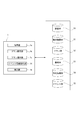
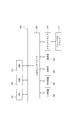
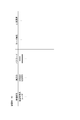
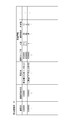
- FIG. 1 It is a figure which shows the whole structure of embodiment of this invention. It is a figure explaining the accommodation establishment reservation server of this Embodiment. It is a block diagram of the computer of this embodiment. It is a figure which shows the example of authentication DB. It is a figure which shows the example of accommodation facility DB. It is a figure which shows the example of plan DB. It is a figure which shows the example of remark DB. It is a figure which shows the example of reservation DB. It is a figure which shows the example of event DB. It is a figure which shows the flow of a plan setting. It is a flowchart which shows the example of an input reception process. It is a figure which shows the flow of an accommodation establishment reservation. It is a flowchart which shows an automatic extension process. It is a flowchart which shows a setting process next time. It is a flowchart which shows the flow of an event information provision process.
- an accommodation facility owner or a manager
- provides an accommodation service via an accommodation facility reservation server Specifically, the owner of the accommodation facility accepts the reservation for the accommodation facility on his / her website, and the sales for the latest 60 days (for example, February 16 to April 16 as of February 15)
- the sales for the latest 60 days for example, February 16 to April 16 as of February 15
- An example of selling unsold rooms using the accommodation facility reservation server of this example will be described.
- the accommodation facility reservation server 1 of the present embodiment includes facility owner terminals 3, 3, 3... And user terminals 4, 4, 4. They are connected so that they can communicate with each other.
- the accommodation facility reservation server 1 is a server that performs reservation management of accommodation facilities, and is an information processing device that performs accommodation facility search processing in response to a search request for accommodation facilities from the user terminal 4 and manages and sells reservations of accommodation facilities. It is.
- the facility owner terminal 3 also has a function of managing an accommodation plan (which is information associated with at least a room, a price, an accommodation date, and a sales start date, hereinafter simply referred to as a plan).
- the accommodation facility reservation server 1 stores an authentication DB (Database) 50 in which information on the person who owns the accommodation facility (facility owner information) and user information (user information) are stored.
- Accommodation facility DB 51 storing accommodation facility information
- plan DB 52 storing plan information
- remarks DB 53 storing information incidental to the plan
- reservation information storing information of plans sold and reserved
- the DB 54 is managed. Details of each DB will be described later.
- the configuration of the communication network 2 is not particularly limited.
- the Internet an intranet, an extranet, a LAN (Local Area Network), a CATV (Community Antenna TeleVision) communication network, a virtual private network (Virtual) Private network), telephone line network, mobile communication network, satellite communication network, etc.
- LAN Local Area Network
- CATV Common Antenna TeleVision
- Virtual Virtual
- telephone line network mobile communication network
- satellite communication network etc.
- Various examples of transmission media constituting all or part of the communication network 2 are also envisaged.
- IEEE Institute of Electrical and Electronics Engineers 1394, USB (Universal Serial Bus), power line carrier, telephone line, etc., infrared such as IrDA (Infrared Data Association), Bluetooth (registered trademark), 802.11 wireless It can also be used wirelessly, such as mobile phone networks, satellite lines, and digital terrestrial networks.
- the facility owner terminal 3 is an information processing apparatus used by a facility owner who registers (accommodates) an accommodation facility that he manages (or manages) with the accommodation facility reservation server 1 to set a plan and sell it.
- the user terminal 4 is an information processing apparatus used by a user who searches for and reserves accommodation facilities via the accommodation facility reservation server 1.
- the facility owner terminal 3 and the user terminal 4 are, for example, a PC (Personal Computer), a feature phone, a PDA (Personal Digital Assistants) having a communication function, or a smart device such as a smartphone or a tablet terminal.
- a PC Personal Computer
- PDA Personal Digital Assistants
- a smart device such as a smartphone or a tablet terminal.
- various transmission / reception processes are executed as necessary.
- the accommodation facility reservation server 1 includes a management unit 1a, a plan setting unit 1b, a plan presentation unit 1c, an event information providing unit 1d, and a search unit 1e.
- the management unit 1a performs processing for transmitting web page information, processing for causing the plan setting unit 1b to execute plan setting registration, processing for causing the search unit 1e to perform a search for accommodations and a search for plans, A process for causing the plan presentation unit 1c to execute a process presented by the plan, a process for causing the event information providing unit 1d to execute an event information presentation process for providing event information to the facility owner, and the like are executed. Further, the management unit 1a executes a process for managing member information. Specifically, the received input information (for example, identification ID (Identification) or password) is registered in the authentication DB 50 as authentication information, or the login information received from the facility owner terminal 3 or the user terminal 4 is registered in the authentication DB 50. Authenticate processing that is collated with the authenticated authentication information is executed.
- identification ID Identity
- the plan setting unit 1b receives an input of the plan setting received from the facility owner terminal 3, a plan setting registration process of registering the received plan setting in the plan DB 52, and an accommodation facility received from the user terminal 4.
- a reservation information DB update process for updating the reservation information DB 54 based on the reservation setting, an automatic extension process (described later in detail) for a plan for which the automatic extension flag is set to ON, and the like are executed.
- the plan presenting unit 1 c executes a plan presenting process for presenting a plan to the user terminal 4. For example, the process which transmits the plan extracted by the search part 1e based on the search conditions designated by the user terminal 4 to the user terminal 4 as a search result is performed.
- the event information providing unit 1d executes an event information search process for searching for information on various events held in the vicinity of each accommodation facility and an event information presentation process for providing event information to the accommodation facility.
- the search unit 1e executes an accommodation facility search process for searching for an accommodation facility based on the specified search condition.
- search condition a condition received from the user terminal 4 or a condition designated by the management unit 1a is used.
- the management unit 1a functions as a plan management unit.
- the plan setting unit 1b also functions as an input receiving unit.
- FIG. 3 is a diagram illustrating hardware of the accommodation facility reservation server 1, the facility owner terminal 3, and the user terminal 4 illustrated in FIG. 1.
- a CPU (Central Processing Unit) 101 of a computer device in each server or terminal follows a program stored in a ROM (Read Only Memory) 102 or a program loaded from a storage unit 108 into a RAM (Random Access Memory) 103. Perform various processes.
- the RAM 103 also appropriately stores data necessary for the CPU 101 to execute various processes.
- the CPU 101, ROM 102, and RAM 103 are connected to each other via a bus 104.
- An input / output interface 105 is also connected to the bus 104.
- the input / output interface 105 includes an input device 106 composed of a keyboard, mouse, touch panel, etc., a display composed of a liquid crystal display (LCD), a cathode ray tube (CRT), an organic EL (electroluminescence) panel, and an output composed of a speaker.
- a storage unit 108 including an HDD (Hard Disk Drive), a flash memory device, and the like
- a communication unit 109 that performs communication processing and communication between devices via the communication network 2 are connected.
- a media drive 110 is also connected to the input / output interface 105 as necessary, and a removable medium 111 such as a magnetic disk, an optical disk, a magneto-optical disk, or a semiconductor memory is appropriately mounted, and information can be written to the removable medium 111. Reading is performed.
- a removable medium 111 such as a magnetic disk, an optical disk, a magneto-optical disk, or a semiconductor memory is appropriately mounted, and information can be written to the removable medium 111. Reading is performed.
- each information processing apparatus which comprises the accommodation facility reservation server 1, the facility owner terminal 3, and the user terminal 4 is not limited to a single computer device as shown in FIG. You may be comprised by several computer apparatus.
- the plurality of computer devices may be systemized by a LAN or the like, or may be arranged in a remote place so as to be communicable via a VPN (Virtual Private Network) using the Internet or the like.
- VPN Virtual Private Network
- the authentication DB 50 will be described with reference to FIG.
- a registration type (facility owner / user) indicating the type of person to be registered, an identification ID that can identify each person, and a password are stored.
- the information of the registered credit card, the usage history of each service provided by the accommodation facility reservation server 1, and the like may be stored.
- the registration type may not be stored.
- the accommodation facility DB 51 stores information on accommodation facilities as shown in FIG. Specifically, a facility ID as an ID that can individually identify the facility, a facility owner ID that can identify the facility owner who owns the facility, the location of the facility, and information on the room belonging to the facility Is memorized.
- the room information includes, for example, the room type ID, the number of people who can stay in the room, the style of the room (Japanese / Western), and the number of rooms belonging to the room type ID (for the rooms managed by the same room type ID). Number) is stored.
- the room type ID is an ID for identifying the type of room, and specifically, an ID assigned to each room type specified from the number of people, the room style, and the like. Further, in this example, the room type ID is assigned differently when the accommodation facility is different. That is, the accommodation facility can be specified by the room type ID.
- the facility owner may be identified from the facility ID.
- a plurality of guest rooms are assigned to one room type ID.
- M to P that can be identified may be stored in association with each other.
- plan DB 52 An example of the plan DB 52 is shown in FIG.
- the plan is information that associates what service is added to which room and how much it is sold, and as described above, at least information on the room, price, accommodation date, and sales start date is associated.
- the plan DB 52 includes a plan ID that can identify a plan, a room type ID stored in the accommodation facility DB 51, a provided price per person per room, and a date of use as date information for a user to use the accommodation facility.
- a sales start date as time information for starting the sales of the plan, an automatic extension flag indicating whether or not to extend the usage date of the sales target every day, a plan priority, a plan Is stored in association with a remark ID (remarks will be described later) for identifying the service to be added to and an end flag indicating whether or not the plan has been sold.
- a remark ID (remarks will be described later) for identifying the service to be added to
- an end flag indicating whether or not the plan has been sold.
- plan ID PID0001
- a use date 60 days after the current date and time becomes a new sale target every day. Specifically, as of February 14th, the sales date is from February 15th to April 16th, but on February 15th there will be a new sale for April 17th. It becomes a target.
- plan ID PID0003
- the plan in which the provision date is set and the automatic extension flag is ON is a plan in which the same setting is sold every year. Specifically, if the offer date is set from March 1 to May 30, sales for the new offer date will be held for a while after the sale of May 30, 2015 is started. However, sales for March 1 of 2016 will start 60 days before March 1 of the following year (2016).
- a plan in which the automatic extension flag is turned on is described as “automatic extension plan”
- a plan in which the automatic extension flag is turned off is described as “non-automatic extension plan”.
- the relative date may be stored as the sales start date.
- relative time information 60 days ago with respect to the provision date is stored.
- the priority is an index indicating the priority of the plan, and is represented by a numerical value of 1 to 3, for example.
- the plan with priority 1 is the plan with the lowest priority.
- the accommodation facility ID can be specified by the room type ID, and therefore it is not necessary to store the accommodation facility ID in the plan DB 52.
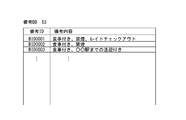
- Remark DB 53 In the remark DB 53, remark information is stored. Remark information is information representing each service added to the plan. For example, as shown in FIG. 7, “with meal”, “smoking / non-smoking”, “late check-out”, “early check-in”, etc. It is. As shown in FIG. 7, the remark DB 53 stores a remark ID that can specify remark information and a remark content in association with each other.
- the event DB 55 stores an event ID, an event name, a venue, a date and time, and a facility ID in association with each other.
- the facility ID is an ID of an accommodation facility extracted based on at least event venue information, and is an ID of an accommodation facility suitable as an accommodation facility where a participant who participates in the event stays. Specifically, for example, it is an ID of an accommodation facility whose travel time to the venue is a predetermined time (for example, 1 hour) or less. Moreover, the ID of an accommodation facility whose travel distance to the venue is a predetermined distance or less may be used.
- step S101 the facility owner terminal 3 executes a login screen information request process corresponding to a login screen display operation by the facility owner.
- the accommodation facility reservation server 1 executes login screen information transmission processing in step S201. Thereby, for example, a web page corresponding to the login screen information received from the accommodation facility reservation server 1 is displayed on the facility owner terminal 3.
- facility owner terminal 3 performs login information transmission processing which transmits login information according to input operation of login information (ID and password) by a facility owner to accommodation facility reservation server 1 in Step S102.
- the accommodation facility reservation server 1 executes authentication processing in step S202, and executes authentication result notification processing in the subsequent step S203.
- the accommodation facility reservation server 1 compares the facility owner ID and password input on the facility owner terminal 3 with the information stored in the authentication DB 50 to determine whether or not the facility owner can log in. The authentication result is notified to the facility owner terminal 3.
- a series of flows shown in FIG. 10 shows a case where it is determined that login is possible in the authentication processing in step S202. If it is determined in step S202 that login is impossible, the facility owner terminal 3 executes the process of step S102 again, and the accommodation facility reservation server 1 executes the process of step S202 again in response to this.
- step S103 the facility owner terminal 3 executes a plan setting screen information request process corresponding to the plan setting screen display operation by the facility owner.
- a plan setting screen information request is notified from the facility owner terminal 3 to the accommodation facility reservation server 1 by the plan setting screen information request processing
- the accommodation facility reservation server 1 executes plan setting screen information transmission processing in step S204.
- a web page as a plan setting screen is displayed on the facility owner terminal 3.
- step S104 the facility owner terminal 3 executes a plan setting information input receiving process for receiving an input of plan setting by the facility owner.
- step S105 the facility owner terminal 3 executes a plan setting information transmission process for transmitting the input plan setting information to the accommodation facility reservation server 1.
- the plan setting information is information necessary for setting a plan, for example, each information stored in the plan DB 52 shown in FIG. Thereby, the plan setting information input by the facility owner is transmitted to the accommodation facility reservation server 1.
- the accommodation facility reservation server 1 that has received the plan setting information executes an input reception process in step S205. Although details of the input reception process will be described later, it is a process for confirming that there is no problem even if the received plan setting information is registered.
- the plan setting information having no problem is stored in the plan DB 52 by the plan setting registration process executed by the accommodation facility reservation server 1 in the subsequent step S206.
- the accommodation facility reservation server 1 executes a process of receiving plan setting information in step S301, and in the subsequent step S302, a plan with the same priority on the same use day of the same service provision target.
- a conflict determination process for determining whether or not is already set is executed. Specifically, among the plans that have already been set for the room that is the target of the received plan setting (that is, the service providing target), there are those that have the same usage date and the same priority. Is determined with reference to the plan DB 52.
- the same date includes a case where a part of the period is covered. Specifically, for a room A, a plan ⁇ having a priority of 3 and a usage date of April 29 to May 6 is already set, and the priority is 3 and the usage date. Is set to May 3 to May 10, it is determined that the setting of plan ⁇ is impossible in the process of step S302. If it is determined in step S302 that plans with the same priority are set (that is, there is a competitive plan), the accommodation facility reservation server 1 executes a plan setting impossibility notification process in step S303, and FIG. The series of processes shown in FIG. In the plan setting impossibility notification processing, for example, processing for displaying a screen indicating that the plan could not be set on the facility owner terminal 3, processing for displaying a screen for prompting re-input of the plan setting information, and the like are executed.
- step S304 the accommodation facility reservation server 1 automatically extends in step S304, which has a higher priority than the received plan setting.
- a process of determining whether or not a plan has already been set for the same room is executed. In this process, when a plan with high priority and the automatic extension flag set to ON (already set plan) has already been set, the plan to be newly set (new plan) becomes meaningless. This is executed in order to avoid a state (that is, a state where an already set plan with the automatic extension flag turned on is always applied).
- step S304 If it is determined in step S304 that an automatic extension plan with a high priority is set, the accommodation facility reservation server 1 may make the plan setting to be newly registered meaningless in step S305.
- a notification process for notifying that there is an event is executed, and the series of processes shown in FIG.
- a process of displaying a dialog or the like on the facility owner terminal 3 is executed.
- it may be selected whether the setting of the new plan is correct. Further, when the facility owner replies that the new plan is correct, a process of deleting the already set plan may be executed. Further, when the facility owner replies that the new plan is not correct, a process for re-inputting the setting of the new plan may be executed.
- a process of automatically assigning a priority higher than the priority of the preset plan to the new plan may be executed.
- step S304 If it is determined in step S304 that an automatic extension plan with a high priority is not set, the accommodation facility reservation server 1 performs an automatic extension flag confirmation process for determining whether or not the new plan is an automatic extension plan in step S306. Execute. If it is determined in step S306 that the new plan is not an automatic extension plan, the series of processes shown in FIG. 11 is terminated. On the other hand, if the new plan is an automatic extension plan, in step S307, an automatic extension plan duplication confirmation process for checking whether or not there is an already set automatic extension plan for the same room is executed. When a plurality of automatic extension plans are set for the same room, either one of the automatic extension plans becomes substantially meaningless. Therefore, the process in step S307 prevents a plurality of automatic extension plans from being set for the same room.
- step S307 If it is determined in step S307 that there is an already set automatic extension plan, the accommodation facility reservation server 1 executes the plan setting impossibility notification process in the previous step S303 and ends the series of processes shown in FIG. . If it is determined in step S307 that there is no automatic extension plan that has already been set, the accommodation facility reservation server 1 ends the series of processes shown in FIG.
- plan setting impossibility notification process in step S303 in FIG. 11 and the notification process in step S305 are executed, the plan setting registration process in step S206 in FIG. 10 is not executed until an appropriate plan is set.
- FIG. 4-3 A flow of processing when a user makes a reservation for an accommodation facility via the accommodation facility reservation server 1 will be described with reference to FIG.
- the user terminal 4 first executes a web page information request process in step S401. This process is executed by the user performing an operation for browsing a web page (for example, a top page of the accommodation facility reservation web page) using the user terminal 4.
- the accommodation facility reservation server 1 that has received the web page information request executes web page information transmission processing. Thereby, web page information is transmitted to the user terminal 4, and a web page (accommodation facility reservation page) for reserving an accommodation facility on the user terminal 4 is displayed.
- the user terminal 4 executes a search condition transmission process in step S402.
- This process is executed when the user inputs a search condition for searching for an accommodation facility on the accommodation facility reservation page using the user terminal 4 and performs an operation (for example, pressing a button) to execute the search.
- the search conditions include, for example, date and time information that the user desires to stay, the number of guests, the number of rooms to be reserved, the location of the accommodation facility, the accommodation cost, and the like.
- the accommodation facility reservation server 1 executes an accommodation facility search process for searching for an accommodation facility based on the search condition from the accommodation facility DB 51.
- an accommodation facility whose target use date (accommodation date) is not filled with a reservation that is, an unsold accommodation facility
- the reservation DB 54 stores all reservation information related to the accommodation facility. Specifically, reservation information directly sold from the accommodation facility web page without using the accommodation facility reservation server 1 is also stored. The empty information may be stored in a separate dedicated DB.
- step S503 the accommodation facility reservation server 1 executes a plan search process for searching the plan DB 52 for a plan set for the accommodation facility searched in step S502.
- step S504 the accommodation facility reservation server 1 executes a plan presenting process for presenting the plan information retrieved in step S503 to the user terminal 4.
- the plan extracted as the search result in step S503 is transmitted to the user terminal 4.
- one plan is selected from the plans according to the priority information and transmitted to the user terminal 4.
- the priority 1 plan 1 the priority 2 plan 2, and the priority 3 plan 3 whose use date is May 5 are set
- the priority 3 plan 3 Is selected and transmitted to the user terminal 4.
- the user terminal 4 that has received the plan according to the input search condition displays the received plan, and continues the reservation information transmission process for transmitting the plan selected by the user to the accommodation facility reservation server 1 as reservation information. Run in
- step S505 the accommodation facility reservation server 1 that has received the reservation information performs a reservation information DB update process for storing and updating the received reservation information in the reservation information DB.
- a reservation information DB update process for storing and updating the received reservation information in the reservation information DB.
- the user can browse the accommodation facility reservation page, search for accommodation facilities and plans, and reserve a plan.
- the accommodation facility reservation server 1 executes the same facility plan acquisition process in step S601.
- the same facility plan acquisition process acquires a plan set in a room (service provision target) belonging to the same facility as the room subjected to the automatic extension process.
- the accommodation facility reservation server 1 executes a use date confirmation process in step S602.
- the usage date confirmation process confirms the usage date of the non-automatic extension plan among the plans acquired in step S601, and the usage date that precedes the extension target date (that is, the usage date that is in the future after the extension target date). This is a process for confirming whether or not there is a plan for which is set.
- the extension target date is April 17
- a high priority for example, an expensive plan with high added value
- the accommodation facility reservation server 1 executes the usage date update process of the plan that is the target of the automatic extension process in step S603. If the corresponding non-automatic extension plan has not been set in step S602, the accommodation facility reservation server 1 performs an automatic extension confirmation process in step S604 to confirm with the facility owner whether the plan can be automatically extended. Execute.
- the automatic extension confirmation process for example, the facility owner may be sent an e-mail indicating that the automatic extension is confirmed, or when the facility owner logs into the accommodation facility reservation server 1 A dialog box may be displayed that allows the user to select whether automatic extension is possible.
- the automatic extension confirmation process in step S604 is executed every time the automatic extension process of FIG. 13 is executed.
- the facility owner is allowed to input (or select) a date that may be automatically extended, and a process for determining whether or not to execute an automatic extension confirmation process according to the input date Is executed before step S604. Thereby, it is not necessary to execute the automatic extension confirmation process until the date.
- the next setting process is a process for setting a non-automatic extension plan for the next year (next time). This process may be performed by an operation by the facility owner or may be performed at a predetermined time such as six months before the provision date.
- a non-automatic extension plan that has already been set and is the target of the next setting process will be described as a reference plan, and an equivalent plan for the next year of the reference plan will be described as a next plan.
- the processing flow will be specifically described with reference to FIG.
- the accommodation facility reservation server 1 executes a use date confirmation process in step S701.
- the usage date confirmation process is a process for confirming the usage date information set in the standard plan. Specifically, not only the date but also the day of the week (whether it is set on weekdays or set on holidays) Whether it is a thing or a thing set for consecutive holidays).
- the usage date setting process is a process of determining the usage date of the next plan according to the usage date confirmed in step S701. Specifically, when the use date of the standard plan is set to a large consecutive holiday, the use date of the next plan is also set to be a large consecutive holiday plan of the same period. At this time, the period length may change.
- the accommodation facility reservation server 1 executes priority setting processing in step S703.
- the same priority is set as the priority information of the next plan based on the priority information of the reference plan. If a plan with the same priority as the reference plan has already been set in a period including at least a part of the use date of the next plan, the process of FIG. 14 is terminated without setting the next plan. May be.
- the accommodation facility reservation server 1 executes next plan setting registration processing for registering the next plan in the plan DB 52 in step S704.
- setting items other than the use date and priority information confirmed above that is, the room type ID, the offer price, the sales start date, the automatic extension flag, the remark ID, etc.
- setting items other than the use date and priority information confirmed above that is, the room type ID, the offer price, the sales start date, the automatic extension flag, the remark ID, etc.
- the event information providing process is a process of providing various event information held in the surrounding area to the accommodation facility. By executing this process, it is possible to promote the appropriate campaign implementation of the accommodation facility, and contribute to improving the ability to attract customers.
- an event information acquisition process for acquiring event information is executed in step S801.
- event information may be acquired by executing a web search, or for example, a dedicated bulletin board may be prepared and acquired based on information written therein.
- information to be acquired information such as an event name, a venue, and a date is acquired.
- the acquired information is stored in the event DB 55.
- the accommodation facility reservation server 1 executes a target accommodation facility search process for searching for an accommodation facility according to the event information.
- a target accommodation facility search process For example, nearby accommodation facilities (for example, accommodation facilities within 10 km from the venue) are searched and extracted using the event venue information.
- the extracted accommodation facility is stored in the event DB 55.
- the accommodation facility reservation server 1 executes event information provision processing for providing event information to the accommodation facility extracted in step S802. This process is executed, for example, by sending an e-mail describing the event information to the accommodation facility.
- the event information providing process may be automatically executed at a predetermined cycle such as a fixed time every day, or may be manually executed by the administrator of the accommodation facility reservation server 1.
- the event information provision processing may be executed particularly for a facility for which only an automatic extension plan (that is, a plan for which the automatic extension flag is set) is set.
- a plurality of automatic extension plans may be set for.
- a priority 1 automatic extension plan for guests who do not include women (that is, only men) and a priority 1 automatic extension plan for guests that include women can coexist.
- priority 1 automatic extension plan for male-only guests and guests including females are targeted.
- Two automatic extension plans with priority 1 may be set. At this time, each of the 12 rooms is sold on any plan according to the reserved user.
- next setting process an example in which a non-automatic extension plan is newly set every year is shown, but whether or not the next setting is performed may be managed by an automatic extension flag. That is, for the plan for which the use date is set and the automatic extension flag is set to ON, the same plan is set every year at the same time every time the next setting process is executed.
- a plan for which the use date is set and the automatic extension flag is OFF is a plan for one year without performing the next setting process.
- the embodiment of the present invention has been described using the example of the accommodation facility reservation server 1 for accommodation facilities.
- service provision targets that are provided as services
- the service provision targets are The present invention can be applied to information processing apparatuses used in various systems that can set and sell plans with various added values.
- the present invention can be applied to a golf course reservation system in which a golf course is a service provision target. Specifically, “ ⁇ Golf Club XX Course” and the like are targeted for service provision.
- the date information used by the user is used as the use date, and the start time for starting the round (for example, 9:00 am if starting at 9:00 am) is used as the use time.
- the management unit 1a executes processing for authentication, processing for transmitting each screen (web page), and the like.
- each process for determining whether or not to automatically extend the sales of the plan specified by the information “9:00 am” of the “ ⁇ Golf Club XX course” is executed. To do.
- the use date date information not including time information
- the plan setting part 1b performs the process etc. which receive and register the plan set by the owner, manager, etc. of a golf course.
- the plan presentation unit 1c executes a process of presenting a plan according to a search for a user's golf course reservation.
- the event information providing unit 1d provides event information such as a golf competition for which the course has not been decided to the owner or manager of the golf course, and can carry out a campaign for attracting the golf competition.
- the search part 1e performs the search of the golf course according to conditions, etc.
- the accommodation facility reservation server 1 has at least a service provision target (a group of accommodation facilities that can be identified by a room type ID, a room A, etc.) to be provided as a service.
- the input receiving unit (plan setting unit 1b) that accepts the settings of the system and the plan with automatic extension (automatic extension plan) has a lower priority than the plan with no automatic extension (non-automatic extension plan)
- Plan setting unit 1b for setting priority information in a plan, and a plan based on the priority information for plans with overlapping service provision targets and usage dates And a run presentation unit 1c.
- the accommodation facility reservation server 1 has a plurality of service provision targets, and the plan management unit (management unit 1a) stores information that can identify each of the plurality of service provision targets. Manage by linking to the service provision target. Thereby, it is possible to set another plan with high priority for some of the rooms managed by the same room type ID. That is, when setting another plan for some rooms, there is no need to worry about a plan that has already been set, and it becomes easy to sell only some rooms with another plan.
- the plan setting unit 1b of the accommodation facility reservation server 1 sets a plan for which there is no automatic extension (non-automatic extension plan) for the next year based on the use date. This eliminates the need for manual registration every year for the non-automatic extension plan, thereby reducing the man-hours required for input.
- the plan setting unit 1b of the accommodation facility reservation server 1 sets a non-automatic extension plan for the next year based on the day of the week and holiday information. Accordingly, an appropriate plan can be set even when the dates of holidays and large consecutive holidays change every year.
- the accommodation facility reservation server 1 is held in the area to which the facility belongs for the facility that provides the service and sets only the automatic extension plan.
- An event information providing unit 1d that extracts and provides information related to events to be provided is provided. Thereby, the setting of a plan with high added value can be promoted, and the plan can be promoted. Furthermore, lost profits can be prevented.
- the plan setting unit 1b of the accommodation facility reservation server 1 has already managed the service provision target, use date, and priority information specified in the plan input reception. If one of the plans is the same as the service provision target, usage date, and priority information, this is indicated. Thereby, since setting of a plan in which all of the service provision target, the use date, and the priority information are duplicated is prevented, an appropriate plan based on the priority information can be presented to the user.
- the plan setting unit 1b of the accommodation facility reservation server 1 sets the day before the usage date newly targeted by the automatic extension of the automatic extension plan as the usage date. Determine whether an automatic extension plan exists. Thereby, the lost profit by forgetting the setting of a high priority plan can be prevented in advance.
- the plan is specified by the use time as the time information on the use date in addition to the service provision target, the offer price, the use date, and the sales start date, and the plan presenting unit 1c provides the service provision
- the plan based on the priority information is presented for the plan in which the usage time and the usage date overlap.
- the accommodation facility reservation server 1 As described above, the accommodation facility reservation server 1 according to the present invention has been described. However, the program according to the embodiment is a program that causes an arithmetic processing device (such as a CPU) to execute processing in the accommodation facility reservation server 1.
- an arithmetic processing device such as a CPU
- the program according to the embodiment calculates a procedure for managing a plan specified by at least a service provision target that is a target to be provided as a service, a service provision price, a use date of the service, and a sales start date of the service.
- the processing apparatus is caused to execute an input reception procedure for receiving the setting of automatic extension of the use date of the plan.
- the processing unit is caused to execute a procedure for setting priority information in the plan so that the plan with automatic extension has a lower priority than the plan with no automatic extension.
- the processing unit is caused to execute a plan presenting procedure for presenting a plan based on the priority information for the plan in which the service provision target and the use date overlap. That is, this program includes the processes in steps S201 to S206 shown in FIG. 10, the processes shown in FIG. 11, the processes in steps S501 to S505 shown in FIG. 12, and the processes shown in FIGS. It is a program that executes processing.
- Such a program can be stored in advance in an HDD as a storage medium built in a device such as a computer device or a ROM in a microcomputer having a CPU. Alternatively, it can be stored (stored) temporarily or permanently in a removable storage medium such as a semiconductor memory, memory card, optical disk, magneto-optical disk, or magnetic disk. Such a removable storage medium can be provided as so-called package software. Further, such a program can be installed from a removable storage medium to a personal computer or the like, or can be downloaded from a download site via a network such as a LAN or the Internet.
- 1 accommodation facility reservation server 1a management section, 1b plan setting section, 1c plan presentation section, 1d event information providing section, 1e search section, 2 communication network, 3 facility owner terminal, 4 user terminal, 50 authentication DB, 51 accommodation facility DB, 52 plan DB, 53 remarks DB, 54 reservation information DB, 55 event DB
Landscapes
- Business, Economics & Management (AREA)
- Tourism & Hospitality (AREA)
- Engineering & Computer Science (AREA)
- Strategic Management (AREA)
- Theoretical Computer Science (AREA)
- Human Resources & Organizations (AREA)
- Marketing (AREA)
- General Physics & Mathematics (AREA)
- Economics (AREA)
- Physics & Mathematics (AREA)
- General Business, Economics & Management (AREA)
- Primary Health Care (AREA)
- Health & Medical Sciences (AREA)
- General Health & Medical Sciences (AREA)
- Development Economics (AREA)
- Entrepreneurship & Innovation (AREA)
- Operations Research (AREA)
- Quality & Reliability (AREA)
- Management, Administration, Business Operations System, And Electronic Commerce (AREA)
Abstract
プランの設定及び管理を容易にすることを目的とする。 そのために宿泊施設予約サーバはサービスとして提供される対象であるサービス提供対象と前記サービスの提供価格と前記サービスを提供する日付または日時としての提供時間と前記サービスの販売開始日とによって特定されるプランを管理するプラン管理部と、プランの自動延長の有無の指定を受け付ける入力受付部と、自動延長有りとされたプランが自動延長無しとされたプランよりも低い優先度となるように優先度情報を設定するプラン設定部と、前記サービス提供対象及び前記提供時間が重複するプランについて前記優先度情報に基づいてプランを提示するプラン提示部とを備える。
Description
本発明は、情報処理装置、情報処理方法、プログラム、記憶媒体に関し、具体的には、サービスの提供態様をプランとして設定して提示する処理に関する。
例えば、宿泊施設などでは、部屋と料金と利用日時と食事内容などを紐付けて一つのプランとして作成し、該プランをインターネット上の宿泊施設予約サイト等で販売することが行われている(例えば特許文献1を参照)。
この場合、宿泊施設の利用者は、プランを選択することよって様々な設定項目を個別に設定することなく宿泊施設の予約が可能となるため、利便性が高い。
また、季節や曜日によって宿泊施設の利用価値が変化することがある。このため、宿泊施設の所有者は複数のプランを用意し、季節や曜日によって設定するプラン(販売するプラン)を変更することがある。
この場合、宿泊施設の利用者は、プランを選択することよって様々な設定項目を個別に設定することなく宿泊施設の予約が可能となるため、利便性が高い。
また、季節や曜日によって宿泊施設の利用価値が変化することがある。このため、宿泊施設の所有者は複数のプランを用意し、季節や曜日によって設定するプラン(販売するプラン)を変更することがある。
ところが、季節や曜日などに応じて複数のプランを切り換えて販売する場合には、プランの管理が煩雑になりがちである。特に、利用料金が異なるプランを誤って設定してしまった場合、逸失利益が出てしまう可能性がある。
本発明は、このような課題に鑑みてなされたものであり、プランの設定及び管理を容易にすることを目的とする。
本発明は、このような課題に鑑みてなされたものであり、プランの設定及び管理を容易にすることを目的とする。
本発明に係る情報処理装置は、少なくともサービスとして提供される対象であるサービス提供対象と前記サービスの提供価格と前記サービスの利用日と前記サービスの販売開始日とによって特定されるプランを管理するプラン管理部と、前記プランの前記利用日の自動延長の設定を受け付ける入力受付部と、自動延長有りとされたプランが自動延長無しとされたプランよりも低い優先度となるように優先度情報を前記プランに設定するプラン設定部と、前記サービス提供対象及び前記利用日が重複するプランについて前記優先度情報に基づいてプランを提示するプラン提示部とを備えるものである。
複数の優先度を用いることにより利用日が重複してしまうことを考慮せずにプランを設定することが可能となる。
複数の優先度を用いることにより利用日が重複してしまうことを考慮せずにプランを設定することが可能となる。
上記した情報処理装置は、複数の前記サービス提供対象があり、前記プラン管理部は、複数の前記サービス提供対象それぞれを識別可能な情報を前記サービス提供対象に紐付けて管理するものである。
これにより、一部のサービス提供対象に別のプランを設定する際に既に設定されているプランを気にする必要がない。
これにより、一部のサービス提供対象に別のプランを設定する際に既に設定されているプランを気にする必要がない。
上記した情報処理装置の前記プラン設定部は、前記自動延長無しとされたプランを前記利用日に基づいて翌年も設定するものである。
これにより、非自動延長プランについても一年ごとの手動登録が不要となる。
これにより、非自動延長プランについても一年ごとの手動登録が不要となる。
上記した情報処理装置は、前記プラン設定部は曜日及び休日の情報に基づいて前記自動延長無しとされたプランを翌年も設定するものである。
これにより、曜日及び休日の情報を考慮した適切なプラン設定を行うことができる。
これにより、曜日及び休日の情報を考慮した適切なプラン設定を行うことができる。
上記した情報処理装置は、前記サービスを提供している施設であって前記自動延長有りとされたプランのみを設定している施設に対し、前記施設が属する地域で催されるイベントに関する情報を抽出して提供するイベント情報提供部を備えたものである。
これにより、付加価値の高いプランの設定が促される。
これにより、付加価値の高いプランの設定が促される。
上記した情報処理装置の前記プラン設定部は、プランの入力の受付において指定された前記サービス提供対象及び前記利用日及び前記優先度情報が既に管理しているプランの一つが有する前記サービス提供対象及び前記利用日及び前記優先度情報と同一であるときはその旨を提示するものである。
これにより、上記した各項目の全てが重複したプランの設定が防止される。
これにより、上記した各項目の全てが重複したプランの設定が防止される。
上記した情報処理装置の前記プラン設定部は、前記自動延長有りとされたプランの自動延長によって新たに対象となった前記利用日よりも先の日を前記利用日として設定した前記自動延長無しとされたプランが存在するか否かを判定するものである。
これにより、優先度の高いプランの設定を失念することによる逸失利益を未然に防ぐことができる。
これにより、優先度の高いプランの設定を失念することによる逸失利益を未然に防ぐことができる。
上記した情報処理装置においては、前記プランは、前記サービス提供対象と前記提供価格と前記利用日と前記販売開始日に加えて前記利用日における時間情報としての利用時間によって特定され、前記プラン提示部は、前記サービス提供対象及び前記利用日と前記利用時間が重複するプランについて前記優先度情報に基づいたプランの提示を行うものである。
これにより、利用日だけでなく利用時間を用いてサービスを利用する時間帯を管理する場合において、利用日と利用時間が共に重複してしまうことを考慮せずにプランを設定することが可能となる。
これにより、利用日だけでなく利用時間を用いてサービスを利用する時間帯を管理する場合において、利用日と利用時間が共に重複してしまうことを考慮せずにプランを設定することが可能となる。
本発明に係る情報処理方法は、少なくともサービスとして提供される対象であるサービス提供対象と前記サービスの提供価格と前記サービスの利用日と前記サービスの販売開始日とによって特定されるプランを管理する処理ステップと、前記プランの前記利用日の自動延長の設定を受け付ける入力受付処理ステップと、自動延長有りとされたプランが自動延長無しとされたプランよりも低い優先度となるように優先度情報を前記プランに設定する処理ステップと、前記サービス提供対象及び前記利用日が重複するプランについて前記優先度情報に基づいてプランを提示するプラン提示処理ステップとを実行するものである。
この情報処理方法により、複数の優先度を用いることにより利用日が重複してしまうことを考慮せずにプランを設定することができる処理が実行される。
この情報処理方法により、複数の優先度を用いることにより利用日が重複してしまうことを考慮せずにプランを設定することができる処理が実行される。
本発明に係るプログラムは、上記情報処理方法として実行する処理を演算処理装置に実行させるプログラムである。
本発明に係る記憶媒体は、上記プログラムを記憶した記憶媒体である。これらのプログラムや記憶媒体により上記の情報処理装置を実現する。
本発明に係る記憶媒体は、上記プログラムを記憶した記憶媒体である。これらのプログラムや記憶媒体により上記の情報処理装置を実現する。
本発明によれば、複数の優先度を用いることにより利用日が重複してしまうことを考慮せずにプランを設定することができ、プランの管理を容易に行うことができる。
以下、実施の形態を次の順序で説明する。
<1.全体構成>
<2.ハードウエア構成>
<3.各DB>
[3-1.認証DB]
[3-2.宿泊施設DB]
[3-3.プランDB]
[3-4.備考DB]
[3-5.予約DB]
[3-6.イベントDB]
<4.各処理の流れ>
[4-1.プラン設定の流れ]
[4-2.入力受付処理]
[4-3.宿泊施設予約の流れ]
[4-4.自動延長処理]
[4-5.次回設定処理]
[4-6.イベント情報提供処理]
<5.変形例>
<6.まとめ>
<7.プログラム及び記憶媒体>
<1.全体構成>
<2.ハードウエア構成>
<3.各DB>
[3-1.認証DB]
[3-2.宿泊施設DB]
[3-3.プランDB]
[3-4.備考DB]
[3-5.予約DB]
[3-6.イベントDB]
<4.各処理の流れ>
[4-1.プラン設定の流れ]
[4-2.入力受付処理]
[4-3.宿泊施設予約の流れ]
[4-4.自動延長処理]
[4-5.次回設定処理]
[4-6.イベント情報提供処理]
<5.変形例>
<6.まとめ>
<7.プログラム及び記憶媒体>
本実施の形態においては、宿泊施設の所有者(或いは管理者)が宿泊施設予約サーバを介して宿泊サービスを提供する例を説明する。具体的には、宿泊施設の所有者が自身のウェブサイトで宿泊施設の予約を受け付けると共に、直近の60日間(例えば2月15日時点における2月16日~4月16日)の販売分について売れ残っている部屋を、本例の宿泊施設予約サーバを利用して販売する例を説明する。
<1.全体構成>
本実施の形態の宿泊施設予約サーバ1を含むネットワークシステム全体の構成を図1及び図2を用いて説明する。
図1に示すように、本実施の形態の宿泊施設予約サーバ1は、通信ネットワーク2を介して施設所有者端末3,3,3・・・と、ユーザ端末4,4,4・・・と相互に通信可能な状態に接続されている。
本実施の形態の宿泊施設予約サーバ1を含むネットワークシステム全体の構成を図1及び図2を用いて説明する。
図1に示すように、本実施の形態の宿泊施設予約サーバ1は、通信ネットワーク2を介して施設所有者端末3,3,3・・・と、ユーザ端末4,4,4・・・と相互に通信可能な状態に接続されている。
宿泊施設予約サーバ1は、宿泊施設の予約管理を行うサーバであり、ユーザ端末4からの宿泊施設の検索要求に応じた宿泊施設検索処理や、宿泊施設の予約の管理、販売を行う情報処理装置である。また、施設所有者端末3から設定される宿泊プラン(少なくとも部屋と価格と宿泊日と販売開始日の情報が紐付けられたものであり、以下単にプランという)を管理する機能を有する。
上記した各機能を実現するために、宿泊施設予約サーバ1は宿泊施設を所有している者の情報(施設所有者情報)やユーザの情報(ユーザ情報)が記憶される認証DB(Database)50、宿泊施設の情報が記憶される宿泊施設DB51、プラン情報が記憶されるプランDB52、プランに付帯する情報が記憶される備考DB53、販売されて予約が成立したプランの情報が記憶される予約情報DB54を管理する。各DBの詳細については後述する。
上記した各機能を実現するために、宿泊施設予約サーバ1は宿泊施設を所有している者の情報(施設所有者情報)やユーザの情報(ユーザ情報)が記憶される認証DB(Database)50、宿泊施設の情報が記憶される宿泊施設DB51、プラン情報が記憶されるプランDB52、プランに付帯する情報が記憶される備考DB53、販売されて予約が成立したプランの情報が記憶される予約情報DB54を管理する。各DBの詳細については後述する。
図1の構成において、通信ネットワーク2の構成は特に限定されるものではなく、例えば、インターネット、イントラネット、エキストラネット、LAN(Local Area Network)、CATV(Community Antenna TeleVision)通信網、仮想専用網(Virtual Private Network)、電話回線網、移動体通信網、衛星通信網などが想定される。
また通信ネットワーク2の全部又は一部を構成する伝送媒体についても多様な例が想定される。例えばIEEE(Institute of Electrical and Electronics Engineers)1394、USB(Universal Serial Bus)、電力線搬送、電話線などの有線でも、IrDA(Infrared Data Association)のような赤外線、ブルートゥース(登録商標)、802.11無線、携帯電話網、衛星回線、地上波デジタル網などの無線でも利用可能である。
また通信ネットワーク2の全部又は一部を構成する伝送媒体についても多様な例が想定される。例えばIEEE(Institute of Electrical and Electronics Engineers)1394、USB(Universal Serial Bus)、電力線搬送、電話線などの有線でも、IrDA(Infrared Data Association)のような赤外線、ブルートゥース(登録商標)、802.11無線、携帯電話網、衛星回線、地上波デジタル網などの無線でも利用可能である。
施設所有者端末3は、自身が経営する(若しくは管理する)宿泊施設を宿泊施設予約サーバ1に登録してプランを設定し販売する施設所有者が使用する情報処理装置である。
ユーザ端末4は、宿泊施設予約サーバ1を介して宿泊施設の検索や予約を行うユーザが使用する情報処理装置である。
施設所有者端末3やユーザ端末4は、例えば、通信機能を備えたPC(Personal Computer)やフィーチャーフォンやPDA(Personal Digital Assistants)、或いは、スマートフォンやタブレット端末などのスマートデバイスなどである。
施設所有者端末3やユーザ端末4では、必要に応じて各種の送受信処理などが実行される。
施設所有者端末3やユーザ端末4は、例えば、通信機能を備えたPC(Personal Computer)やフィーチャーフォンやPDA(Personal Digital Assistants)、或いは、スマートフォンやタブレット端末などのスマートデバイスなどである。
施設所有者端末3やユーザ端末4では、必要に応じて各種の送受信処理などが実行される。
宿泊施設予約サーバ1が提供する各機能を実現するための構成例を以下に示す。
宿泊施設予約サーバ1は、図2に示すように、管理部1aとプラン設定部1bとプラン提示部1cとイベント情報提供部1dと検索部1eとを備えている。
宿泊施設予約サーバ1は、図2に示すように、管理部1aとプラン設定部1bとプラン提示部1cとイベント情報提供部1dと検索部1eとを備えている。
管理部1aは、ウェブページ情報の送信処理や、プランの設定登録をプラン設定部1bに実行させる処理や、宿泊施設の検索やプランの検索を検索部1eに実行させる処理や、ユーザ端末3にプランの提示する処理をプラン提示部1cに実行させる処理や、イベント情報を施設所有者などに提供するイベント情報提示処理をイベント情報提供部1dに実行させる処理などを実行する。
また、管理部1aは、会員情報を管理する処理を実行する。具体的には、受信した入力情報(例えば識別ID(Identification)やパスワード)を認証情報として認証DB50へ登録する処理や、施設所有者端末3やユーザ端末4から受信したログイン情報を認証DB50に登録されている認証情報と照合する認証処理などを実行する。
また、管理部1aは、会員情報を管理する処理を実行する。具体的には、受信した入力情報(例えば識別ID(Identification)やパスワード)を認証情報として認証DB50へ登録する処理や、施設所有者端末3やユーザ端末4から受信したログイン情報を認証DB50に登録されている認証情報と照合する認証処理などを実行する。
プラン設定部1bは、施設所有者端末3から受信したプラン設定の入力を受け付ける入力受付処理や、受け付けたプラン設定をプランDB52に登録するプラン設定登録処理や、ユーザ端末4から受信した宿泊施設の予約設定に基づいて予約情報DB54を更新する予約情報DB更新処理や、自動延長フラグがONに設定されたプランに対する自動延長処理(詳しくは後述する)などを実行する。
プラン提示部1cは、ユーザ端末4に対してプランを提示するプラン提示処理を実行する。例えば、ユーザ端末4によって指定された検索条件を元に検索部1eによって抽出されたプランを検索結果としてユーザ端末4に送信する処理を実行する。
イベント情報提供部1dは、各宿泊施設の周辺で開催される各種イベントの情報を検索するイベント情報検索処理と、イベント情報を当該宿泊施設へ提供するイベント情報提示処理を実行する。
検索部1eは、指定された検索条件に基づいて宿泊施設を検索する宿泊施設検索処理などを実行する。検索条件としては、ユーザ端末4から受信した条件や、管理部1aが指定した条件などが用いられる。
尚、管理部1aはプラン管理部として機能する。また、プラン設定部1bは、入力受付部としても機能する。
<2.ハードウエア構成>
図3は、図1に示した宿泊施設予約サーバ1、施設所有者端末3及びユーザ端末4のハードウエアを例示する図である。それぞれのサーバや端末におけるコンピュータ装置のCPU(Central Processing Unit)101は、ROM(Read Only Memory)102に記憶されているプログラム、または記憶部108からRAM(Random Access Memory)103にロードされたプログラムに従って各種の処理を実行する。RAM103にはまた、CPU101が各種の処理を実行する上において必要なデータなども適宜記憶される。
CPU101、ROM102、およびRAM103は、バス104を介して相互に接続されている。このバス104には、入出力インターフェース105も接続されている。
入出力インターフェース105には、キーボード、マウス、タッチパネルなどよりなる入力装置106、LCD(Liquid Crystal Display)、CRT(Cathode Ray Tube)、有機EL(Electroluminescence)パネルなどよりなるディスプレイ、並びにスピーカなどよりなる出力装置107、HDD(Hard Disk Drive)やフラッシュメモリ装置などより構成される記憶部108、通信ネットワーク2を介しての通信処理や機器間通信を行う通信部109が接続されている。
入出力インターフェース105にはまた、必要に応じてメディアドライブ110が接続され、磁気ディスク、光ディスク、光磁気ディスク、或いは半導体メモリなどのリムーバブルメディア111が適宜装着され、リムーバブルメディア111に対する情報の書込や読出が行われる。
図3は、図1に示した宿泊施設予約サーバ1、施設所有者端末3及びユーザ端末4のハードウエアを例示する図である。それぞれのサーバや端末におけるコンピュータ装置のCPU(Central Processing Unit)101は、ROM(Read Only Memory)102に記憶されているプログラム、または記憶部108からRAM(Random Access Memory)103にロードされたプログラムに従って各種の処理を実行する。RAM103にはまた、CPU101が各種の処理を実行する上において必要なデータなども適宜記憶される。
CPU101、ROM102、およびRAM103は、バス104を介して相互に接続されている。このバス104には、入出力インターフェース105も接続されている。
入出力インターフェース105には、キーボード、マウス、タッチパネルなどよりなる入力装置106、LCD(Liquid Crystal Display)、CRT(Cathode Ray Tube)、有機EL(Electroluminescence)パネルなどよりなるディスプレイ、並びにスピーカなどよりなる出力装置107、HDD(Hard Disk Drive)やフラッシュメモリ装置などより構成される記憶部108、通信ネットワーク2を介しての通信処理や機器間通信を行う通信部109が接続されている。
入出力インターフェース105にはまた、必要に応じてメディアドライブ110が接続され、磁気ディスク、光ディスク、光磁気ディスク、或いは半導体メモリなどのリムーバブルメディア111が適宜装着され、リムーバブルメディア111に対する情報の書込や読出が行われる。
このようなコンピュータ装置では、通信部109による通信によりデータやプログラムのアップロード、ダウンロードが行われたり、リムーバブルメディア111を介したデータやプログラムの受け渡しが可能である。
CPU101が各種のプログラムに基づいて処理動作を行うことで、宿泊施設予約サーバ1、施設所有者端末3及びユーザ端末4のそれぞれにおいて後述する情報処理や通信が実行される。
尚、宿泊施設予約サーバ1、施設所有者端末3及びユーザ端末4を構成するそれぞれの情報処理装置は、図3のようなコンピュータ装置が単一で構成されることに限らず、システム化された複数のコンピュータ装置によって構成されてもよい。複数のコンピュータ装置は、LANなどによりシステム化されていてもよいし、インターネットなどを利用したVPN(Virtual Private Network)などを介して通信可能に遠隔地に配置されたものでもよい。
CPU101が各種のプログラムに基づいて処理動作を行うことで、宿泊施設予約サーバ1、施設所有者端末3及びユーザ端末4のそれぞれにおいて後述する情報処理や通信が実行される。
尚、宿泊施設予約サーバ1、施設所有者端末3及びユーザ端末4を構成するそれぞれの情報処理装置は、図3のようなコンピュータ装置が単一で構成されることに限らず、システム化された複数のコンピュータ装置によって構成されてもよい。複数のコンピュータ装置は、LANなどによりシステム化されていてもよいし、インターネットなどを利用したVPN(Virtual Private Network)などを介して通信可能に遠隔地に配置されたものでもよい。
<3.各DB>
[3-1.認証DB]
認証DB50について、図4を参照して説明する。
認証DB50には、施設所有者やユーザの情報が登録される。具体的には、図4に示すように、登録する者の種別を表す登録種別(施設所有者/ユーザ)と、個々の者を識別可能な識別IDと、パスワードが記憶される。また、登録されたクレジットカードの情報や宿泊施設予約サーバ1が提供する各サービスの利用履歴などが記憶されてもよい。
尚、識別IDによって施設所有者であるかユーザであるかを識別可能な場合には、登録種別が記憶されなくてもよい。具体的には、図4に示すように、識別IDの最初のアルファベット3文字によって登録種別を識別可能な場合(OID=施設所有者、UID=ユーザ)には、登録種別の記憶を不要とすることができる。
[3-1.認証DB]
認証DB50について、図4を参照して説明する。
認証DB50には、施設所有者やユーザの情報が登録される。具体的には、図4に示すように、登録する者の種別を表す登録種別(施設所有者/ユーザ)と、個々の者を識別可能な識別IDと、パスワードが記憶される。また、登録されたクレジットカードの情報や宿泊施設予約サーバ1が提供する各サービスの利用履歴などが記憶されてもよい。
尚、識別IDによって施設所有者であるかユーザであるかを識別可能な場合には、登録種別が記憶されなくてもよい。具体的には、図4に示すように、識別IDの最初のアルファベット3文字によって登録種別を識別可能な場合(OID=施設所有者、UID=ユーザ)には、登録種別の記憶を不要とすることができる。
[3-2.宿泊施設DB]
宿泊施設DB51には、図5に示すように、宿泊施設の情報が記憶される。
具体的には、施設を個別に識別可能なIDとしての施設IDと、当該施設を所有している施設所有者を特定可能な施設所有者IDと、施設の所在地と、施設に属する部屋の情報が記憶される。
部屋の情報としては、例えば、部屋タイプIDと、部屋に宿泊可能な人数と、部屋の様式(和/洋)と、当該部屋タイプIDに属する客室数(同じ部屋タイプIDで管理される部屋の数)などが記憶される。
部屋タイプIDとは、部屋の種別を識別するためのIDであり、具体的には、上記の人数や部屋様式などから特定される部屋タイプごとに付与されるIDである。また、本例では、宿泊施設が異なれば部屋タイプIDも異なるように付与される。つまり、部屋タイプIDによって宿泊施設を特定することが可能である。
宿泊施設DB51には、図5に示すように、宿泊施設の情報が記憶される。
具体的には、施設を個別に識別可能なIDとしての施設IDと、当該施設を所有している施設所有者を特定可能な施設所有者IDと、施設の所在地と、施設に属する部屋の情報が記憶される。
部屋の情報としては、例えば、部屋タイプIDと、部屋に宿泊可能な人数と、部屋の様式(和/洋)と、当該部屋タイプIDに属する客室数(同じ部屋タイプIDで管理される部屋の数)などが記憶される。
部屋タイプIDとは、部屋の種別を識別するためのIDであり、具体的には、上記の人数や部屋様式などから特定される部屋タイプごとに付与されるIDである。また、本例では、宿泊施設が異なれば部屋タイプIDも異なるように付与される。つまり、部屋タイプIDによって宿泊施設を特定することが可能である。
尚、施設IDと施設所有者IDの代わりに、両IDを統合させた一つのIDを記憶してもよい。即ち、施設IDから施設所有者が識別可能となるようにしてもよい。
また、図5では、一つの部屋タイプIDに複数の客室が割り当てられているが、加えて個々の客室を識別可能な個別IDが記憶されてもよい。即ち、施設ID=SID0001の部屋タイプID=RID0001には、12室の客室それぞれを識別可能なA~Lの識別子が紐付けられて記憶され、更に部屋タイプID=RID0002には4室の客室それぞれを識別可能なM~Pが紐付けられて記憶されてもよい。一部屋ごとに識別子が割り当てられることにより、例えば、部屋A~Lのうち部屋Aからの眺望が部屋B~Lに比べて優れている場合に部屋Aにのみ別プランを設定することが容易となる。
また、図5では、一つの部屋タイプIDに複数の客室が割り当てられているが、加えて個々の客室を識別可能な個別IDが記憶されてもよい。即ち、施設ID=SID0001の部屋タイプID=RID0001には、12室の客室それぞれを識別可能なA~Lの識別子が紐付けられて記憶され、更に部屋タイプID=RID0002には4室の客室それぞれを識別可能なM~Pが紐付けられて記憶されてもよい。一部屋ごとに識別子が割り当てられることにより、例えば、部屋A~Lのうち部屋Aからの眺望が部屋B~Lに比べて優れている場合に部屋Aにのみ別プランを設定することが容易となる。
[3-3.プランDB]
プランDB52の例を図6に示す。プランは、どの部屋にどのようなサービスを付加して幾らで販売するかを紐付けた情報であり、前述のように、少なくとも部屋と価格と宿泊日と販売開始日の情報が紐付けられたものである。
プランDB52には、プランを特定可能なプランIDと、宿泊施設DB51に記憶される部屋タイプIDと、一部屋一泊一人あたりの提供価格と、ユーザが当該宿泊施設を利用する日にち情報としての利用日と、当該プランの販売を開始する時間情報としての販売開始日と、一日経過ごとに販売対象の利用日を一日延長するか否かを示す自動延長フラグと、プランの優先度と、プランに付加するサービスを特定する備考ID(備考については、後述する)と、プランの販売が終了しているか否かを表す終了フラグが紐付けられて記憶される。前述したように、個別の部屋(例えば部屋A)を対象とする場合は、部屋タイプIDに加えて個々の部屋を識別可能な識別子も記憶される。
プランDB52の例を図6に示す。プランは、どの部屋にどのようなサービスを付加して幾らで販売するかを紐付けた情報であり、前述のように、少なくとも部屋と価格と宿泊日と販売開始日の情報が紐付けられたものである。
プランDB52には、プランを特定可能なプランIDと、宿泊施設DB51に記憶される部屋タイプIDと、一部屋一泊一人あたりの提供価格と、ユーザが当該宿泊施設を利用する日にち情報としての利用日と、当該プランの販売を開始する時間情報としての販売開始日と、一日経過ごとに販売対象の利用日を一日延長するか否かを示す自動延長フラグと、プランの優先度と、プランに付加するサービスを特定する備考ID(備考については、後述する)と、プランの販売が終了しているか否かを表す終了フラグが紐付けられて記憶される。前述したように、個別の部屋(例えば部屋A)を対象とする場合は、部屋タイプIDに加えて個々の部屋を識別可能な識別子も記憶される。
自動延長フラグは、プランID=PID0001のように、提供日が設定されずにONとされている場合と、プランID=PID0003のように、提供日が設定されてOFFとされている場合がある。また、図示していないが、提供日が設定され、且つ、自動延長フラグがONとされている場合もある。
プランID=PID0001の場合は、一日経過ごとに、現日時の60日後の利用日が新たに販売対象となる。具体的には、2月14日の時点では提供日が2月15日から4月16日となるものが販売対象であるが、2月15日には、新たに4月17日分が販売対象となる。
プランID=PID0001の場合は、一日経過ごとに、現日時の60日後の利用日が新たに販売対象となる。具体的には、2月14日の時点では提供日が2月15日から4月16日となるものが販売対象であるが、2月15日には、新たに4月17日分が販売対象となる。
プランID=PID0003の場合は、提供日が3月1日から5月30日であるものに対しては、その60日前から販売開始されるが、提供日が6月1日となる分に関しては、60日前を過ぎても販売されない(即ち自動延長OFF)。
また、図示は省略したが、提供日が設定され、且つ、自動延長フラグがONとされているプランは、毎年同じ設定の販売がなされるプランである。具体的には、提供日が3月1日から5月30日に設定されていたとすると、2015年の5月30日分が販売開始された後しばらくは、新たな提供日を対象とした販売はされないが、翌年(2016年)の3月1日の60日前には、2016年の3月1日分の販売が開始される。
以降の説明では、自動延長フラグがONとされたプランを「自動延長プラン」、自動延長フラグがOFFとされたプランを「非自動延長プラン」と記載する。
また、図示は省略したが、提供日が設定され、且つ、自動延長フラグがONとされているプランは、毎年同じ設定の販売がなされるプランである。具体的には、提供日が3月1日から5月30日に設定されていたとすると、2015年の5月30日分が販売開始された後しばらくは、新たな提供日を対象とした販売はされないが、翌年(2016年)の3月1日の60日前には、2016年の3月1日分の販売が開始される。
以降の説明では、自動延長フラグがONとされたプランを「自動延長プラン」、自動延長フラグがOFFとされたプランを「非自動延長プラン」と記載する。
販売開始日は、相対的な日時を記憶してもよい。図6に示す例では、提供日に対する相対的な時間情報(60日前)が記憶されている。
優先度は、プランの優先度を示す指標であり、例えば1~3の数値で表される。優先度1が付されているプランは優先度が最も低いプランとされる。
同じ部屋に異なる優先度が付された複数のプランが設定されている場合、優先度の高い(優先度の数値の高い)プランの内容で部屋の販売が行われる。
具体的に、図6における部屋タイプID=RID0001で管理される部屋に対して、5月1日分を販売する場合を説明すると、RID0001の部屋の5月1日分には、プランID=PID0001、PID0003、PID0005の3種類のプランが設定されている。販売時には優先度が最も高いプランが適用されるため、5月1日分のRID0001の部屋は、プランID=PID0005(即ち優先度が3)とされたプランで販売される。
同じ部屋に異なる優先度が付された複数のプランが設定されている場合、優先度の高い(優先度の数値の高い)プランの内容で部屋の販売が行われる。
具体的に、図6における部屋タイプID=RID0001で管理される部屋に対して、5月1日分を販売する場合を説明すると、RID0001の部屋の5月1日分には、プランID=PID0001、PID0003、PID0005の3種類のプランが設定されている。販売時には優先度が最も高いプランが適用されるため、5月1日分のRID0001の部屋は、プランID=PID0005(即ち優先度が3)とされたプランで販売される。
終了フラグは、プランが現在販売されているか否かを示すフラグである。具体的には、プランに紐付けられた部屋の在庫が無くなった時点でONとされる。また、部屋の在庫が残っていたとしても、利用日を過ぎた時点でONとなる。例えば、プランID=PID0005では、利用日が4月29日から5月6日とされているため、少なくとも5月7日の時点では終了フラグがONとされる。
尚、宿泊施設DB51の説明において記載したように、部屋タイプIDによって宿泊施設を特定することが可能であるため、プランDB52に宿泊施設IDを記憶する必要はない。
[3-4.備考DB]
備考DB53には、備考情報が記憶される。備考情報とは、プランに付加される各サービスを表す情報であり、例えば、図7に示すように、「食事付き」や「喫煙/禁煙」、「レイトチェックアウト」、「アーリーチェックイン」などである。
備考DB53には、図7に示すように、備考情報を特定可能な備考IDと備考内容が紐付けられて記憶される。
備考DB53には、備考情報が記憶される。備考情報とは、プランに付加される各サービスを表す情報であり、例えば、図7に示すように、「食事付き」や「喫煙/禁煙」、「レイトチェックアウト」、「アーリーチェックイン」などである。
備考DB53には、図7に示すように、備考情報を特定可能な備考IDと備考内容が紐付けられて記憶される。
[3-5.予約DB]
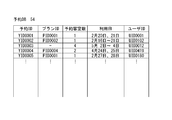
予約DB54には、販売されて予約が入ったプランの情報が記憶される。具体的には、図8に示すように、予約情報が特定できる予約IDと、当該予約の対象となったプランのプランIDと、予約した客室数と、予約した部屋の利用日と、当該予約を行ったユーザのIDとが紐付けられて記憶される。
具体的には、例えば、予約ID=YID0001とされた予約情報には、ユーザID=UID0001とされたユーザが、プランID=PID0001に属する部屋(部屋タイプID=RID0001、図6参照)のうちの一部屋を2月20日と21日の二日間に亘って予約したことが記憶されている。
予約DB54には、販売されて予約が入ったプランの情報が記憶される。具体的には、図8に示すように、予約情報が特定できる予約IDと、当該予約の対象となったプランのプランIDと、予約した客室数と、予約した部屋の利用日と、当該予約を行ったユーザのIDとが紐付けられて記憶される。
具体的には、例えば、予約ID=YID0001とされた予約情報には、ユーザID=UID0001とされたユーザが、プランID=PID0001に属する部屋(部屋タイプID=RID0001、図6参照)のうちの一部屋を2月20日と21日の二日間に亘って予約したことが記憶されている。
[3-6.イベントDB]
イベントDB55には、図9に示したように、イベントIDとイベント名と開催地と開催日時と施設IDとが紐付けられて記憶される。施設IDは、少なくともイベントの開催地情報に基づいて抽出された宿泊施設のIDであり、当該イベントに参加する参加者が宿泊する宿泊施設として適切な宿泊施設のIDである。具体的には、例えば、開催地への移動時間が所定時間(例えば1時間)以下となる宿泊施設のIDである。また、開催地までの移動距離が所定以下となる宿泊施設のIDでもよい。
イベントDB55には、図9に示したように、イベントIDとイベント名と開催地と開催日時と施設IDとが紐付けられて記憶される。施設IDは、少なくともイベントの開催地情報に基づいて抽出された宿泊施設のIDであり、当該イベントに参加する参加者が宿泊する宿泊施設として適切な宿泊施設のIDである。具体的には、例えば、開催地への移動時間が所定時間(例えば1時間)以下となる宿泊施設のIDである。また、開催地までの移動距離が所定以下となる宿泊施設のIDでもよい。
<4.各処理の流れ>
[4-1.プラン設定の流れ]
施設所有者が施設所有者端末3を用いてプランの設定を行う場合の処理の流れを図10を参照して説明する。
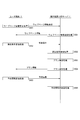
先ず施設所有者端末3はステップS101において、施設所有者によるログイン画面表示操作に応じたログイン画面情報要求処理を実行する。ログイン画面情報要求処理により施設所有者端末3から宿泊施設予約サーバ1へログイン画面情報要求が通知されると、宿泊施設予約サーバ1はステップS201において、ログイン画面情報送信処理を実行する。
これにより、例えば、宿泊施設予約サーバ1から受信したログイン画面情報に応じたウェブページが施設所有者端末3上に表示される。
[4-1.プラン設定の流れ]
施設所有者が施設所有者端末3を用いてプランの設定を行う場合の処理の流れを図10を参照して説明する。
先ず施設所有者端末3はステップS101において、施設所有者によるログイン画面表示操作に応じたログイン画面情報要求処理を実行する。ログイン画面情報要求処理により施設所有者端末3から宿泊施設予約サーバ1へログイン画面情報要求が通知されると、宿泊施設予約サーバ1はステップS201において、ログイン画面情報送信処理を実行する。
これにより、例えば、宿泊施設予約サーバ1から受信したログイン画面情報に応じたウェブページが施設所有者端末3上に表示される。
次に、施設所有者端末3はステップS102において、施設所有者によるログイン情報(IDとパスワード)の入力操作に応じたログイン情報を宿泊施設予約サーバ1へ送信するログイン情報送信処理を実行する。施設所有者端末3から宿泊施設予約サーバ1へログイン情報が送信されると、宿泊施設予約サーバ1はステップS202において認証処理を実行し、続くステップS203において認証結果通知処理を実行する。
具体的には、宿泊施設予約サーバ1は、施設所有者端末3上で入力された施設所有者IDとパスワードと認証DB50に記憶された情報を比較して当該施設所有者のログイン可否を判定し、認証結果を施設所有者端末3へ通知する。
尚、図10に示す一連の流れは、ステップS202の認証処理においてログイン可と判定された場合を示している。ステップS202においてログイン不可と判定した場合は、施設所有者端末3は再度ステップS102の処理を実行し、これに応じて宿泊施設予約サーバ1は再度ステップS202の処理を実行する。
具体的には、宿泊施設予約サーバ1は、施設所有者端末3上で入力された施設所有者IDとパスワードと認証DB50に記憶された情報を比較して当該施設所有者のログイン可否を判定し、認証結果を施設所有者端末3へ通知する。
尚、図10に示す一連の流れは、ステップS202の認証処理においてログイン可と判定された場合を示している。ステップS202においてログイン不可と判定した場合は、施設所有者端末3は再度ステップS102の処理を実行し、これに応じて宿泊施設予約サーバ1は再度ステップS202の処理を実行する。
続いて、施設所有者端末3はステップS103において、施設所有者によるプラン設定画面表示操作に応じたプラン設定画面情報要求処理を実行する。プラン設定画面情報要求処理により施設所有者端末3から宿泊施設予約サーバ1へプラン設定画面情報要求が通知されると、宿泊施設予約サーバ1はステップS204において、プラン設定画面情報送信処理を実行する。
これにより、例えば、プラン設定画面としてのウェブページが施設所有者端末3上に表示される。
これにより、例えば、プラン設定画面としてのウェブページが施設所有者端末3上に表示される。
次に、施設所有者端末3はステップS104において、施設所有者によるプラン設定の入力を受け付けるプラン設定情報入力受付処理を実行する。そして、施設所有者端末3はステップS105において、入力されたプラン設定情報を宿泊施設予約サーバ1へ送信するプラン設定情報送信処理を実行する。
プラン設定情報は、プランを設定するために必要な情報であり、例えば、図6に示したプランDB52に記憶される各情報である。
これにより、施設所有者が入力したプラン設定情報が宿泊施設予約サーバ1へ送信される。
プラン設定情報は、プランを設定するために必要な情報であり、例えば、図6に示したプランDB52に記憶される各情報である。
これにより、施設所有者が入力したプラン設定情報が宿泊施設予約サーバ1へ送信される。
プラン設定情報を受信した宿泊施設予約サーバ1はステップS205において入力受付処理を実行する。入力受付処理の詳細は後述するが、受信したプラン設定情報を登録しても問題がないかを確認する処理となる。問題がないプラン設定情報は、続くステップS206で宿泊施設予約サーバ1が実行するプラン設定登録処理によって、プランDB52に保存される。
[4-2.入力受付処理]
入力受付処理で実行する各処理を図11を参照して説明する。
入力受付処理として、先ず、宿泊施設予約サーバ1はステップS301において、プラン設定情報を受信する処理を実行し、続くステップS302において、同一のサービス提供対象の同一の利用日に同一の優先度のプランが既に設定されているか否かを判定する競合判定処理を実行する。具体的には、受信したプラン設定の対象となる(即ちサービス提供対象としての)部屋に対して既に設定されているプランのうち、同一の利用日且つ同一の優先度が付されたものがあるか否かを、プランDB52を参照して判定する。
入力受付処理で実行する各処理を図11を参照して説明する。
入力受付処理として、先ず、宿泊施設予約サーバ1はステップS301において、プラン設定情報を受信する処理を実行し、続くステップS302において、同一のサービス提供対象の同一の利用日に同一の優先度のプランが既に設定されているか否かを判定する競合判定処理を実行する。具体的には、受信したプラン設定の対象となる(即ちサービス提供対象としての)部屋に対して既に設定されているプランのうち、同一の利用日且つ同一の優先度が付されたものがあるか否かを、プランDB52を参照して判定する。
尚、同一の日付とは、期間の一部が被っている場合も含む。具体的には、部屋Aに対し、優先度が3とされ利用日が4月29日~5月6日とされたプランαが既に設定されている状況で、優先度が3とされ利用日が5月3日~5月10日とされたプランβを設定しようとした場合には、ステップS302の処理でプランβの設定は不可と判定される。
ステップS302において、同一の優先度が付されたプランが設定されている(即ち競合プランあり)と判定した場合、宿泊施設予約サーバ1はステップS303において、プラン設定不可通知処理を実行し、図11に示した一連の処理を終了する。
プラン設定不可通知処理では、例えば、施設所有者端末3にプランが設定できなかった旨を表す画面を表示させる処理や、プラン設定情報の再入力を促す画面を表示させる処理などを実行する。
ステップS302において、同一の優先度が付されたプランが設定されている(即ち競合プランあり)と判定した場合、宿泊施設予約サーバ1はステップS303において、プラン設定不可通知処理を実行し、図11に示した一連の処理を終了する。
プラン設定不可通知処理では、例えば、施設所有者端末3にプランが設定できなかった旨を表す画面を表示させる処理や、プラン設定情報の再入力を促す画面を表示させる処理などを実行する。
ステップS302において同一の優先度が付されたプランが設定されていない(即ち競合プランなし)と判定した場合、宿泊施設予約サーバ1はステップS304において、受信したプラン設定よりも優先度が高い自動延長プランが同一の部屋に対して既に設定されているか否かを判定する処理を実行する。
この処理は、優先度が高く自動延長フラグがONとされたプラン(既設定プラン)が既に設定されている場合に、新しく設定しようとしているプラン(新規プラン)が実質意味のないものになってしまう状態(即ち、自動延長フラグがONとされた既設定プランが常に適用される状態)を避けるために実行する。
この処理は、優先度が高く自動延長フラグがONとされたプラン(既設定プラン)が既に設定されている場合に、新しく設定しようとしているプラン(新規プラン)が実質意味のないものになってしまう状態(即ち、自動延長フラグがONとされた既設定プランが常に適用される状態)を避けるために実行する。
ステップS304において、優先度が高い自動延長プランが設定されていると判定した場合、宿泊施設予約サーバ1はステップS305において、新規に登録しようとしているプラン設定が意味のないものとなってしまう可能性があることを通知する通知処理を実行し、図11に示した一連の処理を終了する。
通知処理では、施設所有者端末3上にダイアログ等を表示させる処理を実行する。また、通知処理において、新規プランの設定が正しいかどうかを選択させてもよい。更に、施設所有者によって新規プランが正しいと回答された場合、既設定プランを削除する処理を実行してもよい。また、施設所有者によって新規プランが正しくないと回答された場合、新規プランの設定を再入力させる処理を実行させてもよい。
尚、通知処理の替わりに既設定プランの優先度よりも高い優先度を新規プランに自動的に付与する処理を実行してもよい。
通知処理では、施設所有者端末3上にダイアログ等を表示させる処理を実行する。また、通知処理において、新規プランの設定が正しいかどうかを選択させてもよい。更に、施設所有者によって新規プランが正しいと回答された場合、既設定プランを削除する処理を実行してもよい。また、施設所有者によって新規プランが正しくないと回答された場合、新規プランの設定を再入力させる処理を実行させてもよい。
尚、通知処理の替わりに既設定プランの優先度よりも高い優先度を新規プランに自動的に付与する処理を実行してもよい。
ステップS304において、優先度が高い自動延長プランが設定されていないと判定した場合、宿泊施設予約サーバ1は、ステップS306において新規プランが自動延長プランあるか否かを判定する自動延長フラグ確認処理を実行する。
ステップS306において新規プランが自動延長プランでない場合と判定した場合は、図11に示した一連の処理を終了する。
一方、新規プランが自動延長プランである場合は、ステップS307において、同一の部屋に対して既に設定済みの自動延長プランが存在するか否かを確認する自動延長プラン重複確認処理を実行する。
同一の部屋に対して複数の自動延長プランを設定した場合、何れか一方の自動延長プランは実質的に意味のないものとなってしまう。そこで、ステップS307の処理により、同一の部屋に対して複数の自動延長プランが設定されることのないようにしている。
ステップS306において新規プランが自動延長プランでない場合と判定した場合は、図11に示した一連の処理を終了する。
一方、新規プランが自動延長プランである場合は、ステップS307において、同一の部屋に対して既に設定済みの自動延長プランが存在するか否かを確認する自動延長プラン重複確認処理を実行する。
同一の部屋に対して複数の自動延長プランを設定した場合、何れか一方の自動延長プランは実質的に意味のないものとなってしまう。そこで、ステップS307の処理により、同一の部屋に対して複数の自動延長プランが設定されることのないようにしている。
ステップS307において、既に設定済みの自動延長プランが存在すると判定した場合、宿泊施設予約サーバ1は先のステップS303のプラン設定不可通知処理を実行して、図11に示した一連の処理を終了する。
ステップS307において、既に設定済みの自動延長プランは存在しないと判定した場合、宿泊施設予約サーバ1は図11に示した一連の処理を終了する。
ステップS307において、既に設定済みの自動延長プランは存在しないと判定した場合、宿泊施設予約サーバ1は図11に示した一連の処理を終了する。
尚、図11のステップS303のプラン設定不可通知処理やステップS305の通知処理を実行した場合には、適切なプラン設定がされるまで図10のステップS206のプラン設定登録処理は実行されない。
[4-3.宿泊施設予約の流れ]
ユーザが宿泊施設予約サーバ1を介して宿泊施設の予約を行う際の処理の流れを図12を参照して説明する。
宿泊施設予約をする場合には、先ずユーザ端末4はステップS401において、ウェブページ情報要求処理を実行する。この処理は、ユーザがユーザ端末4を用いてウェブページ(例えば、宿泊施設予約ウェブページのトップページなど)を閲覧するための操作を行うことにより実行される。
ウェブページ情報の要求を受信した宿泊施設予約サーバ1は続いてステップS501において、ウェブページ情報送信処理を実行する。これにより、ユーザ端末4にウェブページ情報が送信され、ユーザ端末4上で宿泊施設を予約するためのウェブページ(宿泊施設予約ページ)が表示される。
ユーザが宿泊施設予約サーバ1を介して宿泊施設の予約を行う際の処理の流れを図12を参照して説明する。
宿泊施設予約をする場合には、先ずユーザ端末4はステップS401において、ウェブページ情報要求処理を実行する。この処理は、ユーザがユーザ端末4を用いてウェブページ(例えば、宿泊施設予約ウェブページのトップページなど)を閲覧するための操作を行うことにより実行される。
ウェブページ情報の要求を受信した宿泊施設予約サーバ1は続いてステップS501において、ウェブページ情報送信処理を実行する。これにより、ユーザ端末4にウェブページ情報が送信され、ユーザ端末4上で宿泊施設を予約するためのウェブページ(宿泊施設予約ページ)が表示される。
続いて、ユーザ端末4はステップS402において検索条件送信処理を実行する。この処理は、ユーザ端末4を用いて、ユーザが宿泊施設予約ページ上で宿泊施設を検索するための検索条件を入力し、検索を実行する操作(例えばボタンの押下など)を行うことにより実行される。検索条件とは、例えば、ユーザが宿泊を希望する日時情報や、宿泊人数、予約したい部屋数、宿泊施設の所在地、宿泊費用などである。
検索条件を受信した宿泊施設予約サーバ1は、次にステップS502において、検索条件に基づいた宿泊施設を宿泊施設DB51から検索する宿泊施設検索処理を実行する。この処理では、検索条件に該当する宿泊施設のうち、対象となる利用日(宿泊日)が予約で埋まっていない宿泊施設(即ち売り切れていない宿泊施設)を抽出する。
このために、予約DB54には、当該宿泊施設に関する予約情報が全て記憶されている。具体的には、宿泊施設予約サーバ1を利用せずに宿泊施設のウェブページから直接販売された予約情報も含めて記憶されている。尚、空き情報は、専用の別のDBに記憶されていてもよい。空き部屋を検索するための専用のDBを用いることにより、宿泊施設検索処理に要する時間の短縮を図ることができる。
このために、予約DB54には、当該宿泊施設に関する予約情報が全て記憶されている。具体的には、宿泊施設予約サーバ1を利用せずに宿泊施設のウェブページから直接販売された予約情報も含めて記憶されている。尚、空き情報は、専用の別のDBに記憶されていてもよい。空き部屋を検索するための専用のDBを用いることにより、宿泊施設検索処理に要する時間の短縮を図ることができる。
次に、宿泊施設予約サーバ1はステップS503において、ステップS502において検索された宿泊施設に対して設定されたプランをプランDB52から検索するプラン検索処理を実行する。
続いて宿泊施設予約サーバ1はステップS504において、ステップS503で検索されたプラン情報をユーザ端末4へ提示するプラン提示処理を実行する。この処理では、ステップS503における検索結果として抽出されたプランをユーザ端末4へ送信する。このとき、同一の部屋タイプIDに対し利用日が重複して複数のプランが抽出された場合は、優先度情報に従ってその中から一つのプランを選択して、ユーザ端末4へ送信する。具体的には、利用日が5月5日とされた優先度1のプラン1と優先度2のプラン2と優先度3のプラン3が設定されている場合には、優先度3のプラン3が選択されてユーザ端末4へ送信される。
続いて宿泊施設予約サーバ1はステップS504において、ステップS503で検索されたプラン情報をユーザ端末4へ提示するプラン提示処理を実行する。この処理では、ステップS503における検索結果として抽出されたプランをユーザ端末4へ送信する。このとき、同一の部屋タイプIDに対し利用日が重複して複数のプランが抽出された場合は、優先度情報に従ってその中から一つのプランを選択して、ユーザ端末4へ送信する。具体的には、利用日が5月5日とされた優先度1のプラン1と優先度2のプラン2と優先度3のプラン3が設定されている場合には、優先度3のプラン3が選択されてユーザ端末4へ送信される。
入力された検索条件に応じたプランを受信したユーザ端末4は、受信したプランを表示すると共に、ユーザが選択したプランを予約情報として宿泊施設予約サーバ1へ送信する予約情報送信処理を続くステップS403において実行する。
予約情報を受信した宿泊施設予約サーバ1は、ステップS505において、受信した予約情報を予約情報DB54に記憶して更新する予約情報DB更新処理を行う。
尚、予約情報DB54に予約情報を記憶する前に、当該プランが予約可能であるかを再度確認してもよい。即ち、プランを提示した後に、別のユーザによって当該プランの予約が入ってしまい、プランが売り切れてしまっていないかどうかを確認してもよい。これにより、プランが重複して販売されてしまうことを防ぐことができる。
尚、予約情報DB54に予約情報を記憶する前に、当該プランが予約可能であるかを再度確認してもよい。即ち、プランを提示した後に、別のユーザによって当該プランの予約が入ってしまい、プランが売り切れてしまっていないかどうかを確認してもよい。これにより、プランが重複して販売されてしまうことを防ぐことができる。
図12に示した一連の処理により、ユーザが宿泊施設予約ページを閲覧して宿泊施設とプランの検索を行い、プランの予約を行うことができる。
[4-4.自動延長処理]
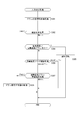
自動延長処理について、図13を参照して説明する。自動延長処理は、図6に示したプランDB52に記憶されている各プランの中で、自動延長フラグがONとされた自動延長プランに対して、販売開始日に応じて販売される利用日を延長する処理である。
具体的には、例えば、2月15日の時点で、利用日(即ち宿泊日)として2月16日から4月16日までの60日間が販売されている場合、2月16日になると、4月17日分が新たに販売される。以降の説明では、プランの自動延長処理により新たに販売対象となる提供日(上記の例における4月17日)を延長対象日と記載する。
自動延長処理について、図13を参照して説明する。自動延長処理は、図6に示したプランDB52に記憶されている各プランの中で、自動延長フラグがONとされた自動延長プランに対して、販売開始日に応じて販売される利用日を延長する処理である。
具体的には、例えば、2月15日の時点で、利用日(即ち宿泊日)として2月16日から4月16日までの60日間が販売されている場合、2月16日になると、4月17日分が新たに販売される。以降の説明では、プランの自動延長処理により新たに販売対象となる提供日(上記の例における4月17日)を延長対象日と記載する。
先ず、自動延長処理では、宿泊施設予約サーバ1はステップS601において、同一施設プラン取得処理を実行する。同一施設プラン取得処理は、自動延長処理の対象となった部屋と同一の施設に属する部屋(サービス提供対象)に設定されたプランを取得する。
続いて、宿泊施設予約サーバ1はステップS602において、利用日確認処理を実行する。利用日確認処理は、ステップS601で取得した各プランのうちで非自動延長プランの利用日を確認し、延長対象日よりも先となる利用日(即ち延長対象日よりも未来となる利用日)が設定されたプランが存在するか否かを確認する処理となる。
具体的には、延長対象日が4月17日の場合、利用日が4月18日以降の日を含む非自動延長プランが存在するか否かを確認する。
利用日が4月18日以降の日を含む非自動延長プランが存在する場合には、優先度の高い非自動延長プランの設定を失念した可能性は低いと推定することができる。
一方、利用日が4月18日以降の日を含む非自動延長プランが存在しない場合には、本来設定するべき優先度の高い非自動延長プラン(例えば付加価値の高い高価なプラン)の設定を失念した可能性があると推定することができる。
続いて、宿泊施設予約サーバ1はステップS602において、利用日確認処理を実行する。利用日確認処理は、ステップS601で取得した各プランのうちで非自動延長プランの利用日を確認し、延長対象日よりも先となる利用日(即ち延長対象日よりも未来となる利用日)が設定されたプランが存在するか否かを確認する処理となる。
具体的には、延長対象日が4月17日の場合、利用日が4月18日以降の日を含む非自動延長プランが存在するか否かを確認する。
利用日が4月18日以降の日を含む非自動延長プランが存在する場合には、優先度の高い非自動延長プランの設定を失念した可能性は低いと推定することができる。
一方、利用日が4月18日以降の日を含む非自動延長プランが存在しない場合には、本来設定するべき優先度の高い非自動延長プラン(例えば付加価値の高い高価なプラン)の設定を失念した可能性があると推定することができる。
ステップS602において、該当の非自動延長プランが設定されていた場合、宿泊施設予約サーバ1はステップS603において、自動延長処理の対象となったプランの利用日更新処理を実行する。
また、ステップS602において、該当の非自動延長プランが設定されていなかった場合、宿泊施設予約サーバ1はステップS604において、プランの自動延長をおこなってよいか施設所有者に確認する自動延長確認処理を実行する。
自動延長確認処理では、例えば、施設所有者に対して、自動延長可否を確認する旨を記載した電子メールを送信を実行してもよいし、施設所有者が宿泊施設予約サーバ1へログインした際に自動延長可否を選択させるダイアログボックスを表示してもよい。
また、ステップS602において、該当の非自動延長プランが設定されていなかった場合、宿泊施設予約サーバ1はステップS604において、プランの自動延長をおこなってよいか施設所有者に確認する自動延長確認処理を実行する。
自動延長確認処理では、例えば、施設所有者に対して、自動延長可否を確認する旨を記載した電子メールを送信を実行してもよいし、施設所有者が宿泊施設予約サーバ1へログインした際に自動延長可否を選択させるダイアログボックスを表示してもよい。
図13に示した一連の処理により、例えば、施設所有者が大型連休等のハイシーズンを対象とした高価な宿泊プランの手動設定を失念した場合に、自動延長プランで該当の部屋が安価に販売されてしまうことを防ぐことができる。
尚、自動延長プランのみを設定している場合には、図13の自動延長処理を実行するたびにステップS604の自動延長確認処理が実行される。これを防ぐ場合には、自動延長してもよい日付を施設所有者に入力させて(或いは選択させ)、該入力された日付に応じて自動延長確認処理を実行するか否かを判定する処理をステップS604の前に実行する。
これにより、当該日付までは、自動延長確認処理を実行せずに済む。
これにより、当該日付までは、自動延長確認処理を実行せずに済む。
[4-5.次回設定処理]
次回設定処理は、非自動延長プランを翌年(次回)も設定する処理となる。この処理は、施設所有者による操作により行われる場合や、提供日の半年前などの所定の時節に行われる場合がある。以下の説明では、既に設定されており次回設定処理の対象となる非自動延長プランを基準プランとし、基準プランの翌年の同等プランを次回プランとして説明する。
処理の流れを具体的に図14を参照して説明する。
先ず、宿泊施設予約サーバ1はステップS701において、利用日確認処理を実行する。利用日確認処理は、基準プランに設定されている利用日の情報を確認する処理であり、具体的には、日付だけでなく曜日(平日に設定されたものであるのか、休日に設定されたものであるのか、連休に設定されたものであるのか)などの情報も確認する。
次回設定処理は、非自動延長プランを翌年(次回)も設定する処理となる。この処理は、施設所有者による操作により行われる場合や、提供日の半年前などの所定の時節に行われる場合がある。以下の説明では、既に設定されており次回設定処理の対象となる非自動延長プランを基準プランとし、基準プランの翌年の同等プランを次回プランとして説明する。
処理の流れを具体的に図14を参照して説明する。
先ず、宿泊施設予約サーバ1はステップS701において、利用日確認処理を実行する。利用日確認処理は、基準プランに設定されている利用日の情報を確認する処理であり、具体的には、日付だけでなく曜日(平日に設定されたものであるのか、休日に設定されたものであるのか、連休に設定されたものであるのか)などの情報も確認する。
続いて、宿泊施設予約サーバ1はステップS702において、利用日設定処理を実行する。利用日設定処理は、ステップS701において確認した利用日に応じて、次回プランの利用日を決定する処理となる。具体的には、基準プランの利用日が大型連休に設定されていた場合には、次回プランの利用日も同時期の大型連休プランとなるように設定する。このとき、期間長が変化する場合もある。
次に、宿泊施設予約サーバ1はステップS703において、優先度設定処理を実行する。この処理では、基準プランの優先度情報に基づき同一の優先度を次回プランの優先度情報として設定する。
尚、次回プランの利用日の少なくとも一部を含む期間に基準プランと同一の優先度が付与されたプランが既に設定されている場合は、次回プランを設定せずに図14の処理を終了してもよい。
尚、次回プランの利用日の少なくとも一部を含む期間に基準プランと同一の優先度が付与されたプランが既に設定されている場合は、次回プランを設定せずに図14の処理を終了してもよい。
続いて、宿泊施設予約サーバ1はステップS704において、次回プランをプランDB52に登録する次回プラン設定登録処理を実行する。尚、この処理において、上記で確認した利用日と優先度情報以外の設定項目(即ち、部屋タイプIDや提供価格や販売開始日や自動延長フラグや備考IDなど)は、基準プランと同じ情報を次回プランに設定する。
[4-6.イベント情報提供処理]
イベント情報提供処理について、図15を参照して説明する。
イベント情報提供処理は、宿泊施設に対して、周辺地域で開催される各種イベント情報を提供する処理である。この処理を実行することにより、宿泊施設の適切なキャンペーン実施を促進させることができ、集客力向上に寄与することができる。
イベント情報提供処理は、先ず、ステップS801においてイベント情報を取得するイベント情報取得処理を実行する。この処理は、ウェブ検索を実行することによってイベント情報を取得してもよいし、例えば専用の掲示板を用意し、そこに書き込まれた情報を元に取得してもよい。取得する情報としては、イベント名や開催地、開催日などの情報を取得する。取得した情報は、イベントDB55へ記憶される。
イベント情報提供処理について、図15を参照して説明する。
イベント情報提供処理は、宿泊施設に対して、周辺地域で開催される各種イベント情報を提供する処理である。この処理を実行することにより、宿泊施設の適切なキャンペーン実施を促進させることができ、集客力向上に寄与することができる。
イベント情報提供処理は、先ず、ステップS801においてイベント情報を取得するイベント情報取得処理を実行する。この処理は、ウェブ検索を実行することによってイベント情報を取得してもよいし、例えば専用の掲示板を用意し、そこに書き込まれた情報を元に取得してもよい。取得する情報としては、イベント名や開催地、開催日などの情報を取得する。取得した情報は、イベントDB55へ記憶される。
続いて宿泊施設予約サーバ1はステップS802において、イベント情報に応じた宿泊施設を検索する対象宿泊施設検索処理を実行する。
対象宿泊施設検索処理では、イベントの開催地情報を用いて、近隣の宿泊施設(例えば開催地から10km以内にある宿泊施設など)を検索して抽出する。
尚、抽出した宿泊施設は、イベントDB55へ記憶される。
次に、宿泊施設予約サーバ1はステップS803において、ステップS802で抽出した宿泊施設に対してイベント情報を提供するイベント情報提供処理を実行する。この処理は、例えば、宿泊施設に対してイベント情報を記載した電子メールを送信することにより実行される。
対象宿泊施設検索処理では、イベントの開催地情報を用いて、近隣の宿泊施設(例えば開催地から10km以内にある宿泊施設など)を検索して抽出する。
尚、抽出した宿泊施設は、イベントDB55へ記憶される。
次に、宿泊施設予約サーバ1はステップS803において、ステップS802で抽出した宿泊施設に対してイベント情報を提供するイベント情報提供処理を実行する。この処理は、例えば、宿泊施設に対してイベント情報を記載した電子メールを送信することにより実行される。
尚、イベント情報提供処理は、毎日決まった時間などの所定の周期で自動的に実行させてもよいし、宿泊施設予約サーバ1の管理者が手動で実行させてもよい。
また、イベント情報提供処理は、特に自動延長プラン(即ち自動延長フラグがONとされたプラン)のみを設定している施設に対して、実行してもよい。
また、イベント情報提供処理は、特に自動延長プラン(即ち自動延長フラグがONとされたプラン)のみを設定している施設に対して、実行してもよい。
<5.変形例>
尚、上記した例では、同一のサービス提供対象に複数の自動延長プランを設定することはできない例を説明したが、異なるユーザを対象とする場合には、同一のサービス提供対象(即ち、部屋)に対して複数の自動延長プランを設定してもよい。例えば、女性を含まない宿泊者(即ち男性のみ)を対象とした優先度1の自動延長プランと女性を含む宿泊者を対象とした優先度1の自動延長プランは、共存することが可能である。
具体的には、部屋タイプID=RID0001とされた部屋A~Lの12部屋に対して、男性のみの宿泊者を対象とした優先度1の自動延長プランと女性を含む宿泊者を対象とした優先度1の自動延長プランの二つが設定されてもよい。このとき、予約したユーザに応じて、12部屋それぞれが何れかのプランで販売される。
尚、上記した例では、同一のサービス提供対象に複数の自動延長プランを設定することはできない例を説明したが、異なるユーザを対象とする場合には、同一のサービス提供対象(即ち、部屋)に対して複数の自動延長プランを設定してもよい。例えば、女性を含まない宿泊者(即ち男性のみ)を対象とした優先度1の自動延長プランと女性を含む宿泊者を対象とした優先度1の自動延長プランは、共存することが可能である。
具体的には、部屋タイプID=RID0001とされた部屋A~Lの12部屋に対して、男性のみの宿泊者を対象とした優先度1の自動延長プランと女性を含む宿泊者を対象とした優先度1の自動延長プランの二つが設定されてもよい。このとき、予約したユーザに応じて、12部屋それぞれが何れかのプランで販売される。
また、次回設定処理の例では、非自動延長プランを1年ごとに新たに設定する例を示したが、次回設定を行うか否かを自動延長フラグによって管理してもよい。
即ち、利用日が設定され、且つ、自動延長フラグがONとされているプランは、次回設定処理が実行されて毎年同時期に同様のプランが設定される。また、利用日が設定され、且つ、自動延長フラグがOFFとされているプランは、次回設定処理が実行されずに、一年限りのプランとされる。
即ち、利用日が設定され、且つ、自動延長フラグがONとされているプランは、次回設定処理が実行されて毎年同時期に同様のプランが設定される。また、利用日が設定され、且つ、自動延長フラグがOFFとされているプランは、次回設定処理が実行されずに、一年限りのプランとされる。
上記では、本発明の実施の形態として、宿泊施設を対象とした宿泊施設予約サーバ1の例を用いて説明したが、サービスとして提供される対象であるサービス提供対象があり、そのサービス提供対象に様々な付加価値を付与したプランを設定し販売できる様々なシステムに用いられる情報処理装置に応用することが可能である。
例えば、ゴルフのコースをサービス提供対象としたゴルフコース予約システムに適用することも可能である。具体的には、「△△ゴルフ倶楽部○○コース」などをサービス提供対象とする。また、ユーザが利用する日付情報を利用日とし、ラウンドを開始するスタート時間(例えば午前9時00分スタートであれば、午前9時00分)を利用時間とする。
このとき、管理部1aは認証に係る各処理や、各画面(ウェブページ)を送信する処理などを実行する。また、自動延長として、「△△ゴルフ倶楽部○○コース」の「午前9時00分」という情報で特定されるプランの販売を自動で延長してよいか否かを決定する各処理などを実行する。このときの延長では、利用日(時間情報は含まない日付情報)を一日単位で延長する。
また、プラン設定部1bは、ゴルフコースの所有者や管理者などによって設定されるプランを受信して登録する処理などを実行する。
例えば、ゴルフのコースをサービス提供対象としたゴルフコース予約システムに適用することも可能である。具体的には、「△△ゴルフ倶楽部○○コース」などをサービス提供対象とする。また、ユーザが利用する日付情報を利用日とし、ラウンドを開始するスタート時間(例えば午前9時00分スタートであれば、午前9時00分)を利用時間とする。
このとき、管理部1aは認証に係る各処理や、各画面(ウェブページ)を送信する処理などを実行する。また、自動延長として、「△△ゴルフ倶楽部○○コース」の「午前9時00分」という情報で特定されるプランの販売を自動で延長してよいか否かを決定する各処理などを実行する。このときの延長では、利用日(時間情報は含まない日付情報)を一日単位で延長する。
また、プラン設定部1bは、ゴルフコースの所有者や管理者などによって設定されるプランを受信して登録する処理などを実行する。
プラン提示部1cは、ユーザのゴルフコース予約のための検索に応じたプランを提示する処理を実行する。
イベント情報提供部1dは、コースが決まっていないゴルフコンペなどのイベント情報をゴルフコースの所有者や管理者に提供し、当該ゴルフコンペの誘致のためのキャンペーンを実施できるようにする。
検索部1eは、条件に応じたゴルフコースの検索などを実行する。
イベント情報提供部1dは、コースが決まっていないゴルフコンペなどのイベント情報をゴルフコースの所有者や管理者に提供し、当該ゴルフコンペの誘致のためのキャンペーンを実施できるようにする。
検索部1eは、条件に応じたゴルフコースの検索などを実行する。
<6.まとめ>
これまで説明してきたように、実施の形態の宿泊施設予約サーバ1は、少なくともサービスとして提供される対象であるサービス提供対象(部屋タイプIDで識別可能な宿泊施設の一群の部屋や、部屋Aなどで識別可能な個々の部屋)とサービスの提供価格とサービスの利用日とサービスの販売開始日とによって特定されるプランを管理するプラン管理部(管理部1a)と、プランの利用日の自動延長の設定を受け付ける入力受付部(プラン設定部1b)と、自動延長有りとされたプラン(自動延長プラン)が自動延長無しとされたプラン(非自動延長プラン)よりも低い優先度となるようにプランに優先度情報を設定するプラン設定部1bと、サービス提供対象及び利用日が重複するプランについて優先度情報に基づいてプランを提示するプラン提示部1cとを備える。
これにより、複数の優先度を用いることにより利用日が重複してしまうことを考慮せずにプランを設定することができ、プランの管理を容易に行うことができる。
これまで説明してきたように、実施の形態の宿泊施設予約サーバ1は、少なくともサービスとして提供される対象であるサービス提供対象(部屋タイプIDで識別可能な宿泊施設の一群の部屋や、部屋Aなどで識別可能な個々の部屋)とサービスの提供価格とサービスの利用日とサービスの販売開始日とによって特定されるプランを管理するプラン管理部(管理部1a)と、プランの利用日の自動延長の設定を受け付ける入力受付部(プラン設定部1b)と、自動延長有りとされたプラン(自動延長プラン)が自動延長無しとされたプラン(非自動延長プラン)よりも低い優先度となるようにプランに優先度情報を設定するプラン設定部1bと、サービス提供対象及び利用日が重複するプランについて優先度情報に基づいてプランを提示するプラン提示部1cとを備える。
これにより、複数の優先度を用いることにより利用日が重複してしまうことを考慮せずにプランを設定することができ、プランの管理を容易に行うことができる。
また、宿泊施設DB51の説明において記載したように、宿泊施設予約サーバ1は、複数のサービス提供対象があり、プラン管理部(管理部1a)は、複数のサービス提供対象それぞれを識別可能な情報をサービス提供対象に紐付けて管理する。
これにより、同一の部屋タイプIDで管理される各部屋のうちの一部の部屋に対して、優先度の高い別のプランを設定することができる。即ち、一部の部屋に別のプランを設定する際に既に設定されているプランを気にする必要がなく、一部の部屋だけ別プランで販売することが容易となる。
これにより、同一の部屋タイプIDで管理される各部屋のうちの一部の部屋に対して、優先度の高い別のプランを設定することができる。即ち、一部の部屋に別のプランを設定する際に既に設定されているプランを気にする必要がなく、一部の部屋だけ別プランで販売することが容易となる。
更に、次回設定処理で説明したように、宿泊施設予約サーバ1のプラン設定部1bは、自動延長無し(非自動延長プラン)とされたプランを利用日に基づいて翌年も設定する。
これにより、非自動延長プランについても一年ごとの手動登録が不要となるため、入力に必要な工数を削減することが可能となる。
これにより、非自動延長プランについても一年ごとの手動登録が不要となるため、入力に必要な工数を削減することが可能となる。
更にまた、次回設定処理で説明したように、宿泊施設予約サーバ1のプラン設定部1bは曜日及び休日の情報に基づいて非自動延長プランを翌年も設定する。
これにより、休日や大型連休の日付が一年ごとに変化した場合などにも、適切なプラン設定を行うことができる。
これにより、休日や大型連休の日付が一年ごとに変化した場合などにも、適切なプラン設定を行うことができる。
そして、イベント情報提供処理の説明で記載したように、宿泊施設予約サーバ1は、サービスを提供している施設であって自動延長プランのみを設定している施設に対し、施設が属する地域で催されるイベントに関する情報を抽出して提供するイベント情報提供部1dを備えている。
これにより、付加価値の高いプランの設定を促すことができ、プランの販売促進が図られる。更には、逸失利益を未然に防ぐことが可能となる。
これにより、付加価値の高いプランの設定を促すことができ、プランの販売促進が図られる。更には、逸失利益を未然に防ぐことが可能となる。
加えて、入力受付処理の説明で記載したように、宿泊施設予約サーバ1のプラン設定部1bは、プランの入力の受付において指定されたサービス提供対象及び利用日及び優先度情報が既に管理しているプランの一つが有するサービス提供対象及び利用日及び優先度情報と同一であるときはその旨を提示する。
これにより、サービス提供対象及び利用日及び優先度情報の全てが重複したプランの設定が防止されるため、ユーザに対して優先度情報を元にした適切なプランを提示することができる。
これにより、サービス提供対象及び利用日及び優先度情報の全てが重複したプランの設定が防止されるため、ユーザに対して優先度情報を元にした適切なプランを提示することができる。
また、自動延長処理で説明したように、宿泊施設予約サーバ1のプラン設定部1bは、自動延長プランの自動延長によって新たに対象となった利用日よりも先の日を利用日として設定した非自動延長プランが存在するか否かを判定する。
これにより、優先度の高いプランの設定を失念することによる逸失利益を未然に防ぐことができる。
これにより、優先度の高いプランの設定を失念することによる逸失利益を未然に防ぐことができる。
更に、変形例で説明したように、プランは、サービス提供対象と提供価格と利用日と販売開始日に加えて利用日における時間情報としての利用時間によって特定され、プラン提示部1cは、サービス提供対象及び利用日と利用時間が重複するプランについて優先度情報に基づいたプランの提示を行う。
これは、プランを特定するための日時情報として、日付としての利用日だけでは不十分である場合に応じたものであり、具体的には、変形例で説明したゴルフコースの予約の例が該当する。即ち、ゴルフコースの予約では、サービス提供対象(ゴルフコース)と利用日(日付情報)が同じであっても、利用時間(スタート時間)が異なれば、異なるプランを設定してもよい。一方、サービス提供対象と利用日と利用時間とが同一である複数のプランが設定されている場合は、優先度情報を用いたプラン選択と提示が必要となる。
これにより、利用日だけでなく利用時間を用いてサービスを利用する時間帯を管理する場合において(換言すれば、同一日に複数の利用者が時間帯を変えて同一サービス提供対象を利用できる場合において)、利用日と利用時間が共に重複してしまうことを考慮せずにプランを設定することができ、プランの管理を容易に行うことができる。
これは、プランを特定するための日時情報として、日付としての利用日だけでは不十分である場合に応じたものであり、具体的には、変形例で説明したゴルフコースの予約の例が該当する。即ち、ゴルフコースの予約では、サービス提供対象(ゴルフコース)と利用日(日付情報)が同じであっても、利用時間(スタート時間)が異なれば、異なるプランを設定してもよい。一方、サービス提供対象と利用日と利用時間とが同一である複数のプランが設定されている場合は、優先度情報を用いたプラン選択と提示が必要となる。
これにより、利用日だけでなく利用時間を用いてサービスを利用する時間帯を管理する場合において(換言すれば、同一日に複数の利用者が時間帯を変えて同一サービス提供対象を利用できる場合において)、利用日と利用時間が共に重複してしまうことを考慮せずにプランを設定することができ、プランの管理を容易に行うことができる。
<7.プログラム及び記憶媒体>
以上、本発明の宿泊施設予約サーバ1を説明してきたが、実施の形態のプログラムは、宿泊施設予約サーバ1における処理を演算処理装置(CPUなど)に実行させるプログラムである。
以上、本発明の宿泊施設予約サーバ1を説明してきたが、実施の形態のプログラムは、宿泊施設予約サーバ1における処理を演算処理装置(CPUなど)に実行させるプログラムである。
実施の形態のプログラムは、少なくともサービスとして提供される対象であるサービス提供対象と前記サービスの提供価格と前記サービスの利用日と前記サービスの販売開始日とによって特定されるプランを管理する手順を演算処理装置に実行させる。
また、前記プランの前記利用日の自動延長の設定を受け付ける入力受付手順を演算処理装置に実行させる。
更に、自動延長有りとされたプランが自動延長無しとされたプランよりも低い優先度となるように優先度情報を前記プランに設定する手順を演算処理装置に実行させる。
そして、前記サービス提供対象及び前記利用日が重複するプランについて前記優先度情報に基づいてプランを提示するプラン提示手順を演算処理装置に実行させる。
即ちこのプログラムは、図10に示したステップS201乃至ステップS206の各処理、図11に示した各処理、図12に示したステップS501乃至ステップS505の各処理、図13乃至図15に示した各処理を実行させるプログラムである。
また、前記プランの前記利用日の自動延長の設定を受け付ける入力受付手順を演算処理装置に実行させる。
更に、自動延長有りとされたプランが自動延長無しとされたプランよりも低い優先度となるように優先度情報を前記プランに設定する手順を演算処理装置に実行させる。
そして、前記サービス提供対象及び前記利用日が重複するプランについて前記優先度情報に基づいてプランを提示するプラン提示手順を演算処理装置に実行させる。
即ちこのプログラムは、図10に示したステップS201乃至ステップS206の各処理、図11に示した各処理、図12に示したステップS501乃至ステップS505の各処理、図13乃至図15に示した各処理を実行させるプログラムである。
このようなプログラムにより、上述した宿泊施設予約サーバ1を実現できる。
そしてこのようなプログラムはコンピュータ装置などの機器に内蔵されている記憶媒体としてのHDDや、CPUを有するマイクロコンピュータ内のROMなどに予め記憶しておくことができる。或いはまた、半導体メモリ、メモリカード、光ディスク、光磁気ディスク、磁気ディスクなどのリムーバブル記憶媒体に、一時的或いは永続的に格納(記憶)しておくことができる。またこのようなリムーバブル記憶媒体は、いわゆるパッケージソフトウェアとして提供することができる。
また、このようなプログラムは、リムーバブル記憶媒体からパーソナルコンピュータなどにインストールする他、ダウンロードサイトから、LAN、インターネットなどのネットワークを介してダウンロードすることもできる。
そしてこのようなプログラムはコンピュータ装置などの機器に内蔵されている記憶媒体としてのHDDや、CPUを有するマイクロコンピュータ内のROMなどに予め記憶しておくことができる。或いはまた、半導体メモリ、メモリカード、光ディスク、光磁気ディスク、磁気ディスクなどのリムーバブル記憶媒体に、一時的或いは永続的に格納(記憶)しておくことができる。またこのようなリムーバブル記憶媒体は、いわゆるパッケージソフトウェアとして提供することができる。
また、このようなプログラムは、リムーバブル記憶媒体からパーソナルコンピュータなどにインストールする他、ダウンロードサイトから、LAN、インターネットなどのネットワークを介してダウンロードすることもできる。
1 宿泊施設予約サーバ、1a 管理部、1b プラン設定部、1c プラン提示部、1d イベント情報提供部、1e 検索部、2 通信ネットワーク、3 施設所有者端末、
4 ユーザ端末、50 認証DB、51 宿泊施設DB、52 プランDB、53 備考DB、54 予約情報DB、55 イベントDB
4 ユーザ端末、50 認証DB、51 宿泊施設DB、52 プランDB、53 備考DB、54 予約情報DB、55 イベントDB
Claims (11)
- 少なくともサービスとして提供される対象であるサービス提供対象と前記サービスの提供価格と前記サービスの利用日と前記サービスの販売開始日とによって特定されるプランを管理するプラン管理部と、
前記プランの前記利用日の自動延長の設定を受け付ける入力受付部と、
自動延長有りとされたプランが自動延長無しとされたプランよりも低い優先度となるように優先度情報を前記プランに設定するプラン設定部と、
前記サービス提供対象及び前記利用日が重複するプランについて前記優先度情報に基づいてプランを提示するプラン提示部とを備える
情報処理装置。 - 複数の前記サービス提供対象があり、
前記プラン管理部は、複数の前記サービス提供対象それぞれを識別可能な情報を前記サービス提供対象に紐付けて管理する
請求項1に記載の情報処理装置。 - 前記プラン設定部は、前記自動延長無しとされたプランを前記利用日に基づいて翌年も設定する
請求項1に記載の情報処理装置。 - 前記プラン設定部は、曜日及び休日の情報に基づいて前記自動延長無しとされたプランを翌年も設定する
請求項3に記載の情報処理装置。 - 前記サービスを提供している施設であって前記自動延長有りとされたプランのみを設定している施設に対し、前記施設が属する地域で催されるイベントに関する情報を抽出して提供するイベント情報提供部を備えた
請求項1に記載の情報処理装置。 - 前記プラン設定部は、プランの入力の受付において指定された前記サービス提供対象及び前記利用日及び前記優先度情報が既に管理しているプランの一つが有する前記サービス提供対象及び利用日及び前記優先度情報と同一であるときはその旨を提示する
請求項1に記載の情報処理装置。 - 前記プラン設定部は、前記自動延長有りとされたプランの自動延長によって新たに対象となった前記利用日よりも先の日を前記利用日として設定した前記自動延長無しとされたプランが存在するか否かを判定する
請求項1に記載の情報処理装置。 - 前記プランは、前記サービス提供対象と前記提供価格と前記利用日と前記販売開始日に加えて前記利用日における時間情報としての利用時間によって特定され、
前記プラン提示部は、前記サービス提供対象及び前記利用日と前記利用時間が重複するプランについて前記優先度情報に基づいたプランの提示を行う
請求項1に記載の情報処理装置。 - 情報処理装置が実行する情報処理方法であって、
少なくともサービスとして提供される対象であるサービス提供対象と前記サービスの提供価格と前記サービスの利用日と前記サービスの販売開始日とによって特定されるプランを管理する処理ステップと、
前記プランの前記利用日の自動延長の設定を受け付ける入力受付処理ステップと、
自動延長有りとされたプランが自動延長無しとされたプランよりも低い優先度となるように優先度情報を前記プランに設定する処理ステップと、
前記サービス提供対象及び前記利用日が重複するプランについて前記優先度情報に基づいてプランを提示するプラン提示処理ステップとを実行する
情報処理方法。 - 少なくともサービスとして提供される対象であるサービス提供対象と前記サービスの提供価格と前記サービスの利用日と前記サービスの販売開始日とによって特定されるプランを管理する手順と、
前記プランの前記利用日の自動延長の設定を受け付ける入力受付手順と、
自動延長有りとされたプランが自動延長無しとされたプランよりも低い優先度となるように優先度情報を前記プランに設定する手順と、
前記サービス提供対象及び前記利用日が重複するプランについて前記優先度情報に基づいてプランを提示するプラン提示手順とを
情報処理装置に実行させるプログラム。 - 少なくともサービスとして提供される対象であるサービス提供対象と前記サービスの提供価格と前記サービスの利用日と前記サービスの販売開始日とによって特定されるプランを管理する手順と、
前記プランの前記利用日の自動延長の設定を受け付ける入力受付手順と、
自動延長有りとされたプランが自動延長無しとされたプランよりも低い優先度となるように優先度情報を前記プランに設定する手順と、
前記サービス提供対象及び前記利用日が重複するプランについて前記優先度情報に基づいてプランを提示するプラン提示手順とを
情報処理装置に実行させるプログラムを記憶した記憶媒体。
Priority Applications (2)
| Application Number | Priority Date | Filing Date | Title |
|---|---|---|---|
| JP2015527600A JP5795136B1 (ja) | 2015-03-30 | 2015-03-30 | 情報処理装置、情報処理方法、プログラム、記憶媒体 |
| PCT/JP2015/059957 WO2016157372A1 (ja) | 2015-03-30 | 2015-03-30 | 情報処理装置、情報処理方法、プログラム、記憶媒体 |
Applications Claiming Priority (1)
| Application Number | Priority Date | Filing Date | Title |
|---|---|---|---|
| PCT/JP2015/059957 WO2016157372A1 (ja) | 2015-03-30 | 2015-03-30 | 情報処理装置、情報処理方法、プログラム、記憶媒体 |
Publications (1)
| Publication Number | Publication Date |
|---|---|
| WO2016157372A1 true WO2016157372A1 (ja) | 2016-10-06 |
Family
ID=54330218
Family Applications (1)
| Application Number | Title | Priority Date | Filing Date |
|---|---|---|---|
| PCT/JP2015/059957 Ceased WO2016157372A1 (ja) | 2015-03-30 | 2015-03-30 | 情報処理装置、情報処理方法、プログラム、記憶媒体 |
Country Status (2)
| Country | Link |
|---|---|
| JP (1) | JP5795136B1 (ja) |
| WO (1) | WO2016157372A1 (ja) |
Citations (2)
| Publication number | Priority date | Publication date | Assignee | Title |
|---|---|---|---|---|
| JP2003150680A (ja) * | 2001-11-19 | 2003-05-23 | Sharp Corp | 旅行情報管理サーバ,旅行情報携帯端末及び旅行情報管理システム |
| JP2009251821A (ja) * | 2008-04-03 | 2009-10-29 | Toshiba Corp | ホテル予約装置 |
-
2015
- 2015-03-30 JP JP2015527600A patent/JP5795136B1/ja active Active
- 2015-03-30 WO PCT/JP2015/059957 patent/WO2016157372A1/ja not_active Ceased
Patent Citations (2)
| Publication number | Priority date | Publication date | Assignee | Title |
|---|---|---|---|---|
| JP2003150680A (ja) * | 2001-11-19 | 2003-05-23 | Sharp Corp | 旅行情報管理サーバ,旅行情報携帯端末及び旅行情報管理システム |
| JP2009251821A (ja) * | 2008-04-03 | 2009-10-29 | Toshiba Corp | ホテル予約装置 |
Also Published As
| Publication number | Publication date |
|---|---|
| JPWO2016157372A1 (ja) | 2017-04-27 |
| JP5795136B1 (ja) | 2015-10-14 |
Similar Documents
| Publication | Publication Date | Title |
|---|---|---|
| AU2012277131B2 (en) | Apparatus and Method for Processing Information of a Search Result | |
| JPH10240820A (ja) | ホテル予約受付管理システム | |
| JP5706999B1 (ja) | 店舗用装置、店舗用装置の制御方法、店舗用装置プログラム及び記録媒体 | |
| US20160078373A1 (en) | Method for controlling communication device, method for providing information in information management system, and computer-readable recording medium | |
| JP2023156442A (ja) | 施設管理システム、施設管理方法、及び施設管理プログラム | |
| JP6351381B2 (ja) | 交通手段付き宿泊プランの生成システム、方法、及びコンピュータプログラム | |
| JP2020126540A (ja) | 施設検索システム、施設検索方法、及び施設検索プログラム | |
| JP2003047783A (ja) | アトラクション利用スケジュール構築装置、予約情報入力装置及びそれらを用いたシステム | |
| JP5795136B1 (ja) | 情報処理装置、情報処理方法、プログラム、記憶媒体 | |
| US10460405B2 (en) | Server and method for timely adjusting price of a plan voucher | |
| JP2019148886A (ja) | 入店情報処理装置、入店情報処理方法、およびプログラム | |
| JP4969740B2 (ja) | 整備予約方法、整備予約プログラム及び整備予約システム | |
| JP2009042809A (ja) | 価格設定システム及び価格設定方法並びに価格設定プログラム | |
| JP7000624B1 (ja) | 情報処理装置、情報処理方法及びプログラム | |
| CN110799998A (zh) | 信息处理系统、顺序管理装置及程序 | |
| TWI485643B (zh) | 具即時與區域性特徵的訂房系統與方法 | |
| JP2023007884A (ja) | 数量限定メニュー予約システム | |
| JP2009064147A (ja) | 空き状況提供システムおよび空き状況提供プログラム | |
| JP6306791B1 (ja) | 情報管理装置、情報管理方法及びプログラム | |
| JP7030084B2 (ja) | 情報処理装置、情報処理方法及びプログラム | |
| JP2008015711A (ja) | オークション方法、オークション制御装置、オークション制御プログラム、およびそのオークション制御プログラムを記録した記録媒体 | |
| JP7588267B1 (ja) | 管理システム、管理システムの制御方法、及び管理システムの制御プログラム | |
| KR101622826B1 (ko) | 대기 순번 예약 시스템 및 방법 | |
| JP7445137B2 (ja) | 情報処理システム、情報処理方法、及び情報処理プログラム | |
| JP2020057127A (ja) | 情報提供装置、情報提供方法、及び情報提供プログラム |
Legal Events
| Date | Code | Title | Description |
|---|---|---|---|
| ENP | Entry into the national phase |
Ref document number: 2015527600 Country of ref document: JP Kind code of ref document: A |
|
| 121 | Ep: the epo has been informed by wipo that ep was designated in this application |
Ref document number: 15887525 Country of ref document: EP Kind code of ref document: A1 |
|
| NENP | Non-entry into the national phase |
Ref country code: DE |
|
| 122 | Ep: pct application non-entry in european phase |
Ref document number: 15887525 Country of ref document: EP Kind code of ref document: A1 |