WO2016104810A1 - 飲料の香味改善方法 - Google Patents
飲料の香味改善方法 Download PDFInfo
- Publication number
- WO2016104810A1 WO2016104810A1 PCT/JP2015/086495 JP2015086495W WO2016104810A1 WO 2016104810 A1 WO2016104810 A1 WO 2016104810A1 JP 2015086495 W JP2015086495 W JP 2015086495W WO 2016104810 A1 WO2016104810 A1 WO 2016104810A1
- Authority
- WO
- WIPO (PCT)
- Prior art keywords
- beverage
- cellulose derivative
- cyclic organic
- flavor
- cellulose
- Prior art date
- Legal status (The legal status is an assumption and is not a legal conclusion. Google has not performed a legal analysis and makes no representation as to the accuracy of the status listed.)
- Ceased
Links
Images


Classifications
-
- A—HUMAN NECESSITIES
- A23—FOODS OR FOODSTUFFS; TREATMENT THEREOF, NOT COVERED BY OTHER CLASSES
- A23F—COFFEE; TEA; THEIR SUBSTITUTES; MANUFACTURE, PREPARATION, OR INFUSION THEREOF
- A23F3/00—Tea; Tea substitutes; Preparations thereof
- A23F3/16—Tea extraction; Tea extracts; Treating tea extract; Making instant tea
- A23F3/20—Removing unwanted substances
-
- A—HUMAN NECESSITIES
- A23—FOODS OR FOODSTUFFS; TREATMENT THEREOF, NOT COVERED BY OTHER CLASSES
- A23F—COFFEE; TEA; THEIR SUBSTITUTES; MANUFACTURE, PREPARATION, OR INFUSION THEREOF
- A23F5/00—Coffee; Coffee substitutes; Preparations thereof
- A23F5/20—Reducing or removing alkaloid content; Preparations produced thereby; Extracts or infusions thereof
- A23F5/22—Reducing or removing alkaloid content from coffee extract
-
- A—HUMAN NECESSITIES
- A23—FOODS OR FOODSTUFFS; TREATMENT THEREOF, NOT COVERED BY OTHER CLASSES
- A23L—FOODS, FOODSTUFFS OR NON-ALCOHOLIC BEVERAGES, NOT OTHERWISE PROVIDED FOR; PREPARATION OR TREATMENT THEREOF
- A23L2/00—Non-alcoholic beverages; Dry compositions or concentrates therefor; Preparation or treatment thereof
-
- A—HUMAN NECESSITIES
- A23—FOODS OR FOODSTUFFS; TREATMENT THEREOF, NOT COVERED BY OTHER CLASSES
- A23L—FOODS, FOODSTUFFS OR NON-ALCOHOLIC BEVERAGES, NOT OTHERWISE PROVIDED FOR; PREPARATION OR TREATMENT THEREOF
- A23L2/00—Non-alcoholic beverages; Dry compositions or concentrates therefor; Preparation or treatment thereof
- A23L2/02—Non-alcoholic beverages; Dry compositions or concentrates therefor; Preparation or treatment thereof containing fruit or vegetable juices
-
- C—CHEMISTRY; METALLURGY
- C12—BIOCHEMISTRY; BEER; SPIRITS; WINE; VINEGAR; MICROBIOLOGY; ENZYMOLOGY; MUTATION OR GENETIC ENGINEERING
- C12G—WINE; PREPARATION THEREOF; ALCOHOLIC BEVERAGES; PREPARATION OF ALCOHOLIC BEVERAGES NOT PROVIDED FOR IN SUBCLASSES C12C OR C12H
- C12G1/00—Preparation of wine or sparkling wine
- C12G1/02—Preparation of must from grapes; Must treatment and fermentation
-
- C—CHEMISTRY; METALLURGY
- C12—BIOCHEMISTRY; BEER; SPIRITS; WINE; VINEGAR; MICROBIOLOGY; ENZYMOLOGY; MUTATION OR GENETIC ENGINEERING
- C12H—PASTEURISATION, STERILISATION, PRESERVATION, PURIFICATION, CLARIFICATION OR AGEING OF ALCOHOLIC BEVERAGES; METHODS FOR ALTERING THE ALCOHOL CONTENT OF FERMENTED SOLUTIONS OR ALCOHOLIC BEVERAGES
- C12H6/00—Methods for increasing the alcohol content of fermented solutions or alcoholic beverages
- C12H6/02—Methods for increasing the alcohol content of fermented solutions or alcoholic beverages by distillation
Definitions
- the present invention relates to a beverage flavor improving method including using an adsorbent, and a beverage obtained thereby.
- the flavor of beverages is not only one of the important characteristics that greatly influences the sales of beverages, but is also an important characteristic for distinguishing from other beverages and making them unique. It is a matter to be done.
- Many ingredients that affect the flavor of a beverage are known.
- cyclic organic compounds are often known to have an adverse effect on the flavor of beverages, and attempts have been made to remove them for the purpose of improving the flavor of beverages. The following can be illustrated as a technique regarding the removal of the cyclic organic compound.
- Non-Patent Document 1 discloses that wine is treated with cellulose propionate acetate to remove 4-ethylphenol and 4-ethylguaiacol, which cause off-flavor known as “Bletta characters”. ing. Patent Document 1 discloses that coffee is processed by combining activated carbon and a synthetic adsorbent to reduce phenols that cause adverse effects on flavor and stability while maintaining chlorogenic acids. . In Patent Documents 2 and 3, guaiacol, 4-ethyl guaiacol, and 4-vinyl guaiacol, which cause a decrease in aftertaste, are adsorbed on a porous adsorbent such as activated carbon to reduce these. It is disclosed.
- An object of the present invention is to selectively remove a cyclic organic compound that adversely affects the flavor of a beverage and to improve the flavor of the beverage.
- the inventors investigated a means for removing a cyclic organic compound that has an adverse effect on flavor, and the cyclic organic compound present in the beverage by bringing the cellulose derivative into contact with the beverage. was able to adsorb efficiently. Based on the above, the inventors of the present application completed the present invention.
- the present invention provides the following.
- a method for improving the flavor of a beverage comprising bringing a beverage into contact with a cellulose derivative and adsorbing the cyclic organic compound in the beverage to the cellulose derivative.
- (2) The method of (1) further comprising removing the cellulose derivative from the beverage.
- the present invention it is possible to easily and efficiently adsorb and remove cyclic organic compounds that adversely affect the flavor in beverages.
- adsorption to compounds beneficial to flavor is suppressed, it has been found that the relative amount of compounds beneficial to flavor in beverages increases and the flavor improves. From this, the adsorption of compounds to cellulose derivatives is, in principle, selective to volatile compounds that contribute to the formation of last note at high boiling point, such as cyclic organic compounds, and the formation of top note at low boiling point. It can be understood that the amount of volatile compounds contributing to the above is not impaired. Further, it has been found that the loss of soluble solids is suppressed and does not substantially affect the yield and taste.
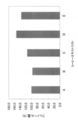
- FIG. 1 shows a comparison of phenolic content of different grades of coffee beans. For coffee beans of different grades, calculate the peak areas corresponding to phenol, 2-methoxyphenol, cresol, 2-methoxy-4-methyl-phenol, 4-ethylphenol, 2-methoxy-4-ethylphenol, and pyrocatechol. The total amount was defined as “phenol amount”. The figure shows the relative value with the phenol content of coffee extract A as 100%.
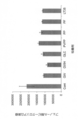
- FIG. 2 shows a comparison of the phenol content of coffee extracts treated with an adsorbent.
- adsorbent As the adsorbent, three kinds of activated carbon (GW, GWH, GLC), one kind of synthetic adsorption resin (PVPP), and three kinds of cellulose acetate (PP, PF, LT35) were used. Adsorbent untreated was used as a control (Cont). After treatment with the adsorbent, peak areas corresponding to phenol, 2-methoxyphenol, and 2-methoxy-4-vinylphenol were calculated by GCMS, and the total value was defined as “phenol amount”. Error bars indicate standard errors when the same sample is analyzed three times.
- FIG. 3 shows a comparison of sensory evaluation of coffee extract treated with adsorbent.
- adsorbent three kinds of activated carbon (GW, GWH, GLC), one kind of synthetic adsorption resin (PVPP), and three kinds of cellulose acetate (PP, PF, LT35) were used.
- the untreated adsorbent was used as a control.
- a score was assigned in a five-step evaluation and converted into a deviation value. 1: Control; 2: GW; 3: GWH; 4: GLC; 5: PVPP; 6: PP; 7: PF; 8: LT35.
- FIG. 4 shows the results of sensory evaluation of coffee extract treated with an adsorbent.
- Cellulose acetate PF was used as the adsorbent. For each of the intensity of the spicy odor, the intensity of the grain odor, the miscellaneous taste intensity, and the overall evaluation, a score was assigned in a five-step evaluation and converted into a deviation value.
- High grade Arabica beans Commercially available black coffee drink made from high grade Arabica beans (positive control); untreated: coffee extract not treated with cellulose acetate PF; treated: coffee extract treated with cellulose acetate PF.
- the present invention provides a method for improving the flavor of a beverage.
- the method includes contacting the beverage with a cellulose derivative and adsorbing the cellulose derivative with a cyclic organic compound that adversely affects the flavor in the beverage.
- contact means that the beverage and the cellulose derivative are in physical contact.
- the means for the said contact is not specifically limited, For example, a drink and a cellulose derivative can be made to contact by adding a cellulose derivative to the container which accommodated the drink, and a drink is added to the container which accommodated the cellulose derivative.
- the beverage and the cellulose derivative can be brought into contact with each other, or the beverage and the cellulose derivative can be brought into contact with each other by transferring the beverage and the cellulose derivative contained in separate containers to the same container. Moreover, when making a drink and a cellulose derivative contact, you may use together a stirring means.
- the time when the beverage and the cellulose derivative are brought into contact with each other may be a time required for adsorbing the cyclic organic compound that adversely affects the flavor of the beverage in the beverage.
- the contact time can be, for example, 1 minute to 120 minutes.
- the contact time can be set based on the time as described above, but can be set based on the flow rate of the beverage loaded on the column, or the column It can also set based on the elution rate of the beverage which elutes from.
- the method of applying the beverage to the column filled with the cellulose derivative is not particularly limited.
- the beverage is dropped on the column and the eluate is recovered by natural fall, or the beverage is applied in a state where pressure is applied.
- a method of applying to a column and collecting the eluate can be mentioned.
- the contact between the cellulose derivative and the beverage is carried out in a column system, it can be understood that the cellulose derivative is not mixed in the beverage, and therefore an aggressive operation for removing the cellulose derivative is not particularly required.
- the said contact time can be set based on the flow rate of the drink used for filtration, or can also be set based on the elution speed of the drink obtained by filtration. it can.
- the flow rate can be, for example, 1 to 1000 L / min, 100 to 500 L / min.
- the filtration method is not particularly limited.
- a beverage is dropped onto a cellulose derivative filtration membrane, and the filtrate is recovered by natural dropping (also referred to as a drip method), or pressure is applied to the beverage, and the filtrate is removed. Extrusion method is listed.
- a filtration method it can be understood that the cellulose derivative is not mixed in the beverage, and therefore, an aggressive operation for removing the cellulose derivative is not particularly required.
- the pH when the beverage and the cellulose derivative are brought into contact may be unadjusted, but may be adjusted. When adjusting the pH, it can be set to 1.5 to 7.0. As one aspect, when the beverage is coffee, it may be contacted with the cellulose derivative at pH 5.0 to 7.0. As another aspect, when the beverage is an acidic beverage such as fruit juice, it may be contacted with the cellulose derivative at pH 2.0 to 5.0. As yet another embodiment, when the beverage is wine, it may be contacted with a cellulose derivative at pH 3.0 to 4.5.
- the temperature at which the beverage and the cellulose derivative are brought into contact with each other may be any temperature that enables adsorption of the cyclic organic compound in the beverage by the cellulose derivative. Moreover, the said temperature may be fixed and may be changed regularly or irregularly.
- the “beverage” in the present specification is not limited as long as the flavor is improved by being brought into contact with the cellulose derivative, and may be a beverage used as a food, or a beverage used as a pharmaceutical. There may be.
- beverages include not only beverages as finished products, but also liquids obtained in the middle of beverage production, such as intermediates that require further processing and preparation, and concentrates that are diluted and adjusted to finished products.
- the food includes food, health food, functional indication food, nutritional functional food, and food for specified health use.
- a drink can be classified into a non-alcoholic drink and an alcoholic drink. Examples of non-alcoholic beverages include carbonated beverages, citrus juice, coffee, coffee beverages, green tea, barley tea, black tea, mixed tea, and sports beverages.
- alcoholic beverages examples include wine and whiskey.
- coffee, wine, whiskey, tea, and citrus juice can be preferably used as beverages.
- the method of the present invention can be applied to any beverage regardless of the quality of the beverage. More specifically, the cellulose derivative can be contacted with a low quality beverage, or the cellulose derivative can be contacted with a high quality beverage. Due to the contact, the cyclic organic compound that adversely affects the flavor in the beverage is selectively adsorbed on the cellulose derivative, so that the flavor characteristics of the low quality beverage can be brought close to the flavor characteristics of the high quality beverage, The flavor characteristics of a high quality beverage can be brought closer to the flavor characteristics of a higher quality beverage.
- the present invention by applying the present invention to coffee extracted from low-quality Robusta coffee beans, it is possible to approximate the flavor of coffee extracted from high-quality Arabica coffee beans.
- the present invention is applied to coffee extracted from high-quality Arabica coffee beans, the flavor of coffee extracted from higher-quality coffee beans can be approached.
- terms such as “good quality”, “high quality”, “high quality” and the like are used interchangeably and mean a beverage having a good flavor.
- terms, such as bad quality, low quality, and low quality are used interchangeably as synonymous and mean the drink which is not good in flavor.
- the quality of the beverage is evaluated according to a standard determined for each type. For example, Arabica coffee beans are generally known as high quality coffee beans and Robusta coffee beans are generally known as low quality coffee beans. The quality of particularly good quality Arabica coffee is evaluated and graded by the Q grader.
- the Q grader refers to a technician certified by the CQI (Coffee Quality Institute) as a person who can evaluate coffee according to the standards and procedures established by the American Specialty Coffee Association.
- the quality of tea for example, the quality of green tea can be evaluated with 20 points for each of shape, color, aroma, light blue, and taste, with a total score (100 points) (reference material) : Tea Encyclopedia I (Nonbunkyo)).
- an evaluation standard such as Parker points is known. Parker points are the grade points of wine evaluated by Robert Parker and are commonly used as wine quality evaluation criteria.
- cyclic organic compound refers to a compound having a cyclic structure having carbon as a basic skeleton, which adversely affects the flavor of a beverage.
- cyclic organic compound refers to a compound having a cyclic structure having carbon as a basic skeleton, which adversely affects the flavor of a beverage.
- cyclic organic compound refers to a compound having a cyclic structure having carbon as a basic skeleton, which adversely affects the flavor of a beverage.
- cyclic organic compound cyclic organic compound that adversely affects flavor
- cyclic organic compound that adversely affects flavor and similar terms are used interchangeably and interchangeably. It is done.
- the cyclic organic compound may have one or more atoms other than carbon as atoms constituting the ring. Examples of atoms other than the carbon include oxygen, nitrogen, and sulfur.
- Cyclic organic compounds in beverages are those contained in beverage ingredients, those produced by the action of heat and fermentation in the production process of beverages, those produced over time by storage of beverages and ingredients, Or although it may be comprised from what originates in a manufacturing equipment or a container, it is not limited to this.
- the cyclic organic compound may be non-volatile or volatile.
- Nonvolatile cyclic organic compounds may affect the flavor characteristics of the beverage mainly from the viewpoint of taste, and may affect, for example, the bitterness, taste, miscellaneous taste, and the like of the beverage.
- volatile cyclic organic compounds are recognized by the odor of animals such as humans due to their characteristics, and may affect the flavor characteristics of beverages mainly from the viewpoint of fragrance.
- cyclic organic compounds detected in beverages attention may be paid to all cyclic organic compounds detected in beverages.
- examples of such cyclic organic compounds include phenols, nitrogen-containing cyclic organic compounds, and other compounds.
- Phenols in this specification is a general term for compounds having a structure in which one of the hydrogen atoms of the benzene ring is substituted with a hydroxyl group.
- the phenols may be non-volatile or volatile.
- volatile phenols may contribute to miscellaneous odors such as smoke odor and chemical odor of beverages.
- Volatile phenols are often low in threshold and not only cause odors in beverages, but also report masking the preferred fragrance (Reference: HirokoHTakeuchi1uchiet al, PNAS, vol. 110, No. 40, 16235 -16240, October 1, 2013).
- phenols include phenol, 2-methoxyphenol (common name: guaiacol), 2-methoxy-4-vinylphenol (common name: 4-vinylguaiacol), 2-methoxy-4-methylphenol.
- 2-methoxy-4-ethylphenol common name: 4-ethyl guaiacol
- 4-ethylphenol cresol, pyrocatechol, and the like, but are not limited thereto.
- low-quality coffee has a chemical odor and a smoke odor, but according to the present invention, these odors can be reduced.
- phenols in the beverage attention may be paid to all phenols in the beverage, but for convenience, specific phenols may be noted.
- Specific phenols include, for example, phenol, 2-methoxyphenol, 2-methoxy-4-vinylphenol and the like.
- specific phenols may be defined for individual beverages.
- specific phenols for coffee may be phenol, 2-methoxyphenol, 2-methoxy-4-vinylphenol.
- the analysis of phenols may be performed by any method known to those skilled in the art, but can be performed, for example, by the method shown in the examples.
- nitrogen-containing cyclic organic compound means a cyclic organic compound containing nitrogen as an atom forming a ring skeleton.
- nitrogen-containing cyclic organic compounds include pyrazines and indoles. Pyrazines are known to give a roasted feeling at an optimum concentration, but become an off-flavor causative compound such as soil and mold at excessive concentrations. For example, 2-ethyl-3,5-dimethylpyrazine and 2,3-dimethyl-5-methylpyrazine as pyrazines are off-flavors strongly related to the earthy odor of coffee, and are better than quality Arabica coffee beans. Is also abundant in low-quality Robusta coffee beans (reference materials: J.
- indoles exhibit a flower-like scent at a low concentration, but an unpleasant stool odor at an excessive concentration.
- indoles include indole and 3-methylindole (skatole).
- tryptophan and the indoles produced by its decomposition can be an indicator of immature coffee beans (reference materials: PLOS ONE, August 2013, Vol. 8, Issue 8, e70098, p.1-7).
- the immaturity of coffee extracted from immature coffee beans can be reduced.
- coumaric acid and trichloroanisole are considered to be a precursor of 2-methoxy-4-ethylphenol and 4-ethylphenol, which is a cause of chemical odor called “phenol” in wine (Reference: Takumi Onda et al., Yamanashi Industry) Technical Center Research Report No. 26 (2012), pages 89-92).
- trichloroanisole is known as a causal mold contamination substance called “Bushone” in wine (reference materials: Hiroko Takeuchi et al, PNAS, vol. 110, No. 40, 16235-16240, October 1 , 2013). Therefore, according to the present invention, coumaric acid and trichloroanisole can be reduced, and the flavor and quality of wine can be improved.
- Examples of the compound that has a good influence on the flavor of the beverage or is useful in the present specification include furan compounds, acids, and sweet compounds present in high-quality coffee.
- Furans contribute to the fragrant roasting incense of coffee, and examples thereof include furfural.
- Examples of sweet compounds include furanones (eg, 4-hydroxy-2,5-dimethyl-3 (2H) -furanone, 2-ethyl-4-hydroxy-5-methyl-3 (2H) -furanone) and the like. can do. These compounds are detected in a higher concentration in coffee extracted from Arabica coffee beans than in coffee extracted from Robusta coffee beans (Reference: Monthly Food Chemical 2013-12, p. 54- 59).
- the cyclic organic compound that adversely affects the flavor of the beverage is selectively adsorbed, so that the relative amount of beneficial compounds can be increased.
- the method of the present invention can specifically adsorb and remove cyclic organic compounds, but does not substantially change the content of soluble solids. For this reason, it does not impair the beverage yield and does not affect the taste of the beverage.
- the soluble solids content of the beverage can be expressed as brix.
- the beverage Brix obtained by the method according to the present invention is, for example, 99.95% or more, 99.96 or more, 99.97 or more, 99.98 or more, 99.99 or more of the beverage Brix before processing. Such an effect cannot be achieved by the prior art.
- the measurement of Brix may be performed by any method known to those skilled in the art. For example, it can be performed by the method shown in the following examples.
- cellulose derivative means a compound obtained by performing functional group substitution or functional group introduction on cellulose without changing its basic skeleton.
- any cellulose derivative can be used as long as it has an adsorbing ability for cyclic organic compounds.
- the cellulose derivative can be in the form of powder, flakes, granules, fibers, and films.
- the shape considered to be appropriate can be employ
- powdery, flaky, granular, and fibrous cellulose derivatives can be used.
- a granular and fibrous cellulose derivative can be used.
- fibrous and membrane-like cellulose derivatives can be used.
- the membrane-like cellulose derivative a commercially available filtration membrane using a cellulose derivative as a raw material can be used.
- a cellulose derivative having a predetermined average degree of polymerization that is, a viscosity characteristic
- a viscosity characteristic For example, when a 6% aqueous solution exists at room temperature (20 to 25 ° C.), for example, a cellulose derivative exhibiting a viscosity of 10 to 500 mPa ⁇ s can be mentioned.
- the viscosity can be measured by a method well known to those skilled in the art. For example, the viscosity can be measured by the following method described in WO20120023707A1.
- the amount of the cellulose derivative used may be an amount necessary for the adsorption of the cyclic organic compound in the beverage by the cellulose derivative, and can be set in relation to the beverage to be contacted.
- the amount of the cellulose derivative used can be set based on the weight% (w / v) of the cellulose derivative with respect to the volume of the beverage.
- the weight% can be, for example, 0.1 to 10% (w / v).
- the usage-amount of a cellulose derivative can also be set in relation to the brix of a drink.
- the amount of cellulose derivative used per beverage brix can be 1000 ppm to 10000 ppm.
- the volume / mass ratio described above may be used, but the beverage may be set based on the volume ratio of the beverage to the column volume. Moreover, when making a drink and a cellulose derivative contact by a filtration system, it can also set based on the volume of the drink per surface area of a cellulose derivative.
- cellulose ester, cellulose ether and the like can be used as the cellulose derivative.
- the cellulose ester include cellulose acetate, cellulose acetate propionate, cellulose propionate, cellulose acetate butyrate, cellulose acetate pentanate, and nitrocellulose, preferably cellulose acetate, cellulose propionate, and cellulose acetate pentanate.
- the cellulose ether include methyl cellulose, hydroxypropyl methyl cellulose, carboxymethyl cellulose and the like.
- cellulose acetate has a long history of use and is generally recognized to be harmless to the human body.
- Cellulose acetate can be produced by a method known to those skilled in the art using wood pulp and acetic acid as raw materials. For example, by esterifying cellulose with acetic acid, it is possible to obtain a reaction product in which almost all hydroxyl groups on the cellulose are esterified, and further by partially hydrolyzing the ester. Cellulose acetate can be obtained. By adjusting the hydrolysis conditions, cellulose acetate having a desired degree of acetylation (degree of substitution) can be obtained.
- the degree of acetylation means the weight percentage of bound acetic acid per unit weight.
- the acetylation degree of cellulose acetate can be, for example, 20 to 80%, 50 to 70%.
- the cellulose acetate may also contain cellulose acetate having an acetylation degree of about 55% or about 61%.
- the acetylation degree can be measured by any method known by those skilled in the art, and for example, it can be measured by the following method described in WO20110023707A1.
- Degree of acetylation (%) ⁇ 6.5 ⁇ (BA) ⁇ F ⁇ / W (Where A is the 1N-sulfuric acid titration (mL) of the sample, B is the 1N-sulfuric acid titration (mL) of the blank test, F is the concentration factor of 1N-sulfuric acid, and W is the weight of the sample. Showing).
- the beverage after contacting the cellulose derivative as described above has a reduced content of the cyclic organic compound compared to the beverage before the contact.
- the content of the cyclic organic compound in the beverage after the contact may be, for example, 90% or less or 90 to 60% of the content of the cyclic organic compound in the beverage before the contact. If the content of the cyclic organic compound in the beverage after the contact does not meet the set value, extend the contact time described above, change the contact temperature, add a cellulose derivative, repeat contact, etc. Can be satisfied.
- the method for improving the flavor of a beverage of the present invention may further include removing the cellulose derivative from the beverage after contacting the beverage with the cellulose derivative.
- the means for removing the cellulose derivative from the beverage is not limited, and examples thereof include allowing the cellulose derivative and the beverage mixture to stand, allowing the cellulose derivative to settle, and collecting the supernatant (also referred to as decantation).
- a mixture of the cellulose derivative and the beverage is centrifuged to precipitate the cellulose derivative, and the supernatant is collected.
- Another means is to collect the filtrate from which the cellulose derivative has been removed by filtering the mixture of the cellulose derivative and the beverage.
- Extrusion method for example, a method of dropping a mixture of a cellulose derivative and a beverage on a filtration membrane and collecting the filtrate by natural dropping (also referred to as a drip method), or applying pressure to the mixture.
- a removal means can be understood as an example of an applicable means when the contact between the beverage and the cellulose derivative is performed in a batch mode.
- the contact between the beverage and the cellulose derivative is performed by a column method or a filtration method, the cellulose derivative is not necessarily mixed in the beverage, and therefore, an aggressive operation for removing the cellulose derivative may not be performed. I understand that.
- the beverage from which the cellulose derivative has been removed has a reduced cyclic organic compound content compared to the beverage before the cellulose derivative is contacted.
- the content of the cyclic organic compound in the beverage after the cellulose derivative is removed can be appropriately set. For example, 90% or less of the content of the cyclic organic compound in the beverage before the cellulose derivative is contacted, or 90 It may be up to 60%.
- the contact with the cellulose derivative described above can be performed again.
- the flavor characteristic of a beverage produced from a lower grade raw material can be brought closer to the flavor characteristic of a beverage produced from a higher grade raw material. That is, it becomes possible to produce a higher quality beverage from a lower grade raw material.
- the method of this invention is applied to the drink manufactured from a raw material with a high grade, the flavor characteristic of a drink can be made further better.
- the beverage obtained by applying the method of the present invention has a cyclic organic compound selectively removed, and a high-quality flavor is relatively emphasized. It may have no flavor characteristics.
- the method of the present invention can be carried out using small-scale or medium-scale equipment in a test research institution or the like, and can also be carried out using medium-scale or large-scale factory equipment in a company. is there.
- the present invention can be implemented by a general consumer performing or commanding at least some of the necessary steps. For example, a general consumer purchases a product composed of a dry beverage powder or a beverage raw material powder, and a cellulose derivative in the form of a film, and adds water to the powder to form a solution, which is used as the film-shaped powder.
- the present invention can be carried out by filtering with a cellulose derivative.
- an apparatus equipped with a dry beverage powder or a beverage raw material powder, and a cellulose derivative made into a film form, adds water to the powder to form a solution in response to an operator's command. Is filtered through a membranous cellulose derivative, and the filtrate is recovered in a cup to carry out the present invention.
- a dry beverage powder or a beverage raw material powder and a cellulose derivative made into a film form
- Is filtered through a membranous cellulose derivative and the filtrate is recovered in a cup to carry out the present invention.
- Such an embodiment is included in the present invention.
- the beverage obtained by the method of the present invention has a reduced cyclic organic compound and an improved flavor.
- the beverage may be packed in a container.
- any container normally used in the distribution of goods or manufacture of a drink such as an aluminum can, a steel can, a PET bottle, a glass bottle, a paper container, a barrel, and a factory storage tank, can be used.
- the total phenol content was higher for lower quality C, D, and E compared to higher quality beans such as A and B. From this result, it was found that the content of phenols tends to increase as the quality of coffee beans decreases, suggesting that there is a relationship between the quality of coffee beans and the content of phenols.
- HPLC conditions Device configuration: Fluorescence detector RF-20AX (Shimadzu Corporation) Column oven CTO20-AC (Shimadzu Corporation) Pump LC-30AD (Shimadzu Corporation) Autosampler SIL-30AC (Shimadzu Corporation) Column Cadenza CD-C18 (inner diameter 3 mm x 150 mm, particle diameter 3 ⁇ m (intact)) Analysis conditions: Sample injection volume 3 ⁇ L Flow rate 0.25mL / min Fluorescence detector excitation wavelength 265nm Fluorescence detector fluorescence wavelength 310nm Column oven set temperature 40 °C Mobile phase A Distilled water containing 0.1% formic acid Mobile phase B Acetonitrile containing 0.1% formic acid Concentration gradient time Mobile phase B concentration 0 min 40% 17.5 minutes 60% 18 minutes 80% 24 minutes 80% 25 minutes 40%
- Test Example 2 2.1. Treatment with adsorbent A commercial coffee extract made from Robusta beans was used. The coffee extract has a smoke-like off-flavor. The coffee extract was diluted with water and adjusted to Brix 3.0% (hereinafter referred to as “adjusted solution” in this test). The adsorbent was added to the adjustment liquid at a concentration of 0.3% (w / v).
- Activated carbon Powdered activated carbon GW, GW-H, and GLC (manufactured by Kuraray Chemical Co., Ltd.); -PVPP: Powdered PVPP (manufactured by BASF); -Cellulose acetate: Powdered cellulose acetate PF, LF, and LT35 (manufactured by Daicel Corporation) The thing of was used.
- the adsorbent was removed by centrifugation and a polypropylene filter to obtain an adjustment liquid treated with the adsorbent. Moreover, the adjustment liquid which does not add an adsorbent was processed in the same manner to obtain an adjustment liquid without an adsorbent, which was used as a control. The following analysis was performed using these adjustment liquids.
- the Brix of the adjustment liquid was lower than that of the control by any treatment of GW, GWH, and GLC.
- the reduction in Brix means that the soluble solid content in the adjustment liquid is lower than that in the control.
- the synthetic adsorption resin was used, the Brix of the adjustment liquid was shown to be lower than that of the control.
- the decrease in Brix in the adjustment liquid due to the treatment with activated carbon and synthetic adsorption resin suggests that these adsorbents have adsorbed soluble solids in the adjustment liquid, resulting in loss of soluble solids from the adjustment liquid. To do.
- the PP of the PP, PF, and LT35 treatment does not substantially reduce the Brix of the adjustment liquid compared to the control, and the yield is not impaired. Indicated. This not only does not impair the basic five tastes of beverages such as sweetness, sourness, salty taste, bitterness and umami, but also affects factors that contribute to beverage response, such as beverage thickness, richness, astringency, and body feeling, and palatability. It means not reaching.
- Baking soda was added at a concentration of 0.1% (w / v) to the adsorbent-treated adjustment liquid and the adsorbent-untreated control, and diluted with water so that the Brix was 1.1%. .
- the diluted solution was packed in a beverage can and sterilized by retort. The sterilization dilution was analyzed for aromatic components and sensory evaluation.
- Flavor Evaluation Baking soda was added at a concentration of 0.1% (w / v) to the adsorbent-treated adjustment liquid and the adsorbent-untreated control, and diluted with water so that the Brix was 1.1%. Brix was measured using Rx-5000 ⁇ manufactured by Atago Co., Ltd. The diluted solution was packed in a beverage can and sterilized by retort. A drinking test was performed on the diluted liquid after sterilization. The drinking test was conducted by blind evaluation of five panels. Each of the four items of chemical odor, grain odor, miscellaneous taste, and comprehensive evaluation was scored in a five-step evaluation. Each sensory evaluation score was converted into a deviation value for each individual evaluation item and compared (FIG. 3).
- the adjustment solution treated with the adsorbent has a lower sensory score deviation value for chemical odor intensity, grain odor intensity, and odor intensity and higher sensory evaluation score deviation value for overall evaluation than the untreated control. Indicated.
- the adjustment solution treated with cellulose acetate significantly decreased the chemical odor intensity, grain odor intensity, and miscellaneous odor intensity, and the overall evaluation was significantly higher than the adjustment liquids treated with other adsorbents. This result suggests that cellulose acetate selectively adsorbs cyclic organic compounds such as phenols that have a bad influence on flavor. Such a remarkable effect of cellulose acetate was unexpected.
- the cellulose acetate powder was removed by centrifugation and a polypropylene filter to obtain an adjustment liquid treated with an adsorbent. Moreover, the adjustment liquid which does not add an adsorbent was processed in the same manner to obtain an adjustment liquid without an adsorbent, which was used as a control.
Landscapes
- Chemical & Material Sciences (AREA)
- Engineering & Computer Science (AREA)
- Life Sciences & Earth Sciences (AREA)
- Food Science & Technology (AREA)
- Health & Medical Sciences (AREA)
- Polymers & Plastics (AREA)
- Organic Chemistry (AREA)
- General Health & Medical Sciences (AREA)
- General Engineering & Computer Science (AREA)
- Genetics & Genomics (AREA)
- Bioinformatics & Cheminformatics (AREA)
- Wood Science & Technology (AREA)
- Zoology (AREA)
- Nutrition Science (AREA)
- Biochemistry (AREA)
- Tea And Coffee (AREA)
- Non-Alcoholic Beverages (AREA)
Abstract
本発明は、飲料の香味に悪影響を及ぼす環式有機化合物を選択的に除去し、飲料の香味を改善することを目的とする。 飲料とセルロース誘導体を接触させ、該飲料中の環式有機化合物を該セルロース誘導体に吸着させることを含む、飲料の香味改善方法。
Description
本発明は、吸着剤を用いることを含む、飲料の香味改善方法、及びそれにより得られる飲料に関する。
消費者ニーズの多様化に伴い、これまで多種多様な飲料が開発され、市場に流通している。飲料の香味は、飲料の売れ行きに大きく影響する重要な特性の一つであるだけでなく、他の飲料と差別化し、独自性を出すための重要な特性でもあるため、飲料の開発段階で検討される事項である。飲料の香味に影響する成分は多数知られている。その中で環式有機化合物は、しばしば、飲料の香味に良くない影響を及ぼすことが知られており、飲料の香味改善を目的として、これを除去する試みが行われている。環式有機化合物の除去に関する技術として、次のようなものを例示することができる。非特許文献1には、プロピオン酸酢酸セルロースでワインを処理することにより、「ブレッタキャラクター」として知られるオフフレーバーの原因とされる4-エチルフェノールと4-エチルグアイアコールを除去することが開示されている。特許文献1には、活性炭と合成吸着材を組み合わせてコーヒーを処理することにより、クロロゲン酸類を維持しつつ、風味や安定性に悪影響を及ぼす原因となるフェノール類を低減することが開示されている。特許文献2及び3は、コーヒーに関し、後味のキレを低下させる原因となるグアイアコール、4-エチルグアイアコール、及び4-ビニルグアイアコールを活性炭のような多孔質吸着体に吸着させ、これらを低減することが開示されている。
R. Larcher et al, Food Chemistry,132 (2012),2126-2130
従来技術の方法によれば、特定のフェノール化合物だけでなく、香味に有益な化合物も同時に吸着・除去してしまうため、ある程度の香味改善効果が得られるものの、その効果は十分でないことが示唆される。更に、従来技術の方法においては、飲料中の可溶性固形分も吸着され、除去されてしまうため、収率のみならず、味わいや飲み応えといった嗜好性が低下することも判明した。本発明は、飲料の香味に悪影響を及ぼす環式有機化合物を選択的に除去し、飲料の香味を改善することを目的とする。
このような事情の下、本願の発明者らは、様々な飲料を対象として香味成分の分析に着手した。当該分析により、フェノール類をはじめとする環式有機化合物が、様々な飲料に存在することが確認された。そして、当該環式有機化合物に着目して香味に関する検討を行ったところ、多くの場合、一部の環式有機化合物が飲料の香味に良くない影響を及ぼすことを示唆する結果が得られた。更に検討を進めたところ、香味に良くない影響を及ぼす環式有機化合物の含量が飲料の品質や等級に影響することも示唆された。
このような知見に基づいて、香味に良くない影響を及ぼす環式有機化合物を除去する手段について検討を行ったところ、セルロース誘導体を飲料に接触させることにより、飲料中に存在する当該環式有機化合物を効率的に吸着できることを突き止めた。以上に基づいて、本願の発明者らは、本発明を完成させた。
本発明は、以下を提供する。
(1)飲料とセルロース誘導体を接触させ、該飲料中の環式有機化合物を該セルロース誘導体に吸着させることを含む、飲料の香味改善方法。
(2)該セルロース誘導体を該飲料から除去することをさらに含む、(1)の方法。
(3)前記セルロース誘導体が、セルロースエステル又はセルロースエーテルから選ばれる、(1)又は(2)の方法。
(4)前記セルロース誘導体が、粉末状、フレーク状、粒状、線維状、及び膜状からなる群から選ばれる形状を有する、(1)~(3)のいずれかの方法。
(5)前記セルロース誘導体が、6%水溶液において、10~500mPa・sの粘度を有する、(1)~(4)のいずれかの方法。
(6)前記セルロース誘導体が酢酸セルロースであって、20~80%の酢化度を有する、(1)~(5)のいずれかの方法。
(7)前記飲料が、コーヒー、ワイン、ウイスキー、茶、及び柑橘果汁からなる群から選ばれる、(1)~(6)のいずれかの方法。
(8)前記セルロース誘導体を接触させた後の該飲料中の環式有機化合物の含量が、接触前の飲料中の環式有機化合物の含量の90%以下である、(1)~(7)のいずれかの方法。
(9)前記環式有機化合物がフェノール類又は窒素含有環式有機化合物である、(1)~(8)のいずれかに記載の方法。
(10)前記窒素含有環式有機化合物がピラジン類又はインドール類である、(9)に記載の方法。
(11)(1)~(10)のいずれかの方法によって得られる飲料。
(1)飲料とセルロース誘導体を接触させ、該飲料中の環式有機化合物を該セルロース誘導体に吸着させることを含む、飲料の香味改善方法。
(2)該セルロース誘導体を該飲料から除去することをさらに含む、(1)の方法。
(3)前記セルロース誘導体が、セルロースエステル又はセルロースエーテルから選ばれる、(1)又は(2)の方法。
(4)前記セルロース誘導体が、粉末状、フレーク状、粒状、線維状、及び膜状からなる群から選ばれる形状を有する、(1)~(3)のいずれかの方法。
(5)前記セルロース誘導体が、6%水溶液において、10~500mPa・sの粘度を有する、(1)~(4)のいずれかの方法。
(6)前記セルロース誘導体が酢酸セルロースであって、20~80%の酢化度を有する、(1)~(5)のいずれかの方法。
(7)前記飲料が、コーヒー、ワイン、ウイスキー、茶、及び柑橘果汁からなる群から選ばれる、(1)~(6)のいずれかの方法。
(8)前記セルロース誘導体を接触させた後の該飲料中の環式有機化合物の含量が、接触前の飲料中の環式有機化合物の含量の90%以下である、(1)~(7)のいずれかの方法。
(9)前記環式有機化合物がフェノール類又は窒素含有環式有機化合物である、(1)~(8)のいずれかに記載の方法。
(10)前記窒素含有環式有機化合物がピラジン類又はインドール類である、(9)に記載の方法。
(11)(1)~(10)のいずれかの方法によって得られる飲料。
本発明によれば、飲料中の香味に良くない影響を及ぼす環式有機化合物を簡便かつ効率的に吸着し、これを除去することができる。その一方で、香味に有益な化合物に対する吸着が抑えられるため、飲料中の香味に有益な化合物の相対量が増加し、香味が改善することが判明した。このことから、セルロース誘導体への化合物の吸着はその原理上、環式有機化合物などの高沸点でラストノートの形成に寄与する揮発性化合物に対して選択的であり、低沸点でトップノートの形成に寄与する揮発性化合物の量を損なわないことが理解できる。更に、可溶性固形分の損失が抑えられ、収率や呈味性に実質的な影響を及ぼさないことも判明した。このことは、飲料の甘味・酸味・塩味・苦味・旨味といった基本五味を損なわないことのみならず、飲料の厚み、コク、渋味、ボディー感といった飲み応え、及び嗜好性に寄与する要素に影響を及ぼさない事を意味する。
このように、香味に良くない影響を及ぼす環式有機化合物を選択的に吸着することは、従来技術によっては達成されておらず、予測することもできない。
<飲料の香味改善方法>
本発明は飲料の香味改善方法を提供する。当該方法は、飲料とセルロース誘導体を接触させ、該飲料中の香味に良くない影響を及ぼす環式有機化合物を該セルロース誘導体に吸着させることを含む。ここでいう「接触」とは、飲料とセルロース誘導体が物理的に接触することを意味する。当該接触のための手段は特に限定されず、例えば、飲料を収容した容器にセルロース誘導体を添加することにより飲料とセルロース誘導体を接触させることができ、セルロース誘導体を収容した容器に飲料を添加することにより飲料とセルロース誘導体を接触させることができ、又は別々の容器に収容された飲料とセルロース誘導体それぞれを、同じ容器に移すことにより飲料とセルロース誘導体を接触させることができる。また、飲料とセルロース誘導体を接触させる場合、撹拌手段を併せて用いてもよい。
本発明は飲料の香味改善方法を提供する。当該方法は、飲料とセルロース誘導体を接触させ、該飲料中の香味に良くない影響を及ぼす環式有機化合物を該セルロース誘導体に吸着させることを含む。ここでいう「接触」とは、飲料とセルロース誘導体が物理的に接触することを意味する。当該接触のための手段は特に限定されず、例えば、飲料を収容した容器にセルロース誘導体を添加することにより飲料とセルロース誘導体を接触させることができ、セルロース誘導体を収容した容器に飲料を添加することにより飲料とセルロース誘導体を接触させることができ、又は別々の容器に収容された飲料とセルロース誘導体それぞれを、同じ容器に移すことにより飲料とセルロース誘導体を接触させることができる。また、飲料とセルロース誘導体を接触させる場合、撹拌手段を併せて用いてもよい。
飲料とセルロース誘導体を接触させる時間は、セルロース誘導体が飲料中の香味に良くない影響を及ぼす環式有機化合物を吸着するために必要な時間であればよい。飲料とセルロース誘導体をバッチ式で接触させる場合、当該接触時間は、例えば、1分~120分とすることができる。飲料とセルロース誘導体をカラム式で接触させる場合、当該接触時間は、前記のように時間を基準として設定することができるが、カラムへ負荷する飲料の流速に基づいて設定することができ、又はカラムから溶出する飲料の溶出速度に基づいて設定することもできる。ここで、飲料をセルロース誘導体が充填されたカラムに適用する方式は特に限定されないが、例えば、飲料をカラムに滴下し、自然落下により溶出液を回収する方式、又は圧力を加えた状態で飲料をカラムに適用し、溶出液を回収する方式などが挙げられる。セルロース誘導体と飲料の接触をカラム方式で行う場合、セルロース誘導体が飲料中に混合されるわけではないため、セルロース誘導体を除去するための積極的な操作は特に行わなくてもよいことが理解できる。また、飲料とセルロース誘導体を濾過方式で接触させる場合、当該接触時間は、濾過に供する飲料の流速に基づいて設定することができ、又は濾過により得られる飲料の溶出速度に基づいて設定することもできる。当該流速は、例えば1~1000L/分、100~500L/分とすることができる。ここで、濾過の方式は特に限定されないが、例えば、セルロース誘導体の濾過膜上に飲料を滴下し、自然落下により濾液を回収する方式(ドリップ方式ともいう)、又は飲料に圧力を加え、濾液を押し出す方式などが挙げられる。飲料とセルロース誘導体の接触を濾過方式で行う場合、セルロース誘導体が飲料中に混合されるわけではないため、セルロース誘導体を除去するための積極的な操作は特に行わなくてもよいことが理解できる。
飲料とセルロース誘導体を接触させる際のpHは、無調整であってよいが、調整してもよい。pHを調整する場合、1.5~7.0とすることができる。一態様として、飲料がコーヒーの場合、pH5.0~7.0でセルロース誘導体と接触させてもよい。別の態様として、飲料が果汁などの酸性飲料の場合、pH2.0~5.0でセルロース誘導体と接触させてもよい。更に別の態様として、飲料がワインの場合、pH3.0~4.5でセルロース誘導体と接触させてもよい。
飲料とセルロース誘導体を接触させる温度は、セルロース誘導体による飲料中の環式有機化合物の吸着を可能とする温度であればよい。また、当該温度は、一定としてもよく、規則的又は不規則的に変更させてもよい。
本明細書における「飲料」とは、セルロース誘導体と接触させることにより、香味が改善されるものであればよく、食品としての用に供する飲料であってもよく、医薬品としての用に供する飲料であってもよい。また、飲料には、完成品としての飲料だけでなく、更なる処理や調製を要する中間体、希釈して完成品に調整される濃縮液など、飲料製造の途中段階で得られる液体も包含される。ここで、食品とは、食品、健康食品、機能性表示食品、栄養機能食品、及び特定保健用食品を包含する。そして、飲料は、非アルコール飲料及びアルコール飲料に分類することができる。非アルコール飲料として炭酸飲料、柑橘果汁、コーヒー、コーヒー飲料、緑茶、麦茶、紅茶、混合茶、及びスポーツ飲料などを例示することができ、アルコール飲料としてワイン及びウイスキーなどを例示することができる。本発明において、コーヒー、ワイン、ウイスキー、茶、及び柑橘果汁を飲料として好ましく用いることができる。更に、本発明の方法は、飲料の品質の良し悪しに関わらず、いずれの飲料に対しても適用することができる。より詳細には、セルロース誘導体を低品質の飲料に接触させることができるし、セルロース誘導体を高品質の飲料に接触させることもできる。当該接触により、飲料中の香味に良くない影響を及ぼす環式有機化合物がセルロース誘導体に選択的に吸着するため、低品質の飲料の香味特性を高品質の飲料の香味特性に近づけることができ、高品質の飲料の香味特性をより高品質の飲料の香味特性に近づけることができる。例えば、低品質のロブスタ種のコーヒー豆より抽出されるコーヒーに本発明を適用することにより、高品質のアラビカ種のコーヒー豆より抽出されるコーヒーの香味に近づけることが挙げられる。更に別の例として、高品質のアラビカ種のコーヒー豆より抽出されるコーヒーに本発明を適用すれば、より高品質のコーヒー豆より抽出されるコーヒーの香味に近づけることが挙げられる。
本明細書においては、飲料について、品質の良い、品質の高い、高品質などの用語は、同義として交換可能に用いられ、香味の良い飲料を意味する。そして、飲料について、品質の悪い、品質の低い、低品質などの用語は、同義として交換可能に用いられ、香味の良くない飲料を意味する。飲料の品質の良し悪しは、原料の品質、飲料の製造条件、及び保存条件などに影響される場合があることは当業者によく認識されている。飲料の品質は、種類ごとに定められた基準により評価される。例えば、アラビカ種のコーヒー豆が高品質のコーヒー豆として、ロブスタ種のコーヒー豆が低品質のコーヒー豆として一般的に知られている。特に品質のよいアラビカ種のコーヒーの品質は、Qグレーダーにより評価され、等級が決められる。ここで、Qグレーダーとは、米国スペシャルティコーヒー協会が定めた基準・手順にのっとってコーヒーの評価ができる者としてCQI(Coffee Quality Institute)により認定された技能者をいう。そして、茶の品質は、例えば、緑茶の品質は、形状、色沢、香気、水色、及び滋味のそれぞれを20点で評価し、合計点(100点満点)で評価することができる(参考資料:茶大百科I(農文協))。更に、ワインの品質は、例えば、パーカーポイントといった評価基準が知られている。パーカーポイントは、ロバート・パーカーにより評価されるワインの等級点数であり、ワインの品質評価基準として一般的に用いられる。
本明細書において、「環式有機化合物」とは、炭素を基本骨格とする環状構造を有する化合物のうち、飲料の香味に良くない影響を与えるものをいう。本明細書において、「環式有機化合物」、「香味に良くない影響を及ぼす環式有機化合物」、「香味に悪影響を及ぼす環式有機化合物」、及び類似の用語は、同義かつ交換可能に用いられる。環式有機化合物は、環を構成する原子として、炭素以外の原子を1つ以上有していてもよい。当該炭素以外の原子として、酸素、窒素、硫黄が挙げられる。飲料中の環式有機化合物は、飲料の原料成分に含まれているもの、飲料の製造過程での熱や発酵による作用により生成するもの、飲料や原料成分の貯蔵により経時的に生成するもの、又は製造設備や容器に由来するものなどから構成されてもよいが、これに限定されない。本明細書において、環式有機化合物は、不揮発性であってもよく、揮発性であってもよい。不揮発性の環式有機化合物は、主として味覚の観点から飲料の香味特性に影響を及ぼすことがあり、例えば、飲料の苦味、エグ味、雑味などに影響を及ぼし得る。一方、揮発性の環式有機化合物は、その特性上、ヒトなどの動物の臭覚により認識されるものであり、主として香りの観点から飲料の香味特性に影響を及ぼすことがある。本発明においては、飲料中に検出される全ての環式有機化合物に着目してもよい。或いは、環式有機化合物の種類が多いことに鑑み、簡便のために、特定の環式有機化合物に着目してもよい。そのような環式有機化合物として、例えば、フェノール類、窒素含有環式有機化合物、及びその他の化合物を挙げることができる。
本明細書における「フェノール類」とは、ベンゼン環の水素の一つが水酸基に置換された構造を有する化合物の総称である。本明細書において、フェノール類は、不揮発性であってもよく、揮発性であってもよい。例えば、揮発性フェノール類は、飲料のスモーク臭、薬品臭などの雑臭に寄与することがある。揮発性フェノール類は、閾値の低いものが多く、飲料の雑臭になるだけでなく、好ましい香りをマスキングするという報告(参考資料:Hiroko Takeuchi1 et al, PNAS, vol. 110, No. 40, 16235-16240, October 1, 2013)もなされている。フェノール類を具体的に例示するとすれば、フェノール、2-メトキシフェノール(慣用名:グアイアコール)、2-メトキシ-4-ビニルフェノール(慣用名:4-ビニルグアイアコール)、2-メトキシ-4-メチルフェノール(慣用名:4-メチルグアイアコール)、2-メトキシ-4-エチルフェノール(慣用名:4-エチルグアイアコール)、4-エチルフェノール、クレゾール、ピロカテコールなどが挙げられるが、これに限定されない。例えば、低品質のコーヒーは、薬品臭や煙臭が感じられるが、本発明によれば、これらの臭いが低減され得る。低品質の茶葉は、乾燥工程に由来する煙臭が問題視されているが、本発明によれば、このような茶葉から得られる抽出液の煙臭が低減され得る。別の例として、ウイスキーにおいて、フェノール類は香味特性を決定する重要成分であることから、本発明によれば、ウイスキーの香味特性を制御し得る。更に別の例として、柑橘果汁飲料においては、シトラールの劣化により生成するクレゾールが香味を損ねることが問題となっているが、本発明によれば、クレゾールに起因する薬品臭が低減され得る。
本発明においては、飲料中の全てのフェノール類に着目してもよいが、簡便のために、特定のフェノール類に着目してもよい。特定のフェノール類として、例えば、フェノール、2-メトキシフェノール、2-メトキシ-4-ビニルフェノールなどを挙げることができる。或いは、特定のフェノール類は、個別の飲料について定めてもよい。例えば、コーヒーについての特定のフェノール類をフェノール、2-メトキシフェノール、2-メトキシ-4-ビニルフェノールとしてもよい。フェノール類の分析は、当業者に周知のいずれの方法を用いて行ってもよいが、例えば、実施例で示される方法により行うことができる。
本明細書でいう「窒素含有環式有機化合物」とは、環の骨格を形成する原子として窒素を含有する環式有機化合物を意味する。窒素含有環式有機化合物として、例えば、ピラジン類及びインドール類が挙げられる。ピラジン類は、最適な濃度ではロースト感を与えるが、過剰濃度では土様・カビ様といったオフフレーバーの原因化合物となることが知られている。例えば、ピラジン類としての2-エチル-3,5-ジメチルピラジン及び2,3-ジメチル-5-メチルピラジンは、コーヒーの土臭さと強く関係するオフフレーバーであり、品質の高いアラビカ種のコーヒー豆よりも品質の低いロブスタ種のコーヒー豆に多く含まれている(参考資料:J. Agric. Food. Chem., Vol. 44, No. 2, 1996, p537-543)。そして、インドール類は、低濃度では花様の香りを呈するが、過剰濃度では不快な大便臭となる事が知られている。インドール類としては、例えば、インドール及び3-メチルインドール(スカトール)などが挙げられる。これに関連する事項として、トリプトファン及びその分解により生成するインドール類の存在は、コーヒー豆の未熟の指標になり得るとされている(参考資料:PLOS ONE, August 2013, Vol. 8, Issue 8, e70098, p.1-7)。このことから、本発明によれば、未熟のコーヒー豆から抽出されるコーヒーの未熟感を低減し得るといえる。
本明細書でいう、環式有機化合物に属するその他の化合物として、クマル酸及びトリクロロアニソールなどが挙げられる。クマル酸は、ワインにおいて「フェノレ」と呼ばれる薬品臭の原因とされる2-メトキシ-4-エチルフェノール及び4-エチルフェノールの前駆体と考えられている(参考資料:恩田匠ら、山梨県工業技術センター 研究報告 NO.26(2012),89~92頁)。そして、トリクロロアニソールは、ワインにおいて「ブショネ」と呼ばれるコルクのカビ汚染の原因物質として知られている(参考資料:Hiroko Takeuchi et al, PNAS, vol. 110, No. 40, 16235-16240, October 1, 2013)。従って、本発明によれば、クマル酸及びトリクロロアニソールを低減し、ワインの香味及び品質を改善し得る。
本明細書でいう、飲料の香味に良い影響を与える又は有益な化合物として、例えば、高品質のコーヒーに存在するフラン類、酸類、スイート系の化合物を例示することができる。フラン類は、コーヒーの香ばしい焙煎香に寄与するものであり、例えばフルフラールなどが挙げられる。スイート系の化合物として、フラノン類(例えば、4-ヒドロキシ-2,5-ジメチル-3(2H)-フラノン、2-エチル-4-ヒドロキシ-5-メチル-3(2H)-フラノン)などを例示することができる。これらの化合物は、ロブスタ種のコーヒー豆より抽出されるコーヒーに比べ、アラビカ種のコーヒー豆より抽出されるコーヒーに高い濃度で検出される(参考文献:月刊フードケミカル2013-12,第54頁~第59頁)。本発明によれば、飲料の香味に良くない影響を及ぼす環式有機化合物が選択的に吸着されるため、有益な化合物の相対量を増加させることができる。
本発明の方法は、環式有機化合物を特異的に吸着し、除去することができるが、可溶性固形分の含量を実質的に変化させない。このため、飲料の収率を損なうことなく、かつ飲料の呈味性にも影響しない。飲料の可溶性固形分は、ブリックスとして表すことができる。本発明による方法により得られる飲料のブリックスは、例えば、処理前の飲料のブリックスの99.95%以上、99.96以上、99.97以上、99.98以上、99.99以上となる。このような効果は、先行技術によっては達成することができない。ブリックスの測定は、当業者に知られるいずれの方法によって行ってもよいが、例えば、以下の実施例に示す方法により行うことができる。
本明細書でいう「セルロース誘導体」とは、セルロースに対して、その基本骨格を変更することなく、官能基の置換や官能基の導入を行うことにより得られる化合物を意味する。本発明においては、環式有機化合物に対する吸着能を有する限り、いずれのセルロース誘導体を用いることができる。
セルロース誘導体は、粉末状、フレーク状、粒状、線維状、及び膜状などの形状とすることができる。セルロース誘導体の形状は、使用態様に応じて適切と考えられる形状を採用することができる。例えば、飲料とセルロース誘導体の接触をバッチ式で行う場合は、粉末状、フレーク状、粒状、及び線維状のセルロース誘導体を用いることができる。また、飲料とセルロース誘導体の接触をカラム式で行う場合は、粒状及び線維状のセルロース誘導体を用いることができる。更に、飲料とセルロース誘導体の接触を濾過方式で行う場合は、線維状及び膜状のセルロース誘導体を用いることができる。ここで、膜状のセルロース誘導体として、セルロース誘導体を原料とする市販の濾過膜を用いることができる。
本発明においては、所定の平均重合度、即ち粘度特性を有するセルロース誘導体を用いてもよい。例えば、6%水溶液として室温(20~25℃)で存在する場合、例えば10~500mPa・sの粘度を示すセルロース誘導体が挙げられる。粘度の測定は、当業者に周知の方法により測定することができるが、例えば、WO2010023707A1に記載される以下の方法により測定することができる。
メチレンクロライド/メタノール=9/1(重量比)の混合溶液に、乾燥したセルロースアセテートを溶解し、所定の濃度C(2.00g/リットル)の溶液を調製する。この溶液をオストワルド粘度計に注入し、25℃で粘度計の刻線間を溶液が通過する時間t(秒)を測定した。一方、前記混合溶媒単独についても同様にして通過時間(秒)t0を測定し、下記の式:
ηrel=t/t0
[η]=(ln ηrel)/C
DP=[η]/(6×10-4)
[式中、tは溶液の通過時間(秒)、t0は溶媒の通過時間(秒)、Cは溶液のセルロースアセテート濃度(g/リットル)、ηrelは相対粘度、[η]は極限粘度、DPは粘度平均重合度を示す]に従って、粘度平均重合度を算出する。
ηrel=t/t0
[η]=(ln ηrel)/C
DP=[η]/(6×10-4)
[式中、tは溶液の通過時間(秒)、t0は溶媒の通過時間(秒)、Cは溶液のセルロースアセテート濃度(g/リットル)、ηrelは相対粘度、[η]は極限粘度、DPは粘度平均重合度を示す]に従って、粘度平均重合度を算出する。
本発明においては、セルロース誘導体の使用量は、セルロース誘導体による飲料中の環式有機化合物の吸着に必要な量であればよく、接触させる飲料との関係で設定することができる。飲料とセルロース誘導体をバッチ式で接触させる場合、飲料の体積に対するセルロース誘導体の重量%(w/v)に基づいてセルロース誘導体の使用量を設定することができる。当該重量%は、例えば0.1~10%(w/v)とすることができる。或いは、飲料のブリックスとの関係でセルロース誘導体の使用量を設定することもできる。例えば、飲料のブリックス当たりのセルロース誘導体の使用量は、1000ppm~10000ppmとすることができる。飲料とセルロース誘導体をカラム式で接触させる場合、前記の体積・質量比によってもよいが、カラム容積に対する飲料の体積比に基づいて設定することもできる。また、飲料とセルロース誘導体を濾過方式で接触させる場合、セルロース誘導体の表面面積当たりの飲料の体積に基づいて設定することもできる。
本発明においては、例えば、セルロースエステル、セルロースエーテルなどをセルロース誘導体として用いることができる。セルロースエステルとして、例えば、酢酸セルロース、セルロースアセテートプロピオネート、セルロースプロピオネート、セルロースアセテートブチレート、セルロースアセテートペンタネート、ニトロセルロースなどであり、好ましくは酢酸セルロース、セルロースプロピオネート、セルロースアセテートペンタネートなどが挙げられる。セルロースエーテルとして、例えば、メチルセルロース、ヒドロキシプロピルメチルセルロース、カルボキシメチルセルロースなどが挙げられる。
セルロース誘導体の具体的態様の一つとして、酢酸セルロースを挙げることができる。酢酸セルロースの使用の歴史は古く、人体に対して無害であることが一般的に認識されている。酢酸セルロースは、木材パルプと酢酸を原料として用い、当業者に知られた方法により製造することができる。一例を挙げて説明すると、セルロースを酢酸でエステル化することにより、セルロース上の水酸基のほぼ全てがエステル化された反応産物を得ることができ、更に、当該エステルを部分的に加水分解することにより、酢酸セルロースを得ることができる。当該加水分解の条件を調整することにより、所望の酢化度(置換度)を有する酢酸セルロースを得ることができる。ここで、酢化度とは、単位重量当たりの結合酢酸の重量百分率を意味する。本発明においては、酢酸セルロースの酢化度は、例えば、20~80%、50~70%とすることができる。また、酢酸セルロースが、酢化度がおよそ55%又はおよそ61%の酢酸セルロースを含むものとすることもできる。酢化度の測定は、当業者により周知のいずれの方法を用いて行うことができるが、例えば、WO2010023707A1に記載される以下の方法により測定することができる。
乾燥したセルロースアセテート1.9gを精秤し、アセトンとジメチルスルホキシドとの混合溶液(容量比4:1)150mlに溶解した後、1N-水酸化ナトリウム水溶液30mlを添加し、25℃で2時間ケン化する。フェノールフタレインを指示薬として添加し、1N-硫酸(濃度ファクター:F)で過剰の水酸化ナトリウムを滴定する。また、同様の方法でブランク試験を行い、下記式に従って酢化度を計算する。
酢化度(%)={6.5×(B-A)×F}/W
(式中、Aは試料の1N-硫酸の滴定量(mL)を、Bはブランク試験の1N-硫酸の滴定量(mL)を、Fは1N-硫酸の濃度ファクターを、Wは試料の重量を示す)。
(式中、Aは試料の1N-硫酸の滴定量(mL)を、Bはブランク試験の1N-硫酸の滴定量(mL)を、Fは1N-硫酸の濃度ファクターを、Wは試料の重量を示す)。
上記によりセルロース誘導体を接触させた後の飲料は、当該接触前の飲料に比べて、環式有機化合物の含量が低減される。当該接触後の飲料中の環式有機化合物の含量は、例えば、当該接触前の飲料中の環式有機化合物の含量の90%以下又は90~60%であってもよい。当該接触後の飲料中の環式有機化合物の含量が設定値を満たさない場合、上記で説明した接触時間の延長、接触温度の変更、セルロース誘導体の追加、接触の繰り返しなどを行い、設定値を満たすものとすることができる。
本発明の飲料の香味改善方法は、飲料とセルロース誘導体を接触させた後、該セルロース誘導体を該飲料から除去することをさらに含んでもよい。該セルロース誘導体を該飲料から除去する手段は限定されないが、例えば、セルロース誘導体と飲料の混合物を静置してセルロース誘導体を沈降させ、上清を回収すること(デカンテーションともいう)が挙げられる。別の手段として、セルロース誘導体と飲料の混合物を遠心分離にかけてセルロース誘導体を沈殿させ、上清を回収することが挙げられる。また別の手段として、セルロース誘導体と飲料の混合物を濾過することにより、セルロース誘導体が除去された濾液を回収することが挙げられる。ここで、濾過の方式としては、例えば、濾過膜上にセルロース誘導体と飲料の混合物を滴下し、自然落下により濾液を回収する方式(ドリップ方式ともいう)、又は該混合物に圧力を加え、濾液を押し出す方式などが挙げられる。このような除去の手段は、飲料とセルロース誘導体の接触をバッチ式で行った場合の適用可能な手段の例として理解できる。一方、飲料とセルロース誘導体の接触をカラム方式や濾過方式で行う場合、セルロース誘導体が飲料中に混合されるわけではないため、セルロース誘導体を除去するための積極的な操作は特に行わなくてもよいことが理解できる。
セルロース誘導体が除去された飲料は、セルロース誘導体を接触させる前の飲料に比べて、環式有機化合物の含量が低減される。セルロース誘導体が除去された後の飲料中の環式有機化合物の含量は適宜設定することができるが、例えば、セルロース誘導体を接触させる前の飲料中の環式有機化合物の含量の90%以下又は90~60%であってもよい。当該除去後の飲料中の環式有機化合物の含量が設定値を満たさない場合、上記で説明したセルロース誘導体との接触を再度行うことができる。
本発明の方法による飲料の香味改善について、次のような態様を例示することができる。本発明の方法を適用することにより、等級の低い原料から製造される飲料の香味特性を、より等級の高い原料から製造される飲料の香味特性に近づけることができる。即ち、等級の低い原料からより高品質の飲料の製造が可能となる。また、本発明の方法を、等級の高い原料から製造される飲料に適用すれば、飲料の香味特性をさらに良質なものとすることができる。別の観点からみれば、本発明の方法を適用して得られる飲料は、環式有機化合物が選択的に除去されており、良質な香味が相対的に強調されるものとなるため、従来にはない香味特性を有するものとすることができる。
また、本発明の方法は、試験研究機関などにおける小規模又は中規模の設備を用いて実施できることはいうまでもなく、企業における中規模又は大規模の工場設備を用いて実施することも可能である。更に、本発明は、必要な工程の少なくとも一部を一般消費者が実施又は命令することによって実施することもできる。例えば、飲料の乾燥粉末又は飲料の原料の粉末、及び膜状にしたセルロース誘導体から構成される商品を一般消費者が購入し、当該粉末に水を添加して溶液とし、これを該膜状のセルロース誘導体で濾過することによって、本発明を実施することができる。別の例としては、飲料の乾燥粉末又は飲料の原料の粉末、及び膜状にしたセルロース誘導体を装備した機器が、操作者の命令に応じて、該粉末に水を添加して溶液とし、これを膜状のセルロース誘導体で濾過し、濾液をカップに回収することによって本発明を実施することができる。このような態様は、本発明に包含される。
<香味が改善された飲料>
本発明の方法により得られる飲料は、環式有機化合物が低減され、香味が改善されたものである。当該飲料は容器詰めとしてもよい。当該容器として、アルミ缶、スチール缶、PETボトル、ガラス瓶、紙容器、樽、工場の貯蔵タンクなど、商品の流通又は飲料の製造において通常用いられるいずれの容器を用いることができる。
本発明の方法により得られる飲料は、環式有機化合物が低減され、香味が改善されたものである。当該飲料は容器詰めとしてもよい。当該容器として、アルミ缶、スチール缶、PETボトル、ガラス瓶、紙容器、樽、工場の貯蔵タンクなど、商品の流通又は飲料の製造において通常用いられるいずれの容器を用いることができる。
本実施例において、発明の具体例を示す。本実施例は、発明の理解をより容易にすることを目的とするものであって、発明の内容を限定することを意図するものではない。
[試験例1]等級の異なるコーヒー豆に含まれるフェノール類の含量
コロンビア産の等級の異なる5種類のコーヒー豆を用意した。当該コーヒー豆は、品質の高い順にA、B、C、D、及びEとした。それぞれのコーヒー豆を汎用ロースターを用いてL18になるよう焙煎した。焙煎後のコーヒー豆を市販コーヒーミルで粉砕した。粉砕したコーヒー豆1gに対して20%メタノール10mLを添加し、超音波処理により成分を抽出した。抽出物を以下に示す条件でHPLCに供し、フェノール、2-メトキシフェノール、クレゾール、2-メトキシ-4-メチルフェノール、4-エチルフェノール、2-メトキシ-4-エチルフェノール、及びピロカテコールのそれぞれについてピーク面積を求めた。当該ピーク面積を合計し、総フェノール量とした。結果は、コーヒー豆Aの総フェノール量を100%とした相対値として示した(図1)。
コロンビア産の等級の異なる5種類のコーヒー豆を用意した。当該コーヒー豆は、品質の高い順にA、B、C、D、及びEとした。それぞれのコーヒー豆を汎用ロースターを用いてL18になるよう焙煎した。焙煎後のコーヒー豆を市販コーヒーミルで粉砕した。粉砕したコーヒー豆1gに対して20%メタノール10mLを添加し、超音波処理により成分を抽出した。抽出物を以下に示す条件でHPLCに供し、フェノール、2-メトキシフェノール、クレゾール、2-メトキシ-4-メチルフェノール、4-エチルフェノール、2-メトキシ-4-エチルフェノール、及びピロカテコールのそれぞれについてピーク面積を求めた。当該ピーク面積を合計し、総フェノール量とした。結果は、コーヒー豆Aの総フェノール量を100%とした相対値として示した(図1)。
総フェノール量は、AやBといった品質の高い豆に比べて、より品質の低いC、D、及びEで高かった。この結果より、コーヒー豆の品質が低くなるに従ってフェノール類の含量が増加する傾向にあることが判明し、コーヒー豆の品質とフェノール類の含量には関連があることが示唆された。
HPLCの条件:
装置の構成:
蛍光検出器 RF-20AX(島津製作所)
カラムオーブン CTO20-AC(島津製作所)
ポンプ LC-30AD(島津製作所)
オートサンプラー SIL-30AC(島津製作所)
カラム Cadenza CD-C18(内径3mm×150mm,粒子径3μm(インタクト))
分析条件:
サンプル注入量 3μL
流量 0.25mL/min
蛍光検出器励起波長 265nm
蛍光検出器蛍光波長 310nm
カラムオーブン設定温度 40℃
移動相A 0.1%ギ酸を含む蒸留水
移動相B 0.1%ギ酸を含むアセトニトリル
濃度勾配条件
時間 移動相B濃度
0分 40%
17.5分 60%
18分 80%
24分 80%
25分 40%
HPLCの条件:
装置の構成:
蛍光検出器 RF-20AX(島津製作所)
カラムオーブン CTO20-AC(島津製作所)
ポンプ LC-30AD(島津製作所)
オートサンプラー SIL-30AC(島津製作所)
カラム Cadenza CD-C18(内径3mm×150mm,粒子径3μm(インタクト))
分析条件:
サンプル注入量 3μL
流量 0.25mL/min
蛍光検出器励起波長 265nm
蛍光検出器蛍光波長 310nm
カラムオーブン設定温度 40℃
移動相A 0.1%ギ酸を含む蒸留水
移動相B 0.1%ギ酸を含むアセトニトリル
濃度勾配条件
時間 移動相B濃度
0分 40%
17.5分 60%
18分 80%
24分 80%
25分 40%
[試験例2]
2.1.吸着剤による処理
ロブスタ豆を原料とする市販のコーヒーエキストラクトを用いた。当該コーヒーエキストラクトは、煙様のオフフレーバーを有する。当該コーヒーエキストラクトを水で希釈してブリックス3.0%に調整した(以下、本試験において「調整液」という。)。調整液に、吸着剤を0.3%(w/v)の濃度で添加した。吸着剤として、以下
・活性炭:粉状の活性炭GW、GW-H、及びGLC(クラレケミカル株式会社製);
・PVPP:粉状PVPP(BASF社製);
・酢酸セルロース:粉状酢酸セルロースPF、LF、及びLT35(株式会社ダイセル製)
のものを用いた。
2.1.吸着剤による処理
ロブスタ豆を原料とする市販のコーヒーエキストラクトを用いた。当該コーヒーエキストラクトは、煙様のオフフレーバーを有する。当該コーヒーエキストラクトを水で希釈してブリックス3.0%に調整した(以下、本試験において「調整液」という。)。調整液に、吸着剤を0.3%(w/v)の濃度で添加した。吸着剤として、以下
・活性炭:粉状の活性炭GW、GW-H、及びGLC(クラレケミカル株式会社製);
・PVPP:粉状PVPP(BASF社製);
・酢酸セルロース:粉状酢酸セルロースPF、LF、及びLT35(株式会社ダイセル製)
のものを用いた。
室温にて1時間攪拌した後、遠心分離及びポリプロピレンフィルターにより吸着剤を除去し、吸着剤で処理された調整液を得た。また、吸着剤を添加しない調整液についても同様に処理することにより、吸着剤未処理の調整液を得、これを対照とした。これらの調整液を用い、以下の分析を行った。
2.2.ブリックスの損失に関する評価
吸着剤処理した調整液及び吸着剤未処理の対照について、ブリックスを測定した。ブリックスの測定は、株式会社アタゴ製Rx-5000αを用いて行った。各調整液のブリックス値から対照のブリックス値を減算し、ブリックスの損失について評価した(表1)。
吸着剤処理した調整液及び吸着剤未処理の対照について、ブリックスを測定した。ブリックスの測定は、株式会社アタゴ製Rx-5000αを用いて行った。各調整液のブリックス値から対照のブリックス値を減算し、ブリックスの損失について評価した(表1)。

活性炭を吸着剤として用いた場合、GW、GWH、GLCのいずれの処理によっても、調整液のブリックスは、対照に比べて低下していることが示された。ここで、ブリックスの低下は、調整液中の可溶性固形分が、対照に比べて低下していることを意味する。合成吸着樹脂を用いた場合も同様に、調整液のブリックスは、対照に比べて低下していることが示された。活性炭及び合成吸着樹脂の処理による調整液中のブリックスが低下するのは、これらの吸着剤が調整液中の可溶性固形分を吸着した結果、調整液から可溶性固形分を損失させていることを示唆する。一方、酢酸セルロースを吸着剤として用いた場合、PP、PF、LT35のいずれの処理によっても、調整液のブリックスは、対照に比べて実質的に低下しておらず、収率を損なわないことが示された。このことは、飲料の甘味・酸味・塩味・苦味・旨味といった基本五味を損なわないのみならず、飲料の厚み、コク、渋味、ボディー感といった飲み応え、及び嗜好性に寄与する要素に影響を及ぼさない事を意味する。
2.3.香気成分の分析
吸着剤処理した調整液及び吸着剤未処理の対照に、0.1%(w/v)の濃度で重曹を添加し、ブリックスが1.1%になるように水で希釈した。該希釈液を飲料缶に詰め、レトルト殺菌を行った。殺菌の希釈液について、香気成分の分析及び官能評価を行った。
吸着剤処理した調整液及び吸着剤未処理の対照に、0.1%(w/v)の濃度で重曹を添加し、ブリックスが1.1%になるように水で希釈した。該希釈液を飲料缶に詰め、レトルト殺菌を行った。殺菌の希釈液について、香気成分の分析及び官能評価を行った。
各調整液20μLを、ゲステル社製MPSを用いるFEDHS(Full Evaporation Dynamic HeadSpace)法によりGCMS(アジレント社製)に導入し、以下に示す条件で香気成分の分析を行った。
<GC条件>
GCシステム 7890A(アジレントレクノロジー社製)
MSシステム 5975C(アジレントレクノロジー社製)
カラム DB-WAXetr(60m×320μm×0.25μm)
オーブン温度 40℃ 2min保持→4℃/minにて250℃まで昇温後、5分保持
<MS条件>
イオン電圧:70eV
イオンソース温度:230℃。
<GC条件>
GCシステム 7890A(アジレントレクノロジー社製)
MSシステム 5975C(アジレントレクノロジー社製)
カラム DB-WAXetr(60m×320μm×0.25μm)
オーブン温度 40℃ 2min保持→4℃/minにて250℃まで昇温後、5分保持
<MS条件>
イオン電圧:70eV
イオンソース温度:230℃。
検出された化合物の定性は、MSフラグメントをNISTライブラリーと照合し、相同検索を行うことにより行った。分析結果より、フェノール、2-メトキシフェノール、2-メトキシ-4-ビニルフェノールに相当するピークの面積を算出し、その合算値を「フェノール量」とした(図2)。その結果、活性炭で処理した場合に、コーヒーエキストラクト中のフェノール量が最も低くなることが示された。特にGWHの処理によりフェノール量が低くなった。酢酸セルロースによる処理は、合成吸着樹脂による処理に比べて、コーヒーエキストラクト中のフェノール量を低下させた。PP、PF、及びLT35の処理による効果はほぼ同等であることが示された。
この結果をブリックスの損失に関する結果と併せて考えると、酢酸セルロースは、コーヒーエキストラクトから可溶性固形分を損失させることなく、活性炭並みのフェノール吸着能を有していることが示された。
2.4.香味評価
吸着剤処理した調整液及び吸着剤未処理の対照に、0.1%(w/v)の濃度で重曹を添加し、ブリックスが1.1%になるように水で希釈した。ブリックスの測定は、株式会社アタゴ製Rx-5000αを用いて行った。該希釈液を飲料缶に詰め、レトルト殺菌を行った。殺菌後の希釈液について飲用試験を行った。飲用試験は、5名のパネルがブラインド評価することによって行った。薬品臭、穀物臭、雑味、及び総合評価の4項目それぞれについて、5段階評価でスコアを付けた。各官能評価スコアは個々人の評価項目ごとに偏差値化し比較した(図3)。
吸着剤処理した調整液及び吸着剤未処理の対照に、0.1%(w/v)の濃度で重曹を添加し、ブリックスが1.1%になるように水で希釈した。ブリックスの測定は、株式会社アタゴ製Rx-5000αを用いて行った。該希釈液を飲料缶に詰め、レトルト殺菌を行った。殺菌後の希釈液について飲用試験を行った。飲用試験は、5名のパネルがブラインド評価することによって行った。薬品臭、穀物臭、雑味、及び総合評価の4項目それぞれについて、5段階評価でスコアを付けた。各官能評価スコアは個々人の評価項目ごとに偏差値化し比較した(図3)。
吸着剤で処理した調整液は、未処理の対照に比べて、薬品臭強度、穀物臭強度、及び雑味臭強度の官能スコア偏差値が低く、総合評価の官能評価スコア偏差値が高いことが示された。酢酸セルロースで処理した調整液は、他の吸着剤で処理した調整液に比べて、薬品臭強度、穀物臭強度、及び雑味臭強度が顕著に低下し、総合評価が顕著に高かった。この結果より、酢酸セルロースが香味に良くない影響を及ぼすフェノール類などの環状有機化合物を選択的に吸着していることが示唆される。このような酢酸セルロースの顕著な効果は予想外であった。
[試験例3]
3.1.吸着剤による処理
市販品のコーヒーエキストラクトを水で希釈してブリックス3.0%に調整した(以下、本試験において「調整液」という。)。調整液に、0.3%(w/v)の濃度で酢酸セルロース粉末PF(株式会社ダイセル製)を吸着剤として添加した。
3.1.吸着剤による処理
市販品のコーヒーエキストラクトを水で希釈してブリックス3.0%に調整した(以下、本試験において「調整液」という。)。調整液に、0.3%(w/v)の濃度で酢酸セルロース粉末PF(株式会社ダイセル製)を吸着剤として添加した。
室温にて1時間攪拌した後、遠心分離及びポリプロピレンフィルターにより酢酸セルロース粉末を除去し、吸着剤で処理された調整液を得た。また、吸着剤を添加しない調整液についても同様に処理することにより、吸着剤未処理の調整液を得、これを対照とした。
3.2.香味評価
吸着剤処理した調整液及び吸着剤未処理の対照に、0.1%(w/v)の濃度で重曹を添加し、ブリックスが1.1%になるように水で希釈した。ブリックスの測定は、株式会社アタゴ製Rx-5000αを用いて行った。該希釈液を飲料缶に詰め、レトルト殺菌を行った。殺菌後の希釈液について飲用試験を行った。飲用試験は、8名のパネルがブラインド評価することによって行った。ポジティブコントロールとして高級アラビカ豆を原料とした市販のブラックコーヒー飲料を用いた。薬品臭、穀物臭、雑味、及び総合評価の4項目それぞれについて、5段階評価でスコアを付けた。各官能評価スコアは個々人の評価項目ごとに偏差値化し比較した(図4)。
吸着剤処理した調整液及び吸着剤未処理の対照に、0.1%(w/v)の濃度で重曹を添加し、ブリックスが1.1%になるように水で希釈した。ブリックスの測定は、株式会社アタゴ製Rx-5000αを用いて行った。該希釈液を飲料缶に詰め、レトルト殺菌を行った。殺菌後の希釈液について飲用試験を行った。飲用試験は、8名のパネルがブラインド評価することによって行った。ポジティブコントロールとして高級アラビカ豆を原料とした市販のブラックコーヒー飲料を用いた。薬品臭、穀物臭、雑味、及び総合評価の4項目それぞれについて、5段階評価でスコアを付けた。各官能評価スコアは個々人の評価項目ごとに偏差値化し比較した(図4)。
酢酸セルロースで処理した場合、未処理の場合に比べて、薬品臭強度、穀物臭強度、及び雑味強度の官能スコア偏差値が低く、更に、総合評価の官能スコア偏差値が高いことが示された。このことより、酢酸セルロースで処理することにより、コーヒーエキストラクトの薬品臭、穀物臭、及び雑味の強度を低下させ、総合評価を高めることができることが示された。
Claims (11)
- 飲料とセルロース誘導体を接触させ、該飲料中の環式有機化合物を該セルロース誘導体に吸着させることを含む、飲料の香味改善方法。
- 該セルロース誘導体を該飲料から除去することをさらに含む、請求項1に記載の方法。
- 前記セルロース誘導体が、セルロースエステル又はセルロースエーテルから選ばれる、請求項1又は2に記載の方法。
- 前記セルロース誘導体が、粉末状、フレーク状、粒状、線維状、及び膜状からなる群から選ばれる形状を有する、請求項1~3のいずれか1項に記載の方法。
- 前記セルロース誘導体が、6%水溶液において、10~500mPa・sの粘度を有する、請求項1~4のいずれか1項に記載の方法。
- 前記セルロース誘導体が酢酸セルロースであって、20~80%の酢化度を有する、請求項1~5のいずれか1項に記載の方法。
- 前記飲料が、コーヒー、ワイン、ウイスキー、茶、及び柑橘果汁からなる群から選ばれる、請求項1~6のいずれか1項に記載の方法。
- 前記セルロース誘導体を接触させた後の該飲料中の環式有機化合物の含量が、接触前の飲料中の環式有機化合物の含量の90%以下である、請求項1~7のいずれか1項に記載の方法。
- 前記環式有機化合物がフェノール類又は窒素含有環式有機化合物である、請求項1~8のいずれか1項に記載の方法。
- 前記窒素含有環式有機化合物がピラジン類又はインドール類である、請求項9に記載の方法。
- 請求項1~10のいずれか1項に記載の方法によって得られる飲料。
Priority Applications (2)
| Application Number | Priority Date | Filing Date | Title |
|---|---|---|---|
| JP2016566582A JP6761350B2 (ja) | 2014-12-26 | 2015-12-28 | 飲料の香味改善方法 |
| MYPI2017702346A MY185380A (en) | 2014-12-26 | 2015-12-28 | Method for improving flavor of beverage |
Applications Claiming Priority (2)
| Application Number | Priority Date | Filing Date | Title |
|---|---|---|---|
| JP2014-264554 | 2014-12-26 | ||
| JP2014264554 | 2014-12-26 |
Publications (1)
| Publication Number | Publication Date |
|---|---|
| WO2016104810A1 true WO2016104810A1 (ja) | 2016-06-30 |
Family
ID=56150820
Family Applications (1)
| Application Number | Title | Priority Date | Filing Date |
|---|---|---|---|
| PCT/JP2015/086495 Ceased WO2016104810A1 (ja) | 2014-12-26 | 2015-12-28 | 飲料の香味改善方法 |
Country Status (3)
| Country | Link |
|---|---|
| JP (1) | JP6761350B2 (ja) |
| MY (1) | MY185380A (ja) |
| WO (1) | WO2016104810A1 (ja) |
Cited By (7)
| Publication number | Priority date | Publication date | Assignee | Title |
|---|---|---|---|---|
| CN108913425A (zh) * | 2018-07-11 | 2018-11-30 | 贵州神奇药业有限公司 | 一种咖啡茶酒及其制作方法 |
| JPWO2018168928A1 (ja) * | 2017-03-14 | 2019-03-28 | サントリーホールディングス株式会社 | フルフリルメチルスルフィドを含む容器詰めコーヒー飲料 |
| WO2019182114A1 (ja) * | 2018-03-23 | 2019-09-26 | サントリーホールディングス株式会社 | アロマフリー果汁 |
| JPWO2019182116A1 (ja) * | 2018-03-23 | 2021-03-11 | サントリーホールディングス株式会社 | アロマフリー洋ナシ果汁 |
| JPWO2019182115A1 (ja) * | 2018-03-23 | 2021-03-11 | サントリーホールディングス株式会社 | アロマフリーブドウ果汁 |
| JP2021158942A (ja) * | 2020-03-31 | 2021-10-11 | アサヒ飲料株式会社 | 麦茶飲料 |
| WO2023243608A1 (ja) * | 2022-06-15 | 2023-12-21 | アサヒグループホールディングス株式会社 | コーヒー焙煎豆中の不快臭成分の低減方法 |
Citations (2)
| Publication number | Priority date | Publication date | Assignee | Title |
|---|---|---|---|---|
| JPS52139756A (en) * | 1976-05-14 | 1977-11-21 | Daicel Ltd | Production of coffee article |
| JP2007282571A (ja) * | 2006-04-17 | 2007-11-01 | Kao Corp | コーヒー飲料 |
Family Cites Families (11)
| Publication number | Priority date | Publication date | Assignee | Title |
|---|---|---|---|---|
| JPS63237739A (ja) * | 1987-03-25 | 1988-10-04 | Kimura Koohiiten:Kk | コ−ヒ−抽出液の濃縮製造法 |
| JPH11333498A (ja) * | 1998-05-27 | 1999-12-07 | Toshimitsu Hattori | 純水の製造方法 |
| JP2002191287A (ja) * | 2000-12-26 | 2002-07-09 | Ogawa & Co Ltd | 抗体含有乳の除菌方法、並びに除菌処理された抗体含有乳を含む食品等 |
| JP2004122621A (ja) * | 2002-10-03 | 2004-04-22 | Daicel Chem Ind Ltd | 表面保護フィルム及びその製造方法 |
| JP2011182696A (ja) * | 2010-03-08 | 2011-09-22 | Kao Corp | 精製茶抽出物の製造方法 |
| JP5820604B2 (ja) * | 2010-04-12 | 2015-11-24 | 花王株式会社 | カテキン含有飲料の製造方法 |
| JP5820110B2 (ja) * | 2010-12-03 | 2015-11-24 | 花王株式会社 | 精製茶抽出物 |
| JP5872215B2 (ja) * | 2011-09-09 | 2016-03-01 | 小川香料株式会社 | コーヒーエキス組成物 |
| JP2013138635A (ja) * | 2011-12-28 | 2013-07-18 | Kao Corp | 緑茶抽出物 |
| PL2797436T3 (pl) * | 2012-01-01 | 2021-03-08 | Botanical Water Technologies Ip Ltd | Sposoby wytwarzania napojów na bazie roślin |
| JP6230382B2 (ja) * | 2012-12-27 | 2017-11-15 | 三井農林株式会社 | 低カフェイン茶エキスの製造方法および低カフェイン茶エキス |
-
2015
- 2015-12-28 WO PCT/JP2015/086495 patent/WO2016104810A1/ja not_active Ceased
- 2015-12-28 MY MYPI2017702346A patent/MY185380A/en unknown
- 2015-12-28 JP JP2016566582A patent/JP6761350B2/ja active Active
Patent Citations (2)
| Publication number | Priority date | Publication date | Assignee | Title |
|---|---|---|---|---|
| JPS52139756A (en) * | 1976-05-14 | 1977-11-21 | Daicel Ltd | Production of coffee article |
| JP2007282571A (ja) * | 2006-04-17 | 2007-11-01 | Kao Corp | コーヒー飲料 |
Non-Patent Citations (1)
| Title |
|---|
| LARCHER R. ET AL.: "4-Ethylphenol and 4- ethylguaiacol depletion in wine using esterified cellulose", FOOD CHEMISTRY, vol. 132, no. issue 4, June 2012 (2012-06-01), pages 2126 - 2130, XP028891226, DOI: doi:10.1016/j.foodchem.2011.12.012 * |
Cited By (10)
| Publication number | Priority date | Publication date | Assignee | Title |
|---|---|---|---|---|
| JPWO2018168928A1 (ja) * | 2017-03-14 | 2019-03-28 | サントリーホールディングス株式会社 | フルフリルメチルスルフィドを含む容器詰めコーヒー飲料 |
| US11246325B2 (en) * | 2017-03-14 | 2022-02-15 | Suntory Holdings Limited | Packed coffee beverage containing furfuryl methyl sulfide |
| WO2019182114A1 (ja) * | 2018-03-23 | 2019-09-26 | サントリーホールディングス株式会社 | アロマフリー果汁 |
| JPWO2019182116A1 (ja) * | 2018-03-23 | 2021-03-11 | サントリーホールディングス株式会社 | アロマフリー洋ナシ果汁 |
| JPWO2019182115A1 (ja) * | 2018-03-23 | 2021-03-11 | サントリーホールディングス株式会社 | アロマフリーブドウ果汁 |
| JPWO2019182114A1 (ja) * | 2018-03-23 | 2021-03-18 | サントリーホールディングス株式会社 | アロマフリー果汁 |
| CN108913425A (zh) * | 2018-07-11 | 2018-11-30 | 贵州神奇药业有限公司 | 一种咖啡茶酒及其制作方法 |
| JP2021158942A (ja) * | 2020-03-31 | 2021-10-11 | アサヒ飲料株式会社 | 麦茶飲料 |
| JP7010991B2 (ja) | 2020-03-31 | 2022-01-26 | アサヒ飲料株式会社 | 麦茶飲料 |
| WO2023243608A1 (ja) * | 2022-06-15 | 2023-12-21 | アサヒグループホールディングス株式会社 | コーヒー焙煎豆中の不快臭成分の低減方法 |
Also Published As
| Publication number | Publication date |
|---|---|
| MY185380A (en) | 2021-05-14 |
| JPWO2016104810A1 (ja) | 2017-10-12 |
| JP6761350B2 (ja) | 2020-09-23 |
Similar Documents
| Publication | Publication Date | Title |
|---|---|---|
| JP6761350B2 (ja) | 飲料の香味改善方法 | |
| CA2909539C (en) | Tea beverage and preparation method therefor | |
| CN113613503B (zh) | 具有花香的茶芳香组合物 | |
| TWI897884B (zh) | 具有花香之固形組成物 | |
| JP5342874B2 (ja) | ポリフェノール高含有紅茶飲料及びその製造法 | |
| MX2007001252A (es) | Matrices vitreas para la estabilizacion del aroma del cafe. | |
| KR102236432B1 (ko) | 커피 풍미 개선제 및 그 제조 방법 | |
| Del Fresno et al. | Evolution of the phenolic fraction and aromatic profile of red wines aged in oak barrels | |
| JP4964758B2 (ja) | 燻煙不発酵茶葉およびその製造方法 | |
| WO2018110585A1 (ja) | 焙煎コーヒー豆からの香料組成物の製造方法および焙煎コーヒー豆からの香気回収装置 | |
| WO2018123390A1 (ja) | フルーティー香を増強するためのコーヒー豆の焙煎方法及びコーヒー抽出物の製造方法 | |
| JP5965479B2 (ja) | コーヒー飲料 | |
| WO2013179196A1 (en) | Process for the treatment of fermented vegetable-based beverages | |
| JP2012100653A (ja) | クロロゲン酸類含有飲料 | |
| JP7761370B2 (ja) | 茶飲料 | |
| TW201440661A (zh) | 咖啡飲料 | |
| JP2015091271A (ja) | コーヒー飲料 | |
| TWI858142B (zh) | 具有青海苔香氣之固形組成物 | |
| JP5854833B2 (ja) | ジカフェオイルキナ酸類含有飲料 | |
| JP6415981B2 (ja) | 単量体プロアントシアニジン除去植物抽出物 | |
| JP2023507513A (ja) | 飲料原料を製造する方法 | |
| EP3959993B1 (en) | Method for solvent free production of aroma concentrates | |
| JP2018038432A (ja) | 容器詰め烏龍茶飲料 | |
| Gruber | Wine aroma: a review | |
| JP6336552B2 (ja) | テアニンを含有する容器詰め飲料 |
Legal Events
| Date | Code | Title | Description |
|---|---|---|---|
| 121 | Ep: the epo has been informed by wipo that ep was designated in this application |
Ref document number: 15873378 Country of ref document: EP Kind code of ref document: A1 |
|
| ENP | Entry into the national phase |
Ref document number: 2016566582 Country of ref document: JP Kind code of ref document: A |
|
| NENP | Non-entry into the national phase |
Ref country code: DE |
|
| 122 | Ep: pct application non-entry in european phase |
Ref document number: 15873378 Country of ref document: EP Kind code of ref document: A1 |