WO2015129747A1 - 金属ラミネート用フィルム、ラミネート金属板および金属容器 - Google Patents
金属ラミネート用フィルム、ラミネート金属板および金属容器 Download PDFInfo
- Publication number
- WO2015129747A1 WO2015129747A1 PCT/JP2015/055392 JP2015055392W WO2015129747A1 WO 2015129747 A1 WO2015129747 A1 WO 2015129747A1 JP 2015055392 W JP2015055392 W JP 2015055392W WO 2015129747 A1 WO2015129747 A1 WO 2015129747A1
- Authority
- WO
- WIPO (PCT)
- Prior art keywords
- metal
- resin
- film
- layer
- metal plate
- Prior art date
- Legal status (The legal status is an assumption and is not a legal conclusion. Google has not performed a legal analysis and makes no representation as to the accuracy of the status listed.)
- Ceased
Links
Images



Classifications
-
- B—PERFORMING OPERATIONS; TRANSPORTING
- B32—LAYERED PRODUCTS
- B32B—LAYERED PRODUCTS, i.e. PRODUCTS BUILT-UP OF STRATA OF FLAT OR NON-FLAT, e.g. CELLULAR OR HONEYCOMB, FORM
- B32B27/00—Layered products comprising a layer of synthetic resin
- B32B27/32—Layered products comprising a layer of synthetic resin comprising polyolefins
-
- B—PERFORMING OPERATIONS; TRANSPORTING
- B32—LAYERED PRODUCTS
- B32B—LAYERED PRODUCTS, i.e. PRODUCTS BUILT-UP OF STRATA OF FLAT OR NON-FLAT, e.g. CELLULAR OR HONEYCOMB, FORM
- B32B1/00—Layered products having a non-planar shape
-
- B—PERFORMING OPERATIONS; TRANSPORTING
- B32—LAYERED PRODUCTS
- B32B—LAYERED PRODUCTS, i.e. PRODUCTS BUILT-UP OF STRATA OF FLAT OR NON-FLAT, e.g. CELLULAR OR HONEYCOMB, FORM
- B32B15/00—Layered products comprising a layer of metal
- B32B15/04—Layered products comprising a layer of metal comprising metal as the main or only constituent of a layer, which is next to another layer of the same or of a different material
- B32B15/08—Layered products comprising a layer of metal comprising metal as the main or only constituent of a layer, which is next to another layer of the same or of a different material of synthetic resin
-
- B—PERFORMING OPERATIONS; TRANSPORTING
- B32—LAYERED PRODUCTS
- B32B—LAYERED PRODUCTS, i.e. PRODUCTS BUILT-UP OF STRATA OF FLAT OR NON-FLAT, e.g. CELLULAR OR HONEYCOMB, FORM
- B32B15/00—Layered products comprising a layer of metal
- B32B15/18—Layered products comprising a layer of metal comprising iron or steel
-
- B—PERFORMING OPERATIONS; TRANSPORTING
- B32—LAYERED PRODUCTS
- B32B—LAYERED PRODUCTS, i.e. PRODUCTS BUILT-UP OF STRATA OF FLAT OR NON-FLAT, e.g. CELLULAR OR HONEYCOMB, FORM
- B32B27/00—Layered products comprising a layer of synthetic resin
- B32B27/30—Layered products comprising a layer of synthetic resin comprising vinyl (co)polymers; comprising acrylic (co)polymers
- B32B27/304—Layered products comprising a layer of synthetic resin comprising vinyl (co)polymers; comprising acrylic (co)polymers comprising vinyl halide (co)polymers, e.g. PVC, PVDC, PVF, PVDF
-
- B—PERFORMING OPERATIONS; TRANSPORTING
- B32—LAYERED PRODUCTS
- B32B—LAYERED PRODUCTS, i.e. PRODUCTS BUILT-UP OF STRATA OF FLAT OR NON-FLAT, e.g. CELLULAR OR HONEYCOMB, FORM
- B32B27/00—Layered products comprising a layer of synthetic resin
- B32B27/30—Layered products comprising a layer of synthetic resin comprising vinyl (co)polymers; comprising acrylic (co)polymers
- B32B27/306—Layered products comprising a layer of synthetic resin comprising vinyl (co)polymers; comprising acrylic (co)polymers comprising vinyl acetate or vinyl alcohol (co)polymers
-
- B—PERFORMING OPERATIONS; TRANSPORTING
- B32—LAYERED PRODUCTS
- B32B—LAYERED PRODUCTS, i.e. PRODUCTS BUILT-UP OF STRATA OF FLAT OR NON-FLAT, e.g. CELLULAR OR HONEYCOMB, FORM
- B32B27/00—Layered products comprising a layer of synthetic resin
- B32B27/34—Layered products comprising a layer of synthetic resin comprising polyamides
-
- B—PERFORMING OPERATIONS; TRANSPORTING
- B32—LAYERED PRODUCTS
- B32B—LAYERED PRODUCTS, i.e. PRODUCTS BUILT-UP OF STRATA OF FLAT OR NON-FLAT, e.g. CELLULAR OR HONEYCOMB, FORM
- B32B27/00—Layered products comprising a layer of synthetic resin
- B32B27/36—Layered products comprising a layer of synthetic resin comprising polyesters
-
- B—PERFORMING OPERATIONS; TRANSPORTING
- B32—LAYERED PRODUCTS
- B32B—LAYERED PRODUCTS, i.e. PRODUCTS BUILT-UP OF STRATA OF FLAT OR NON-FLAT, e.g. CELLULAR OR HONEYCOMB, FORM
- B32B2307/00—Properties of the layers or laminate
- B32B2307/30—Properties of the layers or laminate having particular thermal properties
- B32B2307/31—Heat sealable
-
- B—PERFORMING OPERATIONS; TRANSPORTING
- B32—LAYERED PRODUCTS
- B32B—LAYERED PRODUCTS, i.e. PRODUCTS BUILT-UP OF STRATA OF FLAT OR NON-FLAT, e.g. CELLULAR OR HONEYCOMB, FORM
- B32B2307/00—Properties of the layers or laminate
- B32B2307/70—Other properties
- B32B2307/724—Permeability to gases, adsorption
- B32B2307/7242—Non-permeable
- B32B2307/7244—Oxygen barrier
-
- B—PERFORMING OPERATIONS; TRANSPORTING
- B32—LAYERED PRODUCTS
- B32B—LAYERED PRODUCTS, i.e. PRODUCTS BUILT-UP OF STRATA OF FLAT OR NON-FLAT, e.g. CELLULAR OR HONEYCOMB, FORM
- B32B2439/00—Containers; Receptacles
-
- B—PERFORMING OPERATIONS; TRANSPORTING
- B32—LAYERED PRODUCTS
- B32B—LAYERED PRODUCTS, i.e. PRODUCTS BUILT-UP OF STRATA OF FLAT OR NON-FLAT, e.g. CELLULAR OR HONEYCOMB, FORM
- B32B2439/00—Containers; Receptacles
- B32B2439/70—Food packaging
Definitions
- the present invention relates to a metal container having a barrier function. More specifically, the present invention relates to a metal laminating film, a laminated metal plate, and a metal container.
- This application claims priority based on Japanese Patent Application No. 2014-36353 filed in Japan on February 27, 2014, the contents of which are incorporated herein by reference.
- a protective film is provided on the inner surface of TFS (Tin Free Steel) to protect the metal from the contents.
- TFS Tin Free Steel
- the protective film polyethylene, polyethylene terephthalate, polyvinyl fluoride, or the like is used.
- Patent Document 1 JP 2000-6978 A discloses a pressure-resistant container that can be used as a container for beverage cans and food cans.
- the inner surface (the surface in contact with the beverage or food) is a metal lid made of a metal plate coated with polypropylene (hereinafter also referred to as PP) or polyester, and the inner surface is made of polypropylene or polyester.
- PP polypropylene
- a container is disclosed in which the container body constructed is joined by high frequency welding. Furthermore, it is disclosed that a PP / barrier base material / PP laminate film is inserted into an injection mold in a barrel portion, and the barrel portion is made by insert molding.
- Patent Document 2 describes a laminated metal plate for a can lid that is excellent not only in general processability such as rivet processing and score processing, but also in local bending performed after heat treatment.
- a metal plate is disclosed in which a main layer made of a polyester resin satisfying general processability and a sublayer made of a polyolefin resin excellent in local bending workability are layered. ing.
- Patent Document 3 JP 2008-213153 discloses a metal container in which a resin film having a specific oxygen permeability coefficient and a water vapor permeability coefficient is provided on the outer surface of a steel plate as a beverage can.
- Metal containers for containing food-based contents such as fruit juices, beverages, and sauces are required to have a particularly high barrier property against these food-based contents.
- a suitable metal interior film is a polyvinyl fluoride film.
- a metal can in which a polyvinyl fluoride film is housed may generate harmful fluorine compounds at the time of disposal. Accordingly, there is a need for a metal interior film having a barrier property against the contents, which can replace the polyvinyl fluoride film. At the same time, there is a need for a metal interior film that is excellent in the adhesive strength of the tightening portion when it becomes a metal container.
- “having a barrier property against food-based contents” means having corrosion resistance against food-based contents.
- a container composed of a coated metal plate described in Japanese Patent Application Laid-Open No. 2000-6978 can achieve both the adhesive strength between the metal plate and the laminate film and the adhesive strength of the winding portion. Absent.
- the organic resin layer has only a structure for general workability and local bending workability, so that the adhesive strength of the winding portion is sufficient. Is not configured.
- an object of the present invention is to provide a film for metal laminate that has a high bonding strength of a winding portion and can secure a barrier property against contents when the container is laminated on a metal plate. is there.
- the film for metal lamination includes at least an outermost layer containing a metal adhesive resin, an intermediate layer containing a barrier resin, and an outermost layer containing a heat-welding resin.
- the outermost layer, the intermediate layer, and the outermost layer each mean a resin layer composed of a resin composition containing the above resin.
- the outermost layer may be described as a “metal adhesive resin layer”, the intermediate layer as a “barrier resin layer”, and the outermost layer as a “heat-weldable resin layer”.
- the “outermost layer” of the metal laminating film of the present invention means a layer provided on the surface in contact with the metal plate when the metal laminating film is laminated on the metal plate.
- the “backmost layer” means a layer located on the opposite side of the outermost layer laminated on the metal plate, and a laminated metal plate obtained by laminating the metal laminating film of the present invention is manufactured. In the metal container obtained by this, it refers to the layer provided on the surface in contact with the contents.
- the metal laminating film may further include a polyolefin layer between at least one of the outermost layer and the intermediate layer and between the intermediate layer and the outermost layer.
- a polyolefin layer between at least one of the outermost layer and the intermediate layer and between the intermediate layer and the outermost layer.
- the metal adhesive resin is a polyolefin, a copolymer of an olefin and an unsaturated carboxylic acid, a copolymer of an olefin, an unsaturated carboxylic acid and an unsaturated carboxylic acid ester, an ionomer, and an olefin and a carboxylic acid vinyl ester. It may be selected from the group consisting of copolymers. Moreover, these resin may be used individually by 1 type, and may use 2 or more types together.
- the adhesive force with the metal plate can be improved.
- the barrier resin may be a polyester resin.
- the barrier property for protecting the metal plate when laminated on the metal plate, the barrier property for protecting the metal plate is good.
- “barrier property for protecting a metal plate” means “performance for protecting a metal plate from corrosion”.
- the polyester resin may be selected from the group consisting of polyethylene terephthalate and modified polyethylene terephthalate. Moreover, these polyester resins may be used individually by 1 type, and may use 2 or more types together. In this case, when laminated on the metal plate, the barrier property for protecting the metal plate is better.
- the melting point of the barrier resin is preferably more than 200 degrees and not more than 285 degrees, more preferably not less than 220 degrees and not more than 260 degrees.
- the barrier resin layer is excellent in heat resistance, and the barrier resin layer can be easily maintained even in the process of laminating to a metal plate and making iron as a welding can. That is, by including a barrier resin having a melting point as described above, the intermediate layer has excellent heat resistance, and when laminating to a metal plate or when making a laminated metal plate provided with the metal laminate film of the present invention. Even when heated, the barrier resin is difficult to melt, so that the intermediate layer is easily maintained.
- the barrier resin may be an amorphous resin. Accordingly, even when annealing is performed, the barrier resin is not excessively crystallized, so that appropriate flexibility can be maintained.
- the glass transition temperature of the barrier resin may be 30 degrees or more and 130 degrees or less, and more preferably 50 degrees or more and 130 degrees or less. Thereby, even when the storage temperature of the food-based contents becomes high, it is easy to maintain the barrier property against the food-based contents.
- the thickness of the intermediate layer may be 5% to 70%, more preferably 10% to 50%, based on the total thickness of the metal laminate film.
- the heat-welding resin may be selected from the group consisting of polyolefin, modified polyolefin, and polyester resin. Moreover, these resin may be used individually by 1 type, and may use 2 or more types together. Thereby, when laminated on a metal plate and molded as a metal container, it is possible to preferably ensure the adhesive force at the winding portion.
- the heat-weldable resin is preferably an amorphous resin. As a result, even when annealing is performed, crystallization does not occur, and thus adhesion is maintained.
- the outermost layer is preferably an embossed outermost layer or a layer containing an antiblocking agent.
- the outermost surface means the surface on the side in contact with the contents in the metal container obtained by ironing the laminated metal plate obtained by laminating the metal laminating film of the present invention.
- the antiblocking agent is preferably contained in the heat-welding resin. This prevents the films from sticking to each other during handling of the metal laminating film and improves slipping.
- the metal laminate film has a total thickness of 20 ⁇ m or more and 400 ⁇ m or less, preferably more than 50 ⁇ m and 400 ⁇ m or less, more preferably 60 ⁇ m or more and 200 ⁇ m or less, and further preferably 65 ⁇ m or more and 150 ⁇ m or less.
- the adhesiveness to the metal plate, the barrier property to the contents of the metal container, and the adhesiveness in the winding portion can be preferably secured.
- the strength can be preferably ensured by having a sufficient thickness for the metal laminating film.
- the film for metal lamination may be unstretched.
- the film itself is not subject to undesired effects that may occur due to stretching conditions.
- the metal laminate film of the present invention is preferably an unstretched film. By making it unstretched, it is difficult to cause a dimensional change during lamination, and the selection range of lamination conditions such as temperature and time is widened. Also, the moldability becomes good.
- a laminate metal plate according to another aspect includes the metal laminate film according to any one of (1) to (13) and a metal plate laminated via the metal adhesive resin layer. Thereby, the adhesiveness to the metal plate, the barrier property to the contents of the metal container, and the adhesiveness in the winding portion can be preferably ensured.
- a metal container according to still another aspect is a laminate metal plate described in (14) that is wound with a metal laminating film on the inside.
- the laminated metal plates are integrated by joining the heat-weldable resin layer in the winding portion, the adhesiveness of the winding portion is excellent.
- inside means the side in contact with the contents stored in the metal container.
- a metal container is composed of the laminated metal plate according to (14), and the metal laminating film is configured to be inside the metal container. To do.
- the metal container of the present invention is obtained by winding and ironing the metal laminate film of the laminated metal plate so as to be inside the metal container.
- the metal container may contain liquid food.
- the metal container is excellent in erosion resistance to liquid food. That is, the metal container of the present invention is preferably used as a container for storing liquid food.
- the metal container may be a square can. In this case, excellent adhesion of the metal laminating film to the metal is maintained even at the corner of the container.
- a metal container when a metal container is formed by being laminated on a metal plate, it is possible to provide a metal laminating film that has a high bonding strength at the tightening portion and can ensure a barrier property to the contents.
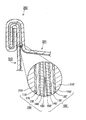
- FIG. 5 is an enlarged cross-sectional view of a top plate tightening portion of the metal container of FIG. 4 and an enlarged view of a layer configuration of a joining portion. It is an example of the cross-sectional enlarged view of the lock seam part of the metal container of FIG. It is another example of the cross-sectional enlarged view of the lock seam part of the metal container of FIG. It is a cross-sectional enlarged view of the other example of the lock seam part of a metal container.
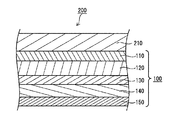
- FIG. 1 is a schematic cross-sectional view showing an example of a laminated metal plate on which a metal laminating film according to the first embodiment is laminated.
- the metal laminating film 100 is laminated in contact with one surface of the metal plate 210 to form a laminated metal plate 200.
- the metal plate 210 is not particularly limited as long as it has the effects of the present invention as long as the metal plate 210 is a metal processed into steel, aluminum, and other metal containers.
- steel include tinplate, stainless steel (SUS), electrolytic chromic acid-treated steel plate (tin-free steel; TFS), and the like.
- the thickness of the metal plate is, for example, 100 ⁇ m or more and 1,000 ⁇ m or less, preferably 150 ⁇ m or more and 400 ⁇ m or less. By being 100 ⁇ m or more, the strength of the container is excellent, and by being 1,000 ⁇ m or less, the moldability of the container is excellent.
- the metal adhesive resin layer 110, the polyolefin resin layer 120, the adhesive resin layer 130, the barrier resin layer 140, and the heat welding resin layer 150 are laminated in this order from the metal plate 210 side. .
- the metal adhesive resin layer 110, the barrier resin layer 140, and the heat welding resin layer 150 are essential.
- the total thickness of the metal laminating film 100 is, for example, 20 ⁇ m or more and 400 ⁇ m or less, preferably more than 50 ⁇ m and 400 ⁇ m or less, more preferably 60 ⁇ m or more and 200 ⁇ m or less, and further preferably 65 ⁇ m or more and 150 ⁇ m or less.
- the thickness is 20 ⁇ m or more, a relatively sufficient thickness of the barrier resin layer 140 can be secured.
- the thickness is 400 ⁇ m or less, the metal plate 210 and the metal plate 210 can be formed when the laminated metal plate 200 is formed into a metal container. Adhesiveness can be kept good.
- each element will be described in detail.
- the metal adhesive resin contained in the metal adhesive resin layer 110 is not particularly limited as long as it has the effects of the present invention as long as it can be bonded to the metal plate.
- the metal adhesive resin is, for example, a resin having a tensile fracture stress (measured according to JIS K-7162) of 10 MPa or more, preferably 15 MPa or more. Thereby, in the shaping
- the upper limit of the said range is not specifically limited, For example, it is 50 MPa. That is, the tensile fracture stress of the metal adhesive resin is preferably 10 MPa or more and 50 MPa or less, and more preferably 15 MPa or more and 50 MPa or less.
- the metal adhesive resin is excellent in adhesion to metal, such as poly ⁇ -olefin, copolymer of ⁇ -olefin and ⁇ , ⁇ -unsaturated carboxylic acid, ⁇ -olefin and ⁇ , ⁇ -unsaturated carboxylic acid, It may be selected from the group consisting of a copolymer with an ⁇ , ⁇ -unsaturated carboxylic acid ester, an ionomer, and a copolymer of an ⁇ -olefin and vinyl carboxylate.
- copolymers of ⁇ -olefin and ⁇ , ⁇ -unsaturated carboxylic acid copolymers of ⁇ -olefin, ⁇ , ⁇ -unsaturated carboxylic acid and ⁇ , ⁇ -unsaturated carboxylic acid ester, ionomer
- a copolymer of ⁇ -olefin and vinyl carboxylate is preferable in that it is superior in adhesion to metal.
- these metal adhesive resin may be used individually by 1 type, and may use 2 or more types together.
- Examples of the ⁇ -olefin as a monomer of the poly ⁇ -olefin include ⁇ -olefins having 2 to 8 carbon atoms, and ethylene and propylene are particularly preferable. More specifically, as the poly ⁇ -olefin, polyethylene (for example, low density polyethylene, linear low density polyethylene, medium density polyethylene, high density polyethylene, etc.) and polypropylene are particularly preferable.
- polyethylene for example, low density polyethylene, linear low density polyethylene, medium density polyethylene, high density polyethylene, etc.
- polypropylene are particularly preferable.
- the ⁇ , ⁇ -unsaturated carboxylic acid that is a comonomer of a copolymer of ⁇ -olefin and ⁇ , ⁇ -unsaturated carboxylic acid includes acrylic acid, methacrylic acid, maleic acid, fumaric acid, crotonic acid, and itaconic acid Is mentioned.
- Other comonomer ⁇ -olefin is as described above (the same applies to the following copolymers exemplified as the metal adhesive resin).
- the combination of comonomer is arbitrary. More specifically, as the copolymer of ⁇ -olefin and ⁇ , ⁇ -unsaturated carboxylic acid, an ethylene- (meth) acrylic acid copolymer is particularly preferable.
- the ⁇ , ⁇ -unsaturated carboxylic acid ester which is a comonomer of a copolymer of an ⁇ -olefin, an ⁇ , ⁇ -unsaturated carboxylic acid and an ⁇ , ⁇ -unsaturated carboxylic acid ester, is the above-mentioned ⁇ , ⁇ -unsaturated ester.
- lower alkyl esters of saturated carboxylic acids may have 1 to 6 carbon atoms.
- the ionomer is a resin neutralized by crosslinking the above-mentioned copolymer with metal ions between molecular chains.
- a copolymer may be used individually or in combination of multiple types.
- the metal ion include transition metal ions such as zinc, manganese, and cobalt; alkali metal ions such as lithium, sodium, and potassium; and alkaline earth metal ions such as calcium. These metal ions may be used alone or in combination of two or more.
- An ionomer is a modified product in which a resin crosslinked with the above metal ions is further modified by addition or substitution with a low molecule (such as maleic anhydride) containing a functional group such as a carboxyl group.
- a low molecule such as maleic anhydride
- a functional group such as a carboxyl group.
- it may be a mixture of a resin crosslinked with the above metal ions and a modified product.
- Examples of the carboxylic acid vinyl ester that is a comonomer of a copolymer of an ⁇ -olefin and a carboxylic acid vinyl ester include vinyl formate, vinyl acetate, vinyl butyrate, and vinyl isobutyrate. More specifically, a copolymer of an ⁇ -olefin and a carboxylic acid vinyl ester includes, in particular, an ethylene-vinyl acetate copolymer.
- the metal adhesive resin is particularly preferably an ionomer.
- the melting point of the metal adhesive resin (according to JIS K-7121, measured by DSC method, the same applies hereinafter) is preferably the lowest among the resin layers constituting the metal laminating film 100.
- the melting point of the metal adhesive resin is, for example, 60 degrees to 150 degrees, preferably 70 degrees to 125 degrees, and more preferably 70 degrees to 105 degrees.
- a metal adhesive resin layer is a resin layer comprised only from the above-mentioned metal adhesive resin.
- the thickness of the metal adhesive resin layer 110 is, for example, 5% or more and 40% or less, preferably 5% or more and 25% or less with respect to the total thickness of the metal laminating film 100. Thereby, the adhesive force with a metal plate can be made favorable.
- the thickness of the metal-adhesive resin layer 110 is preferably maintained even when it is subjected to heating conditions in the step of laminating the metal laminating film 100 to the metal plate 210 and then further subjected to heating conditions in the step of making iron. Therefore, the adhesive force with the metal plate 210 can be maintained well.
- ⁇ -olefin is simply referred to as “olefin”
- ⁇ , ⁇ -unsaturated carboxylic acid is simply referred to as “unsaturated carboxylic acid”.
- the surface of the metal adhesive resin layer 110 may be subjected to surface processing for improving adhesion to the metal plate 210.
- surface processing include corona discharge processing, plasma processing, flame processing, and ultraviolet light.
- a person skilled in the art can appropriately select from hydrophilic treatment such as irradiation treatment and chemical treatment.
- the polyolefin resin constituting the polyolefin resin layer 120 functions as a cushion layer.
- Specific examples of the polyolefin resin include linear low density polyethylene (L-LDPE), metallocene linear low density polyethylene (metallocene L-LDPE), medium density polyethylene (MDPE), polypropylene, and propylene-ethylene copolymer. Is mentioned.
- the thickness of the polyolefin resin layer 120 is, for example, not less than 10% and not more than 70%, preferably not less than 15% and not more than 50% with respect to the total thickness of the metal laminate film 100.
- the polyolefin resin layer 120 can function not only as a cushion layer as described above but also as a water resistant layer.
- the water resistance of the polyolefin resin layer 120 for example, the water vapor transmission rate (measured according to JIS K7129) is 200 g / m 2 ⁇ 24 hr ⁇ atm or less (40 ° C./90% RH) (amount per 50 ⁇ m). preferable. Thereby, water vapor permeation to the metal plate 210 can be suppressed, and the metal plate 210 can be rust-prevented.
- the metal laminating film 100 preferably includes an adhesive resin layer 130.
- the adhesive resin constituting the adhesive resin layer 130 is not particularly limited as long as it has the effect of the present invention as long as it is a resin capable of bonding the polyolefin resin layer 120 and a barrier resin layer 140 described later. Absent. Examples thereof include a modified polyolefin resin modified with an unsaturated carboxylic acid or an acid derivative, and a polymer and a mixture of the modified polyolefin resin and the polyolefin resin.
- the modified polyolefin resin is a copolymer of an olefin monomer as a main component and an unsaturated carboxylic acid or acid derivative.
- it may have a structure in which a polyolefin is the main chain and an unsaturated carboxylic acid or acid derivative is grafted.
- polystyrene resin examples include polymers or copolymers of ⁇ -olefins having 2 to 8 carbon atoms.
- the copolymerization mode may be any of alternating copolymerization, random copolymerization, and block copolymerization.
- an ⁇ -olefin polymer or copolymer such as poly-4-methyl-1-pentene and polybutene-1, or a polyethylene resin or polypropylene resin, and other ⁇ -olefins, And random and / or block copolymers.
- Specific examples include a polypropylene-ethylene copolymer, a propylene-1-hexene copolymer, and a propylene-4-methyl-1-pentene copolymer.
- polyethylene resins include high density type (HDPE), medium density type (MDPE), low density type (LDPE), and linear low density type (L-LDPE) polyethylene, and ethylene- ⁇ olefin copolymer, And ethylene-vinyl acetate copolymer.
- polypropylene-based resin include random and / or block copolymers of isotactic polypropylene or propylene and a small amount of other ⁇ -olefin.
- the polyolefin main chain specifically, propylene-ethylene copolymer, propylene-1-hexene copolymer, poly-4-methyl-1-pentene, polybutene-1, and the like are preferable.
- the polyolefin main chain preferably has a polypropylene structure.
- Unsaturated carboxylic acids include dibasic unsaturated fatty acids and their anhydrides. More specifically, acrylic acid, methacrylic acid, maleic acid, fumaric acid, crotonic acid, itaconic acid, citraconic acid and the like can be mentioned. Acid derivatives include anhydrides, amides, and esters, and more specifically, methyl acrylate, methyl methacrylate, ethyl acrylate, propyl acrylate, butyl acrylate, butyl methacrylate, vinyl acetate, glycidyl. Examples include acrylate, glycidyl methacrylate, acrylamide, methacrylamide, and sodium acrylate.
- the above resins can be used alone or in combination of plural kinds.
- the barrier resin contained in the barrier resin layer 140 is a resin having a barrier function with respect to the contents after the iron making. That is, the barrier resin is a resin that can block or absorb the influence of the components contained in the contents on the outside of the barrier resin layer or the influence of the components outside of the barrier resin layer on the contents. Examples of the barrier function include resistance to oxygen, vapor and odor (gas barrier function), resistance to substances such as water and salt, and resistance to properties such as acid and base. Further, the outside of the barrier resin layer means a layer other than the barrier resin layer or a metal plate.
- barrier resin constituting the barrier resin layer 140 include polyester resins, saponified ethylene vinyl acetate copolymers (ethylene-vinyl alcohol copolymers; EVOH), polyvinyl alcohol, polyacrylonitrile resins, Examples thereof include polyvinylidene chloride and polyamide resin. These resins can be appropriately selected by those skilled in the art depending on the property to be barrierd.
- the polyester-based resin is preferable in that the corrosion prevention performance of the metal plate 210 due to the components in the food-based contents is high.
- the polyester resin is preferably a copolymer obtained by polycondensation of dicarboxylic acid with at least one polyhydric alcohol selected from the group consisting of a diol and a tri- or higher functional polyol, or polyglycolic acid.
- the dicarboxylic acid examples include terephthalic acid, isophthalic acid, naphthalenedicarboxylic acid, cyclohexanedicarboxylic acid, adipic acid, sebacic acid, azelaic acid, and the like. These dicarboxylic acids may be used alone or in combination.
- the polyester-based resin contains substantially only a terephthalic acid unit as a dicarboxylic acid component or a terephthalic acid unit as a main component and a dicarboxylic acid component other than the terephthalic acid unit as a subcomponent.
- the dicarboxylic acid component as a subcomponent may be other than the terephthalic acid unit, but is preferably an isophthalic acid unit.
- the molar ratio (subcomponent / main component) of the subcomponent to the main component (terephthalic acid unit) is, for example, more than 0/100 and less than 20/80, preferably 5/95 or more and 15/85 or less.
- the diol examples include ethylene glycol, butylene glycol, hexanediol, neopentyl glycol, 1,4-cyclohexanedimethanol and the like. These diols may be used alone or in combination.
- the polyester resin contains substantially only an ethylene glycol unit as a diol component, or contains an ethylene glycol unit as a main component and a diol component other than the ethylene glycol unit as a subcomponent.
- tri- or higher functional polyol examples include glycerin, trimethylolethane, trimethylolpropane, sorbitol, pentaerythritol, ditrimethylolpropane, dipentaerythritol, tripentaerythritol, adamantanetriol, polycaprolactone triol, and the like.
- the polyhydric alcohol component may contain subcomponents.
- a diol component other than ethylene glycol is preferred as the subcomponent.
- Such a diol component is preferably at least one of 1,4-cyclohexanedimethanol units and neopentyl glycol units.
- the molar ratio of the sub component to the main component is, for example, more than 0 and 50/50 or less, preferably more than 0 and 35/65 or less, more preferably more than 0 and 10/90 or less.
- polyester resins from polyethylene terephthalate and modified polyethylene terephthalate (which satisfies at least one of 65 mol% or more of ethylene glycol units in the diol component and 80 mol% or more of terephthalic acid units in the dicarboxylic acid component) Preferably it is selected.
- the said polyester-type resin may be used independently and multiple may be used in combination.
- the saponified ethylene vinyl acetate copolymer preferably has an ethylene content of, for example, 20 mol% or more and 50 mol% or less. Thereby, the thin film processability by extrusion can be improved, and the thickness accuracy and the surface uniformity of the metal laminating film can be improved.
- the saponification rate is preferably 90 mol% or more, more preferably 95 mol% or more.
- the polyacrylonitrile resin preferably has an acrylonitrile content of 85% by mass or more and 100% by mass or less. If the acrylonitrile content is less than 85% by mass, it tends to be difficult to achieve a desired oxygen barrier effect.
- the polyacrylonitrile copolymer is preferably selected from acrylic acid esters, vinylidene chloride, styrene, and the like. These copolymers can be used alone or in combination of two or more.
- An example of the polyamide-based resin is an aromatic polyamide.
- the melting point of the barrier resin may be more than 200 degrees and 285 degrees or less.
- the barrier resin layer is excellent in heat resistance, and the barrier resin layer can be easily maintained even in the process of laminating to a metal plate and making iron as a welding can.
- the barrier resin layer 140 is configured as an intermediate layer that is not in direct contact with the metal plate 210, the barrier resin layer 140 does not need to be a low melting point resin for direct contact with the metal, and a high melting point resin is widely accepted. The For this reason, selection of resin which is excellent in barrier property becomes possible more widely.
- the glass transition temperature of the barrier resin is, for example, 25 degrees or more and 100 degrees or less. By setting it to 25 degrees or more, good barrier properties can be secured, and by setting it to 100 degrees or less, softening can be achieved at the lamination temperature with the metal, and good lamination suitability can be obtained.
- the barrier resin is a crystalline resin and is most preferably a resin having a glass transition temperature of 30 ° C. or higher, more preferably 60 ° C. or higher. However, the barrier resin is a crystalline resin and has a glass transition temperature of 30 ° C. Less than resin may be used. Crystalline resins are preferred because of their high barrier properties.
- the barrier resin may be an amorphous resin or a low crystalline resin.
- amorphous resins tend to have relatively low barrier properties compared to crystalline resins, but when amorphous polyester resins are selected as the barrier resins, the barrier properties are higher than crystalline polyolefins.
- the barrier resin is preferably an amorphous polyester resin.
- the barrier resin layer is preferably a resin layer composed only of the above-described barrier resin.
- the thickness of the barrier resin layer 140 is, for example, 10% or more and 60% or less, preferably 20% or more and 45% or less with respect to the total thickness of the metal laminate film 100.
- a barrier function can be provided. This is useful in that it is easy to ensure a barrier function, particularly when an amorphous or low crystalline resin is used as the barrier resin. Moreover, the extrudability of a film becomes favorable because it is 60% or less.
- the barrier resin has an oxygen barrier function, for example, ethylene-vinyl alcohol copolymer (EvOH), polymetaxylene adipamide (MxNy), polyethylene terephthalate (PET), polyethylene naphthalate (PEN), polyvinylidene chloride
- the oxygen transmission amount is preferably 0.1 cc / cm 2 ⁇ day ⁇ atm or more and 100 cc / cm 2 ⁇ day ⁇ atm or less (amount per 50 ⁇ m).
- the oxygen permeation amount is a value measured under conditions of a temperature of 23 degrees and a humidity of 65% RH using OXTRAN-TWIN manufactured by MOCON based on an oxygen permeation test based on JIS K7126.
- an element for assisting the oxygen barrier property with respect to the metal plate 210 may be further added.
- an oxygen absorbent can be added to the barrier resin.
- the barrier resin is a resin having a water vapor barrier function, for example, polypropylene, high density polyethylene (HDPE), low density polyethylene (LDPE), polytetrafluoroethylene (PTFE), or petroleum resin
- the water vapor transmission rate (according to JIS K7129) (Measured in conformity) is preferably 200 g / m 2 ⁇ 24 hr ⁇ atm or less (40 ° C./90% RH) (amount per 50 ⁇ m). By setting it as the said range, the tolerance with respect to the water
- the resin constituting the heat-welding resin layer 150 is not particularly limited as long as it has the effects of the present invention as long as it has a heat-welding resin that can be bonded by heat welding.
- the heat-welding resin include polyolefin resins, modified polyolefin resins, and polyester resins.
- polystyrene resin examples include linear low density polyethylene (L-LDPE), metallocene linear low density polyethylene (metallocene L-LDPE), and medium density polyethylene (MDPE).
- L-LDPE linear low density polyethylene
- metallocene linear low density polyethylene metallocene L-LDPE
- MDPE medium density polyethylene
- a polyolefin resin having a branched structure is preferred from the viewpoint of flexibility. These resins can be used alone or in combination of two or more.
- modified polyolefin resin examples include a modified polyolefin resin modified with an unsaturated carboxylic acid or an acid derivative, and a polymer and a mixture of the modified polyolefin resin and the polyolefin resin.
- the modified polyolefin resin modified with an unsaturated carboxylic acid or acid derivative is a copolymer of an olefin monomer as a main component and an unsaturated carboxylic acid or acid derivative.
- it may have a structure in which a polyolefin is the main chain and an unsaturated carboxylic acid or acid derivative is grafted.
- polystyrene resin examples include polymers or copolymers of ⁇ -olefins having 2 to 6 carbon atoms.
- the copolymerization mode may be any of alternating copolymerization, random copolymerization, and block copolymerization.
- a polymer or copolymer of ⁇ -olefin such as poly-4-methyl-1-pentene and polybutene-1, or random of polyethylene, polypropylene or propylene and another ⁇ -olefin And / or a block copolymer.
- Specific examples include a polypropylene-ethylene copolymer, a propylene-1-hexene copolymer, and a propylene-4-methyl-1-pentene copolymer. These resins can be used alone or in combination of two or more.
- Polyethylene structures include high density type (HDPE), medium density type (MDPE), low density type (LDPE), and linear low density type (L-LDPE) polyethylene, and ethylene- ⁇ olefin copolymers, and And ethylene-vinyl acetate copolymer. These resins can be used alone or in combination of two or more.
- Polypropylene structures include random and / or block copolymers of isotactic polypropylene or propylene and other small amounts of ⁇ -olefins.
- the polyolefin main chain specifically, propylene-ethylene copolymer, propylene-1-hexene copolymer, poly-4-methyl-1-pentene, polybutene-1, and the like are preferable.
- the polyolefin main chain preferably has a polypropylene structure. These resins can be used alone or in combination of two or more.
- Unsaturated carboxylic acids include dibasic unsaturated fatty acids and their anhydrides. More specifically, acrylic acid, methacrylic acid, maleic acid, fumaric acid, crotonic acid, itaconic acid, citraconic acid and the like can be mentioned. Acid derivatives include anhydrides, amides, and esters, and more specifically, methyl acrylate, methyl methacrylate, ethyl acrylate, propyl acrylate, butyl acrylate, butyl methacrylate, vinyl acetate, glycidyl. Examples include acrylate, glycidyl methacrylate, acrylamide, methacrylamide, and sodium acrylate.
- the polyester resin is preferably a copolymer obtained by polycondensation of dicarboxylic acid and diol, or polyglycolic acid.
- dicarboxylic acid examples include terephthalic acid, isophthalic acid, naphthalenedicarboxylic acid, cyclohexanedicarboxylic acid, adipic acid, sebacic acid, azelaic acid, and the like. These dicarboxylic acid components may be used alone or in combination.
- diol examples include ethylene glycol, butylene glycol, hexanediol, neopentyl glycol, 1,4-cyclohexanedimethanol and the like. These diol components may be used alone or in combination.
- the said polyester-type resin may be used independently and multiple may be used in combination.
- the heat-welding resin is preferably amorphous. Therefore, amorphous resins such as amorphous polyolefin, amorphous modified polyolefin, and amorphous polyester are preferable. As a result, even if annealing is performed, crystallization does not occur excessively, so that adhesion is maintained.
- a crystalline resin having a melting point of 170 ° C. or lower, more preferably 140 ° C. or lower, and further preferably 125 ° C. or lower may be used. By having a low melting point, welding at a low temperature is possible, and productivity can be improved.
- the outermost back surface of the heat-weldable resin layer 150 is embossed.
- the heat-welding resin constituting the heat-welding resin layer 150 contains an antiblocking agent.
- the wetting index of the outermost surface is, for example, 25 dynes / cm or more and 50 dynes / cm or less, preferably 30 dynes / cm or more and 43 dynes / cm or less. This prevents the films from sticking to each other during handling of the metal laminating film and improves slipping. Moreover, the selective adsorption
- the outermost surface of the heat-welding resin 150 may be subjected to surface processing for improving slipperiness, and examples of such surface processing include embossing.
- an anti-blocking agent may be included in the heat-welding resin.
- the anti-blocking agent is not particularly limited as long as it has the effect of the present invention, and examples thereof include inorganic particles such as silica and aluminum silicate, and organic particles such as polyethylene beads and polytetrafluoroethylene particles.
- the anti-blocking agent can be included, for example, in an amount of 0.001 wt% or more and 3 wt% or less with respect to the total mass of the heat-welding resin.
- the thickness of the heat-welding resin layer 150 is, for example, 5% or more and 50% or less, preferably 15% or more and 40% or less with respect to the total thickness of the metal laminating film 100. Thereby, the heat-weldable resin layer can be preferably maintained until the step of forming the tightening portion.
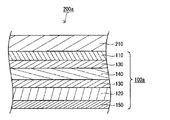
- FIG. 2 is a schematic cross-sectional view showing an example of a laminated metal plate on which a metal laminating film according to the second embodiment is laminated.
- the metal laminating film 100a is laminated in contact with one surface of the metal plate 210 to form a laminated metal plate 200a.
- the metal laminating film 100a is different from the first embodiment in that the position where the barrier resin layer 140 is laminated is closer to the metal plate 210 than the polyolefin resin layer 120 is. This aspect is preferable in that the moisture resistance of the barrier resin layer 140 is easily suppressed by the water resistance function of the polyolefin resin layer 120.
- the polyolefin resin layer 120 may be included both between the metal adhesive resin layer 110 and the barrier resin layer 140 and between the barrier resin layer 140 and the heat-weldable resin layer 150. Further, the polyolefin resin layer 120 may not be included in the metal laminate film of the present invention. Furthermore, the place where the adhesive resin layer 130 is laminated can be appropriately determined by those skilled in the art according to the lamination order of the other layers and the characteristics of the constituent resins.
- the production of a metal laminating film the production of a laminated metal plate, the production of a metal container, and the production of a metal container will be described using the metal laminating film 100 of the first embodiment as an example.
- the following description is not limited to the metal laminating film 100, but the metal laminating film 100a of the second embodiment, the metal laminating film in other examples, and other metal laminating films of the present invention in general. Applies to
- the metal laminating film 100 includes, for example, a resin composition for forming a metal adhesive resin layer 110, a resin composition for forming a polyolefin resin layer 120, a resin composition for forming an adhesive resin layer 130, and a barrier property.
- a resin composition for forming a metal adhesive resin layer 110 By forming the resin composition for forming the resin layer 140 and the resin composition for forming the heat-weldable resin layer 150 using the air-cooled or water-cooled coextrusion inflation method or the coextrusion T-die method Obtainable.
- a film can be formed by using an appropriate feed block and die.
- the coextrusion T-die method is preferable from the viewpoints of control of the thickness of the film for metal laminate 100 and transparency.
- a laminate of the metal adhesive resin layer 110 and the polyolefin resin layer 120 and a laminate of the barrier resin layer 140 and the heat-weldable resin layer 150 are separately formed in advance to form an adhesive resin or an adhesive.
- the metal laminating film 100 may be obtained by bonding each layer to each other using a laminator or the like.
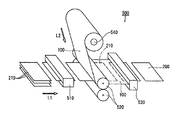
- the manufacturing apparatus 500 that manufactures the laminated metal plate 200 is a laminating apparatus that does not use an adhesive and a solvent, and a main line L1 that feeds the metal plate 210 in a single-wafer type and a sub-line that feeds the metal laminating film 100. Line L2.
- the main line L1 starts from a feeding unit (not shown) that feeds the metal plate 210, and the surface treatment unit 510, the laminating roller 520, the trimming unit 530, and the end of the line along the feeding direction of the metal plate 210. It has a collection part (not shown) in order.
- the sub line L2 includes a film feed roller 540 that feeds the metal laminating film 100.
- the feeding section places the metal plates 210 prepared one on the main line L1 one by one.
- the metal plate 210 is sent on the main line L1 and its surface is treated while passing through the surface treatment unit 510.
- the metal laminating film 100 is fed out from the film feed roller 540 in the sub line L2.
- the metal laminating film 100 is fed out in an unstretched state.
- the metal laminating film 100 sent from the sub-line L2 is laminated on the surface of the metal plate 210 whose surface has been treated by the surface treatment unit 510, and the metal plate 210 and the metal laminating film are sandwiched and pressed by a laminating roller 520.
- the film 100 is welded, and the metal laminating film 100 protruding from the metal plate 210 is removed by the trimming unit 530.
- the feeding speed of the preceding metal plate 210 is increased by increasing the feeding speed in the trimming unit 530, and the film is pulled. Examples include a tearing method, a method of pulling and tearing a film by changing the height of the preceding metal plate 210, and a method of cutting with a blade.
- the trimmed film waste is discharged out of the main line L1, and the laminated metal plates 200 are collected by the collection unit one by one.
- the laminated metal plate 200 is further bonded and fixed by annealing.
- the conditions for the annealing treatment are not particularly limited, but it can be said that conditions of 160 ° C. and about 10 minutes are preferable.
- FIG. 4 is a schematic partially cutaway perspective view showing an example of a metal container according to the present embodiment.
- the metal container 300 is a square canister.
- the metal container 300 is a three-piece can composed of a body plate 310, a top plate 320 and a base plate 330.
- at least the trunk plate 310 and the base plate 330, preferably all of the trunk plate 310, the top plate 320, and the base plate 330 are configured by the laminated metal plate 200 as in the present embodiment.
- the body plate 310 is processed into a rectangular tube shape, and a joint portion 351 is formed by lock seam or seam welding. Further, the trunk plate 310 and the top plate 320 are joined by a top plate winding portion 352, and the trunk plate 310 and the base plate 330 are joined by a base plate winding portion.
- FIG. 5 is an enlarged cross-sectional view of the top plate tightening portion 352 and an enlarged view of the layer configuration of the joint portion.
- the body plate 310 and the top plate 320 are overlapped and further joined by being crimped in a state of being wound to the outside of the container.
- the body plate 310 and the top plate 320 are overlapped so that the metal laminating films 100 and 100 ′ are respectively housed therein.
- the heat-weldable resin layer 150 ′ inside is integrated by heat fusion.
- the top plate 310 and the top plate 320 are sealed without a gap in the top plate tightening portion 352.
- the layers constituting the metal laminating film 100 and the metal laminating film 100 ′ may be the same or different from each other.
- the body plate 310 and the base plate 330 are overlapped and further joined by being crimped in a state of being wound around the outside of the container.
- FIG. 6 is an example of an enlarged cross-sectional view of a welded portion by seam welding.
- end portions of the body plate 310 are overlapped with each other.
- the metal plate 210 in the vicinity of the overlapping portion of the body plate 310 is not laminated with the metal laminating film 100 and the metal plate 210 is exposed, and a part of the exposed metal plate 210 is joined by welding W. Yes. Further, the exposed metal plate 210 in the vicinity of the overlapping portion of the body plate 310 is covered with the repair film M.
- the repair film M preferably has a multilayer structure having a barrier resin layer.
- the repair film M may have a total thickness of 150% or more and 200% or less with respect to the total thickness of the metal laminating film 100. As shown in FIG. It may have a similar layer configuration and relative layer thickness ratio.
- the resin constituting each layer of the metal laminating film 100 and the resin constituting each layer of the repair film M may be the same material or different materials.
- the metal adhesive resin layer 110 located on the sealing surface side of the repair film M in FIG. 6 is made of a resin that can adhere not only to the metal plate 210 but also to the heat-welding resin layer 150 of the metal laminating film 100. It is preferable to select a different layer.
- FIG. 7 is another example of an enlarged sectional view of a welded portion by seam welding.
- the repair film M in FIG. 7 is used so that the heat-welding resin layer 150 is located on the seal surface side.
- This aspect is preferable when the heat-welding resin layer 150 is an amorphous resin.
- the heat-welding resin layer 150 located on the sealing surface side of the repair film M is welded to the heat-welding resin layer 150 of the metal laminating film 100 and is also bonded to the metal plate 210.
- FIG. 8 is an enlarged cross-sectional view showing another example of the joint portion formed by the lock seam.
- the joint portion 351b is subjected to a tightening process according to the top plate tightening portion 352 and the base plate winding portion. Therefore, the heat-welding resin layer 150 (see FIG. 5) of the metal laminating film 100 is bonded in an integrated state by heat fusion, and the bonding portion 351b is sealed without a gap.
- the metal container 300 can be manufactured as follows. For example, the laminated metal plate 200 is cut into a predetermined size, and the body plate 310, the top plate 320, and the ground plate 330 are prepared. The top plate 320 is subjected to filling hole processing and hand ring attachment. The body plate 330 is joined in a square tube shape to form a joint portion 351, and the square tube body plate 330, the top plate 320, and the base plate 330 are joined together and folded and tightened, and the tightening portion Are heat-welded (for example, at 250 ° C. for less than 1 second) by a heating method such as high-frequency heating to form the top plate winding portion 352 and the base plate winding portion.
- a heating method such as high-frequency heating
- the metal container 300 is not limited to the one having the above-described capacity, and may have a capacity of 1.3L, 4L, or 5L, for example. Moreover, although the metal container 300 is a square shape, it is not limited to this aspect, and may be a circular shape or any other shape.
- the curvature of the corner portion of the square cylindrical body plate 310 of the metal container 300 may vary depending on the container capacity, but is, for example, 1 mm or more and 100 mm or less, preferably 3 mm or more and 50 mm or less. By setting it as the said range, while obtaining the merit of square shape, the adhesive strength between the metal plate 210 and the metal laminating film 100 can be kept favorable in a corner
- the metal container 300 of the present invention is particularly suitable for storing liquid foods such as beverages, fruit juices, and sauces, but as examples of other containers, surfactants, pigments, dyes, alcohols, agricultural chemicals, fats and oils, etc. Chemicals, and cooking oil and other foods.
- the film for metal lamination of this invention can be used as a protective film for protecting the said metal container from corrosion in the metal container for accommodating the content containing a liquid foodstuff.
- Example 1 A metal laminate film having a layer structure of ION / PE / AD1 / barrier resin / AD2 was prepared.
- Ionomer Mitsubishi Chemical Co., Ltd. High Milan 1650, Tm 96 ° C., softening point above ⁇ 60 ° C.
- PE polyethylene
- Ube Maruzen Polyethylene Corporation Umerit 1520F, Tm 1140 ° C. AD1 Modified polyolefin
- Modic F535, Tm122 ° C), barrier resin is polyethylene terephthalate homo-PET (Mitsubishi Chemical Co., Ltd. GM700Z, Tm248 ° C, Tg73 ° C, crystallization temperature Tc 1140 ° C (all of the present invention)
- a modified polyolefin (Modick F535 manufactured by Mitsubishi Chemical Corporation, Tm 122 ° C.) was used for AD2. The actually measured value by the present inventor was obtained by measuring from 0 ° C. to 300 ° C. under a temperature rising rate of 5 ° C./min by differential scanning calorimetry (DSC). Tm means melting point.
- the metal laminating film was formed as a multilayer film by co-extrusion of the above resin.
- an embossing roll having irregularities on the surface was brought into close contact with the outermost surface side of AD2, and embossing was performed on the outermost surface.
- the total thickness of the obtained metal laminate film is 72 ⁇ m
- the thickness of the ION layer metal adhesive resin layer
- the thickness of the PE layer polyolefin resin layer
- the thickness of the AD1 layer is The thickness of 7 ⁇ m
- the barrier resin layer was 30 ⁇ m
- the thickness of the AD2 layer heat-weldable resin layer
- the obtained metal laminating film was laminated on a 220 ⁇ m steel plate (TFS) heated with a gas burner to produce a laminated metal plate.
- TFS 220 ⁇ m steel plate
- Example 2 As a barrier resin, modified polyethylene terephthalate co-PET containing 5 mol% of ethylene glycol units and 5 mol% of 1,4-cyclohexanedimethanol units as diol components (BR 8040, SK Chemical Co., Tm 235 ° C., Tg 75 ° C., Tc 1150 ° C.) A laminate metal plate was produced in the same manner as in Example 1 except that (both were actually measured values by the present inventor)).
- Example 3 A laminated metal plate was prepared in the same manner as in Example 1 except that modified polyethylene terephthalate PET-I (SABIC BC112, Tm250 ° C., Tg 75 ° C., Tc 1130 ° C.) was used as the dicarboxylic acid component as the barrier resin. did.
- modified polyethylene terephthalate PET-I SABIC BC112, Tm250 ° C., Tg 75 ° C., Tc 1130 ° C.
- Example 4 A laminated metal plate was produced in the same manner as in Example 1 except that an ethylene-vinyl alcohol copolymer (K171, Fm, Tm 183 ° C., Tg 57 ° C., Tc 156 ° C.) was used as the barrier resin.
- the total thickness of the metal laminating film in Example 4 was 70 ⁇ m
- the thickness of the barrier resin layer was 10 ⁇ m
- the thicknesses of the remaining layers were the same as in Example 1.
- Example 5 As AD1 resin (adhesive resin layer), modified polyolefin (Mitsui Chemical Co., Ltd. Modic F515A, Tm 120 ° C.) and AD2 resin (heat-weldable resin layer) as amorphous polyester PETG (SK Chemical Co., S2008 Tg 80 ° C.) A laminated metal plate was prepared in the same manner as in Example 1 except that the above was used.
- the total thickness of the obtained metal laminate film is 70 ⁇ m
- the thickness of the ION layer is 10 ⁇ m
- the thickness of the PE layer is 12 ⁇ m
- the thickness of the AD1 layer is 8 ⁇ m
- the thickness of the barrier resin layer is 25 ⁇ m
- AD2 amorphous polyester
- Example 1 A laminated metal plate was produced in the same manner as in Example 1 except that a 70 ⁇ m thick polypropylene film having a corona-treated metal bonding surface was used as the metal laminating film.
- Comparative Example 2 A metal laminating film having an ION / PE / AD layer structure was prepared. Specifically, a laminated metal plate was produced in the same manner as in Example 1 except that the AD1 layer and the barrier resin layer were not provided. The total thickness of the metal laminate film in Comparative Example 2 was 70 ⁇ m, the thickness of the ION layer was 10 ⁇ m, the thickness of the PE layer was 50 ⁇ m, and the thickness of the AD layer was 10 ⁇ m.
- Condition A A part of the laminated metal plate was immersed in Caramel IVs (pH 4.0) manufactured by Ikeda Sakuka Kogyo Co., Ltd. in a 45 ° C. environment for 1 month.
- Condition B A part of the laminated metal plate was immersed in Caramel I type TF (pH 4.2) manufactured by Amano Kogyo for 1 month in a 45 ° C. environment.
- Condition C A part of the laminated metal plate was immersed in Caramel III G-AT (pH 4.3) manufactured by Amano Kogyo for 1 month in a 45 ° C. environment.
- Condition D A part of the laminated metal plate was immersed in Caramel IV type TB (pH 4.8) manufactured by Amano Kogyo under a 45 ° C environment for one month.
- Caramel I is obtained by heat-treating starch hydrolyzate, molasses or sugar edible hydrocarbon, or heat-treated by adding acid or alkali, and sulfurous acid. It was manufactured without using a compound and an ammonium compound.
- Caramel IIIs are obtained by heat-treating an edible hydrocarbon of starch hydrolyzate, molasses or saccharides by adding an ammonium compound, or by adding an acid or alkali thereto.
- the caramels IV are obtained by heat treatment by adding a sulfurous acid compound and an ammonium compound to an edible hydrocarbon of starch hydrolyzate, molasses or saccharides, or adding an acid or alkali thereto.
- the corrosion of the steel sheet was evaluated as follows. When visually, at least one of discoloration of the steel sheet, film peeling, and generation of water bubbles is clearly confirmed, “X”, when slightly confirmed “ ⁇ ”, when not confirmed at all Evaluated as “ ⁇ ”. For these evaluations, the part directly immersed in caramel (liquid phase contact area, indicated as “liquid” in the table) and the part not immersed in caramel (gas phase contact area, indicated as “gas” in the table) .) And both.
- Example 1 As shown in Table 1, the laminated metal plates obtained in Example 1 and Example 2 exhibited excellent corrosion resistance.
- Example 3 As shown in Table 2, the laminated metal plate obtained in Example 3 exhibited excellent corrosion resistance.
- Example 4 As shown in Table 3, the laminated metal plate obtained in Example 4 exhibited excellent corrosion resistance particularly in the liquid phase contact portion.
- Example 5 As shown in Table 4, the laminated metal plate obtained in Example 5 exhibited excellent corrosion resistance.
- Tables 1 to 4 above show the effects that are particularly excellent as compared with the comparative examples.
- the laminated metal plates obtained in Examples 1 to 4 have other conditions (specific examples). Even if it is a case where it is used for Ikeda saccharification industry caramel I (pH 2.3), caramel III (pH 5.3), and Amano Jigyo caramel I SW (pH 5.7)) It was confirmed that the same excellent corrosion resistance was exhibited at both the contact portion and the liquid phase contact portion. Further, even when the laminated metal plate obtained in Example 4 is subjected to Amano Jigyo Caramel III G-AT (pH 4.3), particularly in the gas phase contact portion, the same excellent corrosion resistance is obtained. It was confirmed that it showed.
- Example 5 Furthermore, even when the laminated metal plate obtained in Example 5 was subjected to caramels I (pH 2.3) and Caramels III (pH 5.3) manufactured by Ikeda Sakuka Kogyo Co., Ltd. It was confirmed that the same excellent corrosion resistance was exhibited at both phase contact portions.
- the present invention when a metal container is formed by being laminated on a metal plate, it is possible to provide a metal laminating film that has a high bonding strength at the tightening portion and can ensure a barrier property to the contents. From the above, the present invention is extremely useful industrially.
Landscapes
- Laminated Bodies (AREA)
- Engineering & Computer Science (AREA)
- Mechanical Engineering (AREA)
- Rigid Containers With Two Or More Constituent Elements (AREA)
- Wrappers (AREA)
Abstract
本発明は、少なくとも、金属接着性樹脂を含む最表層と、バリア性樹脂を含む中間層と、熱溶着性樹脂を含む最裏層とを含む、金属ラミネート用フィルム及び前記金属ラミネート用フィルムを含むラミネート金属板、並びに金属容器に関する。本発明によれば、金属容器となった場合に、巻締部の接合強度が高く、かつ食品系内容物に適したバリア性を担保することができる金属ラミネート用フィルムを提供することができる。
Description
本発明は、バリア機能を有する金属容器に関する。より具体的には、本発明は、金属ラミネート用フィルム、ラミネート金属板および金属容器に関する。
本願は、2014年2月27日に、日本国に出願された特願2014-36353号に基づき優先権を主張し、その内容をここに援用する。
本願は、2014年2月27日に、日本国に出願された特願2014-36353号に基づき優先権を主張し、その内容をここに援用する。
一斗缶などの一般的な金属缶では、TFS(ティンフリースチール)の内面側に保護フィルムを設けて金属を内容物から保護している。保護フィルムとしては、ポリエチレン、ポリエチレンテレフタレート、ポリフッ化ビニルなどが用いられている。
特開2000-6978号公報(特許文献1)には、飲料缶および食缶の容器として用いることができる耐圧性容器が開示されている。具体的には、内表面(飲料品や食品と接する表面)がポリプロピレン(以下、PPと記載することもある)またはポリエステルで被覆された金属板からなる金属蓋と、内表面がポリプロピレンまたはポリエステルで構成された容器胴体とがそれぞれ高周波溶着により接合された容器が開示されている。さらに、胴部にPP/バリアー基材/PPのラミネートフィルムを射出用金型内にインサートし、インサート成形によって胴部が作られることが開示されている。
特開2005-254627号公報(特許文献2)には、リベット加工やスコア加工などの一般加工性だけなく、熱処理後に行われる局部曲げ加工での加工性にも優れた缶蓋用ラミネート金属板として、一般加工性を満足するポリエステル系樹脂からなる主層と、局部曲げ加工性に優れたポリオレフィン系樹脂からなる副層が層状に重ねられた有機樹脂層が金属板に設けられたものが開示されている。
特開2008-213153号公報(特許文献3)には、飲料缶として、鋼板の外側表面に、特定の酸素透過係数および水蒸気透過係数を有する樹脂フィルムを設けた金属容器が開示されている。
果汁、飲料、ソースなどの食品系内容物を収容するための金属容器においては、これら食品系内容物に対して、特に高いバリア性が求められており、このようなバリア性を満足する汎用的な金属内装用のフィルムはポリフッ化ビニルフィルムである。しかしながら、ポリフッ化ビニルフィルムが内装された金属缶は、廃棄処分時において、有害なフッ素化合物が発生する可能性がある。そこで、ポリフッ化ビニルフィルムの代替えとなるような、内容物に対するバリア性を有する金属内装用フィルムが求められている。また、同時に、金属容器となった際に、巻締部の接着強度にも優れる金属内装用フィルムが求められている。
なお、本発明の1つの側面において、「食品系内容物に対するバリア性を有する」とは、食品系内容物に対する腐食耐性を有することを意味する。
なお、本発明の1つの側面において、「食品系内容物に対するバリア性を有する」とは、食品系内容物に対する腐食耐性を有することを意味する。
特開2000-6978号公報(特許文献1)に記載の、被覆された金属板から構成される容器は、金属板およびラミネートフィルム間の接着強度と、巻締部の接着強度とを両立できていない。
特開2005-254627号公報(特許文献2)に記載の缶においては、有機樹脂層が一般加工性および局部曲げ加工性に対する構成を有するに過ぎず、巻締部の接着強度が十分となるように構成されていない。
特開2008-213153号公報(特許文献3)に記載の飲料缶においては、樹脂フィルムが外側に設けられているため飲料缶内容物に接しない。このため、内容物成分に対するバリア機能を有していない。
そこで本発明の目的は、金属板に積層されて容器となった場合に、巻締部の接合強度が高く、かつ内容物に対するバリア性を担保することができる金属ラミネート用フィルムを提供することにある。
(1)
一局面に従う金属ラミネート用フィルムは、少なくとも、金属接着性樹脂を含む最表層と、バリア性樹脂を含む中間層と、熱溶着性樹脂を含む最裏層とを含む。
これによって、金属板に積層されて金属容器となった場合に、巻締部の接合強度が高く、かつ内容物に対するバリア性を担保することができる。
なお、本発明の金属ラミネート用フィルムにおいて、最表層、中間層、最裏層は、それぞれ、上記の樹脂を含む樹脂組成物から構成される樹脂層のことを意味する。また、本明細書においては、最表層を「金属接着性樹脂層」として、中間層を「バリア性樹脂層」として、また最裏層を「熱溶着性樹脂層」として記載することもある。
本発明の金属ラミネート用フィルムの「最表層」とは、金属ラミネート用フィルムを金属板に積層する際、金属板と接する側の面に設けられた層を意味する。また、「最裏層」とは、金属板に積層される最表層の反対側に位置する層のことを意味し、本発明の金属ラミネート用フィルムを積層して得られるラミネート金属板を製罐して得られる金属容器において、内容物と接触する側の面に設けられた層のことを指す。
一局面に従う金属ラミネート用フィルムは、少なくとも、金属接着性樹脂を含む最表層と、バリア性樹脂を含む中間層と、熱溶着性樹脂を含む最裏層とを含む。
これによって、金属板に積層されて金属容器となった場合に、巻締部の接合強度が高く、かつ内容物に対するバリア性を担保することができる。
なお、本発明の金属ラミネート用フィルムにおいて、最表層、中間層、最裏層は、それぞれ、上記の樹脂を含む樹脂組成物から構成される樹脂層のことを意味する。また、本明細書においては、最表層を「金属接着性樹脂層」として、中間層を「バリア性樹脂層」として、また最裏層を「熱溶着性樹脂層」として記載することもある。
本発明の金属ラミネート用フィルムの「最表層」とは、金属ラミネート用フィルムを金属板に積層する際、金属板と接する側の面に設けられた層を意味する。また、「最裏層」とは、金属板に積層される最表層の反対側に位置する層のことを意味し、本発明の金属ラミネート用フィルムを積層して得られるラミネート金属板を製罐して得られる金属容器において、内容物と接触する側の面に設けられた層のことを指す。
(2)
金属ラミネート用フィルムは、最表層と中間層との間、および、中間層と最裏層との間の少なくともいずれかに、ポリオレフィン層をさらに含んでよい。
これにより、金属ラミネート用フィルム自体のクッション性が良好となり、金属板へのラミネート時の圧着性が良好となる。また、ポリオレフィン層は耐水性を有するため、この耐水性が、バリア性樹脂層の吸湿量を少なくし、バリア性樹脂層の機能を維持しやすい。ここで「ポリオレフィン層」とは、ポリオレフィン樹脂から構成される樹脂層のことを意味し、以下「ポリオレフィン樹脂層」と記載することもある。
金属ラミネート用フィルムは、最表層と中間層との間、および、中間層と最裏層との間の少なくともいずれかに、ポリオレフィン層をさらに含んでよい。
これにより、金属ラミネート用フィルム自体のクッション性が良好となり、金属板へのラミネート時の圧着性が良好となる。また、ポリオレフィン層は耐水性を有するため、この耐水性が、バリア性樹脂層の吸湿量を少なくし、バリア性樹脂層の機能を維持しやすい。ここで「ポリオレフィン層」とは、ポリオレフィン樹脂から構成される樹脂層のことを意味し、以下「ポリオレフィン樹脂層」と記載することもある。
(3)
前記金属接着性樹脂は、ポリオレフィン、オレフィンと不飽和カルボン酸との共重合体、オレフィンと不飽和カルボン酸と不飽和カルボン酸エステルとの共重合体、アイオノマー、およびオレフィンとカルボン酸ビニルエステルとの共重合体からなる群から選ばれてもよい。また、これらの樹脂は1種単独で用いてもよく、2種以上を併用してもよい。
前記金属接着性樹脂は、ポリオレフィン、オレフィンと不飽和カルボン酸との共重合体、オレフィンと不飽和カルボン酸と不飽和カルボン酸エステルとの共重合体、アイオノマー、およびオレフィンとカルボン酸ビニルエステルとの共重合体からなる群から選ばれてもよい。また、これらの樹脂は1種単独で用いてもよく、2種以上を併用してもよい。
この場合、金属板との接着力を良好とすることができる。
(4)
バリア性樹脂は、ポリエステル樹脂であってもよい。
この場合、金属板にラミネートされた場合において、金属板を保護するバリア性が良好である。なお、本発明の1つの側面において、「金属板を保護するバリア性」とは、「金属板を腐食から保護する性能」のことを意味する。
バリア性樹脂は、ポリエステル樹脂であってもよい。
この場合、金属板にラミネートされた場合において、金属板を保護するバリア性が良好である。なお、本発明の1つの側面において、「金属板を保護するバリア性」とは、「金属板を腐食から保護する性能」のことを意味する。
(5)
ポリエステル樹脂は、ポリエチレンテレフタレートおよび変性ポリエチレンテレフタレートからなる群から選ばれてもよい。また、これらポリエステル樹脂は1種単独で用いてもよく、2種以上を併用してもよい。
この場合、金属板にラミネートされた場合において、金属板を保護するバリア性がより良好である。
ポリエステル樹脂は、ポリエチレンテレフタレートおよび変性ポリエチレンテレフタレートからなる群から選ばれてもよい。また、これらポリエステル樹脂は1種単独で用いてもよく、2種以上を併用してもよい。
この場合、金属板にラミネートされた場合において、金属板を保護するバリア性がより良好である。
(6)
バリア性樹脂の融点は、好ましくは200度超285度以下、さらに好ましくは220度以上260度以下であってもよい。
これによって、バリア性樹脂層が耐熱性に優れ、金属板へのラミネートおよび溶接缶としての製罐の工程においても、バリア性樹脂の層を維持しやすい。すなわち、上記のような融点を有するバリア性樹脂を含むことで、中間層が耐熱性に優れ、金属板へのラミネート時や、本発明の金属ラミネート用フィルムを備えるラミネート金属板を製罐する際に加熱しても、バリア性樹脂が溶融しにくいため、中間層を維持しやすい。
バリア性樹脂の融点は、好ましくは200度超285度以下、さらに好ましくは220度以上260度以下であってもよい。
これによって、バリア性樹脂層が耐熱性に優れ、金属板へのラミネートおよび溶接缶としての製罐の工程においても、バリア性樹脂の層を維持しやすい。すなわち、上記のような融点を有するバリア性樹脂を含むことで、中間層が耐熱性に優れ、金属板へのラミネート時や、本発明の金属ラミネート用フィルムを備えるラミネート金属板を製罐する際に加熱しても、バリア性樹脂が溶融しにくいため、中間層を維持しやすい。
(7)
前記バリア性樹脂は、非晶性樹脂であってもよい。
これによって、アニール処理を行った場合であってもバリア性樹脂が過度に結晶化しないため、適度な柔軟性を保つことができる。
前記バリア性樹脂は、非晶性樹脂であってもよい。
これによって、アニール処理を行った場合であってもバリア性樹脂が過度に結晶化しないため、適度な柔軟性を保つことができる。
バリア性樹脂のガラス転移温度は、30度以上130度以下であってよく、より好ましくは50度以上130度以下であってもよい。
これによって、食品系内容物などの保管温度が高くなった場合においても、食品系内容物などに対するバリア性を維持しやすい。
これによって、食品系内容物などの保管温度が高くなった場合においても、食品系内容物などに対するバリア性を維持しやすい。
(8)
前記中間層の厚みは、金属ラミネート用フィルムの総厚みに対して、5%以上70%以下であってもよく、より好ましくは10%以上50%であってもよい。
これによって、金属ラミネート用フィルムがバリア性樹脂を十分量備えることができるため、バリア機能をより好ましく確保することができる。
前記中間層の厚みは、金属ラミネート用フィルムの総厚みに対して、5%以上70%以下であってもよく、より好ましくは10%以上50%であってもよい。
これによって、金属ラミネート用フィルムがバリア性樹脂を十分量備えることができるため、バリア機能をより好ましく確保することができる。
(9)
熱溶着性樹脂は、ポリオレフィン、変性ポリオレフィンおよびポリエステル樹脂からなる群から選ばれてもよい。また、これら樹脂は1種単独で用いてもよく、2種以上を併用してもよい。
これによって、金属板にラミネートされ金属容器として成形された場合に、巻締部における接着力を好ましく確保することができる。
熱溶着性樹脂は、ポリオレフィン、変性ポリオレフィンおよびポリエステル樹脂からなる群から選ばれてもよい。また、これら樹脂は1種単独で用いてもよく、2種以上を併用してもよい。
これによって、金属板にラミネートされ金属容器として成形された場合に、巻締部における接着力を好ましく確保することができる。
(10)
熱溶着性樹脂は、非晶性樹脂であることが好ましい。
これによって、アニール処理を行った場合であっても結晶化しないため、接着性が保たれる。
熱溶着性樹脂は、非晶性樹脂であることが好ましい。
これによって、アニール処理を行った場合であっても結晶化しないため、接着性が保たれる。
(11)
最裏層は、エンボス加工がなされた最裏面を有する層、またはアンチブロッキング剤を含む層であることが好ましい。ここで、最裏面とは、本発明の金属ラミネート用フィルムを積層して得られるラミネート金属板を製罐して得られる金属容器において、内容物と接触する側の表面のことを意味する。またアンチブロッキング剤は、熱溶着性樹脂に含まれていることが好ましい。これによって、金属ラミネート用フィルムの取り扱い時にフィルム同士の密着を防止し滑りが良くなる。
最裏層は、エンボス加工がなされた最裏面を有する層、またはアンチブロッキング剤を含む層であることが好ましい。ここで、最裏面とは、本発明の金属ラミネート用フィルムを積層して得られるラミネート金属板を製罐して得られる金属容器において、内容物と接触する側の表面のことを意味する。またアンチブロッキング剤は、熱溶着性樹脂に含まれていることが好ましい。これによって、金属ラミネート用フィルムの取り扱い時にフィルム同士の密着を防止し滑りが良くなる。
(12)
金属ラミネート用フィルムは、総厚みが20μm以上400μm以下、好ましくは50μm超400μm以下、より好ましくは60μm以上200μm以下、さらに好ましくは65μm以上150μm以下である。
これによって、金属板に対する接着性、金属容器の内容物に対するバリア性および巻締部における接着性を好ましく確保できる。また金属ラミネート用フィルムが十分な厚みを有することによって強度も好ましく確保することができる。
金属ラミネート用フィルムは、総厚みが20μm以上400μm以下、好ましくは50μm超400μm以下、より好ましくは60μm以上200μm以下、さらに好ましくは65μm以上150μm以下である。
これによって、金属板に対する接着性、金属容器の内容物に対するバリア性および巻締部における接着性を好ましく確保できる。また金属ラミネート用フィルムが十分な厚みを有することによって強度も好ましく確保することができる。
(13)
金属ラミネート用フィルムは、未延伸であってもよい。
この場合、フィルム自体が延伸条件によって生じうる不所望の影響を受けていない。すなわち、本発明の金属ラミネート用フィルムは、未延伸フィルムであることが好ましい。
未延伸とすることで、ラミネート時の寸法変化が生じづらく、温度および時間などのラミネート条件の選択幅が広くなる。また成形性が良好となる。
金属ラミネート用フィルムは、未延伸であってもよい。
この場合、フィルム自体が延伸条件によって生じうる不所望の影響を受けていない。すなわち、本発明の金属ラミネート用フィルムは、未延伸フィルムであることが好ましい。
未延伸とすることで、ラミネート時の寸法変化が生じづらく、温度および時間などのラミネート条件の選択幅が広くなる。また成形性が良好となる。
(14)
他の局面に従うラミネート金属板は、(1)から(13)のいずれかに記載の金属ラミネート用フィルムと、前記金属接着性樹脂層を介して積層された金属板とを含む。
これによって、金属板に対する接着性、金属容器の内容物に対するバリア性および巻締部における接着性を好ましく確保することができる。
他の局面に従うラミネート金属板は、(1)から(13)のいずれかに記載の金属ラミネート用フィルムと、前記金属接着性樹脂層を介して積層された金属板とを含む。
これによって、金属板に対する接着性、金属容器の内容物に対するバリア性および巻締部における接着性を好ましく確保することができる。
(15)
さらに他の局面に従う金属容器は、(14)に記載のラミネート金属板が、金属ラミネート用フィルムを内側にして巻締製罐されたものである。
この場合、巻締部において、ラミネート金属板同士が熱溶着性樹脂層の接合により一体化するため、巻締部の接着性に優れる。ここで、「内側」とは、金属容器に収容される内容物と接する側を意味する。
本発明の1つの側面において、金属容器は、(14)に記載のラミネート金属板から構成されており、前記金属ラミネート用フィルムが前記金属容器の内側となるように構成されていることを特徴とする。また、本発明の金属容器は、前記ラミネート金属板の金属ラミネート用フィルムが、金属容器の内側になるように巻締製罐されて得られるものであることが好ましい。
さらに他の局面に従う金属容器は、(14)に記載のラミネート金属板が、金属ラミネート用フィルムを内側にして巻締製罐されたものである。
この場合、巻締部において、ラミネート金属板同士が熱溶着性樹脂層の接合により一体化するため、巻締部の接着性に優れる。ここで、「内側」とは、金属容器に収容される内容物と接する側を意味する。
本発明の1つの側面において、金属容器は、(14)に記載のラミネート金属板から構成されており、前記金属ラミネート用フィルムが前記金属容器の内側となるように構成されていることを特徴とする。また、本発明の金属容器は、前記ラミネート金属板の金属ラミネート用フィルムが、金属容器の内側になるように巻締製罐されて得られるものであることが好ましい。
(16)
金属容器には、液体食品が収容されてもよい。
この場合、金属容器の液体食品に対する耐浸食性に優れる。
すなわち、本発明の金属容器は、液体食品を収容するための容器として使用することが好ましい。
金属容器には、液体食品が収容されてもよい。
この場合、金属容器の液体食品に対する耐浸食性に優れる。
すなわち、本発明の金属容器は、液体食品を収容するための容器として使用することが好ましい。
(17)
金属容器は、角型缶であってもよい。
この場合、容器の角部においても、金属ラミネート用フィルムの金属への優れた接着性が維持される。
金属容器は、角型缶であってもよい。
この場合、容器の角部においても、金属ラミネート用フィルムの金属への優れた接着性が維持される。
本発明によって、金属板に積層されて金属容器となった場合に、巻締部の接合強度が高く、かつ内容物に対するバリア性を担保することができる金属ラミネート用フィルムを提供することができる。
以下、図面を参照しつつ、本発明の実施の形態について説明する。以下の説明では、同一の要素には同一の符号を付しており、それらの名称および機能も同じである。したがって、それらについての詳細な説明は繰り返さない。
[第1実施形態]
図1は、第1実施形態にかかる金属ラミネート用フィルムが積層されたラミネート金属板の一例を示す模式的断面図である。
金属ラミネート用フィルム100は、金属板210の一方の表面に接触して積層され、ラミネート金属板200を形成する。
図1は、第1実施形態にかかる金属ラミネート用フィルムが積層されたラミネート金属板の一例を示す模式的断面図である。
金属ラミネート用フィルム100は、金属板210の一方の表面に接触して積層され、ラミネート金属板200を形成する。
[金属板]
本実施形態において、金属板210は、鋼、アルミ、その他金属容器等に加工される金属であれば本発明の効果を有する限り特に限定されない。鋼としては、具体的には、ブリキ、ステンレス鋼(SUS)、電解クロム酸処理鋼板(ティンフリースチール;TFS)などが挙げられる。
金属板の厚みは、たとえば100μm以上1,000μm以下、好ましくは150μm以上400μm以下である。100μm以上であることにより、容器の強度に優れ、1,000μm以下であることにより、容器の成形性に優れる。
本実施形態において、金属板210は、鋼、アルミ、その他金属容器等に加工される金属であれば本発明の効果を有する限り特に限定されない。鋼としては、具体的には、ブリキ、ステンレス鋼(SUS)、電解クロム酸処理鋼板(ティンフリースチール;TFS)などが挙げられる。
金属板の厚みは、たとえば100μm以上1,000μm以下、好ましくは150μm以上400μm以下である。100μm以上であることにより、容器の強度に優れ、1,000μm以下であることにより、容器の成形性に優れる。
[金属ラミネート用フィルム]
金属ラミネート用フィルム100は、金属板210側から、金属接着性樹脂層110、ポリオレフィン樹脂層120、接着性樹脂層130、バリア性樹脂層140および熱溶着性樹脂層150がこの順番で積層される。このうち、少なくとも金属接着性樹脂層110、バリア性樹脂層140および熱溶着性樹脂層150を必須とする。
金属ラミネート用フィルム100の総厚みは、たとえば20μm以上400μm以下、好ましくは50μm超400μm以下、より好ましくは60μm以上200μm以下、さらに好ましくは65μm以上150μm以下である。20μm以上であることにより、相対的にバリア性樹脂層140の厚みを十分に確保することができ、400μm以下であることにより、ラミネート金属板200の金属容器への成形時に、金属板210との接着性を良好に保つことができる。
以下、それぞれの要素について詳述する。
金属ラミネート用フィルム100は、金属板210側から、金属接着性樹脂層110、ポリオレフィン樹脂層120、接着性樹脂層130、バリア性樹脂層140および熱溶着性樹脂層150がこの順番で積層される。このうち、少なくとも金属接着性樹脂層110、バリア性樹脂層140および熱溶着性樹脂層150を必須とする。
金属ラミネート用フィルム100の総厚みは、たとえば20μm以上400μm以下、好ましくは50μm超400μm以下、より好ましくは60μm以上200μm以下、さらに好ましくは65μm以上150μm以下である。20μm以上であることにより、相対的にバリア性樹脂層140の厚みを十分に確保することができ、400μm以下であることにより、ラミネート金属板200の金属容器への成形時に、金属板210との接着性を良好に保つことができる。
以下、それぞれの要素について詳述する。
[金属接着性樹脂層(最表層)]
金属接着性樹脂層110に含まれる金属接着性樹脂は、金属板との接着が可能な樹脂であれば本発明の効果を有する限り特に限定されるものではない。
金属接着性樹脂は、例えば、引張破壊応力(JIS K-7162に準拠し測定)が10MPa以上、好ましくは15MPa以上の樹脂であることが好ましい。これにより、金属容器への成形において、金属板210と金属接着性樹脂層110との接着性が優れる。上記範囲の上限値は特に限定されないが、例えば50MPaである。すなわち、金属接着性樹脂の引張破壊応力は10MPa以上50MPa以下が好ましく、15MPa以上50MPa以下がより好ましい。
金属接着性樹脂層110に含まれる金属接着性樹脂は、金属板との接着が可能な樹脂であれば本発明の効果を有する限り特に限定されるものではない。
金属接着性樹脂は、例えば、引張破壊応力(JIS K-7162に準拠し測定)が10MPa以上、好ましくは15MPa以上の樹脂であることが好ましい。これにより、金属容器への成形において、金属板210と金属接着性樹脂層110との接着性が優れる。上記範囲の上限値は特に限定されないが、例えば50MPaである。すなわち、金属接着性樹脂の引張破壊応力は10MPa以上50MPa以下が好ましく、15MPa以上50MPa以下がより好ましい。
金属接着性樹脂は、金属との接着性に優れる、ポリα-オレフィン、α-オレフィンとα,β-不飽和カルボン酸との共重合体、α-オレフィンとα,β-不飽和カルボン酸とα,β-不飽和カルボン酸エステルとの共重合体、アイオノマー、およびα-オレフィンとカルボン酸ビニルとの共重合体からなる群から選ばれてもよい。この中でも、α-オレフィンとα,β-不飽和カルボン酸との共重合体、α-オレフィンとα,β-不飽和カルボン酸とα,β-不飽和カルボン酸エステルとの共重合体、アイオノマー、およびα-オレフィンとカルボン酸ビニルとの共重合体は、金属との接着性により優れる点で好ましい。なお、これら金属接着性樹脂は1種単独で用いてもよく、2種以上を併用してもよい。
ポリα-オレフィンのモノマーとなるα-オレフィンとしては、炭素数2以上8以下のα-オレフィンが挙げられ、特に、エチレンおよびプロピレンが好ましい。より具体的には、ポリα-オレフィンとしては、特に、ポリエチレン(例えば、低密度ポリエチレン、直鎖状低密度ポリエチレン、中密度ポリエチレン、高密度ポリエチレン等)およびポリプロピレンが好ましい。
α-オレフィンとα,β-不飽和カルボン酸との共重合体のコモノマーであるα,β-不飽和カルボン酸としては、アクリル酸、メタクリル酸、マレイン酸、フマル酸、クロトン酸、およびイタコン酸が挙げられる。他のコモノマーであるα-オレフィンは、上述の通りである(金属接着性樹脂として例示される以下の共重合体においても同様)。コモノマーの組み合わせは任意である。より具体的には、α-オレフィンとα,β-不飽和カルボン酸との共重合体として、特に、エチレン-(メタ)アクリル酸共重合体が好ましい。
α-オレフィンとα,β-不飽和カルボン酸とα,β-不飽和カルボン酸エステルとの共重合体のコモノマーであるα,β-不飽和カルボン酸エステルとしては、上述のα,β-不飽和カルボン酸の低級アルキルエステルが挙げられる。低級アルキルエステルのアルキル基の炭素数は、1以上6以下であってもよい。
アイオノマーは、上述の共重合体が分子鎖間で金属イオンによって架橋されることにより中和された樹脂である。共重合体は、単独で、または複数種の組み合わせで用いられてもよい。金属イオンとしては、亜鉛、マンガン、コバルトなどの遷移金属イオン;リチウム、ナトリウム、カリウムなどのアルカリ金属イオン;および、カルシウムなどのアルカリ土類金属イオンが挙げられる。これらの金属イオンは、単独で、または複数種の組み合わせで用いられてもよい。
また、アイオノマーとしては、上述の金属イオンによって架橋された樹脂が、さらに、カルボキシル基などの官能基を含む低分子(無水マレイン酸など)による付加または置換を受けて変性された変性体であってもよいし、上述の金属イオンによって架橋された樹脂と変性体との混合物であってもよい。
α-オレフィンとカルボン酸ビニルエステルとの共重合体のコモノマーであるカルボン酸ビニルエステルとしては、たとえば、蟻酸ビニル、酢酸ビニル、酪酸ビニル、イソ酪酸ビニルなどが挙げられる。より具体的には、α-オレフィンとカルボン酸ビニルエステルとの共重合体としては、特に、エチレン-酢酸ビニル共重合体が挙げられる。
上述の樹脂は、単独で、または複数種の組み合わせで用いることができる。
本発明の1つの側面においては、金属接着性樹脂としてはアイオノマーであることが特に好ましい。
本発明の1つの側面においては、金属接着性樹脂としてはアイオノマーであることが特に好ましい。
金属接着性樹脂の融点(JIS K-7121に準拠し、DSC法で測定、以下において同じ)は、金属ラミネート用フィルム100を構成する樹脂層の中で最も低いことが好ましい。金属接着性樹脂の融点は、例えば、60度以上150度以下、好ましくは70度以上125度以下、さらに好ましくは70度以上105度以下である。これによって、金属ラミネート用フィルム100を金属板210へラミネートする工程での加熱条件によって、他の層が溶融して層構造が乱れることを防ぐことができる。
また、本発明の1つの側面において、金属接着性樹脂層は、前述の金属接着性樹脂のみから構成される樹脂層であることが好ましい。
また、本発明の1つの側面において、金属接着性樹脂層は、前述の金属接着性樹脂のみから構成される樹脂層であることが好ましい。
金属接着性樹脂層110の厚みは、金属ラミネート用フィルム100の総厚みに対して、例えば5%以上、40%以下、好ましくは5%以上25%以下である。これによって、金属板との接着力を良好とすることができる。たとえば、金属ラミネート用フィルム100を金属板210へラミネートする工程で加熱条件に供された後、製罐される工程でさらに加熱条件に供されても、金属接着性樹脂層110の厚みを好ましく保つことができるため、金属板210との接着力を良好に維持し続けることができる。
なお、以下においては、α-オレフィンを単に「オレフィン」と記載し、α,β-不飽和カルボン酸を単に「不飽和カルボン酸」と記載する。
金属接着性樹脂層110の表面は、金属板210との接着性向上のための表面加工がされていてよく、そのような表面加工としては、たとえば、コロナ放電処理、プラズマ処理、火炎処理、紫外線照射処理、および薬液処理などの親水化処理から当業者が適宜選択することができる。
[ポリオレフィン樹脂層]
ポリオレフィン樹脂層120を構成するポリオレフィン樹脂は、クッション層として機能する。
ポリオレフィン樹脂としては、具体的には、直鎖低密度ポリエチレン(L-LDPE)、メタロセン直鎖低密度ポリエチレン(メタロセンL-LDPE)、中密度ポリエチレン(MDPE)、ポリプロピレン、プロピレン-エチレン共重合体などが挙げられる。分岐構造を有するポリオレフィン樹脂、例えば、ポリプロピレン、プロピレン-エチレン共重合体などは、柔軟性の観点から好ましい。これらの樹脂は、単独で、または複数種の組み合わせで用いることができる。
ポリオレフィン樹脂層120を構成するポリオレフィン樹脂は、クッション層として機能する。
ポリオレフィン樹脂としては、具体的には、直鎖低密度ポリエチレン(L-LDPE)、メタロセン直鎖低密度ポリエチレン(メタロセンL-LDPE)、中密度ポリエチレン(MDPE)、ポリプロピレン、プロピレン-エチレン共重合体などが挙げられる。分岐構造を有するポリオレフィン樹脂、例えば、ポリプロピレン、プロピレン-エチレン共重合体などは、柔軟性の観点から好ましい。これらの樹脂は、単独で、または複数種の組み合わせで用いることができる。
ポリオレフィン樹脂層120の厚みは、金属ラミネート用フィルム100の総厚みに対して、例えば10%以上、70%以下、好ましくは15%以上50%以下である。これによって、金属ラミネート用フィルム100を金属板210へラミネートする工程、および製罐工程において荷重され、金属ラミネート用フィルム100に負荷が生じた場合に対して緩衝作用を発揮し、金属ラミネート用フィルム100の層構造を良好に維持し続けることができる。
ポリオレフィン樹脂層120は、上述のようにクッション層としてだけでなく、耐水性層としても機能しうる。ポリオレフィン樹脂層120の耐水性としては、例えば、水蒸気透過率(JIS K7129に準拠し測定)が200g/m2・24hr・atm以下(40℃/90%RH)(50μm当たり量)であることが好ましい。これによって、金属板210への水蒸気透過を抑制し、金属板210を防錆することができる。
[接着性樹脂層]
金属ラミネート用フィルム100は接着性樹脂層130を備えていることが好ましい。接着性樹脂層130を構成する接着性樹脂としては、上記のポリオレフィン樹脂層120と後述のバリア性樹脂層140とを接着可能な樹脂であれば本発明の効果を有する限り特に限定されるものではない。
例えば、不飽和カルボン酸又は酸誘導体で変性された変性ポリオレフィン系樹脂、ならびに前記変性ポリオレフィン系樹脂とポリオレフィン系樹脂との重合体および混合物が挙げられる。
金属ラミネート用フィルム100は接着性樹脂層130を備えていることが好ましい。接着性樹脂層130を構成する接着性樹脂としては、上記のポリオレフィン樹脂層120と後述のバリア性樹脂層140とを接着可能な樹脂であれば本発明の効果を有する限り特に限定されるものではない。
例えば、不飽和カルボン酸又は酸誘導体で変性された変性ポリオレフィン系樹脂、ならびに前記変性ポリオレフィン系樹脂とポリオレフィン系樹脂との重合体および混合物が挙げられる。
変性ポリオレフィン系樹脂は、主成分であるオレフィンモノマーと、不飽和カルボン酸または酸誘導体との共重合体である。たとえば、ポリオレフィンを主鎖とし、不飽和カルボン酸または酸誘導体がグラフトした構造を有してもよい。
ポリオレフィン主鎖としては、たとえば炭素数2以上8以下のα-オレフィンの重合体または共重合体が挙げられる。共重合体の場合、共重合様式としては、交互共重合、ランダム共重合およびブロック共重合のいずれであってもよい。たとえば、ポリオレフィン主鎖としては、ポリ4-メチル-1-ペンテン、ポリブテン-1などのα-オレフィンの重合体または共重合体、あるいはポリエチレン系樹脂またはポリプロピレン系樹脂と、他のα-オレフィンと、のランダムおよび/またはブロック共重合体などが挙げられる。具体的にはポリプロピレン-エチレン共重合体、プロピレン-1-ヘキセン共重合体、プロピレン-4-メチル-1ペンテン共重合体などが挙げられる。
ポリエチレン系樹脂としては、高密度タイプ(HDPE)、中密度タイプ(MDPE)、低密度タイプ(LDPE)、および直鎖低密度タイプ(L-LDPE)のポリエチレン、ならびにエチレン-αオレフィン共重合体、およびエチレン-酢酸ビニル共重合体などが挙げられる。
ポリプロピレン系樹脂としては、アイソタクチックポリプロピレンまたはプロピレンと、他の少量のα-オレフィンと、のランダムおよび/またはブロック共重合体が挙げられる。
本発明の1つの側面において、ポリオレフィン主鎖としては、具体的にはプロピレン-エチレン共重合体、プロピレン-1-ヘキセン共重合体、及びポリ4-メチル-1-ペンテン、ポリブテン-1などが好ましい。耐熱性の観点からは、ポリオレフィン主鎖がポリプロピレン構造を有することが好ましい。
ポリプロピレン系樹脂としては、アイソタクチックポリプロピレンまたはプロピレンと、他の少量のα-オレフィンと、のランダムおよび/またはブロック共重合体が挙げられる。
本発明の1つの側面において、ポリオレフィン主鎖としては、具体的にはプロピレン-エチレン共重合体、プロピレン-1-ヘキセン共重合体、及びポリ4-メチル-1-ペンテン、ポリブテン-1などが好ましい。耐熱性の観点からは、ポリオレフィン主鎖がポリプロピレン構造を有することが好ましい。
不飽和カルボン酸としては、二塩基性不飽和脂肪酸およびその無水物が挙げられる。より具体的には、アクリル酸、メタクリル酸、マレイン酸、フマル酸、クロトン酸、イタコン酸、シトラコン酸などが挙げられる。
酸誘導体としては、無水物、アミド、およびエステルが挙げられ、より具体的には、アクリル酸メチル、メタクリル酸メチル、アクリル酸エチル、アクリル酸プロピル、アクリル酸ブチル、メタクリル酸ブチル、酢酸ビニル、グリシジルアクリレート、グリシジルメタクリレート、アクリルアミド、メタクリルアミド、アクリル酸ナトリウムなどが挙げられる。
酸誘導体としては、無水物、アミド、およびエステルが挙げられ、より具体的には、アクリル酸メチル、メタクリル酸メチル、アクリル酸エチル、アクリル酸プロピル、アクリル酸ブチル、メタクリル酸ブチル、酢酸ビニル、グリシジルアクリレート、グリシジルメタクリレート、アクリルアミド、メタクリルアミド、アクリル酸ナトリウムなどが挙げられる。
上記の樹脂は、単独で、または複数種の組み合わせで用いることができる。
[バリア性樹脂層(中間層)]
バリア性樹脂層140に含まれるバリア性樹脂は、製罐後の内容物に対するバリア機能を有する樹脂である。つまり、バリア性樹脂は、内容物に含まれる成分がバリア性樹脂層外部へ及ぼす影響、または、バリア性樹脂層外部の成分が内容物へ及ぼす影響を遮断または吸収することができる樹脂である。バリア機能としては、酸素、蒸気および臭気などに対する耐性(ガスバリア機能)、水、および塩などの物質に対する耐性、ならびに、酸および塩基などの性質に対する耐性が挙げられる。また、バリア性樹脂層外部とは、バリア性樹脂層以外の層、または金属板のことを意味する。
バリア性樹脂層140に含まれるバリア性樹脂は、製罐後の内容物に対するバリア機能を有する樹脂である。つまり、バリア性樹脂は、内容物に含まれる成分がバリア性樹脂層外部へ及ぼす影響、または、バリア性樹脂層外部の成分が内容物へ及ぼす影響を遮断または吸収することができる樹脂である。バリア機能としては、酸素、蒸気および臭気などに対する耐性(ガスバリア機能)、水、および塩などの物質に対する耐性、ならびに、酸および塩基などの性質に対する耐性が挙げられる。また、バリア性樹脂層外部とは、バリア性樹脂層以外の層、または金属板のことを意味する。
バリア性樹脂層140を構成するバリア性樹脂のいくつかの例として、ポリエステル系樹脂、エチレン酢酸ビニル共重合体ケン化物(エチレン-ビニルアルコール共重合体;EVOH)、ポリビニルアルコール、ポリアクリロニトリル系樹脂、ポリ塩化ビニリデン、ポリアミド系樹脂などが挙げられる。これらの樹脂は、バリア対象となる性質に応じて、当業者が適宜選択することができる。
上記樹脂のうち、ポリエステル系樹脂は、食品系内容物中の成分による金属板210の腐食防止性能が高い点で好ましい。
ポリエステル系樹脂は、ジカルボン酸と、ジオールおよび3官能以上のポリオールからなる群から選ばれる少なくとも1つの多価アルコールとの重縮合で得られる共重合体、または、ポリグリコール酸であることが好ましい。
ポリエステル系樹脂は、ジカルボン酸と、ジオールおよび3官能以上のポリオールからなる群から選ばれる少なくとも1つの多価アルコールとの重縮合で得られる共重合体、または、ポリグリコール酸であることが好ましい。
ジカルボン酸としては、テレフタル酸、イソフタル酸、ナフタレンジカルボン酸、シクロヘキサンジカルボン酸、アジピン酸、セバチン酸、アゼライン酸、などが挙げられる。これらのジカルボン酸は、単独で、または複数の組み合わせで用いられてもよい。好ましくは、ポリエステル系樹脂中、ジカルボン酸成分として実質的にテレフタル酸単位のみ、または、テレフタル酸単位を主成分とし、テレフタル酸単位以外のジカルボン酸成分を副成分として含む。
ジカルボン酸成分に副成分を含む場合、副成分となるジカルボン酸成分としては、テレフタル酸単位以外であればよいが、イソフタル酸単位であることが好ましい。主成分(テレフタル酸単位)に対する副成分のモル比(副成分/主成分)は、たとえば0/100超20/80未満、好ましくは5/95以上15/85以下である。それぞれの成分を上記範囲とすることによって、結晶化を抑制することができ金属板とのラミネート性を安定化することができる。
ジオールとしては、エチレングリコール、ブチレングリコール、ヘキサンジオール、ネオペンチルグリコール、1,4-シクロヘキサンジメタノールなどが挙げられる。これらのジオールは、単独で、または複数の組み合わせで用いられてもよい。好ましくは、ポリエステル系樹脂中、ジオール成分として実質的にエチレングリコール単位のみ、または、エチレングリコール単位を主成分とし、エチレングリコール単位以外のジオール成分を副成分として含む。3官能以上のポリオールとしては、グリセリン、トリメチロールエタン、トリメチロールプロパン、ソルビトール、ペンタエリスリトール、ジトリメチロールプロパン、ジペンタエリスリトール、トリペンタエリスリトール、アダマンタントリオール、ポリカプロラクトントリオール等が挙げられる。
多価アルコール成分は副成分を含んでいてもよい。多価アルコール成分に副成分を含む場合、副成分としてはエチレングリコール以外のジオール成分が好ましい。このようなジオール成分としては、1,4-シクロヘキサンジメタノール単位およびネオペンチルグリコール単位の少なくともいずれかであることが好ましい。多価アルコール成分に含まれるジオールのうち、エチレングリコール単位を主成分とし、エチレングリコール単位以外のジオールを副成分とした場合、主成分(エチレングリコール単位)に対する副成分のモル比(副成分/主成分)は、たとえば0超50/50以下、好ましくは0超35/65以下、より好ましくは0超10/90以下である。それぞれの成分を上記範囲とすることによって、結晶化速度を低下させ製罐時での割れの発生を抑制できるとともに、バリア性の低下も防止できる。
ポリエステル系樹脂は、上述の中でも、ポリエチレンテレフタレート、および変性ポリエチレンテレフタレート(ジオール成分中エチレングリコール単位を65モル%以上、およびジカルボン酸成分中テレフタル酸単位を80モル%以上の少なくともいずれかを満たす)から選択されることが好ましい。
上記ポリエステル系樹脂は、単独で用いられてもよいし、複数が組み合わせて用いられてもよい。
上記ポリエステル系樹脂は、単独で用いられてもよいし、複数が組み合わせて用いられてもよい。
エチレン酢酸ビニル共重合体ケン化物は、エチレン含有率がたとえば20モル%以上50モル%以下であることが好ましい。これにより、押出しによる薄膜加工性が向上し、厚み精度および金属ラミネート用フィルムの表面の均一性を良好とすることができる。また、ケン化率は、好ましくは90モル%以上、さらに好ましくは95モル%以上である。エチレン共重合率およびケン化率を上記範囲内に保つことにより、押出性および強度を良好なものとすることができる。
ポリアクリロニトリル系樹脂は、アクリロニトリル含有率が85質量%以上100質量%以下であることが好ましい。アクリロニトリル含有率が85質量%を下回ると、所望の酸素バリア性の効果の発現が困難となる傾向にある。ポリアクリロニトリルのコポリマーとしては、アクリル酸エステル、塩化ビニリデン、およびスチレン等から選択されることが好ましい。これらのコポリマーは、単独で、または複数種の組み合わせで用いることができる。
ポリアミド系樹脂としては、芳香族ポリアミドが挙げられる。
ポリアミド系樹脂としては、芳香族ポリアミドが挙げられる。
バリア性樹脂の融点は、200度超285度以下であってもよい。これによって、バリア性樹脂層が耐熱性に優れ、金属板へのラミネートおよび溶接缶としての製罐の工程においても、バリア性樹脂の層を維持しやすい。また、バリア性樹脂層140は金属板210と直接的に接触しない中間層として構成されるため、金属に直接接触させるための低融点の樹脂である必要がなく、高融点の樹脂が広く許容される。このため、バリア性に優れる樹脂の選択がより広く可能となる。
バリア性樹脂のガラス転移温度は、たとえば25度以上100度以下である。25度以上とすることにより、良好なバリア性を確保することができ、100度以下とすることにより、金属とのラミネート温度で軟化し良好なラミネート適正を得ることができる。本発明においては、バリア性樹脂は、結晶性樹脂であり且つガラス転移温度が30度以上、より好ましくは60度以上である樹脂が最も好ましいが、結晶性樹脂であり且つガラス転移温度が30度未満の樹脂であってもよい。結晶性樹脂は、バリア性が高い点で好ましい。
さらに、バリア性樹脂は非晶性樹脂または低結晶性樹脂であってもよい。これによって、アニール処理を行った場合であっても過度に結晶化しないため、適度な柔軟性を保つことができる。一般に非晶性樹脂は結晶性樹脂と比べてバリア性が相対的に低い傾向があるが、バリア性樹脂として非晶性のポリエステル系樹脂を選択した場合、結晶性のポリオレフィンよりもバリア性は高くなる。
すなわち、本発明の1つの側面において、バリア性樹脂は非晶性のポリエステル系樹脂であることが好ましい。
また本発明の1つの側面において、バリア性樹脂層は、前述のバリア性樹脂のみから構成される樹脂層であることが好ましい。
すなわち、本発明の1つの側面において、バリア性樹脂は非晶性のポリエステル系樹脂であることが好ましい。
また本発明の1つの側面において、バリア性樹脂層は、前述のバリア性樹脂のみから構成される樹脂層であることが好ましい。
バリア性樹脂層140の厚みは、金属ラミネート用フィルム100の総厚みに対して、例えば10%以上、60%以下、好ましくは20%以上45%以下である。10%以上であることにより、バリア機能を具備することができる。これは、特にバリア性樹脂として非晶性または低結晶性の樹脂を用いた場合に、バリア機能を確保しやすい点で有用である。また、60%以下であることにより、フィルムの押出性が良好となる。
バリア性樹脂が酸素バリア機能を有する樹脂、たとえば、エチレン-ビニルアルコール共重合体(EvOH)、ポリメタキシレンアジパミド(MxNy)、ポリエチレンテレフタレート(PET)、ポリエチレンナフタレート(PEN)、ポリ塩化ビニリデン(PVDC)である場合、酸素透過量は、0.1cc/cm2・day・atm以上100cc/cm2・day・atm以下(50μm当たり量)であることが好ましい。上記範囲とすることによって、食品を脱酸素状態に保ち、食品から発生する酸素に対する耐性を具備することができる。なお、酸素透過量は、JIS K7126法に準拠した酸素透過試験に基づき、MOCON社製OXTRAN-TWINを使用し、温度23度、湿度65%RHの条件下で測定される値である。
本発明においては、さらに、金属板210に対する酸素バリア性を補助するための要素を付加してもよい。たとえば、酸素吸収剤をバリア性樹脂中に加えることができる。
バリア性樹脂が水蒸気バリア機能を有する樹脂、たとえば、ポリプロピレン、高密度ポリエチレン(HDPE)、低密度ポリエチレン(LDPE)、ポリテトラフルオロエチレン(PTFE)、石油樹脂である場合、水蒸気透過量(JIS K7129に準拠し測定)は、200g/m2・24hr・atm以下(40℃/90%RH)(50μm当たり量)であることが好ましい。上記範囲とすることによって、食品からの水分に対する耐性を確保することができる。
[熱溶着性樹脂層(最裏層)]
熱溶着性樹脂層150を構成する樹脂としては、熱溶着によって接合可能な熱溶着性樹脂を含む樹脂であれば本発明の効果を有する限り特に限定されるものではない。
熱溶着性樹脂としては、ポリオレフィン樹脂、変性ポリオレフィン系樹脂およびポリエステル系樹脂が挙げられる。
熱溶着性樹脂層150を構成する樹脂としては、熱溶着によって接合可能な熱溶着性樹脂を含む樹脂であれば本発明の効果を有する限り特に限定されるものではない。
熱溶着性樹脂としては、ポリオレフィン樹脂、変性ポリオレフィン系樹脂およびポリエステル系樹脂が挙げられる。
ポリオレフィン樹脂としては、具体的には、直鎖低密度ポリエチレン(L-LDPE)、メタロセン直鎖低密度ポリエチレン(メタロセンL-LDPE)、中密度ポリエチレン(MDPE)などが挙げられる。分岐構造を有するポリオレフィン樹脂は、柔軟性の観点から好ましい。これらの樹脂は、単独で、または複数種の組み合わせで用いることができる。
変性ポリオレフィン系樹脂としては、具体的には、不飽和カルボン酸又は酸誘導体で変性された変性ポリオレフィン系樹脂、ならびに前記変性ポリオレフィン系樹脂とポリオレフィン系樹脂との重合体および混合物が挙げられる。
不飽和カルボン酸又は酸誘導体で変性された変性ポリオレフィン系樹脂は、主成分であるオレフィンモノマーと、不飽和カルボン酸または酸誘導体との共重合体である。たとえば、ポリオレフィンを主鎖とし、不飽和カルボン酸または酸誘導体がグラフトした構造を有してもよい。
ポリオレフィン主鎖としては、たとえば炭素数2以上6以下のα-オレフィンの重合体または共重合体が挙げられる。共重合体の場合、共重合様式としては、交互共重合、ランダム共重合およびブロック共重合のいずれであってもよい。たとえば、ポリオレフィン主鎖としては、ポリ4-メチル-1-ペンテン、ポリブテン-1などのα-オレフィンの重合体または共重合体、あるいはポリエチレン、ポリプロピレンまたはプロピレンと、他のα-オレフィンと、のランダムおよび/またはブロック共重合体などが挙げられる。具体的にはポリプロピレン-エチレン共重合体、プロピレン-1-ヘキセン共重合体、プロピレン-4-メチル-1ペンテン共重合体などが挙げられる。これらの樹脂は、単独で、または複数種の組み合わせで用いることができる。
ポリエチレン構造としては、高密度タイプ(HDPE)、中密度タイプ(MDPE)、低密度タイプ(LDPE)、および直鎖低密度タイプ(L-LDPE)のポリエチレン、ならびにエチレン-αオレフィン共重合体、およびエチレン-酢酸ビニル共重合体などが挙げられる。これらの樹脂は、単独で、または複数種の組み合わせで用いることができる。
ポリプロピレン構造としては、アイソタクチックポリプロピレンまたはプロピレンと、他の少量のα-オレフィンと、のランダムおよび/またはブロック共重合体が挙げられる。
本発明の1つの側面において、ポリオレフィン主鎖としては、具体的にはプロピレン-エチレン共重合体、プロピレン-1-ヘキセン共重合体、及びポリ4-メチル-1-ペンテン、ポリブテン-1などが好ましい。耐熱性の観点からは、ポリオレフィン主鎖がポリプロピレン構造を有することが好ましい。これらの樹脂は、単独で、または複数種の組み合わせで用いることができる。
ポリプロピレン構造としては、アイソタクチックポリプロピレンまたはプロピレンと、他の少量のα-オレフィンと、のランダムおよび/またはブロック共重合体が挙げられる。
本発明の1つの側面において、ポリオレフィン主鎖としては、具体的にはプロピレン-エチレン共重合体、プロピレン-1-ヘキセン共重合体、及びポリ4-メチル-1-ペンテン、ポリブテン-1などが好ましい。耐熱性の観点からは、ポリオレフィン主鎖がポリプロピレン構造を有することが好ましい。これらの樹脂は、単独で、または複数種の組み合わせで用いることができる。
不飽和カルボン酸としては、二塩基性不飽和脂肪酸およびその無水物が挙げられる。より具体的には、アクリル酸、メタクリル酸、マレイン酸、フマル酸、クロトン酸、イタコン酸、シトラコン酸などが挙げられる。
酸誘導体としては、無水物、アミド、およびエステルが挙げられ、より具体的には、アクリル酸メチル、メタクリル酸メチル、アクリル酸エチル、アクリル酸プロピル、アクリル酸ブチル、メタクリル酸ブチル、酢酸ビニル、グリシジルアクリレート、グリシジルメタクリレート、アクリルアミド、メタクリルアミド、アクリル酸ナトリウムなどが挙げられる。
酸誘導体としては、無水物、アミド、およびエステルが挙げられ、より具体的には、アクリル酸メチル、メタクリル酸メチル、アクリル酸エチル、アクリル酸プロピル、アクリル酸ブチル、メタクリル酸ブチル、酢酸ビニル、グリシジルアクリレート、グリシジルメタクリレート、アクリルアミド、メタクリルアミド、アクリル酸ナトリウムなどが挙げられる。
ポリエステル系樹脂は、ジカルボン酸とジオールとの重縮合で得られる共重合体、または、ポリグリコール酸であることが好ましい。
ジカルボン酸としては、テレフタル酸、イソフタル酸、ナフタレンジカルボン酸、シクロヘキサンジカルボン酸、アジピン酸、セバチン酸、アゼライン酸、などが挙げられる。これらのジカルボン酸成分は、単独で、または複数の組み合わせで用いられてもよい。
ジカルボン酸としては、テレフタル酸、イソフタル酸、ナフタレンジカルボン酸、シクロヘキサンジカルボン酸、アジピン酸、セバチン酸、アゼライン酸、などが挙げられる。これらのジカルボン酸成分は、単独で、または複数の組み合わせで用いられてもよい。
ジオールとしては、エチレングリコール、ブチレングリコール、ヘキサンジオール、ネオペンチルグリコール、1,4-シクロヘキサンジメタノールなどが挙げられる。これらのジオール成分は、単独で、または複数の組み合わせで用いられてもよい。
上記ポリエステル系樹脂は、単独で用いられてもよいし、複数が組み合わせて用いられてもよい。
上記ポリエステル系樹脂は、単独で用いられてもよいし、複数が組み合わせて用いられてもよい。
熱溶着性樹脂は、非晶性であることが好ましい。したがって、非晶性ポリオレフィン、非晶性変性ポリオレフィン、および非晶性ポリエステルなどの非晶性樹脂であることが好ましい。これによって、アニール処理を行った場合であっても過度に結晶化しないため、接着性が保たれる。
また、熱溶着性樹脂がポリオレフィンおよび変性ポリオレフィンから選択される場合は、融点が170度以下、さらに好ましくは140℃以下、さらに好ましくは125℃以下の結晶性樹脂であってもよい。低融点になることで低温での溶着が可能となり、生産性を向上することができる。
また、熱溶着性樹脂がポリオレフィンおよび変性ポリオレフィンから選択される場合は、融点が170度以下、さらに好ましくは140℃以下、さらに好ましくは125℃以下の結晶性樹脂であってもよい。低融点になることで低温での溶着が可能となり、生産性を向上することができる。
熱溶着性樹脂層150は、最裏面がエンボス加工されていることが好ましい。または、熱溶着性樹脂層150を構成する熱溶着性樹脂に、アンチブロッキング剤を含んでいることが好ましい。これらの場合、最裏面のぬれ指数は、たとえば25ダイン/cm以上50ダイン/cm以下、好ましくは30ダイン/cm以上43ダイン/cm以下である。これによって、金属ラミネート用フィルムの取り扱い時にフィルム同士の密着を防止し滑りが良くなる。また、製罐後の内容物中の成分の選択的吸着を抑制することもできる。
熱溶着性樹脂150の最裏面は、滑り性向上のための表面加工がされていてよく、そのような表面加工として、たとえばエンボス加工が挙げられる。滑り性向上のためには、熱溶着性樹脂中にアンチブロッキング剤を含ませてもよい。アンチブロッキング剤としては、本発明の効果を有する限り特に限定されないが、たとえばシリカ、ケイ酸アルミニウムなどの無機粒子、およびポリエチレンビーズ、ポリテトラフルオロエチレン粒子などの有機粒子が挙げられる。アンチブロッキング剤は、熱溶着性樹脂の総質量に対して、たとえば0.001重量%以上3重量%以下の量で含ませることができる。
熱溶着性樹脂層150の厚みは、金属ラミネート用フィルム100の総厚みに対して、例えば5%以上、50%以下、好ましくは15%以上40%以下である。これによって、巻締部形成の工程まで熱溶着性樹脂層を好ましく維持することができる。
[第2実施形態]
図2は、第2実施形態にかかる金属ラミネート用フィルムが積層されたラミネート金属板の一例を示す模式的断面図である。
金属ラミネート用フィルム100aは、金属板210の一方の表面に接触して積層され、ラミネート金属板200aを形成する。
図2は、第2実施形態にかかる金属ラミネート用フィルムが積層されたラミネート金属板の一例を示す模式的断面図である。
金属ラミネート用フィルム100aは、金属板210の一方の表面に接触して積層され、ラミネート金属板200aを形成する。
金属ラミネート用フィルム100aは、バリア性樹脂層140の積層位置が、ポリオレフィン樹脂層120よりも金属板210側である点で第1実施形態と異なる。この態様は、ポリオレフィン樹脂層120が有する耐水性機能によって、バリア性樹脂層140の吸湿を抑制しやすい点で好ましい。
[他の例]
第1実施形態では、金属接着性樹脂層110とバリア性樹脂層140との間にポリオレフィン樹脂層120を含む例を挙げ、第2実施形態では、バリア性樹脂層140と熱溶着性樹脂層150との間にポリオレフィン樹脂層120を含む例を挙げたが、本発明はこれらの態様に限定されるものではない。
第1実施形態では、金属接着性樹脂層110とバリア性樹脂層140との間にポリオレフィン樹脂層120を含む例を挙げ、第2実施形態では、バリア性樹脂層140と熱溶着性樹脂層150との間にポリオレフィン樹脂層120を含む例を挙げたが、本発明はこれらの態様に限定されるものではない。
たとえば、ポリオレフィン樹脂層120は、金属接着性樹脂層110とバリア性樹脂層140との間およびバリア性樹脂層140と熱溶着性樹脂層150との間の両方に含まれていてもよい。
また、ポリオレフィン樹脂層120は、本発明の金属ラミネート用フィルムに含まれていなくてもよい。
さらに、接着性樹脂層130を積層する場所は、他の層の積層順と構成樹脂の特性とに応じて、当業者が適宜決定することができる。
また、ポリオレフィン樹脂層120は、本発明の金属ラミネート用フィルムに含まれていなくてもよい。
さらに、接着性樹脂層130を積層する場所は、他の層の積層順と構成樹脂の特性とに応じて、当業者が適宜決定することができる。
以下において、金属ラミネート用フィルムの製造、ラミネート金属板の製造、金属容器、および金属容器の製造について、第1実施形態の金属ラミネート用フィルム100を例に挙げて説明する。当然ながら、以下の記載は、金属ラミネート用フィルム100について限定されるものではなく、第2実施形態の金属ラミネート用フィルム100a、他の例における金属ラミネート用フィルムその他の本発明の金属ラミネート用フィルム全般に適用される。
[金属ラミネート用フィルムの製造]
金属ラミネート用フィルム100は、たとえば、金属接着性樹脂層110製膜用樹脂組成物と、ポリオレフィン樹脂層120製膜用樹脂組成物と、接着性樹脂層130製膜用樹脂組成物と、バリア性樹脂層140製膜用樹脂組成物と、熱溶着性樹脂層150製膜用樹脂組成物とを、空冷式または水冷式共押出インフレーション法、もしくは共押出Tダイ法を用いて製膜することによって得ることができる。共押出Tダイ法を用いる場合、適切なフィードブロックとダイを使用することで製膜することができる。共押出Tダイ法は、金属ラミネート用フィルム100の厚さの制御および透明性の点から好ましい。
金属ラミネート用フィルム100は、たとえば、金属接着性樹脂層110製膜用樹脂組成物と、ポリオレフィン樹脂層120製膜用樹脂組成物と、接着性樹脂層130製膜用樹脂組成物と、バリア性樹脂層140製膜用樹脂組成物と、熱溶着性樹脂層150製膜用樹脂組成物とを、空冷式または水冷式共押出インフレーション法、もしくは共押出Tダイ法を用いて製膜することによって得ることができる。共押出Tダイ法を用いる場合、適切なフィードブロックとダイを使用することで製膜することができる。共押出Tダイ法は、金属ラミネート用フィルム100の厚さの制御および透明性の点から好ましい。
上記の他、金属接着性樹脂層110およびポリオレフィン樹脂層120の積層物と、バリア性樹脂層140および熱溶着性樹脂層150の積層物とを予め別々に製膜し、接着性樹脂または接着剤を用いてそれぞれの層をラミネーター等により互いに接着する方法によって、金属ラミネート用フィルム100を得てもよい。
[ラミネート金属板の製造]
図3に、ラミネート金属板200の製造工程の概要を模式的に示す。ラミネート金属板200を製造する製造装置500は、接着剤および溶媒を用いないラミネート装置であり、金属板210を枚葉式で送給する主ラインL1と、金属ラミネート用フィルム100を送給する副ラインL2とを含む。
図3に、ラミネート金属板200の製造工程の概要を模式的に示す。ラミネート金属板200を製造する製造装置500は、接着剤および溶媒を用いないラミネート装置であり、金属板210を枚葉式で送給する主ラインL1と、金属ラミネート用フィルム100を送給する副ラインL2とを含む。
主ラインL1は、金属板210を送給する給出部(図示せず)を始端として、金属板210の送給方向へ沿って表面処理部510、ラミネートローラ520、トリミング部530およびライン終端の回収部(図示せず)を順に有する。副ラインL2は、金属ラミネート用フィルム100を送給するフィルム送りローラ540を含む。
給出部は、重ねて準備された金属板210を一枚ずつ主ラインL1に乗せる。金属板210は、主ラインL1上を送られ、表面処理部510を通過する間にその表面が処理される。一方、副ラインL2において、フィルム送りローラ540から金属ラミネート用フィルム100が繰り出される。金属ラミネート用フィルム100は、延伸されていない状態で繰り出される。表面処理部510によって表面が処理された金属板210の表面上に、副ラインL2から送られてきた金属ラミネート用フィルム100を積層して、ラミネートローラ520で挟圧し、金属板210および金属ラミネート用フィルム100を溶着し、トリミング部530で、金属板210からはみ出た金属ラミネート用フィルム100を除去する。この場合、金属ラミネート用フィルム100が固定された金属板210間のフィルムの切断の方法としては、トリミング部530における送り速度を速めることによって先行する金属板210の送り速度を速め、フィルムを引っ張って引きちぎる方法、および、先行する金属板210の高さを変えることによってフィルムを引っ張って引きちぎる方法、および刃によって裁断する方法が挙げられる。トリミングされたフィルム屑は、主ラインL1外へ排出され、一枚ずつラミネート金属板200が回収部に回収される。
ラミネート金属板200は、さらに、アニール処理することにより接着固定される。アニール処理の条件としては特に限定されないが、160℃、10分程度の条件が好適といえる。
[金属容器]
図4は、本実施形態にかかる金属容器の一例を示す模式的一部切欠き斜視図である。金属容器300は、角型の一斗缶である。
金属容器300は、胴板310、天板320および地板330から構成される3ピース缶である。本発明においては、少なくとも胴板310および地板330、好ましくは本実施形態のように胴板310、天板320及び地板330の全てが、ラミネート金属板200で構成される。胴板310は、角筒状に加工されロックシームまたはシーム溶接により接合部351が形成される。さらに、胴板310と天板320とは、天板巻締部352で接合されており、胴板310と地板330とは、地板巻締部で接合されている。
図4は、本実施形態にかかる金属容器の一例を示す模式的一部切欠き斜視図である。金属容器300は、角型の一斗缶である。
金属容器300は、胴板310、天板320および地板330から構成される3ピース缶である。本発明においては、少なくとも胴板310および地板330、好ましくは本実施形態のように胴板310、天板320及び地板330の全てが、ラミネート金属板200で構成される。胴板310は、角筒状に加工されロックシームまたはシーム溶接により接合部351が形成される。さらに、胴板310と天板320とは、天板巻締部352で接合されており、胴板310と地板330とは、地板巻締部で接合されている。
図5は、天板巻締部352の断面拡大図および接合部分の層構成の拡大図である。天板巻締部352においては、胴板310と天板320とが重ね合わされ、さらに容器外側へ巻きこまれた状態で圧着させられることによって接合されている。接合部分の層構成の拡大図に示されるように、胴板310と天板320とは、それぞれ金属ラミネート用フィルム100,100’が内装されるように重ね合わされている。さらに、銅板310に積層された金属ラミネート用フィルム100の構成層110~150中の熱溶着性樹脂層150と、天板320に積層された金属ラミネート用フィルム100’の構成層110’~150’中の熱溶着性樹脂層150’とが、熱融着によって一体化している。これによって、天板巻締部352において、胴板310と天板320とが隙間なくシールされている。
なお、金属ラミネート用フィルム100と金属ラミネート用フィルム100’とをそれぞれ構成する層は、互いに同じであってもよいし、異なっていてもよい。
地板巻締部においても、同様に、胴板310と地板330とが重ね合わされ、さらに容器外側へ巻きこまれた状態で圧着させられることによって接合されている。
なお、金属ラミネート用フィルム100と金属ラミネート用フィルム100’とをそれぞれ構成する層は、互いに同じであってもよいし、異なっていてもよい。
地板巻締部においても、同様に、胴板310と地板330とが重ね合わされ、さらに容器外側へ巻きこまれた状態で圧着させられることによって接合されている。
図6は、シーム溶接による溶接部の断面拡大図の一例である。シーム溶接による接合部351においては、胴板310(図4参照)の端部同士が重ね合わされている。胴版310の重ね合わせ部分付近の金属板210には、金属ラミネート用フィルム100が積層されておらず金属板210が露出しており、露出した金属板210の一部が溶接Wにより接合されている。さらに、胴版310の重ね合わせ部分付近の露出した金属板210は、補修フィルムMで覆われている。
補修フィルムMは、バリア性樹脂層を有する多層構造であることが好ましい。具体的には、補修フィルムMは、金属ラミネート用フィルム100の総厚みに対して、150%以上200%以下の総厚みを有してよく、図6に示すように、金属ラミネート用フィルム100と同様の層構成及び相対層厚比を有してもよい。金属ラミネート用フィルム100の各層を構成する樹脂と、補修フィルムMの各層を構成する樹脂とは、同一物質であってもよいし、互いに異なる物質であってもよい。
図6における補修フィルムMのシール面側に位置する金属接着性樹脂層110としては、金属板210のみならず、金属ラミネート用フィルム100の熱溶着性樹脂層150にも接着可能な樹脂で構成された層を選択することが好ましい。
図7は、シーム溶接による溶接部の断面拡大図の他の例である。図7における補修フィルムMは、シール面側に熱溶着性樹脂層150が位置するように用いられる。この態様は、熱溶着性樹脂層150が非晶性樹脂である場合において好ましい。この場合、補修フィルムMのシール面側に位置する熱溶着性樹脂層150は、金属ラミネート用フィルム100の熱溶着性樹脂層150と溶着するとともに、金属板210にも接着する。
図8は、ロックシームによる接合部のその他の例を示す断面拡大図である。接合部351bは、天板巻締部352および地板巻締部に準じた巻締処理がなされている。したがって、金属ラミネート用フィルム100の熱溶着性樹脂層150(図5参照)が、熱融着によって一体化された状態で接合しており、接合部351bは隙間なくシールされている。
[金属容器の製造]
金属容器300は、次のように製造することができる。たとえば、ラミネート金属板200を所定の大きさに切断して胴板310、天板320および地板330を用意する。天板320には充填孔加工と手環付けとを施す。胴板330を角筒状に接合して接合部351を形成し、さらに、角筒状の胴板330と天板320および地板330のそれぞれとを合わせて縁折して巻締め、巻締部を高周波加熱等の加熱法によって熱溶着(たとえば250℃、1秒未満)し、天板巻締部352および地板巻締部を形成する。
金属容器300は、次のように製造することができる。たとえば、ラミネート金属板200を所定の大きさに切断して胴板310、天板320および地板330を用意する。天板320には充填孔加工と手環付けとを施す。胴板330を角筒状に接合して接合部351を形成し、さらに、角筒状の胴板330と天板320および地板330のそれぞれとを合わせて縁折して巻締め、巻締部を高周波加熱等の加熱法によって熱溶着(たとえば250℃、1秒未満)し、天板巻締部352および地板巻締部を形成する。
金属容器300は、上述の容量のものに限られるものではなく、たとえば、1.3L、4L、または5Lの容量のものであってもよい。また、金属容器300は角型であるが、この態様に限られるものではなく、円型その他任意の型であってもよい。
金属容器300の角筒状の胴板310における角部分の曲率は、容器容量によって変わりうるが、たとえば1mm以上100mm以下、好ましくは3mm以上50mm以下である。上記範囲とすることによって、角型形状のメリットを得るとともに、角部において、金属板210と金属ラミネート用フィルム100との間の接着強度を良好に保つことができる。
本発明の金属容器300は、特に、飲料、果汁、ソースなどの液体食品の収容に適しているが、その他の収容物の例として、界面活性剤、顔料、染料、アルコール、農薬、油脂類その他の化学品、および、食油その他の食品が挙げられる。
また、本発明の金属ラミネート用フィルムは、液体食品を含む内容物を収容するための金属容器において、前記金属容器を腐食から保護するための保護フィルムとして使用することができる。
また、本発明の金属ラミネート用フィルムは、液体食品を含む内容物を収容するための金属容器において、前記金属容器を腐食から保護するための保護フィルムとして使用することができる。
以下、実施例および比較例を示して、本発明をより具体的に説明する。なお本発明は、下記の実施例によって限定されるものではない。
[実施例1]
ION/PE/AD1/バリア性樹脂/AD2の層構成を有する金属ラミネート用フィルムを調製した。
ここで、IONには、アイオノマー(三井・デュポンポリケミカル社製 ハイミラン 1650、Tm96℃、軟化点-60℃超)、PEにはポリエチレン(宇部丸善ポリエチレン社製 ユメリット1520F、Tm1140℃)、AD1には変性ポリオレフィン(三井化学社製 モディックF535、Tm122℃)、バリア性樹脂にはポリエチレンテレフタレートhomo-PET(三菱化学社製GM700Z、Tm248℃、Tg73℃、昇温時結晶化温度Tc1140℃(いずれも本発明者による実測値))、AD2には変性ポリオレフィン(三菱化学社製 モディックF535、Tm122℃)を用いた。なお、本発明者による実測値は、示差走査熱量測定(DSC)により、0℃~300℃まで、昇温速度5℃/minの条件で測定して得た。また、Tmとは融点のことを意味する。
[実施例1]
ION/PE/AD1/バリア性樹脂/AD2の層構成を有する金属ラミネート用フィルムを調製した。
ここで、IONには、アイオノマー(三井・デュポンポリケミカル社製 ハイミラン 1650、Tm96℃、軟化点-60℃超)、PEにはポリエチレン(宇部丸善ポリエチレン社製 ユメリット1520F、Tm1140℃)、AD1には変性ポリオレフィン(三井化学社製 モディックF535、Tm122℃)、バリア性樹脂にはポリエチレンテレフタレートhomo-PET(三菱化学社製GM700Z、Tm248℃、Tg73℃、昇温時結晶化温度Tc1140℃(いずれも本発明者による実測値))、AD2には変性ポリオレフィン(三菱化学社製 モディックF535、Tm122℃)を用いた。なお、本発明者による実測値は、示差走査熱量測定(DSC)により、0℃~300℃まで、昇温速度5℃/minの条件で測定して得た。また、Tmとは融点のことを意味する。
金属ラミネート用フィルムは、上述の樹脂を共押出法により多層フィルムとして製膜した。製膜の際、溶融樹脂を冷却する工程で、AD2の最裏面側に凹凸を表面に有するエンボスロールを密着させ、前記最裏面にエンボス加工を行った。
得られた金属ラミネート用フィルムの総厚みは72μm、ION層(金属接着性樹脂層)の厚みは10μm、PE層(ポリオレフィン樹脂層)の厚みは15μm、AD1層(接着性樹脂層)の厚みは7μm、バリア性樹脂層の厚みは30μm、AD2層(熱溶着性樹脂層)の厚みは10μmであった。
得られた金属ラミネート用フィルムの総厚みは72μm、ION層(金属接着性樹脂層)の厚みは10μm、PE層(ポリオレフィン樹脂層)の厚みは15μm、AD1層(接着性樹脂層)の厚みは7μm、バリア性樹脂層の厚みは30μm、AD2層(熱溶着性樹脂層)の厚みは10μmであった。
得られた金属ラミネート用フィルムを、ガスバーナで加熱した220μmの鋼板(TFS)にラミネートし、ラミネート金属板を作製した。
[実施例2]
バリア性樹脂として、ジオール成分としてエチレングリコール単位を5モル%、1,4-シクロヘキサンジメタノール単位を5モル%含む変性ポリエチレンテレフタレートco-PET(SKケミカル社製 BR8040、Tm235℃、Tg75℃、Tc1150℃(いずれも本発明者による実測値))を用いたことを除いて、実施例1と同様にしてラミネート金属板を作製した。
バリア性樹脂として、ジオール成分としてエチレングリコール単位を5モル%、1,4-シクロヘキサンジメタノール単位を5モル%含む変性ポリエチレンテレフタレートco-PET(SKケミカル社製 BR8040、Tm235℃、Tg75℃、Tc1150℃(いずれも本発明者による実測値))を用いたことを除いて、実施例1と同様にしてラミネート金属板を作製した。
[実施例3]
バリア性樹脂として、ジカルボン酸成分として変性ポリエチレンテレフタレートPET-I(SABIC社製BC112、Tm250℃、Tg75℃、Tc1130℃)を用いたことを除いて、実施例1と同様にしてラミネート金属板を作製した。
バリア性樹脂として、ジカルボン酸成分として変性ポリエチレンテレフタレートPET-I(SABIC社製BC112、Tm250℃、Tg75℃、Tc1130℃)を用いたことを除いて、実施例1と同様にしてラミネート金属板を作製した。
[実施例4]
バリア性樹脂として、エチレン-ビニルアルコール共重合体(クラレ社製 F171B、Tm183℃、Tg57℃、Tc156℃)を用いたことを除いて、実施例1と同様にしてラミネート金属板を作製した。なお、実施例4における金属ラミネート用フィルムの総厚みは70μm、バリア性樹脂層の厚みは10μm、残りの層の厚みは相互比率が実施例1と同様であった。
バリア性樹脂として、エチレン-ビニルアルコール共重合体(クラレ社製 F171B、Tm183℃、Tg57℃、Tc156℃)を用いたことを除いて、実施例1と同様にしてラミネート金属板を作製した。なお、実施例4における金属ラミネート用フィルムの総厚みは70μm、バリア性樹脂層の厚みは10μm、残りの層の厚みは相互比率が実施例1と同様であった。
[実施例5]
AD1樹脂(接着性樹脂層)として、変性ポリオレフィン(三井化学社製 モディックF515A、Tm120℃)、AD2樹脂(熱溶着性樹脂層)として、非晶性ポリエステルであるPETG(SKケミカル社製 S2008 Tg80℃)を用いたことを除いて、実施例1と同様にしてラミネート金属板を作成した。得られた金属ラミネート用フィルムの総厚みは70μm、ION層の厚みは10μm、PE層の厚みは12μm、AD1層の厚みは8μm、バリア性樹脂層の厚みは25μm、AD2(非晶性ポリエステル)層の厚みは15μmであった。
AD1樹脂(接着性樹脂層)として、変性ポリオレフィン(三井化学社製 モディックF515A、Tm120℃)、AD2樹脂(熱溶着性樹脂層)として、非晶性ポリエステルであるPETG(SKケミカル社製 S2008 Tg80℃)を用いたことを除いて、実施例1と同様にしてラミネート金属板を作成した。得られた金属ラミネート用フィルムの総厚みは70μm、ION層の厚みは10μm、PE層の厚みは12μm、AD1層の厚みは8μm、バリア性樹脂層の厚みは25μm、AD2(非晶性ポリエステル)層の厚みは15μmであった。
[比較例1]
金属ラミネート用フィルムとして、金属接着面がコロナ処理された、厚み70μmのポリプロピレンフィルムを用いたことを除いて、実施例1と同様にしてラミネート金属板を作製した。
金属ラミネート用フィルムとして、金属接着面がコロナ処理された、厚み70μmのポリプロピレンフィルムを用いたことを除いて、実施例1と同様にしてラミネート金属板を作製した。
[比較例2]
ION/PE/ADの層構成を有する金属ラミネート用フィルムを調製した。具体的には、AD1層およびバリア性樹脂層を設けなかったことを除いて、実施例1と同様にしてラミネート金属板を作製した。比較例2における金属ラミネート用フィルムの総厚みは70μm、ION層の厚みは10μm、PE層の厚みは50μm、AD層の厚みは10μmであった。
ION/PE/ADの層構成を有する金属ラミネート用フィルムを調製した。具体的には、AD1層およびバリア性樹脂層を設けなかったことを除いて、実施例1と同様にしてラミネート金属板を作製した。比較例2における金属ラミネート用フィルムの総厚みは70μm、ION層の厚みは10μm、PE層の厚みは50μm、AD層の厚みは10μmであった。
<腐食試験>
作製したラミネート金属板を、以下の条件Aから条件Dに供し、鋼板の腐食の程度を観察した。
作製したラミネート金属板を、以下の条件Aから条件Dに供し、鋼板の腐食の程度を観察した。
条件A:
ラミネート金属板の一部を、池田糖化工業製カラメルIV類(pH4.0)に、45℃環境下で1カ月間浸漬した。
条件B:
ラミネート金属板の一部を、天野実業製カラメルI類TF(pH4.2)に、45℃環境下で1カ月間浸漬した。
条件C:
ラミネート金属板の一部を、天野実業製カラメルIII類G-AT(pH4.3)に、45℃環境下で1カ月間浸漬した。
条件D:
ラミネート金属板の一部を、天野実業製カラメルIV類TB(pH4.8)に、45℃環境下で1カ月間浸漬した。
ラミネート金属板の一部を、池田糖化工業製カラメルIV類(pH4.0)に、45℃環境下で1カ月間浸漬した。
条件B:
ラミネート金属板の一部を、天野実業製カラメルI類TF(pH4.2)に、45℃環境下で1カ月間浸漬した。
条件C:
ラミネート金属板の一部を、天野実業製カラメルIII類G-AT(pH4.3)に、45℃環境下で1カ月間浸漬した。
条件D:
ラミネート金属板の一部を、天野実業製カラメルIV類TB(pH4.8)に、45℃環境下で1カ月間浸漬した。
なお、カラメルI類は、でん粉加水分解物、糖蜜もしくは糖類の食用炭化水素を、熱処理して得られたもの、または、酸もしくはアルカリを加えて熱処理して得られたものであり、かつ、亜硫酸化合物およびアンモニウム化合物を使用せずに製造したものである。
カラメルIII類は、でん粉加水分解物、糖蜜もしくは糖類の食用炭化水素に、アンモニウム化合物を加えて、または、これに酸もしくはアルカリを加えて熱処理して得られたものである。
カラメルIV類は、でん粉加水分解物、糖蜜もしくは糖類の食用炭化水素に、亜硫酸化合物およびアンモニウム化合物を加えて、または、これに酸もしくはアルカリを加えて熱処理して得られたものである。
カラメルIII類は、でん粉加水分解物、糖蜜もしくは糖類の食用炭化水素に、アンモニウム化合物を加えて、または、これに酸もしくはアルカリを加えて熱処理して得られたものである。
カラメルIV類は、でん粉加水分解物、糖蜜もしくは糖類の食用炭化水素に、亜硫酸化合物およびアンモニウム化合物を加えて、または、これに酸もしくはアルカリを加えて熱処理して得られたものである。
鋼板の腐食を、以下のように評価した。
目視にて、鋼板の変色、フィルムの剥離、および水泡の発生の少なくともいずれかが明確に確認された場合を「×」、わずかに確認された場合を「△」、全く確認されなかった場合を「○」と評価した。これらの評価は、カラメルに直接浸漬された部分(液相接触部、表中「液」と表示する。)とカラメルに浸漬されていない部分(気相接触部、表中「気」と表示する。)との両方について行った。
目視にて、鋼板の変色、フィルムの剥離、および水泡の発生の少なくともいずれかが明確に確認された場合を「×」、わずかに確認された場合を「△」、全く確認されなかった場合を「○」と評価した。これらの評価は、カラメルに直接浸漬された部分(液相接触部、表中「液」と表示する。)とカラメルに浸漬されていない部分(気相接触部、表中「気」と表示する。)との両方について行った。

表1に示すように、実施例1および実施例2で得られたラミネート金属板は、優れた腐食耐性を示した。
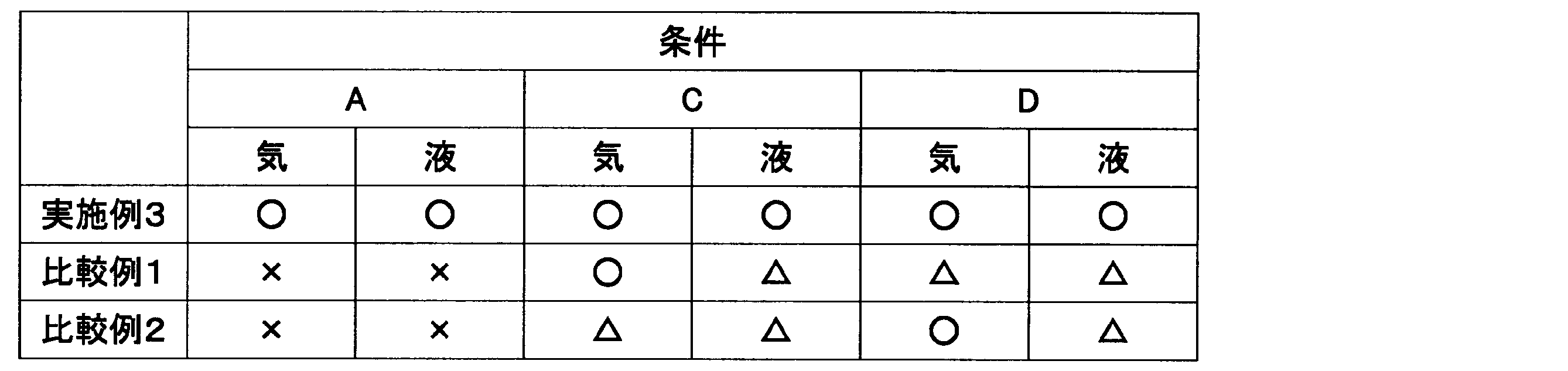
表2に示すように、実施例3で得られたラミネート金属板は、優れた腐食耐性を示した。
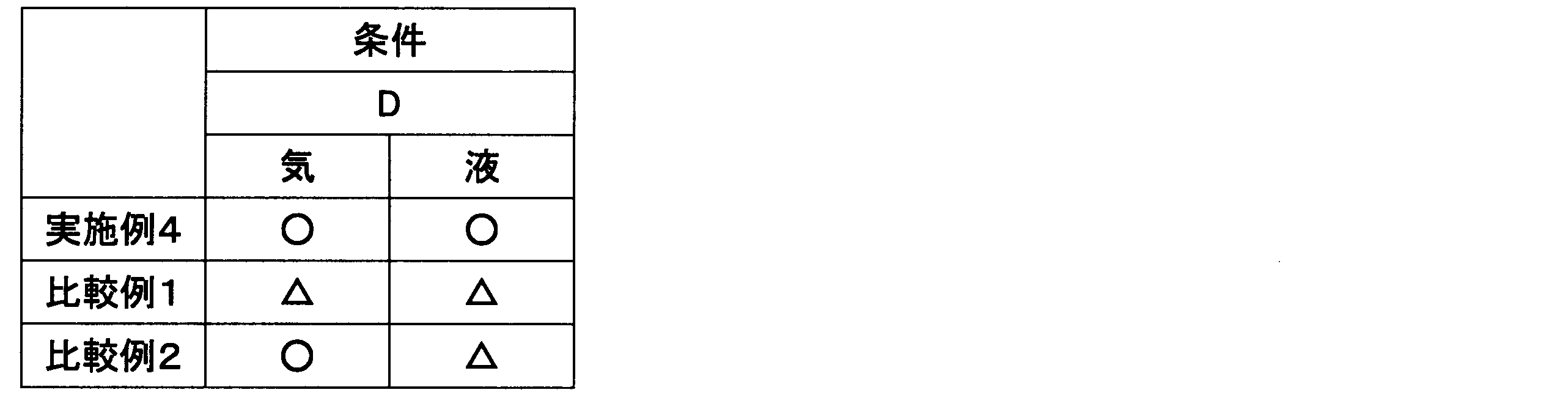
表3に示すように、実施例4で得られたラミネート金属板は、特に液相接触部において優れた腐食耐性を示した。

表4に示すように、実施例5で得られたラミネート金属板は、優れた腐食耐性を示した。
以上の表1から表4は、比較例に比べて特に優れた効果が得られたものについて示したが、実施例1から実施例4で得られたラミネート金属板は、他の条件(具体的には、池田糖化工業製カラメルI類(pH2.3)、カラメルIII類(pH5.3)、および天野実業製カラメルI類SW(pH5.7))に供した場合であっても、気相接触部および液相接触部の両方で、同様の優れた腐食耐性を示したことを確認した。
また、実施例4で得られたラミネート金属板は、天野実業製カラメルIII類G-AT(pH4.3)に供した場合であっても、特に気相接触部において、同様の優れた腐食耐性を示したことを確認した。
さらに、実施例5で得られたラミネート金属板は、池田糖化工業製カラメルI類(pH2.3),カラメルIII類(pH5.3)に供した場合であっても、気相接触部および液相接触部の両方で、同様の優れた腐食耐性を示したことを確認した。
また、実施例4で得られたラミネート金属板は、天野実業製カラメルIII類G-AT(pH4.3)に供した場合であっても、特に気相接触部において、同様の優れた腐食耐性を示したことを確認した。
さらに、実施例5で得られたラミネート金属板は、池田糖化工業製カラメルI類(pH2.3),カラメルIII類(pH5.3)に供した場合であっても、気相接触部および液相接触部の両方で、同様の優れた腐食耐性を示したことを確認した。
本発明の好ましい実施形態は上記の通りであるが、本発明はそれらのみに限定されるものではなく、本発明の趣旨と範囲とから逸脱することのない様々な実施形態が他になされる。さらに、本実施形態において述べられる作用および効果は一例であり、本発明を限定するものではない。
本発明によって、金属板に積層されて金属容器となった場合に、巻締部の接合強度が高く、かつ内容物に対するバリア性を担保することができる金属ラミネート用フィルムを提供することができる。以上のことから、本発明は産業上極めて有用である。
100 金属ラミネート用フィルム
110 金属接着性樹脂層
120 ポリオレフィン樹脂層
130 接着性樹脂層
140 バリア性樹脂層
150 熱溶着性樹脂層
210 金属板
200 ラミネート金属板
300 金属容器
352 天板巻締部
110 金属接着性樹脂層
120 ポリオレフィン樹脂層
130 接着性樹脂層
140 バリア性樹脂層
150 熱溶着性樹脂層
210 金属板
200 ラミネート金属板
300 金属容器
352 天板巻締部
Claims (17)
- 少なくとも、金属接着性樹脂を含む最表層と、バリア性樹脂を含む中間層と、熱溶着性樹脂を含む最裏層とを含む、金属ラミネート用フィルム。
- 前記最表層と前記中間層との間、および、前記中間層と前記最裏層との間の少なくともいずれかに、ポリオレフィン層をさらに含む、請求項1に記載の金属ラミネート用フィルム。
- 前記金属接着性樹脂が、ポリオレフィン、オレフィンと不飽和カルボン酸との共重合体、オレフィンと不飽和カルボン酸と不飽和カルボン酸エステルとの共重合体、アイオノマー、およびオレフィンとカルボン酸ビニルエステルとの共重合体からなる群から選ばれる少なくとも1つの樹脂である、請求項1または2に記載の金属ラミネート用フィルム。
- 前記バリア性樹脂がポリエステル樹脂である、請求項1~3のいずれか1項に記載の金属ラミネート用フィルム。
- 前記ポリエステル樹脂が、ポリエチレンテレフタレートおよび変性ポリエチレンテレフタレートからなる群から選ばれる少なくとも1つのポリエステル樹脂である、請求項4に記載の金属ラミネート用フィルム。
- 前記バリア性樹脂の融点が200度超285度以下である、請求項1~5のいずれか1項に記載の金属ラミネート用フィルム。
- 前記バリア性樹脂が非晶性樹脂である、請求項1~5のいずれか1項に記載の金属ラミネート用フィルム。
- 前記中間層の厚みが、前記金属ラミネート用フィルムの総厚みに対して、10%以上60%以下である、請求項1~7のいずれか1項に記載の金属ラミネート用フィルム。
- 前記熱溶着性樹脂が、ポリオレフィン、変性ポリオレフィンおよびポリエステル樹脂からなる群から選ばれる少なくとも1つの樹脂である、請求項1~8のいずれか1項に記載の金属ラミネート用フィルム。
- 前記熱溶着性樹脂が非晶性樹脂である、請求項1~9のいずれか1項に記載の金属ラミネート用フィルム。
- 前記最裏層が、エンボス加工がなされた最裏面を有する層、またはアンチブロッキング剤を含む層である、請求項1~10のいずれか1項に記載の金属ラミネート用フィルム。
- 総厚みが20μm以上400μm以下である、請求項1~11のいずれか1項に記載の金属ラミネート用フィルム。
- 未延伸フィルムである、請求項1~12のいずれか1項に記載の金属ラミネート用フィルム。
- 請求項1~13のいずれか1項に記載の金属ラミネート用フィルムと、前記金属ラミネート用フィルムの前記最表層上に積層された金属板とを含む、ラミネート金属板。
- 請求項14に記載のラミネート金属板が、前記金属ラミネート用フィルムを内側にして巻締製罐された金属容器。
- 液体食品が収容された、請求項15に記載の金属容器。
- 角型缶である、請求項15または16に記載の金属容器。
Applications Claiming Priority (2)
| Application Number | Priority Date | Filing Date | Title |
|---|---|---|---|
| JP2014-036353 | 2014-02-27 | ||
| JP2014036353A JP6331468B2 (ja) | 2014-02-27 | 2014-02-27 | 金属ラミネート用フィルム、ラミネート金属板および金属容器 |
Publications (1)
| Publication Number | Publication Date |
|---|---|
| WO2015129747A1 true WO2015129747A1 (ja) | 2015-09-03 |
Family
ID=54009062
Family Applications (1)
| Application Number | Title | Priority Date | Filing Date |
|---|---|---|---|
| PCT/JP2015/055392 Ceased WO2015129747A1 (ja) | 2014-02-27 | 2015-02-25 | 金属ラミネート用フィルム、ラミネート金属板および金属容器 |
Country Status (3)
| Country | Link |
|---|---|
| JP (1) | JP6331468B2 (ja) |
| TW (1) | TW201544308A (ja) |
| WO (1) | WO2015129747A1 (ja) |
Cited By (2)
| Publication number | Priority date | Publication date | Assignee | Title |
|---|---|---|---|---|
| CN110178248A (zh) * | 2017-01-17 | 2019-08-27 | 大日本印刷株式会社 | 保护膜、电池和电池的制造方法 |
| EP3144140B1 (en) * | 2015-09-17 | 2025-08-27 | Amcor Flexibles Transpac | Corrosion protection film |
Families Citing this family (4)
| Publication number | Priority date | Publication date | Assignee | Title |
|---|---|---|---|---|
| ES2609106T5 (es) | 2010-01-28 | 2020-11-10 | Eagle Pharmaceuticals Inc | Formulaciones de bendamustina |
| US11377258B2 (en) * | 2019-01-02 | 2022-07-05 | Novelis Inc. | Container end closure liner and methods of preparing the same |
| WO2022137867A1 (ja) | 2020-12-24 | 2022-06-30 | 東洋紡株式会社 | 熱融着性積層配向フィルム |
| JP7727905B2 (ja) | 2021-07-12 | 2025-08-22 | 東洋紡株式会社 | 熱融着性積層フィルム |
Citations (6)
| Publication number | Priority date | Publication date | Assignee | Title |
|---|---|---|---|---|
| JPS57120435A (en) * | 1981-01-21 | 1982-07-27 | Toyo Ink Mfg Co | Bonding member for metallic can |
| JPH032744B2 (ja) * | 1981-07-30 | 1991-01-16 | Dainichi Seikan Kk | |
| JPH10138389A (ja) * | 1996-11-14 | 1998-05-26 | Nippon Steel Corp | 樹脂被覆金属板 |
| JPH10138390A (ja) * | 1996-11-14 | 1998-05-26 | Nippon Steel Corp | 樹脂被覆金属板 |
| JP2000127320A (ja) * | 1998-10-22 | 2000-05-09 | Teijin Ltd | 金属板ラミネート用積層フィルム |
| JP2002355926A (ja) * | 2001-05-30 | 2002-12-10 | Mitsubishi Polyester Film Copp | 金属板熱ラミネート用積層ポリエステルフィルム |
-
2014
- 2014-02-27 JP JP2014036353A patent/JP6331468B2/ja not_active Expired - Fee Related
-
2015
- 2015-02-25 TW TW104105978A patent/TW201544308A/zh unknown
- 2015-02-25 WO PCT/JP2015/055392 patent/WO2015129747A1/ja not_active Ceased
Patent Citations (6)
| Publication number | Priority date | Publication date | Assignee | Title |
|---|---|---|---|---|
| JPS57120435A (en) * | 1981-01-21 | 1982-07-27 | Toyo Ink Mfg Co | Bonding member for metallic can |
| JPH032744B2 (ja) * | 1981-07-30 | 1991-01-16 | Dainichi Seikan Kk | |
| JPH10138389A (ja) * | 1996-11-14 | 1998-05-26 | Nippon Steel Corp | 樹脂被覆金属板 |
| JPH10138390A (ja) * | 1996-11-14 | 1998-05-26 | Nippon Steel Corp | 樹脂被覆金属板 |
| JP2000127320A (ja) * | 1998-10-22 | 2000-05-09 | Teijin Ltd | 金属板ラミネート用積層フィルム |
| JP2002355926A (ja) * | 2001-05-30 | 2002-12-10 | Mitsubishi Polyester Film Copp | 金属板熱ラミネート用積層ポリエステルフィルム |
Cited By (3)
| Publication number | Priority date | Publication date | Assignee | Title |
|---|---|---|---|---|
| EP3144140B1 (en) * | 2015-09-17 | 2025-08-27 | Amcor Flexibles Transpac | Corrosion protection film |
| CN110178248A (zh) * | 2017-01-17 | 2019-08-27 | 大日本印刷株式会社 | 保护膜、电池和电池的制造方法 |
| CN110178248B (zh) * | 2017-01-17 | 2022-08-19 | 大日本印刷株式会社 | 保护膜、电池和电池的制造方法 |
Also Published As
| Publication number | Publication date |
|---|---|
| JP6331468B2 (ja) | 2018-05-30 |
| TW201544308A (zh) | 2015-12-01 |
| JP2015160351A (ja) | 2015-09-07 |
Similar Documents
| Publication | Publication Date | Title |
|---|---|---|
| JP6351259B2 (ja) | レトルト食品用の包装材料 | |
| JP6331468B2 (ja) | 金属ラミネート用フィルム、ラミネート金属板および金属容器 | |
| JP2015160351A5 (ja) | ||
| JP5716286B2 (ja) | 共押出多層フィルム及び該フィルムからなる包装材 | |
| JP4242749B2 (ja) | 深絞り成形用共押出積層フィルム | |
| JP5991504B2 (ja) | 易貫通性蓋材 | |
| JP4860169B2 (ja) | 易開封性共押出フィルムならびに該フィルムを用いた蓋材および深絞り成形容器 | |
| JP5396797B2 (ja) | 共押出多層フィルム | |
| CN103476585B (zh) | 热封性层压体及其生产方法 | |
| JP6318737B2 (ja) | ボイル処理用食品包装フィルム、深絞り包装体用底材、および深絞り包装体 | |
| US9789670B2 (en) | Heat-sealable laminate and method for producing same | |
| JP6057802B2 (ja) | ラミネート用複合フィルム | |
| JP5415160B2 (ja) | 断熱シート、断熱容器 | |
| JP2018012201A (ja) | 深絞り包装体用共押出多層フィルム並びにこれを用いた深絞り包装体用底材及び深絞り包装体 | |
| JP7192088B2 (ja) | 積層体の製造方法 | |
| JP4563758B2 (ja) | 深絞り成形用共押出フィルム、このフィルムを用いた底材および深絞り成形容器 | |
| JP2016203634A (ja) | レトルト用スタンドアップパウチ | |
| JP4610271B2 (ja) | 深絞り成形用共押出フィルム、このフィルムを用いた底材および深絞り成形容器 | |
| JP6375895B2 (ja) | 深絞り成形用共押出多層フイルム | |
| JP5549141B2 (ja) | 多層フィルム | |
| JP7249200B2 (ja) | 油性食品用分配包装体および蓋材用積層フィルム | |
| JP2006015605A (ja) | 積層フィルムおよび積層フィルム製包装袋 | |
| JP6451381B2 (ja) | 深絞り包装用共押出多層フィルム | |
| JP6318736B2 (ja) | 深絞り成形用共押出積層フィルム、深絞り包装体用底材、および深絞り包装体 | |
| JP2006103737A (ja) | 分配パッケージの蓋材用共押出フィルム |
Legal Events
| Date | Code | Title | Description |
|---|---|---|---|
| 121 | Ep: the epo has been informed by wipo that ep was designated in this application |
Ref document number: 15755846 Country of ref document: EP Kind code of ref document: A1 |
|
| NENP | Non-entry into the national phase |
Ref country code: DE |
|
| 122 | Ep: pct application non-entry in european phase |
Ref document number: 15755846 Country of ref document: EP Kind code of ref document: A1 |