WO2014010276A1 - 管理装置及びサービス提供システム - Google Patents
管理装置及びサービス提供システム Download PDFInfo
- Publication number
- WO2014010276A1 WO2014010276A1 PCT/JP2013/059634 JP2013059634W WO2014010276A1 WO 2014010276 A1 WO2014010276 A1 WO 2014010276A1 JP 2013059634 W JP2013059634 W JP 2013059634W WO 2014010276 A1 WO2014010276 A1 WO 2014010276A1
- Authority
- WO
- WIPO (PCT)
- Prior art keywords
- user
- information
- golf
- predetermined
- specific relationship
- Prior art date
- Legal status (The legal status is an assumption and is not a legal conclusion. Google has not performed a legal analysis and makes no representation as to the accuracy of the status listed.)
- Ceased
Links
Images


























Classifications
-
- G—PHYSICS
- G06—COMPUTING OR CALCULATING; COUNTING
- G06Q—INFORMATION AND COMMUNICATION TECHNOLOGY [ICT] SPECIALLY ADAPTED FOR ADMINISTRATIVE, COMMERCIAL, FINANCIAL, MANAGERIAL OR SUPERVISORY PURPOSES; SYSTEMS OR METHODS SPECIALLY ADAPTED FOR ADMINISTRATIVE, COMMERCIAL, FINANCIAL, MANAGERIAL OR SUPERVISORY PURPOSES, NOT OTHERWISE PROVIDED FOR
- G06Q10/00—Administration; Management
- G06Q10/40—Business processes related to social networking or social networking services
- G06Q10/42—Determination of affinities or common interests between users
Definitions
- the present invention relates to a management apparatus, a service providing system, a management apparatus control method, and a computer-readable recording medium.
- Patent Document 1 discloses a technique for displaying a list of friends of a predetermined golf user.
- the user of SNS asks for communication with other users or friends, and communication between users may not be activated.
- the present invention has been made in view of this point, and reduces the degree that a user hesitates to communicate with other users or friends, and activates communication between friends or users. Is a solution issue.
- the management device includes a first user information of the first user including identification information for uniquely identifying the first user, and a specification between the first users.
- Specific relationship information representing a relationship; an acquisition unit that acquires the relationship; based on the specific relationship information, a direct relationship user that is a first user having the specific relationship with a predetermined first user; and A specifying unit that specifies a part or all of a directly related user and an indirect related user who is a first user having the specific relationship as a target user, and first user information of the predetermined first user And an affinity indicating the size of the connection between the predetermined first user and the target user based on a part or all of the first user information of the target user.
- the specific relationship may be any as long as the relationship is established based on a certain rule. For example, it may be a friendship.
- the management device may be composed of a plurality of devices.
- the acquisition unit may acquire the first user information and the specific relationship information from a storage unit included in the management device, or may acquire the first user information and specific relationship information from a storage unit included in a device different from the management device.
- the information specifying the target user may be character information or image information, or may be link information indicating a storage destination of the image information.
- the information indicating the affinity may be character information or image information, or may be link information indicating a storage destination of the image information.
- the identification unit may identify the directly related user and the indirectly related user as the target user, and after identifying the directly related user and the indirectly related user, For example, the indirectly related user may be specified as the target user.
- the specifying unit may specify a directly related user as a target user.
- the management device provides the first user information of the first user including identification information for uniquely identifying the first user, and a specific relationship representing a specific relationship between the first users.
- An acquisition unit that acquires information
- a specific unit that identifies a first user having the specific relationship with a predetermined first user as a target user based on the specific relationship information, and the predetermined first Based on part or all of the first user information of one user and part or all of the first user information of the target user, the connection between the predetermined first user and the target user
- a generation unit that generates an affinity indicating the size of the display
- a display information generation unit that generates display information including information specifying the target user and information indicating the affinity. Also good.
- the affinity indicates, for example, the solicitation effectiveness that is the degree of possibility that the target user uses the predetermined service when the predetermined first user prompts the target user to use the predetermined service. It may be a value.
- the management device includes the second user information of the second user including identification information for uniquely identifying the second user including the first user, and identification of the second users.
- the first user information of the first user including the identification information for uniquely identifying the first user is a management device capable of communicating with an external device that manages the specific relationship information representing the relationship of the first user
- an acquisition unit that acquires the second user information and the specific relationship information from the external device, and a predetermined value based on the specific relationship information and the identification information Of the second user having the specific relationship with the first user, the direct relationship user who is the first user, and the second user having the specific relationship with the direct relationship user Of which, the indirect function is the first user.
- a specifying unit for specifying a part or all of the user as a target user, a part or all of the first user information and the second user information of the predetermined first user, and the first of the target user Based on part or all of the user information and the second user information, a generating unit that generates an affinity indicating the magnitude of the connection between the predetermined first user and the target user, and the target usage
- a display information generation unit that generates display information including information for identifying a person and information indicating the affinity.
- the specific relationship may be any as long as the relationship is established based on a certain rule. For example, it may be a friendship.
- the management device may be composed of a plurality of devices.
- the acquisition unit may acquire the first user information from a storage unit included in the management device, or may acquire the first user information from an external device, and a storage included in a device different from the management device and the external device. It may be obtained from the department.
- the information for specifying the target user may be character information or image information, or may be link information indicating a storage destination of the image information.
- the information indicating the affinity may be character information or image information, or may be link information indicating a storage destination of the image information.
- the identification unit may identify the directly related user and the indirectly related user as the target user, and after identifying the directly related user and the indirectly related user, For example, the indirectly related user may be specified as the target user. Further, the specifying unit may specify a directly related user as a target user.
- the management device includes the second user information of the second user including identification information for uniquely identifying the second user including the first user, and identification of the second users.
- a management device capable of communicating with an external device that manages external specific relationship information representing an external specific relationship that is the relationship of the first user's first information including the identification information that uniquely identifies the first user
- One user information and internal specific relationship information representing an internal specific relationship that is a specific relationship between the first users are acquired, and based on the acquired identification information of the first user, the second user Information and the external specific relationship information from the external device, a predetermined first usage based on the internal specific relationship information, the external specific relationship information, and the identification information of the first user
- the internal specific relationship The first user who is the first user and the second user having the external specific relationship with the predetermined first user, and the internal specific relationship with the direct user
- a specifying unit for specifying a part or all of an indirect related user who is a first user and the second user having the external specific relationship with the directly related user, and the predetermined user Based on
- the specific relationship may be any as long as the relationship is established based on a certain rule. For example, it may be a friendship.
- the management device may be composed of a plurality of devices.
- the acquisition unit may acquire the first user information and the internal specific relationship information from the storage unit included in the management device, or may acquire from the external device. What are the management device and the external device? You may acquire from the memory
- the information for specifying the target user may be character information or image information, or may be link information indicating a storage destination of the image information.
- the information indicating the affinity may be character information or image information, or may be link information indicating a storage destination of the image information.
- the identification unit may identify the directly related user and the indirectly related user as the target user, and after identifying the directly related user and the indirectly related user, For example, the indirectly related user may be specified as the target user. Further, the specifying unit may specify a directly related user as a target user.
- the management device described above When the management device described above is communicable with the terminal device of the first user and receives a request for displaying a screen based on the display information from the terminal device of the predetermined first user. A response including the display information generated by the display information generation unit is transmitted to the terminal device of the predetermined first user.
- the display information generation unit notifies the predetermined first user that information is transmitted to the target user when the affinity indicates a value larger than a predetermined value.
- the recommended information is included in the display information.
- the information that recommends the predetermined first user to send information to the target user is recommended to the predetermined first user to communicate with the target user. It may be information, or information that encourages a predetermined first user to invite the target user to a predetermined service.
- the first user information includes registration information registered in the management device by the first user, and the generation unit includes contents of the registration information of the predetermined first user,
- the affinity is generated based on a registration information similarity evaluation value indicating a degree of similarity with the content of the registration information of the target user.
- the registration information may be information representing a predetermined first user attribute such as age and address.
- the specifying unit has the specific relationship with the predetermined first user and the first user having the specific relationship with the target user. And the target user are identified as common users, and the generation unit generates the affinity based on the number of common users indicating the number of common users.
- the first user information includes usage history information indicating a usage history of the first user using the management device, and the generation unit is configured to perform the predetermined operation based on the usage history information.
- a usage history similarity evaluation value indicating a degree of similarity between the usage history of the first user and the usage history of the target user, and the affinity based on the generated usage history similarity evaluation value The degree is generated.
- the generation unit uses the predetermined first user's usage history in the first period and the target user's usage history in the first period based on the usage history information.
- the first evaluation value indicating the degree of similarity is generated, and the usage history similarity evaluation value is generated based on the generated first evaluation value.
- the generation unit It is characterized in that it is at least a part of a period from a time past a predetermined time before the time for calculating the affinity to the time for calculating the affinity.
- the predetermined time may be “0”.
- the first period may represent the time when the generation unit calculates the affinity.
- the usage history information includes login state management information indicating whether or not the first user is logging in to the management apparatus, and the generation unit includes the login state management information as the first user information.
- the predetermined first user and the target user indicate that they are logged in during at least a part of the period
- the first evaluation value may be set to a value that increases the affinity as compared to a case where at least one of the users indicates that they are not logged in.
- the usage history information includes access history information indicating an access destination history in the management device of the first user, and the generation unit includes the predetermined first user indicated by the access history information.
- the affinity of the first evaluation value is greater than in the case where the access destination is different. It may be set to a value.
- the usage history information includes access history information representing an access destination history in the management device of the first user, and the generation unit is configured to use the target usage in the first period.
- the first evaluation value is set to a value that increases the affinity compared to the case where the user has not accessed the information. You may do.
- the usage history information includes input history information in which the first user records information input to the management device using the terminal device in the first period in time series, and the generation unit If the content of the information input by the predetermined first user indicated by the input history information is similar to the content of the information input by the target user, the first The evaluation value of 1 may be set to a value that increases the affinity.
- the generation unit uses the predetermined first user's usage history in the second period including the first period based on the usage history information, and the second period.
- a second evaluation value indicating a degree of similarity with the usage history of the target user is generated, and the usage history similarity evaluation value is generated based on the generated second evaluation value, and the first
- the period is at least a part of a period from a time that is a predetermined time before the time when the generation unit calculates the affinity to a time when the affinity is calculated, and the second period is The first period is a period that starts at a time earlier than the time at which the first period starts.
- a service providing system is a service providing system comprising a management device that provides a service to a first user and a terminal device of the first user, wherein the terminal device includes the management device and The communication device is capable of communicating, and the management device includes a first user information of the first user including identification information for uniquely identifying the first user, and a specific relationship representing a specific relationship between the first users And a first having a specific relationship with the predetermined first user based on the specific relationship information in response to a request from the terminal device of the predetermined first user.
- a specifying unit for specifying a part or all of a direct related user as a user and an indirect related user as a first user having the specific relationship with the direct related user as a target user;
- a generation unit that generates a degree, a display information generation unit that generates display information including information specifying the target user and information indicating the affinity, and a response including the display information.
- a transmission control unit that performs control of transmission to the terminal device of the user.
- a service providing system includes an external device, a management device that can communicate with the external device and provides a service to a first user, and a terminal device of the first user.
- the terminal device can communicate with the management device, and the external device includes identification information that uniquely identifies a second user including the first user. Second user information and specific relationship information representing a specific relationship between the second users, and the management device includes identification information for uniquely identifying the first user.
- the second user Acquiring the first user information of the user, and acquiring the second user information and the specific relationship information from the external device based on the identification information of the first user, and a predetermined first user From the terminal device
- the second user having the specific relationship with the predetermined first user based on the specific relationship information acquired by the acquisition unit and the identification information stored in the storage unit in response to a request Of the directly related user who is the first user and the indirect related user who is the first user among the second users who have the specific relationship with the directly related user
- a specifying unit for specifying all as target users, a part or all of the first user information and second user information of the predetermined first user, and the first user information and second user of the target user.
- a generation unit that generates an affinity indicating the magnitude of the connection between the predetermined first user and the target user, and information for identifying the target user; Display information including information indicating the affinity A display information generation unit to be generated, a response including the display information, and a transmission control unit that performs control to transmit to said terminal device of said predetermined first user, and wherein the.
- the service providing system includes a management device that provides a service to a first user, a display unit that communicates with the management device and displays a screen based on display information, and the first user's
- a terminal device having a terminal storage unit for storing identification information, the first user information including identification information for uniquely identifying the first user, and between the first users Specific relationship information representing a specific relationship; based on the acquisition unit that acquires the identification information stored in the terminal storage unit included in the terminal device of a predetermined first user, and the specific relationship information, A direct relationship user who is the first user having the specific relationship with the predetermined first user, and an indirect relationship user who is the first user having the specific relationship with the direct relationship user.
- the predetermined unit based on a specifying unit that specifies the user, a part or all of the first user information of the predetermined first user, and a part or all of the first user information of the target user.
- Generating the display information including a generation unit that generates a degree of affinity indicating the size of the connection between the first user and the target user, information for specifying the target user, and information indicating the affinity And a display information generation unit.
- the acquisition unit, the identification unit, the generation unit, and the display information generation unit may belong to any component as long as they are included in the service providing system, and all or a part of them may be included in the management device. May be provided, or all or a part of these may be provided in the terminal device.
- a control method for a management apparatus is a control method for a management apparatus capable of communicating with a terminal device of a first user and providing a service to the first user, wherein the first user is uniquely identified.
- first user information including identification information to be identified and specific relationship information representing a specific relationship between the first users is acquired.
- a direct relationship user who is the first user having the specific relationship with the predetermined first user, and a first user having the specific relationship with the direct relationship user
- Part or all of the predetermined first interest A response indicating the size of the connection between the user and the target user, generating display information including information specifying the target user and information indicating the affinity, and a response including the display information Is transmitted to the terminal device of the predetermined first user.
- control method of the management device includes the second user information of the second user including identification information for uniquely identifying the second user including the first user, and the second user.
- Control of a management device that can communicate with an external device that manages specific relationship information that represents a specific relationship between each other and that can communicate with the terminal device of the first user and provides a service to the first user.
- a method for obtaining first user information of the first user including identification information for uniquely identifying the first user, and based on the identification information of the first user, the second user information And the specific relationship information is acquired from the external device, and the predetermined first user is based on the specific relationship information and the identification information in response to a request from the terminal device of the predetermined first user.
- a computer-readable recording medium is communicable with a terminal device of a first user, provides a service to the first user, and records a program of a management device provided with a computer. It is a possible recording medium, and the computer represents the first user information of the first user including identification information for uniquely identifying the first user and a specific relationship between the first users. The specific relationship information is acquired and the predetermined first user has the specific relationship with the predetermined first user based on the specific relationship information in response to a request from the terminal device. Part or all of the directly related user who is the first user and the indirect related user who is the first user having the specific relationship with the directly related user is specified as the target user.
- the predetermined first user Generation processing for generating affinity indicating the magnitude of the connection between the target user and display information generation processing for generating display information including information for identifying the target user and information indicating the affinity;
- a management device program for executing a transmission control process for performing control to transmit a response including the display information to the terminal device of the predetermined first user is recorded.
- the computer-readable recording medium includes the second user information of the second user including identification information for uniquely identifying the second user including the first user, and the second usage. And can communicate with an external device that manages specific relationship information representing a specific relationship between users, can communicate with the terminal device of the first user, provides a service to the first user, A computer-readable recording medium having a management apparatus program recorded therein, wherein the computer includes first user information of the first user including identification information for uniquely identifying the first user.
- the first user among the second users having the specific relationship with the predetermined first user is directly Specification that specifies a part or all of the related user and the indirect related user who is the first user among the second user having the specific relationship with the direct related user as the target user
- the processing, part or all of the first user information and second user information of the predetermined first user, and part or all of the first user information and second user information of the target user Display that includes generation processing for generating an affinity indicating the degree of connection between the predetermined first user and the target user, information for specifying the target user, and information indicating the affinity Display information generation process to generate information ,
- the above program may be stored in a recording medium. If this recording medium is used, the program can be installed in the computer, for example.
- the recording medium storing the program may be a non-transitory recording medium such as a CD-ROM.
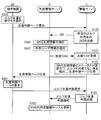
- FIG. 1 is a block diagram of a service providing system 100 according to an embodiment of the present invention.
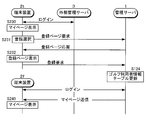
- the service providing system 100 includes a communication network NET such as the Internet, a management server 1 (an example of a management device), a user terminal device 2, and an external management server 3 (an example of an external device) that provides an SNS site.
- the management server 1 provides golf information application services such as information services and community services related to golf (an example of a predetermined service) to golf users U1 (an example of a first user).
- golf information application services such as information services and community services related to golf (an example of a predetermined service) to golf users U1 (an example of a first user).
- this embodiment demonstrates and demonstrates a golf information application service as an application service (henceforth a "1st service") which the management server 1 provides, the management server 1 is a game etc.
- Application services related to application provision, travel information provision including hotel reservations, concert information provision, service and article sales, etc. may be provided.
- the external management server 3 provides the SNS (hereinafter sometimes referred to as “second service”) to the SNS user U2 (an example of the second user).
- SNS users U2 are provided with tools (for example, bulletin boards, mails, chats, etc.) for SNS users U2 to communicate with each other.
- the SNS user U2 of the action source makes a friend application, and the SNS user U2 of the action destination approves this, whereby the SNS friendship relationship that is a specific relationship between the SNS users U2 Is built.
- the external management server 3 manages SNS friend information (an example of external specific relationship information) indicating an SNS friend relationship (external specific relationship) that is a specific relationship between the SNS users U2.
- the SNS provided by the external management server 3
- social applications such as games and practical tools can be used.
- This social application may be provided by a provider other than the provider of the SNS, and whether or not to use the social application or which social application to use is arbitrarily determined by the SNS user U2. It can be decided.
- the social application accesses the personal information of the SNS user U2 or SNS friend information on the SNS, or the social application is the SNS user U2. In some cases, permission may be sought for functions such as posting on bulletin boards.
- the SNS user U2 may be a user of the social application with permission for these functions. Since such a social application generally displays the screen of the social application in the SNS site, the SNS user U2 uses one of the services provided by the SNS (second service). You will use social applications like that.
- the golf information application service (first service) provided by the management server 1 of the present embodiment is a service provided by a social application as described above as an example.
- a golf information application accesses the personal information of the said SNS user U2, and the friend information on SNS. Approval is made for functions and functions that the golf information service posts on a bulletin board or the like instead of the SNS user U2.
- the SNS user U2 performs this approval, the SNS user U2 becomes the golf user U1.
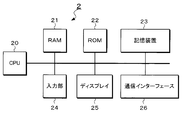
- the user terminal device 2 includes an input unit 24 including a numeric keypad and a mouse, and a display 25 (display unit) that displays a screen.
- the terminal device 2 can communicate via the communication network NET, and corresponds to, for example, a personal computer, a mobile phone, a smartphone, a tablet terminal, or the like.
- the golf information application service provided by the management server 1 is provided to the golf user U1 via the terminal device 2, and the SNS provided by the external management server 3 is provided to the SNS user U2 via the terminal device 2. .
- the management server 1 of 1st Embodiment uses the SNS friend information (external specific relationship information) which shows the SNS friend relationship for the golf chum relationship (internal specific relationship) which is the specific relationship between golf users U1. Manage.
- SNS friend information external specific relationship information
- golf chum relationship internal specific relationship
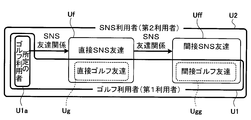
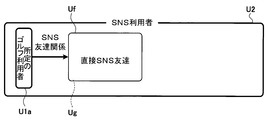
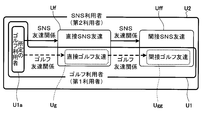
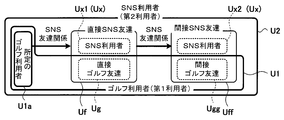
- the SNS user U2 having a SNS friend relationship with the predetermined golf user U1a is referred to as a direct SNS friend Uf of the predetermined golf user U1a.
- prescribed golf user U1a is called the indirect SNS friend Uff of predetermined
- the indirect SNS friend Uff of the predetermined golf user U1a does not include the predetermined golf user U1a and the direct SNS friend Uf of the predetermined golf user U1a.
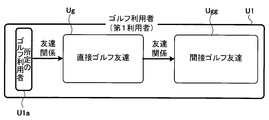
- the management server 1 is a direct SNS friend Uf having an SNS friend relationship with a predetermined golf user U1a among the golf users U1, and corresponds to the golf user U1 as a predetermined golf user U1a.
- the management server 1 manages the indirect SNS friend Uff of predetermined
- “manage” means information about the SNS user U2, information about the golf user U1, SNS friend information indicating the SNS friendship of the SNS user U2, and other friendships of the golf user U1.
- the management server 1 refers to the SNS user information table TBL31 and the SNS friend information table TBL32 stored in the external management server 3, thereby directly playing the golf chum Ug and the indirect golf chum Ugg. Is identified.
- “U1” is appended with a subscript such as “a” as in “U1a”. There is.
- the external management server 3 includes identification information UID that uniquely identifies the SNS user U2, and personal information registered in the external management server 3 by the SNS user U2 (for example, the SNS user U2's SNS user information table TBL31 in which external user information (an example of second user information) including the name, work place, mail address, and the like is stored. Moreover, the external management server 3 is provided with the SNS friend information table TBL32 in which the friend information which shows the SNS friend relationship between SNS users U2 was stored.
- the external management server 3 can execute various APIs (Application Program Interface), and upon receiving a request including a parameter from the management server 1, the external management server 3 performs a predetermined process from the SNS user information table TBL31 or the SNS friend information table TBL32. Information is extracted and returned to the management server 1.
- APIs Application Program Interface
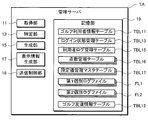
- the management server 1 includes a storage unit 19 in which a control program for controlling the management server 1 and various tables are stored.
- the various tables stored in the storage unit 19 include a golf user information table TBL11, a login state management table TBL13, a user log management table TBL15, a score management table TBL16, a set value management master table TBL17 (TBL17a to TBL17d), a first one.
- An individual log file FL1 and a second individual log file FL2 are included.
- the golf user information table TBL11 (FIG. 15) information including identification information UID that uniquely identifies the golf user U1 and profile information (an example of registration information) that represents the profile of the golf user U1 is recorded. Yes.
- the login state management table TBL13 (FIG. 16) login state management information representing the login state of each golf user U1 to the management server 1 is recorded.
- the user log management table TBL15 (FIG. 17) access history information representing an access history of the golf user U1 in the golf information application service (that is, a history of actions taken by the golf user U1 in the golf information application service). It is recorded.
- the login status management information and the access history information may be collectively referred to as usage history information.
- profile information and usage history information may be collectively referred to as internal user information (an example of first user information).
- score management table TBL16 (FIG. 19)
- various setting values used in generating the affinity Ps indicating the size of the connection between the golf users U1 are recorded.
- Various setting values are recorded in the setting value management master table TBL17.
- One first individual log file FL1 (FIG. 18A) is provided for each golf user U1.
- access history information indicating actions taken by each golf user U1 is recorded among the access history information recorded in the user log management table TBL15.
- One second individual log file FL2 (FIG. 18B) is provided for each golf user U1.
- each of the second individual log files FL2 access history information indicating actions taken for each golf user U1 is recorded among the access history information recorded in the user log management table TBL15.
- the first individual log file FL1 and the second individual log file FL2 may be collectively referred to as individual log files FL. Each of these tables will be described in detail later.
- the management server 1 acquires information from various tables stored in the storage unit 19 or a message received by the management server 1, and acquired from the identification information UID acquired from the storage unit 19 or the message received by the management server 1. Based on the identification information UID, an acquisition unit 11 that acquires external user information and SNS friend information from the SNS user information table TBL31 and the SNS friend information table TBL32 stored in the external management server 3, and the SNS acquired by the acquisition unit 11 Based on the friend information, the specific unit 13 that identifies the direct golf chum Ug and the indirect golf chum Ugg of the predetermined golf user U1a as the target user Utg, and the profile information and usage history information stored in the storage unit 19 The size of the connection between the predetermined golf user U1a and the target user Utg is shown.
- a display information generation unit 17 for generating display information including address link information and address link information in which data of the affinity mark S is stored, and information including the display information are used as a terminal device of a predetermined golf user U1a. 2 and a transmission control unit 18 that performs control to transmit to 2.
- the profile image Pg of the golf user U1 and the link information of the address where the profile image Pg is stored are collectively referred to as “information specifying the golf user U1”.
- the link information of the affinity mark S and the address where the data of the affinity mark S is stored are collectively referred to as “information indicating the affinity Ps”.
- the first service (golf information providing application service) provided by the management server 1 will be described with reference to FIGS. 3 to 10.
- the management server 1 provides each of the golf users U1 with a My Page in which information related to various types of golf is collected.
- my page is a golf chum list screen G0 (friend map), A posting screen G1, a profile information display screen G2, a comment display screen G3, a golf chum selection screen G4, a request transmission screen G5, a news list screen G6, a news details screen G7, and a profile information setting screen G8 are included.
- each golf user U1 can raise
- each golf user U1 can perform on My Page.
- Invite another golf user U1 to golf hereinafter referred to as "invite another person (another user) to golf"
- Sending information hereinafter referred to as “posting comments”
- Browse information sent by others (4) Good for information sent by others! Click a button
- Comment on information sent by others (6)
- Browse distribution information such as news and golf progress information (hereinafter referred to as “browsing distribution information”) (7) Good for distribution information! Click the button (8) Comment on the distribution information (9) Browse other person's profile information
- each golf user U1 can take the following actions.
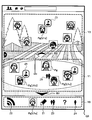
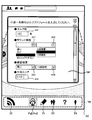
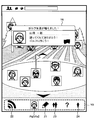
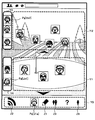
- FIG. 3 is an example of the golf chum list screen G0 (friend map) among my pages displayed on the display 25 of the terminal device 2 of the predetermined golf user U1a.
- the golf chum list screen G0 is displayed on the display 25 of the terminal device 2 of the predetermined golf user U1a.
- the predetermined golf user U1a can log out from the golf information application service by clicking a logout button (not shown).
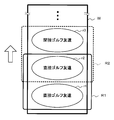
- a profile image Pg [U1a] of the predetermined golf user U1a and icons Z1 to Z4 are displayed in the area Y0, and the predetermined golf user is displayed in the area Y1.
- the profile image Pg of U1a's direct golf chum Ug (information for specifying the direct golf chum Ug) is displayed, and the profile image Pg of the indirect golf chum Ugg of the predetermined golf user U1a (indirect golf chum Ugg) is further displayed in the region Y2. Is displayed).
- the direct golf chum Ug and the indirect golf chum Ugg of the predetermined golf user U1a are displayed in different areas Y1 and Y2 on the golf chum list screen, the predetermined golf user U1a is hierarchical. It becomes possible to easily grasp the friendship.
- This posting screen G1 is a screen provided by the management server 1.
- an input area A11, a send button B11, a cancel button B12, and a close button B13 are displayed on the posting screen G1.
- the predetermined golf user U1a can input a comment (for example, a golf report, a recent report, etc.) in the input area A11 by using the input unit 24, and clicks the send button B11 after inputting the comment.
- the input comment can be transmitted (posted) to the management server 1.
- the predetermined golf user U1a can perform “(2) send information” which is one of the actions described above by clicking the send button B11 on the posting screen G1.
- an icon Z5 indicating that the golf user U1 has posted a comment is displayed in the vicinity of the profile image Pg of the golf user U1 who has posted the comment for a certain period of time.
- an icon Z5 is displayed in the vicinity of the profile image Pg [U1b] of the golf user U1b.
- the predetermined golf user U1a clicks on the icon Z3 displayed on the golf chum list screen G0 in FIG. 3, whereby the direct golf chum Ug of the predetermined golf user U1a displayed in the area Y1 and the area Y2 is displayed.
- the intention indicating “(12) I want to go golf” can be displayed to the indirect golf chum Ugg.
- an icon Z6 indicating that the golf user U1 is intentionally indicating that he wants to go to golf. Is displayed for a certain period. For example, in the example of FIG. 3, a case where the golf user U1c makes an intention to “go to golf” is shown.
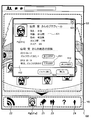
- the predetermined golf A profile information display screen G2 shown in FIG. 5 is displayed in a pop-up on the display 25 of the terminal device 2 of the user U1a.
- the profile information display screen G2 is a screen provided by the management server 1.
- the profile information of the golf user U1 corresponding to the clicked profile image Pg and the latest post of the golf user U1 are displayed. That is, the predetermined golf user U1a clicks the profile image Pg of the direct golf chum Ug or the indirect golf chum Ugg of the predetermined golf user U1a, and thus is one of the actions described above. Browsing profile information.
- FIG. 5 illustrates a profile information display screen G2 that is displayed when the golf user U1b's profile image Pg [U1b] is clicked on the golf chum list screen G0 shown in FIG.
- the name and profile information (or one of the profile information) of the golf user U1b corresponding to the clicked profile image Pg [U1b] are displayed. Part information) is displayed.
- a list of recent posts by the golf user U1b and a full text display button B21 provided corresponding to each post are displayed.
- the display area A22 may not be able to display the full text of posted comments due to space constraints.
- the beginning part (for example, the first 10 characters) of the posted comment is displayed in the display area A22.
- a past posting button B22, a button B23 for inviting golf, a close button B24, and a close button B25 are displayed on the profile information display screen G2 shown in FIG.
- the golf user U1b displays a list of past postings on the timeline.
- the close button B24 or B25 is clicked, the profile information display screen G2 is closed.
- the button B23 invited to golf will be described later.
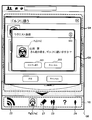
- a comment display screen G3 shown in FIG. 6 is displayed on the display 25.
- the full text A31 of each comment listed on the profile information display screen G2 is displayed. That is, the predetermined golf user U1a clicks the full text display button B21 displayed on the profile information display screen G2 to display the comment display screen G3, which is one of the actions described above “(3) You can browse information sent by others.
- the profile image Pg [U1b] of the comment poster (in this example, the golf user U1b), the input Area A32, good! A button B31, a send button B32, a return button B33, and a close button B34 are displayed.
- the close button B34 is clicked, the comment display screen G3 is closed.
- the return button B33 is clicked, the screen transitions to the profile information display screen G2 that was displayed before the comment display screen G3 was displayed.
- the predetermined golf user U1a can use the input unit 24 to input a response comment to the comment input by the comment poster in the input area A32.
- the management server 1 transmits the response comment transmitted from the predetermined golf user U1a as a message from the predetermined golf user U1a to the comment poster (golf user U1b). Therefore, the comment poster (golf user U1b) can know that there is a response comment from the predetermined golf user U1a in response to the comment he posted. That is, the predetermined golf user U1a inputs a response comment in the input area A32 and clicks the send button B32, thereby “1. can do.
- the predetermined golf user U1a is displayed on the comment display screen G3.
- the management server 1 sends a comment to the comment poster (golf user U1b) and the predetermined golf user U1a likes the post! Information indicating that the button B31 has been clicked is transmitted.
- the golf user U1b likes the predetermined golf user U1a with respect to the comment posted by himself! You can know that you clicked the button. That is, the predetermined golf user U1a likes the comment display screen G3!
- one of the actions described above can be “(4) Click the Like button for information sent by others”.
- a golf chum selection screen G4 shown in FIG. 7 is displayed.
- This golf chum selection screen G4 is a screen for performing an operation of selecting a golf chum invited to golf.
- a determination button B41, a cancel button B42, and a close button B43 are displayed.
- the close button B43 is clicked, the profile information display screen G2 is closed.
- the profile image Pg of the direct golf chum Ug or the indirect golf chum Ugg whose profile information is displayed on the profile information display screen G2 (in this example, the profile of the golf user U1b) Image Pg [U1b]) and name are displayed.
- the golf user U1 whose profile information is displayed on the profile information display screen G2 such as “Please select a person to invite to golf with Ai Yamada.”
- a message prompting an operation for selecting the golf user U1 invited to golf is displayed.
- the profile image Pg of the golf user U1 excluding the golf user U1b is displayed in the display area A42 of the golf chum selection screen G4.
- the predetermined golf user U1a can select the golf user U1 invited to golf together with the golf user U1b from the golf users U1 displayed in the display area A42. Specifically, the predetermined golf user U1a selects the golf user U1 invited to golf together with the golf user U1b by clicking the profile image Pg displayed in the display area A42. A check mark Z7 is displayed on the profile image Pg of the selected golf user U1 (that is, the clicked profile image Pg). In this example, among the golf users U1 displayed in the display area A42, three golf users U1 are selected, and a check mark Z7 is displayed on the profile image Pg of the selected three golf users U1. Has been. When the cancel button B42 or the close button B43 is clicked, the screen G4 that invites golf is closed. When the golf user U1's profile image Pg on which the check mark Z7 is displayed is clicked again, the check mark Z7 is erased.
- a request transmission screen G5 shown in FIG. 8 is popped up.
- a button B51 for inviting golf a cancel button B52, and a close button B53 are displayed.
- the cancel button B52 or the close button B53 is clicked, the request transmission screen G5 is closed and the golf chum selection screen G4 is displayed on the foreground again.
- buttons B51 for inviting golf When the button B51 for inviting golf is clicked, four people including the golf user U1b whose profile information is displayed on the profile information display screen G2 and the three golf users U1 selected on the golf chum selection screen G4 The process of inviting the golf user U1 to golf is executed. Specifically, when button B51 for inviting golf is clicked, a request for inviting four golf users U1 selected by predetermined golf user U1a to golf is a terminal of predetermined golf user U1a. It is transmitted from the device 2 to the management server 1. The management server 1 then invites the selected four golf users U1 to play golf from the predetermined golf user U1a for each of the selected four golf users U1. Send a message to that effect.
- a message indicating that they are invited to golf from a predetermined golf user U1a is displayed on their own My Page.
- a message indicating that golf has been invited is transmitted from the management server 1 to the external management server 3 and the selected golf user U1 logs into the SNS managed by the external management server 3, the golf user U1 logs in. You may comprise so that the message that it is invited to golf in an information application service may be displayed.
- the predetermined golf user U1a clicks the button B51 that invites the user to play golf on the request transmission screen G5, whereby the direct golf chum Ug and indirect golf of the predetermined golf user U1a selected on the golf chum selection screen G4. It is possible to invite a friend Ugg to golf, that is, “(1) invite another person to golf” which is one of the actions described above.
- the news list screen shown in FIG. 9 is displayed on the display 25 of the terminal device 2 of the predetermined golf user U1a.
- G6 is displayed.
- titles of various news and titles of various golf information such as gear information (golf product information) and golf progress information are displayed on a timeline (hereinafter, news and golf information are displayed). And may be collectively referred to as “distribution information”).
- a news detail screen G7 shown in FIG. 9 is displayed on the display 25 of the terminal device 2 of the predetermined golf user U1a.
- the content of the distribution information corresponding to the selected title is displayed in the display area A71 of the news detail screen G7.
- the news detail screen G7 is provided with an input area A72 for inputting a comment for the distribution information displayed on the news detail screen G7.
- the news detail screen G7 is good! Button B71, transmission button B72, and close buttons B73 and B74 are displayed. When the close button B73 or B74 is clicked, the news detail screen G7 is closed.
- the transmission button B72 is clicked, the comment input in the input area A72 is transmitted to the management server 1, and the comment is displayed, for example, in the display area A71.
- the predetermined golf user U1a clicks on a title such as news on the news list screen G6 to display the news detail screen G7, thereby “(6) distribution information as one of the actions described above. You can “browse”.
- the predetermined golf user U1a likes the news detail screen G7!
- By clicking the button B71 “(7) Click the Like button on the distribution information” can be clicked.
- By clicking the send button B72 on the news detail screen G7, “(8) Distribution information” is displayed. Can comment on ".
- the management server 1 is based on the use history (that is, the action history and the login state) of the golf information application service by the golf user U1 indicated by the use history information (that is, the access history information and the login state management information).
- the affinity Ps representing the size of the connection between the golf users U1 (the size of the connection between the predetermined golf user U1a and the target user Utg) is generated.
- the specifying unit 13 of the management server 1 is based on the identification information UID of the predetermined golf user U1a and the SNS friend information acquired by the acquisition unit 11, and the direct golf chum of the predetermined golf user U1a.
- Ug and indirect golf chum Ugg are specified as target user Utg of predetermined golf user U1a.
- the generation unit 15 of the management server 1 uses the evaluation value K1 representing the degree of similarity between the usage histories of the predetermined golf user U1a and the target user Utg, and the target user Utg based on the usage history information.
- An evaluation value K2 representing the degree of interest of the predetermined golf user U1a is generated.
- the usage history information indicating the history of actions taken by each golf user U1 is used as a basis for generating the affinity Ps.
- This profile information setting screen G8 is a screen for inputting profile information of a predetermined golf user U1a.
- An input area A82 for inputting a score (hereinafter referred to as “score”) is provided.
- a close button B85 a determination button (not shown), and the like are displayed.
- the close button B85 is clicked, the profile information setting screen G8 is closed.
- the determination button is clicked, the contents input in each input area and the contents selected by each pull-down are transmitted to the management server 1 and are used as profile information of the predetermined golf user U1a, as a golf user information table.
- the management server 1 has the terminal device 2 of the SNS user U2 to be registered.
- the display 25 may transmit information for displaying the profile information setting screen.
- generation part 15 of the management server 1 produces
- the evaluation values K1 to K3 described above are adopted as the evaluation values that are the basis for generating the affinity Ps, but the present invention is not limited to this. If the evaluation value that is the basis for generating the affinity Ps represents the size of the connection between the golf users U1 (that is, the size of the connection between the predetermined golf user U1a and the target user Utg). Any thing is acceptable.
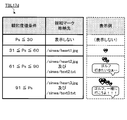
- the management server 1 can display the my page of the predetermined golf user U1a as shown in FIG. (Golf Friend List Screen G0) In the vicinity of the profile image Pg of the target user Utg (in the example shown in FIG. 11, the golf user U1b and the golf user U1d), or overlaps a part of the profile image Pg.
- the affinity mark S is displayed.
- the affinity mark S invites the target user Utg of the target user Utg, in which the affinity mark S is displayed in the vicinity of the profile image Pg (hereinafter, may be referred to as “partner”) to golf.
- This is information to recommend to a predetermined golf user U1a and is displayed on the screen as a graphic or a character.
- two affinity marks S are displayed on the golf chum list screen.
- One affinity mark S is a balloon of two heart marks displayed in the vicinity of the profile image Pg [U1d] of the golf user U1d and “I want to go golf...”.
- Another affinity mark S is one heart mark displayed in the vicinity of the profile image Pg [U1b].
- the affinity mark S is a different figure (or character) depending on the value indicated by the affinity Ps.
- the affinity mark S is information that strongly recommends that the opponent be invited to golf as the value indicated by the affinity Ps increases.
- the value indicated by the affinity Ps representing the magnitude of the connection between the predetermined golf user U1a and the target user U1d is the magnitude of the connection between the predetermined golf user U1a and the target user U1b.
- the affinity mark S displayed in the vicinity of the profile image Pg of the golf user U1d is information that “strongly recommends” to invite the opponent as compared to the affinity mark S displayed in the vicinity of the golf user U1b. Yes.
- the predetermined golf user U1a browses the profile information of the golf user U1b and responds to the comment of the golf user U1b. While sending a comment, the golf user U1b is invited to golf. Therefore, in the example described with reference to FIGS. 5 to 8, it is estimated that the predetermined golf user U1a is interested in the golf user U1b. Therefore, in this example, as shown in FIG. 12, the affinity mark S is displayed on the profile image Pg [U1a] of the predetermined golf user U1a displayed on the golf user U1b's My Page.
- the management server 1 displays the affinity mark S based on the affinity Ps.
- the evaluation value that is the basis for generating the affinity Ps is the evaluation value K1 that represents the degree of similarity between the usage histories of the predetermined golf user U1a and the target user Utg, and the target user Utg uses the predetermined golf usage.
- a common topic in which both the predetermined golf user U1a and the target user Utg are interested compared to the case where they are not similar For example, it is estimated that there is a high possibility that a common golf player, a common golf course, etc.) exist. That is, when the profiles or usage histories of the predetermined golf user U1a and the target user Utg are similar, it is estimated that there is a high possibility that communication will be established between the two compared to the case where they are not similar.
- the target user Utg is interested in the predetermined golf user U1a
- the predetermined golf user U1a tries to communicate with the target user Utg in which the affinity mark S is displayed in the vicinity of the profile image Pg
- the golf user who does not display the affinity mark S It is estimated that there is a high possibility that communication will be established compared to the case where communication is attempted with respect to U1. For this reason, it is expected that the predetermined golf user U1a tries to communicate actively (without hesitation) due to the presence of the affinity mark S. As a result, the communication between the golf users U1 is entirely performed.
- the affinity mark S is "information which recommends inviting an other party to golf"
- it can raise the frequency with which golf users U1 mutually invite to golf, and a result As a result, the frequency of golf user U1 going to golf can be increased.
- the affinity mark S is “the use of a predetermined golf to invite a partner (a target user Utg whose affinity mark S is displayed in the vicinity of the profile image Pg) to golf (an example of a predetermined service).
- the affinity mark S is any information as long as it is information that increases the interest (or creates interest) of the predetermined golf user U1a and gives an opportunity for communication between the two. Also good.
- the service providing system 100 gives each golf user U1 an opportunity for communication between the golf users U1 to activate the communication between the golf users U1 as a whole.
- the presence of the affinity mark S displayed on the My Page of the predetermined golf user U1a may be configured not to be disclosed to golf users U1 other than the predetermined golf user U1a. It may be configured to be disclosed to a golf user U1 other than the user U1a, or a specific person (for example, a direct golf chum Ug), and whether or not to disclose the predetermined golf user U1a May be settable.
- the affinity mark S is displayed in the vicinity of the profile image Pg [U1b] of the golf user U1b displayed on the my page of the predetermined golf user U1a.
- the predetermined golf user U1a When configured so as not to be disclosed to anyone other than the user U1a, only the predetermined golf user U1a can know the presence of the affinity mark S, and the direct golf chum Ug of the predetermined golf user U1a and the predetermined golf Not only the indirect golf chum Ugg of the user U1a but also the golf user U1b corresponding to the profile image Pg [U1b] on which the affinity mark S is displayed. Therefore, it is possible to prevent information relating to the privacy of the predetermined golf user U1a, such as the size of the connection between the predetermined golf user U1a and the target user Utg, from being disclosed to other than the predetermined golf user U1a. it can.
- the direct golf chum Ug of the predetermined golf user U1a when the direct golf chum Ug who can know his / her own page displays his / her own page, the affinity between the predetermined golf user U1a and the target user Utg is increased, for example, the affinity mark S and the predetermined golf use Displayed using a line connecting the user U1a and the target user Utg. Therefore, it is expected that the direct golf chum Ug who recognizes this will cause behavior such as inviting to golf including the predetermined golf user U1a and the target user Utg.
- FIG. 13 shows the data structure of the SNS user information table TBL31.
- a plurality of records are recorded in the SNS user information table TBL31.
- One record includes external user information.
- the external user information includes identification information UID (which functions as an account) that uniquely identifies the SNS user U2, a link destination of the profile image Pg, and information registered by the SNS user U2 in the external management server 3. .
- the information registered by the SNS user U2 in the external management server 3 includes the name, gender, work place, mail address, and the like of the SNS user U2.
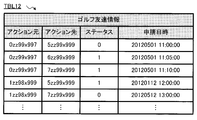
- FIG. 14 shows the data structure of the SNS friend information table TBL32.
- a plurality of records are recorded in the SNS friend information table TBL32.
- One record includes SNS friend information, that is, action source identification information UID, action destination identification information UID, status, and application date and time.
- the action source (friend application sender) is the SNS user U2 who transmitted the friend application
- the action destination (friend application receiver) is the SNS user U2 who received the friend application.
- the status indicates the status of the friend application, and “0” indicates that the application is in progress and “1” indicates acceptance.
- the SNS user U2 whose identification information UID is “z0000” transmits a friend application to the SNS user U2 whose identification information UID is “z0006” and is approved.
- FIG. 15 shows the data structure of the golf user information table TBL11.
- a plurality of records are recorded in the golf user information table TBL11.
- One record includes identification information UID that uniquely identifies the golf user U1, a registration date, and profile information.
- the profile information includes golf user attribute information and golf profile information.
- the identification information UID of the golf user U1 matches the identification information UID of the SNS user U2.
- the identification information UID of the SNS user U2 and the identification information UID of the golf user U1 do not necessarily need to match, and may differ. In this case, what is necessary is just to match and record the identification information of SNS user U2 and the identification information of golf user U1 with the record of golf user information table TBL11.
- the golf user attribute information includes, for example, information such as the sex, age, address, and e-mail address of the golf user U1.
- the age of each golf user U1 is recorded in the age of the golf user information table TBL11, but the birthday of the golf user U1 may be recorded.
- the golf profile information includes, for example, the round frequency rank, practice frequency rank, average score, golf history, and the like of the golf user U1.
- the round frequency rank is a value representing the round frequency of the golf user U1, and is generated based on the round frequency set by the golf user U1 on the profile information setting screen G8.
- the practice frequency rank is a value representing the golf practice frequency of the golf user U1, and is generated based on the practice frequency set by the golf user U1 on the profile information setting screen G8.
- the round frequency rank and the practice frequency rank may be collectively referred to as a frequency rank, and the round frequency and the practice frequency may be collectively referred to as a frequency.
- the golf user information table TBL11 may record other information.
- the golf user attribute information may include the link destination of the profile image Pg of the golf user U1.
- the identification information UID of the golf user U1 is essential, but other information may be omitted.
- the golf user information table TBL11 may be composed of a plurality of tables linked with key information (for example, identification information UID), and may be a relational database.
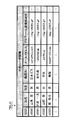
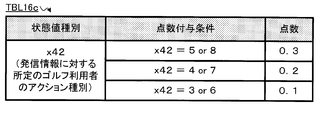
- FIG. 25 shows the data structure of the set value management master table TBL17a.
- a plurality of records are recorded in the set value management master table TBL17a.
- One record includes option 1, option 2, and frequency rank.
- option 1 contents displayed in pull-down B81 and B83 of the profile information setting screen G8 are recorded.
- option 2 the contents displayed in the pull-down menus P82 and P84 of the profile information setting screen G8 are recorded. That is, the frequency of round (or practice) such as “monthly”, “2-3 times”, etc. is represented by the combination of option 1 and option 2.
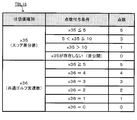
- the frequency rank is a value representing the rank of the frequency represented by the combination of option 1 and option 2. For example, when the frequency “monthly” or “2-3 times” is selected in the pull-down of the profile information setting screen G8, the rank is “5”.
- the frequency rank increases as the round frequency (or practice frequency) increases.
- the option 1 displays four contents “yearly”, “monthly”, “weekly”, and “almost never”, and the option 2 is “five times or more”. , “2 to 3 times” and the like are displayed, but this is merely an example.
- the choice 1 and the choice 2 may be anything as long as the frequency can be expressed. For example, the option 1 may display only two contents “yearly” and “almost never go”.
- FIG. 16 shows the data structure of the login state management table TBL13.
- a plurality of records are recorded in the login state management table TBL13.
- One record contains the identification information UID which identifies the golf user U1 uniquely, and login state management information.
- the login state management information includes the last login date and time, the last action date and time, the last logout date and time, and the login state of the golf user U1.
- the login state is information (flag) indicating whether or not the golf user U1 is in the login state. “1” is displayed when the golf user U1 is logged in, and “0” when the user is logged out. Is recorded. For example, FIG.
- FIG. 16 shows an example in which a golf user U1 whose identification information UID is “z0001” logged in at 20:40 on May 13, 2012 and is still logged in.
- the date and time when each golf user U1 last logged in is recorded as the last login date and time, and the date and time when each golf user U1 logged out last is recorded as the last logout date and time.
- the date and time of the action that the golf user U1 who is logged in last took is recorded.
- the login state of the golf user U1 is “1” is changed to “0”, and the golf user U1 is forcibly logged out.
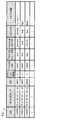
- FIG. 17 shows the data structure of the user log management table TBL15.
- a plurality of records are recorded in the user log management table TBL15.
- One record includes log identification information LID for uniquely identifying an action taken by the golf user U1 in the golf information application service, and access history information.
- the access history information includes the identification information UID, time stamp, action type, access destination information, and comment information of the golf user U1.
- who identity information UID
- time stamp when (time stamp), where accessed (access destination information), what action occurred at the access destination (action type)
- comment information was made at the access destination.
- the access destination information and comment information may be collectively referred to as input history information.
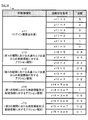
- the type of action that has occurred by each golf user U1 is recorded. Specifically, when the golf user U1 invites the golf user U1's direct golf chum Ug or indirect golf chum Ugg to golf by clicking the button B51 that invites the golf on the request transmission screen G5, that is, In the case of “inviting another person to golf”, “1” is recorded in the action type of the record in which the identification information UID of the golf user U1 is recorded. When the golf user U1 clicks the transmission button B11 on the posting screen G1 and “transmits information”, “2” is recorded as the action type.
- the action type is “3”. Is recorded.
- Golf user U1 likes comment display screen G3!
- the button B31 is clicked, that is, when the user clicks the “Like button for information transmitted by another person”, “4” is recorded as the action type.
- the golf user U1 inputs a response comment in the input area A32 of the comment display screen G3 and clicks the send button B32 to “comment on information transmitted by another person”, the action type is “5”. Is recorded.
- “commenting” for “information sent by others” (hereinafter sometimes referred to as “other people's outgoing information”) means “clicking the Like button”. Compared with (action type “4”), the action is deeply involved in the transmission information of the other person. Similarly, “commenting” distribution information (action type “8”) is more deeply involved in the distribution information than “clicking a like button” (action type “7”). It is an action.
- the degree of involvement in action transmission information (or distribution information) is referred to as “degree of participation”. If the degree of involvement is strong (that is, deeply involved), the degree of involvement is high.
- the action of type “5” has a higher degree of involvement than the action of type “4”, and the action of type “4” has a higher degree of participation than the action of type “3”.
- the action of type “8” has a higher degree of involvement than the action of type “7”, and the action of type “7” has a higher degree of participation than the action of type “6”.
- the access destination information includes an access destination UID, an access destination news ID, and an access destination comment ID. Although illustration is omitted, the access destination information may include an access destination address, an access destination screen name, and the like.
- the identification information UID of the other golf user U1 that is the target of the action is recorded in the access destination UID.
- the access destination UID is blank.
- the access destination news ID records a news ID that uniquely identifies the distribution information such as news that is the target of the action.
- the access destination news ID is blank.
- the access destination comment ID includes the transmission of the other golf user U1.
- a comment ID for uniquely identifying information is recorded.
- the transmission information of the other golf user U1b is uniquely identified.
- the comment ID is recorded in the access destination comment ID.
- the access destination comment ID is blank.
- the comment information includes a comment ID and comment content.
- a comment ID when the golf user U1 makes information transmission (when a comment is posted), a comment ID given to the golf user U1 transmission information (comment) is recorded.
- comment ID is provided also to the said comment.
- the content of the outgoing information (comment) of the golf user U1 is recorded in the comment content.
- the time stamp indicates the date and time when the golf user U1 took action (strictly, the date and time when the record is recorded in the user log management table TBL15).
- the access history information of each golf user is recorded in a user log management table TBL15 (FIG. 17) for a predetermined period, for example, 20 days. Then, based on the user log management table TBL15, individual log files FL (first individual log file FL1, second individual log file FL2) are created or updated. As described above, the individual log file FL (first individual log file FL1, second individual log file FL2) is created or updated for each golf user U1. The individual log file FL of each golf user U1 is created or updated when the golf user U1 logs in.
- the golf user U1 also logs in the individual log file FL of the direct golf chum Ug of the golf user U1 and the individual log file FL of the indirect golf chum Ugg of the golf user U1.
- Sometimes created or updated That is, when a predetermined golf user U1a logs in, the individual log file FL of the predetermined golf user U1a and the individual log file FL of the target user Utg are created or updated.
- the individual log file FL of the predetermined golf user U1a and the individual log file FL of the target user Utg are periodically or after the predetermined golf user U1a logs in after the predetermined golf user U1a logs in.
- each individual log file FL is recorded when the direct golf chum Ug or the indirect golf chum Ugg (target user Utg) of the golf user U1 corresponding to the individual log file FL logs in or by the target user Utg. It may be updated when the screen is refreshed or when the user logs out.
- the first individual log file FL1 indicates an action caused by a predetermined golf user U1a. That is, the first individual log file FL1 is obtained by extracting a record in which the identification information UID of the predetermined golf user U1a is recorded as the identification information UID from the plurality of records recorded by the user log management table TBL15. is there.
- the second individual log file FL2 indicates an action that has occurred to a predetermined golf user U1a.
- the second individual log file FL2 is obtained by extracting a record in which the identification information UID of a predetermined golf user U1a is recorded as an access destination UID from a plurality of records recorded in the user log management table TBL15.
- 18A and 18B illustrate the first individual log file FL1 and the second individual log file FL2 of the golf user U1 whose identification information UID is “z0001”.
- the generation unit 15 generates the evaluation value K1 and the evaluation value K2 based on the usage history information, and generates the evaluation value K3 based on the profile information. Then, the generation unit 15 generates the affinity Ps based on the generated evaluation values K1 to K3. In the present embodiment, the generation unit 15 generates the affinity Ps as the total value of the evaluation values K1 to K3.
- the evaluation value K1 and the evaluation value K2 may be collectively referred to as “use history similarity evaluation value”.
- the evaluation value K3 may be collectively referred to as “registered information similarity evaluation value”.
- the generation unit 15 generates the affinity Ps when a predetermined golf user U1a logs in to the golf information application service, but when the predetermined golf user U1a refreshes the screen, or
- the affinity Ps may be periodically generated after a predetermined golf user U1a logs in.
- the evaluation value K1 may be anything as long as it represents the degree of similarity between the usage histories of the predetermined golf user U1a and the target user Utg.
- the evaluation value K1 is determined based on, for example, the degree of approximation of the login history of the predetermined golf user U1a and the target user Utg, and the information transmitted from the two common golf friends Uk.
- the degree of similarity of the action taken, and the degree of similarity of the action taken by the two persons with respect to the information or distribution information transmitted from the golf user U1 other than the two common golf friends Uk are defined. .
- the common golf chum Uk is a direct golf chum Ug of a predetermined golf user U1a and a golf user U1 corresponding to the direct golf chum Ug of the target user Utg.
- the common golf chum Uk of the predetermined golf user U1a and the target user Utg may be referred to as a common user of the predetermined golf user U1a and the target user Utg.
- the generation unit 15 indicates the degree of similarity between actions of the predetermined golf user U1a and the target user Utg and the target golf user U1a and the target.
- the evaluation is performed based on the action taken by the two persons and the action taken by the two persons in the second period, which is a period from the time 20 days before the generation to the generation.
- the generation unit 15 is based on the use history information, and the individual evaluation value K11 indicating the degree of approximation of the login history between the predetermined golf user U1a and the target user Utg.
- Individual evaluation value K12 indicating the degree of similarity of actions taken by two people in the first period with respect to information sent from golf chum Uk
- two people for information sent from two common golf chum Uk Is the individual evaluation value K13 indicating the degree of similarity of the actions that occurred during the second period
- two persons are the first for the information or distribution information transmitted from the golf user U1 other than the two common golf friends Uk.
- Two persons are the first with respect to the individual evaluation value K14 which shows the similarity degree of the action which took place in the period, and the information or the distribution information transmitted from the golf user U1 other than the two common golf friends Uk.
- Individual evaluation value K15 indicating the degree of similarity of action that caused the period, and calculates an evaluation value K1 based calculated for individual evaluation value K11 ⁇ K15.
- the second period coincides with the data retention period of the user log management table TBL15.
- the data retention period of the user log management table TBL15 may be longer than the second period.
- the individual evaluation value for evaluating the action caused in the first period is collectively referred to as the first evaluation value, and the individual evaluation value for evaluating the action caused in the second period, Sometimes referred to as a second evaluation value.
- the first evaluation value includes individual evaluation values K21 and K23 described later.
- the second evaluation value includes individual evaluation values K22 and K24 described later. That is, the “use history similarity evaluation value” described above is calculated based on the first evaluation value and the second evaluation value.
- the individual evaluation values K11 to K15 are calculated based on the state values x11 to x15 representing the usage histories of the predetermined golf user U1a and the target user Utg, respectively. More specifically, the production
- generation part 15 is access history information currently recorded on the 1st separate log file FL1 of target user Utg, and the access history information currently recorded on the 1st separate log file FL1 of predetermined
- the state value x12 representing the type of action that the two persons took during the first period is generated for the information transmitted from the common golf chum Uk of the predetermined golf user U1a and the target user Utg.
- the individual evaluation value K12 is calculated based on the generated state value x12.
- the generation unit 15 is based on the access history information recorded in the first individual log file FL1 of the predetermined golf user U1a and the access history information recorded in the first individual log file FL1 of the target user Utg.
- a state value x13 representing the type of action that the two people took during the second period is generated for the information transmitted from the common golf chum Uk of the predetermined golf user U1a and the target user Utg, and generated Based on the state value x13, the individual evaluation value K13 is calculated.
- the generation unit 15 is based on the access history information recorded in the first individual log file FL1 of the predetermined golf user U1a and the access history information recorded in the first individual log file FL1 of the target user Utg.
- a state value x14 to be expressed is generated, and an individual evaluation value K14 is calculated based on the generated state value x14.
- the generation unit 15 is based on the access history information recorded in the first individual log file FL1 of the predetermined golf user U1a and the access history information recorded in the first individual log file FL1 of the target user Utg.
- a state value x15 to be expressed is generated, and an individual evaluation value K15 is calculated based on the generated state value x15.
- the evaluation value K2 may be anything as long as it represents the degree of interest that the target user Utg has for the predetermined golf user U1a.
- the evaluation value K2 is determined based on whether or not the target user Utg views the profile information of the predetermined golf user U1a in the first period and the second period, and the predetermined golf user U1a. It is determined that the target user Utg represents the type of action and the number of actions that occurred in the first period and the second period with respect to the information transmitted from.
- the generation unit 15 includes the individual evaluation value K21 indicating whether or not the target user Utg has viewed the profile information of the predetermined golf user U1a in the first period, the second The target user Utg is the individual evaluation value K22 indicating whether or not the target user Utg has browsed the profile information of the predetermined golf user U1a during the period, and the target user Utg is the first to the information transmitted from the predetermined golf user U1a.
- the individual evaluation value K23 indicating the type of action and the number of actions that occurred in the period 1 and the action that the target user Utg caused in the second period with respect to the information transmitted from the predetermined golf user U1a
- An individual evaluation value K24 indicating the type and the number of actions is calculated, and the evaluation value K2 is calculated based on the calculated individual evaluation values K21 to K24. Out to.
- the individual evaluation values K21 to K24 are calculated based on the state values x21 to x24 representing the usage history of the target user Utg, respectively. Specifically, the generation unit 15 determines that the target user Utg is a predetermined golf user in the first period based on the access history information recorded in the second individual log file FL2 of the predetermined golf user U1a. A state value x21 indicating whether or not the profile information of U1a has been browsed is generated, and an individual evaluation value K21 is calculated based on the generated state value x21. In addition, the generation unit 15 creates the profile of the predetermined golf user U1a in the second period based on the access history information recorded in the second individual log file FL2 of the predetermined golf user U1a.
- a state value x22 indicating whether or not the information is browsed is generated, and an individual evaluation value K22 is calculated based on the generated state value x22.
- the generation unit 15 sets the target user Utg to the information transmitted from the predetermined golf user U1a.
- a state value x23 representing the type of action that occurred in the period of 1 is generated, and an individual evaluation value K23 is calculated based on the generated state value x23.
- the generation unit 15 sets the target user Utg to the information transmitted from the predetermined golf user U1a.
- a state value x24 representing the type of action that occurred in the period 2 is generated, and an individual evaluation value K24 is calculated based on the generated state value x24.
- the evaluation value K3 may be anything as long as it represents the degree of similarity between the profiles of the predetermined golf user U1a and the target user Utg.
- the evaluation value K3 is calculated based on, for example, the degree of approximation of the age of the two persons, the degree of proximity of the addresses of the two persons, the degree of approximation of the round frequency of the two persons, and the practice frequency of the two persons.
- the degree of approximation, the degree of approximation of the scores of the two people, and the degree of the number of the two common golf friends Uk are defined.
- the generation unit 15 includes an individual evaluation value K31 indicating the degree of approximation of the age of the two persons, an individual evaluation value K32 indicating the degree of proximity of the addresses of the two persons, and an individual indicating the degree of approximation of the round frequency of the two persons Evaluation value K33, individual evaluation value K34 indicating the degree of approximation of the practice frequency of the two persons, individual evaluation value K35 indicating the degree of approximation of the score of the two persons, and the number of common golf friends Uk of the two persons An individual evaluation value K36 indicating the degree of the above is calculated, and an evaluation value K3 is calculated based on the calculated individual evaluation values K31 to K36.
- the individual evaluation values K31 to K36 are calculated based on the state values x31 to x36 representing the degree of similarity between the profiles of the predetermined golf user U1a and the target user Utg, respectively.
- the generation unit 15 generates a state value x31 representing the age difference between the two persons based on the profile information recorded in the golf user information table TBL11, and based on the generated state value x31.
- the individual evaluation value K31 is calculated.
- generation part 15 produces
- the individual evaluation value K32 is calculated.
- the generation unit 15 Based on the profile information recorded in the golf user information table TBL11, the generation unit 15 generates a state value x33 representing the absolute value of the difference value between the two round frequency ranks, and generates the generated state value x33. Based on this, an individual evaluation value K33 is calculated. Based on the profile information recorded in the golf user information table TBL11, the generation unit 15 generates a state value x34 representing the absolute value of the difference value between the two practice frequency ranks, and generates the generated state value x34. Based on this, an individual evaluation value K34 is calculated.
- generation part 15 produces
- the individual evaluation value K35 is calculated.
- the generation unit 15 generates a state value x36 indicating the number of the two common golf friends Uk based on the profile information recorded in the golf user information table TBL11, and based on the generated state value x36, An individual evaluation value K36 is calculated.
- 19 to 22 show the data structure of the point management table TBL16.
- a plurality of records are recorded in the point management table TBL16.
- One record includes a state value type, a score assignment condition, and a score.
- the state value type represents the type of the above-described state values x11 to x36.
- the score is a value given to the individual evaluation values K11 to K36 when the state values x11 to x36 match the conditions shown in the score granting conditions.
- the storage unit 19 stores one score management table TBL16, and manages the relationship between the state values x11 to x36 and the individual evaluation values K11 to K36 with one score management table TBL16.
- An individual score management table may be stored for each of the state values x11 to x36. In this case, each score management table only needs to store a score assignment condition and a score in association with each other.
- the generation unit 15 generates the state value x11 representing the login state of the predetermined golf user U1a and the target user Utg. More specifically, based on the login state management information recorded in the login state management table TBL13 (FIG. 16), the generation unit 15 is logging in both of the predetermined golf user U1a and the target user Utg. It is determined whether or not there is. As described above, the generation unit 15 calculates the affinity Ps (and the state value x11) during the period in which the predetermined golf user U1a is logged in. U1a determines that login is in progress. When the generation unit 15 determines that the target user Utg is logged in at the time of generation, the generation unit 15 sets the state value x11 to “5”.
- the generation unit 15 determines that the target user Utg is not logged in, the last logout date and time and the current time of the target user Utg (that is, the generation time when the generation unit 15 calculates the affinity Ps) ) Is calculated.
- the generation unit 15 sets the state value x11 to “4” when the interval is within 15 minutes, and sets the state value x11 to “4” when the interval is greater than 15 minutes and within 30 minutes.
- the generation unit 15 is a record in which the state value x11 is recorded in the state value type from the plurality of records recorded in the point management table TBL16 illustrated in FIG. Identify records that meet the conditions recorded in. And the production
- the individual evaluation value K11 shows a larger value as the login histories of the predetermined golf user U1a and the target user Utg approximate. For example, when the state value x11 is “5”, “5” is set to the individual evaluation value K11, and when the state value x11 is “0”, “0” is set to the individual evaluation value K11. . If the predetermined golf user U1a and the target user Utg are both logged in, communication is easily established between the two, and the predetermined golf user U1a easily invites the target user Utg to golf.
- the generation unit 15 since the generation unit 15 generates the affinity Ps based on the individual evaluation value K11 indicating the degree of approximation of the login history of the two people, the affinity mark S is considered in consideration of the ease of establishment of communication. Whether to display or not can be determined.
- generation part 15 represents the kind of action which the said 2 person took in the 1st period with respect to the information transmitted from the common golf chum Uk of predetermined
- a value x12 is generated. More specifically, the generation unit 15 accesses the access history information recorded in the first individual log file FL1 of the predetermined golf user U1a and the access recorded in the first individual log file FL1 of the target user Utg. Based on the history information, the type of action that the two persons took during the first period is specified for one piece of transmission information transmitted from the two common golf chum Uk.
- the generation unit 15 sets the state value x12 to the type of common action caused by the two persons. Is set to “5”. In addition, the two people “click the like button” at least once in the first period, and at least one of the two persons “comments” in the first period for the transmission information. If not, the generation unit 15 sets the state value x12 to “4”. The two persons “browse” the transmission information at least once in the first period, and at least one of the two persons “comments” and “good” on the transmission information in the first period. If the user has not clicked “Ne!” Button, the generation unit 15 sets the state value x12 to “3”.
- Both “clicking the Like button” and “commenting” on the transmission information are premised on “browsing” the transmission information. Therefore, when a predetermined golf user U1a “comments” the transmission information and the target user Utg “browses” the information, the two people “browse” the information together. Become. That is, if the action “view” of the two people is performed in the first period, the state value x12 is set to “3”. On the other hand, if at least one of the two people did not “browse” the transmission information during the first period, that is, at least one of the two persons did not transmit the transmission information during the first period. If no action is taken, the generation unit 15 does not generate the state value x12 corresponding to the transmission information.
- the generation unit 15 A plurality of state values x12 corresponding to the plurality of pieces of outgoing information in a one-to-one manner are generated.
- the generation unit 15 is a record in which the state value x12 is recorded in the state value type from the plurality of records recorded in the point management table TBL16 illustrated in FIG. 19, and the state value x12 is recorded in the score assignment condition. Identify records that meet the specified conditions. And the production
- generation part 15 sets "0" to the separate evaluation value K12, when no state value x12 is produced
- the individual evaluation value K12 increases the number of actions that the two persons have caused in the first period with respect to the transmission information from the common golf chum Uk of the predetermined golf user U1a and the target user Utg. According to, a large value is shown. Further, as shown in FIG. 19, the individual evaluation value K12 shows a larger value as the degree of involvement of the action caused by the two people increases with respect to the transmission information.
- a predetermined golf user U1a and a target user Utg take action on the same outgoing information, they are common to two people compared to when no action is taken on the same outgoing information.
- the generation unit 15 since the generation unit 15 generates the affinity Ps based on the individual evaluation value K12 indicating the degree of similarity of actions taken by the two persons with respect to the same transmission information, communication is established. In view of ease, the display or non-display of the affinity mark S can be determined.
- the generation unit 15 includes a plurality of actions caused by a predetermined golf user U1a for certain outgoing information and a plurality of actions caused by the target user Utg for the given outgoing information. If there is an action of the same type between these actions, a state value x12 indicating the type of the action is generated.
- the present invention is not limited to such an embodiment, and when a predetermined golf user U1a or a target user Utg takes a plurality of actions for the same transmission information, the plurality of actions One action with the highest degree of participation may be selected from among the above, and a state value x12 indicating the type of the selected action may be generated.
- the generation unit 15 selects one action having the highest degree of participation among a plurality of actions caused by a predetermined golf user U1a for certain transmission information, and for the transmission information
- the state value x12 indicated by the action type is set. It may be generated. In this case, the generation unit 15 does not generate the state value x12 unless the two selected action types match.
- prescribed golf user U1a and the kind of action which object user Utg caused are represented by one state value x12
- two actions which the said two person took place May be represented by two state values x12 respectively corresponding to. That is, the type of action caused by the predetermined golf user U1a may be represented by the state value x12a, and the type of action caused by the target user Utg may be represented by the state value x12b.
- the generation unit 15 determines that the action type of both the predetermined golf user U1a and the target user Utg is the first period with respect to one transmission information transmitted from the common golf chum Uk.
- the state value x12a and the state value x12b are generated.
- generation part 15 sets the value according to the classification of the action which predetermined
- the generating unit 15 does not generate the state values x12a and x12b corresponding to the transmission information.
- the generation unit 15 is a record in which the state value x12 is recorded in the state value type among the plurality of records recorded in the score management table TBL16, and the state value x12a is recorded in the score assignment condition.
- generation part 15 should just set the total value of two values currently recorded on the score of two specified records to the separate evaluation value K12.
- generation part 15 represents the classification of the action which the said 2 person took in the 2nd period with respect to the information transmitted from the common golf chum Uk of predetermined
- a value x13 is generated.
- This state value x13 is the same as the state value x12, except that it represents “the type of action that two people took in the second period” instead of “the type of action that two people took in the first period”. It is the same. That is, the process in which the generation unit 15 generates the state value x13 is changed to “the type of action that two people took during the first period” instead of “the type of action that two people took during the first period”. Based on this, the generation unit 15 is the same as the process of generating the state value x12 except that the state value x13 is generated. That is, any one of “3”, “4”, and “5” is set in the state value x13.
- the generation unit 15 is a record in which the state value x13 is recorded in the state value type among the plurality of records recorded in the point management table TBL16 illustrated in FIG.
- the value recorded in the score of the record that matches the condition recorded in is set as the individual evaluation value K13.
- a plurality of state values x13 are generated, a total value of a plurality of points corresponding to the generated plurality of state values x13 is set in the individual evaluation value K13, and the total value is a predetermined upper limit value. If it exceeds (for example, “7”), the upper limit value is set as the individual evaluation value K13.
- “0” is set in the individual evaluation value K13.
- generation part 15 is the said 2 person in the 1st period with respect to the transmission information or delivery information from the golf users U1 other than the common golf chum Uk of the predetermined golf user U1a and the target user Utg.
- a state value x14 representing the type of action that has occurred is generated.
- This state value x14 represents "action for information transmitted from golf user U1 other than common golf chum Uk or distribution information" instead of "action for information transmitted from common golf chum Uk”. Is the same as the state value x12.
- the generation unit 15 accesses the access history information recorded in the first individual log file FL1 of the predetermined golf user U1a and the access recorded in the first individual log file FL1 of the target user Utg. Based on the history information, the type of action that the two persons took during the first period is specified for one piece of transmission information transmitted from the two common golf chum Uk.
- the generation unit 15 sets the state value x14 to “5”, and If the two people “like” the button at least once in the first period and at least one of the two has not “commented” in the first period, the state value x14 Is set to “4”, two people “browse” the transmission information at least once in the first period, and at least one of the two persons When “comment” and “like button click” are not performed, the state value x14 is set to “3”.
- the “golf user U1 other than the common golf chum Uk” means that the profile image Pg is displayed on the golf chum list screen G0 of the predetermined page of the golf user U1a and the target user Utg's my page.
- golf users U1 whose profile image Pg is displayed on the golf chum list screen G0 they are golf users U1 excluding the two common golf chum Uk.
- the “golf user U1 other than the common golf chum Uk” is the direct golf chum Ug or indirect golf chum Ugg of the predetermined golf user U1a and the direct golf chum Ug of the target user Utg or Among the golf users U1 corresponding to the indirect golf chum Ugg, it means the golf user U1 excluding the common golf chum Uk of the predetermined golf user U1a and the target user Utg.
- the generation unit 15 is based on the access history information recorded in the first individual log file FL1 of the predetermined golf user U1a and the access history information recorded in the first individual log file FL1 of the target user Utg.
- the generation unit 15 sets the state value x14 to “8”, and the two people If both “click the Like button” at least once and at least one of the two is not “commented”, the state value x14 is set to “7” and both of the two are at least If the user “browses” at least once and at least one of the two people has not performed “comment” or “like button click”, the state value x14 is set to “6”.
- the predetermined golf user U1a and the target user Utg take one of the actions of type “3”, “4”, or “5” for one transmission information in the first period.
- the generation unit 15 And the state value x14 is produced
- the generating unit 15 generates a plurality of state values x14 that correspond one-to-one with the plurality of pieces of transmission information.
- a plurality of state values x14 corresponding one-to-one with the plurality of distribution information are generated.
- the generation unit 15 is a record in which the state value x14 is recorded in the state value type among the plurality of records recorded in the point management table TBL16 illustrated in FIG.
- the value recorded in the score of the record that matches the condition recorded in is set as the individual evaluation value K14.
- a plurality of state values x14 are generated, a total value of a plurality of points corresponding to the generated plurality of state values x14 is set as the individual evaluation value K14, and the total value is a predetermined upper limit value. If it exceeds (for example, “5”), the upper limit value is set as the individual evaluation value K14.
- “0” is set in the individual evaluation value K14.
- the generation unit 15 since the generation unit 15 generates the affinity Ps based on the individual evaluation value K14 indicating the degree of similarity of actions taken by the two persons with respect to the same transmission information or distribution information, The display or non-display of the affinity mark S can be determined in consideration of the ease of establishment.
- generation part 15 is the said 2 person in the 2nd period with respect to the transmission information or delivery information from golf users U1 other than the common golf chum Uk of predetermined
- a state value x15 representing the type of action that has occurred is generated.
- This state value x15 is the same as the state value x14 except that it represents “the type of action that two people took during the first period” instead of “the type of action that two people took during the first period”. It is the same. That is, the process of generating the state value x15 by the generation unit 15 is changed to “the type of action that two people took during the second period” instead of “the type of action that two people took during the first period”. Based on this, the generation unit 15 is the same as the process of generating the state value x14 except that the state value x14 is generated. In other words, any value from “3” to “8” is set in the state value x15.
- the generation unit 15 is a record in which the state value x15 is recorded in the state value type among the plurality of records recorded in the point management table TBL16 illustrated in FIG.
- the value recorded in the score of the record that matches the condition recorded in is set as the individual evaluation value K15.
- the individual evaluation value K15 is set with a total value of a plurality of points corresponding to the generated plurality of state values x15, and the total value is a predetermined upper limit value. If it exceeds (for example, “7”), the upper limit value is set as the individual evaluation value K15. If no state value x15 is generated, “0” is set in the individual evaluation value K15.
- the generating unit 15 calculates the evaluation value K1 by adding the generated individual evaluation values K11 to K15.
- generation part 15 produces
- the generation unit 15 is a record in which the state value x21 is recorded in the state value type among the plurality of records recorded in the point management table TBL16 illustrated in FIG.
- the value recorded in the score of the record that matches the condition recorded in is set as the individual evaluation value K21.
- the generation unit 15 since the generation unit 15 generates the affinity Ps based on the individual evaluation value K21 indicating whether or not the target user Utg has viewed the profile information of the predetermined golf user U1a, the establishment of communication.
- the display or non-display of the affinity mark S is determined in consideration of easiness and the possibility that the target user Utg accepts when the predetermined user U1a invites the target user Utg to golf. be able to.
- the generation unit 15 generates the state value x22 that represents whether or not the target user Utg has viewed the profile information of the predetermined golf user U1a in the second period. More specifically, based on the access history information recorded in the second individual log file FL2 of the predetermined golf user U1a, the generation unit 15 determines that the target user Utg uses the predetermined golf for the second period. It is determined whether or not the profile information of the person U1a has been browsed. When the determination result is affirmative, the generation unit 15 sets the state value x22 to “1”, and when the determination result is negative, the generation unit 15 sets the state value x22 to “0”.
- the generation unit 15 is a record in which the state value x22 is recorded in the state value type among the plurality of records recorded in the point management table TBL16 illustrated in FIG.
- the value recorded in the score of the record that matches the condition recorded in is set as the individual evaluation value K22.
- the generation unit 15 generates the state value x23 representing the type of action that the target user Utg has caused in the first period with respect to the transmission information from the predetermined golf user U1a. More specifically, the production
- the generation unit 15 sets the state value x23 to “5”, and If the target user Utg “clicks the Like button” at least once during the first period and does not “comment”, the status value x23 is set to “4” and the target user If Utg “browses” the transmission information at least once in the first period and does not “comment” and “likes the button click” for the transmission information, state value x23 Is set to “3”. When the target user Utg does not “browse” the transmission information in the first period, the generation unit 15 does not generate the state value x23 corresponding to the transmission information.
- the generation unit 15 When there are a plurality of pieces of transmission information from the predetermined golf user U1a and the target user Utg “browses”, “clicks like” button, or “comments” with respect to the plurality of pieces of transmission information, the generation unit 15 generates a plurality of state values x23 corresponding to the plurality of pieces of transmission information on a one-to-one basis.
- the generation unit 15 is a record in which the state value x23 is recorded in the state value type among the plurality of records recorded in the score management table TBL16 illustrated in FIG. 20, and the state value x23 is recorded in the score assignment condition.
- the value recorded in the score of the record that matches the set condition is set as the individual evaluation value K23.
- a plurality of state values x23 are generated, a total value of a plurality of points corresponding to the generated plurality of state values x23 is set in the individual evaluation value K23, and the total value is a predetermined upper limit value. If it exceeds (for example, “5”), the upper limit value is set as the individual evaluation value K23.
- “0” is set in the individual evaluation value K23.
- the target user Utg takes action on the transmission information from the predetermined golf user U1a
- the target user Utg is more interested in the predetermined golf user U1a than when no action is taken. It is estimated that there is a high possibility of having it. Therefore, in this case, if a predetermined golf user U1a makes contact with the target user Utg, it is estimated that communication is likely to be established between them. Furthermore, in this case, if the predetermined golf user U1a invites the target user Utg to golf, it is estimated that the target user Utg is likely to consent.
- generation part 15 produces
- the display or non-display of the mark S can be determined.
- the individual evaluation value K23 indicates the type of action and the number of actions performed by the target user Utg in the first period with respect to the transmission information from the predetermined golf user U1a. Although it is an evaluation value, the evaluation value showing whether the target user Utg browsed the transmission information from the predetermined golf user U1a in the first period may be used.
- the generation unit 15 generates the state value x24 representing the type of action that the target user Utg has caused in the second period with respect to the transmission information from the predetermined golf user U1a.
- This state value x24 represents “the type of action that the target user Utg took during the second period” instead of “the type of action that the target user Utg took during the first period”.
- the generation unit 15 is similar to the process of generating the state value x23. That is, any one of “3”, “4”, or “5” is set in the state value x24.
- the generation unit 15 is a record in which the state value x24 is recorded in the state value type among the plurality of records recorded in the point management table TBL16 illustrated in FIG.
- the value recorded in the score of the record that matches the condition recorded in is set as the individual evaluation value K24.
- the individual evaluation value K24 is set with a total value of a plurality of points corresponding to the generated plurality of state values x24, and the total value is a predetermined upper limit value. If it exceeds (for example, “8”), the upper limit value is set as the individual evaluation value K24. If no state value x24 is generated, “0” is set in the individual evaluation value K24.
- the generating unit 15 calculates the evaluation value K2 by adding the generated individual evaluation values K21 to K24.
- the generation unit 15 generates the state value x31 representing the age difference between the predetermined golf user U1a and the target user Utg. More specifically, the generation unit 15 acquires the age of the predetermined golf user U1a and the age of the target user Utg from the golf user information table TBL11 in which the profile information is recorded. Next, the generation unit 15 calculates a value obtained by subtracting the age of the predetermined golf user U1a from the age of the target user Utg. Then, the generation unit 15 sets the calculated subtraction value to the state value x31.
- the generation unit 15 does not generate the state value x31.
- the state value x31 is generated. It is good also as a structure.
- the generation unit 15 is a record in which the state value x31 is recorded in the state value type among the plurality of records recorded in the point management table TBL16 illustrated in FIG.
- the value recorded in the score of the record that matches the condition recorded in is set as the individual evaluation value K31.
- generation part 15 sets "0" to the separate evaluation value K31, when not producing
- the individual evaluation value K31 shows a larger value as the ages of the predetermined golf user U1a and the target user Utg are closer.
- the individual evaluation value K31 indicates a larger value when the predetermined golf user U1a is older than the target user Utg, compared to the younger user.
- the age of the predetermined golf user U1a and the target user Utg is close, it is easier for the predetermined golf user U1a to invite the target user Utg to golf than when the age is far away, and the target user Utg is predetermined. It is estimated that there is a high possibility of accepting the invitation of the golf user U1a.
- the generation unit 15 generates the affinity Ps based on the individual evaluation value K31 indicating the degree of approximation of the age of the two persons (and which of them is older). The ease of invitation when the golf user U1a invites the target user Utg to golf, and the possibility that the target user Utg accepts when the predetermined golf user U1a invites the target user Utg to golf, etc. In view of this, the display or non-display of the affinity mark S can be determined.
- the individual evaluation value K31 is an evaluation value indicating the degree of approximation of the age of the predetermined golf user U1a and the target user Utg, but is determined in consideration of gender in addition to age. It may be a value.
- the generating unit 15 may generate the individual evaluation value K31 with reference to the score management table TBL16a shown in FIG. 23 instead of generating with reference to the score management table TBL16 shown in FIG. A plurality of records are recorded in the score management table TBL16a, and one record includes the gender of the predetermined golf user U1a, the gender of the target user Utg, the score provision condition, and the score.
- the generation unit 15 has a predetermined gender in which the gender recorded in the gender of the predetermined golf user U1a is recorded in the golf user information table TBL11 from the plurality of records recorded in the score management table TBL16a. It matches the gender of the golf user U1a, the gender recorded in the gender of the target user Utg matches the gender of the target user Utg recorded in the golf user information table TBL11, and the state value x31 is A record that matches the condition recorded in the score assignment condition is specified, and the value recorded in the score of the specified record is set as the individual evaluation value K31.
- the generation unit 15 indicates the degree of approximation of the age of the predetermined golf user U1a and the target user Utg (and which of the two people is older), and the gender of the two people.
- the affinity Ps based on the individual evaluation value K31
- the ease of invitation when the predetermined golf user U1a invites the target user Utg to golf and the predetermined golf user U1a determines the target user Utg.
- the display or non-display of the affinity mark S can be determined in consideration of the possibility that the target user Utg consents when invited to golf.
- the generation unit 15 generates the state value x32 representing the degree of proximity of the addresses of the predetermined golf user U1a and the target user Utg. More specifically, the generation unit 15 acquires the address of the predetermined golf user U1a and the address of the target user Utg from the golf user information table TBL11 in which the profile information is recorded. Next, the generation unit 15 generates a state value x32 based on the addresses of the two people. Specifically, the generation unit 15 first determines whether the municipalities of the addresses of the two people match. If the generation unit 15 obtains a determination result that the municipalities of the addresses of the two persons match, the generation unit 15 sets “4” in the state value x32.
- the generation unit 15 determines whether the prefectures of the addresses of the two people match.
- the generation unit 15 sets “3” in the state value x32.
- the generation unit 15 determines whether the two prefectures are close to each other.
- the generation unit 15 sets “2” to the state value x32.
- the generation unit 15 when the generation unit 15 obtains a determination result that the prefectures of the addresses of the two persons are not close to each other, the generation unit 15 sets “1” to the state value x32.
- the two prefectures are close to each other means that the two prefectures are adjacent to each other (that is, the two prefectures are adjacent to each other), but the two prefectures are adjacent to one prefecture other than the two. It may include a case where the distance between the representative points of two prefectures (for example, the location of the prefectural office) is equal to or less than a predetermined distance.
- the generation unit 15 sets the state value x32. Do not generate.
- the state value x32 is generated. It is good also as a structure.
- the generation unit 15 is a record in which the state value x32 is recorded in the state value type among the plurality of records recorded in the point management table TBL16 illustrated in FIG.
- the value recorded in the score of the record that matches the condition recorded in is set as the individual evaluation value K32.
- generation part 15 sets "0" to the separate evaluation value K32, when not producing
- the individual evaluation value K32 indicates a larger value as the two addresses are closer.
- the individual evaluation value K32 indicates the largest value when the municipalities of the addresses of the two people match.
- the predetermined golf user U1a can easily invite the target user Utg to golf, and the target user Utg may accept the invitation of the predetermined golf user U1a. This is because it can be expensive.
- generation part 15 produces
- the generation unit 15 determines whether or not the prefectures of the two addresses are close to each other with reference to the set value management master table TBL17b illustrated in FIG. 26A.
- a plurality of records are recorded in the set value management master table TBL17b shown in FIG. 26A, and one record includes the reference prefecture and the neighboring prefectures.
- the neighboring prefectures the prefectures close to the prefectures recorded in the reference prefecture are recorded.
- the generation unit 15 selects a predetermined golf record recorded in the golf user information table TBL11 from among the records recorded in the set value management master table TBL17b.
- the setting value management master table TBL17b is described so that the prefecture name is directly input. May be. In this case, a master table for storing the correspondence between the identifier and the prefecture name is provided separately.
- the generation unit 15 refers to the set value management master table TBL17c shown in FIG. 26B to determine whether the prefectures of the two addresses have a “match”, “proximity”, or “remote” relationship. May be executed.
- the set value management master table TBL17c shown in FIG. 26B the two prefectures, the prefectures shown in each row and the prefectures shown in each column, have any relationship of “match”, “proximity”, and “remote”. It is a table showing whether it has.
- the generation unit 15 selects a row representing a prefecture corresponding to the address of the predetermined golf user U1a recorded in the golf user information table TBL11 from a plurality of rows of the set value management master table TBL17c.
- the column representing the prefecture corresponding to the address of the target user Utg is selected from the plurality of columns of the set value management master table TBL17c. Then, the generation unit 15 acquires data specified by the selected row and column. When the value indicated by the acquired data is “3”, the generation unit 15 determines that the two prefectures corresponding to the addresses of the two people “match”, and when the value is “2”, “proximity”. If it is “1”, it is determined that the relationship is “remote”.
- the storage unit 19 changes a table (for example, “reference prefecture” in FIG. 26A to “reference municipality” in FIG. A table in which “prefecture” is changed to “adjacent municipality”) may be stored.
- the state value x32 can represent the state where the municipality is the same, the prefecture is the same, the prefecture is the proximity, and the state is the remote, and the municipality is the proximity. The degree of proximity of the addresses of the predetermined golf user U1a and the target user Utg can be expressed more accurately.
- the state value x32 is not limited to the above-described aspect, and may be any value as long as it represents a distance between two people's addresses.
- the state value x32 may represent three states in which the prefectures coincide, the prefectures are close, and the prefectures are remote.
- the state value x32 may represent a straight distance between the addresses of the predetermined golf user U1a and the target user Utg.
- storage part 19 may memorize
- the generation unit 15 generates the state value x33 representing the absolute value of the difference value between the round frequency ranks of the predetermined golf user U1a and the target user Utg. More specifically, the generation unit 15 acquires the round frequency ranks of the predetermined golf user U1a and the target user Utg from the golf user information table TBL11. Next, the generation unit 15 calculates the absolute value of the difference value between the two round frequency ranks. Then, the generation unit 15 sets the calculated value as the state value x33. Then, the generation unit 15 is a record in which the state value x33 is recorded in the state value type among the plurality of records recorded in the point management table TBL16 illustrated in FIG. 21, and the state value x33 is the score assignment condition. The value recorded in the score of the record that matches the condition recorded in is set as the individual evaluation value K33. As shown in FIG. 21, the individual evaluation value K33 shows a larger value as the round frequency of the two people approximates.
- the generation unit 15 generates the state value x34 representing the absolute value of the difference value between the practice frequency ranks of the predetermined golf user U1a and the target user Utg. More specifically, the production
- generation part 15 produces
- the generation unit 15 is a record in which the state value x35 is recorded in the state value type among the plurality of records recorded in the point management table TBL16 illustrated in FIG.
- the value recorded in the score of the record that matches the condition recorded in is set as the individual evaluation value K35.
- generation part 15 sets "0" to the separate evaluation value K35, when not producing
- the individual evaluation value K35 shows a larger value as the average golf scores of the predetermined golf user U1a and the target user Utg approximate.
- the predetermined golf user U1a often invites the target user Utg without hesitation to play golf, and the target user Utg is determined to be the predetermined golf user U1a. It is estimated that there is a high possibility of accepting the invitation.
- generation part 15 produces
- generation part 15 produces
- the display or non-display of the affinity mark S is determined in consideration of the ease of invitation and the possibility that the target user Utg accepts when the predetermined golf user U1a invites the target user Utg to golf. be able to.
- the generation unit 15 may generate the individual evaluation value K35 with reference to the score management table TBL16b illustrated in FIG.
- the score management table TBL16b is a table that stores the score Sc1 of the predetermined golf user U1a shown in each row, the score Sc2 of the target user Utg shown in each column, and the individual evaluation value K35 in association with each other.
- the generation unit 15 selects a row representing an average score of a predetermined golf user U1a recorded in the golf user information table TBL11 from the plurality of rows of the score management table TBL16b, and also includes the score management table TBL16b.
- a column representing the average score of the target user Utg recorded in the golf user information table TBL11 is selected from the plurality of columns.
- generation part 15 acquires the value currently recorded on the selected row
- generation part 15 produces
- the individual evaluation value K36 indicates a larger value as the number of the common golf chum Uk of the predetermined golf user U1a and the target user Utg increases.
- the predetermined golf user U1a invites the target user Utg to golf, it is estimated that the target user Utg is likely to consent.
- generation part 15 produces
- the display or non-display of the affinity mark S can be determined in consideration of the possibility that the target user Utg consents when U1a invites the target user Utg to golf.
- the generation unit 15 calculates the evaluation value K3 by adding the generated individual evaluation values K31 to K36. Then, the generating unit 15 calculates the affinity Ps by adding the calculated evaluation values K1 to K3 (that is, by adding the individual evaluation values K11 to K36).
- the display information generation unit 17 refers to the setting value management master table TBL17d to determine the affinity mark S corresponding to the affinity Ps.
- FIG. 27 shows the data structure of the set value management master table TBL17d.
- the set value management master table TBL17d is a table that stores the value indicated by the affinity Ps and the link information of the address where the data of the affinity mark S is stored in association with each other.
- a plurality of records are recorded in the set value management master table TBL17d.
- One record includes an affinity value condition and an affinity mark storage destination.
- the affinity mark storage destination indicates link information of an address where the data of the affinity mark S is stored.
- the affinity value condition indicates a conditional expression that defines a range of values indicated by the affinity Ps.
- the value of the affinity Ps is associated with the affinity mark S displayed on the display 25 of the predetermined golf user U1a.
- the display information generation unit 17 refers to the set value management master table TBL17d shown in FIG. 27, selects a record corresponding to the value indicated by the affinity Ps, and sets the link destination of the affinity mark S recorded in the selected record. Generate display information including. Then, the transmission control part 18 performs control which transmits the information containing the said display information with respect to the terminal device 2 of predetermined
- FIG. 28 shows the configuration of the management server.
- the management server 1 includes a CPU (Central Processing Unit) 30 that controls the entire apparatus, a RAM (Random Access Memory) 31 that functions as a work area of the CPU 30, a ROM (Read Only) that stores a boot program and the like. Memory) 32, a hard disk drive 33 for storing various programs and data, an input unit 34 including a keyboard and a mouse, a display 35 for displaying an image, a communication interface 36 for communicating with an external device via a communication network NET, A reading device 37 for reading an information recording medium such as a compact disk is provided.
- a CPU Central Processing Unit
- RAM Random Access Memory
- ROM Read Only
- the hard disk drive 33 corresponds to the storage unit 19 described above, and stores a control program for controlling the management server 1 and various tables such as the golf user information table TBL11.
- the acquisition unit 11, the identification unit 13, the generation unit 15, the display information generation unit 17, and the transmission control unit 18 described above are realized by the CPU 30 executing a control program and the CPU 30 functioning according to the control program.
- the external management server 3 is configured similarly to the management server 1.
- the SNS user information table TBL31 and the SNS friend information table TBL32 are stored in the hard disk drive 33.
- FIG. 29 shows the configuration of the terminal device 2.
- the terminal device 2 includes a CPU 20 that controls the entire device, a RAM 21 that functions as a work area for the CPU 20, a ROM 22 that stores a boot program, a storage device 23 that stores various programs and data, an input unit 24 including a numeric keypad, an image, and the like. And a communication interface 26 that communicates with an external device via a communication network NET.
- the service providing system 100 provides the golf user U1's terminal device 2 with the profile image Pg of the golf user U1's direct golf chum Ug and the golf user U1's indirect golf chum Ugg, and the golf user U1's direct golf.
- My page (golf friend list screen G0) including the affinity mark S representing the affinity Ps representing the size of the connection between the friend Ug and the indirect golf friend Ugg and the golf user U1 can be displayed.
- the golf user U1 can provide a golf information application service for the direct SNS friend Uf who has a friendship relationship with the golf user U1 and the SNS.
- a display process for displaying my page and an invitation process for inviting the SNS friend Uf directly to the golf information application service will be described.
- ⁇ 5-1 Display processing> 30 and 31 show an operation sequence of the service providing system related to display processing.
- the SNS user U2 of the terminal device 2 (also a golf user U1.
- the golf user U1 is referred to as “predetermined golf user U1a”) operates on the web browser, or the terminal device 2
- a login screen is displayed on the display 25 of the terminal device 2.
- an input box for inputting identification information UID and a password and a send button are displayed.
- the terminal device 2 transmits a login request including the input identification information UID and password to the external management server 3.
- the external management server 3 executes an authentication process (S300). Specifically, the CPU of the external management server 3 determines whether or not the combination of the identification information UID and the password is stored. If the determination condition is satisfied, the login is permitted and the determination condition is not satisfied. In case it refuses login. Then, the CPU causes the terminal device 2 to transmit a login response indicating the determination result. In the example shown in FIG. 30, it is assumed that login is permitted.
- the combination of the identification information UID and the password once input at the terminal device 2 may be stored in the terminal device 2 for a predetermined period, and login may be omitted within the predetermined period.
- the terminal device 2 transmits a request for browsing my page to the management server 1.
- the management server 1 receives the my page browsing request, the CPU 30 of the management server 1 acquires the identification information UID of the predetermined golf user U1a included in the my page browsing request, and the identification information UID of the predetermined golf user U1a. Is transmitted to the external management server 3 (S100).
- the CPU of the external management server 3 accesses the SNS friend information table TBL32, and the identification information UID is recorded as the action source or the action destination.
- SNS friend information is extracted by extracting existing records (S301). Further, the CPU of the external management server 3 extracts external user information from the SNS user information table TBL31 using the identification information UID recorded as an action source or an action destination in these records as a key (S301). Thereafter, the external management server 3 transmits a friend list including the extracted SNS friend information and external user information to the management server 1.
- the CPU 30 of the management server 1 acquires SNS friend information and external user information (S101).
- the external user information acquired in S101 includes external user information of a predetermined golf user U1a and external user information of a direct SNS friend Uf of the predetermined golf user U1a.
- the CPU 30 of the management server 1 specifies the identification information UID of the direct SNS friend Uf of the predetermined golf user U1a (S102). Specifically, the CPU 30 of the management server 1 uses the identification information UID of the predetermined golf user U1a and the overlapping identification information UID among the identification information UID recorded as the action source or the action destination in the record of friend information.
- the removed identification information UID is specified as the identification information UID of the direct SNS friend Uf of the predetermined golf user U1a.
- the CPU 30 of the management server 1 performs control to directly transmit the identification information UID of the SNS friend Uf to the external management server 3 (S103).
- the CPU of the external management server 3 accesses the SNS friend information table TBL32 and the identification information UID is recorded as an action source or an action destination.
- SNS friend information is extracted by extracting a record (S302). Thereafter, the external management server 3 transmits a friend list including the extracted SNS friend information to the management server 1.
- the CPU 30 of the management server 1 acquires SNS friend information from the received friend list (S104). Thereafter, the CPU 30 of the management server 1 specifies the identification information UID for the indirect SNS friend Uff (S105). Specifically, among the identification information UID recorded as the action source or the action destination in the record of the SNS friend information, the identification information UID excluding the duplicate identification information UID is specified as the identification information UID of the indirect SNS friend Uff. . As a result, as shown in FIG. 32B, the direct SNS friend Uf and the indirect SNS friend Uff that are in the SNS friend relationship with the predetermined golf user U1a can be specified. Thereafter, the CPU 30 of the management server 1 performs control to transmit the identification information UID of the indirect SNS friend Uff to the external management server 3 (S106).
- the CPU of the external management server 3 accesses the SNS user information table TBL31 and extracts a record in which the identification information UID is recorded. Thus, external user information is extracted (S303). Thereafter, the external management server 3 transmits the extracted external user information to the management server 1.
- the CPU 30 of the management server 1 acquires the received external user information (S107).
- the external user information acquired in S107 is external user information of the indirect SNS friend Uff of the predetermined golf user U1a.
- the CPU 30 of the management server 1 is based on the identification information UID of the direct SNS friend Uf and the indirect SNS friend Uff of the predetermined golf user U1a and the identification information UID of the golf user U1.
- the direct golf chum Ug of the predetermined golf user U1a and the indirect golf chum Ugg of the predetermined golf user U1a are specified (S108).
- the identification information UID of the direct SNS friend Uf specified in S102 the one that matches the identification information UID of the golf user U1 is identified with the identification information UID of the direct golf friend Ug of the predetermined golf user U1a. To do. Further, among the identification information UID of the indirect SNS friend Uff specified in S105, the information that matches the identification information UID of the golf user U1 is set as the identification information UID of the indirect golf friend Ugg of the predetermined golf user U1a. Thereby, as shown in FIG. 2, the direct golf chum Ugg of the predetermined golf user U1a and the indirect golf chum Ugg of the predetermined golf user U1a are specified.
- the CPU 30 of the management server 1 generates the affinity Ps indicating the size of the connection between the direct golf chum Ug and the indirect golf chum Ugg of the predetermined golf user U1a and the predetermined golf user U1a. Is identified as the target user Utg (S109).
- the CPU 30 matches the identification information UID of the direct golf chum Ug of the target user Utg among the identification information UID of the direct golf chum Ug of the predetermined golf user U1a. It is set as the identification information UID of the common golf chum Uk of the predetermined golf user U1a and the target user Utg. Thereby, the common golf chum Uk of the predetermined golf user U1a and the target user Utg is specified.
- the CPU 30 functions as the specifying unit 13 by executing S102, S105, S108, and S109.
- the CPU 30 of the management server 1 calculates individual evaluation values K11 to K36 (evaluation values K1 to K3) based on the internal user information (profile information and usage history information) stored in the hard disk drive 33. . Based on the individual evaluation values K11 to K36, the CPU 30 generates an affinity Ps indicating the magnitude of the connection between the predetermined golf user U1a and the target user Utg specified in S109 (S110). That is, the CPU 30 functions as the generation unit 15 by executing S110. Details of generation of the evaluation values K1 to K3 (individual evaluation values K11 to K36) and the affinity Ps will be described later in ⁇ 5-2: Generation of affinity> below.
- the CPU 30 of the management server 1 identifies the target user Utg based on the external user information acquired in S101, the external user information acquired in S107, and the affinity Ps generated in S110. Display information including information indicating the degree Ps is generated (S111). Specifically, the CPU 30 of the management server 1 accesses the set value management master table TBL17d, and searches for a record in which the value indicated by the affinity Ps generated in S110 satisfies the conditional expression indicated by the affinity value condition. Then, the CPU 30 acquires link information (information indicating the affinity Ps) recorded in the affinity mark storage destination of the record from the set value management master table TBL17d.
- the CPU 30 of the management server 1 obtains link information (information for specifying the target user Utg) indicating the address where the data of the profile image Pg of the target user Utg is stored from the external user information acquired in S101 and S107. Extract.
- link information information specifying the target user Utg and information indicating the affinity Ps are given as link information indicating the addresses of the data of the profile image Pg and the affinity mark S. It may be given as image data itself.
- the display information includes information indicating the arrangement position on the screen of the profile image Pg of the target user Utg.
- the CPU 30 roughly classifies the target user Utg into direct golf chum Ug and indirect golf chum Ugg, and profile images Pg of all direct golf chum Ug and indirect golf chum on a virtual screen. Arranged with Ugg profile image Pg.
- the predetermined golf user U1a has a plurality of direct golf chum Ug
- the profile image Pg of the direct golf chum Ug having a higher value indicated by the affinity Ps generated in S110 may be arranged at random or closer to the profile image Pg [U1a] of the predetermined golf user U1a. You may make it arrange
- CPU30 may produce
- the size of the virtual screen is larger than the screen displayed on the display 25 of the terminal device 2. In this case, in the terminal device 2, a virtual screen is cut out to a displayable size and displayed on the display 25.
- the CPU 30 directly fills the profile image Pg of the golf chum Ug from the forefront of the virtual screen, and then fills the profile image Pg of the indirect golf chum Ugg.
- a virtual screen on which the profile images Pg of all the direct golf friends Ug and the profile images Pg of the indirect golf friends Ugg are arranged is a screen W shown in FIG.
- the CPU 30 arranges “direct golf chum Ug profile image Pg” in the forefront of the screen W (the lowermost side in FIG. 33), and “direct golf chum Ug profile image Pg placement is complete.
- the profile image Pg of the indirect golf chum Ugg is arranged in the order of the area r1, the area r2, the area r3, etc. Deploy.
- the screen area R1 is first displayed on the display 25 of the terminal device 2.
- the region r1 corresponds to the lower region of the display 25 (ie, the region Y1 shown in FIG. 3), and the region r2 corresponds to the upper region of the display 25 (ie, the region Y2 shown in FIG. 3).
- the button B2 is clicked, the screen area R2 is displayed on the display 25.
- the region r2 corresponds to the lower region (region Y1) of the display 25, and the region r3 corresponds to the upper region (region Y2) of the display 25.
- the button B1 is clicked in this state, the screen area R1 is displayed on the display 25.
- the display 25 of the terminal device 2 can display a golf chum list screen G0 having a size larger than the screen size by sliding the screen in a predetermined direction.
- the CPU 30 of the management server 1 cannot arrange the profile image Pg of the golf chum Ug and the profile image Pg of the indirect golf chum Ugg directly on the screen size of the display 25, the profile image of the golf chum Ug directly in an area larger than the screen size.
- the arrangement position on the screen of the profile image Pg on which the golf chum list screen G0 on which Pg and the profile image Pg of the indirect golf chum Ugg are arranged is displayed is determined.
- the CPU 30 functions as the display information generation unit 17 by executing S111, and functions as the transmission control unit 18 by executing S112.
- the CPU 30 executes S100, S101, S103, S104, S106, and S107, or acquires information from various tables stored in the hard disk drive 33 in S100 to S112 described above, or In S100, it functions as the acquisition unit 11 by acquiring the identification information UID of the predetermined golf user U1a from the my page browsing request.
- the CPU 20 arranges “direct golf chum Ug profile image Pg”, “indirect golf chum Ugg profile image Pg”, and “affinity mark S” on the display 25.
- a golf friend list screen is displayed (S201).
- “direct golf chum Ug profile image Pg” is arranged in front of “indirect golf chum Ugg profile image Pg”.
- the hierarchical relationship between “direct golf chum Ug” and “indirect golf chum Ugg” can be easily grasped.
- the “direct golf chum Ug profile image Pg”, which is more closely related to the predetermined golf user U1a, is displayed larger than the “indirect golf chum Ugg profile image Pg”, the hierarchical relationship between them can be seen at a glance. I can grasp it.
- the “indirect golf chum Ugg” has a friend relationship with each of the direct golf chum Ug of the predetermined golf user U1a, the number of people is usually larger than the “direct golf chum Ug”.
- “indirect golf chum Ugg's profile image Pg” By making “indirect golf chum Ugg's profile image Pg” smaller than “direct golf chum Ug's profile image Pg”, efficient display is possible.
- the predetermined golf user in order to display the affinity mark S defined based on the affinity Ps representing the magnitude of the connection between the predetermined golf user U1a and the target user Utg, the predetermined golf user It can be recommended that U1a transmit some information to the target user Utg, and as a result, it is expected that communication between the golf users U1 is activated.
- the management server 1 performs steps S110 to S112. After the golf chum list screen G0 is displayed for the first time, while the predetermined golf user U1a is browsing my page, a request to view the golf chum list screen G0 from the predetermined golf user U1a It may be executed at a certain timing. Thereby, the target user Utg in which the affinity mark S is displayed, the shape of the affinity mark S, and the like are updated at a timing when the predetermined golf user U1a newly displays the golf chum list screen G0. . That is, in this case, the predetermined golf user U1a can grasp the size of the connection with the target user Utg at a timing closer to real time.
- the CPU 30 calculates the individual evaluation values K11 to K36 (evaluation values K1 to K3) based on the usage history information and the profile information. Then, the affinity Ps is generated based on the individual evaluation values K11 to K36 (evaluation values K1 to K3).
- processing for calculating the individual evaluation values K11 to K36 will be individually described.
- the CPU 30 generates a state value x11 based on the login state management information recorded in the login state management table TBL13, and generates an individual evaluation value K11 based on the generated state value x11.
- a state value x11 based on the login state management information recorded in the login state management table TBL13
- an individual evaluation value K11 based on the generated state value x11.
- the CPU 30 accesses the login state management table TBL13 (FIG. 16), and extracts a record in which the identification information UID of the target user Utg is recorded.
- the CPU 30 determines whether or not “1” is recorded in the login state of the extracted record, that is, whether or not the target user Utg is logging in.
- the CPU 30 sets “5” in the state value x11. If the CPU 30 determines that the target user Utg is not logged in, the CPU 30 acquires the date and time recorded in the last logout date and time of the extracted record.
- the CPU 30 calculates an interval between the acquired date and time and the current time (generation time), and when the interval is within 15 minutes, sets the state value x11 to “4”, which is longer than 15 minutes. If it is large and within 30 minutes, set “3”, and if it is larger than 30 minutes and within 1 hour, set “2” and set it larger than 1 hour and within 2 hours. If there is, “1” is set, and if it is longer than 2 hours, “0” is set.
- the CPU 30 accesses the score management table TBL16 (FIG. 19) and records the state value x11 in the state value type, and the state value x11 is recorded in the score assignment condition. Records that meet the specified conditions. Then, the CPU 30 sets the value recorded in the score of the extracted record as the individual evaluation value K11.
- the CPU 30 generates the state value x11 based on the login state management information recorded in the login state management table TBL13, but the access history information recorded in the user log management table TBL15.
- the state value x11 may be generated based on the above.
- the CPU 30 accesses the access history information recorded in the first individual log file FL1 (FIG. 18A) of the predetermined golf user U1a and the access history information recorded in the first individual log file FL1 of the target user Utg.
- the individual evaluation value K12 is generated based on the generated state value x12.
- an example of processing for generating the state value x12 and the individual evaluation value K12 will be described.
- the CPU 30 first records the date and time within the first period in the time stamp from the first individual log file FL1 of the predetermined golf user U1a and the first individual log file FL1 of the target user Utg, and A record in which any one of “3”, “4”, and “5” is recorded as the action type is extracted. Next, based on the record extracted from the first individual log file FL1 of the predetermined golf user U1a and the record extracted from the first individual log file FL1 of the target user Utg, the CPU 30 determines from the common golf chum Uk. It is determined whether or not the predetermined golf user U1a and the target user Utg have caused the same type of action for the first transmission information.
- the CPU 30 selects one record selected from the record extracted from the first individual log file FL1 of the predetermined golf user U1a and the record extracted from the first individual log file FL1 of the target user Utg.
- the identification information UID of the common golf chum Uk is recorded in the access destination UID
- the same comment ID is recorded in the access destination comment ID
- the action type It is determined whether or not there is a set of two records (hereinafter referred to as “specific set”) in which the same value is recorded.
- specific set a set of two records in which the same value is recorded.
- the CPU 30 is involved in the action represented by the action type of the record constituting the group from the plurality of specific groups.
- the specific group having the highest degree is selected, and the value recorded in the action type of the record constituting the selected specific group is set as the state value x12.
- a predetermined golf user U1a takes actions of action types “3”, “4”, and “5” for certain transmission information, and the target user Utg has action types “3” and “4”.
- the CPU 30 “4” is set to the state value x12.
- the CPU 30 when there are a plurality of pieces of transmission information of the target in which the predetermined golf user U1a and the target user Utg have caused the same type of action in the first period, the CPU 30 has a one-to-one correspondence with the plurality of transmission information. Thus, a plurality of state values x12 are generated.
- the CPU 30 uses the predetermined golf for each of the plurality of pieces of transmission information transmitted from the plurality of common golf chums Uk. It is determined whether the person U1a and the target user Utg have taken the same type of action during the first period, and the state value x12 is generated in one-to-one correspondence with the transmission information whose determination result is affirmative.
- the CPU 30 accesses the score management table TBL16, is a record in which the state value x12 is recorded in the state value type, and the generated state value x12 is recorded in the score assignment condition. Extract records that meet the conditions. Then, the CPU 30 sets the value recorded in the score of the extracted record as the individual evaluation value K12. When a plurality of state values x12 are generated, the CPU 30 is the smaller of the total value of a plurality of points corresponding to the plurality of state values x12 or the upper limit value determined in advance for the individual evaluation value K12. The value is set to the individual evaluation value K12. When no state value x12 is generated, the CPU 30 sets “0” to the individual evaluation value K12.
- the CPU 30 is based on the access history information recorded in the first individual log file FL1 of the predetermined golf user U1a and the access history information recorded in the first individual log file FL1 of the target user Utg.
- a state value x13 is generated, and an individual evaluation value K13 is generated based on the generated state value x13.
- the process in which the CPU 30 generates the state value x13 is not extracted from the time stamp of the first individual log file FL1, but the date and time in the first period is recorded, and the time stamp is in the second period.
- the process is the same as the process of generating the state value x12 except that the record in which the date and time is recorded is extracted.
- the process in which the CPU 30 generates the individual evaluation value K13 includes the state value x13 recorded in the state value type instead of referring to the record in which the state value x12 is recorded in the state value type of the score management table TBL16.
- the process is similar to the process of generating the individual evaluation value K12 except that the record being referred to is referred to.
- the CPU 30 is based on the access history information recorded in the first individual log file FL1 of the predetermined golf user U1a and the access history information recorded in the first individual log file FL1 of the target user Utg.
- a state value x14 is generated, and an individual evaluation value K14 is generated based on the generated state value x14.
- the process in which the CPU 30 generates the state value x14 is performed instead of determining whether or not the predetermined golf user U1a and the target user Utg have caused the same type of action on the transmission information from the common golf chum Uk.
- prescribed golf user U1a and target user Utg took action of the same kind with respect to the transmission information from golf user U1 other than common golf chum Uk, and delivery information.
- the process is the same as the process of generating the state value x12.
- the CPU 30 determines that the plurality of pieces of transmission information or distribution information and 1 A plurality of state values x14 are generated corresponding to the pair 1.
- the process in which the CPU 30 generates the individual evaluation value K14 includes the state value x14 recorded in the state value type instead of referring to the record in which the state value x12 is recorded in the state value type of the score management table TBL16.
- the process is similar to the process of generating the individual evaluation value K12 except that the record being referred to is referred to.
- the CPU 30 is based on the access history information recorded in the first individual log file FL1 of the predetermined golf user U1a and the access history information recorded in the first individual log file FL1 of the target user Utg.
- a state value x15 is generated, and an individual evaluation value K15 is generated based on the generated state value x15.
- the process of generating the status value x15 by the CPU 30 is not to extract a record in which the date and time in the first period is recorded in the time stamp of the first individual log file FL1, but in the time stamp in the second period.
- the process is the same as the process of generating the state value x14 except that the record in which the date and time is recorded is extracted.
- the process in which the CPU 30 generates the individual evaluation value K15 includes the state value x15 recorded in the state value type instead of referring to the record in which the state value x14 is recorded in the state value type of the score management table TBL16.
- the process is the same as the process of generating the individual evaluation value K14 except that the record is referred to.
- the CPU 30 generates the state value x21 based on the access history information recorded in the second individual log file FL2 (FIG. 18B) of the predetermined golf user U1a, and performs individual evaluation based on the generated state value x21.
- a value K21 is generated.
- processing for generating the state value x21 and the individual evaluation value K21 will be described.
- the CPU 30 first accesses the second individual log file FL2 corresponding to the predetermined golf user U1a, the date / time within the first period is recorded in the time stamp, and the target user is included in the identification information UID. It is determined whether or not there is a record in which the identification information UID of Utg is recorded and “9” is recorded as the action type. Next, when the determination result is affirmative, the CPU 30 sets “1” to the state value x21, and when the determination result is negative, the CPU 30 sets “0” to the state value x21.
- the CPU 30 accesses the score management table TBL16, and extracts a record in which the status value x21 is recorded in the status value type and matches the condition in which the status value x21 is recorded in the score assignment condition. . Then, the CPU 30 sets the value recorded in the score of the extracted record as the individual evaluation value K21.
- the CPU 30 generates a state value x22 based on the access history information recorded in the second individual log file FL2 of the predetermined golf user U1a, and generates an individual evaluation value K21 based on the generated state value x22. To do.
- the process of generating the status value x22 by the CPU 30 is not extracted from the time stamp of the second individual log file FL2 but the date and time in the first period is recorded, and the time stamp includes the value in the second period.
- the process is the same as the process of generating the state value x21 except that the record in which the date and time is recorded is extracted.
- the process in which the CPU 30 generates the individual evaluation value K22 includes the state value x22 recorded in the state value type instead of referring to the record in which the state value x21 is recorded in the state value type of the score management table TBL16.
- the process is the same as the process of generating the individual evaluation value K21, except that the record being referred to is referred to.
- the CPU 30 generates a state value x23 based on the access history information recorded in the second individual log file FL2 of the predetermined golf user U1a, and generates an individual evaluation value K23 based on the generated state value x23. To do.
- an example of processing for generating the state value x23 and the individual evaluation value K23 will be described.
- the CPU30 produces
- the CPU 30 accesses the second individual log file FL2 corresponding to the predetermined golf user U1a, the date and time within the first period is recorded in the time stamp, and the target user Utg of the target user Utg is recorded in the identification information UID.
- a value in which identification information UID is recorded and a record in which any of “3”, “4”, and “5” is recorded in the action type is extracted, and a value recorded in the action type of the extracted record Is set to the state value x23.
- the CPU 30 accesses the score management table TBL16 and extracts a record in which the state value x23 is recorded in the state value type and matches the condition in which the state value x23 is recorded in the score assignment condition. To do. Then, the CPU 30 sets the value recorded in the score of the extracted record as the individual evaluation value K23. When a plurality of state values x23 are generated, the CPU 30 is smaller of a total value of a plurality of points corresponding to the plurality of state values x23 or an upper limit value predetermined for the individual evaluation value K23. The value is set to the individual evaluation value K23. When no state value x23 is generated, the CPU 30 sets “0” to the individual evaluation value K23.
- the CPU 30 generates a state value x24 based on the access history information recorded in the second individual log file FL2 of the predetermined golf user U1a, and generates an individual evaluation value K24 based on the generated state value x24. To do.
- the process of generating the state value x24 by the CPU 30 is not to extract a record in which the date and time in the first period is recorded in the second individual log file FL2, but in the time stamp in the second period.
- the process is the same as the process of generating the state value x23 except that the record in which the date and time is recorded is extracted.
- the process in which the CPU 30 generates the individual evaluation value K24 includes the state value x24 recorded in the state value type instead of referring to the record in which the state value x23 is recorded in the state value type of the score management table TBL16.
- the process is the same as the process of generating the individual evaluation value K23 except that the record is referred to.
- CPU30 produces
- processing for generating the state value x31 and the individual evaluation value K31 will be described.
- the CPU 30 accesses the golf user information table TBL11, the age of the predetermined golf user U1a recorded in the record in which the identification information UID of the predetermined golf user U1a is recorded, and the target user Utg.
- the age of the target user Utg recorded in the record in which the identification information UID is recorded is acquired.
- the CPU 30 generates a state value x31 based on the acquired two ages. Specifically, the CPU 30 calculates a value obtained by subtracting the age of the predetermined golf user U1a from the age of the target user Utg, and sets the calculated subtraction value to the state value x31.
- the CPU 30 when the age of the predetermined golf user U1a or the target user Utg is not recorded in the golf user information table TBL11, or the age of the predetermined golf user U1a or the target user Utg is When set to non-public, the CPU 30 does not generate the state value x31.
- the CPU 30 accesses the score management table TBL16, and extracts a record in which the status value x31 is recorded in the status value type and matches the condition in which the status value x31 is recorded in the score assignment condition. Then, the CPU 30 sets the value recorded in the score of the extracted record as the individual evaluation value K31. When the state value x31 is not generated, the CPU 30 sets “0” to the individual evaluation value K31.
- CPU30 produces
- processing for generating the state value x32 and the individual evaluation value K32 will be described.
- the CPU 30 accesses the golf user information table TBL11, and the address of the predetermined golf user U1a recorded in the record in which the identification information UID of the predetermined golf user U1a is recorded, and the target user Utg. The address of the target user Utg recorded in the record in which the identification information UID is recorded is acquired.
- the CPU 30 generates a state value x32 based on the acquired predetermined golf user U1a and the address of the target user Utg. Specifically, the CPU 30 first determines whether the addresses of the two persons belong to the same municipality. When the addresses of the two persons belong to the same municipality, the CPU 30 sets “4” in the state value x32.
- the CPU 30 determines whether the two addresses belong to the same prefecture. When the addresses of the two persons belong to the same prefecture, the CPU 30 sets “3” in the state value x32. If the two addresses belong to different prefectures, the CPU 30 refers to the setting value management master table TBL17b and determines whether the two addresses belong to the neighboring prefectures. When the addresses of the two persons belong to the prefectures close to each other, the CPU 30 sets “2” in the state value x32. When the addresses of the two persons belong to different prefectures that are not adjacent to each other, the CPU 30 sets “1” in the state value x32. In the present embodiment, when the address of the predetermined golf user U1a or the target user Utg is not recorded in the golf user information table TBL11 or is set to be private, the CPU 30 is in a state. The value x32 is not generated.
- the CPU 30 accesses the score management table TBL16, and extracts a record in which the state value x32 is recorded in the state value type and matches the condition in which the state value x32 is recorded in the score assignment condition. Then, the CPU 30 sets the value recorded in the score of the extracted record as the individual evaluation value K32. When the state value x32 is not generated, the CPU 30 sets “0” to the individual evaluation value K32.
- CPU30 produces
- processing for generating the state value x33 and the individual evaluation value K33 will be described.
- the CPU 30 accesses the golf user information table TBL11, the round frequency rank of the predetermined golf user U1a recorded in the record in which the identification information UID of the predetermined golf user U1a is recorded, and the target user.
- the round frequency rank of the target user Utg recorded in the record in which the identification information UID of Utg is recorded is acquired.
- CPU30 calculates the absolute value of the difference value of the round frequency rank of predetermined
- the CPU 30 accesses the score management table TBL16, and extracts a record in which the state value x33 is recorded in the state value type and matches the condition in which the state value x33 is recorded in the score assignment condition. Then, the CPU 30 sets the value recorded in the score of the extracted record as the individual evaluation value K33.
- CPU30 produces
- processing for generating the state value x34 and the individual evaluation value K34 will be described.
- the CPU 30 accesses the golf user information table TBL11, the practice frequency rank of the predetermined golf user U1a recorded in the record in which the identification information UID of the predetermined golf user U1a is recorded, and the target user.
- the practice frequency rank of the target user Utg recorded in the record in which the identification information UID of Utg is recorded is acquired.
- CPU30 calculates the absolute value of the difference value of the practice frequency rank of predetermined
- the CPU 30 accesses the score management table TBL16, and extracts a record in which the status value x34 is recorded in the status value type and matches the condition in which the status value x34 is recorded in the score assignment condition. Then, the CPU 30 sets the value recorded in the score of the extracted record as the individual evaluation value K34.
- CPU30 produces
- processing for generating the state value x35 and the individual evaluation value K35 will be described.
- CPU30 accesses golf user information table TBL11 first, the score of predetermined
- the CPU 30 when the score of the predetermined golf user U1a or the target user Utg is not recorded in the golf user information table TBL11, or the score of the predetermined golf user U1a or the target user Utg is When set to non-public, the CPU 30 does not generate the state value x35.
- the CPU 30 accesses the score management table TBL16 and extracts a record in which the state value x35 is recorded in the state value type and matches the condition in which the state value x35 is recorded in the score assignment condition. And CPU30 sets the value currently recorded on the number
- CPU30 produces
- processing for generating the state value x36 and the individual evaluation value K36 will be described.
- CPU30 first counts the number of common golf chum Uk, and sets the value obtained as the count result to state value x36. Next, the CPU 30 accesses the score management table TBL16 and extracts a record in which the status value x36 is recorded in the status value type and matches the condition in which the status value x36 is recorded in the score assignment condition. To do. Then, the CPU 30 sets the value recorded in the score of the extracted record as the individual evaluation value K36.
- FIG. 34A and FIG. 34B show an operation sequence of the service providing system related to the invitation process.
- the terminal device of the action-source golf user U1 is referred to as the terminal device 2f
- the terminal device of the action-destination SNS user U2 is referred to as the terminal device 2t.
- the golf user U1 (predetermined golf user U1a) of the terminal device 2f who is the action source clicks the icon Z4 on the My Page shown in FIG. 3 and selects “Increase Golf Friend” (S220)
- the terminal device 2 f transmits a friend application page request to the management server 1.
- the management server 1 acquires the identification information UID of the predetermined golf user U1a, and transmits the identification information UID of the predetermined golf user U1a to the external management server 3 (S120).
- the CPU of the external management server 3 accesses the SNS friend information table TBL32, and the identification information UID is the action source or action destination.
- the record (SNS friend information) recorded as is extracted (S320).
- the CPU of the external management server 3 extracts external user information from the SNS user information table TBL31 using the identification information UID recorded as an action source or action destination in these records as a key (S321). Thereafter, the external management server 3 transmits a friend list including the extracted SNS friend information and external user information to the management server 1.
- the CPU 30 of the management server 1 is the direct SNS friend Uf of the predetermined golf user U1a and the golf user.
- a person who is not U1 is extracted and a friend application page is generated (S122). More specifically, firstly, the CPU 30 identifies the identification information UID and duplication of a predetermined golf user U1a among the identification information UID recorded as an action source or an action destination in a record in which the status of friend information is consent.
- the identification information UID excluding the identification information UID to be identified is specified as the identification information UID of the direct SNS friend Uf of the predetermined golf user U1a.
- CPU30 acquires the golf user U1 identification information UID with reference to golf user information table TBL11. 3rdly, CPU30 specifies the identification information UID of the invitation candidate except the identification information UID of golf user U1 from the identification information UID of direct SNS friend Uf of predetermined
- the management server 1 transmits a friend application page response to the terminal device 2f.
- the terminal device 2f that has received the friend application page response displays the friend application page on the display 25 (S221).
- FIG. 35 shows an example of the friend application page.
- the profile image Pg of the invitation candidate is displayed in the area Y0.
- the invitation candidate's profile image Pg scrolls to the left when the button B6 is clicked, and scrolls to the right when the button B7 is clicked.
- a confirmation screen is displayed as shown in FIG. In this example, it is confirmed whether to invite “Ichiro Yamada” to a golf friend.
- the golf friend application request includes the identification information UID of the action source (friend application source) and the identification information UID of the action destination (friend application destination).
- the management server 1 executes a golf chum application process (S123).
- the CPU 30 of the management server 1 transmits a golf chum application notification including the identification information UID of the action source and the action destination to the external management server 3.
- the external management server 3 associates it with the identification information UID of the action destination from the SNS friend (predetermined golf user U1a) as the action source to the golf information provision application service (first service).
- invitation information indicating that there has been an invitation is stored in the SNS user information table TBL31 (S322).
- the registration page may include a profile information setting screen G8 shown in FIG.
- the CPU 30 updates the golf user information table TBL11 (S124).
- the identification information UID of the SNS user U2 as the action destination is added to the golf user information table TBL11, and a registration message is recorded in association with the identification information UID of the golf user U1 as the action source.
- the management server 1 transmits a my page including a registration message to the terminal device 2f.
- CPU20 of the terminal device 2f which received my page displays my page on the display 25 (S240).
- FIG. 37 shows an example of my page including a registration message. In this example, a registration message such as “Thank you for inviting!
- the invitation notification mode is a click on a button (for example, a “Like” button) expressing approval for an invitation post on My Page or an access from a URL described in the text of an email. May be.
- the identification information UID of the action source is associated with the button for expressing approval and the URL described in the body of the mail.
- the invitation candidate was the direct SNS friend Uf in the above-mentioned aspect, you may include the indirect SNS friend Uff in an invitation candidate.
- the acquisition unit 11 of the management server 1 may directly transmit the identification information UID of the SNS friend Uf to the external management server 3 and acquire the external user information of the indirect SNS friend Uff.
- the service providing system 100 manages the friend information of the SNS user U2 in the external management server 3, and the management server 1 does not independently manage the friend information.
- the service providing system 100 according to the second embodiment provides the service provision according to the first embodiment shown in FIG. 1 except that the management server 1A that independently manages friend information is used instead of the management server 1.
- the external management server 3 manages the SNS friend information indicating the SNS friend relationship (external specific relationship) that is a specific relationship between the SNS users U2 (similar to the first embodiment).
- the management server 1A manages golf chum information (an example of internal specific relation information) indicating a golf chum relation (internal specific relation) that is a specific relation between the golf users U1.
- golf chum information an example of internal specific relation information
- internal specific relation indicating a golf chum relation (internal specific relation) that is a specific relation between the golf users U1.
- symbol is attached
- FIG. 38 shows a block diagram of the management server 1A.
- the management server 1A is different from the management server 1 in that the storage unit 19 includes a golf chum information table TBL12.
- FIG. 39 shows the data structure of the golf chum information table TBL12.
- a plurality of records are recorded in the golf chum information table TBL12.
- One record includes golf friend information (first specific relationship information), that is, action source identification information, action destination identification information, status, and application date and time.
- the action source is the golf user U1 who made the golf chum application
- the action destination is the SNS user U2 who has applied for the golf chum.
- the status indicates the state of the golf chum application, and “0” indicates that the application is in progress, and “1” indicates that the application is approved.
- the management server 1A executes S102A to S107A shown in FIG. 40 instead of S102 to S107 shown in FIG.
- the management server 1A directly identifies the identification information UID of the golf chum Ug based on the friend list received in S101 (S102A).
- the CPU 30 of the management server 1A accesses the golf chum information table TBL12 and specifies the identification information UID of the golf user U1 who has a golf chum relationship with a predetermined golf user U1a.
- the management server 1A directly transmits the identification information UID of the golf chum Ug to the external management server 3 (S103A). Thereafter, when the management server 1 receives the friend list transmitted from the external management server 3 and acquires the friend information of the SNS user U2 who has an SNS friend relationship with the direct golf chum Ug of the predetermined golf user U1a ( S104A), the management server 1 specifies the identification information UID for the indirect golf chum Ugg (S105A).
- the CPU 30 of the management server 1A accesses the golf chum information table TBL12 and specifies the identification information UID of the golf user U1 who has a golf chum relationship with the direct golf chum Ug of the predetermined golf user U1a. And among the said identification information UID, what corresponds with the identification information UID of SNS user U2 who has the SNS friend relationship with the direct golf chum Ug of the predetermined
- the identification information UID of the indirect golf chum Ugg is specified. As a result, as shown in FIG. 41, the direct golf chum Ug and the indirect golf chum Ugg are specified. Thereafter, the management server 1 transmits the identification information UID of the indirect golf chum Ugg to the external management server 3 (S106A), and receives external user information of the indirect golf chum Ugg from the external management server 3 (S107A).
- the CPU 30 functions as the acquisition unit 11 by executing S100, S101, S103A, S104A, S106A, and S107A.
- the CPU 30 functions as the specifying unit 13 by executing S102A, S105A, S108, and S109 (see FIG. 31 for steps S108 and S109). That is, in the present embodiment, the specifying unit 13 includes the golf chum information acquired by the acquiring unit 11 from the storage unit 19, the SNS friend information acquired by the acquiring unit 11 from the external management server 3, and the acquiring unit 11 stored in the storage unit 19.
- a direct golf chum Ug and an indirect golf chum Ugg who is a golf user U1 who has a golf friendship relationship with the direct golf chum Ug and an SNS user U2 who has a SNS friendship relationship with the direct golf chum Ug. It functions as a specifying unit that specifies the target user Utg.
- the service providing system 100A of the third embodiment is the same as the service providing system 100 of the second embodiment except that the external management server 3 is not provided and the management server 1B is used instead of the management server 1A.
- FIG. 42A shows a block diagram of a service providing system 100A according to the third embodiment.
- management server 1B storage part 19 is provided with golf chum information table TBL12 which memorized golf chum information.
- TBL12 golf chum information table
- the management server 1B manages the golf user U1 having a golf chum relationship with the predetermined golf user U1a as “direct golf chum Ug of the predetermined golf user U1a”. Further, the management server 1B manages the direct golf chum Ug having a golf chum relationship with the predetermined golf user U1a and the golf user U1 having a golf chum relationship as “indirect golf chum Ugg of the predetermined golf user U1a”. To do.
- the management server 1B has internal user information including identification information UID that uniquely identifies the golf user U1, and golf friend information (an example of a specific relationship) between the golf users U1 (an example of a specific relationship).
- identification information UID that uniquely identifies the golf user U1
- golf friend information an example of a specific relationship between the golf users U1 (an example of a specific relationship).
- An example of information a direct golf chum Ug who is a golf user U1 who has a golf chum relationship with a predetermined golf user U1a, and a direct golf chum Ug based on the golf chum information.
- Specific user 13 that can specify indirect golf chum Ugg who is golf user U1 who has a golf chum relationship as target user Utg, and internal user information of predetermined golf user U1a and internal user information of target user Utg Based on the generation unit 15 that generates the affinity Ps indicating the size of the connection between the predetermined golf user U1a and the target user Utg, Display information for generating display information including the profile image Pg and the affinity mark S that can identify the target user Utg based on the information including the internal user information of the user Utg and the affinity Ps generated by the generation unit 15
- generation part 17 and the transmission control part 18 which performs control which transmits display information to the terminal device 2 of predetermined
- the service providing system 100A includes the acquisition unit 11, the identification unit 13, the generation unit 15, and the display information generation unit 17, and generates display information.
- these functions are provided in the terminal device 2A.
- the terminal device 2A stores the identification information UID of the owner, but does not store golf chum information or profile information, and obtains them by inquiring the management server 1B.
- FIG. 43 shows a block diagram of the terminal device 2A used in the service providing system 100A of the fourth embodiment.
- the management server for example, management server 1B
- management server 1B which comprises the memory
- the direct golf chum Ug having a golf chum relationship with the predetermined golf user U1a and the indirect golf chum Ugg having a golf chum relationship with the direct golf chum Ug are specified as the target user Utg.
- the specifying unit 203, the display unit 210, the internal user information of the predetermined golf user U1a and the internal user of the target user Utg Based on the information, the generating unit 205 that generates the affinity Ps indicating the size of the connection between the predetermined golf user U1a and the target user Utg, and the internal user information and the generating unit 205 of the target user Utg are generated. And a display control unit 207 that generates display information including the profile image Pg and the affinity mark S that can identify the target user Utg based on the information including the affinity Ps. Further, the terminal device 2A causes the display unit 210 to display a screen based on the display information.
- the storage unit 209 stores a program for controlling the terminal device 2A.
- the affinity mark S can be displayed on the golf user U1's My Page, so that communication between the golf users U1 is activated.
- the generation unit 15 generates the affinity Ps by adding the evaluation values K1 to K3 (individual evaluation values K11 to K36), but the present invention is not limited to this,
- the affinity Ps may be generated by multiplying each of the individual evaluation values K11 to K36 by a predetermined coefficient and adding the multiplication results.
- the storage unit 19 stores a set value management master table TBL17e that stores individual evaluation values and coefficients in association with each other.
- FIG. 44 shows a table configuration of the set value management master table TBL17e. A plurality of records are recorded in the set value management master table TBL17e. One record includes an individual evaluation value type and a coefficient.
- the generation unit 15 refers to the set value management master table TBL17e, acquires a coefficient corresponding to the individual evaluation value, and adds the value obtained by multiplying the individual evaluation value and the acquired coefficient. To calculate the affinity Ps. Specifically, the generation unit 15 calculates the affinity Ps by multiplying the corresponding individual evaluation value by the coefficient obtained for each of the individual evaluation values K11 to K36 and adding the multiplication result.
- the generation unit 15 generates the affinity Ps based on the evaluation values K1 to K3.
- the affinity Ps may be generated based on “an evaluation value K4 indicating an activity amount of a predetermined golf user U1a in the golf information application service”.
- the evaluation value K4 may be any value as long as it indicates the activity amount of a predetermined golf user U1a in the golf information application service.
- the generation unit 15 includes the individual evaluation value K41 indicating whether or not the predetermined golf user U1a has logged in and the number of times of login in the second period, the direct golf chum Ug of the predetermined golf user U1a, or the predetermined golf Individual evaluation value K42 indicating the type and number of actions that the predetermined golf user U1a took during the second period with respect to the information or distribution information transmitted from the indirect golf chum Ugg of the user U1a, the second period
- the individual evaluation value K43 indicating the presence / absence of the information transmission of the predetermined golf user U1a and the number of times is calculated, and the evaluation value K4 is calculated based on the calculated individual evaluation values K41 to K43.
- the individual evaluation values K41 to K43 are calculated based on the state values x41 to x43 representing the usage history of the predetermined golf user U1a, respectively.
- the generation unit 15 Based on the access history information recorded in the first individual log file FL1 of the predetermined golf user U1a, the generation unit 15 generates a state value x41 indicating the number of logins of the predetermined golf user U1a in the second period. Generate. Specifically, the generation unit 15 counts the number of records in which “10” is recorded as the action type from the first individual log file FL1 of the predetermined golf user U1a, and sets the count result to the state value x41. . Then, the generation unit 15 calculates a value obtained by multiplying the state value x41 by a predetermined score (for example, “0.5”), or a predetermined upper limit value (for example, “10”) of the individual evaluation value K41. Of these, the smaller value is set as the individual evaluation value K41. This individual evaluation value K41 shows a large value as the number of logins of a predetermined golf user U1a increases.
- a predetermined score for example, “0.5”
- a predetermined upper limit value for example, “10”
- generation part 15 is the action which predetermined
- a state value x42 representing the type of the is generated. Specifically, based on the access history information recorded in the first individual log file FL1 of the predetermined golf user U1a, the generation unit 15 directly golf friends Ug or indirect golf friends of the predetermined golf user U1a The type of action that the predetermined golf user U1a has caused in the second period is specified for one piece of transmission information transmitted from Ugg.
- the generation unit 15 sets “5” to the state value x42 and at least once. If the user clicks the “Like button” and does not comment, the status value x42 is set to “4”, “viewed” at least once, and “ When “comment” and “like button click” are not performed, “3” is set to the state value x42. However, when the predetermined golf user U1a does not “browse” the transmission information in the second period, the generation unit 15 does not generate the state value x42 corresponding to the transmission information.
- the generation unit 15 determines whether the predetermined golf user U1a is the second for one piece of distribution information based on the access history information recorded in the first individual log file FL1 of the predetermined golf user U1a. Identify the type of action that occurred during the period. Then, when the predetermined golf user U1a “comments” at least once in the second period with respect to the distribution information, the generation unit 15 sets “8” in the state value x42, and the distribution information On the other hand, if the predetermined golf user U1a “clicks the Like button” at least once and does not “comment” in the second period, “7” is set to the state value x42.
- the predetermined golf user U1a “browses” the distribution information at least once and does not “comment” and “likes to click the button” on the distribution information.
- “6” is set to the state value x42.
- the generation unit 15 does not generate the state value x42 corresponding to the transmission information.
- the generation unit 15 A plurality of state values x42 corresponding to one-to-one are generated.
- generation part 15 is a record in which the state value x42 is recorded in the state value type among the plurality of records recorded in the point management table TBL16c shown in FIG.
- the value recorded in the score of the record that matches the condition recorded in is set as the individual evaluation value K42.
- the individual evaluation value K42 is set with a total value of a plurality of points corresponding to the generated state values x42, and the total value is a predetermined upper limit value. If it exceeds (for example, “20”), the upper limit value is set as the individual evaluation value K42.
- generation part 15 sets "0" to the separate evaluation value K42, when no state value x42 is produced
- the individual evaluation value K42 shows a larger value as the number of actions that the predetermined golf user U1a has caused in the second period with respect to the transmission information or the distribution information increases. Moreover, the individual evaluation value K42 shows a large value as the degree of participation of the action caused by the predetermined golf user U1a increases.
- the generation unit 15 Based on the access history information recorded in the first individual log file FL1 of the predetermined golf user U1a, the generation unit 15 indicates a state value indicating the number of times of information transmission of the predetermined golf user U1a in the second period.
- x43 is generated. Specifically, the generation unit 15 counts the number of records in which “2” is recorded as the action type from the first individual log file FL1 of the predetermined golf user U1a, and sets the count result to the state value x43. . Then, the generation unit 15 calculates a value obtained by multiplying the state value x43 by a predetermined score (for example, “1”) or a predetermined upper limit value (for example, “10”) of the individual evaluation value K43. The smaller value is set as the individual evaluation value K43. This individual evaluation value K43 shows a large value as the number of times of information transmission from the predetermined golf user U1a increases.
- the generation unit 15 calculates the evaluation value K4 by adding the generated individual evaluation values K41 to K43. Then, the generation unit 15 calculates the affinity Ps by adding the calculated evaluation values K1 to K4.
- the generation unit 15 generates the affinity Ps based on “an evaluation value K2 that represents the degree of interest that the target user Utg has with respect to the predetermined golf user U1a”.
- the evaluation value K2 is expressed as “the evaluation value K5 representing the degree of interest of the predetermined golf user U1a and the target user Utg”.
- the affinity Ps may be generated.
- the evaluation value K5 may be any value as long as it represents the degree of interest of the predetermined golf user U1a and the target user Utg.
- the evaluation value K5 represents, for example, whether or not the two people have viewed each other's profile information, and the type and number of actions that the two people have performed on the information sent from each other Determine as Specifically, the generating unit 15 generates an individual evaluation value K51 indicating whether or not the two persons have viewed each other's profile information in the first period, and the two persons have the other person's profiles in the second period.
- Individual evaluation value K52 indicating whether or not the information has been browsed
- individual evaluation value K53 indicating the type and number of actions taken in the first period with respect to the information transmitted by the two persons from each other
- the two persons Calculates an individual evaluation value K54 indicating the type and number of actions that occurred in the second period with respect to information transmitted from each other
- an evaluation value K5 is calculated based on the calculated individual evaluation values K51 to K54. calculate.
- the individual evaluation values K51 to K54 are calculated based on the state values x51 to x54 representing the usage histories of the predetermined golf user U1a and the target user Utg, respectively.
- the generation unit 15 generates a state value x51 indicating whether or not two of the predetermined golf user U1a and the target user Utg have viewed each other's profile information in the first period. Specifically, based on the access history information recorded in the individual log file FL (FIGS. 18A and 18B) of the predetermined golf user U1a, the generation unit 15 makes the two people interact with each other in the first period. It is determined whether or not the other party's profile information has been browsed.
- This determination is made from the first individual log file FL1 corresponding to the predetermined golf user U1a, the date / time within the first period is recorded in the time stamp, “9” is recorded in the action type, and the access destination UID
- a record in which the identification information UID of the target user Utg is recorded is extracted from the second individual log file FL2 corresponding to the predetermined golf user U1a, and the date and time within the first period is recorded in the time stamp
- a record in which “9” is recorded in the action type and the identification information UID of the target user Utg is recorded in the identification information UID may be extracted and performed based on the access history information recorded in these extracted records. .
- the generation unit 15 determines that the two persons have viewed each other's profile information in the first period, the generation unit 15 sets “3” in the state value x51, and the target user Utg is in the first period.
- the state value x51 is set to “2”
- the state value x51 Is set to “1”
- the state value x51 "0" is set.
- the generation unit 15 is a record in which the state value x51 is recorded in the state value type among the plurality of records recorded in the point management table TBL16d illustrated in FIG. 46, and the state value x51 is the score assignment condition.
- the value recorded in the score of the record that matches the condition recorded in is set as the individual evaluation value K51.
- the individual evaluation value K51 indicates a large value when the predetermined golf user U1a and the target user Utg are viewing the partner's profile information in the first period.
- generation part 15 produces
- This state value x52 is the same as the state value x51 except that it represents the presence or absence of browsing in the “second period” instead of the presence or absence of browsing in the “first period”.
- the generation unit 15 is a record in which the state value x52 is recorded in the state value type among the plurality of records recorded in the score management table TBL16d illustrated in FIG. 46, and the value indicated by the state value x52 is The value recorded in the score of the record that matches the condition recorded in the score assignment condition is set as the individual evaluation value K52.
- generation part 15 produces
- the generation unit 15 generates one transmission information transmitted from the target user Utg based on the access history information recorded in the first individual log file FL1 of the predetermined golf user U1a.
- the type of action that the predetermined golf user U1a took during the first period is specified. This specifying process is performed by recording the date and time within the first period in the time stamp from the first individual log file FL1 of the predetermined golf user U1a, and any of “3”, “4”, and “5” as the action type.
- generation part 15 sets "51" to the state value x53, when predetermined
- the state value x53 is set to “41”. In the first period, the predetermined golf user U1a “brows” the transmission information at least once and did not “comment” and “like button click” on the transmission information.
- “31” is set to the state value x53.
- generation part 15 is based on the access history information currently recorded on 2nd separate log file FL2 of predetermined
- the generation unit 15 sets “52” in the state value x53, and In the first period, if the target user Utg “clicks the Like button” at least once and does not “comment”, the state value x53 is set to “42”, and the first user If the target user Utg “browses” the transmission information at least once during the period and does not “comment” and “clicks the like button” on the transmission information, the status value x53 is set.
- the generation unit 15 generates a plurality of state values x53 that correspond one-to-one with the plurality of pieces of transmission information. Moreover, when both the predetermined golf user U1a and the target user Utg do not “browse” one piece of outgoing information from the opponent during the first period, the generation unit 15 corresponds to the outgoing information. The state value x53 is not generated.
- the generation unit 15 is a record in which the state value x53 is recorded in the state value type among the plurality of records recorded in the point management table TBL16e illustrated in FIG. 47, and the state value x53 is the score assignment condition.
- the value recorded in the score of the record that matches the condition recorded in is set as the individual evaluation value K53.
- a plurality of state values x53 are generated, a total value of a plurality of points corresponding to the generated plurality of state values x53 is set in the individual evaluation value K53, and the total value is a predetermined upper limit value. If it exceeds (for example, “10”), the upper limit value is set as the individual evaluation value K53.
- “0” is set in the individual evaluation value K53.
- generation part 15 produces
- This state value x54 is the same as the state value x53 except that it represents the action type in the "second period” instead of representing the action type in the "first period”.
- the generation unit 15 is a record in which the state value x54 is recorded in the state value type among the plurality of records recorded in the point management table TBL16e shown in FIG. 47, and the state value x54 is a score assignment condition. The value recorded in the score of the record that matches the condition recorded in is set as the individual evaluation value K54.
- the individual evaluation value K54 is set with a total value of a plurality of points corresponding to the generated plurality of state values x54, and the total value is a predetermined upper limit value. If it exceeds (for example, “10”), the upper limit value is set as the individual evaluation value K54. When no state value x54 is generated, “0” is set in the individual evaluation value K54.
- the generation unit 15 calculates the evaluation value K5 by adding the generated individual evaluation values K51 to K54. And the production
- the individual evaluation values K51 and K53 correspond to the first evaluation value, and the individual evaluation values K52 and K54 correspond to the second evaluation value.
- the generation unit 15 When the predetermined golf user U1a and the target user Utg are interested in each other, communication is more easily established between the predetermined golf user U1a and the target user Utg than when the predetermined golf user U1a and the target user Utg are not interested. It is estimated to be.
- the generation unit 15 generates the affinity Ps based on the evaluation value K5 that represents the degree of interest of the predetermined golf user U1a and the target user Utg. It is possible to determine whether the affinity mark S is displayed or not in consideration of ease of operation.
- the generation unit 15 generates the affinity Ps based on any of the evaluation values K1 to K5.
- the present invention is not limited to this, and the evaluation values K1 to The affinity Ps may be generated based on an evaluation value other than K5. If the evaluation value that is the basis for generating the affinity Ps represents the size of the connection between the golf users U1 (that is, the size of the connection between the predetermined golf user U1a and the target user Utg). Anything is acceptable.
- the generation unit 15 generates the affinity Ps based on at least one of the individual evaluation values K11 to K15, K21 to K24, K31 to K36, K41 to K43, and K51 to K54 described above. May be.
- the generating unit 15 generates individual based on the individual log file FL of the predetermined golf user U1a, the individual log file FL of the target user Utg, and the profile information.
- the affinity Ps is generated using the evaluation value.
- the affinity Ps is generated using only the individual evaluation value generated based on the individual log file FL of the predetermined golf user U1a and the profile information. You may do.
- the individual log file FL of each golf user U1 is recorded when the golf user U1 logs in (or periodically after the golf user U1 logs in, or after the golf user U1 logs in). It may be updated when the My Page is refreshed using the function of the Web browser or the like.
- the first period is a period from the time two hours before the generation to the generation time, but the period from the generation time to the generation time is a predetermined time from the generation time. , May be at least part of the period.
- the second period is a period from the time 20 days before the generation to the generation, but includes the first period and the first period is It may be a period that starts at a time before the start time.
- the data retention period of the user log management table TBL15 coincides with the second period, but is past the second period and the time when the second period starts. It may be a period including these periods.
- the generation unit 15 uses the second evaluation value based on the record in which the time in the second period is recorded in the time stamp among the records recorded in the individual log file FL. Although (K13, K15, K22, K23, K52, K54) is calculated, the present invention is not limited to such an embodiment.
- the target user Utg when a target user Utg of a predetermined golf user U1a invites a golf user U1 (including the predetermined golf user U1a) other than the target user Utg to play golf, the target user Utg When the information about the report is transmitted, when the target user Utg makes an intention to go to golf, or when the target user Utg plays golf from a golf user U1 other than the target user Utg.
- the second evaluation value may be calculated based on the record in which the time within the period from the start time to the generation time is recorded in the time stamp with the invited time as the start time.
- a record in which a time past the time recorded in the time stamp of the record is recorded is an individual related to the second evaluation value.
- the evaluation value may not be calculated. If the target user Utg is invited to golf from another person and is already planning to go to golf, the target user Utg can accept even if the predetermined user U1a invites the target user Utg to golf It is estimated that it is not high. In this case, it is preferable not to display the affinity mark S for the target user Utg.
- the affinity mark S can be hidden when it is not suitable for displaying the affinity mark S and when there is no need to display the affinity mark S.
- the generation unit 15 generates the affinity Ps based on the internal user information (that is, profile information and usage history information) stored in the storage unit 19, but the present invention is not limited thereto. Instead, the affinity Ps may be generated based on the external user information acquired from the external management server 3 by the acquisition unit 11. Further, the generation unit 15 may generate the affinity Ps based on the internal user information stored in the storage unit 19 and the external user information acquired by the acquisition unit 11 from the external management server 3. . In short, the generation unit 15 may generate the affinity Ps using data managed by either the management server 1 (management server 1A) or the external management server 3.
- the generation unit 15 only needs to generate the affinity Ps based on at least a part of the internal user information and the external user information.
- the generation unit 15 includes the SNS user information table.
- the state value x32 may be generated by acquiring the address of the golf user U1 from the TBL31.
- the golf user information table TBL11 may not store the address of the golf user U1.
- the display information generation unit 17 generates display information based on the external user information acquired by the acquisition unit 11 and the affinity Ps.
- the invention is not limited to this, and the display information is generated based on the internal user information stored in the storage unit 19 (strictly, the profile information of the internal user information) and the affinity Ps. It may be.
- the display information generation unit 17 uses information managed by either the management server 1 (management server 1A) or the external management server 3 for information (for example, the profile image Pg) that identifies the target user Utg. It only has to be generated.
- the display information generation unit 17 only needs to generate information that identifies the target user Utg based on at least a part of the internal user information and the external user information. For example, when the golf user information table TBL11 stores the link information (or profile image Pg) of the address where the data of the profile image Pg is stored, the display information generation unit 17 displays the golf user information table.
- the link information may be acquired from the TBL 11 to generate information for specifying the target user Utg.
- the CPU 30 displays the profile image Pg of the direct golf chum Ug and the profile image Pg of the indirect golf chum Ugg separately in the different areas Y1 and Y2 of the my page. It is not limited to this, You may display on one area
- specific part 13 specifies predetermined golf user U1a direct golf chum Ug and indirect golf chum Ugg as target user Utg of predetermined golf user U1a.
- the present invention is not limited to this, and the golf chum Ug may be directly specified as the target user Utg.
- the specifying unit 13 (or specifying unit 203) may not specify the indirect golf chum Ugg.
- the specifying unit 13 (or the specifying unit 203) may specify only the indirect golf chum Ugg as the target user Utg.
- the specifying unit 13 may specify only the direct golf chum Ug as the target user Utg.
- the specific part 13 or specific part 203 should just specify a part or all of the direct golf chum Ug and the indirect golf chum Ugg as the object user Utg.
- the management server 1 (or management server 1A, management server 1B) includes the storage unit 19.
- the unit 19 may be provided outside the management server 1.
- the acquisition unit 11 only needs to acquire various types of information stored in various tables stored in the storage unit 19 from the storage unit 19 provided outside the management server 1.
- the management server 1 may be configured to include a plurality of server devices. In this case, a plurality of server devices may perform communication via the communication network NET.
- the management server 1 is information indicating the affinity Ps when the value indicated by the affinity Ps between the predetermined golf user U1a and the target user Utg is greater than the predetermined value Sth.
- the affinity mark S By displaying on the display 25 the affinity mark S, the information recommending a predetermined golf user U1a to send some information to the target user Utg (for example, inviting the target user Utg to golf)
- the present invention is not limited to this.
- the terminal device 2 is Notification may be performed by outputting “voice”, or may be performed by vibrating the input unit 24 (for example, a mouse) of the terminal device 2.
- the terminal device 2 is a portable terminal having a vibration function in its main body, the terminal device 2 that is the main body may be notified by vibrating.
- "information that recommends a certain golf user U1a to send some information to the opponent" is not limited to display information such as images and text that appeal to the eye, but appeals to the five senses of the golf user U1. Any information can be used.
- the management server 1 indicates the affinity Ps when the value indicated by the affinity Ps between the predetermined golf user U1a and the target user Utg is greater than the predetermined value Sth.
- the affinity mark S is displayed on the display 25. However, as shown in FIG. 53, the affinity mark S is always displayed on the display 25, and the color of the region of the affinity mark S according to the value of the affinity Ps. The state of the value indicated by the affinity Ps may be displayed by changing.
- the affinity mark S is a heart mark, and the level of the affinity is represented by the number of the affinity mark S.
- the present invention is not limited to the heart mark, and any other mark may be used.
- the affinity level instead of expressing the affinity level by the number of marks, it may be expressed in any other manner such as changing the color of a bar-shaped gauge or mark. Further, in these cases, when the value indicated by the affinity Ps is larger than the predetermined value Sth, control such as blinking display of the affinity mark S may be performed.
- the my page (golf chum list screen) indicating the hierarchical relationship between the direct golf chum Ug and the indirect golf chum Ugg as shown in FIG. 3 is displayed on the display 25.
- a line (hereinafter referred to as “relation line”) May be tied). That is, you may display the related figure which shows the relationship of the direct golf chum Ug and the indirect golf chum Ugg on my page (golf chum list screen).
- the relationship line may be displayed by clicking the profile image Pg of the direct golf chum Ug or the indirect golf chum Ugg, or by overlaying the mouse cursor on the profile image Pg (on mouse). You may tie with a relationship line also when there is a friend relationship between golf friends Ug directly.
- the relationship between the direct relationship between the golf chum Ug and the direct golf chum Ug and the indirect golf chum Ugg may be identified by changing the type and color of the relationship line.
- the screen can be slid in the vertical direction as shown in FIG. 33, but the present invention is not limited to this. It is also possible to display a wide map. Moreover, you may enable it to classify
- the third hole may be a company colleague
- the 18th hole may be a local friend, etc., and the same member may be included in the 3rd hole and the 18th hole.
- the person who corresponds to direct golf chum Ug and indirect golf chum Ugg is displayed, but it is direct SNS chum Uf and not direct golf chum Ug.
- the user U2 may also be displayed.
- an SNS user U2 who is directly an SNS friend Uf and not a direct golf friend Ug is arranged on both sides or empty portions of the golf chum list screen, or the profile image Pg or the color of the frame is changed.
- specific part 13 uses SNS which does not correspond to golf user U1 among predetermined SNS friend Uf of golf user U1a. At least one of the user U2 and the SNS user U2 not corresponding to the golf user U1 among the indirect SNS friends Uff of the predetermined golf user U1a is specified as the external user Ux.
- the person who does not correspond to the golf user U1 among the direct SNS friends Uf of the predetermined golf user U1a is the SNS user Ux1 shown in FIG. 50, and among the indirect SNS friends Uff of the predetermined golf user U1a.
- the SNS user who does not correspond to the golf user U1 is the SNS user Ux2 shown in FIG.
- generation part 17 is a terminal for the information for displaying the my page (golf chum list screen) which can distinguish direct golf chum Ug and indirect golf chum Ugg, and the external user Ux on the display part of the terminal device 2. Transmit to device 2. For example, as shown in FIG. 51, the profile image Pg [Ux1] of the SNS user Ux1 may be displayed in the area Y4, and the profile image Pg [Ux2] of the SNS user Ux2 may be displayed in the area Y5.
- the SNS user U2 who has already become the golf user U1 has been removed from the invitation candidates (see S122 in FIG. 34A).
- This invention is not limited to this, You may include the person who has already become golf user U1. In this case, what is necessary is just to display golf user U1 in the aspect which can be identified with the candidate who is not golf user U1. For example, a mark may be added to the registered golf user U1 and displayed behind the list.
- an invitation table that stores the action source identification information UID, the action destination identification information UID, and the status in association with each other may be stored in the storage unit 19.
- the specifying unit 13 refers to the invitation table and specifies the SNS user U2 who is applying for invitation. And you may display so that the invitation candidate under invitation application can be distinguished from another invitation candidate. For example, the invitation candidate who is applying for invitation may be added with a mark or the like and displayed behind the list, or the SNS user U2 who is applying for invitation may be hidden from the invitation candidate.
- the identification information UID of the SNS user U2 as the action destination is associated with the identification information UID of the golf user U1 who is the action source of the invitation in the golf user information table TBL11.
- a status indicating that an invitation is being applied may be recorded. In this case, if SNS user U2 who is an action destination registers as golf user U1, what is necessary is just to change a status.
- the invitation application date and time is recorded, and if the status does not change even after a predetermined period of time, the status is automatically set to timeout or the SNS user U2 identification information UID and status are deleted. May be.
- the SNS user U2 who has not yet directly become the golf chum Ug and has no invited history may be extracted by the specifying unit 13 and displayed to the invitation candidate.
- the SNS site of the direct SNS friend Uf and the indirect SNS friend Uff there is a predetermined keyword such as “golf” in a specific information field (for example, a hobby (favorite) field), and the direct golf friend Ug
- the SNS user U2 that has not been invited and has no invited history may be extracted by the specifying unit 13 and displayed to the invitation candidate.
- the keywords for executing these extraction processes may be stored in the storage unit 19 of the management server 1 or 1A.
- the specific invitation candidate extracted by the extraction process, the direct SNS friend Uf, and the indirect SNS friend Uff may be mixed to be an invitation candidate.
- the friend list is displayed and the invitation list is displayed, and the band of the friend to be invited is dragged and dropped from the friend list to the invitation list so that it is displayed in the invitation list.
- the golf information providing application service has been described as an example as the first service provided by the management server 1 or 1A, but the present invention is not limited to this, and the management server 1 or 1A may provide any service.
- the present invention can be applied to everything that establishes a specific relationship on an application based on a common theme among users.
- the common theme may be a hobby such as sports such as marathon, badminton, shogi, and games, or may be related to business.
- the specific relationship is not limited to the friend relationship.
- a relationship between a boss and a subordinate may be used, or a relationship between a wholesaler and a retailer may be used. In short, any relationship can be used as long as it is established based on a certain rule.
- the management server 1 or 1A and the terminal device 2A have been described as examples of devices that display a hierarchical specific relationship between users.
- the present invention is not limited to this. However, it may be an information processing apparatus such as a personal computer.
- a program for realizing the functions of the present invention may be recorded on a computer-readable recording medium, and the program recorded on the recording medium may be read by a computer system and executed.
- the “computer system” includes an OS and hardware such as peripheral devices.
- the “computer system” may include a plurality of computer devices connected via a network including a communication line such as the Internet, WAN, LAN, and dedicated line.
- the “computer-readable recording medium” refers to a portable medium such as a flexible disk, a magneto-optical disk, a ROM, and a CD-ROM, and a storage device such as a hard disk drive built in the computer system.
- the “computer-readable recording medium” holds a program for a certain period of time, such as a volatile memory (RAM) inside a computer system that becomes a server or a client when the program is transmitted via a network.
- the program may be for realizing a part of the functions described above.
- achieve the function mentioned above in combination with the program already recorded on the computer system what is called a difference file (difference program) may be sufficient.
- a distribution server that distributes a program for realizing the function of the present invention or a part thereof, a storage medium provided in the distribution server, and a distribution server that exists outside the distribution server and distributes the program by the distribution server A storage medium stored for this purpose is also included in the scope of the present invention.
- part or all of the above-described functions may be realized as an integrated circuit such as an LSI (Large Scale Integration).
- LSI Large Scale Integration
- Each function described above may be individually made into a processor, or a part or all of them may be integrated into a processor.
- the method of circuit integration is not limited to LSI, and may be realized by a dedicated circuit or a general-purpose processor.
- an integrated circuit based on the technology may be used.
- NET communication network, 1, 1A ... management server, 2, 2A ... terminal device, 3 ... external management server, 11, 201 ... acquisition unit, 13, 203 ... identification unit, 15, 205 ... Generation unit, 17, 207... Display control unit, 19, 209... Storage unit, 210.
Landscapes
- Business, Economics & Management (AREA)
- Engineering & Computer Science (AREA)
- Economics (AREA)
- Entrepreneurship & Innovation (AREA)
- Human Resources & Organizations (AREA)
- Marketing (AREA)
- Operations Research (AREA)
- Quality & Reliability (AREA)
- Strategic Management (AREA)
- Tourism & Hospitality (AREA)
- Physics & Mathematics (AREA)
- General Business, Economics & Management (AREA)
- General Physics & Mathematics (AREA)
- Theoretical Computer Science (AREA)
- Management, Administration, Business Operations System, And Electronic Commerce (AREA)
Abstract
管理サーバは、ゴルフ利用者を一意に識別する識別情報を含むユーザ情報と、ゴルフ利用者同士の友達関係を表す友達情報と、を記憶する記憶部と、所定のゴルフ利用者の識別情報から、所定のゴルフ利用者と友達関係を有するゴルフ利用者である直接ゴルフ友達、及び、所定のゴルフ利用者と友達関係を有するゴルフ利用者である間接ゴルフ友達を対象利用者として特定可能な特定部と、所定のゴルフ利用者と対象利用者との繋がりの大きさを示す親和度を生成する生成部と、対象利用者を特定する情報と親和度を表す情報とを含む表示情報を生成するとともに、表示情報に基づく画面を表示部に表示させる表示情報生成部とを備える。
Description
本発明は、管理装置、サービス提供システム、管理装置の制御方法、及び、コンピュータ読み取り可能な記録媒体に関する。
近年、インターネット上で提供するサービスが急速に普及している。この種のサービスの一つとして、SNS(Social Networking Service)を提供するウェブサイトが知られている。このウェブサイトでは、利用者同士のコミュニケーションを図るため、友達関係を構築できるようになっている。そして、友達同士で投稿、チャット、メールといったコミュニケーションをとるためのツールが提供されている。特許文献1には、所定のゴルフ利用者の友達をリスト表示する技術が開示されている。
ところで、SNSの利用者は、他の利用者または友達とコミュニケーションをとることを躊躇い、利用者同士のコミュニケーションが活性化されないことがあった。
本発明は、この点に鑑みてなされたものであり、利用者が他の利用者または友達とコミュニケーションをとることを躊躇する度合いを低減させ、友達同士または利用者同士のコミュニケーションを活性化させることを解決課題とする。
本発明は、この点に鑑みてなされたものであり、利用者が他の利用者または友達とコミュニケーションをとることを躊躇する度合いを低減させ、友達同士または利用者同士のコミュニケーションを活性化させることを解決課題とする。
以上の課題を解決するために本発明が採用する手段を以下に説明する。
上述した課題を解決するため、本発明に係る管理装置は、第1利用者を一意に識別する識別情報を含む前記第1利用者の第1ユーザ情報と、前記第1利用者同士の特定の関係を表す特定関係情報と、を取得する取得部と、前記特定関係情報に基づいて、所定の第1利用者と前記特定の関係を有する第1利用者である直接関係利用者、及び、前記直接関係利用者と前記特定の関係を有する第1利用者である間接関係利用者、の一部または全部を対象利用者として特定する特定部と、前記所定の第1利用者の第1ユーザ情報の一部または全部と、前記対象利用者の第1ユーザ情報の一部または全部と、に基づいて、前記所定の第1利用者と前記対象利用者との繋がりの大きさを示す親和度を生成する生成部と、前記対象利用者を特定する情報と前記親和度を表す情報とを含む表示情報を生成する表示情報生成部と、を備えることを特徴とする。
この発明において、特定の関係は、一定の規則に基づいて構築される関係であればどのようなものでもよい。例えば友達関係であってもよい。また、管理装置は、複数の装置から構成されるものであってもよい。また、取得部は、第1ユーザ情報及び特定関係情報を、管理装置が備える記憶部から取得するものであってもよく、管理装置とは異なる装置が備える記憶部から取得するものであってもよい。また、対象利用者を特定する情報は、文字情報でも画像情報でもよいし、画像情報の格納先を示すリンク情報であってもよい。また、親和度を表す情報は、文字情報でも画像情報でもよいし、画像情報の格納先を示すリンク情報であってもよい。
また、特定部は、直接関係利用者及び間接関係利用者を対象利用者として特定するものであってもよく、直接関係利用者及び間接関係利用者を特定したうえで、この中の一部、例えば、間接関係利用者を対象利用者として特定するものであってもよい。
また、特定部は、直接関係利用者を対象利用者として特定するものであってもよい。この場合、本発明に係る管理装置は、第1利用者を一意に識別する識別情報を含む前記第1利用者の第1ユーザ情報と、前記第1利用者同士の特定の関係を表す特定関係情報と、を取得する取得部と、前記特定関係情報に基づいて、所定の第1利用者と前記特定の関係を有する第1利用者を対象利用者として特定する特定部と、前記所定の第1利用者の第1ユーザ情報の一部または全部と、前記対象利用者の第1ユーザ情報の一部または全部と、に基づいて、前記所定の第1利用者と前記対象利用者との繋がりの大きさを示す親和度を生成する生成部と、前記対象利用者を特定する情報と前記親和度を表す情報とを含む表示情報を生成する表示情報生成部と、を備える、ものであってもよい。
また、親和度は、例えば、所定の第1利用者が対象利用者に所定のサービスの利用を促した場合に対象利用者が所定のサービスを利用する可能性の程度である勧誘有効性を示す値であってもよい。
また、本発明に係る管理装置は、第1利用者を含む第2利用者を一意に識別する識別情報を含む前記第2利用者の第2ユーザ情報、及び、前記第2利用者同士の特定の関係を表す特定関係情報を管理する外部装置と通信可能な管理装置であって、前記第1利用者を一意に識別する前記識別情報を含む前記第1利用者の第1ユーザ情報を取得するとともに、前記第1利用者の識別情報に基づいて、前記第2ユーザ情報及び前記特定関係情報を、前記外部装置から取得する取得部と、前記特定関係情報及び前記識別情報に基づいて、所定の第1利用者と前記特定の関係を有する前記第2利用者のうち前記第1利用者である直接関係利用者、及び、前記直接関係利用者と前記特定の関係を有する前記第2利用者のうち前記第1利用者である間接関係利用者、の一部または全部を対象利用者として特定する特定部と、前記所定の第1利用者の第1ユーザ情報及び第2ユーザ情報の一部または全部と、前記対象利用者の第1ユーザ情報及び第2ユーザ情報の一部または全部と、に基づいて、前記所定の第1利用者と前記対象利用者との繋がりの大きさを示す親和度を生成する生成部と、前記対象利用者を特定する情報と前記親和度を表す情報とを含む表示情報を生成する表示情報生成部と、を備えることを特徴とする。
この発明において、特定の関係は、一定の規則に基づいて構築される関係であればどのようなものでもよい。例えば友達関係であってもよい。また、管理装置は、複数の装置から構成されるものであってもよい。取得部は、第1ユーザ情報を、管理装置が備える記憶部から取得するものであってもよく、外部装置から取得するものであってもよく、管理装置及び外部装置とは異なる装置が備える記憶部から取得するものでもよい。また、対象利用者を特定する情報は、文字情報でも画像情報でもよいし、画像情報の格納先を示すリンク情報でもよい。また、親和度を表す情報は、文字情報でも画像情報でもよいし、画像情報の格納先を示すリンク情報でもよい。また、特定部は、直接関係利用者及び間接関係利用者を対象利用者として特定するものであってもよく、直接関係利用者及び間接関係利用者を特定したうえで、この中の一部、例えば、間接関係利用者を対象利用者として特定するものであってもよい。また、特定部は、直接関係利用者を対象利用者として特定するものであってもよい。
また、本発明に係る管理装置は、第1利用者を含む第2利用者を一意に識別する識別情報を含む前記第2利用者の第2ユーザ情報、及び、前記第2利用者同士の特定の関係である外部特定関係を表す外部特定関係情報を管理する外部装置と通信可能な管理装置であって、前記第1利用者を一意に識別する前記識別情報を含む前記第1利用者の第1ユーザ情報、及び、前記第1利用者同士の特定の関係である内部特定関係を表す内部特定関係情報を取得するとともに、取得した前記第1利用者の識別情報に基づいて、前記第2ユーザ情報及び前記外部特定関係情報を、前記外部装置から取得する取得部と、前記内部特定関係情報、前記外部特定関係情報、及び、前記第1利用者の識別情報に基づいて、所定の第1利用者と前記内部特定関係を有する前記第1利用者であり且つ前記所定の第1利用者と前記外部特定関係を有する前記第2利用者である直接関係利用者、及び、前記直接関係利用者と前記内部特定関係を有する前記第1利用者であり且つ前記直接関係利用者と前記外部特定関係を有する前記第2利用者である間接関係利用者、の一部または全部を対象利用者として特定する特定部と、前記所定の第1利用者の第1ユーザ情報及び第2ユーザ情報の一部または全部と、前記対象利用者の第1ユーザ情報及び第2ユーザ情報の一部または全部と、に基づいて、前記所定の第1利用者と前記対象利用者との繋がりの大きさを示す親和度を生成する生成部と、前記対象利用者を特定する情報と前記親和度を表す情報とを含む表示情報を生成する表示情報生成部と、を備えることを特徴とする。
この発明において、特定の関係は、一定の規則に基づいて構築される関係であればどのようなものでもよい。例えば友達関係であってもよい。また、管理装置は、複数の装置から構成されるものであってもよい。取得部は、第1ユーザ情報及び内部特定関係情報を、管理装置が備える記憶部から取得するものであってもよく、外部装置から取得するものであってもよく、管理装置及び外部装置とは異なる装置が備える記憶部から取得するものでもよい。また、対象利用者を特定する情報は、文字情報でも画像情報でもよいし、画像情報の格納先を示すリンク情報でもよい。また、親和度を表す情報は、文字情報でも画像情報でもよいし、画像情報の格納先を示すリンク情報でもよい。また、特定部は、直接関係利用者及び間接関係利用者を対象利用者として特定するものであってもよく、直接関係利用者及び間接関係利用者を特定したうえで、この中の一部、例えば、間接関係利用者を対象利用者として特定するものであってもよい。また、特定部は、直接関係利用者を対象利用者として特定するものであってもよい。
上述した当該管理装置は、前記第1利用者の端末装置と通信可能であり、前記所定の第1利用者の端末装置から、前記表示情報に基づく画面を表示させる旨の要求を受信した場合に、前記表示情報生成部が生成した前記表示情報を含む応答を、前記所定の第1利用者の端末装置に送信する、ことを特徴とする。
上述した管理装置において、前記表示情報生成部は、前記親和度が、所定の値よりも大きな値を示す場合、前記対象利用者に対して情報発信を行うことを前記所定の第1利用者に対して勧める情報を、前記表示情報に含ませることを特徴とする。
この発明において、対象利用者に対して情報発信を行うことを所定の第1利用者に対して勧める情報とは、対象利用者と意思疎通を図ることを所定の第1利用者に対して勧める情報であってもよいし、対象利用者を所定のサービスに誘うことを所定の第1利用者に対して勧める情報であってもよい。
この発明において、対象利用者に対して情報発信を行うことを所定の第1利用者に対して勧める情報とは、対象利用者と意思疎通を図ることを所定の第1利用者に対して勧める情報であってもよいし、対象利用者を所定のサービスに誘うことを所定の第1利用者に対して勧める情報であってもよい。
上述した管理装置において、前記第1ユーザ情報は、前記第1利用者が当該管理装置に登録した登録情報を含み、前記生成部は、前記所定の第1利用者の前記登録情報の内容と、前記対象利用者の前記登録情報の内容との類似の程度を示す登録情報類似度評価値に基づいて、前記親和度を生成することを特徴とする。
この発明において、登録情報は、年齢、住所等の所定の第1利用者の属性を表す情報であってもよい。
この発明において、登録情報は、年齢、住所等の所定の第1利用者の属性を表す情報であってもよい。
上述した管理装置において、前記特定部は、前記所定の第1利用者と前記特定の関係を有するとともに、前記対象利用者と前記特定の関係を有する第1利用者を、前記所定の第1利用者及び前記対象利用者の共通利用者として特定し、前記生成部は、前記共通利用者の数を示す共通利用者数に基づいて前記親和度を生成する、ことを特徴とする。
上述した管理装置において、前記第1ユーザ情報は、前記第1利用者が当該管理装置を利用した利用履歴を示す利用履歴情報を含み、前記生成部は、前記利用履歴情報に基づいて、前記所定の第1利用者の利用履歴と、前記対象利用者の利用履歴との類似の程度を示す利用履歴類似度評価値を生成するとともに、生成した前記利用履歴類似度評価値に基づいて、前記親和度を生成する、ことを特徴とする。
上述した管理装置において、前記生成部は、前記利用履歴情報に基づいて、第1の期間における前記所定の第1利用者の利用履歴と、前記第1の期間における前記対象利用者の利用履歴との類似の程度を示す第1の評価値を生成するとともに、生成した前記第1の評価値に基づいて、前記利用履歴類似度評価値を生成し、前記第1の期間は、前記生成部が前記親和度を算出する時刻よりも所定時間だけ過去の時刻から前記親和度を算出する時刻までの期間のうち、少なくとも一部の期間である、ことを特徴とする。
この発明において、所定時間は、「0」であってもよい。この場合、第1の期間は生成部が親和度を算出する時刻を表すものであってもよい。
この発明において、所定時間は、「0」であってもよい。この場合、第1の期間は生成部が親和度を算出する時刻を表すものであってもよい。
また、前記利用履歴情報は、前記第1利用者が当該管理装置に対してログイン中か否かを表すログイン状態管理情報を含み、前記生成部は、前記ログイン状態管理情報が、前記第1の期間のうち少なくとも一部の期間において前記所定の第1利用者及び前記対象利用者がログイン中であることを示す場合には、前記第1の期間において前記所定の第1利用者または前記対象利用者のうち少なくとも一方がログイン中で無いことを示す場合に比べて、前記第1の評価値を、前記親和度が大きくなる値に設定するものであってもよい。
また、前記利用履歴情報は、前記第1利用者の当該管理装置におけるアクセス先の履歴を表すアクセス履歴情報を含み、前記生成部は、前記アクセス履歴情報の示す前記所定の第1利用者の前記第1の期間におけるアクセス先と、前記対象利用者の前記第1の期間におけるアクセス先とが同一の場合には、異なる場合に比べて、前記第1の評価値を、前記親和度が大きくなる値に設定するものであってもよい。
また、前記利用履歴情報は、前記第1利用者の当該管理装置におけるアクセス先の履歴を表すアクセス履歴情報を含み、前記生成部は、前記アクセス履歴情報が、前記第1の期間において前記対象利用者が前記所定の第1利用者に係る情報にアクセスしたことを示す場合には、アクセスしたことを示さない場合に比べて、前記第1の評価値を、前記親和度が大きくなる値に設定するものであってもよい。
また、前記利用履歴情報は、前記第1利用者が、前記第1の期間において、前記端末装置を用いて当該管理装置に入力した情報を時系列で記録した入力履歴情報を含み、前記生成部は、前記入力履歴情報の示す前記所定の第1利用者の入力した情報の内容と、前記対象利用者の入力した情報の内容とが類似する場合には、類似しない場合に比べて、前記第1の評価値を、前記親和度が大きくなる値に設定するものであってもよい。
上述した管理装置において、前記生成部は、前記利用履歴情報に基づいて、第1の期間を含む第2の期間における、前記所定の第1利用者の利用履歴と、前記第2の期間における前記対象利用者の利用履歴との類似の程度を示す第2の評価値を生成するとともに、生成した前記第2の評価値に基づいて、前記利用履歴類似度評価値を生成し、前記第1の期間は、前記生成部が前記親和度を算出する時刻よりも所定時間だけ過去の時刻から前記親和度を算出する時刻までの期間のうち、少なくとも一部の期間であり、前記第2の期間は、前記第1の期間を含み、且つ、前記第1の期間が開始される時刻よりも過去の時刻から開始される期間である、ことを特徴とする。
本発明に係るサービス提供システムは、第1利用者にサービスを提供する管理装置と、前記第1利用者の端末装置と、を備えるサービス提供システムであって、前記端末装置は、前記管理装置と通信可能であり、前記管理装置は、前記第1利用者を一意に識別する識別情報を含む前記第1利用者の第1ユーザ情報と、前記第1利用者同士の特定の関係を表す特定関係情報と、を取得する取得部と、所定の第1利用者の前記端末装置からの要求に応じて、前記特定関係情報に基づき、前記所定の第1利用者と前記特定の関係を有する第1利用者である直接関係利用者、及び、前記直接関係利用者と前記特定の関係を有する第1利用者である間接関係利用者、の一部または全部を対象利用者として特定する特定部と、前記所定の第1利用者の第1ユーザ情報の一部または全部と、前記対象利用者の第1ユーザ情報の一部または全部と、に基づいて、前記所定の第1利用者と前記対象利用者との繋がりの大きさを示す親和度を生成する生成部と、前記対象利用者を特定する情報と前記親和度を表す情報とを含む表示情報を生成する表示情報生成部と、前記表示情報を含む応答を、前記所定の第1利用者の前記端末装置に送信する制御を行う送信制御部と、を備える、ことを特徴とする。
また、本発明に係るサービス提供システムは、外部装置と、前記外部装置と通信可能であり、第1利用者にサービスを提供する管理装置と、前記第1利用者の端末装置と、を備えるサービス提供システムであって、前記端末装置は、前記管理装置と通信可能であり、前記外部装置は、前記第1利用者を含む第2利用者を一意に識別する識別情報を含む前記第2利用者の第2ユーザ情報、及び、前記第2利用者同士の特定の関係を表す特定関係情報を管理し、前記管理装置は、前記第1利用者を一意に識別する識別情報を含む前記第1利用者の第1ユーザ情報を取得するとともに、前記第1利用者の識別情報に基づき、前記第2ユーザ情報及び前記特定関係情報を、前記外部装置から取得する取得部と、所定の第1利用者の前記端末装置からの要求に応じて、前記取得部が取得した前記特定関係情報、及び、前記記憶部が記憶する前記識別情報に基づいて、前記所定の第1利用者と前記特定の関係を有する前記第2利用者のうち前記第1利用者である直接関係利用者、及び、前記直接関係利用者と前記特定の関係を有する前記第2利用者のうち前記第1利用者である間接関係利用者、の一部または全部を対象利用者として特定する特定部と、前記所定の第1利用者の第1ユーザ情報及び第2ユーザ情報の一部または全部と、前記対象利用者の第1ユーザ情報及び第2ユーザ情報の一部または全部と、に基づいて、前記所定の第1利用者と前記対象利用者との繋がりの大きさを示す親和度を生成する生成部と、前記対象利用者を特定する情報と前記親和度を表す情報とを含む表示情報を生成する表示情報生成部と、前記表示情報を含む応答を、前記所定の第1利用者の前記端末装置に送信する制御を行う送信制御部と、を備える、ことを特徴とする。
また、本発明に係るサービス提供システムは、第1利用者にサービスを提供する管理装置と、当該管理装置と通信し、表示情報に基づく画面を表示する表示部、及び、前記第1利用者の識別情報を記憶する端末記憶部を有する端末装置と、を備えるサービス提供システムであって、前記第1利用者を一意に識別する識別情報を含む第1ユーザ情報と、前記第1利用者同士の特定の関係を表す特定関係情報と、を取得する取得部と、所定の第1利用者の端末装置が備える前記端末記憶部に記憶された前記識別情報と、前記特定関係情報とに基づき、前記所定の第1利用者と前記特定の関係を有する第1利用者である直接関係利用者、及び、前記直接関係利用者と前記特定の関係を有する第1利用者である間接関係利用者、の一部または全部を対象利用者として特定する特定部と、前記所定の第1利用者の第1ユーザ情報の一部または全部と、前記対象利用者の第1ユーザ情報の一部または全部と、に基づいて、前記所定の第1利用者と前記対象利用者との繋がりの大きさを示す親和度を生成する生成部と、前記対象利用者を特定する情報と前記親和度を表す情報とを含む前記表示情報を生成する表示情報生成部と、を備える、ことを特徴とする。
この発明において、取得部、特定部、生成部、及び表示情報生成部は、サービス提供システムに内包されていればどのような構成要素に属していてもよく、管理装置にこれらの全部又は一部が設けられてもよいし、端末装置にこれらの全部又は一部が設けられてもよい。
この発明において、取得部、特定部、生成部、及び表示情報生成部は、サービス提供システムに内包されていればどのような構成要素に属していてもよく、管理装置にこれらの全部又は一部が設けられてもよいし、端末装置にこれらの全部又は一部が設けられてもよい。
本発明に係る管理装置の制御方法は、第1利用者の端末装置と通信可能であり、前記第1利用者にサービスを提供する管理装置の制御方法であって、前記第1利用者を一意に識別する識別情報を含む第1ユーザ情報と、前記第1利用者同士の特定の関係を表す特定関係情報とを取得し、所定の第1利用者の前記端末装置からの要求に応じて、前記特定関係情報に基づき、前記所定の第1利用者と前記特定の関係を有する第1利用者である直接関係利用者、及び、前記直接関係利用者と前記特定の関係を有する第1利用者である間接関係利用者、の一部または全部を対象利用者として特定し、前記所定の第1利用者の第1ユーザ情報の一部または全部と、前記対象利用者の第1ユーザ情報の一部または全部と、に基づいて、前記所定の第1利用者と前記対象利用者との繋がりの大きさを示す親和度を生成し、前記対象利用者を特定する情報と前記親和度を表す情報とを含む表示情報を生成し、前記表示情報を含む応答を、前記所定の第1利用者の前記端末装置に送信する制御を行う、ことを特徴とする。
また、本発明に係る管理装置の制御方法は、第1利用者を含む第2利用者を一意に識別する識別情報を含む前記第2利用者の第2ユーザ情報、及び、前記第2利用者同士の特定の関係を表す特定関係情報を管理する外部装置と通信可能であるとともに、前記第1利用者の端末装置と通信可能であり、前記第1利用者にサービスを提供する管理装置の制御方法であって、前記第1利用者を一意に識別する識別情報を含む前記第1利用者の第1ユーザ情報を取得するとともに、前記第1利用者の識別情報に基づき、前記第2ユーザ情報及び前記特定関係情報を、前記外部装置から取得し、所定の第1利用者の前記端末装置からの要求に応じて、前記特定関係情報及び前記識別情報に基づいて、前記所定の第1利用者と前記特定の関係を有する前記第2利用者のうち前記第1利用者である直接関係利用者、及び、前記直接関係利用者と前記特定の関係を有する前記第2利用者のうち前記第1利用者である間接関係利用者、の一部または全部を対象利用者として特定し、前記所定の第1利用者の第1ユーザ情報及び第2ユーザ情報の一部または全部と、前記対象利用者の第1ユーザ情報及び第2ユーザ情報の一部または全部と、に基づいて、前記所定の第1利用者と前記対象利用者との繋がりの大きさを示す親和度を生成し、前記対象利用者を特定する情報と前記親和度を表す情報とを含む表示情報を生成し、前記表示情報を含む応答を、前記所定の第1利用者の前記端末装置に送信する制御を行う、ことを特徴とする。
本発明に係るコンピュータ読み取り可能な記録媒体は、第1利用者の端末装置と通信可能であり、前記第1利用者にサービスを提供し、コンピュータを具備する管理装置のプログラムを記録した、コンピュータ読み取り可能な記録媒体であって、前記コンピュータに、前記第1利用者を一意に識別する識別情報を含む前記第1利用者の第1ユーザ情報と、前記第1利用者同士の特定の関係を表す特定関係情報と、を取得する取得処理と、所定の第1利用者の前記端末装置からの要求に応じて、前記特定関係情報に基づき、前記所定の第1利用者と前記特定の関係を有する第1利用者である直接関係利用者、及び、前記直接関係利用者と前記特定の関係を有する第1利用者である間接関係利用者、の一部または全部を対象利用者として特定する特定処理と、前記所定の第1利用者の第1ユーザ情報の一部または全部と、前記対象利用者の第1ユーザ情報の一部または全部と、に基づいて、前記所定の第1利用者と前記対象利用者との繋がりの大きさを示す親和度を生成する生成処理と、前記対象利用者を特定する情報と前記親和度を表す情報とを含む表示情報を生成する表示情報生成処理と、前記表示情報を含む応答を、前記所定の第1利用者の前記端末装置に送信する制御を行う送信制御処理とを実行させる管理装置のプログラムを記録した、ことを特徴とする。
また、本発明に係るコンピュータ読み取り可能な記録媒体は、第1利用者を含む第2利用者を一意に識別する識別情報を含む前記第2利用者の第2ユーザ情報、及び、前記第2利用者同士の特定の関係を表す特定関係情報を管理する外部装置と通信可能であるとともに、前記第1利用者の端末装置と通信可能であり、前記第1利用者にサービスを提供し、コンピュータを具備する、管理装置のプログラムを記録した、コンピュータ読み取り可能な記録媒体であって、前記コンピュータに、前記第1利用者を一意に識別する識別情報を含む前記第1利用者の第1ユーザ情報を取得するとともに、前記第1利用者の識別情報に基づき、前記第2ユーザ情報及び前記特定関係情報を、前記外部装置から取得する取得処理と、所定の第1利用者の前記端末装置からの要求に応じて、前記特定関係情報及び前記識別情報に基づいて、前記所定の第1利用者と前記特定の関係を有する前記第2利用者のうち前記第1利用者である直接関係利用者、及び、前記直接関係利用者と前記特定の関係を有する前記第2利用者のうち前記第1利用者である間接関係利用者、の一部または全部を対象利用者として特定する特定処理と、前記所定の第1利用者の第1ユーザ情報及び第2ユーザ情報の一部または全部と、前記対象利用者の第1ユーザ情報及び第2ユーザ情報の一部または全部と、に基づいて、前記所定の第1利用者と前記対象利用者との繋がりの大きさを示す親和度を生成する生成処理と、前記対象利用者を特定する情報と前記親和度を表す情報とを含む表示情報を生成する表示情報生成処理と、前記表示情報を含む応答を、前記所定の第1利用者の前記端末装置に送信する制御を行う送信制御処理と、を実行させる管理装置のプログラムを記録した、ことを特徴とする。
上記プログラムは記録媒体に記憶させても良い。この記録媒体を用いれば、例えば上記コンピュータに上記プログラムをインストールすることができる。ここで、上記プログラムを記憶した記録媒体は、CD-ROM等の非一過性の記録媒体であっても良い。
以下、実施形態として、本発明に係る管理サーバを用いたサービス提供システムについて、図面を参照しつつ説明する。
<第1実施形態>
<1.サービス提供システムの概要>
図1は、本発明の実施形態に係るサービス提供システム100のブロック図である。
<第1実施形態>
<1.サービス提供システムの概要>
図1は、本発明の実施形態に係るサービス提供システム100のブロック図である。
サービス提供システム100は、インターネットなどの通信網NET、管理サーバ1(管理装置の一例)、利用者の端末装置2、SNSサイトを提供する外部管理サーバ3(外部装置の一例)を備える。
管理サーバ1は、ゴルフ(所定のサービスの一例)に関する情報サービスやコミュニティサービス等のゴルフ情報アプリケーションサービスを、ゴルフ利用者U1(第1利用者の一例)に対して提供する。
なお、本実施形態は、管理サーバ1が提供するアプリケーションサービス(以下「第1サービス」と称する場合がある)として、ゴルフ情報アプリケーションサービスを例示して説明するが、管理サーバ1は、ゲームなどのアプリケーションの提供、ホテルの予約などを含む旅行情報の提供、コンサート情報の提供、サービスや物品の販売等に係るアプリケーションサービスを提供するものであってもよい。
管理サーバ1は、ゴルフ(所定のサービスの一例)に関する情報サービスやコミュニティサービス等のゴルフ情報アプリケーションサービスを、ゴルフ利用者U1(第1利用者の一例)に対して提供する。
なお、本実施形態は、管理サーバ1が提供するアプリケーションサービス(以下「第1サービス」と称する場合がある)として、ゴルフ情報アプリケーションサービスを例示して説明するが、管理サーバ1は、ゲームなどのアプリケーションの提供、ホテルの予約などを含む旅行情報の提供、コンサート情報の提供、サービスや物品の販売等に係るアプリケーションサービスを提供するものであってもよい。
外部管理サーバ3は、SNS(以下、「第2サービス」と称する場合がある)を、SNS利用者U2(第2利用者の一例)に対して提供する。SNSのウェブサイトでは、SNS利用者U2に対して、SNS利用者U2同士がコミュニケーションを行うためのツール(例えば、掲示板、メール、チャット等)が提供される。また、SNSのウェブサイトにおいて、アクション元のSNS利用者U2が友達申請を行い、これをアクション先のSNS利用者U2が承認することによって、SNS利用者U2同士の特定の関係であるSNS友達関係が構築される。外部管理サーバ3は、SNS利用者U2同士の特定の関係であるSNS友達関係(外部特定関係)を示すSNS友達情報(外部特定関係情報の一例)を管理する。
外部管理サーバ3が提供するSNSにおいては、掲示板、メール、チャット等を利用することができるだけでなく、ゲームや実用的なツールなどのソーシャルアプリケーションを利用することができる。このソーシャルアプリケーションは、前記SNSの提供者以外の提供者によっても提供されることがあり、ソーシャルアプリケーションを利用するか否か、あるいは、どのソーシャルアプリケーションを利用するかは、SNS利用者U2が任意に決定できるようになっている。SNS利用者U2がソーシャルアプリケーションの利用を希望する場合には、当該ソーシャルアプリケーションが当該SNS利用者U2の個人情報やSNS上のSNS友達情報にアクセスする機能や、当該ソーシャルアプリケーションが当該SNS利用者U2の代わりに掲示板等に投稿する機能等についての許可を求める場合がある。ソーシャルアプリケーションによっては、SNS利用者U2がこれらの機能について許可したことを以って、当該ソーシャルアプリケーションの利用者になる場合がある。このようなソーシャルアプリケーションは、一般に、SNSサイト内に当該ソーシャルアプリケーションの画面が表示されるため、SNS利用者U2にとっては、あたかもSNS(第2サービス)が提供するサービスの一つを利用しているような感覚で、ソーシャルアプリケーションを利用することになる。
本実施形態の管理サーバ1によって提供されるゴルフ情報アプリケーションサービス(第1サービス)は、一例として、上述のようなソーシャルアプリケーションにより提供されるサービスである。本実施形態においては、SNS利用者U2がゴルフ情報アプリケーションの利用者であるゴルフ利用者U1になるためには、ゴルフ情報アプリケーションが当該SNS利用者U2の個人情報やSNS上の友達情報にアクセスする機能や、ゴルフ情報サービスが当該SNS利用者U2の代わりに掲示板等に投稿する機能等についての承認を行うようになっている。SNS利用者U2がこの承認を行うことにより、当該SNS利用者U2はゴルフ利用者U1となる。
本実施形態の管理サーバ1によって提供されるゴルフ情報アプリケーションサービス(第1サービス)は、一例として、上述のようなソーシャルアプリケーションにより提供されるサービスである。本実施形態においては、SNS利用者U2がゴルフ情報アプリケーションの利用者であるゴルフ利用者U1になるためには、ゴルフ情報アプリケーションが当該SNS利用者U2の個人情報やSNS上の友達情報にアクセスする機能や、ゴルフ情報サービスが当該SNS利用者U2の代わりに掲示板等に投稿する機能等についての承認を行うようになっている。SNS利用者U2がこの承認を行うことにより、当該SNS利用者U2はゴルフ利用者U1となる。
利用者の端末装置2は、テンキーやマウスなどを含む入力部24、及び、画面を表示するディスプレイ25(表示部)を含む。端末装置2は、通信網NETを介した通信が可能であり、例えば、パーソナルコンピュータ、携帯電話機、スマートフォン、タブレット端末などが該当する。
管理サーバ1が提供するゴルフ情報アプリケーションサービスは、端末装置2を介してゴルフ利用者U1に提供され、外部管理サーバ3が提供するSNSは、端末装置2を介してSNS利用者U2に提供される。
管理サーバ1が提供するゴルフ情報アプリケーションサービスは、端末装置2を介してゴルフ利用者U1に提供され、外部管理サーバ3が提供するSNSは、端末装置2を介してSNS利用者U2に提供される。
外部管理サーバ3が提供するSNSの利用者であるSNS利用者U2に限って、管理サーバ1からゴルフ情報アプリケーションサービスの提供を受けることができる。すなわち、SNS利用者U2に限って、管理サーバ1にゴルフ利用者U1として登録することが可能である。つまり、ゴルフ利用者U1は常にSNS利用者U2であるが、SNS利用者U2の中にはゴルフ利用者U1でない者も存在する。換言すれば、ゴルフ利用者U1の集合はSNS利用者U2の集合に含まれる。このため、第1実施形態の管理サーバ1は、ゴルフ利用者U1同士の特定の関係であるゴルフ友達関係(内部特定関係)を、SNS友達関係を示すSNS友達情報(外部特定関係情報)を用いて管理する。
ここで、図2に示すように、所定のゴルフ利用者U1aとSNS友達関係を有するSNS利用者U2を、所定のゴルフ利用者U1aの直接SNS友達Ufと称する。また、所定のゴルフ利用者U1aの直接SNS友達UfとSNS友達関係を有するSNS利用者U2を、所定のゴルフ利用者U1aの間接SNS友達Uffと称する。但し、所定のゴルフ利用者U1aの間接SNS友達Uffには、所定のゴルフ利用者U1aと、所定のゴルフ利用者U1aの直接SNS友達Ufとは含まれないものとする。
すなわち、管理サーバ1は、ゴルフ利用者U1のうち所定のゴルフ利用者U1aとSNS友達関係を有する直接SNS友達Ufであり、且つ、ゴルフ利用者U1に該当するものを、所定のゴルフ利用者U1aの直接ゴルフ友達Ugとして管理する。また、管理サーバ1は、所定のゴルフ利用者U1aの間接SNS友達Uffであり、且つ、ゴルフ利用者U1に該当するものを、所定のゴルフ利用者U1aの間接ゴルフ友達Uggとして管理する。なお、この場合において、「管理する」とは、SNS利用者U2に関する情報、ゴルフ利用者U1に関する情報、SNS利用者U2のSNS友達関係を示すSNS友達情報その他のゴルフ利用者U1の友達関係を管理するために必要な情報のすべてを、自己の記憶部に保持していることを要せず、代わりに外部のサーバ装置等の装置に記憶させておき、当該装置と通信して上記情報を要求(参照)することによりゴルフ利用者U1のゴルフ友達関係を把握(特定)可能であることを意味する。後に詳述するが、本実施形態では、管理サーバ1は、外部管理サーバ3が記憶するSNS利用者情報テーブルTBL31及びSNS友達情報テーブルTBL32を参照することにより、直接ゴルフ友達Ug及び間接ゴルフ友達Uggを特定する。
なお、以下において、ゴルフ利用者U1のうちのある1人のゴルフ利用者U1を表す場合に、「U1a」のように、「U1」に「a」等の添え字を付して表現する場合がある。
ここで、図2に示すように、所定のゴルフ利用者U1aとSNS友達関係を有するSNS利用者U2を、所定のゴルフ利用者U1aの直接SNS友達Ufと称する。また、所定のゴルフ利用者U1aの直接SNS友達UfとSNS友達関係を有するSNS利用者U2を、所定のゴルフ利用者U1aの間接SNS友達Uffと称する。但し、所定のゴルフ利用者U1aの間接SNS友達Uffには、所定のゴルフ利用者U1aと、所定のゴルフ利用者U1aの直接SNS友達Ufとは含まれないものとする。
すなわち、管理サーバ1は、ゴルフ利用者U1のうち所定のゴルフ利用者U1aとSNS友達関係を有する直接SNS友達Ufであり、且つ、ゴルフ利用者U1に該当するものを、所定のゴルフ利用者U1aの直接ゴルフ友達Ugとして管理する。また、管理サーバ1は、所定のゴルフ利用者U1aの間接SNS友達Uffであり、且つ、ゴルフ利用者U1に該当するものを、所定のゴルフ利用者U1aの間接ゴルフ友達Uggとして管理する。なお、この場合において、「管理する」とは、SNS利用者U2に関する情報、ゴルフ利用者U1に関する情報、SNS利用者U2のSNS友達関係を示すSNS友達情報その他のゴルフ利用者U1の友達関係を管理するために必要な情報のすべてを、自己の記憶部に保持していることを要せず、代わりに外部のサーバ装置等の装置に記憶させておき、当該装置と通信して上記情報を要求(参照)することによりゴルフ利用者U1のゴルフ友達関係を把握(特定)可能であることを意味する。後に詳述するが、本実施形態では、管理サーバ1は、外部管理サーバ3が記憶するSNS利用者情報テーブルTBL31及びSNS友達情報テーブルTBL32を参照することにより、直接ゴルフ友達Ug及び間接ゴルフ友達Uggを特定する。
なお、以下において、ゴルフ利用者U1のうちのある1人のゴルフ利用者U1を表す場合に、「U1a」のように、「U1」に「a」等の添え字を付して表現する場合がある。
図1に示すように、外部管理サーバ3は、SNS利用者U2を一意に識別する識別情報UIDと、SNS利用者U2が外部管理サーバ3に登録した個人情報(例えば、当該SNS利用者U2の氏名、勤務先、メールアドレス等)と、を含む外部ユーザ情報(第2ユーザ情報の一例)が格納されたSNS利用者情報テーブルTBL31を備える。また、外部管理サーバ3は、SNS利用者U2同士のSNS友達関係を示す友達情報が格納されたSNS友達情報テーブルTBL32を備える。さらに、外部管理サーバ3は、各種のAPI(Application Program Interface)を実行可能であり、管理サーバ1からのパラメータを含む要求を受信すると、SNS利用者情報テーブルTBL31又はSNS友達情報テーブルTBL32から所定の情報を抽出して管理サーバ1に返信する。
管理サーバ1は、管理サーバ1を制御する制御プログラムと各種テーブルとが格納された記憶部19を備える。記憶部19が格納する各種テーブルには、ゴルフ利用者情報テーブルTBL11、ログイン状態管理テーブルTBL13、利用者ログ管理テーブルTBL15、点数管理テーブルTBL16、設定値管理マスタテーブルTBL17(TBL17a~TBL17d)、第1個別ログファイルFL1、及び、第2個別ログファイルFL2が含まれる。
ゴルフ利用者情報テーブルTBL11(図15)には、ゴルフ利用者U1を一意に識別する識別情報UIDとゴルフ利用者U1のプロフィールを表すプロフィール情報(登録情報の一例)とを含む情報が記録されている。
ログイン状態管理テーブルTBL13(図16)には、各ゴルフ利用者U1の管理サーバ1へのログイン状態を表すログイン状態管理情報が記録されている。
利用者ログ管理テーブルTBL15(図17)には、ゴルフ情報アプリケーションサービスにおけるゴルフ利用者U1のアクセス履歴(つまり、ゴルフ情報アプリケーションサービスにおいてゴルフ利用者U1が起こしたアクションの履歴)を表すアクセス履歴情報が記録されている。なお、以下では、ログイン状態管理情報及びアクセス履歴情報を利用履歴情報と総称する場合がある。また、以下では、プロフィール情報及び利用履歴情報を、内部ユーザ情報(第1ユーザ情報の一例)と総称する場合がある。
点数管理テーブルTBL16(図19)には、ゴルフ利用者U1相互間の繋がりの大きさを示す親和度Psの生成において用いる各種設定値が記録されている。設定値管理マスタテーブルTBL17には、各種設定値が記録されている。
第1個別ログファイルFL1(図18A)は、ゴルフ利用者U1毎に1つずつ設けられる。第1個別ログファイルFL1の各々には、利用者ログ管理テーブルTBL15に記録されているアクセス履歴情報のうち、各ゴルフ利用者U1が起こしたアクションを示すアクセス履歴情報が記録されている。
第2個別ログファイルFL2(図18B)は、ゴルフ利用者U1毎に1つずつ設けられる。第2個別ログファイルFL2の各々には、利用者ログ管理テーブルTBL15に記録されているアクセス履歴情報のうち、各ゴルフ利用者U1に対して起こされたアクションを示すアクセス履歴情報が記録されている。
なお、以下では、第1個別ログファイルFL1及び第2個別ログファイルFL2を、個別ログファイルFLと総称する場合がある。また、これら各テーブルについては、後段において詳述する。
ログイン状態管理テーブルTBL13(図16)には、各ゴルフ利用者U1の管理サーバ1へのログイン状態を表すログイン状態管理情報が記録されている。
利用者ログ管理テーブルTBL15(図17)には、ゴルフ情報アプリケーションサービスにおけるゴルフ利用者U1のアクセス履歴(つまり、ゴルフ情報アプリケーションサービスにおいてゴルフ利用者U1が起こしたアクションの履歴)を表すアクセス履歴情報が記録されている。なお、以下では、ログイン状態管理情報及びアクセス履歴情報を利用履歴情報と総称する場合がある。また、以下では、プロフィール情報及び利用履歴情報を、内部ユーザ情報(第1ユーザ情報の一例)と総称する場合がある。
点数管理テーブルTBL16(図19)には、ゴルフ利用者U1相互間の繋がりの大きさを示す親和度Psの生成において用いる各種設定値が記録されている。設定値管理マスタテーブルTBL17には、各種設定値が記録されている。
第1個別ログファイルFL1(図18A)は、ゴルフ利用者U1毎に1つずつ設けられる。第1個別ログファイルFL1の各々には、利用者ログ管理テーブルTBL15に記録されているアクセス履歴情報のうち、各ゴルフ利用者U1が起こしたアクションを示すアクセス履歴情報が記録されている。
第2個別ログファイルFL2(図18B)は、ゴルフ利用者U1毎に1つずつ設けられる。第2個別ログファイルFL2の各々には、利用者ログ管理テーブルTBL15に記録されているアクセス履歴情報のうち、各ゴルフ利用者U1に対して起こされたアクションを示すアクセス履歴情報が記録されている。
なお、以下では、第1個別ログファイルFL1及び第2個別ログファイルFL2を、個別ログファイルFLと総称する場合がある。また、これら各テーブルについては、後段において詳述する。
また、管理サーバ1は、記憶部19が記憶する各種テーブルまたは管理サーバ1が受信する電文から情報を取得するとともに、記憶部19から取得した識別情報UIDまたは管理サーバ1が受信した電文から取得した識別情報UIDに基づいて、外部管理サーバ3に格納されたSNS利用者情報テーブルTBL31及びSNS友達情報テーブルTBL32から外部ユーザ情報及びSNS友達情報を取得する取得部11と、取得部11が取得したSNS友達情報に基づいて、所定のゴルフ利用者U1aの直接ゴルフ友達Ug及び間接ゴルフ友達Uggを対象利用者Utgとして特定する特定部13と、記憶部19が記憶するプロフィール情報及び利用履歴情報に基づいて、所定のゴルフ利用者U1aと対象利用者Utgとの繋がりの大きさを示す親和度Psを生成する生成部15と、取得部11が取得した外部ユーザ情報、及び、生成部15が生成した親和度Psに基づいて、対象利用者Utgのプロフィール画像Pgのデータが格納されたアドレスのリンク情報、及び、親和マークSのデータが格納されたアドレスのリンク情報を含む表示情報を生成する表示情報生成部17と、表示情報を含む情報を、所定のゴルフ利用者U1aの端末装置2に送信する制御を行う送信制御部18と、を備える。
なお、以下では、ゴルフ利用者U1のプロフィール画像Pg、及び、当該プロフィール画像Pgが格納されたアドレスのリンク情報を、ゴルフ利用者U1を「特定する情報」と総称する。
また、親和マークS、及び、当該親和マークSのデータが格納されたアドレスのリンク情報を、「親和度Psを表す情報」と総称する。
なお、以下では、ゴルフ利用者U1のプロフィール画像Pg、及び、当該プロフィール画像Pgが格納されたアドレスのリンク情報を、ゴルフ利用者U1を「特定する情報」と総称する。
また、親和マークS、及び、当該親和マークSのデータが格納されたアドレスのリンク情報を、「親和度Psを表す情報」と総称する。
<2.サービスイメージ>
図3乃至図10を参照しつつ、管理サーバ1が提供する第1サービス(ゴルフ情報提供アプリケーションサービス)について説明する。
図3乃至図10を参照しつつ、管理サーバ1が提供する第1サービス(ゴルフ情報提供アプリケーションサービス)について説明する。
管理サーバ1は、ゴルフ利用者U1の各々に対して、各種ゴルフに関する情報が集約されたマイページを提供する。
本実施形態において、マイページは、ゴルフ友達一覧画面G0(フレンドマップ)、
投稿画面G1、プロフィール情報表示画面G2、コメント表示画面G3、ゴルフ友達選択画面G4、リクエスト送信画面G5、ニュース一覧画面G6、ニュース詳細画面G7、プロフィール情報設定画面G8、を含む。
また、各ゴルフ利用者U1は、これらマイページにおいて、様々な「アクション」を起こすことができる。そして、各ゴルフ利用者U1は、各種アクションを起こすことにより、他のゴルフ利用者U1との間のコミュニケーションを深めることができる。
本実施形態において、マイページは、ゴルフ友達一覧画面G0(フレンドマップ)、
投稿画面G1、プロフィール情報表示画面G2、コメント表示画面G3、ゴルフ友達選択画面G4、リクエスト送信画面G5、ニュース一覧画面G6、ニュース詳細画面G7、プロフィール情報設定画面G8、を含む。
また、各ゴルフ利用者U1は、これらマイページにおいて、様々な「アクション」を起こすことができる。そして、各ゴルフ利用者U1は、各種アクションを起こすことにより、他のゴルフ利用者U1との間のコミュニケーションを深めることができる。
本実施形態において、各ゴルフ利用者U1がマイページにおいて行うことのできるアクションには、以下のアクションが含まれる。
(1)他のゴルフ利用者U1をゴルフに誘う(以下、「他人(別の利用者)をゴルフに誘う」と称する)
(2)情報発信を行う(以下、「コメントを投稿する」と称する場合がある)
(3)他人の発信した情報を閲覧する
(4)他人の発信した情報に対して、いいね!ボタンをクリックする
(5)他人の発信した情報に対してコメントする
(6)ニュース、ゴルフ上達情報等の配信情報を閲覧する(以下、「配信情報を閲覧する」と称する)
(7)配信情報に対して、いいね!ボタンをクリックする
(8)配信情報に対してコメントする
(9)他人のプロフィール情報を閲覧する
また、各ゴルフ利用者U1は、上述したアクションの他に、以下のアクションを起こすことができる。
(10)ゴルフ情報アプリケーションサービスにログインする(以下、「ログインする」と称する)
(11)ゴルフ情報アプリケーションサービスからログアウトする(以下、「ログアウトする」と称する)
(12)ゴルフに行きたい旨の意思表示をする
各ゴルフ利用者U1が行ったこれら各種アクションの履歴は、利用者ログ管理テーブルTBL15にアクセス履歴情報として記録される。生成部15は、これらのアクセス履歴情報に基づいて、ゴルフ利用者U1間の繋がりの大きさを示す親和度Psを生成する。以下、各種画面及び各種アクションについて説明する。
(1)他のゴルフ利用者U1をゴルフに誘う(以下、「他人(別の利用者)をゴルフに誘う」と称する)
(2)情報発信を行う(以下、「コメントを投稿する」と称する場合がある)
(3)他人の発信した情報を閲覧する
(4)他人の発信した情報に対して、いいね!ボタンをクリックする
(5)他人の発信した情報に対してコメントする
(6)ニュース、ゴルフ上達情報等の配信情報を閲覧する(以下、「配信情報を閲覧する」と称する)
(7)配信情報に対して、いいね!ボタンをクリックする
(8)配信情報に対してコメントする
(9)他人のプロフィール情報を閲覧する
また、各ゴルフ利用者U1は、上述したアクションの他に、以下のアクションを起こすことができる。
(10)ゴルフ情報アプリケーションサービスにログインする(以下、「ログインする」と称する)
(11)ゴルフ情報アプリケーションサービスからログアウトする(以下、「ログアウトする」と称する)
(12)ゴルフに行きたい旨の意思表示をする
各ゴルフ利用者U1が行ったこれら各種アクションの履歴は、利用者ログ管理テーブルTBL15にアクセス履歴情報として記録される。生成部15は、これらのアクセス履歴情報に基づいて、ゴルフ利用者U1間の繋がりの大きさを示す親和度Psを生成する。以下、各種画面及び各種アクションについて説明する。
図3は、所定のゴルフ利用者U1aの端末装置2のディスプレイ25に表示されるマイページのうち、ゴルフ友達一覧画面G0(フレンドマップ)の一例である。所定のゴルフ利用者U1aがゴルフ情報アプリケーションサービスにログインすると、所定のゴルフ利用者U1aの端末装置2のディスプレイ25には、ゴルフ友達一覧画面G0が表示される。なお、所定のゴルフ利用者U1aは、ログアウトボタン(図示省略)をクリックするなどして、ゴルフ情報アプリケーションサービスからログアウトすることができる。
図3に示すように、ゴルフ友達一覧画面G0には、領域Y0に、所定のゴルフ利用者U1aのプロフィール画像Pg[U1a]及びアイコンZ1~Z4が表示され、領域Y1に、所定のゴルフ利用者U1aの直接ゴルフ友達Ugのプロフィール画像Pg(直接ゴルフ友達Ugを特定する情報)が表示され、さらに、領域Y2に、所定のゴルフ利用者U1aの間接ゴルフ友達Uggのプロフィール画像Pg(間接ゴルフ友達Uggを特定する情報)が表示される。
このように、ゴルフ友達一覧画面には、所定のゴルフ利用者U1aの直接ゴルフ友達Ugと間接ゴルフ友達Uggとが異なる領域Y1及びY2に表示されるので、所定のゴルフ利用者U1aは、階層的な友達関係を容易に把握することが可能となる。
図3に示すように、ゴルフ友達一覧画面G0には、領域Y0に、所定のゴルフ利用者U1aのプロフィール画像Pg[U1a]及びアイコンZ1~Z4が表示され、領域Y1に、所定のゴルフ利用者U1aの直接ゴルフ友達Ugのプロフィール画像Pg(直接ゴルフ友達Ugを特定する情報)が表示され、さらに、領域Y2に、所定のゴルフ利用者U1aの間接ゴルフ友達Uggのプロフィール画像Pg(間接ゴルフ友達Uggを特定する情報)が表示される。
このように、ゴルフ友達一覧画面には、所定のゴルフ利用者U1aの直接ゴルフ友達Ugと間接ゴルフ友達Uggとが異なる領域Y1及びY2に表示されるので、所定のゴルフ利用者U1aは、階層的な友達関係を容易に把握することが可能となる。
所定のゴルフ利用者U1aのマイページ(例えば、ゴルフ友達一覧画面G0)においてアイコンZ1がクリックされた場合、所定のゴルフ利用者U1aの端末装置2のディスプレイ25には、図4に示す投稿画面G1がポップアップ表示される。この投稿画面G1は、管理サーバ1により提供される画面である。
図4に示すように、投稿画面G1には、入力エリアA11、送信ボタンB11、キャンセルボタンB12、及び、閉じるボタンB13が表示される。所定のゴルフ利用者U1aは、入力部24を用いて、入力エリアA11にコメント(例えば、ゴルフの報告、近況の報告等)を入力することができ、コメント入力後に送信ボタンB11をクリックすることで、入力したコメントを管理サーバ1に送信(投稿)することができる。
すなわち、所定のゴルフ利用者U1aは、投稿画面G1において送信ボタンB11をクリックすることにより、上述したアクションの1つである「(2)情報発信を行う」ことができる。
なお、コメントを投稿したゴルフ利用者U1のプロフィール画像Pgの近傍には、当該ゴルフ利用者U1がコメントを投稿したことを示すアイコンZ5が一定の期間表示される。例えば、ゴルフ利用者U1bがコメントを投稿した場合、図3に示すように、ゴルフ利用者U1bのプロフィール画像Pg[U1b]の近傍に、アイコンZ5が表示される。
図4に示すように、投稿画面G1には、入力エリアA11、送信ボタンB11、キャンセルボタンB12、及び、閉じるボタンB13が表示される。所定のゴルフ利用者U1aは、入力部24を用いて、入力エリアA11にコメント(例えば、ゴルフの報告、近況の報告等)を入力することができ、コメント入力後に送信ボタンB11をクリックすることで、入力したコメントを管理サーバ1に送信(投稿)することができる。
すなわち、所定のゴルフ利用者U1aは、投稿画面G1において送信ボタンB11をクリックすることにより、上述したアクションの1つである「(2)情報発信を行う」ことができる。
なお、コメントを投稿したゴルフ利用者U1のプロフィール画像Pgの近傍には、当該ゴルフ利用者U1がコメントを投稿したことを示すアイコンZ5が一定の期間表示される。例えば、ゴルフ利用者U1bがコメントを投稿した場合、図3に示すように、ゴルフ利用者U1bのプロフィール画像Pg[U1b]の近傍に、アイコンZ5が表示される。
また、所定のゴルフ利用者U1aは、図3のゴルフ友達一覧画面G0に表示されるアイコンZ3をクリックすることにより、領域Y1及び領域Y2に表示された所定のゴルフ利用者U1aの直接ゴルフ友達Ug及び間接ゴルフ友達Uggに対して、「(12)ゴルフに行きたい」旨の意思表示をすることができる。この「ゴルフに行きたい」旨の意思表示をしたゴルフ利用者U1のプロフィール画像Pg上またはその近傍には、当該ゴルフ利用者U1がゴルフに行きたいことを意思表示している旨を示すアイコンZ6が一定期間表示される。例えば、図3の例では、ゴルフ利用者U1cが「ゴルフに行きたい旨」の意思表示をした場合を示している。
所定のゴルフ利用者U1aのマイページにおいて、所定のゴルフ利用者U1aの直接ゴルフ友達Ug(または、所定のゴルフ利用者U1aの間接ゴルフ友達Ugg)のプロフィール画像Pgがクリックされた場合、所定のゴルフ利用者U1aの端末装置2のディスプレイ25には、図5に示すプロフィール情報表示画面G2がポップアップ表示される。このプロフィール情報表示画面G2は、管理サーバ1により提供される画面である。プロフィール情報表示画面G2には、クリックされたプロフィール画像Pgに対応するゴルフ利用者U1のプロフィール情報と、当該ゴルフ利用者U1の最近の投稿と、が表示される。
すなわち、所定のゴルフ利用者U1aは、所定のゴルフ利用者U1aの直接ゴルフ友達Ugまたは間接ゴルフ友達Uggのプロフィール画像Pgをクリックすることにより、上述したアクションの1つである「(9)他人のプロフィール情報を閲覧する」ことができる。
すなわち、所定のゴルフ利用者U1aは、所定のゴルフ利用者U1aの直接ゴルフ友達Ugまたは間接ゴルフ友達Uggのプロフィール画像Pgをクリックすることにより、上述したアクションの1つである「(9)他人のプロフィール情報を閲覧する」ことができる。
図5は、図3に示すゴルフ友達一覧画面G0においてゴルフ利用者U1bのプロフィール画像Pg[U1b]がクリックされた場合に表示されるプロフィール情報表示画面G2を例示している。
図5に示すように、プロフィール情報表示画面G2の表示エリアA21には、クリックされたプロフィール画像Pg[U1b]に対応するゴルフ利用者U1bの氏名と、プロフィール情報(または、プロフィール情報のうちの一部の情報)とが表示される。また、プロフィール情報表示画面G2の表示エリアA22には、ゴルフ利用者U1bによる最近の投稿の一覧と、各投稿に対応して設けられた全文表示ボタンB21と、が表示される。表示エリアA22は、スペースの制約上、投稿されたコメントの全文を表示できない場合がある。その場合、表示エリアA22には、投稿されたコメントの冒頭部分(例えば、最初の10文字)が表示される。
また、図5に示すプロフィール情報表示画面G2には、過去の投稿ボタンB22、ゴルフに誘うボタンB23、閉じるボタンB24、及び、閉じるボタンB25が表示される。過去の投稿ボタンB22がクリックされた場合、ゴルフ利用者U1bが過去の投稿の一覧がタイムラインで表示される。閉じるボタンB24またはB25がクリックされた場合、プロフィール情報表示画面G2は閉じられる。ゴルフに誘うボタンB23については後述する。
図5に示すように、プロフィール情報表示画面G2の表示エリアA21には、クリックされたプロフィール画像Pg[U1b]に対応するゴルフ利用者U1bの氏名と、プロフィール情報(または、プロフィール情報のうちの一部の情報)とが表示される。また、プロフィール情報表示画面G2の表示エリアA22には、ゴルフ利用者U1bによる最近の投稿の一覧と、各投稿に対応して設けられた全文表示ボタンB21と、が表示される。表示エリアA22は、スペースの制約上、投稿されたコメントの全文を表示できない場合がある。その場合、表示エリアA22には、投稿されたコメントの冒頭部分(例えば、最初の10文字)が表示される。
また、図5に示すプロフィール情報表示画面G2には、過去の投稿ボタンB22、ゴルフに誘うボタンB23、閉じるボタンB24、及び、閉じるボタンB25が表示される。過去の投稿ボタンB22がクリックされた場合、ゴルフ利用者U1bが過去の投稿の一覧がタイムラインで表示される。閉じるボタンB24またはB25がクリックされた場合、プロフィール情報表示画面G2は閉じられる。ゴルフに誘うボタンB23については後述する。
プロフィール情報表示画面G2に表示された全文表示ボタンB21がクリックされた場合、図6に示すコメント表示画面G3が、ディスプレイ25に表示される。コメント表示画面G3には、プロフィール情報表示画面G2に一覧表示された各コメントの全文A31が表示される。
すなわち、所定のゴルフ利用者U1aは、プロフィール情報表示画面G2に表示された全文表示ボタンB21をクリックして、コメント表示画面G3を表示させることにより、上述したアクションの1つである「(3)他人の発信した情報を閲覧する」ことができる。
すなわち、所定のゴルフ利用者U1aは、プロフィール情報表示画面G2に表示された全文表示ボタンB21をクリックして、コメント表示画面G3を表示させることにより、上述したアクションの1つである「(3)他人の発信した情報を閲覧する」ことができる。
図6に示すように、コメント表示画面G3には、コメント投稿者が投稿したコメントの全文A31の他に、コメント投稿者(この例では、ゴルフ利用者U1b)のプロフィール画像Pg[U1b]、入力エリアA32、いいね!ボタンB31、送信ボタンB32、戻るボタンB33、及び、閉じるボタンB34が表示される。閉じるボタンB34がクリックされた場合、コメント表示画面G3は閉じられる。戻るボタンB33がクリックされた場合、コメント表示画面G3が表示される前に表示されていたプロフィール情報表示画面G2に画面遷移する。所定のゴルフ利用者U1aは、入力部24を用いて、コメント投稿者が投入したコメントに対する応答コメントを入力エリアA32に入力することができる。図6に示す例では、コメント投稿者(ゴルフ利用者U1b)のコメント「ゴルフ行ってきた!天気も良くて最高でしたよ!!」に対して、所定のゴルフ利用者U1aが「僕も今日行きました!」という応答コメントを入力している。そして所定のゴルフ利用者U1aは、送信ボタンB32をクリックすることで、入力したコメントを管理サーバ1に送信することができる。管理サーバ1は、所定のゴルフ利用者U1aから送信された応答コメントを、コメント投稿者(ゴルフ利用者U1b)宛に、所定のゴルフ利用者U1aからのメッセージとして送信する。従って、コメント投稿者(ゴルフ利用者U1b)は、自分が投稿したコメントに対して、所定のゴルフ利用者U1aから応答コメントがあったことを知ることができる。
すなわち、所定のゴルフ利用者U1aは、入力エリアA32に応答コメントを入力して送信ボタンB32をクリックすることにより、上述したアクションの1つである「(5)他人の発信した情報に対してコメントする」ことができる。
すなわち、所定のゴルフ利用者U1aは、入力エリアA32に応答コメントを入力して送信ボタンB32をクリックすることにより、上述したアクションの1つである「(5)他人の発信した情報に対してコメントする」ことができる。
また、所定のゴルフ利用者U1aは、コメント表示画面G3に表示されたいいね!ボタンB31をクリックすることで、コメント投稿者(ゴルフ利用者U1b)が投稿したコメントを読んだということを、コメント投稿者に伝えることができる。つまり、いいね!ボタンB31がクリックされると、管理サーバ1は、コメント投稿者(ゴルフ利用者U1b)宛に、所定のゴルフ利用者U1aが前記投稿に対していいね!ボタンB31をクリックしたことを示す情報を送信する。これにより、ゴルフ利用者U1bは、自分が投稿したコメントに対して、所定のゴルフ利用者U1aがいいね!ボタンをクリックしたことを知ることができる。
すなわち、所定のゴルフ利用者U1aは、コメント表示画面G3のいいね!ボタンB31をクリックすることで、上述したアクションの1つである「(4)他人の発信した情報に対して、いいね!ボタンをクリックする」ことができる。
すなわち、所定のゴルフ利用者U1aは、コメント表示画面G3のいいね!ボタンB31をクリックすることで、上述したアクションの1つである「(4)他人の発信した情報に対して、いいね!ボタンをクリックする」ことができる。
図5に示すプロフィール情報表示画面G2に表示されたゴルフに誘うボタンB23がクリックされた場合、図7に示すゴルフ友達選択画面G4が表示される。このゴルフ友達選択画面G4は、ゴルフに誘うゴルフ友達を選ぶ操作を行うための画面である。
ゴルフ友達選択画面G4には、決定ボタンB41、キャンセルボタンB42、及び、閉じるボタンB43が表示される。閉じるボタンB43がクリックされた場合、プロフィール情報表示画面G2は閉じられる。
また、ゴルフ友達選択画面G4の表示エリアA41には、プロフィール情報表示画面G2でプロフィール情報が表示された直接ゴルフ友達Ugまたは間接ゴルフ友達Uggのプロフィール画像Pg(この例では、ゴルフ利用者U1bのプロフィール画像Pg[U1b])及び氏名が表示される。また、表示エリアA41には、「山田愛さんと一緒にゴルフに誘う人を選んでください。」等の、プロフィール情報表示画面G2でプロフィール情報が表示されたゴルフ利用者U1(この例では、ゴルフ利用者U1b)の他にゴルフに誘うゴルフ利用者U1を選択する操作を促すメッセージが表示される。
ゴルフ友達選択画面G4の表示エリアA42には、所定のゴルフ利用者U1aの直接ゴルフ友達Ug及び間接ゴルフ友達Uggのうち、ゴルフ利用者U1bを除くゴルフ利用者U1のプロフィール画像Pgが表示される。
ゴルフ友達選択画面G4には、決定ボタンB41、キャンセルボタンB42、及び、閉じるボタンB43が表示される。閉じるボタンB43がクリックされた場合、プロフィール情報表示画面G2は閉じられる。
また、ゴルフ友達選択画面G4の表示エリアA41には、プロフィール情報表示画面G2でプロフィール情報が表示された直接ゴルフ友達Ugまたは間接ゴルフ友達Uggのプロフィール画像Pg(この例では、ゴルフ利用者U1bのプロフィール画像Pg[U1b])及び氏名が表示される。また、表示エリアA41には、「山田愛さんと一緒にゴルフに誘う人を選んでください。」等の、プロフィール情報表示画面G2でプロフィール情報が表示されたゴルフ利用者U1(この例では、ゴルフ利用者U1b)の他にゴルフに誘うゴルフ利用者U1を選択する操作を促すメッセージが表示される。
ゴルフ友達選択画面G4の表示エリアA42には、所定のゴルフ利用者U1aの直接ゴルフ友達Ug及び間接ゴルフ友達Uggのうち、ゴルフ利用者U1bを除くゴルフ利用者U1のプロフィール画像Pgが表示される。
所定のゴルフ利用者U1aは、表示エリアA42に表示されたゴルフ利用者U1の中から、ゴルフ利用者U1bと一緒にゴルフに誘うゴルフ利用者U1を選択することができる。具体的には、所定のゴルフ利用者U1aは、表示エリアA42に表示されるプロフィール画像Pgをクリックすることで、ゴルフ利用者U1bと一緒にゴルフに誘うゴルフ利用者U1を選択する。
選択されたゴルフ利用者U1のプロフィール画像Pg(すなわち、クリックされたプロフィール画像Pg)上には、チェックマークZ7が表示される。この例では、表示エリアA42に表示されるゴルフ利用者U1のうち、3名のゴルフ利用者U1が選択され、選択された3名のゴルフ利用者U1のプロフィール画像Pg上にチェックマークZ7が表示されている。なお、キャンセルボタンB42または閉じるボタンB43がクリックされた場合、ゴルフに誘う画面G4が閉じられる。また、チェックマークZ7が表示されているゴルフ利用者U1のプロフィール画像Pgを再度クリックすると、チェックマークZ7は消去される。
選択されたゴルフ利用者U1のプロフィール画像Pg(すなわち、クリックされたプロフィール画像Pg)上には、チェックマークZ7が表示される。この例では、表示エリアA42に表示されるゴルフ利用者U1のうち、3名のゴルフ利用者U1が選択され、選択された3名のゴルフ利用者U1のプロフィール画像Pg上にチェックマークZ7が表示されている。なお、キャンセルボタンB42または閉じるボタンB43がクリックされた場合、ゴルフに誘う画面G4が閉じられる。また、チェックマークZ7が表示されているゴルフ利用者U1のプロフィール画像Pgを再度クリックすると、チェックマークZ7は消去される。
ゴルフに誘うゴルフ利用者U1を選択してチェックマークZ7を表示させた状態で、ゴルフ友達選択画面G4の決定ボタンB41をクリックすると、図8に示すリクエスト送信画面G5がポップアップ表示される。
リクエスト送信画面G5には、ゴルフに誘うボタンB51、キャンセルボタンB52、及び、閉じるボタンB53が表示される。キャンセルボタンB52または閉じるボタンB53がクリックされた場合、リクエスト送信画面G5は閉じられ、再びゴルフ友達選択画面G4が最前面に表示される。ゴルフに誘うボタンB51がクリックされた場合、プロフィール情報表示画面G2でプロフィール情報が表示されたゴルフ利用者U1bと、ゴルフ友達選択画面G4で選択した3名のゴルフ利用者U1と、を含む4名のゴルフ利用者U1をゴルフに誘う処理が実行される。具体的には、ゴルフに誘うボタンB51がクリックされると、所定のゴルフ利用者U1aが選択した4名のゴルフ利用者U1をゴルフに誘うことについてのリクエストが、所定のゴルフ利用者U1aの端末装置2から管理サーバ1に送信される。そして、管理サーバ1は、選択された4名のゴルフ利用者U1のそれぞれに対して、当該選択された4名のゴルフ利用者U1のそれぞれが所定のゴルフ利用者U1aからゴルフに誘われている旨のメッセージを送信する。選択された4名のゴルフ利用者U1がゴルフ情報アプリケーションサービスにログインすると、各自のマイページ上に、所定のゴルフ利用者U1aからゴルフに誘われている旨のメッセージが表示される。なお、ゴルフに誘われた旨がEメールで通知されるように構成してもよい。また、ゴルフに誘われた旨のメッセージが管理サーバ1から外部管理サーバ3に送信され、外部管理サーバ3が管理するSNSに、上記選択されたゴルフ利用者U1がSNS利用者としてログインすると、ゴルフ情報アプリケーションサービスにおいてゴルフに誘われている旨のメッセージが表示されるように構成してもよい。
このように、所定のゴルフ利用者U1aは、リクエスト送信画面G5のゴルフに誘うボタンB51をクリックすることにより、ゴルフ友達選択画面G4で選択した所定のゴルフ利用者U1aの直接ゴルフ友達Ug及び間接ゴルフ友達Uggをゴルフに誘うこと、すなわち、上述したアクションの1つである「(1)他人をゴルフに誘う」ことができる。
リクエスト送信画面G5には、ゴルフに誘うボタンB51、キャンセルボタンB52、及び、閉じるボタンB53が表示される。キャンセルボタンB52または閉じるボタンB53がクリックされた場合、リクエスト送信画面G5は閉じられ、再びゴルフ友達選択画面G4が最前面に表示される。ゴルフに誘うボタンB51がクリックされた場合、プロフィール情報表示画面G2でプロフィール情報が表示されたゴルフ利用者U1bと、ゴルフ友達選択画面G4で選択した3名のゴルフ利用者U1と、を含む4名のゴルフ利用者U1をゴルフに誘う処理が実行される。具体的には、ゴルフに誘うボタンB51がクリックされると、所定のゴルフ利用者U1aが選択した4名のゴルフ利用者U1をゴルフに誘うことについてのリクエストが、所定のゴルフ利用者U1aの端末装置2から管理サーバ1に送信される。そして、管理サーバ1は、選択された4名のゴルフ利用者U1のそれぞれに対して、当該選択された4名のゴルフ利用者U1のそれぞれが所定のゴルフ利用者U1aからゴルフに誘われている旨のメッセージを送信する。選択された4名のゴルフ利用者U1がゴルフ情報アプリケーションサービスにログインすると、各自のマイページ上に、所定のゴルフ利用者U1aからゴルフに誘われている旨のメッセージが表示される。なお、ゴルフに誘われた旨がEメールで通知されるように構成してもよい。また、ゴルフに誘われた旨のメッセージが管理サーバ1から外部管理サーバ3に送信され、外部管理サーバ3が管理するSNSに、上記選択されたゴルフ利用者U1がSNS利用者としてログインすると、ゴルフ情報アプリケーションサービスにおいてゴルフに誘われている旨のメッセージが表示されるように構成してもよい。
このように、所定のゴルフ利用者U1aは、リクエスト送信画面G5のゴルフに誘うボタンB51をクリックすることにより、ゴルフ友達選択画面G4で選択した所定のゴルフ利用者U1aの直接ゴルフ友達Ug及び間接ゴルフ友達Uggをゴルフに誘うこと、すなわち、上述したアクションの1つである「(1)他人をゴルフに誘う」ことができる。
所定のゴルフ利用者U1aのマイページ(例えば、ゴルフ友達一覧画面G0)においてアイコンZ2がクリックされた場合、所定のゴルフ利用者U1aの端末装置2のディスプレイ25には、図9に示すニュース一覧画面G6が表示される。ニュース一覧画面G6には、例えば、各種ニュースのタイトル、並びに、ギア情報(ゴルフ製品情報)及びゴルフ上達情報等の各種ゴルフ情報のタイトルが、タイムラインで表示される(以下、ニュース及びゴルフ情報を「配信情報」と総称する場合がある)。
ニュース一覧画面G6に表示された複数のタイトルのうち1つを選択すると、所定のゴルフ利用者U1aの端末装置2のディスプレイ25には、図9に示すニュース詳細画面G7が表示される。ニュース詳細画面G7の表示エリアA71には、選択したタイトルに対応する配信情報の内容が表示される。また、ニュース詳細画面G7には、ニュース詳細画面G7に表示された配信情報に対するコメントを入力するための入力エリアA72が設けられている。また、ニュース詳細画面G7には、いいね!ボタンB71、送信ボタンB72、並びに、閉じるボタンB73及びB74が表示される。閉じるボタンB73またはB74がクリックされた場合、ニュース詳細画面G7は閉じられる。また、送信ボタンB72がクリックされた場合、入力エリアA72に入力されたコメントが管理サーバ1に送信され、当該コメントが例えば表示エリアA71に表示される。従って、この配信情報を見た他のゴルフ利用者U1は、所定のゴルフ利用者U1aが投稿したコメントを読むことができ、さらにこのコメントに対するコメントを書き込むこともできるので、お互いのコミュニケーションが深まることになる。
また、いいね!ボタンB71がクリックされると、ニュース詳細画面G7の配信情報の内容が表示される表示エリアA71の下部に、いいね!ボタンをクリックした人数が表示され、ニュース等の配信情報に対する関心の程度がわかるようになっている(図示省略)。また、どのゴルフ利用者がいいね!ボタンをクリックしたのかもわかるようになっている。このため、共通の話題について関心のあるゴルフ利用者U1を見つけることもできる。
このように、所定のゴルフ利用者U1aは、ニュース一覧画面G6のニュース等のタイトルをクリックしてニュース詳細画面G7を表示させることで、上述したアクションの1つである「(6)配信情報を閲覧する」ことができる。また、所定のゴルフ利用者U1aは、ニュース詳細画面G7のいいね!ボタンB71をクリックすることにより、「(7)配信情報に対して、いいね!ボタンをクリックする」ことができ、ニュース詳細画面G7の送信ボタンB72をクリックすることにより、「(8)配信情報に対してコメントする」ことができる。
ニュース一覧画面G6に表示された複数のタイトルのうち1つを選択すると、所定のゴルフ利用者U1aの端末装置2のディスプレイ25には、図9に示すニュース詳細画面G7が表示される。ニュース詳細画面G7の表示エリアA71には、選択したタイトルに対応する配信情報の内容が表示される。また、ニュース詳細画面G7には、ニュース詳細画面G7に表示された配信情報に対するコメントを入力するための入力エリアA72が設けられている。また、ニュース詳細画面G7には、いいね!ボタンB71、送信ボタンB72、並びに、閉じるボタンB73及びB74が表示される。閉じるボタンB73またはB74がクリックされた場合、ニュース詳細画面G7は閉じられる。また、送信ボタンB72がクリックされた場合、入力エリアA72に入力されたコメントが管理サーバ1に送信され、当該コメントが例えば表示エリアA71に表示される。従って、この配信情報を見た他のゴルフ利用者U1は、所定のゴルフ利用者U1aが投稿したコメントを読むことができ、さらにこのコメントに対するコメントを書き込むこともできるので、お互いのコミュニケーションが深まることになる。
また、いいね!ボタンB71がクリックされると、ニュース詳細画面G7の配信情報の内容が表示される表示エリアA71の下部に、いいね!ボタンをクリックした人数が表示され、ニュース等の配信情報に対する関心の程度がわかるようになっている(図示省略)。また、どのゴルフ利用者がいいね!ボタンをクリックしたのかもわかるようになっている。このため、共通の話題について関心のあるゴルフ利用者U1を見つけることもできる。
このように、所定のゴルフ利用者U1aは、ニュース一覧画面G6のニュース等のタイトルをクリックしてニュース詳細画面G7を表示させることで、上述したアクションの1つである「(6)配信情報を閲覧する」ことができる。また、所定のゴルフ利用者U1aは、ニュース詳細画面G7のいいね!ボタンB71をクリックすることにより、「(7)配信情報に対して、いいね!ボタンをクリックする」ことができ、ニュース詳細画面G7の送信ボタンB72をクリックすることにより、「(8)配信情報に対してコメントする」ことができる。
上述した、「他人をゴルフに誘う」、「情報発信を行う」、「他人の発信した情報を閲覧する」、「他人の発信した情報に対して、いいね!ボタンをクリックする」、「他人の発信した情報に対してコメントする」、「配信情報を閲覧する」、「配信情報に対して、いいね!ボタンをクリックする」、「配信情報に対してコメントする」、及び、「他人のプロフィール情報を閲覧する」、といった各アクションは、利用者ログ管理テーブルTBL15(図17)にアクセス履歴情報として記録される。また、「ログインする」、及び、「ログアウトする」という各アクションは、利用者ログ管理テーブルTBL15にアクセス履歴情報として記録されるとともに、ログイン状態管理テーブルTBL13(図16)のログイン状態管理情報として管理される。
管理サーバ1は、利用履歴情報(つまり、アクセス履歴情報及びログイン状態管理情報)により示される、ゴルフ利用者U1によるゴルフ情報アプリケーションサービスの利用履歴(つまり、アクションの履歴及びログイン状態)に基づいて、ゴルフ利用者U1間の繋がりの大きさ(所定のゴルフ利用者U1aと対象利用者Utgとの繋がりの大きさ)を表す親和度Psを生成する。
具体的には、まず、管理サーバ1の特定部13は、所定のゴルフ利用者U1aの識別情報UID及び取得部11の取得したSNS友達情報に基づいて、所定のゴルフ利用者U1aの直接ゴルフ友達Ug及び間接ゴルフ友達Uggを、所定のゴルフ利用者U1aの対象利用者Utgとして特定する。次に、管理サーバ1の生成部15は、利用履歴情報に基づいて、所定のゴルフ利用者U1a及び対象利用者Utgの利用履歴の類似の程度を表す評価値K1、及び、対象利用者Utgが所定のゴルフ利用者U1aに対して抱く興味の強さの程度を表す評価値K2を生成する。
具体的には、まず、管理サーバ1の特定部13は、所定のゴルフ利用者U1aの識別情報UID及び取得部11の取得したSNS友達情報に基づいて、所定のゴルフ利用者U1aの直接ゴルフ友達Ug及び間接ゴルフ友達Uggを、所定のゴルフ利用者U1aの対象利用者Utgとして特定する。次に、管理サーバ1の生成部15は、利用履歴情報に基づいて、所定のゴルフ利用者U1a及び対象利用者Utgの利用履歴の類似の程度を表す評価値K1、及び、対象利用者Utgが所定のゴルフ利用者U1aに対して抱く興味の強さの程度を表す評価値K2を生成する。
また、本実施形態では、各ゴルフ利用者U1の起こしたアクションの履歴を示す利用履歴情報だけでなく、各ゴルフ利用者U1のプロフィール情報も、親和度Psの生成の基礎とされる。
図3に示すゴルフ友達一覧画面G0において、所定のゴルフ利用者U1aのプロフィール画像Pg[U1a]がクリックされた場合、所定のゴルフ利用者U1aの端末装置2のディスプレイ25には、図10に示すプロフィール情報設定画面G8が表示される。このプロフィール情報設定画面G8は、所定のゴルフ利用者U1aのプロフィール情報を投入するための画面である。
プロフィール情報設定画面G8には、例えば、自分のゴルフ歴を入力するための入力エリアA81、ラウンド頻度を選択するためのプルダウンB81及びB82、練習頻度を選択するためのプルダウンB83及びB84、及び、平均スコア(以下、「スコア」と称する)を入力するための入力エリアA82等が設けられる。また、プロフィール情報設定画面G8には、閉じるボタンB85、決定ボタン(図示省略)等が表示される。閉じるボタンB85がクリックされた場合、プロフィール情報設定画面G8は閉じられる。決定ボタンがクリックされた場合、各入力エリアに入力された内容、及び、各プルダウンで選択した内容が、管理サーバ1に送信され、所定のゴルフ利用者U1aのプロフィール情報として、ゴルフ利用者情報テーブルTBL11に記憶される。
なお、管理サーバ1は、SNS利用者U2が第1サービスに加入する際(つまり、SNS利用者U2をゴルフ利用者U1として登録する際)に、当該登録対象のSNS利用者U2の端末装置2のディスプレイ25に、プロフィール情報設定画面を表示させるための情報を送信してもよい。
プロフィール情報設定画面G8には、例えば、自分のゴルフ歴を入力するための入力エリアA81、ラウンド頻度を選択するためのプルダウンB81及びB82、練習頻度を選択するためのプルダウンB83及びB84、及び、平均スコア(以下、「スコア」と称する)を入力するための入力エリアA82等が設けられる。また、プロフィール情報設定画面G8には、閉じるボタンB85、決定ボタン(図示省略)等が表示される。閉じるボタンB85がクリックされた場合、プロフィール情報設定画面G8は閉じられる。決定ボタンがクリックされた場合、各入力エリアに入力された内容、及び、各プルダウンで選択した内容が、管理サーバ1に送信され、所定のゴルフ利用者U1aのプロフィール情報として、ゴルフ利用者情報テーブルTBL11に記憶される。
なお、管理サーバ1は、SNS利用者U2が第1サービスに加入する際(つまり、SNS利用者U2をゴルフ利用者U1として登録する際)に、当該登録対象のSNS利用者U2の端末装置2のディスプレイ25に、プロフィール情報設定画面を表示させるための情報を送信してもよい。
管理サーバ1の生成部15は、プロフィール情報に基づいて、所定のゴルフ利用者U1a及び対象利用者Utgのプロフィール情報の示す内容(プロフィール)の類似の程度を表す評価値K3を生成する。
そして、生成部15は、評価値K1及び評価値K2に加え、評価値K3に基づいて親和度Psを生成する。
そして、生成部15は、評価値K1及び評価値K2に加え、評価値K3に基づいて親和度Psを生成する。
なお、本実施形態では、親和度Psの生成の基礎となる評価値として、上述した評価値K1~K3を採用するが、本発明はこれに限定されるものではない。
親和度Psの生成の基礎となる評価値は、ゴルフ利用者U1間の繋がりの大きさ(つまり、所定のゴルフ利用者U1aと対象利用者Utgとの繋がりの大きさ)を表すものであればどのようなものであってもよい。
親和度Psの生成の基礎となる評価値は、ゴルフ利用者U1間の繋がりの大きさ(つまり、所定のゴルフ利用者U1aと対象利用者Utgとの繋がりの大きさ)を表すものであればどのようなものであってもよい。
所定のゴルフ利用者U1aと対象利用者Utgとの親和度Psの示す値が所定の値Sthよりも大きい場合、管理サーバ1は、図11に示すように、所定のゴルフ利用者U1aのマイページ(ゴルフ友達一覧画面G0)において、当該対象利用者Utg(図11に示す例では、ゴルフ利用者U1b及びゴルフ利用者U1d)のプロフィール画像Pgの近傍に、またはプロフィール画像Pgの一部と重なるように、親和マークSを表示させる。
本実施形態では、親和マークSは、対象利用者Utgのうち当該親和マークSがプロフィール画像Pgの近傍に表示された対象利用者Utg(以下、「相手」と称する場合がある)をゴルフに誘うことを所定のゴルフ利用者U1aに勧める情報であり、図形または文字として画面上に表示される。
例えば、図11の例では、ゴルフ友達一覧画面に2つの親和マークSが表示されている。1つの親和マークSは、ゴルフ利用者U1dのプロフィール画像Pg[U1d]の近傍に表示された、2つのハートマーク、及び、「ゴルフ行きたいなあ…」の吹き出しである。もう1つの親和マークSは、プロフィール画像Pg[U1b]の近傍に表示された、1つのハートマークである。
この例に示すように、親和マークSは、親和度Psの示す値に応じて異なる図形(または文字)となる。具体的には、親和マークSは、親和度Psの示す値が大きくなるに従って、相手をゴルフに誘うことをより強く勧める情報となる。
図11に示す例は、所定のゴルフ利用者U1aと対象利用者U1dとの繋がりの大きさを表す親和度Psの示す値が、所定のゴルフ利用者U1aと対象利用者U1bとの繋がりの大きさを表す親和度Psの示す値よりも大きい場合を想定している。そのため、ゴルフ利用者U1dのプロフィール画像Pg近傍に表示される親和マークSは、ゴルフ利用者U1b近傍に表示される親和マークSに比べて、相手を誘うことを「より強く勧める」情報となっている。
例えば、図11の例では、ゴルフ友達一覧画面に2つの親和マークSが表示されている。1つの親和マークSは、ゴルフ利用者U1dのプロフィール画像Pg[U1d]の近傍に表示された、2つのハートマーク、及び、「ゴルフ行きたいなあ…」の吹き出しである。もう1つの親和マークSは、プロフィール画像Pg[U1b]の近傍に表示された、1つのハートマークである。
この例に示すように、親和マークSは、親和度Psの示す値に応じて異なる図形(または文字)となる。具体的には、親和マークSは、親和度Psの示す値が大きくなるに従って、相手をゴルフに誘うことをより強く勧める情報となる。
図11に示す例は、所定のゴルフ利用者U1aと対象利用者U1dとの繋がりの大きさを表す親和度Psの示す値が、所定のゴルフ利用者U1aと対象利用者U1bとの繋がりの大きさを表す親和度Psの示す値よりも大きい場合を想定している。そのため、ゴルフ利用者U1dのプロフィール画像Pg近傍に表示される親和マークSは、ゴルフ利用者U1b近傍に表示される親和マークSに比べて、相手を誘うことを「より強く勧める」情報となっている。
なお、図5乃至図8で説明した例では、所定のゴルフ利用者U1a(所定のゴルフ利用者U1a)は、ゴルフ利用者U1bのプロフィール情報を閲覧し、ゴルフ利用者U1bのコメントに対して応答コメントを送信するとともに、ゴルフ利用者U1bをゴルフに誘っている。従って、図5乃至図8で説明した例では、所定のゴルフ利用者U1aが、ゴルフ利用者U1bに対して、興味を抱いていることが推定される。そのため、この例では、図12に示すように、ゴルフ利用者U1bのマイページに表示される所定のゴルフ利用者U1aのプロフィール画像Pg[U1a]上に、親和マークSが表示される。
このように、本実施形態に係る管理サーバ1は、親和度Psに基づいて親和マークSを表示させる。
上述のとおり、親和度Psの生成の基礎となる評価値は、所定のゴルフ利用者U1a及び対象利用者Utgの利用履歴の類似の程度を表す評価値K1、対象利用者Utgが所定のゴルフ利用者U1aに対して抱く興味の強さの程度を表す評価値K2、及び、所定のゴルフ利用者U1a及び対象利用者Utgのプロフィールの類似の程度を表す評価値K3、を含む。
所定のゴルフ利用者U1a及び対象利用者Utgのプロフィールまたは利用履歴が類似する場合には、類似しない場合に比べて、所定のゴルフ利用者U1a及び対象利用者Utgの双方が興味を示す共通の話題(例えば、共通のゴルフ選手、共通のゴルフ場、等)が存在する可能性が高いと推定される。つまり、所定のゴルフ利用者U1a及び対象利用者Utgのプロフィールまたは利用履歴が類似する場合には、類似しない場合に比べ、両者間にコミュニケーションが成立する可能性が高いと推定される。また、対象利用者Utgが所定のゴルフ利用者U1aに対して興味を示している場合には、興味を示していない場合に比べて、両者間にコミュニケーションが成立する可能性が高いと推定される。
すなわち、所定のゴルフ利用者U1aが、プロフィール画像Pgの近傍に親和マークSが表示された対象利用者Utgに対してコミュニケーションを取ることを試みた場合、親和マークSが表示されていないゴルフ利用者U1に対してコミュニケーションを取ることを試みた場合に比べて、コミュニケーションが成立する可能性が高いと推定される。
このため、所定のゴルフ利用者U1aは、親和マークSの存在により積極的に(躊躇せずに)コミュニケーションを試みるようになることが期待され、結果として、ゴルフ利用者U1の間のコミュニケーションが全体として活性化されることが期待される。
そして、上述のとおり、本実施形態では、親和マークSは、「相手をゴルフに誘うことを勧める情報」であるため、ゴルフ利用者U1間で互いにゴルフに誘い合う頻度を高めることができ、結果としてゴルフ利用者U1のゴルフに行く頻度を高めることができる。
上述のとおり、親和度Psの生成の基礎となる評価値は、所定のゴルフ利用者U1a及び対象利用者Utgの利用履歴の類似の程度を表す評価値K1、対象利用者Utgが所定のゴルフ利用者U1aに対して抱く興味の強さの程度を表す評価値K2、及び、所定のゴルフ利用者U1a及び対象利用者Utgのプロフィールの類似の程度を表す評価値K3、を含む。
所定のゴルフ利用者U1a及び対象利用者Utgのプロフィールまたは利用履歴が類似する場合には、類似しない場合に比べて、所定のゴルフ利用者U1a及び対象利用者Utgの双方が興味を示す共通の話題(例えば、共通のゴルフ選手、共通のゴルフ場、等)が存在する可能性が高いと推定される。つまり、所定のゴルフ利用者U1a及び対象利用者Utgのプロフィールまたは利用履歴が類似する場合には、類似しない場合に比べ、両者間にコミュニケーションが成立する可能性が高いと推定される。また、対象利用者Utgが所定のゴルフ利用者U1aに対して興味を示している場合には、興味を示していない場合に比べて、両者間にコミュニケーションが成立する可能性が高いと推定される。
すなわち、所定のゴルフ利用者U1aが、プロフィール画像Pgの近傍に親和マークSが表示された対象利用者Utgに対してコミュニケーションを取ることを試みた場合、親和マークSが表示されていないゴルフ利用者U1に対してコミュニケーションを取ることを試みた場合に比べて、コミュニケーションが成立する可能性が高いと推定される。
このため、所定のゴルフ利用者U1aは、親和マークSの存在により積極的に(躊躇せずに)コミュニケーションを試みるようになることが期待され、結果として、ゴルフ利用者U1の間のコミュニケーションが全体として活性化されることが期待される。
そして、上述のとおり、本実施形態では、親和マークSは、「相手をゴルフに誘うことを勧める情報」であるため、ゴルフ利用者U1間で互いにゴルフに誘い合う頻度を高めることができ、結果としてゴルフ利用者U1のゴルフに行く頻度を高めることができる。
なお、本実施形態では、親和マークSは、「相手(プロフィール画像Pgの近傍に親和マークSが表示された対象利用者Utg)をゴルフ(所定のサービスの一例)に誘うことを所定のゴルフ利用者U1aに勧める情報」であるが、親和マークSはこれに限定されるものではなく、「相手に対して何らかの情報を発信することを所定のゴルフ利用者U1aに対して勧める情報」であればよい。
要するに、親和マークSは、所定のゴルフ利用者U1aの相手に対する興味を増大させ(あるいは、興味を生じさせ)、両者間のコミュニケーションが生じる「きっかけ」を与える情報であれば、いかなるものであってもよい。
サービス提供システム100が、各ゴルフ利用者U1に、ゴルフ利用者U1間のコミュニケーションが生じるきっかけを与えることで、ゴルフ利用者U1間のコミュニケーションが全体として活性化される。
要するに、親和マークSは、所定のゴルフ利用者U1aの相手に対する興味を増大させ(あるいは、興味を生じさせ)、両者間のコミュニケーションが生じる「きっかけ」を与える情報であれば、いかなるものであってもよい。
サービス提供システム100が、各ゴルフ利用者U1に、ゴルフ利用者U1間のコミュニケーションが生じるきっかけを与えることで、ゴルフ利用者U1間のコミュニケーションが全体として活性化される。
なお、所定のゴルフ利用者U1aのマイページに表示される親和マークSの存在は、所定のゴルフ利用者U1a以外のゴルフ利用者U1には公開されないように構成してもよいし、所定のゴルフ利用者U1a以外のゴルフ利用者U1、或いはその内の特定の者(例えば直接ゴルフ友達Ug等)に公開されるように構成してもよいし、公開するか否かを所定のゴルフ利用者U1aが設定可能にしてもよい。
例えば、図11に示す例では、所定のゴルフ利用者U1aのマイページに表示されるゴルフ利用者U1bのプロフィール画像Pg[U1b]の近傍に親和マークSが表示されているが、所定のゴルフ利用者U1a以外には公開されないように構成した場合は、当該親和マークSの存在は、所定のゴルフ利用者U1aのみが知ることができ、所定のゴルフ利用者U1aの直接ゴルフ友達Ug及び所定のゴルフ利用者U1aの間接ゴルフ友達Uggはもちろん、親和マークSが表示されたプロフィール画像Pg[U1b]に対応するゴルフ利用者U1bにも知らされない。そのため、所定のゴルフ利用者U1aと対象利用者Utgとの繋がりの大きさという、所定のゴルフ利用者U1aのプライバシーにかかわる情報が、所定のゴルフ利用者U1a以外に開示されることを防ぐことができる。
一方、親和マークSの存在を所定のゴルフ利用者U1a以外のゴルフ利用者U1、例えば所定のゴルフ利用者U1aの直接ゴルフ友達Ugに公開されるように構成した場合は、親和マークSの存在を知ることができる直接ゴルフ友達Ugが自身のマイページを表示した場合、所定のゴルフ利用者U1aと対象利用者Utgとの親和度が高まっている旨を、例えば親和マークSと、所定のゴルフ利用者U1aと対象利用者Utgとを結ぶ線等を用いて表示される。そのため、これを認識した直接ゴルフ友達Ugは、所定のゴルフ利用者U1aと対象利用者Utgを含めてゴルフに誘う、等の行動を起こすことが期待される。
例えば、図11に示す例では、所定のゴルフ利用者U1aのマイページに表示されるゴルフ利用者U1bのプロフィール画像Pg[U1b]の近傍に親和マークSが表示されているが、所定のゴルフ利用者U1a以外には公開されないように構成した場合は、当該親和マークSの存在は、所定のゴルフ利用者U1aのみが知ることができ、所定のゴルフ利用者U1aの直接ゴルフ友達Ug及び所定のゴルフ利用者U1aの間接ゴルフ友達Uggはもちろん、親和マークSが表示されたプロフィール画像Pg[U1b]に対応するゴルフ利用者U1bにも知らされない。そのため、所定のゴルフ利用者U1aと対象利用者Utgとの繋がりの大きさという、所定のゴルフ利用者U1aのプライバシーにかかわる情報が、所定のゴルフ利用者U1a以外に開示されることを防ぐことができる。
一方、親和マークSの存在を所定のゴルフ利用者U1a以外のゴルフ利用者U1、例えば所定のゴルフ利用者U1aの直接ゴルフ友達Ugに公開されるように構成した場合は、親和マークSの存在を知ることができる直接ゴルフ友達Ugが自身のマイページを表示した場合、所定のゴルフ利用者U1aと対象利用者Utgとの親和度が高まっている旨を、例えば親和マークSと、所定のゴルフ利用者U1aと対象利用者Utgとを結ぶ線等を用いて表示される。そのため、これを認識した直接ゴルフ友達Ugは、所定のゴルフ利用者U1aと対象利用者Utgを含めてゴルフに誘う、等の行動を起こすことが期待される。
<3.データ構造>
以下では、図13乃至図27を参照しつつ、管理サーバ1及び外部管理サーバ3が備える各種テーブルのデータ構造について説明する。
以下では、図13乃至図27を参照しつつ、管理サーバ1及び外部管理サーバ3が備える各種テーブルのデータ構造について説明する。
図13にSNS利用者情報テーブルTBL31のデータ構造を示す。SNS利用者情報テーブルTBL31には複数のレコードが記録されている。1つのレコードは、外部ユーザ情報を含む。外部ユーザ情報には、SNS利用者U2を一意に識別する識別情報UID(アカウントとして機能する)、プロフィール画像Pgのリンク先、及び、SNS利用者U2が外部管理サーバ3に登録した情報が含まれる。本実施形態において、SNS利用者U2が外部管理サーバ3に登録した情報には、SNS利用者U2の氏名、性別、勤務先、及び、メールアドレス等が含まれる。
図14にSNS友達情報テーブルTBL32のデータ構造を示す。SNS友達情報テーブルTBL32には複数のレコードが記録されている。1つのレコードは、SNS友達情報、すなわち、アクション元の識別情報UID、アクション先の識別情報UID、ステータス、及び、申請日時を含む。アクション元(友達申請送信者)は、友達申請を送信したSNS利用者U2であり、アクション先(友達申請受信者)は、友達申請を受信したSNS利用者U2である。ステータスは、友達申請の状態を示し、申請中が「0」、承諾が「1」で表される。図14に示す例では、識別情報UIDが「z0000」のSNS利用者U2が、識別情報UIDが「z0006」のSNS利用者U2に友達申請を送信し、承諾されている。
図15にゴルフ利用者情報テーブルTBL11のデータ構造を示す。ゴルフ利用者情報テーブルTBL11には複数のレコードが記録されている。1つのレコードは、ゴルフ利用者U1を一意に識別する識別情報UID、登録日、及び、プロフィール情報を含む。プロフィール情報には、ゴルフ利用者属性情報と、ゴルフプロフィール情報とが含まれる。
本実施形態において、ゴルフ利用者U1の識別情報UIDは、SNS利用者U2の識別情報UIDと一致する。但し、SNS利用者U2の識別情報UIDとゴルフ利用者U1の識別情報UIDとは必ずしも一致する必要はなく、相違していてもよい。この場合は、ゴルフ利用者情報テーブルTBL11のレコードにSNS利用者U2の識別情報とゴルフ利用者U1の識別情報とを対応づけて記録すればよい。
ゴルフ利用者属性情報には、例えば、ゴルフ利用者U1の性別、年齢、住所、及び、メールアドレス等の情報が含まれる。なお、本実施形態では、ゴルフ利用者情報テーブルTBL11の年齢には、各ゴルフ利用者U1の年齢が記録されているが、ゴルフ利用者U1の誕生日を記録するものであってもよい。
ゴルフプロフィール情報には、例えば、ゴルフ利用者U1のラウンド頻度ランク、練習頻度ランク、平均スコア、ゴルフ歴、等が含まれる。ここで、ラウンド頻度ランクとは、ゴルフ利用者U1のラウンドの頻度を表す値であり、ゴルフ利用者U1がプロフィール情報設定画面G8で設定したラウンド頻度に基づいて生成される。また、練習頻度ランクとは、ゴルフ利用者U1のゴルフの練習の頻度を表す値であり、ゴルフ利用者U1がプロフィール情報設定画面G8で設定した練習頻度に基づいて生成される。なお、以下では、ラウンド頻度ランク及び練習頻度ランクを頻度ランクと総称し、ラウンド頻度及び練習頻度を頻度と総称する場合がある。
本実施形態において、ゴルフ利用者U1の識別情報UIDは、SNS利用者U2の識別情報UIDと一致する。但し、SNS利用者U2の識別情報UIDとゴルフ利用者U1の識別情報UIDとは必ずしも一致する必要はなく、相違していてもよい。この場合は、ゴルフ利用者情報テーブルTBL11のレコードにSNS利用者U2の識別情報とゴルフ利用者U1の識別情報とを対応づけて記録すればよい。
ゴルフ利用者属性情報には、例えば、ゴルフ利用者U1の性別、年齢、住所、及び、メールアドレス等の情報が含まれる。なお、本実施形態では、ゴルフ利用者情報テーブルTBL11の年齢には、各ゴルフ利用者U1の年齢が記録されているが、ゴルフ利用者U1の誕生日を記録するものであってもよい。
ゴルフプロフィール情報には、例えば、ゴルフ利用者U1のラウンド頻度ランク、練習頻度ランク、平均スコア、ゴルフ歴、等が含まれる。ここで、ラウンド頻度ランクとは、ゴルフ利用者U1のラウンドの頻度を表す値であり、ゴルフ利用者U1がプロフィール情報設定画面G8で設定したラウンド頻度に基づいて生成される。また、練習頻度ランクとは、ゴルフ利用者U1のゴルフの練習の頻度を表す値であり、ゴルフ利用者U1がプロフィール情報設定画面G8で設定した練習頻度に基づいて生成される。なお、以下では、ラウンド頻度ランク及び練習頻度ランクを頻度ランクと総称し、ラウンド頻度及び練習頻度を頻度と総称する場合がある。
なお、ゴルフ利用者情報テーブルTBL11は、その他の情報を記録するものであってもよい。例えば、ゴルフ利用者属性情報は、ゴルフ利用者U1のプロフィール画像Pgのリンク先を含んでいてもよい。また、ゴルフ利用者情報テーブルTBL11に記憶すべき情報として、ゴルフ利用者U1の識別情報UIDは必須であるが、その他の情報は省略してもよい。さらに、ゴルフ利用者情報テーブルTBL11をキーとなる情報(例えば、識別情報UID)で紐づけた複数のテーブルで構成し、リレーショナルデータベースとしてもよい。
頻度ランク(ラウンド頻度ランク、練習頻度ランク)と、頻度(ラウンド頻度及び練習頻度)との関係は、図25に示す設定値管理マスタテーブルTBL17aに記録されている。
図25に、設定値管理マスタテーブルTBL17aのデータ構造を示す。設定値管理マスタテーブルTBL17aには複数のレコードが記録されている。1つのレコードは、選択肢1、選択肢2、及び、頻度ランクを含む。選択肢1には、プロフィール情報設定画面G8のプルダウンB81及びB83において表示される内容が記録されている。選択肢2には、プロフィール情報設定画面G8のプルダウンP82及びP84において表示される内容が記録されている。すなわち、選択肢1及び選択肢2の組合せにより、例えば、「月に」「2~3回」等といったラウンド(または練習)の頻度が表される。頻度ランクは、選択肢1及び選択肢2の組合せにより表される頻度のランクを表す値である。例えば、プロフィール情報設定画面G8のプルダウンで「月に」、「2~3回」という頻度が選択されたときのランクは、「5」となる。この頻度ランクは、ラウンド頻度(または練習頻度)が高くなるに従って、大きな値となる。
なお、本実施形態において、選択肢1は、「年に」、「月に」、「週に」、及び、「殆ど行かない」という4つの内容を表示し、選択肢2は、「5回以上」、「2~3回」等の内容を表示するが、これは例示に過ぎない。選択肢1及び選択肢2は、頻度を表すことができるものであれば、どのようなものであってもよい。例えば、選択肢1は、「年に」、「殆ど行かない」という2つの内容のみを表示するものであってもよい。
図25に、設定値管理マスタテーブルTBL17aのデータ構造を示す。設定値管理マスタテーブルTBL17aには複数のレコードが記録されている。1つのレコードは、選択肢1、選択肢2、及び、頻度ランクを含む。選択肢1には、プロフィール情報設定画面G8のプルダウンB81及びB83において表示される内容が記録されている。選択肢2には、プロフィール情報設定画面G8のプルダウンP82及びP84において表示される内容が記録されている。すなわち、選択肢1及び選択肢2の組合せにより、例えば、「月に」「2~3回」等といったラウンド(または練習)の頻度が表される。頻度ランクは、選択肢1及び選択肢2の組合せにより表される頻度のランクを表す値である。例えば、プロフィール情報設定画面G8のプルダウンで「月に」、「2~3回」という頻度が選択されたときのランクは、「5」となる。この頻度ランクは、ラウンド頻度(または練習頻度)が高くなるに従って、大きな値となる。
なお、本実施形態において、選択肢1は、「年に」、「月に」、「週に」、及び、「殆ど行かない」という4つの内容を表示し、選択肢2は、「5回以上」、「2~3回」等の内容を表示するが、これは例示に過ぎない。選択肢1及び選択肢2は、頻度を表すことができるものであれば、どのようなものであってもよい。例えば、選択肢1は、「年に」、「殆ど行かない」という2つの内容のみを表示するものであってもよい。
図16にログイン状態管理テーブルTBL13のデータ構造を示す。ログイン状態管理テーブルTBL13には複数のレコードが記録されている。1つのレコードは、ゴルフ利用者U1を一意に識別する識別情報UID、及び、ログイン状態管理情報を含む。
ログイン状態管理情報には、ゴルフ利用者U1の最終ログイン日時、最終アクション日時、最終ログアウト日時、及び、ログイン状態が含まれる。ログイン状態は、ゴルフ利用者U1がログイン状態か否かを示す情報(フラグ)であり、ゴルフ利用者U1がログイン中である場合には「1」が、ログアウトしている場合には「0」が記録される。例えば、図16には、識別情報UIDが「z0001」のゴルフ利用者U1が、2012年5月13日の20:40にログインし、現在もログイン中である例が示されている。最終ログイン日時には、各ゴルフ利用者U1が最後にログインした日時が記録され、最終ログアウト日時には、各ゴルフ利用者U1が最後にログアウトした日時が記録される。最終アクション日時には、ログイン中のゴルフ利用者U1が最後に起こしたアクションの日時が記録される。
ログイン中のゴルフ利用者U1のアクションが一定期間無い場合、つまり、最終アクション日時に記録されている日時と現在時刻との間隔が所定の間隔よりも大きな場合、当該ゴルフ利用者U1のログイン状態は「1」から「0」に変更され、当該ゴルフ利用者U1は強制的にログアウトさせられる。
ログイン状態管理情報には、ゴルフ利用者U1の最終ログイン日時、最終アクション日時、最終ログアウト日時、及び、ログイン状態が含まれる。ログイン状態は、ゴルフ利用者U1がログイン状態か否かを示す情報(フラグ)であり、ゴルフ利用者U1がログイン中である場合には「1」が、ログアウトしている場合には「0」が記録される。例えば、図16には、識別情報UIDが「z0001」のゴルフ利用者U1が、2012年5月13日の20:40にログインし、現在もログイン中である例が示されている。最終ログイン日時には、各ゴルフ利用者U1が最後にログインした日時が記録され、最終ログアウト日時には、各ゴルフ利用者U1が最後にログアウトした日時が記録される。最終アクション日時には、ログイン中のゴルフ利用者U1が最後に起こしたアクションの日時が記録される。
ログイン中のゴルフ利用者U1のアクションが一定期間無い場合、つまり、最終アクション日時に記録されている日時と現在時刻との間隔が所定の間隔よりも大きな場合、当該ゴルフ利用者U1のログイン状態は「1」から「0」に変更され、当該ゴルフ利用者U1は強制的にログアウトさせられる。
図17に利用者ログ管理テーブルTBL15のデータ構造を示す。利用者ログ管理テーブルTBL15には複数のレコードが記録されている。1つのレコードは、ゴルフ利用者U1がゴルフ情報アプリケーションサービスにおいて起こしたアクションを一意に識別するログ識別情報LID、及び、アクセス履歴情報を含む。
アクセス履歴情報は、ゴルフ利用者U1の識別情報UID、タイムスタンプ、アクション種別、アクセス先情報、及び、コメント情報を含む。利用者ログ管理テーブルTBL15を参照することによって、誰が(識別情報UID)、いつ(タイムスタンプ)、どこにアクセスし(アクセス先情報)、当該アクセス先でどのようなアクションを起こしたか(アクション種別)、及び、当該アクセス先でどのようなコメントをしたか(コメント情報)を知ることができる。
なお、アクセス先情報及びコメント情報を、入力履歴情報と総称する場合がある。
アクセス履歴情報は、ゴルフ利用者U1の識別情報UID、タイムスタンプ、アクション種別、アクセス先情報、及び、コメント情報を含む。利用者ログ管理テーブルTBL15を参照することによって、誰が(識別情報UID)、いつ(タイムスタンプ)、どこにアクセスし(アクセス先情報)、当該アクセス先でどのようなアクションを起こしたか(アクション種別)、及び、当該アクセス先でどのようなコメントをしたか(コメント情報)を知ることができる。
なお、アクセス先情報及びコメント情報を、入力履歴情報と総称する場合がある。
アクション種別には、各ゴルフ利用者U1が起こしたアクションの種別が記録される。
具体的には、ゴルフ利用者U1が、リクエスト送信画面G5のゴルフに誘うボタンB51をクリックすることで、当該ゴルフ利用者U1の直接ゴルフ友達Ugまたは間接ゴルフ友達Uggをゴルフに誘った場合、すなわち、「他人をゴルフに誘った」場合には、当該ゴルフ利用者U1の識別情報UIDが記録されているレコードのアクション種別に「1」が記録される。ゴルフ利用者U1が、投稿画面G1において送信ボタンB11をクリックして「情報発信を行った」場合には、アクション種別に「2」が記録される。ゴルフ利用者U1が、コメント表示画面G3の全文表示ボタンB21をクリックし、コメント表示画面G3を表示させた場合、すなわち、「他人の発信した情報を閲覧した」場合には、アクション種別に「3」が記録される。ゴルフ利用者U1が、コメント表示画面G3のいいね!ボタンB31をクリックした場合、すなわち、「他人の発信した情報に対して、いいね!ボタンをクリックした」場合には、アクション種別に「4」が記録される。ゴルフ利用者U1が、コメント表示画面G3の入力エリアA32に応答コメントを入力して送信ボタンB32をクリックすることで「他人の発信した情報に対してコメントした」場合には、アクション種別に「5」が記録される。ゴルフ利用者U1が、ニュース一覧画面G6のニュース等のタイトルをクリックしてニュース詳細画面G7を表示させることで「配信情報を閲覧した」場合には、アクション種別に「6」が記録される。ゴルフ利用者U1が、ニュース詳細画面G7のいいね!ボタンB71をクリックした場合、すなわち、「配信情報に対して、いいね!ボタンをクリックした」場合には、アクション種別に「7」が記録される。ゴルフ利用者U1が、ニュース詳細画面G7の送信ボタンB72をクリックして、「配信情報に対してコメントした」場合には、アクション種別に「8」が記録される。ゴルフ利用者U1が、当該ゴルフ利用者U1の直接ゴルフ友達Ugまたは間接ゴルフ友達Uggのプロフィール画像Pgをクリックして「他人のプロフィール情報を閲覧した」場合には、アクション種別に「9」が記録される。ゴルフ利用者U1がゴルフ情報アプリケーションサービスに「ログインした」場合には、アクション種別に「10」が記録される。ゴルフ利用者U1がゴルフ情報アプリケーションサービスから「ログアウトした」場合には、アクション種別に「11」が記録される。
具体的には、ゴルフ利用者U1が、リクエスト送信画面G5のゴルフに誘うボタンB51をクリックすることで、当該ゴルフ利用者U1の直接ゴルフ友達Ugまたは間接ゴルフ友達Uggをゴルフに誘った場合、すなわち、「他人をゴルフに誘った」場合には、当該ゴルフ利用者U1の識別情報UIDが記録されているレコードのアクション種別に「1」が記録される。ゴルフ利用者U1が、投稿画面G1において送信ボタンB11をクリックして「情報発信を行った」場合には、アクション種別に「2」が記録される。ゴルフ利用者U1が、コメント表示画面G3の全文表示ボタンB21をクリックし、コメント表示画面G3を表示させた場合、すなわち、「他人の発信した情報を閲覧した」場合には、アクション種別に「3」が記録される。ゴルフ利用者U1が、コメント表示画面G3のいいね!ボタンB31をクリックした場合、すなわち、「他人の発信した情報に対して、いいね!ボタンをクリックした」場合には、アクション種別に「4」が記録される。ゴルフ利用者U1が、コメント表示画面G3の入力エリアA32に応答コメントを入力して送信ボタンB32をクリックすることで「他人の発信した情報に対してコメントした」場合には、アクション種別に「5」が記録される。ゴルフ利用者U1が、ニュース一覧画面G6のニュース等のタイトルをクリックしてニュース詳細画面G7を表示させることで「配信情報を閲覧した」場合には、アクション種別に「6」が記録される。ゴルフ利用者U1が、ニュース詳細画面G7のいいね!ボタンB71をクリックした場合、すなわち、「配信情報に対して、いいね!ボタンをクリックした」場合には、アクション種別に「7」が記録される。ゴルフ利用者U1が、ニュース詳細画面G7の送信ボタンB72をクリックして、「配信情報に対してコメントした」場合には、アクション種別に「8」が記録される。ゴルフ利用者U1が、当該ゴルフ利用者U1の直接ゴルフ友達Ugまたは間接ゴルフ友達Uggのプロフィール画像Pgをクリックして「他人のプロフィール情報を閲覧した」場合には、アクション種別に「9」が記録される。ゴルフ利用者U1がゴルフ情報アプリケーションサービスに「ログインした」場合には、アクション種別に「10」が記録される。ゴルフ利用者U1がゴルフ情報アプリケーションサービスから「ログアウトした」場合には、アクション種別に「11」が記録される。
なお、他人の発信した情報(以下、「他人の発信情報」と称する場合がある。)に対して「コメントする」こと(アクション種別「5」)は、「いいね!ボタンをクリックする」こと(アクション種別「4」)に比べて、当該他人の発信情報により深く関与するアクションである。
同様に、配信情報に対して「コメントする」こと(アクション種別「8」)は、「いいね!ボタンをクリックする」こと(アクション種別「7」)に比べて、当該配信情報により深く関与するアクションである。
以下では、アクションの発信情報(または、配信情報)に対する関与の程度を、「関与度」と称する。関与の程度が強い場合(すなわち、深く関与している場合)、関与度は高くなる。例えば、種別「5」のアクションは、種別「4」のアクションに比べて関与度が高く、種別「4」のアクションは、種別「3」のアクションに比べて関与度が高い。また、種別「8」のアクションは、種別「7」のアクションに比べて関与度が高く、種別「7」のアクションは、種別「6」のアクションに比べて関与度が高い。
同様に、配信情報に対して「コメントする」こと(アクション種別「8」)は、「いいね!ボタンをクリックする」こと(アクション種別「7」)に比べて、当該配信情報により深く関与するアクションである。
以下では、アクションの発信情報(または、配信情報)に対する関与の程度を、「関与度」と称する。関与の程度が強い場合(すなわち、深く関与している場合)、関与度は高くなる。例えば、種別「5」のアクションは、種別「4」のアクションに比べて関与度が高く、種別「4」のアクションは、種別「3」のアクションに比べて関与度が高い。また、種別「8」のアクションは、種別「7」のアクションに比べて関与度が高く、種別「7」のアクションは、種別「6」のアクションに比べて関与度が高い。
図17に示すように、アクセス先情報には、アクセス先UID、アクセス先ニュースID、及び、アクセス先コメントIDが含まれる。なお、図示は省略するが、アクセス先情報に、アクセス先のアドレス、アクセス先の画面名称等が含まれていてもよい。
ゴルフ利用者U1が、他のゴルフ利用者U1に対するアクションを起こした場合、アクセス先UIDには、当該アクションの対象である前記他のゴルフ利用者U1の識別情報UIDが記録される。例えば、所定のゴルフ利用者U1aが、プロフィール情報表示画面G2で、他のゴルフ利用者U1bのプロフィール情報を閲覧した場合、コメント表示画面G3で、他のゴルフ利用者U1bの発信情報を閲覧した場合、リクエスト送信画面G5で、他のゴルフ利用者U1をゴルフに誘った場合、等に、当該他のゴルフ利用者U1bの識別情報UIDがアクセス先UIDに記録される。但し、ゴルフ利用者U1の起こしたアクションが、ゴルフ利用者U1に対するものでない場合、例えば、ニュース詳細画面G7にアクセスして配信情報を閲覧した場合には、アクセス先UIDは空欄となる。
ゴルフ利用者U1が、配信情報に対するアクションを起こした場合、アクセス先ニュースIDには、当該アクションの対象であるニュース等の配信情報を一意に識別するニュースIDが記録される。例えば、ゴルフ利用者U1が、ニュース詳細画面G7にアクセスして配信情報を閲覧した場合、当該配信情報に対して「いいね!ボタンをクリック」した場合、当該配信情報に対して「コメント」した場合、等に、当該配信情報を識別するニュースIDがアクセス先ニュースIDに記録される。但し、ゴルフ利用者U1の起こしたアクションが、配信情報に対するものでない場合には、アクセス先ニュースIDは空欄となる。
ゴルフ利用者U1が、他のゴルフ利用者U1の発信情報(他のゴルフ利用者U1が投稿したコメント)に対するアクションを起こした場合、アクセス先コメントIDには、当該他のゴルフ利用者U1の発信情報を一意に識別するコメントIDが記録される。例えば、所定のゴルフ利用者U1aが、コメント表示画面G3で、他のゴルフ利用者U1bの発信情報に対してコメントを返信した場合に、当該他のゴルフ利用者U1bの発信情報を一意に識別するコメントIDがアクセス先コメントIDに記録される。但し、ゴルフ利用者U1の起こしたアクションが、他のゴルフ利用者U1のコメントに対するものでない場合には、アクセス先コメントIDは空欄となる。
ゴルフ利用者U1が、他のゴルフ利用者U1に対するアクションを起こした場合、アクセス先UIDには、当該アクションの対象である前記他のゴルフ利用者U1の識別情報UIDが記録される。例えば、所定のゴルフ利用者U1aが、プロフィール情報表示画面G2で、他のゴルフ利用者U1bのプロフィール情報を閲覧した場合、コメント表示画面G3で、他のゴルフ利用者U1bの発信情報を閲覧した場合、リクエスト送信画面G5で、他のゴルフ利用者U1をゴルフに誘った場合、等に、当該他のゴルフ利用者U1bの識別情報UIDがアクセス先UIDに記録される。但し、ゴルフ利用者U1の起こしたアクションが、ゴルフ利用者U1に対するものでない場合、例えば、ニュース詳細画面G7にアクセスして配信情報を閲覧した場合には、アクセス先UIDは空欄となる。
ゴルフ利用者U1が、配信情報に対するアクションを起こした場合、アクセス先ニュースIDには、当該アクションの対象であるニュース等の配信情報を一意に識別するニュースIDが記録される。例えば、ゴルフ利用者U1が、ニュース詳細画面G7にアクセスして配信情報を閲覧した場合、当該配信情報に対して「いいね!ボタンをクリック」した場合、当該配信情報に対して「コメント」した場合、等に、当該配信情報を識別するニュースIDがアクセス先ニュースIDに記録される。但し、ゴルフ利用者U1の起こしたアクションが、配信情報に対するものでない場合には、アクセス先ニュースIDは空欄となる。
ゴルフ利用者U1が、他のゴルフ利用者U1の発信情報(他のゴルフ利用者U1が投稿したコメント)に対するアクションを起こした場合、アクセス先コメントIDには、当該他のゴルフ利用者U1の発信情報を一意に識別するコメントIDが記録される。例えば、所定のゴルフ利用者U1aが、コメント表示画面G3で、他のゴルフ利用者U1bの発信情報に対してコメントを返信した場合に、当該他のゴルフ利用者U1bの発信情報を一意に識別するコメントIDがアクセス先コメントIDに記録される。但し、ゴルフ利用者U1の起こしたアクションが、他のゴルフ利用者U1のコメントに対するものでない場合には、アクセス先コメントIDは空欄となる。
コメント情報には、コメントID、及び、コメント内容が含まれる。コメントIDには、ゴルフ利用者U1が情報発信を行った場合(コメントを投稿した場合)に、当該ゴルフ利用者U1の発信情報(コメント)に対して付与されるコメントIDが記録される。なお、ゴルフ利用者U1が、他のゴルフ利用者U1の発信情報に対してコメントした場合には、当該コメントに対してもコメントIDが付与される。コメント内容には、ゴルフ利用者U1の発信情報(コメント)の内容が記録される。
また、タイムスタンプには、ゴルフ利用者U1がアクションを起こした日時(厳密には、レコードが利用者ログ管理テーブルTBL15に記録されている日時)を示す。
また、タイムスタンプには、ゴルフ利用者U1がアクションを起こした日時(厳密には、レコードが利用者ログ管理テーブルTBL15に記録されている日時)を示す。
本実施形態では、利用者ログ管理テーブルTBL15(図17)に、各ゴルフ利用者のアクセス履歴情報を所定期間、例えば、20日間に亘って記録する。そして、利用者ログ管理テーブルTBL15に基づいて、個別ログファイルFL(第1個別ログファイルFL1、第2個別ログファイルFL2)を作成または更新する。
上述のとおり、個別ログファイルFL(第1個別ログファイルFL1、第2個別ログファイルFL2)は、ゴルフ利用者U1毎に作成または更新される。
各ゴルフ利用者U1の個別ログファイルFLは、当該ゴルフ利用者U1がログインした時に、作成または更新される。また、本実施形態では、当該ゴルフ利用者U1の直接ゴルフ友達Ugの個別ログファイルFL、及び、当該ゴルフ利用者U1の間接ゴルフ友達Uggの個別ログファイルFLも、当該ゴルフ利用者U1がログインした時に、作成または更新される。すなわち、所定のゴルフ利用者U1aがログインした場合、所定のゴルフ利用者U1aの個別ログファイルFL、及び、対象利用者Utgの個別ログファイルFLが、作成または更新されることになる。
なお、所定のゴルフ利用者U1aの個別ログファイルFL、及び、対象利用者Utgの個別ログファイルFLは、所定のゴルフ利用者U1aがログインした後周期的に、または、所定のゴルフ利用者U1aがログイン後にWebブラウザの機能等を用いてマイページをリフレッシュした時に、或いは所定のゴルフ利用者U1aがログアウトした時に、更新されるものであってもよい。また、各個別ログファイルFLは、当該個別ログファイルFLに対応するゴルフ利用者U1の直接ゴルフ友達Ug若しくは間接ゴルフ友達Ugg(対象利用者Utg)がログインした時、または、当該対象利用者Utgが画面をリフレッシュした時、ログアウトした時にも、更新されるものであってもよい。
上述のとおり、個別ログファイルFL(第1個別ログファイルFL1、第2個別ログファイルFL2)は、ゴルフ利用者U1毎に作成または更新される。
各ゴルフ利用者U1の個別ログファイルFLは、当該ゴルフ利用者U1がログインした時に、作成または更新される。また、本実施形態では、当該ゴルフ利用者U1の直接ゴルフ友達Ugの個別ログファイルFL、及び、当該ゴルフ利用者U1の間接ゴルフ友達Uggの個別ログファイルFLも、当該ゴルフ利用者U1がログインした時に、作成または更新される。すなわち、所定のゴルフ利用者U1aがログインした場合、所定のゴルフ利用者U1aの個別ログファイルFL、及び、対象利用者Utgの個別ログファイルFLが、作成または更新されることになる。
なお、所定のゴルフ利用者U1aの個別ログファイルFL、及び、対象利用者Utgの個別ログファイルFLは、所定のゴルフ利用者U1aがログインした後周期的に、または、所定のゴルフ利用者U1aがログイン後にWebブラウザの機能等を用いてマイページをリフレッシュした時に、或いは所定のゴルフ利用者U1aがログアウトした時に、更新されるものであってもよい。また、各個別ログファイルFLは、当該個別ログファイルFLに対応するゴルフ利用者U1の直接ゴルフ友達Ug若しくは間接ゴルフ友達Ugg(対象利用者Utg)がログインした時、または、当該対象利用者Utgが画面をリフレッシュした時、ログアウトした時にも、更新されるものであってもよい。
図18A及び図18Bに、それぞれ、第1個別ログファイルFL1及び第2個別ファイルFL2の構造を示す。第1個別ログファイルFL1は、所定のゴルフ利用者U1aが起こしたアクションを示す。つまり、第1個別ログファイルFL1は、利用者ログ管理テーブルTBL15が記録する複数のレコードの中から識別情報UIDとして所定のゴルフ利用者U1aの識別情報UIDが記録されているレコードを抽出したものである。第2個別ログファイルFL2は、所定のゴルフ利用者U1aに対して起こされたアクションを示す。つまり、第2個別ログファイルFL2は、利用者ログ管理テーブルTBL15が記録する複数のレコードの中からアクセス先UIDとして所定のゴルフ利用者U1aの識別情報UIDが記録されているレコードを抽出したものである。
図18A及び図18Bに示す例では、識別情報UIDが「z0001」のゴルフ利用者U1の第1個別ログファイルFL1及び第2個別ログファイルFL2を例示している。
図18A及び図18Bに示す例では、識別情報UIDが「z0001」のゴルフ利用者U1の第1個別ログファイルFL1及び第2個別ログファイルFL2を例示している。
上述のとおり、生成部15は、利用履歴情報に基づいて評価値K1及び評価値K2を生成し、プロフィール情報に基づいて評価値K3を生成する。そして、生成部15は、生成した評価値K1~K3に基づいて、親和度Psを生成する。本実施形態では、生成部15は、評価値K1~K3の合計値として親和度Psを生成する。
以下では、評価値K1及び評価値K2を、「利用履歴類似度評価値」と総称する場合がある。また、評価値K3を、「登録情報類似度評価値」と総称する場合がある。
また、本実施形態では、生成部15は、所定のゴルフ利用者U1aがゴルフ情報アプリケーションサービスにログインした時に、親和度Psを生成するが、所定のゴルフ利用者U1aが画面をリフレッシュした時、または、所定のゴルフ利用者U1aがログインした後周期的に親和度Psを生成するものであってもよい。
以下では、評価値K1及び評価値K2を、「利用履歴類似度評価値」と総称する場合がある。また、評価値K3を、「登録情報類似度評価値」と総称する場合がある。
また、本実施形態では、生成部15は、所定のゴルフ利用者U1aがゴルフ情報アプリケーションサービスにログインした時に、親和度Psを生成するが、所定のゴルフ利用者U1aが画面をリフレッシュした時、または、所定のゴルフ利用者U1aがログインした後周期的に親和度Psを生成するものであってもよい。
評価値K1は、所定のゴルフ利用者U1a及び対象利用者Utgの利用履歴の類似の程度を表すものであれば、どのようなものであってもよい。
本実施形態では、評価値K1を、例えば、所定のゴルフ利用者U1a及び対象利用者Utgのログイン履歴の近似度、当該2人の共通ゴルフ友達Ukから発信された情報に対して当該2人が起こしたアクションの類似の程度、当該2人の共通ゴルフ友達Uk以外のゴルフ利用者U1から発信された情報または配信情報に対して当該2人が起こしたアクションの類似の程度、を表すものとして定める。
ここで、共通ゴルフ友達Ukとは、所定のゴルフ利用者U1aの直接ゴルフ友達Ugであり、且つ、対象利用者Utgの直接ゴルフ友達Ugにも該当するゴルフ利用者U1である。なお、以下では、所定のゴルフ利用者U1a及び対象利用者Utgの共通ゴルフ友達Ukを、所定のゴルフ利用者U1a及び対象利用者Utgの共通利用者と称する場合がある。
また、本実施形態では、評価値K1を定めるにあたり、所定のゴルフ利用者U1a及び対象利用者Utgの2人が起こしたアクションの類似の程度を、生成部15が所定のゴルフ利用者U1aと対象利用者Utgとの繋がりの大きさを表す親和度Psを生成する時刻(以下、「生成時」と称する場合がある)よりも2時間前の時刻から生成時までの期間である第1の期間における当該2人の起こしたアクションと、生成時よりも20日間前の時刻から生成時までの期間である第2の期間における当該2人の起こしたアクションと、に基づいて評価する。
すなわち、本実施形態において、生成部15は、利用履歴情報に基づいて、所定のゴルフ利用者U1a及び対象利用者Utgとの間のログイン履歴の近似度を示す個別評価値K11、2人の共通ゴルフ友達Ukから発信された情報に対して2人が第1の期間に起こしたアクションの類似の程度を示す個別評価値K12、2人の共通ゴルフ友達Ukから発信された情報に対して2人が第2の期間に起こしたアクションの類似の程度を示す個別評価値K13、2人の共通ゴルフ友達Uk以外のゴルフ利用者U1から発信された情報または配信情報に対して2人が第1の期間に起こしたアクションの類似の程度を示す個別評価値K14、及び、2人の共通ゴルフ友達Uk以外のゴルフ利用者U1から発信された情報または配信情報に対して2人が第2の期間に起こしたアクションの類似の程度を示す個別評価値K15、を算出し、算出された個別評価値K11~K15に基づいて評価値K1を算出する。
なお、本実施形態では、第2の期間と、利用者ログ管理テーブルTBL15のデータ保持期間とは一致する。但し、利用者ログ管理テーブルTBL15のデータ保持期間は、第2の期間よりも長い期間であっても構わない。
以下では、第1の期間に起こされたアクションを評価するための個別評価値を、第1の評価値と総称し、第2の期間に起こされたアクションを評価するための個別評価値を、第2の評価値と総称する場合がある。第1の評価値には、上述した、個別評価値K12、K14の他、後述する、個別評価値K21、K23が含まれる。第2の評価値には、上述した、個別評価値K13、K15の他、後述する、個別評価値K22、K24が含まれる。すなわち、上述した「利用履歴類似度評価値」は、第1の評価値、及び、第2の評価値に基づいて算出される。
本実施形態では、評価値K1を、例えば、所定のゴルフ利用者U1a及び対象利用者Utgのログイン履歴の近似度、当該2人の共通ゴルフ友達Ukから発信された情報に対して当該2人が起こしたアクションの類似の程度、当該2人の共通ゴルフ友達Uk以外のゴルフ利用者U1から発信された情報または配信情報に対して当該2人が起こしたアクションの類似の程度、を表すものとして定める。
ここで、共通ゴルフ友達Ukとは、所定のゴルフ利用者U1aの直接ゴルフ友達Ugであり、且つ、対象利用者Utgの直接ゴルフ友達Ugにも該当するゴルフ利用者U1である。なお、以下では、所定のゴルフ利用者U1a及び対象利用者Utgの共通ゴルフ友達Ukを、所定のゴルフ利用者U1a及び対象利用者Utgの共通利用者と称する場合がある。
また、本実施形態では、評価値K1を定めるにあたり、所定のゴルフ利用者U1a及び対象利用者Utgの2人が起こしたアクションの類似の程度を、生成部15が所定のゴルフ利用者U1aと対象利用者Utgとの繋がりの大きさを表す親和度Psを生成する時刻(以下、「生成時」と称する場合がある)よりも2時間前の時刻から生成時までの期間である第1の期間における当該2人の起こしたアクションと、生成時よりも20日間前の時刻から生成時までの期間である第2の期間における当該2人の起こしたアクションと、に基づいて評価する。
すなわち、本実施形態において、生成部15は、利用履歴情報に基づいて、所定のゴルフ利用者U1a及び対象利用者Utgとの間のログイン履歴の近似度を示す個別評価値K11、2人の共通ゴルフ友達Ukから発信された情報に対して2人が第1の期間に起こしたアクションの類似の程度を示す個別評価値K12、2人の共通ゴルフ友達Ukから発信された情報に対して2人が第2の期間に起こしたアクションの類似の程度を示す個別評価値K13、2人の共通ゴルフ友達Uk以外のゴルフ利用者U1から発信された情報または配信情報に対して2人が第1の期間に起こしたアクションの類似の程度を示す個別評価値K14、及び、2人の共通ゴルフ友達Uk以外のゴルフ利用者U1から発信された情報または配信情報に対して2人が第2の期間に起こしたアクションの類似の程度を示す個別評価値K15、を算出し、算出された個別評価値K11~K15に基づいて評価値K1を算出する。
なお、本実施形態では、第2の期間と、利用者ログ管理テーブルTBL15のデータ保持期間とは一致する。但し、利用者ログ管理テーブルTBL15のデータ保持期間は、第2の期間よりも長い期間であっても構わない。
以下では、第1の期間に起こされたアクションを評価するための個別評価値を、第1の評価値と総称し、第2の期間に起こされたアクションを評価するための個別評価値を、第2の評価値と総称する場合がある。第1の評価値には、上述した、個別評価値K12、K14の他、後述する、個別評価値K21、K23が含まれる。第2の評価値には、上述した、個別評価値K13、K15の他、後述する、個別評価値K22、K24が含まれる。すなわち、上述した「利用履歴類似度評価値」は、第1の評価値、及び、第2の評価値に基づいて算出される。
個別評価値K11~K15は、それぞれ、所定のゴルフ利用者U1a及び対象利用者Utgの利用履歴を表す状態値x11~x15に基づいて算出される。
より具体的には、生成部15は、ログイン状態管理テーブルTBL13に記録されているログイン状態管理情報に基づいて、所定のゴルフ利用者U1a及び対象利用者Utgのログイン状態を表す状態値x11を生成し、生成した状態値x11に基づいて、個別評価値K11を算出する。また、生成部15は、所定のゴルフ利用者U1aの第1個別ログファイルFL1に記録されているアクセス履歴情報、及び、対象利用者Utgの第1個別ログファイルFL1に記録されているアクセス履歴情報に基づいて、所定のゴルフ利用者U1a及び対象利用者Utgの共通ゴルフ友達Ukから発信された情報に対して当該2人が第1の期間に起こしたアクションの種別を表す状態値x12を生成し、生成した状態値x12に基づいて、個別評価値K12を算出する。生成部15は、所定のゴルフ利用者U1aの第1個別ログファイルFL1に記録されているアクセス履歴情報、及び、対象利用者Utgの第1個別ログファイルFL1に記録されているアクセス履歴情報に基づいて、所定のゴルフ利用者U1a及び対象利用者Utgの共通ゴルフ友達Ukから発信された情報に対して当該2人が第2の期間に起こしたアクションの種別を表す状態値x13を生成し、生成した状態値x13に基づいて、個別評価値K13を算出する。生成部15は、所定のゴルフ利用者U1aの第1個別ログファイルFL1に記録されているアクセス履歴情報、及び、対象利用者Utgの第1個別ログファイルFL1に記録されているアクセス履歴情報に基づいて、所定のゴルフ利用者U1a及び対象利用者Utgの共通ゴルフ友達Uk以外のゴルフ利用者U1から発信された情報または配信情報に対して当該2人が第1の期間に起こしたアクションの種別を表す状態値x14を生成し、生成した状態値x14に基づいて、個別評価値K14を算出する。生成部15は、所定のゴルフ利用者U1aの第1個別ログファイルFL1に記録されているアクセス履歴情報、及び、対象利用者Utgの第1個別ログファイルFL1に記録されているアクセス履歴情報に基づいて、所定のゴルフ利用者U1a及び対象利用者Utgの共通ゴルフ友達Uk以外のゴルフ利用者U1から発信された情報または配信情報に対して当該2人が第2の期間に起こしたアクションの種別を表す状態値x15を生成し、生成した状態値x15に基づいて、個別評価値K15を算出する。
より具体的には、生成部15は、ログイン状態管理テーブルTBL13に記録されているログイン状態管理情報に基づいて、所定のゴルフ利用者U1a及び対象利用者Utgのログイン状態を表す状態値x11を生成し、生成した状態値x11に基づいて、個別評価値K11を算出する。また、生成部15は、所定のゴルフ利用者U1aの第1個別ログファイルFL1に記録されているアクセス履歴情報、及び、対象利用者Utgの第1個別ログファイルFL1に記録されているアクセス履歴情報に基づいて、所定のゴルフ利用者U1a及び対象利用者Utgの共通ゴルフ友達Ukから発信された情報に対して当該2人が第1の期間に起こしたアクションの種別を表す状態値x12を生成し、生成した状態値x12に基づいて、個別評価値K12を算出する。生成部15は、所定のゴルフ利用者U1aの第1個別ログファイルFL1に記録されているアクセス履歴情報、及び、対象利用者Utgの第1個別ログファイルFL1に記録されているアクセス履歴情報に基づいて、所定のゴルフ利用者U1a及び対象利用者Utgの共通ゴルフ友達Ukから発信された情報に対して当該2人が第2の期間に起こしたアクションの種別を表す状態値x13を生成し、生成した状態値x13に基づいて、個別評価値K13を算出する。生成部15は、所定のゴルフ利用者U1aの第1個別ログファイルFL1に記録されているアクセス履歴情報、及び、対象利用者Utgの第1個別ログファイルFL1に記録されているアクセス履歴情報に基づいて、所定のゴルフ利用者U1a及び対象利用者Utgの共通ゴルフ友達Uk以外のゴルフ利用者U1から発信された情報または配信情報に対して当該2人が第1の期間に起こしたアクションの種別を表す状態値x14を生成し、生成した状態値x14に基づいて、個別評価値K14を算出する。生成部15は、所定のゴルフ利用者U1aの第1個別ログファイルFL1に記録されているアクセス履歴情報、及び、対象利用者Utgの第1個別ログファイルFL1に記録されているアクセス履歴情報に基づいて、所定のゴルフ利用者U1a及び対象利用者Utgの共通ゴルフ友達Uk以外のゴルフ利用者U1から発信された情報または配信情報に対して当該2人が第2の期間に起こしたアクションの種別を表す状態値x15を生成し、生成した状態値x15に基づいて、個別評価値K15を算出する。
評価値K2は、対象利用者Utgが所定のゴルフ利用者U1aに対して抱く興味の強さの程度を表すものであれば、どのようなものであってもよい。
本実施形態では、評価値K2を、例えば、第1の期間及び第2の期間における対象利用者Utgによる所定のゴルフ利用者U1aのプロフィール情報の閲覧の有無と、並びに、所定のゴルフ利用者U1aから発信された情報に対して対象利用者Utgが第1の期間及び第2の期間において起こしたアクションの種別及びアクションの回数とを表すものとして定める。
より具体的には、本実施形態において、生成部15は、第1の期間において対象利用者Utgが所定のゴルフ利用者U1aのプロフィール情報を閲覧したか否かを示す個別評価値K21、第2の期間において対象利用者Utgが所定のゴルフ利用者U1aのプロフィール情報を閲覧したか否かを示す個別評価値K22、所定のゴルフ利用者U1aから発信された情報に対して対象利用者Utgが第1の期間において起こしたアクションの種別及びアクションの回数を示す個別評価値K23、及び、所定のゴルフ利用者U1aから発信された情報に対して対象利用者Utgが第2の期間において起こしたアクションの種別及びアクションの回数を示す個別評価値K24、を算出し、算出された個別評価値K21~K24に基づいて評価値K2を算出する。
本実施形態では、評価値K2を、例えば、第1の期間及び第2の期間における対象利用者Utgによる所定のゴルフ利用者U1aのプロフィール情報の閲覧の有無と、並びに、所定のゴルフ利用者U1aから発信された情報に対して対象利用者Utgが第1の期間及び第2の期間において起こしたアクションの種別及びアクションの回数とを表すものとして定める。
より具体的には、本実施形態において、生成部15は、第1の期間において対象利用者Utgが所定のゴルフ利用者U1aのプロフィール情報を閲覧したか否かを示す個別評価値K21、第2の期間において対象利用者Utgが所定のゴルフ利用者U1aのプロフィール情報を閲覧したか否かを示す個別評価値K22、所定のゴルフ利用者U1aから発信された情報に対して対象利用者Utgが第1の期間において起こしたアクションの種別及びアクションの回数を示す個別評価値K23、及び、所定のゴルフ利用者U1aから発信された情報に対して対象利用者Utgが第2の期間において起こしたアクションの種別及びアクションの回数を示す個別評価値K24、を算出し、算出された個別評価値K21~K24に基づいて評価値K2を算出する。
個別評価値K21~K24は、それぞれ、対象利用者Utgの利用履歴を表す状態値x21~x24に基づいて算出される。
具体的には、生成部15は、所定のゴルフ利用者U1aの第2個別ログファイルFL2に記録されているアクセス履歴情報に基づいて、第1の期間において対象利用者Utgが所定のゴルフ利用者U1aのプロフィール情報を閲覧したか否かを表す状態値x21を生成し、生成した状態値x21に基づいて、個別評価値K21を算出する。また、生成部15は、所定のゴルフ利用者U1aの第2個別ログファイルFL2に記録されているアクセス履歴情報に基づいて、第2の期間において対象利用者Utgが所定のゴルフ利用者U1aのプロフィール情報を閲覧したか否かを表す状態値x22を生成し、生成した状態値x22に基づいて、個別評価値K22を算出する。生成部15は、所定のゴルフ利用者U1aの第2個別ログファイルFL2に記録されているアクセス履歴情報に基づいて、所定のゴルフ利用者U1aから発信された情報に対して対象利用者Utgが第1の期間において起こしたアクションの種別を表す状態値x23を生成し、生成した状態値x23に基づいて、個別評価値K23を算出する。生成部15は、所定のゴルフ利用者U1aの第2個別ログファイルFL2に記録されているアクセス履歴情報に基づいて、所定のゴルフ利用者U1aから発信された情報に対して対象利用者Utgが第2の期間において起こしたアクションの種別を表す状態値x24を生成し、生成した状態値x24に基づいて、個別評価値K24を算出する。
具体的には、生成部15は、所定のゴルフ利用者U1aの第2個別ログファイルFL2に記録されているアクセス履歴情報に基づいて、第1の期間において対象利用者Utgが所定のゴルフ利用者U1aのプロフィール情報を閲覧したか否かを表す状態値x21を生成し、生成した状態値x21に基づいて、個別評価値K21を算出する。また、生成部15は、所定のゴルフ利用者U1aの第2個別ログファイルFL2に記録されているアクセス履歴情報に基づいて、第2の期間において対象利用者Utgが所定のゴルフ利用者U1aのプロフィール情報を閲覧したか否かを表す状態値x22を生成し、生成した状態値x22に基づいて、個別評価値K22を算出する。生成部15は、所定のゴルフ利用者U1aの第2個別ログファイルFL2に記録されているアクセス履歴情報に基づいて、所定のゴルフ利用者U1aから発信された情報に対して対象利用者Utgが第1の期間において起こしたアクションの種別を表す状態値x23を生成し、生成した状態値x23に基づいて、個別評価値K23を算出する。生成部15は、所定のゴルフ利用者U1aの第2個別ログファイルFL2に記録されているアクセス履歴情報に基づいて、所定のゴルフ利用者U1aから発信された情報に対して対象利用者Utgが第2の期間において起こしたアクションの種別を表す状態値x24を生成し、生成した状態値x24に基づいて、個別評価値K24を算出する。
評価値K3は、所定のゴルフ利用者U1a及び対象利用者Utgのプロフィールの類似の程度を表すものであれば、どのようなものでもよい。
本実施形態では、評価値K3を、例えば、当該2人の年齢の近似の程度、当該2人の住所の近接の程度、当該2人のラウンド頻度の近似の程度、当該2人の練習頻度の近似の程度、当該2人のスコアの近似の程度、及び、当該2人の共通ゴルフ友達Ukの多さの程度、を表すものとして定める。
生成部15は、当該2人の年齢の近似の程度を示す個別評価値K31、当該2人の住所の近接の程度を示す個別評価値K32、当該2人のラウンド頻度の近似の程度を示す個別評価値K33、当該2人の練習頻度の近似の程度を示す個別評価値K34、当該2人のスコアの近似の程度を示す個別評価値K35、及び、当該2人の共通ゴルフ友達Ukの多さの程度を示す個別評価値K36、を算出し、算出された個別評価値K31~K36に基づいて評価値K3を算出する。
本実施形態では、評価値K3を、例えば、当該2人の年齢の近似の程度、当該2人の住所の近接の程度、当該2人のラウンド頻度の近似の程度、当該2人の練習頻度の近似の程度、当該2人のスコアの近似の程度、及び、当該2人の共通ゴルフ友達Ukの多さの程度、を表すものとして定める。
生成部15は、当該2人の年齢の近似の程度を示す個別評価値K31、当該2人の住所の近接の程度を示す個別評価値K32、当該2人のラウンド頻度の近似の程度を示す個別評価値K33、当該2人の練習頻度の近似の程度を示す個別評価値K34、当該2人のスコアの近似の程度を示す個別評価値K35、及び、当該2人の共通ゴルフ友達Ukの多さの程度を示す個別評価値K36、を算出し、算出された個別評価値K31~K36に基づいて評価値K3を算出する。
個別評価値K31~K36は、それぞれ、所定のゴルフ利用者U1a及び対象利用者Utgのプロフィールの類似の程度を表す状態値x31~x36に基づいて算出される。
具体的には、生成部15は、ゴルフ利用者情報テーブルTBL11に記録されているプロフィール情報に基づいて、当該2人の年齢差を表す状態値x31を生成し、生成した状態値x31に基づいて、個別評価値K31を算出する。また、生成部15は、ゴルフ利用者情報テーブルTBL11に記録されているプロフィール情報に基づいて、当該2人の住所の近接の程度を表す状態値x32を生成し、生成した状態値x32に基づいて、個別評価値K32を算出する。生成部15は、ゴルフ利用者情報テーブルTBL11に記録されているプロフィール情報に基づいて、当該2人のラウンド頻度ランクの差分値の絶対値を表す状態値x33を生成し、生成した状態値x33に基づいて、個別評価値K33を算出する。生成部15は、ゴルフ利用者情報テーブルTBL11に記録されているプロフィール情報に基づいて、当該2人の練習頻度ランクの差分値の絶対値を表す状態値x34を生成し、生成した状態値x34に基づいて、個別評価値K34を算出する。生成部15は、ゴルフ利用者情報テーブルTBL11に記録されているプロフィール情報に基づいて、当該2人のスコアの差分値の絶対値を表す状態値x35を生成し、生成した状態値x35に基づいて、個別評価値K35を算出する。生成部15は、ゴルフ利用者情報テーブルTBL11に記録されているプロフィール情報に基づいて、当該2人の共通ゴルフ友達Ukの数を示す状態値x36を生成し、生成した状態値x36に基づいて、個別評価値K36を算出する。
具体的には、生成部15は、ゴルフ利用者情報テーブルTBL11に記録されているプロフィール情報に基づいて、当該2人の年齢差を表す状態値x31を生成し、生成した状態値x31に基づいて、個別評価値K31を算出する。また、生成部15は、ゴルフ利用者情報テーブルTBL11に記録されているプロフィール情報に基づいて、当該2人の住所の近接の程度を表す状態値x32を生成し、生成した状態値x32に基づいて、個別評価値K32を算出する。生成部15は、ゴルフ利用者情報テーブルTBL11に記録されているプロフィール情報に基づいて、当該2人のラウンド頻度ランクの差分値の絶対値を表す状態値x33を生成し、生成した状態値x33に基づいて、個別評価値K33を算出する。生成部15は、ゴルフ利用者情報テーブルTBL11に記録されているプロフィール情報に基づいて、当該2人の練習頻度ランクの差分値の絶対値を表す状態値x34を生成し、生成した状態値x34に基づいて、個別評価値K34を算出する。生成部15は、ゴルフ利用者情報テーブルTBL11に記録されているプロフィール情報に基づいて、当該2人のスコアの差分値の絶対値を表す状態値x35を生成し、生成した状態値x35に基づいて、個別評価値K35を算出する。生成部15は、ゴルフ利用者情報テーブルTBL11に記録されているプロフィール情報に基づいて、当該2人の共通ゴルフ友達Ukの数を示す状態値x36を生成し、生成した状態値x36に基づいて、個別評価値K36を算出する。
図19~図22に点数管理テーブルTBL16のデータ構造を示す。
点数管理テーブルTBL16には複数のレコードが記録されている。1つのレコードは、状態値種別、点数付与条件、点数を含む。状態値種別は、上述した状態値x11~x36の種別を表す。点数は、状態値x11~x36が点数付与条件に示す条件に合致する場合に、個別評価値K11~K36に対して付与される値である。
点数管理テーブルTBL16には複数のレコードが記録されている。1つのレコードは、状態値種別、点数付与条件、点数を含む。状態値種別は、上述した状態値x11~x36の種別を表す。点数は、状態値x11~x36が点数付与条件に示す条件に合致する場合に、個別評価値K11~K36に対して付与される値である。
なお、本実施形態では、記憶部19は、1つの点数管理テーブルTBL16を記憶し、状態値x11~x36及び個別評価値K11~K36との関係を、1つの点数管理テーブルTBL16で管理するが、状態値x11~x36毎に個別の点数管理テーブルを記憶するものであっても良い。この場合、各点数管理テーブルは、点数付与条件及び点数を関連付けて記憶するものであればよい。
以下、図19~図22を参照しつつ、状態値x11~x36及び個別評価値K11~K36について説明する。
上述のとおり、生成部15は、所定のゴルフ利用者U1a及び対象利用者Utgのログイン状態を表す状態値x11を生成する。
より具体的には、生成部15は、ログイン状態管理テーブルTBL13(図16)に記録されているログイン状態管理情報に基づいて、所定のゴルフ利用者U1a及び対象利用者Utgの双方がログイン中であるか否かを判定する。なお、上述のとおり、生成部15は、所定のゴルフ利用者U1aがログインしている期間中に、親和度Ps(及び、状態値x11)を算出するため、上記判定時には、所定のゴルフ利用者U1aはログイン中であると判断することになる。
そして、生成部15は、生成時において対象利用者Utgがログイン中であると判定した場合には、状態値x11を「5」に設定する。
一方、生成部15は、対象利用者Utgがログイン中ではないと判定した場合、対象利用者Utgの最終ログアウト日時と現時刻(すなわち、生成部15が親和度Psを算出する時刻である生成時)との間隔を算出する。そして、生成部15は、当該間隔が15分以内である場合には、状態値x11を「4」に設定し、15分よりも大きく且つ30分以内である場合には、状態値x11を「3」に設定し、当該間隔が30分よりも大きく且つ1時間以内である場合には、状態値x11を「2」に設定し、当該間隔が1時間よりも大きく且つ2時間以内である場合には、状態値x11を「1」に設定し、当該間隔が2時間よりも大きい場合には、状態値x11を「0」に設定する。
次に、生成部15は、図19に示す点数管理テーブルTBL16に記録されている複数のレコードから、状態値種別に状態値x11が記録されているレコードで、且つ、状態値x11が点数付与条件に記録されている条件に合致するレコードを特定する。そして、生成部15は、当該特定したレコードの点数に記録されている値を、個別評価値K11に設定する。
より具体的には、生成部15は、ログイン状態管理テーブルTBL13(図16)に記録されているログイン状態管理情報に基づいて、所定のゴルフ利用者U1a及び対象利用者Utgの双方がログイン中であるか否かを判定する。なお、上述のとおり、生成部15は、所定のゴルフ利用者U1aがログインしている期間中に、親和度Ps(及び、状態値x11)を算出するため、上記判定時には、所定のゴルフ利用者U1aはログイン中であると判断することになる。
そして、生成部15は、生成時において対象利用者Utgがログイン中であると判定した場合には、状態値x11を「5」に設定する。
一方、生成部15は、対象利用者Utgがログイン中ではないと判定した場合、対象利用者Utgの最終ログアウト日時と現時刻(すなわち、生成部15が親和度Psを算出する時刻である生成時)との間隔を算出する。そして、生成部15は、当該間隔が15分以内である場合には、状態値x11を「4」に設定し、15分よりも大きく且つ30分以内である場合には、状態値x11を「3」に設定し、当該間隔が30分よりも大きく且つ1時間以内である場合には、状態値x11を「2」に設定し、当該間隔が1時間よりも大きく且つ2時間以内である場合には、状態値x11を「1」に設定し、当該間隔が2時間よりも大きい場合には、状態値x11を「0」に設定する。
次に、生成部15は、図19に示す点数管理テーブルTBL16に記録されている複数のレコードから、状態値種別に状態値x11が記録されているレコードで、且つ、状態値x11が点数付与条件に記録されている条件に合致するレコードを特定する。そして、生成部15は、当該特定したレコードの点数に記録されている値を、個別評価値K11に設定する。
図19に示すように、個別評価値K11は、所定のゴルフ利用者U1a及び対象利用者Utgのログイン履歴が近似するに従って、大きな値を示す。例えば、状態値x11が「5」である場合、個別評価値K11には「5」が設定され、状態値x11が「0」である場合、個別評価値K11には「0」が設定される。
所定のゴルフ利用者U1a及び対象利用者Utgが共にログイン中であれば、両者間にコミュニケーションが成立しやすく、所定のゴルフ利用者U1aは対象利用者Utgをゴルフに誘いやすい。本実施形態は、生成部15が、2人のログイン履歴の近似度を示す個別評価値K11に基づいて親和度Psを生成するため、コミュニケーションの成立のしやすさを考慮して、親和マークSの表示または非表示を決定することができる。
所定のゴルフ利用者U1a及び対象利用者Utgが共にログイン中であれば、両者間にコミュニケーションが成立しやすく、所定のゴルフ利用者U1aは対象利用者Utgをゴルフに誘いやすい。本実施形態は、生成部15が、2人のログイン履歴の近似度を示す個別評価値K11に基づいて親和度Psを生成するため、コミュニケーションの成立のしやすさを考慮して、親和マークSの表示または非表示を決定することができる。
上述のとおり、生成部15は、所定のゴルフ利用者U1a及び対象利用者Utgの共通ゴルフ友達Ukから発信された情報に対して当該2人が第1の期間に起こしたアクションの種別を表す状態値x12を生成する。
より具体的には、生成部15は、所定のゴルフ利用者U1aの第1個別ログファイルFL1に記録されたアクセス履歴情報、及び、対象利用者Utgの第1個別ログファイルFL1に記録されたアクセス履歴情報に基づいて、当該2人の共通ゴルフ友達Ukから発信された1つの発信情報に対して、当該2人が第1の期間に起こしたアクションの種別を特定する。そして、当該発信情報に対して、当該2人が第1の期間に共に少なくとも1回以上「コメント」した場合、生成部15は、状態値x12を、当該2人の起こした共通のアクションの種別を表す値、すなわち、「5」に設定する。また、当該発信情報に対して、当該2人が第1の期間に共に少なくとも1回以上「いいね!ボタンをクリック」し、且つ、当該2人のうち少なくとも一方が第1の期間に「コメント」していない場合、生成部15は、状態値x12を「4」に設定する。当該2人が当該発信情報を第1の期間に共に少なくとも1回以上「閲覧」し、且つ、当該2人のうち少なくとも一方が第1の期間に当該発信情報に対して「コメント」及び「いいね!ボタンのクリック」をしていない場合、生成部15は、状態値x12を、「3」に設定する。発信情報に対して「いいね!ボタンをクリック」すること及び「コメント」することは、共に、当該発信情報を「閲覧」していることが前提となる。従って、所定のゴルフ利用者U1aが当該発信情報に対して「コメント」し、且つ、対象利用者Utgが当該情報を「閲覧」した場合、当該2人が共に当該情報を「閲覧」したことになる。つまり、当該2人の「閲覧」というアクションが第1の期間になされていれば、状態値x12は「3」に設定される。
これに対して、第1の期間に当該2人のうち少なくとも一方が、当該発信情報を「閲覧」しなかった場合、すなわち、第1の期間に当該2人のうち少なくとも一方が、当該発信情報に対するアクションを起こさなかった場合、生成部15は、当該発信情報に対応する状態値x12を生成しない。
なお、共通ゴルフ友達Ukからの発信情報が複数あり、当該複数の発信情報に対して、2人が「閲覧」、「いいね!ボタンをクリック」または「コメント」をした場合、生成部15は、これら複数の発信情報と1対1に対応する複数の状態値x12を生成する。
より具体的には、生成部15は、所定のゴルフ利用者U1aの第1個別ログファイルFL1に記録されたアクセス履歴情報、及び、対象利用者Utgの第1個別ログファイルFL1に記録されたアクセス履歴情報に基づいて、当該2人の共通ゴルフ友達Ukから発信された1つの発信情報に対して、当該2人が第1の期間に起こしたアクションの種別を特定する。そして、当該発信情報に対して、当該2人が第1の期間に共に少なくとも1回以上「コメント」した場合、生成部15は、状態値x12を、当該2人の起こした共通のアクションの種別を表す値、すなわち、「5」に設定する。また、当該発信情報に対して、当該2人が第1の期間に共に少なくとも1回以上「いいね!ボタンをクリック」し、且つ、当該2人のうち少なくとも一方が第1の期間に「コメント」していない場合、生成部15は、状態値x12を「4」に設定する。当該2人が当該発信情報を第1の期間に共に少なくとも1回以上「閲覧」し、且つ、当該2人のうち少なくとも一方が第1の期間に当該発信情報に対して「コメント」及び「いいね!ボタンのクリック」をしていない場合、生成部15は、状態値x12を、「3」に設定する。発信情報に対して「いいね!ボタンをクリック」すること及び「コメント」することは、共に、当該発信情報を「閲覧」していることが前提となる。従って、所定のゴルフ利用者U1aが当該発信情報に対して「コメント」し、且つ、対象利用者Utgが当該情報を「閲覧」した場合、当該2人が共に当該情報を「閲覧」したことになる。つまり、当該2人の「閲覧」というアクションが第1の期間になされていれば、状態値x12は「3」に設定される。
これに対して、第1の期間に当該2人のうち少なくとも一方が、当該発信情報を「閲覧」しなかった場合、すなわち、第1の期間に当該2人のうち少なくとも一方が、当該発信情報に対するアクションを起こさなかった場合、生成部15は、当該発信情報に対応する状態値x12を生成しない。
なお、共通ゴルフ友達Ukからの発信情報が複数あり、当該複数の発信情報に対して、2人が「閲覧」、「いいね!ボタンをクリック」または「コメント」をした場合、生成部15は、これら複数の発信情報と1対1に対応する複数の状態値x12を生成する。
生成部15は、図19に示す点数管理テーブルTBL16に記録されている複数のレコードから、状態値種別に状態値x12が記録されているレコードで、且つ、状態値x12が点数付与条件に記録されている条件に合致するレコードを特定する。そして、生成部15は、当該特定したレコードの点数に記録されている値を、個別評価値K12に設定する。例えば、状態値x12が「5」を示す場合、個別評価値K12には「0.6」が設定され、状態値x12が「0」を示す場合、個別評価値K12には「0」が設定される。
なお、生成部15は、複数の状態値x12を生成した場合、これら複数の状態値x12に対応する複数の点数の合計値を、個別評価値K12に設定する。例えば、3個の発信情報に対応して生成された3個の状態値x12の示す値が全て「5」である場合、個別評価値K12には、「0.6×3=1.8」が設定される。
但し、個別評価値K12は、上限値(例えば「5」)を有しており、複数の状態値x12に対応する複数の点数の合計値が、上限値を超える場合には、当該上限値が個別評価値K12に設定される。また、生成部15は、状態値x12を1つも生成しなかった場合、個別評価値K12に「0」を設定する。
このように、個別評価値K12は、所定のゴルフ利用者U1a及び対象利用者Utgの共通ゴルフ友達Ukからの発信情報に対して当該2人が第1の期間に起こしたアクションの回数が多くなるに従って、大きな値を示す。また、図19に示すように、個別評価値K12は、当該発信情報に対して、当該2人が起こしたアクションの関与度が高くなるに従って、大きな値を示す。
所定のゴルフ利用者U1a及び対象利用者Utgが、同一の発信情報に対してアクションを起こした場合には、同一の発信情報に対してアクションを起こしていない場合に比べて、2人に共通の興味が存在する可能性が高く、当該2人の間にコミュニケーションが成立する可能性が高いと推定される。本実施形態では、生成部15が、同一の発信情報に対して当該2人が起こしたアクションの類似の程度を示す個別評価値K12に基づいて親和度Psを生成するため、コミュニケーションの成立のしやすさを考慮して、親和マークSの表示または非表示を決定することができる。
なお、生成部15は、複数の状態値x12を生成した場合、これら複数の状態値x12に対応する複数の点数の合計値を、個別評価値K12に設定する。例えば、3個の発信情報に対応して生成された3個の状態値x12の示す値が全て「5」である場合、個別評価値K12には、「0.6×3=1.8」が設定される。
但し、個別評価値K12は、上限値(例えば「5」)を有しており、複数の状態値x12に対応する複数の点数の合計値が、上限値を超える場合には、当該上限値が個別評価値K12に設定される。また、生成部15は、状態値x12を1つも生成しなかった場合、個別評価値K12に「0」を設定する。
このように、個別評価値K12は、所定のゴルフ利用者U1a及び対象利用者Utgの共通ゴルフ友達Ukからの発信情報に対して当該2人が第1の期間に起こしたアクションの回数が多くなるに従って、大きな値を示す。また、図19に示すように、個別評価値K12は、当該発信情報に対して、当該2人が起こしたアクションの関与度が高くなるに従って、大きな値を示す。
所定のゴルフ利用者U1a及び対象利用者Utgが、同一の発信情報に対してアクションを起こした場合には、同一の発信情報に対してアクションを起こしていない場合に比べて、2人に共通の興味が存在する可能性が高く、当該2人の間にコミュニケーションが成立する可能性が高いと推定される。本実施形態では、生成部15が、同一の発信情報に対して当該2人が起こしたアクションの類似の程度を示す個別評価値K12に基づいて親和度Psを生成するため、コミュニケーションの成立のしやすさを考慮して、親和マークSの表示または非表示を決定することができる。
上述したように、本実施形態において、生成部15は、ある発信情報に対して所定のゴルフ利用者U1aが起こした複数のアクションと、当該ある発信情報に対して対象利用者Utgが起こした複数のアクションとの間に、同一の種別のアクションがある場合、当該アクションの種別を示す状態値x12を生成する。
但し、本発明はこのような態様に限定されるものではなく、同一の発信情報に対して所定のゴルフ利用者U1aまたは対象利用者Utgが複数のアクションを起こした場合には、これら複数のアクションの中から最も関与度の高い1つのアクションを選択し、選択されたアクションの種別を示す状態値x12を生成するものであってもよい。
具体的には、生成部15は、ある発信情報に対して所定のゴルフ利用者U1aの起こした複数のアクションの中で最も関与度の高い1つのアクションを選択するとともに、当該発信情報に対して対象利用者Utgの起こした複数のアクションの中で最も関与度の高い1つのアクションを選択し、これら選択された2つのアクションの種別が一致する場合には、当該アクション種別の示す状態値x12を生成するものであってもよい。この場合、生成部15は、選択された2つのアクションの種別が一致しなければ、状態値x12を生成しない。
よって、例えば、所定のゴルフ利用者U1aが当該発信情報を「閲覧」したうえで「コメント」し、対象利用者Utgが当該情報を「閲覧」した場合、選択される2つのアクション(関与度の最も高いアクション)の種別が異なることになり、状態値x12は生成されないことになる。
但し、本発明はこのような態様に限定されるものではなく、同一の発信情報に対して所定のゴルフ利用者U1aまたは対象利用者Utgが複数のアクションを起こした場合には、これら複数のアクションの中から最も関与度の高い1つのアクションを選択し、選択されたアクションの種別を示す状態値x12を生成するものであってもよい。
具体的には、生成部15は、ある発信情報に対して所定のゴルフ利用者U1aの起こした複数のアクションの中で最も関与度の高い1つのアクションを選択するとともに、当該発信情報に対して対象利用者Utgの起こした複数のアクションの中で最も関与度の高い1つのアクションを選択し、これら選択された2つのアクションの種別が一致する場合には、当該アクション種別の示す状態値x12を生成するものであってもよい。この場合、生成部15は、選択された2つのアクションの種別が一致しなければ、状態値x12を生成しない。
よって、例えば、所定のゴルフ利用者U1aが当該発信情報を「閲覧」したうえで「コメント」し、対象利用者Utgが当該情報を「閲覧」した場合、選択される2つのアクション(関与度の最も高いアクション)の種別が異なることになり、状態値x12は生成されないことになる。
また、本実施形態では、所定のゴルフ利用者U1aが起こしたアクションの種別及び対象利用者Utgが起こしたアクションの種別を、1つの状態値x12で表すが、当該2人が起こした2つのアクションにそれぞれ対応する2つの状態値x12で表してもよい。すなわち、所定のゴルフ利用者U1aの起こしたアクションの種別を状態値x12aで表し、対象利用者Utgの起こしたアクションの種別を状態値x12bで表すものであってもよい。
具体的には、生成部15は、共通ゴルフ友達Ukから発信された1の発信情報に対して、所定のゴルフ利用者U1a及び対象利用者Utgの双方が、第1の期間において、アクション種別が「3」、「4」、「5」のうちいずれかのアクションを起こした場合に、状態値x12a、及び、状態値x12bを生成する。そして、生成部15は、所定のゴルフ利用者U1aが、第1の期間において、当該発信情報に対して起こしたアクションの種別に応じた値を状態値x12aに設定し、対象利用者Utgが、第1の期間において、当該発信情報に対して起こしたアクションの種別に応じた値を状態値x12bに設定する。但し、第1の期間に2人のうち少なくとも一方が、当該発信情報を「閲覧」しなかった場合、すなわち、2人のうち少なくとも一方が、当該発信情報に対するアクションを起こさなかった場合、生成部15は、当該発信情報に対応する状態値x12a及びx12bを生成しない。
この場合、生成部15は、点数管理テーブルTBL16に記録されている複数のレコードのうち、状態値種別に状態値x12が記録されているレコードで、且つ、状態値x12aが点数付与条件に記録されている条件に合致するレコードと、状態値種別に状態値x12が記録されているレコードで、且つ、状態値x12bが点数付与条件に記録されている条件に合致するレコードとを特定する。そして、生成部15は、特定した2つのレコードの点数に記録されている2つの値の合計値を、個別評価値K12に設定すればよい。
具体的には、生成部15は、共通ゴルフ友達Ukから発信された1の発信情報に対して、所定のゴルフ利用者U1a及び対象利用者Utgの双方が、第1の期間において、アクション種別が「3」、「4」、「5」のうちいずれかのアクションを起こした場合に、状態値x12a、及び、状態値x12bを生成する。そして、生成部15は、所定のゴルフ利用者U1aが、第1の期間において、当該発信情報に対して起こしたアクションの種別に応じた値を状態値x12aに設定し、対象利用者Utgが、第1の期間において、当該発信情報に対して起こしたアクションの種別に応じた値を状態値x12bに設定する。但し、第1の期間に2人のうち少なくとも一方が、当該発信情報を「閲覧」しなかった場合、すなわち、2人のうち少なくとも一方が、当該発信情報に対するアクションを起こさなかった場合、生成部15は、当該発信情報に対応する状態値x12a及びx12bを生成しない。
この場合、生成部15は、点数管理テーブルTBL16に記録されている複数のレコードのうち、状態値種別に状態値x12が記録されているレコードで、且つ、状態値x12aが点数付与条件に記録されている条件に合致するレコードと、状態値種別に状態値x12が記録されているレコードで、且つ、状態値x12bが点数付与条件に記録されている条件に合致するレコードとを特定する。そして、生成部15は、特定した2つのレコードの点数に記録されている2つの値の合計値を、個別評価値K12に設定すればよい。
上述のとおり、生成部15は、所定のゴルフ利用者U1a及び対象利用者Utgの共通ゴルフ友達Ukから発信された情報に対して当該2人が第2の期間に起こしたアクションの種別を表す状態値x13を生成する。この状態値x13は、「第1の期間に2人が起こしたアクションの種別」の代わりに、「第2の期間に2人が起こしたアクションの種別」を表す点を除き、状態値x12と同様である。つまり、生成部15が状態値x13を生成する処理は、「2人が第1の期間に起こしたアクションの種別」の代わりに、「2人が第2の期間に起こしたアクションの種別」に基づいて、状態値x13が生成される点を除き、生成部15が状態値x12を生成する処理と同様である。すなわち、状態値x13には、「3」、「4」、または、「5」のうち、いずれかの値が設定される。
そして、生成部15は、図19に示す点数管理テーブルTBL16に記録されている複数のレコードのうち、状態値種別に状態値x13が記録されているレコードで、且つ、状態値x13が点数付与条件に記録されている条件に合致するレコードの点数に記録されている値を、個別評価値K13に設定する。
なお、状態値x13が複数生成された場合、個別評価値K13には、生成された複数の状態値x13に対応する複数の点数の合計値が設定され、当該合計値があらかじめ定められた上限値(例えば「7」)を超える場合には、個別評価値K13に当該上限値が設定される。また、状態値x13が1つも生成されなかった場合、個別評価値K13には「0」が設定される。
なお、状態値x13が複数生成された場合、個別評価値K13には、生成された複数の状態値x13に対応する複数の点数の合計値が設定され、当該合計値があらかじめ定められた上限値(例えば「7」)を超える場合には、個別評価値K13に当該上限値が設定される。また、状態値x13が1つも生成されなかった場合、個別評価値K13には「0」が設定される。
上述のとおり、生成部15は、所定のゴルフ利用者U1a及び対象利用者Utgの共通ゴルフ友達Uk以外のゴルフ利用者U1からの発信情報または配信情報に対して当該2人が第1の期間に起こしたアクションの種別を表す状態値x14を生成する。この状態値x14は、「共通ゴルフ友達Ukから発信された情報に対するアクション」の代わりに、「共通ゴルフ友達Uk以外のゴルフ利用者U1から発信された情報、または、配信情報に対するアクション」を表す点を除き、状態値x12と同様である。
より具体的には、生成部15は、所定のゴルフ利用者U1aの第1個別ログファイルFL1に記録されたアクセス履歴情報、及び、対象利用者Utgの第1個別ログファイルFL1に記録されたアクセス履歴情報に基づいて、当該2人の共通ゴルフ友達Ukから発信された1つの発信情報に対して、当該2人が第1の期間に起こしたアクションの種別を特定する。そして、生成部15は、当該発信情報に対して、当該2人が第1の期間に共に少なくとも1回以上「コメント」した場合、状態値x14を「5」に設定し、当該発信情報に対して、2人が第1の期間に共に少なくとも1回以上「いいね!ボタンをクリック」し、且つ、2人のうち少なくとも一方が第1の期間に「コメント」していない場合、状態値x14を「4」に設定し、2人が当該発信情報を第1の期間に共に少なくとも1回以上「閲覧」し、且つ、2人のうち少なくとも一方が第1の期間に当該発信情報に対して「コメント」及び「いいね!ボタンのクリック」をしていない場合、状態値x14を「3」に設定する。
なお、「共通ゴルフ友達Uk以外のゴルフ利用者U1」とは、所定のゴルフ利用者U1aのマイページのゴルフ友達一覧画面G0にプロフィール画像Pgが表示され、且つ、対象利用者Utgのマイページのゴルフ友達一覧画面G0にプロフィール画像Pgが表示されるゴルフ利用者U1のうち、当該2人の共通ゴルフ友達Ukを除いたゴルフ利用者U1である。換言すれば、「共通ゴルフ友達Uk以外のゴルフ利用者U1」とは、所定のゴルフ利用者U1aの直接ゴルフ友達Ugまたは間接ゴルフ友達Uggであり、且つ、対象利用者Utgの直接ゴルフ友達Ugまたは間接ゴルフ友達Uggに該当するゴルフ利用者U1のうち、所定のゴルフ利用者U1a及び対象利用者Utgの共通ゴルフ友達Ukを除いたゴルフ利用者U1を意味する。
また、生成部15は、所定のゴルフ利用者U1aの第1個別ログファイルFL1に記録されたアクセス履歴情報、及び、対象利用者Utgの第1個別ログファイルFL1に記録されたアクセス履歴情報に基づいて、1つの配信情報に対して、当該2人が第1の期間に起こしたアクションの種別を特定する。そして、生成部15は、当該配信情報に対して、第1の期間において、当該2人が共に少なくとも1回以上「コメント」した場合、状態値x14を「8」に設定し、当該2人が共に少なくとも1回以上「いいね!ボタンをクリック」し、且つ、当該2人のうち少なくとも一方が「コメント」していない場合、状態値x14を「7」に設定し、当該2人が共に少なくとも1回以上「閲覧」し、且つ、当該2人のうち少なくとも一方が「コメント」及び「いいね!ボタンのクリック」をしていない場合、状態値x14を「6」に設定する。
より具体的には、生成部15は、所定のゴルフ利用者U1aの第1個別ログファイルFL1に記録されたアクセス履歴情報、及び、対象利用者Utgの第1個別ログファイルFL1に記録されたアクセス履歴情報に基づいて、当該2人の共通ゴルフ友達Ukから発信された1つの発信情報に対して、当該2人が第1の期間に起こしたアクションの種別を特定する。そして、生成部15は、当該発信情報に対して、当該2人が第1の期間に共に少なくとも1回以上「コメント」した場合、状態値x14を「5」に設定し、当該発信情報に対して、2人が第1の期間に共に少なくとも1回以上「いいね!ボタンをクリック」し、且つ、2人のうち少なくとも一方が第1の期間に「コメント」していない場合、状態値x14を「4」に設定し、2人が当該発信情報を第1の期間に共に少なくとも1回以上「閲覧」し、且つ、2人のうち少なくとも一方が第1の期間に当該発信情報に対して「コメント」及び「いいね!ボタンのクリック」をしていない場合、状態値x14を「3」に設定する。
なお、「共通ゴルフ友達Uk以外のゴルフ利用者U1」とは、所定のゴルフ利用者U1aのマイページのゴルフ友達一覧画面G0にプロフィール画像Pgが表示され、且つ、対象利用者Utgのマイページのゴルフ友達一覧画面G0にプロフィール画像Pgが表示されるゴルフ利用者U1のうち、当該2人の共通ゴルフ友達Ukを除いたゴルフ利用者U1である。換言すれば、「共通ゴルフ友達Uk以外のゴルフ利用者U1」とは、所定のゴルフ利用者U1aの直接ゴルフ友達Ugまたは間接ゴルフ友達Uggであり、且つ、対象利用者Utgの直接ゴルフ友達Ugまたは間接ゴルフ友達Uggに該当するゴルフ利用者U1のうち、所定のゴルフ利用者U1a及び対象利用者Utgの共通ゴルフ友達Ukを除いたゴルフ利用者U1を意味する。
また、生成部15は、所定のゴルフ利用者U1aの第1個別ログファイルFL1に記録されたアクセス履歴情報、及び、対象利用者Utgの第1個別ログファイルFL1に記録されたアクセス履歴情報に基づいて、1つの配信情報に対して、当該2人が第1の期間に起こしたアクションの種別を特定する。そして、生成部15は、当該配信情報に対して、第1の期間において、当該2人が共に少なくとも1回以上「コメント」した場合、状態値x14を「8」に設定し、当該2人が共に少なくとも1回以上「いいね!ボタンをクリック」し、且つ、当該2人のうち少なくとも一方が「コメント」していない場合、状態値x14を「7」に設定し、当該2人が共に少なくとも1回以上「閲覧」し、且つ、当該2人のうち少なくとも一方が「コメント」及び「いいね!ボタンのクリック」をしていない場合、状態値x14を「6」に設定する。
なお、1の発信情報に対して、第1の期間において、所定のゴルフ利用者U1a及び対象利用者Utgが種別「3」、「4」、または、「5」のうちいずれかのアクションを起こし、且つ、1の配信情報に対して、当該2人が種別「3」、「4」、または、「5」のうちいずれかのアクションを起こした場合、生成部15は、当該1の発信情報及び当該1の配信情報のそれぞれに対して、状態値x14を生成する。
また、発信情報が複数あり、当該複数の発信情報に対して、第1の期間に当該2人が種別「3」、「4」、または、「5」のうちいずれかのアクションを起こした場合、生成部15は、これら複数の発信情報と1対1に対応する複数の状態値x14を生成する。同様に、複数の配信情報に対して、第1の期間に当該2人が種別「6」、「7」、または、「8」のうちいずれかのアクションを起こした場合、生成部15は、これら複数の配信情報と1対1に対応する複数の状態値x14を生成する。
また、発信情報が複数あり、当該複数の発信情報に対して、第1の期間に当該2人が種別「3」、「4」、または、「5」のうちいずれかのアクションを起こした場合、生成部15は、これら複数の発信情報と1対1に対応する複数の状態値x14を生成する。同様に、複数の配信情報に対して、第1の期間に当該2人が種別「6」、「7」、または、「8」のうちいずれかのアクションを起こした場合、生成部15は、これら複数の配信情報と1対1に対応する複数の状態値x14を生成する。
そして、生成部15は、図19に示す点数管理テーブルTBL16に記録されている複数のレコードのうち、状態値種別に状態値x14が記録されているレコードで、且つ、状態値x14が点数付与条件に記録されている条件に合致するレコードの点数に記録されている値を、個別評価値K14に設定する。なお、状態値x14が複数生成された場合、個別評価値K14には、生成された複数の状態値x14に対応する複数の点数の合計値が設定され、当該合計値があらかじめ定められた上限値(例えば「5」)を超える場合には、個別評価値K14に当該上限値が設定される。また、状態値x14が1つも生成されなかった場合、個別評価値K14には「0」が設定される。
所定のゴルフ利用者U1a及び対象利用者Utgが同一の発信情報または配信情報に対してコメント等をした場合には、当該2人には共通の話題が存在する可能性が高く、両者間にコミュニケーションが成立しやすい。本実施形態では、生成部15が、同一の発信情報または配信情報に対して当該2人が起こしたアクションの類似の程度を示す個別評価値K14に基づいて親和度Psを生成するため、コミュニケーションの成立のしやすさを考慮して、親和マークSの表示または非表示を決定することができる。
所定のゴルフ利用者U1a及び対象利用者Utgが同一の発信情報または配信情報に対してコメント等をした場合には、当該2人には共通の話題が存在する可能性が高く、両者間にコミュニケーションが成立しやすい。本実施形態では、生成部15が、同一の発信情報または配信情報に対して当該2人が起こしたアクションの類似の程度を示す個別評価値K14に基づいて親和度Psを生成するため、コミュニケーションの成立のしやすさを考慮して、親和マークSの表示または非表示を決定することができる。
上述のとおり、生成部15は、所定のゴルフ利用者U1a及び対象利用者Utgの共通ゴルフ友達Uk以外のゴルフ利用者U1からの発信情報または配信情報に対して当該2人が第2の期間に起こしたアクションの種別を表す状態値x15を生成する。この状態値x15は、「第1の期間に2人が起こしたアクションの種別」の代わりに、「第2の期間に2人が起こしたアクションの種別」を表す点を除き、状態値x14と同様である。つまり、生成部15が状態値x15を生成する処理は、「2人が第1の期間に起こしたアクションの種別」の代わりに、「2人が第2の期間に起こしたアクションの種別」に基づいて、状態値x14が生成される点を除き、生成部15が状態値x14を生成する処理と同様である。すなわち、状態値x15には、「3」乃至「8」のうち、いずれかの値が設定される。
そして、生成部15は、図19に示す点数管理テーブルTBL16に記録されている複数のレコードのうち、状態値種別に状態値x15が記録されているレコードで、且つ、状態値x15が点数付与条件に記録されている条件に合致するレコードの点数に記録されている値を、個別評価値K15に設定する。
なお、状態値x15が複数生成された場合、個別評価値K15には、生成された複数の状態値x15に対応する複数の点数の合計値が設定され、当該合計値があらかじめ定められた上限値(例えば「7」)を超える場合には、個別評価値K15に当該上限値が設定される。また、状態値x15が1つも生成されなかった場合、個別評価値K15には「0」が設定される。
なお、状態値x15が複数生成された場合、個別評価値K15には、生成された複数の状態値x15に対応する複数の点数の合計値が設定され、当該合計値があらかじめ定められた上限値(例えば「7」)を超える場合には、個別評価値K15に当該上限値が設定される。また、状態値x15が1つも生成されなかった場合、個別評価値K15には「0」が設定される。
生成部15は、生成した個別評価値K11~K15を加算することで、評価値K1を算出する。
上述のとおり、生成部15は、第1の期間において対象利用者Utgが所定のゴルフ利用者U1aのプロフィール情報を閲覧したか否かを表す状態値x21を生成する。
より具体的には、生成部15は、所定のゴルフ利用者U1aの第2個別ログファイルFL2に記録されているアクセス履歴情報に基づいて、対象利用者Utgが第1の期間に所定のゴルフ利用者U1aのプロフィール情報を閲覧したか否かを判定する。判定結果が肯定の場合、生成部15は、状態値x21を「1」に設定し、判定結果が否定の場合、生成部15は、状態値x21を「0」に設定する。
そして、生成部15は、図20に示す点数管理テーブルTBL16に記録されている複数のレコードのうち、状態値種別に状態値x21が記録されているレコードで、且つ、状態値x21が点数付与条件に記録されている条件に合致するレコードの点数に記録されている値を、個別評価値K21に設定する。
対象利用者Utgが所定のゴルフ利用者U1aのプロフィール情報を閲覧した場合、閲覧していない場合に比べて、対象利用者Utgが所定のゴルフ利用者U1aに対して興味を持っている可能性が高いと推定される。よって、この場合、所定のゴルフ利用者U1aが対象利用者Utgに対してコンタクトを取れば、両者間にコミュニケーションが成立する可能性が高いと推定される。さらにこの場合、所定のゴルフ利用者U1aが対象利用者Utgをゴルフに誘えば、対象利用者Utgが承諾する可能性も高いと推定される。本実施形態は、生成部15が、対象利用者Utgが所定のゴルフ利用者U1aのプロフィール情報を閲覧したか否かを示す個別評価値K21に基づいて親和度Psを生成するため、コミュニケーションの成立しやすさ、及び、所定のゴルフ利用者U1aが対象利用者Utgをゴルフに誘った場合に対象利用者Utgが承諾する可能性等を考慮して、親和マークSの表示または非表示を決定することができる。
より具体的には、生成部15は、所定のゴルフ利用者U1aの第2個別ログファイルFL2に記録されているアクセス履歴情報に基づいて、対象利用者Utgが第1の期間に所定のゴルフ利用者U1aのプロフィール情報を閲覧したか否かを判定する。判定結果が肯定の場合、生成部15は、状態値x21を「1」に設定し、判定結果が否定の場合、生成部15は、状態値x21を「0」に設定する。
そして、生成部15は、図20に示す点数管理テーブルTBL16に記録されている複数のレコードのうち、状態値種別に状態値x21が記録されているレコードで、且つ、状態値x21が点数付与条件に記録されている条件に合致するレコードの点数に記録されている値を、個別評価値K21に設定する。
対象利用者Utgが所定のゴルフ利用者U1aのプロフィール情報を閲覧した場合、閲覧していない場合に比べて、対象利用者Utgが所定のゴルフ利用者U1aに対して興味を持っている可能性が高いと推定される。よって、この場合、所定のゴルフ利用者U1aが対象利用者Utgに対してコンタクトを取れば、両者間にコミュニケーションが成立する可能性が高いと推定される。さらにこの場合、所定のゴルフ利用者U1aが対象利用者Utgをゴルフに誘えば、対象利用者Utgが承諾する可能性も高いと推定される。本実施形態は、生成部15が、対象利用者Utgが所定のゴルフ利用者U1aのプロフィール情報を閲覧したか否かを示す個別評価値K21に基づいて親和度Psを生成するため、コミュニケーションの成立しやすさ、及び、所定のゴルフ利用者U1aが対象利用者Utgをゴルフに誘った場合に対象利用者Utgが承諾する可能性等を考慮して、親和マークSの表示または非表示を決定することができる。
上述のとおり、生成部15は、第2の期間において対象利用者Utgが所定のゴルフ利用者U1aのプロフィール情報を閲覧したか否かを表す状態値x22を生成する。
より具体的には、生成部15は、所定のゴルフ利用者U1aの第2個別ログファイルFL2に記録されているアクセス履歴情報に基づいて、対象利用者Utgが第2の期間に所定のゴルフ利用者U1aのプロフィール情報を閲覧したか否かを判定する。判定結果が肯定の場合、生成部15は、状態値x22を「1」に設定し、判定結果が否定の場合、生成部15は、状態値x22を「0」に設定する。
そして、生成部15は、図20に示す点数管理テーブルTBL16に記録されている複数のレコードのうち、状態値種別に状態値x22が記録されているレコードで、且つ、状態値x22が点数付与条件に記録されている条件に合致するレコードの点数に記録されている値を、個別評価値K22に設定する。
より具体的には、生成部15は、所定のゴルフ利用者U1aの第2個別ログファイルFL2に記録されているアクセス履歴情報に基づいて、対象利用者Utgが第2の期間に所定のゴルフ利用者U1aのプロフィール情報を閲覧したか否かを判定する。判定結果が肯定の場合、生成部15は、状態値x22を「1」に設定し、判定結果が否定の場合、生成部15は、状態値x22を「0」に設定する。
そして、生成部15は、図20に示す点数管理テーブルTBL16に記録されている複数のレコードのうち、状態値種別に状態値x22が記録されているレコードで、且つ、状態値x22が点数付与条件に記録されている条件に合致するレコードの点数に記録されている値を、個別評価値K22に設定する。
上述のとおり、生成部15は、所定のゴルフ利用者U1aからの発信情報に対して対象利用者Utgが第1の期間において起こしたアクションの種別を表す状態値x23を生成する。
より具体的には、生成部15は、所定のゴルフ利用者U1aの第2個別ログファイルFL2に記録されているアクセス履歴情報に基づいて、所定のゴルフ利用者U1aから発信された1つの発信情報に対して、対象利用者Utgが第1の期間に起こしたアクションの種別を特定する。そして、生成部15は、当該発信情報に対して対象利用者Utgが第1の期間に共に少なくとも1回以上「コメント」した場合、状態値x23を「5」に設定し、当該発信情報に対して対象利用者Utgが第1の期間に共に少なくとも1回以上「いいね!ボタンをクリック」し、且つ、「コメント」していない場合、状態値x23を「4」に設定し、対象利用者Utgが当該発信情報を第1の期間に共に少なくとも1回以上「閲覧」し、且つ、当該発信情報に対して「コメント」及び「いいね!ボタンのクリック」をしていない場合、状態値x23を「3」に設定する。なお、第1の期間に対象利用者Utgが当該発信情報を「閲覧」しなかった場合、生成部15は、当該発信情報に対応する状態値x23を生成しない。
所定のゴルフ利用者U1aからの発信情報が複数あり、当該複数の発信情報に対して対象利用者Utgが「閲覧」、「いいね!ボタンをクリック」、または、「コメント」した場合、生成部15は、これら複数の発信情報と1対1に対応する複数の状態値x23を生成する。
より具体的には、生成部15は、所定のゴルフ利用者U1aの第2個別ログファイルFL2に記録されているアクセス履歴情報に基づいて、所定のゴルフ利用者U1aから発信された1つの発信情報に対して、対象利用者Utgが第1の期間に起こしたアクションの種別を特定する。そして、生成部15は、当該発信情報に対して対象利用者Utgが第1の期間に共に少なくとも1回以上「コメント」した場合、状態値x23を「5」に設定し、当該発信情報に対して対象利用者Utgが第1の期間に共に少なくとも1回以上「いいね!ボタンをクリック」し、且つ、「コメント」していない場合、状態値x23を「4」に設定し、対象利用者Utgが当該発信情報を第1の期間に共に少なくとも1回以上「閲覧」し、且つ、当該発信情報に対して「コメント」及び「いいね!ボタンのクリック」をしていない場合、状態値x23を「3」に設定する。なお、第1の期間に対象利用者Utgが当該発信情報を「閲覧」しなかった場合、生成部15は、当該発信情報に対応する状態値x23を生成しない。
所定のゴルフ利用者U1aからの発信情報が複数あり、当該複数の発信情報に対して対象利用者Utgが「閲覧」、「いいね!ボタンをクリック」、または、「コメント」した場合、生成部15は、これら複数の発信情報と1対1に対応する複数の状態値x23を生成する。
生成部15は、図20に示す点数管理テーブルTBL16に記録されている複数のレコードのうち、状態値種別に状態値x23が記録されているレコードで、且つ、状態値x23が点数付与条件に記録されている条件に合致するレコードの点数に記録されている値を、個別評価値K23に設定する。
また、状態値x23が複数生成された場合、個別評価値K23には、生成された複数の状態値x23に対応する複数の点数の合計値が設定され、当該合計値があらかじめ定められた上限値(例えば「5」)を超える場合には、個別評価値K23に当該上限値が設定される。また、状態値x23が1つも生成されなかった場合、個別評価値K23には「0」が設定される。
対象利用者Utgが所定のゴルフ利用者U1aからの発信情報に対してアクションを起こした場合、アクションを起こさなかった場合に比べて、対象利用者Utgが所定のゴルフ利用者U1aに対して興味を持っている可能性が高いと推定される。よって、この場合、所定のゴルフ利用者U1aが対象利用者Utgに対してコンタクトを取れば、両者間にコミュニケーションが成立する可能性が高いと推定される。さらにこの場合、所定のゴルフ利用者U1aが対象利用者Utgをゴルフに誘えば、対象利用者Utgが承諾する可能性も高いと推定される。
本実施形態では、生成部15が、所定のゴルフ利用者U1aからの発信情報に対して対象利用者Utgが起こしたアクションの種別及び回数を示す個別評価値K23に基づいて親和度Psを生成するため、2人の間のコミュニケーションの成立しやすさ、及び、所定のゴルフ利用者U1aが対象利用者Utgをゴルフに誘った場合に対象利用者Utgが承諾する可能性等を考慮して、親和マークSの表示または非表示を決定することができる。
また、状態値x23が複数生成された場合、個別評価値K23には、生成された複数の状態値x23に対応する複数の点数の合計値が設定され、当該合計値があらかじめ定められた上限値(例えば「5」)を超える場合には、個別評価値K23に当該上限値が設定される。また、状態値x23が1つも生成されなかった場合、個別評価値K23には「0」が設定される。
対象利用者Utgが所定のゴルフ利用者U1aからの発信情報に対してアクションを起こした場合、アクションを起こさなかった場合に比べて、対象利用者Utgが所定のゴルフ利用者U1aに対して興味を持っている可能性が高いと推定される。よって、この場合、所定のゴルフ利用者U1aが対象利用者Utgに対してコンタクトを取れば、両者間にコミュニケーションが成立する可能性が高いと推定される。さらにこの場合、所定のゴルフ利用者U1aが対象利用者Utgをゴルフに誘えば、対象利用者Utgが承諾する可能性も高いと推定される。
本実施形態では、生成部15が、所定のゴルフ利用者U1aからの発信情報に対して対象利用者Utgが起こしたアクションの種別及び回数を示す個別評価値K23に基づいて親和度Psを生成するため、2人の間のコミュニケーションの成立しやすさ、及び、所定のゴルフ利用者U1aが対象利用者Utgをゴルフに誘った場合に対象利用者Utgが承諾する可能性等を考慮して、親和マークSの表示または非表示を決定することができる。
上述したように、本実施形態において、個別評価値K23は、所定のゴルフ利用者U1aからの発信情報に対して対象利用者Utgが第1の期間において起こしたアクションの種別及びアクションの回数を示す評価値であるが、所定のゴルフ利用者U1aからの発信情報を対象利用者Utgが第1の期間において閲覧したか否かを表す評価値であってもよい。
上述のとおり、生成部15は、所定のゴルフ利用者U1aからの発信情報に対して対象利用者Utgが第2の期間において起こしたアクションの種別を表す状態値x24を生成する。この状態値x24は、「第1の期間に対象利用者Utgが起こしたアクションの種別」の代わりに、「第2の期間に対象利用者Utgが起こしたアクションの種別」を表す点を除き、状態値x23と同様である。つまり、生成部15が状態値x24を生成する処理は、「対象利用者Utgが第1の期間に起こしたアクションの種別」の代わりに、「対象利用者Utgが第2の期間に起こしたアクションの種別」に基づいて、状態値x24が生成される点を除き、生成部15が状態値x23を生成する処理と同様である。すなわち、状態値x24には、「3」、「4」、または、「5」のうち、いずれかの値が設定される。
そして、生成部15は、図20に示す点数管理テーブルTBL16に記録されている複数のレコードのうち、状態値種別に状態値x24が記録されているレコードで、且つ、状態値x24が点数付与条件に記録されている条件に合致するレコードの点数に記録されている値を、個別評価値K24に設定する。
なお、状態値x24が複数生成された場合、個別評価値K24には、生成された複数の状態値x24に対応する複数の点数の合計値が設定され、当該合計値があらかじめ定められた上限値(例えば「8」)を超える場合には、個別評価値K24に当該上限値が設定される。また、状態値x24が1つも生成されなかった場合、個別評価値K24には「0」が設定される。
なお、状態値x24が複数生成された場合、個別評価値K24には、生成された複数の状態値x24に対応する複数の点数の合計値が設定され、当該合計値があらかじめ定められた上限値(例えば「8」)を超える場合には、個別評価値K24に当該上限値が設定される。また、状態値x24が1つも生成されなかった場合、個別評価値K24には「0」が設定される。
生成部15は、生成した個別評価値K21~K24を加算することで、評価値K2を算出する。
上述のとおり、生成部15は、所定のゴルフ利用者U1a及び対象利用者Utgの年齢差を表す状態値x31を生成する。
より具体的には、生成部15は、プロフィール情報が記録されているゴルフ利用者情報テーブルTBL11から、所定のゴルフ利用者U1aの年齢及び対象利用者Utgの年齢を取得する。次に、生成部15は、対象利用者Utgの年齢から、所定のゴルフ利用者U1aの年齢を減算した値を算出する。そして、生成部15は、算出した減算値を、状態値x31に設定する。
なお、所定のゴルフ利用者U1aまたは対象利用者Utgの年齢がゴルフ利用者情報テーブルTBL11に記録されていない場合、または、当該2人のうち何れかの年齢が、自らの操作により非公開に設定されている場合、生成部15は、状態値x31を生成しない。他の例としては、非公開に設定されている場合であっても、所定のゴルフ利用者U1aまたは対象利用者Utgの年齢の情報は演算に使用するだけであるため、状態値x31を生成する構成としてもよい。
より具体的には、生成部15は、プロフィール情報が記録されているゴルフ利用者情報テーブルTBL11から、所定のゴルフ利用者U1aの年齢及び対象利用者Utgの年齢を取得する。次に、生成部15は、対象利用者Utgの年齢から、所定のゴルフ利用者U1aの年齢を減算した値を算出する。そして、生成部15は、算出した減算値を、状態値x31に設定する。
なお、所定のゴルフ利用者U1aまたは対象利用者Utgの年齢がゴルフ利用者情報テーブルTBL11に記録されていない場合、または、当該2人のうち何れかの年齢が、自らの操作により非公開に設定されている場合、生成部15は、状態値x31を生成しない。他の例としては、非公開に設定されている場合であっても、所定のゴルフ利用者U1aまたは対象利用者Utgの年齢の情報は演算に使用するだけであるため、状態値x31を生成する構成としてもよい。
そして、生成部15は、図21に示す点数管理テーブルTBL16に記録されている複数のレコードのうち、状態値種別に状態値x31が記録されているレコードで、且つ、状態値x31が点数付与条件に記録されている条件に合致するレコードの点数に記録されている値を、個別評価値K31に設定する。なお、生成部15は、状態値x31を生成しない場合には、個別評価値K31に「0」を設定する。
図21に示すように、個別評価値K31は、所定のゴルフ利用者U1aと対象利用者Utgとの年齢が近い程、大きな値を示す。また、個別評価値K31は、所定のゴルフ利用者U1aが対象利用者Utgよりも年上の場合に、年下の場合に比べて、大きな値を示す。
所定のゴルフ利用者U1a及び対象利用者Utgの年齢が近い場合、年齢が離れている場合に比べて、所定のゴルフ利用者U1aは対象利用者Utgをゴルフに誘いやすく、対象利用者Utgが所定のゴルフ利用者U1aの誘いを承諾する可能性も高いことが推定される。また、所定のゴルフ利用者U1aが対象利用者Utgよりも年上の場合、年下の場合に比べて、所定のゴルフ利用者U1aは対象利用者Utgをゴルフに気兼ねなく誘えることが多く、対象利用者Utgが所定のゴルフ利用者U1aの誘いを承諾する可能性も高い場合があり得る。
本実施形態では、生成部15が、当該2人の年齢の近似の程度(及び、2人うち何れが年上か)を示す個別評価値K31に基づいて親和度Psを生成するため、所定のゴルフ利用者U1aが対象利用者Utgをゴルフに誘う場合の誘いやすさ、及び、所定のゴルフ利用者U1aが対象利用者Utgをゴルフに誘った場合に対象利用者Utgが承諾する可能性等を考慮して、親和マークSの表示または非表示を決定することができる。
所定のゴルフ利用者U1a及び対象利用者Utgの年齢が近い場合、年齢が離れている場合に比べて、所定のゴルフ利用者U1aは対象利用者Utgをゴルフに誘いやすく、対象利用者Utgが所定のゴルフ利用者U1aの誘いを承諾する可能性も高いことが推定される。また、所定のゴルフ利用者U1aが対象利用者Utgよりも年上の場合、年下の場合に比べて、所定のゴルフ利用者U1aは対象利用者Utgをゴルフに気兼ねなく誘えることが多く、対象利用者Utgが所定のゴルフ利用者U1aの誘いを承諾する可能性も高い場合があり得る。
本実施形態では、生成部15が、当該2人の年齢の近似の程度(及び、2人うち何れが年上か)を示す個別評価値K31に基づいて親和度Psを生成するため、所定のゴルフ利用者U1aが対象利用者Utgをゴルフに誘う場合の誘いやすさ、及び、所定のゴルフ利用者U1aが対象利用者Utgをゴルフに誘った場合に対象利用者Utgが承諾する可能性等を考慮して、親和マークSの表示または非表示を決定することができる。
なお、本実施形態では、個別評価値K31は、所定のゴルフ利用者U1a及び対象利用者Utgの年齢の近似の程度を示す評価値であるが、年齢の他に、性別を考慮して定められる値であってもよい。
例えば、生成部15は、個別評価値K31を、図21に示す点数管理テーブルTBL16を参照して生成する代わりに、図23に示す点数管理テーブルTBL16aを参照して生成してもよい。
点数管理テーブルTBL16aには、複数のレコードが記録されており、1つのレコードは、所定のゴルフ利用者U1aの性別、対象利用者Utgの性別、点数付与条件、及び、点数を含む。
この場合、生成部15は、点数管理テーブルTBL16aに記録されている複数のレコードから、所定のゴルフ利用者U1aの性別に記録されている性別がゴルフ利用者情報テーブルTBL11に記録されている所定のゴルフ利用者U1aの性別と一致し、対象利用者Utgの性別に記録されている性別がゴルフ利用者情報テーブルTBL11に記録されている対象利用者Utgの性別に一致し、且つ、状態値x31が点数付与条件に記録されている条件に合致するレコードを特定し、当該特定されたレコードの点数に記録されている値を、個別評価値K31に設定する。
この例では、生成部15が、所定のゴルフ利用者U1a及び対象利用者Utgの年齢の近似の程度(及び、当該2人のうち何れが年上か)と、当該2人の性別とを示す個別評価値K31に基づいて親和度Psを生成するため、所定のゴルフ利用者U1aが対象利用者Utgをゴルフに誘う場合の誘いやすさ、及び、所定のゴルフ利用者U1aが対象利用者Utgをゴルフに誘った場合に対象利用者Utgが承諾する可能性等を考慮して、親和マークSの表示または非表示を決定することができる。
例えば、生成部15は、個別評価値K31を、図21に示す点数管理テーブルTBL16を参照して生成する代わりに、図23に示す点数管理テーブルTBL16aを参照して生成してもよい。
点数管理テーブルTBL16aには、複数のレコードが記録されており、1つのレコードは、所定のゴルフ利用者U1aの性別、対象利用者Utgの性別、点数付与条件、及び、点数を含む。
この場合、生成部15は、点数管理テーブルTBL16aに記録されている複数のレコードから、所定のゴルフ利用者U1aの性別に記録されている性別がゴルフ利用者情報テーブルTBL11に記録されている所定のゴルフ利用者U1aの性別と一致し、対象利用者Utgの性別に記録されている性別がゴルフ利用者情報テーブルTBL11に記録されている対象利用者Utgの性別に一致し、且つ、状態値x31が点数付与条件に記録されている条件に合致するレコードを特定し、当該特定されたレコードの点数に記録されている値を、個別評価値K31に設定する。
この例では、生成部15が、所定のゴルフ利用者U1a及び対象利用者Utgの年齢の近似の程度(及び、当該2人のうち何れが年上か)と、当該2人の性別とを示す個別評価値K31に基づいて親和度Psを生成するため、所定のゴルフ利用者U1aが対象利用者Utgをゴルフに誘う場合の誘いやすさ、及び、所定のゴルフ利用者U1aが対象利用者Utgをゴルフに誘った場合に対象利用者Utgが承諾する可能性等を考慮して、親和マークSの表示または非表示を決定することができる。
上述のとおり、生成部15は、所定のゴルフ利用者U1a及び対象利用者Utgの住所の近接の程度を表す状態値x32を生成する。
より具体的には、生成部15は、プロフィール情報が記録されているゴルフ利用者情報テーブルTBL11から、所定のゴルフ利用者U1aの住所及び対象利用者Utgの住所を取得する。次に、生成部15は、当該2人の住所に基づいて、状態値x32を生成する。具体的には、生成部15は、まず、当該2人の住所の市町村が一致するか否かを判定する。生成部15は、当該2人の住所の市町村が一致するとの判定結果を得た場合、状態値x32に「4」を設定する。また、生成部15は、当該2人の住所の市町村が一致しないとの判定結果を得た場合、当該2人の住所の都道府県が一致するか否かを判定する。生成部15は、当該2人の住所の都道府県が一致するとの判定結果を得た場合、状態値x32に「3」を設定する。また、生成部15は、当該2人の住所の都道府県が一致しないとの判定結果を得た場合、2人の住所の都道府県が近接するか否かを判定する。生成部15は、当該2人の住所の都道府県が近接するとの判定結果を得た場合、状態値x32に「2」を設定する。また、生成部15は、当該2人の住所の都道府県が近接しないとの判定結果を得た場合、状態値x32に「1」を設定する。
本実施形態では、2つの都道府県が近接するとは、2つの都道府県が隣接する場合(つまり、互いに接する場合)を意味するが、2つの都道府県が当該2つ以外の1の都道府県に隣接する場合や、2つの都道府県の代表的な地点(例えば、県庁所在地)の間の距離が所定の距離以下の場合を含んでもよい。
なお、所定のゴルフ利用者U1aまたは対象利用者Utgの住所が、ゴルフ利用者情報テーブルTBL11に記録されていない場合、または、非公開に設定されている場合、生成部15は、状態値x32を生成しない。他の例としては、非公開に設定されている場合であっても、所定のゴルフ利用者U1aまたは対象利用者Utgの住所の情報は演算に使用するだけであるため、状態値x32を生成する構成としてもよい。
より具体的には、生成部15は、プロフィール情報が記録されているゴルフ利用者情報テーブルTBL11から、所定のゴルフ利用者U1aの住所及び対象利用者Utgの住所を取得する。次に、生成部15は、当該2人の住所に基づいて、状態値x32を生成する。具体的には、生成部15は、まず、当該2人の住所の市町村が一致するか否かを判定する。生成部15は、当該2人の住所の市町村が一致するとの判定結果を得た場合、状態値x32に「4」を設定する。また、生成部15は、当該2人の住所の市町村が一致しないとの判定結果を得た場合、当該2人の住所の都道府県が一致するか否かを判定する。生成部15は、当該2人の住所の都道府県が一致するとの判定結果を得た場合、状態値x32に「3」を設定する。また、生成部15は、当該2人の住所の都道府県が一致しないとの判定結果を得た場合、2人の住所の都道府県が近接するか否かを判定する。生成部15は、当該2人の住所の都道府県が近接するとの判定結果を得た場合、状態値x32に「2」を設定する。また、生成部15は、当該2人の住所の都道府県が近接しないとの判定結果を得た場合、状態値x32に「1」を設定する。
本実施形態では、2つの都道府県が近接するとは、2つの都道府県が隣接する場合(つまり、互いに接する場合)を意味するが、2つの都道府県が当該2つ以外の1の都道府県に隣接する場合や、2つの都道府県の代表的な地点(例えば、県庁所在地)の間の距離が所定の距離以下の場合を含んでもよい。
なお、所定のゴルフ利用者U1aまたは対象利用者Utgの住所が、ゴルフ利用者情報テーブルTBL11に記録されていない場合、または、非公開に設定されている場合、生成部15は、状態値x32を生成しない。他の例としては、非公開に設定されている場合であっても、所定のゴルフ利用者U1aまたは対象利用者Utgの住所の情報は演算に使用するだけであるため、状態値x32を生成する構成としてもよい。
そして、生成部15は、図21に示す点数管理テーブルTBL16に記録されている複数のレコードのうち、状態値種別に状態値x32が記録されているレコードで、且つ、状態値x32が点数付与条件に記録されている条件に合致するレコードの点数に記録されている値を、個別評価値K32に設定する。なお、生成部15は、状態値x32を生成しない場合には、個別評価値K32に「0」を設定する。
図21に示すように、個別評価値K32は、2人の住所が近い程、大きな値を示す。例えば、個別評価値K32は、2人の住所の市町村が一致する場合に、最も大きな値を示す。
2人の住所が近い場合、遠い場合に比べて、所定のゴルフ利用者U1aは対象利用者Utgをゴルフに誘いやすく、対象利用者Utgが所定のゴルフ利用者U1aの誘いを承諾する可能性も高いことがあり得ることを考慮したものである。
本実施形態では、生成部15が、2人の住所の近接の程度を示す個別評価値K32に基づいて親和度Psを生成するため、所定のゴルフ利用者U1aが対象利用者Utgをゴルフに誘う場合の誘いやすさ、及び、所定のゴルフ利用者U1aが対象利用者Utgをゴルフに誘った場合に対象利用者Utgが承諾する可能性等を考慮して、親和マークSの表示または非表示を決定することができる。
2人の住所が近い場合、遠い場合に比べて、所定のゴルフ利用者U1aは対象利用者Utgをゴルフに誘いやすく、対象利用者Utgが所定のゴルフ利用者U1aの誘いを承諾する可能性も高いことがあり得ることを考慮したものである。
本実施形態では、生成部15が、2人の住所の近接の程度を示す個別評価値K32に基づいて親和度Psを生成するため、所定のゴルフ利用者U1aが対象利用者Utgをゴルフに誘う場合の誘いやすさ、及び、所定のゴルフ利用者U1aが対象利用者Utgをゴルフに誘った場合に対象利用者Utgが承諾する可能性等を考慮して、親和マークSの表示または非表示を決定することができる。
なお、生成部15は、2人の住所の都道府県が近接するか否かの判定を、図26Aに示す設定値管理マスタテーブルTBL17bを参照して実行する。図26Aに示す設定値管理マスタテーブルTBL17bには、複数のレコードが記録されており、1つのレコードは、基準都道府県と、近接都道府県とを含む。ここで、近接都道府県には、基準都道府県に記録されている都道府県に近接する都道府県が記録されている。
生成部15は、設定値管理マスタテーブルTBL17bに記録されている複数のレコードの中に、基準都道府県に記録されている都道府県が、ゴルフ利用者情報テーブルTBL11に記録されている所定のゴルフ利用者U1aの住所の都道府県と一致し、且つ、近接都道府県に記録されている都道府県が、ゴルフ利用者情報テーブルTBL11に記録されている対象利用者Utgの住所の都道府県と一致するレコードが存在する場合、2人の住所の都道府県が近接すると判定する。
なお、図26Aに示す例では、設定値管理マスタテーブルTBL17bには都道府県名が直接入力されているように記載されているが、都道府県にそれぞれ識別子を割り当て、この識別子で管理するように構成してもよい。この場合、当該識別子と都道府県名の対応関係を記憶するマスタテーブルを別途設けることとなる。
生成部15は、設定値管理マスタテーブルTBL17bに記録されている複数のレコードの中に、基準都道府県に記録されている都道府県が、ゴルフ利用者情報テーブルTBL11に記録されている所定のゴルフ利用者U1aの住所の都道府県と一致し、且つ、近接都道府県に記録されている都道府県が、ゴルフ利用者情報テーブルTBL11に記録されている対象利用者Utgの住所の都道府県と一致するレコードが存在する場合、2人の住所の都道府県が近接すると判定する。
なお、図26Aに示す例では、設定値管理マスタテーブルTBL17bには都道府県名が直接入力されているように記載されているが、都道府県にそれぞれ識別子を割り当て、この識別子で管理するように構成してもよい。この場合、当該識別子と都道府県名の対応関係を記憶するマスタテーブルを別途設けることとなる。
また、生成部15は、2人の住所の都道府県が「一致」「近接」「遠隔」のいずれの関係を有するのかについての判定を、図26Bに示す設定値管理マスタテーブルTBL17cを参照して実行してもよい。
図26Bに示す設定値管理マスタテーブルTBL17cは、各行に示される都道府県と、各列に示される都道府県との、2つの都道府県が、「一致」「近接」「遠隔」のいずれの関係を有するのかについて表すテーブルである。
生成部15は、設定値管理マスタテーブルTBL17cの複数の行の中から、ゴルフ利用者情報テーブルTBL11に記録されている所定のゴルフ利用者U1aの住所に対応する都道府県を表す行を選択するとともに、設定値管理マスタテーブルTBL17cの複数の列の中から、対象利用者Utgの住所に対応する都道府県を表す列を選択する。そして、生成部15は、選択された行及び列で特定されるデータを取得する。生成部15は、取得したデータの示す値が、「3」の場合には、2人の住所に対応する2つの都道府県が「一致」すると判定し、「2」の場合には「近接」すると判定し、「1」の場合には「遠隔」の関係にあると判定する。
図26Bに示す設定値管理マスタテーブルTBL17cは、各行に示される都道府県と、各列に示される都道府県との、2つの都道府県が、「一致」「近接」「遠隔」のいずれの関係を有するのかについて表すテーブルである。
生成部15は、設定値管理マスタテーブルTBL17cの複数の行の中から、ゴルフ利用者情報テーブルTBL11に記録されている所定のゴルフ利用者U1aの住所に対応する都道府県を表す行を選択するとともに、設定値管理マスタテーブルTBL17cの複数の列の中から、対象利用者Utgの住所に対応する都道府県を表す列を選択する。そして、生成部15は、選択された行及び列で特定されるデータを取得する。生成部15は、取得したデータの示す値が、「3」の場合には、2人の住所に対応する2つの都道府県が「一致」すると判定し、「2」の場合には「近接」すると判定し、「1」の場合には「遠隔」の関係にあると判定する。
なお、記憶部19は、設定値管理マスタテーブルTBL17b(またはTBL17c)に加え、市町村の近接関係を記憶したテーブル(例えば、図26Aにおいて、「基準都道府県」を「基準市町村」に変え、「近接都道府県」を「近接市町村」に変えたテーブル)を、格納するものであってもよい。この場合、状態値x32は、市町村が一致、都道府県が一致、都道府県が近接、及び、都道府県が遠隔という状態を表すことができる他に、市町村が近接という状態を表すことが可能となり、所定のゴルフ利用者U1a及び対象利用者Utgの住所の近接の程度をより正確に表すことが可能となる。
さらに、状態値x32は、上述したような態様に限られず、2人の住所の距離を表す値であればどのようなものであってもよい。例えば、状態値x32は、都道府県が一致、都道府県が近接、及び、都道府県が遠隔の3つの状態を表すものであってもよい。また、例えば、状態値x32は、所定のゴルフ利用者U1a及び対象利用者Utgの住所の直線距離を表すものであってもよい。この場合、記憶部19は、各ゴルフ利用者U1の住所(または、住所の属する各都道府県または市町村の代表的な場所)の経度及び緯度等を記憶するものであってもよい。
さらに、状態値x32は、上述したような態様に限られず、2人の住所の距離を表す値であればどのようなものであってもよい。例えば、状態値x32は、都道府県が一致、都道府県が近接、及び、都道府県が遠隔の3つの状態を表すものであってもよい。また、例えば、状態値x32は、所定のゴルフ利用者U1a及び対象利用者Utgの住所の直線距離を表すものであってもよい。この場合、記憶部19は、各ゴルフ利用者U1の住所(または、住所の属する各都道府県または市町村の代表的な場所)の経度及び緯度等を記憶するものであってもよい。
上述のとおり、生成部15は、所定のゴルフ利用者U1a及び対象利用者Utgのラウンド頻度ランクの差分値の絶対値を表す状態値x33を生成する。
より具体的には、生成部15は、ゴルフ利用者情報テーブルTBL11から、所定のゴルフ利用者U1a及び対象利用者Utgのラウンド頻度ランクを取得する。次に、生成部15は、当該2人のラウンド頻度ランクの差分値の絶対値を算出する。そして、生成部15は、算出した値を状態値x33に設定する。そして、生成部15は、図21に示す点数管理テーブルTBL16に記録されている複数のレコードのうち、状態値種別に状態値x33が記録されているレコードで、且つ、状態値x33が点数付与条件に記録されている条件に合致するレコードの点数に記録されている値を、個別評価値K33に設定する。図21に示すように、個別評価値K33は、当該2人のラウンド頻度が近似している程、大きな値を示す。
より具体的には、生成部15は、ゴルフ利用者情報テーブルTBL11から、所定のゴルフ利用者U1a及び対象利用者Utgのラウンド頻度ランクを取得する。次に、生成部15は、当該2人のラウンド頻度ランクの差分値の絶対値を算出する。そして、生成部15は、算出した値を状態値x33に設定する。そして、生成部15は、図21に示す点数管理テーブルTBL16に記録されている複数のレコードのうち、状態値種別に状態値x33が記録されているレコードで、且つ、状態値x33が点数付与条件に記録されている条件に合致するレコードの点数に記録されている値を、個別評価値K33に設定する。図21に示すように、個別評価値K33は、当該2人のラウンド頻度が近似している程、大きな値を示す。
上述のとおり、生成部15は、所定のゴルフ利用者U1a及び対象利用者Utgの練習頻度ランクの差分値の絶対値を表す状態値x34を生成する。
より具体的には、生成部15は、ゴルフ利用者情報テーブルTBL11から、所定のゴルフ利用者U1a及び対象利用者Utgの練習頻度ランクを取得する。次に、生成部15は、当該2人の練習頻度ランクの差分値の絶対値を算出する。そして、生成部15は、算出した値を状態値x34に設定する。そして、生成部15は、図21に示す点数管理テーブルTBL16に記録されている複数のレコードのうち、状態値種別に状態値x34が記録されているレコードで、且つ、状態値x34が点数付与条件に記録されている条件に合致するレコードの点数に記録されている値を、個別評価値K34に設定する。図21に示すように、個別評価値K34は、当該2人の練習頻度が近似している程、大きな値を示す。
より具体的には、生成部15は、ゴルフ利用者情報テーブルTBL11から、所定のゴルフ利用者U1a及び対象利用者Utgの練習頻度ランクを取得する。次に、生成部15は、当該2人の練習頻度ランクの差分値の絶対値を算出する。そして、生成部15は、算出した値を状態値x34に設定する。そして、生成部15は、図21に示す点数管理テーブルTBL16に記録されている複数のレコードのうち、状態値種別に状態値x34が記録されているレコードで、且つ、状態値x34が点数付与条件に記録されている条件に合致するレコードの点数に記録されている値を、個別評価値K34に設定する。図21に示すように、個別評価値K34は、当該2人の練習頻度が近似している程、大きな値を示す。
上述のとおり、生成部15は、所定のゴルフ利用者U1a及び対象利用者Utgのスコアの差分値の絶対値を表す状態値x35を生成する。
より具体的には、生成部15は、ゴルフ利用者情報テーブルTBL11から、所定のゴルフ利用者U1a及び対象利用者Utgのスコアを取得する。次に、生成部15は、当該2人のスコアの差分値の絶対値を算出する。そして、生成部15は、算出した値を状態値x35に設定する。なお、所定のゴルフ利用者U1aまたは対象利用者Utgのスコアが、ゴルフ利用者情報テーブルTBL11に記録されていない場合、または、非公開に設定されている場合、生成部15は、状態値x35を生成しない。
より具体的には、生成部15は、ゴルフ利用者情報テーブルTBL11から、所定のゴルフ利用者U1a及び対象利用者Utgのスコアを取得する。次に、生成部15は、当該2人のスコアの差分値の絶対値を算出する。そして、生成部15は、算出した値を状態値x35に設定する。なお、所定のゴルフ利用者U1aまたは対象利用者Utgのスコアが、ゴルフ利用者情報テーブルTBL11に記録されていない場合、または、非公開に設定されている場合、生成部15は、状態値x35を生成しない。
そして、生成部15は、図22に示す点数管理テーブルTBL16に記録されている複数のレコードのうち、状態値種別に状態値x35が記録されているレコードで、且つ、状態値x35が点数付与条件に記録されている条件に合致するレコードの点数に記録されている値を、個別評価値K35に設定する。なお、生成部15は、状態値x35を生成しない場合には、個別評価値K35に「0」を設定する。
図22に示すように、個別評価値K35は、所定のゴルフ利用者U1a及び対象利用者Utgのゴルフの平均スコアが近似する程、大きな値を示す。
当該2人の平均スコアが近似する場合、近似しない場合に比べて、所定のゴルフ利用者U1aは対象利用者Utgをゴルフに気兼ねなく誘えることが多く、対象利用者Utgが所定のゴルフ利用者U1aの誘いを承諾する可能性も高いと推定される。
本実施形態では、生成部15が、平均スコアの近似の程度を示す個別評価値K35に基づいて親和度Psを生成するため、所定のゴルフ利用者U1aが対象利用者Utgをゴルフに誘う場合の誘いやすさ、及び、所定のゴルフ利用者U1aが対象利用者Utgをゴルフに誘った場合に対象利用者Utgが承諾する可能性等を考慮して、親和マークSの表示または非表示を決定することができる。
当該2人の平均スコアが近似する場合、近似しない場合に比べて、所定のゴルフ利用者U1aは対象利用者Utgをゴルフに気兼ねなく誘えることが多く、対象利用者Utgが所定のゴルフ利用者U1aの誘いを承諾する可能性も高いと推定される。
本実施形態では、生成部15が、平均スコアの近似の程度を示す個別評価値K35に基づいて親和度Psを生成するため、所定のゴルフ利用者U1aが対象利用者Utgをゴルフに誘う場合の誘いやすさ、及び、所定のゴルフ利用者U1aが対象利用者Utgをゴルフに誘った場合に対象利用者Utgが承諾する可能性等を考慮して、親和マークSの表示または非表示を決定することができる。
なお、生成部15は、図24に示す点数管理テーブルTBL16bを参照して、個別評価値K35を生成してもよい。点数管理テーブルTBL16bは、各行に示される所定のゴルフ利用者U1aのスコアSc1、各列に示される対象利用者UtgのスコアSc2、及び、個別評価値K35を、対応付けて記憶するテーブルである。
生成部15は、点数管理テーブルTBL16bの複数の行の中から、ゴルフ利用者情報テーブルTBL11に記録されている所定のゴルフ利用者U1aの平均スコアを表す行を選択するとともに、点数管理テーブルTBL16bの複数の列の中から、ゴルフ利用者情報テーブルTBL11に記録されている対象利用者Utgの平均スコアを表す列を選択する。そして、生成部15は、選択された行及び列に記録されている値を取得し、個別評価値K35に取得した値を設定する。
例えば、ゴルフの上手い人は、ゴルフの上手い人同士でゴルフをプレーしたいと思うことがあり得る。また、ゴルフの下手な人は、ゴルフの上手い人と一緒にプレーすることで、ゴルフを教えてもらいたいと思うことがあり得る。
この例によれば、生成部15は、所定のゴルフ利用者U1a及び対象利用者Utgの平均スコアの近似の程度のみならず、当該2人の各々の平均スコアの値そのものを考慮して個別評価値K35を生成し、生成した個別評価値K35に基づいて親和度Psを生成するため、ゴルファーの心理を考慮して、親和マークSの表示または非表示を決定することができる。
生成部15は、点数管理テーブルTBL16bの複数の行の中から、ゴルフ利用者情報テーブルTBL11に記録されている所定のゴルフ利用者U1aの平均スコアを表す行を選択するとともに、点数管理テーブルTBL16bの複数の列の中から、ゴルフ利用者情報テーブルTBL11に記録されている対象利用者Utgの平均スコアを表す列を選択する。そして、生成部15は、選択された行及び列に記録されている値を取得し、個別評価値K35に取得した値を設定する。
例えば、ゴルフの上手い人は、ゴルフの上手い人同士でゴルフをプレーしたいと思うことがあり得る。また、ゴルフの下手な人は、ゴルフの上手い人と一緒にプレーすることで、ゴルフを教えてもらいたいと思うことがあり得る。
この例によれば、生成部15は、所定のゴルフ利用者U1a及び対象利用者Utgの平均スコアの近似の程度のみならず、当該2人の各々の平均スコアの値そのものを考慮して個別評価値K35を生成し、生成した個別評価値K35に基づいて親和度Psを生成するため、ゴルファーの心理を考慮して、親和マークSの表示または非表示を決定することができる。
上述のとおり、生成部15は、所定のゴルフ利用者U1a及び対象利用者Utgの共通ゴルフ友達Ukの数を示す状態値x36を生成する。
より具体的には、生成部15は、当該2人の共通ゴルフ友達Ukの数をカウントし、カウント結果として得られた値を状態値x36に設定する。そして、生成部15は、図22に示す点数管理テーブルTBL16に記録されている複数のレコードのうち、状態値種別に状態値x36が記録されているレコードで、且つ、状態値x36が点数付与条件に記録されている条件に合致するレコードの点数に記録されている値を、個別評価値K36に設定する。
より具体的には、生成部15は、当該2人の共通ゴルフ友達Ukの数をカウントし、カウント結果として得られた値を状態値x36に設定する。そして、生成部15は、図22に示す点数管理テーブルTBL16に記録されている複数のレコードのうち、状態値種別に状態値x36が記録されているレコードで、且つ、状態値x36が点数付与条件に記録されている条件に合致するレコードの点数に記録されている値を、個別評価値K36に設定する。
図22に示すように、個別評価値K36は、所定のゴルフ利用者U1a及び対象利用者Utgの共通ゴルフ友達Ukの数が多い程、大きな値を示す。当該2人の共通ゴルフ友達Ukが多く存在する場合、共通ゴルフ友達Ukが少ない場合に比べて、両者間にコミュニケーションが成立する可能性が高いと推定される。さらにこの場合、所定のゴルフ利用者U1aが対象利用者Utgをゴルフに誘えば、対象利用者Utgが承諾する可能性も高いと推定される。
本実施形態では、生成部15が、共通ゴルフ友達Ukの多さの程度を示す個別評価値K36に基づいて親和度Psを生成するため、コミュニケーションの成立しやすさ、及び、所定のゴルフ利用者U1aが対象利用者Utgをゴルフに誘った場合に対象利用者Utgが承諾する可能性等を考慮して、親和マークSの表示または非表示を決定することができる。
本実施形態では、生成部15が、共通ゴルフ友達Ukの多さの程度を示す個別評価値K36に基づいて親和度Psを生成するため、コミュニケーションの成立しやすさ、及び、所定のゴルフ利用者U1aが対象利用者Utgをゴルフに誘った場合に対象利用者Utgが承諾する可能性等を考慮して、親和マークSの表示または非表示を決定することができる。
生成部15は、生成した個別評価値K31~K36を加算することで、評価値K3を算出する。
そして、生成部15は、算出した評価値K1~K3を加算することで(つまり、個別評価値K11~K36を加算することで)、親和度Psを算出する。
そして、生成部15は、算出した評価値K1~K3を加算することで(つまり、個別評価値K11~K36を加算することで)、親和度Psを算出する。
表示情報生成部17は、設定値管理マスタテーブルTBL17dを参照することにより、親和度Psに対応する親和マークSを決定する。
図27に設定値管理マスタテーブルTBL17dのデータ構造を示す。設定値管理マスタテーブルTBL17dは、親和度Psの示す値と、親和マークSのデータが格納されたアドレスのリンク情報とを、対応付けて記憶するテーブルである。
設定値管理マスタテーブルTBL17dには複数のレコードが記録されている。1つのレコードは、親和度値条件、及び、親和マーク格納先を含む。親和マーク格納先は、親和マークSのデータが格納されたアドレスのリンク情報を示す。親和度値条件は、親和度Psの示す値の範囲を規定する条件式を示す。この親和度条件により、親和度Psの値と、所定のゴルフ利用者U1aのディスプレイ25に表示される親和マークSとが、対応付けられる。
表示情報生成部17は、図27に示す設定値管理マスタテーブルTBL17dを参照し、親和度Psの示す値に対応するレコードを選択し、選択したレコードに記録されている親和マークSのリンク先を含む表示情報を生成する。その後、送信制御部18は、当該表示情報を含む情報を、所定のゴルフ利用者U1aの端末装置2に対して送信する制御を行う。
図27に設定値管理マスタテーブルTBL17dのデータ構造を示す。設定値管理マスタテーブルTBL17dは、親和度Psの示す値と、親和マークSのデータが格納されたアドレスのリンク情報とを、対応付けて記憶するテーブルである。
設定値管理マスタテーブルTBL17dには複数のレコードが記録されている。1つのレコードは、親和度値条件、及び、親和マーク格納先を含む。親和マーク格納先は、親和マークSのデータが格納されたアドレスのリンク情報を示す。親和度値条件は、親和度Psの示す値の範囲を規定する条件式を示す。この親和度条件により、親和度Psの値と、所定のゴルフ利用者U1aのディスプレイ25に表示される親和マークSとが、対応付けられる。
表示情報生成部17は、図27に示す設定値管理マスタテーブルTBL17dを参照し、親和度Psの示す値に対応するレコードを選択し、選択したレコードに記録されている親和マークSのリンク先を含む表示情報を生成する。その後、送信制御部18は、当該表示情報を含む情報を、所定のゴルフ利用者U1aの端末装置2に対して送信する制御を行う。
<4.ハードウェア構成>
図28に管理サーバの構成を示す。この図に示すように、管理サーバ1は、装置全体を制御するCPU(Central Processing Unit)30、CPU30の作業領域として機能するRAM(Random Access Memory)31、ブートプログラムなどを記憶したROM(Read Only Memory)32、各種のプログラムやデータを記憶するハードディスクドライブ33、キーボードやマウスなどを含む入力部34、画像を表示するディスプレイ35、通信網NETを介して外部の装置と通信を行う通信インターフェース36、及び、コンパクトディスクなどの情報記録媒体を読み取る読取装置37を備える。ハードディスクドライブ33は、上述した記憶部19に相当し、管理サーバ1を制御する制御プログラムと、ゴルフ利用者情報テーブルTBL11等の各種テーブルと、を格納する。
なお、上述した取得部11、特定部13、生成部15、表示情報生成部17、及び、送信制御部18は、CPU30が制御プログラムを実行し、CPU30がその制御プラグラムに従って機能することにより実現される機能ブロックである。
外部管理サーバ3も管理サーバ1と同様に構成されている。但し、ハードディスクドライブ33には、SNS利用者情報テーブルTBL31と、SNS友達情報テーブルTBL32とが格納される。
図28に管理サーバの構成を示す。この図に示すように、管理サーバ1は、装置全体を制御するCPU(Central Processing Unit)30、CPU30の作業領域として機能するRAM(Random Access Memory)31、ブートプログラムなどを記憶したROM(Read Only Memory)32、各種のプログラムやデータを記憶するハードディスクドライブ33、キーボードやマウスなどを含む入力部34、画像を表示するディスプレイ35、通信網NETを介して外部の装置と通信を行う通信インターフェース36、及び、コンパクトディスクなどの情報記録媒体を読み取る読取装置37を備える。ハードディスクドライブ33は、上述した記憶部19に相当し、管理サーバ1を制御する制御プログラムと、ゴルフ利用者情報テーブルTBL11等の各種テーブルと、を格納する。
なお、上述した取得部11、特定部13、生成部15、表示情報生成部17、及び、送信制御部18は、CPU30が制御プログラムを実行し、CPU30がその制御プラグラムに従って機能することにより実現される機能ブロックである。
外部管理サーバ3も管理サーバ1と同様に構成されている。但し、ハードディスクドライブ33には、SNS利用者情報テーブルTBL31と、SNS友達情報テーブルTBL32とが格納される。
図29に端末装置2の構成を示す。端末装置2は、装置全体を制御するCPU20、CPU20の作業領域として機能するRAM21、ブートプログラムなどを記憶したROM22、各種のプログラムやデータを記憶する記憶装置23、テンキーなどを含む入力部24、画像を表示するディスプレイ25、及び通信網NETを介して外部の装置と通信を行う通信インターフェース26を備える。
<5.サービス提供システムの動作>
サービス提供システム100は、ゴルフ利用者U1の端末装置2に、当該ゴルフ利用者U1の直接ゴルフ友達Ug及び当該ゴルフ利用者U1の間接ゴルフ友達Uggのプロフィール画像Pgと、ゴルフ利用者U1の直接ゴルフ友達Ug及び間接ゴルフ友達Uggと当該ゴルフ利用者U1との間の繋がりの大きさを表す親和度Psを表す親和マークSと、を含むマイページ(ゴルフ友達一覧画面G0)を表示させることができる。
また、ゴルフ利用者U1は、ゴルフ利用者U1とSNSにおいて友達関係にある直接SNS友達Ufをゴルフ情報アプリケーションサービスすることができる。
以下、マイページを表示させる表示処理、直接SNS友達Ufをゴルフ情報アプリケーションサービスに招待する招待処理について説明する。
サービス提供システム100は、ゴルフ利用者U1の端末装置2に、当該ゴルフ利用者U1の直接ゴルフ友達Ug及び当該ゴルフ利用者U1の間接ゴルフ友達Uggのプロフィール画像Pgと、ゴルフ利用者U1の直接ゴルフ友達Ug及び間接ゴルフ友達Uggと当該ゴルフ利用者U1との間の繋がりの大きさを表す親和度Psを表す親和マークSと、を含むマイページ(ゴルフ友達一覧画面G0)を表示させることができる。
また、ゴルフ利用者U1は、ゴルフ利用者U1とSNSにおいて友達関係にある直接SNS友達Ufをゴルフ情報アプリケーションサービスすることができる。
以下、マイページを表示させる表示処理、直接SNS友達Ufをゴルフ情報アプリケーションサービスに招待する招待処理について説明する。
<5-1:表示処理>
図30及び図31に表示処理に関するサービス提供システムの動作シーケンスを示す。端末装置2のSNS利用者U2(ゴルフ利用者U1でもある。以下、当該ゴルフ利用者U1を、「所定のゴルフ利用者U1a」とする)が、ウェブブラウザ上で動作し、または、端末装置2にインストールされて動作するアプリケーションを起動して、SNSサイトにアクセスすると、端末装置2のディスプレイ25には、ログイン画面が表示される。このログイン画面には、識別情報UIDとパスワードとを入力する入力ボックス、及び、送信ボタンが表示される。所定のゴルフ利用者U1aが、入力ボックスに入力して送信ボタンをクリックすると、端末装置2は、入力した識別情報UID及びパスワードを含むログイン要求を外部管理サーバ3に送信する。
図30及び図31に表示処理に関するサービス提供システムの動作シーケンスを示す。端末装置2のSNS利用者U2(ゴルフ利用者U1でもある。以下、当該ゴルフ利用者U1を、「所定のゴルフ利用者U1a」とする)が、ウェブブラウザ上で動作し、または、端末装置2にインストールされて動作するアプリケーションを起動して、SNSサイトにアクセスすると、端末装置2のディスプレイ25には、ログイン画面が表示される。このログイン画面には、識別情報UIDとパスワードとを入力する入力ボックス、及び、送信ボタンが表示される。所定のゴルフ利用者U1aが、入力ボックスに入力して送信ボタンをクリックすると、端末装置2は、入力した識別情報UID及びパスワードを含むログイン要求を外部管理サーバ3に送信する。
ログイン要求を外部管理サーバ3が受信すると、外部管理サーバ3は認証処理を実行する(S300)。具体的には、外部管理サーバ3のCPUは、識別情報UIDとパスワードとの組みが記憶されているか否かを判定し、判定条件を充足する場合にはログインを許可し、判定条件が充足されない場合にはログインを拒絶する。そして、CPUは判定結果を示すログイン応答を端末装置2に送信させる。なお、図30に示す例では、ログインが許可されたものとする。一度、端末装置2で入力された識別情報UIDとパスワードとの組みは、端末装置2に所定期間記憶されて、当該所定期間内であればログインを省略可能としてもよい。
この後、所定のゴルフ利用者U1aがメニューの中からゴルフアプリケーションを選択すると(S200)、端末装置2は、マイページ閲覧要求を管理サーバ1に送信する。管理サーバ1はマイページ閲覧要求を受信すると、管理サーバ1のCPU30は、マイページ閲覧要求に含まれる所定のゴルフ利用者U1aの識別情報UIDを取得し、所定のゴルフ利用者U1aの識別情報UIDを外部管理サーバ3に送信する制御を行う(S100)。
外部管理サーバ3が、所定のゴルフ利用者U1aの識別情報UIDを受信すると、外部管理サーバ3のCPUは、SNS友達情報テーブルTBL32にアクセスし、当該識別情報UIDがアクション元又はアクション先として記録されているレコードを抽出することで、SNS友達情報を抽出する(S301)。さらに、外部管理サーバ3のCPUは、これらのレコードにアクション元又はアクション先として記録されている識別情報UIDをキーとしてSNS利用者情報テーブルTBL31から外部ユーザ情報を抽出する(S301)。この後、外部管理サーバ3は、抽出したSNS友達情報及び外部ユーザ情報を含む友達リストを管理サーバ1に送信する。
管理サーバ1が、友達リストを受信すると、管理サーバ1のCPU30は、SNS友達情報及び外部ユーザ情報を取得する(S101)。なお、S101で取得する外部ユーザ情報には、所定のゴルフ利用者U1aの外部ユーザ情報と、所定のゴルフ利用者U1aの直接SNS友達Ufの外部ユーザ情報とが含まれている。
次に、管理サーバ1のCPU30は、所定のゴルフ利用者U1aの直接SNS友達Ufの識別情報UIDを特定する(S102)。具体的には、管理サーバ1のCPU30は、友達情報のレコードにおいてアクション元又はアクション先として記録されている識別情報UIDのうち、所定のゴルフ利用者U1aの識別情報UID及び重複する識別情報UIDを除いた識別情報UIDを所定のゴルフ利用者U1aの直接SNS友達Ufの識別情報UIDとして特定する。この結果、図32Aに示すように、所定のゴルフ利用者U1aとSNS友達関係にある直接SNS友達Ufを特定することができる。この後、管理サーバ1のCPU30は、直接SNS友達Ufの識別情報UIDを外部管理サーバ3に送信する制御を行う(S103)。
次に、管理サーバ1のCPU30は、所定のゴルフ利用者U1aの直接SNS友達Ufの識別情報UIDを特定する(S102)。具体的には、管理サーバ1のCPU30は、友達情報のレコードにおいてアクション元又はアクション先として記録されている識別情報UIDのうち、所定のゴルフ利用者U1aの識別情報UID及び重複する識別情報UIDを除いた識別情報UIDを所定のゴルフ利用者U1aの直接SNS友達Ufの識別情報UIDとして特定する。この結果、図32Aに示すように、所定のゴルフ利用者U1aとSNS友達関係にある直接SNS友達Ufを特定することができる。この後、管理サーバ1のCPU30は、直接SNS友達Ufの識別情報UIDを外部管理サーバ3に送信する制御を行う(S103)。
外部管理サーバ3が、直接SNS友達Ufの識別情報UIDを受信すると、外部管理サーバ3のCPUは、SNS友達情報テーブルTBL32及びアクセスし、当該識別情報UIDがアクション元又はアクション先として記録されているレコードを抽出することで、SNS友達情報を抽出する(S302)。この後、外部管理サーバ3は、抽出したSNS友達情報を含む友達リストを管理サーバ1に送信する。
管理サーバ1が、友達リストを受信すると、管理サーバ1のCPU30は、受信した友達リストから、SNS友達情報を取得する(S104)。
その後、管理サーバ1のCPU30は、は、間接SNS友達Uffについて識別情報UIDを特定する(S105)。具体的には、SNS友達情報のレコードにおいてアクション元又はアクション先として記録されている識別情報UIDのうち、重複する識別情報UIDを除いた識別情報UIDを間接SNS友達Uffの識別情報UIDとして特定する。この結果、図32Bに示すように所定のゴルフ利用者U1aとSNS友達関係にある直接SNS友達Uf及び間接SNS友達Uffを特定することができる。この後、管理サーバ1のCPU30は、間接SNS友達Uffの識別情報UIDを外部管理サーバ3に送信する制御を行う(S106)。
その後、管理サーバ1のCPU30は、は、間接SNS友達Uffについて識別情報UIDを特定する(S105)。具体的には、SNS友達情報のレコードにおいてアクション元又はアクション先として記録されている識別情報UIDのうち、重複する識別情報UIDを除いた識別情報UIDを間接SNS友達Uffの識別情報UIDとして特定する。この結果、図32Bに示すように所定のゴルフ利用者U1aとSNS友達関係にある直接SNS友達Uf及び間接SNS友達Uffを特定することができる。この後、管理サーバ1のCPU30は、間接SNS友達Uffの識別情報UIDを外部管理サーバ3に送信する制御を行う(S106)。
外部管理サーバ3が、間接SNS友達Uffの識別情報UIDを受信すると、外部管理サーバ3のCPUは、SNS利用者情報テーブルTBL31にアクセスし、当該識別情報UIDが記録されているレコードを抽出することで、外部ユーザ情報を抽出する(S303)。この後、外部管理サーバ3は、抽出した外部ユーザ情報を管理サーバ1に送信する。
管理サーバ1が、外部ユーザ情報を受信すると、管理サーバ1のCPU30は、受信した外部ユーザ情報を取得する(S107)。なお、なお、S107で取得する外部ユーザ情報は、所定のゴルフ利用者U1aの間接SNS友達Uffの外部ユーザ情報である。
その後、管理サーバ1のCPU30は、図31に示すように、所定のゴルフ利用者U1aの直接SNS友達Uf及び間接SNS友達Uffの識別情報UIDと、ゴルフ利用者U1の識別情報UIDと、に基づいて所定のゴルフ利用者U1aの直接ゴルフ友達Ug及び所定のゴルフ利用者U1aの間接ゴルフ友達Uggを特定する(S108)。具体的には、S102で特定した直接SNS友達Ufの識別情報UIDのうち、ゴルフ利用者U1の識別情報UIDと一致するものを、所定のゴルフ利用者U1aの直接ゴルフ友達Ugの識別情報UIDとする。また、S105で特定した間接SNS友達Uffの識別情報UIDのうち、ゴルフ利用者U1の識別情報UIDと一致するものを、所定のゴルフ利用者U1aの間接ゴルフ友達Uggの識別情報UIDとする。これにより、図2に示すように所定のゴルフ利用者U1aの直接ゴルフ友達Ug及び所定のゴルフ利用者U1aの間接ゴルフ友達Uggが特定される。
その後、管理サーバ1のCPU30は、図31に示すように、所定のゴルフ利用者U1aの直接SNS友達Uf及び間接SNS友達Uffの識別情報UIDと、ゴルフ利用者U1の識別情報UIDと、に基づいて所定のゴルフ利用者U1aの直接ゴルフ友達Ug及び所定のゴルフ利用者U1aの間接ゴルフ友達Uggを特定する(S108)。具体的には、S102で特定した直接SNS友達Ufの識別情報UIDのうち、ゴルフ利用者U1の識別情報UIDと一致するものを、所定のゴルフ利用者U1aの直接ゴルフ友達Ugの識別情報UIDとする。また、S105で特定した間接SNS友達Uffの識別情報UIDのうち、ゴルフ利用者U1の識別情報UIDと一致するものを、所定のゴルフ利用者U1aの間接ゴルフ友達Uggの識別情報UIDとする。これにより、図2に示すように所定のゴルフ利用者U1aの直接ゴルフ友達Ug及び所定のゴルフ利用者U1aの間接ゴルフ友達Uggが特定される。
次に、管理サーバ1のCPU30は、所定のゴルフ利用者U1aの直接ゴルフ友達Ug及び間接ゴルフ友達Uggを、所定のゴルフ利用者U1aとの繋がりの大きさを示す親和度Psを生成する対象となる対象利用者Utgとして特定する(S109)。
また、本実施形態では、S109において、CPU30は、所定のゴルフ利用者U1aの直接ゴルフ友達Ugの識別情報UIDのうち、対象利用者Utgの直接ゴルフ友達Ugの識別情報UIDと一致するものを、所定のゴルフ利用者U1a及び対象利用者Utgの共通ゴルフ友達Ukの識別情報UIDとする。これにより、所定のゴルフ利用者U1a及び対象利用者Utgの共通ゴルフ友達Ukが特定される。
また、本実施形態では、S109において、CPU30は、所定のゴルフ利用者U1aの直接ゴルフ友達Ugの識別情報UIDのうち、対象利用者Utgの直接ゴルフ友達Ugの識別情報UIDと一致するものを、所定のゴルフ利用者U1a及び対象利用者Utgの共通ゴルフ友達Ukの識別情報UIDとする。これにより、所定のゴルフ利用者U1a及び対象利用者Utgの共通ゴルフ友達Ukが特定される。
このように、CPU30は、S102、S105、S108、及び、S109を実行することにより、特定部13として機能する。
次に、管理サーバ1のCPU30は、ハードディスクドライブ33に記憶された内部ユーザ情報(プロフィール情報、及び、利用履歴情報)に基づいて、個別評価値K11~K36(評価値K1~K3)を算出する。そして、CPU30は、個別評価値K11~K36に基づいて、所定のゴルフ利用者U1aとS109で特定した対象利用者Utgとの繋がりの大きさを示す親和度Psを生成する(S110)。すなわち、CPU30は、S110を実行することにより、生成部15として機能する。
なお、評価値K1~K3(個別評価値K11~K36)及び親和度Psの生成についての詳細は、以下の<5-2:親和度の生成>において後述する。
なお、評価値K1~K3(個別評価値K11~K36)及び親和度Psの生成についての詳細は、以下の<5-2:親和度の生成>において後述する。
次に、管理サーバ1のCPU30は、S101で取得した外部ユーザ情報、S107で取得した外部ユーザ情報、及び、S110で生成した親和度Psに基づいて、対象利用者Utgを特定する情報と、親和度Psを表す情報と、を含む表示情報を生成する(S111)。
具体的には、管理サーバ1のCPU30は、設定値管理マスタテーブルTBL17dにアクセスし、S110で生成した親和度Psの示す値が親和度値条件の示す条件式を満たすレコードを検索する。そして、CPU30は、当該レコードの親和マーク格納先に記録されているリンク情報(親和度Psを表す情報)を、設定値管理マスタテーブルTBL17dから取得する。
また、管理サーバ1のCPU30は、S101及びS107で取得した外部ユーザ情報から、対象利用者Utgのプロフィール画像Pgのデータが格納されたアドレスを示すリンク情報(対象利用者Utgを特定する情報)を抽出する。本実施形態では、送信データ量を削減するため、対象利用者Utgを特定する情報及び親和度Psを表す情報は、プロフィール画像Pg及び親和マークSのデータのアドレスを示すリンク情報として与えられるが、画像データそのものとして与えられてもよい。
なお、表示情報には、対象利用者Utgのプロフィール画像Pgの画面上の配置位置を示す情報も含まれる。
具体的には、管理サーバ1のCPU30は、設定値管理マスタテーブルTBL17dにアクセスし、S110で生成した親和度Psの示す値が親和度値条件の示す条件式を満たすレコードを検索する。そして、CPU30は、当該レコードの親和マーク格納先に記録されているリンク情報(親和度Psを表す情報)を、設定値管理マスタテーブルTBL17dから取得する。
また、管理サーバ1のCPU30は、S101及びS107で取得した外部ユーザ情報から、対象利用者Utgのプロフィール画像Pgのデータが格納されたアドレスを示すリンク情報(対象利用者Utgを特定する情報)を抽出する。本実施形態では、送信データ量を削減するため、対象利用者Utgを特定する情報及び親和度Psを表す情報は、プロフィール画像Pg及び親和マークSのデータのアドレスを示すリンク情報として与えられるが、画像データそのものとして与えられてもよい。
なお、表示情報には、対象利用者Utgのプロフィール画像Pgの画面上の配置位置を示す情報も含まれる。
具体的には、まず、CPU30は、対象利用者Utgを、直接ゴルフ友達Ugと間接ゴルフ友達Uggとに大別し、仮想的な画面に全ての直接ゴルフ友達Ugのプロフィール画像Pgと間接ゴルフ友達Uggのプロフィール画像Pgと配置する。ここで、所定のゴルフ利用者U1aに複数の直接ゴルフ友達Ugがいる場合、これら複数の直接ゴルフ友達Ugのプロフィール画像Pgをどのように配置するかにについては、各種の方法がある。例えば、ランダムに配置してもよいし、あるいは、S110で生成した親和度Psの示す値が高い直接ゴルフ友達Ugのプロフィール画像Pgほど、所定のゴルフ利用者U1aのプロフィール画像Pg[U1a]の近くに配置するようにしてもよい。間接ゴルフ友達Uggのプロフィール画像Pgの配置についても同様である。また、本実施形態では、CPU30は、直接ゴルフ友達Ugのプロフィール画像Pgを、間接ゴルフ友達Uggのプロフィール画像Pgよりも大きく表示させるように、表示情報を生成してもよい。また、表示すべき人数が多い場合には、仮想的な画面の大きさは端末装置2のディスプレイ25で表示される画面より大きくなる。この場合には、端末装置2において、仮想的な画面を表示可能な大きさに切り出してディスプレイ25に表示することになる。
CPU30は、直接ゴルフ友達Ugのプロフィール画像Pgを仮想的な画面の一番手前から埋め、その後、間接ゴルフ友達Uggのプロフィール画像Pgを埋めていく。例えば、全ての直接ゴルフ友達Ugのプロフィール画像Pgと間接ゴルフ友達Uggのプロフィール画像Pgとを配置した仮想的な画面が図33に示す画面Wであるとする。この場合、CPU30は、「直接ゴルフ友達Ugのプロフィール画像Pg」を画面Wの一番手前(図33の一番下側)に配置し、「直接ゴルフ友達Ugのプロフィール画像Pgの配置が完了した後、間接ゴルフ友達Uggのプロフィール画像Pgを配置する。この場合、CPU30は、領域r1→領域r2→領域r3…の順に直接ゴルフ友達Ugのプロフィール画像Pgと間接ゴルフ友達Uggのプロフィール画像Pgとを配置する。
端末装置2のディスプレイ25において最初に表示されるのが画面領域R1である。この場合、領域r1は、ディスプレイ25の下側の領域(すなわち、図3に示す領域Y1)に相当し、領域r2は、ディスプレイ25の上側の領域(すなわち、図3に示す領域Y2)に相当する。ボタンB2をクリックすると、ディスプレイ25に画面領域R2が表示される。この場合、領域r2は、ディスプレイ25の下側の領域(領域Y1)に相当し、領域r3は、ディスプレイ25の上側の領域(領域Y2)に相当する。この状態で、ボタンB1をクリックすると、ディスプレイ25に画面領域R1が表示される。
即ち、端末装置2のディスプレイ25は、画面を所定の方向にスライドして、画面サイズよりも大きなサイズのゴルフ友達一覧画面G0を表示できるようになっている。管理サーバ1のCPU30は、ディスプレイ25の画面サイズに直接ゴルフ友達Ugのプロフィール画像Pgと間接ゴルフ友達Uggのプロフィール画像Pgとを配置できない場合、画面サイズよりも大きな領域に直接ゴルフ友達Ugのプロフィール画像Pgと間接ゴルフ友達Uggのプロフィール画像Pgとを配置したゴルフ友達一覧画面G0が表示されるようなプロフィール画像Pgの画面上の配置位置を決定する。
説明を図31に戻す。管理サーバ1のCPU30は、表示情報を含むマイページ閲覧応答を、所定のゴルフ利用者U1aの端末装置2に送信する制御を行う(S112)。
CPU30は、S111を実行することにより、表示情報生成部17として機能し、S112を実行することにより、送信制御部18として機能する。
また、CPU30は、S100、S101、S103、S104、S106、及び、S107を実行し、または、上述したS100~S112において、ハードディスクドライブ33に格納された各種テーブルから情報を取得し、若しくは、上述したS100において、マイページ閲覧要求から所定のゴルフ利用者U1aの識別情報UIDを取得することにより、取得部11として機能する。
端末装置2がマイページ閲覧応答を受信すると、CPU20はディスプレイ25に、「直接ゴルフ友達Ugのプロフィール画像Pg」及び「間接ゴルフ友達Uggのプロフィール画像Pg」と、「親和マークS」とを配置したゴルフ友達一覧画面を表示する(S201)。
CPU30は、S111を実行することにより、表示情報生成部17として機能し、S112を実行することにより、送信制御部18として機能する。
また、CPU30は、S100、S101、S103、S104、S106、及び、S107を実行し、または、上述したS100~S112において、ハードディスクドライブ33に格納された各種テーブルから情報を取得し、若しくは、上述したS100において、マイページ閲覧要求から所定のゴルフ利用者U1aの識別情報UIDを取得することにより、取得部11として機能する。
端末装置2がマイページ閲覧応答を受信すると、CPU20はディスプレイ25に、「直接ゴルフ友達Ugのプロフィール画像Pg」及び「間接ゴルフ友達Uggのプロフィール画像Pg」と、「親和マークS」とを配置したゴルフ友達一覧画面を表示する(S201)。
本実施形態では、図3及び図33に示すように「直接ゴルフ友達Ugのプロフィール画像Pg」が「間接ゴルフ友達Uggのプロフィール画像Pg」よりも手前に配置されるので、ゴルフ利用者U1は、「直接ゴルフ友達Ug」及び「間接ゴルフ友達Ugg」の階層関係を容易に把握することができる。
さらに、所定のゴルフ利用者U1aとより関係の深い「直接ゴルフ友達Ugのプロフィール画像Pg」は「間接ゴルフ友達Uggのプロフィール画像Pg」よりも大きく表示されるので、両者の階層関係を一見して把握することができる。
くわえて、「間接ゴルフ友達Ugg」は、所定のゴルフ利用者U1aの直接ゴルフ友達Ugのそれぞれに対して友達関係があるので、「直接ゴルフ友達Ug」よりも人数が多いのが通常である。「間接ゴルフ友達Uggのプロフィール画像Pg」を「直接ゴルフ友達Ugのプロフィール画像Pg」よりも小さくすることによって、効率の良い表示が可能となる。
さらに、所定のゴルフ利用者U1aとより関係の深い「直接ゴルフ友達Ugのプロフィール画像Pg」は「間接ゴルフ友達Uggのプロフィール画像Pg」よりも大きく表示されるので、両者の階層関係を一見して把握することができる。
くわえて、「間接ゴルフ友達Ugg」は、所定のゴルフ利用者U1aの直接ゴルフ友達Ugのそれぞれに対して友達関係があるので、「直接ゴルフ友達Ug」よりも人数が多いのが通常である。「間接ゴルフ友達Uggのプロフィール画像Pg」を「直接ゴルフ友達Ugのプロフィール画像Pg」よりも小さくすることによって、効率の良い表示が可能となる。
また、本実施形態では、所定のゴルフ利用者U1aと対象利用者Utgとの繋がりの大きさを表す親和度Psに基づいて定められる親和マークSをマイページに表示させるため、所定のゴルフ利用者U1aから対象利用者Utgに対して何らかの情報を発信することを勧めることができ、結果としてゴルフ利用者U1間のコミュニケーションが活性化されることが期待される。
なお、図30及び図31では、所定のゴルフ利用者U1aがSNSサイトにログイン後に最初にゴルフ友達一覧画面G0が表示されるまでのフローを説明しているが、管理サーバ1は、S110~S112の処理を、最初にゴルフ友達一覧画面G0が表示された後、所定のゴルフ利用者U1aがマイページを閲覧している間において、所定のゴルフ利用者U1aからのゴルフ友達一覧画面G0の閲覧要求があるタイミングで実行するものであってもよい。これにより、親和マークSの表示される対象利用者Utg、または、親和マークSの形状等が、所定のゴルフ利用者U1aがゴルフ友達一覧画面G0を新たに表示させるタイミングで更新されることになる。すなわち、この場合、所定のゴルフ利用者U1aは対象利用者Utgとのよりリアルタイムに近いタイミングでの繋がりの大きさを把握することができる。
<5-2:親和度の生成>
以下では、表示処理のうち、親和度Psの生成(S110)について詳述する。
上述のとおり、CPU30は、利用履歴情報及びプロフィール情報に基づいて、個別評価値K11~K36(評価値K1~K3)を算出する。そして、個別評価値K11~K36(評価値K1~K3)に基づいて、親和度Psを生成する。以下では個別評価値K11~K36を算出する処理について個別に説明する。
以下では、表示処理のうち、親和度Psの生成(S110)について詳述する。
上述のとおり、CPU30は、利用履歴情報及びプロフィール情報に基づいて、個別評価値K11~K36(評価値K1~K3)を算出する。そして、個別評価値K11~K36(評価値K1~K3)に基づいて、親和度Psを生成する。以下では個別評価値K11~K36を算出する処理について個別に説明する。
CPU30は、ログイン状態管理テーブルTBL13に記録されているログイン状態管理情報に基づいて、状態値x11を生成し、生成した状態値x11に基づいて、個別評価値K11を生成する。以下、状態値x11及び個別評価値K11を生成する処理の一例について説明する。
CPU30は、まず、ログイン状態管理テーブルTBL13(図16)にアクセスし、対象利用者Utgの識別情報UIDが記録されているレコードを抽出する。次に、CPU30は、抽出したレコードのログイン状態に「1」が記録されているか否か、つまり、対象利用者Utgがログイン中であるか否かを判定する。CPU30は、対象利用者Utgがログイン中であると判定した場合、状態値x11に「5」を設定する。また、CPU30は、対象利用者Utgがログイン中ではないと判定した場合、抽出したレコードの最終ログアウト日時に記録されている日時を取得する。そして、CPU30は、取得した日時と現在時刻(生成時)との間隔を計算し、当該間隔が、15分以内である場合には、状態値x11に「4」を設定し、15分よりも大きく且つ30分以内である場合には、「3」を設定し、30分よりも大きく且つ1時間以内である場合には、「2」を設定し、1時間よりも大きく且つ2時間以内である場合には、「1」を設定し、2時間よりも大きい場合には、「0」を設定する。
CPU30は、状態値x11を生成した後、点数管理テーブルTBL16(図19)にアクセスし、状態値種別に状態値x11が記録されているレコードで、且つ、状態値x11が点数付与条件に記録されている条件に合致するレコードを抽出する。そして、CPU30は、当該抽出したレコードの点数に記録されている値を、個別評価値K11に設定する。
CPU30は、状態値x11を生成した後、点数管理テーブルTBL16(図19)にアクセスし、状態値種別に状態値x11が記録されているレコードで、且つ、状態値x11が点数付与条件に記録されている条件に合致するレコードを抽出する。そして、CPU30は、当該抽出したレコードの点数に記録されている値を、個別評価値K11に設定する。
なお、本実施形態では、CPU30は、ログイン状態管理テーブルTBL13に記録されているログイン状態管理情報に基づいて、状態値x11を生成するが、利用者ログ管理テーブルTBL15に記録されているアクセス履歴情報に基づいて、状態値x11を生成してもよい。
CPU30は、所定のゴルフ利用者U1aの第1個別ログファイルFL1(図18A)に記録されているアクセス履歴情報、及び、対象利用者Utgの第1個別ログファイルFL1に記録されているアクセス履歴情報に基づいて、状態値x12を生成し、生成した状態値x12に基づいて、個別評価値K12を生成する。以下、状態値x12及び個別評価値K12を生成する処理の一例について説明する。
CPU30は、まず、所定のゴルフ利用者U1aの第1個別ログファイルFL1、及び、対象利用者Utgの第1個別ログファイルFL1から、タイムスタンプに第1の期間内の日時が記録され、且つ、アクション種別に「3」、「4」、「5」のうち何れかが記録されているレコードを抽出する。
次に、CPU30は、所定のゴルフ利用者U1aの第1個別ログファイルFL1から抽出したレコード、及び、対象利用者Utgの第1個別ログファイルFL1から抽出したレコードに基づいて、共通ゴルフ友達Ukから発信された1つの発信情報に対して、所定のゴルフ利用者U1a及び対象利用者Utgが、第1の期間に同一の種別のアクションを起こしたか否か判定する。具体的には、CPU30は、所定のゴルフ利用者U1aの第1個別ログファイルFL1から抽出したレコードから選択した1のレコード、及び、対象利用者Utgの第1個別ログファイルFL1から抽出したレコードから選択した1のレコードの、2つのレコードの組の中に、アクセス先UIDに共通ゴルフ友達Ukの識別情報UIDが記録され、アクセス先コメントIDに同一のコメントIDが記録され、且つ、アクション種別に同一の値が記録されている2つのレコードの組(以下、「特定の組」と称する)が存在するか否かを判定する。
そして、判定結果が肯定である場合、すなわち、特定の組が存在する場合、CPU30は、当該特定の組を構成する2つのレコードのアクション種別に記録されている値を、状態値x12に設定する。一方、判定結果が否定である場合、CPU30は、当該1つの発信情報に対応する状態値x12を生成しない。
次に、CPU30は、所定のゴルフ利用者U1aの第1個別ログファイルFL1から抽出したレコード、及び、対象利用者Utgの第1個別ログファイルFL1から抽出したレコードに基づいて、共通ゴルフ友達Ukから発信された1つの発信情報に対して、所定のゴルフ利用者U1a及び対象利用者Utgが、第1の期間に同一の種別のアクションを起こしたか否か判定する。具体的には、CPU30は、所定のゴルフ利用者U1aの第1個別ログファイルFL1から抽出したレコードから選択した1のレコード、及び、対象利用者Utgの第1個別ログファイルFL1から抽出したレコードから選択した1のレコードの、2つのレコードの組の中に、アクセス先UIDに共通ゴルフ友達Ukの識別情報UIDが記録され、アクセス先コメントIDに同一のコメントIDが記録され、且つ、アクション種別に同一の値が記録されている2つのレコードの組(以下、「特定の組」と称する)が存在するか否かを判定する。
そして、判定結果が肯定である場合、すなわち、特定の組が存在する場合、CPU30は、当該特定の組を構成する2つのレコードのアクション種別に記録されている値を、状態値x12に設定する。一方、判定結果が否定である場合、CPU30は、当該1つの発信情報に対応する状態値x12を生成しない。
なお、共通ゴルフ友達Ukからの1つの発信情報に対して、特定の組が複数存在する場合、CPU30は、複数の特定の組の中から、組を構成するレコードのアクション種別が表すアクションの関与度が最も高い特定の組を選択し、選択した特定の組を構成するレコードのアクション種別に記録されている値を、状態値x12に設定する。
例えば、ある発信情報に対して、所定のゴルフ利用者U1aがアクション種別「3」、「4」、「5」のアクションをそれぞれ起こし、対象利用者Utgがアクション種別「3」、「4」のアクションをそれぞれ起こした場合(つまり、ある発信情報に対して、アクション種別が「3」である特定の組と、アクション種別が「4」である特定の組とが存在する場合)、CPU30は、「4」を状態値x12に設定する。
例えば、ある発信情報に対して、所定のゴルフ利用者U1aがアクション種別「3」、「4」、「5」のアクションをそれぞれ起こし、対象利用者Utgがアクション種別「3」、「4」のアクションをそれぞれ起こした場合(つまり、ある発信情報に対して、アクション種別が「3」である特定の組と、アクション種別が「4」である特定の組とが存在する場合)、CPU30は、「4」を状態値x12に設定する。
また、CPU30は、第1の期間において所定のゴルフ利用者U1a及び対象利用者Utgが同一種別のアクションを起こした対象の発信情報が複数存在する場合、これら複数の発信情報と1対1に対応して複数の状態値x12を生成する。
また、CPU30は、所定のゴルフ利用者U1a及び対象利用者Utgの共通ゴルフ友達Ukが複数存在する場合、当該複数の共通ゴルフ友達Ukから発信された複数の発信情報の各々について、所定のゴルフ利用者U1a及び対象利用者Utgが第1の期間に同一の種別のアクションを起こしたか否か判定し、判定結果が肯定となる発信情報と1対1に対応して状態値x12を生成する。
また、CPU30は、所定のゴルフ利用者U1a及び対象利用者Utgの共通ゴルフ友達Ukが複数存在する場合、当該複数の共通ゴルフ友達Ukから発信された複数の発信情報の各々について、所定のゴルフ利用者U1a及び対象利用者Utgが第1の期間に同一の種別のアクションを起こしたか否か判定し、判定結果が肯定となる発信情報と1対1に対応して状態値x12を生成する。
CPU30は、状態値x12を生成した後、点数管理テーブルTBL16にアクセスし、状態値種別に状態値x12が記録されているレコードで、且つ、生成した状態値x12が点数付与条件に記録されている条件に合致するレコードを抽出する。そして、CPU30は、当該抽出したレコードの点数に記録されている値を、個別評価値K12に設定する。
なお、状態値x12が複数生成された場合、CPU30は、これら複数の状態値x12に対応する複数の点数の合計値、または、個別評価値K12に対してあらかじめ定められた上限値のうち、小さい値を、個別評価値K12に設定する。
また、状態値x12が1つも生成されなかった場合、CPU30は、個別評価値K12に「0」を設定する。
なお、状態値x12が複数生成された場合、CPU30は、これら複数の状態値x12に対応する複数の点数の合計値、または、個別評価値K12に対してあらかじめ定められた上限値のうち、小さい値を、個別評価値K12に設定する。
また、状態値x12が1つも生成されなかった場合、CPU30は、個別評価値K12に「0」を設定する。
CPU30は、所定のゴルフ利用者U1aの第1個別ログファイルFL1に記録されているアクセス履歴情報、及び、対象利用者Utgの第1個別ログファイルFL1に記録されているアクセス履歴情報に基づいて、状態値x13を生成し、生成した状態値x13に基づいて、個別評価値K13を生成する。
CPU30が、状態値x13を生成する処理は、第1個別ログファイルFL1のタイムスタンプに第1の期間内の日時が記録されているレコードを抽出する代わりに、タイムスタンプに第2の期間内の日時が記録されているレコードを抽出する点を除き、状態値x12を生成する処理と同様である。
また、CPU30が、個別評価値K13を生成する処理は、点数管理テーブルTBL16の状態値種別に状態値x12が記録されているレコードを参照する代わりに、状態値種別に状態値x13が記録されているレコードを参照する点を除き、個別評価値K12を生成する処理と同様である。
CPU30が、状態値x13を生成する処理は、第1個別ログファイルFL1のタイムスタンプに第1の期間内の日時が記録されているレコードを抽出する代わりに、タイムスタンプに第2の期間内の日時が記録されているレコードを抽出する点を除き、状態値x12を生成する処理と同様である。
また、CPU30が、個別評価値K13を生成する処理は、点数管理テーブルTBL16の状態値種別に状態値x12が記録されているレコードを参照する代わりに、状態値種別に状態値x13が記録されているレコードを参照する点を除き、個別評価値K12を生成する処理と同様である。
CPU30は、所定のゴルフ利用者U1aの第1個別ログファイルFL1に記録されているアクセス履歴情報、及び、対象利用者Utgの第1個別ログファイルFL1に記録されているアクセス履歴情報に基づいて、状態値x14を生成し、生成した状態値x14に基づいて、個別評価値K14を生成する。
CPU30が、状態値x14を生成する処理は、共通ゴルフ友達Ukからの発信情報に対して、所定のゴルフ利用者U1a及び対象利用者Utgが同一の種別のアクションを起こしたか否か判定する代わりに、共通ゴルフ友達Uk以外のゴルフ利用者U1からの発信情報、及び、配信情報に対して、所定のゴルフ利用者U1a及び対象利用者Utgが同一の種別のアクションを起こしたか否か判定する点を除き、状態値x12を生成する処理と同様である。
なお、第1の期間において所定のゴルフ利用者U1a及び対象利用者Utgにより同一のアクションが起こされた発信情報または配信情報が複数存在する場合、CPU30は、これら複数の発信情報または配信情報と1対1に対応して複数の状態値x14を生成する。
また、CPU30が、個別評価値K14を生成する処理は、点数管理テーブルTBL16の状態値種別に状態値x12が記録されているレコードを参照する代わりに、状態値種別に状態値x14が記録されているレコードを参照する点を除き、個別評価値K12を生成する処理と同様である。
CPU30が、状態値x14を生成する処理は、共通ゴルフ友達Ukからの発信情報に対して、所定のゴルフ利用者U1a及び対象利用者Utgが同一の種別のアクションを起こしたか否か判定する代わりに、共通ゴルフ友達Uk以外のゴルフ利用者U1からの発信情報、及び、配信情報に対して、所定のゴルフ利用者U1a及び対象利用者Utgが同一の種別のアクションを起こしたか否か判定する点を除き、状態値x12を生成する処理と同様である。
なお、第1の期間において所定のゴルフ利用者U1a及び対象利用者Utgにより同一のアクションが起こされた発信情報または配信情報が複数存在する場合、CPU30は、これら複数の発信情報または配信情報と1対1に対応して複数の状態値x14を生成する。
また、CPU30が、個別評価値K14を生成する処理は、点数管理テーブルTBL16の状態値種別に状態値x12が記録されているレコードを参照する代わりに、状態値種別に状態値x14が記録されているレコードを参照する点を除き、個別評価値K12を生成する処理と同様である。
CPU30は、所定のゴルフ利用者U1aの第1個別ログファイルFL1に記録されているアクセス履歴情報、及び、対象利用者Utgの第1個別ログファイルFL1に記録されているアクセス履歴情報に基づいて、状態値x15を生成し、生成した状態値x15に基づいて、個別評価値K15を生成する。
CPU30が、状態値x15を生成する処理は、第1個別ログファイルFL1のタイムスタンプに第1の期間内の日時が記録されているレコードを抽出する代わりに、タイムスタンプに第2の期間内の日時が記録されているレコードを抽出する点を除き、状態値x14を生成する処理と同様である。
また、CPU30が、個別評価値K15を生成する処理は、点数管理テーブルTBL16の状態値種別に状態値x14が記録されているレコードを参照する代わりに、状態値種別に状態値x15が記録されているレコードを参照する点を除き、個別評価値K14を生成する処理と同様である。
CPU30が、状態値x15を生成する処理は、第1個別ログファイルFL1のタイムスタンプに第1の期間内の日時が記録されているレコードを抽出する代わりに、タイムスタンプに第2の期間内の日時が記録されているレコードを抽出する点を除き、状態値x14を生成する処理と同様である。
また、CPU30が、個別評価値K15を生成する処理は、点数管理テーブルTBL16の状態値種別に状態値x14が記録されているレコードを参照する代わりに、状態値種別に状態値x15が記録されているレコードを参照する点を除き、個別評価値K14を生成する処理と同様である。
CPU30は、所定のゴルフ利用者U1aの第2個別ログファイルFL2(図18B)に記録されているアクセス履歴情報に基づいて、状態値x21を生成し、生成した状態値x21に基づいて、個別評価値K21を生成する。以下、状態値x21及び個別評価値K21を生成する処理の一例について説明する。
具体的には、CPU30は、まず、所定のゴルフ利用者U1aに対応する第2個別ログファイルFL2にアクセスし、タイムスタンプに第1の期間内の日時が記録され、識別情報UIDに対象利用者Utgの識別情報UIDが記録され、且つ、アクション種別に「9」が記録されているレコードの有無を判定する。次に、CPU30は、判定結果が肯定の場合、状態値x21に「1」を設定し、判定結果が否定の場合、状態値x21に「0」を設定する。そして、CPU30は、点数管理テーブルTBL16にアクセスし、状態値種別に状態値x21が記録されているレコードで、且つ、状態値x21が点数付与条件に記録されている条件に合致するレコードを抽出する。そして、CPU30は、当該抽出したレコードの点数に記録されている値を、個別評価値K21に設定する。
CPU30は、所定のゴルフ利用者U1aの第2個別ログファイルFL2に記録されているアクセス履歴情報に基づいて、状態値x22を生成し、生成した状態値x22に基づいて、個別評価値K21を生成する。
CPU30が、状態値x22を生成する処理は、第2個別ログファイルFL2のタイムスタンプに第1の期間内の日時が記録されているレコードを抽出する代わりに、タイムスタンプに第2の期間内の日時が記録されているレコードを抽出する点を除き、状態値x21を生成する処理と同様である。
また、CPU30が、個別評価値K22を生成する処理は、点数管理テーブルTBL16の状態値種別に状態値x21が記録されているレコードを参照する代わりに、状態値種別に状態値x22が記録されているレコードを参照する点を除き、個別評価値K21を生成する処理と同様である。
CPU30が、状態値x22を生成する処理は、第2個別ログファイルFL2のタイムスタンプに第1の期間内の日時が記録されているレコードを抽出する代わりに、タイムスタンプに第2の期間内の日時が記録されているレコードを抽出する点を除き、状態値x21を生成する処理と同様である。
また、CPU30が、個別評価値K22を生成する処理は、点数管理テーブルTBL16の状態値種別に状態値x21が記録されているレコードを参照する代わりに、状態値種別に状態値x22が記録されているレコードを参照する点を除き、個別評価値K21を生成する処理と同様である。
CPU30は、所定のゴルフ利用者U1aの第2個別ログファイルFL2に記録されているアクセス履歴情報に基づいて、状態値x23を生成し、生成した状態値x23に基づいて、個別評価値K23を生成する。以下、状態値x23及び個別評価値K23を生成する処理の一例について説明する。
CPU30は、まず、所定のゴルフ利用者U1aから発信された1の発信情報に対して、対象利用者Utgが第1の期間に起こしたアクションの種別を表す状態値x23を生成する。具体的には、CPU30は、所定のゴルフ利用者U1aに対応する第2個別ログファイルFL2にアクセスし、タイムスタンプに第1の期間内の日時が記録され、識別情報UIDに対象利用者Utgの識別情報UIDが記録され、且つ、アクション種別に「3」、「4」、「5」のうち何れかが記録されているレコードを抽出し、当該抽出したレコードのアクション種別に記録されている値を状態値x23に設定する。
なお、所定のゴルフ利用者U1aから発信された1の発信情報に対して、対象利用者Utgが第1の期間に複数のアクションを起こした場合、CPU30は、当該複数のアクションの中から、最も関与度の高いアクションを特定し、当該特定されたアクションの種別を表す値を状態値x23に設定する。また、所定のゴルフ利用者U1aが発信した発信情報が複数存在し、これら複数の発信情報に対して、対象利用者Utgが第1の期間にアクション種別「3」、「4」、「5」のうちいずれかのアクションを起こした場合、CPU30は、これら複数の発信情報と1対1に対応して、複数の状態値x23を生成する。
また、所定のゴルフ利用者U1aから発信された1の発信情報に対して、対象利用者Utgが第1の期間にアクションを起こさなかった場合、CPU30は、当該発信情報に対応する状態値x23を生成しない。
なお、所定のゴルフ利用者U1aから発信された1の発信情報に対して、対象利用者Utgが第1の期間に複数のアクションを起こした場合、CPU30は、当該複数のアクションの中から、最も関与度の高いアクションを特定し、当該特定されたアクションの種別を表す値を状態値x23に設定する。また、所定のゴルフ利用者U1aが発信した発信情報が複数存在し、これら複数の発信情報に対して、対象利用者Utgが第1の期間にアクション種別「3」、「4」、「5」のうちいずれかのアクションを起こした場合、CPU30は、これら複数の発信情報と1対1に対応して、複数の状態値x23を生成する。
また、所定のゴルフ利用者U1aから発信された1の発信情報に対して、対象利用者Utgが第1の期間にアクションを起こさなかった場合、CPU30は、当該発信情報に対応する状態値x23を生成しない。
次に、CPU30は、点数管理テーブルTBL16にアクセスし、状態値種別に状態値x23が記録されているレコードで、且つ、状態値x23が点数付与条件に記録されている条件に合致するレコードを抽出する。そして、CPU30は、当該抽出したレコードの点数に記録されている値を、個別評価値K23に設定する。
なお、状態値x23が複数生成された場合、CPU30は、これら複数の状態値x23に対応する複数の点数の合計値、または、個別評価値K23に対してあらかじめ定められた上限値のうち、小さい値を、個別評価値K23に設定する。
また、状態値x23が1つも生成されなかった場合、CPU30は、個別評価値K23に「0」を設定する。
なお、状態値x23が複数生成された場合、CPU30は、これら複数の状態値x23に対応する複数の点数の合計値、または、個別評価値K23に対してあらかじめ定められた上限値のうち、小さい値を、個別評価値K23に設定する。
また、状態値x23が1つも生成されなかった場合、CPU30は、個別評価値K23に「0」を設定する。
CPU30は、所定のゴルフ利用者U1aの第2個別ログファイルFL2に記録されているアクセス履歴情報に基づいて、状態値x24を生成し、生成した状態値x24に基づいて、個別評価値K24を生成する。
CPU30が、状態値x24を生成する処理は、第2個別ログファイルFL2にタイムスタンプに第1の期間内の日時が記録されているレコードを抽出する代わりに、タイムスタンプに第2の期間内の日時が記録されているレコードを抽出する点を除き、状態値x23を生成する処理と同様である。
また、CPU30が、個別評価値K24を生成する処理は、点数管理テーブルTBL16の状態値種別に状態値x23が記録されているレコードを参照する代わりに、状態値種別に状態値x24が記録されているレコードを参照する点を除き、個別評価値K23を生成する処理と同様である。
CPU30が、状態値x24を生成する処理は、第2個別ログファイルFL2にタイムスタンプに第1の期間内の日時が記録されているレコードを抽出する代わりに、タイムスタンプに第2の期間内の日時が記録されているレコードを抽出する点を除き、状態値x23を生成する処理と同様である。
また、CPU30が、個別評価値K24を生成する処理は、点数管理テーブルTBL16の状態値種別に状態値x23が記録されているレコードを参照する代わりに、状態値種別に状態値x24が記録されているレコードを参照する点を除き、個別評価値K23を生成する処理と同様である。
CPU30は、ゴルフ利用者情報テーブルTBL11(図15)に記録されているプロフィール情報に基づいて、状態値x31を生成し、生成した状態値x31に基づいて、個別評価値K31を生成する。以下、状態値x31及び個別評価値K31を生成する処理の一例について説明する。
CPU30は、まず、ゴルフ利用者情報テーブルTBL11にアクセスし、所定のゴルフ利用者U1aの識別情報UIDが記録されたレコードに記録されている所定のゴルフ利用者U1aの年齢と、対象利用者Utgの識別情報UIDが記録されたレコードに記録されている対象利用者Utgの年齢と、を取得する。次に、CPU30は、取得した2人の年齢に基づいて、状態値x31を生成する。具体的には、CPU30は、対象利用者Utgの年齢から、所定のゴルフ利用者U1aの年齢を減算した値を算出し、算出した減算値を状態値x31に設定する。
なお、本実施形態では、所定のゴルフ利用者U1aまたは対象利用者Utgの年齢がゴルフ利用者情報テーブルTBL11に記録されていない場合、または、所定のゴルフ利用者U1aまたは対象利用者Utgの年齢が非公開に設定されている場合、CPU30は、状態値x31を生成しない。
なお、本実施形態では、所定のゴルフ利用者U1aまたは対象利用者Utgの年齢がゴルフ利用者情報テーブルTBL11に記録されていない場合、または、所定のゴルフ利用者U1aまたは対象利用者Utgの年齢が非公開に設定されている場合、CPU30は、状態値x31を生成しない。
CPU30は、点数管理テーブルTBL16にアクセスし、状態値種別に状態値x31が記録されているレコードで、且つ、状態値x31が点数付与条件に記録されている条件に合致するレコードを抽出する。そして、CPU30は、当該抽出したレコードの点数に記録されている値を、個別評価値K31に設定する。
なお、状態値x31が生成されなかった場合、CPU30は、個別評価値K31に「0」を設定する。
なお、状態値x31が生成されなかった場合、CPU30は、個別評価値K31に「0」を設定する。
CPU30は、ゴルフ利用者情報テーブルTBL11に記録されているプロフィール情報に基づいて、状態値x32を生成し、生成した状態値x32に基づいて、個別評価値K32を生成する。以下、状態値x32及び個別評価値K32を生成する処理の一例について説明する。
CPU30は、まず、ゴルフ利用者情報テーブルTBL11にアクセスし、所定のゴルフ利用者U1aの識別情報UIDが記録されたレコードに記録されている所定のゴルフ利用者U1aの住所と、対象利用者Utgの識別情報UIDが記録されたレコードに記録されている対象利用者Utgの住所と、を取得する。
次に、CPU30は、取得した所定のゴルフ利用者U1a及び対象利用者Utgの住所に基づいて、状態値x32を生成する。具体的には、CPU30は、まず、当該2人の住所が、同一の市町村に属するか否かを判定する。2人の住所が同一の市町村に属する場合、CPU30は、状態値x32に「4」を設定する。一方、2人の住所が異なる市町村に属する場合、CPU30は、2人の住所が、同一の都道府県に属するか否かを判定する。そして、2人の住所が同一の都道府県に属する場合、CPU30は、状態値x32に「3」を設定する。また、2人の住所が異なる都道府県に属する場合、CPU30は、設定値管理マスタテーブルTBL17bを参照し、2人の住所が互いに近接する都道府県にそれぞれ属しているか否かを判定する。2人の住所が互いに近接する都道府県にそれぞれ属する場合、CPU30は、状態値x32に「2」を設定する。また、2人の住所が互いに隣接しない離れた都道府県に属する場合、CPU30は、状態値x32に「1」を設定する。
なお、本実施形態では、所定のゴルフ利用者U1aまたは対象利用者Utgの住所が、ゴルフ利用者情報テーブルTBL11に記録されていない場合、または、非公開に設定されている場合、CPU30は、状態値x32を生成しない。
次に、CPU30は、取得した所定のゴルフ利用者U1a及び対象利用者Utgの住所に基づいて、状態値x32を生成する。具体的には、CPU30は、まず、当該2人の住所が、同一の市町村に属するか否かを判定する。2人の住所が同一の市町村に属する場合、CPU30は、状態値x32に「4」を設定する。一方、2人の住所が異なる市町村に属する場合、CPU30は、2人の住所が、同一の都道府県に属するか否かを判定する。そして、2人の住所が同一の都道府県に属する場合、CPU30は、状態値x32に「3」を設定する。また、2人の住所が異なる都道府県に属する場合、CPU30は、設定値管理マスタテーブルTBL17bを参照し、2人の住所が互いに近接する都道府県にそれぞれ属しているか否かを判定する。2人の住所が互いに近接する都道府県にそれぞれ属する場合、CPU30は、状態値x32に「2」を設定する。また、2人の住所が互いに隣接しない離れた都道府県に属する場合、CPU30は、状態値x32に「1」を設定する。
なお、本実施形態では、所定のゴルフ利用者U1aまたは対象利用者Utgの住所が、ゴルフ利用者情報テーブルTBL11に記録されていない場合、または、非公開に設定されている場合、CPU30は、状態値x32を生成しない。
CPU30は、点数管理テーブルTBL16にアクセスし、状態値種別に状態値x32が記録されているレコードで、且つ、状態値x32が点数付与条件に記録されている条件に合致するレコードを抽出する。そして、CPU30は、当該抽出したレコードの点数に記録されている値を、個別評価値K32に設定する。
なお、状態値x32が生成されなかった場合、CPU30は、個別評価値K32に「0」を設定する。
なお、状態値x32が生成されなかった場合、CPU30は、個別評価値K32に「0」を設定する。
CPU30は、ゴルフ利用者情報テーブルTBL11に記録されているプロフィール情報に基づいて、状態値x33を生成し、生成した状態値x33に基づいて、個別評価値K33を生成する。以下、状態値x33及び個別評価値K33を生成する処理の一例について説明する。
CPU30は、まず、ゴルフ利用者情報テーブルTBL11にアクセスし、所定のゴルフ利用者U1aの識別情報UIDが記録されたレコードに記録されている所定のゴルフ利用者U1aのラウンド頻度ランクと、対象利用者Utgの識別情報UIDが記録されたレコードに記録されている対象利用者Utgのラウンド頻度ランクと、を取得する。次に、CPU30は、所定のゴルフ利用者U1a及び対象利用者Utgのラウンド頻度ランクの差分値の絶対値を算出し、当該算出した値を状態値x33に設定する。
CPU30は、点数管理テーブルTBL16にアクセスし、状態値種別に状態値x33が記録されているレコードで、且つ、状態値x33が点数付与条件に記録されている条件に合致するレコードを抽出する。そして、CPU30は、当該抽出したレコードの点数に記録されている値を、個別評価値K33に設定する。
CPU30は、点数管理テーブルTBL16にアクセスし、状態値種別に状態値x33が記録されているレコードで、且つ、状態値x33が点数付与条件に記録されている条件に合致するレコードを抽出する。そして、CPU30は、当該抽出したレコードの点数に記録されている値を、個別評価値K33に設定する。
CPU30は、ゴルフ利用者情報テーブルTBL11に記録されているプロフィール情報に基づいて、状態値x34を生成し、生成した状態値x34に基づいて、個別評価値K34を生成する。以下、状態値x34及び個別評価値K34を生成する処理の一例について説明する。
CPU30は、まず、ゴルフ利用者情報テーブルTBL11にアクセスし、所定のゴルフ利用者U1aの識別情報UIDが記録されたレコードに記録されている所定のゴルフ利用者U1aの練習頻度ランクと、対象利用者Utgの識別情報UIDが記録されたレコードに記録されている対象利用者Utgの練習頻度ランクと、を取得する。次に、CPU30は、所定のゴルフ利用者U1a及び対象利用者Utgの練習頻度ランクの差分値の絶対値を算出し、当該算出した値を状態値x34に設定する。
CPU30は、点数管理テーブルTBL16にアクセスし、状態値種別に状態値x34が記録されているレコードで、且つ、状態値x34が点数付与条件に記録されている条件に合致するレコードを抽出する。そして、CPU30は、当該抽出したレコードの点数に記録されている値を、個別評価値K34に設定する。
CPU30は、点数管理テーブルTBL16にアクセスし、状態値種別に状態値x34が記録されているレコードで、且つ、状態値x34が点数付与条件に記録されている条件に合致するレコードを抽出する。そして、CPU30は、当該抽出したレコードの点数に記録されている値を、個別評価値K34に設定する。
CPU30は、ゴルフ利用者情報テーブルTBL11に記録されているプロフィール情報に基づいて、状態値x35を生成し、生成した状態値x35に基づいて、個別評価値K35を生成する。以下、状態値x35及び個別評価値K35を生成する処理の一例について説明する。
CPU30は、まず、ゴルフ利用者情報テーブルTBL11にアクセスし、所定のゴルフ利用者U1aの識別情報UIDが記録されたレコードに記録されている所定のゴルフ利用者U1aのスコアと、対象利用者Utgの識別情報UIDが記録されたレコードに記録されている対象利用者Utgのスコアと、を取得する。次に、CPU30は、取得した2人のスコアに基づいて、状態値x35を生成する。具体的には、CPU30は、所定のゴルフ利用者U1a及び対象利用者Utgのスコアの差分値の絶対値を算出し、当該算出した値を状態値x35に設定する。
なお、本実施形態では、所定のゴルフ利用者U1aまたは対象利用者Utgのスコアがゴルフ利用者情報テーブルTBL11に記録されていない場合、または、所定のゴルフ利用者U1aまたは対象利用者Utgのスコアが非公開に設定されている場合、CPU30は、状態値x35を生成しない。
なお、本実施形態では、所定のゴルフ利用者U1aまたは対象利用者Utgのスコアがゴルフ利用者情報テーブルTBL11に記録されていない場合、または、所定のゴルフ利用者U1aまたは対象利用者Utgのスコアが非公開に設定されている場合、CPU30は、状態値x35を生成しない。
CPU30は、点数管理テーブルTBL16にアクセスし、状態値種別に状態値x35が記録されているレコードで、且つ、状態値x35が点数付与条件に記録されている条件に合致するレコードを抽出する。そして、CPU30は、当該抽出したレコードの点数に記録されている値を、個別評価値K35に設定する。
なお、状態値x35が生成されなかった場合、CPU30は、個別評価値K35に「0」を設定する。
なお、状態値x35が生成されなかった場合、CPU30は、個別評価値K35に「0」を設定する。
CPU30は、2人の共通ゴルフ友達Ukの数を示す状態値x36を生成し、生成した状態値x36に基づいて、個別評価値K36を生成する。以下、状態値x36及び個別評価値K36を生成する処理の一例について説明する。
CPU30は、まず、共通ゴルフ友達Ukの人数をカウントし、カウント結果として得られた値を状態値x36に設定する。次に、CPU30は、点数管理テーブルTBL16にアクセスし、状態値種別に状態値x36が記録されているレコードで、且つ、状態値x36が点数付与条件に記録されている条件に合致するレコードを抽出する。そして、CPU30は、当該抽出したレコードの点数に記録されている値を、個別評価値K36に設定する。
<5-3:招待処理>
図34A及び図34Bに招待処理に関するサービス提供システムの動作シーケンスを示す。この例では、アクション元のゴルフ利用者U1の端末装置を端末装置2f、アクション先のSNS利用者U2の端末装置を端末装置2tと称する。
まず、アクション元である端末装置2fのゴルフ利用者U1(所定のゴルフ利用者U1a)が、図3に示すマイページにおいてアイコンZ4をクリックして「ゴルフ友達を増やす」を選択すると(S220)、端末装置2fは、友達申請ページ要求を管理サーバ1に送信する。管理サーバ1は友達申請ページ要求を受信すると、所定のゴルフ利用者U1aの識別情報UIDを取得し、所定のゴルフ利用者U1aの識別情報UIDを外部管理サーバ3に送信する(S120)。
図34A及び図34Bに招待処理に関するサービス提供システムの動作シーケンスを示す。この例では、アクション元のゴルフ利用者U1の端末装置を端末装置2f、アクション先のSNS利用者U2の端末装置を端末装置2tと称する。
まず、アクション元である端末装置2fのゴルフ利用者U1(所定のゴルフ利用者U1a)が、図3に示すマイページにおいてアイコンZ4をクリックして「ゴルフ友達を増やす」を選択すると(S220)、端末装置2fは、友達申請ページ要求を管理サーバ1に送信する。管理サーバ1は友達申請ページ要求を受信すると、所定のゴルフ利用者U1aの識別情報UIDを取得し、所定のゴルフ利用者U1aの識別情報UIDを外部管理サーバ3に送信する(S120)。
外部管理サーバ3が、所定のゴルフ利用者U1aの識別情報UIDを含む要求を受信すると、外部管理サーバ3のCPUは、SNS友達情報テーブルTBL32にアクセスし、当該識別情報UIDがアクション元又はアクション先として記録されているレコード(SNS友達情報)を抽出する(S320)。さらに、外部管理サーバ3のCPUは、これらのレコードにアクション元又はアクション先として記録されている識別情報UIDをキーとして、SNS利用者情報テーブルTBL31から外部ユーザ情報を抽出する(S321)。この後、外部管理サーバ3は、抽出したSNS友達情報及び外部ユーザ情報を含む友達リストを管理サーバ1に送信する。
管理サーバ1が、友達リストを受信して、SNS友達情報及び外部ユーザ情報を取得すると(S121)、管理サーバ1のCPU30は、所定のゴルフ利用者U1aの直接SNS友達Ufであり且つゴルフ利用者U1でない者を抽出し、友達申請ページを生成する(S122)。
より具体的には、第1に、CPU30は、友達情報のステータスが承諾のレコードにアクション元又はアクション先として記録されている識別情報UIDのうち、所定のゴルフ利用者U1aの識別情報UID及び重複する識別情報UIDを除いた識別情報UIDを所定のゴルフ利用者U1aの直接SNS友達Ufの識別情報UIDとして特定する。第2に、CPU30は、ゴルフ利用者情報テーブルTBL11を参照して、ゴルフ利用者U1の識別情報UIDを取得する。第3に、CPU30は、所定のゴルフ利用者U1aの直接SNS友達Ufの識別情報UIDからゴルフ利用者U1の識別情報UIDを除いた招待候補者の識別情報UIDを特定する。第4に、CPU30は、招待候補者の識別情報UIDに対応する外部ユーザ情報を用いて、友達申請ページを生成する。
より具体的には、第1に、CPU30は、友達情報のステータスが承諾のレコードにアクション元又はアクション先として記録されている識別情報UIDのうち、所定のゴルフ利用者U1aの識別情報UID及び重複する識別情報UIDを除いた識別情報UIDを所定のゴルフ利用者U1aの直接SNS友達Ufの識別情報UIDとして特定する。第2に、CPU30は、ゴルフ利用者情報テーブルTBL11を参照して、ゴルフ利用者U1の識別情報UIDを取得する。第3に、CPU30は、所定のゴルフ利用者U1aの直接SNS友達Ufの識別情報UIDからゴルフ利用者U1の識別情報UIDを除いた招待候補者の識別情報UIDを特定する。第4に、CPU30は、招待候補者の識別情報UIDに対応する外部ユーザ情報を用いて、友達申請ページを生成する。
この後、管理サーバ1は、友達申請ページ応答を端末装置2fに送信する。友達申請ページ応答を受信した端末装置2fは、ディスプレイ25に友達申請ページを表示する(S221)。
図35に友達申請ページの一例を示す。この例では、領域Y0に招待候補者のプロフィール画像Pgが表示される。招待候補者のプロフィール画像Pgは、ボタンB6をクリックすると左方向にスクロールし、ボタンB7をクリックすると右方向にスクロールする。そして、招待候補者のプロフィール画像Pgを所定の領域(この例では、グリーン)にドラッグすると、図36に示すように確認画面が表示される。この例では、「山田一郎」をゴルフ友達に招待するか否かが確認される。キャンセルボタンB8がクリックされると、プロフィール画像Pg[U1e]は領域Y0に戻される。一方、招待ボタンB9がクリックされると、図34に示すように端末装置2fはゴルフ友達申請要求を管理サーバ1に送信する。ゴルフ友達申請要求にはアクション元(友達申請元)の識別情報UIDとアクション先(友達申請先)の識別情報UIDとが含まれている。
図35に友達申請ページの一例を示す。この例では、領域Y0に招待候補者のプロフィール画像Pgが表示される。招待候補者のプロフィール画像Pgは、ボタンB6をクリックすると左方向にスクロールし、ボタンB7をクリックすると右方向にスクロールする。そして、招待候補者のプロフィール画像Pgを所定の領域(この例では、グリーン)にドラッグすると、図36に示すように確認画面が表示される。この例では、「山田一郎」をゴルフ友達に招待するか否かが確認される。キャンセルボタンB8がクリックされると、プロフィール画像Pg[U1e]は領域Y0に戻される。一方、招待ボタンB9がクリックされると、図34に示すように端末装置2fはゴルフ友達申請要求を管理サーバ1に送信する。ゴルフ友達申請要求にはアクション元(友達申請元)の識別情報UIDとアクション先(友達申請先)の識別情報UIDとが含まれている。
管理サーバ1がゴルフ友達申請要求を受信すると、管理サーバ1はゴルフ友達申請処理を実行する(S123)。ゴルフ友達申請処理では、管理サーバ1のCPU30は、アクション元とアクション先の識別情報UIDを含むゴルフ友達申請通知を外部管理サーバ3に送信する。外部管理サーバ3はゴルフ友達申請通知を受信すると、アクション先の識別情報UIDと関連付けて、アクション元であるSNS友達(所定のゴルフ利用者U1a)からゴルフ情報提供アプリケーションサービス(第1サービス)への招待があったことを示す招待情報をSNS利用者情報テーブルTBL31に記憶する(S322)。
この後、図34Bに示すように、アクション先のSNS利用者U2が、端末装置2tにおいてSNSサイトにログインすると、SNSサイトにおける当該SNS利用者U2のマイページにアクション元のゴルフ利用者からゴルフ情報提供アプリケーションサービス(第1サービス)へ招待する旨のメッセージと共に管理サーバ1が管理する登録ページへジャンプするボタンが表示される(S230)。アクション先のSNS利用者U2が当該ボタンをクリックして登録を選択すると(S231)、登録ページ要求が管理サーバ1に送信される。管理サーバ1が登録ページを含む登録ページ応答を端末装置2tに送信すると、端末装置2tのディスプレイ25には登録ページが表示される(S232)。端末装置2tにおいてSNS利用者U2が所定事項を入力して登録ページに表示される登録ボタンをクリックすると、端末装置2tは登録要求を管理サーバ1に送信する。なお、登録ページは、図10に示すプロフィール情報設定画面G8を含んでもよい。
管理サーバ1が登録要求を受信すると、CPU30はゴルフ利用者情報テーブルTBL11を更新する(S124)。この際、ゴルフ利用者情報テーブルTBL11には、アクション先のSNS利用者U2の識別情報UIDが追加されると共に、アクション元のゴルフ利用者U1の識別情報UIDに関連付けて登録メッセージが記録される。
この後、アクション元のゴルフ利用者U1が管理サーバ1にログインすると、管理サーバ1は、登録メッセージを含むマイページを端末装置2fに送信する。マイページを受信した端末装置2fのCPU20は、ディスプレイ25にマイページを表示する(S240)。
図37に登録メッセージを含むマイページの一例を示す。この例では、領域Y4に、第1サービスへの招待を受諾したゴルフ利用者U1のプロフィール画像Pgと共に「誘ってくれてありがとう!ゴルフに行こう!」等の登録メッセージが表示される。
このように、ゴルフ友達が増加すると、ゴルフ友達のゴルフ友達も増加するので、マイページに表示される友達の人数が急激に増加し、マイページが賑やかになり、ゴルフに関するコミュニケーションを活性化することができる。
この後、アクション元のゴルフ利用者U1が管理サーバ1にログインすると、管理サーバ1は、登録メッセージを含むマイページを端末装置2fに送信する。マイページを受信した端末装置2fのCPU20は、ディスプレイ25にマイページを表示する(S240)。
図37に登録メッセージを含むマイページの一例を示す。この例では、領域Y4に、第1サービスへの招待を受諾したゴルフ利用者U1のプロフィール画像Pgと共に「誘ってくれてありがとう!ゴルフに行こう!」等の登録メッセージが表示される。
このように、ゴルフ友達が増加すると、ゴルフ友達のゴルフ友達も増加するので、マイページに表示される友達の人数が急激に増加し、マイページが賑やかになり、ゴルフに関するコミュニケーションを活性化することができる。
なお、招待の通知の態様としては、マイページにおける招待の投稿に対して、賛同を表明するボタン(例えば、「いいね!」ボタン)のクリックや、メールの本文記載のURLからのアクセスであってもよい。この場合、賛同を表明するボタンやメールの本文記載のURLにアクション元の識別情報UIDが対応づけられていることが好ましい。
また、上述の態様では、招待候補者は直接SNS友達Ufであったが、間接SNS友達Uffを招待候補者に含めてもよい。この場合、管理サーバ1の取得部11は、直接SNS友達Ufの識別情報UIDを外部管理サーバ3に送信し、間接SNS友達Uffの外部ユーザ情報を取得すればよい。
また、上述の態様では、招待候補者は直接SNS友達Ufであったが、間接SNS友達Uffを招待候補者に含めてもよい。この場合、管理サーバ1の取得部11は、直接SNS友達Ufの識別情報UIDを外部管理サーバ3に送信し、間接SNS友達Uffの外部ユーザ情報を取得すればよい。
<第2実施形態>
上述した第1実施形態のサービス提供システム100は、外部管理サーバ3においてSNS利用者U2の友達情報を管理し、管理サーバ1では友達情報を独自に管理していなかった。これに対して、第2実施形態のサービス提供システム100は、管理サーバ1の代わりに友達情報を独自に管理する管理サーバ1Aを用いる点を除いて、図1に示す第1実施形態のサービス提供システム100と同様である。
すなわち、第2実施形態では、外部管理サーバ3が(第1実施形態と同様に)、SNS利用者U2同士の特定の関係であるSNS友達関係(外部特定関係)を示すSNS友達情報を管理するとともに、管理サーバ1Aがゴルフ利用者U1同士の特定の関係であるゴルフ友達関係(内部特定関係)を示すゴルフ友達情報(内部特定関係情報の一例)を管理する。
なお、第1実施形態と同様の構成要素については同符号を付し、説明を省略する。
上述した第1実施形態のサービス提供システム100は、外部管理サーバ3においてSNS利用者U2の友達情報を管理し、管理サーバ1では友達情報を独自に管理していなかった。これに対して、第2実施形態のサービス提供システム100は、管理サーバ1の代わりに友達情報を独自に管理する管理サーバ1Aを用いる点を除いて、図1に示す第1実施形態のサービス提供システム100と同様である。
すなわち、第2実施形態では、外部管理サーバ3が(第1実施形態と同様に)、SNS利用者U2同士の特定の関係であるSNS友達関係(外部特定関係)を示すSNS友達情報を管理するとともに、管理サーバ1Aがゴルフ利用者U1同士の特定の関係であるゴルフ友達関係(内部特定関係)を示すゴルフ友達情報(内部特定関係情報の一例)を管理する。
なお、第1実施形態と同様の構成要素については同符号を付し、説明を省略する。
図38に管理サーバ1Aのブロック図を示す。管理サーバ1Aは、記憶部19にゴルフ友達情報テーブルTBL12を備える点で、管理サーバ1と相違する。
図39にゴルフ友達情報テーブルTBL12のデータ構造を示す。ゴルフ友達情報テーブルTBL12には複数のレコードが記録されている。1つのレコードは、ゴルフの友達情報(第1特定関係情報)、すなわち、アクション元の識別情報、アクション先の識別情報、ステータス、及び申請日時を含む。アクション元は、ゴルフ友達申請を行ったゴルフ利用者U1であり、アクション先は、ゴルフ友達申請されたSNS利用者U2である。ステータスは、ゴルフ友達申請の状態を示し、申請中が「0」、承諾が「1」で表される。
図39にゴルフ友達情報テーブルTBL12のデータ構造を示す。ゴルフ友達情報テーブルTBL12には複数のレコードが記録されている。1つのレコードは、ゴルフの友達情報(第1特定関係情報)、すなわち、アクション元の識別情報、アクション先の識別情報、ステータス、及び申請日時を含む。アクション元は、ゴルフ友達申請を行ったゴルフ利用者U1であり、アクション先は、ゴルフ友達申請されたSNS利用者U2である。ステータスは、ゴルフ友達申請の状態を示し、申請中が「0」、承諾が「1」で表される。
次に、第2実施形態に係る表示処理について説明する。
第2実施形態に係る管理サーバ1Aは、図30に示すS102~S107の代わりに、図40に示すS102A~S107Aを実行する。
管理サーバ1Aは、S101において受信した友達リストに基づいて、直接ゴルフ友達Ugの識別情報UIDを特定する(S102A)。具体的には、管理サーバ1AのCPU30は、ゴルフ友達情報テーブルTBL12にアクセスして、所定のゴルフ利用者U1aとゴルフ友達関係を有するゴルフ利用者U1の識別情報UIDを特定する。そして、当該識別情報UIDのうち、S101において受信した友達リストに基づいて特定した所定のゴルフ利用者U1aの直接SNS友達Ufの識別情報UIDと一致するものを、直接ゴルフ友達Ugの識別情報UIDとして特定する(S102A)そして、管理サーバ1Aは、直接ゴルフ友達Ugの識別情報UIDを外部管理サーバ3に送信する(S103A)。
その後、管理サーバ1が、外部管理サーバ3から送信された友達リストを受信して、所定のゴルフ利用者U1aの直接ゴルフ友達UgとSNS友達関係を有するSNS利用者U2の友達情報を取得すると(S104A)、管理サーバ1は、間接ゴルフ友達Uggについて識別情報UIDを特定する(S105A)。具体的には、管理サーバ1AのCPU30は、ゴルフ友達情報テーブルTBL12にアクセスし、所定のゴルフ利用者U1aの直接ゴルフ友達Ugとゴルフ友達関係を有するゴルフ利用者U1の識別情報UIDを特定する。そして、当該識別情報UIDのうち、S104Aにおいて受信した友達リストに基づいて特定した所定のゴルフ利用者U1aの直接ゴルフ友達UgとSNS友達関係を有するSNS利用者U2の識別情報UIDと一致するものを、間接ゴルフ友達Uggの識別情報UIDとして特定する。
この結果、図41に示すように、直接ゴルフ友達Ug及び間接ゴルフ友達Uggが特定される。
この後、管理サーバ1は、間接ゴルフ友達Uggの識別情報UIDを外部管理サーバ3に送信し(S106A)、外部管理サーバ3から、間接ゴルフ友達Uggの外部ユーザ情報を受信する(S107A)。
第2実施形態に係る管理サーバ1Aは、図30に示すS102~S107の代わりに、図40に示すS102A~S107Aを実行する。
管理サーバ1Aは、S101において受信した友達リストに基づいて、直接ゴルフ友達Ugの識別情報UIDを特定する(S102A)。具体的には、管理サーバ1AのCPU30は、ゴルフ友達情報テーブルTBL12にアクセスして、所定のゴルフ利用者U1aとゴルフ友達関係を有するゴルフ利用者U1の識別情報UIDを特定する。そして、当該識別情報UIDのうち、S101において受信した友達リストに基づいて特定した所定のゴルフ利用者U1aの直接SNS友達Ufの識別情報UIDと一致するものを、直接ゴルフ友達Ugの識別情報UIDとして特定する(S102A)そして、管理サーバ1Aは、直接ゴルフ友達Ugの識別情報UIDを外部管理サーバ3に送信する(S103A)。
その後、管理サーバ1が、外部管理サーバ3から送信された友達リストを受信して、所定のゴルフ利用者U1aの直接ゴルフ友達UgとSNS友達関係を有するSNS利用者U2の友達情報を取得すると(S104A)、管理サーバ1は、間接ゴルフ友達Uggについて識別情報UIDを特定する(S105A)。具体的には、管理サーバ1AのCPU30は、ゴルフ友達情報テーブルTBL12にアクセスし、所定のゴルフ利用者U1aの直接ゴルフ友達Ugとゴルフ友達関係を有するゴルフ利用者U1の識別情報UIDを特定する。そして、当該識別情報UIDのうち、S104Aにおいて受信した友達リストに基づいて特定した所定のゴルフ利用者U1aの直接ゴルフ友達UgとSNS友達関係を有するSNS利用者U2の識別情報UIDと一致するものを、間接ゴルフ友達Uggの識別情報UIDとして特定する。
この結果、図41に示すように、直接ゴルフ友達Ug及び間接ゴルフ友達Uggが特定される。
この後、管理サーバ1は、間接ゴルフ友達Uggの識別情報UIDを外部管理サーバ3に送信し(S106A)、外部管理サーバ3から、間接ゴルフ友達Uggの外部ユーザ情報を受信する(S107A)。
このようにCPU30は、S100、S101、S103A、S104A、S106A、及び、S107A実行することにより、取得部11として機能する。また、CPU30は、S102A、S105A、S108、及び、S109(ステップS108、S109については図31参照)を実行することにより、特定部13として機能する。
すなわち、本実施形態において、特定部13は、取得部11が記憶部19から取得するゴルフ友達情報、取得部11が外部管理サーバ3から取得するSNS友達情報、及び、取得部11が記憶部19から取得する識別情報UIDに基づいて、所定のゴルフ利用者U1aとゴルフの友達関係を有するゴルフ利用者U1であり、且つ、所定のゴルフ利用者U1aとSNS友達関係を有するSNS利用者U2である直接ゴルフ友達Ug、及び、当該直接ゴルフ友達Ugとゴルフの友達関係を有するゴルフ利用者U1であり、且つ、当該直接ゴルフ友達UgとSNS友達関係を有するSNS利用者U2である間接ゴルフ友達Uggを、対象利用者Utgとして特定する特定部として機能する。
すなわち、本実施形態において、特定部13は、取得部11が記憶部19から取得するゴルフ友達情報、取得部11が外部管理サーバ3から取得するSNS友達情報、及び、取得部11が記憶部19から取得する識別情報UIDに基づいて、所定のゴルフ利用者U1aとゴルフの友達関係を有するゴルフ利用者U1であり、且つ、所定のゴルフ利用者U1aとSNS友達関係を有するSNS利用者U2である直接ゴルフ友達Ug、及び、当該直接ゴルフ友達Ugとゴルフの友達関係を有するゴルフ利用者U1であり、且つ、当該直接ゴルフ友達UgとSNS友達関係を有するSNS利用者U2である間接ゴルフ友達Uggを、対象利用者Utgとして特定する特定部として機能する。
<第3実施形態>
第3実施形態のサービス提供システム100Aは、外部管理サーバ3を備えない点、及び、管理サーバ1Aの代わりに管理サーバ1Bを用いる点を除き、第2実施形態のサービス提供システム100と同様である。
図42Aに第3実施形態に係るサービス提供システム100Aのブロック図を示す。管理サーバ1Bは、記憶部19は、ゴルフの友達情報を記憶したゴルフ友達情報テーブルTBL12を備える。
このサービス提供システム100Aでは、第1実施形態及び第2実施形態のようにゴルフ利用者U1はSNS利用者U2に含まれるといった関係はない。すなわち、図42Bに示すように、管理サーバ1Bは、所定のゴルフ利用者U1aとゴルフ友達関係を有するゴルフ利用者U1を「所定のゴルフ利用者U1aの直接ゴルフ友達Ug」として管理する。また、管理サーバ1Bは、所定のゴルフ利用者U1aとゴルフ友達関係を有する直接ゴルフ友達Ugと更にゴルフ友達関係を有するゴルフ利用者U1を「所定のゴルフ利用者U1aの間接ゴルフ友達Ugg」として管理する。
第3実施形態のサービス提供システム100Aは、外部管理サーバ3を備えない点、及び、管理サーバ1Aの代わりに管理サーバ1Bを用いる点を除き、第2実施形態のサービス提供システム100と同様である。
図42Aに第3実施形態に係るサービス提供システム100Aのブロック図を示す。管理サーバ1Bは、記憶部19は、ゴルフの友達情報を記憶したゴルフ友達情報テーブルTBL12を備える。
このサービス提供システム100Aでは、第1実施形態及び第2実施形態のようにゴルフ利用者U1はSNS利用者U2に含まれるといった関係はない。すなわち、図42Bに示すように、管理サーバ1Bは、所定のゴルフ利用者U1aとゴルフ友達関係を有するゴルフ利用者U1を「所定のゴルフ利用者U1aの直接ゴルフ友達Ug」として管理する。また、管理サーバ1Bは、所定のゴルフ利用者U1aとゴルフ友達関係を有する直接ゴルフ友達Ugと更にゴルフ友達関係を有するゴルフ利用者U1を「所定のゴルフ利用者U1aの間接ゴルフ友達Ugg」として管理する。
すなわち、管理サーバ1Bは、ゴルフ利用者U1を一意に識別する識別情報UIDを含む内部ユーザ情報と、ゴルフ利用者U1同士の友達関係(特定の関係の一例)を表すゴルフ友達情報(内部特定関係情報の一例)と、を記憶する記憶部19と、ゴルフ友達情報に基づいて、所定のゴルフ利用者U1aとゴルフ友達関係を有するゴルフ利用者U1である直接ゴルフ友達Ug、及び、直接ゴルフ友達Ugとゴルフ友達関係を有するゴルフ利用者U1である間接ゴルフ友達Uggを対象利用者Utgとして特定可能な特定部13と、所定のゴルフ利用者U1aの内部ユーザ情報及び対象利用者Utgの内部ユーザ情報に基づいて、所定のゴルフ利用者U1aと対象利用者Utgとの繋がりの大きさを示す親和度Psを生成する生成部15と、対象利用者Utgの内部ユーザ情報と生成部15が生成した親和度Psとを含む情報に基づいて、対象利用者Utgを特定可能なプロフィール画像Pgと親和マークSとを含む表示情報を生成する表示情報生成部17と、表示情報を所定のゴルフ利用者U1aの端末装置2に送信する制御を行う送信制御部18と、を備える。
第3実施形態においても第1実施形態と同様に、ゴルフ利用者U1のマイページに親和マークSを表示させることができるため、ゴルフ利用者U1間のコミュニケーションが活性化される。
第3実施形態においても第1実施形態と同様に、ゴルフ利用者U1のマイページに親和マークSを表示させることができるため、ゴルフ利用者U1間のコミュニケーションが活性化される。
<第4実施形態>
上述した第3実施形態のサービス提供システム100Aは、管理サーバ1Bにおいて、取得部11、特定部13、生成部15、及び表示情報生成部17を備え、表示情報を生成した。これに対して、第4実施形態では、これらの機能を端末装置2Aで備える。端末装置2Aは、所有者の識別情報UIDは記憶するが、ゴルフ友達情報やプロフィール情報は記憶しておらず、これらは管理サーバ1Bに問い合わせることによって取得する。
図43に第4実施形態のサービス提供システム100Aに用いる端末装置2Aのブロック図を示す。
端末装置2Aは、記憶部19を備えゴルフ友達情報及び内部ユーザ情報を管理する管理サーバ(例えば、管理サーバ1B)と通信可能であり、当該端末装置2Aを操作する所定のゴルフ利用者U1aの識別情報UIDを記憶する記憶部209(端末記憶部)と、記憶部209に記憶された識別情報UIDに基づいて、管理サーバで管理するゴルフ友達情報及び内部ユーザ情報を取得可能な取得部201と、ゴルフ友達情報に基づいて、当該所定のゴルフ利用者U1aとゴルフ友達関係を有する直接ゴルフ友達Ug、及び、直接ゴルフ友達Ugとゴルフ友達関係を有する間接ゴルフ友達Uggを、対象利用者Utgとして特定する特定部203と、表示部210と、所定のゴルフ利用者U1aの内部ユーザ情報及び対象利用者Utgの内部ユーザ情報に基づいて、所定のゴルフ利用者U1aと対象利用者Utgとの繋がりの大きさを示す親和度Psを生成する生成部205と、対象利用者Utgの内部ユーザ情報と生成部205が生成した親和度Psとを含む情報に基づいて、対象利用者Utgを特定可能なプロフィール画像Pgと親和マークSとを含む表示情報を生成する表示制御部207と、を備える。また、端末装置2Aは、表示情報に基づく画面を表示部210に表示させる。記憶部209には、端末装置2Aを制御するプログラムが記憶されている。
この結果、第4実施形態においても第3実施形態と同様に、ゴルフ利用者U1のマイページに親和マークSを表示させることができるため、ゴルフ利用者U1間のコミュニケーションが活性化される。
上述した第3実施形態のサービス提供システム100Aは、管理サーバ1Bにおいて、取得部11、特定部13、生成部15、及び表示情報生成部17を備え、表示情報を生成した。これに対して、第4実施形態では、これらの機能を端末装置2Aで備える。端末装置2Aは、所有者の識別情報UIDは記憶するが、ゴルフ友達情報やプロフィール情報は記憶しておらず、これらは管理サーバ1Bに問い合わせることによって取得する。
図43に第4実施形態のサービス提供システム100Aに用いる端末装置2Aのブロック図を示す。
端末装置2Aは、記憶部19を備えゴルフ友達情報及び内部ユーザ情報を管理する管理サーバ(例えば、管理サーバ1B)と通信可能であり、当該端末装置2Aを操作する所定のゴルフ利用者U1aの識別情報UIDを記憶する記憶部209(端末記憶部)と、記憶部209に記憶された識別情報UIDに基づいて、管理サーバで管理するゴルフ友達情報及び内部ユーザ情報を取得可能な取得部201と、ゴルフ友達情報に基づいて、当該所定のゴルフ利用者U1aとゴルフ友達関係を有する直接ゴルフ友達Ug、及び、直接ゴルフ友達Ugとゴルフ友達関係を有する間接ゴルフ友達Uggを、対象利用者Utgとして特定する特定部203と、表示部210と、所定のゴルフ利用者U1aの内部ユーザ情報及び対象利用者Utgの内部ユーザ情報に基づいて、所定のゴルフ利用者U1aと対象利用者Utgとの繋がりの大きさを示す親和度Psを生成する生成部205と、対象利用者Utgの内部ユーザ情報と生成部205が生成した親和度Psとを含む情報に基づいて、対象利用者Utgを特定可能なプロフィール画像Pgと親和マークSとを含む表示情報を生成する表示制御部207と、を備える。また、端末装置2Aは、表示情報に基づく画面を表示部210に表示させる。記憶部209には、端末装置2Aを制御するプログラムが記憶されている。
この結果、第4実施形態においても第3実施形態と同様に、ゴルフ利用者U1のマイページに親和マークSを表示させることができるため、ゴルフ利用者U1間のコミュニケーションが活性化される。
<変形例>
本発明は、上述した各実施形態に限定されるものではなく、以下に述べる各種の変形が可能である。また、各変形例及び各実施形態は、適宜、組み合わせてもよいことは勿論である。
本発明は、上述した各実施形態に限定されるものではなく、以下に述べる各種の変形が可能である。また、各変形例及び各実施形態は、適宜、組み合わせてもよいことは勿論である。
<変形例1>
上述した実施形態において、生成部15は、評価値K1~K3(個別評価値K11~K36)を加算することで親和度Psを生成するが、本発明はこれに限定されるものではなく、各個別評価値K11~K36のそれぞれに所定の係数を乗算し、乗算結果を加算することで、親和度Psを生成してもよい。
本変形例では、記憶部19は、個別評価値と係数とを対応付けて記憶する設定値管理マスタテーブルTBL17eを記憶している。図44に設定値管理マスタテーブルTBL17eのテーブル構成を示す。設定値管理マスタテーブルTBL17eには、複数のレコードが記録されている。1つのレコードは、個別評価値種別、及び、係数を含む。生成部15は、設定値管理マスタテーブルTBL17eを参照して、個別評価値に対応する係数を取得し、当該個別評価値と取得した係数とを乗算することで得られた値を、加算することで親和度Psを算出する。具体的には、生成部15は、個別評価値K11~K36のそれぞれに対して取得した係数を対応する個別評価値に乗算し、乗算結果を加算することで、親和度Psを算出する。
上述した実施形態において、生成部15は、評価値K1~K3(個別評価値K11~K36)を加算することで親和度Psを生成するが、本発明はこれに限定されるものではなく、各個別評価値K11~K36のそれぞれに所定の係数を乗算し、乗算結果を加算することで、親和度Psを生成してもよい。
本変形例では、記憶部19は、個別評価値と係数とを対応付けて記憶する設定値管理マスタテーブルTBL17eを記憶している。図44に設定値管理マスタテーブルTBL17eのテーブル構成を示す。設定値管理マスタテーブルTBL17eには、複数のレコードが記録されている。1つのレコードは、個別評価値種別、及び、係数を含む。生成部15は、設定値管理マスタテーブルTBL17eを参照して、個別評価値に対応する係数を取得し、当該個別評価値と取得した係数とを乗算することで得られた値を、加算することで親和度Psを算出する。具体的には、生成部15は、個別評価値K11~K36のそれぞれに対して取得した係数を対応する個別評価値に乗算し、乗算結果を加算することで、親和度Psを算出する。
<変形例2>
上述した実施形態及び変形例において、生成部15は、評価値K1~K3に基づいて親和度Psを生成するが、本発明はこれに限定されるものではなく、評価値K1~K3に加え、「ゴルフ情報アプリケーションサービスにおける所定のゴルフ利用者U1aの活動量を示す評価値K4」に基づいて親和度Psを生成するものであってもよい。
ここで、評価値K4は、ゴルフ情報アプリケーションサービスにおける所定のゴルフ利用者U1aの活動量を示すものであれば、どのようなものであってもよい。
本変形例では、生成部15は、第2の期間における所定のゴルフ利用者U1aのログインの有無及びその回数を示す個別評価値K41、所定のゴルフ利用者U1aの直接ゴルフ友達Ug若しくは所定のゴルフ利用者U1aの間接ゴルフ友達Uggから発信された情報または配信情報に対して所定のゴルフ利用者U1aが第2の期間に起こしたアクションの種別及びその回数を示す個別評価値K42、第2の期間における所定のゴルフ利用者U1aの情報発信の有無及びその回数を示す個別評価値K43、を算出し、算出された個別評価値K41~K43に基づいて評価値K4を算出する。
上述した実施形態及び変形例において、生成部15は、評価値K1~K3に基づいて親和度Psを生成するが、本発明はこれに限定されるものではなく、評価値K1~K3に加え、「ゴルフ情報アプリケーションサービスにおける所定のゴルフ利用者U1aの活動量を示す評価値K4」に基づいて親和度Psを生成するものであってもよい。
ここで、評価値K4は、ゴルフ情報アプリケーションサービスにおける所定のゴルフ利用者U1aの活動量を示すものであれば、どのようなものであってもよい。
本変形例では、生成部15は、第2の期間における所定のゴルフ利用者U1aのログインの有無及びその回数を示す個別評価値K41、所定のゴルフ利用者U1aの直接ゴルフ友達Ug若しくは所定のゴルフ利用者U1aの間接ゴルフ友達Uggから発信された情報または配信情報に対して所定のゴルフ利用者U1aが第2の期間に起こしたアクションの種別及びその回数を示す個別評価値K42、第2の期間における所定のゴルフ利用者U1aの情報発信の有無及びその回数を示す個別評価値K43、を算出し、算出された個別評価値K41~K43に基づいて評価値K4を算出する。
個別評価値K41~K43は、それぞれ、所定のゴルフ利用者U1aの利用履歴を表す状態値x41~x43に基づいて算出される。
生成部15は、所定のゴルフ利用者U1aの第1個別ログファイルFL1に記録されているアクセス履歴情報に基づいて、第2の期間における所定のゴルフ利用者U1aのログイン回数を表す状態値x41を生成する。
具体的には、生成部15は、所定のゴルフ利用者U1aの第1個別ログファイルFL1から、アクション種別に「10」が記録されたレコード数をカウントし、カウント結果を状態値x41に設定する。そして、生成部15は、状態値x41に所定の点数(例えば「0.5」)を乗算して得た値、または、あらかじめ定められた個別評価値K41の上限値(例えば「10」)のうち、小さいほうの値を、個別評価値K41に設定する。この、個別評価値K41は、所定のゴルフ利用者U1aのログイン回数が多くなるに従って、大きな値を示す。
具体的には、生成部15は、所定のゴルフ利用者U1aの第1個別ログファイルFL1から、アクション種別に「10」が記録されたレコード数をカウントし、カウント結果を状態値x41に設定する。そして、生成部15は、状態値x41に所定の点数(例えば「0.5」)を乗算して得た値、または、あらかじめ定められた個別評価値K41の上限値(例えば「10」)のうち、小さいほうの値を、個別評価値K41に設定する。この、個別評価値K41は、所定のゴルフ利用者U1aのログイン回数が多くなるに従って、大きな値を示す。
また、生成部15は、所定のゴルフ利用者U1aの直接ゴルフ友達Ug若しくは間接ゴルフ友達Uggから発信された情報または配信情報に対して、所定のゴルフ利用者U1aが第2の期間に起こしたアクションの種別を表す状態値x42を生成する。
具体的には、生成部15は、所定のゴルフ利用者U1aの第1個別ログファイルFL1に記録されているアクセス履歴情報に基づいて、所定のゴルフ利用者U1aの直接ゴルフ友達Ugまたは間接ゴルフ友達Uggから発信された1つの発信情報に対して所定のゴルフ利用者U1aが第2の期間に起こしたアクションの種別を特定する。そして、生成部15は、当該発信情報に対して、第2の期間に所定のゴルフ利用者U1aが少なくとも1回以上「コメント」した場合、状態値x42に「5」を設定し、少なくとも1回以上「いいね!ボタンをクリック」し、且つ、「コメント」していない場合、状態値x42に「4」を設定し、少なくとも1回以上「閲覧」し、且つ、当該発信情報に対して「コメント」及び「いいね!ボタンのクリック」をしていない場合、状態値x42に「3」を設定する。但し、所定のゴルフ利用者U1aが第2の期間に当該発信情報を「閲覧」しなかった場合、生成部15は、当該発信情報に対応する状態値x42を生成しない。
また、生成部15は、所定のゴルフ利用者U1aの第1個別ログファイルFL1に記録されているアクセス履歴情報に基づいて、1つの配信情報に対して、所定のゴルフ利用者U1aが第2の期間に起こしたアクションの種別を特定する。そして、生成部15は、当該配信情報に対して、第2の期間に所定のゴルフ利用者U1aが少なくとも1回以上「コメント」した場合、状態値x42に「8」を設定し、当該配信情報に対して、第2の期間に所定のゴルフ利用者U1aが少なくとも1回以上「いいね!ボタンをクリック」し、且つ、「コメント」していない場合、状態値x42に「7」を設定し、第2の期間に所定のゴルフ利用者U1aが当該配信情報を少なくとも1回以上「閲覧」し、且つ、当該配信情報に対して「コメント」及び「いいね!ボタンのクリック」をしていない場合、状態値x42に「6」を設定する。但し、所定のゴルフ利用者U1aが第2の期間に当該配信情報を「閲覧」しなかった場合、生成部15は、当該発信情報に対応する状態値x42を生成しない。
なお、発信情報または配信情報が複数あり、当該複数の発信情報または配信情報に対して、所定のゴルフ利用者U1aがアクションを起こした場合、生成部15は、これら複数の発信情報または配信情報と1対1に対応する複数の状態値x42を生成する。
そして、生成部15は、図45に示す点数管理テーブルTBL16cに記録されている複数のレコードのうち、状態値種別に状態値x42が記録されているレコードで、且つ、状態値x42が点数付与条件に記録されている条件に合致するレコードの点数に記録されている値を、個別評価値K42に設定する。なお、状態値x42が複数生成された場合、個別評価値K42には、生成された複数の状態値x42に対応する複数の点数の合計値が設定され、当該合計値があらかじめ定められた上限値(例えば「20」)を超える場合には、個別評価値K42に当該上限値が設定される。また、生成部15は、状態値x42を1つも生成しなかった場合、個別評価値K42に「0」を設定する。
このように、個別評価値K42は、発信情報または配信情報に対して所定のゴルフ利用者U1aが第2の期間に起こしたアクションの回数が多くなるに従って、大きな値を示す。また、個別評価値K42は、所定のゴルフ利用者U1aが起こしたアクションの関与度が高くなるに従って、大きな値を示す。
具体的には、生成部15は、所定のゴルフ利用者U1aの第1個別ログファイルFL1に記録されているアクセス履歴情報に基づいて、所定のゴルフ利用者U1aの直接ゴルフ友達Ugまたは間接ゴルフ友達Uggから発信された1つの発信情報に対して所定のゴルフ利用者U1aが第2の期間に起こしたアクションの種別を特定する。そして、生成部15は、当該発信情報に対して、第2の期間に所定のゴルフ利用者U1aが少なくとも1回以上「コメント」した場合、状態値x42に「5」を設定し、少なくとも1回以上「いいね!ボタンをクリック」し、且つ、「コメント」していない場合、状態値x42に「4」を設定し、少なくとも1回以上「閲覧」し、且つ、当該発信情報に対して「コメント」及び「いいね!ボタンのクリック」をしていない場合、状態値x42に「3」を設定する。但し、所定のゴルフ利用者U1aが第2の期間に当該発信情報を「閲覧」しなかった場合、生成部15は、当該発信情報に対応する状態値x42を生成しない。
また、生成部15は、所定のゴルフ利用者U1aの第1個別ログファイルFL1に記録されているアクセス履歴情報に基づいて、1つの配信情報に対して、所定のゴルフ利用者U1aが第2の期間に起こしたアクションの種別を特定する。そして、生成部15は、当該配信情報に対して、第2の期間に所定のゴルフ利用者U1aが少なくとも1回以上「コメント」した場合、状態値x42に「8」を設定し、当該配信情報に対して、第2の期間に所定のゴルフ利用者U1aが少なくとも1回以上「いいね!ボタンをクリック」し、且つ、「コメント」していない場合、状態値x42に「7」を設定し、第2の期間に所定のゴルフ利用者U1aが当該配信情報を少なくとも1回以上「閲覧」し、且つ、当該配信情報に対して「コメント」及び「いいね!ボタンのクリック」をしていない場合、状態値x42に「6」を設定する。但し、所定のゴルフ利用者U1aが第2の期間に当該配信情報を「閲覧」しなかった場合、生成部15は、当該発信情報に対応する状態値x42を生成しない。
なお、発信情報または配信情報が複数あり、当該複数の発信情報または配信情報に対して、所定のゴルフ利用者U1aがアクションを起こした場合、生成部15は、これら複数の発信情報または配信情報と1対1に対応する複数の状態値x42を生成する。
そして、生成部15は、図45に示す点数管理テーブルTBL16cに記録されている複数のレコードのうち、状態値種別に状態値x42が記録されているレコードで、且つ、状態値x42が点数付与条件に記録されている条件に合致するレコードの点数に記録されている値を、個別評価値K42に設定する。なお、状態値x42が複数生成された場合、個別評価値K42には、生成された複数の状態値x42に対応する複数の点数の合計値が設定され、当該合計値があらかじめ定められた上限値(例えば「20」)を超える場合には、個別評価値K42に当該上限値が設定される。また、生成部15は、状態値x42を1つも生成しなかった場合、個別評価値K42に「0」を設定する。
このように、個別評価値K42は、発信情報または配信情報に対して所定のゴルフ利用者U1aが第2の期間に起こしたアクションの回数が多くなるに従って、大きな値を示す。また、個別評価値K42は、所定のゴルフ利用者U1aが起こしたアクションの関与度が高くなるに従って、大きな値を示す。
生成部15は、所定のゴルフ利用者U1aの第1個別ログファイルFL1に記録されているアクセス履歴情報に基づいて、第2の期間における所定のゴルフ利用者U1aの情報発信の回数を示す状態値x43を生成する。
具体的には、生成部15は、所定のゴルフ利用者U1aの第1個別ログファイルFL1から、アクション種別に「2」が記録されたレコード数をカウントし、カウント結果を状態値x43に設定する。
そして、生成部15は、状態値x43に所定の点数(例えば「1」)を乗算して得た値、または、あらかじめ定められた個別評価値K43の上限値(例えば「10」)のうち、小さいほうの値を、個別評価値K43に設定する。この、個別評価値K43は、所定のゴルフ利用者U1aからの情報発信の回数が多くなるに従って、大きな値を示す。
具体的には、生成部15は、所定のゴルフ利用者U1aの第1個別ログファイルFL1から、アクション種別に「2」が記録されたレコード数をカウントし、カウント結果を状態値x43に設定する。
そして、生成部15は、状態値x43に所定の点数(例えば「1」)を乗算して得た値、または、あらかじめ定められた個別評価値K43の上限値(例えば「10」)のうち、小さいほうの値を、個別評価値K43に設定する。この、個別評価値K43は、所定のゴルフ利用者U1aからの情報発信の回数が多くなるに従って、大きな値を示す。
生成部15は、生成した個別評価値K41~K43を加算することで、評価値K4を算出する。そして、生成部15は、算出された評価値K1~K4を加算することで、親和度Psを算出する。
所定のゴルフ利用者U1aがゴルフ情報アプリケーションサービスに頻繁にログインし、情報発信、または、他人の発信情報に対するコメントを頻繁に行っている場合、所定のゴルフ利用者U1aと対象利用者Utgとの間にコミュニケーションが成立しやすい。
本変形例では、生成部15が、ゴルフ情報アプリケーションサービスにおける所定のゴルフ利用者U1aの活動量を示す評価値K4に基づいて親和度Psを生成するため、コミュニケーションの成立のしやすさを考慮して、親和マークSの表示または非表示を決定することができる。
本変形例では、生成部15が、ゴルフ情報アプリケーションサービスにおける所定のゴルフ利用者U1aの活動量を示す評価値K4に基づいて親和度Psを生成するため、コミュニケーションの成立のしやすさを考慮して、親和マークSの表示または非表示を決定することができる。
<変形例3>
上述した実施形態及び変形例において、生成部15は、「対象利用者Utgが所定のゴルフ利用者U1aに対して抱く興味の強さの程度を表す評価値K2」に基づいて親和度Psを生成するが、本発明はこれに限定されるものではなく、評価値K2に代えて、「所定のゴルフ利用者U1a及び対象利用者Utgが互いに抱く興味の強さの程度を表す評価値K5」に基づいて親和度Psを生成するものであってもよい。
評価値K5は、所定のゴルフ利用者U1a及び対象利用者Utgが互いに抱く興味の強さの程度を表すものであれば、どのようなものであってもよい。本変形例では、評価値K5を、例えば、当該2人による互いのプロフィール情報の閲覧の有無、当該2人が互いに相手から発信された情報に対して起こしたアクションの種別及び回数、を表すものとして定める。
具体的には、生成部15は、第1の期間において当該2人が互いに相手のプロフィール情報を閲覧したか否かを示す個別評価値K51、第2の期間において当該2人が互いに相手のプロフィール情報を閲覧したか否かを示す個別評価値K52、当該2人が互いに相手から発信された情報に対して第1の期間に起こしたアクションの種別及び回数を示す個別評価値K53、当該2人が互いに相手から発信された情報に対して第2の期間に起こしたアクションの種別及び回数を示す個別評価値K54、を算出し、算出された個別評価値K51~K54に基づいて評価値K5を算出する。
上述した実施形態及び変形例において、生成部15は、「対象利用者Utgが所定のゴルフ利用者U1aに対して抱く興味の強さの程度を表す評価値K2」に基づいて親和度Psを生成するが、本発明はこれに限定されるものではなく、評価値K2に代えて、「所定のゴルフ利用者U1a及び対象利用者Utgが互いに抱く興味の強さの程度を表す評価値K5」に基づいて親和度Psを生成するものであってもよい。
評価値K5は、所定のゴルフ利用者U1a及び対象利用者Utgが互いに抱く興味の強さの程度を表すものであれば、どのようなものであってもよい。本変形例では、評価値K5を、例えば、当該2人による互いのプロフィール情報の閲覧の有無、当該2人が互いに相手から発信された情報に対して起こしたアクションの種別及び回数、を表すものとして定める。
具体的には、生成部15は、第1の期間において当該2人が互いに相手のプロフィール情報を閲覧したか否かを示す個別評価値K51、第2の期間において当該2人が互いに相手のプロフィール情報を閲覧したか否かを示す個別評価値K52、当該2人が互いに相手から発信された情報に対して第1の期間に起こしたアクションの種別及び回数を示す個別評価値K53、当該2人が互いに相手から発信された情報に対して第2の期間に起こしたアクションの種別及び回数を示す個別評価値K54、を算出し、算出された個別評価値K51~K54に基づいて評価値K5を算出する。
個別評価値K51~K54は、それぞれ、所定のゴルフ利用者U1a及び対象利用者Utgの利用履歴を表す状態値x51~x54に基づいて算出される。
生成部15は、第1の期間において所定のゴルフ利用者U1a及び対象利用者Utgの2人が互いに相手のプロフィール情報を閲覧したか否かを表す状態値x51を生成する。
具体的には、生成部15は、所定のゴルフ利用者U1aの個別ログファイルFL(図18A及び図18B)に記録されているアクセス履歴情報に基づいて、第1の期間において当該2人が互いに相手のプロフィール情報を閲覧したか否かを判定する。この判定は、所定のゴルフ利用者U1aに対応する第1個別ログファイルFL1から、タイムスタンプに第1の期間内の日時が記録され、アクション種別に「9」が記録され、且つ、アクセス先UIDに対象利用者Utgの識別情報UIDが記録されたレコードを抽出するとともに、所定のゴルフ利用者U1aに対応する第2個別ログファイルFL2から、タイムスタンプに第1の期間内の日時が記録され、アクション種別に「9」が記録され、且つ、識別情報UIDに対象利用者Utgの識別情報UIDが記録されたレコードを抽出し、これら抽出したレコードに記録されたアクセス履歴情報に基づいて行えばよい。そして、生成部15は、第1の期間において当該2人が互いに相手のプロフィール情報を閲覧したと判定した場合、状態値x51に「3」を設定し、第1の期間において対象利用者Utgが所定のゴルフ利用者U1aのプロフィール情報を閲覧し、且つ、所定のゴルフ利用者U1aが対象利用者Utgのプロフィール情報を閲覧しなかったと判定した場合、状態値x51に「2」を設定し、第1の期間において所定のゴルフ利用者U1aが対象利用者Utgのプロフィール情報を閲覧し、且つ、対象利用者Utgが所定のゴルフ利用者U1aのプロフィール情報を閲覧しなかったと判定した場合、状態値x51に「1」を設定し、第1の期間において当該2人が互いに相手のプロフィール情報を閲覧しなかったと判定した場合、状態値x51に「0」を設定する。
そして、生成部15は、図46に示す点数管理テーブルTBL16dに記録されている複数のレコードのうち、状態値種別に状態値x51が記録されているレコードで、且つ、状態値x51が点数付与条件に記録されている条件に合致するレコードの点数に記録されている値を、個別評価値K51に設定する。
個別評価値K51は、第1の期間において所定のゴルフ利用者U1a及び対象利用者Utgが互いに相手のプロフィール情報を閲覧している場合に、大きな値を示す。
具体的には、生成部15は、所定のゴルフ利用者U1aの個別ログファイルFL(図18A及び図18B)に記録されているアクセス履歴情報に基づいて、第1の期間において当該2人が互いに相手のプロフィール情報を閲覧したか否かを判定する。この判定は、所定のゴルフ利用者U1aに対応する第1個別ログファイルFL1から、タイムスタンプに第1の期間内の日時が記録され、アクション種別に「9」が記録され、且つ、アクセス先UIDに対象利用者Utgの識別情報UIDが記録されたレコードを抽出するとともに、所定のゴルフ利用者U1aに対応する第2個別ログファイルFL2から、タイムスタンプに第1の期間内の日時が記録され、アクション種別に「9」が記録され、且つ、識別情報UIDに対象利用者Utgの識別情報UIDが記録されたレコードを抽出し、これら抽出したレコードに記録されたアクセス履歴情報に基づいて行えばよい。そして、生成部15は、第1の期間において当該2人が互いに相手のプロフィール情報を閲覧したと判定した場合、状態値x51に「3」を設定し、第1の期間において対象利用者Utgが所定のゴルフ利用者U1aのプロフィール情報を閲覧し、且つ、所定のゴルフ利用者U1aが対象利用者Utgのプロフィール情報を閲覧しなかったと判定した場合、状態値x51に「2」を設定し、第1の期間において所定のゴルフ利用者U1aが対象利用者Utgのプロフィール情報を閲覧し、且つ、対象利用者Utgが所定のゴルフ利用者U1aのプロフィール情報を閲覧しなかったと判定した場合、状態値x51に「1」を設定し、第1の期間において当該2人が互いに相手のプロフィール情報を閲覧しなかったと判定した場合、状態値x51に「0」を設定する。
そして、生成部15は、図46に示す点数管理テーブルTBL16dに記録されている複数のレコードのうち、状態値種別に状態値x51が記録されているレコードで、且つ、状態値x51が点数付与条件に記録されている条件に合致するレコードの点数に記録されている値を、個別評価値K51に設定する。
個別評価値K51は、第1の期間において所定のゴルフ利用者U1a及び対象利用者Utgが互いに相手のプロフィール情報を閲覧している場合に、大きな値を示す。
生成部15は、第2の期間において所定のゴルフ利用者U1a及び対象利用者Utgが互いに相手のプロフィール情報を閲覧したか否かを表す状態値x52を生成する。この状態値x52は、「第1の期間」における閲覧の有無の代わりに、「第2の期間」における閲覧の有無を表す点を除き、状態値x51と同様である。
そして、生成部15は、図46に示す点数管理テーブルTBL16dに記録されている複数のレコードのうち、状態値種別に状態値x52が記録されているレコードで、且つ、状態値x52の示す値が点数付与条件に記録されている条件に合致するレコードの点数に記録されている値を、個別評価値K52に設定する。
そして、生成部15は、図46に示す点数管理テーブルTBL16dに記録されている複数のレコードのうち、状態値種別に状態値x52が記録されているレコードで、且つ、状態値x52の示す値が点数付与条件に記録されている条件に合致するレコードの点数に記録されている値を、個別評価値K52に設定する。
生成部15は、所定のゴルフ利用者U1a及び対象利用者Utgが相手から発信された情報に対して第1の期間に起こしたアクションの種別を表す状態値x53を生成する。
具体的には、生成部15は、所定のゴルフ利用者U1aの第1個別ログファイルFL1に記録されているアクセス履歴情報に基づいて、対象利用者Utgから発信された1つの発信情報に対して、所定のゴルフ利用者U1aが第1の期間に起こしたアクションの種別を特定する。この特定する処理は、所定のゴルフ利用者U1aの第1個別ログファイルFL1から、タイムスタンプに第1の期間内の日時が記録され、アクション種別に「3」「4」「5」のうちいずれかが記録され、且つ、アクセス先UIDに対象利用者Utgの識別情報UIDが記録されたレコードを抽出し、当該抽出したレコードに記録されたアクセス履歴情報に基づいて行えばよい。そして、生成部15は、当該発信情報に対して、第1の期間に所定のゴルフ利用者U1aが少なくとも1回以上「コメント」した場合、状態値x53に「51」を設定し、当該発信情報に対して、第1の期間に所定のゴルフ利用者U1aが少なくとも1回以上「いいね!ボタンをクリック」し、且つ、「コメント」しなかった場合、状態値x53に「41」を設定し、第1の期間に所定のゴルフ利用者U1aが当該発信情報を少なくとも1回以上「閲覧」し、且つ、当該発信情報に対して「コメント」及び「いいね!ボタンのクリック」をしなかった場合、状態値x53に「31」を設定する。
また、生成部15は、所定のゴルフ利用者U1aの第2個別ログファイルFL2に記録されているアクセス履歴情報に基づいて、所定のゴルフ利用者U1aから発信された1つの発信情報に対して、対象利用者Utgが第1の期間に起こしたアクションの種別を特定する。この特定する処理は、所定のゴルフ利用者U1aの第2個別ログファイルFL2から、タイムスタンプに第1の期間内の日時が記録され、アクション種別に「3」「4」「5」のうちいずれかが記録され、且つ、識別情報UIDに対象利用者Utgの識別情報UIDが記録されたレコードを抽出し、当該抽出したレコードに記録されたアクセス履歴情報に基づいて行えばよい。そして、生成部15は、当該発信情報に対して、第1の期間に対象利用者Utgが少なくとも1回以上「コメント」した場合、状態値x53に「52」を設定し、当該発信情報に対して、第1の期間に対象利用者Utgが少なくとも1回以上「いいね!ボタンをクリック」し、且つ、「コメント」しなかった場合、状態値x53に「42」を設定し、第1の期間に対象利用者Utgが当該発信情報を少なくとも1回以上「閲覧」し、且つ、当該発信情報に対して「コメント」及び「いいね!ボタンのクリック」をしなかった場合、状態値x53に「32」を設定する。
なお、所定のゴルフ利用者U1aまたは対象利用者Utgからの発信情報が複数あり、当該複数の発信情報に対して、相手が「閲覧」、「いいね!ボタンをクリック」または「コメント」をした場合、生成部15は、これら複数の発信情報と1対1に対応する複数の状態値x53を生成する。
また、所定のゴルフ利用者U1a及び対象利用者Utgの双方が、相手からの1つの発信情報を、第1の期間に「閲覧」しなかった場合、生成部15は、当該発信情報に対応する状態値x53を生成しない。
そして、生成部15は、図47に示す点数管理テーブルTBL16eに記録されている複数のレコードのうち、状態値種別に状態値x53が記録されているレコードで、且つ、状態値x53が点数付与条件に記録されている条件に合致するレコードの点数に記録されている値を、個別評価値K53に設定する。なお、状態値x53が複数生成された場合、個別評価値K53には、生成された複数の状態値x53に対応する複数の点数の合計値が設定され、当該合計値があらかじめ定められた上限値(例えば「10」)を超える場合には、個別評価値K53に当該上限値が設定される。また、状態値x53が1つも生成されなかった場合、個別評価値K53には「0」が設定される。
具体的には、生成部15は、所定のゴルフ利用者U1aの第1個別ログファイルFL1に記録されているアクセス履歴情報に基づいて、対象利用者Utgから発信された1つの発信情報に対して、所定のゴルフ利用者U1aが第1の期間に起こしたアクションの種別を特定する。この特定する処理は、所定のゴルフ利用者U1aの第1個別ログファイルFL1から、タイムスタンプに第1の期間内の日時が記録され、アクション種別に「3」「4」「5」のうちいずれかが記録され、且つ、アクセス先UIDに対象利用者Utgの識別情報UIDが記録されたレコードを抽出し、当該抽出したレコードに記録されたアクセス履歴情報に基づいて行えばよい。そして、生成部15は、当該発信情報に対して、第1の期間に所定のゴルフ利用者U1aが少なくとも1回以上「コメント」した場合、状態値x53に「51」を設定し、当該発信情報に対して、第1の期間に所定のゴルフ利用者U1aが少なくとも1回以上「いいね!ボタンをクリック」し、且つ、「コメント」しなかった場合、状態値x53に「41」を設定し、第1の期間に所定のゴルフ利用者U1aが当該発信情報を少なくとも1回以上「閲覧」し、且つ、当該発信情報に対して「コメント」及び「いいね!ボタンのクリック」をしなかった場合、状態値x53に「31」を設定する。
また、生成部15は、所定のゴルフ利用者U1aの第2個別ログファイルFL2に記録されているアクセス履歴情報に基づいて、所定のゴルフ利用者U1aから発信された1つの発信情報に対して、対象利用者Utgが第1の期間に起こしたアクションの種別を特定する。この特定する処理は、所定のゴルフ利用者U1aの第2個別ログファイルFL2から、タイムスタンプに第1の期間内の日時が記録され、アクション種別に「3」「4」「5」のうちいずれかが記録され、且つ、識別情報UIDに対象利用者Utgの識別情報UIDが記録されたレコードを抽出し、当該抽出したレコードに記録されたアクセス履歴情報に基づいて行えばよい。そして、生成部15は、当該発信情報に対して、第1の期間に対象利用者Utgが少なくとも1回以上「コメント」した場合、状態値x53に「52」を設定し、当該発信情報に対して、第1の期間に対象利用者Utgが少なくとも1回以上「いいね!ボタンをクリック」し、且つ、「コメント」しなかった場合、状態値x53に「42」を設定し、第1の期間に対象利用者Utgが当該発信情報を少なくとも1回以上「閲覧」し、且つ、当該発信情報に対して「コメント」及び「いいね!ボタンのクリック」をしなかった場合、状態値x53に「32」を設定する。
なお、所定のゴルフ利用者U1aまたは対象利用者Utgからの発信情報が複数あり、当該複数の発信情報に対して、相手が「閲覧」、「いいね!ボタンをクリック」または「コメント」をした場合、生成部15は、これら複数の発信情報と1対1に対応する複数の状態値x53を生成する。
また、所定のゴルフ利用者U1a及び対象利用者Utgの双方が、相手からの1つの発信情報を、第1の期間に「閲覧」しなかった場合、生成部15は、当該発信情報に対応する状態値x53を生成しない。
そして、生成部15は、図47に示す点数管理テーブルTBL16eに記録されている複数のレコードのうち、状態値種別に状態値x53が記録されているレコードで、且つ、状態値x53が点数付与条件に記録されている条件に合致するレコードの点数に記録されている値を、個別評価値K53に設定する。なお、状態値x53が複数生成された場合、個別評価値K53には、生成された複数の状態値x53に対応する複数の点数の合計値が設定され、当該合計値があらかじめ定められた上限値(例えば「10」)を超える場合には、個別評価値K53に当該上限値が設定される。また、状態値x53が1つも生成されなかった場合、個別評価値K53には「0」が設定される。
生成部15は、所定のゴルフ利用者U1a及び対象利用者Utgが相手から発信された情報に対して第2の期間に起こしたアクションの種別を表す状態値x54を生成する。この状態値x54は、「第1の期間」におけるアクションの種別を表す代わりに、「第2の期間」におけるアクションの種別を表す点を除き、状態値x53と同様である。
また、生成部15は、図47に示す点数管理テーブルTBL16eに記録されている複数のレコードのうち、状態値種別に状態値x54が記録されているレコードで、且つ、状態値x54が点数付与条件に記録されている条件に合致するレコードの点数に記録されている値を、個別評価値K54に設定する。なお、状態値x54が複数生成された場合、個別評価値K54には、生成された複数の状態値x54に対応する複数の点数の合計値が設定され、当該合計値があらかじめ定められた上限値(例えば「10」)を超える場合には、個別評価値K54に当該上限値が設定される。また、状態値x54が1つも生成されなかった場合、個別評価値K54には「0」が設定される。
また、生成部15は、図47に示す点数管理テーブルTBL16eに記録されている複数のレコードのうち、状態値種別に状態値x54が記録されているレコードで、且つ、状態値x54が点数付与条件に記録されている条件に合致するレコードの点数に記録されている値を、個別評価値K54に設定する。なお、状態値x54が複数生成された場合、個別評価値K54には、生成された複数の状態値x54に対応する複数の点数の合計値が設定され、当該合計値があらかじめ定められた上限値(例えば「10」)を超える場合には、個別評価値K54に当該上限値が設定される。また、状態値x54が1つも生成されなかった場合、個別評価値K54には「0」が設定される。
生成部15は、生成した個別評価値K51~K54を加算することで、評価値K5を算出する。
そして、生成部15は、算出された評価値K1、評価値K3、評価値K4、及び、評価値K5を加算することで、親和度Psを生成する。
なお、個別評価値K51、K53は、第1の評価値に該当し、個別評価値K52、K54は、第2の評価値に該当する。
そして、生成部15は、算出された評価値K1、評価値K3、評価値K4、及び、評価値K5を加算することで、親和度Psを生成する。
なお、個別評価値K51、K53は、第1の評価値に該当し、個別評価値K52、K54は、第2の評価値に該当する。
所定のゴルフ利用者U1a及び対象利用者Utgが互いに興味を抱いている場合、興味を抱いていない場合に比べて、所定のゴルフ利用者U1aと対象利用者Utgとの間にコミュニケーションが成立しやすいと推定される。
本変形例では、生成部15が、所定のゴルフ利用者U1a及び対象利用者Utgが互いに抱く興味の強さの程度を表す評価値K5に基づいて親和度Psを生成するため、コミュニケーションの成立のしやすさを考慮して、親和マークSの表示または非表示を決定することができる。
本変形例では、生成部15が、所定のゴルフ利用者U1a及び対象利用者Utgが互いに抱く興味の強さの程度を表す評価値K5に基づいて親和度Psを生成するため、コミュニケーションの成立のしやすさを考慮して、親和マークSの表示または非表示を決定することができる。
<変形例4>
上述した実施形態及び変形例において、生成部15は、評価値K1~K5のうちいずれかに基づいて親和度Psを生成するが、本発明はこれに限定されるものではなく、評価値K1~K5以外の評価値に基づいて、親和度Psを生成するものであってもよい。親和度Psの生成の基礎となる評価値は、ゴルフ利用者U1間の繋がりの大きさ(つまり、所定のゴルフ利用者U1aと対象利用者Utgとの繋がりの大きさ)を表すものであれば、どのようなものであってもよい。
また、生成部15は、上述した個別評価値K11~K15、K21~K24、K31~K36、K41~K43、K51~K54のうち、少なくとも1つに基づいて、親和度Psを生成するものであってもよい。例えば、上述した実施形態及び変形例において、生成部15は、所定のゴルフ利用者U1aの個別ログファイルFL、対象利用者Utgの個別ログファイルFL、及び、プロフィール情報、に基づいて生成される個別評価値を用いて親和度Psを生成するが、例えば、所定のゴルフ利用者U1aの個別ログファイルFL、及び、プロフィール情報、に基づいて生成される個別評価値のみを用いて親和度Psを生成するものであってもよい。この場合、各ゴルフ利用者U1の個別ログファイルFLは、当該ゴルフ利用者U1がログインした時に(または、当該ゴルフ利用者U1がログインした後周期的に、若しくは、当該ゴルフ利用者U1がログイン後にWebブラウザの機能等を用いてマイページをリフレッシュした時に)、更新されるものであってもよい。
上述した実施形態及び変形例において、生成部15は、評価値K1~K5のうちいずれかに基づいて親和度Psを生成するが、本発明はこれに限定されるものではなく、評価値K1~K5以外の評価値に基づいて、親和度Psを生成するものであってもよい。親和度Psの生成の基礎となる評価値は、ゴルフ利用者U1間の繋がりの大きさ(つまり、所定のゴルフ利用者U1aと対象利用者Utgとの繋がりの大きさ)を表すものであれば、どのようなものであってもよい。
また、生成部15は、上述した個別評価値K11~K15、K21~K24、K31~K36、K41~K43、K51~K54のうち、少なくとも1つに基づいて、親和度Psを生成するものであってもよい。例えば、上述した実施形態及び変形例において、生成部15は、所定のゴルフ利用者U1aの個別ログファイルFL、対象利用者Utgの個別ログファイルFL、及び、プロフィール情報、に基づいて生成される個別評価値を用いて親和度Psを生成するが、例えば、所定のゴルフ利用者U1aの個別ログファイルFL、及び、プロフィール情報、に基づいて生成される個別評価値のみを用いて親和度Psを生成するものであってもよい。この場合、各ゴルフ利用者U1の個別ログファイルFLは、当該ゴルフ利用者U1がログインした時に(または、当該ゴルフ利用者U1がログインした後周期的に、若しくは、当該ゴルフ利用者U1がログイン後にWebブラウザの機能等を用いてマイページをリフレッシュした時に)、更新されるものであってもよい。
<変形例5>
上述した実施形態及び変形例において、第1の期間は、生成時より2時間前の時刻から生成時までの期間としているが、生成時から所定時間だけ過去の時刻から生成時までの期間のうち、少なくとも一部の期間であってもよい。
また、上述した実施形態及び変形例において、第2の期間は、生成時より20日間前の時刻から、生成時までの期間であるが、第1の期間を含み、且つ、第1の期間が開始される時刻よりも前の時刻に開始される期間であってもよい。
また、上述した実施形態及び変形例において、利用者ログ管理テーブルTBL15のデータ保持期間は、第2の期間と一致するが、第2の期間と、第2の期間が開始される時刻よりも過去の期間とを含む期間であってもよい。
上述した実施形態及び変形例において、第1の期間は、生成時より2時間前の時刻から生成時までの期間としているが、生成時から所定時間だけ過去の時刻から生成時までの期間のうち、少なくとも一部の期間であってもよい。
また、上述した実施形態及び変形例において、第2の期間は、生成時より20日間前の時刻から、生成時までの期間であるが、第1の期間を含み、且つ、第1の期間が開始される時刻よりも前の時刻に開始される期間であってもよい。
また、上述した実施形態及び変形例において、利用者ログ管理テーブルTBL15のデータ保持期間は、第2の期間と一致するが、第2の期間と、第2の期間が開始される時刻よりも過去の期間とを含む期間であってもよい。
<変形例6>
上述した実施形態及び変形例において、生成部15は、個別ログファイルFLに記録されたレコードのうち、タイムスタンプに第2の期間内の時刻が記録されたレコードに基づいて、第2の評価値(K13、K15、K22、K23、K52、K54)を算出するが本発明はこのような態様に限られるものではない。例えば、所定のゴルフ利用者U1aの対象利用者Utgが当該対象利用者Utg以外のゴルフ利用者U1(所定のゴルフ利用者U1aを含む)をゴルフに誘った時、当該対象利用者Utgがゴルフの報告についての情報発信を行った時、当該対象利用者Utgがゴルフに行きたい旨の意思表示をした時、または、当該対象利用者Utgが当該対象利用者Utg以外のゴルフ利用者U1からゴルフに誘われた時を開始時刻とし、当該開始時刻から生成時までの期間内の時刻がタイムスタンプに記録されたレコードに基づいて、第2の評価値を算出するものであってもよい。
すなわち、対象利用者Utgの第1個別ログファイルFL1に、アクション種別が「1」、「2」、または、「12」のレコードが記録されている場合、または、対象利用者Utgの第2個別ログファイルFL2に、アクション種別が「1」のレコードが記録されている場合、当該レコードのタイムスタンプに記録された時刻よりも過去の時刻が記録されたレコードを、第2の評価値に係る個別評価値の算出対象外としてもよい。
対象利用者Utgが他人からゴルフに誘われて、既にゴルフに行く予定が入っている場合、所定のゴルフ利用者U1aが対象利用者Utgをゴルフに誘っても、対象利用者Utgは承諾する可能性が高くないと推定される。この場合、当該対象利用者Utgに対して、親和マークSを表示させないことが好ましい。また、対象利用者Utgがゴルフに行きたい旨の意思表示をしている場合、わざわざ親和マークSを表示させる必要もない。本変形例によれば、親和マークSを表示させることに適さない場合、及び、親和マークSを表示させる必要性がない場合に、親和マークSを非表示とすることができる。
上述した実施形態及び変形例において、生成部15は、個別ログファイルFLに記録されたレコードのうち、タイムスタンプに第2の期間内の時刻が記録されたレコードに基づいて、第2の評価値(K13、K15、K22、K23、K52、K54)を算出するが本発明はこのような態様に限られるものではない。例えば、所定のゴルフ利用者U1aの対象利用者Utgが当該対象利用者Utg以外のゴルフ利用者U1(所定のゴルフ利用者U1aを含む)をゴルフに誘った時、当該対象利用者Utgがゴルフの報告についての情報発信を行った時、当該対象利用者Utgがゴルフに行きたい旨の意思表示をした時、または、当該対象利用者Utgが当該対象利用者Utg以外のゴルフ利用者U1からゴルフに誘われた時を開始時刻とし、当該開始時刻から生成時までの期間内の時刻がタイムスタンプに記録されたレコードに基づいて、第2の評価値を算出するものであってもよい。
すなわち、対象利用者Utgの第1個別ログファイルFL1に、アクション種別が「1」、「2」、または、「12」のレコードが記録されている場合、または、対象利用者Utgの第2個別ログファイルFL2に、アクション種別が「1」のレコードが記録されている場合、当該レコードのタイムスタンプに記録された時刻よりも過去の時刻が記録されたレコードを、第2の評価値に係る個別評価値の算出対象外としてもよい。
対象利用者Utgが他人からゴルフに誘われて、既にゴルフに行く予定が入っている場合、所定のゴルフ利用者U1aが対象利用者Utgをゴルフに誘っても、対象利用者Utgは承諾する可能性が高くないと推定される。この場合、当該対象利用者Utgに対して、親和マークSを表示させないことが好ましい。また、対象利用者Utgがゴルフに行きたい旨の意思表示をしている場合、わざわざ親和マークSを表示させる必要もない。本変形例によれば、親和マークSを表示させることに適さない場合、及び、親和マークSを表示させる必要性がない場合に、親和マークSを非表示とすることができる。
<変形例7>
上述した実施形態及び変形例において、生成部15は、記憶部19が記憶する内部ユーザ情報(すなわち、プロフィール情報及び利用履歴情報)に基づいて親和度Psを生成するが、本発明はこれに限定されるものではなく、取得部11が外部管理サーバ3から取得した外部ユーザ情報に基づいて、親和度Psを生成するものであってもよい。
また、生成部15は、記憶部19が記憶する内部ユーザ情報と、取得部11が外部管理サーバ3から取得した外部ユーザ情報と、に基づいて、親和度Psを生成するものであってもよい。
要するに、生成部15は、管理サーバ1(管理サーバ1A)または外部管理サーバ3のいずれかで管理されるデータを用いて、親和度Psを生成すればよい。すなわち、生成部15は、内部ユーザ情報及び外部ユーザ情報の少なくとも一部に基づいて、親和度Psを生成するものであればよい。
例えば、SNS利用者情報テーブルTBL31が、状態値x32を生成する際に用いるSNS利用者U2(ゴルフ利用者U1)の住所を記憶している場合には、生成部15は、SNS利用者情報テーブルTBL31からゴルフ利用者U1の住所を取得することで状態値x32を生成してもよい。この場合、ゴルフ利用者情報テーブルTBL11は、ゴルフ利用者U1の住所を記憶しないものであってもよい。
上述した実施形態及び変形例において、生成部15は、記憶部19が記憶する内部ユーザ情報(すなわち、プロフィール情報及び利用履歴情報)に基づいて親和度Psを生成するが、本発明はこれに限定されるものではなく、取得部11が外部管理サーバ3から取得した外部ユーザ情報に基づいて、親和度Psを生成するものであってもよい。
また、生成部15は、記憶部19が記憶する内部ユーザ情報と、取得部11が外部管理サーバ3から取得した外部ユーザ情報と、に基づいて、親和度Psを生成するものであってもよい。
要するに、生成部15は、管理サーバ1(管理サーバ1A)または外部管理サーバ3のいずれかで管理されるデータを用いて、親和度Psを生成すればよい。すなわち、生成部15は、内部ユーザ情報及び外部ユーザ情報の少なくとも一部に基づいて、親和度Psを生成するものであればよい。
例えば、SNS利用者情報テーブルTBL31が、状態値x32を生成する際に用いるSNS利用者U2(ゴルフ利用者U1)の住所を記憶している場合には、生成部15は、SNS利用者情報テーブルTBL31からゴルフ利用者U1の住所を取得することで状態値x32を生成してもよい。この場合、ゴルフ利用者情報テーブルTBL11は、ゴルフ利用者U1の住所を記憶しないものであってもよい。
<変形例8>
上述した実施形態1、実施形態2、及び、変形例において、表示情報生成部17は、取得部11が取得した外部ユーザ情報、及び、親和度Psに基づいて、表示情報を生成するが、本発明はこれに限定されるものではなく、記憶部19が記憶する内部ユーザ情報(厳密には、内部ユーザ情報のうち、プロフィール情報)、及び、親和度Psに基づいて、表示情報を生成するものであってもよい。
要するに、表示情報生成部17は、対象利用者Utgを特定する情報(例えば、プロフィール画像Pg)を、管理サーバ1(管理サーバ1A)または外部管理サーバ3のいずれかで管理されるデータを用いて生成すればよい。すなわち、表示情報生成部17は、内部ユーザ情報及び外部ユーザ情報の少なくとも一部に基づいて、対象利用者Utgを特定する情報を生成するものであればよい。
例えば、ゴルフ利用者情報テーブルTBL11がプロフィール画像Pgのデータが格納されたアドレスのリンク情報(または、プロフィール画像Pg)を記憶している場合には、表示情報生成部17は、ゴルフ利用者情報テーブルTBL11から当該リンク情報を取得して、対象利用者Utgを特定する情報を生成してもよい。
上述した実施形態1、実施形態2、及び、変形例において、表示情報生成部17は、取得部11が取得した外部ユーザ情報、及び、親和度Psに基づいて、表示情報を生成するが、本発明はこれに限定されるものではなく、記憶部19が記憶する内部ユーザ情報(厳密には、内部ユーザ情報のうち、プロフィール情報)、及び、親和度Psに基づいて、表示情報を生成するものであってもよい。
要するに、表示情報生成部17は、対象利用者Utgを特定する情報(例えば、プロフィール画像Pg)を、管理サーバ1(管理サーバ1A)または外部管理サーバ3のいずれかで管理されるデータを用いて生成すればよい。すなわち、表示情報生成部17は、内部ユーザ情報及び外部ユーザ情報の少なくとも一部に基づいて、対象利用者Utgを特定する情報を生成するものであればよい。
例えば、ゴルフ利用者情報テーブルTBL11がプロフィール画像Pgのデータが格納されたアドレスのリンク情報(または、プロフィール画像Pg)を記憶している場合には、表示情報生成部17は、ゴルフ利用者情報テーブルTBL11から当該リンク情報を取得して、対象利用者Utgを特定する情報を生成してもよい。
<変形例9>
上述した実施形態及び変形例では、CPU30は、直接ゴルフ友達Ugのプロフィール画像Pgと間接ゴルフ友達Uggのプロフィール画像Pgとを、マイページの異なる領域Y1及びY2に区別して表示するが、本発明はこれに限定されるものではなく、直接ゴルフ友達Ug及び間接ゴルフ友達Uggを区別せずに、1つの領域に表示させるものであってもよい。この場合、直接ゴルフ友達Ug及び間接ゴルフ友達Uggのうち、親和度Psの示す値が高い対象利用者Utgのプロフィール画像Pgほど、所定のゴルフ利用者U1aのプロフィール画像Pgの近く(例えば、ディスプレイ25の下側)に配置するようにしてもよい。
上述した実施形態及び変形例では、CPU30は、直接ゴルフ友達Ugのプロフィール画像Pgと間接ゴルフ友達Uggのプロフィール画像Pgとを、マイページの異なる領域Y1及びY2に区別して表示するが、本発明はこれに限定されるものではなく、直接ゴルフ友達Ug及び間接ゴルフ友達Uggを区別せずに、1つの領域に表示させるものであってもよい。この場合、直接ゴルフ友達Ug及び間接ゴルフ友達Uggのうち、親和度Psの示す値が高い対象利用者Utgのプロフィール画像Pgほど、所定のゴルフ利用者U1aのプロフィール画像Pgの近く(例えば、ディスプレイ25の下側)に配置するようにしてもよい。
<変形例10>
上述した実施形態及び変形例において、特定部13(または特定部203)は、所定のゴルフ利用者U1aの直接ゴルフ友達Ug及び間接ゴルフ友達Uggを所定のゴルフ利用者U1aの対象利用者Utgとして特定するが、本発明はこれに限定されるものではなく、直接ゴルフ友達Ugを対象利用者Utgとして特定するものであってもよい。この場合、特定部13(または特定部203)は、間接ゴルフ友達Uggを特定しないものであってもよい。
また、特定部13(または特定部203)は、直接ゴルフ友達Ug及び間接ゴルフ友達Uggを特定したうえで、間接ゴルフ友達Uggのみを対象利用者Utgとして特定するものであってもよい。
更に、特定部13(または特定部203)は、直接ゴルフ友達Ug及び間接ゴルフ友達Uggを特定したうえで、直接ゴルフ友達Ugのみを対象利用者Utgとして特定するものであってもよい。
要するに、特定部13(または特定部203)は、直接ゴルフ友達Ug及び間接ゴルフ友達Uggの一部または全部を対象利用者Utgとして特定するものであればよい。
上述した実施形態及び変形例において、特定部13(または特定部203)は、所定のゴルフ利用者U1aの直接ゴルフ友達Ug及び間接ゴルフ友達Uggを所定のゴルフ利用者U1aの対象利用者Utgとして特定するが、本発明はこれに限定されるものではなく、直接ゴルフ友達Ugを対象利用者Utgとして特定するものであってもよい。この場合、特定部13(または特定部203)は、間接ゴルフ友達Uggを特定しないものであってもよい。
また、特定部13(または特定部203)は、直接ゴルフ友達Ug及び間接ゴルフ友達Uggを特定したうえで、間接ゴルフ友達Uggのみを対象利用者Utgとして特定するものであってもよい。
更に、特定部13(または特定部203)は、直接ゴルフ友達Ug及び間接ゴルフ友達Uggを特定したうえで、直接ゴルフ友達Ugのみを対象利用者Utgとして特定するものであってもよい。
要するに、特定部13(または特定部203)は、直接ゴルフ友達Ug及び間接ゴルフ友達Uggの一部または全部を対象利用者Utgとして特定するものであればよい。
<変形例11>
上述した実施形態及び変形例において、管理サーバ1(または、管理サーバ1A、管理サーバ1B)は記憶部19を備えるものであるが、本発明はこのような態様に限定されるものではなく、記憶部19が、管理サーバ1の外部に設けられるものであってもよい。この場合、取得部11は、管理サーバ1の外部に設けられる記憶部19から、記憶部19が格納する各種テーブルに記憶されている各種情報を取得するものであればよい。
また、管理サーバ1は、複数のサーバ装置を含んで構成されるものであってもよい。この場合、複数のサーバ装置が通信網NETを介して通信を行うものであってもよい。
上述した実施形態及び変形例において、管理サーバ1(または、管理サーバ1A、管理サーバ1B)は記憶部19を備えるものであるが、本発明はこのような態様に限定されるものではなく、記憶部19が、管理サーバ1の外部に設けられるものであってもよい。この場合、取得部11は、管理サーバ1の外部に設けられる記憶部19から、記憶部19が格納する各種テーブルに記憶されている各種情報を取得するものであればよい。
また、管理サーバ1は、複数のサーバ装置を含んで構成されるものであってもよい。この場合、複数のサーバ装置が通信網NETを介して通信を行うものであってもよい。
<変形例12>
上述した実施形態及び変形例において、管理サーバ1は、所定のゴルフ利用者U1aと対象利用者Utgとの親和度Psの示す値が所定の値Sthよりも大きい場合に、親和度Psを表す情報である親和マークSをディスプレイ25に表示することで、対象利用者Utgに何らかの情報を発信すること(例えば、対象利用者Utgをゴルフに誘うこと)を所定のゴルフ利用者U1aに対して勧める情報を通知したが、本発明はこれに限定されるものではなく、例えば、対象利用者Utgのプロフィール画像Pg上にマウスカーソルを重ねたとき(オンマウスとなったとき)に、端末装置2に「音声」を出力させることで通知してもよいし、端末装置2の(例えば、マウス等の)入力部24を振動させることで通知してもよい。また、端末装置2がその本体にバイブレーション機能を備える携帯端末であれば、本体である端末装置2を振動させることで通知してもよい。
要するに、「相手に対して何らかの情報を発信することを所定のゴルフ利用者U1aに対して勧める情報」は、視覚に訴える画像、テキスト等の表示情報に限られず、ゴルフ利用者U1の五感に訴える情報であれば、いかなるものであってもよい。
上述した実施形態及び変形例において、管理サーバ1は、所定のゴルフ利用者U1aと対象利用者Utgとの親和度Psの示す値が所定の値Sthよりも大きい場合に、親和度Psを表す情報である親和マークSをディスプレイ25に表示することで、対象利用者Utgに何らかの情報を発信すること(例えば、対象利用者Utgをゴルフに誘うこと)を所定のゴルフ利用者U1aに対して勧める情報を通知したが、本発明はこれに限定されるものではなく、例えば、対象利用者Utgのプロフィール画像Pg上にマウスカーソルを重ねたとき(オンマウスとなったとき)に、端末装置2に「音声」を出力させることで通知してもよいし、端末装置2の(例えば、マウス等の)入力部24を振動させることで通知してもよい。また、端末装置2がその本体にバイブレーション機能を備える携帯端末であれば、本体である端末装置2を振動させることで通知してもよい。
要するに、「相手に対して何らかの情報を発信することを所定のゴルフ利用者U1aに対して勧める情報」は、視覚に訴える画像、テキスト等の表示情報に限られず、ゴルフ利用者U1の五感に訴える情報であれば、いかなるものであってもよい。
<変形例13>
上述した実施形態及び変形例では、管理サーバ1は、所定のゴルフ利用者U1aと対象利用者Utgとの親和度Psの示す値が所定の値Sthよりも大きい場合に、親和度Psを表す情報である親和マークSをディスプレイ25に表示することとしているが、図53に示すように親和マークSをディスプレイ25に常に表示しておき、親和度Psの値に応じた親和マークSの領域の色を変えることにより、親和度Psの示す値の状態を表示することとしてもよい。また、上述した実施形態及び変形例では、親和マークSはハートマークとし、その個数によって親和度のレベルを表しているが、ハートマークに限らず、その他の任意のマークを用いてもよい。また、親和度のレベルをマークの個数で表す代わりに、棒状のゲージやマークの色を変化させる等、その他の任意の態様で表してもよい。さらにこれらの場合において、親和度Psの示す値が所定の値Sthより大きい場合、親和マークSを点滅表示する等の制御を行うこととしてもよい。
上述した実施形態及び変形例では、管理サーバ1は、所定のゴルフ利用者U1aと対象利用者Utgとの親和度Psの示す値が所定の値Sthよりも大きい場合に、親和度Psを表す情報である親和マークSをディスプレイ25に表示することとしているが、図53に示すように親和マークSをディスプレイ25に常に表示しておき、親和度Psの値に応じた親和マークSの領域の色を変えることにより、親和度Psの示す値の状態を表示することとしてもよい。また、上述した実施形態及び変形例では、親和マークSはハートマークとし、その個数によって親和度のレベルを表しているが、ハートマークに限らず、その他の任意のマークを用いてもよい。また、親和度のレベルをマークの個数で表す代わりに、棒状のゲージやマークの色を変化させる等、その他の任意の態様で表してもよい。さらにこれらの場合において、親和度Psの示す値が所定の値Sthより大きい場合、親和マークSを点滅表示する等の制御を行うこととしてもよい。
<変形例14>
上述した端末装置2又は2Aでは、図3に示すような直接ゴルフ友達Ug及び間接ゴルフ友達Uggの階層関係を示すマイページ(ゴルフ友達一覧画面)をディスプレイ25に表示させたが、本発明はこれに限定されるものではなく、図48に示すように、直接ゴルフ友達Ugと、当該直接ゴルフ友達Ugとゴルフ友達関係にある間接ゴルフ友達Uggとの間を、線(以下、「関係線」と称する)で結んでもよい。すなわち、マイページ(ゴルフ友達一覧画面)に、直接ゴルフ友達Ugと間接ゴルフ友達Uggとの関連性を示す関係図を表示させてもよい。
この場合、直接ゴルフ友達Ugまたは間接ゴルフ友達Uggのプロフィール画像Pgをクリックし、または、マウスカーソルをプロフィール画像Pgに重ねること(オンマウス)で関係線を表示させてもよい。直接ゴルフ友達Ug同士で友達関係がある場合にも関係線で結んでもよい。くわえて、直接ゴルフ友達Ug同士の関係線と、直接ゴルフ友達Ug及び間接ゴルフ友達Uggとの関係性は関係線の種類や色を変えることで識別可能としても良い。
上述した端末装置2又は2Aでは、図3に示すような直接ゴルフ友達Ug及び間接ゴルフ友達Uggの階層関係を示すマイページ(ゴルフ友達一覧画面)をディスプレイ25に表示させたが、本発明はこれに限定されるものではなく、図48に示すように、直接ゴルフ友達Ugと、当該直接ゴルフ友達Ugとゴルフ友達関係にある間接ゴルフ友達Uggとの間を、線(以下、「関係線」と称する)で結んでもよい。すなわち、マイページ(ゴルフ友達一覧画面)に、直接ゴルフ友達Ugと間接ゴルフ友達Uggとの関連性を示す関係図を表示させてもよい。
この場合、直接ゴルフ友達Ugまたは間接ゴルフ友達Uggのプロフィール画像Pgをクリックし、または、マウスカーソルをプロフィール画像Pgに重ねること(オンマウス)で関係線を表示させてもよい。直接ゴルフ友達Ug同士で友達関係がある場合にも関係線で結んでもよい。くわえて、直接ゴルフ友達Ug同士の関係線と、直接ゴルフ友達Ug及び間接ゴルフ友達Uggとの関係性は関係線の種類や色を変えることで識別可能としても良い。
<変形例15>
上述した端末装置2又は2Aでは、図33に示すように上下方向に画面をスライド可能としたが、本発明はこれに限定されるものではなく、図49に示すように左右方向にスライドさせて、広いマップの表示可能としても良い。
また、所定のゴルフ利用者U1aの直接ゴルフ友達Ugのプロフィール画像Pgをグループ別に分類できるようにしても良い。例えば「同じ会社」や「サークル仲間」など、予め区分を登録する。そして、外部ユーザ情報や内部ユーザ情報(例えば、プロフィール情報)を参照して、直接ゴルフ友達Ugを分類してそれを表示させても良い。
また、人数が多いようであれば、各グループごとに各ホールの背景として、各グループのアイコンを表示させるようにしても良い。この場合、アイコンはあるホールと別のホールで重複する人が存在していても良い。例えば、第3ホールは会社の同僚、第18ホールは地元の友達、などとし、第3ホールと第18ホールで同じメンバーが入っていても良い。
上述した端末装置2又は2Aでは、図33に示すように上下方向に画面をスライド可能としたが、本発明はこれに限定されるものではなく、図49に示すように左右方向にスライドさせて、広いマップの表示可能としても良い。
また、所定のゴルフ利用者U1aの直接ゴルフ友達Ugのプロフィール画像Pgをグループ別に分類できるようにしても良い。例えば「同じ会社」や「サークル仲間」など、予め区分を登録する。そして、外部ユーザ情報や内部ユーザ情報(例えば、プロフィール情報)を参照して、直接ゴルフ友達Ugを分類してそれを表示させても良い。
また、人数が多いようであれば、各グループごとに各ホールの背景として、各グループのアイコンを表示させるようにしても良い。この場合、アイコンはあるホールと別のホールで重複する人が存在していても良い。例えば、第3ホールは会社の同僚、第18ホールは地元の友達、などとし、第3ホールと第18ホールで同じメンバーが入っていても良い。
<変形例16>
上述した各実施形態及び各変形例では、ゴルフ友達一覧画面において、直接ゴルフ友達Ugと間接ゴルフ友達Uggに該当する者を表示しているが、直接SNS友達Ufであって直接ゴルフ友達UgでないSNS利用者U2も併せて表示させるようにしてもよい。この場合、例えば、ゴルフ友達一覧画面の両脇や空の部分に直接SNS友達Ufであって直接ゴルフ友達UgでないSNS利用者U2を配置したり、プロフィール画像Pgやその枠の色を変更したり、あるいは、関係線の色や種類を変えるなどして、直接ゴルフ友達Ugと区別可能にしても良い。
上述した各実施形態及び各変形例では、ゴルフ友達一覧画面において、直接ゴルフ友達Ugと間接ゴルフ友達Uggに該当する者を表示しているが、直接SNS友達Ufであって直接ゴルフ友達UgでないSNS利用者U2も併せて表示させるようにしてもよい。この場合、例えば、ゴルフ友達一覧画面の両脇や空の部分に直接SNS友達Ufであって直接ゴルフ友達UgでないSNS利用者U2を配置したり、プロフィール画像Pgやその枠の色を変更したり、あるいは、関係線の色や種類を変えるなどして、直接ゴルフ友達Ugと区別可能にしても良い。
より具体的には、上述した第1実施形態の管理サーバ1において(図1参照)、特定部13は、所定のゴルフ利用者U1aの直接SNS友達Ufのうちゴルフ利用者U1に該当しないSNS利用者U2と、所定のゴルフ利用者U1aの間接SNS友達Uffのうちゴルフ利用者U1に該当しないSNS利用者U2との少なくとも一方を外部利用者Uxとして特定する。ここで、所定のゴルフ利用者U1aの直接SNS友達Ufのうちゴルフ利用者U1に該当しない者は、図50に示すSNS利用者Ux1であり、所定のゴルフ利用者U1aの間接SNS友達Uffのうちゴルフ利用者U1に該当しないSNS利用者は、図50に示すSNS利用者Ux2である。
そして、表示情報生成部17は、直接ゴルフ友達Ug及び間接ゴルフ友達Uggと外部利用者Uxとを区別できるマイページ(ゴルフ友達一覧画面)を端末装置2の表示部に表示させるための情報を端末装置2に送信する。例えば、図51に示すように、領域Y4にSNS利用者Ux1のプロフィール画像Pg[Ux1]表示し、領域Y5にSNS利用者Ux2のプロフィール画像Pg[Ux2]を表示させても良い。
そして、表示情報生成部17は、直接ゴルフ友達Ug及び間接ゴルフ友達Uggと外部利用者Uxとを区別できるマイページ(ゴルフ友達一覧画面)を端末装置2の表示部に表示させるための情報を端末装置2に送信する。例えば、図51に示すように、領域Y4にSNS利用者Ux1のプロフィール画像Pg[Ux1]表示し、領域Y5にSNS利用者Ux2のプロフィール画像Pg[Ux2]を表示させても良い。
<変形例17>
上述した各実施形態及び各変形例では、招待処理において、既にゴルフ利用者U1となっているSNS利用者U2は、招待の候補者から除く処理が実行されたが(図34AのS122参照)、本発明はこれに限定されるものではなく、既にゴルフ利用者U1となっている者を含めてもよい。この場合は、ゴルフ利用者U1でない候補者と識別できる態様でゴルフ利用者U1を表示すればよい。例えば、登録済みのゴルフ利用者U1には印を付加して、リスト後方に表示させるようにしても良い。
上述した各実施形態及び各変形例では、招待処理において、既にゴルフ利用者U1となっているSNS利用者U2は、招待の候補者から除く処理が実行されたが(図34AのS122参照)、本発明はこれに限定されるものではなく、既にゴルフ利用者U1となっている者を含めてもよい。この場合は、ゴルフ利用者U1でない候補者と識別できる態様でゴルフ利用者U1を表示すればよい。例えば、登録済みのゴルフ利用者U1には印を付加して、リスト後方に表示させるようにしても良い。
更に、管理サーバ1において、招待について、アクション元の識別情報UID、アクション先の識別情報UID、及びステータスを対応づけて記憶する招待テーブルを記憶部19に格納してもよい。ステータスを参照することによって、承諾、申請中の状態が識別可能となる。特定部13は、招待テーブルを参照して、招待申請中のSNS利用者U2を特定する。そして、招待申請中の招待候補者を他の招待候補者と識別できるように表示させてもよい。例えば、招待申請中の招待候補者には印などを付加してリスト後方に表示させても良いし、あるいは、招待申請中のSNS利用者U2は招待候補者から除いて非表示としても良い。
また、招待テーブルを追加するのではなく、ゴルフ利用者情報テーブルTBL11に招待のアクション元であるゴルフ利用者U1の識別情報UIDに対応づけて、アクション先であるSNS利用者U2の識別情報UIDと招待申請中であることを示すステータスを記録しても良い。この場合は、アクション先であるSNS利用者U2が、ゴルフ利用者U1として登録すれば、ステータスを変更すればよい。さらに、招待申請日時も記録しておき、所定期間経過しても登録されずステータスに変動がなければ、自動的にステータスをタイムアウト等としたり、SNS利用者U2の識別情報UIDとステータスを消去しても良い。
<変形例18>
上述した各実施形態及び各変形例では、所定のゴルフ利用者U1aの直接SNS友達Uf及び間接SNS友達Uffを第1サービスへの招待の対象としたが、本発明はこれに限定されるものではなく、SNS上でのSNS利用者U2の活動内容に応じて招待候補者を絞り込んでもよい。
具体的には、直接SNS友達Uf及び間接SNS友達Uffが管理するSNSサイトにおけるマイページにおいて、これらの者が参照しているニュースなどの記事に、「ゴルフ」や「ラウンド」などの所定のキーワードがあり、且つ未だ直接ゴルフ友達Ugになっておらず、招待した履歴もないSNS利用者U2を特定部13で抽出し、招待候補者に表示するようにしても良い。
直接SNS友達Uf及び間接SNS友達UffのSNSサイトにおけるマイページにおいて、特定の情報欄(例えば趣味(好きなもの)欄)に、「ゴルフ」等の所定のキーワードがあり、且つ未だ直接ゴルフ友達Ugになっておらず、招待した履歴もないSNS利用者U2を特定部13で抽出し、招待候補者に表示するようにしても良い。
これらの抽出処理を実行するためのキーワードは、管理サーバ1又は1Aの記憶部19に記憶しておけば良い。
くわえて、抽出処理で抽出した特定招待候補者と、直接SNS友達Uf及び間接SNS友達Uffを混在させて招待候補者としても良い。この場合には、特定招待候補者を招待候補者と識別可能な態様で表示させることが好ましい。例えば、特定招待候補者のプロフィール画像Pgに印を付加しても良い。
更に、図40に示すように、友達リストを表示するとともに招待リストを表示し、招待したい友達の帯をドラッグし、友達リストから招待リストに放り込むようにドロップすることで招待リストに表示されるようにしても良い。
上述した各実施形態及び各変形例では、所定のゴルフ利用者U1aの直接SNS友達Uf及び間接SNS友達Uffを第1サービスへの招待の対象としたが、本発明はこれに限定されるものではなく、SNS上でのSNS利用者U2の活動内容に応じて招待候補者を絞り込んでもよい。
具体的には、直接SNS友達Uf及び間接SNS友達Uffが管理するSNSサイトにおけるマイページにおいて、これらの者が参照しているニュースなどの記事に、「ゴルフ」や「ラウンド」などの所定のキーワードがあり、且つ未だ直接ゴルフ友達Ugになっておらず、招待した履歴もないSNS利用者U2を特定部13で抽出し、招待候補者に表示するようにしても良い。
直接SNS友達Uf及び間接SNS友達UffのSNSサイトにおけるマイページにおいて、特定の情報欄(例えば趣味(好きなもの)欄)に、「ゴルフ」等の所定のキーワードがあり、且つ未だ直接ゴルフ友達Ugになっておらず、招待した履歴もないSNS利用者U2を特定部13で抽出し、招待候補者に表示するようにしても良い。
これらの抽出処理を実行するためのキーワードは、管理サーバ1又は1Aの記憶部19に記憶しておけば良い。
くわえて、抽出処理で抽出した特定招待候補者と、直接SNS友達Uf及び間接SNS友達Uffを混在させて招待候補者としても良い。この場合には、特定招待候補者を招待候補者と識別可能な態様で表示させることが好ましい。例えば、特定招待候補者のプロフィール画像Pgに印を付加しても良い。
更に、図40に示すように、友達リストを表示するとともに招待リストを表示し、招待したい友達の帯をドラッグし、友達リストから招待リストに放り込むようにドロップすることで招待リストに表示されるようにしても良い。
<変形例19>
上述した各実施形態及び各変形例では、管理サーバ1又は1Aが提供する第1サービスとして、ゴルフ情報提供アプリケーションサービスを一例として説明したが、本発明はこれに限定されるものではなく、管理サーバ1又は1Aはどのようなサービスを提供するものであってもよい。例えば、利用者同士の共通のテーマに基づいて、アプリケーション上で特定の関係を構築するすべてのものに適用できる。共通のテーマは、マラソン、バドミントン等のスポーツ、将棋、ゲームなどの趣味的なものであってもよいし、ビジネスに関するものあってもよい。また、特定の関係は、友達関係に限定されない。例えば、上司と部下の関係であってもよいし、問屋と小売の関係であってもよい。要は、一定の規則に基づいて構築される関係であればどのようなものであってもよい。
上述した各実施形態及び各変形例では、管理サーバ1又は1Aが提供する第1サービスとして、ゴルフ情報提供アプリケーションサービスを一例として説明したが、本発明はこれに限定されるものではなく、管理サーバ1又は1Aはどのようなサービスを提供するものであってもよい。例えば、利用者同士の共通のテーマに基づいて、アプリケーション上で特定の関係を構築するすべてのものに適用できる。共通のテーマは、マラソン、バドミントン等のスポーツ、将棋、ゲームなどの趣味的なものであってもよいし、ビジネスに関するものあってもよい。また、特定の関係は、友達関係に限定されない。例えば、上司と部下の関係であってもよいし、問屋と小売の関係であってもよい。要は、一定の規則に基づいて構築される関係であればどのようなものであってもよい。
<変形例20>
上述した第4実施形態では、端末装置2が、特定部203、生成部205、及び、表示制御部207を備える例を説明したが、本発明はこれに限定されるものではなく、これらの取得部201、特定部203、生成部205、及び、表示制御部207のうち一部を管理サーバ(例えば、管理サーバ1B)に設け、適宜端末装置2と管理サーバとで通信を行って所定の表示情報を生成することとしてもよい。
上述した第4実施形態では、端末装置2が、特定部203、生成部205、及び、表示制御部207を備える例を説明したが、本発明はこれに限定されるものではなく、これらの取得部201、特定部203、生成部205、及び、表示制御部207のうち一部を管理サーバ(例えば、管理サーバ1B)に設け、適宜端末装置2と管理サーバとで通信を行って所定の表示情報を生成することとしてもよい。
<変形例21>
上述した各実施形態及び各変形例では、利用者同士の階層的な特定の関係を表示させる装置として、管理サーバ1又は1A、及び端末装置2Aを一例として説明したが、本発明はこれに限定されるもではなく、パーソナルコンピュータなどの情報処理装置であってもよい。
上述した各実施形態及び各変形例では、利用者同士の階層的な特定の関係を表示させる装置として、管理サーバ1又は1A、及び端末装置2Aを一例として説明したが、本発明はこれに限定されるもではなく、パーソナルコンピュータなどの情報処理装置であってもよい。
<変形例22>
なお、本発明における機能を実現するためのプログラムをコンピュータ読み取り可能な記録媒体に記録して、この記録媒体に記録されたプログラムをコンピュータシステムに読み込ませ、実行することとしてもよい。なお、ここでいう「コンピュータシステム」とは、OSや周辺機器等のハードウェアを含むものとする。また、「コンピュータシステム」は、インターネットやWAN、LAN、専用回線等の通信回線を含むネットワークを介して接続された複数のコンピュータ装置を含んでもよい。また、「コンピュータ読み取り可能な記録媒体」とは、フレキシブルディスク、光磁気ディスク、ROM、CD-ROM等の可搬媒体、コンピュータシステムに内蔵されるハードディスクドライブ等の記憶装置のことをいう。さらに「コンピュータ読み取り可能な記録媒体」とは、ネットワークを介してプログラムが送信された場合のサーバやクライアントとなるコンピュータシステム内部の揮発性メモリ(RAM)のように、一定時間プログラムを保持しているものも含むものとする。また、上記プログラムは、上述した機能の一部を実現するためのものであってもよい。さらに、上述した機能をコンピュータシステムにすでに記録されているプログラムとの組み合わせで実現できるもの、いわゆる差分ファイル(差分プログラム)であってもよい。また、本発明における機能またはその一部を実現するためのプログラムを配信する配信サーバ及び当該配信サーバに備えられた記憶媒体、及び当該配信サーバの外部に存在し、当該プログラムを前記配信サーバにより配信するために記憶している記憶媒体も、本発明の範囲に含まれる。
なお、本発明における機能を実現するためのプログラムをコンピュータ読み取り可能な記録媒体に記録して、この記録媒体に記録されたプログラムをコンピュータシステムに読み込ませ、実行することとしてもよい。なお、ここでいう「コンピュータシステム」とは、OSや周辺機器等のハードウェアを含むものとする。また、「コンピュータシステム」は、インターネットやWAN、LAN、専用回線等の通信回線を含むネットワークを介して接続された複数のコンピュータ装置を含んでもよい。また、「コンピュータ読み取り可能な記録媒体」とは、フレキシブルディスク、光磁気ディスク、ROM、CD-ROM等の可搬媒体、コンピュータシステムに内蔵されるハードディスクドライブ等の記憶装置のことをいう。さらに「コンピュータ読み取り可能な記録媒体」とは、ネットワークを介してプログラムが送信された場合のサーバやクライアントとなるコンピュータシステム内部の揮発性メモリ(RAM)のように、一定時間プログラムを保持しているものも含むものとする。また、上記プログラムは、上述した機能の一部を実現するためのものであってもよい。さらに、上述した機能をコンピュータシステムにすでに記録されているプログラムとの組み合わせで実現できるもの、いわゆる差分ファイル(差分プログラム)であってもよい。また、本発明における機能またはその一部を実現するためのプログラムを配信する配信サーバ及び当該配信サーバに備えられた記憶媒体、及び当該配信サーバの外部に存在し、当該プログラムを前記配信サーバにより配信するために記憶している記憶媒体も、本発明の範囲に含まれる。
また、上述した機能の一部または全部を、LSI(Large Scale Integration)等の集積回路として実現してもよい。上述した各機能は個別にプロセッサ化してもよいし、一部、または全部を集積してプロセッサ化してもよい。また、集積回路化の手法はLSIに限らず専用回路、または汎用プロセッサで実現してもよい。また、半導体技術の進歩によりLSIに代替する集積回路化の技術が出現した場合、当該技術による集積回路を用いてもよい。
なお、本発明は上述の実施形態及び変形例に限定されるものではなく、本発明の趣旨の範囲内での変更及び組合せは本発明に含まれるものである。
NET……通信網、1,1A……管理サーバ、2,2A……端末装置、3……外部管理サーバ、11,201……取得部、13,203……特定部、15,205……生成部、17,207……表示制御部、19,209……記憶部、210……表示部。
Claims (11)
- 第1利用者を一意に識別する識別情報を含む前記第1利用者の第1ユーザ情報と、前記第1利用者同士の特定の関係を表す特定関係情報と、を取得する取得部と、
前記特定関係情報に基づいて、所定の第1利用者と前記特定の関係を有する第1利用者である直接関係利用者、及び、前記直接関係利用者と前記特定の関係を有する第1利用者である間接関係利用者、の一部または全部を対象利用者として特定する特定部と、
前記所定の第1利用者の第1ユーザ情報の一部または全部と、前記対象利用者の第1ユーザ情報の一部または全部と、に基づいて、前記所定の第1利用者と前記対象利用者との繋がりの大きさを示す親和度を生成する生成部と、
前記対象利用者を特定する情報と前記親和度を表す情報とを含む表示情報を生成する表示情報生成部と、
を備える管理装置。 - 第1利用者を含む第2利用者を一意に識別する識別情報を含む前記第2利用者の第2ユーザ情報、及び、前記第2利用者同士の特定の関係を表す特定関係情報を管理する外部装置と通信可能な管理装置であって、
前記第1利用者を一意に識別する前記識別情報を含む前記第1利用者の第1ユーザ情報を取得するとともに、前記第1利用者の識別情報に基づいて、前記第2ユーザ情報及び前記特定関係情報を、前記外部装置から取得する取得部と、
前記特定関係情報及び前記識別情報に基づいて、所定の第1利用者と前記特定の関係を有する前記第2利用者のうち前記第1利用者である直接関係利用者、及び、前記直接関係利用者と前記特定の関係を有する前記第2利用者のうち前記第1利用者である間接関係利用者、の一部または全部を対象利用者として特定する特定部と、
前記所定の第1利用者の第1ユーザ情報及び第2ユーザ情報の一部または全部と、前記対象利用者の第1ユーザ情報及び第2ユーザ情報の一部または全部と、に基づいて、前記所定の第1利用者と前記対象利用者との繋がりの大きさを示す親和度を生成する生成部と、
前記対象利用者を特定する情報と前記親和度を表す情報とを含む表示情報を生成する表示情報生成部と、
を備える管理装置。 - 第1利用者を含む第2利用者を一意に識別する識別情報を含む前記第2利用者の第2ユーザ情報、及び、前記第2利用者同士の特定の関係である外部特定関係を表す外部特定関係情報を管理する外部装置と通信可能な管理装置であって、
前記第1利用者を一意に識別する前記識別情報を含む前記第1利用者の第1ユーザ情報、及び、前記第1利用者同士の特定の関係である内部特定関係を表す内部特定関係情報を取得するとともに、取得した前記第1利用者の識別情報に基づいて、前記第2ユーザ情報及び前記外部特定関係情報を、前記外部装置から取得する取得部と、
前記内部特定関係情報、前記外部特定関係情報、及び、前記第1利用者の識別情報に基づいて、所定の第1利用者と前記内部特定関係を有する前記第1利用者であり且つ前記所定の第1利用者と前記外部特定関係を有する前記第2利用者である直接関係利用者、及び、前記直接関係利用者と前記内部特定関係を有する前記第1利用者であり且つ前記直接関係利用者と前記外部特定関係を有する前記第2利用者である間接関係利用者、の一部または全部を対象利用者として特定する特定部と、
前記所定の第1利用者の第1ユーザ情報及び第2ユーザ情報の一部または全部と、前記対象利用者の第1ユーザ情報及び第2ユーザ情報の一部または全部と、に基づいて、前記所定の第1利用者と前記対象利用者との繋がりの大きさを示す親和度を生成する生成部と、
前記対象利用者を特定する情報と前記親和度を表す情報とを含む表示情報を生成する表示情報生成部と、
を備える管理装置。 - 前記第1ユーザ情報は、
前記第1利用者が当該管理装置に登録した登録情報を含み、
前記生成部は、
前記所定の第1利用者の前記登録情報の内容と、前記対象利用者の前記登録情報の内容との類似の程度を示す登録情報類似度評価値に基づいて、前記親和度を生成する、
ことを特徴とする、請求項1乃至3のうちいずれか1項に記載の管理装置。 - 前記特定部は、
前記所定の第1利用者と前記特定の関係を有するとともに前記対象利用者と前記特定の関係を有する第1利用者を、前記所定の第1利用者及び前記対象利用者の共通利用者として特定し、
前記生成部は、
前記共通利用者の数を示す共通利用者数に基づいて前記親和度を生成する、
ことを特徴とする、請求項1乃至3のうちいずれか1項に記載の管理装置。 - 前記第1ユーザ情報は、
前記第1利用者が当該管理装置を利用した利用履歴を示す利用履歴情報を含み、
前記生成部は、
前記利用履歴情報に基づいて、前記所定の第1利用者の利用履歴と前記対象利用者の利用履歴との類似の程度を示す利用履歴類似度評価値を生成するとともに、
生成した前記利用履歴類似度評価値に基づいて、前記親和度を生成する、
ことを特徴とする、請求項1乃至3のうちいずれか1項に記載の管理装置。 - 第1利用者にサービスを提供する管理装置と、当該管理装置と通信し、表示情報に基づく画面を表示する表示部、及び、前記第1利用者の識別情報を記憶する端末記憶部を有する端末装置と、を備えるサービス提供システムであって、
前記第1利用者を一意に識別する識別情報を含む第1ユーザ情報と、前記第1利用者同士の特定の関係を表す特定関係情報と、を取得する取得部と、
所定の第1利用者の端末装置が備える前記端末記憶部に記憶された前記識別情報と、前記特定関係情報とに基づき、前記所定の第1利用者と前記特定の関係を有する第1利用者である直接関係利用者、及び、前記直接関係利用者と前記特定の関係を有する第1利用者である間接関係利用者、の一部または全部を対象利用者として特定する特定部と、
前記所定の第1利用者の第1ユーザ情報の一部または全部と、前記対象利用者の第1ユーザ情報の一部または全部と、に基づいて、前記所定の第1利用者と前記対象利用者との繋がりの大きさを示す親和度を生成する生成部と、
前記対象利用者を特定する情報と前記親和度を表す情報とを含む前記表示情報を生成する表示情報生成部と、
を備える、
ことを特徴とする、サービス提供システム。 - 第1利用者の端末装置と通信可能であり、
前記第1利用者にサービスを提供する管理装置の制御方法であって、
前記第1利用者を一意に識別する識別情報を含む第1ユーザ情報と、前記第1利用者同士の特定の関係を表す特定関係情報とを取得し、
所定の第1利用者の前記端末装置からの要求に応じて、前記特定関係情報に基づき、前記所定の第1利用者と前記特定の関係を有する第1利用者である直接関係利用者、及び、前記直接関係利用者と前記特定の関係を有する第1利用者である間接関係利用者、の一部または全部を対象利用者として特定し、
前記所定の第1利用者の第1ユーザ情報の一部または全部と、前記対象利用者の第1ユーザ情報の一部または全部と、に基づいて、前記所定の第1利用者と前記対象利用者との繋がりの大きさを示す親和度を生成し、
前記対象利用者を特定する情報と前記親和度を表す情報とを含む表示情報を生成し、
前記表示情報を含む応答を、前記所定の第1利用者の前記端末装置に送信する制御を行う、
ことを特徴とする、管理装置の制御方法。 - 第1利用者を含む第2利用者を一意に識別する識別情報を含む前記第2利用者の第2ユーザ情報、及び、前記第2利用者同士の特定の関係を表す特定関係情報を管理する外部装置と通信可能であるとともに、
前記第1利用者の端末装置と通信可能であり、
前記第1利用者にサービスを提供する管理装置の制御方法であって、
前記第1利用者を一意に識別する識別情報を含む前記第1利用者の第1ユーザ情報を取得するとともに、前記第1利用者の識別情報に基づき、前記第2ユーザ情報及び前記特定関係情報を、前記外部装置から取得し、
所定の第1利用者の前記端末装置からの要求に応じて、
前記特定関係情報及び前記識別情報に基づいて、前記所定の第1利用者と前記特定の関係を有する前記第2利用者のうち前記第1利用者である直接関係利用者、及び、前記直接関係利用者と前記特定の関係を有する前記第2利用者のうち前記第1利用者である間接関係利用者、の一部または全部を対象利用者として特定し、
前記所定の第1利用者の第1ユーザ情報及び第2ユーザ情報の一部または全部と、前記対象利用者の第1ユーザ情報及び第2ユーザ情報の一部または全部と、に基づいて、前記所定の第1利用者と前記対象利用者との繋がりの大きさを示す親和度を生成し、
前記対象利用者を特定する情報と前記親和度を表す情報とを含む表示情報を生成し、
前記表示情報を含む応答を、前記所定の第1利用者の前記端末装置に送信する制御を行う、
ことを特徴とする、管理装置の制御方法。 - 第1利用者の端末装置と通信可能であり、
前記第1利用者にサービスを提供し、
コンピュータを具備する管理装置のプログラムを記録した、
コンピュータ読み取り可能な記録媒体であって、
前記コンピュータに、
前記第1利用者を一意に識別する識別情報を含む前記第1利用者の第1ユーザ情報と、前記第1利用者同士の特定の関係を表す特定関係情報と、を取得する取得処理と、
所定の第1利用者の前記端末装置からの要求に応じて、
前記特定関係情報に基づき、前記所定の第1利用者と前記特定の関係を有する第1利用者である直接関係利用者、及び、前記直接関係利用者と前記特定の関係を有する第1利用者である間接関係利用者、の一部または全部を対象利用者として特定する特定処理と、
前記所定の第1利用者の第1ユーザ情報の一部または全部と、前記対象利用者の第1ユーザ情報の一部または全部と、に基づいて、前記所定の第1利用者と前記対象利用者との繋がりの大きさを示す親和度を生成する生成処理と、
前記対象利用者を特定する情報と前記親和度を表す情報とを含む表示情報を生成する表示情報生成処理と、
前記表示情報を含む応答を、前記所定の第1利用者の前記端末装置に送信する制御を行う送信制御処理と、
を実行させる管理装置のプログラムを記録した、
ことを特徴とするコンピュータ読み取り可能な記録媒体。 - 第1利用者を含む第2利用者を一意に識別する識別情報を含む前記第2利用者の第2ユーザ情報、及び、前記第2利用者同士の特定の関係を表す特定関係情報を管理する外部装置と通信可能であるとともに、
前記第1利用者の端末装置と通信可能であり、
前記第1利用者にサービスを提供し、
コンピュータを具備する、
管理装置のプログラムを記録した、
コンピュータ読み取り可能な記録媒体であって、
前記コンピュータに、
前記第1利用者を一意に識別する識別情報を含む前記第1利用者の第1ユーザ情報を取得するとともに、前記第1利用者の識別情報に基づき、前記第2ユーザ情報及び前記特定関係情報を、前記外部装置から取得する取得処理と、
所定の第1利用者の前記端末装置からの要求に応じて、
前記特定関係情報及び前記識別情報に基づいて、前記所定の第1利用者と前記特定の関係を有する前記第2利用者のうち前記第1利用者である直接関係利用者、及び、前記直接関係利用者と前記特定の関係を有する前記第2利用者のうち前記第1利用者である間接関係利用者、の一部または全部を対象利用者として特定する特定処理と、
前記所定の第1利用者の第1ユーザ情報及び第2ユーザ情報の一部または全部と、前記対象利用者の第1ユーザ情報及び第2ユーザ情報の一部または全部と、に基づいて、前記所定の第1利用者と前記対象利用者との繋がりの大きさを示す親和度を生成する生成処理と、
前記対象利用者を特定する情報と前記親和度を表す情報とを含む表示情報を生成する表示情報生成処理と、
前記表示情報を含む応答を、前記所定の第1利用者の前記端末装置に送信する制御を行う送信制御処理と、
を実行させる管理装置のプログラムを記録した、
ことを特徴とするコンピュータ読み取り可能な記録媒体。
Applications Claiming Priority (4)
| Application Number | Priority Date | Filing Date | Title |
|---|---|---|---|
| JP2012156383 | 2012-07-12 | ||
| JP2012-156383 | 2012-07-12 | ||
| JP2013-069133 | 2013-03-28 | ||
| JP2013069133A JP6082958B2 (ja) | 2012-07-12 | 2013-03-28 | 管理装置、サービス提供システム、管理装置の制御方法、及び、管理装置のプログラム。 |
Publications (1)
| Publication Number | Publication Date |
|---|---|
| WO2014010276A1 true WO2014010276A1 (ja) | 2014-01-16 |
Family
ID=49915753
Family Applications (1)
| Application Number | Title | Priority Date | Filing Date |
|---|---|---|---|
| PCT/JP2013/059634 Ceased WO2014010276A1 (ja) | 2012-07-12 | 2013-03-29 | 管理装置及びサービス提供システム |
Country Status (2)
| Country | Link |
|---|---|
| JP (1) | JP6082958B2 (ja) |
| WO (1) | WO2014010276A1 (ja) |
Families Citing this family (1)
| Publication number | Priority date | Publication date | Assignee | Title |
|---|---|---|---|---|
| JP6099102B2 (ja) * | 2014-09-09 | 2017-03-22 | 日本電信電話株式会社 | サーバ、操作支援方法、操作支援プログラム及び操作支援システム |
Citations (4)
| Publication number | Priority date | Publication date | Assignee | Title |
|---|---|---|---|---|
| JP2006279814A (ja) * | 2005-03-30 | 2006-10-12 | Dowango:Kk | 通信システム、サーバ、プログラムおよび通信方法 |
| JP2008539528A (ja) * | 2005-04-28 | 2008-11-13 | フレンドスター インコーポレイテッド | ソーシャルネットワークにおける利用者の相性の得点化 |
| JP2009098964A (ja) * | 2007-10-17 | 2009-05-07 | Oki Telecommunication Systems Co Ltd | ネットワークサービスシステム、サーバ、方法及びプログラム |
| WO2009090858A1 (ja) * | 2008-01-14 | 2009-07-23 | Kiyotaka Nakayama | 情報処理装置及び制御方法 |
Family Cites Families (2)
| Publication number | Priority date | Publication date | Assignee | Title |
|---|---|---|---|---|
| JP2006081021A (ja) * | 2004-09-10 | 2006-03-23 | Fuji Photo Film Co Ltd | 電子アルバム表示システム、電子アルバム表示方法、電子アルバム表示プログラム、画像分類装置、画像分類方法、及び画像分類プログラム |
| JP2012094004A (ja) * | 2010-10-27 | 2012-05-17 | Ntt Docomo Inc | 情報処理装置、情報提供方法及びプログラム |
-
2013
- 2013-03-28 JP JP2013069133A patent/JP6082958B2/ja active Active
- 2013-03-29 WO PCT/JP2013/059634 patent/WO2014010276A1/ja not_active Ceased
Patent Citations (4)
| Publication number | Priority date | Publication date | Assignee | Title |
|---|---|---|---|---|
| JP2006279814A (ja) * | 2005-03-30 | 2006-10-12 | Dowango:Kk | 通信システム、サーバ、プログラムおよび通信方法 |
| JP2008539528A (ja) * | 2005-04-28 | 2008-11-13 | フレンドスター インコーポレイテッド | ソーシャルネットワークにおける利用者の相性の得点化 |
| JP2009098964A (ja) * | 2007-10-17 | 2009-05-07 | Oki Telecommunication Systems Co Ltd | ネットワークサービスシステム、サーバ、方法及びプログラム |
| WO2009090858A1 (ja) * | 2008-01-14 | 2009-07-23 | Kiyotaka Nakayama | 情報処理装置及び制御方法 |
Also Published As
| Publication number | Publication date |
|---|---|
| JP2014032650A (ja) | 2014-02-20 |
| JP6082958B2 (ja) | 2017-02-22 |
Similar Documents
| Publication | Publication Date | Title |
|---|---|---|
| JP5978381B2 (ja) | オンラインコミュニティおよびコンピュータシミュレーションのためのグループにユーザを合致させるための装置および方法 | |
| KR101460990B1 (ko) | 위치기반 소셜 네트워크 게임방법 및 시스템 | |
| JP5876611B2 (ja) | 複数の項目のうちのそれぞれに対する1つまたは複数の特性の視覚表現のための装置および方法 | |
| US20130024813A1 (en) | Method, system, and means for expressing relative sentiments towards subjects and objects in an online environment | |
| US20140108152A1 (en) | Managing Social Network Relationships Between A Commercial Entity and One or More Users | |
| US20130218645A1 (en) | Computer based ballot system and process | |
| JP6082957B2 (ja) | 管理装置、サービス提供システム、管理装置の制御方法、及び、管理装置のプログラム。 | |
| JP5229475B2 (ja) | 情報システム | |
| US10587690B2 (en) | Systems and methods for utilizing athlete data to increase athlete performance | |
| JP2014002480A (ja) | カード情報処理システム、カード情報処理装置、カード情報処理方法、およびプログラム | |
| JP6265320B2 (ja) | 情報処置装置、管理装置、サービス提供システム、管理装置の制御方法、情報処理装置のプログラム、及び管理装置のプログラム | |
| JP6082958B2 (ja) | 管理装置、サービス提供システム、管理装置の制御方法、及び、管理装置のプログラム。 | |
| JP2010099144A (ja) | ゲーム結果情報管理システム | |
| JP2014010798A (ja) | 管理装置、サービス提供システム、管理装置の制御方法、及び、管理装置のプログラム | |
| WO2016001996A1 (ja) | 情報処理装置、情報処理方法、および、情報処理装置用プログラム | |
| JP7840098B2 (ja) | ソーシャルプロスペクトの場所情報を識別して提供するプラットフォーム及びサービス | |
| JP6097953B2 (ja) | 管理装置、管理装置と通信可能な端末装置、サービス提供システム、管理装置の制御方法、端末装置のプログラム及び管理装置のプログラム | |
| JP5467731B2 (ja) | ゲーム記憶媒体の伝播履歴情報管理システム | |
| JP2014021737A (ja) | 管理装置、サービス提供システム、管理装置の制御方法、及び、管理装置のプログラム | |
| JP5467750B2 (ja) | ゲーム記憶媒体の伝播履歴情報管理システム | |
| JP6175730B2 (ja) | 管理装置、管理装置と通信可能な端末装置、サービス提供システム、管理装置の制御方法、端末装置のプログラム及び管理装置のプログラム | |
| JP6205592B2 (ja) | 情報処置装置、管理装置、端末装置、サービス提供システム、管理装置の制御方法、情報処理装置のプログラム、及び管理装置のプログラム | |
| KR20170105167A (ko) | 게이미피케이션에 기반한 정치인 평가정보 제공서버 시스템 및 제공방법 | |
| JP5820360B2 (ja) | 管理装置、サービス提供システム、管理装置の制御方法、及び、管理装置のプログラム。 | |
| JP6075894B2 (ja) | 管理装置、管理装置と通信可能な端末装置、サービス提供システム、管理装置の制御方法、及び管理装置のプログラム |
Legal Events
| Date | Code | Title | Description |
|---|---|---|---|
| 121 | Ep: the epo has been informed by wipo that ep was designated in this application |
Ref document number: 13817374 Country of ref document: EP Kind code of ref document: A1 |
|
| NENP | Non-entry into the national phase |
Ref country code: DE |
|
| 122 | Ep: pct application non-entry in european phase |
Ref document number: 13817374 Country of ref document: EP Kind code of ref document: A1 |