WO2011111189A1 - バイオマスの水熱分解装置及びその温度制御方法、バイオマス原料を用いた有機原料の製造システム - Google Patents
バイオマスの水熱分解装置及びその温度制御方法、バイオマス原料を用いた有機原料の製造システム Download PDFInfo
- Publication number
- WO2011111189A1 WO2011111189A1 PCT/JP2010/054022 JP2010054022W WO2011111189A1 WO 2011111189 A1 WO2011111189 A1 WO 2011111189A1 JP 2010054022 W JP2010054022 W JP 2010054022W WO 2011111189 A1 WO2011111189 A1 WO 2011111189A1
- Authority
- WO
- WIPO (PCT)
- Prior art keywords
- temperature
- biomass
- hot water
- hydrothermal decomposition
- raw material
- Prior art date
- Legal status (The legal status is an assumption and is not a legal conclusion. Google has not performed a legal analysis and makes no representation as to the accuracy of the status listed.)
- Ceased
Links
Images







Classifications
-
- C—CHEMISTRY; METALLURGY
- C12—BIOCHEMISTRY; BEER; SPIRITS; WINE; VINEGAR; MICROBIOLOGY; ENZYMOLOGY; MUTATION OR GENETIC ENGINEERING
- C12N—MICROORGANISMS OR ENZYMES; COMPOSITIONS THEREOF; PROPAGATING, PRESERVING, OR MAINTAINING MICROORGANISMS; MUTATION OR GENETIC ENGINEERING; CULTURE MEDIA
- C12N1/00—Microorganisms; Compositions thereof; Processes of propagating, maintaining or preserving microorganisms or compositions thereof; Processes of preparing or isolating a composition containing a microorganism; Culture media therefor
- C12N1/22—Processes using, or culture media containing, cellulose or hydrolysates thereof
-
- C—CHEMISTRY; METALLURGY
- C12—BIOCHEMISTRY; BEER; SPIRITS; WINE; VINEGAR; MICROBIOLOGY; ENZYMOLOGY; MUTATION OR GENETIC ENGINEERING
- C12P—FERMENTATION OR ENZYME-USING PROCESSES TO SYNTHESISE A DESIRED CHEMICAL COMPOUND OR COMPOSITION OR TO SEPARATE OPTICAL ISOMERS FROM A RACEMIC MIXTURE
- C12P19/00—Preparation of compounds containing saccharide radicals
- C12P19/02—Monosaccharides
-
- C—CHEMISTRY; METALLURGY
- C12—BIOCHEMISTRY; BEER; SPIRITS; WINE; VINEGAR; MICROBIOLOGY; ENZYMOLOGY; MUTATION OR GENETIC ENGINEERING
- C12P—FERMENTATION OR ENZYME-USING PROCESSES TO SYNTHESISE A DESIRED CHEMICAL COMPOUND OR COMPOSITION OR TO SEPARATE OPTICAL ISOMERS FROM A RACEMIC MIXTURE
- C12P7/00—Preparation of oxygen-containing organic compounds
- C12P7/02—Preparation of oxygen-containing organic compounds containing a hydroxy group
- C12P7/04—Preparation of oxygen-containing organic compounds containing a hydroxy group acyclic
- C12P7/06—Ethanol, i.e. non-beverage
- C12P7/08—Ethanol, i.e. non-beverage produced as by-product or from waste or cellulosic material substrate
- C12P7/10—Ethanol, i.e. non-beverage produced as by-product or from waste or cellulosic material substrate substrate containing cellulosic material
-
- Y—GENERAL TAGGING OF NEW TECHNOLOGICAL DEVELOPMENTS; GENERAL TAGGING OF CROSS-SECTIONAL TECHNOLOGIES SPANNING OVER SEVERAL SECTIONS OF THE IPC; TECHNICAL SUBJECTS COVERED BY FORMER USPC CROSS-REFERENCE ART COLLECTIONS [XRACs] AND DIGESTS
- Y02—TECHNOLOGIES OR APPLICATIONS FOR MITIGATION OR ADAPTATION AGAINST CLIMATE CHANGE
- Y02E—REDUCTION OF GREENHOUSE GAS [GHG] EMISSIONS, RELATED TO ENERGY GENERATION, TRANSMISSION OR DISTRIBUTION
- Y02E50/00—Technologies for the production of fuel of non-fossil origin
- Y02E50/10—Biofuels, e.g. bio-diesel
Definitions
- the present invention provides a biomass hydrothermal decomposition apparatus capable of efficiently hydrothermally decomposing biomass raw materials and a temperature control method thereof, and an organic raw material such as alcohols, petroleum substitutes or amino acids using the same.
- the present invention relates to a system for manufacturing an organic raw material using a biomass raw material that can be manufactured well.
- Patent Document 1 and Patent Document 2 Conventionally, after saccharification treatment of biomass such as wood with dilute sulfuric acid and concentrated sulfuric acid, solid-liquid separation, neutralization of the liquid phase, and production technology such as ethanol used as a raw material for ethanol fermentation have been put into practical use ( Patent Document 1 and Patent Document 2). Moreover, chemical industrial raw material production (for example, lactic acid fermentation etc.) is also considered using sugar as a starting material.
- the biomass refers to the accumulation of organisms incorporated into the material circulation system of the earth biosphere or organic substances derived from the organisms (see JIS K 3600 1258).
- sugarcane, corn, etc. which are currently used as alcohol raw materials, are originally provided for food.
- it is effective food products to make these edible resources long-term and stable for industrial use. From the viewpoint of life cycle, it is not preferable.
- Cellulose resources vary from 38 to 50% for cellulose, 23 to 32% for hemicellulose components, and 15 to 22% for lignin components that do not become fermentation raw materials.
- the raw materials are assumed to be fixed, and there is no disclosure of production system technology considering the versatility of raw materials.
- Patent Documents 1 to 3 a phenomenon occurs in which the side reaction product causes enzyme saccharification inhibition and the saccharide yield decreases. Therefore, the enzyme saccharification inhibitor is removed and enzyme saccharification mainly by cellulose is performed.
- the proposal of the hydrothermal decomposition apparatus which improves property was made first (patent documents 4 and 5).
- JP-T 9-507386 Japanese National Patent Publication No. 11-506934 JP 2005-168335 A JP 2009-183805 A JP 2009-183154 A
- FIG. 13 shows a schematic diagram of a vertical apparatus for hydrothermally decomposing biomass according to a conventional example with hot water.
- biomass (solid) 11 is supplied into the apparatus main body 42 from the lower side, moved upward by a conveying screw 43 provided inside, and from the upper side.
- Biomass solid content (hot water insoluble content) 17 is discharged outside.
- pressurized hot water (hereinafter, also referred to as “hot water”) 15 is supplied into the apparatus main body 42 from the upper side, is in contact with the biomass 11, and the hot water discharge liquid 16 is exposed to the outside from the lower side. It is discharged. Therefore, in the apparatus main body 42, the temperature gradually decreases from the hot water 15 supply side (upper side) toward the lower side (biomass supply side).
- FIG. 14 shows how biomass is decomposed with hot water.
- the biomass (cellulosic material) contains hemicellulose and lignin in addition to cellulose, and specifically has a structure in which hemicellulose is bundled and lignin is adhered.
- Biomass is divided into a hot water insoluble part (solid part) and a hot water soluble part after hydrothermal decomposition.
- the biomass raw material 11 is hydrothermally decomposed at a high temperature (180 to 240 ° C.) by the pressurized hot water 15 to dissolve the hemicellulose on the hot water side, and to decompose and dissolve the lignin. Hemicellulose and the like are dissolved on the water side. In the state of hot water-solubilized hemicellulose after being solubilized in hot water, there is a problem that excessive decomposition occurs at a high temperature (180 to 240 ° C.).
- the present invention is a hydrothermal process of biomass capable of suppressing the excessive decomposition of hemicellulose in a hydrothermal solubilized part in a hydrothermal decomposition process of biomass capable of separating a cellulose-based component from a biomass raw material.
- a decomposition apparatus, a temperature control method, and an organic raw material manufacturing system using a biomass raw material are provided.
- the first invention of the present invention for solving the above-mentioned problem is to supply a solid biomass raw material from one side of the apparatus main body and supply pressurized hot water from the other side,
- the biomass is hydrothermally decomposed while facing each other, the hot water dissolving component is dissolved in the hot water, the pressurized hot water is discharged from one side of the apparatus main body, and the biomass raw material is discharged from the other side.
- This is a biomass hydrothermal decomposition apparatus, based on the temperature measurement results of the internal temperature cooling means that rapidly drops the temperature, the temperature measurement part that measures the internal temperature, and the temperature measurement result of the temperature measurement part after hydrothermal decomposition is performed for a certain period of time.
- the biomass hydrothermal decomposition apparatus includes a control device that controls the internal temperature to be a predetermined cooling temperature by the internal temperature cooling means.
- the internal temperature cooling means adjusts the temperature to a temperature drop region in which the temperature rapidly drops to a temperature at which the hot water-dissolved component does not excessively decompose immediately after the hydrothermal decomposition is completed. It is in the hydrothermal decomposition apparatus of the biomass characterized by these.
- a third invention is characterized in that in the first or second invention, there is provided an internal temperature maintaining means which is formed from the other side of the apparatus main body toward the one side and holds the supply temperature of the pressurized hot water for a predetermined time. It is in the hydrothermal decomposition equipment for biomass.
- the internal temperature cooling means supplies cold water from the outside or hot water extracted from the apparatus main body by heat exchange with the first heat exchanger. It exists in the hydrothermal decomposition apparatus of the biomass characterized by being.
- the internal temperature maintaining means supplies hot water from the outside, or hot water obtained by exchanging heat from the hot water extracted from the apparatus main body using the second heat exchanger. It exists in the hydrothermal decomposition apparatus of the biomass characterized by being.
- the pressurized hot water supply temperature is any one of 180 ° C. to 240 ° C., and the temperature at which the hot water dissolved component is not excessively decomposed is 140 ° C. or less.
- the temperature drop region is a temperature range that drops to 140 ° C. or less from the temperature at which the pressurized hot water is supplied.
- a seventh invention is the biomass hydrothermal decomposition apparatus according to any one of the first to sixth inventions, wherein the hydrothermal decomposition apparatus is an inclined or vertical apparatus.
- a pretreatment device for pretreating a biomass raw material a biomass hydrothermal decomposition device according to any one of the first to seventh inventions, and a biomass solid content discharged from the biomass hydrothermal decomposition device.
- An organic raw material production system using a biomass raw material comprising a fermentation apparatus for producing any one of products and amino acids.
- a ninth invention is the eighth invention according to the eighth invention, wherein the second enzymatic decomposition apparatus which enzymatically decomposes the hemicellulose component in the hot water discharge liquid into a sugar liquid containing pentose, and the second enzymatic decomposition A fermentation apparatus for producing any one of alcohols, petroleum substitutes or amino acids by fermentation treatment using the sugar solution obtained in the apparatus, In the manufacturing system.
- a tenth aspect of the invention is the sulfuric acid decomposition apparatus according to the eighth aspect of the invention, wherein the hemicellulose component in the hot water effluent discharged from the hydrothermal decomposition apparatus is subjected to sulfuric acid decomposition to be decomposed into a second sugar liquid containing pentose.
- a second fermentation apparatus for producing any one of alcohols, petroleum substitutes or amino acids by fermentation using the second sugar solution obtained by the sulfuric acid decomposition apparatus.
- the hydrothermal decomposition is efficiently performed, and after the hydrothermal decomposition is performed for a certain period of time, it is rapidly cooled by the internal temperature cooling means for rapidly decreasing the temperature. Overdecomposition can be suppressed. As a result, the excessive decomposition of hemicellulose, which is a solubilized component of hot water, is suppressed, thereby reducing the decrease in the yield of C5 sugar.
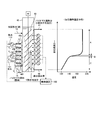
- FIG. 1-1 is a conceptual diagram illustrating a hydrothermal decomposition apparatus and temperature distribution according to a first embodiment.
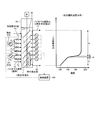
- FIG. 1-2 is a conceptual diagram illustrating a hydrothermal decomposition apparatus and temperature distribution according to the first embodiment.
- FIG. 2 is a conceptual diagram illustrating another hydrothermal decomposition apparatus and temperature distribution according to the first embodiment.
- FIG. 3 is a conceptual diagram illustrating another hydrothermal decomposition apparatus and temperature distribution according to the first embodiment.
- FIG. 4 is a conceptual diagram illustrating another hydrothermal decomposition apparatus and temperature distribution according to the first embodiment.
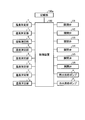
- FIG. 5 is a block diagram of a control system according to the embodiment of the present invention.
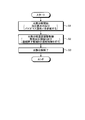
- FIG. 6 is a flowchart of control.
- FIG. 1-1 is a conceptual diagram illustrating a hydrothermal decomposition apparatus and temperature distribution according to a first embodiment.
- FIG. 1-2 is a conceptual diagram illustrating a hydrothermal decomposition apparatus and temperature distribution according to the first embodiment.
- FIG. 2
- FIG. 7 is a schematic diagram of a hydrothermal decomposition apparatus according to a second embodiment.
- FIG. 8 is a schematic diagram of another hydrothermal decomposition apparatus according to the third embodiment.
- FIG. 9 is a schematic diagram of an alcohol production system that is an organic raw material using a biomass raw material according to Example 4.
- FIG. 10 is a schematic diagram of an alcohol production system that is an organic material using a biomass material according to the fifth embodiment.
- FIG. 11 is a schematic diagram of another alcohol production system that is an organic material using the biomass material according to the fifth embodiment.
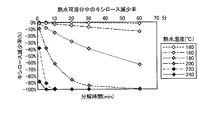
- FIG. 12 is a diagram showing the relationship between the xylose reduction rate in the hot water-soluble content and the decomposition time.
- FIG. 13 is a schematic view of a vertical apparatus for hydrothermally decomposing biomass according to a conventional example with hot water.
- FIG. 14 is a diagram showing a state of decomposition of biomass by hot water.
- FIG. 1-1 is a conceptual diagram illustrating a biomass hydrothermal decomposition apparatus and temperature distribution according to a first embodiment.
- FIG. 1-2 is a conceptual diagram illustrating another biomass hydrothermal decomposition apparatus and temperature distribution according to the first embodiment.
- the biomass hydrothermal decomposition apparatus according to the present embodiment supplies a solid biomass material 11 from one side of the apparatus main body 42 by a conveying screw 43 and pressurizes hot water from the other side.
- the biomass raw material 11 is hydrothermally decomposed while the two are opposed to each other in the apparatus main body 42, the hot water-dissolved component (hemicellulose component) is dissolved in the hot water, and added from one side of the apparatus main body 42.
- a hydrothermal decomposition apparatus for biomass that discharges pressurized hot water to the outside as a hot water discharge liquid 16 and discharges biomass solids (hot water insoluble matter) 17 from the other side to the outside.
- a temperature measuring unit T 1 ⁇ T 8 for measuring the internal temperature, based on temperature measurement result of the temperature measuring part T 1 ⁇ T 8, the internal temperature cooling means By inside
- a control device 100 that controls the temperature to be a predetermined cooling temperature.
- the supply temperature of the pressurized hot water 15 is formed from the other side of the main body 42 of the biomass hydrothermal decomposition apparatus to the one side so as to maintain the temperature of the hydrothermal reaction well.
- An internal temperature maintaining means for adjusting the temperature is provided in an effective reaction region (hydrothermal decomposition region) A in which (180 to 240 ° C., for example, 200 ° C.) is maintained for a certain time and hydrothermal decomposition is performed.
- hot water 110 is supplied from the outside as the internal temperature maintaining means
- cold water 111 is supplied from the outside as the internal temperature cooling means.
- 100 is a control device
- V 1 to V 6 are open / close valves
- P 1 is a hot water supply pump
- P 2 is a cold water supply pump.
- the predetermined cooling temperature refers to a temperature at which the hot water-soluble component hemicellulose does not excessively decompose, for example, 140 ° C. or less. Therefore, the internal temperature cooling means causes the temperature to drop rapidly from the temperature of the hydrothermal reaction to a temperature at which the hot water-dissolved component hemicellulose does not excessively decompose (for example, rapidly decreases from 200 ° C. to 140 ° C.). Suppression region) B is formed.
- the effective reaction region (hydrothermal decomposition region) A is maintained at a predetermined temperature by the internal temperature maintaining means, and the temperature at which the hot water-dissolved component is not excessively decomposed immediately after the effective reaction region A ends (for example, 140 ° C. or less).
- the temperature is adjusted by the internal temperature cooling means so as to form a temperature drop region (dissolved hemicellulose overdegradation suppression region) B in which the temperature drops rapidly (for example, suddenly drops from 200 ° C. to 140 ° C.).
- excessive decomposition of the hot water-solubilized hemicellulose is suppressed.
- the internal temperature maintaining means is provided.
- the temperature inside the apparatus is kept constant for a predetermined time, it is not necessary, so that the installation is provided according to the characteristics of the apparatus. You can do it.
- FIG. 5 is a block diagram of a control system according to the embodiment of the present invention
- FIG. 6 is a control flowchart.
- the control device 100 shown in FIG. 1 includes a microcomputer or the like.
- the control device 100 is provided with a storage unit 100a.
- the storage unit 100a includes a RAM, a ROM, and the like, and stores programs and data.
- the storage unit 100a stores data of the biomass raw material 11 and the pressurized hot water 15 in order to operate the hydrothermal decomposition apparatus.
- the supply temperature of the biomass raw material 11 is set to 100 ° C.
- the supply temperature of the pressurized hot water 15 is set to 200 ° C., for example.
- the effective reaction area (hydrothermal decomposition area) A for hydrothermal decomposition is set to 200 ° C., the same as the supply temperature of the pressurized hot water 15, and the reaction time is set to a predetermined time of 5 to 20 minutes. . In addition, reaction time is suitably changed by the kind etc. of biomass raw material. Further, the temperature drop region (dissolved hemicellulose overdecomposition suppression region) B is set so as to rapidly drop from 180 ° C to 140 ° C.
- the control device 100 is connected to temperature measuring units T 1 to T 8 , on-off valves V 1 to V 6 , a hot water supply pump P 1 , and a cold water supply pump P 2 .
- the on-off valves V 1 to V 2 supply hot water 110, and the on-off valves V 3 to V 6 supply cold water 111.
- This control device 100 is based on the internal temperature information input from the temperature measuring units T 1 to T 8, and according to the programs and data stored in advance in the storage unit 100a, the on-off valves V 1 to V 6 and hot water supply described above.
- the pump P 1 and the cold water supply pump P 2 are comprehensively controlled.
- the control device 100 supplies the pressurized hot water 15 and the biomass raw material 11 based on the biomass hydrothermal decomposition start command, and starts hydrothermal decomposition of the biomass raw material 11 (step S ⁇ b> 1). .
- the biomass raw material 11 and the pressurized hot water 15 are brought into contact with each other inside the apparatus main body 42 and hydrothermally decomposed, and the supply temperature (200 ° C.) of the pressurized hot water 15 is maintained for a certain period of time.
- step S2 in the temperature control of the temperature drop region (dissolved hemicellulose overdecomposition suppression region) B, the length of the temperature drop region (dissolved hemicellulose overdecomposition suppression region) B, that is, the hot water soluble component is the temperature drop region B.
- the on-off valves V 3 to V 6 are appropriately opened and closed for each injection position of the cold water 111 so as to minimize the time during which the water is retained.
- step S2 when the reaction time is short or the temperature drop is small, the effective reaction region (hydrothermal decomposition region) A for hydrothermal decomposition is appropriately controlled, so that a constant temperature can be maintained. In some cases, the supply of hot water 110 may be unnecessary.
- the continuous tank reactor model when modeling the mixed state for hydrothermal decomposition inside the apparatus main body, the continuous tank reactor model The idea can be applied.
- the mixing characteristics of the apparatus main body which is a reactor, are modeled as a state where a plurality of virtually small complete mixing tanks are connected in series.
- the number (N) of the plurality of complete mixing tanks varies depending on the characteristics of the apparatus main body.
- the internal temperature maintaining means It is preferable to install an internal temperature cooling means.
- a direct temperature adjustment method for directly supplying the refrigerant (cold water) 111 and hot water 110 as shown in FIG. 1-1, and multistage jackets 45a to 45f as shown in FIG. 1-2 are used.
- the indirect temperature adjustment method etc. which were mentioned can be illustrated.
- the indirect temperature adjustment method is preferable.
- the control device 100 controls the internal temperature to be a predetermined temperature by the internal temperature maintaining means and the internal temperature cooling means based on the temperature measurement results of the temperature measuring units T 1 to T 8.
- a temperature equivalent to the temperature (for example, 200 ° C.) to which the pressurized hot water 15 is supplied is maintained by the internal temperature maintaining means so that the hydrothermal decomposition is performed efficiently.
- the excessive decomposition proceeds from the hydrothermal decomposition temperature (200 ° C.).
- the internal temperature cooling means rapidly cools so as to form a temperature drop region (dissolved hemicellulose overdegradation suppression region) B where the temperature is drastically lowered to a temperature (140 ° C.) that does not occur, greatly suppress overdecomposition of dissolved hemicellulose Can do. Thereby, the fall of the yield of C5 sugar will become few.
- FIG. 2 is a conceptual diagram illustrating another biomass hydrothermal decomposition apparatus and temperature distribution according to the first embodiment.
- the concentration inside the apparatus main body 42 is reduced. Therefore, in this embodiment, as shown in FIG. 2, when supplying the cold water, a part of the pressurized hot water 15 is extracted from the apparatus main body 42 and cooled to a predetermined temperature by the first heat exchanger 112. and a cold water 15b, a through circulation line L 2, may be supplied cold water 15b again apparatus body 42.
- a part of the hot water 15 is once extracted from the apparatus main body 42 to the outside, and the second heat exchanger 113 sets the temperature as a predetermined temperature to the apparatus main body 42 again through the circulation line L 1. You may make it supply 15a. Thereby, since the density
- FIG. 3 is a conceptual diagram illustrating another biomass hydrothermal decomposition apparatus and temperature distribution according to the first embodiment.
- the hot water 110 is supplied to the lower part of the apparatus main body 42 at four locations of the pressurized hot water 15, so that almost the entire area of the apparatus main body 42 can be effectively reacted.
- a temperature drop region (dissolved hemicellulose overdecomposition suppression region) B is configured by supplying cold water 111 from two places in the lower region of the apparatus main body 42 as a thermal decomposition region) A.
- the temperature measuring unit T 1 can be omitted, and the tank height of the apparatus main body 42 can be reduced, so that the apparatus main body 42 can be made compact. be able to.
- FIG. 4 is a conceptual diagram illustrating another biomass hydrothermal decomposition apparatus and temperature distribution according to the first embodiment.
- the effective reaction region (hydrothermal decomposition region) A is 180 ° C. or higher (200 ° C.)
- the effective reaction region temperature (200 ° C.) is maintained for a predetermined time, and then the temperature is increased to 180 ° C.
- a first temperature drop region B 1 to be lowered and a second temperature drop region (fall to 180 to 140 ° C.) B 2 to be cooled to a temperature that does not immediately cause excessive decomposition may be provided.
- hemicellulose component when a hemicellulose component is saccharified to 5 monosaccharides, some types of sugars such as arabinose and xylose dissolve at a temperature lower than 200 ° C. Therefore, hemicellulose components that change to arabinose dissolve even at a low temperature (180 ° C). After these components are first dissolved at around 180 ° C, the hemicellulose component that changes to xylose is dissolved at a high temperature (200 ° C). You may make it make it.
- the hemicellulose dissolved in the pressurized hot water 15 is less excessively decomposed because the pressurized hot water 15 flowing downward immediately after dissolution passes through the temperature drop region (dissolved hemicellulose overdecomposed region) B in a short time. It will be a thing.
- the temperature range of 140 ° C. or higher is an area where hemicellulose, which is a hot water solubilizing component, is excessively decomposed.
- hot water in which hemicellulose is once dissolved from biomass is used, and the decomposition state of the hemicellulose solubilized in hot water at each temperature is confirmed.
- the reduction rate of what was converted into C5 sugar (xylose) is shown.
- the discharge temperature of the hot water discharge liquid 16 discharged from the apparatus main body is 140 ° C. or less due to cooling, it may be discharged immediately, but for example, a cooling region for cooling to about 100 to 120 ° C. C may be sent to the next process.
- reaction time in the temperature control of the effective reaction region (hydrothermal decomposition region) A is preferably 20 minutes or less and 5 to 15 minutes. This is because if the reaction is carried out for a long time, hemicellulose dissolved in hot water remains, and the ratio of the excessively decomposed product increases, which is not preferable.
- the reaction pressure is preferably such that a higher pressure of 0.1 to 0.5 MPa is applied to the saturated vapor pressure of water at each temperature of the reaction temperature (180 to 240 ° C.) of the apparatus main body 42A.
- the pressurized hot water 15 and the biomass raw material 11 are made to oppose, and the biomass raw material 11 is wash
- the removal effect of the solid in the solid state is reduced by the cleaning effect, the biomass solids 17 becomes pure, and the reaction of the hexose that is difficult to inhibit the reaction.
- a crude raw material can be obtained.
- FIG. 7 is a schematic diagram illustrating a biomass hydrothermal decomposition apparatus according to a second embodiment.
- the biomass hydrothermal decomposition apparatus 41 ⁇ / b> A includes a biomass supply apparatus 31 that supplies the biomass raw material 11 from a normal pressure to a pressurized pressure, and a supplied biomass raw material (in this embodiment, For example, the straw 11 is gradually transported from the lower end side into the vertical apparatus main body (hereinafter referred to as “apparatus main body”) 42 ⁇ / b> A by the transport screw 43, and the upper end side is different from the supply location of the biomass raw material 11.
- apparatus main body the vertical apparatus main body
- the pressurized hot water 15 is supplied to the inside of the apparatus main body 42A, and the biomass raw material 11 and the pressurized hot water 15 are hydrothermally decomposed while facing each other, and the lignin component and the hemicellulose component are transferred into the pressurized hot water 15.
- the hydrothermal decomposition apparatus 41A obtained by separating the lignin component and the hemicellulose component from the biomass raw material 11 and the biomass from the upper end side of the apparatus main body 42A Those having a shape component 17 under pressure and biomass discharger 51 to withdraw under normal pressure.
- reference numeral 54 denotes a dehydrating liquid
- 55 denotes pressurized nitrogen.
- the biomass raw material 11 and the pressurized hot water 15 are opposed to each other inside the apparatus, and as a result, cellulose (enzymatic saccharification by enzymatic saccharification is used as a target component).
- cellulose enzymatic saccharification by enzymatic saccharification is used as a target component.
- by-products lignin component, hemicellulose component
- the biomass solid content 17 mainly composed of cellulose can be obtained.
- the temperature jacket which is a temperature adjustment device of the apparatus main body 41A, is divided into a plurality of 45a to 45f, and is constituted by heat medium supply parts 45a to 45d and refrigerant supply parts 45e to 45f.
- a temperature control for maintaining a predetermined temperature for example, 200 ° C.
- a predetermined temperature for example, 200 ° C.
- the refrigerant is supplied from the hydrothermal decomposition temperature (200 ° C.) by supplying the refrigerant at a predetermined temperature in the refrigerant supply units 45e to 45f. Since the temperature is controlled by the control device so that the temperature is rapidly lowered to a temperature at which the excessive decomposition does not proceed (140 ° C.), the excessive decomposition of hemicellulose, which is a hot water solubilizing component, is suppressed. As a result, the decrease in the yield of C5 sugar is small.
- cellulose can be efficiently saccharified into the first sugar solution containing hexose, and various organic raw materials (for example, alcohols) can be efficiently produced using the sugar solution as a starting point. it can.
- the hemicellulose component in the hot water discharge liquid 16 discharged from the hydrothermal decomposition apparatus 41A is saccharified into a second sugar liquid containing pentose, and various organic raw materials (for example, alcohols) are used based on the sugar liquid. ) Can be produced efficiently.
- the biomass raw material 11 is supplied from the lower end side, but the present invention is not limited to this, and conversely, the biomass raw material 11 may be supplied from the upper end side.
- the pressurized hot water 15 is supplied from the lower end side.
- the biomass supply device 31 that supplies from the normal pressure to the pressurization include pump means such as a piston pump or a slurry pump.
- the hydrothermal decomposition apparatus 41A is a vertical apparatus as shown in FIG. 4, but the present invention is not limited to this, and an inclined or horizontal hydrothermal decomposition apparatus. It is good.
- the reason why the hydrothermal decomposition apparatus is of the inclined type or vertical type is that gas generated in the hydrothermal decomposition reaction, gas introduced into the raw material, and the like can be quickly released from above, which is preferable. Moreover, since the decomposition product is extracted with the pressurized hot water 15, the concentration of the extract increases from the top to the bottom in terms of extraction efficiency, which is preferable.
- the solid content can be conveyed by the solid-liquid counterflow.
- Solid-liquid separation can be performed in the apparatus main body 42A.
- the mixing of the solid surface and the pressurized hot water 15 in the solid proceeds and the reaction is promoted.
- a scraper (not shown) for preventing the hot water discharge liquid 16 from being blocked off may be provided on the conveying screw 43.
- the temperature adjusting device has been described by taking the temperature jacket as an example, but the present invention is not limited to this, and for example, a method of injecting cold water, a temperature adjusting method by external heat exchange, etc. Can be applied.
- FIG. 8 is a schematic diagram illustrating another biomass hydrothermal decomposition apparatus according to the third embodiment.
- the biomass hydrothermal decomposition apparatus 41 ⁇ / b> B according to this embodiment includes a biomass supply apparatus 60 that supplies a biomass raw material (for example, straw etc. in this embodiment) 11 from normal pressure to pressure.
- a biomass raw material for example, straw etc. in this embodiment
- the biomass raw material 11 is gradually moved from one of the upper and lower end sides (the lower end side in this embodiment) to the inside of a vertical apparatus main body (hereinafter referred to as “apparatus main body”) 42B in a consolidated state, and Pressurized hot water 15 is supplied into the apparatus main body 42B from the end side (upper end in the present embodiment) different from the supply of the biomass raw material 11, and the biomass raw material 11 and the pressurized hot water 15 are brought into contact with each other in a hydrothermal manner.
- apparatus main body hereinafter referred to as “apparatus main body”
- Hydrothermal decomposition apparatus 41B formed by decomposing and transferring the lignin component and the hemicellulose component into the pressurized hot water 15 and separating the lignin component and the hemicellulose component from the biomass raw material 11,
- Device is intended to and a biomass discharger 51 to withdraw under normal pressure biomass solids 17 from pressure from the supply side of the pressurized hot water 15 of the main body 42B.
- Reference numerals V 11 to V 15 denote ON-OFF valves.
- Examples of the biomass supply device 60 that supplies from the normal pressure to the pressurized pressure include pump means such as a piston pump or a slurry pump.
- a fixed stirring means 61 for stirring the biomass raw material 11 in a so-called plug flow compaction state is provided inside the apparatus main body 42B, and stirring is performed when the biomass raw material 11 fed into the device moves in the axial direction. Stir by action.
- the flow of the pressurized hot water 15 and the biomass raw material 11 in the apparatus main body 42B of the hydrothermal decomposition apparatus 41B is a so-called counter flow in which the biomass raw material 11 and the pressurized hot water 15 face each other. It is preferable to stir and flow in
- the hydrothermal decomposition apparatus 41B is a plug flow type hydrothermal decomposition, the structure is simple, and the biomass raw material 11 which is a solid moves in parallel with the tube center axis while being stirred perpendicularly to the tube center axis. It will be.
- the pressurized hot water 15 hot water, a solution in which a decomposition product is dissolved moves while oozing between solid particles in a counter flow with respect to the solid.
- a uniform flow of the pressurized hot water 15 can be realized. This is because when the solid biomass raw material 11 is decomposed by the pressurized hot water 15, the decomposition product is dissolved on the hot water side. In the vicinity of the decomposition part, the viscosity is high, and hot water moves preferentially to the vicinity of the undecomposed part, and the undecomposed part is subsequently decomposed, resulting in a uniform hot water flow and uniform decomposition. Become.
- the solid density on the outlet side of the biomass raw material 11 is reduced in the apparatus main body 42B compared to the inlet side of the biomass raw material 11, and in addition, decomposition occurs. Since the biomass solid content 17 is reduced by this, the proportion of the pressurized hot water 15 increases and the liquid residence time increases, so that the decomposition components in the liquid are excessively decomposed, so that at least the fixed stirring means 61 is provided. I have to.
- the temperature jacket which is the temperature adjusting device of the apparatus main body 41A is divided into a plurality of 45a to 45f, and the heat medium supply parts 45a to 45d which are internal temperature maintaining means and the refrigerant supply parts 45e to 45f which are internal temperature cooling means. And consists of Then, a temperature control for maintaining a predetermined temperature (for example, 200 ° C.) to which the pressurized hot water 15 is supplied by supplying a heat medium at a predetermined temperature in the heat medium supply units 45a to 45d is performed by a control device (not shown). To ensure efficient hydrothermal decomposition.
- a predetermined temperature for example, 200 ° C.
- the refrigerant is supplied from the hydrothermal decomposition temperature (200 ° C.) by supplying the refrigerant at a predetermined temperature in the refrigerant supply units 45e to 45f. Since the temperature is controlled by the control device so that the temperature is rapidly lowered to a temperature at which the excessive decomposition does not proceed (140 ° C.), the excessive decomposition of hemicellulose, which is a hot water solubilizing component, is suppressed. As a result, the decrease in the yield of C5 sugar is small.
- the temperature adjusting device has been described by taking the temperature jacket as an example, but the present invention is not limited to this, and for example, a method of injecting cold water, a temperature adjusting method by external heat exchange, etc. Can be applied.
- FIG. 9 is a conceptual diagram illustrating an organic raw material manufacturing system using a biomass raw material according to an example.
- an alcohol production system 10 ⁇ / b> A using a biomass raw material according to the present embodiment includes a pretreatment device 12 for pulverizing the biomass raw material 11, and a preheated biomass pulverized material 13 with pressurized hot water.
- the lignin component and the hemicellulose component are transferred into the pressurized hot water 15 on the liquid side by adopting a counter flow.
- cellulose remains in the solid biomass content 17 on the solid side, and the first sugar solution (hexose) 20-1 is obtained by the first enzymatic decomposition apparatus 19-1 for enzymatic saccharification.
- a fermentation process according to hexose (fermentation according to the final product: in this embodiment, the ethanol 23 is obtained by fermentation using the first alcohol fermentation apparatus 21-1) can be constructed.
- ethanol as an alcohol was exemplified as what is obtained by fermentation treatment.
- the present invention is not limited to this, and petroleum substitutes or foods and feeds that are raw materials for chemical products other than alcohols.
- Amino acids as raw materials can be obtained by a fermentation apparatus.
- the biomass-derived sugar liquid can be efficiently used as a substitute for a chemical product derived from crude oil, which is a depleted raw material, and as a raw material for producing the substitute.
- FIG. 10 is a conceptual diagram showing an organic raw material alcohol production system using a biomass raw material according to the present embodiment.
- the alcohol production system 10B using the biomass raw material according to the present embodiment includes the alcohol production system 10A shown in FIG.
- the transferred hemicellulose component is enzymatically treated to provide a second enzyme decomposing apparatus 19-2 for enzymatic decomposition into a second sugar solution 20-2 containing pentose.
- the enzyme decomposing apparatus, the alcohol fermentation apparatus, and the refining apparatus are separately provided in two units (the first enzyme decomposing apparatus 19-1, the second enzyme decomposing apparatus 19-2, the first alcohol fermenting apparatus 21-1, and the first decomposing apparatus). 2 alcohol fermentation apparatus 21-2, first purification apparatus 25-1, and second purification apparatus 25-2). Then, an ethanol degradation process, an alcohol fermentation process and a purification process corresponding to the first sugar liquid (hexose sugar) 20-1 and the second sugar liquid (pentose sugar) 20-2 are performed, and ethanol 23 Like to get.
- the second sugar solution (pentose) 20-2 obtained by the second enzyme decomposing apparatus 19-2 using the second enzyme 18-2 is used to produce the second After obtaining the second alcohol fermentation broth 22-2 by the fermentation treatment by the alcohol fermentation apparatus 21-2, the ethanol 23 can be produced by the second purification apparatus 25-2.
- Reference numeral 24-2 is a residue.
- the hot water discharge liquid is not necessarily processed in a separate system.
- the processes after the enzyme decomposing apparatus are shared, the processes after the alcohol fermentation apparatus are shared, or the processes after the purification apparatus are shared as appropriate. Changes can be made.
- FIG. 11 it is a conceptual diagram which shows the alcohol manufacturing system of the organic raw material using the biomass raw material which concerns on the modification of a present Example.
- the alcohol production system 10C using the biomass raw material according to this example is the same as the alcohol production system 10A shown in FIG. 9, in which the lignin component and the hemicellulose component are transferred in the hydrothermal decomposition apparatus 41A.
- the pressurized hot water 15 is discharged to the outside as a hot water discharge liquid 16, sulfuric acid 71 is supplied to the hot water discharge liquid 16, and the hemicellulose component in the hot water discharge liquid 16 is decomposed with sulfuric acid to pentose.
- the second alcohol fermentation apparatus 21-2 for producing the ethanol and the second alcohol fermentation liquid 22-2 are purified and separated into the target product ethanol 23 and the second residue 24-2. It is intended to and a purification device 25-2.
- the ethanol 23 can be produced by fermentation using the second sugar liquid (pentose) 20-2 obtained by the sulfuric acid decomposition apparatus 73.
- the sulfuric acid concentration is 0.1 to 5 wt%, preferably 1 to 4 wt%
- the decomposition temperature is 100 to 140 ° C., preferably about 120 ° C.
- the decomposition time is 30 minutes to 3 hours, preferably about 1 hour. This is because if it is out of the above range, good hemicellulose cannot be decomposed.
- the cellulose component in the hydrothermal decomposition apparatus 41A, the cellulose component is retained in the biomass solids 17 in advance, and the hot water discharge liquid 16 of the hemicellulose component transferred to the pressurized hot water 13 side is sulfuric acid at low temperature conditions.
- the structure of the sulfuric acid facility can be simplified and the amount of sulfuric acid used can be greatly reduced (0.6 to 0.9 times the amount of conventional sulfuric acid used).
- the amount of sulfuric acid disposal (gypsum treatment) is reduced, so the sulfuric acid recovery and separation equipment is also small. The equipment will be made more compact.
- the decomposition with sulfuric acid is a low temperature of 140 ° C. or lower, it is not necessary to use a conventional high-temperature (180 ° C.) acid-resistant facility, and the equipment cost can be reduced.
- the hydrothermal decomposition apparatus 41A (41B)
- cellulose remains in the solid biomass solids 17 on the solid side
- the first enzymatic decomposition apparatus 19- of enzymatic saccharification 1 is used to obtain the first sugar liquid (6-carbon sugar) 20-1, and in the pressurized hot water 15 on the liquid side, the hemicellulose component soluble in the pressurized hot water 15 is separated as the hot water discharge liquid 16.
- the second sugar solution (5-carbon sugar) 20-2 is obtained by the second enzymatic decomposition apparatus 19-2 or the sulfuric acid decomposition apparatus 73 for enzymatic saccharification, both can be efficiently separated and each saccharified. It becomes.
- the fermentation Fermentation according to the final product: example: ethanol fermentation
- process according to hexose and pentose can be constructed.
- the side reaction component that becomes an inhibitor in the enzymatic saccharification reaction for obtaining hexose and the lignin component that is soluble in pressurized hot water are pressurized. Since it moves to the hot water 15 side, it becomes the biomass solid content 17 mainly composed of cellulose, and the saccharification reaction yield of hexose in the subsequent saccharification reaction is improved.
- the hemicellulose component contained in the separated hot water discharge liquid 16 is then saccharified in the second enzymatic decomposition apparatus 19-2 to obtain a sugar liquid containing pentose.
- ethanol 23 can be obtained by fermentation individually and efficiently.
- the inside of the reaction apparatus is formed from the other side of the apparatus main body 42 to one side, and the supply temperature (180 to 240 ° C., for example, 200 ° C.) of the pressurized hot water 15 is kept constant.
- An effective reaction region that is maintained for a period of time and hydrothermally decomposed (hydrothermal decomposition region A and immediately after the completion of effective reaction region A, the temperature is rapidly lowered (for example, 200 ° C.) to a temperature at which the hot water dissolved component is not excessively decomposed (for example, 140 ° C.).
- a temperature drop region (dissolved hemicellulose hyperdegradation suppression region) B that rapidly decreases from 140 ° C. to 140 ° C., the hemicellulose overdecomposition is suppressed, and as a result, the decrease in the yield of C5 sugar is suppressed. Can do.
- the cellulose-based component and the hemicellulose component are transferred to the pressurized hot water from the biomass raw material and separated from each other, and the excessive decomposition of the hemicellulose is suppressed.
- Production of sugar liquid (6-carbon sugar liquid, 5-carbon sugar liquid) and efficient production of various organic raw materials (for example, alcohols, petroleum substitutes, amino acids, etc.) based on the sugar liquid It becomes possible to provide an organic raw material manufacturing system using a biomass raw material that can be produced.
- a cellulose-based component is separated from a biomass raw material by a hydrothermal decomposition apparatus to efficiently produce a sugar solution, and various organic (for example, Alcohols, petroleum substitutes, amino acids, etc.) can be efficiently produced.
- various organic for example, Alcohols, petroleum substitutes, amino acids, etc.
Landscapes
- Chemical & Material Sciences (AREA)
- Organic Chemistry (AREA)
- Engineering & Computer Science (AREA)
- Life Sciences & Earth Sciences (AREA)
- Wood Science & Technology (AREA)
- Zoology (AREA)
- Health & Medical Sciences (AREA)
- Biotechnology (AREA)
- Genetics & Genomics (AREA)
- Bioinformatics & Cheminformatics (AREA)
- Microbiology (AREA)
- Biochemistry (AREA)
- General Engineering & Computer Science (AREA)
- General Health & Medical Sciences (AREA)
- General Chemical & Material Sciences (AREA)
- Chemical Kinetics & Catalysis (AREA)
- Tropical Medicine & Parasitology (AREA)
- Medicinal Chemistry (AREA)
- Virology (AREA)
- Biomedical Technology (AREA)
- Processing Of Solid Wastes (AREA)
- Apparatus Associated With Microorganisms And Enzymes (AREA)
- Preparation Of Compounds By Using Micro-Organisms (AREA)
- Liquid Carbonaceous Fuels (AREA)
Abstract
Description
また、糖を出発原料として、化学工業原料生産(例えば乳酸発酵等)も考えられる。
ここで、バイオマスとは、地球生物圏の物質循環系に組み込まれた生物体又は生物体から派生する有機物の集積をいう(JIS K 3600 1258参照)。
図13に、従来例によるバイオマスを熱水で水熱分解する垂直型の装置の模式図を示す。
図13に示すように、垂直型の水熱分解装置では、バイオマス(固体)11を下部側から装置本体42内部に供給し、内部に設けた搬送スクリュー43により上方側に移動させ、上部側からバイオマス固形分(熱水不可溶分)17を外部に排出させている。
これに対し、加圧熱水(以下、「熱水」ともいう)15は上部側から装置本体42の内部に供給し、バイオマス11と対向接触し、下部側から熱水排出液16を外部に排出させている。よって、装置本体42内においては、熱水15を供給する側(上部側)から下部側(バイオマスの供給側)に向かって徐々に温度が降下している。
図14に示すように、バイオマス(セルロース系原料)には、セルロース以外にヘミセルロースやリグニンが含まれており、具体的にはセルロースをヘミセルロースが束ね、リグニンが接着している構造を有している。
バイオマスは水熱分解後には、熱水不溶分(固形分)と熱水可溶分とに分けられることとなる。
熱水に可溶化された後の熱水可溶化ヘミセルロースの状態では、高温(180~240℃)の温度域では過分解が生じる、という問題がある。
このヘミセルロースの過分解は、C5糖の原料となるヘミセルロースの収率が低下するので、熱水可溶化分のヘミセルロースの過分解を抑制して、プラント運転効率の向上を図ることが切望されている。
図1-1は、実施例1に係るバイオマスの水熱分解装置及び温度分布を示す概念図である。図1-2は、実施例1に係る他のバイオマスの水熱分解装置及び温度分布を示す概念図である。
図1-1に示すように、本実施例に係るバイオマスの水熱分解装置は、装置本体42の一方側から固体のバイオマス原料11を搬送スクリュー43により供給すると共に、他方側から加圧熱水15を供給させ、装置本体42内にて両者を対向接触させつつバイオマス原料11を水熱分解させ、熱水溶解成分(ヘミセルロース成分)を熱水中に溶解させ、装置本体42の一方側から加圧熱水を熱水排出液16として外部に排出すると共に、他方側からバイオマス固形分(熱水不可溶分)17を外部に排出させるバイオマスの水熱分解装置であって、水熱分解を一定時間行った後に、温度を急降下させる内部温度冷却手段と、内部温度を計測する温度測定部T1~T8と、温度測定部T1~T8の温度計測結果を基に、内部温度冷却手段により内部温度を所定の冷却温度となるように制御する制御装置100とを有するものである。
なお、図中、100は制御装置、V1~V6は開閉弁及びP1は熱水供給ポンプ、P2は冷水供給ポンプを各々図示する。
よって、内部温度冷却手段により、水熱反応の温度から、熱水溶解成分のヘミセルロースが過分解しない温度まで温度を急降下(例えば200℃から140℃まで急降下)させ、温度降下領域(溶解ヘミセルロース過分解抑制領域)Bを形成するようにしている。
ここで、図1に示す制御装置100は、マイコンなどで構成されている。図5に示すように、制御装置100には、記憶部100aが設けられている。記憶部100aは、RAMやROMなどから構成され、プログラムやデータが格納されている。
記憶部100aには、水熱分解装置を稼働するため、バイオマス原料11及び加圧熱水15のデータが格納されている。このデータは、例えば、バイオマス原料11の供給温度が100℃に設定されている。また、加圧熱水15の供給温度が例えば200℃に設定されている。また、水熱分解させる有効反応領域(水熱分解領域)Aは、加圧熱水15の供給温度と同じ200℃に設定され、反応時間は5~20分の所定の時間に設定されている。なお、反応時間はバイオマス原料の種類等によって、適宜変更される。また、温度降下領域(溶解ヘミセルロース過分解抑制領域)Bは180℃から140℃に急降下させるように設定されている。また、制御装置100には、温度測定部T1~T8、開閉弁V1~V6、及び熱水供給ポンプP1、冷水供給ポンプP2が接続されている。
本実施例では、開閉弁V1~V2は、熱水110の供給を行うものであり、開閉弁V3~V6は、冷水111の供給を行うものである。
この制御装置100は、温度測定部T1~T8から入力された内部温度情報に基づき、記憶部100aに予め格納されたプログラムやデータに従って、上述した開閉弁V1~V6及び熱水供給ポンプP1、冷水供給ポンプP2を統括的に制御する。
これにより、バイオマス原料11と加圧熱水15とを装置本体42内部で対向接触させ、水熱分解すると共に、加圧熱水15の供給温度(200℃)を一定時間保持し、水熱分解させる有効反応領域(水熱分解領域)Aを形成する温度制御と、有効反応領域Aが終了した直後に、熱水溶解成分が過分解しない温度(例えば140℃)まで温度を急降下(例えば200℃から140℃まで急降下)させる温度降下領域(溶解ヘミセルロース過分解抑制領域)Bを形成する温度制御と、の水熱分解温度調整制御を行う(ステップS2)。
水熱分解反応が終了したら、バイオマス原料11及び加圧熱水15の供給を停止し、水熱分解を終了する(ステップS3)。
この連続槽型反応器モデルは、反応器である装置本体の混合特性を仮想的に小さな完全混合槽を直列に複数結合した状態としてモデル化する。
この複数の完全混合槽の数(N)は、装置本体個々の特性により変化するが、実際に設置された装置本体のNが決定された場合、このNの数以上に、内部温度維持手段、内部温度冷却手段を設置するようにするのが好ましい。
なお、熱水110や冷水111を装置本体42内に直接供給すると、内部の濃度が変化するので、濃度変化を避けるためには、間接温度調整方法とするのが、好ましい。
前記冷水111や熱水110を外部から供給する場合には、装置本体42の内部の濃度が薄まることとなる。
そこで、本実施例では、図2に示すように、前記冷水を供給する場合において、装置本体42から加圧熱水15の一部を抜き出し、第1の熱交換器112で所定の温度に冷却して冷水15bとし、循環ラインL2を介して、再度装置本体42内に冷水15bを供給するようにしてもよい。また、装置本体42から熱水15の一部を外部へ一度抜出し、第2の熱交換器113で所定の温度として、循環ラインL1を介して、再度装置本体42内に熱交換した熱水15aを供給するようにしてもよい。
これにより装置本体42の内部の濃度に変化がないので、目標どおりの水熱分解処理を行うことができる。
なお、加圧熱水15に溶解されたヘミセルロースは、溶解直後に下方側に流れる加圧熱水15が温度降下領域(溶解ヘミセルロース過分解領域)Bを短い時間で通過するので、過分解が少ないものとなる。
図12に示すように、140℃以上の温度範囲は、熱水可溶化成分であるヘミセルロースが過分解する領域であるからである。
図12においては、バイオマスから一度ヘミセルロースを溶解させた熱水を用い、各温度において、熱水に可溶化したヘミセルロースの時間の経過による分解状態を確認したものである。なお、ヘミセルロースを直接測定することができないので、C5糖(キシロース)に変換したものの減少率を示している。
図7は、実施例2に係るバイオマスの水熱分解装置を示す概略図である。
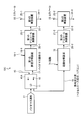
図7に示すように、本実施例に係るバイオマスの水熱分解装置41Aは、バイオマス原料11を常圧下から加圧下に供給するバイオマス供給装置31と、供給されたバイオマス原料(本実施例では、例えば麦わら等)11を、下端部側から垂直型装置本体(以下「装置本体」という)42Aの内部に搬送スクリュー43により徐々に搬送すると共に、前記バイオマス原料11の供給箇所とは異なる上端部側から加圧熱水15を装置本体42A内部に供給し、バイオマス原料11と加圧熱水15とを対向接触させつつ水熱分解し、加圧熱水15中にリグニン成分及びヘミセルロース成分を移行し、バイオマス原料11中からリグニン成分及びヘミセルロース成分を分離してなる水熱分解装置41Aと、装置本体42Aの上端部側からバイオマス固形分17を加圧下から常圧下に抜出すバイオマス抜出装置51とを具備するものである。なお、図中、符号54は脱水液、55は加圧窒素を各々図示する。
そして、熱媒供給部45a~45dにおいて所定温度の熱媒を供給することにより、加圧熱水15が供給された所定の温度(例えば200℃)を維持する温度制御を図示しない制御装置にて行い、水熱分解を効率よく行うようにしている。
その後、冷媒により可溶化分となった熱水可溶化ヘミセルロースの過分解を抑制させるために、冷媒供給部45e~45fにおいて所定温度の冷媒を供給することにより、水熱分解温度(200℃)から過分解が進行しない温度(140℃)まで、急激に温度降下させように制御装置により温度制御しているので、熱水可溶化成分であるヘミセルロースの過分解が抑制される。これによりC5糖の収率の低下が少ないものとものとなる。
一方、水熱分解装置41Aから排出された熱水排出液16中のヘミセルロース成分は、5炭糖を含む第2の糖液に糖化させ、該糖液を基点として、各種有機原料(例えばアルコール類)を効率よく製造することができる。
前記常圧下から加圧下に供給するバイオマス供給装置31としては、例えばピストンポンプ又はスラリーポンプ等のポンプ手段を挙げることができる。
図8は、実施例3に係る他のバイオマスの水熱分解装置を示す概略図である。
図8に示すように、本実施例に係るバイオマスの水熱分解装置41Bは、バイオマス原料(本実施例では、例えば麦わら等)11を常圧下から加圧下に供給するバイオマス供給装置60と、供給されたバイオマス原料11を、上下のいずれかの端部側(本実施例では下端側)から垂直型装置本体(以下「装置本体」という)42Bの内部を圧密状態で徐々に移動させると共に、前記バイオマス原料11の供給とは異なる端部側(本実施例では上端)から加圧熱水15を装置本体42B内部に供給し、バイオマス原料11と加圧熱水15とを対向接触させつつ水熱分解し、加圧熱水15中にリグニン成分及びヘミセルロース成分を移行し、バイオマス原料11中からリグニン成分及びヘミセルロース成分を分離してなる水熱分解装置41Bと、該装置本体42Bの加圧熱水15の供給部側からバイオマス固形分17を加圧下から常圧下に抜出すバイオマス抜出装置51とを具備するものである。なお、符号V11~V15はON-OFF弁を示す。
前記常圧下から加圧下に供給するバイオマス供給装置60としては、例えばピストンポンプ又はスラリーポンプ等のポンプ手段を挙げることができる。
そして、熱媒供給部45a~45dにおいて所定温度の熱媒を供給することにより、加圧熱水15が供給された所定の温度(例えば200℃)を維持する温度制御を図示しない制御装置にて行い、水熱分解を効率よく行うようにしている。
その後、冷媒により可溶化分となった熱水可溶化ヘミセルロースの過分解を抑制させるために、冷媒供給部45e~45fにおいて所定温度の冷媒を供給することにより、水熱分解温度(200℃)から過分解が進行しない温度(140℃)まで、急激に温度降下させように制御装置により温度制御しているので、熱水可溶化成分であるヘミセルロースの過分解が抑制される。これによりC5糖の収率の低下が少ないものとものとなる。
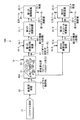
図9に示すように、本実施例に係るバイオマス原料を用いたアルコールの製造システム10Aは、バイオマス原料11を例えば粉砕処理する前処理装置12と、前処理したバイオマス粉砕物13を加圧熱水15と対向接触させつつ水熱分解し、加圧熱水15中にリグニン成分及びヘミセルロース成分を移行し、バイオマス固体中からリグニン成分及びヘミセルロース成分を分離してなる図7に示す水熱分解装置41Aと、前記水熱分解装置41Aから排出されるバイオマス固形分17中のセルロースを酵素処理して6炭糖を含む糖液に第1の酵素(セルラーゼ)18-1で酵素分解する第1の酵素分解装置19-1と、第1の酵素分解装置19-1で得られた第1の糖液(6炭糖)20-1を用いて、発酵処理によりアルコール類(本実施の形態ではエタノール)を製造する第1のアルコール発酵装置21-1と、第1のアルコール発酵液22-1を精製して目的生成物のエタノール23と残渣24-1とに分離処理する第1の精製装置25-1とを具備するものである。
そして、6炭糖に応じた発酵(最終製品に応じた発酵:本実施例では第1のアルコール発酵装置21-1を用いてエタノール23を発酵により求める)プロセスを構築することができる。
図10は、本実施例に係るバイオマス原料を用いた有機原料のアルコール製造システムを示す概念図である。
図10に示すように、本実施例に係るバイオマス原料を用いたアルコールの製造システム10Bは、図9に示すアルコール製造システム10Aにおいて、水熱分解装置41Aから排出される熱水排出液16中に移行されたヘミセルロース成分を酵素処理して5炭糖を含む第2の糖液20-2に酵素分解する第2の酵素分解装置19-2を設けてなるものである。
なお、酵素分解装置、アルコール発酵装置、精製装置は、それぞれ別途2機(第1の酵素分解装置19-1、第2の酵素分解装置19-2、第1のアルコール発酵装置21-1、第2のアルコール発酵装置21-2、第1の精製装置25-1、第2の精製装置25-2)設置している。そして、第1の糖液(6炭糖)20-1、第2の糖液(5炭糖)20-2に応じた酵素分解工程、アルコール発酵工程及び精製工程を行うようにして、エタノール23を得るようにしている。
図11に示すように、本実施例に係るバイオマス原料を用いたアルコールの製造システム10Cは、図9に示すアルコール製造システム10Aにおいて、前記水熱分解装置41A内において、リグニン成分及びヘミセルロース成分が移行された加圧熱水15を熱水排出液16として外部に排出し、該熱水排出液16に硫酸71を供給して、熱水排出液16中のヘミセルロース成分を硫酸分解して5炭糖を含む第2の糖液20-2に分解する硫酸分解装置73と、得られた第2の糖液(5炭糖)20-2を用いて、発酵処理によりアルコール類(本実施の形態ではエタノール)を製造する第2のアルコール発酵装置21-2と、第2のアルコール発酵液22-2を精製して目的生成物のエタノール23と第2の残渣24-2とに分離処理する第2の精製装置25-2とを具備するものである。
そして、6炭糖、5炭糖の各々に適した酵母等を用いることでエタノール23を効率的に個別に発酵により求めることができるものとなる。
12 前処理装置
13 バイオマス粉砕物
15 加圧熱水
16 熱水排出液
17 バイオマス固形分
18 酵素
19-1 第1の酵素分解装置
19-2 第2の酵素分解装置
20-1 第1の糖液(6炭糖)
20-2 第2の糖液(5炭糖)
23 エタノール
41A、41B 水熱分解装置
42 装置本体
43 搬送スクリュー
45a~45f 多段ジャケット
100 制御装置
110 熱水
111 冷水
Claims (10)
- 装置本体の一方側から固体のバイオマス原料を供給すると共に、他方側から加圧熱水を供給させ、装置本体内にて両者を対向接触させつつバイオマスを水熱分解させ、熱水溶解成分を熱水中に溶解させ、装置本体の一方側から加圧熱水を外部に排出すると共に、他方側からバイオマス原料を外部に排出させるバイオマスの水熱分解装置であって、
水熱分解を一定時間行った後に、温度を急降下させる内部温度冷却手段と、
内部温度を計測する温度測定部と、
温度測定部の温度計測結果を基に、前記内部温度冷却手段により内部温度を所定の冷却温度となるように制御する制御装置とを有することを特徴とするバイオマスの水熱分解装置。 - 請求項1において、
前記内部温度冷却手段が、水熱分解が終了した直後に、熱水溶解成分が過分解しない温度まで温度を急降下させる温度降下領域に温度調整することを特徴とするバイオマスの水熱分解装置。 - 請求項1又は2において、
装置本体の他方側から一方側に向かって形成され、加圧熱水の供給温度を一定時間保持する内部温度維持手段を有することを特徴とするバイオマスの水熱分解装置。 - 請求項1又は2において、
前記内部温度冷却手段が、外部よりの冷水、又は装置本体から抜き出した熱水を第1の熱交換器で熱交換させた冷水を供給するものであることを特徴とするバイオマスの水熱分解装置。 - 請求項3において、
前記内部温度維持手段が、外部よりの熱水、又は装置本体から抜き出した熱水を第2の熱交換器で熱交換させた熱水を供給するものであることを特徴とするバイオマスの水熱分解装置。 - 請求項2において、
前記加圧熱水の供給温度が180℃乃至240℃のいずれか一の所定温度であり、
前記熱水溶解成分が過分解しない温度が140℃以下であり、
前記温度降下領域は、加圧熱水が供給された温度から、140℃以下まで降下する温度範囲であることを特徴とするバイオマスの水熱分解装置。 - 請求項1乃至6のいずれか一つにおいて、
前記水熱分解装置が、傾斜型又は垂直型の装置であることを特徴とするバイオマスの水熱分解装置。 - バイオマス原料を前処理する前処理装置と、
請求項1乃至7のいずれか一つのバイオマス水熱分解装置と、
前記バイオマス水熱分解装置から排出されるバイオマス固形分中のセルロースを酵素処理して6炭糖を含む糖液に酵素分解する第1の酵素分解装置と、
該第1の酵素分解装置で得られた糖液を用いて、発酵処理によりアルコール類、石油代替品類又はアミノ酸類のいずれか一つを製造する発酵装置とを具備することを特徴とするバイオマス原料を用いた有機原料の製造システム。 - 請求項8において、
熱水排出液中のヘミセルロース成分を酵素処理して5炭糖を含む糖液に酵素分解する第2の酵素分解装置と、
該第2の酵素分解装置で得られた糖液を用いて、発酵処理によりアルコール類、石油代替品類又はアミノ酸類のいずれか一つを製造する発酵装置とを具備することを特徴とするバイオマス原料を用いた有機原料の製造システム。 - 請求項8において、
前記水熱分解装置から排出される熱水排出液中のヘミセルロース成分を硫酸分解して5炭糖を含む第2の糖液に分解する硫酸分解装置と、
硫酸分解装置で得られた第2の糖液を用いて、発酵処理によりアルコール類、石油代替品類又はアミノ酸類のいずれか一つを製造する第2の発酵装置とを具備することを特徴とするバイオマス原料を用いた有機原料の製造システム。
Priority Applications (5)
| Application Number | Priority Date | Filing Date | Title |
|---|---|---|---|
| JP2010536272A JP4699566B1 (ja) | 2010-03-10 | 2010-03-10 | バイオマスの水熱分解装置及びその温度制御方法、バイオマス原料を用いた有機原料の製造システム |
| BRPI1006899-6A BRPI1006899B1 (pt) | 2010-03-10 | 2010-03-10 | Aparelho de decomposição hidrotérmica de biomassa e sistema de produção de matériaprima orgânica que usa material de biomassa |
| CA2741602A CA2741602C (en) | 2010-03-10 | 2010-03-10 | Biomass hydrothermal decomposition apparatus, temperature control method thereof, and organic raw material production system using biomass material |
| PCT/JP2010/054022 WO2011111189A1 (ja) | 2010-03-10 | 2010-03-10 | バイオマスの水熱分解装置及びその温度制御方法、バイオマス原料を用いた有機原料の製造システム |
| US13/132,034 US9868932B2 (en) | 2010-03-10 | 2010-03-10 | Biomass hydrothermal decomposition apparatus, temperature control method thereof, and organic raw material production system using biomass material |
Applications Claiming Priority (1)
| Application Number | Priority Date | Filing Date | Title |
|---|---|---|---|
| PCT/JP2010/054022 WO2011111189A1 (ja) | 2010-03-10 | 2010-03-10 | バイオマスの水熱分解装置及びその温度制御方法、バイオマス原料を用いた有機原料の製造システム |
Publications (1)
| Publication Number | Publication Date |
|---|---|
| WO2011111189A1 true WO2011111189A1 (ja) | 2011-09-15 |
Family
ID=44237055
Family Applications (1)
| Application Number | Title | Priority Date | Filing Date |
|---|---|---|---|
| PCT/JP2010/054022 Ceased WO2011111189A1 (ja) | 2010-03-10 | 2010-03-10 | バイオマスの水熱分解装置及びその温度制御方法、バイオマス原料を用いた有機原料の製造システム |
Country Status (5)
| Country | Link |
|---|---|
| US (1) | US9868932B2 (ja) |
| JP (1) | JP4699566B1 (ja) |
| BR (1) | BRPI1006899B1 (ja) |
| CA (1) | CA2741602C (ja) |
| WO (1) | WO2011111189A1 (ja) |
Cited By (16)
| Publication number | Priority date | Publication date | Assignee | Title |
|---|---|---|---|---|
| US8404355B2 (en) | 2010-12-09 | 2013-03-26 | Virdia Ltd | Methods and systems for processing lignocellulosic materials and related compositions |
| WO2013076789A1 (ja) * | 2011-11-21 | 2013-05-30 | 三菱重工メカトロシステムズ株式会社 | 糖液製造装置、発酵システム、糖液製造方法及び発酵方法 |
| JP2014092443A (ja) * | 2012-11-02 | 2014-05-19 | Taisei Corp | 糖化性能の評価方法 |
| WO2014132410A1 (ja) * | 2013-02-28 | 2014-09-04 | 三菱重工メカトロシステムズ株式会社 | 原料供給装置及びバイオマスの分解装置 |
| JPWO2013076789A1 (ja) * | 2011-11-21 | 2015-04-27 | 三菱重工メカトロシステムズ株式会社 | 糖液製造装置、発酵システム、糖液製造方法及び発酵方法 |
| US9115467B2 (en) | 2010-08-01 | 2015-08-25 | Virdia, Inc. | Methods and systems for solvent purification |
| US9410216B2 (en) | 2010-06-26 | 2016-08-09 | Virdia, Inc. | Sugar mixtures and methods for production and use thereof |
| JP2016167997A (ja) * | 2015-03-12 | 2016-09-23 | 日立造船株式会社 | 廃棄物由来バイオマスの反応装置 |
| US9476106B2 (en) | 2010-06-28 | 2016-10-25 | Virdia, Inc. | Methods and systems for processing a sucrose crop and sugar mixtures |
| US9493851B2 (en) | 2012-05-03 | 2016-11-15 | Virdia, Inc. | Methods for treating lignocellulosic materials |
| US9512495B2 (en) | 2011-04-07 | 2016-12-06 | Virdia, Inc. | Lignocellulose conversion processes and products |
| US9617608B2 (en) | 2011-10-10 | 2017-04-11 | Virdia, Inc. | Sugar compositions |
| US9631246B2 (en) | 2012-05-03 | 2017-04-25 | Virdia, Inc. | Methods for treating lignocellulosic materials |
| US9663836B2 (en) | 2010-09-02 | 2017-05-30 | Virdia, Inc. | Methods and systems for processing sugar mixtures and resultant compositions |
| US11078548B2 (en) | 2015-01-07 | 2021-08-03 | Virdia, Llc | Method for producing xylitol by fermentation |
| US11091815B2 (en) | 2015-05-27 | 2021-08-17 | Virdia, Llc | Integrated methods for treating lignocellulosic material |
Families Citing this family (3)
| Publication number | Priority date | Publication date | Assignee | Title |
|---|---|---|---|---|
| CA2816250C (en) | 2010-11-01 | 2020-01-14 | Renmatix, Inc. | Process for controlled liquefaction of a biomass feedstock by treatment in hot compressed water |
| CN103917666A (zh) | 2011-11-08 | 2014-07-09 | 雷克燃料公司 | 生物质在低pH下的液化 |
| US9982283B2 (en) | 2012-07-11 | 2018-05-29 | Mitsubishi Hitachi Power Systems Environmental Solutions, Ltd. | Saccharide solution production system, saccharide solution production method using biomass raw material, and alcohol production method using biomass raw material |
Citations (4)
| Publication number | Priority date | Publication date | Assignee | Title |
|---|---|---|---|---|
| JP2001170601A (ja) * | 1999-12-17 | 2001-06-26 | Noritsu Koki Co Ltd | バイオマス系廃棄物処理方法 |
| JP2005205252A (ja) * | 2004-01-20 | 2005-08-04 | Kobe Steel Ltd | バイオマスを含む高濃度スラリー、および高濃度スラリーの製造方法、並びにバイオマス燃料の製造方法 |
| JP2006068399A (ja) * | 2004-09-03 | 2006-03-16 | Mitsubishi Heavy Ind Ltd | 水熱分解装置及び方法 |
| JP2007112880A (ja) * | 2005-10-19 | 2007-05-10 | National Univ Corp Shizuoka Univ | 燃料化装置及び燃料の製造方法 |
Family Cites Families (61)
| Publication number | Priority date | Publication date | Assignee | Title |
|---|---|---|---|---|
| US3985725A (en) | 1972-01-03 | 1976-10-12 | Hoechst Aktiengesellschaft | Quinolino-azo-aceto-acetylaminobenzimidazolone pigments fast to heat |
| US3985728A (en) | 1974-01-02 | 1976-10-12 | Westvaco Corporation | Carboxymethylated materials derived from wood molasses and process for making same |
| US4152197A (en) | 1974-09-23 | 1979-05-01 | Mo Och Domsjo Ab | Process for preparing high-yield cellulose pulps by vapor phase pulping an unpulped portion of lignocellulosic material and a partially chemically pulped portion |
| CH585794A5 (ja) | 1974-12-03 | 1977-03-15 | Sulzer Ag | |
| DE3379063D1 (en) | 1982-07-05 | 1989-03-02 | Erne Fittings Gmbh & Co | Process and apparatus for the preparation of cellulose, simple sugars and soluble lignine from vegetable biomasse |
| HU197774B (en) | 1983-02-16 | 1989-05-29 | Laszlo Paszner | Organic solvent process for the hydrolytic saccharification of vegetable materials of starch type |
| US4746401A (en) | 1983-09-29 | 1988-05-24 | Georgia Tech Research Corp. | Process for extracting lignin from lignocellulosic material using an aqueous organic solvent and an acid neutralizing agent |
| US4650689A (en) | 1985-03-25 | 1987-03-17 | Urban Fuels, Inc. | Process for ethanol production from cellulosic materials |
| DE3716434C1 (de) | 1987-05-16 | 1988-12-08 | Hans-Georg Huber | Vorrichtung zum Entfernen von Rechen- und/oder Siebgut aus in einem Gerinne stroemender Fluessigkeit |
| US5411594A (en) | 1991-07-08 | 1995-05-02 | Brelsford; Donald L. | Bei hydrolysis process system an improved process for the continuous hydrolysis saccharification of ligno-cellulosics in a two-stage plug-flow-reactor system |
| SE469536B (sv) | 1991-12-05 | 1993-07-19 | Vattenfall Energisyst Ab | Saett och anordning foer inmatning av fragmenterat material till behaallare under tryck |
| US5348871A (en) | 1992-05-15 | 1994-09-20 | Martin Marietta Energy Systems, Inc. | Process for converting cellulosic materials into fuels and chemicals |
| US5424417A (en) | 1993-09-24 | 1995-06-13 | Midwest Research Institute | Prehydrolysis of lignocellulose |
| HU222009B1 (hu) | 1993-12-23 | 2003-03-28 | Controlled Environmental Systems Corporation | Nagyüzemi eljárás etanol előállítására |
| WO1996040970A1 (en) | 1995-06-07 | 1996-12-19 | Arkenol, Inc. | Method of strong acid hydrolysis |
| US6022419A (en) | 1996-09-30 | 2000-02-08 | Midwest Research Institute | Hydrolysis and fractionation of lignocellulosic biomass |
| US6419788B1 (en) * | 2000-08-16 | 2002-07-16 | Purevision Technology, Inc. | Method of treating lignocellulosic biomass to produce cellulose |
| JP3802325B2 (ja) | 2000-08-23 | 2006-07-26 | 信行 林 | 植物系バイオマスの加圧熱水分解方法とそのシステム |
| JP4348898B2 (ja) | 2002-04-24 | 2009-10-21 | 株式会社Ihi | 有機物の処理方法及び処理装置 |
| JP2004105855A (ja) | 2002-09-18 | 2004-04-08 | Kurita Water Ind Ltd | 食品廃棄物の処理方法および装置 |
| JP2005027541A (ja) | 2003-07-09 | 2005-02-03 | Toshiba Corp | 単糖類及び/又はオリゴ糖類の製造方法及び木質成分の分離方法 |
| US7504245B2 (en) | 2003-10-03 | 2009-03-17 | Fcstone Carbon, Llc | Biomass conversion to alcohol using ultrasonic energy |
| AU2004295648B2 (en) | 2003-12-01 | 2009-05-28 | Swetree Technologies Ab | Fermentation process, starter culture and growth medium |
| JP2005168335A (ja) | 2003-12-09 | 2005-06-30 | National Institute Of Advanced Industrial & Technology | 各種リグノセルロース資源からのエタノール生産システム |
| JP2005229821A (ja) | 2004-02-17 | 2005-09-02 | Jgc Corp | バイオマスから単糖を製造する方法及び単糖製造装置 |
| JP2006036977A (ja) | 2004-07-28 | 2006-02-09 | Jgc Corp | バイオマスの改質方法および改質装置 |
| JP5126728B2 (ja) | 2004-11-12 | 2013-01-23 | 独立行政法人産業技術総合研究所 | リグノセルロース系バイオマス処理方法 |
| JP2006223152A (ja) | 2005-02-16 | 2006-08-31 | Hitachi Zosen Corp | セルロース溶剤による溶解と加水分解の組合せによるバイオマス処理方法 |
| JP2006289164A (ja) | 2005-04-06 | 2006-10-26 | Agri Future Joetsu Co Ltd | バイオマス由来成分が分散した液状組成物、その製造方法及びこの液状組成物から製造される製品 |
| UA114465C2 (uk) | 2005-07-19 | 2017-06-26 | Інбікон А/С | Спосіб перетворення целюлозного матеріалу в етанол |
| EP2479341A1 (en) * | 2006-05-08 | 2012-07-25 | Vertichem Corporation | Process for the production of biofuel from plant material |
| JP2007301472A (ja) | 2006-05-11 | 2007-11-22 | Oji Paper Co Ltd | バイオマス連続的加圧熱水処理方法 |
| US20080026431A1 (en) | 2006-07-19 | 2008-01-31 | Taisei Corporation | Method for saccharification of woody biomass |
| CA2595484A1 (en) * | 2006-08-07 | 2008-02-07 | John Allan Fallavollita | Process for recovery of holocellulose and near-native lignin from biomass |
| JP4565164B2 (ja) | 2006-08-31 | 2010-10-20 | 独立行政法人産業技術総合研究所 | 糖製造方法、エタノール製造方法及び乳酸製造方法 |
| JP2008104452A (ja) | 2006-09-29 | 2008-05-08 | Kumamoto Univ | アルコール生産システムおよびアルコール生産方法 |
| US20080299628A1 (en) | 2007-05-31 | 2008-12-04 | Lignol Energy Corporation | Continuous counter-current organosolv processing of lignocellulosic feedstocks |
| JP2008278825A (ja) | 2007-05-11 | 2008-11-20 | Chuo Kakoki Kk | バイオエタノールの製造方法 |
| AU2008264871B2 (en) | 2007-06-20 | 2012-05-31 | Nagarjuna Energy Private Limited | A process for separating biomass components |
| CA2654306C (en) | 2008-02-01 | 2013-10-15 | Mitsubishi Heavy Industries, Ltd. | Biomass hydrothermal decomposition apparatus and method |
| JP4524351B2 (ja) | 2008-02-01 | 2010-08-18 | 三菱重工業株式会社 | バイオマス原料を用いた有機原料の製造システム及び方法 |
| JP4427583B2 (ja) | 2008-02-01 | 2010-03-10 | 三菱重工業株式会社 | バイオマスの水熱分解装置及び方法、バイオマス原料を用いた有機原料の製造システム |
| JP4427584B2 (ja) | 2008-02-01 | 2010-03-10 | 三菱重工業株式会社 | バイオマスの水熱分解装置及び方法、バイオマス原料を用いた有機原料の製造システム |
| CA2660990C (en) | 2008-02-01 | 2014-01-14 | Mitsubishi Heavy Industries, Ltd. | Biomass hydrothermal decomposition apparatus, method thereof, and organic material production system using biomass material |
| US20100330638A1 (en) | 2008-02-12 | 2010-12-30 | Aita Giovanna M | Thermochemical Treatment of Lignocellulosics for the Production of Ethanol |
| WO2009124240A1 (en) | 2008-04-03 | 2009-10-08 | Cellulose Sciences International, Inc. | Highly disordered cellulose |
| US7931784B2 (en) | 2008-04-30 | 2011-04-26 | Xyleco, Inc. | Processing biomass and petroleum containing materials |
| JP5233452B2 (ja) | 2008-07-08 | 2013-07-10 | 王子ホールディングス株式会社 | 糖化発酵システム |
| CA2666152C (en) | 2008-10-02 | 2013-12-17 | Mitsubishi Heavy Industries, Ltd. | Organic material production system using biomass material and method |
| WO2010060052A2 (en) | 2008-11-21 | 2010-05-27 | North Carolina State University | Production of ethanol from lignocellulosic biomass using green liquor pretreatment |
| WO2010121366A1 (en) | 2009-04-23 | 2010-10-28 | Greenfield Ethanol Inc. | Separation of reactive cellulose from lignocellulosic biomass with high lignin content |
| PL2467532T3 (pl) | 2009-08-24 | 2014-11-28 | Abengoa Bioenergy New Tech Llc | Sposób wytwarzania etanolu i współproduktów z biomasy celulozowej |
| US8597431B2 (en) * | 2009-10-05 | 2013-12-03 | Andritz (Usa) Inc. | Biomass pretreatment |
| WO2011047046A1 (en) | 2009-10-13 | 2011-04-21 | Purdue Research Foundation | Ethanol production from lignocellulosic biomass with recovery of combustible fuel materials |
| BRPI1006883B1 (pt) * | 2010-03-10 | 2021-06-29 | Mitsubishi Power Environmental Solutions, Ltd. | Equipamento de decomposição hidrotérmica de biomassa, método de controle de temperatura da mesma, e sistema de produção de matéria-prima orgânica usando material de biomassa |
| BRPI1009203B1 (pt) | 2010-07-09 | 2020-10-06 | Mitsubishi Hitachi Power Systems Environmental Solutions, Ltd. | Sistema de decomposição hidrotérmica da biomassa e método de produção da solução de sacarídeo empregando material de biomassa |
| WO2012004895A1 (ja) | 2010-07-09 | 2012-01-12 | 三菱重工業株式会社 | バイオマスの処理システム及びバイオマス原料を用いた糖液生産方法 |
| WO2012029842A1 (ja) | 2010-08-31 | 2012-03-08 | 王子製紙株式会社 | リグノセルロース含有バイオマスの酵素糖化処理方法及びリグノセルロース含有バイオマスからのエタノール製造方法 |
| BR112014013236A2 (pt) | 2011-12-02 | 2017-06-13 | Bp Corp North America Inc | composições e métodos para liquefação de biomassa |
| US9320013B2 (en) | 2011-12-02 | 2016-04-19 | Qualcomm Incorporation | Methods and apparatuses for improved paging area identifier selection in wireless networks containing low power base stations |
| US9523104B2 (en) | 2013-03-12 | 2016-12-20 | Butamax Advanced Biofuels Llc | Processes and systems for the production of alcohols |
-
2010
- 2010-03-10 CA CA2741602A patent/CA2741602C/en active Active
- 2010-03-10 BR BRPI1006899-6A patent/BRPI1006899B1/pt active IP Right Grant
- 2010-03-10 JP JP2010536272A patent/JP4699566B1/ja active Active
- 2010-03-10 WO PCT/JP2010/054022 patent/WO2011111189A1/ja not_active Ceased
- 2010-03-10 US US13/132,034 patent/US9868932B2/en active Active
Patent Citations (4)
| Publication number | Priority date | Publication date | Assignee | Title |
|---|---|---|---|---|
| JP2001170601A (ja) * | 1999-12-17 | 2001-06-26 | Noritsu Koki Co Ltd | バイオマス系廃棄物処理方法 |
| JP2005205252A (ja) * | 2004-01-20 | 2005-08-04 | Kobe Steel Ltd | バイオマスを含む高濃度スラリー、および高濃度スラリーの製造方法、並びにバイオマス燃料の製造方法 |
| JP2006068399A (ja) * | 2004-09-03 | 2006-03-16 | Mitsubishi Heavy Ind Ltd | 水熱分解装置及び方法 |
| JP2007112880A (ja) * | 2005-10-19 | 2007-05-10 | National Univ Corp Shizuoka Univ | 燃料化装置及び燃料の製造方法 |
Cited By (32)
| Publication number | Priority date | Publication date | Assignee | Title |
|---|---|---|---|---|
| US9410216B2 (en) | 2010-06-26 | 2016-08-09 | Virdia, Inc. | Sugar mixtures and methods for production and use thereof |
| US10752878B2 (en) | 2010-06-26 | 2020-08-25 | Virdia, Inc. | Sugar mixtures and methods for production and use thereof |
| US9963673B2 (en) | 2010-06-26 | 2018-05-08 | Virdia, Inc. | Sugar mixtures and methods for production and use thereof |
| US10760138B2 (en) | 2010-06-28 | 2020-09-01 | Virdia, Inc. | Methods and systems for processing a sucrose crop and sugar mixtures |
| US9476106B2 (en) | 2010-06-28 | 2016-10-25 | Virdia, Inc. | Methods and systems for processing a sucrose crop and sugar mixtures |
| US11242650B2 (en) | 2010-08-01 | 2022-02-08 | Virdia, Llc | Methods and systems for solvent purification |
| US9115467B2 (en) | 2010-08-01 | 2015-08-25 | Virdia, Inc. | Methods and systems for solvent purification |
| US9663836B2 (en) | 2010-09-02 | 2017-05-30 | Virdia, Inc. | Methods and systems for processing sugar mixtures and resultant compositions |
| US10240217B2 (en) | 2010-09-02 | 2019-03-26 | Virdia, Inc. | Methods and systems for processing sugar mixtures and resultant compositions |
| US8404355B2 (en) | 2010-12-09 | 2013-03-26 | Virdia Ltd | Methods and systems for processing lignocellulosic materials and related compositions |
| US11667981B2 (en) | 2011-04-07 | 2023-06-06 | Virdia, Llc | Lignocellulosic conversion processes and products |
| US10876178B2 (en) | 2011-04-07 | 2020-12-29 | Virdia, Inc. | Lignocellulosic conversion processes and products |
| US9512495B2 (en) | 2011-04-07 | 2016-12-06 | Virdia, Inc. | Lignocellulose conversion processes and products |
| US9976194B2 (en) | 2011-10-10 | 2018-05-22 | Virdia, Inc. | Sugar compositions |
| US10041138B1 (en) | 2011-10-10 | 2018-08-07 | Virdia, Inc. | Sugar compositions |
| US9845514B2 (en) | 2011-10-10 | 2017-12-19 | Virdia, Inc. | Sugar compositions |
| US9617608B2 (en) | 2011-10-10 | 2017-04-11 | Virdia, Inc. | Sugar compositions |
| JPWO2013076789A1 (ja) * | 2011-11-21 | 2015-04-27 | 三菱重工メカトロシステムズ株式会社 | 糖液製造装置、発酵システム、糖液製造方法及び発酵方法 |
| WO2013076789A1 (ja) * | 2011-11-21 | 2013-05-30 | 三菱重工メカトロシステムズ株式会社 | 糖液製造装置、発酵システム、糖液製造方法及び発酵方法 |
| US9650687B2 (en) | 2012-05-03 | 2017-05-16 | Virdia, Inc. | Methods for treating lignocellulosic materials |
| US11053558B2 (en) | 2012-05-03 | 2021-07-06 | Virdia, Llc | Methods for treating lignocellulosic materials |
| US9631246B2 (en) | 2012-05-03 | 2017-04-25 | Virdia, Inc. | Methods for treating lignocellulosic materials |
| US9783861B2 (en) | 2012-05-03 | 2017-10-10 | Virdia, Inc. | Methods for treating lignocellulosic materials |
| US9493851B2 (en) | 2012-05-03 | 2016-11-15 | Virdia, Inc. | Methods for treating lignocellulosic materials |
| JP2014092443A (ja) * | 2012-11-02 | 2014-05-19 | Taisei Corp | 糖化性能の評価方法 |
| JP6053913B2 (ja) * | 2013-02-28 | 2016-12-27 | 三菱日立パワーシステムズ環境ソリューション株式会社 | 原料供給装置及びバイオマスの分解装置 |
| WO2014132410A1 (ja) * | 2013-02-28 | 2014-09-04 | 三菱重工メカトロシステムズ株式会社 | 原料供給装置及びバイオマスの分解装置 |
| US9994996B2 (en) | 2013-02-28 | 2018-06-12 | Mitsubishi Hitachi Power Systems Environmental Solutions, Ltd. | Raw-material supply device and biomass separation device |
| AU2013380114B2 (en) * | 2013-02-28 | 2016-06-23 | Mitsubishi Power Environmental Solutions, Ltd. | Raw-material supply device and biomass separation device |
| US11078548B2 (en) | 2015-01-07 | 2021-08-03 | Virdia, Llc | Method for producing xylitol by fermentation |
| JP2016167997A (ja) * | 2015-03-12 | 2016-09-23 | 日立造船株式会社 | 廃棄物由来バイオマスの反応装置 |
| US11091815B2 (en) | 2015-05-27 | 2021-08-17 | Virdia, Llc | Integrated methods for treating lignocellulosic material |
Also Published As
| Publication number | Publication date |
|---|---|
| US9868932B2 (en) | 2018-01-16 |
| BRPI1006899A2 (pt) | 2016-02-16 |
| US20110300617A1 (en) | 2011-12-08 |
| JP4699566B1 (ja) | 2011-06-15 |
| CA2741602A1 (en) | 2011-09-10 |
| CA2741602C (en) | 2013-04-30 |
| BRPI1006899B1 (pt) | 2021-11-09 |
| JPWO2011111189A1 (ja) | 2013-06-27 |
Similar Documents
| Publication | Publication Date | Title |
|---|---|---|
| JP4699566B1 (ja) | バイオマスの水熱分解装置及びその温度制御方法、バイオマス原料を用いた有機原料の製造システム | |
| JP4699567B1 (ja) | バイオマスの水熱分解装置及びその温度制御方法、バイオマス原料を用いた有機原料の製造システム | |
| US8334113B2 (en) | Organic material production system using biomass material and method | |
| US9238827B2 (en) | Biomass hydrothermal decomposition apparatus and method | |
| JP4427584B2 (ja) | バイオマスの水熱分解装置及び方法、バイオマス原料を用いた有機原料の製造システム | |
| US10792588B2 (en) | Organic material production system using biomass material and method | |
| JP4764527B1 (ja) | バイオマスの処理システム及びバイオマス原料を用いた糖液生産方法 | |
| CA2660990C (en) | Biomass hydrothermal decomposition apparatus, method thereof, and organic material production system using biomass material | |
| CA2654306C (en) | Biomass hydrothermal decomposition apparatus and method | |
| JP2009183806A (ja) | バイオマスの水熱分解反応システム及びそれを用いた有機原料の製造システム | |
| JP5517565B2 (ja) | バイオマス原料を用いた有機原料の製造システム | |
| JP2010082620A5 (ja) | ||
| JP2010029862A5 (ja) |
Legal Events
| Date | Code | Title | Description |
|---|---|---|---|
| WWE | Wipo information: entry into national phase |
Ref document number: 2010536272 Country of ref document: JP |
|
| WWE | Wipo information: entry into national phase |
Ref document number: 2741602 Country of ref document: CA Ref document number: 13132034 Country of ref document: US |
|
| 121 | Ep: the epo has been informed by wipo that ep was designated in this application |
Ref document number: 10847419 Country of ref document: EP Kind code of ref document: A1 |
|
| NENP | Non-entry into the national phase |
Ref country code: DE |
|
| REG | Reference to national code |
Ref country code: BR Ref legal event code: B01A Ref document number: PI1006899 Country of ref document: BR |
|
| 122 | Ep: pct application non-entry in european phase |
Ref document number: 10847419 Country of ref document: EP Kind code of ref document: A1 |
|
| ENP | Entry into the national phase |
Ref document number: PI1006899 Country of ref document: BR Kind code of ref document: A2 Effective date: 20110630 |