WO2010128672A1 - 遺伝子組み換えゼラチンを含む血管新生誘導剤 - Google Patents
遺伝子組み換えゼラチンを含む血管新生誘導剤 Download PDFInfo
- Publication number
- WO2010128672A1 WO2010128672A1 PCT/JP2010/057796 JP2010057796W WO2010128672A1 WO 2010128672 A1 WO2010128672 A1 WO 2010128672A1 JP 2010057796 W JP2010057796 W JP 2010057796W WO 2010128672 A1 WO2010128672 A1 WO 2010128672A1
- Authority
- WO
- WIPO (PCT)
- Prior art keywords
- amino acid
- acid sequence
- angiogenesis
- gly
- genetically modified
- Prior art date
- Legal status (The legal status is an assumption and is not a legal conclusion. Google has not performed a legal analysis and makes no representation as to the accuracy of the status listed.)
- Ceased
Links
Images


Classifications
-
- A—HUMAN NECESSITIES
- A61—MEDICAL OR VETERINARY SCIENCE; HYGIENE
- A61K—PREPARATIONS FOR MEDICAL, DENTAL OR TOILETRY PURPOSES
- A61K38/00—Medicinal preparations containing peptides
- A61K38/16—Peptides having more than 20 amino acids; Gastrins; Somatostatins; Melanotropins; Derivatives thereof
- A61K38/17—Peptides having more than 20 amino acids; Gastrins; Somatostatins; Melanotropins; Derivatives thereof from animals; from humans
- A61K38/39—Connective tissue peptides, e.g. collagen, elastin, laminin, fibronectin, vitronectin, cold insoluble globulin [CIG]
-
- A—HUMAN NECESSITIES
- A61—MEDICAL OR VETERINARY SCIENCE; HYGIENE
- A61P—SPECIFIC THERAPEUTIC ACTIVITY OF CHEMICAL COMPOUNDS OR MEDICINAL PREPARATIONS
- A61P1/00—Drugs for disorders of the alimentary tract or the digestive system
- A61P1/04—Drugs for disorders of the alimentary tract or the digestive system for ulcers, gastritis or reflux esophagitis, e.g. antacids, inhibitors of acid secretion, mucosal protectants
-
- A—HUMAN NECESSITIES
- A61—MEDICAL OR VETERINARY SCIENCE; HYGIENE
- A61P—SPECIFIC THERAPEUTIC ACTIVITY OF CHEMICAL COMPOUNDS OR MEDICINAL PREPARATIONS
- A61P17/00—Drugs for dermatological disorders
- A61P17/02—Drugs for dermatological disorders for treating wounds, ulcers, burns, scars, keloids, or the like
-
- A—HUMAN NECESSITIES
- A61—MEDICAL OR VETERINARY SCIENCE; HYGIENE
- A61P—SPECIFIC THERAPEUTIC ACTIVITY OF CHEMICAL COMPOUNDS OR MEDICINAL PREPARATIONS
- A61P27/00—Drugs for disorders of the senses
- A61P27/16—Otologicals
-
- A—HUMAN NECESSITIES
- A61—MEDICAL OR VETERINARY SCIENCE; HYGIENE
- A61P—SPECIFIC THERAPEUTIC ACTIVITY OF CHEMICAL COMPOUNDS OR MEDICINAL PREPARATIONS
- A61P35/00—Antineoplastic agents
-
- A—HUMAN NECESSITIES
- A61—MEDICAL OR VETERINARY SCIENCE; HYGIENE
- A61P—SPECIFIC THERAPEUTIC ACTIVITY OF CHEMICAL COMPOUNDS OR MEDICINAL PREPARATIONS
- A61P43/00—Drugs for specific purposes, not provided for in groups A61P1/00-A61P41/00
-
- A—HUMAN NECESSITIES
- A61—MEDICAL OR VETERINARY SCIENCE; HYGIENE
- A61P—SPECIFIC THERAPEUTIC ACTIVITY OF CHEMICAL COMPOUNDS OR MEDICINAL PREPARATIONS
- A61P9/00—Drugs for disorders of the cardiovascular system
-
- A—HUMAN NECESSITIES
- A61—MEDICAL OR VETERINARY SCIENCE; HYGIENE
- A61P—SPECIFIC THERAPEUTIC ACTIVITY OF CHEMICAL COMPOUNDS OR MEDICINAL PREPARATIONS
- A61P9/00—Drugs for disorders of the cardiovascular system
- A61P9/10—Drugs for disorders of the cardiovascular system for treating ischaemic or atherosclerotic diseases, e.g. antianginal drugs, coronary vasodilators, drugs for myocardial infarction, retinopathy, cerebrovascula insufficiency, renal arteriosclerosis
-
- C—CHEMISTRY; METALLURGY
- C07—ORGANIC CHEMISTRY
- C07K—PEPTIDES
- C07K5/00—Peptides containing up to four amino acids in a fully defined sequence; Derivatives thereof
- C07K5/04—Peptides containing up to four amino acids in a fully defined sequence; Derivatives thereof containing only normal peptide links
- C07K5/08—Tripeptides
- C07K5/0802—Tripeptides with the first amino acid being neutral
- C07K5/0804—Tripeptides with the first amino acid being neutral and aliphatic
- C07K5/0806—Tripeptides with the first amino acid being neutral and aliphatic the side chain containing 0 or 1 carbon atoms, i.e. Gly, Ala
-
- C—CHEMISTRY; METALLURGY
- C07—ORGANIC CHEMISTRY
- C07K—PEPTIDES
- C07K5/00—Peptides containing up to four amino acids in a fully defined sequence; Derivatives thereof
- C07K5/04—Peptides containing up to four amino acids in a fully defined sequence; Derivatives thereof containing only normal peptide links
- C07K5/08—Tripeptides
- C07K5/0815—Tripeptides with the first amino acid being basic
- C07K5/0817—Tripeptides with the first amino acid being basic the first amino acid being Arg
-
- C—CHEMISTRY; METALLURGY
- C07—ORGANIC CHEMISTRY
- C07K—PEPTIDES
- C07K5/00—Peptides containing up to four amino acids in a fully defined sequence; Derivatives thereof
- C07K5/04—Peptides containing up to four amino acids in a fully defined sequence; Derivatives thereof containing only normal peptide links
- C07K5/10—Tetrapeptides
Definitions
- the present invention relates to an angiogenesis inducer using genetically modified gelatin.
- Angiogenesis mainly represents a phenomenon in which new blood vessels are formed from existing blood vessels.
- angiogenesis there are angiogenesis related to angiogenesis in the embryonic period, endometrium and corpus luteum formation, wound healing and the like. Utilizing an angiogenic event for treatment is practiced as an angiogenic therapy.
- the importance of angiogenesis has been clarified as a therapeutic method for wound healing, ischemic diseases, etc., and in treatments widely called regenerative medicine such as organ regeneration, cell transplantation, and natural healing effects. Because of the therapeutic effect of angiogenesis itself, or because angiogenesis enhances the therapeutic effect, therapeutic agents targeting angiogenesis have been developed.
- bFGF basic fibroblast growth factor
- bovine pituitary gland a protein that strongly stimulates the proliferation of fibroblasts from bovine pituitary gland, and research was conducted energetically thereafter.
- fibroblasts but also vascular endothelial cells, vascular smooth muscle cells, corneal endothelial cells It has been shown to stimulate cell proliferation on many types of cells such as osteoblasts and chondrocytes.
- angiogenesis inducer the growth factor is expensive, and it has been pointed out that the risk of canceration is expected because it actively induces blood vessels. There has been a demand for a material that can induce blood vessels without using the.
- Patent Document 3 discloses a bFGF preparation using a cross-linked gelatin gel, but gelatin itself is a carrier for inclusion of bFGF, and no mention is made of the angiogenesis function of gelatin itself.
- the present invention has been made to provide an angiogenesis-inducing agent that is safe for a living body and excellent in bioadhesiveness.
- an angiogenesis-inducing agent comprising a genetically modified gelatin having an amino acid sequence derived from a partial amino acid sequence of collagen.
- the genetically modified gelatin has a repetition of a sequence represented by Gly-XY, which is characteristic of collagen (X and Y each independently represents one of amino acids) (a plurality of Gly-XY are the same)
- the molecular weight is 2 KDa or more and 100 KDa or less.
- the genetically modified gelatin has a repetition of a sequence represented by Gly-XY, which is characteristic of collagen (X and Y each independently represents one of amino acids) (a plurality of Gly-XY are the same)
- the molecular weight is 10 KDa or more and 90 KDa or less.
- the genetically modified gelatin has a repetition of a sequence represented by Gly-XY, which is characteristic of collagen (X and Y each independently represents one of amino acids) (a plurality of Gly-XYs are the same) Or may be different), including two or more cell adhesion signals per molecule.
- the cell adhesion signal is an amino acid sequence represented by Arg-Gly-Asp.
- the amino acid sequence of the recombinant gelatin does not include serine and threonine.
- the amino acid sequence of the genetically modified gelatin does not include serine, threonine, asparagine, tyrosine, and cysteine.
- the amino acid sequence of the recombinant gelatin does not include the amino acid sequence represented by Asp-Arg-Gly-Asp.
- the genetically modified gelatin is Formula: A-[(Gly-XY) n ] m -B (In the formula, A represents an arbitrary amino acid or amino acid sequence, B represents an arbitrary amino acid or amino acid sequence, n Xs independently represent any of the amino acids, and n Ys each independently represent an amino acid. N represents an integer of 3 to 100, and m represents an integer of 2 to 10. Note that n Gly-XY may be the same or different.
- the genetically modified gelatin is Formula: Gly-Ala-Pro-[(Gly-XY) 63 ] 3 -Gly (In the formula, 63 X's each independently represent any amino acid, and 63 Y's each independently represent any amino acid. The n Gly-XY may be the same or different. Good.) Indicated by
- the genetically modified gelatin is (1) an amino acid sequence represented by SEQ ID NO: 1, or (2) an amino acid sequence having an angiogenic action having 80% or more homology with the amino acid sequence represented by SEQ ID NO: 1.
- the genetically modified gelatin is cross-linked.
- crosslinking is performed with aldehydes, condensing agents, or enzymes.
- the angiogenesis inducer of the present invention induces angiogenesis by accumulating at an angiogenesis site.
- the present invention further provides a method for inducing angiogenesis, comprising administering a recombinant gelatin having an amino acid sequence derived from a partial amino acid sequence of collagen to a subject in need of inducing angiogenesis. .
- a genetically modified gelatin having an amino acid sequence derived from a partial amino acid sequence of collagen for the production of an angiogenesis inducer.
- angiogenesis-inducing agent of the present invention is characterized by containing genetically modified gelatin, it has no risk of canceration, is safe for the living body, and has excellent bioadhesiveness.
- FIG. 1 shows the results of measuring the amount of hemoglobin contained in blood in order to quantify the angiogenic effect.
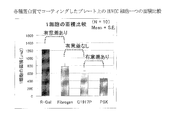
- FIG. 2 shows the results of the HUVEC cell adhesion test.
- FIG. 3 shows the results of the HUVEC cell adhesion test.
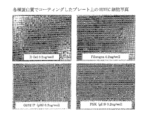
- FIG. 4 shows HUVEC cell photographs on plates coated with various proteins.
- FIG. The area comparison of one HUVEC cell on the plate coated with various proteins is shown.
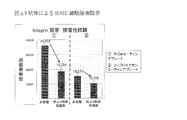
- FIG. 6 shows inhibition of HUVEC cell adhesion by anti- ⁇ V antibody.
- a genetically modified gelatin having an amino acid sequence derived from a partial amino acid sequence of collagen can be used, for example, those described in EP1014176A2, US6992172, WO2004-85473, WO2008 / 103041, etc. However, it is not limited to these.
- Preferred as the genetically modified gelatin used in the present invention is the genetically modified gelatin of the following embodiment.
- the genetically modified gelatin used in the present invention is excellent in biocompatibility due to the inherent performance of natural gelatin, and is not naturally derived.
- the genetically modified gelatin used in the present invention is more uniform than natural ones and the sequence is determined, the strength and degradability can be precisely designed with less blur due to cross-linking described later. It is.
- the molecular weight of the genetically modified gelatin used in the present invention is preferably from 2 to 100 KDa. More preferably, it is 2.5 to 95 KDa. More preferably, it is 5 to KDa. Most preferably, it is 10 KDa or more and 90 KDa or less.
- the genetically modified gelatin used in the present invention preferably has a repeating sequence represented by Gly-XY characteristic of collagen.
- the plurality of Gly-X-Ys may be the same or different.
- Gly-XY Gly represents glycine
- X and Y represent any amino acid (preferably any amino acid other than glycine).
- the GXY sequence characteristic of collagen is a very specific partial structure in the amino acid composition and sequence of gelatin / collagen compared to other proteins. In this part, glycine accounts for about one third of the whole, and in the amino acid sequence, it is one in three repeats. Glycine is the simplest amino acid, has few constraints on the arrangement of molecular chains, and greatly contributes to the regeneration of the helix structure upon gelation.
- the amino acids represented by X and Y are rich in imino acids (proline, oxyproline), and preferably account for 10% to 45% of the total.
- 80% or more of the sequence, more preferably 95% or more, and most preferably 99% or more of the amino acids are GXY repeating structures.
- General gelatin has 1: 1 polar amino acids, both charged and uncharged.
- the polar amino acid specifically means cysteine, aspartic acid, glutamic acid, histidine, lysine, asparagine, glutamine, serine, threonine, tyrosine, arginine, and among these polar uncharged amino acids are cysteine, asparagine, glutamine, serine. , Threonine, tyrosine.
- the proportion of polar amino acids is 10 to 40%, preferably 20 to 30%, of all the constituent amino acids.
- the ratio of the uncharged amino acid in the polar amino acid is 5% or more and less than 20%, preferably less than 10%. Furthermore, it is preferable that any one amino acid among serine, threonine, asparagine, tyrosine and cysteine is not included in the sequence, preferably two or more amino acids.
- the minimum amino acid sequence that acts as a cell adhesion signal in a polypeptide is known (for example, “Pathophysiology”, Vol. 9, No. 7 (1990), page 527, published by Nagai Publishing Co., Ltd.).
- the genetically modified gelatin used in the present invention preferably has two or more of these cell adhesion signals in one molecule.
- IKVAV sequence, LRE sequence, DGEA sequence, and HAV sequence are preferable, RGD sequence, YIGSR sequence, PDSGR sequence, LGTIPG sequence, IKVAV sequence, and HAV sequence, and particularly preferably RGD sequence.
- RGD sequences an ERGD sequence is preferred.
- the number of amino acids between RGDs is not uniform between 0 and 100, preferably between 25 and 60.
- the content of the minimum amino acid sequence is preferably 3 to 50, more preferably 4 to 30, and particularly preferably 5 to 20 per protein molecule from the viewpoint of cell adhesion and proliferation. Most preferably, it is 12.
- the ratio of the RGD motif to the total number of amino acids is preferably at least 0.4%.
- each stretch of 350 amino acids has at least 1 stretch.
- it contains two RGD motifs.
- the ratio of RGD motif to the total number of amino acids is more preferably at least 0.6%, more preferably at least 0.8%, more preferably at least 1.0%, more preferably at least 1.2%. And most preferably at least 1.5%.
- the number of RGD motifs in the genetically modified gelatin is preferably at least 4, more preferably 6, more preferably 8, more preferably 12 or more and 16 or less per 250 amino acids.
- a ratio of 0.4% of the RGD motif corresponds to at least one RGD sequence per 250 amino acids. Since the number of RGD motifs is an integer, a gelatin of 251 amino acids must contain at least two RGD sequences to meet the 0.4% feature.
- the recombinant gelatin of the present invention comprises at least 2 RGD sequences per 250 amino acids, more preferably comprises at least 3 RGD sequences per 250 amino acids, more preferably at least 4 per 250 amino acids. Contains one RGD sequence.
- it contains at least 4 RGD motifs, preferably 6, more preferably 8, more preferably 12 or more and 16 or less.
- the genetically modified gelatin may be partially hydrolyzed.
- the genetically modified gelatin used in the present invention preferably has a repeating structure of A-[(Gly-XY) n ] m -B.
- m is preferably 2 to 10, and preferably 3 to 5.
- n is preferably 3 to 100, more preferably 15 to 70, and most preferably 50 to 65.
- the naturally occurring collagen referred to here may be any naturally occurring collagen, but is preferably type I, type II, type III, type IV, and type V. More preferred are type I, type II and type III.
- the collagen origin is preferably human, cow, pig, mouse, rat. More preferably, it is a human.
- the isoelectric point of the genetically modified gelatin used in the present invention is preferably 5 to 10, more preferably 6 to 10, and further preferably 7 to 9.5.
- the genetically modified gelatin is not deaminated.
- the genetically modified gelatin does not have procollagen and procollagen.
- the genetically modified gelatin has no telopeptide.
- the genetically modified gelatin is a substantially pure collagen material prepared with a nucleic acid encoding natural collagen.
- the genetically modified gelatin used in the present invention (1) the amino acid sequence of SEQ ID NO: 1; or (2) 80% or more (more preferably 90% or more, most preferably 95% or more) of homology with the amino acid sequence of SEQ ID NO: 1, An amino acid sequence having an angiogenic effect; A genetically modified gelatin having
- the genetically modified gelatin used in the present invention can be produced by a genetic recombination technique known to those skilled in the art, for example, according to the method described in EP1014176A2, US6992172, WO2004-85473, WO2008 / 103041, and the like. Specifically, a gene encoding the amino acid sequence of a predetermined recombinant gelatin is obtained, and this is incorporated into an expression vector to produce a recombinant expression vector, which is then introduced into a suitable host to produce a transformant. To do. By culturing the obtained transformant in an appropriate medium, genetically modified gelatin is produced.
- the genetically modified gelatin used in the present invention is prepared by recovering the genetically modified gelatin produced from the culture. be able to.
- the performance of the genetically modified gelatin alone is insufficient, it may be mixed with other materials or combined.
- different types of genetically modified gelatin other biopolymers or synthetic polymers may be mixed.
- the biopolymer include polysaccharides, polypeptides, proteins, nucleic acids, antibodies and the like. Preferred are polysaccharides, polypeptides, and proteins.
- polysaccharides, polypeptides, and proteins include collagen, gelatin, albumin, fibroin, and casein. Furthermore, these may be partially chemically modified as necessary. For example, hyaluronic acid ethyl ester may be used.
- polysaccharide examples include glycosaminoglycans represented by hyaluronic acid and heparin, chitin, and chitosan.
- polyamino acids examples include poly- ⁇ -glutamic acid.
- the genetically modified gelatin used in the present invention can be chemically modified depending on the application.
- Chemical modifications include the introduction of low molecular weight compounds or various polymers (biopolymers (sugars, proteins), synthetic polymers, polyamides) into the carboxyl group or amino group of the side chain of genetically modified gelatin, Examples include cross-linking between gelatins.
- Examples of the introduction of the low molecular weight compound into the genetically modified gelatin include a carbodiimide-based condensing agent.
- the crosslinking agent used in the present invention is not particularly limited as long as the present invention can be carried out, and may be a chemical crosslinking agent or an enzyme.
- the chemical cross-linking agent include formaldehyde, glutaraldehyde, carbodiimide, cyanamide and the like. Preferred are formaldehyde and glutaraldehyde.
- examples of cross-linking of genetically modified gelatin include light irradiation on gelatin into which a photoreactive group has been introduced, or light irradiation in the presence of a photosensitizer.
- the photoreactive group include a cinnamyl group, a coumarin group, a dithiocarbamyl group, a xanthene dye, and camphorquinone.
- the enzyme When performing cross-linking by an enzyme, the enzyme is not particularly limited as long as it has a cross-linking action between genetically modified gelatin chains.
- trans-glutaminase and laccase most preferably trans-glutaminase is used for cross-linking. it can.
- a specific example of a protein that is enzymatically cross-linked with transglutaminase is not particularly limited as long as it has a lysine residue and a glutamine residue.
- the transglutaminase may be derived from a mammal or may be derived from a microorganism. Specifically, transglutaminase derived from a mammal that has been marketed as an Ajinomoto Co., Ltd.
- Human-derived blood coagulation factors Factor XIIIa, Haematologic Technologies, Inc.
- Factor XIIIa Haematologic Technologies, Inc.
- guinea pig liver-derived transglutaminase goat-derived transglutaminase
- rabbit-derived transglutaminase manufactured by Oriental Yeast Co., Ltd., Upstate USA Inc., Biodesign International, etc. Etc.
- the cross-linking of genetically modified gelatin has two processes: a process of mixing a genetically modified gelatin solution and a cross-linking agent and a process of reacting these uniform solutions.
- the mixing temperature when the genetically modified gelatin is treated with the crosslinking agent is not particularly limited as long as the solution can be uniformly stirred, but is preferably 0 ° C. to 40 ° C., more preferably 0 ° C. to 30 ° C. More preferably, it is 3 ° C to 25 ° C, more preferably 3 ° C to 15 ° C, still more preferably 3 ° C to 10 ° C, and particularly preferably 3 ° C to 7 ° C.
- the reaction temperature is not particularly limited as long as the crosslinking proceeds, but is substantially 0 ° C. to 60 ° C., more preferably 0 ° C. to 40 ° C. in view of denaturation and degradation of the recombinant gelatin.
- the temperature is preferably 3 ° C to 25 ° C, more preferably 3 ° C to 15 ° C, still more preferably 3 ° C to 10 ° C, and particularly preferably 3 ° C to 7 ° C.
- a drug can be encapsulated as desired.
- the drug is a physiologically active ingredient.
- Specific examples include transdermal absorption agents, topical therapeutic agents, oral therapeutic agents, cosmetic ingredients, and supplement ingredients.
- Specific examples of the drug include anti-inflammatory agents, antibacterial agents, antibiotic agents, immunosuppressive agents, antioxidant agents, anticancer agents, vitamins, nucleic acids, and antibodies. Particularly preferred are anti-inflammatory agents.
- As the anti-inflammatory agent either steroidal or non-steroidal may be used.
- anti-inflammatory agents include, for example, aspirin, acetaminophen, phenachicene, indomethacin, diclofenac sodium, piroxicam, fenoprofen calcium, ibuprofen, chlorpheniramine maleate, diflunisal, dexamethasone sodium phosphate, paclitaxel, docetaxel, 5 -Fluorouracil, topotensin, cisplatin, rapamycin, tacrolimus, cyclosporine.
- vitamins both water-soluble and fat-soluble are used.
- Specific examples of the vitamin include vitamin A, vitamin B group, vitamin C, vitamin D group, vitamin E, and vitamin K, for example.
- Specific drugs have been listed above, but as long as the genetically modified gelatin used in the present invention is used, the present invention is not limited to the drugs listed above.
- an angiogenesis is achieved by administering a genetically modified gelatin having an amino acid sequence derived from the above-described partial amino acid sequence of collagen to a subject (for example, a mammal such as a human) in need of angiogenesis induction. Can be induced.
- the angiogenesis-inducing agent of the present invention can be appropriately determined in dosage, usage, and dosage form according to the intended use.
- the angiogenesis-inducing agent of the present invention may be directly administered to a target site in a living body, or distilled water for injection, physiological saline for injection, pH 5-8 buffer (phosphate system, citric acid) It may be suspended in a liquid excipient such as an aqueous solvent such as a system and administered by injection, coating, or the like. Further, it may be applied after mixing with an appropriate excipient to form an ointment, gel or cream.
- the administration form of the angiogenesis inducer of the present invention may be oral or parenteral (for example, intravenous administration, intramuscular administration, subcutaneous administration, intradermal administration, etc.).
- parenteral for example, intravenous administration, intramuscular administration, subcutaneous administration, intradermal administration, etc.
- direct injection into the heart muscle from the intraventricular lumen using a catheter, or catheter in the stenosis or occlusion part in the coronary artery It is also possible to release or apply them locally using.
- Examples of the dosage form include orally administered drugs such as tablets, powders, capsules, granules, extracts and syrups, or injections (for example, intravenous injections, intramuscular injections, subcutaneous injections, intradermal injections). Etc.) and the like.
- the form of the angiogenesis-inducing agent of the present invention is not particularly defined, and examples thereof include sponges, films, nonwoven fabrics, fibers (tubes), particles, meshes and the like.
- the formulation of the angiogenesis-inducing agent of the present invention can be performed according to methods known to those skilled in the art.
- the pharmaceutical carrier when the pharmaceutical carrier is a liquid, it can be dissolved or dispersed, and when the pharmaceutical carrier is a powder, it can be mixed or adsorbed.
- pharmaceutically acceptable additives for example, preservatives, stabilizers, antioxidants, excipients, binders, disintegrants, wetting agents, lubricants, coloring agents, fragrances
- Flavoring agents skin coats, suspending agents, emulsifiers, solubilizers, buffering agents, tonicity agents, plasticizers, surfactants or soothing agents, and the like.
- the dose of the genetically modified gelatin is not particularly limited, but is, for example, 1 to 100 mg, preferably 1 to 50 mg per 1 cm 2 of the surface area of the organism to be administered.
- Examples of the target diseases of the angiogenesis-inducing agent of the present invention include malignant tumor, ischemic disease, angiogenesis therapy, cell / tissue regeneration therapy, cell transplantation treatment, diabetic necrosis, ulcer, hearing loss, heart disease, arteriosclerosis, acute Examples include coronary syndrome, acute myocardial infarction, unstable angina, and sudden cardiac death.
- CBE3 described below was prepared as a genetically modified gelatin (described in WO2008-103041).
- the amino acid sequence of CBE3 does not include serine, threonine, asparagine, tyrosine and cysteine.
- CBE3 has an ERGD sequence. Isoelectric point: 9.34
- Amino acid sequence (SEQ ID NO: 1 in the sequence listing) (same as SEQ ID NO: 3 in WO2008 / 103041, except that X at the end is corrected to “P”)
- GAP GAPGLQGAPGLQGMPGERGAAGLPGPKGERGDAGPKGADGAPGAPGLQGMPGERGAAGLPGPKGERGDAGPKGADGAPGKDGVRGLAGPIGPPGERGAAGLPGPKGERGDAGPKGADGAPGKDGVRGLAGPIGPPGPAGAPGAPGLQGMPGERGAAGLPGAPG
- the resulting gel was quenched at ⁇ 50 ° C. and lyophilized at ⁇ 10 ° C. for 48 hours.
- the water content of the gel was measured from the change in the weight of the crosslinked R-Gel before and after the swelling treatment with PBS for 24 hours at 4 ° C., and was 95.4%.
- the obtained gel was cut out at 5 mg.
- vascular endothelial cells cannot be efficiently adhered in the PI-5 gel administration group.
- the R-Gel preparation of the present invention when used, vascular endothelial cells can be actively adhered without using growth factors such as bFGF, and an angiogenic effect can be obtained.
- hemoglobin B-Test Wako kit (Wako Pure Chemical Industries) was used.
- the R-Gel preparation 5 mg impregnated with 50 ⁇ l of the prepared PBS solution was implanted subcutaneously in the back of the mouse.
- 50 ⁇ l of PBS solution was subcutaneously administered.
- PI-5 gel (medgel) 5 mg impregnated with 50 ⁇ l of PBS solution was subcutaneously implanted.
- HUVEC was cultured using endothelial cell basic medium-2 (serum-free) (EBM TM- 2) and endothelial cell medium kit-2 (2% FBS) (EGM TM- 2 BulletKit TM ) (Takara Bio Inc.) .
- EBM TM- 2 endothelial cell basic medium-2
- EBM TM- 2 BulletKit TM endothelial cell medium kit-2
- An EDTA-containing 0.25% trypsin solution was used at the time of passage and cell detachment.
- HUVEC grown to a sufficient amount in a T-75 flask was peeled from the bottom of the flask, and the supernatant was removed by centrifugation. Thereafter, the cells were washed with endothelial cell culture medium-2 containing the above endothelial cell culture medium kit-2, and the supernatant was again removed by centrifugation.
- 0.1% BSA was added to endothelial cell culture medium-2 without
- R-Gel various proteins (R-Gel, fibronectin, collagen manufactured by Fibrogen (hereinafter referred to as Fibrogen), pig skin-derived gelatin (hereinafter referred to as PSK), cow bone-derived gelatin (hereinafter referred to as The plate coated with G1917P))) was prepared.
- Fibrogen pig skin-derived gelatin
- PSK cow bone-derived gelatin
- the plate coated with G1917P cow bone-derived gelatin
- Fibrogen was dissolved in PBS (phosphate buffer) at a concentration of 1 mg / mL to prepare a Fibrogen solution.
- PSK was dissolved in PBS (phosphate buffer) at a concentration of 1 mg / mL to prepare a PSK solution.
- G1917P was dissolved in PBS (phosphate buffer) at a concentration of 1 mg / mL to prepare a G1917P solution. The above lysate was diluted with PBS at any time and used for plate addition.
- ⁇ Non-treated 96-well plate (IWAKI) was used for the plate.
- a solution obtained by diluting the above lysate with PBS was added to a non-treated 96-well plate at 50 ⁇ L / well so that the protein concentration was 0.02, 0.1, 0.2, 2.0 ⁇ g / well. Thereafter, incubation was performed at 37 ° C. for 2 hours, and after removing the solution, 100 ⁇ L of PBS was added to all wells and washed to remove PBS (washing step). The washing step was performed 3 times. This resulted in coating plates with different coating proteins and coating concentrations.
- DNA assay was used.
- 100 ⁇ L of SDS solution (20 mg of SDS dissolved in 100 mL of 1 ⁇ SSC solution: 1 ⁇ SSC solution is 17.999 g NaCl and 8.823 g Na 3 Citrate in 2 L ultrapure (Dissolved in water) and leave at 37 ° C. for 1 hour.
- Transfer the total amount of each individual solution to a 96-well black plate (Non-treated) and add 100 ⁇ L of Hoechst solution (20 ⁇ L of Hoechst 33258 and 20 mL of 1 ⁇ SSC solution) to all wells.
- the fluorescence intensity was measured with a reader.
- the plate reader used was Gemini EM (Molecular Devices), and the fluorescence intensity was measured at an excitation wavelength of 355 nm and a measurement wavelength of 460 nm.
- a calibration curve was prepared from a suspension of HUVEC cells with the number of cells adjusted.
- FIG. 2 and FIG. 3 The results of the obtained cell adhesion test (DNA assay) are shown in FIG. 2 and FIG. As a result, R-Gel showed better cell adhesion to HUVEC than fibronectin, fibrogen, PSK and G1917P. Moreover, the state of cell adhesion on the R-Gel coating plate, cell adhesion on the Fibrogen coating plate, cell adhesion on the PSK coating plate, and cell adhesion on the G1917P coating plate is shown in FIG. In the R-Gel coated plate, it can be visually confirmed that the number of adherent cells is large. At the same time, from this photograph, the area of one individually attached cell was determined with the software ImageJ. The result is shown in FIG. This indicates that R-Gel has a significantly larger cell area than Fibrogen, PSK, and G1917P, so there is a stronger bond between R-Gel and HUVEC than the others. I found out.
- the coating concentration was 0.2 ⁇ g / well, and the experiment was conducted using an R-Gel coating plate and a fibronectin coating plate.
- the prepared HUVEC cells were incubated with a sufficient concentration of anti-human ⁇ V monoclonal antibody (MAB1980: CHEMICON) at 37 ° C for 30 minutes, and the same amount of PBS was added and incubated at 37 ° C for 30 minutes, respectively. It indicated as antibody-treated HUVEC and untreated HUVEC.
- Cell seeding was performed by adding a solution prepared so that the antibody-treated HUVEC or untreated HUVEC was 1 million cells / mL to the plate at 100 ⁇ L / well.
- the cell adhesion time was 1 hour at 37 ° C. as in (2) above. Quantification of the number of cells was also performed by DNA assay in the same manner as in (2) above.
Landscapes
- Health & Medical Sciences (AREA)
- Chemical & Material Sciences (AREA)
- Organic Chemistry (AREA)
- Life Sciences & Earth Sciences (AREA)
- Medicinal Chemistry (AREA)
- General Health & Medical Sciences (AREA)
- Engineering & Computer Science (AREA)
- Veterinary Medicine (AREA)
- Bioinformatics & Cheminformatics (AREA)
- Pharmacology & Pharmacy (AREA)
- Animal Behavior & Ethology (AREA)
- Public Health (AREA)
- Proteomics, Peptides & Aminoacids (AREA)
- Nuclear Medicine, Radiotherapy & Molecular Imaging (AREA)
- General Chemical & Material Sciences (AREA)
- Chemical Kinetics & Catalysis (AREA)
- Molecular Biology (AREA)
- Genetics & Genomics (AREA)
- Biophysics (AREA)
- Biochemistry (AREA)
- Immunology (AREA)
- Zoology (AREA)
- Gastroenterology & Hepatology (AREA)
- Biomedical Technology (AREA)
- Cardiology (AREA)
- Epidemiology (AREA)
- Heart & Thoracic Surgery (AREA)
- Urology & Nephrology (AREA)
- Vascular Medicine (AREA)
- Dermatology (AREA)
- Medicines That Contain Protein Lipid Enzymes And Other Medicines (AREA)
- Peptides Or Proteins (AREA)
- Medicinal Preparation (AREA)
- Materials For Medical Uses (AREA)
Abstract
Description
好ましくは、遺伝子組み換えゼラチンは、コラーゲンに特徴的なGly-X-Yで示される配列(X及びYはそれぞれ独立にアミノ酸の何れかを示す)の繰り返しを有し(複数個のGly-X-Yはそれぞれ同一でも異なっていてもよい)、分子量が2 KDa以上100 KDa以下である。
好ましくは、遺伝子組み換えゼラチンは、コラーゲンに特徴的なGly-X-Yで示される配列(X及びYはそれぞれ独立にアミノ酸の何れかを示す)の繰り返しを有し(複数個のGly-X-Yはそれぞれ同一でも異なっていてもよい)、分子量が10 KDa以上90 KDa以下である。
好ましくは、細胞接着シグナルはArg-Gly-Aspで示されるアミノ酸配列である。
好ましくは、遺伝子組み換えゼラチンのアミノ酸配列は、セリン、スレオニン、アスパラギン、チロシン、及びシステインを含まない。
好ましくは、遺伝子組み換えゼラチンのアミノ酸配列は、Asp-Arg-Gly-Aspで示されるアミノ酸配列を含まない。
式:A-[(Gly-X-Y)n]m-B
(式中、Aは任意のアミノ酸又はアミノ酸配列を示し、Bは任意のアミノ酸又はアミノ酸配列を示し、n個のXはそれぞれ独立にアミノ酸の何れかを示し、n個のYはそれぞれ独立にアミノ酸の何れかを示し、nは3~100の整数を示し、mは2~10の整数を示す。なお、n個のGly-X-Yはそれぞれ同一でも異なっていてもよい。)で示される。
式:Gly-Ala-Pro-[(Gly-X-Y)63]3-Gly
(式中、63個のXはそれぞれ独立にアミノ酸の何れかを示し、63個のYはそれぞれ独立にアミノ酸の何れかを示す。なお、n個のGly-X-Yはそれぞれ同一でも異なっていてもよい。)
で示される。
好ましくは、架橋はアルデヒド類、縮合剤、又は酵素により施される。
好ましくは、本発明の血管新生誘導剤は、血管新生部位に集積して血管新生を誘導する。
本発明で用いる遺伝子組み換えゼラチンとしては、コラーゲンの部分アミノ酸配列に由来するアミノ酸配列を有する遺伝子組み換えゼラチンを用いることができ、例えばEP1014176A2、US6992172、WO2004-85473、WO2008/103041等に記載のものを用いることができるが、これらに限定されるものではない。本発明で用いる遺伝子組み換えゼラチンとして好ましいものは、以下の態様の遺伝子組み換えゼラチンである。
好ましくは、遺伝子組み換えゼラチンはプロコラーゲンおよびプロコラーゲンを有さない。
好ましくは、遺伝子組み換えゼラチンはテロペプタイドを有さない。
好ましくは、遺伝子組み換えゼラチンは天然コラーゲンをコードする核酸により調製された実質的に純粋なコラーゲン用材料である。
(1)配列番号1に記載のアミノ酸配列;又は
(2)配列番号1に記載のアミノ酸配列と80%以上(さらに好ましくは90%以上、最も好ましくは95%以上)の相同性を有し、血管新生作用を有するアミノ酸配列;
を有する遺伝子組換えゼラチンである。
CBE3
分子量:51.6kD
構造: GAP[(GXY)63]3G
アミノ酸数:571個
RGD配列:12個
イミノ酸含量:33%
ほぼ100%のアミノ酸がGXYの繰り返し構造である。
CBE3のアミノ酸配列には、セリン、スレオニン、アスパラギン、チロシン及びシステインは含まれていない。
CBE3はERGD配列を有している。
等電点:9.34
GAP(GAPGLQGAPGLQGMPGERGAAGLPGPKGERGDAGPKGADGAPGAPGLQGMPGERGAAGLPGPKGERGDAGPKGADGAPGKDGVRGLAGPIGPPGERGAAGLPGPKGERGDAGPKGADGAPGKDGVRGLAGPIGPPGPAGAPGAPGLQGMPGERGAAGLPGPKGERGDAGPKGADGAPGKDGVRGLAGPP)3G
R-Gel水溶液(5.56%)2.43mlに、グルタルアルデヒド(和光純薬製)水溶液(1%)を0.27ml加えた後、3cm×3cm×4mmのシリコン鋳型に流し込み、室温で1時間、その後4℃で24時間保って、架橋反応を行った。反応終了後、鋳型からゲルをはずし、0.1Mグリシン水溶液30ml中で架橋反応を停止し、得られた架橋R-Gelを蒸留水で室温、1時間洗浄を3回行った。得られたゲルを-50℃で急冷させ、-10℃で48時間凍結乾燥させた。4℃で24時間にわたるPBSでの膨潤処理前後での架橋R-Gel重量の変化からゲルの含水率を測定したところ、95.4%であった。得られたゲルを5mgで切り出した。
作製したPBS溶液50μlを含浸させたR-Gel製剤5mgをマウス背部皮下に埋入した。別に対照群として、PBS溶液50μlを皮下投与した。さらに別の対照群としてPBS溶液50μlを含浸させたPI-5ゲル(メドジェル)5mgの皮下埋入を行った。投与から2週間後、マウスの皮膚を剥離し、製剤埋入およびPBS溶液投与部位を中心に1.5cm×1.5cmの周辺組織を取り出し、チューブに入れた。チューブ内で周辺組織を細かく切断し、抽出液(10mM Tris, 1mM EDTA, pH7.8)300μlを加えた。4℃で一晩ローテーターにて攪拌し、その後遠心にて上清を分離した。その上清を用いて、キットのプロトコルに従いヘモグロビン量を測定した。
結果を図1に示す。その結果、R-Gel製剤投与群は、PBS溶液投与群とPI-5ゲル投与群と比較し、明らかにヘモグロビン量が増加していた。したがって、R-Gelによる血管新生効果が確認した。
R-Gelの新生血管集積メカニズムの詳細を得る為、R-Gelの血管内皮細胞への細胞接着性試験、及びαVβ3インテグリンとの相互作用を調べるための実験を行った。
使用した血管内皮細胞としては、HUVEC(正常ヒト臍帯静脈内皮細胞:タカラバイオ社)を用いた。該細胞はその細胞表面に多数のαVβ3インテグリンを恒常的に発現していることが知られており、該細胞との細胞接着性を試験することは、新生血管で活性化される血管内皮細胞への結合性を明らかにするとともに、新生血管部位で高発現されることが報告されているαVβ3インテグリンへの結合性を明らかにすることにもなる。
R-GelとHUVECの結合が、αVβ3インテグリンを介した結合であることを確認するため上記(2)で行ったR-Gelの細胞接着性試験について、αVβ3インテグリンを抗αV抗体によってブロックすることで、当該接着が抑制されるかの実験を行った。
Claims (16)
- コラーゲンの部分アミノ酸配列に由来するアミノ酸配列を有する遺伝子組み換えゼラチンを含む、血管新生誘導剤。
- 遺伝子組み換えゼラチンが、コラーゲンに特徴的なGly-X-Yで示される配列(X及びYはそれぞれ独立にアミノ酸の何れかを示す)の繰り返しを有し(複数個のGly-X-Yはそれぞれ同一でも異なっていてもよい)、分子量が2 KDa以上100 KDa以下である、請求項1に記載の血管新生誘導剤。
- 遺伝子組み換えゼラチンが、コラーゲンに特徴的なGly-X-Yで示される配列(X及びYはそれぞれ独立にアミノ酸の何れかを示す)の繰り返しを有し(複数個のGly-X-Yはそれぞれ同一でも異なっていてもよい)、分子量が10 KDa以上90 KDa以下である、請求項1又は2に記載の血管新生誘導剤。
- 遺伝子組み換えゼラチンが、コラーゲンに特徴的なGly-X-Yで示される配列(X及びYはそれぞれ独立にアミノ酸の何れかを示す)の繰り返しを有し(複数個のGly-X-Yはそれぞれ同一でも異なっていてもよい)、細胞接着シグナルを一分子中に2配列以上含む、請求項1から3の何れかに記載の血管新生誘導剤。
- 細胞接着シグナルがArg-Gly-Aspで示されるアミノ酸配列である、請求項4に記載の血管新生誘導剤。
- 遺伝子組み換えゼラチンのアミノ酸配列が、セリン及びスレオニンを含まない、請求項1から5の何れかに記載の血管新生誘導剤。
- 遺伝子組み換えゼラチンのアミノ酸配列が、セリン、スレオニン、アスパラギン、チロシン、及びシステインを含まない、請求項1から6の何れかに記載の血管新生誘導剤。
- 遺伝子組み換えゼラチンのアミノ酸配列が、Asp-Arg-Gly-Aspで示されるアミノ酸配列を含まない、請求項1から7の何れかに記載の血管新生誘導剤。
- 遺伝子組み換えゼラチンが、
式:A-[(Gly-X-Y)n]m-B
(式中、Aは任意のアミノ酸又はアミノ酸配列を示し、Bは任意のアミノ酸又はアミノ酸配列を示し、n個のXはそれぞれ独立にアミノ酸の何れかを示し、n個のYはそれぞれ独立にアミノ酸の何れかを示し、nは3~100の整数を示し、mは2~10の整数を示す。なお、n個のGly-X-Yはそれぞれ同一でも異なっていてもよい。)で示される、請求項1から8の何れかに記載の血管新生誘導剤。 - 遺伝子組み換えゼラチンが、
式:Gly-Ala-Pro-[(Gly-X-Y)63]3-Gly
(式中、63個のXはそれぞれ独立にアミノ酸の何れかを示し、63個のYはそれぞれ独立にアミノ酸の何れかを示す。なお、n個のGly-X-Yはそれぞれ同一でも異なっていてもよい。)
で示される、請求項1から9の何れかに記載の血管新生誘導剤。 - 遺伝子組み換えゼラチンが、(1)配列番号1に記載のアミノ酸配列、又は(2)配列番号1に記載のアミノ酸配列と80%以上の相同性を有し、血管新生作用を有するアミノ酸配列を有する、請求項1から10の何れかに記載の血管新生誘導剤。
- 遺伝子組み換えゼラチンが架橋されている、請求項1から11の何れかに記載の血管新生誘導剤。
- 架橋がアルデヒド類、縮合剤、又は酵素により施される、請求項12に記載の血管新生誘導剤。
- 血管新生部位に集積して血管新生を誘導する、請求項1から13の何れかに記載の血管新生誘導剤。
- コラーゲンの部分アミノ酸配列に由来するアミノ酸配列を有する遺伝子組み換えゼラチンを、血管新生誘導を必要とする対象者に投与することを含む、血管新生を誘導する方法。
- 血管新生誘導剤の製造のための、コラーゲンの部分アミノ酸配列に由来するアミノ酸配列を有する遺伝子組み換えゼラチンの使用。
Priority Applications (3)
| Application Number | Priority Date | Filing Date | Title |
|---|---|---|---|
| EP10772189.6A EP2428215B1 (en) | 2009-05-07 | 2010-05-07 | Recombinant gelatin for use in the treatment of ischemic and heart disease and others |
| US13/319,289 US20120101040A1 (en) | 2009-05-07 | 2010-05-07 | angiogenesis inducing agent comprising recombinant gelatin |
| JP2011512362A JP5752033B2 (ja) | 2009-05-07 | 2010-05-07 | 遺伝子組み換えゼラチンを含む血管新生誘導剤 |
Applications Claiming Priority (2)
| Application Number | Priority Date | Filing Date | Title |
|---|---|---|---|
| JP2009-112659 | 2009-05-07 | ||
| JP2009112659 | 2009-05-07 |
Publications (1)
| Publication Number | Publication Date |
|---|---|
| WO2010128672A1 true WO2010128672A1 (ja) | 2010-11-11 |
Family
ID=43050169
Family Applications (1)
| Application Number | Title | Priority Date | Filing Date |
|---|---|---|---|
| PCT/JP2010/057796 Ceased WO2010128672A1 (ja) | 2009-05-07 | 2010-05-07 | 遺伝子組み換えゼラチンを含む血管新生誘導剤 |
Country Status (4)
| Country | Link |
|---|---|
| US (1) | US20120101040A1 (ja) |
| EP (1) | EP2428215B1 (ja) |
| JP (1) | JP5752033B2 (ja) |
| WO (1) | WO2010128672A1 (ja) |
Cited By (11)
| Publication number | Priority date | Publication date | Assignee | Title |
|---|---|---|---|---|
| EP2578246A2 (en) | 2011-09-29 | 2013-04-10 | Fujifilm Corporation | Scaffold for vascular endothelial cell migration |
| WO2013137268A1 (ja) | 2012-03-12 | 2013-09-19 | 富士フイルム株式会社 | 組織修復材の製造方法 |
| WO2014141877A1 (ja) | 2013-03-12 | 2014-09-18 | 富士フイルム株式会社 | 組織修復材 |
| JP2016174538A (ja) * | 2015-03-18 | 2016-10-06 | 富士フイルム株式会社 | 管状構造物、細胞構造体の製造方法、及び管状構造物の製造方法 |
| US10682842B2 (en) | 2015-09-11 | 2020-06-16 | Fujifilm Corporation | Method for producing gelatin structure, and gelatin structure production system |
| WO2022202938A1 (ja) | 2021-03-26 | 2022-09-29 | 富士フイルム株式会社 | 凍結乾燥用容器 |
| WO2022202632A1 (ja) | 2021-03-24 | 2022-09-29 | 富士フイルム株式会社 | 加熱処理装置及び加熱処理物の製造方法 |
| WO2022202633A1 (ja) | 2021-03-26 | 2022-09-29 | 富士フイルム株式会社 | 粉体供給装置 |
| WO2022210204A1 (ja) | 2021-03-31 | 2022-10-06 | 富士フイルム株式会社 | 粉砕方法、高分子ブロック製造方法及び粉砕装置 |
| WO2023053710A1 (ja) | 2021-09-30 | 2023-04-06 | 富士フイルム株式会社 | 組織修復材キット及び組織修復方法 |
| WO2023188492A1 (ja) | 2022-03-30 | 2023-10-05 | 富士フイルム株式会社 | 組織修復材及び組織修復材の製造方法 |
Families Citing this family (2)
| Publication number | Priority date | Publication date | Assignee | Title |
|---|---|---|---|---|
| WO2019093468A1 (ja) * | 2017-11-10 | 2019-05-16 | 富士フイルム株式会社 | 間葉系幹細胞からインスリン産生細胞を製造する方法、インスリン産生細胞、細胞構造体および医薬組成物 |
| CN119264243B (zh) * | 2024-10-17 | 2025-07-22 | 河北纳科生物科技有限公司 | 一种重组人i型胶原蛋白及其制备方法和应用 |
Citations (6)
| Publication number | Priority date | Publication date | Assignee | Title |
|---|---|---|---|---|
| EP1014176A2 (en) | 1998-12-23 | 2000-06-28 | Fuji Photo Film B.V. | Silver halide emulsions containing recombinant gelatin-like proteins |
| JP2003516730A (ja) * | 1999-11-12 | 2003-05-20 | ファイブローゲン、インコーポレーテッド | 組換えゼラチン |
| WO2004085473A2 (en) | 2003-03-28 | 2004-10-07 | Fuji Photo Film B.V. | Rgd-enriched gelatine-like proteins with enhanced cell binding |
| US6992172B1 (en) | 1999-11-12 | 2006-01-31 | Fibrogen, Inc. | Recombinant gelatins |
| WO2008103041A1 (en) | 2007-02-21 | 2008-08-28 | Fujifilm Manufacturing Europe B.V. | Recombinant gelatins |
| WO2008133196A1 (ja) * | 2007-04-19 | 2008-11-06 | Fujifilm Corporation | 再生医療用材料 |
Family Cites Families (6)
| Publication number | Priority date | Publication date | Assignee | Title |
|---|---|---|---|---|
| EP0702959B1 (en) * | 1993-05-31 | 2001-08-08 | Kaken Pharmaceutical Co., Ltd. | Cross-linked gelatin gel preparation containing basic fibroblast growth factor |
| DE69931371T2 (de) * | 1998-07-10 | 2007-05-24 | Encelle, Inc. | Methoden zur verbesserung der vaskularisierung und förderung der wundheilung |
| EP1961411A1 (en) * | 2007-02-21 | 2008-08-27 | FUJIFILM Manufacturing Europe B.V. | A controlled release composition |
| WO2010103837A1 (ja) * | 2009-03-11 | 2010-09-16 | ゼライス株式会社 | アテローム性動脈硬化症の進行抑制薬・予防薬・血中コレステロール低下薬・機能性食品・特定保健用食品 |
| US8877158B2 (en) * | 2009-06-12 | 2014-11-04 | Fujifilm Corporation | Targeting agent to newly formed blood vessels |
| WO2011013791A1 (ja) * | 2009-07-30 | 2011-02-03 | 富士フイルム株式会社 | 遺伝子組み換えゼラチンを含む腎臓標的ドラッグデリバリー剤 |
-
2010
- 2010-05-07 EP EP10772189.6A patent/EP2428215B1/en active Active
- 2010-05-07 US US13/319,289 patent/US20120101040A1/en not_active Abandoned
- 2010-05-07 WO PCT/JP2010/057796 patent/WO2010128672A1/ja not_active Ceased
- 2010-05-07 JP JP2011512362A patent/JP5752033B2/ja active Active
Patent Citations (7)
| Publication number | Priority date | Publication date | Assignee | Title |
|---|---|---|---|---|
| EP1014176A2 (en) | 1998-12-23 | 2000-06-28 | Fuji Photo Film B.V. | Silver halide emulsions containing recombinant gelatin-like proteins |
| JP2003516730A (ja) * | 1999-11-12 | 2003-05-20 | ファイブローゲン、インコーポレーテッド | 組換えゼラチン |
| US6992172B1 (en) | 1999-11-12 | 2006-01-31 | Fibrogen, Inc. | Recombinant gelatins |
| WO2004085473A2 (en) | 2003-03-28 | 2004-10-07 | Fuji Photo Film B.V. | Rgd-enriched gelatine-like proteins with enhanced cell binding |
| JP2007297402A (ja) * | 2003-03-28 | 2007-11-15 | Fujifilm Manufacturing Europe Bv | 増強した細胞結合性を有するrgdエンリッチゼラチン様タンパク質 |
| WO2008103041A1 (en) | 2007-02-21 | 2008-08-28 | Fujifilm Manufacturing Europe B.V. | Recombinant gelatins |
| WO2008133196A1 (ja) * | 2007-04-19 | 2008-11-06 | Fujifilm Corporation | 再生医療用材料 |
Non-Patent Citations (2)
| Title |
|---|
| "Pathophysiology", vol. 9, 1990, NAGAI SHOTEN CO., LTD., pages: 527 |
| See also references of EP2428215A4 |
Cited By (13)
| Publication number | Priority date | Publication date | Assignee | Title |
|---|---|---|---|---|
| EP2578246A2 (en) | 2011-09-29 | 2013-04-10 | Fujifilm Corporation | Scaffold for vascular endothelial cell migration |
| JP2013074936A (ja) * | 2011-09-29 | 2013-04-25 | Fujifilm Corp | 血管内皮細胞遊走用足場 |
| EP2578246A3 (en) * | 2011-09-29 | 2015-01-14 | Fujifilm Corporation | Scaffold for vascular endothelial cell migration |
| WO2013137268A1 (ja) | 2012-03-12 | 2013-09-19 | 富士フイルム株式会社 | 組織修復材の製造方法 |
| WO2014141877A1 (ja) | 2013-03-12 | 2014-09-18 | 富士フイルム株式会社 | 組織修復材 |
| JP2016174538A (ja) * | 2015-03-18 | 2016-10-06 | 富士フイルム株式会社 | 管状構造物、細胞構造体の製造方法、及び管状構造物の製造方法 |
| US10682842B2 (en) | 2015-09-11 | 2020-06-16 | Fujifilm Corporation | Method for producing gelatin structure, and gelatin structure production system |
| WO2022202632A1 (ja) | 2021-03-24 | 2022-09-29 | 富士フイルム株式会社 | 加熱処理装置及び加熱処理物の製造方法 |
| WO2022202938A1 (ja) | 2021-03-26 | 2022-09-29 | 富士フイルム株式会社 | 凍結乾燥用容器 |
| WO2022202633A1 (ja) | 2021-03-26 | 2022-09-29 | 富士フイルム株式会社 | 粉体供給装置 |
| WO2022210204A1 (ja) | 2021-03-31 | 2022-10-06 | 富士フイルム株式会社 | 粉砕方法、高分子ブロック製造方法及び粉砕装置 |
| WO2023053710A1 (ja) | 2021-09-30 | 2023-04-06 | 富士フイルム株式会社 | 組織修復材キット及び組織修復方法 |
| WO2023188492A1 (ja) | 2022-03-30 | 2023-10-05 | 富士フイルム株式会社 | 組織修復材及び組織修復材の製造方法 |
Also Published As
| Publication number | Publication date |
|---|---|
| EP2428215A4 (en) | 2013-12-18 |
| JP5752033B2 (ja) | 2015-07-22 |
| EP2428215B1 (en) | 2017-10-18 |
| JPWO2010128672A1 (ja) | 2012-11-01 |
| US20120101040A1 (en) | 2012-04-26 |
| EP2428215A1 (en) | 2012-03-14 |
Similar Documents
| Publication | Publication Date | Title |
|---|---|---|
| JP5752033B2 (ja) | 遺伝子組み換えゼラチンを含む血管新生誘導剤 | |
| WO2010147109A1 (ja) | 遺伝子組み換えゼラチン及び塩基性線維芽細胞増殖因子を含む血管新生誘導剤 | |
| Chen et al. | Structure, extraction, processing, and applications of collagen as an ideal component for biomaterials-a review | |
| Zhao et al. | Molecular hydrogels of therapeutic agents | |
| Jiang et al. | Bioinspired design of mannose-decorated globular lysine dendrimers promotes diabetic wound healing by orchestrating appropriate macrophage polarization | |
| Chattopadhyay et al. | Collagen‐based biomaterials for wound healing | |
| Segers et al. | Local delivery of proteins and the use of self-assembling peptides | |
| JP5995879B2 (ja) | 血管生成の抑制剤、並びにその製造方法、修飾方法及び抗腫瘍薬の製造における用途 | |
| Zamuner et al. | Smart biomaterials: Surfaces functionalized with proteolytically stable osteoblast-adhesive peptides | |
| EP0278781B1 (en) | Peptides with laminin activity | |
| JP5721140B2 (ja) | 新生血管に対する標的化剤 | |
| JP6873261B2 (ja) | タンニン酸を含む心臓を標的化するための薬剤 | |
| Uzunalli et al. | Peptide gels for controlled release of proteins | |
| CN113121642A (zh) | 自组装多肽、氧化还原响应多肽水凝胶及其制备方法和应用 | |
| CN114344481A (zh) | 一种多肽自组装纳米药物及其制备方法和应用 | |
| JP5699077B2 (ja) | 遺伝子組み換えゼラチンを含む腎臓標的ドラッグデリバリー剤 | |
| JP5778692B2 (ja) | 疾病抑制剤 | |
| Vichare et al. | Collagen-based nanomaterials in drug delivery and biomedical applications | |
| KR101109163B1 (ko) | 타이로신-세린-발린(ysv)을 포함하는 생물학적 활성펩티드 | |
| US20160346327A1 (en) | Synthetic Platelets | |
| CN117618668A (zh) | 一种基于胶原蛋白和软骨形成蛋白的融合蛋白的水凝胶的制备方法及应用 | |
| KR102171363B1 (ko) | 전구세포 또는 줄기세포 동원 활성을 가지는 물질 p 유사체 및 이를 포함하는 조성물 | |
| Zennifer et al. | Nanofiber matrices of protein mimetic bioactive peptides for biomedical applications | |
| Ma et al. | Functionalized collagen-based biomaterials via self-assembly: implications for gastrointestinal health | |
| Hu et al. | Peptide Nanomaterials for Tissue Engineering and Regenerative Medicine |
Legal Events
| Date | Code | Title | Description |
|---|---|---|---|
| 121 | Ep: the epo has been informed by wipo that ep was designated in this application |
Ref document number: 10772189 Country of ref document: EP Kind code of ref document: A1 |
|
| WWE | Wipo information: entry into national phase |
Ref document number: 2011512362 Country of ref document: JP |
|
| NENP | Non-entry into the national phase |
Ref country code: DE |
|
| WWE | Wipo information: entry into national phase |
Ref document number: 13319289 Country of ref document: US |
|
| REEP | Request for entry into the european phase |
Ref document number: 2010772189 Country of ref document: EP |
|
| WWE | Wipo information: entry into national phase |
Ref document number: 2010772189 Country of ref document: EP |