WO2006088071A1 - 抗hcv作用を有する化合物の製造方法およびその中間体 - Google Patents
抗hcv作用を有する化合物の製造方法およびその中間体 Download PDFInfo
- Publication number
- WO2006088071A1 WO2006088071A1 PCT/JP2006/302687 JP2006302687W WO2006088071A1 WO 2006088071 A1 WO2006088071 A1 WO 2006088071A1 JP 2006302687 W JP2006302687 W JP 2006302687W WO 2006088071 A1 WO2006088071 A1 WO 2006088071A1
- Authority
- WO
- WIPO (PCT)
- Prior art keywords
- group
- compound
- reaction
- formula
- mmol
- Prior art date
- Legal status (The legal status is an assumption and is not a legal conclusion. Google has not performed a legal analysis and makes no representation as to the accuracy of the status listed.)
- Ceased
Links
Classifications
-
- C—CHEMISTRY; METALLURGY
- C07—ORGANIC CHEMISTRY
- C07D—HETEROCYCLIC COMPOUNDS
- C07D413/00—Heterocyclic compounds containing two or more hetero rings, at least one ring having nitrogen and oxygen atoms as the only ring hetero atoms
- C07D413/02—Heterocyclic compounds containing two or more hetero rings, at least one ring having nitrogen and oxygen atoms as the only ring hetero atoms containing two hetero rings
- C07D413/06—Heterocyclic compounds containing two or more hetero rings, at least one ring having nitrogen and oxygen atoms as the only ring hetero atoms containing two hetero rings linked by a carbon chain containing only aliphatic carbon atoms
-
- A—HUMAN NECESSITIES
- A61—MEDICAL OR VETERINARY SCIENCE; HYGIENE
- A61P—SPECIFIC THERAPEUTIC ACTIVITY OF CHEMICAL COMPOUNDS OR MEDICINAL PREPARATIONS
- A61P31/00—Antiinfectives, i.e. antibiotics, antiseptics, chemotherapeutics
- A61P31/12—Antivirals
- A61P31/14—Antivirals for RNA viruses
-
- C—CHEMISTRY; METALLURGY
- C07—ORGANIC CHEMISTRY
- C07C—ACYCLIC OR CARBOCYCLIC COMPOUNDS
- C07C231/00—Preparation of carboxylic acid amides
- C07C231/12—Preparation of carboxylic acid amides by reactions not involving the formation of carboxamide groups
-
- C—CHEMISTRY; METALLURGY
- C07—ORGANIC CHEMISTRY
- C07F—ACYCLIC, CARBOCYCLIC OR HETEROCYCLIC COMPOUNDS CONTAINING ELEMENTS OTHER THAN CARBON, HYDROGEN, HALOGEN, OXYGEN, NITROGEN, SULFUR, SELENIUM OR TELLURIUM
- C07F7/00—Compounds containing elements of Groups 4 or 14 of the Periodic Table
- C07F7/02—Silicon compounds
- C07F7/08—Compounds having one or more C—Si linkages
- C07F7/18—Compounds having one or more C—Si linkages as well as one or more C—O—Si linkages
- C07F7/1804—Compounds having Si-O-C linkages
Definitions
- the present invention relates to a method for producing a compound having an anti-HCV action, an intermediate thereof, and a method for producing the same.
- Patent Document 1 It is disclosed in Patent Document 1 and has the formula
- the series of compounds indicated by are derived from microorganisms such as the genus Aureobasidium and have been shown to have therapeutic effects against fungal infections and immune diseases.
- the applicant of the present application has found that the above-mentioned compound has a high HCV replication inhibitory activity by the Lebricon Atsey method (Patent Document 2).
- these series of compounds are difficult to synthesize because they are derived from microorganisms, and there is a problem that the natural compounds cannot be synthesized by synthesizing them with limited derivatives.
- the applicant of the present application has developed a method for total synthesis of the above-mentioned compound and its related compounds without using microorganisms (Patent Document 3), but this method includes a number of steps. The rate was not enough. Therefore, a method for synthesizing a compound having an HCV replication inhibitory activity and a desired optical activity with a high number of steps and a high selectivity has been demanded.
- Patent Document 1 International Publication No. W098Z56755
- Patent Document 2 Japanese Patent Application No. 2003-34056
- Patent Document 3 Japanese Patent Application No. 2003-272420
- the applicant of the present invention has conducted intensive research to solve the above problems, and as a result, by using a compound having a specific chiral element as a starting compound, the applicant has an HCV replication inhibitory activity and has a desired It has been discovered that a compound having optical activity can be synthesized selectively and with a high yield in a small number of steps, and the present invention has been completed.
- the present invention relates to a formula (18)
- Ri to R 4 are the same or different and each represents a hydrogen atom, an optionally substituted aryl group, an optionally substituted heteroaryl group, an optionally substituted straight chain or branched chain.
- Z represents a linear alkyl group, substituted or linear or branched alkenyl group, or substituted or linear or branched alkyl group;
- Z represents an oxygen atom or a sulfur atom);
- Q represents a protected carbonyl group
- D represents — (CH 2), wherein m represents an integer of 0 to 10, and R ′ represents a hydrogen atom
- the present invention also provides a formula (7-1)
- P represents a hydroxyl protecting group
- P ′ represents a carboxyl protecting group
- the present invention also provides a formula (3-6)
- the present invention further provides formula (1-8)
- the present invention further provides formula (7-1)
- the step of reacting in the presence of a base is preferably performed in the presence of lithium chloride.
- R 5 and R 6 may be the same or different and each may be substituted, aryl group or substituted, A force representing a straight-chain or branched alkyl group or R 5 and R 6 together with a sulfur atom bonded to each other by representing an ethylene or propylene chain, 5 or 6-membered, respectively. Reacting in the presence of an oxidizing agent or an alkylating agent; or
- the present invention further provides a formula (7
- R represents one (CH 3) —J, where p represents an integer of 0 to 4, J represents hydrogen, OH
- the present invention further relates to a formula (7-3)
- Q 1 represents a carbo ol group or a protected carbo ol group].
- the present invention further provides a formula (7-6)
- a linear or branched alkyl group means a linear or branched hydrocarbon group having 1 to 12 carbon atoms, preferably carbon, unless otherwise specified. It means a linear or branched hydrocarbon group of 1 to 7. Examples thereof include a methyl group, an ethyl group, a propyl group, an isopropyl group, an n-butyl group, an isobutyl group, a t-butyl group, a pentyl group, and a heptyl group.
- the cycloalkyl group means a cyclic hydrocarbon group having 3 to 8 carbon atoms (which may have a double bond and Z or a triple bond).
- the straight-chain or branched alkenyl group is a straight-chain or branched hydrocarbon group having 2 to 8 carbon atoms and contains at least one double bond.
- a vinyl group, a 1 probe group, a allyl group, a 2-butyl group and the like can be mentioned.
- the straight-chain or branched alkynyl group means a straight-chain or branched hydrocarbon group having 2 to 8 carbon atoms and containing at least one triple bond.
- ethynyl group, 1 propynyl group, 2 propynyl group, 1-butynyl group, 3 butyryl group and the like can be mentioned.
- a linear or branched alkyl group, a cycloalkyl group, a linear or branched alkenyl group, and a linear or branched alkynyl group, which are included in a group such as a carbonyl group, are also included. , As defined above.
- an aryl group means a monocyclic or polycyclic hydrocarbon group having aromaticity.
- force-induced groups such as benzene, naphthalene, and anthracene.
- an aryl group contained in a group such as an aryloxy group, an aralkyl group, and an aralkyloxy group is also as defined above.
- the heteroaryl group has aromaticity and has 1 to 4 (preferably 1) heteroatoms independently selected from a nitrogen atom, a sulfur atom, and an oxygen atom.
- a 2- to 6-membered monocyclic or 7- to 10-membered bicyclic group (preferably a monocyclic group).
- Specific examples include groups derived from furan, thiophene, pyrrole, diazole, pyridine, thiazole, imidazole, pyrimidine, indole, quinoline, oxazole, isoxazole, pyrazine, triazole, thiadiazole, tetrazole, pyrazole, etc. Can do.
- a heterocyclic group means 1 to 4 hetero atoms (preferably 1 or 2) independently selected from a nitrogen atom, a sulfur atom, and an oxygen atom.
- 4 to 6-membered monocyclic or 7 to 10-membered bicyclic cyclic group (preferably monocyclic group) containing at least one double bond Specific groups such as pyran, morpholine, tetrahydrofuran, dihydrofuran, tetrahydropyran, dihydropyran, 1,3 dioxane, Examples include groups derived from perazine, piperidine, thiomorpholine and the like.
- an isyl group is bonded via a carbo group, and the above-mentioned linear or branched alkyl group, aryl group, heteroaryl group, or complex.
- the description that it can be substituted means that the group appended in this way is a linear or branched alkyl group or linear chain as defined above. Or a branched alkoxy group, a linear or branched alkenyl group, a linear or branched alkenyloxy group, a linear or branched alkynyl group, a linear or branched chain Alkyloxy group, cycloalkyl group, cycloalkyloxy group, cyano group, nitro group, trifluoromethyl group, halogen atom, aryl group, aryloxy group, heteroaryl group, aralkyl group, aralkyloxy group, amino group Group, alkylamino group
- an aryl group, an aryloxy group, a heteroaryl group, an aralkyl group, and an aralkyl group further include a halogen atom, a linear or branched alkenyloxy group, a cycloalkyl group, a cycloalkyloxy group.
- cyano group nitro group, trifluoromethyl group, halogen atom, aryl group, aryloxy group, heteroaryl group, aralkyl group, aralkyloxy group, amino group, alkylamino group, dialkylamino group, acyl group, alkyl group It may be substituted or trisubstituted by a sulfonyl group, an alkoxy group, a strong rubamoyl group, an alkylthio group, a carboxyl group, an alkylcarboxyl group, a formyl group, a sulfonamide group, or the like.
- the hydroxyl group or carboxyl group protecting group is a group for protecting these reactive groups with an unintended chemical reactivity, and after the completion of the reaction. Means a group which can be easily removed. Specific examples include protecting groups described in literature such as “Protective Groups in Organic Synthesis”, Theodora Greene ( ⁇ ), 1999, Wiley-Interscience.
- T- to protect the hydroxyl group Ptyldiphenylsilyl group (hereinafter also referred to as “TBDPS group”), tetrahydrobiranyl group, methoxymethyl group, benzyl group, trimethylsilyl group, p-methoxybenzyl group, t-butyldimethylsilyl group (hereinafter also referred to as “TBS group”)
- TBS group tyldiphenylsilyl group
- a group such as an acyl group can be preferably used.
- a linear or branched alkyl group having 1 to 6 carbon atoms methyl group, ethyl group, t-butyl group, etc.
- a group such as a alkenyl group (such as an aryl group) or a benzyl group is preferably used.
- the protected carbo group means a carbonyl group protected by a carbonyl protecting group.
- the carbonyl-protecting group means a group for protecting these reactive groups to an unintended chemical reaction force and can be easily removed after the reaction is completed. Specific examples include protecting groups described in documents such as “Protective Groups in Organic Synthesis, Theodora Greene (Author), 1999, Wiley-Interscience”. Examples of the protecting group for the carbo group include a cyclic or acyclic ketal group, a cyclic or acyclic acetal group, a cyclic or acyclic thioketal group, and a cyanohydrin group.
- ketal groups and cyclic or acyclic thioketal groups can be preferably used.
- Specific examples include dimethoxymethylene, bis (2,2,2-trichloroethyloxy) methylene, dibenzylmethylene, bis (2-trobenzyloxy) methylene, bis (acetinoreoxy) methylene, and 1,3 dioxane.
- the compound of formula (18) of the present invention has the formula:
- Ri to R 4 are the same or different and each represents a hydrogen atom, an optionally substituted aryl group, an optionally substituted heteroaryl group, an optionally substituted straight chain or branched chain.
- Z represents a linear alkyl group, substituted or linear or branched alkenyl group, or substituted or linear or branched alkyl group; Z Represents an oxygen atom or a sulfur atom).
- group Ri ⁇ R 4 contained in the group Y are the same or different and each represents a group described above.
- the optionally substituted aryl group include a phenyl group which may be substituted, a naphthyl group which may be substituted, and the like.
- a phenol group, a p-tolyl group and the like are preferable.
- the optionally substituted heteroaryl group include an optionally substituted pyridyl group and an optionally substituted pyrimidyl group.
- the linear or branched alkyl group may preferably be a methyl group, an ethyl group, an isopropyl group, a t-butyl group or the like.
- linear or branched alkenyl group examples include a bur group, a allyl group, and a 1-methyl benzyl group.
- optionally substituted linear or branched alkenyl group examples include ethynyl group and 2-methylethyl group.
- Z contained in the group Y represents an oxygen atom or a sulfur atom. From the viewpoint of high elimination and selectivity in steps 7-2 and 7-3 described below, Z is Preferably represents a sulfur atom.
- Y is preferably of the formula:
- R 1 and R 2 are the same or different and each may be an optionally substituted aryl group (particularly preferably, may be substituted or phenyl group) or may be substituted.
- R 3 is an optionally substituted linear or branched alkyl group (particularly preferably, an isopropyl group, a tbutyl group, etc.). And more preferably a group represented by the formula:
- Q is a protected carbonyl group, preferably a cyclic or acyclic ketal group and a cyclic or acyclic thioketal group .
- 1,3 dioxane-1,2,2 diyl group and 1,3 dioxolane-1,2,2 diyl group are preferable.
- D represents one (CH), where m is
- R ′ is a hydrogen atom, a linear or branched alkyl group, a linear or branched alkynyl group, a linear or branched alkenyl group, a cycloalkyl group, or a substituted group.
- n is a force n representing an integer of 0 to 0, n is preferably an integer of 2 to 8, more preferably an integer of 4 to 8, more preferably Is 6.
- Y, Q, D and n in the formula are defined in the same manner as in the compound of the above formula (18), and preferred ones in the above formula (1-8) are also defined.
- P represents a protecting group for a hydroxyl group
- P ′ represents a protecting group for a carboxyl group.
- p can be any group as long as it protects the hydroxyl group.
- t-butyldiphenylsilyl group, tetrahydrobiranyl group, methoxymethyl group, benzyl group, trimethylsilyl group, p-methoxybenzyl group Group, t-butyldimethylsilyl group, and acyl group can be used, and among them, t-butyldiphenylsilyl group and t-butyldimethylsilyl group can be preferably used.
- ⁇ Can be any group as long as it protects the carboxyl group.
- a methyl group, an ethyl group, a t-butyl group, an aryl group, a benzyl group, etc. can be used.
- a t-butyl group can be preferably used.
- the compound of formula (7-3) of the present invention has the formula
- Q 1 represents a carbo group or a protected carbo group.
- Examples of such a compound of formula (7-3) include the following compounds.
- It can be synthesized by a method including a step of reacting the compound represented by the above with a base and a condensing agent.
- the compound of formula (17) can be synthesized by the following steps starting from compound (11), and finally compound (1-8) can be obtained as a compound ( General process 1).
- Process 1 _ 3 Process 1 — 4 Process 1 1 5
- B is a leaving group of a force ruboxyl group such as a halogen atom, methylmethoxyamino group, 1 imidazolyl group
- Q is a protected carbonyl group
- Compound 1-1 is a commercially available compound (for example, trade name: monomethyl ester azalanate, manufactured by Tokyo Chemical Industry Co., Ltd.), which is used in a solvent inert to the reaction or depending on the reaction without solvent. 1 equivalent to 1 equivalent, preferably 0.01 to 0.
- the solvent inert to the reaction is not particularly limited as long as it is inert to the reaction.
- various ethers such as jetyl ether, tetrahydrofuran and dioxane are used.
- Benzene, toluene, cyclohexane, 1,2-dichloroethane, ethyl acetate, N, N-dimethylformamide, dimethyl sulfoxide, methylene chloride, chloroform, etc. can be used alone or in combination. Of these, toluene, N, N dimethylformamide and methylene chloride are preferred.
- the reaction is carried out at a temperature between 78 and 50 ° C., preferably between 15 and 25 ° C.
- the base that is preferably reacted in the presence of a base is, for example, from 1 equivalent to a large excess, preferably A tertiary amine such as 1 to 3 equivalents of pyridine, triethylamine and diisopropylethylamine is used, and triethylamine and diisopropylethylamine are preferred.
- the compound 1-2 obtained in Step 1-1 is used in an amount of 1 equivalent, preferably 0.01 to 0.1 equivalent of catalyst
- Compound 1-3 introduced with group D can be obtained by reacting with Grignard reagent or organolithium reagent having the desired group D, preferably in an amount equivalent to 1 to 2.
- the solvent inert to the reaction is not particularly limited as long as it is inert to the reaction. Examples thereof include various ethers such as jetyl ether, tetrahydrofuran, dioxane, benzene, n-hexane, toluene.
- Cyclohexane, N, N dimethylformamide, dimethyl sulfoxide and the like can be used alone or as a mixture thereof. Among them, jetyl ether, tetrahydrofuran, dioxane and toluene are preferable.
- the reaction is carried out at a temperature between 78 and 100 ° C., preferably between ⁇ 78 and 30 ° C. and is usually completed in 20 minutes to 5 hours.
- the catalyst for example, a copper compound, a cadmium compound, an iron compound, a cobalt compound, and a zinc compound are used, and among them, copper chloride and tris (2,4-pentanedioto) iron are preferable.
- 1 to 3 equivalents of a reagent that provides a protecting group for the carbonyl group such as ethylene glycol, bis (trimethylsiloxy) ethane, 2 alkoxy 1,3 dioxolane, 2 ethyl 2-methyl
- a compound 1-4 in which a carbonyl group is protected can be obtained by reacting with ethylene glycol, such as tilu-1,3 dioxolane, 2 dimethylamino-1,3 dioxolane, and triethyl formate dehydrating agent.
- the solvent inert to the reaction is not particularly limited as long as it is inert to the reaction.
- various ethers such as jetyl ether, tetrahydrofuran, dioxane, benzene, toluene, cyclohexane, 1, 2-Dichloroethane, ethyl acetate, N, N dimethylformamide, dimethyl sulfoxide, methylene chloride, black mouth form and the like can be used alone or in combination, and benzene and toluene are preferred.
- the reaction is carried out at a temperature between 40 ° C. and 150 ° C., preferably at a temperature between 80 ° C.
- the acid catalyst examples include toluenesulfonic acid, pyridinium paratoluenesulfonate, dilute hydrochloric acid, dilute sulfuric acid, acetic acid, trifluoroborane cetyl ether complex, trimethylsilane chloride, aluminum oxide, copper chloride, adipic acid, oxidation Selenium, ruthenium chloride, and ion exchange resin are used, and among them, toluenesulfonic acid and pyridinium paratoluenesulfonate are preferable.
- Compound 15 can be obtained by reacting compound 14 obtained in step 13 with a reducing agent in an amount of 1 equivalent to a large excess, preferably 1 to 2 equivalents, in a solvent inert to the reaction.
- the solvent inert to the reaction is not particularly limited as long as it is inert to the reaction.
- various ethers such as jetyl ether, tetrahydrofuran, dioxane, benzene, toluene, cyclohexane, and the like. These may be used alone or as a mixture thereof. Among them, jetyl ether, tetrahydrofuran, and dioxane are preferable.
- the reaction is carried out at a temperature between 20-30 ° C., preferably between 0-10 ° C. and is usually completed in 30 minutes to 2 hours.
- the reducing agent for example, lithium aluminum hydride, diisobutylaluminum hydride, red monoal, lithium borane tetrahydride, selectlide, and superhydride are used, among which lithium aluminum hydride is preferable.
- Compound 16 can be obtained by reacting Compound 15 obtained in Step 14 with an oxidizing agent in a solvent inert to the reaction from 1 equivalent to a large excess, preferably 1 to 1.2 equivalents of an oxidizing agent.
- the solvent inert to the reaction is not particularly limited as long as it is inert to the reaction.
- various ethers such as jetyl ether, tetrahydrofuran and dioxane, benzene, n-hexane, toluene, Cyclohexane, 1,2-dichloroethane, ethyl acetate, N, N dimethylformamide, dimethyl sulfoxide, methylene chloride, black mouth form, etc.
- benzene, toluene, cyclohexane Hexane, 1,2-dichloroethane, N, N dimethylformamide, dimethyl sulfoxide, methylene chloride, black mouth form and the like are preferable.
- the reaction is carried out at a temperature between 78-30 ° C and is usually completed in 30 minutes to 10 hours.
- oxidation for example, potassium permanganate, swan oxidation, DMSO oxidation, Collins oxidation, TEMPO oxidation, triacid-sulfur monosulfur trioxide pyridine complex acid, etc. are used.
- TEMPO oxidation, sulfur trioxide- Pyridine complex oxidation is preferred.
- Steps 14 and 1-5 are carried out by reacting compound 14 obtained in step 13 with a reducing agent in an inert solvent for reaction with 1 equivalent to a large excess, preferably 1 to 1.2 equivalents. It is possible to obtain compound 1-6 directly.
- the solvent inert to the reaction is not particularly limited as long as it is inert to the reaction.
- various ethers such as jetyl ether, tetrahydrofuran, dioxane and the like, benzene, toluene, cyclohexane and the like can be used. These can be used alone or in combination, and tetrahydrofuran and n-toluene are preferred.
- the reaction is carried out at a temperature between 78 and 30 ° C, preferably between -78 and 0 ° C, and is usually completed in 30 minutes to 2 hours.
- a reducing agent for example, a complex of a reducing agent such as diisobutylaluminum hydride, lithium aluminum hydride, red monoal, lithium borane tetrahydride, selectlide, superhydride and a secondary amine such as jetylamine, pyrrolidine, pyrimidine, A base such as t-butoxypotassium is used as the catalyst, with diisobutylaluminum hydride being preferred.
- the solvent inert to the reaction is not particularly limited as long as it is inert to the reaction.
- ethers such as jetyl ether, tetrahydrofuran and dioxane, benzene, n- hexane, Tolenene, cyclohexane, 1,2-dichloroethane, ethyl acetate, N, N dimethylformamide, dimethyl sulfoxide, methylene chloride, chloroform, etc. can be used alone or in combination.
- n—Hexane, toluene and cyclohexane are preferred.
- the reaction is carried out at a temperature between 50 and 150 ° C., preferably between 80 and 110 ° C. and is usually completed in 1 hour to 30 hours.
- bases include triethylamine, diisopropylethylamine, pyridine, diazabicycloundecene, potassium t-butoxide, and sodium methoxide, with triethylamine and diisopropylethylamine being particularly preferred! /.
- Compound 17 obtained in Step 17 in a solvent inert to the reaction from a catalytic amount to a large excess, preferably from a catalytic amount to 1.2 equivalents of a base, and from 1 equivalent to a large excess, preferably from 1 to 1.2
- the compound 1-8 can be obtained by reacting with a chiral element having an excess of 1 equivalent, preferably 1 to 1.2 equivalents, in the presence of an equivalent amount of a condensing agent.
- the solvent inert to the reaction is not particularly limited as long as it is inert to the reaction.
- ethers such as jetyl ether, tetrahydrofuran, dioxane, benzene, toluene, cyclohexane, 1, 2-Dichloroethane, ethyl acetate, N, N dimethylformamide, dimethyl sulfoxide, methylene chloride, black mouth form, and the like can be used alone or in combination, and among these, toluene and methylene chloride are preferred.
- the reaction is carried out at a temperature between 0 ° C. and 50 ° C., preferably between 0 ° C. and 25 ° C., and is usually completed in 30 minutes to 10 hours.
- triethylamine, N, N dimethylaminopyridine, N, N diisopropylethylamine, pyridine and the like are used, among which triethylamine and N, N-dimethylaminopyridine are preferable.
- DCC dicyclohexylcarbodiimide
- DIPC diisopropylcarbodiimide
- N-ethyl N-3-dimethylaminopropylcarbodiimide hydrochloride is preferred.
- chiral elements include (R or S) optically active alcohols and optically active amines, N-alkyl compounds thereof, ⁇ and j8-amino acids and N alkyl compounds thereof, or alkyl esters and compounds having a combination force thereof, or Optically active strength can be derived from 5-membered or 6-membered ring products, especially the formula:
- Such compounds include (R or S) —4-alkyl or 4,4-dialkyl, 5-alkyl or 5,5-dialkyl or a combination thereof, oxazolidin 1-2 thione, (R or S) — 4 Oxazolidin 2 —one consisting of alkyl, 4,4-dialkyl, 5 alkyl, 5,5 dialkyl or combinations thereof can be used, among others (S) —4-isopropyl-1,5-diphenyl-oxazolidine-2 On-one and (S) -4 isopropyl 5,5 diphenyloxazolidine 2-thione are preferred.
- the compound of the formula (16), which is an intermediate compound in the above general process 1 can also be produced by the following process (general process 2).
- A is a hydrogen atom or a linear or branched alkyl group
- B is a leaving group such as a halogen atom, a methylmethoxyamino group, or an imidazolyl group
- n, D, and And Q are as described above.
- Compound 2-1 is a commercially available compound (for example, trade name: oleic acid, manufactured by Tokyo Chemical Industry Co., Ltd.), which can be used in a solvent inert to the reaction or without a solvent depending on the reaction, from 1 equivalent to a large amount.
- oleic acid manufactured by Tokyo Chemical Industry Co., Ltd.
- oxalyl dichloride or thionyl chloride preferably 1 to 3 equivalents of oxalyl dichloride or thionyl chloride, cross-linking agents such as phosphorus oxychloride, fluorinating agents such as cyanuric fluoride, and halogenating agents, imidazolylation such as carbodiimidazole Agents, reactions with amines such as methoxymethylamine and amides, acid halogenating agents such as pivaloyl chloride and acetyl chloride, phosphorylating agents such as dichlorotriphenylphosphorane, and thiolizing agents such as phenol thiol By reacting with the compound B, the compound B in which the group B is introduced can be obtained.
- cross-linking agents such as phosphorus oxychloride, fluorinating agents such as cyanuric fluoride, and halogenating agents
- imidazolylation such as carbodiimidazole Agents
- the solvent inert to the reaction is not particularly limited as long as it is inert to the reaction.
- various ethers such as jetyl ether, tetrahydrofuran, dioxane, benzene, toluene, cyclohexane, 1 , 2-dichloroethane, ethyl acetate, N, N dimethylformamide, dimethyl sulfoxide, methylene chloride, black mouth form, etc. can be used alone or in combination, and among them, toluene, N, N dimethylformamide And methylene chloride are preferred.
- the reaction is carried out at a temperature between 0 and 50 ° C., preferably between 0 and 25 ° C., and is usually completed in 30 minutes to 10 hours.
- an imidazolylating agent such as carbodiimidazole
- an amine such as methoxymethylamine and an amidating agent
- Tertiary amines such as 1 to 3 equivalents of pyridine, triethylamine, diisopropylethylamine and the like are used, among which triethylamine and diisopropylethylamine are preferable.
- the compound 2-2 obtained in step 2-1 is 1 equivalent to a large excess in the presence of a catalytic amount, preferably 0.01 to 0.1 equivalent of catalyst in a solvent inert to the reaction, preferably from 1 equivalent to a large excess, preferably Can react with a Grignard reagent or an organolithium reagent having 1 to 2 equivalents of the desired group D to give compound 2-3.
- a solvent inert to the reaction is one that is inert to the reaction.
- ethers such as jetyl ether, tetrahydrofuran, dioxane and the like, benzene, n-hexane, toluene, cyclohexane, N, N dimethylformamide, dimethyl sulfoxide, etc. Or a mixture thereof, and among them, jetyl ether, tetrahydrofuran, dioxane, and toluene are preferable.
- the reaction is carried out at a temperature between 78 and 100 ° C., preferably between ⁇ 78 and 30 ° C. and is usually completed in 20 minutes to 5 hours.
- a copper compound, a cadmium compound, an iron compound, a cobalt compound, and a zinc compound are used.
- copper chloride and tris (2,4-pentanedionato) iron are preferable.
- a reagent that provides a protecting group for the carbonyl group such as ethylene glycol, bis (trimethylsiloxy) ethane, 2 alkoxyxy 1,3 dioxolane, 2 ethyl 2-methyl-1,3 dioxolane, 2 dimethyl
- a reagent that provides a protecting group for the carbonyl group such as ethylene glycol, bis (trimethylsiloxy) ethane, 2 alkoxyxy 1,3 dioxolane, 2 ethyl 2-methyl-1,3 dioxolane, 2 dimethyl
- compound 2-4 having protected carbo group can be obtained.
- the solvent inert to the reaction is not particularly limited as long as it is inert to the reaction.
- ethers such as jetyl ether, tetrahydrofuran, dioxane, benzene, toluene, cyclohexane, 1 1,2-dichloroethane, ethyl acetate, N, N dimethylformamide, dimethyl sulfoxide, methyl chloride, black mouth form and the like can be used singly or as a mixture thereof.
- benzene and toluene are preferable.
- the reaction is carried out at a temperature between 40 and 150 ° C, preferably between 80 and: L0 0 ° C and is usually completed in 2 to 30 hours.
- the acid catalyst examples include toluenesulfonic acid, pyridinium paratoluenesulfonate, dilute hydrochloric acid, dilute sulfuric acid, acetic acid, trifluoroborane jetyl ether complex, salt ⁇ trimethylsilane, acid ⁇ aluminum, copper chloride, adipic acid Selenium oxide, ruthenium chloride and ion exchange resins are used, and among these, toluenesulfonic acid and pyridinium paratoluenesulfonate are preferred.
- compound 16 can be obtained by reacting with 1 to 1.5 equivalents of an oxidizing agent.
- the solvent inert to the reaction is not particularly limited as long as it is inert to the reaction.
- various ethers such as jetyl ether, tetrahydrofuran and dioxane, benzene, n-toluene, and cyclohexane. 1,2-dichloroethane, ethyl acetate, N, N dimethylformamide, dimethyl sulfoxide, methylene chloride, chloroform, ethanol, methanol, propanol, etc.
- the reaction is carried out at a temperature between 78 and 30 ° C, preferably between -78 and 0 ° C, and is usually completed in 30 minutes to 10 hours.
- a metal catalyst such as ozone oxidation, osmium tetroxide, tungsten, vanadium, molybdenum, and cobalt
- a cooxidant such as hydrogen peroxide, metaperiodic acid, oxygen, and oxone.
- a method using iodic acid decomposition after passing through an epoxide with a peracid is also used. Of these, ozone acid is preferred.
- R 5 and R 6 may be the same or different and each may be substituted, aryl group or substituted, A force representing a straight-chain or branched alkyl group or R 5 and R 6 together with a sulfur atom bonded to each other by representing an ethylene or propylene chain, 5 or 6-membered, respectively. Reacting in the presence of an oxidizing agent or an alkylating agent; or
- Compound 3-2 can be synthesized by the method described in the literature (J. Org. Chem. 68, 6679-6684 (2003)). Specifically, succinic anhydride and N-hydroxysuccinimide are used in a solvent inert to the reaction from 1 equivalent to a large excess, preferably 1 to 3 equivalents of base in the presence of 1 equivalent to a large excess, preferably 1 Compound 3-2 can be obtained by reacting with ⁇ 10 equivalents of a compound capable of protecting a carboxylic acid, such as an alcohol.
- the solvent inert to the reaction is not particularly limited as long as it is inert to the reaction.
- ethers such as jetyl ether, tetrahydrofuran and dioxane, benzene, n-toluene, and cyclohexane.
- 1,2-dichloroethane, ethyl acetate, N, N-dimethylformamide, dimethyl sulfoxide, methylene chloride, black mouth form and the like can be used alone or as a mixture thereof.
- the reaction is preferred, temperature between 50-150 ° C It is carried out at a temperature between 80 and 110 ° C, and is usually completed in 30 minutes to 30 hours.
- Examples of the base include triethylamine, N, N-dimethylaminopyridine, N, N-diisopropylethylamine, pyridine and the like. Among them, triethylamine and N, N-dimethylaminoviridine are preferable.
- alcohol used as a compound that can serve as a protecting group for carboxylic acid, for example, ethanol, methanol, propanol, isopropanol, t-butanol and the like are used, and t-butanol is particularly preferable.
- Compound 3-3 can be synthesized by the method described in the literature (J. Org. Chem. 68, 6679-6684 (2003)). Specifically, the compound 3-2 obtained in the step 3-1 is reacted with a reducing agent in an excess of 1 equivalent in a solvent inert to the reaction, preferably 1 to 1.2 equivalents of a compound 3— You can get 3.
- the reaction solvent is not particularly limited as long as it is inert to the reaction.
- various ethers such as jetyl ether, tetrahydrofuran, and hexane, benzene, toluene, cyclohexane, 1,2-dichloroethane.
- Tan, ethyl acetate, dimethyl sulfoxide, methylene chloride, black mouth form and the like can be used alone or in admixture thereof, and among them, jetyl ether, tetrahydrofuran and dioxane are preferred.
- the reaction is carried out at a temperature between ⁇ 20 and 20 ° C., preferably between 0 and 5 ° C., and is usually completed in 30 minutes to 5 hours.
- the reducing agent for example, borane dimethylsulfide complex, borane tetrahydrofuran complex and the like are used, and borane dimethylsulfide complex is particularly preferable.
- Hydroxyl group such as tetrahydrobiral group, trimethylsilyl group, t-butyldimethylsilyl group, t-butyldiphenylsilyl group, acyl group, methoxymethyl group, p-methoxybenzyl group, etc.
- Compound 3-4 can be obtained by protecting with a protecting group of The reaction conditions at this time are appropriately selected depending on the kind of protecting group! ⁇ , But the following conditions are preferred. 1 equivalent to a large excess, preferably 1 to 1.2 equivalents, of hydroxyl groups in the presence of 1 equivalent to a large excess, preferably 1 to 1.5 equivalents of a base in a solvent inert to the reaction.
- the compound 3-4 can be obtained by reacting with a compound that can serve as a protective group, preferably a silylating agent.
- Solvents that are inert to the reaction are those that are inert to the reaction. Any of ethers such as jetyl ether, tetrahydrofuran, dioxane, benzene, toluene, cyclohexane, 1,2-dichloroethane, ethyl acetate, N, N-dimethylformamide , Dimethyl sulfoxide, methylene chloride, black mouth form, and the like can be used alone or in combination. Among them, N, N-dimethylformamide is preferred.
- the reaction is carried out at a temperature between 0 and 50 ° C, preferably between 25 and 30 ° C, and is usually completed in 30 minutes to 20 hours.
- the base for example, imidazole, triethylamine, N, N-dimethylaminopyridine, N, N-diisopropylethylamine, pyridine and the like are used, and imidazole is particularly preferable.
- the silylating agent include trimethylsilyl chloride, t-butyldimethylsilyl chloride, t-butyldiphenylsilyl chloride, triisopropylpropylsilyl chloride, etc. Butyldimethylsilyl chloride is preferred.
- the solvent inert to the reaction is not particularly limited as long as it is inert to the reaction.
- various ethers such as jetyl ether, tetrahydrofuran, and dioxane, benzene, toluene, cyclohexane, and the like.
- 1, 2-dichloroethane, ethyl acetate, N, N-dimethylformamide and the like can be used singly or as a mixture thereof, and among them, jetyl ether, tetrahydrofuran and dioxane are preferable.
- the reaction is carried out at a temperature between ⁇ 78 and 50 ° C., preferably between ⁇ 78 and 30 ° C. and is usually completed in 30 minutes to 5 hours.
- the base for example, lithium disopropylamide, sodium hydride, sodium hexamethyldisilazide and the like are used, and among them, lithium diisopropylamide and sodium hexamethyldisilazide are preferable.
- Dialkyl disulfide or diaryl disulfide is preferred as dimethyl disulfide or diphenyl disulfide! /.
- Step 3-5 In a solvent inert to the reaction, 1 to a large excess, preferably 1 to 5 equivalents of iodine, N bromosuccinimide, N chlorosuccinimide, bistrifluoro Compound 3-6 is reacted with an oxidizing agent such as acetoxy benzene, sodium chlorite, ortho-benzoic benzoic acid, or an alkylating agent such as methyl iodide, iodide acetyl, or bromine methyl.
- an oxidizing agent such as acetoxy benzene, sodium chlorite, ortho-benzoic benzoic acid, or an alkylating agent such as methyl iodide, iodide acetyl, or bromine methyl.
- an oxidizing agent such as acetoxy benzene, sodium chlorite, ortho-benzoic benzoic acid, or an alkylating agent such as methyl iodide, iodide
- ethers such as jetyl ether, tetrahydrofuran, dioxane, benzene, toluene, cyclohexane, 1, 2 --Dichloroethane, ethyl acetate, N, N dimethylformamide, dimethyl sulfoxide, methylene chloride, chloroform, ethanol, methanol, propanol, acetone, acetonitrile, water, etc.
- acetone, acetonitrile, and water are preferable.
- the reaction is carried out at a temperature between 20 and 30 ° C, preferably between 0 and 5 ° C, and is usually completed in 30 minutes to 5 hours.
- an acidifying agent for example, iodine or N-prosuccinimide is preferable.
- an alkylating agent methyl iodide is preferable.
- N-promosuccinimide it is preferable to add 1 equivalent to a large excess, preferably 1 to 5 equivalents of lutidine and silver nitrate to the reaction.
- the compound of the formula (3-5) which is an intermediate compound in the general step 3 can also be synthesized by the following general step 14.
- R 5 Is as described above, and X represents a leaving group such as a bromine atom, a chlorine atom, a silicon atom, a tosyloxy group or a mesyloxy group.
- Step 4-1 Commercially available dalioxylic acid monohydrate in a solvent inert to the reaction in the presence of a catalytic amount to 1 equivalent, preferably 0.1 to 0.5 equivalents of acid, 1 equivalent to a large excess, preferably 1 ⁇ 1.2 to obtain compound 4-2 by reacting with 2 equivalents of dithiol (HS—R 5 — SH) or 2 to 2 equivalents of thiol (R 5 — SH or R 6 — SH) Can do.
- the solvent inert to the reaction is not particularly limited as long as it is inert to the reaction.
- ethers such as diethyl ether, tetrahydrofuran, dioxane, benzene, toluene, cyclohexane, 1, 2-Dichloroethane, ethyl acetate, N, N dimethylformamide, dimethyl sulfoxide, methylene chloride, black form and the like can be used alone or in combination, and toluene is preferred.
- the reaction is carried out at a temperature between 0 ° C. and 200 ° C., preferably at a temperature between 80 ° C. and 120 ° C., and is usually completed in 60 minutes to 3 hours.
- the acid for example, p-toluenesulfonic acid, pyridinium paratoluenesulfonate, dilute hydrochloric acid, dilute sulfuric acid and the like are used, and among them, p-toluenesulfonic acid is preferable.
- thiol for example, ethanethiol, thiophenol, 1,3 propanedithiol and the like are used, and among them, 1,3 propanedithiol is preferable.
- Compound 4-3 can be obtained by protecting compound 42 obtained in step 41 with a carboxyl-protecting group such as methyl ester, ethyl ester, t-butyl ester, benzyl ester and the like.
- the reaction conditions at this time are appropriately selected depending on the kind of protecting group! ⁇ , But the following conditions are more preferable.
- Compound 42 in a solvent inert to the reaction in the presence of 1 equivalent to a large excess, preferably in the presence of 1 to 1.5 equivalents of a base, 1 equivalent to a large excess, preferably 1 to 5 equivalents of a carboxyl group
- Compound 4-3 can be obtained by reacting with a compound that can be a protecting group of, for example, di-t-butyl dicarbonate.
- the solvent inert to the reaction is not particularly limited as long as it is inert to the reaction.
- various ethers such as jetyl ether, tetrahydrofuran, dioxane, benzene, toluene, cyclohexane, and the like.
- 1,2-dichloroethane, ethyl acetate, N, N dimethylformamide, dimethyl sulfoxide, methylene chloride, chloroform, ethanol, methanol, propanol, t-butanol, etc. can be used alone or in combination. Of these, toluene and t-butanol are preferred.
- Reaction is 0-100 ° C It is carried out at a temperature of between 5 and 50 ° C, preferably between 30 minutes and 30 hours.
- the base for example, imidazole, triethylamine, N, N-dimethylaminopyridine, N, N-diisopropylethylamine, pyridine and the like are used, and N, N dimethylaminopyridine is particularly preferable! /.
- 1 equivalent to a large excess in a solvent inert to the reaction preferably 1 to 1.2 equivalents, in the presence of 1 to 1.2 equivalents of a base, preferably 1 to 1 excess, preferably 1 to 1 Compound 2-5 can be obtained by reacting with 2 equivalents of compound 4-4.
- the solvent inert to the reaction is not particularly limited as long as it is inert to the reaction.
- ethers such as jetyl ether, tetrahydrofuran, dioxane, benzene, toluene, cyclohexane, 1 1,2-dichloroethane, N, N dimethylformamide, dimethyl sulfoxide, methylene chloride, black form and the like can be used alone or in combination, and toluene is preferred.
- the reaction is carried out at a temperature between 20 and 50 ° C, preferably between 0 and 30 ° C, and is usually completed in 30 minutes to 10 hours.
- the base for example, sodium hydride, potassium hydride, lithium diisopropylamide and the like are used, and among them, sodium hydride is preferable.
- Compound 4-4 is a commercially available product, or can be obtained by protecting the corresponding commercially available alcohol with a protecting group P as appropriate.
- P is preferably a t-butyldiphenylsilyl group, a t-butyldimethylsilyl group, or a tetrahydrobiranyl group, and more preferably a t-butyldimethylsilyl group.
- X is particularly preferably a bromine atom, preferably a bromine atom or a chlorine atom.
- the compound of formula (5-5) is represented by the formula (5-1) Starting from the compound, it can be synthesized by the following steps, and finally a compound of formula (3-6) can be obtained (general production method 1-5).
- Compound 5-1 (synthesized according to the method described in Account of Chemical Research, 2002, 35, 774) in a solvent inert to the reaction, from 1 equivalent to a large excess, preferably 1-1.5 Compound 5-2 can be obtained by reacting with 1 to 1.5 equivalents of a reducing agent in the presence of an equivalent amount of Lewis acid, preferably 1 to 1.5 equivalents.
- a reducing agent a borane dimethylsulfide complex, a borane tetrahydrofuran complex or the like is used, and among them, a borane dimethyl sulfide complex is preferable.
- the solvent inert to the reaction is not particularly limited as long as it is inert to the reaction.
- ethers such as jetyl ether, tetrahydrofuran and dioxane, benzene, ntoluene, cyclohexane and the like can be used. They can be used alone or as a mixture thereof, and among them, jetyl ether, tetrahydrofuran, and dioxane are preferable.
- the reaction is carried out at a temperature between 20 and 30 ° C., preferably between 0 and 5 ° C., and is usually completed in 60 minutes to 20 hours.
- the Lewis acid for example, trimethoxyboronic acid is used.
- Compound 5-2 obtained in Step 5-1 is converted to tetrahydrobiral group, trimethylsilyl group, t-butyldimethylsilyl group, t-butyldiphenylsilyl group, acyl group, methoxymethyl group, p-methoxybenzyl group, benzyl group, etc.
- Compound 5-3 can be obtained by protecting with a hydroxyl protecting group. The reaction conditions at this time are appropriately selected depending on the kind of the protecting group P, but the following conditions are preferred.
- the compound 5-3 can be obtained by reacting with 1 to 1.2 equivalents of a compound capable of protecting the hydroxyl group, such as a silylating agent.
- the solvent inert to the reaction is not particularly limited as long as it is inert to the reaction.
- various ethers such as jetyl ether, tetrahydrofuran and dioxane, benzene, n-toluene, cyclohexane and the like.
- 1,2-dichloroethane, ethyl acetate, N, N-dimethylformamide, dimethyl sulfoxide, methylene chloride, black mouth form, etc. can be used alone or as a mixture thereof. Among them, N, N dimethylformamide is used. preferable.
- the reaction is carried out at a temperature between 0 ° C. and 50 ° C., preferably between 25 ° C. and 30 ° C., and is usually completed in 30 minutes to 20 hours.
- Examples of the base include imidazole, triethylamine, N, N-dimethylaminopyridine, N, N diisopropylethylamine, pyridine, sodium hydride, potassium hydride, potassium carbonate, 2,6-lutidine, 1,4-diazabicyclo. [2, 2, 2] Octane, strengthium tert-butoxide, potassium monohexamethyldisilazide and the like are used, and imidazole is particularly preferable.
- examples of the silylating agent include chlorotrimethylsilane, N, N-bistrimethylsilylurea, trimethylsilylnitrile, t-butyldimethylchlorosilane, t-butyldiphenylchlorosilane, t-Butyldimethylsilyl-tolyl, t-butyldimethyltrifluoromethanesulfonate, etc. are used. Of these, t-butyldiphenylchlorosilane is preferred!
- Compound 5-4 can be obtained by reacting compound 5-3 obtained in step 5-2 with an acid or base in an excess amount of catalyst, preferably 1 to 3 equivalents, in an inert solvent.
- the solvent inert to the reaction is not particularly limited as long as it is inert to the reaction.
- ethers such as jetyl ether, tetrahydrofuran, dioxane, benzene, toluene, cyclohexane, 1 , 2-Dichlorodiethane, Ethyl acetate, N, N dimethylformamide, Dimethyl sulfoxide, Methylene chloride, Chloroform, Ethanol, Methanol, Propanol, t-butanol, Acetonitrile, Water, etc. Of these, t-butanol and toluene are preferred.
- the reaction is carried out at a temperature between 20 and 30 ° C, preferably between 0 and 5 ° C, and is usually completed in 15 minutes to 1 hour.
- acids or bases examples include acetic acid, formic acid, Acid, p-toluenesulfonic acid, pyridinium-p-toluenesulfonic acid, sodium-tert-butoxide, potassium-tert-butoxide, sodium hydroxide, lithium hydroxide, etc. are used, among which sodium-tert-butoxide, water Lithium oxide is preferred.
- Compound 5-5 can be obtained by protecting compound 5-4 obtained in Step 5-3 with a carboxyl-protecting group such as methyl ester, ethyl ester, t-butyl ester, benzyl ester and the like. .
- the reaction conditions at this time are appropriately selected depending on the kind of protecting group! ⁇ , But the following conditions are more preferable.
- Compound 5-4 obtained in step 5-3 is reacted in a solvent inert to the reaction from 1 equivalent to a large excess, preferably in the presence of a large excess of base, from 1 equivalent to a large excess, preferably a large excess of carboxyl.
- Compound 5-5 can be obtained by reacting with a compound capable of protecting the group, such as t-butyl bromide.
- the solvent inert to the reaction is not particularly limited as long as it is inert to the reaction.
- various ethers such as jetinoatenole, tetrahydrofuran and dioxane, benzene, toluene, cyclohexane and the like.
- Hexane, 1,2-dichloroethane, N, N-dimethylformamide, dimethylsulfoxide, methylene chloride, black mouth form, tert-butanol, acetonitryl, etc. can be used alone or in combination.
- Toluene is preferred.
- the reaction is carried out at a temperature between 0 and 100 ° C, preferably between 40 and 70 ° C, and is usually completed in 30 minutes to 30 hours.
- the base include lithium hydroxide, tetraptylammonium chloride, sodium hydroxide, potassium hydroxide, potassium carbonate, N, N-diisopropylethylamine, and potassium monohexamethyldisilazide. Among them, potassium carbonate and potassium carbonate are preferable.
- Compound 3-6 by reacting the hydroxyl group of compound 5-5 obtained in step 5-4 with 1 equivalent to a large excess, preferably 1 to 1.2 equivalents of oxidizing agent in a solvent inert to the reaction.
- the solvent inert to the reaction is not particularly limited as long as it is inert to the reaction.
- various ethers such as jetyl ether, tetrahydrofuran, and dioxane, benzene, n-toluene, and cyclohexane.
- 1, 2-Dichloroethane, Ethyl acetate, N, N-Dimethylformamide, Dimethyl sulfoxide, Methyl chloride Len, black mouth form, acetone, pyridine, t-butanol, water and the like can be used alone or in admixture thereof, among which acetone is preferred.
- the reaction is carried out at a temperature between 20 and 50 ° C, preferably between 0 and 30 ° C, and is usually completed in 30 minutes to 30 hours.
- oxidizing agents include a combination of odobenzene diacetate and 4-acetamido-1,2,6,6-tetramethylpiperidine 1-oxyl or 2,2,6,6-tetramethylpiperidine 1-oxyl, chromic acid-sulfuric acid (Diones reagent), 1, 1, 1 tris (acetyloxy) -1, 1-dihydro 1, 2 Benzodoxo 1-one (Desert reagent), sodium chlorite Sodium dihydrogen phosphate-2 —Methyl-2-butene, oxalyl chloride, dimethylsulfoxide dotriethylamine, pyridi-um-chromium chromate, pyridi-mu-dichromate, N-bromosuccinimide-pyridine, sodium bromate, sulfur trioxide pyridine Complexes such as sodium tungstate and tetraptyl ammonium pearlate are used.
- the compound of formula (3-4) which is an intermediate compound Can also be synthesized from the compound of formula (6-1) by the following steps (general step-6). ⁇ ⁇ '
- Compound 6-2 can be obtained by protecting with a protecting group of hydroxyl group such as rudimethylsilyl group, t-butyldiphenylsilyl group, acyl group, methoxymethyl group, p-methoxybenzyl group, benzyl group, etc. .
- the reaction conditions at this time are appropriately selected depending on the kind of the protecting group P, but the following conditions are preferred.
- Compound 6-2 can be obtained by reacting with a possible compound such as a silylating agent.
- the solvent inert to the reaction is not particularly limited as long as it is inert to the reaction.
- ethers such as jetyl ether, tetrahydrofuran, dioxane, benzene, toluene, cyclohexane, 1,2-dichloroethane, ethyl acetate, N, N dimethylformamide, dimethyl sulfoxide, methylene chloride, black mouth form and the like can be used alone or in combination, and among them, N, N dimethylformamide is preferable.
- the reaction is carried out at a temperature between 0 and 50 ° C., preferably between 25 and 30 ° C. and is usually completed in 30 minutes to 20 hours.
- the base for example, imidazole, triethylamine, N, N-dimethylaminopyridine, N, N diisopropylethylamine, pyridine, sodium hydride and the like are used, and diisopropylethylamine is particularly preferable. ⁇ .
- the silylating agent include trimethylsilyl chloride, t-butyldimethylsilyl chloride, t-butyldiphenylsilylsilyl chloride, etc., among which t-butyldimethylsilyl chloride, t-butyldiphenyl- Rusilyl chloride is preferred!
- Compound 6-2 obtained in step 6-1 is reacted with an oxidizing agent in a solvent inert to the reaction by 1 equivalent to a large excess, preferably 1 to 2.4 equivalents of an oxidant 6-3 Can be obtained.
- the solvent inert to the reaction is not particularly limited as long as it is inert to the reaction.
- various ethers such as jetyl ether, tetrahydrofuran, dioxane, benzene, toluene, cyclohexane, 1 , 2-dichloroethane, ethyl acetate, N, N-dimethylformamide, dimethyl sulfoxide, methylene chloride, chloroform, acetone, etc.
- acetone can be used alone or in combination, with acetone being preferred.
- the reaction is carried out at a temperature between 20-30 ° C, preferably at a temperature between 0-30 ° C. It usually ends in 30 minutes to 10 hours.
- the oxidizing agent for example, odobenzene diacetate, N chlorosuccinimide, trichloroisocyanuric acid and the like are used, among which trichloroisocyanuric acid is preferred.
- Compound 3-4 can be obtained by protecting compound 6-3 obtained in Step 6-2 with a protecting group of carboxyl group such as methyl ester, ethyl ester, t-butyl ester, benzyl ester and the like. .
- the reaction conditions at this time are appropriately selected depending on the kind of protecting group! ⁇ , But the following conditions are more preferable.
- Compound 3-4 can be obtained by reacting compound 6-3 with a compound having a large excess of 1 equivalent, preferably 1 to 5 equivalents, which can serve as a protecting group for a carboxyl group, such as dimethylformamide tert-butylacetal.
- the solvent inert to the reaction may be any solvent as long as it is inert to the reaction, and is not particularly limited.
- ethers such as jetyl ether, tetrahydrofuran, dioxane, benzene, toluene, cyclohexane, 1, 2-Dichloroethane, ethyl acetate, N, N dimethylformamide, dimethyl sulfoxide, methylene chloride, chloroform and the like can be used alone or in combination, and among these, toluene and benzene are preferred.
- the reaction is carried out at a temperature between 0 and 100 ° C, preferably between 5 and 50 ° C, and is usually completed in 30 minutes to 30 hours.
- the compound of formula (7-1) of the present invention is prepared by reacting the compound of formula (1-8) synthesized by the above method with the compound of formula (3-6) in the presence of a base. It can be synthesized by a method that includes a process. Furthermore, the compound of formula (7-6), which is the target compound, can be synthesized from the compound of formula (7-1) synthesized by this method according to the following steps (General Production Method 1).
- Q is a protected carbo group.
- Q 1 is a carbonyl group or a protected carbonyl group, and is preferably the following group.
- ethers such as jetyl ether, tetrahydrofuran, dioxane, benzene, toluene, cyclohexane, 1, 2-Dichloroethane, N, N dimethylformamide and the like can be used alone or in admixture thereof, among which tetrahydrofuran and toluene are preferable.
- the reaction is carried out at a temperature between 78 and 0 ° C, preferably between -78 and -25 ° C, and is usually completed in 30 minutes to 10 hours.
- the base for example, lithium hexamethyldisilazide and lithium diisopropylamide are used, and lithium hexamethyldisilazide is preferable.
- This process consists of lithium chloride Compound that proceeds in the absence or presence, but in the presence of lithium chloride
- Compound 7-1 is obtained by reacting compound 7-1 obtained in step 7-1 with 1 to large excess, preferably 1 to 5 equivalents of a base in a solvent inert to the reaction.
- the solvent inert to the reaction is not particularly limited as long as it is inert to the reaction.
- tetrahydrofuran, dioxane, N, N-dimethylformamide, acetonitrile, ethanol, methanol, propanol, Water or the like can be used alone or as a mixture thereof, and among them, hydrous tetrahydrofuran, hydrous acetonitrile, and hydrous dioxane are preferable.
- the reaction is carried out at a temperature between ⁇ 10 and 50 ° C., preferably between 0 and 5 ° C., and is usually completed in 30 minutes to 5 hours.
- the base for example, lithium hydroxide, tetrabutyl ammonium chloride, sodium hydroxide, potassium hydroxide, potassium carbonate and the like are used in the presence or absence of hydrogen peroxide water. Among them, lithium hydroxide is used. Preferred
- the compound 7-1 obtained in Step 7-1 is 1 equivalent to a large excess, preferably 1 to 3 equivalents in the presence of a base, and 1 equivalent force is also a large excess, preferably 1 to 1.
- steps 7-2 and 7-4 by reacting with 2 equivalents of an amino acid compound having the desired group R
- the compound 7-3 can be obtained without this.
- the solvent inert to the reaction is not particularly limited as long as it is inert to the reaction.
- various ethers such as jetyl ether, tetrahydrofuran, dioxane and the like, benzene, n-toluene, cyclohexane.
- Sun, 1,2-dichloroethane, ethyl acetate, N, N-dimethylformamide, dimethyl sulfoxide, methylene chloride, chloroform, acetonitrile and the like can be used alone or in combination, and acetonitrile is preferred.
- the reaction is carried out at a temperature between 0 and 100 ° C, preferably between 30 and 60 ° C, and is usually completed in 24 hours to 144 hours.
- the base include triethylamine, N, N-dimethylaminopyridine, N, N-diisopropylethylamine, pyridine and the like, among which diisopropylethyl Amines and triethylamines are preferred.
- the amino acid compound used here can be synthesized, for example, by the methods described in General Step 8 and General Step 9 described below.
- Compound 7-2 obtained in Step 7-2 in a solvent inert to the reaction is 1 equivalent to a large excess, preferably 1 to 1.5 equivalents of a base, and 1 equivalent to a large excess, preferably 1 to 1.
- 1 equivalent to a large excess preferably 1 to 1.5 equivalents of the desired group R
- Compound 7-3 can be obtained by reacting with mino acid compound.
- the solvent inert to the reaction is not particularly limited as long as it is inert to the reaction.
- various ethers such as jetyl ether, tetrahydrofuran, dioxane, benzene, toluene, cyclohexane, 1, 2-Dichloroethane, ethyl acetate, N, N dimethylformamide, dimethyl sulfoxide, methylene chloride, chloroform, acetonitrile and the like can be used singly or in combination, with N, N dimethylformamide being particularly preferred.
- the reaction is carried out at a temperature between 0 and 50 ° C., preferably between 0 and 30 ° C. and is usually completed in 30 minutes to 5 hours.
- the base for example, triethylamine, N, N dimethylaminopyridine, N, N diisopropylethylamine, pyridine and the like are used, and among them, N, N diisopropylethylamine is preferable.
- amidating agent for example, O— (7 azabenzotriazole 1-yl) N, N, N ′, N ′ —tetramethyl hex-hexafluorophosphate, 4— (4, 6 Dimethoxy-1,3,5 triazine-1-yl) —4-methylmorpholium chloride, water-soluble carbodiimide hydrochloride (WSC'HCl) or dicyclocarbodiimide and 1-hydroxybenzotriazol (HOBt) Etc. are used.
- WSC'HCl water-soluble carbodiimide hydrochloride
- HOBt 1-hydroxybenzotriazol
- Step 7-3 Compound 7-4 can be obtained by deprotecting Compound 7-3 obtained in 7-4 with a hydroxyl group deprotecting agent.
- the reaction conditions at this time are appropriately selected depending on the kind of protecting groups P and Q 1 .
- the protecting group P is a silyl group
- the compound 7-3 obtained in Step 7-3 or 7-4 is used in a solvent inert to the reaction from 1 equivalent to a large excess, preferably 1 to 1.5 equivalents.
- compound 7-4 Obtainable.
- the solvent inert to the reaction is not particularly limited as long as it is inert to the reaction.
- ethers such as jetyl ether, tetrahydrofuran, dioxane, benzene, n-toluene, cyclohexane, 1,2-Dichloroethane, ethyl acetate, N, N dimethylformamide, dimethyl sulfoxide, methylene chloride, chloroform, ethanol, methanol, propanol, acetonitrile, etc.
- Tetrahydrofuran, acetonitrile, acetonitrile and t-butanol are preferred.
- the reaction is carried out at a temperature between 0 and 50 ° C, preferably between 0 and 30 ° C, and is usually completed in 15 minutes to 5 hours.
- the desilylating agent include a combination of fluorinated tetraptyl ammonium and acetic acid, p toluenesulfonic acid aqueous solution, citrate aqueous solution, hydrochloric acid, acetic acid aqueous solution and the like. Of these, a combination of tetrabutylammonium fluoride and acetic acid, and an aqueous citrate solution are preferred.
- Compound 7-5 can be obtained by reacting Compound 7-4 obtained in Step 7-5 with an oxidizing agent in a solvent inert to the reaction from 1 equivalent to a large excess, preferably 1 to 1.5 equivalents of an oxidizing agent. it can.
- the solvent inert to the reaction is not particularly limited as long as it is inert to the reaction.
- various ethers such as jetyl ether, tetrahydrofuran and dioxane, benzene, n-toluene, and cyclohexane. 1,2-dichloroethane, ethyl acetate, N, N dimethylformamide, dimethyl sulfoxide, methylene chloride, chloroform, water, etc.
- reaction is carried out at a temperature between ⁇ 78 and 30 ° C., preferably between 0 and 30 ° C., and is usually completed in 30 minutes to 20 hours.
- oxidizing agent examples include odobenzene diacetate and 4-acetamido-2,2,6,6-tetramethylpiperidine 1-oxyl or 2,2,6,6- In combination with tetramethylpiperidine 1-oxyl, chromic acid-sulfuric acid (Diyons reagent), 1, 1, 1-tris (acetyloxy) 1, 1-dihydro-1,2-benzazodoxol-3- (1H)- On (desmartin reagent), then sodium chlorite-sodium dihydrogen phosphate 2-methyl 2-butene, salt oxalyl monodimethyl sulfoxide triethylamine, sodium chlorite-sodium dihydrogen phosphate-2 —Methyl-2-butene etc. are used, among them, odobenzene diacetate and 4-acetamido-2,2,6,6-tetramethylpiperidine 1-oxyl or 2,2,6,6-tetramethylpiperidine 1-oxyl
- Compound 7-6 can be obtained by deprotecting compound 7-5 obtained in Step 7-6 with a carboxyl group deprotecting agent.
- the reaction conditions at this time are appropriately selected depending on the type of the protecting group P ′′, but the following conditions are preferable.
- Compound 7-5 is used in a solvent inert to the reaction from 1 equivalent to a large excess, preferably 1 to
- the compound 76 can be obtained by reacting with 5 equivalents of acid, and the solvent inert to the reaction is not particularly limited as long as it is inert to the reaction.
- ethers such as tilether, tetrahydrofuran, dioxane, benzene, n-toluene, cyclohexane, 1,2-dichloroethane, ethyl acetate, N, N dimethylformamide, dimethyl sulfoxide, methyl chloride, black mouth form , Ethanol, methanol, propanol, acetonitrile, water, etc. can be used alone or as a mixture thereof. Among them, water-containing methylene chloride and water-containing toluene are used. The reaction is carried out at a temperature between 20 ° C. and 90 ° C., preferably between 0 ° C.
- Sol formic acid, acetic acid monohydrochloric acid or odorous acid, p-toluenesulfonic acid, trifluoromethanesulfonic acid, boron trifluoride etherate and the like are used, and among these, trifluoroacetic acid is preferable.
- the following general production methods—8 and general production methods—9 include specific amino acid compounds (8) among the amino acid compounds having the desired group R used in Step 7-3 or Step 7-4 described above.
- “" represents a protecting group for a carboxyl group
- “" represents a protecting group for an amino group
- M represents a desired and substituted group.
- Good linear or branched alkyl group may be substituted, linear or branched alkyl group, substituted, linear or branched alkenyl group, or When substituted, it represents a cycloalkyl group.
- Compound 8-1 is commercially available (L-tyrosine t-butyl ester, manufactured by Aldrich) or can be easily synthesized from commercially available compounds, which include acetyl, trifluoroacetyl, t Compound 8-1 can be obtained by protecting with a protecting group of an amino group such as butoxycarbonyl, benzyloxycarbonyl, 9-fluorenylmethylcarbo ol or the like.
- the reaction conditions at this time are the deprotection conditions of “Protective Group in Organic Synthesis, Theodora Greene (authored 1999, Wiley—Interscience, as shown in the carboxyl protecting group P”). It is done.
- Compound 8-2 is mixed with potassium carbonate, sodium hydroxide in a solvent such as jetyl ether, toluene, cyclohexane, acetone, dimethylformamide, dioxane, ethyl acetate, dimethyl sulfoxide, or a mixed solvent thereof.
- a base such as sodium hydride
- a halogen atom or a M as defined above bound to a leaving group such as mesylate or tosylate can be obtained.
- compound 83 can also be obtained by reacting compound 8-2 with M defined above substituted with a hydroxyl group under Mitsunobu reaction conditions.
- Compound 8-3 can be obtained by deprotecting the protecting group of amino group 8-3 in compound 8-3.
- the reaction conditions at this time are as follows: "Protective Groups in Organic Synthesis, Theodora Greene (Author) , 1999, Wiley-Interscience " Conditions for deprotection of the protecting group P "are used.
- P" represents a protecting group for an amino group
- T represents mesylate or toluenesulfonate.
- a leaving group such as trifluoromethanesulfonate
- u represents an optionally substituted aryl group or an optionally substituted heterocyclic group.
- Compound 8-2 obtained in Step 8-1 is mixed with various solvents such as jetyl ether, toluene, cyclohexane, acetone, dimethylformamide, dioxane, ethyl acetate, dimethyl sulfoxide, dichloromethane, or a mixed solvent thereof.
- a base such as N, N diisopropylethylamine, triethylamine, pyridine, 4-N, N dimethylaminopyridine, at room temperature or under cooling, preferably under cooling, methanesulfonic acid chloride, toluenesulfonic acid chloride.
- a compound that can be a leaving group such as trifluoromethanesulfonic anhydride
- Compound 9-1 is converted into palladium diacetate, tetrakistriphenylphosphine palladium, etc. in various solvents such as jetyl ether, toluene, benzene, dimethylformamide, dioxane, ethyl acetate, acetonitrile, water, or mixed solvents thereof.
- a aryl or heteroaryl boronic acid derivative or an aryl or heteroaryl boronic acid ester derivative having a desired aryl group or heteroaryl group at room temperature or under heating, preferably under heating, in the presence of a palladium catalyst of Compound 9-2 can be obtained by reaction.
- Compound 9-3 can be obtained by deprotecting the protecting group of amino group in compound 9-2.
- the reaction conditions at this time are as follows: "Protective Groups in Organic Synthesis, The conditions for deprotection of the amino protecting group Pg "as described in Theodora Greene (Author), 1999, Wiley-Interscience” are used.
- Azelaic acid monomethyl ester (14.8 g, 73.2 mmol) is dissolved in toluene (74 mL), DMF (57 / z L, 0.732 mmol) is added, and the mixture is ice-cooled in a nitrogen atmosphere and oxalyl dichloride (1 9 lmL, 220mmol) was added dropwise over 5 minutes. After completion of dropping, the ice cooler was removed and the mixture was stirred at room temperature for 3 hours. Toluene and oxalyl dichloride were distilled off with an evaporator, and toluene (74 mL) was again added to distill off the solvent. The entire amount of this crude product 1 was used directly in the next reaction.
- DCHA Dicyclohexylamine
- seed crystals were added to a solution of the crude product of compound 6 obtained in Examples 1-8 (1. Og, 2.94 mmol) in acetonitrile (lOmL). And stirred at room temperature for 1 hour and at 0 ° C for 1 hour. The precipitated solid was collected by filtration to obtain the compound 6-DCHA (1.5 g) as a white solid.
- Compound 6 was improved in crystallinity by forming a salt with a base such as DCHA used in this step, and could be purified by recrystallization.
- the organic layer was washed twice with an aqueous sodium carbonate solution (lOOmL). The organic layer was washed with a saturated aqueous solution of sodium chloride. The organic layer was dried over anhydrous sodium sulfate, filtered and concentrated.
- Example 3-4 As an alternative to Step 3-4) and Example 3-5 (Step 3-5), Example 3-6 (Step 3-4) and Example 3 7 (Step 3-5) were performed.
- the above compound 18 1000 mg was dissolved in a mixed solvent of acetonitrile (5 mL) -acetone (2 mL) and added dropwise over about 20 minutes. The mixture was stirred at the same temperature for 30 minutes. After t-butyl methyl ether (50 mL) was added to the reaction solution, 50 mL of 20% aqueous solution of ammonium chloride was slowly added in about 5 minutes.
- the mixture was transferred to a separatory funnel, the aqueous layer was removed, and the organic layer was washed with 5% aqueous sodium sulfite solution (50 mL) and finally with saturated brine (50 mL), and then dried over anhydrous sodium sulfate. did.
- Anti 1 body is (3S, 4S) body
- Anti 2 body is (3R, 4R) body
- Syn 1 body is (3 R, 4S) body
- Syn 2 body is (3S, 4R) body Showing the body.
- Syn is one Syn and one Syn.
- Anti in the table is Anti 1 body
- Syn is the sum of 1 Syn body and 2 Syn bodies.
- An anhydrous tetrahydrofuran solution (6.4 mL) of Compound 7 (500 mg, 0.807 mmol) synthesized in Example 1 was -78. After cooling to C, lithium hexamethyldisilazide (0.799 mL, 0.847 mmol, 1.06 M hexane solution) was added and stirred for 2 hours and 20 minutes. An anhydrous tetrahydrofuran solution (8.6 mL) of the compound 19 (366 mg, 0.887 mmol) synthesized in Example 5 was added for 20 minutes. The mixture was slowly added dropwise and stirred at the same temperature for 2 hours, and acetic acid (0.127 mL) was added.
- Step 7 To a dichloromethane solution (0.55 mL) of Compound 29 (110 mg, 0.146 mmol), a mixed solution of trifluoroacetic acid (0.88 mL) and water (0.22 mL) was added. After stirring at room temperature for 4 hours, the mixture was concentrated under reduced pressure. Heptane (1 mL) and seed crystals (compound 30) were added to a solution of the crude product obtained by concentration under reduced pressure in ethyl acetate (0.5 mL), and the mixture was stirred at room temperature for 2 hours. The precipitated solid was collected by filtration to obtain Compound 30 (81.4 mg).
- Crude compound 29 (1.12 g) was dissolved in a mixed solution of t-butyl methyl ether (1.46 mL) and heptane (1.46 mL), and dicyclohexylamine (175 mg, 0.968 mmol), heptane (4.44 mL) was dissolved. ) And seed crystals (compound 32) were added, and the mixture was stirred at 5 ° C for 12 hours.
- aqueous potassium hydrogen sulfate solution (1 mL) was added to a mixture of the compound 32 (108 mg, 0.115 mmol) and 20% ethyl acetate-hexane (1 mL) to separate the layers. The organic layer was washed with water and concentrated under reduced pressure to obtain an oily substance.
- the compound (88 mg) in dichloromethane (0.435 mL) was cooled to 0 ° C., and a mixed solution of trifluoroacetic acid (0.696 mL) and water (0.174 mL) was added. After stirring at room temperature for 4 hours, the mixture was concentrated under reduced pressure to obtain crude 30 as an oily substance.
- the crude compound 28 (153 mg) was used as a starting material, and an oxidation reaction was carried out in the same manner as in Examples 9-12 to obtain a crude carboxylic acid (153 mg). Salt crystallization was carried out in the same manner as in Example 9-12 to obtain Compound 32 (149 mg) as a pale yellow solid.
- Example 9 To a suspension of compound 33 (1.25 g, 1.34 mmol) synthesized in 14 in acetonitrile (0.7 mL) was added (S) 4 mono (2-butyoxy) -phenylalanine t-butyl ester hydrochloride (481 mg). , 1.48 mmol) and N, N-diisopropylethylamine (0.55 mL, 3.1 mmol) were added and heated to an external temperature of 50-60 ° C. and stirred for 6 days.
- S mono (2-butyoxy) -phenylalanine t-butyl ester hydrochloride
- Acetonitrile (16 mL) and water (1 mL) were added to the reaction mixture, extracted with hexane (3 X 40 mL), ethyl acetate (12 mL) was added to the combined organic layer, and 0.5N potassium hydrogen sulfate was added.
- Aqueous solution (12.5 mL) —water (4 OmL), water (80 mL), and saturated brine (80 mL) were washed successively. After drying the organic layer over anhydrous magnesium sulfate, the solvent was distilled off.
- reaction mixture was extracted with hexane (27 mL), ethyl acetate (27 mL), and sequentially with 0.5 M aqueous citrate (12 mL), water (12 mL), 5% aqueous sodium thiosulfate (12 mL) and saturated brine (12 mL). Washed. The organic layer was dried over anhydrous magnesium sulfate and then the solvent was obtained to obtain compound 37 (1.27 g) as a light brown oily substance.
- Step 7-6 A crude solution of crude compound 39 (913 mg) in acetonitrile (13.7 mL) and water (2.74 mL) was cooled to 0 ° C and 4-acetoamide-2,2,6,6-tetramethyl-1-piveridi -Luxoxy free radical (49.9 mg, 0.234 mmol) and odobenzene diacetate (1.02 g, 3.17 mmol) were sequentially added and stirred at room temperature for 2 hours. The reaction solution was extracted with 20% ethyl hexane acetate, a 0.5 M aqueous citrate solution and water.
- Compound 40 is improved in crystallinity by forming a salt with a base such as DC HA used in this step, and can be purified by a recrystallization method, as described in Example 10-3. Such purification by column chromatography is no longer necessary.
- Crude compound 43 (190 mg) was used as a starting material, and crude purified compound 44 (169 mg) was obtained as a yellow oil in the same manner as in Example 10-2. Crude compound 44 was used as such in the next reaction.
- the crudely purified compound 44 (169 mg) was used as a starting material, and acid-acid reaction was carried out in the same manner as in Example 10-7 to obtain a crudely purified compound (175 mg).
- a 0.5M aqueous solution of citric acid (0.52 mL) was added to a solution of the crude compound (173 mg) in acetonitrile (1.56 mL), and the mixture was stirred at 60 ° C. for 3 hours.
- the reaction mixture was extracted with 20% ethyl acetate-hexane.
- the organic layer was washed with water and dried over anhydrous sodium sulfate. Concentration under reduced pressure gave a crude product (162 mg) as a yellow oil.
- salt crystallization was carried out in the same manner as in Example 10-7 to obtain Compound 42 (121 mg) as a pale yellow solid.
- Compound 46 (214 mg, 0.255 mmol) was dissolved in acetonitrile and DCHA (disidium dichloride) was dissolved at room temperature. Hexylamine) (46.3 mg, 0.255 mmol) was added and stirred for 30 minutes, and the crystals that had been stirred for 1 hour under ice-cooling were collected by filtration to give Compound 47 (152 mg, 0.149 mmol) as a pale yellow Obtained as green crystals.
- Compound 46 is improved in crystallinity by forming a salt with a base such as DCHA used in this step, and can be purified by a recrystallization method. As shown in Examples 10-14, Chromatographic purification is no longer necessary.
- crude compound 45 (317 mg, 0.398 mmol) was dissolved in dehydrated tetrahydrofuran (3 mL), and acetic acid (54 mg, 0.899 mmol) and tetrabutylammonium fluoride (1 (OM tetrahydrofuran solution, 0.90 mL, 0.900 mmol) was added, and the mixture was stirred at room temperature for 2 hours. Water and ether are added for liquid separation, and the organic layer is washed with a saturated aqueous sodium hydrogen carbonate solution and saturated brine, dried over anhydrous sodium sulfate, and concentrated under reduced pressure to give the crude title compound 44 slightly yellow. As 294 mg. Crude compound 44 was used in the next reaction as it was.
- Example 9 To a suspension of compound 33 (296 mg, 0.326 mmol) synthesized in 14 in acetonitrile (0.13 mL), (S) -4- (3-methoxyphenol) phenolanalanine t-butyl ester hydrochloride Salt (128 mg, 0.352 mmol) and N, N-diisopropylethylamine (0.125 mL, 0.718 mmol) were added and heated to an external temperature of 50-60 ° C. and stirred for 42 hours.
- Acetonitrile (4 mL) and water (0.25 mL) were extracted from the reaction mixture with hexane (3 X 10 mL) and ethyl acetate (3 mL) was added to the combined organic layer, and 0.5N aqueous potassium hydrogen sulfate solution was added. (4 mL) Washed successively with water (10 mL), water (20 mL), and saturated brine (20 mL). After drying the organic layer over anhydrous magnesium sulfate, the solvent was distilled off.
- Tf is trifluoromethanesulfol.
- a compound having an HCV replication inhibitory activity and a desired optical activity can be synthesized selectively with a small number of steps and in a high yield.
Landscapes
- Chemical & Material Sciences (AREA)
- Organic Chemistry (AREA)
- Health & Medical Sciences (AREA)
- Chemical Kinetics & Catalysis (AREA)
- Life Sciences & Earth Sciences (AREA)
- Virology (AREA)
- Medicinal Chemistry (AREA)
- Animal Behavior & Ethology (AREA)
- Communicable Diseases (AREA)
- General Chemical & Material Sciences (AREA)
- Molecular Biology (AREA)
- Nuclear Medicine, Radiotherapy & Molecular Imaging (AREA)
- Pharmacology & Pharmacy (AREA)
- Oncology (AREA)
- General Health & Medical Sciences (AREA)
- Public Health (AREA)
- Veterinary Medicine (AREA)
- Plural Heterocyclic Compounds (AREA)
- Organic Low-Molecular-Weight Compounds And Preparation Thereof (AREA)
- Pharmaceuticals Containing Other Organic And Inorganic Compounds (AREA)
Description
明 細 書
抗 HCV作用を有する化合物の製造方法およびその中間体
技術分野
[0001] 本発明は、抗 HCV作用を有する化合物の製造方法、その中間体、およびその製 造方法に関する。
背景技術
[0002] 特許文献 1に開示されており、式

で示される一連の化合物は、オーレォバシディウム(Aureobasidium)属などの微生物 に由来する化合物であり、真菌感染症および免疫疾患に対して治療効果を有するこ とが認められている。本願出願人は、上記の化合物が、レブリコンアツセィ法で高い HCVの複製阻害活性を有することを見出した (特許文献 2)。しかしこれらの一連の 化合物は、微生物に由来するため、その合成が困難であり、またその天然の化合物 力もは限られた周辺の誘導体し力合成することができないという問題があった。そして 本願出願人は、上記化合物およびその類縁ィ匕合物を微生物を用いずに全合成する 方法を開発した (特許文献 3)が、本方法は、多数の工程を含むものであり、その収率 も充分なものではな力つた。このため、 HCVの複製阻害活性を有し、所望の光学活 性を有する化合物を、少な 、工程数で高度に選択的かつ高収率で合成する方法が 求められていた。
[0003] 特許文献 1:国際公開公報 W098Z56755号
特許文献 2:特願 2003 - 34056号公報
特許文献 3:特願 2003 - 272420号公報
発明の開示
発明が解決しょうとする課題
[0004] 本願出願人は、上記課題を解決するために、鋭意研究を行った結果、特定のキラ ル素子を有する化合物を出発化合物として用いることにより、 HCVの複製阻害活性 を有し、所望の光学活性を有する化合物を、少ない工程数で選択的かつ高収率で 合成することができることを発見し、本発明を完成するに至った。
課題を解決するための手段
[0005] 本発明は、式(1 8)

〔式中、
Yは、式

(式中、 Ri〜R4は、同一または異なってそれぞれ、水素原子、置換されていてもよい ァリール基、置換されていてもよいへテロアリール基、置換されていてもよい直鎖もし くは分岐鎖状のアルキル基、置換されて 、てもよ 、直鎖もしくは分岐鎖状のァルケ- ル基、または置換されて 、てもよ 、直鎖もしくは分岐鎖状のアルキ-ル基を表わし; Z は、酸素原子または硫黄原子を表わす)の基を表わし;
Qは、保護されたカルボ二ル基を表わし;
Dは、—(CH ) を表し、ここで mは、 0〜 10の整数を表し、 R' は、水素原子
2 m
、直鎖もしくは分岐鎖状のアルキル基、直鎖もしくは分岐鎖状のアルキニル基、直鎖 もしくは分岐鎖状のァルケ-ル基、シクロアルキル基、置換されていてもよい複素環 式基、置換されていてもよいァリール基、置換されていてもよいへテロアリール基、 OX基 (ここで、 Xは、水素原子または直鎖もしくは分岐鎖状のアルキル基、直鎖もしく は分岐鎖状のアルキ-ル基、直鎖もしくは分岐鎖状のアルケニル基、シクロアルキル
基、または置換されていてもよいァリール基を表す)、またはハロゲン原子を表し; nは、 0〜 10の整数を表す〕
で示される化合物に関する。
本発明はまた、式(7—1)

〔式中、 Y、 Q、 D、および nは、上記のとおりであり;
Pは、ヒドロキシル基の保護基を表わし;
P' は、カルボキシル基の保護基を表わす〕
で示される化合物に関する。
本発明は、また式(3— 6)

〔式中、 Pおよび! ^ は、上記のとおりである〕
で示される化合物に関する。
本発明はさらに、式(1— 8)

〔式中、 Y、 Q、 D、および nは、上記のとおりである〕の化合物の製造方法であって、 式 (1— 7)
[0009]

〔式中、 Q、 Dおよび nは、上記のとおりである〕で示される化合物を、式

〔式中、 ^〜1 4ぉょひ ま、上記のとおりである〕
で示される化合物と、塩基および縮合剤の存在下で反応させる工程を含む方法に関 する。
本発明はさらに、式(7— 1)

7-1
〔式中、 Y、 Q、 D、 n、 P、および! ^ は、上記のとおりである〕の化合物を製造する方 法であって、式(1 8)
[0012]

〔式中、 Y、 Q、 D、および nは、上記のとおりである〕で示される化合物を、式(3— 6)
 〔式中、 Pおよび! ^ は、上記のとおりである〕で示される化合物と、塩基の存在下で 反応させる工程を含む方法に関する。
ここで、塩基の存在下で反応させる工程は、さらに塩化リチウムの存在下で行うのが 好ましい。
[0014] 本発明はさらに、式(3— 6)

3-6
〔式中、 Ρおよび! ^ は、上記のとおりである〕の化合物の製造方法であって、
1)式(3— 5)

3-5
〔式中、 Pおよび! ^ は、上記のとおりであり; R5および R6は、同一または異なってそれ ぞれ、置換されて 、てもよ 、ァリール基または置換されて 、てもよ 、直鎖もしくは分岐 鎖状のアルキル基を表わす力 あるいは R5および R6は、一緒になつてエチレンまた はプロピレン鎖を表わすことにより、それぞれ結合している硫黄原子と一緒になつて 5 または 6員環を形成して ヽる〕で示される化合物を、酸化剤あるいはアルキル化剤の 存在下で反応させる工程;または
2)式(5— 5)

5-5
〔式中、 Pおよび! ^ は、上記のとおりである〕で示される化合物のヒドロキシル基を、 酸化剤と反応させる工程;
を含む方法に関する。
本発明はさらにまた、式 (7

〔式中、 Rは、一(CH ) —Jを表し、ここで pは、 0〜4の整数を表し、 Jは、水素、 OH
A 2 p
基、 SH基、メチルチオ基、カルボキシル基、力ルバモイル基、アミノ基、グァ-ジノ基 、直鎖もしくは分岐鎖状のアルキル基、シクロアルキル基、直鎖もしくは分岐鎖状の アルキ-ル基、直鎖もしくは分岐鎖状のアルケニル基、置換されていてもよいァリー ル基、置換されていてもよい複素環式基、または置換されていてもよいへテロアリー ル基を表し;
nおよび Dは、上記のとおりである〕
で示される化合物の製造において、式(1 8)

〔式中、 Y、 Q、 D、および nは、上記のとおりである〕
の化合物を使用する方法にも関する。
本発明は、更に式 (7— 3)

〔式中、 D、 n、 Pおよび! ^ 、および Rは、上記のとおりであり; ΡΛ は、カルボキシル
A
基の保護基を表わし; Q1は、カルボ-ル基または保護されたカルボ-ル基を表わす〕 で示される化合物に関する。
本発明は、更にまた、式 (7— 6)

7-6
〔式中、 R、 nおよび Dは、上記のとおりである〕
A
で示される化合物の製造において、式 (7— 3)

〔式中、 D、 η、 Ρ、 Ρ' 、 Ρ" 、 Rおよび Q1は、上記のとおりである〕
A
で示される化合物を使用する方法にも関する。
発明の効果
[0019] 本発明においては、特定のキラル素子 Yを有する化合物 1—8を用いることにより、 HCVの複製阻害活性を有する化合物を、少ない工程数で、高度に選択的かつ高収 率で合成することができる。
発明を実施するための最良の形態
[0020] 本明細書においては、直鎖もしくは分岐鎖状のアルキル基とは、特に記載がない 限り、炭素数 1〜12の直鎖もしくは分岐鎖状の炭化水素基を意味し、好ましくは炭素 数 1〜7の直鎖もしくは分岐鎖状の炭化水素基を意味する。例えば、メチル基、ェチ ル基、プロピル基、イソプロピル基、 n ブチル基、イソブチル基、 t ブチル基、ペン チル基、ヘプチル基などが挙げられる。またシクロアルキル基とは、炭素数 3〜8の環 状炭化水素基 (二重結合および Zまたは三重結合を有して ヽてもよ ヽ)を意味する。 たとえば、シクロペンチル基、シクロへキシル基、シクロへプチル基、シクロへキセ- ル基などが挙げられる。また、直鎖もしくは分岐鎖状のアルケニル基は、炭素数 2〜8 の直鎖もしくは分岐鎖状の炭化水素基であって、少なくとも 1の二重結合を含むもの
を意味する。例えば、ビニル基、 1 プロべ-ル基、ァリル基、 2—ブテュル基などが 挙げられる。直鎖もしくは分岐鎖状のアルキニル基とは、炭素数 2〜8の直鎖もしくは 分岐鎖状の炭化水素基であって、少なくとも 1の三重結合を含むものを意味する。例 えば、ェチニル基、 1 プロピニル基、 2 プロピニル基、 1ーブチニル基、 3 ブチ -ル基などが挙げられる。
本明細書においては、アルコキシ基、シクロアルキルォキシ基、ァルケ-ルォキシ 基、アルキニルォキシ基、ァラルキル基、ァラルキルォキシ基、アルキルアミノ基、ジ アルキルアミノ基、アルキルスルホ-ル基、アルキルチオ基、アルキルカルボ-ル基 などの基に含まれる直鎖もしくは分岐鎖状のアルキル基、シクロアルキル基、直鎖も しくは分岐鎖状のァルケ-ル基、および直鎖もしくは分岐鎖状のアルキニル基もまた 、上記の定義のとおりである。
[0021] 本明細書においては、ァリール基は、芳香族性を有する単環または多環の炭化水 素基を意味する。具体的には、ベンゼン、ナフタレン、アントラセンなど力 誘導され る基を挙げることがでさる。
本明細書においては、ァリールォキシ基、ァラルキル基、ァラルキルォキシ基など の基に含まれるァリール基もまた、上記の定義のとおりである。
[0022] 本明細書にぉ 、ては、ヘテロァリール基は、芳香族性を有し、窒素原子、硫黄原子 、および酸素原子から独立して選択されるへテロ原子 1〜4個(好ましくは 1または 2個 )を環員として含む 4〜6員の単環または 7〜10員の二環の環状基 (好ましくは単環 基)を意味する。具体的には、フラン、チォフェン、ピロール、ジァゾール、ピリジン、 チアゾール、イミダゾール、ピリミジン、インドール、キノリン、ォキサゾール、イソキサゾ ール、ピラジン、トリァゾール、チアジアゾール、テトラゾール、ピラゾールなどから誘 導される基を挙げることができる。
[0023] 本明細書にお!、ては、複素環式基とは、窒素原子、硫黄原子、および酸素原子か ら独立して選択されるへテロ原子 1〜4個(好ましくは 1または 2個)を環員として含む 4 〜6員の単環または 7〜10員の二環の環式基 (好ましくは単環基)であって、少なくと も 1の二重結合を有していてもよい基を意味し、具体的にはピラン、モルホリン、テトラ ヒドロフラン、ジヒドロフラン、テトラヒドロピラン、ジヒドロピラン、 1, 3 ジォキサン、ピ
ペラジン、ピぺリジン、チオモルホリンなどカゝら誘導される基が挙げられる。
[0024] 本明細書にぉ 、ては、ァシル基とは、カルボ-ル基を介して結合して 、る、上記の 直鎖もしくは分岐鎖状のアルキル基、ァリール基、ヘテロァリール基、または複素環 式基を意味し、具体的にはァセチル基、プロパノィル基、イソプロパノィル基、ベンゾ ィル基、ナフチロイル基、ニコチュル基などの基を挙げることができる。
[0025] 本明細書においては、置換されていることができるとの記載は、このように付記され ている基が、それぞれ上記で定義された直鎖もしくは分岐鎖状のアルキル基、直鎖も しくは分岐鎖状のアルコキシ基、直鎖もしくは分岐鎖状のアルケニル基、直鎖もしく は分岐鎖状のアルケニルォキシ基、直鎖もしくは分岐鎖状のアルキニル基、直鎖もし くは分岐鎖状のアルキ-ルォキシ基、シクロアルキル基、シクロアルキルォキシ基、シ ァノ基、ニトロ基、トリフルォロメチル基、ハロゲン原子、ァリール基、ァリールォキシ基 、ヘテロァリール基、ァラルキル基、ァラルキルォキシ基、アミノ基、アルキルアミノ基
、ジアルキルアミノ基、ァシル基、アルキルスルホ-ル基、アルコキシ基、力ルバモイ ル基、アルキルチオ基、カルボキシル基、アルキルカルボキシル基、ホルミル基、ス ルホンアミド基などの基で置換されて 、てもよ 、ことを意味する。これらの置換基のう ちァリール基、ァリールォキシ基、ヘテロァリール基、ァラルキル基、およびァラルキ ルォキシ基は、更にハロゲン原子、直鎖もしくは分岐鎖状のアルケニルォキシ基、シ クロアルキル基、シクロアルキルォキシ基、シァノ基、ニトロ基、トリフルォロメチル基、 ハロゲン原子、ァリール基、ァリールォキシ基、ヘテロァリール基、ァラルキル基、ァラ ルキルォキシ基、アミノ基、アルキルアミノ基、ジアルキルアミノ基、ァシル基、アルキ ルスルホニル基、アルコキシ基、力ルバモイル基、アルキルチオ基、カルボキシル基 、アルキルカルボキシル基、ホルミル基、スルホンアミド基などによってモ入ジもしく はトリ置換されていてもよい。
[0026] 本明細書にぉ 、ては、ヒドロキシル基またはカルボキシル基の保護基とは、反応性 を有するこれらの基を、 目的としない化学反応力も保護するための基であって、反応 終了後は容易に除去することができる基を意味する。具体的には〃 Protective Groups in Organic synthesis, Theodora Greene (奢), 1999, Wiley- Interscience などの文献 に記載された保護基を挙げることができる。ヒドロキシル基を保護する場合には、 t—
プチルジフエニルシリル基 (以下、「TBDPS基」とも称す)、テトラヒドロビラニル基、メ トキシメチル基、ベンジル基、トリメチルシリル基、 p—メトキシベンジル基、 t ブチル ジメチルシリル基 (以下、「TBS基」とも称す)、ァシル基などの基を好ましく用いること ができる。またカルボキシル基を保護する場合には、炭素数 1〜6の直鎖もしくは分 岐鎖状のアルキル基 (メチル基、ェチル基、 t ブチル基など)、炭素数 1〜6の直鎖 もしくは分岐鎖状のァルケ-ル基 (ァリル基など)、ベンジル基などの基を好ましく用 いることがでさる。
本明細書においては、保護されたカルボ-ル基とは、カルボニル基の保護基で保 護されたカルボ二ル基を意味する。カルボニル基の保護基とは、反応性を有するこれ らの基を、 目的としない化学反応力 保護するための基であって、反応終了後は容 易に除去することができる基を意味する。具体的には" Protective Groups in Organic Synthesis, Theodora Greene (著), 1999, Wiley- Interscience"などの文献に記載され た保護基を挙げることができる。カルボ-ル基の保護基としては、環状または非環状 のケタール基、環状または非環状のァセタール基、環状または非環状のチオケター ル基、シァノヒドリン基などを挙げることができ、なかでも環状または非環状のケター ル基および環状または非環状のチオケタール基を好ましく用いることができる。具体 的には、ジメトキシメチレン、ビス(2, 2, 2—トリクロロェチルォキシ)メチレン、ジベン ジルメチレン、ビス(2— -トロベンジルォキシ)メチレン、ビス(ァセチノレオキシ)メチレ ン、 1, 3 ジォキサン、 5—メチレン 1, 3 ジォキサン、 5, 5 ジブ口モー 1, 3— ジォキサン、 5— (2—ピリジノレ) 1, 3 ジォキサン、 1、 3 ジォキソラン、 4 ブロモ メチル 1 , 3 ジォキソラン、 4— (3 ブテュル)一 1, 3 ジォキソラン、 4 フエ- ル一 1 , 3 ジォキソラン、 4— (2— -トロフエ-ル)一 1, 3—ヂォキソラン、 4, 5 ジメ トキシメチル一 1, 3 ジォキソラン、 O, O' —フエ二レンジォキシ、 1, 5 ジヒドロ一 3H- 2, 4一べンゾジォキセピン、ビス(メチルチオ)メチレン、ビス(ェチルチオ)メチ レン、ビス(プロピルチオ)メチレン、ビス(ブチルチオ)メチレン、ビス(フエ-ルチオ)メ チレン、ビス(ベンジルチオ)メチレン、ビス(ァセチルチオ)メチレン、 1、 3 ジチアン 、 1, 3 ジチオラン、 1, 5 ジヒドロー 3H— 2, 4 べンゾジチェピン、トリメチルシリ ルォキシメチルチオメチレン、トリメチルシリルォキシェチルチオメチレン、トリメチルシ
リルォキシフエ二ルチオメチレン、メチルォキシメチルチオメチレン、メチルォキシフエ 二ルチオメチレン、メチルキシー 2 (メチルチオ)ェチルチオメチレン、 1, 3 ォキサ チオラン、ビス(メチルセレネ-ル)メチレン、ビス(フエ-ルセレネ-ル)メチレン、シァ キシェチルォキシ)メチレン、シァノ(テトラヒドロビラ-ルォキシ)メチレン、 N, N ジメ チルヒドラゾン、 2, 4 ジニトロフエニルヒドラゾン、ォキシム、 O—メチルォキシム、 O 一べンジルォキシム、 O フエ二ルチオメチルォキシム、ォキサゾリジン、 N—メチル チアゾリジン、 N ナフチノレチアゾリジン、 N べンジノレチアゾリジンなどの基があげ られ、好ましくはジメトキシメチレン、 1, 3 ジォキサン、 1, 3 ジォキソラン、 1, 3— ジチアンおよび 1, 3 ジチオランを好ましく用いることができる。
[0027] 本発明の化合物について、以下に詳細に記載する。
本発明の式(1 8)の化合物は、式:


(式中、 Ri〜R4は、同一または異なってそれぞれ、水素原子、置換されていてもよい ァリール基、置換されていてもよいへテロアリール基、置換されていてもよい直鎖もし くは分岐鎖状のアルキル基、置換されて 、てもよ 、直鎖もしくは分岐鎖状のァルケ- ル基、または置換されて 、てもよ 、直鎖もしくは分岐鎖状のアルキ-ル基を表わし; Z は、酸素原子または硫黄原子を表わす)の基を表わす。
[0029] 基 Yに含まれる基 Ri〜R4は、同一または異なってそれぞれ、上記の基を表わす。こ こで、置換されていてもよいァリール基としては、好ましくは、置換されていてもよいフ ヱニル基、置換されていてもよいナフチル基などをあげることができる。具体的には、
フエ-ル基、 p-トリル基などが好ましい。また、置換されていてもよいへテロアリール基 としては、好ましくは置換されていてもよいピリジル基、置換されていてもよいピリミジ ル基などを挙げることができる。置換されて 、てもよ 、直鎖もしくは分岐鎖状のアルキ ル基としては、好ましくはメチル基、ェチル基、イソプロピル基、 t ブチル基などを挙 げることができる。置換されて!、てもよ 、直鎖もしくは分岐鎖状のァルケ-ル基として は、好ましくはビュル基、ァリル基、 1ーメチルビ-ル基などを挙げることができる。ま た、置換されていてもよい直鎖もしくは分岐鎖状のァルケ-ル基としては、ェチニル 基、 2—メチルェチュル基などを挙げることができる。
[0030] また、基 Yに含まれる Zは、酸素原子または硫黄原子を表わすが、以降に記載する 工程 7— 2および 7— 3における脱離のしゃすさ、選択性の高さから、 Zは、好ましくは 硫黄原子を表わす。
[0031] Yは、好ましくは式:

〔式中、 R1および R2は、同一または異なってそれぞれ、置換されていてもよいァリール 基 (特に好ましくは、置換されて 、てもよ 、フエニル基など)または置換されて 、てもよ いへテロァリール基 (特に好ましくは、ピリジル基など)であり; R3は、置換されていても よい直鎖もしくは分岐鎖状のアルキル基 (特に好ましくは、イソプロピル基、 t ブチル 基など)である〕で示される基であり、さらに好ましくは式:

この式(1— 8)の化合物において、 Qは、保護されたカルボニル基であり、好ましく は環状または非環状のケタール基および環状または非環状のチオケタール基である
。特に、 1, 3 ジォキサン一 2, 2 ジィル基、および 1, 3 ジォキソラン一 2, 2 ジ ィル基が好ましい。
[0033] また、上記(1— 8)の化合物において、 Dは、一(CH ) を表し、ここで mは、
2 m
0〜10の整数を表し、好ましくは mは、 3〜8の整数である。また、 R' は、水素原子、 直鎖もしくは分岐鎖状のアルキル基、直鎖もしくは分岐鎖状のアルキニル基、直鎖も しくは分岐鎖状のァルケ-ル基、シクロアルキル基、置換されていてもよい複素環式 基、置換されていてもよいァリール基、置換されていてもよいへテロアリール基、—O X基 (ここで、 Xは、水素原子または直鎖もしくは分岐鎖状のアルキル基、直鎖もしく は分岐鎖状のアルキ-ル基、直鎖もしくは分岐鎖状のアルケニル基、シクロアルキル 基、または置換されていてもよいァリール基を表す)、またはハロゲン原子を表すが、 R' は、好ましくは、水素原子、直鎖もしくは分岐鎖状のァルケ-ル基、シクロアルキ ル基、置換されていてもよいァリール基 (特に好ましくはフ 二ル基)であり、さらに好 ましくは、水素原子である。
[0034] また、上記(1— 8)の化合物において、 nは、 0〜10の整数を表す力 nは、好ましく は 2〜8の整数、より好ましくは 4〜8の整数であり、さらに好ましくは、 6である。
[0035] このような式(1 8)の化合物としては、具体的には以下のような化合物を挙げるこ とがでさる。

7-1
で示される化合物であり、式中の Y、 Q、 Dおよび nは、上記式(1 8)の化合物にお けるのと同様に定義され、好ましいものも、それぞれ上記式(1— 8)の化合物におけ
るのと同様である。また、式中、 Pは、ヒドロキシル基の保護基を表わし、 P' は、カル ボキシル基の保護基を表わす。 pは、ヒドロキシル基を保護する基であれば任意の基 であることができるが、例えば tーブチルジフエニルシリル基、テトラヒドロビラニル基、 メトキシメチル基、ベンジル基、トリメチルシリル基、 p—メトキシベンジル基、 tーブチ ルジメチルシリル基、ァシル基などを用いることができ、なかでも tーブチルジフヱ-ル シリル基、 t—ブチルジメチルシリル基を好ましく用いることができる。また! ^ は、カル ボキシル基を保護する基であれば任意の基であることができるが、例えばメチル基、 ェチル基、 t—ブチル基、ァリル基、ベンジル基などを用いることができ、なかでも t ブチル基を好ましく用いることができる。
[0037] このような式(7— 1)の化合物としては、具体的には以下のような化合物を挙げるこ とがでさる。


A
(CH ) —Jを表し、ここで pは、 0〜4の整数を表し、 Jは、水素、 OH基、 SH基、メチル
2 p
チォ基、カルボキシル基、力ルバモイル基、アミノ基、グァ -ジノ基、直鎖もしくは分岐 鎖状のアルキル基、シクロアルキル基、直鎖もしくは分岐鎖状のアルキニル基、直鎖 もしくは分岐鎖状のァルケ-ル基、置換されていてもよいァリール基、置換されてい てもよい複素環式基、または置換されていてもよいへテロアリール基を表わす。また Q 1は、カルボ-ル基または保護されたカルボ-ル基を表わす。
このような式(7— 3)の化合物の例としては、以下の化合物を挙げることができる。


[0040] 上記化合物の製造方法について以下に詳細に記載する。
[0041] 式( 1 8)の化合物の製造方法
上記式(1 8)の化合物は、式(1 7)
、(CH2)n D
O
1 -7
〔式中、 Q、 D、および nは、上記のとおりである〕で示される化合物を、式

〔式中、!^〜!^ぉょび は、上記のとおりである〕
で示される化合物と、塩基および縮合剤の存在下で反応させる工程を含む方法によ つて合成することができる。
またこの式(1 7)の化合物は、化合物(1 1)力 出発して以下の工程により合成 することができ、最終的に式(1— 8)をィ匕合物を得ることができる(一般工程一 1)。
[0042] 一般工程 1
工程 1一 1 工程 1一 2
人 、(C uH2、>n义 Γ

1-1 1-Z 1-3
工程 1 _ 3 工程 1 — 4 工程 1一 5
(CH2)n
 " 、D
" 、D
1-4 1-5 工程 1 _6 工程 1一 7 工程 1 -8
HO、
0^^(CH2)n --^ -D \(CH 、D
1-6 1-7
Yゝ Y /\ Q
^-^iCH^n D
0
1-8 上記式中、 Bは、ハロゲン原子、メチルメトキシァミノ基、 1 イミダゾリル基などの力 ルボキシル基の脱離基であり、 Qは、保護されたカルボニル基であり、 Y、 ηおよび D は、上記のとおりである。
工程 1 1
化合物 1—1は、市販されている化合物(例えば、商品名:ァゼラン酸モノメチルェ ステル、東京化成社製)であり、これを反応に不活性な溶媒中、もしくは反応によって は無溶媒で、 0. 01当量力ら 1当量、好ましくは 0. 01-0. 1当量のジメチルホルムァ ミドの存在下、 1当量から大過剰、好ましくは 1〜3当量のォキザリルジクロリドまたは チォ-ルクロリド、ォキシ塩化リンなどのクロ口化剤、フッ化シァヌルなどのフッソ化剤 t 、つたハロゲン化剤、カルボジイミダゾールなどのイミダゾリル化剤、メトキシメチル ァミンなどのァミンとアミド化剤による反応や、ピバロイルク口リド、ァセチルクロリドなど の酸ハロゲン化剤、ジクロロトリフエ-ルホスホランなどのリン酸化剤、フエ-ルチオ一 ルなどのチオール化剤と反応させることによりィ匕合物 1—2を得ることができる。反応 に不活性な溶媒は、反応に不活性なものであればいずれでもよぐ特に限定されな いが、例えばジェチルエーテル、テトラヒドロフラン、ジォキサンなどの各種エーテル
類、ベンゼン、トルエン、シクロへキサン、 1, 2—ジクロロエタン、酢酸ェチル、 N, N ージメチルホルムアミド、ジメチルスルホキシド、塩化メチレン、クロ口ホルムなどを単 独でまたはそれらを混合して用いることができ、中でもトルエン、 N, N ジメチルホル ムアミド、塩化メチレンが好ましい。反応は、 78〜50°Cの間の温度、好ましくは— 1 5〜25°Cの間の温度で行われ通常 30分間から 10時間で終了する。カルボジイミダ ゾールなどのイミダゾリル化剤、メトキシメチルァミンなどのァミンとアミド化剤による反 応の場合は、塩基存在下反応を行うことが好ましぐ塩基としては、例えば 1当量から 大過剰、好ましくは 1〜3当量のピリジンゃトリエチルァミン、ジイソプロピルェチルアミ ンなどの 3級ァミンが用いられ、中でもトリエチルァミン、ジイソプロピルェチルァミンが 好ましい。
[0044] 工程 1—2
工程 1—1で得られる化合物 1—2を反応に不活性な溶媒中、触媒量から 1当量好 ましくは 0. 01〜0. 1当量の触媒の存在下に、 1当量力 大過剰、好ましくは 1〜2当 量の、所望の基 Dを有するグリニャール試薬または有機リチウム試薬と反応させること により基 Dが導入された化合物 1—3を得ることができる。反応に不活性な溶媒は、反 応に不活性なものであればいずれでもよぐ特に限定されないが、例えばジェチルェ 一テル、テトラヒドロフラン、ジォキサンなどの各種エーテル類、ベンゼン、 n—へキサ ン、トルエン、シクロへキサン、 N, N ジメチルホルムアミド、ジメチルスルホキシドな どを単独でまたはそれらを混合して用いることができ、中でもジェチルエーテル、テト ラヒドロフラン、ジォキサン、トルエンが好ましい。反応は、 78〜100°Cの間の温度 、好ましくは— 78〜30°Cの間の温度で行われ通常 20分間から 5時間で終了する。 触媒としては、例えば銅化合物やカドミウム化合物、鉄化合物、コバルト化合物、亜 鉛化合物が用いられ、中でも塩化銅、トリス(2, 4 ペンタンジォナト)鉄が好ましい。
[0045] 工程 1—3
工程 1 2で得られる化合物 1 3を反応に不活性な溶媒中、触媒量から 1当量、 好ましくは 0. 05-0. 5当量の酸触媒の存在下に、 1当量力 大過剰、好ましくは 1 〜3当量の、カルボニル基の保護基を付与する試薬、例えばエチレングリコール、ビ ス(トリメチルシロキシ)ェタン、 2 アルコキシ 1, 3 ジォキソラン、 2 ェチル 2—メ
チルー 1, 3 ジォキソラン、 2 ジメチルアミノー 1, 3 ジォキソラン、トリェチルフォ ルメート脱水剤など、好ましくはエチレングリコールと反応させることによりカルボニル 基が保護されたィ匕合物 1—4を得ることができる。反応に不活性な溶媒は、反応に不 活性なものであればいずれでもよぐ特に限定されないが、例えばジェチルエーテル 、テトラヒドロフラン、ジォキサンなどの各種エーテル類、ベンゼン、トルエン、シクロへ キサン、 1, 2—ジクロロェタン、酢酸ェチル、 N, N ジメチルホルムアミド、ジメチル スルホキシド、塩化メチレン、クロ口ホルムなどを単独でまたはそれらを混合して用い ることができ、中でもベンゼン、トルエンが好ましい。反応は、 40〜150°Cの間の温度 、好ましくは 80〜100°Cの間の温度で行われ、通常 2時間から 30時間で終了する。 酸触媒としては、例えばトルエンスルホン酸、ピリジ-ゥムパラトルエンスルホネート、 希塩酸、希硫酸、酢酸、トリフルォロボランジェチルエーテル錯体、塩化トリメチルシ ラン、酸ィ匕アルミニウム、塩化銅、アジピン酸、酸化セレン、塩化ルテニウム、イオン交 換榭脂が用いられ、中でもトルエンスルホン酸、ピリジ-ゥムパラトルエンスルホネート が好ましい。
[0046] 工程 1 4
工程 1 3で得られる化合物 1 4を反応に不活性な溶媒中、 1当量から大過剰、 好ましくは 1〜2当量の還元剤と反応させることによりィ匕合物 1 5を得ることができる 。反応に不活性な溶媒は、反応に不活性なものであればいずれでもよぐ特に限定さ れないが、例えばジェチルエーテル、テトラヒドロフラン、ジォキサンなどの各種エー テル類、ベンゼン、トルエン、シクロへキサンなどを単独でまたはそれらを混合して用 いることができ、中でもジェチルエーテル、テトラヒドロフラン、ジォキサンが好ましい。 反応は、 20〜30°Cの間の温度、好ましくは 0〜10°Cの間の温度で行われ、通常 3 0分間から 2時間で終了する。還元剤としては、例えば水素化アルミニウムリチウム、 ジイソブチルアルミニウムヒドリド、レッド一アル、リチウムボランテトラヒドリド、セレクトリ ド、スーパーヒドリドが用いられ、中でも水素化アルミニウムリチウムが好ましい。
[0047] 工程 1—5
工程 1 4で得られる化合物 1 5を反応に不活性な溶媒中、 1当量から大過剰、 好ましくは 1〜 1. 2当量の酸化剤と反応させることにより化合物 1 6を得ることができ
る。反応に不活性な溶媒は、反応に不活性なものであればいずれでもよぐ特に限 定されないが、例えばジェチルエーテル、テトラヒドロフラン、ジォキサンなどの各種 エーテル類、ベンゼン、 n—へキサン、トルエン、シクロへキサン、 1, 2—ジクロロエタ ン、酢酸ェチル、 N, N ジメチルホルムアミド、ジメチルスルホキシド、塩化メチレン、 クロ口ホルムなどを単独でまたはそれらを混合して用いることができ、中でもベンゼン 、トルエン、シクロへキサン、 1, 2—ジクロロェタン、 N, N ジメチルホルムアミド、ジメ チルスルホキシド、塩化メチレン、クロ口ホルムなどが好ましい。反応は、 78〜30°C の間の温度で行われ、通常 30分間から 10時間で終了する。酸化に際しては、例え ば過マンガン酸カリウム、スワン酸化や DMSO酸化、コリンズ酸化、 TEMPO酸化、 三酸ィ匕硫黄一スルファートリオキシドピリジン錯体酸ィ匕が用いられ、中でも TEMPO 酸化、三酸化硫黄—ピリジン錯体酸化が好ましい。
[0048] 工程 1 6
工程 1 3で得られる化合物 1 4を反応に不活性な溶媒中、 1当量から大過剰、 好ましくは 1〜1. 2当量の還元剤と反応させることにより、工程 1 4、 1—5を経ること なく直接ィ匕合物 1—6を得ることができる。反応に不活性な溶媒は、反応に不活性な ものであればいずれでもよぐ特に限定されないが、例えばジェチルエーテル、テトラ ヒドロフラン、ジォキサンなどの各種エーテル類、ベンゼン、トルエン、シクロへキサン などを単独でまたはそれらを混合して用いることができ、中でもテトラヒドロフラン、 n- トルエンが好ましい。反応は、 78〜30°Cの間の温度、好ましくは— 78〜0°Cの間 の温度で行われ、通常 30分間から 2時間で終了する。還元剤としては、例えばジイソ ブチルアルミニウムヒドリド、水素化リチウムアルミニウム、レッド一アル、リチウムボラン テトラヒドリド、セレクトリド、スーパーヒドリドなどの還元剤とジェチルァミン、ピロリジン 、ピリミジンなどの二級ァミンとの複合体、触媒として t—ブトキシカリウムなどの塩基が 用いられ、中でもジイソブチルアルミニウムヒドリドが好まし 、。
[0049] 工程 1—7
工程 1—5または工程 1—6で得られる化合物 1—6を反応に不活性な溶媒中、 1当 量から大過剰、好ましくは 1〜1. 5当量の塩基の存在下に、 1当量力 大過剰、好ま しくは 1〜1. 2当量のマロン酸と反応させることによりィ匕合物 1—7を得ることができる
。反応に不活性な溶媒は、反応に不活性なものであればいずれでもよぐ特に限定さ れないが、例えばジェチルエーテル、テトラヒドロフラン、ジォキサンなどの各種エー テノレ類、ベンゼン、 n—へキサン、トノレェン、シクロへキサン、 1, 2—ジクロ口エタン、 酢酸ェチル、 N, N ジメチルホルムアミド、ジメチルスルホキシド、塩化メチレン、クロ 口ホルムなどを単独でまたはそれらを混合して用いることができ、中でもベンゼン、 n —へキサン、トルエン、シクロへキサンが好ましい。反応は、 50〜150°Cの間の温度 、好ましくは 80〜110°Cの間の温度で行われ通常 1時間から 30時間で終了する。塩 基としては、例えばトリェチルァミン、ジイソプロピルェチルァミン、ピリジン、ジァザビ シクロウンデセン、カリウム t—ブトキシド、ナトリウムメトキシドが用いられ、中でもトリエ チルァミン、ジイソプロピルェチルァミンが好まし!/、。
工程 1 8
工程 1 7で得られる化合物 1 7を反応に不活性な溶媒中、触媒量から大過剰、 好ましくは触媒量〜 1. 2当量の塩基と、 1当量から大過剰、好ましくは 1〜1. 2当量 の縮合剤存在下に、 1当量力 大過剰、好ましくは 1〜1. 2当量のキラル素子と反応 させることによりィ匕合物 1—8を得ることができる。反応に不活性な溶媒は、反応に不 活性なものであればいずれでもよぐ特に限定されないが、例えばジェチルエーテル 、テトラヒドロフラン、ジォキサンなどの各種エーテル類、ベンゼン、トルエン、シクロへ キサン、 1, 2—ジクロロェタン、酢酸ェチル、 N, N ジメチルホルムアミド、ジメチル スルホキシド、塩化メチレン、クロ口ホルムなどを単独でまたはそれらを混合して用い ることができ、中でもトルエン、塩化メチレンが好ましい。反応は、 0〜50°Cの間の温 度、好ましくは 0〜25°Cの間の温度で行われ、通常 30分間から 10時間で終了する。 塩基としては、例えばトリェチルァミン、 N, N ジメチルァミノピリジン、 N, N ジイソ プロピルェチルァミン、ピリジンなどが用いられ、中でもトリエチルァミン、 N, N—ジメ チルァミノピリジンが好ましい。縮合剤としては、例えばジシクロへキシルカルポジイミ ド(DCC)、ジイソプロピルカルボジイミド(DIPC)、 N -ェチル N— 3—ジメチルアミ ノプロピルカルボジイミド(EDC=WSCI)およびその塩酸塩 (WSC'HCl)、ベンゾト リアゾールー 1ーィルートリス(ジメチルァミノ)ホスホ-ゥムへキサフルォロリン化物塩 (BOP)、ジフエ-ルホスホリルアジド(DPPA)などを単独で、あるいは N ヒドロキシ
スクシンイミド(HONSu)、 1—ヒドロキシベンゾトリアゾ一ル(HOBt)、 3 ヒドロキシ —4—ォキソ 3, 4 ジヒドロ一 1, 2, 3 ベンゾトリアジン(HOObt)などを組み合 わせて用ることができ、中でも N ェチル N— 3—ジメチルァミノプロピルカルボジ イミド塩酸塩 (WSC'HCl)が好ましい。キラル素子としては、例えば (Rもしくは S)の 光学活性アルコールや光学活性ァミン、その N—アルキル体、 αおよび j8 -アミノ酸と その N アルキル体、もしくはアルキルエステルとその組み合わせ力 なる化合物、 もしくは上記の光学活性体力 誘導される 5員環、もしくは 6員環生成物を用いること ができ、特に式:

(式中、!^〜!^ぉょび は、上記のとおりである)の化合物を用いることができる。この ような化合物としては、(Rもしくは S)— 4—アルキルもしくは 4, 4ージアルキル、 5- アルキルもしくは 5, 5—ジアルキルもしくはそれらの組み合わせからなるォキサゾリジ ン一 2 チオン、(Rもしくは S)— 4 アルキルもしくは 4, 4ージアルキル、 5 アルキ ルもしくは 5, 5 ジアルキルもしくはそれらの組み合わせからなるォキサゾリジン 2 —オンなどを用いることができ、中でも(S)— 4—イソプロピル一 5, 5—ジフエ-ルォ キサゾリジンー2 オン一および(S)—4 イソプロピル 5, 5 ジフエニルォキサゾ リジン 2—チオンが好まし 、。
また、上記一般工程 1において中間体ィ匕合物である式(1 6)の化合物は、以下 の工程によっても製造することができる(一般工程 2)。
一般工程一 2 工程 2— 1 A \\ 工程 2— 2 A 工程 2— 3
"^\(CH2)n人 OH ^ '¾^\(CH!)n人 B ^ ^^(CHJn人。
2-1 2-2 2-3 工程 2— 4

[0052] 工程 2— 1
化合物 2—1は、市販されている化合物 (例えば、商品名:ォレイン酸、東京化成社 製)であり、これを反応に不活性な溶媒中、もしくは反応によっては無溶媒で、 1当量 から大過剰、好ましくは 1〜3当量のォキザリルジクロリドまたはチォニルクロリド、ォキ シ塩化リンなどのクロ口化剤、フッ化シァヌルなどのフッソ化剤と 、つたハロゲン化剤、 カルボジイミダゾールなどのイミダゾリル化剤、メトキシメチルァミンなどのァミンとアミド ィ匕剤による反応や、ピバロイルク口リド、ァセチルクロリドなどの酸ハロゲン化剤、ジク ロロトリフエ-ルホスホランなどのリン酸化剤、フエ-ルチオールなどのチオール化剤 と反応させることにより、基 Bの導入されたィ匕合物 2— 2を得ることができる。反応に不 活性な溶媒は、反応に不活性なものであればいずれでもよぐ特に限定されないが、 例えばジェチルエーテル、テトラヒドロフラン、ジォキサンなどの各種エーテル類、ベ ンゼン、トルエン、シクロへキサン、 1, 2—ジクロロエタン、酢酸ェチル、 N, N ジメ チルホルムアミド、ジメチルスルホキシド、塩化メチレン、クロ口ホルムなどを単独でま たはそれらを混合して用いることができ、中でもトルエン、 N, N ジメチルホルムアミ ド、塩化メチレンが好ましい。反応は、 0〜50°Cの間の温度、好ましくは 0〜25°Cの間 の温度で行われ、通常 30分間から 10時間で終了する。カルボジイミダゾールなどの イミダゾリル化剤、メトキシメチルァミンなどのァミンとアミド化剤による反応の場合は塩 基存在下反応を行うことが好ましぐ塩基としては、例えば 1当量力 大過剰、好ましく は 1〜3当量のピリジンゃトリエチルァミン、ジイソプロピルェチルァミンなどの 3級アミ ンが用いられ、中でもトリエチルァミン、ジイソプロピルェチルァミンが好ましい。
[0053] 工程 2— 2
工程 2—1で得られる化合物 2— 2を反応に不活性な溶媒中、触媒量から 1当量好 ましくは 0. 01〜0. 1当量の触媒存在下に、 1当量から大過剰、好ましくは 1〜2当量 の所望の基 Dを有するグリニャール試薬または有機リチウム試薬と反応させることによ り化合物 2— 3を得ることができる。反応に不活性な溶媒は、反応に不活性なもので
あればいずれでもよぐ特に限定されないが、例えばジェチルエーテル、テトラヒドロ フラン、ジォキサンなどの各種エーテル類、ベンゼン、 n—へキサン、トルエン、シクロ へキサン、 N, N ジメチルホルムアミド、ジメチルスルホキシドなどを単独でまたはそ れらを混合して用いることができ、中でもジェチルエーテル、テトラヒドロフラン、ジォ キサン、トルエンが好ましい。反応は、 78〜100°Cの間の温度、好ましくは— 78〜 30°Cの間の温度で行われ、通常 20分間から 5時間で終了する。触媒としては、例え ば銅化合物やカドミウム化合物、鉄化合物、コバルト化合物、亜鉛化合物が用いられ 、中でも塩化銅、トリス(2, 4 ペンタンジォナト)鉄が好ましい。
[0054] 工程 2— 3
工程 2— 2で得られる化合物 2— 3を反応に不活性な溶媒中、触媒量から 1当量、 好ましくは 0. 05-0. 5当量の酸触媒の存在下に、 1当量力 大過剰、好ましくは 1 〜3当量の、カルボニル基の保護基を付与する試薬、例えばエチレングリコール、ビ ス(トリメチルシロキシ)ェタン、 2 アルコキシキシ 1, 3 ジォキソラン、 2 ェチル 2—メチルー 1, 3 ジォキソラン、 2 ジメチルアミノー 1, 3 ジォキソラン、トリエ チルフオルメート脱水剤などと反応させることによりカルボ-ル基の保護されたィ匕合物 2—4を得ることができる。反応に不活性な溶媒は、反応に不活性なものであればい ずれでもよぐ特に限定されないが、例えばジェチルエーテル、テトラヒドロフラン、ジ ォキサンなどの各種エーテル類、ベンゼン、トルエン、シクロへキサン、 1, 2—ジクロ ロェタン、酢酸ェチル、 N, N ジメチルホルムアミド、ジメチルスルホキシド、塩化メ チレン、クロ口ホルムなどを単独でまたはそれらを混合して用いることができ、中でも ベンゼン、トルエンが好ましい。反応は、 40〜150°Cの間の温度、好ましくは 80〜: L0 0°Cの間の温度で行われ、通常 2時間から 30時間で終了する。酸触媒としては、例え ばトルエンスルホン酸、ピリジ-ゥムパラトルエンスルホネート、希塩酸、希硫酸、酢酸 、トリフルォロボランジェチルエーテル錯体、塩ィ匕トリメチルシラン、酸ィ匕アルミニウム 、塩化銅、アジピン酸、酸化セレン、塩化ルテニウム、イオン交換樹脂が用いられ、中 でもトルエンスルホン酸、ピリジ-ゥムパラトルエンスルホネートが好まし 、。
[0055] 工程 2— 4
工程 2— 3で得られる化合物 2— 4を反応に不活性な溶媒中、 1当量から大過剰、
好ましくは 1〜 1. 5当量の酸化剤と反応させることにより化合物 1 6を得ることができ る。反応に不活性な溶媒は、反応に不活性なものであればいずれでもよぐ特に限 定されないが、例えばジェチルエーテル、テトラヒドロフラン、ジォキサンなどの各種 エーテル類、ベンゼン、 n—トルエン、シクロへキサン、 1, 2—ジクロロエタン、酢酸ェ チル、 N, N ジメチルホルムアミド、ジメチルスルホキシド、塩化メチレン、クロ口ホル ム、エタノール、メタノール、プロパノールなどを単独でまたはそれらを混合して用い ることができ、中でも塩化メチレン、エタノールが好ましい。反応は、 78〜30°Cの間 の温度、好ましくは— 78〜0°Cの間の温度で行われ、通常 30分間から 10時間で終 了する。酸化剤としては、例えばオゾン酸化、四酸ィ匕オスミウム、タングステン、バナ ジゥム、モリブデン、コバルトのような金属触媒と過酸ィ匕水素、メタ過ヨウ素酸、酸素、 ォキソンといった共酸化剤との組み合わせによる方法や、他にも過酸によりエポキシ ドを経由した後にヨウ素酸分解による方法が用いられるが、中でもオゾン酸ィ匕が好ま しい。
[0056] 式 (3— 6)の ·の ¾告 法
また、本発明の式(3— 6)の化合物は、
1)式(3— 5)

3-5
〔式中、 Pおよび! ^ は、上記のとおりであり; R5および R6は、同一または異なってそれ ぞれ、置換されて 、てもよ 、ァリール基または置換されて 、てもよ 、直鎖もしくは分岐 鎖状のアルキル基を表わす力 あるいは R5および R6は、一緒になつてエチレンまた はプロピレン鎖を表わすことにより、それぞれ結合している硫黄原子と一緒になつて 5 または 6員環を形成して ヽる〕で示される化合物を、酸化剤あるいはアルキル化剤の 存在下で反応させる工程;または
[0057] 2)式(5— 5)

5-5
〔式中、 Pおよび! ^ は、上記のとおりである〕で示される化合物のヒドロキシル基を、 酸化剤と反応させる工程;
を含む方法によって、合成することができる。
[0058] 上記 1)の式(3— 5)の化合物から合成する方法においては、この式(3— 5)の化合 物は、式(3— 1)の化合物から出発して、以下の工程により合成することができ、最終 的に式 (3— 6)の化合物を得ることができる(一般工程 3)。 工程
_ I

3- 3-5 3-6 式中、 P、 P' 、 R5、および R6は、上記のとおりである。
[0059] 工程 3— 1
化合物 3— 2は、文献 (J. Org. Chem. 68, 6679-6684(2003))に記載の方法により合 成することができる。具体的には、無水コハク酸と N ヒドロキシスクシンイミドを、反応 に不活性な溶媒中、 1当量から大過剰、好ましくは 1〜3当量の塩基の存在下に、 1 当量から大過剰、好ましくは 1〜10当量の、カルボン酸の保護基となりえる化合物、 例えばアルコールと反応させることにより化合物 3— 2を得ることができる。反応に不 活性な溶媒は、反応に不活性なものであればいずれでもよぐ特に限定されないが、 例えばジェチルエーテル、テトラヒドロフラン、ジォキサンなどの各種エーテル類、ベ ンゼン、 n—トルエン、シクロへキサン、 1, 2—ジクロロエタン、酢酸ェチル、 N, N—ジ メチルホルムアミド、ジメチルスルホキシド、塩化メチレン、クロ口ホルムなどを単独で またはそれらを混合して用いることができる。反応は、 50〜150°Cの間の温度、好ま
しくは 80〜110°Cの間の温度で行われ、通常 30分間から 30時間で終了する。塩基 としては、例えばトリェチルァミン、 N, N—ジメチルァミノピリジン、 N, N—ジイソプロ ピルェチルァミン、ピリジンなどが用いられ、中でもトリェチルァミン、 N, N—ジメチル アミノビリジンが好まし 、。カルボン酸の保護基となりえる化合物としてアルコールを 使用する場合のアルコールとしては、例えば、エタノール、メタノール、プロパノール、 イソプロパノール、 tーブタノールなどが用いられ、中でも tーブタノールが好ましい。
[0060] 工程 3— 2
化合物 3— 3は、文献 (J. Org. Chem. 68, 6679-6684(2003))に記載の方法で合成 することができる。具体的には、工程 3—1で得られる化合物 3— 2を反応に不活性な 溶媒中、 1当量力 大過剰、好ましくは 1〜1. 2当量の還元剤と反応させることにより 化合物 3— 3を得ることができる。反応溶媒は、反応に不活性なものであればいずれ でもよぐ特に限定されないが、例えばジェチルエーテル、テトラヒドロフラン、ジォキ サンなどの各種エーテル類、ベンゼン、トルエン、シクロへキサン、 1, 2—ジクロロェ タン、酢酸ェチル、ジメチルスルホキシド、塩化メチレン、クロ口ホルムなどを単独でま たはそれらを混合して用いることができ、中でもジェチルエーテル、テトラヒドロフラン 、ジォキサンが好ましい。反応は、—20〜20°Cの間の温度、好ましくは 0〜5°Cの間 の温度で行われ、通常 30分間から 5時間で終了する。還元剤としては、例えばボラン ジメチルスルフイド錯体、ボランテトラヒドロフラン錯体などが用いられ、中でもボランジ メチルスルフイド錯体が好まし 、。
[0061] 工程 3— 3
工程 3— 2で得られる化合物 3— 3をテトラヒドロビラ-ル基、トリメチルシリル基、 t— ブチルジメチルシリル基、 tーブチルジフヱ-ルシリル基、ァシル基、メトキシメチル基 、p—メトキシベンジル基などのヒドロキシル基の保護基によって保護することによりィ匕 合物 3— 4を得ることができる。この時の反応条件は、保護基! ^ の種類により適宜選 択されるが、以下の条件が好ましい。反応に不活性な溶媒中、 1当量から大過剰、好 ましくは 1〜1. 5当量の塩基の存在下に、 1当量から大過剰、好ましくは 1〜1. 2当 量の、ヒドロキシル基の保護基となりえる化合物、好ましくはシリル化剤と反応させるこ とによりィ匕合物 3—4を得ることができる。反応に不活性な溶媒は、反応に不活性なも
のであればいずれでもよぐ特に限定されないが、例えばジェチルエーテル、テトラヒ ドロフラン、ジォキサンなどの各種エーテル類、ベンゼン、トルエン、シクロへキサン、 1, 2—ジクロロェタン、酢酸ェチル、 N, N—ジメチルホルムアミド、ジメチルスルホキ シド、塩化メチレン、クロ口ホルムなどを単独でまたはそれらを混合して用いることがで き、中でも、 N, N—ジメチルホルムアミドが好ましい。反応は、 0〜50°Cの間の温度、 好ましくは 25〜30°Cの間の温度で行われ、通常 30分間から 20時間で終了する。塩 基としては、例えばイミダゾール、トリエチルァミン、 N, N—ジメチルァミノピリジン、 N , N—ジイソプロピルェチルァミン、ピリジンなどが用いられ、中でもイミダゾールが好 ましい。保護基としてシリル基を導入する場合は、シリル化剤としては、例えばトリメチ ルシリルクロリド、 tーブチルジメチルシリルクロリド、 tーブチルジフヱ-ルシリルクロリド 、トリイソプロビルシリルクロリドなどが用いられ、中でも t—ブチルジメチルシリルクロリ ドが好ましい。
[0062] 工程 3— 4
工程 3— 3で得られる化合物 3— 4を反応に不活性な溶媒中、 1当量から大過剰、 好ましくは 1〜2. 2当量の塩基の存在下に、 1当量から大過剰、好ましくは 1〜1. 2 当量のジアルキルジスルフイドある!/、はジァリールジスルフイドと反応させることにより 化合物 3— 5を得ることができる。反応に不活性な溶媒は、反応に不活性なものであ ればいずれでもよぐ特に限定されないが、例えばジェチルエーテル、テトラヒドロフ ラン、ジォキサンなどの各種エーテル類、ベンゼン、トルエン、シクロへキサン、 1, 2 —ジクロロェタン、酢酸ェチル、 N, N—ジメチルホルムアミドなどを単独でまたはそれ らを混合して用いることができ、中でもジェチルエーテル、テトラヒドロフラン、ジォキ サンが好ましい。反応は、—78〜50°Cの間の温度、好ましくは— 78〜30°Cの間の 温度で行われ通常 30分間から 5時間で終了する。塩基としては、例えばリチウムジィ ソプロピルアミド、水素化ナトリウム、ナトリウムへキサメチルジシラジドなどが用いられ 、中でもリチウムジイソプロピルアミド、ナトリウムへキサメチルジシラジドが好ましい。 ジアルキルジスルフイドあるいはジァリールジスルフイドとしては、ジメチルジスルフイド あるいはジフエ-ルジスルフイドが好まし!/、。
[0063] 工程 3— 5
工程 3— 4で得られる化合物 3— 5を反応に不活性な溶媒中、 1当量から大過剰、 好ましくは 1〜5当量のヨウ素、 N ブロモコハク酸イミド、 N クロロコハク酸イミド、ビ ストリフルォロアセトキショードベンゼン、亜塩素酸ナトリウム、オルトヨ一ドキシ安息香 酸などの酸化剤またはヨウ化メチル、ヨウ化工チル、臭素ィ匕メチルなどのアルキルィ匕 剤と反応させることによりィ匕合物 3— 6を得ることができる。反応に不活性な溶媒は、 反応に不活性なものであればいずれでもよぐ特に限定されないが、例えばジェチル エーテル、テトラヒドロフラン、ジォキサンなどの各種エーテル類、ベンゼン、トルエン 、シクロへキサン、 1, 2—ジクロロエタン、酢酸ェチル、 N, N ジメチルホルムアミド、 ジメチルスルホキシド、塩化メチレン、クロ口ホルム、エタノール、メタノール、プロパノ ール、アセトン、ァセトニトリル、水などを単独でまたはそれらを混合して用いることが でき、中でもアセトン、ァセトニトリル、水が好ましい。反応は、 20〜30°Cの間の温 度、好ましくは 0〜5°Cの間の温度で行われ、通常 30分間から 5時間で終了する。酸 ィ匕剤としては、例えばヨウ素または N プロモコハク酸イミドが好ましぐアルキル化剤 としては、ヨウ化メチルが好ましい。また、 N—プロモコハク酸イミドを反応に用いる場 合は、 1当量から大過剰、好ましくは 1〜5当量のルチジンおよび硝酸銀を反応に添 加することが好ましい。
上記一般工程 3における中間体ィ匕合物である式(3— 5)の化合物は、以下の一 般工程一 4によっても合成することができる。
[0064] 一般製法 4 P' 工程 4一 3

X
4-1 4-2 4-3
4- 4

3-5 式中、 R5、
 は、上記のとおりであり、 Xは、臭素原子、塩素原子、ョ ゥ素原子、トシルォキシ基、メシルォキシ基などの脱離基を表わす。
[0065] 工程 4—1
市販のダリオキシル酸 1水和物を反応に不活性な溶媒中、触媒量から 1当量、好ま しくは 0. 1〜0. 5当量の酸の存在下に、 1当量から大過剰、好ましくは 1〜1. 2当量 のジチオール(HS— R5— SH)または 2〜2. 2当量のチオール (R5— SHまたは R6— SH)と反応させることによりィ匕合物 4— 2を得ることができる。反応に不活性な溶媒は 、反応に不活性なものであればいずれでもよぐ特に限定されないが、例えばジェチ ルエーテル、テトラヒドロフラン、ジォキサンなどの各種エーテル類、ベンゼン、トルェ ン、シクロへキサン、 1, 2—ジクロロエタン、酢酸ェチル、 N, N ジメチルホルムアミ ド、ジメチルスルホキシド、塩化メチレン、クロ口ホルムなどを単独でまたはそれらを混 合して用いることができ、中でもトルエンが好ましい。反応は、 0〜200°Cの間の温度 、好ましくは 80〜120°Cの間の温度で行われ、通常 60分間から 3時間で終了する。 酸としては、例えば p—トルエンスルホン酸、ピリジ-ゥムパラトルエンスルホネート、 希塩酸、希硫酸などが用いられ、中でも p トルエンスルホン酸が好ましい。チォー ルとしては、例えばエタンチオール、チォフエノール、 1, 3 プロパンジチオールなど が用いられ、中でも 1, 3 プロパンジチオールが好ましい。
工程 4— 2
工程 4 1で得られる化合物 4 2をメチルエステル、ェチルエステル、 tーブチルェ ステル、ベンジルエステルなどのようなカルボキシル基の保護基によって保護するこ とによりィ匕合物 4— 3を得ることができる。この時の反応条件は、保護基! ^ の種類に より適宜選択されるが、以下の条件がより好ましい。化合物 4 2を反応に不活性な 溶媒中、 1当量力も大過剰、好ましくは 1〜1. 5当量の塩基の存在下に、 1当量から 大過剰、好ましくは 1〜5当量の、カルボキシル基の保護基となりえる化合物、例えば ジー t—プチルジカルボネートと反応させることによりィ匕合物 4— 3を得ることができる 。反応に不活性な溶媒は、反応に不活性なものであればいずれでもよぐ特に限定さ れないが、例えばジェチルエーテル、テトラヒドロフラン、ジォキサンなどの各種エー テル類、ベンゼン、トルエン、シクロへキサン、 1, 2—ジクロロェタン、酢酸ェチル、 N , N ジメチルホルムアミド、ジメチルスルホキシド、塩化メチレン、クロ口ホルム、エタ ノール、メタノール、プロパノール、 tーブタノールなどを単独でまたはそれらを混合し て用いることができ、中でもトルエン、 tーブタノールが好ましい。反応は、 0〜100°C
の間の温度、好ましくは 5〜50°Cの間の温度で行われ、通常 30分間から 30時間で 終了する。塩基としては、例えばイミダゾール、トリェチルァミン、 N, N—ジメチルアミ ノビリジン、 N, N—ジイソプロピルェチルァミン、ピリジンなどが用いられ、中でも N, N ジメチルァミノピリジンが好まし!/、。
[0067] 工程 4 3
工程 4 2で得られる化合物 4 3を反応に不活性な溶媒中、 1当量から大過剰、 好ましくは 1〜1. 2当量の塩基の存在下に、 1当量から大過剰、好ましくは 1〜1. 2 当量の化合物 4—4と反応させることによりィ匕合物 3— 5を得ることができる。反応に不 活性な溶媒は、反応に不活性なものであればいずれでもよぐ特に限定されないが、 例えばジェチルエーテル、テトラヒドロフラン、ジォキサンなどの各種エーテル類、ベ ンゼン、トルエン、シクロへキサン、 1, 2—ジクロロエタン、 N, N ジメチルホルムアミ ド、ジメチルスルホキシド、塩化メチレン、クロ口ホルムなどを単独でまたはそれらを混 合して用いることができ、中でもトルエンが好ましい。反応は、 20〜50°Cの間の温 度、好ましくは 0〜30°Cの間の温度で行われ、通常 30分間から 10時間で終了する。 塩基としては、例えば水素化ナトリウム、水素化カリウム、リチウムジイソプロピルアミド などが用いられ、中でも水素化ナトリウムが好ましい。化合物 4— 4は市販品であるか 、あるいは対応する市販品のアルコール体を適宜、保護基 Pにより保護することにより 得ることができる。化合物 4—4において、 Pとしては、 tーブチルジフエ-ルシリル基、 tーブチルジメチルシリル基、テトラヒドロビラニル基が好ましぐさらに tーブチルジメ チルシリル基が好ましい。また、 Xとしては、臭素原子、塩素原子が好ましぐ臭素原 子が特に好ましい。
上記 2)の式(5— 5)の化合物から式(3— 6)の化合物を合成する方法にお!、ては、 この式(5— 5)の化合物は、式(5— 1)の化合物から出発して、以下の工程により合 成することができ、最終的に式 (3— 6)をィ匕合物を得ることができる(一般製法一 5)。
[0068] 一般製法 5


5-4 5-5 3-6 式中、 Pおよび! ^ は、上記のとおりである。
[0069] 工程 5—1
ィ匕合物 5— 1 (Account of Chemical Research, 2002, 35, 774に記載されている方法 に従って合成した)を反応に不活性な溶媒中、 1当量から大過剰、好ましくは 1〜1. 5当量のルイス酸の存在下に、 1当量から大過剰、好ましくは 1〜1. 5当量の還元剤 と反応させることにより化合物 5— 2を得ることができる。還元剤としてはボランジメチ ルスルフイド錯体、ボランテトラヒドロフラン錯体などが用いられ、中でもボランジメチル スルフイド錯体が好ましい。反応に不活性な溶媒は、反応に不活性なものであれば いずれでもよぐ特に限定されないが、例えばジェチルエーテル、テトラヒドロフラン、 ジォキサンなどの各種エーテル類、ベンゼン、 n トルエン、シクロへキサンなどを単 独でまたはそれらを混合して用いることができ、中でもジェチルエーテル、テトラヒドロ フラン、ジォキサンが好ましい。反応は、 20〜30°Cの間の温度、好ましくは 0〜5 °Cの間の温度で行われ、通常 60分間から 20時間で終了する。ルイス酸としては、例 えばトリメトキシボロン酸が用いられる。
[0070] 工程 5— 2
工程 5—1で得られる化合物 5— 2をテトラヒドロビラ-ル基、トリメチルシリル基、 t— ブチルジメチルシリル基、 tーブチルジフヱ-ルシリル基、ァシル基、メトキシメチル基 、 p—メトキシベンジル基、ベンジル基などのヒドロキシル基の保護基によって保護す ることによりィ匕合物 5— 3を得ることができる。この時の反応条件は、保護基 Pの種類 により適宜選択されるが、以下の条件が好ましい。反応に不活性な溶媒中、 1当量か ら大過剰、好ましくは 1〜1. 5当量の塩基の存在下に、 1当量力 大過剰、好ましくは
1〜1. 2当量の、ヒドロキシル基の保護基となりえる化合物、例えばシリル化剤と反応 させることによりィ匕合物 5— 3を得ることができる。反応に不活性な溶媒は、反応に不 活性なものであればいずれでもよぐ特に限定されないが、例えばジェチルエーテル 、テトラヒドロフラン、ジォキサンなどの各種エーテル類、ベンゼン、 n—トルエン、シク 口へキサン、 1, 2—ジクロロェタン、酢酸ェチル、 N, N—ジメチルホルムアミド、ジメ チルスルホキシド、塩化メチレン、クロ口ホルムなどを単独でまたはそれらを混合して 用いることができ、中でも、 N, N ジメチルホルムアミドが好ましい。反応は、 0〜50 °Cの間の温度、好ましくは 25〜30°Cの間の温度で行われ、通常 30分間から 20時間 で終了する。塩基としては、例えばイミダゾール、トリエチルァミン、 N, N—ジメチルァ ミノピリジン、 N, N ジイソプロピルェチルァミン、ピリジン、水素化ナトリウム、水素化 カリウム、炭酸カリウム、 2, 6—ルチジン、 1, 4ージァザビシクロ [2, 2, 2]オクタン、力 リウム tーブトキシド、カリウム一へキサメチルジシラジドなどが用いられ、中でもイミ ダゾールが好ましい。シリル基でヒドロキシル基を保護する場合には、シリル化剤とし ては、例えばクロロトリメチルシラン、 N, N—ビストリメチルシリルゥレア、トリメチルシリ ルニトリル、 tーブチルジメチルクロロシラン、 tーブチルジフエニルクロロシラン、 tーブ チルジメチルシリル-トリル、 tーブチルジメチルトリフルォロメタンスルホネートなどが 用いられ、中でも tーブチルジフエ-ルクロロシランが好まし!/、。
工程 5— 3
工程 5— 2で得られる化合物 5— 3を反応に不活性な溶媒中、触媒量力 大過剰、 好ましくは 1〜3当量の酸あるいは塩基と反応させることにより化合物 5— 4を得ること ができる。反応に不活性な溶媒は、反応に不活性なものであればいずれでもよぐ特 に限定されないが、例えばジェチルエーテル、テトラヒドロフラン、ジォキサンなどの 各種エーテル類、ベンゼン、トルエン、シクロへキサン、 1, 2—ジクロ口エタン、酢酸 ェチル、 N, N ジメチルホルムアミド、ジメチルスルホキシド、塩化メチレン、クロロホ ルム、エタノール、メタノール、プロパノール、 tーブタノール、ァセトニトリル、水などを 単独でまたはそれらを混合して用いることができ、中でも t—ブタノール、トルエンが好 ましい。反応は、 20〜30°Cの間の温度、好ましくは 0〜5°Cの間の温度で行われ、 通常 15分間から 1時間で終了する。酸または塩基としては、例えば酢酸、ギ酸、タエ
ン酸、 p—トルエンスルホン酸、ピリジ-ゥム—p—トルエンスルホン酸、ナトリウム—t ーブトキシド、カリウム—tーブトキシド、水酸化ナトリウム、水酸化リチウムなどが用い られ、中でもナトリウム— t—ブトキシド、水酸化リチウムが好ましい。
[0072] 工程 5— 4
工程 5— 3で得られる化合物 5— 4をメチルエステル、ェチルエステル、 tーブチルェ ステル、ベンジルエステルなどのようなカルボキシル基の保護基によって保護するこ とによりィ匕合物 5— 5を得ることができる。この時の反応条件は、保護基! ^ の種類に より適宜選択されるが、以下の条件がより好ましい。工程 5— 3で得られる化合物 5— 4を反応に不活性な溶媒中、 1当量から大過剰、好ましくは大過剰の塩基の存在下 に、 1当量から大過剰、好ましくは大過剰の、カルボキシル基の保護基となりえる化合 物、例えば臭化 t—ブチルと反応させることによりィ匕合物 5— 5を得ることができる。反 応に不活性な溶媒は、反応に不活性なものであればいずれでもよぐ特に限定され ないが、例えばジェチノレエーテノレ、テトラヒドロフラン、ジォキサンなどの各種エーテ ル類、ベンゼン、トルエン、シクロへキサン、 1, 2—ジクロロエタン、 N, N—ジメチルホ ルムアミド、ジメチルスルホキシド、塩化メチレン、クロ口ホルム、 tーブタノール、ァセト 二トリルなどを単独でまたはそれらを混合して用いることができ、中でも tーブタノール 、トルエンが好ましい。反応は、 0〜100°Cの間の温度、好ましくは 40〜70°Cの間の 温度で行われ、通常 30分間から 30時間で終了する。塩基としては、例えば水酸化リ チウム、テトラプチルアンモ -ゥムクロリド、水酸化ナトリウム、水酸ィ匕カリウム、炭酸力 リウム、 N, N—ジイソプロピルェチルァミン、カリウム一へキサメチルジシラジドなどが 用いられ、中でも炭酸カリウム、炭酸カリウムが好ましい。
[0073] 工程 5— 5
工程 5— 4で得られる化合物 5— 5のヒドロキシル基を、反応に不活性な溶媒中、 1 当量から大過剰、好ましくは 1〜1. 2当量の酸化剤と反応させることにより化合物 3— 6を得ることができる。反応に不活性な溶媒は、反応に不活性なものであればいずれ でもよぐ特に限定されないが、例えばジェチルエーテル、テトラヒドロフラン、ジォキ サンなどの各種エーテル類、ベンゼン、 n—トルエン、シクロへキサン、 1, 2—ジクロ口 ェタン、酢酸ェチル、 N, N—ジメチルホルムアミド、ジメチルスルホキシド、塩化メチ
レン、クロ口ホルム、アセトン、ピリジン、 tーブタノール、水などを単独でまたはそれら を混合して用いることができ、中でもアセトンが好ましい。反応は、 20〜50°Cの間 の温度、好ましくは 0〜30°Cの間の温度で行われ、通常 30分間から 30時間で終了 する。酸化剤としては、例えばョードベンゼンジアセテートと 4 ァセトアミドー 2, 2, 6 , 6—テトラメチルピペリジン 1ーォキシルまたは 2, 2, 6, 6—テトラメチルピペリジン 1 ーォキシルとの組み合わせ、クロム酸—硫酸 (ジヨーンズ試薬)、 1, 1, 1ートリス (ァセ チルォキシ)ー1, 1ージヒドロー 1, 2 ベンズョードキソ一ルー 3—(1Η)—オン(デ スマーチン試薬)、亜塩素酸ナトリウム リン酸二水素ナトリウムー2—メチルー 2—ブ テン、塩化ォキザリル ジメチルスルホキシドートリェチルァミン、ピリジ -ゥム—クロ口 クロメート、ピリジ-ゥム一ジクロメート、 N ブロモコハク酸イミド-ピリジン、亜臭素酸 ナトリウム、三酸化硫黄ピリジン錯体、タングステン酸ナトリウム、テトラプチルアンモ- ゥムパールテネートなどが用いられ、中でもョードベンゼンジアセテートと 4ーァセトァ ド— 2, 2, 6, 6—テ卜ラメチルピぺジジン 1—ォキシルまたは 2, 2, 6, 6—テ卜ラメチ ルビペリジン 1—ォキシルとの組み合わせ、 1, 1, 1—トリス(ァセチルォキシ)—1, 1 —ジヒドロ一 1, 2 ベンズョードキソ一ルー 3— (1H)—オン(デスマーチン試薬)が 好ましい。
なお、上記 1)の式(3— 1)の化合物から式(3— 6)の化合物を合成する方法にお!、 ては、中間体ィ匕合物である式(3—4)の化合物は、式 (6— 1)の化合物から出発して 、以下の工程によっても合成することができる(一般工程— 6)。
 ^ΟΡ'
^ΟΡ'
ΡΟ "
0
3 -4 式中、 Ρおよび! ^ は、上記のとおりである。
工程 6—1
巿販の 1, 4 ブタンジオールをテトラヒドロビラ-ル基、トリメチルシリル基、 t ブチ
ルジメチルシリル基、 tーブチルジフヱ-ルシリル基、ァシル基、メトキシメチル基、 p— メトキシベンジル基、ベンジル基などのヒドロキシル基の保護基によって保護すること によりィ匕合物 6— 2を得ることができる。この時の反応条件は、保護基 Pの種類により 適宜選択されるが、以下の条件が好ましい。反応に不活性な溶媒中、 1当量から大 過剰、好ましくは 1〜1. 5当量の塩基の存在下に、 1当量から大過剰、好ましくは 1〜 1. 2当量の、ヒドロキシル基の保護基となりえる化合物、例えばシリル化剤と反応させ ることによりィ匕合物 6— 2を得ることができる。反応に不活性な溶媒は、反応に不活性 なものであればいずれでもよぐ特に限定されないが、例えばジェチルエーテル、テト ラヒドロフラン、ジォキサンなどの各種エーテル類、ベンゼン、トルエン、シクロへキサ ン、 1, 2—ジクロロェタン、酢酸ェチル、 N, N ジメチルホルムアミド、ジメチルスル ホキシド、塩化メチレン、クロ口ホルムなどを単独でまたはそれらを混合して用いること ができ、中でも、 N, N ジメチルホルムアミドが好ましい。反応は、 0〜50°Cの間の 温度、好ましくは 25〜30°Cの間の温度で行われ、通常 30分間から 20時間で終了す る。塩基としては、例えばイミダゾール、トリエチルァミン、 N, N—ジメチルァミノピリジ ン、 N, N ジイソプロピルェチルァミン、ピリジン、水素化ナトリウムなどが用いられ、 中でもジイソプロピルェチルァミンが好まし ヽ。ヒドロキシル基をシリル基で保護する 場合には、シリル化剤としては、例えばトリメチルシリルクロリド、 t—プチルジメチルシ リルクロリド、 tーブチルジフヱ-ルシリルクロリドなどが用いられ、中でも tーブチルジメ チルシリルクロリド、 tーブチルジフヱ-ルシリルクロリドが好まし!/、。
工程 6— 2
工程 6—1で得られる化合物 6— 2を、反応に不活性な溶媒中、 1当量から大過剰、 好ましくは 1〜2. 4当量の酸化剤と反応させることによりィ匕合物 6— 3を得ることができ る。反応に不活性な溶媒は、反応に不活性なものであればいずれでもよぐ特に限 定されないが、例えばジェチルエーテル、テトラヒドロフラン、ジォキサンなどの各種 エーテル類、ベンゼン、トルエン、シクロへキサン、 1, 2—ジクロロェタン、酢酸ェチル 、 N, N—ジメチルホルムアミド、ジメチルスルホキシド、塩化メチレン、クロ口ホルム、 アセトンなどを単独でまたはそれらを混合して用いることができ、中でもアセトンが好 ましい。反応は、 20〜30°Cの間の温度、好ましくは 0〜30°Cの間の温度で行われ
、通常 30分間から 10時間で終了する。酸化剤としては、例えばョードベンゼンジァ セテート、 N クロロコハク酸イミド、トリクロロイソシァヌル酸などが用いられ、中でもト リクロロイソシァヌル酸が好まし 、。
工程 6— 3
工程 6— 2で得られる化合物 6— 3をメチルエステル、ェチルエステル、 tーブチルェ ステル、ベンジルエステルなどのようなカルボキシル基の保護基によって保護するこ とによりィ匕合物 3—4を得ることができる。この時の反応条件は、保護基! ^ の種類に より適宜選択されるが、以下の条件がより好ましい。化合物 6— 3を 1当量力 大過剰 、好ましくは 1〜5当量の、カルボキシル基の保護基となりえる化合物、例えばジメチ ルホルムアミドージー t ブチルァセタールと反応させることにより化合物 3— 4を得る ことができる。反応に不活性な溶媒は、反応に不活性なものであればいずれでもよく 、特に限定されないが、例えばジェチルエーテル、テトラヒドロフラン、ジォキサンなど の各種エーテル類、ベンゼン、トルエン、シクロへキサン、 1, 2—ジクロロエタン、酢 酸ェチル、 N, N ジメチルホルムアミド、ジメチルスルホキシド、塩化メチレン、クロ口 ホルムなどを単独でまたはそれらを混合して用いることができ、中でもトルエン、ベン ゼンが好ましい。反応は、 0〜100°Cの間の温度、好ましくは 5〜50°Cの間の温度で 行われ、通常 30分間から 30時間で終了する。
本発明の式(7—1)の化合物は、上記の方法により合成した式(1— 8)で示される 化合物を、式 (3— 6)で示される化合物と、塩基の存在下で反応させる工程を含む方 法によって合成することができる。更に、本方法により合成された式(7—1)の化合物 から、 目的化合物である式 (7— 6)の化合物を以下の工程により合成することができ る (一般製法一 7)

','Q'、D
 式中、 Y、 η、 D、 Ρ、 Ρ' 、および Rは、上記のとおりであり、や" は、カルボキシル
A
基の保護基であり、 Qは、保護されたカルボ-ル基である。また、 Q1は、カルボニル基 、または保護されたカルボニル基であり、好ましくは以下の基である。
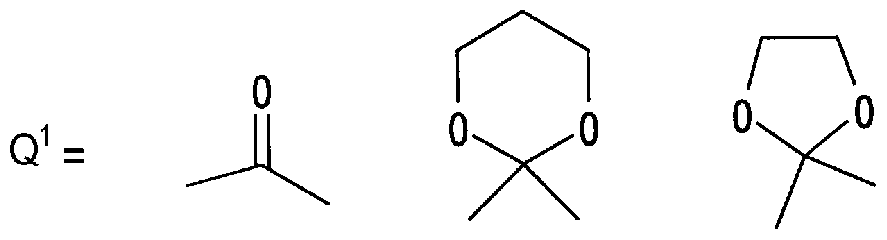
一般製法 7
工程 7— 1
先に記載した一般工程 1の工程 1 8で得られる化合物 1 8を反応に不活性な 溶媒中、 1当量力も大過剰、好ましくは 1〜1. 2当量の塩基の存在下に、 1当量から 大過剰、好ましくは 1〜1. 2当量の化合物 3— 6と反応させることによりィ匕合物 7— 1を 得ることができる。反応に不活性な溶媒は、反応に不活性なものであればいずれでも よぐ特に限定されないが、例えばジェチルエーテル、テトラヒドロフラン、ジォキサン などの各種エーテル類、ベンゼン、トルエン、シクロへキサン、 1, 2—ジクロロエタン、 N, N ジメチルホルムアミドなどを単独でまたはそれらを混合して用いることができ、 中でもテトラヒドロフラン、トルエンが好ましい。反応は、 78〜0°Cの間の温度、好ま しくは— 78〜― 25°Cの間の温度で行われ、通常 30分間から 10時間で終了する。塩 基としては、例えばリチウムへキサメチルジシラジド、リチウムジイソプロピルアミドなど が用いられ、リチウムへキサメチルジシラジドが好ましい。本工程は、塩化リチウムの
非存在下または存在下で進行するが、塩化リチウムの存在下では、得られる化合物
7—1の立体選択性が高い。このため、本工程は、化合物 1—8に対して 1〜4当量の 塩化リチウムの存在下で進行させるのが好まし 、。
[0078] 工程 7— 2
工程 7—1で得られる化合物 7—1を、反応に不活性な溶媒中、 1当量から大過剰、 好ましくは 1〜5当量の塩基と反応させることによりィ匕合物 7— 2を得ることができる。 反応に不活性な溶媒は、反応に不活性なものであればいずれでもよぐ特に限定さ れないが、例えばテトラヒドロフラン、ジォキサン、 N, N—ジメチルホルムアミド、ァセト 二トリル、エタノール、メタノール、プロパノール、水などを単独でまたはそれらを混合 して用いることができ、中でも含水テトラヒドロフラン、含水ァセトニトリル、含水ジォキ サンが好ましい。反応は、—10〜50°Cの間の温度、好ましくは 0〜5°Cの間の温度で 行われ、通常 30分間から 5時間で終了する。塩基としては、例えば過酸化水素水存 在または非存在下、水酸化リチウム、テトラプチルアンモ -ゥムクロリド、水酸化ナトリ ゥム、水酸ィ匕カリウム、炭酸カリウムなどが用いられ、中でも水酸化リチウムが好ましい
[0079] 工程 7— 3
工程 7— 1で得られる化合物 7— 1を反応に不活性な溶媒中、 1当量から大過剰、 好ましくは 1〜3当量の塩基の存在下に、 1当量力も大過剰、好ましくは 1〜1. 2当量 の、所望の基 Rを有するアミノ酸ィ匕合物と反応させることにより工程 7— 2、 7—4を経
A
ることなく化合物 7— 3を得ることができる。反応に不活性な溶媒は、反応に不活性な ものであればいずれでもよぐ特に限定されないが、例えばジェチルエーテル、テトラ ヒドロフラン、ジォキサンなどの各種エーテル類、ベンゼン、 n—トルエン、シクロへキ サン、 1, 2—ジクロロェタン、酢酸ェチル、 N, N—ジメチルホルムアミド、ジメチルス ルホキシド、塩化メチレン、クロ口ホルム、ァセトニトリルなどを単独でまたはそれらを 混合して用いることができ、中でもァセトニトリルが好ましい。反応は、 0〜100°Cの間 の温度、好ましくは 30〜60°Cの間の温度で行われ、通常 24時間から 144時間で終 了する。塩基としては、例えばトリェチルァミン、 N, N—ジメチルァミノピリジン、 N, N —ジイソプロピルェチルァミン、ピリジンなどが用いられ、中でもジイソプロピルェチル
ァミン、トリェチルァミンが好ましい。なお、ここで用いるアミノ酸ィ匕合物は、例えば以 降に記載する一般工程 8および一般工程 9に記載の方法で合成することができ る。
[0080] 工程 7— 4
工程 7— 2で得られる化合物 7— 2を反応に不活性な溶媒中、 1当量から大過剰、 好ましくは 1〜1. 5当量の塩基と、 1当量から大過剰、好ましくは 1〜1. 5当量のアミド ィ匕剤存在下に、 1当量から大過剰、好ましくは 1〜1. 5当量の所望の基 Rを有するァ
A
ミノ酸ィ匕合物と反応させることによりィ匕合物 7— 3を得ることができる。反応に不活性な 溶媒は、反応に不活性なものであればいずれでもよぐ特に限定されないが、例えば ジェチルエーテル、テトラヒドロフラン、ジォキサンなどの各種エーテル類、ベンゼン、 トルエン、シクロへキサン、 1, 2—ジクロロェタン、酢酸ェチル、 N, N ジメチルホル ムアミド、ジメチルスルホキシド、塩化メチレン、クロ口ホルム、ァセトニトリルなどを単独 でまたはそれらを混合して用いることができ、中でも N, N ジメチルホルムアミドが好 ましい。反応は、 0〜50°Cの間の温度、好ましくは 0〜30°Cの間の温度で行われ、通 常 30分間から 5時間で終了する。塩基としては、例えばトリェチルァミン、 N, N ジメ チルァミノピリジン、 N, N ジイソプロピルェチルァミン、ピリジンなどが用いられ、中 でも N, N ジイソプロピルェチルァミンが好ましい。アミド化剤としては、例えば O— ( 7 ァザべンゾトリアゾール 1—ィル) N, N, N' , N' —テトラメチルゥ口-ゥム へキサフルォロホスフェート、 4— (4, 6 ジメトキシ一 1, 3, 5 トリアジン一 2—ィル) —4—メチルモルホリュウムクロリド、水溶性カルボジイミド塩酸塩 (WSC'HCl)また はジシクロカルボジイミドと 1—ヒドロキシベンゾトリアゾ一ル(HOBt)などが用いられ る。
[0081] 工程 7— 5
工程 7 - 3ある 、は 7— 4で得られる化合物 7— 3をヒドロキシル基の脱保護剤によつ て脱保護することによりィ匕合物 7—4を得ることができる。この時の反応条件は、保護 基 Pおよび Q1の種類により適宜選択される。保護基 Pがシリル基である場合は、工程 7— 3あるいは 7—4で得られる化合物 7— 3を反応に不活性な溶媒中、 1当量から大 過剰、好ましくは 1〜1. 5当量の脱シリル化剤と反応させることによりィ匕合物 7— 4を
得ることができる。反応に不活性な溶媒は、反応に不活性なものであればいずれでも よぐ特に限定されないが、例えばジェチルエーテル、テトラヒドロフラン、ジォキサン などの各種エーテル類、ベンゼン、 n—トルエン、シクロへキサン、 1, 2—ジクロロエタ ン、酢酸ェチル、 N, N ジメチルホルムアミド、ジメチルスルホキシド、塩化メチレン、 クロ口ホルム、エタノール、メタノール、プロパノール、ァセトニトリルなどを単独でまた はそれらを混合して用いることができ、中でもテトラヒドロフラン、ァセトニトリル、ァセト ン、 tーブタノールが好ましい。反応は、 0〜50°Cの間の温度、好ましくは 0〜30°Cの 間の温度で行われ通常 15分間から 5時間で終了する。保護基がシリル基である場合 には、脱シリル化剤としては、例えばフッ化テトラプチルアンモ-ゥムと酢酸の組み合 わせ、 p トルエンスルホン酸水溶液、クェン酸水溶液、塩酸、酢酸水溶液などが用 いられ、中でもフッ化テトラブチルアンモ-ゥムと酢酸の組み合わせ、クェン酸水溶液 が好ましい。本反応を、 p トルエンスルホン酸水溶液、クェン酸水溶液、塩酸、酢酸 水溶液などの酸性条件下で行う際、 Q1が保護されたカルボニル基である場合は脱保 護され、カルボニル基に変換される場合もある。 Q1がカルボ-ル基に変換された化 合物は、そのまま、または周知の方法で再び保護されたカルボ-ル基に変換された 後、工程 7— 6に付すことができる。
工程 7— 6
工程 7— 5で得られる化合物 7— 4を反応に不活性な溶媒中、 1当量から大過剰、 好ましくは 1〜 1. 5当量の酸化剤と反応させることにより化合物 7— 5を得ることができ る。反応に不活性な溶媒は、反応に不活性なものであればいずれでもよぐ特に限 定されないが、例えばジェチルエーテル、テトラヒドロフラン、ジォキサンなどの各種 エーテル類、ベンゼン、 n—トルエン、シクロへキサン、 1, 2—ジクロロエタン、酢酸ェ チル、 N, N ジメチルホルムアミド、ジメチルスルホキシド、塩化メチレン、クロ口ホル ム、水などを単独でまたはそれらを混合して用いることができ、中でも含水ァセトニトリ ル、含水または無水塩化メチレン、含水アセトン、含水 t—ブタノールが好ましい。反 応は、—78〜30°Cの間の温度、好ましくは 0〜30°Cの間の温度で行われ、通常 30 分間から 20時間で終了する。酸化剤としては、例えばョードベンゼンジアセテートと 4 ァセトアミドー 2, 2, 6, 6—テトラメチルピペリジン 1ーォキシルまたは 2, 2, 6, 6—
テトラメチルピペリジン 1ーォキシルとの組み合わせ、クロム酸—硫酸 (ジヨーンズ試薬 )、 1, 1, 1—トリス(ァセチルォキシ) 1, 1—ジヒドロ一 1, 2—ベンズョードキソール - 3- (1H)—オン (デスマーチン試薬)次いで亜塩素酸ナトリウム—リン酸二水素ナ トリウム一 2—メチル 2 -ブテン、塩ィ匕ォキザリル一ジメチルスルホキシド トリェチ ルアミン次 、で亜塩素酸ナトリゥム—リン酸ニ水素ナトリウム― 2—メチル - 2-ブテン などが用いられ、中でもョードベンゼンジアセテートと 4 ァセトアミドー 2, 2, 6, 6— テトラメチルピペリジン 1ーォキシルまたは 2, 2, 6, 6—テトラメチルピペリジン 1ーォ キシルとの組み合わせが好まし 、。
[0083] 工程 7— 7
工程 7— 6で得られる化合物 7— 5をカルボキシル基の脱保護剤によって脱保護す ることによりィ匕合物 7— 6を得ることができる。この時の反応条件は、保護基 P" の種 類により適宜選択されるが、以下の条件が好ましい。化合物 7— 5を反応に不活性な 溶媒中、 1当量から大過剰、好ましくは 1〜5当量の酸と反応させることによりィ匕合物 7 6を得ることができる。反応に不活性な溶媒は、反応に不活性なものであればいず れでもよぐ特に限定されないが、例えばジェチルエーテル、テトラヒドロフラン、ジォ キサンなどの各種エーテル類、ベンゼン、 n—トルエン、シクロへキサン、 1, 2—ジク ロロェタン、酢酸ェチル、 N, N ジメチルホルムアミド、ジメチルスルホキシド、塩化メ チレン、クロ口ホルム、エタノール、メタノール、プロパノール、ァセトニトリル、水などを 単独でまたはそれらを混合して用いることができ、中でも含水塩化メチレン、含水トル ェンが好ましい。反応は、 20〜90°Cの間の温度、好ましくは 0〜30°Cの間の温度 で行われ、通常 15分間から 5時間で終了する。酸としては、例えばトリフルォロ酢酸 ァ-ソール、ギ酸、酢酸一塩酸または臭酸、 p—トルエンスルホン酸、トリフルォロメ タンスルホン酸、ボロントリフルオリドエテレートなどが用いられ、中でもトリフルォロ酢 酸が好ましい。
以下の一般製法— 8および一般製法— 9には、先に記載した工程 7— 3または工程 7— 4で使用する所望の基 Rを有するアミノ酸化合物のうち特定のアミノ酸化合物(8
A
4)および(9 3)の合成方法の例を記載する。
[0084] 一般製法 8

8-1 8-2 8-3 8-4 上記式中、や" ' はカルボキシル基の保護基を示し、や" " はァミノ基の保護基を 示し、 Mは、所望の、置換されてもよい直鎖もしくは分岐鎖状のアルキル基、置換さ れてもよ 、直鎖もしくは分岐鎖状のアルキ-ル基、置換されてもょ 、直鎖もしくは分 岐鎖状のァルケ-ル基、または置換されてもょ 、シクロアルキル基を示す。
[0085] 工程 8—1
化合物 8— 1は市販されているか (Lーチロシン t ブチルエステル、アルドリッチ 社製)または市販されて ヽる化合物から容易に合成することができる化合物であり、こ れをァセチル、トリフルォロアセチル、 t ブトキシカルボニル、ベンジロキシカルボ二 ル、 9 フルォレニルメチルカルボ-ルなどのようなァミノ基の保護基によって保護す ることにより化合物 8— 2を得ることができる。この時の反応条件は、 "Protective Grou ps in Organic synthesis, Theodora Greene (著入 1999, Wiley— Interscience に,已載さ れている様なカルボキシル基の保護基 P" " の脱保護の条件が用いられる。
[0086] 工程 8— 2
化合物 8— 2を、ジェチルエーテル、トルエン、シクロへキサン、アセトン、ジメチルホ ルムアミド、ジォキサン、酢酸ェチル、ジメチルスルホキサイドなどの溶媒中もしくはそ れらの混合溶媒中で、炭酸カリウム、水酸化ナトリウム、水素化ナトリウムなどの塩基 の存在下、室温あるいは加熱下、好ましくは室温で、ハロゲン原子またはメシラートも しくはトシラートなどの脱離基と結合させた上記定義の Mと反応させることにより、所 望の基 Mの導入された化合物 8— 3を得ることができる。ある 、は化合物 8— 2を光延 反応条件下、水酸基で置換された上記定義の Mと反応させることによつても化合物 8 3を得ることができる。
[0087] 工程 8— 3
化合物 8— 3において、ァミノ基の保護基 " を脱保護することによりィ匕合物 8— 4 を得ることができる。この時の反応条件は、 "Protective Groups in Organic Synthesis , Theodora Greene (著), 1999, Wiley- Interscience"に記載されている様なアミノ基の
保護基 P " の脱保護の条件が用いられる。
[0088] 一般製法 9

8 - 2 9— 1 9 - 2 9 - 3 上記式中、 P" ' は、カルボキシル基の保護基を示し、 P" " は、ァミノ基の保護基 を示し、 Tは、メシラート、トルエンスルホナート、トリフルォロメタンスルホナートなどの 脱離基を示し、 uは、置換されてもよいァリール基または置換されてもよいへテロァリ 一ル基を示す。
[0089] 工程 9—1
工程 8—1で得た化合物 8— 2を、ジェチルエーテル、トルエン、シクロへキサン、ァ セトン、ジメチルホルムアミド、ジォキサン、酢酸ェチル、ジメチルスルホキシド、ジクロ ロメタンなどの各種溶媒中もしくはそれらの混合溶媒中で、 N, N ジイソプロピルェ チルァミン、トリェチルァミン、ピリジン、 4-N, N ジメチルァミノピリジンなどの塩基 の存在下、室温あるいは冷却下、好ましくは冷却下で、メタンスルホン酸クロリド、トル エンスルホン酸クロリド、無水トリフルォロメタンスルホン酸などの脱離基となりえる化 合物と反応させることにより、脱離基 Tを導入した化合物 9 1を得ることができる。
[0090] 工程 9— 2
化合物 9—1を、ジェチルエーテル、トルエン、ベンゼン、ジメチルホルムアミド、ジ ォキサン、酢酸ェチル、ァセトニトリル、水などの各種溶媒中もしくはそれらの混合溶 媒中で、パラジウムジアセテート、テトラキストリフエニルホスフィンパラジウムなどのパ ラジウム触媒の存在下、室温あるいは加熱下、好ましくは加熱下で、所望のァリール 基またはへテロアリール基を有する、ァリールまたはへテロアリールボロン酸誘導体 あるいはァリールまたはへテロアリールボロン酸エステル誘導体などと反応させること によりィ匕合物 9— 2を得ることができる。
[0091] 工程 9— 3
化合物 9— 2においてァミノ基の保護基 " を脱保護することによりィ匕合物 9— 3 を得ることができる。この時の反応条件は、 "Protective Groups in Organic Synthesis ,
Theodora Greene (著), 1999, Wiley- Interscience"に記載されている様なアミノ基の 保護基 Pグ " の脱保護の条件が用いられる。
実施例
[0092] 本発明を以下の実施例により詳細に説明するが、実施例は、本発明を限定するも のではない。
[0093] 実施例 1
·7の

[0094]
 ァゼラン酸モノメチルエステル(14. 8g, 73. 2mmol)をトルエン(74mL)に溶解し、 DMF (57 /z L, 0. 732mmol)を加え、窒素雰囲気下、氷冷しォキザリルジクロリド(1 9. lmL, 220mmol)を 5分間かけて滴下した。滴下終了後、氷冷器を外し、室温で 3 時間撹拌した。トルエンとォキザリルジクロリドをエバポレーターにて留去した後に、 再びトルエン(74mL)をカ卩え、溶媒留去を行った。この粗生成物 1の全量を直接次の 反応に使用した。
[0095] 1 2 ェ! ¾1 2)_:
 上記粗生成物 1をテトラヒドロフラン(74mL)に溶解し、 0. 05当量のトリス(2, 4 ぺ ンタンジォナト)鉄(III)を加え、 15°Cに冷却した後に n—へプチルマグネシウムブ 口ミドの ImolZLテトラヒドロフラン溶液、 87. 8mLを 87mLのテトラヒドロフランにて希 釈したもの)を 1時間かけて滴下した。滴下終了後、冷却器を外し、室温にて 1時間撹
拌した。反応溶液に 0. 5N塩酸水溶液(74mL)をカ卩え、反応を停止し、水層を酢酸 ェチル (74mL)で抽出した。有機層を合わせ、水(74mL)、飽和重曹水(74mL)、飽 和食塩水(74mL)で順次洗浄し、無水硫酸マグネシウムで乾燥後、ろ過、溶媒留去 により、化合物 2 (22. Og)をオレンジ固体として得た。カラムクロマトグラフィーにより 精製を行!ヽ 90%の収率で化合物 2を得た。
上記粗生成物 1をテトラヒドロフラン(74mL)に溶解し、 0. 05当量のトリス(2, 4 ぺ ンタンジォナト)鉄(III)を加え、 15°Cに冷却した後に n—へプチルマグネシウムブ 口ミドの ImolZLテトラヒドロフラン溶液、 87. 8mLを 87mLのテトラヒドロフランにて希 釈したもの)を 1時間かけて滴下した。滴下終了後、冷却器を外し、室温にて 1時間撹
拌した。反応溶液に 0. 5N塩酸水溶液(74mL)をカ卩え、反応を停止し、水層を酢酸 ェチル (74mL)で抽出した。有機層を合わせ、水(74mL)、飽和重曹水(74mL)、飽 和食塩水(74mL)で順次洗浄し、無水硫酸マグネシウムで乾燥後、ろ過、溶媒留去 により、化合物 2 (22. Og)をオレンジ固体として得た。カラムクロマトグラフィーにより 精製を行!ヽ 90%の収率で化合物 2を得た。
化合物 2の物理化学的性状
NMR(400 MHz, CDC1 ): δ 0.88(t, J=6.8 Hz, 3H), 1.21-1.37(m, 14H), 1.50—1.7
3
5(m, 6H), 2.30(t, J= 7.6 Hz, 2H), 2.40(t, J= 7.6 Hz, 4H), 3.63(s, 3H).
MS(EI): m/z(rel int)284(10 [M+]), 253(25), 209(58), 142(100), 127(65), 57(92)
[0096] l - 3l f¾l - 2
 ヨウィ匕銅(関東ィ匕学,純度 99%, 41. 26g, 216. 6mmol)のテトラヒドロフラン(570 mL)懸濁液にヘプチルマグネシウムブロミド (Aldrich, 1Mェチルエーテル溶液, 211 mL, 211mmol)を 0°Cにて 30分間かけて滴下した後、同温にて 20分間撹拌した。こ の濃紫色の反応混合物を— 78°Cに冷却し上記の工程 1—1で合成したィ匕合物 1 (27 . 6g)のテトラヒドロフラン溶液 (40mL)を 10分間かけて滴下した後、 1時間かけてー7 8°Cから 0°Cに昇温、次いで 0°C、 45分間撹拌した。反応混合物に 1N塩酸水溶液 (8 7mL)—水(87mL)を 0°Cにてカ卩え、ェチルエーテルで希釈しセライトろ過した。ろ液 を飽和炭酸水素ナトリゥム水溶液で pH7に調整し、ェチルエーテル層を硫酸マグネ シゥム上乾燥後、溶媒留去し、残渣をフラッシュクロマトグラフィーにて精製を行い、 化合物 2 (33. 34g, 94%)を無色固体として得た
[0097] 1 4 ェ! ¾1 3)_

3 ィ匕合物 2の粗生成物(11. Og, 36. 6mmol)を卜ノレェン(l lOmL)に溶解し、 3当量 のエチレングリコール(6. lmL, 110mmol)、0. 1当量の p トルエンスルホン酸を加
え、共沸脱水しながら 16時間加熱還流した。室温まで冷却後、飽和重曹水(33mL) を加え、反応を停止し、水層を酢酸ェチル(33mL)で抽出した。有機層を合わせ、飽 和食塩水で洗浄し、無水硫酸マグネシウムで乾燥後、ろ過、溶媒留去により、化合物 3 (14. 2g)を橙色油状物質として得た。カラムクロマトグラフィーにて精製を行い、 87 %の収率で目的物質を得た。
化合物 3の物理化学的性状
NMR(400 MHz, CDC1 ): δ 0.88(t, J=6.8 Hz, 3H), 1.21— 1.39(m, 18H), 1.50—1.7
3
Km, 6H), 2.30(t, J= 7.6 Hz, 2H), 3.67(s, 3H), 3.92(s, 4H).
MS(EI): m/z(rel int)297(8), 229(95), 171(100)
[0098] 1 5 (工程 1 4)

水素化アルミニウムリチウム(1. 81g, 47. 6mmol)をテトラヒドロフラン(71mL)に懸 濁し、化合物 3の粗生成物、(14. 2g, 36. 6mmol)をテトラヒドロフラン(28. 4mL)に 溶解したものを、氷冷下 10分間かけて滴下した。氷冷下、 20分間撹拌後、同温度で 1規定水酸ィ匕ナトリウム水溶液 (6mL)を滴下して反応を停止させ、無水硫酸マグネシ ゥム(12g)を加えた。反応溶液力スラリー状になるまで室温で撹拌した後、セライトろ 過を行い、セライトを酢酸ェチル(200mL)で洗浄後、ろ液を溶媒留去して、化合物 4 (12. 2g)を薄黄色油状物質として得た。
カラムクロマトグラフィーにて精製を行い、 96%の収率で目的物質を得た。 化合物 4の物理化学的性状
1H-NMR(400 MHz, CDC1 ): δ 0.88(t, J=6.8 Hz, 3H), 1.14— 1.43(m, 21H), 1.50—1.6
3
4(m, 6H), 3.64(dt, J= 6.4, 5.6 Hz, 2H), 3.92(s, 4H).
MS(EI): m/z(rel int)299([0.7M-]), 200(100), 171(100)
[0099] l -6l f¾l - 5).
 ィ匕合物 4 (12. 2g, 36. 6mmol)の粗生成物を卜ノレェン(61mL)に溶解し、 2, 2, 6, 6—テトラピベリジ-ルォキシフリーラジカル (TEMPO試薬) 28. 5mg (0. 183mmol) と 1当量の 5%重曹水溶液(61mL, 36. 9mmol)を加え、反応溶液を氷冷しながら 1 当量の次亜塩酸ナトリウム(12%, 22. 7mL, 36. 6mmol)を 25分間かけて滴下した 。滴下終了後氷冷器を外し、室温にて 1時間撹拌後、しばらく静置し、有機層を分離 した。水層を酢酸ェチル(80mLx2)で抽出し、有機層を合わせ、水(80mL)、飽和食 塩水で洗浄後、無水硫酸マグネシウム乾燥、ろ過、溶媒留去により、 8—(2 へプチ ルー [1, 3]ジォキソランー2 ィル)一オタタナール(5)、 12. 6gを橙色油状物質と して得た。カラムクロマトグラフィーにて精製を行い、 80%の収率で目的物質を得た。 化合物 5の物理化学的性状
NMR(400 MHz, CDC1 ): δ 0.88(t, J=6.8 Hz, 3H), 1.20— 1.40(m, 18H), 1.52—1.7
3
0(m, 6H), 2.41(dt, J=7.2, 2Hz, 2H), 3.92(s, 4H), 9.76(t, J=2Hz, 1H).
MS(EI): m/z(rel int)298(20 [M+]), 223(25), 200(100), 171(100)
[0100] 1 7 (工程 1— 6)
 ィ匕合物 3 (37. 61g, 114. 5mmol)のトノレェン(489mL)溶液に 78。Cにて、ジイソ ブチルアルミニウムヒドリド(1. 01Mトルエン溶液, 122mL, 123mmol)を 1時間かけ て滴下した後、 78°Cにて 30分間撹拌した。反応溶液に一 78°Cにて、メタノール(1 9. 2mL)を加え 5分間撹拌した後、得られた反応混合物を飽和ロシェル塩水溶液(9 3mL)と水(276mL)の混合溶液に氷冷下注ぎ、氷冷下で 1時間撹拌した。反応混合 物をセライトろ過し、ろ去されたものをエーテル(3 X 600mL)抽出し、ろ液、抽出液を 順じ、水(280mL)洗浄した後、合わせた。有機層を MgSO上乾燥後、溶媒留去し、 残渣をフラッシュクロマトグラフィーで精製を行い、化合物 5 (31. 5g, 92%)を無色 油状物質として得た。
[0101] 1 8 ェ|¾1 7)_
θ o、'o
ィ匕合物 5 (12. 6g、 36. 6mmol)の粗生成物を卜ノレェン(63mL)に溶解し、卜リエチノレ ァミン(5. 6mし、 40. 3mmol)とマロン酸(4. Og、 38. 4mmol)をカロえ、ー晚カロ熱還流 した。反応溶液を室温まで冷却し、 5%クェン酸水溶液 (63mL)を加え反応を停止し た。有機層を分離後、水層を酢酸ェチル (63mL)で抽出し、有機層を合わせ、水 (63 mL)、飽和食塩水で洗浄後、無水硫酸マグネシウム乾燥、ろ過、溶媒留去により、化 合物 6の粗生成物、 12. lgを橙色油状物質として得た。この粗生成物の 1. 04g (3. 13mol)をァセトニトリル(10mL)に溶解し、へキサン(10mL)と 5%重曹水(10mL)を 加え、激しく撹拌し、静置すると 3層に分離した。中層のァセトニトリル層と下層の水層 を取り出し、再度へキサン(10mL)で洗浄した。ァセトニトリル層と水層を 5%硫酸水 素ナトリウム水溶液(20mL)で pH4とした後に水層を分離し、その水層を酢酸ェチル (lOmL)で抽出した。その酢酸ェチル層とァセトニトリル層を合わせ、水:飽和食塩水 (10 : 1、 10mLx2)で洗浄し、 pH5とした後に、飽和食塩水で洗浄後、無水硫酸マグ ネシゥム乾燥、ろ過、溶媒留去により、化合物 6、 710mgを黄色油状物質として 67% の収率で得た。
化合物 6の物理化学的性状
1H-NMR(400 MHz, CDC1 ): δ 0.88(t, J=6.8 Hz, 3H), 1.20— 1.45(m, 19H), 1.52—1.6
3
2(m, 4H), 2.03(dt, J= 6.8, 6.4Hz, 2H), 3.06(d, J= 6.4Hz, 2H), 3.93(s, 4H), 5.47-5.6 3(m, 2H).
LCMS(ES+): Rt=5.95min., m/z(rel int)341 [M+l]
l-9l f¾l-8).

(S)—4—イソプロピル— 5, 5—ジフエ-ルォキサゾリジン— 2—チオン(Organic Lett ers(2002), 4(13), 2253-2256に記載されている方法に従って合成した)(56mg, 0. 1
88mmol)とィ匕合物 6 (64mg, 0. 188mmol)をトノレェン(1. OmL)に溶解し、水冷下、 WSC-HCl (40mg, 0. 207mmol)とトリェチルァミン(29 レ 0. 207mmol)、 DMA P (2mg, 0. 0188mmol)を加え、同温度で 1時間撹拌後、飽和塩化アンモ-ゥム水 溶液(lOmL)を加え反応を停止した。酢酸ェチルを加え、激しく振倒したのち有機層 を分離し、水層を酢酸ェチルで抽出し、有機層を合わせ、飽和塩ィ匕アンモ-ゥム水 溶液、重曹水、飽和食塩水で洗浄後、ろ過、溶媒留去により、粗生成物 1. 09mgを 無色油状物質として得た。カラムクロマトグラフィーにて精製を行い、化合物 7を無色 油状物質として 46%の収率で得た。
化合物 7の物理化学的性状
NMR(400 MHz, CDCl ): δ 0.79(d, J=6.8 Hz, 3H), 0.83— 0.89(m, 6H), 1.20—1.38
3
(m, 18H), 1.54- 1.63(m, 4H), 1.91-2.07(m, 3H), 3.81— 4.08(m, 6H), 3.92(s, 4H), 5.40 -5.62(m, 3H), 7.14— 7.51(m, 10H).
LCMS(ES+): Rt=8.18min., m/z(rel int)620 [M+l](80), 642(100)
[0103] 1 10 (工程 1— 7)

先の実施例 1—8で得られた化合物 6の粗生成物(1. Og、 2. 94mmol)のァセトニト リル(lOmL)溶液にジシクロへキシルァミン(DCHA) (533mg、 2. 94mmol)および種 晶を加え、室温にて 1時間、 0°Cにて 1時間撹拌した。析出した固体を濾取し、化合 物 6— DCHA (1. 5g)を白色固体として得た。化合物 6は本工程に用いた DCHAの ような塩基と塩を形成することにより結晶性が良くなり、再結晶法による精製が可能と なった。
iH—NMR (重クロ口ホルム中)の化学シフト値 δ:
0.88(3H、 t、 J=7Hz)ゝ 1.14- 1.42(28H、 m)、 1.55- 1.64(6H、 m)、 1.76- 1.80(4H、 m)、 1.96 — 2.01(6H、 m)、 2.80— 2.94(4H、 m)、 3.92(4H、 s)ゝ 5.41— 5.51(1H、 m)、 5.57— 5.66(1H、 m) [0104] l - l l ( |¾l - 8).
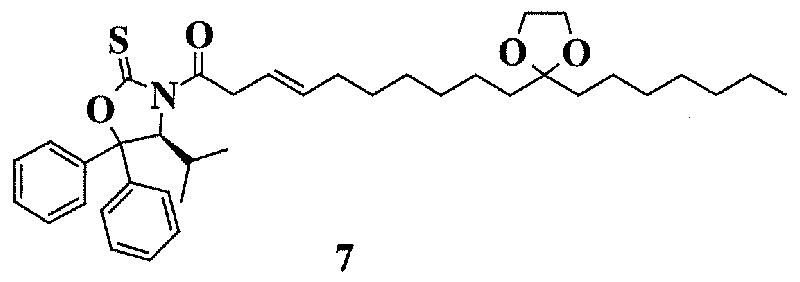 化合物 6— DCHA (500mg、 0. 958mmol)およびへキサン(lOmL)の混合物に 0. 5N硫酸水素カリウム水溶液(lOmL)を加え分液した。有機層を水で洗浄後、減圧下 に濃縮し、粗精製の化合物 6 (324mg)を黄色油状物質として得た。粗精製の化合物 6 (324mg)の無水ジクロロメタン溶液(3mL)に 4ージメチルァミノピリジン(11. 7mg、 0. O958mmol)および 4S—イソプロピル一 5, 5 ジフエ-ルォキサゾリジン一 2 チ オン(258mg、 0. 958mmol)を順次加えた。反応液を 0°Cに冷却し、 1— (3 ジメチ ルァミノプロピル) 3 ェチルカルボジイミド塩酸塩(230mg、 1. 20mmol)を加え、 同温にて 6時間撹拌した。ジクロロメタンを加え希釈し、有機層を水および飽和食塩 水で洗浄後、無水硫酸ナトリウム上で乾燥した。減圧下に濃縮し、粗精製の化合物 7 (595mg)を黄色油状物質として得た。粗精製の化合物 7は次の反応にそのまま用い た。
[0105] 実飾 12
·5の
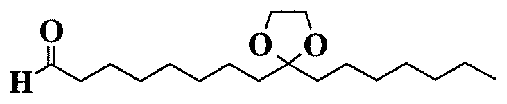
[0106] 2—1 ェ稈 2—1).

窒素雰囲気下、氷冷したォレイン酸(0. 32mL, 1. OOmmol)のベンゼン溶液(5mL )に、ォキザリルクロリド(0. 26mL, 3. OOmmol)を加え、徐々に室温まで昇温しなが ら 4時間撹拌した。その後、過剰のォキザリルクロリドとベンゼンをエバポレーターに て留去しィ匕合物 8を得た。
本ィ匕合物の全量を直接次の反応に用いた。
[0107] 2- 2 (X

上記化合物 8をテトラヒドロフラン(5mL)に溶解した後、トリス(2, 4—ペンタンジォ ナト)鉄(III) (35mg, 0. lmmol)をカ卩え、氷冷後 n—ヘプチルマグネシウムブロミドの テトラヒドロフラン溶液(1. 2mL, 1. 2mmol)を 5分間かけてカ卩えた。同温度で 30分間 撹拌後、 1規定塩酸を加え反応を停止し、酢酸ェチルで抽出した。有機層を合わせ 飽和重曹水、飽和食塩水で洗浄し、硫酸マグネシウムで乾燥した。溶媒留去後、得 られた残渣をカラムクロマトグラフィーで精製し化合物 9 (300mg, 0. 823mmol, 82 % 収率)を無色油状物質として得た。
化合物 9の物理化学的性状
NMR(400 MHz, CDC1 ): δ 0.88(t, J=6.8 Hz, 6H), 1.20— 1.40(m, 28H), 1.50—1.6
3
2(m, 4H), 1.93-2.09(m, 4H), 2.38(t, J= 7.6 Hz, 4H), 5.29— 5.42(m, 2H).
MS(EI): m/z(rel int)364(50 [M+]), 265(85), 209(100), 127(82), 57(68)
[0108] 2- 3l f¾2- 3).

10 ィ匕合物 9 (290mg, 0. 795mmol)のベンゼン溶液(5mL)にエチレングリコール(0. 089mL, 1. 58mmol)と触媒量の p—トルエンスルホン酸(5mg)をカ卩え、生成する水 を Dean— Starkにて除去しながら 6時間加熱還流した。反応液を室温まで冷却後、 飽和重曹水で反応を停止させ、酢酸ェチルで抽出した。有機層を合わせ飽和重曹 水、飽和食塩水で洗浄し、硫酸マグネシウムで乾燥した。溶媒留去後、得られた残渣 をカラムクロマトグラフィーで精製し、化合物 10 (301mg, 0. 736mmol,収率 93%)を 無色油状物質として得た。
化合物 10の物理化学的性状
1H-NMR(400 MHz, CDC1 ): δ 0.88(t, J=6.8 Hz, 6H), 1.20— 1.40(m, 26H), 1.50—1.6
2(m, 6H), 1.93-2.09(m, 4H), 3.92(s, 4H), 5.30— 5.42(m, 2H).
MS(EI): m/z(rel int)408(10 [M+]), 309(100), 281(35), 255(38), 171(100), 57(25) [0109] 2-4l f¾2-4).
 窒素雰囲気下、化合物 10 (269mg, 0. 658mmol)のジクロロメタン メタノール混 合溶液(1 : 1, lOmL)を— 78°Cに冷却し、オゾンを 10分間通じた。過剰量のオゾンと 生成したォゾニドを分解するために過剰量のトリェチルァミンを加えた。反応溶液を 室温まで戻し、溶媒留去した。得られた残渣をカラムクロマトグラフィーで精製し、化 合物 5を無色油状物質として得た。(48mg, 0. 159mmol,収率 24%)。
[0110] 実施例 3
化合物 15の合成

15
[0111] l (ェ

11
化合物 11は文献 (J. Org. Chem. 68, 6679-6684(2003))に従って合成した c
[0112] 3- 2{lL .3- 2)_
o
HO
OtBu
12
化合物 12は文献 (J. Org. Chem. 68, 6679-6684(2003))に従って合成した [0113] 3- 3l f¾3- 3).
 文献 (J. Org. Chem. 68, 6679-6684(2003))に従って合成した 4ーヒドロキシ—酪酸 t —ブチノレエステノレ(12. 996g)とイミダゾーノレ(5. 522g)を乾燥 DMF (60mL)に溶 解した。氷浴で冷却した後、 t—プチルジメチルシリルクロリド(12. 227g)を加え、徐 々に室温(25〜28°C)まで昇温した。 10時間撹拌後、へキサン(150mL)をカ卩えた。 水(lOOmL)で有機層を 3回洗浄した。半飽和塩ィ匕アンモ-ゥム水溶液 (約 10%) ( 1 OOmL)で有機層を洗浄し、有機層を無水硫酸ナトリウム上で乾燥し、濾別し、濾液を 濃縮しィ匕合物 13の粗生成物を黄色オイルとして得た(20. 383g)。このうち 18. 232 gを減圧蒸留(bp93°CZl . OmmHg)し、無色の油状物 13 ( 15. 3g)を得た。
化合物 13の物理化学的性状
ESI (LCZMSポジティブモード) (M +H+) 275
iH—NMR (重クロ口ホルム中)の化学シフト値 δ :
0.05(6H、 s)ゝ 0.89(9H, s)ゝ 1.45(9H、 s)ゝ 1.74- 1.84(2H, m)、 2.29(2H、 t、 J=7Hz)ゝ 3.63( 2H、 t、 J=7Hz)
3 -4l f¾3 -4).
 化合物 13 ( 15. 3g)に乾燥テトラヒドロフラン(50mL)をカ卩え、ドライアイス一メタノー ルバスで— 78°C (外温)に冷却した。本溶液にリチウムジイソプロピルアミド (ヘプタン およびテトラヒドロフランの混合溶媒中の 1. 8N溶液、 21. 25mL)を 5分間かけて滴 下し後、同温で 1時間撹拌した。本溶液にジフヱ-ルジスルフイド(8. 351g)をカロえ た。 5分後、冷浴をはずし室温まで昇温した。室温で 1時間撹拌後— 30°Cに冷却し、 ナトリウムへキサメチルジシラジド(1Nテトラヒドロフラン溶液, 38. 25mL)を 10分間か けて滴下した。 10分後ジフエ-ルジスルフイド(8. 351g)を加え、 5分間同温で撹拌 した。冷浴をはずし室温で 1. 5時間撹拌した。反応液にへキサン(lOOmL)をカロえ、
水 lOOmLで有機層を洗浄した。
化合物 13 ( 15. 3g)に乾燥テトラヒドロフラン(50mL)をカ卩え、ドライアイス一メタノー ルバスで— 78°C (外温)に冷却した。本溶液にリチウムジイソプロピルアミド (ヘプタン およびテトラヒドロフランの混合溶媒中の 1. 8N溶液、 21. 25mL)を 5分間かけて滴 下し後、同温で 1時間撹拌した。本溶液にジフヱ-ルジスルフイド(8. 351g)をカロえ た。 5分後、冷浴をはずし室温まで昇温した。室温で 1時間撹拌後— 30°Cに冷却し、 ナトリウムへキサメチルジシラジド(1Nテトラヒドロフラン溶液, 38. 25mL)を 10分間か けて滴下した。 10分後ジフエ-ルジスルフイド(8. 351g)を加え、 5分間同温で撹拌 した。冷浴をはずし室温で 1. 5時間撹拌した。反応液にへキサン(lOOmL)をカロえ、
水 lOOmLで有機層を洗浄した。
炭酸ナトリウム水溶液(lOOmL)で 2度有機層を洗浄した。有機層を飽和塩ィ匕アン モ -ゥム水溶液で洗浄した。有機層を無水硫酸ナトリウム上で乾燥後、濾別し濃縮し た。
得られたオイルをシリカゲルカラムクロマトで粗精製した。 目的物を含むフラクションを 濃縮し、化合物 14 (15. 473g)を得た。
化合物 14の物理化学的性状
ESI (LCZMSポジティブモード)(M+H+) 491
iH—NMR (重クロ口ホルム中)の化学シフト値 δ:
— 0.03(6H、 s)、 0.83(9H, s)、 1.35(9H、 s)、 2.02— 2.08(2H、 m)、 3.80— 3.85(2H、 m)、 7.30 — 7.42(6H、 m)、 7.63— 7.73(4H、 m)
3- 5l f¾3- 5).
 化合物 14 (14. 088g)と炭酸水素ナトリウム(28. 93g)にアセトン(85mL)、水(15 mL)をカ卩えた。本溶液を 0°Cの冷浴で冷却した後、ヨウ素(36. 42g)をカ卩えた。同温 度で一時間撹拌した後、反応混合物をチォ硫酸ナトリウム 2水和物(78. 35g)の水 溶液(150mL)に加えた。 t—ブチルメチルエーテル(150mL)で抽出し、分離した水 層を t ブチルメチルエーテル (50mL)で抽出した。合わせた有機層を水(lOOmL)、 飽和食塩水(50mL)で洗浄した。無水硫酸ナトリウム上で乾燥後、濾別、濃縮し、粗 生成物 15を得た。シリカゲルカラムクロマトグラフィーにより精製し、化合物 15 (8. 4g )を得た。
化合物 15の物理化学的性状
EI (M+) 288
— NMR (重クロ口ホルム中)の化学シフト値 δ:
0.05(6H、 s)ゝ 0.87(9H, s)ゝ 1.55(9H、 s)ゝ 2.98(2H、 t、 J=6Hz)、 3.95(2H、 t、 J=6Hz) 上記の実施例 3—4 (工程 3— 4)および実施例 3— 5 (工程 3— 5)の別法として下記
の実施例 3— 6 (工程 3—4)および実施例 3 7 (工程 3— 5)を行った。
[0116] ェ

窒素雰囲気下、化合物 22 (35. lg, 88. lmmol、後に記載する実施例 6の工程 6 —3で合成したもの)をテトラヒドロフラン(270mL)に溶かし、 78°Cに冷却した。リチ ゥムジイソプロピルアミド(1. 5Mシクロへキサン溶液、 64. 6mL、 96. 9mmol)を 15分 間かけ徐々に加え、 1. 5時間、 78°Cで撹拌した。続いて、 78°Cにてジメチルジ スルフイド(9. lmL、 88. 4mmol)を 5分間かけ徐々に加え、その後、室温で 1時間撹 拌した。再び、 78°Cに冷却し、リチウムジイソプロピルアミド(1. 5M、 70. lmL、 10 5mmol)を 15分間かけ徐々に加え、 0. 5時間、 78°Cで撹拌した。続いて、 78°C にて(ジメチルジスルフイド 9. 9mL、 96. 4mmol)を 5分間かけ徐々に加え、その後、 室温で 1時間撹拌した。その後、飽和塩化アンモ-ゥム水溶液を加え、酢酸ェチルを にて抽出を行った。硫酸ナトリウムにて乾燥させ、濾過後、減圧下濃縮した。シリカゲ ルカラムクロマトグラフィー(へキサン:酢酸ェチル = 50: 1)にて単離精製を行 、、化 合物 23 (38. 95g、 90. 07%)を得た。
化合物 23の物理化学的性状
FAB— MS (ポジティブモード、マトリックス m— NBA) 491 (M +H+)
iH—NMR (重クロ口ホルム中)の化学シフト値 δ:
1.04(9H、 s)ゝ 1.38(9H, s)ゝ 1.95(6H, s)ゝ 2.21- 2.26(2Hゝ m)、 3.78— 3.84(2H、 m)、 7.34-7 .45(6H, m), 7.64- 7.70(4H、 m)
[0117] 3- 7l f¾3- 5).

ィ匕合物 23 (39. Og, 79. 5mmol)を水' 1495%アセトン(1. 1 L)に溶解させ、 30 °Cに冷却した。そこへ N ブロモスクシンイミド(141. 43g)を 1時間かけ徐々に加え
た。その後 10分間、— 30°Cで撹拌させた。— 30°Cで pH = 6〜7になるまでゆっくりと 飽和炭酸水素ナトリウム水溶液を加えたところ、白色の沈殿が精製した。桐山ロートを 用い、沈殿物をろ別し、沈殿物をへキサンにより洗浄した。へキサンにより抽出を行い 、有機層を、ブライン、水で洗浄した。硫酸ナトリウムにより乾燥を行い、濾過後、減圧 下濃縮した。シリカゲルカラムクロマトグラフィー(中性シリカ、へキサン:酢酸ェチル = 10 : 1)により単離精製を行い化合物 19 (26. 72g、81. 52%)を得た。
[0118] 実施例 4
化合物 15の合成

[0119] ェ
 化合物 16は文献(Can. J. Chem. 58, 716(1980》に従って合成した。 Can. J. Chem. 58, 716(1980)
[0120] 4- 2{ll A- 2)_
 化合物 16 (8. 026g)に無水テトラヒドロフラン( 15mL)と t -ブタノール ( 15mL)をカロ え、フラスコを水浴(25°C)に浸した後、ジー tーブチルージカルボネート(11. 786m L)をカ卩えた。本溶液にジメチルァミノピリジン(1. 79g)をカロえ、室温で撹拌した。同 温で一晩撹拌した後、反応液を酢酸ェチル(50mL)で希釈した。有機層を飽和塩化 アンモニゥム水溶液(50mL)で 3回、水(25mL)、飽和食塩水で洗い、無水硫酸ナトリ ゥム上で乾燥後、濾別、濃縮した。得られた黄色オイルを真空ポンプで乾燥し、化合 物 17 (11. l l lg)の粗生成物を得た。本化合物を精製せずに直接次の反応に用い
た。
化合物 16 (8. 026g)に無水テトラヒドロフラン( 15mL)と t -ブタノール ( 15mL)をカロ え、フラスコを水浴(25°C)に浸した後、ジー tーブチルージカルボネート(11. 786m L)をカ卩えた。本溶液にジメチルァミノピリジン(1. 79g)をカロえ、室温で撹拌した。同 温で一晩撹拌した後、反応液を酢酸ェチル(50mL)で希釈した。有機層を飽和塩化 アンモニゥム水溶液(50mL)で 3回、水(25mL)、飽和食塩水で洗い、無水硫酸ナトリ ゥム上で乾燥後、濾別、濃縮した。得られた黄色オイルを真空ポンプで乾燥し、化合 物 17 (11. l l lg)の粗生成物を得た。本化合物を精製せずに直接次の反応に用い
た。
化合物 17の物理化学的性状
ESI (LCZMSポジティブモード) (M +H+) 221
iH—NMR (重クロ口ホルム中)の化学シフト値 δ:
1.51(9H、 s)ゝ 1.99— 2.14(2H、 m)、 2.56— 2.64(2H、 m)、 3.35— 3.45(2H、 m)、 4.09(1H、 s) [0121] 4- 3l f¾4- 3).

18
水素化ナトリウム(1. 454g)をフラスコにとり、無水トルエン(30mL)をカ卩ぇ 0°C (外 温)に冷却した。
上記化合物 17 (8. 01 lg)と t—ブチルジメチルシリルォキシェチルブロミド(7. 8m L)を無水 DMF ( lOmL)に溶解させ、 15分間かけて滴下した。同温で 30分間撹拌し た後、 25〜27°Cの水浴にフラスコを移し、更に 1時間 40分間撹拌を続けた。反応液 を 0°Cに冷却し、飽和塩ィ匕アンモ-ゥム水溶液(50mL)をゆっくりとカ卩えた。へキサン ( lOOmL)で抽出し、分離した有機層を水(50mL)で 3回、飽和食塩水で洗い、無水 硫酸ナトリウム上で乾燥し、濾別した。濾液を濃縮しィ匕合物 18 ( 12. 653g)を得た。 化合物 18の物理化学的性状
ESI (LCZMSポジティブモード) (M +H+) 379
iH—NMR (重クロ口ホルム中)の化学シフト値 δ:
0.06(6H、 s)ゝ 0.89(9H, s)ゝ 1.51(9H、 s)ゝ 1.80— 1.92(1H、 m)、 2.08— 2.15(1H、 m)、 2.22-2 .26(2H、 m)、 2.61— 2.67(2H、 m)、 3.26— 3.33(2H、 m)、 3.79— 3.83(2H、 m)
[0122] 4 4 (工程 3— 5)

15
N—ブロモコハク酸イミド(2. 877g)と硝酸銀(2. 764g)にァセトニトリル—水(35m
L 9 : 1 v/v)をカロえ 0oCに冷去口し、 2, 6 ノレチジン(3. 766mL)をカロ免た。上記ィ匕 合物 18 (1000mg)をァセトニトリル(5mL)—アセトン(2mL)の混合溶媒に溶かし、約 20分間かけて滴下した。同温で 30分間撹拌した。反応液に t—ブチルメチルエーテ ル(50mL)をカ卩えた後、 20%塩ィ匕アンモ-ゥム水溶液 50mLを 5分間程度でゆっくり 加えた。混合物を分液ロートに移し、水層を除いた後、有機層を 5% 亜硫酸ナトリウ ム水溶液(50mL)で洗い、最後に飽和食塩水(50mL)で洗った後、無水硫酸ナトリウ ム上で乾燥した。
濾別後、濃縮し 965mgの粗生成物を得た。粗生成物を減圧蒸留により精製し、化合 物 15を得た(451mg、 58%)。
[0123] 施例 5
化合物 19の合成

[0124] 5—1 ェ! ¾5— 1).

テトラヒドロフラン 22mLに 0°Cでボランジメチルスルフイド錯体(M. W. : 75. 97, 5 . 31mL, 56. Ommol)とトリメトキシボラン酸(M. W. : 103. 9, 6. 3mL, 56. Ommol) を加え、 0°Cのまま(2, 2 ジメチル一 4—ォキソ 1, 3 ジォキソラン一 5—ィル)酢 酸(文献 ACC. Chem. Res. ,2002,35, 774.にしたがって合成、 6. 5g, 37. 3mmol)を含 むテトラヒドロフラン 53mLを 20分間かけて滴下した。 0°Cで 1時間撹拌した後、室温 にて 14時間撹拌した。反応液を 0°Cにした後、メタノールを 25mL加えて反応を停止 させ、水浴 26°Cで溶媒を留去した。再度、メタノールを 50mLカ卩えて、同じ温度の水 浴で溶媒を留去、次に酢酸ェチルを 50mLカ卩えて同じ操作を繰り返した。本合成によ つて得た化合物 16 (5. 8g)を直接次の反応に用いた。
[0125] 5- 2l f¾5- 2)

17
ィ匕合物 16 (5. 8g)を DMF20mUこ溶解し、イミダゾーノレ(M. W. : 68. 08, 5. 08 g, 74. 6mmol)、 t—ブチルジフエ-ルクロロシラン(M. W. : 274. 86, 10. 25, 37 . 3mmol)の DMF溶媒 15mLを順次加えた。室温で 19時間撹拌した後、水を 50mL 加えて反応を停止させ、へキサンを 150mL加えて抽出した。水相をへキサン lOOmL で洗浄し、合わせた有機相を水 lOOmLで洗浄した。その後、硫酸マグネシウムで乾 燥した。
混合溶液をろ過後、溶媒を留去し、真空ポンプで乾燥させ、化合物 17 (94%、 13. 9 5g)を得た。
化合物 17の物理化学的性状
NMR(400 MHz, CDC1 ): δ 1.05(s, 9H), 1.54(s, 3H), 1.57(s, 3H), 1.88— 1.94(m,
3
IH), 2.13-2.19(m, IH), 3.77— 3.81(m, IH), 3.85— 3.89(m, IH), 4.62(dd, J=3.9, 8.0 H z, IH), 7.35-7.44(m, 6H), 7.65- 7.68(m, 4H).
MS(EI): m/z(rel int)399(50 [M+l]), 321(100), 235(10).
[0126] 5- 3( |¾5- 3^i¾5-4).

化合物 17 (4. 55g, 11. 42mmol)のトルエン—tーブタノール(2 : 1)混合溶液 12m Lを 0°Cに冷やした後、ナトリウム t—ブチラート 1. 09g (l l. 42mmol)を加えた。 0°C で 15分間撹拌後、臭ィ匕 t—ブチル(26. 3mL, 251. 2mmol)、ベンジルトリエチルァ ンモ-ゥムクロリド 2. 60g (l l. 42mmol)、炭酸カリウム 15. 8g (114. 2mmol)を順次 加え、室温にした後、 55°Cで 20時間撹拌した。反応終了後、室温まで冷やし、ろ過 で固体を取り除いた (洗浄はへキサン 200mL)。ろ液に水 70mLカ卩えて抽出し、有機
相を水 lOOmLで洗浄し、硫酸ナトリウムで乾燥した。混合溶液をろ過後、溶媒を留去 し、真空ポンプで乾燥させ、化合物 18 (95%、 4. 51g)を得た。
化合物 18の物理化学的性状
1H-NMR(400 MHz, CDC1 ): δ 1.03(s, 9Η), 1.86— 2.03(m, 1H), 2.07-2.27(m, 1H), 3.
3
87-3.94(m, 2H), 4.47(dd, J=4.2, 7.3 Hz, 1H), 7.37-7.44(m, 6H), 7.63-7.71(m, 4H). MS(EI): m/z(rel int)359(100 [M+l]), 281(55), 235(10), 175(20).
5-4l f¾5- 5).
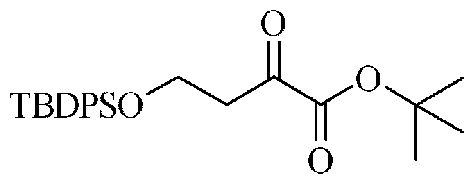 化合物 18 (4. 51g, 10. 88mmol)のアセトン lOOmL溶液を 0°Cに冷やし、 15%炭 酸水素ナトリウム水溶液 30mL、臭ィ匕ナトリウム(223. 8mg, 2. 18mmol)、 TEMPO ( 170mg, 1. O9mmol)、卜リク イソシァヌノレ酸(5. 06g, 21. 8mmol)を川頁にカロ免、室 温にて 27時間撹拌した。反応終了後、 2—プロパノールを 3mL加え、ろ過をした。ろ 液を酢酸ェチル 200mL、水 50mLで抽出し、水相を酢酸ェチル 150mLで洗浄した 後、合わせた有機相を 1. ON塩酸水溶液 10mL、水 lOOmLで洗浄し、硫酸ナトリウム で乾燥した。混合溶液をろ過後、溶媒を留去し、シリカゲルカラムクロマトグラフィーで 精製し、化合物 19を 2. l lg (収率 42% : 5工程収率)得た。
化合物 19の物理化学的性状
NMR(400 MHz, CDC1 ): δ 1.02(s, 9H), 1.54(s, 9H), 3.01(t, J=6.4 Hz, 2H), 3.99
3
(t, J=6.4 Hz, 2H), 7.36-7.45(m, 6H), 7.62-7.67(m, 4H).
MS(EI): m/z(rel int)435(15 [M+Na]), 280(100), 220(10).
[0128] 実施例 6
化合物 22の合成

[0129] 6- ll f¾6- l)
TBDPS0^^^OH
窒素雰囲気下、 1, 4 ブタンジオール(100g、 1. lmol)とジイソプロピルェチルァ ミン(200mL、 1. 14mol)をジクロロメタン(200mL)に溶解し、室温にて t—ブチルジ フエニルシリルクロリド(100mL、 0. 38mol)を 15分間かけ徐々に加えた。室温にて 2 . 5時間撹拌し、その後、減圧下濃縮した。ェチルエーテルに溶カゝし水にて洗浄した 。硫酸ナトリウムを用い乾燥させ、濾過後、減圧下濃縮しィ匕合物 20を 127. 16gを得 た。
化合物 20の物理化学的性状
JH NMR(300 MHz, CDCl ) δ: 7.68(4H, m), 7.25-7.46(6H, m), 3.68(4H, m), 1.66(4H
3
, m), 1.06(9H, s)
[0130] 6 - 2l f¾6 - 2).

ィ匕合物 20 (63. 6g, 0. 19mol)をアセトン 1. 8リツ卜ノレに溶解し、 0oCにて、 15%— 炭酸水素ナトリウム水溶液 540mL、臭化ナトリウム(3. 7g)、 TEMPO (563mg)の順 に加え、トリクロロイソシァヌル酸(83. 6g)を 30分間かけ、徐々にカ卩えた。その後、室 温にて 1. 5時間撹拌し、 2 プロパノール(108mL)をカ卩えた。減圧下濃縮により、ァ セトンを除去した。酢酸ェチルを加え、水で洗浄した。硫酸ナトリウムにより乾燥させ、 濾過後、減圧下濃縮した。シリカゲルカラムクロマトグラフィー(シリカ 60,へキサン: 酢酸ェチル = 9 : 1)にて、単離精製を行い化合物 21 (58. 78g, 95. 5%)を得た。 化合物 21の物理化学的性状
ESI (LCZMSポジティブモード)(M+H+) 343
iH—NMR (重クロ口ホルム中)の化学シフト値 δ:
1.05(9H、 s)ゝ 1.84-1.94(2H, m)、 2.51(2H、 t、 J=6Hz)ゝ 3.70(2H、 t、 J=6Hz)ゝ 7.35- 7.45( 6H、 m)、 7.66(4H、 d、 J=6Hz)
[0131] 6 - 3l f¾6 - 3).

窒素雰囲気下、化合物 21 (75. 49g, 0. 22mol)を乾燥ベンゼン(221mL)に溶解 し、還流させた。続いて、ジメチルホルムアミド—ジ— t—ブチルァセタール(21 lmL, 0. 836mol)を 40分間かけ徐々にカ卩え、 17時間、還流させた。その後、室温に冷や し、酢酸ェチルを加え、水、飽和炭酸水素ナトリウム水溶液、ブラインにより、有機層 を洗浄した。硫酸ナトリウムにて乾燥させ、濾過後、減圧下濃縮した。シリカゲルカラ ムクロマトグラフィー(シリカ 60,へキサン:酢酸ェチル = 50 : 1)にて、単離精製を行 い、化合物 22 (70. 12g, 79. 8%)を得た。
化合物 22の物理化学的性状
FAB-MS (ポジティブモード、マトリックス m— NBA) 399 (M+H+)
— NMR (重クロ口ホルム中)の化学シフト値 δ:
1.05(9H、 s)ゝ 1.43(9H, s)ゝ 1.84— 1.89(2H, m)、 2.36(2H、 t、 J=6Hz)ゝ 3.67(2H、 t、 J=6Hz ), 7.34- 7.70(10H、 m)
[0132] 実施例 7
下記化合物の合成

[0133] X ¾7
一般工程— 1により合成した以下の化合物 200mgを、下記表に示す溶媒中、下記 に示す添加剤の存在下、 1. 05-1. 1当量のリチウムジイソプロピルアミドまたは n— ブチルリチウムにより、— 78°Cで 1時間処理し、ついで実施例 3— 7または実施例 5で 合成した化合物 19 1. 1当量と、—78°Cで 1時間反応させたところ、標記化合物が 高収率で得られた。得られた化合物の立体配置を検討したところ、下記表に示すよう に、高度の立体選択性が認められた。


ここで、 Anti 1体は、(3S, 4S)体; Anti 2体は、(3R, 4R)体; Syn 1体は、(3 R, 4S)体; Syn 2体は、 (3S, 4R)体を示す。また、表中の Synは、 Syn 1体と Syn
2体の合計である。なお、溶媒がテトラヒドロフランの場合は塩基として n—プチルリ チウムを、溶媒がトルエンの場合は塩基としてリチウムジイソプロピルアミドを用いた。
例 8
, ·の

24
工程 7—1
0. 16Mテトラヒドロフラン溶液中の、実施例 1で合成した以下の化合物 7を、 1. 05 当量のリチウムへキサメチルジシラジドの存在下、下記表に示す量の塩化リチウムの 存在下、—78°Cで反応させ、ついで実施例 6で合成した化合物 19 1. 1当量と、 78°Cで反応させたところ、標記化合物が高収率で得られた。得られた化合物の立体 配置を検討した。その結果、下記表に示すように、 Anti 1体が選択的に得られ、高 度の立体選択性が認められ、また塩化リチウムの存在下では、より高い立体選択性 が得られることが認められた。
 化合物 7 L i C 1 ェノラ-ト形成 化合物 19の添加時間(分) Ant i: Syn 変換率 収率 の量(mg) 量(当量) 時間(時間) アルト' -)反応時間(分) ( ) ( )
92. 8 なし 1 4 10:1.13 54 45. 6
3 3
2 1 4. 5 1 2 8 Antiのみ 80 73
32
1 74. 2 4 3 8 An"のみ 8 5 7 9
37 表中の Antiは、 Anti 1体であり、 Synは、 Syn 1体と Syn 2体の合計である。
[0136] 実施例 9
化合物 30の合成
[0137] ェ

化合物 24の物理化学的性状
ESI (LC/MSポジティブモード) 1049 (M + NH +)
4
iH—NMR (重クロ口ホルム中)の化学シフト値 δ:
0.73(3H、 d、 J=7Hz)、 0.79(3H、 d、 J=7Hz)、 0.83- 1.79(27H、 m)、 1.01(9H、 s)、 1.34(9H 、 s)ゝ 1.90— 2.07(3H、 m)、 3.31— 3.41(1H、 m)、 3.52(1H、 s)ゝ 3.59— 3.69(1H、 m)、 3.90(4H 、 s)ゝ 5.50— 5.62(1H、 m)、 5.70(1H、 d、 J=4Hz)ゝ 5.85— 5.98(1H、 m)、 6.14(1H、 d、 J=9Hz) 、 7.02- 7.68(20H、 m).
9 - 2l f¾7 - 2).
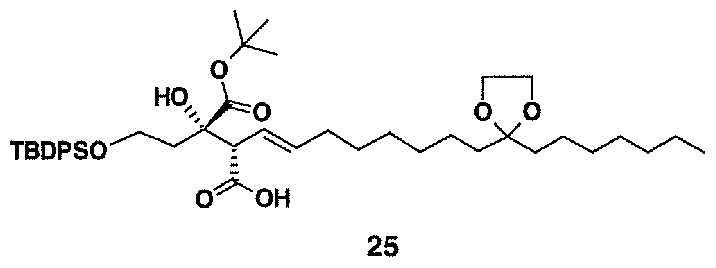
化合物 25の物理化学的性状
ESI (LCZMSポジティブモード) 775 (M + Na+)
— NMR (重クロ口ホルム中)の化学シフト値 δ:
0.82- 0.92(3H、 m)、 1.05(9H、 s)、 1.37(9H、 s)、 1.18- 1.42(18H、 m)、 1.50- 1.63(4H、 m) 、 1.82— 2.20(4H、 m)、 3.40(1H、 d、 J=9Hz)、 3.64— 3.85(2H、 m)、 3.92(4H、 s)、 5.21(1H、
brs)ゝ 5.52(1H、 dd、 J=9、 15Hz)、 5.74(1H、 dt、 J=7、 15Hz)、 7.24- 7.65(10Hゝ m).
[0139] 9- 3l f¾7- 2).
 化合物 25 ( 1. 55g、 2. 06mmol)のテトラヒドロフラン溶液(0. 5mL)に 80%酢酸水 溶液(50mL)を加え、室温にて 5時間撹拌した。反応液を減圧濃縮し得られた粗生 成物をカラムクロマトグラフィー)で精製し、化合物 26 ( 1. 38g)を無色油状物質とし て得た。
化合物 26の物理化学的性状
ESI (LCZMSポジティブモード) 731 (M + Na+)
iH—NMR (重クロ口ホルム中)の化学シフト値 δ:
0.88(3H、 t、 J=7Hz)ゝ 1.05(9H、 s)ゝ 1.27- 1.37(23H、 m)、 1.51- 1.60(4H、 m)、 1.97-2.19( 4H、 m)、 2.35— 2.40(4H、 m)、 3.40(1H、 d、 J=9Hz)ゝ 3.66— 3.84(2H、 m)、 5.28(1H、 brs)ゝ 5 .52(1H、 dd、 J=9、 15Hz)、 5.74(1H、 dt、 J=7、 15Hz)、 7.36— 7.47(6H、 m)、 7.62-7.68(4H 、m)
[0140] 9-4l f¾7-4).

化合物 26 ( 1. 216g、 1. 715mmol)および(S)—4—(2—プチ-ルォキシ)フエ- ルァラニン t—ブチルエステル塩酸塩(671mg、 2. O58mmol)の無水 N, N—ジメチ ルホルムアミド溶液(34mUに N, N—ジイソプロピルェチルァミン(1. 34mレ 7. 72 mmol)をカ卩えた。反応液を 0°Cに冷却し、 O—(7—ァザべンゾトリァゾールー 1ーィル )— N, N, N' , N' —テトラメチルゥ口-ゥムへキサフルォロホスフェート(717mg、 1. 886mmol)をカロえ、同温にて 2時間撹拌した。塩ィ匕アンモ-ゥム水溶液を加えて反
応を停止し、 20%酢酸ェチル—へキサンで抽出した。有機層を水および飽和食塩 水で洗浄後、無水硫酸ナトリウムで乾燥した。減圧濃縮し得られた粗生成物をカラム クロマトグラフィ—(シリカゲル、へキサン—酢酸ェチル 4 : 1)で精製し、化合物 27 (1.
58g)を無色油状物質として得た。
化合物 27の物理化学的性状
ESI (LCZMSポジティブモード) 980 (M + H+)
iH—NMR (重クロ口ホルム中)の化学シフト値 δ:
0.87(3H、 t、 J=7Hz)ゝ 1.04(9H、 s)ゝ 1.17— 2.24(22H、 m)、 1.30(9H、 s)ゝ 1.37(9H、 s)ゝ 1.84 (3H、 t、 J=2Hz)ゝ 2.32— 2.40(4H、 m)、 2.97(1H、 dd、 J=6, 14Hz)、 3.08(1H、 dd、 J=6, 14H z)ゝ 3.16(1H、 d、 J=10Hz)ゝ 3.54— 3.64(1H、 m)、 3.74— 3.84(1H、 m)、 4.32(1H、 s)ゝ 4.54(2 H、 q、 J=2Hz)ゝ 4.66— 4.74(1Hゝ m)、 5.50(1H、 dd、 J=9, 15Hz)、 5.63(1H、 dt、 J=6, 15Hz) 、 6.78— 6.84(2H、 m)、 7.03(1H、 d、 J=8Hz)ゝ 7.08— 7.14(2H、 m)、 7.30— 7.68(10H、 m). 9- 5l f¾7- 5).

化合物 27 (1. 54g、 1. 57mmol)のテトラヒドロフラン溶液(15. 7mL)を 0°Cに冷却 し、酢酸(0. 225mL、 4. 71mmol)およびフッ化テトラブチルアンモ-ゥム(4. 71mL 、 4. 71mmol、 1. OMテトラヒドロフラン溶液)を順次カ卩え、室温にて 1時間撹拌した。 反応液に水を加え、酢酸ェチルで抽出した。有機層を飽和炭酸水素ナトリウム水溶 液および飽和食塩水で洗浄後、無水硫酸ナトリウム上で乾燥した。減圧濃縮し得ら れた粗生成物をカラムクロマトグラフィ—で精製し、化合物 28 (1. 63g)を無色油状 物質として得た。
化合物 28の物理化学的性状
ESI (LCZMSポジティブモード) 742 (M+H+)
— NMR (重クロ口ホルム中)の化学シフト値 δ:
0.88(3H、 tゝ J=7Hz)、 1.41(9H、 s)ゝ 1.44(9H、 s)ゝ 1.17— 2.20(23H、 m)、 1.86(3H、 tゝ J=3H
z)、 2.32— 2.41(4H、 m)、 2.94— 3.11(2H、 m)、 3.14(1H、 d、 J=9Hz)ゝ 3.56— 3.72(2H、 m)、 4. 46(1H、 brs)ゝ 4.59— 4.64(2H、 m)、 4.70(1H、 q、 J=6Hz)ゝ 5.50(1H、 dd、 J=9, 15Hz)、 5.66 (1Hゝ dt、 J=6, 15Hz)、 6.78— 6.90(3H、 m)、 7.07— 7.14(2H、 m).
[0142] 9-6l f¾7-6).

ィ匕合物 28 ( 180mg、 0. 243mmol)のァセ卜-卜リル(2. 4mL)および水(0. 48mL) 混合溶液を 0°Cに冷却し、 2, 2, 6, 6—テトラメチル一 1—ピベリジ-ルォキシフリー ラジカル(7. 6mg、 0. 0485mmol)およびョードベンゼンジアセテート(211mg、 0. 6 55mmol)を順次カ卩え、室温にて 2時間撹拌した後、水(0. 48mL)を加え、さらに室温 で 30分間撹拌した。反応液に 0. 5Mクェン酸水溶液をカ卩ぇ酢酸ェチルにて抽出し た。有機層を水、 10%チォ硫酸ナトリウム水溶液および飽和食塩水で順次洗浄し、 無水硫酸ナトリウム上で乾燥した。減圧濃縮し得られた粗生成物をカラムクロマトダラ フィ—で精製し、化合物 29 ( 142mg)を無色油状物質として得た。
化合物 29の物理化学的性状
ESI (LCZMSポジティブモード) 756 (M +H+)
iH—NMR (重クロ口ホルム中)の化学シフト値 δ:
0.88(3H、 t、 J=8Hz)ゝ 1.41(9H、 s)ゝ 1.44(9H、 s)ゝ 1.16- 1.82(20H、 m)、 1.86(3H、 t、 J=2H z)ゝ 1.94— 2.06(2H、 m)、 2.37(4H、 t、 J=8Hz)ゝ 2.56(1H、 d、 J=16Hz)ゝ 2.82(1H、 d、 J=16H z)、 2.94— 3.12(2H、 m)、 3.21(1H、 d、 J=10Hz)、 4.58— 4.74(3H、 m)、 5.48(1H、 dd、 J=9, 1 5Hz)、 5.66(1H、 dt、 J=6, 15Hz)、 6.78(1H、 d、 J=8Hz)ゝ 6.82— 6.90(2H、 m)、 7.09-7.15(2 H、 m).
[0143] 9 7 (工程 7— 7)
 ィ匕合物 29 ( 110mg、 0. 146mmol)のジクロロメタン溶液(0. 55mL)に、トリフルォロ 酢酸 (0. 88mL)および水(0. 22mL)の混合溶液を加えた。室温にて 4時間撹拌後、 減圧下に濃縮した。減圧濃縮し得られた粗生成物の酢酸ェチル (0. 5mL)溶液に、 ヘプタン(lmL)および種晶(ィ匕合物 30)をカ卩え、室温にて 2時間撹拌した。析出した 固体を濾取し、化合物 30 (81. 4mg)を得た。
化合物 30の物理化学的性状
ESI (LCZMSポジティブモード) 644 (M +H+)
iH—NMR (重クロ口ホルム中)の化学シフト値 δ:
0.87(3H、 t、 J=7Hz)ゝ 1.14— 1.64(16H、 m)、 1.84(3H、 t、 J=2Hz)ゝ 1.88— 2.04(2H、 m)、 2.4 0(4H、 tゝ J=7Hz)ゝ 2.71(1H、 d、 J=16Hz)ゝ 2.88— 3.24(3H、 m)、 3.30(1H、 d、 J=9Hz)ゝ 4.54 — 4.72(3H、 m)、 5.38— 5.66(2H、 m)、 5.45(3H、 brs)ゝ 6.84(2H、 d、 J=9Hz)ゝ 7.09(2H、 d、 J =9Hz)、 7.35- 7.50(1H、 m).
9-8l f¾7- l).

9- 9ίΧ|¾7- 2).

粗精製の化合物 24 (382mg)のテトラヒドロフラン溶液(12mL)を— 10°Cに冷却し、 水酸化リチウム一水和物(25mg、 0. 592mmol)、水(1. 5mL)および 34. 5%過酸化 水素水(0. 195mL)の混合物をゆっくり加え,同温で 30分間、 0°Cで 1. 5時間撹拌 した。反応液に 5%チォ硫酸ナトリウム水溶液、 0. 05Mクェン酸水溶液を順次カロえ、 酢酸ェチルにて抽出した。有機層を水および飽和食塩水で洗浄し、無水硫酸ナトリ ゥムで乾燥した。減圧下に濃縮し、油状物質 382mgを得た。得られた油状物 376mg のァセトニトリル(8. 3mL)溶液に 0. 5Mクェン酸水溶液(3. 32mL)を加え、 50°Cで 2. 5時間撹拌した。反応液を室温に戻した後へキサンで抽出し、有機層を水で洗浄 して、無水硫酸ナトリウムで乾燥した。減圧下に濃縮し、粗精製の化合物 26 (232mg )を油状物質として得た。得られた粗精製の化合物 26 (125mg)のァセトニトリル(lm L)溶液にジシクロへキシルァミン(27. lmg)および種晶(ィ匕合物 31)をカ卩え、 20°C で 2時間、 0°Cで 1時間、 5°Cで 12時間撹拌した。析出した固体を 5°C下で濾取し、白 色固体(71. 9mg)を得た。ァセトニトリルで再結晶し、白色固体の化合物 31 (61. 6m g)を得た。化合物 26は、本工程に用いた DCHAのような塩基と塩を形成することに より結晶性が向上し、再結晶法により精製が可能になり、実施例 9— 3に記載されて いるようなカラムクロマトグラフィーによる精製は不要となった。
化合物 31の物理化学的性状
ESI (LCZMSポジティブモード) 731 (M + Na+)
— NMR (重クロ口ホルム中)の化学シフト値 δ:
0.87(3H、 t、 J=7Hz)、 1.00(9H、 s)ゝ 1.23(9H、 s)ゝ 1.10— 2.28(42H、 m)、 2.32— 2.40(4H、 m )、 2.86— 3.00(2H、 m)、 3.10(1H、 d、 J=9Hz)ゝ 3.55— 3.67(1H、 m)、 3.92— 4.04(1H、 m)、 5.5
0 - 5.68(2H、 m)、 7.26- 7.68(10H、 m).
[0146] 9- 10( |¾7-4)

[0147] 9- 11 (Χ|¾7- 5).

粗精製の化合物 27 (984mg)のテトラヒドロフラン溶液(9. 5mL)溶液を 0°Cに冷却 し、酢酸(55 /z L、 1. 16mmol)およびフッ化テトラブチルアンモ -ゥム(1. 16mL、 1. 16mmol、 1. 0Mテトラヒドロフラン溶液)を順次加え、室温にて 1時間撹拌した。反応 液に水を加え、 20%酢酸ヱチル—へキサンで抽出した。有機層を無水硫酸ナトリウ
ムで乾燥後、減圧下に濃縮し、粗精製の化合物 28 (1. OOg)を油状物質として得た。 粗精製の化合物 28は次の反応にそのまま用いた。
9- 12(X|¾7-6).

粗精製の化合物 28 (1. OOg)のァセトニトリル(13. 5mL)および水(2. 7mL)混合 溶液を 0°Cに冷却し、 4 ァセトアミド— 2, 2, 6, 6—テトラメチル— 1—ピベリジ-ル ォキシフリーラジカル(41mg、 0. 194mmol)およびョードベンゼンジアセテート(842 mg、 2. 61mmol)を順次カ卩え、室温にて 2時間撹拌した後、水(2. 7mL)をカ卩え、さら に室温で 30分間撹拌した。反応液に、 0. 5Mクェン酸水溶液および水をカ卩え、 30 %酢酸ェチル—へキサンで抽出した。有機層を 5%チォ硫酸ナトリウム水溶液および 水で順次洗浄し、無水硫酸ナトリウムで乾燥した。減圧下に濃縮し、粗精製の化合物 29 (1. 12g)を油状物質として得た。粗精製の化合物 29 (1. 12g)を t—プチルメチ ルエーテル(1. 46mL)とヘプタン(1. 46mL)の混合溶液に溶かし、ジシクロへキシ ルァミン(175mg、 0. 968mmol)、ヘプタン(4. 44mL)および種晶(ィ匕合物 32)を加 え、 5°Cにて 12時間撹拌した。析出した固体を濾取し、淡黄色固体(762mg)を得た 。これを t—ブチルメチルエーテル ヘプタンで再結晶して、化合物 32 (717mg)を 得た。化合物 29は、本工程に用いた DCHAのような塩基と塩を形成することにより結 晶性が向上し、再結晶法により精製が可能になり、実施例 9 6に記載されているよう なカラムクロマトグラフィーによる精製は不要となった。
化合物 32の物理化学的性状
ESI (LCZMSポジティブモード) 756 (M+H+)
— NMR (重クロ口ホルム中)の化学シフト値 δ:
0.87(3H、 t、 J=7Hz)、 1.12- 2.05(40Hゝ m)、 1.35(9H、 s)ゝ 1.39(9H、 s)ゝ 1.85(3H、 t、 J=3H z)、 2.32- 2.40(4H、 m)、 2.49(1H、 d、 J=16Hz)、 2.66(1H、 d、 J=16Hz)、 2.84- 3.10(4H、 m )、 3.15(1H、 d、 J=9Hz)ゝ 4.56— 4.70(3H、 m)、 5.50— 5.70(2H、 m)、 680— 6.86(2H、 m)、 7.0
8— 7.16(2H、 m)、 7.41(1H、 d、 J=8Hz)
[0149] 9- 13 ( |¾7- 7)

[0150] 9 14 (工程 7—1).

実施 f列 1で得たィ匕合物 7 (2. 37g、 3. 82mmol)と塩ィ匕リチウム(1. 21g、 4. 19mmo 1)の無水テトラヒドロフラン溶液(24. 6mL)を一 78°Cに冷却し、リチウムへキサメチル ジシラジド(3. 75mL、 4. 01mmol、 1. 07Mへキサン溶液)をカ卩え、 1時間撹拌した。 反応液を— 30°Cに昇温し、 10分間撹拌した。反応液を— 78°Cに冷却し、実施例 3 で合成した化合物 15 (1. 21g、 4. 19mmol)の無水テトラヒドロフラン溶液(16. 4mL) を 30分間かけて滴下し、 20分間撹拌した。酢酸 (0. 6mL、 10. 5mmol)をカ卩ぇ反応 を停止し、 5分間撹拌した。塩ィ匕アンモ-ゥム水溶液を加え酢酸ェチルで抽出した。 有機層を飽和食塩水で洗浄し、無水硫酸ナトリウム上で乾燥した。減圧下に濃縮し、 粗精製の化合物 33 (3. 70g)を黄色油状物質として得た。粗精製の化合物 33は次
の反応にそのまま用いた。
[0151] 9- 15 ( |¾7- 2).

粗精製の化合物 33 (2. 86g)のテトラヒドロフラン溶液 (86mL)を— 10°Cに冷却し、 水酸化リチウム一水和物(238mg、 5. 67mmol)、水(14mL)および 35%過酸化水素 水(1. 9mL)の混合物をゆっくり加えた。同温で 30分間、 0°Cで 1. 5時間撹拌した。 反応液に 5%チォ硫酸ナトリウム水溶液、酢酸ェチル、 0. 025Mクェン酸水溶液を 順次加え抽出した。有機層を水および飽和食塩水で洗浄し、無水硫酸ナトリウム上 で乾燥した。減圧下に濃縮し、黄色油状物質を得た。本化合物(1. 06g)のァセトニ トリル(15. 9mL)溶液に(S)— (—)—フエ-ルェチルァミン(143mg、 1. 18mmol)の ァセトニトリル(5. 3mL)溶液 2. 65mLおよび種晶(ィ匕合物 34)をカ卩え、室温にて 30 分間撹拌した。(S)— (―)—フエ-ルェチルァミン(143mg、 1. 18mmol)のァセトニ トリル(5. 3mL)溶液残り 2. 65mLをカロえ同温にて 1時間撹拌した。析出した固体を濾 取し、化合物 34 (472mg)を白色固体として得た。化合物 34は、カルボン酸の(S) - (一)—フエニルェチルァミン塩であり、このような塩を形成することにより結晶性が良 くなり、再結晶法による精製が可能となった。
化合物 34の物理化学的性状
ESI (LCZMSポジティブモード) 651 (M + Na+)
iH—NMR (重クロ口ホルム中)の化学シフト値 δ:
0.05(6H、 s)ゝ 0.88(3H、 t、 J=7Hz)ゝ 0.89(9H、 s)ゝ 1.27— 1.57(34H、 m)、 1.93— 2.04(4H、 m )、 3.24(1H、 d、 J=9Hz)ゝ 3.68— 3.83(2H、 m)、 3.91(4H、 s)、 4.19(1H、 q、 J=7Hz)ゝ 5.51—5. 67(2H、 m)、 7.25- 7.38(5H、 m)
[0152] 9- 16 ( |¾7- 2._7-4)_

上記化合物 34 (180mg、 0. 24mmol)を出発原料とし、実施例 9— 10と同様にして 粗精製の化合物 35 (208mg)を油状物質として得た。粗精製の化合物 35は次の反 応にそのまま用いた。
9- 17(X|¾7- 5).

上記粗精製の化合物 35 (200mg)のァセトニトリル溶液 (2mL)溶液に 0. 5Mクェン 酸水溶液 (0. 8mL)をカ卩え、 50°Cにて 1時間、 60°Cにて 2時間撹拌した。室温に戻し た後、水を加え、 20%酢酸ェチル—へキサンで抽出した。有機層を無水硫酸ナトリウ ムで乾燥後、減圧下に濃縮し、粗精製の化合物 7 (158mg)を油状物質として得た。 粗精製の化合物 28は次の反応にそのまま用いた。
9- 18 (X|¾7-6).

上記粗精製の化合物 28 (153mg)を出発原料とし、実施例 9— 12と同様にして酸 化反応を行い粗精製のカルボン酸(153mg)を得た。実施例 9— 12と同様にして塩 結晶化を行 、ィ匕合物 32 (149mg)を淡黄色固体として得た。
本化合物は実施例 9 12で得られた化合物と一致した。
9- 19 (X|¾7- 3).

実施例 9 14で合成した化合物 33 (1. 25g, 1. 34mmol)のァセトニトリル(0. 7mL )懸濁液に、 (S) 4一(2 ブチュル)ォキシフエ-ルァラニン t ブチルエステル塩 酸塩(481mg, 1. 48mmol)および N, N—ジイソプロピルェチルァミン(0. 55mL, 3 . lmmol)をカ卩え、外温 50〜60°Cに加熱し、 6日間撹拌した。反応混合物にァセトニ トリル(16mL)および水(lmL)をカ卩え、へキサン(3 X 40mL)で抽出し、合わせた有機 層に酢酸ェチル(12mL)をカ卩え、 0. 5N硫酸水素カリウム水溶液(12. 5mL)—水(4 OmL)、水(80mL)、および飽和食塩水(80mL)で順次洗浄した。有機層を無水硫酸 マグネシウム上乾燥した後、溶媒を留去した。得られた残渣をへキサン (80mL)に溶 かし、ァセトニトリル(20mL)—水(2. 4mL)で洗浄し、さらに洗液をへキサン(80mL) で抽出した。合わせた有機層を溶媒留去し、粗精製の合物 35 (1. 138g)を黄色の 油状物質として得た。得られたィ匕合物 35は次の反応にそのまま用いた。
[0156] 9— 20 (工程 7— 5).

ィ匕合物 35 (1. 138g)のテトラヒドロフラン(6. 8mL)溶液に、醉酸(102mg、 1. 70m mol)のテトラヒドロフラン(3. 4mL)溶液およびフッ化テトラブチルアンモ-ゥムのテトラ ヒドロフラン溶液(1M、 1. 7mL、 1. 7mmol)を 0°Cにて加え、同温で 30分間および室 温で 30分間撹拌した。反応混合物に水(20mL)をカ卩えへキサン(32mL) 酢酸ェチ ル(18mL)で抽出し、有機層を希炭酸水素ナトリウム水溶液(25mL、 pH7に調節)で 洗浄した。有機層を無水硫酸マグネシウム上で乾燥した後、溶媒を留去し、化合物 3 6 (1. 046g)を黄色の油状物質として得た。得られた化合物 36は次の反応にそのま ま用 ヽた。
[0157] 9— 21 (工程 7— 6).

化合物 36 (1. 046g)のァセトニトリル(16mL)—水(3. 5mL)溶液に 4 ァセトアミ ド一 2, 2, 6, 6—テトラメチルピペリジン 1—ォキシル(57mg, 0. 27mmol)およびョ ードベンゼンジアセテート(1. 18g、 3. 66mmol)を 0°Cにて加えた後、室温にて撹拌 した。 2時間後、反応混合物に水(3. 2mL)をカ卩え、さらに室温にて 12時間撹拌した 。反応混合物をへキサン(27mL) 酢酸ェチル(27mL)で抽出し、 0. 5Mクェン酸 水溶液(12mL)、水(12mL)、 5%チォ硫酸ナトリウム水溶液(12mL)および飽和食 塩水(12mL)で順次洗浄した。有機層を無水硫酸マグネシウムで乾燥した後、溶媒 し、化合物 37 (1. 27g)を明茶色の油状物質として得た。
[0158] 9- 22(X|¾7-6).

32
化合物 37 (1. 27g)のァセトニトリル(l lmL)溶液に 0. 5Mクェン酸水溶液 (4. 4m L)を加え、外温 55— 65°Cに加熱し、 2時間撹拌した。反応混合物をへキサン(24mL )一酢酸ェチル(15mL)で抽出し、水(l lmL)、次いで飽和食塩水(l lmL)で順次洗 浄した。有機層を無水硫酸マグネシウムで乾燥した後、溶媒留去し、粗精製の化合 物 32 フリー体(1. 05g)を明茶色の油状物質として得た。
化合物 32 フリー体(1. 05g)のヘプタン(1. 9mL)—メチルー t ブチルエーテル (1. 9mL)溶液にジシクロへキシルァミン(254 L、 1. 27mmol)を室温にて加え撹 拌し、さらにヘプタン(5. 7mL)を加えて 5°Cにて一夜撹拌した。析出した結晶を吸引 ろ取し、ヘプタンで洗浄し、化合物 32 (903mg)を淡黄色固体として得た。
本化合物は実施例 9 12で得られた化合物と一致した。
[0159] 実施例 10
化合物 41の合成

10— 1 (工程 7—4)

化合物 38の物理化学的性状
ESI (LCZMSポジティブモード) 1040 (M + Na+)
— NMR (重クロ口ホルム中)の化学シフト値 δ:
0.87(3H、 t、 J=7Hz)、 1.03(9H、 s)ゝ 1.17— 1.59(36H、 m)、 1.93— 2.16(4H、 m)、 2.31-2.38( 4H、 m)、 3.05— 3.22(3H、 m)、 3.55— 3.63(1H、 m)、 3.74— 3.82(1H、 m)、 3.84(3H、 s)ゝ 4.35( 1H、 s)ゝ 4.74— 4.80(1Hゝ m)、 5.51(1H、 dd、 J=9、 15Hz)、 5.64(1H、 dt、 J=6、 15Hz)、 6.85 - 6.89(1H、 m)、 7.05- 7.12(3H、 m)、 7.28- 7.46(10H、 m)、 7.61- 7.65(4H、 m)
10- 2( |¾7- 5).

化合物 38 (2. 24g、 2. 20mmol)のテトラヒドロフラン溶液(26mL)を 0°Cに冷却し、 酢酸(0. 38mL、 6. 61mmol)およびフッ化テトラブチルアンモ -ゥム(6. 61mL、 6. 6 ImmoU 1. OMテトラヒドロフラン溶液)を順次加え、室温にて 1時間撹拌した。反応液 に水を加え、酢酸ェチルで抽出した。有機層を飽和炭酸水素ナトリウム水溶液およ び飽和食塩水で洗浄後、無水硫酸ナトリウム上で乾燥した。減圧濃縮し、得られた粗 生成物をカラムクロマトグラフィー(シリカゲル、へキサン 酢酸ェチル 1: 1)で精製 し、化合物 39 (1. 6 lg)を無色油状物質として得た。
化合物 39の物理化学的性状
ESI (LCZMSポジティブモード) 780 (M + H+)
— NMR (重クロ口ホルム中)の化学シフト値 δ:
0.87(3H、 t、 J=7Hz)、 1.17— 1.59(35H、 m)、 1.63— 1.75(1Hゝ m)、 1.89— 2.11(4H、 m)、 2.32 — 2.39(4H、 m)、 3.05— 3.20(3H、 m)、 3.55— 3.67(2H、 m)、 3.86(3H、 s)ゝ 4.47(1H、 s)ゝ 4.74 — 4.81(1H、 m)、 5.51(1H、 dd、 J=9、 15Hz)、 5.66(1H、 dt、 J=6、 15Hz)、 6.86— 6.91(2H、 m ), 7.09— 7.37(4H、 m)、 7.48— 7.52(2H、 m)
10- 3( |¾7-6).

ィ匕合物 39 (516mg、 0. 662mmol)のァセトニトリル(8. 4mL)および水(1. 68mL) 混合溶液を 0°Cに冷却し、 2, 2, 6, 6—テトラメチル一 1—ピベリジ-ルォキシフリー ラジカノレ(20. 7mg、0. 132mmol)およびョードベンゼンジアセテート(575mgゝ 1. 7 9mmol)を順次カ卩え、室温にて 3. 5時間撹拌した。反応液に酢酸ェチル、 10%タエ ン酸水溶液を加え抽出した。有機層を水、 10%チォ硫酸ナトリウム水溶液および飽 和食塩水で順次洗浄し、無水硫酸ナトリウム上で乾燥した。減圧濃縮し得られた粗生
成物をカラムクロマトグラフィ一(ボンドエルートジオール、ノ リアン社、へキサン一酢 酸ェチル 4: 1〜7: 3)で精製し、化合物 40 (456mg)を無色油状物質として得た。 化合物 40の物理化学的性状
ESI (LCZMSポジティブモード) 816 (M + Na+)
— NMR (重クロ口ホルム中)の化学シフト値 δ:
0.87(3H、 t、 J=7Hz)ゝ 1.17— 1.62(36H、 m)、 1.95— 2.02(2H、 m)、 2.32— 2.39(4H、 m)、 2.61 (1H、 d、 J=16Hz)、 2.84(1H、 d、 J=16Hz)、 3.06— 3.21(3H、 m)、 3.55— 3.67(2H、 m)、 3.85( 3H、 s)ゝ 4.72— 4.78(1H、 m)、 5.49(1H、 dd、 J=9、 15Hz)、 5.68(1H、 dt、 J=7、 15Hz)、 6.86 — 6.93(2H、 m)、 7.08— 7.36(4H、 m)、 7.48— 7.51(2H、 m)
10-4( i¾7- 7).

ィ匕合物 40 (43mg、 0. 0541mmol)のジクロロメタン溶液(0. 43mL)を 0°Cに冷却後 、トリフルォロ酢酸(0. 34mL)および水(0. 086mL)の混合溶液を加えた。室温にて 2. 5時間撹拌後、減圧下に濃縮した。減圧濃縮し得られた粗生成物にジイソプロピ ルエーテルを加え結晶化した。析出した固体を濾取し、化合物 41 (20mg)を白色固 体として得た。
化合物 41の物理化学的性状
ESI (LCZMSポジティブモード) 682 (M+H+)
— NMR (重クロ口ホルム中)の化学シフト値 δ:
0.86(3H、 t、 J=7Hz)ゝ 1.04— 1.56(17H、 m)、 1.88(2H、 m)、 2.27— 2.36(4H、 m)、 2.74-2.80 (1H、 m)、 2.98— 3.10(2H、 m)、 3.24— 3.34(2H、 m)、 3.56— 3.73(1H、 m)、 3.81(3H、 s)、 4.74 (1H、 m)、 5.39- 5.62(2H、 m)、 6.83- 6.86(2H、 m)、 7.06- 7.31(4H、 m)、 7.44- 7.56(3H、 m )
10- 5( i¾7-4).
 実施例9ー9で合成した化合物31 (872mg、0. 979mmol)およびへキサン(8. 7mL )の混合物に 0. 5N硫酸水素カリウム水溶液 (8. 7mL)を力卩ぇ分液した。有機層を水 で洗浄後、減圧下に濃縮し、粗精製の化合物 26 (640mg)を黄色油状物質として得 た。粗精製の化合物 26 (640mg)および(S)—4一(3—メトキシフヱ-ル)フエ-ルァ ラ-ン t—ブチルエステル塩酸塩(428mg、 1. 18mmol)の無水 N, N—ジメチルホル ムアミド溶液(17. 4mUに N, N—ジイソプロピルェチルァミン(0. 768mL、 4. 41mm ol)を加えた。反応液を 0°Cに冷却し、 O— (7—ァザべンゾトリアゾール—1—ィル) - N, N, N' , N' —テトラメチルゥ口-ゥムへキサフルォロホスフェート(410mg、 1. 0 8mmol)を加え、同温にて 1時間撹拌した。 0. 5N硫酸水素カリウム水溶液および水 を加え反応を停止し、 20%酢酸ェチル—へキサンで抽出した。有機層を水および飽 和食塩水で洗浄後、無水硫酸ナトリウム上で乾燥した。減圧下に濃縮し、粗精製の 化合物 38 (1. 00g)を黄色油状物質として得た。粗精製の化合物 38は次の反応に そのまま用いた。
10— 6 (工程 7— 5).

粗精製の化合物 38 (913mg)のテトラヒドロフラン溶液(9. 13mL)溶液を 0°Cに冷却 し、酢酸(51 /z L、 1. 08mmol)およびフツイ匕テトラプチルアンモ -ゥム(1. 08mL、 1. 08mmol、 1. 0Mテトラヒドロフラン溶液)を順次加え、室温にて 1時間撹拌した。反応 液に水を加え、 20%酢酸ヱチル—へキサンで抽出した。有機層を無水硫酸ナトリウ ム上で乾燥後、減圧下に濃縮し、粗精製の化合物 39 (913mg)を黄色油状物質とし て得た。粗精製の化合物 39は次の反応にそのまま用 、た。
10— 7 (工程 7— 6).
 粗精製の化合物 39 (913mg)のァセトニトリル(13. 7mL)および水(2. 74mL)混合 溶液を 0°Cに冷却し、 4—ァセトアミド— 2, 2, 6, 6—テトラメチル— 1—ピベリジ-ル ォキシフリーラジカル(49. 9mg、 0. 234mmol)およびョードベンゼンジアセテート(1 . 02g、 3. 17mmol)を順次カ卩え、室温にて 2時間撹拌した。反応液に 20%酢酸ェチ ルーへキサン、 0. 5Mクェン酸水溶液および水をカ卩ぇ抽出した。有機層を 5%チォ 硫酸ナトリウム水溶液および水で順次洗浄し、無水硫酸ナトリウム上で乾燥した。減 圧下に濃縮し、粗精製物(983mg)を黄色油状物質として得た。本粗精製物(983mg )のァセトニトリル(9. 83mL)溶液にジシクロへキシルァミン(247 Lゝ 1. 24mmol) および種晶を加え、室温にて 30分間、 0°Cにて 2時間撹拌した。析出した固体を濾取 し、化合物 42 (602mg)を淡黄色固体として得た。化合物 40は、本工程に用いた DC HAのような塩基と塩を形成することにより結晶性が向上し、再結晶法により精製が可 能になり、実施例 10— 3に記載されて ヽるようなカラムクロマトグラフィーによる精製は 不要となった。
化合物 42の物理化学的性状
ESI (LCZMSポジティブモード) 794 (M+H+—ジシクロへキシルァミン)
— NMR (重クロ口ホルム中)の化学シフト値 δ:
0.87(3H、 t、 J=7Hz)、 1.10- 1.98(58H、 m)、 2.32- 2.38(4H、 m)、 2.53(1H、 d、 J=16Hz)ゝ 2 .68(1H、 d、 J=16Hz)、 2.85— 2.93(2H、 m)、 3.02— 3.20(3H、 m)、 3.85(3H、 s)、 4.67-4.74(1 H、 m)、 5.56— 5.64(2H、 m)、 6.85— 6.88(1H、 m)、 7.09— 7.19(2H、 m)、 7.29— 7.32(2H、 m)、 7.44- 7.50(3H、 m)
10-8( |¾7- 7).
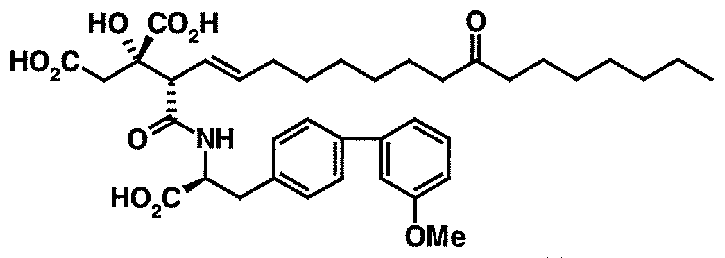
41
ィ匕合物 42 (480mg、 0. 492mmol)および 20%酢酸ェチル—へキサン(19. 2mL) の混合物に 0. 5N硫酸水素カリウム水溶液(19. 2mL)を力卩ぇ分液した。有機層を水 で洗浄後、減圧下に濃縮し、粗精製の化合物 40 (395mg)を黄色油状物質として得 た。粗精製の化合物 40 (395mg)のァ-ソール溶液(2. lmL)を 0°Cに冷却後、トリフ ルォロ酢酸(7. 2mL)および水(0. 72mL)の混合溶液を加えた。室温にて 2. 5時間 撹拌後、減圧下に濃縮し、粗精製の化合物 41 (376mg)を褐色油状物質として得た 。粗精製の化合物 41 (376mg)のァセトニトリル溶液(0. 376mL)にジイソプロピルェ 一テル(3. 76mL)および種晶を加え、室温にて 1時間、 0°Cにて 1時間撹拌した。析 出した固体を濾取し、化合物 41 (301mg)を淡黄色固体として得た。
10— 9(工程 7— 4)_
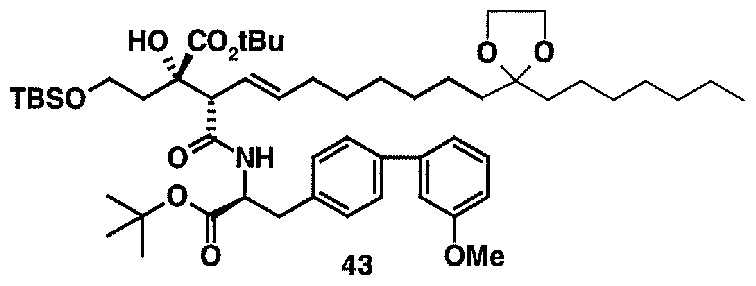
実施例 9— 15で合成したィ匕合物 34 (178mg、 0. 237mmol)を出発原料とし、実施 例 9— 10と同様にして粗精製の化合物 43 (226mg)を黄色油状物質として得た。粗 精製の化合物 43は次の反応にそのまま用いた。
10— 10 ェ程 7— 5).

粗精製の化合物 43 (190mg)を出発原料とし、実施例 10— 2と同様にして粗精製 の化合物 44 (169mg)を黄色油状物質として得た。粗精製の化合物 44は次の反応 にそのまま用いた。
10— 11 ェ程 7— 6)

本ィ匕合物は実施例 10— 7で得られた化合物と一致した。
10— 12 (_ェ程 7— 3).

窒素圧雰囲気下、実施例 9—1で合成したィ匕合物 24 (2. 07g、 2. 75mmol)を脱水 のジメチルホルムアミド(150mL)に溶力し、 (S)—4— (3—メトキシフエ-ル)フエ-ル ァラニン t—ブチルエステル塩酸塩(1. 20g、3. 30mmol)とジイソプロピルェチルアミ ン(1. 60g、 12. 38mmol)をカ卩えた後、氷冷で HATU (0— (7 ァザべンゾトリアゾ 一ルー 1—ィル) N, N, N' , N' —テトラメチルゥ口-ゥムへキサフルォロホスファ ート) (1. 15g、 3. 03mmol)をカ卩え、氷冷のまま 1時間撹拌した。水と酢酸ェチルを加 えて分液し、水層を酢酸ェチルで抽出。有機層を合わせて飽和食塩水で洗浄後、無 水硫酸ナトリウムで乾燥したのち減圧濃縮し、粗精製の標題化合物 46を黄色の油状 物質として得た。カラムクロマトグラフィー(シリカゲル、へキサン 酢酸ェチル 4 : 1)で 精製し、化合物 45 (2. 57g、 2. 42mmol)を無色油状物質として得た。
化合物 45の物理化学的性状
分子量 1062
LC-MS (FINNIGAN LCQ+HPLC system HEWLETT PACKARD series 1100) 1085( M+Na+)
— NMR (重クロ口ホルム中)の化学シフト値 δ:
0.87(3H、 J=6.3Hzゝ t)、 1.02(9H、 s)、 1.26(18H、 m)、 1.30(9H、 s)、 1.38(9H、 s)、 1.54(4
H、 m)、 1.93— 2.13(4H、 m)、 3.05— 3.21(2H、 m)、 3.54— 3.62(1H、 m)、 3.74— 3.88(2H、 m)、 3.84(3H、 s)ゝ 3.90(4H、 s)ゝ 4.34(1H、 s)ゝ 4.77(1H、 J=7.8、 6.3、 6.3Hzゝ ddd), 5.51(1H、 J =15.3、 9.3Hzゝ dd)、 5.64(1H、 15.3、 6.3、 6.3Hzゝ ddd), 6.87(1H、 8.4、 2.7、 0.9Hzゝ ddd )、 7.05- 7.12(3H、 m)、 7.25- 7.46(10H、 m)、 7.60- 7.64(4H、 m)
10- 13 ( ^.7- 5).

窒素圧雰囲気下、化合物 45 (2. 43g、 2. 32mmol)を脱水のテトラヒドロフラン(25 mL)に溶かし、氷冷下で酢酸(417mg、 6. 95mmol)とフッ化テトラブチルアンモ-ゥ ム(1. OMテトラヒドロフラン溶液、 6. 95mL、 6. 95mmol)をカ卩え、室温で 1時間撹拌 した。水とエーテルを加えて分液し、有機層を飽和炭酸水素ナトリウム水溶液、飽和 食塩水で洗浄後、無水硫酸ナトリウムで乾燥したのち減圧濃縮し、粗精製の標題ィ匕 合物 45をやや黄色い油状物質として得た。カラムクロマトグラフィー(シリカゲル、へ キサン—酢酸ェチル 4 : 1から 2 : 3)で精製し、化合物 44 (1. 93g、 2. 32mmol)を無 色油状物質として得た。
化合物 44の物理化学的性状
分子量 823
LC-MS (FINNIGAN LCQ+HPLC system HEWLETT PACKARD series 1100) 824(M
— NMR (重クロ口ホルム中)の化学シフト値 δ:
0.88(3H、 J=7.2Hzゝ t)、 1.27(18H、 m)、 1.30(9H、 s)ゝ 1.42(9H、 s)ゝ 1.47- 1.75(4H、 m)、 1 .88— 2.10(4H、 m)、 3.05— 3.20(3H、 m)、 3.55— 3.66(2H、 m)、 3.86(3H、 s)ゝ 3.91(4H、 s)ゝ 4 •46(1Hゝ s)ゝ 4.78(1Hゝ J=8.1、 6.6、 6.6Hz、 ddd), 5.51(1H、 J=15.2、 9.6Hzゝ dd)、 5.67(1 H、 15.2、 6.6、 6.6Hz、 ddd), 6.84— 6.90(2H、 m)、 7.09— 7.17(2H、 m)、 7.24— 7.27(1H、 m) 、 7.32— 7.37(1H、 m)、 7.48— 7.52(2H、 m)
10- 14 ( ^.7-6).

窒素圧雰囲気下、ィ匕合物 44 (530mg、 0. 643mmol)を脱水のジメチルホルムアミド (10mL)に溶かし、水(2mL)をカ卩ぇ、氷冷下でTEMPO (2, 2, 6, 6—テトラメチルー 1—ピベジ-ルォキシ、フリーラジカル)(20mg、 0. 129mmol)とョードベンゼンジァ セテート(559mg、 1. 74mmol)をカ卩え、室温で 7時間撹拌した。反応液に酢酸ェチル と 0. 5Mクェン酸水溶液をカ卩えて分液し、有機層を水で 2回と飽和食塩水で洗浄後 、無水硫酸ナトリウムで乾燥したのち減圧濃縮し、粗精製の標題化合物 46をカーキ 一色の油状物質として得た。カラムクロマトグラフィー(ジオールカラム、へキサン 酢 酸ェチル 4: 1力 1: 1)で精製し、化合物 46 (389mg、 0. 464mmol)を黄色油状物 質として得た。
化合物 46の物理化学的性状
分子量 837
LC-MS (FINNIGAN LCQ+HPLC system HEWLETT PACKARD series 1100) 838(M +H +)
— NMR (重クロ口ホルム中)の化学シフト値 δ:
0.87(3H、 J=6.6Hz、 t)、 1.27(18H、 m)、 1.42(9H、 s)ゝ 1.43(9H、 s)ゝ 1.46- 1.64(4H、 m)、 1 .95— 2.04(2H、 m)ゝ 2.58(1H、 J=15.8Hzゝ d)、 2.82(1H、 J=15.8Hzゝ d)、 3.06— 3.24(3H、 m) 、 3.86(3H、 s)ゝ 3.91(4H、 s)ゝ 4.75(1H、 J=7.8、 6.5、 6.5Hzゝ ddd)、 5.49(1H、 J=15.3、 9.0 Hzゝ dd)、 5.71(1H、 15.3、 6.5、 6.5Hzゝ ddd)、 6.83— 6.90(2H、 m)、 7.08— 7.16(2H、 m)、 7. 25- 7.28(1H、 m)、 7.3ト 7.36(1H、 m)、 7.48- 7.51(2H、 m)
10- 15 ( ^.7-6).

化合物 46 (214mg、 0. 255mmol)をァセトニトリルに溶かし、室温で DCHA (ジシク
口へキシルァミン)(46. 3mg、 0. 255mmol)を加え 30分間撹拌し、氷冷下で 1時間 撹拌しでてきた結晶を濾取したところ、化合物 47 (152mg、 0. 149mmol)を薄い黄緑 色の結晶として得た。化合物 46は、本工程に用いた DCHAのような塩基と塩を形成 することにより結晶性が向上し、再結晶法により精製が可能になり、実施例 10— 14に 記載されているようなカラムクロマトグラフィーによる精製は不要となった。
化合物 47の物理化学的性状
分子量 1018
LC-MS (FINNIGAN LCQ+HPLC system HEWLETT PACKARD series 1100) 838(M +H + - DCHA)
— NMR (重クロ口ホルム中)の化学シフト値 δ:
0.87(3H、 J=7.2Hzゝ t)、 1.14- 2.03(44H、 m)、 1.37(9H、 s)ゝ 1.41(9H、 s)ゝ 2.52(1H、 J=15. 8Hzゝ d)、 2.70(1H、 J=15.8Hzゝ d)、 2.78— 2.88(2H、 m)、 3.10— 3.20(3H、 m)ゝ 3.86(3H、 s) 、 3.91(4H、 s)、 4.69— 4.77(1H、 m)、 5.53— 5.66(2H、 m)、 6.85— 6.88(2H、 m)、 7.09-7.16(2 H、 m)、 7.26— 7.32(2H、 m)、 7.44— 7.49(2H、 m)
10- 16 ( ^.7- 3).

窒素圧雰囲気下、実施例 9— 1で合成したィ匕合物 24 (338mg、 0. 327mmol)を脱 水のァセトニトリル(0. 5mL)に溶力し、(S)— 4— (3—メトキシフエ-ル)フエ-ルァラ ニン t—ブチルエステル塩酸塩(131mg、 0. 360mmol)とジイソプロピルェチルァミン (85mg、 0. 658mmol)を加え、外温 50〜60。Cで 23時間撹拌した後に濃縮した。へ キサンを加えて不溶物を取り除き、へキサン層を濃縮した。残渣をへキサン 酢酸ェ チル(10 : 1)の混液に溶力して硫酸水素カリウム水溶液、水、 5%炭酸水素ナトリウム 水溶液、飽和食塩水で分液し、有機層を無水硫酸ナトリウムで乾燥したのち減圧濃 縮し、粗精製の黄色の油状物質として得た。その油状物質をへキサン(20mL)に溶 かし、ァセトニトリル(5mL)—水(0. 5mL)の混液で洗浄し、ァセトニトリル層をさらに へキサン(20mL)で抽出した。へキサン層を合わせて無水硫酸ナトリウムで乾燥した
のち減圧濃縮し、粗精製の標題ィ匕合物 45を黄色の油状物質として 317mg (0. 298 mmol)得た。粗精製の化合物 45はそのまま次の反応に用いた。
10— 17 (_ェ程 7— 5).

窒素圧雰囲気下、粗精製の化合物 45 (317mg、 0. 298mmol)を脱水のテトラヒドロ フラン(3mL)に溶かし、氷冷下で酢酸(54mg、 0. 899mmol)とフッ化テトラブチルァ ンモ -ゥム(1. OMテトラヒドロフラン溶液、 0. 90mL、 0. 900mmol)を加え、室温で 2 時間撹拌した。水とエーテルを加えて分液し、有機層を飽和炭酸水素ナトリウム水溶 液、飽和食塩水で洗浄後、無水硫酸ナトリウムで乾燥したのち減圧濃縮し、粗精製 の標題化合物 44をやや黄色 ヽ油状物質として 294mg得た。粗精製の化合物 44は そのまま次の反応に用いた。
10— 18 (_ェ程 7— 6).

窒素圧雰囲気下、粗精製の油状物質 (化合物 44、 294mg)を脱水のジメチルホル ムアミド(6mL)に溶かし、水(lmL)をカ卩え、氷冷下で TEMPO (2, 2, 6, 6—テトラメ チル一 1—ピベジ-ルォキシ、フリーラジカル)(13mg、 0. 0609mmol)とョードベン ゼンジアセテート(259mg、 0. 804mmol)をカ卩え、室温で 3時間撹拌した。反応液に 酢酸ェチルと 0. 5Mクェン酸水溶液を加えて分液し、有機層を水で 2回と飽和食塩 水で洗浄後、無水硫酸ナトリウムで乾燥したのち減圧濃縮し、粗精製の標題化合物 4 6をカーキ一色の油状物質として 324mg得た。粗精製の化合物 46はそのまま次の反 応に用いた。
10— 19 (_ェ程 7— 6).
 粗精製の化合物 46 (324mg)をァセトニトリル(5mL)に溶かし、 0. 5Mクェン酸水溶 液(3mL)をカ卩え、外温 50°Cで 2時間半撹拌した。反応液をジェチルエーテルで抽出 し、有機層を水、水、飽和食塩水で洗浄し、無水硫酸ナトリウムで乾燥したのち減圧 濃縮し、油状物質を 299mg得た。
油状物質(299mg)をァセトニトリル(3. OmL)に溶かし、室温で DCHA (ジシクロへ キシルァミン)(54mg、 0. 298mmol)をカ卩ぇ 30分間撹拌し、氷冷下で 16時間撹拌し でてきた結晶を濾取したところ、化合物 42 (28mg、 0. 0287mmol)を薄い黄緑色の 結晶として得た。
本ィ匕合物は実施例 10— 7で得られた化合物と一致した。
10— 20 (_工程 7— 3).

実施例 9 14で合成した化合物 33 (296mg, 0. 326mmol)のァセトニトリル(0. 13 mL)懸濁液に、 (S) -4- (3—メトキシフエ-ル)フエ-ルァラニン t—ブチルエステル 塩酸塩(128mg, 0. 352mmol)および N, N—ジイソプロピルェチルァミン(0. 125m L, 0. 718mmol)をカ卩え、外温 50〜60°Cに加熱し、 42時間撹拌した。反応混合物に ァセトニトリル(4mL)および水(0. 25mL)をカ卩えへキサン(3 X 10mL)で抽出し、合わ せた有機層に酢酸ェチル(3mL)を加え、 0. 5N硫酸水素カリウム水溶液 (4mL) 水 (lOmL)、水(20mL)、および飽和食塩水(20mL)で順次洗浄した。有機層を無水硫 酸マグネシウム上乾燥した後、溶媒を留去した。得られた残渣をへキサン(20mL)に 溶かし、ァセトニトリル(5mL)—水(0. 6mL)で洗浄し、さらに洗液をへキサン(20mL) で抽出した。合わせた有機層を溶媒留去すると、粗精製の標題ィ匕合物 43 (294mg) を黄色の油状物質として得た。得られた粗精製物 43は次の反応にそのまま用 、た。
10- 21 ( ^.7- 5)

粗精製物 43 (293mg)のテトラヒドロフラン(1. 4mL)溶液に、酢酸(21mg、 0. 35m mol)のテトラヒドロフラン(0. 7mL)溶液およびフッ化テトラブチルアンモ-ゥムのテトラ ヒドロフラン溶液(1M、 0. 35mL、0. 35mmol)を 0°Cにて加え同温で 30分間および 室温で 30分間撹拌した。反応混合物に水 (4. 2mL)をカ卩え、へキサン (6. 4mL) - 酢酸ェチル(1. 6mL)で抽出し、有機層を希炭酸水素ナトリウム水溶液(5mL、 pH7 に調節)で洗浄した。有機層を無水硫酸マグネシウム上で乾燥した後、溶媒を留去し 、化合物 44 (255mg)を黄色の油状物質として得た。得られた粗精製物 44は次の反 応にそのまま用いた。
10— 22 (_ェ程 7— 6).

粗精製物 44 (254mg)のァセトニトリル(3. 6mL)—水(0. 74mL)溶液に 4—ァセト アミド— 2, 2, 6, 6—テ卜ラメチルピペリジン 1—ォキシル(13. 7mg, 0. 064mmol)お よびョードベンゼンジアセテート(266mg、 0. 826mmol)を 0°Cにてカロえた後、室温に て撹拌した。 2時間後、反応混合物に水(0. 74mL)を加え、さらに室温にて 5時間撹 拌した。反応混合物をへキサン(6mL)—酢酸ェチル(6mL)で抽出し、 0. 5Mクェン 酸水溶液(2. 8mL)、水(2. 8mL)、 5%チォ硫酸ナトリウム水溶液(2. 8mL)および 飽和食塩水(2. 8mL)で順次洗浄した。有機層を無水硫酸マグネシウムで乾燥した 後、溶媒留去し、粗精製の標題ィ匕合物 46 (289mg)を黄色の油状物質として得た。 10— 23 (_ェ程 7— 6).
 粗精製物 46 (289mg)のァセトニトリル(2. 4mL)溶液に 0. 5Mクェン酸水溶液(0. 8mL)を加え、外温 55〜65°Cに加熱し、 3時間撹拌した。反応混合物をへキサン(5 . 3mL)—酢酸ェチル(2. 7mL)で抽出し、水(2. 5mL)、次いで飽和食塩水(2. 5m L)で順次洗浄した。有機層を無水硫酸マグネシウムで乾燥した後、溶媒留去すると 、粗精製の 40 (247mg)を黄褐色の油状物質として得た。
粗精製物 40 (246mg)のァセトニトリル(2. 4mL)溶液にジシクロへキシルァミン(62 μ L、 0. 30mmol)をカ卩えて、 5°Cにて一夜撹拌した。析出した結晶を吸引ろ取し、 0 °Cで冷やしたァセトニトリルで洗浄すると、化合物 42 (169mg)を淡黄色固体として得 た。
本ィ匕合物は実施例 10— 7で得られた化合物と一致した。
[0183] ¾細 1
化合物 51の合成

[0184] 11— 1 (工程 8— 2).

N— t—ブトキシカルボ-ルー L—チロシン— t—ブチルエステル(338mg、 1. OmM )の無水 N, N—ジメチルホルムアミド溶液(2. OmL)に、炭酸カリウム(173mg、 1. 25 mM)、 1—ブロモ— 2—ブチン(147mg、 1. ImM)をカ卩え、室温で 15時間撹拌した。 反応液に酢酸ェチル(30mL)をカ卩え、水(20mL)で 3回、飽和食塩水(20mL)で順 次洗浄した。酢酸ェチル層を無水硫酸ナトリウムで脱水乾燥し、溶媒を減圧留去後、
得られた油状物をシリカゲルカラムクロマトグラフィーにて精製した。 n—へキサン/ 酢酸ェチル(5 : 1)溶出部よりィ匕合物 48 (370mg、 95%)を無色油状物質として得た 化合物 48の物理化学的性状
分子量 389
FAB— MS (ポジティブモード、マトリックス m— NBA) 390 (M +H+)
iH—NMR (重クロロフオルム中)の化学シフト値 δ:
1.41(9Ηゝ s)ゝ 1.42(9H、 s)ゝ 1.86(3H、 t、 J=2.5Hz)、 3.00(2H、 d、 J=6.0Hz)、 4.41(1H、 dd 、 J=7.5、 6.0Hz)ゝ 4.62(2H、 q、 J=2.5Hz)、 4.97(1H、 d、 J=7.5Hz)、 6.88(2H、 d、 J=8.5Hz) 、 7.08(2H、 d、 J=8.5Hz)
l l - 2 ( i¾8 - 3).

ィ匕合物 48 (390mg、 1. OmM)を酢酸ェチル(5. OmL)〖こ溶解し、 4N塩酸 Z酢酸ェ チル(2. OmL, 8. OmM)をカ卩え、室温にて 15時間撹拌した。析出した粉末を桐山口 ートにて濾取し、酢酸ェチル(2. OmL)で洗浄し、真空ポンプで減圧乾燥し無色粉末 の化合物 51 (278mg、 85%)を得た。
化合物 51の物理化学的性状
分子量 289
ESI (LCZMSポジティブモード) 290 (M + H+)
iH—NMR (メタノール d—4中)の化学シフト値 δ:
1.44(9H、 s)ゝ 1.80(3H、 t、 J=2.5Hz)ゝ 3.11(2H、 d、 J=7.0Hz)ゝ 4.12(1H、 t、 J=7.0Hz)ゝ 4.6 6(2H、 q、 J=2.5Hz)ゝ 6.96(2H、 d、 J=8.5Hz)、 7.20(2H、 d、 J=8.5Hz)
実施例 12
化合物 55の合成
 12- 1 ( |¾9- 1)

上記式中、 Tfは、トリフルォロメタンスルホ-ルである。
N ベンジルォキシカルボ-ル L チロシン t ブチルエステル(81. 3g)の無水 ジクロロメタン溶液(400mL)に無水ピリジン(88. 5mレ 1. 09M)を加え、 0。C〜5。C に冷却した。次にトリフルォロメタンスルホン酸無水物(43. OmL、 262mM)を滴下し 、同温度にて 2時間撹拌した。反応液に水(800mL)、ジクロロメタン(1L)を加え分液 し、有機層を 0. 5N水酸化ナトリウム水溶液(650mL)、水(800mL)、 IN塩酸(2 X I L)、水(1L)で順次洗浄した。無水硫酸ナトリウムにて有機層を乾燥し、濃縮して乳 白色固体の化合物 52 (105. 9g)を得た。
化合物 52の物理化学的性状
分子量 503
ESI (LCZMSポジティブモード) 504 (M + H+)
iH—NMR (重クロロフオルム中)の化学シフト値 δ:
1.37(9H、 s)ゝ 3.10(2H、 d、 J=6.5Hz)ゝ 4.52(1H、 dt、 J=7.5、 6.5Hz)、 5.07(1H、 d、 J=12.5 Hz)ゝ 5.12(1H、 d、 J=12.5Hz)ゝ 5.30(1H、 d、 J=7.5Hz)、 7.16(2H、 d、 J=9.0Hz)、 7.23(2H 、 d、 J=9.0Hz)ゝ 7.30— 7.43(5H、 m)
12- 2( i¾9- 2).

化合物 52 (5. Og)、 3—メトキシフエ-ルボロン酸(2. 57g、 16. 9mM)、炭酸力リウ ム(2. 33g、 16. 9mM)を無水トルエン(lOOmL)に懸濁し、窒素雰囲気下にて、テト
ラキス(トリフエ-ルホスフィン)パラジウム(276mg、 0. 239mM)をカ卩えた。窒素気流 下 90°Cで 17時間撹拌したのち、反応混合物をセライトにて濾過し、残渣を酢酸ェチ ル(150mL)で洗浄した。濾液を、 0. 5N水酸化ナトリウム水溶液(150mL)、水(150 mL)、 IN塩酸(150mL)、水(150mL)、飽和食塩水(150mL)で順次洗浄した。有 機層を無水硫酸ナトリウムにて乾燥し濃縮後、粗化合物 53 (5. 62g)を淡褐色油状 物質として得た。
化合物 53の物理化学的性状
分子量 461
ESI (LCZMSポジティブモード) 462 (M+H+)
iH—NMR (重クロロフオルム中)の化学シフト値 δ:
1.41(9Ηゝ s)ゝ 3.12(2H、 d、 J=6.0Hz)、 3.85(3H、 s)ゝ 4.57(1H、 dt、 J=8.0、 6.0Hz)ゝ 5.08(1 H、 d、 J=12.5Hz)、 5.13(1H、 d、 J=12.5Hz)ゝ 5.31(1H、 d、 J=8.0Hz)、 6.86— 6.91(1H、 m)ゝ 7.09- 7.51(12H、 m)
12- 3( i¾9- 3).

化合物 54の物理化学的性状
分子量 327
ESI (LCZMSポジティブモード) 328 (M+H+)
H— NMR (重クロロフオルム中)の化学シフト値 δ:
1.44(9H、 s)ゝ 2.88(1H、 dd、 J=13.5、 8.0Hz), 3.08(1H、 dd、 J=13.5、 5.5Hz)、 3.64(1H、 d d、 J=8.0、 5.5Hz)、 3.86(3H、 s)ゝ 6.89(1H、 ddd、 J=8.0、 2.5、 l.OHz)ゝ 7.11(1H、 dd、 J=2. 5、 1.5Hz)、 7.17(1H、 ddd、 J=8.0、 1.5、 l.OHz)ゝ 7.29(2H、 d、 J=8.5Hz)ゝ 7.35(1H、 t、 J=8 • 0Hz)、 7.35(2H、 d、 J=8.5Hz)
[0190] 12-4

化合物 54 (2. 43g)の酢酸ェチル溶液(lOOmL)を 0°C〜5°Cに冷却し、 4N塩酸 Z 酢酸ェチル(2. 80mL、 11. 2mM)をカ卩え、同温度にて 1時間撹拌した。析出した粉 末をミリポアフィルター(FR— 20)にて濾取し、酢酸ェチル(20mL)で洗浄後、真空 ポンプで減圧乾燥し無色粉末の化合物 55 (2. 6g)を得た。
化合物 55の物理化学的性状
分子量 327
ESI (LCZMSポジティブモード) 328 (M+H+)
iH—NMR (メタノール d—4中)の化学シフト値 δ:
1.45(9H、 s)ゝ 3.22(2H、 d、 J=7.0Hz)ゝ 3.84(3H、 s)ゝ 4.21(1H、 t、 J=7.0Hz)ゝ 6.92(1H、 dd d、 J=8.0、 2.5、 l.OHz), 7.14(1H、 dd、 J=2.5、 1.5Hz)、 7.19(1H、 ddd、 J=8.0、 1.5、 l.OHz )、 7.35(1H、 t、 J=8.0Hz)、 7.37(2H、 d、 J=8.5Hz)ゝ 7.63(2H、 d、 J=8.5Hz)
産業上の利用可能性
[0191] 本発明の方法を用いることにより、 HCVの複製阻害活性を有し、所望の光学活性 を有する化合物を、少な 、工程数で選択的かつ高収率で合成することができる。
Claims
請求の範囲
[1] 式(1— 8)

1 -8
〔式中、
Yは、式

(式中、 Ri〜R4は、同一または異なってそれぞれ、水素原子、置換されていてもよい ァリール基、置換されていてもよいへテロアリール基、置換されていてもよい直鎖もし くは分岐鎖状のアルキル基、置換されて 、てもよ 、直鎖もしくは分岐鎖状のァルケ- ル基、または置換されて 、てもよ 、直鎖もしくは分岐鎖状のアルキ-ル基を表わし; Z は、酸素原子または硫黄原子を表わす)の基を表わし;
Qは、保護されたカルボ二ル基を表わし;
Dは、—(CH ) を表し、ここで mは、 0〜 10の整数を表し、 R' は、水素原子
2 m
、直鎖もしくは分岐鎖状のアルキル基、直鎖もしくは分岐鎖状のアルキニル基、直鎖 もしくは分岐鎖状のァルケ-ル基、シクロアルキル基、置換されていてもよい複素環 式基、置換されていてもよいァリール基、置換されていてもよいへテロアリール基、 OX基 (ここで、 Xは、水素原子または直鎖もしくは分岐鎖状のアルキル基、直鎖もしく は分岐鎖状のアルキ-ル基、直鎖もしくは分岐鎖状のアルケニル基、シクロアルキル 基、または置換されていてもよいァリール基を表す)、またはハロゲン原子を表し; nは、 0〜 10の整数を表す〕
で示される化合物。
[2] Yが、式

〔式中、 R1および R2は、同一または異なってそれぞれ、置換されていてもよいァリール 基または置換されて 、てもよ 、ヘテロァリール基であり; R3は、置換されて!、てもよ!/ヽ 直鎖もしくは分岐鎖状のアルキル基である〕で示される基である、請求項 1記載の化 合物。
[3] Yが、式

で示される基である、請求項 1記載の化合物。
[4] 式 (7—1)

7-1
〔式中、 Y、 Q、 D、および nは、請求項 1に記載のとおりであり
Pは、ヒドロキシル基の保護基を表わし;
P' は、カルボキシル基の保護基を表わす〕
で示される化合物。
[5] 式(3— 6)

3-6
〔式中、 Pおよび は、請求項 4に記載のとおりである〕
で示される化合物。
式(1— 8)

〔式中、 Y、 Q、 D、および nは、請求項 1に記載のとおりである〕の化合物の製造方法 であって、式(1 7)

〔式中、 Q、 Dおよび nは、上記のとおりである〕で示される化合物を、式

〔式中、 Ri〜R4および Zは、請求項 1に記載のとおりである〕
で示される化合物と、塩基および縮合剤の存在下で反応させる工程を含む方法。 式 (7—1)

7-1
〔式中、 Y、 Q、 D、 n、 P、および! ^ は、請求項 4に記載のとおりである〕の化合物を 製造する方法であって、式(1 8)
、(CH2)n D
O
1 -8
〔式中、 Y、 Q、 D、および nは、上記のとおりである〕で示される化合物を、式(3— 6)

3
〔式中、 Pおよび! ^ は、上記のとおりである一〕 6で示される化合物と、塩基の存在下で 反応させる工程を含む方法。
[8] 塩基の存在下で反応させる工程を、さらに塩化リチウムの存在下で行う、請求項 7に 記載の製造方法。
[9] 式(3 -6)

〔式中、 Pおよび! ^ は、請求項 4に記載のとおりである〕の化合物の製造方法であつ て、
1)式(3— 5)

3-5
〔式中、 Pおよび! ^ は、上記のとおりであり; R5および R6は、同一または異なってそれ ぞれ、置換されて 、てもよ 、ァリール基または置換されて 、てもよ 、直鎖もしくは分岐
鎖状のアルキル基を表わす力 あるいは R5および R6は、一緒になつてエチレンまた はプロピレン鎖を表わすことにより、それぞれ結合している硫黄原子と一緒になつて 5 または 6員環を形成して ヽる〕で示される化合物を、酸化剤あるいはアルキル化剤の 存在下で反応させる工程;または
2)式(5— 5)

〔式中、 Pおよび! ^ は、上記のとおりである〕で示される化合物のヒドロキシル基を、 酸化剤と反応させる工程;
を含む方法。
式(7— 6)

7-6
〔式中、 Rは、一(CH ) —Jを表し、ここで pは、 0〜4の整数を表し、 Jは、水素、 OH
A 2 p
基、 SH基、メチルチオ基、カルボキシル基、力ルバモイル基、アミノ基、グァ-ジノ基 、直鎖もしくは分岐鎖状のアルキル基、シクロアルキル基、直鎖もしくは分岐鎖状の アルキ-ル基、直鎖もしくは分岐鎖状のアルケニル基、置換されていてもよいァリー ル基、置換されていてもよい複素環式基、または置換されていてもよいへテロアリー ル基を表し;
nおよび Dは、請求項 1に記載のとおりである〕
で示される化合物の製造において、式(1 8)
,リゝ
(CH2)n D
〔式中、 Y Q D、および nは、請求項 1に記載のとおりである〕
の化合物を使用する方法。
[1 1] 式 (7— 3)

〔式中、 D n Pおよび P' は、請求項 4に記載のとおりであり; P" は、カルボキシル 基の保護基を表わし; Rは、請求項 10に記載のとおりであり; Q1は、カルボ-ル基ま
A
たは保護されたカルボ二ル基を表わす〕
で示される化合物。
[12] 式(7— 6)

7-6
〔式中、 R nおよび Dは、請求項 10に記載のとおりである〕
A
で示される化合物の製造において、式 (7— 3)

〔式中、 D n P P' P" Rおよび Q1は、請求項 11に記載のとおりである〕
A
で示される化合物を使用する方法。
Priority Applications (5)
| Application Number | Priority Date | Filing Date | Title |
|---|---|---|---|
| JP2007503686A JPWO2006088071A1 (ja) | 2005-02-17 | 2006-02-16 | 抗hcv作用を有する化合物の製造方法およびその中間体 |
| EP06713828A EP1857456A4 (en) | 2005-02-17 | 2006-02-16 | METHOD FOR PRODUCING A COMPOUND WITH ANTI-HCV EFFECT AND INTERMEDIATE PRODUCT FOR THE USE THEREOF |
| US11/884,556 US7897783B2 (en) | 2005-02-17 | 2006-02-16 | Intermediate compound for synthesis of viridiofungin a derivative |
| US12/656,580 US20100152457A1 (en) | 2005-02-17 | 2010-02-04 | Intermediate compound for synthesis of viridiofungin a derivative |
| US12/656,579 US8030496B2 (en) | 2005-02-17 | 2010-02-04 | Intermediate compound for synthesis of viridiofungin a derivative |
Applications Claiming Priority (2)
| Application Number | Priority Date | Filing Date | Title |
|---|---|---|---|
| JP2005-041153 | 2005-02-17 | ||
| JP2005041153 | 2005-02-17 |
Related Child Applications (3)
| Application Number | Title | Priority Date | Filing Date |
|---|---|---|---|
| US11/884,556 A-371-Of-International US7897783B2 (en) | 2005-02-17 | 2006-02-16 | Intermediate compound for synthesis of viridiofungin a derivative |
| US12/656,580 Division US20100152457A1 (en) | 2005-02-17 | 2010-02-04 | Intermediate compound for synthesis of viridiofungin a derivative |
| US12/656,579 Division US8030496B2 (en) | 2005-02-17 | 2010-02-04 | Intermediate compound for synthesis of viridiofungin a derivative |
Publications (1)
| Publication Number | Publication Date |
|---|---|
| WO2006088071A1 true WO2006088071A1 (ja) | 2006-08-24 |
Family
ID=36916472
Family Applications (1)
| Application Number | Title | Priority Date | Filing Date |
|---|---|---|---|
| PCT/JP2006/302687 Ceased WO2006088071A1 (ja) | 2005-02-17 | 2006-02-16 | 抗hcv作用を有する化合物の製造方法およびその中間体 |
Country Status (5)
| Country | Link |
|---|---|
| US (3) | US7897783B2 (ja) |
| EP (1) | EP1857456A4 (ja) |
| JP (1) | JPWO2006088071A1 (ja) |
| TW (1) | TW200640917A (ja) |
| WO (1) | WO2006088071A1 (ja) |
Cited By (4)
| Publication number | Priority date | Publication date | Assignee | Title |
|---|---|---|---|---|
| WO2014027696A1 (ja) | 2012-08-17 | 2014-02-20 | 中外製薬株式会社 | 抗hcv作用を有する経口投与可能なビリジオファンジン誘導体 |
| JP2014133735A (ja) * | 2007-07-09 | 2014-07-24 | Evonik Degussa Gmbh | ケト酸およびその誘導体の製造方法 |
| US8981123B2 (en) | 2011-12-12 | 2015-03-17 | Microbial Chemistry Research Foundation | Compound and asymmetric synthesis reaction |
| JP2019522672A (ja) * | 2016-07-13 | 2019-08-15 | マイラン ラボラトリーズ リミテッドMylan Laboratories Limited | アミン保護(1s,2r,4s)−1,2ーアミノ−n,n−ジメチルシクロヘキサン−4−カルボキサミドの塩 |
Families Citing this family (1)
| Publication number | Priority date | Publication date | Assignee | Title |
|---|---|---|---|---|
| USD754126S1 (en) * | 2014-07-10 | 2016-04-19 | Yangshu Wenhua (Shanghai) Corp. | Portable augmented reality reader for children |
Citations (4)
| Publication number | Priority date | Publication date | Assignee | Title |
|---|---|---|---|---|
| JPH09143173A (ja) * | 1995-11-20 | 1997-06-03 | Shiratori Seiyaku Kk | 光学活性な5,5−ジフェニル−2−オキサゾリジノン誘導体 |
| WO1998056755A1 (en) * | 1997-06-09 | 1998-12-17 | Takara Shuzo Co., Ltd. | Physiologically active substances tkr2449, process for producing the same, and microorganism |
| WO2004071503A1 (ja) * | 2003-02-12 | 2004-08-26 | Chugai Seiyaku Kabushiki Kaisha | ウイルス治療薬 |
| WO2005005372A1 (ja) * | 2003-07-09 | 2005-01-20 | Chugai Seiyaku Kabushiki Kaisha | 抗hcv作用を有する化合物およびその製法 |
Family Cites Families (1)
| Publication number | Priority date | Publication date | Assignee | Title |
|---|---|---|---|---|
| US5498719A (en) * | 1994-01-31 | 1996-03-12 | The United States Of America As Represented By The Secretary Of The Department Of Health & Human Services | Diastereoselective process leading to a key intermediate for the preparation of fluorinated reverse transcriptase inhibitors |
-
2006
- 2006-02-16 US US11/884,556 patent/US7897783B2/en not_active Expired - Fee Related
- 2006-02-16 JP JP2007503686A patent/JPWO2006088071A1/ja active Pending
- 2006-02-16 WO PCT/JP2006/302687 patent/WO2006088071A1/ja not_active Ceased
- 2006-02-16 EP EP06713828A patent/EP1857456A4/en not_active Withdrawn
- 2006-02-17 TW TW095105371A patent/TW200640917A/zh unknown
-
2010
- 2010-02-04 US US12/656,579 patent/US8030496B2/en not_active Expired - Fee Related
- 2010-02-04 US US12/656,580 patent/US20100152457A1/en not_active Abandoned
Patent Citations (4)
| Publication number | Priority date | Publication date | Assignee | Title |
|---|---|---|---|---|
| JPH09143173A (ja) * | 1995-11-20 | 1997-06-03 | Shiratori Seiyaku Kk | 光学活性な5,5−ジフェニル−2−オキサゾリジノン誘導体 |
| WO1998056755A1 (en) * | 1997-06-09 | 1998-12-17 | Takara Shuzo Co., Ltd. | Physiologically active substances tkr2449, process for producing the same, and microorganism |
| WO2004071503A1 (ja) * | 2003-02-12 | 2004-08-26 | Chugai Seiyaku Kabushiki Kaisha | ウイルス治療薬 |
| WO2005005372A1 (ja) * | 2003-07-09 | 2005-01-20 | Chugai Seiyaku Kabushiki Kaisha | 抗hcv作用を有する化合物およびその製法 |
Non-Patent Citations (7)
| Title |
|---|
| DUBOIS G.E. ET AL.: "Observations on the chemistry of alpha-azidoester. Efficient synthesis of a potently sweet homoserine-dihydrochalcone conjugate", JOURNAL OF ORGANIC CHEMISTRY, vol. 47, no. 7, 1982, pages 1319 - 1323, XP003001171 * |
| GOLLNICK K. ET AL.: "Dye-sensitized photooxygenation of 2,3-dihydrofurans: competing [2+] cycloadditions and ene reactions of singlet oxygen with a rigid cyclic enol ether system", JOURNAL OF ORGANIC CHEMISTRY, vol. 56, no. 12, 1991, pages 4017 - 4027, XP003001174 * |
| HILBERT J.M. ET AL.: "Base-catalyzed beta-elimination reactions. 7. Elimination from 4-(para-substituted-phenoxy)-2-oxobutanoic acids", JOURNAL OF ORGANIC CHEMISTRY, vol. 43, no. 3, 1978, pages 452 - 459, XP003001172 * |
| HIRAI K. ET AL.: "Total Synthesis of (plus or minus) - Trachyspic Acid and Determination of the Relative Configuration", ORGANIC LETTERS, vol. 5, no. 6, 2003, pages 857 - 859, XP003001173 * |
| RADOSEVICH A.T. ET AL.: "Vanadium-catalyzed asymmetric oxidation of a-hydroxy esters using molecular oxygen as stoichiometric oxidant", JOURNAL OF THE AMERICAN CHEMICAL SOCIETY, vol. 127, no. 4, February 2005 (2005-02-01), pages 1090 - 1091, XP003001170 * |
| See also references of EP1857456A4 * |
| TAVECCHIA P. ET AL.: "Degradation studies of antibiotic MDL 62, 879 (GE2270A) and revision of the structure", TETRAHEDRON, vol. 51, no. 16, 1995, pages 4867 - 4890, XP004221937 * |
Cited By (6)
| Publication number | Priority date | Publication date | Assignee | Title |
|---|---|---|---|---|
| JP2014133735A (ja) * | 2007-07-09 | 2014-07-24 | Evonik Degussa Gmbh | ケト酸およびその誘導体の製造方法 |
| US8981123B2 (en) | 2011-12-12 | 2015-03-17 | Microbial Chemistry Research Foundation | Compound and asymmetric synthesis reaction |
| US9187498B2 (en) | 2011-12-12 | 2015-11-17 | Microbial Chemistry Research Foundation | Compound and asymmetric synthesis reaction |
| WO2014027696A1 (ja) | 2012-08-17 | 2014-02-20 | 中外製薬株式会社 | 抗hcv作用を有する経口投与可能なビリジオファンジン誘導体 |
| US9266853B2 (en) | 2012-08-17 | 2016-02-23 | Chugai Seiyaku Kabushiki Kaisha | Orally available viridiofungin derivative possessing anti-HCV activity |
| JP2019522672A (ja) * | 2016-07-13 | 2019-08-15 | マイラン ラボラトリーズ リミテッドMylan Laboratories Limited | アミン保護(1s,2r,4s)−1,2ーアミノ−n,n−ジメチルシクロヘキサン−4−カルボキサミドの塩 |
Also Published As
| Publication number | Publication date |
|---|---|
| US20100152456A1 (en) | 2010-06-17 |
| TW200640917A (en) | 2006-12-01 |
| JPWO2006088071A1 (ja) | 2008-07-03 |
| US20100152457A1 (en) | 2010-06-17 |
| US20080293950A1 (en) | 2008-11-27 |
| US8030496B2 (en) | 2011-10-04 |
| EP1857456A1 (en) | 2007-11-21 |
| US7897783B2 (en) | 2011-03-01 |
| EP1857456A4 (en) | 2011-03-09 |
Similar Documents
| Publication | Publication Date | Title |
|---|---|---|
| US4751299A (en) | Optically active β-lactams and method of their production | |
| DE3613366A1 (de) | Carbapenem-zwischenverbindungen und verfahren zu deren herstellung | |
| US8030496B2 (en) | Intermediate compound for synthesis of viridiofungin a derivative | |
| FI86852B (fi) | Nya foereningar och foerfarande foer framstaellning av dem. | |
| JPH07316188A (ja) | オレアノール酸誘導体の製造方法 | |
| US4772683A (en) | High percentage beta-yield synthesis of carbapenem intermediates | |
| US5543526A (en) | 1-amino-4-(1H-imidazole)- aminobutaneboronic acid derivatives, their preparation and use as synthetic intermediates | |
| JP2001500484A (ja) | 医薬化合物の製造法 | |
| US4895939A (en) | High percentage β-yield synthesis of carbapenem intermediates | |
| Chakraborty et al. | A radical mediated approach to the stereoselective formal total synthesis of (+)-Sch 642305 | |
| KR100201564B1 (ko) | 아제티디논 화합물 및 그 제조방법 | |
| JPH04230360A (ja) | 複素環誘導体 | |
| JP5787980B2 (ja) | イソセリン誘導体の調製方法 | |
| KR100984213B1 (ko) | 신규 파르네실 전이효소 저해제 | |
| JP2848937B2 (ja) | 置換メチレンシクロペンタン類の製造法 | |
| Noheda Marín et al. | Synthesis of ttx intermediates | |
| JP3185946B2 (ja) | γ,δ−不飽和−β−アミノ酸誘導体及びその製造方法 | |
| JP3883263B2 (ja) | マクロカルパル類の不斉合成方法 | |
| JP2649705B2 (ja) | カルバペネム系抗生物質合成用中間体の製造法 | |
| JPH0220616B2 (ja) | ||
| EP0260092A2 (en) | Optically active beta-amino acid derivatives and their salts, and processes for producing the same | |
| JPS63190884A (ja) | 光学活性β−アミノ酸誘導体ならびにその塩、およびその製法 | |
| JPH08193086A (ja) | (e)−エノールチオエーテル誘導体の立体選択的な製造方法 | |
| AU2005249480A1 (en) | Analogs of dictyostatin, intermediates therefor and methods of synthesis thereof | |
| HU201038B (en) | Process for production of transseminase inhibitors of new gamma-amin-fatty acid |
Legal Events
| Date | Code | Title | Description |
|---|---|---|---|
| 121 | Ep: the epo has been informed by wipo that ep was designated in this application | ||
| WWE | Wipo information: entry into national phase |
Ref document number: 2007503686 Country of ref document: JP |
|
| WWE | Wipo information: entry into national phase |
Ref document number: 11884556 Country of ref document: US |
|
| NENP | Non-entry into the national phase |
Ref country code: DE |
|
| WWE | Wipo information: entry into national phase |
Ref document number: 2006713828 Country of ref document: EP |
|
| WWP | Wipo information: published in national office |
Ref document number: 2006713828 Country of ref document: EP |