WO2005113530A1 - 光学活性シタロプラムの製造方法およびその中間体 - Google Patents

光学活性シタロプラムの製造方法およびその中間体 Download PDF

Info

Publication number
WO2005113530A1
WO2005113530A1 PCT/JP2005/009597 JP2005009597W WO2005113530A1 WO 2005113530 A1 WO2005113530 A1 WO 2005113530A1 JP 2005009597 W JP2005009597 W JP 2005009597W WO 2005113530 A1 WO2005113530 A1 WO 2005113530A1
Authority
WO
WIPO (PCT)
Prior art keywords
group
formula
compound represented
atom
compound
Prior art date
Legal status (The legal status is an assumption and is not a legal conclusion. Google has not performed a legal analysis and makes no representation as to the accuracy of the status listed.)
Ceased
Application number
PCT/JP2005/009597
Other languages
English (en)
French (fr)
Inventor
Tetsuya Ikemoto
Yosuke Watanabe
Current Assignee (The listed assignees may be inaccurate. Google has not performed a legal analysis and makes no representation or warranty as to the accuracy of the list.)
Sumitomo Chemical Co Ltd
Original Assignee
Sumitomo Chemical Co Ltd
Priority date (The priority date is an assumption and is not a legal conclusion. Google has not performed a legal analysis and makes no representation as to the accuracy of the date listed.)
Filing date
Publication date
Application filed by Sumitomo Chemical Co Ltd filed Critical Sumitomo Chemical Co Ltd
Publication of WO2005113530A1 publication Critical patent/WO2005113530A1/ja
Anticipated expiration legal-status Critical
Ceased legal-status Critical Current

Links

Classifications

    • CCHEMISTRY; METALLURGY
    • C07ORGANIC CHEMISTRY
    • C07DHETEROCYCLIC COMPOUNDS
    • C07D307/00Heterocyclic compounds containing five-membered rings having one oxygen atom as the only ring hetero atom
    • C07D307/77Heterocyclic compounds containing five-membered rings having one oxygen atom as the only ring hetero atom ortho- or peri-condensed with carbocyclic rings or ring systems
    • C07D307/78Benzo [b] furans; Hydrogenated benzo [b] furans
    • C07D307/79Benzo [b] furans; Hydrogenated benzo [b] furans with only hydrogen atoms, hydrocarbon or substituted hydrocarbon radicals, directly attached to carbon atoms of the hetero ring

Definitions

  • the present invention relates to a method for producing optically active citalopram, which is useful as an antidepressant, and a synthetic intermediate thereof.
  • Optically active ciropram is useful as an antidepressant, and various production methods have been reported. Have been.
  • An object of the present invention is to provide a method for efficiently producing optically active citalopram by developing a novel stereoselective reaction to improve the atom economy. Found that it can be made. That is, the present invention is as follows.
  • X ′ represents a hydroxyl group which may have a protecting group
  • Y ′ represents a group convertible to a dimethylamino group or a dimethylamino group, or X ′ and Y ′ are combined, X 'and Y' together with the adjacent carbon atom form an oxysilane ring group,
  • A represents a hydrogen atom or an oxygen atom
  • LG represents a halogen atom or RS_ ⁇ 2 0- group
  • R represents a lower alkyl group or a phenyl group which may be substituted, or A is bonded to X ′ to form an oxysilane ring group together with carbon atoms adjacent to each of X ′ and A.
  • A is bonded to X 'and that carbon atoms adjacent to X' and A
  • 11 is a single bond
  • J is a hydrogen atom
  • a group that reacts with the oxysilane ring group is excluded from the definition of Y ′.
  • * indicates that the nearest carbon atom is an optically active asymmetric carbon atom.
  • X represents a hydroxyl group which may have a protecting group
  • Y represents a dimethylamino group or a group convertible to a dimethylamino group
  • Z represents a hydrogen atom, a hydroxyl group or an oxygen atom
  • : 1 represents a single bond when Z is a hydrogen atom or a hydroxyl group, and a double bond when Z is an oxygen atom, and * has the same meaning as described above.
  • Y ′′ is a group that can be converted into a dimethylamino group and does not react with the oxysilane ring group. * Has the same meaning as described above.
  • Z is a hydrogen atom
  • X is a hydroxyl group which may have a protecting group
  • Y is a dimethylamino group or a group which can be converted to a dimethylamino group
  • the compound (IV) ) Is the equation (VI)
  • Y ' is indicates a group convertible to Jimechiruamino group or Jimechiruamino group
  • X' represents a hydroxyl group which may have a protecting group
  • LG is a halogen atom or RS0 2 ⁇ - group
  • R represents a lower alkyl group or a phenyl group which may be substituted. * Indicates the same meaning as described above.
  • the hydroxyl group can be primarily converted to a functional group inert to the reaction, and the There is no particular limitation as long as it can be reconverted to a hydroxyl group.
  • Examples thereof include a 2-tetrahydrovinylil group, a 2-tetrahydrofuranyl group, a 1-ethoxyshethyl group, a benzyl group, a methoxymethyl group, a benzyloxymethyl group, Examples thereof include a tert-butyldimethylsilyl group, and among them, a 2-tetrahydrovinylyl group, a benzyl group, and a tert-butyldimethylsilyl group are preferable.
  • the “group convertible to a dimethylamino group” represented by Y and Y ′ is not particularly limited as long as it can be converted to a dimethylamino group. It may be one that can be converted to a lumino group or one that can be indirectly converted to a dimethylamino group. Specific examples include a hydroxyl group which may have a protecting group (for example, hydroxyl group, 2-tetrahydropyraeroxy group, 2-tetrahydrofuranyloxy group, 11-ethoxyethoxy group, benzyloxy group).
  • the “group that reacts with the oxolane ring” excluded from Y ′ is an amino group, dimethylamino And the like.
  • Examples of the “group that is convertible to a dimethylamino group and does not react with an oxysilane ring” represented by “Y” include the groups listed as “the group convertible to a dimethylamino group” represented by Y and Y ′, Those excluding a group that reacts with an oxysilane ring such as an amino group are exemplified.
  • Examples of the halogen atom in LG and LG ′ include a chlorine atom, a bromine atom and an iodine atom, and among them, a chlorine atom and a bromine atom are preferable.
  • Examples of the "lower alkyl group" for R include an alkyl group having 1 to 6 carbon atoms, preferably 1 to 2 carbon atoms.
  • the lower alkyl group may be linear or branched, for example, methyl Group, ethyl group, propyl group, isopropyl group, butyl group, isobutyl group, sec-butyl group, tert-butyl group, pentyl group, isopentyl group, neopentyl group, hexyl group, etc., and preferably methyl group or An ethyl group.
  • substituent of the “optionally substituted phenyl group” in R examples include an alkyl group (eg, methyl, ethyl, propyl, isopropyl, butyl, isobutyl, sec-butyl, tert-butyl) —Butyl group and the like).
  • Compound (II) may form a salt when the compound has a basic dimethylamino group in the formula.
  • Such salts include, for example, inorganic acid salts (eg, hydrochloride, sulfate, nitrate, phosphate, hydrobromide, etc.) or organic acid salts (eg, acetate, propionate, methanesulfone, etc.) Acid salts, 4-toluenesulfonic acid salts, oxalates, maleates, etc.).
  • inorganic acid salts eg, hydrochloride, sulfate, nitrate, phosphate, hydrobromide, etc.
  • organic acid salts eg, acetate, propionate, methanesulfone, etc.
  • Acid salts 4-toluenesulfonic acid salts, oxalates, maleates, etc.
  • Compound (III), that is, optically active ciropram may be obtained as an acid addition salt.
  • a pharmaceutically acceptable non-toxic acid addition salt is preferable, for example, maleate, fumarate, Benzoate, ascorbate, pamoate, succinate, oxalate, salicylate, methanesulfonate, ethanedisulfonate, acetate, propionate, tartrate, citrate, Dalconate, lactate, malate, mandephosphate, gay cinnamate, citrate, aspartate, stearate, palmitate, itaconate, glycolate, P-aminobenzoate Organic acids such as acid salts, glutamates, benzenesulfonates, theophylline acetate, and 8-haloteophylline (eg, 8-bromotheophylline) Salt; or hydrochloric acid, hydrobromic acid, sulfinic acid, sulfamic acid,
  • the optical activity refers to a compound composed of an isomer having an R configuration and an S configuration having an absolute configuration resulting from a certain asymmetric carbon atom, and an isomer mixture of these isomers (for example, it means that the two isomers (R-isomer and S-isomer) are present in excess with respect to the other isomer (for example, 6: 4) is defined as optical activity.
  • the production method of the present invention is shown in the following reaction scheme.
  • Step (a) is a step of converting compound (I) to compound (ii).
  • Compound (I) as a starting material can be synthesized and obtained by a known method (for example, the method described in JP-S61-35986).
  • Examples of the base include sodium hydride, lithium diisopropylamide (LDA), lithium dicyclohexylamide, and sodium amide. Of these, sodium hydride and LDA are preferable.
  • a solvent is usually used to smoothly carry out the reaction.
  • the solvent is not particularly limited as long as it does not inhibit the reaction.
  • tetrahydrofuran (THF), methyl t-butyl ether (MTBE), 1,2-dimethoxyethane, diglyme, 1,3-dioxolan, 1, 4 Dioxane, toluene, xylene and the like can be mentioned, and these can be used alone or as a mixture of two or more. Of these, THF and toluene are preferred.
  • the amount of the solvent to be used is generally 1 to 50 L, preferably 2 to 20 L, per 1 kg of compound (I).
  • the compound (I) is reacted with a base from the viewpoint of preventing a side reaction between the compound (IV) and the base.
  • the base is added to a solution obtained by dissolving the compound (I) in the solvent under an atmosphere of a gas inert to a reaction such as nitrogen to react the compound (I) with the base.
  • lithium diisopropylamide lithium diisopropylamide is first produced by a known method, for example, by reacting N, N-diisopropylamine with an alkyl lithium such as butyllithium in the above-mentioned solvent, and then the solution is prepared. May be added with compound (I).
  • the amount of the base to be used is generally 1 to 1.5 mol per 1 mol of compound (I), from the viewpoint of preventing the yield and quality from being reduced due to side reactions and preventing the yield from being reduced due to the remaining compound. Or 1 to 1.3 mol.
  • the reaction temperature is usually 170 to 0, preferably ⁇ 60 to 120, and the reaction time is usually 0.5 to 12 hours, preferably 1 to 6 hours.
  • the reaction temperature is usually 40 to 90 t :, preferably 50 to 801 and the reaction time is usually 1 to 24 hours, preferably 3 to 12 hours.
  • the compound (IV) is added to the reaction mixture.
  • the compound (IV) may be added as a solution by dissolving the compound (IV) in the above solvent.
  • Specific examples of the compound (IV) include a compound represented by the following formula.
  • LG is 'indicates S 0 2 ⁇ Ichiki, R' halogen atoms or R '' is a lower alkyl group or Represents a phenyl group which may be substituted.
  • These compounds can be used as they are on the market or can be synthesized and obtained by a known method.
  • Z of the compound (II) is a hydrogen atom
  • a compound represented by the formula (VI) hereinafter sometimes referred to as a compound (VI)
  • a compound (VII) is used.
  • step (a'-l) The step in the case where (VI) is used is referred to as the following step (a'-l), and the step in the case where the compound (VII) is used is referred to as the following step (a'-2).
  • Z in the compound (II) is a hydroxyl group
  • the compound represented by the formula (VIII) hereinafter sometimes referred to as the compound (VIII)
  • the compound represented by the formula (IX) hereinafter, it may be referred to as compound (IX).
  • step (a'-3) the step in this case, the step (a'-3)).
  • step (a'-4) When Z of the compound (II) is an oxygen atom, the compound represented by the formula (X) (hereinafter sometimes referred to as the compound (X)) or the compound represented by the formula (XI) (hereinafter referred to as “X”) , Compound (XI)) (in this case, the step is hereinafter referred to as step (a'-4)).
  • the amount of the compound (VI) to be used is usually 1 to 2 mol, preferably 1 to 1.5 mol, per 1 mol of the compound (I).
  • the reaction temperature is usually -60 to 110 ° C, preferably -40 to 180, and the reaction time is usually 1 to 24 hours, preferably 3 to 12 hours.
  • phase transfer catalyst such as a quaternary ammonium salt may be added to make the reaction proceed smoothly.
  • the amount of the phase transfer catalyst to be used is generally 0.01 to 1 mol per 1 mol of compound (I).
  • the amount of compound (VII) to be used is usually 1 to 1.6 mol, preferably 1 to: L. 4 mol, per 1 mol of compound (I).
  • the reaction temperature is usually from 160 to 110, preferably from -40 to 180 ° C, and the reaction time is usually from 1 to 24 hours, preferably from 3 to 12 hours.
  • phase transfer catalyst such as a quaternary ammonium salt may be added to make the reaction proceed smoothly.
  • the amount of the phase transfer catalyst to be used is generally 0.01 to 1.0 mol, per 1 mol of compound (I).
  • Process (a'-3) The amount of the compound (VIII) or (IX) to be used is usually 1 to 1.5 mol, preferably 1 to 1.3 mol, per 1 mol of the compound (I).
  • the reaction temperature is usually -78 to 1030, preferably 160 to 0, and the reaction time is usually 0.5 to 12 hours, preferably 1 to 6 hours.
  • the amount of compound (X) or (XI) to be used is generally 1 to 1.5 mol, preferably 1 to 1.3 mol, per 1 mol of compound (I).
  • the reaction temperature is usually -78 to tens, preferably -60 to 0 ° C, and the reaction time is usually 0.5 to 12 hours, preferably 1 to 6 hours.
  • the compound (II) obtained in the step (a) can be isolated and purified by a conventional method.
  • compound (II) can be isolated by adding water and an organic solvent such as toluene to the reaction mixture, separating the organic layer, washing the organic layer with water, drying and concentrating the mixture.
  • organic solvent such as toluene
  • silica gel column chromatography Can be purified by Step (b)
  • Step (b) is a step of converting compound (II) to compound (ill). This step can be performed by combining known reaction methods. The preferred example is described below.
  • step (b) comprises the following steps.
  • Step (i) Y converts the Y into Jimechiruamino group if not Jimechiruamino group, (ii) LG and X in the compound (II) '(LG' represents a halogen atom or R 'S_ ⁇ 2 0- radical, R 'Represents a lower alkyl group or a phenyl group which may be substituted.) (iii) removing LG ′ by treating the compound obtained in (ii) with a base to form an unsaturated bond; and
  • the step (i) may be performed before, during, or after the steps (ii) to (iv), but is preferably performed first.
  • Y is a halogen atom
  • step (b) is performed by the same steps as the above (i) to (iv), and the same step as the (i) is essential. It becomes.
  • the step (b) includes: (i) a step of converting Y to a dimethylamino group when Y is not a dimethylamino group; ) Converting X and Z of compound (II) to LG ′, and
  • the step (b) comprises: (i) a step of converting Y to a dimethylamino group when Y is not a dimethylamino group; (II) a step of reducing Z to a hydroxyl group,
  • step (i) the method for converting to a dimethylamino group differs depending on the mode of the “group convertible to a dimethylamino group” represented by Y.
  • is a hydroxyl group which may have a protecting group
  • it can be carried out by deprotecting as necessary, converting the hydroxyl group into a leaving ester, and reacting with dimethylamine.
  • a method for converting a hydroxyl group into a leaving ester for example, 0.9 to 1.5 mol of compound (II) in a solvent (eg, toluene, xylene, THF, MTBE, etc.) is used.
  • a solvent eg, toluene, xylene, THF, MTBE, etc.
  • acid halides eg, methanesulfonyl chloride, p-toluenesulfonyl chloride, 10-camphorsulfonyl chloride, trifluoroacetyl chloride, trifluoromethanesulfonyl chloride, etc.
  • acid halides eg, methanesulfonyl chloride, p-toluenesulfonyl chloride, 10-camphorsulfonyl chloride, trifluoroacetyl chloride, trifluoromethanesulfonyl chloride, etc.
  • aqueous solution with 0 to 80, for example, for 1 to 24 hours.
  • step (i) when Y is an amino group which may have a protecting group, for example, after deprotection if necessary, the solvent (eg, toluene, xylene, THF, MTBE ), And react with 2 to 4 moles of methylating agent (eg, methyl iodide, dimethyl sulfate, etc.) per 1 mole of compound (II) for 0.5 to 12 hours at -20 to 1080. It can be done by doing.
  • the solvent eg, toluene, xylene, THF, MTBE
  • methylating agent eg, methyl iodide, dimethyl sulfate, etc.
  • step (i) when Y is a halogen atom, for example, the compound (II) 1 in a solvent (eg, THF, MTBE, toluene, xylene, methanol, ethanol, water, etc.)
  • a solvent eg, THF, MTBE, toluene, xylene, methanol, ethanol, water, etc.
  • the reaction can be carried out by reacting with 1 to 500 g of dimethylamine (preferably an aqueous solution) per 1 g of g for 1 to 72 hours.
  • step (ii) or (V) first, when X is a protected hydroxyl group, for example, deprotection is carried out by a conventional method.
  • LG 'is R' is S_ ⁇ 2 0- group in the presence of a base
  • a hydroxyl group and R of the compound (II) 'S_ ⁇ 2 - compound represented by Hal R' is said -Hal is a halogen such as chlorine or bromine Indicates an atom.
  • LG 'When is a halogen atom for example, a compound by the above method the hydroxyl group of (II) R' was converted into S0 2 0- group, by further reacting the groups with an alkali metal halide Can be implemented.
  • reaction can be carried out by directly reacting the hydroxyl group in compound (II) with hydrogen halide or phosphorus halide.
  • 0 '1' is as follows showing an example of specific reaction conditions when it is S_ ⁇ 2 o-group.
  • solvents examples include THF, MTBE, 1,2-dimethoxyethane, diglyme, 1,
  • Examples thereof include 3-dioxolan, 1,4-dioxane, toluene and xylene. These can be used alone or as a mixture of two or more. Of these, THF, MTBE and toluene are preferred.
  • the amount of the solvent to be used is generally 1 to 50 L, preferably 2 to 20 L, per 1 kg of compound (II).
  • Examples of the base include triethylamine, pyridine, N, N-dimethylaniline, N-methylmorpholine and the like. Of these, triethylamine and pyridine are preferred.
  • the amount of the base to be used is generally 1-2 mol, preferably 1-1.5 mol, per 1 mol of compound (II).
  • Preferable examples of the compound represented by RS0 2 -Hal, methanesulfonyl chloride Li de, benzenesulfonyl chloride, can be given p- toluenesulfonyl chloride and the like, as the amount of the compound represented by RS_ ⁇ 2 -Hal Is usually 1 to 2 mol, preferably 1 to 1.5 mol, per 1 mol of compound (II).
  • the reaction temperature is generally ⁇ 30 to 1070 ° C., preferably 120 to 50 ° C.
  • the reaction time is generally 0.5 to 12 hours, preferably 1 to 8 hours.
  • the compound (II) into which LG 'has been introduced is converted into t-butoxycalium, 1,8-diazabicyclo [5.4.0] pentadec-7-ene (1,8-diazabicyclo [ 5.4.0] It can be carried out by reacting with a base such as undec-7-ene, (abbreviation: DBU).
  • a base such as undec-7-ene, (abbreviation: DBU).
  • the solvent examples include xylene, mesitylene, toluene, THF, 1,4-dioxane, diglyme, ethanol, n-butanol, n-hexanol, methylcellosolve, ethylcellosolve and the like. These can be used alone or as a mixture of two or more types. Of these, xylene, mesitylene, toluene and diglyme are preferable, and the amount of the solvent used is 1 kg of the compound (II) into which LG 'is introduced. The amount is usually 1 to 50 L, preferably 2 to 20 L.
  • bases examples include DBU, 1,5-diazabicyclo [4.3.0] non-5-ene (l.5-diazabicyclo [4.3.0] non-5-ene, (abbreviation) DBN), t— Examples include butoxy potassium, sodium methylate, sodium ethylate, potassium hydroxide, and sodium hydride. Of these, DBU and potassium t-butoxide are preferred, and the amount of base used is LG ' Is usually 1 mol to 2 mol, preferably 1 mol to 1.5 mol, per 1 mol of the compound (II) into which is introduced.
  • the reaction temperature is usually 40 to 200: preferably 60 to 150, and the reaction time is usually 1 to 24 hours, preferably 2 to 12 hours.
  • the step (iv) can be performed, for example, by reacting the compound (II) into which an unsaturated bond has been introduced with hydrogen in a solvent in the presence of a hydrogenation catalyst.
  • the solvent examples include ethyl acetate, ethanol, acetic acid and the like. These can be used alone or as a mixture of two or more. Of these, ethyl acetate and ethanol are preferred. The amount of solvent used depends on the compound to which the unsaturated bond is introduced.
  • the amount is usually 1 to 30 L, preferably 2 to 15 L per 1 kg.
  • the hydrogenation catalyst examples include palladium carbon, palladium hydroxide, platinum carbon, platinum oxide, rhodium carbon and the like. Of these, palladium carbon is preferred. Further, in order to avoid reduction of the nitrile group of the compound (II), it is preferable that the hydrogenation catalyst is previously poisoned with sulfuric acid or the like to adjust the catalytic activity.
  • the amount of the hydrogenation catalyst to be used is generally 0.1 to: 00 g, preferably 0.5 to 50 g, per 1 kg of the compound (II) into which the unsaturated bond is introduced.
  • the pressure of the hydrogen used is usually 100 to 1000 kPa, preferably 100 to 500 kPa.
  • the reaction temperature is generally 0-100, preferably 10-70 ° C, and the reaction time is generally 1-24 hours, preferably 2-12 hours.
  • the step (vi) can be performed, for example, by reacting the compound (II) with a reducing agent in a solvent.
  • the solvent examples include methanol, ethanol, 2-propanol, THF, MTBE, toluene, and the like. These can be used alone or in combination. Among them, methanol and THF are preferable. Is usually 1 to 50 L, preferably 2 to 30 L, based on 1 kg of compound (II).
  • the reducing agent examples include lithium borohydride, sodium borohydride, lithium aluminum hydride and the like, with sodium borohydride being preferred.
  • the amount of the catalyst to be used is generally 1 to 2 mol, preferably 1 to 1.5 mol, per 1 mol of compound (II).
  • the reaction temperature is usually ⁇ 20 to 70 t: preferably 0 to 50 ° C., and the reaction time is generally 0.5 to 12 hours, preferably 1 to 6 hours.
  • the step (vii) can be performed, for example, by reacting the compound (II) with an amine compound in a solvent. This reaction cleaves the oxolane ring of compound (II) to generate a hydroxyl group and introduce a (dialkyl) amino group and the like.
  • the solvent examples include THF, MTBE, toluene, xylene, methanol, ethanol and the like. These can be used alone or as a mixture of two or more. Of these, methanol and THF are preferred.
  • the amount of the solvent to be used is generally 1-50 L, preferably 2-30 L, per 1 kg of compound (II).
  • the amine compound examples include an amine compound in which a dimethylamino group or a group that can be converted to a dimethylamino group by reaction with an oxysilane ring, such as ammonia, dimethylamine, or methylamine, is introduced. Of these, dimethylamino Dimethylamine which can introduce a hydroxyl group is preferred.
  • the amount of the base to be used is generally 1 to 500 mol, preferably 3 to 100 mol, per 1 mol of compound (II).
  • the reaction temperature is usually 0 to 100, preferably 20 to 80:
  • the reaction time is usually 1 to 72 hours, preferably 3 to 24 hours.
  • the compound produced in the steps (i) to (vii) can be isolated and purified from the reaction mixture by a conventional method. It may be used in the next step without isolation and purification.
  • the optical purity of the finally obtained compound (III) can be increased, for example, by recrystallization.
  • Compound (III) can be obtained as a free base, but can be converted into an acid addition salt if necessary.
  • the acid addition salt can be produced by a conventionally known method.
  • the free base of compound (III) is converted to an organic acid (eg, maleic acid, fumaric acid, benzoic acid, ascorbic acid, pamoic acid, succinic acid, oxalic acid, salicylic acid, methanesulfonic acid, ethanedisulfonic acid, acetic acid, propionic acid, tartaric acid, cunic acid, dalconic acid, lactic acid, Malic acid, mandelic acid, gay cinnamic acid, citraconic acid, aspartic acid, stearic acid, palmitic acid, itaconic acid, glycolic acid, P-aminobenzoic acid, glutamic acid, benzenesulfonic acid, theophylline acetic acid, 8-octophylline theophylline, etc.
  • organic acid For example, maleic acid, fumaric acid, benzoic acid, ascorbic acid, pamoic acid, succinic acid, oxalic acid, salicy
  • inorganic acid eg, hydrochloric acid, hydrobromic acid, sulfinic acid, Acid acid, phosphoric acid, nitric acid, etc.
  • inorganic acid eg, hydrochloric acid, hydrobromic acid, sulfinic acid, Acid acid, phosphoric acid, nitric acid, etc.
  • the acid addition salt precipitated by concentration or cooling is isolated by filtration or the like, or in a poor solvent such as ethyl ether, ethyl acetate or dichloromethane.
  • the reaction can be carried out by isolating the precipitated acid addition salt.
  • the obtained acid addition salt can be raised in optical purity by recrystallization if necessary.
  • step (b) instead of steps (iii) and (iv), compound (II) into which LG ′ has been introduced may be converted to N, N-dimethylformamide (DMF), N, N-dimethyla In a solvent such as cetamide (D MA c) or acetone, the compound introduced with LG 'is reacted with 1 to 10 g equivalents of sodium iodide, potassium iodide, etc. per 1 g equivalent. , After conversion to the corresponding iodide, in a solvent such as toluene, xylene, etc.
  • a solvent such as toluene, xylene, etc.
  • a radical generator such as azobisisobutyronitrile and 1 to 5 g equivalent of triptyltin hydride etc. It can also be carried out by reacting for up to 48 hours.
  • the corresponding iodide can be prepared, for example, by the method described in Synthesis, 835-849 (2002) (this method may be further reduced.
  • the present invention will be described more specifically with reference to examples. The present invention is not limited by these examples.
  • Optical activity 1- [2- (tert-butyldimethylsilyloxy) —3-dimethylaminopropyl] —11- (4-fluorophenyl) -15-phthalane dipotunitryl is converted to tert-butyldimethylsilyl group by a conventional method. Then, in the presence of THF solvent and triethylamine, the reaction of a methyl sulfonyl ester is performed to obtain a corresponding methyl sulfonyl ester.
  • 1,8-Diazabicyclo [5.4.0] indene-7-ene is allowed to act on the compound in a xylene solvent to give an optically active 1- (4-fluorophenyl) 1-1- (3 —Dimethylaminoprobenyl) — 5-Phthalane
  • the compound is obtained by hydrogenation in ethyl acetate solvent using a sulfur-poisoned palladium on carbon catalyst, to give the title compound.
  • an asymmetric center of optically active ciropram can be induced with high selectivity and efficiency, and there is no need to discard unnecessary enantiomers unlike the optical resolution method.
  • Optically active citalopram can be manufactured in a high atom economy.
  • the intermediate obtained in the course of the production method of the present invention is useful for the synthesis of optically active ciropram.

Landscapes

  • Chemical & Material Sciences (AREA)
  • Organic Chemistry (AREA)
  • Organic Low-Molecular-Weight Compounds And Preparation Thereof (AREA)

Description

Λ
- m 」 睿
光学活性シ夕ロプラムの製造方法およびその中間体
技術分野
本発明は、 抗うつ剤として有用である光学活性シタロプラムの製造方法およびその 合成中間体に関する。
背景技術
Figure imgf000003_0001
(式中、 *は最寄りの炭素原子が光学活性な不斉炭素原子であることを示す。 ) で表される光学活性シ夕ロプラムは抗うつ剤として有用であり、 様々な製造方法が報 告されている。
しかしながら、 光学活性シ夕ロプラムを得る方法としては、 これまで、 煩雑な光学 分割法を利用した方法が知られているのみであった (例えば、 JP-H02 - 36177 -A公 報参照) 。 光学分割法を利用した方法では、 所望の光学活性体以外は不要となるため、 環境、 工業、 アトムエコノミーの観点およびコストの観点から不満足であった。
従って、 副反応を抑制したシ夕ロプラムの製造方法、 光学分割法に依存しない選択 的な光学活性シ夕ロプラムの製造方法、 ならびにシタロプラム製造の中間体として有 用な化合物の提供が切望されている。
発明の開示
本発明の目的は、 新規な立体選択的反応を開発してァトムエコノミーの向上を図る ことにより、 光学活性シタロプラムを効率的に製造できる方法を提供することである。 造することができることを見出した。 すなわち、 本発明は以下の通りであり。
<1> 式 (I)
Figure imgf000004_0001
で表される化合物 (以下、 化合物 (I) と記すことがある。 ) を、 式 (IV)
Figure imgf000004_0002
(式中、 X' は保護基を有していてもよいヒドロキシル基を示し、 Y' はジメチ ルァミノ基またはジメチルァミノ基に変換可能な基を示すか、 X' と Y' とが結 合し、 X' 及び Y' のそれぞれに隣接する炭素原子と共にォキシラン環基を形成 し、
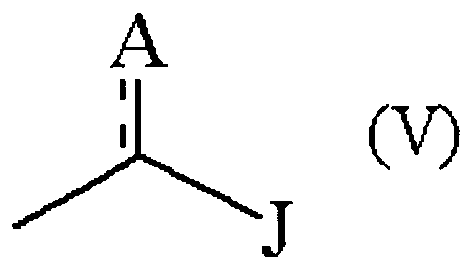
Qは、 式 (V)
Figure imgf000004_0003
〔式中、 Aは水素原子または酸素原子を示し、
11は、 Aが水素原子である場合には単結合を、 Aが酸素原子である場合には二 重結合を示し、 Jは水素原子または L Gを示すが、 A及び Jの両方が同時に水素 原子ではなく、
LGはハロゲン原子または RS〇20-基を示し、
Rは低級アルキル基または置換されていてもよいフエ二ル基を示すか、 Aが X ' と結合し、 X' 及び Aのそれぞれに隣接する炭素原子と共にォキシラン環基を形 成する。 但し、 Aが X'と結合し、 X' 及び Aのそれぞれに隣接する炭素原子と 共にォキシラン環基を形成する場合には、 1 1は単結合であり、 Jは水素原子で あり、 ォキシラン環基と反応する基は前記 Y 'の定義から除かれる。 〕 で表される基を示し、 *は、 最寄りの炭素原子が光学活性な不斉炭素原子である ことを示す。 )
で表される化合物 (以下、 化合物 (IV) と記すことがある。 ) と、 塩基の存在下に 反応させることによって、 化合物 (I ) を式 (I I )
Figure imgf000005_0001
(式中、 Xは保護基を有していてもよいヒドロキシル基を示し、 Yはジメチルァ ミノ基またはジメチルァミノ基に変換可能な基を示し、 Zは水素原子、 ヒドロキ シル基または酸素原子を示し、
:1は、 Zが水素原子またはヒドロキシル基である場合には単結合を、 Zが酸素原 子である場合には二重結合を示し、 *は前記と同じ意味を示す。 )
で表される化合物 (以下、 化合物 (I I) と記すことがある。 ) に変換する工程を含 む式 (I I I)
Figure imgf000005_0002
(式中、 *は前記と同じ意味を示す。 )
で表される化合物 (以下、 化合物 (I I I) と記すことがある。 ) の製造方法。 <2> 式 (ii) 中の Zが水素原子であり、 Xがヒドロキシル基であり、 Yがジメ チルァミノ基に変換可能な基であってォキシラン環基とは反応しない基であり、 化合 物 (IV) が、 式 (VII)
Figure imgf000006_0001
(式中、 Y"は、 ジメチルァミノ基に変換可能な基であってォキシラン環基とは反 応しない基を示す。 *は前記と同じ意味を示す。 )
で表される化合物 (以下、 化合物 (VII) と記すことがある。 ) である < 1>に記載 の方法。
<3> 式 (II) 中の Zが水素原子であり、 Xが保護基を有してもよいヒドロキシ ル基であり、 Yがジメチルァミノ基またはジメチルァミノ基に変換可能な基であり、 化合物 (IV) が、 式 (VI)
Figure imgf000006_0002
(式中、 Y' は、 ジメチルァミノ基またはジメチルァミノ基に変換可能な基を示 し、 X' は保護基を有していてもよいヒドロキシル基を示し、 LGはハロゲン原 子または RS02〇-基を示し、 Rは低級アルキル基または置換されていてもよい フエ二ル基を示す。 *は前記と同じ意味を示す。 )
で表される化合物 (以下、 化合物 (VI) と記すことがある。 ) である <1>に記載 の方法。
<4> さらに、
( i ) Yがジメチルァミノ基でない場合に、 Yをジメチルァミノ基に変換する工程
(ii) 式 (II) 中の Xを LG' (ここで LG'はハロゲン原子または R' S020-基 を示し、 R' は低級アルキル基または置換されていてもよいフエ二ル基を示す。 ) に 変換する工程
(iii) (ii) で得られる化合物を塩基で処理して、 該 LG'を脱離させ、 不飽和結 合を形成させる工程 (iv) (iii) で得られる化合物中の該不飽和結合に水素を添加して化合物 (III) を得る工程
を含む < 1〉からぐ 3〉のいずれかに記載の方法。
< 5 > 式 (I I)
Figure imgf000007_0001
(式中、 X、 Z、 及び *は前記と同じ意味を有する。 ) で表される化合物。
< 6 > Xがヒドロキシル基であり、 Yがジメチルァミノ基に変換可能な基であって ォキシラン環基とは反応しない基であり、 Zが水素原子である < 5 >に記載の化合物。 < 7 > 化合物 (I ) を、 化合物 (IV) と、 塩基の存在下に反応させることを含む 化合物 (II) の製造方法。
発明を実施するための最良の形態
以下、 本発明について詳細に説明する。
まず、 本発明で用いられている記号および用語の定義を説明する。
Xおよび X 'で示される 「保護基を有していてもよいヒドロキシル基」 の 「保護 基」 としては、 ヒドロキシル基が反応に不活性な官能基に一次変換でき、 必要に応じ てもとのヒドロキシル基に再変換できるものであれば特に限定はなく、 例えば、 2— テトラヒドロビラ二ル基、 2—テトラヒドロフラニル基、 1—エトキシェチル基、 ベ ンジル基、 メトキシメチル基、 ベンジルォキシメチル基、 t e r t —プチルジメチル シリル基等が挙げられ、 これらのうち、 2—テトラヒドロビラ二ル基、 ベンジル基及 び t e r t—プチルジメチルシリル基が好ましい。
Yおよび Y 'で示される 「ジメチルァミノ基に変換可能な基」 としては、 ジメチル ァミノ基に変換できるものであれば特に限定はなく、 また、 当該基は直接的にジメチ ルァミノ基に変換されうるものであっても、 間接的にジメチルァミノ基に変換されう るものであってもよい。 具体的な例としては、 保護基を有していてもよいヒドロキシ ル基 (例えば、 ヒドロキシル基、 2—テトラヒドロピラエルォキシ基、 2—テトラヒ ドロフラニルォキシ基、 1一エトキシエトキシ基、 ベンジルォキシ基、 メトキシメト キシ基、 ベンジルォキシメトキシ基、 t e r t—プチルジメチルシリルォキシ基等) 、 保護基を有していてもよいアミノ基 (例えば、 アミノ基、 ベンジルォキシカルボエル アミノ基、 t e r t _ブトキシカルボニルァミノ基等) 、 ハロゲン原子 (例えば、 塩 素原子、 臭素原子、 ヨウ素原子等) 、 メタンスルホニルォキシ基、 p—トルエンスル ホニルォキシ基等が挙げられ、 これらのうち、 ヒドロキシル基、 2—テトラヒドロピ ラニルォキシ基、 1一エトキシエトキシ基、 ハロゲン原子が好ましい。
Aが X 'と結合し、 X ' 及び Aのそれぞれに隣接する炭素原子と共にォキシラン環 基を形成する場合に、 Y 'より除かれる 「ォキシラン環と反応する基」 としては、 ァ ミノ基、 ジメチルァミノ基等が挙げられる。
Y "で示される 「ジメチルァミノ基に変換可能な基であってォキシラン環とは反応 しない基」 としては、 Yおよび Y 'で示される 「ジメチルァミノ基に変換可能な基」 として挙げられた基から、 アミノ基等のォキシラン環と反応する基を除いたものが挙 げられる。
L Gおよび L G 'におけるハロゲン原子の例としては、 塩素原子、 臭素原子、 ヨウ 素原子等が挙げられ、 なかでも塩素原子及び臭素原子が好ましい。
Rにおける 「低級アルキル基」 としては、 通常炭素数 1〜6の、 好ましくは炭素数 1〜2のアルキル基があげられ、 該低級アルキル基は直鎖状でも分枝状でもよく、 例 えばメチル基、 ェチル基、 プロピル基、 イソプロピル基、 ブチル基、 イソブチル基、 s e c一ブチル基、 t e r t—ブチル基、 ペンチル基、 イソペンチル基、 ネオペンチ ル基、 へキシル基等が挙げられ、 好ましくはメチル基またはェチル基である。
Rにおける 「置換されていてもよいフエニル基」 の置換基としては、 たとえばアル キル基 (例、 メチル基、 ェチル基、 プロピル基、 イソプロピル基、 ブチル基、 イソブ チル基、 s e c—プチル基、 t e r t—プチル基等) 等を挙げることができる。 化合物 (I I) は、 その式中に塩基性のジメチルァミノ基を有する場合は塩を形成 してもよい。 そのような塩としては、 例えば、 無機酸塩 (例えば塩酸塩、 硫酸塩、 硝 酸塩、 リン酸塩、 臭化水素酸塩等) または有機酸塩 (例えば酢酸塩、 プロピオン酸塩、 メタンスルホン酸塩、 4—トルエンスルホン酸塩、 シユウ酸塩、 マレイン酸塩等) 等 が挙げられる。
化合物 (I I I) すなわち光学活性シ夕ロプラムは酸付加塩として得られてもよく、 酸付加塩としては薬理的に許容される非毒性酸付加塩が好ましく、 例えば、 マレイン 酸塩、 フマル酸塩、 安息香酸塩、 ァスコルビン酸塩、 パモイン酸塩、 コハク酸塩、 シ ユウ酸塩、 サリチル酸塩、 メタンスルホン酸塩、 ェタンジスルホン酸塩、 酢酸塩、 プ ロピオン酸塩、 酒石酸塩、 クェン酸塩、 ダルコン酸塩、 乳酸塩、 リンゴ酸塩、 マンデ リン酸塩、 ゲイ皮酸塩、 シトラコン酸塩、 ァスパラギン酸塩、 ステアリン酸塩、 パル ミチン酸塩、 ィタコン酸塩、 グリコール酸塩、 P—ァミノ安息香酸塩、 グルタミン酸 塩、 ベンゼンスルホン酸塩、 テオフィリン酢酸塩、 8—ハロテオフィリン (例えば 8 一ブロモテオフィリン等) 等の有機酸との塩;または塩酸、 臭化水素酸、 スルフィン 酸、 スルファミン酸、 リン酸、 硝酸等の無機酸との塩が挙げられる。
構造式中に示される *は、 近接する炭素原子 (*印の付された炭素原子) が光学活 性な不斉炭素原子であることを示し、 *が二つ以上存在する式 (I I) で示される化 合物については、 存在し得るあらゆるジァステレオマーまたはその混合物をも包含す る。
本発明において光学活性とは、 ある不斉炭素原子に起因する絶対配置が R配置であ る異性体と S配置である異性体から構成される化合物が、 それらの異性体の等量混合 物 (例えば、 ラセミ体) ではないことを意味し、 該 2つの異性体 (R-異性体と S -異 性体) のうちの一方が他の異性体に対し過剰に存在する場合 (例えば、 6 : 4の混合 物) であれば、 光学活性と定義される。 本発明の製造方法は下記反応スキームに示される。
Figure imgf000010_0001
工程 (a)
工程 (a) は、 化合物 (I) を化合物 (ii) に変換する工程であり、 化合物
(I) を化合物 (IV) と、 塩基の存在下に反応させることにより実施される。
出発物質である化合物 (I) は、 公知の方法 (例えば、 JP-S61-35986に記載の 方法) により合成して入手することができる。
塩基としては、 水素化ナトリウム、 リチウムジイソプロピルアミド (LDA) 、 リ チウムジシクロへキシルアミド、 ナトリウムアミド等が挙げられ、 これらのうち、 水 素化ナトリウム及び LD Aが好ましい。
当該工程は反応を円滑に行うために通常、 溶媒が用いられる。 溶媒は、 反応を阻害 しないものである限り特に限定はされず、 たとえば、 テトラヒドロフラン (THF) 、 メチル t一ブチルエーテル (MTBE) 、 1, 2—ジメトキシェタン、 ジグリム、 1, 3—ジォキソラン、 1, 4一ジォキサン、 トルエン、 キシレン等が挙げられ、 これら は単独で、 または 2種以上の混合物として用いることができる。 これらのうち、 TH F及びトルエンが好ましい。 溶媒の使用量としては化合物 (I) 1 kgに対して通常 1〜50L、 好ましくは 2〜20 Lである。
反応操作の好ましい態様としては、 化合物 (IV) と塩基との間の副反応を防ぐ観 点から、 まず、 化合物 (I) と塩基とを反応させる。 例えば、 窒素等の反応に不活性 な気体の雰囲気下で、 前記溶媒に化合物 (I) を溶解させて得られる溶液に、 前記塩 基を添加し、 化合物 (I) と塩基とを反応させる。 リチウムジイソプロピルアミドを 使用する場合には、 公知の方法、 例えば、 前記溶媒中で N, N—ジイソプロピルアミ ンとブチルリチウム等のアルキルリチウムと反応させることによってまずリチウムジ イソプロピルアミドを生成させ、 次いでその溶液に化合物 (I) を添加してもよい。 塩基の使用量は、 副反応による収率や品質の低下防止、 及び化合物残存による収率 の低下防止の点から、 化合物 (I) 1モルに対し、 通常 1〜1. 5モルであり、 好ま しくは 1〜1. 3モルである。
塩基として LDA等を用いる場合、 反応温度は通常一 70〜0 、 好ましくは— 6 0〜一 20でであり、 反応時間は通常 0. 5〜 12時間、 好ましくは 1〜 6時間であ る。
塩基として水素化ナトリウム等を用いる場合、 反応温度は通常 40〜90t:、 好ま しくは 50〜 801であり、 反応時間は通常 1〜 24時間、 好ましくは 3〜 12時間 である。
次いで、 この反応混合物に化合物 (IV) を添加する。 添加する際、 化合物 (IV) を上記溶媒に溶解させることにより溶液として添加しても良い。 化合物 (IV) の具 体的な例としては以下の式で表される化合物等が挙げられる。
Figure imgf000011_0001
(式中、 *、 Χ'、 Υ'、 Υ"及び LGは前記と同義であり、 LG"は、 ハロゲン原子 または R ' ' S 02〇一基を示し、 R ' 'は低級アルキル基または置換されていてもよい フエ二ル基を示す。 )
これらの化合物は、 市販されているものについてはそのまま使用することができ、 公知の方法により合成して入手することもできる。
化合物 (II) の Zが水素原子である場合には、 式 (VI) で表される化合物 (以下、 化合物 (VI) と記すことがある。 ) または化合物 (VII) が用いられる (化合物
(VI) が用いられる場合の工程を以下工程 (a'-l) とし、 化合物 (VII) が用いら れる場合の工程を以下工程 (a' -2) とする) 。 化合物 (II) の Zがヒドロキシル基である場合には、 式 (VIII) で表される化合 物 (以下、 化合物 (VIII) と記すことがある。 ) または式 (IX) で表される化合物 (以下、 化合物 (IX) と記すことがある。 ) が用いられる (この場合の工程を以下 工程 (a'-3) とする) 。
化合物 (II) の Zが酸素原子である場合には、 式 (X) で表される化合物 (以下、 化合物 (X) と記すことがある。 ) または式 (XI) で表される化合物 (以下、 化合 物 (XI) と記すことがある。 ) が用いられる (この場合の工程を以下工程 (a' -4) とする) 。 工程 (a'-l)
使用される化合物 (VI) の量は、 化合物 (I ) 1モルに対し、 通常 1〜 2モルで あり、 好ましくは 1〜1. 5モルである。
反応温度は通常— 60〜十 1 0 0°C、 好ましくは— 40〜十 8 0でであり、 反応時 間は通常 1〜24時間、 好ましくは 3〜1 2時間である。
反応を円滑に進行させるために、 4級アンモニゥム塩等の相間移動触媒を添加して も良い。 相間移動触媒の使用量は通常、 化合物 (I ) 1モルに対して、 0. 0 1〜1 モルである。 工程 (a' -2)
使用される化合物 (VII) の量は、 化合物 (I ) 1モルに対し、 通常 1〜1. 6モ ルであり、 好ましくは 1〜: L. 4モルである。
反応温度は通常一 60〜十 1 0 0で、 好ましくは— 40〜十 8 0°Cであり、 反応時 間は通常 1〜 24時間、 好ましくは 3〜 1 2時間である。
反応を円滑に進行させるために、 4級アンモニゥム塩等の相間移動触媒を添加して も良い。 相間移動触媒の使用量は通常、 化合物 (I ) 1モルに対して、 0. 0 1〜1. 0モルである。 工程 (a'-3) 使用される化合物 (VIII) または (IX) の量は、 化合物 (I) 1モルに対し、 通 常 1〜1. 5モルであり、 好ましくは 1〜1. 3モルである。
反応温度は通常— 78〜十 30 、 好ましくは一 60〜0でであり、 反応時間は通 常 0. 5〜12時間、 好ましくは 1〜6時間である。 工程 (a' -4)
使用される化合物 (X) または (XI) の量は、 化合物 (I) 1モルに対し、 通常 1〜1. 5モルであり、 好ましくは 1〜1. 3モルである。
反応温度は通常— 78〜十 30で、 好ましくは— 60〜0°Cであり、 反応時間は通 常 0. 5〜 12時間、 好ましくは 1〜 6時間である。 工程 (a) により得られる化合物 (II) は、 常法により単離、 精製することがで さる。
例えば、 反応混合物に水およびトルエン等の有機溶媒を加えて分液し、 有機層を 水洗、 乾燥後、 濃縮することにより化合物 (II) を単離することができ、 さらに、 たとえばシリカゲルカラムクロマトグラフィーによって精製することができる。 工程 (b)
工程 (b) は、 化合物 (II) を化合物 (ill) に変換する工程である。 当該工程は 公知の反応方法を組み合わせることにより実施することができる。 以下に、 その好ま しい例を説明する。
化合物 (II) が工程 (a'-l) により得られる場合には、 工程 (b) は、 以下のェ 程からなる。
( i ) Yがジメチルァミノ基でない場合に Yをジメチルァミノ基に変換する工程、 (ii) 化合物 (II) の Xを LG' (LG'はハロゲン原子または R' S〇20—基を 示し、 R' は低級アルキル基または置換されていてもよいフエ二ル基を示す。 ) に変 換する工程、 (iii) (ii) で得られる化合物を塩基と処理することにより LG'を脱離させ、 不 飽和結合を形成させる工程及び
(iv) (iii) で得られる化合物中の該不飽和結合に水素を添加して化合物 (III) を得る工程。
( i ) の工程は、 (ii) 〜 (iv) の工程の前、 間、 後のいずれで実施してもよい が、 最初に実施することが好ましい。 特に、 Yがハロゲン原子である場合は、 LG' にハ口ゲン原子を採用した場合に Xおよび Yが同時にハ口ゲン原子となることを避け るために、 最初に実施することが望ましい。
化合物 (II) が工程(a' -2)により得られる場合には、 工程 (b) は、 前記 ( i ) 〜 (iv) と同様の工程により実施され、 (i) と同様の工程は必須となる。
また、 化合物 (II) が工程 (a' -3) により得られる場合には、 工程 (b) は、 ( i ) Yがジメチルアミノ基でない場合に Yをジメチルアミノ基に変換する工程、 (V) 化合物 (II) の Xおよび Zを LG'に変換する工程、 及び
(iii) および (iv) と同様の工程 (通常、 2回繰り返す。 ) 。
により実施される。 LG'が 1化合物中に 2つ存在するのに対し、 (iii) と同様の 工程で脱離する LG'は一般的に、 1化合物につき 1つであるため、 通常、 (iii) および (iv) と同様の工程を実施した後、 さらにもう一度 (iii) および (iv) と 同様の工程を実施することになる。
また、 化合物 (II) が工程 (a' -4) により得られる場合には、 工程 (b) は、 ( i) Yがジメチルァミノ基でない場合に Yをジメチルァミノ基に変換する工程、 (vi) 化合物 (II) Zをヒドロキシル基に還元する工程、
(V) と同様の工程、 及び
(iii) および (iv) と同様の工程 (通常、 2回繰り返す。 )
により実施される。 この場合、 LG'が 1化合物中に 2つ存在するため、 上記と同じ く、 (iii) および (iv) と同様の工程は通常 2回繰り返される。
これらの各工程は、 公知の方法により実施することができる。 例えば以下に説明す る方法により実施することができる。 (i) の工程は、 Yで示される 「ジメチルァミノ基に変換可能な基」 の態様により、 ジメチルァミノ基に変換する方法が異なる。 例えば、 Υが保護基を有していてもよい ヒドロキシル基である場合は、 必要により脱保護した後、 当該ヒドロキシル基を脱離 性エステルに変換後、 ジメチルァミンと反応させることにより行うことができる。 ヒドロキシル基を脱離性エステルに変換する方法としては、 例えば、 溶媒 (例、 ト ルェン、 キシレン、 THF、 MTBE等) 中において、 化合物 (II) 1モルに対し 0. 9〜1. 5モルの酸ハライド (例、 メタンスルホニルクロリド、 p—トルエンス ルホニルクロリド、 10—ショウノウスルホニルクロリド、 トリフルォロアセチルク 口リド、 トリフルォロメタンスルホニルクロリド等) と、 _20〜+80 で、 1〜 24時間反応させることにより行うことができる。
さらにジメチルァミンとの反応においては、 例えば、 溶媒 (例、 トルエン、 キシレ ン、 THF、 MTBE, メタノール、 エタノール、 イソプロパノール等) 中において、 化合物 (II) 1モルに対して 0. 9〜 5モルのジメチルァミン (好ましくは水溶 液) と、 0〜80 で、 例えば 1〜24時間反^させることにより行うことができる。
( i) の工程の他の態様として、 Yが保護基を有していてもよいアミノ基である場 合は、 例えば、 必要により脱保護した後、 溶媒 (例、 トルエン、 キシレン、 THF、 MTBE等) 中において、 化合物 (II) 1モルに対し 2〜4モルのメチル化剤 (例、 ヨウ化メチル、 硫酸ジメチル等) と、 —20〜十 80 で、 0. 5〜 12時間反応さ せることにより行うことができる。
( i ) の工程のさらに他の態様として、 Yがハロゲン原子である場合は、 例えば、 溶媒 (例、 THF、 MTBE, トルエン、 キシレン、 メタノール、 エタノール、 水 等) 中において、 化合物 (II) 1 g当量に対して 1〜500 g.当量のジメチルアミ ン (好ましくは水溶液) と、 0〜100 で、 1〜72時間反応させることにより行 うことができる。
(ii) または (V) の工程としては、 まず Xが保護されたヒドロキシル基である 場合には、 例えば、 まず常法により脱保護を行う。 そして、 LG'が R' S〇20— 基である場合には、 塩基の存在下、 化合物 (II) のヒドロキシル基を R' S〇2- Halで表される化合物 (R' は前記と同義であり、 -Halは塩素、 臭素等のハロゲン 原子を示す。 ) と反応させることにより実施することができる。 LG'がハロゲン原 子である場合には、 例えば、 上記方法により化合物 (II) のヒドロキシル基を R' S020-基に変換した後、 さらに当該基をアルカリ金属ハロゲン化物と反応させる ことにより実施することができる。 あるいは、 化合物 (II) 中のヒドロキシル基を 直接ハロゲン化水素やハロゲン化リンと反応させることにより実施することもできる。 し0'が1 ' s〇2o-基である場合の具体的な反応条件の一例を示すと以下の通り である。
化合物 (II) を溶媒に溶解させ、 塩基を添加し、 さらに R' S〇2-Halで表され る化合物を添加して反応させる。
溶媒の例としては THF、 MTBE、 1, 2—ジメトキシェタン、 ジグリム、 1,
3—ジォキソラン、 1, 4—ジォキサン、 トルエン、 キシレン等を挙げることができ る。 これらは単独で、 または 2種以上の混合物として用いることができる。 これらの うち、 THF、 MT BE及びトルエンが好ましい。 溶媒の使用量は化合物 (II) 1 kgに対して、 通常 1〜50L、 好ましくは 2〜20 Lである。
塩基の例としては、 卜リエチルァミン、 ピリジン、 N, N—ジメチルァニリン、 N 一メチルモルホリン等を挙げることができ、 これらのうちトリェチルァミン及びピリ ジンが好ましい。 塩基の使用量は化合物 (II) 1モルに対して、 通常 1〜2モル、 好ましくは 1〜: I. 5モルである。
RS02-Halで表される化合物の好ましい例としては、 メタンスルホニルクロリ ド、 ベンゼンスルホニルクロリド、 p—トルエンスルホニルクロリド等を挙げること ができ、 RS〇2-Halで表される化合物の使用量としては化合物 (II) の 1モルに 対して、 通常 1〜2モル、 好ましくは 1〜1. 5モルである。
反応温度は、 通常— 30〜十 70°C、 好ましくは一 20〜十 50°Cであり、 反応時 間は、 通常 0. 5〜12時間、 好ましくは 1〜8時間である。
(iii) の工程は、 例えば、 LG'が導入された化合物 (II) を、 t一ブトキシカ リウム、 1, 8—ジァザビシクロ 〔5. 4. 0〕 ゥンデクー 7—ェン(1,8- diazabicyclo [5.4.0] undec - 7 - ene、 (略称) D B U )等の塩基と作用させる等に より実施することができる。 LG'が導入された化合物 (II) を塩基と作用させる場合の具体的な反応条件の一 例を示すと以下の通りである。
LG'が導入された化合物 (II) を溶媒に溶解させた後、 塩基を添加する。
溶媒の例としてはキシレン、 メシチレン、 トルエン、 THF、 1, 4—ジォキサン、 ジグリム、 エタノール、 n—ブタノール、 n—へキサノール、 メチルセルソルブ、 ェ チルセルソルブ等を挙げることができる。 これらは単独で、 または 2種以上の混合物 として用いることができ、 これらのうちキシレン、 メシチレン、 トルエン、 ジグリム が好ましく、 溶媒の使用量としては LG'が導入された化合物 (II) 1 kgに対して、 通常 1〜50L、 好ましくは 2〜20 Lである。
塩基の例としては、 DBU、 1, 5ジァザビシクロ 〔4. 3. 0〕 ノン一 5—ェン (l .5-diazabicyclo[ 4.3.0]non-5-ene, (略称) DBN) 、 t—ブトキシカリ ゥム、 ナトリウムメチラート、 ナトリウムェチラート、 水酸化カリウム、 水素化ナト リウム等を挙げることができ、 これらのうち、 DBU、 t—ブトキシカリウムが好ま しく、 塩基の使用量としては LG'が導入された化合物 (II) の 1モルに対して、 通 常 1モル〜 2モル、 好ましくは 1モル〜 1. 5モルである。
反応温度は、 通常 40〜200 :、 好ましくは 60〜150でであり、 反応時間は 通常 1〜24時間、 好ましくは 2〜12時間である。
(iv) の工程は、 例えば、 溶媒中、 水素化触媒の存在下、 不飽和結合が導入され た化合物 (II) を水素と反応させる等により行うことができる。
溶媒の例としては酢酸ェチル、 エタノール、 酢酸等を挙げることができる。 これら は単独で、 または 2種以上の混合物として用いることができる。 これらのうち酢酸ェ チル及びエタノールが好ましい。 溶媒の使用量は不飽和結合が導入された化合物
(II) 1 k gに対して、 通常 1〜30 L、 好ましくは 2〜 15 Lである。
水素化触媒の例としては、 パラジウム炭素、 水酸化パラジウム、 白金炭素、 酸化白 金、 ロジウム炭素等を挙げることができる。 これらのうちパラジウム炭素が好ましい。 また、 化合物 (II) の二トリル基の還元を回避するために、 水素化触媒は、 予め硫 黄等で被毒して触媒活性を調節しておくことが好ましい。 水素化触媒の使用量としては不飽和結合が導入された化合物 (II) 1 kgに対し て、 通常 0. 1〜: L 00 g、 好ましくは 0. 5~50 gである。
使用する水素の圧力は、 通常 100〜1000 kPaであり、 好ましくは 100〜 500 k P aである。
反応温度は、 通常 0〜100 、 好ましくは 10~70°Cであり、 反応時間は、 通 常 1〜24時間、 好ましくは 2〜12時間である。
(vi) の工程は、 例えば、 溶媒中、 化合物 (II) を還元剤と反応させることによ り行うことができる。
溶媒の例としてはメタノール、 エタノール、 2—プロパノール、 THF、 MTBE、 トルエン等を挙げることができ、 これらは単独で、 または混合して用いることができ、 これらのうち、 メタノール、 THFが好ましく、 溶媒の使用量は化合物 (II) l k gに対して、 通常 1〜50L、 好ましくは 2〜30 Lである。
還元剤の例としては、 水素化ホウ素リチウム、 水素化ホウ素ナトリウム、 水素化リ チウムアルミニウム等を挙げることができ、 水素化ホウ素ナトリウムが好ましい。 触 媒の使用量は化合物 (II) 1モルに対して、 通常 1〜2モル、 好ましくは 1〜1. 5モルである。
反応温度は、 通常— 20〜70t:、 好ましくは 0〜50°Cであり、 反応時間は、 通 常 0. 5〜12時間、 好ましくは 1〜6時間である。
(vii) の工程は、 例えば溶媒中、 化合物 (II) をァミン化合物と反応させること により行うことができる。 この反応により化合物 (II) のォキシラン環が開裂し、 ヒドロキシル基が生成すると共に、 (ジアルキル) アミノ基等が導入される。
溶媒の例としては THF、 MTBE、 トルエン、 キシレン、 メタノール、 エタノー ル等を挙げることができる。 これらは単独で、 または 2種以上の混合物として用いる ことができる。 これらのうちメタノール及び THFが好ましい。 溶媒の使用量は化合 物 (II) 1 k gに対して、 通常 1〜50 L、 好ましくは 2〜30 Lである。
ァミン化合物の例としては、 アンモニア、 ジメチルァミン、 メチルァミン等、 ォキ シラン環との反応により、 ジメチルァミノ基またはジメチルァミノ基に変換可能な基 が導入されるァミン化合物を挙げることができる。 これらのうち、 直接ジメチルアミ ノ基を導入できるジメチルァミンが好ましい。 塩基の使用量は化合物 (I I) 1モル に対して、 通常 1〜5 0 0モル、 好ましくは 3〜1 0 0モルである。
反応温度は、 通常 0〜 1 0 0 、 好ましくは 2 0〜8 O :であり、 反応時間は、 通 常 1〜7 2時間、 好ましくは 3〜2 4時間である。
( i ) 〜 (vii) の工程において生成する化合物は、 反応混合物より常法により単離、 精製することができる。 また、 単離、 精製することなく次の工程に使用してもよい。 最終的に得られる化合物 (I I I) は、 例えば、 再結晶することにより光学純度を上げ ることもできる。 化合物 (III) はフリー塩基として得られるが、 必要により酸付加塩にすることが できる。 当該酸付加塩は、 従来公知の方法により製造することができ、 例えば、 水と 混和しうる溶媒中 (例、 アセトン、 エタノール、 メタノール、 イソプロパノール等) 、 化合物 (I I I) のフリー塩基を有機酸 (例、 マレイン酸、 フマル酸、 安息香酸、 ァス コルビン酸、 パモ酸、 コハク酸、 シユウ酸、 サリチル酸、 メタンスルホン酸、 ェタン ジスルホン酸、 酢酸、 プロピオン酸、 酒石酸、 クェン酸、 ダルコン酸、 乳酸、 リンゴ 酸、 マンデリン酸、 ゲイ皮酸、 シトラコン酸、 ァスパラギン酸、 ステアリン酸、 パル ミチン酸、 ィタコン酸、 グリコール酸、 P—ァミノ安息香酸、 グルタミン酸、 ベンゼ ンスルホン酸、 テオフィリン酢酸、 8—八口テオフィリン等) 又は無機酸 (例、 塩酸、 臭化水素酸、 スルフィン酸、 スルファミン酸、 リン酸、 硝酸等) 、 好ましくはシユウ 酸と反応させ、 濃縮または冷却によって析出した酸付加塩を濾過等により単離するか、 あるいはェチルェ一テル、 酢酸ェチル又はジクロロメタン等の貧溶媒中で反応させ、 析出した酸付加塩を単離することにより行うことができる。 得られた該酸付加塩は、 必要により再結晶により、 光学純度を上げることもできる。
また、 工程 (b ) を行うにあたり、 (iii) および (iv) の工程の代わりに、 L G 'が導入された化合物 (I I) を N, N—ジメチルホルムアミド (D M F ) 、 N, N —ジメチルァセトアミド (D MA c ) 、 アセトン等の溶媒中、 L G 'が導入された化 合物 (I I) 1 g当量に対し 1〜 1 0 g当量のヨウ化ナトリウム、 ヨウ化カリウム等 と反応させて、 対応するヨウ化物に変換した後、 トルエン、 キシレン等の溶媒中、 対 応するヨウ化物に対し 0. 0 0 1〜0. 5 g当量のァゾビスイソブチロニトリル等の ラジカル発生剤および 1〜 5 g当量のトリプチルスズヒドリド等と 30〜 1 5 0 で 1〜48時間反応させることにより行うこともできる。 この対応するヨウ化物は、 例 え【ま Synthesis, 835-849 ( 2002 ) (こ記載の方法【こより還元してもよレ 。 以下、 本発明について、 実施例を挙げてさらに具体的に説明する。 本発明はこれら 実施例により何ら限定されるものではない。
実施例 1 光学活性— 1 _ (4_フルオロフェニル) _ 1 _ (3—クロ口— 2—ヒド ロキシプロピル) ― 5—フタラン力ルポ二トリルの合成
N, N—ジイソプロピルアミン(4.73g, 46.8匪ol)とTHF(37mL)からなる溶 液中に—50 60 で 15wt n _ブチルリチウム/ hexane溶液(19.6g,
45.9画 ol)を滴下し、 さらに 1 _ (4一フルオロフェニル) 一 5—フタラン力ルポ 二トリル(lO.Og, 41.8匪ol)のTHF(20mL)溶液をー50〜— 60 :で滴下した。 その後、 — 30で付近まで加温後、 (S) —ェピクロロヒドリン(4.45g,
48.1mmol)を滴下して、 20 まで 2時間かけて昇温した。 反応液は、 氷水(200m L)中にあけ、 トルエン(5omL)を加えて抽出した。 有機相は水(5omL)で 2回洗 浄した後、 硫酸マグネシウム(3g)、 シリカゲル(2g)を添加後濾過して、 溶媒を留去 させることにより、 表題化合物(13.2g)を得た。
^-NMRiCDCla, 400MHz) d pm: 2.2-2.65 (2H, m) , 3.48-3.6; 3.67- 3.73;3.85-3.92(3H, m) , 5.07-5.29 ( 2Η, m) , 7.05-7.1 (2Η, m) , 7.4- 7.7 (5Η, m) 実施例 2 光学活性— 1— (4一フルオロフェニル) 一 1 _ (3—ジメチルァミノ— 2—ヒドロキシプロピル) — 5—フタランカルボ二トリルの合成
1一 (4—フルオロフェニル) — 1— (3 _クロ口 _ 2—ヒドロキシプロピル)
— 5—フタランカルボ二トリル (4.0g, I2匪 ol)と THF (40mL)からなる溶液に、 50wt ジメチルァミン(10.8g, 120匪 ol)を室温で加え、 終夜攪拌した。 反応液に トルエン(40mL)、 水(50mL)を加え、 有機相 (1) を分離後、 水相をさらにトルェ ン(30mL)で抽出して有機相 (2) を得た。 有機相 (1) 及び (2) を合わせ、 1 N 塩酸(50mL)で 2回洗浄後、 得られる有機相を 10*苛性ソーダ水溶液(50mL)で 1回、 水(50mL)で 3回洗浄し、 無水炭酸カリウム(l.Og)を加え脱水後、 濾過し、 溶媒を 留去することにより、 表題化合物(3.0g)を得た。
^-NMRtCDCla, 400MHz) d ppm: 2.15 (6H, s), 2.15-2.4 (2H, m) ,
3.5-3.57;3.67-3.72; (1H, m) , 5.06-5.33 ( 2H, m) , 7.0-7.05 (2H, m) , 7.4-7.75 (5H, m) . 実施例 3 光学活性 1— [ 2— (tert-プチルジメチルシリルォキシ) — 3—ジメチ ルァミノプロピル]一 1— -フルオロフェニル) _ 5 _フタラン力ルポ二トリルの 合成
1 - (フルオロフ: tニル) — 5—フタラン力ルポ二トリル (l.Og, 4.18mmol) 、
[ 2 - (tert—プチルジメチルシリルォキシ) _ 3—クロ口-プロピル]ージメチル ァミン (1.37g,5.43mmol) 、 ヨウ化テトラプチルアンモニゥム (1.85g,
5.02mmol) 及び 1 , 3—ジメチル— 2—イミダゾリジノン (DMI) (10mL) からな る溶液に窒素雰囲気下、 60wt 水素化ナトリウム (200.6mg,5.02mmol) を添加し、 65 に加熱して同温度で 8時間撹拌した。 反応終了後、 5 炭酸水素ナトリウム水溶 液 (20mL) 及びトルエン (20mL) を加えて抽出し有機相 (1) を得、 水相をトルェ ン (20mL) で再度抽出して有機相 (2) を得た。 有機相 (1) と有機相 (2) を合 わせ、 5 炭酸水素ナトリウム水溶液 (20mL) で洗浄した。 ついで、 水 (20mL) 、 10 塩酸(20mL)および、 トルエン(20mL)、 10も水酸化ナトリウム (30mL) でそれ ぞれ洗浄を行い、 得られる有機相を 5も食塩水(20mL)で洗浄後、 硫酸ナトリウムで 乾燥した。 硫酸ナトリウムを濾過後、 濃縮して橙色の油状物の目的化合物 (0.38g、 収率 20*) を得た。 実施例 4 光学活性— 1一 (4—フルオロフェニル) — 1 _ (3—ジメチルアミノブ 口ピル) 一 5—フタランカルボ二トリル (光学活性シタロプラム) の合成 光学活性一 1— (4一フルオロフェニル) _ 1一 (3—ジメチルァミノ— 2—ヒド ロキシプロピル) — 5—フタラン力ルポ二トリルを、 THF溶媒中、 トリェチルアミ ン存在下、 メタンスルホニルクロリドを作用させすることにより、 対応するメタンス ルホニルエステルを得、 この化合物に DMF中溶媒中でヨウ化ナ卜リゥムを作用させ、 対応するヨウ素化物に変換し、 次いでトルエン中でトリプチル錫ヒドリドとァゾビス イソプチロニトリル (A I BN) を作用させることにより、 表題化合物を得る。 実施例 5 光学活性 _ 1 _ (4—フルオロフェニル) _ 1 _ (3—ジメチルアミノブ 口ピル) _ 5 _フタラン力ルポ二トリル (光学活性シ夕ロプラム) の合成
光学活性 1— [ 2— (tert—プチルジメチルシリルォキシ) — 3—ジメチルァミノ プロピル]— 1一 (4一フルオロフェニル) 一 5—フタラン力ルポ二トリルを、 常法 により tert—プチルジメチルシリル基を脱離させ、 次いで、 THF溶媒、 トリェチ ルァミン存在下、 メ夕ンスルホニルク口リドを作用させ対応するメ夕ンスルホニルェ ステルを得る。 該化合物に、 キシレン溶媒中で、 1, 8—ジァザビシクロ [5. 4. 0] ゥンデセ— 7—ェン (DBU) を作用させ、 光学活性— 1— (4一フルオロフェ ニル) 一 1— (3—ジメチルァミノプロべニル) — 5—フタラン力ルポ二トリルとし た後、 さらに硫黄で被毒したパラジウム炭素触媒を用い、 酢酸ェチル溶媒中で水素添 加することにより、 表題化合物を得る。 本発明の製造方法によれば、 光学活性シ夕ロプラムの不斉中心を高選択的かつ効率 的に誘導することができ、 光学分割法のように不要なェナンチォマーを捨てる必要が ないため、 従来より高いァトムエコノミーで光学活性シタロプラムを製造することが できる。 また、 本発明の製造方法の過程で得られる中間体は光学活性シ夕ロプラムの 合成に有用である。

Claims

請求の範囲 式 (I)
Figure imgf000023_0001
で表される化合物を、 式 (IV)
Figure imgf000023_0002
(式中、 X' は保護基を有していてもよいヒドロキシル基を示し、 Y' はジメチ ルァミノ基またはジメチルァミノ基に変換可能な基を示すか、 X' と Y' とが結 合し、 X' 及び Y' のそれぞれに隣接する炭素原子と共にォキシラン環基を形成 し、
Qは、 式 (V)
Figure imgf000023_0003
〔式中、 Aは水素原子または酸素原子を示し、
'■Iは、 Aが水素原子である場合には単結合を、 Aが酸素原子である場合には二 重結合を示し、 Jは水素原子または LGを示すが、 A及び Jの両方が同時に水素 原子ではなく、
LGはハロゲン原子または RS020-基を示し、
Rは低級アルキル基または置換されていてもよいフエ二ル基を示すか、 Aが X' と結合し、 X' 及び Aのそれぞれに隣接する炭素原子と共にォキシラン環基を形 成する。 但し、 Aが X'と結合し、 X' 及び Aのそれぞれに隣接する炭素原子と 共にォキシラン璟基を形成する場合には、 11は単結合であり、 Jは水素原子で あり、 ォキシラン環基と反応する基は前記 Y 'の定義から除かれる。 〕 で表される基を示し、 *は、 最寄りの炭素原子が光学活性な不斉炭素原子である ことを示す。 )
で表される化合物と、 塩基の存在下に反応させることによって、 式 (I ) で示される 化合物を式 (II)
Figure imgf000024_0001
(式中、 Xは保護基を有していてもよいヒドロキシル基を示し、 Yはジメチルァ ミノ基またはジメチルァミノ基に変換可能な基を示し、 Zは水素原子、 ヒドロキ シル基または酸素原子を示し、
■Iは、 Zが水素原子またはヒドロキシル基である場合には単結合を、 Zが酸素原 子である場合には二重結合を示し、 *は前記と同じ意味を示す。 )
で表される化合物に変換する工程を含む式 (III)
Figure imgf000024_0002
(式中、 *は前記と同じ意味を示す。 )
で表される化合物の製造方法。 23
2. 式 (ii) 中の Zが水素原子であり、 Xがヒドロキシル基であり、 Yがジメチ ルァミノ基に変換可能な基であってォキシラン環基とは反応しない基であり、 式
(IV) で表される化合物が、 式 (VII)
Figure imgf000025_0001
(式中、 Υ"は、 ジメチルァミノ基に変換可能な基であってォキシラン環基とは反 応しない基を示す。 *は前記と同じ意味を示す。 )
で表される化合物である請求の範囲 1に記載の方法。
3. 式 (II) 中の Ζが水素原子であり、 Xが保護基を有してもよいヒドロキシル 基であり、 Υがジメチルァミノ基またはジメチルァミノ基に変換可能な基であり、 式
(IV) で表される化合物が、 式 (VI) (VI)
Figure imgf000025_0002
(式中、 Y' は、 ジメチルァミノ基またはジメチルァミノ基に変換可能な基を示 し、 X' は保護基を有していてもよいヒドロキシル基を示し、 LGはハロゲン原 子または RS〇2〇-基を示し、 Rは低級アルキル基または置換されていてもよい フエ二ル基を示す。 *は前記と同じ意味を示す。 )
で表される化合物である請求の範囲 1に記載の方法。
4. さらに、
( i ) Yがジメチルァミノ基でない場合に、 Yをジメチルァミノ基に変換する工程
(ii) 式 (II) 中の Xを LG' (ここで LG'はハロゲン原子または R' S〇20-基 を示し、 R' は低級アルキル基または置換されていてもよいフエ二ル基を示す。 ) に 変換する工程
(iii) (ii) で得られる化合物を塩基で処理して、 該 LG'を脱離させ、 不飽和結 合を形成させる工程 (iv) (iii) で得られる化合物中の該不飽和結合に水素を添加して式 (I I I) で示 される化合物を得る工程
を含む請求項 2に記載の方法。 式 (I I)
Figure imgf000026_0001
(式中、 Xは保護基を有していてもよいヒドロキシル基を示し、 Yはジメチルァ ミノ基またはジメチルァミノ基に変換可能な基を示し、 Zは水素原子、 ヒドロキ シル基または酸素原子を示し、
·Ιは、 Ζが水素原子またはヒドロキシル基である場合には単結合を、 Ζが酸素原 子である場合には二重結合を示し、 *は、 最寄りの炭素原子が光学活性な不斉炭 素原子であることを示す。 )
で表される化合物。 6 . Xがヒドロキシル基であり、 Υがジメチルァミノ基に変換可能な基であってォ キシラン環基とは反応しない基であり、 Ζが水素原子である請求項 5に記載の化合物。
25
Figure imgf000027_0001
(式中、 X , は保護基を有していてもよいヒドロキシル基を示し、 Y ' はジメチ ルァミノ基またはジメチルァミノ基に変換可能な基を示すか、 X ' と Y ' とが結 合し、 X ' 及び Y ' のそれぞれに隣接する炭素原子と共にォキシラン環基を形成 し、
Qは、 式 (V)
Figure imgf000027_0002
〔式中、 Aは水素原子または酸素原子を示し、
■Iは、 Aが水素原子である場合には単結合を、 Aが酸素原子である場合には二 重結合を示し、 Jは水素原子または L Gを示すが、 A及び Jの両方が同時に水素 原子ではなく、
L Gはハロゲン原子または R S〇20 -基を示し、
Rは低級アルキル基または置換されていてもよいフエ二ル基を示すか、 Aが X ' と結合し、 X ' 及び Aのそれぞれに隣接する炭素原子と共にォキシラン環基を形 成する。 但し、 Aが X 'と結合し、 X ' 及び Aのそれぞれに隣接する炭素原子と 共にォキシラン環基を形成する場合には、 は単結合であり、 jは水素原子で あり、 ォキシラン環基と反応する基は前記 Y 'の定義から除かれる。 〕 で表される基を示し、 *は、 最寄りの炭素原子が光学活性な不斉炭素原子である ことを示す。 )
で表される化合物と、 塩基の存在下に反応させることを含む式 (II) 26
Figure imgf000028_0001
(式中、 Xは保護基を有していてもよいヒドロキシル基を示し、 Yはジメチルァ ミノ基またはジメチルァミノ基に変換可能な基を示し、 Zは水素原子、 ヒドロキ シル基または酸素原子を示し、
:1は、 Zが水素原子またはヒドロキシル基である場合には単結合を、 Zが酸素原 子である場合には二重結合を示し、 *は前記と同じ意味を示す。 )
で表される化合物の製造方法。
Figure imgf000029_0001
で表される化合物を、 式 (IV)
/ *ノ O
丫 (IV)
X*
で表される化合物と、 塩基の存在下に反応させることによって、 式 (I ) で示される 化合物を式 (I I)
Figure imgf000029_0002
で表される化合物に変換する工程を含む式 (III)
Figure imgf000029_0003
で表される化合物の製造方法を提供し、 また、 式 (II) で表される化合物及びその 製造方法を提供する。
PCT/JP2005/009597 2004-05-21 2005-05-19 光学活性シタロプラムの製造方法およびその中間体 Ceased WO2005113530A1 (ja)

Applications Claiming Priority (2)

Application Number Priority Date Filing Date Title
JP2004151841A JP2005330249A (ja) 2004-05-21 2004-05-21 光学活性シタロプラムの製造方法、およびその中間体
JP2004-151841 2004-05-21

Publications (1)

Publication Number Publication Date
WO2005113530A1 true WO2005113530A1 (ja) 2005-12-01

Family

ID=35428371

Family Applications (1)

Application Number Title Priority Date Filing Date
PCT/JP2005/009597 Ceased WO2005113530A1 (ja) 2004-05-21 2005-05-19 光学活性シタロプラムの製造方法およびその中間体

Country Status (2)

Country Link
JP (1) JP2005330249A (ja)
WO (1) WO2005113530A1 (ja)

Citations (4)

* Cited by examiner, † Cited by third party
Publication number Priority date Publication date Assignee Title
JPS4893684A (ja) * 1972-02-14 1973-12-04
JPS4918812A (ja) * 1972-06-15 1974-02-19
JP2002121189A (ja) * 2000-02-17 2002-04-23 Sumika Fine Chemicals Co Ltd シタロプラムの製造方法、およびその中間体とその製造方法
JP2003527382A (ja) * 2000-03-10 2003-09-16 ビーエーエスエフ アクチェンゲゼルシャフト 無水マレイン酸の製造方法

Patent Citations (4)

* Cited by examiner, † Cited by third party
Publication number Priority date Publication date Assignee Title
JPS4893684A (ja) * 1972-02-14 1973-12-04
JPS4918812A (ja) * 1972-06-15 1974-02-19
JP2002121189A (ja) * 2000-02-17 2002-04-23 Sumika Fine Chemicals Co Ltd シタロプラムの製造方法、およびその中間体とその製造方法
JP2003527382A (ja) * 2000-03-10 2003-09-16 ビーエーエスエフ アクチェンゲゼルシャフト 無水マレイン酸の製造方法

Also Published As

Publication number Publication date
JP2005330249A (ja) 2005-12-02

Similar Documents

Publication Publication Date Title
CA2736171A1 (en) Processes for the preparation of aminosulfone compounds
CN109956870A (zh) 一种罗沙司他的合成方法及其中间体化合物
KR20170131508A (ko) 레디파스비르 및 이의 유도체의 제조방법 및 레디파스비르를 제조하기 위한 중간체 화합물
JP2006500407A (ja) チュブリン阻害剤の合成に有用な中間体の合成方法
EP2958893B1 (en) Asymmetric synthesis of a substituted pyrrolidine-2-carboxamide
KR20150066782A (ko) 광학활성 1-(인돌린-5-일)프로판-2-올 유도체의 제조방법
KR20020005648A (ko) 삼환성 아미노알콜 유도체의 아지드를 경유하는 제조법
JP2010090031A (ja) 二環性プロリン化合物の製造方法
JP3831954B2 (ja) 4−ヒドロキシ−2−ピロリドンの製法
WO2005113530A1 (ja) 光学活性シタロプラムの製造方法およびその中間体
CN113754605B (zh) 一种含氮配体及其制备方法和应用
JP4801728B2 (ja) 含ハロゲンカルバマート基とアシル基を有するエチレンジアミン誘導体の製造方法
CN110963959A (zh) 一种合成n-保护及非保护的3-羟基-4,4-二甲基哌啶的制备方法
JP2004528380A (ja) ゾルピデムの製造方法
JP4427266B2 (ja) β−アラニン誘導体およびその製造方法
CN114160206B (zh) 一种催化合成光学活性吲哚类化合物的催化剂、应用、合成方法及光学活性吲哚类化合物
JP2007277224A (ja) トランス−4−アミノ−1−メチルシクロヘキサノール類の製造方法
JPH05213839A (ja) 新規な置換2,3−ジアミノ酸
JP4956614B2 (ja) 3−アミノ−5−フルオロ−4−ジアルコキシペンタン酸エステルを製造する新規な方法
JP2009507783A (ja) 高光学純度を有するキラル3−ヒドロキシピロリジン化合物及びその誘導体の製造方法
JP2005298337A (ja) β−ヒドロキシアミノ酸誘導体の製造方法およびその中間体
WO2006001494A1 (ja) 光学活性シタロプラムの製造方法、その中間体およびその製造方法
JP2004010601A (ja) インドール誘導体の製造方法及びそのための有用な中間体
CN115925615A (zh) 一种光学纯2-甲基哌啶-5-胺的制备方法
KR100896087B1 (ko) 광학적으로 순수한 2-메틸피롤리딘 및 그 염의 제조방법

Legal Events

Date Code Title Description
AK Designated states

Kind code of ref document: A1

Designated state(s): AE AG AL AM AT AU AZ BA BB BG BR BW BY BZ CA CH CN CO CR CU CZ DE DK DM DZ EC EE EG ES FI GB GD GE GH GM HR HU ID IL IN IS KE KG KM KP KR KZ LC LK LR LS LT LU LV MA MD MG MK MN MW MX MZ NA NG NI NO NZ OM PG PH PL PT RO RU SC SD SE SG SK SL SM SY TJ TM TN TR TT TZ UA UG US UZ VC VN YU ZA ZM ZW

AL Designated countries for regional patents

Kind code of ref document: A1

Designated state(s): GM KE LS MW MZ NA SD SL SZ TZ UG ZM ZW AM AZ BY KG KZ MD RU TJ TM AT BE BG CH CY CZ DE DK EE ES FI FR GB GR HU IE IS IT LT LU MC NL PL PT RO SE SI SK TR BF BJ CF CG CI CM GA GN GQ GW ML MR NE SN TD TG

121 Ep: the epo has been informed by wipo that ep was designated in this application
NENP Non-entry into the national phase

Ref country code: DE

WWW Wipo information: withdrawn in national office

Country of ref document: DE

122 Ep: pct application non-entry in european phase