EP4537899A2 - Benzimidazolcarbonsäuren als glp-1r-agonisten - Google Patents
Benzimidazolcarbonsäuren als glp-1r-agonisten Download PDFInfo
- Publication number
- EP4537899A2 EP4537899A2 EP24211557.4A EP24211557A EP4537899A2 EP 4537899 A2 EP4537899 A2 EP 4537899A2 EP 24211557 A EP24211557 A EP 24211557A EP 4537899 A2 EP4537899 A2 EP 4537899A2
- Authority
- EP
- European Patent Office
- Prior art keywords
- compound
- formula
- ring
- optionally substituted
- alkyl
- Prior art date
- Legal status (The legal status is an assumption and is not a legal conclusion. Google has not performed a legal analysis and makes no representation as to the accuracy of the status listed.)
- Pending
Links
Images







Classifications
-
- C—CHEMISTRY; METALLURGY
- C07—ORGANIC CHEMISTRY
- C07D—HETEROCYCLIC COMPOUNDS
- C07D417/00—Heterocyclic compounds containing two or more hetero rings, at least one ring having nitrogen and sulfur atoms as the only ring hetero atoms, not provided for by group C07D415/00
- C07D417/14—Heterocyclic compounds containing two or more hetero rings, at least one ring having nitrogen and sulfur atoms as the only ring hetero atoms, not provided for by group C07D415/00 containing three or more hetero rings
-
- A—HUMAN NECESSITIES
- A61—MEDICAL OR VETERINARY SCIENCE; HYGIENE
- A61K—PREPARATIONS FOR MEDICAL, DENTAL OR TOILETRY PURPOSES
- A61K31/00—Medicinal preparations containing organic active ingredients
- A61K31/33—Heterocyclic compounds
- A61K31/395—Heterocyclic compounds having nitrogen as a ring hetero atom, e.g. guanethidine or rifamycins
- A61K31/435—Heterocyclic compounds having nitrogen as a ring hetero atom, e.g. guanethidine or rifamycins having six-membered rings with one nitrogen as the only ring hetero atom
- A61K31/44—Non condensed pyridines; Hydrogenated derivatives thereof
- A61K31/445—Non condensed piperidines, e.g. piperocaine
- A61K31/4523—Non condensed piperidines, e.g. piperocaine containing further heterocyclic ring systems
- A61K31/4545—Non condensed piperidines, e.g. piperocaine containing further heterocyclic ring systems containing a six-membered ring with nitrogen as a ring hetero atom, e.g. pipamperone, anabasine
-
- A—HUMAN NECESSITIES
- A61—MEDICAL OR VETERINARY SCIENCE; HYGIENE
- A61P—SPECIFIC THERAPEUTIC ACTIVITY OF CHEMICAL COMPOUNDS OR MEDICINAL PREPARATIONS
- A61P1/00—Drugs for disorders of the alimentary tract or the digestive system
- A61P1/16—Drugs for disorders of the alimentary tract or the digestive system for liver or gallbladder disorders, e.g. hepatoprotective agents, cholagogues, litholytics
-
- A—HUMAN NECESSITIES
- A61—MEDICAL OR VETERINARY SCIENCE; HYGIENE
- A61P—SPECIFIC THERAPEUTIC ACTIVITY OF CHEMICAL COMPOUNDS OR MEDICINAL PREPARATIONS
- A61P3/00—Drugs for disorders of the metabolism
- A61P3/04—Anorexiants; Antiobesity agents
-
- A—HUMAN NECESSITIES
- A61—MEDICAL OR VETERINARY SCIENCE; HYGIENE
- A61P—SPECIFIC THERAPEUTIC ACTIVITY OF CHEMICAL COMPOUNDS OR MEDICINAL PREPARATIONS
- A61P3/00—Drugs for disorders of the metabolism
- A61P3/08—Drugs for disorders of the metabolism for glucose homeostasis
- A61P3/10—Drugs for disorders of the metabolism for glucose homeostasis for hyperglycaemia, e.g. antidiabetics
-
- A—HUMAN NECESSITIES
- A61—MEDICAL OR VETERINARY SCIENCE; HYGIENE
- A61P—SPECIFIC THERAPEUTIC ACTIVITY OF CHEMICAL COMPOUNDS OR MEDICINAL PREPARATIONS
- A61P9/00—Drugs for disorders of the cardiovascular system
Definitions
- GLP-1 is a 30 amino acid long incretin hormone secreted by the L-cells in the intestine in response to ingestion of food. GLP-1 has been shown to stimulate insulin secretion in a physiological and glucose-dependent manner, decrease glucagon secretion, inhibit gastric emptying, decrease appetite, and stimulate proliferation of beta-cells. In non-clinical experiments GLP-1 promotes continued beta-cell competence by stimulating transcription of genes important for glucose-dependent insulin secretion and by promoting beta-cell neogenesis ( Meier et al. Biodrugs. 2003; 17 (2): 93-102 ).
- GLP-1 plays an important role regulating post-prandial blood glucose levels by stimulating glucose-dependent insulin secretion by the pancreas resulting in increased glucose absorption in the periphery. GLP-1 also suppresses glucagon secretion, leading to reduced hepatic glucose output. In addition, GLP-1 delays gastric emptying and slows small bowel motility delaying food absorption. In people with T2DM, the normal post-prandial rise in GLP-1 is absent or reduced ( Vilsboll T, et al. Diabetes. 2001. 50; 609-613 ).
- GLP-1R glucagon-like peptide-1 receptor
- composition comprising is a compound of Formula (I), including compounds of Formulae (II)-(VIII), or selected from the group consisting of a compound listed in Table 1, or a pharmaceutically acceptable salt thereof, and a pharmaceutically acceptable carrier or excipient.
- a method of treating a disease or a condition mediated by GLP-1R in a subject in need thereof comprises administering to the subject a therapeutically effective amount of a compound of Formula (I), including compounds of Formulae (II)-(VIII), or selected from the group consisting of compounds listed in Table 1, or a pharmaceutically acceptable salt thereof.
- the disease or the condition is a cardiometabolic disease.
- the disease or the condition is diabetes.
- the disease or the condition is a liver disease.
- kit comprising a compound of Formula (I), including compounds of Formulae (II)-(VIII), or selected from the group consisting of a compound listed in Table 1, or a pharmaceutically acceptable salt thereof.
- the kit comprises instructions for use according to a method described herein.
- a method of making a compound of Formula (I), including compounds of Formulae (II)-(VIII), or selected from the group consisting of a compound listed in Table 1, or a pharmaceutically acceptable salt thereof is also provided.
- compound intermediates useful in synthesis of a compound of Formula (I), including compounds of Formulae (II)-(VIII), or selected from the group consisting of a compound listed in Table 1, or a pharmaceutically acceptable salt thereof are also provided.
- X is N. In some embodiments, X is CH.
- R 1 is -CH 2 -R 5 .
- R 5 is 5-membered heteroaryl comprising 1, 2, or 3 heteroatoms independently selected from O, N, and S, wherein at least one heteroatom of R 5 is S, and further wherein R 5 is optionally substituted by halo, -O-C 1-6 alkyl, C 1-6 alkyl, C 1-6 alkenyl, or C 1 -C 6 haloalkyl.
- R 5 is 5-membered heteroaryl comprising 1 or 2 heteroatoms selected from S and N, wherein one heteroatom of R 5 is S, and further wherein R 5 is optionally substituted by halo, -O-C 1-6 alkyl, C 1-6 alkyl, C 1-6 alkenyl, or C 1 -C 6 haloalkyl.
- R 5 is thiazolyl or isothiazolyl, each optionally substituted by halo, -O-C 1-6 alkyl, C 1 -C 6 alkyl, C 1-6 alkenyl, or C 1 -C 6 haloalkyl.
- R 5 is thiazol-2-yl or thiazol-5-yl, each optionally substituted by C 1 -C 6 alkyl.
- R 5 is In some embodiments, R 5 is In some embodiments, R 5 is
- L is *-O-C 1 -C 6 alkylene-** optionally substituted by R L .
- L is *-O-CH 2 -** or *-O-CD 2 -**.
- L is -O-.
- L is a bond.
- L is *-C(O)-CH 2 -**.
- Ring B is C 6 -C 14 aryl, which is optionally substituted by one to three substituents independently selected from the group consisting of halo, CN, oxo, C 1 -C 6 alkyl, C 1 -C 6 haloalkyl, -COCH 3 , -CONH 2 , -S(O) 2 CH 3 and phenyl.
- Ring B is phenyl optionally substituted by one to three substituents each independently selected from the group consisting of halo, CN, oxo, C 1 -C 6 alkyl, C 1 -C 6 haloalkyl, -COCH 3 , -CONH 2 , -S(O) 2 CH 3 and phenyl.
- Ring B is phenyl optionally substituted by one to three substituents each independently selected from the group consisting of halo, CN, and - CONH 2 .
- Ring B is or In some embodiments, Ring B is 4- to 12-membered heterocyclyl, which is optionally substituted by one to three substituents independently selected from the group consisting of halo, CN, oxo, C 1 -C 6 alkyl, C 1 -C 6 haloalkyl, -COCH 3 , -CONH 2 , -S(O) 2 CH 3 and phenyl.
- Ring B is tetrahydroisoquinolinyl optionally substituted by one to three substituents independently selected from the group consisting of halo, CN, oxo, C 1 -C 6 alkyl, C 1 -C 6 haloalkyl, -COCH 3 , -CONH 2 , -S(O) 2 CH 3 and phenyl.
- the compound is of Formula VIII: wherein R 7 is hydrogen, chloro, bromo, fluoro, methyl, or vinyl; and R 8 is
- the compound is a meglumine salt.
- the present disclosure provides a compound, or pharmaceutically acceptable salt thereof, wherein the compound is selected any one of the compounds in Table 1 other than Reference Compound A.
- the compound selected from any one of the compounds in Table 1 other than Reference Compound A is a meglumine salt.
- the present disclosure provides a pharmaceutical composition
- a pharmaceutical composition comprising the compound of Formula I-VIII or Compound 1-31, or a pharmaceutically acceptable salt thereof, and a pharmaceutically acceptable excipient.
- the present disclosure provides the use of any one of the compounds disclosed herein, or a pharmaceutically acceptable salt thereof, in the manufacture of a medicament for treating a disease mediated by GLP-1R.
- the present disclosure provides a method of increasing glucose tolerance in an individual in need thereof, comprising administering to the individual any one of the compounds, or pharmaceutically acceptable salts thereof, or pharmaceutical compositions disclosed herein.
- this disclosure relates to compounds that the present inventors have discovered agonize GLP-1R.
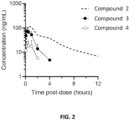
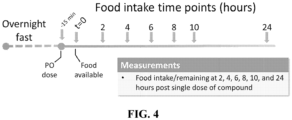
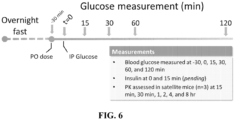
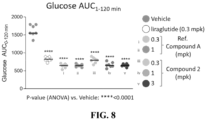
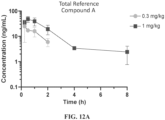
- the present inventors have discovered new GLP-1R agonists that have superior pharmacokinetic properties (e.g., Cmax, AUC 0-last ) relative to alternative GLP-1R agonists, are potent agonists of GLP-1R, and, in humanized animal models, effectuate the improvement of disease-relevant phenotypes such as food intake and glucose tolerance.
- the benefits of the presently-disclosed compounds could not have been predicted a priori.
- This disclosure also relates to compositions comprising the GLP-1R agonists disclosed herein and the use of the GLP-1R agonists in treating diseases.
- excipient means an inert or inactive substance that may be used in the production of a drug or pharmaceutical, such as a tablet containing a compound of the invention as an active ingredient.
- a drug or pharmaceutical such as a tablet containing a compound of the invention as an active ingredient.
- Various substances may be embraced by the term excipient, including without limitation any substance used as a binder, disintegrant, coating, compression/encapsulation aid, cream or lotion, lubricant, solutions for parenteral administration, materials for chewable tablets, sweetener or flavoring, suspending/gelling agent, or wet granulation agent.
- “Pharmaceutically acceptable salt” refers to a salt that is pharmaceutically acceptable. A compound described herein may be administered as a pharmaceutically acceptable salt.
- Salt refers to an ionic compound formed between an acid and a base.
- such salts include, without limitation, alkali metal, alkaline earth metal, and ammonium salts.
- ammonium salts include, salts containing protonated nitrogen bases and alkylated nitrogen bases.
- Exemplary and non-limiting cations useful in pharmaceutically acceptable salts include Na, K, Rb, Cs, NH4, Ca, Ba, imidazolium, and ammonium cations based on naturally occurring amino acids, and ammonium cations that are not based on naturally occurring amino acids, e.g., meglumine.
- the term "subject” refers to an animal, including, but are not limited to, a primate (e.g., human), monkey, cow, pig, sheep, goat, horse, dog, cat, rabbit, rat, or mouse.
- a primate e.g., human
- monkey cow, pig, sheep, goat
- horse dog, cat, rabbit, rat, or mouse.
- patient refers to a mammalian subject, such as a human.
- treatment is an approach for obtaining beneficial or desired results including clinical results.
- beneficial or desired results include, but are not limited to, one or more of the following: decreasing one or more symptoms resulting from the disease or disorder, diminishing the extent of the disease or disorder, stabilizing the disease or disorder (e.g., preventing or delaying the worsening of the disease or disorder), delaying the occurrence or recurrence of the disease or disorder, delaying or slowing the progression of the disease or disorder, ameliorating the disease or disorder state, providing a remission (whether partial or total) of the disease or disorder, decreasing the dose of one or more other medications required to treat the disease or disorder, enhancing the effect of another medication used to treat the disease or disorder, delaying the progression of the disease or disorder, increasing the quality of life, and/or prolonging survival of a patient.
- treatment is a reduction of pathological consequence of the disease or disorder.
- the methods of this disclosure contemplate any one or more of these aspects of treatment
- “Therapeutically effective amount” or dose of a compound or a composition refers to that amount of the compound or the composition that results in reduction or inhibition of symptoms or a prolongation of survival in a patient. The results may require multiple doses of the compound or the composition.
- Alkyl refers to monovalent saturated aliphatic hydrocarbyl groups having from 1 to 12 carbon atoms, preferably from 1 to 10 carbon atoms, and more preferably from 1 to 6 carbon atoms. This term includes, by way of example, linear and branched hydrocarbyl groups such as methyl (CH 3 -), ethyl (CH 3 CH 2 -), n-propyl (CH 3 CH 2 CH 2 -), isopropyl ((CH 3 ) 2 CH-), n-butyl (CH 3 CH 2 CH 2 CH 2 -), isobutyl ((CH 3 ) 2 CHCH 2 -), sec-butyl ((CH 3 )(CH 3 CH 2 )CH-), t-butyl ((CH 3 ) 3 C-), n-pentyl (CH 3 CH 2 CH 2 CH 2 CH 2 -), and neopentyl ((CH 3 ) 3 CCH 2 -).
- Cx alkyl refers to an alkyl
- Alkylene refers to a divalent saturated aliphatic hydrocarbyl group having from 1to 12 carbon atoms, preferably from 1 to 10 carbon atoms, and more preferably from 1 to 6 carbon atoms. This term includes, by way of example, linear and branched hydrocarbyl groups such as methylene (-CH 2 -), ethylene (-CH 2 CH 2 - or -CH(Me)-), propylene (-CH 2 CH 2 CH 2 - or - CH(Me)CH 2 -, or -CH(Et)-) and the like.
- Alkoxy refers to the group -O-alkyl wherein alkyl is defined herein. Alkoxy includes, by way of example, methoxy, ethoxy, n-propoxy, isopropoxy, n-butoxy, t-butoxy, sec-butoxy, and n-pentoxy.
- One or more the rings can be aryl, heteroaryl, or heterocyclic provided that the point of attachment is through the non-aromatic, non-heterocyclic ring saturated carbocyclic ring.
- “Substituted cycloalkyl” refers to a cycloalkyl group having from 1 to 5 or preferably 1 to 3 substituents selected from the group consisting of oxo, thione, alkyl, substituted alkyl, alkenyl, substituted alkenyl, alkynyl, substituted alkynyl, alkoxy, substituted alkoxy, acyl, acylamino, acyloxy, amino, substituted amino, aminocarbonyl, aminothiocarbonyl, aminocarbonylamino, aminothiocarbonylamino, aminocarbonyloxy, aminosulfonyl, aminosulfonyloxy, aminosulfonylamino, amidino, aryl, substituted aryl, aryloxy
- Heteroaryl refers to an aromatic group of from 1 to 10 carbon atoms and 1 to 4 heteroatoms selected from the group consisting of oxygen, nitrogen and sulfur within the ring.
- Such heteroaryl groups can have a single ring (e.g., pyridinyl or furyl) or multiple condensed rings (e.g., indolizinyl or benzothienyl) wherein the condensed rings may or may not be aromatic and/or contain a heteroatom provided that the point of attachment is through an atom of the aromatic heteroaryl group.
- the nitrogen and/or the sulfur ring atom(s) of the heteroaryl group are optionally oxidized to provide for the N-oxide (N ⁇ O), sulfinyl, or sulfonyl moieties.
- Preferred heteroaryls include 5 or 6 membered heteroaryls such as pyridinyl, pyrrolyl, thiophenyl, thiazole, and furanyl.
- Other preferred heteroaryls include 9 or 10 membered heteroaryls, such as indolyl, quinolinyl, quinolonyl, isoquinolinyl, and isoquinolonyl.
- Heterocycle encompasses single ring or multiple condensed rings, including fused bridged and spiro ring systems.
- fused ring systems one or more the rings can be cycloalkyl, aryl or heteroaryl provided that the point of attachment is through the non-aromatic ring.
- the nitrogen and/or sulfur atom(s) of the heterocyclic group are optionally oxidized to provide for the N-oxide, sulfinyl (S(O)), sulfonyl (S(O) 2 ) moieties.
- heterocyclyl and heteroaryl include, but are not limited to, azetidinyl, pyrrolyl, imidazolyl, pyrazolyl, pyridyl, pyrazyl, pyrimidyl, pyridazyl, indolizyl, isoindolyl, indolyl, dihydroindolyl, indazolyl, purinyl, quinolizinyl, isoquinolinyl, quinolinyl, phthalazinyl, naphthylpyridinyl, quinoxalinyl, quinazolinyl, cinnolinyl, pteridinyl, carbazolyl, carbolinyl, phenanthridinyl, acridinyl, phenanthrolinyl, isothiazolyl, phenazinyl, isoxazolyl, phenoxazinyl, phenothiaziny
- the terms “optional” or “optionally” as used throughout the specification means that the subsequently described event or circumstance may but need not occur, and that the description includes instances where the event or circumstance occurs and instances in which it does not.
- “the nitrogen atom is optionally oxidized to provide for the N-oxide (N ⁇ O) moiety” means that the nitrogen atom may but need not be oxidized, and the description includes situations where the nitrogen atom is not oxidized and situations where the nitrogen atom is oxidized.
- Optionally substituted unless otherwise specified means that a group may be unsubstituted or substituted by one or more (e.g., 1, 2, 3, 4 or 5) of the substituents listed for that group in which the substituents may be the same of different.
- an optionally substituted group has one substituent.
- an optionally substituted group has two substituents.
- an optionally sub stituted group has three substituents.
- an optionally substituted group has four substituents.
- an optionally substituted group has 1 to 2, 1 to 3, 1 to 4, 1 to 5, 2 to 3, 2 to 4, or 2 to 5 substituents.
- an optionally substituted group is unsubstituted.
- X and Y are each N.
- X is N and Y is CR 4 .
- X is N, Y is CR 4 , and R 4 is H, OH, or C 1 -C 6 alkyl.
- X is N, Y is CR 4 , and R 4 is H, OH, or C 1 -C 3 alkyl.
- X is N, Y is CR 4 , and R 4 is H or C 1 -C 3 alkyl.
- X is N, Y is CR 4 , and R 4 is H or OH.
- X is N, Y is CR 4 , and R 4 is H. In some embodiments, X is N, Y is CR 4 , and R 3 and R 4 are taken together with the carbon atoms to which they are attached to form a cyclopropyl group optionally substituted by halo or C 1 - C 3 alkyl In some embodiments, X is N, Y is CR 4 , and R 3 and R 4 are taken together with the carbon atoms to which they are attached to form a cyclopropyl group optionally substituted by fluoro or methyl.
- X is N
- Y is CR 4
- R 3 and R 4 are taken together with the carbon atoms to which they are attached to form a cyclopropyl group optionally substituted by halo or C 1 - C 3 alkyl.
- the compound is of Formula (II-b), (II-b1), or (II-b2): wherein n, R 2 , R 5 , Ring A, L, and Ring B are as defined for Formula (I).
- V is CH and W is N. In some embodiments, V and W are each CH. In some embodiments of Formula (III), X is N and Y is CR 4 . In some embodiments, the compound is of formula (III-a): wherein n, R 2 , R 3 , R 4 , R 5 , L, and Ring B are as defined for Formula (I), and V and W are as defined for formula (III).
- X is N
- Y is CR 4
- R 3 and R 4 are taken together with the carbon atoms to which they are attached to form a cyclopropyl group optionally substituted by halo or C 1 - C 3 alkyl.
- the compound is of Formula (III-b), (III-b1), or (III-b2): wherein n, R 2 , R 5 , L, and Ring B are as defined for Formula (I), and V and W are as defined for formula (III).
- the compound is of formula (III-b-3): wherein n, R 2 , R 5 , L, and Ring B are as defined for Formula (I).
- X and Y are each N.
- the compound is of Formula (III-c): wherein n, R 2 , R 3 , R 5 , L, and Ring B are as defined for Formula (I), and V and W are as defined for formula (III).
- L is *-O-C 1 -C 6 alkylene-**, optionally substituted by R L as described for Formula (I). In some embodiments, L is *-O-CH 2 -**.
- the compound is of Formula (IV): wherein n, R 2 , R 3 , R 5 , and Ring B are as defined for Formula (I), and V and W are as defined for formula (III).
- X is N and Y is CR 4 .
- the compound is of formula (IV-a): wherein n, R 2 , R 3 , R 4 , R 5 , and Ring B are as defined for Formula (I), and V and W are as defined for formula (III).
- X is N
- Y is CR 4
- R 3 and R 4 are taken together with the carbon atoms to which they are attached to form a cyclopropyl group optionally substituted by halo or C 1 - C 3 alkyl.
- the compound is of Formula (IV-b), (IV-b1), or (IV-b2): wherein n, R 2 , R 5 , and Ring B are as defined for Formula (I), and V and W are as defined for formula (III).
- the compound is of formula (IV-b-3): wherein n, R 2 , R 5 , L, and Ring B are as defined for Formula (I).
- L is -O-.
- the compound is of Formula (V): wherein n, R 2 , R 3 , R 5 , and Ring B are as defined for Formula (I), and V and W are as defined for formula (III).
- X is N and Y is CR 4 .
- the compound is of formula (V-a): wherein n, R 2 , R 3 , R 4 , R 5 , and Ring B are as defined for Formula (I), and V and W are as defined for formula (III).
- X is N
- Y is CR 4
- R 3 and R 4 are taken together with the carbon atoms to which they are attached to form a C 3 -C 6 cycloalkyl
- n, R 2 , Ring A, and Ring B are as detailed herein for Formula (I).
- Y is CR 4 ; R 3 and R 4 are taken together with the carbon atoms to which they are attached to form a C 3 -C 6 cycloalkyl; Ring B is optionally substituted phenyl; and X, n, R 2 , and Ring A are as detailed herein for Formula (I).
- R 3 and R 4 are taken together with the carbon atoms to which they are attached to form a C 3 cycloalkyl.
- X is N.
- n is 1.
- R 2 is H.
- Ring A is pyridinyl.
- X is N, n is 1, and R 2 is H.
- X is N; Y is CR 4 ; R 4 is H; and n, R 2 , R 3 , Ring A, and Ring B are as detailed herein for Formula (I).
- X is N; Y is CR 4 ; R 4 is H; Ring B is 4- to 12-membered heterocyclyl, or 5- to 12-membered heteroaryl, each of which is independently optionally substituted by one to three substituents independently selected from the group consisting of halo, CN, oxo, C 1 -C 6 alkyl, C 1 -C 6 haloalkyl, -COCH 3 , -CONH 2 , - S(O) 2 CH 3 , and phenyl; and n, R 2 , R 3 , and Ring A are as detailed herein for Formula (I).
- X and Y are each N;
- Ring B is C 3 -C 10 cycloalkyl, 4- to 12-membered heterocyclyl, or 5- to 12-membered heteroaryl, each of which is independently optionally substituted by one to three substituents independently selected from the group consisting of halo, CN, oxo, C 1 -C 6 alkyl, C 1 -C 6 haloalkyl, -COCH 3 , -CONH 2 , -S(O) 2 CH 3 , and phenyl; and n, R 2 , R 3 , and Ring A are as detailed herein for Formula (I).
- X and Y are each N;
- Ring B is 4- to 12-membered heterocyclyl, or 5- to 12-membered heteroaryl, each of which is independently optionally substituted by one to three substituents independently selected from the group consisting of halo, CN, oxo, C 1 -C 6 alkyl, C 1 -C 6 haloalkyl, -COCH 3 , - CONH 2 , -S(O) 2 CH 3 , and phenyl; n is 1; R 2 and R 3 are each H; and Ring A is as detailed herein for Formula (I).
- X and Y are each N;
- Ring B is C 3 -C 10 cycloalkyl, 4- to 12-membered heterocyclyl, or 5- to 12-membered heteroaryl, each of which is independently optionally substituted by one to three substituents independently selected from the group consisting of halo, CN, oxo, C 1 -C 6 alkyl, C 1 -C 6 haloalkyl, -COCH 3 , -CONH 2 , - S(O) 2 CH 3 , and phenyl; n is 1; R 2 and R 3 are each H; and Ring A is pyrazolyl or pyridyl, each of which is optionally substituted by halo, CN, C 3 -C 6 cycloalkyl, or C 1 -C 6 alkyl optionally substituted by halo or OH.
- R 5 is 5-membered heterocyclyl comprising 1, 2, or 3 heteroatoms independently selected from O, N, and S, wherein at least one heteroatom of R 5 is S, and wherein R 5 is optionally substituted by halo, - O-C 1-6 alkyl, C 1-6 alkyl, C 1-6 alkenyl, or C 1 -C 6 haloalkyl.
- R 5 is 5-membered heteroaryl comprising 1, 2, or 3 heteroatoms independently selected from O, N, and S, wherein at least one heteroatom of R 5 is S, and wherein R 5 is optionally substituted by by halo, -O-C 1-6 alkyl, C 1-6 alkyl, C 1-6 alkenyl, or C 1 -C 6 haloalkyl.
- R 5 is 5-membered heterocyclyl or 5-membered heteroaryl, each of which comprises 1 or 2 heteroatoms independently selected from N and S, wherein at least one heteroatom of R 5 is S, and wherein R 5 is optionally substituted by halo, -O-C 1-6 alkyl, C 1-6 alkyl, C 1-6 alkenyl, or C 1 -C 6 haloalkyl.
- R 5 is 5-membered heterocyclyl or 5-membered heteroaryl, each of which comprises 1 or 2 heteroatoms selected from N or S, wherein one heteroatom of R 5 is S, and wherein R 5 is optionally substituted by halo, -O-C 1-6 alkyl, C 1-6 alkyl, C 1-6 alkenyl, or C 1 -C 6 haloalkyl.
- R 5 is thiazolyl, isothiazolyl, or thiophenyl, each of which is optionally substituted by halo, -O-C 1-6 alkyl, C 1-6 alkyl, C 1-6 alkenyl, or C 1 -C 6 haloalkyl. In some embodiments, R 5 is each of which is optionally substituted by halo, -O-C 1-6 alkyl, C 1-6 alkyl, C 1-6 alkenyl, or C 1 -C 6 haloalkyl.
- R 5 is each of which is optionally substituted by halo, -O-C 1-3 alkyl, C 1-3 alkyl, C 2-6 alkenyl, or C 1 -C 3 haloalkyl. In some embodiments, R 5 is each of which is optionally substituted by bromo, -O-CH 3 , methyl, ethyl, or vinyl. In some embodiments, R 5 is optionally substituted by halo, -O-C 1-3 alkyl, C 1-3 alkyl, C 2-6 alkenyl, or C 1 -C 3 haloalkyl.
- Y is N.
- Y is CR 4 , wherein R 4 is hydrogen, OH or C 1 -C 6 alkyl.
- R 3 and R 4 are optionally taken together with the carbon atoms to which they are attached to form C 3 -C 6 cycloalkyl optionally substituted by halo or C 1 - C 3 alkyl.
- the C 3 -C 6 cycloalkyl can be cyclopropyl optionally substituted by halo, such as fluoro, or C 1 - C 3 alkyl, such as methyl.
- R 2 and R 3 are independently hydrogen, oxo, or C 1 -C 6 alkyl. In some embodiments, R 2 and R 3 are hydrogen. In some embodiments, R 2 and R 3 are oxo. In some embodiments, R 2 and R 3 are methyl.
- Ring A is 5- to 12-membered heterocyclyl, which is optionally substituted by halo, CN, C 3 -C 6 cycloalkyl, or C 1 -C 6 alkyl optionally substituted by halo or OH.
- Ring A is each of which is optionally substituted by halo, CN, C 3 -C 6 cycloalkyl, or C 1 -C 6 alkyl optionally substituted by halo or OH.
- Ring A is 5- to 12-membered heteroaryl, which is optionally substituted by halo, CN, C 3 -C 6 cycloalkyl, or C 1 -C 6 alkyl optionally substituted by halo or OH.
- Exemplary Ring A include, but are not limited to, or each of which is independently optionally substituted by halo, CN, C 3 -C 6 cycloalkyl, or C 1 -C 6 alkyl optionally substituted by halo or OH.
- Ring A is each of which is independently optionally substituted by halo, CN, C 3 -C 6 cycloalkyl, or C 1 -C 6 alkyl optionally substituted by halo or OH.
- Ring A is benzodioxolyl, pyridyl, pyrimidinyl, or pyrazinyl.
- Ring A is
- L is a bond.
- L is -O-.
- L is C 1 -C 6 alkylene.
- L is unsubstituted C 1 -C 6 alkylene.
- L is unsubstituted C 2 alkylene.
- L is C 2 alkylene optionally substituted by R L1 , wherein each R L1 is independently halo, OH, oxo, or C 1 -C 6 alkyl.
- R L1 is independently halo, OH, oxo, or C 1 -C 6 alkyl.
- L is In some embodiments, L is *-O-C 1 -C 6 alkylene-**, wherein * represents the point of attachment to ring A and ** represents the point of attachment to ring B.
- L can be *-OCH 2 -**.
- the C 1 -C 6 alkylene of L is substituted by R L , wherein each R L is independently C 1 -C 6 alkyl or halo, or two R L are taken together with the carbon atom or atoms to which they are attached to form C 3 -C 6 cycloalkyl or 3- to 6-membered heterocyclyl.
- the C 1 -C 6 alkylene is substituted by R L , wherein each R L is independently C 1 -C 6 alkyl or two R L are taken together with the carbon atom or atoms to which they are attached to form C 3 -C 6 cycloalkyl or 3- to 6-membered heterocyclyl.
- R L is *-O-C 1 -C 6 alkylene-**
- the C 1 -C 6 alkylene is substituted by R L , wherein each R L is independently C 1 -C 6 alkyl or two R L are taken together with the carbon atom or atoms to which they are attached to form C 3 -C 6 cycloalkyl or 3- to 6-membered heterocyclyl.
- L is *-C 1 -C 6 alkylene-O-**. In some embodiments, L is *-NR 6 -C 1 -C 6 alkylene-**, wherein R 6 is hydrogen or C 1 -C 6 alkyl. In some embodiments, L comprises an isotope of hydrogen, e.g., deuterium. In some embodiments, L is *-O-CH 2 -** or *-O-CD 2 -**. In some embodiments, L is *-O-CD 2 -**. In some embodiments, L comprises an oxo group. In some embodiments, L is *-C(O)-CH 2 -**.
- Ring B is C 3 -C 10 cycloalkyl, which is optionally substituted by one to three substituents independently selected from the group consisting of halo, CN, oxo, C 1 -C 6 alkyl, C 1 -C 6 haloalkyl, -COCH 3 , -CONH 2 , -S(O) 2 CH 3 and phenyl.
- Exemplary C 3 -C 10 cycloalkyl include, but are not limited to, each of which is independently optionally substituted by one to three substituents independently selected from the group consisting of halo, CN, oxo, C 1 -C 6 alkyl, C 1 -C 6 haloalkyl, -COCH 3 , -CONH 2 , -S(O) 2 CH 3 and phenyl.
- Ring B is C 6 -C 14 aryl, which is optionally substituted by one to three substituents independently selected from the group consisting of halo, CN, oxo, C 1 -C 6 alkyl, C 1 -C 6 haloalkyl, -COCH 3 , -CONH 2 , -S(O) 2 CH 3 and phenyl.
- the C 6 -C 14 aryl can be each of which is independently optionally substituted by one to three substituents each independently selected from the group consisting of halo, CN, oxo, C 1 -C 6 alkyl, C 1 -C 6 haloalkyl, -COCH 3 , -CONH 2 , -S(O) 2 CH 3 and phenyl.
- Ring B is 4- to 12-membered heterocyclyl, which is optionally substituted by one to three substituents independently selected from the group consisting of halo, CN, oxo, C 1 -C 6 alkyl, C 1 -C 6 haloalkyl, -COCH 3 , -CONH 2 , -S(O) 2 CH 3 and phenyl.
- Ring B is 5- to 12-membered heteroaryl, which is optionally substituted by one to three substituents independently selected from the group consisting of halo, CN, oxo, C 1 -C 6 alkyl, C 1 -C 6 haloalkyl, -COCH 3 , -CONH 2 , -S(O) 2 CH 3 and phenyl.
- Exemplary 5- to 12-membered heteroaryl include, but are not limited to, and each of which is independently optionally substituted by one to three substituents independently selected from the group consisting of halo, CN, oxo, C 1 -C 6 alkyl, C 1 -C 6 haloalkyl, -COCH 3 , -CONH 2 , -S(O) 2 CH 3 and phenyl.
- Ring B is phenyl optionally substituted by one to three substituents each independently selected from the group consisting of halo, CN, and -CONH 2 .
- Ring B is In some embodiments, Ring B is optionally substituted by one to three substituents independently selected from the group consisting of halo, and CN. In some embodiments, Ring B is In some embodiments, Ring B is a 9-membered heteroaryl, which is optionally substituted by one to two substituents independently selected from the group consisting of halo and CN. In some embodiments, Ring B is
- X, n, R, R 1 , R 2 , Ring A, and L are as described for Formula (I), and Ring B is C 3 -C 10 cycloalkyl optionally substituted by one to three substituents independently selected from the group consisting of halo, CN, oxo, C 1 -C 6 alkyl, C 1 -C 6 haloalkyl, -COCH 3 , -CONH 2 , -S(O) 2 CH 3 , and phenyl.
- X, n, R, R 1 , R 2 , Ring A, and L are as described for Formula (I), and Ring B is C 6 -C 14 aryl optionally substituted by one to three substituents independently selected from the group consisting of halo, CN, oxo, C 1 -C 6 alkyl, C 1 -C 6 haloalkyl, -COCH 3 , - CONH 2 , -S(O) 2 CH 3 , and phenyl.
- X, n, R, R 1 , R 2 , Ring A, and L are as described for Formula (I), and Ring B is C 6 aryl optionally substituted by one to three substituents independently selected from the group consisting of halo, CN, oxo, C 1 -C 6 alkyl, C 1 -C 6 haloalkyl, -COCH 3 , - CONH 2 , -S(O) 2 CH 3 , and phenyl.
- X, n, R, R 1 , R 2 , Ring A, and L are as described for Formula (I), L is *-OCH 2 -**, and Ring B is C 6 aryl optionally substituted by one to three substituents independently selected from the group consisting of halo, CN, oxo, C 1 -C 6 alkyl, C 1 -C 6 haloalkyl, -COCH 3 , -CONH 2 , -S(O) 2 CH 3 , and phenyl.
- X, n, R, R 1 , R 2 , Ring A, and L are as described for Formula (I), and Ring B is 4- to 12-membered heterocyclyl optionally substituted by one to three substituents independently selected from the group consisting of halo, CN, oxo, C 1 -C 6 alkyl, C 1 -C 6 haloalkyl, -COCH 3 , -CONH 2 , -S(O) 2 CH 3 , and phenyl.
- X, n, R, R 1 , R 2 , Ring A, and L are as described for Formula (I), and Ring B is 5- to 12-membered heteroaryl optionally substituted by one to three substituents independently selected from the group consisting of halo, CN, oxo, C 1 -C 6 alkyl, C 1 -C 6 haloalkyl, -COCH 3 , -CONH 2 , -S(O) 2 CH 3 , and phenyl.
- X is N, n is 1, Ring A is 9- to 10-membered heterocyclyl, which is optionally substituted by halo, CN, C 3 -C 6 cycloalkyl, or C 1 -C 6 alkyl optionally substituted by halo or OH; and R, R 1 , R 2 , L, and Ring B is as described for Formula (I).
- Formula (I) (including compounds of Formulae (II)-(V), and subformulae thereof, if applicable), X is N, n is 1, Ring A is 5- to 12-membered heteroaryl, which is optionally substituted by halo, CN, C 3 -C 6 cycloalkyl, or C 1 -C 6 alkyl optionally substituted by halo or OH; and R, R 2 , L, and Ring B are as described for Formula (I). In some such embodiments, Ring A is 5- to 6-membered heteroaryl.
- Ring A is 6-membered heteroaryl, which is optionally substituted by halo, CN, C 3 -C 6 cycloalkyl, or C 1 -C 6 alkyl optionally substituted by halo or OH. In some such embodiments, Ring A is each of which is optionally substituted by halo, CN, C 3 -C 6 cycloalkyl, or C 1 -C 6 alkyl optionally substituted by halo or OH. In some such embodiments, Ring A is each of which is optionally substituted by halo, CN, C 3 -C 6 cycloalkyl, or C 1 -C 6 alkyl optionally substituted by halo or OH.
- X is N, n is 1, Ring B is C 3 -C 10 cycloalkyl, which is optionally substituted by one to three substituents independently selected from the group consisting of halo, CN, oxo, C 1 -C 6 alkyl, C 1 -C 6 haloalkyl, -COCH 3 , -CONH 2 , -S(O) 2 CH 3 and phenyl; and R, R 1 , R 2 , Ring A, and L are as described for Formula (I).
- Ring A is 5- to 6-membered heteroaryl, which is optionally substituted by halo, CN, C 3 -C 6 cycloalkyl, or C 1 -C 6 alkyl optionally substituted by halo or OH;
- Ring B is C 3 -C 10 cycloalkyl, which is optionally substituted by one to three substituents independently selected from the group consisting of halo, CN, oxo, C 1 -C 6 alkyl, C 1 -C 6 haloalkyl, -COCH 3 , -CONH 2 , -S(O) 2 CH 3 and phenyl; and R, R 1 , R 2 , and L are as described for Formula (I).
- Ring A is In other such embodiments, Ring A is In still other such embodiments, Ring A is In some embodiments of any of the foregoing, X is N, n is 1, R 1 is -CH 2 -R 5 , and R 5 is as described for Formula (I). In some embodiments of any of the foregoing, X is N, n is 1, R 1 is -CH 2 -R 5 , and R 5 is 5-membered heteroaryl comprising one S heteroatom and one N heteroatom, optionally substituted by halo, -O-C 1-6 alkyl, C 1-6 alkyl, C 1-6 alkenyl, or C 1 -C 6 haloalkyl.
- X is N, n is 1, R 1 is -CH 2 -R 5 , and R 5 is 5-membered heteroaryl comprising one S heteroatom and one N heteroatom, optionally substituted by halo, -O-C 1-6 alkyl, C 1-6 alkyl, C 1-6 alkenyl, or C 1 -C 6 haloalkyl.
- X is N, n is 1, R 1 is -CH 2 -R 5 , and R 5 is as described for Formula (I).
- X is N, n is 1, R 1 is -CH 2 -R 5 , and R 5 is 5-membered heteroaryl comprising one S heteroatom and one N heteroatom, optionally substituted by halo, -O-C 1-6 alkyl, C 1-6 alkyl, C 1-6 alkenyl, or C 1 -C 6 haloalkyl.
- Ring A is 5- to 6-membered heteroaryl, which is optionally substituted by halo, CN, C 3 -C 6 cycloalkyl, or C 1 -C 6 alkyl optionally substituted by halo or OH; L is -O-; Ring B is C 3 -C 10 cycloalkyl, which is optionally substituted by one to three substituents independently selected from the group consisting of halo, CN, oxo, C 1 -C 6 alkyl, C 1 -C 6 haloalkyl, -COCH 3 , -CONH 2 , -S(O) 2 CH 3 and phenyl; and R and R 2 are as described for Formula (I).
- X is N, n is 1, R 1 is -CH 2 -R 5 , and R 5 is as described for Formula (I).
- X is N, n is 1, R 1 is -CH 2 -R 5 , and R 5 is 5-membered heteroaryl comprising one S heteroatom and one N heteroatom, optionally substituted by halo, -O-C 1-6 alkyl, C 1-6 alkyl, C 1-6 alkenyl, or C 1 -C 6 haloalkyl.
- Ring B is C 6 -C 14 aryl, which is optionally substituted by one to three substituents independently selected from the group consisting of halo, CN, oxo, C 1 -C 6 alkyl, C 1 -C 6 haloalkyl, -COCH 3 , -CONH 2 , -S(O) 2 CH 3 and phenyl; and R, R 2 , Ring A, and L are as described for Formula (I).
- X is N, n is 1, Ring B is C 6 -C 14 aryl, which is optionally substituted by one to three substituents independently selected from the group consisting of halo, CN, oxo, C 1 -C 6 alkyl, C 1 -C 6 haloalkyl, -COCH 3 , - CONH 2 , -S(O) 2 CH 3 and phenyl; and R, R 2 , Ring A, and L are as described for Formula (I).
- X is N, n is 1, Ring B is C 6 aryl, which is optionally substituted by one to three substituents independently selected from the group consisting of halo, CN, oxo, C 1 -C 6 alkyl, C 1 -C 6 haloalkyl, -COCH 3 , -CONH 2 , -S(O) 2 CH 3 and phenyl; and R, R 2 , Ring A, and L are as described for Formula (I).
- X is N, n is 1, R 1 is -CH 2 -R 5 , and R 5 is as described for Formula (I).
- X is N, n is 1, R 1 is -CH 2 -R 5 , and R 5 is 5-membered heteroaryl comprising one S heteroatom and one N heteroatom, optionally substituted by halo, -O-C 1-6 alkyl, C 1-6 alkyl, C 1-6 alkenyl, or C 1 -C 6 haloalkyl.
- Ring A is 5- to 6-membered heteroaryl, which is optionally substituted by halo, CN, C 3 -C 6 cycloalkyl, or C 1 -C 6 alkyl optionally substituted by halo or OH;
- Ring B is C 6 aryl, which is optionally substituted by one to three substituents independently selected from the group consisting of halo, CN, oxo, C 1 -C 6 alkyl, C 1 -C 6 haloalkyl, -COCH 3 , - CONH 2 , -S(O) 2 CH 3 and phenyl; and R, R 1 , R 2 , and L are as described for Formula (I).
- Ring A is In other such embodiments, Ring A is In still other such embodiments, Ring A is
- Ring A is 5- to 6-membered heteroaryl, which is optionally substituted by halo, CN, C 3 -C 6 cycloalkyl, or C 1 -C 6 alkyl optionally substituted by halo or OH;
- L is a bond;
- Ring B is C 6 aryl, which is optionally substituted by one to three substituents independently selected from the group consisting of halo, CN, oxo, C 1 -C 6 alkyl, C 1 -C 6 haloalkyl, -COCH 3 , -CONH 2 , -S(O) 2 CH 3 and phenyl; and R and R 2 are as described for Formula (I).
- X is N, n is 1, R 1 is -CH 2 -R 5 , and R 5 is as described for Formula (I).
- X is N, n is 1, R 1 is -CH 2 -R 5 , and R 5 is 5-membered heteroaryl comprising one S heteroatom and one N heteroatom, optionally substituted by halo, -O-C 1-6 alkyl, C 1-6 alkyl, C 1-6 alkenyl, or C 1 -C 6 haloalkyl.
- Ring A is 5- to 6-membered heteroaryl, which is optionally substituted by halo, CN, C 3 -C 6 cycloalkyl, or C 1 -C 6 alkyl optionally substituted by halo or OH; L is -O-; Ring B is C 6 aryl, which is optionally substituted by one to three substituents independently selected from the group consisting of halo, CN, oxo, C 1 -C 6 alkyl, C 1 -C 6 haloalkyl, -COCH 3 , -CONH 2 , -S(O) 2 CH 3 and phenyl; and R and R 2 are as described for Formula (I).
- Ring B is 4- to 12-membered heterocyclyl, which is optionally substituted by one to three substituents independently selected from the group consisting of halo, CN, oxo, C 1 -C 6 alkyl, C 1 -C 6 haloalkyl, -COCH 3 , -CONH 2 , -S(O) 2 CH 3 and phenyl; and R, R 2 , Ring A, and L are as described for Formula (I). In some such embodiments, Ring A is .
- Ring B is 4- to 12-membered heterocyclyl, which is optionally substituted by one to three substituents independently selected from the group consisting of halo, CN, oxo, C 1 -C 6 alkyl, C 1 -C 6 haloalkyl, -COCH 3 , -CONH 2 , -S(O) 2 CH 3 and phenyl; and R, R 2 , Ring A, and L are as described for Formula (I).
- Ring A is 5- to 6-membered heteroaryl, which is optionally substituted by halo, CN, C 3 -C 6 cycloalkyl, or C 1 -C 6 alkyl optionally substituted by halo or OH;
- Ring B is 4- to 12-membered heterocyclyl, which is optionally substituted by one to three substituents independently selected from the group consisting of halo, CN, oxo, C 1 -C 6 alkyl, C 1 -C 6 haloalkyl, -COCH 3 , -CONH 2 , -S(O) 2 CH 3 and phenyl; and R, R 2 , and L are as described for Formula (I).
- Ring A is . In other such embodiments, Ring A is In still other such embodiments, Ring A is .
- X is N, n is 1, R 1 is -CH 2 -R 5 , and R 5 is as described for Formula (I). In some embodiments of any of the foregoing, X is N, n is 1, R 1 is -CH 2 -R 5 , and R 5 is 5-membered heteroaryl comprising one S heteroatom and one N heteroatom, optionally substituted by halo, -O-C 1-6 alkyl, C 1-6 alkyl, C 1-6 alkenyl, or C 1 -C 6 haloalkyl.
- Ring A is 5- to 6-membered heteroaryl, which is optionally substituted by halo, CN, C 3 -C 6 cycloalkyl, or C 1 -C 6 alkyl optionally substituted by halo or OH;
- L is *-O-C 1 -C 6 alkylene-** optionally substituted by R L as described for Formula (I);
- Ring B is 4- to 12-membered heterocyclyl, which is optionally substituted by one to three substituents independently selected from the group consisting of halo, CN, oxo, C 1 -C 6 alkyl, C 1 -C 6 haloalkyl, -COCH 3 , -CONH 2 , -S(O) 2 CH 3 and phenyl; and R and R 2 are as described for Formula (I).
- L is *-O-CH 2 -**.
- X is N
- n is 1
- R 1 is -CH 2 -R 5
- R 5 is as described for Formula (I).
- X is N, n is 1, R 1 is -CH 2 -R 5 , and R 5 is 5-membered heteroaryl comprising one S heteroatom and one N heteroatom, optionally substituted by halo, -O-C 1-6 alkyl, C 1-6 alkyl, C 1-6 alkenyl, or C 1 -C 6 haloalkyl.
- Ring A is 5- to 6-membered heteroaryl, which is optionally substituted by halo, CN, C 3 -C 6 cycloalkyl, or C 1 -C 6 alkyl optionally substituted by halo or OH; L is a bond; Ring B is 9- to 12-membered heterocyclyl, which is optionally substituted by one to three substituents independently selected from the group consisting of halo, CN, oxo, C 1 -C 6 alkyl, C 1 -C 6 haloalkyl, -COCH 3 , -CONH 2 , -S(O) 2 CH 3 and phenyl; and R and R 2 are as described for Formula (I).
- X is N, n is 1, R 1 is -CH 2 -R 5 , and R 5 is as described for Formula (I).
- X is N, n is 1, R 1 is -CH 2 -R 5 , and R 5 is 5-membered heteroaryl comprising one S heteroatom and one N heteroatom, optionally substituted by halo, -O-C 1-6 alkyl, C 1-6 alkyl, C 1-6 alkenyl, or C 1 -C 6 haloalkyl.
- L is *-O-CH 2 -**.
- X is N
- n is 1
- R 1 is -CH 2 -R 5
- R 5 is as described for Formula (I).
- X is N, n is 1, R 1 is -CH 2 -R 5 , and R 5 is 5-membered heteroaryl comprising one S heteroatom and one N heteroatom, optionally substituted by halo, -O-C 1-6 alkyl, C 1-6 alkyl, C 1-6 alkenyl, or C 1 -C 6 haloalkyl.
- Ring A is 5- to 6-membered heteroaryl, which is optionally substituted by halo, CN, C 3 -C 6 cycloalkyl, or C 1 -C 6 alkyl optionally substituted by halo or OH; L is a bond; Ring B is 5- to 12-membered heteroaryl, which is optionally substituted by one to three substituents independently selected from the group consisting of halo, CN, oxo, C 1 -C 6 alkyl, C 1 -C 6 haloalkyl, -COCH 3 , -CONH 2 , -S(O) 2 CH 3 and phenyl; and R and R 2 are as described for Formula (I).
- X is N, n is 1, R 1 is -CH 2 -R 5 , and R 5 is as described for Formula (I).
- X is N, n is 1, R 1 is -CH 2 -R 5 , and R 5 is 5-membered heteroaryl comprising one S heteroatom and one N heteroatom, optionally substituted by halo, -O-C 1-6 alkyl, C 1-6 alkyl, C 1-6 alkenyl, or C 1 -C 6 haloalkyl.
- Ring A is 5- to 6-membered heteroaryl, which is optionally substituted by halo, CN, C 3 -C 6 cycloalkyl, or C 1 -C 6 alkyl optionally substituted by halo or OH; L is -O-; Ring B is 5- to 12-membered heteroaryl, which is optionally substituted by one to three substituents independently selected from the group consisting of halo, CN, oxo, C 1 -C 6 alkyl, C 1 -C 6 haloalkyl, -COCH 3 , -CONH 2 , -S(O) 2 CH 3 and phenyl; and R and R 2 are as described for Formula (I).
- Ring B is a fused bicyclic ring system comprising fused rings Ring C and Ring D.
- Ring C is a fused bicyclic ring system comprising fused rings Ring C and Ring D.
- Ring D is C 6 aryl
- Ring C is C 5 -C 6 cycloalkyl, 5- to 7-membered heterocyclyl, or 5- to 6-membered heteroaryl
- Ring C and Ring D are optionally substituted by one to three substituents independently selected from the group consisting of halo, CN, oxo, C 1 -C 6 alkyl, C 1 -C 6 haloalkyl, -COCH 3 , -CONH 2 , - S(O) 2 CH 3 , and phenyl.
- Ring A is 5- to 6-membered heteroaryl, which is optionally substituted by halo, CN, C 3 -C 6 cycloalkyl, or C 1 -C 6 alkyl optionally substituted by halo or OH.
- X is N, n is 1, R 1 is -CH 2 -R 5 , and R 5 is 5- to 6-membered heteroaryl optionally substituted by C 1 -C 6 alkyl. In some embodiments of any of the foregoing, X is N, n is 1, R 1 is -CH 2 -R 5 , and R 5 is as described for Formula (I).
- X is N, n is 1, R 1 is -CH 2 -R 5 , and R 5 is 5-membered heteroaryl comprising one S heteroatom and one N heteroatom, optionally substituted by halo, -O-C 1-6 alkyl, C 1-6 alkyl, C 1-6 alkenyl, or C 1 -C 6 haloalkyl.
- Ring D is C 6 aryl and Ring C is 5- to 7-membered heterocyclyl.
- Ring C and Ring D form substituents independently selected from the group consisting of halo, CN, oxo, C 1 -C 6 alkyl, C 1 -C 6 haloalkyl, -COCH 3 , -CONH 2 , -S(O) 2 CH 3 , and phenyl.
- X is N
- n is 1
- R 1 is -CH 2 -R 5
- R 5 is 5- to 6-membered heteroaryl optionally substituted by C 1 -C 6 alkyl.
- X is N, n is 1, R 1 is -CH 2 -R 5 , and R 5 is as described for Formula (I).
- X is N, n is 1, R 1 is -CH 2 -R 5 , and R 5 is 5-membered heteroaryl comprising one S heteroatom and one N heteroatom, optionally substituted by halo, -O-C 1-6 alkyl, C 1-6 alkyl, C 1-6 alkenyl, or C 1 -C 6 haloalkyl.
- Ring D is 6-membered heteroaryl and Ring C is C 5 -C 6 cycloalkyl, 5- to 7-membered heterocyclyl, or 5- to 6-membered heteroaryl, wherein Ring C and Ring D are optionally substituted by one to three substituents independently selected from the group consisting of halo, CN, oxo, C 1 -C 6 alkyl, C 1 -C 6 haloalkyl, -COCH 3 , - CONH 2 , -S(O) 2 CH 3 , and phenyl.
- X is N, n is 1, R 1 is -CH 2 -R 5 , and R 5 is as described for Formula (I).
- X is N, n is 1, R 1 is -CH 2 -R 5 , and R 5 is 5-membered heteroaryl comprising one S heteroatom and one N heteroatom, optionally substituted by halo, -O-C 1-6 alkyl, C 1-6 alkyl, C 1-6 alkenyl, or C 1 -C 6 haloalkyl.
- Ring D is 6-membered heteroaryl and Ring C is C 5 -C 6 cycloalkyl, wherein Ring C and Ring D are optionally substituted by one to three substituents independently selected from the group consisting of halo, CN, oxo, C 1 -C 6 alkyl, C 1 -C 6 haloalkyl, -COCH 3 , -CONH 2 , -S(O) 2 CH 3 , and phenyl.
- X is N
- n is 1
- R 1 is -CH 2 -R 5
- R 5 is as described for Formula (I).
- Ring D is 6-membered heteroaryl and Ring C is 5- to 7-membered heterocyclyl, wherein Ring C and Ring D are optionally substituted by one to three substituents independently selected from the group consisting of halo, CN, oxo, C 1 -C 6 alkyl, C 1 -C 6 haloalkyl, -COCH 3 , -CONH 2 , -S(O) 2 CH 3 , and phenyl.
- X is N
- n is 1
- R 1 is -CH 2 -R 5
- R 5 is as described for Formula (I).
- X is N, n is 1, R 1 is -CH 2 -R 5 , and R 5 is 5-membered heteroaryl comprising one S heteroatom and one N heteroatom, optionally substituted by halo, -O-C 1-6 alkyl, C 1-6 alkyl, C 1-6 alkenyl, or C 1 -C 6 haloalkyl.
- X is N, n is 1, R 1 is -CH 2 -R 5 , and R 5 is 5-membered heteroaryl comprising one S heteroatom and one N heteroatom, optionally substituted by halo, -O-C 1-6 alkyl, C 1-6 alkyl, C 1-6 alkenyl, or C 1 -C 6 haloalkyl.
- a compound of Formula (VII) wherein X, Y, n, R 2 , R 3 , Ring A, L, and Ring B are as described for Formula (I), and R 5a is H, halo, -O-C 1-6 alkyl, C 1-6 alkyl, C 1-6 alkenyl, or C 1 -C 6 haloalkyl.
- R 5a is H or -CH 3 .
- Ring B is C 6 aryl, which is optionally substituted by one to two substituents independently selected from the group consisting of halo, CN, oxo, C 1 -C 6 alkyl, C 1 -C 6 haloalkyl, -COCH 3 , -CONH 2 , -S(O) 2 CH 3 and phenyl.
- Ring B is C 6 aryl, which is optionally substituted by one to two substituents independently selected from the group consisting of halo and CN.
- L is *-O-CH 2 -**.
- the compound of Formula VII is of Formula VII-e:
- the compound of Formula VII-e is of Formula VII-ei
- the compound of Formula VII-e is of Formula VII-eii:
- the compound of Formula I is of Formula VIII wherein R 7 is hydrogen, chloro, bromo, fluoro, methyl, or vinyl; and R 8 is
- the compound of Formula I is of Formula VIII-a: wherein X 1 is N or CH; and R 9 is H or -OCH 3 .
- a method of making a compound of Formula (I), including compounds of Formulae (II)-(V), (VI), (VII), (VIII) and subformulae thereof), or selected from the group consisting of a compound listed in Table 1, or a pharmaceutically acceptable salt of any of the foregoing.
- Compounds described herein may be prepared according to general schemes, as exemplified by the general procedures and examples. Minor variations in starting materials, temperatures, concentrations, reaction times, and other parameters can be made when following the general procedures, which do not substantially affect the results of the procedures.
- the compounds depicted herein may be present as salts even if salts are not depicted and it is understood that the present disclosure embraces all salts and solvates of the compounds depicted here, as well as the non-salt and non-solvate form of the compound, as is well understood by the skilled artisan.
- the salts of the compounds provided herein are pharmaceutically acceptable salts. Where one or more tertiary amine moiety is present in the compound, the N-oxides are also provided and described.
- tautomeric forms may be present for any of the compounds described herein, each and every tautomeric form is intended even though only one or some of the tautomeric forms may be explicitly depicted.
- the tautomeric forms specifically depicted may or may not be the predominant forms in solution or when used according to the methods described herein.
- the present disclosure also includes any or all of the stereochemical forms, including any enantiomeric or diastereomeric forms of the compounds described.
- Compounds of any formula given herein may have asymmetric centers and therefore exist in different enantiomeric or diastereomeric forms. All optical isomers and stereoisomers of the compounds of the general formula, and mixtures thereof in any ratio, are considered within the scope of the formula.
- any formula given herein is intended to represent a racemate, one or more enantiomeric forms, one or more diastereomeric forms, one or more atropisomeric forms, and mixtures thereof in any ratio, unless a specific stereochemistry is otherwise indicated.
- the invention also intends isotopically-labeled and/or isotopically-enriched forms of compounds described herein.
- the compounds herein may contain unnatural proportions of atomic isotopes at one or more of the atoms that constitute such compounds.
- the compound is isotopically-labeled, such as an isotopically-labeled compound of the formula (I) or variations thereof described herein, where a fraction of one or more atoms are replaced by an isotope of the same element.
- Isotopically-labeled compounds of the present invention can generally be prepared by standard methods and techniques known to those skilled in the art or by procedures similar to those described in the accompanying Examples substituting appropriate isotopically-labeled reagents in place of the corresponding non-labeled reagent.
- the present disclosure also includes salts, e.g., pharmaceutically acceptable salts, of any of the compounds disclosed herein.
- the present disclosure provides a meglumine salt of any one of the compounds disclosed herein, e.g., a 1:1 compound: meglumine salt, a 2:1 compound: meglumine salt, a 1:2 compound: meglumine salt.
- compositions or simply "pharmaceutical compositions” of any of the compounds detailed herein are embraced by this invention.
- the invention includes pharmaceutical compositions comprising a compound of Formula (I) (including compounds of Formulae (II)-(VIII)), or a pharmaceutically acceptable salt thereof, and a pharmaceutically acceptable carrier or excipient.
- a composition of a substantially pure compound intends a composition that contains no more than 35% impurity, wherein the impurity denotes a compound other than the compound or a salt thereof.
- a composition of substantially pure compound or a salt thereof is provided wherein the composition contains no more than 25% impurity.
- a composition of substantially pure compound or a salt thereof is provided wherein the composition contains or no more than 20% impurity.
- a composition of substantially pure compound or a salt thereof is provided wherein the composition contains or no more than 10% impurity.
- a composition of substantially pure compound or a salt thereof is provided wherein the composition contains or no more than 5% impurity.
- a composition of substantially pure compound or a salt thereof wherein the composition contains or no more than 3% impurity. In still another variation, a composition of substantially pure compound or a salt thereof is provided wherein the composition contains or no more than 1% impurity. In a further variation, a composition of substantially pure compound or a salt thereof is provided wherein the composition contains or no more than 0.5% impurity. In yet other variations, a composition of substantially pure compound means that the composition contains no more than 15% or preferably no more than 10% or more preferably no more than 5% or even more preferably no more than 3% and most preferably no more than 1% impurity, which impurity may be the compound in a different stereochemical form.
- the compounds herein are synthetic compounds prepared for administration to an individual such as a human.
- compositions are provided containing a compound in substantially pure form.
- the invention embraces pharmaceutical compositions comprising a compound detailed herein and a pharmaceutically acceptable carrier or excipient.
- methods of administering a compound are provided. The purified forms, pharmaceutical compositions and methods of administering the compounds are suitable for any compound or form thereof detailed herein.
- the compounds may be formulated for any available delivery route, including an oral, mucosal (e.g., nasal, sublingual, vaginal, buccal or rectal), parenteral (e.g., intramuscular, subcutaneous or intravenous), topical or transdermal delivery form.
- oral e.g., nasal, sublingual, vaginal, buccal or rectal
- parenteral e.g., intramuscular, subcutaneous or intravenous
- topical or transdermal delivery form e.g., topical or transdermal delivery form.
- a compound may be formulated with suitable carriers to provide delivery forms that include, but are not limited to, tablets, caplets, capsules (such as hard gelatin capsules or soft elastic gelatin capsules), cachets, troches, lozenges, gums, dispersions, suppositories, ointments, cataplasms (poultices), pastes, powders, dressings, creams, solutions, patches, aerosols (e.g., nasal spray or inhalers), gels, suspensions (e.g., aqueous or non-aqueous liquid suspensions, oil-in-water emulsions or water-in-oil liquid emulsions), solutions and elixirs.
- suitable carriers include, but are not limited to, tablets, caplets, capsules (such as hard gelatin capsules or soft elastic gelatin capsules), cachets, troches, lozenges, gums, dispersions, suppositories, ointments, cataplasms (poultices),
- Compounds as described herein may be administered to individuals (e.g., a human) in a form of generally accepted oral compositions, such as tablets, coated tablets, and gel capsules in a hard or in soft shell, emulsions or suspensions.
- oral compositions such as tablets, coated tablets, and gel capsules in a hard or in soft shell, emulsions or suspensions.
- carriers which may be used for the preparation of such compositions, are lactose, corn starch or its derivatives, talc, stearate or its salts, etc.
- Acceptable carriers for gel capsules with soft shell are, for instance, plant oils, wax, fats, semisolid and liquid polyols, and so on.
- pharmaceutical formulations may contain preservatives, solubilizers, stabilizers, re-wetting agents, emulgators, sweeteners, dyes, adjusters, and salts for the adjustment of osmotic pressure, buffers, coating agents or antioxidants.
- compositions comprising two compounds utilized herein are described. Any of the compounds described herein can be formulated in a tablet in any dosage form described herein.
- the composition comprises a compound of Formula (I) (including compounds of Formulae (II)-(VIII)), or a pharmaceutically acceptable salt thereof, as described herein.
- a dosage form comprises a therapeutically effective amount of a compound of Formula (I) (including compounds of Formulae (II)-(VIII)), or a pharmaceutically acceptable salt thereof.
- the compound or a pharmaceutically acceptable salt thereof is selected from Compound Nos. 1-11 in Table 1.
- the compound or a pharmaceutically acceptable salt thereof is selected from Compound Nos. 1-31 in Table 1
- the method of treating a disease or condition in a subject in need thereof comprises administering to the subject a therapeutically effective amount of a compound of Formula (I) (including compounds of Formulae (II)-(VI)), or a pharmaceutically acceptable salt thereof.
- the method of treating a disease or condition in a subject in need thereof comprises administering to the subject a therapeutically effective amount of a compound selected from any one of the compounds in Table 1, or a pharmaceutically acceptable salt thereof.
- the method of treating a disease or condition in a subject in need thereof comprises administering to the subject an effective amount of a compound of Formula (I) (including compounds of Formulae (II)-(VIII)), or a pharmaceutically acceptable salt thereof. In some embodiments, the method of treating a disease or condition in a subject in need thereof comprises administering to the subject an effective amount of a compound selected from any one of the compounds in Table 1, or a pharmaceutically acceptable salt thereof.
- a disease or condition to be treated and/or prevented is selected from the group consisting of cardiometabolic and associated diseases including diabetes (T1 D and/or T2DM, including pre-diabetes), idiopathic T1 D (Type 1 b), latent autoimmune diabetes in adults (LADA), early-onset T2DM (EOD), youth-onset atypical diabetes (YOAD), maturity onset diabetes of the young (MODY), malnutrition-related diabetes, gestational diabetes, hyperglycemia, insulin resistance, hepatic insulin resistance, impaired glucose tolerance, diabetic neuropathy, diabetic nephropathy, kidney disease (e.g., acute kidney disorder, tubular dysfunction, proinflammatory changes to the proximal tubules), diabetic retinopathy, adipocyte dysfunction, visceral adipose deposition, sleep apnea, obesity (including hypothalamic obesity and monogenic obesity) and related comorbidities (e.g., osteoarthritis and urine in
- provided herein is a method of treating a cardiometabolic disease in a subject (e.g., a human patient) in need thereof, comprising administering to the subject a therapeutically effective amount of a compound described herein, or a pharmaceutically acceptable salt thereof.
- a method of treating diabetes in a subject comprising administering to the subject a therapeutically effective amount of a compound described herein, or a pharmaceutically acceptable salt thereof.
- exemplary diabetes include, but are not limited to, T1 D, T2DM, pre-diabetes, idiopathic T1 D, LADA, EOD, YOAD, MODY, malnutrition-related diabetes, and gestational diabetes.
- liver disorders include, without limitation, liver inflammation, fibrosis, and steatohepatitis.
- the liver disorder is selected from the list consisting of primary biliary cirrhosis (PBC), primary sclerosing cholangitis (PSC), drug induced cholestasis, intrahepatic cholestasis of pregnancy, parenteral nutrition associated cholestasis (PNAC), bacterial overgrowth or sepsis associated cholestasis, autoimmune hepatitis, viral hepatitis, alcoholic liver disease, nonalcoholic fatty liver disease (NAFLD), nonalcoholic steatohepatitis (NASH), graft versus host disease, transplant liver regeneration, congenital hepatic fibrosis, choledocholithiasis, granulomatous liver disease, intra- or extrahepatic malignancy, Sjogren's syndrome, sarcoidosis, Wilson's disease, Gaucher's disease, hemochromatosis, and oti-antitrypsin deficiency.
- PBC primary biliary cirrhosis
- the liver disorder is liver fibrosis. In another embodiment, the liver disorder is alcohol induced fibrosis. In another embodiment, the liver disorder is steatosis. In another embodiment, the liver disorder is alcoholic steatosis. In another embodiment, the liver disorder is NAFLD. In one embodiment, the treatment methods provided herein impedes or slows the progression of NAFLD to NASH. In one embodiment, the treatment methods provided herein impedes or slows the progression of NASH. NASH can progress, e.g., to one or more of liver cirrhosis, hepatic cancer, etc. In some embodiments, the liver disorder is NASH. In some embodiments, the patient has had a liver biopsy. In some embodiments, the method further comprising obtaining the results of a liver biopsy.
- the present disclosure provides a method of decreasing food intake in a subject in need thereof, the method comprising administering an effective amount of any one of the compounds or pharmaceutical compositions disclosed herein to the subject.
- administration of a compound disclosed herein causes the subject's food intake to be reduced at least 10%, e.g., at least 20%, at least 30%, at least 40%, at least 50%, at least 60%, at least 70%, at least 75%, at least 80%, at least 85%, at least 90%, or at least 95% relative to the subject's food intake in the absence of a compound disclosed herein.
- the subject's food intake is reduced, e.g., reduced by at least 10%, at least 20%, at least 30%, at least 40%, at least 50%, at least 60%, at least 70%, at least 75%, at least 80%, at least 85%, at least 90%, or at least 95%, for at least 1 hour following administration, e.g., at least 1 hour, at least 2 hours, at least 3 hours, at least 4 hours, at least 5 hours, at least 6 hours, at least 12 hours, at least 1 day, or at least 2 days following administration.
- the present disclosure provides a method of improving glucose tolerance in a subject in need thereof.
- concentration of glucose in the blood of a subject is lower, e.g., 10% lower, 20% lower, 30% lower, 40% lower, 50% lower, 60% lower, 70% lower, 80% lower, 90% lower, 100% lower, 200% lower, 500% lower, 1000% lower, than the blood glucose concentration would have been had the subject not been administered the compound disclosed herein.
- the compounds and/or compositions may be administered orally.
- Oral administration may involve swallowing, so that the compound enters the gastrointestinal tract, or buccal or sublingual administration may be employed by which the compound enters the bloodstream directly from the mouth.
- the compounds and/or compositions may be administered directly into the bloodstream, into muscle, or into an internal organ.
- Suitable means for parenteral administration include intravenous, intraarterial, intraperitoneal, intrathecal, intraventricular, intraurethral, intrasternal, intracranial, intramuscular and subcutaneous.
- Suitable devices for parenteral administration include needle (including microneedle) injectors, needle-free injectors and infusion techniques.
- the compounds and/or compositions may be administered topically to the skin or mucosa, that is, dermally or transdermally. In some embodiments, the compounds and/or compositions may be administered intranasally or by inhalation. In some embodiments, the compounds and/or compositions may be administered rectally or vaginally. In some embodiments, the compounds and/or compositions may be administered directly to the eye or ear.
- the dosage regimen for the compounds and/or compositions described herein is based on a variety of factors, including the type, age, weight, sex and medical condition of the patient; the severity of the condition; the route of administration; and the activity of the particular compound employed. Thus, the dosage regimen may vary widely.
- the total daily dose of the compounds of the present application is typically from about 0.001 to about 100 mg/kg (i.e., mg compound per kg body weight) for the treatment of the indicated conditions discussed herein.
- total daily dose of the compounds of the present application is from about 0.01 to about 30 mg/kg, and in another embodiment, from about 0.03 to about 10 mg/kg, and in yet another embodiment, from about 0.1 to about 3. It is not uncommon that the administration of the compounds of the present application will be repeated a plurality of times in a day (typically no greater than 4 times). Multiple doses per day typically may be used to increase the total daily dose, if desired.
- the compounds and/or compositions described herein may be provided in the form of tablets containing 0.1, 0.5, 1.0, 2.5, 5.0, 10.0, 15.0, 25.0, 30.0 50.0, 75.0, 100, 125, 150, 175, 200, 250 and 500 milligrams of the active ingredient for the symptomatic adjustment of the dosage to the patient.
- a medicament typically contains from about 0.01 mg to about 500 mg of the active ingredient, or in another embodiment, from about 1 mg to about 100 mg of active ingredient.
- doses may range from about 0.01 to about 10 mg/kg/minute during a constant rate infusion.
- the present application provides any of the uses, methods or compositions as defined herein wherein a compound of any embodiment of Formula (I) or selected from the compounds of Table 1 as described herein, or a pharmaceutically acceptable salt thereof, is used in combination with one or more other therapeutic agent.
- This would include a pharmaceutical composition comprising a compound of any embodiment of Formula (I) or selected from the compounds of Table 1, or a pharmaceutically acceptable salt thereof, as defined in any of the embodiments described herein, in admixture with at least one pharmaceutically acceptable excipient and one or more other therapeutic agent.
- the one or more other therapeutic agent is an anti-diabetic agent including but not limited to a biguanide (e.g., metformin), a sulfonylurea (e.g., tolbutamide, glibenclamide, gliclazide, chlorpropamide, tolazamide, acetohexamide, glyclopyramide, glimepiride, or glipizide), a thiazolidinedione (e.g., pioglitazone, rosiglitazone, or lobeglitazone), a glitazar (e.g., saroglitazar, aleglitazar, muraglitazar or tesaglitazar), a meglitinide (e.g., nateglinide, repaglinide), a dipeptidyl peptidase 4 (DPP-4) inhibitor (e.g., sitagliptin, vilda
- the one or more other therapeutic agent is an antiobesity agent including but not limited to peptide YY or an analogue thereof, a neuropeptide Y receptor type 2 (NPYR2) agonist, a NPYR1 or NPYR5 antagonist, a cannabinoid receptor type 1 (CB 1 R) antagonist, a lipase inhibitor (e.g., orlistat), a human proislet peptide (HIP), a melanocortin receptor 4 agonist (e.g., setmelanotide), a melanin concentrating hormone receptor 1 antagonist, a farnesoid X receptor (FXR) agonist (e.g.
- obeticholic acid zonisamide
- phentermine alone or in combination with topiramate
- a norepinephrine/dopamine reuptake inhibitor e.g., buproprion
- an opioid receptor antagonist e.g., naltrexone
- a combination of norepinephrine/dopamine reuptake inhibitor and opioid receptor antagonist e.g., a combination of bupropion and naltrexone
- a GDF-15 analog sibutramine, a cholecystokinin agonist, amylin and analogues therof (e.g., pramlintide), leptin and analogues thereof (e.g., metroleptin)
- a serotonergic agent e.g., lorcaserin
- a methionine aminopeptidase 2 (MetAP2) inhibitor e.g., beloranib or ZGN- 1061
- kits may be in unit dosage forms, bulk packages (e.g., multi-dose packages) or subunit doses.
- kits may be provided that contain sufficient dosages of a compound, or a pharmaceutically acceptable salt thereof in accordance with the present application, a composition described herein, and/or one or more other therapeutic agent useful for a disease detailed herein to provide effective treatment of an individual for an extended period, such as any of a week, 2 weeks, 3 weeks, 4 weeks, 6 weeks, 8 weeks, 3 months, 4 months, 5 months, 7 months, 8 months, 9 months, or more.
- Kits may also include multiple unit doses of the compounds/compositions described herein and instructions for use and be packaged in quantities sufficient for storage and use in pharmacies (e.g., hospital pharmacies and compounding pharmacies).
- kits may optionally include a set of instructions, generally written instructions, although electronic storage media (e.g., magnetic diskette or optical disk) containing instructions are also acceptable, relating to the use of component(s) of the methods of the present disclosure.
- the instructions included with the kit generally include information as to the components and their administration to an individual.
- the present disclosure provides an intermediate as described herein, being suitable for use in a method for preparing a compound as described herein.
- the compounds of the present disclosure can be prepared by any suitable technique known in the art. Particular processes for the preparation of these compounds are described further in the accompanying examples.
- a suitable protecting group for an amino or alkylamino group is, for example, an acyl group, for example an alkanoyl group such as acetyl, an alkoxycarbonyl group, for example a methoxycarbonyl, ethoxycarbonyl, or t-butoxycarbonyl group, an arylmethoxycarbonyl group, for example benzyloxycarbonyl, or an aroyl group, for example benzoyl.
- the deprotection conditions for the above protecting groups necessarily vary with the choice of protecting group.
- an acyl group such as an alkanoyl or alkoxycarbonyl group or an aroyl group may be removed by, for example, hydrolysis with a suitable base such as an alkali metal hydroxide, for example lithium or sodium hydroxide.
- a suitable base such as an alkali metal hydroxide, for example lithium or sodium hydroxide.
- an acyl group such as a tert-butoxycarbonyl group may be removed, for example, by treatment with a suitable acid as hydrochloric, sulfuric or phosphoric acid or trifluoroacetic acid and an arylmethoxycarbonyl group such as a benzyloxycarbonyl group may be removed, for example, by hydrogenation over a catalyst such as palladium on carbon, or by treatment with a Lewis acid for example boron tris(trifluoroacetate).
- a suitable alternative protecting group for a primary amino group is, for example, a phthaloyl group which may be removed by treatment with an alkylamine, for example dimethylaminopropylamine, or with hydrazine.
- a suitable protecting group for a hydroxy group is, for example, an acyl group, for example an alkanoyl group such as acetyl, an aroyl group, for example benzoyl, or an arylmethyl group, for example benzyl.
- the deprotection conditions for the above protecting groups will necessarily vary with the choice of protecting group.
- an acyl group such as an alkanoyl or an aroyl group may be removed, for example, by hydrolysis with a suitable base such as an alkali metal hydroxide, for example lithium, sodium hydroxide or ammonia.
- an arylmethyl group such as a benzyl group may be removed, for example, by hydrogenation over a catalyst such as palladium on carbon.
- a suitable protecting group for a carboxy group is, for example, an esterifying group, for example a methyl or an ethyl group which may be removed, for example, by hydrolysis with a base such as sodium hydroxide, or for example a tert-butyl group which may be removed, for example, by treatment with an acid, for example an organic acid such as trifluoroacetic acid, or for example a benzyl group which may be removed, for example, by hydrogenation over a catalyst such as palladium on carbon.
- a base such as sodium hydroxide
- a tert-butyl group which may be removed, for example, by treatment with an acid, for example an organic acid such as trifluoroacetic acid, or for example a benzyl group which may be removed, for example, by hydrogenation over a catalyst such as palladium on carbon.
- the processes may then further comprise the additional steps of: (i) removing any protecting groups present; (ii) converting the compound Formula (I) into another compound of Formula (I); (iii) forming a pharmaceutically acceptable salt, hydrate or solvate thereof; and/or (iv) forming a prodrug thereof.
- the resultant compounds of Formula (I) can be isolated and purified using techniques well known in the art.
- the reaction of the compounds is carried out in the presence of a suitable solvent, which is preferably inert under the respective reaction conditions.
- suitable solvents comprise but are not limited to hydrocarbons, such as hexane, petroleum ether, benzene, toluene or xylene; chlorinated hydrocarbons, such as trichlorethylene, 1,2-dichloroethane, tetrachloromethane, chloroform or dichloromethane; alcohols, such as methanol, ethanol, isopropanol, n-propanol, n-butanol or tert-butanol; ethers, such as diethyl ether, diisopropyl ether, tetrahydrofuran (THF), 2-methyltetrahydrofuran, cyclopentylmethyl ether (CPME), methyl tert-butyl ether (MTBE) or dioxane; glycol ethers, such as
- the reaction temperature is suitably between about -100 °C and 300 °C, depending on the reaction step and the conditions used.
- Reaction times are generally in the range between a fraction of a minute and several days, depending on the reactivity of the respective compounds and the respective reaction conditions. Suitable reaction times are readily determinable by methods known in the art, for example reaction monitoring. Based on the reaction temperatures given above, suitable reaction times generally lie in the range between 10 minutes and 48 hours.
- compounds of the present disclosure are readily accessible by various synthetic routes, some of which are exemplified in the accompanying examples.
- the skilled person will easily recognise which kind of reagents and reactions conditions are to be used and how they are to be applied and adapted in any particular instance - wherever necessary or useful - in order to obtain the compounds of the present disclosure.
- some of the compounds of the present disclosure can readily be synthesized by reacting other compounds of the present disclosure under suitable conditions, for instance, by converting one particular functional group being present in a compound of the present disclosure, or a suitable precursor molecule thereof, into another one by applying standard synthetic methods, like reduction, oxidation, addition or substitution reactions; those methods are well known to the skilled person.
- high-throughput screening can be used to speed up analysis using such assays.
- it can be possible to rapidly screen the molecules described herein for activity, using techniques known in the art.
- General methodologies for performing high-throughput screening are described, for example, in Devlin (1998) High Throughput Screening, Marcel Dekker ; and U.S. Patent No. 5,763,263 .
- High-throughput assays can use one or more different assay techniques including, but not limited to, those described below.
- in vitro or in vivo biological assays may be suitable for detecting the effect of the compounds of the present disclosure.
- These in vitro or in vivo biological assays can include, but are not limited to, enzymatic activity assays, electrophoretic mobility shift assays, reporter gene assays, in vitro cell viability assays, and the assays described herein.
- Stable cell lines expressing high and low GLP-1R surface expression were generated in CHO-K1 cells transfected (Fugene 6) with a puromycin selectable DNA plasmid encoding human GLP-1R receptor (accession number: NM_002062.5) under control of an EF1A promoter.
- Transfected cells were seeded into 24-well plates (9,000 cells/well) containing complete medium and incubated in a humidified incubator at 37°C with 5% carbon dioxide. After overnight incubation, medium was replaced with complete medium supplemented with puromycin (6 ⁇ g/mL) and refreshed every 2-3 days to select for stably transfected cells.
- GLP-1R expression was analyzed by flow cytometry using a fluorescein-labeled Exendin-4 peptide fluorescent probe (FLEX).
- FLEX fluorescein-labeled Exendin-4 peptide fluorescent probe
- CHO-K1_hGLP-1Rhigh_clone16 cells showed significantly higher MFI levels relative to CHO-K1-hGLP-1low_clone10 cells.
- test compounds were serially diluted in DMSO (10-point, 3-fold dilution), added to wells using an ECHO dispenser (10 nL/well) and plates were centrifuged for 1 min and agitated for 2 min at room temperature prior to 30-minute incubation at 25°C. After incubation, Eu-cAMP (5 ⁇ L) and Ulight-anti-cAMP (5 ⁇ L) reagents were added to each well, followed by centrifugation for 1 minute, agitation for 2 minutes at room temperature, and final incubation of the plates at 25°C for 15 minutes.
- Hepatic clearance or the ability of the liver to extract and metabolize a drug as it passes through the liver, is controlled by hepatic blood flow (Q), protein binding (fu) and the intrinsic ability of the liver enzymes to metabolize a drug (CLint).
- CLint is a measure of theoretical unrestricted maximum clearance of unbound drug by an eliminating organ, in absence of blood flow or plasma protein binding limitations. This term relates to the functional reserve of the organ.
- the CLint may be determined in vitro using enzyme kinetics.
- An in vitro hepatocyte stability assay can be conducted to determine the unrestricted maximum liver clearance of unbound test agents as compared to clearance of reference standard.
- Step 1 A mixture of intermediate 5f (50 g, 161.70 mmol, 1 eq), intermediate 6f (38.31 g, 161.70 mmol, 1 eq ), Pd(dppf)Cl 2 -CH 2 Cl 2 (13.21 g, 16.17 mmol, 0.1 eq ), K 2 CO 3 (44.70 g, 323.41 mmol, 2 eq) and in dioxane (800 mL) H 2 O (160 mL) was degassed and purged with N 2 for 3 times, and then the mixture was stirred at 90 °C for 2 hr under N 2 atmosphere.
- Step 2 To a mixture of intermediate 7f (15 g, 44.22 mmol, 1 eq) in EtOAc (200 mL) was added PtO 2 (3.13 g, 13.76 mmol) under N 2 The suspension was degassed under vacuum and purged with H 2 several times. The mixture was stirred under H 2 (15 psi) at 20 °C for 8 hrs. LC-MS showed intermediate 7f was consumed completely and one main peak with desired mass was detected. The reaction mixture was filtered, and the filtrate was concentrated.
- Step 3 A mixture of intermediate 8f (10 g, 29.30 mmol, 1 eq), intermediate 9f (5.31 g, 35.17 mmol, 1.2 eq), t-BuONa (8.45 g, 87.91 mmol, 3 eq), Xphos Pd G4 (2.52 g, 2.93 mmol, 0.1 eq) in toluene (100 mL) was degassed and purged with N 2 3 times, and then the mixture was stirred at 100 °C for 2 hrs under N 2 atmosphere. LC-MS showed intermediate 8f was consumed completely and one main peak with desired mass was detected.
- Step 2 A mixture of intermediate 11f (1.3 g, 6.63 mmol, 1 eq), Lawesson's reagent (1.61 g, 3.98 mmol, 0.6 eq) in toluene (20 mL) was degassed and purged with N 2 for 3 times, and then the mixture was stirred at 120 °C for 3 hr under N 2 atmosphere.
- the crude product was used without purification directly in the next step.
- Crude Intermediate 12f (2.81 g, 13.24 mmol, 100.00% yield) was obtained as a yellow liquid.
- Step 3 A mixture of intermediate 13f (600 mg, 3.12 mmol, 1 eq), NBS (833.38 mg, 4.68 mmol, 1.5 eq), AIBN (51.26 mg, 312.15 ⁇ mol, 0.1 eq) in CCl 4 (6 mL) was degassed and purged with N 2 for 3 times, and then the mixture was stirred at 80 °C for12 hr under N 2 atmosphere.
- the reaction mixture was diluted with H 2 O (30 mL) and extracted with DCM (30 mL * 3). The combined organic layers were washed with NaCl a.q. (10 mL * 3), dried over Na 2 SO 4 , filtered, and concentrated under reduced pressure to give a residue.
- Step 4 A mixture of intermediate 6f (2.8 g, 9.06 mmol, 1 eq), intermediate 15f (2.63 g, 9.96 mmol, 1.1 eq), Pd(dppf)Cl 2 ⁇ CH 2 Cl 2 (369.75 mg, 452.77 ⁇ mol, 0.05 eq ), K 2 CO 3 (3.75 g, 27.17 mmol, 3 eq) in DMSO (15 mL) and H 2 O (1.5 mL) was degassed and purged with N 2 for 3 times, and then the mixture was stirred at 80 °C for 2 hr under N 2 atmosphere. The reaction mixture was diluted with H 2 O 10 mL and extracted with EtOAc (10 mL * 3).
- Step 1 preparation of intermediate 58f
- Stable cell lines expressing high and low GLP-1R surface expression were generated in CHO-K1 cells transfected (Fugene 6) with a puromycin selectable DNA plasmid encoding human GLP-1R receptor (accession number: NM_002062.5) under control of an EF1A promoter.
- Transfected cells were seeded into 24-well plates (9,000 cells/well) containing complete medium and incubated in a humidified incubator at 37°C with 5% carbon dioxide. After overnight incubation, medium was replaced with complete medium supplemented with puromycin (6 ⁇ g/mL) and refreshed every 2-3 days to select for stably transfected cells.
- GLP-1R expression was analyzed by flow cytometry using a fluorescein-labeled Exendin-4 peptide fluorescent probe (FLEX).
- FLEX fluorescein-labeled Exendin-4 peptide fluorescent probe
- CHO-K1_hGLP-1Rhigh_clone16 cells showed significantly higher MFI levels relative to CHO-K1-hGLP-1low_clone10 cells.
- test compounds were serially diluted in DMSO (10-point, 3-fold dilution), added to wells using an ECHO dispenser (10 nL/well) and plates were centrifuged for 1 min and agitated for 2 min at room temperature prior to 30-minute incubation at 25°C. After incubation, Eu-cAMP (5 ⁇ L) and Ulight-anti-cAMP (5 ⁇ L) reagents were added to each well, followed by centrifugation for 1 minute, agitation for 2 minutes at room temperature, and final incubation of the plates at 25°C for 15 minutes.
- the EC 50 values of exemplary compounds in the low expression assay are shown in Table 2 below.
- the compounds tested were compound samples prepared according to the General Procedures described in the Examples section.
- Table 2 Cmpd No. GLP-1R Low Expression Cell Assay EC50 (nM) Ref. Compd.
- Intravenous dosing Compounds were formulated at 0.5 mg/mL in a solution comprising 5% polyethylene glycol 400 and 95% (12% (w/v) sulfobutyl- ⁇ -cyclodextrin in water) (v/v). Formulated compounds were sterile filtered through a 0.22 micron filter before dosing. Compounds were administered to male, 7-11-week-old Sprague-Dawley rats by jugular vein cannula infusion over 30 minutes at a dose of 1 mg/kg.
- Oral dosing Compounds were formulated at 0.3 mg/mL or 0.6 mg/mL in a solution comprising 5% polyethylene glycol 400 and 95% (12% (w/v) sulfobutyl- ⁇ -cyclodextrin in water) (v/v). Formulated compounds were administered to male, 7-11 week old Sprague-Dawley rats by oral gavage at a dose of 3 mg/kg.
- Plasma concentration versus time data was plotted in graph and analyzed by non-compartmental approaches using the Phoenix WinNonlin 6.3 software program.
- Related PK parameters were calculated according to dosing route, e.g., CL, V dss and C 0 for intravenous administration, C max , T max or %F for extravascular administration, and T 1 ⁇ 2 , AUC (0-t) , AUC (0-inf) , MRT (0-t) , NMT (0-inf) for all routes.
- Compound 2 Under various routes and methods of administration, Compound 2, and compounds similar to it (i.e., Compound 14) exhibit consistently improved in vivo pharmacokinetic performance as compared with Reference Compound A. After intravenous administration, Compound 2 exhibited greater exposure, ⁇ 2-fold longer t 1/2 , and 30% lower clearance as compared with Reference Compound A (Table 3). Compound 2 also exhibited significantly enhanced PK properties relative to Reference Compound A after oral administration (Table 4, Table 5), with improved t 1/2 , and 4-6-fold higher AUC. Compounds 14, 25, 27, and 29 exhibited similarly improved PK properties relative to Reference Compound A when dosed orally under identical conditions.
- Vehicle 5% polyethylene glycol 400: 95% (12% (w/v) sulfobutyl- ⁇ -cyclodextrin in water), (v/v).
- Formulation Preparation The formulation was used within 24 hours after preparation. The formulation was stirred continuously at room temperature if a suspension resulted.
- Reference Compound A (30 mg/kg, 10 mL/kg) PO Dosing: Reference Compound A (11.70 mg) was dissolved in 3.900 mL vehicle, vortex until fully dissolved to achieve a final concentration of 3.0000 mg/mL clear solution.
- Reference Compound A (10 mg/kg, 10 mL/kg) PO Dosing: Reference Compound A (12.000.0 mg) was dissolved (30 mg/kg) in 2.600 mL vehicle, vortexed until fully dissolved to achieve a final concentration of 1.0000 mg/mL, clear solution.
- mice The animal room environment was controlled for temperature (21-25°C) and relative humidity (40-70%). Temperature and relative humidity were monitored and recorded twice daily. An electronic time-controlled lighting system was used to provide a 12 h light/12 h dark cycle, 7:00 pm-7:00 am, lights out. The mice were fed normal diet and fresh water during acclimation, animals were acclimated in the testing facility for one week prior to study start.
- Table 6 Dose Protocol Group ID Treatment Mice Number Dose level (mg/kg) Dose volume (mL/kg) Dose Method 1 Vehicle hGLP1r 10 - 10 PO 3 Liraglutide hGLP1r 10 0.3 2 SC 4 Reference Compound A hGLP1r 10 10 10 PO 5 Reference Compound A hGLP1r 10 30 10 PO 6 Compound 2 hGLP1r 10 10 10 PO 7 Compound 2 hGLP1r 10 30 10 PO 8 Compound 2 hGLP1r 10 60 10 PO
- Compound 2 significantly suppressed food intake in humanized mice relative to vehicle control ( FIG. 5 ).
- Formulation preparation The formulation was used within 24 hours after preparation. The formulation was stirred continuously at room temperature if a suspension resulted.
- Liraglutide 0.3 mg/kg, 2 mL/kg
- SC Dosing 0.05 mL of Liraglutide solution (6 mg/mL) was diluted in 1.950 mL saline and vortexed to achieve a final concentration of 0.150 mg/mL, clear solution.
- Reference Compound A (1 mg/kg, 10 mL/kg) PO Dosing: 1 mg of Reference Compound A was dissolved in in 10.000 mL vehicle and vortexed until fully dissolved to achieve a final concentration of 0.1000 mg/mL, clear solution.
- ⁇ 30 ⁇ L blood was collected by tail vein into pre-chilled EDTA-2K tubes and placed on ice following glucose measurement at 0 min and 15 min. Blood samples were processed for plasma as soon as possible by centrifugation at 4°C, 3200 ⁇ g for 10 min and plasma was stored at -80°C for insulin assay.
- IPGTT 120 min
- PK bleeding 40 ⁇ L blood samples (all treatment groups) were collected from mice under the jaw at IPGTT-120 min after blood glucose measurement into pre-chilled EDTA-2K tubes. Blood samples were processed for plasma by centrifugation at 4°C, 3200 ⁇ g for 10 min. 15 ⁇ L plasma was stored at -80°C for PK analysis. From 4 mice in Group 7 of the PD cohort, whole brain was collected after blood is harvested at 120 min post dose, rinsed with saline and patted dry and placed into a pre-weighed tube and stored at -80°C collected for PK analysis.
- PK bleeding group design is described in Table 9.
- Table 9 Dose protocol- PK Group ID Treatment Number Dose level (mg/kg) Dose volume (mL/kg) Dose Method Dose Frequency 4 Reference Compound A 3 1 10 PO Single 5 Reference Compound A 3 0.3 10 PO Single 6 Compound 2 3 0.3 10 PO Single 7 Compound 2 3 1 10 PO Single 8 Compound 2 3 3 10 PO Single
- PK bleeding 30 ⁇ L blood was collected at 0.25, 0.5, 1, 2, 4, and 8 h. Blood samples were processed for plasma by centrifugation at 4°C, 3200 ⁇ g for 10 min. 12 ⁇ L plasma was collected at -80°C for further analysis. From 3 mice in Group 7 of the PK cohort, whole brain was collected after blood is harvested at 8 hr post dose, rinsed with saline and patted dry and placed into a pre-weighed tube and stored at -80°C collected for PK analysis. The PK time points are summarized in Table 10.
- Table 10 PK time-points Group ID Treatment/ analyte Dose, mg/kg (route) Formulation Sex N Blood time-points post dose (0.030 mL) 4 Reference Compound A 0.3 (PO) Vehicle M 3 0.25, 0.5, 1, 2, 4, and 8 5 Reference Compound A 1 (PO) Vehicle M 3 0.25, 0.5, 1, 2, 4, and 8 6 Compound 2 0.3 (PO) Vehicle M 3 0.25, 0.5, 1, 2, 4, and 8 7 Compound 2 1 (PO) Vehicle M 3 0.25, 0.5, 1, 2, 4, and 8 8 Compound 2 3 (PO) Vehicle M 3 0.25, 0.5, 1, 2, 4, and 8
- mice expressing wildtype (WT) mouse GLP-1R was also evaluated after the administration of compound 2 using methods analogous to those described above.
- the glucose tolerance of mice expressing WT mouse GLP-1R was not affected by Compound 2, whereas the glucose tolerance of mice expressing human GLP-1R was improved by Compound 2 ( FIGs. 9 and 10 ).
- FIGs. 11A, 11B , 12A , and 12B The results of the PK experiments are shown in FIGs. 11A, 11B , 12A , and 12B , and are summarized in Tables 11 and 12: Table 11.
- Compound 2 PK data in hGLP-1R mice Total Compound 2 T 1/2 T max C max AUC last Dose Median Mean %CV Mean %CV mg/kg h h ng/mL % h.ng/mL % 0.3 1.40 0.5 (0.25 - 0.5) 82.7 37.0 107 16.2 1.0 1.42 0.5 283 14.0 390 24.3 3.0 2.03 0.5 (0.25 - 0.5) 1821 77.5 2441 79.5 Table 12.
- Compound 2 achieved higher plasma concentrations than Reference Compound A. For example, when administered at 0.3 mg/kg, Compound 2 effectuated approximately a three-fold higher C max and a four-fold higher AUC last than Reference Compound A. When administered at 1.0 mg/kg, Compound 2 effectuated an approximately 5.7-fold higher C max than Reference Compound A and an approximately 4.6-fold higher AUC last than Reference Compound A.
- Sample storage During analysis, the study samples were stored at temperature of - 20°C. After analysis, the study samples were stored in a freezer at a nominal temperature of - 80°C.
- Calibration Standards At least 75% of the calibration standards or at least 6 calibration standards, when back-calculated, should fall within ⁇ 20% of the nominal values for plasma.
- QC Samples For plasma samples, at least two thirds of all QC samples and 50% of the QC samples at each concentration level, when back-calculated, should fall within ⁇ 20% of the nominal value for plasma samples.
- Reference Compound A Following oral administration of Reference Compound A at 0.3 and 1 mg/kg in mice, the observed maximum plasma concentrations were reach by a median Tmax of 0.5 hours post administration and then declined with a terminal elimination t1/2 of 0.604 hours following 0.3 mg/kg, and 1.99 hours following 1 mg/kg.
- All concentrations were below the limit of quantitation ( ⁇ 1 ng/mL), resulting in mean AUC0-last of 24.5 ng.h/mL.
- plasma concentrations were measurable out to 8 hours post administration at 1 mg/kg, resulting in mean AUC0- last of 85.5 ng.h/mL.
- exposure to Reference Compound A increased with dose in an approximately proportional manner.
- Reference Compound A Individual and mean plasma concentrations of Reference Compound A in male C57BL/6J hGLP-1R mouse collected at 120 min following single oral administration of Reference Compound A at 0.3 and 1 mg/kg Group Sample time Animal ID Concentration (ng/mL) Mean Concentration (ng/mL) SD Reference Compound A 0.3mpk, PO, 10mL/kg Vehicle: 5% polyethylene glycol 400: 95% (12% (w/v) 120min 2 6.14 7.16 1.12 19 7.91 20 8.61 40 8.10 sulfobutyl- ⁇ -cyclodextrin in water), (v/v) 57 5.55 68 7.19 83 6.60
- T max (h) 0.500 0.500 0.500 0.500 0.500 0.500 0.00 0.00 T 1/2 (h) 1.28* 1.62* 1.36* 1.42 0.178 12.5 T last (h) 8.00 8.00 8.00 8.00 -- -- AUC 0-last (ng.h/mL) 498 352 320 390 94.9 24.3 AUC 0-inf (ng.h/mL) 507 366 326 400 95.1 23.8 MRT 0-last (h) 1.32 1.46 1.26 1.35 0.103 7.62 MRT 0-inf (h) 1.47 1.81 1.42 1.57 0.212 13.5 AUC Extra (%) 1.78 3.97 1.84 2.53 1.25 49.3 AUMC Extra (%) 11.9 22.6 12.9 15.8 5.91 37.4 If the % AUCExtra > 20%, AUCO-inf, CL, MRTO-inf and Vdss might not be accurately estimated.
- Test compounds were incubated in rat and human hepatocytes and stability was assessed from the substrate depilation approach.
- Test compounds were dissolved in dimethyl sulfoxide (DMSO) to create a 10 mM Stock, and then further diluted to create a 1000 ⁇ Working Stock of 1 mM with DMSO in 96-well plates for test compounds and the positive control (midazolam).
- DMSO dimethyl sulfoxide
- Vials containing cryopreserved hepatocytes were removed from the liquid nitrogen tank and immediately immersed in a 37°C water bath. The vials were shaken gently until the contents had thawed and were then immediately emptied into 48 mL of pre-warmed HT Medium in a 50 mL conical tube.
- DMEM Dulbecco's Modified Eagle medium
- the assay was carried out in 96-well microtiter plates. Test Compounds were incubated at 1 ⁇ M with 1 ⁇ 10 6 cells/mL hepatocytes in DMEM for 0, 30, 60, 120 and 240 minutes. The incubation was carried out with gentle shaking at 37°C under a humid atmosphere of 95% air/5% CO 2 . The volume of the incubation mixture was 37 ⁇ L with a final 0.1% DMSO. At each of the time points, the incubation was stopped by adding 150 ⁇ L quenching solution (100% acetonitrile, 0.1% formic acid containing bucetin as an internal standard for positive ESI mode).
- liver weight g liver/kg body weight
- Hepatocellularity 106 cells/g liver
- Liver Blood Flow Q liver , mL/min/kg Human 25.7 135 20.7 Rat 40 120 55.2
- Efflux ratio is defined as P app (B-to-A) / P app (A-to-B).
- Compound ID Mean Passive Permeability (Papp) Efflux Ratio (ER) Reference Compound A 15.5 2.89 2 31.5 1.66 4 49.9 0.975 20 2.82 9.77 30 9.41 2.14 31 16.8 1.31
- Passive permeability and efflux ratio are meant to serve as a proxies to evaluate the potential of molecules' oral bioavailability.
- high passive permeability (Papp) and low efflux ratio (ER) are preferable and indicate a higher likelihood of orally bioavailable compound.
Landscapes
- Health & Medical Sciences (AREA)
- Chemical & Material Sciences (AREA)
- Organic Chemistry (AREA)
- Diabetes (AREA)
- Medicinal Chemistry (AREA)
- Veterinary Medicine (AREA)
- Public Health (AREA)
- Animal Behavior & Ethology (AREA)
- Life Sciences & Earth Sciences (AREA)
- General Health & Medical Sciences (AREA)
- Pharmacology & Pharmacy (AREA)
- Engineering & Computer Science (AREA)
- Nuclear Medicine, Radiotherapy & Molecular Imaging (AREA)
- General Chemical & Material Sciences (AREA)
- Chemical Kinetics & Catalysis (AREA)
- Bioinformatics & Cheminformatics (AREA)
- Obesity (AREA)
- Hematology (AREA)
- Endocrinology (AREA)
- Emergency Medicine (AREA)
- Child & Adolescent Psychology (AREA)
- Cardiology (AREA)
- Heart & Thoracic Surgery (AREA)
- Gastroenterology & Hepatology (AREA)
- Epidemiology (AREA)
- Pharmaceuticals Containing Other Organic And Inorganic Compounds (AREA)
- Medicines That Contain Protein Lipid Enzymes And Other Medicines (AREA)
- Acyclic And Carbocyclic Compounds In Medicinal Compositions (AREA)
Applications Claiming Priority (3)
| Application Number | Priority Date | Filing Date | Title |
|---|---|---|---|
| US202163261717P | 2021-09-27 | 2021-09-27 | |
| PCT/US2022/044915 WO2023049518A1 (en) | 2021-09-27 | 2022-09-27 | Benzimidazole carboxylic acids as glp-1r agonists |
| EP22793036.9A EP4408840B1 (de) | 2021-09-27 | 2022-09-27 | Benzimidazolcarbonsäuren als glp-1r agonisten |
Related Parent Applications (2)
| Application Number | Title | Priority Date | Filing Date |
|---|---|---|---|
| EP22793036.9A Division EP4408840B1 (de) | 2021-09-27 | 2022-09-27 | Benzimidazolcarbonsäuren als glp-1r agonisten |
| EP22793036.9A Division-Into EP4408840B1 (de) | 2021-09-27 | 2022-09-27 | Benzimidazolcarbonsäuren als glp-1r agonisten |
Publications (2)
| Publication Number | Publication Date |
|---|---|
| EP4537899A2 true EP4537899A2 (de) | 2025-04-16 |
| EP4537899A3 EP4537899A3 (de) | 2025-06-25 |
Family
ID=83899713
Family Applications (2)
| Application Number | Title | Priority Date | Filing Date |
|---|---|---|---|
| EP22793036.9A Active EP4408840B1 (de) | 2021-09-27 | 2022-09-27 | Benzimidazolcarbonsäuren als glp-1r agonisten |
| EP24211557.4A Pending EP4537899A3 (de) | 2021-09-27 | 2022-09-27 | Benzimidazolcarbonsäuren als glp-1r-agonisten |
Family Applications Before (1)
| Application Number | Title | Priority Date | Filing Date |
|---|---|---|---|
| EP22793036.9A Active EP4408840B1 (de) | 2021-09-27 | 2022-09-27 | Benzimidazolcarbonsäuren als glp-1r agonisten |
Country Status (25)
| Country | Link |
|---|---|
| US (7) | US20230150998A1 (de) |
| EP (2) | EP4408840B1 (de) |
| JP (1) | JP2024534621A (de) |
| KR (1) | KR20240068737A (de) |
| CN (1) | CN118251391A (de) |
| AU (1) | AU2022349020A1 (de) |
| CA (1) | CA3233201A1 (de) |
| CL (1) | CL2024000861A1 (de) |
| CO (1) | CO2024005060A2 (de) |
| DK (1) | DK4408840T3 (de) |
| ES (1) | ES3049198T3 (de) |
| FI (1) | FI4408840T3 (de) |
| HR (1) | HRP20251161T1 (de) |
| HU (1) | HUE073500T2 (de) |
| IL (1) | IL311667A (de) |
| LT (1) | LT4408840T (de) |
| MX (1) | MX2024003872A (de) |
| PE (1) | PE20241130A1 (de) |
| PL (1) | PL4408840T3 (de) |
| PT (1) | PT4408840T (de) |
| RS (1) | RS67271B1 (de) |
| SI (1) | SI4408840T1 (de) |
| SM (1) | SMT202500374T1 (de) |
| TW (1) | TW202322806A (de) |
| WO (1) | WO2023049518A1 (de) |
Families Citing this family (11)
| Publication number | Priority date | Publication date | Assignee | Title |
|---|---|---|---|---|
| EP4408840B1 (de) | 2021-09-27 | 2025-08-13 | Terns Pharmaceuticals, Inc. | Benzimidazolcarbonsäuren als glp-1r agonisten |
| CN118401519A (zh) | 2021-10-25 | 2024-07-26 | 拓臻制药公司 | 作为glp-1r激动剂的化合物 |
| US12410163B2 (en) * | 2022-02-23 | 2025-09-09 | Terns Pharmaceuticals, Inc. | Compounds as GLP-IR agonists |
| WO2024051700A1 (zh) * | 2022-09-05 | 2024-03-14 | 德睿智药(苏州)新药研发有限公司 | 作为glp1r激动剂的新型芳基氘代苄醚取代杂环类化合物 |
| WO2024206647A1 (en) * | 2023-03-29 | 2024-10-03 | Terns Pharmaceuticals, Inc. | Polymorphic forms and salts of a glp-1r agonist |
| US20240398794A1 (en) | 2023-04-07 | 2024-12-05 | Terns Pharmaceuticals, Inc. | COMBINATIONS OF GLP-1R AND THRß AGONISTS AND METHODS OF USE THEREOF |
| WO2024212742A1 (zh) * | 2023-04-10 | 2024-10-17 | 上海研健新药研发有限公司 | 一种glp-1r激动剂,其制备方法和应用 |
| WO2025057134A2 (en) | 2023-09-14 | 2025-03-20 | Ascletis Pharma (China) Co., Limited | Glp-1r agonist and therapeutic method thereof |
| US12291530B1 (en) | 2023-11-24 | 2025-05-06 | Ascletis Pharma (China) Co., Limited | GLP-1R agonist and therapeutic method thereof |
| WO2025158275A1 (en) | 2024-01-24 | 2025-07-31 | Pfizer Inc. | Combination therapy using glucose-dependent insulinotropic polypeptide receptor antagonist compounds and glp-1 receptor agonist compounds |
| WO2025189141A1 (en) | 2024-03-08 | 2025-09-12 | Annapurna Bio, Inc. | Methods for treating obesity and increasing weight loss |
Citations (2)
| Publication number | Priority date | Publication date | Assignee | Title |
|---|---|---|---|---|
| US5763263A (en) | 1995-11-27 | 1998-06-09 | Dehlinger; Peter J. | Method and apparatus for producing position addressable combinatorial libraries |
| WO2019239319A1 (en) | 2018-06-13 | 2019-12-19 | Pfizer Inc. | Glp-1 receptor agonists and uses thereof |
Family Cites Families (116)
| Publication number | Priority date | Publication date | Assignee | Title |
|---|---|---|---|---|
| CA2156836A1 (en) | 1993-03-18 | 1994-09-29 | Janusz Jozef Kulagowski | Benzimidazole derivatives |
| GB9305641D0 (en) | 1993-03-18 | 1993-05-05 | Merck Sharp & Dohme | Therapeutic agents |
| GB9305623D0 (en) | 1993-03-18 | 1993-05-05 | Merck Sharp & Dohme | Therapeutic agents |
| US6960589B2 (en) | 2001-03-09 | 2005-11-01 | Abbott Laboratories | Benzimidazoles that are useful in treating sexual dysfunction |
| ES2292812T3 (es) | 2001-10-19 | 2008-03-16 | Ortho-Mcneil Pharmaceutical, Inc. | 2-fenil benzimidazol e imidazo-(4,5)-piridinas como inhibidores de cds1/chk2 y coadyuvantes para quimioterapia o radioterapia en el tratamiento del cancer. |
| US20040127504A1 (en) | 2002-09-06 | 2004-07-01 | Cowart Marlon D. | Benzimidazoles that are useful in treating sexual dysfunction |
| WO2004099192A2 (en) | 2003-04-30 | 2004-11-18 | The Institutes Of Pharmaceutical Discovery, Llc | Heterocycle substituted carboxylic acids as inhibitors of protein tyrosine phosphatase-1b |
| JP5066175B2 (ja) | 2006-03-31 | 2012-11-07 | ジヤンセン・フアーマシユーチカ・ナームローゼ・フエンノートシヤツプ | ヒスタミンh4受容体のモジュレーターとしてのベンゾイミダゾール−2−イルピリミジンおよびピラジン |
| WO2008012623A1 (en) | 2006-07-25 | 2008-01-31 | Pfizer Products Inc. | Benzimidazolyl compounds as potentiators of mglur2 subtype of glutamate receptor |
| WO2010115736A2 (en) | 2009-04-02 | 2010-10-14 | Merck Serono S.A. | Dihydroorotate dehydrogenase inhibitors |
| US8580807B2 (en) | 2009-04-03 | 2013-11-12 | Merck Sharp & Dohme Corp. | Bicyclic piperidine and piperazine derivatives as GPCR modulators for the treatment of obesity, diabetes and other metabolic disorders |
| KR101564806B1 (ko) | 2010-05-13 | 2015-10-30 | 암젠 인크 | Pde10 저해제로서 유용한 질소 헤테로시클릭 화합물 |
| PL2866825T3 (pl) | 2012-07-01 | 2021-02-22 | Novo Nordisk A/S | <div>ZASTOSOWANIE PEPTYDÓW GLP-1 O PRZEDŁUŻONYM DZIAŁANIU</div> |
| WO2015166398A1 (en) | 2014-04-30 | 2015-11-05 | Aurigene Discovery Technologies Limited | 3h-imidazo[4,5-b]pyridine derivatives as dihydroorotate dehydrogenase inhibitors |
| JOP20190060A1 (ar) | 2016-09-26 | 2019-03-26 | Chugai Pharmaceutical Co Ltd | مشتق بيرازولو بيريدين له تأثير مساعد لمستقبل glp-1 |
| CR20190289A (es) * | 2016-12-16 | 2019-08-21 | Pfizer | Agonistas receptores de glp-1 y usos de los mismos |
| JP7461104B2 (ja) | 2017-11-29 | 2024-04-03 | 中外製薬株式会社 | Glp-1受容体アゴニスト作用を持つピラゾロピリジン誘導体を含有する医薬組成物 |
| JP7053900B2 (ja) | 2018-06-15 | 2022-04-12 | ファイザー・インク | Glp-1受容体アゴニストおよびその使用 |
| TWI705820B (zh) | 2018-06-22 | 2020-10-01 | 美商美國禮來大藥廠 | Gip/glp1促效劑組合物 |
| US11254660B2 (en) | 2018-08-31 | 2022-02-22 | Pfizer Inc. | Combinations for treatment of NASH/NAFLD and related diseases |
| CN113227068B (zh) | 2018-11-22 | 2023-06-13 | 上海齐鲁锐格医药研发有限公司 | Glp-1r激动剂及其用途 |
| CA3121620A1 (en) | 2018-12-05 | 2020-06-11 | Viking Therapeutics, Inc. | Compositions and methods for the treatment of liver disorders |
| EA202192684A1 (ru) | 2019-04-12 | 2021-12-28 | Цилу Регор Терапьютикс Инк. | Агонисты glp-1r и их применения |
| TWI751585B (zh) | 2019-06-28 | 2022-01-01 | 美商美國禮來大藥廠 | 類升糖素肽1受體促效劑 |
| WO2021018023A1 (zh) | 2019-08-01 | 2021-02-04 | 济南泰达领创医药技术有限公司 | 小分子glp-1受体调节剂 |
| JP7558267B2 (ja) * | 2019-10-25 | 2024-09-30 | ギリアード サイエンシーズ, インコーポレイテッド | Glp-1r調節化合物 |
| CU24726B1 (es) | 2019-11-15 | 2025-01-15 | Ildong Pharmaceutical Co Ltd | Compuestos derivados sustituidos del anillo de imidazol fusionado útiles como agentes terapéuticos para enfermedades metabólicas |
| KR20210059584A (ko) | 2019-11-15 | 2021-05-25 | 일동제약(주) | Glp-1 수용체 작용제 및 이의 용도 |
| HUE070634T2 (hu) * | 2019-12-02 | 2025-06-28 | Hyundai Pharm Co Ltd | GLP-1 receptor agonista |
| AU2020402177A1 (en) | 2019-12-10 | 2022-06-16 | Pfizer Inc. | Solid forms of 2-((4-((s)-2-(5-chloropyridin-2-yl)-2-methylbenzo(d) (1,3)dioxol-4-yl)piperidin-1-yl)methyl)-1-(((s)-oxetan-2-yl)methyl)-1h-benzo(d) imidazole-6-carboxylic acid, 1,3-dihydroxy-2-(hydroxymethyl)propan-2-amine salt |
| SI4097097T1 (sl) | 2020-01-29 | 2025-04-30 | Gilead Sciences, Inc. | Spojine, ki modulirajo glp-1r |
| WO2021155841A1 (en) | 2020-02-07 | 2021-08-12 | Gasherbrum Bio, Inc. | Heterocyclic glp-1 agonists |
| WO2021160127A1 (en) | 2020-02-13 | 2021-08-19 | Gasherbrum Bio, Inc. | Heterocyclic glp-1 agonists |
| BR112022018646A2 (pt) | 2020-03-18 | 2022-11-08 | Lg Chemical Ltd | Composto agonista do receptor glp-1, composição farmacêutica compreendendo o mesmo, métodos para preparar o composto e uso do dito composto para prevenir ou tratar uma doença metabólica ou uma doença neurodegenerativa |
| CN113493447B (zh) | 2020-04-03 | 2024-06-11 | 轩竹(北京)医药科技有限公司 | Glp-1受体激动剂 |
| TW202144340A (zh) | 2020-04-03 | 2021-12-01 | 大陸商江蘇恆瑞醫藥股份有限公司 | 稠合咪唑類衍生物、其製備方法及其在醫藥上的應用 |
| WO2021219019A1 (en) | 2020-04-29 | 2021-11-04 | Gasherbrum Bio, Inc. | Heterocyclic glp-1 agonists |
| PL4157832T3 (pl) | 2020-05-27 | 2024-12-16 | Qilu Regor Therapeutics Inc. | Sól i postacie krystaliczne agonistów GLP-1R oraz ich zastosowania |
| CN111548311B (zh) | 2020-06-04 | 2021-04-23 | 山西医科大学 | 一种小分子glp-1r激动剂及其应用 |
| CA3181120C (en) | 2020-06-04 | 2024-01-02 | Tao Yu | Five-membered heteroaromatic imidazole compound and use thereof |
| EP4166142A4 (de) | 2020-06-10 | 2024-06-26 | Medshine Discovery Inc. | Methylsubstituierte benzobisoxazolverbindung und verwendung davon |
| TW202214610A (zh) | 2020-06-19 | 2022-04-16 | 大陸商江蘇恆瑞醫藥股份有限公司 | 6-側氧-3,6-二氫吡啶類衍生物、其製備方法及其在醫藥上的應用 |
| CN113831337B (zh) | 2020-06-24 | 2023-03-24 | 广州市恒诺康医药科技有限公司 | Glp-1受体激动剂及其药物组合物和用途 |
| PH12023550130A1 (en) | 2020-07-20 | 2024-06-24 | Eccogene Inc | Tetrahydropyrazolo-pyrazinyl-dihydroimidazolone or tetrahydropyrazolo-pyridinyl-dihydroimidazolone compounds and methods of using same |
| PE20231181A1 (es) | 2020-08-06 | 2023-08-11 | Gasherbrum Bio Inc | Agonistas del glp-1 heterociclicos |
| TW202214622A (zh) | 2020-08-06 | 2022-04-16 | 大陸商上海齊魯銳格醫藥研發有限公司 | Glp-1r促效劑及其用途 |
| CA3192601A1 (en) | 2020-08-21 | 2022-02-24 | Terns Pharmaceuticals, Inc. | Compounds as glp-1r agonists |
| CN116406360A (zh) | 2020-08-28 | 2023-07-07 | 加舒布鲁姆生物公司 | 杂环glp-1激动剂 |
| CN119930603A (zh) | 2020-09-01 | 2025-05-06 | 江苏恒瑞医药股份有限公司 | 稠合咪唑类衍生物、其制备方法及其在医药上的应用 |
| CN116615430A (zh) | 2020-09-07 | 2023-08-18 | 加舒布鲁姆生物公司 | 杂环glp-1激动剂 |
| JP2023540609A (ja) | 2020-09-10 | 2023-09-25 | ガシャーブラム・バイオ・インコーポレイテッド | ヘテロ環glp-1アゴニスト |
| WO2022068772A1 (zh) | 2020-09-29 | 2022-04-07 | 深圳信立泰药业股份有限公司 | 一种苯并咪唑类衍生物及其制备方法和医药用途 |
| WO2022078152A1 (zh) | 2020-10-12 | 2022-04-21 | 杭州中美华东制药有限公司 | 苯并咪唑酮类glp-1受体激动剂及其用途 |
| JP2023546054A (ja) | 2020-10-13 | 2023-11-01 | ガシャーブラム・バイオ・インコーポレイテッド | ヘテロ環glp-1アゴニスト |
| JP2023546055A (ja) | 2020-10-13 | 2023-11-01 | ガシャーブラム・バイオ・インコーポレイテッド | ヘテロ環glp-1アゴニスト |
| US12516041B2 (en) | 2020-10-14 | 2026-01-06 | Qilu Regor Therapeutics Inc. | Crystal forms of GLP-1R agonists and uses thereof |
| US11851419B2 (en) | 2020-11-20 | 2023-12-26 | Gilead Sciences, Inc. | GLP-1R modulating compounds |
| WO2022111624A1 (zh) | 2020-11-27 | 2022-06-02 | 深圳信立泰药业股份有限公司 | 一种苯并咪唑类衍生物及其制备方法和医药用途 |
| CN114591308B (zh) | 2020-12-03 | 2024-03-08 | 苏州闻泰医药科技有限公司 | 一类glp-1r受体激动剂化合物及其用途 |
| CN115667238B (zh) | 2020-12-25 | 2024-08-23 | 西藏海思科制药有限公司 | 一种五并五元环衍生物及其在医药上的应用 |
| GEAP202316333A (en) | 2021-01-28 | 2023-12-11 | Carmot Therapeutics Inc | Gpcr receptor agonists, pharmaceutical compositions comprising the same, and methods for their use |
| US12180197B2 (en) | 2021-03-11 | 2024-12-31 | Gilead Sciences, Inc. | GLP-1R modulating compounds |
| US12091404B2 (en) | 2021-03-11 | 2024-09-17 | Gilead Sciences, Inc. | GLP-1R modulating compounds |
| WO2022199458A1 (zh) | 2021-03-22 | 2022-09-29 | 杭州中美华东制药有限公司 | 噻吩类glp-1受体激动剂及其用途 |
| WO2022199661A1 (en) | 2021-03-24 | 2022-09-29 | Eccogene (Shanghai) Co., Ltd. | Phenyl- [1, 3] dioxolo [4, 5-c] pyridinyl-phenyl-, phenyl- [1, 3] dioxolo [4, 5-c] pyridinyl-heteroaryl-, or phenyl- [1, 3] dioxolo [4, 5-c] pyridinyl-piperidinyl-methyl-oxetanylmethyl-1h-benzo [d] imidazole-carboxylic acid derivatives and methods of using same |
| EP4317145A4 (de) | 2021-03-24 | 2025-03-12 | Shionogi & Co., Ltd | Pharmazeutische zusammensetzung mit glp-1-rezeptoragonist mit kondensiertem ring |
| ES2925124B2 (es) | 2021-03-29 | 2024-04-08 | Fundacion Univ San Antonio | Tratamiento de la obesidad |
| WO2022216094A1 (ko) | 2021-04-08 | 2022-10-13 | 주식회사 엘지화학 | Glp-1 수용체 효능제, 이를 포함하는 약학적 조성물 및 이의 제조방법 |
| WO2022219495A1 (en) | 2021-04-12 | 2022-10-20 | Novartis Ag | 2-((4-((s)-2-(4-chloro-2-fluorophenyl)-2-methylbenzo[d][1,3]dioxol-4-yl)piperidin-1-yl)methyl)-1-(((s)-oxetan-2-yl)methyl)-1h-imidazole derivatives as activators of the glp1 receptor for the treatment of obesity |
| CA3216163A1 (en) | 2021-04-21 | 2022-10-27 | Gilead Sciences, Inc. | Carboxy-benzimidazole glp-1r modulating compounds |
| CN117177970A (zh) | 2021-04-30 | 2023-12-05 | 上海翰森生物医药科技有限公司 | 多环类衍生物调节剂、其制备方法和应用 |
| US20240262811A1 (en) | 2021-05-03 | 2024-08-08 | Carmot Therapeutics, Inc. | Benzimidazoyl glp-1 receptor agonists, pharmaceutical compositions comprising the same, and methods for their use |
| TWI843104B (zh) | 2021-05-20 | 2024-05-21 | 美商美國禮來大藥廠 | 類升糖素肽1受體促效劑 |
| CA3221661A1 (en) | 2021-06-10 | 2022-12-15 | Alexander HOVARD SPARRE-ULRICH | Treatment of obesity and obesity-related disorders |
| EP4361145A4 (de) | 2021-06-24 | 2025-05-21 | Hangzhou Zhongmeihuadong Pharmaceutical Co., Ltd. | Glp-1-rezeptoragonist und zusammensetzung und verwendung davon |
| US20240382471A1 (en) | 2021-07-21 | 2024-11-21 | Hepagene Therapeutics (HK) Limited | Glucagon-like peptide-1 receptor modulators and uses thereof |
| CN113480534B (zh) | 2021-07-23 | 2022-05-13 | 广州必贝特医药股份有限公司 | 苯并咪唑或氮杂苯并咪唑-6-羧酸类化合物及其应用 |
| IL310400A (en) | 2021-08-04 | 2024-03-01 | Shanghai Hansoh Biomedical Co Ltd | Cycloalkene derivative regulator, preparation method therefor, and application thereof |
| US20240366639A1 (en) | 2021-08-12 | 2024-11-07 | Gasherbrum Bio, Inc. | Heterocyclic glp-1 agonists |
| MX2024002467A (es) | 2021-08-27 | 2024-05-20 | Versanis Bio Inc | Terapias combinadas. |
| CA3224598A1 (en) | 2021-08-30 | 2023-03-09 | Long Zhang | Novel aryl ether substituted heterocyclic compound as glp1r agonist |
| MX2024002613A (es) | 2021-08-31 | 2024-03-22 | Pfizer | Formas solidas de acido 2-[(4-{6-[(4-ciano-2-fluorobencil)oxi]piri din-2-il}piperidin-1-il)metil]-1-[(2s)-oxetan-2-ilmetil]-1h-benci midazol-6-carboxilico, sal de 1,3-dihidroxi-2-(hidroximetil)propan -2-amina. |
| US20240374587A1 (en) | 2021-09-08 | 2024-11-14 | Shionogi & Co., Ltd. | Medicine for prevention and treatment of diseases linked to anti-obesity activity |
| EP4408840B1 (de) | 2021-09-27 | 2025-08-13 | Terns Pharmaceuticals, Inc. | Benzimidazolcarbonsäuren als glp-1r agonisten |
| US20240417393A1 (en) | 2021-10-05 | 2024-12-19 | Astrazeneca Ab | Certain 2,5-diazabicyclo[4.2.0]octanes as glp-1 receptor modulators |
| WO2023057414A1 (en) | 2021-10-05 | 2023-04-13 | Astrazeneca Ab | Certain octahydrofuro[3,4- b]pyrazines as glp-1 receptor modulators |
| WO2023057429A1 (en) | 2021-10-05 | 2023-04-13 | Astrazeneca Ab | Certain 2,5-diazabicyclo[4.2.0]octanes and octahydrofuro[3,4- b]pyrazines as glp-1 receptor modulators |
| TWI843243B (zh) | 2021-10-22 | 2024-05-21 | 大陸商盛世泰科生物醫藥技術(蘇州)股份有限公司 | 作為glp-1受體激動劑的化合物、包含其的藥物組成物及其用途 |
| CN118401519A (zh) * | 2021-10-25 | 2024-07-26 | 拓臻制药公司 | 作为glp-1r激动剂的化合物 |
| WO2023106310A1 (ja) | 2021-12-07 | 2023-06-15 | 塩野義製薬株式会社 | Glp-1受容体アゴニスト活性を有する芳香族複素環誘導体 |
| CN114280573B (zh) | 2021-12-09 | 2025-09-26 | 上海禾赛科技有限公司 | 激光雷达及其测量目标反射率的方法和系统 |
| US20250042882A1 (en) | 2021-12-16 | 2025-02-06 | Astrazeneca Ab | Certain 3-azabicyclo[3.1.0]hexanes as glp-1 receptor modulators |
| US20250066338A1 (en) | 2021-12-16 | 2025-02-27 | Astrazeneca Ab | Certain 3-azabicyclo[3.1.0]hexanes as glp-1 receptor modulators |
| WO2023124824A1 (zh) | 2021-12-29 | 2023-07-06 | 海思科医药集团股份有限公司 | 一种glp-1激动剂的盐及其晶型和在医药上的应用 |
| WO2023138684A1 (en) | 2022-01-24 | 2023-07-27 | Gasherbrum Bio , Inc. | Heterocyclic glp-1 agonists |
| WO2023151575A1 (en) | 2022-02-09 | 2023-08-17 | Gasherbrum Bio Inc. | Heterocyclic glp-1 agonists |
| WO2023151574A1 (en) | 2022-02-09 | 2023-08-17 | Gasherbrum Bio Inc. | Heterocyclic glp-1 agonists |
| JP2025505198A (ja) | 2022-02-10 | 2025-02-21 | ノバルティス アーゲー | 肥満の治療のためのglp1受容体の活性化因子としての2-((4-((s)-2-(4-クロロ-2-フルオロフェニル)-2-メチルベンゾ[d][1,3]ジオキソール-4-イル)ピペリジン-1-イル)メチル)-1-(((s)-オキセタン-2-イル)メチル)-1h-イミダゾール誘導体 |
| US12410163B2 (en) | 2022-02-23 | 2025-09-09 | Terns Pharmaceuticals, Inc. | Compounds as GLP-IR agonists |
| IL315275A (en) | 2022-02-28 | 2024-10-01 | Ascletis Bioscience Co Ltd | Glp-1r modulating compounds |
| EP4490155A1 (de) | 2022-03-09 | 2025-01-15 | Gasherbrum Bio, Inc. | Heterocyclische glp-1-agonisten |
| WO2023179542A1 (en) | 2022-03-21 | 2023-09-28 | Gasherbrum Bio , Inc. | 5,8-dihydro-1,7-naphthyridine derivatives as glp-1 agonists for the treatment of diabetes |
| EP4508047A1 (de) | 2022-04-14 | 2025-02-19 | Gasherbrum Bio, Inc. | Heterocyclische glp-1-agonisten |
| CN114716423A (zh) | 2022-05-20 | 2022-07-08 | 中国科学院上海药物研究所 | 5,6-二氢-1,2,4-三嗪类化合物及其作为glp-1受体激动剂的药学用途 |
| CN118955479A (zh) | 2022-05-20 | 2024-11-15 | 成都地奥九泓制药厂 | 苯并咪唑或氮杂苯并咪唑类化合物、其制备方法及其应用 |
| WO2024041609A1 (zh) | 2022-08-24 | 2024-02-29 | 广州市联瑞制药有限公司 | 苯并双环类化合物及其制备方法和应用 |
| CN119894885A (zh) | 2022-08-30 | 2025-04-25 | 广州市联瑞制药有限公司 | 苯并双环类化合物及其制备方法和应用 |
| WO2024051700A1 (zh) | 2022-09-05 | 2024-03-14 | 德睿智药(苏州)新药研发有限公司 | 作为glp1r激动剂的新型芳基氘代苄醚取代杂环类化合物 |
| CN119907794A (zh) | 2022-09-22 | 2025-04-29 | 盐野义制药株式会社 | 具有glp-1受体激动剂作用的稠环化合物 |
| JPWO2024063140A1 (de) | 2022-09-22 | 2024-03-28 | ||
| JP2025537254A (ja) | 2022-11-11 | 2025-11-14 | イーライ リリー アンド カンパニー | グルカゴン様ペプチド1受容体アゴニスト |
| WO2024107781A1 (en) | 2022-11-16 | 2024-05-23 | Eli Lilly And Company | Glucagon-like peptide 1 receptor agonists |
| WO2024131869A1 (en) | 2022-12-22 | 2024-06-27 | Gasherbrum Bio, Inc. | Heterocyclic glp-1 agonists |
| WO2024149080A1 (zh) | 2023-01-13 | 2024-07-18 | 中国科学院上海药物研究所 | 用作glp-1受体激动剂的4-烷氧基苯并咪唑-6-羧酸衍生物 |
| WO2024206647A1 (en) | 2023-03-29 | 2024-10-03 | Terns Pharmaceuticals, Inc. | Polymorphic forms and salts of a glp-1r agonist |
| EP4688144A1 (de) | 2023-03-29 | 2026-02-11 | Terns Pharmaceuticals, Inc. | Verbindungen als glp-1r-agonisten |
-
2022
- 2022-09-27 EP EP22793036.9A patent/EP4408840B1/de active Active
- 2022-09-27 SM SM20250374T patent/SMT202500374T1/it unknown
- 2022-09-27 PT PT227930369T patent/PT4408840T/pt unknown
- 2022-09-27 SI SI202230182T patent/SI4408840T1/sl unknown
- 2022-09-27 KR KR1020247014116A patent/KR20240068737A/ko not_active Withdrawn
- 2022-09-27 LT LTEPPCT/US2022/044915T patent/LT4408840T/lt unknown
- 2022-09-27 AU AU2022349020A patent/AU2022349020A1/en active Pending
- 2022-09-27 ES ES22793036T patent/ES3049198T3/es active Active
- 2022-09-27 PE PE2024000596A patent/PE20241130A1/es unknown
- 2022-09-27 PL PL22793036.9T patent/PL4408840T3/pl unknown
- 2022-09-27 CA CA3233201A patent/CA3233201A1/en active Pending
- 2022-09-27 JP JP2024518821A patent/JP2024534621A/ja not_active Withdrawn
- 2022-09-27 DK DK22793036.9T patent/DK4408840T3/da active
- 2022-09-27 EP EP24211557.4A patent/EP4537899A3/de active Pending
- 2022-09-27 IL IL311667A patent/IL311667A/en unknown
- 2022-09-27 TW TW111136613A patent/TW202322806A/zh unknown
- 2022-09-27 FI FIEP22793036.9T patent/FI4408840T3/fi active
- 2022-09-27 CN CN202280076014.4A patent/CN118251391A/zh active Pending
- 2022-09-27 HU HUE22793036A patent/HUE073500T2/hu unknown
- 2022-09-27 US US17/954,047 patent/US20230150998A1/en not_active Abandoned
- 2022-09-27 MX MX2024003872A patent/MX2024003872A/es unknown
- 2022-09-27 RS RS20250985A patent/RS67271B1/sr unknown
- 2022-09-27 HR HRP20251161TT patent/HRP20251161T1/hr unknown
- 2022-09-27 WO PCT/US2022/044915 patent/WO2023049518A1/en not_active Ceased
-
2024
- 2024-03-25 CL CL2024000861A patent/CL2024000861A1/es unknown
- 2024-04-22 CO CONC2024/0005060A patent/CO2024005060A2/es unknown
- 2024-11-22 US US18/956,385 patent/US20250282772A1/en active Pending
-
2025
- 2025-01-13 US US19/018,754 patent/US12378236B2/en active Active
- 2025-01-13 US US19/018,817 patent/US12378239B2/en active Active
- 2025-01-13 US US19/018,773 patent/US12378237B2/en active Active
- 2025-01-13 US US19/018,788 patent/US12378238B2/en active Active
- 2025-01-13 US US19/018,805 patent/US12522596B2/en active Active
Patent Citations (2)
| Publication number | Priority date | Publication date | Assignee | Title |
|---|---|---|---|---|
| US5763263A (en) | 1995-11-27 | 1998-06-09 | Dehlinger; Peter J. | Method and apparatus for producing position addressable combinatorial libraries |
| WO2019239319A1 (en) | 2018-06-13 | 2019-12-19 | Pfizer Inc. | Glp-1 receptor agonists and uses thereof |
Non-Patent Citations (8)
| Title |
|---|
| "Remington: The Science and Practice of Pharmacy, Lippincott Williams & Wilkins", 2005 |
| DIABETES CARE, vol. 37, 2014, pages 1367 - 1374 |
| HAMPP, C. ET AL., USE OF ANTIDIABETIC DRUGS IN THE U.S., 2003 |
| HOLST, PHYSIOL. REV., vol. 87, 2007, pages 1409 |
| MEIER ET AL., BIODRUGS, vol. 17, no. 2, 2003, pages 93 - 102 |
| MEIER, NAT. REV. ENDOCRINOL., vol. 8, 2012, pages 728 |
| P.G.M. WUTST.W. GREENE: "Greene's Protective Groups in Organic Synthesis", 2006, JOHN WILEY & SONS |
| VILSBOLL T ET AL., DIABETES, vol. 50, 2001, pages 609 - 613 |
Also Published As
Similar Documents
| Publication | Publication Date | Title |
|---|---|---|
| EP4408840B1 (de) | Benzimidazolcarbonsäuren als glp-1r agonisten | |
| US12024507B2 (en) | Compounds as GLP-1R agonists | |
| US12410163B2 (en) | Compounds as GLP-IR agonists | |
| CN119977993A (zh) | 噻吩并嘧啶二酮acc抑制剂的固体形式及其制备方法 | |
| HK40115043B (en) | Benzimidazole carboxylic acids as glp-1r agonists | |
| HK40115043A (en) | Benzimidazole carboxylic acids as glp-1r agonists | |
| HK40113150A (zh) | 作为glp-1r激动剂的苯并咪唑羧酸 | |
| HK40055242A (zh) | 噻吩并嘧啶二酮acc抑制剂的固体形式及其制备方法 | |
| HK40125827A (zh) | 噻吩并嘧啶二酮acc抑制剂的固体形式及其制备方法 |
Legal Events
| Date | Code | Title | Description |
|---|---|---|---|
| PUAI | Public reference made under article 153(3) epc to a published international application that has entered the european phase |
Free format text: ORIGINAL CODE: 0009012 |
|
| STAA | Information on the status of an ep patent application or granted ep patent |
Free format text: STATUS: THE APPLICATION HAS BEEN PUBLISHED |
|
| AC | Divisional application: reference to earlier application |
Ref document number: 4408840 Country of ref document: EP Kind code of ref document: P |
|
| AK | Designated contracting states |
Kind code of ref document: A2 Designated state(s): AL AT BE BG CH CY CZ DE DK EE ES FI FR GB GR HR HU IE IS IT LI LT LU LV MC MK MT NL NO PL PT RO RS SE SI SK SM TR |
|
| REG | Reference to a national code |
Ref country code: DE Ref legal event code: R079 Free format text: PREVIOUS MAIN CLASS: A61P0003100000 Ipc: C07D0417140000 |
|
| PUAL | Search report despatched |
Free format text: ORIGINAL CODE: 0009013 |
|
| AK | Designated contracting states |
Kind code of ref document: A3 Designated state(s): AL AT BE BG CH CY CZ DE DK EE ES FI FR GB GR HR HU IE IS IT LI LT LU LV MC MK MT NL NO PL PT RO RS SE SI SK SM TR |
|
| RIC1 | Information provided on ipc code assigned before grant |
Ipc: A61P 3/10 20060101ALI20250521BHEP Ipc: A61K 31/506 20060101ALI20250521BHEP Ipc: A61K 31/4545 20060101ALI20250521BHEP Ipc: C07D 417/14 20060101AFI20250521BHEP |
|
| REG | Reference to a national code |
Ref country code: HK Ref legal event code: DE Ref document number: 40124788 Country of ref document: HK |