EP4527412A2 - Zusammensetzungen und verfahren zur lyophilisierung von bakterien- oder listerienstämmen - Google Patents
Zusammensetzungen und verfahren zur lyophilisierung von bakterien- oder listerienstämmen Download PDFInfo
- Publication number
- EP4527412A2 EP4527412A2 EP25153210.7A EP25153210A EP4527412A2 EP 4527412 A2 EP4527412 A2 EP 4527412A2 EP 25153210 A EP25153210 A EP 25153210A EP 4527412 A2 EP4527412 A2 EP 4527412A2
- Authority
- EP
- European Patent Office
- Prior art keywords
- listeria
- strain
- bacteria
- protein
- listeria strain
- Prior art date
- Legal status (The legal status is an assumption and is not a legal conclusion. Google has not performed a legal analysis and makes no representation as to the accuracy of the status listed.)
- Pending
Links
Images


























Classifications
-
- A—HUMAN NECESSITIES
- A61—MEDICAL OR VETERINARY SCIENCE; HYGIENE
- A61K—PREPARATIONS FOR MEDICAL, DENTAL OR TOILETRY PURPOSES
- A61K35/00—Medicinal preparations containing materials or reaction products thereof with undetermined constitution
- A61K35/66—Microorganisms or materials therefrom
- A61K35/74—Bacteria
-
- A—HUMAN NECESSITIES
- A61—MEDICAL OR VETERINARY SCIENCE; HYGIENE
- A61K—PREPARATIONS FOR MEDICAL, DENTAL OR TOILETRY PURPOSES
- A61K47/00—Medicinal preparations characterised by the non-active ingredients used, e.g. carriers or inert additives; Targeting or modifying agents chemically bound to the active ingredient
- A61K47/06—Organic compounds, e.g. natural or synthetic hydrocarbons, polyolefins, mineral oil, petrolatum or ozokerite
- A61K47/26—Carbohydrates, e.g. sugar alcohols, amino sugars, nucleic acids, mono-, di- or oligo-saccharides; Derivatives thereof, e.g. polysorbates, sorbitan fatty acid esters or glycyrrhizin
-
- A—HUMAN NECESSITIES
- A61—MEDICAL OR VETERINARY SCIENCE; HYGIENE
- A61K—PREPARATIONS FOR MEDICAL, DENTAL OR TOILETRY PURPOSES
- A61K9/00—Medicinal preparations characterised by special physical form
- A61K9/0012—Galenical forms characterised by the site of application
- A61K9/0019—Injectable compositions; Intramuscular, intravenous, arterial, subcutaneous administration; Compositions to be administered through the skin in an invasive manner
-
- A—HUMAN NECESSITIES
- A61—MEDICAL OR VETERINARY SCIENCE; HYGIENE
- A61K—PREPARATIONS FOR MEDICAL, DENTAL OR TOILETRY PURPOSES
- A61K9/00—Medicinal preparations characterised by special physical form
- A61K9/14—Particulate form, e.g. powders, Processes for size reducing of pure drugs or the resulting products, Pure drug nanoparticles
- A61K9/19—Particulate form, e.g. powders, Processes for size reducing of pure drugs or the resulting products, Pure drug nanoparticles lyophilised, i.e. freeze-dried, solutions or dispersions
-
- C—CHEMISTRY; METALLURGY
- C07—ORGANIC CHEMISTRY
- C07K—PEPTIDES
- C07K14/00—Peptides having more than 20 amino acids; Gastrins; Somatostatins; Melanotropins; Derivatives thereof
- C07K14/195—Peptides having more than 20 amino acids; Gastrins; Somatostatins; Melanotropins; Derivatives thereof from bacteria
-
- C—CHEMISTRY; METALLURGY
- C12—BIOCHEMISTRY; BEER; SPIRITS; WINE; VINEGAR; MICROBIOLOGY; ENZYMOLOGY; MUTATION OR GENETIC ENGINEERING
- C12N—MICROORGANISMS OR ENZYMES; COMPOSITIONS THEREOF; PROPAGATING, PRESERVING, OR MAINTAINING MICROORGANISMS; MUTATION OR GENETIC ENGINEERING; CULTURE MEDIA
- C12N1/00—Microorganisms; Compositions thereof; Processes of propagating, maintaining or preserving microorganisms or compositions thereof; Processes of preparing or isolating a composition containing a microorganism; Culture media therefor
- C12N1/04—Preserving or maintaining viable microorganisms
-
- C—CHEMISTRY; METALLURGY
- C12—BIOCHEMISTRY; BEER; SPIRITS; WINE; VINEGAR; MICROBIOLOGY; ENZYMOLOGY; MUTATION OR GENETIC ENGINEERING
- C12N—MICROORGANISMS OR ENZYMES; COMPOSITIONS THEREOF; PROPAGATING, PRESERVING, OR MAINTAINING MICROORGANISMS; MUTATION OR GENETIC ENGINEERING; CULTURE MEDIA
- C12N1/00—Microorganisms; Compositions thereof; Processes of propagating, maintaining or preserving microorganisms or compositions thereof; Processes of preparing or isolating a composition containing a microorganism; Culture media therefor
- C12N1/20—Bacteria; Culture media therefor
-
- C—CHEMISTRY; METALLURGY
- C12—BIOCHEMISTRY; BEER; SPIRITS; WINE; VINEGAR; MICROBIOLOGY; ENZYMOLOGY; MUTATION OR GENETIC ENGINEERING
- C12N—MICROORGANISMS OR ENZYMES; COMPOSITIONS THEREOF; PROPAGATING, PRESERVING, OR MAINTAINING MICROORGANISMS; MUTATION OR GENETIC ENGINEERING; CULTURE MEDIA
- C12N15/00—Mutation or genetic engineering; DNA or RNA concerning genetic engineering, vectors, e.g. plasmids, or their isolation, preparation or purification; Use of hosts therefor
- C12N15/09—Recombinant DNA-technology
- C12N15/63—Introduction of foreign genetic material using vectors; Vectors; Use of hosts therefor; Regulation of expression
- C12N15/74—Vectors or expression systems specially adapted for prokaryotic hosts other than E. coli, e.g. Lactobacillus, Micromonospora
-
- C—CHEMISTRY; METALLURGY
- C12—BIOCHEMISTRY; BEER; SPIRITS; WINE; VINEGAR; MICROBIOLOGY; ENZYMOLOGY; MUTATION OR GENETIC ENGINEERING
- C12Y—ENZYMES
- C12Y206/00—Transferases transferring nitrogenous groups (2.6)
- C12Y206/01—Transaminases (2.6.1)
- C12Y206/01021—D-Amino-acid transaminase (2.6.1.21), i.e. D-alanine aminotransferase/transaminase or D-aspartic aminotransferase/transaminase
-
- C—CHEMISTRY; METALLURGY
- C12—BIOCHEMISTRY; BEER; SPIRITS; WINE; VINEGAR; MICROBIOLOGY; ENZYMOLOGY; MUTATION OR GENETIC ENGINEERING
- C12Y—ENZYMES
- C12Y501/00—Racemaces and epimerases (5.1)
- C12Y501/01—Racemaces and epimerases (5.1) acting on amino acids and derivatives (5.1.1)
- C12Y501/01001—Alanine racemase (5.1.1.1)
-
- A—HUMAN NECESSITIES
- A61—MEDICAL OR VETERINARY SCIENCE; HYGIENE
- A61K—PREPARATIONS FOR MEDICAL, DENTAL OR TOILETRY PURPOSES
- A61K39/00—Medicinal preparations containing antigens or antibodies
- A61K2039/51—Medicinal preparations containing antigens or antibodies comprising whole cells, viruses or DNA/RNA
- A61K2039/52—Bacterial cells; Fungal cells; Protozoal cells
- A61K2039/522—Bacterial cells; Fungal cells; Protozoal cells avirulent or attenuated
-
- A—HUMAN NECESSITIES
- A61—MEDICAL OR VETERINARY SCIENCE; HYGIENE
- A61K—PREPARATIONS FOR MEDICAL, DENTAL OR TOILETRY PURPOSES
- A61K39/00—Medicinal preparations containing antigens or antibodies
- A61K2039/51—Medicinal preparations containing antigens or antibodies comprising whole cells, viruses or DNA/RNA
- A61K2039/52—Bacterial cells; Fungal cells; Protozoal cells
- A61K2039/523—Bacterial cells; Fungal cells; Protozoal cells expressing foreign proteins
-
- C—CHEMISTRY; METALLURGY
- C07—ORGANIC CHEMISTRY
- C07K—PEPTIDES
- C07K2319/00—Fusion polypeptide
- C07K2319/95—Fusion polypeptide containing a motif/fusion for degradation (ubiquitin fusions, PEST sequence)
-
- C—CHEMISTRY; METALLURGY
- C12—BIOCHEMISTRY; BEER; SPIRITS; WINE; VINEGAR; MICROBIOLOGY; ENZYMOLOGY; MUTATION OR GENETIC ENGINEERING
- C12R—INDEXING SCHEME ASSOCIATED WITH SUBCLASSES C12C - C12Q, RELATING TO MICROORGANISMS
- C12R2001/00—Microorganisms ; Processes using microorganisms
- C12R2001/01—Bacteria or Actinomycetales ; using bacteria or Actinomycetales
Definitions
- Lyophilization is a process that removes solvent from a solution to form solid or powder that is stable and easier to store at elevated temperature than liquid. Lyophilization, also known as freeze drying, involves freezing followed by sublimation. The resulting lyophilized matter may be stored without refrigeration or at higher temperatures than liquid, reducing storage and transportation costs of the substance as well as the storage space required for the product. It also can reduce the weight of the product, which similarly reduces shipping and related costs. Lyophilization is particularly useful for preserving and storing various biological molecules, because it increases their shelf-life.
- solid formulations Compared to liquid formulations, solid formulations have multiple advantages such as superior storage stability, reduced molecular mobility and unwanted chemical reactions, and less package weight for increased ease in shipping and distribution. Furthermore, as all currently available commercial vaccines require low temperature storage, the goal is to utilize solid state stabilization techniques to enhance their room temperature or high temperature stability and to reduce the reliance on cold-chain to maintain efficacy and ensure safety.
- lyophilization is the preferred preservation method because the low storage and transport costs of freeze-dried bacterial cultures are a major advantage compared to cryopreservation, lyophilization is a very complex physical process affected by many parameters requiring specific equipment and trained personnel. Freeze-drying can cause many types of damage to cells, including a loss of viability, reduction of metabolic activity, and changes in cell morphology, which can affect the physiology, characterization, and functions of cells such as bacteria.
- Methods and compositions are provided for lyophilization of bacteria or Listeria strains, such as Listeria monocytogenes.
- methods for producing a lyophilized composition comprising a bacteria or Listeria strain. Some such methods can comprise providing a composition comprising a bacteria or Listeria strain in a formulation comprising a buffer, cooling the composition in a freezing step, exposing the cooled composition to a vacuum and a first increased temperature in a primary drying step, and exposing the composition from the primary drying step to a vacuum and a second increased temperature in a secondary drying step, whereby the lyophilized composition is produced.
- the bacteria or Listeria strain used in the composition is a frozen Listeria strain that is thawed prior to the freezing step.
- the frozen bacteria or Listeria strain can be thawed at a temperature of about 2°C to about 37°C, about 20°C to about 37°C, about 23°C to about 37°C, about 25°C to about 37°C, about 32°C to about 37°C, or about 37°C.
- the thawing is for no more than about 8 hours.
- the thawed bacteria or Listeria strain is held at temperature of between about 2°C and about 8°C for no more than about 24 hours.
- the concentration of the bacteria or Listeria strain being thawed can be between about 1 ⁇ 10E9 and about 1 ⁇ 10E10 colony forming units (CFU) per milliliter.
- the holding temperature in the primary drying step is between about -10°C and about -30°C, between about -12°C and about -22°C, between about -17°C and about -19°C, or about -18°C.
- Such methods can comprise, for example: (a) providing a composition comprising a Listeria strain in a formulation comprising a buffer and sucrose; (b) cooling the composition provided in step (a) to a holding temperature between about -32°C and about -80°C in a freezing step; (c) exposing the composition produced by step (b) to a vacuum at a holding temperature between about -10°C and about -30°C in a primary drying step; and (d) exposing the composition produced by step (c) to a vacuum at a holding temperature between about -5°C and about 25°C in a secondary drying step whereby the lyophilized composition is produced.
- Such methods can alternatively comprise, for example: (a) providing a composition comprising a Listeria strain in a formulation comprising a buffer and sucrose; (b) cooling the composition provided in step (a) to a holding temperature between about -32°C and about -80°C in a freezing step; (c) exposing the composition produced by step (b) to a vacuum at a holding temperature between about -10°C and about -30°C in a primary drying step; and (d) exposing the composition produced by step (c) to a vacuum at a holding temperature between about 5°C and about 25°C in a secondary drying step whereby the lyophilized composition is produced.
- Percentage of sequence identity refers to the value determined by comparing two optimally aligned sequences (greatest number of perfectly matched residues) over a comparison window, wherein the portion of the polynucleotide sequence in the comparison window may comprise additions or deletions (i.e., gaps) as compared to the reference sequence (which does not comprise additions or deletions) for optimal alignment of the two sequences. The percentage is calculated by determining the number of positions at which the identical nucleic acid base or amino acid residue occurs in both sequences to yield the number of matched positions, dividing the number of matched positions by the total number of positions in the window of comparison, and multiplying the result by 100 to yield the percentage of sequence identity. Unless otherwise specified (e.g., the shorter sequence includes a linked heterologous sequence), the comparison window is the full length of the shorter of the two sequences being compared.
- sequence identity/similarity values refer to the value obtained using GAP Version 10 using the following parameters: % identity and % similarity for a nucleotide sequence using GAP Weight of 50 and Length Weight of 3, and the nwsgapdna.cmp scoring matrix; % identity and % similarity for an amino acid sequence using GAP Weight of 8 and Length Weight of 2, and the BLOSUM62 scoring matrix; or any equivalent program thereof.
- "Equivalent program” includes any sequence comparison program that, for any two sequences in question, generates an alignment having identical nucleotide or amino acid residue matches and an identical percent sequence identity when compared to the corresponding alignment generated by GAP Version 10.
- conservative amino acid substitution refers to the substitution of an amino acid that is normally present in the sequence with a different amino acid of similar size, charge, or polarity.
- conservative substitutions include the substitution of a non-polar (hydrophobic) residue such as isoleucine, valine, or leucine for another non-polar residue.
- conservative substitutions include the substitution of one polar (hydrophilic) residue for another such as between arginine and lysine, between glutamine and asparagine, or between glycine and serine.
- isolated refers to proteins and nucleic acids that are relatively purified with respect to other bacterial, viral or cellular components that may normally be present in situ, up to and including a substantially pure preparation of the protein and the polynucleotide.
- isolated also includes proteins and nucleic acids that have no naturally occurring counterpart, have been chemically synthesized and are thus substantially uncontaminated by other proteins or nucleic acids, or has been separated or purified from most other cellular components with which they are naturally accompanied (e.g., other cellular proteins, polynucleotides, or cellular components).
- endogenous molecules or sequences or “native” molecules or sequences are molecules or sequences that are normally present in that form in a particular cell at a particular developmental stage under particular environmental conditions.
- variant refers to an amino acid or nucleic acid sequence (or an organism or tissue) that is different from the majority of the population but is still sufficiently similar to the common mode to be considered to be one of them (e.g., splice variants).
- analog when referring to a protein means a protein that differs from a naturally occurring protein by conservative amino acid differences, by modifications which do not affect amino acid sequence, or by both.
- the term "functional” refers to the innate ability of a protein or nucleic acid (or a fragment, isoform, or variant thereof) to exhibit a biological activity or function.
- biological activities or functions can include, for example, the ability to elicit an immune response when administered to a subject.
- biological activities or functions can also include, for example, binding to an interaction partner.
- these biological functions may in fact be changed (e.g., with respect to their specificity or selectivity), but with retention of the basic biological function.
- immunogenicity refers to the innate ability of a molecule (e.g., a protein, a nucleic acid, an antigen, or an organism) to elicit an immune response in a subject when administered to the subject. Immunogenicity can be measured, for example, by a greater number of antibodies to the molecule, a greater diversity of antibodies to the molecule, a greater number of T-cells specific for the molecule, a greater cytotoxic or helper T-cell response to the molecule, and the like.
- a molecule e.g., a protein, a nucleic acid, an antigen, or an organism
- Immunogenicity can be measured, for example, by a greater number of antibodies to the molecule, a greater diversity of antibodies to the molecule, a greater number of T-cells specific for the molecule, a greater cytotoxic or helper T-cell response to the molecule, and the like.
- an antigen is used herein to refer to a substance that, when placed in contact with a subject or organism (e.g., when present in or when detected by the subject or organism), results in a detectable immune response from the subject or organism.
- An antigen may be, for example, a lipid, a protein, a carbohydrate, a nucleic acid, or combinations and variations thereof.
- an "antigenic peptide” refers to a peptide that leads to the mounting of an immune response in a subject or organism when present in or detected by the subject or organism.
- an "antigenic peptide” may encompass proteins that are loaded onto and presented on MHC class I and/or class II molecules on a host cell's surface and can be recognized or detected by an immune cell of the host, thereby leading to the mounting of an immune response against the protein.
- an immune response may also extend to other cells within the host, such as diseased cells (e.g., tumor or cancer cells) that express the same protein.
- epitope refers to a site on an antigen that is recognized by the immune system (e.g., to which an antibody binds).
- An epitope can be formed from contiguous amino acids or noncontiguous amino acids juxtaposed by tertiary folding of one or more proteins. Epitopes formed from contiguous amino acids (also known as linear epitopes) are typically retained on exposure to denaturing solvents whereas epitopes formed by tertiary folding (also known as conformational epitopes) are typically lost on treatment with denaturing solvents.
- An epitope typically includes at least 3, and more usually, at least 5 or 8-10 amino acids in a unique spatial conformation.
- Methods of determining spatial conformation of epitopes include, for example, x-ray crystallography and 2-dimensional nuclear magnetic resonance. See, e.g., Epitope Mapping Protocols, in Methods in Molecular Biology, Vol. 66, Glenn E. Morris, Ed. (1996 ), herein incorporated by reference in its entirety for all purposes.
- mutation refers to the any change of the structure of a gene or a protein.
- a mutation can result from a deletion, an insertion, a substitution, or a rearrangement of chromosome or a protein.
- An "insertion” changes the number of nucleotides in a gene or the number of amino acids in a protein by adding one or more additional nucleotides or amino acids.
- a “deletion” changes the number of nucleotides in a gene or the number of amino acids in a protein by reducing one or more additional nucleotides or amino acids.
- a "frameshift” mutation in DNA occurs when the addition or loss of nucleotides changes a gene's reading frame.
- a reading frame consists of groups of 3 bases that each code for one amino acid.
- a frameshift mutation shifts the grouping of these bases and changes the code for amino acids.
- the resulting protein is usually nonfunctional. Insertions and deletions can each be frameshift mutations.
- genetic mutation includes genetic alterations acquired by a cell other than a germ cell (e.g., sperm or egg). Such mutations can be passed on to progeny of the mutated cell in the course of cell division but are not inheritable. In contrast, a germinal mutation occurs in the germ line and can be passed on to the next generation of offspring.
- Tg' frozen state glass transition temperature
- drug substance refers to an active ingredient. It refers to any component of a drug product intended to furnish pharmacological activity or other direct effect in the diagnosis, cure, mitigation, treatment, or prevention of disease, or to affect the structure or any function of the body of humans or other animals. Active ingredients include those components of the product that may undergo chemical change during the manufacture of the drug product and be present in the drug product in a modified form intended to furnish the specified activity or effect. For example, Lm (e.g., ADXS-HPV or ADXS-HER2) is considered a drug substance.
- Lm e.g., ADXS-HPV or ADXS-HER2
- BDS body drug substance
- drug product refers to a finished dosage form, for example, a tablet, capsule or solution that contains an active pharmaceutical ingredient, generally, but not necessarily, in association with inactive ingredients.
- lyophilized Lm e.g., ADXS-HPV or ADXS-HER2
- ADXS-HPV e.g., ADXS-HPV
- ADXS-HER2 e.g., ADXS-HER2
- compositions or methods "comprising” or “including” one or more recited elements may include other elements not specifically recited.
- a composition that "comprises” or “includes” a protein may contain the protein alone or in combination with other ingredients.
- Designation of a range of values includes all integers within or defining the range, and all subranges defined by integers within the range.
- the term "about” encompasses values within a standard margin of error of measurement (e.g., SEM) of a stated value or variations ⁇ 0.5%, 1%, 5%, or 10% from a specified value.
- compositions and methods directed to a stable lyophilized pharmaceutical formulation prepared by lyophilizing an aqueous formulation comprising a bacteria or Listeria strain, such as Listeria monocytogenes.
- the lyophilized formulation is stable at 4°C or -20°C for at least 6 months, at least 1 year, or at least 2 years.
- the lyophilized formulation is suitable for parenteral administration such as intravenous injection.
- the frozen liquid formulations currently used for therapeutics comprising, for example, L. monocytogenes, are stored and shipped at -80°C.
- the low temperature presents supply chain challenges with both shipping and storage of the material at clinical sites, particularly in countries in South America and Africa. Therefore, it is desirable to have a refrigerated or -20°C supply chain.
- Through optimization of the manufacturing process as described herein it is possible to generate a stable drug product that is able to be maintained at higher temperatures.
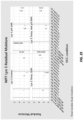
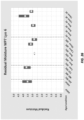
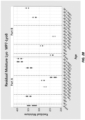
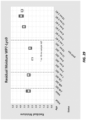
- the working examples described herein show that higher residual moistures (e.g., higher than normal targeted residual moisture levels such as about 2.5%, 3.0%, or 3.5% in one embodiment) improved the stability of the lyophilized product.
- higher shelf temperatures during the primary drying step improved the stability of the lyophilized product.
- preconditioning of the cells prior to lyophilization through heat shock improved the stability of the lyophilized product.
- use of a higher concentration of viable bacteria results in an improvement in the stability of the lyophilized drug product relative to lower VCC.
- thawing of frozen drug substance at about 37°C prior to lyophilization improved stability of the lyophilized drug product relative to thawing at room temperature or 2-8°C.
- the process of inducing a stress response within the L. monocytogenes cells through a temperature shift prior to lyophilization in addition to optimization of the residual moisture in the lyophilized cake improve stability of the lyophilized drug product at higher temperatures.
- formulations comprising a phosphate buffer and lower than normal levels of sucrose (e.g., about 2.5% w/v sucrose in one embodiment) and using high primary drying step temperatures (e.g., about -18°C in one embodiment) improve stability of the lyophilized drug product at higher temperatures, including -20°C, 2-8°C, and even room temperature (about 20°C to about 25°C, or about 20°C, about 23°C, or about 25°C).
- These process enhancements improve stability at higher temperatures compared to a liquid frozen formulation allowing for a higher temperature supply chain. This allows for a more manageable supply chain and distribution to countries were -80°C storage is not feasible.
- the ice formed during freezing is removed by sublimation at sub-ambient temperatures under vacuum.
- the product is maintained in the solid state below the collapse temperature of the product in order to dry the product with retention of the structure established in the freezing step.
- the collapse temperature is the glass transition temperature (Tg') in the case of amorphous products or the eutectic temperature (Te) for crystalline products.
- Tg' glass transition temperature
- Te eutectic temperature
- the relatively small amount of bound water remaining in the matrix is removed by desorption.
- the temperature of the shelf and product are increased to promote adequate desorption rates and achieve the desired residual moisture.
- the bacteria or Listeria strain used in the composition is a frozen Listeria strain that is thawed prior to the freezing step. Examples of such preconditioning steps are described in more detail elsewhere herein.
- the frozen bacteria or Listeria strain can be thawed at a temperature of about 2°C to about 37°C, about 20°C to about 37°C, about 23°C to about 37°C, about 25°C to about 37°C, about 32°C to about 37°C, or about 37°C.
- the thawing is for no more than about 8 hours.
- the thawed bacteria or Listeria strain is held at temperature of between about 2°C and about 8°C for no more than about 24 hours.
- the concentration of the bacteria or Listeria strain being thawed can be between about 1 ⁇ 10E9 and about 1 ⁇ 10E10 colony forming units (CFU) per milliliter.
- the formulation comprises a buffer and sucrose.
- the formulation buffer can comprise about 1% to about 5% w/v sucrose, about 2% to about 3% w/v sucrose, or about 2.5% w/v sucrose.
- the formulation does not comprise other excipients such as trehalose, monosodium glutamate (MSG), or recombinant human serum albumin (rHSA).
- the formulation comprises about 1x10E9 to about 1x10E10 colony forming units (CFU) of bacteria or Listeria per milliliter.
- CFU colony forming units
- the holding temperature in the primary drying step is between about -10°C and about -30°C, between about -12°C and about -22°C, between about -17°C and about -19°C, or about -18°C.
- the residual moisture in the lyophilized composition is at least about 2.5%, at least about 3%, or at least about 3.5%. In some such methods, the residual moisture is between about 1% and about 5% or between about 2% and about 4%.
- the lyophilized composition shows at least about 60%, 70%, 80%, or 90% viability after storage at between about -20°C and about 4°C or after storage at about -20°C or about 4°C for about 6 months, 12 months, 18 months, or 24 months.
- Some such methods comprise: (a) providing a composition comprising a bacteria or Listeria strain in a formulation comprising a buffer and sucrose; (b) cooling the composition provided in step (a) at a holding temperature between about -32°C and about -80°C in a freezing step; (c) exposing the composition produced by step (b) to a vacuum at a holding temperature between about -10°C and about -30°C in a primary drying step; and (d) exposing the composition produced by step (c) to a vacuum at a holding temperature between about -5°C and about 25°C in a secondary drying step.
- a culture of a bacteria or Listeria strain that is used in a lyophilization method disclosed herein can be from a frozen stock, from a starter culture, or from a colony (e.g., freshly cultured bacteria or Listeria).
- Methods are provided herein for preparing a frozen bacteria or Listeria strain for lyophilization, comprising thawing the frozen bacteria or Listeria strain.
- the bacteria or Listeria strain is from a frozen stock, it can be thawed by any means. Temperature and the time for thawing can impact stability. Identifying appropriate conditions for thawing frozen drug substance allows freezing and holding of the drug substance prior to lyophilization. Ensuring high-quality healthy cells coming out of thaw ensures that the resulting lyophilized drug product is also of sufficient quality. In one example, it can be thawed at about -4°C, about 2-8°C, or about 4°C and incubated, for example, for about 0.5, 1, 2, 3, 4, or more hours. In another example, it can be thawed at about 37°C and incubated, for example, for about 0.5, 1, 2, 3, 4, or more hours.
- the frozen bacteria or Listeria strain can be thawed a temperature between about 4°C and about 37°C, about 10°C and about 37°C, about 15°C and about 37°C, about 20°C and about 37°C, about 23°C and about 37°C, about 25°C and about 37°C, about 25°C and about 37°C, about 30°C and about 37°C, about 32°C and about 37°C, about 32°C and about 42°C, about 34°C and about 40°C, about 35°C and about 39°C, about 36°C and 38°C, or about 37°C.
- the frozen bacteria or Listeria strain can be thawed, for example, for about 0.5, 1, 2, 3, 4, 5, 6, 7, or 8 hours, for between about 0.5 and about 8 hours, between about 1 and about 8 hours, between about 2 and about 8 hours, between about 3 and about 8 hours, between about 4 and about 8 hours, between about 5 and about 8 hours, between about 6 and about 8 hours, or between about 7 and about 8 hours.
- the frozen bacteria or Listeria strain can be thawed, for example, for no more than about 0.5, 1, 2, 3, 4, 5, 6, 7, or 8 hours.
- the frozen bacteria or Listeria strain being thawed can be in a bacteria or Listeria lyophilization formulation or can be thawed in a bacteria or Listeria lyophilization formulation.
- Such bacteria or Listeria lyophilization formulations are disclosed in more detail elsewhere herein.
- the frozen bacteria or Listeria strain can be held at a temperature after thawing.
- the frozen bacteria or Listeria strain can be held at a temperature of between about 2°C to about 8°C after thawing.
- the frozen bacteria or Listeria strain can be held, for example, for about 0.5 1, 2, 3, 4, 5, 6, 7, 8, 9, 10, 11, 12, 13, 14, 15, 16, 17, 18, 19, 20, 21, 22, 23, or 24 hours or between about 0.5 and about 24 hours, between about 1 and about 24 hours, between about 2 and about 24 hours, between about 5 and about 24 hours, between about 10 and about 24 hours, between about 12 and about 24 hours.
- the frozen bacteria or Listeria strain can be held, for example, for no more than about 0.5 1, 2, 3, 4, 5, 6, 7, 8, 9, 10, 11, 12, 13, 14, 15, 16, 17, 18, 19, 20, 21, 22, 23, or 24 hours.
- the frozen bacteria or Listeria strain is thawed at a temperature of about 37°C for no more than about 8 hours and is held at temperature of between about 2°C and about 8°C for no more than about 24 hours.
- the concentration of the bacteria or Listeria strain being thawed can be any suitable concentration.
- the concentration can be between about 1 ⁇ 10E9 and about 1 ⁇ 10E10 colony forming units (CFU) per milliliter.
- the culture used for lyophilization can be at any growth phase.
- the culture can be, for example, at mid-log growth phase, at approximately mid-log growth phase, or at another growth phase.
- the nutrient medium utilized for growing a culture of a bacteria or Listeria strain can be any suitable nutrient medium.
- suitable media include, for example, Luria broth (LB; Luria-Bertani broth); Terrific Broth (TB); a modified, animal-product-free Terrific Broth; or a defined medium.
- the bacteria or Listeria strain can be cultured by any known means of growing bacteria.
- the step of growing can be performed with a shake flask (such as a baffled shake flask), a batch fermenter, a stirred tank or flask, an airlift fermenter, a fed batch, a continuous cell reactor, an immobilized cell reactor, or any other means of growing bacteria.
- a constant pH is maintained during growth of the culture (e.g. in a batch fermenter).
- the pH can be maintained at about 6.0, at about 6.5, at about 7.0, at about 7.5, or about 8.0.
- the pH can be, for example, from about 6.5 to about 7.5, from about 6.0 to about 8.0, from about 6.0 to about 7.0, from about 6.0 to about 7.0, or from about 6.5 to about 7.5.
- the pH can be dropped by the addition of acid to induce a stress response, which can activate a set of genes that may better prepare the cells for lyophilization.
- a constant temperature can be maintained during growth of the culture.
- the temperature can be maintained at about 37°C.
- the temperature can be maintained at about 25°C, about 27°C, about 28°C, about 30°C, about 32°C, about 34°C, about 35°C, about 36°C, about 38°C, or about 39°C.
- the temperature can be dropped by placing the cells in an ice bath (e.g., about 0°C or about 4°C) to induce a stress response, which can activate a set of genes that may better prepare the cells for lyophilization.
- a constant dissolved oxygen concentration can be maintained during growth of the culture.
- the dissolved oxygen concentration can be maintained at 20% of saturation, 15% of saturation, 16% of saturation, 18% of saturation, 22% of saturation, 25% of saturation, 30% of saturation, 35% of saturation, 40% of saturation, 45% of saturation, 50% of saturation, 55% of saturation, 60% of saturation, 65% of saturation, 70% of saturation, 75% of saturation, 80% of saturation, 85% of saturation, 90% of saturation, 95% of saturation, 100% of saturation, or near 100% of saturation.
- the bacteria or Listeria strain Prior to the lyophilization, can be provided in a suspension (formulation) comprising a buffer and an excipient.
- a suspension comprising a buffer and an excipient.
- the design of a lyophilized formulation can depend on the requirements of the active pharmaceutical ingredient and the intended route of administration.
- a formulation may consist of a buffer and one or more excipients that perform one or more functions.
- promoters/regulatory sequences useful for driving constitutive expression of a gene include, for example, an hly, hlyA, actA, prfA, and p60 promoters of Listeria, the Streptococcus bac promoter, the Streptomyces griseus sgiA promoter, and the B. thuringiensis phaZ promoter.
- an inserted gene of interest is not interrupted or subjected to regulatory constraints which often occur from integration into genomic DNA, and in some cases, the presence of the inserted heterologous gene does not lead to rearrangement or interruption of the cell's own important regions.
- a mutation can include a frameshift mutation, a mutation which causes premature termination of a protein, or a mutation of regulatory sequences which affect gene expression. Mutagenesis can be accomplished using recombinant DNA techniques or using traditional mutagenesis technology using mutagenic chemicals or radiation and subsequent selection of mutants. In some embodiments, deletion mutants are used because of the accompanying low probability of reversion.
- the term "metabolic gene” refers to a gene encoding an enzyme involved in or required for synthesis of a nutrient utilized or required by a host bacteria. For example, the enzyme can be involved in or required for the synthesis of a nutrient required for sustained growth of the host bacteria.
- a bacteria or Listeria strain can also be an auxotrophic strain having a mutation in a metabolic gene.
- the strain can be deficient in one or more endogenous amino acid metabolism genes.
- the generation of auxotrophic strains of Listeria deficient in D-alanine may be accomplished in a number of ways that are well-known, including deletion mutations, insertion mutations, frameshift mutations, mutations which cause premature termination of a protein, or mutation of regulatory sequences which affect gene expression.
- deletion mutants are used because of the accompanying low probability of reversion of the auxotrophic phenotype.
- mutants of D-alanine which are generated according to the protocols presented herein may be tested for the ability to grow in the absence of D-alanine in a simple laboratory culture assay. Those mutants which are unable to grow in the absence of this compound can be selected.
- Examples of endogenous amino acid metabolism genes include a vitamin synthesis gene, a gene encoding pantothenic acid synthase, a D-glutamic acid synthase gene, a D-alanine amino transferase (dat) gene, a D-alanine racemase ( dal ) gene, dga, a gene involved in the synthesis of diaminopimelic acid (DAP), a gene involved in the synthesis of Cysteine synthase A (cysK), a vitamin-B12 independent methionine synthase, trpA, trpB, trpE, asnB, gltD, gltB, leuA, argG, and thrC.
- a vitamin synthesis gene a gene encoding pantothenic acid synthase, a D-glutamic acid synthase gene, a D-alanine amino transferase (dat) gene, a D
- Attenuated Listeria strains can be deficient in endogenous phoP, aroA, aroC, aroD, or plcB.
- an attenuated Listeria strain can be deficient in an endogenous peptide transporter.
- Examples include genes encoding an ABC transporter/ATP-binding/permease protein, an oligopeptide ABC transporter/oligopeptide-binding protein, an oligopeptide ABC transporter/permease protein, a zinc ABC transporter/zinc-binding protein, a sugar ABC transporter, a phosphate transporter, a ZIP zinc transporter, a drug resistance transporter of the EmrB / QacA family, a sulfate transporter, a proton-dependent oligopeptide transporter, a magnesium transporter, a formate/nitrite transporter, a spermidine/putrescine ABC transporter, a Na/Pi-cotransporter, a sugar phosphate transporter, a glutamine ABC transporter, a major facilitator family transporter, a glycine betaine/L-proline ABC transporter, a molybdenum ABC transporter, a techoic acid ABC transporter, a cobalt ABC transporter, an ammonium transport
- An attenuated Listeria strain can be generated by mutation of other metabolic enzymes, such as a tRNA synthetase.
- the metabolic enzyme can be encoded by the trpS gene, encoding tryptophanyl-tRNA synthetase.
- the host strain bacteria can be ⁇ ( trpS aroA ), and both markers can be contained in an integration vector.
- the component can be, for example, UDP-N-acetylmuramylpentapeptide, UDP-N-acetylglucosamine, MurNAc-(pentapeptide)-pyrophosphoryl-undecaprenol, GlcNAc-p-(1,4)-MurNAc-(pentapeptide)-pyrophosphorylundecaprenol, or any other peptidoglycan component or precursor.
- the metabolic enzyme can be any other synthetic enzyme for a peptidoglycan component or precursor.
- the metabolic enzyme can also be a trans-glycosylase, a trans-peptidase, a carboxy-peptidase, any other class of metabolic enzyme, or any other metabolic enzyme.
- the metabolic enzyme can be any other Listeria metabolic enzyme or any other Listeria monocytogenes metabolic enzyme.
- the attenuated bacteria or Listeria strains disclosed herein can further comprise a nucleic acid comprising a complementing gene or encoding a metabolic enzyme that complements an attenuating mutation (e.g., complements the auxotrophy of the auxotrophic Listeria strain).
- a nucleic acid having a first open reading frame encoding a fusion polypeptide as disclosed herein can further comprise a second open reading frame comprising the complementing gene or encoding the complementing metabolic enzyme.
- a first nucleic acid can encode the fusion polypeptide and a separate second nucleic acid can comprise the complementing gene or encode the complementing metabolic enzyme.
- the bacteria can be propagated in the presence of a selective pressure. Such propagation can comprise growing the bacteria in media without the auxotrophic factor.
- the presence of the plasmid expressing the metabolic enzyme or the complementing gene in the auxotrophic bacteria ensures that the plasmid will replicate along with the bacteria, thus continually selecting for bacteria harboring the plasmid.
- Production of the bacteria or Listeria strain can be readily scaled up by adjusting the volume of the medium in which the auxotrophic bacteria comprising the plasmid are growing.
- the attenuated strain is a strain having a deletion of or an inactivating mutation in dal and dat (e.g., Listeria monocytogenes ( Lm ) dal ( - ) dat ( - ) ( Lmdd ) or Lm dal ( - ) dat ( - ) ⁇ actA ( LmddA )), and the complementing gene encodes an alanine racemase enzyme (e.g., encoded by dal gene) or a D-amino acid aminotransferase enzyme (e.g., encoded by dat gene).
- dal and dat e.g., Listeria monocytogenes ( Lm ) dal ( - ) dat ( - ) ( Lmdd ) or Lm dal ( - ) dat ( - ) ⁇ actA ( LmddA )
- the complementing gene encodes an alanine racemase enzyme (e.g., encoded by
- An exemplary D-amino acid aminotransferase protein can have the sequence set forth in SEQ ID NO: 77 (encoded by SEQ ID NO: 79; GenBank Accession No: AF038439) or can be a homologue, variant, isoform, analog, fragment, fragment of a homologue, fragment of a variant, fragment of an analog, or fragment of an isoform of SEQ ID NO: 77.
- the D-amino acid aminotransferase protein can also be any other Listeria D-amino acid aminotransferase protein.
- the D-amino acid aminotransferase protein can be any other gram-positive D-amino acid aminotransferase protein or any other D-amino acid aminotransferase protein.
- the attenuated strain is a strain having a deletion of or an inactivating mutation in prfA (e.g., Lm prfA (-)), and the complementing gene encodes a PrfA protein.
- the complementing gene can encode a mutant PrfA (D133V) protein that restores partial PrfA function.
- SEQ ID NO: 80 encoded by nucleic acid set forth in SEQ ID NO: 81
- SEQ ID NO: 82 an example of a D133V mutant PrfA protein is set forth in SEQ ID NO: 82 (encoded by nucleic acid set forth in SEQ ID NO: 83).
- the complementing PrfA protein can be a homologue, variant, isoform, analog, fragment, fragment of a homologue, fragment of a variant, fragment of an analog, or fragment of an isoform of SEQ ID NO: 80 or 82.
- the PrfA protein can also be any other Listeria PrfA protein.
- the PrfA protein can be any other gram-positive PrfA protein or any other PrfA protein.
- the bacteria strain or Listeria strain can comprise a deletion of or an inactivating mutation in an actA gene
- the complementing gene can comprise an actA gene to complement the mutation and restore function to the Listeria strain.
- auxotroph strains and complementation systems can also be adopted for the use with the methods and compositions provided herein.
- the recombinant fusion polypeptides in the recombinant bacteria or Listeria strains disclosed herein can be in any form. Some such fusion polypeptides can comprise a PEST-containing peptide fused to one or more disease-associated antigenic peptides. Other such recombinant fusion polypeptides can comprise one or more disease-associated antigenic peptides, and wherein the fusion polypeptide does not comprise a PEST-containing peptide.
- a recombinant fusion polypeptides comprises from N-terminal end to C-terminal end a bacterial secretion sequence, a ubiquitin (Ub) protein, and one or more disease-associated antigenic peptides (i.e., in tandem, such as Ub-peptide1-peptide2).
- Ub ubiquitin
- a combination of separate fusion polypeptides can be used in which each antigenic peptide is fused to its own secretion sequence and Ub protein (e.g., Ub1-peptide1; Ub2-peptide2).
- Nucleic acids encoding such recombinant fusion polypeptides are also disclosed.
- Such minigene nucleic acid constructs can further comprise two or more open reading frames linked by a Shine-Dalgarno ribosome binding site nucleic acid sequence between each open reading frame.
- a minigene nucleic acid construct can further comprise two to four open reading frames linked by a Shine-Dalgarno ribosome binding site nucleic acid sequence between each open reading frame.
- Each open reading frame can encode a different polypeptide.
- the codon encoding the carboxy terminus of the fusion polypeptide is followed by two stop codons to ensure termination of protein synthesis.
- the bacterial signal sequence can be a Listerial signal sequence, such as an Hly or an ActA signal sequence, or any other known signal sequence.
- the signal sequence can be an LLO signal sequence.
- An exemplary LLO signal sequence is set forth in SEQ ID NO: 97.
- the signal sequence can be bacterial, can be native to a host bacterium (e.g., Listeria monocytogenes, such as a secA1 signal peptide), or can be foreign to a host bacterium.
- signal peptides include an Usp45 signal peptide from Lactococcus lactis, a Protective Antigen signal peptide from Bacillus anthracis, a secA2 signal peptide such the p60 signal peptide from Listeria monocytogenes, and a Tat signal peptide such as a B. subtilis Tat signal peptide (e.g., PhoD).
- the secretion signal sequence is from a Listeria protein, such as an ActA 300 secretion signal or an ActA 100 secretion signal.
- An exemplary ActA signal sequence is set forth in SEQ ID NO: 98.
- the ubiquitin can be, for example, a full-length protein.
- the ubiquitin expressed from the nucleic acid construct provided herein can be cleaved at the carboxy terminus from the rest of the recombinant fusion polypeptide expressed from the nucleic acid construct through the action of hydrolases upon entry to the host cell cytosol. This liberates the amino terminus of the fusion polypeptide, producing a peptide in the host cell cytosol.
- the recombinant fusion polypeptides can comprise one or more tags.
- the recombinant fusion polypeptides can comprise one or more peptide tags N-terminal and/or C-terminal to one or more antigenic peptides.
- a tag can be fused directly to an antigenic peptide or linked to an antigenic peptide via a linker (examples of which are disclosed elsewhere herein).
- tags include the following: FLAG tag; 2xFLAG tag; 3xFLAG tag; His tag, 6xHis tag; and SIINFEKL tag.
- An exemplary SIINFEKL tag is set forth in SEQ ID NO: 16 (encoded by any one of the nucleic acids set forth in SEQ ID NOS: 1-15).
- An exemplary 3 ⁇ FLAG tag is set forth in SEQ ID NO: 32 (encoded by any one of the nucleic acids set forth in SEQ ID NOS: 17-31).
- An exemplary variant 3 ⁇ FLAG tag is set forth in SEQ ID NO: 99.
- Two or more tags can be used together, such as a 2 ⁇ FLAG tag and a SIINFEKL tag, a 3 ⁇ FLAG tag and a SIINFEKL tag, or a 6 ⁇ His tag and a SIINFEKL tag. If two or more tags are used, they can be located anywhere within the recombinant fusion polypeptide and in any order.
- the two tags can be at the C-terminus of the recombinant fusion polypeptide, the two tags can be at the N-terminus of the recombinant fusion polypeptide, the two tags can be located internally within the recombinant fusion polypeptide, one tag can be at the C-terminus and one tag at the N-terminus of the recombinant fusion polypeptide, one tag can be at the C-terminus and one internally within the recombinant fusion polypeptide, or one tag can be at the N-terminus and one internally within the recombinant fusion polypeptide.
- tags include chitin binding protein (CBP), maltose binding protein (MBP), glutathione-S-transferase (GST), thioredoxin (TRX), and poly(NANP).
- Particular recombinant fusion polypeptides comprise a C-terminal SIINFEKL tag.
- Such tags can allow for easy detection of the recombinant fusion protein, confirmation of secretion of the recombinant fusion protein, or for following the immunogenicity of the secreted fusion polypeptide by following immune responses to these "tag" sequence peptides. Such immune response can be monitored using a number of reagents including, for example, monoclonal antibodies and DNA or RNA probes specific for these tags.
- the recombinant fusion polypeptides disclosed herein can be expressed by recombinant Listeria strains or can be expressed and isolated from other vectors and cell systems used for protein expression and isolation.
- Recombinant Listeria strains comprising expressing such antigenic peptides can be used, for example in immunogenic compositions comprising such recombinant Listeria and in vaccines comprising the recombinant Listeria strain and an adjuvant.
- Expression of one or more antigenic peptides as a fusion polypeptides with a nonhemolytic truncated form of LLO, ActA, or a PEST-like sequence in host cell systems in Listeria strains and host cell systems other than Listeria can result in enhanced immunogenicity of the antigenic peptides.
- Nucleic acids encoding such recombinant fusion polypeptides are also disclosed.
- the nucleic acid can be in any form.
- the nucleic acid can comprise or consist of DNA or RNA, and can be single-stranded or double-stranded.
- the nucleic acid can be in the form of a plasmid, such as an episomal plasmid, a multicopy episomal plasmid, or an integrative plasmid.
- the nucleic acid can be in the form of a viral vector, a phage vector, or in a bacterial artificial chromosome.
- nucleic acids can have one open reading frame or can have two or more open reading frames (e.g., an open reading frame encoding the recombinant fusion polypeptide and a second open reading frame encoding a metabolic enzyme).
- such nucleic acids can comprise two or more open reading frames linked by a Shine-Dalgarno ribosome binding site nucleic acid sequence between each open reading frame.
- a nucleic acid can comprise two to four open reading frames linked by a Shine-Dalgarno ribosome binding site nucleic acid sequence between each open reading frame.
- Each open reading frame can encode a different polypeptide.
- the codon encoding the carboxy terminus of the fusion polypeptide is followed by two stop codons to ensure termination of protein synthesis.
- Disease-associated peptides include peptides from proteins that are expressed in a particular disease.
- such peptides may be from proteins that are expressed in a disease tissue but not in a corresponding normal tissue, or that are expressed at abnormally high levels in a disease tissue.
- the term "disease” as used herein is intended to be generally synonymous, and is used interchangeably with, the terms “disorder” and “condition” (as in medical condition), in that all reflect an abnormal condition of the human or animal body or of one of its parts that impairs normal functioning, is typically manifested by distinguishing signs and symptoms, and causes the human or animal to have a reduced duration or quality of life.
- disease-associated antigenic peptides can include Human Papilloma Virus (HPV) E7 or E6, a Prostate Specific Antigen (PSA), a chimeric Her2 antigen, Her2/neu chimeric antigen.
- HPV Human Papilloma Virus
- PSA Prostate Specific Antigen
- Another example of a disease-associated antigenic peptide is a WT1 antigenic peptide.
- the Human Papilloma Virus can be HPV 16 or HPV 18.
- the antigenic peptide can also include HPV16 E6, HPV16 E7, HPV18 E6, HPV18 E7 antigens operably linked in tandem or HPV16 antigenic peptide operably linked in tandem to an HPV antigenic peptide.
- the fusion polypeptide can include a single antigenic peptide or can includes two or more antigenic peptides.
- Each antigenic peptide can be of any length sufficient to induce an immune response, and each antigenic peptide can be the same length or the antigenic peptides can have different lengths.
- an antigenic peptide disclosed herein can be 5-100, 15-50, or 21-27 amino acids in length, or 15-100, 15-95, 15-90, 15-85, 15-80, 15-75, 15-70, 15-65, 15-60, 15-55, 15-50, 15-45, 15-40, 15-35, 15-30, 20-100, 20-95, 20-90, 20-85, 20-80, 20-75, 20-70, 20-65, 20-60, 20-55, 20-50, 20-45, 20-40, 20-35, 20-30, 11-21, 15-21, 21-31, 31-41, 41-51, 51-61, 61-71, 71-81, 81-91, 91-101, 101-121, 121-141, 141-161, 161-181, 181-201, 8-27, 10-30, 10-40, 15-30, 15-40, 15-25, 1-10, 10-20, 20-30, 30-40, 1-100, 5-75, 5-50, 5-40, 5-30, 5-20, 5-20,
- an antigenic peptide can be at least 15, 16, 17, 18, 19, 20, 21, 22, 23, 24, 25, 26, 27, 28, 29, 30, 31, 32, 33, 34, 35, 36, 37, 38, 39, 40, 41, 42, 43, 44, 45, 46, 47, 48, 49, 50, 51, 52, 53, 54, 55, 56, 57, 58, 59, or 60 amino acids in length.
- Some specific examples of antigenic peptides are 21 or 27 amino acids in length.
- Other antigenic peptides can be full-length proteins or fragments thereof.
- an antigenic peptide can comprise a neoepitope.
- These neoepitopes can be, for example, patient-specific (i.e., subject-specific) cancer mutations.
- Antigenic peptides comprising neoepitopes can be generated in a process for creating a personalized immunotherapy comprising comparing nucleic acids extracted from a cancer sample from a subject to nucleic acids extracted from a normal or healthy reference sample in order to identify somatic mutations or sequence differences present in the cancer sample compared with the normal or healthy sample.
- these mutations or sequence differences can be somatic, nonsynonymous missense mutations, or somatic frameshift mutations, and can encode an expressed amino acid sequence.
- a peptide expressing such somatic mutations or sequence differences can be referred to as a "neoepitope.”
- a cancer-specific neoepitope may refer to an epitope that is not present in a reference sample (such as a normal non-cancerous or germline cell or tissue) but is found in a cancer sample. This includes, for example, situations in which in a normal non-cancerous or germline cell a corresponding epitope is found, but due to one or more mutations in a cancer cell, the sequence of the epitope is changed so as to result in the neoepitope.
- a neoepitope can comprise a mutated epitope, and can comprise non-mutated sequence on either or both sides of the mutation.
- antigenic peptides can comprise recurrent cancer mutations.
- Each antigenic peptide can comprise a single recurrent cancer mutation or can comprise two or more recurrent cancer mutations (e.g., two recurrent cancer mutations).
- an antigenic peptide can comprise more than one recurrent cancer mutation (e.g., 2 or 3 recurrent cancer mutations) because of the close proximity of the mutated residues to each other in the cancer-associated protein.
- the recurrent cancer mutations can be any type of mutation (e.g., somatic missense mutation or frameshift mutation).
- a recombinant fusion polypeptide disclosed herein can comprise a PEST-containing peptide fused to two or more antigenic peptides (i.e., in tandem, such as PEST-peptide1-peptide2) or can comprise two or more antigenic peptides not fused to a PEST-containing peptide, wherein each antigenic peptide comprises a single, recurrent cancer mutation (i.e., a single, recurrent change in the amino acid sequence of a protein, or a sequence encoded by a single, different, nonsynonymous, recurrent cancer mutation in a gene), and wherein at least two of the antigenic peptides comprise different recurrent cancer mutations and are fragments of the same cancer-associated protein.
- recurrent cancer mutation i.e., a single, recurrent change in the amino acid sequence of a protein, or a sequence encoded by a single, different, nonsynonymous, recurrent cancer mutation in a gene
- each of the antigenic peptides can comprise a different recurrent cancer mutation from a different cancer-associated protein.
- a combination of separate fusion polypeptides can be used in which each antigenic peptide is fused (or is not fused) to its own PEST-containing peptide (e.g., PEST1-peptide1; PEST2-peptide2).
- PEST-containing peptide e.g., PEST1-peptide1; PEST2-peptide2
- some or all of the fragments are non-contiguous fragments of the same cancer-associated protein.
- the recombinant fusion proteins disclosed herein comprise a PEST-containing peptide.
- the PEST-containing peptide may at the amino terminal (N-terminal) end of the fusion polypeptide (i.e., N-terminal to the antigenic peptides), may be at the carboxy terminal (C-terminal) end of the fusion polypeptide (i.e., C-terminal to the antigenic peptides), or may be embedded within the antigenic peptides.
- a PEST containing peptide is not part of and is separate from the fusion polypeptide.
- Fusion of an antigenic peptides to a PEST-like sequence, such as an LLO peptide can enhance the immunogenicity of the antigenic peptides and can increase cell-mediated and antitumor immune responses (i.e., increase cell-mediated and anti-tumor immunity). See, e.g., Singh et al. (2005) J Immunol 175(6):3663-3673 , herein incorporated by reference in its entirety for all purposes.
- a PEST-containing peptide is one that comprises a PEST sequence or a PEST-like sequence.
- PEST sequences in eukaryotic proteins have long been identified. For example, proteins containing amino acid sequences that are rich in prolines (P), glutamic acids (E), serines (S) and threonines (T) (PEST), generally, but not always, flanked by clusters containing several positively charged amino acids, have rapid intracellular half-lives ( Rogers et al. (1986) Science 234:364-369 , herein incorporated by reference in its entirety for all purposes). Further, it has been reported that these sequences target the protein to the ubiquitin-proteasome pathway for degradation (Rechsteiner and Rogers (1996) Trends Biochem. Sci.
- This pathway is also used by eukaryotic cells to generate immunogenic peptides that bind to MHC class I and it has been hypothesized that PEST sequences are abundant among eukaryotic proteins that give rise to immunogenic peptides ( Realini et al. (1994) FEBS Lett. 348:109-113 , herein incorporated by reference in its entirety for all purposes). Prokaryotic proteins do not normally contain PEST sequences because they do not have this enzymatic pathway.
- a PEST or PEST-like sequence can be identified using the PEST-find program.
- a PEST-like sequence can be a region rich in proline (P), glutamic acid (E), serine (S), and threonine (T) residues.
- the PEST-like sequence can be flanked by one or more clusters containing several positively charged amino acids.
- a PEST-like sequence can be defined as a hydrophilic stretch of at least 12 amino acids in length with a high local concentration of proline (P), aspartate (D), glutamate (E), serine (S), and/or threonine (T) residues.
- P proline
- D aspartate
- E glutamate
- S serine
- T threonine residues.
- a PEST-like sequence contains no positively charged amino acids, namely arginine (R), histidine (H), and lysine (K).
- Some PEST-like sequences can contain one or more internal phosphorylation sites, and phosphorylation at these sites precedes protein degradation.
- the PEST-like sequence fits an algorithm disclosed in Rogers et al. In another example, the PEST-like sequence fits an algorithm disclosed in Rechsteiner and Rogers.
- PEST-like sequences can also be identified by an initial scan for positively charged amino acids R, H, and K within the specified protein sequence. All amino acids between the positively charged flanks are counted, and only those motifs containing a number of amino acids equal to or higher than the window-size parameter are considered further.
- a PEST-like sequence must contain at least one P, at least one D or E, and at least one S or T.
- the quality of a PEST motif can be refined by means of a scoring parameter based on the local enrichment of critical amino acids as well as the motifs hydrophobicity.
- Enrichment of D, E, P, S, and T is expressed in mass percent (w/w) and corrected for one equivalent of D or E, one1 of P, and one of S or T.
- Calculation of hydrophobicity can also follow in principle the method of Kyte and Doolittle (1982) J. Mol. Biol. 157:105 , herein incorporated by reference in its entirety for all purposes.
- a potential PEST motif's hydrophobicity can also be calculated as the sum over the products of mole percent and hydrophobicity index for each amino acid species.
- a PEST-containing peptide can refer to a peptide having a score of at least +5 using the above algorithm. Alternatively, it can refer to a peptide having a score of at least 6, at least 7, at least 8, at least 9, at least 10, at least 11, at least 12, at least 13, at least 14, at least 15, at least 16, at least 17, at least 18, at least 19, at least 20, at least 21, at least 22, at least 23, at least 24, at least 25, at least 26, at least 27, at least 28, at least 29, at least 30, at least 32, at least 35, at least 38, at least 40, or at least 45.
- a PEST index is calculated for each stretch of appropriate length (e.g. a 30-35 amino acid stretch) by assigning a value of one to the amino acids Ser, Thr, Pro, Glu, Asp, Asn, or Gln.
- the coefficient value (CV) for each of the PEST residues is one and the CV for each of the other AA (non-PEST) is zero.
- PEST-like amino acid sequences are those set forth in SEQ ID NOS: 43-51.
- One example of a PEST-like sequence is KENSISSMAPPASPPASPKTPIEKKHADEIDK (SEQ ID NO: 43).
- Another example of a PEST-like sequence is KENSISSMAPPASPPASPK (SEQ ID NO: 44).
- any PEST or PEST-like amino acid sequence can be used.
- PEST sequence peptides are known and are described, for example, in US 7,635,479 ; US 7,665,238 ; and US 2014/0186387 , each of which is herein incorporated by reference in its entirety for all purposes.
- the PEST-like sequence can be from a Listeria species, such as from Listeria monocytogenes.
- the Listeria monocytogenes ActA protein contains at least four such sequences (SEQ ID NOS: 45-48), any of which are suitable for use in the compositions and methods disclosed herein.
- Other similar PEST-like sequences include SEQ ID NOS: 52-54.
- Streptolysin O proteins from Streptococcus sp. also contain a PEST sequence.
- Streptococcus pyogenes streptolysin O comprises the PEST sequence KQNTASTETTTTNEQPK (SEQ ID NO: 49) at amino acids 35-51 and Streptococcus equisimilis streptolysin O comprises the PEST-like sequence KQNTANTETTTTNEQPK (SEQ ID NO: 50) at amino acids 38-54.
- PEST-like sequence is from Listeria seeligeri cytolysin, encoded by the lso gene: RSEVTISPAETPESPPATP (e.g., SEQ ID NO: 51).
- the PEST-like sequence can be derived from other prokaryotic organisms.
- Other prokaryotic organisms wherein PEST-like amino acid sequences would be expected include, for example, other Listeria species.
- LLO listeriolysin O
- An example of an LLO protein is the protein assigned GenBank Accession No. P13128 (SEQ ID NO: 55; nucleic acid sequence is set forth in GenBank Accession No. X15127).
- SEQ ID NO: 55 is a proprotein including a signal sequence. The first 25 amino acids of the proprotein is the signal sequence and is cleaved from LLO when it is secreted by the bacterium, thereby resulting in the full-length active LLO protein of 504 amino acids without the signal sequence.
- LLO peptide disclosed herein can comprise the signal sequence or can comprise a peptide that does not include the signal sequence.
- Exemplary LLO proteins that can be used comprise, consist essentially of, or consist of the sequence set forth in SEQ ID NO: 55 or homologues, variants, isoforms, analogs, fragments, fragments of homologues, fragments of variants, fragments of analogs, and fragments of isoforms of SEQ ID NO: 55. Any sequence that encodes a fragment of an LLO protein or a homologue, variant, isoform, analog, fragment of a homologue, fragment of a variant, or fragment of an analog of an LLO protein can be used.
- a homologous LLO protein can have a sequence identity with a reference LLO protein, for example, of greater than 70%, 72%, 75%, 78%, 80%, 82%, 83%, 85%, 87%, 88%, 90%, 92%, 93%, 95%, 96%, 97%, 98%, or 99%.
- LLO proteins that can be used can comprise, consist essentially of, or consist of the sequence set forth in SEQ ID NO: 56 or homologues, variants, isoforms, analogs, fragments, fragments of homologues, fragments of variants, fragments of analogs, and fragments of isoforms of SEQ ID NO: 56.
- an LLO protein is an LLO protein from the Listeria monocytogenes 10403S strain, as set forth in GenBank Accession No.: ZP_01942330 or EBA21833, or as encoded by the nucleic acid sequence as set forth in GenBank Accession No.: NZ_AARZ01000015 or AARZ01000015.1.
- Another example of an LLO protein is an LLO protein from the Listeria monocytogenes 4b F2365 strain ( see, e.g., GenBank Accession No.: YP_012823), EGD-e strain ( see, e.g., GenBank Accession No.: NP_463733), or any other strain of Listeria monocytogenes.
- LLO protein is an LLO protein from Flavobacteriales bacterium HTCC2170 (see, e.g., GenBank Accession No.: ZP_01106747 or EAR01433, or encoded by GenBank Accession No.: NZ_AAOC01000003).
- LLO proteins that can be used can comprise, consist essentially of, or consist of any of the above LLO proteins or homologues, variants, isoforms, analogs, fragments, fragments of homologues, fragments of variants, fragments of analogs, and fragments of isoforms of the above LLO proteins.
- Proteins that are homologous to LLO, or homologues, variants, isoforms, analogs, fragments, fragments of homologues, fragments of variants, fragments of analogs, and fragments of isoforms thereof, can also be used.
- alveolysin which can be found, for example, in Paenibacillus alvei ( see, e.g., GenBank Accession No.: P23564 or AAA22224, or encoded by GenBank Accession No.: M62709).
- Other such homologous proteins are known.
- the LLO peptide can be a full-length LLO protein or a truncated LLO protein or LLO fragment.
- the LLO peptide can be one that retains one or more functionalities of a native LLO protein or lacks one or more functionalities of a native LLO protein.
- the retained LLO functionality can be allowing a bacteria (e.g., Listeria ) to escape from a phagosome or phagolysosome, or enhancing the immunogenicity of a peptide to which it is fused.
- the retained functionality can also be hemolytic function or antigenic function.
- the LLO peptide can be a non-hemolytic LLO.
- Other functions of LLO are known, as are methods and assays for evaluating LLO functionality.
- An LLO fragment can be a PEST-like sequence or can comprise a PEST-like sequence.
- LLO fragments can comprise one or more of an internal deletion, a truncation from the C-terminal end, and a truncation from the N-terminal end. In some cases, an LLO fragment can comprise more than one internal deletion.
- Other LLO peptides can be full-length LLO proteins with one or more mutations.
- LLO proteins or fragments have reduced hemolytic activity relative to wild type LLO or are non-hemolytic fragments.
- an LLO protein can be rendered non-hemolytic by deletion or mutation of the activation domain at the carboxy terminus, by deletion or mutation of cysteine 484, or by deletion or mutation at another location.
- a mutant LLO protein can be created with an internal deletion comprising the cholesterol-binding domain.
- the internal deletion can be a 1-11 amino acid deletion, an 11-50 amino acid deletion, or longer.
- a mutated region consisting of residues 470-500, 470-510, or 480-500 of SEQ ID NO: 55 will result in a deleted sequence comprising the CBD (residues 483-493 of SEQ ID NO: 55).
- the mutated region can also be a fragment of the CBD or can overlap with a portion of the CBD.
- the mutated region can consist of residues 470-490, 480-488, 485-490, 486-488, 490-500, or 486-510 of SEQ ID NO: 55.
- a fragment of the CBD (residues 484-492) can be replaced with a heterologous sequence, which will substantially reduce hemolytic activity relative to wild type LLO.
- the CBD (ECTGLAWEWWR; SEQ ID NO: 74) can be replaced with a CTL epitope from the antigen NY-ESO-1 (ESLLMWITQCR; SEQ ID NO: 75), which contains the HLA-A2 restricted epitope 157-165 from NY-ESO-1.
- ctLLO The resulting LLO is termed "ctLLO.”
- the mutated region can be replaced by a heterologous sequence.
- the mutated region can be replaced by an equal number of heterologous amino acids, a smaller number of heterologous amino acids, or a larger number of amino acids (e.g., 1-50, 1-11, 2-11, 3-11, 4-11, 5-11, 6-11, 7-11, 8-11, 9-11, 10-11, 1-2, 1-3, 1-4, 1-5, 1-6, 1-7, 1-8, 1-9, 1-10, 2-3, 2-4, 2-5, 2-6, 2-7, 2-8, 2-9, 2-10, 3-4, 3-5, 3-6, 3-7, 3-8, 3-9, 3-10, 12-50, 11-15, 11-20, 11-25, 11-30, 11-35, 11-40, 11-50, 11-60, 11-70, 11-80, 11-90, 11-100, 11-150, 15-20, 15-25, 15-30, 15-35, 15-40, 15-50, 15-60, 15-70, 15-80, 15-
- an LLO peptide may have a deletion in the signal sequence and a mutation or substitution in the CBD.
- LLO peptides are N-terminal LLO fragments (i.e., LLO proteins with a C-terminal deletion). Some LLO peptides are at least 494, 489, 492, 493, 500, 505, 510, 515, 520, or 525 amino acids in length or 492-528 amino acids in length.
- the LLO fragment can consist of about the first 440 or 441 amino acids of an LLO protein (e.g., the first 441 amino acids of SEQ ID NO: 55 or 56, or a corresponding fragment of another LLO protein when optimally aligned with SEQ ID NO: 55 or 56).
- N-terminal LLO fragments can consist of the first 420 amino acids of an LLO protein (e.g., the first 420 amino acids of SEQ ID NO: 55 or 56, or a corresponding fragment of another LLO protein when optimally aligned with SEQ ID NO: 55 or 56).
- Other N-terminal fragments can consist of about amino acids 20-442 of an LLO protein (e.g., amino acids 20-442 of SEQ ID NO: 55 or 56, or a corresponding fragment of another LLO protein when optimally aligned with SEQ ID NO: 55 or 56).
- Other N-terminal LLO fragments comprise any ⁇ LLO without the activation domain comprising cysteine 484, and in particular without cysteine 484.
- the N-terminal LLO fragment can correspond to the first 425, 400, 375, 350, 325, 300, 275, 250, 225, 200, 175, 150, 125, 100, 75, 50, or 25 amino acids of an LLO protein (e.g., the first 425, 400, 375, 350, 325, 300, 275, 250, 225, 200, 175, 150, 125, 100, 75, 50, or 25 amino acids of SEQ ID NO: 55 or 56, or a corresponding fragment of another LLO protein when optimally aligned with SEQ ID NO: 55 or 56).
- the fragment comprises one or more PEST-like sequences.
- LLO fragments and truncated LLO proteins can contain residues of a homologous LLO protein that correspond to any one of the above specific amino acid ranges.
- the residue numbers need not correspond exactly with the residue numbers enumerated above (e.g., if the homologous LLO protein has an insertion or deletion relative to a specific LLO protein disclosed herein).
- Examples of N-terminal LLO fragments include SEQ ID NOS: 57, 58, and 59.
- LLO proteins that can be used comprise, consist essentially of, or consist of the sequence set forth in SEQ ID NO: 57, 58, or 59 or homologues, variants, isoforms, analogs, fragments, fragments of homologues, fragments of variants, fragments of analogs, and fragments of isoforms of SEQ ID NO: 57, 58, or 59.
- the N-terminal LLO fragment set forth in SEQ ID NO: 59 is used.
- An example of a nucleic acid encoding the N-terminal LLO fragment set forth in SEQ ID NO: 59 is SEQ ID NO: 60.
- ActA is a surface-associated protein and acts as a scaffold in infected host cells to facilitate the polymerization, assembly, and activation of host actin polymers in order to propel a Listeria monocytogenes through the cytoplasm.
- L. monocytogenes induces the polymerization of host actin filaments and uses the force generated by actin polymerization to move, first intracellularly and then from cell to cell.
- ActA is responsible for mediating actin nucleation and actin-based motility.
- the ActA protein provides multiple binding sites for host cytoskeletal components, thereby acting as a scaffold to assemble the cellular actin polymerization machinery.
- the N-terminus of ActA binds to monomeric actin and acts as a constitutively active nucleation promoting factor by stimulating the intrinsic actin nucleation activity.
- the actA and hly genes are both members of the 10-kb gene cluster regulated by the transcriptional activator PrfA, and actA is upregulated approximately 226-fold in the mammalian cytosol. Any sequence that encodes an ActA protein or a homologue, variant, isoform, analog, fragment of a homologue, fragment of a variant, or fragment of an analog of an ActA protein can be used.
- a homologous ActA protein can have a sequence identity with a reference ActA protein, for example, of greater than 70%, 72%, 75%, 78%, 80%, 82%, 83%, 85%, 87%, 88%, 90%, 92%, 93%, 95%, 96%, 97%, 98%, or 99%.
- an ActA protein comprises, consists essentially of, or consists of the sequence set forth in SEQ ID NO: 61.
- Another example of an ActA protein comprises, consists essentially of, or consists of the sequence set forth in SEQ ID NO: 62.
- the first 29 amino acid of the proprotein corresponding to either of these sequences are the signal sequence and are cleaved from ActA protein when it is secreted by the bacterium.
- An ActA peptide can comprise the signal sequence (e.g., amino acids 1-29 of SEQ ID NO: 61 or 62), or can comprise a peptide that does not include the signal sequence.
- ActA proteins comprise, consist essentially of, or consist of homologues, variants, isoforms, analogs, fragments, fragments of homologues, fragments of isoforms, or fragments of analogs of SEQ ID NO: 61 or 62.
- ActA peptides can be full-length ActA proteins or truncated ActA proteins or ActA fragments (e.g., N-terminal ActA fragments in which a C-terminal portion is removed).
- truncated ActA proteins comprise at least one PEST sequence (e.g., more than one PEST sequence).
- truncated ActA proteins can optionally comprise an ActA signal peptide. Examples of PEST-like sequences contained in truncated ActA proteins include SEQ ID NOS: 45-48.
- Some such truncated ActA proteins comprise at least two of the PEST-like sequences set forth in SEQ ID NOS: 45-48 or homologs thereof, at least three of the PEST-like sequences set forth in SEQ ID NOS: 45-48 or homologs thereof, or all four of the PEST-like sequences set forth in SEQ ID NOS: 45-48 or homologs thereof.
- Examples of truncated ActA proteins include those comprising, consisting essentially of, or consisting of about residues 30-122, about residues 30-229, about residues 30-332, about residues 30-200, or about residues 30-399 of a full length ActA protein sequence (e.g., SEQ ID NO: 62).
- SEQ ID NO: 64 is referred to as ActA/PEST2 or LA229 and consists of amino acids 30-229 of the full length ActA sequence set forth in the full-length ActA sequence set forth in SEQ ID NO: 62.
- SEQ ID NO: 65 is referred to as ActA/PEST3 and consists of amino acids 30-332 of the full-length ActA sequence set forth in SEQ ID NO: 62.
- SEQ ID NO: 66 is referred to as ActA/PEST4 and consists of amino acids 30-399 of the full-length ActA sequence set forth in SEQ ID NO: 62.
- the truncated ActA protein consisting of the sequence set forth in SEQ ID NO: 64 can be used.
- the truncated ActA protein consisting of the sequence set forth in SEQ ID NO: 70 (encoded by the nucleic acid set forth in SEQ ID NO: 71) can be used.
- SEQ ID NO: 71 is the first 1170 nucleotides encoding ActA in the Listeria monocytogenes 10403 S strain.
- the ActA fragment can be fused to a heterologous signal peptide.
- SEQ ID NO: 72 sets forth an ActA fragment fused to an Hly signal peptide.
- the antigenic peptides can be screened for hydrophobicity or hydrophilicity. Antigenic peptides can be selected, for example, if they are hydrophilic or if they score up to or below a certain hydropathy threshold, which can be predictive of secretability in a particular bacteria of interest (e.g., Listeria monocytogenes ) . For example, antigenic peptides can be scored by Kyte and Doolittle hydropathy index with a 21 amino acid window, all scoring above cutoff (around 1.6) are excluded as they are unlikely to be secretable by Listeria monocytogenes.
- an antigenic peptide scoring about a selected cutoff can be altered (e.g., changing the length of the antigenic peptide).
- Other sliding window sizes that can be used include, for example, 9, 11, 13, 15, 17, 19, 21, 23, 25, 27 or more amino acids.
- the sliding window size can be 9-11 amino acids, 11-13 amino acids, 13-15 amino acids, 15-17 amino acids, 17-19 amino acids, 19-21 amino acids, 21-23 amino acids, 23-25 amino acids, or 25-27 amino acids.
- cutoffs that can be used include, for example, the following ranges 1.2-1.4, 1.4-1.6, 1.6-1.8, 1.8-2.0, 2.0-2.2 2.2-2.5, 2.5-3.0, 3.0-3.5, 3.5-4.0, or 4.0-4.5, or the cutoff can be 1.4, 1.5, 1.7, 1.8, 1.9, 2.0, 2.1, 2.2, 2.3, 2.3, 2.5, 2.6, 2.7, 2.8, 2.9, 3.0, 3.1, 3.2, 3.3, 3.4, 3.5, 3.6, 3.7, 3.8, 3.9, 4.0, 4.1, 4.2, 4.3, 4.4, or 4.5.
- the cutoff can vary, for example, depending on the genus or species of the bacteria being used to deliver the fusion polypeptide.
- the antigenic peptides can be scored for their ability to bind to the subject human leukocyte antigen (HLA) type (for example by using the Immune Epitope Database (IED) available at www.iedb.org, which includes netMHCpan, ANN, SMMPMBEC. SMM, CombLib_Sidney2008, PickPocket, and netMHCcons) and ranked by best MHC binding score from each antigenic peptide.
- HLA human leukocyte antigen
- IED Immune Epitope Database
- Other sources include TEpredict (tepredict.sourceforge.net/help.html) or other available MHC binding measurement scales. Cutoffs may be different for different expression vectors such as Salmonella.
- the antigenic peptides can be screened for immunosuppressive epitopes (e.g., T-reg epitopes, IL-10-inducing T helper epitopes, and so forth) to deselect antigenic peptides or to avoid immunosuppressive influences.
- immunosuppressive epitopes e.g., T-reg epitopes, IL-10-inducing T helper epitopes, and so forth
- a predicative algorithm for immunogenicity of the epitopes can be used to screen the antigenic peptides.
- these algorithms are at best 20% accurate in predicting which peptide will generate a T cell response.
- no screening/predictive algorithms are used.
- the antigenic peptides can be screened for immunogenicity. For example, this can comprise contacting one or more T cells with an antigenic peptide, and analyzing for an immunogenic T cell response, wherein an immunogenic T cell response identifies the peptide as an immunogenic peptide.
- This can also comprise using an immunogenic assay to measure secretion of at least one of CD25, CD44, or CD69 or to measure secretion of a cytokine selected from the group comprising IFN- ⁇ , TNF- ⁇ , IL-1, and IL-2 upon contacting the one or more T cells with the peptide, wherein increased secretion identifies the peptide as comprising one or more T cell epitopes.
- an immunogenic assay to measure secretion of at least one of CD25, CD44, or CD69 or to measure secretion of a cytokine selected from the group comprising IFN- ⁇ , TNF- ⁇ , IL-1, and IL-2 upon contacting the one or more T cells with the peptide, wherein increased secretion identifies the peptide as comprising one or more T cell epitopes.
- the selected antigenic peptides can be arranged into one or more candidate orders for a potential fusion polypeptide. If there are more usable antigenic peptides than can fit into a single plasmid, different antigenic peptides can be assigned priority ranks as needed/desired and/or split up into different fusion polypeptides (e.g., for inclusion in different recombinant Listeria strains). Priority rank can be determined by factors such as relative size, priority of transcription, and/or overall hydrophobicity of the translated polypeptide.
- the antigenic peptides can be arranged so that they are joined directly together without linkers, or any combination of linkers between any number of pairs of antigenic peptides, as disclosed in more detail elsewhere herein.
- the number of linear antigenic peptides to be included can be determined based on consideration of the number of constructs needed versus the mutational burden, the efficiency of translation and secretion of multiple epitopes from a single plasmid, and the MOI needed for each bacteria or Lm comprising a plasmid.
- the combination of antigenic peptides or the entire fusion polypeptide also be scored for hydrophobicity.
- the entirety of the fused antigenic peptides or the entire fusion polypeptide can be scored for hydropathy by a Kyte and Doolittle hydropathy index with a sliding 21 amino acid window. If any region scores above a cutoff (e.g., around 1.6), the antigenic peptides can be reordered or shuffled within the fusion polypeptide until an acceptable order of antigenic peptides is found (i.e., one in which no region scores above the cutoff).
- any problematic antigenic peptides can be removed or redesigned to be of a different size.
- one or more linkers between antigenic peptides as disclosed elsewhere herein can be added or modified to change the hydrophobicity.
- other window sizes can be used, or other cutoffs can be used (e.g., depending on the genus or species of the bacteria being used to deliver the fusion polypeptide).
- other suitable hydropathy plots or other appropriate scales could be used.
- the combination of antigenic peptides or the entire fusion polypeptide can be further screened for immunosuppressive epitopes (e.g., T-reg epitopes, IL-10-inducing T helper epitopes, and so forth) to deselect antigenic peptides or to avoid immunosuppressive influences.
- immunosuppressive epitopes e.g., T-reg epitopes, IL-10-inducing T helper epitopes, and so forth
- a nucleic acid encoding a candidate combination of antigenic peptides or fusion polypeptide can then be designed and optimized.
- the sequence can be optimized for increased levels of translation, duration of expression, levels of secretion, levels of transcription, and any combination thereof.
- the increase can be 2-fold to 1000-fold, 2-fold to 500-fold, 2-fold to 100-fold, 2-fold to 50-fold, 2-fold to 20-fold, 2-fold to 10-fold, or 3-fold to 5-fold relative to a control, non-optimized sequence.
- the fusion polypeptide or nucleic acid encoding the fusion polypeptide can be optimized for decreased levels of secondary structures possibly formed in the oligonucleotide sequence, or alternatively optimized to prevent attachment of any enzyme that may modify the sequence.
- Expression in bacterial cells can be hampered, for example, by transcriptional silencing, low mRNA half-life, secondary structure formation, attachment sites of oligonucleotide binding molecules such as repressors and inhibitors, and availability of rare tRNAs pools. The source of many problems in bacterial expressions is found within the original sequence.
- immunogenic composition refers to any composition containing an antigen that elicits an immune response against the antigen in a subject upon exposure to the composition.
- the immune response elicited by an immunogenic composition can be to a particular antigen or to a particular epitope on the antigen.
- An immunogenic composition can comprise a single lyophilized or reconstituted recombinant bacteria or Listeria strain as disclosed herein, or it can comprise multiple different lyophilized or reconstituted recombinant bacteria or Listeria strains as disclosed herein.
- a bacteria or Listeria strain comprising a first recombinant fusion polypeptide is different from a bacteria or Listeria strain comprising a second recombinant fusion polypeptide, for example, if the first recombinant fusion polypeptide includes one antigenic peptide that the second recombinant fusion polypeptide does not.
- the two recombinant fusion polypeptides can include some of the same antigenic peptides and still be considered different.
- Such different lyophilized or reconstituted recombinant bacteria or Listeria strains can be administered concomitantly to a subject or sequentially to a subject. Sequential administration can be particularly useful when a drug substance comprising a lyophilized or reconstituted recombinant Listeria strain (or recombinant fusion polypeptide or nucleic acid) disclosed herein is in different dosage forms and/or is administered on different dosing schedules (e.g., one composition from the mixture is administered at least daily and another is administered less frequently, such as once weekly, once every two weeks, or once every three weeks).
- the multiple lyophilized or reconstituted recombinant bacteria or Listeria strains can each comprise a different set of antigenic peptides.
- two or more of the lyophilized or reconstituted recombinant bacteria or Listeria strains can comprise the same set of antigenic peptides (e.g., the same set of antigenic peptides in a different order).
- An immunogenic composition can additionally comprise an adjuvant (e.g., two or more adjuvants), a cytokine, a chemokine, or combination thereof.
- an immunogenic composition can additionally comprises antigen presenting cells (APCs), which can be autologous or can be allogeneic to the subject.
- APCs antigen presenting cells
- an adjuvant includes compounds or mixtures that enhance the immune response to an antigen.
- an adjuvant can be a non-specific stimulator of an immune response or substances that allow generation of a depot in a subject which when combined with an immunogenic composition disclosed herein provides for an even more enhanced and/or prolonged immune response.
- An adjuvant can favor, for example, a predominantly Th1-mediated immune response, a Th1-type immune response, or a Th1-mediated immune response.
- an adjuvant can favor a cell-mediated immune response over an antibody-mediated response.
- an adjuvant can favor an antibody-mediated response.
- Some adjuvants can enhance the immune response by slowly releasing the antigen, while other adjuvants can mediate their effects by any of the following mechanisms: increasing cellular infiltration, inflammation, and trafficking to the injection site, particularly for antigen-presenting cells (APC); promoting the activation state of APCs by upregulating costimulatory signals or major histocompatibility complex (MHC) expression; enhancing antigen presentation; or inducing cytokine release for indirect effect.
- APC antigen-presenting cells
- MHC major histocompatibility complex
- adjuvants examples include saponin QS21, CpG oligonucleotides, unmethylated CpG-containing oligonucleotides, MPL, TLR agonists, TLR4 agonists, TLR9 agonists, Resiquimod ® , imiquimod, cytokines or nucleic acids encoding the same, chemokines or nucleic acids encoding same, IL-12 or a nucleic acid encoding the same, IL-6 or a nucleic acid encoding the same, and lipopolysaccharides.
- Another example of a suitable adjuvant is Montanide ISA 51.
- Montanide ISA 51 contains a natural metabolizable oil and a refined emulsifier.
- a suitable adjuvant examples include granulocyte/macrophage colony-stimulating factor (GM-CSF) or a nucleic acid encoding the same and keyhole limpet hemocyanin (KLH) proteins or nucleic acids encoding the same.
- the GM-CSF can be, for example, a human protein grown in a yeast ( S. cerevisiae ) vector.
- GM-CSF promotes clonal expansion and differentiation of hematopoietic progenitor cells, antigen presenting cells (APCs), dendritic cells, and T cells.
- a suitable adjuvant is detoxified listeriolysin O (dtLLO) protein.
- Detoxification can be accomplished by introducing point mutations for three selected amino acids important for binding of LLO to cholesterol and for eventual membrane pore formation.
- the three targeted amino acids are present in the cholesterol binding domain of LLO (ECTGLAWEWWR; SEQ ID NO: 74) and can be modified in the sequence (EATGLAWEAAR; SEQ ID NO: 96) by point mutations introduced into the DNA sequence by PCR.
- ECTGLAWEWWR cholesterol binding domain of LLO
- EATGLAWEAAR SEQ ID NO: 96
- the detoxified, nonhemolytic form of LLO (dtLLO) is an effective adjuvant in tumor immunotherapy and may activate innate and cellular immune responses by acting as a PAMP.
- a dtLLO encoded by a sequence at least 90%, 95%, 96%, 97%, 98%, or 99% identical to SEQ ID NO: 95 is also suitable for use as an adjuvant.
- adjuvants include growth factors or nucleic acids encoding the same, cell populations, Freund's incomplete adjuvant, aluminum phosphate, aluminum hydroxide, BCG (bacille Calmette-Guerin), alum, interleukins or nucleic acids encoding the same, quill glycosides, monophosphoryl lipid A, liposomes, bacterial mitogens, bacterial toxins, or any other type of known adjuvant (see, e.g., Fundamental Immunology, 5th ed. (March 2003): William E. Paul (Editor); Lippincott Williams & Wilkins Publishers; Chapter 43: Vaccines, GJV Nossal , which is herein incorporated by reference in its entirety for all purposes).
- An immunogenic composition can further comprise one or more immunomodulatory molecules.
- immunomodulatory molecules include interferon gamma, a cytokine, a chemokine, and a T cell stimulant.
- An immunogenic composition can be in the form of a vaccine or pharmaceutical composition.
- the terms "vaccine” and “pharmaceutical composition” are interchangeable and refer to an immunogenic composition in a pharmaceutically acceptable carrier for in vivo administration to a subject.
- a vaccine may be, for example, a vaccine contained within and delivered by a cell (e.g., a recombinant Listeria as disclosed herein).
- a vaccine may prevent a subject from contracting or developing a disease and/or a vaccine may be therapeutic to a subject having a disease.
- a “pharmaceutically acceptable carrier” refers to a vehicle for containing an immunogenic composition that can be introduced into a subject without significant adverse effects and without having deleterious effects on the immunogenic composition. That is, “pharmaceutically acceptable” refers to any formulation which is safe, and provides the appropriate delivery for the desired route of administration of an effective amount of at least one immunogenic composition for use in the methods disclosed herein.
- Pharmaceutically acceptable carriers or vehicles or excipients are well-known. Descriptions of suitable pharmaceutically acceptable carriers, and factors involved in their selection, are found in a variety of readily available sources such as, for example, Remington's Pharmaceutical Sciences, 18th ed., 1990 , herein incorporated by reference in its entirety for all purposes.
- Such carriers can be suitable for any route of administration (e.g., parenteral, enteral (e.g., oral), or topical application).
- Such pharmaceutical compositions can be buffered, for example, wherein the pH is maintained at a particular desired value, ranging from pH 4.0 to pH 9.0, in accordance with the stability of the immunogenic compositions and route of administration.
- Suitable pharmaceutically acceptable carriers include, for example, sterile water, salt solutions such as saline, glucose, buffered solutions such as phosphate buffered solutions or bicarbonate buffered solutions, alcohols, gum arabic, vegetable oils, benzyl alcohols, polyethylene glycols, gelatine, carbohydrates (e.g., lactose, amylose or starch), magnesium stearate, talc, silicic acid, viscous paraffin, white paraffin, glycerol, alginates, hyaluronic acid, collagen, perfume oil, fatty acid monoglycerides and diglycerides, pentaerythritol fatty acid esters, hydroxy methylcellulose, polyvinyl pyrrolidone, and the like.
- compositions or vaccines may also include auxiliary agents including, for example, diluents, stabilizers (e.g., sugars and amino acids), preservatives, wetting agents, emulsifiers, pH buffering agents, viscosity enhancing additives, lubricants, salts for influencing osmotic pressure, buffers, vitamins, coloring, flavoring, aromatic substances, and the like which do not deleteriously react with the immunogenic composition.
- auxiliary agents including, for example, diluents, stabilizers (e.g., sugars and amino acids), preservatives, wetting agents, emulsifiers, pH buffering agents, viscosity enhancing additives, lubricants, salts for influencing osmotic pressure, buffers, vitamins, coloring, flavoring, aromatic substances, and the like which do not deleteriously react with the immunogenic composition.
- pharmaceutically acceptable carriers may be aqueous or non-aqueous solutions, suspensions, emulsions, or oils.
- Non-aqueous solvents include, for example, propylene glycol, polyethylene glycol, and injectable organic esters such as ethyl oleate.
- Aqueous carriers include, for example, water, alcoholic/aqueous solutions, emulsions or suspensions, including saline and buffered media.
- oils include those of petroleum, animal, vegetable, or synthetic origin, such as peanut oil, soybean oil, mineral oil, olive oil, sunflower oil, and fish-liver oil.
- Solid carriers/diluents include, for example, a gum, a starch (e.g., corn starch, pregelatinized starch), a sugar (e.g., lactose, mannitol, sucrose, or dextrose), a cellulosic material (e.g., microcrystalline cellulose), an acrylate (e.g., polymethylacrylate), calcium carbonate, magnesium oxide, talc, or mixtures thereof.
- sustained or directed release pharmaceutical compositions or vaccines can be formulated. This can be accomplished, for example, through use of liposomes or compositions wherein the active compound is protected with differentially degradable coatings (e.g., by microencapsulation, multiple coatings, and so forth). Such compositions may be formulated for immediate or slow release. It is also possible to freeze-dry the compositions and use the lyophilisates obtained (e.g., for the preparation of products for injection).
- an immunogenic composition, pharmaceutical composition, or vaccine disclosed herein may also comprise one or more additional compounds effective in preventing or treating cancer.
- the additional compound may comprise a compound useful in chemotherapy, such as amsacrine, bleomycin, busulfan, capecitabine, carboplatin, carmustine, chlorambucil, cisplatin, cladribine, clofarabine, crisantaspase, cyclophosphamide, cytarabine, dacarbazine, dactinomycin, daunorubicin, docetaxel, doxorubicin, epirubicin, etoposide, fludarabine, fluorouracil (5-FU), gemcitabine, gliadelimplants, hydroxycarbamide, idarubicin, ifosfamide, irinotecan, leucovorin, liposomaldoxorubicin, liposomaldaunorubicin, lomustine, melphalan,
- the additional compound can also comprise other biologics, including Herceptin ® (trastuzumab) against the HER2 antigen, Avastin ® (bevacizumab) against VEGF, or antibodies to the EGF receptor, such as Erbitux ® (cetuximab), and Vectibix ® (panitumumab).
- the additional compound can also comprise, for example, an additional immunotherapy.
- An additional compound can also comprise an immune checkpoint inhibitor antagonist, such as a PD-1 signaling pathway inhibitor, a CD-80/86 and CTLA-4 signaling pathway inhibitor, a T cell membrane protein 3 (TIM3) signaling pathway inhibitor, an adenosine A2a receptor (A2aR) signaling pathway inhibitor, a lymphocyte activation gene 3 (LAG3) signaling pathway inhibitor, a killer immunoglobulin receptor (KIR) signaling pathway inhibitor, a CD40 signaling pathway inhibitor, or any other antigen-presenting cell/T cell signaling pathway inhibitor.
- an immune checkpoint inhibitor antagonist such as a PD-1 signaling pathway inhibitor, a CD-80/86 and CTLA-4 signaling pathway inhibitor, a T cell membrane protein 3 (TIM3) signaling pathway inhibitor, an adenosine A2a receptor (A2aR) signaling pathway inhibitor, a lymphocyte activation gene 3 (LAG3) signaling pathway inhibitor, a killer immunoglobulin receptor (KIR) signaling pathway inhibitor, a CD40 signaling pathway inhibitor, or
- immune checkpoint inhibitor antagonists include an anti-PD-L1/PD-L2 antibody or fragment thereof, an anti-PD-1 antibody or fragment thereof, an anti-CTLA-4 antibody or fragment thereof, or an anti-B7-H4 antibody or fragment thereof.
- An additional compound can also comprise a T cell stimulator, such as an antibody or functional fragment thereof binding to a T-cell receptor co-stimulatory molecule, an antigen presenting cell receptor binding co-stimulatory molecule, or a member of the TNF receptor superfamily.
- the T-cell receptor co-stimulatory molecule can comprise, for example, CD28 or ICOS.
- the antigen presenting cell receptor binding co-stimulatory molecule can comprise, for example, a CD80 receptor, a CD86 receptor, or a CD46 receptor.
- the TNF receptor superfamily member can comprise, for example, glucocorticoid-induced TNF receptor (GITR), OX40 (CD134 receptor), 4-1BB (CD137 receptor), or TNFR25. See, e.g., WO2016100929 , WO2016011362 , and WO2016011357 , each of which is incorporated by reference in its entirety for all purposes.
- the lyophilized bacteria or Listeria strains (optionally wherein the lyophilized recombinant bacteria or Listeria strain is reconstituted by dissolving in an amount of solvent), immunogenic compositions, pharmaceutical compositions, and vaccines disclosed herein can be used in various methods.
- they can be used in methods of inducing or enhancing an anti-disease-associated-antigen (e.g., cancer-associated antigen or tumor-associated antigen) immune response in a subject, in methods of inducing or enhancing an anti-disease (e.g., anti-tumor or anti-cancer) immune response in a subject, in methods of treating a disease (e.g., a tumor or cancer) in a subject, in methods of preventing a disease (e.g., tumor or cancer) in a subject, or in methods of protecting a subject against a disease (e.g., tumor or cancer).
- an anti-disease-associated-antigen e.g., cancer-associated antigen or tumor-associated antigen
- an anti-disease e.g., anti-tumor or anti-cancer
- T effector cells can also be used in methods of increasing the ratio of T effector cells to regulatory T cells (Tregs) in the spleen and tumor of a subject, wherein the T effector cells are targeted to a disease-associated antigen. They can also be used in methods for increasing disease-associated-antigen antigen T cells in a subject, increasing survival time of a subject having a disease, delaying the onset of a disease in a subject, or alleviating symptoms of a disease in a subject.
- Tregs regulatory T cells
- a method of inducing or enhancing an anti-disease-associated antigen immune response in a subject can comprise, for example, administering to the subject a lyophilized or reconstituted recombinant bacteria or Listeria strain, an immunogenic composition, a pharmaceutical composition, or a vaccine disclosed herein.
- An anti-disease-associated antigen immune response can thereby be induced or enhanced in the subject.
- the Listeria strain can express the fusion polypeptide, thereby eliciting an immune response in the subject.
- the immune response can comprise, for example, a T-cell response, such as a CD4+FoxP3- T cell response, a CD8+ T cell response, or a CD4+FoxP3- and CD8+ T cell response.
- a T-cell response such as a CD4+FoxP3- T cell response, a CD8+ T cell response, or a CD4+FoxP3- and CD8+ T cell response.
- T-cell response such as a CD4+FoxP3- T cell response, a CD8+ T cell response, or a CD4+FoxP3- and CD8+ T cell response.
- a method of inducing or enhancing an anti-disease (e.g., anti-cancer or anti-tumor) immune response in a subject can comprise, for example, administering to the subject a lyophilized or reconstituted recombinant bacteria or Listeria strain, an immunogenic composition, a pharmaceutical composition, or a vaccine disclosed herein.
- An anti-disease immune response can thereby be induced or enhanced in the subject.
- the Listeria strain can express the fusion polypeptide, thereby eliciting an anti-disease response in the subject.
- a method of treating a disease (e.g., cancer or tumor) in a subject can comprise, for example, administering to the subject a lyophilized or reconstituted recombinant bacteria or Listeria strain, an immunogenic composition, a pharmaceutical composition, or a vaccine disclosed herein.
- the subject can then mount an immune response against the disease expressing the disease-associated antigen, thereby treating the disease in the subject.
- a method of preventing a disease (e.g., tumor or cancer) in a subject or protecting a subject against developing a disease can comprise, for example, administering to the subject a lyophilized or reconstituted recombinant bacteria or Listeria strain, an immunogenic composition, a pharmaceutical composition, or a vaccine disclosed herein.
- the subject can then mount an immune response against the disease-associated antigen, thereby preventing a disease or protecting the subject against developing a disease.
- two or more lyophilized or reconstituted recombinant bacteria or Listeria strains, immunogenic compositions, pharmaceutical compositions, or vaccines are administered.
- the multiple recombinant bacteria or Listeria strains, immunogenic compositions, pharmaceutical compositions, or vaccines can be administered sequentially in any order or combination, or can be administered simultaneously in any combination.
- four different Listeria strains are being administered, they can be administered sequentially, they can be administered simultaneously, or they can be administered in any combination (e.g., administering the first and second strains simultaneously and subsequently administering the third and fourth strains simultaneously).
- the compositions can be administered during the same immune response.
- compositions are administered within 0-10 or 3-7 days of each other.
- the multiple recombinant bacteria or Listeria strains, immunogenic compositions, pharmaceutical compositions, or vaccines can each comprise a different set of antigenic peptides.
- two or more can comprise the same set of antigenic peptides (e.g., the same set of antigenic peptides in a different order).
- the disease is a cancer or tumor.
- Cancer is a physiological condition in mammals that is typically characterized by unregulated cell growth and proliferation. Cancers can be hematopoietic malignancies or solid tumors (i.e., masses of cells that result from excessive cell growth or proliferation, including pre-cancerous legions).
- Metastatic cancer refers to a cancer that has spread from the place where it first started to another place in the body. Tumors formed by metastatic cancer cells are called a metastatic tumor or a metastasis, which is a term also used to refer to the process by which cancer cells spread to other parts of the body. In general, metastatic cancer has the same name and same type of cancer cells as the original, or primary, cancer.
- Solid tumors include melanoma, carcinoma, blastoma, and sarcoma.
- Hematologic malignancies include, for example, leukemia or lymphoid malignancies, such as lymphoma.
- Exemplary categories of cancers include brain, breast, gastrointestinal, genitourinary, gynecologic, head and neck, heme, skin and thoracic.
- Brain malignancies include, for example, glioblastoma, high-grade pontine glioma, low-grade glioma, medulloblastoma, neuroblastoma, and pilocytic astrocytoma.
- Gastrointestinal cancers include, for example, colorectal, gallbladder, hepatocellular, pancreas, PNET, gastric, and esophageal.
- Genitourinary cancers include, for example, adrenocortical, bladder, kidney chromophobe, renal (clear cell), renal (papillary), rhabdoid cancers, and prostate.
- Gynecologic cancers include, for example, uterine carcinosarcoma, uterine endometrial, serous ovarian, and cervical.
- Head and neck cancers include, for example, thyroid, nasopharyngeal, head and neck, and adenoid cystic.
- Heme cancers include, for example, multiple myeloma, myelodysplasia, mantle-cell lymphoma, acute lymphoblastic leukemia (ALL), non-lymphoma, chronic lymphocytic leukemia (CLL), and acute myeloid leukemia (AML).
- Skin cancers includes, for example, cutaneous melanoma and squamous cell carcinoma.
- Thoracic cancers include, for example, squamous lung, small-cell lung, and lung adenocarcinoma.
- cancers include squamous cell cancer or carcinoma (e.g., oral squamous cell carcinoma), myeloma, oral cancer, juvenile nasopharyngeal angiofibroma, neuroendocrine tumors, lung cancer, cancer of the peritoneum, hepatocellular cancer, gastric or stomach cancer including gastrointestinal cancer, pancreatic cancer, glioma, glioblastoma, glial tumors, cervical cancer, ovarian cancer, liver cancer, bladder cancer, hepatoma, hepatocellular carcinoma, breast cancer, triple-negative breast cancer, colon cancer, rectal cancer, colorectal cancer, endometrial cancer or uterine cancer or carcinoma, salivary gland carcinoma, kidney or renal cancer (e.g., renal cell carcinoma), prostate cancer, vulval cancer, thyroid cancer, hepatic carcinoma, anal carcinoma, penile carcinoma, fibrosarcoma, gallbladder cancer, osteosarcoma, mesothelioma, as well as
- a cancer can also be a brain cancer or another type of CNS or intracranial tumor.
- a subject can have an astrocytic tumor (e.g., astrocytoma, anaplastic astrocytoma, glioblastoma, pilocytic astrocytoma, subependymal giant cell astrocytoma, pleomorphic xanthoastrocytoma), oligodendroglial tumor (e.g., oligodendroglioma, anaplastic oligodendroglioma), ependymal cell tumor (e.g., ependymoma, anaplastic ependymoma, myxopapillary ependymoma, subependymoma), mixed glioma (e.g., mixed oligoastrocytoma, anaplastic oligoastrocytoma), neuroepithelial tumor of uncertain origin (e
- treating refers to both therapeutic treatment and prophylactic or preventative measures, wherein the object is to prevent or lessen the symptoms of the targeted disease. Treating may include one or more of directly affecting or curing, suppressing, inhibiting, preventing, reducing the severity of, delaying the onset of, slowing the progression of, stabilizing the progression of, inducing remission of, preventing or delaying the metastasis of, reducing/ameliorating symptoms associated with the disease, or a combination thereof. For example, treating may include increasing expected survival time.
- the effect can be relative to a control subject not receiving a treatment or receiving a placebo treatment.
- the term “treat” or “treating” can also refer to increasing percent chance of survival or increasing expected time of survival for a subject with the disease (e.g., relative to a control subject not receiving a treatment or receiving a placebo treatment).
- treating refers to delaying progression, expediting remission, inducing remission, augmenting remission, speeding recovery, increasing efficacy of alternative therapeutics, decreasing resistance to alternative therapeutics, or a combination thereof (e.g., relative to a control subject not receiving a treatment or receiving a placebo treatment).
- preventing or “impeding” can refer, for example to delaying the onset of symptoms, preventing relapse of a disease, decreasing the number or frequency of relapse episodes, increasing latency between symptomatic episodes, or a combination thereof.
- suppressing can refer, for example, to reducing the severity of symptoms, reducing the severity of an acute episode, reducing the number of symptoms, reducing the incidence of disease-related symptoms, reducing the latency of symptoms, ameliorating symptoms, reducing secondary symptoms, reducing secondary infections, prolonging patient survival, or a combination thereof.
- subject refers to a mammal (e.g., a human) in need of therapy for, or susceptible to developing, a disease.
- subject also refers to a mammal (e.g., a human) that receives either prophylactic or therapeutic treatment.
- the subject may include dogs, cats, pigs, cows, sheep, goats, horses, rats, mice, non-human mammals, and humans.
- subject does not necessarily exclude an individual that is healthy in all respects and does not have or show signs of the disease.
- An individual is at increased risk of developing a disease if the subject has at least one known risk-factor (e.g., genetic, biochemical, family history, and situational exposure) placing individuals with that risk factor at a statistically significant greater risk of developing the disease than individuals without the risk factor.
- risk-factor e.g., genetic, biochemical, family history, and situational exposure
- a “symptom” or “sign” refers to objective evidence of a disease as observed by a physician or subjective evidence of a disease, such as altered gait, as perceived by the subject.
- a symptom or sign may be any manifestation of a disease.
- Symptoms can be primary or secondary.
- the term "primary” refers to a symptom that is a direct result of a particular disease or disorder (e.g., a tumor or cancer), while the term “secondary” refers to a symptom that is derived from or consequent to a primary cause.
- the lyophilized or reconstituted recombinant bacteria or Listeria strains, the immunogenic compositions, the pharmaceutical compositions, and the vaccines disclosed herein can treat primary or secondary symptoms or secondary complications.
- the lyophilized or reconstituted recombinant bacteria or Listeria strains, immunogenic compositions, pharmaceutical compositions, or vaccines are administered in an effective regime, meaning a dosage, route of administration, and frequency of administration that induces an immune response to a disease-associated antigen in the lyophilized or reconstituted recombinant bacteria or Listeria strain, the immunogenic composition, the pharmaceutical composition, or the vaccine, or that induces an immune response to the bacteria or Listeria strain itself.
- the regime can be referred to as a therapeutically effective regime.
- the subject is at elevated risk of developing the disease relative to the general population but is not yet experiencing symptoms, the regime can be referred to as a prophylactically effective regime.
- Exemplary dosages for a recombinant Listeria strain are, for example, 1 ⁇ 10 6 - 1 ⁇ 10 7 CFU, 1 ⁇ 10 7 - 1 ⁇ 10 8 CFU, 1 ⁇ 10 8 - 3.31 ⁇ 10 10 CFU, 1 ⁇ 10 9 - 3.31 ⁇ 10 10 CFU, 5-500 ⁇ 10 8 CFU, 7-500 ⁇ 10 8 CFU, 10-500 ⁇ 10 8 CFU, 20-500 ⁇ 10 8 CFU, 30-500 ⁇ 10 8 CFU, 50-500 ⁇ 10 8 CFU, 70-500 ⁇ 10 8 CFU, 100-500 ⁇ 10 8 CFU, 150-500 ⁇ 10 8 CFU, 5-300 ⁇ 10 8 CFU, 5-200 ⁇ 10 8 CFU, 5-15 ⁇ 10 8 CFU, 5-100 ⁇ 10 8 CFU, 5-70 ⁇ 10 8 CFU, 5-50 ⁇ 10 8 CFU, 5-30 ⁇ 10 8 CFU, 5-20 ⁇ 10 8 CFU, 1-30 ⁇ 10 9 CFU, 1-20 ⁇ 10 9 CFU, 2-30 ⁇ 10 9 CFU, 1-10 ⁇ 10 9 CFU, 2-10 ⁇ 10 9 C
- exemplary dosages for a recombinant Listeria strain are, for example, 1 ⁇ 10 7 organisms, 1.5 ⁇ 10 7 organisms, 2 ⁇ 10 8 organisms, 3 ⁇ 10 7 organisms, 4 ⁇ 10 7 organisms, 5 ⁇ 10 7 organisms, 6 ⁇ 10 7 organisms, 7 ⁇ 10 7 organisms, 8 ⁇ 10 7 organisms, 10 ⁇ 10 7 organisms, 1.5 ⁇ 10 8 organisms, 2 ⁇ 10 8 organisms, 2.5 ⁇ 10 8 organisms, 3 ⁇ 10 8 organisms, 3.3 ⁇ 10 8 organisms, 4 ⁇ 10 8 organisms, 5 ⁇ 10 8 organisms, 1 ⁇ 10 9 organisms, 1.5 ⁇ 10 9 organisms, 2 ⁇ 10 9 organisms, 3 ⁇ 10 9 organisms, 4 ⁇ 10 9 organisms, 5 ⁇ 10 9 organisms, 6 ⁇ 10 9 organisms, 7 ⁇ 10 9 organisms, 8 ⁇ 10 9 organisms, 10 ⁇ 10 9 organisms, 1.5 ⁇ 10 10 organisms, 2 ⁇ 10 10 organisms, 2.5 ⁇ 10 10 organisms, 3 ⁇ 10 10 organisms, 3.3 ⁇ 10 10 organisms, 4 ⁇ 10 10 organisms, and
- Administration can be by any suitable means.
- administration can be parenteral, intravenous, oral, subcutaneous, intra-arterial, intracranial, intrathecal, intracerebroventricular, intraperitoneal, topical, intranasal, intramuscular, intra-ocular, intrarectal, conjunctival, transdermal, intradermal, vaginal, rectal, intratumoral, parcanceral, transmucosal, intravascular, intraventricular, inhalation (aerosol), nasal aspiration (spray), sublingual, aerosol, suppository, or a combination thereof.
- solutions or suspensions of the recombinant fusion polypeptides, nucleic acids encoding recombinant fusion polypeptides, recombinant bacteria or Listeria strains, immunogenic compositions, pharmaceutical compositions, or vaccines mixed and aerosolized or nebulized in the presence of the appropriate carrier are suitable.
- Such an aerosol may comprise any lyophilized or reconstituted recombinant bacteria or Listeria strain, immunogenic composition, pharmaceutical composition, or vaccine described herein.
- Administration may also be in the form of a suppository (e.g., rectal suppository or urethral suppository), in the form of a pellet for subcutaneous implantation (e.g., providing for controlled release over a period of time), or in the form of a capsule. Administration may also be via injection into a disease site. Regimens of administration can be readily determined based on factors such as exact nature and type of the disease being treated, the severity of the disease, the age and general physical condition of the subject, body weight of the subject, response of the individual subject, and the like.
- the frequency of administration can depend on the half-life of the lyophilized or reconstituted recombinant bacteria or Listeria strains, immunogenic compositions, pharmaceutical compositions, or vaccines in the subject, the condition of the subject, and the route of administration, among other factors.
- the frequency can be, for example, daily, weekly, monthly, quarterly, or at irregular intervals in response to changes in the subject's condition or progression of the tumor or cancer being treated.
- the course of treatment can depend on the condition of the subject and other factors. For example, the course of treatment can be several weeks, several months, or several years (e.g., up to 2 years). For example, repeat administrations (doses) may be undertaken immediately following the first course of treatment or after an interval of days, weeks or months to achieve disease regression or suppression.
- the lyophilized or reconstituted recombinant bacteria or Listeria strains, immunogenic compositions, pharmaceutical compositions, or vaccines can be administered every 3 weeks for up to 2 years.
- a lyophilized or reconstituted recombinant bacteria or Listeria strain, an immunogenic composition, a pharmaceutical composition, or a vaccine disclosed herein is administered in increasing doses in order to increase the T-effector cell to regulatory T cell ratio and generate a more potent anti-disease immune response.
- Anti-disease immune responses can be further strengthened by providing the subject with cytokines including, for example, IFN- ⁇ , TNF- ⁇ , and other cytokines known to enhance cellular immune response. See, e.g., US 6,991,785 , herein incorporated by reference in its entirety for all purposes.
- Some methods may further comprise "boosting" the subject with additional lyophilized or reconstituted recombinant bacteria or Listeria strains, immunogenic compositions, pharmaceutical compositions, or vaccines or administering the lyophilized or reconstituted recombinant bacteria or Listeria strains, immunogenic compositions, pharmaceutical compositions, or vaccines multiple times.
- Boosting refers to administering an additional dose to a subject. For example, in some methods, 2 boosts (or a total of 3 inoculations) are administered, 3 boosts are administered, 4 boosts are administered, 5 boosts are administered, or 6 or more boosts are administered. The number of dosages administered can depend on, for example, the response of the disease to the treatment.
- the lyophilized or reconstituted recombinant bacteria or Listeria strain, immunogenic composition, pharmaceutical composition, or vaccine used in the booster inoculation is the same as the lyophilized or reconstituted recombinant bacteria or Listeria strain, immunogenic composition, pharmaceutical composition, or vaccine used in the initial "priming" inoculation.
- the booster is different from the priming recombinant bacteria or Listeria strain, immunogenic composition, pharmaceutical composition, or vaccine.
- the same dosages are used in the priming and boosting inoculations.
- a larger dosage is used in the booster, or a smaller dosage is used in the booster.
- the period between priming and boosting inoculations can be experimentally determined.
- the period between priming and boosting inoculations can be 1 week, 2 weeks, 3 weeks, 4 weeks, 5 weeks, 6-8 weeks, or 8-10 weeks.
- Heterologous prime boost strategies have been effective for enhancing immune responses and protection against numerous pathogens. See, e.g., Schneider et al. (1999) Immunol. Rev. 170:29-38 ; Robinson (2002) Nat. Rev. Immunol. 2:239-250 ; Gonzalo et al. (2002) Vaccine 20:1226-1231 ; and Tanghe (2001) Infect. Immun. 69:3041-3047 , each of which is herein incorporated by reference in its entirety for all purposes. Providing antigen in different forms in the prime and the boost injections can maximize the immune response to the antigen.
- DNA vaccine priming followed by boosting with protein in adjuvant or by viral vector delivery of DNA encoding antigen is one effective way of improving antigen-specific antibody and CD4 + T-cell responses or CD8 + T-cell responses.
- Shiver et al. (2002) Nature 415: 331-335 ; Gilbert et al. (2002) Vaccine 20:1039-1045 ; Billaut-Mulot et al. (2000) Vaccine 19:95-102 ; and Sin et al. (1999) DNA Cell Biol. 18:771-779 , each of which is herein incorporated by reference in its entirety for all purposes.
- adding CRL1005 poloxamer (12 kDa, 5% POE) to DNA encoding an antigen can enhance T-cell responses when subjects are vaccinated with a DNA prime followed by a boost with an adenoviral vector expressing the antigen.
- a vector construct encoding an immunogenic portion of an antigen and a protein comprising the immunogenic portion of the antigen can be administered. See, e.g., US 2002/0165172 , herein incorporated by reference in its entirety for all purposes.
- an immune response of nucleic acid vaccination can be enhanced by simultaneous administration of (e.g., during the same immune response, in some embodiments within 0-10 or 3-7 days of each other) a polynucleotide and polypeptide of interest. See, e.g., US 6,500,432 , herein incorporated by reference in its entirety for all purposes.
- an additional compound may comprise a compound useful in chemotherapy, such as amsacrine, bleomycin, busulfan, capecitabine, carboplatin, carmustine, chlorambucil, cisplatin, cladribine, clofarabine, crisantaspase, cyclophosphamide, cytarabine, dacarbazine, dactinomycin, daunorubicin, docetaxel, doxorubicin, epirubicin, etoposide, fludarabine, fluorouracil (5-FU), gemcitabine, gliadelimplants, hydroxycarbamide, idarubicin, ifosfamide, irinotecan, leucovorin, liposomaldoxorubicin, liposomaldaunorubicin, lomus
- an additional compound can also comprise other biologics, including Herceptin ® (trastuzumab) against the HER2 antigen, Avastin ® (bevacizumab) against VEGF, or antibodies to the EGF receptor, such as Erbitux ® (cetuximab), and Vectibix ® (panitumumab).
- an additional compound can comprise other immunotherapies.
- the additional compound can be an indoleamine 2,3-dioxygenase (IDO) pathway inhibitor, such as 1-methyltryptophan (1MT), 1-methyltryptophan (1MT), Necrostatin-1, Pyridoxal Isonicotinoyl Hydrazone, Ebselen, 5-Methylindole-3-carboxaldehyde, CAY10581, an anti-IDO antibody, or a small molecule IDO inhibitor.
- IDO inhibition can enhance the efficacy of chemotherapeutic agents.
- the therapeutic methods disclosed herein can also be combined with radiation, stem cell treatment, surgery, or any other treatment.
- Such additional compounds or treatments can precede the administration of a lyophilized or reconstituted recombinant bacteria or Listeria strain, an immunogenic composition, a pharmaceutical composition, or a vaccine disclosed herein, follow the administration of a lyophilized or reconstituted recombinant bacteria or Listeria strain, an immunogenic composition, a pharmaceutical composition, or a vaccine disclosed herein, or be simultaneous to the administration of a lyophilized or reconstituted recombinant bacteria or Listeria strain, an immunogenic composition, a pharmaceutical composition, or a vaccine disclosed herein.
- Targeted immunomodulatory therapy is focused primarily on the activation of costimulatory receptors, for example by using agonist antibodies that target members of the tumor necrosis factor receptor superfamily, including 4-1BB, OX40, and GITR (glucocorticoid-induced TNF receptor-related).
- GITR glucocorticoid-induced TNF receptor-related
- Another target for agonist antibodies are co-stimulatory signal molecules for T cell activation.
- Targeting costimulatory signal molecules may lead to enhanced activation of T cells and facilitation of a more potent immune response.
- Co-stimulation may also help prevent inhibitory influences from checkpoint inhibition and increase antigen-specific T cell proliferation.
- Listeria-based immunotherapy acts by inducing the de novo generation of tumor antigen-specific T cells that infiltrate and destroy the tumor and by reducing the numbers and activities of immunosuppressive regulatory T cells (Tregs) and myeloid-derived suppressor cells (MDSCs) in the tumor microenvironment.
- Tregs immunosuppressive regulatory T cells
- MDSCs myeloid-derived suppressor cells
- Antibodies (or functional fragments thereof) for T cell co-inhibitory or co-stimulatory receptors e.g., checkpoint inhibitors CTLA-4, PD-1, TIM-3, LAG3 and co-stimulators CD137, OX40, GITR, and CD40
- T cell co-inhibitory or co-stimulatory receptors e.g., checkpoint inhibitors CTLA-4, PD-1, TIM-3, LAG3 and co-stimulators CD137, OX40, GITR, and CD40
- some methods can comprise further administering a composition comprising an immune checkpoint inhibitor antagonist, such as a PD-1 signaling pathway inhibitor, a CD-80/86 and CTLA-4 signaling pathway inhibitor, a T cell membrane protein 3 (TIM3) signaling pathway inhibitor, an adenosine A2a receptor (A2aR) signaling pathway inhibitor, a lymphocyte activation gene 3 (LAG3) signaling pathway inhibitor, a killer immunoglobulin receptor (KIR) signaling pathway inhibitor, a CD40 signaling pathway inhibitor, or any other antigen-presenting cell/T cell signaling pathway inhibitor.
- an immune checkpoint inhibitor antagonist such as a PD-1 signaling pathway inhibitor, a CD-80/86 and CTLA-4 signaling pathway inhibitor, a T cell membrane protein 3 (TIM3) signaling pathway inhibitor, an adenosine A2a receptor (A2aR) signaling pathway inhibitor, a lymphocyte activation gene 3 (LAG3) signaling pathway inhibitor, a killer immunoglobulin receptor (KIR) signaling pathway inhibitor, a CD40
- immune checkpoint inhibitor antagonists include an anti-PD-L1/PD-L2 antibody or fragment thereof, an anti-PD-1 antibody or fragment thereof, an anti-CTLA-4 antibody or fragment thereof, or an anti-B7-H4 antibody or fragment thereof.
- an anti PD-1 antibody can be administered to a subject at 5-10 mg/kg every 2 weeks, 5-10 mg/kg every 3 weeks, 1-2 mg/kg every 3 weeks, 1-10 mg/kg every week, 1-10 mg/kg every 2 weeks, 1-10 mg/kg every 3 weeks, or 1-10 mg/kg every 4 weeks.
- some methods can further comprise administering a T cell stimulator, such as an antibody or functional fragment thereof binding to a T-cell receptor co-stimulatory molecule, an antigen presenting cell receptor binding co-stimulatory molecule, or a member of the TNF receptor superfamily.
- a T cell stimulator such as an antibody or functional fragment thereof binding to a T-cell receptor co-stimulatory molecule, an antigen presenting cell receptor binding co-stimulatory molecule, or a member of the TNF receptor superfamily.
- the T-cell receptor co-stimulatory molecule can comprise, for example, CD28 or ICOS.
- the antigen presenting cell receptor binding co-stimulatory molecule can comprise, for example, a CD80 receptor, a CD86 receptor, or a CD46 receptor.
- the TNF receptor superfamily member can comprise, for example, glucocorticoid-induced TNF receptor (GITR), OX40 (CD134 receptor), 4-1BB (CD137 receptor), or TNFR25.
- some methods can further comprise administering an effective amount of a composition comprising an antibody or functional fragment thereof binding to a T-cell receptor co-stimulatory molecule or an antibody or functional fragment thereof binding to an antigen presenting cell receptor binding a co-stimulatory molecule.
- the antibody can be, for example, an anti-TNF receptor antibody or antigen-binding fragment thereof (e.g., TNF receptor superfamily member glucocorticoid-induced TNF receptor (GITR), OX40 (CD134 receptor), 4-1BB (CD137 receptor), or TNFR25), an anti-OX40 antibody or antigen-binding fragment thereof, or an anti-GITR antibody or antigen binding fragment thereof.
- agonistic molecules can be administered (e.g., GITRL, an active fragment of GITRL, a fusion protein containing GITRL, a fusion protein containing an active fragment of GITRL, an antigen presenting cell (APC)/T cell agonist, CD134 or a ligand or fragment thereof, CD137 or a ligand or fragment thereof, or an inducible T cell costimulatory (ICOS) or a ligand or fragment thereof, or an agonistic small molecule).
- GITRL an active fragment of GITRL
- a fusion protein containing GITRL e.g., a fusion protein containing GITRL, a fusion protein containing an active fragment of GITRL, an antigen presenting cell (APC)/T cell agonist, CD134 or a ligand or fragment thereof, CD137 or a ligand or fragment thereof, or an inducible T cell costimulatory (ICOS) or a ligand or fragment thereof, or an agonistic small molecule
- some methods can further comprise administering an anti-CTLA-4 antibody or a functional fragment thereof and/or an anti-CD137 antibody or functional fragment thereof.
- the anti-CTLA-4 antibody or a functional fragment thereof or the anti-CD137 antibody or functional fragment thereof can be administered about 72 hours after the first dose of recombinant fusion polypeptide, nucleic acids encoding a recombinant fusion polypeptide, recombinant bacteria or Listeria strain, immunogenic composition, pharmaceutical composition, or vaccine, or about 48 hours after the first dose of recombinant fusion polypeptide, nucleic acids encoding a recombinant fusion polypeptide, recombinant bacteria or Listeria strain, immunogenic composition, pharmaceutical composition, or vaccine.
- the anti-CTLA-4 antibody or a functional fragment thereof or anti-CD137 antibody or functional fragment thereof can be administered at a dose, for example, of about 0.05 mg/kg and about 5 mg/kg.
- a recombinant Listeria strain or immunogenic composition comprising a recombinant Listeria strain can be administered at a dose, for example, of about 1 ⁇ 10 9 CFU.
- Some such methods can further comprise administering an effective amount of an anti-PD-1 antibody or functional fragment thereof.
- a prostate cancer model can be to test methods and compositions disclosed herein, such as a TRAMP-C2 mouse model, a 178-2 BMA cell model, a PAIII adenocarcinoma cells model, a PC-3M model, or any other prostate cancer model.
- the immunotherapy can be tested in human subjects, and efficacy can be monitored using known.
- Such methods can include, for example, directly measuring CD4+ and CD8+ T cell responses, or measuring disease progression (e.g., by determining the number or size of tumor metastases, or monitoring disease symptoms such as cough, chest pain, weight loss, and so forth).
- Methods for assessing the efficacy of a cancer immunotherapy in human subjects are well-known and are described, for example, in Uenaka et al. (2007) Cancer Immun. 7:9 and Thomas-Kaskel et al. (2006) Int J Cancer 119(10):2428-2434 , each of which is herein incorporated by reference in its entirety for all purposes.
- kits comprising a reagent utilized in performing a method disclosed herein or kits comprising a composition, tool, or instrument disclosed herein.
- kits can comprise a lyophilized recombinant bacteria or Listeria strain disclosed herein, an immunogenic composition disclosed herein, a pharmaceutical composition disclosed herein, or a vaccine disclosed herein.
- kits can also comprise a solvent or diluent for reconstituting the lyophilized recombinant bacteria or Listeria strain.
- kits can additionally comprise an instructional material which describes use of the lyophilized recombinant bacteria or Listeria strain, the immunogenic composition, the pharmaceutical composition, or the vaccine to perform the methods disclosed herein.
- kits can optionally further comprise an applicator.
- nucleotide and amino acid sequences listed in the accompanying sequence listing are shown using standard letter abbreviations for nucleotide bases, and three-letter code for amino acids.
- the nucleotide sequences follow the standard convention of beginning at the 5' end of the sequence and proceeding forward (i.e., from left to right in each line) to the 3' end. Only one strand of each nucleotide sequence is shown, but the complementary strand is understood to be included by any reference to the displayed strand.
- amino acid sequences follow the standard convention of beginning at the amino terminus of the sequence and proceeding forward (i.e., from left to right in each line) to the carboxy terminus. Table 3. Description of Sequences.
- Example 1 Representative Drug Substance Preparation and Lyophilization Cycle.
- ADXS-HER2 and ADXS-HPV final liquid drug products
- the typical current storage temperature for the ADXS-HER2 and ADXS-HPV (final liquid drug products) is -80°C, which interferes with the cold chain maintenance and poses supply chain challenges.
- Storage of Listeria monocytogenes final drug product (liquid) in a frozen state is inconvenient as the cold-chain must be strictly kept at all times to assure drug product efficacy and to avoid potential patient risks.
- ADXS-HER2 which is an attenuated, recombinant Listeria monocytogenes ( Lm ) transformed with a HER2/Neu fusion protein, is an Lm Technology TM immunotherapy product candidate being developed to target HER2 expressing cancers.
- Axalimogene filolisbac is an Lm Technology TM immunotherapy candidate developed for the treatment of HPV-associated cancers. It is an immunotherapy based on live attenuated Listeria monocytogenes that secretes fusion protein Lm- LLO-E7 targeting HPV-associated tumors.
- the storage of the final drug products in a frozen liquid state is inconvenient, as the cold chain must be kept at all times to assure drug efficacy and to avoid potential patient risks.
- Development of a lyophilization (lyo) cycle which favors the long term storage of the drug products at -20°C while maintaining the cold chain would be beneficial.
- a study was performed to develop a lyophilization cycle which favors the long term storage of the drug products.
- ADXS-HPV propagation was carried out entirely within a single use closed system provided by rocking wave motion bioreactor technology.
- the single-use closed system consists of a product 20 L culture bag for fermentation, a tangential flow filtration (TFF) for concentration and buffer exchange and a product manifold for DS container filling. Each of these components were sterilized by gamma irradiation.
- the drug substance manufacturing process flow diagram with in-process controls is shown in FIG. 20 .
- 1 M sodium hydroxide (NaOH) for pH control was prepared and sterile-filtered using two 0.2 ⁇ m filters in series into a 1 L pH control bag. The sterilizing filters were removed by cutting through a heat-sealed section of tubing. Fermentation media and pH control solution were prepared per Table 4 and sterile-filtered through two 0.2 ⁇ m filters in series into a sterile 5 L media addition bag. The sterilizing filters were removed by cutting through a heat-sealed section of tubing. Table 4. Fermentation Media Formulation.
- Formulation Components Component Weights Chloramphenicol Stock Solution Chloramphenicol 0.68 g Ethanol, anhydrous 20 mL Fermentation Media (5 L) TSB QS to 5 kg D (+) Glucose 32.54 g Chloramphenicol Stock Solution 5 mL pH Control Solution 1M NaOH 1L Overnight Culture TSB 100 mL Chloramphenicol Stock 100 ⁇ L Glucose Feed D (+) Glucose 45.04 g WFI 250 mL
- Diafiltration/wash buffer was prepared per Table 5 and sterile-filtered through two 0.2 ⁇ m filters in series into a sterile 2 ⁇ 10 L bag. The sterilizing filters were removed by cutting through a heat-sealed section of tubing. Table 5.
- Diafiltration Wash Buffer Formulation Formulation Components Component Weights Formulation Buffer (20 L, 2 ⁇ 10 L) Potassium dihydrogen phosphate (KH 2 PO 4 ), 40 g Disodium hydrogen orthophosphate (Na 2 HPO 4 ) 22.8 g Sodium chloride (NaCl) 160 g Potassium chloride (KCl) 4.0g Sucrose 400 g Water for Injection (WFI) QS to 20.00 kg
- a 20 L culture bag was pre-connected with probes for dissolved oxygen and pH monitoring. It was then aseptically filled with 5 L of growth medium. The media addition bag was then removed by cutting through a heat-sealed section of tubing.
- the wave bag was inflated with sterile-filtered compressed O 2 .
- Sterile-filtered compressed O 2 was continuously fed during propagation at a rate of 1 L/minute and removed through an outlet port.
- the rocking angle was set at 10° with a rocking rate of 18 per minute.
- the pH control bag and the glucose feed bag were aseptically connected to the culture bag. During propagation, the process was automatically monitored and controlled for temperature, pH, and dissolved oxygen by an integrated controlling system.
- the culture bag was connected, using Readymates, to the sterile TFF manifold for concentration and diafiltration against the formulation buffer.
- the TFF module used a 0.2 ⁇ m pore size hollow fiber filter for low shear requirements of cell separation applications.
- a peristaltic pump was used to feed the fermentation culture into the TFF system primed with formulation buffer.
- the bulk culture in the recirculation loop was set to a flow rate of 8 L/hr.
- the fermentation broth was concentrated 5-fold to a mass of approximately 1000 g.
- the diafiltration/washing of the harvest concentrate was performed with ⁇ 8 diavolumes ( ⁇ 8 L).
- the harvest DS was sampled from the TFF assembly using a sampling manifold welded to the TFF. Each sample bag port was heat-sealed for removal.
- the OD 600 of the sample was measured and used to calculate the amount of dilution volume needed to reach an OD 600 of 8.0 ⁇ 0.5.
- the required amount of formulation buffer was pumped into the retentate bag to dilute the harvest to the required concentration. All volume transfers were controlled by weight change in the respective bags.
- the harvest was sampled and measured to confirm the required product concentration of 1 ⁇ 10 10 CFU/mL was achieved. DS was sampled for QC analysis using the sampling manifold.
- the DS was distributed into 1 L aliquots in four 1 L product bags with the fifth bag being filled with all the remaining DS. Each bag was heat-sealed for removal from the assembly. Each bag was individually labeled with the appropriate information and then stored at -80 ⁇ 10°C. Table 6. Drug Substance Processing Parameters. Control Description Operating Set-Point or Range Fermentation Media pH 6.6-7.4 Rocking Rate 18 Rocks/minute Rocking Angle 10° Dissolved O 2 Set Point 35%
- the manufacturing process of drug product (DP) involved dilution of the BDS to a final concentration of 1 ⁇ 10 9 CFU/mL and aseptic filling of the formulated axalimogene filolisbac into sterile 4 mL glass vials, stoppering with 13 mm chlorobutyl stoppers and over-sealing with aluminum flip-off seals with polypropylene discs.
- the process flow diagram is shown in FIG. 21 .
- Depyrogenated 4 mL (DIN 2R Type I borosilicate) glass vials were semiautomatically filled by a peristaltic pump with 1.2 mL of DS using a sterile, single use filling line and filling needle. Filled vials were immediately stoppered with sterilized chlorobutyl stoppers. During filling, the fill volume was controlled by weight checks on 1 vial in every 300 ⁇ 50 filled vials.
- the finished vials were over sealed with aluminum crimp flip-off seals with polypropylene discs.
- the vials were externally wiped with a 0.35% acetic acid solution and were transferred to a Grade D room for 100% visual inspection.
- Drug product can also be lyophilized for long-term storage. Vials with drug product were loaded onto lyophilizer shelves that have been chilled to a refrigerated temperature, in some embodiments, about 4°C. The chamber door was closed, and the vials were cooled to a temperature just above the freezing point of the formulation by reducing the shelf temperature to around -4°C and holding it there for about 30 minutes. The formulation was then frozen by ramping the shelf temperature at a rate of approximately 0.5°C/min to a temperature between -40°C and -50°C, or about -45°C, and maintaining that temperature for several hours until all vials were frozen and the product temperatures were close to the shelf temperature.
- the chamber was evacuated, and the pressure was maintained at about 0.09 mbar with sterile nitrogen.
- the shelf temperature was raised at about 1°C/min to a temperature between -18°C and -22°C, or about -18°C, and maintained at that value until all product temperatures exceeded the shelf temperature for a minimum of about 10 hours.
- the shelf temperature was raised at about 0.2°C/min to a final value of 20°C and kept there for at least 2 hours, while the pressure was maintained at about 0.09 mbar.
- the shelf temperature was reduced to about 10°C, then the pressure was increased to about 500 mbar with nitrogen, and the vials were stoppered within the lyophilizer.
- a representative lyophilization cycle is shown in Table 9. Table 9. Representative Lyophilization Cycle. Step Duration [hh:mm] Shelf Temp. [°C] Vacuum [mbar] Loading N/A 4 Off Freezing 00:20 -4 Off 00:30 -4 Off 01:30 -45 Off 02:00 -45 Off Primary drying N/A -45 0.090 00:30 -45 0.090 00:18 -18 0.090 26:00* -18 0.090 Secondary drying 03:10 20 0.090 02:00 20 0.090 End of cycle 00:10 10 0.090 N/A 10 0.090 Stoppering N/A 10 500 * Until all product temperature probes have been above shelf temperature for at least 10h.
- the ADXS Listeria monocytogenes ( Lm ) drug products are currently formulated in a phosphate buffered saline (KH 2 PO4, Na 2 HPO 4 , KCl, NaCl) containing 2.0% sucrose with recommended storage conditions of -80°C.
- KH 2 PO4, Na 2 HPO 4 , KCl, NaCl phosphate buffered saline
- the ultra-low storage temperature poses challenges for cold chain maintenance and supply chain.
- DP stable lyophilized drug product
- the goal of the program was to develop a lyophilization (Lyo) process which favored the long-term storage of the drug products at -20°C or 2-8°C.
- Parameters tested in the experiments below include formulation parameters (buffer composition (the solution in which the cells are lyophilized in), excipient composition (the inactive substance used to aid in stability), and OD 600 at the time of lyophilization),
- Formulation parameters tested included buffer composition (the solution in which the cells are lyophilized in), excipient composition (the inactive substance used to aid in stability), and OD 600 at the time of lyophilization.
- Preconditioning of cell parameters tested included fresh/frozen (the storage condition of the drug substance before lyophilization), induction of stress response prior to lyophilization (shift in pH and/or temperature), and drug substance hold time/temperature (conditions at which drug substance is thawed and held prior to lyophilization).
- Lyophilization cycle parameters tested included primary drying shelf temperature (heat input for sublimation of the frozen water), secondary drying shelf temperature (heat input for desorption of moisture remaining after primary drying), and addition of an annealing step (heating the frozen formulation to a temperature below 0°C to allow rearrangement of the ice pore structure and possibly improve primary drying).
- annealing step heating the frozen formulation to a temperature below 0°C to allow rearrangement of the ice pore structure and possibly improve primary drying.
- VCC viable cell count
- Lyo1 and Lyo2 experiments were performed, which led to the identification of two phosphate-based formulations with 5% sucrose and with 5% sucrose plus amino acid (AA) mix (final concentrations: 36 mM arginine, 57 mM glutamic acid, and 7 mM isoleucine).
- AA amino acid
- the characterization of these lead formulations showed their critical temperatures to be close together, allowing for the development of one cycle for both formulations.
- the residual moisture targeting and evaluation experiments, Lyo3 and Lyo4 showed the best results for higher moisture levels at a sucrose level of 2.5% and allowed for the optimization of the sucrose level at 2.5% for further cycle development.
- the three main areas of evaluation for the lyophilization cycle development study included: (1) formulation development for the screening of buffer and excipient; (2) cell culture development for the pre-conditioning of the cells prior to lyophilization; and (3) optimization of the lyophilization cycle for targeted residual moisture (RM).
- the series of experiments performed in the lyophilization (lyo) cycle development with the different parameters tested are summarized in Table 10.
- the formulations used in Lyo1 were citrate-, phosphate- and MOPS-based formulations.
- the formulations used in Lyo2 were only phosphate-based formulations because phosphate-based formulation had better performance compared to citrate- and MOPS-based buffers and required the smallest process change as they were closest to the current drug substance formulation.
- the buffers and excipients used in the formulations were as follows: Three different buffers were used in the formulations: citrate; phosphate; and MOPS (3-(N-morpholino)propanesulfonic acid).
- the stabilizer mix components (excipients) used in the formulations included various combinations of sucrose, trehalose, monosodium glutamate (MSG), and recombinant human serum albumin (rHSA).
- the spread plate method was used for determining the total viable cell count of microorganisms present per mL of cell culture.
- the medium used to perform viable cell count may vary and is determined by the growth requirements of the organism.
- Listeria monocytogenes samples were cultured in Trypticase Soy Agar (TSA).
- MVDA Multivariate data analysis
- FIG. 22A shows VCC data (percent of average pre-lyophilization VCC) before lyophilization and post-lyophilization after storage at different temperatures for different amounts of time in the Lyo1 experiment. Accelerated stability for 3 days at 30°C was similar to 6 months stability at 4°C.
- FIG. 22B shows residual moisture immediately after lyophilization and after 6 months at 2-8°C in the Lyo1 experiment.
- the buffer used was phosphate-based buffer, and the stabilizer mix components (excipients) used included sucrose, amino acid (AA) mix, and rHSA.
- FIG. 3 shows VCC data for different OD levels and stabilizer combinations (OD, stabilizer). OD levels of 2.0, 3.0, 10.0, 12.5, 15.0, 17.5, and 20.0 were tested. Stabilizers including 2% and 5% sucrose were tested, optionally in combination with AA mix. VCC as a percentage of the count before lyophilization showed similar slopes at all OD levels and stabilizer combinations. Lyophilization samples stored at -20°C for 1 month showed VCC results in between.
- FIG. 3 shows VCC data for different OD levels and stabilizer combinations (OD, stabilizer). OD levels of 2.0, 3.0, 10.0, 12.5, 15.0, 17.5, and 20.0 were tested. Stabilizers including 2% and 5% sucrose were tested, optionally in combination with AA mix. VCC as a percentage of the count before lyophilization showed similar slopes at all OD levels and stabilizer combinations. Lyophilization samples stored at -20°C for 1 month showed VCC results in between.
- FIG. 23A shows VCC data (percent of average pre-lyophilization VCC) before lyophilization and post-lyophilization after storage at different temperatures for different amounts of time (months) in the Lyo2 experiment.
- FIG. 23B shows residual moisture immediately after lyophilization and after 6 months at 2-8°C in the Lyo2 experiment. Table 11. Summary of Conditions in Figure 23B.
- ADXS-HER2 drug product was used for this study.
- the formulations used were phosphate-based with 2.5% sucrose, 5% sucrose, and 10% sucrose.
- the cycle was aborted at different time points to take samples to analyze residual moisture (RM).
- the first samples were taken directly at the end of primary drying.
- a heating rate of 0.2°C/min was used in the ramp to secondary drying, and further samples were taken directly after the ramp to secondary drying.
- Secondary drying was performed at +20°C for 8h (3h longer than in Lyo2). Samples were taken every 2h and analyzed immediately. Based on the live RM data, secondary drying might be extended if the target of ⁇ 1% is not reached.
- the moisture results show little distinction based on OD, lower RM with increased rHSA at sucrose levels of 10% and 5%, and lowest variability of results at the lowest level of sucrose (2.5%) and without rHSA.
- the ADXS-HER2 drug product was used for this study.
- the formulations used were phosphate-based with 2.5% sucrose and 5% sucrose.
- Moisture levels were controlled by removing the samples out of the freeze-dryer at distinct process steps: (1) end of primary drying (residual moisture target ⁇ 5%); (2) end of ramp to secondary drying (residual moisture target ⁇ 3%); and (3) end of secondary drying (residual moisture target ⁇ 1%).
- the lyophilization run was performed similar to Lyo3 except initial OD value was 20. Bacteria were cultivated and concentrated by centrifugation as described in Lyo2 to an OD 600 ⁇ 20 ( ⁇ 2 ⁇ 10 10 CFU/mL). Moisture levels were controlled by where the samples were taken in the lyophilization cycle: (1) high moisture; after primary drying; moistures ⁇ 5.4-5.8%; (2) mid moisture; after ramp (immediately after the ramp of the shelf temperature from the primary drying temperature to the secondary drying temperature); moistures ⁇ 3.7-4.5%; and (3) low moisture; after secondary drying; moistures ⁇ 1.1-1.3%.
- the first samples were taken directly at the end of primary drying (RM target is ⁇ 5%), and the second lot of samples were taken directly after the ramp to secondary drying (RM target is ⁇ 3%). Secondary drying was performed for 12h, after which the third lot of samples were removed (RM target is ⁇ 1%). After removal, all vials were crimped and stored at 2-8°C (including vials for later stress stability study). RM and VCC before lyophilization, after lyophilization, and at accelerated conditions for 1, 2 and 3 days (30°C) were analyzed. VCC titer was measured, as both count and percent of count before lyophilization.
- FIG. 24A shows residual moisture (RM) using 2.5% sucrose after primary drying, after ramp, and after secondary drying after storage at different temperatures for different amounts of time in the Lyo4 experiment.
- FIG. 24B shows residual moisture (RM) using 5.0% sucrose after primary drying, after ramp, and after secondary drying after storage at different temperatures for different amounts of time in the Lyo4 experiment.
- Lyo5 was performed. This study simulated stress conditions potentially experienced during the fermentation process.
- Cold shock, heat shock, and osmotic shock to cells may induce expression of genes involved in the general stress response.
- the genetic response to these shock conditions are necessary for defending the cell against stress damage and death.
- greater cell survival during lyophilization may be achieved by activating the stress response.
- WP7-Lyo5 was performed. This study induced a stress response either by a pH shift or cold shock prior to formulation and lyophilization.
- the study goal for WP7-Lyo5 was to evaluate if induction of a stress response (cold shock and pH shift) in the Lm could improve viability in the reconstituted drug product.
- the ADXS-HER2 drug product was used for this study.
- the experiment comprised of the following four arms: (1) Group-1: control culture; (2) Group-2: temperature-shift culture; (3) Group-3: pH-shift culture; and (4) Group-4: pH- and temperature-shift culture (pH-shift first followed by temperature-shift).
- Group-1 control culture
- Group-2 temperature-shift culture
- Group-3 pH-shift culture
- Group-4 pH- and temperature-shift culture (pH-shift first followed by temperature-shift).
- the lyophilization run was performed similar to Lyo4. For a target residual moisture of 3.5%, 2h secondary drying time was used. VCC was analyzed before lyophilization, after lyophilization, and at accelerated conditions for 1, 2, and 3 days (30°C). VCC titer was measured, expressed as both count and percent of count before lyophilization.
- FIG. 8 shows the percentage of VCC after lyophilization for each experimental condition (pH shift, temperature shift, pH/temperature shift and control) evaluated on stability at -20°C, 2-8°C, and accelerated stability.
- Lyo6 was performed. This study simulated stress conditions potentially experienced during the fermentation process and was a measure to condition cells for the freezing process during lyophilization.
- ADXS-HPV drug product was used for this study. No control group was included.
- FIG. 26 The data demonstrate good stability under short-term accelerated conditions.
- the data at -20°C shows good stability at 12 months while the 2-8°C storage begins to show a loss in VCC after 12 months.
- the data show no clear trends in RM upon long-term storage at either -20°C or 2-8°C.
- Lyo7 was performed.
- ADXS-HPV drug product was used for this study. No control group was included.
- the stability conditions used were 2-8°C, -20°C, and accelerated conditions for 1, 2, and 3 days at 30°C.
- ADXS-HPV drug product was used for this study.
- the stability conditions used were 2-8°C, -20°C, and accelerated conditions for 1, 2, and 3 days at 30°C.
- Part A samples were lyophilized immediately.
- Part B samples were frozen at -80°C, thawed at 2-8°C overnight, and then lyophilized.
- VCC titer was measured, expressed both as count and percent of count before lyophilization.
- Part A continuous processing
- Part B frozen hold
- Lyo9 was performed.
- the goal of WP7-Lyo9 was to evaluate the effect of a higher shelf temperature during primary drying on the stability of freshly (continuously processed) lyophilized drug substance ADXS11-001 (HPV).
- a shelf-temperature of -18°C during primary drying was evaluated. Lyophilized material was staged on stability at 2-8°C and -20°C. Further accelerated stability for 1, 2, and 3 days at 30°C/65% RH.
- ADXS-HPV drug product was used for this study. A shelf temperature of -18°C was evaluated. The temperature shift was performed similar to prior experiments.
- the stability conditions used were 2-8°C, -20°C, and accelerated conditions for 1, 2, and 3 days at 30°C.
- FIG. 12 shows %VCC after lyophilization evaluated on stability at 30°C, -20°C and 2-8°C.
- FIG. 29 shows residual moisture levels evaluated on stability at 30°C, -20°C and 2-8°. The data demonstrates that both -20°C and 2-8°C are stable up to 12 months. An improvement in accelerated stability was observed with increased shelf temperature. See FIG. 12 (VCC) and FIG. 29 (RM). In general, lyophilization of proteins at primary drying shelf temperatures high enough to cause the type of collapse seen in this study leads to reduced stability in the lyophilized cake. However, the trend for this whole bacteria formulation appears to be the opposite.
- the ADXS-HPV drug product was used for this study.
- a shelf temperature of -18°C was evaluated for two groups of materials: (1) Part-A material - processed immediately after harvest (without temperature shift); and (2) Part-B material - temperature shift was performed.
- the stability conditions used were 2-8°C, -20°C and accelerated conditions for 1, 2, and 3 days at 30°C.
- ADXS-HPV drug product was used for this study. A shelf temperature of -18°C was evaluated without temperature shift.
- the stability conditions used were 2-8°C, -20°C and accelerated conditions for 1, 2, and 3 days at 30°C.
- Advs11 frozen formulation 5271-15-01
- lyo11 5277 WP7 Lyo11
- XFL7-tLLO-negative control strain were used to infect THP1 cells at MOI of 2 and 20.
- 10-mer peptide (YMLDLQPETT, SEQ ID NO: 100) was used as a positive control.
- Infected cells were then invocated for 20-24 hours, collected, and combined with T cells specific for the 10-mer peptide. After 18-24 hours, T cell IFN ⁇ secretion was determined.
- a t low MOI lyophilized formulation induced higher IFN ⁇ production in the T cells.
- MOI lyophilized formulation showed similar induction of IFN ⁇ production.
- the percent live for the lyophilized formulation was 95%. No loss in bioactivity was observed for the lyophilized product and for low MOI, bioactivity was increased. See FIG. 39 .
- Lyo12 a stability study Lyo12 was performed where a comparison was made between fresh and frozen material with the frozen material being thawed in different ways.
- the ADXS-HPV drug product was used for this study, and no temperature shift was performed.
- the stability conditions used were 2-8°C, -20°C and accelerated conditions for 1, 2, and 3 days at 30°C.
- the groups tested were: (1) Group A: control, lyophilized directly; (2) Group B: frozen at ⁇ -70°C, thawed at 2-8°C; and (3) Group C: frozen at ⁇ -70°C, thawed at 37°C in water bath, then incubated for 4h at 37°C.
- results show that continually processed material has the better stability profile compare to frozen and thawed material.
- the data also demonstrate the drug substance may be stored prior to lyophilization. See FIG. 15 (VCC) and FIG. 32 (RM).
- the ADXS-HPV drug product was used for this study.
- the stability conditions used were 2-8°C, -20°C and accelerated conditions for 1, 2, and 3 days at 30°C.
- the groups tested were: (1) Group A: fresh, lyophilized directly; (2) Group B: stored at 2-8°C for 3 days.
- results show good results for both continually processed material (straight through processing) and material stored at 2-8°C for up to three days. See FIG. 16 (VCC) and FIG. 33 (RM).
- the data show that bulk drug substance (BDS) may be stored for three days at 2-8°C before processing and still achieve acceptable results post-lyophilization.
- ADXS-HPV drug product was used for this study.
- the stability conditions used were 2-8°C, -20°C and accelerated conditions for 1, 2, and 3 days at 30°C.
- the factors tested were 2R vials, 1 ⁇ 10 9 VCC, and 1.2 mL fill.
- Results The data show a decrease in viability under accelerated conditions but still within specifications.
- the data also indicate 2R vial presentation is suitable for use in lyophilization using the described compositions and methods. See FIG. 17 (VCC) and FIG. 34 (RM).
- the residual moisture was ⁇ 2% and below the target of 3-4%.
- ADXS-HPV drug product was used for this study.
- 2 mL ADXS-HPV drug product were added to each of about 1500 R6 vials.
- the stability conditions used were 2-8°C, -20°C and accelerated conditions for 1, 2, and 3 days at 30°C.
- compositions and methods are suitable for use with scale batch lyophilization. Accelerated stability is consistent with development of scale batches. Batch scale demonstrated suitability for clinical supply of drug substance in 6R vial presentation. See FIGS. 35-36 (VCC), FIGS. 37-38 (RM), and Table 12. "H” and “C” in FIG. 37 refer to hot and cold spots, respectively, within the lyophilizer. Table 12. Test Test Method Raw Data Reference Result Visual appearance LAB-GEN-810 rev. 1.0 LAB-GEN-810-TR01: T17L004 20 vials with white to off white cake 20 vials with white to off white solution pH LAB-GEN-840 rev.
- pH-Buffer Stock Solutions pH-buffer solutions were prepared as 4-fold stock solutions.
- the phosphate buffer stock solution was prepared to resemble the current drug substance formulation as closely as possible, however without NaCl and KCl. It was prepared as a 4-fold stock: 0.8g of KH 2 PO 4 (anhydrous) and 4.6g of Na 2 HPO 4 (anhydrous) were dissolved in 800mL of WFI. pH was adjusted to 7.2 with 10% HCl. Solution was filled up to 1000mL of WFI and was filtered sterile with a 0.2 ⁇ m filter. The final formulated drug product would contain 0.2g/L KH 2 PO 4 (anhydrous) and 1.15g/L of Na 2 HPO 4 (anhydrous).
- sucrose 40% w/v Sucrose Stock Solution. 200g of sucrose were dissolved ad 500mL WFI. Solution was filtered sterile with a 0.2 ⁇ m filter.
- Trehalose Stock Solution 40% w/v Trehalose Stock Solution. 40g of trehalose were dissolved ad 100mL WFI. Solution was filtered sterile with a 0.2 ⁇ m filter.
- Buffers for Resuspension of the Bacterial Pellet 1-fold buffers for resuspension of the bacterial pellet were prepared by mixing 140mL WFI, 10mL of 40% sucrose and 50mL of the respective 4-fold pH-buffer stock resulting in 1x pH buffer/2% sucrose.
- 2-fold excipient stocks were used for mixing 1:1 with the bacterial stock solution to obtain the final formulations with an OD 600 ⁇ 10 or OD 600 ⁇ 2.0. They were prepared by mixing appropriate volumes of 4-fold pH-buffer stock solutions and excipient stock solutions to obtain the desired concentrations.
- the data show that accelerated conditions appear to be a good predictor of long-term stability and that storage of lyophilized drug product at 2-8°C and -20°C is possible.
- the data for ADVX-HPV are comparable to the data for ADXS-HER2, indicating that the data is predicted to be consistent across different Lm drug products.
- the data also indicate that higher RM is more desirable. For example, moistures below about 1% may not provide a stable Lm product, but moistures as high as 6-7% appear to be as stable as moistures around 3-4%.
- the data also indicate that the temperature shift improves stability, and that higher shelf temperature (primary drying step) improves stability. 2R and 6R vial presentation is suitable for use in lyophilization using the described compositions and methods.
- Bioassay shows good activity of lyophilized material compared to frozen liquid formulation.
- Batch scale is suitable clinical supply in a 6R presentation.
- the drug product is presented in 6R vials at 1 ⁇ 10 10 CFU/mL.
- the drug product is presented in 2R vials at 1 ⁇ 10 9 CFU/mL.
- phosphate-based formulation had better performance compared to citrate- and MOPS-based buffers and required the smallest process change as they were closest to the current drug substance formulation.
- the best stability was seen in formulations including sucrose but no trehalose, MSG, or rHSA.
- Formulations containing sucrose-only or a mixture of sucrose + AA had better residual moisture compared to rHSA formulations, which were drier. Highest recoveries (and lowest variability) were observed at lowest sucrose concentration (about 2.5% w/v).
- VCC VCC
- the target RM of 3.5% can be obtained by using a secondary drying temperature between 5°C and 15°C (e.g., 12°C). See FIG. 19 .
- the number of subvisible particles of samples at different sampling points was comparable as measured by MFI and RMM. Different SD temperatures had no influence on the subvisible particle level. Comparable particle levels were observed for WP2A samples. No significant change in VCC was observed from pre-lyophilization to post-lyophilization. A decrease of the VCC to 78%-85% of pre-lyophilization was observed after 72 hr at 30°C. There was no discernible trend of VCC with SD temperatures.
- WP4 A two-factorial design study (WP4) is performed (freezing step and primary drying temperature).
- HER2 material was provided using the ADXS platform manufacturing process ( see Example 7).
- Parameter Cell Pellet Amount 800 mL (by volume OD600 (raw material) 10.05 Cells/mL 1.69 ⁇ 10 10 Viability 98.45% VCC was analyzed before lyophilization, after lyophilization, and at accelerated conditions for 1, 2 and 3 days (30°C). Residual moisture was analyzed after lyophilization and 3 days accelerated condition.
- MFI and RMM were analyzed before lyophilization, after lyophilization, and at accelerated conditions for 1, 2, and 3 days (30°C).
- VCC Viable cell count
- viability appeared stable under accelerated conditions. See FIGS. 44A-B .
- VCC Formulated bulk material at a target VCC of 1 ⁇ 10 9 and 1 ⁇ 10 10 plus about 30% to account for manufacturing losses was provided.
- VCC was analyzed before lyophilization, after lyophilization, and at accelerated conditions for 1, 2, and 3 days (30°C). Residual moisture was analyzed after lyophilization and 3 days accelerated condition.
- MFI and RMM were analyzed before lyophilization, after lyophilization, and at accelerated conditions for 1, 2, and 3 days (30°C).
- Non-frozen liquid bulk drug substance was provided by APC one day prior to the start of the freeze drying cycle.
- the liquid BDS was diluted to an OD 600 value of 0.85 (target VCC of 1.3 ⁇ 10 9 CFU/ml) by using the delivered formulation buffer.
- the diluted material was stored at 2-8°C during the conduct of the holding time study.
- the four shelves were filled with BDS and loaded into the freeze-dryer at four different time points: 20 h (H20h), 8 h (H8h), 5 h (H5h), and 0 h (H0h) before starting the freeze-drying process.
- the Drug Substance was held overnight at 2-8°C, diluted to the target OD 600 with formulation buffer, filled into DIN 6R vials (2.0 mL) and lyophilized. The approximate batch size was 1500 vials. Table 13. Primary Packaging Materials used for Pilot Batch. Primary Packing Material Specifications Supplier 6 R Glass vials Rofa, 6R HAL Allergy, MW005-002 Lyo stoppers West, 7000-5780 Adelphi, FDW20RTS Ready to sterilize (steam sterilization) Crimp cap, flip-off seals West, 5921-2032 Adelphi, FOT20W The stoppers were delivered ready-to-process and were not dried before use.
- the lyophilization process was conducted in a Martin Christ Epsilon 2-12D pilot-scale lyophilizer. Because this lyophilizer uses a Pirani gauge as the controlling pressure sensor instead of an MKS sensor used in the laboratory-scale lyophilizer, a pressure set point for the Pirani gauge had to be selected. Based on a review of previous lyophilization cycles where the Pirani gauge pressure was measured (but not used for control), a Pirani pressure of 0.163 mbar was found to be equivalent to a MKS pressure of 0.090 mbar during the main portion of primary drying. Since Pirani gauge pressure is dependent upon the composition of the gas phase, as the partial pressure of water decreases towards the end of primary drying, the Pirani pressure readings approach the MKS pressure readings. Table 14.
- Preliminarily mapping of the lyophilizer was performed by determining the VCC (plate method) for hot (H) and cold (C) spots per shelf within the lyophilizer. The data are presented in FIG. 48 and Table 16. Table 16. VCC and Residual Moisture Data from Hot and Cold Spots within the lyophilizer for the Pilot Batch Location Sample VCC (CFU/mL) Residual Moisture Hot 1 7.00E+09 2.57 2 7.60E+09 2.04 3 6.58E+09 2.39 4 6.94E+09 2.37 5 7.28E+09 2.16 Cold 1 9.78E+09 2.45 2 1.02E+10 2.53 3 1.01E+10 2.81 4 1.03E+10 2.61 5 1.12E+10 2.42
- Hot spots and cold spots in the lyophilizer are determined based on temperatures from probes within the lyophilizer. Hot spots tend to be on the edges of the lyophilizer, and cold spots tend to be in the center of the lyophilizer. The sample numbers correspond to the shelf within the lyophilizer and show little variation with the H or C locations. Refer to the CV column in Table 17. Table 17. Statistics Summary Variable Location N Mean StDev Coef Var (CV) VCC (CFU/mL) Cold 5 10316000000 531300292 5.15 C Hot 5 7080000000 382883794 5.41
- VCC hot and cold Spots within the lyophilizer. It is not known if the difference in VCC is necessarily due to the difference in RM, or whether they are both functions of some other characteristic of the lyophilization cake.
- ADXS11-001 is a live attenuated Listeria monocytogenes-listeriolysin O (Lm-LLO) immunotherapy that is under clinical development for the treatment of human papilloma virus (HPV)-associated cancers.
- ADXS11-001 is bioengineered to secrete an antigen-adjuvant fusion protein consisting of a truncated fragment of listeriolysin O (tLLO) fused to the full length E7 protein of HPV 16 (tLLO-E7).
- the proposed mechanism of action of the Lm-based immunotherapy is to stimulate both the innate and adaptive immune systems in order to initiate a coordinated anti-tumor response culminating in the de novo generation of tumor antigen-specific T cells that are capable of infiltrating and destroying the tumor.
- tumor-bearing mice immunized with ADXS11-001 generate CD4+ and CD8+ T cells specific to HPV16-E7 and HPV16-E6.
- mice The abilities of lyophilized AXAL and clinical AXAL to control tumors and to prolong animal survival were evaluated and compared in TC-1 tumor-bearing mice.
- Adult female C57BL/6 mice were injected subcutaneously in the right flank with 1 ⁇ 10 5 TC-1 tumor cells and then immunized on Days 8, 15, and 22 after tumor implantation by IP injection with PBS or with various doses (5 ⁇ 10 7 CFU, 1 ⁇ 10 8 CFU, 2 ⁇ 10 8 CFU) of lyophilized AXAL or clinical AXAL ( see FIG. 54 ). Tumor growth and the general health of the mice were monitored for 62 days after tumor implantation. Mice were euthanized if tumor volume exceeded 2000 mm 3 .
- mice treated with PBS tumor volume continued to increase, and no animals survived past Day 30 ( FIGS. 55-56 ).
- all doses of lyophilized AXAL and clinical AXAL significantly inhibited tumor growth and prolonged animal survival ( FIGS. 55-56 ).
- the tumor growth curves and survival curves for lyophilized AXAL and clinical AXAL were similar.
- tumor-bearing mice were treated on day 8 post-tumor implantation with PBS or with 3 different doses of lyophilized AXAL or clinical AXAL and at 7-day intervals thereafter for a total of 3 doses. Tumor volume was measured twice a week. Tumor growth curves for each dose group are shown. ****P ⁇ .0001. NS, not significant.
- tumor-bearing mice were treated on day 8 post-tumor implantation with PBS or with 3 different doses of lyophilized AXAL or clinical AXAL and at 7-day intervals thereafter for a total of 3 doses. Tumor growth and the general health of the mice were monitored for 62 days after tumor implantation. Mice were euthanized if tumor volume exceeded 2000 mm 3 . Survival curves for each dose group are shown. **P ⁇ .01. NS, not significant.
- the pilot batch successfully demonstrated the application of the ADXS DS platform manufacturing process to support a lyophilized Drug Product.
- the % live and VCC on accelerated stability is consistent with previous development studies.
- Frozen (A) and non-frozen liquid (B) BDS were provided by APC (Dublin, Ireland) one day prior to the freeze-drying cycle. Approximately 800 mL of both 2-8°C and Frozen DS was formulated to an approximately OD 600 of 14 in 1L LDPE bags. The frozen material was thawed in a water bath at 37°C until the material contained no long contained ice crystals (thawing time: 2.5h). The two Drug Substances (A and B) were diluted to two different OD 600 values by using the formulation buffer (prepared at Coriolis). Table 20 gives an overview of the prepared formulations and the target OD 600 values. Table 20. Formulations and Target OD 600 values Formulation BDS OD 600 Value A0085 Frozen Drug Substance 0.85 A1300 Frozen Drug Substance 13 B0085 Non-Frozen Drug Substance 0.85 B1300 Non-Frozen Drug Substance 13
- Freezing during lyophilization was performed without an annealing step or hold at 4°C, since no positive effect on the cake appearance was observed with those steps in previous experiments.
- the vials were immediately frozen to -45°C without a holding or annealing step.
- the secondary drying time was prolonged to 5 hours to obtain a more homogeneous batch and to reach the target residual moisture content (RM) of 3.5%.
- RM, VCC, MFI, RMM, reconstitution time, classification of the appearance of the lyophilized products, and determination of the water loss by weighing was performed after lyophilization.
- VCC, MFI, RMM were analyzed at 30°C for 24 and 72h. Additionally, VCC was analyzed for samples at 2-8°C for 7 days. Table 23.
- Lyophilization was performed using an Epsilon 2-12D pilot scale freeze-dryer (Martin Christ, Osterode, Germany). During the freeze-drying process pressure (by Pirani and MKS), product temperature, shelf temperature, and ice condenser temperature were monitored. Center and front vials were monitored by PT 100 sensors.
- No annealing step was included during freezing and the secondary drying step at 0°C was set to 5h.
- the primary drying of all samples was completed after about 34h process time, as indicated by PT 100 sensors and pressure sensor readout.
- the primary drying was already finished after 18h process time as indicated by PT 100 sensors.
- the drying of the samples was independent of the bacterial concentration.
- the samples were immediately frozen to -45°C without a holding or annealing step.
- the front vials did not reach -45°C before ramping to the PD temperature, according to the PT 100 sensors.
- a video was recorded from the lyophilization process to determine when the shrinkage takes place.
- samples from all four formulations (A0085, A1300, B0085 and B1300) were visible and the shrinkage seems to occur during primary drying.
- the drying behavior of the center vials might be a slightly different as primary drying was finished earlier for front vials than for center vials.
- the optical appearance of the lyophilized cakes was documented for ten center vials of each formulation after lyophilization.
- the overall optical appearance of the lyophilization cakes of the four formulations was good. All cakes were compact and had no full contact to the glass vial.
- the shrinkage in cake height and from the vial wall and bottom was comparable to that of samples of the previous cycle with similar OD 600 values (F1000).
- a similar lyophilization cake was observed as for the lower concentrated formulations of Cycle 2 (F0065).
- the lyophilization cake had a similar optical appearance as the lyophilized placebo.
- cycle 2 a correlation between bacterial concentration and optical appearance of the final product was observed.
- the cake weight and the water loss were determined during cycle 3.
- the weight of five vials per formulation was gravimetrically determined. Based on the weight of the empty vial, the vial after filling and after lyophilization, the cake weight and the water loss were calculated ( Table 24 ).
- the lyophilization cake of the lower concentrated formulations weighed 30 mg and that of the higher concentrated formulations 40 mg. After lyophilization, a water loss of 1.17-1.18 g was determined. Therefore, a reconstitution volume of 1.2 mL is suitable to obtain the same bacterial concentration as prior to lyophilization. Table 24. Determination of the Cake Weight and the Water Loss.
- the reconstitution time was measured for two samples per formulation and compared to the results of cycle 1 and cycle 2 ( FIG. 57 and Table 25 ).
- the reconstitution time of the higher concentrated formulations (A1300 and B 1300) was longer than for the lower concentrated formulations (A0085 and B0085).
- the reconstitution times were, in general, shorter than for the previous cycles of WP7. A direct freezing of the samples without including an annealing step seems to shorten the reconstitution times.
- Table 25 Overview of the Measured Reconstitution Times of WP7 Cycle 1 to Cycle 3.
- the number of subvisible particles was analyzed by MFI to determine whether the raw material (frozen or non-frozen) or the bacterial concentration has an influence on particle formation as well as on the size distribution of the particles.
- Subvisible particles are particulate matter that is not observable to the naked eye. Particulate matter in injections and parenteral infusions consists of mobile undissolved particles, other than gas bubbles, unintentionally present in the solutions. There are regulatory limits on the number of subvisible particles allowed in parenteral infusions. Samples were analyzed before lyophilization (Tliq), after lyophilization (Tlyo), and after storage for 24 hours and 72 hours at 30°C (T24h and T72h). The results are shown in FIGS. 58A-D .
- the number of subvisible particles was unchanged for the frozen material (A0085 and A1300) before and after lyophilization as well as after storage at 30°C for up to 72h. For the non-frozen material, more particles were detected before lyophilization. Similar results were obtained in other experiments where non-frozen material was also used. The number of subvisible particles after lyophilization was comparable to the results of the frozen material.
- the number of submicron particles was unchanged for all four formulations before and after lyophilization ( FIGS. 59A-D ).
- the results for the frozen and the non-frozen material were similar.
- Before lyophilization one main particle population was detected in the size range of 600 - 700 nm ( FIGS. 60A-D ). After lyophilization, a smaller second particle population appeared at around 300 nm. The particle distribution was comparable for all formulations throughout all analyzed time points.
- the RM at Tlyo was analyzed by direct injection ( FIG. 61 and Table 26 ).
- a RM of about 3% was reached for the higher concentrated samples (A1300 and B 1300) and a RM of about 3.5% for the lower concentrated samples (A0085 and B0085).
- the relative standard deviation of the five analyzed vials per formulation was lower than for cycle 2, which is most likely due to the extended SD time.
- the results of the frozen and non-frozen material were comparable. Table 26. Overview of the KF Results Measured by Direct Injection for WP7 Cycle 3.
- Lyophilization runs with non-frozen and frozen DS were performed. Two target bacterial concentrations were tested. No annealing step or hold was included during freezing, as there were no advantages during the previous cycles.
- the optical appearance of the lyophilization cake of all formulations was good.
- the shrinkage of the lyophilization cake appeared to be dependent on the bacterial concentration. Less shrinkage was observed for a higher bacterial concentration.
- Reconstitution time was dependent on the bacterial concentration and on the freezing step. Longer reconstitution times were observed for a higher bacterial concentration. Shorter reconstitution times were observed in these experiments, which did not have an annealing step during freezing, compared to experiments having an annealing step during freezing (data not shown).
- the number of subvisible and submicron particles was mainly unchanged after lyophilization and storage at 30°C (analyzed by RMM and MFI).
- the number of particles of the non-frozen material was higher before lyophilization.
- a small particle population with a size of about 300 nm was detected (analyzed by RMM).
- Temperature and the time for thawing can impact stability. Identifying appropriate conditions for thawing frozen drug substance allows freezing and holding of the drug substance prior to lyophilization. Ensuring high-quality healthy cells coming out of thaw ensures that the resulting lyophilized drug product is also of sufficient quality.
- a freeze/thaw cycle was defined as the complete thawing of the DS followed by storage at -80°C for a minimum of 24 hours. Freeze-thaw studies were completed to evaluate the Drug Substance VCC and % live over three FT cycles for a range of DS VCC levels (concentration) and thawing temperatures.
- DS studies evaluated DS at OD 600 of 3.5 and 6.5. Approximately 1L of DS was filled into 1L LDPE bags and frozen at -80°C and subjected to three FT cycles at either 2-8°C, Room Temperature (RT) or 37°C. DS bags, at an OD 600 of 6.5 or at an OD 600 3.5, were thawed in a 4°C refrigerator for 36 hours, at room temperature on a laboratory bench for approximately 12 hours or at 37°C in an incubator for ⁇ 8 hours. After thawing completely, a sample was taken for analysis and the bags were placed in -80°C for a minimum of 24 hours prior to thawing at the respective conditions and re-freezing for the next cycle.
- RT Room Temperature
- VCC and viability values of BDS at an OD 600 of 6.5 demonstrated a higher VCC and viability over the three freeze-thaw cycles relative to the BDS at an OD600 of 3.5 as shown in FIG. 64 and FIG. 65 .
- the viability for the BDS at an OD 600 of 3.5 decreased with multiple freeze thaw cycles for all thaw temperatures except the 37°C thaw.
- the 37°C thaw demonstrated freeze-thaw stability for both OD 600 for 6.5 and 3.0.
- Target Buffer Composition for LYO Formulation Component Weights (g/L) Weight of component (g/mol) Molarity (mol/L) Molarity (millimol/L) Potassium dihydrogen phosphate (KH 2 PO 4 ) 0.20 136.08 0.001470 1.5 Disodium hydrogen phosphate (Na 2 HPO 4 ) 1.14-1.15 141.96 0.008030 8.0 Sucrose 25.00 342.30 0.073036 73.0 Water for Injection (WFI) Q.S to 1 L The Drug Product is reconstituted with normal saline.
- WFI Water for Injection
- the DS manufacturing consists of a single-use closed system of a 20 L culture bag for fermentation, a tangential flow filtration (TFF) manifold for concentration and buffer exchange and a container manifold for DS filling.
- DS can either be held at 2-8°C for up to three days or frozen at -80°C prior to compounding, filling, and lyophilization.
- DS target concentration 3.5-6.5 OD 600 . Thawing of the DS is performed at 37°C in ⁇ 8hours.
- the residual moisture target is >3.0% at release.
- Fermentation is carried out within a single-use closed system provided by rocking wave motion bioreactor technology.
- the single-use closed system consists of a product culture bag for fermentation, a tangential flow filtration (TFF) system for concentration and buffer exchange, and a product manifold for drug substance container filling.
- TFF tangential flow filtration
- the platform uses the rocking wave motion technology for fermentation. This technology offers the ability to control the entire processing operation in a closed system.
- the bulk DS is harvested by TFF using a single-use hollow fiber module and single-use disposable filtration path.
- the composition of the fermentation media and the pH control solution (1 M sodium hydroxide) are provided in Table 31.
- the media for the inoculum is sterile-filtered through two 0.2 ⁇ m filters in series into a sterile 1 L glass bottle.
- the fermentation media is sterile-filtered through two 0.2 ⁇ m filters in series into a sterile 10 L glass bottle.
- the culture bag is pre-connected with probes for dissolved oxygen (DO) and pH monitoring. It is then aseptically filled with 5 L of fermentation medium. The culture bag is inflated with 0.2 ⁇ m filtered compressed O 2 and air.
- Filtered (0.2 ⁇ m) compressed air/O 2 is continuously fed during propagation at a rate of 1.0 L/minute, the O 2 flow set point is 50%, and is removed through a vent port.
- the rocking angle is set at 10°.
- the DO control is set to speed with a rocking rate between 18-36 rpm.
- the pH control bottle is aseptically connected to the culture bag. During propagation, the process is automatically monitored and controlled for temperature, pH and dissolved oxygen by an integrated controlling system.
- a pre-culture is initiated from the working cell bank by pipetting 1 mL of the WCB into 170 mL of fermentation media and grown for approximately 10 hours until an OD 600 of ⁇ 3.5 is reached.
- the pre-culture is used to inoculate the production culture by aseptically transferring it to the culture bag. Growth is proceeded to an OD 600 ⁇ 7.5.
- the culture bag is connected, using Ready Mate connectors to the sterile TFF manifold for concentration and diafiltration against the formulation buffer.
- the TFF module uses a 0.2 ⁇ m pore size hollow fiber filter, meeting the low shear requirements of cell separation applications.
- a peristaltic pump is used to feed the fermentation culture into the TFF system.
- the bulk culture in the recirculation loop is initially set to a flow rate of approximately 75 rpm (approximately 4.5 L/min).
- the fermentation broth is concentrated 5-fold to a mass of approximately 1000 g.
- a permeate pump is used and set initially at 20% (approximately 275 mL/min).
Landscapes
- Health & Medical Sciences (AREA)
- Life Sciences & Earth Sciences (AREA)
- Chemical & Material Sciences (AREA)
- Engineering & Computer Science (AREA)
- Organic Chemistry (AREA)
- Genetics & Genomics (AREA)
- General Health & Medical Sciences (AREA)
- Bioinformatics & Cheminformatics (AREA)
- Wood Science & Technology (AREA)
- Zoology (AREA)
- Medicinal Chemistry (AREA)
- Biochemistry (AREA)
- Biotechnology (AREA)
- General Engineering & Computer Science (AREA)
- Microbiology (AREA)
- Pharmacology & Pharmacy (AREA)
- Epidemiology (AREA)
- Animal Behavior & Ethology (AREA)
- Public Health (AREA)
- Veterinary Medicine (AREA)
- Biomedical Technology (AREA)
- Molecular Biology (AREA)
- Tropical Medicine & Parasitology (AREA)
- Virology (AREA)
- Proteomics, Peptides & Aminoacids (AREA)
- Biophysics (AREA)
- Mycology (AREA)
- Gastroenterology & Hepatology (AREA)
- Physics & Mathematics (AREA)
- Plant Pathology (AREA)
- Chemical Kinetics & Catalysis (AREA)
- Dermatology (AREA)
- General Chemical & Material Sciences (AREA)
- Oil, Petroleum & Natural Gas (AREA)
- Micro-Organisms Or Cultivation Processes Thereof (AREA)
- Medicines Containing Material From Animals Or Micro-Organisms (AREA)
- Medicinal Preparation (AREA)
- Medicines Containing Antibodies Or Antigens For Use As Internal Diagnostic Agents (AREA)
- Peptides Or Proteins (AREA)
- Agricultural Chemicals And Associated Chemicals (AREA)
Applications Claiming Priority (3)
| Application Number | Priority Date | Filing Date | Title |
|---|---|---|---|
| US201762560318P | 2017-09-19 | 2017-09-19 | |
| PCT/US2018/048586 WO2019060115A1 (en) | 2017-09-19 | 2018-08-29 | COMPOSITIONS AND METHODS FOR LYOPHILIZATION OF BACTERIA OR LISTERIA STRAINS |
| EP18859475.8A EP3684912B1 (de) | 2017-09-19 | 2018-08-29 | Zusammensetzungen und verfahren zur lyophilisierung von bakterien- oder listerienstämmen |
Related Parent Applications (2)
| Application Number | Title | Priority Date | Filing Date |
|---|---|---|---|
| EP18859475.8A Division EP3684912B1 (de) | 2017-09-19 | 2018-08-29 | Zusammensetzungen und verfahren zur lyophilisierung von bakterien- oder listerienstämmen |
| EP18859475.8A Division-Into EP3684912B1 (de) | 2017-09-19 | 2018-08-29 | Zusammensetzungen und verfahren zur lyophilisierung von bakterien- oder listerienstämmen |
Publications (2)
| Publication Number | Publication Date |
|---|---|
| EP4527412A2 true EP4527412A2 (de) | 2025-03-26 |
| EP4527412A3 EP4527412A3 (de) | 2025-06-11 |
Family
ID=65809919
Family Applications (2)
| Application Number | Title | Priority Date | Filing Date |
|---|---|---|---|
| EP25153210.7A Pending EP4527412A3 (de) | 2017-09-19 | 2018-08-29 | Zusammensetzungen und verfahren zur lyophilisierung von bakterien- oder listerienstämmen |
| EP18859475.8A Active EP3684912B1 (de) | 2017-09-19 | 2018-08-29 | Zusammensetzungen und verfahren zur lyophilisierung von bakterien- oder listerienstämmen |
Family Applications After (1)
| Application Number | Title | Priority Date | Filing Date |
|---|---|---|---|
| EP18859475.8A Active EP3684912B1 (de) | 2017-09-19 | 2018-08-29 | Zusammensetzungen und verfahren zur lyophilisierung von bakterien- oder listerienstämmen |
Country Status (12)
| Country | Link |
|---|---|
| US (3) | US11179339B2 (de) |
| EP (2) | EP4527412A3 (de) |
| JP (3) | JP7284156B2 (de) |
| KR (3) | KR102748132B1 (de) |
| CN (1) | CN111356760A (de) |
| AU (2) | AU2018336988B2 (de) |
| CA (1) | CA3075849A1 (de) |
| ES (1) | ES3014406T3 (de) |
| IL (2) | IL312459A (de) |
| MX (2) | MX2020003100A (de) |
| SG (1) | SG11202002157TA (de) |
| WO (1) | WO2019060115A1 (de) |
Families Citing this family (12)
| Publication number | Priority date | Publication date | Assignee | Title |
|---|---|---|---|---|
| US9012141B2 (en) | 2000-03-27 | 2015-04-21 | Advaxis, Inc. | Compositions and methods comprising KLK3 of FOLH1 antigen |
| MA41644A (fr) | 2015-03-03 | 2018-01-09 | Advaxis Inc | Compositions à base de listeria comprenant un système d'expression de minigènes codant pour des peptides, et leurs procédés d'utilisation |
| CA3035591A1 (en) | 2016-11-30 | 2018-06-07 | Advaxis, Inc. | Immunogenic compositions targeting recurrent cancer mutations and methods of use thereof |
| CN111356760A (zh) | 2017-09-19 | 2020-06-30 | 阿德瓦希斯公司 | 细菌或李斯特菌菌株的冻干组合物和方法 |
| US11738075B2 (en) * | 2018-03-20 | 2023-08-29 | National Research Council Of Canada | Method for lyophilizing live vaccine strains of Francisella tularensis |
| CN110106114A (zh) * | 2019-05-10 | 2019-08-09 | 上海市计量测试技术研究院(中国上海测试中心、华东国家计量测试中心、上海市计量器具强制检定中心) | 一种用于单增李斯特菌标准物质的冻干保护剂及冻干保存方法和应用 |
| CN115151772B (zh) * | 2020-02-04 | 2024-11-15 | 瑞泽恩制药公司 | 冻干药物产品的目标残留水分含量 |
| CN112048545B (zh) * | 2020-09-10 | 2022-11-18 | 上海创宏生物科技有限公司 | 一种冻干保护剂、pcr扩增试剂及其冻干方法和应用 |
| US20230407240A1 (en) * | 2020-10-24 | 2023-12-21 | Kula Bio, Inc. | Minimal footprint high density fermentation of plant byproducts |
| CN113287601A (zh) * | 2021-05-20 | 2021-08-24 | 江苏康进医疗器材有限公司 | 一种适用于超低温冻存的立体多腔细胞袋 |
| AU2023365824A1 (en) * | 2022-10-18 | 2025-06-05 | Takeda Vaccines, Inc. | Dengue vaccine formulation |
| JP2025535291A (ja) * | 2022-11-07 | 2025-10-24 | サウスウエスト リサーチ インスティテュート | 野兎病に対する、凍結乾燥及び安定化された製剤化弱毒化生ワクチン |
Citations (21)
| Publication number | Priority date | Publication date | Assignee | Title |
|---|---|---|---|---|
| US4751180A (en) | 1985-03-28 | 1988-06-14 | Chiron Corporation | Expression using fused genes providing for protein product |
| US4935233A (en) | 1985-12-02 | 1990-06-19 | G. D. Searle And Company | Covalently linked polypeptide cell modulators |
| US20020165172A1 (en) | 1996-09-17 | 2002-11-07 | Matti Sallberg | Compositions and methods for treating intracellular diseases |
| US6500432B1 (en) | 1997-12-16 | 2002-12-31 | Smithkline Beecham Biologicals, S.A. | Method to enhance an immune response of nucleic acid vaccination |
| US20040013690A1 (en) | 2002-05-29 | 2004-01-22 | Portnoy Daniel A. | Attenuated Listeria spp. and methods for using the same |
| US6855320B2 (en) | 2000-03-29 | 2005-02-15 | The Trustees Of The University Of Pennsylvania | Fusion of non-hemolytic, truncated form of listeriolysin O to antigens to enhance immunogenicity |
| US20050048081A1 (en) | 1997-11-18 | 2005-03-03 | The Trustees Of The University Of Pennsylvania | Immunogenic compositions comprising DAL/DAT double mutant, auxotrophic attenuated strains of listeria and their mehods of use |
| US6991785B2 (en) | 1999-12-09 | 2006-01-31 | Chiron Corporation | Method for administering a cytokine to the central nervous system and the lymphatic system |
| US20060233835A1 (en) | 2003-01-09 | 2006-10-19 | Yvonne Paterson | Compositions, methods and kits for enhancing the immunogenicity of a bacterial vaccine vector |
| US20070207170A1 (en) | 2006-03-01 | 2007-09-06 | Cerus Corporation | Engineered Listeria and methods of use thereof |
| US7635479B2 (en) | 2000-03-29 | 2009-12-22 | The Trustees Of The University Of Pennsylvania | Composition and methods for enhancing immunogenecity of antigens |
| US7665238B2 (en) | 2006-04-03 | 2010-02-23 | S.C. Johnson & Son, Inc. | Air freshener with holder |
| US7691393B2 (en) | 2003-02-06 | 2010-04-06 | Anza Therapeutics, Inc. | Listeria attenuated for entry into non-phagocytic cells, vaccines comprising the Listeria, and methods of use thereof |
| US20110142791A1 (en) | 2009-11-11 | 2011-06-16 | Vafa Shahabi | Compositions and methods for prevention of escape mutation in the treatment of her2/neu over-expressing tumors |
| US8114414B2 (en) | 1994-11-08 | 2012-02-14 | The Trustees Of The University Of Pennsylvania | Compositions and methods for treatment of cervical cancer |
| WO2013176772A1 (en) | 2012-05-25 | 2013-11-28 | The Regents Of The University Of California | Methods and compositions for rna-directed target dna modification and for rna-directed modulation of transcription |
| US20140186387A1 (en) | 2012-12-27 | 2014-07-03 | Aduro Biotech, Inc. | Signal peptide fusion partners facilitating listerial expression of antigenic sequences and methods of preparation and use thereof |
| US8771702B2 (en) | 2001-03-26 | 2014-07-08 | The Trustees Of The University Of Pennsylvania | Non-hemolytic LLO fusion proteins and methods of utilizing same |
| WO2016011357A1 (en) | 2014-07-18 | 2016-01-21 | Advaxis, Inc. | Combination of a pd-1 antagonist and a listeria-based vaccine for treating prostate cancer |
| WO2016011362A1 (en) | 2014-07-18 | 2016-01-21 | Advaxis, Inc. | Listeria-based immunogenic compositions for eliciting anti-tumor responses |
| WO2016100929A1 (en) | 2014-12-19 | 2016-06-23 | Advaxis, Inc. | Combination of listeria-based vaccine with anti-ox40 or anti-gitr antibodies |
Family Cites Families (75)
| Publication number | Priority date | Publication date | Assignee | Title |
|---|---|---|---|---|
| US4205132A (en) | 1978-07-17 | 1980-05-27 | Microlife Technics, Inc. | Lyophilization of bacteria |
| US5830702A (en) | 1990-10-31 | 1998-11-03 | The Trustees Of The University Of Pennsylvania | Live, recombinant listeria monocytogenes and production of cytotoxic T-cell response |
| US6941753B1 (en) | 1991-07-09 | 2005-09-13 | Hydro-Gear Limited Partnership | Hydrostatic transmission |
| US7794729B2 (en) | 1994-11-08 | 2010-09-14 | The Trustees Of The University Of Pennsylvania | Methods and compositions for immunotherapy of cancer |
| US6051237A (en) | 1994-11-08 | 2000-04-18 | The Trustees Of The University Of Pennsylvania | Specific immunotherapy of cancer using a live recombinant bacterial vaccine vector |
| US20070264279A1 (en) | 1994-11-08 | 2007-11-15 | Claudia Gravekamp | Compositions and methods comprising a MAGE-b antigen |
| US7662396B2 (en) | 2001-03-26 | 2010-02-16 | The Trustees Of The University Of Pennsylvania | Compositions and methods for enhancing the immunogenicity of antigens |
| US8791237B2 (en) | 1994-11-08 | 2014-07-29 | The Trustees Of The University Of Pennsylvania | Compositions and methods for treatment of non-hodgkins lymphoma |
| US7820180B2 (en) | 2004-09-24 | 2010-10-26 | The Trustees Of The University Of Pennsylvania | Listeria-based and LLO-based vaccines |
| US8956621B2 (en) | 1994-11-08 | 2015-02-17 | The Trustees Of The University Of Pennsylvania | Compositions and methods for treatment of cervical dysplasia |
| US9012141B2 (en) | 2000-03-27 | 2015-04-21 | Advaxis, Inc. | Compositions and methods comprising KLK3 of FOLH1 antigen |
| US7700344B2 (en) | 2001-03-26 | 2010-04-20 | The Trustees Of The University Of Pennsylvania | Compositions and methods for enhancing the immunogenicity of antigens |
| US7855064B2 (en) | 2004-08-13 | 2010-12-21 | The Trustees Of The University Of Pennsylvania | Antibiotic resistance free vaccines and methods for constructing and using same |
| US7858097B2 (en) | 2004-08-13 | 2010-12-28 | The Trustees Of The University Of Pennsylvania | Antibiotic resistance free Listeria strains and methods for constructing and using same |
| CA2577306A1 (en) | 2004-08-13 | 2006-02-16 | The Trustees Of The University Of Pennsylvania | Methods for constructing antibiotic resistance free vaccines |
| AU2005295158A1 (en) * | 2004-10-18 | 2006-04-27 | Medimmune, Llc | High cell density process for growth of Listeria |
| WO2007061848A2 (en) | 2005-11-17 | 2007-05-31 | The Trustees Of The University Of Pennsylvania | Methods for producing, growing, and preserving listeria vaccine vectors |
| NZ571619A (en) * | 2006-05-28 | 2011-10-28 | Cipla Medpro Res And Dev Pty Ltd | Probiotic strain of Enterococcus mundtii and the broad-spectrum bacteriocin ST4SA |
| EP2061800B1 (de) | 2006-08-15 | 2015-07-29 | The Trustees of the University of Pennsylvania | Zusammensetzungen mit hmw-maa und fragmenten davon sowie verfahren zu ihrer verwendung |
| US8268326B2 (en) | 2006-08-15 | 2012-09-18 | The Trustees Of The University Of Pennsylvania | Compositions comprising HMW-MAA and fragments thereof, and methods of use thereof |
| WO2008130551A2 (en) | 2007-04-16 | 2008-10-30 | The Trustees Of The University Of Pennsylvania | Antibiotic resistance free listeria strains and methods for constructing and using same |
| EP2148923B1 (de) | 2007-05-18 | 2012-08-22 | MedImmune, LLC | Konservierung bioaktiver materialien mit lyophilisiertem schaum |
| US20140234370A1 (en) | 2009-11-11 | 2014-08-21 | Advaxis, Inc. | Compositions and methods for prevention of escape mutation in the treatment of her2/neu over-expressing tumors |
| US20150366955A9 (en) | 2009-11-11 | 2015-12-24 | Advaxis, Inc. | Compositions and methods for prevention of escape mutation in the treatment of her2/neu over-expressing tumors |
| US9650639B2 (en) | 2008-05-19 | 2017-05-16 | Advaxis, Inc. | Dual delivery system for heterologous antigens |
| US20120135033A1 (en) | 2008-05-19 | 2012-05-31 | Anu Wallecha | Multiple delivery system for heterologous antigens |
| US9017660B2 (en) | 2009-11-11 | 2015-04-28 | Advaxis, Inc. | Compositions and methods for prevention of escape mutation in the treatment of Her2/neu over-expressing tumors |
| EP2853269B1 (de) | 2008-05-19 | 2019-05-01 | Advaxis, Inc. | Doppeltes Freisetzungssystem für heterologe Antigene umfassend einen rekombinanten Listeria - Stamm, attenuiert durch Mutation von dal / dat und Deletion von ActA, umfassend ein Nukleinsäuremolekül, das ein Listeriolysin O - Prostata - spezifisches Antigen - Fusionsprotein codiert |
| WO2010146598A2 (en) * | 2008-11-07 | 2010-12-23 | Serum Institute Of India Ltd. | Stable, dried rotavirus vaccine, compositions and process for preparation thereof |
| WO2010102140A1 (en) | 2009-03-04 | 2010-09-10 | The Trustees Of The University Of Pennsylvania | Compositions comprising angiogenic factors and methods of use thereof |
| US10016617B2 (en) | 2009-11-11 | 2018-07-10 | The Trustees Of The University Of Pennsylvania | Combination immuno therapy and radiotherapy for the treatment of Her-2-positive cancers |
| US20110223187A1 (en) | 2010-02-15 | 2011-09-15 | Vafa Shahabi | Live listeria-based vaccines for central nervous system therapy |
| US20110305724A1 (en) | 2010-04-19 | 2011-12-15 | Yvonne Paterson | Immunotherapeutic, anti-tumorigenic compositions and methods of use thereof |
| CN103282048B (zh) | 2010-10-01 | 2017-05-17 | 宾夕法尼亚大学理事会 | 李斯特菌疫苗载体用于在寄生虫感染的个体中扭转免疫无应答的用途 |
| CA2829960A1 (en) * | 2011-03-11 | 2012-09-20 | John Rothman | Listeria-based adjuvants |
| KR20140134695A (ko) | 2012-03-12 | 2014-11-24 | 어드박시스, 인크. | 리스테리아 백신 치료 후 억제 세포 기능 저해 |
| EP2885396B1 (de) | 2012-08-20 | 2020-02-19 | Chr. Hansen A/S | Verfahren zur optimierung eines verfahrens zum gefriertrocknen eines bakterienhaltigen konzentrats |
| HK1217633A1 (zh) | 2013-01-15 | 2017-01-20 | Teva Pharmaceutical Industries Ltd. | 冻乾方法 |
| JP6230796B2 (ja) * | 2013-03-08 | 2017-11-15 | 日清食品ホールディングス株式会社 | 凍結乾燥菌試料およびその製造方法 |
| SG11201606677XA (en) | 2014-02-18 | 2016-09-29 | Advaxis Inc | Biomarker directed multi-target immunotherapy |
| MX2016011114A (es) | 2014-02-25 | 2017-02-20 | Advaxis Inc | Composiciones y metodos para el tratamiento de tumores que sobreexpresan her2/neu. |
| MX2016011537A (es) | 2014-03-05 | 2017-05-01 | Advaxis Inc | Metodos y composiciones para aumentar una relacion de celulas t efectoras con respecto a las celulas t reguladoras. |
| AU2015250111A1 (en) | 2014-04-24 | 2016-12-08 | Advaxis, Inc. | Recombinant listeria vaccine strains and methods of producing the same |
| MX2016014367A (es) | 2014-05-02 | 2017-06-30 | Univ Pennsylvania | Combinación de inmunoterapia y radioterapia para el tratamiento de canceres positivos a her-2. |
| SG11201700092XA (en) | 2014-07-18 | 2017-02-27 | Advaxis Inc | Recombinant listeria strain expressing heterologous antigen fusion proteins and methods of use thereof |
| WO2016011320A1 (en) | 2014-07-18 | 2016-01-21 | Advaxis, Inc. | Bivalent listeria-based delivery system of heterologous antigens |
| CN104469766A (zh) | 2014-07-28 | 2015-03-25 | 北京佰才邦技术有限公司 | 用于移动通信系统中的终端认证方法和装置 |
| US20160228530A1 (en) | 2014-10-14 | 2016-08-11 | The Trustees Of The University Of Pennsylvania | Combination therapy for use in cancer therapy |
| AU2015371319B2 (en) * | 2014-12-26 | 2021-10-21 | Atterx Biotherapeutics, Inc. | Methods and compositions for growth, storage, and use of bacterial preparations for wound and surface treatments |
| WO2016126878A2 (en) | 2015-02-03 | 2016-08-11 | The Trustees Of The University Of Pennsylvania | Listeria-based immunomodulation |
| WO2016126876A2 (en) | 2015-02-03 | 2016-08-11 | Advaxis, Inc. | Listeria-based adjuvants |
| US20160220652A1 (en) | 2015-02-03 | 2016-08-04 | Advaxis, Inc. | Methods of using recombinant listeria vaccine strains in disease immunotherapy |
| MA41644A (fr) | 2015-03-03 | 2018-01-09 | Advaxis Inc | Compositions à base de listeria comprenant un système d'expression de minigènes codant pour des peptides, et leurs procédés d'utilisation |
| WO2016154412A2 (en) | 2015-03-26 | 2016-09-29 | The Trustees Of The University Of Pennsylvania | Combination of a pd-1 antagonist and a listeria based vaccine for treating pancreatic cancer |
| WO2016183361A1 (en) | 2015-05-13 | 2016-11-17 | Advaxis, Inc. | Immunogenic listeria-based compositions comprising truncated acta-antigen fusions and methods of use thereof |
| MA43362A (fr) | 2015-05-26 | 2018-10-10 | Advaxis Inc | Immunothérapie à base de vecteurs d'administration personnalisés, et leurs utilisations |
| MA42263A (fr) | 2015-06-24 | 2021-03-31 | Advaxis Inc | Dispositif de fabrication et procédé pour immunothérapie fondée sur un vecteur d'administration personnalisé |
| CA2998857A1 (en) * | 2015-09-15 | 2017-03-23 | Anu Wallecha | Manufacturing method of an immunotherapeutic formulation comprising a recombinant listeria strain |
| US20180305702A1 (en) | 2015-09-15 | 2018-10-25 | Advaxis, Inc. | Listeria-Based Immunogenic Compositions And Methods Of Use Thereof in Cancer Prevention And Treatment |
| MA42845A (fr) | 2015-09-17 | 2018-07-25 | Advaxis Inc | Souches vaccinales de listeria de recombinaison et méthodes d'utilisation desdites souches dans l'immunothérapie anticancéreuse |
| SG11201802913VA (en) | 2015-10-14 | 2018-05-30 | Advaxis Inc | Recombinant listeria vaccine strains and methods of using the same in cancer immunotherapy |
| WO2017085691A1 (en) | 2015-11-20 | 2017-05-26 | Advaxis, Inc. | Manufacturing device and method of an immunotherapeutic formulation comprising a recombinant listeria strain |
| MA44087A (fr) | 2015-12-16 | 2018-10-24 | Advaxis Inc | Immunothérapie basée sur la listéria et ses méthodes d'utilisation |
| SG11201806392XA (en) | 2016-01-27 | 2018-08-30 | Advaxis Inc | Personalized delivery vector-based immunotherapy and uses thereof |
| MX2019000215A (es) | 2016-07-05 | 2019-11-12 | Advaxis Inc | Composiciones inmunogenicas a base de listeria que comprenden antigenos de proteinas del tumor de wilms y metodos para su uso. |
| MA46721A (fr) | 2016-11-07 | 2019-09-11 | Advaxis Inc | Combinaison d'un vaccin à base de listeria avec des anticorps anti-ctla-4 ou anti-cd137 |
| CA3035591A1 (en) | 2016-11-30 | 2018-06-07 | Advaxis, Inc. | Immunogenic compositions targeting recurrent cancer mutations and methods of use thereof |
| WO2018102585A1 (en) | 2016-11-30 | 2018-06-07 | Advaxis, Inc. | Personalized immunotherapy in combination with immunotherapy targeting recurrent cancer mutations |
| WO2018129306A1 (en) | 2017-01-05 | 2018-07-12 | Advaxis, Inc. | Recombinant listeria vaccine strains and methods of using the same in cancer immunotherapy |
| WO2019006401A2 (en) | 2017-06-30 | 2019-01-03 | Advaxis, Inc. | LISTERIA-BASED IMMUNOGENIC COMPOSITIONS COMPRISING HETERICCLIENT WILMS TUMOR PROTEIN ANTIGENS AND METHODS OF USE THEREOF |
| CN111356760A (zh) | 2017-09-19 | 2020-06-30 | 阿德瓦希斯公司 | 细菌或李斯特菌菌株的冻干组合物和方法 |
| CN111655714A (zh) | 2017-11-08 | 2020-09-11 | 阿德瓦希斯公司 | 来自癌症相关蛋白的免疫原性异变肽及其使用方法 |
| WO2019157098A1 (en) | 2018-02-06 | 2019-08-15 | Advaxis, Inc. | Compositions comprising a recombinant listeria strain and an anti-ccr8 antibody and methods of use |
| EP3762719A1 (de) | 2018-03-09 | 2021-01-13 | Advaxis, Inc. | Zusammensetzungen und verfahren zur beurteilung der attenuierung und infektiosität von listeria-stämmen |
| US20210239681A1 (en) | 2018-04-27 | 2021-08-05 | Advaxis, Inc. | Compositions and methods for evaluating potency of listeria-based immunotherapeutics |
-
2018
- 2018-08-29 CN CN201880073982.3A patent/CN111356760A/zh active Pending
- 2018-08-29 KR KR1020207011131A patent/KR102748132B1/ko active Active
- 2018-08-29 KR KR1020247042764A patent/KR102794940B1/ko active Active
- 2018-08-29 IL IL312459A patent/IL312459A/en unknown
- 2018-08-29 WO PCT/US2018/048586 patent/WO2019060115A1/en not_active Ceased
- 2018-08-29 IL IL273255A patent/IL273255B2/en unknown
- 2018-08-29 SG SG11202002157TA patent/SG11202002157TA/en unknown
- 2018-08-29 CA CA3075849A patent/CA3075849A1/en active Pending
- 2018-08-29 MX MX2020003100A patent/MX2020003100A/es unknown
- 2018-08-29 US US16/647,977 patent/US11179339B2/en active Active
- 2018-08-29 EP EP25153210.7A patent/EP4527412A3/de active Pending
- 2018-08-29 JP JP2020515956A patent/JP7284156B2/ja active Active
- 2018-08-29 AU AU2018336988A patent/AU2018336988B2/en active Active
- 2018-08-29 ES ES18859475T patent/ES3014406T3/es active Active
- 2018-08-29 EP EP18859475.8A patent/EP3684912B1/de active Active
- 2018-08-29 KR KR1020257011415A patent/KR20250057055A/ko active Pending
-
2020
- 2020-03-19 MX MX2024005641A patent/MX2024005641A/es unknown
-
2021
- 2021-10-18 US US17/503,647 patent/US12239738B2/en active Active
-
2023
- 2023-05-18 JP JP2023082143A patent/JP7649344B2/ja active Active
- 2023-09-21 AU AU2023233129A patent/AU2023233129A1/en active Pending
-
2025
- 2025-01-24 US US19/036,127 patent/US20250186350A1/en active Pending
- 2025-03-07 JP JP2025036280A patent/JP2025083415A/ja active Pending
Patent Citations (22)
| Publication number | Priority date | Publication date | Assignee | Title |
|---|---|---|---|---|
| US4751180A (en) | 1985-03-28 | 1988-06-14 | Chiron Corporation | Expression using fused genes providing for protein product |
| US4935233A (en) | 1985-12-02 | 1990-06-19 | G. D. Searle And Company | Covalently linked polypeptide cell modulators |
| US8114414B2 (en) | 1994-11-08 | 2012-02-14 | The Trustees Of The University Of Pennsylvania | Compositions and methods for treatment of cervical cancer |
| US20020165172A1 (en) | 1996-09-17 | 2002-11-07 | Matti Sallberg | Compositions and methods for treating intracellular diseases |
| US20050048081A1 (en) | 1997-11-18 | 2005-03-03 | The Trustees Of The University Of Pennsylvania | Immunogenic compositions comprising DAL/DAT double mutant, auxotrophic attenuated strains of listeria and their mehods of use |
| US6500432B1 (en) | 1997-12-16 | 2002-12-31 | Smithkline Beecham Biologicals, S.A. | Method to enhance an immune response of nucleic acid vaccination |
| US6991785B2 (en) | 1999-12-09 | 2006-01-31 | Chiron Corporation | Method for administering a cytokine to the central nervous system and the lymphatic system |
| US6855320B2 (en) | 2000-03-29 | 2005-02-15 | The Trustees Of The University Of Pennsylvania | Fusion of non-hemolytic, truncated form of listeriolysin O to antigens to enhance immunogenicity |
| US7635479B2 (en) | 2000-03-29 | 2009-12-22 | The Trustees Of The University Of Pennsylvania | Composition and methods for enhancing immunogenecity of antigens |
| US7655238B2 (en) | 2000-03-29 | 2010-02-02 | The Trustees Of The University Of Pennsylvania | Compositions and methods for enhancing the immunogenicity of antigens |
| US8771702B2 (en) | 2001-03-26 | 2014-07-08 | The Trustees Of The University Of Pennsylvania | Non-hemolytic LLO fusion proteins and methods of utilizing same |
| US20040013690A1 (en) | 2002-05-29 | 2004-01-22 | Portnoy Daniel A. | Attenuated Listeria spp. and methods for using the same |
| US20060233835A1 (en) | 2003-01-09 | 2006-10-19 | Yvonne Paterson | Compositions, methods and kits for enhancing the immunogenicity of a bacterial vaccine vector |
| US7691393B2 (en) | 2003-02-06 | 2010-04-06 | Anza Therapeutics, Inc. | Listeria attenuated for entry into non-phagocytic cells, vaccines comprising the Listeria, and methods of use thereof |
| US20070207170A1 (en) | 2006-03-01 | 2007-09-06 | Cerus Corporation | Engineered Listeria and methods of use thereof |
| US7665238B2 (en) | 2006-04-03 | 2010-02-23 | S.C. Johnson & Son, Inc. | Air freshener with holder |
| US20110142791A1 (en) | 2009-11-11 | 2011-06-16 | Vafa Shahabi | Compositions and methods for prevention of escape mutation in the treatment of her2/neu over-expressing tumors |
| WO2013176772A1 (en) | 2012-05-25 | 2013-11-28 | The Regents Of The University Of California | Methods and compositions for rna-directed target dna modification and for rna-directed modulation of transcription |
| US20140186387A1 (en) | 2012-12-27 | 2014-07-03 | Aduro Biotech, Inc. | Signal peptide fusion partners facilitating listerial expression of antigenic sequences and methods of preparation and use thereof |
| WO2016011357A1 (en) | 2014-07-18 | 2016-01-21 | Advaxis, Inc. | Combination of a pd-1 antagonist and a listeria-based vaccine for treating prostate cancer |
| WO2016011362A1 (en) | 2014-07-18 | 2016-01-21 | Advaxis, Inc. | Listeria-based immunogenic compositions for eliciting anti-tumor responses |
| WO2016100929A1 (en) | 2014-12-19 | 2016-06-23 | Advaxis, Inc. | Combination of listeria-based vaccine with anti-ox40 or anti-gitr antibodies |
Non-Patent Citations (73)
| Title |
|---|
| "Fundamental Immunology", vol. 43, August 2003, LIPPINCOTT WILLIAMS & WILKINS PUBLISHERS |
| "GenBank", Database accession no. NZAARZO 1 0000 15 |
| "Methods in Molecular Biology", vol. 66, 1996, article "Epitope Mapping Protocols" |
| "Remington's Pharmaceutical Sciences", 1990 |
| ABODERIN, INTJ BIOCHEM, vol. 2, 1971, pages 537 - 544 |
| ABRAHAMLEO, PROTEINS: STRUCTURE, FUNCTION AND GENETICS, vol. 2, 1987, pages 130 - 152 |
| AUCHTUNG ET AL., PROC NATL ACAD SCI USA, vol. 102, no. 35, 2005, pages 12554 - 12559 |
| AUSUBEL ET AL.: "Current Protocols in Molecular Biology", 1997, JOHN WILEY & SONS |
| BALOGLU ET AL., VET MICROBIOL, vol. 109, no. 1-2, 2005, pages 11 - 17 |
| BILLAUT-MULOT ET AL., VACCINE, vol. 19, 2000, pages 95 - 102 |
| BIOTECHNOL PROG., vol. 28, no. 6, November 2012 (2012-11-01) |
| BISHOPHINRICHS, J IMMUNAL, vol. 139, 1987, pages 2005 - 2009 |
| BISWAS ET AL., JOURNAL OF CHROMATOGRAPHY A, vol. 1000, 2003, pages 637 - 655 |
| BLACKMOULD, ANAL BIOCHEM, vol. 193, 1991, pages 72 - 82 |
| BOER, CELL, vol. 56, 1989, pages 641 - 649 |
| BROCKSTEDT ET AL., PROC NATL ACAD SCI USA, vol. 101, 2004, pages 13832 - 13837 |
| BROCKSTEDT, PROC NATL ACAD SCI. USA, vol. 101, 2004, pages 13832 - 13837 |
| BULLBREESE, ARCH BIOCHEM BIOPHYS, vol. 161, 1974, pages 665 - 670 |
| CHANG ET AL., NAT BIOTECHNOL, vol. 34, no. 2, 2016, pages 155 - 163 |
| COWANWHITTAKER, PEPTIDE RESEARCH, vol. 3, 1990, pages 75 - 80 |
| DECATURPORTNOY, SCIENCE, vol. 290, 2000, pages 992 - 995 |
| DZOJIC ET AL., PROSTATE, vol. 66, no. 8, 2006, pages 831 - 838 |
| EISENBERG ET AL., J MOLBIOL, vol. 179, 1984, pages 125 - 142 |
| EISENBERG, ANN REV BIOCHEM, vol. 53, 1984, pages 595 - 623 |
| FAUCHEREPLISKA, EUR J MED CHEM, vol. 18, 1983, pages 369 - 375 |
| GARAY-MALPARTIDA ET AL., BIOINFORMATICS, vol. 21, 2005, pages 169 - 76 |
| GILBERT ET AL., VACCINE, vol. 20, 2002, pages 1039 - 1045 |
| GUY, BIOPHYS, vol. J47, 1985, pages 61 - 70 |
| HEINRICH ET AL., CANCER IMMUNOL IMMUNOTHER, vol. 56, no. 5, 2007, pages 725 - 730 |
| HOPPWOODS, PROC NATL ACAD SCI USA, vol. 78, 1981, pages 3824 - 3828 |
| JANIN, NATURE, vol. 277, 1979, pages 491 - 492 |
| JIANG ET AL., ACTA BIOCHIM BIOPHYS SIN (SHANGHAI, vol. 37, no. 1, 2005, pages 19 - 24 |
| JONESPORTNOY, INFECT IMMUNITY, vol. 65, 1994, pages 5608 - 5613 |
| KYTE-DOOLITTLE, J MOLBIOL, vol. 157, no. 1, 1982, pages 105 - 132 |
| KYTEDOOLITTLE, J. MOL. BIOL., vol. 157, 1982, pages 105 |
| LAUER ET AL., J BACT, vol. 184, 2002, pages 4177 - 4186 |
| LAUER ET AL., J BACTERIAL, vol. 184, no. 15, 2002, pages 4177 - 4186 |
| MANAVALAN; PONNUSWAMY, NATURE, vol. 275, 1978, pages 673 - 674 |
| MARATEA ET AL., GENE, vol. 40, 1985, pages 39 - 46 |
| MILLER ET AL., FASEB J., vol. 9, 1995, pages 190 - 199 |
| MILLER: "A Short Course in Bacterial Genetics", 1992, COLD SPRING HARBOR LABORATORY PRESS |
| MIYAZAWA ET AL., MACROMOLECULES, vol. 18, 1985, pages 534 - 552 |
| MURPHY ET AL., PROC NATL ACAD SCI USA, vol. 83, 1986, pages 8258 - 8262 |
| NAKAMURA ET AL., NUCLEIC ACIDS RESEARCH, vol. 28, 2000, pages 292 |
| NARUISHI ET AL., CANCER GENE THER., vol. 13, no. 7, 2006, pages 658 - 663 |
| NIKODINOVIC ET AL., PLASMID, vol. 56, no. 3, 2006, pages 223 - 227 |
| O'RIORDAN ET AL., SCIENCE, vol. 302, 2003, pages 462 - 464 |
| PARKER ET AL., BIOCHEMISTRY, vol. 25, 1986, pages 5425 - 5431 |
| RAO;ARGOS, BIOCHIM BIOPHYS ACTA, vol. 869, 1986, pages 197 - 214 |
| REALINI ET AL., FEBS LETT., vol. 348, 1994, pages 109 - 113 |
| RECHSTEINER; ROGERS, TRENDS BIOCHEM. SCI., vol. 21, 1996, pages 267 - 271 |
| REDDY CHICHILI, PROTEIN SCIENCE, vol. 22, 2013, pages 153 - 167 |
| ROBINSON, NAT. REV. IMMUNOL., vol. 2, 2002, pages 239 - 250 |
| ROGERS ET AL., SCIENCE, vol. 234, no. 4774, 1986, pages 364 - 378 |
| ROSE ET AL., ANNU REV BIOMOL STRUCT, vol. 22, 1993, pages 381 - 415 |
| ROSEMAN, J MOLBIOL, vol. 200, 1988, pages 513 - 522 |
| SAMBROOK ET AL.: "Molecular Cloning: A Laboratory Manual", 1989, COLD SPRING HARBOR LABORATORY |
| SCHNEIDER ET AL., IMMUNOL. REV., vol. 170, 1999, pages 29 - 38 |
| SEHGAL ET AL., CANCER CELL INT., vol. 6, 2006, pages 21 |
| SHIVER ET AL., NATURE, vol. 415, 2002, pages 331 - 335 |
| SIN ET AL., DNA CELL BIOL., vol. 18, 1999, pages 771 - 779 |
| SINGH ET AL., J IMMUNOL, vol. 175, no. 6, 2005, pages 3663 - 3673 |
| SKOBLE ET AL., J CELL BIOL, vol. 150, 2000, pages 527 - 538 |
| SUN ET AL., INFECTION AND IMMUNITY, vol. 58, 1990, pages 3770 - 3778 |
| SWEETEISENBERG, MOLBIOL, vol. 171, 1983, pages 479 - 488 |
| TAMBORERO ET AL., SCI REP, vol. 3, 2013, pages 2650 |
| TANFORD, AM CHEM SOC, vol. 84, 1962, pages 4240 - 4274 |
| TANGHE, INFECT. IMMUN., vol. 69, 2001, pages 3041 - 3047 |
| THOMAS-KASKEL ET AL., INT JCANCER, vol. 119, no. 10, 2006, pages 2428 - 2434 |
| UENAKA ET AL., CANCER IMMUN., vol. 7, 2007, pages 9 |
| WELLING ET AL., FEBS LETT, vol. 188, 1985, pages 215 - 218 |
| WILSON, BIOCHEM J, vol. 199, 1981, pages 31 - 41 |
| WOLFENDEN ET AL., BIOCHEMISTRY, vol. 20, 1981, pages 849 - 855 |
Also Published As
Similar Documents
| Publication | Publication Date | Title |
|---|---|---|
| US12239738B2 (en) | Compositions and methods for lyophilization of bacteria or listeria strains | |
| WO2019157098A1 (en) | Compositions comprising a recombinant listeria strain and an anti-ccr8 antibody and methods of use | |
| CN110506107A (zh) | 靶向复发性癌症突变的免疫原性组合物及其使用方法 | |
| US20210177955A1 (en) | Immunogenic heteroclitic peptides from cancer-associated proteins and methods of use thereof | |
| US20190248856A1 (en) | Listeria-Based Immunogenic Compositions Comprising Wilms Tumor Protein Antigens And Methods Of Use Thereof | |
| WO2018129306A1 (en) | Recombinant listeria vaccine strains and methods of using the same in cancer immunotherapy | |
| WO2019006401A2 (en) | LISTERIA-BASED IMMUNOGENIC COMPOSITIONS COMPRISING HETERICCLIENT WILMS TUMOR PROTEIN ANTIGENS AND METHODS OF USE THEREOF | |
| EP3350337A1 (de) | Verfahren zur herstellung einer immuntherapeutischen formulierung mit einem rekombinanten listeria-stamm | |
| WO2018170313A1 (en) | Methods and compositions for increasing efficacy of vaccines | |
| HK40117707A (en) | Compositions and methods for lyophilization of bacteria or listeria strains | |
| HK40033849A (en) | Compositions and methods for lyophilization of bacteria or listeria strains | |
| HK40033849B (en) | Compositions and methods for lyophilization of bacteria or listeria strains |
Legal Events
| Date | Code | Title | Description |
|---|---|---|---|
| PUAI | Public reference made under article 153(3) epc to a published international application that has entered the european phase |
Free format text: ORIGINAL CODE: 0009012 |
|
| STAA | Information on the status of an ep patent application or granted ep patent |
Free format text: STATUS: THE APPLICATION HAS BEEN PUBLISHED |
|
| AC | Divisional application: reference to earlier application |
Ref document number: 3684912 Country of ref document: EP Kind code of ref document: P |
|
| AK | Designated contracting states |
Kind code of ref document: A2 Designated state(s): AL AT BE BG CH CY CZ DE DK EE ES FI FR GB GR HR HU IE IS IT LI LT LU LV MC MK MT NL NO PL PT RO RS SE SI SK SM TR |
|
| REG | Reference to a national code |
Ref country code: DE Ref legal event code: R079 Free format text: PREVIOUS MAIN CLASS: A61K0047260000 Ipc: C12N0001040000 |
|
| PUAL | Search report despatched |
Free format text: ORIGINAL CODE: 0009013 |
|
| REG | Reference to a national code |
Ref country code: HK Ref legal event code: DE Ref document number: 40117707 Country of ref document: HK |
|
| AK | Designated contracting states |
Kind code of ref document: A3 Designated state(s): AL AT BE BG CH CY CZ DE DK EE ES FI FR GB GR HR HU IE IS IT LI LT LU LV MC MK MT NL NO PL PT RO RS SE SI SK SM TR |
|
| RIC1 | Information provided on ipc code assigned before grant |
Ipc: A61K 47/26 20060101ALI20250507BHEP Ipc: A61K 39/00 20060101ALI20250507BHEP Ipc: A61K 9/26 20060101ALI20250507BHEP Ipc: A61K 35/74 20150101ALI20250507BHEP Ipc: A61K 9/19 20060101ALI20250507BHEP Ipc: C07K 14/195 20060101ALI20250507BHEP Ipc: C12N 15/74 20060101ALI20250507BHEP Ipc: C12N 1/04 20060101AFI20250507BHEP |
|
| STAA | Information on the status of an ep patent application or granted ep patent |
Free format text: STATUS: REQUEST FOR EXAMINATION WAS MADE |
|
| 17P | Request for examination filed |
Effective date: 20251211 |
|
| STAA | Information on the status of an ep patent application or granted ep patent |
Free format text: STATUS: EXAMINATION IS IN PROGRESS |
|
| 17Q | First examination report despatched |
Effective date: 20260409 |