EP4354471B1 - Herstellungsverfahren für ein hilfslegierungsgussteil, hochremanenz- und hochkoerziver ndfeb-permanentmagnet und herstellungsverfahren dafür - Google Patents
Herstellungsverfahren für ein hilfslegierungsgussteil, hochremanenz- und hochkoerziver ndfeb-permanentmagnet und herstellungsverfahren dafür Download PDFInfo
- Publication number
- EP4354471B1 EP4354471B1 EP22217234.8A EP22217234A EP4354471B1 EP 4354471 B1 EP4354471 B1 EP 4354471B1 EP 22217234 A EP22217234 A EP 22217234A EP 4354471 B1 EP4354471 B1 EP 4354471B1
- Authority
- EP
- European Patent Office
- Prior art keywords
- conducted
- temperature
- casting
- casting piece
- alloy casting
- Prior art date
- Legal status (The legal status is an assumption and is not a legal conclusion. Google has not performed a legal analysis and makes no representation as to the accuracy of the status listed.)
- Active
Links
Images
Classifications
-
- H—ELECTRICITY
- H01—ELECTRIC ELEMENTS
- H01F—MAGNETS; INDUCTANCES; TRANSFORMERS; SELECTION OF MATERIALS FOR THEIR MAGNETIC PROPERTIES
- H01F1/00—Magnets or magnetic bodies characterised by the magnetic materials therefor; Selection of materials for their magnetic properties
- H01F1/01—Magnets or magnetic bodies characterised by the magnetic materials therefor; Selection of materials for their magnetic properties of inorganic materials
- H01F1/03—Magnets or magnetic bodies characterised by the magnetic materials therefor; Selection of materials for their magnetic properties of inorganic materials characterised by their coercivity
- H01F1/032—Magnets or magnetic bodies characterised by the magnetic materials therefor; Selection of materials for their magnetic properties of inorganic materials characterised by their coercivity of hard-magnetic materials
- H01F1/04—Magnets or magnetic bodies characterised by the magnetic materials therefor; Selection of materials for their magnetic properties of inorganic materials characterised by their coercivity of hard-magnetic materials metals or alloys
- H01F1/047—Alloys characterised by their composition
- H01F1/053—Alloys characterised by their composition containing rare earth metals
- H01F1/055—Alloys characterised by their composition containing rare earth metals and magnetic transition metals, e.g. SmCo5
- H01F1/057—Alloys characterised by their composition containing rare earth metals and magnetic transition metals, e.g. SmCo5 and IIIa elements, e.g. Nd2Fe14B
-
- B—PERFORMING OPERATIONS; TRANSPORTING
- B22—CASTING; POWDER METALLURGY
- B22F—WORKING METALLIC POWDER; MANUFACTURE OF ARTICLES FROM METALLIC POWDER; MAKING METALLIC POWDER; APPARATUS OR DEVICES SPECIALLY ADAPTED FOR METALLIC POWDER
- B22F1/00—Metallic powder; Treatment of metallic powder, e.g. to facilitate working or to improve properties
- B22F1/05—Metallic powder characterised by the size or surface area of the particles
-
- B—PERFORMING OPERATIONS; TRANSPORTING
- B22—CASTING; POWDER METALLURGY
- B22F—WORKING METALLIC POWDER; MANUFACTURE OF ARTICLES FROM METALLIC POWDER; MAKING METALLIC POWDER; APPARATUS OR DEVICES SPECIALLY ADAPTED FOR METALLIC POWDER
- B22F1/00—Metallic powder; Treatment of metallic powder, e.g. to facilitate working or to improve properties
- B22F1/06—Metallic powder characterised by the shape of the particles
- B22F1/065—Spherical particles
-
- B—PERFORMING OPERATIONS; TRANSPORTING
- B22—CASTING; POWDER METALLURGY
- B22F—WORKING METALLIC POWDER; MANUFACTURE OF ARTICLES FROM METALLIC POWDER; MAKING METALLIC POWDER; APPARATUS OR DEVICES SPECIALLY ADAPTED FOR METALLIC POWDER
- B22F3/00—Manufacture of workpieces or articles from metallic powder characterised by the manner of compacting or sintering; Apparatus specially adapted therefor ; Presses and furnaces
- B22F3/10—Sintering only
- B22F3/1017—Multiple heating or additional steps
-
- B—PERFORMING OPERATIONS; TRANSPORTING
- B22—CASTING; POWDER METALLURGY
- B22F—WORKING METALLIC POWDER; MANUFACTURE OF ARTICLES FROM METALLIC POWDER; MAKING METALLIC POWDER; APPARATUS OR DEVICES SPECIALLY ADAPTED FOR METALLIC POWDER
- B22F3/00—Manufacture of workpieces or articles from metallic powder characterised by the manner of compacting or sintering; Apparatus specially adapted therefor ; Presses and furnaces
- B22F3/12—Both compacting and sintering
- B22F3/16—Both compacting and sintering in successive or repeated steps
-
- B—PERFORMING OPERATIONS; TRANSPORTING
- B22—CASTING; POWDER METALLURGY
- B22F—WORKING METALLIC POWDER; MANUFACTURE OF ARTICLES FROM METALLIC POWDER; MAKING METALLIC POWDER; APPARATUS OR DEVICES SPECIALLY ADAPTED FOR METALLIC POWDER
- B22F9/00—Making metallic powder or suspensions thereof
- B22F9/002—Making metallic powder or suspensions thereof amorphous or microcrystalline
- B22F9/008—Rapid solidification processing
-
- B—PERFORMING OPERATIONS; TRANSPORTING
- B22—CASTING; POWDER METALLURGY
- B22F—WORKING METALLIC POWDER; MANUFACTURE OF ARTICLES FROM METALLIC POWDER; MAKING METALLIC POWDER; APPARATUS OR DEVICES SPECIALLY ADAPTED FOR METALLIC POWDER
- B22F9/00—Making metallic powder or suspensions thereof
- B22F9/02—Making metallic powder or suspensions thereof using physical processes
- B22F9/023—Hydrogen absorption
-
- C—CHEMISTRY; METALLURGY
- C22—METALLURGY; FERROUS OR NON-FERROUS ALLOYS; TREATMENT OF ALLOYS OR NON-FERROUS METALS
- C22C—ALLOYS
- C22C33/00—Making ferrous alloys
- C22C33/02—Making ferrous alloys by powder metallurgy
- C22C33/0257—Making ferrous alloys by powder metallurgy characterised by the range of the alloying elements
-
- C—CHEMISTRY; METALLURGY
- C22—METALLURGY; FERROUS OR NON-FERROUS ALLOYS; TREATMENT OF ALLOYS OR NON-FERROUS METALS
- C22C—ALLOYS
- C22C33/00—Making ferrous alloys
- C22C33/04—Making ferrous alloys by melting
-
- C—CHEMISTRY; METALLURGY
- C22—METALLURGY; FERROUS OR NON-FERROUS ALLOYS; TREATMENT OF ALLOYS OR NON-FERROUS METALS
- C22C—ALLOYS
- C22C38/00—Ferrous alloys, e.g. steel alloys
- C22C38/002—Ferrous alloys, e.g. steel alloys containing In, Mg, or other elements not provided for in one single group C22C38/001 - C22C38/60
-
- C—CHEMISTRY; METALLURGY
- C22—METALLURGY; FERROUS OR NON-FERROUS ALLOYS; TREATMENT OF ALLOYS OR NON-FERROUS METALS
- C22C—ALLOYS
- C22C38/00—Ferrous alloys, e.g. steel alloys
- C22C38/005—Ferrous alloys, e.g. steel alloys containing rare earths, i.e. Sc, Y, Lanthanides
-
- C—CHEMISTRY; METALLURGY
- C22—METALLURGY; FERROUS OR NON-FERROUS ALLOYS; TREATMENT OF ALLOYS OR NON-FERROUS METALS
- C22C—ALLOYS
- C22C38/00—Ferrous alloys, e.g. steel alloys
- C22C38/06—Ferrous alloys, e.g. steel alloys containing aluminium
-
- C—CHEMISTRY; METALLURGY
- C22—METALLURGY; FERROUS OR NON-FERROUS ALLOYS; TREATMENT OF ALLOYS OR NON-FERROUS METALS
- C22C—ALLOYS
- C22C38/00—Ferrous alloys, e.g. steel alloys
- C22C38/10—Ferrous alloys, e.g. steel alloys containing cobalt
-
- C—CHEMISTRY; METALLURGY
- C22—METALLURGY; FERROUS OR NON-FERROUS ALLOYS; TREATMENT OF ALLOYS OR NON-FERROUS METALS
- C22C—ALLOYS
- C22C38/00—Ferrous alloys, e.g. steel alloys
- C22C38/12—Ferrous alloys, e.g. steel alloys containing tungsten, tantalum, molybdenum, vanadium, or niobium
-
- C—CHEMISTRY; METALLURGY
- C22—METALLURGY; FERROUS OR NON-FERROUS ALLOYS; TREATMENT OF ALLOYS OR NON-FERROUS METALS
- C22C—ALLOYS
- C22C38/00—Ferrous alloys, e.g. steel alloys
- C22C38/14—Ferrous alloys, e.g. steel alloys containing titanium or zirconium
-
- H—ELECTRICITY
- H01—ELECTRIC ELEMENTS
- H01F—MAGNETS; INDUCTANCES; TRANSFORMERS; SELECTION OF MATERIALS FOR THEIR MAGNETIC PROPERTIES
- H01F1/00—Magnets or magnetic bodies characterised by the magnetic materials therefor; Selection of materials for their magnetic properties
- H01F1/01—Magnets or magnetic bodies characterised by the magnetic materials therefor; Selection of materials for their magnetic properties of inorganic materials
- H01F1/03—Magnets or magnetic bodies characterised by the magnetic materials therefor; Selection of materials for their magnetic properties of inorganic materials characterised by their coercivity
- H01F1/032—Magnets or magnetic bodies characterised by the magnetic materials therefor; Selection of materials for their magnetic properties of inorganic materials characterised by their coercivity of hard-magnetic materials
- H01F1/04—Magnets or magnetic bodies characterised by the magnetic materials therefor; Selection of materials for their magnetic properties of inorganic materials characterised by their coercivity of hard-magnetic materials metals or alloys
- H01F1/047—Alloys characterised by their composition
- H01F1/053—Alloys characterised by their composition containing rare earth metals
- H01F1/055—Alloys characterised by their composition containing rare earth metals and magnetic transition metals, e.g. SmCo5
- H01F1/057—Alloys characterised by their composition containing rare earth metals and magnetic transition metals, e.g. SmCo5 and IIIa elements, e.g. Nd2Fe14B
- H01F1/0571—Alloys characterised by their composition containing rare earth metals and magnetic transition metals, e.g. SmCo5 and IIIa elements, e.g. Nd2Fe14B in the form of particles, e.g. rapid quenched powders or ribbon flakes
- H01F1/0573—Alloys characterised by their composition containing rare earth metals and magnetic transition metals, e.g. SmCo5 and IIIa elements, e.g. Nd2Fe14B in the form of particles, e.g. rapid quenched powders or ribbon flakes obtained by reduction or by hydrogen decrepitation or embrittlement
-
- H—ELECTRICITY
- H01—ELECTRIC ELEMENTS
- H01F—MAGNETS; INDUCTANCES; TRANSFORMERS; SELECTION OF MATERIALS FOR THEIR MAGNETIC PROPERTIES
- H01F1/00—Magnets or magnetic bodies characterised by the magnetic materials therefor; Selection of materials for their magnetic properties
- H01F1/01—Magnets or magnetic bodies characterised by the magnetic materials therefor; Selection of materials for their magnetic properties of inorganic materials
- H01F1/03—Magnets or magnetic bodies characterised by the magnetic materials therefor; Selection of materials for their magnetic properties of inorganic materials characterised by their coercivity
- H01F1/032—Magnets or magnetic bodies characterised by the magnetic materials therefor; Selection of materials for their magnetic properties of inorganic materials characterised by their coercivity of hard-magnetic materials
- H01F1/04—Magnets or magnetic bodies characterised by the magnetic materials therefor; Selection of materials for their magnetic properties of inorganic materials characterised by their coercivity of hard-magnetic materials metals or alloys
- H01F1/047—Alloys characterised by their composition
- H01F1/053—Alloys characterised by their composition containing rare earth metals
- H01F1/055—Alloys characterised by their composition containing rare earth metals and magnetic transition metals, e.g. SmCo5
- H01F1/057—Alloys characterised by their composition containing rare earth metals and magnetic transition metals, e.g. SmCo5 and IIIa elements, e.g. Nd2Fe14B
- H01F1/0571—Alloys characterised by their composition containing rare earth metals and magnetic transition metals, e.g. SmCo5 and IIIa elements, e.g. Nd2Fe14B in the form of particles, e.g. rapid quenched powders or ribbon flakes
- H01F1/0575—Alloys characterised by their composition containing rare earth metals and magnetic transition metals, e.g. SmCo5 and IIIa elements, e.g. Nd2Fe14B in the form of particles, e.g. rapid quenched powders or ribbon flakes pressed, sintered or bonded together
- H01F1/0577—Alloys characterised by their composition containing rare earth metals and magnetic transition metals, e.g. SmCo5 and IIIa elements, e.g. Nd2Fe14B in the form of particles, e.g. rapid quenched powders or ribbon flakes pressed, sintered or bonded together sintered
-
- H—ELECTRICITY
- H01—ELECTRIC ELEMENTS
- H01F—MAGNETS; INDUCTANCES; TRANSFORMERS; SELECTION OF MATERIALS FOR THEIR MAGNETIC PROPERTIES
- H01F41/00—Apparatus or processes specially adapted for manufacturing or assembling magnets, inductances or transformers; Apparatus or processes specially adapted for manufacturing materials characterised by their magnetic properties
- H01F41/02—Apparatus or processes specially adapted for manufacturing or assembling magnets, inductances or transformers; Apparatus or processes specially adapted for manufacturing materials characterised by their magnetic properties for manufacturing cores, coils, or magnets
- H01F41/0253—Apparatus or processes specially adapted for manufacturing or assembling magnets, inductances or transformers; Apparatus or processes specially adapted for manufacturing materials characterised by their magnetic properties for manufacturing cores, coils, or magnets for manufacturing permanent magnets
-
- H—ELECTRICITY
- H01—ELECTRIC ELEMENTS
- H01F—MAGNETS; INDUCTANCES; TRANSFORMERS; SELECTION OF MATERIALS FOR THEIR MAGNETIC PROPERTIES
- H01F41/00—Apparatus or processes specially adapted for manufacturing or assembling magnets, inductances or transformers; Apparatus or processes specially adapted for manufacturing materials characterised by their magnetic properties
- H01F41/02—Apparatus or processes specially adapted for manufacturing or assembling magnets, inductances or transformers; Apparatus or processes specially adapted for manufacturing materials characterised by their magnetic properties for manufacturing cores, coils, or magnets
- H01F41/0253—Apparatus or processes specially adapted for manufacturing or assembling magnets, inductances or transformers; Apparatus or processes specially adapted for manufacturing materials characterised by their magnetic properties for manufacturing cores, coils, or magnets for manufacturing permanent magnets
- H01F41/0273—Imparting anisotropy
-
- B—PERFORMING OPERATIONS; TRANSPORTING
- B22—CASTING; POWDER METALLURGY
- B22F—WORKING METALLIC POWDER; MANUFACTURE OF ARTICLES FROM METALLIC POWDER; MAKING METALLIC POWDER; APPARATUS OR DEVICES SPECIALLY ADAPTED FOR METALLIC POWDER
- B22F3/00—Manufacture of workpieces or articles from metallic powder characterised by the manner of compacting or sintering; Apparatus specially adapted therefor ; Presses and furnaces
- B22F3/24—After-treatment of workpieces or articles
- B22F2003/248—Thermal after-treatment
-
- B—PERFORMING OPERATIONS; TRANSPORTING
- B22—CASTING; POWDER METALLURGY
- B22F—WORKING METALLIC POWDER; MANUFACTURE OF ARTICLES FROM METALLIC POWDER; MAKING METALLIC POWDER; APPARATUS OR DEVICES SPECIALLY ADAPTED FOR METALLIC POWDER
- B22F9/00—Making metallic powder or suspensions thereof
- B22F9/02—Making metallic powder or suspensions thereof using physical processes
- B22F9/04—Making metallic powder or suspensions thereof using physical processes starting from solid material, e.g. by crushing, grinding or milling
- B22F2009/044—Making metallic powder or suspensions thereof using physical processes starting from solid material, e.g. by crushing, grinding or milling by jet milling
-
- B—PERFORMING OPERATIONS; TRANSPORTING
- B22—CASTING; POWDER METALLURGY
- B22F—WORKING METALLIC POWDER; MANUFACTURE OF ARTICLES FROM METALLIC POWDER; MAKING METALLIC POWDER; APPARATUS OR DEVICES SPECIALLY ADAPTED FOR METALLIC POWDER
- B22F2201/00—Treatment under specific atmosphere
- B22F2201/20—Use of vacuum
-
- B—PERFORMING OPERATIONS; TRANSPORTING
- B22—CASTING; POWDER METALLURGY
- B22F—WORKING METALLIC POWDER; MANUFACTURE OF ARTICLES FROM METALLIC POWDER; MAKING METALLIC POWDER; APPARATUS OR DEVICES SPECIALLY ADAPTED FOR METALLIC POWDER
- B22F2202/00—Treatment under specific physical conditions
- B22F2202/05—Use of magnetic field
-
- B—PERFORMING OPERATIONS; TRANSPORTING
- B22—CASTING; POWDER METALLURGY
- B22F—WORKING METALLIC POWDER; MANUFACTURE OF ARTICLES FROM METALLIC POWDER; MAKING METALLIC POWDER; APPARATUS OR DEVICES SPECIALLY ADAPTED FOR METALLIC POWDER
- B22F2301/00—Metallic composition of the powder or its coating
- B22F2301/35—Iron
- B22F2301/355—Rare Earth - Fe intermetallic alloys
-
- B—PERFORMING OPERATIONS; TRANSPORTING
- B22—CASTING; POWDER METALLURGY
- B22F—WORKING METALLIC POWDER; MANUFACTURE OF ARTICLES FROM METALLIC POWDER; MAKING METALLIC POWDER; APPARATUS OR DEVICES SPECIALLY ADAPTED FOR METALLIC POWDER
- B22F2304/00—Physical aspects of the powder
- B22F2304/10—Micron size particles, i.e. above 1 micrometer up to 500 micrometer
-
- B—PERFORMING OPERATIONS; TRANSPORTING
- B22—CASTING; POWDER METALLURGY
- B22F—WORKING METALLIC POWDER; MANUFACTURE OF ARTICLES FROM METALLIC POWDER; MAKING METALLIC POWDER; APPARATUS OR DEVICES SPECIALLY ADAPTED FOR METALLIC POWDER
- B22F2998/00—Supplementary information concerning processes or compositions relating to powder metallurgy
- B22F2998/10—Processes characterised by the sequence of their steps
-
- B—PERFORMING OPERATIONS; TRANSPORTING
- B22—CASTING; POWDER METALLURGY
- B22F—WORKING METALLIC POWDER; MANUFACTURE OF ARTICLES FROM METALLIC POWDER; MAKING METALLIC POWDER; APPARATUS OR DEVICES SPECIALLY ADAPTED FOR METALLIC POWDER
- B22F2999/00—Aspects linked to processes or compositions used in powder metallurgy
-
- C—CHEMISTRY; METALLURGY
- C22—METALLURGY; FERROUS OR NON-FERROUS ALLOYS; TREATMENT OF ALLOYS OR NON-FERROUS METALS
- C22C—ALLOYS
- C22C2202/00—Physical properties
- C22C2202/02—Magnetic
Definitions
- the present disclosure relates to the technical field of permanent magnets, in particular to a method for preparing an auxiliary alloy casting piece, to a high-remanence and high-coercive force NdFeB permanent magnet and a preparation method thereof.
- High-performance sintered NdFeB permanent magnets play a key role in energy conversion in the new energy automobile industry, high-end consumer electronics, as well as the military industry.
- High-performance sintered NdFeB permanent magnets generally contain heavy rare earth elements dysprosium or terbium due to the fact that DyFeB and TbFeB have high anisotropy fields.
- the cost of heavy rare earth element dysprosium or terbium is several times that of praseodymium and neodymium metals, and the entire industrial chain is subject to high capital turnover pressure due to the high cost of raw materials. Therefore, there is an urgent need to develop a high-performance sintered NdFeB permanent magnet without heavy rare earth elements dysprosium or terbium.
- Sintered NdFeB permanent magnets are prepared by double alloy process.
- the auxiliary alloy and the main alloy facilitate the regulation and control of a microstructure of the sintered NdFeB permanent magnet to a certain extent, so as to obtain products with an excellent performance.
- the key to the development of high-performance sintered NdFeB permanent magnets without heavy rare earth elements dysprosium and terbium lies in the regulation of the microstructure of the auxiliary alloy, but there are few related studies so far.
- CN 106 328 331 A discloses an auxiliary alloy casting piece for preparation of a sintered NdFeB magnet.
- the auxiliary alloy casting piece comprises one or more of rare-earth elements, wherein the total weight of rare earth is 35-50%, the average thickness of the auxiliary alloy casting piece is 0.1-0.5 millimeter, the average grain size is 1-5 micrometers, the proportion of the crystal particles in the casting piece in a spherical shape, an ellipsoid shape or a polygonal shape approximate to the spherical shape or the ellipsoid shape is larger than 50%, and the proportion of the sheet-shaped or cylindrical crystal particles is smaller than 50%.
- An object of the present disclosure is to provide a method for preparing an auxiliary alloy casting piece, and to provide a high-remanence and high-coercive force NdFeB permanent magnet and a preparation method thereof.
- the auxiliary alloy casting piece prepared by the method provided by the present disclosure is rich in spherical microstructures, and the auxiliary alloy casting piece can finally be used to prepare a high-performance sintered NdFeB permanent magnet without heavy rare earth elements dysprosium and terbium.
- the present disclosure provides the following technical solutions.
- the present disclosure provides a method for preparing an auxiliary alloy casting piece, including the following steps:
- the smelting is conducted at a temperature of 1,390°C to 1,430°C for 3 min to 5 min; and the refining is conducted at a temperature of 1,460°C to 1,510°C for 2 min to 5 min.
- the method further includes: between the refining and the casting, cooling a refined material to a casting temperature at 3°C/min to 7°C/min and holding the casting temperature for 5 min to 9 min.
- the auxiliary alloy casting piece has a mass of 10% to 15% of the main alloy casting piece.
- the double-alloy hydrogen decrepitation includes a hydrogen absorption, a first dehydrogenation, and a second dehydrogenation in sequence.
- the hydrogen absorption is conducted at a temperature of 330°C to 360°C for 45 min to 60 min.
- the first dehydrogenation is conducted at a temperature of 435°C to 465°C for 2 h to 3 h.
- the second dehydrogenation is conducted at a temperature of 570°C to 590°C for 6 h to 8 h.
- the jet milling is conducted in the presence of a lubricant, where the lubricant has a mass of 1.5 ⁇ to 2 ⁇ of a coarse powder obtained by the hydrogen decrepitation.
- the jet milling is conducted at a pressure of 5.9 MPa to 6.1 MPa with a powder output speed of 130 kg/h to 160 kg/h.
- a fine powder obtained by the jet milling has a d50 of 2.5 ⁇ m to 3 ⁇ m and a particle size distribution d90/d10 of 3.47 to 3.8.
- the orientation molding is conducted at a magnetic induction intensity of 1.8 T to 2.3 T and a molding pressure of 3 MPa to 6 MPa to obtain a green body.
- the green body obtained by the orientation molding has a density of 4.1 g/cm 3 to 4.3 g/cm 3 .
- the sintering includes a first sintering and a second sintering in sequence.
- the first sintering is conducted at a vacuum degree of less than 5 ⁇ 10 -2 Pa and a temperature of 1,020°C to 1,050°C for 2 h to 4 h.
- the second sintering is conducted at a vacuum degree of less than 5 ⁇ 10 -2 Pa and a temperature of 1,060°C to 1,080°C for 8 h to 10 h.
- the tempering includes a first tempering and a second tempering in sequence.
- the first tempering is conducted at a vacuum degree of less than 5 Pa and a temperature of 890°C to 920°C for 3 h to 5 h.
- the second tempering is conducted at a vacuum degree of less than 8 Pa and a temperature of 490°C to 520°C for 5 h to 7 h.
- NdFeB permanent magnet prepared by the method as described above.
- the present disclosure provides a method for preparing an auxiliary alloy casting piece, including the following steps: providing auxiliary alloy materials including, by mass percentage, 40% to 45% of Pr, 1% to 2% of Co, 0.5% to 1% of Ga, 0.6% to 0.8% of B, 0.1% to 0.2% of V, 0.3% to 0.7% of Ti, and a balance of Fe; smelting the auxiliary alloy materials to obtain a smelted material; and subjecting the smelted material a quick-setting casting to obtain the auxiliary alloy casting piece; wherein the quick-setting casting comprises a refining, a casting and a cooling in sequence; the casting is conducted at a casting temperature of 1,330°C to 1,380°C at a copper roller rotational speed of 60 rpm to 80 rpm; and the cooling is conducted by argon-filled air cooling at a cooling rate of 7°C/min to 10°C/min.
- titanium and vanadium are introduced into the auxiliary alloy casting piece, and a specific quick-setting casting process is combined, such that the auxiliary alloy casting piece is rich in spherical microstructures.
- a high-performance sintered NdFeB permanent magnet without heavy rare earth elements dysprosium and terbium can be finally prepared using the auxiliary alloy casting piece.
- the present disclosure further provides a method for preparing a high-remanence and high-coercive force NdFeB permanent magnet, including the following steps: providing a main alloy casting piece including the following components by mass percentage: 28.5% to 29% of M, 1% to 2% of Co, 0.2% to 0.5% of Ga, 0.05% to 0.15% of Al, 0.9% to 0.92% of B, 0.05% to 0.15% of Ti, and a balance of Fe, the M consisting of Pr and Nd; and subjecting the main alloy casting piece and the auxiliary alloy casting piece to a double-alloy hydrogen decrepitation, a jet milling, an orientation molding, a sintering, and a tempering in sequence, to obtain the high-remanence and high-coercive force NdFeB permanent magnet.
- titanium and vanadium are introduced into the auxiliary alloy, titanium is introduced into the main alloy, and the high-remanence and high-coercive force NdFeB permanent magnet is prepared in combination with a double alloy heat treatment process.
- titanium is introduced into the main alloy and the auxiliary alloy to refine the grains during the process of sintering for preparing NdFeB;
- vanadium is introduced into the auxiliary alloy, combined with processes of sintering and tempering, which is beneficial to promote the precipitation of rare earth-rich phases along the grain boundaries of the main phase, and optimize the uniform distribution of rare earth-rich phases in the sintered NdFeB permanent magnet, thereby eventually obtaining a high-remanence and high-coercive force NdFeB permanent magnet without heavy rare earth elements dysprosium and terbium.
- the high-remanence and high-coercive force NdFeB permanent magnet has a remanence of 14.3 kGs and a coercive force of 17 kOe.
- the method also saves the scarce rare earth resources dysprosium and terbium, reduces the production cost of enterprises, and promotes the balanced utilization of rare earth resources.
- the method is suitable for mass production, and can obtain a product with desirable stability.
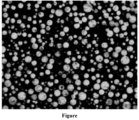
- Figure shows a metallographic microscope observation figure of an auxiliary alloy casting piece prepared in Example 1.
- the present disclosure provides a method for preparing an auxiliary alloy casting piece, including the following steps:
- the auxiliary alloy material includes, by mass percentage, 40% to 45% of Pr, 1% to 2% of Co, 0.5% to 1% of Ga, 0.6% to 0.8% of B, 0.1% to 0.2% of V, 0.3% to 0.7% of Ti, and a balance of Fe.
- the auxiliary alloy material includes, by mass percentage, 41% to 44% of Pr, 1.2% to 1.5% of Co, 0.5% to 0.8% of Ga, 0.6% to 0.7% of B, 0.15% to 0.18% of V, 0.3% to 0.5% of Ti, and a balance of Fe.
- the auxiliary alloy material includes, by mass percentage, 43% of Pr, 1.5% of Co, 0.8% of Ga, 0.7% of B, 0.15% of V, 0.5% of Ti, and a balance of Fe. In some embodiments, the auxiliary alloy material includes, by mass percentage, 44% of Pr, 1.2% of Co, 1% of Ga, 0.8% of B, 0.15% of V, 0.7% of Ti, and a balance of Fe. In some embodiments, the auxiliary alloy material includes, by mass percentage, 41% of Pr, 1.2% of Co, 0.5% of Ga, 0.6% of B, 0.18% of V, 0.3% of Ti, and a balance of Fe.
- the auxiliary alloy material is smelted to obtain a smelted material.
- the smelting is conducted at a temperature of 1,390°C to 1,430°C, preferably 1,400°C to 1,405°C. In some embodiments, the smelting is conducted for 3 min to 5 min, preferably 3 min to 4 min.
- the smelted material is subjected to a quick-setting casting to obtain the auxiliary alloy casting piece.
- the quick-setting casting includes a refining, a casting and a cooling in sequence.
- the refining is conducted at a temperature of 1,460°C to 1,510°C, preferably 1,470°C to 1,480°C.
- the refining is conducted for 2 min to 5 min, preferably 2 min to 3 min.
- the casting is conducted at a casting temperature of 1,330°C to 1,380°C, preferably 1,340°C to 1,360°C, more preferably 1,350°C to 1,355°C at a copper roller rotational speed of 60 rpm to 80 rpm, preferably 70 rpm.
- the cooling is conducted by argon-filled air cooling at a cooling rate of 7°C/min to 15°C/min, preferably 10°C/min to 15°C/min. In some embodiments, the cooling by the argon-filled air cooling is conducted to less than 40°C to obtain the auxiliary alloy casting piece. In some embodiments, the auxiliary alloy casting piece has a thickness of 0.15 mm to 0.25 mm.
- the method further includes the following step between the refining and the casting: cooling a refined material to the casting temperature at 3°C/min to 7°C/min, preferably 5°C/min and holding the casting temperature for 5 min to 9 min, preferably 7 min.
- the refined material is cooled to the casting temperature at the above rate and kept at the above time to obtain a material with uniform composition.
- the present disclosure further provides a method for preparing a high-remanence and high-coercive force NdFeB permanent magnet, including the following steps:
- a main alloy casting piece which includes the following components by mass percentage: 28.5% to 29% of M, 1% to 2% of Co, 0.2% to 0.5% of Ga, 0.05% to 0.15% of Al, 0.9% to 0.92% of B, 0.05% to 0.15% of Ti, and a balance of Fe.
- the main alloy casting piece is provided, which includes the following components by mass percentage: 28.5% to 28.8% of M, 1.5% to 1.8% of Co, 0.3% to 0.35% of Ga, 0.08% to 0.1% of Al, 0.9% to 0.91% of B, 0.01% to 0.12% of Ti, and a balance of Fe.
- the main alloy casting piece is provided, which includes the following components by mass percentage: 28.8% of M, 1.5% of Co, 0.35% of Ga, 0.1% of Al, 0.9% of B, 0.1% of Ti, and a balance of Fe.
- the main alloy casting piece is provided, which includes the following components by mass percentage: 28.5% of M, 1.8% of Co, 0.35% of Ga, 0.1% of Al, 0.9% of B, 0.12% of Ti, and a balance of Fe.
- the main alloy casting piece is provided, which includes the following components by mass percentage: 29% of M, 1.5% of Co, 0.3% of Ga, 0.1% of Al, 0.9% of B, 0.15% of Ti, and a balance of Fe.
- the M consists of Pr and Nd.
- Pr and Nd have a mass ratio of (4-7):(21.8-24.8), preferably (5-6):(22.5-23.5), and more preferably 5.7:23.1, 5.8:23, 5.7:22.8, or 5.9:23.1.
- the quick-setting casting is conducted after providing the raw material according to the components of the main alloy casting piece to obtain the main alloy casting piece.
- the quick-setting casting is conducted under a refining temperature of 1,460°C to 1,490°C, preferably 1,470°C to 1,480°C.
- the quick-setting casting is conducted at a casting temperature of 1,390°C to 1,420°C, preferably 1,405°C to 1,420°C and a copper roller rotational speed of 40 rpm to 45 rpm, preferably 41 rpm to 43 rpm. In some embodiments, the quick-setting casting is conducted at a cooling rate of 7°C/min to 10°C/min by argon-filled air cooling, preferably 8°C/min to 9°C/min.
- the main alloy casting piece and the auxiliary alloy casting piece are subjected to a double-alloy hydrogen decrepitation, a jet milling, an orientation molding, a sintering, and a tempering in sequence, to obtain the high-remanence and high-coercive force NdFeB permanent magnet.
- the auxiliary alloy casting piece has a mass of 10% to 15%, preferably 10% to 12% of the main alloy casting piece. Each step will be described in detail below.
- the main alloy casting piece and the auxiliary alloy casting piece are subjected to the double-alloy hydrogen decrepitation to obtain a coarse powder.
- the double-alloy hydrogen decrepitation includes a hydrogen absorption, a first dehydrogenation, and a second dehydrogenation in sequence.
- the hydrogen absorption is conducted at a temperature of 330°C to 360°C, preferably 350°C to 360°C.
- the hydrogen absorption is conducted for 45 min to 60 min, preferably 55 min to 60 min.
- the first dehydrogenation is conducted at a temperature of 435°C to 465°C, preferably 450°C to 460°C.
- the first dehydrogenation is conducted for 2 h to 3 h, preferably 2.5 h.
- the second dehydrogenation is conducted at a temperature of 570°C to 590°C, preferably 580°C.
- the second dehydrogenation is conducted for 6 h to 8 h, preferably 7 h.
- the material obtained by the second dehydrogenation is cooled to 380°C to 420°C at 3°C/min to 7°C/min, held for 25 min to 35 min, and then subjected to argon-filled cooling at 15°C/min to 25°C/min to a room temperature, to obtain the coarse powder.
- the material obtained by the second dehydrogenation is cooled to 400°C at 5°C/min, held for 30 min, and then subjected to argon-filled cooling at 20°C/min to a room temperature, to obtain the coarse powder.
- the coarse powder has an average particle size of 50 ⁇ m to 100 ⁇ m, preferably 80 ⁇ m.
- the double-alloy hydrogen decrepitation is conducted in a hydrogen decrepitation furnace.
- the coarse powder is subjected to a jet milling to obtain a fine powder.
- the jet milling is conducted in the presence of a lubricant.
- the lubricant is a grease lubricant.
- the lubricant has a mass of 1.5 ⁇ to 2 ⁇ , preferably 1.8 ⁇ to 2 ⁇ of the coarse powder.
- the coarse powder and the lubricant are mixed by stirring for 1.5 h to 2.5 h, preferably 2 h, and then subjected to a jet milling. There is no need to add an additional antioxidant to the jet milling.
- the jet milling is conducted at a pressure of 5.9 MPa to 6.1 MPa, preferably 6 MPa with a powder output speed of preferably 130 kg/h to 160 kg/h, more preferably 138 kg/h to 159 kg/h, and further more preferably 145 kg/h to 150 kg/h.
- the fine powder obtained by the jet milling has a d50 of 2.5 ⁇ m to 3 ⁇ m, preferably 2.58 ⁇ m to 2.75 ⁇ m, and more preferably 2.63 ⁇ m to 2.68 ⁇ m.
- the fine powder obtained by the jet milling has a particle size distribution d90/d10 of 3.47 to 3.8, preferably 3.65 to 3.71.
- the fine powder is subjected to an orientation molding to obtain a green body.
- the orientation molding is conducted at a magnetic induction intensity of 1.8 T to 2.3 T, preferably 2.12 T to 2.2 T.
- the orientation molding is conducted at a molding pressure of 3 MPa to 6 MPa, preferably 3.5 MPa to 5 MPa, and more preferably 4 MPa to 4.5 MPa.
- the green body has a density of 4.1 g/cm 3 to 4.3 g/cm 3 , preferably 4.2 g/cm 3 to 4.25 g/cm 3 , and more preferably 4.21 g/cm 3 to 4.22 g/cm 3 .
- the orientation molding is conducted in a magnetic field press.
- the green body is sintered to obtain a sintered material.
- the lubricant in the green body is removed before the sintering.
- the lubricant is removed by heating the green body to fully volatilize the lubricant.
- the heating is conducted at a temperature of 530°C to 600°C, preferably 570°C.
- the heating is conducted for 3 h to 5 h, preferably 4 h.
- the sintering includes a first sintering and a second sintering in sequence.
- the first sintering is conducted at a vacuum degree of less than 5 ⁇ 10 -2 Pa, preferably 5 ⁇ 10 -3 Pa.
- the first sintering is conducted at a temperature of 1,020°C to 1,050°C, preferably 1,030°C. In some embodiments, the first sintering is conducted for 2 h to 4 h, preferably 2 h. In some embodiments, a temperature required for the heating is raised to a temperature required for the first sintering for 5 h to 8 h, preferably 6 h by preferably a uniform temperature rise. In some embodiments, after the first sintering, the temperature required for the first sintering is raised to a temperature required for the second sintering for 20 min to 40 min, preferably 30 min by preferably a uniform temperature rise.
- the second sintering is conducted at a vacuum degree of less than 5 ⁇ 10 -2 Pa, preferably 5 ⁇ 10 -3 Pa. In some embodiments, the second sintering is conducted at a temperature of 1,060°C to 1,080°C, preferably 1,065°C to 1,070°C. In some embodiments, the second sintering is conducted for 8 h to 10 h , preferably 8 h.
- the sintered material is subjected to tempering to obtain the high-remanence and high-coercive force NdFeB permanent magnet.
- the tempering includes a first tempering and a second tempering in sequence.
- the first tempering is conducted at a vacuum degree of less than 5 Pa, preferably 3 Pa.
- the first tempering is conducted at a temperature of 890°C to 920°C, preferably 900°C to 910°C.
- the first tempering is conducted for 3 h to 5 h, preferably 4 h.
- a temperature required for the second sintering is cooled to a temperature required for the first tempering by argon-filled air cooling, followed by the first tempering.
- a product is cooled to 80°C to 120°C, preferably 100°C, by argon-filled air cooling, and then heated to a temperature required for the second tempering for preferably 3 h to 5 h, more preferably 3.5 h by preferably a uniform temperature rise.
- the second tempering is conducted at a vacuum degree of less than 8 Pa, preferably 3 Pa.
- the second tempering is conducted at a temperature of 490°C to 520°C, preferably 500°C to 510°C.
- the second tempering is conducted for 5 h to 8 h , preferably 6 h. In some embodiments, after the second tempering, a resulting product is cooled to less than 40°C by argon-filled air cooling to obtain the high-remanence and high-coercive force NdFeB permanent magnet.
- an auxiliary alloy material composed of the following components: by mass percentage, Pr 43%, Co 1.5%, Ga 0.8%, B 0.7%, V 0.15%, Ti 0.5%, and a balance of Fe.
- the auxiliary alloy material was smelted at 1,400°C for 3 min, heated to 1,480°C at 10°C/min to conduct a refining for 2 min, cooled down to 1,350°C at 5°C/min and held for 7 min, and then subjected to a casting at a copper roller rotational speed of 70 rpm, and cooled by argon-filled air cooling (at 15°C/min) to less than 40°C, so as to obtain an auxiliary alloy casting piece with a thickness of 0.15 mm to 0.25 mm.
- a main alloy raw material composed of the following components was provided: by mass percentage, Pr and Nd 28.8% (Pr and Nd at a mass ratio of 5.8:23), Co 1.5%, Ga 0.35%, Al 0.1%, B 0.9%, Ti 0.1%, and a balance of Fe.
- the main alloy raw material was subjected to a quick-setting casting to obtain a main alloy casting piece; where the quick-setting casting was conducted at a refining temperature of 1,470°C, a casting temperature of 1,405°C, and a copper roller rotational speed of 43 rpm, and cooled by argon-filled air cooling at 9°C/min.
- the main alloy casting piece and the auxiliary alloy casting piece were placed in a hydrogen decrepitation furnace, where the auxiliary alloy casting piece had a mass of 10% of the main alloy casting piece.
- the main alloy casting piece and the auxiliary alloy casting piece were subjected to a double-alloy hydrogen decrepitation, specifically, the main alloy casting piece and the auxiliary alloy casting piece were subjected to a hydrogen absorption at 350°C for 60 min, a first dehydrogenation at 450°C for 2.5 h, a second dehydrogenation at 580°C for 7 h, and then cooled at 5°C/min to 400°C and held for 30 min, and then cooled to a room temperature (25°C) at 20°C/min by argon-filled air cooling, so as to obtain a coarse powder with an average particle size of 80 ⁇ m.
- the coarse powder was mixed by stirring with a grease lubricant for 2 h, where the grease lubricant was 1.8 ⁇ of a mass of the coarse powder.
- An obtained mixed material (without additional antioxidants) was subjected to a jet-milling to obtain a fine powder.
- the jet milling was conducted at 6 MPa, with a powder output speed of 150 kg/h.
- the fine powder had a d50 of 2.68 ⁇ m and a particle size distribution d90/d10 of 3.65.
- the fine powder was placed in a magnetic field press, and subjected to an orientation molding at a magnetic induction intensity of 2 T and a molding pressure of 4 MPa to obtain a green body with a density of 4.2 g/cm 3 .
- the green body was kept at 570°C for 4 h to fully volatilize the grease lubricant, then the green body was subjected to a first sintering under a vacuum degree of 5 ⁇ 10 -3 Pa and a temperature of 1,030°C for 2 h, where the temperature is raised at a constant speed for 6 h.
- a product was heated at a constant speed for 30 min to 1,060°C and subjected to a second sintering for 8 h to obtain a sintered material.
- the sintered material was subjected to argon-filled air cooling to 910°C, and then held to conduct a first tempering for 4 h.
- a resulting product was subjected to argon-filled air cooling to 100°C, heated at a constant speed for 3.5 h to 510°C, and held to conduct a second tempering for 6 h under a vacuum degree of 3 Pa.
- a resulting product was subjected to argon-filled air cooling to 40°C under a vacuum degree of 3 Pa, to obtain a high-remanence and high-coercive force NdFeB permanent magnet.
- FIG. 1 shows a metallographic microscope observation figure of the auxiliary alloy casting piece prepared in Example 1.
- the results show that under the metallographic microscope, it is observed that the auxiliary alloy casting piece prepared in Example 1 is rich in spherical microstructures with a diameter of 3 ⁇ m to 15 ⁇ m.
- the auxiliary alloy casting piece is rich in Pr, Fe, Ga, V, and a small amount of B elements observed by scanning electron microscope.
- the high-remanence and high-coercive force NdFeB permanent magnet sample prepared by the method provided by the present disclosure has a remanence of 14.3 kGs and an intrinsic coercive force of 17 kOe. Moreover, Table 1 shows that the high-remanence and high-coercive force NdFeB permanent magnet had desirable stability.
- an auxiliary alloy material composed of the following components was provided, by mass percentage, Pr 44%, Co 1.2%, Ga 1%, B 0.8%, V 0.15%, Ti 0.7%, and a balance of Fe.
- the auxiliary alloy material was smelted at 1,405°C for 3 min, heated to 1,480°C at 10°C/min to conduct a refining for 2 min, cooled down to 1,355°C at 5°C/min and held for 7 min, and then subjected to a casting at a copper roller rotational speed of 70 rpm, and cooled by argon-filled air cooling (at 15°C/min) to less than 40°C, so as to obtain an auxiliary alloy casting piece with a thickness of 0.15 mm to 0.25 mm.
- a main alloy raw material composed of the following components was provided: by mass percentage, Pr and Nd 28.5% (Pr and Nd at a mass ratio of 5.7:22.8), Co 1.8%, Ga 0.35%, Al 0.1%, B 0.9%, Ti 0.12%, and a balance of Fe.
- the main alloy raw material was subjected to a quick-setting casting to obtain a main alloy casting piece; where the quick-setting casting was conducted at a refining temperature of 1,470°C, a casting temperature of 1,405°C, and a copper roller rotational speed of 43 rpm, and cooled by argon-filled air cooling at 9°C/min.
- the main alloy casting piece and the auxiliary alloy casting piece were placed in a hydrogen decrepitation furnace, where the auxiliary alloy casting piece had a mass of 10% of the main alloy casting piece.
- the main alloy casting piece and the auxiliary alloy casting piece were subjected to a double-alloy hydrogen decrepitation, specifically, the main alloy casting piece and the auxiliary alloy casting piece were subjected to a hydrogen absorption at 360°C for 60 min, a first dehydrogenation at 460°C for 2.5 h, a second dehydrogenation at 580°C for 7 h, and then cooled at 5°C/min to 400°C and held for 30 min, and then cooled to a room temperature (25°C) at 20°C/min by argon-filled air cooling, so as to obtain a coarse powder with an average particle size of 80 ⁇ m.
- the coarse powder was mixed by stirring with a grease lubricant for 2 h, where the grease lubricant was 2 ⁇ of a mass of the coarse powder.
- An obtained mixed material (without additional antioxidants) was subjected to a jet-milling to obtain a fine powder.
- the jet milling was conducted at 6 MPa, with a powder output speed of 159 kg/h.
- the fine powder had a d50 of 2.75 ⁇ m and a particle size distribution d90/d10 of 3.71.
- the fine powder was placed in a magnetic field press, and subjected to an orientation molding at a magnetic induction intensity of 2.1 T and a molding pressure of 5 MPa to obtain a green body with a density of 4.21 g/cm 3 .
- the green body was kept at 570°C for 4 h to fully volatilize the grease lubricant, then the green body was subjected to a first sintering under a vacuum degree of 5 ⁇ 10 -3 Pa and a temperature of 1,030°C for 2 h, where temperature is raised at a constant speed for 6 h.
- a product was heated at a constant speed for 30 min to 1,075°C and subjected to a second sintering for 8 h to obtain a sintered material.
- the sintered material was subjected to argon-filled air cooling to 890°C, and then held to conduct a first tempering for 4 h under a vacuum degree of 3 Pa.
- a resulting product was subjected to argon-filled air cooling to 100°C, heated at a constant speed for 3.5 h to 520°C, and held to conduct a second tempering for 6 h under a vacuum degree of 3 Pa.
- a resulting product was subjected to argon-filled air cooling to 40°C under a vacuum degree of 3 Pa, to obtain a high-remanence and high-coercive force NdFeB permanent magnet.
- the high-remanence and high-coercive force NdFeB permanent magnet sample prepared by the method provided by the present disclosure has a remanence of 14.3 kGs and an intrinsic coercive force of 17 kOe. Moreover, Table 2 shows that the high-remanence and high-coercive force NdFeB permanent magnet had desirable stability.
- an auxiliary alloy material composed of the following components: by mass percentage, Pr 41%, Co 1.2%, Ga 0.5%, B 0.6%, V 0.18%, Ti 0.3%, and a balance of Fe.
- the auxiliary alloy material was smelted at 1,390°C for 3 min, heated to 1,470°C at 10°C/min to conduct a refining for 2 min, cooled down to 1,340°C at 5°C/min and held for 7 min, and then subjected to a casting at a copper roller rotational speed of 70 rpm, and cooled by argon-filled air cooling (at 15°C/min) to less than 40°C, so as to obtain an auxiliary alloy casting piece with a thickness of 0.15 mm to 0.25 mm.
- a main alloy raw material composed of the following components was provided: by mass percentage, Pr and Nd 29% (Pr and Nd at a mass ratio of 5.9:23.1), Co 1.5%, Ga 0.3%, Al 0.1%, B 0.9%, Ti 0.15%, and a balance of Fe.
- the main alloy raw material was subjected to a quick-setting casting to obtain a main alloy casting piece; where the quick-setting casting was conducted at a refining temperature of 1480°C, a casting temperature of 1420°C, and a copper roller rotational speed of 43 rpm, and cooled by argon-filled air cooling at 9°C/min.
- the main alloy casting piece and the auxiliary alloy casting piece were placed in a hydrogen decrepitation furnace, where the auxiliary alloy casting piece had a mass of 10% of the main alloy casting piece.
- the main alloy casting piece and the auxiliary alloy casting piece were subjected to a double-alloy hydrogen decrepitation, specifically, the main alloy casting piece and the auxiliary alloy casting piece were subjected to a hydrogen absorption at 350°C for 60 min, a first dehydrogenation at 450°C for 2.5 h, and a second dehydrogenation at 580°C for 7 h, and then cooled at 5°C/min to 400°C and held for 30 min, and then cooled to a room temperature (25°C) by argon-filled air cooling, so as to obtain a coarse powder with an average particle size of 80 ⁇ m.
- the coarse powder was mixed by stirring with a grease lubricant for 2 h, where the grease lubricant was 1.8 ⁇ of a mass of the coarse powder.
- An obtained mixed material (without additional antioxidants) was subjected to a jet-milling to obtain a fine powder.
- the jet milling was conducted at 6 MPa, with a powder output speed of 138 kg/h.
- the fine powder had a d50 of 2.58 ⁇ m and a particle size distribution d90/d10 of 3.47.
- the fine powder was placed in a magnetic field press, and subjected to an orientation molding at a magnetic induction intensity of 2.2 T and a molding pressure of 3.5 MPa to obtain a green body with a density of 4.22 g/cm 3 .
- the green body was kept at 570°C for 4 h to fully volatilize the grease lubricant, and then the green body was subjected to a first sintering under a vacuum degree of 5 ⁇ 10 -3 Pa and a temperature of 1,030°C for 2 h, where the temperature is raised at a constant speed for 6 h.
- a product was heated at a constant speed for 30 min to 1,060°C and subjected to a second sintering for 8 h to obtain a sintered material.
- the sintered material was subjected to argon-filled air cooling to 900°C, and then held to conduct a first tempering for 4 h under a vacuum degree of 3 Pa.
- a resulting product was subjected to argon-filled air cooling to 100°C, heated at a constant speed for 3.5 h to 500°C, and held to conduct a second tempering for 6 h under a vacuum degree of 3 Pa.
- a resulting product was subjected to argon-filled air cooling to 40°C under a vacuum degree of 3 Pa, to obtain a high-remanence and high-coercive force NdFeB permanent magnet.
- the high-remanence and high-coercive force NdFeB permanent magnet sample prepared by the method provided by the present disclosure has a remanence of 14.3 kGs and an intrinsic coercive force of 17 kOe. Moreover, Table 3 shows that the high-remanence and high-coercive force NdFeB permanent magnet had desirable stability.
Landscapes
- Chemical & Material Sciences (AREA)
- Engineering & Computer Science (AREA)
- Mechanical Engineering (AREA)
- Materials Engineering (AREA)
- Metallurgy (AREA)
- Organic Chemistry (AREA)
- Power Engineering (AREA)
- Manufacturing & Machinery (AREA)
- Crystallography & Structural Chemistry (AREA)
- Inorganic Chemistry (AREA)
- Nanotechnology (AREA)
- Hard Magnetic Materials (AREA)
- Manufacturing Cores, Coils, And Magnets (AREA)
- Manufacture Of Metal Powder And Suspensions Thereof (AREA)
- Powder Metallurgy (AREA)
Claims (9)
- Verfahren zur Herstellung eines Gussstücks aus einer Hilfslegierung, das die folgenden Schritte umfasst:Bereitstellen eines Hilfslegierungsmaterials, das in Massenprozent 40 % bis 45 % Pr, 1 % bis 2 % Co, 0,5 % bis 1 % Ga, 0,6 % bis 0,8 % B, 0,1 % bis 0,2 % V, 0,3 % bis 0,7 % Ti und als Rest Fe umfasst;Schmelzen des Hilfslegierungsmaterials, um ein geschmolzenes Material zu erhalten; undUnterziehen des geschmolzenen Materials einem Schnellgießverfahren, um das Hilfslegierungsgussteil zu erhalten; wobeidas Schnellgießverfahren ein Raffinieren, ein Gießen und ein Abkühlen in Folge umfasst;das Gießen bei einer Gießtemperatur von 1330 °C bis 1380 °C bei einer Rotationsgeschwindigkeit der Kupferwalze von 60 U/min bis 80 U/min durchgeführt wird; unddas Abkühlen durch mit Argon gefüllte Luftkühlung bei einer Abkühlrate von 7 °C/min bis 15 °C/min durchgeführt wird.
- Verfahren nach Anspruch 1, wobei das Schmelzen bei einer Temperatur von 1390 °C bis 1430 °C für 3 min bis 5 min durchgeführt wird; und das Raffinieren bei einer Temperatur von 1460 °C bis 1510 °C für 2 min bis 5 min durchgeführt wird.
- Verfahren nach Anspruch 2, wobei das Verfahren ferner umfasst: zwischen dem Raffinieren und dem Gießen, Abkühlen eines raffinierten Materials auf eine Gießtemperatur mit 3 °C/min bis 7 °C/min und Halten der Gießtemperatur für 5 min bis 9 min.
- Verfahren zur Herstellung eines NdFeB-Permanentmagneten mit hoher Remanenz und hoher Koerzitivkraft, umfassend die folgenden Schritte:Bereitstellen eines Hauptlegierungsgussstücks, das in Massenprozent aufweisend 28,5 % bis 29 % M, 1 % bis 2 % Co, 0,2 % bis 0,5 % Ga, 0,05 % bis 0,15 % Al, 0,9 % bis 0,92 % B, 0,05 % bis 0,15 % Ti und einem Rest aus Fe, wobei M Pr und Nd aufweist; unddas Hauptlegierungsgussteil und das Hilfslegierungsgussteil nach Anspruch 4 nacheinander einer Wasserstoff-Doppellegierungs-Zerklüftung, einem Strahlfräsen, einem Orientierungsformen, einem Sintern und einem Anlassen unterzogen werden, um den NdFeB-Permanentmagneten mit hoher Remanenz und hoher Koerzitivkraft zu erhalten.
- Verfahren nach Anspruch 4, wobeidas Hilfslegierungs-Gussteil eine Masse von 10 % bis 15 % des Hauptlegierungs-Gussteils aufweist;die Wasserstoff-Zerfallspolymerisation der Doppellegierung nacheinander eine Wasserstoffabsorption, eine erste Dehydrierung und eine zweite Dehydrierung umfasst;die Wasserstoffabsorption bei einer Temperatur von 330 °C bis 360 °C für 45 min bis 60 min durchgeführt wird;die erste Dehydrierung wird bei einer Temperatur von 435 °C bis 465 °C für 2 h bis 3 h durchgeführt; unddie zweite Dehydrierung bei einer Temperatur von 570 °C bis 590 °C für 6 h bis 8 h durchgeführt wird.
- Verfahren nach Anspruch 4 oder 5, wobei das Strahlmahlen in Gegenwart eines Schmiermittels durchgeführt wird und das Schmiermittel eine Masse von 1,5‰ bis 2‰ eines groben Pulvers aufweist, das durch Wasserstoff-Dekrepitation erhalten wird;die Strahlmühle bei einem Druck von 5,9 MPa bis 6,1 MPa mit einer Pulverausstoßgeschwindigkeit von 130 kg/h bis 160 kg/h betrieben wird; undein durch das Strahlmahlen erhaltenes feines Pulver einen d50-Wert von 2,5 µm bis 3 µm und eine Partikelgrößenverteilung d90/d10 von 3,47 bis 3,8 aufweist.
- Verfahren nach Anspruch 4, wobei das Orientierungsformen bei einer magnetischen Induktionsstärke von 1,8 T bis 2,3 T und einem Formdruck von 3 MPa bis 6 MPa durchgeführt wird, um einen Grünkörper zu erhalten; und der durch das Orientierungsformen erhaltene Grünkörper eine Dichte von 4,1 g/cm3 bis 4,3 g/cm3 aufweist.
- Verfahren nach Anspruch 4, wobeidas Sintern ein erstes Sintern und ein zweites Sintern in Folge umfasst; das erste Sintern bei einem Vakuumgrad von weniger als 5×10⁻² Pa und einer Temperatur von 1020 °C bis 1050 °C 0 °C für 2 h bis 4 h durchgeführt wird; und das zweite Sintern bei einem Vakuumgrad von weniger als 5×10⁻² Pa und einer Temperatur von 1060 °C bis 1080 °C für 8 h bis 10 h durchgeführt wird; und das Anlassen ein erstes Anlassen und ein zweites Anlassen in Folge umfasst; das erste Anlassen bei einem Vakuumgrad von weniger als 5 Pa und einer Temperatur von 890 °C bis 920 °C für 3 h bis 5 h durchgeführt wird; und das zweite Anlassen bei einem Vakuumgrad von weniger als 8 Pa und einer Temperatur von 490 °C bis 520 °C für 5 h bis 7 h durchgeführt wird.
- NdFeB-Permanentmagnet mit hoher Remanenz und hoher Koerzitivkraft, hergestellt nach dem Verfahren nach einem der Ansprüche 4 bis 8.
Applications Claiming Priority (1)
| Application Number | Priority Date | Filing Date | Title |
|---|---|---|---|
| CN202211255156.5A CN115747611B (zh) | 2022-10-13 | 2022-10-13 | 一种辅合金铸片和高剩磁高矫顽力钕铁硼永磁体及制备方法 |
Publications (3)
| Publication Number | Publication Date |
|---|---|
| EP4354471A1 EP4354471A1 (de) | 2024-04-17 |
| EP4354471B1 true EP4354471B1 (de) | 2025-02-12 |
| EP4354471C0 EP4354471C0 (de) | 2025-02-12 |
Family
ID=85017841
Family Applications (1)
| Application Number | Title | Priority Date | Filing Date |
|---|---|---|---|
| EP22217234.8A Active EP4354471B1 (de) | 2022-10-13 | 2022-12-29 | Herstellungsverfahren für ein hilfslegierungsgussteil, hochremanenz- und hochkoerziver ndfeb-permanentmagnet und herstellungsverfahren dafür |
Country Status (4)
| Country | Link |
|---|---|
| US (1) | US12087481B2 (de) |
| EP (1) | EP4354471B1 (de) |
| JP (1) | JP7471389B1 (de) |
| CN (1) | CN115747611B (de) |
Family Cites Families (27)
| Publication number | Priority date | Publication date | Assignee | Title |
|---|---|---|---|---|
| JPH0633581Y2 (ja) * | 1985-12-24 | 1994-08-31 | 横河電機株式会社 | 波形解析回路 |
| DE69318147T2 (de) * | 1993-07-06 | 1998-11-12 | Sumitomo Spec Metals | R-Fe-B Dauermagnetmaterialien und ihre Herstellungsverfahren |
| JP3459477B2 (ja) * | 1994-10-07 | 2003-10-20 | 住友特殊金属株式会社 | 希土類磁石用原料粉末の製造方法 |
| GB201101201D0 (en) * | 2011-01-24 | 2011-03-09 | Univ Birmingham | Magnet recovery method |
| CN103426578B (zh) * | 2012-05-22 | 2016-04-27 | 比亚迪股份有限公司 | 一种稀土永磁材料及其制备方法 |
| JP6119548B2 (ja) * | 2012-10-17 | 2017-04-26 | 信越化学工業株式会社 | 希土類焼結磁石の製造方法 |
| CN103426624B (zh) * | 2013-08-14 | 2015-12-02 | 林建强 | 钕铁硼永磁体的制备方法 |
| JP2015122395A (ja) | 2013-12-24 | 2015-07-02 | 日立金属株式会社 | R−t−b系焼結磁石の製造方法 |
| CN204108260U (zh) * | 2014-09-12 | 2015-01-21 | 沈阳中北真空技术有限公司 | 一种稀土永磁合金真空熔炼速凝设备 |
| JP6414740B2 (ja) | 2014-10-27 | 2018-10-31 | 日立金属株式会社 | R−t−b系焼結磁石の製造方法 |
| CN104399995B (zh) * | 2014-12-05 | 2016-06-08 | 爱科科技有限公司 | 一种烧结钕铁硼气流磨制粉中加剂的方法 |
| CN104575906B (zh) | 2014-12-11 | 2017-05-24 | 赣州市东磁稀土有限公司 | 一种高性能低成本稀土永磁材料及其制备方法 |
| CN106328331B (zh) * | 2015-06-16 | 2019-02-26 | 有研稀土新材料股份有限公司 | 烧结钕铁硼磁体用辅助合金铸片及其制备方法 |
| JP6508571B2 (ja) | 2015-06-30 | 2019-05-08 | 日立金属株式会社 | R−t−b系焼結磁石の製造方法およびr−t−b系焼結磁石 |
| CN105741995B (zh) * | 2016-04-27 | 2017-07-28 | 宁波耐力誉磁业科技有限公司 | 一种高性能烧结钕铁硼永磁体及其制备方法 |
| CN106601407B (zh) * | 2017-01-23 | 2019-06-07 | 包头市神头稀土科技发展有限公司 | 提高钕铁硼磁体矫顽力的方法 |
| CN107610865A (zh) * | 2017-10-16 | 2018-01-19 | 包头稀土研究院 | 钕铁硼永磁材料的制备方法 |
| CN108766753A (zh) * | 2018-05-11 | 2018-11-06 | 包头稀土研究院 | 高磁能积高矫顽力烧结钕铁硼磁体的制备方法 |
| CN109102976B (zh) * | 2018-08-10 | 2020-11-13 | 浙江东阳东磁稀土有限公司 | 一种提高稀土钕铁硼磁性能的方法 |
| CN110289161B (zh) * | 2019-07-16 | 2021-03-30 | 宁德市星宇科技有限公司 | 一种低稀土含量的钕铁硼磁体的制备方法 |
| CN111009369B (zh) | 2019-10-29 | 2021-08-27 | 厦门钨业股份有限公司 | 一种稀土永磁材料及其制备方法和应用 |
| CN110853856B (zh) * | 2019-11-22 | 2021-07-13 | 安泰科技股份有限公司 | 一种高矫顽力含铈磁体及其制备方法 |
| CN111446055A (zh) * | 2020-05-08 | 2020-07-24 | 中国科学院宁波材料技术与工程研究所 | 一种高性能钕铁硼永磁材料及其制备方法 |
| CN111599562B (zh) * | 2020-05-29 | 2024-03-29 | 福建省金龙稀土股份有限公司 | 一种钕铁硼永磁材料、其原料组合物、其制备方法和应用 |
| CN112509775A (zh) * | 2020-12-15 | 2021-03-16 | 烟台首钢磁性材料股份有限公司 | 一种低量添加重稀土的钕铁硼磁体及其制备方法 |
| CN113223807B (zh) * | 2021-05-31 | 2022-08-19 | 包头金山磁材有限公司 | 一种钕铁硼永磁体及其制备方法和应用 |
| CN113838622A (zh) * | 2021-09-26 | 2021-12-24 | 太原理工大学 | 一种高矫顽力烧结钕铁硼磁体及其制备方法 |
-
2022
- 2022-10-13 CN CN202211255156.5A patent/CN115747611B/zh active Active
- 2022-12-28 JP JP2022212387A patent/JP7471389B1/ja active Active
- 2022-12-29 EP EP22217234.8A patent/EP4354471B1/de active Active
- 2022-12-30 US US18/091,899 patent/US12087481B2/en active Active
Also Published As
| Publication number | Publication date |
|---|---|
| JP7471389B1 (ja) | 2024-04-19 |
| EP4354471A1 (de) | 2024-04-17 |
| US12087481B2 (en) | 2024-09-10 |
| CN115747611B (zh) | 2023-10-20 |
| JP2024059059A (ja) | 2024-04-30 |
| CN115747611A (zh) | 2023-03-07 |
| US20240127993A1 (en) | 2024-04-18 |
| EP4354471C0 (de) | 2025-02-12 |
Similar Documents
| Publication | Publication Date | Title |
|---|---|---|
| CN110428947B (zh) | 一种稀土永磁材料及其原料组合物、制备方法和应用 | |
| WO2019242581A1 (zh) | 一种低B含量的R-Fe-B系烧结磁铁及其制备方法 | |
| CN103276284B (zh) | 一种低镝耐热烧结钕铁硼制备方法 | |
| CN111223627B (zh) | 钕铁硼磁体材料、原料组合物、制备方法、应用 | |
| CN113593799A (zh) | 一种细晶、高矫顽力烧结钕铁硼磁体及其制备方法 | |
| TWI751788B (zh) | 釹鐵硼磁體材料、原料組合物及製備方法和應用 | |
| CN115798853A (zh) | 一种烧结钕铁硼磁体及其制备方法 | |
| CN105513737A (zh) | 一种不含重稀土元素烧结钕铁硼磁体的制备方法 | |
| CN111312461B (zh) | 一种钕铁硼磁体材料、原料组合物及制备方法和应用 | |
| CN110323053B (zh) | 一种R-Fe-B系烧结磁体及其制备方法 | |
| TW202121453A (zh) | 釹鐵硼磁體材料、原料組合物及製備方法和應用 | |
| CN111261355B (zh) | 钕铁硼磁体材料、原料组合物、制备方法、应用 | |
| EP4152348B1 (de) | Herstellungsverfahren für hochleistungs-neodym-eisen-bor-permanentmagnetmaterial ohne schwere seltene erden | |
| CN108878090B (zh) | 一种无重稀土的钕铁硼烧结磁体及其制备方法 | |
| CN109732046B (zh) | 一种烧结钕铁硼磁体及其制备方法 | |
| EP3667685A1 (de) | Hitzebeständiger neodymeisenbormagnet und herstellungsverfahren dafür | |
| CN104700973A (zh) | 一种由白云鄂博共伴生原矿混合稀土制成的稀土永磁体及其制备方法 | |
| JP2022535482A (ja) | R-t-b系永久磁石材料、製造方法、並びに応用 | |
| CN112086255A (zh) | 一种高矫顽力、耐高温烧结钕铁硼磁体及其制备方法 | |
| CN111378907A (zh) | 一种提高钕铁硼永磁材料矫顽力的辅助合金及应用方法 | |
| WO2021114648A1 (zh) | 一种r-t-b系永磁材料、原料组合物、制备方法、应用 | |
| CN107958760A (zh) | 一种稀土永磁材料及其制备方法 | |
| JP7146029B1 (ja) | ネオジム鉄ホウ素永久磁石及びその製造方法と使用 | |
| CN108597707B (zh) | 一种含Ce烧结磁体及制备方法 | |
| CN111210960A (zh) | 一种高方形度高磁能积钐钴永磁材料及制备方法 |
Legal Events
| Date | Code | Title | Description |
|---|---|---|---|
| PUAI | Public reference made under article 153(3) epc to a published international application that has entered the european phase |
Free format text: ORIGINAL CODE: 0009012 |
|
| STAA | Information on the status of an ep patent application or granted ep patent |
Free format text: STATUS: REQUEST FOR EXAMINATION WAS MADE |
|
| 17P | Request for examination filed |
Effective date: 20230313 |
|
| AK | Designated contracting states |
Kind code of ref document: A1 Designated state(s): AL AT BE BG CH CY CZ DE DK EE ES FI FR GB GR HR HU IE IS IT LI LT LU LV MC ME MK MT NL NO PL PT RO RS SE SI SK SM TR |
|
| GRAP | Despatch of communication of intention to grant a patent |
Free format text: ORIGINAL CODE: EPIDOSNIGR1 |
|
| STAA | Information on the status of an ep patent application or granted ep patent |
Free format text: STATUS: GRANT OF PATENT IS INTENDED |
|
| RIC1 | Information provided on ipc code assigned before grant |
Ipc: B22F 9/04 20060101ALI20240918BHEP Ipc: B22F 3/24 20060101ALI20240918BHEP Ipc: B22F 9/00 20060101ALI20240918BHEP Ipc: B22F 1/065 20220101ALI20240918BHEP Ipc: B22F 9/02 20060101ALI20240918BHEP Ipc: C22C 33/02 20060101ALI20240918BHEP Ipc: C22C 38/14 20060101ALI20240918BHEP Ipc: C22C 38/12 20060101ALI20240918BHEP Ipc: C22C 38/10 20060101ALI20240918BHEP Ipc: C22C 38/06 20060101ALI20240918BHEP Ipc: C22C 38/00 20060101ALI20240918BHEP Ipc: H01F 41/02 20060101ALI20240918BHEP Ipc: H01F 1/057 20060101AFI20240918BHEP Ipc: B22F 3/10 20060101ALI20240918BHEP |
|
| INTG | Intention to grant announced |
Effective date: 20241002 |
|
| GRAS | Grant fee paid |
Free format text: ORIGINAL CODE: EPIDOSNIGR3 |
|
| GRAA | (expected) grant |
Free format text: ORIGINAL CODE: 0009210 |
|
| STAA | Information on the status of an ep patent application or granted ep patent |
Free format text: STATUS: THE PATENT HAS BEEN GRANTED |
|
| AK | Designated contracting states |
Kind code of ref document: B1 Designated state(s): AL AT BE BG CH CY CZ DE DK EE ES FI FR GB GR HR HU IE IS IT LI LT LU LV MC ME MK MT NL NO PL PT RO RS SE SI SK SM TR |
|
| REG | Reference to a national code |
Ref country code: GB Ref legal event code: FG4D |
|
| REG | Reference to a national code |
Ref country code: CH Ref legal event code: EP |
|
| REG | Reference to a national code |
Ref country code: DE Ref legal event code: R096 Ref document number: 602022010480 Country of ref document: DE |
|
| REG | Reference to a national code |
Ref country code: IE Ref legal event code: FG4D |
|
| U01 | Request for unitary effect filed |
Effective date: 20250212 |
|
| U07 | Unitary effect registered |
Designated state(s): AT BE BG DE DK EE FI FR IT LT LU LV MT NL PT RO SE SI Effective date: 20250219 |
|
| PG25 | Lapsed in a contracting state [announced via postgrant information from national office to epo] |
Ref country code: RS Free format text: LAPSE BECAUSE OF FAILURE TO SUBMIT A TRANSLATION OF THE DESCRIPTION OR TO PAY THE FEE WITHIN THE PRESCRIBED TIME-LIMIT Effective date: 20250512 |
|
| PG25 | Lapsed in a contracting state [announced via postgrant information from national office to epo] |
Ref country code: PL Free format text: LAPSE BECAUSE OF FAILURE TO SUBMIT A TRANSLATION OF THE DESCRIPTION OR TO PAY THE FEE WITHIN THE PRESCRIBED TIME-LIMIT Effective date: 20250212 |
|
| PG25 | Lapsed in a contracting state [announced via postgrant information from national office to epo] |
Ref country code: ES Free format text: LAPSE BECAUSE OF FAILURE TO SUBMIT A TRANSLATION OF THE DESCRIPTION OR TO PAY THE FEE WITHIN THE PRESCRIBED TIME-LIMIT Effective date: 20250212 |
|
| PG25 | Lapsed in a contracting state [announced via postgrant information from national office to epo] |
Ref country code: NO Free format text: LAPSE BECAUSE OF FAILURE TO SUBMIT A TRANSLATION OF THE DESCRIPTION OR TO PAY THE FEE WITHIN THE PRESCRIBED TIME-LIMIT Effective date: 20250512 Ref country code: IS Free format text: LAPSE BECAUSE OF FAILURE TO SUBMIT A TRANSLATION OF THE DESCRIPTION OR TO PAY THE FEE WITHIN THE PRESCRIBED TIME-LIMIT Effective date: 20250612 |
|
| PG25 | Lapsed in a contracting state [announced via postgrant information from national office to epo] |
Ref country code: HR Free format text: LAPSE BECAUSE OF FAILURE TO SUBMIT A TRANSLATION OF THE DESCRIPTION OR TO PAY THE FEE WITHIN THE PRESCRIBED TIME-LIMIT Effective date: 20250212 |
|
| PG25 | Lapsed in a contracting state [announced via postgrant information from national office to epo] |
Ref country code: GR Free format text: LAPSE BECAUSE OF FAILURE TO SUBMIT A TRANSLATION OF THE DESCRIPTION OR TO PAY THE FEE WITHIN THE PRESCRIBED TIME-LIMIT Effective date: 20250513 |
|
| PG25 | Lapsed in a contracting state [announced via postgrant information from national office to epo] |
Ref country code: SM Free format text: LAPSE BECAUSE OF FAILURE TO SUBMIT A TRANSLATION OF THE DESCRIPTION OR TO PAY THE FEE WITHIN THE PRESCRIBED TIME-LIMIT Effective date: 20250212 |
|
| PG25 | Lapsed in a contracting state [announced via postgrant information from national office to epo] |
Ref country code: CZ Free format text: LAPSE BECAUSE OF FAILURE TO SUBMIT A TRANSLATION OF THE DESCRIPTION OR TO PAY THE FEE WITHIN THE PRESCRIBED TIME-LIMIT Effective date: 20250212 |
|
| PG25 | Lapsed in a contracting state [announced via postgrant information from national office to epo] |
Ref country code: SK Free format text: LAPSE BECAUSE OF FAILURE TO SUBMIT A TRANSLATION OF THE DESCRIPTION OR TO PAY THE FEE WITHIN THE PRESCRIBED TIME-LIMIT Effective date: 20250212 |
|
| PLBE | No opposition filed within time limit |
Free format text: ORIGINAL CODE: 0009261 |
|
| STAA | Information on the status of an ep patent application or granted ep patent |
Free format text: STATUS: NO OPPOSITION FILED WITHIN TIME LIMIT |
|
| 26N | No opposition filed |
Effective date: 20251113 |
|
| U20 | Renewal fee for the european patent with unitary effect paid |
Year of fee payment: 4 Effective date: 20251218 |