EP4236632A2 - System zur unterstützung von vorrichtungsregistrierungsoperationen - Google Patents
System zur unterstützung von vorrichtungsregistrierungsoperationen Download PDFInfo
- Publication number
- EP4236632A2 EP4236632A2 EP23180267.9A EP23180267A EP4236632A2 EP 4236632 A2 EP4236632 A2 EP 4236632A2 EP 23180267 A EP23180267 A EP 23180267A EP 4236632 A2 EP4236632 A2 EP 4236632A2
- Authority
- EP
- European Patent Office
- Prior art keywords
- devices
- registration
- information
- mobile terminal
- electromagnetic wave
- Prior art date
- Legal status (The legal status is an assumption and is not a legal conclusion. Google has not performed a legal analysis and makes no representation as to the accuracy of the status listed.)
- Granted
Links
Images




Classifications
-
- H—ELECTRICITY
- H04—ELECTRIC COMMUNICATION TECHNIQUE
- H04W—WIRELESS COMMUNICATION NETWORKS
- H04W8/00—Network data management
- H04W8/005—Discovery of network devices, e.g. terminals
-
- G—PHYSICS
- G08—SIGNALLING
- G08C—TRANSMISSION SYSTEMS FOR MEASURED VALUES, CONTROL OR SIMILAR SIGNALS
- G08C17/00—Arrangements for transmitting signals characterised by the use of a wireless electrical link
- G08C17/02—Arrangements for transmitting signals characterised by the use of a wireless electrical link using a radio link
-
- F—MECHANICAL ENGINEERING; LIGHTING; HEATING; WEAPONS; BLASTING
- F24—HEATING; RANGES; VENTILATING
- F24F—AIR-CONDITIONING; AIR-HUMIDIFICATION; VENTILATION; USE OF AIR CURRENTS FOR SCREENING
- F24F11/00—Control or safety arrangements
- F24F11/50—Control or safety arrangements characterised by user interfaces or communication
- F24F11/56—Remote control
- F24F11/59—Remote control for presetting
-
- H—ELECTRICITY
- H04—ELECTRIC COMMUNICATION TECHNIQUE
- H04W—WIRELESS COMMUNICATION NETWORKS
- H04W48/00—Access restriction; Network selection; Access point selection
- H04W48/16—Discovering, processing access restriction or access information
-
- H—ELECTRICITY
- H04—ELECTRIC COMMUNICATION TECHNIQUE
- H04W—WIRELESS COMMUNICATION NETWORKS
- H04W60/00—Affiliation to network, e.g. registration; Terminating affiliation with the network, e.g. de-registration
- H04W60/04—Affiliation to network, e.g. registration; Terminating affiliation with the network, e.g. de-registration using triggered events
-
- H—ELECTRICITY
- H05—ELECTRIC TECHNIQUES NOT OTHERWISE PROVIDED FOR
- H05B—ELECTRIC HEATING; ELECTRIC LIGHT SOURCES NOT OTHERWISE PROVIDED FOR; CIRCUIT ARRANGEMENTS FOR ELECTRIC LIGHT SOURCES, IN GENERAL
- H05B47/00—Circuit arrangements for operating light sources in general, i.e. where the type of light source is not relevant
- H05B47/10—Controlling the light source
- H05B47/175—Controlling the light source by remote control
- H05B47/198—Grouping of control procedures or address assignation to light sources
- H05B47/199—Commissioning of light sources
-
- G—PHYSICS
- G08—SIGNALLING
- G08C—TRANSMISSION SYSTEMS FOR MEASURED VALUES, CONTROL OR SIMILAR SIGNALS
- G08C2201/00—Transmission systems of control signals via wireless link
- G08C2201/90—Additional features
- G08C2201/93—Remote control using other portable devices, e.g. mobile phone, PDA, laptop
-
- H—ELECTRICITY
- H05—ELECTRIC TECHNIQUES NOT OTHERWISE PROVIDED FOR
- H05B—ELECTRIC HEATING; ELECTRIC LIGHT SOURCES NOT OTHERWISE PROVIDED FOR; CIRCUIT ARRANGEMENTS FOR ELECTRIC LIGHT SOURCES, IN GENERAL
- H05B47/00—Circuit arrangements for operating light sources in general, i.e. where the type of light source is not relevant
- H05B47/10—Controlling the light source
- H05B47/175—Controlling the light source by remote control
- H05B47/19—Controlling the light source by remote control via wireless transmission
Definitions
- a device-registration-operation assisting apparatus that assists in an operation for registering a device installed in a building in a management device connected to the device via a network.
- a system in which a plurality of devices installed in a building are managed by a management device connected to the devices via a network.
- a device management system requires advance preparation including registration of arrangement addresses of the plurality of devices in the building in the management device (described in, for example, PTL 1 ( Japanese Patent No. 6167971 )).
- Aim of the present invention is to provide a device registration operation which improves the state of the art indicated above. This aim is achieved by the device registration operation according to the corresponding appended claims.
- a device-registration-operation assisting apparatus assists in an operation for registering a device in a device management system.
- the device management system includes a plurality of devices and a management device. The plurality of devices are installed in a building. The management device is connected to the devices via a network.
- the device-registration-operation assisting apparatus includes an emission unit and a mobile terminal. The emission unit is integrated into or positioned near each of the plurality of devices. The emission unit emits an electromagnetic wave.
- the mobile terminal includes a receiving unit, a display unit, and an input unit. The receiving unit receives the electromagnetic wave.
- the display unit displays information on the device into or near which the emission unit from which the electromagnetic wave is emitted is integrated or positioned.
- the input unit receives an input of registration information for registering the device displayed on the display unit in the device management system. The display unit does not display the information of the device for which the registration information is input to the input unit, or changes display of the information.
- the device-registration-operation assisting apparatus since a registered device is not displayed or the display of the registered device is changed, an operator is able to easily grasp the registered device. Conversely, the operator is able to easily grasp an unregistered device.
- a device-registration-operation assisting apparatus is the apparatus according to the first aspect, in which the emission unit stops emission of the electromagnetic wave after the receiving unit receives the electromagnetic wave.
- stopping emission of an electromagnetic wave can avoid the risk of duplicate registration of the same device.
- a device-registration-operation assisting apparatus is the apparatus according to the first aspect, in which the emission unit continues to emit the electromagnetic wave after the receiving unit receives the electromagnetic wave, and the display unit does not display the information of the device for which the registration information is input to the input unit, or changes the display of the information.
- the device-registration-operation assisting apparatus ensues that the operator can be informed of the completion of the registration of the device.
- a device-registration-operation assisting apparatus is the apparatus according to any one of the first to third aspects, in which the display unit is capable of displaying a map for an inside of the building.
- the device-registration-operation assisting apparatus can provide information useful for the operator, and promotes smooth input using a GUI.
- a device-registration-operation assisting apparatus is the apparatus according to any one of the first to fourth aspects, in which the display unit is capable of displaying a list of a plurality of devices including the device into or near which the emission unit is integrated or positioned.
- the device-registration-operation assisting apparatus can display device registration information in a list view and can inform the operator of an overview of the targets of the registration operation.
- a device management system 1 includes devices 21, an information transfer device 30, and a management device 10.
- the devices 21 are installed in a building 20. Examples of the devices 21 include air conditioners.
- the information transfer device 30 is connected to the devices 21 and is further connected to a network 15.
- the management device 10 is connected to the information transfer device 30 via the network 15.
- the management device 10 is capable of acquiring data concerning the devices 21 from the information transfer device 30.
- the data concerning the devices 21 is, for example, operation information of the devices 21.
- the device management system 1 provides a service for managing the devices 21.
- the management device 10 acquires device information related to the devices 21 via the network 15.
- the system 1 controls the devices 21 on the basis of the device information. In other words, the system 1 provides a service for managing the devices 21.
- the devices 21 are devices installed in the building 20.
- the term building includes not only the inside of the building but also the rooftop of the building and the surroundings of the building.
- the building 20 is not limited, examples of which include a commercial building, a residential apartment, a condominium, a public building, and a detached house.
- Examples of the devices 21 include air conditioners and lighting devices.
- an air conditioner an outdoor unit and a plurality of indoor units connected to the outdoor unit may be collectively handed as a single device, or the outdoor unit and the indoor units may be regarded as separate devices.
- the building 20 has a plurality of rooms (not illustrated). Each room typically has arranged therein one or more indoor units of an air conditioner.
- information related to the devices 21 is broadly referred to as device information.
- information included in each device before registration of the device is mainly identification information of the device. Examples of the identification information include a MAC address.
- Information input by an operator when a device is registered is referred to as registration information.
- the registration information is position information of the device.
- the position information is also an address on a map.
- the information transfer device 30 is typically arranged in the building 20 in which the devices 21 are arranged.
- the information transfer device 30 is connected to the devices 21.
- the devices 21 can communicate with the management device 10 via the information transfer device 30.
- Each of the devices 21 may be configured to be capable of directly communicating with the management device 10 via the network 15 without the intervention of the information transfer device 30.
- the management device 10 includes a server 11 and a database 12.
- the management device may be a virtualized device.
- the server 11 includes a processor and a memory.
- the server 11 is capable of executing an application for controlling the devices 21.
- the database 12 includes a memory.
- the device information can be accumulated in and retrieved from the database 12.
- the device information includes identification information of the devices.
- the management device 10 may be provided by a cloud service provider different from a provider of a management service disclosed herein.
- the cloud service provider may provide only an infrastructure.
- the infrastructure includes hardware.
- the cloud service provider may provide a platform in addition to an infrastructure.
- the platform includes an operation system.
- the management device 10 is connected to the information transfer device 30 via the network 15. Both devices may be connected via a network, which may be a private network or a public network.
- the private network may be a virtual private network (VPN).
- the network may be provided by a cloud service carrier.
- the server 11 of the management device 10 acquires the device information from the information transfer device 30.
- the server 11 sends the acquired device information to the database 12.
- the database 12 accumulates the device information.
- the management device invokes the device information accumulated in the database, and determines and executes a device management service.
- a device-registration-operation assisting apparatus 2 is an apparatus that assists an operator who performs such a registration operation.
- the device-registration-operation assisting apparatus 2 includes an emission unit 26 and a mobile terminal 40.
- the emission unit 26 is integrated into each of the devices 21 or arranged adjacent to each of the devices 21. In general, one emission unit 26 is required for each of the devices 21. For example, when there are 90 devices 21 to be registered, 90 emission units 26 are required.
- the emission unit 26 emits an electromagnetic wave.
- the emission unit 26 emits an electromagnetic wave that can be received by the mobile terminal 40.
- the electromagnetic wave is a radio wave or a light wave.
- the radio wave has a frequency greater than or equal to 1 gigahertz and less than or equal to 70 gigahertz, for example.
- the light wave is infrared, for example.
- the mobile terminal 40 includes a receiving unit 41, a display unit 42, an input unit 43, a control unit 44, and a network communication unit 45.
- the mobile terminal 40 is a tablet.
- the mobile terminal 40 may be a notebook PC.
- the mobile terminal 40 may be a smartphone.
- One mobile terminal 40 is provided for each operator.
- the receiving unit 41 receives an electromagnetic wave emitted from the emission unit 26.
- the control unit 44 includes a processor 44a and a memory 44b.
- the control unit 44 controls the receiving unit 41, the display unit 42, the input unit 43, and the network communication unit 45.
- the memory 44b stores data and programs. In this embodiment, the memory 44b stores a program for assisting in a device registration operation.
- the display unit 42 is, for example, a liquid crystal panel, an organic EL panel, or the like.
- the display unit 42 displays information received via an electromagnetic wave or information stored in the memory 44b.
- the input unit 43 is a touch panel.
- the input unit 43 may be a keyboard or an audio input device.
- input information is sent to the control unit 44.
- the control unit 44 sends information to the network 15 from the network communication unit 45.
- the network communication unit 45 causes the network 15 and the mobile terminal 40 to communicate with each other via an electromagnetic wave.
- the network communication unit 45 can transmit information received from the control unit 44 to the management device 10 via the network 15. Conversely, the network communication unit 45 can receive information via the network 15.
- the network communication unit 45 may not necessarily be always provided in the mobile terminal 40.
- FIG. 2 is a flowchart illustrating the flow of a device registration operation.
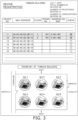
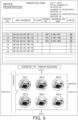
- Fig. 3 to Fig. 6 illustrate contents displayed on the display unit 42 in chronological order during the operation.
- a device operation assisting program implements at least part of the flow illustrated in Fig. 2 .
- An example registration operation is an example operation of registering a plurality of devices for one building 20 having a plurality of floors in which a plurality of devices 21 are installed.
- the name of this building is assumed to be Yamada Building. It is assumed that 90 devices 21 are installed in Yamada Building.
- An operator registers all of the 90 devices 21 near the devices 21 while carrying the mobile terminal 40.
- Each of the devices 21 is assigned in advance a unique physical address, or, in other words, a MAC address.
- MAC addresses any identification information unique to the devices may be used such that, for example, numbers from 1 to 90 may be assigned to the devices. It is assumed that the identification information (here, MAC addresses) of the 90 devices in Yamada Building has been registered in the management device 10. It is further assumed that the MAC addresses have also been stored in the memory 44b of the mobile terminal 40.
- a map of each floor of Yamada Building and information indicating that the locations of the devices 21 in the floors are stored in the memory 44b of the mobile terminal 40 in advance.
- the location of each of the 90 devices 21, whose MAC addresses have already been identified, in Yamada Building is not grasped.
- the operation for registration in the management device 10 using the mobile terminal 40 is referred to as a registration operation.
- Fig. 3 illustrates display of the display unit 42 before this operation is performed.
- a table in the upper portion of Fig. 3 is a list of pieces of identification information of devices to be registered, and a map in the lower portion of Fig. 3 is a map indicating the layout of the devices 21 in the building 20.
- a map indicating the layout of the devices 21 in Room 501 at the fifth floor of Yamada Building is presented.
- the devices 21 are air conditioners, and all of the devices 21 are attached to the ceiling.
- Fig. 3 indicates that through the registration operation of up to the thirty-first device 21, the registration of the devices 21 with No. 1 and No. 2 on the north side among the six devices 21 in Room 501 has been completed.
- the devices with No. 1 and No. 2 are hatched.
- a list of the 90 devices 21 is displayed. Each row corresponds to one device 21.
- the leftmost column presents device numbers 1 to 90.
- the second column from the left indicates the MAC addresses of the devices. These two columns are input before the registration operation is started.
- the third and subsequent columns from the left are input through the device registration operation.
- the third column indicates floor numbers
- the fourth column indicates room numbers
- the fifth column indicates addresses (positions) in the building (map).
- the sixth column or, in other words, the rightmost column, provides checkboxes that are checked when the registration operation is completed.
- Fig. 3 the registration of the two devices with device Nos. 11 and 12 has been completed.
- the devices with device Nos. 11 and 12 are both devices in Room 501 and correspond to devices No. 1 and No. 2 in Room 501.
- devices No. 1 and No. 2 are hatched.
- the addresses 5-501-001 and 5-501-002 in the fifth column correspond to No. 1 and No. 2 of the map in the lower portion of Fig. 3 , respectively. Since the registration of these devices has been completed, address information (position information) in the map is entered in the third column, the fourth column, and the fifth column, and the checkboxes are checked.
- the rows of device Nos. 11 and 12 are hatched.
- registration refers to, finally, recording of information in the management device 10.
- registration includes recording information in the mobile terminal 40 and being ready to record the information in the management device 10 once the information is transmitted to the management device 10.
- the operator causes the display unit 42 to perform the display illustrated in Fig. 3 .
- the operator approaches below device No. 3 with reference to the map in the lower portion of Fig. 3 while carrying the mobile terminal 40 (step S101 in Fig. 2 ).
- the electromagnetic wave emitted from the emission unit 26 integrated into or positioned near device No. 3 is received by the receiving unit 41 (S 102).
- the electromagnetic wave includes the identification information of device No. 3.
- the identification information is the device No. or MAC address in the table in Fig. 3 .
- the mobile terminal 40 selects the row of device No. 13 of the table in the upper portion of Fig. 3 and displays the selected row in a highlighted manner (step S 103). Specifically, for example, the row of device No. 13 is displayed in yellow. Further, as illustrated in Fig. 4 , the display unit shows a message "Select a device on the map".
- the operator taps device No. 3 on the map in Fig. 4 (S104). Then, device No. 3 is selected and display in a highlighted manner illustrated in Fig. 5 . Specifically, for example, device No. 3 is displayed in yellow. At the same time, the address (position) on the map, "5-501-003", is entered in the field for device No. 3 in the table in Fig. 5 . The row of device No. 13 remains highlighted. Then, the display unit shows a message "Are you sure this address (position) is registered?" (S 105).
- the operator checks whether the device highlighted in response to receipt of the electromagnetic wave and the current position of the operator in the building are correct, and taps "Yes" to complete the registration (S 106).
- the row of device No. 13 in which the address on the map is entered is hatched, and the checkbox is checked.
- the number of registered devices in Fig. 5 is increased by 1 to 32, and the number of unregistered devices is decreased by 1 to 58.
- the registered content is transmitted to the management device 10 from the network communication unit 45 of the mobile terminal 40 and is registered in the management device.
- step S 105 If the identification number of the device and the address of the device on the map are different in step S 105, the control unit selects "No" in Fig. 5 . Then, the terminal 40 deletes the address on the map in the row of device No. 13 of the table in Fig. 4 , and cancels the highlighting of device No. 3 on the map. The operator returns to step S 104 and again selects the position of the device corresponding to the identification number on the map.
- step S 103 if it is determined that the device 21 has been registered, the control unit of the mobile terminal 40 does not present the device information on the display unit. This prevents duplicate registration.
- the emission unit 26 may be configured to stop emission of an electromagnetic wave after the terminal 40 receives an electromagnetic wave in step S102. Even when the operator approaches the vicinity of the terminal (S 101), the mobile terminal 40 receives no electromagnetic wave (S 102). Thus, the device information (including the identification information) is not displayed on the display unit (S103). Both methods can prevent duplicate registration of a device.
- the management device 10 manages the devices 21 via the network 15. To use the device management system 1, it is necessary to register the devices 21 in the management device 10 in advance.
- the device-registration-operation assisting apparatus 2 assists in registering the devices 21 in the management device 10.
- the device-registration-operation assisting apparatus 2 includes the emission unit 26 and the mobile terminal 40.
- the emission unit 26 is integrated into or positioned near each of the plurality of devices 21.
- the emission unit 26 emits an electromagnetic wave.
- the mobile terminal 40 includes the receiving unit 41, the display unit 42, and the input unit 43.
- the receiving unit 41 receives an electromagnetic wave emitted from the emission unit 26.
- the input unit 43 accepts an input of an operator.
- the registration operation is performed as follows. First, the mobile terminal 40 receives an electromagnetic wave emitted from the emission unit 26 (S 102). Then, the mobile terminal 40 displays, on the display unit 42, identification information of the device 21 corresponding to the emission unit (S103). The operator inputs position information of the device 21 in the building (S104). As a result, the registration of the device 21 is completed.
- the display of the device for which the registration is completed is changed after the registration operation is completed, thus ensuring that the operator can grasp which device has been registered.
- the display of the registered device is changed in both the list of pieces of identification information and the map for the inside of the building, thus ensuring that the operator can grasp the association between the identification information and the position information of the device.
- the emission unit 26 may stop the transmission of an electromagnetic wave after the mobile terminal 40 receives an electromagnetic wave from the emission unit 26 (S102).
- an electromagnetic wave emitted from the emission unit related to the registered device may not affect an electromagnetic wave emitted from another emission unit when another device is registered.
- the display unit 42 is capable of displaying a map for the inside of the building 20. As described in the lower portions of Fig. 3 to Fig. 6 , the display of the display unit 42 describes the positions of devices in the building in an understandable manner using a GUI, which allows the operator to easily understand the progress of the registration operation.
- the display unit 42 is capable of displaying a list of a plurality of devices 21 including the device 21 into or near which the emission unit 26 is integrated or positioned. The operator can grasp an overall view of devices to be registered, which facilitates a smooth registration operation.
- the first embodiment describes an example in which the emission unit 26 stops the transmission of an electromagnetic wave after the mobile terminal 40 receives an electromagnetic wave from the emission unit 26 (S102).
- the emitter continues to emit an electromagnetic wave.
- the terminal 40 does not provide display to urge the operator to re-register the device if the device is determined to have been registered.
- the first embodiment describes a case where the registration assistance program, identification information of devices, and map information of a building are saved in the memory 44b of the mobile terminal 40.
- these are saved in the management device 10.
- the assistance program is executed by the management device 10, and the mobile terminal 40 is used as a browser. Through the registration operation, registration is directly registered in the management device 10.
- the mobile terminal 40 includes the network communication unit 45.
- the mobile terminal 40 does not include the network communication unit 45.
- the mobile terminal stores the assistance program, and, additionally, necessary information, such as identification information of devices and map information of a building, is input to the mobile terminal in advance.
- data is collectively transmitted to the management device 10.
- the operator may connect the mobile terminal 40 to a computer connected to another network and transmit the data in the mobile terminal 40 to the management device 10.
- registration in the management device is performed later.
- substantially the same registration operation as that in the first embodiment can be performed.
- a registered device 21 is shown hatched or the like.
- a registered device 21 is erased from the display screen. This ensures that the operator can recognize completion of the registration.
- the map information of the inside of the building is stored in the mobile terminal 40 in the first embodiment, and is stored in the management device 10 in Modification 1B. At the time of the registration operation, the map information is displayed on the mobile terminal 40 to assist the operator.
- the map information of the inside of the building is not stored in the system 1 or the assisting apparatus 2.
- the map information of the inside of the building is stored on paper.
- the operator performs the registration operation while viewing the map information of the inside of the building on paper.
- the mobile terminal displays only the list of devices in the upper portions of Fig. 3 to Fig. 6 .
- the operation performed by the operator is basically the same as that illustrated in the flowchart in Fig. 2 .
- the terminal receives an electromagnetic wave (S102)
- identification information of the device is displayed in a table on the display unit 42 of the terminal.
- the operator inputs the address of the device on the map for the inside of the building, for example, device No. 3 in Room 501 at the fifth floor in the example in the first embodiment (S104).
- S104 the registration operation is completed.
- the identification information of devices is stored in advance in the mobile terminal 40 in the first embodiment and in the management device 10 in Modification 1B. At the time of the registration operation, a list of devices is displayed to the operator in advance. In Modification 1F, the list does not display identification information of an unregistered device other than devices that have been and are being registered.
- the operator can recognize the identification number of the device 21 under the operation without confusion.
- the mobile terminal 40 or the management device 10 may not include the identification information of the devices 21.
- the identification information such as the MAC address of the device is accumulated in the mobile terminal 40 or the management device 10.
- the devices 21 are connected to the network 15 via the information transfer device 30.
- the devices 21 are directly connected to the network 15.
- the table of devices and a map for the inside of the building are simultaneously displayed on the mobile terminal 40.
- the table and the map are not simultaneously displayed, but one of them is displayed.
- an invocation button for invoking the other is provided on the screen.
Landscapes
- Engineering & Computer Science (AREA)
- Computer Networks & Wireless Communication (AREA)
- Signal Processing (AREA)
- Databases & Information Systems (AREA)
- General Physics & Mathematics (AREA)
- Physics & Mathematics (AREA)
- Computer Security & Cryptography (AREA)
- Human Computer Interaction (AREA)
- Chemical & Material Sciences (AREA)
- Combustion & Propulsion (AREA)
- Mechanical Engineering (AREA)
- General Engineering & Computer Science (AREA)
- Management, Administration, Business Operations System, And Electronic Commerce (AREA)
- Selective Calling Equipment (AREA)
Applications Claiming Priority (3)
| Application Number | Priority Date | Filing Date | Title |
|---|---|---|---|
| JP2019046102A JP6809550B2 (ja) | 2019-03-13 | 2019-03-13 | 機器登録作業支援装置 |
| EP20770026.1A EP3941081B1 (de) | 2019-03-13 | 2020-03-13 | System zur unterstützung von vorrichtungsregistrierungsoperationen |
| PCT/JP2020/011174 WO2020184710A1 (ja) | 2019-03-13 | 2020-03-13 | 機器登録作業支援装置 |
Related Parent Applications (2)
| Application Number | Title | Priority Date | Filing Date |
|---|---|---|---|
| EP20770026.1A Division EP3941081B1 (de) | 2019-03-13 | 2020-03-13 | System zur unterstützung von vorrichtungsregistrierungsoperationen |
| EP20770026.1A Division-Into EP3941081B1 (de) | 2019-03-13 | 2020-03-13 | System zur unterstützung von vorrichtungsregistrierungsoperationen |
Publications (3)
| Publication Number | Publication Date |
|---|---|
| EP4236632A2 true EP4236632A2 (de) | 2023-08-30 |
| EP4236632A3 EP4236632A3 (de) | 2023-10-04 |
| EP4236632B1 EP4236632B1 (de) | 2026-05-13 |
Family
ID=72426783
Family Applications (2)
| Application Number | Title | Priority Date | Filing Date |
|---|---|---|---|
| EP23180267.9A Active EP4236632B1 (de) | 2019-03-13 | 2020-03-13 | Geräteregistrierungsvorgang |
| EP20770026.1A Active EP3941081B1 (de) | 2019-03-13 | 2020-03-13 | System zur unterstützung von vorrichtungsregistrierungsoperationen |
Family Applications After (1)
| Application Number | Title | Priority Date | Filing Date |
|---|---|---|---|
| EP20770026.1A Active EP3941081B1 (de) | 2019-03-13 | 2020-03-13 | System zur unterstützung von vorrichtungsregistrierungsoperationen |
Country Status (6)
| Country | Link |
|---|---|
| US (1) | US11611864B2 (de) |
| EP (2) | EP4236632B1 (de) |
| JP (1) | JP6809550B2 (de) |
| CN (1) | CN113545101A (de) |
| AU (1) | AU2020237854B2 (de) |
| WO (1) | WO2020184710A1 (de) |
Families Citing this family (1)
| Publication number | Priority date | Publication date | Assignee | Title |
|---|---|---|---|---|
| JP2024157283A (ja) * | 2023-04-25 | 2024-11-07 | パナソニックIpマネジメント株式会社 | 制御システム、制御方法、及びプログラム |
Citations (1)
| Publication number | Priority date | Publication date | Assignee | Title |
|---|---|---|---|---|
| JP6167971B2 (ja) | 2014-03-31 | 2017-07-26 | ダイキン工業株式会社 | 遠隔管理システム |
Family Cites Families (20)
| Publication number | Priority date | Publication date | Assignee | Title |
|---|---|---|---|---|
| JP4325592B2 (ja) | 2005-06-24 | 2009-09-02 | ダイキン工業株式会社 | 設備機器対応付け支援システムおよび無線情報端末 |
| JP4600992B2 (ja) | 2005-08-17 | 2010-12-22 | Kddi株式会社 | 家電機器遠隔操作システムおよびその運用方法 |
| JP4967838B2 (ja) * | 2007-06-13 | 2012-07-04 | 日本電気株式会社 | Id発信装置設置位置情報の登録システム、装置、方法およびプログラム |
| JP5285301B2 (ja) * | 2008-02-26 | 2013-09-11 | パナソニック株式会社 | 光伝送システム |
| JP4488096B2 (ja) * | 2008-07-29 | 2010-06-23 | ダイキン工業株式会社 | 遠隔管理装置および遠隔管理システム |
| JP6015390B2 (ja) * | 2012-11-30 | 2016-10-26 | 株式会社リコー | 位置管理システム、位置管理方法及びプログラム |
| JP5605523B1 (ja) | 2013-02-20 | 2014-10-15 | パナソニック インテレクチュアル プロパティ コーポレーション オブ アメリカ | 携帯情報端末の制御方法及びプログラム |
| JP5860564B2 (ja) * | 2013-02-20 | 2016-02-16 | パナソニック インテレクチュアル プロパティ コーポレーション オブアメリカPanasonic Intellectual Property Corporation of America | 携帯情報端末の制御方法及びプログラム |
| EP2800459B1 (de) | 2013-02-20 | 2016-05-25 | Panasonic Intellectual Property Corporation of America | Programm und verfahren zur steuerung tragbarer informationsendgeräte |
| US9800429B2 (en) | 2013-03-15 | 2017-10-24 | Smartbotics Inc. | Adaptive home and commercial automation devices, methods and systems based on the proximity of controlling elements |
| JP6195239B2 (ja) * | 2013-06-21 | 2017-09-13 | 株式会社 ライフインターフェイス | 機器・センサの設置位置登録の方法 |
| JP2015050752A (ja) * | 2013-09-04 | 2015-03-16 | シャープ株式会社 | 遠隔操作システムにおける登録支援システム |
| WO2015104248A1 (en) * | 2014-01-10 | 2015-07-16 | Koninklijke Philips N.V. | Tablet-based commissioning tool for addressable lighting |
| KR102251309B1 (ko) * | 2016-01-12 | 2021-05-12 | 삼성전자주식회사 | 무선 통신 시스템에서 전자 장치 설치 장치 및 방법 |
| US10827450B2 (en) * | 2016-09-20 | 2020-11-03 | Qualcomm Incorporated | Wireless device registration |
| JP6911448B2 (ja) * | 2017-03-28 | 2021-07-28 | 東芝ライテック株式会社 | 照明システム |
| JP6469770B2 (ja) | 2017-07-07 | 2019-02-13 | シャープ株式会社 | 遠隔操作システムにおける登録支援システム |
| JP6868197B2 (ja) * | 2017-09-29 | 2021-05-12 | 東芝ライテック株式会社 | 照明装置および照明システム |
| KR101980039B1 (ko) * | 2018-03-26 | 2019-05-17 | 엘지전자 주식회사 | 가전기기 자동 등록 시스템 및 방법 |
| KR102165806B1 (ko) * | 2018-08-16 | 2020-10-14 | 에스케이텔레콤 주식회사 | 전송장치 및 전송장치의 동작 방법 |
-
2019
- 2019-03-13 JP JP2019046102A patent/JP6809550B2/ja active Active
-
2020
- 2020-03-13 CN CN202080019257.5A patent/CN113545101A/zh active Pending
- 2020-03-13 EP EP23180267.9A patent/EP4236632B1/de active Active
- 2020-03-13 WO PCT/JP2020/011174 patent/WO2020184710A1/ja not_active Ceased
- 2020-03-13 EP EP20770026.1A patent/EP3941081B1/de active Active
- 2020-03-13 US US17/435,659 patent/US11611864B2/en active Active
- 2020-03-13 AU AU2020237854A patent/AU2020237854B2/en active Active
Patent Citations (1)
| Publication number | Priority date | Publication date | Assignee | Title |
|---|---|---|---|---|
| JP6167971B2 (ja) | 2014-03-31 | 2017-07-26 | ダイキン工業株式会社 | 遠隔管理システム |
Also Published As
| Publication number | Publication date |
|---|---|
| EP3941081B1 (de) | 2023-08-09 |
| EP3941081A4 (de) | 2022-05-18 |
| AU2020237854A1 (en) | 2021-11-11 |
| EP4236632A3 (de) | 2023-10-04 |
| EP4236632B1 (de) | 2026-05-13 |
| WO2020184710A1 (ja) | 2020-09-17 |
| US11611864B2 (en) | 2023-03-21 |
| JP6809550B2 (ja) | 2021-01-06 |
| US20220046405A1 (en) | 2022-02-10 |
| CN113545101A (zh) | 2021-10-22 |
| AU2020237854B2 (en) | 2022-09-29 |
| EP3941081A1 (de) | 2022-01-19 |
| JP2020150404A (ja) | 2020-09-17 |
Similar Documents
| Publication | Publication Date | Title |
|---|---|---|
| US8817712B2 (en) | Apparatus for providing location based service and method thereof | |
| US20240001237A1 (en) | Method and apparatus for sending information, transferring resource in game, medium and device | |
| CN104871135B (zh) | 控制装置、显示装置、固件更新方法和固件更新程序 | |
| US8219611B2 (en) | Systems and methods for providing a complete view of large computing networks | |
| US8909356B2 (en) | Appliance control device, registration method of appliance control device, and program | |
| EP4236632B1 (de) | Geräteregistrierungsvorgang | |
| JP2018092666A (ja) | ネットワーク上の客体検索方法及びシステム | |
| JP2007011971A (ja) | ルート情報提供システム | |
| CN107131881B (zh) | 一种室内导航方法及电子设备 | |
| JP2021182250A (ja) | 建築物管理装置、建築物管理方法、および建築物管理プログラム | |
| US20190063779A1 (en) | Air conditioning management device and program | |
| JP7670957B2 (ja) | 情報処理システム、情報処理方法、及び情報処理プログラム | |
| JP2016153946A (ja) | 情報処理装置、情報処理方法及びプログラム | |
| JP2008278138A (ja) | エリアサービス支援システム、エリアサービス支援サーバ、エリアサービス支援方法、及び、プログラム | |
| JP2021051787A (ja) | エリア端末および情報提供システム | |
| EP2753152A1 (de) | Beleuchtungssteuerung, beleuchtungssteuerungssystem und beleuchtungssteuerungsverfahren | |
| JPH09153097A (ja) | 入院患者受付端末機における入力ガイド方法及び装置 | |
| JP2014033283A (ja) | 画像処理装置、画像処理プログラム、及び画像処理システム | |
| JP7557811B1 (ja) | バーチャルオフィス提供装置及びバーチャルオフィス提供方法 | |
| JP7851159B2 (ja) | 制御システム、スケジュール管理方法およびプログラム | |
| JP2023037861A (ja) | 情報提供システム、情報提供方法および情報提供プログラム | |
| JPH0563704A (ja) | Lan用インタネツトアドレス自動採番方式 | |
| JP2578736B2 (ja) | 複数のターミナルを有するデータ処理システムのマルチウインドウ表示装置 | |
| JP2019185305A (ja) | 情報処理装置、情報処理方法、建物情報表示方法、およびプログラム | |
| JP2020141360A (ja) | 機器登録作業支援装置 |
Legal Events
| Date | Code | Title | Description |
|---|---|---|---|
| PUAI | Public reference made under article 153(3) epc to a published international application that has entered the european phase |
Free format text: ORIGINAL CODE: 0009012 |
|
| STAA | Information on the status of an ep patent application or granted ep patent |
Free format text: STATUS: REQUEST FOR EXAMINATION WAS MADE |
|
| 17P | Request for examination filed |
Effective date: 20230620 |
|
| AC | Divisional application: reference to earlier application |
Ref document number: 3941081 Country of ref document: EP Kind code of ref document: P |
|
| AK | Designated contracting states |
Kind code of ref document: A2 Designated state(s): AL AT BE BG CH CY CZ DE DK EE ES FI FR GB GR HR HU IE IS IT LI LT LU LV MC MK MT NL NO PL PT RO RS SE SI SK SM TR |
|
| REG | Reference to a national code |
Ref country code: DE Ref legal event code: R079 Ref country code: DE Ref legal event code: R079 Ref document number: 602020072167 Country of ref document: DE Free format text: PREVIOUS MAIN CLASS: H05B0047190000 Ipc: H04Q0009000000 |
|
| PUAL | Search report despatched |
Free format text: ORIGINAL CODE: 0009013 |
|
| AK | Designated contracting states |
Kind code of ref document: A3 Designated state(s): AL AT BE BG CH CY CZ DE DK EE ES FI FR GB GR HR HU IE IS IT LI LT LU LV MC MK MT NL NO PL PT RO RS SE SI SK SM TR |
|
| RIC1 | Information provided on ipc code assigned before grant |
Ipc: H04W 60/04 20090101ALI20230831BHEP Ipc: H04W 48/16 20090101ALI20230831BHEP Ipc: H04W 8/00 20090101ALI20230831BHEP Ipc: G08C 17/02 20060101ALI20230831BHEP Ipc: H05B 47/19 20200101ALI20230831BHEP Ipc: F24F 11/59 20180101ALI20230831BHEP Ipc: H04Q 9/00 20060101AFI20230831BHEP |
|
| P01 | Opt-out of the competence of the unified patent court (upc) registered |
Effective date: 20231201 |
|
| GRAP | Despatch of communication of intention to grant a patent |
Free format text: ORIGINAL CODE: EPIDOSNIGR1 |
|
| STAA | Information on the status of an ep patent application or granted ep patent |
Free format text: STATUS: GRANT OF PATENT IS INTENDED |
|
| INTG | Intention to grant announced |
Effective date: 20251217 |
|
| GRAS | Grant fee paid |
Free format text: ORIGINAL CODE: EPIDOSNIGR3 |
|
| GRAA | (expected) grant |
Free format text: ORIGINAL CODE: 0009210 |
|
| STAA | Information on the status of an ep patent application or granted ep patent |
Free format text: STATUS: THE PATENT HAS BEEN GRANTED |
|
| AC | Divisional application: reference to earlier application |
Ref document number: 3941081 Country of ref document: EP Kind code of ref document: P |
|
| AK | Designated contracting states |
Kind code of ref document: B1 Designated state(s): AL AT BE BG CH CY CZ DE DK EE ES FI FR GB GR HR HU IE IS IT LI LT LU LV MC MK MT NL NO PL PT RO RS SE SI SK SM TR |
|
| REG | Reference to a national code |
Ref country code: CH Ref legal event code: F10 Free format text: ST27 STATUS EVENT CODE: U-0-0-F10-F00 (AS PROVIDED BY THE NATIONAL OFFICE) Effective date: 20260513 |