EP4234033B1 - Uses for and article of manufacture including her2 dimerization inhibitor pertuzumab - Google Patents
Uses for and article of manufacture including her2 dimerization inhibitor pertuzumab Download PDFInfo
- Publication number
- EP4234033B1 EP4234033B1 EP23172794.2A EP23172794A EP4234033B1 EP 4234033 B1 EP4234033 B1 EP 4234033B1 EP 23172794 A EP23172794 A EP 23172794A EP 4234033 B1 EP4234033 B1 EP 4234033B1
- Authority
- EP
- European Patent Office
- Prior art keywords
- pertuzumab
- trastuzumab
- her2
- patients
- dose
- Prior art date
- Legal status (The legal status is an assumption and is not a legal conclusion. Google has not performed a legal analysis and makes no representation as to the accuracy of the status listed.)
- Active
Links
Images

















Classifications
-
- A—HUMAN NECESSITIES
- A61—MEDICAL OR VETERINARY SCIENCE; HYGIENE
- A61K—PREPARATIONS FOR MEDICAL, DENTAL OR TOILETRY PURPOSES
- A61K31/00—Medicinal preparations containing organic active ingredients
- A61K31/33—Heterocyclic compounds
- A61K31/335—Heterocyclic compounds having oxygen as the only ring hetero atom, e.g. fungichromin
- A61K31/337—Heterocyclic compounds having oxygen as the only ring hetero atom, e.g. fungichromin having four-membered rings, e.g. taxol
-
- A—HUMAN NECESSITIES
- A61—MEDICAL OR VETERINARY SCIENCE; HYGIENE
- A61K—PREPARATIONS FOR MEDICAL, DENTAL OR TOILETRY PURPOSES
- A61K31/00—Medicinal preparations containing organic active ingredients
- A61K31/33—Heterocyclic compounds
- A61K31/395—Heterocyclic compounds having nitrogen as a ring hetero atom, e.g. guanethidine or rifamycins
- A61K31/495—Heterocyclic compounds having nitrogen as a ring hetero atom, e.g. guanethidine or rifamycins having six-membered rings with two or more nitrogen atoms as the only ring heteroatoms, e.g. piperazine or tetrazines
- A61K31/505—Pyrimidines; Hydrogenated pyrimidines, e.g. trimethoprim
- A61K31/513—Pyrimidines; Hydrogenated pyrimidines, e.g. trimethoprim having oxo groups directly attached to the heterocyclic ring, e.g. cytosine
-
- A—HUMAN NECESSITIES
- A61—MEDICAL OR VETERINARY SCIENCE; HYGIENE
- A61K—PREPARATIONS FOR MEDICAL, DENTAL OR TOILETRY PURPOSES
- A61K31/00—Medicinal preparations containing organic active ingredients
- A61K31/66—Phosphorus compounds
- A61K31/675—Phosphorus compounds having nitrogen as a ring hetero atom, e.g. pyridoxal phosphate
-
- A—HUMAN NECESSITIES
- A61—MEDICAL OR VETERINARY SCIENCE; HYGIENE
- A61K—PREPARATIONS FOR MEDICAL, DENTAL OR TOILETRY PURPOSES
- A61K31/00—Medicinal preparations containing organic active ingredients
- A61K31/70—Carbohydrates; Sugars; Derivatives thereof
- A61K31/7028—Compounds having saccharide radicals attached to non-saccharide compounds by glycosidic linkages
- A61K31/7034—Compounds having saccharide radicals attached to non-saccharide compounds by glycosidic linkages attached to a carbocyclic compound, e.g. phloridzin
- A61K31/704—Compounds having saccharide radicals attached to non-saccharide compounds by glycosidic linkages attached to a carbocyclic compound, e.g. phloridzin attached to a condensed carbocyclic ring system, e.g. sennosides, thiocolchicosides, escin, daunorubicin
-
- A—HUMAN NECESSITIES
- A61—MEDICAL OR VETERINARY SCIENCE; HYGIENE
- A61K—PREPARATIONS FOR MEDICAL, DENTAL OR TOILETRY PURPOSES
- A61K39/00—Medicinal preparations containing antigens or antibodies
- A61K39/39—Medicinal preparations containing antigens or antibodies characterised by the immunostimulating additives, e.g. chemical adjuvants
-
- A—HUMAN NECESSITIES
- A61—MEDICAL OR VETERINARY SCIENCE; HYGIENE
- A61K—PREPARATIONS FOR MEDICAL, DENTAL OR TOILETRY PURPOSES
- A61K39/00—Medicinal preparations containing antigens or antibodies
- A61K39/395—Antibodies; Immunoglobulins; Immune serum, e.g. antilymphocytic serum
- A61K39/39533—Antibodies; Immunoglobulins; Immune serum, e.g. antilymphocytic serum against materials from animals
- A61K39/39558—Antibodies; Immunoglobulins; Immune serum, e.g. antilymphocytic serum against materials from animals against tumor tissues, cells, antigens
-
- A—HUMAN NECESSITIES
- A61—MEDICAL OR VETERINARY SCIENCE; HYGIENE
- A61K—PREPARATIONS FOR MEDICAL, DENTAL OR TOILETRY PURPOSES
- A61K45/00—Medicinal preparations containing active ingredients not provided for in groups A61K31/00 - A61K41/00
- A61K45/06—Mixtures of active ingredients without chemical characterisation, e.g. antiphlogistics and cardiaca
-
- A—HUMAN NECESSITIES
- A61—MEDICAL OR VETERINARY SCIENCE; HYGIENE
- A61P—SPECIFIC THERAPEUTIC ACTIVITY OF CHEMICAL COMPOUNDS OR MEDICINAL PREPARATIONS
- A61P35/00—Antineoplastic agents
-
- C—CHEMISTRY; METALLURGY
- C07—ORGANIC CHEMISTRY
- C07K—PEPTIDES
- C07K16/00—Immunoglobulins [IGs], e.g. monoclonal or polyclonal antibodies
- C07K16/18—Immunoglobulins [IGs], e.g. monoclonal or polyclonal antibodies against material from animals or humans
- C07K16/32—Immunoglobulins [IGs], e.g. monoclonal or polyclonal antibodies against material from animals or humans against translation products of oncogenes
-
- A—HUMAN NECESSITIES
- A61—MEDICAL OR VETERINARY SCIENCE; HYGIENE
- A61K—PREPARATIONS FOR MEDICAL, DENTAL OR TOILETRY PURPOSES
- A61K39/00—Medicinal preparations containing antigens or antibodies
- A61K2039/505—Medicinal preparations containing antigens or antibodies comprising antibodies
- A61K2039/507—Comprising a combination of two or more separate antibodies
-
- A—HUMAN NECESSITIES
- A61—MEDICAL OR VETERINARY SCIENCE; HYGIENE
- A61K—PREPARATIONS FOR MEDICAL, DENTAL OR TOILETRY PURPOSES
- A61K39/00—Medicinal preparations containing antigens or antibodies
- A61K2039/545—Medicinal preparations containing antigens or antibodies characterised by the dose, timing or administration schedule
-
- A—HUMAN NECESSITIES
- A61—MEDICAL OR VETERINARY SCIENCE; HYGIENE
- A61K—PREPARATIONS FOR MEDICAL, DENTAL OR TOILETRY PURPOSES
- A61K39/00—Medicinal preparations containing antigens or antibodies
- A61K2039/555—Medicinal preparations containing antigens or antibodies characterised by a specific combination antigen/adjuvant
- A61K2039/55511—Organic adjuvants
-
- A—HUMAN NECESSITIES
- A61—MEDICAL OR VETERINARY SCIENCE; HYGIENE
- A61K—PREPARATIONS FOR MEDICAL, DENTAL OR TOILETRY PURPOSES
- A61K2300/00—Mixtures or combinations of active ingredients, wherein at least one active ingredient is fully defined in groups A61K31/00 - A61K41/00
-
- C—CHEMISTRY; METALLURGY
- C07—ORGANIC CHEMISTRY
- C07K—PEPTIDES
- C07K2317/00—Immunoglobulins specific features
- C07K2317/20—Immunoglobulins specific features characterized by taxonomic origin
- C07K2317/24—Immunoglobulins specific features characterized by taxonomic origin containing regions, domains or residues from different species, e.g. chimeric, humanized or veneered
Definitions
- the present invention concerns uses for Pertuzumab, a first-in-class HER2 dimerization inhibitor.
- the disclosure concerns extending progression free survival in a HER2-positive breast cancer patient population; combining two HER2 antibodies to treat HER2-positive cancer without increasing cardiac toxicity; treating early-stage HER2-positive breast cancer; further the disclosure relates to treating HER2-positive cancer by co-administering a mixture of Pertuzumab and Trastuzumab from the same intravenous bag; treating HER2-positive metastatic gastric cancer; treating HER2-positive breast cancer with Pertuzumab, Trastuzumab and Vinorelbine; treating HER2-positive breast cancer with Pertuzumab, Trastuzumab and aromatase inhibitor; and treating low HER3 ovarian, primary peritoneal, or fallopian tube cancer.
- IV intravenous
- the receptor family includes four distinct members including epidermal growth factor receptor (EGFR, ErbB1, or HER1), HER2 (ErbB2 or p185 neu ), HER3 (ErbB3) and HER4 (ErbB4 or tyro2).
- EGFR epidermal growth factor receptor
- HER2 ErbB2 or p185 neu
- HER3 ErbB3
- HER4 ErbB4 or tyro2
- a recombinant humanized version of the murine anti-HER2 antibody 4D5 (huMAb4D5-8, rhuMAb HER2, Trastuzumab or HERCEPTIN ® ; U.S. Patent No. 5,821,337 ) is clinically active in patients with HER2-overexpressing metastatic breast cancers that have received extensive prior anti-cancer therapy ( Baselga et al., J. Clin. Oncol. 14:737-744 (1996 )).
- Trastuzumab received marketing approval from the Food and Drug Administration September 25, 1998 for the treatment of patients with metastatic breast cancer whose tumors overexpress the HER2 protein.
- Trastuzumab is approved for use as a single agent or in combination with chemotherapy or hormone therapy in the metastatic setting, and as single agent or in combination with chemotherapy as adjuvant treatment for patients with early-stage HER2-positive breast cancer.
- Trastuzumab-based therapy is now the recommended treatment for patients with HER2-positive early-stage breast cancer who do not have contraindications for its use (Herceptin ® prescribing information; NCCN Guidelines, version 2.2011).
- trastuzumab plus Docetaxel is a registered standard of care in the first-line metastatic breast cancer (MBC) treatment setting ( Slamon et al. N Engl J Med. 2001;344(11):783-792 .; Marty et al. J Clin Oncol. 2005; 23(19):4265-4274 ).
- HER2 antibody Trastuzumab Patients treated with the HER2 antibody Trastuzumab are selected for therapy based on HER2 expression. See, for example, WO99/31140 (Paton et al. ), US2003/0170234A1 (Hellmann, S. ), and US2003/0147884 (Paton et al. ); as well as WO01/89566 , US2002/0064785 , and US2003/0134344 (Mass et al. ). See, also, US Patent No. 6,573,043 , US Patent No. 6,905,830 , and US2003/0152987, Cohen et al.
- Pertuzumab also known as recombinant humanized monoclonal antibody 2C4 (rhuMAb 2C4); Genentech, Inc, South San Francisco
- HER dimerization inhibitors HDI
- functions to inhibit the ability of HER2 to form active heterodimers or homodimers with other HER receptors such as EGFR/HER1, HER2, HER3 and HER4.
- Pertuzumab blockade of the formation of HER2-HER3 heterodimers in tumor cells has been demonstrated to inhibit critical cell signaling, which results in reduced tumor proliferation and survival ( Agus et al. Cancer Cell 2: 127-37 (2002 )).
- Pertuzumab has undergone testing as a single agent in the clinic with a phase Ia trial in patients with advanced cancers and phase II trials in patients with ovarian cancer and breast cancer as well as lung and prostate cancer.
- Phase I study patients with incurable, locally advanced, recurrent or metastatic solid tumors that had progressed during or after standard therapy were treated with Pertuzumab given intravenously every 3 weeks.
- Pertuzumab was generally well tolerated. Tumor regression was achieved in 3 of 20 patients evaluable for response. Two patients had confirmed partial responses. Stable disease lasting for more than 2.5 months was observed in 6 of 21 patients ( Agus et al. Pro Am Soc Clin Oncol 22:192 (2003 )).
- Pertuzumab At doses of 2.0-15 mg/kg, the pharmacokinetics of Pertuzumab was linear, and mean clearance ranged from 2.69 to 3.74 mL/day/kg and the mean terminal elimination half-life ranged from 15.3 to 27.6 days. Antibodies to Pertuzumab were not detected ( Allison et al. Pro Am Soc Clin Oncol 22:197 (2003 )).
- US 2006/0034842 describes methods for treating ErbB-expressing cancer with anti-ErbB2 antibody combinations.
- US 2008/0102069 describes the use of Trastuzumab and Pertuzumab in the treatment of HER2-positive metastatic cancer, such as breast cancer.
- Baselga et al., J Clin Oncol, 2007 ASCO Annual Meeting Proceedings Part I, Col. 25, No. 18S (June 20 Supplement), 2007:1004 report the treatment of patients with pre-treated HER2-positivebreast cancer, which has progressed during treatment with Trastuzumab, with a combination of Trastuzumab and Pertuzumab.
- Pertuzumab has been evaluated in Phase II studies in combination with Trastuzumab in patients with HER2-positive metastatic breast cancer who have previously received Trastuzumab for metastatic disease.
- WO 2009/154651 describes combination treatment of Trastuzumab, Pertuzumab and a taxane in HER2-positive metastatic breast cancer.
- Patent Publications related to HER2 antibodies include: US Patent Nos. 5,677,171 ; 5,720,937 ; 5,720,954 ; 5,725,856 ; 5,770,195 ; 5,772,997 ; 6,165,464 ; 6,387,371 ; 6,399,063 ; 6,015,567 ; 6,333,169 ; 4,968,603 ; 5,821,337 ; 6,054,297 ; 6,407,213 ; 6,639,055 ; 6,719,971 ; 6,800,738 ; 8,075,890 ; 5,648,237 ; 7,018,809 ; 6,267,958 ; 6,685,940 ; 6,821,515 ; 7,060,268 ; 7,682,609 ; 7,371,376 ; 6,127,526 ; 6,333,398 ; 6,797,814 ; 6,339,142 ; 6,417,335 ; 6,489,447
- the invention concerns Pertuzumab, Trastuzumab and chemotherapy for use in neoadjuvant treatment of early-stage HER2-positive breast cancer in a patient, wherein the patient's early-stage HER2-positive breast cancer has not spread beyond the breast or the axillary lymph nodes, wherein the chemotherapy comprises carboplatin-based chemotherapy comprising Docetaxel and Carboplatin, and wherein 6 cycles of the Pertuzumab, Trastuzumab and chemotherapy are administered to the patient in 3-week cycles every 3 weeks, with the Pertuzumab, Trastuzumab and carboplatin-based chemotherapy being administered on day 1 of each cycle wherein: the Pertuzumab, Trastuzumab, and carboplatin-based chemotherapy are administered intravenously to the patient on day 1 of each cycle for all 6 cycles; the dose for Docetaxel is 75 mg/m2 for all 6 cycles; the Carboplatin dose is area under the curve equals 6 (AUC6) using
- the disclosure concerns a method for extending progression free survival in a HER2-positive breast cancer patient population by 6 months or more comprising administering Pertuzumab, Trastuzumab and chemotherapy (e.g. taxane, such as Docetaxel) to the patients in the population.
- the method results in an objective response rate of 80% or more in the patients in the population.
- the breast cancer is optionally metastatic or locally recurrent, unresectable breast cancer, or de novo Stage IV disease.
- the patients in the population have not received previous treatment or have relapsed after adjuvant therapy, have a left ventricular ejection fraction (LVEF) of ⁇ 50% at baseline, and/or have an Eastern Cooperative Oncology Group performance status (ECOG PS) of 0 or 1.
- LVEF left ventricular ejection fraction
- ECOG PS Eastern Cooperative Oncology Group performance status
- the HER2-positive breast cancer is defined as immunohistochemistry (IHC) 3+ and/or fluorescence in situ hybridization (FISH) amplification ratio ⁇ 2.0.
- the method reduces the risk of death by about 34% or more relative to a patient treated with Trastuzumab and the chemotherapy.
- the disclosure concerns a method of combining two HER2 antibodies to treat HER2-positive cancer without increasing cardiac toxicity in a HER2-positive cancer patient population, comprising administering Pertuzumab, Trastuzumab, and chemotherapy to the patients in the population.
- cardiac toxicity in the patient population is monitored for incidence of symptomatic left ventricular systolic dysfunction (LVSD) or congestive heart failure (CHF), or for decrease in left ventricular ejection fraction (LVEF).
- LVSD left ventricular systolic dysfunction
- CHF congestive heart failure
- LVEF left ventricular ejection fraction
- the HER2-positive cancer is optionally, breast cancer, for example metastatic or locally recurrent, unresectable breast cancer, or de novo Stage IV disease.
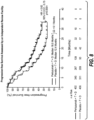
- the disclosure concerns an article of manufacture comprising a vial with Pertuzumab therein and a package insert, wherein the package insert provides the safety data in Table 3 or Table 4 and/or the efficacy data in Table 2, Table 5, Figure 8 , or Figure 10 .
- the disclosure additionally concerns a method for making an article of manufacture comprising packaging together a vial with Pertuzumab therein and a package insert, wherein the package insert provides the safety data in Table 3 or Table 4 and/or the efficacy data in Table 2, Table 5, Figure 8 , or Figure 10 .
- the disclosure concerns a method of ensuring safe and effective use of Pertuzumab comprising packaging together a vial with Pertuzumab therein and a package insert, wherein the package insert provides the safety data in Table 3 or Table 4 and/or the efficacy data in Table 2, Table 5, Figure 8 , or Figure 10 .
- the article of manufacture comprises a single-dose vial containing about 420mg of Pertuzumab.
- the package insert further comprises the warning box in Example 4.
- the package insert further provides the Overall Survival (OS) efficacy data in Example 9 or Table 14.
- OS Overall Survival
- the invention concerns a neoadjuvant method of treating early-stage HER2-positive breast cancer comprising administering Pertuzumab, Trastuzumab, and chemotherapy to a patient with the breast cancer, wherein the chemotherapy comprises carboplatin-based chemotherapy, comprising Docetaxel and Carboplatin, wherein the early-stage HER2-positive breast cancer has not spread beyond the breast or the axillary lymph nodes.
- Pertuzumab is administered concurrently with the carboplatin-based chemotherapy. In one embodiment of this method, Pertuzumab administration does not increase cardiac toxicity relative to the treatment without Pertuzumab.
- the disclosure further concerns a method of treating HER2-positive cancer in a patient comprising co-administering a mixture of Pertuzumab and Trastuzumab from the same intravenous bag to the patient.
- Such method optionally further comprises administering chemotherapy to the patient.
- the disclosure provides an intravenous (IV) bag containing a stable mixture of Pertuzumab and Trastuzumab suitable for administration to a cancer patient.
- the mixture is optionally in saline solution; e.g. comprising about 0.9% NaCl or about 0.45% NaCl.
- the IV bag is optionally a 250mL 0.9% saline polyolefin or polyvinyl chloride infusion bag.
- the IV bag which contains a mixture of about 420mg or of about 840mg of Pertuzumab and from about 200mg to about 1000mg of Trastuzumab.
- the mixture is stable for up to 24 hours at 5°C or 30°C.
- Stability of the mixture can be evaluated by one or more assays selected from: color, appearance and clarity (CAC), concentration and turbidity analysis, particulate analysis, size exclusion chromatography (SEC), ion-exchange chromatography (IEC), capillary zone electrophoresis (CZE), image capillary isoelectric focusing (iCIEF), or potency assay.
- assays selected from: color, appearance and clarity (CAC), concentration and turbidity analysis, particulate analysis, size exclusion chromatography (SEC), ion-exchange chromatography (IEC), capillary zone electrophoresis (CZE), image capillary isoelectric focusing (iCIEF), or potency assay.
- the present disclosure provides a new treatment regimen for gastric cancer.
- the present disclosure concerns the treatment of HER2-positivegastric cancer in human subjects with a combination of Trastuzumab, Pertuzumab and at least one chemotherapy.
- the disclosure concerns a method of treating HER2-positive gastric cancer in a human subject, comprising administering to the subject Pertuzumab, Trastuzumab, and a chemotherapy.
- the disclosure concerns a method of treating gastric cancer in a human subject comprising administering Pertuzumab to the subject with gastric cancer, wherein Pertuzumab is administered at a dose of 840 mg in all treatment cycles.
- the disclosure concerns a method of improving survival in a human subject with HER2-positive gastric cancer, comprising administering to the subject Pertuzumab, Trastuzumab, and a chemotherapy.
- the disclosure concerns Pertuzumab for use in the treatment of HER2-positive gastric cancer in a human subject in combination with Trastuzumab and a chemotherapy.
- the disclosure concerns the use of Pertuzumab in the preparation of a medicament for the treatment of HER2-positive gastric cancer, wherein the treatment comprises administration of Pertuzumab in combination with Trastuzumab and a chemotherapy.
- the disclosure concerns the use of Trastuzumab in the preparation of a medicament for the treatment of HER2-positive gastric cancer, wherein the treatment comprises administration of Trastuzumab in combination with Pertuzumab and a chemotherapy.
- the disclosure concerns a kit comprising a container comprising Pertuzumab and instructions for administration of the Pertuzumab to treat HER2-positive gastric cancer in a subject in combination with Trastuzumab and a chemotherapy.
- the disclosure concerns a kit comprising a container comprising Trastuzumab and instructions for administration of the Trastuzumab to treat HER2-positive gastric cancer in a subject in combination with Pertuzumab and a chemotherapy.
- the gastric cancer can, for example, be non-resectable locally advanced gastric cancer, or metastatic gastric cancer, or advanced, post-operatively recurrent gastric cancer, which may not be amenable to curative therapy by known methods.
- the gastric cancer includes adenocarcinoma of the stomach or gastroesophageal junction.
- the patient did not receive prior anti-cancer treatment for metastatic gastric cancer.
- the chemotherapy comprises administration of a platin and/or fluoropyrimidine.
- the platin is cisplatin.
- the fluoropyrimidine comprises capecitabine and/or 5-fluorouracil (5-FU).
- the patient's HER2-positive status may, for example, be IHC 3+ or IHC 2+/ISH+.
- the treatment improves survival, including overall survival (OS) and/or progression free survival (PFS) and/or response rate (RR).
- OS overall survival
- PFS progression free survival
- RR response rate
- the patient has an ECOG PS of 0-1.
- treatment cycles are generally separated from each other by four weeks or less, or by three weeks or less, or by two weeks or less, or by one week or less.
- the disclosure concerns a method of treating HER2-positive non-resectable or metastatic adenocarcinoma of the stomach or gastroesophageal junction in a human patient who did not receive prior chemotherapy for metastatic disease, except prior adjuvant or neoadjuvant therapy completed more than six months before the current treatment, comprising administering Pertuzumab, Trastuzumab, cisplatin, and capecitabine and/or fluorouracil (5-FU) to the patient in an amount to improve progression free survival (PFS) and/or overall survival (OS), wherein the patient has an ECOG PS of 0-1.
- PFS progression free survival
- OS overall survival
- the patient did not receive prior treatment with a platin.
- the disclosure concerns a method of improving progression free survival in a patient with HER2-positive non-resectable or metastatic adenocarcinoma of the stomach or gastroesophageal junction comprising administering Pertuzumab to the patient in combination with Trastuzumab and chemotherapy.
- the disclosure but not the invention concerns a method of treating HER2-positive breast cancer in a patient comprising administering Pertuzumab, Trastuzumab and vinorelbine to the patient.
- the Pertuzumab and Trastuzumab are co-administered to the patient from a single intravenous bag.
- the breast cancer is optionally metastatic or locally advanced.
- the patient has not previously received systemic non-hormonal anticancer therapy in the metastatic setting.
- the disclosure but not the invention concerns a method of treating HER2-positive breast cancer in a patient comprising administering Pertuzumab, Trastuzumab, and aromatase inhibitor (e.g. anastrazole or letrozole) to the patient.
- the breast cancer is hormone receptor-positive advanced breast cancer, wherein the hormone receptor is estrogen receptor (ER) and/or progesterone receptor (PgR), for example.
- ER estrogen receptor
- PgR progesterone receptor
- patient has not previously received systemic nonhormonal anticancer therapy in the metastatic setting.
- the patient herein optionally receives induction chemotherapy (e.g. comprising taxane).
- the disclosure concerns a method of treating a cancer patient comprising administering to the patient an initial dose of 840mg of Pertuzumab followed every 3 weeks thereafter by a dose of 420mg of Pertuzumab, and further comprising re-administering an 840mg dose of Pertuzumab to the patient if the time between two sequential 420mg doses is 6 weeks or more.
- the method further comprises administering 420mg of Pertuzumab every 3 weeks after the re-administered 840mg dose.
- the cancer patient has HER2-positive breast cancer.
- the disclosure concerns a method for treating HER2-positive metastatic or locally recurrent breast cancer in a patient comprising administering Pertuzumab, Trastuzumab and taxoid (e.g. Docetaxel, Paclitaxel, or nab -paclitaxel) to the patient, wherein the patient has been previously treated with a Trastuzumab and/or lapatinib as adjuvant or neoadjuvant therapy.
- Pertuzumab, Trastuzumab and taxoid e.g. Docetaxel, Paclitaxel, or nab -paclitaxel
- the disclosure concerns a method for treating low HER3 ovarian, primary peritoneal, or fallopian tube cancer in a patient comprising administering Pertuzumab and chemotherapy the patient, wherein the chemotherapy comprises taxoid (e.g. paclitaxel) or topotecan.
- the chemotherapy comprises taxoid (e.g. paclitaxel) or topotecan.
- the disclosure concerns a method for treating low HER3 ovarian, primary peritoneal, or fallopian tube cancer in a patient comprising administering Pertuzumab and chemotherapy to the patient, wherein the low HER3 cancer expresses HER3 mRNA at a concentration ratio equal or lower than about 2.81 as assessed by polymerase chain reaction (PCR).
- the chemotherapy comprises gemcitabine, carboplatin, paclitaxel, docetaxel, topotecan, or pegylated liposomal doxorubicin (PLD).
- the chemotherapy comprises paclitaxel or topotecan.
- the cancer is epithelial ovarian cancer that is platinum-resistant or platinum-refractory.
- chemotherapy refers to treatment comprising the administration of a chemotherapy, as defined hereinbelow.
- “Survival” refers to the patient remaining alive, and includes overall survival as well as progression free survival.
- OS “Overall survival” or “OS” refers to the patient remaining alive for a defined period of time, such as 1 year, 5 years, etc from the time of diagnosis or treatment.
- overall survival is defined as the time from the date of randomization of patient population to the date of death from any cause.
- progression free survival refers to the patient remaining alive, without the cancer progressing or getting worse.
- progression free survival is defined as the time from randomization of study population to the first documented progressive disease, or unmanageable toxicity, or death from any cause, whichever occurs first.
- Disease progression can be documented by any clinically accepted methods, such as, for example, radiographical progressive disease, as determined by Response Evaluation Criteria in Solid Tumors (RECIST) (Therasse et al., J Natl Ca Inst 2000; 92(3):205-216 ), carcinomatous meningitis diagnosed by cytologic evaluation of cerebral spinal fluid, and/or medical photography to monitor chest wall recurrences of subcutaneous lesions.
- RECIST Response Evaluation Criteria in Solid Tumors
- An “objective response” refers to a measurable response, including complete response (CR) or partial response (PR).
- Partial response refers to a decrease in the size of one or more tumors or lesions, or in the extent of cancer in the body, in response to treatment.
- ErbB2 and HER2 are used interchangeably herein and refer to human HER2 protein described, for example, in Semba et al., PNAS (USA) 82:6497-6501 (1985 ) and Yamamoto et al. Nature 319:230-234 (1986 ) (Genebank accession number X03363).
- the term “erbB2” refers to the gene encoding human ErbB2 and "neu” refers to the gene encoding rat p185 neu .
- Preferred HER2 is native sequence human HER2.
- HER2 extracellular domain or "HER2 ECD” refers to a domain of HER2 that is outside of a cell, either anchored to a cell membrane, or in circulation, including fragments thereof.
- the amino acid sequence of HER2 is shown in Figure 1 .
- the extracellular domain of HER2 may comprise four domains: "Domain I” (amino acid residues from about 1-195; SEQ ID NO: 1), "Domain II” (amino acid residues from about 196-319; SEQ ID NO:2), “Domain III” (amino acid residues from about 320-488: SEQ ID NO:3), and "Domain IV” (amino acid residues from about 489-630; SEQ ID NO:4) (residue numbering without signal peptide).
- Domain I amino acid residues from about 1-195; SEQ ID NO: 1
- Domain II amino acid residues from about 196-319
- Domain III amino acid residues from about 320-488: SEQ ID NO:3
- Domain IV amino acid residues from about 489-630; SEQ ID NO:4 (residue numbering without signal peptide).
- HER3 or "ErbB3" herein refer to the receptor as disclosed, for example, in US Pat. Nos. 5,183,884 and 5,480,968 as well as Kraus et al. PNAS (USA) 86:9193-9197 (1989 ).
- a "low HER3" cancer is one which expresses HER3 at a level less then the median level for HER3 expression in the cancer type.
- the low HER3 cancer is epithelial ovarian, peritoneal, or fallopian tube cancer.
- HER3 DNA, protein, and/or mRNA level in the cancer can be evaluated to determine whether the cancer is a low HER3 cancer. See, for example, US Patent No. 7,981,418 for additional information about low HER3 cancer.
- a HER3 mRNA expression assay is performed in order to determine that the cancer is a low HER3 cancer.
- HER3 mRNA level in the cancer is evaluated, e.g.
- the cancer expresses HER3 at a concentration ratio equal or lower than about 2.81 as assessed qRT-PCR, e.g. using a a COBAS z480 ® instrument.
- PCR polymerase chain reaction
- qRT-PCR quantitative reverse transcription PCR
- a "HER dimer” herein is a noncovalently associated dimer comprising at least two HER receptors. Such complexes may form when a cell expressing two or more HER receptors is exposed to an HER ligand and can be isolated by immunoprecipitation and analyzed by SDS-PAGE as described in Sliwkowski et al., J. Biol. Chem., 269(20): 14661-14665 (1994 ), for example. Other proteins, such as a cytokine receptor subunit (e.g. gp130) may be associated with the dimer.
- the HER dimer comprises HER2.
- HER heterodimer herein is a noncovalently associated heterodimer comprising at least two different HER receptors, such as EGFR-HER2, HER2-HER3 or HER2-HER4 heterodimers.
- HER antibody is an antibody that binds to a HER receptor.
- the HER antibody further interferes with HER activation or function.
- the HER antibody binds to the HER2 receptor.
- HER2 antibodies of interest herein are Pertuzumab and Trastuzumab.
- HER activation refers to activation, or phosphorylation, of any one or more HER receptors. Generally, HER activation results in signal transduction (e.g. that caused by an intracellular kinase domain of a HER receptor phosphorylating tyrosine residues in the HER receptor or a substrate polypeptide). HER activation may be mediated by HER ligand binding to a HER dimer comprising the HER receptor of interest.
- HER ligand binding to a HER dimer may activate a kinase domain of one or more of the HER receptors in the dimer and thereby results in phosphorylation of tyrosine residues in one or more of the HER receptors and/or phosphorylation of tyrosine residues in additional substrate polypeptides(s), such as Akt or MAPK intracellular kinases.
- Phosphorylation refers to the addition of one or more phosphate group(s) to a protein, such as a HER receptor, or substrate thereof.
- an antibody which "inhibits HER dimerization” is an antibody which inhibits, or interferes with, formation of a HER dimer. Preferably, such an antibody binds to HER2 at the heterodimeric binding site thereof.
- the most preferred dimerization inhibiting antibody herein is Pertuzumab or MAb 2C4.
- Other examples of antibodies which inhibit HER dimerization include antibodies which bind to EGFR and inhibit dimerization thereof with one or more other HER receptors (for example EGFR monoclonal antibody 806, MAb 806, which binds to activated or "untethered” EGFR; see Johns et al., J. Biol. Chem.
- HER2 dimerization inhibitor is an agent that inhibits formation of a dimer or heterodimer comprising HER2.
- a "heterodimeric binding site" on HER2 refers to a region in the extracellular domain of HER2 that contacts, or interfaces with, a region in the extracellular domain of EGFR, HER3 or HER4 upon formation of a dimer therewith. The region is found in Domain II of HER2 (SEQ ID NO: 15). Franklin et al. Cancer Cell 5:317-328 (2004 ).
- an antibody that "binds to domain II" of HER2 binds to residues in domain II (SEQ ID NO: 2) and optionally residues in other domain(s) of HER2, such as domains I and III (SEQ ID NOs: 1 and 3, respectively).
- the antibody that binds to domain II binds to the junction between domains I, II and III of HER2.
- Pertuzumab and “rhuMAb 2C4" refer to an antibody comprising the variable light and variable heavy amino acid sequences in SEQ ID NOs: 7 and 8, respectively.
- Pertuzumab is an intact antibody, it preferably comprises an IgG1 antibody; in one embodiment comprising the light chain amino acid sequence in SEQ ID NO: 11 or 15, and heavy chain amino acid sequence in SEQ ID NO: 12 or 16.
- the antibody is optionally produced by recombinant Chinese Hamster Ovary (CHO) cells.
- the terms “Pertuzumab” and “rhuMAb 2C4" herein cover biosimilar versions of the drug with the United States Adopted Name (USAN) or International Nonproprietary Name (INN): Pertuzumab.
- Trastuzumab and rhuMAb4D5 which are used interchangeably, refer to an antibody comprising the variable light and variable heavy amino acid sequences from within SEQ ID Nos: 13 and 14, respectively. Where Trastuzumab is an intact antibody, it preferably comprises an IgG1 antibody; in one embodiment comprising the light chain amino acid sequence of SEQ ID NO: 13 and the heavy chain amino acid sequence of SEQ ID NO: 14.
- the antibody is optionally produced by Chinese Hamster Ovary (CHO) cells.
- the terms “Trastuzumab” and “rhuMAb4D5" herein cover biosimilar versions of the drug with the United States Adopted Name (USAN) or International Nonproprietary Name (INN): Trastuzumab.
- antibody herein is used in the broadest sense and specifically covers monoclonal antibodies, polyclonal antibodies, multispecific antibodies (e.g. bispecific antibodies), and antibody fragments, so long as they exhibit the desired biological activity.
- Humanized forms of non-human (e.g., rodent) antibodies are chimeric antibodies that contain minimal sequence derived from non-human immunoglobulin.
- humanized antibodies are human immunoglobulins (recipient antibody) in which residues from a hypervariable region of the recipient are replaced by residues from a hypervariable region of a non-human species (donor antibody) such as mouse, rat, rabbit or nonhuman primate having the desired specificity, affinity, and capacity.
- donor antibody such as mouse, rat, rabbit or nonhuman primate having the desired specificity, affinity, and capacity.
- framework region (FR) residues of the human immunoglobulin are replaced by corresponding non-human residues.
- humanized antibodies may comprise residues that are not found in the recipient antibody or in the donor antibody. These modifications are made to further refine antibody performance.
- the humanized antibody will comprise substantially all of at least one, and typically two, variable domains, in which all or substantially all of the hypervariable loops correspond to those of a non-human immunoglobulin and all or substantially all of the FRs are those of a human immunoglobulin sequence.
- the humanized antibody optionally also will comprise at least a portion of an immunoglobulin constant region (Fc), typically that of a human immunoglobulin.
- Fc immunoglobulin constant region
- Humanized HER2 antibodies specifically include Trastuzumab (HERCEPTIN ® ) as described in Table 3 of U.S. Patent 5,821,337 as defined herein; and humanized 2C4 antibodies such as Pertuzumab as described and defined herein.
- an “intact antibody” herein is one which comprises two antigen binding regions, and an Fc region.
- the intact antibody has a functional Fc region.
- Antibody fragments comprise a portion of an intact antibody, preferably comprising the antigen binding region thereof.
- antibody fragments include Fab, Fab', F(ab') 2 , and Fv fragments; diabodies; linear antibodies; single-chain antibody molecules; and multispecific antibodies formed from antibody fragment(s).
- “Native antibodies” are usually heterotetrameric glycoproteins of about 150,000 daltons, composed of two identical light (L) chains and two identical heavy (H) chains. Each light chain is linked to a heavy chain by one covalent disulfide bond, while the number of disulfide linkages varies among the heavy chains of different immunoglobulin isotypes. Each heavy and light chain also has regularly spaced intrachain disulfide bridges. Each heavy chain has at one end a variable domain (V H ) followed by a number of constant domains. Each light chain has a variable domain at one end (V L ) and a constant domain at its other end. The constant domain of the light chain is aligned with the first constant domain of the heavy chain, and the light-chain variable domain is aligned with the variable domain of the heavy chain. Particular amino acid residues are believed to form an interface between the light chain and heavy chain variable domains.
- hypervariable region when used herein refers to the amino acid residues of an antibody which are responsible for antigen-binding.
- the hypervariable region generally comprises amino acid residues from a "complementarity determining region" or "CDR" (e.g. residues 24-34 (L1), 50-56 (L2) and 89-97 (L3) in the light chain variable domain and 31-35 (H1), 50-65 (H2) and 95-102 (H3) in the heavy chain variable domain; Kabat et al., Sequences of Proteins of Immunological Interest, 5th Ed. Public Health Service, National Institutes of Health, Bethesda, MD. (1991 )) and/or those residues from a "hypervariable loop" (e.g.
- Fc region herein is used to define a C-terminal region of an immunoglobulin heavy chain, including native sequence Fc regions and variant Fc regions.
- the human IgG heavy chain Fc region is usually defined to stretch from an amino acid residue at position Cys226, or from Pro230, to the carboxyl-terminus thereof.
- the C-terminal lysine (residue 447 according to the EU numbering system) of the Fc region may be removed, for example, during production or purification of the antibody, or by recombinantly engineering the nucleic acid encoding a heavy chain of the antibody. Accordingly, a composition of intact antibodies may comprise antibody populations with all K447 residues removed, antibody populations with no K447 residues removed, and antibody populations having a mixture of antibodies with and without the K447 residue.
- the numbering of the residues in an immunoglobulin heavy chain is that of the EU index as in Kabat et al., Sequences of Proteins of Immunological Interest, 5th Ed. Public Health Service, National Institutes of Health, Bethesda, MD (1991 ).
- the "EU index as in Kabat” refers to the residue numbering of the human IgG 1 EU antibody.
- a “native sequence Fc region” comprises an amino acid sequence identical to the amino acid sequence of an Fc region found in nature.
- Native sequence human Fc regions include a native sequence human IgG1 Fc region (non-A and A allotypes); native sequence human IgG2 Fc region; native sequence human IgG3 Fc region; and native sequence human IgG4 Fc region as well as naturally occurring variants thereof.
- a “variant Fc region” comprises an amino acid sequence which differs from that of a native sequence Fc region by virtue of at least one amino acid modification, preferably one or more amino acid substitution(s).
- the variant Fc region has at least one amino acid substitution compared to a native sequence Fc region or to the Fc region of a parent polypeptide, e.g. from about one to about ten amino acid substitutions, and preferably from about one to about five amino acid substitutions in a native sequence Fc region or in the Fc region of the parent polypeptide.
- affinity matured antibody is one with one or more alterations in one or more hypervariable regions thereof which result an improvement in the affinity of the antibody for antigen, compared to a parent antibody which does not possess those alteration(s).
- Preferred affinity matured antibodies will have nanomolar or even picomolar affinities for the target antigen.
- Affinity matured antibodies are produced by procedures known in the art. Marks et al. BiolTechnology 10:779-783 (1992 ) describes affinity maturation by VH and VL domain shuffling. Random mutagenesis of CDR and/or framework residues is described by: Barbas et al. Proc Nat. Acad. Sci, USA 91:3809-3813 (1994 ); Schier et al.
- a “non-resectable” or “unresectable” cancer is not able to be removed (resected) by surgery.
- Early-stage breast cancer herein refers to breast cancer that has not spread beyond the breast or the axillary lymph nodes. Such cancer is generally treated with neoadjuvant or adjuvant therapy.
- Neoadjuvant therapy refers to systemic therapy given prior to surgery.
- adjuvant therapy refers to systemic therapy given after surgery.
- Metalstatic cancer refers to cancer which has spread from one part of the body (e.g. the breast) to another part of the body.
- a "patient” or “subject” is a human patient.
- the patient may be a “cancer patient,” i.e. one who is suffering or at risk for suffering from one or more symptoms of cancer, in particular gastric or breast cancer.
- a "patient population” refers to a group of cancer patients. Such populations can be used to demonstrate statistically significant efficacy and/or safety of a drug, such as Pertuzumab.
- a "relapsed" patient is one who has signs or symptoms of cancer after remission.
- the patient has relapsed after adjuvant or neoadjuvant therapy.
- a cancer or biological sample which "displays HER expression, amplification, or activation" is one which, in a diagnostic test, expresses (including overexpresses) a HER receptor, has amplified HER gene, and/or otherwise demonstrates activation or phosphorylation of a HER receptor.
- a cancer or biological sample which "displays HER activation" is one which, in a diagnostic test, demonstrates activation or phosphorylation of a HER receptor. Such activation can be determined directly (e.g. by measuring HER phosphorylation by ELISA) or indirectly (e.g. by gene expression profiling or by detecting HER heterodimers, as described herein).
- a cancer cell with "HER receptor overexpression or amplification” is one which has significantly higher levels of a HER receptor protein or gene compared to a noncancerous cell of the same tissue type. Such overexpression may be caused by gene amplification or by increased transcription or translation. HER receptor overexpression or amplification may be determined in a diagnostic or prognostic assay by evaluating increased levels of the HER protein present on the surface of a cell (e.g. via an immunohistochemistry assay; IHC). Alternatively, or additionally, one may measure levels of HER-encoding nucleic acid in the cell, e.g.
- ISH in situ hybridization
- FISH fluorescent in situ hybridization
- CISH chromogenic in situ hybridization
- PCR polymerase chain reaction
- various in vivo assays are available to the skilled practitioner. For example, one may expose cells within the body of the patient to an antibody which is optionally labeled with a detectable label, e.g. a radioactive isotope, and binding of the antibody to cells in the patient can be evaluated, e.g. by external scanning for radioactivity or by analyzing a biopsy taken from a patient previously exposed to the antibody.
- a detectable label e.g. a radioactive isotope
- a "HERZ-positive” cancer comprises cancer cells which have higher than normal levels of HER2.
- Examples of HER2-positive cancer include HER2-positive breast cancer and HER2-positive gastric cancer.
- HER2-positive cancer has an immunohistochemistry (IHC) score of 2+ or 3+ and/or an in situ hybridization (ISH) amplification ratio ⁇ 2.0.
- IHC immunohistochemistry
- ISH in situ hybridization
- an "anti-tumor agent” refers to a drug used to treat cancer.
- anti-tumor agents herein include chemotherapy agents, HER dimerization inhibitors, HER antibodies, antibodies directed against tumor associated antigens, anti-hormonal compounds, cytokines, EGFR-targeted drugs, anti-angiogenic agents, tyrosine kinase inhibitors, growth inhibitory agents and antibodies, cytotoxic agents, antibodies that induce apoptosis, COX inhibitors, farnesyl transferase inhibitors, antibodies that binds oncofetal protein CA 125, HER2 vaccines, Raf or ras inhibitors, liposomal doxorubicin, topotecan, taxene, dual tyrosine kinase inhibitors, TLK286, EMD-7200, Pertuzumab, Trastuzumab, erlotinib, and bevacizumab.
- the "epitope 2C4" is the region in the extracellular domain of HER2 to which the antibody 2C4 binds.
- a routine cross-blocking assay such as that described in Antibodies, A Laboratory Manual, Cold Spring Harbor Laboratory, Ed Harlow and David Lane (1988 ), can be performed.
- the antibody blocks 2C4's binding to HER2 by about 50% or more.
- epitope mapping can be performed to assess whether the antibody binds essentially to the 2C4 epitope of HER2.
- Epitope 2C4 comprises residues from Domain II (SEQ ID NO: 2) in the extracellular domain of HER2.
- 2C4 and Pertuzumab binds to the extracellular domain of HER2 at the junction of domains I, II and III (SEQ ID NOs: 1, 2, and 3, respectively). Franklin et al. Cancer Cell 5:317-328 (2004 ).
- the "epitope 4D5" is the region in the extracellular domain of HER2 to which the antibody 4D5 (ATCC CRL 10463) and Trastuzumab bind. This epitope is close to the transmembrane domain of HER2, and within Domain IV of HER2 (SEQ ID NO: 4).
- a routine cross-blocking assay such as that described in Antibodies, A Laboratory Manual, Cold Spring Harbor Laboratory, Ed Harlow and David Lane (1988 ), can be performed.
- epitope mapping can be performed to assess whether the antibody binds essentially to the 4D5 epitope of HER2 (e.g. any one or more residues in the region from about residue 529 to about residue 625, inclusive of the HER2 ECD, residue numbering including signal peptide).
- Treatment refers to both therapeutic treatment and prophylactic or preventative measures. Those in need of treatment include those already with cancer as well as those in which cancer is to be prevented. Hence, the patient to be treated herein may have been diagnosed as having cancer or may be predisposed or susceptible to cancer.
- the term "effective amount" refers to an amount of a drug effective to treat cancer in the patient.
- the effective amount of the drug may reduce the number of cancer cells; reduce the tumor size; inhibit ( i.e. , slow to some extent and preferably stop) cancer cell infiltration into peripheral organs; inhibit ( i.e. , slow to some extent and preferably stop) tumor metastasis; inhibit, to some extent, tumor growth; and/or relieve to some extent one or more of the symptoms associated with the cancer.
- the drug may prevent growth and/or kill existing cancer cells, it may be cytostatic and/or cytotoxic.
- the effective amount may extend progression free survival (e.g.
- cytotoxic agent refers to a substance that inhibits or prevents the function of cells and/or causes destruction of cells.
- the term is intended to include radioactive isotopes (e.g. At 211 , I 131 , I 125 , Y 90 , Re 186 , Re 188 , Sm 153 , Bi 212 , P 32 and radioactive isotopes of Lu), chemotherapeutic agents, and toxins such as small molecule toxins or enzymatically active toxins of bacterial, fungal, plant or animal origin, including fragments and/or variants thereof.
- radioactive isotopes e.g. At 211 , I 131 , I 125 , Y 90 , Re 186 , Re 188 , Sm 153 , Bi 212 , P 32 and radioactive isotopes of Lu
- chemotherapeutic agents e.g. At 211 , I 131 , I 125 , Y 90 , Re 186
- chemotherapeutic agents used in chemotherapy, include alkylating agents such as thiotepa and CYTOXAN ® cyclosphosphamide; alkyl sulfonates such as busulfan, improsulfan and piposulfan; aziridines such as benzodopa, carboquone, meturedopa, and uredopa; ethylenimines and methylamelamines including altretamine, triethylenemelamine, trietylenephosphoramide, triethiylenethiophosphoramide and trimethylolomelamine; TLK 286 (TELCYTA TM ); acetogenins (especially bullatacin and bullatacinone); delta-9-tetrahydrocannabinol (dronabinol, MARINOL ® ); beta-lapachone; lapachol; colchicines; betulin
- calicheamicin especially calicheamicin gammalI and calicheamicin omegaI1 (see, e.g., Agnew, Chem Intl. Ed. Engl., 33: 183-186 (1994 )) and anthracyclines such as annamycin, AD 32, alcarubicin, daunorubicin, dexrazoxane, DX-52-1, epirubicin, GPX-100, idarubicin, KRN5500, menogaril, dynemicin, including dynemicin A, an esperamicin, neocarzinostatin chromophore and related chromoprotein enediyne antiobiotic chromophores, aclacinomysins, actinomycin, authramycin, azaserine, bleomycins, cactinomycin, carabicin, carminomycin, carzinophilin, chromomycinis
- anti-hormonal agents that act to regulate or inhibit hormone action on tumors
- SERMs selective estrogen receptor modulators
- tamoxifen including NOLVADEX ® tamoxifen
- raloxifene including NOLVADEX ® tamoxifen
- droloxifene 4-hydroxytamoxifen
- trioxifene keoxifene
- LY117018 onapristone
- anti-androgens such as flutamide, nilutamide, bicalutamide, leuprolide, and goserelin
- troxacitabine a 1,3-dioxolane nucleoside cytosine analog
- antisense oligonucleotides particularly those that inhibit expression of genes in signaling pathways implicated in abherant cell proliferation, such as, for example, PKC-alpha, Raf, H-Ra
- taxanes are a chemotherapy which inhibits mitosis and interferes with microtubules.
- taxanes include Paclitaxel (TAXOL ® ; Bristol-Myers Squibb Oncology, Princeton, N.J.); cremophor-free, albumin-engineered nanoparticle formulation of paclitaxel or nab-paclitaxel (ABRAXANE TM ; American Pharmaceutical Partners, Schaumberg, Illinois); and Docetaxel (TAXOTERE ® ; Rhône-Poulenc Rorer, Antony, France).
- Paclitaxel TAXOL ® ; Bristol-Myers Squibb Oncology, Princeton, N.J.
- cremophor-free, albumin-engineered nanoparticle formulation of paclitaxel or nab-paclitaxel ABRAXANE TM ; American Pharmaceutical Partners, Schaumberg, Illinois
- Docetaxel TAXOTERE ® ; Rhône-Poulenc Rorer
- an “anthacycline” is a type of antibiotic that comes from the fungus Streptococcus peucetius, examples include: Daunorubicin, Doxorubicin, and Epirubicin, etc.
- Anthracycline-based chemotherapy refers to a chemotherapy regimen that consists of or include one or more anthracycline. Examples include 5-FU, epirubicin, and cyclophosphamide (FEC); 5-FU, doxorubicin, and cyclophosphamide (FAC); doxorubicin and cyclophosphamide (AC); epirubicin and cyclophosphamide (EC); etc.
- Carboplatin-based chemotherapy refers to a chemotherapy regimen that consists of or includes one or more Carboplatins.
- An example is TCH (Docetaxel/TAXOL ® , Carboplatin, and Trastuzumab/HERCEPTIN ® ).
- aromatase inhibitor inhibits the enzyme aromatase, which regulates estrogen production in the adrenal glands.
- aromatase inhibitors include: 4(5)-imidazoles, aminoglutethimide, MEGASE ® megestrol acetate, AROMASIN ® exemestane, formestanie, fadrozole, RIVISORO vorozole, FEMARA ® letrozole, and ARIMIDEX ® anastrozole.
- the aromatase inhibitor herein is letrozole or anastrozole.
- antimetabolite chemotherapy is use of an agent which is structurally similar to a metabolite, but can not be used by the body in a productive manner. Many antimetabolite chemotherapy interferes with the production of the nucleic acids, RNA and DNA.
- antimetabolite chemotherapeutic agents include gemcitabine (GEMZAR ® ), 5-fluorouracil (5-FU), capecitabine (XELODA TM ), 6-mercaptopurine, methotrexate, 6-thioguanine, pemetrexed, raltitrexed, arabinosylcytosine ARA-C cytarabine (CYTOSAR-U ® ), dacarbazine (DTIC-DOME ® ), azocytosine, deoxycytosine, pyridmidene, fludarabine (FLUDARA ® ), cladrabine, 2-deoxy-D-glucose etc.
- chemotherapy-resistant cancer is meant that the cancer patient has progressed while receiving a chemotherapy regimen (i.e. the patient is “chemotherapy refractory"), or the patient has progressed within 12 months (for instance, within 6 months) after completing a chemotherapy regimen.
- platinum is used herein to refer to platinum based chemotherapy, including, without limitation, cisplatin, carboplatin, and oxaliplatin.
- fluoropyrimidine is used herein to refer to an antimetabolite chemotherapy, including, without limitation, capecitabine, floxuridine, and fluorouracil (5-FU).
- a “fixed " or “flat” dose of a therapeutic agent herein refers to a dose that is administered to a human patient without regard for the weight (WT) or body surface area (BSA) of the patient.
- the fixed or flat dose is therefore not provided as a mg/kg dose or a mg/m 2 dose, but rather as an absolute amount of the therapeutic agent.
- Humanized HER2 antibodies specifically include Trastuzumab (HERCEPTIN ® ) as described in Table 3 of U.S. Patent 5,821,337 as defined herein; and humanized 2C4 antibodies such as Pertuzumab as described and defined herein.
- Each lot of the recombinant antibodies produced for clinical purposes meets viral safety requirements and the United States Pharmacopeia and the European Pharmacopoeia requirements for sterility. Each lot meets the required specifications for identity, purity, and potency.
- trough serum concentration C min
- PK parameters such as CL, Vss, AUC, and half-life will be estimated. The evaluation of PK parameters from data collected up to Day 43 will enable modeling and simulation for an estimated dose that predicts a steady-state trough of ⁇ 20 ⁇ g/mL in 90% of patients.
- C max and C min for Trastuzumab will be tabulated and summarized by descriptive statistics for each specified PK sampling timepoint. For all PK analyses, actual times of sample collection (rather than scheduled) will be used.
- PK parameters (AUC, C max , t1 ⁇ 2) of Pertuzumab will be calculated using non-compartmental methods, and the systemic clearance will be derived from the plasma concentrations via standard methods.
- Figure 32 shows the samples taken and time points.
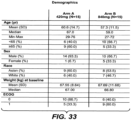
- Figure 33 shows the demographics of the patient population in the two arms of the GC study, treated with 420 mg (Arm A) or 840 mg (Arm B) of Pertuzumab.
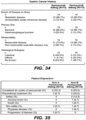
- Figure 34 shows the GC history of the patients in Arms A and B, respectively.
- Figure 35 shows the patient disposition in Arms A and B, respectively.
- Figure 36 shows the Overall Response Rate in Arms A and B, respectively.
- Diarrhea was the most common event occurring in 90% of subjects and was typically Grade 1 and 2 with onset in Cycle 1; no patient discontinued therapy because of diarrhea.
- Grade ⁇ 3 adverse events included diarrhea, stomatitis, fatigue/asthenia, decreased appetite, hyponatremia, anemia, and neutopenia. With the exception of neutropenia and hyponatremia (higher in Arm A) and decreased appetite (higher in Arm B), incidence of these events was similar in the standard and high-dose Pertuzumab arms.
- EF ejection fraction
- neutropenic fever neutropenic fever
- rash rash
- drug hypersensitivity reaction drug hypersensitivity reaction
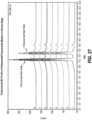
- Figure 37 shows the results of Pertuzumab Day 42 concentration assessment in gastric cancer (GC) (JOSHUA) versus metastatic breast cancer (MBC) (CLEOPATRA).
- 840/840 mg dose will be used for the treatment of gastric cancer. This dose is expected to maintain trough levels above the target of >20 ⁇ g/mL in 90% of patients, and provides similar trough levels as those observed in MBC.
- Patients in the treatment arm receive Trastuzumab, cisplatin, and capecitabine and/or 5-fluorouracil. In the other arm, patients are given either placebo or Pertuzumab.
- PFS Progression-free survival
- TTP time to disease progression
- ORR objective response rate
- Clinical Benefit Rate Duration of Response
- Qol safety
- pain intensity analgesic consumption
- weight change pharmacokinetics
- the treatment methods described herein comprising the administration of Pertuzumab, Trastuzumab and chemotherapy(s), e.g. cisplatin and capecitabine, will meet the primary end point (OS).
- OS overall survival
- PFS progression-free survival
- TTP time to disease progression
- ORR objective response rate
- PFS progression-free survival
- PD first documented radiographic progressive disease
- RECIST solid tumors
- Eligible patients had centrally confirmed HER2-positive (defined as immunohistochemistry (IHC) 3+ and/or fluorescence in situ hybridization (FISH) amplification ratio ⁇ 2.0) ( Carlson et al. J Natl Compr Canc Netw 4 Suppl 3:S1-22 (2006 )), locally recurrent, unresectable, or metastatic breast cancer, or de novo Stage IV disease.
- Patients were aged ⁇ 18 years, had a left ventricular ejection fraction (LVEF) of ⁇ 50% at baseline (determined by echocardiogram or multiple gated acquisition), and an Eastern Cooperative Oncology Group performance status (ECOG PS) of 0 or 1.
- LVEF left ventricular ejection fraction
- ECOG PS Eastern Cooperative Oncology Group performance status
- Patients may have received one hormonal treatment for MBC prior to randomization, or neoadjuvant or adjuvant systemic breast cancer therapy including Trastuzumab and/or taxanes, provided that they experienced a disease-free interval of ⁇ 12 months between completion of neoadjuvant or adjuvant therapy and diagnosis of metastatic disease.
- Exclusion criteria included therapy for MBC (other than described above); central nervous system metastases; history of exposure to a cumulative dose of doxorubicin >360 mg/m 2 or its equivalent; history of LVEF decline to ⁇ 50% during or after prior Trastuzumab therapy; current uncontrolled hypertension; history of impaired cardiac function; impaired bone marrow, renal, or liver function; current known infection with HIV, HBV, or HCV; pregnancy; lactation; and refusal to use non-hormonal contraception.
- Procedures Patients received a loading dose of 8 mg/kg Trastuzumab, followed by a maintenance dose of 6 mg/kg every 3 weeks until investigator-assessed radiographic or clinical PD, or unmanageable toxicity. Docetaxel was administered every 3 weeks at a starting dose of 75 mg/m 2 , escalating to 100 mg/m 2 if tolerated. Per protocol, the investigator could reduce the dose by 25% to 55 mg/m 2 or 75 mg/m 2 (if the patient had been dose escalated) in order to manage tolerability. It was recommended that patients received at least 6 cycles of Docetaxel.
- the median PFS-IVRF was prolonged by 6.1 months from 12.4 months with placebo plus Trastuzumab plus Docetaxel to 18.5 months with Pertuzumab plus Trastuzumab plus Docetaxel.
- the PFS benefit of Pertuzumab plus Trastuzumab plus Docetaxel treatment was observed across all predefined subgroups ( Figure 9 ).
- LVSD (all grades) was reported more frequently in the placebo plus Trastuzumab plus Docetaxel arm compared with the Pertuzumab plus Trastuzumab plus Docetaxel arm (8.3% and 4.4%, respectively). Grade ⁇ 3 LVSD was reported in 2.8% of patients receiving placebo plus Trastuzumab plus Docetaxel and in 1.2% of patients receiving Pertuzumab plus Trastuzumab plus Docetaxel.
- LVEF declines of ⁇ 10 percentage points from baseline to ⁇ 50% at any stage during treatment were reported in 6.6% and 3.8% of patients in the placebo plus Trastuzumab plus Docetaxel arm and Pertuzumab plus Trastuzumab plus Docetaxel arm, respectively.
- Pertuzumab-related AEs including skin rash, mucosal inflammation, and dry skin, were mostly mild. There was an increased rate of grade ⁇ 3 diarrhea and febrile neutropenia with Pertuzumab plus Trastuzumab plus Docetaxel treatment.
- the control arm in CLEOPATRA had a similar PFS to previous randomized studies that showed that the combination of Trastuzumab and Docetaxel in HER2-positive MBC had a median PFS of 11.7 months Marty et al. J Clin Oncol 23:4265-74 (2005 ).
- phase III clinical data in Example 3 were used in the development of an article of manufacture comprising a vial (e.g. single-dose vial) with Pertuzumab therein and a package insert providing information about the safety and/or efficacy thereof, as well as a method of making an article of manufacture comprising packaging together Pertuzumab in a vial (e.g. single-dose vial) and a package insert with prescribing information regarding Pertuzumab on a package insert as herein below.
- a vial e.g. single-dose vial
- a package insert providing information about the safety and/or efficacy thereof
- a method of making an article of manufacture comprising packaging together Pertuzumab in a vial (e.g. single-dose vial) and a package insert with prescribing information regarding Pertuzumab on a package insert as herein below.
- Pertuzumab is a sterile, clear to slightly opalescent, colorless to pale yellow liquid for IV infusion. Each single use vial contains 420 mg of Pertuzumab at a concentration of 30 mg/mL in 20 mM L-histidine acetate (pH 6.0), 120 mM sucrose and 0.02% polysorbate 20.
- Pertuzumab is supplied in a single-dose vial containing preservative free liquid concentrate, at a concentration of 30 mg/mL ready for infusion. Each vial of Pertuzumab drug product contains a total of 420 mg Pertuzumab. Store vials in a refrigerator at 2°C to 8°C (36°F to 46°F) until time of use. Keep vial in the outer carton in order to protect from light.
- Pertuzumab is indicated for use in combination with Trastuzumab and docetaxel for the treatment of patients with HER2-positive metastatic breast cancer who have not received prior anti-HER2 therapy or chemotherapy for metastatic disease.
- the initial dose of Pertuzumab is 840 mg administered as a 60-minute intravenous infusion, followed every 3 weeks thereafter by a dose of 420 mg administered as an intravenous infusion over 30 to 60 minutes.
- the recommended initial dose of Trastuzumab is 8 mg/kg administered as a 90-minute intravenous infusion, followed every 3 weeks thereafter by a dose of 6 mg/kg administered as an intravenous infusion over 30 to 90 minutes.
- the recommended initial dose of docetaxel is 75 mg/m2 administered as an intravenous infusion. The dose may be escalated to 100 mg/m2 administered every 3 weeks if the initial dose is well tolerated.
- the 420 mg dose of Pertuzumab should be administered. Do not wait until the next planned dose. If the time between two sequential infusions is 6 weeks or more, the initial dose of 840 mg Pertuzumab should be re-administered as a 60-minute intravenous infusion followed every 3 weeks thereafter by a dose of 420 mg administered as an intravenous infusion over 30 to 60 minutes.
- the infusion rate of Pertuzumab may be slowed or interrupted if the patient develops an infusion-associated reaction. The infusion should be discontinued immediately if the patient experiences a serious hypersensitivity reaction [see Warnings and Precautions (5.2)].
- Pertuzumab can cause fetal harm when administered to a pregnant woman. Treatment of pregnant cynomolgus monkeys with Pertuzumab resulted in oligohydramnios, delayed fetal kidney development, and embryo-fetal death. If Pertuzumab is administered during pregnancy, or if the patient becomes pregnant while receiving this drug, the patient should be apprised of the potential hazard to a fetus [see Use in Specific Populations (8.1)]. Verify pregnancy status prior to the initiation of Pertuzumab. Advise patients of the risks of embryo-fetal death and birth defects and the need for contraception during and after treatment. Advise patients to contact their healthcare provider immediately if they suspect they may be pregnant.
- Pertuzumab is administered during pregnancy or if a patient becomes pregnant while receiving Pertuzumab, immediately report exposure to the Genentech Adverse Event Line at 1-888-835-2555. Encourage women who may be exposed during pregnancy to enroll in the MotHER Pregnancy Registry by contacting 1-800-690-6720 [see Patient Counseling Information (17)]. Monitor patients who become pregnant during Pertuzumab therapy for oligohydramnios. If oligohydramnios occurs, perform fetal testing that is appropriate for gestational age and consistent with community standards of care. The efficacy of intravenous hydration in the management of oligohydramnios due to Pertuzumab exposure is not known.
- Symptomatic left ventricular systolic dysfunction occurred in 1.0% of patients in the Pertuzumab-treated group and 1.8% of patients in the placebo-treated group [see Adverse Reactions (6.1)]. Patients who have received prior anthracyclines or prior radiotherapy to the chest area may be at higher risk of decreased LVEF.
- Pertuzumab has not been studied in patients with a pretreatment LVEF value of ⁇ 50%, a prior history of CHF, decreases in LVEF to ⁇ 50% during prior Trastuzumab therapy, or conditions that could impair left ventricular function such as uncontrolled hypertension, recent myocardial infarction, serious cardiac arrhythmia requiring treatment or a cumulative prior anthracycline exposure to > 360 mg/m 2 of doxorubicin or its equivalent. Assess LVEF prior to initiation of Pertuzumab and at regular intervals (e.g., every three months) during treatment to ensure that LVEF is within the institution's normal limits.
- LVEF is ⁇ 40%, or is 40% to 45% with a 10% or greater absolute decrease below the pretreatment value, withhold Pertuzumab and Trastuzumab and repeat LVEF assessment within approximately 3 weeks. Discontinue Pertuzumab and Trastuzumab if the LVEF has not improved or has declined further, unless the benefits for the individual patient outweigh the risks [see Dosage and Administration (2.2)] .
- Pertuzumab has been associated with infusion and hypersensitivity reactions [see Adverse Reactions (6.1)].
- An infusion reaction was defined in the randomized trial as any event described as hypersensitivity, anaphylactic reaction, acute infusion reaction or cytokine release syndrome occurring during an infusion or on the same day as the infusion.
- the initial dose of Pertuzumab was given the day before Trastuzumab and docetaxel to allow for the examination of Pertuzumab-associated reactions.
- the overall frequency of infusion reactions was 13.0% in the Pertuzumab-treated group and 9.8% in the placebo-treated group. Less than 1% were grade 3 or 4.
- the most common infusion reactions ( ⁇ 1.0%) were pyrexia, chills, fatigue, headache, asthenia, hypersensitivity, and vomiting.
- the most common infusion reactions in the Pertuzumab-treated group ( ⁇ 1.0%) were fatigue, dysgeusia, hypersensitivity, myalgia, and vomiting.
- the overall frequency of hypersensitivity/anaphylaxis reactions was 10.8% in the Pertuzumab-treated group and 9.1% in the placebo-treated group.
- HER2 protein overexpression is necessary for selection of patients appropriate for Pertuzumab therapy because these are the only patients studied and for whom benefit has been shown [see Indications and Usage (1) and Clinical Studies (14)].
- patients with breast cancer were required to have evidence of HER2 overexpression defined as 3+ IHC by Dako HERCEPTEST ® or FISH amplification ratio ⁇ 2.0 by Dako HER2 FISH PHARMDX TM test kit.
- Only limited data were available for patients whose breast cancer was positive by FISH, but did not demonstrate protein overexpression by IHC.
- Assessment of HER2 status should be performed by laboratories with demonstrated proficiency in the specific technology being utilized. Improper assay performance, including use of sub-optimally fixed tissue, failure to utilize specified reagents, deviation from specific assay instructions, and failure to include appropriate controls for assay validation, can lead to unreliable results.
- Pertuzumab has been evaluated in more than 1400 patients with various malignancies and treatment with Pertuzumab was predominantly in combination with other anti-neoplastic agents.
- the adverse reactions described in Table 4 were identified in 804 patients with HER2-positive metastatic breast cancer treated in the randomized trial. Patients were randomized to receive either Pertuzumab in combination with Trastuzumab and docetaxel or placebo in combination with Trastuzumab and docetaxel. The median duration of study treatment was 18.1 months for patients in the Pertuzumab-treated group and 11.8 months for patients in the placebo-treated group. No dose adjustment was permitted for Pertuzumab or Trastuzumab. The rates of adverse events resulting in permanent discontinuation of all study therapy were 6.1% for patients in the Pertuzumab-treated group and 5.3% for patients in the placebo-treated group.
- NCI - CTCAE version 3-4 adverse reactions (> 2%) were neutropenia, febrile neutropenia, leukopenia, diarrhea, peripheral neuropathy, anemia, asthenia, and fatigue.
- An increased incidence of febrile neutropenia was observed for Asian patients in both treatment arms compared with patients of other races and from other geographic regions.
- Asian patients the incidence of febrile neutropenia was higher in the Pertuzumab-treated group (26%) compared with the placebo-treated group (12%).
- Pertuzumab As with all therapeutic proteins, there is the potential for an immune response to Pertuzumab. Patients in the randomized trial were tested at multiple time-points for antibodies to Pertuzumab. Approximately 2.8% (11/386) of patients in the Pertuzumab-treated group and 6.2% (23/372) of patients in the placebo-treated group tested positive for anti-Pertuzumab antibodies. Of these 34 patients, none experienced anaphylactic/hypersensitivity reactions that were clearly related to the anti-therapeutic antibodies (ATA). The presence of Pertuzumab in patient serum at the levels expected at the time of ATA sampling can interfere with the ability of this assay to detect anti-Pertuzumab antibodies. In addition, the assay may be detecting antibodies to Trastuzumab.
- Pertuzumab can cause fetal harm when administered to a pregnant woman.
- the effects of Pertuzumab are likely to be present during all trimesters of pregnancy.
- Pertuzumab administered to pregnant cynomolgus monkeys resulted in oligohydramnios, delayed fetal kidney development, and embryo-fetal deaths at clinically relevant exposures of 2.5 to 20-fold greater than the recommended human dose, based on C max . If Pertuzumab is administered during pregnancy, or if a patient becomes pregnant while receiving Pertuzumab, the patient should be apprised of the potential hazard to the fetus.
- Pertuzumab is administered during pregnancy or if a patient becomes pregnant while receiving Pertuzumab, immediately report exposure to the Genentech Adverse Event Line at 1-888-835-2555. Encourage women who may be exposed during pregnancy to enroll in the MotHER Pregnancy Registry by contacting 1-800-690-6720 [see Patient Counseling Information (17)].
- Pertuzumab is excreted in human milk, but human IgG is excreted in human milk. Because many drugs are secreted in human milk and because of the potential for serious adverse reactions in nursing infants from Pertuzumab, a decision should be made whether to discontinue nursing, or discontinue drug, taking into account the elimination half-life of Pertuzumab and the importance of the drug to the mother [See Warnings and Precautions (5.1), Clinical Pharmacology (12.3)].
- Pertuzumab can cause embryo-fetal harm when administered during pregnancy. Counsel patients regarding pregnancy prevention and planning. Advise females of reproductive potential to use effective contraception while receiving Pertuzumab and for 6 months following the last dose of Pertuzumab. If Pertuzumab is administered during pregnancy or if a patient becomes pregnant while receiving Pertuzumab, immediately report exposure to the Genentech Adverse Event Line at 1-888-835-2555. Encourage women who may be exposed during pregnancy to enroll in the MotHER Pregnancy Registry by contacting 1-800-690-6720 [see Patient Counseling Information (17)].
- Pertuzumab Dose adjustments of Pertuzumab are not needed in patients with mild (creatinine clearance [CLcr] 60 to 90 mL/min) or moderate (CLcr 30 to 60 mL/min) renal impairment. No dose adjustment can be recommended for patients with severe renal impairment (CLcr less than 30 mL/min) because of the limited pharmacokinetic data available [see Clinical Pharmacology (12.3)].
- Pertuzumab is a recombinant humanized monoclonal antibody that targets the extracellular dimerization domain (Subdomain II) of the human epidermal growth factor receptor 2 protein (HER2).
- Pertuzumab is produced by recombinant DNA technology in a mammalian cell (Chinese Hamster Ovary) culture containing the antibiotic, gentamicin. Gentamicin is not detectable in the final product.
- Pertuzumab has an approximate molecular weight of 148 kDa.
- Pertuzumab is a sterile, clear to slightly opalescent, colorless to pale brown liquid for intravenous infusion. Each single use vial contains 420 mg of Pertuzumab at a concentration of 30 mg/mL in 20 mM L-histidine acetate (pH 6.0), 120 mM sucrose and 0.02% polysorbate 20.
- Pertuzumab targets the extracellular dimerization domain (Subdomain II) of the human epidermal growth factor receptor 2 protein (HER2) and, thereby, blocks ligand-dependent heterodimerization of HER2 with other HER family members, including EGFR, HER3 and HER4.
- Pertuzumab inhibits ligand-initiated intracellular signaling through two major signal pathways, mitogen-activated protein (MAP) kinase and phosphoinositide 3-kinase (PI3K). Inhibition of these signaling pathways can result in cell growth arrest and apoptosis, respectively.
- MAP mitogen-activated protein
- PI3K phosphoinositide 3-kinase
- ADCC antibody-dependent cell-mediated cytotoxicity
- Pertuzumab demonstrated linear pharmacokinetics at a dose range of 2 - 25 mg/kg. Based on a population PK analysis that included 481 patients, the median clearance (CL) of Pertuzumab was 0.24 L/day and the median half-life was 18 days. With an initial dose of 840 mg followed by a maintenance dose of 420 mg every three weeks thereafter, the steady-state concentration of Pertuzumab was reached after the first maintenance dose. The population PK analysis suggested no PK differences based on age, gender, and ethnicity (Japanese vs. non-Japanese). Baseline serum albumin level and lean body weight as covariates only exerted a minor influence on PK parameters.
- the randomized trial was a multicenter, double-blind, placebo-controlled trial of 808 patients with HER2-positive metastatic breast cancer.
- Breast tumor specimens were required to show HER2 overexpression defined as 3+ IHC or FISH amplification ratio ⁇ 2.0 determined at a central laboratory.
- Patients were randomized 1:1 to receive placebo plus Trastuzumab and docetaxel or Pertuzumab plus Trastuzumab and docetaxel. Randomization was stratified by prior treatment (prior or no prior adjuvant/neoadjuvant anti-HER2 therapy or chemotherapy) and geographic region (Europe, North America, South America, and Asia).
- Pertuzumab was given intravenously at an initial dose of 840 mg, followed by 420 mg every 3 weeks thereafter.
- Trastuzumab was given intravenously at an initial dose of 8 mg/kg, followed by 6 mg/kg every 3 weeks thereafter.
- Patients were treated with Pertuzumab and Trastuzumab until progression of disease, withdrawal of consent, or unacceptable toxicity.
- Docetaxel was given as an initial dose of 75 mg/m 2 by intravenous infusion every 3 weeks for at least 6 cycles. The docetaxel dose could be escalated to 100 mg/m 2 at the investigator's discretion if the initial dose was well tolerated.
- the mean number of cycles of study treatment administered was 16.2 in the placebo-treated group and 19.9 in the Pertuzumab-treated group.
- PFS progression-free survival
- IRF independent review facility
- Patient demographic and baseline characteristics were balanced between the treatment arms. The median age was 54 (range 22 to 89 years), 59% were White, 32% were Asian, and 4% were Black. All were women with the exception of 2 patients. Seventeen percent of patients were enrolled in North America, 14% in South America, 38% in Europe, and 31% in Asia. Tumor prognostic characteristics, including hormone receptor status (positive 48%, negative 50%), presence of visceral disease (78%) and non-visceral disease only (22%) were similar in the study arms. Approximately half of the patients received prior adjuvant or neoadjuvant anti-HER2 therapy or chemotherapy (placebo 47%, Pertuzumab 46%). Among patients with hormone receptor positive tumors, 45% received prior adjuvant hormonal therapy and 11% received hormonal therapy for metastatic disease. Eleven percent of patients received prior adjuvant or neoadjuvant Trastuzumab.
- the results for investigator-assessed PFS were comparable to those observed for IRF-assessed PFS.
- Pertuzumab is supplied as a 420 mg/14 mL (30 mg/mL) single-use vial containing preservative-free solution. NDC 50242-145-01. Store vials in a refrigerator at 2°C to 8°C (36°F to 46°F) until time of use. Keep vial in the outer carton in order to protect from light.
- the comprehensive phase III safety and efficacy data for Pertuzumab as in Example 3 provide for the article of manufacture in this example.
- This article of manufacture can be used in a method of ensuring safe and effective use of Pertuzumab to treat patients.
- Anthracyclines (generally used in combination with 5-FU and cyclophosphamide) have a central role in the management of breast cancer. Romond et al. NEJM 353(16): 1673-1684 (2005 ), and Poole et al. NEJM 355 (18): 1851-1852 (2006 ).
- Taxanes are also integral in standard regimens for the treatment of breast cancer, used in combination with anthracyclines in a regimen known as TAC ( Martin et al. NEJM 352 (22): 2302-2313 (2005 )) or in sequence with anthracyclines in a regimen known as AC->T (Romond et al., supra ; Joensuu et al. NEJM 354 (8): 809-820 (2006 )).
- TAC Martin et al. NEJM 352 (22): 2302-2313 (2005 )
- AC->T Rosensuu et al. NEJM 354 (8): 809-820 (2006 )
- Carboplatin is both an active and well tolerated chemotherapy agent and there are studies in breast cancer which show clear efficacy in combination with a taxane and Trastuzumab in a regimen known as TCH ( Slamon et al. BCIRG 006. SABS (2007 ); Robert et al. J. Clin. Oncol. 24: 2786-2792 (2006 )).
- TCH a taxane and Trastuzumab in a regimen known as TCH ( Slamon et al. BCIRG 006. SABS (2007 ); Robert et al. J. Clin. Oncol. 24: 2786-2792 (2006 )).
- TCH Taxane and Trastuzumab
- SABS 2007
- Robert et al. J. Clin. Oncol. 24: 2786-2792 2006
- metastatic breast cancer there are negative data ( Forbes et al. BCIRG 007 Proc. Am. Soc. Clin. Oncol. Abstract No. LBA516
- FEC Breast cancer therapy consisting of 5- f luorouracil, e pirubicin and c yclophosphamide.
- FEC ->T Sequential chemotherapy consisting of courses of FEC chemotherapy followed by courses of Docetaxel.
- TCH Chemotherapy regimen for HER2-positive breast cancer combination comprising taxane (Docetaxel), Carboplatin, and Trastuzumab (HERCEPTIN ® )
- 5-Fluorouracil 500 mg/m 2
- epirubicin 100 mg/m 2
- cyclophosphamide 600 mg/m 2
- Docetaxel for three cycles with Trastuzumab (8 mg/kg on day 1 of the first treatment with epirubicin and 6 mg/kg every 3 weeks thereafter) and Pertuzumab (840 mg on day 1 of the treatment with FEC with 420 mg every 3 weeks thereafter).
- the starting dose for Docetaxel is 75 mg/m 2 for Cycle 4 (first Docetaxel cycle) then 100 mg/m 2 for Cycles 5-6, if no dose limiting toxicity occurs. All drugs will be administered by the IV route.
- 5-Fluorouracil 500 mg/m 2
- epirubicin 100 mg/m 2
- cyclophosphamide 600 mg/m 2
- Docetaxel for three cycles with Trastuzumab (8 mg/kg on day 1 of the first treatment with Docetaxel and 6 mg/kg every 3 weeks thereafter) and Pertuzumab (840 mg on day 1 on the first day of Docetaxel with 420 mg every 3 weeks thereafter).
- the starting dose for Docetaxel is 75 mg/m 2 for Cycle 4 (first Docetaxel cycle) then 100 mg/m 2 for Cycles 5-6, if no dose limiting toxicity occurs. All drugs will be administered by the IV route.
- Taxane Docetaxel
- Carboplatin Carboplatin
- Trastuzumab TH
- Pertuzumab both antibodies being given from the start of the chemotherapy.
- Carboplatin (AUC6 using Calvert's Formula) followed by Docetaxel on day 1 with Trastuzumab (8 mg/kg on day 1 of the first treatment with Carboplatin and Docetaxel and 6 mg/kg every 3 weeks thereafter) and Pertuzumab (840 mg on day 1 with 420 mg every 3 weeks thereafter) for six cycles.
- the dose for Docetaxel is 75 mg/m 2 for all cycles. All drugs will be administered by the IV route.
- the primary objective was evaluated when all patients had received six cycles of neoadjuvant treatment, had their surgery and all necessary samples taken or were withdrawn from the study whichever is earlier.
- patients After the completion of surgery (and after the completion of post-operative chemotherapy if required), patients received radiotherapy as per local clinical standard and those patients whose tumors were estrogen-receptor positive received hormone manipulation as per local clinical standard.
- Final Visit Patients whose neoadjuvant study treatment was discontinued prior to surgery were managed as per local practice. Approximately 28 days after the last dose of study medication, patients were asked to perform a final safety assessment (called Final Visit).
- Concomitant treatments are any prescription medications, over-the-counter preparations, herbal remedies or radiotherapy used by a patient in the interval beginning 7 days prior to the patient being recruited into the study and continuing through the study.
- Table 6 The baseline characteristics of the patients with HER2-positive early-stage breast cancer are provided in Table 6 below.
- Pertuzumab was administered by intravenous (IV) infusion in saline IV bags to patients with HER2-positive metastatic breast cancer followed by Trastuzumab and the chemotherapeutic agent Docetaxel also using saline IV infusions.
- IV infusion process for Pertuzumab and Trastuzumab takes approximately 60 to 90 minutes each with a 30 to 60 minute patient observation period after each drug. Due to this treatment regimen per patient, a visit can take up to 7.5 hours total.
- As medical payments for both drugs and drug administration services have been under scrutiny in the recent past, there has been emphasis on business practices to shorten time and to increase medical resource utilization in clinical and hospital settings. Increased efficiency of patient care, compliance and treatment is expected by shortening the time patients spend in the clinic for each cycle of treatment.
- Pertuzumab and Trastuzumab are administered through intravenous (IV) infusion to patients sequentially, i.e. one drug after the other. While Pertuzumab is given as a flat dose (420mg for maintenance, 840mg for loading), Trastuzumab is weight based (6mg/kg for maintenance doses). To increase convenience and minimize the in-clinic time for the patients, the feasibility of co-administering Pertuzumab with Trastuzumab in a single 250mL 0.9% saline polyolefin (PO) or polyvinyl chloride (PVC) IV infusion bag was assessed.
- PO polyolefin
- PVC polyvinyl chloride
- Pertuzumab alone in an IV bag, Trastuzumab alone in an IV bag) and the monoclonal antibody (mAb) mixture samples were assessed using the existing Pertuzumab and Trastuzumab analytical methods, which include color, appearance and clarity (CAC), concentration and turbidity by UV-spec scan, particulate analysis by HIAC-Royco, size exclusion chromatography (SEC), and ion-exchange chromatography (IEC).
- CAC color, appearance and clarity
- concentration and turbidity by UV-spec scan include color, appearance and clarity (CAC), concentration and turbidity by UV-spec scan, particulate analysis by HIAC-Royco, size exclusion chromatography (SEC), and ion-exchange chromatography (IEC).
- CZE capillary zone electrophoresis
- iCIEF image capillary isoelectric focusing
- potency the Pertuzumab anti-proliferation assay only
- Results showed no observable differences by the above assays in the Pertuzumab/ Trastuzumab mixtures between the time zero (T0) control and the sample stored up to 24 hours at either 5°C or 30°C.
- the physicochemical assays as listed above were able to detect both molecules as well as the minor variants in the drug mixture, though some overlaps of monoclonal antibody species were seen in the chromatograms.
- the drug mixture tested by the Pertuzumab specific inhibition of cell proliferation assay showed comparable potency before and after storage.
- the results from this study showed the Pertuzumab and Trastuzumab admixtures are physically and chemically stable in an IV infusion bag for up to 24 hours at 5°C or 30°C and can be used for clinical administration if necessary.
- Dose I 840mg Pertuzumab/Trastuzumab mixture (420mg Pertuzumab and 420mg Trastuzumab)
- Trastuzumab was reconstituted with 20mL of bacteriostatic water for injection (BWFI) and left on lab bench for approximately 15 minutes prior to use.
- BWFI bacteriostatic water for injection
- 14mL of Pertuzumab (420mg) was diluted directly into the IV infusion bag that contained a nominal 250mL ( ⁇ 25mL overage) 0.9% saline solution, without removing an equal amount of saline, followed by 20mL of the reconstituted Trastuzumab (420mg) using an 18 gauge needle at room temperature.
- the total concentration of the two proteins combined in the 250mL IV bag was expected to be approximately 3mg/mL.
- the Pertuzumab (420mg) alone IV bag was prepared with 14mL of the 30mg/mL drug product directly diluted into an IV infusion bag. The final expected concentration was approximately 1mg/mL.
- the Trastuzumab (420mg) alone IV infusion bag was also prepared in the same manner except 20mL of the 21 mg/mL drug product was added into the bag. The final expected concentration was approximately 1mg/mL.
- the PO IV bags were manually mixed thoroughly by a gentle back and forth rocking motion several times to ensure homogeneity. After mixing, 10mL of sample was removed with a syringe from each bag and stored in sterile 15cc falcon tubes to be used as the diluted sample control at time zero (T0). The IV bags were then stored covered in foil at 30°C for 24 hours (T24). Immediately after storage, the remainder of the sample was removed with a syringe from each bag and placed into sterile 250 mL PETG containers.
- T0 and T24 samples were held for up to 24 hours at 5°C or immediately analyzed by CAC, UV-spec scan (concentration and turbidity), SEC, IEC, CZE, iCIEF, HIAC-Royco, as well as potency.
- the product quality of the samples was tested by the Pertuzumab and Trastuzumab product specific SEC and IEC methods, while only the Pertuzumab specific potency method was performed.
- the other assays utilized were non-product specific methods. All assays were qualified for the intended testing in their respective molecules and used without further method optimization.
- Dose II 1560mg Pertuzumab/Trastuzumab mixture (840mg Pertuzumab and 720mg Trastuzumab)
- Sample preparation The upper range of the mAb co-administration dose was examined (1560mg total mixture: 840mg Pertuzumab and 720mg Trastuzumab) in PO and PVC IV infusion bag samples. In the event that an increase in protein aggregation is observed, the propensity of the formation of high molecular weight species (HMWS) would more likely occur at the upper dose of 1560mg total mAb rather than the mixture containing 840mg. To mitigate the risk during in-use conditions at the high dose range, both PO and PVC IV infusion bags were studied to ensure no interactions were seen.
- HMWS high molecular weight species
- the Pertuzumab/ Trastuzumab mixture contained 28mL of Pertuzumab (840mg) diluted directly into either PO or PVC IV infusion bags followed by 34mL of the reconstituted Trastuzumab (720mg) using an 18 gauge needle at room temperature.
- the total concentration of the two mAbs combined in a single 250mL IV bag was expected to be approximately 5mg/mL.
- Pertuzumab and Trastuzumab alone IV infusion bag samples were prepared and handled similar to the dose I study, except 28mL of 30mg/mL Pertuzumab and 34mL of 21mg/mL Trastuzumab was directly diluted into each PO or PVC IV infusion bag. The final expected concentration was approximately 3mg/mL for the Pertuzumab (840mg) and Trastuzumab (720mg) alone samples.
- the bags were stored uncovered at either 5°C or 30°C for up to 24 hours.
- the T0 and T24 samples were analyzed immediately or held for up to 24 to 48 hours at 5°C by CAC, UV-spec scan (concentration and turbidity), SEC, IEC, and HIAC-Royco.
- the color, appearance, and clarity of the samples were determined by visual inspection under a white fluorescence light with black and white background at room temperature.
- a 3cc glass vial was filled with 1 mL of each sample for CAC testing.
- a negative control (purified water) with the corresponding sample volume was used for comparison.
- Each sample was injected into a TOSOHAAS ® column G3000 SWXL, 7.8 X 300mm at ambient temperature on an AGILENT 1100 ® HPLC. The eluted peaks were monitored at 280nm. Chromatographic integrations were analyzed by the CHROMELEON ® software. The autosampler temperature was held at 2-8°C throughout the run and mobile phases used were 0.2M potassium phosphate, 0.25mM potassium chloride, pH 6.2 and 100mM potassium phosphate, pH 6.8 for Pertuzumab-assay and Trastuzumab-assay, respectively. The recommended injection load as specified by the test procedure was 200 ⁇ g with an injection volume of 20 ⁇ L.
- the diluted 420mg sample was injected at a load less than the recommended amount due to the low concentration of the protein after dilution in the IV bags.
- the maximum injection volume of the HPLC sample loop was 100 ⁇ L, which limits the volume that is able to be injected at one time.
- the injection volumes were modified to 100 ⁇ L at 160 ⁇ g protein for the Pertuzumab alone and Trastuzumab alone samples (420 mg dose group) and 73 ⁇ L at 200 ⁇ g protein for the Pertuzumab/Trastuzumab mixture (840 mg dose group). Modification in the injection volumes have been utilized in previous IV bag studies and are necessary when handling low concentration samples.
- IEC Ion-exchange Chromatography
- CpB carboxypeptidase B
- the IEC assays utilized the a DIONEX ® WCX weak cation exchange column equilibrated with solvent A (20mM MES, 1mM Na 2 EDTA pH 6.00) and solvent B (250mM sodium chloride in solvent A) monitored at 280nm for Pertuzumab-regular IEC and Pertuzumab-IEC-fast, whereas solvent A (10mM sodium phosphate, pH 7.5) and solvent B (100mM sodium chloride in Solvent A) monitored at 214nm was used for Trastuzumab on an AGILENT 1100 ® HPLC.
- peaks were eluted at a flow rate of 0.8 mL/min with an increasing gradient of 18%-100% solvent B over 35 minutes and 90 minutes for Pertuzumab-regular-IEC and Pertuzumab-IEC- fast, respectively, and 15%-100% solvent B over 55 minutes for Trastuzumab-IEC.
- Column temperatures were maintained at either 34°C or 42°C and ambient for Pertuzumab-regular-IEC or Pertuzumab-fast-IEC and Trastuzumab-IEC, respectively, while the auto sampler temperature was held at 2-8°C throughout the run.
- Particulate counts in the diluted drug product were carried out using the HIAC-ROYCO TM Liquid Particulate Counting System model 9703. Average cumulative numbers of particles at ⁇ 10 ⁇ m and ⁇ 25 ⁇ m per milliliter were tabulated in each sample using PHARMSPEC v2.0 TM . The test procedure was modified for a small- volume method, utilizing either four 1mL readings or four 0.4mL readings per a test session while discarding the first reading of each sample. The HIAC-ROYCO TM samples were degassed under vacuum for approximately 10-15 minutes each. The size below 10 ⁇ m was not collected for this sample set.
- the optical density of the samples from the IV bag (1mg/mL or 3mg/mL) was measured in a quartz cuvette with a 1-cm path length on a HP8453 spectrophotometer. The sample readings were blanked against purified water. The absorbance measurements were recorded at 340nm, 345nm, 350nm, 355nm, and 360nm and the turbidity was expressed as an average of these wavelengths.
- CZE was performed using a PROTEOMELAB PA800 TM capillary electrophoresis system (Beckman Coulter) with neutral-coated capillary (50 ⁇ m x 50 cm).
- the buffer consisted of 40 mM ⁇ -amino caproic acid/acetic acid, pH 4.5, 0.2% hydroxypropyl methyl cellulose (HPMC).
- Samples were diluted to 0.5 mg/mL in water and injected into the capillary at 1 psi for 10 seconds. Separation was performed using a voltage of 30 kV for 15 minutes, and the species were detected by UV at 214 nm.
- each sample was derivatized with 5 carboxytetramethylrhodamine succinimidyl ester, a fluorescent dye. After removing the free dye through gel filtration (using NAP-5 columns), non-reduced samples were prepared by adding 40 mM iodoacetamide and heated at 70°C for 5 minutes. For the analysis of the reduced samples, the derivatized samples were mixed with SDS to a final concentration of 1% (v/v) and 10 mL of a solution containing 1 M DTT, and heated at 70°C for 20 minutes. The prepared samples were analyzed on a Beckman Coulter ProteomeLab PA800 system using a 50 mm I.D. 31.2 cm fused silica capillary maintained at 20°C throughout the analysis.
- Samples were introduced into the capillary by electrokinetic injection at 10 kV for 40 seconds. The separation was conducted at a constant voltage of 15 kV in the reversed polarity (negative to positive) mode using CE-SDS running buffer as the sieving medium. An argon ion laser operating at 488 nm was used for fluorescence excitation with the resulting emission signal monitored at 560 nm.
- the distribution of charge variants of the Pertuzumab/Trastuzumab mixture, Pertuzumab alone, and Trastuzumab alone was assessed by iCIEF using an iCE280 TM analyzer (Convergent Bioscience) with a fluorocarbon coated capillary cartridge (100 ⁇ m x 5 cm).
- the ampholyte solution consisted of a mixture of 0.35% methyl cellulose (MC), 0.47% Pharmalyte 3-10 carrier ampholytes, 2.66% Pharmalyte 8-10.5 carrier ampholytes, and 0.20% pI markers 7.05 and 9.77 in purified water.
- the anolyte was 80 mM phosphoric acid, and the catholyte was 100 mM sodium hydroxide, both in 0.10% methylcellulose.
- Samples were diluted in purified water and CpB was added to each diluted sample at an enzyme to substrate ratio of 1:100 followed by incubation at 37°C for 20 minutes.
- the CpB treated samples were mixed with the ampholyte solution and then focused by introducing a potential of 1500 V for one minute, followed by a potential of 3000 V for 10 minutes.
- An image of the focused Pertuzumab charge variants was obtained by passing 280 nm ultraviolet light through the capillary and into the lens of a charge coupled device digital camera. This image was then analyzed to determine the distribution of the various charge variants.
- This test procedure is based on the ability of Pertuzumab to inhibit the proliferation of MDA MB 175 VII human breast carcinoma cells. Briefly, cells were seeded in 96-well tissue culture microtiter plates and incubated overnight at 37 °C under 5% CO 2 to allow cell attachment. The following day, the culture medium was removed and serial dilutions of each standard, controls, and sample(s) were added to the plates. The plates were then incubated for fours days at 37 °C under 5% CO 2 and the relative number of viable cells was quantified indirectly using a redox dye, ALAMARBLUE ® according to the manufacturer's protocol.
- a redox dye ALAMARBLUE ®
- Dose I 840mg total Pertuzumab/ Trastuzumab mixture (420mg Pertuzumab and 420mg Trastuzumab)
- the Pertuzumab and Trastuzumab alone IV infusion bags are considered controls that were also prepared to assess the ability of the assay to pick up the appropriate product attributes.
- the SEC assay separates based on the hydrodynamic size of the molecule and show only one main peak due to the size similarity between Pertuzumab and Trastuzumab.
- the charged regions of each molecule appear to overlap with each other in the Pertuzumab/Trastuzumab mixture.
- the Pertuzumab basic variants expected to elute at approximately 32 minutes and at 35 minutes appear to overlap with the main peak of Trastuzumab ( Figures 17 and 18 ).
- the acidic variants of Trastuzumab expected to elute before the Trastuzumab main peak co-elute with the Pertuzumab basic variants and main peak.
- the Pertuzumab/Trastuzumab mixture exhibited comparable chromatographic peak profiles before and after storage in IV saline bags for 24 hours at 30°C.
- the Pertuzumab/Trastuzumab mixture, Pertuzumab alone, and Trastuzumab alone samples were also assayed on CE-SDS LIF under non-reduced conditions after storage for 24 hours at 30°C.
- the Pertuzumab/Trastuzumab mixture showed consistent peak profiles with no observable changes after storage compared to the starting material ( Figures 19 and 20 ). A very slight baseline level variation attributed to noise is also observed and does not impact peak area. Similar to SEC, the non-reduced Pertuzumab/Trastuzumab mixture showed only one superimposed monomer constituting both the Pertuzumab and Trastuzumab main species.
- the Pertuzumab and Trastuzumab alone samples showed no changes at T0 compared to T24.
- individual molecular attributes e.g. fragment peak level and species, between Pertuzumab/Trastuzumab mixture, Pertuzumab alone, and Trastuzumab alone was observed as expected.
- the charge separation assays CZE and iCIEF show comparable peak profiles for the Pertuzumab/ Trastuzumab mixture after storage at 30°C ( Figures 21 and 22 ).
- the Pertuzumab and Trastuzumab alone when compared to their respective T0 also showed consistent peak profiles with no changes after storage.
- the presence of various minor species was also observed, although no new peaks were detected upon dilution in the IV bag saline solution.
- two main peaks flanked by smaller overlapping peaks can be detected and was attributed to the difference in the molecular pI.
- the potency results based on comparison of the dose response curve showed no impact on the potency of the Pertuzumab/Trastuzumab mixture stored at 30°C for 24 hours compared to its corresponding T0 dose response curve ( Figure 23 ).
- the Trastuzumab alone showed little activity in the Pertuzumab potency assay.
- the Pertuzumab/Trastuzumab mixture dose response curve compared to the dose response curve of Pertuzumab or Trastuzumab alone showed that lower doses of the Pertuzumab/Trastuzumab mixture were needed to inhibit the growth of cells as compared to Pertuzumab alone, suggesting there may be an additive or synergistic effect on the inhibition of cell proliferation for the mixture.
- Dose II 1560mg total Pertuzumab/Trastuzumab mixture (840mg Pertuzumab and 720mg Trastuzumab)
- the Pertuzumab and Trastuzumab alone samples also exhibited no significant particle differences before and after storage in PO or PVC IV infusion bags.
- the UV-spec scan showed no changes beyond normal assay variability in protein concentration, indicating the absence of protein adsorption or precipitation in the IV infusion bags between T0 and T24 hours at 5°C or 30°C storage.
- HMWS high molecular weight species
- LMWS low molecular weight species
- Arm A will consist of two cohorts as follows: Cohort 1: (first 95 patients): Pertuzumab and Trastuzumab administered sequentially in separate infusion bags, followed by vinorelbine. Patients will receive Pertuzumab followed by Trastuzumab sequentially in separate infusion bags, followed by vinorelbine.
- Initial infusions of Pertuzumab will be administered over 90 ( ⁇ 10) minutes and patients observed for at least 30 minutes from the end of infusion for infusion-related symptoms such as fever, chills etc. Interruption or slowing of the infusion may reduce such symptoms. If the infusion is well tolerated, subsequent infusions may be administered over 30 ( ⁇ 10) minutes with patients observed for a further 30 minutes.
- Day 1 of the first treatment cycle as a loading dose of 8 mg/kg, followed by 6 mg/kg on Day 1 of each subsequent 3 weekly cycle; to be administered in line with product labeling.
- Day 1 and Day 8 of the first treatment cycle at a dose of 25 mg/m 2 followed by 30-35 mg/m 2 on Day 1 and Day 8 of each subsequent 3 weekly cycle; to be administered in line with product labeling.
- Cohort 2 The second 95 patients will receive Pertuzumab and Trastuzumab administered together in a single infusion bag from Cycle 2 onwards, followed by vinorelbine.
- Pertuzumab and Trastuzumab will be administered in separate infusion bags as described for Cohort 1.
- Vinorelbine will be administered after Pertuzumab and Trastuzumab as described for Cohort 1.
- Pertuzumab 420 mg and Trastuzumab 6 mg/kg will be given together in a single infusion bag.
- the first combined infusion of Pertuzumab and Trastuzumab should be administered over 90 ( ⁇ 10) minutes with cardiac monitoring and close observation for infusion-associated reactions during the procedure, followed by a 60 minute observation period. If this first combined infusion is well tolerated, subsequent combined infusions can be administered over 60 ( ⁇ 10) minutes followed by a 30 minute observation period with cardiac monitoring.
- Vinorelbine will be administered after Pertuzumab and Trastuzumab as described for Cohort 1.
- a total of 95 patients will be randomized to arm B.
- Day 1 of the first treatment cycle as a loading dose of 8 mg/kg, followed by 6 mg/kg on Day 1 of each subsequent 3 weekly cycle; to be administered in line with product labeling.
- Day 1 and Day 8 of the first treatment cycle at a dose of 25 mg/m 2 followed by 30-35 mg/m 2 on Day 1 and Day 8 of each subsequent 3 weekly cycle; to be administered in line with product labeling.
- PFS progression-free survival
- AI aromatase inhibitor
- patients may also receive induction chemotherapy (a taxane, either Docetaxel or paclitaxel), in combination with the assigned monoclonal antibody treatment arm up to the first 18 weeks of the treatment period.
- induction chemotherapy a taxane, either Docetaxel or paclitaxel
- treatment with the AI will start after the chemotherapy induction phase.
- HER2-positive and hormone receptor-positive (estrogen receptor (ER)-positive and/or progesterone receptor (PgR)-positive) advanced breast cancer who have not previously received systemic nonhormonal anticancer therapy in the metastatic setting.
- ER estrogen receptor
- PgR progesterone receptor
- Initial infusions of Pertuzumab will be administered over 90 ( ⁇ 10) minutes and patients observed for at least 30 minutes from the end of infusion for infusion-related symptoms such as fever, chills etc. Interruption or slowing of the infusion may reduce such symptoms. If the infusion is well tolerated, subsequent infusions may be administered over 30 ( ⁇ 10) minutes with patients observed for a further 30 minutes.
- trastuzumab IV infusion administered after Pertuzumab
- Day 1 of the first treatment cycle as a loading dose of 8 mg/kg, followed by 6 mg/kg on Day 1 of each subsequent 3 weekly cycle; to be administered in line with product labeling.
- Taxane Docetaxel every 3 weeks or paclitaxel weekly
- Chemotherapy will be administered after the monoclonal antibody (Pertuzumab and/or Trastuzumab) infusions.
- Day 1 of the first treatment cycle as a loading dose of 8 mg/kg, followed by 6 mg/kg on Day 1 of each subsequent 3 weekly cycle; to be administered in line with product labeling.
- PFS defined as the time from randomization until the first radiographically documented progression of disease or death from any cause, whichever occurs first.
- OS overall survival
- OBF O'Brien-Fleming
- Kaplan-Meier estimates of OS rates show survival benefit with P+T+D at 1, 2, and 3 yrs.
- OS can be included on the package insert with prescribing information regarding Pertuzumab in an article of manufacture as in Example 4 above, for example.
- Pertuzumab a humanized monoclonal antibody, inhibits signaling downstream of HER2 by binding to the dimerization domain of the receptor and preventing heterodimerization with other HER family members.
- the epitope recognized by P is distinct from that bound by Trastuzumab (H) and so their complementary mechanisms of action result in a more comprehensive HER2 blockade.
- Data from the phase III trial CLEOPATRA showed significantly improved PFS in patients (pts) receiving P + H + docetaxel compared with H + docetaxel + placebo as first-line treatment for HER2-positive metastatic breast cancer (BC).
- Trial design This is a phase IIIb, multicenter, open-label, single-arm study in pts with HER2-positive metastatic or locally recurrent BC who have not been treated with systemic nonhormonal anticancer therapy for metastatic cancer.
- Pts will receive, P: 840 mg initial dose, 420 mg q3w IV; H: 8 mg/kg initial dose, 6 mg/kg q3w IV; taxane: docetaxel, paclitaxel, or nab-paclitaxel according to local guidelines. Treatment will be administered until disease progression or unacceptable toxicity.
- a planned protocol amendment will allow hormone receptor-positive pts to receive endocrine therapy alongside P+H after completion of taxane therapy, in line with clinical practice.
- Eligibility criteria At baseline, pts must have an LVEF of ⁇ 50%, an ECOG PS of 0, 1, or 2, a disease-free interval of ⁇ 6 months, and must not have received prior anti-HER2 agents for the treatment of metastatic BC. Prior H and/or lapatinib in the (neo)adjuvant setting is permitted, providing there was no disease progression during treatment. Pts must not have experienced other malignancies within the last 5 yrs other than carcinoma in situ of the cervix or basal cell carcinoma. There must be no clinical or radiographic evidence of CNS metastases or clinically significant cardiovascular disease.
- the primary endpoints of the PERUSE study are safety and tolerability. Secondary endpoints include PFS, OS, ORR, CBR, duration of response, time to response and QoL.
- the final analysis will be performed when 1500 pts have been followed up for at least 12 months after the last pt receives last study treatment unless they have been lost to follow-up, withdrawn consent, or died, or if the study is prematurely terminated by the sponsor.
- Safety analyses are planned after enrollment of ⁇ 350, 700, and 1000 pts. Additionally, a data and safety monitoring board will review safety data after ⁇ 50 pts have been enrolled and then every 6 months.
- Epithelial ovarian cancer along with primary peritoneal, and fallopian tube carcinoma, is the fifth leading cause of cancer-related deaths in women in Europe ( Bray et al. Int. J. Cancer 113:977-90 (2005 )). Ovarian cancer is often not diagnosed until it has progressed to an advanced stage, at which point the standard treatment is surgical resection followed by chemotherapy. Although the addition of taxanes to platinum-based chemotherapy has resulted in approximately 80% of patients achieving complete response (CR), the disease recurs in most patients, and more than 50% of patients diagnosed with epithelial ovarian cancer eventually die from their disease ( Du Bois et al. Cancer 115:1234-1244 (2009 )). Following failure of platinum-based chemotherapy, there are few therapeutic options.
- platinum-sensitive disease disease recurrence occurs more than 6 months after last cycle of platinum-based chemotherapy
- PFS progression-free survival
- PFD progression-free survival
- patients with platinum-resistant are often treated with single-agent chemotherapy such as topotecan, pegylated liposomal doxorubicin (PLD), paclitaxel and gemcitabine.
- EGFR and HER2 have been studied the most extensively, and multiple agents targeting the receptor or associated intracellular tyrosine kinases have been tested.
- HER2 protein analyses demonstrated that malignant ovarian tumors have significantly higher levels of HER2 compared with benign ovarian tumors and normal ovaries. Furthermore, a correlation between HER2 and HER3 protein levels has been seen ( Steffensen et al. Int J Oncol. 33: 195-204 (2008 )). Studies in cell culture systems have shown that heregulin-activated HER3-HER2 heterodimers elicit the strongest proliferative and transformation responses of any possible receptor combination ( Pinkas-Kramarski et al. EMBO J. 15:2452-67 (1996 ); Riese et al. Mol Cell Biol 15:5770-6 (1995 ).
- HER3 is the most potent activator of the PI3 kinase/AKT pathway ( Olayioye et al. EMBO J 19:3159-67 (2000 )).
- HER2-amplified breast cancer cell lines show that HER3 but not EGFR was critical for HER2 signaling, and that HER3 inhibited growth in three-dimensional culture and induced rapid tumor regression of in vivo xenografts ( Lee-Hoeflich et al. Cancer Res 68:5878-87 (2008 )).
- HER3 expression has been implicated as a possible risk factor in ovarian cancer ( Tanner et al. J Clin Oncol 24:4317-23 (2006 )).
- AEs adverse events
- those increased (by at least 6 patients) in the Pertuzumab-treated cohort included fatigue, nausea, diarrhea, back pain, dyspepsia, stomatitis, headache, epistaxis, rhinorrhea, rash, and Grade 3-4 neutropenia.
- HER3 mRNA expression was correlated with PFS and OS for patients in the gemcitabine + placebo arm.
- median OS for patients with low HER3 mRNA expression was 8.4 months, compared with 18.2 months for patients with high HER3 mRNA expression.
- Part 1 will be performed to assess safety and tolerability of Pertuzumab in a new combination with two chemotherapeutic agents (topotecan or paclitaxel).
- Part 2 of the trial is a randomized, double-blind, placebo controlled, two-arm, multicenter, prospective trial of Pertuzumab in combination with chemotherapy (topotecan, paclitaxel, or gemcitabine).
- Patients will receive trial medication until disease progression as per the Response Evaluation Criteria in Solid Tumors (RECIST) version 1.1, disease progression according to the Gynecologic Cancer Intergroup (GCIG) criteria of CA-125 assessable disease, unacceptable toxicity, withdrawal of consent, or death.
- PFS will be assessed in Part 1 of the trial, but due to small number of patients and PFS events per cohort, results will be descriptive only.
- the trial design for Part 1 of the study is provided in Figure 30 .
- the allocation of study medication will be double-blind with respect to whether the patient receives Pertuzumab or Pertuzumab-placebo.
- the chemotherapy agent allocated will be at the discretion of the investigator.
- Pertuzumab and Pertuzumab-placebo will be administered as an intravenous infusion on Day 1 of the first treatment cycle as a loading dose of 840, followed by 420 mg on Day 1 of each subsequent 3-weekly cycle.
- the initial infusion of Pertuzumab/Pertuzumab-placebo will be administered over 60 minutes followed by a 60-minute observational period in a seated position if the infusion is well tolerated, subsequent infusions may be given over 30 minutes, followed by a 30-minute observational period, after which the chemotherapy agent will be administered. Premedication should be implemented according to local practices and the chosen chemotherapy.
- Topotecan should be administered 1.25 mg/m 2 as a 30-minute intravenous infusion daily on Days 1-5 every 3 weeks, as per the directions in the summary of product characteristics.
- Gemcitabine (Part 2 of the study only) should be administered 1000 mg/m2 as a 30-minute intravenous infusion on Days 1 and 8 every 3 weeks as per the directions described in the summary of product characteristics.
- HER3 mRNA level including mRNA and protein levels of other HER family receptors e.g. HER2, before they provide consent to participate in the trial. Only patients who have tumors expressing low levels of HER3 mRNA will be eligible to participate in the trial.
- HER3 mRNA levels During the initial screening for HER3 mRNA levels, other receptors of the HER family (e.g. EGFR, HER2, or HER4) will be assessed at the mRNA level and/or protein level in parallel to the HER3 assessment, in order to obtain a more complete picture of the status of HER family receptors by mRNA level.
- EGFR EGFR
- HER2 HER2
- the cut-off defined for study eligibility is defined as a concentration ratio of ⁇ 2.81 as assessed by qRT-PCR on a COBAS z480 ® instrument using the "COBAS ® HER2 & HER3 (qRT-PCR) mRNA expression assay" provided by Roche Molecular Diagnostics.
- the rationale for cut off definition is based on a cut off modeling in previous studies as well as on a transformation function that had to be introduced since the assay was switched to a new instrument; the COBAS z480 ® . It is anticipated that 40-50% of screened patients will have HER3 mRNA levels below the cutoff of 2.81 and that 30% of patients expressing low levels of HER3 mRNA will be ineligible for enrollment owing to other inclusion/exclusion criteria.
- Pertuzumab in combination with topotecan or paclitaxel will be safe and effective in patients with epithelial ovarian, primary peritoneal, or fallopian tube cancer.
- Pertuzumab plus chemotherapy topotecan, paclitaxel, or gemcitabine
- placebo plus chemotherapy in patients with epithelial ovarian, primary peritoneal, or fallopian tube cancer where efficacy is measured by PFS.
Landscapes
- Health & Medical Sciences (AREA)
- Chemical & Material Sciences (AREA)
- Life Sciences & Earth Sciences (AREA)
- Medicinal Chemistry (AREA)
- General Health & Medical Sciences (AREA)
- Veterinary Medicine (AREA)
- Animal Behavior & Ethology (AREA)
- Public Health (AREA)
- Pharmacology & Pharmacy (AREA)
- Epidemiology (AREA)
- Organic Chemistry (AREA)
- Immunology (AREA)
- Engineering & Computer Science (AREA)
- Oncology (AREA)
- Mycology (AREA)
- Microbiology (AREA)
- Molecular Biology (AREA)
- General Chemical & Material Sciences (AREA)
- Chemical Kinetics & Catalysis (AREA)
- Bioinformatics & Cheminformatics (AREA)
- Biomedical Technology (AREA)
- Proteomics, Peptides & Aminoacids (AREA)
- Genetics & Genomics (AREA)
- Biophysics (AREA)
- Biochemistry (AREA)
- Nuclear Medicine, Radiotherapy & Molecular Imaging (AREA)
- Pharmaceuticals Containing Other Organic And Inorganic Compounds (AREA)
- Medicines Containing Antibodies Or Antigens For Use As Internal Diagnostic Agents (AREA)
- Packages (AREA)
- Acyclic And Carbocyclic Compounds In Medicinal Compositions (AREA)
- Medicines That Contain Protein Lipid Enzymes And Other Medicines (AREA)
- Peptides Or Proteins (AREA)
- Medicinal Preparation (AREA)
- Medical Preparation Storing Or Oral Administration Devices (AREA)
- Organic Low-Molecular-Weight Compounds And Preparation Thereof (AREA)
Priority Applications (1)
| Application Number | Priority Date | Filing Date | Title |
|---|---|---|---|
| SI201232088T SI4234033T1 (sl) | 2011-10-14 | 2012-10-11 | Načini uporabe in proizvodni izdelek, vključno z zaviralcem dimerizacije receptorja HER2 pertuzumabom |
Applications Claiming Priority (8)
| Application Number | Priority Date | Filing Date | Title |
|---|---|---|---|
| US201161547535P | 2011-10-14 | 2011-10-14 | |
| US201161567015P | 2011-12-05 | 2011-12-05 | |
| US201261657669P | 2012-06-08 | 2012-06-08 | |
| US201261682037P | 2012-08-10 | 2012-08-10 | |
| US201261694584P | 2012-08-29 | 2012-08-29 | |
| PCT/US2012/059683 WO2013055874A2 (en) | 2011-10-14 | 2012-10-11 | Uses for and article of manufacture including her2 dimerization inhibitor pertuzumab |
| EP19165341.9A EP3598981A3 (en) | 2011-10-14 | 2012-10-11 | Uses for and article of manufacture including her2 dimerization inhibitor pertuzumab |
| EP12778010.4A EP2766040B1 (en) | 2011-10-14 | 2012-10-11 | Pertuzumab, trastuzumab, docetaxel and carboplatin for the treatment of early-stage breast cancer |
Related Parent Applications (2)
| Application Number | Title | Priority Date | Filing Date |
|---|---|---|---|
| EP12778010.4A Division EP2766040B1 (en) | 2011-10-14 | 2012-10-11 | Pertuzumab, trastuzumab, docetaxel and carboplatin for the treatment of early-stage breast cancer |
| EP19165341.9A Division EP3598981A3 (en) | 2011-10-14 | 2012-10-11 | Uses for and article of manufacture including her2 dimerization inhibitor pertuzumab |
Publications (3)
| Publication Number | Publication Date |
|---|---|
| EP4234033A2 EP4234033A2 (en) | 2023-08-30 |
| EP4234033A3 EP4234033A3 (en) | 2023-09-20 |
| EP4234033B1 true EP4234033B1 (en) | 2025-01-29 |
Family
ID=47073543
Family Applications (7)
| Application Number | Title | Priority Date | Filing Date |
|---|---|---|---|
| EP23172794.2A Active EP4234033B1 (en) | 2011-10-14 | 2012-10-11 | Uses for and article of manufacture including her2 dimerization inhibitor pertuzumab |
| EP25181690.6A Pending EP4635572A2 (en) | 2011-10-14 | 2012-10-11 | Uses for and article of manufacture including her2 dimerization inhibitor pertuzumab |
| EP23172860.1A Withdrawn EP4234034A3 (en) | 2011-10-14 | 2012-10-11 | Uses for and article of manufacture including her2 dimerization inhibitor pertuzumab |
| EP23172847.8A Active EP4241849B1 (en) | 2011-10-14 | 2012-10-11 | Uses for and article of manufacture including her2 dimerization inhibitor pertuzumab |
| EP19165341.9A Withdrawn EP3598981A3 (en) | 2011-10-14 | 2012-10-11 | Uses for and article of manufacture including her2 dimerization inhibitor pertuzumab |
| EP24174637.9A Active EP4403228B1 (en) | 2011-10-14 | 2012-10-11 | Uses for and article of manufacture including her2 dimerization inhibitor pertuzumab |
| EP12778010.4A Revoked EP2766040B1 (en) | 2011-10-14 | 2012-10-11 | Pertuzumab, trastuzumab, docetaxel and carboplatin for the treatment of early-stage breast cancer |
Family Applications After (6)
| Application Number | Title | Priority Date | Filing Date |
|---|---|---|---|
| EP25181690.6A Pending EP4635572A2 (en) | 2011-10-14 | 2012-10-11 | Uses for and article of manufacture including her2 dimerization inhibitor pertuzumab |
| EP23172860.1A Withdrawn EP4234034A3 (en) | 2011-10-14 | 2012-10-11 | Uses for and article of manufacture including her2 dimerization inhibitor pertuzumab |
| EP23172847.8A Active EP4241849B1 (en) | 2011-10-14 | 2012-10-11 | Uses for and article of manufacture including her2 dimerization inhibitor pertuzumab |
| EP19165341.9A Withdrawn EP3598981A3 (en) | 2011-10-14 | 2012-10-11 | Uses for and article of manufacture including her2 dimerization inhibitor pertuzumab |
| EP24174637.9A Active EP4403228B1 (en) | 2011-10-14 | 2012-10-11 | Uses for and article of manufacture including her2 dimerization inhibitor pertuzumab |
| EP12778010.4A Revoked EP2766040B1 (en) | 2011-10-14 | 2012-10-11 | Pertuzumab, trastuzumab, docetaxel and carboplatin for the treatment of early-stage breast cancer |
Country Status (30)
| Country | Link |
|---|---|
| US (9) | US20130095172A1 (pl) |
| EP (7) | EP4234033B1 (pl) |
| JP (8) | JP2014530235A (pl) |
| KR (5) | KR102679155B1 (pl) |
| CN (8) | CN116271011B (pl) |
| AU (4) | AU2012322797B2 (pl) |
| BR (1) | BR112014007521A8 (pl) |
| CL (1) | CL2014000889A1 (pl) |
| DK (4) | DK4234033T3 (pl) |
| EA (1) | EA034390B1 (pl) |
| ES (4) | ES3023516T3 (pl) |
| FI (3) | FI4241849T3 (pl) |
| HK (1) | HK1202242A1 (pl) |
| HR (1) | HRP20191247T1 (pl) |
| HU (1) | HUE044352T2 (pl) |
| IL (5) | IL301603A (pl) |
| IN (1) | IN2014CN02703A (pl) |
| LT (4) | LT4403228T (pl) |
| MX (2) | MX2014004021A (pl) |
| MY (2) | MY172326A (pl) |
| PE (1) | PE20142363A1 (pl) |
| PH (2) | PH12014500733B1 (pl) |
| PL (4) | PL2766040T3 (pl) |
| PT (4) | PT4241849T (pl) |
| RS (1) | RS58944B1 (pl) |
| SG (3) | SG11201401432XA (pl) |
| SI (4) | SI2766040T1 (pl) |
| UA (2) | UA123092C2 (pl) |
| WO (1) | WO2013055874A2 (pl) |
| ZA (1) | ZA201401259B (pl) |
Families Citing this family (37)
| Publication number | Priority date | Publication date | Assignee | Title |
|---|---|---|---|---|
| JO3000B1 (ar) | 2004-10-20 | 2016-09-05 | Genentech Inc | مركبات أجسام مضادة . |
| EP3195879A1 (en) | 2005-02-23 | 2017-07-26 | Genentech, Inc. | Extending time to disease progression or survival in cancer patients |
| WO2008109440A2 (en) | 2007-03-02 | 2008-09-12 | Genentech, Inc. | Predicting response to a her dimerisation inhibitor based on low her3 expression |
| US9901567B2 (en) | 2007-08-01 | 2018-02-27 | Syntarga B.V. | Substituted CC-1065 analogs and their conjugates |
| TWI472339B (zh) | 2008-01-30 | 2015-02-11 | Genentech Inc | 包含結合至her2結構域ii之抗體及其酸性變異體的組合物 |
| BRPI0812682A2 (pt) | 2008-06-16 | 2010-06-22 | Genentech Inc | tratamento de cáncer de mama metastático |
| HUE035798T2 (en) | 2008-11-03 | 2018-05-28 | Syntarga Bv | CC-1065 analogues and conjugates |
| US9345661B2 (en) | 2009-07-31 | 2016-05-24 | Genentech, Inc. | Subcutaneous anti-HER2 antibody formulations and uses thereof |
| UA112291C2 (uk) | 2010-04-21 | 2016-08-25 | Синтарґа Б.В. | Кон'югати аналогів cc-1065 і біфункціональні лінкери |
| ES3023516T3 (en) | 2011-10-14 | 2025-06-02 | Hoffmann La Roche | Uses for and article of manufacture including her2 dimerization inhibitor pertuzumab |
| AR094403A1 (es) | 2013-01-11 | 2015-07-29 | Hoffmann La Roche | Terapia de combinación de anticuerpos anti-her3 |
| CA2907776C (en) | 2013-04-16 | 2020-04-14 | Genentech, Inc. | Pertuzumab variants and evaluation thereof |
| WO2014205138A1 (en) * | 2013-06-19 | 2014-12-24 | Seragon Pharmaceuticals, Inc. | Estrogen receptor modulator and uses thereof |
| CN112353943A (zh) | 2013-12-17 | 2021-02-12 | 豪夫迈·罗氏有限公司 | 用pd-1轴结合拮抗剂和紫杉烷治疗癌症的方法 |
| CN104726462A (zh) * | 2013-12-20 | 2015-06-24 | 北京天广实生物技术股份有限公司 | 抗her2人源化抗体mil41、其制备方法及用途 |
| SG11201605597VA (en) * | 2014-01-10 | 2016-08-30 | Synthon Biopharmaceuticals Bv | Duocarmycin adcs for use in treatment of endometrial cancer |
| AU2015205574B2 (en) | 2014-01-10 | 2019-08-15 | Byondis B.V. | Method for purifying Cys-linked antibody-drug conjugates |
| JP6342517B2 (ja) * | 2014-01-10 | 2018-06-13 | シントン・バイオファーマシューティカルズ・ビー.ブイ.Synthon Biopharmaceuticals B.V. | 改善されたインビボ抗腫瘍活性を示すデュオカルマイシンadc |
| WO2016094341A1 (en) * | 2014-12-08 | 2016-06-16 | Synta Pharmaceuticals Corp. | Triple combination therapy, comprising ganetespib, a taxane and an antibody, for use in the treatment of her2 positive breast cancer |
| JP6524266B2 (ja) | 2015-05-29 | 2019-06-05 | エクスプレッション、パソロジー、インコーポレイテッドExpression Pathology, Inc. | 最適な癌療法のためのHer2タンパク質の定量化 |
| HK1251493A1 (zh) | 2015-06-17 | 2019-02-01 | 豪夫迈‧罗氏有限公司 | 使用pd-1轴结合拮抗剂和紫杉烷治疗局部晚期或转移性乳腺癌的方法 |
| CN107531788B (zh) | 2015-06-24 | 2022-06-21 | 豪夫迈·罗氏有限公司 | 对her2和血脑屏障受体特异性的三特异性抗体及使用方法 |
| MA45324A (fr) | 2016-03-15 | 2019-01-23 | Seattle Genetics Inc | Polythérapie utilisant un adc-liv1 et un agent chimiothérapeutique |
| EP3534948A1 (en) * | 2016-11-04 | 2019-09-11 | Genentech, Inc. | Treatment of her2-positive breast cancer |
| CA3046092A1 (en) * | 2016-12-28 | 2018-07-05 | Genentech, Inc. | Treatment of advanced her2 expressing cancer |
| CN117752782A (zh) | 2017-01-17 | 2024-03-26 | 豪夫迈·罗氏有限公司 | 皮下her2抗体配制剂 |
| KR20190096384A (ko) | 2017-03-02 | 2019-08-19 | 제넨테크, 인크. | Her2-양성 유방암 어쥬번트 치료 |
| WO2020080892A1 (ko) * | 2018-10-19 | 2020-04-23 | 주식회사 프로티나 | Her2 및 her3의 헤테로다이머를 표적으로 하는 약물 및 이의 스크리닝 방법 |
| WO2020150702A1 (en) * | 2019-01-18 | 2020-07-23 | University Of Southern California | Methods and compositions to improve the safety and efficacy of cellular therapies |
| MX2021014540A (es) * | 2019-05-27 | 2022-04-12 | Tolmar International Ltd | Composiciones de acetato de leuprolida y metodos para usar las mismas para tratar cancer de mama. |
| SG11202113005SA (en) | 2019-06-28 | 2021-12-30 | Univ Texas | Method of reconstituting liposomal annamycin |
| WO2020264160A1 (en) | 2019-06-28 | 2020-12-30 | Donald Picker | Preparation of preliposomal annamycin lyophilizate |
| MX2022005903A (es) * | 2019-11-15 | 2022-12-13 | Seagen Inc | Métodos para tratar el cáncer de mama her2 positivo con tucatinib en combinación con un conjugado fármaco-anticuerpo anti-her2. |
| US20230175069A1 (en) * | 2020-04-29 | 2023-06-08 | University Of Pittsburgh-Of The Commonweal Th System Of Higher Education | Compositions and methods for detecting gene fusions of esr1 and ccdc170 for determining increased resistance to endocrine therapy and for cancer treatment |
| CN111710425A (zh) * | 2020-06-19 | 2020-09-25 | 复旦大学附属中山医院 | 一种免疫检查点抑制剂心脏毒性评估方法,系统及装置 |
| IL299376A (en) | 2020-06-29 | 2023-02-01 | Genentech Inc | Fixed dose combination of pertuzumab plus transtuzumab |
| JP2024543621A (ja) * | 2021-12-07 | 2024-11-21 | アイオー セラピューティクス インコーポレイテッド | Her2+がんの治療におけるrxrアゴニストおよびタキサンの使用 |
Citations (2)
| Publication number | Priority date | Publication date | Assignee | Title |
|---|---|---|---|---|
| EP1187632B1 (en) | 1999-05-14 | 2008-12-03 | Genentech, Inc. | TREATMENT WITH ANTI-ErbB2 ANTIBODIES |
| WO2009154651A1 (en) * | 2008-06-16 | 2009-12-23 | Genentech, Inc. | Treatment of metastic breast cancer by a combination of two anti-her2 antibodies and a taxene |
Family Cites Families (124)
| Publication number | Priority date | Publication date | Assignee | Title |
|---|---|---|---|---|
| US4816567A (en) | 1983-04-08 | 1989-03-28 | Genentech, Inc. | Recombinant immunoglobin preparations |
| DE3587657D1 (de) | 1984-01-30 | 1993-12-23 | Imp Cancer Res Tech | Verbesserungen an wachstumsfaktoren. |
| US5401638A (en) | 1986-06-04 | 1995-03-28 | Oncogene Science, Inc. | Detection and quantification of neu related proteins in the biological fluids of humans |
| US4968603A (en) | 1986-12-31 | 1990-11-06 | The Regents Of The University Of California | Determination of status in neoplastic disease |
| CA1339946C (en) | 1987-03-31 | 1998-07-07 | Michael J. Griffith | Ultrapurification process for polypeptides |
| US5824311A (en) | 1987-11-30 | 1998-10-20 | Trustees Of The University Of Pennsylvania | Treatment of tumors with monoclonal antibodies against oncogene antigens |
| WO1989006692A1 (en) | 1988-01-12 | 1989-07-27 | Genentech, Inc. | Method of treating tumor cells by inhibiting growth factor receptor function |
| US5720937A (en) | 1988-01-12 | 1998-02-24 | Genentech, Inc. | In vivo tumor detection assay |
| EP0474727B1 (en) | 1989-05-19 | 1997-07-23 | Genentech, Inc. | Her2 extracellular domain |
| DE68926248T2 (de) | 1989-09-29 | 1996-12-19 | Oncogene Science Inc | p100 "neu" menschlisches Protein and Verwendung dieses Proteins zum Nachweis von preneoplasmatischen- oder neoplasmatischen beim Menschen |
| US5183884A (en) | 1989-12-01 | 1993-02-02 | United States Of America | Dna segment encoding a gene for a receptor related to the epidermal growth factor receptor |
| IL101943A0 (en) | 1991-05-24 | 1992-12-30 | Genentech Inc | Structure,production and use of heregulin |
| DE69233254T2 (de) | 1991-06-14 | 2004-09-16 | Genentech, Inc., South San Francisco | Humanisierter Heregulin Antikörper |
| US6800738B1 (en) | 1991-06-14 | 2004-10-05 | Genentech, Inc. | Method for making humanized antibodies |
| WO1994004679A1 (en) | 1991-06-14 | 1994-03-03 | Genentech, Inc. | Method for making humanized antibodies |
| JP3951062B2 (ja) | 1991-09-19 | 2007-08-01 | ジェネンテック・インコーポレーテッド | 少なくとも遊離のチオールとして存在するシステインを有する抗体フラグメントの大腸菌での発現、2官能性F(ab’)2抗体の産生のための使用 |
| US6267958B1 (en) | 1995-07-27 | 2001-07-31 | Genentech, Inc. | Protein formulation |
| CN102416176A (zh) | 1995-07-27 | 2012-04-18 | 基因技术股份有限公司 | 稳定等渗的冻干蛋白质制剂 |
| US6685940B2 (en) | 1995-07-27 | 2004-02-03 | Genentech, Inc. | Protein formulation |
| US5783186A (en) | 1995-12-05 | 1998-07-21 | Amgen Inc. | Antibody-induced apoptosis |
| US7371376B1 (en) | 1996-10-18 | 2008-05-13 | Genentech, Inc. | Anti-ErbB2 antibodies |
| EP0852951A1 (de) | 1996-11-19 | 1998-07-15 | Roche Diagnostics GmbH | Stabile lyophilisierte pharmazeutische Zubereitungen von mono- oder polyklonalen Antikörpern |
| ES2293661T3 (es) | 1996-11-27 | 2008-03-16 | Genentech, Inc. | Purificacion por afinidad de polipeptido en una matriz de proteinas a. |
| US5994071A (en) | 1997-04-04 | 1999-11-30 | Albany Medical College | Assessment of prostate cancer |
| ZA9811162B (en) | 1997-12-12 | 2000-06-07 | Genentech Inc | Treatment with anti-ERBB2 antibodies. |
| DE69938923D1 (de) | 1998-03-27 | 2008-07-31 | Genentech Inc | Synergie zwischen apo-2 ligand und antikörper gegen her-2 |
| KR101036414B1 (ko) | 1998-05-06 | 2011-05-23 | 제넨테크, 인크. | 이온 교환 크로마토그래피에 의한 단백질 정제 방법 |
| US6573043B1 (en) | 1998-10-07 | 2003-06-03 | Genentech, Inc. | Tissue analysis and kits therefor |
| AU784045B2 (en) | 1999-06-25 | 2006-01-19 | Genentech Inc. | Humanized anti-ErbB2 antibodies and treatment with anti-ErbB2 antibodies |
| US20030086924A1 (en) | 1999-06-25 | 2003-05-08 | Genentech, Inc. | Treatment with anti-ErbB2 antibodies |
| US20040013667A1 (en) | 1999-06-25 | 2004-01-22 | Genentech, Inc. | Treatment with anti-ErbB2 antibodies |
| KR100754049B1 (ko) | 1999-06-25 | 2007-08-31 | 제넨테크, 인크. | 전립선암을 치료하기 위한 약제 제조에 사용되는 항-ErbB2 항체 및 조성물 |
| US7041292B1 (en) | 1999-06-25 | 2006-05-09 | Genentech, Inc. | Treating prostate cancer with anti-ErbB2 antibodies |
| US6949245B1 (en) | 1999-06-25 | 2005-09-27 | Genentech, Inc. | Humanized anti-ErbB2 antibodies and treatment with anti-ErbB2 antibodies |
| KR20090126330A (ko) | 1999-08-27 | 2009-12-08 | 제넨테크, 인크. | 항-ErbB2 항체 투여 치료 방법 |
| US6632979B2 (en) | 2000-03-16 | 2003-10-14 | Genentech, Inc. | Rodent HER2 tumor model |
| US20200048362A1 (en) | 2000-03-16 | 2020-02-13 | Immunogen, Inc. | Methods of treatment using anti-erbb antibody-maytansinoid conjugates |
| US7097840B2 (en) | 2000-03-16 | 2006-08-29 | Genentech, Inc. | Methods of treatment using anti-ErbB antibody-maytansinoid conjugates |
| KR20080038458A (ko) | 2000-05-19 | 2008-05-06 | 제넨테크, 인크. | ErbB 길항제에 의한 암 치료요법에 대한 효과적인반응의 가능성을 개선시키기 위한 유전자 검출 분석 |
| US20030232399A1 (en) | 2000-06-14 | 2003-12-18 | Robertson John Forsyth Russell | Cancer detection methods and reagents |
| US6984494B2 (en) | 2000-08-15 | 2006-01-10 | Genentech, Inc. | Analytical method |
| WO2002072636A2 (en) | 2000-12-28 | 2002-09-19 | Altus Biologics Inc. | Crystals of whole antibodies and fragments thereof and methods for making and using them |
| US20030040509A1 (en) | 2001-08-06 | 2003-02-27 | Genomed, Llc | Methods and compositions for treating diseases associated with excesses in ACE |
| EP1300146A1 (en) | 2001-10-03 | 2003-04-09 | Boehringer Ingelheim International GmbH | Pharmaceutical composition for the treatment of animal mammary tumors |
| US20040048525A1 (en) | 2002-01-28 | 2004-03-11 | Sagucio Esteban N. | Watercycle for wet rider |
| JP2005522514A (ja) | 2002-04-10 | 2005-07-28 | ジェネンテック・インコーポレーテッド | 抗her2抗体改変体 |
| JP4773719B2 (ja) | 2002-05-17 | 2011-09-14 | アベンティス・ファーマ・ソシエテ・アノニム | 乳癌および卵巣癌のアジュバント療法におけるドセタキセル/ドキソルビシン/シクロホスファミドの使用 |
| HUP0600340A3 (en) | 2002-07-15 | 2011-06-28 | Genentech Inc | Methods for identifying tumors that are responsive to treatment with anti-erbb2 antibodies |
| WO2004024866A2 (en) | 2002-09-11 | 2004-03-25 | Genentech, Inc. | Protein purification |
| WO2004030621A2 (en) * | 2002-09-30 | 2004-04-15 | The Trustees Of Boston University | Method of treating cancer using adenosine and its analogs |
| EP1572972A4 (en) | 2002-11-21 | 2007-11-21 | Genentech Inc | THERAPY OF NON-MALIGNER DISEASES OR DISORDER WITH ANTI-ERBB2 ANTIBODIES |
| US20050158303A1 (en) | 2003-04-04 | 2005-07-21 | Genentech, Inc. | Methods of treating IgE-mediated disorders comprising the administration of high concentration anti-IgE antibody formulations |
| US20050025753A1 (en) | 2003-04-30 | 2005-02-03 | Wei Han | Methods for production of non-disease causing hemoglobin by ex vivo oligonucleotide gene editing of human stem/progenitor cells |
| LT3095793T (lt) | 2003-07-28 | 2020-07-10 | Genentech, Inc. | Baltymo a išplovimo sumažinimas afininės baltymo a chromatografijos metu |
| CA2563341C (en) | 2004-04-08 | 2014-10-21 | David B. Agus | Erbb antagonists for pain therapy |
| US7691379B2 (en) | 2004-04-12 | 2010-04-06 | Medimmune, Llc | Anti-IL-9 antibody formulations |
| BRPI0510883B8 (pt) | 2004-06-01 | 2021-05-25 | Genentech Inc | composto conjugado de droga e anticorpo, composição farmacêutica, método de fabricação de composto conjugado de droga e anticorpo e usos de uma formulação, de um conjugado de droga e anticorpo e um agente quimioterapêutico e de uma combinação |
| SV2006002143A (es) | 2004-06-16 | 2006-01-26 | Genentech Inc | Uso de un anticuerpo para el tratamiento del cancer resistente al platino |
| US20050280299A1 (en) | 2004-06-18 | 2005-12-22 | Alfmeier Corporation | Mounting adaptor for seat assembly, and seat assembly having mounting adaptor |
| KR20180004850A (ko) | 2004-07-22 | 2018-01-12 | 제넨테크, 인크. | Her2 항체 조성물 |
| US20060067930A1 (en) | 2004-08-19 | 2006-03-30 | Genentech, Inc. | Polypeptide variants with altered effector function |
| JO3000B1 (ar) | 2004-10-20 | 2016-09-05 | Genentech Inc | مركبات أجسام مضادة . |
| CA2586844A1 (en) * | 2004-11-04 | 2006-05-11 | Pfizer Products Inc. | Ctla-4 antibody and aromatase inhibitor or combination treatment for breast cancer |
| ZA200704796B (en) | 2004-12-07 | 2008-11-26 | Genentech Inc | Selecting patients for therapy with a HER inhibitor |
| PL1846030T3 (pl) | 2005-01-21 | 2019-05-31 | Genentech Inc | Ustalone dawkowanie przeciwciał her |
| MX383644B (es) * | 2005-02-18 | 2025-03-14 | Abraxis Bioscience Llc | Combinaciones y metodos de administracion de agentes terapeuticos y terapia de combinacion. |
| EP3195879A1 (en) | 2005-02-23 | 2017-07-26 | Genentech, Inc. | Extending time to disease progression or survival in cancer patients |
| US20060204505A1 (en) | 2005-03-08 | 2006-09-14 | Sliwkowski Mark X | Methods for identifying tumors responsive to treatment with HER dimerization inhibitors (HDIs) |
| US20060212956A1 (en) | 2005-03-14 | 2006-09-21 | Genentech, Inc. | Animal model of ligand activated HER2 expressing tumors |
| JP2006316040A (ja) | 2005-05-13 | 2006-11-24 | Genentech Inc | Herceptin(登録商標)補助療法 |
| US20070009976A1 (en) | 2005-07-06 | 2007-01-11 | Helmut Lenz | Detection of a target antigen irrespective of the presence or absence of a corresponding therapeutic antibody |
| PE20070207A1 (es) | 2005-07-22 | 2007-03-09 | Genentech Inc | Tratamiento combinado de los tumores que expresan el her |
| US7700299B2 (en) | 2005-08-12 | 2010-04-20 | Hoffmann-La Roche Inc. | Method for predicting the response to a treatment |
| TW200812615A (en) | 2006-03-22 | 2008-03-16 | Hoffmann La Roche | Tumor therapy with an antibody for vascular endothelial growth factor and an antibody for human epithelial growth factor receptor type 2 |
| WO2007145862A2 (en) | 2006-06-05 | 2007-12-21 | Genentech, Inc. | Extending survival of cancer patients with elevated levels of egf or tgf-alpha |
| AU2007254950A1 (en) | 2006-05-31 | 2007-12-13 | Thallion Pharmaceuticals Incorporated | Methods, compositions, and kits for treating Shiga toxin associated conditions |
| US7816300B2 (en) | 2006-06-14 | 2010-10-19 | Cataler Corporation | Catalyst for purifying exhaust gas |
| MY150756A (en) | 2006-08-21 | 2014-02-28 | Hoffmann La Roche | Tumor theraphy with an anti-vegf antibody |
| WO2008031531A1 (en) * | 2006-09-15 | 2008-03-20 | F. Hoffmann-La Roche Ag | Tumor therapy with a combination of anti-her2 antibodies |
| WO2008109440A2 (en) * | 2007-03-02 | 2008-09-12 | Genentech, Inc. | Predicting response to a her dimerisation inhibitor based on low her3 expression |
| EP1997534A1 (en) | 2007-05-31 | 2008-12-03 | Pierre Fabre Medicament | Cancer treatment combination therapy comprising vinflunine and trastuzumab |
| US8529901B2 (en) | 2007-06-06 | 2013-09-10 | Hoffmann-La Roche, Inc. | Composition of a first non-labeled monoclonal antibody binding to a tumor antigen and a non-cross reactive second monoclonal antibody labeled with a NIR fluorescence label |
| US9551033B2 (en) | 2007-06-08 | 2017-01-24 | Genentech, Inc. | Gene expression markers of tumor resistance to HER2 inhibitor treatment |
| EP2592156B1 (en) | 2007-06-08 | 2016-04-20 | Genentech, Inc. | Gene expression markers of tumor resistance to HER2 inhibitor treatment |
| KR101584823B1 (ko) | 2007-09-12 | 2016-01-22 | 제넨테크, 인크. | 포스포이노시타이드 3-키나제 저해제 화합물과 화학치료제의 배합물 및 이의 사용방법 |
| JP2011500684A (ja) * | 2007-10-19 | 2011-01-06 | バイパー サイエンシズ,インコーポレイティド | ベンゾピロン系parp阻害剤を用いる癌の処置方法および組成物 |
| PL2840090T3 (pl) | 2007-10-30 | 2018-07-31 | Genentech, Inc. | Oczyszczanie przeciwciał za pomocą chromatografii kationowymiennej |
| AU2008321128A1 (en) | 2007-11-12 | 2009-05-22 | Bipar Sciences, Inc. | Treatment of breast cancer with a PARP inhibitor alone or in combination with anti-tumor agents |
| TWI472339B (zh) | 2008-01-30 | 2015-02-11 | Genentech Inc | 包含結合至her2結構域ii之抗體及其酸性變異體的組合物 |
| US20090203015A1 (en) * | 2008-02-13 | 2009-08-13 | Celera Corporation | Multiplex assays for hormonal and growth factor receptors, and uses thereof |
| WO2009111707A1 (en) | 2008-03-06 | 2009-09-11 | Genentech, Inc. | Combination therapy with c-met and her antagonists |
| NZ621433A (en) | 2008-03-18 | 2015-10-30 | Genentech Inc | Combinations of an anti-her2 antibody-drug conjugate and chemotherapeutic agents, and methods of use |
| US9235334B2 (en) | 2008-05-09 | 2016-01-12 | Genesis Industries, Llc | Managing landbases and machine operations performed thereon |
| US20110256149A1 (en) | 2008-10-09 | 2011-10-20 | Medimmune, Llc | Antibody formulation |
| SI2361085T2 (sl) * | 2008-11-22 | 2018-11-30 | F. Hoffmann-La Roche Ag | Uporaba protitelesa proti vegf v kombinaciji s kemoterapijo za zdravljenje raka dojk |
| EP2403532A4 (en) | 2009-03-06 | 2012-12-05 | Medimmune Llc | HUMANIZED ANTI-CD19 ANTIBODY FORMULATIONS |
| WO2010136569A1 (en) | 2009-05-29 | 2010-12-02 | F. Hoffmann-La Roche Ag | Modulators for her2 signaling in her2 expressing patients with gastric cancer |
| US9345661B2 (en) | 2009-07-31 | 2016-05-24 | Genentech, Inc. | Subcutaneous anti-HER2 antibody formulations and uses thereof |
| DK2483278T3 (da) | 2009-09-28 | 2014-01-13 | Hoffmann La Roche | Benzoxazepin pi3k-inhibitorforbindelser og deres anvendelse i behandlingen af cancer |
| AR079256A1 (es) | 2009-12-04 | 2012-01-04 | Genentech Inc | Metodo para el tratamiento del cancer de mama metastasico con trastuzumab-mcc-dm1 |
| WO2011146568A1 (en) | 2010-05-19 | 2011-11-24 | Genentech, Inc. | Predicting response to a her inhibitor |
| CN103476407A (zh) | 2010-12-09 | 2013-12-25 | 霍夫曼-拉罗奇有限公司 | 用帕利他赛和曲妥珠单抗-mcc-dm1治疗her2阳性癌症 |
| JP6385060B2 (ja) | 2011-03-07 | 2018-09-05 | エフ・ホフマン−ラ・ロシュ・アクチェンゲゼルシャフト | 治療的に活性な抗体のインビボにおける選択 |
| ES3023516T3 (en) | 2011-10-14 | 2025-06-02 | Hoffmann La Roche | Uses for and article of manufacture including her2 dimerization inhibitor pertuzumab |
| EP2788500A1 (en) | 2011-12-09 | 2014-10-15 | F.Hoffmann-La Roche Ag | Identification of non-responders to her2 inhibitors |
| WO2013096812A1 (en) | 2011-12-23 | 2013-06-27 | Genentech, Inc. | Articles of manufacture and methods for co-administration of antibodies |
| KR101915942B1 (ko) | 2012-06-08 | 2018-11-06 | 에프. 호프만-라 로슈 아게 | 암의 치료를 위한 포스포이노시타이드 3 키나제 억제제 화합물 및 화학치료제의 돌연변이체 선택성 및 조합물 |
| CA2879252C (en) | 2012-08-17 | 2017-10-10 | F. Hoffmann-La Roche Ag | Combination therapies for melanoma comprising administering cobimetinib and vemurafinib |
| CA2889298C (en) | 2012-11-30 | 2024-01-02 | Anton Belousov | Identification of patients in need of pd-l1 inhibitor cotherapy |
| AR094403A1 (es) | 2013-01-11 | 2015-07-29 | Hoffmann La Roche | Terapia de combinación de anticuerpos anti-her3 |
| CA2907776C (en) | 2013-04-16 | 2020-04-14 | Genentech, Inc. | Pertuzumab variants and evaluation thereof |
| CN112353943A (zh) | 2013-12-17 | 2021-02-12 | 豪夫迈·罗氏有限公司 | 用pd-1轴结合拮抗剂和紫杉烷治疗癌症的方法 |
| KR20160141857A (ko) | 2014-04-25 | 2016-12-09 | 제넨테크, 인크. | 트라스투주맙-mcc-dm1 및 퍼투주맙을 이용하는 초기 유방암의 치료방법 |
| SI3319995T1 (sl) | 2015-07-07 | 2019-07-31 | F. Hoffmann-La Roche Ag | Kombinirana terapija s konjugatom protitelo anti-HER-2 in zdravilo ter zaviralcem bcl-2 |
| WO2017087280A1 (en) | 2015-11-16 | 2017-05-26 | Genentech, Inc. | Methods of treating her2-positive cancer |
| EP3534948A1 (en) | 2016-11-04 | 2019-09-11 | Genentech, Inc. | Treatment of her2-positive breast cancer |
| CA3046092A1 (en) | 2016-12-28 | 2018-07-05 | Genentech, Inc. | Treatment of advanced her2 expressing cancer |
| CN117752782A (zh) | 2017-01-17 | 2024-03-26 | 豪夫迈·罗氏有限公司 | 皮下her2抗体配制剂 |
| KR20190096384A (ko) | 2017-03-02 | 2019-08-19 | 제넨테크, 인크. | Her2-양성 유방암 어쥬번트 치료 |
| EP3858333B1 (en) | 2017-10-20 | 2025-11-26 | BioNTech SE | Preparation and storage of liposomal rna formulations suitable for therapy |
| IL299376A (en) | 2020-06-29 | 2023-02-01 | Genentech Inc | Fixed dose combination of pertuzumab plus transtuzumab |
| WO2022013189A1 (en) | 2020-07-14 | 2022-01-20 | F. Hoffmann-La Roche Ag | Assays for fixed dose combinations |
| EP4259662A1 (en) | 2020-12-11 | 2023-10-18 | Genentech, Inc. | Combination therapies for treatment of her2 cancer |
| TW202400230A (zh) | 2022-03-14 | 2024-01-01 | 美商建南德克公司 | 乳癌的組合療法 |
-
2012
- 2012-10-11 ES ES23172794T patent/ES3023516T3/es active Active
- 2012-10-11 DK DK23172794.2T patent/DK4234033T3/da active
- 2012-10-11 PH PH1/2014/500733A patent/PH12014500733B1/en unknown
- 2012-10-11 EA EA201490779A patent/EA034390B1/ru active Protection Beyond IP Right Term
- 2012-10-11 SG SG11201401432XA patent/SG11201401432XA/en unknown
- 2012-10-11 HR HRP20191247TT patent/HRP20191247T1/hr unknown
- 2012-10-11 KR KR1020237005562A patent/KR102679155B1/ko active Active
- 2012-10-11 EP EP23172794.2A patent/EP4234033B1/en active Active
- 2012-10-11 UA UAA201709999A patent/UA123092C2/uk unknown
- 2012-10-11 ES ES12778010T patent/ES2736005T3/es active Active
- 2012-10-11 PL PL12778010T patent/PL2766040T3/pl unknown
- 2012-10-11 HK HK15102729.7A patent/HK1202242A1/xx unknown
- 2012-10-11 MY MYPI2014001060A patent/MY172326A/en unknown
- 2012-10-11 LT LTEP24174637.9T patent/LT4403228T/lt unknown
- 2012-10-11 JP JP2014535859A patent/JP2014530235A/ja not_active Withdrawn
- 2012-10-11 CN CN202310064889.9A patent/CN116271011B/zh active Active
- 2012-10-11 PE PE2014000507A patent/PE20142363A1/es active IP Right Grant
- 2012-10-11 PT PT231728478T patent/PT4241849T/pt unknown
- 2012-10-11 KR KR1020177004681A patent/KR102502545B1/ko active Active
- 2012-10-11 PT PT231727942T patent/PT4234033T/pt unknown
- 2012-10-11 PT PT241746379T patent/PT4403228T/pt unknown
- 2012-10-11 KR KR1020147009738A patent/KR102099991B1/ko active Active
- 2012-10-11 MY MYPI2019003795A patent/MY194408A/en unknown
- 2012-10-11 SI SI201231637T patent/SI2766040T1/sl unknown
- 2012-10-11 PL PL23172794.2T patent/PL4234033T3/pl unknown
- 2012-10-11 MX MX2014004021A patent/MX2014004021A/es active IP Right Grant
- 2012-10-11 RS RS20190845A patent/RS58944B1/sr unknown
- 2012-10-11 ES ES23172847T patent/ES2993341T3/es active Active
- 2012-10-11 KR KR1020247021013A patent/KR20240109285A/ko active Pending
- 2012-10-11 FI FIEP23172847.8T patent/FI4241849T3/fi active
- 2012-10-11 LT LTEP23172794.2T patent/LT4234033T/lt unknown
- 2012-10-11 KR KR1020237015216A patent/KR102770098B1/ko active Active
- 2012-10-11 AU AU2012322797A patent/AU2012322797B2/en active Active
- 2012-10-11 DK DK23172847.8T patent/DK4241849T3/da active
- 2012-10-11 DK DK12778010.4T patent/DK2766040T3/da active
- 2012-10-11 SI SI201232077T patent/SI4241849T1/sl unknown
- 2012-10-11 US US13/649,591 patent/US20130095172A1/en not_active Abandoned
- 2012-10-11 FI FIEP23172794.2T patent/FI4234033T3/fi active
- 2012-10-11 ES ES24174637T patent/ES3045013T3/es active Active
- 2012-10-11 CN CN202310135044.4A patent/CN116236569A/zh active Pending
- 2012-10-11 SG SG10202110077Q patent/SG10202110077QA/en unknown
- 2012-10-11 EP EP25181690.6A patent/EP4635572A2/en active Pending
- 2012-10-11 EP EP23172860.1A patent/EP4234034A3/en not_active Withdrawn
- 2012-10-11 EP EP23172847.8A patent/EP4241849B1/en active Active
- 2012-10-11 WO PCT/US2012/059683 patent/WO2013055874A2/en not_active Ceased
- 2012-10-11 IL IL301603A patent/IL301603A/en unknown
- 2012-10-11 CN CN201280061896.3A patent/CN104334189A/zh active Pending
- 2012-10-11 PL PL24174637.9T patent/PL4403228T3/pl unknown
- 2012-10-11 IN IN2703CHN2014 patent/IN2014CN02703A/en unknown
- 2012-10-11 SG SG10201606756PA patent/SG10201606756PA/en unknown
- 2012-10-11 SI SI201232088T patent/SI4234033T1/sl unknown
- 2012-10-11 CN CN202310108240.2A patent/CN116271013A/zh active Pending
- 2012-10-11 CN CN201811518146.XA patent/CN109908341B/zh active Active
- 2012-10-11 CN CN202310820523.XA patent/CN117018187A/zh active Pending
- 2012-10-11 EP EP19165341.9A patent/EP3598981A3/en not_active Withdrawn
- 2012-10-11 BR BR112014007521A patent/BR112014007521A8/pt not_active Application Discontinuation
- 2012-10-11 EP EP24174637.9A patent/EP4403228B1/en active Active
- 2012-10-11 CN CN202310701159.5A patent/CN116808199A/zh active Pending
- 2012-10-11 EP EP12778010.4A patent/EP2766040B1/en not_active Revoked
- 2012-10-11 FI FIEP24174637.9T patent/FI4403228T3/fi active
- 2012-10-11 PL PL23172847.8T patent/PL4241849T3/pl unknown
- 2012-10-11 LT LTEP23172847.8T patent/LT4241849T/lt unknown
- 2012-10-11 LT LTEP12778010.4T patent/LT2766040T/lt unknown
- 2012-10-11 IL IL309917A patent/IL309917A/en unknown
- 2012-10-11 PT PT12778010T patent/PT2766040T/pt unknown
- 2012-10-11 CN CN202210486683.0A patent/CN114984205A/zh active Pending
- 2012-10-11 HU HUE12778010 patent/HUE044352T2/hu unknown
- 2012-10-11 SI SI201232097T patent/SI4403228T1/sl unknown
- 2012-10-11 DK DK24174637.9T patent/DK4403228T3/da active
- 2012-11-10 UA UAA201405091A patent/UA116095C2/uk unknown
-
2014
- 2014-02-19 ZA ZA2014/01259A patent/ZA201401259B/en unknown
- 2014-03-06 IL IL231350A patent/IL231350B2/en unknown
- 2014-04-03 MX MX2019009153A patent/MX2019009153A/es unknown
- 2014-04-09 CL CL2014000889A patent/CL2014000889A1/es unknown
-
2016
- 2016-03-02 US US15/058,520 patent/US20160175438A1/en not_active Abandoned
- 2016-07-15 AU AU2016204962A patent/AU2016204962B2/en active Active
-
2017
- 2017-06-28 JP JP2017125883A patent/JP2017222663A/ja not_active Withdrawn
-
2018
- 2018-06-05 AU AU2018203970A patent/AU2018203970B2/en active Active
- 2018-09-06 US US16/123,809 patent/US20190117769A1/en not_active Abandoned
-
2019
- 2019-03-11 PH PH12019500519A patent/PH12019500519A1/en unknown
- 2019-10-02 JP JP2019182187A patent/JP6646785B1/ja active Active
- 2019-11-04 AU AU2019261666A patent/AU2019261666B2/en active Active
-
2020
- 2020-01-10 JP JP2020002531A patent/JP2020090507A/ja not_active Withdrawn
- 2020-02-20 US US16/796,163 patent/US20200206348A1/en not_active Abandoned
- 2020-08-13 US US16/992,966 patent/US20210015919A1/en not_active Abandoned
- 2020-08-17 US US16/994,950 patent/US20200376120A1/en not_active Abandoned
-
2021
- 2021-10-03 IL IL286921A patent/IL286921A/en unknown
-
2022
- 2022-01-06 JP JP2022000876A patent/JP2022062010A/ja not_active Withdrawn
- 2022-03-28 US US17/656,732 patent/US20220362379A1/en not_active Abandoned
-
2023
- 2023-04-28 US US18/309,452 patent/US12527867B2/en active Active
- 2023-04-28 US US18/309,488 patent/US20230277664A1/en not_active Abandoned
- 2023-05-01 JP JP2023075391A patent/JP7352760B2/ja active Active
- 2023-05-01 JP JP2023075388A patent/JP7303957B1/ja active Active
- 2023-09-15 JP JP2023150231A patent/JP2024009803A/ja not_active Withdrawn
-
2025
- 2025-09-25 IL IL323574A patent/IL323574A/en unknown
Patent Citations (2)
| Publication number | Priority date | Publication date | Assignee | Title |
|---|---|---|---|---|
| EP1187632B1 (en) | 1999-05-14 | 2008-12-03 | Genentech, Inc. | TREATMENT WITH ANTI-ErbB2 ANTIBODIES |
| WO2009154651A1 (en) * | 2008-06-16 | 2009-12-23 | Genentech, Inc. | Treatment of metastic breast cancer by a combination of two anti-her2 antibodies and a taxene |
Non-Patent Citations (65)
| Title |
|---|
| "Basic Radiation Oncology", 28 June 2010, SPRINGER, Berlin, Heidelberg, ISBN: 978-3-642-11665-0, article GOKHAN OZYIGIT, MURAT BEYZADEOGLU, CUNEYT EBRULI : "Breast Cancer", pages: 329 - 361, XP009561641, DOI: 10.1007/978-3-642-11666-7_7 |
| "Collins English Dictionary, 3rd Edition", 1 January 1995, HARPERCOLLINS PUBLISHERS, ISBN: 0-00-470678-1, article ANONYMOUS: "Concomitant // concurrent", pages: 334 - 335, XP009565168 |
| A SCHNEEWEISS ET AL: "Neoadjuvant Pertuzumab and Trastuzumab Concurrent or Sequential with an Anthracycline-Containing or Concurrent with an Anthracycline-Free Standard Regimen: A Randomized Phase II Study (TRYPHAENA).", CANCER RESEARCH, UNIVERSITY OF CHICAGO PRESS, vol. 71, no. 24, Suppl.3, 15 December 2011 (2011-12-15), XP009168120, ISSN: 0008-5472, DOI: 10.1158/0008-5472.SABCS11-S5-6 |
| A. SCHNEEWEISS ET AL: "Pertuzumab plus trastuzumab in combination with standard neoadjuvant anthracycline-containing and anthracycline-free chemotherapy regimens in patients with HER2-positive early breast cancer: a randomized phase II cardiac safety study (TRYPHAENA)", vol. 24, no. 9, 1 September 2013 (2013-09-01), pages 2278 - 2284, XP055473044, DOI: 10.1093/annonc/mdt182 |
| ABAIR TRISTIN, O'SHAUGHNESSY JOYCE: "The Clinical Utility of HER2-Targeted Therapy in the Neoadjuvant Setting: Recent Results From the San Antonio Breast Cancer Symposium", CLINICAL BREAST CANCER, CIG MEDIA GROUP, LP, US, vol. 11, no. 1, 1 February 2011 (2011-02-01), US , pages 15 - 19, XP093288843, ISSN: 1526-8209, DOI: 10.3816/CBC.2011.n.003 |
| ANDERSSON MICHAEL ET AL: "Phase III randomized study comparing docetaxel plus trastuzumab with vinorelbine plus trastuzumab as first-line therapy of metastatic or locally advanced human epidermal growth factor receptor 2-positive breast cancer: the HERNATA study.", JOURNAL OF CLINICAL ONCOLOGY : OFFICIAL JOURNAL OF THE AMERICAN SOCIETY OF CLINICAL ONCOLOGY 20 JAN 2011, vol. 29, no. 3, 20 January 2011 (2011-01-20), pages 264 - 271, XP093217689, ISSN: 1527-7755 * |
| ANONYMOUS K. A., FUMOLEAU P., VERMA S., WARDLEY A. M., CONTE P. F., MILES D., GIANNI L., MCNALLY V. A., ROSS G., BASELGA J.: "Results of a phase II trial of trastuzumab (H) and pertuzumab (P) in patients (pts) with HER2-positive metastatic breast cancer (MBC) who had progressed during trastuzumab therapy | Journal of Clinical Oncology", JOURNAL OF CLINICAL ONCOLOGY, WOLTERS KLUWER HEALTH, UNITED STATES, vol. 26, no. 15_suppl, 20 May 2008 (2008-05-20) - 2008-06-03, United States, pages 1026 - 1026, XP093288831, ISSN: 0732-183X, DOI: 10.1200/jco.2008.26.15_suppl.1026 |
| ANONYMOUS: "Assessment report for Herceptin (trastuzumab) ", EUROPEAN MEDICINE AGENCY, pages 1 - 58, XP093071985, Retrieved from the Internet <URL:https://www.ema.europa.eu/en/documents/variation-report/herceptin-h-c-278-ii-0057-epar-assessment-report-variation_en.pdf> |
| ANONYMOUS: "Breast Cancer Treatment Guidelines for Patients", BREAST CANCER TREATMENT GUIDELINES FOR PATIENTS VERSION VIII, AMERICAN CANCER SOCIETY AND NCCN, 1 September 2006 (2006-09-01), pages 1 - 92, XP055689834, Retrieved from the Internet <URL:https://screening.iarc.fr/doc/Breast_VIII.pdf> |
| ANONYMOUS: "Definition of early-stage breast cancer", NCI DICTIONARY OF CANCER TERMS, NCI, 23 June 2025 (2025-06-23), pages 1 - 1, XP093288866, Retrieved from the Internet <URL:https://www.cancer.gov/publications/dictionaries/cancer-terms/def/early-stage-breast-cancer> |
| ANONYMOUS: "Early-Stage Breast Cancer More Deadly in Men Than Women", BREASTCANCER.ORG, 9 May 2009 (2009-05-09), pages 1, XP055690209, Retrieved from the Internet <URL:https://www.breastcancer.org/research-news/20070509> |
| ANONYMOUS: "Genentech to Present Important New Data for HER2-Positive Breast Cancer at 2011 San Antonio Breast Cancer Symposium", BIOTECH, 30 November 2011 (2011-11-30), XP093334948, Retrieved from the Internet <URL:https://www.fiercebiotech.com/biotech/genentech-to-present-important-new-data-for-her2-positive-breast-cancer-at-2011-san-antonio> |
| ANONYMOUS: "Guideline Summary: American Society of Clinical Oncology/ College of American Pathologists Guideline Recommendations for Human Epidermal Growth Factor Receptor HER2 Testing in Breast Cancer", JOURNAL OF ONCOLOGY PRACTICE, vol. 3, no. 1, 1 January 2007 (2007-01-01), pages 48 - 50, XP093334938, DOI: 10.1200/JOP.0718501 |
| ANONYMOUS: "History of Changes for Study: NCT00976989", 15 November 2011 (2011-11-15), XP055715916, Retrieved from the Internet <URL:https://clinicaltrials.gov/ct2/history/NCT00976989?V_29=View> |
| ANONYMOUS: "History of Changes for Study: NCT00976989", 17 September 2009 (2009-09-17), XP055715919, Retrieved from the Internet <URL:https://clinicaltrials.gov/ct2/history/NCT00976989?V_2=View> |
| ANONYMOUS: "History of Changes for Study: NCT00976989", 20 September 2011 (2011-09-20), XP055715914, Retrieved from the Internet <URL:https://clinicaltrials.gov/ct2/history/NCT00976989?V_27=View> |
| ANONYMOUS: "One-Two Punch with Pertuzumab & Trastuzumab Curbs Tumor Growth", ONCOLOGY TIMES, LIPPINCOTT WILLIAMS & WILKINS, INC., vol. 31, no. 4, 25 February 2009 (2009-02-25), pages 9 - 10, XP093288837, ISSN: 0276-2234, DOI: 10.1097/01.COT.0000346954.76223.e3 |
| ANONYMOUS: "Patient Information Leaflet - Questions and Answers About Taxotere® Injection Concentrate (generic name = docetaxel) ", FDA, 1 May 2004 (2004-05-01), XP093334943, Retrieved from the Internet <URL:https://www.accessdata.fda.gov/drugsatfda_docs/label/2004/020449s028lbl.pdf> |
| ANONYMOUS: "Pertuzumab and Herceptin Plus Chemotherapy Significantly Improved the Rate of Complete Tumor Disappearance in Study of Wom", FIERCEBIOTECH, 10 December 2010 (2010-12-10), pages 1 - 4, XP055693525, Retrieved from the Internet <URL:https://www.fiercebiotech.com/biotech/pertuzumab-and-herceptin-plus-chemotherapy-significantly-improved-rate-of-complete-tumor> |
| ANONYMOUS: "TAXOTERE (docetaxel) Injection Concentrate, Intravenous Infusion - Highlights of prescribing information", FDA, 1 September 2011 (2011-09-01), XP093334931 |
| ANONYMUS: "Pertuzumab and Herceptin Plus Chemotherapy Significantly Improved the Rate of Complete Tumor Disappearance in study of women with newly diagnosed, early-stage HER2-positive breast cancer", ROCHE'S INVESTOR UPDATE, 1 December 2010 (2010-12-01), XP055694942 |
| ARTEAGA CARLOS L., SLIWKOWSKI MARK X., OSBORNE C. KENT, PEREZ EDITH A., PUGLISI FABIO, GIANNI LUCA: "Treatment of HER2-positive breast cancer: current status and future perspectives", NATURE REVIEWS CLINICAL ONCOLOGY, NATURE, NY, US, vol. 9, no. 1, 1 January 2012 (2012-01-01), NY, US , pages 16 - 32, XP093288791, ISSN: 1759-4774, DOI: 10.1038/nrclinonc.2011.177 |
| B.P. COUDERT ET AL: "Multicenter Phase II Trial of Neoadjuvant Therapy With Trastuzumab, Docetaxel, and Carboplatin for Human Epidermal Growth Factor Receptor-2-Overexpressing Stage II or III Breast Cancer: Results of the GETN(A)- 1 Trial", JOURNAL OF CLINICAL ONCOLOGY, vol. 25, no. 19, 1 July 2007 (2007-07-01), pages 2678 - 2684, XP055685976, DOI: 10.1200/JCO.2006.09.9994 * |
| BASELGA JOSé; SWAIN SANDRA M: "CLEOPATRA: a phase III evaluation of pertuzumab and trastuzumab for HER2-positive metastatic breast cancer", CLINICAL BREAST CANCER, vol. 10, no. 6, 1 December 2010 (2010-12-01), pages 489 - 491, XP009168129, ISSN: 1938-0666, DOI: 10.3816/CBC.2010.n.065 |
| BAYRAKTAR S., BAYRAKTAR U. D., REIS I. M., PEGRAM M., WELSH C., SILVA O., FRANCHESCI D., GOMEZ C. R., HURLEY J.: "Neoadjuvant dose-dense docetaxel, carboplatinum, and trastuzumab (ddTCH) chemotherapy for HER2 overexpressing breast cancer", JOURNAL OF CLINICAL ONCOLOGY, WOLTERS KLUWER HEALTH, UNITED STATES, vol. 27, no. 15_suppl, 20 May 2009 (2009-05-20), United States, pages e11557 - e11557, XP093334946, ISSN: 0732-183X, DOI: 10.1200/jco.2009.27.15_suppl.e11557 |
| BEUMER JAN H., INKER LESLEY A., LEVEY ANDREW S.: "Improving Carboplatin Dosing Based on Estimated GFR", AMERICAN JOURNAL OF KIDNEY DISEASES, ELSEVIER, AMSTERDAM, NL, vol. 71, no. 2, 1 February 2018 (2018-02-01), AMSTERDAM, NL, pages 163 - 165, XP093334940, ISSN: 0272-6386, DOI: 10.1053/j.ajkd.2017.10.005 |
| BRISTOL-MYERS SQUIBB COMPANY: "PARAPLATIN (carboplatin) Injection", DRUG APPROVALS, U.S. FOOD AND DRUG ADMINISTRATION (FDA), US, 30 June 2010 (2010-06-30), US , pages 1 - 21, XP009526289, Retrieved from the Internet <URL:https://www.accessdata.fda.gov/drugsatfda_docs/label/2010/020452s005lbl.pdf> |
| BRUNO P COUDERT, REMY LARGILLIER, LAURENT ARNOULD, PHILIPPE CHOLLET, MARIO CAMPONE, DAVID COEFFIC, FRANK PRIOU, JOSEPH GLIGOROV, X: "Multicenter Phase II Trial of Neoadjuvant Therapy With Trastuzumab, Docetaxel, and Carboplatin for Human Epidermal Growth Factor Receptor-2-Overexpressing Stage II or III Breast Cancer: Results of the GETN(A)- 1 Trial", JOURNAL OF CLINICAL ONCOLOGY, WOLTERS KLUWER HEALTH, UNITED STATES, vol. 25, no. 19, 1 July 2007 (2007-07-01), United States, pages 2678 - 2684, XP055685976, ISSN: 0732-183X, DOI: 10.1200/JCO.2006.09.9994 |
| C. C. PORTERA ET AL: "Cardiac Toxicity and Efficacy of Trastuzumab Combined with Pertuzumab in Patients with Trastuzumab-Insensitive Human Epidermal Growth Factor Receptor 2-Positive Metastatic Breast Cancer", CLINICAL CANCER RESEARCH, vol. 14, no. 9, 1 May 2008 (2008-05-01), pages 2710 - 2716, XP055056840, ISSN: 1078-0432, DOI: 10.1158/1078-0432.CCR-07-4636 * |
| C. C. PORTERA, J. M. WALSHE, D. R. ROSING, N. DENDULURI, A. W. BERMAN, U. VATAS, M. VELARDE, C. K. CHOW, S. M. STEINBERG, D. NGUYE: "Cardiac Toxicity and Efficacy of Trastuzumab Combined with Pertuzumab in Patients with Trastuzumab-Insensitive Human Epidermal Growth Factor Receptor 2-Positive Metastatic Breast Cancer", CLINICAL CANCER RESEARCH, ASSOCIATION FOR CANCER RESEARCH, vol. 14, no. 9, 1 May 2008 (2008-05-01), pages 2710 - 2716, XP055056840, ISSN: 10780432, DOI: 10.1158/1078-0432.CCR-07-4636 |
| CALVERT A H, NEWELL D R, GUMBRELL L A, O'REILLY S, BURNELL M, BOXALL F E, SIDDIK Z H, JUDSON I R, GORE M E, WILTSHAW E: "Carboplatin dosage: prospective evaluation of a simple formula based on renal function", JOURNAL OF CLINICAL ONCOLOGY, AMERICAN SOCIETY OF CLINICAL ONCOLOGY, UNITED STATES, vol. 7, no. 11, 1 November 1989 (1989-11-01), United States, pages 1748 - 1756, XP009565059, ISSN: 0732-183X, DOI: 10.1200/JCO.1989.7.11.1748 |
| D26 - Declaration of Graham Ross in the opposition against the grandparent patent EP2766040B |
| D27 - Patentee’s submission of 5 June 2024 in prosecution of this opposed patent |
| D3b - Gianni et al., Presentation at the San Antonio Breast Cancer Symposium, 10 December 2010 |
| D4 - Preliminary opinion of the Opposition Division in proceedings involving EP2766040 |
| DENNIS SLAMON ET AL: "Adjuvant Trastuzumab in HER2-Positive Breast Cancer", THE NEW ENGLAND JOURNAL OF MEDICINE, ELI LILY AND COMPANY, USA, vol. 365, no. 14, 6 October 2011 (2011-10-06), USA, pages 1273 - 1283, XP055056923, DOI: 10.1056/NEJMoa0910383 |
| DONAHUE ANGELA, MCCUNE JEANNINE S., FAUCETTE STEPHANIE, GILLENWATER HEIDI H., KOWALSKI RICHARD J., SOCINSKI MARK A., LINDLEY CELES: "Measured versus estimated glomerular filtration rate in the Calvert equation: influence on carboplatin dosing", CANCER CHEMOTHERAPY AND PHARMACOLOGY, SPRINGER VERLAG , BERLIN, DE, vol. 47, no. 5, 14 May 2001 (2001-05-14), DE , pages 373 - 379, XP093334941, ISSN: 0344-5704, DOI: 10.1007/s002800000260 |
| EUGENE R. AHN; CHARLES L. VOGEL: "Dual HER2-targeted approaches in HER2-positive breast cancer", BREAST CANCER RESEARCH AND TREATMENT, KLUWER ACADEMIC PUBLISHERS, BO, vol. 131, no. 2, 29 September 2011 (2011-09-29), Bo , pages 371 - 383, XP019994873, ISSN: 1573-7217, DOI: 10.1007/s10549-011-1781-y |
| F. MERIC-BERNSTAM, HUNG M.-C.: "Advances in Targeting Human Epidermal Growth Factor Receptor-2 Signaling for Cancer Therapy", CLINICAL CANCER RESEARCH, AMERICAN ASSOCIATION FOR CANCER RESEARCH INC, vol. 12, no. 21, 1 November 2006 (2006-11-01), pages 6326 - 6330, XP055686438, ISSN: 1078-0432, DOI: 10.1158/1078-0432.CCR-06-1732 |
| H.-C. KOLBERG, ET AL: "Docetaxel, carboplatin and weekly trastuzumab are active as neoadjuvant therapy in operable HER2-positive breast cancer", THE BREAST, vol. 20, no. 6, 18 March 2011 (2011-03-18), pages S74, XP055687247, DOI: 10.1016/S0960-9776(11)70244-2 |
| HELENA R. CHANG, ET AL: "Differential response of triple-negative breast cancer to a docetaxel and carboplatin-based neoadjuvant treatment", CANCER, AMERICAN CANCER SOCIETY , PHILADELPHIA , PA, US, vol. 116, no. 18, 15 September 2010 (2010-09-15), US , pages 4227 - 4237, XP055686270, ISSN: 0008-543X, DOI: 10.1002/cncr.25309 |
| HOFFMANN-LA ROCHE: "NCT00545688 | A Study of Pertuzumab in Combination With Herceptin in Patients With HER2 Positive Breast Cancer.", CLINICALTRIALS.GOV, NLM, 15 November 2011 (2011-11-15), pages 1 - 20, XP093288817, Retrieved from the Internet <URL:https://clinicaltrials.gov/study/NCT00545688?tab=history&a=49#version-content-panel> |
| J. BASELGA ET AL: "Phase II Trial of Pertuzumab and Trastuzumab in Patients With Human Epidermal Growth Factor Receptor 2-Positive Metastatic Breast Cancer That Progressed During Prior Trastuzumab Therapy", JOURNAL OF CLINICAL ONCOLOGY, vol. 28, no. 7, 1 February 2010 (2010-02-01), pages 1138 - 1144, XP055029441, ISSN: 0732-183X, DOI: 10.1200/JCO.2009.24.2024 * |
| JAHANZEB MOHAMMAD: "Adjuvant Trastuzumab Therapy for HER2-Positive Breast Cancer", CLINICAL BREAST CANCER, CIG MEDIA GROUP, LP, US, vol. 8, no. 4, 1 August 2008 (2008-08-01), US , pages 324 - 333, XP093202825, ISSN: 1526-8209, DOI: 10.3816/CBC.2008.n.037 |
| KAREN BULLOCK: "Clinical Efficacy of TaxaneâTrastuzumab Combination Regimens for HER-2âPositive Metastatic Breast Cancer", THE ONCOLOGIST, ALPHAMED PRESS, vol. 13, no. 5, 1 May 2008 (2008-05-01), pages 515 - 525, XP093152230, ISSN: 1083-7159, DOI: 10.1634/theoncologist.2007-0204 |
| L GIANNI ET AL: "Neoadjuvant Pertuzumab (P) and Trastuzumab (H): Antitumor and Safety Analysis of a Randomized Phase II Study ('NeoSphere')", CANCER RESEARCH, UNIVERSITY OF CHICAGO PRESS, vol. 70, no. 24, Suppl.2, 15 December 2010 (2010-12-15), XP009166330, ISSN: 0008-5472, DOI: 10.1158/0008-5472.SABCS10-S3-2 |
| L. GIANNI, ET AL: "Addition of pertuzumab (P) to trastuzumab (H)-based neoadjuvant chemotherapy significantly improves pathological complete response in women with HER2-positive early breast cancer: Result of a randomised phase II study (NEOSPHERE)", THE BREAST, vol. 20, no. Suppl. 1, 1 March 2011 (2011-03-01), pages S73, XP055687184, DOI: 10.1016/S0960-9776(11)70241-7 |
| LANGDON SIMON P, FARATIAN DANA, NAGUMO YOKO, MULLEN PETER, HARRISON DAVID J: "Pertuzumab for the treatment of ovarian cancer", EXPERT OPINION ON BIOLOGICAL THERAPY, INFORMA HEALTHCARE, vol. 10, no. 7, 1 July 2010 (2010-07-01), pages 1113 - 1120, XP093334947, ISSN: 1471-2598, DOI: 10.1517/14712598.2010.487062 |
| LEHMANN-CHE J, AMIRA-BOUHIDEL F, TURPIN E, ANTOINE M, SOLIMAN H, LEGRES L, BOCQUET C, BERNOUD R, FLANDRE E, VARNA M, DE ROQUANCOUR: "Immunohistochemical and molecular analyses of HER2 status in breast cancers are highly concordant and complementary approaches", BRITISH JOURNAL OF CANCER, NATURE PUBLISHING GROUP UK, LONDON, vol. 104, no. 11, 1 May 2011 (2011-05-01), London, pages 1739 - 1746, XP093288862, ISSN: 0007-0920, DOI: 10.1038/bjc.2011.135 |
| LEONE JOSé P, FREEDMAN RACHEL A, LEONE JULIETA, TOLANEY SARA M, VALLEJO CARLOS T, LEONE BERNARDO A, WINER ERIC P, LIN NANCY U, HA: "Survival in male breast cancer over the past 3 decades", JOURNAL OF THE NATIONAL CANCER INSTITUTE, OXFORD UNIVERSITY PRESS, GB, vol. 115, no. 4, 11 April 2023 (2023-04-11), GB , pages 421 - 428, XP093334933, ISSN: 0027-8874, DOI: 10.1093/jnci/djac241 |
| MAKI ANDO ; HIDEO SAKA ; YUICHI ANDO ; HIRONOBU MINAMI ; TAKAFUMI KUZUYA ; MASASHI YAMAMOTO ; ATSUSHI WATANABE ; SHUZO SAKAI ; KAO: "Sequence effect of docetaxel and carboplatin on toxicity, tumor response and pharmacokinetics in non-small-cell lung cancer patients: a phase I study of two sequences", CANCER CHEMOTHERAPY AND PHARMACOLOGY, SPRINGER, BERLIN, DE, vol. 55, no. 6, 1 June 2005 (2005-06-01), Berlin, DE , pages 552 - 558, XP019334152, ISSN: 1432-0843, DOI: 10.1007/s00280-004-0921-z |
| MICHAEL UNTCH: "Targeted Therapy for Early and Locally Advanced Breast Cancer", BREAST CARE, S. KARGER AG, BASEL, CH, vol. 5, no. 3, 1 June 2010 (2010-06-01), CH , pages 144 - 152, XP055686433, ISSN: 1661-3791, DOI: 10.1159/000315047 |
| MILES DAVID W: "Update on HER-2 as a target for cancer therapy: Herceptin in the clinical setting", BREAST CANCER RESEARCH, CURRENT MEDICINE GROUP LTD., GB, vol. 3, no. 6, 1 December 2001 (2001-12-01), GB , XP093334950, ISSN: 1465-5411, DOI: 10.1186/bcr326 |
| MUSS HYMAN B., BERRY DONALD A., CIRRINCIONE CONSTANCE T., THEODOULOU MARIA, MAUER ANN M., KORNBLITH ALICE B., PARTRIDGE ANN H., DR: "Adjuvant Chemotherapy in Older Women with Early-Stage Breast Cancer", THE NEW ENGLAND JOURNAL OF MEDICINE, ELI LILY AND COMPANY, USA, vol. 360, no. 20, 14 May 2009 (2009-05-14), USA, pages 2055 - 2065, XP093072165, DOI: 10.1056/NEJMoa0810266 |
| NAHTA R, HUNG M-C, ESTEVA F J: "The HER-2-targeting antibodies trastuzumab and pertuzumab synergistically inhibit the survival of breast cancer cells", CANCER RESEARCH, UNIVERSITY OF CHICAGO PRESS, vol. 64, no. 7, 1 April 2004 (2004-04-01), pages 2343 - 2346, XP002378994, ISSN: 0008-5472, DOI: 10.1158/0008-5472.CAN-03-3856 |
| NICHOLAS ROBERT ET AL: "Randomized Phase III Study of Trastuzumab, Paclitaxel, and Carboplatin Compared With Trastuzumab and Paclitaxel in Women With HER-2-Overexpressing Metastatic Breast Cancer", JOURNAL OF CLINICAL ONCOLOGY, vol. 24, no. 18, 20 June 2006 (2006-06-20), pages 2786 - 2792, XP055686426, ISSN: 0732-183X, DOI: 10.1200/JCO.2005.04.1764 * |
| PROF M GNANT, PROF R JAKESZ, M SEIFERT, G STEGER, P DUBSKY, MICHAEL GNANT, BRIGITTE MLINERITSCH, HERBERT STOEGER, GERO LUSCHIN-EBE: "Adjuvant endocrine therapy plus zoledronic acid in premenopausal women with early-stage breast cancer: 62-month follow-up from the ABCSG-12 randomised trial", ONCOLOGY ARTICLES LANCET ONCOL, 1 January 2011 (2011-01-01), pages 631 - 41, XP055396207, DOI: 10.1016/S1470- |
| ROCHE: "Roche to present important new data for HER2-positive breast cancer at 2011 San Antonio Breast Cancer Symposium", ROCHE MEDIA RELEASE, 30 November 2011 (2011-11-30), XP055685954, Retrieved from the Internet <URL:https://www.roche.com/dam/icr:e32f53c2-251c-4432-8bf6-32fa5efc0764/en/med-cor-2011-11-30-e.pdf> |
| S. GUIU, ET AL: "Long-term follow-up of HER2-overexpressing stage II or III breast cancer treated by anthracycline-free neoadjuvant chemotherapy", vol. 22, no. 2, 1 February 2011 (2011-02-01), pages 321 - 328, XP055687199, DOI: 10.1093/annonc/mdq397 |
| S.B. KAYE ET AL: "A randomised phase II study evaluating the combination of carboplatin-based chemotherapy with pertuzumab (P) versus carboplatin-based therapy alone in patients with relapsed, platinum sensitive ovarian cancer", JOURNAL OF CLINICAL ONCOLOGY, vol. 26, no. 15, 20 May 2008 (2008-05-20), pages 5520, XP055685969 |
| SHAHBAZ HASSAN, ROUT PREETI, MOHIT GUPTA: "Creatinine Clearance", NCBI BOOKSHELF; STATPEARLS, 27 July 2024 (2024-07-27), XP093334944, Retrieved from the Internet <URL:https://www.ncbi.nlm.nih.gov/books/NBK544228/> |
| VICENTE VALERO, ET AL: "Multicenter Phase III Randomized Trial Comparing Docetaxel and Trastuzumab With Docetaxel, Carboplatin and Trastuzumab As First-Line Chemotherapy for patients With HER2- Gene -Amplified Metastatic Breast Cancer (BCIRG 007 Study): Two Highly Active Therapeutic Regimens", JOURNAL OF CLINICAL ONCOLOGY, vol. 29, no. 2, 10 January 2011 (2011-01-10), pages 149 - 156, XP055685992, DOI: 10.1200/JCO.2010.28.6450 |
| VON MINCKWITZ GUNTER, LOIBL SIBYLLE, MAISCH ANDREA, UNTCH MICHAEL: "Incorporating Agents that Target HER2 in the Neoadjuvant Setting", CURRENT BREAST CANCER REPORTS, SPRINGER US, BOSTON, vol. 3, no. 4, 1 December 2011 (2011-12-01), Boston , pages 190 - 196, XP093288839, ISSN: 1943-4588, DOI: 10.1007/s12609-011-0054-4 |
| W. SCHEUER, T. FRIESS, H. BURTSCHER, B. BOSSENMAIER, J. ENDL, M. HASMANN: "Strongly Enhanced Antitumor Activity of Trastuzumab and Pertuzumab Combination Treatment on HER2-Positive Human Xenograft Tumor Models", CANCER RESEARCH, AMERICAN ASSOCIATION FOR CANCER RESEARCH, vol. 69, no. 24, 15 December 2009 (2009-12-15), pages 9330 - 9336, XP055029437, ISSN: 00085472, DOI: 10.1158/0008-5472.CAN-08-4597 |
| YAMAMOTO N., YAMADA Y., FUJIWARA Y., YAMADA K., FUJISAKA Y., SHIMIZU T., TAMURA T.: "Phase I and Pharmacokinetic Study of HER2-targeted rhuMAb 2C4 (Pertuzumab, RO4368451) in Japanese Patients with Solid Tumors", JAPANESE JOURNAL OF CLINICAL ONCOLOGY, TOKYO., JP, vol. 39, no. 4, JP , pages 260 - 266, XP093334952, ISSN: 0368-2811, DOI: 10.1093/jjco/hyp006 |
Also Published As
Similar Documents
| Publication | Publication Date | Title |
|---|---|---|
| US12527867B2 (en) | Uses for and article of manufacture including HER2 dimerization inhibitor Pertuzumab | |
| CA2788253C (en) | Combined use of pertuzumab, trastuzumab, and carboplatin for neoadjuvant therapy of early-stage her2-positive breast cancer | |
| HK40112190A (en) | Uses for and article of manufacture including her2 dimerization inhibitor pertuzumab | |
| NZ750877B2 (en) | Uses for and article of manufacture including her2 dimerization inhibitor pertuzumab | |
| NZ621367B2 (en) | Uses for and article of manufacture including her2 dimerization inhibitor pertuzumab | |
| NZ732854B2 (en) | Uses for and article of manufacture including her2 dimerization inhibitor pertuzumab | |
| NZ732854A (en) | Uses for and article of manufacture including her2 dimerization inhibitor pertuzumab |
Legal Events
| Date | Code | Title | Description |
|---|---|---|---|
| PUAI | Public reference made under article 153(3) epc to a published international application that has entered the european phase |
Free format text: ORIGINAL CODE: 0009012 |
|
| STAA | Information on the status of an ep patent application or granted ep patent |
Free format text: STATUS: REQUEST FOR EXAMINATION WAS MADE |
|
| REG | Reference to a national code |
Ref country code: DE Ref legal event code: R079 Free format text: PREVIOUS MAIN CLASS: A61P0035000000 Ipc: A61K0039395000 Ref country code: DE Ref legal event code: R079 Ref document number: 602012081352 Country of ref document: DE Free format text: PREVIOUS MAIN CLASS: A61P0035000000 Ipc: A61K0039395000 |
|
| PUAL | Search report despatched |
Free format text: ORIGINAL CODE: 0009013 |
|
| 17P | Request for examination filed |
Effective date: 20230511 |
|
| AC | Divisional application: reference to earlier application |
Ref document number: 2766040 Country of ref document: EP Kind code of ref document: P Ref document number: 3598981 Country of ref document: EP Kind code of ref document: P |
|
| AK | Designated contracting states |
Kind code of ref document: A2 Designated state(s): AL AT BE BG CH CY CZ DE DK EE ES FI FR GR HR HU IE IS IT LI LT LU LV MC MK MT NL NO PL PT RO RS SE SI SK SM TR |
|
| STAA | Information on the status of an ep patent application or granted ep patent |
Free format text: STATUS: EXAMINATION IS IN PROGRESS |
|
| AK | Designated contracting states |
Kind code of ref document: A3 Designated state(s): AL AT BE BG CH CY CZ DE DK EE ES FI FR GR HR HU IE IS IT LI LT LU LV MC MK MT NL NO PL PT RO RS SE SI SK SM TR |
|
| RIC1 | Information provided on ipc code assigned before grant |
Ipc: A61P 35/00 20060101ALI20230814BHEP Ipc: C07K 16/32 20060101ALI20230814BHEP Ipc: A61K 45/06 20060101ALI20230814BHEP Ipc: A61K 39/395 20060101AFI20230814BHEP |
|
| 17Q | First examination report despatched |
Effective date: 20230904 |
|
| GRAP | Despatch of communication of intention to grant a patent |
Free format text: ORIGINAL CODE: EPIDOSNIGR1 |
|
| STAA | Information on the status of an ep patent application or granted ep patent |
Free format text: STATUS: GRANT OF PATENT IS INTENDED |
|
| INTG | Intention to grant announced |
Effective date: 20241106 |
|
| GRAS | Grant fee paid |
Free format text: ORIGINAL CODE: EPIDOSNIGR3 |
|
| GRAA | (expected) grant |
Free format text: ORIGINAL CODE: 0009210 |
|
| STAA | Information on the status of an ep patent application or granted ep patent |
Free format text: STATUS: THE PATENT HAS BEEN GRANTED |
|
| AC | Divisional application: reference to earlier application |
Ref document number: 2766040 Country of ref document: EP Kind code of ref document: P Ref document number: 3598981 Country of ref document: EP Kind code of ref document: P |
|
| AK | Designated contracting states |
Kind code of ref document: B1 Designated state(s): AL AT BE BG CH CY CZ DE DK EE ES FI FR GR HR HU IE IS IT LI LT LU LV MC MK MT NL NO PL PT RO RS SE SI SK SM TR |
|
| REG | Reference to a national code |
Ref country code: CH Ref legal event code: EP |
|
| REG | Reference to a national code |
Ref country code: DE Ref legal event code: R096 Ref document number: 602012081352 Country of ref document: DE |
|
| P01 | Opt-out of the competence of the unified patent court (upc) registered |
Free format text: CASE NUMBER: APP_2613/2025 Effective date: 20250115 |
|
| REG | Reference to a national code |
Ref country code: IE Ref legal event code: FG4D |
|
| REG | Reference to a national code |
Ref country code: PT Ref legal event code: SC4A Ref document number: 4234033 Country of ref document: PT Date of ref document: 20250320 Kind code of ref document: T Free format text: AVAILABILITY OF NATIONAL TRANSLATION Effective date: 20250314 |
|
| REG | Reference to a national code |
Ref country code: FI Ref legal event code: FGE Ref country code: DK Ref legal event code: T3 Effective date: 20250325 |
|
| REG | Reference to a national code |
Ref country code: NL Ref legal event code: FP |
|
| REG | Reference to a national code |
Ref country code: SE Ref legal event code: TRGR |
|
| REG | Reference to a national code |
Ref country code: GR Ref legal event code: EP Ref document number: 20250400621 Country of ref document: GR Effective date: 20250514 |
|
| REG | Reference to a national code |
Ref country code: ES Ref legal event code: FG2A Ref document number: 3023516 Country of ref document: ES Kind code of ref document: T3 Effective date: 20250602 |
|
| REG | Reference to a national code |
Ref country code: EE Ref legal event code: FG4A Ref document number: E024986 Country of ref document: EE Effective date: 20250315 |
|
| PG25 | Lapsed in a contracting state [announced via postgrant information from national office to epo] |
Ref country code: RS Free format text: LAPSE BECAUSE OF FAILURE TO SUBMIT A TRANSLATION OF THE DESCRIPTION OR TO PAY THE FEE WITHIN THE PRESCRIBED TIME-LIMIT Effective date: 20250429 |
|
| PG25 | Lapsed in a contracting state [announced via postgrant information from national office to epo] |
Ref country code: IS Free format text: LAPSE BECAUSE OF FAILURE TO SUBMIT A TRANSLATION OF THE DESCRIPTION OR TO PAY THE FEE WITHIN THE PRESCRIBED TIME-LIMIT Effective date: 20250529 Ref country code: NO Free format text: LAPSE BECAUSE OF FAILURE TO SUBMIT A TRANSLATION OF THE DESCRIPTION OR TO PAY THE FEE WITHIN THE PRESCRIBED TIME-LIMIT Effective date: 20250429 |
|
| PG25 | Lapsed in a contracting state [announced via postgrant information from national office to epo] |
Ref country code: HR Free format text: LAPSE BECAUSE OF FAILURE TO SUBMIT A TRANSLATION OF THE DESCRIPTION OR TO PAY THE FEE WITHIN THE PRESCRIBED TIME-LIMIT Effective date: 20250129 |
|
| PG25 | Lapsed in a contracting state [announced via postgrant information from national office to epo] |
Ref country code: SM Free format text: LAPSE BECAUSE OF FAILURE TO SUBMIT A TRANSLATION OF THE DESCRIPTION OR TO PAY THE FEE WITHIN THE PRESCRIBED TIME-LIMIT Effective date: 20250129 |
|
| PGFP | Annual fee paid to national office [announced via postgrant information from national office to epo] |
Ref country code: FI Payment date: 20250923 Year of fee payment: 14 Ref country code: PT Payment date: 20250926 Year of fee payment: 14 |
|
| PGFP | Annual fee paid to national office [announced via postgrant information from national office to epo] |
Ref country code: LT Payment date: 20250923 Year of fee payment: 14 Ref country code: DK Payment date: 20250923 Year of fee payment: 14 |
|
| PGFP | Annual fee paid to national office [announced via postgrant information from national office to epo] |
Ref country code: GR Payment date: 20250925 Year of fee payment: 14 |
|
| PGFP | Annual fee paid to national office [announced via postgrant information from national office to epo] |
Ref country code: TR Payment date: 20250925 Year of fee payment: 14 Ref country code: PL Payment date: 20250925 Year of fee payment: 14 Ref country code: LU Payment date: 20250923 Year of fee payment: 14 Ref country code: NL Payment date: 20250923 Year of fee payment: 14 Ref country code: IT Payment date: 20250923 Year of fee payment: 14 |
|
| PGFP | Annual fee paid to national office [announced via postgrant information from national office to epo] |
Ref country code: BG Payment date: 20250924 Year of fee payment: 14 Ref country code: BE Payment date: 20250923 Year of fee payment: 14 |
|
| PGFP | Annual fee paid to national office [announced via postgrant information from national office to epo] |
Ref country code: FR Payment date: 20250924 Year of fee payment: 14 |
|
| PGFP | Annual fee paid to national office [announced via postgrant information from national office to epo] |
Ref country code: SE Payment date: 20250923 Year of fee payment: 14 |
|
| PG25 | Lapsed in a contracting state [announced via postgrant information from national office to epo] |
Ref country code: CZ Free format text: LAPSE BECAUSE OF FAILURE TO SUBMIT A TRANSLATION OF THE DESCRIPTION OR TO PAY THE FEE WITHIN THE PRESCRIBED TIME-LIMIT Effective date: 20250129 |
|
| PGFP | Annual fee paid to national office [announced via postgrant information from national office to epo] |
Ref country code: EE Payment date: 20250927 Year of fee payment: 14 |
|
| REG | Reference to a national code |
Ref country code: DE Ref legal event code: R026 Ref document number: 602012081352 Country of ref document: DE |
|
| PLBI | Opposition filed |
Free format text: ORIGINAL CODE: 0009260 |
|
| PG25 | Lapsed in a contracting state [announced via postgrant information from national office to epo] |
Ref country code: SK Free format text: LAPSE BECAUSE OF FAILURE TO SUBMIT A TRANSLATION OF THE DESCRIPTION OR TO PAY THE FEE WITHIN THE PRESCRIBED TIME-LIMIT Effective date: 20250129 |
|
| PGFP | Annual fee paid to national office [announced via postgrant information from national office to epo] |
Ref country code: LV Payment date: 20250923 Year of fee payment: 14 |
|
| REG | Reference to a national code |
Ref country code: CH Ref legal event code: L11 Free format text: ST27 STATUS EVENT CODE: U-0-0-L10-L11 (AS PROVIDED BY THE NATIONAL OFFICE) Effective date: 20251029 |
|
| PGFP | Annual fee paid to national office [announced via postgrant information from national office to epo] |
Ref country code: SI Payment date: 20250930 Year of fee payment: 14 |
|
| PLAB | Opposition data, opponent's data or that of the opponent's representative modified |
Free format text: ORIGINAL CODE: 0009299OPPO |
|
| PLBI | Opposition filed |
Free format text: ORIGINAL CODE: 0009260 |
|
| REG | Reference to a national code |
Ref country code: CH Ref legal event code: U11 Free format text: ST27 STATUS EVENT CODE: U-0-0-U10-U11 (AS PROVIDED BY THE NATIONAL OFFICE) Effective date: 20251101 |
|
| REG | Reference to a national code |
Ref country code: CH Ref legal event code: L10 Free format text: ST27 STATUS EVENT CODE: U-0-0-L10-L00 (AS PROVIDED BY THE NATIONAL OFFICE) Effective date: 20251105 |
|
| PLAX | Notice of opposition and request to file observation + time limit sent |
Free format text: ORIGINAL CODE: EPIDOSNOBS2 |
|
| 26 | Opposition filed |
Opponent name: BRAND MURRAY FULLER LLP Effective date: 20251023 |
|
| 26 | Opposition filed |
Opponent name: J A KEMP LLP Effective date: 20251028 Opponent name: LANYON OPPOSITIONS LIMITED Effective date: 20251028 Opponent name: ABEL & IMRAY LLP Effective date: 20251029 Opponent name: STORZ, ULRICH Effective date: 20251029 |
|
| R26 | Opposition filed (corrected) |
Opponent name: BRAND MURRAY FULLER LLP Effective date: 20251023 |
|
| PGFP | Annual fee paid to national office [announced via postgrant information from national office to epo] |
Ref country code: DE Payment date: 20250923 Year of fee payment: 14 |
|
| PGFP | Annual fee paid to national office [announced via postgrant information from national office to epo] |
Ref country code: AT Payment date: 20250926 Year of fee payment: 14 |
|
| PGFP | Annual fee paid to national office [announced via postgrant information from national office to epo] |
Ref country code: CH Payment date: 20251101 Year of fee payment: 14 |
|
| PGFP | Annual fee paid to national office [announced via postgrant information from national office to epo] |
Ref country code: MT Payment date: 20251003 Year of fee payment: 14 |
|
| PGFP | Annual fee paid to national office [announced via postgrant information from national office to epo] |
Ref country code: RO Payment date: 20251001 Year of fee payment: 14 |
|
| PGFP | Annual fee paid to national office [announced via postgrant information from national office to epo] |
Ref country code: ES Payment date: 20251103 Year of fee payment: 14 |
|
| PLBP | Opposition withdrawn |
Free format text: ORIGINAL CODE: 0009264 |
|
| REG | Reference to a national code |
Ref country code: CH Ref legal event code: L10 Free format text: ST27 STATUS EVENT CODE: U-0-0-L10-L00 (AS PROVIDED BY THE NATIONAL OFFICE) Effective date: 20260211 |