EP4223752A1 - Deuterierter hpk1-kinasehemmer sowie herstellungsverfahren dafür und verwendung davon - Google Patents
Deuterierter hpk1-kinasehemmer sowie herstellungsverfahren dafür und verwendung davon Download PDFInfo
- Publication number
- EP4223752A1 EP4223752A1 EP21884954.5A EP21884954A EP4223752A1 EP 4223752 A1 EP4223752 A1 EP 4223752A1 EP 21884954 A EP21884954 A EP 21884954A EP 4223752 A1 EP4223752 A1 EP 4223752A1
- Authority
- EP
- European Patent Office
- Prior art keywords
- alkyl
- carcinoma
- crystalline form
- atoms
- deuterium
- Prior art date
- Legal status (The legal status is an assumption and is not a legal conclusion. Google has not performed a legal analysis and makes no representation as to the accuracy of the status listed.)
- Granted
Links
Images



Classifications
-
- C—CHEMISTRY; METALLURGY
- C07—ORGANIC CHEMISTRY
- C07D—HETEROCYCLIC COMPOUNDS
- C07D401/00—Heterocyclic compounds containing two or more hetero rings, having nitrogen atoms as the only ring hetero atoms, at least one ring being a six-membered ring with only one nitrogen atom
- C07D401/02—Heterocyclic compounds containing two or more hetero rings, having nitrogen atoms as the only ring hetero atoms, at least one ring being a six-membered ring with only one nitrogen atom containing two hetero rings
- C07D401/04—Heterocyclic compounds containing two or more hetero rings, having nitrogen atoms as the only ring hetero atoms, at least one ring being a six-membered ring with only one nitrogen atom containing two hetero rings directly linked by a ring-member-to-ring-member bond
-
- A—HUMAN NECESSITIES
- A61—MEDICAL OR VETERINARY SCIENCE; HYGIENE
- A61K—PREPARATIONS FOR MEDICAL, DENTAL OR TOILETRY PURPOSES
- A61K31/00—Medicinal preparations containing organic active ingredients
- A61K31/33—Heterocyclic compounds
- A61K31/395—Heterocyclic compounds having nitrogen as a ring hetero atom, e.g. guanethidine or rifamycins
- A61K31/435—Heterocyclic compounds having nitrogen as a ring hetero atom, e.g. guanethidine or rifamycins having six-membered rings with one nitrogen as the only ring hetero atom
- A61K31/44—Non condensed pyridines; Hydrogenated derivatives thereof
- A61K31/4427—Non condensed pyridines; Hydrogenated derivatives thereof containing further heterocyclic ring systems
-
- A—HUMAN NECESSITIES
- A61—MEDICAL OR VETERINARY SCIENCE; HYGIENE
- A61K—PREPARATIONS FOR MEDICAL, DENTAL OR TOILETRY PURPOSES
- A61K31/00—Medicinal preparations containing organic active ingredients
- A61K31/33—Heterocyclic compounds
- A61K31/395—Heterocyclic compounds having nitrogen as a ring hetero atom, e.g. guanethidine or rifamycins
- A61K31/435—Heterocyclic compounds having nitrogen as a ring hetero atom, e.g. guanethidine or rifamycins having six-membered rings with one nitrogen as the only ring hetero atom
- A61K31/44—Non condensed pyridines; Hydrogenated derivatives thereof
- A61K31/4427—Non condensed pyridines; Hydrogenated derivatives thereof containing further heterocyclic ring systems
- A61K31/4433—Non condensed pyridines; Hydrogenated derivatives thereof containing further heterocyclic ring systems containing a six-membered ring with oxygen as a ring hetero atom
-
- A—HUMAN NECESSITIES
- A61—MEDICAL OR VETERINARY SCIENCE; HYGIENE
- A61K—PREPARATIONS FOR MEDICAL, DENTAL OR TOILETRY PURPOSES
- A61K31/00—Medicinal preparations containing organic active ingredients
- A61K31/33—Heterocyclic compounds
- A61K31/395—Heterocyclic compounds having nitrogen as a ring hetero atom, e.g. guanethidine or rifamycins
- A61K31/435—Heterocyclic compounds having nitrogen as a ring hetero atom, e.g. guanethidine or rifamycins having six-membered rings with one nitrogen as the only ring hetero atom
- A61K31/44—Non condensed pyridines; Hydrogenated derivatives thereof
- A61K31/4427—Non condensed pyridines; Hydrogenated derivatives thereof containing further heterocyclic ring systems
- A61K31/4439—Non condensed pyridines; Hydrogenated derivatives thereof containing further heterocyclic ring systems containing a five-membered ring with nitrogen as a ring hetero atom, e.g. omeprazole
-
- A—HUMAN NECESSITIES
- A61—MEDICAL OR VETERINARY SCIENCE; HYGIENE
- A61K—PREPARATIONS FOR MEDICAL, DENTAL OR TOILETRY PURPOSES
- A61K31/00—Medicinal preparations containing organic active ingredients
- A61K31/33—Heterocyclic compounds
- A61K31/395—Heterocyclic compounds having nitrogen as a ring hetero atom, e.g. guanethidine or rifamycins
- A61K31/435—Heterocyclic compounds having nitrogen as a ring hetero atom, e.g. guanethidine or rifamycins having six-membered rings with one nitrogen as the only ring hetero atom
- A61K31/44—Non condensed pyridines; Hydrogenated derivatives thereof
- A61K31/4427—Non condensed pyridines; Hydrogenated derivatives thereof containing further heterocyclic ring systems
- A61K31/444—Non condensed pyridines; Hydrogenated derivatives thereof containing further heterocyclic ring systems containing a six-membered ring with nitrogen as a ring heteroatom, e.g. amrinone
-
- A—HUMAN NECESSITIES
- A61—MEDICAL OR VETERINARY SCIENCE; HYGIENE
- A61K—PREPARATIONS FOR MEDICAL, DENTAL OR TOILETRY PURPOSES
- A61K31/00—Medicinal preparations containing organic active ingredients
- A61K31/33—Heterocyclic compounds
- A61K31/395—Heterocyclic compounds having nitrogen as a ring hetero atom, e.g. guanethidine or rifamycins
- A61K31/435—Heterocyclic compounds having nitrogen as a ring hetero atom, e.g. guanethidine or rifamycins having six-membered rings with one nitrogen as the only ring hetero atom
- A61K31/44—Non condensed pyridines; Hydrogenated derivatives thereof
- A61K31/445—Non condensed piperidines, e.g. piperocaine
- A61K31/4523—Non condensed piperidines, e.g. piperocaine containing further heterocyclic ring systems
-
- A—HUMAN NECESSITIES
- A61—MEDICAL OR VETERINARY SCIENCE; HYGIENE
- A61K—PREPARATIONS FOR MEDICAL, DENTAL OR TOILETRY PURPOSES
- A61K31/00—Medicinal preparations containing organic active ingredients
- A61K31/33—Heterocyclic compounds
- A61K31/395—Heterocyclic compounds having nitrogen as a ring hetero atom, e.g. guanethidine or rifamycins
- A61K31/435—Heterocyclic compounds having nitrogen as a ring hetero atom, e.g. guanethidine or rifamycins having six-membered rings with one nitrogen as the only ring hetero atom
- A61K31/44—Non condensed pyridines; Hydrogenated derivatives thereof
- A61K31/445—Non condensed piperidines, e.g. piperocaine
- A61K31/4523—Non condensed piperidines, e.g. piperocaine containing further heterocyclic ring systems
- A61K31/4545—Non condensed piperidines, e.g. piperocaine containing further heterocyclic ring systems containing a six-membered ring with nitrogen as a ring hetero atom, e.g. pipamperone, anabasine
-
- A—HUMAN NECESSITIES
- A61—MEDICAL OR VETERINARY SCIENCE; HYGIENE
- A61K—PREPARATIONS FOR MEDICAL, DENTAL OR TOILETRY PURPOSES
- A61K31/00—Medicinal preparations containing organic active ingredients
- A61K31/33—Heterocyclic compounds
- A61K31/395—Heterocyclic compounds having nitrogen as a ring hetero atom, e.g. guanethidine or rifamycins
- A61K31/495—Heterocyclic compounds having nitrogen as a ring hetero atom, e.g. guanethidine or rifamycins having six-membered rings with two or more nitrogen atoms as the only ring heteroatoms, e.g. piperazine or tetrazines
- A61K31/496—Non-condensed piperazines containing further heterocyclic rings, e.g. rifampin, thiothixene or sparfloxacin
-
- A—HUMAN NECESSITIES
- A61—MEDICAL OR VETERINARY SCIENCE; HYGIENE
- A61K—PREPARATIONS FOR MEDICAL, DENTAL OR TOILETRY PURPOSES
- A61K31/00—Medicinal preparations containing organic active ingredients
- A61K31/33—Heterocyclic compounds
- A61K31/395—Heterocyclic compounds having nitrogen as a ring hetero atom, e.g. guanethidine or rifamycins
- A61K31/495—Heterocyclic compounds having nitrogen as a ring hetero atom, e.g. guanethidine or rifamycins having six-membered rings with two or more nitrogen atoms as the only ring heteroatoms, e.g. piperazine or tetrazines
- A61K31/4965—Non-condensed pyrazines
- A61K31/497—Non-condensed pyrazines containing further heterocyclic rings
-
- A—HUMAN NECESSITIES
- A61—MEDICAL OR VETERINARY SCIENCE; HYGIENE
- A61K—PREPARATIONS FOR MEDICAL, DENTAL OR TOILETRY PURPOSES
- A61K31/00—Medicinal preparations containing organic active ingredients
- A61K31/33—Heterocyclic compounds
- A61K31/395—Heterocyclic compounds having nitrogen as a ring hetero atom, e.g. guanethidine or rifamycins
- A61K31/55—Heterocyclic compounds having nitrogen as a ring hetero atom, e.g. guanethidine or rifamycins having seven-membered rings, e.g. azelastine, pentylenetetrazole
- A61K31/551—Heterocyclic compounds having nitrogen as a ring hetero atom, e.g. guanethidine or rifamycins having seven-membered rings, e.g. azelastine, pentylenetetrazole having two nitrogen atoms, e.g. dilazep
-
- A—HUMAN NECESSITIES
- A61—MEDICAL OR VETERINARY SCIENCE; HYGIENE
- A61P—SPECIFIC THERAPEUTIC ACTIVITY OF CHEMICAL COMPOUNDS OR MEDICINAL PREPARATIONS
- A61P31/00—Antiinfectives, i.e. antibiotics, antiseptics, chemotherapeutics
- A61P31/12—Antivirals
-
- A—HUMAN NECESSITIES
- A61—MEDICAL OR VETERINARY SCIENCE; HYGIENE
- A61P—SPECIFIC THERAPEUTIC ACTIVITY OF CHEMICAL COMPOUNDS OR MEDICINAL PREPARATIONS
- A61P35/00—Antineoplastic agents
-
- A—HUMAN NECESSITIES
- A61—MEDICAL OR VETERINARY SCIENCE; HYGIENE
- A61P—SPECIFIC THERAPEUTIC ACTIVITY OF CHEMICAL COMPOUNDS OR MEDICINAL PREPARATIONS
- A61P35/00—Antineoplastic agents
- A61P35/02—Antineoplastic agents specific for leukemia
-
- C—CHEMISTRY; METALLURGY
- C07—ORGANIC CHEMISTRY
- C07B—GENERAL METHODS OF ORGANIC CHEMISTRY; APPARATUS THEREFOR
- C07B59/00—Introduction of isotopes of elements into organic compounds ; Labelled organic compounds per se
- C07B59/002—Heterocyclic compounds
-
- C—CHEMISTRY; METALLURGY
- C07—ORGANIC CHEMISTRY
- C07D—HETEROCYCLIC COMPOUNDS
- C07D401/00—Heterocyclic compounds containing two or more hetero rings, having nitrogen atoms as the only ring hetero atoms, at least one ring being a six-membered ring with only one nitrogen atom
- C07D401/14—Heterocyclic compounds containing two or more hetero rings, having nitrogen atoms as the only ring hetero atoms, at least one ring being a six-membered ring with only one nitrogen atom containing three or more hetero rings
-
- C—CHEMISTRY; METALLURGY
- C07—ORGANIC CHEMISTRY
- C07D—HETEROCYCLIC COMPOUNDS
- C07D405/00—Heterocyclic compounds containing both one or more hetero rings having oxygen atoms as the only ring hetero atoms, and one or more rings having nitrogen as the only ring hetero atom
- C07D405/14—Heterocyclic compounds containing both one or more hetero rings having oxygen atoms as the only ring hetero atoms, and one or more rings having nitrogen as the only ring hetero atom containing three or more hetero rings
-
- C—CHEMISTRY; METALLURGY
- C07—ORGANIC CHEMISTRY
- C07D—HETEROCYCLIC COMPOUNDS
- C07D417/00—Heterocyclic compounds containing two or more hetero rings, at least one ring having nitrogen and sulfur atoms as the only ring hetero atoms, not provided for by group C07D415/00
- C07D417/02—Heterocyclic compounds containing two or more hetero rings, at least one ring having nitrogen and sulfur atoms as the only ring hetero atoms, not provided for by group C07D415/00 containing two hetero rings
- C07D417/04—Heterocyclic compounds containing two or more hetero rings, at least one ring having nitrogen and sulfur atoms as the only ring hetero atoms, not provided for by group C07D415/00 containing two hetero rings directly linked by a ring-member-to-ring-member bond
-
- C—CHEMISTRY; METALLURGY
- C07—ORGANIC CHEMISTRY
- C07D—HETEROCYCLIC COMPOUNDS
- C07D417/00—Heterocyclic compounds containing two or more hetero rings, at least one ring having nitrogen and sulfur atoms as the only ring hetero atoms, not provided for by group C07D415/00
- C07D417/14—Heterocyclic compounds containing two or more hetero rings, at least one ring having nitrogen and sulfur atoms as the only ring hetero atoms, not provided for by group C07D415/00 containing three or more hetero rings
-
- C—CHEMISTRY; METALLURGY
- C07—ORGANIC CHEMISTRY
- C07D—HETEROCYCLIC COMPOUNDS
- C07D421/00—Heterocyclic compounds containing two or more hetero rings, at least one ring having selenium, tellurium, or halogen atoms as ring hetero atoms
- C07D421/14—Heterocyclic compounds containing two or more hetero rings, at least one ring having selenium, tellurium, or halogen atoms as ring hetero atoms containing three or more hetero rings
-
- C—CHEMISTRY; METALLURGY
- C07—ORGANIC CHEMISTRY
- C07B—GENERAL METHODS OF ORGANIC CHEMISTRY; APPARATUS THEREFOR
- C07B2200/00—Indexing scheme relating to specific properties of organic compounds
- C07B2200/05—Isotopically modified compounds, e.g. labelled
-
- C—CHEMISTRY; METALLURGY
- C07—ORGANIC CHEMISTRY
- C07B—GENERAL METHODS OF ORGANIC CHEMISTRY; APPARATUS THEREFOR
- C07B2200/00—Indexing scheme relating to specific properties of organic compounds
- C07B2200/13—Crystalline forms, e.g. polymorphs
-
- Y—GENERAL TAGGING OF NEW TECHNOLOGICAL DEVELOPMENTS; GENERAL TAGGING OF CROSS-SECTIONAL TECHNOLOGIES SPANNING OVER SEVERAL SECTIONS OF THE IPC; TECHNICAL SUBJECTS COVERED BY FORMER USPC CROSS-REFERENCE ART COLLECTIONS [XRACs] AND DIGESTS
- Y02—TECHNOLOGIES OR APPLICATIONS FOR MITIGATION OR ADAPTATION AGAINST CLIMATE CHANGE
- Y02A—TECHNOLOGIES FOR ADAPTATION TO CLIMATE CHANGE
- Y02A50/00—TECHNOLOGIES FOR ADAPTATION TO CLIMATE CHANGE in human health protection, e.g. against extreme weather
- Y02A50/30—Against vector-borne diseases, e.g. mosquito-borne, fly-borne, tick-borne or waterborne diseases whose impact is exacerbated by climate change
Definitions
- the present invention relates to the field of pharmaceuticals, and particularly relates to a deuterated HPK1 kinase inhibitor, a preparation method and use thereof.
- the present invention further relates to a crystalline form of the deuterated HPK1 kinase inhibitor (especially 4-(3-(((2-amino-5-(1-(1-trideuteromethylpiperidin-4-yl)-1 H -pyrazol-4-yl)pyridin-3-yl)oxy)methyl)phenyl)-2-methylbut-3-yn-2-ol and salts thereof) described above, a preparation method and use thereof.
- HPK1 kinase is involved in many signaling cascade reactions including growth factor signaling, MAPK signaling, cytokine signaling, apoptosis signaling, antigen receptor signaling and the like.
- HPK1 kinase is a key functional activator of the JNK/SAPK signaling pathway, and when it is activated, the HPK1 kinase can selectively activate the MAPK signaling pathway of C-Jun N-terminal kinase (JNK).
- HPK1 kinase can be used as a target of immunotherapy, and it can be activated by lymphocyte antigen receptors and inhibit AP-1.
- AP-1 plays a role in promoting cell proliferation, inhibiting differentiation, promoting invasion and metastasis of tumor cells and the like in the process of tumor formation and development.
- targeted disruption of alleles of the HPK1 kinase may lead to increased production of Th1 cytokines by T cells in TCR responses.
- HPK1 as a novel target for cancer immunotherapy, Immunol Res, 54 (2012), pp. 262-265
- PGE2 prostaglandin E2
- mice transfected with HPK1 kinase -/- T cells were resistant to the growth of cancer tumors.
- the loss of HPK1 from dendritic cells (DCs) endows them with superior antigen presentation ability, enabling HPK1 -/- DCs to elicit a more potent anti-tumor immune response when used as cancer vaccine.
- HPK1 kinase activity may activate the superior anti-tumor activity of both cell types, resulting in a synergistic amplification of anti-tumor potential.
- the transfected HPK1 kinase is not expressed in major organs, suggesting that inhibitors of HPK1 kinase activity may not lead to any serious complications.
- US2016158360A1 discloses a composition and method for enhancing immune responses and treating cancer, the composition comprising a PD-1 antagonist and an HPK1 antagonist, wherein the HPK1 antagonist comprises a compound that inhibits the serine/threonine kinase activity of HPK1.
- HPK1 kinase plays a key role in disease treatment, especially in cancer treatment.
- the discovery of small molecule inhibitors of HPK1 kinase is currently an urgent need.
- Patent document CN110396087A discloses a heterocyclic compound which is useful as an HPK1 kinase inhibitor.
- the present invention provides a compound of general formula I: wherein,
- A is CR 10 , in particular CH.
- Q is O.
- x is 0.
- z is 1.
- y is 1.
- B 1 , B 2 , B 3 , B 4 and B 5 are all C, i.e., in general formula I, is In another embodiment of the present invention, at least one of B 1 , B 2 , B 3 , B 4 and B 5 is N. Specifically, B 2 is C, and at least one of B 1 , B 3 , B 4 and B 5 is N.
- B 2 is C
- B 1 is N
- B 2 is C
- B 3 is N
- B 2 is C
- B 4 is N
- B 2 is C
- B 5 is N
- B 2 is C
- B 3 and B 4 are N
- B 3 and B 5 are both N.
- Ar is selected from: thiazolyl, selenothiazolyl, imidazolyl, pyrazolyl and pyridinyl.
- the compound of general formula I has the following structure:
- R 1 contains at least one deuterium atom; and more specifically, for example, R 1 contains at least one deuterium atom, while R 2-9 does not contain a deuterium atom.
- R 2 contains at least one deuterium atom.
- R 3 contains at least one deuterium atom.
- R 4 contains at least one deuterium atom.
- R 5 contains at least one deuterium atom.
- R 6 contains at least one deuterium atom.
- R 8 and/or R 9 contains at least one deuterium atom.
- each R 0 is independently selected from: C 1-5 linear/branched alkyl and -N(C 0-10 alkyl)(C 0-10 alkyl), wherein H attached to the C atoms may be substituted with deuterium.
- each R 0 is independently selected from: -H, -D, -CH 3 , -CH 2 CH 3 and -NH 2 .
- R 1 is selected from: -O heterocycloalkyl, -N heterocycloalkyl, -SO 2 (C 0-3 alkyl), -O-phenyl, -S(C 0-4 alkyl), C 3-6 cycloalkyl and C 3-5 linear/branched alkyl, wherein H attached to the C atoms or heteroatoms may be substituted with deuterium.
- R 1 is selected from: CH 3 wherein H attached to the C atoms or N atoms may be substituted with deuterium.
- R 1 is selected from: -CH 2 D, -CHD 2 , -CD 3 ,
- R 0 when R 0 is adjacent to R 1 , R 0 and R 1 , together with carbon atoms therebetween, form C 3-8 cycloalkyl or C 3-8 heterocycloalkyl containing -O- or -S-, -N heterocycloaryl, -O heterocycloaryl, -S heterocycloaryl or phenyl.
- R 2 is selected from: -H, -D, halogen, -NO 2 , -CN, C 1-5 linear/branched alkyl, C 3-10 cycloalkyl, -N(C 0-10 alkyl)(C 0-10 alkyl), -CF 3 , -OCF 3 , -OCHF 2 , -OCH 2 F and -OC 0-10 alkyl, wherein H attached to the C atoms or N atoms may be substituted with deuterium.
- R 2 is selected from: -NO 2 , -N(C 0-10 alkyl)(C 0-10 alkyl), -OC 0-10 alkyl and -OCF 3 , wherein H attached to the C atoms or N atoms may be substituted with deuterium.
- R 2 is selected from: -NH 2 , -NHD, -ND 2 and -NO 2 .
- R 3 is selected from: -H, -D, halogen, -OC 0-10 alkyl, -CO(C 0-10 alkyl), C 1-10 linear/branched alkyl, -N(C 0-10 alkyl)(C 0-10 alkyl) and C 3-10 cycloalkyl, wherein H attached to the C atoms may be substituted with deuterium.
- R 3 is selected from: -H, -D, halogen, -OC 0-10 alkyl and C 1-10 linear/branched alkyl, wherein H attached to the C atoms may be substituted with deuterium.
- R 3 is selected from: -H, -D, -F, -OCH 3 , -OCH 2 D, -OCHD 2 and -OCD 3 .
- R 4 is selected from: -H, -D, halogen, -OC 0-10 alkyl, -CO(C 0-10 alkyl), -CN, C 3-10 cycloalkyl, -C ⁇ C-R 10 , C 1-10 linear/branched alkyl, -N(C 0-10 alkyl)(C 0-10 alkyl), -O heterocycloalkyl and -N heterocycloalkyl, wherein H attached to the C atoms or N atoms may be substituted with deuterium.
- R 4 is selected from: -H, -D, halogen, -OC 0-10 alkyl, -CN, C 3-10 cycloalkyl and -C ⁇ C-R 10 , wherein H attached to the C atoms may be substituted with deuterium. In one embodiment of the present invention, H attached to the C atoms in R 10 may be substituted with deuterium.
- R 4 is selected from: -H, -D, -F, -Cl, -OCH 3 , -OCH 2 D, -OCHD 2 , -OCD 3 , -CN, and -C ⁇ C-R 10 .
- R 5 , R 6 and R 7 are independently selected from: -H, -D, halogen, -CN, -OC 0-10 alkyl, -CO(C 0-10 alkyl), C 1-10 linear/branched alkyl, -N(C 0-10 alkyl)(C 0-10 alkyl), C 3-10 cycloalkyl, -C ⁇ C-R 10 , -O heterocycloalkyl, -N heterocycloalkyl, and C 1-5 linear/branched alkyl containing O or N, or R 6 and R 7 , together with carbon atoms between R 6 and R 7 , form C 3-8 cycloalkyl or C 3-8 heterocycloalkyl containing -O- or -S-, wherein H attached to the C atoms or heteroatoms may be substituted with deuterium.
- R 5 , R 6 and R 7 are independently selected from: -H, -D, halogen, -CN, C 1-3 linear/branched alkyl, -OC 0-3 alkyl, -CO(C 0-3 alkyl) and N-containing C 1-3 linear/branched alkyl, or R 6 and R 7 , together with carbon atoms between R 6 and R 7 , form C 3-8 cycloalkyl or C 3-8 heterocycloalkyl containing -O-, wherein H attached to the C atoms or N atoms may be substituted with deuterium.
- R 5 , R 6 and R 7 are independently selected from: -H, -D, -F, -Cl, -CH 3 , -CH 2 NH 2 , -CH 2 NH(CH 3 ), -CH 2 N(CH 3 ) 2 , -CN, -OCH 3 and -COCH 3 , or R 6 and R 7 , together with carbon atoms between R 6 and R 7 , form five-membered cycloalkyl containing -O-, wherein H attached to the C atoms or N atoms may be substituted with deuterium.
- R 5 is selected from: -H, -D, -F, -Cl, -CH 3 , -CH 2 D, -CHD 2 , -CD 3 , -OCH 3 , -COCH 3 , -CH 2 NH 2 , -CH 2 N(CH 3 ) 2 , -CN, -OCH 2 D, -OCHD 2 , -OCD 3 , -COCD 3 , -CH 2 N(CD 3 ) 2 and -CH 2 N(CH 3 )(CD 3 ).
- R 6 is selected from: -H, -D, -F, -Cl, -CH 3 , -CH 2 D, -CHD 2 , -CD 3 , -OCH 3 , -COCH 3 , -CH 2 NH 2 , -CH 2 N(CH 3 ) 2 , -CN, -OCH 2 D, -OCHD 2 , -OCD 3 , -COCD 3 , -CH 2 N(CD 3 ) 2 and -CH 2 N(CH 3 )(CD 3 ).
- R 7 is selected from: -H, -D, -F, -Cl, -CH 3 , -CH 2 D, -CHD 2 , -CD 3 , -OCH 3 , -COCH 3 , -CH 2 NH 2 , -CH 2 N(CH 3 ) 2 , -CN, -OCH 2 D, -OCHD 2 , -OCD 3 , -COCD 3 , -CH 2 N(CD 3 ) 2 and -CH 2 N(CH 3 )(CD 3 ).
- R 10 is In one embodiment of the present invention, H attached to the C atoms in R 10 may be substituted with deuterium.
- R 11 and R 12 are independently selected from: -H, -D, -CF 3 , -CHF 2 , -CDF 2 , -CH 2 F, -CD 2 F, - CH 3 , -CH 2 D, -CHD 2 , -CD 3 , -CH 2 CH 3 , -CH 2 CD 3 ,
- R 8 and R 9 are independently selected from: -H, -D and C 1-10 linear/branched alkyl, wherein H attached to the C atoms may be substituted with deuterium.
- R 8 and R 9 are independently selected from: -H, -D and C 1-3 linear/branched alkyl, wherein H attached to the C atoms may be substituted with deuterium.
- R 8 and R 9 are independently selected from: -H, -D, -CH 3 , -CH 2 D, -CHD 2 and -CD 3 .
- the compound of general formula I has the following structures:
- any atom not designated as deuterium exists with its natural isotopic abundance.
- the position designated as "deuterium” has at least (for example) 95% deuterium incorporation.
- the present invention provides a preparation method of the compound of general formula I, which comprises the following steps:
- R 13 is -Br.
- R 13 is -Br or when R 13 is -Br, R 15 is -SnBus, and when R 13 is R 15 is -Br.
- the present invention further provides a pharmaceutically acceptable salt, a stereoisomer, an ester, a prodrug and a solvate of the compound of general formula I described above.
- the pharmaceutically acceptable salt described above includes acid addition salts and base addition salts.
- the acid addition salts described above include, but are not limited to, salts derived from inorganic acids, such as hydrochloric acid, nitric acid, phosphoric acid, sulfuric acid, hydrobromic acid, hydroiodic acid and phosphonic acid, and salts derived from organic acids, such as aliphatic mono-carboxylic acid and aliphatic dicarboxylic acid, phenyl-substituted alkanoic acid, hydroxyalkanoic acid, alkanedioic acid, aromatic acid, aliphatic sulfonic acid and aromatic sulfonic acid.
- these salts include, but are not limited to, sulfate, pyrosulfate, bisulfate, sulfite, bisulfite, nitrate, phosphate, monohydrogenphosphate, dihydrogenphosphate, metaphosphate, pyrophosphate, hydrochloride, hydrobromide, iodate, acetate, propionate, caprylate, isobutyrate, oxalate, malonate, succinate, suberate, sebacate, fumarate, maleate, mandelate, benzoate, chlorobenzoate, methylbenzoate, dinitrobenzoate, phthalate, benzenesulfonate, tosylate, phenylacetate, citrate, lactate, maleate, tartrate, and methanesulfonate, and salts comprising amino acids such as arginate, gluconate and galacturonate.
- Acid addition salts can be prepared by contacting the free base form with a sufficient amount of the desired acid to form the salt in a conventional manner.
- the free base form can be regenerated by contacting the salt form with a base and isolating the free base in a conventional manner.
- the base addition salts described above are formed with metals or amines, such as hydroxides of alkali metals and alkaline earth metals, or with organic amines.
- metals useful as cations include, but are not limited to, sodium, potassium, magnesium and calcium.
- suitable amines include, but are not limited to, N , N '-dibenzylethylenediamine, chloroprocaine, choline, diethanolamine, ethylenediamine(ethane-1,2-diamine), N- methylglucamine and procaine.
- Base addition salts can be prepared by contacting the free acid form with a sufficient amount of the desired base to form the salt in a conventional manner. The free acid form can be regenerated by contacting the salt form with an acid and isolating the free acid in a conventional manner.
- the pharmaceutically acceptable salt described above is hydrochloride.
- the stereoisomer described above includes enantiomeric, diastereomeric and geometric isomer forms.
- Some of the compounds of the present invention have cycloalkyl which may be substituted on more than one carbon atom, in which case all geometric forms thereof, including cis and trans, and mixtures thereof, are within the scope of the present invention.
- the solvate described above refers to a physical association of the compound of the present invention with one or more solvent molecules.
- the physical association includes various degrees of ionic and covalent bonding, including hydrogen bonding.
- the solvate can be isolated, for example, when one or more solvent molecules are incorporated into the crystal lattice of a crystalline solid.
- the "solvate” includes both solution phases and isolatable solvates. Representative solvates include ethanolates, methanolates, and the like.
- the "hydrate” is a solvate in which one or more solvent molecules are H 2 O.
- the prodrug described above refers to forms of the compound of formula I (including acetals, esters, and zwitterions) which are suitable for administration to patients without undue toxicity, irritation, allergic response and the like, and which are effective for the intended use thereof.
- the prodrug is converted in vivo (e.g. by hydrolysis in blood), to give the parent compound of the above formula.
- the present invention further provides a crystalline form of the compound of general formula I and the pharmaceutically acceptable salt, the stereoisomer, the ester, the prodrug and the solvates thereof described above.
- the present invention provides a crystalline form of 4-(3-(((2-amino-5-(1-(1-trideuteromethylpiperidin-4-yl)-1 H -pyrazol-4-yl)pyridin-3-yl)oxy)methyl)phenyl)-2-methylbut-3-yn-2-ol (having the following structure).
- the crystalline form described above is crystalline form A with an XRPD pattern having characteristic peaks (main characteristic diffraction peaks) at at least three (or all) of positions having 20 values of 13.1° ⁇ 0.2°, 16.3° ⁇ 0.2°, 17.5° ⁇ 0.2° and 23.8° ⁇ 0.2°.
- the XRPD pattern of crystalline form A described above further has characteristic peaks (secondary characteristic diffraction peaks) at at least three (at least four, at least five, at least six, at least seven, or all) of positions having 20 values of 8.1° ⁇ 0.2°, 12.2° ⁇ 0.2°, 15.3° ⁇ 0.2°, 18.0° ⁇ 0.2°, 19.3° ⁇ 0.2°, 19.5° ⁇ 0.2°, 21.3° ⁇ 0.2° and 21.6° ⁇ 0.2°.
- characteristic peaks secondary characteristic diffraction peaks
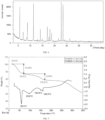
- the crystalline form A described above has an XRPD pattern substantially as shown in FIG. 1 .
- a DSC pattern of the crystalline form A described above has an endothermic peak at about 168.8°C.
- the crystalline form A described above has a DSC pattern substantially as shown in FIG. 2 .
- the weight loss of the crystalline form A described above upon heating from room temperature to 170°C is about 1.1%.
- the crystalline form A described above has a TGA pattern substantially as shown in FIG. 2 .
- the crystalline form A described above is an anhydrous crystalline form.
- the crystalline form described above is crystalline form B with an XRPD pattern having characteristic peaks (main characteristic diffraction peaks) at at least three (or all) of positions having 20 values of 5.7° ⁇ 0.2°, 11.3° ⁇ 0.2°, 22.7° ⁇ 0.2° and 23.5° ⁇ 0.2°.
- the XRPD pattern of the crystalline form B described above further has characteristic peaks (secondary characteristic diffraction peaks) at at least three (at least four, at least five, or all) of positions having 20 values of 7.1° ⁇ 0.2°, 8.8° ⁇ 0.2°, 14.1° ⁇ 0.2°, 17.0° ⁇ 0.2°, 18.0° ⁇ 0.2° and 18.8° ⁇ 0.2°.
- the crystalline form B described above has an XRPD pattern substantially as shown in FIG. 6 .
- a DSC pattern of the crystalline form B described above has an endothermic peak at at least one of about 59.5°C, 95.6°C, 150.8°C and 160.9°C.
- the crystalline form B described above has a DSC pattern substantially as shown in FIG. 7 .
- the weight loss of the crystalline form B described above is about 13.2% upon heating from room temperature to 70°C and about 8.5% upon continued heating to 170°C.
- the crystalline form B described above has a TGA pattern substantially as shown in FIG. 7 .
- the crystalline form B described above is an EtOAc solvate.
- the present invention further provides a crystalline form of 4-(3-(((2-amino-5-(1-(1-trideuteromethylpiperidin-4-yl)-1 H -pyrazol-4-yl)pyridin-3-yl)oxy)methyl)phenyl)-2-methylbut-3-yn-2-ol hydrochloride.
- the crystalline form described above is crystalline form A with an XRPD pattern having characteristic peaks (main characteristic diffraction peaks) at at least three (at least four, or all) of positions having 20 values of 13.0° ⁇ 0.2°, 16.3° ⁇ 0.2°, 17.5° ⁇ 0.2°, 19.4° ⁇ 0.2°, 23.8° ⁇ 0.2°.
- the XRPD pattern of the crystalline form A described above further has characteristic peaks (secondary characteristic diffraction peaks) at at least three (at least four, or all) of positions having 20 values of 8.1° ⁇ 0.2°, 12.1° ⁇ 0.2°, 15.3° ⁇ 0.2°, 18.0° ⁇ 0.2° and 21.4° ⁇ 0.2°.
- the crystalline form A described above has an XRPD pattern substantially as shown in FIG. 11 .
- a DSC pattern of the crystalline form A described above has an endothermic peak at about 81.9°C and about 156.0°C.
- the crystalline form A described above has a DSC pattern substantially as shown in FIG. 12 .
- the weight loss of the crystalline form A described above upon heating from room temperature to 150°C is about 8.6%.
- the crystalline form A described above has a TGA pattern substantially as shown in FIG. 12 .
- the present invention further provides a preparation method of the crystalline form described above.
- the preparation method described above is selected from one or a combination of two or more of: anti-solvent addition, anti-anti-solvent addition, gas-solid diffusion, suspension with stirring at room temperature, suspension with stirring at 5°C, slow volatilization, slow cooling, gas-liquid diffusion, and high polymer induction.
- the method for anti-solvent addition described above comprises: dissolving a target product with a good solvent, and then adding an anti-solvent to the resulting solution (which is then, for example, volatilized at room temperature to give a solid, or stirred at -20°C to give a solid).
- the method for anti-anti-solvent addition described above comprises: dissolving a target product with a good solvent, and then adding an anti-solvent to the resulting solution (which is then, for example, volatilized at room temperature to give a solid, or stirred at -20°C to give a solid).
- the methods for gas-solid diffusion, suspension with stirring at room temperature, suspension with stirring at 5°C, slow volatilization, slow cooling, and gas-liquid diffusion described above all comprise: dissolving a target product with a solvent and then drying to give a solid.
- the method for high polymer induction described above comprises: dissolving a target product with a solvent, adding a high polymer, and volatilizing at room temperature to give a solid.
- the preparation method for the crystalline form A of 4-(3-(((2-amino-5-(1-(1-trideuteromethylpiperidin-4-yl)-1 H -pyrazol-4-yl)pyridin-3-yl)oxy)methyl)phenyl)-2-methylbut-3-yn-2-ol described above is selected from one or a combination of two or more of: anti-solvent addition, anti-anti-solvent addition, gas-solid diffusion, suspension with stirring at room temperature, suspension with stirring at 5°C, slow volatilization, slow cooling, gas-liquid diffusion, and high polymer induction.
- the good solvent may be selected from: MeOH, acetone, DMSO, EtOAc, EtOH, DCM, CHCl 3 , THF, IPA, ACN and 1,4-dioxane
- the anti-solvent may be selected from: MTBE, toluene, n -heptane and water.
- the good solvent may be selected from: MeOH, acetone and DMSO, and the anti-solvent is MTBE.
- the good solvent may be selected from: EtOH and DCM, and the anti-solvent is toluene.
- the good solvent may be selected from: CHCl 3 , THF and IPA, and the anti-solvent is n -heptane.
- the good solvent may be selected from: acetone, ACN and 1,4-dioxane, and the anti-solvent is water.
- the good solvent may be selected from: MeOH, MIBK, acetone, anisole, EtOH, THF, EtOAc and DCM
- the anti-solvent may be selected from: toluene, n -heptane, water and MTBE.
- the good solvent may be MIBK
- the anti-solvent may be toluene
- the good solvent may be selected from: acetone and anisole, and the anti-solvent may be n -heptane.
- the good solvent may be selected from: EtOH and THF, and the anti-solvent may be water.
- the good solvent may be selected from: EtOAc and DCM, and the anti-solvent may be MTBE.
- the solvent may be selected from: water, DCM, EtOH, MeOH, ACN, THF, CHCl 3 , acetone, DMSO, EtOAc, 1,4-dioxane and IPA.
- the solvent may be selected from: MTBE, IPAc, n-heptane, toluene, water, EtOH/toluene (e.g., at a ratio of 1:3, v/v), DMSO/MTBE (e.g., at a ratio of 1:4, v/v), acetone/water (e.g., at a ratio of 1:4, v/v), IPA/ n- heptane (e.g., at a ratio of 1:4, v/v), EtOAc/ n -heptane (e.g., at a ratio of 1:4, v/v), anisole/toluene (e.g., at a ratio of 1:4, v/v), DMAc/water (e.g., at a ratio of 1:4, v/v), and THF/water (e.g.
- the solvent may be selected from: MTBE, toluene, water, IPA/ n -heptane (e.g., at a ratio of 1:2, v/v), MEK/ n- heptane (e.g., at a ratio of 1:2, v/v), EtOAc/toluene (e.g., at a ratio of 1:2, v/v), CPME/toluene (e.g., at a ratio of 1:2, v/v), NMP/water (e.g., at a ratio of 1:4, v/v), THF/water (e.g., at a ratio of 1:4, v/v), ACN/water (e.g., at a ratio of 1:2, v/v), IPAc/DCM (e.g., at a ratio of 1:1, v/v), MeOH/tol
- the solvent may be selected from: EtOH, acetone, IPAc, THF, CPME, anisole, ACN/water (e.g., at a ratio of 9:1, v/v), MeOH/DCM (e.g., at a ratio of 1:1, v/v), acetone/EtOAc (e.g., at a ratio of 2:1, v/v), and THF/water (e.g., at a ratio of 4:1, v/v).
- the solvent may be selected from: CPME, toluene, ACN/toluene (e.g., at a ratio of 1:2, v/v), acetone/n-heptane (e.g., at a ratio of 1:1, v/v), THF/toluene (e.g., at a ratio of 1:2, v/v), MeOH/water (e.g., at a ratio of 1:1, v/v), and CHCl 3 /MTBE (e.g., at a ratio of 1:1, v/v).
- CPME toluene
- ACN/toluene e.g., at a ratio of 1:2, v/v
- acetone/n-heptane e.g., at a ratio of 1:1, v/v
- THF/toluene e.g., at a ratio of 1:2, v/v
- MeOH/water e.g., at a
- the good solvent may be selected from: EtOH, THF and DMSO
- the anti-solvent may be selected from: n-heptane, MTBE, toluene, cyclohexane and water.
- the good solvent is EtOH
- the anti-solvent may be selected from: n -heptane, MTBE and toluene.
- the good solvent is THF
- the anti-solvent may be selected from: n -heptane, cyclohexane and MTBE.
- the good solvent is DMSO
- the anti-solvent may be selected from: toluene, MTBE and water.
- the solvent may be selected from: MEK, ACN/toluene (e.g., at a ratio of 4:1, v/v), THF/water (e.g., at a ratio of 9:1, v/v), EtOAc, acetone/2-MeTHF (e.g., at a ratio of 1:1, v/v), and MeOH/DCM (e.g., at a ratio of 1:1, v/v), and the high polymer may be selected from one or a combination of two or more of: polyvinylpyrrolidone, polyvinyl alcohol, polyvinyl chloride, polyvinyl acetate, hydroxypropyl methylcellulose, methylcellulose, polycaprolactone, polyethylene glycol, polymethyl methacrylate, sodium alginate and hydroxyethylcellulose.
- ACN/toluene e.g., at a ratio of 4:1, v/v
- THF/water e.g., at a ratio of 9
- the high polymer in the method for high polymer induction, is a mixture of polyvinylpyrrolidone, polyvinyl alcohol, polyvinyl chloride, polyvinyl acetate, hydroxypropyl methylcellulose and methylcellulose (e.g., at a mass ratio of 1:1:1:1:1), and the solvent may be selected from: MEK, ACN/toluene (e.g., at a ratio of 4:1, v/v), and THF/water (e.g., at a ratio of 9:1, v/v).
- the high polymer in the method for high polymer induction, is a mixture of polycaprolactone, polyethylene glycol, polymethyl methacrylate, sodium alginate and hydroxyethylcellulose (e.g., at a mass ratio of 1:1:1:1:1), and the solvent may be selected from: EtOAc and acetone/2-MeTHF (e.g., at a ratio of 1:1, v/v).
- the preparation method for the crystalline form B of 4-(3-(((2-amino-5-(1-(1-trideuteromethylpiperidin-4-yl)-1 H -pyrazol-4-yl)pyridin-3-yl)oxy)methyl)phenyl)-2-methylbut-3-yn-2-ol described above is the method for anti-solvent addition.
- the good solvent is EtOAc
- the anti-solvent is toluene
- the present invention further provides a pharmaceutical composition
- a pharmaceutical composition comprising the compound of general formula I or the pharmaceutically acceptable salt, the stereoisomer, the ester, the prodrug and the solvate thereof described above, or the crystalline form described above, and a pharmaceutically acceptable excipient.
- the excipient described above is selected from one or more of: a carrier, a diluent, a binder, a lubricant, a wetting agent, and the like.
- the pharmaceutical composition described above comprises a therapeutically effective amount of the compound of general formula I. In certain embodiments, these pharmaceutical compositions may be useful for treating HPK1 kinase-mediated diseases or conditions.
- the pharmaceutical composition described above may be a tablet (e.g., sugar coated tablet, film coated tablet, sublingual tablet, oral disintegrating tablet, buccal tablet, etc.), a pill, a powder, a granule, a capsule (e.g., soft capsule and microcapsule), a lozenge, a syrup, an emulsion, a suspension, a controlled release formulation (e.g., instantaneous release formulation, sustained release formulation, sustained release microcapsule), an aerosol, a film (e.g., oral disintegrating film, oral mucosa-adherent film), an injection (e.g., subcutaneous injection, intravenous injection, intramuscular injection, intraperitoneal injection), an intravenous drip infusion, a transdermal formulation, an ointment, a lotion, an adhesive formulation, a suppository (e.g., rectal suppository, vaginal suppository), a pellet, a nasal formulation, a pulmonary formulation (inhalant
- various dosage forms of the pharmaceutical composition described above can be prepared according to conventional production methods in the pharmaceutical field.
- the active ingredient may be mixed with one or more excipients and then prepared into the desired dosage form.
- the pharmaceutical composition described above may comprise 0.1%-99.5% (such as, 0.1%, 1%, 5%, 10%, 20%, 30%, 40%, 50%, 60%, 70%, 80%, 90%, 95%, 99% or 99.5%) by weight of the active ingredient.
- 0.1%-99.5% such as, 0.1%, 1%, 5%, 10%, 20%, 30%, 40%, 50%, 60%, 70%, 80%, 90%, 95%, 99% or 99.5%
- the present invention further provides use of the compound of general formula I, and the pharmaceutically acceptable salt, the stereoisomer, the ester, the prodrug and the solvate thereof described above, or the crystalline form described above, or the pharmaceutical composition described above in preparing a medicament for preventing and/or treating a tumor.
- the present invention further provides use of the compound of general formula I, and the pharmaceutically acceptable salt, the stereoisomer, the ester, the prodrug and the solvate thereof described above, the crystalline form described above in combination with PD-1, PD-L1, CTLA-4, TIM-3, TGF- ⁇ and receptors thereof, LAG3 antagonists or TLR4, TLR7, TLR8, TLR9, and STING agonists in tumor immunotherapy.
- the present invention further provides use of the compound of general formula I, and the pharmaceutically acceptable salt, the stereoisomer, the ester, the prodrug and the solvate thereof described above and the crystalline form described above in combination with CAR-T immunotherapy in tumor immunotherapy.
- the CAR-T immunotherapy described above refers to the chimeric antigen receptor T cell immunotherapy, whose basic principle is to eliminate cancer cells by utilizing immune cells in the patient himself, which belongs to a cell therapy.
- the tumor described above is a malignancy, including, but not limited to: lymphoma, blastoma, medulloblastoma, retinoblastoma, sarcoma, liposarcoma, synovial cell sarcoma, neuroendocrine tumor, carcinoid tumor, gastrinoma, islet cell carcinoma, mesothelioma, schwannoma, acoustic neuroma, meningioma, adenocarcinoma, melanoma, leukemia and lymphoid malignancy, squamous cell carcinoma, epithelial squamous cell carcinoma, lung carcinoma, small cell lung carcinoma, non-small cell lung carcinoma, adenocarcinoma lung carcinoma, squamous lung carcinoma, peritoneal carcinoma, hepatocellular carcinoma, gastric carcinoma, intestinal carcinoma, pancreatic carcinoma, glioblastoma, cervical carcinoma, ovarian carcinoma, bladder carcinoma, liver carcinoma, breast carcinoma, breast
- the present invention further provides use of the compound of general formula I, and the pharmaceutically acceptable salt, the stereoisomer, the ester, the prodrug and the solvate thereof described above, or the crystalline form described above or the pharmaceutical composition described above in preparing a medicament for preventing and/or treating a disease caused by or associated with pathogen infection.
- the pathogen described above may be a microorganism, a parasite (protozoon, worm, or the like) or any other vector.
- the microorganism described above may be selected from one or more of: viruses, chlamydias, rickettsiae, mycoplasmas, bacteria, spirochaetes, fungi, etc.
- the pathogen described above is a virus, for example, but not limited to, Adenoviridae (e.g., adenovirus), Herpesviridae (e.g., HSV1 (herpes of mouth), HSV2 (herpes of external genitalia), VZV (chicken pox), EBV (Epstein-Barr virus), CMV (cytomegalovirus)), Poxviridae (e.g., smallpox virus, vaccinia virus), Papovavirus (e.g., human papilloma virus (HPV)), Parvoviridae (e.g., B19 virus), Hepadnaviridae (e.g., hepatitis B virus (HBV)), Polyomaviridae (e.g., polyomavirus), Reoviridae (e.g., reovirus, rotavirus), Picornaviridae (e.g., enterovirus,
- the virus is HBV, HIV, HCV, HPV, Ebola virus, Marburg virus, influenza virus, parainfluenza virus, Dengue virus, SARS-CoV, SARS-CoV-2, etc.
- the disease caused by or associated with pathogen infection described above includes, but is not limited to, influenza, SARS, COVID-19, viral hepatitis (e.g., hepatitis B, hepatitis C, etc.), AIDS, Dengue fever, Ebola virus disease, Marburg virus disease, etc.
- influenza e.g., SARS, COVID-19
- viral hepatitis e.g., hepatitis B, hepatitis C, etc.
- AIDS Dengue fever
- Ebola virus disease Marburg virus disease, etc.
- the present invention further provides a method for preventing and/or treating a tumor, which comprises a step of administering to a subject in need thereof an effective amount of the compound of general formula I and the pharmaceutically acceptable salt, the stereoisomer, the ester, the prodrug and the solvate thereof described above, or the crystalline form described above, or the pharmaceutical composition described above in the present invention.
- the tumor has the corresponding definition described above in the present invention.
- the present invention further provides a method for preventing and/or treating a disease caused by or associated with pathogen infection, which comprises a step of administering to a subject in need thereof an effective amount of the compound of general formula I and the pharmaceutically acceptable salt, the stereoisomer, the ester, the prodrug and the solvate thereof described above, or the crystalline form thereof described above, or the pharmaceutical composition described above in the present invention.
- the pathogen and the disease have the corresponding definitions described above in the present invention.
- C 0 alkyl refers to H, and thus Co-io alkyl comprises H, C 1 alkyl, C 2 alkyl, C 3 alkyl, C 4 alkyl, C 5 alkyl, C 6 alkyl, C 7 alkyl, C 8 alkyl, C 9 alkyl and C 10 alkyl.
- C 1-10 linear/branched alkyl described herein comprises methyl, ethyl, C 3 linear/branched alkyl, C 4 linear/branched alkyl, C 5 linear/branched alkyl, C 6 linear/branched alkyl, C 7 linear/branched alkyl, C 8 linear/branched alkyl, C 9 linear/branched alkyl and C 10 linear/branched alkyl.
- C 3-10 branched alkyl described herein comprises isopropyl, isobutyl, tert -butyl and isoamyl.
- C 3-10 cycloalkyl described herein comprises C 3 cycloalkyl, C 4 cycloalkyl, C 5 cycloalkyl, C 6 cycloalkyl, C 7 cycloalkyl, C 8 cycloalkyl, C 9 cycloalkyl and C 10 cycloalkyl.
- C 3-8 cycloalkyl described herein comprises C 3 cycloalkyl, C 4 cycloalkyl, C 5 cycloalkyl, C 6 cycloalkyl, C 7 cycloalkyl and C 8 cycloalkyl.
- C 4-8 cycloalkyl described herein comprises C 4 cycloalkyl, C 5 cycloalkyl, C 6 cycloalkyl, C 7 cycloalkyl and C 8 cycloalkyl.
- C 4-6 cycloalkyl described herein comprises C 4 cycloalkyl, C 5 cycloalkyl and C 6 cycloalkyl.
- halogen described herein comprises fluorine, chlorine, bromine and iodine.
- heterocycloalkyl refers to a non-aromatic saturated monocyclic or polycyclic ring system containing 3 to 10 ring atoms, preferably 5 to 10 ring atoms, wherein one or more ring atoms are not carbon atoms, but are, for example, nitrogen, oxygen or sulfur atoms.
- Preferred heterocycloalkyl contains 5 to 6 ring atoms.
- aza, oxa or thia before heterocycloalkyl means that there is at least one nitrogen, oxygen or sulfur atom as a ring atom.
- heterocycloaryl refers to an aromatic monocyclic or polycyclic ring system containing 5 to 14 ring atoms, preferably 5 to 10 ring atoms, wherein one or more ring atoms are not carbon atoms, but are, for example, nitrogen, oxygen or sulfur atoms.
- Preferred heterocycloaryl contains 5 to 6 ring atoms.
- heterocycloaryl includes pyrazinyl, furyl, thienyl, pyridinyl, pyrimidinyl, isoxazolyl, isothiazolyl, oxazolyl, thiazolyl, pyrazolyl, furazanyl, pyrrolyl, pyrazolyl, triazolyl, 1,2,4-thiadiazolyl, pyrazinyl, pyridazinyl, quinoxalinyl, 2,3-naphthyridinyl, imidazo[1,2-a]pyridine, imidazo[2,1-b]thiazolyl, benzofurazanyl, indolyl, azaindolyl, benzimidazolyl, benzothienyl, quinolyl, imidazolyl, thienopyridinyl, quinazolinyl, thienopyrimidinyl, pyrrolopyridinyl, imidazopyr
- D represents deuterium
- deuterated means that one or more hydrogen atoms are substituted with the corresponding number of deuterium atoms.
- the compound of the present invention will inherently contain a small amount of deuterated isotopologues.
- the concentration of such naturally abundant stable hydrogen and carbon isotopes is very low and inconsequential compared to the degree to which the compound of the present invention is substituted with stable isotopes. See, e.g., Wada, E et. al., Seikagaku, 1994, 66: 15; and Gannes, LZ et. al., Comp Biochem Physiol Mol Integr Physiol, 1998, 119: 725.
- any atom not designated as deuterium is present at its natural isotopic abundance level.
- H or “hydrogen” is specifically designated to a position
- that position should be construed as having hydrogen composed of isotopes according to their natural abundance levels.
- D or “deuterium” is specifically designated to a position
- that position should be construed as having deuterium at an abundance level that is higher than the natural abundance level of deuterium (0.015%) by at least 3000 times (that is, at least 45% deuterium is incorporated).
- isotopic enrichment factor refers to a ratio between the isotopic abundance and the natural abundance of a particular isotope.
- the isotopic enrichment factor for each designated deuterium atom in the compound of the present invention is at least 3500 (52.5% deuterium is incorporated at each designated deuterium atom), at least 4000 (60% deuterium incorporated), at least 4500 (67.5% deuterium incorporated), at least 5000 (75% deuterium incorporated), at least 5500 (82.5% deuterium incorporated), at least 6000 (90% deuterium incorporated), at least 6333.3 (95% deuterium incorporated), at least 6466.7 (97% deuterium incorporated), at least 6600 (99% deuterium incorporated), or at least 6633.3 (99.5% deuterium incorporated).
- isotopologue refers to a substance of which the chemical structure differs from that of a particular compound of the present invention only in isotopic composition.
- the term "compound”, when referring to a compound of the present invention, refers to a collection of molecules having the same chemical structure except that there may be isotopic variations among the constituent atoms of the molecules. It is therefore clear to those skilled in the art that the compounds represented by specific chemical structures containing the indicated deuterium atoms also contain a small amount of isotopologues having hydrogen atoms at one or more of the indicated deuterium positions of the structure. The relative amount of such isotopologues in the compound of the present invention will depend on a variety of factors, including the isotopic purity of the deuteration reagent used to prepare the compound and the efficiency of deuterium incorporation during every synthetic step used to prepare the compound.
- the overall relative amount of such isotopologues will be less than 49.9% of the compound. In other embodiments, the overall relative amount of such isotopologues will be less than 47.5%, less than 40%, less than 32.5%, less than 25%, less than 17.5%, less than 10%, less than 5%, less than 3%, less than 1%, or less than 0.5% of the compound.
- the term "crystalline form" is confirmed by X-ray powder diffraction pattern characterization.
- X-ray powder diffraction pattern characterization Those skilled in the art can appreciate that the physicochemical properties discussed herein can be characterized with experimental error depending on the conditions of the instrument, sample preparation, purity of the sample, etc.
- the X-ray diffraction pattern will generally vary with the conditions of the instrument.
- the relative intensities of the X-ray powder diffraction patterns may also vary with the experimental conditions, so that the order of the peak intensities cannot be the only or decisive factor.
- the relative intensities of the diffraction peaks in the XRPD pattern are related to the preferred orientation of the crystals, and the peak intensities shown herein are illustrative and not for absolute comparison.
- experimental errors in peak angles are typically 5% or less, and these angles should also be taken into account, typically allowing errors of ⁇ 0.2°.
- an overall shift in peak angle is caused, and a certain shift is usually allowed.
- the X-ray powder diffraction pattern of a crystalline form of the present invention is not required to be identical to that of the examples referred to herein, that the "XRPD patterns are identical" described herein does not mean absolutely identical, and that the identical peak positions may differ by ⁇ 0.2° and a certain variability in peak intensities is permitted. Any crystalline form having the same or similar pattern as the characteristic peaks in these patterns falls within the scope of the present invention. Those skilled in the art can compare the patterns listed in the present invention with a pattern of an unknown crystalline form to confirm whether the two sets of patterns reflect the same or different crystalline forms.
- the crystalline form A of the present invention is pure, single, and substantially free of any other crystalline forms in admixture.
- substantially free when used in reference to a novel crystalline form, means that the crystalline form contains less than 20% by weight of other crystalline forms, in particular less than 10% by weight of other crystalline forms, more particularly less than 5% by weight of other crystalline forms, and even more particularly less than 1% by weight of other crystalline forms.
- room temperature means that the temperature of an article is close to or the same as the temperature of a space (e.g., the location of a fume hood in which the article is located). Typically, room temperature is from about 20°C to about 30°C, or from about 22°C to 27°C, or about 25°C.
- the anti-solvent addition (also called anti-solvent crystallization, precipitation crystallization, salting out, or forcing crystallization) is generally a method comprising precipitating crystals after bringing a solution into a supersaturated state by adding one or more anti-solvents to the solution in which a target product is dissolved with a good solvent, the product being in a slightly soluble state in the solution.
- the anti-anti-solvent addition is generally a method comprising precipitating crystals after bringing a solution into a supersaturated state by adding one or more anti-solvents to the solution in which a target product is dissolved with a good solvent, the product being in a slightly soluble state in the solution.
- an anti-solvent for dissolving a target product is poorer than that of a good solvent, e.g., by more than 10%, 20%, 30%, 40%, 50%, 60%, 70% or 80%, therefore the anti-solvent in a system is a relative term.
- the good solvent and the anti-solvent may be polar or non-polar solvents, for example, may be selected from one or more of: dimethylformamide (DMF), dimethyl sulfoxide (DMSO), water, alcoholic solvents, ether solvents, ketone solvents, ester solvents, alkane solvents, aromatic solvents and nitrile solvents, wherein the alcoholic solvents include, but are not limited to, methanol, ethanol, propanol, isopropanol or 1,3-propanediol, 1,2-propanediol or chlorobutanol or a combination thereof; ether solvents include, but are not limited to, such as tetrahydrofuran, methyl tert -butyl ether or 1,4-dioxane or a combination thereof; ketone solvents include, but are not limited to, acetone, methyl ethyl ketone or 4-methyl-2-pentanone or a combination thereof; ester solvent
- the anti-solvent addition and anti-anti-solvent addition may be performed by batch, semi-batch or continuous crystallization operations.
- the addition of an anti-solvent to a solution (anti-solvent crystallization) or the addition of a product solution to an anti-solvent (anti-anti-solvent crystallization) may either be dropwise addition at a constant rate or be dropwise addition slowly at the beginning and then gradually increasing in rate.
- the XRPD pattern of the sample described above is shown in FIG. 1 , and the XRPD test parameters and the result data table of the sample are respectively shown in Tables 1 and 2, which indicate that the sample is a crystal and is named as free crystalline form A and can be repeatedly prepared.
- Tables 1 and 2 which indicate that the sample is a crystal and is named as free crystalline form A and can be repeatedly prepared.
- the entire list of peaks or corresponding d values in Table 2 or a subset thereof, and the XRPD pattern substantially similar to FIG. 1 are sufficient to characterize the crystalline form.
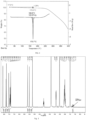
- the TGA/DSC pattern of free base crystalline form A of compound A2 is shown in FIG. 2 , and the test parameters of TGA and DSC are shown in Table 3.
- the TGA result shows a weight loss of 1.3% upon heating from room temperature to 170°C; the DSC result shows a sharp endothermic peak at 168.8°C (initial temperature).
- the 1 H NMR spectrum of free base crystalline form A of compound A2 is shown in FIG. 3 .
- the 1 H NMR results indicate that a molar ratio of residual solvent IPAc to free base crystalline form A is 0.01:1 (corresponding to a weight loss of TGA being 0.2%).
- the free base crystalline form A of compound A2 is presumed to be an anhydrous crystalline form.
- Table 1 Test parameters of XRPD Model of instrument X'Pert 3 X-ray Cu, K ⁇ ; K ⁇ 1 ( ⁇ ): 1.540598 K ⁇ 2 ( ⁇ ): 1.544426 Intensity ratio K ⁇ 2/K ⁇ 1: 0.50 Settings of X-ray tube 45kV, 40mA Divergent slit 1/8° Scanning mode Continuous Scanning range (°2TH) 3° ⁇ 40° Scanning step length (°2TH) 0.0263 Scanning time of each step (s) 46.665 Scanning time (s) 5min 04s Table 2.
- the XRPD pattern of the sample described above is shown in FIG. 6 , and the XRPD test parameters and the result data table of the sample are respectively shown in Tables 1 and 6, which indicate that the sample is a crystal and is named as free crystalline form B.
- Tables 1 and 6 The entire list of peaks or corresponding d values in Table 6 or a subset thereof, and the XRPD pattern substantially similar to FIG. 5 are sufficient to characterize the crystalline form. Table 6.
- the TGA/DSC pattern of free base crystalline form B of compound A2 is shown in FIG. 7 , and the test parameters of TGA and DSC are shown in Table 3.
- the TGA results indicate that the sample has a weight loss of 13.2% upon heating from room temperature to 70°C and a weight loss of 8.5% upon continuous heating to 170°C.
- the DSC results indicate that the sample has four endothermic peaks at 59.5°C, 95.6°C, 150.8°C and 160.9°C (peak temperature).
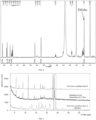
- the 1 H NMR spectrum of free base crystalline form B of compound A2 is shown in FIG. 8 .
- the 1 H NMR results indicate that a molar ratio of residual solvent EtOAc to the free base is 0.8:1 (corresponding to a weight loss of TGA being 18.1%).
- the XRPD patterns of free base crystalline form B of compound A2 before and after standing at room temperature are shown in FIG. 9 .
- the results show that after the free base crystalline form B was placed in a closed space for 5 days at room temperature, a diffraction peak of free base crystalline form A appeared, indicating that the free base crystalline form B has a tendency of converting into the free base crystalline form A after being placed at room temperature.
- the XRPD patterns of free base crystalline form B of compound A2 before and after nitrogen purging are shown in FIG. 10 .
- the results show that the free base crystalline form B (containing one diffraction peak of crystalline form A) has a conversion in crystalline forms after nitrogen purging at 30°C for 20 minutes.
- the free base crystalline form B is presumed to have a conversion in crystalline forms with the removal of EtOAc after nitrogen purging.
- Example 7 Preparation of Compound A2 hydrochloride: 100 mg (0.223 mmol) of Compound A2 was weighed and dissolved in 5 mL of anhydrous dichloromethane, the mixture was stirred at room temperature for 5 min, 1.11 mL of a solution of hydrochloric acid in ethyl ether (1N) was added dropwise, and after the dropwise addition was completed, the reaction solution was stirred at room temperature for 30 min. After the starting materials were consumed as shown in TLC, nitrogen was introduced for 10 min, and the reaction solution was concentrated under reduced pressure at 10°C to give an off-white solid (purity: > 99%). The solid was placed in a lyophilizer for 12 h to give 108 mg of A2 hydrochloride (off-white, purity: > 99%).
- the XRPD pattern of compound A2 hydrochloride is shown in FIG. 11 , the XRPD test parameters are shown in Table 1 of Example 5, and the XRPD result data table is shown in Table 7, which indicate that it is a crystal and is named as hydrochloride crystalline form A.
- Table 7 The entire list of peaks or corresponding d values in Table 7 or a subset thereof, and the XRPD pattern substantially similar to FIG. 11 are sufficient to characterize the crystalline form.
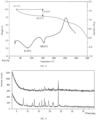
- the TGA/DSC pattern of the hydrochloride of compound A2 is shown in FIG. 12 , and the TGA and DSC test parameters are shown in Table 3 of Example 5.
- the TGA result shows a weight loss of 8.6% upon heating from room temperature to 150°C; the DSC result shows two endothermic peaks at 81.9°C and 156.0°C (peak temperature).
- the XRPD pattern overlay of free base crystalline form A of compound A2 and compound A2 hydrochloride is shown in FIG. 13 , and the XRPD results are substantially the same for the two, but the crystallinity of the hydrochloride salt is lower.
- the operation steps for microsome metabolite identification were as follows: The compounds (test compounds with numbers shown below, wherein compounds A1 and B1 were prepared by referring the relevant methods disclosed in CN110396087A ) were weighed and dissolved in dimethyl sulfoxide to prepare a 20 mM solution, and the compound stock solution was diluted with 50% acetonitrile aqueous solution (v/v) to 1.0 mM concentration to give a working solution; the liver microsomes (20 mg/mL) were diluted to 1.27 mg/mL with 50 mM dipotassium phosphate buffer as a liver microsome working solution; reduced coenzyme was weighed, and 3307 ⁇ L of phosphate buffer (50 mM) was added to dissolve the reduced coenzyme to 5.0 mM to give a reduced coenzyme working solution.
- the sample plate was placed on a vortexer and vortexed at 600 rpm for 5 min. The mixture was centrifuged at 4000 rpm for 10 min, and the supernatant was removed, mixed and purged with nitrogen to dryness at room temperature. The resulting solution was re-dissolved with 300 ⁇ L of 10% acetonitrile (0.1% FA), the residue was purged with nitrogen to dryness and then centrifuged at 4000 rpm for 15 min, and the supernatant was transferred to a detection plate for mass spectrometry. Mass spectrometry was performed using an LC/Q-Exactive plus. 7-ethoxycoumarin (10 ⁇ M) was selected as a positive control compound, using the procedure same as that of the compounds.
- blood samples for intravenous injection and oral administration were collected at 0.0833 h, 0.25 h, 0.5 h, 1 h, 2 h, 4 h, 8 h and 24 h, and concentrations of the compounds in the samples were measured using LC-MS/MS with a lower limit of quantitation of 1 ng/mL, and the pharmacokinetic parameters of the compounds were calculated using the WinNolin non-compartmental model.
- the in vivo exposures (AUC last ) of A1, A2, C and D were 116 hr*ng/mL, 247 hr*ng/mL, 74.8 hr*ng/mL and 28.7 hr*ng/mL, respectively, and the average total clearances (CLs) were 129 mL/min/kg, 71 mL/min/kg, 101 mL/min/kg and 151 mL/min/kg, respectively.
- the in vivo exposures (AUC last ) of A1, A2, C and D were 79.8 ng*hr/mL, 572 ng*hr/mL, 42.8 ng*hr/mL and 9.94 ng*hr/mL, respectively.
- the oral bioavailabilities in rats were 6.84%, 23.2%, 9.52% and 5.2%, respectively.
- the compounds were prepared into a 1.0 mg/mL solution with water or 10% DMSO/30% PEG400/water, and the solution was administered at a volume of 1 mL/kg.
- the compounds were prepared into a 2.0 mg/mL solution or suspension with water or 0.5% methylcellulose/1.7 meq 1 N hydrochloric acid, and the solution or suspension was administered at a volume of 5 mL/kg.
- blood samples for intravenous injection and oral administrations were collected at 0.0833 h, 0.25 h, 0.5 h, 1 h, 2 h, 4 h, 8 h, 12 h and 24 h, and concentrations of the compounds in the samples were measured using LC-MS/MS with a lower limit of determination of 1 ng/mL, and the pharmacokinetic parameters of the compounds were calculated using the WinNolin non-compartmental model.
- AUC last the in vivo exposures (AUC last ) of A1 and A2 were 881 hr*ng/mL and 949 hr*ng/mL, respectively, and the average total clearances (CLs) were 18.9 mL/min/kg and 16.7 mL/min/kg, respectively.
- the in vivo exposures (AUC last ) of A1 and A2 were 388 ng*hr/mL and 1758 ng*hr/mL, respectively.
- the oral bioavailabilities in cynomolgus monkeys were 4.61% and 18.8%, respectively.
Landscapes
- Chemical & Material Sciences (AREA)
- Organic Chemistry (AREA)
- Health & Medical Sciences (AREA)
- Life Sciences & Earth Sciences (AREA)
- Medicinal Chemistry (AREA)
- Veterinary Medicine (AREA)
- Public Health (AREA)
- Pharmacology & Pharmacy (AREA)
- Animal Behavior & Ethology (AREA)
- General Health & Medical Sciences (AREA)
- Epidemiology (AREA)
- Chemical Kinetics & Catalysis (AREA)
- General Chemical & Material Sciences (AREA)
- Nuclear Medicine, Radiotherapy & Molecular Imaging (AREA)
- Oncology (AREA)
- Hematology (AREA)
- Communicable Diseases (AREA)
- Virology (AREA)
- Pharmaceuticals Containing Other Organic And Inorganic Compounds (AREA)
- Plural Heterocyclic Compounds (AREA)
- Acyclic And Carbocyclic Compounds In Medicinal Compositions (AREA)
- Medicines Containing Material From Animals Or Micro-Organisms (AREA)
- Medicines That Contain Protein Lipid Enzymes And Other Medicines (AREA)
- Heterocyclic Carbon Compounds Containing A Hetero Ring Having Nitrogen And Oxygen As The Only Ring Hetero Atoms (AREA)
Applications Claiming Priority (2)
| Application Number | Priority Date | Filing Date | Title |
|---|---|---|---|
| CN202011199799.3A CN114437058A (zh) | 2020-10-30 | 2020-10-30 | 氘代hpk1激酶抑制剂及其制备方法和应用 |
| PCT/CN2021/124144 WO2022089225A1 (zh) | 2020-10-30 | 2021-10-15 | 氘代hpk1激酶抑制剂及其制备方法和应用 |
Publications (4)
| Publication Number | Publication Date |
|---|---|
| EP4223752A1 true EP4223752A1 (de) | 2023-08-09 |
| EP4223752A4 EP4223752A4 (de) | 2024-01-10 |
| EP4223752B1 EP4223752B1 (de) | 2025-08-20 |
| EP4223752B8 EP4223752B8 (de) | 2025-10-01 |
Family
ID=81357914
Family Applications (1)
| Application Number | Title | Priority Date | Filing Date |
|---|---|---|---|
| EP21884954.5A Active EP4223752B8 (de) | 2020-10-30 | 2021-10-15 | Deuterierter hpk1-kinasehemmer sowie herstellungsverfahren dafür und verwendung davon |
Country Status (12)
| Country | Link |
|---|---|
| US (1) | US20230399309A1 (de) |
| EP (1) | EP4223752B8 (de) |
| JP (1) | JP7751779B2 (de) |
| KR (1) | KR20230098265A (de) |
| CN (1) | CN114437058A (de) |
| AU (1) | AU2021367554B2 (de) |
| CA (1) | CA3197010A1 (de) |
| DK (1) | DK4223752T3 (de) |
| ES (1) | ES3044636T3 (de) |
| FI (1) | FI4223752T3 (de) |
| IL (1) | IL302263A (de) |
| WO (1) | WO2022089225A1 (de) |
Cited By (1)
| Publication number | Priority date | Publication date | Assignee | Title |
|---|---|---|---|---|
| EP4154881B1 (de) * | 2020-06-16 | 2025-02-26 | Zhuhai Yufan Biotechnologies Co., Ltd | Anwendungen eines hpk1-kinasehemmers bei der vorbeugung und/oder behandlung von infektionen durch tierische pathogene |
Families Citing this family (4)
| Publication number | Priority date | Publication date | Assignee | Title |
|---|---|---|---|---|
| TWI721623B (zh) | 2018-10-31 | 2021-03-11 | 美商基利科學股份有限公司 | 經取代之6-氮雜苯并咪唑化合物 |
| TW202136261A (zh) | 2018-10-31 | 2021-10-01 | 美商基利科學股份有限公司 | 經取代之6-氮雜苯并咪唑化合物 |
| US11453681B2 (en) | 2019-05-23 | 2022-09-27 | Gilead Sciences, Inc. | Substituted eneoxindoles and uses thereof |
| CN114767676B (zh) * | 2022-04-22 | 2024-04-19 | 珠海宇繁生物科技有限责任公司 | Hpk1激酶抑制剂在预防和/或治疗人的病原体感染中的应用 |
Family Cites Families (18)
| Publication number | Priority date | Publication date | Assignee | Title |
|---|---|---|---|---|
| UA80474C2 (en) * | 2003-02-26 | 2007-09-25 | Sugen Inc | Aminoheteroaryl compounds as inhibitors of protein kinase |
| BR122020017756B1 (pt) * | 2004-08-26 | 2022-02-15 | Pfizer Inc | Uso de compostos de aminoeteroarila enantiomericamente puros na preparação de um medicamento para o tratamento de crescimento celular anormal em um mamífero |
| CN101967140A (zh) | 2010-09-14 | 2011-02-09 | 郑州泰基鸿诺药物科技有限公司 | 氘代克里唑蒂尼及其衍生物、制备方法和应用 |
| EP2680843A4 (de) | 2011-03-03 | 2015-05-06 | Concert Pharmaceuticals Inc | Derivate von pyrazolsubstituierten amino-heteroaryl-verbindungen |
| EP2758387A4 (de) | 2011-09-21 | 2015-03-11 | Teligene Ltd | Pyridinverbindungen als kinase-inhibitoren |
| CN103304552B (zh) | 2012-03-09 | 2016-12-28 | 广东东阳光药业有限公司 | 取代的吡啶化合物及其使用方法和用途 |
| WO2013138210A1 (en) | 2012-03-14 | 2013-09-19 | Ning Xi | Substituted cyclic compounds and methods of use |
| CN103509008A (zh) | 2012-06-22 | 2014-01-15 | 康瑟特制药公司 | 吡唑取代的氨基-杂芳基化合物的衍生物 |
| CN104650049B (zh) | 2013-08-28 | 2018-06-08 | 广东东阳光药业有限公司 | 取代的吡啶化合物及其使用方法和用途 |
| WO2015034729A1 (en) | 2013-09-05 | 2015-03-12 | Calitor Sciences, Llc | Substituted pyridine compounds and methods of use |
| US20160158360A1 (en) | 2014-12-05 | 2016-06-09 | Genentech, Inc. | Methods and compositions for treating cancer using pd-1 axis antagonists and hpk1 antagonists |
| US10702527B2 (en) * | 2015-06-12 | 2020-07-07 | Dana-Farber Cancer Institute, Inc. | Combination therapy of transcription inhibitors and kinase inhibitors |
| WO2019206049A1 (en) * | 2018-04-25 | 2019-10-31 | Zhuhai Yufan Biotechnologies Co., Ltd | Hpk1 inhibitors, preparation method and application thereof |
| CN110396087A (zh) * | 2018-04-25 | 2019-11-01 | 珠海宇繁生物科技有限责任公司 | Hpk1激酶抑制剂、制备方法及其应用 |
| CA3129768A1 (en) | 2019-03-26 | 2020-10-01 | Laurence Anne Mevellec | Hpk1 inhibitors |
| CN112552293A (zh) * | 2019-09-25 | 2021-03-26 | 珠海宇繁生物科技有限责任公司 | 一种protac小分子化合物及其应用 |
| CN113797198B (zh) * | 2020-06-16 | 2023-11-28 | 格格巫(珠海)生物科技有限公司 | 一种化合物在预防和/或治疗动物的病原体感染中的应用 |
| CN113797202B (zh) * | 2020-06-16 | 2024-06-28 | 珠海宇繁生物科技有限责任公司 | Hpk1激酶抑制剂在预防和/或治疗动物的病原体感染中的应用 |
-
2020
- 2020-10-30 CN CN202011199799.3A patent/CN114437058A/zh active Pending
-
2021
- 2021-10-15 WO PCT/CN2021/124144 patent/WO2022089225A1/zh not_active Ceased
- 2021-10-15 JP JP2023526178A patent/JP7751779B2/ja active Active
- 2021-10-15 DK DK21884954.5T patent/DK4223752T3/da active
- 2021-10-15 CA CA3197010A patent/CA3197010A1/en active Pending
- 2021-10-15 IL IL302263A patent/IL302263A/en unknown
- 2021-10-15 ES ES21884954T patent/ES3044636T3/es active Active
- 2021-10-15 US US18/250,287 patent/US20230399309A1/en active Pending
- 2021-10-15 EP EP21884954.5A patent/EP4223752B8/de active Active
- 2021-10-15 KR KR1020237017976A patent/KR20230098265A/ko not_active Ceased
- 2021-10-15 FI FIEP21884954.5T patent/FI4223752T3/fi active
- 2021-10-15 AU AU2021367554A patent/AU2021367554B2/en active Active
Cited By (1)
| Publication number | Priority date | Publication date | Assignee | Title |
|---|---|---|---|---|
| EP4154881B1 (de) * | 2020-06-16 | 2025-02-26 | Zhuhai Yufan Biotechnologies Co., Ltd | Anwendungen eines hpk1-kinasehemmers bei der vorbeugung und/oder behandlung von infektionen durch tierische pathogene |
Also Published As
| Publication number | Publication date |
|---|---|
| KR20230098265A (ko) | 2023-07-03 |
| AU2021367554B2 (en) | 2024-09-12 |
| WO2022089225A1 (zh) | 2022-05-05 |
| EP4223752B1 (de) | 2025-08-20 |
| FI4223752T3 (fi) | 2025-10-15 |
| JP7751779B2 (ja) | 2025-10-09 |
| IL302263A (en) | 2023-06-01 |
| CN114437058A (zh) | 2022-05-06 |
| JP2023550021A (ja) | 2023-11-30 |
| EP4223752B8 (de) | 2025-10-01 |
| AU2021367554A1 (en) | 2023-06-01 |
| EP4223752A4 (de) | 2024-01-10 |
| CA3197010A1 (en) | 2022-05-05 |
| DK4223752T3 (da) | 2025-10-06 |
| ES3044636T3 (en) | 2025-11-27 |
| US20230399309A1 (en) | 2023-12-14 |
Similar Documents
| Publication | Publication Date | Title |
|---|---|---|
| EP4223752B1 (de) | Deuterierter hpk1-kinasehemmer sowie herstellungsverfahren dafür und verwendung davon | |
| EP3325477B1 (de) | Neuartige tricyclische 4-pyridon-3-carbonsäure-derivate zur behandlung und prophylaxe von hepatitis-b-virus-infektion | |
| EP4506002A1 (de) | Verwendung eines hpk1-inhibitors bei der vorbeugung und/oder behandlung von infektionen durch menschliche krankheitserreger | |
| JP2020526569A (ja) | 環内チアミジノアミド−アリールアミド系化合物及びb型肝炎を治療するためのその用途 | |
| KR20190110118A (ko) | 1,3,5-트리아진 유도체 염, 결정, 제조 방법, 약학적 조성물 및 그의 용도 | |
| WO2023174162A1 (zh) | 一种四异丁酰基核苷类似物的制备方法及用途 | |
| KR102783080B1 (ko) | [(1S)-1-[(2S,4R,5R)-5-(5-아미노-2-옥소-티아졸로[4,5-d]피리미딘-3-일)-4-하이드록시-테트라하이드로퓨란-2-일]프로필]아세테이트의 고체 형태 | |
| EP3870295B1 (de) | Neuartige tricyclische verbindungen zur behandlung und prophylaxe von hepatitis-b-virus-infektion | |
| JPH0649074A (ja) | 新規な9−フルオロ−7−オキソ−7H−ピリド[1,2,3−de][1,4]ベンズオキサジン−6−カルボン酸およびエステル | |
| CN102649765A (zh) | 具有抗白血病活性的大黄素二正辛基季铵盐及其制备方法 | |
| CN117700376B (zh) | N-苄基苯甲酰胺类化合物及其药物组合物和应用 | |
| CN112574188B (zh) | 一种吡唑类化合物及其应用 | |
| JPH0616673A (ja) | 7−オキソ−7H−ピリド[1,2,3−de[1,4ベンゾキサジン−6−カルボン酸類およびエステル類 | |
| CN116041324B (zh) | 一种氘代吡唑二氯苯甲酰胺类化合物、药物组合物和用途 | |
| RU2852946C1 (ru) | Дейтерированный ингибитор киназы hpk1, способ получения и его применение | |
| HK40074890A (en) | Deuterated hpk1 kinase inhibitor, and preparation method therefor and use thereof | |
| EP3967697A1 (de) | Pyridonderivatkristallform und verfahren zu ihrer herstellung und ihre verwendung | |
| CN109096218B (zh) | 盐酸奥达特罗晶型a及其制备方法 | |
| CN115698000B (zh) | 新型吡嗪化合物 | |
| CN108822054A (zh) | 盐酸奥达特罗晶型c及其制备方法 | |
| CN119504584A (zh) | 二苯并喹啉类化合物及其制备方法、药物组合物和用途 | |
| CN108997248B (zh) | 盐酸奥达特罗晶型b及其制备方法 | |
| CN108794393A (zh) | 6-氧代-1,6-二氢吡啶-3-甲酰胺类衍生物、其药物组合物、制备方法与用途 | |
| CN111943853B (zh) | 一种培唑帕尼杂质的制备方法 | |
| US20090018126A1 (en) | 4-Aminophenylmorpholinone Derivatives and Their Preparation |
Legal Events
| Date | Code | Title | Description |
|---|---|---|---|
| STAA | Information on the status of an ep patent application or granted ep patent |
Free format text: STATUS: THE INTERNATIONAL PUBLICATION HAS BEEN MADE |
|
| PUAI | Public reference made under article 153(3) epc to a published international application that has entered the european phase |
Free format text: ORIGINAL CODE: 0009012 |
|
| STAA | Information on the status of an ep patent application or granted ep patent |
Free format text: STATUS: REQUEST FOR EXAMINATION WAS MADE |
|
| 17P | Request for examination filed |
Effective date: 20230505 |
|
| AK | Designated contracting states |
Kind code of ref document: A1 Designated state(s): AL AT BE BG CH CY CZ DE DK EE ES FI FR GB GR HR HU IE IS IT LI LT LU LV MC MK MT NL NO PL PT RO RS SE SI SK SM TR |
|
| A4 | Supplementary search report drawn up and despatched |
Effective date: 20231208 |
|
| RIC1 | Information provided on ipc code assigned before grant |
Ipc: A61P 35/02 20060101ALI20231204BHEP Ipc: A61P 35/00 20060101ALI20231204BHEP Ipc: A61K 31/551 20060101ALI20231204BHEP Ipc: A61K 31/4427 20060101ALI20231204BHEP Ipc: A61K 31/497 20060101ALI20231204BHEP Ipc: A61K 31/4433 20060101ALI20231204BHEP Ipc: A61K 31/444 20060101ALI20231204BHEP Ipc: A61K 31/496 20060101ALI20231204BHEP Ipc: A61K 31/4523 20060101ALI20231204BHEP Ipc: A61K 31/4545 20060101ALI20231204BHEP Ipc: C07D 405/14 20060101ALI20231204BHEP Ipc: C07D 417/04 20060101ALI20231204BHEP Ipc: C07D 401/14 20060101ALI20231204BHEP Ipc: C07D 417/14 20060101AFI20231204BHEP |
|
| DAV | Request for validation of the european patent (deleted) | ||
| DAX | Request for extension of the european patent (deleted) | ||
| STAA | Information on the status of an ep patent application or granted ep patent |
Free format text: STATUS: EXAMINATION IS IN PROGRESS |
|
| 17Q | First examination report despatched |
Effective date: 20240920 |
|
| GRAP | Despatch of communication of intention to grant a patent |
Free format text: ORIGINAL CODE: EPIDOSNIGR1 |
|
| STAA | Information on the status of an ep patent application or granted ep patent |
Free format text: STATUS: GRANT OF PATENT IS INTENDED |
|
| INTG | Intention to grant announced |
Effective date: 20250321 |
|
| GRAS | Grant fee paid |
Free format text: ORIGINAL CODE: EPIDOSNIGR3 |
|
| GRAA | (expected) grant |
Free format text: ORIGINAL CODE: 0009210 |
|
| STAA | Information on the status of an ep patent application or granted ep patent |
Free format text: STATUS: THE PATENT HAS BEEN GRANTED |
|
| AK | Designated contracting states |
Kind code of ref document: B1 Designated state(s): AL AT BE BG CH CY CZ DE DK EE ES FI FR GB GR HR HU IE IS IT LI LT LU LV MC MK MT NL NO PL PT RO RS SE SI SK SM TR |
|
| P01 | Opt-out of the competence of the unified patent court (upc) registered |
Free format text: CASE NUMBER: UPC_APP_0392_4223752/2025 Effective date: 20250716 |
|
| REG | Reference to a national code |
Ref country code: GB Ref legal event code: FG4D |
|
| REG | Reference to a national code |
Ref country code: DE Ref legal event code: R081 Ref document number: 602021036874 Country of ref document: DE Owner name: GUANGZHOU YUFAN NANTU BIOTECHNOLOGIES CO., LTD, CN Free format text: FORMER OWNER: ZHUHAI YUFAN BIOTECHNOLOGIES CO., LTD, ZHUHAI, GUANGDONG, CN |
|
| REG | Reference to a national code |
Ref country code: CH Ref legal event code: EP |
|
| REG | Reference to a national code |
Ref country code: DE Ref legal event code: R096 Ref document number: 602021036874 Country of ref document: DE |
|
| REG | Reference to a national code |
Ref country code: IE Ref legal event code: FG4D |
|
| REG | Reference to a national code |
Ref country code: CH Ref legal event code: PK Free format text: BERICHTIGUNG B8 |
|
| RAP4 | Party data changed (patent owner data changed or rights of a patent transferred) |
Owner name: GUANGZHOU YUFAN NANTU BIOTECHNOLOGIES CO., LTD |
|
| REG | Reference to a national code |
Ref country code: DK Ref legal event code: T3 Effective date: 20251002 |
|
| REG | Reference to a national code |
Ref country code: FI Ref legal event code: FGE |
|
| REG | Reference to a national code |
Ref country code: SE Ref legal event code: TRGR |
|
| REG | Reference to a national code |
Ref country code: NL Ref legal event code: FP |
|
| PGFP | Annual fee paid to national office [announced via postgrant information from national office to epo] |
Ref country code: LU Payment date: 20251022 Year of fee payment: 5 Ref country code: NL Payment date: 20251021 Year of fee payment: 5 |
|
| REG | Reference to a national code |
Ref country code: ES Ref legal event code: FG2A Ref document number: 3044636 Country of ref document: ES Kind code of ref document: T3 Effective date: 20251127 |
|
| REG | Reference to a national code |
Ref country code: CH Ref legal event code: U11 Free format text: ST27 STATUS EVENT CODE: U-0-0-U10-U11 (AS PROVIDED BY THE NATIONAL OFFICE) Effective date: 20251219 |
|
| PG25 | Lapsed in a contracting state [announced via postgrant information from national office to epo] |
Ref country code: IS Free format text: LAPSE BECAUSE OF FAILURE TO SUBMIT A TRANSLATION OF THE DESCRIPTION OR TO PAY THE FEE WITHIN THE PRESCRIBED TIME-LIMIT Effective date: 20251220 |
|
| PGFP | Annual fee paid to national office [announced via postgrant information from national office to epo] |
Ref country code: DE Payment date: 20251021 Year of fee payment: 5 |
|
| PGFP | Annual fee paid to national office [announced via postgrant information from national office to epo] |
Ref country code: GB Payment date: 20251022 Year of fee payment: 5 |
|
| PGFP | Annual fee paid to national office [announced via postgrant information from national office to epo] |
Ref country code: NO Payment date: 20251024 Year of fee payment: 5 |
|
| REG | Reference to a national code |
Ref country code: LT Ref legal event code: MG9D |
|
| PG25 | Lapsed in a contracting state [announced via postgrant information from national office to epo] |
Ref country code: PT Free format text: LAPSE BECAUSE OF FAILURE TO SUBMIT A TRANSLATION OF THE DESCRIPTION OR TO PAY THE FEE WITHIN THE PRESCRIBED TIME-LIMIT Effective date: 20251222 |
|
| PGFP | Annual fee paid to national office [announced via postgrant information from national office to epo] |
Ref country code: AT Payment date: 20260113 Year of fee payment: 5 |
|
| PGFP | Annual fee paid to national office [announced via postgrant information from national office to epo] |
Ref country code: IT Payment date: 20251128 Year of fee payment: 5 Ref country code: FI Payment date: 20251028 Year of fee payment: 5 Ref country code: DK Payment date: 20251027 Year of fee payment: 5 |
|
| PG25 | Lapsed in a contracting state [announced via postgrant information from national office to epo] |
Ref country code: HR Free format text: LAPSE BECAUSE OF FAILURE TO SUBMIT A TRANSLATION OF THE DESCRIPTION OR TO PAY THE FEE WITHIN THE PRESCRIBED TIME-LIMIT Effective date: 20250820 |
|
| PGFP | Annual fee paid to national office [announced via postgrant information from national office to epo] |
Ref country code: FR Payment date: 20251030 Year of fee payment: 5 |
|
| PG25 | Lapsed in a contracting state [announced via postgrant information from national office to epo] |
Ref country code: GR Free format text: LAPSE BECAUSE OF FAILURE TO SUBMIT A TRANSLATION OF THE DESCRIPTION OR TO PAY THE FEE WITHIN THE PRESCRIBED TIME-LIMIT Effective date: 20251121 |
|
| PGFP | Annual fee paid to national office [announced via postgrant information from national office to epo] |
Ref country code: BE Payment date: 20251021 Year of fee payment: 5 |
|
| PGFP | Annual fee paid to national office [announced via postgrant information from national office to epo] |
Ref country code: SE Payment date: 20251021 Year of fee payment: 5 Ref country code: CH Payment date: 20251219 Year of fee payment: 5 |
|
| PGFP | Annual fee paid to national office [announced via postgrant information from national office to epo] |
Ref country code: IE Payment date: 20251024 Year of fee payment: 5 |
|
| PG25 | Lapsed in a contracting state [announced via postgrant information from national office to epo] |
Ref country code: LV Free format text: LAPSE BECAUSE OF FAILURE TO SUBMIT A TRANSLATION OF THE DESCRIPTION OR TO PAY THE FEE WITHIN THE PRESCRIBED TIME-LIMIT Effective date: 20250820 |
|
| PG25 | Lapsed in a contracting state [announced via postgrant information from national office to epo] |
Ref country code: PL Free format text: LAPSE BECAUSE OF FAILURE TO SUBMIT A TRANSLATION OF THE DESCRIPTION OR TO PAY THE FEE WITHIN THE PRESCRIBED TIME-LIMIT Effective date: 20250820 Ref country code: BG Free format text: LAPSE BECAUSE OF FAILURE TO SUBMIT A TRANSLATION OF THE DESCRIPTION OR TO PAY THE FEE WITHIN THE PRESCRIBED TIME-LIMIT Effective date: 20250820 |
|
| PG25 | Lapsed in a contracting state [announced via postgrant information from national office to epo] |
Ref country code: RS Free format text: LAPSE BECAUSE OF FAILURE TO SUBMIT A TRANSLATION OF THE DESCRIPTION OR TO PAY THE FEE WITHIN THE PRESCRIBED TIME-LIMIT Effective date: 20251120 |
|
| PGFP | Annual fee paid to national office [announced via postgrant information from national office to epo] |
Ref country code: ES Payment date: 20251216 Year of fee payment: 5 |
|
| PG25 | Lapsed in a contracting state [announced via postgrant information from national office to epo] |
Ref country code: RO Free format text: LAPSE BECAUSE OF FAILURE TO SUBMIT A TRANSLATION OF THE DESCRIPTION OR TO PAY THE FEE WITHIN THE PRESCRIBED TIME-LIMIT Effective date: 20250820 |
|
| PG25 | Lapsed in a contracting state [announced via postgrant information from national office to epo] |
Ref country code: SM Free format text: LAPSE BECAUSE OF FAILURE TO SUBMIT A TRANSLATION OF THE DESCRIPTION OR TO PAY THE FEE WITHIN THE PRESCRIBED TIME-LIMIT Effective date: 20250820 |