EP4070805B1 - Zusammensetzung enthaltend bifidobacterium lactis bl-99 zur verwendung in der hemmung von intestinalen entzündungen - Google Patents
Zusammensetzung enthaltend bifidobacterium lactis bl-99 zur verwendung in der hemmung von intestinalen entzündungen Download PDFInfo
- Publication number
- EP4070805B1 EP4070805B1 EP20889353.7A EP20889353A EP4070805B1 EP 4070805 B1 EP4070805 B1 EP 4070805B1 EP 20889353 A EP20889353 A EP 20889353A EP 4070805 B1 EP4070805 B1 EP 4070805B1
- Authority
- EP
- European Patent Office
- Prior art keywords
- composition
- mice
- bifidobacterium lactis
- day
- cfu
- Prior art date
- Legal status (The legal status is an assumption and is not a legal conclusion. Google has not performed a legal analysis and makes no representation as to the accuracy of the status listed.)
- Active
Links
Images


Classifications
-
- A—HUMAN NECESSITIES
- A23—FOODS OR FOODSTUFFS; TREATMENT THEREOF, NOT COVERED BY OTHER CLASSES
- A23C—DAIRY PRODUCTS, e.g. MILK, BUTTER OR CHEESE; MILK OR CHEESE SUBSTITUTES; PREPARATION THEREOF
- A23C19/00—Cheese; Cheese preparations; Making thereof
- A23C19/02—Making cheese curd
- A23C19/032—Making cheese curd characterised by the use of specific microorganisms, or enzymes of microbial origin
- A23C19/0323—Making cheese curd characterised by the use of specific microorganisms, or enzymes of microbial origin using only lactic acid bacteria, e.g. Pediococcus and Leuconostoc species; Bifidobacteria; Microbial starters in general
-
- A—HUMAN NECESSITIES
- A23—FOODS OR FOODSTUFFS; TREATMENT THEREOF, NOT COVERED BY OTHER CLASSES
- A23C—DAIRY PRODUCTS, e.g. MILK, BUTTER OR CHEESE; MILK OR CHEESE SUBSTITUTES; PREPARATION THEREOF
- A23C9/00—Milk preparations; Milk powder or milk powder preparations
- A23C9/12—Fermented milk preparations; Treatment using microorganisms or enzymes
- A23C9/123—Fermented milk preparations; Treatment using microorganisms or enzymes using only microorganisms of the genus lactobacteriaceae; Yoghurt
- A23C9/1234—Fermented milk preparations; Treatment using microorganisms or enzymes using only microorganisms of the genus lactobacteriaceae; Yoghurt characterised by using a Lactobacillus sp. other than Lactobacillus Bulgaricus, including Bificlobacterium sp.
-
- A—HUMAN NECESSITIES
- A23—FOODS OR FOODSTUFFS; TREATMENT THEREOF, NOT COVERED BY OTHER CLASSES
- A23C—DAIRY PRODUCTS, e.g. MILK, BUTTER OR CHEESE; MILK OR CHEESE SUBSTITUTES; PREPARATION THEREOF
- A23C9/00—Milk preparations; Milk powder or milk powder preparations
- A23C9/18—Milk in dried and compressed or semi-solid form
-
- A—HUMAN NECESSITIES
- A23—FOODS OR FOODSTUFFS; TREATMENT THEREOF, NOT COVERED BY OTHER CLASSES
- A23K—FODDER
- A23K10/00—Animal feeding-stuffs
- A23K10/10—Animal feeding-stuffs obtained by microbiological or biochemical processes
- A23K10/16—Addition of microorganisms or extracts thereof, e.g. single-cell proteins, to feeding-stuff compositions
-
- A—HUMAN NECESSITIES
- A23—FOODS OR FOODSTUFFS; TREATMENT THEREOF, NOT COVERED BY OTHER CLASSES
- A23K—FODDER
- A23K10/00—Animal feeding-stuffs
- A23K10/10—Animal feeding-stuffs obtained by microbiological or biochemical processes
- A23K10/16—Addition of microorganisms or extracts thereof, e.g. single-cell proteins, to feeding-stuff compositions
- A23K10/18—Addition of microorganisms or extracts thereof, e.g. single-cell proteins, to feeding-stuff compositions of live microorganisms
-
- A—HUMAN NECESSITIES
- A23—FOODS OR FOODSTUFFS; TREATMENT THEREOF, NOT COVERED BY OTHER CLASSES
- A23L—FOODS, FOODSTUFFS OR NON-ALCOHOLIC BEVERAGES, NOT OTHERWISE PROVIDED FOR; PREPARATION OR TREATMENT THEREOF
- A23L2/00—Non-alcoholic beverages; Dry compositions or concentrates therefor; Preparation or treatment thereof
- A23L2/385—Concentrates of non-alcoholic beverages
- A23L2/39—Dry compositions
-
- A—HUMAN NECESSITIES
- A23—FOODS OR FOODSTUFFS; TREATMENT THEREOF, NOT COVERED BY OTHER CLASSES
- A23L—FOODS, FOODSTUFFS OR NON-ALCOHOLIC BEVERAGES, NOT OTHERWISE PROVIDED FOR; PREPARATION OR TREATMENT THEREOF
- A23L2/00—Non-alcoholic beverages; Dry compositions or concentrates therefor; Preparation or treatment thereof
- A23L2/52—Adding ingredients
-
- A—HUMAN NECESSITIES
- A23—FOODS OR FOODSTUFFS; TREATMENT THEREOF, NOT COVERED BY OTHER CLASSES
- A23L—FOODS, FOODSTUFFS OR NON-ALCOHOLIC BEVERAGES, NOT OTHERWISE PROVIDED FOR; PREPARATION OR TREATMENT THEREOF
- A23L33/00—Modifying nutritive qualities of foods; Dietetic products; Preparation or treatment thereof
- A23L33/10—Modifying nutritive qualities of foods; Dietetic products; Preparation or treatment thereof using additives
- A23L33/135—Bacteria or derivatives thereof, e.g. probiotics
-
- A—HUMAN NECESSITIES
- A61—MEDICAL OR VETERINARY SCIENCE; HYGIENE
- A61K—PREPARATIONS FOR MEDICAL, DENTAL OR TOILETRY PURPOSES
- A61K35/00—Medicinal preparations containing materials or reaction products thereof with undetermined constitution
- A61K35/66—Microorganisms or materials therefrom
- A61K35/74—Bacteria
- A61K35/741—Probiotics
- A61K35/744—Lactic acid bacteria, e.g. enterococci, pediococci, lactococci, streptococci or leuconostocs
- A61K35/745—Bifidobacteria
-
- A—HUMAN NECESSITIES
- A61—MEDICAL OR VETERINARY SCIENCE; HYGIENE
- A61P—SPECIFIC THERAPEUTIC ACTIVITY OF CHEMICAL COMPOUNDS OR MEDICINAL PREPARATIONS
- A61P1/00—Drugs for disorders of the alimentary tract or the digestive system
-
- A—HUMAN NECESSITIES
- A23—FOODS OR FOODSTUFFS; TREATMENT THEREOF, NOT COVERED BY OTHER CLASSES
- A23V—INDEXING SCHEME RELATING TO FOODS, FOODSTUFFS OR NON-ALCOHOLIC BEVERAGES AND LACTIC OR PROPIONIC ACID BACTERIA USED IN FOODSTUFFS OR FOOD PREPARATION
- A23V2002/00—Food compositions, function of food ingredients or processes for food or foodstuffs
-
- A—HUMAN NECESSITIES
- A23—FOODS OR FOODSTUFFS; TREATMENT THEREOF, NOT COVERED BY OTHER CLASSES
- A23V—INDEXING SCHEME RELATING TO FOODS, FOODSTUFFS OR NON-ALCOHOLIC BEVERAGES AND LACTIC OR PROPIONIC ACID BACTERIA USED IN FOODSTUFFS OR FOOD PREPARATION
- A23V2400/00—Lactic or propionic acid bacteria
- A23V2400/51—Bifidobacterium
- A23V2400/531—Lactis
Definitions
- the present invention relates to the technical field of microbiology, and in particular to a composition comprising Bifidobacterium lactis BL-99 with deposit number CGMCC 15650 for use in suppression of intestinal inflammation.
- enteritis With the impacts of environmental factors, diet, and lifestyle habits on the microenvironment of intestinal flora, the incidence of enteritis is also increasing year by year, and enteritis has become one of the major diseases affecting human health worldwide.
- a large number of studies have shown that oxidative damage to intestinal cells results in mucosal damage, infection of intestinal epithelial cells, and release of toxins and other harmful substances, causing damage and death of intestinal epithelial cells, increased permeability of intestinal epithelium, and pathogenic bacteria crossing the damaged intestinal mucosal barrier, which triggers a series of immune responses, resulting in production of a large number of cytokines by macrophages, over-stimulation of T cells, production of pro-inflammatory factors, and inflammation of epithelial cells.
- enteritis Traditional treatments of enteritis can be categorized into modern medical treatment and Chinese herbal treatment. With the development of science and technology, regulating the balance of intestinal flora through external supplementation of probiotics has also become an important method to reduce intestinal inflammation. As an endogenous immune defense barrier in the intestinal tract, probiotics are able to antagonize pathogenic bacteria, safe, controllable, and effective, and have few side effects, making them an ideal treatment for enteritis.
- probiotic treatment of enteritis is not well elucidated yet, but is generally attributed to the fact that probiotics can inhibit colonization of pathogenic bacteria through competition for nutrients and co-receptors, or directly inhibit pathogenic bacteria by production of bacteriocins, or isolate pathogenic bacteria and their toxins by production of antitoxin proteases.
- Probiotics adjust imbalanced immune responses and suppress host mucosal damage by maintaining normal intestinal flora, strengthening the mucosal barrier effect, and inhibiting exposure of the immune system to inflammatory signals.
- WGO World Gastrointestinal Organization
- WO 2010/099824 A1 discloses a bacterium strain selected from the group consisting of L. paracasei LMG P-2138G, L, plantarum LMG P-21021, Bifidobacterium lactis LMG P-21384, and Bifidobacterium breve DSM 166C4 or its cellular components, as inducer of Interleukin-10. Also disclosed is a composition comprising said strain, for use as a medicament for the prevention or treatment of inflammatory conditions of the large intestine and small intestine, preferably selected from the group comprising Crohn's disease and ulcerative colitis. Summary of the Invention
- An objective of the present invention is to provide a new use of Bifidobacterium lactis BL-99.
- the present invention provides a Bifidobacterium lactis strain, named BL-99 in the present invention.
- the strain has been deposited in the China General Microbiological Culture Collection Center CGMCC (Address: No. 3, Yard 1, Beichen West Road, Chaoyang District, Beijing, China, Institute of Microbiology, Chinese Academy of Sciences) on April 26, 2018, under the taxonomic designation Bifidobacterium lactis ; deposit number: CGMCC 15650.
- the present invention provides Bifidobacterium lactis which is resistant to gastric acid and intestinal fluid, showing a survival rate of more than 62% after 30-minute treatment and 61% after 2-hour treatment in gastric acid at pH 2.5, and more than 70% after 2-hour treatment in small intestinal fluid at pH 6.8.
- Bifidobacterium lactis BL-99 i.e., Bifidobacterium lactis with deposit number CGMCC 15650
- Bifidobacterium lactis BL-99 alone was efficacious at inhibiting intestinal inflammation, reducing inflammatory factors IL-6 and/or TNF- ⁇ , promoting the anti-inflammatory factor IL-10, and reducing tissue damage in colitis.
- the present invention provides Bifidobacterium lactis for use in suppressing intestinal inflammation, wherein the Bifidobacterium lactis has the deposit number CGMCC 15650.
- the Bifidobacterium lactis may be present in a form of a composition comprising it.
- the Bifidobacterium lactis is used in a form of solid or liquid bacterial preparation to manufacture the composition.
- the Bifidobacterium lactis is used in a form of viable and/or dead bacteria to manufacture the composition.
- the composition may comprise a food composition, a feed composition or a pharmaceutical composition.
- the composition may be administered to animals or humans.
- the composition may also comprise conventional ingredients in the art.
- a suitable amount of auxiliary may be included, and the auxiliary may be an excipient, a diluent, a filler, an absorption enhancer, and the like.
- lactobifidobacteria according to the present invention can be produced according to food products containing lactobifidobacteria in the prior art, and the composition can be in different forms depending on the needs of the subject. Examples include powder, ingots, granulation, microcapsules, liquid formulations, and the like.
- the composition is for use in reducing inflammatory factors IL-6 and/or TNF- ⁇ .
- the Bifidobacterium lactis is used in an amount of 3.88 ⁇ 10 6 CFU ⁇ 3.88 ⁇ 10 13 CFU/day, or 0.01 ⁇ g ⁇ 100 mg/day by weight of the bacterium.
- the Bifidobacterium lactis is used in an amount of 3.88 ⁇ 10 8 CFU ⁇ 3.88 ⁇ 10 12 CFU/day, or 0.1 ⁇ g ⁇ 10 mg /day by weight of the bacterium.
- the composition is for use in promoting anti-inflammatory factor IL-10.
- the Bifidobacterium lactis is used in an amount of 3.88 ⁇ 10 6 CFU ⁇ 3.88 ⁇ 10 13 CFU/day, or 0.01 ⁇ g ⁇ 100 mg/day by weight of the bacterium.
- the Bifidobacterium lactis is used in an amount of 3.88 ⁇ 10 8 CFU ⁇ 3.88 ⁇ 10 12 CFU/day, or 0.1 ⁇ g ⁇ 10 mg /day by weight of the bacterium.
- the composition is for use in reducing tissue damage in colitis.
- the Bifidobacterium lactis is used in an amount of 3.88 ⁇ 10 6 CFU ⁇ 3.88 ⁇ 10 13 CFU/day, or 0.01 ⁇ g ⁇ 100 mg/day by weight of the bacterium.
- the Bifidobacterium lactis is used in an amount of 3.88 ⁇ 10 8 CFU ⁇ 3.88 ⁇ 10 12 CFU/day, or 0.1 ⁇ g ⁇ 10 mg /day by weight of the bacterium.
- the composition may also comprise a biocompatible excipient to prepare a dosage form such as a solution, suspension, emulsion, powder, lozenge, pill, syrup, oral lozenge, tablet, chewing gum, or capsule, for general applications or pharmaceutical use.
- a biocompatible excipient to prepare a dosage form such as a solution, suspension, emulsion, powder, lozenge, pill, syrup, oral lozenge, tablet, chewing gum, or capsule, for general applications or pharmaceutical use.
- the composition is a food composition
- the food may be a fermented dairy product (e.g. fermented milk, flavored fermented milk, a fermented milk beverage, and the like), cheese, a dairy-containing beverage, a solid beverage, dairy powder, or the like.
- a fermented dairy product e.g. fermented milk, flavored fermented milk, a fermented milk beverage, and the like
- cheese e.g. fermented milk, flavored fermented milk, a fermented milk beverage, and the like
- cheese e.g. fermented milk, flavored fermented milk, a fermented milk beverage, and the like
- dairy-containing beverage e.g., a dairy-containing beverage
- solid beverage e.g., a solid beverage, dairy powder, or the like.
- the composition is a feed composition.
- the other components in the feed composition can be selected with reference to conventional techniques in the field of probiotic feed.
- the composition is a pharmaceutical composition.
- the other components in the pharmaceutical composition can be selected with reference to conventional techniques in the field of probiotic drugs.
- each original reagent and material are commercially available, and the experimental methods without specific conditions indicated are conventional methods under conventional conditions known in the art, or conducted under the conditions recommended by the manufacturer of instrument.
- Example 1 Bifidobacterium lactis BL-99 and its performance
- Bifidobacterium lactis BL-99 of the present invention from Shanghai Jiao Tong University Onlly Co., Ltd, was isolated from the intestine of infants. This strain has been deposited in the China General Microbiological Culture Collection Center CGMCC (Address: No. 3, Yard 1, Beichen West Road, Chaoyang District, Beijing, China, Institute of Microbiology, Chinese Academy of Sciences) on April 26, 2018 under the taxonomic designation Bifidobacterium lactis ; with deposit number CGMCC 15650.
- CGMCC General Microbiological Culture Collection Center
- Test items Results Test items Results Gram staining positive Acid production from carbohydrates (continued) Cell shape Rod-shaped, polymorphic Ribose + Formation of spores - Trehalose - Contact enzyme assay - Xylose + Oxidase - Maltose + Growth in air - Lactose + Anaerobic growth + Raffinose + Acid production from carbohydrates Sorbitol - Mannose - Melibiose + Melezitose - Galactose + Fructose - Mannitol - Salicin + L-Arabinose - Synanthrin - Sodium gluconate - Cellobiose - Saccharose + Starch + 16S rRNA gene sequence (SEQ ID No. 1):
- Bifidobacterium is a bacterial genus that is normally not resistant to acids.
- Bifidobacterium lactis BL-99's tolerance towards artificial gastric and intestinal fluids was tested, with Bifidobacterium lactis BB-12 ® used as a reference, which is currently well known in the art as a strain having excellent acid resistance and capable of surviving the gastrointestinal tract.
- the Bifidobacterium lactis BL-99 strain was incubated in an MRS liquid medium at 37° C for 16 hours and then centrifuged at 4°C and 2500 rpm for 10 minutes to collect the bacterium.
- the results of the survival assay of the strains in the artificial gastric acid (pH 2.5) are shown in Table 1.
- the survival rate of BB-12 was 7.04% after 30-minute treatment in the artificial gastric acid (pH 2.5), and only 1.64% after 2-hour treatment, while the survival rate of Bifidobacterium lactis BL-99 according to the present invention was 62.60% after 30-minute treatment in the artificial gastric acid (pH 2.5), and 61.83% after 2-hour treatment, indicating that Bifidobacterium lactis BL-99 according to the present invention has excellent resistance to gastric acid and can pass stomach smoothly and reach intestine to exert probiotic effects.
- Bifidobacterium lactis BL-99 according to the present invention was inoculated in a BBL liquid medium and incubated anaerobically at 36 ⁇ 1°C for 48 ⁇ 2 hours, and the viable cell count of Bifidobacterium lactis BL-99 in the culture was 3.7 ⁇ 10 8 cfu/mL.
- the culture liquid as it was and a 5-fold concentrate of the culture liquid were given to the test mice by gavage at 20.0 mL/kg BW via mouth for 3 consecutive days, and the mice were observed for 7 days. The experiment was set up with the culture liquid as it was and a 5-fold concentrate thereof for comparison.
- test results showed that the effects of the BBL culture liquid of Bifidobacterium lactis BL-99 and the 5-fold concentrate group on the body weight gain of the mice were not statistically significant (p > 0.05) as compared to their respective control groups, and no toxic responses or deaths were observed in the test mice.
- Bifidobacterium lactis BL-99 The antibiotic susceptibility of Bifidobacterium lactis BL-99 was assessed using the method SN/T 1944-2007 "Determination of bacterial resistance in animals and preparations thereof". The evaluation results showed that Bifidobacterium lactis BL-99 was sensitive to Ampicillin, Penicillin G, Erythromycin, Chloramphenicol, Clindamycin, Vancomycin, and Tetracycline. This meets the requirements of the European Food Safety Authority (EFSA) for the drug resistance of bacteria in food. Bifidobacterium lactis BL-99 does not contain exogenous antibiotic resistance genes and is safe for consumption.
- EFSA European Food Safety Authority
- Example 2 Experiment on the efficacy of Bifidobacterium lactis BL-99 at suppressing intestinal inflammation
- mice 112 healthy BABL/c male mice, aged 6-8 weeks and weighing 20-22 g, were randomly divided based on body weight into 8 groups, with 14 mice per group. Each group was bred in two cages with 7 animals per cage, numbered with picric acid, and adapted for 5 days with normal feed. The details of the groups and sample volumes are shown in Table 3. The mice were subjected to intervention by gavage with a volume of 0.4 ml/20 g. The intervention period was 14 days.
- the dead bacteria samples were samples of inactivated BL-99, i.e. BL-99 samples prepared according to requirements were inactivated by heating at 100°C for 20 minutes, metered to a volume in PBS, and refrigerated.
- mice except for the control group, 7 groups required DSS induction for establishment of an experimental colitis model.
- a 5.0% aqueous solution of DSS was prepared to replace drinking water and the mice consumed it freely for 7 days, while the normal group consumed distilled water. The mice were observed every day for changes in physical signs.
- mice were anesthetized by intraperitoneal injection of sodium pentobarbital, blood was taken from the abdominal aorta, and serum was separated by centrifugation.
- the colon of each mouse was isolated, rinsed several times with PBS, and measured for length, and 2/3 of the colon was cut and stored in a centrifuge tube at -80°C. The other 1/3 was stored in a 10% formalin solution for fixation.
- Histological scoring was performed using the Fedorak histological scoring criteria.
- the histology injury scoring criteria are shown in Table 4.
- Table 4 Histology injury scoring criteria Score Inflammation Lesion depth Recess damage Extent of lesion 0 none none none / 1 Mild Submucosa Basal 1/3 recess, damaged 1%-25% 2 Medium Muscular layer Basal 2/3 recess, damaged 26%-50% 3 / Serosa layer Intact surface epithelium only 51%-75% 4 / / All recess and epithelium damaged 76%-100%
- cytokines IL-6, IL-10, and TNF- ⁇ were measured according to the ELISA kit instructions.
- mice The body weights of mice at 0, 7, and 14 days were measured and the results are shown in Table 5.
- Table 5 Changes in body weight of mice Grouping Day 0 Day 7 Day 14
- Control group 20.92 ⁇ 0.56 22.25 ⁇ 0.88 22.68 ⁇ 1.02
- Dead bacteria low dose group 20.76 ⁇ 0.96 22.66 ⁇ 1.34
- body weight of mice increased in all groups, with no significant difference ( p ⁇ 0.05) in body weight between the mice groups, indicating that the short-time sample intervention had no effect on the body weight gain of mice.
- body weight of all mice in the model group decreased significantly ( p ⁇ 0.05), while there was no significant change in the body weight of the control group ( p > 0.05). Meanwhile, the mouse status observation results indicated successful modeling in the model group.
- mice in both the model group and the intervention groups significantly decreased, indicating that despite the sample intervention, the body weight of mice still decreased due to the intestinal damage caused by DSS.
- the body weight of mice in each intervention group was significantly lower than that in the control group ( p ⁇ 0.05), but showed no significant difference from that in the model group ( p > 0.05), indicating that the samples had a limited intervention effect on the body weight of mice molded by DSS.
- mice in each group showed smooth fur, an active spirit, a quick response, normal feeding activity, and spherical or striped stools without diarrhea or bloody stools.
- mice in both the model group and the intervention groups were induced with 5.0% DSS to build an experimental colitis model.
- the changes in the physical signs of the mice in each experimental group during the modeling period were observed separately, and the relevant results are shown in Table 6.
- mice Number of mice Time of diarrhea (n days after modeling) Time of bloody stools (n days after modeling) Number of mice with bloody stools Number of deaths Control group 14 - - 0 0
- Model group 14 3 3 14 0 Low dose group 14 3 5 6 0 Medium dose group 14 3 5 7 2 High dose group 14 3 5 7 0 Dead bacteria low dose group 14 3 4 8 0 Dead bacteria medium dose group 14 3 3 9 0 Dead bacteria high dose group 14 3 3 8 0
- mice in each group are shown in Table 7.
- the splenic indices of mice in the model group were all significantly higher than those in the control group ( p ⁇ 0.05), indicating that 5% DSS can stimulate proliferation of lymphocytes and macrophages in the spleen of mice and stimulate the body to exert cellular and humoral immunological functions.
- the BL-99-medium-dose group and the dead bacteria low-dose group showed a decreasing tendency in splenic index, suggesting that the BL99-medium-dose group and the inactivated bacteria low-dose group may have a function of reducing inflammatory responses of the organism.
- mice Grouping Spleen weight (g) Spleen index Control group 0.081 ⁇ 0.011 0.36 ⁇ 0.05 Model group 0.085 ⁇ 0.021 0.44 ⁇ 0.09* Low dose group 0.082 ⁇ 0.015 0.41 ⁇ 0.06 Medium dose group 0.075 ⁇ 0.012 0.39 ⁇ 0.06 High dose group 0.086 ⁇ 0.015 0.46 ⁇ 0.12* Dead bacteria low dose group 0.080 ⁇ 0.015 0.39 ⁇ 0.08 Dead bacteria medium dose group 0.085 ⁇ 0.019 0.44 ⁇ 0.09* Dead bacteria high dose group 0.086 ⁇ 0.011 0.45 ⁇ 0.06* Note: *The difference is significant as compared with the control group.
- mice colon length of mice in the model group was significantly lower than that of the control group ( p ⁇ 0.05).
- the sample intervention there was no significant difference in colon length between each mice group and the model group ( p > 0.05), indicating that the main effect on the colon length of mice in this experiment was from the 5% DSS, and the short-term sample intervention showed no significant effect on the colon length of mice.
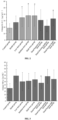
- Fig. 1 The results of changes in colonic IL-6 are shown in Fig. 1 .
- colonic IL-6 was significantly higher in the model group mice ( p ⁇ 0.05), indicating that DSS intervention in mice can cause an increase in intestinal inflammatory responses in mice, as evidenced by an increase in the inflammatory factor IL-6.
- the colonic IL-6 of mice in the BL-99-medium-dose group and the dead bacteria low-dose group was significantly lower than that in the model group (p ⁇ 0.05); indicating that the probiotic intervention at medium and high doses of BL-99 and a low dose of dead bacteria reduced intestinal inflammatory responses of mice.
- colonic IL-10 results of changes in colonic IL-10 are shown in Fig. 2 .
- colonic IL-10 in the model group increased but the difference was not significant ( p > 0.05), indicating that the modelling has a tendency of causing increased secretion of the intestinal anti-inflammatory factor IL-10.
- colonic IL-10 in mice significantly increased in both the medium- and high-dose groups (p ⁇ 0.05), indicating that the probiotic intervention at medium and high doses of BL-99 had an effect of promoting production of the anti-inflammatory factor IL-10 by intestinal anti-inflammatory cells.
- Fig. 3 The results of changes in colonic TNF- ⁇ are shown in Fig. 3 .
- the low-, medium-, and high-dose groups of BL-99 and the dead bacteria high-dose group showed a decreasing trend for colonic TNF- ⁇ , with a significant decrease in mouse colonic TNF- ⁇ in the dead bacteria low-dose group (p ⁇ 0.05), indicating that low and medium doses of dead probiotics can reduce intestinal inflammatory responses and reduce secretion of the colonic inflammatory factor TNF- ⁇ .
- Fig. 4 The results of pathological sections are shown in Fig. 4 . Histological observation of mice in the control group showed intact colonic epithelial cells and clear recess structures and goblet cells. Histological observation of colitis mice in the model group induced by DSS showed that intact colonic epithelial cells could not be seen, and also showed incomplete recess and damaged goblet cells, with the damaged area being more than 50%, and in some mice the recesses disappeared completely and the goblet cells were destroyed completely. Inflammatory cell infiltration, such as neutrophils and lymphocytes, can also be observed in the mice.
- mice modeled by DSS after BL-99 intervention showed inflammatory cell infiltration, disappearance of a few recesses, and destruction of goblet cells, with a more severe inflammatory response in the medium-dose group, with lesions ranging from 50 to 75%, and more limited lesions in the low and high-dose groups, mostly in 0 to 25%.
- Mice modeled by DSS after dead bacteria intervention showed inflammatory cell infiltration, disappearance of recesses in a large area, and destruction of goblet cells, with more severe lesions, mostly in the 50% range.
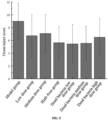
- the histology injury scores are shown in Fig. 5 .
- the histological injury scores of all groups showed a decreasing trend, among which the histology injury scores of the BL-99 low- and high-dose groups and the dead bacteria low-, medium-, and high-dose groups were significantly lower than that of the model group ( p ⁇ 0.05), indicating that the probiotics in the above groups had an effect of reducing the symptoms of colonic inflammation in mice.
- DSS-induced colitis is the most common method for establishing experimental animal colitis models, which are usually formed by allowing mice to drink freely for about 7 days. In this test, 5% DSS was used as the modeling concentration, and the model group had no death, and the mice started to have bloody stools on the third day, with the blood in stools and the number of mice having bloody stools increasing with time, indicating that the model was established with good stability.
- mice in each BL-99 dose group showed bloody stools later than the model group, had the number of mice having bloody stools less than that of the model group, and showed milder symptoms, which directly indicates the anti-inflammatory effect of the probiotic.
- the mice in the dead bacteria intervention groups had the same time of showing bloody stools as the model group, and the bloody stools appeared more frequently because the inactivated probiotic bacteria have a reduced regulatory effect on the intestine, which led to a higher incidence of intestinal inflammation.
- IL-6 is a multifunctional crucial cytokine that regulates expression of other cytokines.
- the level of expression of IL-6 was closely related to the degree of inflammation in colitis, and mice lacking IL-10 exhibited severe intestinal inflammation, and IL-10 showed good therapeutic effects in animal models of colitis.
- TNF- ⁇ is a cytokine involved in systemic inflammation.
- colonic IL-6 was significantly elevated in the mice in the model group, while colonic IL-6 in the mice in the BL-99 medium- and high-dose groups and the dead bacteria low-dose group was lower than that in the model group, and the level of colonic anti-inflammatory factor IL-10 was increased in the mice in the BL-99 medium- and high-dose groups, indicating that the medium- and high-doses of BL-99 promoted IL-10 in colitis and enhanced anti-inflammatory effects, suggesting that both BL-99 and inactivated probiotics can reduce intestinal inflammatory responses in mice and alleviate the symptoms of DSS-induced experimental colitis.
- mice after the BL-99 intervention and the inactivated bacteria intervention showed significant differences in colonic tissue injury score from the model group, as evidenced by the lower degree of inflammatory cell infiltration, lesion depth mainly in the submucosa, less destruction of the basal recesses, and smaller lesion extent in the sections, which visually showed that BL-99 viable and dead cells can reduce the degree of colonic inflammation in the DSS-modeled mice.
- Bifidobacterium lactis BL99 significantly inhibits inflammatory factors IL-6 and TNF- ⁇ , elevates the level of anti-inflammatory factor IL-10, recovers the loss of colonic tissue, and is useful in food products such as fermented milk, cheese, milk-containing beverages, milk powder or any other kind of food containing the strain or derivatives thereof.
Landscapes
- Life Sciences & Earth Sciences (AREA)
- Chemical & Material Sciences (AREA)
- Health & Medical Sciences (AREA)
- Engineering & Computer Science (AREA)
- Microbiology (AREA)
- Polymers & Plastics (AREA)
- Food Science & Technology (AREA)
- Mycology (AREA)
- Molecular Biology (AREA)
- Medicinal Chemistry (AREA)
- Veterinary Medicine (AREA)
- Public Health (AREA)
- General Health & Medical Sciences (AREA)
- Animal Behavior & Ethology (AREA)
- Pharmacology & Pharmacy (AREA)
- Nutrition Science (AREA)
- Zoology (AREA)
- Biotechnology (AREA)
- Biomedical Technology (AREA)
- Animal Husbandry (AREA)
- Physiology (AREA)
- Biochemistry (AREA)
- Bioinformatics & Cheminformatics (AREA)
- Epidemiology (AREA)
- Chemical Kinetics & Catalysis (AREA)
- General Chemical & Material Sciences (AREA)
- Nuclear Medicine, Radiotherapy & Molecular Imaging (AREA)
- Organic Chemistry (AREA)
- Medicines Containing Material From Animals Or Micro-Organisms (AREA)
- Dairy Products (AREA)
- Coloring Foods And Improving Nutritive Qualities (AREA)
- Micro-Organisms Or Cultivation Processes Thereof (AREA)
Claims (10)
- Zusammensetzung, umfassend Bifidobacterium lactis, zur Verwendung bei der Unterdrückung einer intestinalen Entzündung, wobei Bifidobacterium lactisdie Hinterlegungsnummer CGMCC 15650 aufweist.
- Zusammensetzung zur Verwendung nach Anspruch 1, wobei das Bifidobacterium lactis in Form eines festen oder flüssigen Bakterienpräparats von lebensfähigen und/oder toten Bakterien in der Zusammensetzung vorliegt.
- Zusammensetzung zur Verwendung nach Anspruch 1, wobei die Zusammensetzung eine Nahrungsmittelzusammensetzung, eine Futtermittelzusammensetzung oder eine pharmazeutische Zusammensetzung umfasst.
- Zusammensetzung zur Verwendung nach Anspruch 1, wobei die Zusammensetzung zur Verwendung bei der Reduzierung der Entzündungsfaktoren IL-6 und/oder TNF-α dient.
- Zusammensetzung zur Verwendung nach Anspruch 4, wobei das Bifidobacterium lactis in einer Menge von 3,88×10⁶ KBE bis 3,88×10¹³ KBE/Tag oder 0,01 µg bis 100 mg/Tag verwendet wird.
- Zusammensetzung zur Verwendung nach Anspruch 1, wobei die Zusammensetzung zur Förderung des entzündungshemmenden Faktors IL-10 verwendet wird.
- Zusammensetzung zur Verwendung nach Anspruch 6, wobei das Bifidobacterium lactis in einer Menge von 3,88×10⁶ KBE bis 3,88×10¹³ KBE/Tag oder 0,01 µg bis 100 mg/Tag verwendet wird.
- Zusammensetzung zur Verwendung nach Anspruch 1, wobei die Zusammensetzung zur Verwendung bei der Reduzierung von Gewebeschädigung bei Kolitis verwendet wird.
- Zusammensetzung zur Verwendung nach Anspruch 8, wobei das Bifidobacterium lactis in einer Menge von 3,88×10⁶ KBE bis 3,88×10¹³ KBE/Tag oder 0,01 µg bis 100 mg/Tag verwendet wird.
- Zusammensetzung zur Verwendung nach einem der Ansprüche 4-9, wobei die Zusammensetzung eine Nahrungsmittelzusammensetzung ist, bevorzugt das Nahrungsmittel ein fermentiertes Milchprodukt, Käse, ein Milchprodukt enthaltendes Getränk, ein festes Getränk oder Milchproduktpulver ist.
Applications Claiming Priority (2)
| Application Number | Priority Date | Filing Date | Title |
|---|---|---|---|
| CN201911139551.5A CN110893194B (zh) | 2019-11-20 | 2019-11-20 | 乳双歧杆菌bl-99在抑制肠道炎症方面的新应用 |
| PCT/CN2020/129990 WO2021098755A1 (zh) | 2019-11-20 | 2020-11-19 | 乳双歧杆菌bl-99在抑制肠道炎症方面的新应用 |
Publications (4)
| Publication Number | Publication Date |
|---|---|
| EP4070805A1 EP4070805A1 (de) | 2022-10-12 |
| EP4070805A4 EP4070805A4 (de) | 2024-02-21 |
| EP4070805C0 EP4070805C0 (de) | 2025-04-16 |
| EP4070805B1 true EP4070805B1 (de) | 2025-04-16 |
Family
ID=69788257
Family Applications (1)
| Application Number | Title | Priority Date | Filing Date |
|---|---|---|---|
| EP20889353.7A Active EP4070805B1 (de) | 2019-11-20 | 2020-11-19 | Zusammensetzung enthaltend bifidobacterium lactis bl-99 zur verwendung in der hemmung von intestinalen entzündungen |
Country Status (6)
| Country | Link |
|---|---|
| US (1) | US20220401499A1 (de) |
| EP (1) | EP4070805B1 (de) |
| JP (1) | JP7492584B2 (de) |
| CN (1) | CN110893194B (de) |
| NZ (1) | NZ789320A (de) |
| WO (1) | WO2021098755A1 (de) |
Families Citing this family (9)
| Publication number | Priority date | Publication date | Assignee | Title |
|---|---|---|---|---|
| CN110959676B (zh) * | 2018-09-30 | 2022-11-25 | 内蒙古伊利实业集团股份有限公司 | 一种含乳双歧杆菌的发酵乳制品及其应用 |
| CN110893194B (zh) * | 2019-11-20 | 2023-03-14 | 内蒙古伊利实业集团股份有限公司 | 乳双歧杆菌bl-99在抑制肠道炎症方面的新应用 |
| CN112870232A (zh) * | 2019-11-29 | 2021-06-01 | 内蒙古伊利实业集团股份有限公司 | 乳双歧杆菌bl-99提升肠道细菌感染抗性和肠道免疫力的应用 |
| CN114504106A (zh) * | 2020-11-16 | 2022-05-17 | 内蒙古伊利实业集团股份有限公司 | 乳双歧杆菌bl-99在抗衰老、提高先天免疫方面的新应用 |
| WO2023021140A1 (en) * | 2021-08-19 | 2023-02-23 | Société des Produits Nestlé S.A. | Postbiotic |
| CN117165465A (zh) * | 2021-08-24 | 2023-12-05 | 上海市第一人民医院 | 用于改善肠屏障功能的植物乳杆菌菌株及其应用 |
| CN113736697B (zh) * | 2021-09-01 | 2022-05-24 | 哈尔滨葵花药业有限公司 | 一株预防或治疗结肠炎的乳双歧杆菌及其应用 |
| CN115363094A (zh) * | 2021-11-30 | 2022-11-22 | 内蒙古伊利实业集团股份有限公司 | 乳双歧杆菌bl-99在预防和/或改善胃炎中的应用 |
| CN120441663A (zh) * | 2024-02-07 | 2025-08-08 | 内蒙古伊利实业集团股份有限公司 | 乳双歧杆菌bl-99菌泌素、制备方法及其抗氧化应用 |
Family Cites Families (17)
| Publication number | Priority date | Publication date | Assignee | Title |
|---|---|---|---|---|
| EP1948206B1 (de) * | 2005-08-30 | 2017-03-01 | Intrexon Actobiotics NV | Anti-tnf alpha-produzierende milchsäurebakterien zur behandlung von entzündlicher darmkrankheit |
| WO2007140622A1 (en) * | 2006-06-09 | 2007-12-13 | Nutravital Inc. | Dairy-derived probiotic compositions and uses thereof |
| CN102115721B (zh) * | 2008-05-08 | 2012-09-26 | 景岳生物科技股份有限公司 | 具有抗炎活性的乳杆菌分离株及其用途 |
| ES2778836T3 (es) * | 2009-03-05 | 2020-08-12 | Probiotical Spa | Cepas de bacterias que tienen una alta actividad antiinflamatoria |
| EP2251020A1 (de) * | 2009-05-11 | 2010-11-17 | Nestec S.A. | Kurzzeitige Hochtemperaturbehandlung erzeugt mikrobielle Zubereitungen mit entzündungshemmenden Profilen |
| WO2015121458A2 (fr) * | 2014-02-14 | 2015-08-20 | Vesale Pharma Sa | Composition comprenant du bifidobacterium animalis ssp. lactis |
| RU2673341C2 (ru) * | 2014-02-14 | 2018-11-26 | Везаль Фарма Са | Применение композиций, содержащих bifidobacterium animalis ssp. lactis lmg p-28149 |
| ES2768690T3 (es) * | 2014-08-29 | 2020-06-23 | Chr Hansen As | Cepas de Bifidobacterium adolescentis probióticas |
| CN107723257A (zh) * | 2017-09-20 | 2018-02-23 | 深圳市晨光乳业有限公司 | 一种动物双歧杆菌及其食品组合物 |
| CN108486000B (zh) * | 2018-03-12 | 2020-02-11 | 江南大学 | 一种双歧杆菌单菌发酵乳制备方法及其应用 |
| CN110964655B (zh) * | 2018-09-30 | 2021-05-11 | 内蒙古伊利实业集团股份有限公司 | 一种乳双歧杆菌bl-99及其应用 |
| CN110964657B (zh) * | 2018-09-30 | 2021-03-12 | 内蒙古伊利实业集团股份有限公司 | 一种可提高免疫力的乳双歧杆菌bl-99及其应用 |
| WO2020063553A1 (zh) * | 2018-09-30 | 2020-04-02 | 内蒙古伊利实业集团股份有限公司 | 一种乳双歧杆菌bl-99及其应用 |
| CN110157650B (zh) * | 2019-06-10 | 2021-05-28 | 北京科拓恒通生物技术股份有限公司 | 一株分离自母乳的乳双歧杆菌m8及其应用 |
| IT201900016805A1 (it) * | 2019-09-20 | 2021-03-20 | Sofar Spa | Ceppi batterici, loro composizioni e loro uso per il trattamento di disturbi gastrointestinali |
| CN110893194B (zh) * | 2019-11-20 | 2023-03-14 | 内蒙古伊利实业集团股份有限公司 | 乳双歧杆菌bl-99在抑制肠道炎症方面的新应用 |
| CN113736697B (zh) * | 2021-09-01 | 2022-05-24 | 哈尔滨葵花药业有限公司 | 一株预防或治疗结肠炎的乳双歧杆菌及其应用 |
-
2019
- 2019-11-20 CN CN201911139551.5A patent/CN110893194B/zh active Active
-
2020
- 2020-11-19 US US17/778,587 patent/US20220401499A1/en active Pending
- 2020-11-19 JP JP2022529588A patent/JP7492584B2/ja active Active
- 2020-11-19 WO PCT/CN2020/129990 patent/WO2021098755A1/zh not_active Ceased
- 2020-11-19 EP EP20889353.7A patent/EP4070805B1/de active Active
- 2020-11-19 NZ NZ789320A patent/NZ789320A/en unknown
Also Published As
| Publication number | Publication date |
|---|---|
| EP4070805C0 (de) | 2025-04-16 |
| EP4070805A1 (de) | 2022-10-12 |
| EP4070805A4 (de) | 2024-02-21 |
| WO2021098755A1 (zh) | 2021-05-27 |
| CN110893194B (zh) | 2023-03-14 |
| US20220401499A1 (en) | 2022-12-22 |
| CN110893194A (zh) | 2020-03-20 |
| JP2023502708A (ja) | 2023-01-25 |
| JP7492584B2 (ja) | 2024-05-29 |
| NZ789320A (en) | 2025-11-28 |
Similar Documents
| Publication | Publication Date | Title |
|---|---|---|
| EP4070805B1 (de) | Zusammensetzung enthaltend bifidobacterium lactis bl-99 zur verwendung in der hemmung von intestinalen entzündungen | |
| US12485151B2 (en) | Use of Lactobacillus paracasei subsp. paracasei K56 in alleviation of intestinal inflammation | |
| KR102188020B1 (ko) | 락토바실러스 파라카제이 균주 및 그 용도 | |
| CN110893195B (zh) | 一种具有缓解肠道炎症功能的副干酪乳杆菌et-22 | |
| EP2179028B1 (de) | Neuer bifidobacterium-stamm und aktive peptide gegen rotavirusinfektionen | |
| KR101656208B1 (ko) | 염증 질환 예방 또는 치료용 조성물 | |
| CN108076643B (zh) | 用于治疗例如细菌性阴道病的鼠李糖乳杆菌细菌 | |
| EP3808357B1 (de) | Zusammensetzung enthält megamonas funiformis und anaerofustis stercorihominis und deren verwendung | |
| JP2004502633A (ja) | ラクトバチルス・サリバリウス(Lactobacillussalivarius)の使用 | |
| KR101724601B1 (ko) | 아토피 예방 또는 치료용 조성물 | |
| KR102244008B1 (ko) | 글루텐 분해능을 가지는 락토바실러스 파라카제이 glu70 균주의 사균체를 유효성분으로 함유하는 글리아딘으로 야기된 염증성 장 질환의 예방, 개선 또는 치료용 조성물 | |
| LU600490B1 (en) | Lacticaseibacillus rhamnosus afy01 and application of product prepared from lacticaseibacillus rhamnosus afy01 in inflammatory colon cancer | |
| CN118843685A (zh) | 新的益生菌及其用途 | |
| KR100996056B1 (ko) | 대장염 발생 예방 효능을 가진 락토바실러스 브레비스에이치와이7401 및 이를 유효성분으로 함유하는 제품 | |
| KR102036275B1 (ko) | 항-염증 활성이 우수한 페디오코커스 악시딜락티시 ldtm 5201 신균주(kctc 13563bp) | |
| CN113528367B (zh) | 一株具有预防腹泻和降解胆固醇功能的凝结芽孢杆菌 | |
| CN111032857B (zh) | 包括植物乳杆菌cjlp475菌株和植物乳杆菌cjlp243菌株的组合物及其用途 | |
| KR101718577B1 (ko) | 질환의 예방 개선제, 지구력 향상제, 항피로제, 및 이들을 이용한 의약품 및 음식품 | |
| KR101050307B1 (ko) | 암 세포 증식 억제 효과 및 면역 증강 효과를 가진비피도박테리움 아돌레센티스 spm0212의 부탄올 추출물,이를 포함하는 약학적 조성물 및 이의 용도 | |
| KR20130049554A (ko) | 아토피 예방 또는 치료용 조성물 | |
| CN103987839B (zh) | 能够抑制幽门螺杆菌菌株粘附至上皮细胞的新德式乳杆菌保加利亚亚种菌株 | |
| CN112236154A (zh) | 一种组合物及其应用 | |
| KR102579159B1 (ko) | 신규한 사카로마이세스 보울라디 28-7 균주 및 이의 용도 | |
| CN120361196B (zh) | 短双歧杆菌协同乳铁蛋白在制备调节肠道菌群或抗细菌感染产品中的应用 | |
| JP2025026415A (ja) | キハダ由来の乳酸菌を含む炎症性腸疾患治療剤 |
Legal Events
| Date | Code | Title | Description |
|---|---|---|---|
| STAA | Information on the status of an ep patent application or granted ep patent |
Free format text: STATUS: THE INTERNATIONAL PUBLICATION HAS BEEN MADE |
|
| PUAI | Public reference made under article 153(3) epc to a published international application that has entered the european phase |
Free format text: ORIGINAL CODE: 0009012 |
|
| STAA | Information on the status of an ep patent application or granted ep patent |
Free format text: STATUS: REQUEST FOR EXAMINATION WAS MADE |
|
| 17P | Request for examination filed |
Effective date: 20220620 |
|
| AK | Designated contracting states |
Kind code of ref document: A1 Designated state(s): AL AT BE BG CH CY CZ DE DK EE ES FI FR GB GR HR HU IE IS IT LI LT LU LV MC MK MT NL NO PL PT RO RS SE SI SK SM TR |
|
| DAV | Request for validation of the european patent (deleted) | ||
| DAX | Request for extension of the european patent (deleted) | ||
| A4 | Supplementary search report drawn up and despatched |
Effective date: 20240119 |
|
| RIC1 | Information provided on ipc code assigned before grant |
Ipc: A23K 10/16 20160101ALI20240115BHEP Ipc: A23C 19/032 20060101ALI20240115BHEP Ipc: A23C 9/123 20060101ALI20240115BHEP Ipc: A23K 10/18 20160101ALI20240115BHEP Ipc: A23L 33/135 20160101ALI20240115BHEP Ipc: A61P 1/00 20060101ALI20240115BHEP Ipc: A61K 35/745 20150101AFI20240115BHEP |
|
| GRAP | Despatch of communication of intention to grant a patent |
Free format text: ORIGINAL CODE: EPIDOSNIGR1 |
|
| STAA | Information on the status of an ep patent application or granted ep patent |
Free format text: STATUS: GRANT OF PATENT IS INTENDED |
|
| INTG | Intention to grant announced |
Effective date: 20241203 |
|
| GRAS | Grant fee paid |
Free format text: ORIGINAL CODE: EPIDOSNIGR3 |
|
| GRAA | (expected) grant |
Free format text: ORIGINAL CODE: 0009210 |
|
| STAA | Information on the status of an ep patent application or granted ep patent |
Free format text: STATUS: THE PATENT HAS BEEN GRANTED |
|
| AK | Designated contracting states |
Kind code of ref document: B1 Designated state(s): AL AT BE BG CH CY CZ DE DK EE ES FI FR GB GR HR HU IE IS IT LI LT LU LV MC MK MT NL NO PL PT RO RS SE SI SK SM TR |
|
| REG | Reference to a national code |
Ref country code: GB Ref legal event code: FG4D |
|
| REG | Reference to a national code |
Ref country code: CH Ref legal event code: EP |
|
| REG | Reference to a national code |
Ref country code: IE Ref legal event code: FG4D |
|
| REG | Reference to a national code |
Ref country code: DE Ref legal event code: R096 Ref document number: 602020049721 Country of ref document: DE |
|
| U01 | Request for unitary effect filed |
Effective date: 20250513 |
|
| U07 | Unitary effect registered |
Designated state(s): AT BE BG DE DK EE FI FR IT LT LU LV MT NL PT RO SE SI Effective date: 20250519 |
|
| PG25 | Lapsed in a contracting state [announced via postgrant information from national office to epo] |
Ref country code: ES Free format text: LAPSE BECAUSE OF FAILURE TO SUBMIT A TRANSLATION OF THE DESCRIPTION OR TO PAY THE FEE WITHIN THE PRESCRIBED TIME-LIMIT Effective date: 20250416 |
|
| PG25 | Lapsed in a contracting state [announced via postgrant information from national office to epo] |
Ref country code: NO Free format text: LAPSE BECAUSE OF FAILURE TO SUBMIT A TRANSLATION OF THE DESCRIPTION OR TO PAY THE FEE WITHIN THE PRESCRIBED TIME-LIMIT Effective date: 20250716 Ref country code: GR Free format text: LAPSE BECAUSE OF FAILURE TO SUBMIT A TRANSLATION OF THE DESCRIPTION OR TO PAY THE FEE WITHIN THE PRESCRIBED TIME-LIMIT Effective date: 20250717 |
|
| PG25 | Lapsed in a contracting state [announced via postgrant information from national office to epo] |
Ref country code: PL Free format text: LAPSE BECAUSE OF FAILURE TO SUBMIT A TRANSLATION OF THE DESCRIPTION OR TO PAY THE FEE WITHIN THE PRESCRIBED TIME-LIMIT Effective date: 20250416 |
|
| PG25 | Lapsed in a contracting state [announced via postgrant information from national office to epo] |
Ref country code: HR Free format text: LAPSE BECAUSE OF FAILURE TO SUBMIT A TRANSLATION OF THE DESCRIPTION OR TO PAY THE FEE WITHIN THE PRESCRIBED TIME-LIMIT Effective date: 20250416 |
|
| PG25 | Lapsed in a contracting state [announced via postgrant information from national office to epo] |
Ref country code: RS Free format text: LAPSE BECAUSE OF FAILURE TO SUBMIT A TRANSLATION OF THE DESCRIPTION OR TO PAY THE FEE WITHIN THE PRESCRIBED TIME-LIMIT Effective date: 20250716 |
|
| PG25 | Lapsed in a contracting state [announced via postgrant information from national office to epo] |
Ref country code: IS Free format text: LAPSE BECAUSE OF FAILURE TO SUBMIT A TRANSLATION OF THE DESCRIPTION OR TO PAY THE FEE WITHIN THE PRESCRIBED TIME-LIMIT Effective date: 20250816 |
|
| U20 | Renewal fee for the european patent with unitary effect paid |
Year of fee payment: 6 Effective date: 20251110 |
|
| PG25 | Lapsed in a contracting state [announced via postgrant information from national office to epo] |
Ref country code: SM Free format text: LAPSE BECAUSE OF FAILURE TO SUBMIT A TRANSLATION OF THE DESCRIPTION OR TO PAY THE FEE WITHIN THE PRESCRIBED TIME-LIMIT Effective date: 20250416 |
|
| PG25 | Lapsed in a contracting state [announced via postgrant information from national office to epo] |
Ref country code: CZ Free format text: LAPSE BECAUSE OF FAILURE TO SUBMIT A TRANSLATION OF THE DESCRIPTION OR TO PAY THE FEE WITHIN THE PRESCRIBED TIME-LIMIT Effective date: 20250416 |
|
| PG25 | Lapsed in a contracting state [announced via postgrant information from national office to epo] |
Ref country code: SK Free format text: LAPSE BECAUSE OF FAILURE TO SUBMIT A TRANSLATION OF THE DESCRIPTION OR TO PAY THE FEE WITHIN THE PRESCRIBED TIME-LIMIT Effective date: 20250416 |
|
| PLBE | No opposition filed within time limit |
Free format text: ORIGINAL CODE: 0009261 |
|
| STAA | Information on the status of an ep patent application or granted ep patent |
Free format text: STATUS: NO OPPOSITION FILED WITHIN TIME LIMIT |
|
| REG | Reference to a national code |
Ref country code: CH Ref legal event code: L10 Free format text: ST27 STATUS EVENT CODE: U-0-0-L10-L00 (AS PROVIDED BY THE NATIONAL OFFICE) Effective date: 20260225 |
|
| 26N | No opposition filed |
Effective date: 20260119 |