EP3981763A1 - A crystalline 19-nor c3, 3-disubstituted c21-n-pyrazolyl steroid - Google Patents
A crystalline 19-nor c3, 3-disubstituted c21-n-pyrazolyl steroid Download PDFInfo
- Publication number
- EP3981763A1 EP3981763A1 EP21190443.8A EP21190443A EP3981763A1 EP 3981763 A1 EP3981763 A1 EP 3981763A1 EP 21190443 A EP21190443 A EP 21190443A EP 3981763 A1 EP3981763 A1 EP 3981763A1
- Authority
- EP
- European Patent Office
- Prior art keywords
- disorder
- compound
- degrees
- crystalline
- peak
- Prior art date
- Legal status (The legal status is an assumption and is not a legal conclusion. Google has not performed a legal analysis and makes no representation as to the accuracy of the status listed.)
- Pending
Links
Images











Classifications
-
- C—CHEMISTRY; METALLURGY
- C07—ORGANIC CHEMISTRY
- C07J—STEROIDS
- C07J43/00—Normal steroids having a nitrogen-containing hetero ring spiro-condensed or not condensed with the cyclopenta(a)hydrophenanthrene skeleton
- C07J43/003—Normal steroids having a nitrogen-containing hetero ring spiro-condensed or not condensed with the cyclopenta(a)hydrophenanthrene skeleton not condensed
-
- A—HUMAN NECESSITIES
- A61—MEDICAL OR VETERINARY SCIENCE; HYGIENE
- A61P—SPECIFIC THERAPEUTIC ACTIVITY OF CHEMICAL COMPOUNDS OR MEDICINAL PREPARATIONS
- A61P25/00—Drugs for disorders of the nervous system
-
- C—CHEMISTRY; METALLURGY
- C07—ORGANIC CHEMISTRY
- C07D—HETEROCYCLIC COMPOUNDS
- C07D231/00—Heterocyclic compounds containing 1,2-diazole or hydrogenated 1,2-diazole rings
- C07D231/02—Heterocyclic compounds containing 1,2-diazole or hydrogenated 1,2-diazole rings not condensed with other rings
- C07D231/10—Heterocyclic compounds containing 1,2-diazole or hydrogenated 1,2-diazole rings not condensed with other rings having two or three double bonds between ring members or between ring members and non-ring members
- C07D231/14—Heterocyclic compounds containing 1,2-diazole or hydrogenated 1,2-diazole rings not condensed with other rings having two or three double bonds between ring members or between ring members and non-ring members with hetero atoms or with carbon atoms having three bonds to hetero atoms with at the most one bond to halogen, e.g. ester or nitrile radicals, directly attached to ring carbon atoms
-
- A—HUMAN NECESSITIES
- A61—MEDICAL OR VETERINARY SCIENCE; HYGIENE
- A61P—SPECIFIC THERAPEUTIC ACTIVITY OF CHEMICAL COMPOUNDS OR MEDICINAL PREPARATIONS
- A61P25/00—Drugs for disorders of the nervous system
- A61P25/08—Antiepileptics; Anticonvulsants
-
- A—HUMAN NECESSITIES
- A61—MEDICAL OR VETERINARY SCIENCE; HYGIENE
- A61P—SPECIFIC THERAPEUTIC ACTIVITY OF CHEMICAL COMPOUNDS OR MEDICINAL PREPARATIONS
- A61P25/00—Drugs for disorders of the nervous system
- A61P25/18—Antipsychotics, i.e. neuroleptics; Drugs for mania or schizophrenia
-
- A—HUMAN NECESSITIES
- A61—MEDICAL OR VETERINARY SCIENCE; HYGIENE
- A61P—SPECIFIC THERAPEUTIC ACTIVITY OF CHEMICAL COMPOUNDS OR MEDICINAL PREPARATIONS
- A61P25/00—Drugs for disorders of the nervous system
- A61P25/22—Anxiolytics
-
- A—HUMAN NECESSITIES
- A61—MEDICAL OR VETERINARY SCIENCE; HYGIENE
- A61P—SPECIFIC THERAPEUTIC ACTIVITY OF CHEMICAL COMPOUNDS OR MEDICINAL PREPARATIONS
- A61P25/00—Drugs for disorders of the nervous system
- A61P25/24—Antidepressants
-
- A—HUMAN NECESSITIES
- A61—MEDICAL OR VETERINARY SCIENCE; HYGIENE
- A61P—SPECIFIC THERAPEUTIC ACTIVITY OF CHEMICAL COMPOUNDS OR MEDICINAL PREPARATIONS
- A61P37/00—Drugs for immunological or allergic disorders
-
- C—CHEMISTRY; METALLURGY
- C07—ORGANIC CHEMISTRY
- C07B—GENERAL METHODS OF ORGANIC CHEMISTRY; APPARATUS THEREFOR
- C07B2200/00—Indexing scheme relating to specific properties of organic compounds
- C07B2200/13—Crystalline forms, e.g. polymorphs
Definitions
- Brain excitability is defined as the level of arousal of an animal, a continuum that ranges from coma to convulsions, and is regulated by various neurotransmitters.
- neurotransmitters are responsible for regulating the conductance of ions across neuronal membranes. At rest, the neuronal membrane possesses a potential (or membrane voltage) of approximately -70 mV, the cell interior being negative with respect to the cell exterior. The potential (voltage) is the result of ion (K + , Na + , Cl - , organic anions) balance across the neuronal semipermeable membrane.
- Neurotransmitters are stored in presynaptic vesicles and are released under the influence of neuronal action potentials.
- an excitatory chemical transmitter such as acetylcholine will cause membrane depolarization (change of potential from -70 mV to -50 mV).
- membrane depolarization change of potential from -70 mV to -50 mV.
- This effect is mediated by postsynaptic nicotinic receptors which are stimulated by acetylcholine to increase membrane permeability to Na + ions.
- the reduced membrane potential stimulates neuronal excitability in the form of a postsynaptic action potential.
- GABA ⁇ -aminobutyric acid
- GABA ⁇ -aminobutyric acid
- GABA regulates the excitability of individual neurons by regulating the conductance of chloride ions across the neuronal membrane. GABA interacts with its recognition site on the GRC to facilitate the flow of chloride ions down an electrochemical gradient of the GRC into the cell.
- New and improved neuroactive crystalline forms of steroids are needed that act as modulating agents for brain excitability, as well as agents for the prevention and treatment of CNS-related diseases. Crystalline forms of such a steroid described herein are directed toward this end.
- the present invention relates, in part, to novel forms (for example, certain crystalline forms described herein) of a 19-nor (i.e., C19 desmethyl) compound.
- a solid compound's efficacy as a drug can be affected by the properties of the solid it comprises.
- a solubilized form of the crystalline form of Compound 1 is converted to a different crystalline form of Compound 1 by slow evaporation, anti-solvent addition, slow-cooling, solution vapor diffusion, solid vapor diffusion, fast evaporation, reverse anti-solvent addition, and water activity experiments.
- a crystalline form of Compound 1 is converted to a different crystalline form of Compound 1 by slurry conversion.
- XRPD X-ray powder diffraction
- VT-XRPD variable-temperature XRPD
- DSC differential scanning calorimetry
- NMR nuclear magnetic resonance
- Raman spectroscopy Raman spectroscopy
- DRS dynamic vapor sorption
- each solid form is characterized and identified with parameters obtained from one or more of the aforementioned analytical methods:
- a solid form is determined to be crystalline by the presence of sharp, distinct peaks found in the corresponding XRPD pattern.
- XRPD is used to determine if a solid form of Compound 1 transforms to another solid form at temperatures higher than room temperature.
- crystalline Compound 1 is an anhydrate.
- crystalline Compound 1 is a solvate.
- crystalline Compound 1 can have an XRPD pattern with characteristic peaks between and including the following values of 2 ⁇ in degrees: 11.6 to 12.0 (e.g., 11.8), 13.7 to 14.1 (e.g., 13.9), 14.0 to 14.4 (e.g., 14.2), 16.6 to 17.0 (e.g., 16.8), 18.9 to 19.3 (e.g., 19.1), 19.1 to 19.5 (e.g., 19.3), 19.9 to 20.3 (e.g., 20.1), 21.1 to 21.5 (e.g., 21.3), 21.9 to 22.3 (e.g., 22.1), and 23.0 to 23.4 (e.g., 23.2).
- crystalline Compound 1 can have an XRPD pattern with characteristic peaks between and including the following values of 2 ⁇ in degrees: 11.6 to 12.0 (e.g., 11.8), 16.6 to 17.0 (e.g., 16.8), 18.9 to 19.3 (e.g., 19.1), 19.9 to 20.3 (e.g., 20.1), and 23.0 to 23.4 (e.g., 23.2).
- crystalline Compound 1 has an XRPD pattern with characteristic peaks at the following values of 2 ⁇ in degrees: 11.8, 13.9, 14.2, 16.8, 19.1, 19.3, 20.1, 21.3, 22.1, and 23.2.
- crystalline Compound 1 has an XRPD pattern with characteristic peaks at the following values of 2 ⁇ in degrees: 11.8, 16.8, 19.1, 20.1, and 23.2.
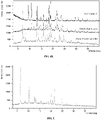
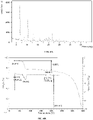
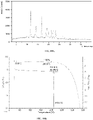
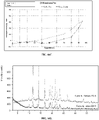
- crystalline Compound 1 has an XRPD pattern substantially as depicted in FIG. 10A .
- crystalline Compound 1 has an XRPD pattern with characteristic peaks between and including the following values of 2 ⁇ in degrees: 9.3 to 9.7 (e.g., 9.5), 10.6 to 11.0 (e.g., 10.8), 13.0 to 13.4 (e.g., 13.2), 14.7 to 15.1 (e.g., 14.9), 15.8 to 16.2 (e.g., 16.0), 18.1 to 18.5 (e.g., 18.3), 18.7 to 19.1 (e.g., 18.9), 20.9 to 21.3 (e.g., 21.1), 21.4 to 21.8 (e.g., 21.6), and 23.3 to 23.7 (e.g., 23.5).
- 9.3 to 9.7 e.g., 9.5
- 10.6 to 11.0 e.g., 10.8
- 13.0 to 13.4 e.g., 13.2
- 14.7 to 15.1 e.g., 14.9
- 15.8 to 16.2 e.g., 16.0
- 18.1 to 18.5 e.
- crystalline Compound 1 has an XRPD pattern with characteristic peaks between and including the following values of 2 ⁇ in degrees: 9.3 to 9.7 (e.g., 9.5), 10.6 to 11.0 (e.g., 10.8), 13.0 to 13.4 (e.g., 13.2), 18.7 to 19.1 (e.g., 18.9), and 21.4 to 21.8 (e.g., 21.6).
- crystalline Compound 1 has an XRPD pattern with characteristic peaks at the following values of 2 ⁇ in degrees: 9.5, 10.8, 13.2, 14.9, 16.0, 18.3, 18.9, 21.1, 21.6, and 23.5.
- crystalline Compound 1 has an XRPD pattern with characteristic peaks at the following values of 2 ⁇ in degrees: 9.5, 10.8, 13.2, 18.9, and 21.6.
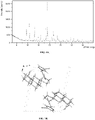
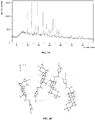
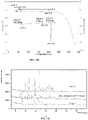
- crystalline Compound 1 has an XRPD pattern substantially as depicted in FIG. 1A .
- crystalline Compound 1 has comprises a unit cell substantially as depicted in FIG. 1B .
- a crystalline form of Compound 1 when subjected to a temperature from about 150 °C to about 195°C, e.g., from 157 °C to 170 °C, transforms into a different crystalline form as indicated by DSC at a ramp rate of 10 °C/min.
- crystalline Compound 1 melts at a T onset from about 200 °C to about 225 °C, e.g., from about 205 °C to about 225 °C, e.g., from about 208 °C to about 215 °C, as measured by DSC at a ramp rate of 10 °C/min.
- crystalline Compound 1 can have an XRPD pattern with characteristic peaks between and including the following values of 2 ⁇ in degrees: 9.7 to 10.1 (e.g., 9.9), 11.6 to 12.0 (e.g., 11.8), 13.2 to 13.6 (e.g., 13.4), 14.2 to 14.6 (e.g., 14.4), 14.6 to 15.0 (e.g., 14.8), 16.8 to 17.2 (e.g., 17.0), 20.5 to 20.9 (e.g., 20.7), 21.3 to 21.7 (e.g., 21.5), 21.4 to 21.8 (e.g., 21.6), and 22.4 to 22.8 (e.g., 22.6).
- 9.7 to 10.1 e.g., 9.9
- 11.6 to 12.0 e.g., 11.8)
- 13.2 to 13.6 e.g., 13.4
- 14.2 to 14.6 e.g., 14.4
- 14.6 to 15.0 e.g., 14.8
- 16.8 to 17.2
- crystalline Compound 1 can have an XRPD pattern with characteristic peaks between and including the following values of 2 ⁇ in degrees: 9.7 to 10.1 (e.g., 9.9), 14.6 to 15.0 (e.g., 14.8), 16.8 to 17.2 (e.g., 17.0), 20.5 to 20.9 (e.g., 20.7), and 21.3 to 21.7 (e.g., 21.5).
- crystalline Compound 1 has an XRPD pattern with characteristic peaks at the following values of 2 ⁇ in degrees: 9.9, 11.8, 13.4, 14.4, 14.8, 17.0, 20.7, 21.5, 21.6, and 22.6.
- crystalline Compound 1 has an XRPD pattern with characteristic peaks at the following values of 2 ⁇ in degrees: 9.9, 14.8, 17.0, 20.7, and 21.5.
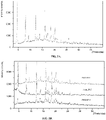
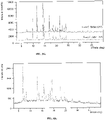
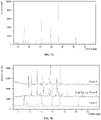
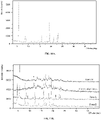
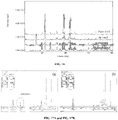
- crystalline Compound 1 has an XRPD pattern substantially as depicted in FIG. 3A .
- crystalline Compound 1 has comprises a unit cell substantially as depicted in FIG. 3B .
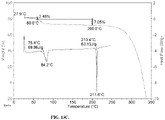
- a crystalline form of Compound 1 when subjected to a temperature from about 180 °C to about 200 °C, e.g., from about 184 °C to about 200 °C, e.g., from about 184 °C to about 190 °C, transforms into a different crystalline form as indicated by DSC at a ramp rate of 10 °C/min.
- crystalline Compound 1 melts at a T onset from about 200 °C to about 225 °C, e.g., from about 211 °C to about 215 °C, as measured by DSC at a ramp rate of 10 °C/min.
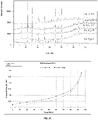
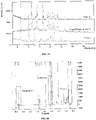
- crystalline Compound 1 has any of the XRPD patterns substantially as depicted in FIG. 2B .
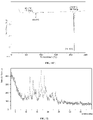
- crystalline Compound 1 has an XRPD pattern substantially as depicted in FIG. 4A .
- crystalline Compound 1 has an XRPD pattern substantially as depicted in FIG. 5 .
- crystalline Compound 1 has an XRPD pattern substantially as depicted in FIG. 6A .
- crystalline Compound 1 has an XRPD pattern substantially as depicted in FIG. 7A .
- crystalline Compound 1 has an XRPD pattern substantially as depicted in FIG. 8A .
- crystalline Compound 1 has an XRPD pattern substantially as depicted in FIG. 9A .
- crystalline Compound 1 has an XRPD pattern substantially as depicted in FIG. 11A .
- crystalline Compound 1 has an XRPD pattern substantially as depicted in FIG. 12 .
- crystalline Compound 1 has an XRPD pattern substantially as depicted in FIG. 13A .
- crystalline Compound 1 has an XRPD pattern substantially as depicted in FIG. 14A .
- crystalline Compound 1 has an XRPD pattern substantially as any of those depicted in FIG. 16 .
- the invention describes a method for transforming the crystalline compound of claim 5 to the crystalline compound of claim 10, the method comprising crystallization from a solubilized form of Compound 1 or slurry conversion.
- the transformation is performed using ethyl acetate as a solvent at a temperature from about 50 °C to about 70 °C, e.g., from 60 °C to 65 °C.
- the transformation is performed in the presence of seed crystals of the crystalline compound of claim 10 at a loading from about 0.1% to about 5.0%, e.g. from 0.2% to 1.0%, of the total amount of Compound 1 present.
- the present invention describes a pharmaceutical composition
- a pharmaceutical composition comprising a crystalline form of Compound 1, and a pharmaceutically acceptable excipient.
- the present invention describes a method for treating a CNS-related disorder in a subject in need thereof, comprising administering to the subject an effective amount of Compound 1, e.g., a crystalline solid form of Compound 1 described herein, a pharmaceutically acceptable salt thereof, or a pharmaceutical composition thereof.
- Compound 1 e.g., a crystalline solid form of Compound 1 described herein, a pharmaceutically acceptable salt thereof, or a pharmaceutical composition thereof.
- the CNS-related disorder is a sleep disorder, a mood disorder, a schizophrenia spectrum disorder, a convulsive disorder, a disorder of memory and/or cognition, a movement disorder, a personality disorder, autism spectrum disorder, pain, traumatic brain injury, a vascular disease, a substance abuse disorder and/or withdrawal syndrome, or tinnitus.
- crystalline Compound 1 is administered orally, parenterally, intradermally, intrathecally, intramuscularly, subcutaneously, vaginally, as a buccal, sublingually, rectally, as a topical, inhalation, intranasal, or transdermally.
- crystalline Compound 1 is administered chronically.
- a method of treating a neurological disorder, a psychiatric disorder, a seizure disorder, a neuroinflammatory disorder, a glaucoma or metabolic disorder, a sensory deficit disorder, in a subject in need thereof comprising administering to the subject an effective amount of Compound 1 or a pharmaceutically acceptable composition thereof.
- a method of using Compound 1 or a pharmaceutically acceptable composition thereof, as a neuroprotectant comprising administering to a subject in need thereof an effective amount of Compound 1 or a pharmaceutically acceptable composition thereof.
- a method of using Compound 1 or a pharmaceutically acceptable composition thereof, as an analgesic or other agent for pain control comprising administering to a subject in need thereof an effective amount of Compound 1 or a pharmaceutically acceptable composition thereof.
- the compound or pharmaceutically acceptable composition is used as an analgesic or other agent for pain control to treat inflammatory pain, neuropathic pain, fibromyalgia, or peripheral neuropathy.
- XRPD refers to X-ray powder diffraction.
- VT-XRPD refers to variable temperature-X-ray powder diffraction.
- TGA thermogravimetric analysis.
- DSC refers to differential scanning calorimetry.
- NMR nuclear magnetic resonance.
- DSC refers to dynamic vapor sorption.
- DCM refers to dichloromethane.
- EtOAc refers to ethyl acetate.
- MeOH refers to methanol.
- MBTE refers to methyl tert-butyl ether.
- RH refers to relative humidity.
- RT refers to room temperature.
- crystalline refers to a solid having a highly regular chemical structure, i.e., having long range structural order in the crystal lattice.
- the molecules are arranged in a regular, periodic manner in the 3-dimensional space of the lattice.
- a crystalline form may be produced as one or more single crystalline forms.
- the terms "crystalline form”, “single crystalline form,” “crystalline solid form,” “solid form,” and “polymorph” are synonymous and used interchangably; the terms distinguish between crystals that have different properties (e.g., different XRPD patterns and/or different DSC scan results).
- substantially crystalline refers to forms that may be at least a particular weight percent crystalline. Particular weight percentages are 70%, 75%, 80%, 85%, 87%, 88%, 89%, 90%, 91%, 92%, 93%, 94%, 95%, 96%, 97%, 98%, 99%, 99.5%, 99.9%, or any percentage between 70% and 100%. In certain embodiments, the particular weight percent of crystallinity is at least 90%. In certain other embodiments, the particular weight percent of crystallinity is at least 95%.
- Compound 1 can be a substantially crystalline sample of any of the crystalline solid forms described herein (e.g., Forms, A, B, C, D, E, F, H, I, J, K, L, M, N, O, and P).
- substantially pure relates to the composition of a specific crystalline solid form of Compound 1 that may be at least a particular weight percent free of impurities and/or other solid forms of Compound 1. Particular weight percentages are 70%, 75%, 80%, 85%, 90%, 95%, 99%, or any percentage between 70% and 100%.
- Compound 1 can be a substantially pure sample of any of the crystalline solid forms described herein. (e.g., Forms, A, B, C, D, E, F, H, I, J, K, L, M, N, O, and P).
- Compound 1 can be substantially pure Form A.
- Compound 1 can be substantially pure Form B.
- Compound 1 can be substantially pure Form C. In some embodiments, Compound 1 can be substantially pure Form D. In some embodiments, Compound 1 can be substantially pure Form E. In some embodiments, Compound 1 can be substantially pure Form F. In some embodiments, Compound 1 can be substantially pure Form H. In some embodiments, Compound 1 can be substantially pure Form I. In some embodiments, Compound 1 can be substantially pure Form J. In some embodiments, Compound 1 can be substantially pure Form K. In some embodiments, Compound 1 can be substantially pure Form L. In some embodiments, Compound 1 can be substantially pure Form M. In some embodiments, Compound 1 can be substantially pure Form N. In some embodiments, Compound 1 can be substantially pure Form O. In some embodiments, Compound 1 can be substantially pure Form P.
- anhydrous or “anhydrate” when referring to a crystalline form of Compound 1 means that no solvent molecules, including those of water, form a portion of the unit cell of the crystalline form.
- a sample of an anhydrous crystalline form may nonetheless contain solvent molecules that do not form part of the unit cell of the anhydrous crystalline form, e.g., as residual solvent molecule left behind from the production of the crystalline form.
- a solvent can make up 0.5% by weight of the total composition of a sample of an anhydrous form.
- a solvent can make up 0.2% by weight of the total composition of a sample of an anhydrous form.
- a sample of an anhydrous crystalline form of Compound 1 contains no solvent molecules, e.g., no detectable amount of solvent.
- solvent molecules e.g., organic solvents and water
- solvent molecules e.g., organic solvents and water
- hydrates Solvates that contain water as the solvent are also referred to herein as "hydrates.”
- isomorphic when referring to a crystalline form of Compound 1 means that the form can comprise different chemical constituents, e.g., contain different solvent molecules in the unit cell, but have identical XRPD patterns. Isomorphic crystalline forms are sometimes referred to herein as "isomorphs.”
- a crystalline form of Compound 1 described herein can melt at a specific temperature or across a range of temperatures.
- a specific temperature or range of temperatures can be represented by the onset temperature (T onset ) of the melting endotherm in the crystalline form's DSC trace.
- T onset the onset temperature
- a sample of a crystalline form of Compound 1 melts and undergoes a concurrently occurring side-process, e . g ., recrystallization or chemical decomposition.
- a crystalline form of Compound 1 melts in the absence of other concurrently occurring processes.
- characteristic peaks when referring to the peaks in an XRPD pattern of a crystalline form of Compound 1 refers to a collection of certain peaks whose values of 2 ⁇ across a range of 0°-40° are, as a whole, uniquely assigned to one of the crystalline forms of Compound 1.
- the present invention describes a compound of Formula (I), also referred to herein as "Compound 1,” has been found to exist as different crystalline forms as indicated by various analytical methods.
- Compound 1 and its chemical synthesis are previously disclosed in U.S. Patent Application Publication No. US 20160083417 and PCT Application Publication No. WO 2014169831 .
- Exemplary individual solid forms of the present invention are provided in Table 1 below: Table 1. Summary of exemplary Crystalline Forms of Compound 1. Polymorph Form A Form B Form C Form D Form E Form F Form H Form I Form J Form K Form L Form M Form N Form O Form P
- Forms B, C, D, E, F, H, I, J, K, N, and O were prepared from Form A using various crystallization techniques described herein.
- Forms L and M were additionally prepared from Form B using other methods described herein.
- These forms were subsequently characterized by one or more of the following analytical techniques: X-ray powder diffraction (XRPD), e.g., variable-temperature X-ray powder diffraction (VT-XRPD), thermogravimetric analysis (TGA), differential scanning calorimetry (DSC), or dynamic vapor sorption (DVS).
- XRPD X-ray powder diffraction
- VT-XRPD variable-temperature X-ray powder diffraction
- TGA thermogravimetric analysis
- DSC differential scanning calorimetry
- DVD dynamic vapor sorption
- the single-crystal structures, including the unit cells, of Form A and Form C were determined from data obtained with an X-ray diffractometer.
- Form A can be prepared by stirring crude Compound 1 as a slurry in ethyl acetate below 10°C and then filtering and drying under vacuum or by dissolving crude Compound 1 in dichloromethane and then re-concentrating the solution twice with ethyl acetate under vacuum to dryness.
- Form A can be determined to be a crystalline form of Compound 1 by XRPD. TGA, together with single-crystal structure of Form A, can be used to conclude that Form A is anhydrous.
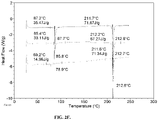
- DSC can be used to indicate the presence of two endotherms occurring at temperatures below 300 °C: one endotherm with a T onset of 157.2 °C that represents the transformation of Form A into Form K, and another with a T onset of 203.8 °C that represents the melting point of Form K.
- DVS can be used to demonstrate that Form A exhibits less than 0.30 weight percent water uptake at a relative humidity (RH) less than or equal to 95%.
- Form A can have an XRPD pattern substantially as depicted in FIG. 1A . Additionally, representative peaks from the XRPD pattern of Form A can be indicated by their values of 2 ⁇ , d-spacing, and relative intensities as, for example, in Table 2 below: Table 2. Selected experimental XRPD pattern data for Form A.
- Form A has an XRPD pattern with characteristic peaks between and including the following values of 2 ⁇ in degrees: 9.3 to 9.7 (e.g., 9.5), 10.6 to 11.0 (e.g., 10.8), 13.0 to 13.4 (e.g., 13.2), 14.7 to 15.1 (e.g., 14.9), 15.8 to 16.2 (e.g., 16.0), 18.1 to 18.5 (e.g., 18.3), 18.7 to 19.1 (e.g., 18.9), 20.9 to 21.3 (e.g., 21.1), 21.4 to 21.8 (e.g., 21.6), and 23.3 to 23.7 (e.g., 23.5).
- 9.3 to 9.7 e.g., 9.5
- 10.6 to 11.0 e.g., 10.8
- 13.0 to 13.4 e.g., 13.2
- 14.7 to 15.1 e.g., 14.9
- 15.8 to 16.2 e.g., 16.0
- 18.1 to 18.5 e.g.,
- Form A has an XRPD pattern with characteristic peaks between and including the following values of 2 ⁇ in degrees: 9.3 to 9.7 (e.g., 9.5), 10.6 to 11.0 (e.g., 10.8), 13.0 to 13.4 (e.g., 13.2), 18.7 to 19.1 (e.g., 18.9), and 21.4 to 21.8 (e.g., 21.6).
- Form A has an XRPD pattern with characteristic peaks at the following values of 2 ⁇ in degrees: 9.5, 10.8, 13.2, 14.9, 16.0, 18.3, 18.9, 21.1, 21.6, and 23.5.
- Form A has an XRPD pattern with characteristic peaks at the following values of 2 ⁇ in degrees: 9.5, 10.8, 13.2, 18.9, and 21.6.
- Calculated XRPD data for selected peaks can be obtained from X-ray diffraction data from a single crystal of Form A as provided in Table 3 below, which complement the experimental data in Table 2.
- Table 3 Selected calculated XRPD pattern data for Form A. 2 ⁇ (degrees) d-spacing ( ⁇ ) Relative Intensity (%) 10.9265 8.09076 21.14 13.32097 6.64132 48.56 14.11329 6.27021 20.36 14.94619 5.92262 24.95 16.05232 5.5169 49.72 17.42404 5.08555 48.28 18.40825 4.81581 100 19.2493 4.60725 18.47 24.23572 3.66943 19.02 24.3725 3.64915 19.56
- Form B can exist as a crystalline form of Compound 1 as determined by XRPD and can be prepared from various techniques described herein, e.g., slow evaporation, slurry conversion, anti-solvent addition, solid vapor diffusion, or slow cooling. Furthermore, isomorphs of Form B from different solvent systems such as dichloromethane (DCM)/ n- heptane, tetrahydrofuran (THF)/ n -heptane, or chloroform (CHCl 3 )/methyl tert-butyl ether (MBTE) can be prepared. Table 4 summarizes the properties of these isomorphs as determined by various instrumental methods, e.g., TGA, DSC, and 1 H NMR spectroscopy.
- DCM dichloromethane
- THF tetrahydrofuran
- MBTE chloroform
- Table 4 summarizes the properties of these isomorphs as determined by various instrumental methods, e.g., TGA, DSC, and
- Form C is a crystalline anhydrate of Compound 1 as determined by XRPD and can be prepared from Form A using a slurry conversion crystallization technique in isopropyl alcohol and isopropyl acetate at 50 °C.
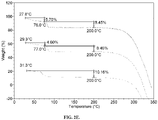
- TGA and single-crystal X-ray crystallography can be used to confirm the absence of solvent in Form C.
- DSC can be used to indicate two endotherms below 300 °C: a broad peak with a T onset of 183.8 °C corresponding to the transformation of Form C into Form K and a sharp peak with a T onset of 211.0 °C corresponding to the melting of Form K.
- DVS can be used to demonstrate that Form C exhibits less than 0.32 weight percent water uptake at RH less than or equal to 95%.
- Form C can have an XRPD pattern substantially as depicted in FIG. 3A . Additionally, representative peaks from the XRPD pattern of Form C can be indicated by their values of 20, d-spacing, and relative intensities as, for example, in Table 5 below: Table 5. Selected experimental XRPD pattern data for Form C.
- Form C can have an XRPD pattern with characteristic peaks between and including the following values of 20 in degrees: 9.7 to 10.1 (e.g., 9.9), 11.6 to 12.0 (e.g., 11.8), 13.2 to 13.6 (e.g., 13.4), 14.2 to 14.6 (e.g., 14.4), 14.6 to 15.0 (e.g., 14.8), 16.8 to 17.2 (e.g., 17.0), 20.5 to 20.9 (e.g., 20.7), 21.3 to 21.7 (e.g., 21.5), 21.4 to 21.8 (e.g., 21.6), and 22.4 to 22.8 (e.g., 22.6).
- 9.7 to 10.1 e.g., 9.9
- 11.6 to 12.0 e.g., 11.8)
- 13.2 to 13.6 e.g., 13.4
- 14.2 to 14.6 e.g., 14.4
- 14.6 to 15.0 e.g., 14.8
- 16.8 to 17.2 e.g.
- Form C can have an XRPD pattern with characteristic peaks between and including the following values of 2 ⁇ in degrees: 9.7 to 10.1 (e.g., 9.9), 14.6 to 15.0 (e.g., 14.8), 16.8 to 17.2 (e.g., 17.0), 20.5 to 20.9 (e.g., 20.7), and 21.3 to 21.7 (e.g., 21.5).
- Form C can have an XRPD pattern with characteristic peaks at the following values of 2 ⁇ in degrees: 9.9, 11.8, 13.4, 14.4, 14.8, 17.0, 20.7, 21.5, 21.6, and 22.6.
- Form C can have an XRPD pattern with characteristic peaks at the following values of 20 in degrees: 9.9, 14.8, 17.0, 20.7, and 21.5.
- Calculated XRPD data for selected peaks can be obtained using X-ray diffraction data from a single crystal of Form C, as provided in Table 6 below. These simulated peaks can complement the experimental data in Table 5. Table 6. Selected calculated XRPD pattern data for Form C.
- Form D can be prepared using an anti-solvent addition crystallization technique in tetrahydrofuran (THF)/water (H 2 O) and, by XRPD analysis, can be subsequently found to be a crystalline form of Compound 1 that converted back to Form A upon drying at room temperature.
- Form E can be prepared from an anti-solvent crystallization technique in 1,4-dioxane/ n -heptane at room temperature and can be determined to be a crystalline wet sample of Compound 1 by XRPD.
- Form F can be prepared with an anti-solvent addition crystallization technique in 1,4-dioxane/ n -heptane at ambient room-temperature conditions and determined to be a crystalline form of Compound 1 by XRPD. TGA on a sample of Form F exhibits a weight loss of 19.7% up to 200 °C. DSC can be used to show that Form F exhibits 2 endothermic peaks at onset temperatures of 63.1 °C and 210.7 °C, corresponding to the loss of solvent (transformation to Form K) and the melting point of Form K, respectively. The transformation of Form F to Form K can be additionally confirmed through VT-XRPD measurements. Based on 1 H NMR spectroscopy, Form F is a 1,4-dioxane solvate with a molar ratio of 1:0.9 with residual n-heptane present.
- Form H can be prepared from a solution vapor diffusion crystallization technique in n-heptane at room temperature.
- the form was determined to be crystalline by XRPD, but metastable due to its transformation to Form A after drying at ambient conditions for 3 days.
- Form I can be made using a slow cooling crystallization technique performed in methanol at room temperature. Like Form H, Form I can be determined to be a crystalline material by XRPD analysis, but was found to be metastable due to its transformation to Form A after drying at ambient conditions for 3 days.
- Form J can be prepared using a solid vapor diffusion crystallization technique in methanol at room temperature. XRPD analysis can be used to conclude that Form J is a crystalline metastable sample that transforms to Form A after drying at ambient conditions for 3 days.
- Form K can be prepared by heating various forms of Compound 1, e.g., Form A, Form B, Form C, Form E, and Form F, to elevated temperatures.
- the analyzed sample of this form can be determined to be crystalline by XRPD analysis.
- TGA can be used to indicate no weight loss prior to the decomposition temperature and demonstrates that Form K is anhydrous.
- DSC can be used to demonstrate that Form K can exhibit a single endotherm with a T onset of 211.6 °C that corresponds to the melting point of the analyzed sample.
- DVS measurements were performed to demonstrate that Form K demonstrates less than 0.35 weight percent water uptake at RH less than or equal to 95%.
- Form K can have an XRPD pattern substantially as depicted in FIG. 10A . Additionally, representative peaks from the XRPD pattern of Form K can be indicated by their values of 2 ⁇ and relative intensities as, for example, in Table 7 below: Table 7. Selected experimental XRPD pattern data for Form K.
- Form K can have an XRPD pattern with characteristic peaks between and including the following values of 2 ⁇ in degrees: 11.6 to 12.0 (e.g., 11.8), 13.7 to 14.1 (e.g., 13.9), 14.0 to 14.4 (e.g., 14.2), 16.6 to 17.0 (e.g., 16.8), 18.9 to 19.3 (e.g., 19.1), 19.1 to 19.5 (e.g., 19.3), 19.9 to 20.3 (e.g., 20.1), 21.1 to 21.5 (e.g., 21.3), 21.9 to 22.3 (e.g., 22.1), and 23.0 to 23.4 (e.g., 23.2).
- 11.6 to 12.0 e.g., 11.8)
- 13.7 to 14.1 e.g., 13.9)
- 14.0 to 14.4 e.g., 14.2
- 16.6 to 17.0 e.g., 16.8
- 18.9 to 19.3 e.g., 19.1
- 19.1 to 19.5 e.
- Form K can have an XRPD pattern with characteristic peaks between and including the following values of 2 ⁇ in degrees: 11.6 to 12.0 (e.g., 11.8), 16.6 to 17.0 (e.g., 16.8), 18.9 to 19.3 (e.g., 19.1), 19.9 to 20.3 (e.g., 20.1), and 23.0 to 23.4 (e.g., 23.2).
- Form K can have an XRPD pattern with characteristic peaks at the following values of 2 ⁇ in degrees: 11.8, 13.9, 14.2, 16.8, 19.1, 19.3, 20.1, 21.3, 22.1, and 23.2.
- Form K can have an XRPD pattern with characteristic peaks at the following values of 2 ⁇ in degrees: 11.8, 16.8, 19.1, 20.1, and 23.2.
- Form L can be prepared by storing Form B in a sealed vial at ambient conditions for one month. This form can be determined to be a crystalline metastable form of Compound 1. Analysis with XRPD can indicate that Form L transforms to a mixture of Form B and Form M at ambient conditions 3 days after preparation. Form L was determined to be a solvate of Compound 1.
- Form M can be made by storing Form B in a sealed vial at ambient conditions for one month.
- the analyzed sample of this form was determined to have low crystallinity by analysis with XRPD.
- Form N can be prepared from a reverse anti-solvent addition crystallization technique in 1,4-dioxane/n-heptane and determined to be a crystalline form of Compound 1 by XRPD.
- TGA can be used to determine that Form N is a solvate that exhibits a weight loss of 2.5% up to 60 °C, followed by a weight loss of 7.1% up to 200 °C.
- DSC can be used to demonstrate two endotherms, one corresponding to the loss of solvent at a T onset of 75.4 °C and the other at a T onset of 210.4 °C, which represents the melting point of Form K.
- VT-XRPD can be used to confirm that Form N transforms to Form K at 100 °C. Based on 1 H NMR spectroscopy, Form N is a 1,4-dioxane solvate with a molar ratio of 1:0.3 for Compound 1:1,4-dioxane.
- TGA on a sample of Form O can indicate weight loss of 5.3% up to 55.1 °C, followed by 5.9% up to 200 °C.
- Form O can be further characterized by 1 H NMR spectroscopy dissolved in DMSO-d 6 .
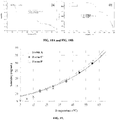
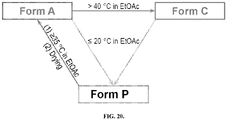
- Form P is an ethyl acetate (EtOAc) solvate of Compound 1 and can be detected in (a) slurries of Form A in EtOAc at 5 °C (after 1 h) and 20 °C (after 2 days), (b) slurries of Form C in EtOAc at 5 °C (after 1 h) and 20 °C (after 7 days).
- the wet cake of Form P ( ⁇ 5 min air) can be dried in two ways: (a) under air at room temperature overnight, and (b) under vacuum at 40 °C for 3 hours. Both dried cakes can be analyzed by XRPD, 1 H-NMR, and TGA.
- An air dried cake of Form P can give an XRPD pattern conforming to Form P, about 1% weight loss by TGA up to about 50 °C, and EtOAc peaks by 1 H NMR.
- the sample of Form P post-oven drying can give an XRPD pattern conforming to Form A, no weight loss ⁇ 100 °C by TGA, and no EtOAc peaks by 1 H-NMR. Therefore, Form P can convert to Form A upon drying.
- the present invention provides a method for transforming a solid form of Compound 1 or mixture of solid forms of Compound 1 to a different anhydrate of Compound 1.
- Form A, a mixture of Form A or Form K, or a mixture of Form A, Form C, and Form K can be converted to Form C through slurry conversion in ethyl acetate, n -butanol, or methyl tert-butyl ether at room temperature or elevated temperatures, e.g., 50°C or 65°C.
- Form C is the only form remaining after slurry conversion, revealing that this solid form was more thermodynamically stable from room temperature to 50 °C when compared to Form A and Form K.
- From C can be obtained through crystallization of solubilized Compound 1 (originally Form A) in ethyl acetate at an elevated temperature, e.g., 65 °C, in the presence of a small amount, e.g. 0.2%-1.0%, of seed crystals of Form C, followed by cooling the batch to a temperature no less than 25 °C to 30 °C. Seed crystals of Form C can be made using the procedure described in Example 4 described herein.
- the invention provides a pharmaceutical composition
- a pharmaceutical composition comprising a solid form of a compound of the present invention (also referred to as the "active ingredient") and a pharmaceutically acceptable excipient.
- the pharmaceutical composition comprises an effective amount of the active ingredient.
- the pharmaceutical composition comprises a therapeutically effective amount of the active ingredient.
- the pharmaceutical composition comprises a prophylactically effective amount of the active ingredient.
- compositions provided herein can be administered by a variety of routes including, but not limited to, oral (enteral) administration, parenteral (by injection) administration, rectal administration, topical administration, transdermal administration, intradermal administration, intrathecal administration, subcutaneous (SC) administration, intramuscular (1M) administration, sublingual / buccal, ocular, otic, vaginal, and intranasal or inhalation administration.
- the solid forms of Compound 1 provided herein are administered in an effective amount.
- the amount of the solid forms of Compound 1 compound actually administered will typically be determined by a physician, in the light of the relevant circumstances, including the condition to be treated, the chosen route of administration, the actual compound administered, the age, weight, and response of the individual patient, the severity of the patient's symptoms, and the like.
- the solid forms of Compound 1 provided herein will be administered to a subject at risk for developing the condition, typically on the advice and under the supervision of a physician, at the dosage levels described above.
- Subjects at risk for developing a particular condition generally include those that have a family history of the condition, or those who have been identified by genetic testing or screening to be particularly susceptible to developing the condition.
- the pharmaceutical compositions provided herein can also be administered chronically ("chronic administration").
- Chronic administration refers to administration of a solid form of Compound 1 or pharmaceutical composition thereof over an extended period of time, e.g., for example, over 3 months, 6 months, 1 year, 2 years, 3 years, 5 years, etc, or may be continued indefinitely, for example, for the rest of the subject's life.
- the chronic administration is intended to provide a consistent level of Compound 1 in the blood, e.g., within the therapeutic window over the extended period of time.
- compositions of the present invention may be further delivered using a variety of dosing methods.
- the pharmaceutical composition may be given as a bolus, e.g., in order to raise the concentration of Compound 1 in the blood to an effective level.
- the placement of the bolus dose depends on the systemic levels of the active ingredient desired throughout the body, e.g., an intramuscular or subcutaneous bolus dose allows a slow release of the active ingredient.
- the pharmaceutical composition may be administered as first as a bolus dose, followed by continuous infusion.
- compositions for oral administration can take the form of bulk liquid solutions or suspensions or bulk powders. More commonly, however, the compositions are presented in unit dosage forms to facilitate accurate dosing.
- unit dosage forms refers to physically discrete units suitable as unitary dosages for human subjects and other mammals, each unit containing a predetermined quantity of active material calculated to produce the desired therapeutic effect, in association with a suitable pharmaceutical excipient.
- Typical unit dosage forms include prefilled, premeasured ampules or syringes of the liquid compositions or pills, tablets, capsules or the like in the case of solid compositions.
- a solid form of Compound 1 is usually a minor component (from about 0.1 to about 50% by weight or preferably from about 1 to about 40% by weight) with the remainder being various vehicles or excipients and processing aids helpful for forming the desired dosing form.
- each dose provides from about 0.01 to about 20 mg/kg of a solid form of Compound 1 provided herein, with preferred doses each providing from about 0.1 to about 10 mg/kg, and especially about 0.2 to about 5 mg/kg.
- Transdermal doses are generally selected to provide similar or lower blood levels than are achieved using injection doses, generally in an amount ranging from about 0.01 to about 20% by weight of, e.g., the drug reservoir or drug-adhesive reservoir for the transdermal patch, preferably from about 0.1 to about 20% by weight, preferably from about 0.1 to about 10% by weight, and more preferably from about 0.5 to about 15% by weight.
- Solid compositions may include, for example, any of the following ingredients, or a solid form of Compound 1 of a similar nature: binders, surfactants, diluents or fillers, buffering agents, antiadherents, glidants, hydrophilic or hydrophobic polymers, retardants, stabilizing agents or stabilizers, disintegrants or superdisintegrants, dispersants, antioxidants, antifoaming agents, fillers, flavors, colorants, lubricants, sorbents, preservatives, plasticizers, coatings, or sweeteners, or mixtures thereof
- the exipeint or excipients could be a binder such as microcrystalline cellulose, polyvinyl pyrrolidone, hydroxylpropyl cellulose, low viscosity hydroxypropylmethylcellulose, gum tragacanth or gelatin; a diluent such as mannitol, microcrystalline cellulose, maltodextrin, starch or lactose,
- an antioxidant such as butylhydroxy toluene, butyl hydroxyanisole, propyl gallate, ascorbic acid, tocopherol or tocopherol acetate, sodium sulphite, or sodium metabisulfite
- a coating comprising one or more of hydroxypropykmethylcellulose, polyvinyl alcohol, methacrylate copolymers, cellulose acetate, hydroxypropylmethylcellulose acetate succinate, shellac and others, a sweetening agent such as sucrose, sucralose, acesulfame K, sodium aspartame or saccharin; or a flavoring agent such as peppermint, methyl salicylate, or orange flavoring.
- any of the well known pharmaceutical excipients may be incorporated in the dosage form and may be found in the FDA's Inactive Ingredients Guide, Remington: The Science and Practice of Pharmacy, Twenty-first Ed., (Pharmaceutical Press, 2005 ); Hnadbook of Pharmaceutical Excipients, Sixth Ed. (Pharmacrutical Press, 2009 ) all of which are incorporated by reference.
- Transdermal compositions are typically formulated as a topical ointment or cream containing the active ingredient(s).
- the active ingredients When formulated as a ointment, the active ingredients will typically be combined with either a paraffinic or a water-miscible ointment base. Alternatively, the active ingredients may be formulated in a cream with, for example an oil-in-water cream base.
- Such transdermal formulations are well-known in the art and generally include additional ingredients to enhance the dermal penetration and stability of the active ingredients or Formulation. All such known transdermal formulations and ingredients are included within the scope provided herein.
- Topical delivery compositions of interest include liquid formulations, such as lotions (liquids containing insoluble material in the form of a suspension or emulsion, intended for external application, including spray lotions) and aqueous solutions, semi-solid formulations, such as gels (colloids in which the disperse phase has combined with the dispersion medium to produce a semisolid material, such as a jelly), creams (soft solids or thick liquids) and ointments (soft, unctuous preparations), and solid formulations, such as topical patches.
- liquid formulations such as lotions (liquids containing insoluble material in the form of a suspension or emulsion, intended for external application, including spray lotions) and aqueous solutions
- semi-solid formulations such as gels (colloids in which the disperse phase has combined with the dispersion medium to produce a semisolid material, such as a jelly)
- creams soft solids or thick liquids
- ointments soft, unctuous preparations
- delivery vehicle components of interest include, but are not limited to: emulsions of the oil-in-water (O/W) and the water in-oil (W/O) type, milk preparations, lotions, creams, ointments, gels, serum, powders, masks, packs, sprays, aerosols, sticks, and patches.
- O/W oil-in-water
- W/O water in-oil
- transdermal administration can be accomplished using a patch either of the reservoir or membrane type, or of an adhesive matrix or other matrix variety.
- Delivery compositions of interest include liquid formulations, such as lotions (liquids containing insoluble material in the form of a suspension or emulsion, intended for external application, including spray lotions) and aqueous solutions, semi-solid formulations, such as gels (colloids in which the disperse phase has combined with the dispersion medium to produce a semisolid material, such as a jelly), creams (soft solids or thick liquids) and ointments (soft, unctuous preparations), and solid formulations, such as topical patches.
- liquid formulations such as lotions (liquids containing insoluble material in the form of a suspension or emulsion, intended for external application, including spray lotions) and aqueous solutions
- semi-solid formulations such as gels (colloids in which the disperse phase has combined with the dispersion medium to produce a semisolid material, such as a jelly)
- delivery vehicle components of interest include, but are not limited to: emulsions of the oil-in-water (O/W) and the water in-oil (W/O) type, milk preparations, lotions, creams, ointments, gels, serum, powders, masks, packs, sprays, aerosols, sticks, and patches.
- the active agent layer includes one or more active agents, one of which is Compound I.
- the matrix is an adhesive matrix.
- the matrix may include polymeric materials. Suitable polymers for the adhesive matrix include, but are not limited to: polyurethanes, acrylates, styrenic block copolymers, silicones, and the like.
- the adhesive matrix may include, but is not limited to, an acrylate polymer, polysiloxanes, polyisobutylene (PIB), polyisoprene, polybutadiene, styrenic block polymers, combinations of thereof, and the like. Additional examples of adhesives are described in Satas, "Acrylic Adhesives," Handbook of Pressure-Sensitive Adhesive Technology, 2nd ed., pp. 396-456 (D. Satas, ed.), Van Nostrand Reinhold, New York (1989 ), the disclosure of which is herein incorporated by reference.
- PIB polyisobutylene
- the active agent layer includes a permeation enhancer.
- the permeation enhancer may include, but is not limited to the following: aliphatic alcohols, such as but not limited to saturated or unsaturated higher alcohols having 12 to 22 carbon atoms, such as oleyl alcohol and lauryl alcohol; fatty acids, such as but not limited to linolic acid, oleic acid, linolenic acid, stearic acid, isostearic acid and palmitic acid; fatty acid esters, such as but not limited to isopropyl myristate, diisopropyl adipate, and isopropyl palmitate; alcohol amines, such as but not limited to triethanolamine, triethanolamine hydrochloride, and diisopropanolamine; polyhydric alcohol alkyl ethers, such as but not limited to alkyl ethers of polyhydric alcohols such as glycerol, ethylene glycol, propylene glycol, 1,3-buty
- the polyoxyethylene chain is 1 to 9, such as but not limited to polyoxyethylene lauryl ether, polyoxyethylene cetyl ether, polyoxyethylene stearyl ether, and polyoxyethylene oleyl ether; glycerides (i.e., fatty acid esters of glycerol), such as but not limited to glycerol esters of fatty acids having 6 to 18 carbon atoms, diglycerides, triglycerides or combinations thereof.
- the polymer matrix includes a polyvinylpyrrolidone
- the composition may further include one or more fillers or one or more antioxidants.
- the transdermal formulations described may have a multi-layer structure.
- the transdermal formulation may have an adhesive matrix and a backing.
- a solid form of Compound 1 of the present invention can also be administered in sustained release forms or from sustained release drug delivery systems.
- sustained release materials can be found in Remington's Pharmaceutical Sciences.
- the disorder is a CNS-related disorder selected from the group consisting of a sleep disorder, a mood disorder, a schizophrenia spectrum disorder, a convulsive disorder, a disorder of memory and/or cognition, a movement disorder, a personality disorder, autism spectrum disorder, pain, traumatic brain injury, a vascular disease, a substance abuse disorder and/or withdrawal syndrome, and tinnitus.
- the disorder is a comorbid disorder (e.g ., depression comorbid with a personality disorder or a sleep disorder comorbid with a personality disorder).
- the disorder is a neurological disorder as described herein.
- the disorder is a neurological disorder as described herein.
- the disorder is a psychiatric disorder as described herein.
- the disorder is a seizure disorder as described herein.
- the disorder is a neuroinflammatory disorder as described herein.
- the disorder is a glaucoma or metabolic disorder as described herein.
- the disorder is a sensory deficit disorder as described herein.
- the compound of Formula ( I ), e.g., a solid form of Compound 1, or a pharmaceutically acceptable salt or pharmaceutically acceptable composition thereof, can be used in a method described herein, for example in the treatment of a disorder described herein such as a neurological disorder.
- exemplary neurological disorders include, but are not limited to, neurodegenerative disorders, neurodevelopmental disorders, neuroendocrine disorders and dysfunction, movement disorders, and sleep disorders as described herein.
- the compound of Formula (I), e.g., a solid form of Compound 1, or a pharmaceutically acceptable salt or pharmaceutically acceptable composition thereof, can be used in a method described herein, for example in the treatment of a neurodegenerative disorder.
- neurodegenerative disease includes diseases and disorders that are associated with the progressive loss of structure or function of neurons, or death of neurons.
- Neurodegenerative diseases and disorders include, but are not limited to, Alzheimer's disease (including the associated symptoms of mild, moderate, or severe cognitive impairment); amyotrophic lateral sclerosis (ALS); anoxic and ischemic injuries; benign forgetfulness; brain edema; cerebellar ataxia including McLeod neuroacanthocytosis syndrome (MLS); closed head injury; coma; contusive injuries (e.g., spinal cord injury and head injury); dementias including multi-infarct dementia and senile dementia; disturbances of consciousness; Down syndrome; fragile X syndrome; Gilles de la Tourette's syndrome; head trauma; hearing impairment and loss; Huntington's disease; Lennox syndrome; mental retardation; neuronal damage including ocular damage, retinopathy or macular degeneration of the eye; neurotoxic injury which follows cerebral stroke, thromboembolic stroke, hemorrhagic stroke,
- Neurodegenerative diseases also include, but are not limited to, neurotoxic injury which follows cerebral stroke, thromboembolic stroke, hemorrhagic stroke, cerebral ischemia, cerebral vasospasm, hypoglycemia, amnesia, hypoxia, anoxia, perinatal asphyxia and cardiac arrest.
- Methods of treating or preventing a neurodegenerative disease also include treating or preventing loss of neuronal function characteristic of neurodegenerative disorder.
- the compound of Formula (I), e.g., a solid form of Compound 1, or a pharmaceutically acceptable salt or pharmaceutically acceptable composition thereof, can be used in a method described herein, for example in the treatment of a disorder described herein such as a neurodevelopmental disorder.
- a disorder described herein such as a neurodevelopmental disorder.
- the neurodevelopmental disorders is autism spectrum disorder.
- the neurodevelopmental disorder is Smith-Lemli-Opitz syndrome.
- neuroendocrine disorder or “neuroendocrine dysfunction” refers to a variety of conditions caused by imbalances in the body's hormone production directly related to the brain. Neuroendocrine disorders involve interactions between the nervous system and the endocrine system. Because the hypothalamus and the pituitary gland are two areas of the brain that regulate the production of hormones, damage to the hypothalamus or pituitary gland, e.g., by traumatic brain injury, may impact the production of hormones and other neuroendocrine functions of the brain.
- the neuroendocrine disorder or dysfunction is associated with a women's health disorder or condition (e.g., a women's health disorder or condition described herein). In some embodiments, the neuroendocrine disorder or dysfunction is associated with a women's health disorder or condition is polycystic ovary syndrome.
- Symptoms of neuroendocrine disorder include, but are not limited to, behavioral, emotional, and sleep-related symptoms, symptoms related to reproductive function, and somatic symptoms; including but not limited to fatigue, poor memory, anxiety, depression, weight gain or loss, emotional lability, lack of concentration, attention difficulties, loss of libido, infertility, amenorrhea, loss of muscle mass, increased belly body fat, low blood pressure, reduced heart rate, hair loss, anemia, constipation, cold intolerance, and dry skin.
- the compound of Formula ( I ), e.g., a solid form of Compound 1, or a pharmaceutically acceptable salt or pharmaceutically acceptable composition thereof, can be used in a method described herein, for example in the treatment of a movement disorder.
- the movement disorder is essential Tremor, Stiff-Person syndrome, spasticity, Freidrich's ataxia, Cerebellar ataxia, dystonia, Tourette Syndrome, Fragile X-associated tremor or ataxia syndromes, drug-induced or medication-induced Parkinsonism (such as neuroleptic-induced acute akathisia, acute dystonia, Parkinsonism, or tardive dyskinesia, neuroleptic malignant syndrome, or medication-induced postural tremor), ataxia, cerebellar ataxia including McLeod neuroacanthocytosis syndrome (MLS), levodopa-induced dyskinesia, movement disorders including akinesias and akinetic (rigid) syndromes (including basal ganglia calc
- movement disorders refers to a variety of diseases and disorders that are associated with hyperkinetic movement disorders and related abnormalities in muscle control.
- exemplary movement disorders include, but are not limited to, Parkinson's disease and parkinsonism (defined particularly by bradykinesia), dystonia, chorea and Huntington's disease, ataxia, tremor (e.g., essential tremor), myoclonus and startle, tics and Tourette syndrome, Restless legs syndrome, stiff person syndrome, and gait disorders.
- Exemplary movement disorders include, but are not limited to, Parkinson's disease and parkinsonism (defined particularly by bradykinesia), dystonia, chorea and Huntington's disease, ataxia, tremor (e.g., essential tremor), myoclonus and startle, tics and Tourette syndrome, Restless legs syndrome, stiff person syndrome, and gait disorders.
- Parkinson's disease and parkinsonism defined particularly by bradykinesia
- dystonia e.g., chorea and Huntington's disease
- ataxia tremor (e.g., essential tremor)
- myoclonus and startle tics and Tourette syndrome
- Restless legs syndrome tics and Tourette syndrome
- stiff person syndrome e.g., stiff person syndrome, and gait disorders.
- the methods described herein can be used to treat tremor, for example, the compound of Formula ( I ), e.g., a solid form of Compound 1, or a pharmaceutically acceptable salt or pharmaceutically acceptable composition thereof, can be used to treat cerebellar tremor or intention tremor, dystonic tremor, essential tremor, orthostatic tremor, parkinsonian tremor, physiological tremor, psychogenic tremor, or rubral tremor.
- the compound of Formula ( I ) e.g., a solid form of Compound 1, or a pharmaceutically acceptable salt or pharmaceutically acceptable composition thereof
- cerebellar tremor or intention tremor e.g., a solid form of Compound 1, or a pharmaceutically acceptable salt or pharmaceutically acceptable composition thereof
- cerebellar tremor or intention tremor e.g., dystonic tremor, essential tremor, orthostatic tremor, parkinsonian tremor, physiological tremor, psychogenic tremor, or rubral tremor.
- Tremor includes hereditary, degenerative, and idiopathic disorders such as Wilson's disease, Parkinson's disease, and essential tremor, respectively; metabolic diseases (e.g., thyoid-parathyroid-, liver disease and hypoglycemia); peripheral neuropathies (associated with Charcot-Marie-Tooth, Roussy-Levy, diabetes mellitus, complex regional pain syndrome); toxins (nicotine, mercury, lead, CO, Manganese, arsenic, toluene); drug-induced (narcoleptics, tricyclics, lithium, cocaine, alcohol, adrenaline, bronchodilators, theophylline, caffeine, steroids, valproate, amiodarone, thyroid hormones, vincristine); and psychogenic disorders.
- metabolic diseases e.g., thyoid-parathyroid-, liver disease and hypoglycemia
- peripheral neuropathies associated with Charcot-Marie-Tooth, Roussy-Levy, diabetes mellit
- Clinical tremor can be classified into physiologic tremor, enhanced physiologic tremor, essential tremor syndromes (including classical essential tremor, primary orthostatic tremor, and task- and position-specific tremor), dystonic tremor, parkinsonian tremor, cerebellar tremor, Holmes' tremor (i.e., rubral tremor), palatal tremor, neuropathic tremor, toxic or drug-induced tremor, and psychogenic tremor.
- essential tremor syndromes including classical essential tremor, primary orthostatic tremor, and task- and position-specific tremor
- dystonic tremor including classical essential tremor, primary orthostatic tremor, and task- and position-specific tremor
- dystonic tremor including classical essential tremor, primary orthostatic tremor, and task- and position-specific tremor
- dystonic tremor including classical essential tremor, primary orthostatic tremor, and task- and position-specific tremor
- Tremor is an involuntary, at times rhythmic, muscle contraction and relaxation that can involve oscillations or twitching of one or more body parts (e.g., hands, arms, eyes, face, head, vocal folds, trunk, legs).
- body parts e.g., hands, arms, eyes, face, head, vocal folds, trunk, legs.
- Cerebellar tremor or intention tremor is a slow, broad tremor of the extremities that occurs after a purposeful movement. Cerebellar tremor is caused by lesions in or damage to the cerebellum resulting from, e.g., tumor, stroke, disease (e.g., multiple sclerosis, an inherited degenerative disorder).
- Dystonic tremor occurs in individuals affected by dystonia, a movement disorder in which sustained involuntary muscle contractions cause twisting and repetitive motions and/or painful and abnormal postures or positions.
- Dystonic tremor may affect any muscle in the body.
- Dystonic tremors occurs irregularly and often can be relieved by complete rest.
- Essential tremor or benign essential tremor is the most common type of tremor.
- Essential tremor may be mild and nonprogressive in some, and may be slowly progressive, starting on one side of the body but affect both sides within 3 years. The hands are most often affected, but the head, voice, tongue, legs, and trunk may also be involved.
- Tremor frequency may decrease as the person ages, but severity may increase. Heightened emotion, stress, fever, physical exhaustion, or low blood sugar may trigger tremors and/or increase their severity. Symptoms generally evolve over time and can be both visible and persistent following onset.
- Orthostatic tremor is characterized by fast (e.g., greater than 12 Hz) rhythmic muscle contractions that occurs in the legs and trunk immediately after standing. Cramps are felt in the thighs and legs and the patient may shake uncontrollably when asked to stand in one spot. Orthostatic tremor may occurs in patients with essential tremor.
- Parkinsonian tremor is caused by damage to structures within the brain that control movement. Parkinsonian tremor is often a precursor to Parkinson's disease and is typically seen as a "pill-rolling" action of the hands that may also affect the chin, lips, legs, and trunk. Onset of parkinsonian tremor typically begins after age 60. Movement starts in one limb or on one side of the body and can progress to include the other side.
- Physiological tremor can occur in normal individuals and have no clinical significance. It can be seen in all voluntary muscle groups. Physiological tremor can be caused by certain drugs, alcohol withdrawl, or medical conditions including an overactive thyroid and hypoglycemia. The tremor classically has a frequency of about 10 Hz.
- Psychogenic tremor or hysterical tremor can occur at rest or during postural or kinetic movement.
- Patient with psychogenic tremor may have a conversion disorder or another psychiatric disease.
- Rubral tremor is characterized by coarse slow tremor which can be present at rest, at posture, and with intention.
- the tremor is associated with conditions that affect the red nucleus in the midbrain, classical unusual strokes.
- Parkinson's Disease affects nerve cells in the brain that produce dopamine. Symptoms include muscle rigidity, tremors, and changes in speech and gait. Parkinsonism is characterized by tremor, bradykinesia, rigidity, and postural instability. Parkinsonism shares symptons found in Parkinson's Disease, but is a symptom complex rather than a progressive neurodegenerative disease.
- Dystonia is a movement disorder characterized by sustained or intermittent muscle contractions causing abnormal, often repetitive movements or postures.
- Dystonic movements can be patterned, twisting, and may be tremulous.
- Dystonia is often initiated or worsened by voluntary action and associated with overflow muscle activation.
- Chorea is a neurological disorder characterized by jerky involuntary movements typically affecting the shoulders, hips, and face. Huntington's Disease is an inherited disease that causes nerve cells in the brain to waste away. Symptoms include uncontrolled movements, clumsiness, and balance problems. Huntington's disease can hinder walk, talk, and swallowing.
- Ataxia refers to the loss of full control of bodily movements, and may affect the fingers, hands, arms, legs, body, speech, and eye movements.
- Myloclonus and Startle is a response to a sudden and unexpected stimulus, which can be acoustic, tactile, visual, or vestibular.
- Tics are an involuntary movement usually onset suddenly, brief, repetitive, but non-rhythmical, typically imitating normal behavior and often occurring out of a background of normal activity. Tics can be classified as motor or vocal, motor tics associated with movements while vocal tics associated with sound. Tics can be characterized as simple or complex. For example simple motor tics involve only a few muscles restricted to a specific body part.
- Tourette Syndrome is an inherited neuropsychiatric disorder with onset in childhood, characterized by multiple motor tics and at least one vocal tic.
- Restless Legs Syndrome is a neurologic sensorimotor disorder characterized by an overwhelming urge to move the legs when at rest.
- Stiff Person Syndrome is a progressive movement disorder characterized by involuntary painful spasms and rigidity of muscles, usually involving the lower back and legs. Stiff-legged gait with exaggerated lumbar hyperlordosis typically results. Characteristic abnormality on EMG recordings with continuous motor unit activity of the paraspinal axial muscles is typically observed. Variants include "stiff-limb syndrome" producing focal stiffness typically affecting distal legs and feet.
- Gait disorders refer to an abnormalitiy in the manner or style of walking, which results from neuromuscular, arthritic, or other body changes. Gait is classified according to the system responsible for abnormal locomotion, and include hemiplegic gait, diplegic gait, neuropathic gait, myopathic gait, parkinsonian gait, choreiform gait, ataxic gait, and sensory gait.
- the compound of Formula ( I ), e.g., a solid form of Compound 1, or a pharmaceutically acceptable salt or pharmaceutically acceptable composition thereof, can be used in a method described herein, for example in the treatment of a sleep disorder.
- the sleep disorder is comorbid with another disorder (e.g., a sleep disorder comorbid with a personality disorder).
- the compound of Formula ( I ), e.g., a solid form of Compound 1, or a pharmaceutically acceptable salt or pharmaceutically acceptable composition thereof, can be used in a method described herein, for example in the treatment of a disorder described herein such as a psychiatric disorder.
- a disorder described herein such as a psychiatric disorder.
- exemplary psychiatric disorders include, but are not limited to, mood disorders, anxiety disorders, psychotic disorders, and impulse control disorders as described herein.
- a mood disorder for example, clinical depression, postnatal depression or postpartum depression, perinatal depression, atypical depression, melancholic depression, psychotic major depression, catatonic depression, seasonal affective disorder, dysthymia, double depression, depressive personality disorder, recurrent brief depression, minor depressive disorder, bipolar disorder or manic depressive disorder, depression caused by chronic medical conditions, comorbid depression, treatment-resistant depression, refractory depression, suicidality, suicidal ideation, or suicidal behavior.
- the method described herein provides therapeutic effect to a subject suffering from depression (e.g., moderate or severe depression).
- the mood disorder is associated with a disease or disorder described herein (e.g., neuroendocrine diseases and disorders, neurodegenerative diseases and disorders (e.g., epilepsy), movement disorders, tremor (e.g., Parkinson's Disease), women's health disorders or conditions).
- a disease or disorder described herein e.g., neuroendocrine diseases and disorders, neurodegenerative diseases and disorders (e.g., epilepsy), movement disorders, tremor (e.g., Parkinson's Disease), women's health disorders or conditions).
- Clinical depression is also known as major depression, major depressive disorder (MDD), severe depression, unipolar depression, unipolar disorder, and recurrent depression, and refers to a mental disorder characterized by pervasive and persistent low mood that is accompanied by low self-esteem and loss of interest or pleasure in normally enjoyable activities. Some people with clinical depression have trouble sleeping, lose weight, and generally feel agitated and irritable. Clinical depression affects how an individual feels, thinks, and behaves and may lead to a variety of emotional and physical problems. Individuals with clinical depression may have trouble doing day-to-day activities and make an individual feel as if life is not worth living.
- MDD major depressive disorder
- Peripartum depression refers to depression in pregnancy. Symptoms include irritability, crying, feeling restless, trouble sleeping, extreme exhaustion (emotional and/or physical), changes in appetite, difficulty focusing, increased anxiety and/or worry, disconnected feeling from baby and/or fetus, and losing interest in formerly pleasurable activities.
- Postnatal depression is also referred to as postpartum depression (PPD), and refers to a type of clinical depression that affects women after childbirth. Symptoms can include sadness, fatigue, changes in sleeping and eating habits, reduced sexual desire, crying episodes, anxiety, and irritability.
- the PND is a treatment-resistant depression (e.g., a treatment-resistant depression as described herein).
- the PND is refractory depression (e.g., a refractory depression as described herein).
- a subject having PND also experienced depression, or a symptom of depression during pregnancy. This depression is referred to herein as) perinatal depression.
- a subject experiencing perinatal depression is at increased risk of experiencing PND.
- AD Atypical depression
- Patients suffering from AD also may have excessive sleep or somnolence (hypersomnia), a sensation of limb heaviness, and significant social impairment as a consequence of hypersensitivity to perceived interpersonal rejection.
- Melancholic depression is characterized by loss of pleasure (anhedonia) in most or all activities, failures to react to pleasurable stimuli, depressed mood more pronounced than that of grief or loss, excessive weight loss, or excessive guilt.
- PMD Psychitic major depression
- psychotic depression refers to a major depressive episode, in particular of melancholic nature, where the individual experiences psychotic symptoms such as delusions and hallucinations.
- Catatonic depression refers to major depression involving disturbances of motor behavior and other symptoms. An individual may become mute and stuporous, and either is immobile or exhibits purposeless or playful movements.
- SAD Seasonal affective disorder
- Dysthymia refers to a condition related to unipolar depression, where the same physical and cognitive problems are evident. They are not as severe and tend to last longer (e.g., at least 2 years).
- Double depression refers to fairly depressed mood (dysthymia) that lasts for at least 2 years and is punctuated by periods of major depression.
- DPD Depressive Personality Disorder
- RBD Recurrent Brief Depression
- Minor depressive disorder or minor depression refers to a depression in which at least 2 symptoms are present for 2 weeks.
- Depression caused by chronic medical conditions refers to depression caused by chronic medical conditions such as cancer or chronic pain, chemotherapy, chronic stress.
- Treatment-resistant depression refers to a condition where the individuals have been treated for depression, but the symptoms do not improve.
- antidepressants or psychological counseling do not ease depression symptoms for individuals with treatment-resistant depression.
- individuals with treatment-resistant depression improve symptoms, but come back.
- Refractory depression occurs in patients suffering from depression who are resistant to standard pharmacological treatments, including tricyclic antidepressants, MAOIs, SSRIs, and double and triple uptake inhibitors and/or anxiolytic drugs, as well as non-pharmacological treatments (e.g., psychotherapy, electroconvulsive therapy, vagus nerve stimulation and/or transcranial magnetic stimulation).
- Post-surgical depression refers to feelings of depression that follow a surgical procedure (e.g., as a result of having to confront one's mortality). For example, individuals may feel sadness or empty mood persistently, a loss of pleasure or interest in hobbies and activities normally enjoyed, or a persistent felling of worthlessness or hopelessness.
- Mood disorder associated with conditions or disorders of women's health refers to mood disorders (e.g., depression) associated with (e.g., resulting from) a condition or disorder of women's health (e.g., as described herein).
- Suicidality, suicidal ideation, suicidal behavior refers to the tendency of an individual to commit suicide.
- Suicidal ideation concerns thoughts about or an unusual preoccupation with suicide.
- the range of suicidal ideation varies greatly, from e.g., fleeting thoughts to extensive thoughts, detailed planning, role playing, incomplete attempts. Symptoms include talking about suicide, getting the means to commit suicide, withdrawing from social contact, being preoccupied with death, feeling trapped or hopeless about a situation, increasing use of alcohol or drugs, doing risky or self-destructive things, saying goodbye to people as if they won't be seen again.
- Depression or personality disorders may also be comorbid with another disorder.
- depression may be comorbid with a personality disorder.
- a personality disorder may be comorbid with a sleep disorder.
- Symptoms of depression include persistent anxious or sad feelings, feelings of helplessness, hopelessness, pessimism, worthlessness, low energy, restlessness, difficulty sleeping, sleeplessness, irritability, fatigue, motor challenges, loss of interest in pleasurable activities or hobbies, loss of concentration, loss of energy, poor self-esteem, absence of positive thoughts or plans, excessive sleeping, overeating, appetite loss, insomnia, self-harm, thoughts of suicide, and suicide attempts.
- the presence, severity, frequency, and duration of symptoms may vary on a case to case basis. Symptoms of depression, and relief of the same, may be ascertained by a physician or psychologist (e.g., by a mental state examination).
- anxiety disorders e.g., generalized anxiety disorder, panic disorder, obsessive compulsive disorder, phobia, post-traumatic stress disorder.
- Anxiety disorder is a blanket term covering several different forms of abnormal and pathological fear and anxiety.
- Current psychiatric diagnostic criteria recognize a wide variety of anxiety disorders.
- Generalized anxiety disorder is a common chronic disorder characterized by long-lasting anxiety that is not focused on any one object or situation. Those suffering from generalized anxiety experience non-specific persistent fear and worry and become overly concerned with everyday matters. Generalized anxiety disorder is the most common anxiety disorder to affect older adults.
- panic disorder a person suffers from brief attacks of intense terror and apprehension, often marked by trembling, shaking, confusion, dizziness, nausea, difficulty breathing.
- panic attacks defined by the APA as fear or discomfort that abruptly arises and peaks in less than ten minutes, can last for several hours and can be triggered by stress, fear, or even exercise; although the specific cause is not always apparent.
- a diagnosis of panic disorder also requires that said attacks have chronic consequences: either worry over the attacks' potential implications, persistent fear of future attacks, or significant changes in behavior related to the attacks. Accordingly, those suffering from panic disorder experience symptoms even outside of specific panic episodes.
- Obsessive compulsive disorder is a type of anxiety disorder primarily characterized by repetitive obsessions (distressing, persistent, and intrusive thoughts or images) and compulsions (urges to perform specific acts or rituals).
- the OCD thought pattern may be likened to superstitions insofar as it involves a belief in a causative relationship where, in reality, one does not exist.
- the process is entirely illogical; for example, the compulsion of walking in a certain pattern may be employed to alleviate the obsession of impending harm.
- the compulsion is entirely inexplicable, simply an urge to complete a ritual triggered by nervousness.
- sufferers of OCD may only experience obsessions, with no overt compulsions; a much smaller number of sufferers experience only compulsions.
- the single largest category of anxiety disorders is that of phobia, which includes all cases in which fear and anxiety is triggered by a specific stimulus or situation. Sufferers typically anticipate cosmic consequences from encountering the object of their fear, which can be anything from an animal to a location to a bodily fluid.
- Post-traumatic stress disorder or PTSD is an anxiety disorder which results from a traumatic experience.
- Post-traumatic stress can result from an extreme situation, such as combat, rape, hostage situations, or even serious accident. It can also result from long term (chronic) exposure to a severe stressor, for example soldiers who endure individual battles but cannot cope with continuous combat. Common symptoms include flashbacks, avoidant behaviors, and depression.
- the compound of Formula ( I ), e.g., a solid form of Compound 1, or a pharmaceutically acceptable salt or pharmaceutically acceptable composition thereof, can be used in a method described herein, for example in the treatment of a psychotic disorder.
- the impulse control disorder is schizophrenia or bipolar disorder.
- the psychotic disorder is schizophrenia.
- the psychotic disorder is bipolar disorder.
- Bipolar disorder or manic depressive disorder causes extreme mood swings that include emotional highs (mania or hypomania) and lows (depression).
- the compound of Formula ( I ), e.g., a solid form of Compound 1, or a pharmaceutically acceptable salt or pharmaceutically acceptable composition thereof, can be used in a method described herein, for example in the treatment of an impulse control disorder.
- the impulse control disorder is anorexia nervosa or alcohol withdrawal.
- the impulse control disorder is anorexia nervosa.
- the impulse control disorder is anorexia nervosa.
- the compound of Formula ( I ), e.g., a solid form of Compound 1, or a pharmaceutically acceptable salt or pharmaceutically acceptable composition thereof, can be used in a method described herein, for example in the treatment of a seizure disorder.
- the seizure disorder is epilepsy.
- the seizure disorder is status epilepticus, e.g., convulsive status epilepticus, e.g., early status epilepticus, established status epilepticus, refractory status epilepticus, or super-refractory status epilepticus.
- the seizure disorder is a focal seizure with either motor (automatisms, atonic, clonic, epileptic spasms, hyperkinetic, myoclonic, and tonic) or non-motor (autonomic, behavioral arrest, cognition, emotional, and sensory) onset, a generalized seizure with either motor (tonic-clonic, clonic, myoclonic, myoclonic-tonic-clonic, myoclonic-atonic, atonic, epileptic spasms) or non-motor (absence) onset, a seizure with unknown motor (tonic-clonic, epileptic spasms) or non-motor (behavioral arrest) onset, a seizure associated with clinical syndromes, such as Dravet syndrome, Rett syndrome, Lennox Gasteau syndrome, Tuberous sclerosis, Angelmans syndrome, catamenial epilepsy.
- the seizure disorder is a seizure that is caused by schizoaffective
- Epilepsy is a brain disorder characterized by repeated seizures over time.
- Types of epilepsy can include, but are not limited to generalized epilepsy, e.g., childhood absence epilepsy, juvenile nyoclonic epilepsy, epilepsy with grand-mal seizures on awakening, West syndrome, Lennox-Gastaut syndrome, partial epilepsy, e . g ., temporal lobe epilepsy, frontal lobe epilepsy, benign focal epilepsy of childhood.
- Status epilepticus can include, e.g., convulsive status epilepticus, e.g., early status epilepticus, established status epilepticus, refractory status epilepticus, or super-refractory status epilepticus; non-convulsive status epilepticus, e . g ., generalized status epilepticus, complex partial status epilepticus; generalized periodic epileptiform discharges; and periodic lateralized epileptiform discharges.
- convulsive status epilepticus e.g., early status epilepticus, established status epilepticus, refractory status epilepticus, or super-refractory status epilepticus
- non-convulsive status epilepticus e.g ., generalized status epilepticus, complex partial status epilepticus
- generalized periodic epileptiform discharges e.g., periodic epileptiform discharges.
- Convulsive status epilepticus is characterized by the presence of convulsive status epileptic seizures, and can include early status epilepticus, established status epilepticus, refractory status epilepticus, super-refractory status epilepticus.
- Early status epilepticus is treated with a first line therapy.
- Established status epilepticus is characterized by status epileptic seizures which persist despite treatment with a first line therapy, and a second line therapy is administered.
- Refractory status epilepticus is characterized by status epileptic seizures which persist despite treatment with a first line and a second line therapy, and a general anesthetic is generally administered.
- Super refractory status epilepticus is characterized by status epileptic seizures which persist despite treatment with a first line therapy, a second line therapy, and a general anesthetic for 24 hours or more.
- Non-convulsive status epilepticus can include, e.g., focal non-convulsive status epilepticus, e . g ., complex partial non-convulsive status epilepticus, simple partial non-convulsive status epilepticus, subtle non-convulsive status epilepticus; generalized non-convulsive status epilepticus, e.g., late onset absence non-convulsive status epilepticus, atypical absence non-convulsive status epilepticus, or typical absence non-convulsive status epilepticus.
- focal non-convulsive status epilepticus e.g ., complex partial non-convulsive status epilepticus, simple partial non-convulsive status epilepticus, subtle non-convulsive status epilepticus
- generalized non-convulsive status epilepticus e.g., late onset absence non-convulsive status epilepticus, atypical absence non-
- a seizure is the physical findings or changes in behavior that occur after an episode of abnormal electrical activity in the brain.
- the term "seizure” is often used interchangeably with “convulsion.” Convulsions are when a person's body shakes rapidly and uncontrollably. During convulsions, the person's muscles contract and relax repeatedly.
- seizures are divided into two broad categories: generalized and partial (also called local or focal). Classifying the type of seizure helps doctors diagnose whether or not a patient has epilepsy.
- Generalized seizures are produced by electrical impulses from throughout the entire brain, whereas partial seizures are produced (at least initially) by electrical impulses in a relatively small part of the brain.
- the part of the brain generating the seizures is sometimes called the focus.
- Absence seizures cause a short loss of consciousness (just a few seconds) with few or no symptoms.
- the patient most often a child, typically interrupts an activity and stares blankly. These seizures begin and end abruptly and may occur several times a day. Patients are usually not aware that they are having a seizure, except that they may be aware of "losing time.”
- Myoclonic seizures consist of sporadic jerks, usually on both sides of the body. Patients sometimes describe the jerks as brief electrical shocks. When violent, these seizures may result in dropping or involuntarily throwing objects.
- Clonic seizures are repetitive, rhythmic jerks that involve both sides of the body at the same time.
- Tonic seizures are characterized by stiffening of the muscles.
- Atonic seizures consist of a sudden and general loss of muscle tone, particularly in the arms and legs, which often results in a fall.
- Seizures described herein can include epileptic seizures; acute repetitive seizures; cluster seizures; continuous seizures; unremitting seizures; prolonged seizures; recurrent seizures; status epilepticus seizures, e.g., refractory convulsive status epilepticus, non-convulsive status epilepticus seizures; refractory seizures; myoclonic seizures; tonic seizures; tonic-clonic seizures; simple partial seizures; complex partial seizures; secondarily generalized seizures; atypical absence seizures; absence seizures; atonic seizures; benign Rolandic seizures; febrile seizures; emotional seizures; focal seizures; gelastic seizures; generalized onset seizures; infantile spasms; Jacksonian seizures; massive bilateral myoclonus seizures; multifocal seizures; neonatal onset seizures; nocturnal seizures; occipital lobe seizures; post traumatic seizures; subtle seizures; Sylvan seizures; visual reflex seizures; or withdrawal seizures.
- the seizure is a generalized seizure associated with Dravet Syndrome, Lennox-G
- the compound of Formula ( I ), e.g., a solid form of Compound 1, or a pharmaceutically acceptable salt or pharmaceutically acceptable composition thereof, can be used in a method described herein, for example in the treatment of a disorder described herein such as a neuroinflammatory disorder.
- a disorder described herein such as a neuroinflammatory disorder.
- the neuroinflammatory disorder is multiple sclerosis or a pediatric autoimmune neuropsychiatric disorder associated with a streptococcal infection (PANDAS).
- the compound of Formula ( I ), e.g., a solid form of Compound 1, or a pharmaceutically acceptable salt or pharmaceutically acceptable composition thereof, can be used in a method described herein, for example as an analgesic or other agent for pain control.
- a solid form of Compound 1, or a pharmaceutically acceptable composition thereof can be used as an analgesic or other agent for pain control to treat inflammatory pain, neuropathic pain, fibromyalgia, or peripheral neuropathy.
- the compound of Formula ( I ), e.g., a solid form of Compound 1, or a pharmaceutically acceptable salt or pharmaceutically acceptable composition thereof, can be used in a method described herein, for example in the treatment of a disorder described herein such as a sensory deficit disorder.
- a disorder described herein such as a sensory deficit disorder.
- the sensory deficit disorder is tinnitus or synesthesia.
- the sensory deficit disorder is hearing impairment and/or loss.
- Form A was prepared by stirring crude Compound 1 as a slurry in ethyl acetate below 10°C and then filtering and drying under vacuum. It was also formed by dissolving crude Compound 1 in dichloromethane and then re-concentrating the solution twice with ethyl acetate under vacuum to dryness.
- Example 2 Various wet methods of crystallization to obtain other solid forms of the present invention.
- Form B was prepared via slow evaporation, slurry conversion in a dichloromethane (DCM)/ n -heptane solvent system, anti-solvent addition, solid vapor diffusion, and slow cooling crystallization techniques in a variety of solvent systems.
- Isomorphs of Form B characterized in the present invention were obtained from the slurry conversion technique in dichloromethane (DCM)/ n -heptane and an anti-solvent addition technique in tetrahydrofuran (THF)/ n -heptane or chloroform (CHCl 3 )/methyl tert-butyl ether (MBTE).
- Form C was prepared from Form A via a slurry conversion crystallization technique in isopropyl alcohol (IPA) and isopropyl acetate (IPAc) at 50 °C.
- IPA isopropyl alcohol
- IPAc isopropyl acetate
- Form D was prepared from Form A via an anti-solvent addition crystallization technique in tetrahydrofuran (THF)/water (H 2 O) at room-temperature (RT) conditions.
- Form E was prepared from Form A via an anti-solvent addition crystallization technique in 1,4-dioxane/ n -heptane at ambient room-temperature (RT) conditions.
- Form F was prepared from Form A via a reverse anti-solvent addition crystallization technique in 1,4-dioxane/n-heptane at ambient room-temperature (RT) conditions.
- Form H was prepared via a solution vapor diffusion crystallization technique in n- heptane at room-temperature (RT) conditions.
- Form I was prepared via a slow cooling crystallization technique in methanol (MeOH) at room-temperature (RT) conditions.
- Form J was prepared via a solid vapor diffusion crystallization technique in MeOH at room-temperature (RT) conditions.
- Form K was prepared by heating Forms A, B, C, E, or F to elevated temperatures.
- the sample of Form K analyzed was prepared by heating Form F to 100 °C.
- Form L was prepared by storing Form B in a sealed vial at ambient conditions for a month.
- Form M was prepared by storing Form B in a sealed vial at ambient conditions for a month.
- Form N was prepared from a reverse anti-solvent addition crystallization technique in 1,4-dioxane/ n -heptane when attempting to replicate formation of Form F.
- ACN acetonitrile
- Example 17 Methods of producing single crystals of Form A and Form C.
- Form A Single crystals suitable for structure determination were obtained via slow cooling in isopropyl alcohol from 50 °C to 5 °C.
- Form C Single crystals suitable for structure determination were obtained via slow cooling at a rate of 0.01 °C/min in isopropyl acetate/acetone (6:1, v/v) co-solvents with Form C seeds, from 25 °C to 5 °C.
- Example 18 Single Crystal X-ray Diffraction data of Form A and Form C.
- Example 19 Unit cells of the single-crystal structures of Form A and Form C.
- the unit cell of Form A along the b axis is depicted in FIG. 1B .
- the unit cell of Form C along the b axis is depicted in FIG. 3B .
- Thermogravimetric analysis (TGA) data were collected using a TA Q500/Q5000 TGA from TA Instruments, and differential scanning calorimetry (DSC) was performed using a TA Q200/Q2000 DSC from TA Instruments.
- the instrument parameters used are provided in Table 11. Table 11. Parameters for TGA and DSC Test Parameters TGA DSC Method Ramp Ramp Sample pan Platinum, open Aluminum, crimped Temperature RT to 350 °C RT to 300 °C Heating rate 10 °C/min 10 °C/min Purge gas N 2 N 2
- solution NMR was collected on a Bruker 400 MHz NMR Spectrometer using deuterated dimethyl sulfoxide (DMSO-d6) as the solvent.
- Example 21 Hygroscopicity of Forms A, C, and K as measured by DVS.
- Dynamic vapor sorption was measured via an SMS (Surface Measurement Systems) DVS Intrinsic system. The relative humidity at 25 °C was calibrated against the deliquescence point of LiCl, Mg(NO 3 ) 2 , and KCl. Instrument parameters for the DVS system used throughout this study are listed in Table 12. Table 13. Parameters for DVS Test Parameters DVS Temperature 25 °C Sample size 10 ⁇ 20 mg Gas and flow rate N 2 , 200 mL/min dm/dt 0.002%/min Min. dm/dtstabilityduration 10 min Max.
- the DVS isotherm plot of Form A shown in FIG. IE exhibits 0.06% by weight water uptake at 80% RH and less than 0.12% by weight water uptake at 95% RH, revealing that Form A is non-hygroscopic.
- the XRPD pattern in FIG. IF indicates there is no form change before and after DVS for Form A.
- the DVS isotherm plot of Form C shown in FIG. 3F exhibits 0.12% by weight water uptake at 80% RH and less than 0.30% by weight water uptake at 95% RH, indicating that Form C is non-hygroscopic.
- the XRPD pattern in FIG. 3G shows there is no form change before and after DVS for Form C.
- the DVS isotherm plot of Form K shown in FIG. 11C exhibits 0.18% by weight water uptake at 80% RH and less than 0.35% by weight water uptake at 95% RH, revealing that Form K is non-hygroscopic.
- the XRPD pattern in FIG. 11D shows there is no form change before and after DVS for Form K.
- Example 22 Interconversion of Forms A, C, and K through slurry conversion.
- the inter-conversion between Forms A, C and K can be studied in a series of slurry conversion experiments conducted in ethyl acetate, n -butanol, and methyl tert-butyl ether (MBTE) at both room temperature (RT) and 50 °C.
- Compound 1 can display moderate solubility, and may yield solvated forms during these screening experiments. Results of the slurry conversion experiments are summarized in Table 14.
- the transition temperature between Forms A and C was estimated to be ⁇ 17 °C, and the transition temperature between Forms K and C was above 100 °C. Table 14.
- Example 23 Conversion of Form A to Form C with Form C seed crystals.
- XRPD was performed using a Rigaku MiniFlex 600 (Cu K ⁇ radiation at 40 kV tube voltage and 15 mA tube current) with a scanning range of 2° to 40° for 2 ⁇ , a step size of 0.01°, and a scanning speed of 1° or 2° per minute.
- XRPD was used to monitor the conversion from 225 g/L Form A to Form C in ethyl acetate at 65 °C using 1.0% of seed crystals of Form C with time, as indicated in FIG. 15 .
- the wet cake of Form P ( ⁇ 5 min air) was dried in two ways: (a) under air at room temperature overnight, and (b) under vacuum at 40 °C for 3 hours. Both dried cakes were analyzed by XRPD, 1H-NMR, and TGA. XRPD data are presented in FIG. 16 . NMR data are presented in FIG. 17A FIG. 17B . TGA data are presented in FIG. 18A FIG. 18B . The air dried cake gave an XRPD pattern conforming to Form P, about 1 % weight loss by TGA up to about 50 °C, and EtOAc peaks by 1 H NMR. This indicates that Form P is an EtOAc solvate of Compound 1.
- Example 25 Solubility and Relative Stability of Forms A, C and P.
- Solubility profiles of Forms A, C and P across a range of temperature can give an indication of the relative stability of different forms within different temperature ranges. Sufficient equilibrium solubility data were collected experimentally covering 5-70 °C. The results are presented in Table 15 and FIG. 19 .
- FIG 20 A phase relationship of Forms A, C and P in EtOAc is illustrated in FIG 20 .
- Forms A and C can convert to Form P.
- Form A can also be generated from Form C at too low of a temperature (e.g., aimed for a better isolation yield).
- Table 15 Solubility data of Forms A, C, and P.
- the invention encompasses all variations, combinations, and permutations in which one or more limitations, elements, clauses, and descriptive terms from one or more of the listed claims is introduced into another claim.
- any claim that is dependent on another claim can be modified to include one or more limitations found in any other claim that is dependent on the same base claim.
- elements are presented as lists, e.g. , in Markush group format, each subgroup of the elements is also disclosed, and any element(s) can be removed from the group. It should it be understood that, in general, where the invention, or aspects of the invention, is/are referred to as comprising particular elements and/or features, certain embodiments of the invention or aspects of the invention consist, or consist essentially of, such elements and/or features.
Landscapes
- Health & Medical Sciences (AREA)
- Chemical & Material Sciences (AREA)
- Organic Chemistry (AREA)
- General Health & Medical Sciences (AREA)
- Engineering & Computer Science (AREA)
- Bioinformatics & Cheminformatics (AREA)
- Veterinary Medicine (AREA)
- Pharmacology & Pharmacy (AREA)
- Public Health (AREA)
- Animal Behavior & Ethology (AREA)
- Medicinal Chemistry (AREA)
- Life Sciences & Earth Sciences (AREA)
- Nuclear Medicine, Radiotherapy & Molecular Imaging (AREA)
- General Chemical & Material Sciences (AREA)
- Chemical Kinetics & Catalysis (AREA)
- Neurology (AREA)
- Neurosurgery (AREA)
- Biomedical Technology (AREA)
- Pain & Pain Management (AREA)
- Psychiatry (AREA)
- Immunology (AREA)
- Pharmaceuticals Containing Other Organic And Inorganic Compounds (AREA)
- Steroid Compounds (AREA)
- Plural Heterocyclic Compounds (AREA)
- Epidemiology (AREA)
Applications Claiming Priority (3)
| Application Number | Priority Date | Filing Date | Title |
|---|---|---|---|
| US201662378582P | 2016-08-23 | 2016-08-23 | |
| EP17761714.9A EP3504189A1 (en) | 2016-08-23 | 2017-08-23 | A crystalline 19-nor c3, 3-disubstituted c21-n-pyrazolyl steroid |
| PCT/US2017/048267 WO2018039378A1 (en) | 2016-08-23 | 2017-08-23 | A crystalline 19-nor c3, 3-disubstituted c21-n-pyrazolyl steroid |
Related Parent Applications (1)
| Application Number | Title | Priority Date | Filing Date |
|---|---|---|---|
| EP17761714.9A Division EP3504189A1 (en) | 2016-08-23 | 2017-08-23 | A crystalline 19-nor c3, 3-disubstituted c21-n-pyrazolyl steroid |
Publications (1)
| Publication Number | Publication Date |
|---|---|
| EP3981763A1 true EP3981763A1 (en) | 2022-04-13 |
Family
ID=59772778
Family Applications (2)
| Application Number | Title | Priority Date | Filing Date |
|---|---|---|---|
| EP17761714.9A Withdrawn EP3504189A1 (en) | 2016-08-23 | 2017-08-23 | A crystalline 19-nor c3, 3-disubstituted c21-n-pyrazolyl steroid |
| EP21190443.8A Pending EP3981763A1 (en) | 2016-08-23 | 2017-08-23 | A crystalline 19-nor c3, 3-disubstituted c21-n-pyrazolyl steroid |
Family Applications Before (1)
| Application Number | Title | Priority Date | Filing Date |
|---|---|---|---|
| EP17761714.9A Withdrawn EP3504189A1 (en) | 2016-08-23 | 2017-08-23 | A crystalline 19-nor c3, 3-disubstituted c21-n-pyrazolyl steroid |
Country Status (25)
| Country | Link |
|---|---|
| US (4) | US11236121B2 (enExample) |
| EP (2) | EP3504189A1 (enExample) |
| JP (3) | JP2019524853A (enExample) |
| KR (2) | KR20230079470A (enExample) |
| CN (4) | CN115974955A (enExample) |
| AR (3) | AR109393A1 (enExample) |
| AU (3) | AU2017315682B2 (enExample) |
| BR (1) | BR112019003637A2 (enExample) |
| CA (1) | CA3034262A1 (enExample) |
| CL (2) | CL2019000477A1 (enExample) |
| CO (1) | CO2019002596A2 (enExample) |
| EA (1) | EA201990565A1 (enExample) |
| EC (1) | ECSP19020141A (enExample) |
| IL (2) | IL315950A (enExample) |
| JO (1) | JOP20190022B1 (enExample) |
| MA (1) | MA46042A (enExample) |
| MX (2) | MX393240B (enExample) |
| MY (1) | MY200479A (enExample) |
| NZ (1) | NZ791594A (enExample) |
| PE (2) | PE20190915A1 (enExample) |
| PH (1) | PH12019500375A1 (enExample) |
| SG (1) | SG11201901445TA (enExample) |
| TW (2) | TWI808945B (enExample) |
| WO (1) | WO2018039378A1 (enExample) |
| ZA (1) | ZA201901051B (enExample) |
Families Citing this family (39)
| Publication number | Priority date | Publication date | Assignee | Title |
|---|---|---|---|---|
| JP2014528485A (ja) | 2011-10-14 | 2014-10-27 | セージ セラピューティクス, インコーポレイテッド | 3,3−二置換19−ノルプレグナン化合物およびその使用 |
| IL294306B2 (en) | 2012-08-21 | 2024-01-01 | Sage Therapeutics Inc | Methods of treating epilepsy or status epilepticus |
| WO2014169831A1 (en) | 2013-04-17 | 2014-10-23 | Sage Therapeutics, Inc. | 19-nor c3,3-disubstituted c21-c-bound heteroaryl steroids and methods of use thereof |
| RS58297B1 (sr) | 2013-04-17 | 2019-03-29 | Sage Therapeutics Inc | 19-nor c3,3-disupstituisani c21-n-pirazolil steroidi i postupci za njihovu upotrebu |
| WO2014169836A1 (en) | 2013-04-17 | 2014-10-23 | Sage Therapeutics, Inc. | 19-nor neuroactive steroids and methods of use thereof |
| AU2014256228C1 (en) | 2013-04-17 | 2017-09-14 | Sage Therapeutics, Inc. | 19-nor neuroactive steroids and methods of use thereof |
| BR112016000975B1 (pt) | 2013-07-19 | 2020-10-06 | Sage Therapeutics, Inc. | Compostos esteróides neuroativos e composições compreendendo os mesmos |
| RS61370B1 (sr) | 2013-08-23 | 2021-02-26 | Sage Therapeutics Inc | Neuroaktivni steroidi, njihove kompozicije i upotreba |
| US10246482B2 (en) | 2014-06-18 | 2019-04-02 | Sage Therapeutics, Inc. | Neuroactive steroids, compositions, and uses thereof |
| JOP20200195A1 (ar) | 2014-09-08 | 2017-06-16 | Sage Therapeutics Inc | سترويدات وتركيبات نشطة عصبياً، واستخداماتها |
| DK3206493T3 (da) | 2014-10-16 | 2020-08-10 | Sage Therapeutics Inc | Sammensætninger og fremgangsmåder til behandling af cns-forstyrrelser |
| CN118344424A (zh) | 2014-10-16 | 2024-07-16 | 萨奇治疗股份有限公司 | 靶向cns障碍的组合物和方法 |
| SI3224269T1 (sl) | 2014-11-27 | 2020-10-30 | Sage Therapeutics, Inc. | Sestavki in metode za zdravljenje CNS motenj |
| ES2857082T3 (es) | 2015-01-26 | 2021-09-28 | Sage Therapeutics Inc | Composiciones y métodos para el tratamiento de trastornos del SNC |
| ES2935476T3 (es) | 2015-02-20 | 2023-03-07 | Sage Therapeutics Inc | Esteroides neuroactivos, composiciones y usos de los mismos |
| AU2017297375B2 (en) | 2016-07-11 | 2022-09-15 | Sage Therapeutics, Inc. | C17, C20, and C21 substituted neuroactive steroids and their methods of use |
| WO2018013615A1 (en) | 2016-07-11 | 2018-01-18 | Sage Therapeutics, Inc. | C7, c12, and c16 substituted neuroactive steroids and their methods of use |
| MA46042A (fr) | 2016-08-23 | 2019-07-03 | Sage Therapeutics Inc | Stéroïde c21-n-pyrazolyle 3-disubstitué en 19-nor c3 cristallin |
| AU2018327357B2 (en) * | 2017-09-07 | 2024-08-22 | Sage Therapeutics, Inc. | Neuroactive steroids and their methods of use |
| JP2020534270A (ja) * | 2017-09-14 | 2020-11-26 | セージ セラピューティクス, インコーポレイテッド | 19−ノルc3,3−二置換c21−n−ピラゾリルステロイドおよびその使用方法 |
| EP4484440A3 (en) | 2017-12-08 | 2025-03-26 | Sage Therapeutics, Inc. | Deuterated 21 -[4-cyano-pyrazol-1 -yl]-19-nor-pregan-3. alpha-ol-20-one derivatives for treating cns disorders |
| JP2021527092A (ja) * | 2018-06-12 | 2021-10-11 | セージ セラピューティクス, インコーポレイテッド | 19−ノルc3,3−二置換c21−n−ピラゾリルステロイドおよびその使用方法 |
| IL312610A (en) | 2018-12-05 | 2024-07-01 | Sage Therapeutics Inc | Neuroactive steroids and methods of using them |
| CN111454318A (zh) | 2019-01-20 | 2020-07-28 | 浙江易众化工有限公司 | 抗抑郁药物sage-217的晶型及其制备方法 |
| WO2020155057A1 (zh) * | 2019-01-31 | 2020-08-06 | 深圳仁泰医药科技有限公司 | γ-氨基丁酸调节剂的晶型X及其制备方法和应用 |
| US20220220149A1 (en) | 2019-05-28 | 2022-07-14 | Teva Czech Industries S.R.O | Solid state forms of sage-217 and processes for preparation thereof |
| BR112021024033A2 (pt) | 2019-05-31 | 2022-02-08 | Sage Therapeutics Inc | Esteroides neuroativos e suas composições |
| KR102890254B1 (ko) * | 2019-08-07 | 2025-11-24 | 상하이 한서 바이오메디컬 컴퍼니 리미티드 | 스테로이드 유도체 조절제의 염 및 결정형 |
| US10857163B1 (en) | 2019-09-30 | 2020-12-08 | Athenen Therapeutics, Inc. | Compositions that preferentially potentiate subtypes of GABAA receptors and methods of use thereof |
| US20230414636A1 (en) | 2020-03-25 | 2023-12-28 | Sage Therapeutics, Inc. | Use of gabaa modulators for treatment of respiratory conditions |
| CN116367827A (zh) * | 2020-07-20 | 2023-06-30 | 萨奇治疗股份有限公司 | 19-去甲-c3,3-二取代-c21-n-吡唑基类固醇的制剂及其使用方法 |
| US20230372365A1 (en) * | 2020-10-01 | 2023-11-23 | Andrew D. Levin | Methods of treating fibromyalgia with neuroactive steroids |
| KR20230136599A (ko) | 2021-01-28 | 2023-09-26 | 세이지 테라퓨틱스, 인크. | 성 기능장애의 치료를 위한 신경활성 스테로이드의용도 |
| KR20230158033A (ko) | 2021-03-17 | 2023-11-17 | 세이지 테라퓨틱스, 인크. | 주요 우울 장애의 치료를 위한 19-노르 c3,3-이치환된 c21-n-피라졸릴 스테로이드 |
| CN117580580A (zh) | 2021-04-29 | 2024-02-20 | 萨奇治疗股份有限公司 | 用于在哺乳期女性中治疗重度抑郁障碍和产后抑郁症的神经活性类固醇 |
| TW202308654A (zh) | 2021-04-29 | 2023-03-01 | 美商賽吉醫療公司 | 19-nor-c3,3-二取代c21-n-吡唑基類固醇及其使用方法 |
| BR112024001518A2 (pt) | 2021-07-28 | 2024-04-30 | Sage Therapeutics Inc | Formas cristalinas de um esteroide neuroativo |
| KR20240148425A (ko) | 2022-02-16 | 2024-10-11 | 세이지 테라퓨틱스, 인크. | Cns-관련 장애의 치료를 위한 신경활성 스테로이드 |
| WO2023163879A1 (en) | 2022-02-28 | 2023-08-31 | Sage Therapeutics, Inc. | Neuroactive steroids for treatment of gastrointestinal diseases or conditions |
Citations (3)
| Publication number | Priority date | Publication date | Assignee | Title |
|---|---|---|---|---|
| WO2014169831A1 (en) | 2013-04-17 | 2014-10-23 | Sage Therapeutics, Inc. | 19-nor c3,3-disubstituted c21-c-bound heteroaryl steroids and methods of use thereof |
| WO2014169833A1 (en) * | 2013-04-17 | 2014-10-23 | Sage Therapeutics, Inc. | 19-nor c3,3-disubstituted c21-n-pyrazolyl steroids and methods of use thereof |
| WO2016061537A1 (en) * | 2014-10-16 | 2016-04-21 | Sage Therapeutics, Inc. | Compositions and methods for treating cns disorders |
Family Cites Families (72)
| Publication number | Priority date | Publication date | Assignee | Title |
|---|---|---|---|---|
| US5120723A (en) | 1987-08-25 | 1992-06-09 | University Of Southern California | Method, compositions, and compounds for modulating brain excitability |
| US7018406B2 (en) | 1999-11-17 | 2006-03-28 | Corevalve Sa | Prosthetic valve for transluminal delivery |
| NZ519984A (en) * | 2000-01-07 | 2004-03-26 | Transform Pharmaceuticals Inc | High-throughput formation, identification, and analysis of diverse solid-forms |
| PL215006B1 (pl) | 2002-02-08 | 2013-10-31 | Ono Pharmaceutical Co | Krystaliczna postac pochodnej piperydyny oraz jej zastosowanie |
| WO2011079047A1 (en) | 2009-12-23 | 2011-06-30 | Drugtech Corporation | Methods for reducing the occurrence of preterm delivery and other pregnancy-related conditions |
| JP2014521662A (ja) | 2011-07-29 | 2014-08-28 | ザ リージェンツ オブ ザ ユニバーシティ オブ カリフォルニア | GABAA受容体のモジュレーターとしての新規な17β−ヘテロアリール置換ステロイド |
| US10478505B2 (en) | 2011-09-23 | 2019-11-19 | The Regents Of The University Of California | Edible oils to enhance delivery of orally administered steroids |
| JP2014528485A (ja) | 2011-10-14 | 2014-10-27 | セージ セラピューティクス, インコーポレイテッド | 3,3−二置換19−ノルプレグナン化合物およびその使用 |
| BR112014018110B1 (pt) | 2012-01-23 | 2022-06-07 | Sage Therapeutics, Inc | Composições farmacêutica aquosas formuladas para administração parenteral e uso de alopregnanolona e sulfobutiléter-b-ciclodextrina |
| US20150175651A1 (en) | 2012-06-15 | 2015-06-25 | Sage Therapeutics, Inc. | Neuroactive steroids, compositions, and uses thereof |
| US20140050789A1 (en) | 2012-08-13 | 2014-02-20 | The Regents Of The University Of California | Mitigation of epileptic seizures by combination therapy using benzodiazepines and neurosteroids |
| IL294306B2 (en) | 2012-08-21 | 2024-01-01 | Sage Therapeutics Inc | Methods of treating epilepsy or status epilepticus |
| WO2014058736A1 (en) | 2012-10-08 | 2014-04-17 | Washington University | Neuroactive 19-alkoxy-17(20)-z-vinylcyano-substituted steroids, prodrugs thereof, and methods of treatment using same |
| US20150313915A1 (en) | 2012-11-30 | 2015-11-05 | The Regents Of The University Of California | Anticonvulsant activity of steroids |
| JP6542127B2 (ja) | 2012-12-18 | 2019-07-10 | ワシントン・ユニバーシティWashington University | 向神経活性19−アルコキシ−17−置換ステロイド、そのプロドラッグおよびそれを使用する処置方法 |
| AU2014256228C1 (en) | 2013-04-17 | 2017-09-14 | Sage Therapeutics, Inc. | 19-nor neuroactive steroids and methods of use thereof |
| WO2014169836A1 (en) | 2013-04-17 | 2014-10-23 | Sage Therapeutics, Inc. | 19-nor neuroactive steroids and methods of use thereof |
| BR112016000975B1 (pt) | 2013-07-19 | 2020-10-06 | Sage Therapeutics, Inc. | Compostos esteróides neuroativos e composições compreendendo os mesmos |
| RS61370B1 (sr) | 2013-08-23 | 2021-02-26 | Sage Therapeutics Inc | Neuroaktivni steroidi, njihove kompozicije i upotreba |
| TW201625661A (zh) | 2014-05-29 | 2016-07-16 | 賽吉醫療公司 | 神經活性類固醇,其組合物及其用途 |
| US10246482B2 (en) | 2014-06-18 | 2019-04-02 | Sage Therapeutics, Inc. | Neuroactive steroids, compositions, and uses thereof |
| JOP20200195A1 (ar) | 2014-09-08 | 2017-06-16 | Sage Therapeutics Inc | سترويدات وتركيبات نشطة عصبياً، واستخداماتها |
| CN118344424A (zh) | 2014-10-16 | 2024-07-16 | 萨奇治疗股份有限公司 | 靶向cns障碍的组合物和方法 |
| SI3224269T1 (sl) | 2014-11-27 | 2020-10-30 | Sage Therapeutics, Inc. | Sestavki in metode za zdravljenje CNS motenj |
| ES2857082T3 (es) | 2015-01-26 | 2021-09-28 | Sage Therapeutics Inc | Composiciones y métodos para el tratamiento de trastornos del SNC |
| ES2935476T3 (es) | 2015-02-20 | 2023-03-07 | Sage Therapeutics Inc | Esteroides neuroactivos, composiciones y usos de los mismos |
| EP3280420B1 (en) | 2015-04-10 | 2024-03-27 | Sage Therapeutics, Inc. | Compositions and methods for treating cns disorders |
| MA45276A (fr) | 2015-06-18 | 2018-04-25 | Sage Therapeutics Inc | Solutions de stéroïdes neuroactifs et leurs méthodes d'utilisation |
| UY36741A (es) | 2015-06-21 | 2016-12-30 | Prevacus Inc | Compuesto de esteroide c-20, sus composiciones y usos para tratar la lesión cerebral traumática (tbi), que incluye las conmociones cerebrales |
| CA2998134A1 (en) | 2015-09-08 | 2017-03-16 | Viewpoint Therapeutics, Inc. | Compounds and formulations for treating ophthalmic diseases |
| US10780099B2 (en) | 2015-10-16 | 2020-09-22 | Marinus Pharmaceuticals, Inc. | Injectable neurosteroid formulations containing nanoparticles |
| EP3377070A4 (en) | 2015-11-20 | 2019-07-10 | Sage Therapeutics, Inc. | COMPOUNDS AND METHOD FOR THEIR USE |
| US20200306265A1 (en) | 2016-03-08 | 2020-10-01 | Sage Therapeutics, Inc. | Neuroactive steroids, compositions, and uses thereof |
| US10226550B2 (en) | 2016-03-11 | 2019-03-12 | Brigham Young University | Cationic steroidal antimicrobial compositions for the treatment of dermal tissue |
| AU2017297375B2 (en) | 2016-07-11 | 2022-09-15 | Sage Therapeutics, Inc. | C17, C20, and C21 substituted neuroactive steroids and their methods of use |
| WO2018013615A1 (en) | 2016-07-11 | 2018-01-18 | Sage Therapeutics, Inc. | C7, c12, and c16 substituted neuroactive steroids and their methods of use |
| MA46042A (fr) | 2016-08-23 | 2019-07-03 | Sage Therapeutics Inc | Stéroïde c21-n-pyrazolyle 3-disubstitué en 19-nor c3 cristallin |
| CN108727453A (zh) | 2017-04-20 | 2018-11-02 | 华东理工大学 | 新型pd-1抑制剂及其应用 |
| WO2019018119A1 (en) | 2017-07-18 | 2019-01-24 | Pairnomix, Llc | METHODS FOR TREATING EPILEPSY AND DISORDERS ASSOCIATED WITH KCNTI |
| CN111065394B (zh) | 2017-08-31 | 2023-03-31 | 武田药品工业株式会社 | 中枢神经系统病症的治疗 |
| AU2018327357B2 (en) | 2017-09-07 | 2024-08-22 | Sage Therapeutics, Inc. | Neuroactive steroids and their methods of use |
| US20200276209A1 (en) | 2017-09-11 | 2020-09-03 | Sage Therapeutics, Inc. | Methods of treating epilepsy or status epilepticus |
| JP2020534270A (ja) | 2017-09-14 | 2020-11-26 | セージ セラピューティクス, インコーポレイテッド | 19−ノルc3,3−二置換c21−n−ピラゾリルステロイドおよびその使用方法 |
| KR20200085837A (ko) | 2017-11-10 | 2020-07-15 | 마리누스 파마슈티컬스 인코포레이티드 | 유전적 간질 질환 치료에 사용하기 위한 가낙솔론의 용도 |
| EP4484440A3 (en) | 2017-12-08 | 2025-03-26 | Sage Therapeutics, Inc. | Deuterated 21 -[4-cyano-pyrazol-1 -yl]-19-nor-pregan-3. alpha-ol-20-one derivatives for treating cns disorders |
| CA3086299A1 (en) | 2017-12-22 | 2019-06-27 | Sage Therapeutics, Inc. | Compositions and methods for treating cns disorders |
| AU2018392093B2 (en) | 2017-12-22 | 2024-02-01 | Sage Therapeutics, Inc. | Compositions and methods for treating CNS disorders |
| MA51568A (fr) | 2018-01-12 | 2021-04-21 | Sage Therapeutics Inc | Composés aza-, oxa et thia-pregnan-20-one-3.alpha.-ol s'utilisant dans le traitement de troubles du système nerveux central |
| JP2021527092A (ja) | 2018-06-12 | 2021-10-11 | セージ セラピューティクス, インコーポレイテッド | 19−ノルc3,3−二置換c21−n−ピラゾリルステロイドおよびその使用方法 |
| DK3864022T3 (da) | 2018-10-12 | 2023-12-18 | Sage Therapeutics Inc | Neuroaktive steroider substitueret i Position 10 med en cyklisk gruppe til anvendelse til behandlingen af CNS-lidelser |
| CA3116892A1 (en) | 2018-10-19 | 2020-04-23 | Sage Therapeutics, Inc. | 9(11)-unsaturated neuroactive steroids and their methods of use |
| IL312610A (en) | 2018-12-05 | 2024-07-01 | Sage Therapeutics Inc | Neuroactive steroids and methods of using them |
| WO2020132504A1 (en) | 2018-12-21 | 2020-06-25 | Sage Therapeutics, Inc. | 3.alpha.-hydroxy-17.beta.-amide neuroactive steroids and compositions thereof |
| TW202523658A (zh) | 2019-05-24 | 2025-06-16 | 美商賽吉醫療公司 | 化合物、組合物及使用方法 |
| BR112021024033A2 (pt) | 2019-05-31 | 2022-02-08 | Sage Therapeutics Inc | Esteroides neuroativos e suas composições |
| KR20220038680A (ko) | 2019-06-27 | 2022-03-29 | 세이지 테라퓨틱스, 인크. | Cns 장애를 치료하기 위한 조성물 및 방법 |
| CA3144701A1 (en) | 2019-06-27 | 2020-12-30 | Sage Therapeutics, Inc. | Compositions and methods for treating cns disorders |
| CA3143545A1 (en) | 2019-06-27 | 2020-12-30 | Sage Therapeutics, Inc. | Compounds for treating cns disorders |
| EP4069250A1 (en) | 2019-12-05 | 2022-10-12 | Sage Therapeutics, Inc. | A 19-nor c3,3-disubstituted c21-n-pyrazolyl steroid and methods of use thereof |
| EP4121438A2 (en) | 2020-03-18 | 2023-01-25 | Sage Therapeutics, Inc. | Neuroactive steroids and their methods of use |
| US20230414636A1 (en) | 2020-03-25 | 2023-12-28 | Sage Therapeutics, Inc. | Use of gabaa modulators for treatment of respiratory conditions |
| WO2021262836A1 (en) | 2020-06-24 | 2021-12-30 | Sage Therapeutics, Inc. | 3.alpha.-hydroxy, 17.beta.-c(o)-n-aryl substituted neuroactive steroids and compositions thereof |
| CN116367827A (zh) | 2020-07-20 | 2023-06-30 | 萨奇治疗股份有限公司 | 19-去甲-c3,3-二取代-c21-n-吡唑基类固醇的制剂及其使用方法 |
| WO2022115381A1 (en) | 2020-11-25 | 2022-06-02 | Sage Therapeutics, Onc. | Compositions and methods for treating cns disorders cross reference to related application |
| KR20230136599A (ko) | 2021-01-28 | 2023-09-26 | 세이지 테라퓨틱스, 인크. | 성 기능장애의 치료를 위한 신경활성 스테로이드의용도 |
| US20240148756A1 (en) | 2021-02-18 | 2024-05-09 | Sage Therapeutics, Inc. | Use of neuroactive steroid for treatment of sexual dysfunction |
| KR20230158033A (ko) | 2021-03-17 | 2023-11-17 | 세이지 테라퓨틱스, 인크. | 주요 우울 장애의 치료를 위한 19-노르 c3,3-이치환된 c21-n-피라졸릴 스테로이드 |
| JP2024513581A (ja) | 2021-04-12 | 2024-03-26 | セージ セラピューティクス, インコーポレイテッド | 本態性振戦の治療 |
| CN117580580A (zh) | 2021-04-29 | 2024-02-20 | 萨奇治疗股份有限公司 | 用于在哺乳期女性中治疗重度抑郁障碍和产后抑郁症的神经活性类固醇 |
| TW202308654A (zh) | 2021-04-29 | 2023-03-01 | 美商賽吉醫療公司 | 19-nor-c3,3-二取代c21-n-吡唑基類固醇及其使用方法 |
| KR20240148425A (ko) | 2022-02-16 | 2024-10-11 | 세이지 테라퓨틱스, 인크. | Cns-관련 장애의 치료를 위한 신경활성 스테로이드 |
| WO2023163879A1 (en) | 2022-02-28 | 2023-08-31 | Sage Therapeutics, Inc. | Neuroactive steroids for treatment of gastrointestinal diseases or conditions |
-
2017
- 2017-08-23 MA MA046042A patent/MA46042A/fr unknown
- 2017-08-23 CN CN202210890025.8A patent/CN115974955A/zh active Pending
- 2017-08-23 IL IL315950A patent/IL315950A/en unknown
- 2017-08-23 IL IL302480A patent/IL302480A/en unknown
- 2017-08-23 EP EP17761714.9A patent/EP3504189A1/en not_active Withdrawn
- 2017-08-23 TW TW106128611A patent/TWI808945B/zh active
- 2017-08-23 CN CN202210890024.3A patent/CN115974954A/zh active Pending
- 2017-08-23 MX MX2019002193A patent/MX393240B/es unknown
- 2017-08-23 BR BR112019003637A patent/BR112019003637A2/pt not_active Application Discontinuation
- 2017-08-23 PE PE2019000416A patent/PE20190915A1/es unknown
- 2017-08-23 EP EP21190443.8A patent/EP3981763A1/en active Pending
- 2017-08-23 PE PE2024000634A patent/PE20241580A1/es unknown
- 2017-08-23 CN CN201780063826.4A patent/CN110088091A/zh active Pending
- 2017-08-23 CN CN202210890054.4A patent/CN115974956A/zh active Pending
- 2017-08-23 US US16/326,977 patent/US11236121B2/en active Active
- 2017-08-23 CA CA3034262A patent/CA3034262A1/en active Pending
- 2017-08-23 WO PCT/US2017/048267 patent/WO2018039378A1/en not_active Ceased
- 2017-08-23 TW TW112101437A patent/TWI854445B/zh active
- 2017-08-23 JP JP2019510657A patent/JP2019524853A/ja not_active Withdrawn
- 2017-08-23 MY MYPI2019000844A patent/MY200479A/en unknown
- 2017-08-23 KR KR1020237017309A patent/KR20230079470A/ko active Pending
- 2017-08-23 EA EA201990565A patent/EA201990565A1/ru unknown
- 2017-08-23 KR KR1020197008069A patent/KR20190040043A/ko not_active Ceased
- 2017-08-23 JO JOP/2019/0022A patent/JOP20190022B1/ar active
- 2017-08-23 NZ NZ791594A patent/NZ791594A/en unknown
- 2017-08-23 AR ARP170102330A patent/AR109393A1/es not_active Application Discontinuation
- 2017-08-23 SG SG11201901445TA patent/SG11201901445TA/en unknown
- 2017-08-23 AU AU2017315682A patent/AU2017315682B2/en active Active
-
2019
- 2019-02-19 ZA ZA2019/01051A patent/ZA201901051B/en unknown
- 2019-02-21 PH PH12019500375A patent/PH12019500375A1/en unknown
- 2019-02-22 MX MX2022007432A patent/MX2022007432A/es unknown
- 2019-02-22 CL CL2019000477A patent/CL2019000477A1/es unknown
- 2019-03-20 CO CONC2019/0002596A patent/CO2019002596A2/es unknown
- 2019-03-22 EC ECSENADI201920141A patent/ECSP19020141A/es unknown
- 2019-12-10 CL CL2019003610A patent/CL2019003610A1/es unknown
-
2021
- 2021-08-06 US US17/396,464 patent/US11884696B2/en active Active
-
2022
- 2022-02-08 AU AU2022200811A patent/AU2022200811B9/en active Active
- 2022-04-08 AR ARP220100894A patent/AR125320A2/es unknown
- 2022-04-08 AR ARP220100895A patent/AR125321A2/es unknown
- 2022-11-07 JP JP2022178009A patent/JP2023002846A/ja active Pending
-
2023
- 2023-08-24 US US18/455,324 patent/US12358942B2/en active Active
-
2024
- 2024-02-06 AU AU2024200732A patent/AU2024200732A1/en active Pending
- 2024-05-07 JP JP2024075299A patent/JP2024097878A/ja active Pending
-
2025
- 2025-06-11 US US19/234,808 patent/US20250304615A1/en active Pending
Patent Citations (4)
| Publication number | Priority date | Publication date | Assignee | Title |
|---|---|---|---|---|
| WO2014169831A1 (en) | 2013-04-17 | 2014-10-23 | Sage Therapeutics, Inc. | 19-nor c3,3-disubstituted c21-c-bound heteroaryl steroids and methods of use thereof |
| WO2014169833A1 (en) * | 2013-04-17 | 2014-10-23 | Sage Therapeutics, Inc. | 19-nor c3,3-disubstituted c21-n-pyrazolyl steroids and methods of use thereof |
| US20160083417A1 (en) | 2013-04-17 | 2016-03-24 | Sage Therapeutics, Inc. | 19-nor c3, 3-disubstituted c21-c-bound heteroaryl steroids and methods of use thereof |
| WO2016061537A1 (en) * | 2014-10-16 | 2016-04-21 | Sage Therapeutics, Inc. | Compositions and methods for treating cns disorders |
Non-Patent Citations (4)
| Title |
|---|
| "Hnadbook of Pharmaceutical Excipients", 2009, PHARMACRUTICAL PRESS |
| "Remington's Pharmaceutical Sciences", 1985, MACK PUBLISHING COMPANY |
| REMINGTON: "The Science and Practice of Pharmacy", 2005, PHARMACEUTICAL PRESS |
| SATAS: "Handbook of Pressure-Sensitive Adhesive Technology", 1989, VAN NOSTRAND REINHOLD, article "Acrylic Adhesives", pages: 396 - 456 |
Also Published As
Similar Documents
| Publication | Publication Date | Title |
|---|---|---|
| US12358942B2 (en) | Crystalline 19-nor C3,3-disubstituted C21-n-pyrazolyl steroid | |
| US12060386B2 (en) | Compositions and methods for treating CNS disorders | |
| TW202027753A (zh) | 神經活性類固醇及其使用方法 | |
| HK40073101A (en) | A crystalline 19-nor c3, 3-disubstituted c21-n-pyrazolyl steroid | |
| EP4543899A1 (en) | Crystalline forms of a neuroactive steroid | |
| OA19368A (en) | A crystalline 19-Nor C3, 3-disubstituted C21-N-Pyrazolyl steroid. | |
| NZ791591A (en) | A crystalline 19-nor C3, 3-disubstituted C21-N-pyrazolyl steroid | |
| EA044239B1 (ru) | Кристаллический 19-нор c3,3-дизамещенный c21-n-пиразолил стероид | |
| BR122024016003A2 (pt) | Formas sólidas cristalinas de um composto esteróide, composição farmacêutica e composto cristalino | |
| BR122024016008A2 (pt) | Formas sólidas cristalinas de um composto esteróide | |
| WO2024026337A1 (en) | Crystalline forms of a neuroactive steroid |
Legal Events
| Date | Code | Title | Description |
|---|---|---|---|
| PUAI | Public reference made under article 153(3) epc to a published international application that has entered the european phase |
Free format text: ORIGINAL CODE: 0009012 |
|
| STAA | Information on the status of an ep patent application or granted ep patent |
Free format text: STATUS: THE APPLICATION HAS BEEN PUBLISHED |
|
| AC | Divisional application: reference to earlier application |
Ref document number: 3504189 Country of ref document: EP Kind code of ref document: P |
|
| AK | Designated contracting states |
Kind code of ref document: A1 Designated state(s): AL AT BE BG CH CY CZ DE DK EE ES FI FR GB GR HR HU IE IS IT LI LT LU LV MC MK MT NL NO PL PT RO RS SE SI SK SM TR |
|
| STAA | Information on the status of an ep patent application or granted ep patent |
Free format text: STATUS: REQUEST FOR EXAMINATION WAS MADE |
|
| 17P | Request for examination filed |
Effective date: 20221011 |
|
| RAV | Requested validation state of the european patent: fee paid |
Extension state: MD Effective date: 20221011 Extension state: MA Effective date: 20221011 |
|
| RAX | Requested extension states of the european patent have changed |
Extension state: ME Payment date: 20221011 Extension state: BA Payment date: 20221011 |
|
| RBV | Designated contracting states (corrected) |
Designated state(s): AL AT BE BG CH CY CZ DE DK EE ES FI FR GB GR HR HU IE IS IT LI LT LU LV MC MK MT NL NO PL PT RO RS SE SI SK SM TR |
|
| REG | Reference to a national code |
Ref country code: HK Ref legal event code: DE Ref document number: 40073101 Country of ref document: HK |
|
| P01 | Opt-out of the competence of the unified patent court (upc) registered |
Effective date: 20230420 |
|
| RAP3 | Party data changed (applicant data changed or rights of an application transferred) |
Owner name: SAGE THERAPEUTICS, INC. |