EP3686296B1 - Verfahren zum erweichen einer hochfesten q-p-stahlheisswalze - Google Patents
Verfahren zum erweichen einer hochfesten q-p-stahlheisswalze Download PDFInfo
- Publication number
- EP3686296B1 EP3686296B1 EP18857665.6A EP18857665A EP3686296B1 EP 3686296 B1 EP3686296 B1 EP 3686296B1 EP 18857665 A EP18857665 A EP 18857665A EP 3686296 B1 EP3686296 B1 EP 3686296B1
- Authority
- EP
- European Patent Office
- Prior art keywords
- steel
- coil
- hot
- strength
- temperature
- Prior art date
- Legal status (The legal status is an assumption and is not a legal conclusion. Google has not performed a legal analysis and makes no representation as to the accuracy of the status listed.)
- Active
Links
Images
Classifications
-
- C—CHEMISTRY; METALLURGY
- C21—METALLURGY OF IRON
- C21D—MODIFYING THE PHYSICAL STRUCTURE OF FERROUS METALS; GENERAL DEVICES FOR HEAT TREATMENT OF FERROUS OR NON-FERROUS METALS OR ALLOYS; MAKING METAL MALLEABLE, e.g. BY DECARBURISATION OR TEMPERING
- C21D1/00—General methods or devices for heat treatment, e.g. annealing, hardening, quenching or tempering
- C21D1/84—Controlled slow cooling
-
- C—CHEMISTRY; METALLURGY
- C21—METALLURGY OF IRON
- C21D—MODIFYING THE PHYSICAL STRUCTURE OF FERROUS METALS; GENERAL DEVICES FOR HEAT TREATMENT OF FERROUS OR NON-FERROUS METALS OR ALLOYS; MAKING METAL MALLEABLE, e.g. BY DECARBURISATION OR TEMPERING
- C21D9/00—Heat treatment, e.g. annealing, hardening, quenching or tempering, adapted for particular articles; Furnaces therefor
- C21D9/02—Heat treatment, e.g. annealing, hardening, quenching or tempering, adapted for particular articles; Furnaces therefor for springs
-
- B—PERFORMING OPERATIONS; TRANSPORTING
- B21—MECHANICAL METAL-WORKING WITHOUT ESSENTIALLY REMOVING MATERIAL; PUNCHING METAL
- B21B—ROLLING OF METAL
- B21B1/00—Metal-rolling methods or mills for making semi-finished products of solid or profiled cross-section; Sequence of operations in milling trains; Layout of rolling-mill plant, e.g. grouping of stands; Succession of passes or of sectional pass alternations
- B21B1/22—Metal-rolling methods or mills for making semi-finished products of solid or profiled cross-section; Sequence of operations in milling trains; Layout of rolling-mill plant, e.g. grouping of stands; Succession of passes or of sectional pass alternations for rolling plates, strips, bands or sheets of indefinite length
- B21B1/24—Metal-rolling methods or mills for making semi-finished products of solid or profiled cross-section; Sequence of operations in milling trains; Layout of rolling-mill plant, e.g. grouping of stands; Succession of passes or of sectional pass alternations for rolling plates, strips, bands or sheets of indefinite length in a continuous or semi-continuous process
- B21B1/26—Metal-rolling methods or mills for making semi-finished products of solid or profiled cross-section; Sequence of operations in milling trains; Layout of rolling-mill plant, e.g. grouping of stands; Succession of passes or of sectional pass alternations for rolling plates, strips, bands or sheets of indefinite length in a continuous or semi-continuous process by hot-rolling, e.g. Steckel hot mill
-
- C—CHEMISTRY; METALLURGY
- C21—METALLURGY OF IRON
- C21D—MODIFYING THE PHYSICAL STRUCTURE OF FERROUS METALS; GENERAL DEVICES FOR HEAT TREATMENT OF FERROUS OR NON-FERROUS METALS OR ALLOYS; MAKING METAL MALLEABLE, e.g. BY DECARBURISATION OR TEMPERING
- C21D1/00—General methods or devices for heat treatment, e.g. annealing, hardening, quenching or tempering
- C21D1/18—Hardening; Quenching with or without subsequent tempering
- C21D1/19—Hardening; Quenching with or without subsequent tempering by interrupted quenching
- C21D1/22—Martempering
-
- C—CHEMISTRY; METALLURGY
- C21—METALLURGY OF IRON
- C21D—MODIFYING THE PHYSICAL STRUCTURE OF FERROUS METALS; GENERAL DEVICES FOR HEAT TREATMENT OF FERROUS OR NON-FERROUS METALS OR ALLOYS; MAKING METAL MALLEABLE, e.g. BY DECARBURISATION OR TEMPERING
- C21D8/00—Modifying the physical properties of ferrous metals or ferrous alloys by deformation combined with, or followed by, heat treatment
-
- C—CHEMISTRY; METALLURGY
- C21—METALLURGY OF IRON
- C21D—MODIFYING THE PHYSICAL STRUCTURE OF FERROUS METALS; GENERAL DEVICES FOR HEAT TREATMENT OF FERROUS OR NON-FERROUS METALS OR ALLOYS; MAKING METAL MALLEABLE, e.g. BY DECARBURISATION OR TEMPERING
- C21D8/00—Modifying the physical properties of ferrous metals or ferrous alloys by deformation combined with, or followed by, heat treatment
- C21D8/02—Modifying the physical properties of ferrous metals or ferrous alloys by deformation combined with, or followed by, heat treatment during manufacturing of plates or strips
- C21D8/0221—Modifying the physical properties of ferrous metals or ferrous alloys by deformation combined with, or followed by, heat treatment during manufacturing of plates or strips characterised by the working steps
- C21D8/0226—Hot rolling
-
- C—CHEMISTRY; METALLURGY
- C21—METALLURGY OF IRON
- C21D—MODIFYING THE PHYSICAL STRUCTURE OF FERROUS METALS; GENERAL DEVICES FOR HEAT TREATMENT OF FERROUS OR NON-FERROUS METALS OR ALLOYS; MAKING METAL MALLEABLE, e.g. BY DECARBURISATION OR TEMPERING
- C21D8/00—Modifying the physical properties of ferrous metals or ferrous alloys by deformation combined with, or followed by, heat treatment
- C21D8/02—Modifying the physical properties of ferrous metals or ferrous alloys by deformation combined with, or followed by, heat treatment during manufacturing of plates or strips
- C21D8/0247—Modifying the physical properties of ferrous metals or ferrous alloys by deformation combined with, or followed by, heat treatment during manufacturing of plates or strips characterised by the heat treatment
- C21D8/0263—Modifying the physical properties of ferrous metals or ferrous alloys by deformation combined with, or followed by, heat treatment during manufacturing of plates or strips characterised by the heat treatment following hot rolling
-
- C—CHEMISTRY; METALLURGY
- C21—METALLURGY OF IRON
- C21D—MODIFYING THE PHYSICAL STRUCTURE OF FERROUS METALS; GENERAL DEVICES FOR HEAT TREATMENT OF FERROUS OR NON-FERROUS METALS OR ALLOYS; MAKING METAL MALLEABLE, e.g. BY DECARBURISATION OR TEMPERING
- C21D9/00—Heat treatment, e.g. annealing, hardening, quenching or tempering, adapted for particular articles; Furnaces therefor
- C21D9/0006—Details, accessories not peculiar to any of the following furnaces
- C21D9/0025—Supports; Baskets; Containers; Covers
-
- C—CHEMISTRY; METALLURGY
- C21—METALLURGY OF IRON
- C21D—MODIFYING THE PHYSICAL STRUCTURE OF FERROUS METALS; GENERAL DEVICES FOR HEAT TREATMENT OF FERROUS OR NON-FERROUS METALS OR ALLOYS; MAKING METAL MALLEABLE, e.g. BY DECARBURISATION OR TEMPERING
- C21D9/00—Heat treatment, e.g. annealing, hardening, quenching or tempering, adapted for particular articles; Furnaces therefor
- C21D9/52—Heat treatment, e.g. annealing, hardening, quenching or tempering, adapted for particular articles; Furnaces therefor for wires; for strips ; for rods of unlimited length
-
- F—MECHANICAL ENGINEERING; LIGHTING; HEATING; WEAPONS; BLASTING
- F27—FURNACES; KILNS; OVENS; RETORTS
- F27B—FURNACES, KILNS, OVENS OR RETORTS IN GENERAL; OPEN SINTERING OR LIKE APPARATUS
- F27B11/00—Bell-type furnaces
Definitions
- the present invention pertains to the technical field of the third-generation advanced high-strength automotive steel production, and particularly relates to a softening method for high-strength Q & P steel hot-rolled coils.
- Automotive steel is classified according to the indices of comprehensive mechanical performances - product of strength and elongation U T (tensile strength ⁇ elongation):
- Q & P Quenching and Partitioning steel exploiting C, Si, Mn and other inexpensive elements as the main alloying elements has been accepted as an important representative of the third-generation advanced high-strength automotive steel.
- Its industrial production processes are grouped into two categories:
- One category of processes provides hot-rolled Q & P steels such as those disclosed by CN 105 177 415 A , CN 105 441 814 A , CN 103 215 516 A , CN 103 805 851 A , CN 104 532 126 A , CN 103 233 161 A , CN 103 805 869 A , CN 102 226 248 A , etc, which are produced by smelting and hot rolling.
- These processes are characterized by short process flows and low production costs, but very high requirements are imposed on the control of laminar cooling after hot rolling. These requirements are difficult to achieve in the industry, and the product surface quality is difficult to guarantee.
- the other category of processes provides cold-rolled Q & P steels, such as those disclosed by CN 105 734 213 A , CN 104 988 391 A , CN 105 648 317 A , etc, which are produced by smelting, hot rolling, intermediate annealing, cold rolling, and final Q & P heat treatment. They are characterized by the high strength, high strain hardening rate, good plasticity, and good surface quality of the products, but the process flows are long, and the production costs are relatively high. Compared with the production process flow of ordinary cold-rolled products, cold-rolled Q & P steel requires an additional intermediate annealing step (bell furnace annealing or continuous annealing) between hot rolling and cold rolling.
- intermediate annealing step bell furnace annealing or continuous annealing
- a hot-rolled coil is reheated to an austenitizing temperature which is held for a sufficient period of time, and then cooled to room temperature at a suitable rate, so as to soften the Q & P steel hot-rolled coil and thereby reduce the rolling force of the cold rolling unit to fulfil the purpose of cold rolling.
- CN206447906U JP2001071019A and CN203064459U disclose methods of slow cooling of different steel grades.
- Thomas G. A. et al "Quenched and Partitioned Microstructures Produced Gleeble Simulations of Hot-Strip Mill Cooling Practices", Met & Mat. Trans. A, ISSN: 1543-1940, US, vol. 42, no. 12, p. 3652/59 discloses different processing routes for production of QP microstructures.
- An object of the present invention is to provide a new, low-cost, high-efficiency softening method for a high-strength Q & P steel hot-rolled coil, and use self-tempering softening in place of an intermediate annealing step in a production process for cold-rolled Q & P steel.
- the temperature for heating the ingot is lower than 1200°C, it will be undesirable for homogenization of the alloy elements; if the temperature is higher than 1300°C, not only the manufacture cost will be increased, but also the quality of heating will be somewhat degraded. Therefore, it's desirable to control the temperature for heating the ingot at 1200-1300°C.
- the soaking time also needs to be controlled in a certain range.
- the soaking time refers to a period of time during which the ingot is held at a specified heating temperature to which the ingot is heated. If the soaking time is too short, solute atoms such as Si, Mn and the like cannot diffuse sufficiently, and thus the heating quality of the ingot cannot be guaranteed; but if the soaking time is too long, austenite grains will become coarse, and the manufacturing cost will be increased. Therefore, it is generally appropriate to control the soaking time at 1-3 hours. For higher heating temperatures, the soaking time may be shortened accordingly in an appropriate way.
- the main alloying elements include C, Si, Mn.
- the C content is generally greater than 0.15%
- the Si content is generally greater than 1.0%
- the Mn content is generally greater than 1.5%.
- the designed coiling temperature should not exceed 600 °C. The lower the coiling temperature, the thinner the oxide scale layer. However, as the coiling temperature decreases, the martensite-austenite structure and the martensite content in the Q & P steel hot-rolled coil will gradually increase, which will lead to a significant increase in strength, unfavorable for steady coiling and cold rolling in a subsequent step. Therefore, the designed coiling temperature should not be lower than 400 °C.
- the Q & P steel hot-rolled coil After coiling, the Q & P steel hot-rolled coil has a microstructure mainly consisting of bainite and martensite, wherein the volume percentage of martensite is ⁇ 20%, and the tensile strength exceeds 1000 MPa.
- the Q & P steel hot-rolled coil After the Q & P steel hot-rolled coil is unloaded, it's quickly covered on-line (preferably within 20 minutes) with an independent, closed insulating enclosure unit, so as to cool the steel coil in a controlled way, and exploit the residual heat from the coiling for self-tempering treatment.
- martensite decomposes gradually, and transforms into cementite and a small amount of ferrite, such that the strength of the steel coil is decreased.
- on-line means that a steel coil should be covered with an insulating enclosure as soon as it is unloaded.
- the "on-line” mode ensures the temperature at which the steel coil enters the enclosure and the residual heat from the coiling can be fully utilized for self-tempering treatment;
- the temperature drop at the inner circle, outer circle and sides is significantly greater than that at the middle, and thus the overall temperature uniformity of the steel coil is poor;
- the phase transformation uniformity in the steel coil is poor, and the volume fraction of martensite is too high in local areas, which is unfavorable for uniform tempering and softening.
- Table 1 shows the key process parameters of the Examples in the present invention
- Table 2 shows the key process parameters of the Comparative Examples in the present invention
- Table 3 shows the properties of the steel coils of the Examples and the Comparative Examples in the present invention.
- the process flow for the Examples in the present invention is as follows: heating a Q & P steel ingot ⁇ rough rolling ⁇ finish rolling ⁇ laminar cooling ⁇ coiling ⁇ covering with an insulating enclosure on-line ⁇ removing from the insulating enclosure, wherein the key process parameters are shown in Table 1.
- the process flow for the Comparative Examples in the present invention is as follows: heating a Q & P steel ingot ⁇ rough rolling ⁇ finish rolling ⁇ laminar cooling ⁇ coiling ⁇ slow cooling the steel coil in stack, wherein the key process parameters are shown in Table 2.
- Table 1 Ex. Steel coil thickness (mm) Heating temperature (°C) Rough rolling temperature (°C) Final rolling temperature (°C) Coiling Temperature (°C) Covering time (min) Insulating time (h) 1 3.0 1261 1128 927 523 9 2 2 3.0 1265 1122 930 510 28 4 3 3.0 1259 1127 933 520 10 2 4 2.6 1267 1130 938 498 10 4 5 2.6 1263 1125 936 488 8 8
- Table 2 Comp. Ex.
- the Q & P steel hot-rolled coils produced by the method proposed by the present invention have a yield strength reduction of ⁇ 85MPa, a tensile strength reduction of ⁇ 150 MPa, and an increase in elongation at break of ⁇ 2%, indicating that the method proposed by the present invention can effectively soften Q & P steel hot-rolled coils, and improve the plasticity index of the material at the same time, which is beneficial to reduce the cold rolling force in the subsequent step.
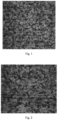
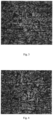
- Figs. 1 and 2 show the typical metallographical photos of the test steel of Examples 1 and 2. As can be seen clearly from the photos, without the treatment using the insulating enclosure, the microstructure of the steel coils is mainly bainite + martensite.
- Figs. 3 and 4 show the typical metallographical photos of the test steel of Comparative Examples 1 and 2. As can be seen clearly from the photos, with the treatment using the insulating enclosure, the microstructure of the steel coils is mainly bainite + cementite.
Landscapes
- Chemical & Material Sciences (AREA)
- Engineering & Computer Science (AREA)
- Mechanical Engineering (AREA)
- Materials Engineering (AREA)
- Crystallography & Structural Chemistry (AREA)
- Thermal Sciences (AREA)
- Physics & Mathematics (AREA)
- Metallurgy (AREA)
- Organic Chemistry (AREA)
- General Engineering & Computer Science (AREA)
- Heat Treatment Of Sheet Steel (AREA)
- Heat Treatment Of Strip Materials And Filament Materials (AREA)
- Metal Rolling (AREA)
- Heat Treatment Of Steel (AREA)
Claims (4)
- Erweichungsverfahren für eine warmgewalzte Spule aus hochfestem Abschreck- und Trennstahl, dadurch gekennzeichnet, dass: nach dem Erwärmen eines Gussblocks aus Abschreck- und Trennstahl, derselbe einem Grobwalzen, einem Fertigwalzen, einer Laminarkühlung und einem Aufwickeln unterzogen wird, um eine warmgewalzte Spule zu erhalten; nach dem Entladen der Spule, die Spule im On-Line-Betrieb mit einer Isolierumhausung bedeckt wird und dieselbe einhergehend mit einer Transportkette in ein Stahlspulen-Lagerhaus verbracht wird; nach einer vorgegebenen Isolierzeitdauer, die Spule aus der Isolierumhausung entfernt wird und dieselbe an der Luft auf Raumtemperatur gekühlt wird, wobei das Aufwickeln bei einer Temperatur von 400 - 600 °C durchgeführt wird; wobei das Bedecken im On-Line-Betrieb mit einer Isolierumhausung bedeutet, dass jede warmgewalzte Spule innerhalb von 60 Minuten nach dem Entladen einzeln mit einer eigenständigen, geschlossenen Isolierumhausungseinheit bedeckt wird; die Isolierzeit der Stahlspule in der Isolierumhausung 1-- 24 Stunden lang ist; wobei die Stahlspule bei einer Kühlrate von < 15 °C/Stunde in der Isolierumhausung gekühlt wird; wobei die Legierungselemente des Abschreck- und Trennstahls C, Si und Mn beinhalten, wobei der Kohlenstoffgehalt größer als 0,15 Gewichts-% ist, der Si-Gehalt größer als 1,0 Gewichts-% ist und der Mn-Gehalt größer als 1,5 Gewichts-% ist;
wobei der Gussblock bei einer Temperatur von > 1150 °C erwärmt wird, und eine Einweichdauer > 60 Minuten lang ist, und das Grob- und Fertigwalzen in einer Temperaturzone für eine vollständige Austenitisierung durchgeführt werden, eine Warmwalz-Gesamtreduktionsrate > 90°% ist und eine abschließende Walztemperatur 800-1000 °C ist. - Erweichungsverfahren für eine warmgewalzte Spule aus hochfestem Abschreck- und Trennstahl nach Anspruch 1, dadurch gekennzeichnet, dass der Gussblock bei einer Temperatur von 1200 - 1300 °C erwärmt wird, und die Einweichzeit 1 - 3 Stunden lang ist.
- Erweichungsverfahren für eine warmgewalzte Spule aus hochfestem Abschreck- und Trennstahl nach Anspruch 1 oder 2, dadurch gekennzeichnet, dass jede warmgewalzte Spule innerhalb von 20 Minuten nach ihrer Entladung einzeln mit einer Isolierumhausung bedeckt wird.
- Erweichungsverfahren für eine warmgewalzte Spule aus hochfestem Abschreck- und Trennstahl nach einem der Ansprüche1 bis 3, dadurch gekennzeichnet, dass, nach einer Behandlung unter Verwendung der Isolierumhausung, die Mikrostruktur der Stahlspule vorwiegend Bainit + Zementit ist.
Applications Claiming Priority (3)
| Application Number | Priority Date | Filing Date | Title |
|---|---|---|---|
| CN201710853613.3A CN107470377A (zh) | 2017-09-20 | 2017-09-20 | 钢带制造流水线在线保温缓冷装置 |
| CN201810631922.0A CN110616302B (zh) | 2018-06-19 | 2018-06-19 | 一种高强度q&p钢热轧卷的软化方法 |
| PCT/CN2018/106703 WO2019057114A1 (zh) | 2017-09-20 | 2018-09-20 | 一种高强度q&p钢热轧卷的软化方法 |
Publications (4)
| Publication Number | Publication Date |
|---|---|
| EP3686296A4 EP3686296A4 (de) | 2020-07-29 |
| EP3686296A1 EP3686296A1 (de) | 2020-07-29 |
| EP3686296B1 true EP3686296B1 (de) | 2024-11-06 |
| EP3686296B8 EP3686296B8 (de) | 2024-12-11 |
Family
ID=65811020
Family Applications (1)
| Application Number | Title | Priority Date | Filing Date |
|---|---|---|---|
| EP18857665.6A Active EP3686296B8 (de) | 2017-09-20 | 2018-09-20 | Verfahren zum erweichen einer hochfesten q & p stahlheisswalze |
Country Status (5)
| Country | Link |
|---|---|
| US (1) | US11981972B2 (de) |
| EP (1) | EP3686296B8 (de) |
| JP (1) | JP7320512B2 (de) |
| KR (1) | KR102452598B1 (de) |
| WO (1) | WO2019057114A1 (de) |
Families Citing this family (1)
| Publication number | Priority date | Publication date | Assignee | Title |
|---|---|---|---|---|
| CN112553437B (zh) * | 2020-12-07 | 2022-11-15 | 邯郸钢铁集团有限责任公司 | 控制420MPa级热镀锌高强钢屈服强度波动的方法 |
Family Cites Families (26)
| Publication number | Priority date | Publication date | Assignee | Title |
|---|---|---|---|---|
| JPS61159534A (ja) | 1985-01-05 | 1986-07-19 | Nippon Steel Corp | 電縫鋼管用熱延鋼帯の製造方法 |
| JP3744279B2 (ja) | 1999-09-09 | 2006-02-08 | Jfeスチール株式会社 | スケール密着性に優れた高炭素熱延鋼板の製造方法 |
| JP5418047B2 (ja) * | 2008-09-10 | 2014-02-19 | Jfeスチール株式会社 | 高強度鋼板およびその製造方法 |
| CN102226248B (zh) | 2011-06-09 | 2014-04-02 | 北京科技大学 | 一种碳硅锰系热轧q&p钢及其制备方法 |
| CA2843186C (en) * | 2011-07-27 | 2017-04-18 | Nippon Steel & Sumitomo Metal Corporation | High-strength cold-rolled steel sheet having excellent stretch flangeability and precision punchability and manufacturing method thereof |
| JP6047983B2 (ja) | 2011-08-19 | 2016-12-21 | Jfeスチール株式会社 | 伸びおよび伸びフランジ性に優れる高強度冷延鋼板の製造方法 |
| CN103302255B (zh) * | 2012-03-14 | 2015-10-28 | 宝山钢铁股份有限公司 | 一种薄带连铸700MPa级高强耐大气腐蚀钢制造方法 |
| CN103805851B (zh) | 2012-11-15 | 2016-03-30 | 宝山钢铁股份有限公司 | 一种超高强度低成本热轧q&p钢及其生产方法 |
| CN103805869B (zh) | 2012-11-15 | 2016-01-27 | 宝山钢铁股份有限公司 | 一种高强度热轧q&p钢及其制造方法 |
| CN203064459U (zh) | 2013-01-15 | 2013-07-17 | 无锡亚中智能装备有限公司 | 车载式硅钢卷恒温装置 |
| CN103233161B (zh) | 2013-04-09 | 2016-01-20 | 宝山钢铁股份有限公司 | 一种低屈强比高强度热轧q&p钢及其制造方法 |
| CN103215516B (zh) | 2013-04-09 | 2015-08-26 | 宝山钢铁股份有限公司 | 一种700MPa级高强度热轧Q&P钢及其制造方法 |
| CN103757196B (zh) | 2014-01-09 | 2016-09-07 | 鞍钢股份有限公司 | 一种高牌号电工钢的退火方法 |
| JP6171994B2 (ja) * | 2014-03-13 | 2017-08-02 | Jfeスチール株式会社 | 成形性に優れた高強度鋼板の製造方法 |
| CN105478472A (zh) * | 2014-09-19 | 2016-04-13 | 鞍钢股份有限公司 | 一种汽车用宽薄规格高强度冷轧基板的热轧方法 |
| CN105441814A (zh) | 2014-09-26 | 2016-03-30 | 宝山钢铁股份有限公司 | 屈服强度700MPa级超低屈强比热轧Q&P钢及其制造方法 |
| CN104532126B (zh) | 2014-12-19 | 2017-06-06 | 宝山钢铁股份有限公司 | 一种低屈强比超高强度热轧q&p钢及其制造方法 |
| JP6252499B2 (ja) | 2015-01-13 | 2017-12-27 | Jfeスチール株式会社 | 熱延鋼帯、冷延鋼帯及び熱延鋼帯の製造方法 |
| JP6202012B2 (ja) | 2015-02-03 | 2017-09-27 | Jfeスチール株式会社 | 成形性に優れた高強度鋼板の製造方法 |
| CN104988391A (zh) | 2015-07-07 | 2015-10-21 | 河北钢铁股份有限公司 | 一种1200MPa级冷轧Q&P钢及其制造方法 |
| CN105177415A (zh) | 2015-08-14 | 2015-12-23 | 河北钢铁股份有限公司 | 超高强热轧q&p钢及其生产方法 |
| KR101767773B1 (ko) * | 2015-12-23 | 2017-08-14 | 주식회사 포스코 | 연성이 우수한 초고강도 열연강판 및 그 제조방법 |
| CN105648317B (zh) * | 2016-01-28 | 2019-01-01 | 河北钢铁股份有限公司邯郸分公司 | 一种高强度高塑性中锰q&p钢冷轧退火板及其制备工艺 |
| CN105734213B (zh) * | 2016-05-08 | 2017-09-29 | 东北大学 | 一种q&p钢板及其两次配分制备方法 |
| CN206447906U (zh) | 2017-01-05 | 2017-08-29 | 鞍钢集团工程技术有限公司 | 一种移动式缓冷间 |
| CN107470377A (zh) | 2017-09-20 | 2017-12-15 | 上海贺力液压机电有限公司 | 钢带制造流水线在线保温缓冷装置 |
-
2018
- 2018-09-20 EP EP18857665.6A patent/EP3686296B8/de active Active
- 2018-09-20 JP JP2020537824A patent/JP7320512B2/ja active Active
- 2018-09-20 US US16/648,781 patent/US11981972B2/en active Active
- 2018-09-20 WO PCT/CN2018/106703 patent/WO2019057114A1/zh not_active Ceased
- 2018-09-20 KR KR1020207010903A patent/KR102452598B1/ko active Active
Also Published As
| Publication number | Publication date |
|---|---|
| EP3686296A4 (de) | 2020-07-29 |
| US20200270714A1 (en) | 2020-08-27 |
| EP3686296B8 (de) | 2024-12-11 |
| US11981972B2 (en) | 2024-05-14 |
| KR102452598B1 (ko) | 2022-10-07 |
| EP3686296A1 (de) | 2020-07-29 |
| WO2019057114A1 (zh) | 2019-03-28 |
| JP7320512B2 (ja) | 2023-08-03 |
| KR20200063163A (ko) | 2020-06-04 |
| JP2020534438A (ja) | 2020-11-26 |
Similar Documents
| Publication | Publication Date | Title |
|---|---|---|
| CN104278201B (zh) | 具有良好冷成型性高碳钢的制备方法 | |
| CN106191390B (zh) | 一种中锰trip钢及其制备方法 | |
| CN107002193A (zh) | 冷锻部件用轧制棒钢或轧制线材 | |
| CN102199734B (zh) | 高强度客车用301l不锈钢的制造方法 | |
| CN102251250B (zh) | 低铬400系不锈钢热退酸洗线轧制方法 | |
| CN111100977A (zh) | 一种热轧高碳钢的生产方法 | |
| CN107109560A (zh) | 冷锻部件用轧制棒钢或轧制线材 | |
| EP3686292B1 (de) | Herstellungsverfahren zur inline-erhöhung des ausscheidungshärtungseffekts von ti-mikrolegiertem warmgewalztem hochfestem stahl | |
| KR20030023601A (ko) | 열처리 이형강선과 그 제조방법 및 제조장치 | |
| JP3800902B2 (ja) | 面内異方性の小さい加工用高炭素鋼板およびその製造方法 | |
| US11981972B2 (en) | Softening method for high-strength Q and P steel hot roll | |
| CN1606629A (zh) | 碳钢和低合金钢凝固粗晶带材的在线再结晶方法及所得的具有高验证显微组织的带材 | |
| CN110616302B (zh) | 一种高强度q&p钢热轧卷的软化方法 | |
| KR101819431B1 (ko) | 냉간압조용 고탄소강 선재, 이를 이용한 가공품 및 이들의 제조방법 | |
| CN110499460A (zh) | 一种热冲压成型用冷轧钢带及其生产方法 | |
| KR101185024B1 (ko) | 박 슬라브 연속주조법을 이용한 연질 냉연강판의 제조방법 | |
| KR101797349B1 (ko) | 구상화 열처리 생략이 가능한 냉간압조용 고탄소강 선재, 이를 이용한 가공품 및 이들의 제조방법 | |
| JP2000119807A (ja) | 鉄筋用異形棒鋼およびその製造方法 | |
| KR20250091644A (ko) | 열처리생략용 선재의 제조방법 | |
| KR101697091B1 (ko) | 표면 품질이 향상된 페라이트계 스테인리스 강판 및 이의 제조 방법 | |
| KR20250092593A (ko) | 스텔모아 냉각을 활용한 냉간압조용 선재의 제조방법 및 선재 | |
| KR101674870B1 (ko) | 연신율이 우수한 고강도 선재의 제조방법, 강선 및 그 제조방법 | |
| KR20160082608A (ko) | 연신율이 우수한 고강도 선재, 이를 이용한 강선 및 그들의 제조방법 | |
| KR20170110773A (ko) | 냉간압조용 고탄소강 선재, 이를 이용한 가공품 및 이들의 제조방법 | |
| TW202609069A (zh) | 冷軋硬化鋼的製造方法 |
Legal Events
| Date | Code | Title | Description |
|---|---|---|---|
| STAA | Information on the status of an ep patent application or granted ep patent |
Free format text: STATUS: THE INTERNATIONAL PUBLICATION HAS BEEN MADE |
|
| PUAI | Public reference made under article 153(3) epc to a published international application that has entered the european phase |
Free format text: ORIGINAL CODE: 0009012 |
|
| STAA | Information on the status of an ep patent application or granted ep patent |
Free format text: STATUS: REQUEST FOR EXAMINATION WAS MADE |
|
| 17P | Request for examination filed |
Effective date: 20200320 |
|
| A4 | Supplementary search report drawn up and despatched |
Effective date: 20200529 |
|
| AK | Designated contracting states |
Kind code of ref document: A1 Designated state(s): AL AT BE BG CH CY CZ DE DK EE ES FI FR GB GR HR HU IE IS IT LI LT LU LV MC MK MT NL NO PL PT RO RS SE SI SK SM TR |
|
| AX | Request for extension of the european patent |
Extension state: BA ME |
|
| DAV | Request for validation of the european patent (deleted) | ||
| DAX | Request for extension of the european patent (deleted) | ||
| STAA | Information on the status of an ep patent application or granted ep patent |
Free format text: STATUS: EXAMINATION IS IN PROGRESS |
|
| 17Q | First examination report despatched |
Effective date: 20211015 |
|
| GRAP | Despatch of communication of intention to grant a patent |
Free format text: ORIGINAL CODE: EPIDOSNIGR1 |
|
| STAA | Information on the status of an ep patent application or granted ep patent |
Free format text: STATUS: GRANT OF PATENT IS INTENDED |
|
| INTG | Intention to grant announced |
Effective date: 20240527 |
|
| GRAS | Grant fee paid |
Free format text: ORIGINAL CODE: EPIDOSNIGR3 |
|
| GRAA | (expected) grant |
Free format text: ORIGINAL CODE: 0009210 |
|
| STAA | Information on the status of an ep patent application or granted ep patent |
Free format text: STATUS: THE PATENT HAS BEEN GRANTED |
|
| AK | Designated contracting states |
Kind code of ref document: B1 Designated state(s): AL AT BE BG CH CY CZ DE DK EE ES FI FR GB GR HR HU IE IS IT LI LT LU LV MC MK MT NL NO PL PT RO RS SE SI SK SM TR |
|
| REG | Reference to a national code |
Ref country code: GB Ref legal event code: FG4D |
|
| REG | Reference to a national code |
Ref country code: CH Ref legal event code: PK Free format text: BERICHTIGUNG B8 Ref country code: CH Ref legal event code: EP |
|
| REG | Reference to a national code |
Ref country code: DE Ref legal event code: R096 Ref document number: 602018076378 Country of ref document: DE |
|
| REG | Reference to a national code |
Ref country code: IE Ref legal event code: FG4D |
|
| REG | Reference to a national code |
Ref country code: LT Ref legal event code: MG9D |
|
| REG | Reference to a national code |
Ref country code: NL Ref legal event code: MP Effective date: 20241106 |
|
| PG25 | Lapsed in a contracting state [announced via postgrant information from national office to epo] |
Ref country code: HR Free format text: LAPSE BECAUSE OF FAILURE TO SUBMIT A TRANSLATION OF THE DESCRIPTION OR TO PAY THE FEE WITHIN THE PRESCRIBED TIME-LIMIT Effective date: 20241106 Ref country code: IS Free format text: LAPSE BECAUSE OF FAILURE TO SUBMIT A TRANSLATION OF THE DESCRIPTION OR TO PAY THE FEE WITHIN THE PRESCRIBED TIME-LIMIT Effective date: 20250306 Ref country code: PT Free format text: LAPSE BECAUSE OF FAILURE TO SUBMIT A TRANSLATION OF THE DESCRIPTION OR TO PAY THE FEE WITHIN THE PRESCRIBED TIME-LIMIT Effective date: 20250306 |
|
| PG25 | Lapsed in a contracting state [announced via postgrant information from national office to epo] |
Ref country code: FI Free format text: LAPSE BECAUSE OF FAILURE TO SUBMIT A TRANSLATION OF THE DESCRIPTION OR TO PAY THE FEE WITHIN THE PRESCRIBED TIME-LIMIT Effective date: 20241106 Ref country code: NL Free format text: LAPSE BECAUSE OF FAILURE TO SUBMIT A TRANSLATION OF THE DESCRIPTION OR TO PAY THE FEE WITHIN THE PRESCRIBED TIME-LIMIT Effective date: 20241106 |
|
| REG | Reference to a national code |
Ref country code: AT Ref legal event code: MK05 Ref document number: 1739411 Country of ref document: AT Kind code of ref document: T Effective date: 20241106 |
|
| PG25 | Lapsed in a contracting state [announced via postgrant information from national office to epo] |
Ref country code: BG Free format text: LAPSE BECAUSE OF FAILURE TO SUBMIT A TRANSLATION OF THE DESCRIPTION OR TO PAY THE FEE WITHIN THE PRESCRIBED TIME-LIMIT Effective date: 20241106 |
|
| PG25 | Lapsed in a contracting state [announced via postgrant information from national office to epo] |
Ref country code: ES Free format text: LAPSE BECAUSE OF FAILURE TO SUBMIT A TRANSLATION OF THE DESCRIPTION OR TO PAY THE FEE WITHIN THE PRESCRIBED TIME-LIMIT Effective date: 20241106 |
|
| PG25 | Lapsed in a contracting state [announced via postgrant information from national office to epo] |
Ref country code: NO Free format text: LAPSE BECAUSE OF FAILURE TO SUBMIT A TRANSLATION OF THE DESCRIPTION OR TO PAY THE FEE WITHIN THE PRESCRIBED TIME-LIMIT Effective date: 20250206 |
|
| PG25 | Lapsed in a contracting state [announced via postgrant information from national office to epo] |
Ref country code: GR Free format text: LAPSE BECAUSE OF FAILURE TO SUBMIT A TRANSLATION OF THE DESCRIPTION OR TO PAY THE FEE WITHIN THE PRESCRIBED TIME-LIMIT Effective date: 20250207 Ref country code: AT Free format text: LAPSE BECAUSE OF FAILURE TO SUBMIT A TRANSLATION OF THE DESCRIPTION OR TO PAY THE FEE WITHIN THE PRESCRIBED TIME-LIMIT Effective date: 20241106 Ref country code: LV Free format text: LAPSE BECAUSE OF FAILURE TO SUBMIT A TRANSLATION OF THE DESCRIPTION OR TO PAY THE FEE WITHIN THE PRESCRIBED TIME-LIMIT Effective date: 20241106 |
|
| PG25 | Lapsed in a contracting state [announced via postgrant information from national office to epo] |
Ref country code: PL Free format text: LAPSE BECAUSE OF FAILURE TO SUBMIT A TRANSLATION OF THE DESCRIPTION OR TO PAY THE FEE WITHIN THE PRESCRIBED TIME-LIMIT Effective date: 20241106 |
|
| PG25 | Lapsed in a contracting state [announced via postgrant information from national office to epo] |
Ref country code: RS Free format text: LAPSE BECAUSE OF FAILURE TO SUBMIT A TRANSLATION OF THE DESCRIPTION OR TO PAY THE FEE WITHIN THE PRESCRIBED TIME-LIMIT Effective date: 20250206 |
|
| PG25 | Lapsed in a contracting state [announced via postgrant information from national office to epo] |
Ref country code: SM Free format text: LAPSE BECAUSE OF FAILURE TO SUBMIT A TRANSLATION OF THE DESCRIPTION OR TO PAY THE FEE WITHIN THE PRESCRIBED TIME-LIMIT Effective date: 20241106 |
|
| PG25 | Lapsed in a contracting state [announced via postgrant information from national office to epo] |
Ref country code: DK Free format text: LAPSE BECAUSE OF FAILURE TO SUBMIT A TRANSLATION OF THE DESCRIPTION OR TO PAY THE FEE WITHIN THE PRESCRIBED TIME-LIMIT Effective date: 20241106 |
|
| PG25 | Lapsed in a contracting state [announced via postgrant information from national office to epo] |
Ref country code: RO Free format text: LAPSE BECAUSE OF FAILURE TO SUBMIT A TRANSLATION OF THE DESCRIPTION OR TO PAY THE FEE WITHIN THE PRESCRIBED TIME-LIMIT Effective date: 20241106 |
|
| PG25 | Lapsed in a contracting state [announced via postgrant information from national office to epo] |
Ref country code: SK Free format text: LAPSE BECAUSE OF FAILURE TO SUBMIT A TRANSLATION OF THE DESCRIPTION OR TO PAY THE FEE WITHIN THE PRESCRIBED TIME-LIMIT Effective date: 20241106 |
|
| PG25 | Lapsed in a contracting state [announced via postgrant information from national office to epo] |
Ref country code: CZ Free format text: LAPSE BECAUSE OF FAILURE TO SUBMIT A TRANSLATION OF THE DESCRIPTION OR TO PAY THE FEE WITHIN THE PRESCRIBED TIME-LIMIT Effective date: 20241106 |
|
| PG25 | Lapsed in a contracting state [announced via postgrant information from national office to epo] |
Ref country code: IT Free format text: LAPSE BECAUSE OF FAILURE TO SUBMIT A TRANSLATION OF THE DESCRIPTION OR TO PAY THE FEE WITHIN THE PRESCRIBED TIME-LIMIT Effective date: 20241106 |
|
| REG | Reference to a national code |
Ref country code: DE Ref legal event code: R097 Ref document number: 602018076378 Country of ref document: DE |
|
| PG25 | Lapsed in a contracting state [announced via postgrant information from national office to epo] |
Ref country code: SE Free format text: LAPSE BECAUSE OF FAILURE TO SUBMIT A TRANSLATION OF THE DESCRIPTION OR TO PAY THE FEE WITHIN THE PRESCRIBED TIME-LIMIT Effective date: 20241106 |
|
| PLBE | No opposition filed within time limit |
Free format text: ORIGINAL CODE: 0009261 |
|
| STAA | Information on the status of an ep patent application or granted ep patent |
Free format text: STATUS: NO OPPOSITION FILED WITHIN TIME LIMIT |
|
| PGFP | Annual fee paid to national office [announced via postgrant information from national office to epo] |
Ref country code: DE Payment date: 20250828 Year of fee payment: 8 |
|
| 26N | No opposition filed |
Effective date: 20250807 |
|
| REG | Reference to a national code |
Ref country code: CH Ref legal event code: H13 Free format text: ST27 STATUS EVENT CODE: U-0-0-H10-H13 (AS PROVIDED BY THE NATIONAL OFFICE) Effective date: 20260504 |