EP3553087A1 - Gezielte therapie für lungenkrebs - Google Patents
Gezielte therapie für lungenkrebs Download PDFInfo
- Publication number
- EP3553087A1 EP3553087A1 EP19163809.7A EP19163809A EP3553087A1 EP 3553087 A1 EP3553087 A1 EP 3553087A1 EP 19163809 A EP19163809 A EP 19163809A EP 3553087 A1 EP3553087 A1 EP 3553087A1
- Authority
- EP
- European Patent Office
- Prior art keywords
- antibody
- sirpα
- cell
- antibodies
- cells
- Prior art date
- Legal status (The legal status is an assumption and is not a legal conclusion. Google has not performed a legal analysis and makes no representation as to the accuracy of the status listed.)
- Granted
Links
Images





Classifications
-
- C—CHEMISTRY; METALLURGY
- C07—ORGANIC CHEMISTRY
- C07K—PEPTIDES
- C07K16/00—Immunoglobulins [IG], e.g. monoclonal or polyclonal antibodies
- C07K16/18—Immunoglobulins [IG], e.g. monoclonal or polyclonal antibodies against material from animals or humans
- C07K16/28—Immunoglobulins [IG], e.g. monoclonal or polyclonal antibodies against material from animals or humans against receptors, cell surface antigens or cell surface determinants
- C07K16/2803—Immunoglobulins [IG], e.g. monoclonal or polyclonal antibodies against material from animals or humans against receptors, cell surface antigens or cell surface determinants against the immunoglobulin superfamily
-
- A—HUMAN NECESSITIES
- A61—MEDICAL OR VETERINARY SCIENCE; HYGIENE
- A61K—PREPARATIONS FOR MEDICAL, DENTAL OR TOILETRY PURPOSES
- A61K39/00—Medicinal preparations containing antigens or antibodies
- A61K39/395—Antibodies; Immunoglobulins; Immune serum, e.g. antilymphocytic serum
- A61K39/39533—Antibodies; Immunoglobulins; Immune serum, e.g. antilymphocytic serum against materials from animals
- A61K39/39558—Antibodies; Immunoglobulins; Immune serum, e.g. antilymphocytic serum against materials from animals against tumor tissues, cells, antigens
-
- A—HUMAN NECESSITIES
- A61—MEDICAL OR VETERINARY SCIENCE; HYGIENE
- A61K—PREPARATIONS FOR MEDICAL, DENTAL OR TOILETRY PURPOSES
- A61K38/00—Medicinal preparations containing peptides
- A61K38/16—Peptides having more than 20 amino acids; Gastrins; Somatostatins; Melanotropins; Derivatives thereof
- A61K38/17—Peptides having more than 20 amino acids; Gastrins; Somatostatins; Melanotropins; Derivatives thereof from animals; from humans
- A61K38/1703—Peptides having more than 20 amino acids; Gastrins; Somatostatins; Melanotropins; Derivatives thereof from animals; from humans from vertebrates
- A61K38/1709—Peptides having more than 20 amino acids; Gastrins; Somatostatins; Melanotropins; Derivatives thereof from animals; from humans from vertebrates from mammals
-
- A—HUMAN NECESSITIES
- A61—MEDICAL OR VETERINARY SCIENCE; HYGIENE
- A61K—PREPARATIONS FOR MEDICAL, DENTAL OR TOILETRY PURPOSES
- A61K38/00—Medicinal preparations containing peptides
- A61K38/16—Peptides having more than 20 amino acids; Gastrins; Somatostatins; Melanotropins; Derivatives thereof
- A61K38/17—Peptides having more than 20 amino acids; Gastrins; Somatostatins; Melanotropins; Derivatives thereof from animals; from humans
- A61K38/177—Receptors; Cell surface antigens; Cell surface determinants
-
- A—HUMAN NECESSITIES
- A61—MEDICAL OR VETERINARY SCIENCE; HYGIENE
- A61K—PREPARATIONS FOR MEDICAL, DENTAL OR TOILETRY PURPOSES
- A61K39/00—Medicinal preparations containing antigens or antibodies
- A61K39/395—Antibodies; Immunoglobulins; Immune serum, e.g. antilymphocytic serum
-
- A—HUMAN NECESSITIES
- A61—MEDICAL OR VETERINARY SCIENCE; HYGIENE
- A61K—PREPARATIONS FOR MEDICAL, DENTAL OR TOILETRY PURPOSES
- A61K47/00—Medicinal preparations characterised by the non-active ingredients used, e.g. carriers or inert additives; Targeting or modifying agents chemically bound to the active ingredient
- A61K47/50—Medicinal preparations characterised by the non-active ingredients used, e.g. carriers or inert additives; Targeting or modifying agents chemically bound to the active ingredient the non-active ingredient being chemically bound to the active ingredient, e.g. polymer-drug conjugates
- A61K47/51—Medicinal preparations characterised by the non-active ingredients used, e.g. carriers or inert additives; Targeting or modifying agents chemically bound to the active ingredient the non-active ingredient being chemically bound to the active ingredient, e.g. polymer-drug conjugates the non-active ingredient being a modifying agent
- A61K47/68—Medicinal preparations characterised by the non-active ingredients used, e.g. carriers or inert additives; Targeting or modifying agents chemically bound to the active ingredient the non-active ingredient being chemically bound to the active ingredient, e.g. polymer-drug conjugates the non-active ingredient being a modifying agent the modifying agent being an antibody, an immunoglobulin or a fragment thereof, e.g. an Fc-fragment
- A61K47/6801—Drug-antibody or immunoglobulin conjugates defined by the pharmacologically or therapeutically active agent
- A61K47/6803—Drugs conjugated to an antibody or immunoglobulin, e.g. cisplatin-antibody conjugates
- A61K47/68033—Drugs conjugated to an antibody or immunoglobulin, e.g. cisplatin-antibody conjugates the drug being a maytansine
-
- A—HUMAN NECESSITIES
- A61—MEDICAL OR VETERINARY SCIENCE; HYGIENE
- A61K—PREPARATIONS FOR MEDICAL, DENTAL OR TOILETRY PURPOSES
- A61K47/00—Medicinal preparations characterised by the non-active ingredients used, e.g. carriers or inert additives; Targeting or modifying agents chemically bound to the active ingredient
- A61K47/50—Medicinal preparations characterised by the non-active ingredients used, e.g. carriers or inert additives; Targeting or modifying agents chemically bound to the active ingredient the non-active ingredient being chemically bound to the active ingredient, e.g. polymer-drug conjugates
- A61K47/51—Medicinal preparations characterised by the non-active ingredients used, e.g. carriers or inert additives; Targeting or modifying agents chemically bound to the active ingredient the non-active ingredient being chemically bound to the active ingredient, e.g. polymer-drug conjugates the non-active ingredient being a modifying agent
- A61K47/68—Medicinal preparations characterised by the non-active ingredients used, e.g. carriers or inert additives; Targeting or modifying agents chemically bound to the active ingredient the non-active ingredient being chemically bound to the active ingredient, e.g. polymer-drug conjugates the non-active ingredient being a modifying agent the modifying agent being an antibody, an immunoglobulin or a fragment thereof, e.g. an Fc-fragment
- A61K47/6835—Medicinal preparations characterised by the non-active ingredients used, e.g. carriers or inert additives; Targeting or modifying agents chemically bound to the active ingredient the non-active ingredient being chemically bound to the active ingredient, e.g. polymer-drug conjugates the non-active ingredient being a modifying agent the modifying agent being an antibody, an immunoglobulin or a fragment thereof, e.g. an Fc-fragment the modifying agent being an antibody or an immunoglobulin bearing at least one antigen-binding site
- A61K47/6851—Medicinal preparations characterised by the non-active ingredients used, e.g. carriers or inert additives; Targeting or modifying agents chemically bound to the active ingredient the non-active ingredient being chemically bound to the active ingredient, e.g. polymer-drug conjugates the non-active ingredient being a modifying agent the modifying agent being an antibody, an immunoglobulin or a fragment thereof, e.g. an Fc-fragment the modifying agent being an antibody or an immunoglobulin bearing at least one antigen-binding site the antibody targeting a determinant of a tumour cell
- A61K47/6857—Medicinal preparations characterised by the non-active ingredients used, e.g. carriers or inert additives; Targeting or modifying agents chemically bound to the active ingredient the non-active ingredient being chemically bound to the active ingredient, e.g. polymer-drug conjugates the non-active ingredient being a modifying agent the modifying agent being an antibody, an immunoglobulin or a fragment thereof, e.g. an Fc-fragment the modifying agent being an antibody or an immunoglobulin bearing at least one antigen-binding site the antibody targeting a determinant of a tumour cell the tumour determinant being from lung cancer cell
-
- A—HUMAN NECESSITIES
- A61—MEDICAL OR VETERINARY SCIENCE; HYGIENE
- A61K—PREPARATIONS FOR MEDICAL, DENTAL OR TOILETRY PURPOSES
- A61K47/00—Medicinal preparations characterised by the non-active ingredients used, e.g. carriers or inert additives; Targeting or modifying agents chemically bound to the active ingredient
- A61K47/50—Medicinal preparations characterised by the non-active ingredients used, e.g. carriers or inert additives; Targeting or modifying agents chemically bound to the active ingredient the non-active ingredient being chemically bound to the active ingredient, e.g. polymer-drug conjugates
- A61K47/51—Medicinal preparations characterised by the non-active ingredients used, e.g. carriers or inert additives; Targeting or modifying agents chemically bound to the active ingredient the non-active ingredient being chemically bound to the active ingredient, e.g. polymer-drug conjugates the non-active ingredient being a modifying agent
- A61K47/68—Medicinal preparations characterised by the non-active ingredients used, e.g. carriers or inert additives; Targeting or modifying agents chemically bound to the active ingredient the non-active ingredient being chemically bound to the active ingredient, e.g. polymer-drug conjugates the non-active ingredient being a modifying agent the modifying agent being an antibody, an immunoglobulin or a fragment thereof, e.g. an Fc-fragment
- A61K47/6835—Medicinal preparations characterised by the non-active ingredients used, e.g. carriers or inert additives; Targeting or modifying agents chemically bound to the active ingredient the non-active ingredient being chemically bound to the active ingredient, e.g. polymer-drug conjugates the non-active ingredient being a modifying agent the modifying agent being an antibody, an immunoglobulin or a fragment thereof, e.g. an Fc-fragment the modifying agent being an antibody or an immunoglobulin bearing at least one antigen-binding site
- A61K47/6851—Medicinal preparations characterised by the non-active ingredients used, e.g. carriers or inert additives; Targeting or modifying agents chemically bound to the active ingredient the non-active ingredient being chemically bound to the active ingredient, e.g. polymer-drug conjugates the non-active ingredient being a modifying agent the modifying agent being an antibody, an immunoglobulin or a fragment thereof, e.g. an Fc-fragment the modifying agent being an antibody or an immunoglobulin bearing at least one antigen-binding site the antibody targeting a determinant of a tumour cell
- A61K47/6869—Medicinal preparations characterised by the non-active ingredients used, e.g. carriers or inert additives; Targeting or modifying agents chemically bound to the active ingredient the non-active ingredient being chemically bound to the active ingredient, e.g. polymer-drug conjugates the non-active ingredient being a modifying agent the modifying agent being an antibody, an immunoglobulin or a fragment thereof, e.g. an Fc-fragment the modifying agent being an antibody or an immunoglobulin bearing at least one antigen-binding site the antibody targeting a determinant of a tumour cell the tumour determinant being from a cell of the reproductive system: ovaria, uterus, testes, prostate
-
- A—HUMAN NECESSITIES
- A61—MEDICAL OR VETERINARY SCIENCE; HYGIENE
- A61P—SPECIFIC THERAPEUTIC ACTIVITY OF CHEMICAL COMPOUNDS OR MEDICINAL PREPARATIONS
- A61P11/00—Drugs for disorders of the respiratory system
-
- A—HUMAN NECESSITIES
- A61—MEDICAL OR VETERINARY SCIENCE; HYGIENE
- A61P—SPECIFIC THERAPEUTIC ACTIVITY OF CHEMICAL COMPOUNDS OR MEDICINAL PREPARATIONS
- A61P35/00—Antineoplastic agents
-
- A—HUMAN NECESSITIES
- A61—MEDICAL OR VETERINARY SCIENCE; HYGIENE
- A61P—SPECIFIC THERAPEUTIC ACTIVITY OF CHEMICAL COMPOUNDS OR MEDICINAL PREPARATIONS
- A61P43/00—Drugs for specific purposes, not provided for in groups A61P1/00-A61P41/00
-
- C—CHEMISTRY; METALLURGY
- C07—ORGANIC CHEMISTRY
- C07K—PEPTIDES
- C07K16/00—Immunoglobulins [IG], e.g. monoclonal or polyclonal antibodies
- C07K16/18—Immunoglobulins [IG], e.g. monoclonal or polyclonal antibodies against material from animals or humans
- C07K16/28—Immunoglobulins [IG], e.g. monoclonal or polyclonal antibodies against material from animals or humans against receptors, cell surface antigens or cell surface determinants
- C07K16/2839—Immunoglobulins [IG], e.g. monoclonal or polyclonal antibodies against material from animals or humans against receptors, cell surface antigens or cell surface determinants against the integrin superfamily
- C07K16/2842—Immunoglobulins [IG], e.g. monoclonal or polyclonal antibodies against material from animals or humans against receptors, cell surface antigens or cell surface determinants against the integrin superfamily against integrin beta1-subunit-containing molecules, e.g. CD29, CD49
-
- C—CHEMISTRY; METALLURGY
- C07—ORGANIC CHEMISTRY
- C07K—PEPTIDES
- C07K16/00—Immunoglobulins [IG], e.g. monoclonal or polyclonal antibodies
- C07K16/18—Immunoglobulins [IG], e.g. monoclonal or polyclonal antibodies against material from animals or humans
- C07K16/28—Immunoglobulins [IG], e.g. monoclonal or polyclonal antibodies against material from animals or humans against receptors, cell surface antigens or cell surface determinants
- C07K16/2896—Immunoglobulins [IG], e.g. monoclonal or polyclonal antibodies against material from animals or humans against receptors, cell surface antigens or cell surface determinants against molecules with a "CD"-designation, not provided for elsewhere
-
- C—CHEMISTRY; METALLURGY
- C07—ORGANIC CHEMISTRY
- C07K—PEPTIDES
- C07K16/00—Immunoglobulins [IG], e.g. monoclonal or polyclonal antibodies
- C07K16/18—Immunoglobulins [IG], e.g. monoclonal or polyclonal antibodies against material from animals or humans
- C07K16/28—Immunoglobulins [IG], e.g. monoclonal or polyclonal antibodies against material from animals or humans against receptors, cell surface antigens or cell surface determinants
- C07K16/30—Immunoglobulins [IG], e.g. monoclonal or polyclonal antibodies against material from animals or humans against receptors, cell surface antigens or cell surface determinants from tumour cells
- C07K16/3023—Lung
-
- A—HUMAN NECESSITIES
- A61—MEDICAL OR VETERINARY SCIENCE; HYGIENE
- A61K—PREPARATIONS FOR MEDICAL, DENTAL OR TOILETRY PURPOSES
- A61K39/00—Medicinal preparations containing antigens or antibodies
- A61K2039/505—Medicinal preparations containing antigens or antibodies comprising antibodies
-
- A—HUMAN NECESSITIES
- A61—MEDICAL OR VETERINARY SCIENCE; HYGIENE
- A61K—PREPARATIONS FOR MEDICAL, DENTAL OR TOILETRY PURPOSES
- A61K39/00—Medicinal preparations containing antigens or antibodies
- A61K2039/505—Medicinal preparations containing antigens or antibodies comprising antibodies
- A61K2039/507—Comprising a combination of two or more separate antibodies
-
- C—CHEMISTRY; METALLURGY
- C07—ORGANIC CHEMISTRY
- C07K—PEPTIDES
- C07K2317/00—Immunoglobulins specific features
- C07K2317/30—Immunoglobulins specific features characterized by aspects of specificity or valency
- C07K2317/33—Crossreactivity, e.g. for species or epitope, or lack of said crossreactivity
-
- C—CHEMISTRY; METALLURGY
- C07—ORGANIC CHEMISTRY
- C07K—PEPTIDES
- C07K2317/00—Immunoglobulins specific features
- C07K2317/70—Immunoglobulins specific features characterized by effect upon binding to a cell or to an antigen
- C07K2317/76—Antagonist effect on antigen, e.g. neutralization or inhibition of binding
Definitions
- Targeted therapies such as antibodies and specific ligands have proven effective at fighting cancer, especially in cases where conventional therapy fails. Even more encouraging is that antibodies for cancer generally operate in a distinct mechanism from traditional chemotherapy or radiotherapy, so they can often be combined with traditional therapies to generate an additive or synergistic effect.
- Antibodies can achieve their therapeutic effect through various mechanisms. They can have direct effects in producing apoptosis or programmed cell death. They can block growth factor receptors, effectively arresting proliferation of tumor cells. In cells that express monoclonal antibodies, they can bring about anti-idiotype antibody formation. Indirect effects include recruiting cells that have cytotoxicity, such as monocytes and macrophages. This type of antibody-mediated cell kill is called antibody-dependent cell mediated cytotoxicity (ADCC). Monoclonal antibodies also bind complement, leading to direct cell toxicity, known as complement dependent cytotoxicity (CDC).
- ADCC antibody-dependent cell mediated cytotoxicity
- CD47 is a valuable target for anticancer therapy due to its function as an inhibitor of macrophage phagocytosis as well as its broad expression on a variety of human neoplasms.
- SIRP ⁇ signal-regulatory protein ⁇
- CD47 is able to transduce inhibitory signals that prevent phagocytosis. Blocking the interaction between CD47 and SIRP ⁇ with antibodies not only stimulates macrophages to engulf cancer cells in vitro but also exerts robust anticancer effects in vivo.
- Other CD47 blocking agents include "next-generation" CD47 antagonists that bind and block human CD47 with extraordinarily high affinity.
- high-affinity SIRP ⁇ variants can reduce the threshold for macrophage activation and promote phagocytic response driven by tumor-specific antibodies.
- the degree to which the anticancer activity of a given therapeutic antibody is enhanced by CD47 blockade likely depends on multiple factors, including the levels of antigen expression on the surface of malignant cells, the isotype of its heavy chain, and the orientation assumed by the antibody upon antigen binding, which affects its ability to engage Fc receptors on immune effectors.
- High-affinity SIRP ⁇ monomers represent therefore a rapid, safe and effective alternative to several other approaches, including drug/toxin conjugation strategies, that have been pursued in this direction.
- the lung cancer is small cell lung cancer.
- the therapy is targeted at one or more cell-surface antigens, including CD24, CD166, CD56, CD326, CD298, CD29, CD63, CD9, CD164, CD99, CD46, CD59, CD57, CD165, EpCAM, etc.
- the targeted therapy comprises administering to an individual suffering from lung cancer a therapeutic dose of an antibody that specifically binds to a cell surface marker selected from CD24, CD166, CD56, CD326, CD298, CD29, CD63, CD9, CD164, CD99, CD46, CD59, CD57, CD165 and EpCAM.
- the targeted therapy is combined with a CD47 blocking agent.
- Cancer cells evade macrophage surveillance by upregulation of CD47 expression.
- Administration of agents that mask the CD47 protein e . g . antibodies or small molecules that bind to CD47 or SIRP ⁇ and prevent interaction between CD47 and SIRP ⁇ , are administered to a patient, which increases the clearance of cancer cells via phagocytosis.
- the agent that blocks CD47 is combined with monoclonal antibodies directed against one or more lung cancer cell markers, which compositions can be synergistic in enhancing phagocytosis and elimination of cancer cells as compared to the use of single agents.
- anti-CD47 and anti-CD56 include anti-CD47 and anti-CD56; anti-CD47 and anti-CD44, anti-CD47 and anti-CD99, anti-CD47 and anti-EpCam.
- the anti-CD47 reagent is a high affinity SIRP ⁇ polypeptide, which can be provided in the form of a monomer or a multimer, e.g. as a fusion protein with an IgG Fc polypeptide.
- the therapy provides for a multispecific antibody that targets CD47 and a second cancer cell marker, including multispecific antibodies that target CD47 and CD56; CD47 and CD44, CD47 and EpCam, etc.
- Compositions of such multispecific antibodies are also provided, where the multispecific antibody is desirably human or humanized; and may be modified to extend the blood half-life, e.g. by pegylation, etc.
- a therapeutic agent e.g. an antibody
- a marker of lung cancer e.g. targeted to one or more cell-surface antigens, including CD24, CD166, CD56, CD326, CD298, CD29, CD63, CD9, CD164, CD99, CD46, CD59, CD57, CD165, EpCAM, etc.
- a combination e.g. a synergistic combination, of agents is provided, wherein one agent is an anti-CD47 blocking agent, and the second agent is targeted to a lung cancer marker, e.g. CD24, CD166, CD56, CD326, CD298, CD29, CD63, CD9, CD164, CD99, CD46, CD59, CD57, CD165, EpCAM, etc.
- Synergistic combination may provide for a therapeutic effect that is comparable to the effectiveness of a monotherapy, i.e. the individual components of the combination, while reducing adverse side effects, e.g. damage to non-targeted tissues, immune status, and other clinical indicia.
- synergistic combinations may provide for an improved effectiveness when compared to the effectiveness of a monotherapy, i.e. the individual components of the combination, which effect may be measured by total tumor cell number; length of time to relapse; and other indicia of patient health.
- Synergistic combinations of the present invention combine an agent that is targeted to inhibit or block CD47 function; and an agent that is targeted to inhibit or block a second lung cancer cell marker, usually a cell surface marker.
- the combination may be provided with a combination of agents, e.g. two distinct proteins, each of which is specific for a different marker; or may be provided as a multispecific agent, e.g. antibody, that combines specificity for two or more different markers.
- Combination therapy refers to those situations in which a subject is simultaneously exposed to two or more therapeutic regimens (e.g., two or more therapeutic agents).
- two or more agents may be administered simultaneously; in some embodiments, such agents may be administered sequentially; in some embodiments, such agents are administered in overlapping dosing regimens.
- Dosage Form refers to a physically discrete unit of an active agent (e.g., a therapeutic or diagnostic agent) for administration to a subject.
- Each unit contains a predetermined quantity of active agent.
- such quantity is a unit dosage amount (or a whole fraction thereof) appropriate for administration in accordance with a dosing regimen that has been determined to correlate with a desired or beneficial outcome when administered to a relevant population (i.e., with a therapeutic dosing regimen).
- a dosage amount or a whole fraction thereof
- the total amount of a therapeutic composition or agent administered to a particular subject is determined by one or more attending physicians and may involve administration of multiple dosage forms.
- Dosing regimen refers to a set of unit doses (typically more than one) that are administered individually to a subject, typically separated by periods of time.
- a given therapeutic agent has a recommended dosing regimen, which may involve one or more doses.
- a dosing regimen comprises a plurality of doses each of which are separated from one another by a time period of the same length; in some embodiments, a dosing regimen comprises a plurality of doses and at least two different time periods separating individual doses. In some embodiments, all doses within a dosing regimen are of the same unit dose amount.
- a dosing regimen comprises a first dose in a first dose amount, followed by one or more additional doses in a second dose amount different from the first dose amount.
- a dosing regimen comprises a first dose in a first dose amount, followed by one or more additional doses in a second dose amount same as the first dose amount.
- a dosing regimen is correlated with a desired or beneficial outcome when administered across a relevant population (i.e., is a therapeutic dosing regimen).
- CD47 polypeptides The three transcript variants of human CD 47 (variant 1, NM 001777; variant 2, NM 198793; and variant 3, NM 001025079) encode three isoforms of CD47 polypeptide.
- CD47 isoform 1 (NP 001768), the longest of the three isoforms, is 323 amino acids long.
- CD47 isoform 2 (NP 942088) is 305 amino acid long.
- CD47 isoform 3 is 312 amino acids long.
- the three isoforms are identical in sequence in the first 303 amino acids.
- Amino acids 1-8 comprise the signal sequence
- amino acids 9-142 comprise the CD47 immunoglobulin like domain, which is the soluble fragment
- amino acids 143-300 is the transmembrane domain.
- a “functional derivative” of a native sequence polypeptide is a compound having a qualitative biological property in common with a native sequence polypeptide.
- “Functional derivatives” include, but are not limited to, fragments of a native sequence and derivatives of a native sequence polypeptide and its fragments, provided that they have a biological activity in common with a corresponding native sequence polypeptide.
- the term “derivative” encompasses both amino acid sequence variants of polypeptide and covalent modifications thereof. Derivatives and fusion of soluble CD47 find use as CD47 mimetic molecules.
- the first 142 amino acids of CD47 polypeptide comprise the extracellular region of CD47 (SEQ ID NO: 1).
- the three isoforms have identical amino acid sequence in the extracellular region, and thus any of the isoforms are can be used to generate soluble CD47.
- “Soluble CD47” is a CD47 protein that lacks the transmembrane domain. Soluble CD47 is secreted out of the cell expressing it instead of being localized at the cell surface.
- In vitro assays for CD47 biological activity include, e.g. inhibition of phagocytosis of porcine cells by human macrophages, binding to SIRP ⁇ receptor, SIRP ⁇ tyrosine phosphorylation, etc.
- An exemplary assay for CD47 biological activity contacts a human macrophage composition in the presence of a candidate agent. The cells are incubated with the candidate agent for about 30 minutes and lysed. The cell lysate is mixed with anti-human SIRP ⁇ antibodies to immunoprecipitate SIRP ⁇ . Precipitated proteins are resolved by SDS PAGE, then transferred to nitrocellulose and probed with antibodies specific for phosphotyrosine.
- a candidate agent useful as a CD47 mimetic increases SIRP ⁇ tyrosine phosphorylation by at least 10%, or up to 20%, or 50%, or 70% or 80% or up to about 90% compared to the level of phosphorylation observed in the absence of candidate agent.
- Another exemplary assay for CD47 biological activity measures phagocytosis of hematopoietic cells by human macrophages.
- a candidate agent useful as a CD47 mimetic results in the down regulation of phagocytosis by at least about 10%, at least about 20%, at least about 50%, at least about 70%, at least about 80%, or up to about 90% compared to level of phagocytosis observed in absence of candidate agent.
- manipulating phagocytosis is meant an up-regulation or a down-regulation in phagocytosis by at least about 10%, or up to 20%, or 50%, or 70% or 80% or up to about 90% compared to level of phagocytosis observed in absence of intervention.
- manipulating phagocytosis means a down-regulation in phagocytosis by at least about 10%, or up to 20%, or 50%, or 70% or 80% or up to about 90% compared to level of phagocytosis observed in absence of intervention.
- Anti-CD47 agent refers to any agent that reduces the binding of CD47 (e.g., on a target cell) to SIRP ⁇ (e.g., on a phagocytic cell).
- suitable anti-CD47 reagents include SIRP ⁇ reagents, including without limitation high affinity SIRP ⁇ polypeptides, anti-SIRPa antibodies, soluble CD47 polypeptides, and anti-CD47 antibodies or antibody fragments.
- a suitable anti-CD47 agent e.g. an anti-CD47 antibody, a SIRP ⁇ reagent, etc. specifically binds CD47 to reduce the binding of CD47 to SIRP ⁇ .
- a suitable anti-CD47 agent e.g., an anti-SIRP ⁇ antibody, a soluble CD47 polypeptide, etc. specifically binds SIRP ⁇ to reduce the binding of CD47 to SIRP ⁇ .
- a suitable anti-CD47 agent that binds SIRP ⁇ does not activate SIRP ⁇ (e.g., in the SIRP ⁇ -expressing phagocytic cell).
- a suitable anti-CD47 agent can be assessed by assaying the agent (further described below).
- target cells are incubated in the presence or absence of the candidate agent.
- An agent for use in the methods of the invention will up-regulate phagocytosis by at least 10% (e.g., at least 20%, at least 30%, at least 40%, at least 50%, at least 60%, at least 70%, at least 80%, at least 90%, at least 100%, at least 120%, at least 140%, at least 160%, at least 180%, or at least 200%) compared to phagocytosis in the absence of the agent.
- an in vitro assay for levels of tyrosine phosphorylation of SIRP ⁇ will show a decrease in phosphorylation by at least 5% (e.g., at least 10%, at least 15%, at least 20%, at least 30%, at least 40%, at least 50%, at least 60%, at least 70%, at least 80%, at least 90%, or 100%) compared to phosphorylation observed in absence of the candidate agent.
- the anti-CD47 agent does not activate CD47 upon binding.
- CD47 When CD47 is activated, a process akin to apoptosis (i.e., programmed cell death) may occur ( Manna and Frazier, Cancer Research, 64, 1026-1036, Feb. 1 2004 ).
- the anti-CD47 agent does not directly induce cell death of a CD47-expressing cell by apoptosis.
- SIRP ⁇ reagent comprises the portion of SIRP ⁇ that is sufficient to bind CD47 at a recognizable affinity, which normally lies between the signal sequence and the transmembrane domain, or a fragment thereof that retains the binding activity.
- a suitable SIRP ⁇ reagent reduces (e.g., blocks, prevents, etc.) the interaction between the native proteins SIRP ⁇ and CD47.
- the SIRPa reagent will usually comprise at least the d1 domain of SIRP ⁇ .
- a SIRP ⁇ reagent is a fusion protein, e.g., fused in frame with a second polypeptide.
- the second polypeptide is capable of increasing the size of the fusion protein, e.g., so that the fusion protein will not be cleared from the circulation rapidly.
- the second polypeptide is part or whole of an immunoglobulin Fc region. The Fc region aids in phagocytosis by providing an "eat me” signal, which enhances the block of the "don't eat me” signal provided by the high affinity SIRP ⁇ reagent.
- the second polypeptide is any suitable polypeptide that is substantially similar to Fc, e.g., providing increased size, multimerization domains, and/or additional binding or interaction with Ig molecules.
- a subject anti-CD47 agent is a "high affinity SIRP ⁇ reagent", which includes SIRP ⁇ -derived polypeptides and analogs thereof.
- High affinity SIRP ⁇ reagents are described in international application PCT/US13/21937 , which is hereby specifically incorporated by reference. High affinity SIRP ⁇ reagents are variants of the native SIRP ⁇ protein.
- a high affinity SIRP ⁇ reagent is soluble, where the polypeptide lacks the SIRP ⁇ transmembrane domain and comprises at least one amino acid change relative to the wild-type SIRP ⁇ sequence, and wherein the amino acid change increases the affinity of the SIRP ⁇ polypeptide binding to CD47, for example by decreasing the off-rate by at least 10-fold, at least 20-fold, at least 50-fold, at least 100-fold, at least 500-fold, or more.
- a high affinity SIRP ⁇ reagent comprises the portion of SIRP ⁇ that is sufficient to bind CD47 at a recognizable affinity, e.g., high affinity, which normally lies between the signal sequence and the transmembrane domain, or a fragment thereof that retains the binding activity.
- the high affinity SIRP ⁇ reagent will usually comprise at least the d1 domain of SIRP ⁇ with modified amino acid residues to increase affinity.
- a SIRP ⁇ reagent can be used as a "monomer", in which the binding domain of SIRP ⁇ is used, but where the binding domain is provided as a soluble monomeric protein.
- a SIRP ⁇ variant of the present invention is a fusion protein, e.g., fused in frame with a second polypeptide, particularly where the second polypeptide provides for multimerization.
- the second polypeptide is part or whole of an immunoglobulin Fc region. The Fc region aids in phagocytosis by providing an "eat me" signal, which enhances the block of the "don't eat me” signal provided by the high affinity SIRP ⁇ reagent.
- the second polypeptide is any suitable polypeptide that is substantially similar to Fc, e.g., providing increased size, multimerization domains, and/or additional binding or interaction with Ig molecules.
- high affinity SIRP ⁇ reagents comprise a d1 domain of human SIRP ⁇ , with at least one amino acid change relative to the wild-type sequence within the d1 domain.
- a high affinity SIRP ⁇ reagent optionally comprises additional amino acid sequences, for example antibody Fc sequences; portions of the wild-type human SIRP ⁇ protein other than the d1 domain, including without limitation residues 150 to 374 of the native protein or fragments thereof, usually fragments contiguous with the d1 domain; and the like.
- High affinity SIRP ⁇ reagents may be monomeric or multimeric, i.e. dimer, trimer, tetramer, etc.
- a subject anti-CD47 agent is an antibody that specifically binds CD47 (i.e., an anti-CD47 antibody) and reduces the interaction between CD47 on one cell (e.g., an infected cell) and SIRP ⁇ on another cell (e.g., a phagocytic cell).
- a suitable anti-CD47 antibody does not activate CD47 upon binding, for example an antibody that does not induce apoptosis upon binding.
- suitable antibodies include clones B6H12, 5F9, 8B6, and C3 (for example as described in International Patent Publication WO 2011/143624 , herein specifically incorporated by reference).
- Suitable anti-CD47 antibodies include fully human, humanized or chimeric versions of such antibodies.
- Humanized antibodies e.g., hu5F9-G4
- caninized, felinized, etc. antibodies are especially useful for applications in dogs, cats, and other species respectively.
- Antibodies of interest include humanized antibodies, or caninized, felinized, equinized, bovinized, porcinized, etc., antibodies, and variants thereof.
- a subject anti-CD47 agent is an antibody that specifically binds SIRP ⁇ (i.e., an anti-SIRPa antibody) and reduces the interaction between CD47 on one cell (e.g., an infected cell) and SIRP ⁇ on another cell (e.g., a phagocytic cell).
- Suitable anti-SIRPa antibodies can bind SIRP ⁇ without activating or stimulating signaling through SIRP ⁇ because activation of SIRP ⁇ would inhibit phagocytosis. Instead, suitable anti-SIRP ⁇ antibodies facilitate the preferential phagocytosis of inflicted cells over normal cells.
- a suitable anti-SIRPa antibody specifically binds SIRP ⁇ (without activating/stimulating enough of a signaling response to inhibit phagocytosis) and blocks an interaction between SIRP ⁇ and CD47.
- Suitable anti-SIRPa antibodies include fully human, humanized or chimeric versions of such antibodies. Humanized antibodies are especially useful for in vivo applications in humans due to their low antigenicity. Similarly caninized, felinized, etc. antibodies are especially useful for applications in dogs, cats, and other species respectively.
- Antibodies of interest include humanized antibodies, or caninized, felinized, equinized, bovinized, porcinized, etc., antibodies, and variants thereof.
- a subject anti-CD47 agent is a soluble CD47 polypeptide that specifically binds SIRP ⁇ and reduces the interaction between CD47 on one cell (e.g., an infected cell) and SIRP ⁇ on another cell (e.g., a phagocytic cell).
- a suitable soluble CD47 polypeptide can bind SIRP ⁇ without activating or stimulating signaling through SIRP ⁇ because activation of SIRP ⁇ would inhibit phagocytosis. Instead, suitable soluble CD47 polypeptides facilitate the preferential phagocytosis of infected cells over non-infected cells.
- a suitable soluble CD47 polypeptide specifically binds SIRP ⁇ without activating/stimulating enough of a signaling response to inhibit phagocytosis.
- a suitable soluble CD47 polypeptide can be a fusion protein (for example as structurally described in US Patent Publication US20100239579 , herein specifically incorporated by reference). However, only fusion proteins that do not activate/stimulate SIRP ⁇ are suitable for the methods provided herein. Suitable soluble CD47 polypeptides also include any peptide or peptide fragment comprising variant or naturally existing CD47 sequences (e.g., extracellular domain sequences or extracellular domain variants) that can specifically bind SIRP ⁇ and inhibit the interaction between CD47 and SIRP ⁇ without stimulating enough SIRP ⁇ activity to inhibit phagocytosis.
- soluble CD47 polypeptide comprises the extracellular domain of CD47, including the signal peptide, such that the extracellular portion of CD47 is typically 142 amino acids in length, and has the amino acid sequence set forth in SEQ ID NO:3.
- the soluble CD47 polypeptides described herein also include CD47 extracellular domain variants that comprise an amino acid sequence at least 65%-75%, 75%-80%, 80-85%, 85%-90%, or 95%-99% (or any percent identity not specifically enumerated between 65% to 100%), which variants retain the capability to bind to SIRP ⁇ without stimulating SIRP ⁇ signaling.
- the signal peptide amino acid sequence may be substituted with a signal peptide amino acid sequence that is derived from another polypeptide (e.g., for example, an immunoglobulin or CTLA4).
- a polynucleotide encoding a soluble CD47 polypeptide may include a nucleotide sequence encoding a signal peptide that is associated with a polypeptide that is normally secreted from a cell.
- the soluble CD47 polypeptide comprises an extracellular domain of CD47 that lacks the signal peptide.
- the CD47 extracellular domain lacking the signal peptide has the amino acid sequence set forth in SEQ ID NO:1 (124 amino acids).
- signal peptides are not exposed on the cell surface of a secreted or transmembrane protein because either the signal peptide is cleaved during translocation of the protein or the signal peptide remains anchored in the outer cell membrane (such a peptide is also called a signal anchor).
- the signal peptide sequence of CD47 is believed to be cleaved from the precursor CD47 polypeptide in vivo.
- a soluble CD47 polypeptide comprises a CD47 extracellular domain variant.
- a soluble CD47 polypeptide retains the capability to bind to SIRP ⁇ without stimulating SIRP ⁇ signaling.
- the CD47 extracellular domain variant may have an amino acid sequence that is at least 65%-75%, 75%-80%, 80-85%, 85%-90%, or 95%-99% identical (which includes any percent identity between any one of the described ranges) to a reference human CD47 sequence.
- antibody or “antibody moiety” is intended to include any polypeptide chain-containing molecular structure with a specific shape that fits to and recognizes an epitope, where one or more non-covalent binding interactions stabilize the complex between the molecular structure and the epitope.
- Antibodies utilized in the present invention may be polyclonal antibodies, although monoclonal antibodies are preferred because they may be reproduced by cell culture or recombinantly, and can be modified to reduce their antigenicity.
- Polyclonal antibodies can be raised by a standard protocol by injecting a production animal with an antigenic composition. See, e.g., Harlow and Lane, Antibodies: A Laboratory Manual, Cold Spring Harbor Laboratory, 1988 .
- antibodies may be raised by immunizing the production animal with the protein and a suitable adjuvant (e.g., Freund's, Freund's complete, oil-in-water emulsions, etc.)
- a suitable adjuvant e.g., Freund's, Freund's complete, oil-in-water emulsions, etc.
- conjugate proteins that are commercially available for such use include bovine serum albumin (BSA) and keyhole limpet hemocyanin (KLH).
- BSA bovine serum albumin
- KLH keyhole limpet hemocyanin
- peptides derived from the full sequence may be utilized.
- a superior immune response may be elicited if the polypeptide is joined to a carrier protein, such as ovalbumin, BSA or KLH.
- hybridomas may be formed by isolating the stimulated immune cells, such as those from the spleen of the inoculated animal.
- immortalized cells such as myeloma cells or transformed cells, which are capable of replicating indefinitely in cell culture, thereby producing an immortal, immunoglobulin-secreting cell line.
- immortalized cells such as myeloma cells or transformed cells, which are capable of replicating indefinitely in cell culture, thereby producing an immortal, immunoglobulin-secreting cell line.
- the antibodies or antigen binding fragments may be produced by genetic engineering. Humanized, chimeric, or xenogeneic human antibodies, which produce less of an immune response when administered to humans, are preferred for use in the present invention.
- immunoglobulin fragments comprising the epitope binding site (e.g., Fab', F(ab') 2 , or other fragments) are useful as antibody moieties in the present invention.
- Such antibody fragments may be generated from whole immunoglobulins by ricin, pepsin, papain, or other protease cleavage.
- "Fragment,” or minimal immunoglobulins may be designed utilizing recombinant immunoglobulin techniques.
- Fv immunoglobulins for use in the present invention may be produced by linking a variable light chain region to a variable heavy chain region via a peptide linker (e.g., poly-glycine or another sequence which does not form an alpha helix or beta sheet motif).
- a peptide linker e.g., poly-glycine or another sequence which does not form an alpha helix or beta sheet motif.
- Antibodies include free antibodies and antigen binding fragments derived therefrom, and conjugates, e.g. pegylated antibodies, drug, radioisotope, or toxin conjugates, and the like. Monoclonal antibodies directed against a specific epitope, or combination of epitopes, will allow for the targeting and/or depletion of cellular populations expressing the marker.
- Various techniques can be utilized using monoclonal antibodies to screen for cellular populations expressing the marker(s), and include magnetic separation using antibody-coated magnetic beads, "panning" with antibody attached to a solid matrix (i.e., plate), and flow cytometry (See, e.g., U.S. Pat. No. 5,985,660 ; and Morrison et al. Cell, 96:737-49 (1999 )). These techniques allow for the screening of particular populations of cells; in immunohistochemistry of biopsy samples; in detecting the presence of markers shed by cancer cells into the blood and other biologic fluids, and the like.
- Humanized versions of such antibodies are also within the scope of this invention. Humanized antibodies are especially useful for in vivo applications in humans due to their low antigenicity.
- multispecific or bispecific antibody refers to a synthetic or recombinant antibody that recognizes more than one protein.
- Bispecific antibodies directed against a combination of epitopes will allow for the targeting and/or depletion of cellular populations expressing the combination of epitopes.
- Exemplary bi-specific antibodies include those targeting a combination of CD47 and an SCLC cancer cell marker.
- Generation of bi-specific antibodies are described in the literature, for example, in USPN 5989830 , USPN 5798229 , which are incorporated herein by reference. Higher order specificities, e.g. trispecific antibodies, are described by Holliger and Hudson (2005) Nature Biotechnology 23:1126-1136 .
- the efficacy of a CD47 inhibitor can be assessed by assaying CD47 activity.
- the above-mentioned assays or modified versions thereof are used.
- SCLC are incubated with bone marrow derived macrophages, in the presence or absence of the candidate agent.
- An inhibitor of the cell surface CD47 will up-regulate phagocytosis by at least about 10%, or up to 20%, or 50%, or 70% or 80% or up to about 90% compared to the phagocytosis in absence of the candidate agent.
- an in vitro assay for levels of tyrosine phosphorylation of SIRP ⁇ will show a decrease in phosphorylation by at least about 10%, or up to 20%, or 50%, or 70% or 80% or up to about 90% compared to phosphorylation observed in absence of the candidate agent.
- the agent, or a pharmaceutical composition comprising the agent is provided in an amount effective to detectably inhibit the binding of CD47 to SIRP ⁇ receptor present on the surface of phagocytic cells.
- the effective amount is determined via empirical testing routine in the art. The effective amount may vary depending on the number of cells being transplanted, site of transplantation and factors specific to the transplant recipient.
- phagocytic cells and “phagocytes” are used interchangeably herein to refer to a cell that is capable of phagocytosis.
- phagocytes There are four main categories of phagocytes: macrophages, mononuclear cells (histiocytes and monocytes); polymorphonuclear leukocytes (neutrophils) and dendritic cells.
- biological sample encompasses a variety of sample types obtained from an organism and can be used in a diagnostic or monitoring assay.
- the term encompasses blood and other liquid samples of biological origin, solid tissue samples, such as a biopsy specimen or tissue cultures or cells derived therefrom and the progeny thereof.
- the term encompasses samples that have been manipulated in any way after their procurement, such as by treatment with reagents, solubilization, or enrichment for certain components.
- the term encompasses a clinical sample, and also includes cells in cell culture, cell supernatants, cell lysates, serum, plasma, biological fluids, and tissue samples.
- treatment means treating, “treating”, “treat” and the like to generally refer to obtaining a desired pharmacologic and/or physiologic effect.
- the effect may be prophylactic in terms of completely or partially preventing a disease or symptom thereof and/or may be therapeutic in terms of a partial or complete stabilization or cure for a disease and/or adverse effect attributable to the disease.
- Treatment covers any treatment of a disease in a mammal, e.g.
- mice, rat, rabbit, pig, primate including humans and other apes, particularly a human, and includes: (a) preventing the disease or symptom from occurring in a subject which may be predisposed to the disease or symptom but has not yet been diagnosed as having it; (b) inhibiting the disease symptom, i.e., arresting its development; or (c) relieving the disease symptom, i.e., causing regression of the disease or symptom.
- a "host cell”, as used herein, refers to a microorganism or a eukaryotic cell or cell line cultured as a unicellular entity which can be, or has been, used as a recipient for a recombinant vector or other transfer polynucleotides, and include the progeny of the original cell which has been transfected. It is understood that the progeny of a single cell may not necessarily be completely identical in morphology or in genomic or total DNA complement as the original parent, due to natural, accidental, or deliberate mutation.
- cancer neoplasm
- tumor tumor
- tumor tumor
- tumor tumor
- tumor tumor
- tumor tumor
- cells of interest for detection or treatment in the present application include precancerous (e.g., benign), malignant, pre-metastatic, metastatic, and non-metastatic cells. Detection of cancerous cells is of particular interest.
- normal as used in the context of "normal cell,” is meant to refer to a cell of an untransformed phenotype or exhibiting a morphology of a non-transformed cell of the tissue type being examined.
- Cancerous phenotype generally refers to any of a variety of biological phenomena that are characteristic of a cancerous cell, which phenomena can vary with the type of cancer.
- the cancerous phenotype is generally identified by abnormalities in, for example, cell growth or proliferation (e.g., uncontrolled growth or proliferation), regulation of the cell cycle, cell mobility, cell-cell interaction, or metastasis, etc.
- “Therapeutic target” refers to a gene or gene product that, upon modulation of its activity (e.g., by modulation of expression, biological activity, and the like), can provide for modulation of the cancerous phenotype.
- modulation is meant to refer to an increase or a decrease in the indicated phenomenon (e.g., modulation of a biological activity refers to an increase in a biological activity or a decrease in a biological activity).
- Lung carcinoma is the leading cause of cancer-related death worldwide. About 85% of cases are related to cigarette smoking. Symptoms can include cough, chest discomfort or pain, weight loss, and, less commonly, hemoptysis; however, many patients present with metastatic disease without any clinical symptoms. The diagnosis is typically made by chest x-ray or CT and confirmed by biopsy. Depending on the stage of the disease, treatment includes surgery, chemotherapy, radiation therapy, or a combination. For the past several decades, the prognosis for a lung cancer patient has been poor, particularly for patients with stage IV (metastatic) disease.
- stage IV metastatic
- Respiratory epithelial cells require prolonged exposure to cancer-promoting agents and accumulation of multiple genetic mutations before becoming neoplastic (an effect called field carcinogenesis).
- secondary or additional mutations in genes that stimulate cell growth K-ras, MYC
- EGFR growth factor receptor signaling
- p53 APC
- Other mutations that may be responsible include the EML-4-ALK translocation and mutations in ROS-1, BRAF, and PI3KCA.
- Driver mutations can cause or contribute to lung cancer among smokers, these mutations are particularly likely to be a cause of lung cancer among nonsmokers.
- Chest x-ray is often the initial imaging test. It may show clearly defined abnormalities, such as a single mass or multifocal masses or a solitary pulmonary nodule, an enlarged hilum, widened mediastinum, tracheobronchial narrowing, atelectasis, non-resolving parenchymal infiltrates, cavitary lesions, or unexplained pleural thickening or effusion.
- CT shows many characteristic anatomic patterns and appearances that may strongly suggest the diagnosis.
- CT also can guide core needle biopsy of accessible lesions and is useful for staging. If a lesion found on a plain x-ray is highly likely to be lung cancer, PET-CT may be done. This study combines anatomic imaging from CT with functional imaging from PET. The PET images can help differentiate inflammatory and malignant processes.
- SCLC has 2 stages: limited and extensive.
- Limited-stage SCLC disease is cancer confined to one hemithorax (including ipsilateral lymph nodes) that can be encompassed within one tolerable radiation therapy port, unless there is a pleural or pericardial effusion.
- Extensive-stage disease is cancer outside a single hemithorax or the presence of malignant cells detected in pleural or pericardial effusions.
- Less than one third of patients with SCLC will present with limited-stage disease; the remainder of patients often have extensive distant metastases.
- the overall prognosis for SCLC is poor.
- the median survival time for limited-stage SCLC is 20 mo, with a 5-yr survival rate of 20%. Patients with extensive-stage SCLC do especially poorly, with a 5-yr survival rate of ⁇ 1%.
- NSCLC has 4 stages, I through IV (using the TNM system).
- TNM staging is based on tumor size, tumor and lymph node location, and the presence or absence of distant metastases.
- the 5-yr survival rate of patients with NSCLC varies by stage, from 60 to 70% for patients with stage I disease to ⁇ 1% for patients with stage IV disease.
- SCLC of any stage is typically initially responsive to treatment, but responses are usually short-lived.
- Chemotherapy with or without radiation therapy, is given depending on the stage of disease. In many patients, chemotherapy prolongs survival and improves quality of life enough to warrant its use.
- Surgery generally plays no role in treatment of SCLC, although it may be curative in the rare patient who has a small focal tumor without spread (such as a solitary pulmonary nodule) who underwent surgical resection before the tumor was identified as SCLC.
- Chemotherapy regimens of etoposide and a platinum compound are commonly used, as are other drugs, such as irinotecan, topotecan, vinca alkaloids (vinblastine, vincristine, vinorelbine), alkylating agents (cyclophosphamide, ifosfamide), doxorubicin, taxanes (docetaxel, paclitaxel), and gemcitabine.
- drugs such as irinotecan, topotecan, vinca alkaloids (vinblastine, vincristine, vinorelbine), alkylating agents (cyclophosphamide, ifosfamide), doxorubicin, taxanes (docetaxel, paclitaxel), and gemcitabine.
- irinotecan vinca alkaloids
- vincristine vincristine
- vinorelbine alkylating agents
- doxorubicin doxorubicin
- taxanes docetax
- Treatment for NSCLC typically involves assessment of eligibility for surgery followed by choice of surgery, chemotherapy, radiation therapy, or a combination of modalities as appropriate, depending on tumor type and stage.
- the invention provides methods for reducing growth of lung cancer cells through the introduction of an effective dose of a targeted therapeutic agent directed to a lung cancer cell surface marker, including without limitation CD24, CD166, CD56, CD326, CD298, CD29, CD63, CD9, CD164, CD99, CD46, CD59, CD57, CD165, EpCAM, etc.
- the marker is one of CD56, CD44, CD99 and EpCam.
- the targeted therapeutic agent is combined with a CD47 blocking agent, e.g. soluble SIRP ⁇ monomer or multimer, an anti-CD47 antibody, small molecule, etc.
- the cancer is SCLC.
- Reducing growth of cancer cells includes, but is not limited to, reducing proliferation of cancer cells, and reducing the incidence of a non-cancerous cell becoming a cancerous cell. Whether a reduction in cancer cell growth has been achieved can be readily determined using any known assay, including, but not limited to, [ 3 H]-thymidine incorporation; counting cell number over a period of time; detecting and/or measuring a marker associated with SCLC, etc.
- Whether a substance, or a specific amount of the substance, is effective in treating cancer can be assessed using any of a variety of known diagnostic assays for cancer, including, but not limited to biopsy, contrast radiographic studies, CAT scan, and detection of a tumor marker associated with cancer in the blood of the individual.
- the substance can be administered systemically or locally, usually systemically.
- an agent e.g. a chemotherapeutic drug that reduces cancer cell growth
- a chemotherapeutic drug that reduces cancer cell growth can be targeted to a cancer cell by conjugation to a CD47 specific antibody.
- the invention provides a method of delivering a drug to a cancer cell, comprising administering a drug-antibody complex to a subject, wherein the antibody is specific for a cancer-associated polypeptide, and the drug is one that reduces cancer cell growth, a variety of which are known in the art.
- Targeting can be accomplished by coupling (e.g., linking, directly or via a linker molecule, either covalently or non-covalently, so as to form a drug-antibody complex) a drug to an antibody specific for a cancer-associated polypeptide.
- Methods of coupling a drug to an antibody are well known in the art and need not be elaborated upon herein.
- a bi-specific antibody may be used.
- a bi-specific antibody in which one antigen binding domain is directed against CD47 and the other antigen binding domain is directed against a cancer cell marker, such as CD24, CD166, CD56, CD326, CD298, CD29, CD63, CD9, CD164, CD99, CD46, CD59, CD57, CD165, EpCAM, etc. may be used.
- antibody or “antibody moiety” is intended to include any polypeptide chain-containing molecular structure that has a specific shape which fits to and recognizes an epitope, where one or more non-covalent binding interactions stabilize the complex between the molecular structure and the epitope.
- hybridomas may be formed by isolating the stimulated immune cells, such as those from the spleen of the inoculated animal. These cells are then fused to immortalized cells, such as myeloma cells or transformed cells, which are capable of replicating indefinitely in cell culture, thereby producing an immortal, immunoglobulin-secreting cell line.
- the immortal cell line utilized is preferably selected to be deficient in enzymes necessary for the utilization of certain nutrients.
- Many such cell lines (such as myelomas) are known to those skilled in the art, and include, for example: thymidine kinase (TK) or hypoxanthine-guanine phosphoriboxyl transferase (HGPRT). These deficiencies allow selection for fused cells according to their ability to grow on, for example, hypoxanthine aminopterinthymidine medium (HAT).
- TK thymidine kinase
- HGPRT hypoxanthine-guanine phosphoriboxyl transferase
- Antibodies which have a reduced propensity to induce a violent or detrimental immune response in humans (such as anaphylactic shock), and which also exhibit a reduced propensity for priming an immune response which would prevent repeated dosage with the antibody therapeutic or imaging agent (e.g., the human-anti-murine-antibody "HAMA" response), are preferred for use in the invention. These antibodies are preferred for all administrative routes. Thus, humanized, chimeric, or xenogenic human antibodies, which produce less of an immune response when administered to humans, are preferred for use in the present invention.
- Chimeric antibodies may be made by recombinant means by combining the murine variable light and heavy chain regions (VK and VH), obtained from a murine (or other animal-derived) hybridoma clone, with the human constant light and heavy chain regions, in order to produce an antibody with predominantly human domains.
- VK and VH murine variable light and heavy chain regions
- the production of such chimeric antibodies is well known in the art, and may be achieved by standard means (as described, e.g., in U.S. Pat. No. 5,624,659 , incorporated fully herein by reference).
- Humanized antibodies are engineered to contain even more human-like immunoglobulin domains, and incorporate only the complementarity-determining regions of the animal-derived antibody.
- polyclonal or monoclonal antibodies may be produced from animals which have been genetically altered to produce human immunoglobulins.
- the transgenic animal may be produced by initially producing a "knock-out" animal which does not produce the animal's natural antibodies, and stably transforming the animal with a human antibody locus (e.g., by the use of a human artificial chromosome). Only human antibodies are then made by the animal. Techniques for generating such animals, and deriving antibodies therefrom, are described in U.S. Pat. Nos. 6,162,963 and 6,150,584 , incorporated fully herein by reference. Such fully human xenogenic antibodies are a preferred antibody for use in the methods and compositions of the present invention.
- single chain antibodies can be produced from phage libraries containing human variable regions. See U.S. Pat. No. 6,174,708 , incorporated fully herein by reference.
- immunoglobulin fragments comprising the epitope binding site (e.g., Fab', F(ab') 2 , or other fragments) are useful as antibody moieties in the present invention.
- Such antibody fragments may be generated from whole immunoglobulins by ficin, pepsin, papain, or other protease cleavage. "Fragment,” or minimal immunoglobulins may be designed utilizing recombinant immunoglobulin techniques.
- Fv immunoglobulins for use in the present invention may be produced by linking a variable light chain region to a variable heavy chain region via a peptide linker (e.g., poly-glycine or another sequence which does not form an alpha helix or beta sheet motif).
- a peptide linker e.g., poly-glycine or another sequence which does not form an alpha helix or beta sheet motif.
- Fv fragments are heterodimers of the variable heavy chain domain (V H ) and the variable light chain domain (V L ).
- the heterodimers of heavy and light chain domains that occur in whole IgG, for example, are connected by a disulfide bond.
- Recombinant Fvs in which V H and V L are connected by a peptide linker are typically stable, see, for example, Huston et al., Proc. Natl. Acad, Sci. USA 85:5879 5883 (1988 ) and Bird et al., Science 242:423 426 (1988 ), both fully incorporated herein, by reference.
- Derivatized polypeptides with added chemical linkers detectable moieties such as fluorescent dyes, enzymes, substrates, chemiluminescent moieties, specific binding moieties such as streptavidin, avidin, or biotin, or drug conjugates may be utilized in the methods and compositions of the present invention.
- the polypeptide reagents of the invention are coupled or conjugated to one or more therapeutic, cytotoxic, or imaging moieties.
- cytotoxic moiety simply means a moiety which inhibits cell growth or promotes cell death when proximate to or absorbed by the cell.
- Suitable cytotoxic moieties in this regard include radioactive isotopes (radionuclides), chemotoxic agents such as differentiation inducers and small chemotoxic drugs, toxin proteins, and derivatives thereof.
- Agents may be conjugated to a polypeptide reagent of the invention by any suitable technique, with appropriate consideration of the need for pharmokinetic stability and reduced overall toxicity to the patient.
- a therapeutic agent may be coupled to a suitable moiety either directly or indirectly (e.g. via a linker group).
- a direct reaction is possible when each possesses a functional group capable of reacting with the other.
- a nucleophilic group such as an amino or sulfhydryl group
- a carbonyl-containing group such as an anhydride or an acid halide, or with an alkyl group containing a good leaving group (e.g., a halide).
- a suitable chemical linker group may be used.
- a linker group can function as a spacer to distance a polypeptide reagent of the invention from an agent in order to avoid interference with binding capabilities.
- a linker group can also serve to increase the chemical reactivity of a substituent on a moiety or a polypeptide reagent of the invention, and thus increase the coupling efficiency.
- An increase in chemical reactivity may also facilitate the use of moieties, or functional groups on moieties, which otherwise would not be possible.
- Suitable linkage chemistries include maleimidyl linkers and alkyl halide linkers (which react with a sulfhydryl on the antibody moiety) and succinimidyl linkers (which react with a primary amine on the antibody moiety).
- Several primary amine and sulfhydryl groups are present on immunoglobulins, and additional groups may be designed into recombinant immunoglobulin molecules. It will be evident to those skilled in the art that a variety of bifunctional or polyfunctional reagents, both homo- and hetero-functional (such as those described in the catalog of the Pierce Chemical Co., Rockford, III.), may be employed as a linker group.
- Coupling may be effected, for example, through amino groups, carboxyl groups, sulfhydryl groups or oxidized carbohydrate residues.
- cytotoxic moieties may be coupled to a polypeptide reagent of the invention through a an oxidized carbohydrate group at a glycosylation site, as described in U.S. Pat. Nos. 5,057,313 and 5,156,840 .
- Yet another alternative method of coupling a polypeptide reagent of the invention to a cytotoxic or therapeutic moiety is by the use of a non-covalent binding pair, such as streptavidin/biotin, or avidin/biotin.
- a non-covalent binding pair such as streptavidin/biotin, or avidin/biotin.
- one member of the pair is covalently coupled to the anti-CD47, CV1, etc. moiety and the other member of the binding pair is covalently coupled to the therapeutic, cytotoxic, or imaging moiety.
- a cytotoxic moiety is more potent when free from the binding portion of a polypeptide reagent of the invention, it may be desirable to use a linker group which is cleavable during or upon internalization into a cell, or which is gradually cleavable over time in the extracellular environment.
- linker groups A number of different cleavable linker groups have been described. The mechanisms for the intracellular release of a cytotoxic moiety agent from these linker groups include cleavage by reduction of a disulfide bond (e.g., U.S. Pat. No. 4,489,710 ), by irradiation of a photolabile bond (e.g., U.S. Pat. No.
- conjugates with more than one moiety may be prepared in a variety of ways. For example, more than one moiety may be coupled directly to a polypeptide molecule, or linkers which provide multiple sites for attachment (e.g., dendrimers) can be used. Alternatively, a carrier with the capacity to hold more than one cytotoxic or imaging moiety can be used.
- a carrier may bear the agents in a variety of ways, including covalent bonding either directly or via a linker group, and non-covalent associations.
- Suitable covalent-bond carriers include proteins such as albumins (e.g., U.S. Pat. No. 4,507,234 ), peptides, and polysaccharides such as aminodextran (e.g., U.S. Pat. No. 4,699,784 ), each of which have multiple sites for the attachment of moieties.
- a carrier may also bear an agent by non-covalent associations, such as non-covalent bonding or by encapsulation, such as within a liposome vesicle (e.g., U.S. Pat. Nos.
- Encapsulation carriers are especially useful for imaging moiety conjugation to antibody moieties for use in the invention, as a sufficient amount of the imaging moiety (dye, magnetic resonance contrast reagent, etc.) for detection may be more easily associated with the antibody moiety.
- encapsulation carriers are also useful in chemotoxic therapeutic embodiments, as they can allow the therapeutic compositions to gradually release a chemotoxic moiety over time while concentrating it in the vicinity of the tumor cells.
- radionuclides for use as cytotoxic moieties are radionuclides which are suitable for pharmacological administration.
- radionuclides include 123 I, 125 I, 131 I, 90 Y, 211 At, 67 Cu, 186 Re, 188 Re, 212 Pb, and 212 Bi.
- Iodine and astatine isotopes are more preferred radionuclides for use in the therapeutic compositions of the present invention, as a large body of literature has been accumulated regarding their use.
- Preferred chemotoxic agents include small-molecule drugs such as carboplatin, cisplatin, vincristine, taxanes such as paclitaxel and doceltaxel, hydroxyurea, gemcitabine, vinorelbine, irinotecan, tirapazamine, matrilysin, methotrexate, pyrimidine and purine analogs, and other suitable small toxins known in the art.
- Preferred chemotoxin differentiation inducers include phorbol esters and butyric acid. Chemotoxic moieties may be directly conjugated to the antibody moiety via a chemical linker, or may be encapsulated in a carrier, which is in turn coupled to the antibody.
- Preferred toxin proteins for use as cytotoxic moieties include ricins A and B, abrin, diphtheria toxin, bryodin 1 and 2, momordin, trichokirin, cholera toxin, gelonin, Pseudomonas exotoxin, Shigella toxin, pokeweed antiviral protein, and other toxin proteins known in the medicinal biochemistry arts.
- ricins A and B abrin, diphtheria toxin, bryodin 1 and 2, momordin, trichokirin, cholera toxin, gelonin, Pseudomonas exotoxin, Shigella toxin, pokeweed antiviral protein, and other toxin proteins known in the medicinal biochemistry arts.
- these toxin agents may elicit undesirable immune responses in the patient, especially if injected intravascularly, it is preferred that they be encapsulated in a carrier for coupling to the antibody.
- a targeted therapeutic agent, or combination of targeted therapeutic agents may be administered separately or together; and will generally be administered within the same general time frame, e.g. within a week, within 3-4 days, within 1 day or simultaneously with each other.
- the agent or agents are mixed, prior to administration, with a non-toxic, pharmaceutically acceptable carrier substance.
- a non-toxic, pharmaceutically acceptable carrier substance usually, this will be an aqueous solution, such as normal saline or phosphate-buffered saline (PBS), Ringer's solution, lactate-Ringer's solution, or any isotonic physiologically acceptable solution for administration by the chosen means.
- PBS normal saline or phosphate-buffered saline
- Ringer's solution such as normal saline or phosphate-buffered saline (PBS), Ringer's solution, lactate-Ringer's solution, or any isotonic physiologically acceptable solution for administration by the chosen means.
- PBS normal saline or phosphate-buffered saline
- Ringer's solution such as normal saline or phosphate-buffered saline (PBS), Ringer's solution, lactate-Ringer's solution, or
- the agents may be stabilized against aggregation and polymerization with amino acids and non-ionic detergents, polysorbate, and polyethylene glycol.
- additional stabilizers may include various physiologically-acceptable carbohydrates and salts.
- polyvinylpyrrolidone may be added in addition to the amino acid.
- Suitable therapeutic immunoglobulin solutions which are stabilized for storage and administration to humans are described in U.S. Pat. No. 5,945,098 , incorporated fully herein by reference.
- Other agents such as human serum albumin (HSA), may be added to the therapeutic or imaging composition to stabilize the antibody conjugates.
- HSA human serum albumin
- compositions of the invention may be administered using any medically appropriate procedure, e.g., intravascular (intravenous, intraarterial, intracapillary) administration, injection into the tumor, etc.
- Intravascular injection may be by intravenous or intraarterial injection.
- the effective amount of the therapeutic compositions to be given to a particular patient will depend on a variety of factors, several of which will be different from patient to patient.
- a competent clinician will be able to determine an effective amount of a therapeutic composition to administer to a patient to retard the growth and promote the death of tumor cells. Dosage of the agents will depend on the treatment of the tumor, route of administration, the nature of the therapeutics, sensitivity of the tumor to the therapeutics, etc.
- a clinician can determine the maximum safe dose for an individual, depending on the route of administration. For instance, an intravenously administered dose may be more than an locally administered dose, given the greater body of fluid into which the therapeutic composition is being administered. Similarly, compositions which are rapidly cleared from the body may be administered at higher doses, or in repeated doses, in order to maintain a therapeutic concentration. Utilizing ordinary skill, the competent clinician will be able to optimize the dosage of a particular therapeutic or imaging composition in the course of routine clinical trials.
- an effective dosage will be 0.001 to 100 milligrams of antibody per kilogram subject body weight.
- the ratio of anti-CD47 to the second agent may range from 1:100; 1:50; 1:10; 1:5; 1:2; 1:1; 2:1; 5:1; 10:1; 50:1; 100:1.
- the agents can be administered to the subject in a series of more than one administration.
- regular periodic administration e.g., every 2-3 days
- antibody moieties which do not provoke HAMA or other immune responses are preferred.
- High-affinity SIRP ⁇ variants enhance macrophage destruction of small cell lung cancer.
- CD47 allows cancer cells to evade the immune system by signaling through SIRP ⁇ , an inhibitory receptor on macrophages.
- SIRP ⁇ an inhibitory receptor on macrophages.
- next-generation CD47 antagonists by engineering the N-terminal immunoglobulin domain of SIRP ⁇ .
- These "high-affinity SIRP ⁇ variants” have an affinity for human CD47 (K D ) as low as 11.1 pM, approximately 50,000-fold improved over wild-type SIRP ⁇ . When combined with tumor-specific antibodies, the high-affinity SIRP ⁇ variants act as immunotherapeutic adjuvants to maximize macrophage destruction of cancer cells.
- SCLC small cell lung cancer
- CD47-blocking therapies stimulate macrophage destruction of small cell lung cancer.
- SCLC Small cell lung cancer
- CD47 a cell-surface molecule that allows cancer cells to evade the immune system.
- CD47 promotes immune evasion by signaling through SIRPa, an inhibitory receptor on macrophages.
- CD47-blocking therapies could be applied to the treatment of SCLC.
- CD47-blocking therapies were able to induce macrophage phagocytosis of SCLC samples in vitro.
- CD47-blocking therapies also inhibited tumor growth and significantly prolonged survival of mice bearing SCLC tumors.
- SCLC Small cell lung cancer
- CD47 a cell-surface molecule, as a "marker of self" that prevents cells of the innate immune system from attacking hematologic malignancies and certain types of solid tumors.
- SIRPa inhibitory signals
- the CD47-SIRP ⁇ interaction represents a myeloid-specific immune checkpoint.
- CD47-SIRP ⁇ axis A number of reagents have been generated to disrupt signaling by the CD47-SIRP ⁇ axis, including anti-CD47 antibodies and engineered variants of its receptor, SIRP ⁇ . Recent studies have shown that blockade of CD47 lowers the threshold for macrophage phagocytosis of cancer. We hypothesized that SCLC cells also express CD47 and that CD47-blocking therapies could be used to stimulate macrophage phagocytosis of SCLC cells and inhibit growth of SCLC tumors in vivo.
- CD47-blocking therapies have been shown to enhance the response of macrophages to monoclonal antibodies.
- Monoclonal antibodies such as rituximab for lymphoma or trastuzumab for Her2 + breast cancer-have demonstrated immense success for the treatment of cancer.
- No monoclonal antibodies are clinically approved for the treatment of SCLC, thus, we aimed to identify new SCLC surface antigens that could be targeted with monoclonal antibodies.
- treatment with monoclonal antibodies can produce robust anti-tumor effects, they often fail to elicit cures when used as single agents, highlighting the need to improve the efficacy of these approaches. Therefore, we aimed to combine CD47-blocking therapies with other antibodies to achieve maximal anti-tumor responses against SCLC.
- CD47 is Expressed on the Surface of SCLC.
- CD47-blocking therapies could be applied to SCLC.
- CD47-blocking Antibodies Induce Phagocytosis of SCLC by Human Macrophages.
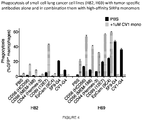
- To validate CD47 as a genuine therapeutic target on SCLC we performed in vitro phagocytosis assays using human macrophages and SCLC samples. Macrophages were co-cultured with SCLC cells in the presence of a vehicle control or anti-CD47 antibodies.
- NCI-H196 One cell line, NCI-H196, appeared to be resistant to phagocytosis, suggesting additional mechanisms modify the susceptibility of this cell line to macrophage attack.
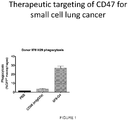
- the patient-derived xenograft H29 was also subjected to phagocytosis assays with human macrophages. Treatment of this sample with anti-CD47 antibodies also resulted in a significant increase in phagocytosis ( Figure 5G ).
- CD47-blocking Antibodies Inhibit Growth of SCLC Tumors in vivo.
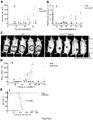
- NCI-H82 cells into the lower left flanks of NSG mice, which lack functional T cells, B cells, and NK cells but retain functional macrophages.
- Serum MCP-3 is a Biomarker of Response to CD47-blocking Therapies.
- To identify potential biomarkers of a response to CD47-blocking therapies we again engrafted mice with NCI-H82 cells. We allowed tumors to grow to approximately 1.5 cm in diameter and then we treated the mice with a single dose of vehicle control or anti-CD47 antibody clone Hu5F9-G4.
- MCP-3 may serve as a biomarker of response to CD47-blocking therapies in patients. Secretion of MCP-3 may be a positive feedback mechanism that recruits more macrophages to the tumor and could in part explain the robust effects of CD47-blocking therapies in vivo.
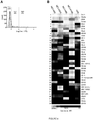
- CD47 was the most intensely staining surface antigen ( Figure 8B ).
- Another highly expressed antigen across all samples was CD56 (NCAM), a known marker of neuroendocrine tumors and a therapeutic target currently under evaluation for SCLC, thus validating our approach.
- NCAM CD56
- a number of other highly expressed surface antigens were also identified that could potentially be targeted by monoclonal antibody therapies, including CD24, CD29, and CD99 ( Figure 8B ).
- other immune checkpoint ligands such as CD80, CD86, PD-L1, or PD-L2 were not appreciably expressed on the surface of the SCLC samples.
- phagocytosis with Hu5F9-G4 was entirely blocked when combined with CV1, since CV1 competes for the same binding surface and binds with extremely high affinity.
- the anti-CD29 antibody was not able to induce phagocytosis even in combination with CV1, an important demonstration that additional factors such as surface binding geometry or the ability to engage Fc receptors may modify the response of macrophages to therapeutic antibodies.
- lorvotuzumab is under evaluation as a therapeutic agent for SCLC, we investigated its ability to induce phagocytosis over a varying range of concentrations. Treatment with lorvotuzumab alone produced a dose-response relationship for inducing macrophage phagocytosis. Importantly, we found that over each lorvotuzumab concentration tested, the addition of CV1 produced a greater degree of phagocytosis ( Figure 9C ). These findings demonstrate that CV1 could increase both the maximal efficacy and the potency of lorvotuzumab, as previously observed when CV1 was combined with rituximab, trastuzumab, and cetuximab.
- CD47-blockade was able to enhance the efficacy of lorvotuzumab, an antibody proceeding through clinical trials for SCLC as an antibody-drug conjugate (ADC) with the cytotoxic agent mertansine.
- ADC antibody-drug conjugate
- Combining therapeutic antibodies with CD47-blocking therapies represents an alternative method to enhance the efficacy of therapeutic antibodies.
- CV1 One benefit of CV1 over ADCs is that it can be combined with any antibody without further engineering. ADCs often rely on internalization to deliver their cytotoxic payload, and this dependency can limit efficacy and increase side effects. Since CD47 blockade stimulates macrophages to identify cells for removal, there may be an added layer of specificity conferred by cell-cell interactions than that achieved by ADCs. Nonetheless, it is likely that even lorvotuzumab-mertansine could benefit from combination with CV1 if the ability to engage Fc receptors is preserved.
- NCI-H82, NCI-524, NCI-H69, and NCI-1688 were obtained from ATCC. Cells were cultured in RPMI-1640 supplemented with 10% fetal bovine serum (Hyclone), 1x Glutamax (Invitrogen), and 100 U/mL penicillin and 100 ug/mL streptomycin (Invitrogen). Cell lines were grown in suspension (NCI-H82, NCI-524, NCI-H69) and dissociated by gentle pipetting or brief incubation with 1x TrypLE (Invitrogen). NCI-1688 cells were grown in adherent monolayers and or removed by brief incubation with 1x TrypLE. Cell lines were cultured in humidified incubators at 37°C with 5% carbon dioxide.
- Human macrophage differentiation Leukocyte reduction system chambers were obtained from anonymous blood donors at the Stanford Blood Center. Monocytes were purified on an AutoMACS (Miltenyi) using CD14+ microbeads or CD14+ whole blood microbeads (Miltenyi) according to the manufacturer's instructions. Purified CD14+ monocytes were plated on 15 cm tissue culture dishes at a density of 10 million monocytes per plate. Monocytes were differentiated to macrophages by culture in IMDM supplemented with 10% Human AB serum (Invitrogen), 1x GlutaMax (Invitrogen), and 100 U/mL penicillin and 100 ug/mL streptomycin for approximately 7-10 days.
- IMDM Human AB serum
- 1x GlutaMax Invitrogen
- In vitro phagocytosis assays were performed as previously described. Briefly, SCLC cancer cells were removed from plates and washed with serum-free IMDM. GFP-luciferase+ cells or cells labeled with calcein AM (Invitrogen) were used as target cells. Macrophages were washed twice with HBSS, then incubated with 1x TrypLE for approximately 20 minutes in humidified incubators at 37°C. Macrophages were removed from plates using cell lifters (Corning), then washed twice with serum-free IMDM. Phagocytosis reactions were carried out using 50,000 macrophages and 100,000 tumor cells.
- Phagocytosis was evaluated as the percentage of calcein-AM + macrophages using FlowJo v9.4.10 (Tree Star) and was normalized to the maximal response by each independent donor where indicated. Statistical significance was determined and data were fit to sigmoidal dose-response curves using Prism 5 (Graphpad).
- Additional reagents used in phagocytosis include the high-affinity SIRP ⁇ variant CV1 monomer, which was produced as previously described and used at a concentration of 1 ⁇ M for blocking.
- Antibodies to identified SCLC antigens were used in phagocytosis assays at a concentration of 10 ⁇ g/mL, including anti-CD56 (NCAM) clone HCD56 (BioLegend), anti-CD56 (NCAM) clone MEM-188 (BioLegend), anti-CD24 clone ML5 (Biolegend), anti-CD29 clone TS2/16 (BioLegend), anti-CD99 clone 12E7 (Abcam).
- lorvotuzumab was made recombinantly using the heavy and light chain variable region sequences available in the KEGG database (Drug: D09927). Lorvotuzumab variable regions were cloned into pFUSE-CHIg-hG1 and pFUSE2-CLIg-hK (Invivogen) for expression. Lorvotuzumab was produced recombinantly by transient transfection of 293F cells (Invitrogen) using 293fectin (Invitrogen), followed by purification over a HiTrap Protein A column (GE Healthcare). Purified antibody was eluted with 100 mM citrate buffer (pH 3.0) and neutralized with 1/10 th volume of Tris buffer (pH 8.0). Antibody was desalted using a PD-10 column (GE Healthcare).
- Sorting of macrophage populations after phagocytosis 2.5 million human macrophages were combined with 5 million GFP + NCI-H82 cells and 10 ⁇ g/mL anti-CD47 antibody (clone Hu5F9-G4) in serum-free medium and incubated for two hours. Macrophages were identified by staining with anti-CD45, and macrophages populations were sorted on a FACSAria II cell sorter (BD Biosciences). Cells from sorted populations were centrifuged onto microscope slides then stained with Modified Wright-Giemsa stain (Sigma-Aldrich) according to the manufacturer's instructions and imaged on a DM5500 B upright light microscope (Leica).
- mice Nod.Cg-Prkdc scid IL2rg tm1Wjl /SzJ (NSG) mice were used for all in vivo experiments. Mice were engrafted with tumors at approximately 6-10 weeks of age, and experiments were performed with age and sex-matched cohorts. Mice were maintained in a barrier facility under the care of the Stanford Veterinary Services Center and handled according to protocols approved by the Stanford University Administrative Panel on Laboratory Animal Care.
- NCI-H82 cells were subcutaneously engrafted into the flanks of NSG mice. Tumors were allowed to grow for 8 days, then mice were randomized into treatment groups with PBS or 250 ⁇ g anti-CD47 antibody (clone Hu5F9-G4). Treatment was administered every other day by intraperitoneal injection. Tumor growth was monitored by tumor dimension measurements that were used to calculate tumor volumes according to the ellipsoid formula ( ⁇ /6 ⁇ length ⁇ width 2 ).
- mice 3 ⁇ 10 6 GFP-luciferase + H29 cells were subcutaneously engrafted with 25% Matrigel (BD Biosciences) into the flanks of NSG mice. Tumors were allowed to grow for 15 days, then mice were randomized into treatment with into treatment groups with PBS or 250 ⁇ g anti-CD47 antibody (clone Hu5F9-G4). Treatment was administered every other day by intraperitoneal injection. Tumor growth was monitored by bioluminescence imaging and tumor volume measurements as described above. Statistical significance of tumor growth was determined by Mann-Whitney test. Survival was analyzed by Mantel-Cox test. Pilot in vivo experiments with H82 cells and H29 cells were performed with smaller cohorts of mice with similar results.
- Matrigel BD Biosciences
- Bioluminescence imaging Mice bearing GFP-luciferase+ tumors were imaged as previously described. Briefly, anesthetized mice were injected with 200 ⁇ L D-luciferin (firefly) potassium salt (Biosynth) reconstituted at 16.67 mg/mL in sterile PBS. Bioluminescence imaging was performed using an IVIS Spectrum (Caliper Life Sciences) over 20 minutes to record maximal radiance. Peak total flux values were assessed from the anatomical region of interest using Living Image 4.0 (Caliper Life Sciences) and were used for analysis.
- IVIS Spectrum Caliper Life Sciences
Landscapes
- Health & Medical Sciences (AREA)
- Life Sciences & Earth Sciences (AREA)
- Chemical & Material Sciences (AREA)
- Immunology (AREA)
- Medicinal Chemistry (AREA)
- Engineering & Computer Science (AREA)
- Bioinformatics & Cheminformatics (AREA)
- General Health & Medical Sciences (AREA)
- Organic Chemistry (AREA)
- Animal Behavior & Ethology (AREA)
- Public Health (AREA)
- Veterinary Medicine (AREA)
- Pharmacology & Pharmacy (AREA)
- Epidemiology (AREA)
- Proteomics, Peptides & Aminoacids (AREA)
- Cell Biology (AREA)
- Molecular Biology (AREA)
- Genetics & Genomics (AREA)
- Biochemistry (AREA)
- Biophysics (AREA)
- Gastroenterology & Hepatology (AREA)
- Zoology (AREA)
- Pulmonology (AREA)
- Oncology (AREA)
- Microbiology (AREA)
- Mycology (AREA)
- General Chemical & Material Sciences (AREA)
- Chemical Kinetics & Catalysis (AREA)
- Nuclear Medicine, Radiotherapy & Molecular Imaging (AREA)
- Reproductive Health (AREA)
- Marine Sciences & Fisheries (AREA)
- Biomedical Technology (AREA)
- Medicines Containing Antibodies Or Antigens For Use As Internal Diagnostic Agents (AREA)
- Peptides Or Proteins (AREA)
- Medicines That Contain Protein Lipid Enzymes And Other Medicines (AREA)
- Medicines Containing Material From Animals Or Micro-Organisms (AREA)
Applications Claiming Priority (3)
| Application Number | Priority Date | Filing Date | Title |
|---|---|---|---|
| US201461925143P | 2014-01-08 | 2014-01-08 | |
| EP15735468.9A EP3092006B1 (de) | 2014-01-08 | 2015-01-08 | Gezielte therapie für kleinzelligen lungenkrebs |
| PCT/US2015/010650 WO2015105995A2 (en) | 2014-01-08 | 2015-01-08 | Targeted therapy for small cell lung cancer |
Related Parent Applications (1)
| Application Number | Title | Priority Date | Filing Date |
|---|---|---|---|
| EP15735468.9A Division EP3092006B1 (de) | 2014-01-08 | 2015-01-08 | Gezielte therapie für kleinzelligen lungenkrebs |
Publications (3)
| Publication Number | Publication Date |
|---|---|
| EP3553087A1 true EP3553087A1 (de) | 2019-10-16 |
| EP3553087B1 EP3553087B1 (de) | 2025-01-01 |
| EP3553087C0 EP3553087C0 (de) | 2025-01-01 |
Family
ID=53524469
Family Applications (2)
| Application Number | Title | Priority Date | Filing Date |
|---|---|---|---|
| EP19163809.7A Active EP3553087B1 (de) | 2014-01-08 | 2015-01-08 | Gezielte therapie für lungenkrebs |
| EP15735468.9A Active EP3092006B1 (de) | 2014-01-08 | 2015-01-08 | Gezielte therapie für kleinzelligen lungenkrebs |
Family Applications After (1)
| Application Number | Title | Priority Date | Filing Date |
|---|---|---|---|
| EP15735468.9A Active EP3092006B1 (de) | 2014-01-08 | 2015-01-08 | Gezielte therapie für kleinzelligen lungenkrebs |
Country Status (10)
| Country | Link |
|---|---|
| US (2) | US11046763B2 (de) |
| EP (2) | EP3553087B1 (de) |
| JP (3) | JP6560682B2 (de) |
| CN (1) | CN106456748A (de) |
| AU (3) | AU2015204766B2 (de) |
| CA (1) | CA2935774C (de) |
| ES (2) | ES2728668T3 (de) |
| PL (1) | PL3553087T3 (de) |
| SG (1) | SG11201605585SA (de) |
| WO (1) | WO2015105995A2 (de) |
Families Citing this family (35)
| Publication number | Priority date | Publication date | Assignee | Title |
|---|---|---|---|---|
| AU2016209268B2 (en) | 2015-01-21 | 2021-04-29 | The Board Of Trustees Of The Leland Stanford Junior University | Macrophages eat cancer cells using their own calreticulin as a guide |
| WO2016138034A1 (en) | 2015-02-24 | 2016-09-01 | The Regents Of The University Of California | Binding-triggered transcriptional switches and methods of use thereof |
| ES2894335T5 (es) * | 2015-08-26 | 2024-06-27 | Univ Leland Stanford Junior | Reducción mejorada de células objetivo con bloqueo de CD47 y un agonista coestimulador inmune |
| CN108367073A (zh) | 2015-12-11 | 2018-08-03 | 小利兰·斯坦福大学托管委员会 | 以双重靶向cd47和egfr来治疗癌症 |
| CN107149682B (zh) * | 2016-03-04 | 2022-01-04 | 复旦大学 | 一种靶向cd47的免疫检查点抑制剂药物组合物及其制备方法 |
| US11472878B2 (en) * | 2016-04-15 | 2022-10-18 | The Board Of Trustees Of The Leland Stanford Junior University | Methods for determining and achieving therapeutically effective doses of anti-CD47 agents in treatment of cancer |
| US11400116B2 (en) | 2016-05-06 | 2022-08-02 | The Regents Of The University Of California | Systems and methods for targeting cancer cells |
| CA3040440C (en) * | 2016-07-15 | 2022-12-13 | Korea Institute Of Science And Technology | A novel nanocage and use thereof |
| WO2018014068A1 (en) * | 2016-07-19 | 2018-01-25 | Teva Pharmaceuticals Australia Pty Ltd | Attenuated type i ifn cd47 combination therapy |
| US11618784B2 (en) | 2016-07-19 | 2023-04-04 | Teva Pharmaceuticals Australia Pty Ltd. | Anti-CD47 combination therapy |
| KR102637610B1 (ko) | 2016-08-23 | 2024-02-19 | 더 리젠츠 오브 더 유니버시티 오브 캘리포니아 | 단백질용해 절단가능한 키메라 폴리펩타이드 및 이의 사용 방법 |
| JOP20190009A1 (ar) | 2016-09-21 | 2019-01-27 | Alx Oncology Inc | أجسام مضادة ضد بروتين ألفا منظم للإشارات وطرق استخدامها |
| PL3532497T3 (pl) | 2016-10-26 | 2024-11-04 | The Board Of Trustees Of The Leland Stanford Junior University | Zmodyfikowane regiony zawiasowe immunoglobuliny dla zmniejszania hemaglutynacji |
| WO2018089829A1 (en) | 2016-11-10 | 2018-05-17 | Fortis Therapeutics, Inc. | Cd46-specific effector cells and uses thereof |
| CA3055957A1 (en) | 2017-03-09 | 2018-09-13 | The Board Of Trustees Of The Leland Stanford Junior University | Treatment of pediatric brain tumors with targeting of cd47 pathway |
| US11401329B2 (en) | 2017-08-02 | 2022-08-02 | Phanes Therapeutics, Inc. | Anti-CD47 antibodies and uses thereof |
| CN109422811A (zh) | 2017-08-29 | 2019-03-05 | 信达生物制药(苏州)有限公司 | 抗cd47抗体及其用途 |
| CN107488231B (zh) * | 2017-09-15 | 2020-10-30 | 四川大学 | 抗cd56抗体及其用途 |
| TWI831759B (zh) | 2017-12-01 | 2024-02-11 | 美商思進公司 | Cd47抗體及其用於治療癌症之用途 |
| ES2927305T3 (es) * | 2018-02-12 | 2022-11-04 | Forty Seven Inc | Régimen contra el cáncer usando anticuerpos anti-CD47 y anti-CD20 |
| EP3768314A4 (de) | 2018-03-21 | 2022-01-05 | ALX Oncology Inc. | Antikörper gegen signalregulatorisches protein alpha und verfahren zur verwendung |
| CN110305212A (zh) | 2018-03-27 | 2019-10-08 | 信达生物制药(苏州)有限公司 | 抗cd47抗体及其用途 |
| MX2020011828A (es) | 2018-05-25 | 2021-02-09 | Alector Llc | Anticuerpos anti proteina alfa reguladora de se?ales (sirpa) y metodos de uso de los mismos. |
| EP3802599B1 (de) | 2018-06-03 | 2023-12-20 | LamKap Bio beta AG | Bispezifische antikörper gegen ceacam5 und cd47 |
| US20210213055A1 (en) * | 2018-06-13 | 2021-07-15 | The Board Of Trustees Of The Leland Stanford Junior University | Compositions and methods for inducing phagocytosis |
| TW202028237A (zh) | 2018-09-27 | 2020-08-01 | 美商西建公司 | SIRPα結合蛋白及其使用方法 |
| US11591390B2 (en) | 2018-09-27 | 2023-02-28 | Celgene Corporation | SIRP-α binding proteins and methods of use thereof |
| CN113631576A (zh) * | 2019-03-26 | 2021-11-09 | 四十七公司 | 用于治疗癌症的多特异性药剂 |
| BR112022004995A2 (pt) | 2019-09-18 | 2022-06-21 | Lamkap Bio Alpha AG | Anticorpos biespecíficos contra ceacam5 e cd3 |
| CN116171284A (zh) * | 2020-04-24 | 2023-05-26 | 维尔托索宾科公司 | 用于治疗cd47相关疾病的双特异性抗体 |
| AU2021320333A1 (en) | 2020-08-07 | 2023-03-30 | Fortis Therapeutics, Inc. | Immunoconjugates targeting CD46 and methods of use thereof |
| AU2022217072A1 (en) * | 2021-02-08 | 2023-10-05 | Antengene Biologics Limited | Novel anti-cd24 antibodies |
| EP4423130A1 (de) * | 2021-10-27 | 2024-09-04 | Virtuoso Binco, Inc. | Multispezifische antikörper zur behandlung von cd47-assoziierten erkrankungen |
| WO2023165602A1 (en) * | 2022-03-04 | 2023-09-07 | Zai Lab (Us) Llc | Combinational use of anti-cd47 antibody |
| WO2025264856A1 (en) * | 2024-06-19 | 2025-12-26 | Whitehead Institute For Biomedical Research | Antibody combinations for macrophage stimulation |
Citations (24)
| Publication number | Priority date | Publication date | Assignee | Title |
|---|---|---|---|---|
| US4429008A (en) | 1981-12-10 | 1984-01-31 | The Regents Of The University Of California | Thiol reactive liposomes |
| US4489710A (en) | 1981-06-23 | 1984-12-25 | Xoma Corporation | Composition and method for transplantation therapy |
| US4507234A (en) | 1982-12-24 | 1985-03-26 | Teijin Limited | Conjugate having cytotoxicity and process for the preparation thereof |
| US4569789A (en) | 1984-08-29 | 1986-02-11 | Dana-Farber Cancer Institute, Inc. | Acid-cleavable compound, use in protein conjugates and drug delivery systems |
| US4625014A (en) | 1984-07-10 | 1986-11-25 | Dana-Farber Cancer Institute, Inc. | Cell-delivery agent |
| US4638045A (en) | 1985-02-19 | 1987-01-20 | Massachusetts Institute Of Technology | Non-peptide polyamino acid bioerodible polymers |
| US4671958A (en) | 1982-03-09 | 1987-06-09 | Cytogen Corporation | Antibody conjugates for the delivery of compounds to target sites |
| US4699784A (en) | 1986-02-25 | 1987-10-13 | Center For Molecular Medicine & Immunology | Tumoricidal methotrexate-antibody conjugate |
| US4873088A (en) | 1983-09-06 | 1989-10-10 | Liposome Technology, Inc. | Liposome drug delivery method and composition |
| US5057313A (en) | 1986-02-25 | 1991-10-15 | The Center For Molecular Medicine And Immunology | Diagnostic and therapeutic antibody conjugates |
| US5156840A (en) | 1982-03-09 | 1992-10-20 | Cytogen Corporation | Amine-containing porphyrin derivatives |
| US5624659A (en) | 1993-03-19 | 1997-04-29 | Duke University | Method of treating brain tumors expressing tenascin |
| US5798229A (en) | 1993-08-02 | 1998-08-25 | Merck Patent Gesellschaft Mit Beschrankter Haftung | Bispecific molecules recognizing lymphocyte antigen CD2 and tumor antigens |
| US5945098A (en) | 1990-02-01 | 1999-08-31 | Baxter International Inc. | Stable intravenously-administrable immune globulin preparation |
| US5985660A (en) | 1994-06-15 | 1999-11-16 | Systemix, Inc. | Method of identifying biological response modifiers involved in dendritic and/or lymphoid progenitor cell proliferation and/or differentiation |
| US5989830A (en) | 1995-10-16 | 1999-11-23 | Unilever Patent Holdings Bv | Bifunctional or bivalent antibody fragment analogue |
| US6147203A (en) | 1993-06-14 | 2000-11-14 | The United States Of America As Represented By The Department Of Health And Human Services | Recombinant disulfide-stabilized polypeptide fragments having binding specificity |
| US6150584A (en) | 1990-01-12 | 2000-11-21 | Abgenix, Inc. | Human antibodies derived from immunized xenomice |
| US6162963A (en) | 1990-01-12 | 2000-12-19 | Abgenix, Inc. | Generation of Xenogenetic antibodies |
| US6174708B1 (en) | 1995-12-04 | 2001-01-16 | Pasteur Merieux Serums & Vaccins | Preparation of a multicombinatorial library of antibody gene expression vectors |
| US6187287B1 (en) | 1994-08-12 | 2001-02-13 | Immunomedics, Inc. | Immunoconjugates and humanized antibodies specific for B-cell lymphoma and leukemia cells |
| EP2111869A1 (de) * | 2008-04-23 | 2009-10-28 | Stichting Sanquin Bloedvoorziening | Zusammensetzungen und Verfahren zur Stärkung des Immunsystems |
| US20100239579A1 (en) | 2006-05-15 | 2010-09-23 | Viral Logic Systems Technology Corp. | CD47 Related Compositions and Methods for Treating Immunological Diseases and Disorders |
| WO2011143624A2 (en) | 2010-05-14 | 2011-11-17 | The Board Of Trustees Of The Leland Stanford Junior University | Humanized and chimeric monoclonal antibodies to cd47 |
Family Cites Families (21)
| Publication number | Priority date | Publication date | Assignee | Title |
|---|---|---|---|---|
| US20040097448A1 (en) * | 2002-11-19 | 2004-05-20 | Isis Pharmaceuticals Inc. | Modulation of CD24 expression |
| US20090047213A1 (en) * | 2003-04-14 | 2009-02-19 | Young David S F | Cytotoxicity mediation of cells evidencing surface expression of CD59 |
| US20040213792A1 (en) | 2003-04-24 | 2004-10-28 | Clemmons David R. | Method for inhibiting cellular activation by insulin-like growth factor-1 |
| US20050180979A1 (en) * | 2004-02-13 | 2005-08-18 | Micromet Ag | Anti-EpCAM immunoglobulins |
| JP2007008895A (ja) * | 2005-07-04 | 2007-01-18 | Chugai Pharmaceut Co Ltd | 抗cd47抗体とインテグリンリガンドとの併用 |
| US20070244046A1 (en) * | 2006-03-29 | 2007-10-18 | Margarita Gutova | Identification and characterization of cancer stem cells and methods of use |
| KR20080002341A (ko) | 2006-06-30 | 2008-01-04 | 재단법인서울대학교산학협력재단 | Cd24를 표적으로 하는 암 억제방법 |
| CA2669520C (en) | 2006-11-13 | 2016-07-26 | The Medical Research, Infrastructure, And Health Services Fund Of The Tel Aviv Medical Center | Methods of treating cancer using sirna molecules directed against cd24 |
| PT2242512T (pt) * | 2008-01-15 | 2016-07-18 | Univ Leland Stanford Junior | Métodos para manipular a fagocitose mediada por cd47 |
| CA3108119C (en) | 2008-01-15 | 2024-01-16 | The Board Of Trustees Of The Leland Stanford Junior University | Markers of acute myeloid leukemia stem cells |
| JP2011524421A (ja) | 2008-06-16 | 2011-09-01 | イミュノジェン・インコーポレーテッド | 新規の相乗効果 |
| CN102257001A (zh) * | 2008-12-19 | 2011-11-23 | 诺瓦提斯公司 | 治疗自体免疫和炎性病症的可溶性多肽 |
| SG168430A1 (en) | 2009-07-22 | 2011-02-28 | Agency Science Tech & Res | Molecular signature of human lung cancer initiating cells |
| BRPI1013990A2 (pt) * | 2009-05-06 | 2019-04-30 | Biotest Ag | método para tratar uma doença , e, combinação anticâncer |
| US8758750B2 (en) * | 2009-09-15 | 2014-06-24 | The Board Of Trustees Of The Leland Stanford Junior University | Synergistic anti-CD47 therapy for hematologic cancers |
| SG10201405434VA (en) * | 2009-09-18 | 2014-10-30 | Amgen Res Munich Gmbh | Dosage regimen for administering an epcamxcd3 bispecific antibody |
| CA2775806A1 (en) | 2009-10-21 | 2011-04-28 | Immunogen, Inc. | Novel dosing regimen and method of treatment |
| US20110165161A1 (en) | 2009-12-23 | 2011-07-07 | Shih-Yao Lin | Anti-epcam antibodies that induce apoptosis of cancer cells and methods using same |
| EP2617730B1 (de) | 2010-09-17 | 2018-03-07 | National Institute of Advanced Industrial Science And Technology | Lungenkrebs-differenzialmarker |
| CN107080847A (zh) * | 2011-06-24 | 2017-08-22 | 森彻斯有限公司 | 细胞外靶向药物缀合物 |
| EA034778B1 (ru) | 2012-02-06 | 2020-03-19 | Инхибркс, Инк. | Антитела к cd47 и способы их применения |
-
2015
- 2015-01-08 AU AU2015204766A patent/AU2015204766B2/en active Active
- 2015-01-08 EP EP19163809.7A patent/EP3553087B1/de active Active
- 2015-01-08 JP JP2016543230A patent/JP6560682B2/ja active Active
- 2015-01-08 WO PCT/US2015/010650 patent/WO2015105995A2/en not_active Ceased
- 2015-01-08 PL PL19163809.7T patent/PL3553087T3/pl unknown
- 2015-01-08 SG SG11201605585SA patent/SG11201605585SA/en unknown
- 2015-01-08 ES ES15735468T patent/ES2728668T3/es active Active
- 2015-01-08 CN CN201580012596.XA patent/CN106456748A/zh active Pending
- 2015-01-08 ES ES19163809T patent/ES3012974T3/es active Active
- 2015-01-08 CA CA2935774A patent/CA2935774C/en active Active
- 2015-01-08 US US15/107,852 patent/US11046763B2/en active Active
- 2015-01-08 EP EP15735468.9A patent/EP3092006B1/de active Active
-
2019
- 2019-07-19 JP JP2019133213A patent/JP7316862B2/ja active Active
-
2020
- 2020-11-05 AU AU2020264334A patent/AU2020264334B2/en active Active
-
2021
- 2021-05-21 US US17/327,363 patent/US20210277115A1/en active Pending
- 2021-10-01 JP JP2021162482A patent/JP7716299B2/ja active Active
-
2024
- 2024-09-12 AU AU2024219648A patent/AU2024219648A1/en active Pending
Patent Citations (25)
| Publication number | Priority date | Publication date | Assignee | Title |
|---|---|---|---|---|
| US4489710A (en) | 1981-06-23 | 1984-12-25 | Xoma Corporation | Composition and method for transplantation therapy |
| US4429008A (en) | 1981-12-10 | 1984-01-31 | The Regents Of The University Of California | Thiol reactive liposomes |
| US4429008B1 (en) | 1981-12-10 | 1995-05-16 | Univ California | Thiol reactive liposomes |
| US4671958A (en) | 1982-03-09 | 1987-06-09 | Cytogen Corporation | Antibody conjugates for the delivery of compounds to target sites |
| US5156840A (en) | 1982-03-09 | 1992-10-20 | Cytogen Corporation | Amine-containing porphyrin derivatives |
| US4507234A (en) | 1982-12-24 | 1985-03-26 | Teijin Limited | Conjugate having cytotoxicity and process for the preparation thereof |
| US4873088A (en) | 1983-09-06 | 1989-10-10 | Liposome Technology, Inc. | Liposome drug delivery method and composition |
| US4625014A (en) | 1984-07-10 | 1986-11-25 | Dana-Farber Cancer Institute, Inc. | Cell-delivery agent |
| US4569789A (en) | 1984-08-29 | 1986-02-11 | Dana-Farber Cancer Institute, Inc. | Acid-cleavable compound, use in protein conjugates and drug delivery systems |
| US4638045A (en) | 1985-02-19 | 1987-01-20 | Massachusetts Institute Of Technology | Non-peptide polyamino acid bioerodible polymers |
| US4699784A (en) | 1986-02-25 | 1987-10-13 | Center For Molecular Medicine & Immunology | Tumoricidal methotrexate-antibody conjugate |
| US5057313A (en) | 1986-02-25 | 1991-10-15 | The Center For Molecular Medicine And Immunology | Diagnostic and therapeutic antibody conjugates |
| US6150584A (en) | 1990-01-12 | 2000-11-21 | Abgenix, Inc. | Human antibodies derived from immunized xenomice |
| US6162963A (en) | 1990-01-12 | 2000-12-19 | Abgenix, Inc. | Generation of Xenogenetic antibodies |
| US5945098A (en) | 1990-02-01 | 1999-08-31 | Baxter International Inc. | Stable intravenously-administrable immune globulin preparation |
| US5624659A (en) | 1993-03-19 | 1997-04-29 | Duke University | Method of treating brain tumors expressing tenascin |
| US6147203A (en) | 1993-06-14 | 2000-11-14 | The United States Of America As Represented By The Department Of Health And Human Services | Recombinant disulfide-stabilized polypeptide fragments having binding specificity |
| US5798229A (en) | 1993-08-02 | 1998-08-25 | Merck Patent Gesellschaft Mit Beschrankter Haftung | Bispecific molecules recognizing lymphocyte antigen CD2 and tumor antigens |
| US5985660A (en) | 1994-06-15 | 1999-11-16 | Systemix, Inc. | Method of identifying biological response modifiers involved in dendritic and/or lymphoid progenitor cell proliferation and/or differentiation |
| US6187287B1 (en) | 1994-08-12 | 2001-02-13 | Immunomedics, Inc. | Immunoconjugates and humanized antibodies specific for B-cell lymphoma and leukemia cells |
| US5989830A (en) | 1995-10-16 | 1999-11-23 | Unilever Patent Holdings Bv | Bifunctional or bivalent antibody fragment analogue |
| US6174708B1 (en) | 1995-12-04 | 2001-01-16 | Pasteur Merieux Serums & Vaccins | Preparation of a multicombinatorial library of antibody gene expression vectors |
| US20100239579A1 (en) | 2006-05-15 | 2010-09-23 | Viral Logic Systems Technology Corp. | CD47 Related Compositions and Methods for Treating Immunological Diseases and Disorders |
| EP2111869A1 (de) * | 2008-04-23 | 2009-10-28 | Stichting Sanquin Bloedvoorziening | Zusammensetzungen und Verfahren zur Stärkung des Immunsystems |
| WO2011143624A2 (en) | 2010-05-14 | 2011-11-17 | The Board Of Trustees Of The Leland Stanford Junior University | Humanized and chimeric monoclonal antibodies to cd47 |
Non-Patent Citations (23)
| Title |
|---|
| ALBLAS JACQUELINE ET AL: "Signal regulatory protein alpha ligation induces macrophage nitric oxide production through JAK/STAT- and phosphatidylinositol 3-kinase/Rac1/NAPDH oxidase/H2O2-dependent pathwayst", MOLECULAR AND CELLULAR BIOLOGY, vol. 25, no. 16, August 2005 (2005-08-01), pages 7181 - 7192, XP002769490, ISSN: 0270-7306 * |
| BIRD ET AL., SCIENCE, vol. 242, 1988, pages 423 426 |
| CHAO MARK P ET AL: "Anti-CD47 antibody synergizes with rituximab to promote phagocytosis and eradicate non-Hodgk in lymphoma.", CELL, vol. 142, no. 5, 3 September 2010 (2010-09-03), pages 699 - 713, XP002769488, ISSN: 1097-4172 * |
| CHAO MP; ALIZADEH AA; TANG C; MYKLEBUST JH; VARGHESE B; GILL S ET AL.: "Anti-CD47 antibody synergizes with rituximab to promote phagocytosis and eradicate non-Hodgkin lymphoma", CELL, vol. 142, pages 699 - 713, XP009160294, DOI: doi:10.1016/j.cell.2010.07.044 |
| E C PIETSCH ET AL: "Anti-leukemic activity and tolerability of anti-human CD47 monoclonal antibodies", BLOOD CANCER JOURNAL, vol. 7, no. 2, 24 February 2017 (2017-02-24), pages e536, XP055395279, DOI: 10.1038/bcj.2017.7 * |
| EDRIS BADREDDIN ET AL: "Antibody therapy targeting the CD47 protein is effective in a model of aggressive metastatic leiomyosarcoma.", PROCEEDINGS OF THE NATIONAL ACADEMY OF SCIENCES OF THE UNITED STATES OF AMERICA, vol. 109, no. 17, 24 April 2012 (2012-04-24), pages 6656 - 6661, XP002769485, ISSN: 1091-6490 * |
| HARLOW; LANE: "Antibodies: A Laboratory Manual", 1988, COLD SPRING HARBOR LABORATORY |
| HOLLIGER; HUDSON, NATURE BIOTECHNOLOGY, vol. 23, 2005, pages 1126 - 1136 |
| HUSTON ET AL., PROC. NATL. ACAD, SCI. USA, vol. 85, 1988, pages 5879 5883 |
| JAISWAL S; JAMIESON CH; PANG WW; PARK CY; CHAO MP; MAJETI R ET AL.: "CD47 is upregulated on circulating hematopoietic stem cells and leukemia cells to avoid phagocytosis", CELL, vol. 138, 2009, pages 271 - 85, XP009160236, DOI: doi:10.1016/j.cell.2009.05.046 |
| MAJETI R; CHAO MP; ALIZADEH AA; PANG WW; JAISWAL S; GIBBS KD, JR. ET AL.: "CD47 is an adverse prognostic factor and therapeutic antibody target on human acute myeloid leukemia stem cells", CELL., vol. 138, 2009, pages 286 - 99, XP055277135, DOI: doi:10.1016/j.cell.2009.05.045 |
| MALONEY DG; GRILLO-LOPEZ AJ; WHITE CA; BODKIN D; SCHILDER RJ; NEIDHART JA ET AL.: "IDEC-C2B8 (Rituximab) anti-CD20 monoclonal antibody therapy in patients with relapsed low-grade non-Hodgkin's lymphoma", BLOOD, vol. 90, 1997, pages 2188 - 95 |
| MANNA; FRAZIER, CANCER RESEARCH, vol. 64, 1 February 2004 (2004-02-01), pages 1026 - 1036 |
| MAXHIMER JUSTIN B ET AL: "Radioprotection in normal tissue and delayed tumor growth by blockade of CD47 signaling.", SCIENCE TRANSLATIONAL MEDICINE, vol. 1, no. 3, 3RA7, 21 October 2009 (2009-10-21), pages 1 - 10, XP002769487, ISSN: 1946-6242, DOI: 10.1126/scitranslmed.3000139 * |
| MORRISON ET AL., CELL, vol. 96, 1999, pages 737 - 49 |
| SHULTZ LD; LYONS BL; BURZENSKI LM; GOTT B; CHEN X; CHALEFF S ET AL.: "Human lymphoid and myeloid cell development in NOD/LtSz-scid IL2R gamma null mice engrafted with mobilized human hemopoietic stem cells", JOURNAL OF IMMUNOLOGY, vol. 174, 2005, pages 6477 - 89, XP008164911, DOI: doi:10.4049/jimmunol.174.10.6477 |
| VAN CUTSEM E; KOHNE CH; HITRE E; ZALUSKI J; CHANG CHIEN CR; MAKHSON A ET AL.: "Cetuximab and chemotherapy as initial treatment for metastatic colorectal cancer", N ENGL J MED., vol. 360, 2009, pages 1408 - 17, XP055013583, DOI: doi:10.1056/NEJMoa0805019 |
| VOGEL CL; COBLEIGH MA; TRIPATHY D; GUTHEIL JC; HARRIS LN; FEHRENBACHER L ET AL.: "Efficacy and safety of trastuzumab as a single agent in first-line treatment of HER2-overexpressing metastatic breast cancer", J CLIN ONCOL., vol. 20, 2002, pages 719 - 26, XP009069447, DOI: doi:10.1200/JCO.20.3.719 |
| WANG YUHUA ET AL: "Intravenous delivery of siRNA targeting CD47 effectively inhibits melanoma tumor growth and lung metastasis.", MOLECULAR THERAPY : THE JOURNAL OF THE AMERICAN SOCIETY OF GENE THERAPY, vol. 21, no. 10, October 2013 (2013-10-01), pages 1919 - 1929, XP002769486, ISSN: 1525-0024 * |
| WEISKOPF K; RING AM; HO CC; VOLKMER JP; LEVIN AM; VOLKMER AK ET AL.: "Engineered SIRPalpha Variants as Immunotherapeutic Adjuvants to Anticancer Antibodies", SCIENCE, 2013 |
| WEISKOPF KIPP ET AL: "Engineered SIRP alpha Variants as Immunotherapeutic Adjuvants to Anticancer Antibodies", SCIENCE (WASHINGTON D C), vol. 341, no. 6141, July 2013 (2013-07-01), pages 88 - 91, XP002769489 * |
| WILLINGHAM SB; VOLKMER JP; GENTLES AJ; SAHOO D; DALERBA P; MITRA SS ET AL.: "The CD47-signal regulatory protein alpha (SIRPa) interaction is a therapeutic target for human solid tumors", PROC NATL ACAD SCI U S A., vol. 109, pages 6662 - 7, XP055302774, DOI: doi:10.1073/pnas.1121623109 |
| WILLINGHAM SB; VOLKMER JP; GENTLES AJ; SAHOO D; DALERBA P; MITRA SS ET AL.: "The CD47-signal regulatory protein alpha (SIRPa) interaction is a therapeutic target for human solid tumors", PROCEEDINGS OF THE NATIONAL ACADEMY OF SCIENCES OF THE UNITED STATES OF AMERICA, vol. 109, 2012, pages 6662 - 7, XP055302774, DOI: doi:10.1073/pnas.1121623109 |
Also Published As
| Publication number | Publication date |
|---|---|
| EP3553087B1 (de) | 2025-01-01 |
| US11046763B2 (en) | 2021-06-29 |
| US20160333093A1 (en) | 2016-11-17 |
| AU2015204766B2 (en) | 2020-08-13 |
| JP2019196383A (ja) | 2019-11-14 |
| CA2935774A1 (en) | 2015-07-16 |
| WO2015105995A3 (en) | 2015-11-12 |
| JP7316862B2 (ja) | 2023-07-28 |
| AU2024219648A1 (en) | 2024-10-03 |
| EP3092006A4 (de) | 2017-09-20 |
| CA2935774C (en) | 2023-06-27 |
| EP3092006A2 (de) | 2016-11-16 |
| JP6560682B2 (ja) | 2019-08-14 |
| WO2015105995A2 (en) | 2015-07-16 |
| US20210277115A1 (en) | 2021-09-09 |
| EP3553087C0 (de) | 2025-01-01 |
| ES3012974T3 (en) | 2025-04-10 |
| ES2728668T3 (es) | 2019-10-28 |
| EP3092006B1 (de) | 2019-03-20 |
| JP7716299B2 (ja) | 2025-07-31 |
| AU2020264334B2 (en) | 2024-06-13 |
| JP2021193150A (ja) | 2021-12-23 |
| CN106456748A (zh) | 2017-02-22 |
| SG11201605585SA (en) | 2016-08-30 |
| JP2017502048A (ja) | 2017-01-19 |
| AU2020264334A1 (en) | 2020-11-26 |
| PL3553087T3 (pl) | 2025-04-28 |
| AU2015204766A1 (en) | 2016-07-14 |
Similar Documents
| Publication | Publication Date | Title |
|---|---|---|
| AU2020264334B2 (en) | Targeted therapy for small cell lung cancer | |
| US12162950B2 (en) | Antibodies and vaccines for use in treating ROR1 cancers and inhibiting metastasis | |
| CA2771336C (en) | Synergistic anti-cd47 therapy for hematologic cancers | |
| AU2024203396A1 (en) | Methods for determining and achieving therapeutically effective doses of anti-CD47 agents in treatment of cancer | |
| JP2017535246A (ja) | 新規の抗mfi2抗体および使用方法 | |
| JP2019506136A (ja) | 新規抗emr2抗体及び使用方法 | |
| WO2016127220A1 (en) | Methods for classifying tumors and uses therefor | |
| JP2019511199A (ja) | 新規の抗upk1b抗体及び使用方法 | |
| TW201725217A (zh) | 新穎抗-tnfsf9抗體及使用方法 | |
| Schuurmans et al. | In-vivo analysis determining neuroblastoma targeting potential of aGD2-SIRPα fusion antibodies for local CD47 blockade | |
| HK40088027A (en) | Synergistic anti-cd47 therapy for hematologic cancers | |
| HK40107887A (en) | Methods for determining and achieving therapeutically effective doses of anti-cd47 agents in treatment of cancer | |
| HK40080891A (en) | Methods for determining and achieving therapeutically effective doses of anti-cd47 agents in treatment of cancer |
Legal Events
| Date | Code | Title | Description |
|---|---|---|---|
| PUAI | Public reference made under article 153(3) epc to a published international application that has entered the european phase |
Free format text: ORIGINAL CODE: 0009012 |
|
| STAA | Information on the status of an ep patent application or granted ep patent |
Free format text: STATUS: THE APPLICATION HAS BEEN PUBLISHED |
|
| AC | Divisional application: reference to earlier application |
Ref document number: 3092006 Country of ref document: EP Kind code of ref document: P |
|
| AK | Designated contracting states |
Kind code of ref document: A1 Designated state(s): AL AT BE BG CH CY CZ DE DK EE ES FI FR GB GR HR HU IE IS IT LI LT LU LV MC MK MT NL NO PL PT RO RS SE SI SK SM TR |
|
| STAA | Information on the status of an ep patent application or granted ep patent |
Free format text: STATUS: REQUEST FOR EXAMINATION WAS MADE |
|
| 17P | Request for examination filed |
Effective date: 20200417 |
|
| RBV | Designated contracting states (corrected) |
Designated state(s): AL AT BE BG CH CY CZ DE DK EE ES FI FR GB GR HR HU IE IS IT LI LT LU LV MC MK MT NL NO PL PT RO RS SE SI SK SM TR |
|
| STAA | Information on the status of an ep patent application or granted ep patent |
Free format text: STATUS: EXAMINATION IS IN PROGRESS |
|
| 17Q | First examination report despatched |
Effective date: 20200929 |
|
| GRAP | Despatch of communication of intention to grant a patent |
Free format text: ORIGINAL CODE: EPIDOSNIGR1 |
|
| STAA | Information on the status of an ep patent application or granted ep patent |
Free format text: STATUS: GRANT OF PATENT IS INTENDED |
|
| INTG | Intention to grant announced |
Effective date: 20240802 |
|
| GRAS | Grant fee paid |
Free format text: ORIGINAL CODE: EPIDOSNIGR3 |
|
| GRAA | (expected) grant |
Free format text: ORIGINAL CODE: 0009210 |
|
| STAA | Information on the status of an ep patent application or granted ep patent |
Free format text: STATUS: THE PATENT HAS BEEN GRANTED |
|
| AC | Divisional application: reference to earlier application |
Ref document number: 3092006 Country of ref document: EP Kind code of ref document: P |
|
| AK | Designated contracting states |
Kind code of ref document: B1 Designated state(s): AL AT BE BG CH CY CZ DE DK EE ES FI FR GB GR HR HU IE IS IT LI LT LU LV MC MK MT NL NO PL PT RO RS SE SI SK SM TR |
|
| REG | Reference to a national code |
Ref country code: GB Ref legal event code: FG4D |
|
| REG | Reference to a national code |
Ref country code: CH Ref legal event code: EP |
|
| REG | Reference to a national code |
Ref country code: DE Ref legal event code: R096 Ref document number: 602015090792 Country of ref document: DE |
|
| REG | Reference to a national code |
Ref country code: IE Ref legal event code: FG4D |
|
| U01 | Request for unitary effect filed |
Effective date: 20250130 |
|
| U07 | Unitary effect registered |
Designated state(s): AT BE BG DE DK EE FI FR IT LT LU LV MT NL PT RO SE SI Effective date: 20250206 |
|
| U20 | Renewal fee for the european patent with unitary effect paid |
Year of fee payment: 11 Effective date: 20250207 |
|
| REG | Reference to a national code |
Ref country code: ES Ref legal event code: FG2A Ref document number: 3012974 Country of ref document: ES Kind code of ref document: T3 Effective date: 20250410 |
|
| PGFP | Annual fee paid to national office [announced via postgrant information from national office to epo] |
Ref country code: ES Payment date: 20250204 Year of fee payment: 11 |
|
| PGFP | Annual fee paid to national office [announced via postgrant information from national office to epo] |
Ref country code: IE Payment date: 20250102 Year of fee payment: 11 |
|
| PGFP | Annual fee paid to national office [announced via postgrant information from national office to epo] |
Ref country code: NO Payment date: 20250108 Year of fee payment: 11 |
|
| PGFP | Annual fee paid to national office [announced via postgrant information from national office to epo] |
Ref country code: GR Payment date: 20250320 Year of fee payment: 11 Ref country code: CH Payment date: 20250201 Year of fee payment: 11 |
|
| PGFP | Annual fee paid to national office [announced via postgrant information from national office to epo] |
Ref country code: GB Payment date: 20250102 Year of fee payment: 11 |
|
| REG | Reference to a national code |
Ref country code: GR Ref legal event code: EP Ref document number: 20250400543 Country of ref document: GR Effective date: 20250409 |
|
| PGFP | Annual fee paid to national office [announced via postgrant information from national office to epo] |
Ref country code: TR Payment date: 20250108 Year of fee payment: 11 |
|
| REG | Reference to a national code |
Ref country code: SK Ref legal event code: T3 Ref document number: E 46115 Country of ref document: SK |
|
| PGFP | Annual fee paid to national office [announced via postgrant information from national office to epo] |
Ref country code: PL Payment date: 20250109 Year of fee payment: 11 |
|
| PG25 | Lapsed in a contracting state [announced via postgrant information from national office to epo] |
Ref country code: IS Free format text: LAPSE BECAUSE OF FAILURE TO SUBMIT A TRANSLATION OF THE DESCRIPTION OR TO PAY THE FEE WITHIN THE PRESCRIBED TIME-LIMIT Effective date: 20250501 |
|
| PG25 | Lapsed in a contracting state [announced via postgrant information from national office to epo] |
Ref country code: HR Free format text: LAPSE BECAUSE OF FAILURE TO SUBMIT A TRANSLATION OF THE DESCRIPTION OR TO PAY THE FEE WITHIN THE PRESCRIBED TIME-LIMIT Effective date: 20250101 |
|
| PGFP | Annual fee paid to national office [announced via postgrant information from national office to epo] |
Ref country code: SK Payment date: 20250103 Year of fee payment: 11 |
|
| PGFP | Annual fee paid to national office [announced via postgrant information from national office to epo] |
Ref country code: CZ Payment date: 20250103 Year of fee payment: 11 |
|
| PG25 | Lapsed in a contracting state [announced via postgrant information from national office to epo] |
Ref country code: SM Free format text: LAPSE BECAUSE OF FAILURE TO SUBMIT A TRANSLATION OF THE DESCRIPTION OR TO PAY THE FEE WITHIN THE PRESCRIBED TIME-LIMIT Effective date: 20250101 |
|
| PG25 | Lapsed in a contracting state [announced via postgrant information from national office to epo] |
Ref country code: MC Free format text: LAPSE BECAUSE OF FAILURE TO SUBMIT A TRANSLATION OF THE DESCRIPTION OR TO PAY THE FEE WITHIN THE PRESCRIBED TIME-LIMIT Effective date: 20250101 |
|
| PLBE | No opposition filed within time limit |
Free format text: ORIGINAL CODE: 0009261 |
|
| STAA | Information on the status of an ep patent application or granted ep patent |
Free format text: STATUS: NO OPPOSITION FILED WITHIN TIME LIMIT |
|
| 26N | No opposition filed |
Effective date: 20251002 |