EP3540844B1 - Batterieverwaltungsvorrichtung und batteriepack damit - Google Patents
Batterieverwaltungsvorrichtung und batteriepack damit Download PDFInfo
- Publication number
- EP3540844B1 EP3540844B1 EP18842326.3A EP18842326A EP3540844B1 EP 3540844 B1 EP3540844 B1 EP 3540844B1 EP 18842326 A EP18842326 A EP 18842326A EP 3540844 B1 EP3540844 B1 EP 3540844B1
- Authority
- EP
- European Patent Office
- Prior art keywords
- slave
- battery
- information
- operation order
- charge amount
- Prior art date
- Legal status (The legal status is an assumption and is not a legal conclusion. Google has not performed a legal analysis and makes no representation as to the accuracy of the status listed.)
- Active
Links
Images



Classifications
-
- H—ELECTRICITY
- H01—ELECTRIC ELEMENTS
- H01M—PROCESSES OR MEANS, e.g. BATTERIES, FOR THE DIRECT CONVERSION OF CHEMICAL ENERGY INTO ELECTRICAL ENERGY
- H01M10/00—Secondary cells; Manufacture thereof
- H01M10/42—Methods or arrangements for servicing or maintenance of secondary cells or secondary half-cells
- H01M10/425—Structural combination with electronic components, e.g. electronic circuits integrated to the outside of the casing
-
- H—ELECTRICITY
- H01—ELECTRIC ELEMENTS
- H01M—PROCESSES OR MEANS, e.g. BATTERIES, FOR THE DIRECT CONVERSION OF CHEMICAL ENERGY INTO ELECTRICAL ENERGY
- H01M10/00—Secondary cells; Manufacture thereof
- H01M10/42—Methods or arrangements for servicing or maintenance of secondary cells or secondary half-cells
-
- H—ELECTRICITY
- H01—ELECTRIC ELEMENTS
- H01M—PROCESSES OR MEANS, e.g. BATTERIES, FOR THE DIRECT CONVERSION OF CHEMICAL ENERGY INTO ELECTRICAL ENERGY
- H01M10/00—Secondary cells; Manufacture thereof
- H01M10/42—Methods or arrangements for servicing or maintenance of secondary cells or secondary half-cells
- H01M10/44—Methods for charging or discharging
-
- H—ELECTRICITY
- H01—ELECTRIC ELEMENTS
- H01M—PROCESSES OR MEANS, e.g. BATTERIES, FOR THE DIRECT CONVERSION OF CHEMICAL ENERGY INTO ELECTRICAL ENERGY
- H01M10/00—Secondary cells; Manufacture thereof
- H01M10/42—Methods or arrangements for servicing or maintenance of secondary cells or secondary half-cells
- H01M10/44—Methods for charging or discharging
- H01M10/441—Methods for charging or discharging for several batteries or cells simultaneously or sequentially
-
- H—ELECTRICITY
- H01—ELECTRIC ELEMENTS
- H01M—PROCESSES OR MEANS, e.g. BATTERIES, FOR THE DIRECT CONVERSION OF CHEMICAL ENERGY INTO ELECTRICAL ENERGY
- H01M10/00—Secondary cells; Manufacture thereof
- H01M10/42—Methods or arrangements for servicing or maintenance of secondary cells or secondary half-cells
- H01M10/44—Methods for charging or discharging
- H01M10/443—Methods for charging or discharging in response to temperature
-
- H—ELECTRICITY
- H01—ELECTRIC ELEMENTS
- H01M—PROCESSES OR MEANS, e.g. BATTERIES, FOR THE DIRECT CONVERSION OF CHEMICAL ENERGY INTO ELECTRICAL ENERGY
- H01M10/00—Secondary cells; Manufacture thereof
- H01M10/42—Methods or arrangements for servicing or maintenance of secondary cells or secondary half-cells
- H01M10/48—Accumulators combined with arrangements for measuring, testing or indicating the condition of cells, e.g. the level or density of the electrolyte
-
- H—ELECTRICITY
- H01—ELECTRIC ELEMENTS
- H01M—PROCESSES OR MEANS, e.g. BATTERIES, FOR THE DIRECT CONVERSION OF CHEMICAL ENERGY INTO ELECTRICAL ENERGY
- H01M10/00—Secondary cells; Manufacture thereof
- H01M10/42—Methods or arrangements for servicing or maintenance of secondary cells or secondary half-cells
- H01M10/48—Accumulators combined with arrangements for measuring, testing or indicating the condition of cells, e.g. the level or density of the electrolyte
- H01M10/482—Accumulators combined with arrangements for measuring, testing or indicating the condition of cells, e.g. the level or density of the electrolyte for several batteries or cells simultaneously or sequentially
-
- H—ELECTRICITY
- H01—ELECTRIC ELEMENTS
- H01M—PROCESSES OR MEANS, e.g. BATTERIES, FOR THE DIRECT CONVERSION OF CHEMICAL ENERGY INTO ELECTRICAL ENERGY
- H01M10/00—Secondary cells; Manufacture thereof
- H01M10/42—Methods or arrangements for servicing or maintenance of secondary cells or secondary half-cells
- H01M10/48—Accumulators combined with arrangements for measuring, testing or indicating the condition of cells, e.g. the level or density of the electrolyte
- H01M10/486—Accumulators combined with arrangements for measuring, testing or indicating the condition of cells, e.g. the level or density of the electrolyte for measuring temperature
-
- H—ELECTRICITY
- H01—ELECTRIC ELEMENTS
- H01M—PROCESSES OR MEANS, e.g. BATTERIES, FOR THE DIRECT CONVERSION OF CHEMICAL ENERGY INTO ELECTRICAL ENERGY
- H01M10/00—Secondary cells; Manufacture thereof
- H01M10/60—Heating or cooling; Temperature control
- H01M10/61—Types of temperature control
- H01M10/613—Cooling or keeping cold
-
- H—ELECTRICITY
- H01—ELECTRIC ELEMENTS
- H01M—PROCESSES OR MEANS, e.g. BATTERIES, FOR THE DIRECT CONVERSION OF CHEMICAL ENERGY INTO ELECTRICAL ENERGY
- H01M10/00—Secondary cells; Manufacture thereof
- H01M10/60—Heating or cooling; Temperature control
- H01M10/63—Control systems
-
- H—ELECTRICITY
- H01—ELECTRIC ELEMENTS
- H01M—PROCESSES OR MEANS, e.g. BATTERIES, FOR THE DIRECT CONVERSION OF CHEMICAL ENERGY INTO ELECTRICAL ENERGY
- H01M50/00—Constructional details or processes of manufacture of the non-active parts of electrochemical cells other than fuel cells, e.g. hybrid cells
- H01M50/20—Mountings; Secondary casings or frames; Racks, modules or packs; Suspension devices; Shock absorbers; Transport or carrying devices; Holders
- H01M50/204—Racks, modules or packs for multiple batteries or multiple cells
-
- H—ELECTRICITY
- H01—ELECTRIC ELEMENTS
- H01M—PROCESSES OR MEANS, e.g. BATTERIES, FOR THE DIRECT CONVERSION OF CHEMICAL ENERGY INTO ELECTRICAL ENERGY
- H01M10/00—Secondary cells; Manufacture thereof
- H01M10/42—Methods or arrangements for servicing or maintenance of secondary cells or secondary half-cells
- H01M10/425—Structural combination with electronic components, e.g. electronic circuits integrated to the outside of the casing
- H01M2010/4271—Battery management systems including electronic circuits, e.g. control of current or voltage to keep battery in healthy state, cell balancing
-
- H—ELECTRICITY
- H01—ELECTRIC ELEMENTS
- H01M—PROCESSES OR MEANS, e.g. BATTERIES, FOR THE DIRECT CONVERSION OF CHEMICAL ENERGY INTO ELECTRICAL ENERGY
- H01M2220/00—Batteries for particular applications
- H01M2220/20—Batteries in motive systems, e.g. vehicle, ship, plane
-
- Y—GENERAL TAGGING OF NEW TECHNOLOGICAL DEVELOPMENTS; GENERAL TAGGING OF CROSS-SECTIONAL TECHNOLOGIES SPANNING OVER SEVERAL SECTIONS OF THE IPC; TECHNICAL SUBJECTS COVERED BY FORMER USPC CROSS-REFERENCE ART COLLECTIONS [XRACs] AND DIGESTS
- Y02—TECHNOLOGIES OR APPLICATIONS FOR MITIGATION OR ADAPTATION AGAINST CLIMATE CHANGE
- Y02E—REDUCTION OF GREENHOUSE GAS [GHG] EMISSIONS, RELATED TO ENERGY GENERATION, TRANSMISSION OR DISTRIBUTION
- Y02E60/00—Enabling technologies; Technologies with a potential or indirect contribution to GHG emissions mitigation
- Y02E60/10—Energy storage using batteries
-
- Y—GENERAL TAGGING OF NEW TECHNOLOGICAL DEVELOPMENTS; GENERAL TAGGING OF CROSS-SECTIONAL TECHNOLOGIES SPANNING OVER SEVERAL SECTIONS OF THE IPC; TECHNICAL SUBJECTS COVERED BY FORMER USPC CROSS-REFERENCE ART COLLECTIONS [XRACs] AND DIGESTS
- Y02—TECHNOLOGIES OR APPLICATIONS FOR MITIGATION OR ADAPTATION AGAINST CLIMATE CHANGE
- Y02T—CLIMATE CHANGE MITIGATION TECHNOLOGIES RELATED TO TRANSPORTATION
- Y02T10/00—Road transport of goods or passengers
- Y02T10/60—Other road transportation technologies with climate change mitigation effect
- Y02T10/70—Energy storage systems for electromobility, e.g. batteries
Definitions
- the present disclosure relates to a battery management apparatus and a battery pack including the battery management apparatus, and more particularly, to a battery management apparatus, which may prevent degradation of a battery pack by maintaining a temperature of the battery pack within a normal temperature range based on state-of-charge information of a battery module, and a battery pack including the battery management apparatus.
- Secondary batteries which are easy to apply to various product groups and have good electrical energy characteristics such as high energy density, are widely used for electric vehicles (EVs) or hybrid vehicles (HVs), driven by electric driving sources, as well as portable devices.
- EVs electric vehicles
- HVs hybrid vehicles
- the secondary batteries are capable of repeatedly charging and discharging by electrochemical reactions, which may reduce the use of fossil fuels drastically, and also generate no by-products due to the use of energy. For this reason, the secondary batteries are attracting attention as a new environment-friendly energy source for improving energy efficiency.
- an assembly includes a plurality of unit assembly secondary cells, and a battery pack applied to a vehicle or the like includes a plurality of the assemblies or battery modules.
- the cell includes a positive electrode current collector, a separator, an active material, an electrolyte, an aluminum thin film layer and the like and allows charging and discharging by an electrochemical reaction among the components.
- the battery pack further includes a battery management system (BMS) for monitoring and controlling a state of a secondary battery by applying an algorithm for controlling a power supplied to a driving load such as a motor, measuring electric characteristic values such as current and voltage, controlling charge/discharge, controlling equalization and estimating a state of charge (SOC).
- BMS battery management system
- the battery pack includes a large number of secondary cells assembled into a multi-structure to configure a large-capacity system.
- charging or discharging is successively and repeatedly performed due to the internal electrochemical reactions.
- the charging/discharging process inevitably involves heat generation.
- the heat generation due to charging and discharging rapidly increases.
- the heating phenomenon may cause the performance deterioration by giving an inherent damage to the secondary battery that makes the electrochemical reactions.
- the heating phenomenon causes a secondary problem in that the life of the battery is not guaranteed, and it is known that the heating phenomenon can be a fatal weakness to safety such as explosion caused by heating.
- a cooling device for monitoring the temperature of the battery pack and adjusting the temperature of the battery pack according to the monitoring result is operated for the batter pack so that the temperature of the battery pack is maintained within the normal temperature range.
- the operation of the cooling device as well as the process of monitoring the temperature of the battery pack is stopped even though an external temperature varies, and thus the temperature of the battery pack may not be maintained within the normal temperature range.
- the temperature of the battery pack is not managed so that the battery pack is exposed to the high or low temperature environment, thereby accelerating the degradation of the secondary battery included in the battery pack.
- the present disclosure is directed to providing a battery management apparatus, which may effectively cool a battery pack while uniformly using the power of a battery module by operating a battery cooling unit based on state-of-charge information of a plurality of battery modules of the battery pack, and a battery pack including the battery management apparatus
- a battery management apparatus which includes a master BMS and a plurality of slave BMSs connected to the master BMS by means of communication.
- the master BMS includes a master control unit configured to generate operation order information of the plurality of slave BMSs based on state-of-charge information of each of a plurality of battery modules respectively connected to the plurality of slave BMSs.
- Each of the plurality of slave BMSs includes: a slave communication unit configured to receive the operation order information generated by the master control unit and receive battery temperature information measured by a temperature measurement unit; and a slave control unit configured to operate a battery cooling unit by using an output of a corresponding battery module according to a temperature value of the battery temperature information when the operation order corresponds to a first operation order according to the received operation order information or the slave communication unit receives a first operation signal from another slave communication unit.
- the master control unit generates the operation order information to have an earlier operation order as the state-of-charge information has a greater charge amount.
- the slave control unit controls the output of the corresponding battery module so that the output of the corresponding battery module is supplied to the battery cooling unit.
- the slave control unit may block at least one of the output of the corresponding battery module and the communication between the slave communication unit and the temperature measurement unit.
- the slave control unit may control the slave communication unit to send the first operation signal to a slave communication unit of a slave BMS corresponding to a next operation order according to the operation order information.
- the slave control unit may control the slave communication unit to send a second operation signal to the slave communication unit of the slave BMS corresponding to the first operation order according to the operation order information.
- the slave control unit may control the slave communication unit to send a third operation signal to a slave communication unit of a slave BMS corresponding to a next operation order according to the operation order information.
- the slave control unit may control the output of the corresponding battery module so that the output of the battery module is supplied to the battery cooling unit.
- the slave control unit may block at least one of the output of the corresponding battery module and the communication between the slave communication unit and the temperature measurement unit.
- a battery pack according to the present disclosure may include the battery management apparatus.
- a vehicle according to the present disclosure may include the battery management apparatus.
- operation order information is generated based on state-of-charge information of a plurality of battery modules, and a battery cooling unit is operated according to a temperature value of the battery temperature information until a charge amount of the battery modules is decreased to a preset charge amount or below in an operation order of the operation order information.
- a battery cooling unit is operated according to a temperature value of the battery temperature information until a charge amount of the battery modules is decreased to a preset charge amount or below in an operation order of the operation order information.
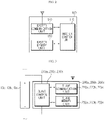
- FIG. 1 is a diagram schematically showing the configuration of a battery management apparatus and a battery pack including the battery management apparatus according to an embodiment of the present disclosure
- FIG. 2 is a diagram schematically showing the configuration of a master BMS of the battery management apparatus according to an embodiment of the present disclosure
- FIG. 3 is a diagram schematically showing the configuration of a slave BMS the battery management apparatus according to an embodiment of the present disclosure.
- the battery management system may include a master BMS 100 and a plurality of slave BMSs 200a, 200b, 200c.
- the master BMS 100 functions to integrally control the plurality of slave BMSs 200a, 200b, 200c, and may communicate with the plurality of slave BMSs 200a, 200b, 200c through a master communication unit 120, explained later, to request and receive information required for the integral control and send a signal containing a control command.
- the plurality of slave BMSs 200a, 200b, 200c may be connected to a plurality of battery modules 10a, 10b, 10c included in a battery pack to control charging and discharging of each of the plurality of battery modules 10a, 10b, 10c.
- the battery pack includes three battery modules 10a, 10b, 10c and the battery management system includes three slave BMSs 200a, 200b, 200c and one master BMS 100.
- the battery pack may include only two battery modules or four or more battery modules.
- the battery management system may also include two slave BMSs or four or more slave BMSs corresponding to the number of battery modules included in the battery pack.
- the plurality of slave BMSs 200a, 200b, 200c may be called a first slave BMS 200a, a second slave BMS 200b and a third slave BMS 200c, respectively.
- the plurality of battery modules 10a, 10b, 10c respectively connected to the first slave BMS 200a, the second slave BMS 200b and the third slave BMS 200c are called a first battery module 10a, a second battery module 10b and a third battery module 10c.
- the master BMS 100 may include a master control unit 110.
- the master control unit 110 may generate operation order information between the plurality of slave BMSs 200a, 200b, 200c based on state-of-charge information of each of the plurality of battery modules 10a, 10b, 10c respectively connected to the plurality of slave BMSs 200a, 200b, 200c.
- the master control unit 110 may control the master communication unit 120 to send a state-of-charge information request signal to the plurality of slave BMSs 200a, 200b, 200c to request the state-of-charge information.
- the state-of-charge information may mean a power amount charged to each of the battery modules 10a, 10b, 10c.
- the state-of-charge information may be a charge amount that expresses a charged power in comparison to the capacity of each battery module 10a, 10b, 10c as a percentage.
- the plurality of slave BMSs 200a, 200b, 200c may respectively include slave communication units 220a, 220b, 220c and slave control units 210a, 210b, 210c.
- the slave communication units 220a, 220b, 220c may receive operation order information generated by the master control unit 110 from the master communication unit 120 of the master BMS 100 and receive battery temperature information measured by a temperature measurement unit 300, explained later.
- the battery temperature information may mean an internal temperature of the battery pack that includes the battery management apparatus according to an embodiment of the present disclosure.
- the temperature measurement unit 300 may include a temperature measurement sensor located in the battery pack to measure a temperature.
- the temperature measurement unit 300 may further include a wireless communication module to send the measured temperature information to the slave communication units 220a, 220b, 220c.
- the wireless communication module may send the measured temperature information to the slave communication units 220a, 220b, 220c at every preset communication time.
- the wireless communication module may send the measured temperature information to all of the slave communication units 220a, 220b, 220c of the plurality of slave BMSs 200a, 200b, 200c at every preset communication time.
- the wireless communication module may conduct one-to-multi communication with the slave communication units 220a, 220b, 220c.
- the wireless communication module may send the temperature information to all of the slave communication units 220a, 220b, 220c of the first slave BMS 200a, the second slave BMS 200b and the third slave BMS 200c at every 10 minutes.
- the wireless communication module may communicate with the slave communication units 220a, 220b, 220c through wireless communication using at least one of WLAN (Wireless LAN) (Wi-Fi), Bluetooth, RFID (Radio Frequency Identification), IrDA (infrared Data Association), UWB (Ultra Wideband) and ZigBee.
- WLAN Wireless LAN
- RFID Radio Frequency Identification
- IrDA infrared Data Association
- UWB Ultra Wideband
- ZigBee ZigBee
- the wireless communication module may communicate with the slave communication units 220a, 220b, 220c through wireless communication using Bluetooth 4.0.
- the wireless communication module may minimize the power consumed for communication to keep long-time communication with the slave communication units 220a, 220b, 220c.
- slave communication units 220a, 220b, 220c may minimize the power of the battery modules 10a, 10b, 10c consumed for communication by communicating with the wireless communication module of the temperature measurement unit 300 through wireless communication using Bluetooth 4.0 as described above.
- the temperature measurement unit 300 may be included in the battery management apparatus according to an embodiment of the present disclosure.
- the slave control units 210a, 210b, 210c may operate a battery cooling unit 400 by using an output of a corresponding battery module 10a, 10b, 10c according to a temperature value of the battery temperature information.
- the battery cooling unit 400 may be a component located in or out of the battery pack including the battery management apparatus according to an embodiment of the present disclosure to cool the battery pack and the battery modules 10a, 10b, 10c.
- the battery cooling unit 400 may be configured to include a pump for supplying a cooling water around the battery pack.
- the slave control units 210a, 210b, 210c controls the slave communication units 220a, 220b, 220c at a specific case to perform communication for receiving the battery temperature information from the temperature measurement unit 300.
- the slave control units 210a, 210b, 210c may perform a cooling operation for operating the battery cooling unit 400 by using the output of a corresponding battery module 10a, 10b, 10c according to the temperature value of the battery temperature information.
- the specific case may be a first case where the operation order of the slave BMSs 200a, 200b, 200c including the slave control units 210a, 210b, 210c corresponds to the first operation order according to the operation order information, or a second case where the first operation signal is received from another slave communication unit included in another slave BMS.
- the first case and the second case will be described later.
- the master control unit 110 may generate the operation order information to have an earlier operation order as the state-of-charge information has a greater charge amount.
- the master control unit 110 may generate the operation order information so that an earlier operation order is given to a battery module 10a, 10b, 10c whose state-of-charge information has a greater charge amount.
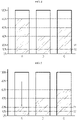
- FIG. 4 is a diagram schematically showing an example of state-of-charge information used in the battery management apparatus according to an embodiment of the present disclosure.
- the master control unit 110 may receive state-of-charge information A of the first battery module 10a whose charge amount is 80%, state-of-charge information B of the second battery module 10b whose charge amount is 40%, and state-of-charge information C of the third battery module 10c whose charge amount is 60%, through the master communication unit 120.
- the master control unit 110 may generate the operation order information by determining that the operation order of the first slave BMS 200a, the operation order of the second slave BMS 200b and the operation order of the third slave BMS 200c as a first order, a third order and a second order, respectively, so that an earlier order is given to the state-of-charge information having a greater charge amount.
- the master control unit 110 may control the master communication unit 120 to send the generated operation order information respectively to the slave communication units 220a, 220b, 220c of the plurality of slave BMSs 200a, 200b, 200c.
- the master control unit 110 may be configured to generate the operation order information corresponding to the state-of-charge information of the battery modules 10a, 10b, 10c connected to the plurality of slave BMSs 200a, 200b, 200c and send the generated operation order information to the plurality of slave BMSs 200a, 200b, 200c again.
- the battery management apparatus may be mounted to a vehicle to manage a battery pack of the vehicle.
- the master control unit 110 may control the master communication unit 120 to send a state-of-charge information request signal requesting the state-of-charge information to the slave communication units 220a, 220b, 220c of the plurality of slave BMSs 200a, 200b, 200c.
- the master control unit 110 may control the master communication unit 120 to send the state-of-charge information request signal requesting the state-of-charge information to the slave communication units 220a, 220b, 220c of the plurality of slave BMSs 200a, 200b, 200c, and generate operation order information corresponding to the received state-of-charge information.
- the master control unit 110 may include at least one processor and be operably connected to the master communication unit 120 and a master memory unit 130, explained later. By doing so, the master control unit 110 may be configured to manage overall operations of the master BMS.
- each processor included in the master control unit 110 may selectively include processors well known in the art, application-specific integrated circuits (ASICs), other chipsets, logic circuits, registers, communication modems, data processors, and the like.
- ASICs application-specific integrated circuits
- other chipsets logic circuits, registers, communication modems, data processors, and the like.
- control logics of the master control unit 110 may be combined, and the combined control logics may be created in the form of a computer-readable code system and recorded on a computer-readable recording medium.
- the type of the recording medium is not particularly limited as long as the recording medium is accessible by a processor.
- the recording medium may include at least one selected from the group consisting of a ROM, a RAM, a register, a CD-ROM, a magnetic tape, a hard disk, a floppy disk, and an optical data recording device.
- the code system may be modulated into a carrier signal to be included in a communication carrier at a specific time point, and may be executed by a processor.
- functional programs, codes and code segments for implementing the combined control logics may be easily inferred by programmers skilled in the art to which the present application pertains.
- the master BMS may further include the master communication unit 120 and the master memory unit 130 as described above.
- the master communication unit 120 may communicate with the slave communication units 220a, 220b, 220c respectively included in the plurality of slave BMSs 200a, 200b, 200c and the ECU of the vehicle by using at least one of wired communication and wireless communication.
- the wired communication may use at least one of CAN (Controller Area Network), LIN (Local Interconnect Network) and FlexRay.
- wireless communication may use at least one of WLAN (Wireless LAN) (Wi-Fi), Bluetooth, RFID (Radio Frequency Identification), IrDA (infrared Data Association), UWB (Ultra Wideband) and ZigBee.
- WLAN Wireless LAN
- RFID Radio Frequency Identification
- IrDA infrared Data Association
- UWB Ultra Wideband
- ZigBee ZigBee
- the master memory unit 130 may temporarily store the state-of-charge information of each of the plurality of battery modules 10a, 10b, 10c received to the master communication unit 120, and output the stored state-of-charge information to the master control unit 110 according to a request of the master control unit 110.
- the master memory unit 130 may store the operation order information generated by the master control unit 110, and output the operation order information to the master communication unit 120 when the master communication unit 120 sends the operation order information to the slave communication units 220a, 220b, 220c of the slave BMS 200a, 200b, 200c.
- the master memory unit 130 may store program codes in which processes executable by the master control unit 110 are stored.
- a known information storage means capable of recording, erasing, updating and reading data can be used as the master memory unit 130 without special limitation.
- the master memory unit 130 may be DRAM, SDRAM, a flash memory, ROM, EEPROM, a register or the like.
- the master memory unit 130 may be physically separated from the master control unit 110 or be integrated on a chip or the like together with the master control unit 110.
- the slave control units 210a, 210b, 210c may check whether the operation order of the slave BMS 200a, 200b, 200c including the slave control units 210a, 210b, 210c corresponds to a first operation order according to the operation order information.
- the slave control units 210a, 210b, 210c may operate the slave communication units 220a, 220b, 220c to receive the battery temperature information from the temperature measurement unit 300.
- the slave control units 210a, 210b, 210c may operate the battery cooling unit 400 by using the output of a corresponding battery module 10a, 10b, 10c according to the temperature value of the battery temperature information.
- the corresponding battery module 10a, 10b, 10c may be each of the battery module 10a, 10b, 10c connected to each slave BMS 200a, 200b, 200c including the slave control units 210a, 210b, 210c.
- the slave control units 210a, 210b, 210c may operate the slave communication units 220a, 220b, 220c to receive the battery temperature information from the temperature measurement unit 300, and operate the battery cooling unit 400 by controlling the output of the corresponding battery module 10a, 10b, 10c according to the temperature value of the received battery temperature information.
- the slave control units 210a, 210b, 210c may control the output of the corresponding battery module 10a, 10b, 10c to supply the output of the corresponding battery module 10a, 10b, 10c to the battery cooling unit 400.
- the slave control units 210a, 210b, 210c may block the output of the corresponding battery module 10a, 10b, 10c not to operate the battery cooling unit 400.
- the preset temperature range may be a temperature range of the battery pack in which the battery pack is deteriorated, heated or degraded.
- the slave control units 210a, 210b, 210c may check the operation order of the slave BMS 200a, 200b, 200c including the slave control units 210a, 210b, 210c. After that, if the operation order is the first order as a result of the operation order checking, the slave control units 210a, 210b, 210c may receive the battery temperature information through the slave communication units 220a, 220b, 220c and check whether the temperature value of the received battery temperature information is included in the preset temperature range. Finally, if the temperature value of the battery temperature information is included in the preset temperature range, the slave control units 210a, 210b, 210c may control the output of the corresponding battery module 10a, 10b, 10c to operate the battery cooling unit 400.
- the slave control units 210a, 210b, 210c may block the communication between the slave communication units 220a, 220b, 220c and the temperature measurement unit 300.
- the slave control units 210a, 210b, 210c may block the output of the corresponding battery module 10a, 10b, 10c not to operate the battery cooling unit 400.
- the temperature of the battery pack is monitored by preferentially using power of a battery module 10a, 10b, 10c having a greatest charge amount among the plurality of battery modules 10a, 10b, 10c of the battery pack provided at the vehicle, and the battery cooling unit 400 may be operated when the battery pack is overheated.
- the slave control units 210a, 210b, 210c may block at least one of the output of the battery module 10a, 10b, 10c and the communication between the slave communication units 220a, 220b, 220c and the temperature measurement unit 300.
- the slave control units 210a, 210b, 210c may control the slave communication units 220a, 220b, 220c to communicate with the temperature measurement unit 300, and operate the battery cooling unit 400 according to the temperature value of the battery temperature information.
- the power charged to the battery module 10a, 10b, 10c may be discharged due to the operation of the slave communication units 220a, 220b, 220c and the battery cooling unit 400.
- the slave control units 210a, 210b, 210c may prevent the power charged to the battery module 10a, 10b, 10c from lowering below a certain level by blocking at least one of the output of the battery module 10a, 10b, 10c and the communication between the slave communication units 220a, 220b, 220c and the temperature measurement unit 300.
- the slave control units 210a, 210b, 210c may control the slave communication units 220a, 220b, 220c to send the first operation signal to a slave communication unit of a slave BMS corresponding to a next operation order according to the operation order information.
- the slave control units 210a, 210b, 210c may control the slave communication units 220a, 220b, 220c to send the first operation signal so that the slave control unit of the slave BMS corresponding to the next operation order according to the operation order information monitors the battery temperature information and operates the battery cooling unit 400.
- the slave control units 210a, 210b, 210c may be configured to perform the communicating operation and the cooling operation as described above if the operation order corresponds the first operation order according to the operation order information, and to stop the communicating operation and the cooling operation and send the first operation signal to the slave control unit of the slave BMS corresponding to the next operation order if the charge amount of the battery module 10a, 10b, 10c is discharged to the preset first charge amount S1 or below due to the communicating operation and the cooling operation.
- the slave control units 210a, 210b, 210c of the plurality of slave BMSs 200a, 200b, 200c may monitor the battery temperature information according to the operation order of the operation order information and operate the battery cooling unit 400 until the charge amount of the state-of-charge information of the battery module 10a, 10b, 10c is lowered to the preset first charge amount S1 or below.
- the first order, the second order and the third order of the operation order information may be the first slave BMS 200a, the third slave BMS 200c and the second slave BMS 200b, respectively.
- the slave control unit 210a of the first slave BMS 200a may check that the operation order of the first slave BMS 200a is the first order according to the operation order information, and operate the slave communication unit 220a to receive the battery temperature information from the temperature measurement unit 300.
- the slave control unit 210a of the first slave BMS 200a may control the output of the first battery module 10a to operate the battery cooling unit 400 if the temperature value of the battery temperature information is included in the preset temperature range.
- FIG. 5 is a diagram schematically showing an example of the state-of-charge information where a first battery module is discharged in FIG. 4 .
- the slave control unit 210a of the first slave BMS 200a may operate the slave communication unit 220a to receive the battery temperature information from the temperature measurement unit 300 and controls the output of the first battery module 10a to operate the battery cooling unit 400, so that the charge amount of the state-of-charge information A of the first battery module 10a is lowered to 20% or less of the preset first charge amount S1.
- the slave control unit 210a of the first slave BMS 200a monitors the state-of-charge information, and if the charge amount of the state-of-charge information A is 20% or less of the preset first charge amount S1 due to the operation of the slave communication unit 220a and the battery cooling unit 400, at least one of the output of the first battery module 10a and the communication between the slave communication unit 220a and the temperature measurement unit 300 may be blocked.
- the slave control unit 210a of the first slave BMS 200a may block the output of the first battery module 10a to prevent the first battery module 10a from being continuously discharged.
- the slave control unit 210a of the first slave BMS 200a may control the slave communication unit 220a to send the first operation signal to the slave communication unit 220c of the third slave BMS 200c that corresponds to the second order according to the operation order information.
- the slave control unit 210c of the third slave BMS 200c may keep monitoring the battery temperature information and operating the battery cooling unit 400, subsequent to the slave control unit 210a of the first slave BMS 200a.
- the slave control units 210a, 210b, 210c may control so that the slave communication units 220a, 220b, 220c and the temperature measurement unit 300 communicate to receive the battery temperature information, and operate the battery cooling unit 400 by controlling the output of the corresponding battery module 10a, 10b, 10c according to the temperature value of the received battery temperature information.
- the slave control units 210a, 210b, 210c may control the output of the corresponding battery module 10a, 10b, 10c so that the output of the corresponding battery module 10a, 10b, 10c is supplied to the battery cooling unit 400.
- the slave control units 210a, 210b, 210c may block the output of the corresponding battery module 10a, 10b, 10c not to operate the battery cooling unit 400.
- the slave control units 210a, 210b, 210c may block at least one of the output of the battery module 10a, 10b, 10c and the communication between the slave communication units 220a, 220b, 220c and the temperature measurement unit 300.
- the slave control units 210a, 210b, 210c may control the slave communication units 220a, 220b, 220c to send the first operation signal to the slave communication unit of the slave BMS corresponding to the next operation order according to the operation order information.
- the slave control units 210a, 210b, 210c may perform the communicating operation and the cooling operation identically.
- the slave control units 210a, 210b, 210c at the second case may control the slave communication units 220a, 220b, 220c to send a second operation signal to the slave communication unit of the slave BMS corresponding to the first operation order according to the operation order information.
- the slave control units 210a, 210b, 210c may check whether the operation order of the slave BMS 200a, 200b, 200c including the slave control units 210a, 210b, 210c is a final operation order, namely a final operation order of the operation order information.
- the slave control units 210a, 210b, 210c may control the slave communication units 220a, 220b, 220c to send the second operation signal, instead of the first operation signal.
- the slave control units 210a, 210b, 210c may control the slave communication units 220a, 220b, 220c to send the second operation signal to the slave communication unit of the slave BMS corresponding to the first operation order according to the operation order information.
- the slave control units 210a, 210b, 210c may send the corresponding second operation signal to the slave communication unit of the slave BMS 200a, 200b, 200c corresponding to the first operation order.
- the communicating operation and the cooling operation may be performed by using the plurality of battery modules 10a, 10b, 10c included in the battery pack from a battery module having a greater charge amount to the preset first charge amount S1.
- the slave control unit 210a of the first slave BMS 200a may control the slave communication unit 220a to send the first operation signal to the slave communication unit 220c of the third slave BMS 200c whose operation order corresponds to the second order.
- the slave control unit 210c of the third slave BMS 200c may operate the slave communication unit 220c to receive the battery temperature information from the temperature measurement unit 300 in order to monitor the battery temperature information.
- the slave control unit 210c of the third slave BMS 200c may operate the battery cooling unit 400 by controlling the output of the third battery module 10c.
- FIG. 6 is a diagram schematically showing an example of the state-of-charge information where a third battery module is discharged in FIG. 5 .
- the slave control unit 210c of the third slave BMS 200c may operate the slave communication unit 220c to receive the battery temperature information from the temperature measurement unit 300 and operates the battery cooling unit 400 by controlling the output of the third battery module 10c, so that the charge amount of the state-of-charge information C of the third battery module 10c is lowered to 20% or less of the preset first charge amount S1.
- the slave control unit 210c of the third slave BMS 200c may block at least one of the output of the third battery module 10c and the communication between the slave communication unit 220c and the temperature measurement unit 300.
- the slave control unit 210c of the third slave BMS 200c may control the slave communication unit 220c to send the first operation signal to the slave communication unit 220b of the second slave BMS 200b corresponding to the third order according to the operation order information.
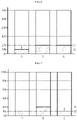
- FIG. 7 is a diagram schematically showing an example of the state-of-charge information where a second battery module is discharged in FIG. 6 .
- the slave control unit 210b of the second slave BMS 200b may keep monitoring the battery temperature information and operating the battery cooling unit 400 by using the output of the second battery module 10b until the state-of-charge information B of the second battery module 10b is lowered to 20% or less of the preset first charge amount S1, similar to the slave control unit 210c of the third slave BMS 200c.
- the slave control unit 210b of the second slave BMS 200b may control the slave communication unit 220b to send the second operation signal to the slave communication unit 220a of the first slave BMS 200a corresponding to the first order according to the operation order information.
- the slave control units 210a, 210b, 210c may operate the battery cooling unit 400 by using the output of the corresponding battery module 10a, 10b, 10c according to the temperature value of the battery temperature information.
- the slave control units 210a, 210b, 210c may perform the communicating operation to receive the battery temperature information from the temperature measurement unit 300 by operating the slave communication units 220a, 220b, 220c and the cooling operation to operate the battery cooling unit 400 by using the output of the corresponding battery module 10a, 10b, 10c according to the temperature value of the battery temperature information.
- the slave control units 210a, 210b, 210c in the third case and the fourth case are different from the slave control units 210a, 210b, 210c in the first case and the second case just in the point that the operation is performed according to the operation order information, and when corresponding to the same operation order, the communicating operation and the cooling operation may be performed identically.
- the slave control units 210a, 210b, 210c in the third case may perform the communicating operation and the cooling operation.
- the slave control units 210a, 210b, 210c may stop at least one of the communicating operation and the cooling operation.
- the preset second charge amount S2 is may be a minimum charge amount that is smaller than the preset first charge amount S1 and should be maintained to prevent degradation and life reduction.
- the slave control units 210a, 210b, 210c may block the communication between the slave communication units 220a, 220b, 220c and the temperature measurement unit 300 and blocks the power of the battery module 10a, 10b, 10c to intercept the operation of the battery cooling unit 400 so that the battery module 10a, 10b, 10c is prevented from being discharged further.
- the slave control units 210a, 210b, 210c may control the slave communication units 220a, 220b, 220c to send the third operation signal to the slave communication unit of the slave BMS corresponding to the next operation order according to the operation order information.
- the slave control unit 210b of the second slave BMS 200b may control the slave communication unit 220b to send the second operation signal to the slave communication unit 220a of the first slave BMS 200a corresponding to the first order of the operation order information.
- the slave control unit 210a of the first slave BMS 200a may operate the slave communication unit 220a to receive the battery temperature information from the temperature measurement unit 300.
- the slave control unit 210a of the first slave BMS 200a may control the output of the first battery module 10a to operate the battery cooling unit 400.
- FIG. 8 is a diagram schematically showing an example of the state-of-charge information where the first battery module is discharged in FIG. 7 .
- the slave control unit 210a of the first slave BMS 200a may operate the slave communication unit 220a to receive the battery temperature information from the temperature measurement unit 300 and controls the output of the first battery module 10a to operate the battery cooling unit 400, so that the charge amount of the state-of-charge information A of the first battery module 10a is lowered to 10% or less of the preset second charge amount S2.
- the slave control unit 210a of the first slave BMS 200a monitors the state-of-charge information, and if the charge amount of the state-of-charge information A of the first battery module 10a is 10% or less of the preset second charge amount S2 due to the operation of the slave communication unit 220a and the battery cooling unit 400, the slave control unit 210a of the first slave BMS 200a may block at least one of the output of the first battery module 10a and the communication between the slave communication unit 220a and the temperature measurement unit 300.
- the slave control unit 210a of the first slave BMS 200a may block the communicating operation and the cooling operation to prevent the first battery module 10a from being discharged continuously.
- the slave control unit 210a of the first slave BMS 200a may control the slave communication unit 220a to send the third operation signal to the slave communication unit 220c of the third slave BMS 200c corresponding to the second order according to the operation order information.
- the slave control unit 210c of the third slave BMS 200c may keep monitoring the battery temperature information and operating the battery cooling unit 400, subsequent to the slave control unit 210a of the first slave BMS 200a.
- the slave control units 210a, 210b, 210c may perform the communicating operation and the cooling operation.
- the slave control units 210a, 210b, 210c may stop at least one of the communicating operation and the cooling operation.
- the slave control units 210a, 210b, 210c may block the communication between the slave communication units 220a, 220b, 220c and the temperature measurement unit 300 and blocks the power of the battery module 10a, 10b, 10c to intercept the operation of the battery cooling unit 400 so that the battery module 10a, 10b, 10c is prevented from being discharged further.
- the communicating operation and the cooling operation may be performed again in the operation order according to the operation order information so that the power of the battery module 10a, 10b, 10c discharged to cool the battery may be reduced step by step.
- the slave control unit 210a of the first slave BMS 200a may control the slave communication unit 220c to send the third operation signal to the slave communication unit 220c of the third slave BMS 200c whose operation order corresponds to the second order.
- the slave control unit 210c of the third slave BMS 200c may operate the slave communication unit 220c to receive the battery temperature information of the temperature measurement unit 300 in order to monitor the battery temperature information.
- the slave control unit 210c of the third slave BMS 200c may control the output of the third battery module 10c to operate the battery cooling unit 400.
- FIG. 9 is a diagram schematically showing an example of the state-of-charge information where the third battery module is discharged in FIG. 8 .
- the slave control unit 210c of the third slave BMS 200c may operate the slave communication unit 220c to receive the battery temperature information from the temperature measurement unit 300 and control the output of the third battery module 10c to operate the battery cooling unit 400, so that the charge amount of the state-of-charge information C of the third battery module 10c is lowered to 10% or less of the preset second charge amount S2.
- the slave control unit 210c of the third slave BMS 200c may block at least one of the output of the third battery module 10c and the communication between the slave communication unit 220c and the temperature measurement unit 300.
- the slave control unit 210c of the third slave BMS 200c may control the slave communication units 220a, 220b, 220c to send the third operation signal to the slave communication unit 220b of the second slave BMS 200b corresponding to the third order according to the operation order information.
- the slave control unit 210b of the second slave BMS 200b may keep the communicating operation and the cooling operation, subsequent to the slave control unit 210c of the third slave BMS 200c.
- FIG. 10 is a diagram schematically showing an example of the state-of-charge information where the second battery module is discharged in FIG. 9 .
- the slave control unit 210b of the second slave BMS 200b may continuously perform the communicating operation and the cooling operation until the state-of-charge information B of the second battery module 10b is lowered to 10% or less of the preset second charge amount S2, similar to the slave control unit 210c of the third slave BMS 200c.
- the battery management apparatus may determine an operation order of the battery modules 10a, 10b, 10c from a battery module having a greater charge amount at initially performing the battery management operation, and perform the communicating operation and the cooling operation in the determined operation order until a charge amount of each battery module 10a, 10b, 10c is lowered to the preset first charge amount S1 or below.
- the battery management apparatus may perform the communicating operation and the cooling operation again in the determined operation order so that the charge amount of the battery module 10a, 10b, 10c is discharged to the preset second charge amount S2.
- the battery pack including the plurality of battery modules 10a, 10b, 10c is cooled, it is possible to prevent that only one battery module 10a, 10b, 10c is discharged, and the cooling operation may be performed by equally using the power of each battery module 10a, 10b, 10c.
- the slave control units 210a, 210b, 210c may include at least one processor and be operably connected to the slave communication units 220a, 220b, 220c and slave memory units 230a, 230b, 230c, explained below. By doing so, the slave control units 210a, 210b, 210c may be configured to manage overall operations of the slave BMSs 200a, 200b, 200c.
- the slave control units 210a, 210b, 210c may include a sensing unit configured to detect a state of the battery modules 10a, 10b, 10c.
- the sensing unit may include a voltage measurement circuit for detecting voltage of the battery modules 10a, 10b, 10c, a current measurement circuit for detecting current of the battery modules 10a, 10b, 10c, or a temperature detection circuit for detecting temperature of the battery modules 10a, 10b, 10c.
- the slave control units 210a, 210b, 210c provides the sensing information exhibiting the detected state of the battery modules 10a, 10b, 10c to the slave communication units 220a, 220b, 220c. Accordingly, the slave communication units 220a, 220b, 220c may send the sensing information to the master communication unit 120 of the master BMS by means of wireless communication or wired communication.
- Each processor provided at the slave control units 210a, 210b, 210c may selectively include processors well known in the art, application-specific integrated circuits (ASICs), other chipsets, logic circuits, registers, communication modems, data processors, and the like.
- ASICs application-specific integrated circuits
- Various control logics of the slave control units 210a, 210b, 210c may be combined, and the combined control logics may be created in the form of a computer-readable code system and recorded on a computer-readable recording medium.
- the type of the recording medium is not particularly limited as long as the recording medium is accessible by a processor.
- the recording medium may include at least one selected from the group consisting of a ROM, a RAM, a register, a CD-ROM, a magnetic tape, a hard disk, a floppy disk, and an optical data recording device.
- the code system may be modulated into a carrier signal to be included in a communication carrier at a specific time point, and may be executed by a processor.
- functional programs, codes and code segments for implementing the combined control logics may be easily inferred by programmers skilled in the art to which the present application pertains.
- the slave BMS 200a, 200b, 200c may further include the slave communication units 220a, 220b, 220c and the slave memory unit 230a, 230b, 230c as described above.
- the slave communication units 220a, 220b, 220c may communicate with the master communication unit 120 included in the master BMS and other slave communication units included in the plurality of slave BMSs 200a, 200b, 200c by means of wireless communication.
- the wireless communication may use at least one of WLAN (Wireless LAN) (Wi-Fi), Bluetooth, RFID (Radio Frequency Identification), IrDA (infrared Data Association), UWB (Ultra Wideband) and ZigBee.
- WLAN Wireless LAN
- RFID Radio Frequency Identification
- IrDA infrared Data Association
- UWB Ultra Wideband
- ZigBee ZigBee
- the slave memory unit 230a, 230b, 230c may temporarily store the operation order information received from the master communication unit 120 and output the stored operation order information according to a request of the slave control units 210a, 210b, 210c.
- slave memory unit 230a, 230b, 230c may store program codes in which processes executable by the slave control units 210a, 210b, 210c are defined.
- a known information storage means capable of recording, erasing, updating and reading data can be used as the slave memory unit 230a, 230b, 230c without special limitation.
- the slave memory unit 230a, 230b, 230c may be DRAM, SDRAM, a flash memory, ROM, EEPROM, a register or the like.
- the slave memory unit 230a, 230b, 230c may be physically separated from the slave control units 210a, 210b, 210c or be integrated on a chip or the like together with the slave control units 210a, 210b, 210c.
- the battery pack according to the present disclosure includes at least one battery module described above.
- the battery pack may further include a case for accommodating the battery module, a cartridge, a bus bar and the like.
- the battery pack according to an embodiment of the present disclosure may further include the battery management apparatus described above to cool the battery pack by uniformly using the power of each battery module.
- the battery management apparatus according to the present disclosure may be applied to a vehicle such as an electric vehicle or a hybrid vehicle.
- the vehicle according to the present disclosure may include the battery management apparatus according to the present disclosure.
Landscapes
- Engineering & Computer Science (AREA)
- Chemical & Material Sciences (AREA)
- Chemical Kinetics & Catalysis (AREA)
- Electrochemistry (AREA)
- General Chemical & Material Sciences (AREA)
- Manufacturing & Machinery (AREA)
- Automation & Control Theory (AREA)
- Microelectronics & Electronic Packaging (AREA)
- Secondary Cells (AREA)
- Charge And Discharge Circuits For Batteries Or The Like (AREA)
- Remote Monitoring And Control Of Power-Distribution Networks (AREA)
Claims (8)
- Batteriemanagementvorrichtung, welche ein Master-BMS (100) und eine Mehrzahl von Slave-BMS (200a, 200b, 200c) umfasst, welche mittels Kommunikation mit dem Master-BMS verbunden sind,wobei das Master-BMS eine Master-Steuereinheit (110) umfasst, welche dazu eingerichtet ist, auf Grundlage von Ladungszustandsinformationen jedes der Mehrzahl von Batteriemodulen (10a, 10b, 10c), welche jeweils mit einem der Mehrzahl von Slave-BMS verbunden sind, Betriebsranginformationen der Mehrzahl von Slave-BMS zu erzeugen, wobei die Master-Steuereinheit dazu eingerichtet ist, die Betriebsranginformationen zu erzeugen, so dass je größer die in den Ladungszustandsinformationen enthaltene Ladungsmenge des gegebenen Batteriemoduls ist, desto früher der dem gegebenen Batteriemodul entsprechende Betriebsrang des Slave-BMS ist,wobei jedes der Mehrzahl von Slave-BMS umfasst:eine Slave-Kommunikationseinheit (220a, 220b, 220c), welche dazu eingerichtet ist, die durch die Master-Steuereinheit (110) erzeugten Betriebsranginformationen zu empfangen und durch eine Temperaturmesseinheit gemessene Batterietemperaturinformationen zu empfangen; undeine Slave-Steuereinheit (210a, 210b, 210c), welche dazu eingerichtet ist, eine Batteriekühleinheit unter Verwendung eines Ausgangs eines entsprechenden Batteriemoduls gemäß dem Betriebsrang zu betreiben, wenn der Temperaturwert der Batterietemperaturinformationen in einem voreingestellten Temperaturbereich umfasst ist, so dass der Ausgang des entsprechenden Batteriemoduls der Batteriekühleinheit zugeführt wird.
- Batteriemanagementvorrichtung nach Anspruch 1,
wobei, wenn eine Ladungsmenge der Ladungszustandsinformationen gleich wie oder kleiner als eine voreingestellte erste Ladungsmenge ist, die Slave-Steuereinheit dazu eingerichtet ist, wenigstens eines aus dem Ausgang des entsprechenden Batteriemoduls und der Kommunikation zwischen der Slave-Kommunikationseinheit und der Temperaturmesseinheit zu blockieren. - Batteriemanagementvorrichtung nach Anspruch 1,
wobei, wenn eine Ladungsmenge der Ladungszustandsinformationen gleich wie oder kleiner als eine voreingestellte erste Ladungsmenge ist, die Slave-Steuereinheit dazu eingerichtet ist, die Slave-Kommunikationseinheit zu steuern, um entsprechend einem nächsten Betriebsrang gemäß den Betriebsranginformationen das erste Betriebssignal an eine Slave-Kommunikationseinheit eines Slave-BMS zu senden. - Batteriemanagementvorrichtung nach Anspruch 1,
wobei, wenn eine Ladungsmenge der Ladungszustandsinformationen gleich wie oder kleiner als eine voreingestellte erste Ladungsmenge ist und der Betriebsrang gemäß den Betriebsranginformationen einem letzten Betriebsrang entspricht, die Slave-Steuereinheit dazu eingerichtet ist, die Slave-Kommunikationseinheit zu steuern, um entsprechend dem ersten Betriebsrang gemäß den Betriebsranginformationen ein zweites Betriebssignal an die Slave-Kommunikationseinheit des Slave-BMS zu senden. - Batteriemanagementvorrichtung nach Anspruch 4,
wobei, wenn die Slave-Kommunikationseinheit das zweite Betriebssignal empfängt und die Ladungsmenge der Ladungszustandsinformationen gleich wie oder kleiner als eine voreingestellte zweite Ladungsmenge ist, welche kleiner als die voreingestellte erste Ladungsmenge ist, die Slave-Steuereinheit dazu eingerichtet ist, die Slave-Kommunikationseinheit zu steuern, um entsprechend einem nächsten Betriebsrang gemäß den Betriebsranginformationen ein drittes Betriebssignal an eine Slave-Kommunikationseinheit eines Slave-BMS zu senden. - Batteriemanagementvorrichtung nach Anspruch 5,
wobei, wenn die Slave-Kommunikationseinheit das zweite Betriebssignal oder das dritte Betriebssignal empfängt und der Temperaturwert der Batterietemperaturinformationen in einem voreingestellten Temperaturbereich umfasst ist, die Slave-Steuereinheit dazu eingerichtet ist, den Ausgang des entsprechenden Batteriemoduls zu steuern, so dass der Ausgang des Batteriemoduls der Batteriekühleinheit zugeführt wird. - Batteriemanagementvorrichtung nach Anspruch 5,
wobei, wenn die Slave-Kommunikationseinheit das zweite Betriebssignal oder das dritte Betriebssignal empfängt und die Ladungsmenge der Ladungszustandsinformationen gleich wie oder kleiner als die voreingestellte zweite Ladungsmenge ist, die Slave-Steuereinheit dazu eingerichtet ist, wenigstens eines aus dem Ausgang des entsprechenden Batteriemoduls und der Kommunikation zwischen der Slave-Kommunikationseinheit und der Temperaturmesseinheit zu blockieren. - Batteriepack, umfassend eine in einem der Ansprüche 1 bis 7 definierte Batteriemanagementvorrichtung.
Applications Claiming Priority (2)
| Application Number | Priority Date | Filing Date | Title |
|---|---|---|---|
| KR1020170096810A KR102164547B1 (ko) | 2017-07-31 | 2017-07-31 | 배터리 관리 장치 및 이를 포함하는 배터리 팩 |
| PCT/KR2018/008570 WO2019027190A1 (ko) | 2017-07-31 | 2018-07-27 | 배터리 관리 장치 및 이를 포함하는 배터리 팩 |
Publications (3)
| Publication Number | Publication Date |
|---|---|
| EP3540844A1 EP3540844A1 (de) | 2019-09-18 |
| EP3540844A4 EP3540844A4 (de) | 2020-03-11 |
| EP3540844B1 true EP3540844B1 (de) | 2022-08-31 |
Family
ID=65232775
Family Applications (1)
| Application Number | Title | Priority Date | Filing Date |
|---|---|---|---|
| EP18842326.3A Active EP3540844B1 (de) | 2017-07-31 | 2018-07-27 | Batterieverwaltungsvorrichtung und batteriepack damit |
Country Status (6)
| Country | Link |
|---|---|
| US (1) | US11056732B2 (de) |
| EP (1) | EP3540844B1 (de) |
| JP (1) | JP6874260B2 (de) |
| KR (1) | KR102164547B1 (de) |
| CN (1) | CN110024208B (de) |
| WO (1) | WO2019027190A1 (de) |
Families Citing this family (31)
| Publication number | Priority date | Publication date | Assignee | Title |
|---|---|---|---|---|
| KR102686901B1 (ko) | 2019-05-09 | 2024-07-22 | 주식회사 엘지에너지솔루션 | 슬레이브 bms의 자동 id 할당 시스템 |
| US11872905B2 (en) | 2021-04-16 | 2024-01-16 | Texas Instruments Incorporated | Wireless protocol for battery management |
| KR20210016795A (ko) * | 2019-08-05 | 2021-02-17 | 주식회사 엘지화학 | 에너지 허브 장치 및 에너지 관리 방법 |
| DE102019212479A1 (de) * | 2019-08-21 | 2021-02-25 | Robert Bosch Gmbh | Batteriesystem für ein Elektrofahrzeug, Verfahren zum Betrieb eines Batteriesystems und Elektrofahrzeug |
| KR102743585B1 (ko) * | 2019-09-09 | 2024-12-17 | 주식회사 엘지에너지솔루션 | 중간 노드를 이용하여 통신하는 배터리 관리 시스템 및 방법 |
| KR102790314B1 (ko) * | 2019-09-20 | 2025-04-01 | 주식회사 엘지에너지솔루션 | 배터리 관리 장치 및 방법, 및 이를 포함하는 배터리 관리 시스템 |
| JP7513391B2 (ja) * | 2019-12-19 | 2024-07-09 | 横河電機株式会社 | 二次電池管理システム及び二次電池管理方法 |
| EP4103426A1 (de) * | 2020-02-14 | 2022-12-21 | Sensata Technologies, Inc. | Behebung eines ausfalls in einem drahtlosen batteriemanagementsystem eines fahrzeugs |
| KR102753091B1 (ko) * | 2020-02-26 | 2025-01-09 | 주식회사 엘지에너지솔루션 | 배터리 정보 제공 장치 및 방법 |
| US11245268B1 (en) | 2020-07-24 | 2022-02-08 | Inventus Power, Inc. | Mode-based disabling of communiction bus of a battery management system |
| US12301031B1 (en) | 2020-06-02 | 2025-05-13 | Inventus Power, Inc. | Large-format battery management systems with gateway PCBA |
| US12224603B2 (en) | 2020-06-02 | 2025-02-11 | Inventus Power, Inc. | Mode-based disabling of communication bus of a battery management system |
| US11489343B2 (en) | 2020-06-02 | 2022-11-01 | Inventus Power, Inc. | Hardware short circuit protection in a large battery pack |
| US11588334B2 (en) | 2020-06-02 | 2023-02-21 | Inventus Power, Inc. | Broadcast of discharge current based on state-of-health imbalance between battery packs |
| US11404885B1 (en) | 2021-02-24 | 2022-08-02 | Inventus Power, Inc. | Large-format battery management systems with gateway PCBA |
| US11411407B1 (en) | 2021-02-24 | 2022-08-09 | Inventus Power, Inc. | Large-format battery management systems with gateway PCBA |
| US11509144B2 (en) | 2020-06-02 | 2022-11-22 | Inventus Power, Inc. | Large-format battery management system with in-rush current protection for master-slave battery packs |
| US11594892B2 (en) | 2020-06-02 | 2023-02-28 | Inventus Power, Inc. | Battery pack with series or parallel identification signal |
| US11476677B2 (en) | 2020-06-02 | 2022-10-18 | Inventus Power, Inc. | Battery pack charge cell balancing |
| US11552479B2 (en) | 2020-06-02 | 2023-01-10 | Inventus Power, Inc. | Battery charge balancing circuit for series connections |
| US11133690B1 (en) | 2020-06-02 | 2021-09-28 | Inventus Power, Inc. | Large-format battery management system |
| CN112428879A (zh) * | 2020-12-03 | 2021-03-02 | 重庆峘能电动车科技有限公司 | 电池包以及具有电池包的电池管理控制系统 |
| WO2022201251A1 (ja) * | 2021-03-22 | 2022-09-29 | 株式会社 東芝 | 蓄電池モジュールおよび蓄電池システム |
| US12108246B2 (en) * | 2021-05-07 | 2024-10-01 | Texas Instruments Incorporated | Key refreshment with session count for wireless management of modular subsystems |
| US11736928B2 (en) | 2021-05-07 | 2023-08-22 | Texas Instruments Incorporated | Wireless management of modular subsystems with proxy node options |
| US12252035B2 (en) * | 2021-08-30 | 2025-03-18 | Texas Instruments Incorporated | Determining super frame packet generation times |
| US11812268B2 (en) * | 2021-09-30 | 2023-11-07 | Texas Instruments Incorporated | Data integrity options for wireless management of modular subsystems |
| CN114523882B (zh) * | 2022-03-21 | 2023-12-19 | 苏州赤兔驱动科技有限公司 | 一种多元式高精度锂电池预热系统 |
| US12155462B2 (en) | 2022-08-30 | 2024-11-26 | Texas Instruments Incorporated | Optimizing node location in a battery management system |
| KR102877025B1 (ko) * | 2022-12-28 | 2025-10-29 | 주식회사 우진더블유티피 | 급속충전 가능한 배터리 팩 |
| FR3153188A1 (fr) * | 2023-09-18 | 2025-03-21 | Safran Electrical & Power | Boîtier pour batterie muni d’un système de gestion de la batterie |
Family Cites Families (31)
| Publication number | Priority date | Publication date | Assignee | Title |
|---|---|---|---|---|
| JP4101205B2 (ja) * | 2004-05-11 | 2008-06-18 | 松下電器産業株式会社 | 電池パック及び電源装置 |
| KR100766982B1 (ko) * | 2006-09-05 | 2007-10-15 | 삼성에스디아이 주식회사 | 배터리 관리 시스템 및 그의 구동 방법 |
| KR101162515B1 (ko) | 2006-11-06 | 2012-07-09 | 닛본 덴끼 가부시끼가이샤 | 조전지용 단전지, 전지 제어 시스템, 및 전지 제어 방법 |
| CN101572419A (zh) * | 2008-04-30 | 2009-11-04 | 许国永 | 利用太阳能为照明灯具或其他用电器提供电源的方法及装置 |
| JP5304277B2 (ja) | 2009-01-29 | 2013-10-02 | 株式会社エクォス・リサーチ | 電池ハイブリッドシステム及びその使用方法 |
| KR101360825B1 (ko) * | 2009-12-21 | 2014-02-10 | 에스케이이노베이션 주식회사 | 하이브리드 차량용 고전압 배터리 관리 장치 |
| DE102009055262A1 (de) | 2009-12-23 | 2011-06-30 | Endress + Hauser GmbH + Co. KG, 79689 | Verfahren zur Ermittlung und Überwachung des Füllstands eines Mediums in einem Behälter nach einem Laufzeitmessverfahren |
| JP2012016078A (ja) * | 2010-06-29 | 2012-01-19 | Hitachi Ltd | 充電制御システム |
| JP2012257436A (ja) | 2011-06-10 | 2012-12-27 | Hitachi Automotive Systems Ltd | 電動車両充電制御方法および電動車両充電制御システム |
| KR20140048359A (ko) | 2012-10-05 | 2014-04-24 | 현대자동차주식회사 | 배터리 관리시스템 및 관리방법 |
| KR101768251B1 (ko) * | 2013-04-05 | 2017-08-30 | 삼성에스디아이 주식회사 | 배터리 모듈의 정상 연결 상태 확인을 제공하는 배터리 팩 |
| US9537328B2 (en) | 2013-05-23 | 2017-01-03 | Samsung Sdi Co., Ltd. | Battery management system and method of driving the same |
| KR102210890B1 (ko) | 2013-06-05 | 2021-02-02 | 삼성에스디아이 주식회사 | 배터리 시스템, 및 배터리 시스템의 관리 방법 |
| WO2015040655A1 (ja) * | 2013-09-20 | 2015-03-26 | パナソニックIpマネジメント株式会社 | スイッチング装置および蓄電池システム |
| KR20150071758A (ko) * | 2013-12-18 | 2015-06-29 | 현대자동차주식회사 | 배터리 승온 시스템 |
| KR101575427B1 (ko) * | 2013-12-18 | 2015-12-07 | 현대자동차주식회사 | 배터리팩 결로방지 방법 |
| CN104953198A (zh) * | 2014-03-26 | 2015-09-30 | 苏州宝时得电动工具有限公司 | 电池包组的控制方法、电池包组及电动工具 |
| CN104467066A (zh) * | 2014-05-13 | 2015-03-25 | 冯林 | 电子烟及用于电子烟的电源组件 |
| JP6421625B2 (ja) | 2015-01-30 | 2018-11-14 | 日立化成株式会社 | 無線電池システムおよび無線システム |
| KR101863700B1 (ko) | 2015-02-24 | 2018-06-01 | 주식회사 엘지화학 | 배터리 관리 장치 |
| CN104953676B (zh) * | 2015-07-17 | 2018-03-23 | 贵州大学 | 一种太阳能汽车电池控制系统及控制方法 |
| KR102061308B1 (ko) * | 2015-11-03 | 2019-12-31 | 주식회사 엘지화학 | 배터리 관리를 위한 제어전원 공급시스템과 그 공급방법 및 이를 이용한 에너지저장시스템 |
| KR101670356B1 (ko) | 2015-12-07 | 2016-10-28 | 국방과학연구소 | 전류 경로 가변을 통한 온도 관리가 가능한 배터리 셀 및 이를 이용한 배터리 모듈 |
| KR102636361B1 (ko) | 2016-01-05 | 2024-02-14 | 삼성전자주식회사 | 배터리 제어 장치 및 배터리 제어 시스템 |
| KR102508831B1 (ko) | 2016-02-17 | 2023-03-10 | 삼성전자주식회사 | 원격 이미지 전송 시스템, 디스플레이 장치 및 그의 가이드 표시 방법 |
| KR102155331B1 (ko) | 2017-07-06 | 2020-09-11 | 주식회사 엘지화학 | 무선 배터리 관리 시스템 및 이를 포함하는 배터리팩 |
| KR102137759B1 (ko) * | 2017-07-06 | 2020-07-24 | 주식회사 엘지화학 | 배터리 팩 관리 장치 |
| KR102157882B1 (ko) | 2017-07-19 | 2020-09-18 | 주식회사 엘지화학 | 무선 배터리 관리 시스템 및 이를 포함하는 배터리팩 |
| KR102204301B1 (ko) * | 2017-07-20 | 2021-01-15 | 주식회사 엘지화학 | 무선 배터리 관리 시스템 및 이를 포함하는 배터리팩 |
| KR102173778B1 (ko) * | 2017-07-25 | 2020-11-03 | 주식회사 엘지화학 | 배터리 관리 유닛 및 이를 포함하는 배터리팩 |
| US20200395627A1 (en) * | 2019-06-11 | 2020-12-17 | Flex Ltd. | Extended temperature and lifecycle for battery operated asset trackers |
-
2017
- 2017-07-31 KR KR1020170096810A patent/KR102164547B1/ko active Active
-
2018
- 2018-07-27 JP JP2019526254A patent/JP6874260B2/ja active Active
- 2018-07-27 US US16/348,427 patent/US11056732B2/en active Active
- 2018-07-27 EP EP18842326.3A patent/EP3540844B1/de active Active
- 2018-07-27 CN CN201880004488.1A patent/CN110024208B/zh active Active
- 2018-07-27 WO PCT/KR2018/008570 patent/WO2019027190A1/ko not_active Ceased
Also Published As
| Publication number | Publication date |
|---|---|
| US20190273293A1 (en) | 2019-09-05 |
| KR20190012981A (ko) | 2019-02-11 |
| US11056732B2 (en) | 2021-07-06 |
| KR102164547B1 (ko) | 2020-10-12 |
| WO2019027190A1 (ko) | 2019-02-07 |
| JP6874260B2 (ja) | 2021-05-19 |
| JP2020501299A (ja) | 2020-01-16 |
| EP3540844A1 (de) | 2019-09-18 |
| CN110024208B (zh) | 2023-05-02 |
| CN110024208A (zh) | 2019-07-16 |
| EP3540844A4 (de) | 2020-03-11 |
Similar Documents
| Publication | Publication Date | Title |
|---|---|---|
| EP3540844B1 (de) | Batterieverwaltungsvorrichtung und batteriepack damit | |
| US10991994B2 (en) | Temperature monitoring apparatus and method for battery pack | |
| EP2765644B1 (de) | Batteriesystem mit selektivem Wärmemanagement | |
| US10044211B2 (en) | Battery pack and method of controlling the same | |
| CN104094466B (zh) | 用于至少一个蓄电池元件的温度调节的方法、蓄电池及具有这样的蓄电池的机动车 | |
| EP3974850B1 (de) | Vorrichtung und verfahren zur diagnose eines parallelbatterierelais | |
| CN107490766B (zh) | 用于测量燃料电池车辆的绝缘电阻的系统和方法 | |
| US11349138B2 (en) | Cold start control system and control method for fuel cell | |
| US10011185B2 (en) | Method for battery management and battery management system | |
| KR101813461B1 (ko) | 배터리 관리 시스템 내의 데이터 전송 방법 | |
| CN105048021A (zh) | 电池温度估计系统 | |
| CN113904005B (zh) | 用于在低温下最大化充电功率的阳极电位的在线测量 | |
| KR20210051462A (ko) | 배터리 관리 시스템 및 그 통신 방법 | |
| KR101569484B1 (ko) | 온도 정보를 이용한 배터리팩 제어장치 및 방법 | |
| KR20180008215A (ko) | 배터리 셀의 온도 제어 시스템 및 방법 | |
| EP3840102B1 (de) | System und verfahren zur bms-erkennung | |
| KR20220006474A (ko) | 배터리 시스템 및 배터리 시스템을 충전하는 방법 | |
| US20240421610A1 (en) | Battery Control System and Method for Managing Battery State | |
| US20240030727A1 (en) | Overdischarge Preventing Apparatus And Method | |
| US11228060B2 (en) | Data input scheduling apparatus | |
| KR20250124645A (ko) | 차량 제어 장치 및 그 방법 | |
| KR20250125829A (ko) | 이차전지를 위한 제어 장치 및 방법 | |
| WO2024201588A1 (ja) | 制御装置及びバッテリの出力許容電力を決定する方法 | |
| KR20240142855A (ko) | 배터리의 열화를 감소시키기 위한 충전 제어 장치, 그를 포함하는 배터리 충전 시스템 및 그의 방법 |
Legal Events
| Date | Code | Title | Description |
|---|---|---|---|
| STAA | Information on the status of an ep patent application or granted ep patent |
Free format text: STATUS: THE INTERNATIONAL PUBLICATION HAS BEEN MADE |
|
| PUAI | Public reference made under article 153(3) epc to a published international application that has entered the european phase |
Free format text: ORIGINAL CODE: 0009012 |
|
| STAA | Information on the status of an ep patent application or granted ep patent |
Free format text: STATUS: REQUEST FOR EXAMINATION WAS MADE |
|
| 17P | Request for examination filed |
Effective date: 20190612 |
|
| AK | Designated contracting states |
Kind code of ref document: A1 Designated state(s): AL AT BE BG CH CY CZ DE DK EE ES FI FR GB GR HR HU IE IS IT LI LT LU LV MC MK MT NL NO PL PT RO RS SE SI SK SM TR |
|
| AX | Request for extension of the european patent |
Extension state: BA ME |
|
| A4 | Supplementary search report drawn up and despatched |
Effective date: 20200206 |
|
| RIC1 | Information provided on ipc code assigned before grant |
Ipc: H01M 10/48 20060101ALI20200131BHEP Ipc: H01M 10/63 20140101ALI20200131BHEP Ipc: H01M 10/613 20140101ALI20200131BHEP Ipc: H01M 10/42 20060101AFI20200131BHEP Ipc: H01M 10/44 20060101ALI20200131BHEP |
|
| DAV | Request for validation of the european patent (deleted) | ||
| DAX | Request for extension of the european patent (deleted) | ||
| RAP1 | Party data changed (applicant data changed or rights of an application transferred) |
Owner name: LG ENERGY SOLUTION LTD. |
|
| GRAP | Despatch of communication of intention to grant a patent |
Free format text: ORIGINAL CODE: EPIDOSNIGR1 |
|
| STAA | Information on the status of an ep patent application or granted ep patent |
Free format text: STATUS: GRANT OF PATENT IS INTENDED |
|
| INTG | Intention to grant announced |
Effective date: 20220121 |
|
| RAP3 | Party data changed (applicant data changed or rights of an application transferred) |
Owner name: LG ENERGY SOLUTION, LTD. |
|
| GRAJ | Information related to disapproval of communication of intention to grant by the applicant or resumption of examination proceedings by the epo deleted |
Free format text: ORIGINAL CODE: EPIDOSDIGR1 |
|
| STAA | Information on the status of an ep patent application or granted ep patent |
Free format text: STATUS: REQUEST FOR EXAMINATION WAS MADE |
|
| GRAS | Grant fee paid |
Free format text: ORIGINAL CODE: EPIDOSNIGR3 |
|
| STAA | Information on the status of an ep patent application or granted ep patent |
Free format text: STATUS: GRANT OF PATENT IS INTENDED |
|
| GRAP | Despatch of communication of intention to grant a patent |
Free format text: ORIGINAL CODE: EPIDOSNIGR1 |
|
| INTC | Intention to grant announced (deleted) | ||
| INTG | Intention to grant announced |
Effective date: 20220617 |
|
| GRAA | (expected) grant |
Free format text: ORIGINAL CODE: 0009210 |
|
| STAA | Information on the status of an ep patent application or granted ep patent |
Free format text: STATUS: THE PATENT HAS BEEN GRANTED |
|
| AK | Designated contracting states |
Kind code of ref document: B1 Designated state(s): AL AT BE BG CH CY CZ DE DK EE ES FI FR GB GR HR HU IE IS IT LI LT LU LV MC MK MT NL NO PL PT RO RS SE SI SK SM TR |
|
| REG | Reference to a national code |
Ref country code: CH Ref legal event code: EP Ref country code: GB Ref legal event code: FG4D |
|
| REG | Reference to a national code |
Ref country code: AT Ref legal event code: REF Ref document number: 1515959 Country of ref document: AT Kind code of ref document: T Effective date: 20220915 |
|
| REG | Reference to a national code |
Ref country code: DE Ref legal event code: R096 Ref document number: 602018040135 Country of ref document: DE |
|
| REG | Reference to a national code |
Ref country code: IE Ref legal event code: FG4D |
|
| REG | Reference to a national code |
Ref country code: LT Ref legal event code: MG9D |
|
| REG | Reference to a national code |
Ref country code: NL Ref legal event code: MP Effective date: 20220831 |
|
| PG25 | Lapsed in a contracting state [announced via postgrant information from national office to epo] |
Ref country code: SE Free format text: LAPSE BECAUSE OF FAILURE TO SUBMIT A TRANSLATION OF THE DESCRIPTION OR TO PAY THE FEE WITHIN THE PRESCRIBED TIME-LIMIT Effective date: 20220831 Ref country code: RS Free format text: LAPSE BECAUSE OF FAILURE TO SUBMIT A TRANSLATION OF THE DESCRIPTION OR TO PAY THE FEE WITHIN THE PRESCRIBED TIME-LIMIT Effective date: 20220831 Ref country code: NO Free format text: LAPSE BECAUSE OF FAILURE TO SUBMIT A TRANSLATION OF THE DESCRIPTION OR TO PAY THE FEE WITHIN THE PRESCRIBED TIME-LIMIT Effective date: 20221130 Ref country code: LV Free format text: LAPSE BECAUSE OF FAILURE TO SUBMIT A TRANSLATION OF THE DESCRIPTION OR TO PAY THE FEE WITHIN THE PRESCRIBED TIME-LIMIT Effective date: 20220831 Ref country code: LT Free format text: LAPSE BECAUSE OF FAILURE TO SUBMIT A TRANSLATION OF THE DESCRIPTION OR TO PAY THE FEE WITHIN THE PRESCRIBED TIME-LIMIT Effective date: 20220831 Ref country code: FI Free format text: LAPSE BECAUSE OF FAILURE TO SUBMIT A TRANSLATION OF THE DESCRIPTION OR TO PAY THE FEE WITHIN THE PRESCRIBED TIME-LIMIT Effective date: 20220831 |
|
| REG | Reference to a national code |
Ref country code: AT Ref legal event code: MK05 Ref document number: 1515959 Country of ref document: AT Kind code of ref document: T Effective date: 20220831 |
|
| PG25 | Lapsed in a contracting state [announced via postgrant information from national office to epo] |
Ref country code: PL Free format text: LAPSE BECAUSE OF FAILURE TO SUBMIT A TRANSLATION OF THE DESCRIPTION OR TO PAY THE FEE WITHIN THE PRESCRIBED TIME-LIMIT Effective date: 20220831 Ref country code: IS Free format text: LAPSE BECAUSE OF FAILURE TO SUBMIT A TRANSLATION OF THE DESCRIPTION OR TO PAY THE FEE WITHIN THE PRESCRIBED TIME-LIMIT Effective date: 20221231 Ref country code: HR Free format text: LAPSE BECAUSE OF FAILURE TO SUBMIT A TRANSLATION OF THE DESCRIPTION OR TO PAY THE FEE WITHIN THE PRESCRIBED TIME-LIMIT Effective date: 20220831 Ref country code: GR Free format text: LAPSE BECAUSE OF FAILURE TO SUBMIT A TRANSLATION OF THE DESCRIPTION OR TO PAY THE FEE WITHIN THE PRESCRIBED TIME-LIMIT Effective date: 20221201 |
|
| PG25 | Lapsed in a contracting state [announced via postgrant information from national office to epo] |
Ref country code: SM Free format text: LAPSE BECAUSE OF FAILURE TO SUBMIT A TRANSLATION OF THE DESCRIPTION OR TO PAY THE FEE WITHIN THE PRESCRIBED TIME-LIMIT Effective date: 20220831 Ref country code: RO Free format text: LAPSE BECAUSE OF FAILURE TO SUBMIT A TRANSLATION OF THE DESCRIPTION OR TO PAY THE FEE WITHIN THE PRESCRIBED TIME-LIMIT Effective date: 20220831 Ref country code: PT Free format text: LAPSE BECAUSE OF FAILURE TO SUBMIT A TRANSLATION OF THE DESCRIPTION OR TO PAY THE FEE WITHIN THE PRESCRIBED TIME-LIMIT Effective date: 20230102 Ref country code: ES Free format text: LAPSE BECAUSE OF FAILURE TO SUBMIT A TRANSLATION OF THE DESCRIPTION OR TO PAY THE FEE WITHIN THE PRESCRIBED TIME-LIMIT Effective date: 20220831 Ref country code: DK Free format text: LAPSE BECAUSE OF FAILURE TO SUBMIT A TRANSLATION OF THE DESCRIPTION OR TO PAY THE FEE WITHIN THE PRESCRIBED TIME-LIMIT Effective date: 20220831 Ref country code: CZ Free format text: LAPSE BECAUSE OF FAILURE TO SUBMIT A TRANSLATION OF THE DESCRIPTION OR TO PAY THE FEE WITHIN THE PRESCRIBED TIME-LIMIT Effective date: 20220831 Ref country code: AT Free format text: LAPSE BECAUSE OF FAILURE TO SUBMIT A TRANSLATION OF THE DESCRIPTION OR TO PAY THE FEE WITHIN THE PRESCRIBED TIME-LIMIT Effective date: 20220831 |
|
| PG25 | Lapsed in a contracting state [announced via postgrant information from national office to epo] |
Ref country code: SK Free format text: LAPSE BECAUSE OF FAILURE TO SUBMIT A TRANSLATION OF THE DESCRIPTION OR TO PAY THE FEE WITHIN THE PRESCRIBED TIME-LIMIT Effective date: 20220831 Ref country code: EE Free format text: LAPSE BECAUSE OF FAILURE TO SUBMIT A TRANSLATION OF THE DESCRIPTION OR TO PAY THE FEE WITHIN THE PRESCRIBED TIME-LIMIT Effective date: 20220831 |
|
| REG | Reference to a national code |
Ref country code: DE Ref legal event code: R097 Ref document number: 602018040135 Country of ref document: DE |
|
| P01 | Opt-out of the competence of the unified patent court (upc) registered |
Effective date: 20230512 |
|
| PG25 | Lapsed in a contracting state [announced via postgrant information from national office to epo] |
Ref country code: NL Free format text: LAPSE BECAUSE OF FAILURE TO SUBMIT A TRANSLATION OF THE DESCRIPTION OR TO PAY THE FEE WITHIN THE PRESCRIBED TIME-LIMIT Effective date: 20220831 Ref country code: AL Free format text: LAPSE BECAUSE OF FAILURE TO SUBMIT A TRANSLATION OF THE DESCRIPTION OR TO PAY THE FEE WITHIN THE PRESCRIBED TIME-LIMIT Effective date: 20220831 |
|
| PLBE | No opposition filed within time limit |
Free format text: ORIGINAL CODE: 0009261 |
|
| STAA | Information on the status of an ep patent application or granted ep patent |
Free format text: STATUS: NO OPPOSITION FILED WITHIN TIME LIMIT |
|
| 26N | No opposition filed |
Effective date: 20230601 |
|
| PG25 | Lapsed in a contracting state [announced via postgrant information from national office to epo] |
Ref country code: SI Free format text: LAPSE BECAUSE OF FAILURE TO SUBMIT A TRANSLATION OF THE DESCRIPTION OR TO PAY THE FEE WITHIN THE PRESCRIBED TIME-LIMIT Effective date: 20220831 |
|
| PG25 | Lapsed in a contracting state [announced via postgrant information from national office to epo] |
Ref country code: MC Free format text: LAPSE BECAUSE OF FAILURE TO SUBMIT A TRANSLATION OF THE DESCRIPTION OR TO PAY THE FEE WITHIN THE PRESCRIBED TIME-LIMIT Effective date: 20220831 |
|
| PG25 | Lapsed in a contracting state [announced via postgrant information from national office to epo] |
Ref country code: MC Free format text: LAPSE BECAUSE OF FAILURE TO SUBMIT A TRANSLATION OF THE DESCRIPTION OR TO PAY THE FEE WITHIN THE PRESCRIBED TIME-LIMIT Effective date: 20220831 |
|
| REG | Reference to a national code |
Ref country code: CH Ref legal event code: PL |
|
| REG | Reference to a national code |
Ref country code: BE Ref legal event code: MM Effective date: 20230731 |
|
| PG25 | Lapsed in a contracting state [announced via postgrant information from national office to epo] |
Ref country code: LU Free format text: LAPSE BECAUSE OF NON-PAYMENT OF DUE FEES Effective date: 20230727 |
|
| PG25 | Lapsed in a contracting state [announced via postgrant information from national office to epo] |
Ref country code: LU Free format text: LAPSE BECAUSE OF NON-PAYMENT OF DUE FEES Effective date: 20230727 |
|
| REG | Reference to a national code |
Ref country code: IE Ref legal event code: MM4A |
|
| PG25 | Lapsed in a contracting state [announced via postgrant information from national office to epo] |
Ref country code: CH Free format text: LAPSE BECAUSE OF NON-PAYMENT OF DUE FEES Effective date: 20230731 |
|
| PG25 | Lapsed in a contracting state [announced via postgrant information from national office to epo] |
Ref country code: IT Free format text: LAPSE BECAUSE OF FAILURE TO SUBMIT A TRANSLATION OF THE DESCRIPTION OR TO PAY THE FEE WITHIN THE PRESCRIBED TIME-LIMIT Effective date: 20220831 Ref country code: BE Free format text: LAPSE BECAUSE OF NON-PAYMENT OF DUE FEES Effective date: 20230731 |
|
| PG25 | Lapsed in a contracting state [announced via postgrant information from national office to epo] |
Ref country code: IE Free format text: LAPSE BECAUSE OF NON-PAYMENT OF DUE FEES Effective date: 20230727 |
|
| PG25 | Lapsed in a contracting state [announced via postgrant information from national office to epo] |
Ref country code: IE Free format text: LAPSE BECAUSE OF NON-PAYMENT OF DUE FEES Effective date: 20230727 |
|
| PG25 | Lapsed in a contracting state [announced via postgrant information from national office to epo] |
Ref country code: BG Free format text: LAPSE BECAUSE OF FAILURE TO SUBMIT A TRANSLATION OF THE DESCRIPTION OR TO PAY THE FEE WITHIN THE PRESCRIBED TIME-LIMIT Effective date: 20220831 |
|
| PG25 | Lapsed in a contracting state [announced via postgrant information from national office to epo] |
Ref country code: BG Free format text: LAPSE BECAUSE OF FAILURE TO SUBMIT A TRANSLATION OF THE DESCRIPTION OR TO PAY THE FEE WITHIN THE PRESCRIBED TIME-LIMIT Effective date: 20220831 |
|
| PGFP | Annual fee paid to national office [announced via postgrant information from national office to epo] |
Ref country code: GB Payment date: 20250624 Year of fee payment: 8 |
|
| PGFP | Annual fee paid to national office [announced via postgrant information from national office to epo] |
Ref country code: FR Payment date: 20250624 Year of fee payment: 8 |
|
| PG25 | Lapsed in a contracting state [announced via postgrant information from national office to epo] |
Ref country code: CY Free format text: LAPSE BECAUSE OF FAILURE TO SUBMIT A TRANSLATION OF THE DESCRIPTION OR TO PAY THE FEE WITHIN THE PRESCRIBED TIME-LIMIT; INVALID AB INITIO Effective date: 20180727 |
|
| PG25 | Lapsed in a contracting state [announced via postgrant information from national office to epo] |
Ref country code: HU Free format text: LAPSE BECAUSE OF FAILURE TO SUBMIT A TRANSLATION OF THE DESCRIPTION OR TO PAY THE FEE WITHIN THE PRESCRIBED TIME-LIMIT; INVALID AB INITIO Effective date: 20180727 |
|
| PGFP | Annual fee paid to national office [announced via postgrant information from national office to epo] |
Ref country code: DE Payment date: 20250624 Year of fee payment: 8 |
|
| PG25 | Lapsed in a contracting state [announced via postgrant information from national office to epo] |
Ref country code: TR Free format text: LAPSE BECAUSE OF FAILURE TO SUBMIT A TRANSLATION OF THE DESCRIPTION OR TO PAY THE FEE WITHIN THE PRESCRIBED TIME-LIMIT Effective date: 20220831 |