EP3529236B1 - Crystalline forms of eravacycline - Google Patents
Crystalline forms of eravacycline Download PDFInfo
- Publication number
- EP3529236B1 EP3529236B1 EP17794505.2A EP17794505A EP3529236B1 EP 3529236 B1 EP3529236 B1 EP 3529236B1 EP 17794505 A EP17794505 A EP 17794505A EP 3529236 B1 EP3529236 B1 EP 3529236B1
- Authority
- EP
- European Patent Office
- Prior art keywords
- crystalline form
- ray powder
- powder diffraction
- crystalline
- diffraction peaks
- Prior art date
- Legal status (The legal status is an assumption and is not a legal conclusion. Google has not performed a legal analysis and makes no representation as to the accuracy of the status listed.)
- Active
Links
Images






Classifications
-
- C—CHEMISTRY; METALLURGY
- C07—ORGANIC CHEMISTRY
- C07D—HETEROCYCLIC COMPOUNDS
- C07D295/00—Heterocyclic compounds containing polymethylene-imine rings with at least five ring members, 3-azabicyclo [3.2.2] nonane, piperazine, morpholine or thiomorpholine rings, having only hydrogen atoms directly attached to the ring carbon atoms
- C07D295/04—Heterocyclic compounds containing polymethylene-imine rings with at least five ring members, 3-azabicyclo [3.2.2] nonane, piperazine, morpholine or thiomorpholine rings, having only hydrogen atoms directly attached to the ring carbon atoms with substituted hydrocarbon radicals attached to ring nitrogen atoms
- C07D295/14—Heterocyclic compounds containing polymethylene-imine rings with at least five ring members, 3-azabicyclo [3.2.2] nonane, piperazine, morpholine or thiomorpholine rings, having only hydrogen atoms directly attached to the ring carbon atoms with substituted hydrocarbon radicals attached to ring nitrogen atoms substituted by carbon atoms having three bonds to hetero atoms with at the most one bond to halogen, e.g. ester or nitrile radicals
- C07D295/145—Heterocyclic compounds containing polymethylene-imine rings with at least five ring members, 3-azabicyclo [3.2.2] nonane, piperazine, morpholine or thiomorpholine rings, having only hydrogen atoms directly attached to the ring carbon atoms with substituted hydrocarbon radicals attached to ring nitrogen atoms substituted by carbon atoms having three bonds to hetero atoms with at the most one bond to halogen, e.g. ester or nitrile radicals with the ring nitrogen atoms and the carbon atoms with three bonds to hetero atoms attached to the same carbon chain, which is not interrupted by carbocyclic rings
- C07D295/15—Heterocyclic compounds containing polymethylene-imine rings with at least five ring members, 3-azabicyclo [3.2.2] nonane, piperazine, morpholine or thiomorpholine rings, having only hydrogen atoms directly attached to the ring carbon atoms with substituted hydrocarbon radicals attached to ring nitrogen atoms substituted by carbon atoms having three bonds to hetero atoms with at the most one bond to halogen, e.g. ester or nitrile radicals with the ring nitrogen atoms and the carbon atoms with three bonds to hetero atoms attached to the same carbon chain, which is not interrupted by carbocyclic rings to an acyclic saturated chain
-
- A—HUMAN NECESSITIES
- A61—MEDICAL OR VETERINARY SCIENCE; HYGIENE
- A61K—PREPARATIONS FOR MEDICAL, DENTAL OR TOILETRY PURPOSES
- A61K31/00—Medicinal preparations containing organic active ingredients
- A61K31/65—Tetracyclines
-
- A—HUMAN NECESSITIES
- A61—MEDICAL OR VETERINARY SCIENCE; HYGIENE
- A61P—SPECIFIC THERAPEUTIC ACTIVITY OF CHEMICAL COMPOUNDS OR MEDICINAL PREPARATIONS
- A61P1/00—Drugs for disorders of the alimentary tract or the digestive system
-
- A—HUMAN NECESSITIES
- A61—MEDICAL OR VETERINARY SCIENCE; HYGIENE
- A61P—SPECIFIC THERAPEUTIC ACTIVITY OF CHEMICAL COMPOUNDS OR MEDICINAL PREPARATIONS
- A61P1/00—Drugs for disorders of the alimentary tract or the digestive system
- A61P1/02—Stomatological preparations, e.g. drugs for caries, aphtae, periodontitis
-
- A—HUMAN NECESSITIES
- A61—MEDICAL OR VETERINARY SCIENCE; HYGIENE
- A61P—SPECIFIC THERAPEUTIC ACTIVITY OF CHEMICAL COMPOUNDS OR MEDICINAL PREPARATIONS
- A61P13/00—Drugs for disorders of the urinary system
- A61P13/02—Drugs for disorders of the urinary system of urine or of the urinary tract, e.g. urine acidifiers
-
- A—HUMAN NECESSITIES
- A61—MEDICAL OR VETERINARY SCIENCE; HYGIENE
- A61P—SPECIFIC THERAPEUTIC ACTIVITY OF CHEMICAL COMPOUNDS OR MEDICINAL PREPARATIONS
- A61P31/00—Antiinfectives, i.e. antibiotics, antiseptics, chemotherapeutics
-
- A—HUMAN NECESSITIES
- A61—MEDICAL OR VETERINARY SCIENCE; HYGIENE
- A61P—SPECIFIC THERAPEUTIC ACTIVITY OF CHEMICAL COMPOUNDS OR MEDICINAL PREPARATIONS
- A61P31/00—Antiinfectives, i.e. antibiotics, antiseptics, chemotherapeutics
- A61P31/04—Antibacterial agents
-
- A—HUMAN NECESSITIES
- A61—MEDICAL OR VETERINARY SCIENCE; HYGIENE
- A61P—SPECIFIC THERAPEUTIC ACTIVITY OF CHEMICAL COMPOUNDS OR MEDICINAL PREPARATIONS
- A61P35/00—Antineoplastic agents
-
- A—HUMAN NECESSITIES
- A61—MEDICAL OR VETERINARY SCIENCE; HYGIENE
- A61P—SPECIFIC THERAPEUTIC ACTIVITY OF CHEMICAL COMPOUNDS OR MEDICINAL PREPARATIONS
- A61P43/00—Drugs for specific purposes, not provided for in groups A61P1/00-A61P41/00
-
- C—CHEMISTRY; METALLURGY
- C07—ORGANIC CHEMISTRY
- C07D—HETEROCYCLIC COMPOUNDS
- C07D207/00—Heterocyclic compounds containing five-membered rings not condensed with other rings, with one nitrogen atom as the only ring hetero atom
- C07D207/02—Heterocyclic compounds containing five-membered rings not condensed with other rings, with one nitrogen atom as the only ring hetero atom with only hydrogen or carbon atoms directly attached to the ring nitrogen atom
- C07D207/04—Heterocyclic compounds containing five-membered rings not condensed with other rings, with one nitrogen atom as the only ring hetero atom with only hydrogen or carbon atoms directly attached to the ring nitrogen atom having no double bonds between ring members or between ring members and non-ring members
- C07D207/06—Heterocyclic compounds containing five-membered rings not condensed with other rings, with one nitrogen atom as the only ring hetero atom with only hydrogen or carbon atoms directly attached to the ring nitrogen atom having no double bonds between ring members or between ring members and non-ring members with radicals, containing only hydrogen and carbon atoms, attached to ring carbon atoms
-
- C—CHEMISTRY; METALLURGY
- C07—ORGANIC CHEMISTRY
- C07B—GENERAL METHODS OF ORGANIC CHEMISTRY; APPARATUS THEREFOR
- C07B2200/00—Indexing scheme relating to specific properties of organic compounds
- C07B2200/13—Crystalline forms, e.g. polymorphs
Definitions
- the tetracyclines are broad spectrum anti-microbial agents that are widely used in human and veterinary medicine.
- the total production of tetracyclines by fermentation or semi-synthesis is measured in the thousands of metric tons per year.
- eravacycline (7-fluoro-9-pyrrolidinoacetamido-6-demethyl-6-deoxytetracycline), which has the chemical structure shown in Structural Formula 1:
- the solid form of a compound can be important in the formulation of pharmaceutical compositions.
- crystalline and amorphous forms of a compound can have different physical properties (e.g., stability, dissolution rate, density, etc .) relating to their suitability for use in pharmaceutical compositions.
- the difference in physical properties can also affect a crystalline or amorphous form's usefulness, for example, as an intermediate in the synthesis of a form suitable for use in pharmaceutical compositions.
- the present invention relates to crystalline forms of the bis HCl salt of the compound represented by Structural Formula 1, designated crystalline Form I and crystalline Form J and compositions comprising the crystalline forms.
- Crystalline form I is a hemi-ethanolate solvate.
- a crystalline form of a compound represented by the bis HCl salt of Structural Formula 1 wherein the crystalline form is Form I.
- crystalline Form I is characterized by at least three x-ray powder diffraction peaks at 2 ⁇ angles selected from 7.22°, 7.80°, 10.41°, and 11.11°.
- crystalline Form J is characterized by at least three x-ray powder diffraction peaks at 2 ⁇ angles selected from 7.02°, 7.80°, 22.13°, and 23.22°.
- crystalline Form A is characterized by at least three x-ray powder diffraction peaks at 2 ⁇ angles selected from 3.31°, 6.01°, 6.33°, and 8.73°.
- crystalline form of a compound represented by the bis HCl salt of Structural Formula 1 wherein the crystalline form is Form B.
- crystalline Form B is characterized by at least three x-ray powder diffraction peaks at 2 ⁇ angles selected from 9.19°, 9.66°, 23.32°, and 24.35°.
- Another embodiment is a composition comprising particles of one or more crystalline forms of a compound represented by the bis HCl salt of Structural Formula 1: wherein the particles are selected from: particles of crystalline Form I characterized by at least three x-ray powder diffraction peaks at 2 ⁇ angles selected from 7.22°, 7.80°, 10.41°, and 11.11°; particles of crystalline form Form J characterized by at least three x-ray powder diffraction peaks at 2 ⁇ angles selected from 7.02°, 7.80°, 22.13°, and 23.22°; are also disclosed particles of crystalline Form A characterized by at least three x-ray powder diffraction peaks at 2 ⁇ angles selected from 3.31°, 6.01°, 6.33°, and 8.73°; and particles of crystalline Form B characterized by at least three x-ray powder diffraction peaks at 2 ⁇ angles selected from 9.19°, 9.66°, 23.32°, and 24.35°.
- the composition comprises particles of crystalline Form I and crystalline form J.
- the weight percent of crystalline Form J in the composition is 25% or less (e.g., about 20% or less, about 15% or less, about 10% or less, about 5% or less or about 1%).
- Another embodiment is a pharmaceutical composition
- a pharmaceutical composition comprising particles of Form I, Form J, or mixtures thereof and a pharmaceutically acceptable carrier
- a further embodiment is a crystalline form I or J of the compound of formula I for use in a method for treating or preventing a tetracycline-responsive disease or disorder, the method comprising administering to a subject in need thereof a therapeutically or prophylactically effective amount of crystalline Form I, Form J, or a mixture thereof.
- the tetracycline-responsive disease or disorder is an infection.
- the infection is caused by bacteria.
- Crystal refers to a homogeneous solid formed by a repeating, three-dimensional pattern of atoms, ions or molecules (e.g., an anhydrous molecule or a salt thereof, solvate thereof, or combination of the foregoing) having fixed distances between constituent parts.
- the unit cell is the simplest repeating unit in this pattern.
- a crystalline form provided herein can be a single crystalline form or can comprise a mixture of two or more different crystalline forms.
- crystalline Forms A, B, I, and J of a compound of Structural Formula 1 are provided as single crystalline forms (i.e., single crystalline Form A, single crystalline Form B, single crystalline Form I, single crystalline Form J).
- a crystalline form can comprise a mixture of two or more crystalline forms of a compound of Structural Formula 1 (e.g., a mixture of two or more of crystalline Forms A, B, I, and J, specifically, of crystalline Forms I and J).
- Single crystalline form refers to a single crystal of a crystalline solid or a plurality of crystals of a crystalline solid wherein each of the plurality of crystals has the same crystal form.
- crystalline forms provided herein can be identified on the basis of characteristic peaks in an x-ray powder diffraction (XRPD) analysis.
- XRPD x-ray powder diffraction
- XRPD is a scientific technique that measures the x-rays, neutrons or electrons scattered by a powder or microcrystalline material as a function of scattering angle.
- XRPD can be used to identify and characterize crystalline solids, as the diffraction pattern produced by a particular solid is typically distinctive to that solid and can be used as a "fingerprint" to identify that solid.
- an XRPD pattern or diffractogram e.g., a pattern or diffractogram produced by a sample, such as an unknown sample
- a reference XRPD pattern or diffractogram can be used to determine the identity between the sample material and the reference material. Both the position and the relative intensity of the peaks in an XRPD diffractogram are indicative of the particular phase and identity of a material.
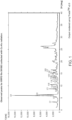
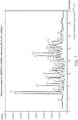
- FIGs. 1 , 3 , 5 , and 7 show XRPD patterns of various crystalline forms described herein.
- An XRPD pattern that is "substantially in accordance" with one or more figures herein showing an XRPD pattern or diffractogram is an XRPD pattern that would be considered by one skilled in the art to represent the same crystalline form of the compound of Structural Formula 1 as the sample of the compound of Structural Formula 1 that provided the XRPD pattern of one or more figures provided herein.
- an XRPD pattern that is substantially in accordance may be identical to that of one of the figures or, more likely, may be somewhat different from one or more of the figures.
- An XRPD pattern that is somewhat different from one or more of the figures may not necessarily show each of the lines of the diffraction pattern presented herein and/or may show a slight change in appearance or intensity of the lines or a shift in the position of the lines. These differences typically result from differences in the conditions involved in obtaining the data or differences in the purity of the sample used to obtain the data.
- a person skilled in the art is capable of determining if a sample of a crystalline compound is of the same form as or a different form from a form disclosed herein by comparison of the XRPD pattern of the sample and the corresponding XRPD pattern disclosed herein.
- any 2 ⁇ angle specified herein means the specified value ⁇ 0.2°.
- a 2 ⁇ of 4.4° this is to be understood to mean 4.4° ⁇ 0.2°, that is, a 2 ⁇ angle of from 4.2° to 4.6°.
- the crystalline forms provided herein can also be identified on the basis of differential scanning calorimetry (DSC) and/or thermogravimetric analysis (TGA).
- DSC is a thermoanalytical technique in which the difference in the amount of heat required to increase the temperature of a sample is measured as a function of temperature.
- DSC can be used to detect physical transformations, such as phase transitions, of a sample.
- DSC can be used to detect the temperature(s) at which a sample undergoes crystallization, melting or glass transition.
- TGA is a method of thermal gravimetric analysis in which changes in physical and chemical properties of a material are measured as a function of increasing temperature (with constant heating rate) or as a function of time (with constant temperature and/or constant mass loss). TGA can provide information about physical phenomena, such as second-order phase transitions, or about chemical phenomena, such as desolvation and/or decomposition.
- FIGs. 2B , 4B , 6B and 8B show DSC thermograms of various crystalline forms described herein.
- FIGs. 2A , 4A , 6A , and 8A show TGA thermograms of various crystalline forms described herein.
- a DSC or TGA thermogram that is "substantially in accordance" with one or more figures herein showing a DSC or TGA thermogram is a DSC or TGA thermogram that would be considered by one skilled in the art to represent the same crystalline form of the compound of Structural Formula 1 as the sample of the compound of Structural Formula 1 that provided the DSC or TGA thermogram of one or more figures provided herein.
- any temperature associated with DSC or TGA specified herein means the specified value ⁇ 5 °C or less.
- a DSC or TGA temperature is the specified value ⁇ 3 °C, in more preferred embodiments, ⁇ 2 °C.
- crystalline forms are solvates.
- solute e.g., a compound of Structural Formula 1
- solvents e.g., methanol, ethanol, water
- solvate includes solvates containing a single type of solvent molecule and solvates containing more than one type of solvent molecule (mixed solvates or co-solvates).
- the one or more solvents in solvates described herein is an organic solvent or a combination of organic solvents, although water can also form solvates, called hydrates.
- Form I described herein has been characterized as a hemi-ethanolate with 0.5 eq. of ethanol.
- Form J described herein has been characterized as the desolvated Form of I.
- a crystalline form of a compound represented by the bis HCl salt of Structural Formula 1 wherein the crystalline form is Form I and is characterized by at least three x-ray powder diffraction peaks at 2 ⁇ angles selected from 7.22°, 7.80°, 10.41°, and 11.11°, or at least four x-ray powder diffraction peaks at 2 ⁇ angles selected from 7.22°, 7.80°, 8.19°, 10.41°, and 11.11°, at least five x-ray powder diffraction peaks at 2 ⁇ angles selected from 7.22°, 7.80°, 8.19°, 10.41°, 11.11°, 15.00°, 16.47° and 20.44°.
- Form I is characterized by x-ray powder diffraction peaks at 2 ⁇ angles of 7.22°, 7.80°, 10.41°, and 11.11°, or by x-ray powder diffraction peaks at 2 ⁇ angles of 7.22°, 7.80°, 8.19°, 10.41°, and 11.11°, or by x-ray powder diffraction peaks at 2 ⁇ angles of 7.22°, 7.80°, 8.19°, 10.41°, 11.11°, 15.00°, 16.47° and 20.44° or by x-ray powder diffraction peaks at 2 ⁇ angles of 7.22°, 7.80°, 8.19°, 10.41°, 11.11°, 12.17°, 13.52°, 15.00°, 15.70°, 16.47°, 19.96°, and 20.44°.
- crystalline Form I is characterized by an x-ray powder diffraction pattern substantially in accordance with that depicted in FIG. 5 .
- Crystalline Form I may be further characterized by a differential scanning calorimetry thermogram comprising a broad, weak endothermic peak at about 116 °C or a weak endothermic peak at about 171 °C.
- the TGA thermogram and/or the DSC thermogram are substantially in accordance with those in FIG. 6A or FIG. 6B .
- Form I is in the form of a solvate, an ethanol solvate, such as a hemi-ethanolate comprising about 0.5 molar equivalents of solute per molar equivalent of the compound of Structural Formula 1.
- Form I is in the form of a co-solvate.
- the co-solvate is a dihydrate and hemi-ethanol co-solvate.
- a crystalline form of a compound represented by bis HCl salt of Structural Formula 1 wherein the crystalline form is Form J and is characterized by at least three x-ray powder diffraction peaks at 2 ⁇ angles selected from 7.02°, 7.80°, 22.13°, and 23.22°, at least four x-ray powder diffraction peaks at 2 ⁇ angles selected from 7.02°, 7.80°, 10.25°, 22.13°, and 23.22°, or at least five x-ray powder diffraction peaks at 2 ⁇ angles selected from 7.02°, 7.80°, 10.25°, 11.00°, 13.29°, 13.60°, 14.98°, 21.92°, 22.13°, 23.22°, 24.02° and 25.28°.
- Form J is characterized by x-ray powder diffraction peaks at 2 ⁇ angles of 7.02°, 7.80°, 22.13°, and 23.22°, or by x-ray powder diffraction peaks at 2 ⁇ angles of 7.02°, 7.80°, 10.25°, 22.13°, and 23.22° or by x-ray powder diffraction peaks at 2 ⁇ angles of 7.02°, 7.80°, 10.25°, 11.00°, 13.29°, 13.60°, 14.98°, 21.92°, 22.13°, 23.22°, 24.02° and 25.28°.
- Form J is characterized by x-ray powder diffraction peaks at 2 ⁇ angles of 7.02°, 7.80°, 10.25°, 11.00°, 11.85°, 13.29°, 13.60°, 14.98°, 15.27°, 16.21°, 16.39°, 17.04°, 20.10°, 21.53°, 21.92°, 22.13°, 22.52°, 23.22°, 24.02°, 24.41°, 25.28°, 26.08°, 26.35°, 26.78°, and 27.90°.
- crystalline Form J is characterized by an x-ray powder diffraction pattern substantially in accordance with that depicted in FIG. 7 .
- Crystalline Form J may be further characterized by a differential scanning calorimetry thermogram comprising a broad endothermic peak at 118 °C.
- the TGA thermogram and/or the DSC thermogram are substantially in accordance with those in FIG. 8A or FIG. 8B .
- a crystalline form of a compound represented by the bis HCl salt of Structural Formula 1 wherein the crystalline form is Form A and is characterized by at least three x-ray powder diffraction peaks at 2 ⁇ angles selected from 3.31°, 6.01°, 6.33°, and 8.73°, at least four x-ray powder diffraction peaks at 2 ⁇ angles selected from 3.31°, 6.01°, 6.33°, 8.73°, and 14.06°, or at least five x-ray powder diffraction peaks at 2 ⁇ angles selected from 3.31°, 6.01°, 6.33°, 8.73°, 10.49°, 14.06° and 16.55°.
- Form A is characterized by x-ray powder diffraction peaks at 2 ⁇ angles of 3.31°, 6.01°, 6.33°, and 8.73°, or by x-ray powder diffraction peaks at 2 ⁇ angles of 3.31°, 6.01°, 6.33°, 8.73°, and 14.06°, or by x-ray powder diffraction peaks at 2 ⁇ angles of 3.31°, 6.01°, 6.33°, 8.73°, 10.49°, 14.06° and 16.55°,
- crystalline Form A is characterized by an x-ray powder diffraction pattern substantially in accordance with that depicted in FIG. 1 .
- Crystalline Form A may be further characterized by a differential scanning calorimetry thermogram comprising a broad, endothermic peak at about 120 °C.
- the TGA thermogram and/or the DSC thermogram are substantially in accordance with those in FIG. 2A or FIG. 2B .
- Form A is in the form of a solvate or a co-solvate, for example, a water and ethanol co-solvate.
- a solvate or a co-solvate for example, a water and ethanol co-solvate.
- the water and ethanol co-solvate is a variable co-solvate.
- a crystalline form of a compound represented by the bis HCl salt Structural Formula 1 is provided, wherein the crystalline form is Form B and is characterized by at least three x-ray powder diffraction peaks at 2 ⁇ angles selected from 9.19°, 9.66°, 23.32°, and 24.35°, by at least four x-ray powder diffraction peaks at 2 ⁇ angles selected from 9.19°, 9.66°, 17.63°, 23.32°, and 24.35°, or by at least five x-ray powder diffraction peaks at 2 ⁇ angles selected from 6.10°, 9.19°, 9.48°, 9.66°, 13.05°, 17.63°, 17.77°, 19.94°, 20.48°, 23.32° and 24.35°.
- Form B is characterized by x-ray powder diffraction peaks at 2 ⁇ angles of 9.19°, 9.66°, 23.32°, and 24.35°, or by x-ray powder diffraction peaks at 2 ⁇ angles of 9.19°, 9.66°, 17.63°, 23.32°, and 24.35°, or by x-ray powder diffraction peaks at 2 ⁇ angles of 6.10°, 9.19°, 9.48°, 9.66°, 13.05°, 17.63°, 17.77°, 19.94°, 20.48°, 23.32°, 23.87°, and 24.35°, or by x-ray powder diffraction peaks at 2 ⁇ angles of 6.10°, 9.19°, 9.48°, 9.66°, 12.08°, 13.05°, 17.63°, 17.77°, 19.54°, 19.94°, 20.48°, 23.32°, 23.87°, and 24.35°.
- crystalline Form B is characterized by an x-ray powder diffraction peaks
- Crystalline Form B may be further characterized by a differential scanning calorimetry thermogram of FIG. 4B and a melting peak of 128 °C.
- the TGA thermogram and/or the DSC thermogram are substantially in accordance with those in FIG. 4A or FIG. 4B .
- Form B is in the form of a solvate or a co-solvate, for example, a water and methanol co-solvate.
- Crystalline Form B can be prepared, in accordance with the methods disclosed herein, at a desirable purity and yield.
- the exceptional purity of crystalline Form B can be translated into highly pure crystalline Form I, crystalline Form J or a mixture of crystalline Forms I and J for pharmaceutical use.
- crystalline Form I, crystalline Form J or a mixture thereof can be isolated as a composition ready for formulation as a pharmaceutical composition ( e . g .,acceptable purity, readily dissolvable and/or exhibiting good flow properties).
- compositions and Pharmaceutical Compositions
- the invention relates to a composition, comprising particles of one or more crystalline forms of a compound represented by the bis HCl salt of Structural Formula 1: wherein, the one or more crystalline forms are selected from: crystalline Form I characterized by at least three x-ray powder diffraction peaks at 2 ⁇ angles selected from 7.22°, 7.80°, 10.41°, and 11.11°; crystalline form Form J characterized by at least three x-ray powder diffraction peaks at 2 ⁇ angles selected from 7.02°, 7.80°, 22.13°, and 23.22°.
- the composition comprises particles that are a mixture of crystalline Form I and crystalline Form J.
- the weight percent of crystalline Form J in the composition is 25% or less (e.g., about 20% or less, about 15% or less, about 10% or less, about 5% or less or about 1%.
- compositions comprising a crystalline form (e.g., Form A, B, I, or J) of compositions described herein and a pharmaceutically acceptable carrier.
- the composition comprises particles of one or more crystalline form (e.g., Form A, B, I, or J) of the bis HCl salt of a compound of Structural Formula 1.
- the pharmaceutical composition comprises Form I, Form J, Form A, Form B or a combination of more than one of Form I, Form J, Form A and Form B.
- the pharmaceutical composition comprises a mixture of Form I and Form J.
- the invention relates to the compositions and pharmaceutical compositions as described herein, wherein the crystalline form is characterized by at least three x-ray powder diffraction peaks at 2 ⁇ angles selected from 7.22°, 7.80°, 10.41°, and 11.11°, at least four x-ray powder diffraction peaks at 2 ⁇ angles selected from 7.22°, 7.80°, 8.19°, 10.41°, and 11.11°, or at least five x-ray powder diffraction peaks at 2 ⁇ angles selected from 7.22°, 7.80°, 8.19°, 10.41°, 11.11°, 15.00°, 16.47° and 20.44°.
- the invention relates to compositions and pharmaceutical compositions described herein, wherein the crystalline form is characterized by x-ray powder diffraction peaks at 2 ⁇ angles of 7.22°, 7.80°, 10.41°, and 11.11°, by x-ray powder diffraction peaks at 2 ⁇ angles of 7.22°, 7.80°, 8.19°, 10.41°, and 11.11°, or by x-ray powder diffraction peaks at 2 ⁇ angles of 7.22°, 7.80°, 8.19°, 10.41°, 11.11°, 15.00°, 16.47° and 20.44°.
- the invention relates to compositions and pharmaceutical compositions described herein, wherein the crystalline form is characterized by an x-ray powder diffraction pattern substantially in accordance with that depicted in FIG. 5 .
- the invention relates to compositions and pharmaceutical compositions described herein, wherein the crystalline form is further characterized by a differential scanning calorimetry thermogram comprising a broad, weak endothermic peak at about 116 °C or a weak endothermic peak at about 171 °C. In certain embodiments, the invention relates to any of the compositions described herein, wherein the crystalline form is further characterized by a differential scanning calorimetry thermogram comprising a broad, weak endothermic peak at about 116 °C. In certain embodiments, the invention relates to any of the compositions described herein, wherein the crystalline form is further characterized by a differential scanning calorimetry thermogram comprising a weak endothermic peak at about 171 °C.
- the invention relates to the compositions and pharmaceutical compositions as described herein, wherein the crystalline form is characterized by at least three x-ray powder diffraction peaks at 2 ⁇ angles selected from 7.02°, 7.80°, 22.13°, and 23.22°, at least four x-ray powder diffraction peaks at 2 ⁇ angles selected from 7.02°, 7.80°, 10.25°, 22.13°, and 23.22°, or at least five x-ray powder diffraction peaks at 2 ⁇ angles selected from 7.02°, 7.80°, 10.25°, 11.00°, 13.29°, 13.60°, 14.98°, 21.92°, 22.13°, 23.22°, 24.02°, 25.28°.
- the invention relates to any of the compositions described herein, wherein the crystalline form is characterized by x-ray powder diffraction peaks at 2 ⁇ angles of 7.02°, 7.80°, 22.13°, and 23.22°, or by x-ray powder diffraction peaks at 2 ⁇ angles of 7.02°, 7.80°, 10.25°, 22.13°, and 23.22, or by x-ray powder diffraction peaks at 2 ⁇ angles of 7.02°, 7.80°, 10.25°, 11.00°, 13.29°, 13.60°, 14.98°, 21.92°, 22.13°, 23.22°, 24.02° and 25.28° or by x-ray powder diffraction peaks at 2 ⁇ angles of 7.02°, 7.80°, 10.25°, 11.00°, 11.85°, 13.29°, 13.60°, 14.98°, 15.27°, 16.21°, 16.39°, 17.04°, 20.10°, 21.53°, 21.92°,
- the invention relates to compositions or pharmaceutical compositions described herein, wherein the crystalline form is characterized by an x-ray powder diffraction pattern substantially in accordance with that depicted in FIG. 7 .
- the invention relates to any of the compositions described herein, wherein the crystalline form is further characterized by a differential scanning calorimetry thermogram comprising a broad endothermic peak at 118 °C.
- the invention relates to any of the compositions described herein, wherein the crystalline form is characterized by an x-ray powder diffraction pattern having a widened shoulder on the peak at 7.2° 2 ⁇ as compared to the x-ray powder diffraction pattern of particles of Form I.
- the invention relates to any of the compositions described herein, wherein the composition comprises a mixture of particles of Form I and particles of Form J; and the crystalline form is characterized by an x-ray powder diffraction pattern having a widened shoulder on the peak at 7.2° 2 ⁇ as compared to the x-ray powder diffraction pattern of particles of Form I.
- pharmaceutically acceptable carrier means a non-toxic solvent, dispersant, excipient, adjuvant or other material which is mixed with the active ingredient in order to permit formation of a pharmaceutical composition, i.e., a dosage form capable of being administered to a subject.
- a “pharmaceutically acceptable carrier” should not destroy the activity of the compound with which it is formulated.
- Pharmaceutically acceptable carriers are well known in the art.
- Pharmaceutically acceptable carriers, adjuvants or vehicles that may be used in the pharmaceutical compositions of this invention include, but are not limited to, ion exchangers, alumina, aluminum stearate, lecithin, serum proteins, such as human serum albumin, buffer substances such as phosphates, glycine, sorbic acid, potassium sorbate, partial glyceride mixtures of saturated vegetable fatty acids, water, salts or electrolytes, such as protamine sulfate, disodium hydrogen phosphate, potassium hydrogen phosphate, sodium chloride, zinc salts, colloidal silica, magnesium trisilicate, polyvinyl pyrrolidone, cellulose-based substances, polyethylene glycol, sodium carboxymethylcellulose, polyacrylates, waxes, polyethylene-polyoxypropylene-block polymers, polyethylene glycol and wool fat.
- ion exchangers alumina, aluminum stearate, lecithin
- serum proteins such as human serum albumin
- buffer substances such as phosphat
- compositions of the invention may be administered orally, parenterally (including subcutaneous, intramuscular, intravenous and intradermal), by inhalation spray, topically, rectally, nasally, buccally, vaginally or via an implanted reservoir.
- provided pharmaceutical compositions are administrable intravenously and/or intraperitoneally.
- parenteral includes subcutaneous, intravenous, intramuscular, intraocular, intravitreal, intra-articular, intra-synovial, intrasternal, intrathecal, intrahepatic, intraperitoneal intralesional and intracranial injection or infusion techniques.
- the pharmaceutical compositions are administered orally, subcutaneously, intraperitoneally or intravenously.
- Sterile injectable forms of the pharmaceutical compositions of this invention may be aqueous or oleaginous suspension. These suspensions may be formulated according to techniques known in the art using suitable dispersing or wetting agents and suspending agents.
- the sterile injectable preparation may also be a sterile injectable solution or suspension in a non-toxic parenterally acceptable diluent or solvent, for example as a solution in 1,3-butanediol.
- a non-toxic parenterally acceptable diluent or solvent for example as a solution in 1,3-butanediol.
- acceptable vehicles and solvents that may be employed are water, Ringer's solution and isotonic sodium chloride solution.
- sterile, fixed oils are conventionally employed as a solvent or suspending medium.
- compositions of this invention may be orally administered in any orally acceptable dosage form including, but not limited to, capsules, tablets, aqueous suspensions or solutions.
- carriers commonly used include lactose and corn starch.
- Lubricating agents such as magnesium stearate, are also typically added.
- useful diluents include lactose and dried cornstarch.
- aqueous suspensions are required for oral use, the active ingredient is combined with emulsifying and suspending agents. If desired, certain sweetening, flavoring or coloring agents may also be added.
- a provided oral formulation is formulated for immediate release or sustained/delayed release.
- the composition is suitable for buccal or sublingual administration, including tablets, lozenges and pastilles.
- a provided compound can also be in micro-encapsulated form.
- Specific pharmaceutically acceptable carriers suitable for use in an oral formulation such as a tablet or capsule include, but are not limited to, microcrystalline cellulose (Avicel PH101), croscarmellose Sodium (Ac-Di-Sol), kollidon 30 powder (polyvinylpyrrolidone, povidone), colloidal silicon dioxide M5-P, magnesium stearate, microcrystalline cellulose (Avcel PH102), sodium lauryl sulfate (Kolliphor SLS Fine) and Colloidal Silicon Dioxide M5-P.
- microcrystalline cellulose Avicel PH101
- croscarmellose Sodium Ac-Di-Sol
- kollidon 30 powder polyvinylpyrrolidone, povidone
- colloidal silicon dioxide M5-P colloidal silicon dioxide M5-P
- magnesium stearate magnesium stearate
- microcrystalline cellulose Avcel PH102
- sodium lauryl sulfate Kolliphor SLS Fine
- Further pharmaceutically acceptable carriers suitable for use in an oral formulation such as a tablet or capsule include, but are not limited to, microcrystalline cellulose (Avicel PH112), crospovidone (polyplasdone XL-10), colloidal silicone dioxide (Cab-O-Sil M-5P), Talc, starch and calcium stearate.
- the crystalline form e.g., Form A, Form B, Form I, Form J or a mixture of Form I and Form J
- Disodium EDTA is also present in the oral formulation.
- the EDTA increases the bioavailability of the active.
- the bioavailability of the active is increased by from about 1.5 fold to about 20 fold (e.g., 1.5, 2, 3, 4, 5, 6, 7, 8, 9, 10, 11, 12, 13, 14, 15, 16, 17, 18, 19 or 20 fold).
- the w/w ratio of the crystalline form (freebase weight) to EDTA ranges from about 1:0.25 to about 1:15 (e.g., 1:0.25, 1:0.5, 1:1, 1:2.5, 1:5, 1:10, or 1:15).
- provided pharmaceutical compositions may be formulated as micronized suspensions or in an ointment such as petrolatum.
- compositions of this invention may also be administered by nasal aerosol or inhalation.
- compositions of this invention are formulated for intra-peritoneal administration.
- a pharmaceutical composition of this invention is formulated for administration to a subject in need of such pharmaceutical composition.
- the term "subject,” as used herein, means an animal. In some embodiments, the animal is a mammal. In certain embodiments, the subject is a veterinary patient ( i.e., a non-human mammal patient, such as a dog, a cat, a horse, a pig or a rodent, such as a mouse or rat). In some embodiments, the subject is a dog. In other embodiments, the subject is a human ( e.g., a human patient).
- the amount of the crystalline form of a compound represented by the bis HCl salt Structural Formula 1 that may be combined with the pharmaceutically acceptable carrier materials to produce a pharmaceutical composition in a single dosage form will vary depending upon the host treated and/or the particular mode of administration.
- the pharmaceutical compositions should be formulated so that a dosage of between 0.01 - 100 mg/kg body weight/day of the compound of Structural Formula 1 can be administered to a patient receiving these compositions.
- the dosage is from about 0.5 to about 100 mg/kg of body weight, or between 1 mg and 1000 mg/dose, every 4 to 120 hours, or according to the requirements of the particular drug.
- the pharmaceutical compositions of this invention will be administered from about 1 to about 6 times per day. Exemplary doses, include but are not limited to, 1.0 mg/kg twice a day for about 4-14 days and 1.5 mg/kg once a day for 5 to 10 days.
- a specific dosage and treatment regimen for any particular subject will depend upon a variety of factors, including the activity of the specific compound employed, the age, body weight, general health, sex, diet, time of administration, rate of excretion, drug combination, and the judgment of the treating physician and the severity of the particular disease being treated.
- a maintenance dose of a pharmaceutical composition of this invention may be administered, if necessary. Subsequently, the dosage or frequency of administration, or both, may be reduced, as a function of the symptoms, to a level at which the improved condition is retained when the symptoms have been alleviated to the desired level. Subjects may, however, require intermittent treatment on a long-term basis upon any recurrence of disease symptoms.
- compositions described herein are generally useful for treatment or prevention of a tetracycline-responsive disease or disorder.
- the invention provides a crystalline form I or J of the compound of formula I for use in a method for treating a tetracycline-responsive disease or disorder, comprising administering to a subject in need thereof a therapeutically effective amount of a crystalline form, such as a crystalline form, of the bis HCl salt of a compound of Structural Formula 1, or a pharmaceutical composition described herein.
- the compound of Structural Formula 1 or crystalline form thereof, pharmaceutical composition thereof or combination of the foregoing can also be administered to cells in culture, e.g., in vitro or ex vivo, or to a subject, e.g., in vivo, to treat, prevent, and/or diagnose a variety of disorders, including those described herein.
- treat or “treating” means to alleviate symptoms, eliminate the causation of the symptoms, either on a temporary or permanent basis, or to slow the appearance of symptoms of the named disorder or condition.
- terapéuticaally effective amount means an amount of the bis HCl salt of a compound of Structural Formula 1 or crystalline form thereof (typically, in a pharmaceutical composition described herein) which is effective in treating or lessening the severity of one or more symptoms of a disorder or condition.
- Tetracycline-responsive disease or disorder refers to a disease or disorder that can be treated, prevented, or otherwise ameliorated by the administration of a tetracycline compound of the present invention.
- Tetracycline-responsive disease or disorder includes infections, cancer, inflammatory disorders, autoimmune disease, arteriosclerosis, corneal ulceration, emphysema, arthritis, osteoporosis, osteoarthritis, multiple sclerosis, osteosarcoma, osteomyelitis, bronchiectasis, chronic pulmonary obstructive disease, skin and eye diseases, periodontitis, osteoporosis, rheumatoid arthritis, ulcerative colitis, prostatitis, tumor growth and invasion, metastasis, diabetes, diabetic proteinuria, panbronchiolitis; aortic or vascular aneurysms, skin tissue wounds, dry eye, bone, cartilage degradation, malaria, senescence, diabetes, vascular stroke, neurodegenerative disorders, cardiac disease, juvenile diabetes, acute and chronic bron
- any disease or disease state that could benefit from modulating the expression and/or function of nitric oxide, metalloproteases, proinflammatory mediators and cytokines, reactive oxygen species, components of the immune response, including chemotaxis, lymphocyte transformation, delayed hypersensitivity, antibody production, phagocytosis, and oxidative metabolism of phagocytes.
- a method to treat any disease or disease state that could benefit from modulating the expression and/or function of C-reactive protein, signaling pathways (e.g., FAK signaling pathway), and/or augment the expression of COX-2 and PGE2 production is covered.
- a method to treat any disease or disease state that could benefit from inhibition of neovascularization is covered.
- compositions of the invention can be used to prevent or treat important mammalian and veterinary diseases such as diarrhea, urinary tract infections, infections of skin and skin structure, ear, nose and throat infections, wound infection, mastitis and the like.
- important mammalian and veterinary diseases such as diarrhea, urinary tract infections, infections of skin and skin structure, ear, nose and throat infections, wound infection, mastitis and the like.
- methods for treating neoplasms using tetracycline compounds of the invention are also included (van der Bozert et al., Cancer Res., 48: 6686-6690 (1988 )).
- Infections that can be treated using compositions of the invention include, but are not limited to, skin infections, GI infections, urinary tract infections (e.g., complication UTI), complicated intra-abdominal infections, genito-urinary infections, respiratory tract infections, sinuses infections, middle ear infections, systemic infections, cholera, influenza, bronchitis, acne, malaria, sexually transmitted disease including syphilis and gonorrhea, Legionnaires' disease, Lyme disease, Rocky Mountain spotted fever, Q fever, typhus, bubonic plague, gas gangrene, hospital acquired infections, leptospirosis, whooping cough, anthrax and infections caused by the agents responsible for lymphogranuloma venereum, inclusion conjunctivitis, or psittacosis. Infections can be bacterial, fungal, parasitic and viral infections (including those which are resistant to other tetracycline compounds).
- urinary tract infections e.g., complication U
- the infection can be caused by bacteria.
- the infection is caused by a Gram-positive bacteria.
- the infection is caused by a Gram-positive bacterium selected from Staphylococcus spp., Streptococcus spp., Propionibacterium spp., Enterococcus spp., Bacillus spp., Corynebacterium spp., Nocardia spp., Clostridium spp., Actinobacteria spp., and Listeria spp.
- the infection is caused by a Gram-negative bacterium.
- the infection is caused by a proteobacteria (e.g., Betaproteobacteria and Gammaproteobacteria), including Escherichia coli, Salmonella, Shigella, other Enterobacteriaceae, Pseudomonas, Moraxella, Helicobacter, Stenotrophomonas, Bdellovibrio, acetic acid bacteria, Legionella or alpha-proteobacteria such as Wolbachia.
- the infection is caused by a Gram-negative bacteria selected from cyanobacteria, spirochaetes, green sulfur or green non-sulfur bacteria.
- the infection is caused by a Gram-negative bacteria selected from Enterobactericeae (e.g., E. coli, Klebsiella pneumonia including those containing extended-spectrum beta. -lactamases and/or carbapenemases), Bacteroidaceae (e.g., Bacteroides fragilis), Vibrionaceae (Vibrio cholerae), Pasteurellae (e.g., Haemophilus influenza), Pseudomonadaceae (e.g., Pseudomonas aeruginosa), Neisseriaceae (e.g.
- Enterobactericeae e.g., E. coli, Klebsiella pneumonia including those containing extended-spectrum beta. -lactamases and/or carbapenemases
- Bacteroidaceae e.g., Bacteroides fragilis
- Vibrionaceae Vibrio cholerae
- Pasteurellae e.g
- Neisseria meningitidis Rickettsiae, Moraxellaceae (e.g., Moraxella catarrhalis), any species of Proteeae, Acinetobacter spp., Helicobacter spp., and Campylobacter spp.
- the infection is caused by Gram-negative bacterium selected from the group consisting of Enterobactericeae (e.g., E. coli, Klebsiella pneumoniae), Pseudomonas, and Acinetobacter spp.
- Gram-negative bacterium selected from the group consisting of Enterobactericeae (e.g., E. coli, Klebsiella pneumoniae), Pseudomonas, and Acinetobacter spp.
- the infection is caused by an organism selected from the group consisting of K. pneumoniae, Salmonella, E. hirae, A. baumanii, M. catarrhalis, H. influenzae, P. aeruginosa, E. faecium, E. coli, S. aureus, and E. faecalis.
- the infection is caused by an organism selected from the group consisting of rickettsiae, chlamydiae, Legionella spp. and Mycoplasma spp.
- the infection is caused by an organism resistant to tetracycline or any member of first and second generation of tetracycline antibiotics (e.g., doxycycline or minocycline).
- tetracycline antibiotics e.g., doxycycline or minocycline.
- the infection is caused by an organism resistant to methicillin.
- the infection is caused by an organism resistant to vancomycin.
- the infection is caused by an organism resistant to a quinolone or fluoroquinolone.
- the infection is caused by an organism resistant to tigecycline.
- the infection is caused by a multidrug-resistant pathogen (having intermediate or full resistance to any two or more antibiotics).
- the infection is a Bacillus anthracis infection.
- Bacillus anthracis infection includes any state, diseases, or disorders caused or which result from exposure or alleged exposure to Bacillus anthracis or another member of the Bacillus cereus group of bacteria.
- the infection is caused by Bacillus anthracis (anthrax), Yersinia pestis (plague), or Francisella tularensis (tularemia).
- the infection can be caused by more than one organism described above.
- infections include, but are not limited to, intra-abdominal infections (often a mixture of a gram-negative species like E. coli and an anaerobe like B. fragilis), diabetic foot (various combinations of Streptococcus, Serratia, Staphylococcus and Enterococcus spp., anaerobes ( S. E. Dowd, et al., PloS one 2008; 3:e3326 ) and respiratory disease (especially in patients that have chronic infections like cystic fibrosis-e.g., S. aureus plus P.
- aeruginosa or H influenza, atypical pathogens wounds and abscesses (various gram-negative and gram-positive bacteria, notably MSSA/MRSA, coagulase-negative staphylococci, enterococci, Acinetobacter, P. aeruginosa, E. coli, B. fragilis), and bloodstream infections (13% were polymicrobial ( H. Wisplinghoff, et al., Clin. Infect. Dis. 2004; 39:311-317 )).
- the tetracycline responsive disease or disorder is not a bacterial infection.
- the compositions of the invention are essentially non-antibacterial.
- non-antibacterial compositions may have MIC values greater than about 4 ⁇ g/mL.
- the compositions of the invention have both antibacterial and non-antibacterial effects.
- Tetracycline responsive disease or disorder also includes diseases or disorders associated with inflammatory process associated states (IPAS).
- inflammatory process associated state includes states in which inflammation or inflammatory factors (e.g., matrix metalloproteinases (MMPs), nitric oxide (NO), TNF, interleukins, plasma proteins, cellular defense systems, cytokines, lipid metabolites, proteases, toxic radicals, adhesion molecules, etc.) are involved or are present in an area in aberrant amounts, e.g., in amounts which may be advantageous to alter, e.g., to benefit the subject.
- MMPs matrix metalloproteinases
- NO nitric oxide
- TNF interleukins
- plasma proteins e.g., plasma proteins
- cellular defense systems e.g., cytokines, lipid metabolites, proteases, toxic radicals, adhesion molecules, etc.
- the inflammatory process is the response of living tissue to damage.
- the cause of inflammation may be due to physical damage, chemical substances, micro-organisms, tissue necrosis, cancer or other agents.
- Acute inflammation is short-lasting, lasting only a few days. If it is longer lasting however, then it may be referred to as chronic inflammation.
- IPASs include inflammatory disorders. Inflammatory disorders are generally characterized by heat, redness, swelling, pain and loss of function. Examples of causes of inflammatory disorders include, but are not limited to, microbial infections (e.g., bacterial and fungal infections), physical agents (e.g., burns, radiation, and trauma), chemical agents (e.g., toxins and caustic substances), tissue necrosis and various types of immunologic reactions.
- microbial infections e.g., bacterial and fungal infections
- physical agents e.g., burns, radiation, and trauma
- chemical agents e.g., toxins and caustic substances
- inflammatory disorders can be treated using the compounds of the invention or a pharmaceutically acceptable salt thereof include, but are not limited to, osteoarthritis, rheumatoid arthritis, acute and chronic infections (bacterial and fungal, including diphtheria and pertussis); acute and chronic bronchitis, sinusitis, and upper respiratory infections, including the common cold; acute and chronic gastroenteritis and colitis; inflammatory bowel disorder; acute and chronic cystitis and urethritis; vasculitis; sepsis; nephritis; pancreatitis; hepatitis; lupus; inflammatory skin disorders including, for example, eczema, dermatitis, psoriasis, pyoderma gangrenosum, acne rosacea, and acute and chronic dermatitis; acute and chronic conjunctivitis; acute and chronic serositis (pericarditis, peritonitis, synovitis, pleuritis and tendinitis);
- IPASs also include matrix metalloproteinase associated states (MMPAS).
- MMPAS include states characterized by aberrant amounts of MMPs or MMP activity.
- MPASs matrix metalloproteinase associated states
- arteriosclerosis corneal ulceration
- emphysema emphysema
- osteoarthritis emphysema
- multiple sclerosis Liedtke et al., Ann. Neurol. 1998, 44: 35-46 ; Chandler et al., J. Neuroimmunol.
- MMPAS include those described in U.S. Pat. Nos. 5,459,135 ; 5,321,017 ; 5,308,839 ; 5,258,371 ; 4,935,412 ; 4,704,383 , 4,666,897 , and RE 34 656 .
- the IPAS includes disorders described in U.S. Pat. Nos. 5,929,055 ; and 5,532,227 .
- Tetracycline responsive disease or disorder also includes diseases or disorders associated with NO associated states.
- NO associated states includes states which involve or are associated with nitric oxide (NO) or inducible nitric oxide synthase (iNOS).
- NO associated state includes states which are characterized by aberrant amounts of NO and/or iNOS.
- the NO associated state can be treated by administering tetracycline compounds of the invention.
- the disorders, diseases and states described in U.S. Pat. Nos. 6,231,894 ; 6,015,804 ; 5,919,774 ; and 5,789,395 are also included as NO associated states.
- diseases or disorders associated with NO associated states can be treated using the compositions of the invention include, but are not limited to, malaria, senescence, diabetes, vascular stroke, neurodegenerative disorders (Alzheimer's disease and Huntington's disease), cardiac disease (reperfusion-associated injury following infarction), juvenile diabetes, inflammatory disorders, osteoarthritis, rheumatoid arthritis, acute, recurrent and chronic infections (bacterial, viral and fungal); acute and chronic bronchitis, sinusitis, and respiratory infections, including the common cold; acute and chronic gastroenteritis and colitis; acute and chronic cystitis and urethritis; acute and chronic dermatitis; acute and chronic conjunctivitis; acute and chronic serositis (pericarditis, peritonitis, synovitis, pleuritis and tendonitis); uremic pericarditis; acute and chronic cholecystis; cystic fibrosis, acute and chronic vaginitis; acute and chronic uveit
- the tetracycline responsive disease or disorder is cancer.
- cancers that can be treated using the compounds of the invention or a pharmaceutically acceptable salt thereof include all solid tumors, i.e., carcinomas e.g., adenocarcinomas, and sarcomas.
- carcinomas e.g., adenocarcinomas
- sarcomas are carcinomas derived from glandular tissue or in which the tumor cells form recognizable glandular structures.
- Sarcomas broadly include tumors whose cells are embedded in a fibrillar or homogeneous substance like embryonic connective tissue.
- carcinomas which may be treated using the methods of the invention include, but are not limited to, carcinomas of the prostate, breast, ovary, testis, lung, colon, and breast.
- the methods of the invention are not limited to the treatment of these tumor types, but extend to any solid tumor derived from any organ system.
- treatable cancers include, but are not limited to, colon cancer, bladder cancer, breast cancer, melanoma, ovarian carcinoma, prostate carcinoma, lung cancer, and a variety of other cancers as well.
- the methods of the invention also cause the inhibition of cancer growth in adenocarcinomas, such as, for example, those of the prostate, breast, kidney, ovary, testes, and colon.
- the cancers treated by methods of the invention include those described in U.S. Pat. No. 6,100,248 ; 5,843,925 ; 5,837,696 ; or 5,668,22 .
- compositions may be useful for preventing or reducing the likelihood of cancer recurrence, for example, to treat residual cancer following surgical resection or radiation therapy.
- the compositions useful according to the invention are especially advantageous as they are substantially non-toxic compared to other cancer treatments.
- compositions of the invention are administered in combination with standard cancer therapy, such as, but not limited to, chemotherapy.
- Examples of tetracycline responsive states can be treated using the compositions of the invention or a pharmaceutically acceptable salt thereof also include neurological disorders which include both neuropsychiatric and neurodegenerative disorders, but are not limited to, such as Alzheimer's disease, dementias related to Alzheimer's disease (such as Pick's disease), Parkinson's and other Lewy diffuse body diseases, senile dementia, Huntington's disease, Gilles de la Tourette's syndrome, multiple sclerosis, amyotrophic lateral sclerosis (ALS), progressive supranuclear palsy, epilepsy, and Creutzfeldt-Jakob disease; autonomic function disorders such as hypertension and sleep disorders, and neuropsychiatric disorders, such as depression, schizophrenia, schizoaffective disorder, Korsakoff s psychosis, mania, anxiety disorders, or phobic disorders; learning or memory disorders, e.g., amnesia or age-related memory loss, attention deficit disorder, dysthymic disorder, major depressive disorder, mania, obsess
- Further neurological disorders include, for example, those listed in the American Psychiatric Association's Diagnostic and Statistical manual of Mental Disorders (DSM), the most current version of which is incorporated herein by reference in its entirety.
- DSM Diagnostic and Statistical manual of Mental Disorders
- the tetracycline responsive disease or disorder is diabetes.
- Diabetes that can be treated using the compositions of the invention include, but are not limited to, juvenile diabetes, diabetes mellitus, diabetes type I, or diabetes type II.
- protein glycosylation is not affected by the administration of the compositions of the invention.
- the composition of the invention is administered in combination with standard diabetic therapies, such as, but not limited to insulin therapy.
- the tetracycline responsive disease or disorder is a bone mass disorder.
- Bone mass disorders that can be treated using the compounds of the invention or a pharmaceutically acceptable salt thereof include disorders where a subjects bones are disorders and states where the formation, repair or remodeling of bone is advantageous.
- bone mass disorders include osteoporosis (e.g., a decrease in bone strength and density), bone fractures, bone formation associated with surgical procedures (e.g., facial reconstruction), osteogenesis imperfecta (brittle bone disease), hypophosphatasia, Paget's disease, fibrous dysplasia, osteopetrosis, myeloma bone disease, and the depletion of calcium in bone, such as that which is related to primary hyperparathyroidism.
- Bone mass disorders include all states in which the formation, repair or remodeling of bone is advantageous to the subject as well as all other disorders associated with the bones or skeletal system of a subject which can be treated with the compositions of the invention.
- the bone mass disorders include those described in U.S. Pat. Nos. 5,459,135 ; 5,231,017 ; 5,998,390 ; 5,770,588 ; RE 34,656 ; 5,308,839 ; 4,925,833 ; 3,304,227 ; and 4,666,897 .
- the tetracycline responsive disease or disorder is acute lung injury.
- Acute lung injuries that can be treated using the compounds of the invention or a pharmaceutically acceptable salt thereof include adult respiratory distress syndrome (ARDS), post-pump syndrome (PPS), and trauma.
- Trauma includes any injury to living tissue caused by an extrinsic agent or event. Examples of trauma include, but are not limited to, crush injuries, contact with a hard surface, or cutting or other damage to the lungs.
- the tetracycline responsive disease or disorders of the invention also include chronic lung disorders.
- chronic lung disorders that can be treated using the compounds of the invention or a pharmaceutically acceptable salt thereof include, but are not limited, to asthma, cystic fibrosis, chronic obstructive pulmonary disease (COPD), and emphysema.
- COPD chronic obstructive pulmonary disease
- the acute and/or chronic lung disorders that can be treated using the compositions of the invention include those described in U.S. Pat. Nos. 5,977,091 ; 6,043,231 ; 5,523,297 ; and 5,773,430 .
- the tetracycline responsive disease or disorder is ischemia, stroke, or ischemic stroke.
- compositions of the invention can be used to treat such disorders as described above and in U.S. Pat. Nos. 6,231,894 ; 5,773,430 ; 5,919,775 and 5,789,395 .
- the tetracycline responsive disease or disorder is a skin wound.
- the invention also provides a method for improving the healing response of the epithelialized tissue (e.g., skin, mucosae) to acute traumatic injury (e.g., cut, burn, scrape, etc.).
- the method includes using a composition of the invention to improve the capacity of the epithelialized tissue to heal acute wounds.
- the method may increase the rate of collagen accumulation of the healing tissue.
- the method may also decrease the proteolytic activity in the epithelialized tissue by decreasing the collagenolytic and/or gellatinolytic activity of MMPs.
- the tetracycline compound of the invention or a pharmaceutically acceptable salt thereof is administered to the surface of the skin (e.g., topically).
- the compositions of the invention are used to treat a skin wound, and other such disorders as described in, for example, U.S. Pat. Nos. 5,827,840 ; 4,704,383 ; 4,935,412 ; 5,258,371 ; 5,308,839 , 5,459,135 ; 5,532,227 ; and 6,015,804 .
- the tetracycline responsive disease or disorder is an aortic or vascular aneurysm in vascular tissue of a subject (e.g., a subject having or at risk of having an aortic or vascular aneurysm, etc.).
- the compositions may be effective to reduce the size of the vascular aneurysm or it may be administered to the subject prior to the onset of the vascular aneurysm such that the aneurysm is prevented.
- the vascular tissue is an artery, e.g., the aorta, e.g., the abdominal aorta.
- the compositions of the invention are used to treat disorders described in U.S. Pat. Nos. 6,043,225 and 5,834,449 .
- the compounds, compositons and pharmaceutical compositins of the invention can be used to treat oral mucositis.
- the oral mucositis is a result of chemotherapy, radiation or both.
- the subject having oral mucositis is undergoing chemotherapy and/or radiation therapy for head and neck cancer.
- the head and neck cancer is selected from: laryngeal; hypopharyngeal; nasal cavity; paranasal sinus; nasopharyngeal; oral; oropharyngeal; and salivary gland.
- a crystalline form of a compound represented by the bis HCl salt Structural Formula 1 is administered together with an additional "second" therapeutic agent or treatment.
- second therapeutic agent may be made from any agent that is typically used in a monotherapy to treat the indicated disease or condition.
- the term "administered together" and related terms refers to the simultaneous or sequential administration of therapeutic agents in accordance with this invention.
- the compound of Structural Formula 1 may be administered with another therapeutic agent simultaneously or sequentially in separate unit dosage forms or together in a unit dosage form.
- the invention provides a unit dosage form comprising a crystalline form of a compound represented by the bis HCl salt of Structural Formula 1 (e.g., Form I or J), an additional therapeutic agent, and a pharmaceutically acceptable carrier.
- the effective amount of the crystalline form of a compound represented by the bis HCl salt of Structural Formula 1 is less than its effective amount would be where the second therapeutic agent is not administered.
- the effective amount of the second therapeutic agent is less than its effective amount would be were the crystalline form of a compound represented by the bis HCl salt of Structural Formula 1not administered. In this way, undesired side effects associated with high doses of either agent may be minimized.
- Other potential advantages including without limitation improved dosing regimens and/or reduced drug cost
- a mixture of crystalline forms is produced.
- the mixture may comprise two or more crystalline forms selected from Form A, Form B, Form I, or Form J, more specifically, two or more crystalline forms selected from Form B, Form I, or Form J.
- the mixture does not comprise Form A.
- Form A and B are reference examples.
- the invention relates to a method of preparing a crystalline form of the bis-HCl salt of a compound represented by Structural Formula 1:
- the ratio by volume of methanol, first portion of ethanol, water and concentrated HCl in the recrystallization mixture is from about 1 to about 8 (methanol), from about 1 to about 3 (ethanol), from about 0.1 to about 1.0 (water) and from about 0.1 to about 2 (concentrated HCl) by volume.
- the volume of the second portion of ethanol is about from about 4 to about 6 times the volume of the first portion of ethanol.
- stirring of the recrystallization mixture (both with and without the addition of the second portion of ethanol) is conducted at a temperature from about 15 °C to about 25 °C.
- the particles are isolated by filtration.
- the method of preparing Form B further comprises step washing the particles of crystalline Form B, for example, with ethanol or the mixture of methanol, water, and concentrated HCl.
- the invention relates to a method of preparing a crystalline form of the bis-HCl salt of a compound represented by Structural Formula 1:
- the ratio of ethanol to water to concentrated HCl by volume in the mixture of ethanol, water, and concentrated HCl is about 4.0-6.0 to about 0.3-0.5 to about 0.3-0.5, for example, about 5.0 to about 0.4 to about 0.4, or about 5.0 to about 0.4 to about 0.35.
- the method of preparing Form I further comprises step (b') adding to the slurry of Form B an amount of the crystalline Form I, thereby forming a seeded mixture.
- stirring the slurry of Form B or the seeded mixture is conducted at a temperature from about 18 °C to about 25 °C for about 12 h to about 40 h.
- the method of preparing Form I further comprises step (b") adding to the slurry of Form I an anti-solvent, thereby forming an anti-solvent slurry.
- the anti-solvent can be ethanol.
- the anti-solvent is ethanol, and is added over about 1 hour to about 15 hours (such as about 1 hour to about 5 hours), for example, over about 1hour, 3 hours or 10 hours.
- the particles are isolated by filtration.
- the method of preparing Form I further comprises step (c') washing the solid particles, for example, with ethanol, or the mixture of ethanol, water, and concentrated HCl.
- the invention relates to a method of preparing a crystalline form of the bis-HCl salt of a compound represented by Structural Formula 1:
- crystalline Form I is exposed to a temperature of about 40 °C and a relative humidity of about 75%.
- crystalline Form I is exposed to a temperature of about 25 °C and a relative humidity from about 75% to about 85%.
- the invention relates to a method of preparing a crystalline form of the bis-HCl salt of a compound represented by Structural Formula 1:
- the ratio of ethanol to water by volume in the mixture of ethanol and water is about 3.0-5.0 to about 0.3-0.5, for example, about 4.0 to about 0.4.
- the ratio of concentrated HCl to methanol by volume is about 0.2-0.4 to about 0.1-0.4, for example, about 0.3 to about 0.2.
- the method of preparing Form A further comprises steps (b') adding to the slurry of amorphous compound an amount of the crystalline Form A, thereby forming a seeded mixture; and (b") stirring the seeded mixture at a temperature from about 20 °C to about 25 °C for about 1 h to about 24 h.
- the anti-solvent is ethanol. In a more particular aspect, the anti-solvent is added over from about 2 h to about 6 h, for example, over about 4 h.
- the method of preparing Form A further comprising step (c') cooling the slurry of Form A to about 0 °C.
- the invention relates to any of the methods described herein (methods to produce crystalline Forms I, B, J or A), further comprising step drying the isolated particles, for example at about 22 °C to about 30 °C for about 12 h to about 5 days (e.g., from about 12h to about 24 h) at about 26 °C for about 18 h, or under nitrogen gas for about 1 h to about 20 h, then under vacuum conditions for about 15 h to about 25 h, or under nitrogen gas for about 1 h, then under vacuum conditions for about 20 h, or under nitrogen gas for about 10 h, then under vacuum conditions at about 25 °C.
- step drying the isolated particles for example at about 22 °C to about 30 °C for about 12 h to about 5 days (e.g., from about 12h to about 24 h) at about 26 °C for about 18 h, or under nitrogen gas for about 1 h to about 20 h, then under vacuum conditions for about 15 h to about 25 h, or under nitrogen gas for about
- solvent system refers to a single solvent or a mixture of two or more (typically, two) different solvents.
- Exemplary solvents for a solvent system include water and organic solvents such as, but not limited to, methanol, ethanol, diisopropyl ether, 2-propanol, ethyl acetate, and isopropyl acetate.
- Inducing formation includes any conditions that induce the compound of Structural Formula 1 to crystallize as the specified crystalline form, for example, crystalline Form B or crystalline Form I. Inducing formation includes merely allowing solid particles of the specified crystalline form to precipitate from a solution or slurry, for example, without actively performing any step. Inducing formation also includes maturing (e.g., aging, with or without cooling, and/or cycling) a solution comprising a compound of Structural Formula 1 in an appropriate solvent system and/or allowing a solution comprising a compound of Structural Formula 1 in an appropriate solvent system to slowly evaporate, with or without cooling.
- maturing e.g., aging, with or without cooling, and/or cycling
- Inducing formation also includes cooling the compound of Structural Formula 1 or a solution including the compound of Structural Formula 1.
- Other methods of inducing formation of a crystalline solid are known in the art and include, for example, the use of anti-solvents and vapor diffusion.
- inducing formation comprises cooling the compound of Structural Formula 1 or a solution or slurry including the compound of Structural Formula 1 in an appropriate solvent system.
- Isolating the solid particles of crystalline Form B, Form I, Form J, or Form A is typically effected by filtration and, optionally, rinsing of the filtered solids with a solvent (e.g., a chilled solvent), although other means of isolating the solid particles are known in the art.
- a solvent e.g., a chilled solvent
- Other means of isolating the solid particles of crystalline Form B, Form I, Form J, or Form A include, but are not limited to, distilling liquid away from the solid particles or otherwise drying the solid particles, for example, by heating, by subjecting to reduced pressure ( e.g., in vacuo ) or any combination of the foregoing.
- Root temperature and “ambient temperature,” as used herein, means a temperature of from about 16 °C to about 25 °C.
- Ambient conditions refers to room temperature and atmospheric pressure conditions.
- Drying crystalline Form B, Form I, Form J, or Form A of the compound of Structural Formula 1 or a mixture comprising two or more crystalline forms of the compound of Structural Formula 1 can be accomplished, for example, by distilling any liquid present away from the solid crystalline form(s), by exposing the solid crystalline form(s) to ambient conditions or passing a stream of gas, such as nitrogen gas, over the solid crystalline form(s) (and thereby inducing the evaporation or desolvation of any liquid or entrapped volatile substance), by subjecting the solid crystalline form(s) to reduced pressure (e.g., in vacuo) or any combination of the foregoing.
- a stream of gas such as nitrogen gas
- Crystalline Form I in particular, can be converted to crystalline Form J by drying under conditions in which ethanol can desolvate from crystalline Form I, for example, by subjecting crystalline Form I to reduced pressure (e.g., in vacuo) or by exposing crystalline Form I to ambient conditions or passing a stream of gas over crystalline Form I.
- reduced pressure e.g., in vacuo
- TP-434-046 is the bis-HCl salt of the compound represented by structural Formula 1.
- the data presented in this application contain x-ray diffraction patterns with labeled peaks and tables with peak lists.
- the range of data collected is instrument dependent. Under most circumstances, peaks within the range of up to about 30° 2 ⁇ were selected. Rounding algorithms were used to round each peak to the nearest 0.1° or 0.01° 2 ⁇ , depending upon the instrument used to collect the data and/or the inherent peak resolution.
- the location of the peaks along the x-axis (°2 ⁇ ) in both the figures and the tables were determined using proprietary software (TRIADS TM v2.0) and rounded to one or two significant figures after the decimal point based upon the above criteria.
- Peak position variabilities are given to within ⁇ 0.2° 2 ⁇ based upon recommendations outlined in the USP discussion of variability in x-ray powder diffraction (United States Pharmacopeia, USP 38-NF 33 through S1, ⁇ 941> 8/1/2015).
- the wavelength used to calculate d-spacings was 1.5405929 ⁇ , the Cu-K ⁇ 1 wavelength ( Phys. Rev. A56(6) 4554-4568 (1997 )).
- Variability associated with d-spacing estimates was calculated from the USP recommendation, at each d-spacing, and provided in the respective tables.
- variable hydrates and solvates may display peak variances greater than 0.2° 2 ⁇ and therefore peak variances of 0.2° 2 ⁇ are not applicable to these materials.
- Prominent Peaks are a subset of the entire observed peak list. Prominent peaks are selected from observed peaks by identifying preferably non-overlapping, low-angle peaks, with strong intensity.
- assessments of particle statistics (PS) and/or preferred orientation (PO) are possible. Reproducibility among XRPD patterns from multiple samples analyzed on a single diffractometer indicates that the particle statistics are adequate. Consistency of relative intensity among XRPD patterns from multiple diffractometers indicates good orientation statistics. Alternatively, the observed XRPD pattern may be compared with a calculated XRPD pattern based upon a crystal structure, if available. Two-dimensional scattering patterns using area detectors can also be used to evaluate PS/PO.
- the XRPD pattern is representative of the powder average intensity for the sample and prominent peaks may be identified as "Representative Peaks.” In general, the more data collected to determine Representative Peaks, the more confident one can be of the classification of those peaks.
- Characteristic peaks are a subset of Representative Peaks and are used to differentiate one crystalline polymorph from another crystalline polymorph (polymorphs being crystalline forms having the same chemical composition). Characteristic peaks are determined by evaluating which representative peaks, if any, are present in one crystalline polymorph of a compound against all other known crystalline polymorphs of that compound to within ⁇ 0.2° 2 ⁇ . Not all crystalline polymorphs of a compound necessarily have at least one characteristic peak.
- thermogravimetric analyzer for the crystalline Forms A, I and J described herein were performed using a TA Instruments 2050 thermogravimetric analyzer. Temperature calibration was performed using nickel and Alumel TM . Each sample was placed in a platinum pan and inserted into the TG furnace. The furnace was heated under a nitrogen purge. The data acquisition parameters are displayed above each thermogram in the figures.
- the method code on the thermogram is an abbreviation for the start and end temperature as well as the heating rate; e.g., 00-350-10 means "ambient to 350 °C, at 10 °C/min.”
- TG analyses for crystalline Form B was conducted as a TG-FTIR using Netzsch Thermo-Microbalance TG 209 with Bruker FT-IR Spectrometer Vector 22. Al-crucible (open or with micro hole), N 2 atmosphere, heating rate 10°C min -1
- thermogram is an abbreviation for the start and end temperature as well as the heating rate, e.g., 30-250-10 means "from -30 °C to 250 °C, at 10 °C/min.”
- T0C Tzero crimped pan
- HS lid hermetically sealed
- HSLP lid hermetically sealed and perforated with a laser pinhole
- C lid crimped
- NC lid not crimped.
- DSC for crystalline Form B described herein was performed usgin Perkin Elmer DSC 7 with closed Au crucibles, heating rate: 10 or 20 °C min -1 , range: -50 °C to 250 °C.
- Amorphous TP-434-046 (bis HCl salt) was obtained according to the procedures detailed in U.S. Patent No. 8,906,887 , the entire content of which is hereby incorporated by reference.
- Amorphous TP-434-046 was stirred in a mixture of HCl in methanol (1.25 M, 1V) and HCl in EtOH (1.25 M, 2V) for about 10 minutes, followed by the addition of ethanol (4V). The suspension was stirred at ambient temperature overnight, and then cooled to 0 °C. Form A was then isolated.
- the crystallization process was started by dissolving TP-434-046 (the bis HCl salt) in a mixture of methanol/ethanol/water/conc. HCl (1.91V/0.84V/0.19V/0.47V) between 0° to 22°C, followed by polish filtration and rinsing with ethanol (1.75V). The solution was then seeded with Form A and stirred at ambient temperature for 2 hours to give a suspension. Additional ethanol (5.4V to 1 part of TP-434-046) was then added over a period of 1 hour and the mixture was continuously stirred for 3 hours. After cooling to 0°C and stirring at 0°C for 3 hours, the solid was isolated by filtration.
- TP-434-046 the bis HCl salt
- Form A is a co-solvate with EtOH and water
- the DSC trace of Form A is depicted in Figure 2B .
- the DSC thermogram displays a broad endotherm at approximately 120 °C that correlates to the TG data. There is also an endotherm displayed at approximately 222 °C that may be due to a melt/decomposition.
- the solid was collected by filtration through "M" fritted filter funnel.
- the solid cake was washed with 250 ml anhydrous 200 proof ethanol. After the wash, the cake was continuously dried in the filter funnel by pulling vacuum with nitrogen blanket for 14 hours.
- the solid (459g) was further dried under vacuum with humidity (with a beaker of water in the drying oven, 60-80% humidity, vacuum 0.043 mpa) for one day and then dried under vacuum by oil pump for two days to afford TP-434-046 as light yellow solid (458 g).
- HPLC of product showed 98.88% TP-434.
- Assay of w/w showed the product contained 75.3% TP-434 Freebase.
- the residual methanol was 1.3 wt% and ethanol was not detected by 1 H-NMR.
- the residue water by KF was 11.18%.
- CHN and chloride analysis showed C, 45.07 %; H, 5.80 %; N, 7.88 %; Cl-, 9.88 %.
- Form B was characterized as a methanolate (with 1eq of methanol) with plate shaped crystals under microscope and distinctive XRPD. Crystallization of Form B provide high recovery yield and good ability for removing impurities. While Form B may not be the most desired form for pharmaceutical use due to the presence of methanol, the desirable purity and high yield of crystalline Form B from amorphous TP-434-046 can be translated into pure crystalline Form I, Form J or a mixture thereof for pharmaceutical use.
- Form B is a co-solvate with MeOH (about 1eq) and water.
- the TGA trace of Form B is depicted in Figure 4A .
- the TG-FTIR measurement showed a release of MeOH and small amounts of water in the range of 50 - 150°C (12.7 wt-% mass loss). The decomposition of the sample was detected above 200°C.
- a DSC trace of Form B is shown in Figure 4B .
- Crystalline Form B was dissolved in EtOH (5 vol) and water (0.4 vol). The mixture was held at 35 °C for 4 hours then cooled to 30 °C and held for 2 hours. Additional solvents (0.3 vol of conc HCl and 0.1 vol of MeOH) were added and the solution was seeded with 5% crystalline Form A then cooled to room temperature. After stirring overnight at room temperature, crystals with a new shape were observed. The mixture was then heated to 35°C for 1 hour and cooled to room temperature. The crystals were fully converted to the new form. This initial lot of new form was later found to be a mixture of Form J and Form I. Forms I and J appear as irregularly shaped hexagons, diamonds, or clusters under microscope and has a distinctive XRPD.
- Form I is a hemi-ethanolate containing about 0.5 eq (or about 3.5 wt%) of ethanol.
- the water content of Form I is about 3.4% (determined by KF).
- Form I is an orthorhombic unit cell, spacegroup P212121, with unit cell parameters:
- Form I exhibits approximately 4.8% weight loss from ambient to 120 °C, followed by a weight loss of approximately 2.2% from 120 to 180 °C, indicating loss of volatiles upon heating ( Figure 6A ).
- the dramatic change in the slope of the TGA thermogram at approximately 218 °C is consistent with decomposition. Once the residual ethanol is lost, Form I can be converted into Form J.
- the DSC thermogram displays a broad, weak endotherm at approximately 116 °C which is concurrent with the first weight loss step by TGA due to the loss of volatiles. Another weak endotherm is observed at approximately 171 °C and likely corresponds to the second, smaller weight loss in TGA. A series of sharp overlapping endothermic and exothermic transitions observed above ⁇ 235 °C are likely due to decomposition ( Figure 6B ).
- Form J was identified from a 1-month stability sample of Form I stored at 40 °C/75%RH.
- Form J can be generated by exposing Form I under 40°C/75% RH or at room temperature with 75-85% RH until almost all residual ethanol is removed.
- Form J was determined to be the de-solvated form of Form I.
- Form J is orthorhombic, spacegroup P212121 with unit cell parameters
- Form J exhibits approximately 5.6% weight loss from ambient to 125 °C, indicating loss of volatiles upon heating ( Figure 8A ).
- the dramatic change in the slope of the TGA thermogram at approximately 223 °C is consistent with decomposition.
- the DSC thermogram ( Figure 8B ) displays a broad endotherm at approximately 118 °C which is concurrent with the weight loss step by TGA due to the loss of volatiles.
- a weak, sharper endotherm is observed at approximately 236 °C and may be associated with a melt/decomposition.
- Form I and Form J are sufficiently different to call them different forms ( see above).
- Form I and J have the same space group and have similar relative dimensions to likely be isostructural in their packing arrangement of the molecules.
- Form I can be completely converted to Form J by exposure to humidity and heat (e.g. under 45 °C/75% RH or heating to 180 °C).
- humidity and heat e.g. under 45 °C/75% RH or heating to 180 °C.
- the fact that mixtures of Form I and J are seen in many samples indicates that Form I and Form J represent different thermodynamic phases.
- Crystalline Forms A, B, I and J have many advantages over amorpohous.
- the amorphous material is very hygroscopic and can deliquite easily when exposed to moisture.
- the amorphous material is unstable and the rate of epimerizaton is much greater. See the data in Table 5, Table 6 and Table 7 below.
- the bis HCl salt of Structural Formula 1 contains fewer impurities when isolated as Forms A, B, I and J than when isolated as amorphous (See Table 8 below). In fact, the exceptional purity of Form B can be translated into highly pure crystalline Form I, crystalline Form J or a mixture of crystalline Forms I and J for pharmaceutical use.
- crystalline Form I, crystalline Form J or a mixture thereof can be isolated as a composition ready for formulation as a pharmaceutical composition (e.g. , acceptable purity, readily dissolvable and/or exhibiting good flow properties).
- Forms I and J were found to have advantages over Form A as the Active Pharmaceutical Ingredient (API). In general, they are thermodynamically more stable than other forms in the current crystallization systems and tolerate wider process/operation ranges; have higher isolation yields than Form A; are faster to filter and easier to dry than Form A; are much less hygroscopic between 5-85% RH than Form A; have higher bulk densities and better flow properties than Form A.
- API Active Pharmaceutical Ingredient
- the major degradant of the compound of Formula 1 (all forms) is the epimer at the C-4 carbon of the A-Ring of tetracycline core.
- Epimer increases from a 4-week stability study at both room temperature and 40°C of amorphous form, Form A and Form B are summarized in Table 5.
- the epimer increases of amorphous form at both room temperature and 40°C are much higher than those of Form A and B. Table 5.
- Stability testing was conducted over three months by placing the desired sample in a vial, capping the vial and then placing parafilm over the cap.
- the vials were stored at the designated temperature.
- the samples were analyzed by HPLC both at the beginning of testing and at the end of testing.
- amorphous form was compared side-by-side with Form A and Form B.
- the epimer changes in the 3-month stability samples at both 5°C and room temperature (RT) are summarized in Table 6.
- the epimer increases in the amorphous sample are 3.42% and 5.47% respectively at 5°C and RT after 3 months, which are much greater than those seen for Forms A and B.
- Moisture sorption/desorption data were collected on a VTI SGA-100 Vapor Sorption Analyzer for Forms A, I and J. Sorption and desorption data were collected over a range from 5% to 95% RH at 10% RH increments under a nitrogen purge.
- Dynamic Vapor Sorption was measured via a SMS (Surface Measurement Systems) DVS Intrinsic instrument. Sorption and desorption were collected using the following program: 25%RH - 95%RH - 0%RH - 95%RH in 10% RH increments.
- Dynamic Vapor Sorption was measured via a SMA (Surface Measurement Systems) DVS-1 water vapor sorption analyzer. Sorption and desorption were collected using the following program: 50%RH - 0%RH - 96%RH - 50%RH in 5% RH/h increments.
- the DVS Plots are shown in FIGS. 9-13 (amorphous, Form A, Form B, Form I and Form J, respectively).
- the DVS data below showed that amorphous TP-434-046 has the most weight gain when relative humidity increased from 25%RH to 95%RH: amorphous (about 35.5%), Form A (about 19.5%), Form B (about 11%), Form I (about 24.5%), Form J (about 21%).
- the impurity purging abilities of slurry to slurry conversion of Form B to Form I/J as described herein are summarized below in Table 8 and compared with Forms A and B crystallization processes described herein.
- the precipitation to generate the amorphous form does not purge any of the impurities.
- Form B provides the necessary reduction in the impurity M-16 (TP-6773), which is difficult to remove.
- other impurities are also removed at the necessary levels by Form B crystallization (see, e.g., NMP and TP-630).
- Form B may not be the most desirable Form described herein to use as an API because it is a methanolate, the high impurity purging ability is advantageous for conversion to thermodynamically stable Form I, Form J or a mixture thereof.
- Table 8 Impurity Purging (Reduction of Impurity Level) Impurity Amorphous Form Precipitation Form A crystallization Form B crystallization Slurry Form B to Form I/J M-16 (TP-6773) No purging 5-8% 25-28% Increased ⁇ 10% Epimer (TP-498) No purging Up to 40% 70% 40-80% M-18 (TP-5799) No purging 90% 30-60% 25-40% TP-034 No purging 90% 50-79% 50-80% M-2 (TP-4705) NA NA 50% 90% M+14 (TP-363) NA >95% 62% 85% TP-630 54% >95% >99% >99% NMP 97% >95% >99% >99% M+94 (TP-3978) NA NA >98% 61%
- the structures of the impurities are set forth below:
- Form B was charged into a mixture of EtOH/water/conc. HCl (5V/0.4V/0.4V) and stirred between 15 °C to 25 °C (targeting 21 °C) for 5 to 15 minutes (targeting 10 min) followed by the addition of Form I seeds (5 wt%). The mixture was stirred between 18 °C to 23 °C (targeting 21 °C) for 10 to 18 hours (targeting 14 hours). A sample was taken and analyzed for supernatant concentration and microscope. If the supernatant concentration was ⁇ _6.0% and exclusive formation of Form I/J confirmed by microscope, ethanol (3V) was added over a minimum of 3 hours between 18 °C to 23 °C (targeting 21 °C). The mixture was then stirred for minimum of 1 hour before filtering.
- HCl 5V/0.4V/0.4V
- the aging temperature and duration were both increased from between 18 °C to 23 °C (targeting 21 °C) for 10 to 18 hours (targeting 14 hours) to between 18 °C to 25 °C for 24 to 36 hours (targeting 24 hours); while targeting the upper part of the temperature range in the first 12 hours and targeting 21 °C in the second 12 hours.
- Batch 1 contains only Form I, as demonstrated by the smooth shoulder for the first peak of Form I around 7° ⁇ .
- Batch 2 is consistent with Form I plus minor Form J, as demonstrated by the widened shoulder of the first peak of Form I around 7° ⁇ .
- Batch 3 contains more Form J, as demonstrated by the peak on the shoulder of the first peak of Form I around 7° ⁇ . All three registration batches met the XRPD spec defined as "consistent to Form I, Form J, or a mixture of Forms I and J.”
Landscapes
- Health & Medical Sciences (AREA)
- Chemical & Material Sciences (AREA)
- Organic Chemistry (AREA)
- Life Sciences & Earth Sciences (AREA)
- Veterinary Medicine (AREA)
- Public Health (AREA)
- General Health & Medical Sciences (AREA)
- Medicinal Chemistry (AREA)
- Animal Behavior & Ethology (AREA)
- Pharmacology & Pharmacy (AREA)
- General Chemical & Material Sciences (AREA)
- Nuclear Medicine, Radiotherapy & Molecular Imaging (AREA)
- Chemical Kinetics & Catalysis (AREA)
- Engineering & Computer Science (AREA)
- Bioinformatics & Cheminformatics (AREA)
- Communicable Diseases (AREA)
- Oncology (AREA)
- Urology & Nephrology (AREA)
- Epidemiology (AREA)
- Pharmaceuticals Containing Other Organic And Inorganic Compounds (AREA)
- Organic Low-Molecular-Weight Compounds And Preparation Thereof (AREA)
- Peptides Or Proteins (AREA)
Priority Applications (2)
| Application Number | Priority Date | Filing Date | Title |
|---|---|---|---|
| SI201731515T SI3529236T1 (sl) | 2016-10-19 | 2017-10-19 | Kristalinične oblike eravaciklina |
| HRP20240605TT HRP20240605T1 (hr) | 2016-10-19 | 2017-10-19 | Kristalni oblici eravaciklina |
Applications Claiming Priority (2)
| Application Number | Priority Date | Filing Date | Title |
|---|---|---|---|
| US201662410230P | 2016-10-19 | 2016-10-19 | |
| PCT/US2017/057385 WO2018075767A1 (en) | 2016-10-19 | 2017-10-19 | Crystalline forms of eravacycline |
Publications (2)
| Publication Number | Publication Date |
|---|---|
| EP3529236A1 EP3529236A1 (en) | 2019-08-28 |
| EP3529236B1 true EP3529236B1 (en) | 2024-02-07 |
Family
ID=60263035
Family Applications (1)
| Application Number | Title | Priority Date | Filing Date |
|---|---|---|---|
| EP17794505.2A Active EP3529236B1 (en) | 2016-10-19 | 2017-10-19 | Crystalline forms of eravacycline |
Country Status (15)
| Country | Link |
|---|---|
| US (4) | US10961190B2 (da) |
| EP (1) | EP3529236B1 (da) |
| JP (2) | JP7492335B2 (da) |
| KR (2) | KR102880712B1 (da) |
| CN (2) | CN110582486B (da) |
| DK (1) | DK3529236T3 (da) |
| ES (1) | ES2978198T3 (da) |
| HR (1) | HRP20240605T1 (da) |
| HU (1) | HUE066360T2 (da) |
| MA (1) | MA46567A (da) |
| PH (1) | PH12019500822B1 (da) |
| PL (1) | PL3529236T3 (da) |
| SG (1) | SG11201903327PA (da) |
| SI (1) | SI3529236T1 (da) |
| WO (1) | WO2018075767A1 (da) |
Families Citing this family (6)
| Publication number | Priority date | Publication date | Assignee | Title |
|---|---|---|---|---|
| BR112015004523B1 (pt) | 2012-08-31 | 2020-08-04 | Tetraphase Pharmaceuticals, Inc | Compostos de tetraciclina, composições farmacêuticas e seus usos |
| EP3778567A1 (en) | 2016-01-22 | 2021-02-17 | Sandoz Ag | Crystalline eravacycline bis-hydrochloride |
| CN110582486B (zh) * | 2016-10-19 | 2024-01-12 | 四相制药公司 | 艾若威四环素的结晶形式 |
| US12570604B2 (en) | 2018-11-09 | 2026-03-10 | Tetraphase Pharmaceuticals, Inc. | Polymorphic forms of a tetracycline compound and uses thereof |
| JP2025528065A (ja) * | 2022-05-29 | 2025-08-26 | ビー.ジー.ネゲブ テクノロジーズ アンド アプリケーションズ リミテッド, アット ベン‐グリオン ユニバーシティー | がんを処置するためのエラバサイクリン |
| CN115006411A (zh) * | 2022-07-26 | 2022-09-06 | 中南大学湘雅医院 | 依拉环素类化合物的应用、药物及其制备方法 |
Family Cites Families (114)
| Publication number | Priority date | Publication date | Assignee | Title |
|---|---|---|---|---|
| GB935384A (en) | 1959-03-30 | 1963-08-28 | Pfizer & Co C | Tetracycline derivatives and preparation thereof |
| US3338963A (en) | 1960-10-28 | 1967-08-29 | American Cyanamid Co | Tetracycline compounds |
| GB1034933A (en) | 1962-10-29 | 1966-07-06 | American Cyanamid Co | 4-demethylamino-4-substituted amino 6-demethyl tetracyclines |
| US3364123A (en) | 1963-05-06 | 1968-01-16 | Squibb & Sons Inc | Production of 4n-demethyl-4n-ethyl tetracyclines |
| USRE26253E (en) | 1963-05-17 | 1967-08-15 | And z-alkylamino-g-deoxytetracycline | |
| GB1065715A (en) | 1964-04-16 | 1967-04-19 | Pfizer & Co C | Tetracycline derivatives |
| US3247226A (en) | 1964-07-06 | 1966-04-19 | American Cyanamid Co | 4-dimethylamino and 4-hydroxytetracycloxides |
| US3394178A (en) | 1965-01-26 | 1968-07-23 | Merck & Co Inc | Nu-ethyloxytetracycline |
| GB1077598A (en) | 1965-05-12 | 1967-08-02 | Pfizer & Co C | Preparation of n-demethyl tetracyclines |
| US3304227A (en) | 1965-07-15 | 1967-02-14 | Loyal E Loveless | Antibiotic-containing animal feed |
| US3433709A (en) | 1965-12-07 | 1969-03-18 | American Cyanamid Co | Biological transformation of alpha-6-deoxytetracyclines to tetracyclines |
| US3849493A (en) | 1966-08-01 | 1974-11-19 | Pfizer | D-ring substituted 6-deoxytetracyclines |
| US3824285A (en) | 1967-09-13 | 1974-07-16 | Pfizer | 4-oxo-4-dedimethylaminotetracycline-4,6-hemiketals |
| US3947517A (en) | 1969-06-12 | 1976-03-30 | Research Corporation | Stereoselective introduction of tetracyclines hydroxyl group at 12(a) position in synthesis of tetracyclines |
| DE2437487A1 (de) | 1974-08-03 | 1976-02-19 | Merck Patent Gmbh | 7-methoxy-6-thia-tetracycline und verfahren zu ihrer herstellung |
| DE2442829A1 (de) | 1974-09-06 | 1976-03-18 | Merck Patent Gmbh | Tetracyclische verbindungen und verfahren zu ihrer herstellung |
| YU290176A (en) | 1976-11-26 | 1982-05-31 | Pliva Zagreb | Process for preparing 4-dedimethylamino-4-arylsulfonamido-5a,6-anhydrotetracycline |
| US4704383A (en) | 1983-12-29 | 1987-11-03 | The Research Foundation Of State University Of New York | Non-antibacterial tetracycline compositions possessing anti-collagenolytic properties and methods of preparing and using same |
| US4666897A (en) | 1983-12-29 | 1987-05-19 | Research Foundation Of State University | Inhibition of mammalian collagenolytic enzymes by tetracyclines |
| USRE34656E (en) | 1983-12-29 | 1994-07-05 | The Research Foundation Of State University Of New York | Use of tetracycline to enhance bone protein synthesis and/or treatment of bone deficiency |
| US4925833A (en) | 1983-12-29 | 1990-05-15 | The Research Foundation Of State University Of New York | Use of tetracycline to enhance bone protein synthesis and/or treatment of osteoporosis |
| US4935412A (en) | 1983-12-29 | 1990-06-19 | The Research Foundation Of State University Of New York | Non-antibacterial tetracycline compositions possessing anti-collagenolytic properties and methods of preparing and using same |
| JP3016587B2 (ja) | 1989-12-04 | 2000-03-06 | ザ・リサーチ・ファンデーション・オブ・ステート・ユニバーシティ・オブ・ニューヨーク | 非ステロイド抗炎症剤及びテトラサイクリンの配合 |
| US5308839A (en) | 1989-12-04 | 1994-05-03 | The Research Foundation Of State University Of New York | Composition comprising non-steroidal anti-inflammatory agent tenidap and effectively non-antibacterial tetracycline |
| US5770588A (en) | 1991-02-11 | 1998-06-23 | The Research Foundation Of State University Of New York | Non-antibacterial tetracycline compositions of the prevention and treatment of root caries |
| US5231017A (en) | 1991-05-17 | 1993-07-27 | Solvay Enzymes, Inc. | Process for producing ethanol |
| US5494903A (en) | 1991-10-04 | 1996-02-27 | American Cyanamid Company | 7-substituted-9-substituted amino-6-demethyl-6-deoxytetracyclines |
| DE122006000058I1 (de) | 1991-10-04 | 2007-01-18 | Wyeth Corp | 7-Substituierte-9-substituierte Amino-6-Demethyl-6-Deoxy-Tetracycline |
| USRE40183E1 (en) | 1991-10-04 | 2008-03-25 | Wyeth Holdings Corporation | 7-Substituted-9-substituted amino-6-demethyl-6-deoxytetracyclines |
| US5258371A (en) | 1992-05-29 | 1993-11-02 | Kuraray Co., Ltd. | Method to reduce connective tissue destruction |
| US6043225A (en) | 1992-06-12 | 2000-03-28 | Board Of Regents Of The University Of Washington | Diagnosis and treatment of arterial chlamydial granuloma |
| US5420272A (en) | 1992-08-13 | 1995-05-30 | American Cyanamid Company | 7-(substituted)-8-(substituted)-9-](substituted glycyl)amido]-6-demethyl-6-deoxytetracyclines |
| US5284963A (en) | 1992-08-13 | 1994-02-08 | American Cyanamid Company | Method of producing 7-(substituted)-9-[(substituted glycyl)-amidol]-6-demethyl-6-deoxytetra-cyclines |
| US5328902A (en) | 1992-08-13 | 1994-07-12 | American Cyanamid Co. | 7-(substituted)-9-[(substituted glycyl)amido]-6-demethyl-6-deoxytetracyclines |
| US5442059A (en) | 1992-08-13 | 1995-08-15 | American Cyanamid Company | 9-[(substituted glycyl)amido)]-6-demethyl-6-deoxytetracyclines |
| SG47520A1 (en) | 1992-08-13 | 1998-04-17 | American Cyanamid Co | New method for the production of 9-amino-6-demethyl-6-deoxytetracycline |
| EP0599397B1 (en) | 1992-11-17 | 1996-08-28 | The Research Foundation Of State University Of New York | Tetracyclines including non-antimicrobial chemically-modified tetracyclines inhibit excessive collagen crosslinking during diabetes |
| US5523297A (en) | 1993-03-02 | 1996-06-04 | The Research Foundation Of State University Of New York | Inhibition of excessive phospholipase A2 activity and/or production by non-antimicrobial tetracyclines |
| US6043231A (en) | 1993-03-02 | 2000-03-28 | The Research Foundation Of State Univ. Of New York | Inhibition of excessive phospholipase A2 activity and/or production by non-antimicrobial tetracyclines |
| US5371076A (en) | 1993-04-02 | 1994-12-06 | American Cyanamid Company | 9-[(substituted glycyl)amido]-6-(substituted)-5-hydroxy-6-deoxytetracyclines |
| US5668122A (en) | 1993-07-28 | 1997-09-16 | Fife; Rose S. | Method to treat cancer with tetracyclines |
| AU1279095A (en) | 1994-02-17 | 1995-09-04 | Pfizer Inc. | 9-(substituted amino)-alpha-6-deoxy-5-oxy tetracycline derivatives, their preparation and their use as antibiotics |
| US5574026A (en) | 1994-12-13 | 1996-11-12 | American Cyanamid Company | Methods for inhibiting angiogenesis proliferation of endothelial or tumor cells and tumor growth |
| US5843925A (en) | 1994-12-13 | 1998-12-01 | American Cyanamid Company | Methods for inhibiting angiogenesis, proliferation of endothelial or tumor cells and tumor growth |
| US5834449A (en) | 1996-06-13 | 1998-11-10 | The Research Foundation Of State University Of New York | Treatment of aortic and vascular aneurysms with tetracycline compounds |
| US5827840A (en) | 1996-08-01 | 1998-10-27 | The Research Foundation Of State University Of New York | Promotion of wound healing by chemically-modified tetracyclines |
| US5789395A (en) | 1996-08-30 | 1998-08-04 | The Research Foundation Of State University Of New York | Method of using tetracycline compounds for inhibition of endogenous nitric oxide production |
| US5919774A (en) | 1996-12-10 | 1999-07-06 | Eli Lilly And Company | Pyrroles as sPLA2 inhibitors |
| US5837696A (en) | 1997-01-15 | 1998-11-17 | The Research Foundation Of State University Of New York | Method of inhibiting cancer growth |
| US5773430A (en) | 1997-03-13 | 1998-06-30 | Research Foundation Of State University Of New York | Serine proteinase inhibitory activity by hydrophobic tetracycline |
| US5929055A (en) | 1997-06-23 | 1999-07-27 | The Research Foundation Of State University Of New York | Therapeutic method for management of diabetes mellitus |
| CA2318580A1 (en) | 1998-01-23 | 1999-07-29 | Mark L. Nelson | Pharmaceutically active compounds and methods of use thereof |
| US6277061B1 (en) | 1998-03-31 | 2001-08-21 | The Research Foundation Of State University Of New York | Method of inhibiting membrane-type matrix metalloproteinase |
| US6015804A (en) | 1998-09-11 | 2000-01-18 | The Research Foundation Of State University Of New York | Method of using tetracycline compounds to enhance interleukin-10 production |
| US5977091A (en) | 1998-09-21 | 1999-11-02 | The Research Foundation Of State University Of New York | Method of preventing acute lung injury |
| US6914057B1 (en) | 1998-09-28 | 2005-07-05 | The Research Foundation Of State University Of New York | Inhibitor of cataract formation |
| US5998390A (en) | 1998-09-28 | 1999-12-07 | The Research Foundation Of State University Of New York | Combination of bisphosphonate and tetracycline |
| KR20010073190A (ko) | 1998-09-28 | 2001-07-31 | 제임스 알. 데니히 | 백내장 형성 억제제 |
| US6231894B1 (en) | 1999-10-21 | 2001-05-15 | Duke University | Treatments based on discovery that nitric oxide synthase is a paraquat diaphorase |
| AU2000257445A1 (en) | 2000-06-16 | 2002-01-02 | Trustees Of Tufts College | 7-n-substituted phenyl tetracycline compounds |
| EA013908B1 (ru) | 2000-07-07 | 2010-08-30 | Трастис Оф Тафтс Коллидж | Замещенные соединения миноциклина (варианты), фармацевтическая композиция и способ лечения чувствительного к тетрациклину состояния млекопитающего |
| CN1450989A (zh) | 2000-07-07 | 2003-10-22 | 塔夫茨大学信托人 | 7-取代的四环素化合物 |
| JP4963771B2 (ja) | 2000-07-07 | 2012-06-27 | トラスティーズ・オブ・タフツ・カレッジ | 7、8および9−置換テトラサイクリン化合物 |
| WO2002072532A1 (en) | 2001-03-13 | 2002-09-19 | Paratek Pharmaceuticals, Inc. | 7, 9-substituted tetracycline compounds |
| WO2002072031A2 (en) | 2001-03-14 | 2002-09-19 | Paratek Pharmaceuticals, Inc. | Substituted tetracycline compounds as synergistic antifungal agents |
| JP2004530661A (ja) | 2001-03-14 | 2004-10-07 | パラテック ファーマシューティカルズ インコーポレイテッド | 抗真菌剤としての置換テトラサイクリン化合物 |
| EP1399414B1 (en) | 2001-04-24 | 2010-01-13 | Paratek Pharmaceuticals, Inc. | Substituted tetracycline compounds for the treatment of malaria |
| US8088820B2 (en) | 2001-04-24 | 2012-01-03 | Paratek Pharmaceuticals, Inc. | Substituted tetracycline compounds for the treatment of malaria |
| US20060194773A1 (en) | 2001-07-13 | 2006-08-31 | Paratek Pharmaceuticals, Inc. | Tetracyline compounds having target therapeutic activities |
| EP2329826A1 (en) | 2001-07-13 | 2011-06-08 | Paratek Pharmaceuticals, Inc. | Tetracyclines for the treatment of multiple sclerosis |
| EP2311799A1 (en) | 2002-01-08 | 2011-04-20 | Paratek Pharmaceuticals, Inc. | 4-dedimethylamino tetracycline compounds |
| JP2005526754A (ja) | 2002-03-08 | 2005-09-08 | パラテック ファーマシューティカルズ インコーポレイテッド | アミノメチル置換されたテトラサイクリン化合物 |
| KR101083498B1 (ko) | 2002-03-21 | 2011-11-16 | 파라테크 파마슈티컬스, 인크. | 치환된 테트라시클린 화합물 |
| CA2492273C (en) | 2002-07-12 | 2013-02-05 | Paratek Pharmaceuticals, Inc. | 3, 10, and 12a substituted tetracycline compounds |
| CA2503446C (en) | 2002-10-24 | 2012-12-18 | Paratek Pharmaceuticals, Inc. | Methods of using substituted tetracycline compounds to modulate rna |
| WO2004038001A2 (en) | 2002-10-24 | 2004-05-06 | Paratek Pharmaceuticals, Inc. | Substituted tetracycline compounds for the treatment of malaria |
| CA2531728A1 (en) | 2003-07-09 | 2005-02-03 | Paratek Pharmaceuticals, Inc. | Substituted tetracycline compounds |
| WO2005082860A1 (en) | 2004-02-27 | 2005-09-09 | National Research Council Of Canada | Tetracyclines and their use as calpain inhibitors |
| EP2295426A1 (en) | 2004-04-30 | 2011-03-16 | Bayer HealthCare, LLC | Substituted pyrazolyl urea derivatives useful in the treatment of cancer |
| CA2892332C (en) | 2004-05-21 | 2017-03-21 | President And Fellows Of Harvard College | Synthesis of tetracyclines and analogues thereof |
| AU2005299294B2 (en) | 2004-10-25 | 2012-06-07 | Paratek Pharmaceuticals, Inc. | 4-aminotetracyclines and methods of use thereof |
| EP2269985A3 (en) | 2004-10-25 | 2011-09-21 | Paratek Pharmaceuticals, Inc. | Substituted tetracycline compounds |
| WO2006084265A1 (en) | 2005-02-04 | 2006-08-10 | Paratek Pharmaceuticals, Inc. | 11a, 12-DERIVATIVES OF TETRACYCLINE COMPOUNDS |
| BRPI0607353A2 (pt) | 2005-02-15 | 2009-09-01 | Wyeth Corp | composto de fórmula (i); composição farmacêutica; uso do composto para o tratamento ou controle de infecções bacterianas em animais de sangue quente; processo para a preparação de tetraciclinas 9-(n-substituìdas-n-substituìdas-glicil) de fórmulas 5; 7; 10; e tetraciclina 9-(n-substituìda-n-substituìda glicil) de fómulas 5; 7; 10 |
| JP2009502809A (ja) | 2005-07-21 | 2009-01-29 | パラテック ファーマシューティカルズ インコーポレイテッド | 10−置換テトラサイクリンおよびその使用方法 |
| EP2298324A1 (en) | 2006-01-24 | 2011-03-23 | Paratek Pharmaceuticals, Inc. | Methods of increasing oral bioavailability of tetracyclines |
| JP5335664B2 (ja) | 2006-04-07 | 2013-11-06 | プレジデント アンド フェロウズ オブ ハーバード カレッジ | テトラサイクリンおよびその類似体の合成 |
| AU2007249695A1 (en) | 2006-05-15 | 2007-11-22 | Paratek Pharmaceuticals, Inc. | Methods of regulating expression of genes or of gene products using substituted tetracycline compounds |
| WO2008045507A2 (en) | 2006-10-11 | 2008-04-17 | Paratek Pharmaceuticals, Inc. | Substituted tetracycline compounds for treatment of bacillus anthracis infections |
| WO2008127361A2 (en) | 2006-10-11 | 2008-10-23 | President And Fellows Of Harvard College | Synthesis of enone intermediate |
| PL2109602T3 (pl) | 2006-12-21 | 2014-09-30 | Paratek Pharm Innc | Pochodne tetracyliny do leczenia zakażeń bakteryjnych, wirusowych i pasożytniczych |
| JP2010523684A (ja) | 2007-04-12 | 2010-07-15 | パラテック ファーマシューティカルズ インコーポレイテッド | テトラサイクリン化合物を用いる、脊髄筋委縮症を治療するための方法 |
| BRPI0823405A2 (pt) | 2007-07-06 | 2012-12-25 | Paratek Pharmaceuticals, Inc. | mÉtodos para sintetizar compostos de tetraciclina substituÍda |
| WO2009073056A1 (en) | 2007-09-07 | 2009-06-11 | Dr. Reddy's Laboratories Ltd. | Novel tetracycline derivatives as antibacterial agents |
| JP2011517697A (ja) | 2008-04-14 | 2011-06-16 | パラテック ファーマシューティカルズ インコーポレイテッド | 置換テトラサイクリン化合物 |
| TW202216656A (zh) * | 2008-05-19 | 2022-05-01 | 美商Prtk Spv2公司 | 四環素化合物之甲苯磺酸鹽及同素異形體 |
| CA2730377C (en) | 2008-07-11 | 2017-09-19 | Neumedics | Tetracycline derivatives with reduced antibiotic activity and neuroprotective benefits |
| PT2323972E (pt) | 2008-08-08 | 2013-10-09 | Tetraphase Pharmaceuticals Inc | Compostos de tetraciclina substituídos com c7-flúor |
| WO2010126607A2 (en) | 2009-04-30 | 2010-11-04 | President And Fellows Of Harvard College | Synthesis of tetracyclines and intermediates thereto |
| ES2440000T3 (es) | 2009-05-08 | 2014-01-27 | Tetraphase Pharmaceuticals, Inc. | Compuestos de 8-aza-tetraciclina |
| EP2427425B1 (en) | 2009-05-08 | 2017-03-08 | Tetraphase Pharmaceuticals, Inc. | Tetracycline compounds |
| WO2010132670A2 (en) | 2009-05-13 | 2010-11-18 | Tetraphase Pharmaceuticals, Inc. | Pentacycline compounds |
| IN2012DN02502A (da) | 2009-08-28 | 2015-08-28 | Tetraphase Pharmaceuticals Inc | |
| EP2544692A4 (en) | 2010-03-10 | 2013-08-07 | Univ Health Network | USE OF TIGECYCLIN FOR THE TREATMENT OF CANCER |
| TWI592390B (zh) | 2010-03-31 | 2017-07-21 | 四相製藥公司 | 聚環狀四環素化合物 |
| TW201245116A (en) | 2010-08-12 | 2012-11-16 | Tetraphase Pharmaceuticals Inc | Tetracycline analogs |
| WO2012047907A1 (en) | 2010-10-04 | 2012-04-12 | President And Fellows Of Harvard College | Synthesis of c5-substituted tetracyclines, uses thereof, and intermediates thereto |
| US9255068B2 (en) | 2011-05-12 | 2016-02-09 | Warner Chilcott Company, Llc | Crystalline salts of (4S,4AS,5AR,12AS)-4-dimethylamino-3,10,12,12A-tetrahydroxy-7-[methoxy(methyl)amino)-methyl] acid amide and methods of using the same |
| BR112015004523B1 (pt) | 2012-08-31 | 2020-08-04 | Tetraphase Pharmaceuticals, Inc | Compostos de tetraciclina, composições farmacêuticas e seus usos |
| MA40836A (fr) * | 2014-10-23 | 2017-08-29 | Tetraphase Pharmaceuticals Inc | Procédures de semi-synthèse |
| WO2017097891A1 (en) * | 2015-12-10 | 2017-06-15 | Sandoz Ag | Crystalline eravacycline |
| EP3778567A1 (en) * | 2016-01-22 | 2021-02-17 | Sandoz Ag | Crystalline eravacycline bis-hydrochloride |
| CA3034891A1 (en) | 2016-08-30 | 2018-03-08 | Tetraphase Pharmaceuticals, Inc. | Tetracycline compounds and methods of treatment |
| CN110582486B (zh) | 2016-10-19 | 2024-01-12 | 四相制药公司 | 艾若威四环素的结晶形式 |
-
2017
- 2017-10-19 CN CN201780077757.2A patent/CN110582486B/zh active Active
- 2017-10-19 WO PCT/US2017/057385 patent/WO2018075767A1/en not_active Ceased
- 2017-10-19 PL PL17794505.2T patent/PL3529236T3/pl unknown
- 2017-10-19 KR KR1020247013267A patent/KR102880712B1/ko active Active
- 2017-10-19 CN CN202410028293.8A patent/CN117903083A/zh active Pending
- 2017-10-19 US US16/342,779 patent/US10961190B2/en active Active
- 2017-10-19 HU HUE17794505A patent/HUE066360T2/hu unknown
- 2017-10-19 EP EP17794505.2A patent/EP3529236B1/en active Active
- 2017-10-19 SI SI201731515T patent/SI3529236T1/sl unknown
- 2017-10-19 DK DK17794505.2T patent/DK3529236T3/da active
- 2017-10-19 SG SG11201903327PA patent/SG11201903327PA/en unknown
- 2017-10-19 JP JP2019520717A patent/JP7492335B2/ja active Active
- 2017-10-19 PH PH1/2019/500822A patent/PH12019500822B1/en unknown
- 2017-10-19 KR KR1020197013868A patent/KR102660864B1/ko active Active
- 2017-10-19 ES ES17794505T patent/ES2978198T3/es active Active
- 2017-10-19 HR HRP20240605TT patent/HRP20240605T1/hr unknown
- 2017-10-19 MA MA046567A patent/MA46567A/fr unknown
-
2021
- 2021-03-01 US US17/188,063 patent/US11578044B2/en active Active
-
2022
- 2022-10-27 JP JP2022172268A patent/JP7598913B2/ja active Active
-
2023
- 2023-01-05 US US18/093,569 patent/US12269807B2/en active Active
-
2025
- 2025-03-10 US US19/075,268 patent/US20260055070A1/en active Pending
Also Published As
| Publication number | Publication date |
|---|---|
| SG11201903327PA (en) | 2019-05-30 |
| JP2022186979A (ja) | 2022-12-15 |
| CN110582486B (zh) | 2024-01-12 |
| MA46567A (fr) | 2019-08-28 |
| US20260055070A1 (en) | 2026-02-26 |
| KR20240058958A (ko) | 2024-05-07 |
| KR102880712B1 (ko) | 2025-11-03 |
| ES2978198T3 (es) | 2024-09-06 |
| JP7598913B2 (ja) | 2024-12-12 |
| US20190256462A1 (en) | 2019-08-22 |
| US11578044B2 (en) | 2023-02-14 |
| CN110582486A (zh) | 2019-12-17 |
| US10961190B2 (en) | 2021-03-30 |
| JP2019531321A (ja) | 2019-10-31 |
| JP7492335B2 (ja) | 2024-05-29 |
| PL3529236T4 (pl) | 2024-07-08 |
| PL3529236T3 (pl) | 2024-07-08 |
| US12269807B2 (en) | 2025-04-08 |
| PH12019500822A1 (en) | 2019-08-19 |
| PH12019500822B1 (en) | 2024-02-21 |
| DK3529236T3 (da) | 2024-05-13 |
| KR102660864B1 (ko) | 2024-04-25 |
| EP3529236A1 (en) | 2019-08-28 |
| HUE066360T2 (hu) | 2024-07-28 |
| HRP20240605T1 (hr) | 2024-07-19 |
| CN117903083A (zh) | 2024-04-19 |
| WO2018075767A1 (en) | 2018-04-26 |
| US20210363103A1 (en) | 2021-11-25 |
| KR20190065414A (ko) | 2019-06-11 |
| US20230416212A1 (en) | 2023-12-28 |
| SI3529236T1 (sl) | 2024-08-30 |
Similar Documents
| Publication | Publication Date | Title |
|---|---|---|
| US12269807B2 (en) | Crystalline forms of eravacycline | |
| AU2016262682B2 (en) | Salts and polymorphs of a tetracycline compound | |
| US12570604B2 (en) | Polymorphic forms of a tetracycline compound and uses thereof | |
| HK40013305B (en) | Crystalline forms of eravacycline | |
| HK40013305A (en) | Crystalline forms of eravacycline | |
| HK40109834A (zh) | 艾若威四环素的结晶形式 |
Legal Events
| Date | Code | Title | Description |
|---|---|---|---|
| REG | Reference to a national code |
Ref country code: HR Ref legal event code: TUEP Ref document number: P20240605T Country of ref document: HR |
|
| STAA | Information on the status of an ep patent application or granted ep patent |
Free format text: STATUS: UNKNOWN |
|
| STAA | Information on the status of an ep patent application or granted ep patent |
Free format text: STATUS: THE INTERNATIONAL PUBLICATION HAS BEEN MADE |
|
| PUAI | Public reference made under article 153(3) epc to a published international application that has entered the european phase |
Free format text: ORIGINAL CODE: 0009012 |
|
| STAA | Information on the status of an ep patent application or granted ep patent |
Free format text: STATUS: REQUEST FOR EXAMINATION WAS MADE |
|
| 17P | Request for examination filed |
Effective date: 20190501 |
|
| AK | Designated contracting states |
Kind code of ref document: A1 Designated state(s): AL AT BE BG CH CY CZ DE DK EE ES FI FR GB GR HR HU IE IS IT LI LT LU LV MC MK MT NL NO PL PT RO RS SE SI SK SM TR |
|
| AX | Request for extension of the european patent |
Extension state: BA ME |
|
| REG | Reference to a national code |
Ref country code: HK Ref legal event code: DE Ref document number: 40013305 Country of ref document: HK |
|
| STAA | Information on the status of an ep patent application or granted ep patent |
Free format text: STATUS: EXAMINATION IS IN PROGRESS |
|
| 17Q | First examination report despatched |
Effective date: 20220221 |
|
| GRAP | Despatch of communication of intention to grant a patent |
Free format text: ORIGINAL CODE: EPIDOSNIGR1 |
|
| STAA | Information on the status of an ep patent application or granted ep patent |
Free format text: STATUS: GRANT OF PATENT IS INTENDED |
|
| P01 | Opt-out of the competence of the unified patent court (upc) registered |
Effective date: 20230518 |
|
| RIC1 | Information provided on ipc code assigned before grant |
Ipc: A61P 13/02 20060101ALI20230517BHEP Ipc: A61P 43/00 20060101ALI20230517BHEP Ipc: A61P 31/04 20060101ALI20230517BHEP Ipc: A61P 1/02 20060101ALI20230517BHEP Ipc: A61K 31/65 20060101ALI20230517BHEP Ipc: A61P 31/00 20060101ALI20230517BHEP Ipc: A61P 35/00 20060101ALI20230517BHEP Ipc: A61P 1/00 20060101ALI20230517BHEP Ipc: C07D 295/15 20060101AFI20230517BHEP |
|
| INTG | Intention to grant announced |
Effective date: 20230601 |
|
| GRAS | Grant fee paid |
Free format text: ORIGINAL CODE: EPIDOSNIGR3 |
|
| RAP3 | Party data changed (applicant data changed or rights of an application transferred) |
Owner name: TETRAPHASE PHARMACEUTICALS, INC. |
|
| GRAA | (expected) grant |
Free format text: ORIGINAL CODE: 0009210 |
|
| STAA | Information on the status of an ep patent application or granted ep patent |
Free format text: STATUS: THE PATENT HAS BEEN GRANTED |
|
| RAP3 | Party data changed (applicant data changed or rights of an application transferred) |
Owner name: TETRAPHASE PHARMACEUTICALS, INC. |
|
| AK | Designated contracting states |
Kind code of ref document: B1 Designated state(s): AL AT BE BG CH CY CZ DE DK EE ES FI FR GB GR HR HU IE IS IT LI LT LU LV MC MK MT NL NO PL PT RO RS SE SI SK SM TR |
|
| REG | Reference to a national code |
Ref country code: GB Ref legal event code: FG4D |
|
| REG | Reference to a national code |
Ref country code: CH Ref legal event code: EP |
|
| REG | Reference to a national code |
Ref country code: IE Ref legal event code: FG4D |
|
| REG | Reference to a national code |
Ref country code: DE Ref legal event code: R096 Ref document number: 602017079004 Country of ref document: DE |
|
| REG | Reference to a national code |
Ref country code: DK Ref legal event code: T3 Effective date: 20240508 |
|
| REG | Reference to a national code |
Ref country code: LT Ref legal event code: MG9D |
|
| REG | Reference to a national code |
Ref country code: SE Ref legal event code: TRGR |
|
| REG | Reference to a national code |
Ref country code: NL Ref legal event code: FP |
|
| PG25 | Lapsed in a contracting state [announced via postgrant information from national office to epo] |
Ref country code: IS Free format text: LAPSE BECAUSE OF FAILURE TO SUBMIT A TRANSLATION OF THE DESCRIPTION OR TO PAY THE FEE WITHIN THE PRESCRIBED TIME-LIMIT Effective date: 20240607 |
|
| PG25 | Lapsed in a contracting state [announced via postgrant information from national office to epo] |
Ref country code: LT Free format text: LAPSE BECAUSE OF FAILURE TO SUBMIT A TRANSLATION OF THE DESCRIPTION OR TO PAY THE FEE WITHIN THE PRESCRIBED TIME-LIMIT Effective date: 20240207 |
|
| PG25 | Lapsed in a contracting state [announced via postgrant information from national office to epo] |
Ref country code: GR Free format text: LAPSE BECAUSE OF FAILURE TO SUBMIT A TRANSLATION OF THE DESCRIPTION OR TO PAY THE FEE WITHIN THE PRESCRIBED TIME-LIMIT Effective date: 20240508 |
|
| REG | Reference to a national code |
Ref country code: AT Ref legal event code: MK05 Ref document number: 1655298 Country of ref document: AT Kind code of ref document: T Effective date: 20240207 |
|
| PG25 | Lapsed in a contracting state [announced via postgrant information from national office to epo] |
Ref country code: RS Free format text: LAPSE BECAUSE OF FAILURE TO SUBMIT A TRANSLATION OF THE DESCRIPTION OR TO PAY THE FEE WITHIN THE PRESCRIBED TIME-LIMIT Effective date: 20240507 |
|
| REG | Reference to a national code |
Ref country code: HR Ref legal event code: T1PR Ref document number: P20240605 Country of ref document: HR |
|
| PG25 | Lapsed in a contracting state [announced via postgrant information from national office to epo] |
Ref country code: AT Free format text: LAPSE BECAUSE OF FAILURE TO SUBMIT A TRANSLATION OF THE DESCRIPTION OR TO PAY THE FEE WITHIN THE PRESCRIBED TIME-LIMIT Effective date: 20240207 |
|
| REG | Reference to a national code |
Ref country code: HU Ref legal event code: AG4A Ref document number: E066360 Country of ref document: HU |
|
| PG25 | Lapsed in a contracting state [announced via postgrant information from national office to epo] |
Ref country code: RS Free format text: LAPSE BECAUSE OF FAILURE TO SUBMIT A TRANSLATION OF THE DESCRIPTION OR TO PAY THE FEE WITHIN THE PRESCRIBED TIME-LIMIT Effective date: 20240507 Ref country code: NO Free format text: LAPSE BECAUSE OF FAILURE TO SUBMIT A TRANSLATION OF THE DESCRIPTION OR TO PAY THE FEE WITHIN THE PRESCRIBED TIME-LIMIT Effective date: 20240507 Ref country code: LT Free format text: LAPSE BECAUSE OF FAILURE TO SUBMIT A TRANSLATION OF THE DESCRIPTION OR TO PAY THE FEE WITHIN THE PRESCRIBED TIME-LIMIT Effective date: 20240207 Ref country code: IS Free format text: LAPSE BECAUSE OF FAILURE TO SUBMIT A TRANSLATION OF THE DESCRIPTION OR TO PAY THE FEE WITHIN THE PRESCRIBED TIME-LIMIT Effective date: 20240607 Ref country code: GR Free format text: LAPSE BECAUSE OF FAILURE TO SUBMIT A TRANSLATION OF THE DESCRIPTION OR TO PAY THE FEE WITHIN THE PRESCRIBED TIME-LIMIT Effective date: 20240508 Ref country code: FI Free format text: LAPSE BECAUSE OF FAILURE TO SUBMIT A TRANSLATION OF THE DESCRIPTION OR TO PAY THE FEE WITHIN THE PRESCRIBED TIME-LIMIT Effective date: 20240207 Ref country code: BG Free format text: LAPSE BECAUSE OF FAILURE TO SUBMIT A TRANSLATION OF THE DESCRIPTION OR TO PAY THE FEE WITHIN THE PRESCRIBED TIME-LIMIT Effective date: 20240207 Ref country code: AT Free format text: LAPSE BECAUSE OF FAILURE TO SUBMIT A TRANSLATION OF THE DESCRIPTION OR TO PAY THE FEE WITHIN THE PRESCRIBED TIME-LIMIT Effective date: 20240207 |
|
| PG25 | Lapsed in a contracting state [announced via postgrant information from national office to epo] |
Ref country code: PT Free format text: LAPSE BECAUSE OF FAILURE TO SUBMIT A TRANSLATION OF THE DESCRIPTION OR TO PAY THE FEE WITHIN THE PRESCRIBED TIME-LIMIT Effective date: 20240607 |
|
| PG25 | Lapsed in a contracting state [announced via postgrant information from national office to epo] |
Ref country code: PT Free format text: LAPSE BECAUSE OF FAILURE TO SUBMIT A TRANSLATION OF THE DESCRIPTION OR TO PAY THE FEE WITHIN THE PRESCRIBED TIME-LIMIT Effective date: 20240607 Ref country code: LV Free format text: LAPSE BECAUSE OF FAILURE TO SUBMIT A TRANSLATION OF THE DESCRIPTION OR TO PAY THE FEE WITHIN THE PRESCRIBED TIME-LIMIT Effective date: 20240207 |
|
| REG | Reference to a national code |
Ref country code: ES Ref legal event code: FG2A Ref document number: 2978198 Country of ref document: ES Kind code of ref document: T3 Effective date: 20240906 |
|
| VS25 | Lapsed in a validation state [announced via postgrant information from nat. office to epo] |
Ref country code: MD Free format text: LAPSE BECAUSE OF FAILURE TO SUBMIT A TRANSLATION OF THE DESCRIPTION OR TO PAY THE FEE WITHIN THE PRESCRIBED TIME-LIMIT Effective date: 20240207 |
|
| PG25 | Lapsed in a contracting state [announced via postgrant information from national office to epo] |
Ref country code: SM Free format text: LAPSE BECAUSE OF FAILURE TO SUBMIT A TRANSLATION OF THE DESCRIPTION OR TO PAY THE FEE WITHIN THE PRESCRIBED TIME-LIMIT Effective date: 20240207 |
|
| PG25 | Lapsed in a contracting state [announced via postgrant information from national office to epo] |
Ref country code: CZ Free format text: LAPSE BECAUSE OF FAILURE TO SUBMIT A TRANSLATION OF THE DESCRIPTION OR TO PAY THE FEE WITHIN THE PRESCRIBED TIME-LIMIT Effective date: 20240207 Ref country code: EE Free format text: LAPSE BECAUSE OF FAILURE TO SUBMIT A TRANSLATION OF THE DESCRIPTION OR TO PAY THE FEE WITHIN THE PRESCRIBED TIME-LIMIT Effective date: 20240207 |
|
| PG25 | Lapsed in a contracting state [announced via postgrant information from national office to epo] |
Ref country code: SK Free format text: LAPSE BECAUSE OF FAILURE TO SUBMIT A TRANSLATION OF THE DESCRIPTION OR TO PAY THE FEE WITHIN THE PRESCRIBED TIME-LIMIT Effective date: 20240207 |
|
| PG25 | Lapsed in a contracting state [announced via postgrant information from national office to epo] |
Ref country code: SM Free format text: LAPSE BECAUSE OF FAILURE TO SUBMIT A TRANSLATION OF THE DESCRIPTION OR TO PAY THE FEE WITHIN THE PRESCRIBED TIME-LIMIT Effective date: 20240207 Ref country code: SK Free format text: LAPSE BECAUSE OF FAILURE TO SUBMIT A TRANSLATION OF THE DESCRIPTION OR TO PAY THE FEE WITHIN THE PRESCRIBED TIME-LIMIT Effective date: 20240207 Ref country code: RO Free format text: LAPSE BECAUSE OF FAILURE TO SUBMIT A TRANSLATION OF THE DESCRIPTION OR TO PAY THE FEE WITHIN THE PRESCRIBED TIME-LIMIT Effective date: 20240207 Ref country code: EE Free format text: LAPSE BECAUSE OF FAILURE TO SUBMIT A TRANSLATION OF THE DESCRIPTION OR TO PAY THE FEE WITHIN THE PRESCRIBED TIME-LIMIT Effective date: 20240207 Ref country code: CZ Free format text: LAPSE BECAUSE OF FAILURE TO SUBMIT A TRANSLATION OF THE DESCRIPTION OR TO PAY THE FEE WITHIN THE PRESCRIBED TIME-LIMIT Effective date: 20240207 |
|
| VS25 | Lapsed in a validation state [announced via postgrant information from nat. office to epo] |
Ref country code: MD Free format text: LAPSE BECAUSE OF FAILURE TO SUBMIT A TRANSLATION OF THE DESCRIPTION OR TO PAY THE FEE WITHIN THE PRESCRIBED TIME-LIMIT Effective date: 20240207 |
|
| REG | Reference to a national code |
Ref country code: DE Ref legal event code: R097 Ref document number: 602017079004 Country of ref document: DE |
|
| PLBE | No opposition filed within time limit |
Free format text: ORIGINAL CODE: 0009261 |
|
| STAA | Information on the status of an ep patent application or granted ep patent |
Free format text: STATUS: NO OPPOSITION FILED WITHIN TIME LIMIT |
|
| 26N | No opposition filed |
Effective date: 20241108 |
|
| REG | Reference to a national code |
Ref country code: HR Ref legal event code: ODRP Ref document number: P20240605 Country of ref document: HR Payment date: 20241218 Year of fee payment: 8 |
|
| PG25 | Lapsed in a contracting state [announced via postgrant information from national office to epo] |
Ref country code: MC Free format text: LAPSE BECAUSE OF FAILURE TO SUBMIT A TRANSLATION OF THE DESCRIPTION OR TO PAY THE FEE WITHIN THE PRESCRIBED TIME-LIMIT Effective date: 20240207 |
|
| PG25 | Lapsed in a contracting state [announced via postgrant information from national office to epo] |
Ref country code: LU Free format text: LAPSE BECAUSE OF NON-PAYMENT OF DUE FEES Effective date: 20241019 |
|
| REG | Reference to a national code |
Ref country code: CH Ref legal event code: U11 Free format text: ST27 STATUS EVENT CODE: U-0-0-U10-U11 (AS PROVIDED BY THE NATIONAL OFFICE) Effective date: 20251101 |
|
| REG | Reference to a national code |
Ref country code: HR Ref legal event code: ODRP Ref document number: P20240605 Country of ref document: HR Payment date: 20251020 Year of fee payment: 9 |
|
| PGFP | Annual fee paid to national office [announced via postgrant information from national office to epo] |
Ref country code: HU Payment date: 20251029 Year of fee payment: 9 |
|
| PGFP | Annual fee paid to national office [announced via postgrant information from national office to epo] |
Ref country code: NL Payment date: 20251026 Year of fee payment: 9 |
|
| PGFP | Annual fee paid to national office [announced via postgrant information from national office to epo] |
Ref country code: DE Payment date: 20251029 Year of fee payment: 9 |
|
| PGFP | Annual fee paid to national office [announced via postgrant information from national office to epo] |
Ref country code: GB Payment date: 20251027 Year of fee payment: 9 |
|
| PGFP | Annual fee paid to national office [announced via postgrant information from national office to epo] |
Ref country code: DK Payment date: 20251027 Year of fee payment: 9 Ref country code: IT Payment date: 20251021 Year of fee payment: 9 |
|
| PGFP | Annual fee paid to national office [announced via postgrant information from national office to epo] |
Ref country code: FR Payment date: 20251027 Year of fee payment: 9 Ref country code: HR Payment date: 20251020 Year of fee payment: 9 |
|
| PGFP | Annual fee paid to national office [announced via postgrant information from national office to epo] |
Ref country code: BE Payment date: 20251027 Year of fee payment: 9 |
|
| PGFP | Annual fee paid to national office [announced via postgrant information from national office to epo] |
Ref country code: CH Payment date: 20251101 Year of fee payment: 9 Ref country code: SE Payment date: 20251027 Year of fee payment: 9 |
|
| PGFP | Annual fee paid to national office [announced via postgrant information from national office to epo] |
Ref country code: IE Payment date: 20251027 Year of fee payment: 9 |
|
| PGFP | Annual fee paid to national office [announced via postgrant information from national office to epo] |
Ref country code: MT Payment date: 20251020 Year of fee payment: 9 |
|
| PGFP | Annual fee paid to national office [announced via postgrant information from national office to epo] |
Ref country code: PL Payment date: 20251022 Year of fee payment: 9 |
|
| PG25 | Lapsed in a contracting state [announced via postgrant information from national office to epo] |
Ref country code: CY Free format text: LAPSE BECAUSE OF FAILURE TO SUBMIT A TRANSLATION OF THE DESCRIPTION OR TO PAY THE FEE WITHIN THE PRESCRIBED TIME-LIMIT; INVALID AB INITIO Effective date: 20171019 |
|
| PGFP | Annual fee paid to national office [announced via postgrant information from national office to epo] |
Ref country code: SI Payment date: 20251017 Year of fee payment: 9 Ref country code: ES Payment date: 20251103 Year of fee payment: 9 |
|
| VS25 | Lapsed in a validation state [announced via postgrant information from nat. office to epo] |
Ref country code: MA Free format text: FAILURE TO ELECT DOMICILE IN THE NATIONAL COUNTRY Effective date: 20240508 |
|
| VS25 | Lapsed in a validation state [announced via postgrant information from nat. office to epo] |
Ref country code: MA Free format text: LAPSE BECAUSE OF FAILURE TO SUBMIT A TRANSLATION OF THE DESCRIPTION OR TO PAY THE FEE WITHIN THE PRESCRIBED TIME-LIMIT Effective date: 20240207 |