EP3512934B1 - Biological control of plant pathogenic microorganisms - Google Patents
Biological control of plant pathogenic microorganisms Download PDFInfo
- Publication number
- EP3512934B1 EP3512934B1 EP17848253.5A EP17848253A EP3512934B1 EP 3512934 B1 EP3512934 B1 EP 3512934B1 EP 17848253 A EP17848253 A EP 17848253A EP 3512934 B1 EP3512934 B1 EP 3512934B1
- Authority
- EP
- European Patent Office
- Prior art keywords
- ybca5
- spp
- plant
- kiwifruit
- composition
- Prior art date
- Legal status (The legal status is an assumption and is not a legal conclusion. Google has not performed a legal analysis and makes no representation as to the accuracy of the status listed.)
- Active
Links
Images





Classifications
-
- C—CHEMISTRY; METALLURGY
- C12—BIOCHEMISTRY; BEER; SPIRITS; WINE; VINEGAR; MICROBIOLOGY; ENZYMOLOGY; MUTATION OR GENETIC ENGINEERING
- C12N—MICROORGANISMS OR ENZYMES; COMPOSITIONS THEREOF; PROPAGATING, PRESERVING, OR MAINTAINING MICROORGANISMS; MUTATION OR GENETIC ENGINEERING; CULTURE MEDIA
- C12N1/00—Microorganisms, e.g. protozoa; Compositions thereof; Processes of propagating, maintaining or preserving microorganisms or compositions thereof; Processes of preparing or isolating a composition containing a microorganism; Culture media therefor
- C12N1/14—Fungi; Culture media therefor
-
- A—HUMAN NECESSITIES
- A01—AGRICULTURE; FORESTRY; ANIMAL HUSBANDRY; HUNTING; TRAPPING; FISHING
- A01N—PRESERVATION OF BODIES OF HUMANS OR ANIMALS OR PLANTS OR PARTS THEREOF; BIOCIDES, e.g. AS DISINFECTANTS, AS PESTICIDES OR AS HERBICIDES; PEST REPELLANTS OR ATTRACTANTS; PLANT GROWTH REGULATORS
- A01N63/00—Biocides, pest repellants or attractants, or plant growth regulators containing microorganisms, viruses, microbial fungi, animals or substances produced by, or obtained from, microorganisms, viruses, microbial fungi or animals, e.g. enzymes or fermentates
- A01N63/30—Microbial fungi; Substances produced thereby or obtained therefrom
- A01N63/32—Yeast
-
- C—CHEMISTRY; METALLURGY
- C12—BIOCHEMISTRY; BEER; SPIRITS; WINE; VINEGAR; MICROBIOLOGY; ENZYMOLOGY; MUTATION OR GENETIC ENGINEERING
- C12N—MICROORGANISMS OR ENZYMES; COMPOSITIONS THEREOF; PROPAGATING, PRESERVING, OR MAINTAINING MICROORGANISMS; MUTATION OR GENETIC ENGINEERING; CULTURE MEDIA
- C12N1/00—Microorganisms, e.g. protozoa; Compositions thereof; Processes of propagating, maintaining or preserving microorganisms or compositions thereof; Processes of preparing or isolating a composition containing a microorganism; Culture media therefor
- C12N1/14—Fungi; Culture media therefor
- C12N1/145—Fungal isolates
-
- C—CHEMISTRY; METALLURGY
- C12—BIOCHEMISTRY; BEER; SPIRITS; WINE; VINEGAR; MICROBIOLOGY; ENZYMOLOGY; MUTATION OR GENETIC ENGINEERING
- C12R—INDEXING SCHEME ASSOCIATED WITH SUBCLASSES C12C - C12Q, RELATING TO MICROORGANISMS
- C12R2001/00—Microorganisms ; Processes using microorganisms
- C12R2001/645—Fungi ; Processes using fungi
Definitions
- This invention relates generally to methods of using yeasts for the biological control of plant pathogenic bacteria and fungi.
- the invention relates to a novel yeast strain having biological control activity, and to methods of using this strain to inhibit the survival, growth and/or proliferation of plant pathogenic bacteria and fungi on fruit or vegetable plants.
- Plant disease represents a significant economic cost to modern agriculture.
- Current systems of agriculture often require one or a few crops or plant types to be grown over a large area.
- Such an ecologically unbalanced system is susceptible to disease.
- Biological control represents an alternative means of controlling plant disease which reduces dependence on chemicals. Such "natural” methods enjoy greater public acceptance, and may be more effective and sustainable than chemical control methods.
- Pseudomonas is a genus of Gram-negative, aerobic gammaproteobacteria, belonging to the family Pseudomonadaceae.
- the genus contains 191 validly described species, of which a number are plant pathogens.
- Pseudomonas spp. P. syringae is a prolific plant pathogen that exists as over 50 different pathovars (pv.), many of which demonstrate a high degree of host-plant specificity.
- Numerous other Pseudomonas species can also act as plant pathogens, most notably all of the other members of the P. syringae subgroup.
- commercially important diseases caused by P. syringae pathovars include bacterial blast of stone fruits, bacterial speck of tomato, and blight in peas.
- Monilinia spp. are pathogens of many economically important crops in the Family Rosaceae including cherries, plums, peaches, apricots, strawberries, raspberries, apples and pears. Monilinia spp. are also pathogens of many flowering plants within the Family Ericaceae. Damage caused by Monilinia spp. can often cause major losses to crops and valuable ornamental flowers.
- the genus Monilinia contains about thirty described species.
- the invention relates to isolated Aureobasidium pullulans yeast strain YBCA5 (CBS Accession # 141880).
- the invention in another aspect relates to a composition
- a composition comprising isolated Aureobasidium pullulans yeast strain YBCA5 (CBS Accession # 141880) and an agriculturally acceptable carrier.
- the invention relates to a composition consisting essentially of isolated Aureobasidium pullulans yeast strain YBCA5 (CBS Accession # 141880) and an agriculturally acceptable carrier.
- the invention in another aspect relates to a method of controlling Pseudomonas spp. bacteria on a plant or part thereof, the method comprising contacting the plant or part thereof with YBCA5, or a composition comprising YBCA5.
- the invention relates to YBCA5, or a composition comprising YBCA5 for use in, or when used, for controlling Pseudomonas spp. bacteria on a plant or part thereof.
- the invention in another aspect relates to a method for controlling P. syringae pv. actinidiae (Psa) on a kiwifruit plant or part thereof, the method comprising contacting the kiwifruit plant or part thereof with YBCA5, or a composition comprising YBCA5.
- the invention in another aspect relates to a method for increasing the yield of a kiwifruit plant infected, or susceptible to infection with Psa, the method comprising applying YBCA5 or a composition comprising YBCA5 to the kiwifruit plant or part thereof, and growing the kiwifruit plant or part thereof.
- the invention relates to the use of YBCA5, or a composition comprising YBCA5 for controlling Psa on a kiwifruit plant or part thereof.
- the invention relates to the use of YBCA5, or a composition comprising YBCA5 for increasing the yield of a kiwifruit plant infected, or susceptible to infection with Psa.
- the invention in another aspect relates to YBCA5, or a composition comprising YBCA5 for use in, or when used, for controlling Psa on a kiwifruit plant or part thereof.
- the invention in another aspect relates to YBCA5, or a composition comprising YBCA5 for use in, or when used, for increasing the yield of a kiwifruit plant infected, or susceptible to infection with Psa.
- the invention in another aspect relates to a method of controlling at least one phytopathogenic fungus on a plant or part thereof, the method comprising contacting the plant or part thereof with YBCA5, or a composition comprising YBCA5.
- the invention relates to the use of YBCA5, or a composition comprising YBCA5 for increasing the yield of a fruit or vegetable plant or part thereof infected with, or susceptible to infection by a phytopathogenic fungus.
- the invention in another aspect relates to YBCA5, or a composition comprising YBCA5 for use in, or when used, for controlling at least one phytopathogenic fungus on a plant or part thereof.
- the invention in another aspect relates to YBCA5, or a composition comprising YBCA5 for use in, or when used, for controlling at least one phytopathogenic fungus on a fruit or vegetable plant or part thereof.
- the invention in another aspect relates to YBCA5, or a composition comprising YBCA5 for use in, or when used, for increasing the yield of a fruit or vegetable plant susceptible to infection by at least one phytopathogenic fungus.
- the invention relates to at least one plant or part thereof treated with YBCA5, or a composition comprising YBCA5.
- the invention relates to at least one fruit or vegetable plant or part thereof treated with YBCA5, or a composition comprising YBCA5.
- the invention relates to at least one plant or part thereof treated with YBCA5, or a composition comprising YBCA5.
- the plant is a fruit or vegetable plant or part thereof.
- the plant is a kiwifruit vine, a cherry tree or a grape vine.
- practice of the present invention can be performed using standard botanical, microbiological, molecular biology and biochemistry protocols and procedures as known in the art, and as described, for example in Environmental Microbiology: Methods and Protocols, J. F. T. Spencer et al., Humana Press, (2004 ); Environmental Microbiology, P. D. Sharma, Alpha Science International, (2005 ); Environmental Microbiology, J.R. Leadbetter, Gulf Professional Publishing, (2005 ) and other commonly available reference materials relevant in the art to which this disclosure pertains.
- plant encompasses whole plants and all parts of a plant from all stages of a plant lifecycle including but not limited to vegetative and reproductive cells and tissues, propagules, seeds, embryos, fruits, shoots, stems, leaves, leaf sheaths and blades, inflorescences, roots, anthers, ligules, palisade, mesophyll, epidermis, auricles, palea, lemma and tillers.
- kiwifruit is used herein as the common name for all commercially grown fruit from the genus Actinidia.
- the most common kiwifruit is the green-fleshed kiwifruit, from the species Actinidia chinensis var. deliciosa.
- Other species that are commonly eaten include golden kiwifruit ( A. chinensis var. chinensis ), Chinese egg gooseberry ( A. coriacea ), baby kiwifruit ( A. arguta ), Arctic kiwifruit ( A. kolomikta ), red kiwifruit ( A. melanandra; A. chinensis var. chinensis ,), silver vine ( A. polygama ), and purple kiwifruit ( A. purpurea ).
- biological control agent refers to agents which act as an antagonist of one or more plant pathogens. Antagonists may take a number of forms. In one form, the biological control agent may out-compete the pathogen for available nutrients and/or space of the host plant. In another form the biological control agent may render the environment unfavourable for the pathogen. Accordingly, the antagonist mechanisms include but are not limited to antibiosis, mycoparasitism, nutrient competition and physical displacement.
- control means the reduction of the amount of inoculum or disease-producing activity of a pathogen accomplished by or through one or more microorganisms.
- Generally comprehended is the prevention or reduction of infection by plant pathogenic bacteria or fungi, particularly plant pathogenic Pseudomonas spp., Botrytis spp., Alternaria spp., Colletotrichum spp., Penicillium spp., Phomopsis spp., Cryptosporiopsis spp., Monilinia spp., and Sclerotinia spp., particularly or inhibition of the rate or extent of such infection, including any reduction in the survival, growth and/or proliferation of the bacteria or fungi. Curative treatment is also contemplated.
- statically significant refers to the likelihood that a result or relationship is caused by something other than random chance.
- a result may be found to be statistically significant using statistical hypothesis testing as known and used in the art.
- Statistical hypothesis testing provides a "P-value" as known in the art, which represents the probability that the measured result is due to random chance alone. It is believed to be generally accepted in the art that levels of significance of 5% (0.05) or lower are considered to be statistically significant.
- an effective amount means an amount effective to protect against, delay, reduce, stabilise, improve or treat plant pathogenic bacterial or fungal infection in and/or on a plant.
- incrementsing the yield of a fruit or vegetable plant and “increasing the yield of a kiwifruit plant” as used herein generally comprehends increasing the rate of production of harvestable fruit and/or kiwifruit, the total number of harvestable fruit and/or kiwifruit (including due to absolute increase in fruit and/or kiwifruit numbers or reduction in disease symptoms leading to increased numbers of saleable fruits), and any increase in size of individual fruits and/or kiwifruits produced on a fruit or vegetable plant or kiwifruit plant treated according to the invention. Increase is generally determined as compared to an equivalent plant that is untreated with the strain or the composition of the invention.
- an "agriculturally acceptable adjuvant" as used herein refers to a compound or material that is generally comprehended in the art of agriculture as a useful additive in agricultural formulations or carried out with agricultural treatments.
- an “additional active agent” as used herein means any compound or material that is capable of contributing to the control (as defined herein) of plant pathogenic Pseudomonas spp. bacteria or phytopathogenic fungi Botrytis spp., Alternaria spp., Colletotrichum spp., Penicillium spp., Phomopsis spp., Cryptosporiopsis spp., Monilinia spp., and Sclerotinia spp.
- a "formulation agent” as used herein refers to any compound or material that facilitates or optimizes the production, handling, storage, transport, application and/or persistence of the composition of, or for use in the invention on plants (as defined herein), but not limited thereto.
- Agriculturally acceptable carrier is used herein as is generally comprehended in the art.
- a preferred agriculturally acceptable carrier is water, but not limited thereto.
- the present invention relates generally to a novel Aureobasidium pullulans yeast strain YBCA5 and to compositions comprising YBCA5 and an agriculturally acceptable carrier. In some embodiments the compositions also comprise an agriculturally acceptable adjuvant.
- the novel strain and compositions of the invention are useful for the biocontrol of plant disease caused by plant pathogenic bacteria and phytopathogenic fungi, particularly Pseudomonas spp. bacteria and Botrytis spp., Sclerotinia spp., Alternaria spp., Colletotrichum spp., Penicillium spp., Phomopsis spp., Cryptosporiopsis spp., and Monilinia spp. fungi.
- the applicants are the first to provide the isolated yeast strain YBCA5, and compositions comprising YBCA5 and an agriculturally acceptable carrier that are effective at controlling Pseudomonas spp. bacteria and phytopathogenic fungi on plants.
- YBCA5 or the composition comprising YBCA5 may also be formulated with an agriculturally acceptable adjuvant.
- the applicants are also the first to provide methods of using the yeast, A. pullulans for biological control of Pseudomonas spp. bacteria.
- the applicants are the first to show that a strain of A. pullulans yeast, or a composition comprising a strain of A.
- pullulans yeast is effective at inhibiting the survival, growth and/or proliferation of Pseudomonas syringae pv. actinidiae (Psa) on fruit or vegetable plants, particularly fruit or vegetable vines, particularly kiwifruit vines.
- Psa Pseudomonas syringae pv. actinidiae
- the efficacy of the yeast strain and compositions of the invention relates to either the ability of the yeast strain to competitively exclude Psa and/or phytopathogenic fungi, by excretion of an anti-microbial compound or compounds, or by elicitation of plant defence mechanisms, or a combination of the above.
- the inventors have surprisingly found that YBCA5 is efficacious for treating Psa disease on kiwifruit vines, for treating Botrytis spp. and Monilinia spp.
- actinidiae (Psa) bacteria on kiwifruit vines, and at reducing and/or controlling, to varying degrees, post-harvest fruit rot due to Botrytis spp., Sclerotinia spp., Penicillium spp., Colletotrichum spp., Alternaria spp., Phomopsis spp., Cryptosporiopsis spp, and Monilinia spp.
- the invention relates to isolated Aureobasidium pullulans yeast strain YBCA5 (CBS Accession # 141880).
- the invention in another aspect relates to a composition
- a composition comprising YBCA5 (CBS Accession # 141880) and an agriculturally acceptable carrier.
- the invention relates to a composition consisting essentially of YBCA5 (CBS Accession # 141880) and an agriculturally acceptable carrier.
- the agriculturally acceptable carrier is water.
- YBCA5 when used as a biological control agent, YBCA5 must be in a reproductively viable form.
- YBCA5 desirably incorporated into a composition in the form of reproductively viable cells.
- YBCA5 is incorporated into the composition as dried cells.
- concentration of cells in a composition of the invention will depend on the utility to which the composition is put. Optimizing the concentration of cells for a particular application is believed to be within the skill in the art.
- the concentration of YBCA5 viable cells in a composition of the invention ranges from about 1 ⁇ 10 3 to about 1 ⁇ 10 14 , preferably about 1 ⁇ 10 5 to about 1 ⁇ 10 11 , preferably about 1 ⁇ 10 6 to about 1 ⁇ 10 9 , preferably about 1 ⁇ 10 7 to about 1 ⁇ 10 8 , preferably about 2 ⁇ 10 7 to about 2 ⁇ 10 8 CFU, preferably about 2 ⁇ 10 9 to about 2 ⁇ 10 10 CFU per gram for solid compositions, and about 1 ⁇ 10 7 to about 1 ⁇ 10 8 CFU per millilitre for liquid compositions.
- the concentration of YBCA5 viable cells in a composition of the invention ranges from 1 ⁇ 10 3 to about 1 ⁇ 10 14 , preferably 1 ⁇ 10 5 to about 1 ⁇ 10 11 , preferably from 1 ⁇ 10 6 to about 1 ⁇ 10 9 , preferably 1 ⁇ 10 7 to about 1 ⁇ 10 8 , preferably from 2 ⁇ 10 7 to about 2 ⁇ 10 8 CFU, preferably from 2 ⁇ 10 9 to about 2 ⁇ 10 10 CFU per gram for solid compositions, and from 1 ⁇ 10 7 to about 1 ⁇ 10 8 CFU per millilitre for liquid compositions.
- the concentration of YBCA5 viable cells in a composition of the invention ranges from about 1 ⁇ 10 3 to 1 ⁇ 10 14 , preferably about 1 ⁇ 10 5 to 1 ⁇ 10 11 , preferably about 1 ⁇ 10 6 to 1 ⁇ 10 9 , preferably about 1 ⁇ 10 7 to 1 ⁇ 10 8 , preferably about 2 ⁇ 10 7 to 2 ⁇ 10 8 CFU, preferably about 2 ⁇ 10 9 to 2 ⁇ 10 10 CFU per gram for solid compositions, and about 1 ⁇ 10 7 to 1 ⁇ 10 8 CFU per millilitre for liquid compositions.
- the concentration of YBCA5 viable cells in a composition of the invention ranges from 1 ⁇ 10 3 to 1 ⁇ 10 14 , preferably 1 ⁇ 10 5 to 1 ⁇ 10 11 , preferably 1 ⁇ 10 6 to 1 ⁇ 10 9 , preferably 1 ⁇ 10 7 to 1 ⁇ 10 8 , preferably 2 ⁇ 10 7 to 2 ⁇ 10 8 CFU, preferably 2 ⁇ 10 9 to 2 ⁇ 10 10 CFU per gram for solid compositions, and 1 ⁇ 10 7 to 1 ⁇ 10 8 CFU per millilitre for liquid compositions.
- the concentration of YBCA5 viable cells in a composition of the invention is about 2 ⁇ 10 10 CFU per gram for solid compositions, and about 2 ⁇ 10 7 CFU per millilitre for liquid compositions.
- the concentration of YBCA5 viable cells in a composition of the invention is at least 2 ⁇ 10 10 CFU per gram for solid compositions, and at least 2 ⁇ 10 7 CFU per millilitre for liquid compositions, preferably the concentration of YBCA5 viable cells in a composition of the invention is 2 ⁇ 10 10 CFU per gram for solid compositions, and 2 ⁇ 10 7 CFU per millilitre for liquid compositions.
- composition of the invention may comprise or consist essentially of YBCA5.
- Concentrations of YBCA5 that are effective as a biological control agent in the composition of the invention may vary depending on the form the yeast is used in, physiological condition of the plant; type, concentration and degree of pathogen infection; temperature; season; humidity; soil type; stage in the growing season; age of the plant; number and type of conventional pesticides and fungicides being applied and plant treatments (such as pruning, but not limited thereto). All factors may be taken into account in formulating YBCA5 in the composition of the invention or in a composition for use in a method of the invention.
- YBCA5 may be prepared for use in the invention using standard liquid fermentation techniques known in the art and as described in the examples herein. Growth is commonly effected under aerobic conditions in a bioreactor at suitable temperatures and pH for growth. Typical growth temperatures are from 10 to 30°C, preferably 15 to 28°C, preferably 25°C. Yeasts with optimal growth temperatures in the range of about 36-38 °C are not preferred for use due to the potential for human health risk.
- the pH of the growth medium is usually slightly acidic to neutral at pH 4.0 to 7.0, preferably 6.0.
- Growth medium may be any known art medium suitable for culture of Aureobasidium species.
- the growth medium is potato dextrose agarose (PDA).
- PDA potato dextrose agarose
- Other suitable growth media include Malt Yeast Extract Agar; a proprietary liquid broth culture media comprising molasses and urea; and a proprietary liquid growth media comprising sugar, urea, yeast extract and mono ammonium phosphate (MAP).
- the cells of YBCA5 may be harvested using conventional filtering or sedimentary techniques such as centrifugation, or may be harvested dry using continuous centrifugation.
- Cells can be used immediately or stored under chilled conditions (1°C to 7°C, preferably 2°C), or may be dried.
- cells are dried and formulated as dry yeast granules.
- cells may be dried using a fluidized bed drier, but not limited thereto.
- the dry yeast granules comprise at least 90% solids, preferably at least 95% solids, preferably about 96% solids.
- cells have a shelf life of at least two years.
- shelf life is at least six months, preferably at least one year, preferably at least two years wherein the cells are maintained under chilled conditions.
- chilled conditions are 10°C or less, but greater than 0°C.
- chilled conditions are selected from the group consisting of 1°C, 2°C, 3°C, 4°C, 5°C, 6°C, 7°C, 8°C, 9°C and 10°C or variations within such temperatures from about 1°C to about 10°C.
- composition comprises an agriculturally acceptable adjuvant.
- agriculturally acceptable adjuvant is selected from the group consisting of an additional active agent and a formulation agent.
- the agriculturally acceptable adjuvant is one or more additional active agents. In one embodiment the agriculturally acceptable adjuvant is one or more formulation agents.
- the composition comprises a combination of one or more additional active agents and one or more formulation agents.
- the composition is formulated as pre-prepared composition or in a concentrated form.
- the composition comprises a solid or a liquid formulation.
- composition of the invention comprises one or more agriculturally acceptable adjuvants.
- the agriculturally acceptable adjuvants are selected from the group of additional active agents and formulation agents.
- the one or more agriculturally acceptable adjuvant is an additional active agent.
- the one or more agriculturally acceptable adjuvant is a formulation agent.
- composition of the invention comprises a combination of one or more additional active agents and one or more formulation agents.
- additional active agents in the compositions of the invention where such additional active agents are capable of contributing to the control (e.g., treatment and/or prevention) of plant pathogenic Pseudomonas spp. bacteria or plant pathogenic fungi including Botrytis spp., Sclerotinia spp., Penicillium spp., Colletotrichum spp., Alternaria spp., Phomopsis spp., Cryptosporiopsis spp., and Monilinia spp., but not limited thereto.
- plant pathogenic Pseudomonas spp. bacteria or plant pathogenic fungi including Botrytis spp., Sclerotinia spp., Penicillium spp., Colletotrichum spp., Alternaria spp., Phomopsis spp., Cryptosporiopsis spp., and Monilinia spp., but not limited thereto.
- Suitable additional active agents for use in the present invention may be capable of controlling Pseudomonas spp., particularly Psa directly, or plant pathogenic fungi including Botrytis spp., Sclerotinia spp., Penicillium spp., Colletotrichum spp., Alternaria spp., Phomopsis spp., Cryptosporiopsis spp. and Monilinia spp. (but not limited thereto), or may be capable of potentiating the biocontrol effect of YBCA5 for controlling Pseudomonas spp., particularly Psa.
- Additional active agents may be included directly in the composition of or useful in the invention, or may be applied separately, either simultaneously or sequentially as appropriate according to a method of the invention.
- Suitable additional active agents include, but are not limited to plant defence elicitors including acibenzolar-S-methyl (Actigard/Bion, Syngenta), Azelaic acid, Pipecolinic acid, Jasmonic acid, Seaweed Mix, Lema oil, Foodcoat (DOMCA), Fungicover (bioDURACAL agricultura) and Ibuprofen, antagonistic microorganisms, inorganic salts including calcium, potassium or sodium salts, stimulating agents including uronic acids, amnnans, and ⁇ 1-3 glucans, antibiotics, and other antibacterial and antifungal compounds including small organic and inorganic molecules.
- plant defence elicitors including acibenzolar-S-methyl (Actigard/Bion, Syngenta), Azelaic acid, Pipecolinic acid, Jasmonic acid, Seaweed Mix, Lema oil, Foodcoat (DOMCA), Fungicover (bioDURACAL agricultura) and Ibuprofen, antagonistic microorganisms, inorganic salt
- one additional active agent that may be included in the composition of or for use in the invention is the plant defence elicitor acibenzolar-S-methyl (Actigard/Bion, Syngenta).
- Actigard is a plant activator with a unique mode of action which stimulates the natural systemic acquired resistance response found in most plant species. Applied via foliar application, Actigard has no direct activity against target pathogens, but helps to reduce Psa symptoms in Kiwifruit by inducing host plant resistance.
- Actigard is a composition comprising 500 g/kg acibenzolar-S-methyl in the form of a water dispersible granule.
- composition of the invention comprises one or more formulation agents.
- composition of the invention comprises a combination of one or more additional active agents and one or more formulation agents.
- composition of the invention is formulated as a solid or a liquid formulation.
- the composition of the invention may comprise one or more solid or liquid formulation agents.
- Any suitable formulation agent(s) may be used as known in the art. It is believed that the selection of a suitable formulation agent is within the skill of those in the art.
- a suitable formulation agent may be a compound or other material that facilitates or optimizes the production, handling, storage, transport, application and/or persistence of the composition of, or for use in the invention on plants or on parts thereof, but not limited thereto.
- Formulation agents can be specifically adapted for particular uses such as, but not limited to, preservation and maintenance of the biological control activity of the yeasts comprised in the composition of or for use in the invention during transportation from production facilities, storage on site, or during preparation of a final treatment mixture. Formulation agents may also be used for other purposes such as facilitating adhesion and persistence on plants or penetration into plant tissues, but not limited thereto.
- a suitable formulation may be solid, liquid, alone or in combination.
- Particularly suitable formulation agents include surfactants, dispersants, preservatives, wetting agents, emulsifiers, humectants, stickers, spreaders, stabilizers, penetrants, adhesion agents, pH buffers, and nutrients, either alone or in various combinations as may be determined by the skilled worker.
- composition of the invention may be provided as a pre-prepared composition ready for use, or in a concentrated, solid or liquid form.
- the composition is a pre-prepared composition having a solid or liquid formulation.
- the pre-prepared composition is a solid formulation selected from powders, pellets, granules and prills.
- the pre-prepared composition is a liquid formulation.
- the composition of or for use in the invention may be provided in a pre-prepared form, or in a concentrated form. If provided in a dry form, the pre-prepared composition may be provided as a powder, granule, pellet or prill, but not limited thereto.
- YBCA5 in the composition is preferably in dehydrated, dried and/or encapsulated form.
- the dehydrated, dried and/or encapsulated forms include additional protective agents as known in the art; e.g., lyoprotectants and the like.
- YBCA5 may be provided in granule form.
- YBCA5 may be provided in a granule having at least 0.5 X 10 10 CFU/gm, preferably 1 ⁇ 10 10 CFU/gm, preferably 2 ⁇ 10 10 CFU/gm.
- the pre-prepared composition is provided in a liquid form, particularly an aqueous form the composition may be provided as a dispersion, a suspension, a slurry, a cream, a paste or a gel, but not limited thereto.
- the pre-prepared form is provided as an aqueous liquid form that is suitable for and/or is adapted for spraying.
- a pre-prepared liquid form can be used per se for example as a dip to inoculate fruits, vegetables, seeds or plants, including plant cuttings.
- YBCA5 is formulated for use on plants, particularly kiwifruit vines.
- the yeasts are mixed with an agriculturally acceptable carrier liquid that enables spray applications, a fertilizer, an elicitor, an adjuvant, a wetting agent, or any other suitable additional agent as required.
- YBCA5 may also be mixed with an agriculturally acceptable carrier liquid that enables spray applications, a fertilizer, an elicitor, an adjuvant, a wetting agent, or any other suitable additional agent as required.
- a composition of the invention may be applied to plants or parts thereof by spraying, dipping, rubbing or brushing, or a combination thereof.
- the composition is formulated as an aqueous suspension or dispersion for spray or mist application to kiwifruit vines, cherry trees and/or fruit and grape vines and/or fruit and/or vegetables.
- composition of the invention may require additional formulation by the user to produce a composition ready for application to a plant or part thereof.
- the concentrated form can be mixed with various formulation agents to form a final composition for plant application.
- a preferred formulation is agent is water or an aqueous solution in which an appropriate amount of the concentrated from of the composition is dissolved (e.g., granules or powders) or diluted (e.g., liquid suspensions or dispersions) to obtain a final composition for application to a plant.
- rehydration as known in the art will be required if the composition for application to the plant is intended to be in liquid form. Rehydration may be carried out using customary precautions for rehydrating the yeast as known in the art; for example rehydration may be achieved advantageously at temperatures between 20 and 25° C, but not limited thereto.
- the invention in another aspect relates to a method of controlling Pseudomonas spp. bacteria on a plant or part thereof, the method comprising contacting the plant or part thereof with YBCA5, or a composition comprising YBCA5.
- the invention relates to the use of YBCA5, or a composition comprising YBCA5 for controlling Pseudomonas spp. bacteria on a plant or part thereof.
- the method or use comprises contacting the plant or part thereof with reproductively viable cells of YBCA5.
- the concentration of YBCA5 viable cells in a composition of the invention ranges from about 1 ⁇ 10 3 to about 1 ⁇ 10 14 , preferably about 1 ⁇ 10 5 to about 1 ⁇ 10 11 , preferably about 1 ⁇ 10 6 to about 1 ⁇ 10 9 , preferably about 1 ⁇ 10 7 to about 1 ⁇ 10 8 , preferably about 2 ⁇ 10 7 to about 2 ⁇ 10 8 CFU, preferably about 2 ⁇ 10 9 to about 2 ⁇ 10 10 CFU per gram for solid compositions, and about 1 ⁇ 10 7 to about 1 ⁇ 10 8 CFU per millilitre for liquid compositions.
- the concentration of YBCA5 viable cells in a composition of the invention ranges from 1 ⁇ 10 3 to about 1 ⁇ 10 14 , preferably 1 ⁇ 10 5 to about 1 ⁇ 10 11 , preferably from 1 ⁇ 10 6 to about 1 ⁇ 10 9 , preferably 1 ⁇ 10 7 to about 1 ⁇ 10 8 , preferably from 2 ⁇ 10 7 to about 2 ⁇ 10 8 CFU, preferably from 2 ⁇ 10 9 to about 2 ⁇ 10 10 CFU per gram for solid compositions, and from 1 ⁇ 10 7 to about 1 ⁇ 10 8 CFU per millilitre for liquid compositions.
- the concentration of YBCA5 viable cells in a composition of the invention ranges from about 1 ⁇ 10 3 to 1 ⁇ 10 14 , preferably about 1 ⁇ 10 5 to 1 ⁇ 10 11 , preferably about 1 ⁇ 10 6 to 1 ⁇ 10 9 , preferably about 1 ⁇ 10 7 to 1 ⁇ 10 8 , preferably about 2 ⁇ 10 7 to 2 ⁇ 10 8 CFU, preferably about 2 ⁇ 10 9 to 2 ⁇ 10 10 CFU per gram for solid compositions, and about 1 ⁇ 10 7 to 1 ⁇ 10 8 CFU per millilitre for liquid compositions.
- the concentration of YBCA5 viable cells in a composition of the invention ranges from 1 ⁇ 10 3 to 1 ⁇ 10 14 , preferably 1 ⁇ 10 5 to 1 ⁇ 10 11 , preferably 1 ⁇ 10 6 to 1 ⁇ 10 9 , preferably 1 ⁇ 10 7 to 1 ⁇ 10 8 , preferably 2 ⁇ 10 7 to 2 ⁇ 10 8 CFU, preferably 2 ⁇ 10 9 to 2 ⁇ 10 10 CFU per gram for solid compositions, and 1 ⁇ 10 7 to 1 ⁇ 10 8 CFU per millilitre for liquid compositions.
- the concentration of YBCA5 viable cells in a composition of the invention is about 2 ⁇ 10 10 CFU per gram for solid compositions, and about 2 ⁇ 10 7 CFU per millilitre for liquid compositions.
- the concentration of YBCA5 viable cells in a composition of the invention is at least 2 ⁇ 10 10 CFU per gram for solid compositions, and at least 2 ⁇ 10 7 CFU per millilitre for liquid compositions, preferably the concentration of YBCA5 viable cells in a composition of the invention is 2 ⁇ 10 10 CFU per gram for solid compositions, and 2 ⁇ 10 7 CFU per millilitre for liquid compositions.
- the at least one strain of Pseudomonas spp. is selected from the group consisting of P. syringae, P. amygdalia, P. avellanae, P. caricapapayae, P. cichorii, P. coronafaciens, P. ficuserectae, P. helianthi, P. lemiae, P. savastanoi, and P. viridiflava, or a pathovar thereof, or combinations thereof.
- the at least one strain is P. syringae or a pathovar thereof, more preferably the at least one strain is P. syringae pv. actinidiae (Psa).
- the plant or part thereof is selected from the group of monocotyledonous plants, dicotyledonous plants, annual, biannual and perennial plants, vegetable plants or harvested vegetables, fruit plants or trees or harvested fruits, flower bearing plants or trees or harvested flowers, cereal plants, oleaginous plants, proteinous plants, ligneous plants, and ornamental plants.
- the plant or part thereof is an agriculturally important plant, cultivar thereof, or product thereof selected from the group consisting of agriculturally important vines, agriculturally important vegetables and agriculturally important fruit plants, and cultivars and products thereof.
- the agriculturally important vine is a kiwifruit vine or cultivar thereof, and the product is kiwifruit.
- the kiwifruit vine is selected from the group consisting of species of green-fleshed kiwifruit ( A. chinensis var. deliciosa ), golden kiwifruit ( A. chinensis var. chinensis ), Chinese egg gooseberry ( A. coriacea ), baby kiwifruit ( A. arguta ), Arctic kiwifruit ( A. kolomikta ), red kiwifruit ( A. melanandra, A. chinensis var. chinensis ), silver vine ( A. polygama ), and purple kiwifruit ( A. purpurea ) or a cultivar thereof.
- the kiwifruit are selected from the group consisting of A. chinensis var.deliciosa and A. chinensis var. chinensis, species or a cultivar thereof.
- the kiwifruit is a species of A. chinensis var. chinensis.
- the kiwifruit is A. chinensis var. chinensis Planch.
- the cultivar is a 'Hayward' or 'Hort16A' or 'zesy002', informally known as Gold3 or'Hongyang'.
- the cultivar is A. chinensis var. chinensis Planch, 'Hort16A'. In one embodiment the cultivar is 'Hort16A' as disclosed in USPP11066.
- the cultivar is A. chinensis var. deliciosa 'Hayward'. In one embodiment the cultivar is 'Hayward' as disclosed in USPP6815.
- cultivar is A. chinensis var. chinensis Planch. 'Hongyang'. In one embodiment the cultivar is 'Hongyang' as disclosed in Wang 2011 and in Li et al 2015.
- the invention relates to YBCA5, or a composition comprising YBCA5 for use in, or when used, for controlling Pseudomonas spp. bacteria on a plant or part thereof.
- YBCA5 or a composition comprising YBCA5 for controlling Pseudomonas spp., bacteria and/or for increasing the yield of a kiwifruit plant is carried out in accordance with the methods of the invention as described herein.
- YBCA5 and compositions thereof may be prepared, formulated for and applied to a plant, or part thereof, particularly a kiwifruit plant, or part thereof, according to the invention as described herein.
- the invention in another aspect relates to a method of controlling at least one phytopathogenic fungus on a plant or part thereof, the method comprising contacting the plant or part thereof with YBCA5, or a composition comprising YBCA5.
- the invention in another aspect relates to a method for increasing the yield of a fruit or vegetable plant susceptible to infection by a phytopathogenic fungus, the method comprising applying YBCA5, or a composition comprising YBCA5 to the fruit or vegetable plant or part thereof, and growing the plant or part thereof.
- the composition consists essentially of YBCA5.
- the at least phytopathogenic fungus is selected from the group consisting of Botrytis spp., Monilinia spp., Sclerotinia spp., Colletotrichum spp., Alternaria spp., Cryptosporiopsis spp., Phomopsis spp., and Penicillium spp.
- the plant or part thereof is selected from the group of monocotyledonous plants, dicotyledonous plants, annual, biannual and perennial plants, vegetable plants or harvested vegetables, fruit plants or trees or harvested fruits, flower bearing plants or trees or harvested flowers, cereal plants, oleaginous plants, proteinous plants, ligneous plants, and ornamental plants.
- the plant or part thereof is an agriculturally important plant, cultivar thereof, or product thereof selected from the group consisting of agriculturally important vines and agriculturally important fruit trees, agriculturally important vegetables and cultivars and products thereof.
- the agriculturally important vine is a kiwifruit vine or cultivar thereof, and the product is kiwifruit.
- the plant or part thereof is a fruit or vegetable plant or part thereof, the method comprising contacting the fruit or vegetable plant or part thereof with YBCA5, or a composition comprising YBCA5.
- the fruit or vegetable plant is a cherry tree or a grape vine.
- the fruit plant is an apple tree.
- the cherry tree is a Prunus spp., or a cultivar thereof, preferably a P. avium, or cultivar thereof.
- P. avium is a "Sweet Valentine" variety.
- the part thereof is a flower or part thereof or a fruit or part thereof.
- the fruit is a cherry.
- the grape vine is a Vinus spp., or a cultivar thereof, preferably a V. vinifera, or cultivar thereof.
- V. vinifera is a "Thompson Seedless" variety.
- the part thereof is a flower or part thereof or a fruit or part thereof.
- the fruit is a grape.
- the apple tree is a Malus spp., or a cultivar thereof, preferably M. pumila or cultivar thereof.
- M. pumila or a cultivar thereof is a 'Pacific Rose' variety.
- the part thereof is a flower or part thereof, or a fruit or part thereof.
- the fruit is an apple.
- the invention in another aspect relates to a method for controlling P. syringae pv. actinidiae (Psa) on a kiwifruit plant or part thereof, the method comprising contacting the kiwifruit plant or part thereof with YBCA5, or a composition comprising YBCA5.
- the invention in another aspect relates to a method for increasing the yield of a kiwifruit plant infected, or susceptible to infection with Psa, the method comprising applying YBCA5 or a composition comprising YBCA5 to the kiwifruit plant or part thereof, and growing the kiwifruit plant or part thereof.
- the invention relates to the use of YBCA5, or a composition comprising YBCA5 for controlling Psa on a kiwifruit plant or part thereof.
- the invention relates to the use of YBCA5, or a composition comprising YBCA5 for increasing the yield of a kiwifruit plant infected, or susceptible to infection with Psa.
- composition consists essentially of YBCA5.
- the kiwifruit plant is a species of A. chinensis var. deliciosa or A. chinensis var. chinensis, or a cultivar thereof, preferably a species of A. chinensis var. chinensis, or cultivar thereof. In one embodiment the kiwifruit plant is 'Hort16A'.
- cultivar is A. chinensis var. chinensis 'Hongyang'. In one embodiment the cultivar is 'Hongyang' as disclosed in Wang 2011 and in Li et al 2015.
- a plant or part thereof is contacted for a time sufficient to control Psa.
- contacting comprises applying YBCA5 or a composition comprising or consisting essentially of YBCA5 to the plant or part thereof by applying to the seeds, leaves, stems, flowers, fruits, trunks and/or roots of the plant or part thereof.
- application is by spraying, misting, dipping, dripping, dusting or sprinkling.
- Applications can be made once only, or repeatedly as required. Also contemplated herein is application at various times of year and/or during various stages of the plant life cycle, as determined appropriate by the skilled worker.
- YBCA5 may be applied at the appropriate time during the year and at the appropriate stage of plant development as may be determined by a skilled worker.
- YBCA5 may be applied from bud-burst to flowering, during flowering and post flowering/fruit set period but not limited thereto.
- applying is by spraying onto leaf surfaces and/or onto flowers and/or onto fruit and/or onto vegetables.
- applying to the roots is by ground spraying, mechanical incorporation or by mixing with enriching agents or fertilizers prior to application in the usual way.
- the plant or part thereof is selected from monocotyledonous plants, dicotyledonous plants, annual, biannual and perennial plants, vegetable plants or harvested vegetables, fruit plants or trees or harvested fruits, flower bearing plants or trees or harvested flowers, cereal plants, oleaginous plants, proteinous plants, ligneous plants, and ornamental plants.
- a plant or part thereof is an agriculturally important crop plant, cultivar or product thereof selected from corn plants, tobacco plants, wheat plants, sugar cane plants, rapeseed plants, barley plants, rice plants, sorghum plants, millet plants, soya bean plants, lettuce plants, and cabbage plants.
- the plant or part thereof is an agriculturally important plant, cultivar thereof, or product thereof selected from the group consisting of agriculturally important vines and agriculturally important fruit trees, and cultivars and products thereof.
- the agriculturally important fruit trees or cultivars thereof are selected from olive trees, apple trees, pear trees, citrus fruit trees, banana trees, pineapple trees, peach trees, apricot trees, cherry trees, walnut trees and hazelnut trees and the products thereof are olives, apples, pears, citrus fruits, bananas, pineapples, peaches, apricots, cherries, walnuts and hazelnuts respectively.
- the agriculturally important vines or cultivars thereof are selected from potato vines, beetroot vines, bean vines, pea vines, tomato vines, cucumber vines, melon vines, berry vines, grape vines and kiwifruit vines and the products thereof are potatoes, beetroots, beans, peas, tomatoes, cucumbers, melons, berries, grapes and kiwifruits respectively.
- the agriculturally important vine is a kiwifruit vine or cultivar thereof, and the product is kiwifruit.
- Kiwifruit are within the plant order Ericales and the family Actinidiaceae.
- the kiwifruit vine is selected from the group consisting of species of fuzzy kiwifruit ( A. chinensis var. deliciosa ), golden kiwifruit (A. chinensis var. chinensis ), Chinese egg gooseberry ( A. coriacea ), baby kiwifruit ( A. arguta ), Arctic kiwifruit ( A. kolomikta ), red kiwifruit ( A. melanandra, A. chinensis var. chinensis ), silver vine ( A. polygama ), and purple kiwifruit ( A.
- the kiwifruit are selected from the group consisting of A. chinensis var. deliciosa, A. chinensis var. chinensis species or a cultivar thereof.
- the kiwifruit is a species of A. chinensis var. chinensis.
- the preferably kiwifruit is A. chinensis var. chinensis Planch.
- the cultivar is a 'Hayward' or 'Hort 16A' or 'Zesy002' or 'Zesy004' or 'Hongyang' variety cultivar.
- the cultivar is A. chinensis var. chinensis Planch, 'Hort 16A'. In one embodiment the cultivar is 'Hort 16A' as disclosed in USPP11066.
- cultivar is A. chinensis var. deliciosa 'Hayward'. In one embodiment the cultivar is 'Hayward' as disclosed in USPP6815.
- cultivar is A. chinensis var. chinensis 'Hongyang'. In one embodiment the cultivar is 'Hongyang' as disclosed in Wang 2011 and in Li et al 2015.
- the invention in another aspect relates to YBCA5, or a composition comprising YBCA5 for use in, or when used, for controlling Psa on a kiwifruit plant or part thereof.
- the invention in another aspect relates to YBCA5, or a composition comprising YBCA5 for use in, or when used, for increasing the yield of a kiwifruit plant infected, or susceptible to infection with Psa.
- YBCA5 or a composition comprising YBCA5 for controlling Psa and/or for increasing the yield of a kiwifruit plant is carried out in accordance with the methods of the invention as described herein.
- YBCA5 and compositions thereof may be prepared, formulated for and applied to a plant, or part thereof, particularly a kiwifruit plant, or part thereof, according to the invention as described herein.
- the invention relates to at least one plant or part thereof treated with YBCA5, or a composition comprising YBCA5.
- the plant is a fruit or vegetable plant or part thereof.
- the plant is a kiwifruit vine, a cherry tree or a grape vine.
- the invention in another aspect relates to a method of controlling at least one phytopathogenic fungus on a plant or part thereof, the method comprising contacting the plant or part thereof with YBCA5, or a composition comprising YBCA5.
- the invention in another aspect relates to a method for increasing the yield of a fruit or vegetable plant susceptible to infection by a phytopathogenic fungus, the method comprising applying YBCA5, or a composition comprising YBCA5 to the fruit or vegetable plant or part thereof, and growing the plant or part thereof.
- the invention relates to the use of YBCA5, or a composition comprising YBCA5 for controlling a phytopathogenic fungus on a fruit or vegetable plant or part thereof.
- the invention relates to the use of YBCA5, or a composition comprising YBCA5 for increasing the yield of a fruit or vegetable plant or part thereof susceptible to infection by a phytopathogenic fungus.
- the invention in another aspect relates to YBCA5, or a composition comprising YBCA5 for use in, or when used, for controlling at least one phytopathogenic fungus on a plant or part thereof.
- the invention in another aspect relates to YBCA5, or a composition comprising YBCA5 for use in, or when used, for controlling at least one phytopathogenic fungus on a fruit or vegetable plant or part thereof.
- the invention in another aspect relates to YBCA5, or a composition comprising YBCA5 for use in, or when used, for increasing the yield of a fruit or vegetable plant susceptible to infection by at least one phytopathogenic fungus.
- YBCA5 YBCA5
- a composition comprising or consisting essentially of YBCA5, for controlling phytopathogenic fungi and/or for increasing the yield of a plant or part thereof, or of a fruit or vegetable plant or part thereof, susceptible to infection by a phytopathogenic fungus.
- the phytopathogenic fungus is selected from the group consisting of Botrytis spp., Monilinia spp., Sclerotinia spp., Colletotrichum spp., Alternaria spp., Cryptosporiopsis spp., Phomopsis spp., and Penicillium spp.
- the plant or part thereof is selected from the group of monocotyledonous plants, dicotyledonous plants, annual, biannual and perennial plants, vegetable plants or harvested vegetables, fruit plants or trees or harvested fruits, flower bearing plants or trees or harvested flowers, cereal plants, oleaginous plants, proteinous plants, ligneous plants, and ornamental plants.
- the plant or part thereof is an agriculturally important plant, cultivar thereof, or product thereof selected from the group consisting of agriculturally important vines and agriculturally important fruit trees, agriculturally important vegetables and cultivars and products thereof.
- the agriculturally important vine is a kiwifruit vine or cultivar thereof, and the product is kiwifruit.
- the plant or part thereof is a fruit or vegetable plant or part thereof, the method comprising contacting the fruit or vegetable plant or part thereof with YBCA5, or a composition comprising YBCA5.
- the fruit or vegetable plant is a cherry tree or a grape vine.
- the fruit plant is an apple tree.
- the cherry tree is a Prunus spp., or a cultivar thereof, preferably a P. avium, or cultivar thereof.
- P. avium is a "Sweet Valentine" variety.
- the part thereof is a flower or part thereof or a fruit or part thereof.
- the fruit is a cherry.
- the grape vine is a Vinus spp., or a cultivar thereof, preferably a V. vinifera, or cultivar thereof.
- V. vinifera is a "Thompson Seedless" variety.
- the part thereof is a flower or part thereof or a fruit or part thereof.
- the fruit is a grape.
- the apple tree is a Malus spp., or a cultivar thereof, preferably M. pumila or a cultivar thereof.
- M. pumila is a 'Pacific Rose' variety.
- the part thereof is a flower or part thereof, or a fruit or part thereof.
- the fruit is an apple.
- the invention relates to at least one plant or part thereof treated with YBCA5, or a composition comprising YBCA5.
- the invention relates to at least one fruit or vegetable plant or part thereof treated with YBCA5, or a composition comprising YBCA5.
- composition consists essentially of YBCA5.
- YBCA5 or a composition comprising or consisting essentially of YBCA5 for controlling phytopathogenic fungi and/or for increasing the yield of a plant or part thereof, or of a fruit or vegetable plant or part thereof is carried out in accordance with the methods and uses of the invention as described herein.
- YBCA5 and compositions thereof may be prepared, formulated for and applied to a plant, or part thereof, particularly a fruit or vegetable plant, or part thereof, particularly a cherry tree or grape vine, according to the invention as described herein.
- YBCA5 was isolated from Apricots ("Clutha Gold") from central Otago in the early 2000s as follows. Fresh, harvested apricots were frozen overnight at -20°C and then incubated at 20°C for up to 5 days. Yeast or yeast-like colonies growing on the surface of selected apricots were isolated using standard protocols on a general culturing medium suitable for yeast propagation.
- Plant-based screening assays were conducted in laboratories and glasshouses at the Ruakura Research Centre, Hamilton and at the Te Puke Research Orchard, Te Puke, New Zealand.
- Plant and Food (PFR) assays focused on foliar application of biological control agents (BCAs), particularly YBCA5 and other PFR proprietary yeast strains.
- the aim of this assay was to compare several dose rates of freshly fermented YBCA5 with a formulated and dried preparation of YBCA5 for their efficacy against Psa.
- Zespri Assay 26 was carried out in the PC1 glasshouse at Ruakura using tissue cultured A. chinensis var. deliciosa 'Hayward' plants grown in 1 L pots. Plants were 30-50 cm high, each with at least 4-5 useable leaves per plant and the time of treatment and there were 10 replicate plants per treatment.
- Freshly fermented YBCA5 was obtained by fermenting the yeast for 3 days in a 10 L bioreactor (Labfors) using sterile liquid media (4% molasses and 1.2 g/L urea). The fermentate was spun in a centrifuge (Sorvall RC-5C) at 5000 rpm for 15 min (rotor no.SLC-4000, rotorcode 33) to achieve a wet pellet of cell concentrate after discarding the supernatant.
- a sub-sample of wet pellet was re-suspended and the cell density determined with the aid of a haemocytometer and appropriate dilutions made to achieve final spray concentrations of 6 ⁇ 10 6 , 1.25 ⁇ 10 7 , 2.5 ⁇ 10 7 and 5.0 ⁇ 10 7 CFU/mL.
- YBCA5 granules were prepared by mixing the wet pellet from a previous fermentation in the 10 L fermenter, with approximately 30% (w/w) cornstarch to form a stiff dough consistency and this was extruded through a steel mesh (3 mm hole size) and dried in a laminar flow hood overnight (20-25°C) to form dried granules.
- the number of CFU in the dried granules of YBCA5 was calculated by thoroughly dissolving 0.2 g granule into 20 mL of PBSTw. Serial dilutions of this stock were carried out (to 10-6) and three 10 ⁇ l droplets of each dilution were transferred onto MYA. The number of yeast colonies growing from each droplet were counted after 24 h incubation at 25°C followed by a further 24 h incubation in a fridge (4-6°C). A spray concentration of 2.5 ⁇ 10 7 CFU/mL was prepared be weighing the appropriate quantity of granules into 500 mL water.
- Psa culture (isolate code 10627, biovar 3), which had been isolated from an infected Actinidia chinensis var. chinensis 'Hort16A' kiwifruit vine located in the Te Puke region during 2010, was used for all stab and spray inoculation assays included in this report (Vanneste et al. 2013).
- Psa inoculum was prepared by growing this strain of Psa for 2-3 days on King's B (KB) medium and harvesting the bacteria by washing the plate with sterile distilled water (SDW) to make a stock suspension of inoculum that was visually determined to be c. >1 ⁇ 10 9 CFU/mL.
- Psa inoculum stock solution c. ⁇ 10 9 CFU/mL
- optical density was determined using a spectrophotometer (600 nm) and then the solution was diluted with sterile PBS to give resultant suspensions of 5 ⁇ 10 8 CFU/mL and 2 ⁇ 10 7 CFU/mL, based on a previously developed calibration curve.
- the adjuvant, Du-Wett was then added to the suspension to give a final concentration of 0.03% (v/v).
- the aim of this assay was to investigate the fermentation, formulation and efficacy against Psa of different isolates of Aureobasidium pullulans compared with YBCA5.
- KRIP-BCA Assay 39 was carried out in the PC1 glasshouse at Ruakura using tissue cultured A. chinensis var. deliciosa 'Hayward' plants grown in 1.5 L pots. Plants were 30-50 cm high, each with at least 4-5 useable leaves per plant and the time of treatment and there were 10 replicate plants per treatment.
- YBCA5 granules were prepared by fermenting the yeast for 3 days in a 10 L bioreactor (Labfors) using sterile liquid media (4% molasses and 1.2 g/L urea). The fermentate was spun in a centrifuge (Sorvall RC-5C) at 5000 rpm for 15 min (rotor no.SLC-4000, rotorcode 33) to achieve a wet pellet of cell concentrate after discarding the supernatant. This wet pellet was mixed with approximately 30% (w/w) cornstarch to form a stiff dough consistency and this was extruded through a steel mesh (3 mm hole size) and dried in a laminar flow hood overnight (20-25°C) to form dried granules.
- A. pullulans isolates selected from a large culture collection were fermented for 3 days in flask culture (200 mL of 4% molasses 1.2 g/L urea sterile liquid media in 500 mL conical flasks).
- the number of viable colony forming units (CFU) was determined by sub-sampling 1 mL of fermentate and carrying out serial dilutions (to 10-7) in 0.05M phosphate buffered saline + 0.05% Tween80 (PBSTw). For each dilution three 10 ⁇ l droplets were transferred onto Malt Yeast Extract Agar (MYA).
- the number of CFU in the dried granules for each A. pullulans isolate was calculated by thoroughly dissolving 0.2 g granule into 20 mL of PBSTw. Serial dilutions of this stock were carried out (to 10-6) and three 10 ⁇ l droplets of each dilution were transferred onto MYA. This number of yeast colonies growing from each droplet were counted after 24 h incubation at 25°C followed by a further 24 h incubation in a fridge (4-6°C). Compositions for spray applications were prepared by weighing the appropriate quantity of granules into 500 mL water.
- Psa culture (isolate code 10627, biovar 3), which had been isolated from an infected Actinidia chinensis var. chinensis 'Hort16A' kiwifruit vine located in the Te Puke region during 2010, was used for all stab and spray inoculation assays included in this report (Vanneste et al. 2013).
- Psa inoculum was prepared by growing this strain of Psa for 2-3 days on King's B (KB) medium and harvesting the bacteria by washing the plate with sterile distilled water (SDW) to make a stock suspension of inoculum that was visually determined to be c. >1 ⁇ 10 9 CFU/mL.
- Psa inoculum stock solution c. ⁇ 10 9 CFU/mL
- optical density was determined using a spectrophotometer (600 nm) and then the solution was diluted with sterile PBS to give resultant suspensions of 1 ⁇ 10 8 CFU/mL, based on a previously developed calibration curve.
- the adjuvant, Du-Wett was then added to the suspension to give a final concentration of 0.03% (v/v).
- Figure 1 shows that YBCA5 is very effective at reducing the severity of Psa symptoms on 'Hayward' kiwifruit leaves. All dose rates used in this experiment significantly reduced (P ⁇ 0.001) the severity of leaf necrosis compared with the untreated control. There was not difference in efficacy in the YBCA5 granule preparation compared with freshly fermented YBCA5.
- the fermentation yield for the 12 flask grown A. pullulans isolates ranged from 1.3 ⁇ 10 8 CFU/mL to 2.3 ⁇ 10 9 CFU/mL and the fermentation yield for flask grown YBCA5 was 3.3 ⁇ 10 8 CFU/mL (Table 1), indicating that some isolates are capable of producing higher fermentation yields compared with YBCA5, while others produce lower fermentation yields.
- the number of CFU/g for dried granules of YBCA5 was 2.3 ⁇ 10 10 and for the 12 isolates of A. pullulans the number of CFU/g for dried granules ranged from a low of 3.1 ⁇ 10 9 CFU/g to 2.0 ⁇ 10 10 CFU/g (Table 1), indicating that most A. pullulans isolates produced a lower yield of viable CFU/g than YBCA5.
- the aim of this assay was to compare the efficacy of YBCA5 applied alone and integrated with copper or Actigard for control of Psa on potted plants exposed to natural Psa inoculum in a research orchard.
- YBCA5 granules were prepared by fermenting the yeast for 3 days in a 10 L bioreactor (Labfors) using sterile liquid media (4% molasses and 1.2 g/L urea). The fermentate was spun in a centrifuge (Sorvall RC-5C) at 5000 rpm for 15 min (rotor no.SLC-4000, rotorcode 33) to achieve a wet pellet of cell concentrate after discarding the supernatant. This wet pellet was mixed with approximately 30% (w/w) cornstarch to form a stiff dough consistency and this was extruded through a steel mesh (3 mm hole size) and dried in a laminar flow hood overnight (20-25 ° C) to form dried granules.
- All YBCA5 treatments were applied at a final concentration of 2 ⁇ 10 7 CFU/mL and plants were allowed to dry.
- the final volume that was prepared ranged from 500 mL to one litre depending on the size of the plants being treated.
- the aim of this project was to expose potted plants to Psa inoculum in at the Te Puke Research Orchard (Block 20). This block was surrounded by mature kiwifruit vines with a history of Psa and this provided the inoculum over the period of time for this assay.
- This assay demonstrated that YBCA5 significantly reduced (P ⁇ 0.05) the incidence of Psa leaf spotting on potted plants under a shaded structure when exposed to natural Psa inoculum. Although the level of disease control was not as effective as the Kocide Opti based programme, the assay demonstrated that YBCA5 could be successfully integrated with a copper based product and with Actigard with no significant loss of efficacy compared with the copper only treatment.
- PFR assays were conducted in laboratories at the Plant and Food Research Ruakura Research Centre, Hamilton, New Zealand (PFR). PFR assays focused on dip treatment application of YBCA5 and fungicide controls.
- wash one consisted of 10 minutes in tap water on a rotary shaker (110 rpm) followed by a five minute wash in SDW (Wash 2). All cherries were placed onto sterile black plastic grids in a sterile plastic meat tray with two sterile paper towels and were allowed to dry in a laminar flow hood. Each cherry was dipped in the treatments for 60 seconds and again allowed to dry, as described above. 40 ml deionised water was added to the paper towels to ensure high relative humidity, and then enclosed in a plastic bag to incubate at 23°C for 24h (Assay 1) and 48 hours (Assay 2) to allow the YBCA5 treatment to become established on the fruit surface.
- YBCA5 granules were prepared by fermenting the yeast for 3 days in a 10 L bioreactor (Labfors) using sterile liquid media (4% molasses and 1.2 g/L urea). The fermentate was spun in a centrifuge (Sorvall RC-5C) at 5000 rpm for 15 min (rotor no.SLC-4000, rotorcode 33) to achieve a wet pellet of cell concentrate after discarding the supernatant. This wet pellet was mixed with approximately 30% (w/w) cornstarch to form a stiff dough consistency and this was extruded through a steel mesh (3 mm hole size) and dried in a laminar flow hood overnight (20-25°C) to form dried granules.
- a liquid suspension containing 500 g/L was prepared at the recommended field rate of 0.85 mL/L (an average of the recommended field rates of 0.75 mL/L for Monilinia in stonefruit and 1.0 mL/L for Botrytis in berryfruit). No wetting agent was used.
- captan Flo Nufarm NZ
- captan Flo containing captan at 600 g/L
- No wetter was used.
- Monilinia fructicola culture (isolate code MFGQ3), which had been originally isolated from an infected peach tree located in the Hamilton region during 1998, was used for the spray inoculation assays included in this section (Ruakura based assay).
- Monilinia inoculum was prepared by growing this strain of Monilinia for 7 days on PDA (Difco, Fort Richard) medium and harvesting the conidia by washing the plate with SDW plus Tween 80 (0.05%) to make a stock suspension of inoculum.
- This stock suspension was then filtered using a 70 ⁇ m cell strainer (to remove mycelial fragments), the concentration determined using a haemocytometer and then adjusted, by dilution with SDW + Tw 80 (0.05%) to a final concentration of 1 ⁇ 10 4 conidia/mL.
- Botrytis spp. inoculum preparation (Assay 2 and 4)
- Botrytis spp. culture (isolate code 09-2), which had been originally isolated from an infected kiwifruit located in the Bay of Plenty region during the 2000s, was used for the spray inoculation assays included in this section carried out on cherries.
- Botrytis spp. inoculum was prepared by growing this strain of Botrytis spp. for 5 - 7 days on PDA (DIFCO, Fort Richard) medium and harvesting the conidia by washing the plate with SDW plus Tween 80 (0.05%) to make a stock suspension of inoculum.
- This stock suspension was then filtered using a 70 ⁇ m cell strainer (70 ⁇ m mesh) to remove mycelial fragments, the concentration determined using a haemocytometer and then adjusted, by dilution with SDW + Tw 80 (0.01% v/v) to a final concentration of 1 ⁇ 10 5 conidia/mL.
- Botrytis inoculum preparation (Assay 5)
- Botrytis spp. inoculum was prepared by growing each isolate of Botrytis spp. for 5 - 7 days on PDA (DIFCO, Fort Richard) medium and harvesting the conidia by washing the plate with SDW plus Tween 80 (0.01%) to make a stock suspension of inoculum. This stock suspension was then filtered using a cell strainer (70 ⁇ m mesh, Falcon) to remove mycelial fragments, the concentration determined using a haemocytometer and adjusted to the required concentration (2 ⁇ 10 4 conidia/mL) equivalent to 200 conidia in each 10 ⁇ L droplet.
- PDA DIFCO, Fort Richard
- Tween 80 0.01%
- paraffin 'wax bunds' were created around the wound surface by smearing a 1-2 mm thick layer of paraffin wax onto a glass slide lightly dabbing the base of a 1 mL pipette tip onto the paraffin wax layer and then transferring this 'paraffin wax ring' onto the wound surface. This effectively created a 5-6 mm diameter ring of paraffin wax ('bund') that retained the conidial suspension and prevented it from rolling off the rounded berry surface. Wounded and treated berries were then inoculated with 10 ⁇ L droplets of Botrytis spp. conidial suspension.
- Apple fruit ('Pacific Rose') were sourced from an organic orchard in Hawkes Bay and were washed in running tap water in a 10 L bucket. Apples were then dried in a biohazard hood for approximately 1.5 h, turning them after 45 min and then wiped with a tissue soaked in ethanol and allowed to dry once more. Apples were then placed onto moistened paper towels lining the bottom of plastic clam shell containers, two apples per container. There were 10 replicate apples for each treatment in assays 6 and 7.
- YBCA5 granules were prepared by fermenting the yeast for 3 days in a 10 L bioreactor (Labfors) using sterile liquid media (4% molasses and 1.2 g/L urea).
- the fermentate was spun in a centrifuge (Sorvall RC-5C) at 5000 rpm for 15 min (rotor no.SLC-4000, rotorcode 33) to achieve a wet pellet of cell concentrate after discarding the supernatant.
- This wet pellet was mixed with approximately 30% (w/w) corn-starch to form a stiff dough consistency and this was extruded through a steel mesh (3 mm hole size) and dried in a laminar flow hood overnight (20-25°C) to form dried granules.
- the pathogen spore suspensions were prepared from cultures of Colletotrichum spp. and Penicillium spp. grown on PDA. One third of the culture was removed from the PDA Petri dish and transferred into a 50 mL Falcon tube containing 30 mL of SDW (with 0.05% Tween80). This was shaken vigorously for 1 min to dislodge spores into the suspension and then passed through a 70 ⁇ cell strainer to remove any mycelial fragments.
- the spore concentration was calculated using the aid of a haemocytometer and dilutions made to achieve a final concentration of 1 ⁇ 10 5 spores/mL
- a small wound (3 mm diameter ⁇ 2-3 mm deep) were made in the side of each apple and numbered as treatment 3.
- a 10 ⁇ L aliquot of YBCA5 suspension was added to the wound, enough to fill the wound.
- day 2 four more wounds were made and numbered as treatments 1, 2, 4 and 5.
- Treatments 1, 2 and 4 were applied to the wounds by adding 10 ⁇ L aliquots of each solution to the respective wounds.
- the lesion diameter of rots were measured using digital callipers after 8 days. Lesion size was corrected for the diameter of the wound by subtracting 3 mm from each measurement and then ANOVA was carried out using Genstat to test for treatment differences based on least significant differences.
- the cherry assays (assays 1-4) consisted of 10 cherries per replicate and there were six replicates (assays 1 and 2) and eight replicates (assays 3 and 4) for each treatment in a randomised block layout.
- the grape berry assay (assay 5) consisted of five berries per replicate and there were four replicates for each treatment in a randomised block layout.
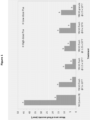
- Figure 10 summarises the effect of YBCA5 against Botrytis spp. fruit rot in cherries.
- the incidence of Botrytis spp. fruit rot in the nil treatment was 35% and this was not significantly (P>0.05) reduced in the YBCA5 (24%) and iprodione treatment (22%) ( Figure 10 ).
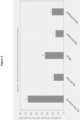
- Figure 11 summarises the effect of YBCA5 against Monilinia fruit rot in cherries in another assay (Assay 3).
- the incidence of Monilinia fruit rot in the nil treatment was 88% and this was not significantly (P>0.05) reduced by the YBCA5 (59%).
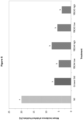
- Figure 12 summarises the effect of YBCA5 against Botrytis spp. fruit rot in cherries in another assay.
- the incidence of Botrytis spp. fruit rot in the nil treatment was 67% and this was not significantly reduced (P>0.05) in the YBCA5 (49%) and captan treatment (43%) ( Figure 12 ).
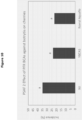
- Figure 13 summarises the effect of YBCA5 against Botrytis spp. fruit rot in table grapes in another assay (Assay 5).
- the mean lesion size in the untreated Colletotrichum control was 10.1 mm and this was significantly (P ⁇ 0.05) reduced in the fungicide and both of the YBCA5 treatments (Table 3).
- the mean lesion size in the untreated Penicillium control was 15.2 mm and this was significantly (P ⁇ 0.05) reduced in the fungicide and both of the YBCA5 treatments (Table 4). Similar to the previous assay, applying YBCA5 24 h before the pathogen provided significantly better protection than applying YBCA5 2 h before the pathogen. Table 4. Average Lesion size on wounded apples ("Pacific Rose'" treated with fungicide and YBCA5 prior to inoculation with Penicillium spp. spores (1 ⁇ 10 5 spores/mL) and assessed after 8 days incubation at 23°C.
- Assay 8 post-harvest rot due to phytopathogenic fungi on 'Hongyang' kiwifruit
- the kiwifruit 'Hongyang'-based screening assays were conducted in laboratories at the Plant and Food Research Ruakura Research Centre, Hamilton, New Zealand (PFR). PFR assays focused on wound application of YBCA5 treatment, a commercial biological control treatment and a fungicide were used as comparative controls.
- the 'Hongyang' kiwifruit were sourced from the PFR Riwaka Research Orchard in Motueka on 12 April 2017 for fruit based assays 8 and 9. Penicillium spp. Phomopsis spp., Alternaria spp., Colletotrichum spp., Cryptosporiopsis spp. and Botrytis spp. inoculation assays were carried out on 'Hongyang' kiwifruit that were picked at the harvest mature stage.
- each fruit was subjected to a triple wash process. Wash one consisted of 30 seconds in 70% ethanol then a wash in tap water for 10 minutes on a rotary shaker (80 rpm - Wash 2) followed by a final wash for five minutes in SDW - Wash 3). All fruit were placed onto sterile black plastic grids in a sterile plastic meat tray with two sterile paper towels and were allowed to dry overnight in a laminar flow hood.
- each fruit was wounded on the side with a sterile stainless steel spike (4 mm deep ⁇ 3 mm wide) and 10 ⁇ l of each treatment suspension was pipetted into the wound and allowed to dry.
- Treatments and rates are detailed below Treatment Recommended rate gm or mL / Litre YBCA5* 1 ⁇ 10 7 0.5g/L Serenade Opti* 125 g/100L 1.25 g/L Rovral Aquaflo 75 mL/100L 0.75 mL/L * YBCA5 and Serenade Opti prepared in Tween 80 (0.05%), Rovral Aquaflo was prepared in deionized water.
- YBCA5 granules were prepared by fermenting the yeast for 3 days in a 10 L bioreactor (Labfors) using sterile liquid media (4% molasses and 1.2 g/L urea). The fermentate was spun in a centrifuge (Sorvall RC-5C) at 5000 rpm for 15 min (rotor no.SLC-4000, rotorcode 33) to achieve a wet pellet of cell concentrate after discarding the supernatant. This wet pellet was mixed with approximately 30% (w/w) corn-starch to form a stiff dough consistency and this was extruded through a steel mesh (3 mm hole size) and dried in a laminar flow hood overnight (20-25°C) to form dried granules.
- Alternaria spp. inoculum was prepared by growing this strain of Alternaria spp. for 21 days on Oat Meal Agar) medium and harvesting the conidia by washing the plate with SDW plus Tween 80 (0.05%) to make a stock suspension of inoculum.
- This stock suspension was then filtered using a 70 ⁇ m cell strainer (to remove mycelial fragments), the concentration determined using a haemocytometer and then adjusted, by dilution with SDW + Tw 80 (0.05%) to a final concentration of 2 ⁇ 10 4 conidia/mL.
- Botrytis spp. inoculum preparation (assay 8)
- Botrytis spp. culture (isolate code 09-2), which had been originally isolated from an infected kiwifruit located in the Bay of Plenty region during the 2000s, was used for the spray inoculation assays included in this section carried out on cherries.
- Botrytis spp. inoculum was prepared by growing this strain of Botrytis spp. for 12 days on Oat Meal Agar medium and harvesting the conidia by washing the plate with SDW plus Tween 80 (0.05%) to make a stock suspension of inoculum.
- This stock suspension was then filtered using a 70 ⁇ m cell strainer (70 ⁇ m mesh) to remove mycelial fragments, the concentration determined using a haemocytometer and then adjusted, by dilution with SDW + Tw 80 (0.01% v/v) to a final concentration of 1 ⁇ 10 5 conidia/mL.
- Colletotrichum spp. inoculum was prepared by growing this strain of Colletotrichum spp. for 21 days on PDA (Difco, Fort Richard) medium and harvesting the conidia by washing the plate with SDW plus Tween 80 (0.05%) to make a stock suspension of inoculum.
- This stock suspension was then filtered using a 70 ⁇ m cell strainer (to remove mycelial fragments), the concentration determined using a haemocytometer and then adjusted, by dilution with SDW + Tw 80 (0.05%) to a final concentration of 2 ⁇ 10 4 conidia/mL.
- Penicillium spp. inoculum preparation (assay 8)
- Penicillium spp. inoculum was prepared by growing this strain of Penicillium spp. for 12 days on PDA (Difco, Fort Richard) medium and harvesting the conidia by washing the plate with SDW plus Tween 80 (0.05%) to make a stock suspension of inoculum.
- This stock suspension was then filtered using a 70 ⁇ m cell strainer (to remove mycelial fragments), the concentration determined using a haemocytometer and then adjusted, by dilution with SDW + Tw 80 (0.05%) to a final concentration of 2 ⁇ 10 4 conidia/mL.
- Phomopsis spp. inoculum was prepared by growing this strain of Phomopsis spp. for 21 days on PDA (Difco, Fort Richard) medium and harvesting the conidia by washing the plate with SDW plus Tween 80 (0.05%) to make a stock suspension of inoculum.
- Cryptosporiopsis spp. inoculum preparation (assay 9 only)
- Cryptosporiopsis spp. inoculum was prepared by growing this strain of Cryptosporiopsis spp. for 28 days on PDA (Difco, Fort Richard) medium and harvesting the conidia by washing the plate with SDW plus Tween 80 (0.05%) to make a stock suspension of inoculum.
- This stock suspension was then filtered using a 70 ⁇ m cell strainer (to remove mycelial fragments), the concentration determined using a haemocytometer and then adjusted, by dilution with SDW + Tw 80 (0.05%) to a final concentration of 2 ⁇ 10 4 conidia/mL.
- the Plix lunch boxes were removed from the bins and a pin placed between the lid and base to allow air to circulate and the relative humidity to decline over a 15 h period (5 pm in the late afternoon to 8 am the next morning) after which, they were resealed again.
- This process of alternating the relative humidity within the incubation chambers was repeated over the duration of the experiment and is a method that has been shown to avoid excessive mycelial growth.
- the severity of fungal rot infection was assessed for each treatment by measuring the lesion length (mm) along the axis of the fruit. Data were expressed as the average lesion length, minus the initial width of the wound (3 mm).
- the kiwifruit 'Hongyang' assay 8 consisted of 4 'Hongyang' kiwifruit per replicate and there were five replicates for each treatment in a randomised block layout. In total there were 22 treatments, including a Nil (no wound and no treatment) no pathogen inoculation) control, and a Nil (plus wound then SDW+Tw80) no pathogen inoculation control.
- LSDs Least Significant Differences
- YBCA5 treated fruit had significantly smaller lesions in 'Hongyang' fruit than the Rovral Aquaflo, Serenade Opti treatments and the untreated control when the fruit were inoculated with Alternaria, Colletotrichum, Penicillium and Phomopsis.
- YBCA5 treated fruit had lesions not significantly smaller than Rovral Aquaflo when the fruit were inoculated with Botrytis spp., but they were significantly smaller than the Serenade Opti treatment and untreated control.
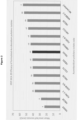
- Rovral Aquaflo treated fruit had lesions significantly smaller than the untreated control when fruit were inoculated with Botrytis spp. and Penicillium spp.. Serenade Opti treated fruit had lesions significantly smaller than the Untreated control when fruit were inoculated with Phomopsis ( Figure 14 ).
- YBCA5 demonstrated activity against a range of postharvest kiwifruit fruit pathogens when it was allowed to colonise a wound site 24 hours before a pathogen was introduced to the same wound. Wounding works well as an experimental technique to demonstrate the activity of some biopesticides.
- the spray treatments were applied to individual vines (eight replicates per treatment) laid out in a randomised block design.
- the treatments were:
- Spray applications in the Grower standard and YBCA5 treatments were applied according to the schedule in Table 5.
- Common agricultural adjuvants were added to the Grower standard (0.04% Du-Wett ® ) and YBCA5 (0.03% Nu-Film-17 ® ) applications.
- Table 5 Application dates in Blocks B and C for the Grower standard and YBCA5 treatment to kiwifruit against Pseudomonas syringae pv. actinidiae (Psa) from bud burst to post flowering during the 2015-16 season. Date Block B Block C Treatment Grower standard YBCA5 Grower standard YBCA5 6 Oct. 2015 Kocide Opti 1 YBCA5 2 - - 7 Oct.
- the YBCA5 yeast was produced by liquid fermentation, sourced from three separate production facilities: PFR (Ruakura), AgResearch (Lincoln) and Callaghan Innovation (Lower Hutt). A concentrated yeast pellet after centrifugation was supplied to the laboratory at Ruakura and this was mixed with an inert carrier and extruded to form granules which were air dried overnight in a laminar flow hood. The number of colony forming units/g was calculated by dissolving 0.2 g samples into 20 mL phosphate buffered saline amended with 0.05% Tween 80 (PBSTw).
- the nil control had a mean incidence of leaves with necrosis of 50% and this was significantly reduced ( P ⁇ 0.05) by the Kocide Opti and two YBCA5 treatments (Table 6).
- the efficacy of the YBCA5 was 33%.
- the Grower standard treatment Karlin
- the incidence of flower buds in the nil control with necrotic sepals was 61% and this was significantly ( P ⁇ 0.05) reduced by each of the treatments (Table 6).
- the two YBCA5 treatments had 39 and 37% incidence of buds with necrosis and an average efficacy of 38%.
- the Grower Standard treatment had significantly ( P ⁇ 0.05) less bud necrosis (13%) compared with each of the other treatments (efficacy 79%).
- the Kocide Opti treatment had an efficacy of 40%.
- Nil control 50 a 0.24 a 61 a 1.29 a Grower std 13c 0.02 b 13c 0.21 c YBCA5 33 b 0.11 b 39 b 0.68 b Kocide Opti * 27 b 0.07 b 45 b 0.80 b YBCA5 * 34 b 0.10 b 37 b 0.72 b LSD 8.0 0.099 9.9 0.226 P value ⁇ 0.001 ⁇ 0.001 ⁇ 0.001 ⁇ 0.001 Grower std is one application Kasumin ® and three applications of Kocide ® Opti TM applied in Du Wett ® (0.04% v/v) YBCA5 is a formulated developmental biological control agent applied at 100 g/100 L in Nu-Film-17 ® (0.03% v/v) Analysis performed by combining data from the two orchard trial sites * Treatment where Trichoderma was soil applied to plots 1 day prior to these disease assessments LSD is Least significant difference (P ⁇ 0.05) Mean
- the YBCA5 yeast granules used this season were produced as a pre-commercial batch (YBCA5 e-nema-2) by the manufacturing company, e-nema GmbH, by liquid fermentation and fluidized bed drying. Granules of YBCA5 were imported to New Zealand on 23 September 2016 and were stored in an air tight container at 4-6°C until required for treatment application. These granules had a mean CFU/g of 3 ⁇ 10 10 on 26 September 2016 and 2.6 ⁇ 10 10 when tested for viability on 2 November 2016.
- the application rate for YBCA5 this season was set at the likely commercial rate of 50 g/100 L (to achieve a minimum concentration of 1 ⁇ 10 7 CFU/mL) and was not adjusted for the actual viability in the granules, indicating that the actual application dose ranged from 1.25-1.5 ⁇ 10 7 CFU/mL.
- Disease assessments on leaves and buds were carried out as described for the previous season (above). Table 7.
- the mean severity of leaf spotting was 0.19% in the nil control and this was significantly reduced in the YBCA5 treatments, compared with the nil control (Table 8).
- the efficacy of the YBCA only treatment was 53%. There was a further reduction in the Grower standard treatment, but in this case the Grower standard and YBCA5 treatments were not significantly different to each other.
- Grower std is one application Kasumin ® and three applications of Kocide ® Opti TM applied in Du Wett ® (0.04% v/v)
- YBCA5 is a formulated developmental biological control agent applied at 100 g/100 L in Bond ® Xtra (0.03% v/v) Analysis performed by combining data from the two orchard trial sites * YBCA5 treatment where Trichoderma had been applied to the soil of these plots on three occasions during the previous 12 months ** There was a significant site
- YBCA5 treatment showed significant reductions in incidence and severity of leaf spotting and bud browning in 'Hayward' vines.
- the isolated Aureobasidium pullulans yeast strain YBCA5 and compositions comprising or consisting essentially of YBCA5 of the present invention find a use in controlling phytopathogenic bacteria and fungi.
Landscapes
- Life Sciences & Earth Sciences (AREA)
- Health & Medical Sciences (AREA)
- Engineering & Computer Science (AREA)
- Zoology (AREA)
- Microbiology (AREA)
- Chemical & Material Sciences (AREA)
- Wood Science & Technology (AREA)
- Biotechnology (AREA)
- General Health & Medical Sciences (AREA)
- Mycology (AREA)
- Genetics & Genomics (AREA)
- Bioinformatics & Cheminformatics (AREA)
- Organic Chemistry (AREA)
- Virology (AREA)
- Tropical Medicine & Parasitology (AREA)
- Botany (AREA)
- Medicinal Chemistry (AREA)
- Biomedical Technology (AREA)
- Biochemistry (AREA)
- General Engineering & Computer Science (AREA)
- Environmental Sciences (AREA)
- Dentistry (AREA)
- Plant Pathology (AREA)
- Pest Control & Pesticides (AREA)
- Agronomy & Crop Science (AREA)
- Agricultural Chemicals And Associated Chemicals (AREA)
- Micro-Organisms Or Cultivation Processes Thereof (AREA)
Priority Applications (1)
| Application Number | Priority Date | Filing Date | Title |
|---|---|---|---|
| HRP20250205TT HRP20250205T1 (hr) | 2016-09-12 | 2017-09-11 | Biološko suzbijanje patogenih mikroorganizama biljaka |
Applications Claiming Priority (4)
| Application Number | Priority Date | Filing Date | Title |
|---|---|---|---|
| US201662393641P | 2016-09-12 | 2016-09-12 | |
| NZ72427116 | 2016-09-13 | ||
| NZ72564116 | 2016-10-28 | ||
| PCT/IB2017/055453 WO2018047123A1 (en) | 2016-09-12 | 2017-09-11 | Biological control of plant pathogenic microorganisms |
Publications (4)
| Publication Number | Publication Date |
|---|---|
| EP3512934A1 EP3512934A1 (en) | 2019-07-24 |
| EP3512934A4 EP3512934A4 (en) | 2020-05-13 |
| EP3512934C0 EP3512934C0 (en) | 2024-12-04 |
| EP3512934B1 true EP3512934B1 (en) | 2024-12-04 |
Family
ID=65806213
Family Applications (1)
| Application Number | Title | Priority Date | Filing Date |
|---|---|---|---|
| EP17848253.5A Active EP3512934B1 (en) | 2016-09-12 | 2017-09-11 | Biological control of plant pathogenic microorganisms |
Country Status (12)
| Country | Link |
|---|---|
| US (2) | US20200000100A1 (pl) |
| EP (1) | EP3512934B1 (pl) |
| JP (1) | JP7141388B2 (pl) |
| KR (1) | KR102581749B1 (pl) |
| CN (1) | CN110177865B (pl) |
| AU (1) | AU2017323654B2 (pl) |
| CL (1) | CL2019000584A1 (pl) |
| ES (1) | ES3014395T3 (pl) |
| HR (1) | HRP20250205T1 (pl) |
| HU (1) | HUE070543T2 (pl) |
| PL (1) | PL3512934T3 (pl) |
| WO (1) | WO2018047123A1 (pl) |
Families Citing this family (5)
| Publication number | Priority date | Publication date | Assignee | Title |
|---|---|---|---|---|
| CN109401990B (zh) * | 2018-09-25 | 2022-02-15 | 北京中农弘科生物技术有限公司 | 一株具有抑菌活性的酿酒酵母菌hkb-36及其应用 |
| CN109799772A (zh) * | 2019-01-07 | 2019-05-24 | 重庆水利电力职业技术学院 | 一种红阳猕猴桃溃疡病预警控制系统及方法 |
| TWI732462B (zh) * | 2019-02-21 | 2021-07-01 | 財團法人食品工業發展研究所 | 普魯蘭短梗黴之醱酵產物及其製備方法以及減少真菌病害之微生物製劑與減少農產品的真菌病害之方法 |
| CN110016515B (zh) * | 2019-03-26 | 2022-09-06 | 天津海关动植物与食品检测中心 | 一种运用pcr引物检测猕猴桃果腐病菌的方法 |
| CN111499434A (zh) * | 2020-05-11 | 2020-08-07 | 哈工大机器人(山东)智能装备研究院 | 抑制软腐病菌用的米酒糟水溶肥的制备方法 |
Family Cites Families (72)
| Publication number | Priority date | Publication date | Assignee | Title |
|---|---|---|---|---|
| USPP6815P (en) | 1986-03-27 | 1989-05-23 | Kiwifruit plant | |
| JPS63190808A (ja) | 1987-02-04 | 1988-08-08 | Kouran Sangyo Kk | 微生物性植物疾病の予防・治療剤 |
| US6500425B1 (en) | 1988-04-04 | 2002-12-31 | The United States Of America As Represented By The Secretary Of Agriculture | Inhibiting plant pathogens with an antagonistic microorganism(s) |
| JPH0291010A (ja) | 1988-09-27 | 1990-03-30 | Takeshi Miura | 微生物拮抗剤およびその製造方法 |
| NZ244204A (en) | 1990-08-14 | 1994-03-25 | Usa | Inhibiting plant pathogen development on an agricultural commodity using antagonist (non-antibiotic) microorganism; certain deposited microorganisms |
| US5425941A (en) | 1991-08-16 | 1995-06-20 | The United States Of America As Represented By The Secretary Of Agriculture | Biological control of diseases of harvested agricultural commodities using strains of the yeast Candida oleophola |
| EP0688169A4 (en) | 1993-03-10 | 1998-01-28 | Commw Scient Ind Res Org | BIOLOGICAL CONTROLS FOR USE IN AGRICULTURE |
| US5711946A (en) | 1995-02-17 | 1998-01-27 | The State Of Oregon Acting By And Through The State Board Of Higher Education On Behalf Of Oregon State University | Control of post-harvest fungal disease using saprophytic yeast |
| WO1998031229A1 (en) | 1997-01-20 | 1998-07-23 | Agricultural Research Council | Method and composition for fruit disease control |
| JPH10248386A (ja) | 1997-03-17 | 1998-09-22 | Masamitsu Miyazaki | 植物育成方法 |
| WO1998051155A1 (en) | 1997-05-09 | 1998-11-19 | Hiroshi Kawai | Method of preventing plant diseases and composition therefor |
| AU2002302128B2 (en) | 1997-07-22 | 2004-11-18 | Cornell Research Foundation, Inc. | Biocontrol for plants using bacillus subtilis |
| US6896883B2 (en) | 1997-07-22 | 2005-05-24 | Cornell Research Foundation, Inc. | Biocontrol for plants with Bacillus subtilis, Pseudomonas putida, and Sporobolomyces roseus |
| USPP11066P (en) | 1997-12-23 | 1999-09-21 | Lowe; Russell G | Kiwi plant named `Hort16A` |
| PT1083796E (pt) | 1998-06-05 | 2003-01-31 | Usa As Represented By The Secr | Metodos protectivos e curativos e composicao para o biocontrolo do decaimento pos-colheita de plantas |
| CA2323019C (en) | 1999-10-07 | 2011-03-08 | The United States Of America, As Represented By The Secretary Of Agricul Ture | Bacteria and yeasts for reducing fusarium head blight in cereals and selection thereof |
| GB0006244D0 (en) * | 2000-03-15 | 2000-05-03 | Zeneca Ltd | Method for combating attack and spread of fungal pathogens in plants |
| KR100391102B1 (ko) | 2000-12-07 | 2003-07-12 | 주식회사 에스엠바이오 | 분뇨 비료 |
| JP2002176969A (ja) * | 2000-12-13 | 2002-06-25 | Japan Tobacco Inc | 新規酵母類、並びにそれを用いた植物病害防除剤及び防除方法 |
| WO2002072777A2 (en) | 2001-03-14 | 2002-09-19 | State Of Israel-Ministry Of Agriculture Agricultural Research Organization | A novel antagonistic yeast useful in controlling spoilage of agricultural produce, methods of use thereof and compositions containing same |
| JP2002345344A (ja) | 2001-05-25 | 2002-12-03 | Plaza Of Legacy:Kk | 植物栽培用容器及び植物栽培用具 |
| JP2003192515A (ja) | 2001-12-27 | 2003-07-09 | Kureha Chem Ind Co Ltd | 植物病害防除剤および防除方法 |
| US6991930B1 (en) | 2002-05-09 | 2006-01-31 | The United States Of America As Represented By The Secretary Of Agriculture | Biological control of postharvest decay of fruit using strains of Metschnikowia species |
| FR2841436B1 (fr) | 2002-07-01 | 2006-01-27 | Univ Bourgogne | Moyens de lutte biologique contre les maladies cryptogamiques des vegetaux |
| US7053025B2 (en) | 2003-03-27 | 2006-05-30 | Council Of Scientific And Industrial Research | Plant growth stimulator |
| DE10349413B4 (de) * | 2003-10-21 | 2013-05-16 | bio-ferm Research GmbH | Pflanzenschutzmittel zur Bekämpfung von Feuerbrand |
| JP2005343772A (ja) | 2004-06-07 | 2005-12-15 | Hobai Sangyo Kk | 有機質肥料用組成物および有機質肥料の製造方法 |
| WO2006017361A1 (en) | 2004-07-13 | 2006-02-16 | William Brower | Formulation and method for treating plants to control or suppress a plant pathogen |
| CN1313006C (zh) | 2004-07-23 | 2007-05-02 | 天津市农业生物技术研究中心 | 含有酵母细胞提取物的植物抗病诱导剂 |
| NZ554528A (en) | 2004-09-24 | 2010-04-30 | Bionext | Compositions for biocontrol of pathogens containing calcium salts and select Candida spp. |
| EP1815742A4 (en) | 2004-11-02 | 2011-06-22 | Asahi Breweries Ltd | MEANS FOR INCREASING THE VEGETABLE HEALTH RESISTANCE AND METHOD FOR THE PRODUCTION THEREOF |
| JP4931388B2 (ja) | 2005-09-07 | 2012-05-16 | アサヒグループホールディングス株式会社 | 植物病害抵抗性遺伝子活性化用組成物 |
| FR2894771B1 (fr) | 2005-12-21 | 2008-04-18 | Lesaffre & Cie | Protection des plantes contre leurs agents pathogenes |
| US7601346B1 (en) | 2005-12-28 | 2009-10-13 | The United States Of America, As Represented By The Secretary Of Agriculture | Choline-utilizing microbial strains for biologically controlling fusarium head blight |
| BRPI0605945A2 (pt) | 2006-10-25 | 2012-07-31 | Sergio Massao Watanabe | fungicida orgÂnico fertiprotetor organofungi |
| CN101173260B (zh) | 2006-10-31 | 2011-04-27 | 刘德虎 | 高杀菌活力t4溶菌酶在酵母中的表达及生产方法 |
| US7579183B1 (en) | 2006-12-01 | 2009-08-25 | The United States Of America As Represented By The Secretary Of Agriculture | Saprophytic yeast, Pichia anomala |
| CN101412972B (zh) | 2006-12-07 | 2010-09-08 | 浙江大学 | 用于果蔬采后病害生物防治的海洋酵母及其制备方法和用途 |
| ITCS20070015A1 (it) * | 2007-03-19 | 2008-09-20 | Uni Degli Studi Del Molise | Composizioni, metodo e utilizzo di composti a base di microroganismi per il controllo di funghi fitopatogeni e/o micotossinogenimicotossigeni e contenimento dei livelli di micotossine |
| KR100891843B1 (ko) | 2007-11-27 | 2009-04-07 | 주식회사 글로박스 | 비피더스균, 효모균, 토양미생물로 구성된 액체비료 및그의 제조방법 |
| CN101455210A (zh) | 2007-12-12 | 2009-06-17 | 苗迪 | 一种微生态制剂 |
| EP2070417A1 (en) * | 2007-12-14 | 2009-06-17 | Plant Research International B.V. | Novel micro-organisms controlling plant pathogens |
| CN101235293A (zh) | 2008-03-03 | 2008-08-06 | 上海创博生态工程有限公司 | 一种促进根系发育减少病害的复合微生物制剂及制备方法 |
| CN101270340A (zh) | 2008-05-21 | 2008-09-24 | 中国农业大学 | 一种产挥发油的滇重楼内生毕赤酵母及其抗菌活性 |
| CN101462897A (zh) | 2008-10-12 | 2009-06-24 | 呼忠玉 | 一种缓释多功能生物土壤植物调理剂 |
| BRPI0804594A2 (pt) | 2008-10-28 | 2010-07-20 | Leonardo Antonio Espolador | biofertilizante repelente foliar orgánico com extrato pirolenhoso mais silìcio mais óleo de neem |
| FR2941463B1 (fr) | 2009-01-27 | 2012-12-28 | Lesaffre & Cie | Souches de saccharomyces cerevisiae a aptitudes phytosanitaires |
| JP2010215593A (ja) | 2009-03-18 | 2010-09-30 | Maruzen Pharmaceut Co Ltd | 酵母由来の植物病害防除剤 |
| US20120015806A1 (en) | 2009-03-25 | 2012-01-19 | Sitaram Prasad Paikray | Novel formulation of microbial consortium based bioinoculant for wide spread use in agriculture practices |
| EP2269455A1 (en) | 2009-06-24 | 2011-01-05 | Bayer CropScience AG | Combinations of biological control agents and insecticides |
| EP2269454A1 (en) | 2009-06-24 | 2011-01-05 | Bayer CropScience AG | Combinations of fungicidally active yeast and fungicides |
| CN101993829A (zh) | 2009-08-25 | 2011-03-30 | 吉林师范大学 | 一种复合微生物菌剂 |
| CN101724558B (zh) | 2009-12-08 | 2012-08-22 | 营口恒新生物技术开发有限公司 | 一种抗病复合微生物菌剂及其制备方法和应用 |
| WO2011114280A2 (en) | 2010-03-18 | 2011-09-22 | Basf Se | Fungicidal compositions comprising comprising a phosphate solubilizing microorganism and a fungicidally active compound |
| US9234251B2 (en) * | 2010-03-19 | 2016-01-12 | Novozymes Biologicals, Inc. | Bacillus amyloliquefaciens strain |
| JP5764200B2 (ja) | 2010-04-14 | 2015-08-12 | バイエル・インテレクチュアル・プロパティ・ゲゼルシャフト・ミット・ベシュレンクテル・ハフツングBayer Intellectual Property GmbH | 活性化合物の組み合わせ |
| US8529964B1 (en) | 2010-05-10 | 2013-09-10 | Timothy Lee Mann | Method and composition for suppression and control of citrus canker and other plant diseases |
| CN101899400B (zh) | 2010-06-10 | 2012-08-15 | 江苏大学 | 卡利比克毕赤酵母、在水果贮藏保鲜中的应用及使用方法 |
| CN101914447B (zh) | 2010-07-31 | 2012-07-18 | 大连三科生物工程有限公司 | 一种微生物复合菌剂707及其制备方法与应用 |
| CN101946805A (zh) | 2010-09-28 | 2011-01-19 | 薛梦林 | 一种生物防治菌剂 |
| CN102174398B (zh) | 2010-12-14 | 2012-10-31 | 北京沃土天地生物科技有限公司 | 用于玉米秸秆还田的复合微生物菌剂及其制备方法和用途 |
| CN102010825B (zh) | 2011-01-20 | 2013-05-29 | 上海创博生态工程有限公司 | 一种防治黄瓜枯萎病的微生物复合菌剂及其制备方法 |
| CN102224843B (zh) | 2011-05-04 | 2012-11-07 | 浙江大学 | 基于酵母、碳酸氢钠和激发子活性的柑橘生物保鲜剂 |
| CN102432350B (zh) | 2011-09-16 | 2014-02-26 | 北京平安福生物技术研究所有限公司 | 应用于果树的生物有机肥及其制备方法 |
| CN102388955A (zh) | 2011-11-15 | 2012-03-28 | 江苏大学 | 臭氧与罗伦隐球酵母结合处理对草莓采后病害防治的方法 |
| KR20130055959A (ko) | 2011-11-21 | 2013-05-29 | 전북대학교산학협력단 | 식물병원균 방제 활성을 갖는 바실러스 서브틸리스 l32 및 토양의 염류집적 방지 효과를 갖는 사크로마이세스 세레비시아 l13 |
| CN102630424B (zh) | 2012-04-24 | 2013-04-17 | 中国科学院南京土壤研究所 | 抑制北方冷凉地区白菜连作病害的施肥方法 |
| CN102827773B (zh) | 2012-09-11 | 2014-04-16 | 尤金鑫 | 一种复合菌剂、生物有机肥及其制备方法和应用 |
| US20150257383A1 (en) * | 2012-10-12 | 2015-09-17 | Basf Se | Method for combating phytopathogenic harmful microbes on cultivated plants or plant propagation material |
| BR112015012054A2 (pt) * | 2012-11-30 | 2017-07-11 | Bayer Cropscience Ag | mistura fungicida ou pesticida binária |
| UA116557C2 (uk) * | 2013-01-30 | 2018-04-10 | Доу Агросайенсіс Ллс | Спосіб застосування бензоксаборолів як летких антимікробних сполук проти патогенів, що уражають м'якоть плодів, рослини або частини рослин |
| US20150283276A1 (en) * | 2014-04-08 | 2015-10-08 | The United States Of America, As Represented By The Secretary Of Agriculture | Method for Controlling Fungal Plant Pathogens Using a Combination of UV Radiation Followed by Antagonist Application and Dark Period |
-
2017
- 2017-09-11 CN CN201780069896.0A patent/CN110177865B/zh active Active
- 2017-09-11 KR KR1020197010364A patent/KR102581749B1/ko active Active
- 2017-09-11 WO PCT/IB2017/055453 patent/WO2018047123A1/en not_active Ceased
- 2017-09-11 AU AU2017323654A patent/AU2017323654B2/en active Active
- 2017-09-11 US US16/331,938 patent/US20200000100A1/en not_active Abandoned
- 2017-09-11 ES ES17848253T patent/ES3014395T3/es active Active
- 2017-09-11 HR HRP20250205TT patent/HRP20250205T1/hr unknown
- 2017-09-11 EP EP17848253.5A patent/EP3512934B1/en active Active
- 2017-09-11 JP JP2019513906A patent/JP7141388B2/ja active Active
- 2017-09-11 PL PL17848253.5T patent/PL3512934T3/pl unknown
- 2017-09-11 HU HUE17848253A patent/HUE070543T2/hu unknown
-
2019
- 2019-03-07 CL CL2019000584A patent/CL2019000584A1/es unknown
-
2021
- 2021-08-20 US US17/408,169 patent/US12421489B2/en active Active
Also Published As
| Publication number | Publication date |
|---|---|
| KR20190057079A (ko) | 2019-05-27 |
| CN110177865B (zh) | 2023-09-12 |
| ES3014395T3 (en) | 2025-04-22 |
| CA3036479A1 (en) | 2018-03-15 |
| EP3512934C0 (en) | 2024-12-04 |
| AU2017323654A1 (en) | 2019-03-28 |
| KR102581749B1 (ko) | 2023-09-21 |
| AU2017323654B2 (en) | 2023-05-25 |
| US20210380931A1 (en) | 2021-12-09 |
| NZ751126A (en) | 2025-08-29 |
| US12421489B2 (en) | 2025-09-23 |
| CN110177865A (zh) | 2019-08-27 |
| US20200000100A1 (en) | 2020-01-02 |
| CL2019000584A1 (es) | 2019-07-19 |
| EP3512934A4 (en) | 2020-05-13 |
| HUE070543T2 (hu) | 2025-06-28 |
| PL3512934T3 (pl) | 2025-05-05 |
| JP7141388B2 (ja) | 2022-09-22 |
| EP3512934A1 (en) | 2019-07-24 |
| HRP20250205T1 (hr) | 2025-04-11 |
| WO2018047123A1 (en) | 2018-03-15 |
| JP2019531719A (ja) | 2019-11-07 |
Similar Documents
| Publication | Publication Date | Title |
|---|---|---|
| US12421489B2 (en) | Biological control of plant pathogenic microorganisms | |
| CN102123596B (zh) | 控制植物病原体的新微生物 | |
| Cañamás et al. | Field applications of improved formulations of Candida sake CPA-1 for control of Botrytis cinerea in grapes | |
| Sangeetha et al. | Biocontrol with Trichoderma species for the management of postharvest crown rot of banana | |
| EP4311856B1 (en) | Strains of the genus pantoea spp. and the use of strains of the genus pantoea spp. in plant protection | |
| Abada et al. | Management of pepper Verticillium wilt by combinations of inducer chemicals for plant resistance, bacterial bioagents and compost | |
| US20080050344A1 (en) | Biological control of plant diseases | |
| Lyousfi et al. | Brown rot disease caused by fungal pathogens Monilinia spp.: A serious threat to pome and stone fruit production worldwide and current threat in Morocco | |
| Thangavelu et al. | Cross-infection potential of crown rot pathogen (Lasiodiplodia theobromae) isolates and their management using potential native bioagents in banana | |
| Rahman et al. | New Insights in the Detection and Management of Major Foliar and Root Diseases of Strawberries | |
| CA3036479C (en) | Biological control of plant pathogenic microorganisms | |
| Shehata et al. | Impact of some agrochemical products on early fruit drop of certain Egyptian mango cultivars induced by fungal infection | |
| AU2001267948A1 (en) | Biological control of plant diseases | |
| Jash et al. | Botryosphaeria | |
| Ibrahim et al. | Evaluation of the Rhodotorula glutinis in Controlling the Gray Rot Disease Caused by the Pathogenic Fungus Botrytis cinerea Pre and Post Strawberry Harvesting | |
| Nayak et al. | Association of Microbial Diversity with Post Harvest Crops and Bioprospecting of Endophytic Microorganisms for Management | |
| Šavli et al. | Non-chemical control options against grey mould (Botrytis cinerea) on strawberry (Fragaria x anannasa) | |
| Poleatewich | Development of biological control strategies for integrated management of pre-and postharvest diseases of apple in Pennsylvania | |
| THIRUVANANTHAPURAM | CoUetotrichum capsid (Sydow) Butler and Bis | |
| KIRUGO | Characterisation of Colletotrichum Gloeosporioides and Effectiveness of Management Strategies of Anthracnose Disease of Avocado in Murang’a County, Kenya | |
| Odeh | Biological control of gray mold, blue mold & rhizopus soft rot on grape, pear, kiwi, strawberry by Trichoderma harzianum | |
| El-Rahman et al. | SPRAYING SOME ORGANIC COMPOUNDS ON KING RUBY GRAPEVINES FOR POWDERY MILDEW RESISTANCE | |
| Mehra | Fungal infection and postharvest quality of blueberry fruit in relation to berry flesh type, harvest method, and postharvest biofumigation | |
| Rajkumar | Biocontrol of Post-harvest diseases of solanaceous vegetables | |
| ZA200309113B (en) | Biological control of plant diseases |
Legal Events
| Date | Code | Title | Description |
|---|---|---|---|
| REG | Reference to a national code |
Ref country code: HR Ref legal event code: TUEP Ref document number: P20250205T Country of ref document: HR |
|
| STAA | Information on the status of an ep patent application or granted ep patent |
Free format text: STATUS: THE INTERNATIONAL PUBLICATION HAS BEEN MADE |
|
| PUAI | Public reference made under article 153(3) epc to a published international application that has entered the european phase |
Free format text: ORIGINAL CODE: 0009012 |
|
| STAA | Information on the status of an ep patent application or granted ep patent |
Free format text: STATUS: REQUEST FOR EXAMINATION WAS MADE |
|
| 17P | Request for examination filed |
Effective date: 20190308 |
|
| AK | Designated contracting states |
Kind code of ref document: A1 Designated state(s): AL AT BE BG CH CY CZ DE DK EE ES FI FR GB GR HR HU IE IS IT LI LT LU LV MC MK MT NL NO PL PT RO RS SE SI SK SM TR |
|
| AX | Request for extension of the european patent |
Extension state: BA ME |
|
| DAV | Request for validation of the european patent (deleted) | ||
| DAX | Request for extension of the european patent (deleted) | ||
| RIN1 | Information on inventor provided before grant (corrected) |
Inventor name: HOYTE, STEPHEN Inventor name: ELMER, PHILIP |
|
| A4 | Supplementary search report drawn up and despatched |
Effective date: 20200414 |
|
| RIC1 | Information provided on ipc code assigned before grant |
Ipc: C12R 1/645 20060101ALI20200406BHEP Ipc: C12N 1/16 20060101AFI20200406BHEP Ipc: A01P 3/00 20060101ALI20200406BHEP Ipc: A01P 1/00 20060101ALI20200406BHEP |
|
| STAA | Information on the status of an ep patent application or granted ep patent |
Free format text: STATUS: EXAMINATION IS IN PROGRESS |
|
| 17Q | First examination report despatched |
Effective date: 20240313 |
|
| GRAP | Despatch of communication of intention to grant a patent |
Free format text: ORIGINAL CODE: EPIDOSNIGR1 |
|
| STAA | Information on the status of an ep patent application or granted ep patent |
Free format text: STATUS: GRANT OF PATENT IS INTENDED |
|
| INTG | Intention to grant announced |
Effective date: 20240902 |
|
| GRAS | Grant fee paid |
Free format text: ORIGINAL CODE: EPIDOSNIGR3 |
|
| GRAA | (expected) grant |
Free format text: ORIGINAL CODE: 0009210 |
|
| STAA | Information on the status of an ep patent application or granted ep patent |
Free format text: STATUS: THE PATENT HAS BEEN GRANTED |
|
| AK | Designated contracting states |
Kind code of ref document: B1 Designated state(s): AL AT BE BG CH CY CZ DE DK EE ES FI FR GB GR HR HU IE IS IT LI LT LU LV MC MK MT NL NO PL PT RO RS SE SI SK SM TR |
|
| REG | Reference to a national code |
Ref country code: GB Ref legal event code: FG4D |
|
| REG | Reference to a national code |
Ref country code: CH Ref legal event code: EP |
|
| REG | Reference to a national code |
Ref country code: DE Ref legal event code: R096 Ref document number: 602017086592 Country of ref document: DE |
|
| REG | Reference to a national code |
Ref country code: IE Ref legal event code: FG4D |
|
| U01 | Request for unitary effect filed |
Effective date: 20241213 |
|
| U07 | Unitary effect registered |
Designated state(s): AT BE BG DE DK EE FI FR IT LT LU LV MT NL PT RO SE SI Effective date: 20250102 |
|
| REG | Reference to a national code |
Ref country code: HR Ref legal event code: T1PR Ref document number: P20250205 Country of ref document: HR |
|
| REG | Reference to a national code |
Ref country code: ES Ref legal event code: FG2A Ref document number: 3014395 Country of ref document: ES Kind code of ref document: T3 Effective date: 20250422 |
|
| PG25 | Lapsed in a contracting state [announced via postgrant information from national office to epo] |
Ref country code: NO Free format text: LAPSE BECAUSE OF FAILURE TO SUBMIT A TRANSLATION OF THE DESCRIPTION OR TO PAY THE FEE WITHIN THE PRESCRIBED TIME-LIMIT Effective date: 20250304 |
|
| PG25 | Lapsed in a contracting state [announced via postgrant information from national office to epo] |
Ref country code: RS Free format text: LAPSE BECAUSE OF FAILURE TO SUBMIT A TRANSLATION OF THE DESCRIPTION OR TO PAY THE FEE WITHIN THE PRESCRIBED TIME-LIMIT Effective date: 20250304 |
|
| REG | Reference to a national code |
Ref country code: GR Ref legal event code: EP Ref document number: 20250400450 Country of ref document: GR Effective date: 20250409 |
|
| REG | Reference to a national code |
Ref country code: HU Ref legal event code: AG4A Ref document number: E070543 Country of ref document: HU |
|
| PG25 | Lapsed in a contracting state [announced via postgrant information from national office to epo] |
Ref country code: SM Free format text: LAPSE BECAUSE OF FAILURE TO SUBMIT A TRANSLATION OF THE DESCRIPTION OR TO PAY THE FEE WITHIN THE PRESCRIBED TIME-LIMIT Effective date: 20241204 |
|
| PG25 | Lapsed in a contracting state [announced via postgrant information from national office to epo] |
Ref country code: IS Free format text: LAPSE BECAUSE OF FAILURE TO SUBMIT A TRANSLATION OF THE DESCRIPTION OR TO PAY THE FEE WITHIN THE PRESCRIBED TIME-LIMIT Effective date: 20250404 |
|
| PG25 | Lapsed in a contracting state [announced via postgrant information from national office to epo] |
Ref country code: SK Free format text: LAPSE BECAUSE OF FAILURE TO SUBMIT A TRANSLATION OF THE DESCRIPTION OR TO PAY THE FEE WITHIN THE PRESCRIBED TIME-LIMIT Effective date: 20241204 |
|
| PG25 | Lapsed in a contracting state [announced via postgrant information from national office to epo] |
Ref country code: CZ Free format text: LAPSE BECAUSE OF FAILURE TO SUBMIT A TRANSLATION OF THE DESCRIPTION OR TO PAY THE FEE WITHIN THE PRESCRIBED TIME-LIMIT Effective date: 20241204 |
|
| PLBE | No opposition filed within time limit |
Free format text: ORIGINAL CODE: 0009261 |
|
| REG | Reference to a national code |
Ref country code: HR Ref legal event code: ODRP Ref document number: P20250205 Country of ref document: HR Payment date: 20250908 Year of fee payment: 9 |
|
| STAA | Information on the status of an ep patent application or granted ep patent |
Free format text: STATUS: NO OPPOSITION FILED WITHIN TIME LIMIT |
|
| PGFP | Annual fee paid to national office [announced via postgrant information from national office to epo] |
Ref country code: GR Payment date: 20250908 Year of fee payment: 9 |
|
| PGFP | Annual fee paid to national office [announced via postgrant information from national office to epo] |
Ref country code: PL Payment date: 20250910 Year of fee payment: 9 |
|
| PGFP | Annual fee paid to national office [announced via postgrant information from national office to epo] |
Ref country code: HU Payment date: 20250910 Year of fee payment: 9 |
|
| PGFP | Annual fee paid to national office [announced via postgrant information from national office to epo] |
Ref country code: HR Payment date: 20250908 Year of fee payment: 9 |
|
| U20 | Renewal fee for the european patent with unitary effect paid |
Year of fee payment: 9 Effective date: 20250917 |
|
| 26N | No opposition filed |
Effective date: 20250905 |
|
| PGFP | Annual fee paid to national office [announced via postgrant information from national office to epo] |
Ref country code: ES Payment date: 20251001 Year of fee payment: 9 |