EP3476868A1 - Katalysatorvorkontaktvorrichtung und verfahren zur kontinuierlichen polymerisation von olefin - Google Patents
Katalysatorvorkontaktvorrichtung und verfahren zur kontinuierlichen polymerisation von olefin Download PDFInfo
- Publication number
- EP3476868A1 EP3476868A1 EP17814756.7A EP17814756A EP3476868A1 EP 3476868 A1 EP3476868 A1 EP 3476868A1 EP 17814756 A EP17814756 A EP 17814756A EP 3476868 A1 EP3476868 A1 EP 3476868A1
- Authority
- EP
- European Patent Office
- Prior art keywords
- contact
- catalyst
- catalyst pre
- coil
- polymerization
- Prior art date
- Legal status (The legal status is an assumption and is not a legal conclusion. Google has not performed a legal analysis and makes no representation as to the accuracy of the status listed.)
- Pending
Links
Images




Classifications
-
- C—CHEMISTRY; METALLURGY
- C08—ORGANIC MACROMOLECULAR COMPOUNDS; THEIR PREPARATION OR CHEMICAL WORKING-UP; COMPOSITIONS BASED THEREON
- C08F—MACROMOLECULAR COMPOUNDS OBTAINED BY REACTIONS ONLY INVOLVING CARBON-TO-CARBON UNSATURATED BONDS
- C08F2/00—Processes of polymerisation
- C08F2/001—Multistage polymerisation processes characterised by a change in reactor conditions without deactivating the intermediate polymer
-
- B—PERFORMING OPERATIONS; TRANSPORTING
- B01—PHYSICAL OR CHEMICAL PROCESSES OR APPARATUS IN GENERAL
- B01J—CHEMICAL OR PHYSICAL PROCESSES, e.g. CATALYSIS OR COLLOID CHEMISTRY; THEIR RELEVANT APPARATUS
- B01J4/00—Feed or outlet devices; Feed or outlet control devices
-
- C—CHEMISTRY; METALLURGY
- C08—ORGANIC MACROMOLECULAR COMPOUNDS; THEIR PREPARATION OR CHEMICAL WORKING-UP; COMPOSITIONS BASED THEREON
- C08F—MACROMOLECULAR COMPOUNDS OBTAINED BY REACTIONS ONLY INVOLVING CARBON-TO-CARBON UNSATURATED BONDS
- C08F2/00—Processes of polymerisation
- C08F2/01—Processes of polymerisation characterised by special features of the polymerisation apparatus used
-
- B—PERFORMING OPERATIONS; TRANSPORTING
- B01—PHYSICAL OR CHEMICAL PROCESSES OR APPARATUS IN GENERAL
- B01J—CHEMICAL OR PHYSICAL PROCESSES, e.g. CATALYSIS OR COLLOID CHEMISTRY; THEIR RELEVANT APPARATUS
- B01J10/00—Chemical processes in general for reacting liquid with gaseous media other than in the presence of solid particles, or apparatus specially adapted therefor
-
- B—PERFORMING OPERATIONS; TRANSPORTING
- B01—PHYSICAL OR CHEMICAL PROCESSES OR APPARATUS IN GENERAL
- B01J—CHEMICAL OR PHYSICAL PROCESSES, e.g. CATALYSIS OR COLLOID CHEMISTRY; THEIR RELEVANT APPARATUS
- B01J19/00—Chemical, physical or physico-chemical processes in general; Their relevant apparatus
- B01J19/18—Stationary reactors having moving elements inside
-
- B—PERFORMING OPERATIONS; TRANSPORTING
- B01—PHYSICAL OR CHEMICAL PROCESSES OR APPARATUS IN GENERAL
- B01J—CHEMICAL OR PHYSICAL PROCESSES, e.g. CATALYSIS OR COLLOID CHEMISTRY; THEIR RELEVANT APPARATUS
- B01J19/00—Chemical, physical or physico-chemical processes in general; Their relevant apparatus
- B01J19/18—Stationary reactors having moving elements inside
- B01J19/1812—Tubular reactors
- B01J19/1831—Tubular reactors spirally, concentrically or zigzag wound
-
- B—PERFORMING OPERATIONS; TRANSPORTING
- B01—PHYSICAL OR CHEMICAL PROCESSES OR APPARATUS IN GENERAL
- B01J—CHEMICAL OR PHYSICAL PROCESSES, e.g. CATALYSIS OR COLLOID CHEMISTRY; THEIR RELEVANT APPARATUS
- B01J37/00—Processes, in general, for preparing catalysts; Processes, in general, for activation of catalysts
- B01J37/0072—Preparation of particles, e.g. dispersion of droplets in an oil bath
-
- B—PERFORMING OPERATIONS; TRANSPORTING
- B01—PHYSICAL OR CHEMICAL PROCESSES OR APPARATUS IN GENERAL
- B01J—CHEMICAL OR PHYSICAL PROCESSES, e.g. CATALYSIS OR COLLOID CHEMISTRY; THEIR RELEVANT APPARATUS
- B01J8/00—Chemical or physical processes in general, conducted in the presence of fluids and solid particles; Apparatus for such processes
- B01J8/001—Controlling catalytic processes
-
- B—PERFORMING OPERATIONS; TRANSPORTING
- B01—PHYSICAL OR CHEMICAL PROCESSES OR APPARATUS IN GENERAL
- B01J—CHEMICAL OR PHYSICAL PROCESSES, e.g. CATALYSIS OR COLLOID CHEMISTRY; THEIR RELEVANT APPARATUS
- B01J8/00—Chemical or physical processes in general, conducted in the presence of fluids and solid particles; Apparatus for such processes
- B01J8/0015—Feeding of the particles in the reactor; Evacuation of the particles out of the reactor
-
- B—PERFORMING OPERATIONS; TRANSPORTING
- B01—PHYSICAL OR CHEMICAL PROCESSES OR APPARATUS IN GENERAL
- B01J—CHEMICAL OR PHYSICAL PROCESSES, e.g. CATALYSIS OR COLLOID CHEMISTRY; THEIR RELEVANT APPARATUS
- B01J8/00—Chemical or physical processes in general, conducted in the presence of fluids and solid particles; Apparatus for such processes
- B01J8/08—Chemical or physical processes in general, conducted in the presence of fluids and solid particles; Apparatus for such processes with moving particles
- B01J8/10—Chemical or physical processes in general, conducted in the presence of fluids and solid particles; Apparatus for such processes with moving particles moved by stirrers or by rotary drums or rotary receptacles or endless belts
-
- C—CHEMISTRY; METALLURGY
- C08—ORGANIC MACROMOLECULAR COMPOUNDS; THEIR PREPARATION OR CHEMICAL WORKING-UP; COMPOSITIONS BASED THEREON
- C08F—MACROMOLECULAR COMPOUNDS OBTAINED BY REACTIONS ONLY INVOLVING CARBON-TO-CARBON UNSATURATED BONDS
- C08F10/00—Homopolymers and copolymers of unsaturated aliphatic hydrocarbons having only one carbon-to-carbon double bond
-
- C—CHEMISTRY; METALLURGY
- C08—ORGANIC MACROMOLECULAR COMPOUNDS; THEIR PREPARATION OR CHEMICAL WORKING-UP; COMPOSITIONS BASED THEREON
- C08F—MACROMOLECULAR COMPOUNDS OBTAINED BY REACTIONS ONLY INVOLVING CARBON-TO-CARBON UNSATURATED BONDS
- C08F2/00—Processes of polymerisation
- C08F2/34—Polymerisation in gaseous state
-
- C—CHEMISTRY; METALLURGY
- C08—ORGANIC MACROMOLECULAR COMPOUNDS; THEIR PREPARATION OR CHEMICAL WORKING-UP; COMPOSITIONS BASED THEREON
- C08F—MACROMOLECULAR COMPOUNDS OBTAINED BY REACTIONS ONLY INVOLVING CARBON-TO-CARBON UNSATURATED BONDS
- C08F2/00—Processes of polymerisation
- C08F2/38—Polymerisation using regulators, e.g. chain terminating agents, e.g. telomerisation
-
- C—CHEMISTRY; METALLURGY
- C08—ORGANIC MACROMOLECULAR COMPOUNDS; THEIR PREPARATION OR CHEMICAL WORKING-UP; COMPOSITIONS BASED THEREON
- C08F—MACROMOLECULAR COMPOUNDS OBTAINED BY REACTIONS ONLY INVOLVING CARBON-TO-CARBON UNSATURATED BONDS
- C08F4/00—Polymerisation catalysts
-
- B—PERFORMING OPERATIONS; TRANSPORTING
- B01—PHYSICAL OR CHEMICAL PROCESSES OR APPARATUS IN GENERAL
- B01J—CHEMICAL OR PHYSICAL PROCESSES, e.g. CATALYSIS OR COLLOID CHEMISTRY; THEIR RELEVANT APPARATUS
- B01J2204/00—Aspects relating to feed or outlet devices; Regulating devices for feed or outlet devices
- B01J2204/002—Aspects relating to feed or outlet devices; Regulating devices for feed or outlet devices the feeding side being of particular interest
-
- B—PERFORMING OPERATIONS; TRANSPORTING
- B01—PHYSICAL OR CHEMICAL PROCESSES OR APPARATUS IN GENERAL
- B01J—CHEMICAL OR PHYSICAL PROCESSES, e.g. CATALYSIS OR COLLOID CHEMISTRY; THEIR RELEVANT APPARATUS
- B01J2208/00—Processes carried out in the presence of solid particles; Reactors therefor
- B01J2208/00743—Feeding or discharging of solids
- B01J2208/00752—Feeding
-
- B—PERFORMING OPERATIONS; TRANSPORTING
- B01—PHYSICAL OR CHEMICAL PROCESSES OR APPARATUS IN GENERAL
- B01J—CHEMICAL OR PHYSICAL PROCESSES, e.g. CATALYSIS OR COLLOID CHEMISTRY; THEIR RELEVANT APPARATUS
- B01J2208/00—Processes carried out in the presence of solid particles; Reactors therefor
- B01J2208/00796—Details of the reactor or of the particulate material
- B01J2208/00823—Mixing elements
- B01J2208/00858—Moving elements
- B01J2208/00867—Moving elements inside the bed, e.g. rotary mixer
-
- B—PERFORMING OPERATIONS; TRANSPORTING
- B01—PHYSICAL OR CHEMICAL PROCESSES OR APPARATUS IN GENERAL
- B01J—CHEMICAL OR PHYSICAL PROCESSES, e.g. CATALYSIS OR COLLOID CHEMISTRY; THEIR RELEVANT APPARATUS
- B01J2208/00—Processes carried out in the presence of solid particles; Reactors therefor
- B01J2208/00796—Details of the reactor or of the particulate material
- B01J2208/00893—Feeding means for the reactants
-
- B—PERFORMING OPERATIONS; TRANSPORTING
- B01—PHYSICAL OR CHEMICAL PROCESSES OR APPARATUS IN GENERAL
- B01J—CHEMICAL OR PHYSICAL PROCESSES, e.g. CATALYSIS OR COLLOID CHEMISTRY; THEIR RELEVANT APPARATUS
- B01J2208/00—Processes carried out in the presence of solid particles; Reactors therefor
- B01J2208/00796—Details of the reactor or of the particulate material
- B01J2208/00946—Features relating to the reactants or products
- B01J2208/00955—Sampling of the particulate material, the reactants or the products
- B01J2208/00982—Particulate material
-
- B—PERFORMING OPERATIONS; TRANSPORTING
- B01—PHYSICAL OR CHEMICAL PROCESSES OR APPARATUS IN GENERAL
- B01J—CHEMICAL OR PHYSICAL PROCESSES, e.g. CATALYSIS OR COLLOID CHEMISTRY; THEIR RELEVANT APPARATUS
- B01J2219/00—Chemical, physical or physico-chemical processes in general; Their relevant apparatus
- B01J2219/00002—Chemical plants
- B01J2219/00027—Process aspects
- B01J2219/00033—Continuous processes
-
- B—PERFORMING OPERATIONS; TRANSPORTING
- B01—PHYSICAL OR CHEMICAL PROCESSES OR APPARATUS IN GENERAL
- B01J—CHEMICAL OR PHYSICAL PROCESSES, e.g. CATALYSIS OR COLLOID CHEMISTRY; THEIR RELEVANT APPARATUS
- B01J2219/00—Chemical, physical or physico-chemical processes in general; Their relevant apparatus
- B01J2219/00002—Chemical plants
- B01J2219/00027—Process aspects
- B01J2219/0004—Processes in series
-
- B—PERFORMING OPERATIONS; TRANSPORTING
- B01—PHYSICAL OR CHEMICAL PROCESSES OR APPARATUS IN GENERAL
- B01J—CHEMICAL OR PHYSICAL PROCESSES, e.g. CATALYSIS OR COLLOID CHEMISTRY; THEIR RELEVANT APPARATUS
- B01J2219/00—Chemical, physical or physico-chemical processes in general; Their relevant apparatus
- B01J2219/00049—Controlling or regulating processes
- B01J2219/00051—Controlling the temperature
- B01J2219/00074—Controlling the temperature by indirect heating or cooling employing heat exchange fluids
- B01J2219/00087—Controlling the temperature by indirect heating or cooling employing heat exchange fluids with heat exchange elements outside the reactor
- B01J2219/00094—Jackets
-
- B—PERFORMING OPERATIONS; TRANSPORTING
- B01—PHYSICAL OR CHEMICAL PROCESSES OR APPARATUS IN GENERAL
- B01J—CHEMICAL OR PHYSICAL PROCESSES, e.g. CATALYSIS OR COLLOID CHEMISTRY; THEIR RELEVANT APPARATUS
- B01J2219/00—Chemical, physical or physico-chemical processes in general; Their relevant apparatus
- B01J2219/00049—Controlling or regulating processes
- B01J2219/00051—Controlling the temperature
- B01J2219/00074—Controlling the temperature by indirect heating or cooling employing heat exchange fluids
- B01J2219/00087—Controlling the temperature by indirect heating or cooling employing heat exchange fluids with heat exchange elements outside the reactor
- B01J2219/00099—Controlling the temperature by indirect heating or cooling employing heat exchange fluids with heat exchange elements outside the reactor the reactor being immersed in the heat exchange medium
-
- B—PERFORMING OPERATIONS; TRANSPORTING
- B01—PHYSICAL OR CHEMICAL PROCESSES OR APPARATUS IN GENERAL
- B01J—CHEMICAL OR PHYSICAL PROCESSES, e.g. CATALYSIS OR COLLOID CHEMISTRY; THEIR RELEVANT APPARATUS
- B01J2219/00—Chemical, physical or physico-chemical processes in general; Their relevant apparatus
- B01J2219/00049—Controlling or regulating processes
- B01J2219/00164—Controlling or regulating processes controlling the flow
- B01J2219/00166—Controlling or regulating processes controlling the flow controlling the residence time inside the reactor vessel
-
- C—CHEMISTRY; METALLURGY
- C08—ORGANIC MACROMOLECULAR COMPOUNDS; THEIR PREPARATION OR CHEMICAL WORKING-UP; COMPOSITIONS BASED THEREON
- C08F—MACROMOLECULAR COMPOUNDS OBTAINED BY REACTIONS ONLY INVOLVING CARBON-TO-CARBON UNSATURATED BONDS
- C08F10/00—Homopolymers and copolymers of unsaturated aliphatic hydrocarbons having only one carbon-to-carbon double bond
- C08F10/02—Ethene
-
- C—CHEMISTRY; METALLURGY
- C08—ORGANIC MACROMOLECULAR COMPOUNDS; THEIR PREPARATION OR CHEMICAL WORKING-UP; COMPOSITIONS BASED THEREON
- C08F—MACROMOLECULAR COMPOUNDS OBTAINED BY REACTIONS ONLY INVOLVING CARBON-TO-CARBON UNSATURATED BONDS
- C08F2410/00—Features related to the catalyst preparation, the catalyst use or to the deactivation of the catalyst
- C08F2410/06—Catalyst characterized by its size
Definitions
- the invention belongs to olefin polymerization field, and particularly relates to catalyst pre-contact devices for olefin continuous polymerization and methods for catalyst pre-contact.
- main catalysts used in olefin polymerization reactions are mostly solid particulate catalysts, including spherical or near-spherical solid main catalysts.
- One addition manner of the solid main catalyst is to formulate the main catalyst into slurry or paste having a certain concentration and, after having pre-contacted with a cocatalyst and an optional external electron donor, is fed by a metering system to a subsequent polymerization reactor system. Therefore, catalyst pre-contact is known. See for example Chinese Patent Application No. 96193736.X and 201020206046.6 .
- Figure 1 schematically describes a catalyst pre-contact process used in the existing industrial plants.
- the existing industrial slurry or liquid catalyst pre-contact device comprises a catalyst pre-contact tank, and a slurry or liquid catalyst from a slurry or liquid catalyst feeding pipeline is transported by a metering pump and enters the catalyst pre-contact tank via an insert tube.
- Cocatalyst such as triethylaluminum and external electron donor, after having been combined, are also introduced into the catalyst pre-contact tank.
- the catalyst pre-contact tank has a stirring means, which is used to sufficiently mix three-agents to conduct the pre-contact reaction.
- the pre-contacted catalyst enters a subsequent catalyst pre-polymerization system or directly enters a main polymerization reaction system.
- the inventors have surprisingly found that conditions under which a catalyst pre-contacts with a cocatalyst and optionally an external electron donor can influence performance of the catalyst, and the performance of the catalyst can be optimized by adjusting pre-contact temperature and pre-contact time. On this basis, the invention has been made.
- An object of the present invention is to provide a catalyst pre-contact method for olefin continuous polymerization, wherein a main catalyst, a cocatalyst and an optional external electron donor are combined to conduct a pre-contact reaction, with a pre-contact temperature ranging from -30 °C to 40 °C and being adjustable, a pre-contact time ranging from 0.5 min to 70min and being adjustable, and a pre-contacted catalyst entering catalyst pre-polymerization system and then catalyst polymerization system or, alternatively, directly entering catalyst polymerization system.
- Another object of the present invention is to provide a catalyst pre-contact device comprising a catalyst pre-contact tank and at least one catalyst pre-contact coil connected to the catalyst pre-contact tank, with the catalyst pre-contact coil being provided with at least two valved inlets/outlets.
- Still another object of the present invention is to provide a catalyst pre-contact device comprising a catalyst pre-contact coil, wherein the catalyst pre-contact coil is provided with valved inlet(s) and are connected with at least two feeding pipelines, wherein one feeding pipeline is connected to the beginning end of the catalyst pre-contact coil, and the other feeding pipeline(s) is/are connected with the catalyst pre-contact coil via the inlet(s).
- Yet still another object of the present invention is to provide a catalyst pre-contact device comprising a plurality of mini catalyst pre-contact tanks in series, with each of the mini catalyst pre-contact tanks having a jacket and a stirring means.
- the catalyst pre-contact method and device according to the invention may be broadly used in olefin polymerization processes, in particular in liquid phase bulk - gas phase olefin polymerization processes.
- the catalyst pre-contact device can precisely control pre-contact time and pre-contact temperature of the catalyst over a relatively wide range and ensure the pre-contacted materials not to be backmixed, and the investment cost is low.
- the term "catalyst components” refers to conventional catalyst components for olefin polymerization reaction, including a main catalyst, a cocatalyst (for example, triethylaluminum) and an optional external electron donor (for example, methyl cyclohexyl dimethoxysilane).
- a main catalyst for example, triethylaluminum
- an optional external electron donor for example, methyl cyclohexyl dimethoxysilane.
- the main catalyst, the cocatalyst and the optional electron donor are sometimes collectively referred to as "three-agents" hereinafter.
- catalyst pre-contact refers to the mixing and contacting of the main catalyst, the cocatalyst and the optional external electron donor prior to prepolymerization or polymerization.
- the resultant product after the catalyst pre-contact is a catalytically active polyolefin catalyst.
- catalyst pre-contact time refers to a period of time lasting from the initiation of contact of the main catalyst with the cocatalyst and the optional external electron donor to the entering of the contacted polyolefin catalyst into the prepolymerization unit (when present) or polymerization unit (when the pre-polymerization unit is absent).
- the invention provides a catalyst pre-contact method for olefin continuous polymerization, wherein a main catalyst, a cocatalyst and an optional external electron donor are combined to conduct a pre-contact reaction, with a pre-contact temperature ranging from -30 °C to 40 °C and being adjustable, a pre-contact time ranging from 0.5 min to 70min and being adjustable, and a pre-contacted catalyst entering pre-polymerization system and then polymerization system or, alternatively, directly entering polymerization system, depending on polymerization process requirements.
- the pre-contact time ranges from 1 min to 20 min, preferably from 1 min to 15 min, more preferably from 1 min to 10 min, and still more preferably from 1 min to 9 min
- the pre-contact temperature ranges from -25 °C to 15 °C, preferably from -25 °C to 10 °C, and more preferably from -20 °C to 8 °C.
- the pre-contact reaction time ranges from 1 min to 20 min, preferably from 1 min to 15 min, and more preferably from 1 min to 10 min
- the pre-contact reaction temperature ranges from -30 °C to 30 °C, preferably from -25 °C to 20 °C, and more preferably from -10 °C to 10 °C.
- the catalyst pre-contact method comprises the steps of:
- the techniques of laboratory polymerization evaluation are known per se. It is feasible to determine the desired temperature and desired duration for pre-contacting the catalyst with the cocatalyst and the optional external electron donor by laboratory polymerization evaluation experiments.
- the main factors to be considered in determining the desired temperature and the desired duration are the polymerization activity of the catalyst, the melt flow index and isotactic index of the resulting polymer, and the like.
- the catalyst pre-contact method is implemented by a device for pre-contacting the catalyst with the cocatalyst and the optional external electron donor, the pre-contact device comprising at least two mini catalyst pre-contact tanks in series or a tubular unit having at least two, preferably from 2 to 20, and more preferably from 3 to 10 inlets/outlets.
- the method comprises the steps of: a) feeding the main catalyst, the cocatalyst, and the optional external electron donor to a catalyst pre-contact tank; b) passing the mixture obtained in step a) via a selected inlet to a catalyst pre-contact control device; and passing the mixture via the catalyst pre-contact control device to the prepolymerization system and then to the polymerization system, or directly to the polymerization system.
- the pre-contacted catalyst will pass through different lengths of tubing to the subsequent prepolymerization system or polymerization system, thereby allowing for adjustment of the pre-contact time.
- the method comprises the steps of: continuously passing the main catalyst via a catalyst feeding line through a metering means into the catalyst pre-contact tank; passing the cocatalyst such as triethyl aluminum and the external electron donor through respective metering means, then combining and continuously feeding them into the catalyst pre-contact tank, where the contents are thoroughly mixed under high-speed agitation; then, selecting a corresponding inlet on the catalyst pre-contact coil according to set pre-contact time so that the three-agents will enter, in overflow form or other form, the catalyst pre-contact control coil via the selected inlet and then enter a downstream unit through the catalyst pre-contact control coil.
- a stirring speed may be from 50 to 2000 rpm, preferably from 100 to 1000 rpm, and more preferably from 200 to 800 rpm.
- the temperature at which the catalyst pre-contact is conducted is also controlled.
- the catalyst pre-contact temperature is controlled by a thermostatic bath or jacket disposed outside of the apparatus for conducting the catalyst pre-contact such as pre-contact tank or pre-contact coil or both, as described below.
- the invention provides a catalyst pre-contact device for olefin continuous polymerization, which catalyst pre-contact device comprises a catalyst pre-contact tank and at least one catalyst pre-contact coil connected to the catalyst pre-contact tank, with the catalyst pre-contact coil being provided with at least two valved inlets.
- Fig. 2 describes a catalyst pre-contact device in accordance with an embodiment of this aspect of the invention, wherein 1 represents the catalyst pre-contact tank, 2 represents the catalyst pre-contact coil, 3 represents a thermostatic bath, and a, b, c, d, e and f represents the valved inlets.
- the catalyst pre-contact tank is connected to the catalyst pre-contact coil through a valved pipeline.
- the catalyst pre-contact coil is an internally polished coil.
- the catalyst pre-contact coil may be of any shape that ensures no dead angle in the coil, thereby allowing the components of the catalyst to pass smoothly.
- the catalyst pre-contact coil is of spring shape.
- the catalyst pre-contact coil is a serpentine tube.
- the catalyst pre-contact coil there is no particular limitation to the placing manner of the catalyst pre-contact coil, as long as the smooth flow of the catalyst components can be ensured.
- the catalyst pre-contact coil can be placed horizontally, vertically, or at any other angle, while ensuring the smooth flow of the catalyst components.
- the catalyst pre-contact coil is provided with at least two valved inlets.
- the upper limit of the number of the inlets is mainly determined by the requirements of the polymerization process and the convenience of equipment processing.
- the catalyst pre-contact coil 2 can be provided with from 2 to about 20, and preferably from 2 to about 10 valved inlets.
- the valved inlets can be provided anywhere in the catalyst pre-contact coil.
- An arrangement of the inlets is schematically depicted in Figure 2 .
- the inlets can be provided at the beginning of the coil (inlet a) and further anywhere in the middle of the coil (for example, inlets b, c, d and e).
- a valved inlet may be further provided at the outlet line at the end of the coil (inlet f), in which case the materials from the catalyst pre-contact tank are directed to the downstream unit through the inlet f.
- the catalyst pre-contact device is tailored to the process requirements, wherein the number and position of the valved inlets can be freely set according to the desired material pre-contact time of the continuous olefin polymerization process.
- the desired material pre-contact time of the continuous olefin polymerization process For example, in a particular continuous olefin polymerization process where the desired pre-contact time of three-agents has been determined, one valved inlet is provided at a corresponding location on the coil; in other continuous olefin polymerization processes where, in consideration of different aspects (for example, catalyst activity, polyolefin isotactic index or melt index, etc.), it is necessary to adjust the pre-contact time of three-agents to meet different requirements, one or more valved inlets are provided at the corresponding locations on the coil.
- the catalyst pre-contact device includes a catalyst pre-contact coil provided with a plurality of valved inlets, wherein the plurality of valved inlets are provided on the catalyst pre-contact coil at substantially equal intervals from the beginning of the catalyst pre-contact coil.
- a particular inlet is selected as desired so that the actual catalyst pre-contact time is as close as possible to the determined desired catalyst pre-contact time.
- the catalyst pre-contact coil in order to prevent the three-agents, which have entered the coil through an inlet, from flowing back into the portion of the coil before said inlet, is preferably further provided with anti-backflowing valves.
- one anti-backflowing valve is provided immediately upstream of each inlet except for the inlet provided at the beginning of the catalyst pre-contact coil.
- the catalyst pre-contact coil may generally have a diameter of from 3 to 25 mm.
- the total length of the catalyst pre-contact coil can be determined based on the maximum residence time of the three-agents passing through the conduit. Depending on the polymerization activity of the olefin polymerization catalyst and the capacity of the polymerization plant, the catalyst pre-contact coil has generally such a total length that a maximum residence time in the conduit of the materials used for the continuous olefin polymerization process is from 50 to 70 minutes. In addition, the total length of the catalyst pre-contact coil can be extended to increase the pre-contact time of three-agents if required by the process.
- the catalyst pre-contact device in order to achieve the control of the catalyst pre-contact temperature, further comprises a temperature controlling means, and the temperature controlling means can be selected with reference to the prior art.
- the catalyst pre-contact device further comprises a thermostatic bath, with the catalyst pre-contact coil being located within thermostatic bath, and the control of the temperature of the three-agents in the pre-contact coil is achieved through the thermostatic medium in the thermostatic bath.
- a jacket is provided outside the catalyst pre-contact coil, i.e., the catalyst pre-contact coil is a jacketed coil.
- the thermostatic medium enters the jacket to control the pre-contact temperature of the three-agents.
- the flow directions of the thermostatic medium and the three-agents may be the same or opposite.
- the thermostatic medium and the three-agents flow reversely.
- the size of the catalyst pre-contact tank can be adjusted according to the capacity of the polymerization apparatus.
- the catalyst pre-contact tank is a small agitating tank, which has such a volume that an average residence time in the tank of the materials used for the continuous olefin polymerization process is less than 30 minutes, preferably less than 10 minutes, and further preferably from 0.1 to 5 minutes.
- the agitator in the small agitating tank is not particularly limited as long as it can ensure sufficiently mixing.
- the agitator may be of a single layer, with the agitator form being any one selected from the group consisting of paddle, turbine, propulsion, Brumakin, blade, anchor, frame, ribbon and screw; and the agitator may also be of two or more layers, in which case the agitator may be one or a composite of the aforementioned agitator forms.
- the catalyst pre-contact tank may be further provided with a jacket, and the temperature of the three-agents is controlled by the thermostatic medium in the jacket.
- the catalyst pre-contact coil may be one or more sets of coils.
- the catalyst pre-contact device comprises more than two sets of catalyst pre-contact coils connected in parallel. Such a design allows adjustment of the pre-contact time and/or pre-contact temperature of the three-agents over a wider range and allows at least one set of catalyst pre-contact coils to be used as a backup.
- the invention provides a catalyst pre-contact device for continuous polymerization of olefins, comprising a catalyst pre-contact tank and at least one catalyst pre-contact coil connected to the catalyst pre-contact tank, wherein the catalyst pre-contact coil has one feeding port provided at its beginning end and at least two valved outlets downstream of the beginning end, and materials from the catalyst pre-contact tank will be fed via the feeding port to the catalyst pre-contact coil, withdrawn via one of the outlets, and fed to the prepolymerization unit (when present) or the polymerization unit (when no prepolymerization unit is present).
- the catalyst pre-contact time can be controlled.
- the structural and design features of the catalyst pre-contact tank and the at least one catalyst pre-contact coil itself are similar to those as described for the catalyst pre-contact tank and the catalyst pre-contact coil of the catalyst pre-contact device of the second aspect of the invention, except for the anti-backflow valve provided on the catalyst pre-contact coil.
- the catalyst pre-contact coil is preferably further provided with globe valves.
- one globe valve is provided immediately downstream of each outlet.
- the invention provides a catalyst pre-contact device for continuous polymerization of olefins comprising a catalyst pre-contact coil, wherein the catalyst pre-contact coil is provided with valved inlets and are connected with at least two feeding pipelines, wherein one feeding pipeline is connected to the beginning end of the catalyst pre-contact coil, and the other feeding pipelines are connected with the catalyst pre-contact coil via the inlets.
- Figure 3 depicts a catalyst pre-contact device in accordance with an embodiment of this aspect of the invention, wherein 1 represents the catalyst pre-contact coil, 2 represents a thermostatic bath, and a, b, c, d, e and f represent valved inlets.
- the catalyst enters at the beginning of the catalyst pre-contact coil and combines with the cocatalyst and the optional external electron donor entering from one of the inlets a, b, c, d, e and f, whereby the pre-contact is conducted in the coil at a controlled temperature, and the pre-contacted catalyst is then passed to a downstream unit (i.e., prepolymerization unit or polymerization unit).
- the pre-contact time of the catalyst components can be adjusted by selecting an inlet for introducing the cocatalyst and the optional external electron donor.
- the catalyst pre-contact coil is an internally polished coil.
- the catalyst pre-contact coil may be of any shape that ensures no dead angle in the coil, thereby allowing the components of the catalyst to pass through smoothly.
- the catalyst pre-contact coil is of spring shape.
- the catalyst pre-contact coil is a serpentine tube.
- the catalyst pre-contact coil there is no particular limitation to the placing manner of the catalyst pre-contact coil, as long as the smooth flow of the catalyst components can be ensured.
- the catalyst pre-contact coil can be placed horizontally, vertically, or at any other angle, while ensuring the smooth flow of the catalyst components.
- the catalyst pre-contact coil is provided with at least two valved inlets.
- the catalyst pre-contact coil can be provided with from 2 to about 20, and preferably from 2 to about 10 valved inlets.
- the valved inlets can be provided anywhere in the catalyst pre-contact coil.
- An arrangement of the inlets is schematically depicted in Figure 3 .
- the inlets can be provided at the beginning of the coil (inlet a) and further anywhere in the middle of the coil (inlets b, c, d and e).
- a valved inlet may be further provided at the outlet line at the end of the coil (inlet f), in which case the materials from the two feeding pipelines are combined at the inlet f and directly enter the outlet line to conduct the catalyst pre-contact, then enter the downstream unit.
- the catalyst pre-contact device is tailored to the process requirements, wherein the number and position of the valved inlets can be freely set according to the desired pre-contact time of materials used for the continuous olefin polymerization process.
- the desired pre-contact time of three-agents has been determined
- one valved inlet is provided at a corresponding location on the coil
- other continuous olefin polymerization processes where, in consideration of different aspects (for example, catalyst activity, polyolefin isotactic index or melt index, etc.), it is necessary to adjust the pre-contact time of three-agents to meet different requirements, one or more valved inlets are provided at the corresponding locations on the coil.
- the catalyst pre-contact device includes a catalyst pre-contact coil provided with a plurality of valved inlets, wherein the plurality of valved inlets are provided on the catalyst pre-contact coil at substantially equal intervals from the beginning of the catalyst pre-contact coil.
- a particular inlet for introducing the cocatalyst and the optional external electron donor is selected as desired so that the actual catalyst pre-contact time is as close as possible to the determined desired catalyst pre-contact time.
- the catalyst pre-contact coil may generally have a diameter of from 3 to 30 mm.
- the total length of the catalyst pre-contact coil can be determined based on the maximum residence time of the three-agents passing through the conduit. In general, the catalyst pre-contact coil has such a total length that a maximum residence time in the conduit of the materials used for the continuous olefin polymerization process is from 50 to 70 minutes. In addition, the total length of the catalyst pre-contact coil can be extended to increase the pre-contact time of three-agents if required by the process.
- the catalyst pre-contact device further comprises a temperature controlling means, and the temperature controlling means can be selected with reference to the prior art.
- the catalyst pre-contact device further comprises a thermostatic bath, with the catalyst pre-contact coil being located within thermostatic bath, and the control of the temperature of the materials in the pre-contact coil is achieved through the thermostatic medium in the thermostatic bath.
- a jacket is provided outside the catalyst pre-contact coil, i.e., the catalyst pre-contact coil is a jacketed coil.
- the thermostatic medium flows in the jacket to control the pre-contact temperature of the three-agents.
- the flow directions of the thermostatic medium and the three-agents may be the same or opposite.
- the thermostatic medium and the three-agents flow reversely.
- the catalyst pre-contact coil is further provided with a pipeline mixer for mixing materials from individual feeding lines.
- the pipeline mixer can be located at the confluence of the three-way outlet line.
- the pipeline mixer may be selected from various pipeline mixers commercially used, and specific examples thereof include, but are not limited to, nozzle type pipeline mixers, vortex pipeline mixers, profile pipeline mixers or static pipeline mixers, and the like.
- the static pipeline mixers may be selected from the group consisting of SV type static pipeline mixers, SK type static pipeline mixers, SX type static pipeline mixers, SH type static pipeline mixers or SL type static pipeline mixers, and the like.
- the pipeline mixer is selected from SK-type static pipeline mixers.
- the catalyst pre-contact device may comprise one or more catalyst pre-contact coils.
- the catalyst pre-contact device comprises at least two sets of catalyst pre-contact coils in parallel. Such a design can allow adjustment of the pre-contact time and/or pre-contact temperature of the three-agents over a wider range and allows at least one catalyst pre-contact coil to be used as a backup.
- the invention provides a catalyst pre-contact device comprising a plurality of mini catalyst pre-contact tanks in series.
- Each of the catalyst pre-contact tanks is provided with a temperature adjustable jacket for controlling the pre-contact temperature of the three-agents.
- the volume of each mini catalyst pre-contact tank is such that the average residence time in the tank of the materials for the olefin continuous polymerization process is less than about 10 minutes, such as less than about 5 minutes, such as in the range of from 0.1 to 4 minutes or in the range of from 0.2 to 3 minutes.
- each of the catalyst pre-contact tanks is equipped with a stirring system. Further details of the catalyst pre-contact tanks can be found in the description of the catalyst pre-contact tank in the catalyst pre-contact device according to the second aspect of the invention.
- the main catalyst, the cocatalyst and the optional external electron donor may pass through one or more of the catalyst pre-contact tanks in series and then enter a subsequent pre-polymerization unit or polymerization device, whereby the pre-contact time is controlled.
- An advantage of the catalyst pre-contact device is that the settling and non-uniformization of the catalyst composition during the pre-contact process can be prevented because of the provision of a stirring means in each of the mini catalyst pre-contact tanks.
- the catalyst pre-contact devices of the invention can be widely applied to various olefin polymerization processes, particularly liquid phase bulk-gas phase propylene polymerization processes such as the Spheripol process of LyondellBasell, the Hypol process of Mitsui Chemicals Co., Ltd., Borstar process of Borealis, etc., gas phase propylene polymerization processes such as Unipol polyolefin process, Inovene polypropylene process, Novolen polypropylene process, etc., which are well known in the art. Processes for the polymerization of ethylene or other olefins have also been contemplated.
- liquid phase bulk-gas phase propylene polymerization processes such as the Spheripol process of LyondellBasell, the Hypol process of Mitsui Chemicals Co., Ltd., Borstar process of Borealis, etc.
- gas phase propylene polymerization processes such as Unipol polyolefin process, Inovene polypropylene process, Novolen polypropylene
- the downstream unit refers to a prepolymerization system (when present) or a primary polymerization system (when no prepolymerization system is present) in a conventional olefin continuous polymerization process.
- the catalyst pre-contact device is as close as possible to the prepolymerization or primary polymerization system in actual installation.
- an inlet for introducing an inert gas or an inert solvent as needed may be added to the outlet line of the catalyst pre-contact tank, the catalyst pre-contact coil, and/or the feeding lines for individual catalyst components.
- the inert gas is used to purge the system, specific examples of which include, but are not limited to, nitrogen or argon; the inert solvent is used to clean the system or the like, which may be selected from hexane, heptane, and the like.
- the pressure of the inert gas or inert solvent should be greater than the pressure inside the downstream unit.
- both the pre-contact time of the components of the catalyst and the catalyst pre-contact temperature can be adjusted.
- the method can avoid the back-mixing of the pre-contacted materials and has the characteristics of low equipment investment.
- the pre-contact temperature and pre-contact time of the catalyst can be adjusted by using the catalyst pre-contact device of the invention, so that the performance of the catalyst reaches a superior level according to a specific process.
- the catalyst pre-contact devices of the invention have a wide adjusting range, and the contact of the individual streams is substantially carried out in the form of a plug flow, which can keep the pre-contact time of the catalyst uniform and avoid the back-mixing of three-agents having different pre-contact time encountered by the existing polymerization processes.
- the catalyst pre-contact devices are compact and efficient, and the retrofitting of existing polymerization plants is simple, without requiring excessive control and operation.
- the resultant mixture was discharged under nitrogen gas pressure into 2 L of hexane which was previously cooled to -30 °C, the liquid was filtered off, and the solids were washed 5 times with hexane and dried under vacuum to afford a spherical magnesium dichloride adduct.
- the average particle diameter (D50) was 45.2 m, and the particle size distribution value SPAN ((D90-D10)/D50) was 0.96.
- This example compares the results obtained with catalyst pre-contact and without catalyst pre-contact.
- the catalyst pre-contact device used is as shown in FIG. 2 , including a catalyst pre-contact tank 1, a catalyst pre-contact coil 2 and a thermostatic bath 3, wherein the catalyst pre-contact tank 1 is a 50 ml stirred-tank equipped with a three-bladed inclined-paddle agitator, and the temperature inside the stirred-tank is controlled by a thermostatic medium in the jacket; the catalyst pre-contact coil 2 is provided with inlets a, b, c, d, e and f, and the temperature inside the catalyst pre-contact coil 2 is controlled by a thermostatic medium in the thermostatic bath 3.
- the catalyst pre-contact tank 1 is a 50 ml stirred-tank equipped with a three-bladed inclined-paddle agitator, and the temperature inside the stirred-tank is controlled by a thermostatic medium in the jacket
- the catalyst pre-contact coil 2 is provided with inlets a, b, c, d, e and f, and the temperature inside the catalyst
- the temperature inside the catalyst pre-contact tank was controlled by the thermostatic medium to 10 °C, and the time over which the main catalyst, the cocatalyst and the electron donor passed through the catalyst pre-contact device was controlled to be less than 1 minute. That is, immediately after the main catalyst, the cocatalyst, and the electron donor were combined and stirred in the catalyst pre-contact tank (total contact time was less than 1 minute), they were lead to the inlet f and passed through the line to the subsequent polymerization step.
- the main catalyst, the cocatalyst and the electron donor were introduced separately and directly into the polymerization vessel.
- the main catalyst was the above Catalyst B or D.
- a liquid phase bulk process was used to conduct the propylene polymerization, wherein hydrogen concentration was 500 ppm; a molar ratio of cocatalyst (triethylaluminum) and electron donor (methyl cyclohexyl dimethoxysilane) in terms of Al/Si was controlled to be 25, and Al/Ti molar ratio was controlled to be 300.
- Polymerization temperature was 70 °C, and polymerization residence time was 60 min. Polymerization tank stirring speed was controlled at 500 rpm. The obtained experimental results are shown in Table 1.
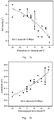
- the catalyst pre-contact may improve and enhance polymerization activity of the catalysts, isotactic index and melt index.
- the catalyst pre-contact device used is as shown in FIG. 2 , including a catalyst pre-contact tank 1, a catalyst pre-contact coil 2 and a thermostatic bath 3, wherein the catalyst pre-contact tank 1 is a 50 ml stirred-tank equipped with a three-bladed inclined-paddle agitator, and the temperature inside the stirred-tank is controlled by a thermostatic medium in the jacket; the catalyst pre-contact coil 2 is provided with inlets a, b, c, d, e and f, and the temperature inside the catalyst pre-contact coil 2 is controlled by a thermostatic medium in the thermostatic bath 3.
- the catalyst pre-contact tank 1 is a 50 ml stirred-tank equipped with a three-bladed inclined-paddle agitator, and the temperature inside the stirred-tank is controlled by a thermostatic medium in the jacket
- the catalyst pre-contact coil 2 is provided with inlets a, b, c, d, e and f, and the temperature inside the catalyst
- the main catalyst was the above Catalyst C.
- a liquid phase bulk process was used to conduct the propylene polymerization, wherein hydrogen concentration was 500 ppm or 2500 ppm; a molar ratio of cocatalyst (triethylaluminum) and electron donor (methyl cyclohexyl dimethoxysilane) in terms of Al/Si was controlled to be 25, and Al/Ti molar ratio was controlled to be 300.
- Polymerization temperature was 70 °C, and polymerization residence time was 60 min. Polymerization tank stirring speed was controlled at 500 rpm.
- Example 2 using the above catalyst pre-contact device, the temperature inside the catalyst pre-contact tank and the catalyst pre-contact coil was controlled by the thermostatic medium to 10 °C, and the time over which the main catalyst, the cocatalyst and the electron donor passed through the catalyst pre-contact device was controlled to be less than 1 minute. That is, immediately after the main catalyst, the cocatalyst, and the electron donor were combined and stirred in the catalyst pre-contact tank (total contact time was less than 1 minute), they were lead to the inlet f and passed through the line to the subsequent polymerization step. The amount of hydrogen added during the polymerization was 500 ppm. The experimental results obtained are shown in Table 1.
- Examples 3-7 were carried out in the same manner as Example 2, except that the pre-contact time of the main catalyst, the cocatalyst and the external electron donor was controlled to be 5 minutes, 10 minutes, 20 minutes, 30 minutes, 60 minutes, respectively (i.e., the corresponding inlet valve was opened, and the remaining inlet valves were closed) and, after pre-contacting with each other, the three-agents were introduced into the subsequent polymerization step.
- the experimental results obtained are shown in Table 2.
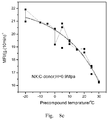
- Examples 8-16 were carried out in the same manner as Example 2, except that the materials from the catalyst contact tank were introduced into the pre-contact coil through the inlet c and then into the polymerization unit, thereby controlling the pre-contact time of the main catalyst, the cocatalyst and the electron donor passing through the catalyst pre-contact device to be about 30 minutes, and the temperature of both the catalyst pre-contact tank and the catalyst pre-contact coil was controlled by the thermostatic medium to be -10 °C, -5 °C, -0 °C, 5 °C, 10 °C, 15 °C, 20 °C, 25 °C and 30 °C, respectively.
- the amount of hydrogen added during the polymerization was 2,500 ppm.
- the experimental results obtained are shown in Table 3.
- Example 8 Pre-contact Temperature °C Catalyst Activity kgPP/g.Cat Polymer Isotactic Index wt% Melt Index g/10min
- Example 9 -5 38.2 96.7 32.1
- Example 10 0 36.5 96.5 41.4
- Example 11 5 41.1 96.7 33.6
- Example 12 10 38.9 96.8 25.5
- Example 13 15 35.6 96.8 27.9
- Example 14 20 34.0 97.1 26.5
- Example 15 25 31.5 97.5 23.5
- Example 16 30 29.4 97.5 23.9
- the desired pre-contact temperature is from about -10 to about 5 °C, and the desired pre-contact time is less than about 10 minutes.
Landscapes
- Chemical & Material Sciences (AREA)
- Chemical Kinetics & Catalysis (AREA)
- Organic Chemistry (AREA)
- Health & Medical Sciences (AREA)
- Medicinal Chemistry (AREA)
- Polymers & Plastics (AREA)
- Engineering & Computer Science (AREA)
- Materials Engineering (AREA)
- Dispersion Chemistry (AREA)
- Oil, Petroleum & Natural Gas (AREA)
- Transition And Organic Metals Composition Catalysts For Addition Polymerization (AREA)
Applications Claiming Priority (3)
| Application Number | Priority Date | Filing Date | Title |
|---|---|---|---|
| CN201610466027.9A CN107537408A (zh) | 2016-06-23 | 2016-06-23 | 一种用于烯烃连续聚合的催化剂预接触装置及催化剂预接触的方法 |
| CN201610465431.4A CN107540766B (zh) | 2016-06-23 | 2016-06-23 | 一种用于烯烃连续聚合的催化剂预接触装置及催化剂预接触的方法 |
| PCT/CN2017/089759 WO2017220018A1 (zh) | 2016-06-23 | 2017-06-23 | 一种用于烯烃连续聚合的催化剂预接触装置及催化剂预接触的方法 |
Publications (2)
| Publication Number | Publication Date |
|---|---|
| EP3476868A1 true EP3476868A1 (de) | 2019-05-01 |
| EP3476868A4 EP3476868A4 (de) | 2020-02-19 |
Family
ID=60783324
Family Applications (1)
| Application Number | Title | Priority Date | Filing Date |
|---|---|---|---|
| EP17814756.7A Pending EP3476868A4 (de) | 2016-06-23 | 2017-06-23 | Katalysatorvorkontaktvorrichtung und verfahren zur kontinuierlichen polymerisation von olefin |
Country Status (6)
| Country | Link |
|---|---|
| US (1) | US10988553B2 (de) |
| EP (1) | EP3476868A4 (de) |
| KR (1) | KR20190022700A (de) |
| MY (1) | MY198000A (de) |
| RU (1) | RU2738204C2 (de) |
| WO (1) | WO2017220018A1 (de) |
Families Citing this family (2)
| Publication number | Priority date | Publication date | Assignee | Title |
|---|---|---|---|---|
| CN113698513B (zh) * | 2020-05-21 | 2023-09-15 | 中国石油化工股份有限公司 | 一种催化剂的配制方法及其应用 |
| CN116615473B (zh) * | 2020-11-17 | 2025-12-23 | 英力士美国有限责任公司 | 用于将聚合催化剂组分供应到聚合反应器的方法及其设备 |
Family Cites Families (15)
| Publication number | Priority date | Publication date | Assignee | Title |
|---|---|---|---|---|
| ES2157911T3 (es) | 1987-02-02 | 2001-09-01 | Fina Technology | Procedimiento para aumentar la eficacia de un catalizador prepolimerizado. |
| CA2089970A1 (en) | 1992-03-04 | 1993-09-05 | Edwar S. Shamshoum | Catalyst formulation and polymerization processes |
| FI952175A7 (fi) * | 1995-05-05 | 1996-11-06 | Borealis As | Menetelmä ja katalysaattorikomponentti olefiinien homo- tai kopolymeroimiseksi |
| JP2001348405A (ja) | 2000-06-06 | 2001-12-18 | Sunallomer Ltd | オレフィン重合触媒成分の予備接触方法およびオレフィン重合方法 |
| CN1151183C (zh) | 2000-06-15 | 2004-05-26 | 中国石油化工股份有限公司 | 用于烯烃聚合或共聚合的球形催化剂组分及其催化剂 |
| ATE420721T1 (de) | 2004-08-05 | 2009-01-15 | Saudi Basic Ind Corp | Verfahren mit einem mit katalysator beschichteten wärmetauscher |
| US7615596B2 (en) | 2005-09-30 | 2009-11-10 | Chevron Phillips Chemical Company Lp | Multiple component feed methods and systems |
| US20090110600A1 (en) | 2007-10-30 | 2009-04-30 | Holl Richard A | Methods of operating film surface reactors and reactors employing such methods |
| CN101613426B (zh) * | 2009-08-06 | 2011-01-19 | 浙江绍兴三圆石化有限公司 | 聚丙烯的生产方法及其装置 |
| CN201694979U (zh) * | 2010-05-28 | 2011-01-05 | 浙江绍兴三锦石化有限公司 | 预接触罐冷却装置 |
| US20120172645A1 (en) * | 2010-12-29 | 2012-07-05 | Chevron Phillips Chemical Company Lp | Olefin Oligomerization catalysts and Methods of Making and Using Same |
| US8821800B2 (en) * | 2012-10-18 | 2014-09-02 | Chevron Phillips Chemical Company Lp | System and method for catalyst preparation |
| CN104558297A (zh) * | 2013-10-17 | 2015-04-29 | 中国石油化工股份有限公司 | 一种双向拉伸薄膜用聚丙烯树脂及其制备方法 |
| CN105636994B (zh) * | 2013-10-24 | 2021-03-26 | 巴塞尔聚烯烃意大利有限公司 | 多孔丙烯聚合物的制备方法 |
| EP3476473A4 (de) | 2016-06-24 | 2019-12-18 | Kaneka Corporation | Strömungsreaktor |
-
2017
- 2017-06-23 KR KR1020197002140A patent/KR20190022700A/ko not_active Ceased
- 2017-06-23 RU RU2019101639A patent/RU2738204C2/ru active
- 2017-06-23 EP EP17814756.7A patent/EP3476868A4/de active Pending
- 2017-06-23 MY MYPI2018002700A patent/MY198000A/en unknown
- 2017-06-23 US US16/312,962 patent/US10988553B2/en active Active
- 2017-06-23 WO PCT/CN2017/089759 patent/WO2017220018A1/zh not_active Ceased
Also Published As
| Publication number | Publication date |
|---|---|
| US20190218314A1 (en) | 2019-07-18 |
| EP3476868A4 (de) | 2020-02-19 |
| KR20190022700A (ko) | 2019-03-06 |
| RU2019101639A3 (de) | 2020-07-23 |
| MY198000A (en) | 2023-07-25 |
| WO2017220018A1 (zh) | 2017-12-28 |
| RU2019101639A (ru) | 2020-07-23 |
| US10988553B2 (en) | 2021-04-27 |
| RU2738204C2 (ru) | 2020-12-09 |
Similar Documents
| Publication | Publication Date | Title |
|---|---|---|
| DE69706148T2 (de) | Verfahren und apparat für die polymerisation von olefinmonomeren | |
| EP3808448A1 (de) | Herstellung von polyolefinen mit chrombasierten katalysatoren | |
| CN105622808B (zh) | 一种抗冲聚丙烯的生产方法 | |
| EP2497786A1 (de) | Reaktor zur propylenpolymerisierung und verfahren zur herstellung eines propylenpolymers | |
| EP3831476B1 (de) | Verfahren zur behandlung eines katalysators auf chrombasis für die herstellung von polyolefinen | |
| MXPA05004431A (es) | Aparato para preparar productos de poliolefina y metodologia para usar los mismos. | |
| US10988553B2 (en) | Catalyst pre-contact device for continuous polymerization of olefins and method for catalyst pre-contact | |
| EP2277621B1 (de) | Polymerisationsprozess in der Schlammphase | |
| EA009911B1 (ru) | Способ полимеризации олефинов | |
| CN111777700B (zh) | 微反应器中配位聚合制备聚烯烃的方法 | |
| EP3831479B1 (de) | Polyolefin-herstellung mit chrom-katalysatoren | |
| JP2007522310A (ja) | スラリーループ反応装置 | |
| AU2005308683B2 (en) | Slurry phase polymerisation process | |
| CN109517098A (zh) | 一种离线预聚合催化剂及丙烯均聚合和共聚合的方法 | |
| JP5577219B2 (ja) | プロピレン重合反応装置及びプロピレン系重合体の製造方法 | |
| EP2607385B1 (de) | Schlaufenreaktor mit verbesserter Herstellungsteilungssteuerung | |
| US12460023B2 (en) | Catalyst pretreatment and feeding system for polypropylene production | |
| CN107540766B (zh) | 一种用于烯烃连续聚合的催化剂预接触装置及催化剂预接触的方法 | |
| US20120264892A1 (en) | Method for improving ethylene polymerization reaction | |
| CN112601766B (zh) | 制备基于丙烯的共聚物的方法 | |
| CN107537408A (zh) | 一种用于烯烃连续聚合的催化剂预接触装置及催化剂预接触的方法 | |
| CN109679005A (zh) | 一种烯烃间歇聚合工艺 | |
| EP1859858A1 (de) | Schleifenreaktor zur Polymerisation | |
| CN116615473A (zh) | 方法 |
Legal Events
| Date | Code | Title | Description |
|---|---|---|---|
| STAA | Information on the status of an ep patent application or granted ep patent |
Free format text: STATUS: THE INTERNATIONAL PUBLICATION HAS BEEN MADE |
|
| PUAI | Public reference made under article 153(3) epc to a published international application that has entered the european phase |
Free format text: ORIGINAL CODE: 0009012 |
|
| STAA | Information on the status of an ep patent application or granted ep patent |
Free format text: STATUS: REQUEST FOR EXAMINATION WAS MADE |
|
| 17P | Request for examination filed |
Effective date: 20190114 |
|
| AK | Designated contracting states |
Kind code of ref document: A1 Designated state(s): AL AT BE BG CH CY CZ DE DK EE ES FI FR GB GR HR HU IE IS IT LI LT LU LV MC MK MT NL NO PL PT RO RS SE SI SK SM TR |
|
| AX | Request for extension of the european patent |
Extension state: BA ME |
|
| DAV | Request for validation of the european patent (deleted) | ||
| DAX | Request for extension of the european patent (deleted) | ||
| A4 | Supplementary search report drawn up and despatched |
Effective date: 20200120 |
|
| RIC1 | Information provided on ipc code assigned before grant |
Ipc: B01J 8/10 20060101ALI20200114BHEP Ipc: C08F 10/00 20060101AFI20200114BHEP Ipc: B01J 19/18 20060101ALI20200114BHEP Ipc: C08F 4/00 20060101ALI20200114BHEP |
|
| STAA | Information on the status of an ep patent application or granted ep patent |
Free format text: STATUS: EXAMINATION IS IN PROGRESS |
|
| 17Q | First examination report despatched |
Effective date: 20230803 |