EP3471733B1 - Reagents, compositions and methods for improving viability and function of cells, tissues and organs - Google Patents
Reagents, compositions and methods for improving viability and function of cells, tissues and organs Download PDFInfo
- Publication number
- EP3471733B1 EP3471733B1 EP17812341.0A EP17812341A EP3471733B1 EP 3471733 B1 EP3471733 B1 EP 3471733B1 EP 17812341 A EP17812341 A EP 17812341A EP 3471733 B1 EP3471733 B1 EP 3471733B1
- Authority
- EP
- European Patent Office
- Prior art keywords
- cells
- cell
- celastrol
- composition
- preparation
- Prior art date
- Legal status (The legal status is an assumption and is not a legal conclusion. Google has not performed a legal analysis and makes no representation as to the accuracy of the status listed.)
- Active
Links
Images
















Classifications
-
- A—HUMAN NECESSITIES
- A01—AGRICULTURE; FORESTRY; ANIMAL HUSBANDRY; HUNTING; TRAPPING; FISHING
- A01N—PRESERVATION OF BODIES OF HUMANS OR ANIMALS OR PLANTS OR PARTS THEREOF; BIOCIDES, e.g. AS DISINFECTANTS, AS PESTICIDES OR AS HERBICIDES; PEST REPELLANTS OR ATTRACTANTS; PLANT GROWTH REGULATORS
- A01N1/00—Preservation of bodies of humans or animals, or parts thereof
- A01N1/10—Preservation of living parts
- A01N1/12—Chemical aspects of preservation
- A01N1/122—Preservation or perfusion media
- A01N1/125—Freeze protecting agents, e.g. cryoprotectants or osmolarity regulators
-
- A—HUMAN NECESSITIES
- A01—AGRICULTURE; FORESTRY; ANIMAL HUSBANDRY; HUNTING; TRAPPING; FISHING
- A01N—PRESERVATION OF BODIES OF HUMANS OR ANIMALS OR PLANTS OR PARTS THEREOF; BIOCIDES, e.g. AS DISINFECTANTS, AS PESTICIDES OR AS HERBICIDES; PEST REPELLANTS OR ATTRACTANTS; PLANT GROWTH REGULATORS
- A01N1/00—Preservation of bodies of humans or animals, or parts thereof
- A01N1/10—Preservation of living parts
- A01N1/12—Chemical aspects of preservation
- A01N1/122—Preservation or perfusion media
- A01N1/126—Physiologically active agents, e.g. antioxidants or nutrients
-
- A—HUMAN NECESSITIES
- A01—AGRICULTURE; FORESTRY; ANIMAL HUSBANDRY; HUNTING; TRAPPING; FISHING
- A01N—PRESERVATION OF BODIES OF HUMANS OR ANIMALS OR PLANTS OR PARTS THEREOF; BIOCIDES, e.g. AS DISINFECTANTS, AS PESTICIDES OR AS HERBICIDES; PEST REPELLANTS OR ATTRACTANTS; PLANT GROWTH REGULATORS
- A01N1/00—Preservation of bodies of humans or animals, or parts thereof
- A01N1/10—Preservation of living parts
- A01N1/12—Chemical aspects of preservation
- A01N1/128—Chemically defined matrices for immobilising, holding or storing living parts, e.g. alginate gels; Chemically altering living parts, e.g. by cross-linking
-
- A—HUMAN NECESSITIES
- A61—MEDICAL OR VETERINARY SCIENCE; HYGIENE
- A61K—PREPARATIONS FOR MEDICAL, DENTAL OR TOILETRY PURPOSES
- A61K31/00—Medicinal preparations containing organic active ingredients
- A61K31/16—Amides, e.g. hydroxamic acids
-
- A—HUMAN NECESSITIES
- A61—MEDICAL OR VETERINARY SCIENCE; HYGIENE
- A61K—PREPARATIONS FOR MEDICAL, DENTAL OR TOILETRY PURPOSES
- A61K31/00—Medicinal preparations containing organic active ingredients
- A61K31/16—Amides, e.g. hydroxamic acids
- A61K31/164—Amides, e.g. hydroxamic acids of a carboxylic acid with an aminoalcohol, e.g. ceramides
-
- A—HUMAN NECESSITIES
- A61—MEDICAL OR VETERINARY SCIENCE; HYGIENE
- A61K—PREPARATIONS FOR MEDICAL, DENTAL OR TOILETRY PURPOSES
- A61K31/00—Medicinal preparations containing organic active ingredients
- A61K31/185—Acids; Anhydrides, halides or salts thereof, e.g. sulfur acids, imidic, hydrazonic or hydroximic acids
- A61K31/19—Carboxylic acids, e.g. valproic acid
-
- A—HUMAN NECESSITIES
- A61—MEDICAL OR VETERINARY SCIENCE; HYGIENE
- A61P—SPECIFIC THERAPEUTIC ACTIVITY OF CHEMICAL COMPOUNDS OR MEDICINAL PREPARATIONS
- A61P9/00—Drugs for disorders of the cardiovascular system
- A61P9/10—Drugs for disorders of the cardiovascular system for treating ischaemic or atherosclerotic diseases, e.g. antianginal drugs, coronary vasodilators, drugs for myocardial infarction, retinopathy, cerebrovascula insufficiency, renal arteriosclerosis
Definitions
- the present invention relates to compositions and methods for modulating the state of a cell, a cell preparation, a tissue, a graft or an organ in vitro or ex vivo.
- the present invention also relates to compositions and methods for improving the viability and/or function of cells or for the in vitro or ex vivo protection of cells, tissues, grafts or organs from various damages.
- the present invention particularly relates to cell preparations, tissues, grafts, organ preparations and secretomes of cell preparations for use in treatment or prevention of ischemic injury and related stressors (hypoxia, oxidative stress, inflammation, shock etc.).
- the present invention also particularly relates to cell- and tissue-based therapies (e.g., regenerative medicine, grafts, transplantation, etc).
- ischemic heart disease remains a major cause of morbidity and mortality worldwide.
- MI myocardial infarction
- reperfusion of the ischemic heart induces additional stress due to a massive increase in free radical production, inflammatory cell infiltration and changes in local pH.
- Final infarct size can be significantly reduced if cardioprotective measures are set in place.
- Cardiac pre- and post- conditioning have been studied including mechanical techniques (repetitive short cycles of ischemia/reperfusion (I/R) by coronary clamping), but the simplest and more clinically transferable technique would be pharmacological conditioning.
- cardioprotection would involve a reduction on I/R-induced cell death, with inhibition of mitochondrial permeability transition pore (mPTP) opening, and lowering of oxidative stress, leading to a reduced infarct area and preservation of ventricular function.
- mPTP mitochondrial permeability transition pore
- Celastrol triggered reactive oxygen species (ROS) formation within minutes, induced nuclear translocation of the transcription factor heat shock factor 1 (HSF1) resulting in a heat shock response (HSR) leading to increased expression of heat shock proteins (HSPs) including HSP70 as well as HSP32 (haeme oxygenase-1, HO-1).
- ROS reactive oxygen species
- Celastrol improved H9c2 survival under hypoxic stress, and functional analysis revealed HSF1 and HO-1 as key effectors induced by Celastrol promoting cellular and tissue protection.
- daily Celastrol treatment improved cardiac function and reduced adverse left ventricular remodelling at day 14.
- Celastrol triggered expression of cardioprotective HO-1 and inhibited fibrosis and infarct size.
- peri-infarct area Celastrol reduced myofibroblast and macrophage infiltration, while attenuating up-regulation of TGF- ⁇ and collagen.
- the Applicant also investigated the effect of Celastrol on the in vitro and ex vivo protection of stem cells to repopulate the injured myocardium.
- stem cell transplantation has been proposed as a novel treatment approach for tissue engineering and regenerative medicine for various disease states.
- Stem cell-based therapy has been explored in pre-clinical animal models of ischemic disorders or diseases, and has been used in early clinical trials for ischemic disorders such as stroke, MI and peripheral arterial disease (PAD).
- ischemic disorders such as stroke, MI and peripheral arterial disease (PAD).
- Inflammation ensues very rapidly post-MI and is prompted by the detection of high levels of ROS and necrotic cellular debris by resident cells and circulating leukocytes. These cells hone to the injured tissue and further release ROS, proteolytic enzymes, pro-inflammatory and cytotoxic diffusible factors and participate in phagocytosis of necrotic cells and disruption of extracellular matrix (ECM) components. While important for clearing the tissue of compromised cells and debris, inflammation that becomes excessive or chronic results in infarct expansion, adverse remodeling and poor patient outcomes ( Steffens, S., et al. Thrombosis and Haemostasis, (2009), 102(2), 240-247 ; Jiang, B. et al.
- Stem cell therapy has the potential to improve healing of ischemic heart, repopulate injured myocardium, and restore cardiac function. It offers a therapeutic solution beyond the limits of conventional treatments, with the prospect of delivering a cure.
- the tremendous hope and potential of stem cell therapy are well understood, with feasibility and safety having been demonstrated in animal models and clinical trials such as IMPACT-CABG and COMPARE-AMI for autologous CD133 + stem cell transplant for heart failure treatment ( Forcillo, J. et al., The Canadian journal of cardiology. 2013;29:441-7 ; Mansour S et al., Bone Marrow Res. 2011;2011:385124 ).
- the Applicant discovered that Celastrol rapidly and strongly activates endogenous cytoprotective properties and increases stem cell survival to hypoxic and oxidative conditions mimicking the ischemic transplant microenvironment.
- the Applicant observed a dramatic and rapid activation of the PI3K/Akt and p44/42 MAPK (ERK1/2) pathways with upregulation of effectors and important genes involved in cellular protection and survival: Hif1a, HO-1 (HSP32), HSP27, HSP70 and VEGF, as well as increase in Hsf1 translocation from the cytoplasm to the nucleus.
- US2011/0311508A1 discusses methods of modulating HSF1 activity comprising modifying the acetylation of the DNA binding domain of the HSF1.
- the invention provides a composition or pharmaceutical composition
- the invention provides an ex vivo method of modulating the state of a cell, a cell preparation, a tissue, a graft or an organ so as to increase or preserve viability or functionality or resistance to death, damage or stress, the method comprising contacting said cell, cell preparation, tissue, graft or organ with a) a composition or pharmaceutical composition of the invention, b) a combination comprising one or more compounds in accordance with the invention and an adjunct agent, c) a distinct cell preparation that has been contacted with one or more compounds in accordance with the invention or with a combination thereof, or d) a secretome of a distinct cell preparation that has been contacted with one or more compounds in accordance with the invention.
- the invention provides an ex vivo method of protecting cells, tissues, grafts or organs from stress or damages or of lowering cellular damages in transplantation of stem cells, tissues, grafts or organs, the method comprising contacting the cells, stem cells, tissues, grafts or organs with a composition or pharmaceutical composition of the invention or with a secretome of a cell preparation that has been contacted with said composition wherein when the method is for lowering cellular damages in transplantation of stem cells, tissues, grafts or organs, the secretome is conditioned with said composition prior to and/or during and/or after transplantation.
- the invention provides an ex vivo use of a composition or pharmaceutical composition of the invention, a cell preparation pre-conditioned with one or more compounds in accordance with the invention or a secretome of a cell preparation conditioned with said composition for i) protecting cells, tissue, graft or organs from stress or damages, ii) modulating the state of a cell, a cell preparation, a tissue, a graft or an organ, iii) lowering cellular damages in transplantation of stem cells, tissues, grafts or organs, or iv) protecting cells, tissues, grafts or organs from damages or stressors during manipulation procedures such as freeze/thaw cycles, cell encapsulation, expansion, enrichment and purification.
- the invention provides an isolated cell, cell preparation, tissue, graft or organ preparation pre-conditioned with a composition or pharmaceutical composition of the invention.
- the invention provides a cell preparation, tissue, graft or organ preparation of the invention, or a secretome of said cell preparation, for use in treating a patient in need of a surgery or medical intervention.
- the invention provides a cell preparation, tissue, graft or organ preparation of the invention, or a secretome of said cell preparation, for use in preventing or treating ischemic diseases or a degenerative disease.
- the invention provides a kit including a first vial comprising a composition or pharmaceutical composition of the invention either alone or mixed with an adjunct agent and a second vial comprising stem cells.
- the present invention may be carried out by using one or more compound of Formula I
- the compound may include, for example, compounds of Formula la, a pharmaceutically acceptable salt, a stereisomer, or a tautomer thereof,
- Exemplary embodiments of the compounds encompassed in the present invention include those of Formula I or la where R1 is NRbRc.
- Exemplary embodiments may include for example, Celastrol analogs identified as Analog 1, Analog 2, Analog 3 or Analog 4.
- Analog 1 is particularly contemplated.
- compositions of Celastrol alone or its uses as a sole compound in methods of treating cardiac ischemia or stem cells protection have been disclosed in the literature ( Der Sarkissian et al., Pre-Conditioning of Stem Cells With Celastrol to Enhance their Therapeutic Potential, Circulation 2011; 124:A14198 ; S. Der Sarkissian et al., British J. Pharmacol., 2014, 171:5265-5279 ).
- the adjunct agent may be for example, Bis(2-hydroxybenzylidene)acetone (2HBA), andrographolide, ascorbic acid, cafestol, carnosolbardoxolone-imidazole (CDDO-im), chalcone, N6-[2-[[4-(2,4-dichlorophenyl)-5-(1H-imidazol-2-yl)-2-pyrimidinyl]amino]ethyl]-3-nitro-2,6-pyridinediamine (CHIR98014), conglobatin, curcumin, cycloastragenol, 1,2-dithiole-3-thione (D3T), doramapimod, edaravone, epigallocatechin gallate (EGCG), gambogic acid, ganetespib, gedunin, IQ-1, limonin, lonidamines, melatonin, benzamide tetrahydroind
- 2HBA Bis(2-hydroxy
- adjunct agent may include for example, tBHQ, carnosol, curcumin, 2HBA, or EGCG or analogs thereof.
- compositions or pharmaceutical composition which comprises a) one or more compound in accordance with the invention, a pharmaceutically acceptable salt, a stereisomer, a tautomer thereof either alone or in combination with one or more adjunct agent and b) a carrier or pharmaceutically acceptable carrier or excipient.
- the present invention provides an ex vivo method of modulating the state of a cell (an isolated cell), a cell preparation, a tissue (an isolated tissue), a graft (an isolated graft) or an organ (an isolated organ).
- modulation is done so as to increase or preserve viability or resistance to death, damages and/or stress, as well as the functionality.
- Such modulation may be done in a manner that increase resilience profile to cell death, more resistance to oxidative and/or hypoxic stressors, and/or enhanced profile for protein expression that may comprise of enhanced secretion of various proteins including but not limited to heat shock proteins, antioxidant proteins, growth factors, and/or reducing deleterious expressions such peptide mediators associated with cell senescence.
- the method comprises contacting the cell, cell preparation, tissue, graft or organ with a) a composition of the invention, b) a combination comprising one or more compound in accordance with the invention, or a pharmaceutically acceptable salt, a stereisomer or a tautomer thereof and an adjunct agent, c) a distinct cell preparation that has been contacted with one or more compounds in accordance with the invention, or a pharmaceutically acceptable salt, a stereisomer or a tautomer thereof or with a combination thereof, or d) a secretome of a distinct cell preparation that has been contacted with one or more compounds in accordance with the invention, or a pharmaceutically acceptable salt, a stereisomer or a tautomer thereof.
- the method may be an ex vivo method performed on a cell preparation, tissue or organ.
- the cell preparation, tissue or organ thus conditioned may subsequently be administered/transplanted into a mammal in need (e.g., a human mammal).
- a mammal in need e.g., a human mammal.
- the invention provides a cell preparation, tissue, graft or organ preparation, or a secretome of said cell preparation, for use in treating a patient in need of a surgery or medical intervention. Treating may be performed by administration of the distinct cell preparation or secretome to a mammal in need (e.g., a mammal suffering from or susceptible of suffering from an ischemic disease, undergoing surgery or medical intervention, or having a degenerative disease with cell and tissue loss).
- the degenerative disease may comprise cardiomyopathy, hepatic disease such as non-alcoholic fatty liver disease, non-alcoholic steatohepatitis (NAFLD/NASH), cirrhosis, pulmonary disease such as chronic obstructive pulmonary disease (COPD), osteoarthritis, pancreatic disorder such as diabetes, neurodegeneration such as Alzheimers, Parkinsons, dementia, amyotropic lateral sclerosis (ALS) disease, etc..
- cardiomyopathy such as non-alcoholic fatty liver disease, non-alcoholic steatohepatitis (NAFLD/NASH), cirrhosis, pulmonary disease such as chronic obstructive pulmonary disease (COPD), osteoarthritis, pancreatic disorder such as diabetes, neurodegeneration such as Alzheimers, Parkinsons, dementia, amyotropic lateral sclerosis (ALS) disease, etc.
- the cell preparation or secretome may be administered immediately prior to, during or immediately after the surgery or medical intervention and may be administered for example, systemically or locally.
- the method may also be an in vitro or ex vivo method performed on cells in culture or prior to freezing.
- the cell, cell preparation, tissue, graft or organ may be contacted with the compound, combination, distinct cell preparation or secretome for a duration, for example, of at least between 5 to 180 minutes prior to their use.
- the compound of Formula I or Formula Ia may be used at a concentration of between 10 -6 M to 10 -10 M.
- Treating in accordance with the invention may comprise administering the cell preparation or secretome locally or systemically.
- a secretome when administered it may administered systemically (e.g., intravenously) or locally (e.g., topically, at a damaged site).
- a cell preparation when administered, it may preferentially be administered locally (e.g., at a site where ischemia is suspected, at a site in need of cytoprotection, etc.).
- the cells may be immortalized or primary cells.
- the cells may be for example, stem cells, cardiomyocytes, cardiomyoblasts, muscle cells, kidney cells, pancreatic cells, hepatic cells, neurons, endothelial cells, epithelial cells.
- the stem cells may be embryonic, multipotent or pluripotent stem cells.
- Exemplary embodiments of stem cells may include mesenchymal stem cells, hematopoietic stem cells, induced pluripotent stem cells.
- the cells are non-cancerous cells.
- the cells are preferably from a mammal, such as for example a human.
- the cells may be suitable for allogenic stem cell transplantation or for autologous stem cell transplantation.
- the cells may originate from a commercial source or may be isolated from a donor or host.
- the cells may be selected on the basis of specific and desirable markers.
- the method may comprise additionally contacting the cells, tissues, grafts or organs with one or more adjunct agent.
- the cells, tissues, grafts or organs may thus be contacted with a composition comprising both a) the compound in accordance with the invention (or a pharmaceutically acceptable salt, a stereisomer, a tautomer or a pro-drug thereof) and b) the adjunct agent mixed together or the compound and adjunct agent may be added one after the other.
- the cells, tissues, grafts or organ may also be contacted sequentially with the compound in accordance with the invention (or a pharmaceutically acceptable salt, a stereisomer, a tautomer or a pro-drug thereof) and the adjunct agent.
- the present invention further provides in an aspect thereof a cell preparation, tissue, graft or organ preparation in accordance with the invention, or a secretome of said cell preparation, for use in preventing or treating ischemic diseases including for example, ischemic cardiovascular diseases, stroke, myocardial infarction (MI), peripheral arterial disease (PAD), or diseases where cell and tissue loss or degeneration occurs for example diabetes, hepatic disease, pulmonary disease, etc.
- ischemic diseases including for example, ischemic cardiovascular diseases, stroke, myocardial infarction (MI), peripheral arterial disease (PAD), or diseases where cell and tissue loss or degeneration occurs for example diabetes, hepatic disease, pulmonary disease, etc.
- the preventing or treating of ischemic diseases or diseases where cell and tissue loss or degeneration occurs in accordance with the invention may also comprise administering to the mammal in need, a secretome or culture media of stem cell preparation treated with a composition comprising one or more compounds in accordance with the invention and optionally an adjunct agent.
- the stem cell preparation may be an autologous stem cell preparation isolated from the mammal in need.
- the stem cell preparation may be an allogenic stem cell preparation isolated from a mammal donor. In order to be suitable for administration to a mammal, the allogenic stem cell preparation is preferably HLA-typed matched.
- the stem cell preparation may also be immune-privileged, hypoimmunogenic or immune-evasive.
- the present invention provides in yet an additional aspect thereof, a cell preparation or an isolated cell, tissue, graft or organ preparation pre-conditioned with a composition of the invention.
- the isolated cell, tissue, graft or organ preparation may be pre-conditioned with a composition comprising a combination of a) compound in accordance with the invention, or a pharmaceutically acceptable salt, a stereisomer or a tautomer thereof and b) an adjunct agent.
- the composition may be washed from the preparation prior to use or may remain as part of the preparation.
- the cell preparation may be a stem cell preparation, for example, stem cells treated in vitro or stem cells harvested from a donor having previously received systemically the treatment.
- the cellular preparation may be a cell suspension.
- the cellular preparation may in the form of a three-dimensional scaffold.
- cells may be cultured as cell aggregates, in the presence of microcarriers, on alginate microencapsulates, in hydrogels (e.g., thermoreversible hydrogels, chitosane based hydrogels etc.), in nanostructure scaffolds composed of self-assembling peptides ( Meng, X. et al., SpringerPlus, 2014, 3:80 ).
- the present invention further provides an ex vivo method of lowering cellular damages in transplantation of stem cells, tissues, grafts or organs, the method comprising contacting the stem cells, tissues, grafts or organs with a composition of the invention or with a secretome of a cell preparation conditioned with such composition prior to and/or during and/or subsequent to transplantation.
- the ex vivo method may comprise administering a combination of a) compound in accordance with the invention or a pharmaceutically acceptable salt, a stereisomer or a tautomer thereof and b) an adjunct agent.
- the invention relates to the ex vivo use of one or more compound in accordance with the invention, or a pharmaceutically acceptable salt, a stereisomer or a tautomer thereof for protecting cells, tissue, graft or organs from stress or damages.
- the invention relates to the use of a combination of a) compound in accordance with the invention, a pharmaceutically acceptable salt, a stereisomer, a tautomer or a pro-drug thereof and b) an adjunct agent.
- the present invention provides a cell preparation, tissue, graft or organ preparation of the invention, or a secretome of said cell preparation, for use in treating a patient in need of a surgery or medical intervention.
- the present invention also relates to a kit which includes a first vial comprising a composition or pharmaceutical composition of the invention and a second vial comprising stem cells.
- the kit may comprise a third vial containing an adjunct agent.
- the present invention relates to a cellular preparation containing live cells that may have improved characteristics following contact with the compositions described herein.
- the improved characteristics may include an improved function, an increased expression of genes associated with cytoprotection, an increased viability, an increased survival, an increased resistance to cellular damages from stressors (e.g., oxidative, hypoxic, inflammatory, thermal, osmotic, mechanical) that can be incurred in various pathological conditions (e.g. ischemia, ischemia/reperfusion, septic shock) or manipulation procedures (e.g. freeze/thaw cycles, cell encapsulation, expansion, enrichment and purification steps, graft preparation/manufacturing etc.).
- stressors e.g., oxidative, hypoxic, inflammatory, thermal, osmotic, mechanical
- pathological conditions e.g. ischemia, ischemia/reperfusion, septic shock
- manipulation procedures e.g. freeze/thaw cycles, cell encapsulation,
- the cellular preparation may comprise stem cells such as those suitable for preventing or repairing damages due to ischemia.
- the stem cells may be from a commercial source, isolated from the individual in need of treatment (i.e., autologous) or isolated from a compatible donor (i.e., allogeneic).
- the cellular or tissue preparation is pre-conditioned with the composition of the invention.
- the cellular preparation may comprise media containing the composition or reagents described herein.
- Celastrol may be useful to protect cells and tissue from different kinds of damages and may increase the survival of cells that are part of complex tissues, such as grafts and organs.
- stems cells pre-conditioned with Celastrol alone or in combination with an adjunct agent protect cells from stress and/or damages and stimulate secretion of paracrine mediators and growth factors that enhance the therapeutic profile of cells.
- the Applicant also identified Celastol analogues having similar or increased cytoprotective effect and identified several therapeutic combinations having synergistic or additive cytoprotective effects with Celastrol and/or with Celastrol analogues.
- Celastrol mechanism of action includes 1) activation of the rapid and transient cellular defense mechanism. More particularly, Celastrol modulates activity of KEAP1, the repressor of the transcription factor Nuclear Factor Erythroid 2-Related Factor 2 (NRF2), thereby allowing translocation of NRF2 to the nucleus and binding to ARE (Antioxidant Response Element) which activates transcription of protective antioxidant mediators and enzymes including HO1 (HSP32).
- KEAP1 Nuclear Factor Erythroid 2-Related Factor 2
- ARE Antioxidant Response Element
- Celastrol mechanism of action also includes 2) activation of the cellular pathway ensuring extended protection and survival:
- HSP cytoprotective Heat Shock Proteins
- Celastrol mechanism of action may further include 3) induction / amplification of protective signaling:
- Celastrol by stimulating ROS production may activate above described mechanisms thereby leading to activation of protective signaling pathways.
- the term “about” has its ordinary meaning.
- the term “about” is used to indicate that a value includes an inherent variation of error for the device or the method being employed to determine the value, or encompass values close to the recited values, for example within 10% or 5% of the recited values (or range of values).
- HSF1 Heat shock factor protein 1
- KEAP1 Kelch-like ECH-associated protein 1
- KEAP1 comprises six Kelch repeats (residues 327-372, 373-423, 424-470, 471-517, 518-564 and 565-611) that mediate interaction with NRF2.
- Residues 69-84, and more particularly residues 76-84, of NRF2 are involved in the interaction with KEAP1.
- Examples of compounds that activate the NRF2 pathway include Celastrol, tBHQ, CDDO, Carnosol, Andrographolide, cafestol, Sulforaphane, Curcumin, EGCG, Pyrithione, Resveratrol, Gedunin, Quercetin, bis(2-hydroxybenzylidene)acetone (2-HBA) or HBB2, 1,2-dithiole-3-thione (D3T), acetylenic tricyclic bis(cyano enone) (TBE31), Anthothecol, Whitanolides, and analogs thereof or members of alkaloid, quinones and quinone methide, gambogic acid, limonoids, rotenoids, terpenoids, furanoids, cathechins, alkenyls, carbohydrates, flavonoids, or aromatic families.
- the ex vivo method of the invention comprises the use of one compound in accordance with the invention that activates both the HSF1 pathway and the NRF2 pathway.
- the ex vivo method comprises the use of two or more molecules in accordance with the invention that activate the HSF1 pathway and the NRF2 pathway, e.g. a first compound that activates the HSF1 pathway and a second compound that activates the NRF2 pathway, or a first compound that activates the HSF1 and NRF2 pathways and a second compound that activates only the NRF2 pathway, etc.
- analog refers to a compound having the basic or backbone structure of the reference compound, but comprising one or more modifications (e.g., bond order, absence or presence of one or more atoms and/or groups of atoms, and combinations thereof) that do not abolish the biological activity on the HSF1 pathway and/or the NRF2 pathway.
- modifications e.g., bond order, absence or presence of one or more atoms and/or groups of atoms, and combinations thereof.
- At least one of the one or more compounds is an HSP90 inhibitor, an HSP90 N or C-terminal inhibitor, preferably an HSP90 co-factor inhibitor.
- At least one of the one or more compounds has NRF2 inducing activity.
- a combination of compounds having improved (e.g., synergistic) activity relative to activity of the compounds used alone are used.
- an “adjunct agent” refers an agent that may increase cell survival, viability or resistance to stress or damages.
- An “adjunct agent” may be capable of modulating for example cell phenotype and may include antioxidants and NRF2 activators.
- Adjunct agents include for example, 2HBA, andrographolide, ascorbic acid, cafestol, carnosolbardoxolone-imidazole (CDDO-im), chalcone, N6-[2-[[4-(2,4-dichlorophenyl)-5-(1H-imidazol-2-yl)-2-pyrimidinyl]amino]ethyl]-3-nitro-2,6-pyridinediamine (CHIR98014), conglobatin, curcumin, cycloastragenol, 1,2-dithiole-3-thione (D3T), doramapimod, edaravone, EGCG, gambogic acid, ganetespib, gedunin, IQ-1, limonin, lonidamide, melatonin, benzamide tetrahydroindolones, N886, alkylamino biphenylamides, novobiocin, pyr
- secretome refers to secreted organic molecules and/or inorganic elements by biological cells, tissues, organs, and organisms.
- modulating the state of a cell means a change in the cellular phenotype, in the pattern of expression of certain genes or in the pattern of secretion of certain proteins.
- straight alkyl group of 1 to 6 carbon atoms i.e., C1-C6 alkyl
- C1-C6 alkyl saturated monovalent hydrocarbon radicals having straight or branched moieties and containing from 1 to 6 carbon atoms.
- branched alkyl group refers to alkyl group that include one or more tertiary or quaternary carbon atoms.
- the alkyl group may be substituted (OH, NH2, I, F, Cl, Br, CN) unsubstituted. Examples of such groups include, but are not limited to, methyl, ethyl, propyl, iso-propyl, n-butyl, isobutyl, and tert-butyl.
- substituted refers to a group in which one or more hydrogen atoms in the group are, independently, replaced with a substituent selected from methyl, ethyl, n-propyl, isopropyl, hydroxy, methoxy, ethoxy, fluorine, chlorine, bromine, iodine, cyano, nitro, amino, alkylamino, dialkylamino, carboxy, chloromethyl, trichloromethyl, trifluoromethyl, methoxyethyl and the like.
- lower alkyl group of 1 to 3 carbon atoms refers to methyl, ethyl, propyl.
- the one or more compounds are present in a pharmaceutical composition that further comprises one or more pharmaceutically acceptable carriers, excipient, and/or diluents.
- pharmaceutically acceptable refers to materials characterized by the absence of (or limited) toxic or adverse biological effects in vivo. It refers to those compounds, compositions, and/or dosage forms which are, within the scope of sound medical judgment, suitable for use in contact with the biological fluids and/or tissues and/or organs of a subject (e. g., human, animal) without excessive toxicity, irritation, allergic response, or other problem or complication, commensurate with a reasonable benefit/risk ratio.
- pharmaceutically acceptable carriers, excipient, and/or diluents refers to additives commonly used in the preparation of pharmaceutical compositions and includes, for example, solvents, dispersion media, saline solutions, surfactants, solubilizing agents, lubricants, emulsifiers, coatings, antibacterial and antifungal agents, chelating agents, pH-modifiers, soothing agents, buffers, reducing agents, antioxidants, isotonic agents, absorption delaying agents or the like (see, e.g., Rowe et al., Handbook of Pharmaceutical Excipients, Pharmaceutical Press; 6th edition, 2009 ).
- the one or more compounds may be combined/mixed with scaffold materials for cell transplantation/tissue engineering, e.g., biomaterials, polymers and/or matrixes commonly used as scaffold for stem cells.
- scaffold materials for cell transplantation/tissue engineering e.g., biomaterials, polymers and/or matrixes commonly used as scaffold for stem cells.
- the one or more compounds may be formulated for administration via any conventional route, such as intravenous, oral, transdermal, intraperitoneal, subcutaneous, mucosal, intramuscular, intranasal, intrapulmonary, parenteral or topical administration.
- routes such as intravenous, oral, transdermal, intraperitoneal, subcutaneous, mucosal, intramuscular, intranasal, intrapulmonary, parenteral or topical administration.
- the preparation of such formulations is well known in the art (see, e.g., Remington: The Science and Practice of Pharmacy, Lippincott Williams & Wilkins; 21st edition, 2005 ).
- the medium e.g., secretome
- the methods described herein comprises culturing a population of cells (e.g., mesenchymal stem cells, CD133 + cells, pancreatic cells, renal cells, epithelial and endothelial cells) in the presence of the one or more compounds, collecting the medium or supernatant from said culture; and contacting cells in the presence of said medium or supernatant.
- a population of cells e.g., mesenchymal stem cells, CD133 + cells, pancreatic cells, renal cells, epithelial and endothelial cells
- the cell is a stem/pluripotent/progenitor cell or differentiated cell, for example an hematopoietic stem cell (HSC), an hematopoietic progenitor cells (HPCs), a multipotent progenitor cell (MPP), a lymphoid progenitor cell, a myeloid progenitor cell, a mesenchymal stem cell (MSC), an adipose derived stem cell (ADSC), etc.
- HSC hematopoietic stem cell
- HPCs hematopoietic progenitor cells
- MPP mesenchymal stem cell
- ADSC adipose derived stem cell
- the cell is a differentiated cell.
- the starting population of cells may be obtained from the body or an organ of the body containing suitable cells.
- the cells collected can be enriched for cells having certain characteristics in ways known to those of skill in the art, for example based on expression of certain markers (e.g., CD34 + , CD133 + ).
- the starting cell population may be used directly or frozen and stored for use at a later point in time.
- the cell population may first be subjected to enrichment or purification steps, including adhesion to plasticware or negative and/or positive selection of cells based on specific cellular markers in order to provide the starting cell population, for example to provide a starting cell population enriched in MSCs.
- Methods for isolating said starting cell population based on specific cellular markers may use fluorescent-activated cell sorting (FACS) technology or solid or insoluble substrate to which is bound antibodies or ligands that interact with specific cell surface markers.
- FACS fluorescent-activated cell sorting
- cells may be contacted with a solid substrate (e.g., column of beads, flasks, magnetic particles) containing the antibodies and any unbound cells are removed.
- a solid substrate comprising magnetic or paramagnetic beads
- cells bound to the beads can be readily isolated by a magnetic separator (e.g. magnetic cell sorting, MACS ® , CliniMacs ® product line by Miltenyi Biotec ® ).
- the cells may be cultured in media suitable for the maintenance, growth, or proliferation of the cells either in normal culture conditions of bioreactors for large scale manufacturing for example.
- the culture conditions of the population of cells will vary depending on different factors, notably, the starting cell population. Suitable culture media and conditions are well known in the art.
- the method of the present invention may be carried out in natural medium, a semi-synthetic medium or a synthetic medium in terms of composition, and may be a solid medium, a semisolid medium or a liquid medium in terms of shape, and any nutrient medium or defined medium used for cell culture, which may be supplemented with one or more suitable factors.
- Such medium typically comprises sodium, potassium, calcium, magnesium, phosphorus, chlorine, amino acids, vitamins, cytokines, hormones, antibiotics, serum, fatty acids, saccharides or the like.
- other chemical components or biological components may be incorporated singly or in combination, as the case requires.
- Such components to be incorporated in the medium may be fetal calf serum, human serum, horse serum, insulin, transferrin, lactoferrin, cholesterol, ethanolamine, sodium selenite, monothioglycerol, 2-mercaptoethanol, bovine serum albumin, sodium pyruvate, polyethylene glycol, various vitamins, various amino acids, agar, agarose, collagen, methylcellulose, various cytokines, various growth factors or the like.
- the media may be chemically defined, serum-free and/or xeno-free.
- the cells may be cultured under conditions suitable for their maintenance, growth and/or proliferation.
- the amount of the one or more compounds used to mediate the above-noted effects may be determined by the skilled person.
- the concentration is about 1 nM to about 1mM, about 10 nM to 100 ⁇ M, or about 100 nM to about 10 ⁇ M.
- Concentrations of 10 -5 M to 10 -10 M are also encompassed by the present invention.
- the above-noted contacting comprises the addition of a single dose or multiple doses of the one or more compounds in the culture medium.
- the cell population may then be washed to remove the one or more compounds and/or any other component of the cell culture and resuspended in an appropriate cell suspension medium, either washed off or left in contact for short term use or in a long-term storage medium, for example a medium suitable for cryopreservation.
- Subjects that may benefit from transplantation/transfusion of cells, and more particularly stem cells include subjects suffering from heart failure, stenocardia, cardiac infarction (e.g., heart/cardiac ischemia), arrhythmia, valvular heart diseases, myocardial/pericardial diseases, congenital heart diseases (e.g., atrial septal defect, ventricular septal defect, arterial duct patency, tetralogy of Fallot), arterial diseases (e.g., arterial sclerosis, aneurysm, etc.), venous diseases (e.g., phlebeurysm), critical limb or organ ischemia (hepatic ischemia, etc.), degenerative joint disease, osteoarthritis, rheumatoid arthritis, bone disorders (e.g., osteitis, osteoporosis, osteoarthritis, osteosarcoma), skin disorders ( e.g., psoriasis, eczema, skin cancer), corneal diseases
- the composition is administered by intravenous infusion and comprises at least about 1 ⁇ 10 4 cells/kg or at least about 1 ⁇ 10 5 cells/kg, for example from about 1 ⁇ 10 4 cells/kg to about 1 ⁇ 10 8 cells/kg or from about 1 ⁇ 10 4 cells/kg to about 1 ⁇ 10 7 cells/kg.
- the subjects that may be treated using the cell preparation, tissue, graft, or organ preparation of the invention, or secretome of said cell preparation are mammals, including, but not limited to, cows, sheep, goats, horses, dogs, cats, guinea pigs, rats, monkeys or other bovine, ovine, equine, canine, feline, rodent or murine species, primates, and preferably a human being, male or female.
- grafts e.g., vascular grafts
- ex vivo organ perfusions e.g. lung perfusion (EVLP)
- Example 1 HSP90-cochaperone inhibitors as cell conditioning agents
- Example 2 Celastrol enhances transplanted cell retention in vivo and enhances paracrine secretion
- rat MSCs were incubated with low serum media ( ⁇ MEM 1X, 1% (Fetal Bovine Serum (FBS), 1% Penicillin-Streptomycin (P-S)) containing either Celastrol (10E-6M - 10E-8M) or Vehicle (Dimethyl sulfoxide (DMSO)) for one hour.
- the media is then aspirated, cells are washed with 3 changes of media ( ⁇ MEM 1X, 1% FBS, 1% P-S). Cells are trypsinated and stained with Vybrant CFDA (Thermo Fisher Scientific) according to the manufacturer's protocol that allows detection in fluorescent imaging (Optix MX2).
- Sprague-Dawley rats (CD CRL: Charles River) are anesthetized (isoflurane 2.5 - 3.0% (Abbott Laboratories, Abbott Park, IL), 1L / min oxygen) and bupivicaine is injected into the thigh (2 mg / kg sc qd) at the site of the incision.
- the left common femoral artery is cleared and the distal portion of the saphenous artery and all collateral branches and veins are dissected.
- the proximal and distal portion of the artery between the inguinal ligament and the knee is excised.
- none of the branches of the femoral artery can form collaterals.
- the lower right limb of each animal is kept intact and serves as a control.
- the wound is closed using Vicryl 5-0.
- the animal receives buprenorphine hydrochloride (0.05 mg / kg s.c. bid 3 days) and is placed in its cage on Diamond soft litter.
- PBS or MSCs pretreated with the vehicle or experimental compound are injected.
- the animals are anesthetized (isoflurane 2.5 - 3.0% (Abbott Laboratories, Abbott Park, IL), 1L / min oxygen) and the cells are injected directly into the quadriceps with a 26G needle and syringe at 5 different points.
- Celastrol conditioned cells increase viability and retention of stem cells implanted in the rat ischemic hindlimb and ameliorate compared to vehicle treated cells the progressive recovery (as seen in a logarithmic pattern) the blood flow in the affected limb.
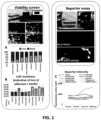
- the criteria for identifying stem cell pharmaco-optimizers rely on the ability of the treatment to preferably satisfy two main conditions:
- MSCs (either sourced from rat or humans) were treated with the candidate pharmaco-optimizers, washed and submitted to hypoxia/serum starvation ( ⁇ 1%O 2 in hypoxia chamber in low serum media for 48-72 hours) or oxidative stress (incubation in media for 1 hour spiked with 0-2mM H 2 O 2 ), which mimic the major lethal stressors present in the ischemic transplant microenvironment.
- Viability status of cells are assessed using the LIVE/DEAD viability/cytotoxicity kit (Life Technologies TM ) and results are quantified by Operetta high content screening (HCS) apparatus equipped with Harmony automated analysis software (Perkin Elmer TM ).
- H9c2 cells were then submitted to the hypoxia/serum starvation ( ⁇ 1%O 2 in hypoxia chamber in low serum media for 48 hours) or oxidative stress (incubation in media for 1 hour spiked with 0-1mM H 2 O 2 ). Viability status of H9c2 cells was evaluated using the LIVE/DEAD assay as detailed above.
- conditioning agents targeting two major cellular pathways, namely the heat shock pathway through HSP90 targeting (HSF1 activation) and/or the Nuclear factor (erythroid-derived 2)-like 2 (NRF2) pathway.
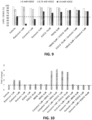
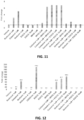
- the enhancement of the expression profile (second criteria for stem cell pharmaco-optimizer selection) through quantification of mRNA expression of HSPs, growth factors (GF), antioxidant proteins/enzymes and cytokines implicated in inflammation was assessed. Mono and combination treatments were tested.
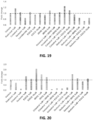
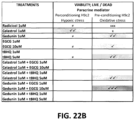
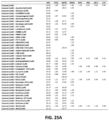
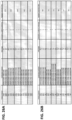
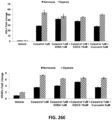
- the Applicant also tested several combination treatment of Celastrol or Celastrol analogs with potential adjunct agents (e.g., NRF-2 activators and/or antioxidants, Figure 24 ) and identified several combinations having synergistic effect (S) or additive (A) on the expression of of of HSPs, growth factors (GF), antioxidant proteins/enzymes, cytokines, matrix remodeling proteins ( Figures 25A , 25B and Figures 26A to 26D ).
- S synergistic effect
- A additive
- HSPs growth factors
- GF growth factors
- cytokines cytokines
- matrix remodeling proteins Figures 25A , 25B and Figures 26A to 26D .
- Analog 3 Analog 1, Dihydrocelastrol and Celastrol are the best HSP90 inhibitors and 2HBA, EGCG, curcumin, tBHQ and Carnosol are among top adjunct agents identified.
- Example 5 Celastrol increases rMSC viability following cryopreservation
- MSC Mesenchymal stem cells
- BMNCs bone marrow mononuclear cells
- ⁇ MEM 1X Gibco 12571
- FBS FBS
- P-S penicillin-streptomycin
- Multilineage potential of MSC is confirmed by in vitro adipogenic and osteogenic/chondrogenic differentiation assays with specific culture conditions and staining. Immunophenotyping is performed by multiparameter flow cytometry (FACScan ® ; Becton Dickinson; Mountain View, CA, USA) with monoclonal antibodies directed against surface antigens such as CD29, CD34, CD45, CD90, CD105 (Coulter Immunology, Hialeah, FL, USA). For in vitro experiments, MSC will be used between 4 th and 10 th passage.
- MSC are resuspended in 10% serum media ( ⁇ MEM 1X, 10% FBS, 1% P-S) and plated using a multichannel pipette in 96 well plates at a density of 4000 cells per well and incubated at 37C. Each experimental and control conditions are plated in triplicate.
- the media is then aspirated, cells are washed with 3 changes of media ( ⁇ MEM 1X, 1% FBS, 1% P-S). Cells are trypsinated and counted using the Countess II FL automated cell counter (Thermo Fisher Scientific).
- Freezing cells Following trypsination and counting steps as described above, cells are aliquoted at the desired density, DMSO is added (1:10 final dilution) to the cellular concentrate and transfered to pre-labelled cryovials. Cryovials are placed in freezing container and transfer to -80°C overnight, and later transfered to -150°C.
- Frozen cells are rewarmed by pouring pre-warmed culture medium on top of the frozen aliquot. Vials are centrifuged (200 ⁇ g; 3 min), supernatant is aspirated and cells are re-suspend in pre-warmed 10% serum media ( ⁇ MEM 1X, 10% FBS, 1% P-S). Trypan blue dilution is added to a cell aliquot and viability is measured using the Countess II FL automated cell counter (Thermo Fisher Scientific).
- Example 6 Celastrol increases resistance to oxidative stress induced death in vivo
- MSC Mesenchymal stem cells
- Sprague-Dawley rats receives 1 or 2 intraperitoneal injections of Celastrol (1mg/kg) or Vehicle at 12 hours interval. Rats were then sacrificed and MSC were isolated as described above. MSC were placed in culture by resuspending in 10% serum media ( ⁇ MEM 1X, 10% FBS, 1% P-S) and plated using a multichannel pipette in 96 well plates at a density of 4000 cells per well and incubated at 37C. Each experimental and control conditions are plated in triplicate.
- 10% serum media ⁇ MEM 1X, 10% FBS, 1% P-S
- HCS High content screening
- Example 7 Celastrol preserves endothelial layer viability
- Pig carotid artery was harvested, dissected into closed rings and semi-circles open rings structures and placed overnight in Hank's Balanced Salt Solution (HBSS) or HBSS containing Celastrol at 10E-6M final concentration.
- Carotid rings were stained with the LIVE/DEAD kit (Thermo Fischer Scientific) according to the manufacturer's protocol.
- Tissues were imaged by confocal microscopy (Olympus, FV1000MPE/BK61WF) with 20X dipping objective. Z-stacks of carotid endothelial surface were also obtained.
- Figure 28 show preservation of endothelial layer viability and integrity with Celastrol compared to the negative control without Celastrol where arrows point to dead cells and loss of endothelial layer integrity ( Figure 28 ).
- Example 8 Celastrol induces cytoprotective mediators
- FIG. 29A and 29B represent Western Blot and viability assays performed in various rat and human cell lines (H9c2 rat cardiomyoblast; human and rat MSC; rat neonatal cardiomyocytes; INS-1 insulin producing rat beta cell line).
- INS-1 cells were cultured in complete media (RPMI supplemented with filtered solutions: 1mM Na pyruvate + 50 ⁇ M b mercaptoethanol, 10mM Hepes Ultra pure, 2mM L-Glutamine) containing 10% FBS. Cells are trypsinated (0,25% Trypsin-EDTA), centrifuged at 1500 RPM for 5 minutes and resuspended in complete INS media supplemented with 1% FBS.
- Cells are counted using a hemacytometer and 1-2 million cells are resuspended in Sarstedt tubes containing 9mls of 1% FBS complete INS media and 2,5ul or 5,0ul of 1mM Hsp90 inhibitor (Celastrol: Cayman Chemical 70950, Geldanamycin: Cayman Chemical 13355, or Radicicol: Cayman Chemical 13089) resuspended in DMSO. Control samples are prepared similarly but by replacing Hsp90 inhibitor with either 2,5ul or 5,0ul of DMSO vehicle. The volume of cell suspensions are completed to a final volume of 10ml with 1% FBS complete INS media. Suspensions are gently mixed by a few inversions and tubes are placed at 37C for 30 minutes.
- Inversions are repeated after 15 minutes. Tubes are then centrifuged at 1500 RPM for 5 minutes, the media is gently aspirated, and the cells are washed with 12mls of warm RPMI solution. The spin and wash cycle is repeated twice more before resuspending cells with 2,5ml or 5,0ml of complete INS media containing 1% FBS, for the pellets containing 1 or 2 million cells respectively. Next, using a multichannel pipette, 100ul aliquots of cell suspension containing 40,000 cells each are plated in 96 well plates. Each experimental and control conditions are plated in quadruple and incubated in normoxic or hypoxic condition for 6 hours.
- Hypoxia ( ⁇ 1% oxygen) is achieved by placing culture plates in an airtight hypoxia chamber (Billups-Rothenberg) and flushed for 10 minutes at a flow rate of 15-20 liters per min with a gas mixture of 5% CO 2 balanced with 95% N 2 . After 6 hours of incubation, media from hypoxia-challenged and normoxic control cultures is replaced with 90ul of 10% FBS complete INS media, and 10ul of PrestoBlue reagent is added to each well. After 60 minutes of incubation, viability is quantified by fluorescence acquisition using a plate reader. These data show that short preconditioning of INS-1 cells with Celastrol protects cell viability when challenged by lethal hypoxic stress ( Figure 29C ).
- Example 9 Celastrol rescue rats from lethal drop in blood pressure induced by LPS
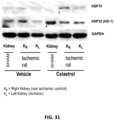
- Example 10 Celastrol induces the expression of Hsp32 (HO-1) in the kidney of rats
- Rats are anaesthetized with 2.0% - 3.0% isoflurane (Abbott Laboratories) in 1 L/min of oxygen, and placed in supine position on a heating pad. Rats receive a single bolus injection of Vehicle solution or Celastrol ((Cayman Chemical 70950) 50mM stock solution resuspended in 0,2uM filter sterilized vehicle: DMSO (Sigma 154938) (4% total volume), PBS 1X (96% total volume)) via the external jugular vein at a dose of 1mg/kg.
- Vehicle solution or Celastrol ((Cayman Chemical 70950) 50mM stock solution resuspended in 0,2uM filter sterilized vehicle: DMSO (Sigma 154938) (4% total volume), PBS 1X (96% total volume)
- Rats are shaved, ophthalmic ointment is applied to corneas, and bupivacaine (2 mg/kg s.c.) is injected at the site of the 3-4 cm incision starting at the base of the sternum to the ombilic.
- the incision is maintained open with retractors, and the intestines are wrapped in sterile saline damped gauze.
- the left kidney (K L ) is isolated and the renal artery is occluded with a vascular clip.
- the intestines are replaced in the abdominal cavity and the skin is closed with temporary 3-0 sutures (Ethicon).
- Rats receive buprenorphine hydrochloride (0.05 mg/kg s.c.) and are maintained with 1.0% - 2.0% isoflurane (Abbott Laboratories) in 1 L/min of oxygen for 30 minutes of ischemia and an additional 45 minutes of reperfusion following removal of the clip. Rats are exsanguinated by perfusion with 40 mM KCI supplemented saline and organs are harvested, rinsed in cold phosphate buffered saline (PBS1X), preserved in 10% formalin buffered with PBS overnight for paraffin embedded for histological/immunohistological sections or snap frozen in liquid nitrogen for western blot expression analysis.
- PBS1X cold phosphate buffered saline
- the Applicant tested the effect of Celastrol or Celastrol analogs on hypoxic cultures of H9c2 rat cardiomyoblasts and in a rat model of myocardial infarction.
- the combinations of Celastrol or Celastrol analogs with adjunct agents may tested in a similar fashion.
- H9c2 cardiomyoblasts are submitted to the hypoxia/serum starvation ( ⁇ 1%O 2 in hypoxia chamber in low serum media for 48 hours) or oxidative stress (incubation in media for 1 hour spiked with 0-1mM H 2 O 2 ). Viability status of H9c2 cells was evaluated using the LIVE/DEAD assay.
- hypoxia/reoxygenation challenge is performed. Briefly, viability analysis was performed in rat H9c2 cardiomyoblasts as previously reported. For hypoxia/reoxygenation stress, cells were cultured in DMEM no glucose (Life Technologies), serum starved and placed in hypoxic conditions ( ⁇ 1% O 2 ) for 18 h.
- Example 12 Celastrol and Celastrol analogs for use in treatment of ischemic disease
- Lewis rats 250-300 g, Charles River, St Constant, QC were used in all ex vivo and in vivo experiments. All animals were handled according to the Guide for the Care and Use of Laboratory Animals.
- Isolated perfused heart preparation
- Heparin I.P, 1000 I.U, Novartis, Dorval, QC
- the heart was retrogradely perfused using a Langendorff system (Radnoti, Monrovia, CA) with a constant aortic pressure of 60-70 mmHg, using Krebs buffer at 37°C, bubbled with 5% CO 2 balanced O 2 .
- a latex balloon connected to a pressure transducer was inserted in to the left ventricle (LV) and adjusted to 15 mmHg (LV preload). Hearts were paced at 300 bpm and allowed 20 minutes of stabilization.
- Intraventricular pressures were continuously measured using a Power lab 8/30 polygraph (ADinstruments, Colorado Springs, CO), recorded and analysed using LabChart pro v.7.3.7 (ADinstruments).
- Cardiac effluent was collected for 5 minutes at the end of stabilization, at 5 minutes reperfusion and then every 15 minutes for 60 minutes in total. Volumes were measured and samples kept at -80°C until analysis.
- Coronary reserve flow was preserved with treatments, G) high sensitivity troponin T (TNT-hs) release and H) infarct area measured by TTC stain was significantly reduced in Celastrol and analog treatment groups compared to Vehicle (DMSO) treated hearts following I/R injury.
- Results of Figure 34 indicate Celastrol (1mg / Kg) and Analog 1 (1mg / Kg) protect cardiac function following I/R injury by preserving A) ejection fraction (EF), B) cardiac output (CO), C) fractional shortening (FS) and D) stroke volume (SV) compared to Vehicle (DMSO) treated animals, and these in vivo protective effects of Celastrol were related to a significant increase in tissue expression of cardioprotective HSP70 and HO-1.
- Example 13 Celastrol and Celastrol analogs modulate expression of genes under the control of HSR and ARE elements
- H9c2 rat cardiomyoblasts were seeded at a density of 5,000 cells per well in 96 well plates in DMEM 10% FBS complete medium and transfected using lipofectamine with the Cignal Reporter Assay Heat shock response and Antioxidant response kits (SABiosciences, Qiagen) according to the manufacturers' protocol.
Landscapes
- Health & Medical Sciences (AREA)
- Life Sciences & Earth Sciences (AREA)
- General Health & Medical Sciences (AREA)
- Chemical & Material Sciences (AREA)
- Medicinal Chemistry (AREA)
- Pharmacology & Pharmacy (AREA)
- Animal Behavior & Ethology (AREA)
- Public Health (AREA)
- Veterinary Medicine (AREA)
- Engineering & Computer Science (AREA)
- Epidemiology (AREA)
- Bioinformatics & Cheminformatics (AREA)
- Dentistry (AREA)
- Wood Science & Technology (AREA)
- Zoology (AREA)
- Environmental Sciences (AREA)
- Urology & Nephrology (AREA)
- Cardiology (AREA)
- Heart & Thoracic Surgery (AREA)
- Chemical Kinetics & Catalysis (AREA)
- General Chemical & Material Sciences (AREA)
- Nuclear Medicine, Radiotherapy & Molecular Imaging (AREA)
- Organic Chemistry (AREA)
- Vascular Medicine (AREA)
- Pharmaceuticals Containing Other Organic And Inorganic Compounds (AREA)
- Medicines Containing Material From Animals Or Micro-Organisms (AREA)
- Acyclic And Carbocyclic Compounds In Medicinal Compositions (AREA)
- Medicines That Contain Protein Lipid Enzymes And Other Medicines (AREA)
- Physiology (AREA)
- Biophysics (AREA)
- Dispersion Chemistry (AREA)
- Micro-Organisms Or Cultivation Processes Thereof (AREA)
- Hydrogenated Pyridines (AREA)
Applications Claiming Priority (2)
| Application Number | Priority Date | Filing Date | Title |
|---|---|---|---|
| US201662350258P | 2016-06-15 | 2016-06-15 | |
| PCT/CA2017/000151 WO2017214709A1 (en) | 2016-06-15 | 2017-06-15 | Reagents, compositions and methods for improving viability and function of cells, tissues and organs |
Publications (3)
| Publication Number | Publication Date |
|---|---|
| EP3471733A1 EP3471733A1 (en) | 2019-04-24 |
| EP3471733A4 EP3471733A4 (en) | 2020-02-05 |
| EP3471733B1 true EP3471733B1 (en) | 2024-08-07 |
Family
ID=60663810
Family Applications (1)
| Application Number | Title | Priority Date | Filing Date |
|---|---|---|---|
| EP17812341.0A Active EP3471733B1 (en) | 2016-06-15 | 2017-06-15 | Reagents, compositions and methods for improving viability and function of cells, tissues and organs |
Country Status (9)
| Country | Link |
|---|---|
| US (2) | US11446265B2 (https=) |
| EP (1) | EP3471733B1 (https=) |
| JP (3) | JP7009463B2 (https=) |
| CN (2) | CN121313845A (https=) |
| AU (1) | AU2017285486B2 (https=) |
| CA (1) | CA3027682A1 (https=) |
| DK (1) | DK3471733T3 (https=) |
| ES (1) | ES2992544T3 (https=) |
| WO (1) | WO2017214709A1 (https=) |
Families Citing this family (11)
| Publication number | Priority date | Publication date | Assignee | Title |
|---|---|---|---|---|
| WO2019055817A1 (en) * | 2017-09-14 | 2019-03-21 | The Regents Of The University Of California | EX VIVO CONSERVATION AND EXPANSION OF STEM CELLS |
| US11446312B2 (en) | 2018-02-14 | 2022-09-20 | Societe Des Produits Nestle S.A. | Compounds that modulate von Willebrand factor levels and their use in the treatment of blood disorders |
| HUE065501T2 (hu) | 2018-08-20 | 2024-05-28 | Janssen Pharmaceutica Nv | A KEAP1-NRF2 protein-protein kölcsönhatás inhibitorok |
| WO2021055985A1 (en) * | 2019-09-22 | 2021-03-25 | Cellerant Therapeutics, Inc. | Ipsc-derived, hypoimmunogenic, myeloid progenitor cells |
| CN111202737B (zh) * | 2020-03-20 | 2022-08-05 | 中国药科大学 | 雷公藤红素酰胺衍生物在制备治疗自身性免疫疾病药物的应用 |
| CN111704647B (zh) * | 2020-06-15 | 2021-10-22 | 中国人民解放军海军军医大学 | 一类三萜类衍生物及其作为程序性细胞坏死抑制剂的用途 |
| US20220023345A1 (en) * | 2020-07-22 | 2022-01-27 | Caladrius Biosciences, Inc. | Compositions Comprising CD34+ Cells and Methods for Repairing a Lung Injury After Severe Virus Infection |
| CN112375802A (zh) * | 2020-11-06 | 2021-02-19 | 中国科学院城市环境研究所 | 评价白藜芦醇干预肺上皮细胞多环芳烃毒性效应的试剂或试剂盒及其应用和检测 |
| CN113057957A (zh) * | 2021-03-30 | 2021-07-02 | 福建中医药大学 | 葛杜宁及其衍生物在制备抗氧化药物和/或化妆品及治疗类风湿性关节炎药物中的用途 |
| WO2022212878A1 (en) * | 2021-04-01 | 2022-10-06 | The Regents Of The University Of California | Human pluripotent stem cell-derived secretome as a biologic for prevention and treatment of neurodegenerative and apoptotic diseases |
| CN118634317B (zh) * | 2024-08-16 | 2024-10-22 | 四川大学 | 乳铁蛋白联合麦角硫因在制备预防和/或治疗阿尔茨海默症的药物中的用途 |
Family Cites Families (14)
| Publication number | Priority date | Publication date | Assignee | Title |
|---|---|---|---|---|
| CN1112181C (zh) | 2000-05-26 | 2003-06-25 | 北京大学 | 雷公藤属植物提取物在制备预防和治疗神经系统疾病药上的应用 |
| US20100004156A1 (en) | 2005-07-27 | 2010-01-07 | Shalesh Kaushal | Small Compounds That Correct Protein Misfolding and Uses Thereof |
| KR20080031474A (ko) * | 2005-07-27 | 2008-04-08 | 유니버시티 오브 플로리다 리서치 파운데이션, 아이엔씨. | 안구 질환의 치료를 위한 열충격의 사용 |
| WO2008013985A2 (en) * | 2006-07-27 | 2008-01-31 | University Of Florida | Use of heat shock activators for tissue regeneration |
| US20080044390A1 (en) * | 2006-08-11 | 2008-02-21 | Xiaowei Jin | Methods and compositions for the treatment of neurodegenerative disorders |
| EP2152252A4 (en) | 2006-11-13 | 2010-06-02 | Univ Columbia | SELECTIVE PROTEASOMIC INHIBITORS FOR THE TREATMENT OF DIABETES |
| WO2009067245A2 (en) * | 2007-11-20 | 2009-05-28 | University Of Florida Research Foundation, Inc. | Compositions and methods for tissue repair |
| CN101288671B (zh) | 2008-04-17 | 2010-12-01 | 首都医科大学 | 雷公藤单体化合物在提高腺相关病毒载体介导的基因表达效率及其对神经退行性疾病的辅助治疗中的用途 |
| WO2010077642A1 (en) | 2008-12-08 | 2010-07-08 | Northwestern University | Method of modulating hsf-1 |
| US20100209399A1 (en) * | 2009-02-13 | 2010-08-19 | Celavie Biosciences, Llc | Brain-derived stem cells for repair of musculoskeletal system in vertebrate subjects |
| CN101756956A (zh) | 2009-03-25 | 2010-06-30 | 赵亚力 | 儿茶素在制备逆转录病毒整合酶抑制剂中的应用 |
| CN103524592B (zh) * | 2013-09-27 | 2015-08-05 | 安徽医科大学 | 一种雷公藤红素衍生物、该衍生物的生物盐及其制备方法与用途 |
| CA3044998A1 (en) | 2014-03-26 | 2015-10-01 | The Children's Medical Center Corporation | Celastrol and derivatives for the treatment of obesity |
| JP7034078B2 (ja) * | 2015-10-23 | 2022-03-11 | イーアールエックス ファーマシューティカルズ インコーポレイテッド | セラストロールの類似体 |
-
2017
- 2017-06-15 DK DK17812341.0T patent/DK3471733T3/da active
- 2017-06-15 CN CN202510670682.5A patent/CN121313845A/zh active Pending
- 2017-06-15 WO PCT/CA2017/000151 patent/WO2017214709A1/en not_active Ceased
- 2017-06-15 CN CN201780049693.5A patent/CN109803664A/zh active Pending
- 2017-06-15 CA CA3027682A patent/CA3027682A1/en active Pending
- 2017-06-15 ES ES17812341T patent/ES2992544T3/es active Active
- 2017-06-15 EP EP17812341.0A patent/EP3471733B1/en active Active
- 2017-06-15 JP JP2019518343A patent/JP7009463B2/ja active Active
- 2017-06-15 AU AU2017285486A patent/AU2017285486B2/en active Active
- 2017-06-15 US US16/309,474 patent/US11446265B2/en active Active
-
2022
- 2022-01-12 JP JP2022003014A patent/JP2022062037A/ja active Pending
- 2022-07-21 US US17/870,476 patent/US12419849B2/en active Active
-
2023
- 2023-12-11 JP JP2023208559A patent/JP2024019483A/ja active Pending
Also Published As
| Publication number | Publication date |
|---|---|
| JP2024019483A (ja) | 2024-02-09 |
| JP2019523784A (ja) | 2019-08-29 |
| US11446265B2 (en) | 2022-09-20 |
| US20210169830A1 (en) | 2021-06-10 |
| US12419849B2 (en) | 2025-09-23 |
| AU2017285486A1 (en) | 2019-02-07 |
| AU2017285486B2 (en) | 2023-04-27 |
| ES2992544T3 (es) | 2024-12-13 |
| WO2017214709A8 (en) | 2018-12-13 |
| CN109803664A (zh) | 2019-05-24 |
| US20230024103A1 (en) | 2023-01-26 |
| WO2017214709A1 (en) | 2017-12-21 |
| JP7009463B2 (ja) | 2022-01-25 |
| EP3471733A1 (en) | 2019-04-24 |
| JP2022062037A (ja) | 2022-04-19 |
| DK3471733T3 (da) | 2024-10-14 |
| CN121313845A (zh) | 2026-01-13 |
| CA3027682A1 (en) | 2017-12-21 |
| EP3471733A4 (en) | 2020-02-05 |
Similar Documents
| Publication | Publication Date | Title |
|---|---|---|
| US12419849B2 (en) | Reagents, compositions and methods for improving viability and function of cells, tissues and organs | |
| Pan et al. | Bone marrow mesenchymal stem cells ameliorate hepatic ischemia/reperfusion injuries via inactivation of the MEK/ERK signaling pathway in rats | |
| Amer et al. | Role of adipose tissue derived stem cells differentiated into insulin producing cells in the treatment of type I diabetes mellitus | |
| Tian et al. | Mesenchymal stem cells improve mouse non-heart-beating liver graft survival by inhibiting Kupffer cell apoptosis via TLR4-ERK1/2-Fas/FasL-caspase3 pathway regulation | |
| US20230277599A1 (en) | Methods of Preserving Mesenchymal Stem Cells | |
| Jalalie et al. | Distribution of the CM-Dil-labeled human umbilical cord vein mesenchymal stem cells migrated to the cyclophosphamide-injured ovaries in C57BL/6 mice | |
| Svalgaard et al. | Cryopreservation of adipose-derived stromal/stem cells using 1–2% Me2SO (DMSO) in combination with pentaisomaltose: An effective and less toxic alternative to comparable freezing media | |
| Wabitsch et al. | Human stem cells promote liver regeneration after partial hepatectomy in BALB/C nude mice | |
| JP7773294B2 (ja) | 拡張型心筋症治療剤 | |
| JP6114840B2 (ja) | ヒトcd34陰性前駆細胞による免疫に媒介される細胞傷害性反応からの血管内皮の保護 | |
| EP3381458B1 (en) | Therapeutic agent for liver disease containing stromal cells derived from adipose tissue and method for producing the same | |
| Briquet et al. | Neuropeptides to replace serum in cryopreservation of mesenchymal stromal cells? | |
| WO2019067491A1 (en) | COMPOSITION AND METHOD FOR TREATING CELL PROLIFERATION | |
| Schoenfeld et al. | The existence of myocardial repair: mechanistic insights and enhancements | |
| Ellis et al. | Adipose stem cell secretome markedly improves rodent heart and hiPSC-derived cardiomyocyte recovery from cardioplegic transport solution exposure | |
| EP3298128A1 (en) | Collections of primary kidney cells, method of isolation and uses thereof | |
| Lin et al. | Human urine-derived stem cells from different donor sources ameliorate diabetic nephropathy in mice by activating autophagy and restoring mitochondrial function of podocyte | |
| Wang et al. | Administration of donor-derived nonexpanded adipose stromal vascular fraction attenuates ischemia-reperfusion injury in donation after cardiac death rat renal transplantation | |
| HK40008604A (zh) | 用於改善细胞、组织和器官的活力和功能的试剂、组合物和方法 | |
| Sokolova et al. | Distribution of mesenchymal stem cells in the area of tissue inflammation after transplantation of the cell material via different routes | |
| Guo et al. | Myoblast-based cardiac repair: xenomyoblast versus allomyoblast transplantation | |
| KR101648915B1 (ko) | 줄기세포의 응집방지 방법 및 그 조성물 | |
| WO2020069215A1 (en) | Bone marrow derived neurokinin-1 receptor positive (nk1r+) precursor cells for therapeutic applications | |
| US20210130789A1 (en) | Methods of stromal cell expansion, uses and materials related thereto | |
| 藤田泰毅 et al. | Study on preservation solutions for therapy with human adipose tissue-derived mesenchymal stromal cells |
Legal Events
| Date | Code | Title | Description |
|---|---|---|---|
| STAA | Information on the status of an ep patent application or granted ep patent |
Free format text: STATUS: THE INTERNATIONAL PUBLICATION HAS BEEN MADE |
|
| PUAI | Public reference made under article 153(3) epc to a published international application that has entered the european phase |
Free format text: ORIGINAL CODE: 0009012 |
|
| STAA | Information on the status of an ep patent application or granted ep patent |
Free format text: STATUS: REQUEST FOR EXAMINATION WAS MADE |
|
| 17P | Request for examination filed |
Effective date: 20190114 |
|
| AK | Designated contracting states |
Kind code of ref document: A1 Designated state(s): AL AT BE BG CH CY CZ DE DK EE ES FI FR GB GR HR HU IE IS IT LI LT LU LV MC MK MT NL NO PL PT RO RS SE SI SK SM TR |
|
| AX | Request for extension of the european patent |
Extension state: BA ME |
|
| DAV | Request for validation of the european patent (deleted) | ||
| DAX | Request for extension of the european patent (deleted) | ||
| A4 | Supplementary search report drawn up and despatched |
Effective date: 20200109 |
|
| RIC1 | Information provided on ipc code assigned before grant |
Ipc: A61P 9/10 20060101ALI20200102BHEP Ipc: A61K 31/575 20060101AFI20200102BHEP Ipc: A61K 31/164 20060101ALI20200102BHEP Ipc: A61K 47/10 20170101ALI20200102BHEP Ipc: A61K 47/06 20060101ALI20200102BHEP Ipc: A61K 31/19 20060101ALI20200102BHEP Ipc: A61K 47/22 20060101ALI20200102BHEP Ipc: A61K 47/08 20060101ALI20200102BHEP |
|
| STAA | Information on the status of an ep patent application or granted ep patent |
Free format text: STATUS: EXAMINATION IS IN PROGRESS |
|
| 17Q | First examination report despatched |
Effective date: 20220421 |
|
| GRAP | Despatch of communication of intention to grant a patent |
Free format text: ORIGINAL CODE: EPIDOSNIGR1 |
|
| STAA | Information on the status of an ep patent application or granted ep patent |
Free format text: STATUS: GRANT OF PATENT IS INTENDED |
|
| INTG | Intention to grant announced |
Effective date: 20240108 |
|
| RIN1 | Information on inventor provided before grant (corrected) |
Inventor name: NOISEUX, NICOLAS Inventor name: DER SARKISSIAN, SHANT |
|
| GRAS | Grant fee paid |
Free format text: ORIGINAL CODE: EPIDOSNIGR3 |
|
| GRAA | (expected) grant |
Free format text: ORIGINAL CODE: 0009210 |
|
| STAA | Information on the status of an ep patent application or granted ep patent |
Free format text: STATUS: THE PATENT HAS BEEN GRANTED |
|
| RAP1 | Party data changed (applicant data changed or rights of an application transferred) |
Owner name: TARGA BIOMEDICAL INC. |
|
| AK | Designated contracting states |
Kind code of ref document: B1 Designated state(s): AL AT BE BG CH CY CZ DE DK EE ES FI FR GB GR HR HU IE IS IT LI LT LU LV MC MK MT NL NO PL PT RO RS SE SI SK SM TR |
|
| REG | Reference to a national code |
Ref country code: GB Ref legal event code: FG4D |
|
| REG | Reference to a national code |
Ref country code: CH Ref legal event code: EP |
|
| REG | Reference to a national code |
Ref country code: IE Ref legal event code: FG4D |
|
| REG | Reference to a national code |
Ref country code: DE Ref legal event code: R096 Ref document number: 602017083922 Country of ref document: DE |
|
| REG | Reference to a national code |
Ref country code: DK Ref legal event code: T3 Effective date: 20241008 |
|
| REG | Reference to a national code |
Ref country code: NL Ref legal event code: FP |
|
| REG | Reference to a national code |
Ref country code: SE Ref legal event code: TRGR |
|
| REG | Reference to a national code |
Ref country code: LT Ref legal event code: MG9D |
|
| REG | Reference to a national code |
Ref country code: ES Ref legal event code: FG2A Ref document number: 2992544 Country of ref document: ES Kind code of ref document: T3 Effective date: 20241213 |
|
| PG25 | Lapsed in a contracting state [announced via postgrant information from national office to epo] |
Ref country code: NO Free format text: LAPSE BECAUSE OF FAILURE TO SUBMIT A TRANSLATION OF THE DESCRIPTION OR TO PAY THE FEE WITHIN THE PRESCRIBED TIME-LIMIT Effective date: 20241107 |
|
| PG25 | Lapsed in a contracting state [announced via postgrant information from national office to epo] |
Ref country code: PT Free format text: LAPSE BECAUSE OF FAILURE TO SUBMIT A TRANSLATION OF THE DESCRIPTION OR TO PAY THE FEE WITHIN THE PRESCRIBED TIME-LIMIT Effective date: 20241209 Ref country code: FI Free format text: LAPSE BECAUSE OF FAILURE TO SUBMIT A TRANSLATION OF THE DESCRIPTION OR TO PAY THE FEE WITHIN THE PRESCRIBED TIME-LIMIT Effective date: 20240807 Ref country code: PL Free format text: LAPSE BECAUSE OF FAILURE TO SUBMIT A TRANSLATION OF THE DESCRIPTION OR TO PAY THE FEE WITHIN THE PRESCRIBED TIME-LIMIT Effective date: 20240807 Ref country code: GR Free format text: LAPSE BECAUSE OF FAILURE TO SUBMIT A TRANSLATION OF THE DESCRIPTION OR TO PAY THE FEE WITHIN THE PRESCRIBED TIME-LIMIT Effective date: 20241108 |
|
| PG25 | Lapsed in a contracting state [announced via postgrant information from national office to epo] |
Ref country code: BG Free format text: LAPSE BECAUSE OF FAILURE TO SUBMIT A TRANSLATION OF THE DESCRIPTION OR TO PAY THE FEE WITHIN THE PRESCRIBED TIME-LIMIT Effective date: 20240807 |
|
| PG25 | Lapsed in a contracting state [announced via postgrant information from national office to epo] |
Ref country code: LV Free format text: LAPSE BECAUSE OF FAILURE TO SUBMIT A TRANSLATION OF THE DESCRIPTION OR TO PAY THE FEE WITHIN THE PRESCRIBED TIME-LIMIT Effective date: 20240807 |
|
| PG25 | Lapsed in a contracting state [announced via postgrant information from national office to epo] |
Ref country code: IS Free format text: LAPSE BECAUSE OF FAILURE TO SUBMIT A TRANSLATION OF THE DESCRIPTION OR TO PAY THE FEE WITHIN THE PRESCRIBED TIME-LIMIT Effective date: 20241207 |
|
| PG25 | Lapsed in a contracting state [announced via postgrant information from national office to epo] |
Ref country code: HR Free format text: LAPSE BECAUSE OF FAILURE TO SUBMIT A TRANSLATION OF THE DESCRIPTION OR TO PAY THE FEE WITHIN THE PRESCRIBED TIME-LIMIT Effective date: 20240807 |
|
| PG25 | Lapsed in a contracting state [announced via postgrant information from national office to epo] |
Ref country code: RS Free format text: LAPSE BECAUSE OF FAILURE TO SUBMIT A TRANSLATION OF THE DESCRIPTION OR TO PAY THE FEE WITHIN THE PRESCRIBED TIME-LIMIT Effective date: 20241107 |
|
| PG25 | Lapsed in a contracting state [announced via postgrant information from national office to epo] |
Ref country code: RS Free format text: LAPSE BECAUSE OF FAILURE TO SUBMIT A TRANSLATION OF THE DESCRIPTION OR TO PAY THE FEE WITHIN THE PRESCRIBED TIME-LIMIT Effective date: 20241107 Ref country code: PT Free format text: LAPSE BECAUSE OF FAILURE TO SUBMIT A TRANSLATION OF THE DESCRIPTION OR TO PAY THE FEE WITHIN THE PRESCRIBED TIME-LIMIT Effective date: 20241209 Ref country code: PL Free format text: LAPSE BECAUSE OF FAILURE TO SUBMIT A TRANSLATION OF THE DESCRIPTION OR TO PAY THE FEE WITHIN THE PRESCRIBED TIME-LIMIT Effective date: 20240807 Ref country code: NO Free format text: LAPSE BECAUSE OF FAILURE TO SUBMIT A TRANSLATION OF THE DESCRIPTION OR TO PAY THE FEE WITHIN THE PRESCRIBED TIME-LIMIT Effective date: 20241107 Ref country code: LV Free format text: LAPSE BECAUSE OF FAILURE TO SUBMIT A TRANSLATION OF THE DESCRIPTION OR TO PAY THE FEE WITHIN THE PRESCRIBED TIME-LIMIT Effective date: 20240807 Ref country code: IS Free format text: LAPSE BECAUSE OF FAILURE TO SUBMIT A TRANSLATION OF THE DESCRIPTION OR TO PAY THE FEE WITHIN THE PRESCRIBED TIME-LIMIT Effective date: 20241207 Ref country code: HR Free format text: LAPSE BECAUSE OF FAILURE TO SUBMIT A TRANSLATION OF THE DESCRIPTION OR TO PAY THE FEE WITHIN THE PRESCRIBED TIME-LIMIT Effective date: 20240807 Ref country code: GR Free format text: LAPSE BECAUSE OF FAILURE TO SUBMIT A TRANSLATION OF THE DESCRIPTION OR TO PAY THE FEE WITHIN THE PRESCRIBED TIME-LIMIT Effective date: 20241108 Ref country code: FI Free format text: LAPSE BECAUSE OF FAILURE TO SUBMIT A TRANSLATION OF THE DESCRIPTION OR TO PAY THE FEE WITHIN THE PRESCRIBED TIME-LIMIT Effective date: 20240807 Ref country code: BG Free format text: LAPSE BECAUSE OF FAILURE TO SUBMIT A TRANSLATION OF THE DESCRIPTION OR TO PAY THE FEE WITHIN THE PRESCRIBED TIME-LIMIT Effective date: 20240807 |
|
| PG25 | Lapsed in a contracting state [announced via postgrant information from national office to epo] |
Ref country code: RO Free format text: LAPSE BECAUSE OF FAILURE TO SUBMIT A TRANSLATION OF THE DESCRIPTION OR TO PAY THE FEE WITHIN THE PRESCRIBED TIME-LIMIT Effective date: 20240807 Ref country code: SM Free format text: LAPSE BECAUSE OF FAILURE TO SUBMIT A TRANSLATION OF THE DESCRIPTION OR TO PAY THE FEE WITHIN THE PRESCRIBED TIME-LIMIT Effective date: 20240807 |
|
| PG25 | Lapsed in a contracting state [announced via postgrant information from national office to epo] |
Ref country code: EE Free format text: LAPSE BECAUSE OF FAILURE TO SUBMIT A TRANSLATION OF THE DESCRIPTION OR TO PAY THE FEE WITHIN THE PRESCRIBED TIME-LIMIT Effective date: 20240807 |
|
| PG25 | Lapsed in a contracting state [announced via postgrant information from national office to epo] |
Ref country code: CZ Free format text: LAPSE BECAUSE OF FAILURE TO SUBMIT A TRANSLATION OF THE DESCRIPTION OR TO PAY THE FEE WITHIN THE PRESCRIBED TIME-LIMIT Effective date: 20240807 |
|
| PG25 | Lapsed in a contracting state [announced via postgrant information from national office to epo] |
Ref country code: SK Free format text: LAPSE BECAUSE OF FAILURE TO SUBMIT A TRANSLATION OF THE DESCRIPTION OR TO PAY THE FEE WITHIN THE PRESCRIBED TIME-LIMIT Effective date: 20240807 |
|
| REG | Reference to a national code |
Ref country code: DE Ref legal event code: R097 Ref document number: 602017083922 Country of ref document: DE |
|
| PLBE | No opposition filed within time limit |
Free format text: ORIGINAL CODE: 0009261 |
|
| STAA | Information on the status of an ep patent application or granted ep patent |
Free format text: STATUS: NO OPPOSITION FILED WITHIN TIME LIMIT |
|
| PGFP | Annual fee paid to national office [announced via postgrant information from national office to epo] |
Ref country code: DE Payment date: 20250626 Year of fee payment: 9 |
|
| PGFP | Annual fee paid to national office [announced via postgrant information from national office to epo] |
Ref country code: GB Payment date: 20250617 Year of fee payment: 9 Ref country code: DK Payment date: 20250619 Year of fee payment: 9 |
|
| PGFP | Annual fee paid to national office [announced via postgrant information from national office to epo] |
Ref country code: NL Payment date: 20250624 Year of fee payment: 9 Ref country code: BE Payment date: 20250624 Year of fee payment: 9 |
|
| 26N | No opposition filed |
Effective date: 20250508 |
|
| PGFP | Annual fee paid to national office [announced via postgrant information from national office to epo] |
Ref country code: FR Payment date: 20250624 Year of fee payment: 9 |
|
| PGFP | Annual fee paid to national office [announced via postgrant information from national office to epo] |
Ref country code: AT Payment date: 20250617 Year of fee payment: 9 |
|
| PGFP | Annual fee paid to national office [announced via postgrant information from national office to epo] |
Ref country code: SE Payment date: 20250619 Year of fee payment: 9 |
|
| PGFP | Annual fee paid to national office [announced via postgrant information from national office to epo] |
Ref country code: ES Payment date: 20250710 Year of fee payment: 9 |
|
| PGFP | Annual fee paid to national office [announced via postgrant information from national office to epo] |
Ref country code: CH Payment date: 20250701 Year of fee payment: 9 |
|
| PG25 | Lapsed in a contracting state [announced via postgrant information from national office to epo] |
Ref country code: MC Free format text: LAPSE BECAUSE OF FAILURE TO SUBMIT A TRANSLATION OF THE DESCRIPTION OR TO PAY THE FEE WITHIN THE PRESCRIBED TIME-LIMIT Effective date: 20240807 |
|
| REG | Reference to a national code |
Ref country code: AT Ref legal event code: UEP Ref document number: 1710177 Country of ref document: AT Kind code of ref document: T Effective date: 20240807 |
|
| PG25 | Lapsed in a contracting state [announced via postgrant information from national office to epo] |
Ref country code: LU Free format text: LAPSE BECAUSE OF NON-PAYMENT OF DUE FEES Effective date: 20250615 |
|
| PG25 | Lapsed in a contracting state [announced via postgrant information from national office to epo] |
Ref country code: IE Free format text: LAPSE BECAUSE OF NON-PAYMENT OF DUE FEES Effective date: 20250615 |
|
| PG25 | Lapsed in a contracting state [announced via postgrant information from national office to epo] |
Ref country code: IT Free format text: LAPSE BECAUSE OF NON-PAYMENT OF DUE FEES Effective date: 20250615 |