EP3395362A1 - Therapeutic cancer vaccine targeted to haah (aspartyl-[asparaginyl]-beta-hydroxylase) - Google Patents
Therapeutic cancer vaccine targeted to haah (aspartyl-[asparaginyl]-beta-hydroxylase) Download PDFInfo
- Publication number
- EP3395362A1 EP3395362A1 EP18172909.6A EP18172909A EP3395362A1 EP 3395362 A1 EP3395362 A1 EP 3395362A1 EP 18172909 A EP18172909 A EP 18172909A EP 3395362 A1 EP3395362 A1 EP 3395362A1
- Authority
- EP
- European Patent Office
- Prior art keywords
- haah
- amino acid
- acid sequence
- construct
- bacteriophage
- Prior art date
- Legal status (The legal status is an assumption and is not a legal conclusion. Google has not performed a legal analysis and makes no representation as to the accuracy of the status listed.)
- Withdrawn
Links
Images







Classifications
-
- A—HUMAN NECESSITIES
- A61—MEDICAL OR VETERINARY SCIENCE; HYGIENE
- A61K—PREPARATIONS FOR MEDICAL, DENTAL OR TOILETRY PURPOSES
- A61K39/00—Medicinal preparations containing antigens or antibodies
- A61K39/0005—Vertebrate antigens
- A61K39/0011—Cancer antigens
- A61K39/001154—Enzymes
-
- A—HUMAN NECESSITIES
- A61—MEDICAL OR VETERINARY SCIENCE; HYGIENE
- A61P—SPECIFIC THERAPEUTIC ACTIVITY OF CHEMICAL COMPOUNDS OR MEDICINAL PREPARATIONS
- A61P35/00—Antineoplastic agents
-
- A—HUMAN NECESSITIES
- A61—MEDICAL OR VETERINARY SCIENCE; HYGIENE
- A61P—SPECIFIC THERAPEUTIC ACTIVITY OF CHEMICAL COMPOUNDS OR MEDICINAL PREPARATIONS
- A61P37/00—Drugs for immunological or allergic disorders
- A61P37/02—Immunomodulators
- A61P37/04—Immunostimulants
-
- C—CHEMISTRY; METALLURGY
- C07—ORGANIC CHEMISTRY
- C07K—PEPTIDES
- C07K14/00—Peptides having more than 20 amino acids; Gastrins; Somatostatins; Melanotropins; Derivatives thereof
- C07K14/435—Peptides having more than 20 amino acids; Gastrins; Somatostatins; Melanotropins; Derivatives thereof from animals; from humans
- C07K14/46—Peptides having more than 20 amino acids; Gastrins; Somatostatins; Melanotropins; Derivatives thereof from animals; from humans from vertebrates
- C07K14/47—Peptides having more than 20 amino acids; Gastrins; Somatostatins; Melanotropins; Derivatives thereof from animals; from humans from vertebrates from mammals
- C07K14/4701—Peptides having more than 20 amino acids; Gastrins; Somatostatins; Melanotropins; Derivatives thereof from animals; from humans from vertebrates from mammals not used
- C07K14/4748—Tumour specific antigens; Tumour rejection antigen precursors [TRAP], e.g. MAGE
-
- C—CHEMISTRY; METALLURGY
- C12—BIOCHEMISTRY; BEER; SPIRITS; WINE; VINEGAR; MICROBIOLOGY; ENZYMOLOGY; MUTATION OR GENETIC ENGINEERING
- C12N—MICROORGANISMS OR ENZYMES; COMPOSITIONS THEREOF; PROPAGATING, PRESERVING, OR MAINTAINING MICROORGANISMS; MUTATION OR GENETIC ENGINEERING; CULTURE MEDIA
- C12N9/00—Enzymes; Proenzymes; Compositions thereof; Processes for preparing, activating, inhibiting, separating or purifying enzymes
- C12N9/0004—Oxidoreductases (1.)
- C12N9/0071—Oxidoreductases (1.) acting on paired donors with incorporation of molecular oxygen (1.14)
-
- A—HUMAN NECESSITIES
- A61—MEDICAL OR VETERINARY SCIENCE; HYGIENE
- A61K—PREPARATIONS FOR MEDICAL, DENTAL OR TOILETRY PURPOSES
- A61K39/00—Medicinal preparations containing antigens or antibodies
- A61K2039/51—Medicinal preparations containing antigens or antibodies comprising whole cells, viruses or DNA/RNA
- A61K2039/525—Virus
- A61K2039/5256—Virus expressing foreign proteins
-
- A—HUMAN NECESSITIES
- A61—MEDICAL OR VETERINARY SCIENCE; HYGIENE
- A61K—PREPARATIONS FOR MEDICAL, DENTAL OR TOILETRY PURPOSES
- A61K39/00—Medicinal preparations containing antigens or antibodies
- A61K2039/51—Medicinal preparations containing antigens or antibodies comprising whole cells, viruses or DNA/RNA
- A61K2039/53—DNA (RNA) vaccination
-
- A—HUMAN NECESSITIES
- A61—MEDICAL OR VETERINARY SCIENCE; HYGIENE
- A61K—PREPARATIONS FOR MEDICAL, DENTAL OR TOILETRY PURPOSES
- A61K39/00—Medicinal preparations containing antigens or antibodies
- A61K2039/60—Medicinal preparations containing antigens or antibodies characteristics by the carrier linked to the antigen
- A61K2039/6031—Proteins
- A61K2039/6075—Viral proteins
-
- C—CHEMISTRY; METALLURGY
- C07—ORGANIC CHEMISTRY
- C07K—PEPTIDES
- C07K2319/00—Fusion polypeptide
- C07K2319/70—Fusion polypeptide containing domain for protein-protein interaction
- C07K2319/735—Fusion polypeptide containing domain for protein-protein interaction containing a domain for self-assembly, e.g. a viral coat protein (includes phage display)
-
- C—CHEMISTRY; METALLURGY
- C12—BIOCHEMISTRY; BEER; SPIRITS; WINE; VINEGAR; MICROBIOLOGY; ENZYMOLOGY; MUTATION OR GENETIC ENGINEERING
- C12N—MICROORGANISMS OR ENZYMES; COMPOSITIONS THEREOF; PROPAGATING, PRESERVING, OR MAINTAINING MICROORGANISMS; MUTATION OR GENETIC ENGINEERING; CULTURE MEDIA
- C12N2795/00—Bacteriophages
- C12N2795/00011—Details
- C12N2795/10011—Details dsDNA Bacteriophages
- C12N2795/10311—Siphoviridae
- C12N2795/10341—Use of virus, viral particle or viral elements as a vector
- C12N2795/10342—Use of virus, viral particle or viral elements as a vector virus or viral particle as vehicle, e.g. encapsulating small organic molecule
-
- C—CHEMISTRY; METALLURGY
- C12—BIOCHEMISTRY; BEER; SPIRITS; WINE; VINEGAR; MICROBIOLOGY; ENZYMOLOGY; MUTATION OR GENETIC ENGINEERING
- C12N—MICROORGANISMS OR ENZYMES; COMPOSITIONS THEREOF; PROPAGATING, PRESERVING, OR MAINTAINING MICROORGANISMS; MUTATION OR GENETIC ENGINEERING; CULTURE MEDIA
- C12N2795/00—Bacteriophages
- C12N2795/00011—Details
- C12N2795/10011—Details dsDNA Bacteriophages
- C12N2795/10311—Siphoviridae
- C12N2795/10341—Use of virus, viral particle or viral elements as a vector
- C12N2795/10343—Use of virus, viral particle or viral elements as a vector viral genome or elements thereof as genetic vector
-
- C—CHEMISTRY; METALLURGY
- C12—BIOCHEMISTRY; BEER; SPIRITS; WINE; VINEGAR; MICROBIOLOGY; ENZYMOLOGY; MUTATION OR GENETIC ENGINEERING
- C12Y—ENZYMES
- C12Y114/00—Oxidoreductases acting on paired donors, with incorporation or reduction of molecular oxygen (1.14)
- C12Y114/11—Oxidoreductases acting on paired donors, with incorporation or reduction of molecular oxygen (1.14) with 2-oxoglutarate as one donor, and incorporation of one atom each of oxygen into both donors (1.14.11)
- C12Y114/11016—Peptide-aspartate beta-dioxygenase (1.14.11.16), i.e. aspartyl (asparaginyl) beta-hydroxylase
Definitions
- Cancer is one of the most devastating diseases both in terms of human life opportunity loss and health care cost. It also presents unmet clinical needs.
- chemotherapies have limited efficacy and limited target patient population. Even the successful immunotherapies have shortcomings similar to chemotherapies. Moreover, essentially all cancer therapeutics have significant adverse side effects.
- HAAH Aspartyl-(Asparaginyl)- ⁇ -hydroxylase
- HAAH is over expressed in various malignant neoplasms, including hepatocellular and lung carcinomas.
- HAAH is a tumor specific antigen, which is specifically expressed on the surface of certain malignant cells.
- HAAH is a hydroxylation enzyme that modifies factors such as Notch that contribute to cancer etiology by causing cell proliferation, motility, and invasiveness. Neutralizing the enzyme or reducing its expression leads to normal phenotype(s) in cancer cells.
- Anti-HAAH antibodies (as well as siRNA) have been shown to be cytostatic.
- An all-human sequence anti-HAAH (PAN- 622) has shown to inhibit tumor growth by more than 90% in animal studies by passive immunotherapy.
- PAN- 6222 has shown to inhibit tumor growth by more than 90% in animal studies by passive immunotherapy.
- HAAH is well conserved and is also over expressed in placenta hence it is not
- a vaccine therapy targeted to a pan-cancer-specific antigen such as HAAH that has proven relevance to cancer etiology is very desirable. Its economic impact will be enormous both in terms of job creation and increased productivity as well as in savings in health care and extending productive lives.
- the vaccine therapy of the present invention is novel both in terms of its target and the vaccine entity.
- the present invention encompasses a cancer vaccine therapy targeting human Aspartyl-[Asparaginyl]- ⁇ -hydroxylase (HAAH).
- HAAH human Aspartyl-[Asparaginyl]- ⁇ -hydroxylase
- Certain embodiments of the present invention contemplate bacteriophage expressing HAAH peptide fragments, wherein the bacteriophage may be any one of Lambda, T4, T7, or M13/f1.
- the present invention further contemplates methods of treating cancer comprising stimulating the immune system of a patient with bacteriophage expressing HAAH fragments.
- the present invention also contemplates nano-particles comprising at least one amino acid sequence native to HAAH.
- the present invention also encompasses methods for treating cancer comprising the step of providing an immune system stimulating amount of a Lambda phage to a patient, wherein the Lambda phage comprises amino acid sequences native to HAAH expressed on its surface,
- the present invention also encompasses methods for treating cancer comprising the step of providing an immune system-stimulating amount of a nano-partiele to a patient, wherein the nano-particle comprises amino acid sequences native to HAAH.
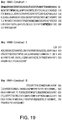
- One embodiment of the present invention contemplates bacteriophage comprising at least one amino acid sequence native to HAAH, wherein the at least one amino acid sequence native to HAAH is selected from the group consisting of the amino acid sequence of Construct I, the amino acid sequence of Construct II and the amino acid sequence of Construct III.
- the present invention also contemplates a Lambda phage expressing the amino acid sequence of Construct I, the amino acid sequence of Construct II or the amino acid sequence of Construct III on its surface.
- Embodiments of the present invention also contemplate nucleic acid construct comprising at least one nucleotide sequence encoding an amino acid sequence native to HAAH and a nucleic acid sequence encoding bacteriophage lambda head decoration protein D (hereinafter "gpD").
- gpD bacteriophage lambda head decoration protein D
- nucleic acid constructs comprising nucleotide sequences encoding the amino acid sequence of Construct I, the amino acid sequence of Construct II or the amino acid sequence of Construct III.
- the present invention is based on the discovery that bacteriophage surface-expressed HAAH is highly immunogenic and could overcome tolerance of self antigen because of altered presentation and the adjuvant function of bacteriophage itself.
- the present invention provides a cancer vaccine therapy targeting HAAH using bacteriophage-expressed HAAH fragments.
- phage-displayed peptides can access both the major histocompatibility complex (MHC) I and MHC II pathway, suggesting lambda phage display vaccines can stimulate both cellular and humoral arms of the immune system, although as extra cellular antigens, it is to be expected that the majority of the responses will be antibody (MHC class II) biased.
- MHC major histocompatibility complex
- particulate antigens and phage in particular, can access the MHC I pathway through cross priming, and it is likely that it is this process which is responsible for stimulating a cellular response.
- This added cellular response mediated by CD8+ T cells helps to eliminate the cancer cells.
- the role of Innate immunity in cancer is well established fact.
- Lambda phage can also act as nonspecific immune stimulators. It is likely that a combination of the foreign DNA (possibly due to the presence of CpG motifs) and the repeating peptide motif of the phage coat are responsible for the nonspecific immune stimulation.
- whole lambda phage particles possess numerous intrinsic characteristics which make them ideal as vaccine delivery vehicles.
- the particulate nature of phage means they should be far easier and cheaper to purify than soluble recombinant proteins since a simple centrifugation/ultra-filtration and column chromatography step should be sufficient to remove the majority of soluble contaminants. Additionally, the peptide antigen comes already covalently conjugated to an insoluble immunogenic carrier with natural adjuvant properties, without the need for complex chemical conjugation and downstream purification processes which must be repeated with each vaccine batch.
- the present invention provides a prophylactic and therapeutic "phage vaccine" for both cancer prevention and treatment.
- fragmented HAAH peptides are successfully displayed on the surface of lambda head and large scale production and purification is carried out to perform animal experiments. The detail of these procedures is depicted below.
- HAAH bacteriophage lambda system to display HAAH peptides fused at the C terminus of the head protein gpD of phage lambda.
- Molecular analysis of HAAH reveals a partial amino terminal homology of this protein with other two proteins called Junctin and Humbug. The role of these other two proteins in human physiology is not known completely. To avoid any complication such as activating immune system against these homologous proteins, we specifically eliminated these sequences from our phage display constructs.
- the rest of the HAAH sequence is segmented in three sections.
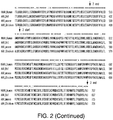
- HAAH construct 1 HAAH construct 2 and HAAH construct 3 (see Figure 7 ).
- HAAH specific oligo primers these segments are amplified from the HAAH gene which was previously cloned in our laboratory for expression in baculovirus system.
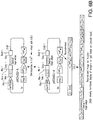
- the oligo sequence of each PCR primer is modified slightly to produce Nhe I and Bssh II restriction sites in each end of amplified HAAH segments. After restriction digestion, these segments are inserted separately at the NbeI-BsshII site of the 3' end of a DNA segment encoding gpD under the control of the lac promoter.
- the constructs are created in a plasmid vector (donor plasmid pAN-A), which also carries loxPwt and loxP511 sequences.
- Cre-expressing cells E. coli
- Cre-expressing cells E. coli
- a recipient lambda phage that carries a stuffer DNA segment flanked by loxPwt and loxP511 sites.
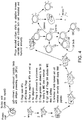
- Recombination occurs in vivo at the lox sites and Ampr cointegrates are formed ( Figure 2 ), which are spontaneously lyse the E. coli and released in culture media.
- the cointegrates produce recombinant phages that display HAAH peptides fused at the C terminus of gpD. Approximately 200 copies of these peptides are displayed on a single phage head.
- Lambda cointegrates are selected on Luria Bartani (LB) ampicillin agar (100ug/ml amp, 15% agar) plates. Briefly, spontaneously lysed E. coli culture is used to infect Cre-ve E. coli cells and spread on LB ampicillin agar plates. Plates are incubated at 32 °C for 48 hours to obtain Ampr colonies. These Ampr colonies are immune to super infection and carry the phages as plasmid cointegrates. The Ampr colonies containing the lambda cointegrate are grown separately at LB Ampicillin (100uglml) at 37 °C for four hours. Lambda phages are spontaneously induced in these cultures and result in complete lysis.
- LB Luria Bartani
- Lambda phages are spontaneously induced in these cultures and result in complete lysis.
- This cell free supernatant is used to infect E. coli cells and plated on solid LB agar (15%) plate to obtain phage plaques.
- the resulting phage plaques are harvested from the plate and single plaques are purified three times on E. coli by the standard procedures described by Sambrook et al.
- the steps are designated as plate lysate method and large scale liquid lysate method. The detail of these procedures are described in Sambrook et al. The lysed culture is chilled at room temperature for further purification by liquid column chromatography technique.
- CIM® monolithic columns are an ideal chromatographic support for purifying large biomolecules and nanoparticles, bacterial viruses and plasmid DNA.
- the pore size of these monolithic columns are adjusted to accommodate even the largest molecules and optimized for very high binding capacities at the highest flow rates.
- In order to obtain infective virus during purification process we investigated chemical conditions that provided the maximal yield of phage and which also preserved high infectivity. This information is necessary to adjust chromatographic methods accordingly to avoid undesired phage deactivation during processing.
- HPLC equipment All experiment is preformed on a gradient AKTA purifier FPLC chromatography system (GE Healthcare) equipped with Unicorn 5.1 chromatography software, P-900 FPLC pumps, UPC-900 variable wavelength detector, and FRAC-920 fraction collector. CIM ion exchange chromatography is monitored for UV at 280 nm as well as for conductivity and the gradient profile, associated with marks for point of injection and fraction number.
- Stationary phase A strong anion exchange (quaternary amine-QA) methacrylate- based CIM disk monolithic column (BIA Separations, Ljubljana, Slovenia) is used for this purification procedure.
- Phage lysates (10 mL) are centrifuged at 12000 x g for 10 minutes at 4 °C and the phage containing supernatant is filtered through a 0.22 micron filter prior to loading the phage on the column for chromatography. Collected fractions of 1 mL are analyzed via plaque assay to determine presence of infective phage. Plaque assay data is analyzed to optimize specific conditions for column chromatography purification of display phages. When larger amounts of highly concentrated phage will be required, the linear gradient will be changed into a stepwise gradient where narrower peaks will be achieved and fraction collection will be easier. Based on data from the linear gradient, we will introduce conditions for the stepwise gradient for large scale purification of display phages.
- each phage constructs are separately plated on LB agar plate to obtain 100 to 150 plaques in each plate.
- the plates are incubated at 37 °C for 18 hours, until the plaques are about one mm in size.
- a 137 mm colony/plaque screen membrane (NEN® Research products, Boston, MA) is soaked in distilled water and blotted dry on a filter paper. This membrane is carefully placed on the top agar and incubation was continued at 37 °C for another 15 minutes. The membrane is peeled from the agar, and washed three times with Tris saline to remove the debris and bacteria.
- the plates are then stored at 4 °C and the washed NEN membranes are blocked with 2% casein solution for 1 hour. After blocking, the membranes are incubated in a casein solution containing 1.25 ug/ml of diluted FB 50 monoclonal antibody. This FB50 HAAH specific monoclonal antibody was previously generated in our laboratory for diagnostic application of prostate cancer. After incubation at room temperature for two hours the membranes are washed twice in Tris saline with 0.05% Triton X-100, and once in Tris saline for 15 minutes each.
- the monoclonal treated membranes are incubated with 2.0 ⁇ g/ml of alkaline phosphatase labeled rabbit antimouse IgG (Kirkegaard and Perry) for one hour at room temperature.
- the membranes are consecutively washed three times in the same way described earlier in this procedure, followed by a final wash with 0.9% NaCl.
- the membranes are treated with Fast Red and naphthol substrate solution for about 10 minutes and the reaction was stopped by washing the membrane in distilled water.
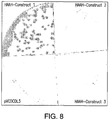
- the pink immunoreactive spots corresponds the recombinants expressing HAAH specific peptides on lambda head.
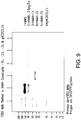
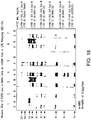
- purified lambda phage particles were electrophoresed under reducing conditions on 0.
- the membranes are consecutively washed three times in the same way described earlier in plaque lift assay. Finally the membranes are treated with Fast Red and naphthol substrate solution for about 10 minutes and the reaction is stopped by washing the membrane in distilled water. immunoreactive lines correspond to the gpD specific recombinant proteins.
- HAAH-phage vaccine to elicit antibody response in BALB/c female mice.
- Previously three separate HAAH-lambda phage constructs were prepared where fragmented HAAH antigens are displayed on surface of lambda phage head as fusion of lambda capsid protein gpD. Such three constructs were designated as HAAH construct 1, HAAH construct 2, and HAAH construct 3.
- Four separate groups of mice (Group A, Group B, Group C, 5 mice in each group and Group D, 40 mice) will be injected subcutaneously (s/c) with various HAAH phage constructs as described in chart below (Chart 1).
- group A mice will receive 5 ⁇ 10 8 pfu of HAAH construct 1 phage particles suspended in 500 ⁇ l of sterile PBS.
- group B and group C mice will receive same quantity of HAAH construct 2 and HAAH construct 3 phage particles respectively.
- Group D mice will receive equi-molar mixture of all 3 phage constructs.
- a fifth group of mice (group E, 40 mice) will receive recombinant HAAH antigen (50 ⁇ g/mice) suspended in sterile PBS.
- group F 40 mice
- group F 40 mice
- mice After primary inoculation, mice will receive 1st and 2nd booster (dose will be the same as primary inoculation) of corresponding antigens at 2 weeks interval. All animals will be bled prior primary inoculation. Serum samples will be collected before every booster to monitor progression of immune response against HAAH antigens. After 21 days animal will be euthanized for final bleeding through cardiac puncture. Finally animals will be sacrificed by spinal dislocations. Sera from group D, group E and group F animals will be saved at -70oC freezer for second animal experiment. During experiment, all animals will be monitored for their health conditions. The immune response against various HAAH-phage vaccines will be monitored by western immunoblot and ELISA.
- mice 4 groups of nude mice (Group A, Group B and Group C, and group D, 5 mice in each group) will be injected subcutaneously with a primary human liver cancer in their left flank.
- Group A, Group B and Group C nude mice will be treated by intraperitonial (i/p) route with 300 ul of sera previously collected from Group D, Group E and Group F mice of 1st animal experiment respectively.
- i/p intraperitonial
- Group D nude mice will be receive 300 ul of PBS.
- the treatment will continue every 48 hours for an additional 4 weeks. After that, the animal will be monitored for another 2 weeks without any intervention.
- the progression of the tumor will be monitored in treated and control groups every 48 hours to evaluate the result.
- animals will be sacrificed by spinal dislocations and their organ will be examined by a pathologist for metastasis.
- HAAH human (Asparaginyl)- ⁇ -hydroxylase
- the bacteriophage vaccines have been successfully isolated and purified using tangential flow filtration, a highly scalable process, as well as by PEG precipitation followed by exhaustive dialysis. Both of these processes have reduced bacterial endotoxins to levels within FDA guidelines for formulated human doses. The ease and yield of the manufacturing process allow production of approximately 100 human doses (based on anticipated dose requirements for immunogenicity in human subjects) per liter of culture.
- the bacteriophage can be rendered non-infectious by ultraviolet radiation; hence it is referred to as nano-particle based vaccine.
- Table 1 Growth and Purification Data for HAAH Lambda Phage Constructs HAAH Construct HAAH-1 ⁇ HAAH-2 ⁇ HAAH-3 ⁇ Amount Phage in Culture (pfu/L) 3.5 x 10 12 2.7 x 10 12 5.7 x 10 12 Purified Phage (pfu/L) and Yield 2.1 x 10 12 (58%) 1.9 x 10 12 (71%) 4.0 x 10 12 (70%) UV-treated Phage (pfu/L) 0 - 0 Nanoparticles/L (infectious+non- infectious phage) 4.6 x 10 13 9.1 x 10 13 8.6 x 10 12 Endotoxin (EU/10 8 phage) 156 140 4
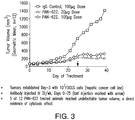
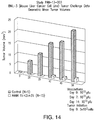
- the animal received the first of three weekly subcutaneous doses (at 0, 7, and 14 days) of nanoparticle vaccine as monovalent vaccines of each of the three bacteriophage constructs (10E10 pfu/dose) or a buffer control.
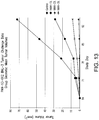
- the mice were then observed for tumor growth and tumor volume was determined.
- 3 of 5 mice in the control group had measurable tumor growth, while in the HAAH N-terminus, middle portion, and C-terminus construct vaccine groups, 0/5, 2/5, and 0/5 animals, respectively, had measureable tumor growth.
- the mean tumor volumes of the 5 animals in each of the two groups with tumor growth were 85.8 mm 3 for the control group and 24.9 mm 3 (29% of the control tumor volume) for the HAAH middle portion group.
- Overall, the vaccinated groups had 2/15 animals and mean tumor growth of 8.3 mm 3 (>10% of the control group tumor size).
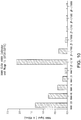
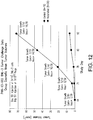
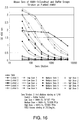
- Immunocompetent mice were used to test immunogenicity of three phage-based vaccine candidates, encompassing the N-terminal, mid, and C-terminal protions of the HAAH extracellular domain. All three entities display highly significant, dose-dependent immunogenicity. Animals were injected with 5x10⁷-5x10⁹ pfus on days 0, 7, and 14. Animals were bled on day 21 and immunogenicity was screened using recombinant HAAH in an ELISA format. Cell-based ELISAs using liver (FOCUS) and lung (H460) cancer cell lines as well as FACS analysis on these lines were performed. The immunized mice sera had clear anti-HAAH (or anti-cance cell) activity in all tests. Immunogenicity was dose and construct dependent. This work demonstrates that a nano-particle, phage-based vaccine can break immune tolerance to the native HAAH protein and elicit a specific antibody response; incicating that such vaccines may have significant therapeutic value.
Landscapes
- Health & Medical Sciences (AREA)
- Life Sciences & Earth Sciences (AREA)
- Chemical & Material Sciences (AREA)
- Organic Chemistry (AREA)
- General Health & Medical Sciences (AREA)
- Medicinal Chemistry (AREA)
- Immunology (AREA)
- Zoology (AREA)
- Genetics & Genomics (AREA)
- Bioinformatics & Cheminformatics (AREA)
- Engineering & Computer Science (AREA)
- Microbiology (AREA)
- Wood Science & Technology (AREA)
- Biochemistry (AREA)
- Molecular Biology (AREA)
- Veterinary Medicine (AREA)
- Public Health (AREA)
- Animal Behavior & Ethology (AREA)
- Pharmacology & Pharmacy (AREA)
- Oncology (AREA)
- Mycology (AREA)
- Epidemiology (AREA)
- Biotechnology (AREA)
- Biomedical Technology (AREA)
- General Engineering & Computer Science (AREA)
- Toxicology (AREA)
- Gastroenterology & Hepatology (AREA)
- Biophysics (AREA)
- Proteomics, Peptides & Aminoacids (AREA)
- Chemical Kinetics & Catalysis (AREA)
- General Chemical & Material Sciences (AREA)
- Nuclear Medicine, Radiotherapy & Molecular Imaging (AREA)
- Micro-Organisms Or Cultivation Processes Thereof (AREA)
- Medicines Containing Antibodies Or Antigens For Use As Internal Diagnostic Agents (AREA)
- Peptides Or Proteins (AREA)
- Medicines Containing Material From Animals Or Micro-Organisms (AREA)
- Medicines That Contain Protein Lipid Enzymes And Other Medicines (AREA)
- Preparation Of Compounds By Using Micro-Organisms (AREA)
- Medicinal Preparation (AREA)
Applications Claiming Priority (4)
| Application Number | Priority Date | Filing Date | Title |
|---|---|---|---|
| US13/836,487 US20140271689A1 (en) | 2013-03-15 | 2013-03-15 | Therapeutic Cancer Vaccine Targeted to HAAH (Aspartyl-[Asparaginyl]-beta-Hydroxylase) |
| US14/073,210 US9744223B2 (en) | 2013-03-15 | 2013-11-06 | Therapeutic cancer vaccine targeted to HAAH (aspartyl-[asparaginyl]-β-hydroxylase) |
| PCT/US2014/030551 WO2014145740A1 (en) | 2013-03-15 | 2014-03-17 | Therapeutic cancer vaccine targeted to haah (aspartyl-[asparaginyl]-beta-hydroxylase) |
| EP14763577.5A EP2970918B1 (en) | 2013-03-15 | 2014-03-17 | Therapeutic cancer vaccine targeted to haah (aspartyl-[asparaginyl]-beta-hydroxylase) |
Related Parent Applications (1)
| Application Number | Title | Priority Date | Filing Date |
|---|---|---|---|
| EP14763577.5A Division EP2970918B1 (en) | 2013-03-15 | 2014-03-17 | Therapeutic cancer vaccine targeted to haah (aspartyl-[asparaginyl]-beta-hydroxylase) |
Publications (1)
| Publication Number | Publication Date |
|---|---|
| EP3395362A1 true EP3395362A1 (en) | 2018-10-31 |
Family
ID=51527986
Family Applications (2)
| Application Number | Title | Priority Date | Filing Date |
|---|---|---|---|
| EP18172909.6A Withdrawn EP3395362A1 (en) | 2013-03-15 | 2014-03-17 | Therapeutic cancer vaccine targeted to haah (aspartyl-[asparaginyl]-beta-hydroxylase) |
| EP14763577.5A Not-in-force EP2970918B1 (en) | 2013-03-15 | 2014-03-17 | Therapeutic cancer vaccine targeted to haah (aspartyl-[asparaginyl]-beta-hydroxylase) |
Family Applications After (1)
| Application Number | Title | Priority Date | Filing Date |
|---|---|---|---|
| EP14763577.5A Not-in-force EP2970918B1 (en) | 2013-03-15 | 2014-03-17 | Therapeutic cancer vaccine targeted to haah (aspartyl-[asparaginyl]-beta-hydroxylase) |
Country Status (5)
| Country | Link |
|---|---|
| US (2) | US9744223B2 (enExample) |
| EP (2) | EP3395362A1 (enExample) |
| JP (3) | JP2016520292A (enExample) |
| CA (1) | CA2905511A1 (enExample) |
| WO (1) | WO2014145740A1 (enExample) |
Families Citing this family (6)
| Publication number | Priority date | Publication date | Assignee | Title |
|---|---|---|---|---|
| US9744223B2 (en) * | 2013-03-15 | 2017-08-29 | Panacea Pharmaceuticals, Inc. | Therapeutic cancer vaccine targeted to HAAH (aspartyl-[asparaginyl]-β-hydroxylase) |
| JP7025119B2 (ja) * | 2014-04-24 | 2022-02-24 | ロード アイランド ホスピタル | アスパラギン酸-β-ヒドロキシラーゼは腫瘍においてエピトープ特異的T細胞応答を誘導する |
| JP2018518476A (ja) * | 2015-06-05 | 2018-07-12 | パナシア ファーマシューティカルズ, インコーポレイテッド | Haahに対する抗体を使用するがんの放射線イメージングおよび放射線療法 |
| US20200121773A1 (en) | 2018-10-19 | 2020-04-23 | Sensei Biotherapeutics, Inc. | Compositions and methods for manufacturing bacteriophage cancer vaccines and uses thereof |
| US20200345820A1 (en) | 2019-05-01 | 2020-11-05 | Sensei Biotherapeutics, Inc. | Combination therapies for cancer |
| IL291820A (en) * | 2019-10-01 | 2022-06-01 | Adaptive Phage Therapeutics Inc | A method for purifying bacteriophage particles |
Citations (2)
| Publication number | Priority date | Publication date | Assignee | Title |
|---|---|---|---|---|
| US20020110559A1 (en) * | 1999-11-08 | 2002-08-15 | Wands Jack R. | Diagnosis and treatment of malignant neoplasms |
| WO2007076101A2 (en) * | 2005-12-23 | 2007-07-05 | Hygea Biopharma, Inc. | Immunologically enhanced recombinant vaccines |
Family Cites Families (10)
| Publication number | Priority date | Publication date | Assignee | Title |
|---|---|---|---|---|
| US20050123545A1 (en) | 1999-11-08 | 2005-06-09 | Wands Jack R. | Diagnosis and treatment of malignant neoplasms |
| US20040142325A1 (en) | 2001-09-14 | 2004-07-22 | Liat Mintz | Methods and systems for annotating biomolecular sequences |
| CN1972710B (zh) * | 2003-12-17 | 2011-09-21 | 美国天主教大学 | 包含噬菌体纳米颗粒的方法和组合物 |
| EP1846041A4 (en) | 2004-10-29 | 2008-05-07 | Univ Rochester | MODIFIED BACTERIOPHAGE VECTORS AND ITS USES |
| WO2008094986A2 (en) * | 2007-01-31 | 2008-08-07 | Dow Global Technologies, Inc. | Bacterial leader sequences for increased expression |
| WO2011011688A2 (en) * | 2009-07-24 | 2011-01-27 | Rhode Island Hospital | DENDRITIC CELL VACCINES FOR ASPARAGINYL- β - HYDROXYLASE EXPRESSING TUMORS |
| US20140271689A1 (en) * | 2013-03-15 | 2014-09-18 | Panacea Pharmaceuticals | Therapeutic Cancer Vaccine Targeted to HAAH (Aspartyl-[Asparaginyl]-beta-Hydroxylase) |
| US9744223B2 (en) * | 2013-03-15 | 2017-08-29 | Panacea Pharmaceuticals, Inc. | Therapeutic cancer vaccine targeted to HAAH (aspartyl-[asparaginyl]-β-hydroxylase) |
| US20170072034A1 (en) | 2013-03-15 | 2017-03-16 | Panacea Pharmaceuticals Inc. | Therapeutic cancer vaccine targeted to haah (aspartyl-[asparaginyl]-beta-hydroxylase) |
| US20140356930A1 (en) * | 2013-06-03 | 2014-12-04 | Panacea Pharmaceuticals | Immune system enhancing immunotherapy for the treatment of cancer |
-
2013
- 2013-11-06 US US14/073,210 patent/US9744223B2/en active Active - Reinstated
-
2014
- 2014-03-17 CA CA2905511A patent/CA2905511A1/en not_active Abandoned
- 2014-03-17 JP JP2016503419A patent/JP2016520292A/ja active Pending
- 2014-03-17 EP EP18172909.6A patent/EP3395362A1/en not_active Withdrawn
- 2014-03-17 EP EP14763577.5A patent/EP2970918B1/en not_active Not-in-force
- 2014-03-17 WO PCT/US2014/030551 patent/WO2014145740A1/en not_active Ceased
-
2017
- 2017-08-02 US US15/666,947 patent/US10702591B2/en active Active - Reinstated
-
2018
- 2018-07-02 JP JP2018126096A patent/JP2018143256A/ja active Pending
-
2020
- 2020-04-28 JP JP2020079231A patent/JP2020120681A/ja active Pending
Patent Citations (2)
| Publication number | Priority date | Publication date | Assignee | Title |
|---|---|---|---|---|
| US20020110559A1 (en) * | 1999-11-08 | 2002-08-15 | Wands Jack R. | Diagnosis and treatment of malignant neoplasms |
| WO2007076101A2 (en) * | 2005-12-23 | 2007-07-05 | Hygea Biopharma, Inc. | Immunologically enhanced recombinant vaccines |
Non-Patent Citations (1)
| Title |
|---|
| BISWAS BISWAJIT ET AL: "Dentritic Cell-Based Cancer Therapeutic Vaccine Targeting HAAH Using Nano-Particles to Overcome Tolerance and Avoid Auto-Immune Response", JOURNAL OF IMMUNOTHERAPY, vol. 33, no. 8, October 2010 (2010-10-01), & 25TH ANNUAL SCIENTIFIC MEETING OF THE INTERNATIONAL SOCIETY FOR BIOLOGICAL THERAPY OF CANCER; WASHINGTON, DC, USA; SEPTEMBER 30 -OCTOBER 04, 2010, pages 874 - 875, XP008181580, ISSN: 1524-9557 * |
Also Published As
| Publication number | Publication date |
|---|---|
| JP2016520292A (ja) | 2016-07-14 |
| CA2905511A1 (en) | 2014-09-18 |
| US20180092969A1 (en) | 2018-04-05 |
| WO2014145740A1 (en) | 2014-09-18 |
| US9744223B2 (en) | 2017-08-29 |
| JP2018143256A (ja) | 2018-09-20 |
| JP2020120681A (ja) | 2020-08-13 |
| EP2970918A1 (en) | 2016-01-20 |
| US20140271691A1 (en) | 2014-09-18 |
| EP2970918B1 (en) | 2018-05-30 |
| US10702591B2 (en) | 2020-07-07 |
| EP2970918A4 (en) | 2016-11-02 |
Similar Documents
| Publication | Publication Date | Title |
|---|---|---|
| US10702591B2 (en) | Therapeutic cancer vaccine targeted to HAAH (aspartyl-[asparaginyl]-beta-hydroxylase | |
| US20200246443A1 (en) | Therapeutic cancer vaccine targeted to haah (aspartyl-[asparaginyl]-beta-hydroxylase) | |
| CN104519908B (zh) | 用于胰腺癌患者的dna疫苗 | |
| JP7334124B2 (ja) | 個別化ワクチン | |
| JP2019505512A (ja) | 治療用抗癌ネオエピトープワクチン | |
| EA018456B1 (ru) | Новые иммуногенные эпитопы для иммунотерапии | |
| CA2361009A1 (en) | Her-2/neu fusion proteins | |
| CN116082521A (zh) | 痘病毒多抗原嵌合疫苗及其用途 | |
| CN112533939B (zh) | 一种基于减毒李斯特菌激活的抗原提呈细胞的肿瘤免疫治疗组合物、制备方法和应用 | |
| CN102154325B (zh) | 针对人乳头瘤状病毒的疫苗及其制法和用途 | |
| EA025280B1 (ru) | Полиэпитопные конструкции и способы их получения и применения | |
| US20140271689A1 (en) | Therapeutic Cancer Vaccine Targeted to HAAH (Aspartyl-[Asparaginyl]-beta-Hydroxylase) | |
| CN111349645B (zh) | 一种提高非整合减毒李斯特菌疫苗安全性的方法 | |
| WO2021042947A1 (zh) | 微环dna疫苗设计及应用 | |
| CN105132371A (zh) | 一种体外提呈、激活dc细胞的方法及其应用 | |
| EP4234029A1 (en) | Chimeric antigen comprising the extracellular domain of pd-l1 | |
| WO2010117071A1 (ja) | ユビキチン融合遺伝子およびそれを用いたdnaワクチン | |
| HK1262073A1 (en) | Therapeutic cancer vaccine targeted to haah (aspartyl-[asparaginyl]-beta-hydroxylase) | |
| CN101063142B (zh) | 人乳头瘤病毒16型dna疫苗和基因佐剂及其应用 | |
| CN110168086B (zh) | 疟疾疫苗 | |
| CN116751266A (zh) | 一种广谱亨尼帕病毒保护性抗原及其应用 | |
| CN111334521B (zh) | 一种提高非整合减毒李斯特菌外源抗原蛋白表达的方法 | |
| CN117903264B (zh) | 新冠病毒SARS-CoV-2 HLA-A2限制性表位肽及应用 | |
| CN105801704A (zh) | 一种具有抗宫颈癌细胞活性的重组疫苗构建方法及应用 | |
| CN120241989A (zh) | 一种树突细胞靶向疫苗的制备与递送策略 |
Legal Events
| Date | Code | Title | Description |
|---|---|---|---|
| PUAI | Public reference made under article 153(3) epc to a published international application that has entered the european phase |
Free format text: ORIGINAL CODE: 0009012 |
|
| STAA | Information on the status of an ep patent application or granted ep patent |
Free format text: STATUS: THE APPLICATION HAS BEEN PUBLISHED |
|
| AC | Divisional application: reference to earlier application |
Ref document number: 2970918 Country of ref document: EP Kind code of ref document: P |
|
| AK | Designated contracting states |
Kind code of ref document: A1 Designated state(s): AL AT BE BG CH CY CZ DE DK EE ES FI FR GB GR HR HU IE IS IT LI LT LU LV MC MK MT NL NO PL PT RO RS SE SI SK SM TR |
|
| STAA | Information on the status of an ep patent application or granted ep patent |
Free format text: STATUS: REQUEST FOR EXAMINATION WAS MADE |
|
| 17P | Request for examination filed |
Effective date: 20190430 |
|
| RBV | Designated contracting states (corrected) |
Designated state(s): AL AT BE BG CH CY CZ DE DK EE ES FI FR GB GR HR HU IE IS IT LI LT LU LV MC MK MT NL NO PL PT RO RS SE SI SK SM TR |
|
| REG | Reference to a national code |
Ref country code: HK Ref legal event code: DE Ref document number: 1262073 Country of ref document: HK |
|
| STAA | Information on the status of an ep patent application or granted ep patent |
Free format text: STATUS: EXAMINATION IS IN PROGRESS |
|
| 17Q | First examination report despatched |
Effective date: 20210422 |
|
| STAA | Information on the status of an ep patent application or granted ep patent |
Free format text: STATUS: THE APPLICATION IS DEEMED TO BE WITHDRAWN |
|
| 18D | Application deemed to be withdrawn |
Effective date: 20210903 |
|
| REG | Reference to a national code |
Ref country code: HK Ref legal event code: WD Ref document number: 1262073 Country of ref document: HK |