EP3348553B1 - Crystalline forms of an androgen receptor modulator - Google Patents
Crystalline forms of an androgen receptor modulator Download PDFInfo
- Publication number
- EP3348553B1 EP3348553B1 EP18157435.1A EP18157435A EP3348553B1 EP 3348553 B1 EP3348553 B1 EP 3348553B1 EP 18157435 A EP18157435 A EP 18157435A EP 3348553 B1 EP3348553 B1 EP 3348553B1
- Authority
- EP
- European Patent Office
- Prior art keywords
- theta
- crystalline form
- diazaspiro
- thioxo
- oct
- Prior art date
- Legal status (The legal status is an assumption and is not a legal conclusion. Google has not performed a legal analysis and makes no representation as to the accuracy of the status listed.)
- Revoked
Links
Images




Classifications
-
- C—CHEMISTRY; METALLURGY
- C07—ORGANIC CHEMISTRY
- C07D—HETEROCYCLIC COMPOUNDS
- C07D401/00—Heterocyclic compounds containing two or more hetero rings, having nitrogen atoms as the only ring hetero atoms, at least one ring being a six-membered ring with only one nitrogen atom
- C07D401/02—Heterocyclic compounds containing two or more hetero rings, having nitrogen atoms as the only ring hetero atoms, at least one ring being a six-membered ring with only one nitrogen atom containing two hetero rings
- C07D401/04—Heterocyclic compounds containing two or more hetero rings, having nitrogen atoms as the only ring hetero atoms, at least one ring being a six-membered ring with only one nitrogen atom containing two hetero rings directly linked by a ring-member-to-ring-member bond
-
- A—HUMAN NECESSITIES
- A61—MEDICAL OR VETERINARY SCIENCE; HYGIENE
- A61K—PREPARATIONS FOR MEDICAL, DENTAL OR TOILETRY PURPOSES
- A61K31/00—Medicinal preparations containing organic active ingredients
- A61K31/33—Heterocyclic compounds
- A61K31/395—Heterocyclic compounds having nitrogen as a ring hetero atom, e.g. guanethidine or rifamycins
- A61K31/41—Heterocyclic compounds having nitrogen as a ring hetero atom, e.g. guanethidine or rifamycins having five-membered rings with two or more ring hetero atoms, at least one of which being nitrogen, e.g. tetrazole
- A61K31/4164—1,3-Diazoles
- A61K31/4184—1,3-Diazoles condensed with carbocyclic rings, e.g. benzimidazoles
-
- A—HUMAN NECESSITIES
- A61—MEDICAL OR VETERINARY SCIENCE; HYGIENE
- A61K—PREPARATIONS FOR MEDICAL, DENTAL OR TOILETRY PURPOSES
- A61K31/00—Medicinal preparations containing organic active ingredients
- A61K31/33—Heterocyclic compounds
- A61K31/395—Heterocyclic compounds having nitrogen as a ring hetero atom, e.g. guanethidine or rifamycins
- A61K31/435—Heterocyclic compounds having nitrogen as a ring hetero atom, e.g. guanethidine or rifamycins having six-membered rings with one nitrogen as the only ring hetero atom
- A61K31/44—Non condensed pyridines; Hydrogenated derivatives thereof
- A61K31/4427—Non condensed pyridines; Hydrogenated derivatives thereof containing further heterocyclic ring systems
- A61K31/4439—Non condensed pyridines; Hydrogenated derivatives thereof containing further heterocyclic ring systems containing a five-membered ring with nitrogen as a ring hetero atom, e.g. omeprazole
-
- A—HUMAN NECESSITIES
- A61—MEDICAL OR VETERINARY SCIENCE; HYGIENE
- A61P—SPECIFIC THERAPEUTIC ACTIVITY OF CHEMICAL COMPOUNDS OR MEDICINAL PREPARATIONS
- A61P13/00—Drugs for disorders of the urinary system
- A61P13/08—Drugs for disorders of the urinary system of the prostate
-
- A—HUMAN NECESSITIES
- A61—MEDICAL OR VETERINARY SCIENCE; HYGIENE
- A61P—SPECIFIC THERAPEUTIC ACTIVITY OF CHEMICAL COMPOUNDS OR MEDICINAL PREPARATIONS
- A61P15/00—Drugs for genital or sexual disorders; Contraceptives
-
- A—HUMAN NECESSITIES
- A61—MEDICAL OR VETERINARY SCIENCE; HYGIENE
- A61P—SPECIFIC THERAPEUTIC ACTIVITY OF CHEMICAL COMPOUNDS OR MEDICINAL PREPARATIONS
- A61P33/00—Antiparasitic agents
-
- A—HUMAN NECESSITIES
- A61—MEDICAL OR VETERINARY SCIENCE; HYGIENE
- A61P—SPECIFIC THERAPEUTIC ACTIVITY OF CHEMICAL COMPOUNDS OR MEDICINAL PREPARATIONS
- A61P35/00—Antineoplastic agents
-
- A—HUMAN NECESSITIES
- A61—MEDICAL OR VETERINARY SCIENCE; HYGIENE
- A61P—SPECIFIC THERAPEUTIC ACTIVITY OF CHEMICAL COMPOUNDS OR MEDICINAL PREPARATIONS
- A61P5/00—Drugs for disorders of the endocrine system
-
- A—HUMAN NECESSITIES
- A61—MEDICAL OR VETERINARY SCIENCE; HYGIENE
- A61P—SPECIFIC THERAPEUTIC ACTIVITY OF CHEMICAL COMPOUNDS OR MEDICINAL PREPARATIONS
- A61P5/00—Drugs for disorders of the endocrine system
- A61P5/24—Drugs for disorders of the endocrine system of the sex hormones
- A61P5/28—Antiandrogens
-
- C—CHEMISTRY; METALLURGY
- C07—ORGANIC CHEMISTRY
- C07B—GENERAL METHODS OF ORGANIC CHEMISTRY; APPARATUS THEREFOR
- C07B2200/00—Indexing scheme relating to specific properties of organic compounds
- C07B2200/13—Crystalline forms, e.g. polymorphs
Definitions
- Described herein are crystalline forms of the androgen receptor modulator 4-[7-(6-cyano-5-trifluoromethylpyridin-3-yl)-8-oxo-6-thioxo-5,7-diazaspiro[3.4]oct-5-yl]-2-fluoro-N-methylbenzamide, pharmaceutically acceptable salts, solvates, as well as pharmaceutical compositions thereof, and the same for use in treatment or prevention of diseases or conditions associated with androgen receptor activity.
- WO 2008119015 concerns a novel synthesis of the anti-androgen, A52, which has been found to be useful in the treatment of prostate cancer.
- WO 2007126765 concerns a hydantoin compound useful for the prevention or treatment of hyperproliferative diseases or disorders.
- WO 2011103202 concerns compounds that are androgen receptor modulators.
- the androgen receptor (“AR”) is a ligand-activated transcriptional regulatory protein that mediates induction of a variety of biological effects through its interaction with endogenous androgens.
- Endogenous androgens include steroids such as testosterone and dihydrotestosterone.
- Testosterone is converted to dihydrotestosterone by the enzyme 5 alpha-reductase in many tissues.
- the present invention provides a crystalline Form A of 4-[7-(6-cyano-5-trifluoromethylpyridin-3-yl)-8-oxo-6-thioxo-5,7-diazaspiro[3.4]oct-5-yl]-2-fluoro-N-methylbenzamide that exhibits at least one of: (a) an X-ray powder diffraction (XRPD) pattern with characteristic peaks at 4.8 ⁇ 0.1° 2-Theta, 7.1 ⁇ 0.1° 2-Theta, 14.2 ⁇ 0.1° 2-Theta, 16.3 ⁇ 0.1° 2-Theta, 20.1 ⁇ 0.1° 2-Theta; or (b) unit cell parameters according to the following at -173°C: Crystal system Orthorhombic Space group P2(1)2(1)2 a 16.3429(3) ⁇ ⁇ 90° b 37.7298(7) ⁇ ⁇ 90° c 7.23410(10) ⁇ ⁇ 90° V 4460.65(13) ⁇ 3 Z 8 Dc 1.446g.cm -1 and optionally:
- Described herein is 4-[7-(6-cyano-5-trifluoromethylpyridin-3-yl)-8-oxo-6-thioxo-5,7-diazaspiro[3.4]oct-5-yl]-2-fluoro-N-methylbenzamide, or a pharmaceutically acceptable salt thereof, including all pharmaceutically acceptable solvates (including hydrates), polymorphs, and amorphous phases thereof, and methods of uses thereof.
- compositions comprising 4-[7-(6-cyano-5-trifluoromethylpyridin-3-yl)-8-oxo-6-thioxo-5,7-diazaspiro[3.4]oct-5-yl]-2- fluoro-N-methylbenzamide, or a pharmaceutically acceptable salt thereof as the active ingredient in the pharmaceutical composition.
- the invention provides crystalline 4-[7-(6-cyano-5-trifluoromethylpyridin-3-yl)-8-oxo-6-thioxo-5,7-diazaspiro[3.4]oct-5-yl]-2-fluoro-N-methylbenzamide Form A.
- Described herein is a pharmaceutically acceptable salt of 4-[7-(6-cyano-5-trifluoromethylpyridin-3-yl)-8-oxo-6-thioxo-5,7-diazaspiro[3.4]oct-5-yl]-2-fluoro-N-methylbenzamide, wherein the pharmaceutically acceptable salt is an acid addition salt.
- the pharmaceutically acceptable salt may be amorphous or crystalline.
- the invention also provides a pharmaceutical composition
- a pharmaceutical composition comprising a crystalline form of 4-[7-(6-cyano-5-trifluoromethylpyridin-3-yl)-8-oxo-6-thioxo-5,7-diazaspiro[3.4]oct-5-yl]-2-fluoro-N-methylbenzamide as defined in the claims, and at least one additional ingredient selected from pharmaceutically acceptable carriers, diluents and excipients.
- the pharmaceutical composition includes Form A of 4-[7-(6-cyano-5-trifluoromethylpyridin-3-yl)-8-oxo-6-thioxo-5,7-diazaspiro[3.4]oct-5-yl]-2-fluoro-N-methylbenzamide.
- the pharmaceutical composition includes Form B. In some embodiments, the pharmaceutical composition includes Form C. In some embodiments, the pharmaceutical composition includes Form D. In some embodiments, the pharmaceutical composition includes Form E. In some embodiments, the pharmaceutical composition includes Form F. In some embodiments, the pharmaceutical composition includes Form G. In some embodiments, the pharmaceutical compositions includes Form H. In some embodiments, the pharmaceutical composition includes Form I. In some embodiments, the pharmaceutical composition includes Form J. In some embodiments, the pharmaceutical composition is in a form suitable for oral administration to a mammal. In some embodiments, the pharmaceutical composition is in an oral dosage form. In some embodiments, the pharmaceutical composition is in an oral solid dosage form. In some embodiments, the pharmaceutical composition is in the form of a tablet, pill, or capsule.
- the pharmaceutical composition is in the form of a capsule. In some embodiments, the pharmaceutical composition is in the form of an immediate release capsule or an enteric coated capsule. In some embodiments, the pharmaceutical composition is in the form of a tablet. In some embodiments, the pharmaceutical composition is in the form of an immediate release tablet, an enteric coated tablet, or a sustained release tablet. In some embodiments, the pharmaceutical composition is in the form of a moisture barrier coated tablet.
- the pharmaceutical composition comprises 0.5 mg to 1000 mg of crystalline 4-[7-(6-cyano-5-trifluoromethylpyridin-3-yl)-8-oxo-6-thioxo-5,7-diazaspiro[3.4]oct-5-yl]-2-fluoro-N-methylbenzamide. In some embodiments, the pharmaceutical composition comprises about 30 mg to about 300 mg of crystalline 4-[7-(6-cyano-5-trifluoromethylpyridin-3-yl)-8-oxo-6-thioxo-5,7-diazaspiro[3.4]oct-5-yl]-2-fluoro-N-methylbenzamide.
- high-density polyethylene (HDPE) bottle equipped with a high-density polyethylene (HDPE) cap.
- high-density polyethylene (HDPE) bottle further comprises an aluminum foil induction seal and silica gel desiccant.
- compositions as defined in the claims for use in a method of treating prostate cancer in a mammal comprising administering to the mammal a pharmaceutical composition as described herein.
- the prostate cancer is hormone sensitive prostate cancer or hormone refractory prostate cancer.
- the processes provide for the preparation of crystalline 4-[7-(6-cyano-5-trifluoromethylpyridin-3-yl)-8-oxo-6-thioxo-5,7-diazaspiro[3.4]oct-5-yl]-2-fluoro-N-methylbenzamide as defined in the claims in good yield and high purity.
- the androgen receptor is a member of the nuclear receptor superfamily. Among this family of proteins, only five vertebrate steroid receptors are known and include the androgen receptor, estrogen receptor, progesterone receptor, glucocorticoid receptor, and mineralocorticoid receptor. AR is a soluble protein that functions as an intracellular transcriptional factor. AR function is regulated by the binding of androgens, which initiates sequential conformational changes of the receptor that affect receptor-protein interactions and receptor-DNA interactions.
- AR is mainly expressed in androgen target tissues, such as the prostate, skeletal muscle, liver, and central nervous system (CNS), with higher expression levels observed in the prostate, adrenal gland, and epididymis.
- AR can be activated by the binding of endogenous androgens, including testosterone and 5 ⁇ -dihydrotestosterone (5 ⁇ -DHT).
- endogenous androgens including testosterone and 5 ⁇ -dihydrotestosterone (5 ⁇ -DHT).
- the androgen receptor located on Xq11-12, is a 110 kD nuclear receptor that, upon activation by androgens, mediates transcription of target genes that modulate growth and differentiation of prostate epithelial cells. Similar to the other steroid receptors, unbound AR is mainly located in the cytoplasm and associated with a complex of heat shock proteins (HSPs) through interactions with the ligand-binding domain. Upon agonist binding, AR goes through a series of conformational changes: the heat shock proteins dissociate from AR, and the transformed AR undergoes dimerization, phosphorylation, and translocation to the nucleus, which is mediated by the nuclear localization signal.
- HSPs heat shock proteins
- Translocated receptor then binds to the androgen response element (ARE), which is characterized by the six-nucleotide half-site consensus sequence 5'-TGTTCT-3' spaced by three random nucleotides and is located in the promoter or enhancer region of AR gene targets.
- ARE androgen response element
- Recruitment of other transcription co-regulators (including co-activators and co-repressors) and transcriptional machinery further ensures the transactivation of AR-regulated gene expression. All of these processes are initiated by the ligand-induced conformational changes in the ligand-binding domain.
- AR signaling is crucial for the development and maintenance of male reproductive organs including the prostate gland, as genetic males harboring loss of function AR mutations and mice engineered with AR defects do not develop prostates or prostate cancer. This dependence of prostate cells on AR signaling continues even upon neoplastic transformation. Androgen depletion (using GnRH agonists) continues to be the mainstay of prostate cancer treatment. However androgen depletion is usually effective for a limited duration and prostate cancer evolves to regain the ability to grow despite low levels of circulating androgens.
- Treatment options for castration resistant prostate cancer (CRPC) are limited, with docetaxel and abiraterone acetate (a CYP17 inhibitor) being agents that have been shown to prolong survival.
- CRPC castration resistant prostate cancer
- docetaxel and abiraterone acetate a CYP17 inhibitor
- Prostate cancer is the second most common cause of cancer death in men in the US, and approximately one in every six American men will be diagnosed with the disease during his lifetime. Treatment aimed at eradicating the tumor is unsuccessful in 30% of men, who develop recurrent disease that is usually manifest first as a rise in plasma prostate-specific antigen (PSA) followed by spread to distant sites.
- PSA prostate-specific antigen
- AR androgen receptor
- these men are treated with agents that block production of testosterone (e.g. GnRH agonists), alone or in combination with anti-androgens (e.g. bicalutamide), which antagonize the effect of any residual testosterone.
- Anti-androgens are useful for the treatment of prostate cancer during its early stages.
- prostate cancer often advances to a hormone-refractory state in which the disease progresses in the presence of continued androgen ablation or anti-androgen therapy.
- Instances of anti-androgen withdrawal syndrome have also been reported after prolonged treatment with anti-androgens.
- Anti-androgen withdrawal syndrome is commonly observed clinically and is defined in terms of the tumor regression or symptomatic relief observed upon cessation of anti-androgen therapy.
- AR mutations that result in receptor promiscuity and the ability of these anti-androgens to exhibit agonist activity might at least partially account for this phenomenon.
- hydroxyflutamide and bicalutamide act as AR agonists in T877A and W741L/W741C AR mutants, respectively.
- AR-related diseases or conditions include, but are not limited to, benign prostate hyperplasia, hirsutism, acne, adenomas and neoplasias of the prostate, benign or malignant tumor cells containing the androgen receptor, hyperpilosity, seborrhea, endometriosis, polycystic ovary syndrome, androgenic alopecia, hypogonadism, osteoporosis, suppression of spermatogenesis, libido, cachexia, anorexia, androgen supplementation for age related decreased testosterone levels, prostate cancer, breast cancer, endometrial cancer, uterine cancer, hot flashes, Kennedy's disease muscle atrophy and weakness, skin atrophy, bone loss, anemia, arteriosclerosis, cardiovascular disease, loss of energy, loss of well-being, type 2 diabetes, and abdominal fat accumulation.
- 4-[7-(6-Cyano-5-trifluoromethylpyridin-3-yl)-8-oxo-6-thioxo-5,7-diazaspiro[3.4]oct-5-yl]-2-fluoro-N-methylbenzamide is an androgen receptor modulator that inhibits both AR nuclear translocation and AR binding to androgen response elements in DNA. Importantly, and in contrast to the first-generation anti-androgen bicalutamide, it exhibits no agonist activity in prostate cancer cells that over-express androgen receptors. It is well suited as either a mono- or a combination therapy across the entire spectrum of prostate cancer disease states.
- 4-[7-(6-cyano-5-trifluoromethylpyridin-3-yl)-8-oxo-6-thioxo-5,7-diazaspiro[3.4]oct-5-yl]-2-fluoro-N-methylbenzamide as defined in the claims is used to treat prostate cancer in a mammal, wherein the mammal is chemotherapy-naive.
- 4-[7-(6-cyano-5-trifluoromethylpyridin-3-yl)-8-oxo-6-thioxo-5,7-diazaspiro[3.4]oct-5-yl]-2-fluoro-N-methylbenzamide as defined in the claims is used to treat prostate cancer in a mammal, wherein the mammal is being treated for prostate cancer with at least one anticancer agent.
- the prostate cancer is hormone refractory prostate cancer.
- the prostate cancer is bicalutamide-resistant prostate cancer.
- a wide variety of pharmaceutically acceptable salts of 4-[7-(6-cyano-5-trifluoromethylpyridin-3-yl)-8-oxo-6-thioxo-5,7-diazaspiro[3.4]oct-5-yl]-2-fluoro-N-methylbenzamide are possible and include acid addition salts, that are formed by reacting the free base of 4-[7-(6-cyano-5-trifluoromethylpyridin-3-yl)-8-oxo-6-thioxo-5,7-diazaspiro[3.4]oct-5-yl]-2-fluoro-N-methylbenzamide with an inorganic acid or an organic acid.
- Such salt forms of 4-[7-(6-cyano-5-trifluoromethylpyridin-3-yl)-8-oxo-6-thioxo-5,7-diazaspiro[3.4]oct-5-yl]-2-fluoro-N-methylbenzamide include, but are not limited to: hydrochloric acid salt, hydrobromic acid salt, sulfuric acid salt, phosphoric acid salt, metaphosphoric acid salt, acetic acid salt, propionic acid salt, hexanoic acid salt, cyclopentanepropionic acid salt, glycolic acid salt, pyruvic acid salt, lactic acid salt, malonic acid salt, succinic acid salt, malic acid salt, maleic acid salt, fumaric acid salt, trifluoroacetic acid salt, tartaric acid salt, citric acid salt, benzoic acid salt, 3-(4-hydroxybenzoyl)benzoic acid salt, cinnamic acid salt, mandelic acid salt, methanesulfonic acid salt,
- 4-[7-(6-cyano-5-trifluoromethylpyridin-3-yl)-8-oxo-6-thioxo-5,7-diazaspiro[3.4]oct-5-yl]-2-fluoro-N-methylbenzamide as defined in the claims is used in any of the pharmaceutical compositions or is for use in any of the methods described herein.
- Also described herein is a pharmaceutically acceptable salt of 4-[7-(6-cyano-5-trifluoromethylpyridin-3-yl)-8-oxo-6-thioxo-5,7-diazaspiro[3.4]oct-5-yl]-2-fluoro-N-methylbenzamide which is used in any of the pharmaceutical compositions or is for use in any of the methods described herein.
- pharmaceutically acceptable salt in reference to 4-[7-(6-cyano-5-trifluoromethylpyridin-3-yl)-8-oxo-6-thioxo-5,7-diazaspiro[3.4]oct-5-yl]-2-fluoro-N-methylbenzamide refers to a salt of 4-[7-(6-cyano-5-trifluoromethylpyridin-3-yl)-8-oxo-6-thioxo-5,7-diazaspiro[3.4]oct-5-yl]-2-fluoro-N-methylbenzamide, which does not cause significant irritation to a mammal to which it is administered and does not substantially abrogate the biological activity and properties of the compound.
- solvates include the solvent addition forms (solvates).
- Solvates contain either stoichiometric or non-stoichiometric amounts of a solvent, and are formed during the process of product formation or isolation with pharmaceutically acceptable solvents such as water, ethanol, methyl tert-butyl ether, isopropanol, acetonitrile, heptane, and the like.
- solvents such as water, ethanol, methyl tert-butyl ether, isopropanol, acetonitrile, heptane, and the like.
- solvates are formed using, but not limited to, Class 3 solvent(s).
- solvates are formed when the solvent is water, or alcoholates are formed when the solvent is an alcohol.
- solvates of 4-[7-(6-cyano-5-trifluoromethylpyridin-3-yl)-8-oxo-6-thioxo-5,7-diazaspiro[3.4]oct-5-yl]-2-fluoro-N-methylbenzamide as defined in the claims, are conveniently prepared or formed during the processes described herein.
- Amorphous Phase of 4-[7-(6-cyano-5-trifluoromethylpyridin-3-yl)-8-oxo-6-thioxo-5,7-diazaspiro[3.4]oct-5-yl]-2-fluoro-N-methylbenzamide has an XRPD pattern showing a lack of crystallinity.
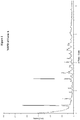
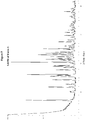
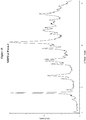
- Form A of 4-[7-(6-cyano-5-trifluoromethylpyridin-3-yl)-8-oxo-6-thioxo-5,7-diazaspiro[3.4]oct-5-yl]-2-fluoro-N-methylbenzamide is characterized as having: (a) an X-Ray powder diffraction (XRPD) pattern substantially the same as shown in Figure 1 ; (b) an X-ray powder diffraction (XRPD) pattern with characteristic peaks at 4.8 ⁇ 0.1° 2-Theta, 7.1 ⁇ 0.1° 2-Theta, 14.2 ⁇ 0.1° 2-Theta, 16.3 ⁇ 0.1° 2-Theta, 20.1 ⁇ 0.1° 2-Theta; (c) unit cell parameters substantially equal to the following at -173°C: Crystal system Orthorhombic Space group P2(1)2(1)2 a 16.3429(3) ⁇ ⁇ 90° b 37.7298(7) ⁇ ⁇ 90° c 7.23410(10) ⁇ ⁇ 90° V 4460.65(13)
- Form A is characterized as defined in the claims and as having at least two, at least three, at least four, at least five, at least six or all seven of the properties selected from (a) to (g). In some embodiments, Form A is characterized as defined in the claims and as having properties (a), (b), (c), (d), (e), (f) and (g). In some embodiments, Form A is characterized as defined in the claims and as having property (a), (b), (c), (d), (g) or combinations thereof. In some embodiments, Form A is characterized as defined in the claims and as having at least two, at least three, at least four or all five of the properties selected from (a), (b), (c), (d), and (g). In some embodiments, Form A is characterized as having properties (a), (b), (c), (d), and (g).
- Form A is characterized as defined in the claims and as having an X-Ray powder diffraction (XRPD) pattern substantially the same as shown in Figure 1 .
- Form A is characterized as having an X-ray powder diffraction (XRPD) pattern with characteristic peaks at 4.8 ⁇ 0.1° 2-Theta, 7.1 ⁇ 0.1° 2-Theta, 14.2 ⁇ 0.1° 2-Theta, 16.3 ⁇ 0.1° 2-Theta, 20.1 ⁇ 0.1° 2-Theta.
- Form A is characterized as defined in the claims and as having substantially the same X-ray powder diffraction (XRPD) pattern post storage at 40°C and 75% RH for at least a week.
- Form A is characterized as having unit cell parameters substantially equal to the following at -173°C: Crystal system Orthorhombic Space group P2(1)2(1)2 a 16.3429(3) ⁇ ⁇ 90° b 37.7298(7) ⁇ ⁇ 90° c 7.23410(10) ⁇ ⁇ 90° V 4460.65(13) ⁇ 3 Z 8 Dc 1.446g.cm -1
- Form A is characterized as defined in the claims and as having a DSC thermogram with an endotherm having an onset temperature at about 108-120°C and a peak at about 133-135°C;
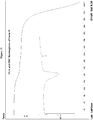
- Form A is characterized as defined in the claims and as having a DSC thermogram substantially similar to the one set forth in Figure 19 .
- Form A is characterized as defined in the claims and as having an observed aqueous solubility of about 0.01 mg/mL.
- Form A is obtained from ethanol, tetrahydrofuran (THF), dichloromethane, acetone, methanol, nitromethane, water, THF-water mixture, or dioxane-water mixture. In some embodiments, Form A is obtained from ethanol. In some embodiments, Form A is solvated. In some embodiments, Form A is an ethanol solvate. In some embodiments, Form A is unsolvated. In some embodiments, Form A is a hydrate. In some embodiments, Form A is a solvated hydrate.
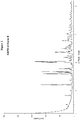
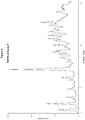
- Form B of 4-[7-(6-cyano-5-trifluoromethylpyridin-3-yl)-8-oxo-6-thioxo-5,7-diazaspiro[3.4]oct-5-yl]-2-fluoro-N-methylbenzamide is characterized as having: (a) an X-Ray powder diffraction (XRPD) pattern substantially the same as shown in Figure 2 ; (b) an X-ray powder diffraction (XRPD) pattern with characteristic peaks at 12.1 ⁇ 0.1° 2-Theta, 16.0 ⁇ 0.1° 2-Theta, 16.7 ⁇ 0.1° 2-Theta, 20.1 ⁇ 0.1° 2-Theta, 20.3 ⁇ 0.1° 2-Theta; (c) unit cell parameters substantially equal to the following at -173°C: Crystal system Monoclinic Space group P2 1 / c a 17.7796(4) ⁇ ⁇ 90° b 12.9832(3) ⁇ ⁇ 100.897(2)° c 18.4740(4) ⁇ ⁇ 90° V 4187.57(16
- Form B is characterized as having at least two, at least three, at least four, at least five, at least six, at least seven, at least eight or all nine of the properties selected from (a) to (i).
- Form B is characterized as having an X-Ray powder diffraction (XRPD) pattern substantially the same as shown in Figure 2 .
- Form B is characterized as having an X-ray powder diffraction (XRPD) pattern with characteristic peaks at 12.1 ⁇ 0.1° 2-Theta, 16.0 ⁇ 0.1° 2-Theta, 16.7 ⁇ 0.1° 2-Theta, 20.1 ⁇ 0.1° 2-Theta, 20.3 ⁇ 0.1° 2-Theta.
- Form B is characterized as having substantially the same X-ray powder diffraction (XRPD) pattern post storage at 40°C and 75% RH for at least a week.
- Form B is characterized as having substantially the same X-ray powder diffraction (XRPD) pattern post storage at 25°C and 92% RH for 12 days.
- Form B is characterized as having unit cell parameters substantially equal to the following at -173°C: Crystal system Monoclinic Space group P2 1 / c a 17.7796(4) ⁇ ⁇ 90° b 12.9832(3) ⁇ ⁇ 100.897(2)° c 18.4740(4) ⁇ ⁇ 90° V 4187.57(16) ⁇ 3 Z 8 Dc 1.515g.cm -1
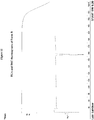
- Form B is characterized as having a DSC thermogram substantially similar to the one set forth in Figure 11 .
- Form B is characterized as having a thermo-gravimetric analysis (TGA) thermogram substantially similar to the one set forth in Figure 11 .
- TGA thermo-gravimetric analysis
- Form B is characterized as having a DSC thermogram with an endotherm having an onset temperature at about 194°C.
- Form B is characterized as having an observed aqueous solubility of about 0.004 mg/mL.
- Form B is obtained from water, ethyl acetate, tert-butyl methyl ether (TBME), toluene, isopropylacetate, or methyl ethyl ketone (MEK).
- TBME tert-butyl methyl ether
- MEK methyl ethyl ketone
- Form C of 4-[7-(6-cyano-5-trifluoromethylpyridin-3-yl)-8-oxo-6-thioxo-5,7-diazaspiro[3.4]oct-5-yl]-2-fluoro-N-methylbenzamide is characterized as having:
- Form C is characterized as having at least two, at least three, at least four, at least five, or all six of the properties selected from (a) to (f).
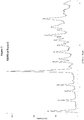
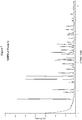
- Form C is characterized as having an X-Ray powder diffraction (XRPD) pattern substantially the same as shown in Figure 3 .
- Form C is characterized as having an X-ray powder diffraction (XRPD) pattern with characteristic peaks at 4.3 ⁇ 0.1° 2-Theta, 6.9 ⁇ 0.1° 2-Theta, 9.1 ⁇ 0.1° 2-Theta, 10.6 ⁇ 0.1° 2-Theta, 13.8 ⁇ 0.1° 2-Theta, 26.4 ⁇ 0.1° 2-Theta.
- Form C is characterized as having substantially the same X-ray powder diffraction (XRPD) pattern post storage at 40°C and 75% RH for at least a week.
- Form C is characterized as having a DSC thermogram substantially similar to the one set forth in Figure 12 .
- Form C is characterized as having a thermo-gravimetric analysis (TGA) thermogram substantially similar to the one set forth in Figure 12 .
- TGA thermo-gravimetric analysis
- Form C is characterized as having a DSC thermogram with a first endotherm having an onset temperature at about 118°C and second endotherm having an onset temperature at about 193°C.
- Form C is obtained from isopropanol (IPA), anisole, or IPA-water mixture. As described herein, Form C is solvated. As described herein, Form C is an isopropanol solvate.
- Form D 4-[7-(6-cyano-5-trifluoromethylpyridin-3-yl)-8-oxo-6-thioxo-5,7-diazaspiro[3.4]oct-5-yl]-2-fluoro-N-methylbenzamide.
- Form D of 4-[7-(6-cyano-5-trifluoromethylpyridin-3-yl)-8-oxo-6-thioxo-5,7-diazaspiro[3.4]oct-5-yl]-2-fluoro-N-methylbenzamide is characterized as having:
- Form D is characterized as having at least two, at least three, at least four, at least five, or all six of the properties selected from (a) to (f).
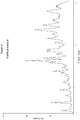
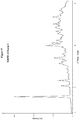
- Form D is characterized as having an X-Ray powder diffraction (XRPD) pattern substantially the same as shown in Figure 4 .
- Form D is characterized as having an X-ray powder diffraction (XRPD) pattern with characteristic peaks at 6.3 ⁇ 0.1° 2-Theta, 13.9 ⁇ 0.1° 2-Theta, 16.4 ⁇ 0.1° 2-Theta, 17.0 ⁇ 0.1° 2-Theta, 23.7 ⁇ 0.1° 2-Theta, 24.8 ⁇ 0.1° 2-Theta.
- Form D is characterized as having substantially the same X-ray powder diffraction (XRPD) pattern post storage at 40°C and 75% RH for at least a week.
- Form D is characterized as having a DSC thermogram substantially similar to the one set forth in Figure 13 .
- Form D is characterized as having a thermo-gravimetric analysis (TGA) thermogram substantially similar to the one set forth in Figure 13 .
- TGA thermo-gravimetric analysis
- Form D is characterized as having a DSC thermogram with an endotherm having an onset temperature at about 122°C.
- Form D is characterized as having a DSC thermogram with a first endotherm having an onset temperature at about 122°C and second endotherm having an onset temperature at about 192°C.
- Form D is obtained from tert-butyl methyl ether (TBME). As described herein, Form D is solvated. As described herein, Form D is a tert-butyl methyl ether (TBME) solvate.
- Form E of 4-[7-(6-cyano-5-trifluoromethylpyridin-3-yl)-8-oxo-6-thioxo-5,7-diazaspiro[3.4]oct-5-yl]-2-fluoro-N-methylbenzamide is characterized as having: (a) an X-Ray powder diffraction (XRPD) pattern substantially the same as shown in Figure 5 ; (b) an X-ray powder diffraction (XRPD) pattern with characteristic peaks at 7.2 ⁇ 0.1° 2-Theta, 11.8 ⁇ 0.1° 2-Theta, 16.1 ⁇ 0.1° 2-Theta, 20.5 ⁇ 0.1° 2-Theta, 23.0 ⁇ 0.1° 2-Theta, 25.2 ⁇ 0.1° 2-Theta; (c) unit cell parameters substantially equal to the following at -173°C: Crystal system Orthorhombic Space group P na 2 1 a 8.43080(10) ⁇ ⁇ 90° b 17.1685(3) ⁇ ⁇ 90° c 17.4276(3) ⁇ ⁇
- Form E is characterized as having at least two, at least three, at least four, at least five, or all six of the properties selected from (a) to (f).
- Form E is characterized as having an X-Ray powder diffraction (XRPD) pattern substantially the same as shown in Figure 5 .
- Form E is characterized as having an X-ray powder diffraction (XRPD) pattern with characteristic peaks at 7.2 ⁇ 0.1° 2-Theta, 11.8 ⁇ 0.1° 2-Theta, 16.1 ⁇ 0.1° 2-Theta, 20.5 ⁇ 0.1° 2-Theta, 23.0 ⁇ 0.1° 2-Theta, 25.2 ⁇ 0.1° 2-Theta.
- Form E is characterized as having unit cell parameters substantially equal to the following at -173°C: Crystal system Orthorhombic Space group P na 2 1 a 8.43080(10) ⁇ ⁇ 90° b 17.1685(3) ⁇ ⁇ 90° c 17.4276(3)A ⁇ 90° V 2522.54(7) ⁇ 3 Z 4 Dc 1.463g.cm -1
- Form E is characterized as having a DSC thermogram substantially similar to the one set forth in Figure 14 .
- Form E is characterized as having a thermo-gravimetric analysis (TGA) thermogram substantially similar to the one set forth in Figure 14 .
- TGA thermo-gravimetric analysis
- Form E is characterized as having a DSC thermogram with an endotherm having an onset temperature at about 116°C.
- Form E is obtained from dimethylsulfoxide. As described herein, Form E is solvated. As described herein, Form E is a dimethylsulfoxide solvate.
- Form F of 4-[7-(6-cyano-5-trifluoromethylpyridin-3-yl)-8-oxo-6-thioxo-5,7-diazaspiro[3.4]oct-5-yl]-2-fluoro-N-methylbenzamide is characterized as having:
- Form F is characterized as having at least two, at least three, at least four, or all five of the properties selected from (a) to (e).
- Form F is characterized as having an X-Ray powder diffraction (XRPD) pattern substantially the same as shown in Figure 6 .
- Form F is characterized as having an X-ray powder diffraction (XRPD) pattern with characteristic peaks at 4.6 ⁇ 0.1° 2-Theta, 6.1 ⁇ 0.1° 2-Theta, 14.3 ⁇ 0.1° 2-Theta, 21.6 ⁇ 0.1° 2-Theta, 22.4 ⁇ 0.1° 2-Theta, 23.3 ⁇ 0.1° 2-Theta, 25.5 ⁇ 0.1° 2-Theta.
- Form F is characterized as having a DSC thermogram substantially similar to the one set forth in Figure 15 .
- Form F is characterized as having a thermo-gravimetric analysis (TGA) thermogram substantially similar to the one set forth in Figure 15 .
- TGA thermo-gravimetric analysis
- Form F is characterized as having a DSC thermogram with an endotherm having an onset temperature at about 113°C.
- Form F is obtained from an acetone/water mixture.
- Form G of 4-[7-(6-cyano-5-trifluoromethylpyridin-3-yl)-8-oxo-6-thioxo-5,7-diazaspiro[3.4]oct-5-yl]-2-fluoro-N-methylbenzamide is characterized as having: (a) an X-Ray powder diffraction (XRPD) pattern substantially the same as shown in Figure 7 ; (b) an X-ray powder diffraction (XRPD) pattern with characteristic peaks at 7.0 ⁇ 0.1° 2-Theta, 10.3 ⁇ 0.1° 2-Theta, 14.1 ⁇ 0.1° 2-Theta, 15.2 ⁇ 0.1° 2-Theta, 23.6 ⁇ 0.1° 2-Theta; (c) unit cell parameters substantially equal to the following at -173°C: Crystal system Monoclinic Space group Cc a 18.613(2) ⁇ ⁇ 90° b 16.9728(14) ⁇ ⁇ 91.328(8)° c 7.8214(7) ⁇ , ⁇ 90° V 2470.2(4) ⁇ 3 Z
- Form G is characterized as having at least two, at least three, at least four, at least five, or all six of the properties selected from (a) to (f).
- Form G is characterized as having an X-Ray powder diffraction (XRPD) pattern substantially the same as shown in Figure 7 .
- Form G is characterized as having an X-ray powder diffraction (XRPD) pattern with characteristic peaks at 7.0 ⁇ 0.1° 2-Theta, 10.3 ⁇ 0.1° 2-Theta, 14.1 ⁇ 0.1° 2-Theta, 15.2 ⁇ 0.1° 2-Theta, 23.6 ⁇ 0.1° 2-Theta.
- Form G is characterized as having unit cell parameters substantially equal to the following at -173°C: Crystal system Monoclinic Space group Cc a 18.613(2) ⁇ ⁇ 90° b 16.9728(14) ⁇ ⁇ 91.328(8)° c 7.8214(7) ⁇ , ⁇ 90° V 2470.2(4) ⁇ 3 Z 4 Dc 1.488g.cm -1
- Form G is characterized as having a DSC thermogram substantially similar to the one set forth in Figure 16 . As described herein, Form G is characterized as having a DSC thermogram with an endotherm having an onset temperature at about 101°C. As described herein, Form G is characterized as having a DSC thermogram with a first endotherm having an onset temperature at about 101°C and second endotherm having an onset temperature at about 190°C.
- Form G is characterized as having substantially the same X-ray powder diffraction (XRPD) pattern post storage at 40°C and 75% RH for at least a week.
- XRPD X-ray powder diffraction
- Form G is obtained from 2-methoxyethanol. As described herein, Form G is solvated. As described herein, Form G is a 2-methoxyethanol solvate.
- Form H is unsolvated.
- Form H of 4-[7-(6-cyano-5-trifluoromethylpyridin-3-yl)-8-oxo-6-thioxo-5,7-diazaspiro[3.4]oct-5-yl]-2-fluoro-N-methylbenzamide is characterized as having:
- Form H is characterized as having at least two, at least three, at least four, at least five, or all six of the properties selected from (a) to (f).
- Form H is characterized as having an X-Ray powder diffraction (XRPD) pattern substantially the same as shown in Figure 8 .
- Form H is characterized as having an X-ray powder diffraction (XRPD) pattern with characteristic peaks at 8.0 ⁇ 0.1° 2-Theta, 14.7 ⁇ 0.1° 2-Theta, 15.9 ⁇ 0.1° 2-Theta, 18.2 ⁇ 0.1° 2-Theta, 25.7 ⁇ 0.1° 2-Theta, 26.7 ⁇ 0.1° 2-Theta.
- Form H is characterized as having substantially the same X-ray powder diffraction (XRPD) pattern post storage at 40°C and 75% RH for at least a week.
- Form H is characterized as having a DSC thermogram substantially similar to the one set forth in Figure 17 .
- Form H is characterized as having a thermo-gravimetric analysis (TGA) thermogram substantially similar to the one set forth in Figure 17 .
- TGA thermo-gravimetric analysis
- Form H is characterized as having a DSC thermogram with a first endotherm having an onset temperature at about 173°C and second endotherm having an onset temperature at about 193°C.
- Form H is obtained from ethyl acetate.
- Form I of 4-[7-(6-cyano-5-trifluoromethylpyridin-3-yl)-8-oxo-6-thioxo-5,7-diazaspiro[3.4]oct-5-yl]-2-fluoro-N-methylbenzamide is Form I.
- Form I of 4-[7-(6-cyano-5-trifluoromethylpyridin-3-yl)-8-oxo-6-thioxo-5,7-diazaspiro[3.4]oct-5-yl]-2-fluoro-N-methylbenzamide is characterized as having:
- Form I is characterized as having at least property (a) and property (b).
- Form I is characterized as having an X-Ray powder diffraction (XRPD) pattern substantially the same as shown in Figure 9 .
- Form I is characterized as having an X-ray powder diffraction (XRPD) pattern with characteristic peaks 7.7 ⁇ 0.1° 2-Theta, 10.4 ⁇ 0.1° 2-Theta, 11.6 ⁇ 0.1° 2-Theta, 17.0 ⁇ 0.1° 2-Theta, 20.0 ⁇ 0.1° 2-Theta, 20.6 ⁇ 0.1° 2-Theta.
- Form I is obtained from dimethylsulfoxide.
- Form J of 4-[7-(6-cyano-5-trifluoromethylpyridin-3-yl)-8-oxo-6-thioxo-5,7-diazaspiro[3.4]oct-5-yl]-2-fluoro-N-methylbenzamide is characterized as having:
- Form J is characterized as having at least two, at least three, at least four, or all least five of the properties selected from (a) to (e).
- Form J is characterized as having an X-Ray powder diffraction (XRPD) pattern substantially the same as shown in Figure 10 .
- Form J is characterized as having an X-ray powder diffraction (XRPD) pattern with characteristic peaks at 8.6 ⁇ 0.1° 2-Theta, 19.3 ⁇ 0.1° 2-Theta, 20.8 ⁇ 0.1° 2-Theta, 24.3 ⁇ 0.1° 2-Theta, 27.6 ⁇ 0.1° 2-Theta.
- Form J is characterized as having a DSC thermogram substantially similar to the one set forth in Figure 18 .
- Form J is characterized as having a thermo-gravimetric analysis (TGA) thermogram substantially similar to the one set forth in Figure 18 .
- TGA thermo-gravimetric analysis
- Form J is characterized as having a DSC thermogram with an endotherm having an onset temperature at about 104°C.
- Form J is characterized as having a DSC thermogram with a first endotherm having an onset temperature at about 104°C and second endotherm having an onset temperature at about 193°C.
- Form J is obtained from a mixture of acetone and water. As described herein, Form J is solvated. As described herein, Form J is an acetone solvate.
- crystalline forms of 4-[7-(6-cyano-5-trifluoromethylpyridin-3-yl)-8-oxo-6-thioxo-5,7-diazaspiro[3.4]oct-5-yl]-2-fluoro-N-methylbenzamide are prepared as outlined in the Examples. It is noted that solvents, temperatures and other reaction conditions presented herein may vary.
- ICH International Conference on Harmonization of Technical Requirements for Registration of Pharmaceuticals for Human Use
- Solvents are categorized into three classes. Class 1 solvents are toxic and are to be avoided. Class 2 solvents are solvents to be limited in use during the manufacture of the therapeutic agent. Class 3 solvents are solvents with low toxic potential and of lower risk to human health. Data for Class 3 solvents indicate that they are less toxic in acute or short-term studies and negative in genotoxicity studies.
- Class 1 solvents which are to be avoided, include: benzene; carbon tetrachloride; 1,2-dichloroethane; 1,1-dichloroethene; and 1,1,1-trichloroethane.
- Class 2 solvents are: acetonitrile, chlorobenzene, chloroform, cyclohexane, 1,2-dichloroethene, dichloromethane, 1,2-dimethoxyethane, N,N-dimethylacetamide, N,N-dimethylformamide, 1,4-dioxane, 2-ethoxyethanol, ethyleneglycol, formamide, hexane, methanol, 2-methoxyethanol, methylbutyl ketone, methylcyclohexane, N-methylpyrrolidine, nitromethane, pyridine, sulfolane, tetralin, toluene, 1,1,2-trichloroethene and xylene.
- Class 3 solvents which possess low toxicity, include: acetic acid, acetone, anisole, 1-butanol, 2-butanol, butyl acetate, tert -butylmethyl ether (MTBE), cumene, dimethyl sulfoxide, ethanol, ethyl acetate, ethyl ether, ethyl formate, formic acid, heptane, isobutyl acetate, isopropyl acetate, methyl acetate, 3-methyl-1-butanol, methylethyl ketone, methylisobutyl ketone, 2-methyl-1-propanol, pentane, 1-pentanol, 1-propanol, 2-propanol, propyl acetate, and tetrahydrofuran.
- acetic acid acetone, anisole, 1-butanol, 2-butanol, butyl acetate, tert -butylmethyl
- compositions comprising 4-[7-(6-cyano-5-trifluoromethylpyridin-3-yl)-8-oxo-6-thioxo-5,7-diazaspiro[3.4]oct-5-yl]-2-fluoro-N-methylbenzamide include a residual amount of an organic solvent(s).
- compositions comprising 4-[7-(6-cyano-5-trifluoromethylpyridin-3-yl)-8-oxo-6-thioxo-5,7-diazaspiro[3.4]oct-5-yl]-2-fluoro-N-methylbenzamide include a detectable amount of an organic solvent(s).
- compositions comprising 4-[7-(6-cyano-5-trifluoromethylpyridin-3-yl)-8-oxo-6-thioxo-5,7-diazaspiro[3.4]oct-5-yl]-2-fluoro-N-methylbenzamide include a residual amount of a Class 3 solvent.
- the organic solvent is a Class 3 solvent.
- the Class 3 solvent is selected from the group consisting of acetic acid, acetone, anisole, 1-butanol, 2-butanol, butyl acetate, tert -butylmethyl ether, cumene, dimethyl sulfoxide, ethanol, ethyl acetate, ethyl ether, ethyl formate, formic acid, heptane, isobutyl acetate, isopropyl acetate, methyl acetate, 3-methyl-1-butanol, methylethyl ketone, methylisobutyl ketone, 2-methyl-1-propanol, pentane, 1-pentanol, 1-propanol, 2-propanol, propyl acetate, and tetrahydrofuran.
- the Class 3 solvent is ethanol.
- compositions described herein include the use of crystalline forms of 4-[7-(6-cyano-5-trifluoromethylpyridin-3-yl)-8-oxo-6-thioxo-5,7-diazaspiro[3.4]oct-5-yl]-2-fluoro-N-methylbenzamide as defined in the claims.
- the crystalline forms of 4-[7-(6-cyano-5-trifluoromethylpyridin-3-yl)-8-oxo-6-thioxo-5,7-diazaspiro[3.4]oct-5-yl]-2-fluoro-N-methylbenzamide described herein can exist in unsolvated as well as solvated forms with pharmaceutically acceptable solvents such as water, ethanol, and the like.
- pharmaceutically acceptable excipient refers to a material, such as a carrier, diluent, stabilizer, dispersing agent, suspending agent, thickening agent, etc. which allows processing the active pharmaceutical ingredient (API) into a form suitable for administration to a mammal.
- the mammal is a human.
- Pharmaceutically acceptable excipients refer to materials which do not substantially abrogate the desired biological activity or desired properties of the compound (i.e. API), and is relatively nontoxic, i.e., the material is administered to an individual without causing undesirable biological effects or interacting in a deleterious manner with any of the components of the composition in which it is contained.
- API Active pharmaceutical ingredient or API refers to a compound that possesses a desired biological activity or desired properties.
- An API is crystalline 4-[7-(6-cyano-5-trifluoromethylpyridin-3-yl)-8-oxo-6-thioxo-5,7-diazaspiro[3.4]oct-5-yl]-2-fluoro-N-methylbenzamide as defined in the claims.
- the API has a purity of greater than 90%, greater than 95%, greater than 96%, greater than 97%, greater than 98%, greater than 98%, or greater than 99%.
- pharmaceutical composition refers to a mixture of 4-[7-(6-cyano-5-trifluoromethylpyridin-3-yl)-8-oxo-6-thioxo-5,7-diazaspiro[3.4]oct-5-yl]-2-fluoro-N-methylbenzamide as defined in the claims, with other chemical components, such as carriers, stabilizers, diluents, dispersing agents, suspending agents, thickening agents, excipients, etc.
- the pharmaceutical composition facilitates administration of the compound to a mammal.
- Administration of a combination of agents includes administration of the agents described in a single composition or in a combination therapy wherein one or more agent is administered separately from at least one other agent.
- Detectable amount refers to an amount that is measurable using standard analytic methods (e.g. ion chromatography, mass spectrometry, NMR, HPLC, gas chromatography, elemental analysis, IR spectroscopy, inductively coupled plasma atomic emission spectrometry, USP ⁇ 231>Method II, etc) (ICH guidances, Q2A Text on Validation of Analytical Procedures (March 1995 ) and Q2B Validation of Analytical Procedures: Methodology (November 1996 )).
- standard analytic methods e.g. ion chromatography, mass spectrometry, NMR, HPLC, gas chromatography, elemental analysis, IR spectroscopy, inductively coupled plasma atomic emission spectrometry, USP ⁇ 231>Method II, etc
- an "effective amount” or “therapeutically effective amount,” as used herein, refer to a sufficient amount of an agent being administered which will relieve to some extent one or more of the symptoms of the disease or condition being treated. The result can be reduction and/or alleviation of the signs, symptoms, or causes of a disease, or any other desired alteration of a biological system.
- an "effective amount” for therapeutic uses is the amount of the composition comprising a compound as disclosed herein required to provide a clinically significant decrease in disease symptoms.
- therapeutically effective amount includes, for example, a prophylactically effective amount. The effective amount will be selected based on the particular patient and the disease level.
- an effect amount or "a therapeutically effective amount” varies from subject to subject, due to variation in metabolism of drug, age, weight, general condition of the subject, the condition being treated, the severity of the condition being treated, and the judgment of the prescribing physician.
- an appropriate "effective" amount in any individual case is determined using techniques, such as a dose escalation study
- an “enhance” or “enhancing,” as used herein, means to increase or prolong either in potency or duration a desired effect.
- the term “enhancing” refers to the ability to increase or prolong, either in potency or duration, the effect of other therapeutic agents on a system.
- An “enhancing-effective amount,” as used herein, refers to an amount adequate to enhance the effect of another therapeutic agent in a desired system.
- module means to interact with a target either directly or indirectly so as to alter the activity of the target, including, by way of example only, to enhance the activity of the target, to inhibit the activity of the target, to limit the activity of the target, or to extend the activity of the target.
- modulator refers to a molecule that interacts with a target either directly or indirectly.
- the interactions include, but are not limited to, the interactions of an agonist, partial agonist, an inverse agonist, antagonist, degrader, AR trafficking modulator, AR DNA-binding inhibitor.
- a modulator is an antagonist, an inverse agonist, antagonist, degrader, AR trafficking modulator and/or a DNA binding inhibitor.
- antagonist refers to a small -molecule agent that binds to a nuclear hormone receptor and subsequently decreases the agonist induced transcriptional activity of the nuclear hormone receptor.
- agonist refers to a small-molecule agent that binds to a nuclear hormone receptor and subsequently increases nuclear hormone receptor transcriptional activity in the absence of a known agonist.
- inverse agonist refers to a small-molecule agent that binds to a nuclear hormone receptor and subsequently decreases the basal level of nuclear hormone receptor transcriptional activity that is present in the absence of a known agonist.
- degradation refers to a small molecule agent that binds to a nuclear hormone receptor and subsequently lowers the steady state protein levels of said receptor.
- AR trafficking modulator refers to a small-molecule agent that binds to a nuclear hormone receptor and subsequently alters the normal subcellular location of the receptor thereby interfering with its function and signaling.
- DNA-binding inhibitor refers to a small-molecule agent that binds to a nuclear hormone receptor and subsequently prevents DNA binding of the receptor thereby interfering with its function and signaling.
- Selective with respect to androgen receptors means that the compound preferentially binds to androgen receptors versus other nuclear receptors. In some embodiments, a selective androgen receptor modulator preferentially binds to androgen receptors and displays little, if any, affinity to other nuclear receptors.
- cancer refers to an abnormal growth of cells which tend to proliferate in an uncontrolled way and, in some cases, to metastasize (spread).
- the term "subject" or "patient” encompasses mammals.
- the mammal is a human.
- the mammal is a non-human primate such as chimpanzee, and other apes and monkey species.
- the mammal is a farm animal such as cattle, horse, sheep, goat, or swine.
- the mammal is a domestic animal such as rabbit, dog, or cat.
- the mammal is a laboratory animal, including rodents, such as rats, mice and guinea pigs, and the like.
- treat include alleviating, abating or ameliorating at least one symptom of a disease or condition, preventing additional symptoms, inhibiting the disease or condition, e.g., arresting the development of the disease or condition, relieving the disease or condition, causing regression of the disease or condition, relieving a condition caused by the disease or condition, or stopping the symptoms of the disease or condition either prophylactically and/or therapeutically.
- compositions are formulated in a conventional manner using one or more physiologically acceptable carriers comprising excipients and auxiliaries which facilitate processing of the active compounds into preparations which are used pharmaceutically.
- suitable techniques, carriers, and excipients include those found within, for example, Remington: The Science and Practice of Pharmacy, Nineteenth Ed (Easton, Pa.: Mack Publishing Company, 1995 ); Hoover, John E., Remington's Pharmaceutical Sciences, Mack Publishing Co., Easton, Pennsylvania 1975 ; Liberman, H.A. and Lachman, L., Eds., Pharmaceutical Dosage Forms, Marcel Decker, New York, N.Y., 1980 ; and Pharmaceutical Dosage Forms and Drug Delivery Systems, Seventh Ed. (Lippincott Williams & Wilkins1999 ).
- crystalline 4-[7-(6-cyano-5-trifluoromethylpyridin-3-yl)-8-oxo-6-thioxo-5,7-diazaspiro[3.4]oct-5-yl]-2-fluoro-N-methylbenzamide as defined in the claims is formulated for oral administration to a mammal.
- crystalline 4-[7-(6-cyano-5-trifluoromethylpyridin-3-yl)-8-oxo-6-thioxo-5,7-diazaspiro[3.4]oct-5-yl]-2-fluoro-N-methylbenzamide as defined in the claims is formulated into an oral dosage form.
- crystalline 4-[7-(6-cyano-5-trifluoromethylpyridin-3-yl)-8-oxo-6-thioxo-5,7-diazaspiro[3.4]oct-5-yl]-2-fluoro-N-methylbenzamide as defined in the claims is formulated into a solid oral dosage form.
- crystalline 4-[7-(6-cyano-5-trifluoromethylpyridin-3-yl)-8-oxo-6-thioxo-5,7-diazaspiro[3.4]oct-5-yl]-2-fluoro-N-methylbenzamide as defined in the claims is formulated into a tablet, powder, pill, capsule, and the like, for oral ingestion by a mammal.
- Contemplated pharmaceutical compositions provide a therapeutically effective amount of 4-[7-(6-cyano-5-trifluoromethylpyridin-3-yl)-8-oxo-6-thioxo-5,7-diazaspiro[3.4]oct-5-yl]-2-fluoro-N-methylbenzamide enabling, for example, once-a-day, twice-a-day, three times a day, etc. administration.
- compositions provide an effective amount of 4-[7-(6-cyano-5-trifluoromethylpyridin-3-yl)-8-oxo-6-thioxo-5,7-diazaspiro[3.4]oct-5-yl]-2-fluoro-N-methylbenzamide enabling once-a-day dosing.
- the amount of 4-[7-(6-cyano-5-trifluoromethylpyridin-3-yl)-8-oxo-6-thioxo-5,7-diazaspiro[3.4]oct-5-yl]-2-fluoro-N-methylbenzamide in the pharmaceutical compositions is about 0.3 mg to about 1.5 g per dose, 0.3 mg to about 1 g per dose, about 1 mg to about 1 g per dose.
- the amount of 4-[7-(6-cyano-5-trifluoromethylpyridin-3-yl)-8-oxo-6-thioxo-5,7-diazaspiro[3.4]oct-5-yl]-2-fluoro-N-methylbenzamide in the pharmaceutical compositions is about 1mg per dose, about 5 mg per dose, about 10 mg per dose, about 15 mg per dose, about 30 mg per dose, about 45 mg per dose, about 60 mg per dose, about 100 mg per dose, about 150 mg per dose, about 200 mg per dose, about 300 mg per dose, about 400 mg per dose, about 500 mg per dose, about 600 mg per dose, or about 1000 mg per dose.
- the amount of 4-[7-(6-cyano-5-trifluoromethylpyridin-3-yl)-8-oxo-6-thioxo-5,7-diazaspiro[3.4]oct-5-yl]-2-fluoro-N-methylbenzamide in the pharmaceutical compositions is about 30 mg per dose. In some other embodiments, the amount of 4-[7-(6-cyano-5-trifluoromethylpyridin-3-yl)-8-oxo-6-thioxo-5,7-diazaspiro[3.4]oct-5-yl]-2-fluoro-N-methylbenzamide in the pharmaceutical compositions is about 60mg per dose.
- doses employed for adult human treatment are typically in the range of 0.01 mg-5000 mg per day. In one aspect, doses employed for adult human treatment are from about 1 mg to about 1000 mg per day. In some embodiments, doses employed for adult human treatment are about 240 mg per day. In one embodiment, the desired dose is conveniently presented in a single dose or in divided doses administered simultaneously (or over a short period of time) or at appropriate intervals, for example as two, three, four or more sub-doses per day.
- the daily dosages appropriate for 4-[7-(6-cyano-5-trifluoromethylpyridin-3-yl)-8-oxo-6-thioxo-5,7-diazaspiro[3.4]oct-5-yl]-2-fluoro-N-methylbenzamide is from about 0.01 to about 20 mg/kg per body weight. In other embodiments, the daily dosage or the amount of active in the dosage form are lower or higher than the ranges indicated herein.
- the pharmaceutical compositions including 4-[7-(6-cyano-5-trifluoromethylpyridin-3-yl)-8-oxo-6-thioxo-5,7-diazaspiro[3.4]oct-5-yl]-2-fluoro-N-methylbenzamide as defined in the claims are for use in prophylactic and/or therapeutic treatments.
- the compositions are administered to a patient already suffering from a disease or condition, in an amount sufficient to cure or at least partially arrest at least one of the symptoms of the disease or condition.
- amounts effective for this use depend on the severity and course of the disease or condition, previous therapy, the patient's health status, weight, and response to the drugs, and/or the judgment of the treating physician.
- compositions containing 4-[7-(6-cyano-5-trifluoromethylpyridin-3-yl)-8-oxo-6-thioxo-5,7-diazaspiro[3.4]oct-5-yl]-2-fluoro-N-methylbenzamide as defined in the claims are administered to a patient susceptible to or otherwise at risk of a particular disease, disorder or condition.
- a patient susceptible to or otherwise at risk of a particular disease, disorder or condition Such an amount is defined to be a "prophylactically effective amount or dose.”
- the precise amounts also depend on the patient's state of health, weight, and the like.
- effective amounts for this use will depend on the severity and course of the disease, disorder or condition, previous therapy, the patient's health status and response to the drugs, and the judgment of the treating physician.
- administration of the compound, compositions or therapies as described herein includes chronic administration.
- chronic administration includes administration for an extended period of time, including, e.g., throughout the duration of the patient's life in order to ameliorate or otherwise control or limit the symptoms of the patient's disease or condition.
- chronic administration includes daily administration.
- administration of the compound, compositions or therapies described herein is given continuously.
- the dose of drug being administered is temporarily reduced or temporarily suspended for a certain length of time (i.e ., a "drug holiday").
- the length of the drug holiday varies between 2 days and 1 year, including by way of example only, 2 days, 3 days, 4 days, 5 days, 6 days, 7 days, 10 days, 12 days, 15 days, 20 days, 28 days, 35 days, 50 days, 70 days, 100 days, 120 days, 150 days, 180 days, 200 days, 250 days, 280 days, 300 days, 320 days, 350 days, and 365 days.
- the dose reduction during a drug holiday is from 10%-100%, including by way of example only 10%, 15%, 20%, 25%, 30%, 35%, 40%, 45%, 50%, 55%, 60%, 65%, 70%, 75%, 80%, 85%, 90%, 95%, and 100%.
- a maintenance dose is administered if necessary. Subsequently, in specific embodiments, the dosage or the frequency of administration, or both, is reduced, as a function of the symptoms, to a level at which the improved disease, disorder or condition is retained. In certain embodiments, however, the patient requires intermittent treatment on a long-term basis upon any recurrence of symptoms.
- the amount of a given agent that corresponds to such an amount varies depending upon factors such as the particular compound, disease condition and its severity, the identity (e.g., weight, sex) of the subject or host in need of treatment, but can nevertheless be determined according to the particular circumstances surrounding the case, including, e.g., the specific agent being administered, the route of administration, the condition being treated, and the subject or host being treated.
- compositions described herein are also used in conjunction with other therapeutic reagents that are selected for their particular usefulness against the condition that is being treated.
- compositions described herein and, in embodiments where combinational therapy is employed other agents do not have to be administered in the same pharmaceutical composition, and are, because of different physical and chemical characteristics, administered by different routes.
- the initial administration is made according to established protocols, and then, based upon the observed effects, the dosage, modes of administration and times of administration, further modified.
- the compounds are administered concurrently (e.g., simultaneously, essentially simultaneously or within the same treatment protocol) or sequentially, depending upon the nature of the disease, the condition of the patient, and the actual choice of compounds used.
- the determination of the order of administration, and the number of repetitions of administration of each therapeutic agent during a treatment protocol is based upon evaluation of the disease being treated and the condition of the patient.
- dosages of the co-administered compounds vary depending on the type of co-drug employed, on the specific drug employed, on the disease or condition being treated and so forth.
- the individual compounds of such combinations are administered either sequentially or simultaneously in separate or combined pharmaceutical formulations.
- the individual compounds will be administered simultaneously in a combined pharmaceutical formulation.
- Appropriate doses of known therapeutic agents will be appreciated by those skilled in the art.
- compositions together with a pharmaceutically acceptable diluent(s) or carrier(s).
- kits/articles of manufacture are also described herein.
- Such kits include a carrier, package, or container that is optionally compartmentalized to receive one or more doses of a pharmaceutical composition of 4-[7-(6-cyano-5-trifluoromethylpyridin-3-yl)-8-oxo-6-thioxo-5,7-diazaspiro[3.4]oct-5-yl]-2-fluoro-N-methylbenzamide for use in a method described herein.
- the kits provided herein contain packaging materials.
- Packaging materials for use in packaging pharmaceutical products include, but are not limited to those described in e.g., U.S. Patent No. 5,323,907 .
- Examples of pharmaceutical packaging materials include, but are not limited to, blister packs, bottles, tubes, bags, containers, bottles, and any packaging material suitable for a selected formulation and intended mode of administration and treatment.
- a wide array of formulations of the compounds and compositions provided herein are contemplated as are a variety of treatments for any disease, disorder, or condition that would benefit by treatment with an AR antagonist.
- the container(s) include 4-[7-(6-cyano-5-trifluoromethylpyridin-3-yl)-8-oxo-6-thioxo-5,7-diazaspiro[3.4]oct-5-yl]-2-fluoro-N-methylbenzamide as defined in the claims, optionally in a composition or in combination with another agent as disclosed herein.
- kits optionally include an identifying description or label or instructions relating to its use in the methods described herein.
- a kit typically includes labels listing contents and/or instructions for use, and package inserts with instructions for use. A set of instructions will also typically be included.
- a label is on or associated with the container.
- a label is on a container when letters, numbers or other characters forming the label are attached, molded or etched into the container itself; a label is associated with a container when it is present within a receptacle or carrier that also holds the container, e.g., as a package insert.
- a label is used to indicate that the contents are to be used for a specific therapeutic application. The label also indicates directions for use of the contents, such as in the methods described herein.
- the pharmaceutical compositions are presented in a pack or dispenser device which contains one or more unit dosage forms containing a compound provided herein.
- the pack for example, contains metal or plastic foil, such as a blister pack.
- the pack or dispenser device is accompanied by instructions for administration.
- the pack or dispenser is also accompanied with a notice associated with the container in form prescribed by a governmental agency regulating the manufacture, use, or sale of pharmaceuticals, which notice is reflective of approval by the agency of the form of the drug for human or veterinary administration. Such notice, for example, is the labeling approved by the U.S. Food and Drug Administration for prescription drugs, or the approved product insert.
- compositions containing a compound provided herein formulated in a compatible pharmaceutical carrier are also prepared, placed in an appropriate container, and labeled for treatment of an indicated condition.
- formulations that include a 4-[7-(6-cyano-5-trifluoromethylpyridin-3-yl)-8-oxo-6-thioxo-5,7-diazaspiro[3.4]oct-5-yl]-2-fluoro-N-methylbenzamide, or a pharmaceutically acceptable salt and/or solvate thereof, and pharmacokinetic profiles and pharmacodynamic effects thereof.
- 4-[7-(6-cyano-5-trifluoromethylpyridin-3-yl)-8-oxo-6-thioxo-5,7-diazaspiro[3.4]oct-5-yl]-2-fluoro-N-methylbenzamide is optionally prepared as outlined in US patent application 12/294,881 , US patent application 12/450,423 or as outlined herein.
- Example 1 Preparation of Crystalline Forms of 4-[7-(6-cyano-5-triftuoromethylpyridin-3-yl)-8-oxo-6-thioxo-5,7-diazaspiro[3.4]oct-5-yl]-2-fluoro-N-methylbenzamide
- THF-water mixture (1 volume), or dioxane-water mixture (1 volume) was added to approximately 65 mg of the amorphous 4-[7-(6-cyano-5-trifluoromethylpyridin-3-yl)-8-oxo-6-thioxo-5,7-diazaspiro[3.4]oct-5-yl]-2-fluoro-N-methylbenzamide.
- a minimum amount of solvent was added just to wet the material (visually this meant softening of the amorphous solid, referred to as collapse).
- toluene (2 volume), isopropylacetate (2 volume) or MEK (1 volume) was added to approximately 65 mg of the amorphous 4-[7-(6-cyano-5-trifluoromethylpyridin-3-yl)-8-oxo-6-thioxo-5,7-diazaspiro[3.4]oct-5-yl]-2-fluoro-N-methylbenzamide.
- a minimum amount of solvent was added just to wet the material (visually this meant softening of the amorphous solid, referred to as collapse).
- the samples were left in screw capped vials at ambient conditions for 3 days. Lids on the samples which showed no precipitation were loosened to allow for slow evaporation of the solvent. After a day, these samples were placed in a maturation chamber, the temperature of which was switched between room temperature and 50°C every 4 hours. Solid material was isolated.
- anisole (2 volume), IPA (1 volume) or IPA-water mixture (1 volume) were added to approximately 65 mg of the amorphous 4-[7-(6-cyano-5-trifluoromethylpyridin-3-yl)-8-oxo-6-thioxo-5,7-diazaspiro[3.4]oct-5-yl]-2-fluoro-N-methylbenzamide.
- a minimum amount of solvent was added just to wet the material (visually this meant softening of the amorphous solid, referred to as collapse).
- the samples were left in screw capped vials at ambient conditions for 3 days. Lids on the samples which showed no precipitation were loosened to allow for slow evaporation of the solvent. After a day, these samples were placed in a maturation chamber, the temperature of which was switched between room temperature and 50 °C every 4 hours. Solid material was isolated.
- MTBE (2 volumes) was added to approximately 65 mg of the amorphous 4-[7-(6-cyano-5-trifluoromethylpyridin-3-yl)-8-oxo-6-thioxo-5,7-diazaspiro[3.4]oct-5-yl]-2-fluoro-N-methylbenzamide.
- a minimum amount of solvent was added just to wet the material (visually this meant softening of the amorphous solid, referred to as collapse).
- the sample was left in screw capped vial at ambient conditions for 3 days. If the sample showed no precipitation, the lid was loosened to allow for slow evaporation of the solvent. After a day, this sample was placed in a maturation chamber, the temperature of which was switched between room temperature and 50°C every 4 hours. Solid material was isolated.
- 2-methoxyethanol (1 volume) was added to approximately 65 mg of the amorphous 4-[7-(6-cyano-5-trifluoromethylpyridin-3-yl)-8-oxo-6-thioxo-5,7-diazaspiro[3.4]oct-5-yl]-2-fluoro-N-methylbenzamide.
- a minimum amount of solvent was added just to wet the material (visually this meant softening of the amorphous solid, referred to as collapse).
- the sample was left in screw capped vial at ambient conditions for 3 days. If the sample showed no precipitation, the lid was loosened to allow for slow evaporation of the solvent. After a day, this sample was placed in a maturation chamber, the temperature of which was switched between room temperature and 50 °C every 4 hours. Solid material was isolated.
- X-Ray Powder Diffraction patterns were collected on a Bruker AXS C2 GADDS diffractometer using Cu Ka radiation (40 kV, 40 mA), automated XYZ stage, laser video microscope for auto-sample positioning and a HiStar 2-dimensional area detector.
- X-ray optics consists of a single Göbel multilayer mirror coupled with a pinhole collimator of 0.3 mm. The beam divergence, i.e. the effective size of the X-ray beam on the sample, was approximately 4 mm. A ⁇ - ⁇ continuous scan mode was employed with a sample - detector distance of 20 cm which gives an effective 2 ⁇ range of 3.2 ° - 29.7 °. Typically the sample would be exposed to the X-ray beam for 120 seconds.
- the software used for data collection was GADDS for WNT 4.1.16 and the data were analyzed and presented using Diffrac Plus EVA v 9.0.0.2 or v 13.0.0.2.
- Samples run under ambient conditions were prepared as flat plate specimens using powder as received without grinding. Approximately 1-2 mg of the sample was lightly pressed on a glass slide to obtain a flat surface.
- Samples run under non-ambient conditions were mounted on a silicon wafer with heat-conducting compound. The sample was then heated to the appropriate temperature at ca.10 °C.min -1 and subsequently held isothermally for ca 1 minute before data collection was initiated.
- X-Ray Powder Diffraction patterns were collected on a Bruker D8 diffractometer using Cu Ka radiation (40kV, 40mA), ⁇ -2 ⁇ goniometer, and divergence of V4 and receiving slits, a Ge monochromator and a Lynxeye detector.
- the instrument is performance checked using a certified Corundum standard (NIST 1976).
- the software used for data collection was Diffrac Plus XRD Commander v2.5.0 and the data were analyzed and presented using Diffrac Plus EVA v 11,0.0.2 or v 13.0.0.2. Samples were run under ambient conditions as flat plate specimens using powder. Approximately 20 mg of the sample was gently packed into a cavity cut into polished, zero-background (510) silicon wafer. The sample was rotated in its own plane during analysis. The details of the data collection are:
- Characteristic peaks include 4.8 ⁇ 0.1° 2-Theta, 7.1 ⁇ 0.1° 2-Theta, 14.2 ⁇ 0.1° 2-Theta, 16.3 ⁇ 0.1° 2-Theta, 20.1 ⁇ 0.1° 2-Theta.
- Characteristic peaks include 12.1 ⁇ 0.1° 2-Theta, 16.0 ⁇ 0.1° 2-Theta, 16.7 ⁇ 0.1° 2-Theta, 20.1 ⁇ 0.1° 2-Theta, 20.3 ⁇ 0.1° 2-Theta.
- Characteristic peaks include 4.3 ⁇ 0.1° 2-Theta, 6.9 ⁇ 0.1° 2-Theta, 9.1 ⁇ 0.1° 2-Theta, 10.6 ⁇ 0.1° 2-Theta, 13.8 ⁇ 0.1° 2-Theta, 26.4 ⁇ 0.1° 2-Theta.
- Characteristic peaks include 6.3 ⁇ 0.1° 2-Theta, 13.9 ⁇ 0.1° 2-Theta, 16.4 ⁇ 0.1° 2-Theta, 17.0 ⁇ 0.1° 2-Theta, 23.7 ⁇ 0.1° 2-Theta, 24.8 ⁇ 0.1° 2-Theta.
- the X-Ray powder diffraction pattern for Form E is displayed in Figure 5 .
- Characteristic peaks include 7.2 ⁇ 0.1° 2-Theta, 11.8 ⁇ 0.1° 2-Theta, 16.1 ⁇ 0.1° 2-Theta, 20.5 ⁇ 0.1° 2-Theta, 23.0 ⁇ 0.1° 2-Theta, 25.2 ⁇ 0.1° 2-Theta.
- Variable temperature XRPD showed transformation of Form E to Form A to Form B.
- Characteristic peaks include 4.6 ⁇ 0.1° 2-Theta, 6.1 ⁇ 0.1° 2-Theta, 14.3 ⁇ 0.1° 2-Theta, 21.6 ⁇ 0.1° 2-Theta, 22.4 ⁇ 0.1° 2-Theta, 23.3 ⁇ 0.1° 2-Theta, 25.5 ⁇ 0.1° 2-Theta.
- Characteristic peaks include 7.0 ⁇ 0.1° 2-Theta, 10.3 ⁇ 0.1° 2-Theta, 14.1 ⁇ 0.1° 2-Theta, 15.2 ⁇ 0.1° 2-Theta, 23.6 ⁇ 0.1° 2-Theta.
- Characteristic peaks include 8.0 ⁇ 0.1° 2-Theta, 14.7 ⁇ 0.1° 2-Theta, 15.9 ⁇ 0.1° 2-Theta, 18.2 ⁇ 0.1° 2-Theta, 25.7 ⁇ 0.1° 2-Theta, 26.7 ⁇ 0.1° 2-Theta.
- Characteristic peaks include 7.7 ⁇ 0.1° 2-Theta, 10.4 ⁇ 0.1° 2-Theta, 11.6 ⁇ 0.1° 2-Theta, 17.0 ⁇ 0.1° 2-Theta, 20.0 ⁇ 0.1° 2-Theta, 20.6 ⁇ 0.1° 2-Theta.
- Characteristic peaks include 8.6 ⁇ 0.1° 2-Theta, 19.3 ⁇ 0.1° 2-Theta, 20.8 ⁇ 0.1° 2-Theta, 24.3 ⁇ 0.1° 2-Theta, 27.6 ⁇ 0.1° 2-Theta.
- Single crystal X-ray diffraction data was collected on an Oxford Diffraction Supernova Dual Source, Cu at Zero, Atlas CCD diffractometer equipped with an Oxford Cryosystems Cryostream/Cobra cooling device. The data was collected using CuK ⁇ /MoK ⁇ radiation. Structures were typically solved using either the SHELXS or SHELXD programs and refined with the SHELXL program as part of the Bruker AXS SHELXTL suite. Unless otherwise stated, hydrogen atoms attached to carbon were placed geometrically and allowed to refine with a riding isotropic displacement parameter. Hydrogen atoms attached to a heteroatom were located in a difference Fourier synthesis and were allowed to refine freely with an isotropic displacement parameter.
- Form A is characterized by unit cell unit cell parameters approximately equal to the following at a temperature of approximately -173°C: Table 1.
- Single Crystal Structure of Form A Molecular formula C 21 H 15 F 4 N 5 O 2 S 1 Molecular weight 485.5 Crystal system Orthorhombic Space group P2(1)2(1)2 a 16.3429(3) ⁇ ⁇ 90° b 37.7298(7) ⁇ ⁇ 90° c 7.23410(10) ⁇ ⁇ 90° V 4460.65(13) ⁇ 3 Z 8 Dc 1.446g.cm -1 ⁇ 0.207mm -1 Source, ⁇ Mo-K(alpha), 0.71073 ⁇ F(000) 2016 T 100(2)K Crystal Colourless block, 0.25 x 0.2 x 0.1mm Data truncated to 0.80 ⁇ ⁇ max 26.37° Completeness 99.4% Reflections 67442 Unique reflections 9056 Rint 0.0425
- Form A is a disordered, solvated, hydrated crystalline form. Since Form A was obtained from different solvents, it can be concluded that Form A represents a group of isostructural solvates.
- Form B is characterized by unit cell unit cell parameters approximately equal to the following at a temperature of approximately -173°C: Table 2.
- Single Crystal Structure of Form B Molecular formula C 21 H 15 F 4 N 5 O 2 S Molecular weight 477.44 Crystal system Monoclinic Space group P2 1 / c a 17.7796(4) ⁇ ⁇ 90° b 12.9832(3) ⁇ ⁇ 100.897(2)° c 18.4740(4) ⁇ ⁇ 90° V 4187.57(16) ⁇ 3 Z 8 Dc 1.515g.cm -1 ⁇ 0.22mm -1 Source, ⁇ Mo-K(alpha), 0.71073 ⁇ F(000) 1952 T 100(2)K Crystal colourless prism, 0.23 ⁇ 0.20 ⁇ 0.05 mm,, 0.3 x 0.3 x 0.2mm Data truncated to 0.80 ⁇ ⁇ max 26.37° Completeness 99.6% Reflections 27616 Unique reflections 8527 Rint 0.0458
- a simulated XRPD obtained from the single crystal data for Form B matched the experimental XRPD.
- Form E is characterized by unit cell unit cell parameters approximately equal to the following at a temperature of approximately -173°C: Table 3.
- Single Crystal Structure of Form E Molecular formula C 23 H 21 F 4 N 5 O 3 S 2 Molecular weight 555.57 Crystal system Orthorhombic Space group P na 2 1 a 8.43080(10) ⁇ ⁇ 90° b 17.1685(3) ⁇ ⁇ 90° c 17.4276(3) ⁇ ⁇ 90° V 2522.54(7) ⁇ 3 Z 4 Dc 1.463g.cm -1 ⁇ 2.504mm -1 Source, ⁇ Cu K ⁇ , 1.54178 ⁇ F(000) 1144 T 100(2)K Crystal colourless prism, 0.23 ⁇ 0.20 ⁇ 0.05 mm,, 0.3 x 0.2 x 0.07mm Data truncated to 0.80 ⁇ ⁇ max 74.48° Completeness 99.6% Reflections 11318 Unique reflections 4424 Rint 0.019
- a simulated XRPD obtained from the single crystal data for Form E matched the experimental XRPD.
- Form G is characterized by unit cell unit cell parameters approximately equal to the following at a temperature of approximately -173°C: Table 4.
- Single Crystal Structure of Form G Molecular formula C 24 H 23 F 4 N 5 O 4 S Molecular weight 553.53 Crystal system Monoclinic Space group Cc a 18.613(2) ⁇ ⁇ 90° b 16.9728(14) ⁇ ⁇ 91.328(8)° c 7.8214(7) ⁇ ⁇ 90° V 2470.2(4) ⁇ 3 Z 4 Dc 1.488g.cm -1 ⁇ 0.203mm -1 Source, ⁇ Mo-K(alpha), 0.71073 ⁇ F(000) 1144 T 100(2)K Crystal colourless prism, 0.23 ⁇ 0.20 ⁇ 0.05 mm,, 0.5 x 0.1 x 0.1mm Data truncated to 0.80 ⁇ ⁇ max 26.37 ° Completeness 99.6% Reflections 11648 Unique reflections 4309 Rint 0.0565
- a simulated XRPD obtained from the single crystal data for Form G matched the experimental XRPD.
- Example 5 Differential Scanning Calorimetry (DSC) and Thermogravimetric analysis (TGA)
- DSC data were collected on a TA Instruments Q2000 or Mettler DSC 823e.
- DSC data were collected on a TA Instruments Q2000 equipped with a 50 position autosampler.
- the calibration for thermal capacity was carried out using sapphire and the calibration for energy and temperature was carried out using certified indium.
- 0.5-3 mg of each sample, in a pin-holed aluminium pan was heated at 10 °C.min -1 from 25 °C to 350 °C.
- a purge of dry nitrogen at 50 ml.min -1 was maintained over the sample.
- Modulated temperature DSC was carried out using an underlying heating rate of 2°C.min-1 and temperature modulation parameters of ⁇ 0.2 °C.min -1 and 40 seconds.
- the instrument control software was Advantage for Q Series v2.8.0.392 and Thermal Advantage v4.8.3 and the data were analysed using Universal Analysis v4.3A.
- DSC data were collected on a Mettler DSC 823e equipped with a 34 position auto-sampler.
- the instrument was calibrated for energy and temperature using certified indium. Typically 0.5-3 mg of each sample, in a pin-holed aluminium pan, was heated at 10 °C ⁇ min -1 from 25 °C to 350 °C. A nitrogen purge at 50 ml ⁇ min -1 was maintained over the sample.
- the instrument control and data analysis software was STARe v9.20.
- TGA data were collected on a TA Instruments Q500 or Mettler TGA/SDTA 851e.
- TGA data were collected on a TA Instruments Q500 TGA, equipped with a 16 position autosampler.
- the instrument was temperature calibrated using certified Alumel. Typically 5-30 mg of each sample was loaded onto a pre-tared platinum crucible and aluminium DSC pan, and was heated at 10 °C ⁇ min -1 from ambient temperature to 350 °C. A nitrogen purge at 60 ml.min-1 was maintained over the sample.
- the instrument control software was Advantage for Q Series v2.8.0.392 and Thermal Advantage v4.8.3.
- TGA data were collected on a Mettler TGA/SDTA 851e equipped with a 34 position autosampler.
- the instrument was temperature calibrated using certified indium. Typically 5-30 mg of each sample was loaded onto a pre-weighed aluminium crucible and was heated at 10 °C ⁇ min -1 from ambient temperature to 350 °C. A nitrogen purge at 50 ml ⁇ min -1 was maintained over the sample.
- the instrument control and data analysis software was STARe v9.20.
- Form A is a disordered, solvated, hydrated crystalline form.
- a sample of the ethanol solvate showed an endotherm having an onset at about 108-120°C and a peak at about 133-135°C.
- a representative DSC thermogram is shown in Figure 19 .
- variable temperature XRPD experiments showed Form A to become amorphous above about 120°C followed by a recrystallization to Form B at about 175°C, which subsequently melted at about 194°C.
- TGA showed no weight loss above the decomposition temperature and DSC showed a sharp melting endotherm with an onset temperature at about 194°C.
- Form C from isopropanol was analyzed by TGA and DSC and the thermograms are shown in Figure 12 .
- the weight loss observed in the TGA experiment matched the temperature range in which the Form lost crystallinity by VT-XRPD suggesting that Form C was not unsolvated.
- 0.45 equivalents of isopropanol was observed by 1 H NMR and 0.49 equivalents of isopropanol was calculated from the weight loss in TGA.
- Form C obtained from isopropanol is an isopropanol solvate.
- Form D was analyzed by TGA and DSC, and the thermograms are shown in Figure 13 . An endotherm with an onset temperature at about 122 °C was observed. A smaller second endotherm with an onset temperature at about 192 °C was also observed.
- a sample of Form E was analyzed by TGA and DSC, and the thermograms are shown in Figure 14 .
- a main endotherm having an onset temperature at about 116 °C was observed.
- a relatively small endotherm having an onset temperature at about 140 °C was also observed.
- VT-XRPD showed transformation of Form E to Form A to Form B.
- a sample of Form F was analyzed by TGA and DSC, and the thermograms are shown in Figure 15 .
- a main endotherm having an onset temperature at about 113 °C was observed.
- a relatively small endotherm having an onset temperature at about 193 °C was also observed.
- a sample of Form G was analyzed by DSC, and the thermogram is shown in Figure 16 .
- a main endotherm having an onset temperature at about at 101 °C was observed.
- a relatively small endotherm having an onset temperature at about 190 °C was also observed.
- a sample of Form J was analyzed by TGA and DSC and the thermograms are shown in Figure 18 .
- An endotherm having an onset temperature at about 104°C was observed.
- An endotherm having an onset temperature at about 193 °C was also observed.
- the weight loss observed in the TGA experiment matched the temperature range in which Form J lost crystallinity by VT-XRPD suggesting that Form J was not unsolvated.
- 0.45 equivalents of acetone was observed by 1 H NMR, and 0.46 equivalents of acetone was calculated from the weight loss in TGA.
- Form J obtained from an acetone/water mixture is an acetone solvate.
- Sorption isotherms were obtained using a SMS DVS Intrinsic moisture sorption analyser, controlled by SMS Analysis Suite software.
- the sample temperature was maintained at 25 °C by the instrument controls.
- the humidity was controlled by mixing streams of dry and wet nitrogen, with a total flow rate of 200 ml.min -1
- the relative humidity was measured by a calibrated Rotronic probe (dynamic range of 1.0-100 %RH), located near the sample.
- the weight change, (mass relaxation) of the sample as a function of %RH was constantly monitored by the microbalance (accuracy ⁇ 0.005 mg).
- sample typically 5-20 mg was placed in a tared mesh stainless steel basket under ambient conditions.
- the sample was loaded and unloaded at 40 %RH and 25 °C (typical room conditions).
- a moisture sorption isotherm was performed as outlined below (2 scans giving 1 complete cycle).
- the standard isotherm was performed at 25 °C at 10 %RH intervals over a 0.5-90 %RH range. Table 5.
- the sample was recovered after completion of the isotherm and re-analyzed by XRPD.
- Form A solvates were stable at 40°C and 75% RH for at least a week.
- Form B was stable at 40°C and 75% RH for at least a week.
- Form C was stable at 40°C and 75% RH for at least a week.
- Form D was stable at 40°C and 75% RH for at least a week.
- Form E was laid on a glass slide then placed in a box maintained at 92% RH / 25°C. Under these conditions, after a week Form E transformed to Form A and a small amount of Form B.
- Form E transformed to Form A at 40°C and 75% RH within a week.
- Form F transformed to Form A at 40°C and 75% RH within a week.
- Form G was stable at 40°C and 75% RH for at least a week.
- Form H was stable at 40°C and 75% RH for at least a week.
- Form I A sample of Form I was laid on a glass slide then placed in a box maintained at 92% RH / 25°C. Under these conditions, after a week Form I transformed to Form B.
- Form J A sample of Form J was laid on a glass slide then placed in a box maintained at 92% RH / 25°C. Under these conditions, after a week Form J transformed to Form B.
- the water content of each sample was measured on a Mettler Toledo DL39 Coulometer using Hydranal Coulomat AG reagent and an argon purge. Weighed solid samples were introduced into the vessel on a platinum TGA pan which was connected to a subaseal to avoid water ingress. Approximately 10 mg of sample was used per titration and duplicate determinations were made.
- the water content for Form A was observed to be 2.5% (w/w).
- the water content for Form C was observed to be 0.4% (w/w).
- the water content for Form D was observed to be 0.3% (w/w).
- the water content for Form J was observed to be 0.3% (w/w).
- Aqueous solubility was determined by suspending sufficient compound in water to give a maximum final concentration of ⁇ 20 mg.ml -1 of the parent free-form of the compound. The suspension was equilibrated at 25 °C for 24 hours then the pH was measured. The suspension was then filtered through a glass fibre C filter into a 96 well plate unless stated otherwise. The filtrate was then diluted by a factor of 101. Quantitation was by HPLC with reference to a standard solution of approximately 0.1 mg.ml -1 in DMSO. Different volumes of the standard, diluted and undiluted sample solutions were injected. The solubility was calculated using the peak areas determined by integration of the peak found at the same retention time as the principal peak in the standard injection. Table 6.
- samples of 4-[7-(6-cyano-5-trifluoromethylpyridin-3-yl)-8-oxo-6-thioxo-5,7-diazaspiro[3.4]oct-5-yl]-2-fluoro-N-methylbenzamide were found to be greater than 95% pure.
- samples of 4-[7-(6-cyano-5-trifluoromethylpyridin-3-yl)-8-oxo-6-thioxo-5,7-diazaspiro[3.4]oct-5-yl]-2-fluoro-N-methylbenzamide were found to be greater than 95% pure, greater than 96% pure, greater than 97% pure, greater than 98% pure, or greater than 99% pure.
- capsule formulations of crystalline 4-[7-(6-cyano-5-trifluoromethylpyridin-3-yl)-8-oxo-6-thioxo-5,7-diazaspiro[3.4]oct-5-yl]-2-fluoro-N-methylbenzamide as defined in the claims for administration to humans are prepared with the following ingredients: Table 9 - Components of Capsule Formulation Component Function Quantity per Size 4 Capsule Quantity per Size 1 Capsule crystalline 4-[7-(6-cyano-5-trifluoromethylpyridin-3-yl)-8-oxo-6-thioxo-5,7-diazaspiro[3.4]oct-5-yl]-2-fluoro-N-methylbenzamide (Form A) Active 5 to 100 mg 50 to 500 mg Hypromellose, USP Capsule Shell 1 capsule 1 capsule 1 capsule 1 capsule 1 capsule 1 capsule
- the capsules are stored at 25°C for up to 48 hours.
Landscapes
- Health & Medical Sciences (AREA)
- Chemical & Material Sciences (AREA)
- Organic Chemistry (AREA)
- Veterinary Medicine (AREA)
- Medicinal Chemistry (AREA)
- Pharmacology & Pharmacy (AREA)
- Life Sciences & Earth Sciences (AREA)
- Animal Behavior & Ethology (AREA)
- General Health & Medical Sciences (AREA)
- Public Health (AREA)
- General Chemical & Material Sciences (AREA)
- Chemical Kinetics & Catalysis (AREA)
- Nuclear Medicine, Radiotherapy & Molecular Imaging (AREA)
- Engineering & Computer Science (AREA)
- Bioinformatics & Cheminformatics (AREA)
- Epidemiology (AREA)
- Endocrinology (AREA)
- Diabetes (AREA)
- Tropical Medicine & Parasitology (AREA)
- Urology & Nephrology (AREA)
- Reproductive Health (AREA)
- Pharmaceuticals Containing Other Organic And Inorganic Compounds (AREA)
- Nitrogen Condensed Heterocyclic Rings (AREA)
- Plural Heterocyclic Compounds (AREA)
- Acyclic And Carbocyclic Compounds In Medicinal Compositions (AREA)
- Medicinal Preparation (AREA)
Priority Applications (15)
| Application Number | Priority Date | Filing Date | Title |
|---|---|---|---|
| PL19169275T PL3533792T3 (pl) | 2012-06-07 | 2013-06-04 | Postacie krystaliczne modulatora receptora androgenowego |
| EP19169275.5A EP3533792B1 (en) | 2012-06-07 | 2013-06-04 | Crystalline forms of an androgen receptor modulator |
| DK19169275.5T DK3533792T3 (da) | 2012-06-07 | 2013-06-04 | Krystallinske former af en androgenreceptormodulator |
| RS20200913A RS60617B1 (sr) | 2012-06-07 | 2013-06-04 | Kristalni oblici modulatora receptora androgena |
| EP21171579.2A EP3922629A1 (en) | 2012-06-07 | 2013-06-04 | Crystalline forms of an androgen receptor modulator |
| SM20200496T SMT202000496T1 (it) | 2012-06-07 | 2013-06-04 | Forme cristalline di un modulatore di recettore di androgeni |
| SI201331788T SI3348553T1 (sl) | 2012-06-07 | 2013-06-04 | Kristalinične oblike modulatorja androgenskega receptorja |
| PL18157435T PL3348553T3 (pl) | 2012-06-07 | 2013-06-04 | Postacie krystaliczne modulatora receptora androgenowego |
| MEP-2020-163A ME03815B (me) | 2012-06-07 | 2013-06-04 | Kristalni oblici modulatora receptora androgena |
| HRP20201387TT HRP20201387T1 (hr) | 2012-06-07 | 2020-08-31 | Kristalni oblici modulatora receptora androgena |
| CY20211100595T CY1124831T1 (el) | 2012-06-07 | 2021-07-02 | Κρυσταλλiκες μορφες διαμορφωτη υποδοχεα ανδρογονων |
| NO2021046C NO2021046I1 (no) | 2012-06-07 | 2021-11-02 | Apalutamide |
| LTPA2021525C LTC3533792I2 (enExample) | 2012-06-07 | 2021-11-03 | |
| FR21C1050C FR21C1050I2 (fr) | 2012-06-07 | 2021-11-03 | Formes cristallines d'un modulateur de récepteur d'androgène |
| NL301144C NL301144I2 (nl) | 2012-06-07 | 2021-11-03 | Apalutamide |
Applications Claiming Priority (3)
| Application Number | Priority Date | Filing Date | Title |
|---|---|---|---|
| US201261656888P | 2012-06-07 | 2012-06-07 | |
| PCT/US2013/044116 WO2013184681A1 (en) | 2012-06-07 | 2013-06-04 | Crystalline forms of an androgen receptor modulator |
| EP13800681.2A EP2858985B1 (en) | 2012-06-07 | 2013-06-04 | Crystalline forms of an androgen receptor modulator |
Related Parent Applications (2)
| Application Number | Title | Priority Date | Filing Date |
|---|---|---|---|
| EP13800681.2A Division EP2858985B1 (en) | 2012-06-07 | 2013-06-04 | Crystalline forms of an androgen receptor modulator |
| EP13800681.2A Division-Into EP2858985B1 (en) | 2012-06-07 | 2013-06-04 | Crystalline forms of an androgen receptor modulator |
Related Child Applications (3)
| Application Number | Title | Priority Date | Filing Date |
|---|---|---|---|
| EP21171579.2A Division EP3922629A1 (en) | 2012-06-07 | 2013-06-04 | Crystalline forms of an androgen receptor modulator |
| EP19169275.5A Division EP3533792B1 (en) | 2012-06-07 | 2013-06-04 | Crystalline forms of an androgen receptor modulator |
| EP19169275.5A Division-Into EP3533792B1 (en) | 2012-06-07 | 2013-06-04 | Crystalline forms of an androgen receptor modulator |
Publications (2)
| Publication Number | Publication Date |
|---|---|
| EP3348553A1 EP3348553A1 (en) | 2018-07-18 |
| EP3348553B1 true EP3348553B1 (en) | 2020-07-08 |
Family
ID=49712550
Family Applications (4)
| Application Number | Title | Priority Date | Filing Date |
|---|---|---|---|
| EP18157435.1A Revoked EP3348553B1 (en) | 2012-06-07 | 2013-06-04 | Crystalline forms of an androgen receptor modulator |
| EP21171579.2A Pending EP3922629A1 (en) | 2012-06-07 | 2013-06-04 | Crystalline forms of an androgen receptor modulator |
| EP19169275.5A Active EP3533792B1 (en) | 2012-06-07 | 2013-06-04 | Crystalline forms of an androgen receptor modulator |
| EP13800681.2A Active EP2858985B1 (en) | 2012-06-07 | 2013-06-04 | Crystalline forms of an androgen receptor modulator |
Family Applications After (3)
| Application Number | Title | Priority Date | Filing Date |
|---|---|---|---|
| EP21171579.2A Pending EP3922629A1 (en) | 2012-06-07 | 2013-06-04 | Crystalline forms of an androgen receptor modulator |
| EP19169275.5A Active EP3533792B1 (en) | 2012-06-07 | 2013-06-04 | Crystalline forms of an androgen receptor modulator |
| EP13800681.2A Active EP2858985B1 (en) | 2012-06-07 | 2013-06-04 | Crystalline forms of an androgen receptor modulator |
Country Status (45)
Families Citing this family (29)
| Publication number | Priority date | Publication date | Assignee | Title |
|---|---|---|---|---|
| WO2008119015A2 (en) | 2007-03-27 | 2008-10-02 | Sloan-Kettering Institute For Cancer Research | Synthesis of thiohydantoins |
| PE20150099A1 (es) | 2011-12-16 | 2015-01-30 | Olema Pharmaceuticals Inc | Compuestos novedosos de benzopirano, composiciones y usos de los mismos |
| ES2809738T3 (es) | 2012-06-07 | 2021-03-05 | Aragon Pharmaceuticals Inc | Formas cristalinas de un modulador de receptor de andrógenos |
| WO2014043208A1 (en) | 2012-09-11 | 2014-03-20 | Medivation Prostate Therapeutics, Inc. | Formulations of enzalutamide |
| PT3305285T (pt) | 2012-09-26 | 2020-11-24 | Aragon Pharmaceuticals Inc | Antiandrogénios para o tratamento de cancro da próstata resistente à castração não metastático |
| JOP20200097A1 (ar) | 2013-01-15 | 2017-06-16 | Aragon Pharmaceuticals Inc | معدل مستقبل أندروجين واستخداماته |
| CN106795152B (zh) * | 2014-08-26 | 2020-01-31 | 安斯达尔生物技术有限责任公司 | 蛋白激酶抑制剂 |
| CR20170217A (es) | 2014-12-05 | 2017-08-30 | Aragon Pharmaceuticals Inc | Composiciones anticancerígenas |
| CA2969675C (en) | 2014-12-05 | 2023-06-06 | Aragon Pharmaceuticals, Inc. | Anticancer compositions |
| BR112017011788A2 (pt) | 2014-12-05 | 2017-12-26 | Aragon Pharmaceuticals Inc | composições anticâncer |
| WO2016100905A1 (en) | 2014-12-19 | 2016-06-23 | Lutron Electronics Co., Inc. | Multi-channel lighting fixture having multiple light-emitting diode drivers |
| TW201808287A (zh) | 2016-06-03 | 2018-03-16 | 美商艾瑞岡醫藥公司 | 抗癌組成物 |
| ES2952770T3 (es) | 2016-12-13 | 2023-11-06 | Watson Lab Inc | Formas de estado sólido de apalutamida |
| EP4438126A3 (en) | 2017-10-16 | 2025-01-01 | Aragon Pharmaceuticals, Inc. | Anti-androgens for the treatment of non-metastatic castration-resistant prostate cancer |
| WO2019135254A1 (en) | 2018-01-02 | 2019-07-11 | Mylan Laboratories Limited | Apalutamide polymorphs and their preparation thereof |
| WO2019242439A1 (zh) * | 2018-06-20 | 2019-12-26 | 苏州科睿思制药有限公司 | Arn-509的晶型及其制备方法和用途 |
| WO2020049598A2 (en) | 2018-09-08 | 2020-03-12 | Cipla Limited | Apalutamide polymorphs |
| IT201900003839A1 (it) | 2019-03-15 | 2020-09-15 | Olon Spa | Sintesi di apalutamide amorfa stabile |
| WO2020234817A1 (en) * | 2019-05-21 | 2020-11-26 | Laurus Labs Limited | Polymorphic forms of apalutamide and its preparation thereof |
| IT201900010593A1 (it) | 2019-07-01 | 2021-01-01 | Dipharma Francis Srl | Forma cristallina di un inibitore di recettori degli androgeni |
| EP4017848A1 (en) * | 2019-08-22 | 2022-06-29 | Dr. Reddy's Laboratories Ltd. | Process for the preparation of apalutamide |
| IT201900015974A1 (it) | 2019-09-10 | 2021-03-10 | Olon Spa | Apalutamide cristallina stabile in forma pura e processo per la sua preparazione |
| CN110590740A (zh) * | 2019-09-20 | 2019-12-20 | 武汉大学 | 一种阿帕鲁胺化合物及其药物制剂 |
| WO2022049265A1 (en) | 2020-09-04 | 2022-03-10 | Synthon B.V. | Improved process for preparation of apalutamide |
| CN112679468A (zh) * | 2021-01-05 | 2021-04-20 | 四川科伦药物研究院有限公司 | 阿帕他胺的晶体形式、制备方法和用途 |
| WO2023143090A1 (zh) * | 2022-01-25 | 2023-08-03 | 成都苑东生物制药股份有限公司 | 一种阿帕他胺溶剂化物新晶型及其制备方法 |
| CN115536634B (zh) * | 2022-10-17 | 2024-06-11 | 上海博悦生物科技有限公司 | 一种阿帕他胺的合成方法 |
| CN116332907A (zh) * | 2023-03-16 | 2023-06-27 | 奥锐特药业股份有限公司 | 一种无定形阿帕他胺的制备方法 |
| WO2025153768A1 (en) * | 2024-01-18 | 2025-07-24 | Nanoform Finland Oyj | Composition comprising crystalline nanosized apalutamide |
Citations (4)
| Publication number | Priority date | Publication date | Assignee | Title |
|---|---|---|---|---|
| WO2007126765A2 (en) | 2006-03-27 | 2007-11-08 | The Regents Of The University Of California | Androgen receptor modulator for the treatment of prostate cancer and androgen receptor-associated diseases |
| WO2008119015A2 (en) | 2007-03-27 | 2008-10-02 | Sloan-Kettering Institute For Cancer Research | Synthesis of thiohydantoins |
| WO2013184681A1 (en) | 2012-06-07 | 2013-12-12 | Aragon Pharmaceuticals, Inc. | Crystalline forms of an androgen receptor modulator |
| EP3812378A1 (en) | 2018-06-20 | 2021-04-28 | Crystal Pharmaceutical (Suzhou) Co., Ltd. | Crystal form of arn-509, preparation method therefor and use thereof |
Family Cites Families (5)
| Publication number | Priority date | Publication date | Assignee | Title |
|---|---|---|---|---|
| US5323907A (en) | 1992-06-23 | 1994-06-28 | Multi-Comp, Inc. | Child resistant package assembly for dispensing pharmaceutical medications |
| US7709517B2 (en) | 2005-05-13 | 2010-05-04 | The Regents Of The University Of California | Diarylhydantoin compounds |
| CN101032483B (zh) * | 2006-03-09 | 2011-05-04 | 陈德桂 | 调节雄激素受体活性的乙内酰脲衍生物及其应用 |
| CA2648139A1 (en) * | 2006-03-29 | 2007-11-08 | The Regents Of The University Of California | Diaryl thiohydantoin compounds and their use in the treatment of hyperproliferative disorders |
| EA028869B1 (ru) | 2010-02-16 | 2018-01-31 | Арагон Фармасьютикалс, Инк. | Модуляторы рецептора андрогенов и их применение |
-
2013
- 2013-06-04 ES ES18157435T patent/ES2809738T3/es active Active
- 2013-06-04 TW TW102119817A patent/TWI532732B/zh active
- 2013-06-04 CA CA3114726A patent/CA3114726A1/en active Pending
- 2013-06-04 CA CA2875767A patent/CA2875767C/en active Active
- 2013-06-04 ME MEP-2020-163A patent/ME03815B/me unknown
- 2013-06-04 CN CN202110417935.XA patent/CN113135892A/zh active Pending
- 2013-06-04 US US14/406,520 patent/US9481663B2/en active Active
- 2013-06-04 RS RS20210739A patent/RS61988B1/sr unknown
- 2013-06-04 SM SM20180311T patent/SMT201800311T1/it unknown
- 2013-06-04 DK DK18157435.1T patent/DK3348553T3/da active
- 2013-06-04 SG SG10201610249TA patent/SG10201610249TA/en unknown
- 2013-06-04 SI SI201331894T patent/SI3533792T1/sl unknown
- 2013-06-04 LT LTEP19169275.5T patent/LT3533792T/lt unknown
- 2013-06-04 HR HRP20180902TT patent/HRP20180902T1/hr unknown
- 2013-06-04 SI SI201331788T patent/SI3348553T1/sl unknown
- 2013-06-04 CN CN201610202980.2A patent/CN105693692A/zh active Pending
- 2013-06-04 PE PE2019002096A patent/PE20200725A1/es unknown
- 2013-06-04 IL IL320522A patent/IL320522A/en unknown
- 2013-06-04 PL PL13800681T patent/PL2858985T3/pl unknown
- 2013-06-04 CR CR20190331A patent/CR20190331A/es unknown
- 2013-06-04 CN CN201380041652.3A patent/CN104619692A/zh active Pending
- 2013-06-04 EP EP18157435.1A patent/EP3348553B1/en not_active Revoked
- 2013-06-04 HU HUE13800681A patent/HUE038082T2/hu unknown
- 2013-06-04 PL PL19169275T patent/PL3533792T3/pl unknown
- 2013-06-04 SG SG11201408140QA patent/SG11201408140QA/en unknown
- 2013-06-04 WO PCT/US2013/044116 patent/WO2013184681A1/en not_active Ceased
- 2013-06-04 IL IL267608A patent/IL267608B2/en unknown
- 2013-06-04 PT PT138006812T patent/PT2858985T/pt unknown
- 2013-06-04 EP EP21171579.2A patent/EP3922629A1/en active Pending
- 2013-06-04 LT LTEP18157435.1T patent/LT3348553T/lt unknown
- 2013-06-04 HK HK15111086.5A patent/HK1210175A1/xx unknown
- 2013-06-04 AU AU2013271751A patent/AU2013271751B2/en active Active
- 2013-06-04 ES ES13800681.2T patent/ES2670683T3/es active Active
- 2013-06-04 IN IN10084DEN2014 patent/IN2014DN10084A/en unknown
- 2013-06-04 MX MX2014015005A patent/MX356754B/es active IP Right Grant
- 2013-06-04 LT LTEP13800681.2T patent/LT2858985T/lt unknown
- 2013-06-04 ES ES19169275T patent/ES2875932T3/es active Active
- 2013-06-04 SM SM20200496T patent/SMT202000496T1/it unknown
- 2013-06-04 SM SM20210355T patent/SMT202100355T1/it unknown
- 2013-06-04 EP EP19169275.5A patent/EP3533792B1/en active Active
- 2013-06-04 SG SG10201610248SA patent/SG10201610248SA/en unknown
- 2013-06-04 HU HUE19169275A patent/HUE054595T2/hu unknown
- 2013-06-04 DK DK19169275.5T patent/DK3533792T3/da active
- 2013-06-04 PT PT181574351T patent/PT3348553T/pt unknown
- 2013-06-04 PL PL18157435T patent/PL3348553T3/pl unknown
- 2013-06-04 EA EA201492272A patent/EA028791B1/ru unknown
- 2013-06-04 EA EA201992010A patent/EA201992010A1/ru unknown
- 2013-06-04 RS RS20200913A patent/RS60617B1/sr unknown
- 2013-06-04 JP JP2015516121A patent/JP6182209B2/ja active Active
- 2013-06-04 PE PE2014002383A patent/PE20150631A1/es active IP Right Grant
- 2013-06-04 PE PE2020000234A patent/PE20200795A1/es unknown
- 2013-06-04 UA UAA201500086A patent/UA115665C2/uk unknown
- 2013-06-04 KR KR1020157000266A patent/KR102062024B1/ko active Active
- 2013-06-04 PT PT191692755T patent/PT3533792T/pt unknown
- 2013-06-04 RS RS20180680A patent/RS57370B1/sr unknown
- 2013-06-04 HU HUE18157435A patent/HUE050357T2/hu unknown
- 2013-06-04 CA CA3008345A patent/CA3008345C/en active Active
- 2013-06-04 TR TR2018/08939T patent/TR201808939T4/tr unknown
- 2013-06-04 SI SI201331010T patent/SI2858985T1/sl unknown
- 2013-06-04 KR KR1020197033592A patent/KR102195916B1/ko active Active
- 2013-06-04 NZ NZ702203A patent/NZ702203A/en unknown
- 2013-06-04 UA UAA201702779A patent/UA123142C2/uk unknown
- 2013-06-04 DK DK13800681.2T patent/DK2858985T3/en active
- 2013-06-04 EA EA201791592A patent/EA033956B1/ru unknown
- 2013-06-04 EP EP13800681.2A patent/EP2858985B1/en active Active
- 2013-06-04 ME MEP-2018-158A patent/ME03081B/me unknown
- 2013-06-04 CA CA3055660A patent/CA3055660A1/en not_active Abandoned
- 2013-06-04 BR BR112014030678A patent/BR112014030678A2/pt not_active Application Discontinuation
- 2013-06-04 NZ NZ717683A patent/NZ717683A/en unknown
- 2013-06-04 MY MYPI2014703627A patent/MY187500A/en unknown
-
2014
- 2014-12-01 CR CR20140549A patent/CR20140549A/es unknown
- 2014-12-04 IL IL236055A patent/IL236055A0/en unknown
- 2014-12-04 NI NI201400142A patent/NI201400142A/es unknown
- 2014-12-04 PH PH12014502714A patent/PH12014502714B1/en unknown
- 2014-12-05 EC ECIEPI201430098A patent/ECSP14030098A/es unknown
- 2014-12-05 CL CL2014003331A patent/CL2014003331A1/es unknown
- 2014-12-05 GT GT201400283A patent/GT201400283A/es unknown
- 2014-12-09 CO CO14270612A patent/CO7240407A2/es unknown
-
2015
- 2015-01-06 ZA ZA2015/00076A patent/ZA201500076B/en unknown
-
2016
- 2016-07-26 PH PH12016501470A patent/PH12016501470B1/en unknown
- 2016-09-12 US US15/262,522 patent/US9994545B2/en active Active
- 2016-12-19 HK HK16114389.2A patent/HK1226066A1/zh unknown
-
2017
- 2017-01-17 AU AU2017200298A patent/AU2017200298B2/en active Active
- 2017-02-15 JP JP2017025746A patent/JP6345821B2/ja active Active
- 2017-12-22 AU AU2017279807A patent/AU2017279807B2/en active Active
-
2018
- 2018-05-09 US US15/975,449 patent/US10308630B2/en active Active
- 2018-05-23 JP JP2018098638A patent/JP2018141009A/ja active Pending
- 2018-05-31 IL IL259738A patent/IL259738B/en active IP Right Grant
- 2018-07-06 CY CY20181100712T patent/CY1120393T1/el unknown
-
2019
- 2019-04-15 US US16/384,002 patent/US10526310B2/en active Active
- 2019-07-10 US US16/507,780 patent/US10556882B2/en active Active
- 2019-12-11 US US16/710,785 patent/US10766875B2/en active Active
-
2020
- 2020-06-15 IL IL275413A patent/IL275413A/en unknown
- 2020-07-29 US US16/942,069 patent/US10934271B2/en active Active
- 2020-08-31 HR HRP20201387TT patent/HRP20201387T1/hr unknown
- 2020-09-23 CY CY20201100901T patent/CY1123427T1/el unknown
-
2021
- 2021-01-26 US US17/158,806 patent/US12018008B2/en active Active
- 2021-06-08 HR HRP20210909TT patent/HRP20210909T1/hr unknown
- 2021-07-02 CY CY20211100595T patent/CY1124831T1/el unknown
- 2021-11-02 NO NO2021046C patent/NO2021046I1/no unknown
- 2021-11-02 LU LU00236C patent/LUC00236I2/fr unknown
- 2021-11-03 FR FR21C1050C patent/FR21C1050I2/fr active Active
- 2021-11-03 LT LTPA2021525C patent/LTC3533792I2/lt unknown
- 2021-11-03 NL NL301144C patent/NL301144I2/nl unknown
- 2021-11-04 HU HUS2100047C patent/HUS2100047I1/hu unknown
- 2021-11-04 CY CY2021032C patent/CY2021032I2/el unknown
-
2024
- 2024-05-13 US US18/662,345 patent/US20250092011A1/en not_active Abandoned
Patent Citations (4)
| Publication number | Priority date | Publication date | Assignee | Title |
|---|---|---|---|---|
| WO2007126765A2 (en) | 2006-03-27 | 2007-11-08 | The Regents Of The University Of California | Androgen receptor modulator for the treatment of prostate cancer and androgen receptor-associated diseases |
| WO2008119015A2 (en) | 2007-03-27 | 2008-10-02 | Sloan-Kettering Institute For Cancer Research | Synthesis of thiohydantoins |
| WO2013184681A1 (en) | 2012-06-07 | 2013-12-12 | Aragon Pharmaceuticals, Inc. | Crystalline forms of an androgen receptor modulator |
| EP3812378A1 (en) | 2018-06-20 | 2021-04-28 | Crystal Pharmaceutical (Suzhou) Co., Ltd. | Crystal form of arn-509, preparation method therefor and use thereof |
Non-Patent Citations (14)
| Title |
|---|
| "2.9.33 - Characterisation of crystalline solids by x-ray powder diffraction (xrpd)", PHARMEUROPA, vol. 14, no. 1, January 2002 (2002-01-01), pages 185 - 191, XP003017401 |
| "POLYMORPHISM IN PHARMACEUTICAL SOLIDS", 1999, pages: 189, 193, 236, XP055539265 |
| "Polymorphism in the Pharmaceutical Industry", 2006, article "Chapter 8 - The Importance of Solvates", pages: 211 - 233, XP055582446 |
| "Stability Testing of new Drug Substances and Products", ICH GUIDELINES 2003 Q1A (R2), August 2003 (2003-08-01), XP055019637 |
| AGRIS BERZINS ET AL.: "Structural Characterization and Rationalization of Formation, Stability, and Transformations of Benperidol Solvates", CRYST. GROWTH DES., vol. 15, 2015, pages 2337 - 2351, XP055802175 |
| AULTON: "Pharmaceutics: The Science of Dosage Form Design, 2nd ed.", 2002, article "Chapter 8 -Pharmaceutical Preformulation: the physiochemical properties of drug substances", pages: 113 - 138, XP055523140 |
| BYRN ET AL.: "Pharmaceutical Solids: A strategic Approach to Regulatory Considerations", PHARMACEUTICAL RESEARCH, vol. 12, no. 7, 1995, pages 945 - 954, XP000996386 |
| CLEGG ET AL.: "ARN-509: A Novel Antiandrogen for Prostate Cancer Treatment", CANCER RESEARCH, vol. 72, no. 6, 2012, pages 1494 - 1503, XP008166073, DOI: 10.1158/0008-5472.CAN-11-3948 |
| FDA FED REGISTER, vol. 65, no. 251, 2000, pages 83041 - 83063, XP055553282 |
| GATTERMANN: "DIE PRAXIS DES ORGANISCHEN CHEMIKERS, 43. Auflage", 1982, pages: 69 - 77, XP055378686 |
| OKKY DWICHANDRA PUTRA ET AL.: "Isostructural Multicomponent Gliclazide Crystals with Improved Solubility", CRYST. GROWTH DES., vol. 16, 2016, pages 6568 - 6573, XP055802178 |
| S BYRN ET AL.: "Pharmaceutical Solids: A Strategic Approach to Regulatory Considerations", PHARM RES, vol. 12, no. 7, 1995, pages 945 - 954, XP055399407, DOI: 10.1023/A:1016241927429 |
| SCHULTHEISS, N. ; SMIT, J.P. ; HANKO, J.A.: "Three isostructural solvates of finasteride and their solid-state characterization", EUROPEAN JOURNAL OF PHARMACEUTICAL SCIENCES, ELSEVIER AMSTERDAM, NL, vol. 38, no. 5, 8 December 2009 (2009-12-08), NL , pages 498 - 503, XP026764330, ISSN: 0928-0987, DOI: 10.1016/j.ejps.2009.09.014 |
| STIEGER N., CAIRA, M. R.; WESSELS, J. C.; LIEBENBERG, W.: "Crystal form conversion of nevirapine solvates subjected to elevated temperature and humidity: a qualitative", PHARMAZIE, vol. 72, no. 10, 1 October 2017 (2017-10-01), pages 571 - 574, XP055945741 |
Also Published As
Similar Documents
| Publication | Publication Date | Title |
|---|---|---|
| US20250092011A1 (en) | Crystalline Forms Of An Androgen Receptor Modulator | |
| HK40068033A (en) | Crystalline forms of an androgen receptor modulator |
Legal Events
| Date | Code | Title | Description |
|---|---|---|---|
| PUAI | Public reference made under article 153(3) epc to a published international application that has entered the european phase |
Free format text: ORIGINAL CODE: 0009012 |
|
| STAA | Information on the status of an ep patent application or granted ep patent |
Free format text: STATUS: THE APPLICATION HAS BEEN PUBLISHED |
|
| AC | Divisional application: reference to earlier application |
Ref document number: 2858985 Country of ref document: EP Kind code of ref document: P |
|
| AK | Designated contracting states |
Kind code of ref document: A1 Designated state(s): AL AT BE BG CH CY CZ DE DK EE ES FI FR GB GR HR HU IE IS IT LI LT LU LV MC MK MT NL NO PL PT RO RS SE SI SK SM TR |
|
| AX | Request for extension of the european patent |
Extension state: BA ME |
|
| STAA | Information on the status of an ep patent application or granted ep patent |
Free format text: STATUS: REQUEST FOR EXAMINATION WAS MADE |
|
| 17P | Request for examination filed |
Effective date: 20190103 |
|
| RAX | Requested extension states of the european patent have changed |
Extension state: ME Payment date: 20190103 Extension state: BA Payment date: 20190103 |
|
| RBV | Designated contracting states (corrected) |
Designated state(s): AL AT BE BG CH CY CZ DE DK EE ES FI FR GB GR HR HU IE IS IT LI LT LU LV MC MK MT NL NO PL PT RO RS SE SI SK SM TR |
|
| GRAP | Despatch of communication of intention to grant a patent |
Free format text: ORIGINAL CODE: EPIDOSNIGR1 |
|
| STAA | Information on the status of an ep patent application or granted ep patent |
Free format text: STATUS: GRANT OF PATENT IS INTENDED |
|
| INTG | Intention to grant announced |
Effective date: 20200123 |
|
| GRAS | Grant fee paid |
Free format text: ORIGINAL CODE: EPIDOSNIGR3 |
|
| GRAA | (expected) grant |
Free format text: ORIGINAL CODE: 0009210 |
|
| STAA | Information on the status of an ep patent application or granted ep patent |
Free format text: STATUS: THE PATENT HAS BEEN GRANTED |
|
| RAP1 | Party data changed (applicant data changed or rights of an application transferred) |
Owner name: SLOAN-KETTERING INSTITUTE FOR CANCER RESEARCH Owner name: ARAGON PHARMACEUTICALS, INC. |
|
| AC | Divisional application: reference to earlier application |
Ref document number: 2858985 Country of ref document: EP Kind code of ref document: P |
|
| AK | Designated contracting states |
Kind code of ref document: B1 Designated state(s): AL AT BE BG CH CY CZ DE DK EE ES FI FR GB GR HR HU IE IS IT LI LT LU LV MC MK MT NL NO PL PT RO RS SE SI SK SM TR |
|
| AX | Request for extension of the european patent |
Extension state: BA ME |
|
| REG | Reference to a national code |
Ref country code: AT Ref legal event code: REF Ref document number: 1288316 Country of ref document: AT Kind code of ref document: T Effective date: 20200715 Ref country code: CH Ref legal event code: NV Representative=s name: E. BLUM AND CO. AG PATENT- UND MARKENANWAELTE , CH Ref country code: CH Ref legal event code: EP |
|
| REG | Reference to a national code |
Ref country code: DK Ref legal event code: T3 Effective date: 20200721 |
|
| REG | Reference to a national code |
Ref country code: DE Ref legal event code: R096 Ref document number: 602013070630 Country of ref document: DE |
|
| REG | Reference to a national code |
Ref country code: IE Ref legal event code: FG4D |
|
| REG | Reference to a national code |
Ref country code: HR Ref legal event code: TUEP Ref document number: P20201387T Country of ref document: HR |
|
| REG | Reference to a national code |
Ref country code: FI Ref legal event code: FGE |
|
| REG | Reference to a national code |
Ref country code: NO Ref legal event code: T2 Effective date: 20200708 Ref country code: PT Ref legal event code: SC4A Ref document number: 3348553 Country of ref document: PT Date of ref document: 20200928 Kind code of ref document: T Free format text: AVAILABILITY OF NATIONAL TRANSLATION Effective date: 20200922 |
|
| REG | Reference to a national code |
Ref country code: NL Ref legal event code: FP |
|
| REG | Reference to a national code |
Ref country code: SE Ref legal event code: TRGR |
|
| REG | Reference to a national code |
Ref country code: HR Ref legal event code: T1PR Ref document number: P20201387 Country of ref document: HR |
|
| REG | Reference to a national code |
Ref country code: HU Ref legal event code: AG4A Ref document number: E050357 Country of ref document: HU |
|
| REG | Reference to a national code |
Ref country code: GR Ref legal event code: EP Ref document number: 20200402626 Country of ref document: GR Effective date: 20201116 |
|
| REG | Reference to a national code |
Ref country code: EE Ref legal event code: FG4A Ref document number: E019942 Country of ref document: EE Effective date: 20201005 |
|
| REG | Reference to a national code |
Ref country code: SK Ref legal event code: T3 Ref document number: E 36124 Country of ref document: SK |
|
| REG | Reference to a national code |
Ref country code: ES Ref legal event code: FG2A Ref document number: 2809738 Country of ref document: ES Kind code of ref document: T3 Effective date: 20210305 |
|
| REG | Reference to a national code |
Ref country code: AT Ref legal event code: UEP Ref document number: 1288316 Country of ref document: AT Kind code of ref document: T Effective date: 20200708 |
|
| REG | Reference to a national code |
Ref country code: DE Ref legal event code: R026 Ref document number: 602013070630 Country of ref document: DE |
|
| PLBI | Opposition filed |
Free format text: ORIGINAL CODE: 0009260 |
|
| PLBI | Opposition filed |
Free format text: ORIGINAL CODE: 0009260 |
|
| PLAX | Notice of opposition and request to file observation + time limit sent |
Free format text: ORIGINAL CODE: EPIDOSNOBS2 |
|
| REG | Reference to a national code |
Ref country code: FI Ref legal event code: MDE Opponent name: SAGITTARIUS INTELLECTUAL PROPERTY CONSULTANTS LTD Ref country code: FI Ref legal event code: MDE Opponent name: SANDOZ AG |
|
| 26 | Opposition filed |
Opponent name: SANDOZ AG Effective date: 20210408 |
|
| 26 | Opposition filed |
Opponent name: SAGITTARIUS INTELLECTUAL PROPERTY CONSULTANTS LTD Effective date: 20210408 |
|
| REG | Reference to a national code |
Ref country code: FI Ref legal event code: MDE Opponent name: SAGITTARIUS INTELLECTUAL PROPERTY CONSULTANTS LTD Ref country code: FI Ref legal event code: MDE Opponent name: SANDOZ AG |
|
| REG | Reference to a national code |
Ref country code: HR Ref legal event code: ODRP Ref document number: P20201387 Country of ref document: HR Payment date: 20210531 Year of fee payment: 9 |
|
| PLBB | Reply of patent proprietor to notice(s) of opposition received |
Free format text: ORIGINAL CODE: EPIDOSNOBS3 |
|
| PLAB | Opposition data, opponent's data or that of the opponent's representative modified |
Free format text: ORIGINAL CODE: 0009299OPPO |
|
| R26 | Opposition filed (corrected) |
Opponent name: SCORPIO IP LIMITED Effective date: 20210408 |
|
| REG | Reference to a national code |
Ref country code: HR Ref legal event code: ODRP Ref document number: P20201387 Country of ref document: HR Payment date: 20220602 Year of fee payment: 10 |
|
| PLCK | Communication despatched that opposition was rejected |
Free format text: ORIGINAL CODE: EPIDOSNREJ1 |
|
| APAH | Appeal reference modified |
Free format text: ORIGINAL CODE: EPIDOSCREFNO |
|
| APBM | Appeal reference recorded |
Free format text: ORIGINAL CODE: EPIDOSNREFNO |
|
| APBP | Date of receipt of notice of appeal recorded |
Free format text: ORIGINAL CODE: EPIDOSNNOA2O |
|
| APBM | Appeal reference recorded |
Free format text: ORIGINAL CODE: EPIDOSNREFNO |
|
| APBP | Date of receipt of notice of appeal recorded |
Free format text: ORIGINAL CODE: EPIDOSNNOA2O |
|
| APBQ | Date of receipt of statement of grounds of appeal recorded |
Free format text: ORIGINAL CODE: EPIDOSNNOA3O |
|
| APBQ | Date of receipt of statement of grounds of appeal recorded |
Free format text: ORIGINAL CODE: EPIDOSNNOA3O |
|
| REG | Reference to a national code |
Ref country code: HR Ref legal event code: ODRP Ref document number: P20201387 Country of ref document: HR Payment date: 20230526 Year of fee payment: 11 |
|
| P01 | Opt-out of the competence of the unified patent court (upc) registered |
Effective date: 20230605 |
|
| REG | Reference to a national code |
Ref country code: DE Ref legal event code: R103 Ref document number: 602013070630 Country of ref document: DE Ref country code: DE Ref legal event code: R064 Ref document number: 602013070630 Country of ref document: DE |
|
| APBU | Appeal procedure closed |
Free format text: ORIGINAL CODE: EPIDOSNNOA9O |
|
| PGFP | Annual fee paid to national office [announced via postgrant information from national office to epo] |
Ref country code: LU Payment date: 20240527 Year of fee payment: 12 |
|
| REG | Reference to a national code |
Ref country code: HR Ref legal event code: ODRP Ref document number: P20201387 Country of ref document: HR Payment date: 20240513 Year of fee payment: 12 |
|
| PGFP | Annual fee paid to national office [announced via postgrant information from national office to epo] |
Ref country code: NL Payment date: 20240515 Year of fee payment: 12 |
|
| PGFP | Annual fee paid to national office [announced via postgrant information from national office to epo] |
Ref country code: IS Payment date: 20240507 Year of fee payment: 12 |
|
| PGFP | Annual fee paid to national office [announced via postgrant information from national office to epo] |
Ref country code: IE Payment date: 20240509 Year of fee payment: 12 |
|
| PGFP | Annual fee paid to national office [announced via postgrant information from national office to epo] |
Ref country code: GB Payment date: 20240502 Year of fee payment: 12 |
|
| PGFP | Annual fee paid to national office [announced via postgrant information from national office to epo] |
Ref country code: LT Payment date: 20240509 Year of fee payment: 12 |
|
| PGFP | Annual fee paid to national office [announced via postgrant information from national office to epo] |
Ref country code: DE Payment date: 20240502 Year of fee payment: 12 |
|
| PGFP | Annual fee paid to national office [announced via postgrant information from national office to epo] |
Ref country code: MC Payment date: 20240603 Year of fee payment: 12 Ref country code: DK Payment date: 20240612 Year of fee payment: 12 |
|
| PGFP | Annual fee paid to national office [announced via postgrant information from national office to epo] |
Ref country code: HR Payment date: 20240513 Year of fee payment: 12 Ref country code: RS Payment date: 20240517 Year of fee payment: 12 |
|
| PGFP | Annual fee paid to national office [announced via postgrant information from national office to epo] |
Ref country code: AT Payment date: 20240529 Year of fee payment: 12 Ref country code: CZ Payment date: 20240516 Year of fee payment: 12 |
|
| PGFP | Annual fee paid to national office [announced via postgrant information from national office to epo] |
Ref country code: SK Payment date: 20240513 Year of fee payment: 12 |
|
| PGFP | Annual fee paid to national office [announced via postgrant information from national office to epo] |
Ref country code: RO Payment date: 20240527 Year of fee payment: 12 Ref country code: NO Payment date: 20240611 Year of fee payment: 12 Ref country code: IT Payment date: 20240513 Year of fee payment: 12 Ref country code: FR Payment date: 20240509 Year of fee payment: 12 Ref country code: FI Payment date: 20240612 Year of fee payment: 12 Ref country code: EE Payment date: 20240506 Year of fee payment: 12 Ref country code: CY Payment date: 20240509 Year of fee payment: 12 Ref country code: BG Payment date: 20240515 Year of fee payment: 12 |
|
| RDAF | Communication despatched that patent is revoked |
Free format text: ORIGINAL CODE: EPIDOSNREV1 |
|
| STAA | Information on the status of an ep patent application or granted ep patent |
Free format text: STATUS: PATENT REVOKED |
|
| PGFP | Annual fee paid to national office [announced via postgrant information from national office to epo] |
Ref country code: PL Payment date: 20240508 Year of fee payment: 12 Ref country code: PT Payment date: 20240531 Year of fee payment: 12 |
|
| RDAG | Patent revoked |
Free format text: ORIGINAL CODE: 0009271 |
|
| REG | Reference to a national code |
Ref country code: CH Ref legal event code: PL |
|
| REG | Reference to a national code |
Ref country code: LT Ref legal event code: MM9A Effective date: 20330604 |
|
| REG | Reference to a national code |
Ref country code: SK Ref legal event code: MC4A Ref document number: E 36124 Country of ref document: SK Effective date: 20240516 |
|
| PGFP | Annual fee paid to national office [announced via postgrant information from national office to epo] |
Ref country code: LV Payment date: 20240507 Year of fee payment: 12 Ref country code: HU Payment date: 20240522 Year of fee payment: 12 Ref country code: BE Payment date: 20240515 Year of fee payment: 12 |
|
| 27W | Patent revoked |
Effective date: 20240516 |
|
| GBPR | Gb: patent revoked under art. 102 of the ep convention designating the uk as contracting state |
Effective date: 20240516 |
|
| REG | Reference to a national code |
Ref country code: HR Ref legal event code: PNEV Ref document number: P20201387 Country of ref document: HR |
|
| REG | Reference to a national code |
Ref country code: EE Ref legal event code: MF4A Ref document number: E019942 Country of ref document: EE Effective date: 20240903 |
|
| PGFP | Annual fee paid to national office [announced via postgrant information from national office to epo] |
Ref country code: CH Payment date: 20240701 Year of fee payment: 12 Ref country code: ES Payment date: 20240702 Year of fee payment: 12 |
|
| REG | Reference to a national code |
Ref country code: AT Ref legal event code: MA03 Ref document number: 1288316 Country of ref document: AT Kind code of ref document: T Effective date: 20240516 |
|
| REG | Reference to a national code |
Ref country code: SE Ref legal event code: ECNC |
|
| PGFP | Annual fee paid to national office [announced via postgrant information from national office to epo] |
Ref country code: SM Payment date: 20250529 Year of fee payment: 13 |
|
| PGFP | Annual fee paid to national office [announced via postgrant information from national office to epo] |
Ref country code: AL Payment date: 20250605 Year of fee payment: 13 |
|
| PGFP | Annual fee paid to national office [announced via postgrant information from national office to epo] |
Ref country code: MT Payment date: 20250620 Year of fee payment: 13 Ref country code: GR Payment date: 20250516 Year of fee payment: 13 |
|
| PGFP | Annual fee paid to national office [announced via postgrant information from national office to epo] |
Ref country code: TR Payment date: 20250530 Year of fee payment: 13 |
|
| PGFP | Annual fee paid to national office [announced via postgrant information from national office to epo] |
Ref country code: SI Payment date: 20250514 Year of fee payment: 13 Ref country code: SE Payment date: 20250429 Year of fee payment: 13 |
|
| PGFP | Annual fee paid to national office [announced via postgrant information from national office to epo] |
Ref country code: MK Payment date: 20250506 Year of fee payment: 13 |