EP3340971B1 - Methods of treating lennox-gastaut syndrome using fenfluramine - Google Patents
Methods of treating lennox-gastaut syndrome using fenfluramine Download PDFInfo
- Publication number
- EP3340971B1 EP3340971B1 EP16840062.0A EP16840062A EP3340971B1 EP 3340971 B1 EP3340971 B1 EP 3340971B1 EP 16840062 A EP16840062 A EP 16840062A EP 3340971 B1 EP3340971 B1 EP 3340971B1
- Authority
- EP
- European Patent Office
- Prior art keywords
- fenfluramine
- day
- less
- seizures
- use according
- Prior art date
- Legal status (The legal status is an assumption and is not a legal conclusion. Google has not performed a legal analysis and makes no representation as to the accuracy of the status listed.)
- Active
Links
Images
Classifications
-
- A—HUMAN NECESSITIES
- A61—MEDICAL OR VETERINARY SCIENCE; HYGIENE
- A61K—PREPARATIONS FOR MEDICAL, DENTAL OR TOILETRY PURPOSES
- A61K31/00—Medicinal preparations containing organic active ingredients
- A61K31/13—Amines
- A61K31/135—Amines having aromatic rings, e.g. ketamine, nortriptyline
- A61K31/137—Arylalkylamines, e.g. amphetamine, epinephrine, salbutamol, ephedrine or methadone
-
- A—HUMAN NECESSITIES
- A61—MEDICAL OR VETERINARY SCIENCE; HYGIENE
- A61K—PREPARATIONS FOR MEDICAL, DENTAL OR TOILETRY PURPOSES
- A61K31/00—Medicinal preparations containing organic active ingredients
- A61K31/13—Amines
- A61K31/135—Amines having aromatic rings, e.g. ketamine, nortriptyline
-
- A—HUMAN NECESSITIES
- A61—MEDICAL OR VETERINARY SCIENCE; HYGIENE
- A61K—PREPARATIONS FOR MEDICAL, DENTAL OR TOILETRY PURPOSES
- A61K31/00—Medicinal preparations containing organic active ingredients
- A61K31/33—Heterocyclic compounds
- A61K31/335—Heterocyclic compounds having oxygen as the only ring hetero atom, e.g. fungichromin
- A61K31/357—Heterocyclic compounds having oxygen as the only ring hetero atom, e.g. fungichromin having two or more oxygen atoms in the same ring, e.g. crown ethers, guanadrel
- A61K31/36—Compounds containing methylenedioxyphenyl groups, e.g. sesamin
-
- A—HUMAN NECESSITIES
- A61—MEDICAL OR VETERINARY SCIENCE; HYGIENE
- A61K—PREPARATIONS FOR MEDICAL, DENTAL OR TOILETRY PURPOSES
- A61K45/00—Medicinal preparations containing active ingredients not provided for in groups A61K31/00 - A61K41/00
- A61K45/06—Mixtures of active ingredients without chemical characterisation, e.g. antiphlogistics and cardiaca
-
- A—HUMAN NECESSITIES
- A61—MEDICAL OR VETERINARY SCIENCE; HYGIENE
- A61K—PREPARATIONS FOR MEDICAL, DENTAL OR TOILETRY PURPOSES
- A61K9/00—Medicinal preparations characterised by special physical form
- A61K9/0012—Galenical forms characterised by the site of application
- A61K9/0053—Mouth and digestive tract, i.e. intraoral and peroral administration
-
- A—HUMAN NECESSITIES
- A61—MEDICAL OR VETERINARY SCIENCE; HYGIENE
- A61K—PREPARATIONS FOR MEDICAL, DENTAL OR TOILETRY PURPOSES
- A61K9/00—Medicinal preparations characterised by special physical form
- A61K9/70—Web, sheet or filament bases ; Films; Fibres of the matrix type containing drug
- A61K9/7023—Transdermal patches and similar drug-containing composite devices, e.g. cataplasms
-
- A—HUMAN NECESSITIES
- A61—MEDICAL OR VETERINARY SCIENCE; HYGIENE
- A61P—SPECIFIC THERAPEUTIC ACTIVITY OF CHEMICAL COMPOUNDS OR MEDICINAL PREPARATIONS
- A61P25/00—Drugs for disorders of the nervous system
-
- A—HUMAN NECESSITIES
- A61—MEDICAL OR VETERINARY SCIENCE; HYGIENE
- A61P—SPECIFIC THERAPEUTIC ACTIVITY OF CHEMICAL COMPOUNDS OR MEDICINAL PREPARATIONS
- A61P25/00—Drugs for disorders of the nervous system
- A61P25/08—Antiepileptics; Anticonvulsants
-
- A—HUMAN NECESSITIES
- A61—MEDICAL OR VETERINARY SCIENCE; HYGIENE
- A61P—SPECIFIC THERAPEUTIC ACTIVITY OF CHEMICAL COMPOUNDS OR MEDICINAL PREPARATIONS
- A61P25/00—Drugs for disorders of the nervous system
- A61P25/28—Drugs for disorders of the nervous system for treating neurodegenerative disorders of the central nervous system, e.g. nootropic agents, cognition enhancers, drugs for treating Alzheimer's disease or other forms of dementia
-
- A—HUMAN NECESSITIES
- A61—MEDICAL OR VETERINARY SCIENCE; HYGIENE
- A61K—PREPARATIONS FOR MEDICAL, DENTAL OR TOILETRY PURPOSES
- A61K2300/00—Mixtures or combinations of active ingredients, wherein at least one active ingredient is fully defined in groups A61K31/00 - A61K41/00
-
- A—HUMAN NECESSITIES
- A61—MEDICAL OR VETERINARY SCIENCE; HYGIENE
- A61K—PREPARATIONS FOR MEDICAL, DENTAL OR TOILETRY PURPOSES
- A61K31/00—Medicinal preparations containing organic active ingredients
- A61K31/185—Acids; Anhydrides, halides or salts thereof, e.g. sulfur acids, imidic, hydrazonic or hydroximic acids
- A61K31/19—Carboxylic acids, e.g. valproic acid
-
- A—HUMAN NECESSITIES
- A61—MEDICAL OR VETERINARY SCIENCE; HYGIENE
- A61K—PREPARATIONS FOR MEDICAL, DENTAL OR TOILETRY PURPOSES
- A61K31/00—Medicinal preparations containing organic active ingredients
- A61K31/33—Heterocyclic compounds
- A61K31/335—Heterocyclic compounds having oxygen as the only ring hetero atom, e.g. fungichromin
- A61K31/357—Heterocyclic compounds having oxygen as the only ring hetero atom, e.g. fungichromin having two or more oxygen atoms in the same ring, e.g. crown ethers, guanadrel
-
- A—HUMAN NECESSITIES
- A61—MEDICAL OR VETERINARY SCIENCE; HYGIENE
- A61K—PREPARATIONS FOR MEDICAL, DENTAL OR TOILETRY PURPOSES
- A61K31/00—Medicinal preparations containing organic active ingredients
- A61K31/33—Heterocyclic compounds
- A61K31/395—Heterocyclic compounds having nitrogen as a ring hetero atom, e.g. guanethidine or rifamycins
- A61K31/55—Heterocyclic compounds having nitrogen as a ring hetero atom, e.g. guanethidine or rifamycins having seven-membered rings, e.g. azelastine, pentylenetetrazole
- A61K31/551—Heterocyclic compounds having nitrogen as a ring hetero atom, e.g. guanethidine or rifamycins having seven-membered rings, e.g. azelastine, pentylenetetrazole having two nitrogen atoms, e.g. dilazep
-
- A—HUMAN NECESSITIES
- A61—MEDICAL OR VETERINARY SCIENCE; HYGIENE
- A61K—PREPARATIONS FOR MEDICAL, DENTAL OR TOILETRY PURPOSES
- A61K9/00—Medicinal preparations characterised by special physical form
- A61K9/0087—Galenical forms not covered by A61K9/02 - A61K9/7023
- A61K9/0095—Drinks; Beverages; Syrups; Compositions for reconstitution thereof, e.g. powders or tablets to be dispersed in a glass of water; Veterinary drenches
-
- A—HUMAN NECESSITIES
- A61—MEDICAL OR VETERINARY SCIENCE; HYGIENE
- A61K—PREPARATIONS FOR MEDICAL, DENTAL OR TOILETRY PURPOSES
- A61K9/00—Medicinal preparations characterised by special physical form
- A61K9/08—Solutions
Definitions
- references in the description to methods of treatment refer to the compounds, pharmaceutical compositions and medicaments of the present invention for use in a method for treatment of the human (or animal) body by therapy (or for diagnosis).
- This invention relates generally to the field of methods of treatment and in particular, methods of treating human patients, and more particularly towards treating human patients diagnosed with Lennox-Gastaut Syndrome.
- This invention relates to the treatment of symptoms of Lennox-Gastaut Syndrome ("LGS,” sometimes referred to as “Lennox Syndrome”) using an amphetamine derivative, specifically fenfluramine.
- LGS Lennox-Gastaut Syndrome
- amphetamine derivative specifically fenfluramine
- Fenfluramine i.e. 3-trifluoromethyl-N-ethylamphetamine is an amphetamine derivative having the structure:
- Fenfluramine was first marketed in the US in 1973 and had been administered in combination with phentermine to prevent and treat obesity. However, in 1997, it was withdrawn from the US and global market as its use was associated with the onset of cardiac valve fibrosis and pulmonary hypertension. Subsequently, the drug was withdrawn from sale globally and is no longer indicated for use in any therapeutic area. Without being bound by theory, the adverse effects associated with the use of fenfluramine as an anorexic agent are thought to be attributable to the interaction of fenfluramine's major metabolite norfenfluramine with the 5-HT2B receptor, which is associated with heart valve hypertrophy.
- Fenfluramine is metabolized in vivo into norfenfluramine by cytochrome P450 enzymes in the liver.
- Cytochrome P450 enzymes such as CYP2D6 and CYP1A2 are primarily responsible for the production of norfenfluramine from fenfluramine in humans. Such metabolism includes cleavage of an N-ethyl group to produce norfenfluramine as shown below.
- epilepsy is a condition of the brain marked by a susceptibility to recurrent seizures.
- causes of epilepsy including, but not limited to birth trauma, perinatal infection, anoxia, infectious diseases, ingestion of toxins, tumors of the brain, inherited disorders or degenerative disease, head injury or trauma, metabolic disorders, cerebrovascular accident and alcohol withdrawal.
- Aicardi and Gastaut reported four cases of self-induced photosensitive seizures, i.e., seizures caused by patients purposely staring into bright lights or the sun, that responded to treatment with fenfluramine.
- Part V of the ILAE classification scheme underscores the fact that the list is far from complete, and that there are still subtypes of epilepsy that have not yet been fully characterized, or that remain unrecognized as distinct syndromes.
- epilepsy is triggered by different stimuli, are controlled by different biological pathways, and have different causes, whether genetic, environmental, and/or due to disease or injury of the brain.
- teachings relating to one epileptic subtype are most commonly not necessarily applicable to any other subtype.
- Of particular importance is the fact that there are a large number of compounds that are used to treat different types of epilepsy, and different epilepsy subtypes respond differently to different anticonvulsant drugs.
- a particular drug may be effective against one form of epilepsy, it may be wholly ineffective against others, or even contra-indicated due to exacerbation of symptoms, such as worsening the frequency and severity of the seizures.
- efficacy of a particular drug with respect to a particular type of epilepsy is wholly unpredictable, and the discovery that a particular drug is effective in treating in treating a type of epilepsy for which that drug was not previously known to be effective is nearly always surprising, even in cases where the drug is known to be effective against another epilepsy type.
- LGS Lennox-Gastaut syndrome
- LGS Daily multiple seizures of different types are typical in LGS. Also typical is the broad range of seizures that can occur.
- the most common seizure types are tonic-axial, atonic, and absence seizures, but myoclonic, generalized tonic-clonic, and focal seizures can also occur in any LGS patient. Atonic, atypical absence, tonic, focal, and tonic-clonic seizures are also common.
- many LGS patients will have status epilepticus, often of the nonconvulsive type, which is characterized by dizziness, apathy, and unresponsiveness.
- atonic seizures also called drop seizures, which cause their muscles to go limp and result in the patient suddenly and unexpectedly to fall to the ground, often causing significant injury, which is why patients often wear a helmet to prevent head injury.
- the syndrome is also characterized by a specific finding on electroencephalogram (EEG), specifically an interictal (i.e. , between-seizures) slow spike-wave complexes and fast activity during sleep.
- EEG electroencephalogram
- interictal i.e. , between-seizures
- LGS is a syndrome and hence its diagnosis is based on the presence of specific clinical symptoms, signs, and laboratory tests.
- LGS is typically identified by a triad of features including multiple types of seizures, mental retardation or regression and abnormal EEG with generalized slow spike and wave discharges.
- Physicians use EEG to assist in diagnosing LGS. Diagnosis may be difficult at the onset of the initial symptom(s) because the triad of features associated with LGS, such as tonic seizures, may not be fully established, and EEG during sleep is required to confirm the condition.
- LGS is agreed to be a well-defined distinct diagnosis by both the International League against Epilepsy (ILAE), considered the world's leading expert medical society on epilepsy, and the FDA.
- ILAE International League against Epilepsy
- LGS The diagnosis of LGS is more obvious when the patient suffers frequent and manifold seizures, with the classic pattern on the electro-encephalogram (EEG), i.e., a slowed rhythm with Spike-wave-pattern, or with a multifocal and generalizing sharp-slow-wave-discharges at 1.5-2.5 Hz.
- EEG electro-encephalogram
- tonic patterns fast activity
- LGS There may be multiple etiologies for LGS, including genetic, structural, metabolic or unknown. Approximately one-quarter have no prior history of epilepsy, neurological abnormality or developmental delay prior to the onset of LGS symptoms. Underlying pathologies causing LGS may include encephalitis and/or meningitis, brain malformations ( e.g. , cortical dysplasias), birth injury, hypoxia-ischemia injury, frontal lobe lesions, and trauma.
- encephalitis and/or meningitis e.g. , cortical dysplasias
- birth injury e.g. , hypoxia-ischemia injury, frontal lobe lesions, and trauma.
- 'Pseudo-Lennox-Syndrome' also called atypical benign partial epilepsy of childhood, which differs from LGS, in that there are no tonic seizures; sleeping EEG provides the best basis for distinguishing between the two.
- 'Pseudo-Lennox-Syndrome' has an entirely different etiology and prognosis than LGS.
- Second-line medications currently in use are prescribed based on results of some open-label uncontrolled studies.
- the ketogenic diet may be useful in some patients with LGS refractory to medical treatment.
- Surgical options for LGS include corpus callostomy (for drop attacks), vagus nerve stimulation, and focal cortical resection (in the presence of a single resectable lesion).
- corpus callostomy for drop attacks
- vagus nerve stimulation in the presence of a single resectable lesion
- Gastaut et al. J. of Autism and Developmental Disorders, 17, 3 (1987 ) describes compulsive respiratory sterotypies in children with autistic features.
- fenfluramine or a pharmaceutically acceptable salt thereof for use in a method of treating, preventing and/or ameliorating seizures in a patient with Lennox-Gastaut Syndrome comprising administering an effective dose to a patient of fenfluramine formulated with a pharmaceutically acceptable carrier and an effective dose is less than about 10.0 mg/kg/day to about 0.01 mg/kg/day.
- co-therapeutic agents can be selected from the group consisting of carbamazepine, ethosuximide, fosphenytoin, lamotrigine, levetiracetam, phenobarbital, progabide, topiramate, stiripentol, valproic acid, valproate, verapamil, and benzodiazepines such as clobazam, clonazepam, diazepam, ethyl loflazepate, lorazepam, midazolam.
- a pharmaceutically acceptable salt or base of a co-therapeutic agent is also contemplated.
- the fenfluramine or pharmaceutically acceptable salt thereof is for use in a method of treating or preventing the symptoms of Lennox-Gastaut syndrome (LGS) in a patient diagnosed with LGS comprising administering an effective dose of fenfluramine or pharmaceutically acceptable salt to the patient, wherein the dose is administered at 120 mg or less; or 60 mg or less or 30 mg or less and may be administered in the absence of the administration of any other pharmaceutically active compound.
- LGS Lennox-Gastaut syndrome
- the effective dose is administered in a form selected from the group consisting of oral, injectable, transdermal, buccal, inhaled, nasal, rectal, vaginal, or parental, and wherein the formulation is oral, the formulation may be liquid which may be a solution or a suspension may be present within a container closed with a cap connected to a syringe graduated to determine the volume extracted from the container wherein the volume extracted relates to the amount of fenfluramine in a given liquid volume of formulation e.g. one millimeter of formulation contains 2.5 mg of fenfluramine.
- the method is administered in a solid oral formulation in the form of a tablet, capsule, lozenge, or sachet.
- the method may be carried out as a co treatment with a different pharmaceutically active compound.
- the method may be carried out in a process wherein the patient is first then subjected to a series of tests to confirm diagnoses of LGS.
- Another aspect of the invention is a fenfluramine composition for use in treating and or preventing symptoms of Lennox- Gastaut syndrome (LGS) in a patient with LGS which use may include placing the fenfluramine in a liquid solution and withdrawing that liquid solution into a graduated syringe.
- LGS Lennox- Gastaut syndrome
- fenfluramine can be used to treat, or at least minimize the effects of Lennox-Gastaut Syndrome.
- prevention of seizures means the total or partial prevention (inhibition) of seizures.
- the methods of the present invention result in a total prevention of seizures.
- the invention also encompasses methods in which the instances of seizures are decreased in frequency by at least 40%, at least 50%, at least 55%, at least 60%, at least 65%, at least 70%, at least 75%, at least 80%, at least 85%, or at least 90%.
- the invention also encompasses methods in which the instances of seizures are decreased in duration or severity by at least 40%, at least 50%, at least 55%, at least 60%, at least 65%, at least 70%, at least 75%, at least 80%, at least 85%, or at least 90%.
- fenfluramine has been known to trigger the release of serotonin (5-HT) in the brain due to disruption of its vesicular storage and to inhibit serotonin reuptake.
- 5-HT serotonin
- LGS Lennox- Gastaut syndrome
- any effective dose of fenfluramine can be employed.
- surprisingly low doses of fenfluramine have been found by the inventors to be effective, particularly for inhibiting or eliminating seizures in Lennox-Gastaut Syndrome patients.
- a daily dose of less than about 10 mg/kg/day is employed.
- a preferred dose is less than about 10 to about 0.01 mg/kg/day.
- the dose is less than about 10.0 mg/kg/day to about 0.01 mg/kg/day, such as less than about 5.0 mg/kg/day to about 0.01 mg/kg/day, less than about 4.5 mg/kg/day to about 0.01 mg/kg/day, less than about 4.0 mg/kg/day to about 0.01 mg/kg/day, less than about 3.5 mg/kg/day to about 0.01 mg/kg/day, less than about 3.0 mg/kg/day to about 0.01 mg/kg/day, less than about 2.5 mg/kg/day to about 0.01 mg/kg/day, less than about 2.0 mg/kg/day to about 0.01 mg/kg/day, less than about 1.5 mg/kg/day to about 0.01 mg/kg/day, or less than about 1.0 mg/kg/day to 0.01mg/kg/day, such as less than about 0.9 mg/kg/day, less than about 0.8 mg/kg/day, less than about
- the dosing is based on the weight of the patient. However, for convenience the dosing amounts may be preset such as in the amount of 1.0 mg, 2.5 mg, 5 mg, 10 mg, 15 mg, 20 mg, 30 mg, 40 mg, or 50 mg.
- the dosing amount may be preset such as in the amount of about 0.25 mg to about 5 mg, such as about 0.25 mg, about 0.5 mg, about 0.75 mg, about 1.0 mg, about 1.25 mg, about 1.5 mg, about 1.75 mg, about 2.0 mg, about 2.25 mg, about 2.5 mg, about 2.75 mg, about 3.0 mg, about 3.25 mg, about 3.5 mg, about 3.75 mg, about 4.0 mg, about 4.25 mg, about 4.5mg, about 4.75mg, or about 5.0mg.
- the dosing amounts described herein may be administered one or more times daily to provide for a daily dosing amount, such as once daily, twice daily, three times daily, or four or more times daily, etc.
- the dosing amount is a daily dose of 30mg or less, such as 30mg, about 29mg, about 28mg, about 27mg, about 26mg, about 25mg, about 24mg, about 23mg, about 22mg, about 21mg, about 20mg, about 19mg, about 18mg, about 17mg, about 16mg, about 15mg, about 14mg, about 13mg, about 12mg, about 11mg, about 10mg, about 9mg, about 8mg, about 7mg, about 6mg, about 5mg, about 4mg, about 3mg, about 2mg, or about 1mg.
- the smallest dose which is effective should be used for the particular patient. In some cases, the dose is generally well below the dosing used in weight loss.
- the dose of fenfluramine administered according to the methods of the present invention can be administered systemically or locally.
- Methods of administration may include administration via enteral routes, such as oral, buccal, sublingual, and rectal; topical administration, such as transdermal and intradermal; and parenteral administration.
- Suitable parenteral routes include injection via a hypodermic needle or catheter, for example, intravenous, intramuscular, subcutaneous, intradermal, intraperitoneal, intraarterial, intraventricular, intrathecal, and intracameral injection and non-injection routes, such as intravaginal rectal, or nasal administration.
- This may be achieved, for example, by local infusion during, topical application, by injection, by means of a catheter, by means of a suppository, or by means of an implant, said implant being of a porous, non-porous, or gelatinous material, including membranes, such as sialastic membranes, or fibers.
- the dose of fenfluramine administered in the methods of the present invention can be formulated in any pharmaceutically acceptable dosage form including, but not limited to (a) oral dosage forms such as tablets including orally disintegrating tablets, capsules, and lozenges, oral solutions or syrups, oral emulsions, oral gels, oral films, buccal liquids, powder e.g. for suspension, and the like; (b) injectable dosage forms; (c) transdermal dosage forms such as transdermal patches, ointments, creams; (c) inhaled dosage forms; and/or (e) nasally, (f) rectally, (g) vaginally administered dosage forms.
- oral dosage forms such as tablets including orally disintegrating tablets, capsules, and lozenges, oral solutions or syrups, oral emulsions, oral gels, oral films, buccal liquids, powder e.g. for suspension, and the like
- injectable dosage forms e.g., injectable dosage forms
- transdermal dosage forms such as transdermal patches,
- DOSGE FORM / FREQUENCY OF ADMIN Such dosage forms can be formulated for once a day administration, or for multiple daily administrations (e.g. 2, 3 or 4 times a day administration). Alternatively, for convenience, dosage forms can be formulated for less frequent administration (e.g., monthly, bi-weekly, weekly, every fourth day, every third day, or every second day), and formulations which facilitate extended release are known in the art.
- fenfluramine employed in the methods of the present invention can be prepared by combining fenfluramine or a pharmaceutically acceptable salt thereof with one or more pharmaceutically acceptable diluents, carriers, adjuvants, and the like in a manner known to those skilled in the art of pharmaceutical formulation.
- formulations suitable for oral administration can include (a) liquid solutions, such as an effective amount of the compound dissolved in diluents, such as water, or saline; (b) capsules, sachets or tablets, each containing a predetermined amount of the active ingredient (fenfluramine), as solids or granules; (c) suspensions in an appropriate liquid; and (d) suitable emulsions.
- Tablet forms can include one or more of lactose, mannitol, corn starch, potato starch, microcrystalline cellulose, acacia, gelatin, colloidal silicon dioxide, croscarmellose sodium, talc, magnesium stearate, stearic acid, and other excipients, colorants, diluents, buffering agents, moistening agents, preservatives, flavoring agents, and pharmacologically compatible excipients.
- Lozenge forms can include the active ingredient in a flavor, usually sucrose and acacia or tragacanth, as well as pastilles including the active ingredient in an inert base, such as gelatin and glycerin, or sucrose and acacia, emulsions, gels, and the like containing, in addition to the active ingredient, such excipients as are described herein.
- an inert base such as gelatin and glycerin, or sucrose and acacia, emulsions, gels, and the like containing, in addition to the active ingredient, such excipients as are described herein.
- suitable excipients include pharmaceutical grades of carriers such as mannitol, lactose, glucose, sucrose, starch, cellulose, gelatin, magnesium stearate, sodium saccharine, and/or magnesium carbonate.
- the composition may be prepared as a solution, suspension, emulsion, or syrup, being supplied either in solid or liquid form suitable for hydration in an aqueous carrier, such as, for example, aqueous saline, aqueous dextrose, glycerol, or ethanol, preferably water or normal saline.
- the composition may also contain minor amounts of non-toxic auxiliary substances such as wetting agents, emulsifying agents, or buffers.
- the fenfluramine composition can be admixed with conventional pharmaceutically acceptable carriers and excipients (i.e., vehicles) and used in the form of aqueous solutions, tablets, capsules, elixirs, suspensions, syrups, wafers, and the like.
- Such pharmaceutical compositions contain, in certain embodiments, from about 0.1% to about 90% by weight of the active compound, and more generally from about 1% to about 30% by weight of the active compound.
- the pharmaceutical compositions may contain common carriers and excipients, such as corn starch or gelatin, lactose, dextrose, sucrose, microcrystalline cellulose, kaolin, mannitol, dicalcium phosphate, sodium chloride, and alginic acid.
- Disintegrators commonly used in the formulations of this invention include croscarmellose, microcrystalline cellulose, corn starch, sodium starch glycolate and alginic acid.
- Formulations suitable for topical administration may be presented as creams, gels, pastes, or foams, containing, in addition to the active ingredient, such carriers as are appropriate.
- the topical formulation contains one or more components selected from a structuring agent, a thickener or gelling agent, and an emollient or lubricant.
- Frequently employed structuring agents include long chain alcohols, such as stearyl alcohol, and glyceryl ethers or esters and oligo(ethylene oxide) ethers or esters thereof.
- Thickeners and gelling agents include, for example, polymers of acrylic or methacrylic acid and esters thereof, polyacrylamides, and naturally occurring thickeners such as agar, carrageenan, gelatin, and guar gum.
- emollients include triglyceride esters, fatty acid esters and amides, waxes such as beeswax, spermaceti, or carnauba wax, phospholipids such as lecithin, and sterols and fatty acid esters thereof.
- the topical formulations may further include other components, e.g., astringents, fragrances, pigments, skin penetration enhancing agents, sunscreens (e.g., sunblocking agents), etc.
- Particular formulations of the invention are in an oral liquid form.
- the liquid can be a solution or suspension and may be an oral solution or syrup, which is included in a bottle with a syringe graduated in terms of milligram amounts which will be obtained in a given volume of solution.
- the liquid solution makes it possible to adjust the volume of solution for appropriate dosing of small children, who can be administered fenfluramine in an amount anywhere from 1.25 mg to 30 mg and any amount between in 0.25 milligram, increments and thus administered in amounts of 1.25 mg, 1.5 mg, 1.75 mg, 2.0 mg, etc.
- a specific aspect of the invention is a treatment carried out to relieve symptoms of Lennox-Gastaut by the administration of only fenfluramine.
- the fenfluramine may be co-administered with other known pharmaceutical drugs such as a co-therapeutic agent selected from the group consisting of carbamazepine, ethosuximide, fosphenytoin, lamotrigine, levetiracetam, phenobarbital, progabide, topiramate, stiripentol, valproic acid, valproate, verapamil, and benzodiazepines such as clobazam, clonazepam, diazepam, ethyl loflazepate, lorazepam, midazolam and a pharmaceutically acceptable salt or base thereof.
- a co-therapeutic agent selected from the group consisting of carbamazepine, ethosuximide, fosphenytoin, lamotrigine, levetiracetam
- the co-therapeutic agents have recommended dosing amounts. Those recommended dosing amounts are provided within the most current version of the Physician's Desk Reference (PDR) or http://emedicine.medscape.com/ both of which are incorporated herein by reference specifically with respect to the co-therapeutic agents listed above and more specifically with respect to the dosing amounts recommended for those drugs.
- PDR Physician's Desk Reference
- the co-therapeutic agent can be used in the recommended dosing amount or can be used in a range of from 100 th to 100 times 1/10 to 10 times 1/5 to 5 times 1/2 to twice the recommended dosing amount or any incremental 1/10 amount in between those ranges.
- the co-therapeutic agent may be any one of or all three of stiripentol, clobazam, and valproate.
- the fenfluramine may be administered in the amount of 0.8mg/kg of patient body weight and co-administered with 3500mg of stiripentol, 20mg of clobazam, and 25mg per kg of valproate. Each of those amounts may be increased to twice, three times, five times, or ten times that amount or decreased by 10%, 50%, or 75%.
- An aspect of the invention includes a kit for treating and or preventing symptoms of LGS in a patient diagnosed with LGS, the kit comprising:
- the dispensing device may be a syringe or graduated pipette useful for delivering varying doses of the fenfluramine liquid.
- the dispensing device is a metered dosing device capable of dispensing a fixed volume of fenfluramine liquid.
- the dose delivered by the metered dosing device is adjustable.
- the formulation may be a solution or suspension and is prepared such that a given volume of the formulation contains a known amount of active fenfluramine.
- the dispensing device is a syringe is graduated in one millimeter increments and the liquid fenfluramine formulation is characterized such that one millimeter in volume of formulation includes precisely one milligram of fenfluramine.
- the patient may be correctly dosed with a desired milligram dosage of fenfluramine based on a volume of liquid formulation administered to the patient orally.
- the dispenser is a syringe connected to the container and configured to withdraw the liquid formulation from the container, wherein the syringe is marked with levels of graduation noting volume of formulation withdrawn, or a metered dose dispenser for delivering a predetermined volume of the formulation to said patient, or a metered dispensing device calibrated to deliver a predetermined volume of the liquid, permitting convenient, consistent, and accurate dosing.
- fenfluramine in a method of the present invention, can be employed as a monotherapy in the treatment of Lennox-Gastaut Syndrome.
- fenfluramine can be co-administered in combination with one or more pharmaceutically active agents, which may be provided together with the fenfluramine in a single dosage formulation, or separately, in one or more separate pharmaceutical dosage formulations.
- the subject composition and ore or more additional agents can be administered concurrently, or at separately staggered times, i.e., sequentially.
- the agents are co-therapeutic agents, such as anticonvulsants.
- co-therapeutic agents can be selected from the group consisting of carbamazepine, ethosuximide, fosphenytoin, lamotrigine, levetiracetam, phenobarbital, progabide, topiramate, stiripentol, valproic acid, valproate, verapamil, and benzodiazepines such as clobazam, clonazepam, diazepam, ethyl loflazepate, lorazepam, midazolam.
- Use of a pharmaceutically acceptable salt of a co-therapeutic agent is also contemplated.
- Fenfluramine can be administered in the form of the free base, or in the form of a pharmaceutically acceptable salt, for example selected from the group consisting of hydrochloride, hydrobromide, hydroiodide, maleate, sulphate, tartrate, acetate, citrate, tosylate, succinate, mesylate and besylate.
- a pharmaceutically acceptable salt for example selected from the group consisting of hydrochloride, hydrobromide, hydroiodide, maleate, sulphate, tartrate, acetate, citrate, tosylate, succinate, mesylate and besylate.
- Fenfluramine for use in the methods of the present invention may be produced according to any pharmaceutically acceptable process known to those skilled in the art. Examples of processes for synthesizing fenfluramine are provided in the following documents: GB1413070 , GB1413078 and EP441160 .
- the dose of fenfluramine to be used in a method of the present invention can be provided in the form of a kit, including instructions for using the dose in one or more of the methods of the present invention.
- the kit can additionally comprise a dosage form comprising one or more co-therapeutic agents.
- a method of the present invention can be practiced on any appropriately diagnosed patient.
- the patient is aged about 18 or less, about 16 or less, about 14 or less, about 12 or less, about 10 or less, about 8 or less, about 6 or less or about 4 or less to about 0 months or more, about 1 month or more, about 2 months or more, about 4 months or more, about 6 months or more or about 1 year or more.
- the diagnosed patient is about one month old to about 18 years old when treated.
- subjects are removed from the study in cases of serious adverse events, non-compliance, or lack of efficacy. Treatment is also stopped in the event of increased severity and frequency of seizures after discussion with the principle investigator; cardiac abnormalities (specifically, valvular problems), and/or adverse events (specifically, SAE, SAR or SUSAR) after discussion with the principle investigator. Patients may also withdraw voluntarily. Upon withdrawing, a safety examination (i.e ., blood sampling and cardiac ultrasound) is performed and fenfluramine use is tapered for one week at 50% of end dosage and then withdrawn completely.
- a safety examination i.e ., blood sampling and cardiac ultrasound
- Study duration is 20 weeks, ending at week 20 after inclusion of 20 patients, i.e., 20 weeks following the enrollment of the 20 th patient.
- Patients who respond to treatment are enrolled in a follow-on study and assessed on an ongoing basis.
- V1 through V6 Patients are examined during six clinical visits (V1 through V6) scheduled at four week intervals, ending with V6 at week 20. Thereafter, responders continue in a follow-up study, with visits scheduled every three months. At each visit, endpoints and safety criteria are assessed, and dosages adjusted as necessary.
- felbamate is prohibited as a concomitant medication unless the following criteria are met: the patient has been treated for at least 18 months prior to screening; has stable liver function and hematology laboratory tests, and the dose is expected to remain constant throughout the study; (2) dugs that interact with central serotonin, including imipramine, monoamine oxidase inhibitors, SSRIs, SNRIs, or vortioxetine; and (3) drugs or foods that potentially interact with fenfluramine via the CYP-2D6, CYPD-3A4, and/or CYP-2B6 pathways, except for pre-approved short-term use where required by medical necessity. Pregnancy testing, use of birth control, and breast feeding restrictions were also required during the study period and for the duration of subsequent fenfluramine treatment.
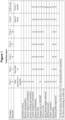
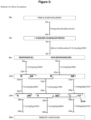
- An abbreviated trial flowchart appears in Table 1, shown in Figure 1 .
- inclusion and exclusion criteria are assessed, clinical diagnosis confirmed, and the following information is collected: baseline demographics, pre-baseline seizure counts, current treatment regimens (both AEDs and VNS), and sleep quality.
- safety blood samples are collected, blood levels of anti-epileptic drugs ("AEDs") are determined, and cardiac function is evaluated using ultrasound imaging and EKG traces.
- AEDs anti-epileptic drugs
- cardiac function is evaluated using ultrasound imaging and EKG traces.
- Urine pregnancy tests in female subjects of childbearing potential are also done, and the patient's quality of life is assessed by means of clinical global impressions (both parents and physician) and sleep quality. Patients meeting entry criteria are enrolled and begin a prospective baseline period.
- Add-on treatment is begun at V2. Participants being receiving an initial fenfluramine dose of 0.2 mg/kg/day. Endpoints and safety criteria are assessed (seizure counting, adverse effects, pregnancy testing, and quality of life indicators (CGI, sleep scale)). Additional safety blood samples, AED blood levels and cardiac evaluation are done only if clinically indicated. A seizure diary and medication are dispensed.
- Fenfluramine Oral fenfluramine solution (2.5 mg/ml or 5 mg/ml) is provided by Zogenix Pharma. Starting dosage is 0.2 mg/kg/day BID; second step at 0.4 mg/kg/day BID; maximum dosage at 0.8 mg/kg/day BID or 30 mg/day BID, whichever is less. The drug is dispensed by Zogenix Pharma. Labeled bottles containing the oral fenfluramine suspension is given to patients and controlled at each visit. Bottle labels are kept in individual patient files. Calculation of bottle number and control of labels are done at the trial's conclusion. Patient compliance is assessed by control of oral solution quantity at each visit and collection of seizure diary with notification of drug intake.
- Concomitant treatment Lennox-Gastaut patients participating in the study receive concomitant treatment with two or more anti-epileptic drugs commonly used in the treatment of the disorder.
- the drug regimen is unchanged during baseline (the period from V1 to V2) and the full trial period (V2 to V6).
- Safety assessment Treatment safety is assessed using a combination of physical examination, blood testing, cardiac evaluation, and adverse event reporting. With respect to adverse event reporting, reporting is not required for expected AEs, moderate weight loss and decrease of appetite with no significant weight loss ( ⁇ P3).
- Data Handling and Statistical Analysis Data is coded and is protected from disclosure outside of research teams according to the terms of the research protocol and the informed consent document. Subjects' names or other identifiers must be stored separately ("site file”) from their research data and replaced with a unique code to create a new identify for the subject. Coded data are not anonymous. Data is collected in standardized CRF.
- Sample size is set at 20. The study is not randomized. Descriptive analysis of outcome parameters is done at weeks 8, 12, 16 and 20. All included subjects are counted for analysis. Reasons for withdrawal are documented.
Landscapes
- Health & Medical Sciences (AREA)
- Chemical & Material Sciences (AREA)
- Medicinal Chemistry (AREA)
- Pharmacology & Pharmacy (AREA)
- Life Sciences & Earth Sciences (AREA)
- Animal Behavior & Ethology (AREA)
- General Health & Medical Sciences (AREA)
- Public Health (AREA)
- Veterinary Medicine (AREA)
- Epidemiology (AREA)
- Bioinformatics & Cheminformatics (AREA)
- Engineering & Computer Science (AREA)
- Neurology (AREA)
- Biomedical Technology (AREA)
- Neurosurgery (AREA)
- Chemical Kinetics & Catalysis (AREA)
- General Chemical & Material Sciences (AREA)
- Nuclear Medicine, Radiotherapy & Molecular Imaging (AREA)
- Organic Chemistry (AREA)
- Emergency Medicine (AREA)
- Pain & Pain Management (AREA)
- Dermatology (AREA)
- Nutrition Science (AREA)
- Physiology (AREA)
- Hospice & Palliative Care (AREA)
- Psychiatry (AREA)
- Pharmaceuticals Containing Other Organic And Inorganic Compounds (AREA)
- Acyclic And Carbocyclic Compounds In Medicinal Compositions (AREA)
- Medicinal Preparation (AREA)
- Paper (AREA)
Priority Applications (3)
| Application Number | Priority Date | Filing Date | Title |
|---|---|---|---|
| HRP20240508TT HRP20240508T1 (hr) | 2015-08-24 | 2016-08-24 | Metode liječenja lennox-gastaut sindroma fenfluraminom |
| SI201631816T SI3340971T1 (sl) | 2015-08-24 | 2016-08-24 | Metode zdravljenja lennox-gastautovega sindroma z uporabo fenfluramina |
| EP24161855.2A EP4397372A3 (en) | 2015-08-24 | 2016-08-24 | Methods of treating lennox-gastaut syndrome using fenfluramine |
Applications Claiming Priority (2)
| Application Number | Priority Date | Filing Date | Title |
|---|---|---|---|
| US201562209090P | 2015-08-24 | 2015-08-24 | |
| PCT/US2016/048470 WO2017035267A1 (en) | 2015-08-24 | 2016-08-24 | Methods of treating lennox-gastaut syndrome using fenfluramine |
Related Child Applications (1)
| Application Number | Title | Priority Date | Filing Date |
|---|---|---|---|
| EP24161855.2A Division EP4397372A3 (en) | 2015-08-24 | 2016-08-24 | Methods of treating lennox-gastaut syndrome using fenfluramine |
Publications (3)
| Publication Number | Publication Date |
|---|---|
| EP3340971A1 EP3340971A1 (en) | 2018-07-04 |
| EP3340971A4 EP3340971A4 (en) | 2019-05-01 |
| EP3340971B1 true EP3340971B1 (en) | 2024-03-13 |
Family
ID=58101064
Family Applications (2)
| Application Number | Title | Priority Date | Filing Date |
|---|---|---|---|
| EP16840062.0A Active EP3340971B1 (en) | 2015-08-24 | 2016-08-24 | Methods of treating lennox-gastaut syndrome using fenfluramine |
| EP24161855.2A Pending EP4397372A3 (en) | 2015-08-24 | 2016-08-24 | Methods of treating lennox-gastaut syndrome using fenfluramine |
Family Applications After (1)
| Application Number | Title | Priority Date | Filing Date |
|---|---|---|---|
| EP24161855.2A Pending EP4397372A3 (en) | 2015-08-24 | 2016-08-24 | Methods of treating lennox-gastaut syndrome using fenfluramine |
Country Status (22)
| Country | Link |
|---|---|
| US (4) | US20170056344A1 (pl) |
| EP (2) | EP3340971B1 (pl) |
| JP (1) | JP6895949B2 (pl) |
| KR (3) | KR102615486B1 (pl) |
| CN (3) | CN115350168A (pl) |
| AU (1) | AU2016312526B2 (pl) |
| BR (1) | BR112018002046A2 (pl) |
| CA (1) | CA2993665C (pl) |
| DK (1) | DK3340971T3 (pl) |
| ES (1) | ES2979034T3 (pl) |
| FI (1) | FI3340971T3 (pl) |
| HR (1) | HRP20240508T1 (pl) |
| HU (1) | HUE066912T2 (pl) |
| IL (1) | IL257276B (pl) |
| LT (1) | LT3340971T (pl) |
| MX (1) | MX389927B (pl) |
| PL (1) | PL3340971T3 (pl) |
| PT (1) | PT3340971T (pl) |
| RU (1) | RU2740919C2 (pl) |
| SI (1) | SI3340971T1 (pl) |
| WO (1) | WO2017035267A1 (pl) |
| ZA (1) | ZA201800499B (pl) |
Families Citing this family (20)
| Publication number | Priority date | Publication date | Assignee | Title |
|---|---|---|---|---|
| US10647465B2 (en) | 2010-11-12 | 2020-05-12 | Niagara Bottling, Llc | Perform extended finish for processing light weight ecologically beneficial bottles |
| ES2695301T3 (es) | 2010-11-12 | 2019-01-03 | Niagara Bottling Llc | Acabado extendido de preforma para procesar botellas de peso ligero |
| US9549909B2 (en) | 2013-05-03 | 2017-01-24 | The Katholieke Universiteit Leuven | Method for the treatment of dravet syndrome |
| CA3007286A1 (en) | 2015-12-22 | 2017-06-29 | Zogenix International Limited | Fenfluramine compositions and methods of preparing the same |
| EP3393470B1 (en) | 2015-12-22 | 2021-01-20 | Zogenix International Limited | Metabolism resistant fenfluramine analogs and methods of using the same |
| MX2019001799A (es) | 2016-08-24 | 2019-06-13 | Zogenix International Ltd | Formulacion para inhibir la formacion de agonistas de 5-ht2b y metodos de utilizacion de la misma. |
| US20180092864A1 (en) * | 2016-09-30 | 2018-04-05 | Zogenix International Limited | Compositions and methods for treating seizure disorders |
| JP2020519594A (ja) * | 2017-05-09 | 2020-07-02 | ゾゲニクス インターナショナル リミテッド | フェンフルラミンを用いるドゥーゼ症候群の治療方法 |
| US10682317B2 (en) * | 2017-09-26 | 2020-06-16 | Zogenix International Limited | Ketogenic diet compatible fenfluramine formulation |
| US20190091179A1 (en) * | 2017-09-26 | 2019-03-28 | Zogenix International Limited | Congnitive function with fenfluramine |
| GB201715919D0 (en) * | 2017-09-29 | 2017-11-15 | Gw Res Ltd | use of cannabinoids in the treatment of epilepsy |
| WO2019216919A1 (en) * | 2018-05-11 | 2019-11-14 | Zogenix International Limited | Compositions and methods for treating seizure-induced sudden death |
| WO2019241005A1 (en) | 2018-06-14 | 2019-12-19 | Zogenix International Limited | Compositions and methods for treating respiratory depression with fenfluramine |
| US20210113495A1 (en) * | 2018-07-10 | 2021-04-22 | Zogenix International Limited | Method of treating epilepsy or epileptic encephalopathy with fenfluramine in patients without pulmonary hypertension |
| US11597556B2 (en) | 2018-07-30 | 2023-03-07 | Niagara Bottling, Llc | Container preform with tamper evidence finish portion |
| EA202191079A1 (ru) | 2018-11-19 | 2021-09-20 | Зодженикс Интернэшнл Лимитед | Способы лечения синдрома ретта с применением фенфлурамина |
| JP2022521446A (ja) * | 2019-02-25 | 2022-04-07 | ゾゲニクス インターナショナル リミテッド | 発作制御を改善するための製剤 |
| JP2022548892A (ja) | 2019-09-17 | 2022-11-22 | ゾゲニクス インターナショナル リミテッド | てんかん患者をフェンフルラミンで治療する方法 |
| US20210299064A1 (en) * | 2020-02-05 | 2021-09-30 | Zogenix International Limited | Method of treating patients with lennox-gastaut syndrome |
| US11612574B2 (en) | 2020-07-17 | 2023-03-28 | Zogenix International Limited | Method of treating patients infected with severe acute respiratory syndrome coronavirus 2 (SARS-CoV-2) |
Citations (2)
| Publication number | Priority date | Publication date | Assignee | Title |
|---|---|---|---|---|
| WO2015026849A1 (en) | 2013-08-19 | 2015-02-26 | The Regents Of The University Of California | Compounds and methods for treating an epileptic disorder |
| US20160092652A1 (en) | 2014-09-29 | 2016-03-31 | Brabant Pharma Limited | Control system for control of distribution of medication |
Family Cites Families (10)
| Publication number | Priority date | Publication date | Assignee | Title |
|---|---|---|---|---|
| GB1413078A (en) | 1973-07-27 | 1975-11-05 | Beecham Group Ltd | Process for the production of plus-norfenfluramine and plus-fenfluramine and salts thereof |
| GB1413070A (en) | 1973-07-27 | 1975-11-05 | Beecham Group Ltd | Process for the production of - norfenfluramine and - fenfluramine and salts thereof |
| IT1238686B (it) | 1990-02-09 | 1993-09-01 | Lab Mag Spa | Procedimento per la preparazione di levo e destro fenfluramina |
| CN101257889A (zh) * | 2005-05-25 | 2008-09-03 | 詹森药业有限公司 | 托吡酯的儿科制剂 |
| US20070021501A1 (en) * | 2005-07-12 | 2007-01-25 | Twyman Roy E | Methods of treating epileptogenesis |
| GB0515090D0 (en) * | 2005-07-22 | 2005-08-31 | Birmingham Res & Dev Ltd | Novel epilepsy treatment |
| EA201170624A1 (ru) * | 2008-10-30 | 2011-12-30 | Мерк Шарп Энд Домэ Корп. | Изоникотинамидные антагонисты рецепторов орексинов |
| UY33173A (pl) * | 2010-01-08 | 2011-07-29 | Eurand Inc | |
| MX2012012225A (es) * | 2010-04-23 | 2013-08-27 | Piramal Entpr Ltd | Profármacos de agentes tearapéuticos de liberación de óxido nítrico. |
| US9549909B2 (en) * | 2013-05-03 | 2017-01-24 | The Katholieke Universiteit Leuven | Method for the treatment of dravet syndrome |
-
2016
- 2016-08-24 MX MX2018001435A patent/MX389927B/es unknown
- 2016-08-24 DK DK16840062.0T patent/DK3340971T3/da active
- 2016-08-24 FI FIEP16840062.0T patent/FI3340971T3/fi active
- 2016-08-24 HR HRP20240508TT patent/HRP20240508T1/hr unknown
- 2016-08-24 BR BR112018002046A patent/BR112018002046A2/pt not_active Application Discontinuation
- 2016-08-24 EP EP16840062.0A patent/EP3340971B1/en active Active
- 2016-08-24 ES ES16840062T patent/ES2979034T3/es active Active
- 2016-08-24 LT LTEPPCT/US2016/048470T patent/LT3340971T/lt unknown
- 2016-08-24 SI SI201631816T patent/SI3340971T1/sl unknown
- 2016-08-24 EP EP24161855.2A patent/EP4397372A3/en active Pending
- 2016-08-24 AU AU2016312526A patent/AU2016312526B2/en active Active
- 2016-08-24 KR KR1020227045101A patent/KR102615486B1/ko active Active
- 2016-08-24 CN CN202211037242.9A patent/CN115350168A/zh active Pending
- 2016-08-24 JP JP2018510511A patent/JP6895949B2/ja active Active
- 2016-08-24 CN CN201680049517.7A patent/CN108135865A/zh active Pending
- 2016-08-24 KR KR1020187005840A patent/KR20180054584A/ko not_active Ceased
- 2016-08-24 PT PT168400620T patent/PT3340971T/pt unknown
- 2016-08-24 RU RU2018108202A patent/RU2740919C2/ru active
- 2016-08-24 US US15/246,346 patent/US20170056344A1/en not_active Abandoned
- 2016-08-24 HU HUE16840062A patent/HUE066912T2/hu unknown
- 2016-08-24 WO PCT/US2016/048470 patent/WO2017035267A1/en not_active Ceased
- 2016-08-24 KR KR1020227005011A patent/KR102481631B1/ko active Active
- 2016-08-24 PL PL16840062.0T patent/PL3340971T3/pl unknown
- 2016-08-24 CA CA2993665A patent/CA2993665C/en active Active
- 2016-08-24 CN CN202210746238.3A patent/CN115192575A/zh active Pending
-
2018
- 2018-01-24 ZA ZA2018/00499A patent/ZA201800499B/en unknown
- 2018-01-31 IL IL257276A patent/IL257276B/en unknown
-
2020
- 2020-05-01 US US16/864,955 patent/US20200253895A1/en active Pending
-
2024
- 2024-01-19 US US18/418,133 patent/US20240238222A1/en active Pending
- 2024-01-19 US US18/418,121 patent/US20240245631A1/en active Pending
Patent Citations (2)
| Publication number | Priority date | Publication date | Assignee | Title |
|---|---|---|---|---|
| WO2015026849A1 (en) | 2013-08-19 | 2015-02-26 | The Regents Of The University Of California | Compounds and methods for treating an epileptic disorder |
| US20160092652A1 (en) | 2014-09-29 | 2016-03-31 | Brabant Pharma Limited | Control system for control of distribution of medication |
Non-Patent Citations (6)
| Title |
|---|
| ANONYMOUS: "Dexfenfluramine containing medicinal products with Marketing Authorisation in the European Union ", ANNEX I LIST OF THE NAMES OF THE MEDICINAL PRODUCTS, MARKETING AUTHORISATION HOLDERS, PHARMACEUTICAL FORMS, STRENGTHS, ROUTE OF ADMINISTRATION, PACKAGING AND PACKAGE SIZES IN THE MEMBER STATES, EUROPEAN MEDICINES AGENCY, 1 January 2000 (2000-01-01), pages 1 - 15, XP093239172, Retrieved from the Internet <URL:https://ec.europa.eu/health/documents/community-register/2000/200003093428/anx_3428_en.pdf> |
| BéLA CLEMENS: "Dopamine agonist treatment of self-induced pattern-sensitive epilepsy. a case report", EPILEPSY RESEARCH, ELSEVIER SCIENCE PUBLISHERS , AMSTERDAM, NL, vol. 2, no. 5, 1 September 1988 (1988-09-01), NL , pages 340 - 343, XP055566425, ISSN: 0920-1211, DOI: 10.1016/0920-1211(88)90044-7 |
| D8 - SUBMISSION OF PATENTEE, DATED FEBRUARY 15, 2023 |
| KU LEUVEN: "NCT02655198 Add-on Therapy With Low Dose Fenfluramine in Lennox Gastaut Epilepsy (FFA-LGS)", CLINICALTRIALS.GOV, NLM, 16 August 2016 (2016-08-16), pages 1 - 10, XP093239159, Retrieved from the Internet <URL:https://clinicaltrials.gov/study/NCT02655198?tab=history&a=3#version-content-panel> |
| MUDIGOUDAR BASANAGOUD; WEATHERSPOON SARAH; WHELESS JAMES W.: "Emerging Antiepileptic Drugs for Severe Pediatric Epilepsies", SEMINARS IN PEDIATRIC NEUROLOGY, SAUNDERS, PHILADELPHIA, PA, US, vol. 23, no. 2, 4 June 2016 (2016-06-04), US , pages 167 - 179, XP029689530, ISSN: 1071-9091, DOI: 10.1016/j.spen.2016.06.003 |
| SCHOONJANS AN-SOFIE, LIEVEN LAGAE, BERTEN CEULEMANS: "Low-dose fenfluramine in the treatment of neurologic disorders: experience in Dravet syndrome", THERAPEUTIC ADVANCES IN NEUROLOGICAL DISORDERS, SAGE PUBLICATIONS LTD., UNITED KINGDOM, vol. 8, no. 6, 1 January 2015 (2015-01-01), United Kingdom , pages 328 - 338, XP055566569, ISSN: 1756-2856, DOI: 10.1177/1756285615607726 |
Also Published As
Similar Documents
| Publication | Publication Date | Title |
|---|---|---|
| US20240238222A1 (en) | Methods of treating lennox-gastaut syndrome using fenfluramine | |
| US20220226262A1 (en) | Methods of treating doose syndrome using fenfluramine | |
| AU2022221450B2 (en) | Methods of treating Rett syndrome using fenfluramine | |
| US20210113495A1 (en) | Method of treating epilepsy or epileptic encephalopathy with fenfluramine in patients without pulmonary hypertension | |
| KR20220101610A (ko) | 펜플루라민을 사용하여 간질 환자를 치료하는 방법 | |
| HK40113588A (en) | Methods of treating lennox-gastaut syndrome using fenfluramine | |
| HK40083824A (en) | Methods of treating lennox-gastaut syndrome using fenfluramine | |
| HK40083190A (en) | Methods of treating lennox-gastaut syndrome using fenfluramine | |
| HK1255881A1 (en) | Methods of treating lennox-gastaut syndrome using fenfluramine | |
| RU2784524C2 (ru) | Способы лечения синдрома дузе с использованием фенфлурамина | |
| HK40026552A (en) | Methods of treating doose syndrome using fenfluramine |
Legal Events
| Date | Code | Title | Description |
|---|---|---|---|
| REG | Reference to a national code |
Ref country code: HR Ref legal event code: TUEP Ref document number: P20240508T Country of ref document: HR |
|
| STAA | Information on the status of an ep patent application or granted ep patent |
Free format text: STATUS: THE INTERNATIONAL PUBLICATION HAS BEEN MADE |
|
| PUAI | Public reference made under article 153(3) epc to a published international application that has entered the european phase |
Free format text: ORIGINAL CODE: 0009012 |
|
| STAA | Information on the status of an ep patent application or granted ep patent |
Free format text: STATUS: REQUEST FOR EXAMINATION WAS MADE |
|
| 17P | Request for examination filed |
Effective date: 20180201 |
|
| AK | Designated contracting states |
Kind code of ref document: A1 Designated state(s): AL AT BE BG CH CY CZ DE DK EE ES FI FR GB GR HR HU IE IS IT LI LT LU LV MC MK MT NL NO PL PT RO RS SE SI SK SM TR |
|
| AX | Request for extension of the european patent |
Extension state: BA ME |
|
| DAV | Request for validation of the european patent (deleted) | ||
| DAX | Request for extension of the european patent (deleted) | ||
| A4 | Supplementary search report drawn up and despatched |
Effective date: 20190329 |
|
| RIC1 | Information provided on ipc code assigned before grant |
Ipc: A61K 31/135 20060101AFI20190325BHEP Ipc: A61P 25/08 20060101ALI20190325BHEP Ipc: A61K 31/137 20060101ALI20190325BHEP |
|
| STAA | Information on the status of an ep patent application or granted ep patent |
Free format text: STATUS: EXAMINATION IS IN PROGRESS |
|
| 17Q | First examination report despatched |
Effective date: 20221025 |
|
| GRAP | Despatch of communication of intention to grant a patent |
Free format text: ORIGINAL CODE: EPIDOSNIGR1 |
|
| STAA | Information on the status of an ep patent application or granted ep patent |
Free format text: STATUS: GRANT OF PATENT IS INTENDED |
|
| INTG | Intention to grant announced |
Effective date: 20231120 |
|
| GRAS | Grant fee paid |
Free format text: ORIGINAL CODE: EPIDOSNIGR3 |
|
| GRAA | (expected) grant |
Free format text: ORIGINAL CODE: 0009210 |
|
| STAA | Information on the status of an ep patent application or granted ep patent |
Free format text: STATUS: THE PATENT HAS BEEN GRANTED |
|
| P01 | Opt-out of the competence of the unified patent court (upc) registered |
Effective date: 20240116 |
|
| RAP3 | Party data changed (applicant data changed or rights of an application transferred) |
Owner name: ZOGENIX INTERNATIONAL LIMITED |
|
| AK | Designated contracting states |
Kind code of ref document: B1 Designated state(s): AL AT BE BG CH CY CZ DE DK EE ES FI FR GB GR HR HU IE IS IT LI LT LU LV MC MK MT NL NO PL PT RO RS SE SI SK SM TR |
|
| REG | Reference to a national code |
Ref country code: GB Ref legal event code: FG4D |
|
| REG | Reference to a national code |
Ref country code: CH Ref legal event code: EP |
|
| REG | Reference to a national code |
Ref country code: DE Ref legal event code: R096 Ref document number: 602016086321 Country of ref document: DE |
|
| REG | Reference to a national code |
Ref country code: IE Ref legal event code: FG4D |
|
| REG | Reference to a national code |
Ref country code: SE Ref legal event code: TRGR |
|
| REG | Reference to a national code |
Ref country code: NL Ref legal event code: FP |
|
| REG | Reference to a national code |
Ref country code: DK Ref legal event code: T3 Effective date: 20240523 |
|
| REG | Reference to a national code |
Ref country code: PT Ref legal event code: SC4A Ref document number: 3340971 Country of ref document: PT Date of ref document: 20240605 Kind code of ref document: T Free format text: AVAILABILITY OF NATIONAL TRANSLATION Effective date: 20240529 Ref country code: SK Ref legal event code: T3 Ref document number: E 43961 Country of ref document: SK |
|
| REG | Reference to a national code |
Ref country code: FI Ref legal event code: FGE |
|
| REG | Reference to a national code |
Ref country code: EE Ref legal event code: FG4A Ref document number: E024161 Country of ref document: EE Effective date: 20240414 |
|
| REG | Reference to a national code |
Ref country code: HR Ref legal event code: T1PR Ref document number: P20240508 Country of ref document: HR |
|
| PG25 | Lapsed in a contracting state [announced via postgrant information from national office to epo] |
Ref country code: RS Free format text: LAPSE BECAUSE OF FAILURE TO SUBMIT A TRANSLATION OF THE DESCRIPTION OR TO PAY THE FEE WITHIN THE PRESCRIBED TIME-LIMIT Effective date: 20240613 |
|
| REG | Reference to a national code |
Ref country code: GR Ref legal event code: EP Ref document number: 20240401337 Country of ref document: GR Effective date: 20240716 |
|
| PG25 | Lapsed in a contracting state [announced via postgrant information from national office to epo] |
Ref country code: RS Free format text: LAPSE BECAUSE OF FAILURE TO SUBMIT A TRANSLATION OF THE DESCRIPTION OR TO PAY THE FEE WITHIN THE PRESCRIBED TIME-LIMIT Effective date: 20240613 |
|
| REG | Reference to a national code |
Ref country code: HR Ref legal event code: ODRP Ref document number: P20240508 Country of ref document: HR Payment date: 20240709 Year of fee payment: 9 |
|
| REG | Reference to a national code |
Ref country code: ES Ref legal event code: FG2A Ref document number: 2979034 Country of ref document: ES Kind code of ref document: T3 Effective date: 20240923 |
|
| REG | Reference to a national code |
Ref country code: HU Ref legal event code: AG4A Ref document number: E066912 Country of ref document: HU |
|
| PG25 | Lapsed in a contracting state [announced via postgrant information from national office to epo] |
Ref country code: SM Free format text: LAPSE BECAUSE OF FAILURE TO SUBMIT A TRANSLATION OF THE DESCRIPTION OR TO PAY THE FEE WITHIN THE PRESCRIBED TIME-LIMIT Effective date: 20240313 |
|
| PG25 | Lapsed in a contracting state [announced via postgrant information from national office to epo] |
Ref country code: SM Free format text: LAPSE BECAUSE OF FAILURE TO SUBMIT A TRANSLATION OF THE DESCRIPTION OR TO PAY THE FEE WITHIN THE PRESCRIBED TIME-LIMIT Effective date: 20240313 |
|
| REG | Reference to a national code |
Ref country code: DE Ref legal event code: R026 Ref document number: 602016086321 Country of ref document: DE |
|
| PLBI | Opposition filed |
Free format text: ORIGINAL CODE: 0009260 |
|
| 26 | Opposition filed |
Opponent name: KRAUS & LEDERER PARTGMBB Effective date: 20241119 |
|
| PLAX | Notice of opposition and request to file observation + time limit sent |
Free format text: ORIGINAL CODE: EPIDOSNOBS2 |
|
| PGFP | Annual fee paid to national office [announced via postgrant information from national office to epo] |
Ref country code: CY Payment date: 20240709 Year of fee payment: 9 |
|
| PG25 | Lapsed in a contracting state [announced via postgrant information from national office to epo] |
Ref country code: MC Free format text: LAPSE BECAUSE OF FAILURE TO SUBMIT A TRANSLATION OF THE DESCRIPTION OR TO PAY THE FEE WITHIN THE PRESCRIBED TIME-LIMIT Effective date: 20240313 |
|
| PLBB | Reply of patent proprietor to notice(s) of opposition received |
Free format text: ORIGINAL CODE: EPIDOSNOBS3 |
|
| RAP4 | Party data changed (patent owner data changed or rights of a patent transferred) |
Owner name: ZOGENIX INTERNATIONAL LIMITED |
|
| REG | Reference to a national code |
Ref country code: DE Ref legal event code: R081 Ref document number: 602016086321 Country of ref document: DE Owner name: ZOGENIX INTERNATIONAL LIMITED, WINDLESHAM, GB Free format text: FORMER OWNER: ZOGENIX INTERNATIONAL LTD., MAIDENHEAD, BERKSHIRE, GB |
|
| REG | Reference to a national code |
Ref country code: HR Ref legal event code: PNAN Ref document number: P20240508 Country of ref document: HR Owner name: ZOGENIX INTERNATIONAL LIMITED, GB |
|
| REG | Reference to a national code |
Ref country code: HU Ref legal event code: HC9C Owner name: ZOGENIX INTERNATIONAL LIMITED, GB Free format text: FORMER OWNER(S): ZOGENIX INTERNATIONAL LIMITED, GB |
|
| PGFP | Annual fee paid to national office [announced via postgrant information from national office to epo] |
Ref country code: SI Payment date: 20250715 Year of fee payment: 10 |
|
| PGFP | Annual fee paid to national office [announced via postgrant information from national office to epo] |
Ref country code: NL Payment date: 20250704 Year of fee payment: 10 |
|
| REG | Reference to a national code |
Ref country code: SK Ref legal event code: TC4A Ref document number: E 43961 Country of ref document: SK Owner name: ZOGENIX INTERNATIONAL LIMITED, WINDLESHAM, SUR, GB Effective date: 20250813 |
|
| REG | Reference to a national code |
Ref country code: HR Ref legal event code: ODRP Ref document number: P20240508 Country of ref document: HR Payment date: 20250715 Year of fee payment: 10 |
|
| PGFP | Annual fee paid to national office [announced via postgrant information from national office to epo] |
Ref country code: LU Payment date: 20250814 Year of fee payment: 10 |
|
| PGFP | Annual fee paid to national office [announced via postgrant information from national office to epo] |
Ref country code: HU Payment date: 20250728 Year of fee payment: 10 |
|
| REG | Reference to a national code |
Ref country code: SI Ref legal event code: SP73 Owner name: ZOGENIX INTERNATIONAL LIMITED; GB Effective date: 20250811 |
|
| PGFP | Annual fee paid to national office [announced via postgrant information from national office to epo] |
Ref country code: ES Payment date: 20250905 Year of fee payment: 10 Ref country code: FI Payment date: 20250814 Year of fee payment: 10 Ref country code: PT Payment date: 20250822 Year of fee payment: 10 |
|
| PGFP | Annual fee paid to national office [announced via postgrant information from national office to epo] |
Ref country code: DK Payment date: 20250814 Year of fee payment: 10 Ref country code: LT Payment date: 20250723 Year of fee payment: 10 Ref country code: DE Payment date: 20250702 Year of fee payment: 10 |
|
| PGFP | Annual fee paid to national office [announced via postgrant information from national office to epo] |
Ref country code: NO Payment date: 20250808 Year of fee payment: 10 Ref country code: GR Payment date: 20250716 Year of fee payment: 10 |
|
| PGFP | Annual fee paid to national office [announced via postgrant information from national office to epo] |
Ref country code: TR Payment date: 20250808 Year of fee payment: 10 Ref country code: IT Payment date: 20250722 Year of fee payment: 10 Ref country code: PL Payment date: 20250714 Year of fee payment: 10 |
|
| PGFP | Annual fee paid to national office [announced via postgrant information from national office to epo] |
Ref country code: BG Payment date: 20250715 Year of fee payment: 10 Ref country code: GB Payment date: 20250703 Year of fee payment: 10 Ref country code: BE Payment date: 20250703 Year of fee payment: 10 |
|
| PGFP | Annual fee paid to national office [announced via postgrant information from national office to epo] |
Ref country code: HR Payment date: 20250715 Year of fee payment: 10 |
|
| PGFP | Annual fee paid to national office [announced via postgrant information from national office to epo] |
Ref country code: FR Payment date: 20250703 Year of fee payment: 10 Ref country code: AT Payment date: 20250725 Year of fee payment: 10 |
|
| PGFP | Annual fee paid to national office [announced via postgrant information from national office to epo] |
Ref country code: MT Payment date: 20250814 Year of fee payment: 10 Ref country code: CH Payment date: 20250901 Year of fee payment: 10 Ref country code: SE Payment date: 20250702 Year of fee payment: 10 |
|
| PGFP | Annual fee paid to national office [announced via postgrant information from national office to epo] |
Ref country code: EE Payment date: 20250818 Year of fee payment: 10 Ref country code: CZ Payment date: 20250730 Year of fee payment: 10 Ref country code: IE Payment date: 20250702 Year of fee payment: 10 |
|
| PGFP | Annual fee paid to national office [announced via postgrant information from national office to epo] |
Ref country code: RO Payment date: 20250725 Year of fee payment: 10 |
|
| PGFP | Annual fee paid to national office [announced via postgrant information from national office to epo] |
Ref country code: SK Payment date: 20250714 Year of fee payment: 10 |
|
| PGFP | Annual fee paid to national office [announced via postgrant information from national office to epo] |
Ref country code: IS Payment date: 20250811 Year of fee payment: 10 |
|
| PGFP | Annual fee paid to national office [announced via postgrant information from national office to epo] |
Ref country code: LV Payment date: 20250703 Year of fee payment: 10 |