EP3322722B1 - Agents, uses and methods for the treatment of synucleinopathy - Google Patents
Agents, uses and methods for the treatment of synucleinopathy Download PDFInfo
- Publication number
- EP3322722B1 EP3322722B1 EP16738736.4A EP16738736A EP3322722B1 EP 3322722 B1 EP3322722 B1 EP 3322722B1 EP 16738736 A EP16738736 A EP 16738736A EP 3322722 B1 EP3322722 B1 EP 3322722B1
- Authority
- EP
- European Patent Office
- Prior art keywords
- synuclein
- alpha
- antibody
- human
- antibodies
- Prior art date
- Legal status (The legal status is an assumption and is not a legal conclusion. Google has not performed a legal analysis and makes no representation as to the accuracy of the status listed.)
- Active
Links
Images















Classifications
-
- C—CHEMISTRY; METALLURGY
- C07—ORGANIC CHEMISTRY
- C07K—PEPTIDES
- C07K16/00—Immunoglobulins [IG], e.g. monoclonal or polyclonal antibodies
- C07K16/18—Immunoglobulins [IG], e.g. monoclonal or polyclonal antibodies against material from animals or humans
-
- A—HUMAN NECESSITIES
- A61—MEDICAL OR VETERINARY SCIENCE; HYGIENE
- A61K—PREPARATIONS FOR MEDICAL, DENTAL OR TOILETRY PURPOSES
- A61K39/00—Medicinal preparations containing antigens or antibodies
- A61K39/395—Antibodies; Immunoglobulins; Immune serum, e.g. antilymphocytic serum
-
- A—HUMAN NECESSITIES
- A61—MEDICAL OR VETERINARY SCIENCE; HYGIENE
- A61K—PREPARATIONS FOR MEDICAL, DENTAL OR TOILETRY PURPOSES
- A61K39/00—Medicinal preparations containing antigens or antibodies
- A61K39/395—Antibodies; Immunoglobulins; Immune serum, e.g. antilymphocytic serum
- A61K39/39533—Antibodies; Immunoglobulins; Immune serum, e.g. antilymphocytic serum against materials from animals
- A61K39/3955—Antibodies; Immunoglobulins; Immune serum, e.g. antilymphocytic serum against materials from animals against proteinaceous materials, e.g. enzymes, hormones, lymphokines
-
- A—HUMAN NECESSITIES
- A61—MEDICAL OR VETERINARY SCIENCE; HYGIENE
- A61K—PREPARATIONS FOR MEDICAL, DENTAL OR TOILETRY PURPOSES
- A61K51/00—Preparations containing radioactive substances for use in therapy or testing in vivo
-
- A—HUMAN NECESSITIES
- A61—MEDICAL OR VETERINARY SCIENCE; HYGIENE
- A61P—SPECIFIC THERAPEUTIC ACTIVITY OF CHEMICAL COMPOUNDS OR MEDICINAL PREPARATIONS
- A61P25/00—Drugs for disorders of the nervous system
-
- A—HUMAN NECESSITIES
- A61—MEDICAL OR VETERINARY SCIENCE; HYGIENE
- A61P—SPECIFIC THERAPEUTIC ACTIVITY OF CHEMICAL COMPOUNDS OR MEDICINAL PREPARATIONS
- A61P25/00—Drugs for disorders of the nervous system
- A61P25/02—Drugs for disorders of the nervous system for peripheral neuropathies
-
- A—HUMAN NECESSITIES
- A61—MEDICAL OR VETERINARY SCIENCE; HYGIENE
- A61P—SPECIFIC THERAPEUTIC ACTIVITY OF CHEMICAL COMPOUNDS OR MEDICINAL PREPARATIONS
- A61P25/00—Drugs for disorders of the nervous system
- A61P25/14—Drugs for disorders of the nervous system for treating abnormal movements, e.g. chorea, dyskinesia
- A61P25/16—Anti-Parkinson drugs
-
- A—HUMAN NECESSITIES
- A61—MEDICAL OR VETERINARY SCIENCE; HYGIENE
- A61P—SPECIFIC THERAPEUTIC ACTIVITY OF CHEMICAL COMPOUNDS OR MEDICINAL PREPARATIONS
- A61P25/00—Drugs for disorders of the nervous system
- A61P25/28—Drugs for disorders of the nervous system for treating neurodegenerative disorders of the central nervous system, e.g. nootropic agents, cognition enhancers, drugs for treating Alzheimer's disease or other forms of dementia
-
- G—PHYSICS
- G01—MEASURING; TESTING
- G01N—INVESTIGATING OR ANALYSING MATERIALS BY DETERMINING THEIR CHEMICAL OR PHYSICAL PROPERTIES
- G01N33/00—Investigating or analysing materials by specific methods not covered by groups G01N1/00 - G01N31/00
- G01N33/48—Biological material, e.g. blood, urine; Haemocytometers
- G01N33/50—Chemical analysis of biological material, e.g. blood, urine; Testing involving biospecific ligand binding methods; Immunological testing
- G01N33/53—Immunoassay; Biospecific binding assay; Materials therefor
- G01N33/577—Immunoassay; Biospecific binding assay; Materials therefor involving monoclonal antibodies binding reaction mechanisms characterised by the use of monoclonal antibodies
-
- G—PHYSICS
- G01—MEASURING; TESTING
- G01N—INVESTIGATING OR ANALYSING MATERIALS BY DETERMINING THEIR CHEMICAL OR PHYSICAL PROPERTIES
- G01N33/00—Investigating or analysing materials by specific methods not covered by groups G01N1/00 - G01N31/00
- G01N33/48—Biological material, e.g. blood, urine; Haemocytometers
- G01N33/50—Chemical analysis of biological material, e.g. blood, urine; Testing involving biospecific ligand binding methods; Immunological testing
- G01N33/68—Chemical analysis of biological material, e.g. blood, urine; Testing involving biospecific ligand binding methods; Immunological testing involving proteins, peptides or amino acids
- G01N33/6893—Chemical analysis of biological material, e.g. blood, urine; Testing involving biospecific ligand binding methods; Immunological testing involving proteins, peptides or amino acids related to diseases not provided for elsewhere
- G01N33/6896—Neurological disorders, e.g. Alzheimer's disease
-
- A—HUMAN NECESSITIES
- A61—MEDICAL OR VETERINARY SCIENCE; HYGIENE
- A61K—PREPARATIONS FOR MEDICAL, DENTAL OR TOILETRY PURPOSES
- A61K39/00—Medicinal preparations containing antigens or antibodies
- A61K2039/505—Medicinal preparations containing antigens or antibodies comprising antibodies
-
- C—CHEMISTRY; METALLURGY
- C07—ORGANIC CHEMISTRY
- C07K—PEPTIDES
- C07K2317/00—Immunoglobulins specific features
- C07K2317/20—Immunoglobulins specific features characterized by taxonomic origin
- C07K2317/21—Immunoglobulins specific features characterized by taxonomic origin from primates, e.g. man
-
- C—CHEMISTRY; METALLURGY
- C07—ORGANIC CHEMISTRY
- C07K—PEPTIDES
- C07K2317/00—Immunoglobulins specific features
- C07K2317/30—Immunoglobulins specific features characterized by aspects of specificity or valency
- C07K2317/33—Crossreactivity, e.g. for species or epitope, or lack of said crossreactivity
-
- C—CHEMISTRY; METALLURGY
- C07—ORGANIC CHEMISTRY
- C07K—PEPTIDES
- C07K2317/00—Immunoglobulins specific features
- C07K2317/30—Immunoglobulins specific features characterized by aspects of specificity or valency
- C07K2317/34—Identification of a linear epitope shorter than 20 amino acid residues or of a conformational epitope defined by amino acid residues
-
- C—CHEMISTRY; METALLURGY
- C07—ORGANIC CHEMISTRY
- C07K—PEPTIDES
- C07K2317/00—Immunoglobulins specific features
- C07K2317/50—Immunoglobulins specific features characterized by immunoglobulin fragments
- C07K2317/52—Constant or Fc region; Isotype
-
- C—CHEMISTRY; METALLURGY
- C07—ORGANIC CHEMISTRY
- C07K—PEPTIDES
- C07K2317/00—Immunoglobulins specific features
- C07K2317/50—Immunoglobulins specific features characterized by immunoglobulin fragments
- C07K2317/56—Immunoglobulins specific features characterized by immunoglobulin fragments variable (Fv) region, i.e. VH and/or VL
-
- C—CHEMISTRY; METALLURGY
- C07—ORGANIC CHEMISTRY
- C07K—PEPTIDES
- C07K2317/00—Immunoglobulins specific features
- C07K2317/50—Immunoglobulins specific features characterized by immunoglobulin fragments
- C07K2317/56—Immunoglobulins specific features characterized by immunoglobulin fragments variable (Fv) region, i.e. VH and/or VL
- C07K2317/565—Complementarity determining region [CDR]
-
- C—CHEMISTRY; METALLURGY
- C07—ORGANIC CHEMISTRY
- C07K—PEPTIDES
- C07K2317/00—Immunoglobulins specific features
- C07K2317/70—Immunoglobulins specific features characterized by effect upon binding to a cell or to an antigen
- C07K2317/76—Antagonist effect on antigen, e.g. neutralization or inhibition of binding
-
- C—CHEMISTRY; METALLURGY
- C07—ORGANIC CHEMISTRY
- C07K—PEPTIDES
- C07K2317/00—Immunoglobulins specific features
- C07K2317/90—Immunoglobulins specific features characterized by (pharmaco)kinetic aspects or by stability of the immunoglobulin
- C07K2317/92—Affinity (KD), association rate (Ka), dissociation rate (Kd) or EC50 value
-
- G—PHYSICS
- G01—MEASURING; TESTING
- G01N—INVESTIGATING OR ANALYSING MATERIALS BY DETERMINING THEIR CHEMICAL OR PHYSICAL PROPERTIES
- G01N2800/00—Detection or diagnosis of diseases
- G01N2800/28—Neurological disorders
-
- G—PHYSICS
- G01—MEASURING; TESTING
- G01N—INVESTIGATING OR ANALYSING MATERIALS BY DETERMINING THEIR CHEMICAL OR PHYSICAL PROPERTIES
- G01N2800/00—Detection or diagnosis of diseases
- G01N2800/28—Neurological disorders
- G01N2800/2814—Dementia; Cognitive disorders
- G01N2800/2821—Alzheimer
-
- G—PHYSICS
- G01—MEASURING; TESTING
- G01N—INVESTIGATING OR ANALYSING MATERIALS BY DETERMINING THEIR CHEMICAL OR PHYSICAL PROPERTIES
- G01N2800/00—Detection or diagnosis of diseases
- G01N2800/28—Neurological disorders
- G01N2800/2835—Movement disorders, e.g. Parkinson, Huntington, Tourette
Definitions
- Synucleinopathies also known as Lewy body diseases (LBDs) are characterized by deposition of intracellular protein aggregates that are microscopically visible as Lewy bodies (LBs) and/or Lewy neurites, where the protein alpha-synuclein is the major component ( Jellinger, Mov Disord. 2012 Jan;27(1):8-30 ; McKeith et al., Neurology (1996) 47:1113-24 ).
- Synucleinopathies include Parkinson's disease (PD) (including idiopathic and inherited forms of Parkinson's disease) and Diffuse Lewy Body (DLB) disease (also known as Dementia with Lewy Bodies (DLB), Lewy body variant of Alzheimer's disease (LBV), Combined Alzheimer's and Parkinson disease (CAPD), pure autonomic failure (PAF) and multiple system atrophy (MSA; e.g., Olivopontocerebellar Atrophy, Striatonigral Degeneration and Shy-Drager Syndrome)).
- PD Parkinson's disease
- DLB Diffuse Lewy Body
- LBV Dementia with Lewy Bodies
- LBV Lewy body variant of Alzheimer's disease
- CAPD Combined Alzheimer's and Parkinson disease
- MSA multiple system atrophy
- Olivopontocerebellar Atrophy Striatonigral Degeneration and Shy-Drager Syndrome
- Alpha-synuclein is a member of a family of proteins including beta- and gamma-synuclein and synoretin. Alpha-synuclein is expressed in the normal state associated with synapses and is believed to play a role in regulating synaptic vesicle release and thereby affecting neural communication, plasticity, learning and memory.
- mice Over expression of alpha-synuclein in transgenic mice mimics some pathological aspects of Lewy body disease.
- Several different transgenic lines of mice over-expressing alpha-synuclein have been generated in the last ten years (described in reviews: Koehler et al 2014, PLoS One. 2013 May 31;8(5):e64649 ; Fleming and Chesselet, 2006,Behav Pharmacol. 2006 Sep;17(5-6):383-91 ; Springer and Kahle 2006,Curr Neurol Neurosci Rep. 2006 Sep;6(5):432-6 ).
- alpha-synuclein gene and posttranslational modifications of the protein can create alpha-synuclein protein forms that have enhanced capacity to form aggregated and/or toxic forms of alpha-synuclein ( Beyer and Ariza, Mol Neurobiol. 2013 Apr;47(2):509-24 ).
- the precise pathological species of alpha-synuclein remains unknown.
- Various misfolded/aggregated/secreted species ranging from oligomers to fibrils, and different post-translational modifications have been associated with toxicity but there is no consensus on which is most important, if indeed there even is a single toxic species.
- a C-terminal antibody 274 which targets an epitope that involves alpha-synuclein residues 120-140 was also shown to have an effect in a preclinical model on spreading of the pathology from cell to cell.
- antibodies targeting conformational species such as oligomers and fibrils of alpha-synuclein have been shown to be able to at least reduce the levels of these presumably toxic alpha-synuclein species ( Lindström et al. 2014, Neurobiol Dis. 2014 Sep;69:134-43 and Spencer et al. 2014, Mol Ther.
- a therapeutic antibody should be ideally able to bind to most of the alpha-synuclein species that are formed by alternative splicing or posttranslational modifications, such as truncations, as well as oligomeric and fibrillary forms.
- amino acids that are important for binding of 9E4 are asparagine 122 and tyrosine 125 (according to an alanine scan presented in patent US20140127131 ), and this means that this antibody cannot bind alpha-synuclein which is truncated at amino acids 119, and 122, which are some of the major truncated species in Parkinson brain tissue ( Kellie et al. Sci Rep. 2014;4:5797 ). The same would be the case for the antibody 274 and antibody mab47 ( US8,632,776 ).
- amino terminal antibodies would possibly not be able to bind to some of the major truncated species that lack the first amino acids of alpha-synuclein, such as alpha-synuclein truncated to amino acids 5-140.
- one suggested mechanism of action is the prevention of truncation at amino acids 119-122 in extracellular space, as the antibody will bind to the same region where the protease that will cleave alpha-synuclein ( Games et al. 2014, J Neurosci. 2014 Jul 9;34(28):9441-54 ).
- a similar mechanism of action could also be found with antibodies in close proximity of the site, and therefore many antibodies around this region would be expected to have this activity.
- the GM285 antibody binds an epitope within residues 112-117 of alpha-synuclein comprising residues 112-115 of alpha-synuclein (ILED; SEQ ID NO:19 ).
- GM37 monoclonal antibody GM37, its variants (e.g., GM37 Variant 1, GM37 Variant 2 and GM37 Variant 3), or GM285.
- the numbering of amino acid residues in this region is according to IMGT ® , the international ImMunoGeneTics information system ® or, Kabat, E. A., Wu, T. T., Perry, H. M., Gottesmann, K. S. & Foeller, C. (1991). Sequences of Proteins of Immunological Interest, 5th edit., NIH Publication no. 91-3242 U.S. Department of Health and Human Services ; Chothia, C. & Lesk, A. M. (1987). Canonical structures For The Hypervariable domains Of Immunoglobulins. J. Mol. Biol. 196, 901-917 .
- the monoclonal antibody or antigen-binding fragments thereof described herein may possess a synuclein antigen-binding fragment comprising or consisting of:
- the monoclonal antibody or antigen-binding fragments thereof described herein may possess a synuclein antigen-binding fragment comprising an amino acid sequence (in its CDRs, its variable domains, its framework residues or in its constant domains) that differs from that of naturally occurring anti-alpha-synuclein antibodies, and that exhibits (relative to such naturally occurring anti-alpha-synuclein antibodies):
- the antibodies of the invention may be used in a method to treat, diagnose or image synucleinopathies, such as Parkinson's disease ((PD), including idiopathic and inherited forms of Parkinson's disease), Diffuse Lewy Body Disease (DLBD), Lewy body variant of Alzheimer's disease (LBV), Gauchers Disease (GD), Combined Alzheimer's and Parkinson disease (CAPD), pure autonomic failure and multiple system atrophy.
- Parkinson's disease including idiopathic and inherited forms of Parkinson's disease
- DLBD Diffuse Lewy Body Disease
- LBV Lewy body variant of Alzheimer's disease
- GD Gauchers Disease
- CAPD Combined Alzheimer's and Parkinson disease
- Heavy chains can be of any isotype, including IgG (IgG1, IgG2, IgG3 and IgG4 subtypes), IgA (IgA1 and IgA2 subtypes), IgM and IgE.
- Each light chain is comprised of a light chain variable domain (abbreviated herein as VL) and a light chain constant domain (CL).
- Light chains include kappa chains and lambda chains.
- the heavy and light chain variable domain is typically responsible for antigen recognition, while the heavy and light chain constant domain may mediate the binding of the immunoglobulin to host tissues or factors, including various cells of the immune system (e.g ., effector cells) and the first component (C1q) of the classical complement system.
- the term "antigen-binding fragment of an antibody” means a fragment, portion, region or domain of an antibody (regardless of how it is produced ( e.g., via cleavage, recombinantly, synthetically, etc .)) that is capable of specifically binding to an epitope, and thus the term “antigen-binding” is intended to mean the same as “epitope-binding” so that, for example, an "antigen-binding fragment of an antibody” is intended to be the same as an “epitope-binding fragment of an antibody”.
- An antigen-binding fragment may contain 1, 2, 3, 4, 5 or all 6 of the CDR Domains of such antibody and, although capable of specifically binding to such epitope, may exhibit a specificity, affinity or selectivity toward such epitope that differs from that of such antibody.
- an antigen-binding fragment will contain all 6 of the CDR Domains of such antibody.
- An antigen-binding fragment of an antibody may be part of, or comprise, a single polypeptide chain (e.g ., an scFv), or may be part of, or comprise, two or more polypeptide chains, each having an amino-terminus and a carboxyl terminus (e.g., a diabody, a Fab fragment, a Fab 2 fragment, etc .). Fragments of antibodies that exhibit antigen-binding ability can be obtained, for example, by protease cleavage of intact antibodies.
- the two domains of the Fv fragment, VL and VH are naturally encoded by separate genes, or polynucleotides that encode such gene sequences (e.g ., their encoding cDNA) can be joined, using recombinant methods, by a flexible linker that enables them to be made as a single protein chain in which the VL and VH regions associate to form monovalent antigen-binding molecules (known as single-chain Fv (scFv); see e.g., Bird et al. , (1988) Science 242:423-426 ; and Huston et al. (1988) Proc. Natl. Acad. Sci. (U.S.A.) 85:5879-5883 ).
- scFv single-chain Fv
- antigen-binding fragments encompassed within the present invention include (i) a Fab' or Fab fragment, a monovalent fragment consisting of the VL, VH, CL and CH1 domains, or a monovalent antibody as described in WO2007059782 ; (ii) F(ab')2 fragments, bivalent fragments comprising two Fab fragments linked by a disulfide bridge at the hinge domain; (iii) an Fd fragment consisting essentially of the VH and CH1 domains; (iv) a Fv fragment consisting essentially of a VL and VH domains, (v) a dAb fragment ( Ward et al., Nature 341, 544-546 (1989 )), which consists essentially of a VH domain and also called domain antibodies ( Holt et al; Trends Biotechnol.
- the two domains of the Fv fragment, VL and VH are coded for by separate genes, they may be joined, using recombinant methods, by a synthetic linker that enables them to be made as a single protein chain in which the VL and VH regions pair to form monovalent molecules (known as single chain antibodies or single chain Fv (scFv), see for instance Bird et al., Science 242, 423-426 (1988 ) and Huston et al., PNAS USA 85, 5879-5883 (1988 )).
- scFv single chain antibodies or single chain Fv
- bispecific antibody refers to an antibody containing two independent antigen-binding fragments that each target independent targets. These targets can be epitopes present on different proteins or different epitopes present on the same target. Bispecific antibody molecules can be made using compensatory amino acid changes in the constant domains of the HCs of the parent monospecific bivalent antibody molecules. The resulting heterodimeric antibody contains one Fabs contributed from two different parent monospecific antibodies. Amino acid changes in the Fc domain leads to increased stability of the heterodimeric antibody with bispecificity that is stable over time.
- Bispecific antibodies can also include molecules that are generated using ScFv fusions.
- Bispecific molecules have dual binding capabilities. For example, targeting both a therapeutic target and a transcytosing surface receptor for the purpose of delivering a therapeutic antibody across the blood brain barrier to treat a CNS disease.
- GM37, GM-37, GM37 wild type (wt), mab37 and 6004-37 are used interchangeably herein and all refer to the same antibody.
- antibody GM37 is intended to include an antibody or antigen-binding fragment thereof comprising or consisting of the Heavy Chain as given in CDR1-3 SEQ ID Nos:1-3 and the Light Chain CDR1-3 as given in SEQ ID Nos:4-6.
- the antibody GM37 or antigen-binding fragment thereof may comprise or consist of the heavy chain variable domain of SEQ ID NO:7 and/or the light chain variable domain of SEQ ID NO:8.
- the antibody GM37 may be an IgG antibody comprising a heavy chain consisting of a variable domain of SEQ ID NO:7 and a constant domain of SEQ ID NO:18 together with a light chain consisting of a variable domain of SEQ ID NO:8 and a kappa constant domain of SEQ ID NO:17.
- Deamination of proteins, and in these instance antibodies, can occur spontaneously during manufacturing and storage, but also in vivo, and makes the quality of the final pharmaceutical medicament difficult to control.
- the deamination may also in some instances affect the activity of the molecule. Deamination occurs at asparagine residues, but the location of the relevant asparagine may be difficult to predict with certainty, but may be influenced in some instances by an asparagineglycine motif.
- Several possible deamination motifs are found on the GM37 antibody, however, one likely site of deamination was found to be at residue 54 of the heavy chain.
- the subsequent substitution of asparagine by another amino acid is not straight forward, but 3 variants of GM37 (GM37 variant (var) 1, 2 and 3) were found to retain the activity of the original GM37 (GM37 wild type (wt)).
- GM37 variants refers to the deaminated variants 1,2 or 3, wherein variant 1 has a N54S substitution, variant 2 has a N54Q substitution and variant 3 has a N54H compared to the GM37 antibody described herein above.
- the antibody GM37 variants or their antigen-binding fragments may comprise or consist of the heavy chain variable domain of SEQ ID NO:30, 31 and 32 for variant 1, 2 and 3, respectively, and the light chain variable domain of SEQ ID NO:8.
- the antibody GM37 may be an IgG antibody comprising a heavy chain consisting of a variable domain of SEQ ID NO:30, 31 or 32 and a constant domain of SEQ ID NO:18 together with a light chain consisting of a variable domain of SEQ ID NO:8 and a kappa constant domain of SEQ ID NO:17.
- GM285, GM-285, mab285 and 6004-285 are used interchangeably herein and all refer to the same antibody.
- the antibody GM37 may be an IgG antibody comprising a heavy chain consisting of a variable domain of SEQ ID NO:26 and a constant domain of SEQ ID NO:28 together with a light chain consisting of a variable domain of SEQ ID NO:27 and a kappa constant domain of SEQ ID NO:29.
- the numbering of amino acid residues in this region is according to IMGT ® , the international ImMunoGeneTics information system ® or, Kabat, E. A., Wu, T. T., Perry, H. M., Gottesmann, K. S. & Foeller, C. (1991). Sequences of Proteins of Immunological Interest, 5th edit., NIH Publication no. 91-3242 U.S. Department of Health and HumanServices . Chothia, C. & Lesk, A. M. (1987). Canonical structures for the hypervariable domains of immunoglobulins. J. Mol. Biol. 196, 901-917 ).
- human antibody (which may be abbreviated to "humAb” or “HuMab”), as used herein, is intended to include antibodies having variable and constant domains derived from human germline immunoglobulin sequences.
- the human antibodies of the invention may include amino acid residues not encoded by human germline immunoglobulin sequences (e.g., mutations introduced by random or site-specific mutagenesis in vitro or during gene rearrangement or by somatic mutation in vivo).
- humanized antibodies preserve all CDR sequences (for example, a humanized mouse antibody which contains all six CDRs from the mouse antibodies).
- humanized antibodies have one or more CDRs (one, two, three, four, five, six) which are altered with respect to the original antibody, which are also termed one or more CDRs "derived from" one or more CDRs from the original antibody.
- CDRs one, two, three, four, five, six
- the ability to humanize an antigen is well known (see, e.g. , US Patents No. 5,225,539 ; 5,530,101 ; 5,585,089 ; 5,859,205 ; 6,407,213 ; 6,881,557 ).
- an antibody that is capable of "specifically binding" to an epitope within residues 112-117 (ILEDMP (SEQ ID NO:9) ) of human alpha-synuclein encompasses an antibody or antigen-binding fragments thereof, that is capable of binding to an epitope within residues 112-117 of human alpha-synuclein with such specificity and/or under such conditions.
- Methods suitable for determining such binding will be known to those skilled in the art, and exemplary methods are described in the accompanying Examples.
- the amount with which the affinity is lower is dependent on the KD of the antibody, so that when the KD of the antibody is very low (that is, the antibody is highly specific), then the amount with which the affinity for the antigen is lower than the affinity for a non-specific antigen may be at least 10,000 fold.
- kd (sec -1 or 1/s), as used herein, refers to the dissociation rate constant of a particular antibody-antigen interaction. Said value is also referred to as the koff value.
- ka (M-1 x sec-1 or 1/Msec), as used herein, refers to the association rate constant of a particular antibody-antigen interaction.
- KD (M) refers to the dissociation equilibrium constant of a particular antibody-antigen interaction and is obtained by dividing the kd by the ka.
- KA (M-1 or 1/M), as used herein, refers to the association equilibrium constant of a particular antibody-antigen interaction and is obtained by dividing the ka by the kd.
- the antibody exhibits one or more of the following properties:
- the term "capability of inhibiting protease truncation of alpha-synuclein fibrils” includes the capability of inhibiting calpain-1 induced formation of fragment 1-119-122 of human alpha synuclein in primary cortical neurons (see Example 5 ).
- CDR residues not contacting the relevant epitope and not in the SDRs can be identified based on previous studies (for example residues H60-H65 in CDR H2 are often not required), from regions of Kabat CDRs lying outside Chothia hypervariable loops (see, Kabat et al. (1992) SEQUENCES OF PROTEINS OF IMMUNOLOGICAL INTEREST, National Institutes of Health Publication No. 91-3242 ; Chothia, C. et al.
- the BLOSUM62.iij substitution score for that substitution can be identified.
- the BLOSUM system provides a matrix of amino acid substitutions created by analyzing a database of sequences for trusted alignments ( Eddy, S.R. (2004) “Where Did The BLOSUM62 Alignment Score Matrix Come From?,” Nature Biotech. 22(8):1035-1036 ; Henikoff, J.G. (1992) "Amino acid substitution matrices from protein blocks," Proc. Natl. Acad. Sci. (USA) 89:10915-10919 ; Karlin, S. et al.
- an antigen-binding fragment comprising the resultant CDR fails to bind to alpha-synuclein, for example, then the BLOSUM62.iij substitution score is deemed to be insufficiently conservative, and a new candidate substitution is selected and produced having a higher substitution score.
- the BLOSUM62.iij substitution score will be 0, and more conservative changes (such as to aspartate, asparagine, glutamine, or lysine) are preferred.
- the invention thus contemplates the use of random mutagenesis to identify improved CDRs.
- conservative substitutions may be defined by substitutions within the classes of amino acids reflected in one or more of the following three tables:
- More conservative substitutions groupings include: valine-leucine-isoleucine, phenylalanine-tyrosine, lysine-arginine, alanine-valine, and asparagine-glutamine.
- Phage display technology can alternatively be used to increase (or decrease) CDR affinity.
- This technology referred to as affinity maturation, employs mutagenesis or "CDR walking" and re-selection uses the target antigen or an antigenic antigen-binding fragment thereof to identify antibodies having CDRs that bind with higher (or lower) affinity to the antigen when compared with the initial or parental antibody (See, e.g. Glaser et al. (1992) J. Immunology 149:3903 ). Mutagenizing entire codons rather than single nucleotides results in a semi-randomized repertoire of amino acid mutations.
- sequence of CDR variants of encompassed antibodies or their antigen-binding fragments may differ from the sequence of the CDR of the parent antibody, GM37, GM37 var 1-3, or 285, through substitutions; for instance substituted 4 amino acid residue, 3 amino acid residue, 2 amino acid residue or 1 of the amino acid residues. It is furthermore envisaged that the amino acids in the CDR regions may be substituted with conservative substitutions, as defined in the 3 tables above.
- treatment means ameliorating, slowing, attenuating or reversing the progress or severity of a disease or disorder, or ameliorating, slowing, attenuating or reversing one or more symptoms or side effects of such disease or disorder.
- treatment or “treating” further means an approach for obtaining beneficial or desired clinical results, where "beneficial or desired clinical results” include, without limitation, alleviation of a symptom, diminishment of the extent of a disorder or disease, stabilized (i.e., not worsening) disease or disorder state, delay or slowing of the progression a disease or disorder state, amelioration or palliation of a disease or disorder state, and remission of a disease or disorder, whether partial or total, detectable or undetectable.
- an “effective amount,” when applied to an antibody or antigen-binding fragments thereof, of the invention, refers to an amount sufficient, at dosages and for periods of time necessary, to achieve an intended biological effect or a desired therapeutic result including, without limitation, clinical results.
- the phrase "therapeutically effective amount" when applied to an antibody or antigen-binding fragments thereof, of the invention is intended to denote an amount of the antibody, or antigen-binding fragment thereof, that is sufficient to ameliorate, palliate, stabilize, reverse, slow, attenuate or delay the progression of a disorder or disease state, or of a symptom of the disorder or disease.
- the method of the present invention provides for administration of the antibody, or antigen-binding fragment thereof, in combinations with other compounds. In such instances, the "effective amount" is the amount of the combination sufficient to cause the intended biological effect.
- a therapeutically effective amount of an anti-alpha-synuclein of the invention may vary according to factors such as the disease state, age, sex, and weight of the individual, and the ability of the anti-alpha-synuclein antibody to elicit a desired response in the individual.
- a therapeutically effective amount is also one in which any toxic or detrimental effects of the antibody or antibody portion are outweighed by the therapeutically beneficial effects.
- the present disclosure particularly relates to a monoclonal antibody capable of specifically binding to an epitope within amino acids 112-117 of human alpha-synuclein ( SEQ ID NO:9 (ILEDMP)).
- the antibody is capable of competing with the antibody GM37 for binding to an epitope within the 112-117 amino acids of alpha-synuclein.
- the antibodies of the present invention exemplified by GM37 its variants GM37 var 1-3 and GM285, and their alpha-synuclein binding fragments are capable of binding the toxic alpha-synuclein fragment consisting of residues 1-119/122 of alpha-synuclein and neutralizing its toxicity (for example, by extracellular binding to the alpha-synuclein fragment and thereby preventing it from being taken up by cells.
- the antibodies of the present invention which are capable of binding to an epitope within amino acids 112-117 of alpha-synuclein are superior to prior art antibodies such as antibody 9E4 in binding to toxic alpha-synuclein species in human brain, and have superior effects on clearing extracellular alpha-synuclein and normalising an impaired synaptic transmission induced by alpha-synuclein in vivo.
- the antibodies of the invention are also able to ameliorate the appearance of a relevant motor phenotype in a rat model for Parkinson's disease.
- the antibodies are preferably human or humanized antibodies.
- the present disclosure also provides a method of reducing alpha-synuclein aggregate formation in a patient, comprising administering to the patient in need of such treatment, a therapeutically effective amount of an antibody of the invention.
- the antibodies may be in a composition together with a pharmaceutically acceptable carrier, diluent and/or stabilizer.
- the antibodies of the invention may be used in therapy.
- the antibodies of the invention may be used in treating synucleinopathies such as Parkinson's disease (including idiopathic inherited forms of Parkinson's disease), Gaucher's Disease, Diffuse Lewy Body Disease (DLBD), Lewy body variant of Alzheimer's disease (LBV), Combined Alzheimer's and Parkinson disease, pure autonomic failure and multiple system atrophy.
- synucleinopathies such as Parkinson's disease (including idiopathic inherited forms of Parkinson's disease), Gaucher's Disease, Diffuse Lewy Body Disease (DLBD), Lewy body variant of Alzheimer's disease (LBV), Combined Alzheimer's and Parkinson disease, pure autonomic failure and multiple system atrophy.
- the treatment envisioned by the present invention may be chronic and the patient may be treated at least 2 weeks, such as at least for 1 month, 6, months, 1 year or more.
- the antibodies of the present invention may be produced in different cell lines, such as a human cell line, a mammal non-human cell line, and insect cell line, for example a CHO cell line, HEK cell line, BHK-21 cell line, murine cell line (such as a myeloma cell line), fibrosarcoma cell line, PER.C6 cell line, HKB-11 cell line, CAP cell line and HuH-7 human cell line ( Dumont et al, 2015, Crit Rev Biotechnol. Sep 18:1-13 ., the contents which is included herein by reference).
- a human cell line such as a human cell line, a mammal non-human cell line, and insect cell line
- insect cell line for example a CHO cell line, HEK cell line, BHK-21 cell line, murine cell line (such as a myeloma cell line), fibrosarcoma cell line, PER.C6 cell line, HKB-11 cell line, CAP cell line and HuH-7 human cell
- the antibodies may for example be monoclonal antibodies produced by the hybridoma method first described by Kohler et al., Nature 256, 495 (1975 ), or may be produced by recombinant DNA methods. Monoclonal antibodies may also be isolated from phage antibody libraries using the techniques described in, for example, Clackson et al., Nature 352, 624-628 (1991 ) and Marks et al., J. Mol. Biol. 222, 581-597 (1991 ). Monoclonal antibodies may be obtained from any suitable source.
- monoclonal antibodies may be obtained from hybridomas prepared from murine splenic B lymphocyte cells obtained from mice immunized with an antigen of interest, for instance, in the form of cells expressing the antigen on the surface, or a nucleic acid encoding an antigen of interest.
- Monoclonal antibodies may also be obtained from hybridomas derived from antibody-expressing cells of immunized humans or non-human mammals such as rats, rabbits, dogs, sheep, goats, primates, etc.
- the antibody of the invention is a human antibody.
- Human monoclonal antibodies directed against alpha-synuclein may be generated using transgenic or transchromosomal mice carrying parts of the human immune system rather than the mouse system.
- transgenic and transchromosomic mice include mice referred to herein as HuMAb mice and KM mice, respectively.
- the HuMAb mouse contains a human immunoglobulin gene minilocus that encodes unrearranged human heavy variable and constant ( ⁇ and Y) and light variable and constant ( ⁇ ) chain immunoglobulin sequences, together with targeted mutations that inactivate the endogenous ⁇ and ⁇ chain loci ( Lonberg, N. et al., Nature 368, 856-859 (1994 )). Accordingly, the mice exhibit reduced expression of mouse IgM or Ig ⁇ and in response to immunization, the introduced human heavy and light chain transgenes, undergo class switching and somatic mutation to generate high affinity human IgG, monoclonal antibodies (Lonberg, N. et al.
- HuMAb mice The preparation of HuMAb mice is described in detail in Taylor, L. et al., Nucleic Acids Research 20, 6287-6295 (1992 ), Chen, J. et al., International Immunology 5, 647-656 (1993 ), Tuaillon et al., J. Immunol. 152, 2912-2920 (1994 ), Taylor, L.
- mice have a JKD disruption in their endogenous light chain (kappa) genes (as described in Chen et al., EMBO J. 12, 811-820 (1993 )), a CMD disruption in their endogenous heavy chain genes (as described in Example 1 of WO 01/14424 ), and a KCo5 human kappa light chain transgene (as described in Fishwild et al., Nature Biotechnology 14, 845-851 (1996 )).
- kappa endogenous light chain
- CMD disruption in their endogenous heavy chain genes as described in Example 1 of WO 01/14424
- KCo5 human kappa light chain transgene as described in Fishwild et al., Nature Biotechnology 14, 845-851 (1996 )
- the HCo7 mice have a HCo7 human heavy chain transgene (as described in US 5,770,429 ), the HCo12 mice have a HCo12 human heavy chain transgene (as described in Example 2 of WO 01/14424 ), the HCo17 mice have a HCo17 human heavy chain transgene (as described in Example 2 of WO 01/09187 ) and the HCo20 mice have a HCo20 human heavy chain transgene.
- the resulting mice express human immunoglobulin heavy and kappa light chain transgenes in a background homozygous for disruption of the endogenous mouse heavy and kappa light chain loci.
- the endogenous mouse kappa light chain gene has been homozygously disrupted as described in Chen et al., EMBO J. 12, 811-820 (1993 ) and the endogenous mouse heavy chain gene has been homozygously disrupted as described in Example 1 of WO 01/09187 .
- This mouse strain carries a human kappa light chain transgene, KCo5, as described in Fishwild et al., Nature Biotechnology 14, 845-851 (1996 ).
- This mouse strain also carries a human heavy chain transchromosome composed of chromosome 14 fragment hCF (SC20) as described in WO 02/43478 .
- HCo12-Balb/c, HCo17-Balb/c and HCo20-Balb/c mice can be generated by crossing HCo12, HCo17 and HCo20 to KCo5[J/K](Balb) as described in WO 09/097006 .
- the endogenous mouse kappa light chain gene has been homozygously disrupted as described in Chen et al., EMBO J. 12, 811-820 (1993 ) and the endogenous mouse heavy chain gene has been homozygously disrupted as described in Example 1 of WO 01/09187 .
- This mouse strain carries a human kappa light chain transgene, KCo5, as described in Fishwild et al., Nature Biotechnology 14, 845-851 (1996 ).
- This mouse strain also carries a human heavy chain trans-chromosome composed of chromosome 14 antigen-binding fragment hCF (SC20) as described in WO 02/43478 .
- Splenocytes from these transgenic mice may be used to generate hybridomas that secrete human monoclonal antibodies according to well-known techniques.
- Human monoclonal antibodies of the present invention may also be generated transgenically through the generation of another non-human mammal or plant that is transgenic for the immunoglobulin heavy and light chain sequences of interest and production of the antibody in a recoverable form therefrom.
- antibodies may be produced in, and recovered from, the milk of goats, cows, or other mammals. See for instance US 5,827,690 , US 5,756,687 , US 5,750,172 and US 5,741,957 .
- the antibody of the disclosure may be of any isotype.
- the choice of isotype typically will be guided by the desired effector functions, such as ADCC induction.
- Exemplary isotypes are IgG1, IgG2, IgG3, and IgG4. Either of the human light chain constant domains, kappa or lambda, may be used.
- the class of an anti-alpha-synuclein antibody of the present invention may be switched by known methods.
- an antibody of the present invention that was originally IgM may be class switched to an IgG antibody of the present invention.
- class switching techniques may be used to convert one IgG subclass to another, for instance from IgGI to IgG2.
- the disclosure particularly relates to preparations of such an anti-alpha-synuclein antibody having a structural change in its amino acid sequence (in any of its CDRs, variable domains, framework residues and/or constant domains) relative to the structure of a naturally-occurring anti-alpha-synuclein antibody, wherein said structural change causes the anti-alpha-synuclein monoclonal antibody to exhibit a markedly altered functionality (i.e., more than a 20% difference, more than a 40% difference, more than a 60% difference, more than an 80% difference, more than a 100% difference, more than a 150% difference, more than a 2-fold difference, more than a 4-fold difference, more than a 5-fold difference, or more than a 10-fold difference in functionality) relative to the functionality exhibited by said naturally-occurring anti-alpha-synuclein antibody; wherein such functionality is:
- composition comprising:
- the pharmaceutical composition may be administered by any suitable route and mode, including: parenteral, topical, oral or intranasal means for prophylactic and/or therapeutic treatment.
- a pharmaceutical composition may be administered parenterally.
- parenteral administration and “administered parenterally” as used herein means modes of administration other than enteral and topical administration, usually by injection, and include epidermal, intravenous, intramuscular, intraarterial, intrathecal, intracapsular, intraorbital, intracardiac, intradermal, intraperitoneal, intratendinous, transtracheal, subcutaneous, subcuticular, intraarticular, subcapsular, subarachnoid, intraspinal, intracranial, intrathoracic, epidural and intrasternal injection and infusion. Additional suitable routes of administering a compound of the present invention in vivo and in vitro are well known in the art and may be selected by those of ordinary skill in the art.
- the pharmaceutical composition may be administered by intravenous or subcutaneous injection or infusion.
- aqueous and non-aqueous carriers examples include water, saline, phosphate buffered saline, ethanol, dextrose, polyols (such as glycerol, propylene glycol, polyethylene glycol, and the like), and suitable mixtures thereof, vegetable oils, such as olive oil, corn oil, peanut oil, cottonseed oil, and sesame oil, carboxymethyl cellulose colloidal solutions, tragacanth gum and injectable organic esters, such as ethyl oleate, and/or various buffers.
- Other carriers are well known in the pharmaceutical arts.
- Pharmaceutically acceptable carriers include sterile aqueous solutions or dispersions and sterile powders for the extemporaneous preparation of sterile injectable solutions or dispersion.
- sterile aqueous solutions or dispersions and sterile powders for the extemporaneous preparation of sterile injectable solutions or dispersion.
- the use of such media and agents for pharmaceutically active substances is known in the art. Except insofar as any conventional media or agent is incompatible with the active compound, use thereof in the pharmaceutical compositions is contemplated.
- Proper fluidity may be maintained, for example, by the use of coating materials, such as lecithin, by the maintenance of the required particle size in the case of dispersions, and by the use of surfactants.
- compositions may also comprise pharmaceutically acceptable antioxidants for instance (1) water soluble antioxidants, such as ascorbic acid, cysteine hydrochloride, sodium bisulfate, sodium metabisulfite, sodium sulfite and the like; (2) oil-soluble antioxidants, such as ascorbyl palmitate, butylated hydroxyanisole (BHA), butylated hydroxytoluene (BHT), lecithin, propyl gallate, alpha-tocopherol, and the like; and (3) metal chelating agents, such as citric acid, ethylenediamine tetraacetic acid (EDTA), sorbitol, tartaric acid, phosphoric acid, and the like.
- water soluble antioxidants such as ascorbic acid, cysteine hydrochloride, sodium bisulfate, sodium metabisulfite, sodium sulfite and the like
- oil-soluble antioxidants such as ascorbyl palmitate, butylated hydroxyanisole (BHA), butylated hydroxytolu
- compositions may also comprise isotonicity agents, such as sugars, polyalcohols, such as mannitol, sorbitol, glycerol or sodium chloride in the compositions.
- isotonicity agents such as sugars, polyalcohols, such as mannitol, sorbitol, glycerol or sodium chloride in the compositions.
- isotonic agents for example, sugars, polyalcohols such as glycerol, mannitol, sorbitol, or sodium chloride in the composition.
- Prolonged absorption of the injectable compositions may be brought about by including in the composition an agent that delays antibody absorption, for example, monostearate salts and gelatin.
- Sterile injectable solutions may be prepared by incorporating the active compound in the required amount in an appropriate solvent with one or a combination of ingredients e.g. as enumerated above, as required, followed by sterilization microfiltration.
- dispersions are prepared by incorporating the active compound into a sterile vehicle that contains a basic dispersion medium and the required other ingredients e.g.
- Dosage regimens in the above methods of treatment and uses described herein are adjusted to provide the optimum desired response (e.g., a therapeutic response). For example, a single bolus may be administered, several divided doses may be administered over time or the dose may be proportionally reduced or increased as indicated by the exigencies of the therapeutic situation.
- Parenteral compositions may be formulated in dosage unit form for ease of administration and uniformity of dosage.
- Dosage unit form as used herein refers to physically discrete units suited as unitary dosages for the subjects to be treated; each unit contains a predetermined quantity of active compound calculated to produce the desired therapeutic effect in association with the required pharmaceutical carrier.
- the effective dosages and the dosage regimens for the anti alpha-synuclein antibodies depend on the disease or condition to be treated and may be determined by the persons skilled in the art. On any given day that a dosage is given, the dosage may range from about 0.0001 to about 100 mg/kg, and more usually from about 0.01 to about 5 mg/kg, of the host body weight. For example, dosages can be 1 mg/kg body weight or 10 mg/kg body weight or within the range of 1-10 mg/kg body weight.
- Exemplary dosages thus include: from about 0.1 to about 10 mg/kg/body weight, from about 0.1 to about 5 mg/kg/body weight, from about 0.1 to about 2 mg/kg/body weight, from about 0.1 to about 1 mg/kg/body weight, for instance about 0.15 mg/kg/body weight, about 0.2 mg/kg/body weight, about 0.5 mg/kg/body weight, about 1 mg/kg/body weight, about 1.5 mg/kg/body weight, about 2 mg/kg/body weight, about 5 mg/kg/body weight, or about 10 mg/kg/body weight.
- a physician having ordinary skill in the art may readily determine and prescribe the effective amount of the pharmaceutical composition required.
- the physician could start doses of the anti-alpha-synuclein antibody employed in the pharmaceutical composition at levels lower than that required in order to achieve the desired therapeutic effect and gradually increase the dosage until the desired effect is achieved.
- a suitable daily dose of a composition of the present invention will be that amount of the compound which is the lowest dose effective to produce a therapeutic effect.
- Such an effective dose will generally depend upon the factors described above.
- Administration may e.g. be intravenous, intramuscular, intraperitoneal, or subcutaneous.
- the effective daily dose of a pharmaceutical composition may be administered as two, three, four, five, six or more sub-doses administered separately at appropriate intervals throughout the day, optionally, in unit dosage forms. While it is possible for a compound of the present invention to be administered alone, it is preferable to administer the compound as a pharmaceutical composition as described above.
- Labelled antibodies of the invention can be used for diagnostic purposes to detect, diagnose, or monitor diseases or disorders.
- the invention provides for the detection or diagnosis of a neurodegenerative or cognitive disease or disorder, including but not limited to Parkinson's disease, idiopathic Parkinson's disease, familiar Parkinson's Disease, Diffuse Lewy Body Disease (DLBD), Lewy body variant of Alzheimer's disease (LBV), Combined Alzheimer's and Parkinson's disease, pure autonomic failure or multiple system atrophy, comprising: (a) assaying the existence of alpha-synuclein species and fragments in cells or tissue samples of a subject using one or more antibodies that specifically bind to alpha-synuclein; and (b) comparing the level of the antigen with a control level, e.g. levels in normal tissue samples, whereby an increase in the assayed level of antigen compared to the control level of antigen is indicative of the disease or disorder, or indicative of the severity of the disease or disorder.
- a control level e.g
- Antibodies of the invention can be used to assay alpha-synuclein monomer, oligomers, fibrillary forms or fragments of alpha-synuclein in a biological sample using immunohistochemical methods well-known in the art.
- Other antibody-based methods useful for detecting protein include immunoassays such as the enzyme linked immunoassay (ELISA), radioimmunoassay (RIA) and mesoscale discovery platform based assays (MSD).
- ELISA enzyme linked immunoassay
- RIA radioimmunoassay
- MSD mesoscale discovery platform based assays
- Suitable antibody labels may be used in such kits and methods, and labels known in the art include enzyme labels, such as alkaline phosphatase and glucose oxidase; radioisotope labels, such as iodine ( 125 I, 131 I), carbon ( 14 C), sulfur ( 35 S), tritium ( 3 H), indium ( 121 In), and technetium ( 99m Tc); and luminescent labels, such as luminol and luciferase; and fluorescent labels, such as fluorescein and rhodamine.
- enzyme labels such as alkaline phosphatase and glucose oxidase
- radioisotope labels such as iodine ( 125 I, 131 I), carbon ( 14 C), sulfur ( 35 S), tritium ( 3 H), indium ( 121 In), and technetium ( 99m Tc)
- luminescent labels such as luminol and luciferase
- fluorescent labels such as fluorescein and rhodamine.
- diagnosis comprises: a) administering to a subject an effective amount of such labeled molecule; b) waiting for a time interval following administration to allow the labeled molecule to concentrate at sites (if any) of A ⁇ deposition and to allow for unbound labeled molecule to be cleared to background level; c) determining a background level; and d) detecting the labeled molecule in the subject, such that detection of labeled molecule above the background level is indicative that the subject has the disease or disorder, or is indicative of the severity of the disease or disorder.
- the molecule is labeled with an imaging moiety suitable for detection using a particular imaging system known to those skilled in the art.
- Background levels may be determined by various methods known in the art, including comparing the amount of labeled antibody detected to a standard value previously determined for a particular imaging system.
- Methods and systems that may be used in the diagnostic methods of the invention include, but are not limited to, computed tomography (CT), whole body scan such as positron emission tomography (PET), magnetic resonance imaging (MRI), and sonography.
- CT computed tomography
- PET positron emission tomography
- MRI magnetic resonance imaging
- sonography sonography
- the invention relates to an antibody of the invention, for use in medicine.
- the invention relates to an antibody of the invention, for use in treating, diagnosing or imaging a synucleinopathy.
- the monoclonal antibody is for use in treating Parkinson's disease, idiopathic Parkinson's disease, familiar forms of Parkinson's Disease, Diffuse Lewy Body Disease (DLBD), Lewy body variant of Alzheimer's disease (LBV), Combined Alzheimer's and Parkinson's disease, pure autonomic failure or multiple system atrophy.
- Parkinson's disease idiopathic Parkinson's disease, familiar forms of Parkinson's Disease, Diffuse Lewy Body Disease (DLBD), Lewy body variant of Alzheimer's disease (LBV), Combined Alzheimer's and Parkinson's disease, pure autonomic failure or multiple system atrophy.
- DLBD Diffuse Lewy Body Disease
- LBV Lewy body variant of Alzheimer's disease
- Combined Alzheimer's and Parkinson's disease pure autonomic failure or multiple system atrophy.
- the invention relates to the use of the antibody of the invention, in the manufacture of a medicament for treating, diagnosing or imaging a synucleinopathy.
- the invention relates to a treating, diagnosing or imaging Parkinson's disease or other synucleinopathies, comprising administering an effective dosage of an antibody of the invention.
- the treatment is chronic, and is preferably for at least 2 weeks, such as at least for 1 month, 6, months, 1 year or more.
- the disclosure provides a kit comprising the antibody, or antigen-binding fragment thereof, of the invention.
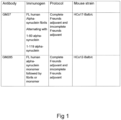
- the following proteins were acquired or produced for use as immunogens shown in Fig 1 .
- the mice were immunized with three immunogens: full length recombinant human alpha-synuclein fibrils; human alpha-synuclein recombinant protein containing amino acids 1-60 (Rpeptide, Bogart, Georgia) and human alpha-synuclein recombinant protein containing amino acids 1-119.
- Rpeptide Rpeptide, Bogart, Georgia
- human alpha-synuclein recombinant protein containing amino acids 1-119 To make the fibrils from the full length the alpha-synuclein a lyophilized product from Rpeptide, Bogart, Georgia (Catalog number S-1001-2) was used. This was dissolved in 20 mM tris and 300 mM NaCl buffer at concentration of 1 mg/ml protein.
- the protein solution was incubated 170 ⁇ l aliquots in 96 well plate with a 70 ⁇ m diameter ceramic bead in each well at 200 rpm in Vortemp 56 shaker incubator (Labnet International, Edison, NJ, USA), at 37°C for 7 days, and the formation of fibrils was followed by adding thioflavin T and measuring fluorescence in one of the wells.
- the recombinant alpha-synuclein containing amino acids 1-60 was dissolved in water to give a concentration of 1 mg/ml.
- the recombinant alpha-synuclein containing amino acids 1-119 was made using the following construct: A synthetic gene coding for a 6 amino acid Histidine tag, followed by factor Xa cleavage site and sequence coding for human alpha-synuclein amino acids 1-119: was synthezised by Genscript and cloned into Ndel-Xhol site in pET24a(+) expression vector (Novagen).
- the expression vector was transformed into E. coli BL21 and a single colony picked for expression using the overnight express autoinduction system from Novagen (User protocol TB383 rev. H1005).
- the scale was 500 ml of final culture volume. Cells were harvested by centrifugation 10 min at 6000g and subsequently lyzed using BugBuster protein extraction Reagent (User protocol TB245 Rev. 0304). After lysis the sample was cleared by centrifugation and the supernatant used for further purification.
- the His-tagged protein was purified on a 5ml HisTrap column (GE healthcare) equilibrated in 20 mM Sodium phosphate pH7.5, 1 M NaCl (A-buffer). After sample application and wash using A-buffer the protein was eluted in a gradient to 0.25 M Imidazole in A-buffer over 20 column volumes. Fractions of 5 ml were collected and analyzed by SDS-PAGE. Fractions with the protein of interest was pooled, concentrated and applied to an S200 (26/60) size exclusion column (GE healthcare) in 10 mM tris pH 7.4, 300 mM NaCl. Again fractions were pooled according to presence in SDS-PAGE of a band with expected size.
- the purified his-tagged alpha-synuclein 1-119 was incubated with factor Xa in a 1:50 ration using the Novagen kit (69037-3FRX). After overnight incubation, the factor Xa was removed batchwise using Xarrest agarose. The cleaved alpha-synuclein 1-119 was finally purified by permissive HisTrap chromatography as described above. From the flow through the purified alpha-synuclein 1-119 was obtained and concentrated to ⁇ 400 ⁇ g/ml using centricon concentration devises.
- Alpha-synuclein (Rpeptide) was rehydrated in PBS at 2 mg/ml and peroxynitirite (100 ⁇ L/mg protein) was added dropwise while mixing. The nitrosylated alpha-synuclein was then dialyzed in 5L PBS and stored at -20°C.
- Dopamine was used to oxidize alpha-synuclein. Equal volumes of a 200uM solution of Dopamine-HCL (Sigma P5244) prepared in 10mM PBS, pH7.4 and a 28 ⁇ M solution of alpha-synuclein (Rpeptide) in 10mM PBS, pH7.4 were combined. The resulting 14 uM alpha-synuclein/100 uM Dopamine were incubated at 37°C O/N (over night). The oxidized alpha-synuclein was then dialyzed in PBS and stored at - 20°C.
- Dopamine-HCL Sigma P5244
- Rpeptide alpha-synuclein
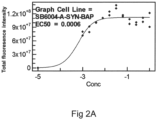
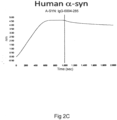
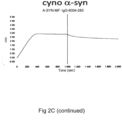
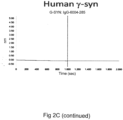
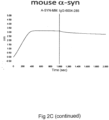
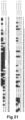
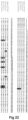
- Screening constructs included the following: human, mouse, rat and cynomolgus monkey alpha-synuclein, human Beta-synuclein, Human Gamma-synuclein ( fig 21 and 22 ) and lastly an alpha-synuclein derivative that lacked residues 120-140 of alpha-synuclein.
- Example 4 Immunoprecipitation of alpha-synuclein from human brain homogenates of cingulate cortex from patients with dementia with Lewy bodies
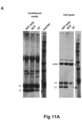
- the neurons were treated with sonicated (5 min at 50 % power in cup horn sonicator) pre-formed alpha-synuclein fibrils (PFFs) at an end concentration of 0.7 ⁇ M alone or together with antibodies in the indicated concentrations. After 24 hours of incubation, the media was harvested and the cells were lysed. Western Blots was run on both media and cell lysate using the 4B12 antibody ( Fig 11A ) (Pierce MA1-90346) and a secondary anti-mouse antibody. After probing with 4B12 + anti-mouse, the blots were stripped and reprobed with an anti-human-IgG antibody.
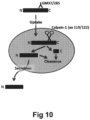
- alpha-synuclein can be cleaved by Calpain-1.
- the cleavage site of Calpain-1 for fibrillized alpha-synuclein has been found to be in the region 114-122 ( Mishizen-Eberz, J of Neurochem, 86, 836-847, 2003 ).
- the epitope of 285 overlaps with the epitope of 37 and it would also be expected to inhibit the protease cleavage.
- the amino acid sequence of 37v2 only differs from 37 at one amino acid in CDR and has similar binding as 37, so it would also be expected to inhibit protease cleavage in similar manner to 37.
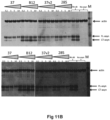
- Alpha-synuclein on Western Blots were detected with 1904/4B12 antibody (Abcam), which has an epitope in the region 103-108 and therefore binds to both the FL and the C-terminally truncated alpha-synuclein ( Fig. 11B ).
- Abcam 1904/4B12 antibody
- both GM37, 37v2 and GM285 have a dose dependent inhibition of protease cleavage, with almost complete inhibition of the cleavage at high concentration of the antibody.
- mouse primary cortical neurons prepared as above are plated in 96 well plates (15,000 cells per well).
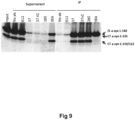
- DIV in vitro culture
- 50% of media is changed and supplemented with cytosine arabinoside (final conc. of 1uM).
- DIV 6 half of the media is changed with glia conditioned media along with alpha synuclein fibrillary material, either crude fibril seeds or pure seeds.
- the crude fibril seeds are made from recombinant monomeric human alpha-synuclein, which was isolated from bacteria and the monomers were filtered through an Amicon Ultra 100.000 cut off filter (Millipore cat. No UFC510096) and adjusted to concentration of 1mg/ml in PBS, pH 7.4.
- the monomer solution was incubated in thermomixer at 37C with continuous mixing (800rpm) until plateu is reached (evaluated by daily measures with Thioflavin S). To minimize evaporation a drop of mineral oil was added to cover the solution.
- the total time for incubation was 5-7 days,
- the pure seeds are made from crude fibril seeds that are centrifuged to purify them and the aggregated pellet is resuspended in fresh PBS and sonicated.
- the antibodies are added once on DIV 6 along with alpha-synuclein crude seeds.
- Half of the media in the primary neurons is replaced with glia conditioned media every week to maintain them up to DIV21.
- the neurons are fixed and stained for Phospho-synuclein using a rabbit antibody specific for phosphorylation of alpha-synuclein at amino acid S129 (abcam 51253), followed by a fluorescently labelled anti-rabbit antibody, fluorescence is quantified using automated fluorescent microscopy, Cellomics Arrayscan.
- Nuclei were detected in one channel and defined the number of valid cells.
- Phosphorylated alpha-synuclein spots were detected in another channel in a pre-defined ring-formed area surrounding the nucleus, thus representing the cytoplasm of the cells. The average number of spots per cell was calculated.
- Example of cell staining is shown in Fig 12A .
- Phosphorylated alpha synuclein spots are not seen in untreated neurons. Neurons incubated with crude or pure seeds (1-10ng per well) induce phosphorylation of alpha synuclein ( Fig. 12A ). In neurites, phosphorylated synuclein appears as spots or punctate and some of the phospho-synuclein in the neurites appear elongated.
- cells were harvested in phosphate buffered saline solution (PBS) and centrifuged. Pellet was resuspended in 1% triton buffer with protease inhibitors. Samples were kept on ice for 15 min. followed by sonication. The samples were centrifuged at 100,000x g for 30 min. at 4C. The supernatant is collected and labelled as soluble fraction. The pellet was washed once in triton buffer and resuspended in 1% SDS buffer followed by sonication. Samples were centrifuged again at 100,000xg for 30 min. The supernatant is collected as insoluble fraction.
- PBS phosphate buffered saline solution
- the protein concentrations were measured and samples were run on 4-12% SDS_PAGE gel, blotted on membranes and alpha synuclein and phosphorylated alpha synuclein (S129P) are detected by 4B12/1904 antibody (Thermo scientific: MA1-90346-human synuclein), S129P-asyn antibody (abcam 51253) and mouse synuclein antibody (cell signalling- D37A6), respectively.
- 4B12/1904 antibody Thermo scientific: MA1-90346-human synuclein
- S129P-asyn antibody abcam 51253
- mouse synuclein antibody cell signalling- D37A6
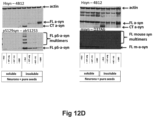
- Figure 12 B shows the Western blot of the soluble and insoluble fraction from the primary neurons with and without crude seeds. As can be seen from Figure 12B the addition of the seeds lead to accumulation of endogenous mouse alpha-synuclein and p-S129-alpha-synuclein and multimers of phosphorylated mouse alpha-synuclein in the insoluble fraction of the cells.
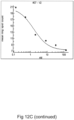
- alpha synuclein synuclein seeds were used at conc. of 6.6nM (10ng/ well). Different concentration of antibody and alpha- synuclein seeds were added together on DIV 6, to make a dose response (starting from highest antibody conc. at 133nM down to 133 pM). The neurons were again fixed and stained for Phospho-synuclein (abcam 51253) and fluorescence from cells was quantified using automated fluorescent microscopy, Cellomics arrayscan. The spots/puncta per cell were counted in Cellomics arrayscan.
- both antibody 37, 37v2 and antibody 285 reduced alpha synuclein phosphorylation in neurons in a dose dependent manner with similar maximal inhibition for 37, 37v2 and 285 (around 70-75%) and EC50 around 5 nM.
- F28-snca transgenic and age-matched control male mice (CRO breeding, Taconic Europe A/S) aged 4 to 6 months were single-housed in controlled temperature (22 ⁇ 1.5°C) and humidity conditions (55-65%) and kept in a 12:12 hour light/dark cycle (lights on at 06:00h). Food and water were available ad libitum.
- mice were anesthetized with an intraperitoneal (i.p.) injection of urethane (1.2 g/kg). Mice were then mounted in a stereotaxic frame, their temperature adjusted to 37.5°C via a heating pad, and the skull was exposed.
- i.p. intraperitoneal
- a platinum wire was placed in the frontal bone to act as a reference, and an additional hole was drilled for insertion of the recording and stimulating electrodes in the hippocampus, at the following coordinates according to the atlas of Paxinos and Franklin (Paxinos and Franklin's the Mouse Brain in Stereotaxic Coordinates, 4th Edition, 2001 ): recording, 1.5-1.7 mm posterior to Bregma, 1.0-1.2 mm lateral to the midline, 1.4-1.7 mm below the surface of the brain; stimulation, 1.8-2.0 mm posterior to Bregma, 1.5-1.7 mm lateral to the midline, 1.5-1.7 mm below the surface of the brain. Animals were left in the stereotaxic frame through the whole duration of the recordings and their level of anesthesia was regularly checked.
- fEPSP Field potentials
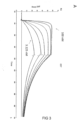
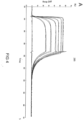
- basal synaptic transmission was assessed by the relationship between stimulation intensity and slope of the evoked fEPSP (input-output relationship).
- the different intensities of stimulation were 0, 25, 50, 75, 100, 150, 200, 300, 400, and 500 ⁇ A, and were applied successively in increasing order, with 2 to 3 repeats for each intensity.
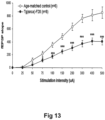
- Basal synaptic transmission was found to be significantly impaired in F28-snca transgenic compared to age-matched control mice.
- the identified impairments in basal synaptic transmission in F28-snca transgenic mice were used to test the GM37, GM285 and comparator h9E4 for their ability to block the alpha synuclein mediated effect.
- Basal synaptic transmission in GM37-treated transgenic mice was not significantly different from basal synaptic transmission in PBS-treated littermates, indicating a full reversal of the impairment ( Fig 15 ).
- GM285 also induced a significant reversal of the impairment in basal synaptic transmission in F28-snca transgenic mice ( Fig 16 ). Basal synaptic transmission in GM285-treated transgenic mice was not significantly different from basal synaptic transmission in PBS-treated littermates, indicating a full reversal of the impairment.
- Example 8 Microdialysis to assess human alpha-synuclein in the brain of awake freely moving animals
- the push-pull microdialysis method was used to assess the levels of human alpha-synuclein in brain interstitial fluid (ISF). Mice were single-housed in controlled temperature (22 ⁇ 1.5°C) and humidity conditions (55-65%) and kept on a 12:12 hour light/dark cycle (lights on at 06:00h). Food and water were available ad libitum. The current study was performed in the hippocampus of F28-snca transgenic mice (50-54 weeks old).
- ISF brain interstitial fluid
- mice were anaesthetized with isoflurane and an intracerebral guide cannula (CMA) was stereotaxically implanted into the brain, positioning the microdialysis probe in the hippocampus (co-ordinates of probe tip: 3.1 mm posterior and 2.8 mm lateral from bregma, and 1.3 mm relative dura mater) according to the atlas of Paxinos and Franklin 2001.
- Anchor screws and acrylic cement were used for the fixation of the guide cannulas. After implantation of the cannula mice were allowed to recover from the surgery for 2-3 days before dialysis.
- a 2-mm, 1000 kDa cut-off CMA probe was inserted through the guide cannula.
- a probe was connected to a microdialysis peristaltic pump with two channels (MAB20; Microbiotech) and operated in push-pull mode.
- the inlet tubing of the microdialysis probe was connected to a peristaltic pump perfusing the probe with artificial cerebrospinal fluid (aCSF; in mM: 147 NaCl, 2.7 KCl, 1.2 CaCl 2 , 0.85 MgCl 2 ).
- the peristaltic pump was also connected to the outlet tubing in order to prevent perfusion fluid loss from the probe, by pulling the fluid through the tubing.
- the average of the two-three basal values (4h-6h) prior to antibody treatment was taken as baseline and set to 100% for each animal. Data was evaluated using two-way analysis of variance (ANOVA) with repeated measures to evaluate statistical relevance.
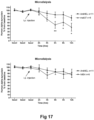
- the administration of GM37 induced a larger reduction in human alpha-synuclein in the hippocampus of F28 mice compared to both the comparator antibody, human 9E4, and the isotype control (anti-HEL). ( Fig. 17 ).
- Targeted overexpression of human alpha-synuclein to dopaminergic neurons in the rat midbrain can be achieved using a recombinant adeno-associated viral vector (rAAV) and is associated with a progressive loss of dopaminergic cells in the substantia nigra as well as motor impairments.
- rAAV adeno-associated viral vector
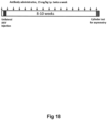
- mice were dosed with GM 37 at 30 mg/kg i.p, GM 3715 mg/kg i.v. , or vehicle ip (PBS).One day later the mice were anesthetized and stereotactically injected in one hemisphere with 2 ul of recombinant human alpha-Syn crude seeds, made as described previously (Example 6) (total of 2 ⁇ g crude seeds per animal).
- mice received weekly i.p. or i.v. injections of antibodies until sacrifice at 45 days. Groups of 15 mice/group were dosed either iv w. GM37 15mg/kg, ip with GM37 30mg/kg, or PBS (10 ml/kg) ip once weekly.
- Plasma and CSF samples were analysed to determine the concentration of Human IgG by MSD.
- mouse anti-human IgG (clone MH16-1 (M1268) was used for capture, plasma or CSF was incubated in the well, followed by a sulfo-TAG goat anti-human as the detection antibody (MSD cat no: R32AJ-1). Plates were analysed from electrochemiluminesence by MSD.
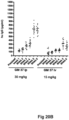
- the antibody levels in plasma are shown in Figure 20B and show a dose dependent increase in antibody plasma concentration and accumulation of antibody in plasma during the six weeks.
- the antibody levels in csf are shown in Figure 20C , and show that around 0.1% of antibody level in plasma can be measured in csf.
- mice were anesthetized, transcardially perfused with PBS, followed by perfusion with neutral buffered paraformaldehyde (4%). The brains were removed and incubated overnight for post-fixation in neutral buffered paraformaldehyde. Immunohistochemistry was performed on 45 ⁇ m thick serial sections by Neuroscience associates. Briefly, Using MultiBrain ® technology, up to 25 mouse brains were embedded together per block, into 3 blocks, freeze-sectioned at 45 ⁇ m thickness in the coronal plane, and collected into cups containing antigen preserve solution.
- Quantitation of pSyn pathology was performed by manual counting immunoreactive positive cells from images at 10 x magnification from 5-7 sections covering the entire substantia nigra from every sixth section. The counting was performed blinded. Cell counts in amygdala and nigra were analysed by a one-way ANOVA followed by Bonferoni t-test, where the effect of GM37 antibody was compared to PBS treatment.
- treatment with antibody GM37 reduced the number of intra-cellular inclusions in Substantia Nigra significantly when compared to PBS control, with either ip or iv treatment.
- the data shows that antibody GM37 could have therapeutic effect in PD by blocking entry of extracellular pathological alpha-synuclein into neurons, by blocking its propagation between neurons and/or facilitating clearance from the ISF by uptake into microglia.
- treatment with antibody GM37 could have a therapeutic effect on loss of dopaminergic cells and development of motor deficits in PD.
- Example 11 Manufactability of GM37 and GM37 variants
- the anti-alpha-synuclein antibodies are produced in mammalian cell culture under conditions that mimic the production conditions that will be used for producing clinical grade material for use in patients. It is well known that proteins produced in this manner undergo post-translational modifications that can impact both therapeutic potency of the antibody as well as biophysical attributes that affect the stability of the antibody over time. Empirical knowledge ascertained from decades of studies identified a set of post-translational modifications known to provide risk for the developability of a specific molecule. These post-translational modifications have been shown to correlate with amino acid strings present in the primary sequence of the heavy and light chain proteins. Algorithms have been generated that can identify these sequences and determine the potential risk they will have on the manufacturability and developability of a therapeutic antibody.
- Amino acid residues 54 is an asparagine(N) followed by a glycine(G) at position 55.
- the N54 is at high risk for spontaneous deamidation.
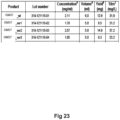
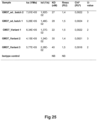
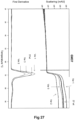
- To mitigate this risk we generated a set of 3 variants that replace the asparagine(N) with serine(S), glutamine(Q) or histidine(H). All 3 variants were produced in mammalian cell culture using transient transfection methods (example 1.5). All 3 variants showed similar expression and purification properties as GM37wt. ( Fig. 23 ).
- transient transfections were performed using CHOK1SV GS-KO cells which had been in culture for minimum 2 weeks. Cells were sub-cultured 24 hours prior to transfection. All transfections were carried out via electroporation using Gene Pulse XCell (Bio-Rad). For each transfection, viable cells were resuspended in pre-warmed CD-CHO media supplemented with 6mM L-glutamine to 2.86 ⁇ 10 7 cells/ml. 40 ⁇ g of each established SGV DNA containing the appropriate heavy and light chains were aliquoted into each cuvette (Bio-Rad, GenePulser cuvette, 0.4 cm gap, 165-2088) and 700 ⁇ l cell suspension added.
- Cells were electroporated at 300V, 900 ⁇ F. Transfected cells were transferred to rep-warmed media in Erlenmeyer flasks and the contents of the cuvettes rinsed twice with prewarmed media were also transferred to the flasks. Transfectant cultures were incubated in a shaking incubator at 36.5°C, 5% CO 2 , 85% humidity, 140 rpm for 6 days. Cell viability was measured at the time of harvest using a Cedex HiRes automated cell counter (Rosche).
- a competition assay was performed using preincubation of a fixed concentration (0.3 ⁇ g/ml) of each of the following antibodies, GM37 (named GM 37wt), GM37 variant1, GM37 variant2 and GM37 variant3 with a range of 0-1000 nM human alpha-synuclein for 60 minutes at room temperature. The remaining unbound antibody was captured and measured on ELISA plates coated with 100 ng/ml of recombinant human alpha-synuclein using an anti-human detection antibody by electrochemiluminesence (MSD, Gathersburg, MD).
- the IC50s of the interaction are 1.9nM, 1.6nM, 2.1nM and 1.4nM for GM37 wt, GM37variant1, GM37variant2 and GM37variant3, respectively (as determined using Prism Graphpad ® ).
Landscapes
- Health & Medical Sciences (AREA)
- Life Sciences & Earth Sciences (AREA)
- Chemical & Material Sciences (AREA)
- Engineering & Computer Science (AREA)
- Biomedical Technology (AREA)
- Medicinal Chemistry (AREA)
- General Health & Medical Sciences (AREA)
- Neurology (AREA)
- Neurosurgery (AREA)
- Bioinformatics & Cheminformatics (AREA)
- Organic Chemistry (AREA)
- Pharmacology & Pharmacy (AREA)
- Animal Behavior & Ethology (AREA)
- Public Health (AREA)
- Veterinary Medicine (AREA)
- Immunology (AREA)
- Chemical Kinetics & Catalysis (AREA)
- General Chemical & Material Sciences (AREA)
- Nuclear Medicine, Radiotherapy & Molecular Imaging (AREA)
- Molecular Biology (AREA)
- Biochemistry (AREA)
- Hematology (AREA)
- Urology & Nephrology (AREA)
- Proteomics, Peptides & Aminoacids (AREA)
- Microbiology (AREA)
- Physics & Mathematics (AREA)
- Biophysics (AREA)
- Genetics & Genomics (AREA)
- Psychiatry (AREA)
- Hospice & Palliative Care (AREA)
- Psychology (AREA)
- Epidemiology (AREA)
- Analytical Chemistry (AREA)
- General Physics & Mathematics (AREA)
- Biotechnology (AREA)
- Food Science & Technology (AREA)
- Cell Biology (AREA)
- Pathology (AREA)
- Mycology (AREA)
- Endocrinology (AREA)
Priority Applications (5)
| Application Number | Priority Date | Filing Date | Title |
|---|---|---|---|
| MA42439A MA42439B1 (fr) | 2015-07-13 | 2016-07-12 | Agents, utilisations et procédés pour le traitement d'une synucléinopathie |
| HRP20250624TT HRP20250624T1 (hr) | 2015-07-13 | 2016-07-12 | Sredstva, uporaba i metode za liječenje sinukleinopatije |
| SI201631902T SI3322722T1 (sl) | 2015-07-13 | 2016-07-12 | Sredstva, uporaba in metode za zdravljenje sinukleinopatije |
| EP25154059.7A EP4582144A3 (en) | 2015-07-13 | 2016-07-12 | Agents, uses and methods for the treatment of synucleinopathy |
| RS20250497A RS66840B1 (sr) | 2015-07-13 | 2016-07-12 | Agensi, koristi i postupci za lečenje sinukleinopatije |
Applications Claiming Priority (2)
| Application Number | Priority Date | Filing Date | Title |
|---|---|---|---|
| GBGB1512203.9A GB201512203D0 (en) | 2015-07-13 | 2015-07-13 | Agents,uses and methods |
| PCT/EP2016/066476 WO2017009312A1 (en) | 2015-07-13 | 2016-07-12 | Agents, uses and methods for the treatment of synucleinopathy |
Related Child Applications (2)
| Application Number | Title | Priority Date | Filing Date |
|---|---|---|---|
| EP25154059.7A Division-Into EP4582144A3 (en) | 2015-07-13 | 2016-07-12 | Agents, uses and methods for the treatment of synucleinopathy |
| EP25154059.7A Division EP4582144A3 (en) | 2015-07-13 | 2016-07-12 | Agents, uses and methods for the treatment of synucleinopathy |
Publications (2)
| Publication Number | Publication Date |
|---|---|
| EP3322722A1 EP3322722A1 (en) | 2018-05-23 |
| EP3322722B1 true EP3322722B1 (en) | 2025-03-05 |
Family
ID=54013851
Family Applications (2)
| Application Number | Title | Priority Date | Filing Date |
|---|---|---|---|
| EP16738736.4A Active EP3322722B1 (en) | 2015-07-13 | 2016-07-12 | Agents, uses and methods for the treatment of synucleinopathy |
| EP25154059.7A Pending EP4582144A3 (en) | 2015-07-13 | 2016-07-12 | Agents, uses and methods for the treatment of synucleinopathy |
Family Applications After (1)
| Application Number | Title | Priority Date | Filing Date |
|---|---|---|---|
| EP25154059.7A Pending EP4582144A3 (en) | 2015-07-13 | 2016-07-12 | Agents, uses and methods for the treatment of synucleinopathy |
Country Status (40)
Families Citing this family (32)
| Publication number | Priority date | Publication date | Assignee | Title |
|---|---|---|---|---|
| GB201512203D0 (en) | 2015-07-13 | 2015-08-19 | Lundbeck & Co As H | Agents,uses and methods |
| US11542332B2 (en) | 2016-03-26 | 2023-01-03 | Bioatla, Inc. | Anti-CTLA4 antibodies, antibody fragments, their immunoconjugates and uses thereof |
| RU2019114679A (ru) * | 2016-11-15 | 2020-12-17 | Х. Лундбекк А/С | Средства, пути применения и способы лечения синуклеопатии |
| EP3555127B1 (en) | 2016-12-16 | 2024-12-18 | H. Lundbeck A/S | Agents, uses and methods |
| US10364286B2 (en) | 2016-12-22 | 2019-07-30 | H. Lundbeck A/S | Monoclonal anti-alpha-synuclein antibodies for preventing tau aggregation |
| US12049493B2 (en) | 2017-01-06 | 2024-07-30 | Abl Bio Inc. | Anti-alpha-synuclein antibodies and uses thereof |
| JP7136790B2 (ja) | 2017-02-17 | 2022-09-13 | ブリストル-マイヤーズ スクイブ カンパニー | アルファ-シヌクレインに対する抗体およびその使用 |
| WO2018183192A1 (en) | 2017-03-27 | 2018-10-04 | Chase Therapeutics Corporation | Compositions and methods for treating synucleinopathies |
| AU2018258117A1 (en) | 2017-04-24 | 2019-12-12 | Chase Therapeutics Corporation | Compositions and method for treating depression |
| IL270361B2 (en) | 2017-05-01 | 2025-04-01 | Univ Pennsylvania | Monoclonal antibodies against alpha-synuclein fibrils |
| EP3672635A4 (en) | 2017-08-23 | 2021-05-12 | The Trustees of The University of Pennsylvania | MONOCLONAL ANTIBODIES AGAINST PATHOLOGICAL ALPHA-SYNUCLEIN AND METHOD OF USING THEREOF |
| BR112020009707A2 (pt) * | 2017-11-17 | 2020-10-13 | Abl Bio Inc. | anticorpos para a-sinucleína e usos dos mesmos |
| BR112020011875A2 (pt) | 2017-12-14 | 2020-11-24 | Abl Bio Inc. | anticorpo biespecífico ao a-syn/igf1r e uso do mesmo |
| GB201720970D0 (en) | 2017-12-15 | 2018-01-31 | Ucb Biopharma Sprl | Antibodies |
| GB201720975D0 (en) | 2017-12-15 | 2018-01-31 | Ucb Biopharma Sprl | Anti-alpha synuclein antibodies |
| BR112020014542A2 (pt) * | 2018-01-26 | 2020-12-08 | Quantum-Si Incorporated | Aprendizado de máquina habilitado por aplicação de pulso e de base para dispositivos de sequenciamento |
| EP3752840A4 (en) * | 2018-02-12 | 2022-08-10 | The Scripps Research Institute | PROCEDURES RELATED TO PARKINSON'S DISEASE AND SYNUCLEINOPATHIES |
| EP3833435B1 (en) * | 2018-08-09 | 2025-09-24 | F. Hoffmann-La Roche AG | Determination of parkinson's disease |
| MX2021005048A (es) | 2018-10-31 | 2021-09-08 | Bioatla Inc | Anticuerpos anti-ctla4, fragmentos de anticuerpos, sus inmunoconjugados y usos. |
| TWI734279B (zh) * | 2018-12-14 | 2021-07-21 | 美商美國禮來大藥廠 | 抗α-突觸核蛋白抗體及其用途 |
| CA3133909A1 (en) * | 2019-04-18 | 2020-10-22 | Elpida TSIKA | Novel molecules for therapy and diagnosis |
| US20220226357A1 (en) * | 2019-04-29 | 2022-07-21 | Thomas Jefferson University | Methods for treating neurodegenerative disorders |
| MX2022006676A (es) * | 2019-12-04 | 2022-07-05 | Ac Immune Sa | Nuevas moleculas para terapia y diagnostico. |
| KR102466943B1 (ko) * | 2020-04-02 | 2022-11-14 | 한국과학기술연구원 | 갭을 갖는 바이오 센서를 이용한 파킨슨병 모니터링 방법 및 시스템 |
| CN111537738A (zh) * | 2020-05-18 | 2020-08-14 | 南通大学附属医院 | 用于超早期帕金森病检测的试剂盒 |
| KR20240055785A (ko) * | 2021-09-01 | 2024-04-29 | 백시니티, 인크. | 시누클레인병증의 방지 및 치료 방법 |
| IL311344A (en) | 2021-09-16 | 2024-05-01 | H Lundbeck As | Preparations and methods for the treatment of synoclinopathies |
| CN117430686B (zh) * | 2022-07-22 | 2025-07-01 | 深圳市安群生物工程有限公司 | α-突触核蛋白抗原表位肽及测定唾液中SNCA试剂盒和在帕金森病诊断中的应用 |
| WO2024177999A2 (en) * | 2023-02-21 | 2024-08-29 | The Regents Of The University Of Michigan | Human aggregated alpha-synuclein binding molecules |
| CN116077524A (zh) * | 2023-02-27 | 2023-05-09 | 广西馨海药业科技有限公司 | 氯化铷在制备治疗帕金森综合征的药物中的用途 |
| AU2024360083A1 (en) * | 2023-10-12 | 2026-05-21 | Universite Laval | Anti-alpha-synuclein antibodies and uses thereof |
| WO2025186235A1 (en) | 2024-03-05 | 2025-09-12 | H. Lundbeck A/S | Compositions and methods for treating multiple system atrophy (msa) |
Family Cites Families (87)
| Publication number | Priority date | Publication date | Assignee | Title |
|---|---|---|---|---|
| US4179337A (en) | 1973-07-20 | 1979-12-18 | Davis Frank F | Non-immunogenic polypeptides |
| GB1512203A (en) | 1974-05-08 | 1978-05-24 | Aspin F | Rolls for use in profiling film |
| JPS5896026A (ja) | 1981-10-30 | 1983-06-07 | Nippon Chemiphar Co Ltd | 新規ウロキナ−ゼ誘導体およびその製造法ならびにそれを含有する血栓溶解剤 |
| US4609546A (en) | 1982-06-24 | 1986-09-02 | Japan Chemical Research Co., Ltd. | Long-acting composition |
| US4681581A (en) | 1983-12-05 | 1987-07-21 | Coates Fredrica V | Adjustable size diaper and folding method therefor |
| US4766106A (en) | 1985-06-26 | 1988-08-23 | Cetus Corporation | Solubilization of proteins for pharmaceutical compositions using polymer conjugation |
| US5776093A (en) | 1985-07-05 | 1998-07-07 | Immunomedics, Inc. | Method for imaging and treating organs and tissues |
| US5101827A (en) | 1985-07-05 | 1992-04-07 | Immunomedics, Inc. | Lymphographic and organ imaging method and kit |
| US4735210A (en) | 1985-07-05 | 1988-04-05 | Immunomedics, Inc. | Lymphographic and organ imaging method and kit |
| US5225539A (en) | 1986-03-27 | 1993-07-06 | Medical Research Council | Recombinant altered antibodies and methods of making altered antibodies |
| US4946778A (en) | 1987-09-21 | 1990-08-07 | Genex Corporation | Single polypeptide chain binding molecules |
| WO1988004777A1 (en) | 1986-12-15 | 1988-06-30 | Ultra Diagnostics Corporation | Monomeric phthalocyanine reagents |
| US5750172A (en) | 1987-06-23 | 1998-05-12 | Pharming B.V. | Transgenic non human mammal milk |
| US5648471A (en) | 1987-12-03 | 1997-07-15 | Centocor, Inc. | One vial method for labeling antibodies with Technetium-99m |
| GB8823869D0 (en) | 1988-10-12 | 1988-11-16 | Medical Res Council | Production of antibodies |
| US5530101A (en) | 1988-12-28 | 1996-06-25 | Protein Design Labs, Inc. | Humanized immunoglobulins |
| US5703055A (en) | 1989-03-21 | 1997-12-30 | Wisconsin Alumni Research Foundation | Generation of antibodies through lipid mediated DNA delivery |
| CA2065299C (en) | 1989-08-09 | 2001-07-24 | Buck A. Rhodes | Direct radiolabeling of antibodies and other proteins with technetium or rhenium |
| US5633076A (en) | 1989-12-01 | 1997-05-27 | Pharming Bv | Method of producing a transgenic bovine or transgenic bovine embryo |
| US5859205A (en) | 1989-12-21 | 1999-01-12 | Celltech Limited | Humanised antibodies |
| US5625126A (en) | 1990-08-29 | 1997-04-29 | Genpharm International, Inc. | Transgenic non-human animals for producing heterologous antibodies |
| ES2246502T3 (es) | 1990-08-29 | 2006-02-16 | Genpharm International, Inc. | Animales no humanos transgenicos capaces de producir anticuerpos heterologos. |
| US5633425A (en) | 1990-08-29 | 1997-05-27 | Genpharm International, Inc. | Transgenic non-human animals capable of producing heterologous antibodies |
| US5545806A (en) | 1990-08-29 | 1996-08-13 | Genpharm International, Inc. | Ransgenic non-human animals for producing heterologous antibodies |
| US5877397A (en) | 1990-08-29 | 1999-03-02 | Genpharm International Inc. | Transgenic non-human animals capable of producing heterologous antibodies of various isotypes |
| US5789650A (en) | 1990-08-29 | 1998-08-04 | Genpharm International, Inc. | Transgenic non-human animals for producing heterologous antibodies |
| US5814318A (en) | 1990-08-29 | 1998-09-29 | Genpharm International Inc. | Transgenic non-human animals for producing heterologous antibodies |
| US5661016A (en) | 1990-08-29 | 1997-08-26 | Genpharm International Inc. | Transgenic non-human animals capable of producing heterologous antibodies of various isotypes |
| US5770429A (en) | 1990-08-29 | 1998-06-23 | Genpharm International, Inc. | Transgenic non-human animals capable of producing heterologous antibodies |
| US6300129B1 (en) | 1990-08-29 | 2001-10-09 | Genpharm International | Transgenic non-human animals for producing heterologous antibodies |
| US5874299A (en) | 1990-08-29 | 1999-02-23 | Genpharm International, Inc. | Transgenic non-human animals capable of producing heterologous antibodies |
| AU2235992A (en) | 1991-06-14 | 1993-01-12 | Genpharm International, Inc. | Transgenic immunodeficient non-human animals |
| EP0590058B1 (en) | 1991-06-14 | 2003-11-26 | Genentech, Inc. | HUMANIZED Heregulin ANTIBODy |
| EP0593592B1 (en) | 1991-07-08 | 1998-03-25 | The University Of Massachusetts At Amherst | Thermotropic liquid crystal segmented block copolymer |
| AU693436B2 (en) | 1993-03-09 | 1998-07-02 | Genzyme Corporation | Isolation of components of interest from milk |
| AU6819494A (en) | 1993-04-26 | 1994-11-21 | Genpharm International, Inc. | Transgenic non-human animals capable of producing heterologous antibodies |
| US5827690A (en) | 1993-12-20 | 1998-10-27 | Genzyme Transgenics Corporatiion | Transgenic production of antibodies in milk |
| US6077835A (en) | 1994-03-23 | 2000-06-20 | Case Western Reserve University | Delivery of compacted nucleic acid to cells |
| KR970029803A (ko) | 1995-11-03 | 1997-06-26 | 김광호 | 반도체 메모리장치의 프리차지 회로 |
| US6355271B1 (en) | 1999-02-03 | 2002-03-12 | Biosante Pharmaceuticals, Inc. | Therapeutic calcium phosphate particles and methods of manufacture and use |
| US6281005B1 (en) | 1999-05-14 | 2001-08-28 | Copernicus Therapeutics, Inc. | Automated nucleic acid compaction device |
| CN1399645A (zh) | 1999-07-29 | 2003-02-26 | 米德列斯公司 | Her2/neu的人单克隆抗体 |
| NZ517202A (en) | 1999-08-24 | 2004-05-28 | Medarex Inc | Human CTLA-4 antibodies and their uses |
| CN1440420A (zh) | 2000-07-07 | 2003-09-03 | 万能药制药公司 | 预防神经组织损伤和治疗α-共核蛋白疾病的方法 |
| DE60131456T2 (de) | 2000-11-30 | 2008-07-10 | Medarex, Inc., Milpitas | Transchromosomale transgen-nagetiere zur herstellung von humanen antikörpern |
| US20020197258A1 (en) | 2001-06-22 | 2002-12-26 | Ghanbari Hossein A. | Compositions and methods for preventing protein aggregation in neurodegenerative diseases |
| AU2002368077B2 (en) | 2001-07-12 | 2010-03-04 | Jefferson Foote | Super humanized antibodies |
| US8829198B2 (en) | 2007-10-31 | 2014-09-09 | Proteotech Inc | Compounds, compositions and methods for the treatment of beta-amyloid diseases and synucleinopathies |
| US9034337B2 (en) * | 2003-10-31 | 2015-05-19 | Prothena Biosciences Limited | Treatment and delay of outset of synucleinopathic and amyloidogenic disease |
| US20080014194A1 (en) | 2003-10-31 | 2008-01-17 | Elan Pharmaceuticals, Inc. | Prevention and Treatment of Synucleinopathic and Amyloidogenic Disease |
| US8506959B2 (en) | 2002-11-01 | 2013-08-13 | Neotope Biosciences Limited | Prevention and treatment of synucleinopathic and amyloidogenic disease |
| TW200509968A (en) | 2002-11-01 | 2005-03-16 | Elan Pharm Inc | Prevention and treatment of synucleinopathic disease |
| US7358331B2 (en) * | 2003-05-19 | 2008-04-15 | Elan Pharmaceuticals, Inc. | Truncated fragments of alpha-synuclein in Lewy body disease |
| DK2361928T3 (en) | 2003-05-19 | 2017-07-03 | Prothena Biosciences Ltd | Truncated fragments of alpha synuclein in Lewy body disease |
| WO2005047860A2 (en) * | 2003-11-08 | 2005-05-26 | Elan Pharmaceuticals, Inc. | Antibodies to alpha-synuclein |
| JP2006031250A (ja) | 2004-07-14 | 2006-02-02 | Fuji Xerox Co Ltd | 通信装置およびその制御方法 |
| CN101052417A (zh) * | 2004-08-09 | 2007-10-10 | 艾兰制药公司 | 突触核蛋白病以及淀粉样变性病的预防和治疗 |
| MX2007001679A (es) | 2004-08-09 | 2007-05-23 | Elan Pharm Inc | Prevencion y tratamiento de la enfermedad sinucleinopatica y amiloidogenica. |
| US20060205024A1 (en) | 2005-03-08 | 2006-09-14 | Sun Health Research Institute | Method to diagnose and evaluate progression of Alzheimer's disease |
| CA2657953A1 (en) | 2005-07-19 | 2007-01-25 | University Of Rochester | Alpha-synuclein antibodies and methods related thereto |
| KR101866623B1 (ko) | 2005-11-28 | 2018-07-04 | 젠맵 에이/에스 | 재조합 1가 항체 및 그의 제조 방법 |
| LT3067066T (lt) | 2007-02-23 | 2019-06-25 | Prothena Biosciences Limited | Sinukleopatinių ir amiloidogeninių ligų prevencija ir gydymas |
| PL2583978T3 (pl) | 2007-02-23 | 2016-07-29 | Prothena Biosciences Ltd Co | Profilaktyka i leczenie chorób synukleinopatycznych i amyloidogennych |
| CN104383556B (zh) * | 2007-05-16 | 2018-06-05 | 布里格姆妇女医院 | 突触核蛋白病的治疗 |
| JP5588866B2 (ja) | 2007-08-10 | 2014-09-10 | メダレックス エル.エル.シー. | Hco32およびhco27、ならびに関連実施例 |
| ES2709048T3 (es) | 2008-04-29 | 2019-04-15 | Bioarctic Ab | Anticuerpos y vacunas para su uso en métodos terapéuticos y diagnósticos para trastornos relacionados con alfasinucleína |
| HRP20150831T1 (hr) * | 2008-12-19 | 2015-10-09 | Biogen International Neuroscience Gmbh | Humana anti-alfa- sinuklein auto-protutijela |
| CA2758187C (en) | 2009-04-09 | 2017-03-07 | Robert Boyd | Methods for preventing and/or treating degenerative disorders of the central nervous system |
| CN110655573B (zh) | 2010-02-26 | 2023-07-18 | 生命北极神经科学公司 | 原细纤维结合抗体及其治疗和诊断帕金森氏症、路易体痴呆和其他α-共核蛋白病的应用 |
| EP2366714A1 (en) | 2010-03-03 | 2011-09-21 | Dr. Rentschler Holding GmbH & Co. KG | Naturally occuring autoantibodies against alpha-synuclein that inhibit the aggregation and cytotoxicity of alpha-synuclein |
| GB201008682D0 (en) | 2010-05-25 | 2010-07-07 | Vib Vzw | Epitope tag for affinity based applications |
| LT2627672T (lt) | 2010-10-11 | 2018-12-10 | Biogen International Neuroscience Gmbh | Žmogaus antikūnai prieš tau baltymą |
| PL2723379T3 (pl) * | 2011-06-23 | 2019-05-31 | Biogen Int Neuroscience Gmbh | Cząsteczki wiążące przeciwko alfa-synukleinie |
| JP2013059866A (ja) | 2011-09-12 | 2013-04-04 | Seiko Epson Corp | 液体噴射装置、液体噴射装置の制御方法および液体噴射装置の制御プログラム |
| EP2771031B1 (en) * | 2011-10-28 | 2018-04-18 | Prothena Biosciences Limited | Humanized antibodies that recognize alpha-synuclein |
| EP2870176A4 (en) | 2012-07-03 | 2016-09-28 | Univ Washington | ANTIBODIES DIRECTED AGAINST TAU |
| UA118441C2 (uk) | 2012-10-08 | 2019-01-25 | Протена Біосаєнсиз Лімітед | Антитіло, що розпізнає альфа-синуклеїн |
| CN104869993B (zh) | 2012-10-25 | 2019-01-15 | 通用医疗公司 | 治疗阿尔茨海默病及相关疾病的组合疗法 |
| US9534044B2 (en) | 2013-02-28 | 2017-01-03 | United Arab Emirates University | Alpha-synuclein antibodies and uses thereof |
| US10513555B2 (en) | 2013-07-04 | 2019-12-24 | Prothena Biosciences Limited | Antibody formulations and methods |
| LT3071597T (lt) * | 2013-11-21 | 2020-10-12 | F. Hoffmann-La Roche Ag | Antikūnai prieš alfa-sunukleiną ir jų naudojimo būdai |
| JP2017536102A (ja) | 2014-10-16 | 2017-12-07 | ジェネンテック, インコーポレイテッド | 抗アルファ−シヌクレイン抗体及び使用方法 |
| WO2016179569A1 (en) | 2015-05-07 | 2016-11-10 | Axovant Sciences Ltd. | Compositions and methods of treating a neurodegenerative disease |
| GB201512203D0 (en) | 2015-07-13 | 2015-08-19 | Lundbeck & Co As H | Agents,uses and methods |
| TW202309093A (zh) | 2016-06-02 | 2023-03-01 | 英商梅迪繆思有限公司 | 針對α-突觸核蛋白之抗體及其用途 |
| RU2019114679A (ru) | 2016-11-15 | 2020-12-17 | Х. Лундбекк А/С | Средства, пути применения и способы лечения синуклеопатии |
| US10364286B2 (en) | 2016-12-22 | 2019-07-30 | H. Lundbeck A/S | Monoclonal anti-alpha-synuclein antibodies for preventing tau aggregation |
-
2015
- 2015-07-13 GB GBGB1512203.9A patent/GB201512203D0/en not_active Ceased
-
2016
- 2016-07-11 JO JOP/2016/0140A patent/JO3692B1/ar active
- 2016-07-12 US US15/207,859 patent/US10800836B2/en active Active
- 2016-07-12 PE PE2018000066A patent/PE20181049A1/es unknown
- 2016-07-12 FI FIEP16738736.4T patent/FI3322722T3/fi active
- 2016-07-12 CN CN202511963296.1A patent/CN121736097A/zh active Pending
- 2016-07-12 KR KR1020177037733A patent/KR102793383B1/ko active Active
- 2016-07-12 WO PCT/EP2016/066476 patent/WO2017009312A1/en not_active Ceased
- 2016-07-12 AR ARP160102110A patent/AR105336A1/es unknown
- 2016-07-12 HU HUE16738736A patent/HUE071541T2/hu unknown
- 2016-07-12 EP EP16738736.4A patent/EP3322722B1/en active Active
- 2016-07-12 RS RS20250497A patent/RS66840B1/sr unknown
- 2016-07-12 LT LTEPPCT/EP2016/066476T patent/LT3322722T/lt unknown
- 2016-07-12 CR CR20230300A patent/CR20230300A/es unknown
- 2016-07-12 UA UAA201800664A patent/UA125501C2/uk unknown
- 2016-07-12 CN CN202511963248.2A patent/CN121824750A/zh active Pending
- 2016-07-12 ES ES16738736T patent/ES3028882T3/es active Active
- 2016-07-12 TN TNP/2018/000005A patent/TN2018000005A1/en unknown
- 2016-07-12 MA MA42439A patent/MA42439B1/fr unknown
- 2016-07-12 MY MYPI2017001926A patent/MY194944A/en unknown
- 2016-07-12 CR CR20180021A patent/CR20180021A/es unknown
- 2016-07-12 KR KR1020257011170A patent/KR20250051158A/ko active Pending
- 2016-07-12 TW TW105121902A patent/TWI729992B/zh active
- 2016-07-12 JP JP2018501163A patent/JP7012004B2/ja active Active
- 2016-07-12 MX MX2018000504A patent/MX2018000504A/es unknown
- 2016-07-12 HR HRP20250624TT patent/HRP20250624T1/hr unknown
- 2016-07-12 RU RU2017145653A patent/RU2765303C2/ru active
- 2016-07-12 PT PT167387364T patent/PT3322722T/pt unknown
- 2016-07-12 CN CN202210997939.4A patent/CN115925921A/zh active Pending
- 2016-07-12 EA EA201792616A patent/EA036499B1/ru not_active IP Right Cessation
- 2016-07-12 GE GEAP202014670A patent/GEAP202014670A/en unknown
- 2016-07-12 SI SI201631902T patent/SI3322722T1/sl unknown
- 2016-07-12 CN CN201680039417.6A patent/CN107709361B/zh active Active
- 2016-07-12 AU AU2016292896A patent/AU2016292896B2/en active Active
- 2016-07-12 EP EP25154059.7A patent/EP4582144A3/en active Pending
- 2016-07-12 DK DK16738736.4T patent/DK3322722T3/da active
- 2016-07-12 GE GEAP201614670A patent/GEP20207151B/en unknown
- 2016-07-12 PL PL16738736.4T patent/PL3322722T3/pl unknown
-
2017
- 2017-11-14 US US15/812,303 patent/US10358483B2/en active Active
- 2017-11-14 US US15/812,410 patent/US10358484B2/en active Active
- 2017-11-14 US US15/812,363 patent/US10364285B2/en active Active
- 2017-11-14 US US15/812,251 patent/US10358482B2/en active Active
- 2017-12-15 CO CONC2017/0012941A patent/CO2017012941A2/es unknown
- 2017-12-18 ZA ZA2017/08607A patent/ZA201708607B/en unknown
- 2017-12-22 IL IL256501A patent/IL256501B/en unknown
-
2018
- 2018-01-03 PH PH12018500016A patent/PH12018500016A1/en unknown
- 2018-01-09 CL CL2018000075A patent/CL2018000075A1/es unknown
- 2018-01-11 DO DO2018000013A patent/DOP2018000013A/es unknown
- 2018-01-11 SV SV2018005612A patent/SV2018005612A/es unknown
- 2018-01-11 NI NI201800006A patent/NI201800006A/es unknown
- 2018-01-12 EC ECIEPI20182645A patent/ECSP18002645A/es unknown
- 2018-01-12 MX MX2023009483A patent/MX2023009483A/es unknown
-
2019
- 2019-06-17 US US16/443,225 patent/US10647764B2/en active Active
- 2019-06-17 US US16/443,187 patent/US10647763B2/en active Active
- 2019-06-17 US US16/443,249 patent/US10640554B2/en active Active
-
2020
- 2020-06-08 US US16/895,471 patent/US11524995B2/en active Active
- 2020-08-27 US US17/004,447 patent/US11421024B2/en active Active
- 2020-11-03 US US17/088,307 patent/US11542323B2/en active Active
-
2021
- 2021-08-24 JP JP2021136539A patent/JP7138322B2/ja active Active
-
2022
- 2022-08-29 JP JP2022136108A patent/JP7608404B2/ja active Active
- 2022-11-22 US US17/992,403 patent/US20230312693A1/en active Pending
-
2024
- 2024-12-18 JP JP2024221962A patent/JP2025041734A/ja active Pending
Non-Patent Citations (4)
| Title |
|---|
| A. CASADEVALL ET AL: "Immunoglobulin isotype influences affinity and specificity", PROCEEDINGS OF THE NATIONAL ACADEMY OF SCIENCES, vol. 109, no. 31, 31 July 2012 (2012-07-31), pages 12272 - 12273, XP055047920, ISSN: 0027-8424, DOI: 10.1073/pnas.1209750109 * |
| CRISTINA CALDAS ET AL: "Humanization of the anti-CD18 antibody 6.7: an unexpected effect of a framework residue in binding to antigen.", MOLECULAR IMMUNOLOGY, vol. 39, no. 15, 1 May 2003 (2003-05-01), pages 941 - 952, XP055025334, ISSN: 0161-5890, DOI: 10.1016/S0161-5890(03)00022-1 * |
| DU J ET AL: "Molecular basis of recognition of human osteopontin by 23C3, a potential therapeutic antibody for treatment of rheumatoid arthritis", JOURNAL OF MOLECULAR BIOLOGY, ACADEMIC PRESS, UNITED KINGDOM, vol. 382, no. 4, 17 October 2008 (2008-10-17), pages 835 - 842, XP026805063, ISSN: 0022-2836, [retrieved on 20080731], DOI: 10.1016/J.JMB.2008.07.075 * |
| VERED KUNIK ET AL: "Structural Consensus among Antibodies Defines the Antigen Binding Site", PLOS COMPUTATIONAL BIOLOGY, vol. 8, no. 2, 23 February 2012 (2012-02-23), pages e1002388, XP055123186, DOI: 10.1371/journal.pcbi.1002388 * |
Also Published As
Similar Documents
| Publication | Publication Date | Title |
|---|---|---|
| US11421024B2 (en) | Agents, uses and methods for the treatment of synucleinopathy | |
| US12421303B2 (en) | Agents, uses and methods for the treatment of synucleinopathy | |
| HK40127009A (en) | Agents, uses and methods for the treatment of synucleinopathy | |
| CA2989735C (en) | Antibodies binding alpha-synuclein and uses thereof for the treatment of synucleinopathy | |
| HK1254358B (en) | Agents, uses and methods for the treatment of synucleinopathy | |
| OA18689A (en) | Agents, Uses and Methods for the Treatment of Synucleinopathy |
Legal Events
| Date | Code | Title | Description |
|---|---|---|---|
| REG | Reference to a national code |
Ref country code: HR Ref legal event code: TUEP Ref document number: P20250624T Country of ref document: HR |
|
| STAA | Information on the status of an ep patent application or granted ep patent |
Free format text: STATUS: THE INTERNATIONAL PUBLICATION HAS BEEN MADE |
|
| PUAI | Public reference made under article 153(3) epc to a published international application that has entered the european phase |
Free format text: ORIGINAL CODE: 0009012 |
|
| STAA | Information on the status of an ep patent application or granted ep patent |
Free format text: STATUS: REQUEST FOR EXAMINATION WAS MADE |
|
| 17P | Request for examination filed |
Effective date: 20180213 |
|
| AK | Designated contracting states |
Kind code of ref document: A1 Designated state(s): AL AT BE BG CH CY CZ DE DK EE ES FI FR GB GR HR HU IE IS IT LI LT LU LV MC MK MT NL NO PL PT RO RS SE SI SK SM TR |
|
| AX | Request for extension of the european patent |
Extension state: BA ME |
|
| RAV | Requested validation state of the european patent: fee paid |
Extension state: MA Effective date: 20180213 |
|
| REG | Reference to a national code |
Ref country code: HK Ref legal event code: DE Ref document number: 1254358 Country of ref document: HK |
|
| STAA | Information on the status of an ep patent application or granted ep patent |
Free format text: STATUS: EXAMINATION IS IN PROGRESS |
|
| 17Q | First examination report despatched |
Effective date: 20200630 |
|
| RIN1 | Information on inventor provided before grant (corrected) |
Inventor name: STAVENHAGEN, JEFFREY B. Inventor name: MONTEZINHO, LILIANA, CHRISTINA, PEREIRA Inventor name: MALIK, IBRAHIM, JOHN Inventor name: VINK, TOM Inventor name: RADEMAKER, RIK Inventor name: PARREN, PAUL Inventor name: VAN DEN BRINK, EDWARD Inventor name: SATIJN, DAVID Inventor name: SOTTY, FLORENCE Inventor name: BERGSTROEM, ANN-LOUISE Inventor name: VESTERAGER, LOUISE, BUUR Inventor name: FOG, KARINA Inventor name: KALLUNKI, PEKKA |
|
| REG | Reference to a national code |
Ref country code: DE Ref legal event code: R079 Free format text: PREVIOUS MAIN CLASS: C07K0016180000 Ipc: A61K0039000000 Ref country code: DE Ref legal event code: R079 Ref document number: 602016091448 Country of ref document: DE Free format text: PREVIOUS MAIN CLASS: C07K0016180000 Ipc: A61K0039000000 |
|
| RIC1 | Information provided on ipc code assigned before grant |
Ipc: A61P 25/28 20060101ALI20241001BHEP Ipc: A61P 25/16 20060101ALI20241001BHEP Ipc: C07K 16/18 20060101ALI20241001BHEP Ipc: A61P 25/02 20060101ALI20241001BHEP Ipc: A61P 25/00 20060101ALI20241001BHEP Ipc: A61K 39/00 20060101AFI20241001BHEP |
|
| GRAP | Despatch of communication of intention to grant a patent |
Free format text: ORIGINAL CODE: EPIDOSNIGR1 |
|
| STAA | Information on the status of an ep patent application or granted ep patent |
Free format text: STATUS: GRANT OF PATENT IS INTENDED |
|
| GRAJ | Information related to disapproval of communication of intention to grant by the applicant or resumption of examination proceedings by the epo deleted |
Free format text: ORIGINAL CODE: EPIDOSDIGR1 |
|
| STAA | Information on the status of an ep patent application or granted ep patent |
Free format text: STATUS: EXAMINATION IS IN PROGRESS |
|
| GRAS | Grant fee paid |
Free format text: ORIGINAL CODE: EPIDOSNIGR3 |
|
| STAA | Information on the status of an ep patent application or granted ep patent |
Free format text: STATUS: GRANT OF PATENT IS INTENDED |
|
| GRAP | Despatch of communication of intention to grant a patent |
Free format text: ORIGINAL CODE: EPIDOSNIGR1 |
|
| INTG | Intention to grant announced |
Effective date: 20241219 |
|
| GRAA | (expected) grant |
Free format text: ORIGINAL CODE: 0009210 |
|
| STAA | Information on the status of an ep patent application or granted ep patent |
Free format text: STATUS: THE PATENT HAS BEEN GRANTED |
|
| AK | Designated contracting states |
Kind code of ref document: B1 Designated state(s): AL AT BE BG CH CY CZ DE DK EE ES FI FR GB GR HR HU IE IS IT LI LT LU LV MC MK MT NL NO PL PT RO RS SE SI SK SM TR |
|
| REG | Reference to a national code |
Ref country code: GB Ref legal event code: FG4D |
|
| RIN1 | Information on inventor provided before grant (corrected) |
Inventor name: STAVENHAGEN, JEFFREY B Inventor name: MONTEZINHO, LILIANA, CHRISTINA, PEREIRA Inventor name: MALIK, IBRAHIM, JOHN Inventor name: VINK, TOM Inventor name: RADEMAKER, RIK Inventor name: PARREN, PAUL Inventor name: VAN DEN BRINK, EDWARD Inventor name: SATIJN, DAVID Inventor name: SOTTY, FLORENCE Inventor name: BERGSTROEM, ANN-LOUISE Inventor name: VESTERAGER, LOUISE, BUUR Inventor name: FOG, KARINA Inventor name: KALLUNKI, PEKKA |
|
| REG | Reference to a national code |
Ref country code: CH Ref legal event code: EP |
|
| REG | Reference to a national code |
Ref country code: IE Ref legal event code: FG4D |
|
| REG | Reference to a national code |
Ref country code: DE Ref legal event code: R096 Ref document number: 602016091448 Country of ref document: DE |
|
| REG | Reference to a national code |
Ref country code: PT Ref legal event code: SC4A Ref document number: 3322722 Country of ref document: PT Date of ref document: 20250521 Kind code of ref document: T Free format text: AVAILABILITY OF NATIONAL TRANSLATION Effective date: 20250516 |
|
| REG | Reference to a national code |
Ref country code: DK Ref legal event code: T3 Effective date: 20250521 |
|
| REG | Reference to a national code |
Ref country code: MA Ref legal event code: VAGR Ref document number: 42439 Country of ref document: MA Kind code of ref document: B1 |
|
| REG | Reference to a national code |
Ref country code: FI Ref legal event code: FGE |
|
| REG | Reference to a national code |
Ref country code: SE Ref legal event code: TRGR |
|
| REG | Reference to a national code |
Ref country code: NL Ref legal event code: FP |
|
| REG | Reference to a national code |
Ref country code: ES Ref legal event code: FG2A Ref document number: 3028882 Country of ref document: ES Kind code of ref document: T3 Effective date: 20250620 |
|
| PGFP | Annual fee paid to national office [announced via postgrant information from national office to epo] |
Ref country code: SM Payment date: 20250630 Year of fee payment: 10 |
|
| REG | Reference to a national code |
Ref country code: HR Ref legal event code: ODRP Ref document number: P20250624 Country of ref document: HR Payment date: 20250620 Year of fee payment: 10 Ref country code: HR Ref legal event code: T1PR Ref document number: P20250624 Country of ref document: HR |
|
| PGFP | Annual fee paid to national office [announced via postgrant information from national office to epo] |
Ref country code: CZ Payment date: 20250618 Year of fee payment: 10 |
|
| REG | Reference to a national code |
Ref country code: SK Ref legal event code: T3 Ref document number: E 46532 Country of ref document: SK |
|
| REG | Reference to a national code |
Ref country code: EE Ref legal event code: FG4A Ref document number: E025084 Country of ref document: EE Effective date: 20250529 |
|
| REG | Reference to a national code |
Ref country code: GR Ref legal event code: EP Ref document number: 20250401102 Country of ref document: GR Effective date: 20250707 |
|
| PGFP | Annual fee paid to national office [announced via postgrant information from national office to epo] |
Ref country code: HU Payment date: 20250610 Year of fee payment: 10 |
|
| REG | Reference to a national code |
Ref country code: HU Ref legal event code: AG4A Ref document number: E071541 Country of ref document: HU |
|
| PGFP | Annual fee paid to national office [announced via postgrant information from national office to epo] |
Ref country code: FI Payment date: 20250715 Year of fee payment: 10 Ref country code: ES Payment date: 20250807 Year of fee payment: 10 |
|
| PGFP | Annual fee paid to national office [announced via postgrant information from national office to epo] |
Ref country code: DK Payment date: 20250714 Year of fee payment: 10 Ref country code: DE Payment date: 20250521 Year of fee payment: 10 |
|
| PGFP | Annual fee paid to national office [announced via postgrant information from national office to epo] |
Ref country code: NO Payment date: 20250709 Year of fee payment: 10 |
|
| PGFP | Annual fee paid to national office [announced via postgrant information from national office to epo] |
Ref country code: TR Payment date: 20250704 Year of fee payment: 10 |
|
| PGFP | Annual fee paid to national office [announced via postgrant information from national office to epo] |
Ref country code: AL Payment date: 20250708 Year of fee payment: 10 Ref country code: AT Payment date: 20250625 Year of fee payment: 10 |
|
| PGFP | Annual fee paid to national office [announced via postgrant information from national office to epo] |
Ref country code: CH Payment date: 20250801 Year of fee payment: 10 Ref country code: MT Payment date: 20250722 Year of fee payment: 10 |
|
| PGFP | Annual fee paid to national office [announced via postgrant information from national office to epo] |
Ref country code: IS Payment date: 20250707 Year of fee payment: 10 |
|
| PGFP | Annual fee paid to national office [announced via postgrant information from national office to epo] |
Ref country code: MK Payment date: 20250714 Year of fee payment: 10 |
|
| VSFP | Annual fee paid to validation state [announced via postgrant information from national office to epo] |
Ref country code: MA Payment date: 20250722 Year of fee payment: 10 |
|
| REG | Reference to a national code |
Ref country code: DE Ref legal event code: R097 Ref document number: 602016091448 Country of ref document: DE |
|
| PLBE | No opposition filed within time limit |
Free format text: ORIGINAL CODE: 0009261 |
|
| STAA | Information on the status of an ep patent application or granted ep patent |
Free format text: STATUS: NO OPPOSITION FILED WITHIN TIME LIMIT |
|
| REG | Reference to a national code |
Ref country code: CH Ref legal event code: L10 Free format text: ST27 STATUS EVENT CODE: U-0-0-L10-L00 (AS PROVIDED BY THE NATIONAL OFFICE) Effective date: 20260114 |
|
| PGFP | Annual fee paid to national office [announced via postgrant information from national office to epo] |
Ref country code: CY Payment date: 20250606 Year of fee payment: 10 |
|
| 26N | No opposition filed |
Effective date: 20251208 |
|
| PGFP | Annual fee paid to national office [announced via postgrant information from national office to epo] |
Ref country code: NL Payment date: 20260514 Year of fee payment: 11 |
|
| REG | Reference to a national code |
Ref country code: AT Ref legal event code: UEP Ref document number: 1772309 Country of ref document: AT Kind code of ref document: T Effective date: 20250305 |
|
| PGFP | Annual fee paid to national office [announced via postgrant information from national office to epo] |
Ref country code: GB Payment date: 20260526 Year of fee payment: 11 Ref country code: RS Payment date: 20260617 Year of fee payment: 11 Ref country code: PL Payment date: 20260428 Year of fee payment: 11 |
|
| PGFP | Annual fee paid to national office [announced via postgrant information from national office to epo] |
Ref country code: IT Payment date: 20260622 Year of fee payment: 11 Ref country code: GR Payment date: 20260611 Year of fee payment: 11 Ref country code: MC Payment date: 20260630 Year of fee payment: 11 |
|
| PGFP | Annual fee paid to national office [announced via postgrant information from national office to epo] |
Ref country code: LT Payment date: 20260520 Year of fee payment: 11 |
|
| PGFP | Annual fee paid to national office [announced via postgrant information from national office to epo] |
Ref country code: SE Payment date: 20260511 Year of fee payment: 11 |
|
| PGFP | Annual fee paid to national office [announced via postgrant information from national office to epo] |
Ref country code: RO Payment date: 20260612 Year of fee payment: 11 Ref country code: LU Payment date: 20260630 Year of fee payment: 11 Ref country code: BE Payment date: 20260615 Year of fee payment: 11 Ref country code: IE Payment date: 20260514 Year of fee payment: 11 |
|
| PGFP | Annual fee paid to national office [announced via postgrant information from national office to epo] |
Ref country code: EE Payment date: 20260605 Year of fee payment: 11 Ref country code: HR Payment date: 20260520 Year of fee payment: 11 |
|
| REG | Reference to a national code |
Ref country code: HR Ref legal event code: ODRP Ref document number: P20250624 Country of ref document: HR Payment date: 20260520 Year of fee payment: 11 |
|
| PGFP | Annual fee paid to national office [announced via postgrant information from national office to epo] |
Ref country code: PT Payment date: 20260625 Year of fee payment: 11 |
|
| PGFP | Annual fee paid to national office [announced via postgrant information from national office to epo] |
Ref country code: FR Payment date: 20260511 Year of fee payment: 11 |
|
| PGFP | Annual fee paid to national office [announced via postgrant information from national office to epo] |
Ref country code: LV Payment date: 20260520 Year of fee payment: 11 |
|
| PGFP | Annual fee paid to national office [announced via postgrant information from national office to epo] |
Ref country code: SK Payment date: 20260612 Year of fee payment: 11 |
|
| PGFP | Annual fee paid to national office [announced via postgrant information from national office to epo] |
Ref country code: BG Payment date: 20260515 Year of fee payment: 11 |
|
| PGFP | Annual fee paid to national office [announced via postgrant information from national office to epo] |
Ref country code: SI Payment date: 20260529 Year of fee payment: 11 |
|
| REG | Reference to a national code |
Ref country code: CH Ref legal event code: U11 Free format text: ST27 STATUS EVENT CODE: U-0-0-U10-U11 (AS PROVIDED BY THE NATIONAL OFFICE) Effective date: 20260801 |