EP3294333B9 - Claudin-18.2-spezifische immunorezeptoren und t-zellepitope - Google Patents
Claudin-18.2-spezifische immunorezeptoren und t-zellepitope Download PDFInfo
- Publication number
- EP3294333B9 EP3294333B9 EP16721176.2A EP16721176A EP3294333B9 EP 3294333 B9 EP3294333 B9 EP 3294333B9 EP 16721176 A EP16721176 A EP 16721176A EP 3294333 B9 EP3294333 B9 EP 3294333B9
- Authority
- EP
- European Patent Office
- Prior art keywords
- cells
- cell
- seq
- amino acid
- antigen
- Prior art date
- Legal status (The legal status is an assumption and is not a legal conclusion. Google has not performed a legal analysis and makes no representation as to the accuracy of the status listed.)
- Active
Links
Images





Classifications
-
- A—HUMAN NECESSITIES
- A61—MEDICAL OR VETERINARY SCIENCE; HYGIENE
- A61K—PREPARATIONS FOR MEDICAL, DENTAL OR TOILETRY PURPOSES
- A61K39/00—Medicinal preparations containing antigens or antibodies
- A61K39/0005—Vertebrate antigens
- A61K39/0011—Cancer antigens
-
- A—HUMAN NECESSITIES
- A61—MEDICAL OR VETERINARY SCIENCE; HYGIENE
- A61K—PREPARATIONS FOR MEDICAL, DENTAL OR TOILETRY PURPOSES
- A61K40/00—Cellular immunotherapy
- A61K40/10—Cellular immunotherapy characterised by the cell type used
- A61K40/11—T-cells, e.g. tumour infiltrating lymphocytes [TIL] or regulatory T [Treg] cells; Lymphokine-activated killer [LAK] cells
-
- A—HUMAN NECESSITIES
- A61—MEDICAL OR VETERINARY SCIENCE; HYGIENE
- A61K—PREPARATIONS FOR MEDICAL, DENTAL OR TOILETRY PURPOSES
- A61K40/00—Cellular immunotherapy
- A61K40/30—Cellular immunotherapy characterised by the recombinant expression of specific molecules in the cells of the immune system
- A61K40/31—Chimeric antigen receptors [CAR]
-
- A—HUMAN NECESSITIES
- A61—MEDICAL OR VETERINARY SCIENCE; HYGIENE
- A61K—PREPARATIONS FOR MEDICAL, DENTAL OR TOILETRY PURPOSES
- A61K40/00—Cellular immunotherapy
- A61K40/30—Cellular immunotherapy characterised by the recombinant expression of specific molecules in the cells of the immune system
- A61K40/32—T-cell receptors [TCR]
-
- A—HUMAN NECESSITIES
- A61—MEDICAL OR VETERINARY SCIENCE; HYGIENE
- A61K—PREPARATIONS FOR MEDICAL, DENTAL OR TOILETRY PURPOSES
- A61K40/00—Cellular immunotherapy
- A61K40/40—Cellular immunotherapy characterised by antigens that are targeted or presented by cells of the immune system
- A61K40/41—Vertebrate antigens
- A61K40/42—Cancer antigens
- A61K40/4202—Receptors, cell surface antigens or cell surface determinants
-
- A—HUMAN NECESSITIES
- A61—MEDICAL OR VETERINARY SCIENCE; HYGIENE
- A61P—SPECIFIC THERAPEUTIC ACTIVITY OF CHEMICAL COMPOUNDS OR MEDICINAL PREPARATIONS
- A61P35/00—Antineoplastic agents
-
- A—HUMAN NECESSITIES
- A61—MEDICAL OR VETERINARY SCIENCE; HYGIENE
- A61P—SPECIFIC THERAPEUTIC ACTIVITY OF CHEMICAL COMPOUNDS OR MEDICINAL PREPARATIONS
- A61P37/00—Drugs for immunological or allergic disorders
- A61P37/02—Immunomodulators
- A61P37/04—Immunostimulants
-
- C—CHEMISTRY; METALLURGY
- C07—ORGANIC CHEMISTRY
- C07K—PEPTIDES
- C07K14/00—Peptides having more than 20 amino acids; Gastrins; Somatostatins; Melanotropins; Derivatives thereof
- C07K14/435—Peptides having more than 20 amino acids; Gastrins; Somatostatins; Melanotropins; Derivatives thereof from animals; from humans
- C07K14/705—Receptors; Cell surface antigens; Cell surface determinants
-
- C—CHEMISTRY; METALLURGY
- C07—ORGANIC CHEMISTRY
- C07K—PEPTIDES
- C07K14/00—Peptides having more than 20 amino acids; Gastrins; Somatostatins; Melanotropins; Derivatives thereof
- C07K14/435—Peptides having more than 20 amino acids; Gastrins; Somatostatins; Melanotropins; Derivatives thereof from animals; from humans
- C07K14/705—Receptors; Cell surface antigens; Cell surface determinants
- C07K14/70503—Immunoglobulin superfamily
- C07K14/7051—T-cell receptor (TcR)-CD3 complex
-
- C—CHEMISTRY; METALLURGY
- C07—ORGANIC CHEMISTRY
- C07K—PEPTIDES
- C07K14/00—Peptides having more than 20 amino acids; Gastrins; Somatostatins; Melanotropins; Derivatives thereof
- C07K14/435—Peptides having more than 20 amino acids; Gastrins; Somatostatins; Melanotropins; Derivatives thereof from animals; from humans
- C07K14/705—Receptors; Cell surface antigens; Cell surface determinants
- C07K14/70503—Immunoglobulin superfamily
- C07K14/70521—CD28, CD152
-
- C—CHEMISTRY; METALLURGY
- C07—ORGANIC CHEMISTRY
- C07K—PEPTIDES
- C07K14/00—Peptides having more than 20 amino acids; Gastrins; Somatostatins; Melanotropins; Derivatives thereof
- C07K14/435—Peptides having more than 20 amino acids; Gastrins; Somatostatins; Melanotropins; Derivatives thereof from animals; from humans
- C07K14/705—Receptors; Cell surface antigens; Cell surface determinants
- C07K14/70503—Immunoglobulin superfamily
- C07K14/70539—MHC-molecules, e.g. HLA-molecules
-
- C—CHEMISTRY; METALLURGY
- C07—ORGANIC CHEMISTRY
- C07K—PEPTIDES
- C07K16/00—Immunoglobulins [IGs], e.g. monoclonal or polyclonal antibodies
- C07K16/18—Immunoglobulins [IGs], e.g. monoclonal or polyclonal antibodies against material from animals or humans
-
- C—CHEMISTRY; METALLURGY
- C07—ORGANIC CHEMISTRY
- C07K—PEPTIDES
- C07K16/00—Immunoglobulins [IGs], e.g. monoclonal or polyclonal antibodies
- C07K16/18—Immunoglobulins [IGs], e.g. monoclonal or polyclonal antibodies against material from animals or humans
- C07K16/28—Immunoglobulins [IGs], e.g. monoclonal or polyclonal antibodies against material from animals or humans against receptors, cell surface antigens or cell surface determinants
-
- C—CHEMISTRY; METALLURGY
- C07—ORGANIC CHEMISTRY
- C07K—PEPTIDES
- C07K7/00—Peptides having 5 to 20 amino acids in a fully defined sequence; Derivatives thereof
- C07K7/04—Linear peptides containing only normal peptide links
- C07K7/06—Linear peptides containing only normal peptide links having 5 to 11 amino acids
-
- C—CHEMISTRY; METALLURGY
- C12—BIOCHEMISTRY; BEER; SPIRITS; WINE; VINEGAR; MICROBIOLOGY; ENZYMOLOGY; MUTATION OR GENETIC ENGINEERING
- C12N—MICROORGANISMS OR ENZYMES; COMPOSITIONS THEREOF; PROPAGATING, PRESERVING, OR MAINTAINING MICROORGANISMS; MUTATION OR GENETIC ENGINEERING; CULTURE MEDIA
- C12N5/00—Undifferentiated human, animal or plant cells, e.g. cell lines; Tissues; Cultivation or maintenance thereof; Culture media therefor
- C12N5/06—Animal cells or tissues; Human cells or tissues
- C12N5/0602—Vertebrate cells
- C12N5/0634—Cells from the blood or the immune system
- C12N5/0636—T lymphocytes
-
- A—HUMAN NECESSITIES
- A61—MEDICAL OR VETERINARY SCIENCE; HYGIENE
- A61K—PREPARATIONS FOR MEDICAL, DENTAL OR TOILETRY PURPOSES
- A61K39/00—Medicinal preparations containing antigens or antibodies
- A61K2039/57—Medicinal preparations containing antigens or antibodies characterised by the type of response, e.g. Th1, Th2
- A61K2039/572—Medicinal preparations containing antigens or antibodies characterised by the type of response, e.g. Th1, Th2 cytotoxic response
-
- A—HUMAN NECESSITIES
- A61—MEDICAL OR VETERINARY SCIENCE; HYGIENE
- A61K—PREPARATIONS FOR MEDICAL, DENTAL OR TOILETRY PURPOSES
- A61K39/00—Medicinal preparations containing antigens or antibodies
- A61K2039/57—Medicinal preparations containing antigens or antibodies characterised by the type of response, e.g. Th1, Th2
- A61K2039/575—Medicinal preparations containing antigens or antibodies characterised by the type of response, e.g. Th1, Th2 humoral response
-
- C—CHEMISTRY; METALLURGY
- C07—ORGANIC CHEMISTRY
- C07K—PEPTIDES
- C07K2317/00—Immunoglobulins specific features
- C07K2317/30—Immunoglobulins specific features characterized by aspects of specificity or valency
- C07K2317/34—Identification of a linear epitope shorter than 20 amino acid residues or of a conformational epitope defined by amino acid residues
-
- C—CHEMISTRY; METALLURGY
- C07—ORGANIC CHEMISTRY
- C07K—PEPTIDES
- C07K2317/00—Immunoglobulins specific features
- C07K2317/50—Immunoglobulins specific features characterized by immunoglobulin fragments
- C07K2317/56—Immunoglobulins specific features characterized by immunoglobulin fragments variable (Fv) region, i.e. VH and/or VL
-
- C—CHEMISTRY; METALLURGY
- C07—ORGANIC CHEMISTRY
- C07K—PEPTIDES
- C07K2317/00—Immunoglobulins specific features
- C07K2317/50—Immunoglobulins specific features characterized by immunoglobulin fragments
- C07K2317/56—Immunoglobulins specific features characterized by immunoglobulin fragments variable (Fv) region, i.e. VH and/or VL
- C07K2317/565—Complementarity determining region [CDR]
-
- C—CHEMISTRY; METALLURGY
- C07—ORGANIC CHEMISTRY
- C07K—PEPTIDES
- C07K2317/00—Immunoglobulins specific features
- C07K2317/60—Immunoglobulins specific features characterized by non-natural combinations of immunoglobulin fragments
- C07K2317/62—Immunoglobulins specific features characterized by non-natural combinations of immunoglobulin fragments comprising only variable region components
- C07K2317/622—Single chain antibody (scFv)
-
- C—CHEMISTRY; METALLURGY
- C07—ORGANIC CHEMISTRY
- C07K—PEPTIDES
- C07K2317/00—Immunoglobulins specific features
- C07K2317/70—Immunoglobulins specific features characterized by effect upon binding to a cell or to an antigen
- C07K2317/73—Inducing cell death, e.g. apoptosis, necrosis or inhibition of cell proliferation
-
- C—CHEMISTRY; METALLURGY
- C07—ORGANIC CHEMISTRY
- C07K—PEPTIDES
- C07K2317/00—Immunoglobulins specific features
- C07K2317/70—Immunoglobulins specific features characterized by effect upon binding to a cell or to an antigen
- C07K2317/76—Antagonist effect on antigen, e.g. neutralization or inhibition of binding
-
- C—CHEMISTRY; METALLURGY
- C07—ORGANIC CHEMISTRY
- C07K—PEPTIDES
- C07K2319/00—Fusion polypeptide
- C07K2319/01—Fusion polypeptide containing a localisation/targetting motif
- C07K2319/02—Fusion polypeptide containing a localisation/targetting motif containing a signal sequence
-
- C—CHEMISTRY; METALLURGY
- C07—ORGANIC CHEMISTRY
- C07K—PEPTIDES
- C07K2319/00—Fusion polypeptide
- C07K2319/01—Fusion polypeptide containing a localisation/targetting motif
- C07K2319/03—Fusion polypeptide containing a localisation/targetting motif containing a transmembrane segment
-
- C—CHEMISTRY; METALLURGY
- C07—ORGANIC CHEMISTRY
- C07K—PEPTIDES
- C07K2319/00—Fusion polypeptide
- C07K2319/01—Fusion polypeptide containing a localisation/targetting motif
- C07K2319/035—Fusion polypeptide containing a localisation/targetting motif containing a signal for targeting to the external surface of a cell, e.g. to the outer membrane of Gram negative bacteria, GPI- anchored eukaryote proteins
-
- C—CHEMISTRY; METALLURGY
- C07—ORGANIC CHEMISTRY
- C07K—PEPTIDES
- C07K2319/00—Fusion polypeptide
- C07K2319/30—Non-immunoglobulin-derived peptide or protein having an immunoglobulin constant or Fc region, or a fragment thereof, attached thereto
-
- C—CHEMISTRY; METALLURGY
- C07—ORGANIC CHEMISTRY
- C07K—PEPTIDES
- C07K2319/00—Fusion polypeptide
- C07K2319/33—Fusion polypeptide fusions for targeting to specific cell types, e.g. tissue specific targeting, targeting of a bacterial subspecies
Definitions
- the present teaching relates to the provision of Claudin-18.2-specific immunoreceptors (T cell receptors) and T cell epitopes which are useful for immunotherapy.
- B lymphocytes B cells
- T lymphocytes T cells
- B cells raise humoral immune responses by secretion of antibodies
- T cells mediate cellular immune responses leading to destruction of recognized cells.
- T cells play a central role in cell-mediated immunity in humans and animals.
- the recognition and binding of a particular antigen is mediated by the T cell receptors (TCRs) expressed on the surface of T cells.
- TCRs T cell receptors
- T cell receptor of a T cell is able to interact with immunogenic peptides (epitopes) bound to major histocompatibility complex (MHC) molecules and presented on the surface of target cells. Specific binding of the TCR triggers a signal cascade inside the T cell leading to proliferation and differentiation into a maturated effector T cell. To be able to target a vast variety of antigens, the T cell receptors need to have a great diversity.
- TCRs are composed of one ⁇ -chain and one ⁇ -chain or of one ⁇ -chain and one ⁇ -chain.
- the TCR ⁇ / ⁇ chains are composed of an N-terminal highly polymorphic variable region involved in antigen recognition and an invariant constant region. On the genetic level, these chains are separated into several regions, a variable (V) region, a diversity (D) region (only ⁇ - and ⁇ -chain), a joining (J) region and a constant (C) region.
- the human ⁇ -chain genes contain over 60 variable (V), 2 diversity (D), over 10 joining (J) segments, and 2 constant region segments (C).
- the human ⁇ -chain genes contain over 50 V segments, and over 60 J segments but no D segments, as well as one C segment.
- the murine ⁇ -chain genes contain over 30 variable (V), 2 diversity (D), over 10 joining (J) segments, and 2 constant region segments (C).
- the murine ⁇ -chain genes contain almost 100 V segments, 60 J segments, no D segments, but one C segment.
- specific T cell receptor genes are created by rearranging one V, one D (only ⁇ - and ⁇ -chain), one J and one C region gene.
- the diversity of the TCRs is further amplified by imprecise V-(D)-J rearrangement wherein random nucleotides are introduced and/or deleted at the recombination sites. Since the rearrangement of the TCR gene loci occurs in the genome during maturation of T cells, each mature T cell only expresses one specific ⁇ / ⁇ TCR or ⁇ / ⁇ TCR.
- TCR complementary determining regions 1, 2 and 3
- CDR1, CDR2, CDR3 complementary determining regions 1, 2 and 3
- the CDR3 of the ⁇ -chain which is most critical for antigen recognition and binding is encoded by the V-D-J junction of the rearranged TCR ⁇ -chain gene.
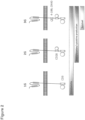
- the TCR is a part of a complex signaling machinery, which includes the heterodimeric complex of the TCR ⁇ - and ⁇ -chains, the co-receptor CD4 or CD8 and the CD3 signal transduction modul ( Figure 1 ). While the CD3 chains transfer the activation signal inside the cell, the TCR ⁇ / ⁇ heterodimer is solely responsible for antigen recognition. Thus, the transfer of the TCR ⁇ / ⁇ chains offers the opportunity to redirect T cells towards any antigen of interest.
- Antigen-specific immunotherapy aims to enhance or induce specific immune responses in patients to control infectious or malignant diseases.
- TAA pathogen- and tumor-associated antigens
- Cells presenting immunogenic peptides (epitopes) derived from these antigens can be specifically targeted by either active or passive immunization strategies.
- Active immunization tends to induce and expand antigen-specific T cells in the patient, which are able to specifically recognize and kill diseased cells.
- passive immunization relies on the adoptive transfer of T cells, which were expanded and optional genetically engineered in vitro (adoptive T cell therapy).
- peptide epitopes derived from tumor antigens may therefore contribute to improve specificity and efficiency of vaccination strategies as well as methods for immunomonitoring.
- patients must fulfill several premises to be eligible for ACT immunotherapy. They must have resectable tumors.
- the tumors must generate viable TILs under cell culture conditions.
- the TILs must be reactive against tumor antigens, and must expand in vitro to sufficient numbers. Especially in other cancers than melanoma, it is difficult to obtain such tumor-reactive TILs.
- repeated in vitro stimulation and clonal expansion of normal human T lymphocytes results in progressive decrease in telomerase activity and shortening of telomeres resulting in replicative senescence and decreased potential for persistence of transferred T cells ( Shen, X. et al. (2007) J. Immunother. 30: 123-129 ).
- TCR gene therapy provides an attractive strategy to develop antigen-specific immunotherapy with autologous lymphocytes as treatment option.
- Major advantages of TCR gene transfer are the creation of therapeutic quantities of antigen-specific T cells within a few days and the possibility to introduce specificities that are not present in the endogenous TCR repertoire of the patient.
- TCR gene transfer is an attractive strategy to redirect antigen-specificity of primary T cells ( Morgan, R.A. et al. (2003) J. Immunol. 171, 3287-3295 ; Cooper, L.J. et al. (2000) J. Virol. 74, 8207-8212 ; Fujio, K. et al. (2000) J. Immunol. 165, 528-532 ; Kessels, H.W. et al. (2001) Nat. Immunol. 2, 957-961 ; Dembic, Z. et al. (1986) Nature 320, 232-238 ).
- Chimeric antigen receptors are engineered receptors that combine a single chain variable fragment (scFv) of a monoclonal antibody with an intracellular part consisting of one or more signaling domains for T cell activation.
- CARs recognize native antigens in a non-MHC-restricted manner and can therefore be used in all individuals no matter what their HLA type is and they are functional in CD4+ as well as CD8+ T cells.
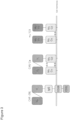
- CARs of the 3rd generation encompass additional domains of costimulatory molecules such as OX40 and 4-1BB to enhance the proliferative capacity and persistence of modified T-cells ( Figure 2 ).
- TAAs tumor-associated antigens
- TAAs by screening of tumor-derived cDNA expression libraries using autologous tumor-specific T cells ( van der Bruggen, P. et al. (1991) Science 254, 1643-1647 ) or circulating antibodies ( Sahin, U. et al. (1995) Proc. Natl. Acad. Sci. U. S. A 92, 11810-11813 ), reverse immunology approaches, biochemical methods ( Hunt, D.F. et al. (1992) Science 256, 1817-1820 ), gene expression analyses or in silico cloning strategies ( Helftenbein, G. et al. (2008) Gene 414, 76-84 ) led to a significant number of target candidates for immunotherapeutic strategies.
- TAAs fall in several categories, including differentiation antigens, overexpressed antigens, tumor-specific splice variants, mutated gene products, viral and cancer testis antigens (CTAs).
- CTAs cancer testis antigens
- the cancer testis family is a very promising category of TAAs as their expression is restricted to the testis and a multitude of different tumor entities ( Scanlan, M.J. et al. (2002) Immunol. Rev. 188, 22-32 ).
- Scanlan, M.J. et al. (2004) Cancer Immun. 4, 1 and some of them have been addressed in clinical studies ( Adams, S. et al. (2008) J. Immunol. 181, 776-784 ; Atanackovic, D. et al.
- the T cell receptors of the teaching may be expressed by and/or present on the surface of cells such as T cells.
- the teaching relates to a cell comprising the T cell receptor chain or T cell receptor of the teaching and/or comprising a nucleic acid comprising a nucleotide sequence encoding the T cell receptor chain or T cell receptor of the teaching.
- said nucleic acid is RNA, preferably in vitro transcribed RNA.
- the cell may be a cell expressing the T cell receptor chain or T cell receptor of the teaching and/or may have the T cell receptor chain or T cell receptor of the teaching on its cell surface.
- said cell is a cell which is useful for adoptive cell transfer.
- the cell may be an effector or stem cell, preferably an immunoreactive cell.
- the immunoreactive cell may be a T cell, preferably a cytotoxic T cell.
- the immunoreactive cell is reactive with the tumor-associated antigen CLDN18.2.
- said CLDN18.2 is present on the surface of a cell such as a diseased cell.
- said CLDN18.2 is presented on the surface of a cell such as a diseased cell or an antigen-presenting cell, and the immunoreactive cell is reactive with a peptide of the teaching, in particular when presented in the context of MHC, and preferably binds to a sequence substantially corresponding to the given amino acid sequence, i.e. an amino acid sequence selected from the group consisting of SEQ ID NOs: 6 and 7.
- said cell lacks surface expression of an endogenous TCR or is specific for a CLDN18.2-unrelated antigen.
- cells of the teaching prior to use in adoptive cell transfer are subjected to an antigen-specific expansion and rechallenge, wherein the antigen-specific expansion and rechallenge may be effected by exposing the cells to preferably autologous antigen presenting cells presenting CLDN18.2 or a peptide fragment thereof.
- the teaching relates to a method of producing an immunoreactive cell comprising the step of transducing a T cell with a nucleic acid comprising a nucleotide sequence encoding the T cell receptor chain or T cell receptor of the teaching.
- a T cell receptor of the teaching When an immunoreactive cell of the teaching, a T cell receptor of the teaching, a nucleic acid of the teaching comprising a nucleotide sequence encoding a T cell receptor of the teaching or a cell of the teaching comprising a T cell receptor of the teaching and/or comprising a nucleic acid of the teaching comprising a nucleotide sequence encoding a T cell receptor of the teaching is administered, the treatment preferably involves a passive immunization.
- CLDN18.2-specific T cells which are able to recognize and kill diseased cells and which were optionally genetically engineered and/or expanded in vitro are adoptively transferred to a patient.
- the teaching relates to a pharmaceutical composition
- a pharmaceutical composition comprising one or more of:
- a pharmaceutical composition of the teaching may comprise a pharmaceutically acceptable carrier and may optionally comprise one or more adjuvants, stabilizers etc.
- the pharmaceutical composition may in the form of a therapeutic or prophylactic vaccine.
- the pharmaceutical composition is for use in treating or preventing a cancer disease such as those described herein.
- Administration of a pharmaceutical composition as described above may provide MHC class II-presented epitopes that are capable of eliciting a CD4+ helper T cell response and/or a CD8+ T cell response against CLDN18.2 (including cells expressing CLDN18.2 on their surface and/or presenting CLDN18.2 in the context of MHC molecules).
- administration of a pharmaceutical composition as described above may provide MHC class I-presented epitopes that are capable of eliciting a CD8+ T cell response against CLDN18.2.
- the teaching relates to the peptide of the teaching, the nucleic acid of the teaching, the cell of the teaching, the immunoreactive cell of the teaching, the binding agent of the teaching, the T cell receptor of the teaching, for use in therapy, in particular for use in treating or preventing cancer.
- Another aspect relates to a method for stimulating, priming and/or expanding T cells, comprising contacting T cells with one or more of: the peptide of the teaching, the nucleic acid of the teaching comprising a nucleotide sequence encoding the peptide of the teaching, the cell of the teaching comprising said nucleic acid and/or the cell of the teaching that presents the peptide of the teaching or a procession product thereof.
- the peptide of the teaching is presented in the context of MHC molecules such as MHC molecules on the surface of cells, e.g. antigen-presenting cells.
- the teaching may relate to a method for preparing CLDN18.2-specific T cells.
- the T cells may be stimulated, primed and/or expanded in vitro or in vivo.
- the T cells are present in a sample obtained from a subject.
- the stimulated, primed and/or expanded T cells may be administered to a subject and may be autologous, allogeneic, syngeneic to the subject.
- the teaching in the above aspects of a method for inducing an immune response in a subject or of a method for stimulating, priming and/or expanding T cells may relate to a method for treating cancer diseases in a subject.
- the teaching in the above aspects of a method for determining an immune response in a subject may relate to a method for diagnosing cancer diseases in a subject.
- the biological sample is from a tissue or organ wherein the cells when the tissue or organ is disease free do not substantially express CLDN18.2.
- T cell cytotoxic assays can be used to detect cytotoxic T cells having specificity for antigens.
- cytotoxic T cells are tested for their ability to kill target cells presenting an antigen with MHC class I molecules.
- Target cells presenting an antigen may be labeled and added to a suspension of T cells from a patient sample. The cytotoxicity may be measured by quantifying the release of label from lysed cells. Controls for spontaneous and total release may be included in the assay.
- the cancer is selected from the group consisting of cancer of the stomach, cancer of the esophagus, in particular the lower esophagus, cancer of the eso-gastric junction and gastroesophageal cancer.
- the patient is a HER2/neu negative patient or a patient with HER2/neu positive status but not eligible to trastuzumab therapy.
- CLDN18.2 preferably has the amino acid sequence according to SEQ ID NO: 1.
- recombinant in the context of the present teaching means "made through genetic engineering".
- a “recombinant object” such as a recombinant cell in the context of the present teaching is not occurring naturally.
- naturally occurring refers to the fact that an object can be found in nature.
- a peptide or nucleic acid that is present in an organism (including viruses) and can be isolated from a source in nature and which has not been intentionally modified by man in the laboratory is naturally occurring.
- an antigen relates to an agent comprising an epitope against which an immune response is to be generated and/or is directed.
- an antigen in the context of the present teaching is a molecule which, optionally after processing, induces an immune reaction, which is preferably specific for the antigen or cells expressing and/or presenting the antigen.
- the term "antigen” includes in particular proteins and peptides.
- An antigen is preferably a product which corresponds to or is derived from a naturally occurring antigen. Such naturally occurring antigens may include or may be derived from tumor-associated antigens.
- the antigen or peptide fragments thereof should be recognizable by a T cell receptor.
- the antigen or peptide if recognized by a T cell receptor is able to induce in the presence of appropriate co-stimulatory signals, clonal expansion of the T cell carrying the T cell receptor recognizing the antigen or peptide.
- the antigen is preferably presented by a cell, preferably by an antigen presenting cell and/or a diseased cell, in the context of MHC molecules, which may result in an immune reaction against the antigen (or cell presenting the antigen).
- an antigen is a tumor-associated antigen, i.e., a constituent of cancer cells which may be derived from the cytoplasm, the cell surface and the cell nucleus, in particular those antigens which are produced, preferably in large quantity, intracellular or as surface antigens on cancer cells.
- tumor-associated antigen or “tumor antigen” relates to proteins that are under normal conditions specifically expressed in a limited number of tissues and/or organs or in specific developmental stages, for example, the tumor-associated antigen may be under normal conditions specifically expressed in stomach tissue, preferably in the gastric mucosa, in reproductive organs, e.g., in testis, in trophoblastic tissue, e.g., in placenta, or in germ line cells, and are expressed or aberrantly expressed in one or more tumor or cancer tissues.
- a limited number preferably means not more than 3, more preferably not more than 2.
- the tumor-associated antigens in the context of the present teaching include, for example, differentiation antigens, preferably cell type specific differentiation antigens, i.e., proteins that are under normal conditions specifically expressed in a certain cell type at a certain differentiation stage, cancer/testis antigens, i.e., proteins that are under normal conditions specifically expressed in testis and sometimes in placenta, and germ line specific antigens.
- the tumor-associated antigen is preferably associated with the cell surface of a cancer cell and is preferably not or only rarely expressed in normal tissues.
- the tumor-associated antigen or the aberrant expression of the tumor-associated antigen identifies cancer cells.
- CLDN18.2 is a valuable target for the prevention and/or treatment of primary tumors, such as gastric cancer, esophageal cancer, pancreatic cancer, lung cancer such as non small cell lung cancer (NSCLC), ovarian cancer, colon cancer, hepatic cancer, head-neck cancer, and cancers of the gallbladder, and metastases thereof, in particular gastric cancer metastasis such as Krukenberg tumors, peritoneal metastasis, and lymph node metastasis.
- primary tumors such as gastric cancer, esophageal cancer, pancreatic cancer, lung cancer such as non small cell lung cancer (NSCLC), ovarian cancer, colon cancer, hepatic cancer, head-neck cancer, and cancers of the gallbladder, and metastases thereof, in particular gastric cancer metastasis such as Krukenberg tumors, peritoneal metastasis, and lymph node metastasis.
- an antigen peptide is to be presented directly, i.e. without processing, in particular without cleavage, it has a length which is suitable for binding to an MHC molecule, in particular a class I MHC molecule, and preferably is 7-20 amino acids in length, more preferably 7-12 amino acids in length, more preferably 8-11 amino acids in length, in particular 9 or 10 amino acids in length.
- the sequence of an antigen peptide which is to be presented directly substantially corresponds and is preferably completely identical to a sequence selected from SEQ ID NOs: 6 and 7.
- An antigen-presenting cell is a cell that displays antigen in the context of major histocompatibility complex (MHC) on its surface. T cells may recognize this complex using their T cell receptor (TCR). Antigen-presenting cells process antigens and present them to T cells.
- MHC major histocompatibility complex
- TCR T cell receptor
- Non-professional antigen-presenting cells do not constitutively express the MHC class II proteins required for interaction with naive T cells; these are expressed only upon stimulation of the non-professional antigen-presenting cells by certain cytokines such as IFN ⁇ .
- DCs Dendritic cells
- Dendritic cells and progenitors may be obtained from peripheral blood, bone marrow, tumor-infiltrating cells, peritumoral tissues-infiltrating cells, lymph nodes, spleen, skin, umbilical cord blood or any other suitable tissue or fluid.
- dendritic cells may be differentiated ex vivo by adding a combination of cytokines such as GM-CSF, IL-4, IL-13 and/or TNFa to cultures of monocytes harvested from peripheral blood.
- CD34 positive cells harvested from peripheral blood, umbilical cord blood or bone marrow may be differentiated into dendritic cells by adding to the culture medium combinations of GM-CSF, IL-3, TNF ⁇ , CD40 ligand, LPS, flt3 ligand and/or other compound(s) that induce differentiation, maturation and proliferation of dendritic cells.
- Dendritic cells are conveniently categorized as “immature” and “mature” cells, which can be used as a simple way to discriminate between two well characterized phenotypes. However, this nomenclature should not be construed to exclude all possible intermediate stages of differentiation.
- Immature dendritic cells are characterized as antigen presenting cells with a high capacity for antigen uptake and processing, which correlates with the high expression of Fc ⁇ receptor and mannose receptor.
- the mature phenotype is typically characterized by a lower expression of these markers, but a high expression of cell surface molecules responsible for T cell activation such as class I and class II MHC, adhesion molecules (e. g. CD54 and CD11) and costimulatory molecules (e. g., CD40, CD80, CD86 and 4-1 BB).
- Dendritic cell maturation is referred to as the status of dendritic cell activation at which such antigen-presenting dendritic cells lead to T cell priming, while presentation by immature dendritic cells results in tolerance.
- Dendritic cell maturation is chiefly caused by biomolecules with microbial features detected by innate receptors (bacterial DNA, viral RNA, endotoxin, etc.), pro-inflammatory cytokines (TNF, IL-1, IFNs), ligation of CD40 on the dendritic cell surface by CD40L, and substances released from cells undergoing stressful cell death.
- the dendritic cells can be derived by culturing bone marrow cells in vitro with cytokines, such as granulocyte-macrophage colony-stimulating factor (GM-CSF) and tumor necrosis factor alpha.
- GM-CSF granulocyte-macrophage colony-stimulating factor
- Cells such as antigen presenting cells or target cells can be loaded with MHC class I presented peptides by exposing, i.e. pulsing, the cells with the peptide or transducing the cells with nucleic acid, preferably RNA, encoding a peptide or protein comprising the peptide to be presented, e.g. a nucleic acid encoding the antigen.
- nucleic acid preferably RNA
- a pharmaceutical composition of the teaching comprises an antigen presenting cell loaded with antigen peptide.
- protocols may rely on in vitro culture/differentiation of dendritic cells manipulated in such a way that they artificially present antigen peptide.
- Production of genetically engineered dendritic cells may involve introduction of nucleic acids encoding antigens or antigen peptides into dendritic cells.
- Transfection of dendritic cells with mRNA is a promising antigen-loading technique of stimulating strong antitumor immunity. Such transfection may take place ex vivo, and a pharmaceutical composition comprising such transfected cells may then be used for therapeutic purposes.
- a gene delivery vehicle that targets a dendritic or other antigen presenting cell may be administered to a patient, resulting in transfection that occurs in vivo.
- In vivo and ex vivo transfection of dendritic cells may generally be performed using any methods known in the art, such as those described in WO 97/24447 , or the gene gun approach described by Mahvi et al., Immunology and cell Biology 75: 456-460,1997 .
- Antigen loading of dendritic cells may be achieved by incubating dendritic cells or progenitor cells with antigen, DNA (naked or within a plasmid vector) or RNA; or with antigen-expressing recombinant bacteria or viruses (e.g., vaccinia, fowipox, adenovirus or lentivirus vectors).
- immunogenicity relates to the relative efficiency of an antigen to induce an immune reaction.
- immune effector functions in the context of the present teaching includes any functions mediated by components of the immune system that result, for example, in the killing of tumor cells, or in the inhibition of tumor growth and/or inhibition of tumor development, including inhibition of tumor dissemination and metastasis.
- the immune effector functions in the context of the present teaching are T cell mediated effector functions.
- Such functions comprise in the case of a helper T cell (CD4 + T cell) the recognition of an antigen or an antigen peptide derived from an antigen in the context of MHC class II molecules by T cell receptors, the release of cytokines and/or the activation of CD8 + lymphocytes (CTLs) and/or B-cells, and in the case of CTL the recognition of an antigen or an antigen peptide derived from an antigen in the context of MHC class I molecules by T cell receptors, the elimination of cells presented in the context of MHC class I molecules, i.e., cells characterized by presentation of an antigen with class I MHC, for example, via apoptosis or perforin-mediated cell lysis, production of cytokines such as IFN- ⁇ and TNF- ⁇ , and specific cytolytic killing of antigen expressing target cells.
- a helper T cell CD4 + T cell
- CTLs CD8 + lymphocytes
- CTL the recognition of an antigen or an antigen
- immunosorbent cell or "immune effector cell” in the context of the present teaching relates to a cell which exerts effector functions during an immune reaction.
- An “immunoreactive cell” preferably is capable of binding an antigen such as an antigen expressed on the surface of a cell or a cell characterized by presentation of an antigen or an antigen peptide derived from an antigen and mediating an immune response.
- an antigen such as an antigen expressed on the surface of a cell or a cell characterized by presentation of an antigen or an antigen peptide derived from an antigen and mediating an immune response.
- such cells secrete cytokines and/or chemokines, kill microbes, secrete antibodies, recognize infected or cancerous cells, and optionally eliminate such cells.
- immunoreactive cells comprise T cells (cytotoxic T cells, helper T cells, tumor infiltrating T cells), B cells, natural killer cells, neutrophils, macrophages, and dendritic cells.
- T cells cytotoxic T cells, helper T cells, tumor infiltrating T cells
- B cells natural killer cells
- neutrophils neutrophils
- macrophages macrophages
- dendritic cells dendritic cells.
- immunoreactive cells are T cells, preferably CD4 + and/or CD8 + T cells.
- an "immunoreactive cell” recognizes an antigen or an antigen peptide derived from an antigen with some degree of specificity, in particular if presented in the context of MHC molecules such as on the surface of antigen presenting cells or diseased cells such as cancer cells.
- said recognition enables the cell that recognizes an antigen or an antigen peptide derived from said antigen to be responsive or reactive.
- the cell is a helper T cell (CD4 + T cell) bearing receptors that recognize an antigen or an antigen peptide derived from an antigen in the context of MHC class II molecules such responsiveness or reactivity may involve the release of cytokines and/or the activation of CD8 + lymphocytes (CTLs) and/or B-cells.
- CTLs CD8 + lymphocytes
- the cell is a CTL such responsiveness or reactivity may involve the elimination of cells presented in the context of MHC class I molecules, i.e., cells characterized by presentation of an antigen with class I MHC, for example, via apoptosis or perforin-mediated cell lysis.
- T cell and "T lymphocyte” are used interchangeably herein and include T helper cells (CD4+ T cells) and cytotoxic T cells (CTLs, CD8+ T cells) which comprise cytolytic T cells.
- T helper cells CD4+ T cells
- CTLs cytotoxic T cells
- T cells belong to a group of white blood cells known as lymphocytes, and play a central role in cell-mediated immunity. They can be distinguished from other lymphocyte types, such as B cells and natural killer cells by the presence of a special receptor on their cell surface called T cell receptors (TCR).
- TCR T cell receptors
- the thymus is the principal organ responsible for the T cell's maturation of T cells.
- T helper cells assist other white blood cells in immunologic processes, including maturation of B cells into plasma cells and activation of cytotoxic T cells and macrophages, among other functions. These cells are also known as CD4+ T cells because they express the CD4 protein on their surface. Helper T cells become activated when they are presented with peptide antigens by MHC class II molecules that are expressed on the surface of antigen presenting cells (APCs). Once activated, they divide rapidly and secrete small proteins called cytokines that regulate or assist in the active immune response.
- APCs antigen presenting cells
- the structure of the T cell receptor is very similar to immunoglobulin Fab fragments, which are regions defined as the combined light and heavy chain of an antibody arm.
- Each chain of the TCR is a member of the immunoglobulin superfamily and possesses one N-terminal variable (V) domain, one constant (C) domain, a transmembrane/cell membrane-spanning region, and a short cytoplasmic tail at the C-terminal end.
- variable region of a T cell receptor relates to the variable domains of the TCR chains.
- variable region of both the TCR ⁇ -chain and ⁇ -chain have three hypervariable or complementarity determining regions (CDRs), whereas the variable region of the ⁇ -chain has an additional area of hypervariability (HV4) that does not normally contact antigen and therefore is not considered a CDR.
- CDR3 is the main CDR responsible for recognizing processed antigen, although CDR1 of the ⁇ -chain has also been shown to interact with the N-terminal part of the antigenic peptide, whereas CDR1 of the ⁇ -chain interacts with the C-terminal part of the peptide.
- CDR2 is thought to recognize the MHC.
- CDR4 of the ⁇ -chain is not thought to participate in antigen recognition, but has been shown to interact with superantigens.
- the term "at least one of the CDR sequences” preferably means at least the CDR3 sequence.
- CDR sequences of a T cell receptor chain preferably relates to CDR1, CDR2 and CDR3 of the ⁇ -chain or ⁇ -chain of a T cell receptor.
- the constant domain of the TCR domain consists of short connecting sequences in which a cysteine residue forms disulfide bonds, which forms a link between the two chains.
- T cells originate from hematopoietic stem cells in the bone marrow.
- Hematopoietic progenitors derived from hematopoietic stem cells populate the thymus and expand by cell division to generate a large population of immature thymocytes.
- the earliest thymocytes express neither CD4 nor CD8, and are therefore classed as double-negative (CD4-CD8-) cells.
- CD4+CD8+ double-positive thymocytes
- CD4+CD8+ single-positive thymocytes that are then released from the thymus to peripheral tissues.
- the first signal in activation of T cells is provided by binding of the T cell receptor to a short peptide presented by the major histocompatibility complex (MHC) on another cell.
- MHC major histocompatibility complex
- the partner cell is usually a professional antigen presenting cell (APC), usually a dendritic cell in the case of naive responses, although B cells and macrophages can be important APCs.
- APC professional antigen presenting cell
- the peptides presented to CD8+ T cells by MHC class I molecules are 8-10 amino acids in length; the peptides presented to CD4+ T cells by MHC class II molecules are longer, as the ends of the binding cleft of the MHC class II molecule are open.
- T cells may generally be prepared in vitro or ex vivo, using standard procedures.
- T cells may be present within (or isolated from) bone marrow, peripheral blood or a fraction of bone marrow or peripheral blood of a mammal, such as a patient, using a commercially available cell separation system.
- T cells may be derived from related or unrelated humans, non-human animals, cell lines or cultures.
- a "sample comprising T cells” may, for example, be peripheral blood mononuclear cells (PBMC).
- PBMC peripheral blood mononuclear cells
- T cells may be stimulated with antigen, peptide, nucleic acid and/or antigen presenting cells (APCs) that express an antigen.
- APCs antigen presenting cells
- Such stimulation is performed under conditions and for a time sufficient to permit the generation of T cells that are specific for an antigen, a peptide and/or cells presenting an antigen or a peptide.
- Specific activation of CD4+ or CD8+ T cells may be detected in a variety of ways.
- Methods for detecting specific T cell activation include detecting the proliferation of T cells, the production of cytokines (e.g., lymphokines), or the generation of cytolytic activity.
- cytokines e.g., lymphokines
- a preferred method for detecting specific T cell activation is the detection of the proliferation of T cells.
- a preferred method for detecting specific T cell activation is the detection of the generation of cytolytic activity.
- antigen-presenting cells preferably autologous antigen-presenting cells, transfected with a nucleic acid which produces the antigen may be used as stimulator cells.
- immunoreactive cell reactive with a peptide relates to an immunoreactive cell which when it recognizes the peptide, in particular if presented in the context of MHC molecules such as on the surface of antigen presenting cells or diseased cells such as cancer cells, exerts effector functions of immunoreactive cells as described above.
- fragment of an antigen which is presented or similar expressions is meant that the fragment can be presented by MHC class I or class II, preferably MHC class I, e.g. when added directly to antigen presenting cells.
- the fragment is a fragment which is naturally presented by cells expressing an antigen.
- the target cell may be a transfected cell such as a COS cell. These transfected cells present the desired complex on their surface and, when contacted with cytotoxic T lymphocytes, stimulate propagation of the latter. The clonally expanded autologous cytotoxic T lymphocytes are then administered to the patient.
- the term "monoclonal antibody” as used herein refers to a preparation of antibody molecules of single molecular composition.
- a monoclonal antibody displays a single binding specificity and affinity.
- the monoclonal antibodies are produced by a hybridoma which includes a B cell obtained from a non-human animal, e.g., mouse, fused to an immortalized cell.
- binding agents made by recombinant DNA techniques may result in the introduction of residues N- or C-terminal to the variable regions encoded by linkers introduced to facilitate cloning or other manipulation steps, including the introduction of linkers to join variable regions of the teaching to further protein sequences including immunoglobulin heavy chains, other variable domains (for example in the production of diabodies) or protein labels.
- a binding domain for CLDN18.2 comprising one or more CDRs, a set of CDRs or a combination of sets of CDRs as described herein comprises said CDRs in a human antibody framework.
- a binding domain for CLDN18.2 relates to a binding domain for CLDN18.2 which recognizes, i.e. binds to, the same or essentially the same epitope as a binding domain for CLDN18.2 described herein (such as an antibody comprising a combination of heavy chain variable region (VH) and light chain variable region (VL) described herein), and/or competes with said binding domain for CLDN18.2 for binding to CLDN18.2.
- VH heavy chain variable region
- VL light chain variable region
- binding preferably relates to a specific binding.
- an agent such as a T cell receptor or an antibody is capable of binding to a predetermined target if it has a significant affinity for said predetermined target and binds to said predetermined target in standard assays.
- "Affinity” or "binding affinity” is often measured by equilibrium dissociation constant (K D ).
- the term "significant affinity” refers to the binding to a predetermined target with a dissociation constant (K D ) of 10 -5 M or lower, 10 -6 M or lower, 10 -7 M or lower, 10 -8 M or lower, 10 -9 M or lower, 10 -10 M or lower, 10 -11 M or lower, or 10 -12 M or lower.
- an agent is specific for a predetermined target if it binds to said target with a K D that is at least 10-fold, 100-fold, 10 3 -fold, 10 4 -fold, 10 5 -fold, or 10 6 -fold lower than the K D for binding to a target for which it is not specific.
- a K D that is at least 10-fold, 100-fold, 10 3 -fold, 10 4 -fold, 10 5 -fold, or 10 6 -fold lower than the K D for binding to a target for which it is not specific.
- the K D for binding of an agent to the target for which it is specific is 10 -7 M
- the K D for binding to a target for which it is not specific would be at least 10 -6 M, 10 -5 M, 10 -4 M, 10 -3 M, 10 -2 M, or 10 -1 M.
- the affinity data may be analyzed, for example, by the method of Scatchard et al., Ann N.Y. Acad. ScL, 51:660 (1949 ).
- the measured affinity of a particular antibody-antigen interaction can vary if measured under different conditions, e.g., salt concentration, pH.
- affinity and other antigen-binding parameters e.g., K D , IC 50 , are preferably made with standardized solutions of antibody and antigen, and a standardized buffer.
- peptide and protein agents described herein may be provided in vitro or in vivo in the form of a nucleic acid such as RNA encoding the agent and/or in the form of a host cell comprising a nucleic acid such as RNA encoding the agent.
- a variety of methods may be used to introduce CAR constructs into T cells including non-viral-based DNA transfection, transposon-based systems and viral-based systems.
- Non-viral-based DNA transfection has low risk of insertional mutagenesis.
- Transposon-based systems can integrate transgenes more efficiently than plasmids that do not contain an integrating element.
- Viral-based systems include the use of ⁇ -retroviruses and lentiviral vectors.
- ⁇ -Retroviruses are relatively easy to produce, efficiently and permanently transduce T cells, and have preliminarily proven safe from an integration standpoint in primary human T cells.
- Lentiviral vectors also efficiently and permanently transduce T cells but are more expensive to manufacture. They are also potentially safer than retrovirus based systems.
- the peptide and protein agents described herein may be delivered to a patient by administering a nucleic acid such as RNA encoding the agent and/or by administering a host cell comprising a nucleic acid such as RNA encoding the agent.
- a nucleic acid when administered to a patient may be present in naked form or in a suitable delivery vehicle such as in the form of liposomes or viral particles, or within a host cell.
- the nucleic acid provided can produce the agent over extended time periods in a sustained manner mitigating the instability at least partially observed for therapeutic proteins. If a nucleic acid is administered to a patient without being present within a host cell, it is preferably taken up by cells of the patient for expression of the agent encoded by the nucleic acid. If a nucleic acid is administered to a patient while being present within a host cell, it is preferably expressed by the host cell within the patient so as to produce the agent encoded by the nucleic acid.
- nucleic acid is intended to include DNA and RNA such as genomic DNA, cDNA, mRNA, recombinantly produced and chemically synthesized molecules.
- a nucleic acid may be single-stranded or doublestranded.
- RNA includes in vitro transcribed RNA (IVT RNA) or synthetic RNA. According to the teaching, a nucleic acid is preferably an isolated nucleic acid.
- Nucleic acids may be comprised in a vector.
- vector includes any vectors known to the skilled person including plasmid vectors, cosmid vectors, phage vectors such as lambda phage, viral vectors such as adenoviral or baculoviral vectors, or artificial chromosome vectors such as bacterial artificial chromosomes (BAC), yeast artificial chromosomes (YAC), or PI artificial chromosomes (PAC). Said vectors include expression as well as cloning vectors.
- Expression vectors comprise plasmids as well as viral vectors and generally contain a desired coding sequence and appropriate DNA sequences necessary for the expression of the operably linked coding sequence in a particular host organism (e.g., bacteria, yeast, plant, insect, or mammal) or in in vitro expression systems.
- Cloning vectors are generally used to engineer and amplify a certain desired DNA fragment and may lack functional sequences needed for expression of the desired DNA fragments.
- RNA relates to a molecule which comprises ribonucleotide residues and preferably being entirely or substantially composed of ribonucleotide residues.
- “Ribonucleotide” relates to a nucleotide with a hydroxyl group at the 2'-position of a ⁇ -D-ribofuranosyl group.
- the term includes double stranded RNA, single stranded RNA, isolated RNA such as partially purified RNA, essentially pure RNA, synthetic RNA, recombinantly produced RNA, as well as modified RNA that differs from naturally occurring RNA by the addition, deletion, substitution and/or alteration of one or more nucleotides.
- RNA is self-replicating RNA, such as single stranded self-replicating RNA.
- the self-replicating RNA is single stranded RNA of positive sense.
- the self-replicating RNA is viral RNA or RNA derived from viral RNA.
- the self-replicating RNA is alphaviral genomic RNA or is derived from alphaviral genomic RNA.
- the self-replicating RNA is a viral gene expression vector.
- the virus is Semliki forest virus.
- the self-replicating RNA contains one or more transgenes at least one of said transgenes encoding the agents described herein.
- the transgenes may partially or completely replace viral sequences such as viral sequences encoding structural proteins.
- the self-replicating RNA is in vitro transcribed RNA.
- RNA used according to the present teaching it may be modified, preferably without altering the sequence of the expressed peptide or protein.
- modification in the context of RNA as used according to the present teaching includes any modification of RNA which is not naturally present in said RNA.
- the RNA used according to the teaching does not have uncapped 5'-triphosphates. Removal of such uncapped 5'-triphosphates can be achieved by treating RNA with a phosphatase.
- RNA according to the teaching may have modified naturally occurring or synthetic ribonucleotides in order to increase its stability and/or decrease cytotoxicity.
- 5-methylcytidine is substituted partially or completely, preferably completely, for cytidine.
- pseudouridine is substituted partially or completely, preferably completely, for uridine.
- 5'-cap includes a 5'-cap analog that resembles the RNA cap structure and is modified to possess the ability to stabilize RNA if attached thereto, preferably in vivo and/or in a cell.
- RNA with a 5'-cap or 5'-cap analog may be achieved by in vitro transcription of a DNA template in the presence of said 5'-cap or 5'-cap analog, wherein said 5'-cap is co-transcriptionally incorporated into the generated RNA strand, or the RNA may be generated, for example, by in vitro transcription, and the 5'-cap may be attached to the RNA post-transcriptionally using capping enzymes, for example, capping enzymes of vaccinia virus.
- Nucleic acids may, according to the teaching, be present alone or in combination with other nucleic acids, which may be homologous or heterologous.
- a nucleic acid is functionally linked to expression control sequences which may be homologous or heterologous with respect to said nucleic acid.
- homologous means that the nucleic acids are also functionally linked naturally and the term “heterologous” means that the nucleic acids are not functionally linked naturally.
- expression control sequence or "expression control element” comprises according to the teaching promoters, ribosome binding sites, enhancers and other control elements which regulate transcription of a gene or translation of a mRNA.
- the expression control sequences can be regulated.
- the exact structure of expression control sequences may vary as a function of the species or cell type, but generally comprises 5'-untranscribed and 5'- and 3'-untranslated sequences which are involved in initiation of transcription and translation, respectively, such as TATA box, capping sequence, CAAT sequence, and the like. More specifically, 5'-untranscribed expression control sequences comprise a promoter region which includes a promoter sequence for transcriptional control of the functionally linked nucleic acid. Expression control sequences may also comprise enhancer sequences or upstream activator sequences.
- expression is used according to the teaching in its most general meaning and comprises the production of RNA and/or peptides or proteins, e.g. by transcription and/or translation.
- expression or “translation” relates in particular to the production of peptides or proteins. It also comprises partial expression of nucleic acids. Moreover, expression can be transient or stable. According to the teaching, the term expression also includes an "aberrant expression” or "abnormal expression”.
- Aberrant expression or abnormal expression means according to the teaching that expression is altered, preferably increased, compared to a reference, e.g. a state in a subject not having a disease associated with aberrant or abnormal expression of a certain protein, e.g., a tumor antigen.
- An increase in expression refers to an increase by at least 10%, in particular at least 20%, at least 50% or at least 100%, or more. In one embodiment, expression is only found in a diseased tissue, while expression in a healthy tissue is repressed.
- nucleic acid encoding means that nucleic acid, if present in the appropriate environment, preferably within a cell, can be expressed to produce a protein or peptide it encodes.
- Some aspects of the teaching rely on the adoptive transfer of host cells which are transfected in vitro with a nucleic acid such as RNA encoding an agent described herein and transferred to recipients such as patients, preferably after ex vivo expansion from low precursor frequencies to clinically relevant cell numbers.
- the host cells used for treatment according to the teaching may be autologous, allogeneic, or syngeneic to a treated recipient.
- autologous transplant refers to a transplant of tissue or organs derived from the same subject. Such procedures are advantageous because they overcome the immunological barrier which otherwise results in rejection.
- heterologous is used to describe something consisting of multiple different elements. As an example, the transfer of one individual's bone marrow into a different individual constitutes a heterologous transplant.
- a heterologous gene is a gene derived from a source other than the subject.
- derivatives of proteins or peptides include those modified analogs resulting from glycosylation, acetylation, phosphorylation, amidation, palmitoylation, myristoylation, isoprenylation, lipidation, alkylation, derivatization, introduction of protective/blocking groups, proteolytic cleavage or binding to an antibody or to another cellular ligand.
- the term “derivative” also extends to all functional chemical equivalents of said proteins and peptides.
- a modified peptide has increased stability and/or increased immunogenicity.
- derived means according to the teaching that a particular entity, in particular a particular sequence, is present in the object from which it is derived, in particular an organism or molecule.
- derived in particular means that the relevant amino acid sequence is derived from an amino acid sequence in which it is present.
- Reduce or “inhibit” as used herein means the ability to cause an overall decrease, preferably of 5% or greater, 10% or greater, 20% or greater, more preferably of 50% or greater, and most preferably of 75% or greater, in the level.
- the term “inhibit” or similar phrases includes a complete or essentially complete inhibition, i.e. a reduction to zero or essentially to zero.
- Terms such as "increase” or “enhance” preferably relate to an increase or enhancement by about at least 10%, preferably at least 20%, preferably at least 30%, more preferably at least 40%, more preferably at least 50%, even more preferably at least 80%, and most preferably at least 100%.
- the agents, compositions and methods described herein can be used to treat a subject with a disease, e.g., a disease characterized by the presence of diseased cells expressing CLDN18.2 and preferably presenting CLDN18.2 in the context of MHC molecules.
- a disease e.g., a disease characterized by the presence of diseased cells expressing CLDN18.2 and preferably presenting CLDN18.2 in the context of MHC molecules.
- diseases which can be treated and/or prevented encompass all diseases expressing CLDN18.2.
- Particularly preferred diseases are cancer diseases.
- agents, compositions and methods described herein may also be used for immunization or vaccination to prevent a disease described herein.
- normal tissue or "normal conditions” refer to healthy tissue or the conditions in a healthy subject, i.e., non-pathological conditions, wherein “healthy” preferably means non-cancerous.
- disease refers to an abnormal condition that affects the body of an individual.
- a disease is often construed as a medical condition associated with specific symptoms and signs.
- a disease may be caused by factors originally from an external source, such as infectious disease, or it may be caused by internal dysfunctions, such as autoimmune diseases.
- disease is often used more broadly to refer to any condition that causes pain, dysfunction, distress, social problems, or death to the individual afflicted, or similar problems for those in contact with the individual. In this broader sense, it sometimes includes injuries, disabilities, disorders, syndromes, infections, isolated symptoms, deviant behaviors, and atypical variations of structure and function, while in other contexts and for other purposes these may be considered distinguishable categories.
- a disease to be treated according to the present application involves cells expressing CLDN18.2 and optionally presenting CLDN18.2 in the context of MHC molecules.
- “Diseases involving cells expressing CLDN18.2” or similar expressions means according to the teaching that CLDN18.2 is expressed in cells of a diseased tissue or organ.
- expression of CLDN18.2 in cells of a diseased tissue or organ is increased compared to the state in a healthy tissue or organ.
- An increase refers to an increase by at least 10%, in particular at least 20%, at least 50%, at least 100%, at least 200%, at least 500%, at least 1000%, at least 10000% or even more.
- expression is only found in a diseased tissue, while expression in a healthy tissue is repressed.
- diseases involving cells expressing CLDN18.2 include cancer diseases.
- cancer diseases preferably are those wherein the cancer cells express CLDN18.2.
- cancer disease refers to or describe the physiological condition in an individual that is typically characterized by unregulated cell growth.
- cancers include, but are not limited to, carcinoma, lymphoma, blastoma, sarcoma, and leukemia.
- cancers include bone cancer, blood cancer, lung cancer, liver cancer, pancreatic cancer, skin cancer, cancer of the head or neck, cutaneous or intraocular melanoma, uterine cancer, ovarian cancer, rectal cancer, cancer of the anal region, stomach cancer, colon cancer, breast cancer, prostate cancer, uterine cancer, carcinoma of the sexual and reproductive organs, Hodgkin's Disease, cancer of the esophagus, cancer of the small intestine, cancer of the endocrine system, cancer of the thyroid gland, cancer of the parathyroid gland, cancer of the adrenal gland, sarcoma of soft tissue, cancer of the bladder, cancer of the kidney, renal cell carcinoma, carcinoma of the renal pelvis, neoplasms of the central nervous system (CNS), neuroectodermal cancer, spinal axis tumors, glioma, meningioma, and pituitary adenoma.
- CNS central nervous system
- neuroectodermal cancer spinal axis tumors, glio
- a diseased cell preferably is a cell expressing CLDN18.2 said CLDN18.2 preferably being present on the surface of said cell as transmembrane protein and/or being presented by said cell in the context of MHC such as MHC I.
- a cell expressing CLDN18.2 preferably is a cancer cell, preferably of the cancers described herein.
- a cancer disease is a malignant disease which is characterized by the properties of anaplasia, invasiveness, and metastasis.
- a malignant tumor may be contrasted with a non-cancerous benign tumor in that a malignancy is not self-limited in its growth, is capable of invading into adjacent tissues, and may be capable of spreading to distant tissues (metastasizing), while a benign tumor has none of those properties.
- a cancer according to the teaching involves cancer cells expressing CLDN18.2.
- the cancer is CLDN18.2 positive.
- expression of CLDN18.2 is at the surface of the cells.
- at least 50%, preferably 60%, 70%, 80% or 90% of the cancer cells are CLDN18.2 positive and/or at least 40%, preferably at least 50% of the cancer cells are positive for surface expression of CLDN18.2.
- at least 95% or at least 98% of the cancer cells are CLDN18.2 positive.
- at least 60%, at least 70%, at least 80% or at least 90% of the cancer cells are positive for surface expression of CLDN18.2.
- a CLDNI8.2-expressing cancer a cancer involving cancer cells expressing CLDN18.2 or a CLDN18.2 positive cancer is selected from the group consisting of gastric cancer, esophageal cancer, pancreatic cancer, lung cancer such as non small cell lung cancer (NSCLC), ovarian cancer, colon cancer, hepatic cancer, head-neck cancer, and cancer of the gallbladder and metastases thereof, in particular gastric cancer metastasis such as Krukenberg tumors, peritoneal metastasis and lymph node metastasis.
- the cancer is an adenocarcinoma, in particular an advanced adenocarcinoma.
- cancer diseases are adenocarcinomas of the stomach, the esophagus, the pancreatic duct, the bile ducts, the lung and the ovary.
- the cancer is selected from the group consisting of cancer of the stomach, cancer of the esophagus, in particular the lower esophagus, cancer of the eso-gastric junction and gastroesophageal cancer.
- the cancer is gastroesophageal cancer such as metastatic, refractory or recurrent advanced gastroesophageal cancer.
- tumor refers to a swelling or lesion formed by an abnormal growth of cells (called neoplastic cells or tumor cells).
- tumor cell an abnormal cell that grows by a rapid, uncontrolled cellular proliferation and continues to grow after the stimuli that initiated the new growth cease. Tumors show partial or complete lack of structural organization and functional coordination with the normal tissue, and usually form a distinct mass of tissue, which may be either benign, pre-malignant or malignant.
- a "carcinoma” is a malignant tumor derived from epithelial cells. This group represents the most common cancers, including the common forms of breast, prostate, lung and colon cancer.
- Adenocarcinoma is a cancer that originates in glandular tissue. This tissue is also part of a larger tissue category known as epithelial tissue. Epithelial tissue includes skin, glands and a variety of other tissue that lines the cavities and organs of the body. Epithelium is derived embryologically from ectoderm, endoderm and mesoderm. To be classified as adenocarcinoma, the cells do not necessarily need to be part of a gland, as long as they have secretory properties. This form of carcinoma can occur in some higher mammals, including humans. Well differentiated adenocarcinomas tend to resemble the glandular tissue that they are derived from, while poorly differentiated may not.
- Adenocarcinomas can arise in many tissues of the body due to the ubiquitous nature of glands within the body. While each gland may not be secreting the same substance, as long as there is an exocrine function to the cell, it is considered glandular and its malignant form is therefore named adenocarcinoma. Malignant adenocarcinomas invade other tissues and often metastasize given enough time to do so. Ovarian adenocarcinoma is the most common type of ovarian carcinoma. It includes the serous and mucinous adenocarcinomas, the clear cell adenocarcinoma and the endometrioid adenocarcinoma.
- Lymphoma and leukemia are malignancies derived from hematopoietic (blood-forming) cells.
- Blastic tumor or blastoma is a tumor (usually malignant) which resembles an immature or embryonic tissue. Many of these tumors are most common in children.
- metastasis is meant the spread of cancer cells from its original site to another part of the body.
- the formation of metastasis is a very complex process and depends on detachment of malignant cells from the primary tumor, invasion of the extracellular matrix, penetration of the endothelial basement membranes to enter the body cavity and vessels, and then, after being transported by the blood, infiltration of target organs. Finally, the growth of a new tumor at the target site depends on angiogenesis. Tumor metastasis often occurs even after the removal of the primary tumor because tumor cells or components may remain and develop metastatic potential.
- the term "metastasis” according to the teaching relates to "distant metastasis” which relates to a metastasis which is remote from the primary tumor and the regional lymph node system. In one embodiment, the term “metastasis” according to the teaching relates to lymph node metastasis.
- the cells of a secondary or metastatic tumor are like those in the original tumor. This means, for example, that, if ovarian cancer metastasizes to the liver, the secondary tumor is made up of abnormal ovarian cells, not of abnormal liver cells. The tumor in the liver is then called metastatic ovarian cancer, not liver cancer.
- a relapse or recurrence occurs when a person is affected again by a condition that affected them in the past. For example, if a patient has suffered from a tumor disease, has received a successful treatment of said disease and again develops said disease said newly developed disease may be considered as relapse or recurrence.
- a relapse or recurrence of a tumor disease may but does not necessarily occur at the site of the original tumor disease. Thus, for example, if a patient has suffered from ovarian tumor and has received a successful treatment a relapse or recurrence may be the occurrence of an ovarian tumor or the occurrence of a tumor at a site different to ovary.
- a relapse or recurrence of a tumor also includes situations wherein a tumor occurs at a site different to the site of the original tumor as well as at the site of the original tumor.
- the original tumor for which the patient has received a treatment is a primary tumor and the tumor at a site different to the site of the original tumor is a secondary or metastatic tumor.
- treatment relates to any treatment which improves the health status and/or prolongs (increases) the lifespan of an individual.
- Said treatment may eliminate the disease in an individual, arrest or slow the development of a disease in an individual, inhibit or slow the development of a disease in an individual, decrease the frequency or severity of symptoms in an individual, and/or decrease the recurrence in an individual who currently has or who previously has had a disease.
- prophylactic treatment or “preventive treatment” relate to any treatment that is intended to prevent a disease from occurring in an individual.
- the terms “prophylactic treatment” or “preventive treatment” are used herein interchangeably.
- the terms “individual” and “subject” are used herein interchangeably. They refer to human beings, non-human primates or other mammals (e.g. mouse, rat, rabbit, dog, cat, cattle, swine, sheep, horse or primate) that can be afflicted with or are susceptible to a disease or disorder (e.g., cancer) but may or may not have the disease or disorder.
- the individual is a human being.
- the terms “individual” and “subject” do not denote a particular age, and thus encompass adults, elderlies, children, and newborns.
- the "individual” or “subject” is a "patient".
- patient means according to the teaching a subject for treatment, in particular a diseased subject.
- being at risk is meant a subject, i.e. a patient, that is identified as having a higher than normal chance of developing a disease, in particular cancer, compared to the general population.
- a subject who has had, or who currently has, a disease, in particular cancer is a subject who has an increased risk for developing a disease, as such a subject may continue to develop a disease.
- Subjects who currently have, or who have had, a cancer also have an increased risk for cancer metastases.
- terms such as “protect”, “prevent”, “prophylactic”, “preventive”, or “protective” relate to the prevention or treatment or both of the occurrence and/or the propagation of a disease in a subject and, in particular, to minimizing the chance that a subject will develop a disease or to delaying the development of a disease.
- a person at risk for a tumor as described above, would be a candidate for therapy to prevent a tumor.
- a prophylactic administration of an immunotherapy for example, a prophylactic administration of an agent or composition of the teaching, preferably protects the recipient from the development of a disease.
- a therapeutic administration of an immunotherapy for example, a therapeutic administration of an agent or composition of the teaching, may lead to the inhibition of the progress/growth of the disease. This comprises the deceleration of the progress/growth of the disease, in particular a disruption of the progression of the disease, which preferably leads to elimination of the disease.
- Immunotherapy may be performed using any of a variety of techniques, in which agents provided herein preferably function to remove CLDN18.2-expressing cells from a patient. Such removal may take place as a result of enhancing or inducing an immune response in a patient specific for CLDN18.2 or a cell expressing CLDN18.2 and/or presenting CLDN18.2 in the context of MHC molecules.
- immunotherapy may be active immunotherapy, in which treatment relies on the in vivo stimulation of the endogenous host immune system to react against diseased cells with the administration of immune response-modifying agents (such as peptides and nucleic acids as provided herein).
- immune response-modifying agents such as peptides and nucleic acids as provided herein.
- immunotherapy may be passive immunotherapy, in which treatment involves the delivery of agents with established tumor-immune reactivity (such as effector cells) that can directly or indirectly mediate antitumor effects and does not necessarily depend on an intact host immune system.
- agents with established tumor-immune reactivity such as effector cells
- effector cells include T lymphocytes (such as CD8+ cytotoxic T lymphocytes and CD4+ T-helper lymphocytes), and antigen-presenting cells (such as dendritic cells and macrophages).
- T cell receptors specific for the CLDN18.2 peptides recited herein may be transferred into effector cells for adoptive immunotherapy.
- nucleic acid expressing a peptide recited herein may be introduced into antigen-presenting cells taken from a patient and clonally propagated ex vivo for transplant back into the same patient.
- Transfected cells may be reintroduced into the patient using any means known in the art, preferably in sterile form by intravenous, intracavitary, intraperitoneal or intratumor administration.
- T cells may be CD4+ and/or CD8+, and may be proliferated as described above.
- the T cells may be administered to the subject in an amount effective to inhibit the development of a disease.
- immunotherapy or “vaccination” describes the process of treating a subject with the purpose of inducing an immune response for therapeutic or prophylactic reasons.
- in vivo relates to the situation in a subject.
- a “sample” may be any sample useful according to the present teaching, in particular a biological sample such a tissue sample, including body fluids, and/or a cellular sample and may be obtained in the conventional manner such as by tissue biopsy, including punch biopsy, and by taking blood, bronchial aspirate, sputum, urine, feces or other body fluids.
- tissue biopsy including punch biopsy
- samples also includes processed samples such as fractions or isolates of biological samples, e.g. nucleic acid and peptide/protein isolates.
- the compounds and agents described herein may be administered in the form of any suitable pharmaceutical composition.
- compositions of the teaching are preferably sterile and contain an effective amount of the agents described herein and optionally of further agents as discussed herein to generate the desired reaction or the desired effect.
- a pharmaceutical composition may comprise salts, buffer substances, preservatives, carriers, diluents and/or excipients all of which are preferably pharmaceutically acceptable.
- pharmaceutically acceptable refers to the non-toxicity of a material which does not interact with the action of the active component of the pharmaceutical composition.
- Salts which are not pharmaceutically acceptable may be used for preparing pharmaceutically acceptable salts and are included in the teaching.
- Pharmaceutically acceptable salts of this kind comprise in a non limiting way those prepared from the following acids: hydrochloric, hydrobromic, sulfuric, nitric, phosphoric, maleic, acetic, salicylic, citric, formic, malonic, succinic acids, and the like.
- Pharmaceutically acceptable salts may also be prepared as alkali metal salts or alkaline earth metal salts, such as sodium salts, potassium salts or calcium salts.
- An injectible formulation may comprise a pharmaceutically acceptable excipient such as Ringer Lactate.
- carrier refers to an organic or inorganic component, of a natural or synthetic nature, in which the active component is combined in order to facilitate, enhance or enable application. According to the teaching, the term “carrier” also includes one or more compatible solid or liquid fillers, diluents or encapsulating substances, which are suitable for administration to a patient.
- Possible carrier substances for parenteral administration are e.g. sterile water, Ringer, Ringer lactate, sterile sodium chloride solution, polyalkylene glycols, hydrogenated naphthalenes and, in particular, biocompatible lactide polymers, lactide/glycolide copolymers or polyoxyethylene/polyoxy- propylene copolymers.
- excipient when used herein is intended to indicate all substances which may be present in a pharmaceutical composition and which are not active ingredients such as, e.g., carriers, binders, lubricants, thickeners, surface active agents, preservatives, emulsifiers, buffers, flavoring agents, or colorants.
- compositions suitable for parenteral administration usually comprise a sterile aqueous or nonaqueous preparation of the active compound, which is preferably isotonic to the blood of the recipient.
- suitable carriers and solvents are Ringer solution and isotonic sodium chloride solution.
- sterile, fixed oils are used as solution or suspension medium.
- an "effective amount” refers to the amount which achieves a desired reaction or a desired effect alone or together with further doses.
- the desired reaction preferably relates to inhibition of the course of the disease. This comprises slowing down the progress of the disease and, in particular, interrupting or reversing the progress of the disease.
- the desired reaction in a treatment of a disease or of a condition may also be delay of the onset or a prevention of the onset of said disease or said condition.
- an effective amount of an agent or composition described herein will depend on the condition to be treated, the severeness of the disease, the individual parameters of the patient, including age, physiological condition, size and weight, the duration of treatment, the type of an accompanying therapy (if present), the specific route of administration and similar factors. Accordingly, the doses administered of the agents described herein may depend on various of such parameters. In the case that a reaction in a patient is insufficient with an initial dose, higher doses (or effectively higher doses achieved by a different, more localized route of administration) may be used.
- the agents and compositions described herein can be administered to patients, e.g., in vivo, to treat or prevent a variety of disorders such as those described herein.
- Preferred patients include human patients having disorders that can be corrected or ameliorated by administering the agents and compositions described herein. This includes disorders involving cells characterized by expression of CLDN18.2.
- agents described herein can be used to treat a patient with a cancer disease, e.g., a cancer disease such as described herein characterized by the presence of cancer cells expressing CLDN18.2.
- a cancer disease e.g., a cancer disease such as described herein characterized by the presence of cancer cells expressing CLDN18.2.
- compositions and methods of treatment described according to the teaching may also be used for immunization or vaccination to prevent a disease described herein.
- the pharmaceutical composition of the teaching may be administered together with supplementing immunity-enhancing substances such as one or more adjuvants and may comprise one or more immunity-enhancing substances to further increase its effectiveness, preferably to achieve a synergistic effect of immunostimulation.
- immunity-enhancing substances such as one or more adjuvants and may comprise one or more immunity-enhancing substances to further increase its effectiveness, preferably to achieve a synergistic effect of immunostimulation.
- adjuvant relates to compounds which prolongs or enhances or accelerates an immune response.
- Various mechanisms are possible in this respect, depending on the various types of adjuvants.
- compounds which allow the maturation of the DC e.g. lipopolysaccharides or CD40 ligand, form a first class of suitable adjuvants.
- any agent which influences the immune system of the type of a "danger signal" (LPS, GP96, dsRNA etc.) or cytokines, such as GM-CSF, can be used as an adjuvant which enables an immune response to be intensified and/or influenced in a controlled manner.
- CpG oligodeoxynucleotides can optionally also be used in this context, although their side effects which occur under certain circumstances, as explained above, are to be considered.
- Particularly preferred adjuvants are cytokines, such as monokines, lymphokines, interleukins or chemokines, e.g.
- the pharmaceutical composition can be administered locally or systemically, preferably systemically.
- systemic administration refers to the administration of an agent such that the agent becomes widely distributed in the body of an individual in significant amounts and develops a desired effect.
- the agent may develop its desired effect in the blood and/or reaches its desired site of action via the vascular system.
- Typical systemic routes of administration include administration by introducing the agent directly into the vascular system or oral, pulmonary, or intramuscular administration wherein the agent is adsorbed, enters the vascular system, and is carried to one or more desired site(s) of action via the blood.
- parenteral administration refers to administration of an agent such that the agent does not pass the intestine.
- parenteral administration includes intravenous administration, subcutaneous administration, intradermal administration or intraarterial administration but is not limited thereto.
- Administration may also be carried out, for example, orally, intraperitonealy or intramuscularly.
- agents and compositions provided herein may be used alone or in combination with conventional therapeutic regimens such as surgery, irradiation, chemotherapy and/or bone marrow transplantation (autologous, syngeneic, allogeneic or unrelated).
- Reverse primers were designed to anneal to the first exons of the constant region genes, with primer m TRACex1_as binding to sequences corresponding to amino acids 24 to 31 of C ⁇ and m TRBCex1_as to amino acids (aa) 8 to 15 in C ⁇ 1 and C ⁇ 2. Both oligonucleotides were synthesized with a 5' phosphate. Primers were bundled in pools of 2-6 forward oligos with identical annealing temperature.
- Cell surface expression of transfected TCR genes was analyzed by flow cytometry using fluorochrome-conjugated anti-TCR antibody against the appropriate variable region family or the constant region of the TCR ⁇ chain (Beckman Coulter Inc., Fullerton, USA) in combination with antibodies directed against CD3, CD8 or CD4 (BD Biosciences).
- Cell surface expression of transfected CARs was analyzed using a fluorochrome-conjugated idiotype-specific antibodies (Ganymed Pharmaceuticals) recognizing the scFv fragments contained in the respective CAR construct.
- Flow cytometric analysis was performed on a FACS CANTO II flow cytometer using the FACS Diva software (BD Biosciences).
- the reaction is ATP-dependent and takes place in two steps: luciferin + ATP ⁇ ⁇ luciferyl adenylate + PP i ⁇ luciferyl adenylate + O ⁇ 2 ⁇ oxyluciferin + AMP ⁇ + light
- CPSmax maximum luminescence (maximum counts per second, CPSmax) was assessed after incubating target cells without effectors and minimal luminescences (CPSmin) was assessed after treatment of targets with detergent Triton-X-100 for complete lysis.
- Microtiter plates (Millipore, Bedford, MA, USA) were coated overnight at room temperature either with an anti-human IFN ⁇ antibody 1-D1k (Mabtech, Sweden) or overnight at 4°C with an anti-murine IFN ⁇ antibody AN18 (Mabtech) and blocked with 2% human albumin (CSL Behring, Marburg, Germany) or with murine culture medium.
- 5x10 5 spleen cells were distributed per well, while in the human setting 2-5x10 4 /well antigen presenting stimulator cells were plated in triplicates together with 0.3-3x10 5 /well TCR-transfected CD4+ or CD8+ effector cells 24 h after electroporation.
- the plates were incubated overnight (37 °C, 5% CO 2 ), washed with PBS 0.05% Tween 20, and incubated for 2 hours with the anti-human IFN ⁇ biotinylated mAB 7-B6-1 (Mabtech) or anti -murine IFN ⁇ biotinylated mAb R4-6A2 (Mabtech) at a final concentration of 1 ⁇ g/ml at 37 °C.
- BALB/c mice were purchased from Javier Labs. Age (8 weeks old) and sex (female) matched animals were used throughout the experiments. Congenic BALB/c-Thy1.1 mice were bred in the animal facility of the BioNTech AG, Germany
- Splenocytes of BALB/c-Thy1.1 mice were isolated and pre-activated by 2 ⁇ g/mL soluble anti-CD3 (eBioscience) and 1 ⁇ g/mL soluble anti-CD28 (Novus Biologicals) in the presence of 5 ng/mL rh IL-7 and 10 ng/mL rh IL-15 (both Miltenyi).
- T cells were retrovirally (MLV-E) transduced with tricistronic vector encoding CLDN18.2-CAR-effLuc-GFP using RetroNectin-technique (Takara).
- Transduced T cells were then 3 days expanded in the presence of 5 ng/mL rh IL-7 and 10 ng/mL rh IL-15 and were subsequently ficoll cleaned with Ficoll-Paque PREMIUM (1.084) prior adoptive transfer into mice.
- mice 5x10 6 CLDN18.2 CAR transduced BALB/c-Thy1.1 + T cells were intravenously (i.v. ) transferred into BALB/c mice. Subsequently, mice were i.v. vaccinated with an F12:RNA ratio of 1.3:2 of RNA (Lip) 24 hours after adoptive T cells transfer (ACT). Whole body bioluminescence imaging was performed.
- Expansion of CLDN18.2-CAR-effLuc-GFP transduced T cells was evaluated by in vivo bioluminescence imaging using the IVIS Lumina imaging system (Caliper Life Sciences). Briefly, 5 min after injection of an aqueous solution of D-luciferin (80 mg/kg body weight; Perkin Elmer), emitted photons were quantified (integration time of 1 min). The intensity of transmitted light originating from luciferase expressing cells within the animal was represented as a greyscale image, where black is the least intense and white to dark-grey the most intense bioluminescence signal. Greyscale reference images of mice were obtained under LED low light illumination. The images were superimposed using the Living Image 4.0 software.
- Example 2 Isolation of high-affinity HLA-A*02-restricted murine TCRs specific for Claudin-18.2
- CLDN18.2 was validated the immunogenic potential of CLDN18.2 in A2/DR1 mice by repetitive intranodal immunization with IVT-RNA encoding aa 1-80 of CLDN18.2.
- the human CLDN18 gene has two alternative first exons, giving rise to two protein isoforms (CLDN18.1 and CLDN18.2) differing in the N-terminal 69 amino acids ( Figure 4A ).
- CLDN18.1 is also expressed in normal tissues, especially in the lung, we only used the N-terminal part of CLDN18.2 in order to exclusively induce CLDN 18.2-specific T cell reactivities.
- CLDN18.2-specific CD8+ T cells could be retrieved from all three immunized A2/DR1 mice and a total of 6 CLDN18.2-specific TCRs were cloned from single-sorted murine T cells.
- CAR-transfected T cells were cultured with autologous iDCs transfected either with CLDN18.2- or CLDN6-RNA using different effector-to-target ratios and the specific lysis was calculated after 4h of coculture ( Figure 9 ). Both, the CLDN18.2-CAR and the CLDN6-CAR, mediated specific lysis of iDCs expressing CLDN18.2 and CLDN6, respectively. No lysis could be observed, when iDCs expressed the respective control antigen.
- CAR T cells were preincubated with or without the antibody that specifically binds to the scFv fragment contained in the CLDN18.2-CAR before coculture with target cells was initiated and lysis was analyzed using a luciferase-based cytotoxicity assay ( Figure 10 ).
- the CLDN18.2-CAR-mediated lysis of CLDN18.2-expressing target cells could be efficiently inhibited even with a high E:T ratio of 30:1 by blocking the binding of the CLDN18.2-CAR to its target antigen.
- No inhibition of the CLDN6-CAR mediated lysis could be observed confirming the selective binding of the antibody to the CLDN18.2-CAR.
- This experiment confirmed on the one hand that the CLDN18.2-CAR-mediated lysis is exclusively dependent on the CLDN18.2 specificity of the CAR and on the other hand that the idiotype-specific antibody that is used for CLDN18.2-CAR detection could in principle also be applied for inhibition of CLDN18.2-CAR T cells in-vivo in case of a severe adverse event.
- CAR-engineered T cells An essential prerequisite for the anti-tumoral efficacy of CAR-engineered T cells is their ability to proliferate and persist in the patient.
- CFSE carboxyfluorescein succinimidyl ester
- the potency of the CLDN18.2-CAR to mediate antigen-specific activation and expansion of CAR bearing T cells in vivo was examined in a syngenic mouse model.
- a tricistronic retroviral vector was used which encodes luciferase (effLuc) and eGFP reporter genes downstream of CLDN18.2-CAR separated by viral T2A sequences.
- Naive BALB/c mice were engrafted with CLDN18.2-CAR transduced murine T cells.
- CLDN18.2-CAR expression on transduced T cells was assessed by flow cytometry using fluorochrome-coupled anti-idiotype-specific antibody in combination with eGFP reporter expression.
- the CLDN18.2-CAR was highly expressed in about 36% of CD8 + and in about 45% of CD4 + T cells ( Figure 12A ).
- Engrafted mice were then treated with IVT-RNA encoding either CLDN18.2 or a control (Ctrl) antigen.
Landscapes
- Health & Medical Sciences (AREA)
- Life Sciences & Earth Sciences (AREA)
- Chemical & Material Sciences (AREA)
- Immunology (AREA)
- General Health & Medical Sciences (AREA)
- Organic Chemistry (AREA)
- Animal Behavior & Ethology (AREA)
- Public Health (AREA)
- Veterinary Medicine (AREA)
- Medicinal Chemistry (AREA)
- Genetics & Genomics (AREA)
- Epidemiology (AREA)
- Biochemistry (AREA)
- Engineering & Computer Science (AREA)
- Zoology (AREA)
- Proteomics, Peptides & Aminoacids (AREA)
- Molecular Biology (AREA)
- Biophysics (AREA)
- Cell Biology (AREA)
- Biomedical Technology (AREA)
- Bioinformatics & Cheminformatics (AREA)
- Toxicology (AREA)
- Gastroenterology & Hepatology (AREA)
- Pharmacology & Pharmacy (AREA)
- Microbiology (AREA)
- Biotechnology (AREA)
- Wood Science & Technology (AREA)
- General Chemical & Material Sciences (AREA)
- Chemical Kinetics & Catalysis (AREA)
- Nuclear Medicine, Radiotherapy & Molecular Imaging (AREA)
- Oncology (AREA)
- Mycology (AREA)
- General Engineering & Computer Science (AREA)
- Hematology (AREA)
- Medicines Containing Material From Animals Or Micro-Organisms (AREA)
- Micro-Organisms Or Cultivation Processes Thereof (AREA)
- Peptides Or Proteins (AREA)
- Medicines That Contain Protein Lipid Enzymes And Other Medicines (AREA)
- Pharmaceuticals Containing Other Organic And Inorganic Compounds (AREA)
- Preparation Of Compounds By Using Micro-Organisms (AREA)
Claims (8)
- Peptid, das aus der Aminosäuresequenz besteht, die ausgewählt ist aus der Gruppe, bestehend aus SEQ ID NOs: 6 und 7 zur Verwendung bei der Auslösung einer CD4+ Helfer-T-Zell-Antwort und/oder einer CD8+ T-Zell-Antwort gegen CLDN18.2.
- Nukleinsäure zur Verwendung bei der Auslösung einer CD4+ Helfer-T-Zell-Antwort und/oder einer CD8+ T-Zell-Antwort gegen CLDN18.2, die eine Nukleotidsequenz umfasst, die das Peptid nach Anspruch 1 kodiert, wobei die Nukleinsäure vorzugsweise eine rekombinante Nukleinsäure ist.
- T-Zellrezeptor, der zum Erkennen von HLA-A*02-restringierten, aus der Gruppe bestehend aus SEQ ID NOs: 6 und 7 ausgewählten Epitopen fähig ist, zur Verwendung in der Therapie, wobei der T-Zellrezeptor ausgewählt ist aus der Gruppe, bestehend aus:(I) einem T-Zellrezeptor, umfassend:(i) eine T-Zellrezeptor-α-Kette, die eine variable Region umfasst, die CDR1, CDR2 und CDR3 (Reihenfolge von N-Terminus zu C-Terminus) der T-Zellrezeptor-α-Kette von SEQ ID NO: x umfasst, und(ii) eine T-Zellrezeptor-β-Kette, die eine variable Region umfasst, die CDR1, CDR2 und CDR3 (Reihenfolge von N-Terminus zu C-Terminus) einer T-Zellrezeptor-β-Kette von SEQ ID NO: x + 1 umfasst,
wobei x ausgewählt ist aus der Gruppe, bestehend aus 8, 10, 12 und 14, und wobei(1) CDR1 von SEQ ID NO: 8 aus Aminosäureresten TTYLTIA besteht,CDR2 von SEQ ID NO: 8 aus Aminosäureresten SSTDNKR besteht,CDR3 von SEQ ID NO: 8 aus Aminosäureresten CALMDSNYQLIW besteht,CDR1 von SEQ ID NO: 9 aus Aminosäureresten NNHDY besteht,CDR2 von SEQ ID NO: 9 aus Aminosäureresten SYVADS besteht,CDR3 von SEQ ID NO: 9 aus Aminosäureresten CASSINERLFF besteht,(2) CDR1 von SEQ ID NO: 10 aus Aminosäureresten ASGYPA besteht,CDR2 von SEQ ID NO: 10 aus Aminosäureresten ASRDKEK besteht,CDR3 von SEQ ID NO: 10 aus Aminosäureresten CALGDYAQGLTF besteht,CDR1 von SEQ ID NO: 11 aus Aminosäureresten LGHNA besteht,CDR2 von SEQ ID NO: 11 aus Aminosäureresten YSYQKL besteht,CDR3 von SEQ ID NO: 11 aus Aminosäureresten CASSQEWGGYEQYF besteht,(3) CDR1 von SEQ ID NO: 12 aus Aminosäureresten ASGYPT besteht,CDR2 von SEQ ID NO: 12 aus Aminosäureresten ASRDKEK besteht,CDR3 von SEQ ID NO: 12 aus Aminosäureresten CALSVOYANKMIF besteht,CDR1 von SEQ ID NO: 13 aus Aminosäureresten NSQYPW besteht,CDR2 von SEQ ID NO: 13 aus Aminosäureresten LRSPGD besteht,CDR3 von SEQ ID NO: 13 aus Aminosäureresten CTCSPLTGSYEQYF besteht,
und(4) CDR1 von SEQ ID NO: 14 aus Aminosäureresten TYTTV besteht,CDR2 von SEQ ID NO: 14 aus Aminosäureresten IRSNERE besteht,CDR3 von SEQ ID NO: 14 aus Aminosäureresten CATDNRIFF besteht,CDR1 von SEQ ID NO: 15 aus Aminosäureresten KGHTA besteht,CDR2 von SEQ ID NO: 15 aus Aminosäureresten FQNQQP besteht,CDR3 von SEQ ID NO: 15 aus Aminosäureresten CSSSQSGGYEQYF besteht,
und(II) einem T-Zellrezeptor, umfassend:(i) eine T-Zellrezeptor-α-Kette, die die T-Zellrezeptor-α-Kette-Sequenz von SEQ ID NO: x umfasst, und(ii) eine T-Zellrezeptor-β-Kette, die die T-Zellrezeptor-β-Kette-Sequenz von SEQ ID NO: x + 1 umfasst,wobei x ausgewählt ist aus der Gruppe, bestehend aus 8, 10, 12und 14. - Nukleinsäure, die eine Nukleotidsequenz umfasst, die den T-Zellrezeptor nach Anspruch 3 kodiert zur Verwendung in der Therapie.
- Zelle, die den T-Zellrezeptor nach Anspruch 3 umfasst und/oder eine Nukleinsäure umfasst, die eine Nukleotidsequenz, die den T-Zellrezeptor kodiert, umfasst, zur Verwendung in der Therapie.
- Das Peptid zur Verwendung nach Anspruch 1, die Nukleinsäure zur Verwendung nach Anspruch 2 oder 4, die Zelle zur Verwendung nach Anspruch 5 oder der T-Zellrezeptor zur Verwendung nach Anspruch 3, wobei das Peptid, die Nukleinsäure, die Zelle oder der T-Zellrezeptor in einer pharmazeutischen Zusammensetzung enthalten ist.
- Das Peptid zur Verwendung, die Nukleinsäure zur Verwendung, die Zelle zur Verwendung oder der T-Zellrezeptor zur Verwendung nach Anspruch 6, wobei die Verwendung umfasst:(a) ein Verfahren zum Behandeln oder Verhindern einer Krebserkrankung, das Verabreichen der pharmazeutischen Zusammensetzung an einen Patienten umfasst, oder(b) ein Verfahren zum Induzieren einer Immunantwort in einem Lebewesen, das Verabreichen der pharmazeutischen Zusammensetzung an das Lebewesen umfasst.
- Verfahren zum Bestimmen einer Immunantwort in einem Lebewesen, das das Bestimmen von T-Zellen, die mit einem Peptid bestehend aus der Aminosäuresequenz ausgewählt aus der Gruppe bestehend aus SEQ ID NOs: 6 und 7 reaktiv sind in einer von dem Lebewesen isolierten biologischen Probe, umfasst.
Priority Applications (5)
| Application Number | Priority Date | Filing Date | Title |
|---|---|---|---|
| DK20193185.4T DK3795177T3 (da) | 2015-05-11 | 2016-05-09 | Claudin-18.2-specifikke immunoreceptorer og t-celleepitoper |
| EP22166898.1A EP4082565A1 (de) | 2015-05-11 | 2016-05-09 | Viraler vektor kodierend für einen chimären antigenrezeptor mit bindungsdomäne für claudin-18.2 |
| PL16721176.2T PL3294333T5 (pl) | 2015-05-11 | 2016-05-09 | Immunoreceptory specyficzne dla klaudyny-18.2- i epitopy komórek t |
| EP20193185.4A EP3795177B1 (de) | 2015-05-11 | 2016-05-09 | Claudin-18.2-spezifische immunrezeptoren und t-zell-epitope |
| SI201630989T SI3294333T2 (sl) | 2015-05-11 | 2016-05-09 | Klavdin-18.2-specifični imunoreceptorji in epitopi T celic |
Applications Claiming Priority (2)
| Application Number | Priority Date | Filing Date | Title |
|---|---|---|---|
| PCT/EP2015/060357 WO2016180468A1 (en) | 2015-05-11 | 2015-05-11 | Claudin-18.2-specific immunoreceptors and t cell epitopes |
| PCT/EP2016/060337 WO2016180782A1 (en) | 2015-05-11 | 2016-05-09 | Claudin-18.2-specific immunoreceptors and t cell epitopes |
Related Child Applications (4)
| Application Number | Title | Priority Date | Filing Date |
|---|---|---|---|
| EP22166898.1A Division EP4082565A1 (de) | 2015-05-11 | 2016-05-09 | Viraler vektor kodierend für einen chimären antigenrezeptor mit bindungsdomäne für claudin-18.2 |
| EP22166898.1A Division-Into EP4082565A1 (de) | 2015-05-11 | 2016-05-09 | Viraler vektor kodierend für einen chimären antigenrezeptor mit bindungsdomäne für claudin-18.2 |
| EP20193185.4A Division EP3795177B1 (de) | 2015-05-11 | 2016-05-09 | Claudin-18.2-spezifische immunrezeptoren und t-zell-epitope |
| EP20193185.4A Division-Into EP3795177B1 (de) | 2015-05-11 | 2016-05-09 | Claudin-18.2-spezifische immunrezeptoren und t-zell-epitope |
Publications (4)
| Publication Number | Publication Date |
|---|---|
| EP3294333A1 EP3294333A1 (de) | 2018-03-21 |
| EP3294333B1 EP3294333B1 (de) | 2020-09-02 |
| EP3294333B2 EP3294333B2 (de) | 2025-03-19 |
| EP3294333B9 true EP3294333B9 (de) | 2025-07-09 |
Family
ID=53181285
Family Applications (3)
| Application Number | Title | Priority Date | Filing Date |
|---|---|---|---|
| EP22166898.1A Pending EP4082565A1 (de) | 2015-05-11 | 2016-05-09 | Viraler vektor kodierend für einen chimären antigenrezeptor mit bindungsdomäne für claudin-18.2 |
| EP16721176.2A Active EP3294333B9 (de) | 2015-05-11 | 2016-05-09 | Claudin-18.2-spezifische immunorezeptoren und t-zellepitope |
| EP20193185.4A Active EP3795177B1 (de) | 2015-05-11 | 2016-05-09 | Claudin-18.2-spezifische immunrezeptoren und t-zell-epitope |
Family Applications Before (1)
| Application Number | Title | Priority Date | Filing Date |
|---|---|---|---|
| EP22166898.1A Pending EP4082565A1 (de) | 2015-05-11 | 2016-05-09 | Viraler vektor kodierend für einen chimären antigenrezeptor mit bindungsdomäne für claudin-18.2 |
Family Applications After (1)
| Application Number | Title | Priority Date | Filing Date |
|---|---|---|---|
| EP20193185.4A Active EP3795177B1 (de) | 2015-05-11 | 2016-05-09 | Claudin-18.2-spezifische immunrezeptoren und t-zell-epitope |
Country Status (21)
| Country | Link |
|---|---|
| US (2) | US11713346B2 (de) |
| EP (3) | EP4082565A1 (de) |
| JP (3) | JP6942059B2 (de) |
| KR (2) | KR102703764B1 (de) |
| CN (2) | CN115109141B (de) |
| AU (2) | AU2016259730B2 (de) |
| CA (1) | CA2982422C (de) |
| CY (1) | CY1125347T1 (de) |
| DK (2) | DK3795177T3 (de) |
| ES (2) | ES2835269T5 (de) |
| FI (1) | FI3294333T4 (de) |
| HR (1) | HRP20220799T1 (de) |
| HU (2) | HUE059282T2 (de) |
| LT (1) | LT3795177T (de) |
| MX (2) | MX389021B (de) |
| PL (2) | PL3294333T5 (de) |
| PT (2) | PT3795177T (de) |
| RS (1) | RS63380B1 (de) |
| SI (2) | SI3294333T2 (de) |
| SM (1) | SMT202200282T1 (de) |
| WO (2) | WO2016180468A1 (de) |
Families Citing this family (37)
| Publication number | Priority date | Publication date | Assignee | Title |
|---|---|---|---|---|
| US10858415B2 (en) * | 2014-01-29 | 2020-12-08 | Tron—Translationale Onkologie An Der Universitatsmedizin Der Johannes Guttenberg-Universitat Mainz Gemeinnuizige Gmbh | Peptide mimotopes of claudin 18.2 and uses thereof |
| CN105315375B (zh) | 2014-07-17 | 2021-04-23 | 恺兴生命科技(上海)有限公司 | 靶向cld18a2的t淋巴细胞及其制备方法和应用 |
| WO2016180468A1 (en) * | 2015-05-11 | 2016-11-17 | Biontech Cell & Gene Therapies Gmbh | Claudin-18.2-specific immunoreceptors and t cell epitopes |
| WO2018181207A1 (ja) * | 2017-03-27 | 2018-10-04 | ノイルイミューン・バイオテック株式会社 | キメラ抗原受容体 |
| KR102828999B1 (ko) * | 2018-02-11 | 2025-07-04 | 메모리얼 슬로안 케터링 캔서 센터 | 비-hla 제한된 t 세포 수용체 및 이의 용도 |
| KR102784161B1 (ko) * | 2018-03-08 | 2025-03-19 | 페인스 테라퓨틱스 인코포레이티드 | 항-클라우딘 18.2 항체 및 이의 용도 |
| CN119770648A (zh) * | 2018-03-09 | 2025-04-08 | 克莱格医学有限公司 | 用于治疗肿瘤的方法和组合物 |
| KR102340989B1 (ko) | 2018-03-28 | 2021-12-20 | 에이비온 주식회사 | 클라우딘 3의 ecl-2에 특이적으로 결합하는 항체, 이의 단편 및 이들의 용도 |
| EP3808376A4 (de) * | 2018-06-17 | 2021-09-01 | L&L Biopharma Co., Ltd. | Gegen cldn18.2 gerichteter antikörper, bispezifischer antikörper, adc und car, und anwendungen davon |
| CN112770723B (zh) * | 2018-07-25 | 2024-08-02 | 阿克罗斯生物科学公司 | Cldn 18.2特异性单克隆抗体及其使用方法 |
| CN110857322A (zh) | 2018-08-22 | 2020-03-03 | 瑞阳(苏州)生物科技有限公司 | 抗人claudin 18.2单克隆抗体及其应用 |
| WO2020038404A1 (zh) * | 2018-08-22 | 2020-02-27 | 瑞阳(苏州)生物科技有限公司 | 抗人claudin 18.2单克隆抗体及其应用 |
| US20220119517A1 (en) * | 2018-08-27 | 2022-04-21 | Nanjing Sanhome Pharmaceutical Co., Ltd. | Anti-claudin18.2 antibody and use thereof |
| MX2021002317A (es) * | 2018-08-31 | 2021-07-15 | Invectys SA | Metodo para evaluar la funcionalidad del car. |
| CA3117240A1 (en) * | 2018-10-22 | 2020-04-30 | Shanghai GenBase Biotechnology Co., Ltd. | Anti-cldn18.2 antibody and uses thereof |
| WO2020086827A1 (en) * | 2018-10-24 | 2020-04-30 | The United States Of America, As Represented By The Secretary, Department Of Health And Human Services | Hla-a3–restricted t cell receptors against mutated ras |
| MX2021007939A (es) * | 2018-12-28 | 2021-10-22 | Nanjing Genscript Biotech Co Ltd | Porciones de union a claudina 18.2 y usos de estas. |
| KR20210126008A (ko) * | 2019-01-07 | 2021-10-19 | 카르스젠 테라퓨틱스 컴퍼니, 리미티드 | 세포 면역 치료의 조합 |
| CN111434692B (zh) | 2019-01-15 | 2021-12-31 | 浙江道尔生物科技有限公司 | 抗cld18a2纳米抗体及其应用 |
| CN109762067B (zh) * | 2019-01-17 | 2020-02-28 | 北京天广实生物技术股份有限公司 | 结合人Claudin 18.2的抗体及其用途 |
| CN113784980B (zh) * | 2019-03-29 | 2024-04-30 | 凡恩世制药(北京)有限公司 | 人源化抗Claudin18.2嵌合抗原受体及其用途 |
| BR112021023897A2 (pt) * | 2019-05-30 | 2022-01-25 | Shandong Boan Biotechnology Co Ltd | Anticorpo ou receptor de antígeno quimérico que visa claudina18.2 |
| US20220235129A1 (en) * | 2019-07-12 | 2022-07-28 | Futuregen Biopharmaceutical (Beijing) Co., Ltd. | Cldn18.2 antibody and use thereof |
| BR112021008870A2 (pt) * | 2019-08-12 | 2021-11-30 | Abl Bio Inc | Anticorpo, um ou mais polinucleotídeos, composição, uso do anticorpo, e, método para tratar câncer. |
| US20220306765A1 (en) * | 2019-08-20 | 2022-09-29 | Suzhou Transcenta Therapeutics Co., Ltd. | Novel anti-cldn18.2 antibodies |
| WO2021047599A1 (en) * | 2019-09-13 | 2021-03-18 | Beijing Xuanyi Pharmasciences Co., Ltd. | Humanized anti-claudin 18.2 (cldn18.2) antibodies |
| JP2023527937A (ja) * | 2020-05-25 | 2023-06-30 | スーチョウ・トランスセンタ・セラピューティクス・カンパニー・リミテッド | 抗cldn18.2抗体及びその診断用途 |
| CN113754778A (zh) * | 2020-06-05 | 2021-12-07 | 上海交通大学 | 靶向cldn18.2的嵌合抗原受体及其用途 |
| CN114222761B (zh) * | 2020-07-14 | 2024-02-20 | 浙江道尔生物科技有限公司 | 一种抗cld18a2的单域抗体 |
| CA3173810A1 (en) * | 2021-06-01 | 2022-12-01 | Andreas Bader | Claudin 18.2 t cell-antigen couplers and uses thereof |
| WO2023016348A1 (en) | 2021-08-09 | 2023-02-16 | Harbour Biomed (Shanghai) Co., Ltd | Cldn18.2-targeting antibody, bispecific antibody and use thereof |
| KR102809807B1 (ko) * | 2021-12-21 | 2025-05-16 | 한림대학교 산학협력단 | 항-cldn18.2를 포함하는 키메릭 항원 수용체를 유효성분으로 포함하는 암의 예방 또는 치료용 약학적 조성물 및 이의 제조 방법 |
| CN117229398A (zh) * | 2022-06-15 | 2023-12-15 | 中山康方生物医药有限公司 | 抗cldn18.2抗体、其药物组合物及用途 |
| AU2023360615A1 (en) * | 2022-10-10 | 2025-05-22 | Medimmune, Llc | Compositions and methods of treating cancer with chimeric antigen receptors targeting claudin 18.2 |
| EP4628507A1 (de) | 2022-11-29 | 2025-10-08 | Jiangsu Hengrui Pharmaceuticals Co., Ltd. | Cldn18.2/4-1bb-bindendes protein und medizinische verwendung davon |
| CN116751302B (zh) * | 2023-08-03 | 2023-11-10 | 中国人民解放军军事科学院军事医学研究院 | 靶向Claudin18.2的抗体、衍生产品及其在肿瘤治疗中的应用 |
| WO2025059162A1 (en) | 2023-09-11 | 2025-03-20 | Dana-Farber Cancer Institute, Inc. | Car-engager containing il-2 variants to enhance the functionality of car t cells |
Family Cites Families (22)
| Publication number | Priority date | Publication date | Assignee | Title |
|---|---|---|---|---|
| US5677139A (en) | 1995-04-21 | 1997-10-14 | President And Fellows Of Harvard College | In vitro differentiation of CD34+ progenitor cells into T lymphocytes |
| EP0871747A1 (de) | 1996-01-02 | 1998-10-21 | Chiron Viagene, Inc. | Immunstimulierung vermittelt durch genmodifizierte dendritische zellen |
| US20030133939A1 (en) | 2001-01-17 | 2003-07-17 | Genecraft, Inc. | Binding domain-immunoglobulin fusion proteins |
| US7754208B2 (en) | 2001-01-17 | 2010-07-13 | Trubion Pharmaceuticals, Inc. | Binding domain-immunoglobulin fusion proteins |
| DE102004024617A1 (de) * | 2004-05-18 | 2005-12-29 | Ganymed Pharmaceuticals Ag | Differentiell in Tumoren exprimierte Genprodukte und deren Verwendung |
| JP5139800B2 (ja) * | 2004-06-03 | 2013-02-06 | ノビミューン エスアー | 抗cd3抗体およびその使用方法 |
| EP1790664A1 (de) * | 2005-11-24 | 2007-05-30 | Ganymed Pharmaceuticals AG | Monoklonale Antikörper gegen Claudin-18 zur Behandlung von Krebs |
| WO2008146672A1 (ja) | 2007-05-23 | 2008-12-04 | Mitsubishi Electric Corporation | 遮光検知システム |
| EP1997832A1 (de) * | 2007-05-29 | 2008-12-03 | Ganymed Pharmaceuticals AG | Monoklonale Antikörper gegen Claudin-18 zur Behandlung von Krebs |
| US8840902B2 (en) | 2010-03-16 | 2014-09-23 | Biontech Ag | Tumor vaccination involving a humoral immune response against self-proteins |
| CN110951690A (zh) * | 2010-09-20 | 2020-04-03 | 生物技术细胞和基因治疗公司 | 抗原特异性t细胞受体和t细胞表位 |
| CN104126009B (zh) | 2011-10-07 | 2019-05-10 | 国立大学法人三重大学 | 嵌合抗原受体 |
| WO2013167153A1 (en) * | 2012-05-09 | 2013-11-14 | Ganymed Pharmaceuticals Ag | Antibodies useful in cancer diagnosis |
| WO2013174403A1 (en) * | 2012-05-23 | 2013-11-28 | Ganymed Pharmaceuticals Ag | Combination therapy involving antibodies against claudin 18.2 for treatment of cancer |
| KR102381936B1 (ko) * | 2012-11-13 | 2022-04-01 | 비온테크 에스이 | 클라우딘 발현 암 질환의 치료제 |
| WO2014146672A1 (en) * | 2013-03-18 | 2014-09-25 | Ganymed Pharmaceuticals Ag | Therapy involving antibodies against claudin 18.2 for treatment of cancer |
| US10808035B2 (en) * | 2013-08-26 | 2020-10-20 | Markus Chmielewski | Anti CD30 chimeric antigen receptor and its use |
| US10858415B2 (en) * | 2014-01-29 | 2020-12-08 | Tron—Translationale Onkologie An Der Universitatsmedizin Der Johannes Guttenberg-Universitat Mainz Gemeinnuizige Gmbh | Peptide mimotopes of claudin 18.2 and uses thereof |
| PT3708579T (pt) | 2014-04-01 | 2024-07-17 | Tron Translationale Onkologie An Der Univ Der Johannes Gutenberg Univ Mainz Gemeinnuetzige Gmbh | Imunorrecetores e epitopos de células t específicos para claudina-6 |
| CN105315375B (zh) * | 2014-07-17 | 2021-04-23 | 恺兴生命科技(上海)有限公司 | 靶向cld18a2的t淋巴细胞及其制备方法和应用 |
| US20180170992A1 (en) * | 2015-01-26 | 2018-06-21 | The University Of Chicago | CAR T CELLS RECOGNIZING CANCER-SPECIFIC IL 13Ra2 |
| WO2016180468A1 (en) * | 2015-05-11 | 2016-11-17 | Biontech Cell & Gene Therapies Gmbh | Claudin-18.2-specific immunoreceptors and t cell epitopes |
-
2015
- 2015-05-11 WO PCT/EP2015/060357 patent/WO2016180468A1/en not_active Ceased
-
2016
- 2016-05-09 DK DK20193185.4T patent/DK3795177T3/da active
- 2016-05-09 HU HUE20193185A patent/HUE059282T2/hu unknown
- 2016-05-09 PT PT201931854T patent/PT3795177T/pt unknown
- 2016-05-09 PL PL16721176.2T patent/PL3294333T5/pl unknown
- 2016-05-09 PT PT167211762T patent/PT3294333T/pt unknown
- 2016-05-09 EP EP22166898.1A patent/EP4082565A1/de active Pending
- 2016-05-09 MX MX2017014193A patent/MX389021B/es unknown
- 2016-05-09 ES ES16721176T patent/ES2835269T5/es active Active
- 2016-05-09 CA CA2982422A patent/CA2982422C/en active Active
- 2016-05-09 DK DK16721176.2T patent/DK3294333T5/da active
- 2016-05-09 LT LTEP20193185.4T patent/LT3795177T/lt unknown
- 2016-05-09 SI SI201630989T patent/SI3294333T2/sl unknown
- 2016-05-09 EP EP16721176.2A patent/EP3294333B9/de active Active
- 2016-05-09 SI SI201631558T patent/SI3795177T1/sl unknown
- 2016-05-09 ES ES20193185T patent/ES2921801T3/es active Active
- 2016-05-09 KR KR1020227019981A patent/KR102703764B1/ko active Active
- 2016-05-09 JP JP2017559059A patent/JP6942059B2/ja active Active
- 2016-05-09 RS RS20220633A patent/RS63380B1/sr unknown
- 2016-05-09 KR KR1020177032586A patent/KR102409948B1/ko active Active
- 2016-05-09 US US15/572,919 patent/US11713346B2/en active Active
- 2016-05-09 SM SM20220282T patent/SMT202200282T1/it unknown
- 2016-05-09 HU HUE16721176A patent/HUE052961T2/hu unknown
- 2016-05-09 EP EP20193185.4A patent/EP3795177B1/de active Active
- 2016-05-09 CN CN202210717626.9A patent/CN115109141B/zh active Active
- 2016-05-09 PL PL20193185.4T patent/PL3795177T3/pl unknown
- 2016-05-09 FI FIEP16721176.2T patent/FI3294333T4/fi active
- 2016-05-09 WO PCT/EP2016/060337 patent/WO2016180782A1/en not_active Ceased
- 2016-05-09 AU AU2016259730A patent/AU2016259730B2/en active Active
- 2016-05-09 CN CN201680027048.9A patent/CN107960056B/zh active Active
- 2016-05-09 HR HRP20220799TT patent/HRP20220799T1/hr unknown
-
2017
- 2017-11-06 MX MX2022000132A patent/MX2022000132A/es unknown
-
2020
- 2020-10-22 AU AU2020257113A patent/AU2020257113B2/en active Active
-
2021
- 2021-06-01 JP JP2021092285A patent/JP7194230B2/ja active Active
-
2022
- 2022-07-06 CY CY20221100464T patent/CY1125347T1/el unknown
- 2022-12-09 JP JP2022196889A patent/JP7562623B2/ja active Active
-
2023
- 2023-06-13 US US18/333,942 patent/US20230303656A1/en active Pending
Also Published As
Similar Documents
| Publication | Publication Date | Title |
|---|---|---|
| US20230303656A1 (en) | Claudin-18.2-specific immunoreceptors and t cell epitopes | |
| US20220306711A1 (en) | Claudin-6-specific immunoreceptors and t cell epitopes | |
| HK40049189A (en) | Claudin-18.2-specific immunoreceptors and t cell epitopes | |
| HK40049189B (en) | Claudin-18.2-specific immunoreceptors and t cell epitopes | |
| HK40026429B (en) | Claudin-6-specific immunoreceptors and t cell epitopes | |
| HK40026429A (en) | Claudin-6-specific immunoreceptors and t cell epitopes | |
| HK40011474A (en) | Claudin-6-specific immunoreceptors and t cell epitopes | |
| HK40011474B (en) | Claudin-6-specific immunoreceptors and t cell epitopes | |
| HK1250331B (en) | Claudin-18.2-specific immunoreceptors and t cell epitopes | |
| HK1246802B (en) | Claudin-6-specific immunoreceptors and t cell epitopes | |
| HK1246802A1 (en) | Claudin-6-specific immunoreceptors and t cell epitopes |
Legal Events
| Date | Code | Title | Description |
|---|---|---|---|
| STAA | Information on the status of an ep patent application or granted ep patent |
Free format text: STATUS: THE INTERNATIONAL PUBLICATION HAS BEEN MADE |
|
| PUAI | Public reference made under article 153(3) epc to a published international application that has entered the european phase |
Free format text: ORIGINAL CODE: 0009012 |
|
| STAA | Information on the status of an ep patent application or granted ep patent |
Free format text: STATUS: REQUEST FOR EXAMINATION WAS MADE |
|
| 17P | Request for examination filed |
Effective date: 20171025 |
|
| AK | Designated contracting states |
Kind code of ref document: A1 Designated state(s): AL AT BE BG CH CY CZ DE DK EE ES FI FR GB GR HR HU IE IS IT LI LT LU LV MC MK MT NL NO PL PT RO RS SE SI SK SM TR |
|
| AX | Request for extension of the european patent |
Extension state: BA ME |
|
| DAV | Request for validation of the european patent (deleted) | ||
| REG | Reference to a national code |
Ref country code: HK Ref legal event code: DE Ref document number: 1250331 Country of ref document: HK |
|
| STAA | Information on the status of an ep patent application or granted ep patent |
Free format text: STATUS: EXAMINATION IS IN PROGRESS |
|
| 17Q | First examination report despatched |
Effective date: 20190107 |
|
| REG | Reference to a national code |
Ref country code: DE Ref legal event code: R079 Ref document number: 602016043160 Country of ref document: DE Free format text: PREVIOUS MAIN CLASS: A61K0039395000 Ipc: C12N0009120000 |
|
| GRAP | Despatch of communication of intention to grant a patent |
Free format text: ORIGINAL CODE: EPIDOSNIGR1 |
|
| STAA | Information on the status of an ep patent application or granted ep patent |
Free format text: STATUS: GRANT OF PATENT IS INTENDED |
|
| RIC1 | Information provided on ipc code assigned before grant |
Ipc: C07K 14/725 20060101ALI20200518BHEP Ipc: A61P 37/04 20060101ALI20200518BHEP Ipc: C12N 9/12 20060101AFI20200518BHEP Ipc: C07K 16/28 20060101ALI20200518BHEP Ipc: A61K 39/00 20060101ALI20200518BHEP Ipc: A61P 35/00 20060101ALI20200518BHEP Ipc: C07K 14/705 20060101ALI20200518BHEP Ipc: C07K 7/06 20060101ALI20200518BHEP |
|
| INTG | Intention to grant announced |
Effective date: 20200605 |
|
| GRAS | Grant fee paid |
Free format text: ORIGINAL CODE: EPIDOSNIGR3 |
|
| GRAA | (expected) grant |
Free format text: ORIGINAL CODE: 0009210 |
|
| STAA | Information on the status of an ep patent application or granted ep patent |
Free format text: STATUS: THE PATENT HAS BEEN GRANTED |
|
| AK | Designated contracting states |
Kind code of ref document: B1 Designated state(s): AL AT BE BG CH CY CZ DE DK EE ES FI FR GB GR HR HU IE IS IT LI LT LU LV MC MK MT NL NO PL PT RO RS SE SI SK SM TR |
|
| AX | Request for extension of the european patent |
Extension state: BA ME |
|
| REG | Reference to a national code |
Ref country code: GB Ref legal event code: FG4D |
|
| REG | Reference to a national code |
Ref country code: AT Ref legal event code: REF Ref document number: 1308836 Country of ref document: AT Kind code of ref document: T Effective date: 20200915 Ref country code: CH Ref legal event code: EP |
|
| REG | Reference to a national code |
Ref country code: DE Ref legal event code: R096 Ref document number: 602016043160 Country of ref document: DE |
|
| REG | Reference to a national code |
Ref country code: IE Ref legal event code: FG4D |
|
| REG | Reference to a national code |
Ref country code: DK Ref legal event code: T3 Effective date: 20201119 Ref country code: FI Ref legal event code: FGE |
|
| REG | Reference to a national code |
Ref country code: PT Ref legal event code: SC4A Ref document number: 3294333 Country of ref document: PT Date of ref document: 20201125 Kind code of ref document: T Free format text: AVAILABILITY OF NATIONAL TRANSLATION Effective date: 20201118 |
|
| REG | Reference to a national code |
Ref country code: NO Ref legal event code: T2 Effective date: 20200902 |
|
| REG | Reference to a national code |
Ref country code: SE Ref legal event code: TRGR |
|
| REG | Reference to a national code |
Ref country code: CH Ref legal event code: NV Representative=s name: TR-IP CONSULTING LLC, CH |
|
| REG | Reference to a national code |
Ref country code: NL Ref legal event code: FP |
|
| REG | Reference to a national code |
Ref country code: LT Ref legal event code: MG4D |
|
| PG25 | Lapsed in a contracting state [announced via postgrant information from national office to epo] |
Ref country code: HR Free format text: LAPSE BECAUSE OF FAILURE TO SUBMIT A TRANSLATION OF THE DESCRIPTION OR TO PAY THE FEE WITHIN THE PRESCRIBED TIME-LIMIT Effective date: 20200902 Ref country code: BG Free format text: LAPSE BECAUSE OF FAILURE TO SUBMIT A TRANSLATION OF THE DESCRIPTION OR TO PAY THE FEE WITHIN THE PRESCRIBED TIME-LIMIT Effective date: 20201202 Ref country code: LT Free format text: LAPSE BECAUSE OF FAILURE TO SUBMIT A TRANSLATION OF THE DESCRIPTION OR TO PAY THE FEE WITHIN THE PRESCRIBED TIME-LIMIT Effective date: 20200902 Ref country code: GR Free format text: LAPSE BECAUSE OF FAILURE TO SUBMIT A TRANSLATION OF THE DESCRIPTION OR TO PAY THE FEE WITHIN THE PRESCRIBED TIME-LIMIT Effective date: 20201203 |
|
| REG | Reference to a national code |
Ref country code: EE Ref legal event code: FG4A Ref document number: E020196 Country of ref document: EE Effective date: 20201201 |
|
| PG25 | Lapsed in a contracting state [announced via postgrant information from national office to epo] |
Ref country code: LV Free format text: LAPSE BECAUSE OF FAILURE TO SUBMIT A TRANSLATION OF THE DESCRIPTION OR TO PAY THE FEE WITHIN THE PRESCRIBED TIME-LIMIT Effective date: 20200902 Ref country code: RS Free format text: LAPSE BECAUSE OF FAILURE TO SUBMIT A TRANSLATION OF THE DESCRIPTION OR TO PAY THE FEE WITHIN THE PRESCRIBED TIME-LIMIT Effective date: 20200902 |
|
| PG25 | Lapsed in a contracting state [announced via postgrant information from national office to epo] |
Ref country code: SM Free format text: LAPSE BECAUSE OF FAILURE TO SUBMIT A TRANSLATION OF THE DESCRIPTION OR TO PAY THE FEE WITHIN THE PRESCRIBED TIME-LIMIT Effective date: 20200902 Ref country code: RO Free format text: LAPSE BECAUSE OF FAILURE TO SUBMIT A TRANSLATION OF THE DESCRIPTION OR TO PAY THE FEE WITHIN THE PRESCRIBED TIME-LIMIT Effective date: 20200902 |
|
| PG25 | Lapsed in a contracting state [announced via postgrant information from national office to epo] |
Ref country code: AL Free format text: LAPSE BECAUSE OF FAILURE TO SUBMIT A TRANSLATION OF THE DESCRIPTION OR TO PAY THE FEE WITHIN THE PRESCRIBED TIME-LIMIT Effective date: 20200902 Ref country code: IS Free format text: LAPSE BECAUSE OF FAILURE TO SUBMIT A TRANSLATION OF THE DESCRIPTION OR TO PAY THE FEE WITHIN THE PRESCRIBED TIME-LIMIT Effective date: 20210102 |
|
| REG | Reference to a national code |
Ref country code: DE Ref legal event code: R026 Ref document number: 602016043160 Country of ref document: DE |
|
| PLBI | Opposition filed |
Free format text: ORIGINAL CODE: 0009260 |
|
| PLAX | Notice of opposition and request to file observation + time limit sent |
Free format text: ORIGINAL CODE: EPIDOSNOBS2 |
|
| REG | Reference to a national code |
Ref country code: ES Ref legal event code: FG2A Ref document number: 2835269 Country of ref document: ES Kind code of ref document: T3 Effective date: 20210622 |
|
| REG | Reference to a national code |
Ref country code: HU Ref legal event code: AG4A Ref document number: E052961 Country of ref document: HU |
|
| PG25 | Lapsed in a contracting state [announced via postgrant information from national office to epo] |
Ref country code: SK Free format text: LAPSE BECAUSE OF FAILURE TO SUBMIT A TRANSLATION OF THE DESCRIPTION OR TO PAY THE FEE WITHIN THE PRESCRIBED TIME-LIMIT Effective date: 20200902 |
|
| REG | Reference to a national code |
Ref country code: FI Ref legal event code: MDE Opponent name: DR. H. ULRICH DOERRIES |
|
| 26 | Opposition filed |
Opponent name: DR. H. ULRICH DOERRIES Effective date: 20210531 |
|
| PLBB | Reply of patent proprietor to notice(s) of opposition received |
Free format text: ORIGINAL CODE: EPIDOSNOBS3 |
|
| PG25 | Lapsed in a contracting state [announced via postgrant information from national office to epo] |
Ref country code: LU Free format text: LAPSE BECAUSE OF NON-PAYMENT OF DUE FEES Effective date: 20210509 |
|
| REG | Reference to a national code |
Ref country code: AT Ref legal event code: UEP Ref document number: 1308836 Country of ref document: AT Kind code of ref document: T Effective date: 20200902 |
|
| P01 | Opt-out of the competence of the unified patent court (upc) registered |
Effective date: 20230524 |
|
| PG25 | Lapsed in a contracting state [announced via postgrant information from national office to epo] |
Ref country code: CY Free format text: LAPSE BECAUSE OF FAILURE TO SUBMIT A TRANSLATION OF THE DESCRIPTION OR TO PAY THE FEE WITHIN THE PRESCRIBED TIME-LIMIT Effective date: 20200902 |
|
| PG25 | Lapsed in a contracting state [announced via postgrant information from national office to epo] |
Ref country code: MK Free format text: LAPSE BECAUSE OF FAILURE TO SUBMIT A TRANSLATION OF THE DESCRIPTION OR TO PAY THE FEE WITHIN THE PRESCRIBED TIME-LIMIT Effective date: 20200902 |
|
| PUAH | Patent maintained in amended form |
Free format text: ORIGINAL CODE: 0009272 |
|
| STAA | Information on the status of an ep patent application or granted ep patent |
Free format text: STATUS: PATENT MAINTAINED AS AMENDED |
|
| 27A | Patent maintained in amended form |
Effective date: 20250319 |
|
| AK | Designated contracting states |
Kind code of ref document: B2 Designated state(s): AL AT BE BG CH CY CZ DE DK EE ES FI FR GB GR HR HU IE IS IT LI LT LU LV MC MK MT NL NO PL PT RO RS SE SI SK SM TR |
|
| REG | Reference to a national code |
Ref country code: DE Ref legal event code: R102 Ref document number: 602016043160 Country of ref document: DE |
|
| PGFP | Annual fee paid to national office [announced via postgrant information from national office to epo] |
Ref country code: NL Payment date: 20250423 Year of fee payment: 10 |
|
| REG | Reference to a national code |
Ref country code: CH Ref legal event code: PK Free format text: BERICHTIGUNG B9 |
|
| REG | Reference to a national code |
Ref country code: DK Ref legal event code: T4 Effective date: 20250613 |
|
| REG | Reference to a national code |
Ref country code: SE Ref legal event code: RPEO |
|
| REG | Reference to a national code |
Ref country code: NL Ref legal event code: FP |
|
| PGFP | Annual fee paid to national office [announced via postgrant information from national office to epo] |
Ref country code: MC Payment date: 20250429 Year of fee payment: 10 |
|
| PGFP | Annual fee paid to national office [announced via postgrant information from national office to epo] |
Ref country code: FI Payment date: 20250423 Year of fee payment: 10 |
|
| PGFP | Annual fee paid to national office [announced via postgrant information from national office to epo] |
Ref country code: DE Payment date: 20250423 Year of fee payment: 10 |
|
| PGFP | Annual fee paid to national office [announced via postgrant information from national office to epo] |
Ref country code: DK Payment date: 20250423 Year of fee payment: 10 Ref country code: GB Payment date: 20250423 Year of fee payment: 10 Ref country code: ES Payment date: 20250602 Year of fee payment: 10 |
|
| PGFP | Annual fee paid to national office [announced via postgrant information from national office to epo] |
Ref country code: HU Payment date: 20250515 Year of fee payment: 10 Ref country code: NO Payment date: 20250424 Year of fee payment: 10 |
|
| PGFP | Annual fee paid to national office [announced via postgrant information from national office to epo] |
Ref country code: IT Payment date: 20250423 Year of fee payment: 10 Ref country code: BE Payment date: 20250423 Year of fee payment: 10 |
|
| PGFP | Annual fee paid to national office [announced via postgrant information from national office to epo] |
Ref country code: PT Payment date: 20250423 Year of fee payment: 10 |
|
| PGFP | Annual fee paid to national office [announced via postgrant information from national office to epo] |
Ref country code: EE Payment date: 20250429 Year of fee payment: 10 Ref country code: FR Payment date: 20250423 Year of fee payment: 10 |
|
| PGFP | Annual fee paid to national office [announced via postgrant information from national office to epo] |
Ref country code: MT Payment date: 20250506 Year of fee payment: 10 |
|
| PGFP | Annual fee paid to national office [announced via postgrant information from national office to epo] |
Ref country code: CH Payment date: 20250601 Year of fee payment: 10 |
|
| PGFP | Annual fee paid to national office [announced via postgrant information from national office to epo] |
Ref country code: AT Payment date: 20250424 Year of fee payment: 10 |
|
| PGFP | Annual fee paid to national office [announced via postgrant information from national office to epo] |
Ref country code: TR Payment date: 20250429 Year of fee payment: 10 |
|
| PGFP | Annual fee paid to national office [announced via postgrant information from national office to epo] |
Ref country code: CZ Payment date: 20250429 Year of fee payment: 10 |
|
| PGFP | Annual fee paid to national office [announced via postgrant information from national office to epo] |
Ref country code: IE Payment date: 20250424 Year of fee payment: 10 |
|
| PGFP | Annual fee paid to national office [announced via postgrant information from national office to epo] |
Ref country code: SE Payment date: 20250423 Year of fee payment: 10 Ref country code: SI Payment date: 20250429 Year of fee payment: 10 |
|
| REG | Reference to a national code |
Ref country code: ES Ref legal event code: DC2A Ref document number: 2835269 Country of ref document: ES Kind code of ref document: T5 Effective date: 20250731 |
|
| REG | Reference to a national code |
Ref country code: EE Ref legal event code: LD4A Ref document number: E020196 Country of ref document: EE |
|
| REG | Reference to a national code |
Ref country code: DK Ref legal event code: T5 Effective date: 20250904 |
|
| PGFP | Annual fee paid to national office [announced via postgrant information from national office to epo] |
Ref country code: PL Payment date: 20250429 Year of fee payment: 10 |
|
| REG | Reference to a national code |
Ref country code: CH Ref legal event code: R17 Free format text: ST27 STATUS EVENT CODE: U-0-0-R10-R17 (AS PROVIDED BY THE NATIONAL OFFICE) Effective date: 20251223 |