EP3040413B1 - Lactobacillus crispatus and application thereof - Google Patents
Lactobacillus crispatus and application thereof Download PDFInfo
- Publication number
- EP3040413B1 EP3040413B1 EP14860260.0A EP14860260A EP3040413B1 EP 3040413 B1 EP3040413 B1 EP 3040413B1 EP 14860260 A EP14860260 A EP 14860260A EP 3040413 B1 EP3040413 B1 EP 3040413B1
- Authority
- EP
- European Patent Office
- Prior art keywords
- lactobacillus crispatus
- vaginal
- lactobacillus
- gynecological
- crispatus
- Prior art date
- Legal status (The legal status is an assumption and is not a legal conclusion. Google has not performed a legal analysis and makes no representation as to the accuracy of the status listed.)
- Active
Links
Images




Classifications
-
- C—CHEMISTRY; METALLURGY
- C12—BIOCHEMISTRY; BEER; SPIRITS; WINE; VINEGAR; MICROBIOLOGY; ENZYMOLOGY; MUTATION OR GENETIC ENGINEERING
- C12N—MICROORGANISMS OR ENZYMES; COMPOSITIONS THEREOF; PROPAGATING, PRESERVING, OR MAINTAINING MICROORGANISMS; MUTATION OR GENETIC ENGINEERING; CULTURE MEDIA
- C12N1/00—Microorganisms; Compositions thereof; Processes of propagating, maintaining or preserving microorganisms or compositions thereof; Processes of preparing or isolating a composition containing a microorganism; Culture media therefor
- C12N1/20—Bacteria; Culture media therefor
-
- A—HUMAN NECESSITIES
- A61—MEDICAL OR VETERINARY SCIENCE; HYGIENE
- A61K—PREPARATIONS FOR MEDICAL, DENTAL OR TOILETRY PURPOSES
- A61K35/00—Medicinal preparations containing materials or reaction products thereof with undetermined constitution
- A61K35/66—Microorganisms or materials therefrom
- A61K35/74—Bacteria
- A61K35/741—Probiotics
- A61K35/744—Lactic acid bacteria, e.g. enterococci, pediococci, lactococci, streptococci or leuconostocs
- A61K35/747—Lactobacilli, e.g. L. acidophilus or L. brevis
-
- A—HUMAN NECESSITIES
- A61—MEDICAL OR VETERINARY SCIENCE; HYGIENE
- A61K—PREPARATIONS FOR MEDICAL, DENTAL OR TOILETRY PURPOSES
- A61K8/00—Cosmetics or similar toiletry preparations
- A61K8/18—Cosmetics or similar toiletry preparations characterised by the composition
- A61K8/96—Cosmetics or similar toiletry preparations characterised by the composition containing materials, or derivatives thereof of undetermined constitution
- A61K8/99—Cosmetics or similar toiletry preparations characterised by the composition containing materials, or derivatives thereof of undetermined constitution from microorganisms other than algae or fungi, e.g. protozoa or bacteria
-
- A—HUMAN NECESSITIES
- A61—MEDICAL OR VETERINARY SCIENCE; HYGIENE
- A61P—SPECIFIC THERAPEUTIC ACTIVITY OF CHEMICAL COMPOUNDS OR MEDICINAL PREPARATIONS
- A61P15/00—Drugs for genital or sexual disorders; Contraceptives
- A61P15/02—Drugs for genital or sexual disorders; Contraceptives for disorders of the vagina
-
- A—HUMAN NECESSITIES
- A61—MEDICAL OR VETERINARY SCIENCE; HYGIENE
- A61P—SPECIFIC THERAPEUTIC ACTIVITY OF CHEMICAL COMPOUNDS OR MEDICINAL PREPARATIONS
- A61P31/00—Antiinfectives, i.e. antibiotics, antiseptics, chemotherapeutics
- A61P31/04—Antibacterial agents
-
- A—HUMAN NECESSITIES
- A61—MEDICAL OR VETERINARY SCIENCE; HYGIENE
- A61P—SPECIFIC THERAPEUTIC ACTIVITY OF CHEMICAL COMPOUNDS OR MEDICINAL PREPARATIONS
- A61P31/00—Antiinfectives, i.e. antibiotics, antiseptics, chemotherapeutics
- A61P31/10—Antimycotics
-
- A—HUMAN NECESSITIES
- A61—MEDICAL OR VETERINARY SCIENCE; HYGIENE
- A61Q—SPECIFIC USE OF COSMETICS OR SIMILAR TOILETRY PREPARATIONS
- A61Q17/00—Barrier preparations; Preparations brought into direct contact with the skin for affording protection against external influences, e.g. sunlight, X-rays or other harmful rays, corrosive materials, bacteria or insect stings
- A61Q17/005—Antimicrobial preparations
-
- A—HUMAN NECESSITIES
- A61—MEDICAL OR VETERINARY SCIENCE; HYGIENE
- A61Q—SPECIFIC USE OF COSMETICS OR SIMILAR TOILETRY PREPARATIONS
- A61Q19/00—Preparations for care of the skin
-
- C—CHEMISTRY; METALLURGY
- C12—BIOCHEMISTRY; BEER; SPIRITS; WINE; VINEGAR; MICROBIOLOGY; ENZYMOLOGY; MUTATION OR GENETIC ENGINEERING
- C12N—MICROORGANISMS OR ENZYMES; COMPOSITIONS THEREOF; PROPAGATING, PRESERVING, OR MAINTAINING MICROORGANISMS; MUTATION OR GENETIC ENGINEERING; CULTURE MEDIA
- C12N1/00—Microorganisms; Compositions thereof; Processes of propagating, maintaining or preserving microorganisms or compositions thereof; Processes of preparing or isolating a composition containing a microorganism; Culture media therefor
- C12N1/20—Bacteria; Culture media therefor
- C12N1/205—Bacterial isolates
-
- A—HUMAN NECESSITIES
- A61—MEDICAL OR VETERINARY SCIENCE; HYGIENE
- A61K—PREPARATIONS FOR MEDICAL, DENTAL OR TOILETRY PURPOSES
- A61K35/00—Medicinal preparations containing materials or reaction products thereof with undetermined constitution
- A61K2035/11—Medicinal preparations comprising living procariotic cells
-
- A—HUMAN NECESSITIES
- A61—MEDICAL OR VETERINARY SCIENCE; HYGIENE
- A61K—PREPARATIONS FOR MEDICAL, DENTAL OR TOILETRY PURPOSES
- A61K35/00—Medicinal preparations containing materials or reaction products thereof with undetermined constitution
- A61K2035/11—Medicinal preparations comprising living procariotic cells
- A61K2035/115—Probiotics
-
- A—HUMAN NECESSITIES
- A61—MEDICAL OR VETERINARY SCIENCE; HYGIENE
- A61K—PREPARATIONS FOR MEDICAL, DENTAL OR TOILETRY PURPOSES
- A61K35/00—Medicinal preparations containing materials or reaction products thereof with undetermined constitution
- A61K35/66—Microorganisms or materials therefrom
- A61K35/74—Bacteria
-
- C—CHEMISTRY; METALLURGY
- C12—BIOCHEMISTRY; BEER; SPIRITS; WINE; VINEGAR; MICROBIOLOGY; ENZYMOLOGY; MUTATION OR GENETIC ENGINEERING
- C12R—INDEXING SCHEME ASSOCIATED WITH SUBCLASSES C12C - C12Q, RELATING TO MICROORGANISMS
- C12R2001/00—Microorganisms ; Processes using microorganisms
- C12R2001/01—Bacteria or Actinomycetales ; using bacteria or Actinomycetales
- C12R2001/225—Lactobacillus
-
- Y—GENERAL TAGGING OF NEW TECHNOLOGICAL DEVELOPMENTS; GENERAL TAGGING OF CROSS-SECTIONAL TECHNOLOGIES SPANNING OVER SEVERAL SECTIONS OF THE IPC; TECHNICAL SUBJECTS COVERED BY FORMER USPC CROSS-REFERENCE ART COLLECTIONS [XRACs] AND DIGESTS
- Y02—TECHNOLOGIES OR APPLICATIONS FOR MITIGATION OR ADAPTATION AGAINST CLIMATE CHANGE
- Y02A—TECHNOLOGIES FOR ADAPTATION TO CLIMATE CHANGE
- Y02A50/00—TECHNOLOGIES FOR ADAPTATION TO CLIMATE CHANGE in human health protection, e.g. against extreme weather
- Y02A50/30—Against vector-borne diseases, e.g. mosquito-borne, fly-borne, tick-borne or waterborne diseases whose impact is exacerbated by climate change
Definitions
- the present invention relates to a new bacterial strain of Lactobacillus and application thereof, specifically relates to a Lactobacillus crispatus, which has an effect of evidently inhibiting Candida albicans and pathogens while regulating vaginal microenvironment and inhibiting Gardnerella vaginalis (BV pathogenic bacteria), and has enormous advantage and potential in applying to the preparation of pharmaceuticals for treating bacterial vaginosis combined fungal infection which is most common in clinic and to the preparation of daily feminine health products.
- BV pathogenic bacteria Gardnerella vaginalis
- the vaginal flora in the healthy woman is primarily constituted by Lactobacillus, comprising Lactobacillus crispatus, Lactobacillus Jensenii and Lactobacillus gasseri, etc.
- the Lactobacillus can protect the vagina under normal circumstances, while a disorder of Lactobacillu-predominant vaginal micro-ecosystem can cause vaginitis.
- BV bacterial vaginosis
- other conditional pathogenic microorganisms such as Gardnerella vaginalis, various anaerobic bacteria, campylobacter and the like due to vaginal dysbacteriosis and reduction oflactobacillus of the host per se.
- the BV is actually a kind of Gardnerella vaginalis-based mixed infection.
- antibiotic treatment may respite the symptoms of the BV, it even further reduces the lactobacillus which has been reduced, exacerbating vaginal micro-ecology dysbiosis and therefore causing repeated recurrence of the BV.
- How to control the recurrence and thoroughly cure the bacterial vaginosis are problematic issues that are necessarily to be solved by gynecologists.
- lactobacillus probiotics it needs to comprehensively consider the types, acid-producing ability, H 2 O 2 -producing ability, and adhesive ability to vaginal epithelial cells of the lactobacillus, wherein successful colonization of the lactobacillus in the vagina is the basis of the continuous actions of the lactobacillus and inoculants taking the lactobacillus as active ingredients, and is also the key factor for the curative effect of the lactobacillus.
- the H 2 O 2 -producing lactobacillus are the dominant bacteria in the vagina of a healthy woman, and are the key factors for protecting the vagina from the pathogenic infection, and furthermore, acids and some antimicrobial agents produced by lactobacillus metabolism can also effectively inhibit the growth of other bacteria.
- Current products on the market do not contain dominant flora for the vaginas of women in China, have poor colonization ability, are incapable of maintaining stable viable bacteria content, and thus cannot meet the requirements of the gynecological clinic.
- US 2010/0151026 A1 discloses a naturally occurring strain of Lactobacillus crispatus with advantageous characteristics. The strain colonizes mucosal surfaces, particularly vaginal surfaces.
- CN 103074270 A describes Lactobacillus crispatus LCR15 for adjusting vaginal flora, preventing and treating colpitis.
- WO9846261 A describes novel isolated strains of bacteria of the genus Lactobacillus which are useful in a vaginal medicant, as well as medicants containing such Lactobacilli, a novel preservation matrix for microorganisms, a method for preserving microbial cells within a medicant, and methods for preventing and treating vaginal and gastrointestinal infections.
- Burton et al., Applied and Environmental Microbiology (2003) 69:97-101 describes studies on effect of vaginally inserted capsules containing viable lactobacilli.
- the technical problem to be solved by the present invention is to provide a Lactobacillus crispatus that is screened from healthy human body and has active and stable biological characteristics and strong bacteriostatic ability and application thereof.
- the aforementioned Lactobacillus crispatus 262-1 was screened from the vaginal secretions of a Chinese healthy woman of childbearing age, and is preserved in the China General Microbiological Culture Collection Center (CGMCC for short) on 22 August 2012; the address of the preservation authority is the Institute of Microbiology, Chinese Academy of Sciences, No. 3 of Courtyard No. 1, West Beichen Road, Chaoyang District, Beijing City, the preservation registration number is CGMCC No. 6469, and the strain is classified and named as Lactobacillus crispatus.
- CGMCC China General Microbiological Culture Collection Center
- a separated DNA molecule wherein the DNA molecule is extracted from the aforementioned separated Lactobacillus crispatus 262-1 with a preservation number of CGMCC No. 6469, the base sequence of the DNA molecule is subjected to sequence-similarity comparative analysis by means of a BLAST program, and the value of the highest homology to the base sequence of the Lactobacillus crispatus in the GenBank database is greater than 98%.
- Lactobacillus crispatus 262-1 in the preparation of pharmaceuticals for inhibiting vaginal pathogenic bacteria.
- Lactobacillus crispatus 262-1 in the preparation of pharmaceuticals for preventing and/or treating in vaginal diseases.
- Lactobacillus crispatus 262-1 in the preparation of pharmaceuticals for regulating vaginal flora balance.
- Lactobacillus crispatus 262-1 in the preparation of pharmaceuticals with the function of adhesion to vaginal epithelial cells.
- Lactobacillus crispatus 262-1 Application of said Lactobacillus crispatus 262-1 in gynecological medical instruments.
- Lactobacillus crispatus 262-1 in cosmetics for female vagina.
- the strain of the Lactobacillus crispatus 262-1 of the present invention is screened from the vaginal secretions of a Chinese healthy woman of childbearing age.
- a large number of experiments show that the Lactobacillus crispatus 262-1 has outstanding capabilities of production of acids and H 2 O 2 as well as adhesion to vaginal epithelial cells, and has functions imparted by its features in the abovementioned pharmaceuticals for inhibiting vaginal pathogenic bacteria, pharmaceuticals for preventing and/or treating vaginal diseases, pharmaceuticals for regulating vaginal flora balance, pharmaceuticals with the function of adhesion to vaginal epithelial cells, as well as gynecological healthcare products, such as gynecological medical instruments, gynecological disinfection products and cosmetics for female vagina.
- the inoculant is prepared by using the Lactobacillus crispatus 262-1 as the active ingredient, and is in a form of liquid, solid or gel, wherein the solid inoculant is in the form of capsule or tablet or powder. Accordingly, the inoculant also has various applications identical or similar to those of the Lactobacillus crispatus 262-1.
- the beneficial effects produced by adopting the aforementioned technical scheme are as follows: (1) the strain of the Lactobacillus crispatus 262-1 of the present invention can be preserved for a long time, and can resist bacterial vaginosis and various vaginal infections, comprising Candida albicans vaginitis, gonorrhoea, viral vaginitis and urinary tract infection, etc.; (2) the strain of the present invention is directly collected from the healthy human body, has active and stable biological properties without domestication and rejuvenation process but directly entering the preparation process, the survival rate of living bacteria of the preparation lyophilized powder is high after being preserved for 6 months at 4°C; and (3) the active ingredients of the strain and inoculant of the present invention have effects of inhibiting Gardnerella vaginalis, Atopobium vaginae, Candida albicans, Staphylococcus aureus, Escherichia coli, Pseudomonas aeruginosa and salmonella, compared with the commercially available control bacteria, said active
- the Lactobacillus crispatus 262-1 of the present invention is preserved in the China General Microbiological Culture Collection Center (CGMCC for short) on 22 August 2012; the address of the preservation authority is the Institute of Microbiology, Chinese Academy of Sciences, No. 3 of Courtyard No. 1, West Beichen Road, Chaoyang District, Beijing City, the preservation registration number is CGMCC No. 6469, and the strain is classified and named as Lactobacillus crispatus.
- CGMCC China General Microbiological Culture Collection Center
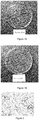
- T0, T30 and T50 represent Lactobacillus crispatus of the 0th generation, the 30th generation and the 50th generation, respectively.
- the Lactobacillus crispatus 262-1 of the present invention was preserved in the China General Microbiological Culture Collection Center (CGMCC for short) on 22 August 2012; the address of the preservation authority is the Institute of Microbiology, Chinese Academy of Sciences, No. 3 of Courtyard No. 1, West Beichen Road, Chaoyang District, Beijing City, the preservation registration number is CGMCC No. 6469, and the strain is classified and named as Lactobacillus crispatus.
- CGMCC China General Microbiological Culture Collection Center
- Determination of hydrogen peroxide content in the metabolites of Lactobacillus crispatus 262-1 semi-quantitative determination of hydrogen peroxide is performed by the peroxidase method of Mcgroarty et al.
- the separated and identified Lactobacillus crispatus is inoculated onto an MRS-TMB plate.
- the plate is taken out after anaerobic incubation at 37°C for 24 hours, and the bacteria are exposed in the air.
- the colour of H 2 O 2 -producing Lactobacillus colonies will become blue, while the colour of colonies not producing H 2 O 2 will not change.
- Lactobacillus crispatus 262-1 of the present invention can produce lactic acid and hydrogen peroxide, which contributes to maintain vaginal microecological balance.
- Table 2 criteria for determining the H 2 O 2 semi-quantitation Time of colour change for colony Semi-quantitative level of H 2 O 2 ⁇ 10 minutes +++ 10- ⁇ 20 minutes ++ 20-30 minutes + > 30 minutes or no colour change -
- the agar-diffusion paper-disc method is adopted to measure sensibility of the strains to the antibiotics, and the sensitivity level of the strains to the antibiotics is judged according to the sizes of the inhibition zones, the measurement results are as shown in Table 3, drug resistance of the Lactobacillus crispatus to flagyl (metronidazole), gentamicin, bacitracin and kanamycin, sensitivity of the Lactobacillus crispatus to ampicillin, ceftriaxone, chloromycetin, clindamycin, imipenem, erythromycin, piperacillin, tetracycline, azithromycin, amoxicillin and vancomycin, mediation of the Lactobacillus crispatus to penicillin and oxacillin are determined by the criteria for interpretation of scope of restraining fungi of the drug sensitive test disc method.
- the stability of the Lactobacillus crispatus strain 262-1 after being passaged for 30 generations (T30) and 50 generations (T50) are examined from various aspects like growth characteristics, morphology, biochemical characteristics, metabolin composition, antibiotic sensitive characteristic, hereditary capacity and the toxicity test.
- the embodiment cultures the Lactobacillus crispatus 262-1 for multiple passages through the MRS culture medium, and discusses the impact of passage reproduction on the Lactobacillus crispatus 262-1 in the aspects of morphology, biochemistry, metabolite feature and hereditary characteristics, drug sensitive characteristics and toxicity test. Results show that: the passage within 50 generations cultured by MRS is identical with the initially separated strain in morphology, biochemistry, hereditary characteristics, metabolites and drug sensitive characteristics, and is stable.
- Lactobacillus crispatus 262-1 and Lactobacillus delbrueckii on Gardnerella vaginalis are inoculated to MRS agar plates, respectively, and then are cultured in the anaerobic condition at 37°C for 48h; 100 ⁇ L of Gardnerella vaginalis is inoculated to 10 ml of BHI liquid medium, and is then cultured in the anaerobic condition at 37°C for 48h; 50 ml of soft BHI agar is sucked and added with 2.5 ml of horse serum and 1 ml of Gardnerella vaginalis suspension to be uniformly mixed, 5 ml of the mixture is sucked and tiled on the lactobacillus MRS agar plate which has been cultured for 48h, and then
- Atopobium vaginae suspensions of different concentrations are dipped and then uniformly coated on the whole surface of a Columbia blood agar culture medium; the cultured Lactobacillus crispatus 262-1 and Lactobacillus delbrueckii are pressed and punched, the bacterium cakes are taken out by tweezers and then placed upside down on the Columbia blood agar culture medium coated with Atopobium vaginae, and then the Columbia blood agar culture medium is cultured in the anaerobic condition at 37°C for 48h, and the inhibition zones are observed and recorded.
- the experiment for cell adhesive force the adhesion performances of different lactobacillus are determined according to the number of lactobacillus attached on a monolayer of vaginal epithelial cell.
- the method comprises the following steps: taking human vaginal epithelial cells Vk2/E6E7 and human cervical carcinoma epithelial cells Hela; inoculating the cells on a 12-pore plate with the density of 450,000 per pore, and forming monolayer by the VK2/E6E7 after 48 hours; adding commercially available lactobacillus DJS and Lactobacillus crispatus 262-1 in each pore by different numbers of the CFU, respectively, and adhering for 4 hours, gently vibrating same on a shaker during adhesion process, and providing each group with two parallel experiments, respectively; after the adhesion is finished, splitting the cells with 1 ml of 0.05% tritonX-100 to prepare into bacteria suspension, diluting, taking 100 ul of bacteria suspension to be uniformly inoculated on the MRS agar medium plate
- the adhesive rate of the Lactobacillus crispatus 262-1 at 4h is 43.1% and 69.4%, respectively; and the adhesive rate of the commercially available lactobacillus DJS strain of the same kind at 4h is 29.2% and 26%, respectively; and the adhesive force of the Lactobacillus crispatus 262-1 is higher than that of the commercially available lactobacillus DJS strain of the same kind.
- mice Five healthy animals are selected to carry out stratified random grouping based on the weight and are grouped into 2 groups with two animals in the control group (animal numbers are 1203, 1204) and three animals in the experimental group (animal numbers are 3211, 3212, 3222), wherein the animals for the experiment are female Chinese-origin Rhesus macaque (Macaca mulatta) provided by Suzhou Xishan ZhongKe Laboratory Animal Co., Ltd.
- the experimental method comprises the following steps.
- Preparation of the Lactobacillus crispatus 262-1 for colonization weighing lyophilized and dried powders of the Lactobacillus crispatus 262-1, so that the colonization amount is 10 8 ; using the blank lyophilized adjuvant which is free of the Lactobacillus crispatus 262-1 for use; adding 0.7 mL of the MRS liquid medium respectively under aseptic condition, uniformly mixing and absorbing same by the vaginal administration device and implanting from the vagina.
- Colonization modeling and sampling after the menstruation of the Rhesus macaques with normal menstrual cycle can be observed, administrating azithromycin suppository (200 mg/Rhesus macaque) to the vagina for five consecutive days, then implanting the modeling bacteria for another 5 consecutive days; observing the animal vagina on a weekly basis by checking the colors, characters, and amounts of vaginal secretions as well as measuring pH value of the vaginal secretions; and sampling with two sterile polyester cotton swabs with one cotton swab being used for microscopic examination of the vaginal secretion cleanliness, and the other being used for flora analysis.
- Separation and purification culture of vaginal bacteria shaking the collected vaginal secretions in 2mL of D-Hanks buffer solution and performing gradient dilution by phosphate buffer and then coating the product on Columbia blood agar, phenylethyl alcohol blood agar, MRS agar and Candida albicans selected agar plate, respectively; and culturing at 37°C for 24-48h under anaerobic condition; recording information such as single colonial morphology and quantity haemolyticus, and relining the Columbia blood agar plate to obtain the purified colony and performing biochemical and molecular identification.
- 16SrDNA sequence amplification, sequencing and analysis are performed on the separated and purified strain.
- an inoculating loop is used to pick the strain into a centrifuge tube containing 50 ⁇ L of PrepMan Ultra Sample Preparation Reagent and splitting in Dry Block Heater at 100°C for 15 min before freezing preservation as DNA template at -20°C; then, amplification on 16SrDNA fragments with sequences being SEQ ID NO:4 and SEQ ID NO:5 respectively is performed by using universal primer pair 8F/926R, wherein R represents G or A; each reagent is added in 50 ⁇ L of PCR reaction system.
- Name and volume of each reagent is 10 ⁇ PCR Buffer 5 ⁇ L, dNTP(10 mM) 1 ⁇ L, MgCl 2 (50 mM) 0.5 ⁇ L, Platinum Taq DNA Polymerase (5 U) 0.2 ⁇ L, Primer 8F (10 ⁇ M) 1 ⁇ L, Primer 926R (10 ⁇ M) 1 ⁇ L, template (50 ng/ ⁇ L) 1 ⁇ L, DNase/RNase-Free deionized water 39.3 ⁇ L.
- the PCR reaction conditions are set in the following order: PCR reaction consisting of 30 cycles of pre-denaturation at 94°C for 2min, denaturation at 94°C for 1min, annealing at 55°C for 1min, extension at 72°C for 2min, and extension at 72°C for 10min is performed.
- the obtained PCR product is tested by UV analyzer (loading solution prepared by the PCR product already includes stain) after electrophoresis through 1% agarose gel, and the obtained data is preserved.
- the PCR amplification product identified as 16SrDNA fragment is sequenced after purifying the target fragment by gel cutting recovery method. Comparative analysis is performed on the measured 16SrDNA gene sequence by the BLAST tool of NCBI and the known sequences in GenBank database. If the comparative homology is greater than or equal to 98%, they are identified as the same species.
- vaginal mucosa and secretions observing on a week basis after implantation, wherein the result shows that there is no distinct abnormality detected on all experimental animal vaginal mucosa secretions.
- Table 6 determination results of pH values of secretions Animal number Group Before processi ng After process ing and before implant ation The first day after stopping implanta tion of Lactoba cillus crispatus 262-1 The eighth day after stopping implanta tion of Lactoba cillus crispatus 262-1 The fifteenth day after stopping implanta tion of Lactoba cillus crispatus 262-1 The twenty-second day after stopping implanta tion of Lactoba cillus crispatus 262-1 The twenty-ninth day after stopping implantat ion of Lactobaci llus crispatus 262-1 1203 Control 7.0* 6.5 5.5 6.5 6.5* 6.1* 6.5 1204 Control 4.4 7.0 7.0* 4.7 5.8* 7.0 3211 Experi mental group 6.1 7.0* 7.0 7.0 7.0 7.0 7.0 7.0 3212 Experi mental group 7.0 4.7 4.7 4.7 4.4 3222 Experi mental group 5.0 5.0 4.4 4.4 4.4 4.4 4.4 4.4 4.4 4.4 4.4
- Vaginal secretions cleanliness the amounts of vaginal miscellaneous bacteria in the control group compared before and after implantation are significantly increased while cleanliness is reduced; and the experimental group shows that after the implantation of the Lactobacillus crispatus 262-1, the vaginal discharge cleanliness is significantly superior to that of control group. A different number of Gram-positive bacillus vaginalis can be seen, and cleanliness thereof is significantly higher than that of control group. Determination results of vaginal secretions cleanliness are shown in Table 7.
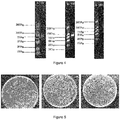
- Rhesus macaque vaginal microflora 1% agarose gel electrophoresis detection is performed on the product of 16SrDNA fragments after PCR amplification; the result shows that one band is successfully amplified by most of bacterial strains, and the 16SrDNA amplification generated band of most samples are clear and meet the sequencing requirements.
- PCR amplification product electrophoresis for some of strains is shown in Figure 12 with DL2000 as Marker. Fragment sizes thereof are 2000 bp, 1000 bp, 750 bp, 500 bp, 250 bp, 100 bp in descending order. Analysis shows that the size for 16SrDNA fragment is about 950 bp.
- the Lactobacillus crispatus 262-1 for test is found in the vaginal secretions of the whole 3 animals of the experimental group through vaginal flora analysis, and the information about the separated Lactobacillus crispatus 262-1 for test is shown in Figure 13 . As can be seen from the Figure 13 , the Lactobacillus crispatus 262-1 for test is found in the vaginal secretions of all tested animals. Most of the Lactobacillus crispatus 262-1 will appear at and after the 8th day after colonization, which meets the rule.
- the colonization effect is highly significant since the quantity is more than 10 7 /cotton swab. Therefore, it can be seen that the Lactobacillus crispatus 262-1 can be successfully colonized in the vaginas of China's Rhesus macaque when the initial colonization amount is 10 8 .
- Symbiontic experiment is performed in the vaginas of the cleaning-grade female ICR mice by the lactobacillus and Candida albicans to observe the resistance effect of the Lactobacillus crispatus 262-1 to Candida albicans.
- bacterium suspension and vaginal Daktarin suppository are poured in vaginas once every day for totally 3 days.
- the observation results are as follows. (1) After molding, the vaginal irrigation solution is taken out at the 5th and the 10th day, respectively; and colony counting is performed on Candida albicans and Lactobacillus crispatus, please see Table 8.
- Table 8 colony counting results of all groups of irrigation solutions ( ⁇ 10 6 cfu) Groups 5 Days After Modeling 10 Days After Modeling Lactobacillus crispatus Candida albicans Lactobacillus crispatus 262-1
- the bacterium amount carried by Candida albicans among the three experimental groups (Candida albicans+Lactobacillus crispatus 262-1, contrast group of Candida albicans, Candida albicans+Daktarin suppository group) is subjected to variance analysis, the result shows that during the first time
- the Lactobacillus crispatus 262-1 is grown in the modified MRS medium with pH value of 6.0, and a BioFlo 110 fermentation tank with a volume of 1 liter (New Brunswick Scientific) is used for fermentation. Bacteria are collected in the early period of stationary phase, wherein viable count is 1.0-1.5 ⁇ 10 9 CFU/ml, and the viable bacteria account for more than 90% of the total bacteria count. Bacteria are collected by means of centrifugal separation, and are mixed with lyophilization protectant (comprising xylitol, ascorbate, ⁇ -tocopherol and phosphate buffer and so on) after washing with phosphate buffer.
- lyophilization protectant comprising xylitol, ascorbate, ⁇ -tocopherol and phosphate buffer and so on
- the mixture is palced in a Virtis Advantage freeze dryer for lyophilization.
- the sample is frozen at -40°C for 1-20 hours, and dried at-40°C under vacuum for 2-60 hours and then dried at 25°C for 10-40 hours.
- Lyophilized powders are distributed in the aluminum foil bag with drying agent, and are stored at 4°C and room temperature (25°C).
- the total bacteria count and viable count are respectively measured by means of plate count and CFU measurement on the 0th, 30th and 180th day. Every gram of lyophilized powder in the initial Lactobacillus crispatus 262-1 contains as high as 34 billion viable bacteria (3.4 ⁇ 10 10 cfu/g), which have the optimal storage stability at 4°C.
- Table 10 result of stability test of 6 months of Lactobacillus crispatus 262-1 lyophilized powder Condition Total bacteria count per gram of lyophilized powder Total bacteria count per gram of lyophilized powder Viable bacteria rate/% 0 month 8.5 ⁇ 10 10 3.4 ⁇ 10 10 40.0 1 month, 4°C 8.4 ⁇ 10 10 3.1 ⁇ 10 10 36.9 1 month, room temperature 8.1 ⁇ 10 10 1.8 ⁇ 10 10 22.2 6 months ,4°C 7.8 ⁇ 10 10 2.4 ⁇ 10 10 30.8 6 months, room temperature 4.0 ⁇ 10 10 5.8 ⁇ 10 9 14.5
- the cultivation scale can be expanded or reduced accordingly according to the volume of the product to be obtained.
- the preparation steps are the same as steps (1)-(5) in embodiment 9; and the difference with embodiment 9 is that the culture solution obtained through fermentation in step (5) is discharged from the tank, and is directly distributed into liquid dosage form by using plastic packaging barrels or packaging bottle.
- the Lactobacillus crispatus 262-1 is stable in passage, is consistent in morphology, biochemical properties, hereditary characteristic, metabolin and drug sensitivity characteristic for each generation, and can generate lactic acid and hydrogen peroxide, which contribute to maintain micro-ecological balance in vaginas; it is non-toxic and safe, and has good biocompatibility; it has good inhibition effect on Gardnerella vaginalis, Atopobium vaginae, Candida albicans and pathogenic bacteria Staphylococcus aureus, Escherichia coli, Pseudomonas aeruginosa and salmonella in vagina; it has strong vaginal colonization ability and good improvement result on vaginal microenvironments such as pH and cleanness; and it can obviously inhibit Candida albicans and has similar therapeutic effect to Daktarin suppository, which prompts that the Lactobacillus crispatus can be used as the supplementary means for the treatment of vaginal diseases due to Candida albican
Landscapes
- Health & Medical Sciences (AREA)
- Life Sciences & Earth Sciences (AREA)
- General Health & Medical Sciences (AREA)
- Chemical & Material Sciences (AREA)
- Veterinary Medicine (AREA)
- Public Health (AREA)
- Animal Behavior & Ethology (AREA)
- Engineering & Computer Science (AREA)
- Organic Chemistry (AREA)
- Medicinal Chemistry (AREA)
- Biotechnology (AREA)
- Bioinformatics & Cheminformatics (AREA)
- Microbiology (AREA)
- Pharmacology & Pharmacy (AREA)
- Tropical Medicine & Parasitology (AREA)
- Zoology (AREA)
- Genetics & Genomics (AREA)
- Wood Science & Technology (AREA)
- Epidemiology (AREA)
- Chemical Kinetics & Catalysis (AREA)
- Nuclear Medicine, Radiotherapy & Molecular Imaging (AREA)
- General Chemical & Material Sciences (AREA)
- Mycology (AREA)
- Dermatology (AREA)
- Birds (AREA)
- Biochemistry (AREA)
- Biomedical Technology (AREA)
- General Engineering & Computer Science (AREA)
- Virology (AREA)
- Communicable Diseases (AREA)
- Oncology (AREA)
- Molecular Biology (AREA)
- Gynecology & Obstetrics (AREA)
- Endocrinology (AREA)
- Reproductive Health (AREA)
- Medicines Containing Material From Animals Or Micro-Organisms (AREA)
- Micro-Organisms Or Cultivation Processes Thereof (AREA)
- Measuring Or Testing Involving Enzymes Or Micro-Organisms (AREA)
Applications Claiming Priority (4)
| Application Number | Priority Date | Filing Date | Title |
|---|---|---|---|
| CN201310551661 | 2013-11-08 | ||
| CN201310551630.3A CN104630083B (zh) | 2013-11-08 | 2013-11-08 | 一种卷曲乳杆菌及其在妇女保健产品中的应用 |
| CN201310731833.0A CN104178437B (zh) | 2013-11-08 | 2013-12-26 | 一种卷曲乳杆菌及其在妇科疾病中的应用 |
| PCT/CN2014/089882 WO2015067141A1 (zh) | 2013-11-08 | 2014-10-30 | 一种卷曲乳杆菌及其应用 |
Publications (3)
| Publication Number | Publication Date |
|---|---|
| EP3040413A1 EP3040413A1 (en) | 2016-07-06 |
| EP3040413A4 EP3040413A4 (en) | 2016-07-06 |
| EP3040413B1 true EP3040413B1 (en) | 2018-03-21 |
Family
ID=53040891
Family Applications (1)
| Application Number | Title | Priority Date | Filing Date |
|---|---|---|---|
| EP14860260.0A Active EP3040413B1 (en) | 2013-11-08 | 2014-10-30 | Lactobacillus crispatus and application thereof |
Country Status (9)
| Country | Link |
|---|---|
| US (1) | US9937214B2 (https=) |
| EP (1) | EP3040413B1 (https=) |
| JP (1) | JP6890419B2 (https=) |
| KR (1) | KR101808972B1 (https=) |
| ES (1) | ES2670536T3 (https=) |
| MY (1) | MY172685A (https=) |
| SG (1) | SG11201603346VA (https=) |
| TW (1) | TWI652343B (https=) |
| WO (1) | WO2015067141A1 (https=) |
Families Citing this family (33)
| Publication number | Priority date | Publication date | Assignee | Title |
|---|---|---|---|---|
| WO2018013583A2 (en) | 2016-07-11 | 2018-01-18 | The Brigham And Women's Hospital, Inc. | Medicinal vaginal lactobacillus cocktail |
| EP3498819A4 (en) * | 2016-08-12 | 2020-04-08 | BGI Shenzhen | FAECALIBACTERIUM BUTYRICIGENERANS AND METHOD FOR BREEDING THEM AND APPLICATION THEREOF |
| WO2019010282A1 (en) | 2017-07-07 | 2019-01-10 | Osel, Inc. | STABILIZED FORMULATIONS WITH HIGH POWER OF LACTOBACILLUS VAGINAL |
| EP3648779A4 (en) * | 2017-07-07 | 2021-03-17 | Osel, Inc. | USING VAGINAL LACTOBACILLI TO IMPROVE THE SUCCESS RATE OF IN VITRO FERTILIZATION |
| EP3427745A1 (en) | 2017-07-12 | 2019-01-16 | Nederlandse Organisatie voor toegepast- natuurwetenschappelijk onderzoek TNO | New probiotic composition for prevention of bacterial vaginosis |
| JP7424636B2 (ja) * | 2017-10-06 | 2024-01-30 | ジェディア バイオテック エービー | 微生物感染症の治療および/または予防用グルコン酸誘導体 |
| AU2019274350B2 (en) * | 2018-05-23 | 2022-04-07 | Kobiolabs, Inc. | Lactobacillus crispatus KBL693 strain and use thereof |
| GB201816425D0 (en) * | 2018-10-09 | 2018-11-28 | Tervisetehnoloogiate Arenduskeskus As | Probiotics |
| CN109394796A (zh) * | 2018-12-06 | 2019-03-01 | 青岛东海药业有限公司 | 卷曲乳杆菌制剂及其应用 |
| CN112458007A (zh) * | 2020-11-10 | 2021-03-09 | 深圳华大生命科学研究院 | 用于预防和/或治疗生殖道菌群紊乱相关疾病的卷曲乳杆菌 |
| FR3117340B1 (fr) * | 2020-12-15 | 2024-01-05 | Basf Beauty Care Solutions France Sas | Utilisation cosmétique, nutraceutique ou dermatologique d’une souche deLactobacillus crispatus et / ou d’une composition la comprenant |
| CN112708578A (zh) * | 2020-12-31 | 2021-04-27 | 四川厌氧生物科技有限责任公司 | 一种卷曲乳杆菌及其应用 |
| JP2024503366A (ja) * | 2021-01-05 | 2024-01-25 | ラクトバイオ アー/エス | 菌株、組成物および使用方法 |
| CN112899182B (zh) * | 2021-01-08 | 2023-03-24 | 安徽省肿瘤医院 | 一种能够预防和/或治疗子宫颈鳞癌的卷曲乳杆菌 |
| CN113512509B (zh) * | 2021-05-07 | 2022-02-22 | 南方医科大学珠江医院 | 卷曲乳杆菌及其用途 |
| KR102618322B1 (ko) * | 2021-10-08 | 2023-12-27 | 순천향대학교 산학협력단 | 신규한 락토 바실러스 균주, 및 이를 포함하는 결핵 예방, 치료, 또는 개선용 조성물 |
| CN114214256B (zh) * | 2022-01-12 | 2022-06-28 | 哈尔滨美华生物技术股份有限公司 | 一株用于防治泌尿生殖感染的格氏乳杆菌及其应用 |
| CN114657093B (zh) * | 2022-03-07 | 2023-07-07 | 北京市农林科学院 | 一株鸽源卷曲乳杆菌bl4014及其应用 |
| CN116814474B (zh) * | 2022-05-19 | 2025-07-04 | 广东君薇生物科技有限公司 | 一株卷曲乳杆菌及其应用 |
| CN115404185A (zh) * | 2022-08-31 | 2022-11-29 | 江苏新申奥生物科技有限公司 | 一种拮抗白色念珠菌的卷曲乳杆菌lcp051及其应用 |
| CN116024129B (zh) * | 2022-11-29 | 2024-09-24 | 光明乳业股份有限公司 | 一株能够与幽门螺杆菌共聚集的卷曲乳杆菌及其应用 |
| CN116694498B (zh) * | 2023-01-31 | 2026-02-24 | 江南大学 | 一种缓解多种阴道炎的阴道益生菌组合物 |
| CN116286484B (zh) * | 2023-02-08 | 2025-01-24 | 善恩康生物科技(苏州)有限公司 | 卷曲乳杆菌及其用途 |
| JPWO2024262189A1 (https=) * | 2023-06-20 | 2024-12-26 | ||
| CN116769676B (zh) * | 2023-08-09 | 2023-12-05 | 杭州微致生物科技有限公司 | 一种卷曲乳杆菌及其应用 |
| CN120330074A (zh) * | 2024-01-17 | 2025-07-18 | 杭州远大生物制药有限公司 | 卷曲乳杆菌及其用途 |
| WO2025207473A1 (en) * | 2024-03-26 | 2025-10-02 | Medstar Health, Inc. | Methods and compositions for diagnosing and selectively treating or preventing urinary tract infection and urobiome dysbiosis |
| CN118256405B (zh) * | 2024-05-31 | 2024-08-13 | 哈尔滨医科大学 | 卷曲乳杆菌fy121及其胞外囊泡在防治hpv感染及宫颈癌的应用 |
| CN121160511A (zh) * | 2024-06-17 | 2025-12-19 | 上海赛增医疗科技有限公司 | 新型乳杆菌菌株及其组合物和应用 |
| CN119506125A (zh) * | 2024-10-24 | 2025-02-25 | 北京科拓恒通生物技术股份有限公司 | 一种可促进女性生殖道健康和延缓生殖道免疫衰老的卷曲乳杆菌 |
| CN119326803B (zh) * | 2024-12-19 | 2025-06-27 | 江西益百润生物科技有限公司 | 一种后生元组合物的制备方法及其产品和应用 |
| CN120648589A (zh) * | 2025-05-23 | 2025-09-16 | 乾生(宁波)科技有限公司 | 一种改善细菌性阴道炎的益生菌及其组合物和应用 |
| CN120775750A (zh) * | 2025-09-09 | 2025-10-14 | 成都大学 | 一种卷曲乳杆菌及应用 |
Family Cites Families (6)
| Publication number | Priority date | Publication date | Assignee | Title |
|---|---|---|---|---|
| US6093394A (en) | 1997-04-11 | 2000-07-25 | Gynelogix, Inc. | Vaginal lactobacillus medicant |
| US8329447B2 (en) * | 2008-12-12 | 2012-12-11 | Osel, Inc. | Strain of Lactobacillus crispatus |
| FR2992973B1 (fr) * | 2012-07-09 | 2015-12-18 | S P M D | Nouvelle souche de lactobacillus crispatus |
| CN103074270A (zh) * | 2012-11-15 | 2013-05-01 | 上海交大昂立股份有限公司 | 一种卷曲乳杆菌及其应用 |
| CN104178437B (zh) * | 2013-11-08 | 2016-08-24 | 苏州欧赛微科生物医药科技有限公司 | 一种卷曲乳杆菌及其在妇科疾病中的应用 |
| CN104630083B (zh) * | 2013-11-08 | 2018-07-06 | 苏州欧赛微科生物医药科技有限公司 | 一种卷曲乳杆菌及其在妇女保健产品中的应用 |
-
2014
- 2014-10-30 SG SG11201603346VA patent/SG11201603346VA/en unknown
- 2014-10-30 US US15/034,503 patent/US9937214B2/en active Active
- 2014-10-30 MY MYPI2016000779A patent/MY172685A/en unknown
- 2014-10-30 JP JP2016550923A patent/JP6890419B2/ja active Active
- 2014-10-30 WO PCT/CN2014/089882 patent/WO2015067141A1/zh not_active Ceased
- 2014-10-30 EP EP14860260.0A patent/EP3040413B1/en active Active
- 2014-10-30 ES ES14860260.0T patent/ES2670536T3/es active Active
- 2014-10-30 KR KR1020167011287A patent/KR101808972B1/ko active Active
- 2014-11-07 TW TW103138792A patent/TWI652343B/zh active
Non-Patent Citations (1)
| Title |
|---|
| None * |
Also Published As
| Publication number | Publication date |
|---|---|
| EP3040413A1 (en) | 2016-07-06 |
| KR101808972B1 (ko) | 2017-12-13 |
| MY172685A (en) | 2019-12-10 |
| TWI652343B (zh) | 2019-03-01 |
| ES2670536T3 (es) | 2018-05-30 |
| JP6890419B2 (ja) | 2021-06-18 |
| KR20160067893A (ko) | 2016-06-14 |
| US20170020934A1 (en) | 2017-01-26 |
| WO2015067141A1 (zh) | 2015-05-14 |
| SG11201603346VA (en) | 2016-05-30 |
| US9937214B2 (en) | 2018-04-10 |
| EP3040413A4 (en) | 2016-07-06 |
| JP2017501741A (ja) | 2017-01-19 |
| TW201531560A (zh) | 2015-08-16 |
Similar Documents
| Publication | Publication Date | Title |
|---|---|---|
| EP3040413B1 (en) | Lactobacillus crispatus and application thereof | |
| CN107299065B (zh) | 一种植物乳杆菌及其用于制备阴道抑菌药物的应用 | |
| CN108004187B (zh) | 一种格氏乳杆菌及其用于制备阴道抑菌药物的应用 | |
| CN104630083B (zh) | 一种卷曲乳杆菌及其在妇女保健产品中的应用 | |
| JP7354274B2 (ja) | 複合ラクトバチルス組成物およびその女性の膣の健康における用途 | |
| KR102948747B1 (ko) | 락토바실러스 플란타럼 및 그의 용도 | |
| CN107267415B (zh) | 一种罗伊氏乳杆菌及其用于制备阴道抑菌药物的应用 | |
| CN110777087B (zh) | 一种约氏乳杆菌及其应用 | |
| WO2022100633A1 (zh) | 用于预防和/或治疗生殖道菌群紊乱相关疾病的格氏乳杆菌 | |
| CN108004188B (zh) | 一种鼠李糖乳杆菌及其用于制备阴道抑菌药物的应用 | |
| CN110540945B (zh) | 一种詹氏乳杆菌及其用于制备阴道抑菌药物的应用 | |
| CN1888051B (zh) | 一株植物乳杆菌及其应用 | |
| CN111088178A (zh) | 一种产乳酸和h2o2的乳杆菌及其应用 | |
| CN110982726B (zh) | 一种卷曲乳杆菌及其应用 | |
| CN114250186A (zh) | 一株缓解细菌性阴道炎的格氏乳杆菌及其应用 | |
| CN117535208B (zh) | 一种卷曲乳杆菌及其在女性生殖道健康中的应用 | |
| CN112708578A (zh) | 一种卷曲乳杆菌及其应用 | |
| KR20100079078A (ko) | 락토바실러스 퍼멘툼 No.1969 균주를 유효성분으로 포함하는 세균성질염치료용 질내 투여용 약학조성물 | |
| CN117511826B (zh) | 尿路粘液乳杆菌及其应用 | |
| CN117535206B (zh) | 一种尿路粘液乳杆菌及其应用 | |
| CN121227561A (zh) | 卷曲乳杆菌及其应用 | |
| CN121109182A (zh) | 格氏乳杆菌及其应用 | |
| CN118542885A (zh) | 一种乳酸菌二联活菌制剂、其制备方法及应用 | |
| CN117535209A (zh) | 左旋短乳杆菌及其在女性生殖道健康中的应用 |
Legal Events
| Date | Code | Title | Description |
|---|---|---|---|
| PUAI | Public reference made under article 153(3) epc to a published international application that has entered the european phase |
Free format text: ORIGINAL CODE: 0009012 |
|
| 17P | Request for examination filed |
Effective date: 20160330 |
|
| A4 | Supplementary search report drawn up and despatched |
Effective date: 20160606 |
|
| AK | Designated contracting states |
Kind code of ref document: A1 Designated state(s): AL AT BE BG CH CY CZ DE DK EE ES FI FR GB GR HR HU IE IS IT LI LT LU LV MC MK MT NL NO PL PT RO RS SE SI SK SM TR |
|
| AX | Request for extension of the european patent |
Extension state: BA ME |
|
| RIC1 | Information provided on ipc code assigned before grant |
Ipc: A61K 8/99 20060101ALI20160621BHEP Ipc: A61Q 19/00 20060101ALI20160621BHEP Ipc: C12R 1/225 20060101ALI20160621BHEP Ipc: A61P 31/04 20060101ALI20160621BHEP Ipc: A61K 35/747 20150101ALI20160621BHEP Ipc: A61P 15/02 20060101ALI20160621BHEP Ipc: A61P 31/10 20060101ALI20160621BHEP Ipc: C12N 1/20 20060101AFI20160621BHEP |
|
| DAX | Request for extension of the european patent (deleted) | ||
| 17Q | First examination report despatched |
Effective date: 20170418 |
|
| GRAP | Despatch of communication of intention to grant a patent |
Free format text: ORIGINAL CODE: EPIDOSNIGR1 |
|
| INTG | Intention to grant announced |
Effective date: 20171213 |
|
| GRAS | Grant fee paid |
Free format text: ORIGINAL CODE: EPIDOSNIGR3 |
|
| GRAA | (expected) grant |
Free format text: ORIGINAL CODE: 0009210 |
|
| AK | Designated contracting states |
Kind code of ref document: B1 Designated state(s): AL AT BE BG CH CY CZ DE DK EE ES FI FR GB GR HR HU IE IS IT LI LT LU LV MC MK MT NL NO PL PT RO RS SE SI SK SM TR |
|
| REG | Reference to a national code |
Ref country code: GB Ref legal event code: FG4D |
|
| REG | Reference to a national code |
Ref country code: CH Ref legal event code: EP |
|
| REG | Reference to a national code |
Ref country code: AT Ref legal event code: REF Ref document number: 981106 Country of ref document: AT Kind code of ref document: T Effective date: 20180415 |
|
| REG | Reference to a national code |
Ref country code: IE Ref legal event code: FG4D |
|
| REG | Reference to a national code |
Ref country code: DE Ref legal event code: R096 Ref document number: 602014022818 Country of ref document: DE |
|
| REG | Reference to a national code |
Ref country code: ES Ref legal event code: FG2A Ref document number: 2670536 Country of ref document: ES Kind code of ref document: T3 Effective date: 20180530 |
|
| REG | Reference to a national code |
Ref country code: NL Ref legal event code: FP |
|
| PG25 | Lapsed in a contracting state [announced via postgrant information from national office to epo] |
Ref country code: HR Free format text: LAPSE BECAUSE OF FAILURE TO SUBMIT A TRANSLATION OF THE DESCRIPTION OR TO PAY THE FEE WITHIN THE PRESCRIBED TIME-LIMIT Effective date: 20180321 Ref country code: NO Free format text: LAPSE BECAUSE OF FAILURE TO SUBMIT A TRANSLATION OF THE DESCRIPTION OR TO PAY THE FEE WITHIN THE PRESCRIBED TIME-LIMIT Effective date: 20180621 Ref country code: FI Free format text: LAPSE BECAUSE OF FAILURE TO SUBMIT A TRANSLATION OF THE DESCRIPTION OR TO PAY THE FEE WITHIN THE PRESCRIBED TIME-LIMIT Effective date: 20180321 Ref country code: LT Free format text: LAPSE BECAUSE OF FAILURE TO SUBMIT A TRANSLATION OF THE DESCRIPTION OR TO PAY THE FEE WITHIN THE PRESCRIBED TIME-LIMIT Effective date: 20180321 Ref country code: CY Free format text: LAPSE BECAUSE OF FAILURE TO SUBMIT A TRANSLATION OF THE DESCRIPTION OR TO PAY THE FEE WITHIN THE PRESCRIBED TIME-LIMIT Effective date: 20180321 |
|
| REG | Reference to a national code |
Ref country code: LT Ref legal event code: MG4D |
|
| REG | Reference to a national code |
Ref country code: AT Ref legal event code: MK05 Ref document number: 981106 Country of ref document: AT Kind code of ref document: T Effective date: 20180321 |
|
| PG25 | Lapsed in a contracting state [announced via postgrant information from national office to epo] |
Ref country code: SE Free format text: LAPSE BECAUSE OF FAILURE TO SUBMIT A TRANSLATION OF THE DESCRIPTION OR TO PAY THE FEE WITHIN THE PRESCRIBED TIME-LIMIT Effective date: 20180321 Ref country code: LV Free format text: LAPSE BECAUSE OF FAILURE TO SUBMIT A TRANSLATION OF THE DESCRIPTION OR TO PAY THE FEE WITHIN THE PRESCRIBED TIME-LIMIT Effective date: 20180321 Ref country code: GR Free format text: LAPSE BECAUSE OF FAILURE TO SUBMIT A TRANSLATION OF THE DESCRIPTION OR TO PAY THE FEE WITHIN THE PRESCRIBED TIME-LIMIT Effective date: 20180622 Ref country code: BG Free format text: LAPSE BECAUSE OF FAILURE TO SUBMIT A TRANSLATION OF THE DESCRIPTION OR TO PAY THE FEE WITHIN THE PRESCRIBED TIME-LIMIT Effective date: 20180621 Ref country code: RS Free format text: LAPSE BECAUSE OF FAILURE TO SUBMIT A TRANSLATION OF THE DESCRIPTION OR TO PAY THE FEE WITHIN THE PRESCRIBED TIME-LIMIT Effective date: 20180321 |
|
| REG | Reference to a national code |
Ref country code: FR Ref legal event code: PLFP Year of fee payment: 5 |
|
| PG25 | Lapsed in a contracting state [announced via postgrant information from national office to epo] |
Ref country code: RO Free format text: LAPSE BECAUSE OF FAILURE TO SUBMIT A TRANSLATION OF THE DESCRIPTION OR TO PAY THE FEE WITHIN THE PRESCRIBED TIME-LIMIT Effective date: 20180321 Ref country code: AL Free format text: LAPSE BECAUSE OF FAILURE TO SUBMIT A TRANSLATION OF THE DESCRIPTION OR TO PAY THE FEE WITHIN THE PRESCRIBED TIME-LIMIT Effective date: 20180321 Ref country code: EE Free format text: LAPSE BECAUSE OF FAILURE TO SUBMIT A TRANSLATION OF THE DESCRIPTION OR TO PAY THE FEE WITHIN THE PRESCRIBED TIME-LIMIT Effective date: 20180321 Ref country code: PL Free format text: LAPSE BECAUSE OF FAILURE TO SUBMIT A TRANSLATION OF THE DESCRIPTION OR TO PAY THE FEE WITHIN THE PRESCRIBED TIME-LIMIT Effective date: 20180321 |
|
| PG25 | Lapsed in a contracting state [announced via postgrant information from national office to epo] |
Ref country code: AT Free format text: LAPSE BECAUSE OF FAILURE TO SUBMIT A TRANSLATION OF THE DESCRIPTION OR TO PAY THE FEE WITHIN THE PRESCRIBED TIME-LIMIT Effective date: 20180321 Ref country code: CZ Free format text: LAPSE BECAUSE OF FAILURE TO SUBMIT A TRANSLATION OF THE DESCRIPTION OR TO PAY THE FEE WITHIN THE PRESCRIBED TIME-LIMIT Effective date: 20180321 Ref country code: SK Free format text: LAPSE BECAUSE OF FAILURE TO SUBMIT A TRANSLATION OF THE DESCRIPTION OR TO PAY THE FEE WITHIN THE PRESCRIBED TIME-LIMIT Effective date: 20180321 Ref country code: SM Free format text: LAPSE BECAUSE OF FAILURE TO SUBMIT A TRANSLATION OF THE DESCRIPTION OR TO PAY THE FEE WITHIN THE PRESCRIBED TIME-LIMIT Effective date: 20180321 |
|
| PG25 | Lapsed in a contracting state [announced via postgrant information from national office to epo] |
Ref country code: PT Free format text: LAPSE BECAUSE OF FAILURE TO SUBMIT A TRANSLATION OF THE DESCRIPTION OR TO PAY THE FEE WITHIN THE PRESCRIBED TIME-LIMIT Effective date: 20180723 |
|
| REG | Reference to a national code |
Ref country code: DE Ref legal event code: R097 Ref document number: 602014022818 Country of ref document: DE |
|
| PLBE | No opposition filed within time limit |
Free format text: ORIGINAL CODE: 0009261 |
|
| STAA | Information on the status of an ep patent application or granted ep patent |
Free format text: STATUS: NO OPPOSITION FILED WITHIN TIME LIMIT |
|
| PG25 | Lapsed in a contracting state [announced via postgrant information from national office to epo] |
Ref country code: DK Free format text: LAPSE BECAUSE OF FAILURE TO SUBMIT A TRANSLATION OF THE DESCRIPTION OR TO PAY THE FEE WITHIN THE PRESCRIBED TIME-LIMIT Effective date: 20180321 |
|
| 26N | No opposition filed |
Effective date: 20190102 |
|
| PG25 | Lapsed in a contracting state [announced via postgrant information from national office to epo] |
Ref country code: SI Free format text: LAPSE BECAUSE OF FAILURE TO SUBMIT A TRANSLATION OF THE DESCRIPTION OR TO PAY THE FEE WITHIN THE PRESCRIBED TIME-LIMIT Effective date: 20180321 |
|
| REG | Reference to a national code |
Ref country code: BE Ref legal event code: MM Effective date: 20181031 |
|
| PG25 | Lapsed in a contracting state [announced via postgrant information from national office to epo] |
Ref country code: MC Free format text: LAPSE BECAUSE OF FAILURE TO SUBMIT A TRANSLATION OF THE DESCRIPTION OR TO PAY THE FEE WITHIN THE PRESCRIBED TIME-LIMIT Effective date: 20180321 Ref country code: LU Free format text: LAPSE BECAUSE OF NON-PAYMENT OF DUE FEES Effective date: 20181030 |
|
| REG | Reference to a national code |
Ref country code: IE Ref legal event code: MM4A |
|
| PG25 | Lapsed in a contracting state [announced via postgrant information from national office to epo] |
Ref country code: BE Free format text: LAPSE BECAUSE OF NON-PAYMENT OF DUE FEES Effective date: 20181031 |
|
| PG25 | Lapsed in a contracting state [announced via postgrant information from national office to epo] |
Ref country code: IE Free format text: LAPSE BECAUSE OF NON-PAYMENT OF DUE FEES Effective date: 20181030 |
|
| PG25 | Lapsed in a contracting state [announced via postgrant information from national office to epo] |
Ref country code: MT Free format text: LAPSE BECAUSE OF NON-PAYMENT OF DUE FEES Effective date: 20181030 |
|
| PG25 | Lapsed in a contracting state [announced via postgrant information from national office to epo] |
Ref country code: TR Free format text: LAPSE BECAUSE OF FAILURE TO SUBMIT A TRANSLATION OF THE DESCRIPTION OR TO PAY THE FEE WITHIN THE PRESCRIBED TIME-LIMIT Effective date: 20180321 |
|
| PG25 | Lapsed in a contracting state [announced via postgrant information from national office to epo] |
Ref country code: MK Free format text: LAPSE BECAUSE OF NON-PAYMENT OF DUE FEES Effective date: 20180321 Ref country code: HU Free format text: LAPSE BECAUSE OF FAILURE TO SUBMIT A TRANSLATION OF THE DESCRIPTION OR TO PAY THE FEE WITHIN THE PRESCRIBED TIME-LIMIT; INVALID AB INITIO Effective date: 20141030 |
|
| PG25 | Lapsed in a contracting state [announced via postgrant information from national office to epo] |
Ref country code: IS Free format text: LAPSE BECAUSE OF FAILURE TO SUBMIT A TRANSLATION OF THE DESCRIPTION OR TO PAY THE FEE WITHIN THE PRESCRIBED TIME-LIMIT Effective date: 20180721 |
|
| REG | Reference to a national code |
Ref country code: DE Ref legal event code: R082 Ref document number: 602014022818 Country of ref document: DE Representative=s name: SUN, YIMING, M.SC. DIPL. SC. POL. UNIV., DE |
|
| REG | Reference to a national code |
Ref country code: CH Ref legal event code: U11 Free format text: ST27 STATUS EVENT CODE: U-0-0-U10-U11 (AS PROVIDED BY THE NATIONAL OFFICE) Effective date: 20251101 |
|
| PGFP | Annual fee paid to national office [announced via postgrant information from national office to epo] |
Ref country code: NL Payment date: 20251023 Year of fee payment: 12 |
|
| PGFP | Annual fee paid to national office [announced via postgrant information from national office to epo] |
Ref country code: DE Payment date: 20250911 Year of fee payment: 12 |
|
| PGFP | Annual fee paid to national office [announced via postgrant information from national office to epo] |
Ref country code: GB Payment date: 20251024 Year of fee payment: 12 |
|
| PGFP | Annual fee paid to national office [announced via postgrant information from national office to epo] |
Ref country code: IT Payment date: 20251031 Year of fee payment: 12 |
|
| PGFP | Annual fee paid to national office [announced via postgrant information from national office to epo] |
Ref country code: FR Payment date: 20251027 Year of fee payment: 12 |
|
| PGFP | Annual fee paid to national office [announced via postgrant information from national office to epo] |
Ref country code: CH Payment date: 20251101 Year of fee payment: 12 |
|
| PGFP | Annual fee paid to national office [announced via postgrant information from national office to epo] |
Ref country code: ES Payment date: 20251114 Year of fee payment: 12 |