EP3027056B1 - Composition for enhancing immunity - Google Patents
Composition for enhancing immunity Download PDFInfo
- Publication number
- EP3027056B1 EP3027056B1 EP14733097.1A EP14733097A EP3027056B1 EP 3027056 B1 EP3027056 B1 EP 3027056B1 EP 14733097 A EP14733097 A EP 14733097A EP 3027056 B1 EP3027056 B1 EP 3027056B1
- Authority
- EP
- European Patent Office
- Prior art keywords
- composition
- infections
- use according
- immune
- infection
- Prior art date
- Legal status (The legal status is an assumption and is not a legal conclusion. Google has not performed a legal analysis and makes no representation as to the accuracy of the status listed.)
- Active
Links
Images





Classifications
-
- A—HUMAN NECESSITIES
- A61—MEDICAL OR VETERINARY SCIENCE; HYGIENE
- A61K—PREPARATIONS FOR MEDICAL, DENTAL OR TOILETRY PURPOSES
- A61K33/00—Medicinal preparations containing inorganic active ingredients
- A61K33/24—Heavy metals; Compounds thereof
- A61K33/30—Zinc; Compounds thereof
-
- A—HUMAN NECESSITIES
- A23—FOODS OR FOODSTUFFS; TREATMENT THEREOF, NOT COVERED BY OTHER CLASSES
- A23L—FOODS, FOODSTUFFS OR NON-ALCOHOLIC BEVERAGES, NOT OTHERWISE PROVIDED FOR; PREPARATION OR TREATMENT THEREOF
- A23L2/00—Non-alcoholic beverages; Dry compositions or concentrates therefor; Preparation or treatment thereof
- A23L2/52—Adding ingredients
-
- A—HUMAN NECESSITIES
- A23—FOODS OR FOODSTUFFS; TREATMENT THEREOF, NOT COVERED BY OTHER CLASSES
- A23L—FOODS, FOODSTUFFS OR NON-ALCOHOLIC BEVERAGES, NOT OTHERWISE PROVIDED FOR; PREPARATION OR TREATMENT THEREOF
- A23L33/00—Modifying nutritive qualities of foods; Dietetic products; Preparation or treatment thereof
- A23L33/10—Modifying nutritive qualities of foods; Dietetic products; Preparation or treatment thereof using additives
- A23L33/105—Plant extracts, their artificial duplicates or their derivatives
-
- A—HUMAN NECESSITIES
- A23—FOODS OR FOODSTUFFS; TREATMENT THEREOF, NOT COVERED BY OTHER CLASSES
- A23L—FOODS, FOODSTUFFS OR NON-ALCOHOLIC BEVERAGES, NOT OTHERWISE PROVIDED FOR; PREPARATION OR TREATMENT THEREOF
- A23L33/00—Modifying nutritive qualities of foods; Dietetic products; Preparation or treatment thereof
- A23L33/10—Modifying nutritive qualities of foods; Dietetic products; Preparation or treatment thereof using additives
- A23L33/115—Fatty acids or derivatives thereof; Fats or oils
- A23L33/12—Fatty acids or derivatives thereof
-
- A—HUMAN NECESSITIES
- A23—FOODS OR FOODSTUFFS; TREATMENT THEREOF, NOT COVERED BY OTHER CLASSES
- A23L—FOODS, FOODSTUFFS OR NON-ALCOHOLIC BEVERAGES, NOT OTHERWISE PROVIDED FOR; PREPARATION OR TREATMENT THEREOF
- A23L33/00—Modifying nutritive qualities of foods; Dietetic products; Preparation or treatment thereof
- A23L33/10—Modifying nutritive qualities of foods; Dietetic products; Preparation or treatment thereof using additives
- A23L33/15—Vitamins
-
- A—HUMAN NECESSITIES
- A23—FOODS OR FOODSTUFFS; TREATMENT THEREOF, NOT COVERED BY OTHER CLASSES
- A23L—FOODS, FOODSTUFFS OR NON-ALCOHOLIC BEVERAGES, NOT OTHERWISE PROVIDED FOR; PREPARATION OR TREATMENT THEREOF
- A23L33/00—Modifying nutritive qualities of foods; Dietetic products; Preparation or treatment thereof
- A23L33/10—Modifying nutritive qualities of foods; Dietetic products; Preparation or treatment thereof using additives
- A23L33/15—Vitamins
- A23L33/155—Vitamins A or D
-
- A—HUMAN NECESSITIES
- A23—FOODS OR FOODSTUFFS; TREATMENT THEREOF, NOT COVERED BY OTHER CLASSES
- A23L—FOODS, FOODSTUFFS OR NON-ALCOHOLIC BEVERAGES, NOT OTHERWISE PROVIDED FOR; PREPARATION OR TREATMENT THEREOF
- A23L33/00—Modifying nutritive qualities of foods; Dietetic products; Preparation or treatment thereof
- A23L33/10—Modifying nutritive qualities of foods; Dietetic products; Preparation or treatment thereof using additives
- A23L33/16—Inorganic salts, minerals or trace elements
-
- A—HUMAN NECESSITIES
- A61—MEDICAL OR VETERINARY SCIENCE; HYGIENE
- A61K—PREPARATIONS FOR MEDICAL, DENTAL OR TOILETRY PURPOSES
- A61K31/00—Medicinal preparations containing organic active ingredients
- A61K31/045—Hydroxy compounds, e.g. alcohols; Salts thereof, e.g. alcoholates
- A61K31/07—Retinol compounds, e.g. vitamin A
-
- A—HUMAN NECESSITIES
- A61—MEDICAL OR VETERINARY SCIENCE; HYGIENE
- A61K—PREPARATIONS FOR MEDICAL, DENTAL OR TOILETRY PURPOSES
- A61K31/00—Medicinal preparations containing organic active ingredients
- A61K31/16—Amides, e.g. hydroxamic acids
- A61K31/164—Amides, e.g. hydroxamic acids of a carboxylic acid with an aminoalcohol, e.g. ceramides
-
- A—HUMAN NECESSITIES
- A61—MEDICAL OR VETERINARY SCIENCE; HYGIENE
- A61K—PREPARATIONS FOR MEDICAL, DENTAL OR TOILETRY PURPOSES
- A61K31/00—Medicinal preparations containing organic active ingredients
- A61K31/185—Acids; Anhydrides, halides or salts thereof, e.g. sulfur acids, imidic, hydrazonic or hydroximic acids
- A61K31/19—Carboxylic acids, e.g. valproic acid
- A61K31/191—Carboxylic acids, e.g. valproic acid having two or more hydroxy groups, e.g. gluconic acid
-
- A—HUMAN NECESSITIES
- A61—MEDICAL OR VETERINARY SCIENCE; HYGIENE
- A61K—PREPARATIONS FOR MEDICAL, DENTAL OR TOILETRY PURPOSES
- A61K31/00—Medicinal preparations containing organic active ingredients
- A61K31/33—Heterocyclic compounds
- A61K31/335—Heterocyclic compounds having oxygen as the only ring hetero atom, e.g. fungichromin
- A61K31/35—Heterocyclic compounds having oxygen as the only ring hetero atom, e.g. fungichromin having six-membered rings with one oxygen as the only ring hetero atom
- A61K31/352—Heterocyclic compounds having oxygen as the only ring hetero atom, e.g. fungichromin having six-membered rings with one oxygen as the only ring hetero atom condensed with carbocyclic rings, e.g. methantheline
- A61K31/353—3,4-Dihydrobenzopyrans, e.g. chroman, catechin
- A61K31/355—Tocopherols, e.g. vitamin E
-
- A—HUMAN NECESSITIES
- A61—MEDICAL OR VETERINARY SCIENCE; HYGIENE
- A61K—PREPARATIONS FOR MEDICAL, DENTAL OR TOILETRY PURPOSES
- A61K31/00—Medicinal preparations containing organic active ingredients
- A61K31/33—Heterocyclic compounds
- A61K31/335—Heterocyclic compounds having oxygen as the only ring hetero atom, e.g. fungichromin
- A61K31/365—Lactones
- A61K31/375—Ascorbic acid, i.e. vitamin C; Salts thereof
-
- A—HUMAN NECESSITIES
- A61—MEDICAL OR VETERINARY SCIENCE; HYGIENE
- A61K—PREPARATIONS FOR MEDICAL, DENTAL OR TOILETRY PURPOSES
- A61K31/00—Medicinal preparations containing organic active ingredients
- A61K31/33—Heterocyclic compounds
- A61K31/395—Heterocyclic compounds having nitrogen as a ring hetero atom, e.g. guanethidine or rifamycins
- A61K31/435—Heterocyclic compounds having nitrogen as a ring hetero atom, e.g. guanethidine or rifamycins having six-membered rings with one nitrogen as the only ring hetero atom
- A61K31/44—Non condensed pyridines; Hydrogenated derivatives thereof
- A61K31/4415—Pyridoxine, i.e. Vitamin B6
-
- A—HUMAN NECESSITIES
- A61—MEDICAL OR VETERINARY SCIENCE; HYGIENE
- A61K—PREPARATIONS FOR MEDICAL, DENTAL OR TOILETRY PURPOSES
- A61K31/00—Medicinal preparations containing organic active ingredients
- A61K31/33—Heterocyclic compounds
- A61K31/395—Heterocyclic compounds having nitrogen as a ring hetero atom, e.g. guanethidine or rifamycins
- A61K31/435—Heterocyclic compounds having nitrogen as a ring hetero atom, e.g. guanethidine or rifamycins having six-membered rings with one nitrogen as the only ring hetero atom
- A61K31/44—Non condensed pyridines; Hydrogenated derivatives thereof
- A61K31/455—Nicotinic acids, e.g. niacin; Derivatives thereof, e.g. esters, amides
-
- A—HUMAN NECESSITIES
- A61—MEDICAL OR VETERINARY SCIENCE; HYGIENE
- A61K—PREPARATIONS FOR MEDICAL, DENTAL OR TOILETRY PURPOSES
- A61K31/00—Medicinal preparations containing organic active ingredients
- A61K31/33—Heterocyclic compounds
- A61K31/395—Heterocyclic compounds having nitrogen as a ring hetero atom, e.g. guanethidine or rifamycins
- A61K31/495—Heterocyclic compounds having nitrogen as a ring hetero atom, e.g. guanethidine or rifamycins having six-membered rings with two or more nitrogen atoms as the only ring heteroatoms, e.g. piperazine or tetrazines
- A61K31/505—Pyrimidines; Hydrogenated pyrimidines, e.g. trimethoprim
- A61K31/506—Pyrimidines; Hydrogenated pyrimidines, e.g. trimethoprim not condensed and containing further heterocyclic rings
- A61K31/51—Thiamines, e.g. vitamin B1
-
- A—HUMAN NECESSITIES
- A61—MEDICAL OR VETERINARY SCIENCE; HYGIENE
- A61K—PREPARATIONS FOR MEDICAL, DENTAL OR TOILETRY PURPOSES
- A61K31/00—Medicinal preparations containing organic active ingredients
- A61K31/33—Heterocyclic compounds
- A61K31/395—Heterocyclic compounds having nitrogen as a ring hetero atom, e.g. guanethidine or rifamycins
- A61K31/495—Heterocyclic compounds having nitrogen as a ring hetero atom, e.g. guanethidine or rifamycins having six-membered rings with two or more nitrogen atoms as the only ring heteroatoms, e.g. piperazine or tetrazines
- A61K31/505—Pyrimidines; Hydrogenated pyrimidines, e.g. trimethoprim
- A61K31/519—Pyrimidines; Hydrogenated pyrimidines, e.g. trimethoprim ortho- or peri-condensed with heterocyclic rings
-
- A—HUMAN NECESSITIES
- A61—MEDICAL OR VETERINARY SCIENCE; HYGIENE
- A61K—PREPARATIONS FOR MEDICAL, DENTAL OR TOILETRY PURPOSES
- A61K31/00—Medicinal preparations containing organic active ingredients
- A61K31/33—Heterocyclic compounds
- A61K31/395—Heterocyclic compounds having nitrogen as a ring hetero atom, e.g. guanethidine or rifamycins
- A61K31/495—Heterocyclic compounds having nitrogen as a ring hetero atom, e.g. guanethidine or rifamycins having six-membered rings with two or more nitrogen atoms as the only ring heteroatoms, e.g. piperazine or tetrazines
- A61K31/505—Pyrimidines; Hydrogenated pyrimidines, e.g. trimethoprim
- A61K31/519—Pyrimidines; Hydrogenated pyrimidines, e.g. trimethoprim ortho- or peri-condensed with heterocyclic rings
- A61K31/525—Isoalloxazines, e.g. riboflavins, vitamin B2
-
- A—HUMAN NECESSITIES
- A61—MEDICAL OR VETERINARY SCIENCE; HYGIENE
- A61K—PREPARATIONS FOR MEDICAL, DENTAL OR TOILETRY PURPOSES
- A61K31/00—Medicinal preparations containing organic active ingredients
- A61K31/66—Phosphorus compounds
- A61K31/675—Phosphorus compounds having nitrogen as a ring hetero atom, e.g. pyridoxal phosphate
-
- A—HUMAN NECESSITIES
- A61—MEDICAL OR VETERINARY SCIENCE; HYGIENE
- A61K—PREPARATIONS FOR MEDICAL, DENTAL OR TOILETRY PURPOSES
- A61K33/00—Medicinal preparations containing inorganic active ingredients
-
- A—HUMAN NECESSITIES
- A61—MEDICAL OR VETERINARY SCIENCE; HYGIENE
- A61K—PREPARATIONS FOR MEDICAL, DENTAL OR TOILETRY PURPOSES
- A61K33/00—Medicinal preparations containing inorganic active ingredients
- A61K33/06—Aluminium, calcium or magnesium; Compounds thereof, e.g. clay
-
- A—HUMAN NECESSITIES
- A61—MEDICAL OR VETERINARY SCIENCE; HYGIENE
- A61K—PREPARATIONS FOR MEDICAL, DENTAL OR TOILETRY PURPOSES
- A61K33/00—Medicinal preparations containing inorganic active ingredients
- A61K33/24—Heavy metals; Compounds thereof
- A61K33/26—Iron; Compounds thereof
-
- A—HUMAN NECESSITIES
- A61—MEDICAL OR VETERINARY SCIENCE; HYGIENE
- A61K—PREPARATIONS FOR MEDICAL, DENTAL OR TOILETRY PURPOSES
- A61K36/00—Medicinal preparations of undetermined constitution containing material from algae, lichens, fungi or plants, or derivatives thereof, e.g. traditional herbal medicines
- A61K36/02—Algae
- A61K36/03—Phaeophycota or phaeophyta (brown algae), e.g. Fucus
-
- A—HUMAN NECESSITIES
- A61—MEDICAL OR VETERINARY SCIENCE; HYGIENE
- A61K—PREPARATIONS FOR MEDICAL, DENTAL OR TOILETRY PURPOSES
- A61K36/00—Medicinal preparations of undetermined constitution containing material from algae, lichens, fungi or plants, or derivatives thereof, e.g. traditional herbal medicines
- A61K36/02—Algae
- A61K36/04—Rhodophycota or rhodophyta (red algae), e.g. Porphyra
-
- A—HUMAN NECESSITIES
- A61—MEDICAL OR VETERINARY SCIENCE; HYGIENE
- A61K—PREPARATIONS FOR MEDICAL, DENTAL OR TOILETRY PURPOSES
- A61K36/00—Medicinal preparations of undetermined constitution containing material from algae, lichens, fungi or plants, or derivatives thereof, e.g. traditional herbal medicines
- A61K36/06—Fungi, e.g. yeasts
- A61K36/07—Basidiomycota, e.g. Cryptococcus
-
- A—HUMAN NECESSITIES
- A61—MEDICAL OR VETERINARY SCIENCE; HYGIENE
- A61K—PREPARATIONS FOR MEDICAL, DENTAL OR TOILETRY PURPOSES
- A61K36/00—Medicinal preparations of undetermined constitution containing material from algae, lichens, fungi or plants, or derivatives thereof, e.g. traditional herbal medicines
- A61K36/18—Magnoliophyta (angiosperms)
- A61K36/185—Magnoliopsida (dicotyledons)
-
- A—HUMAN NECESSITIES
- A61—MEDICAL OR VETERINARY SCIENCE; HYGIENE
- A61K—PREPARATIONS FOR MEDICAL, DENTAL OR TOILETRY PURPOSES
- A61K36/00—Medicinal preparations of undetermined constitution containing material from algae, lichens, fungi or plants, or derivatives thereof, e.g. traditional herbal medicines
- A61K36/18—Magnoliophyta (angiosperms)
- A61K36/185—Magnoliopsida (dicotyledons)
- A61K36/48—Fabaceae or Leguminosae (Pea or Legume family); Caesalpiniaceae; Mimosaceae; Papilionaceae
-
- A—HUMAN NECESSITIES
- A61—MEDICAL OR VETERINARY SCIENCE; HYGIENE
- A61K—PREPARATIONS FOR MEDICAL, DENTAL OR TOILETRY PURPOSES
- A61K36/00—Medicinal preparations of undetermined constitution containing material from algae, lichens, fungi or plants, or derivatives thereof, e.g. traditional herbal medicines
- A61K36/18—Magnoliophyta (angiosperms)
- A61K36/185—Magnoliopsida (dicotyledons)
- A61K36/53—Lamiaceae or Labiatae (Mint family), e.g. thyme, rosemary or lavender
-
- A—HUMAN NECESSITIES
- A61—MEDICAL OR VETERINARY SCIENCE; HYGIENE
- A61K—PREPARATIONS FOR MEDICAL, DENTAL OR TOILETRY PURPOSES
- A61K36/00—Medicinal preparations of undetermined constitution containing material from algae, lichens, fungi or plants, or derivatives thereof, e.g. traditional herbal medicines
- A61K36/18—Magnoliophyta (angiosperms)
- A61K36/185—Magnoliopsida (dicotyledons)
- A61K36/60—Moraceae (Mulberry family), e.g. breadfruit or fig
-
- A—HUMAN NECESSITIES
- A61—MEDICAL OR VETERINARY SCIENCE; HYGIENE
- A61K—PREPARATIONS FOR MEDICAL, DENTAL OR TOILETRY PURPOSES
- A61K36/00—Medicinal preparations of undetermined constitution containing material from algae, lichens, fungi or plants, or derivatives thereof, e.g. traditional herbal medicines
- A61K36/18—Magnoliophyta (angiosperms)
- A61K36/88—Liliopsida (monocotyledons)
- A61K36/889—Arecaceae, Palmae or Palmaceae (Palm family), e.g. date or coconut palm or palmetto
-
- A—HUMAN NECESSITIES
- A61—MEDICAL OR VETERINARY SCIENCE; HYGIENE
- A61K—PREPARATIONS FOR MEDICAL, DENTAL OR TOILETRY PURPOSES
- A61K45/00—Medicinal preparations containing active ingredients not provided for in groups A61K31/00 - A61K41/00
- A61K45/06—Mixtures of active ingredients without chemical characterisation, e.g. antiphlogistics and cardiaca
-
- A—HUMAN NECESSITIES
- A61—MEDICAL OR VETERINARY SCIENCE; HYGIENE
- A61P—SPECIFIC THERAPEUTIC ACTIVITY OF CHEMICAL COMPOUNDS OR MEDICINAL PREPARATIONS
- A61P1/00—Drugs for disorders of the alimentary tract or the digestive system
-
- A—HUMAN NECESSITIES
- A61—MEDICAL OR VETERINARY SCIENCE; HYGIENE
- A61P—SPECIFIC THERAPEUTIC ACTIVITY OF CHEMICAL COMPOUNDS OR MEDICINAL PREPARATIONS
- A61P11/00—Drugs for disorders of the respiratory system
-
- A—HUMAN NECESSITIES
- A61—MEDICAL OR VETERINARY SCIENCE; HYGIENE
- A61P—SPECIFIC THERAPEUTIC ACTIVITY OF CHEMICAL COMPOUNDS OR MEDICINAL PREPARATIONS
- A61P13/00—Drugs for disorders of the urinary system
- A61P13/02—Drugs for disorders of the urinary system of urine or of the urinary tract, e.g. urine acidifiers
-
- A—HUMAN NECESSITIES
- A61—MEDICAL OR VETERINARY SCIENCE; HYGIENE
- A61P—SPECIFIC THERAPEUTIC ACTIVITY OF CHEMICAL COMPOUNDS OR MEDICINAL PREPARATIONS
- A61P17/00—Drugs for dermatological disorders
-
- A—HUMAN NECESSITIES
- A61—MEDICAL OR VETERINARY SCIENCE; HYGIENE
- A61P—SPECIFIC THERAPEUTIC ACTIVITY OF CHEMICAL COMPOUNDS OR MEDICINAL PREPARATIONS
- A61P27/00—Drugs for disorders of the senses
- A61P27/16—Otologicals
-
- A—HUMAN NECESSITIES
- A61—MEDICAL OR VETERINARY SCIENCE; HYGIENE
- A61P—SPECIFIC THERAPEUTIC ACTIVITY OF CHEMICAL COMPOUNDS OR MEDICINAL PREPARATIONS
- A61P29/00—Non-central analgesic, antipyretic or antiinflammatory agents, e.g. antirheumatic agents; Non-steroidal antiinflammatory drugs [NSAID]
-
- A—HUMAN NECESSITIES
- A61—MEDICAL OR VETERINARY SCIENCE; HYGIENE
- A61P—SPECIFIC THERAPEUTIC ACTIVITY OF CHEMICAL COMPOUNDS OR MEDICINAL PREPARATIONS
- A61P3/00—Drugs for disorders of the metabolism
- A61P3/02—Nutrients, e.g. vitamins, minerals
-
- A—HUMAN NECESSITIES
- A61—MEDICAL OR VETERINARY SCIENCE; HYGIENE
- A61P—SPECIFIC THERAPEUTIC ACTIVITY OF CHEMICAL COMPOUNDS OR MEDICINAL PREPARATIONS
- A61P31/00—Antiinfectives, i.e. antibiotics, antiseptics, chemotherapeutics
- A61P31/04—Antibacterial agents
-
- A—HUMAN NECESSITIES
- A61—MEDICAL OR VETERINARY SCIENCE; HYGIENE
- A61P—SPECIFIC THERAPEUTIC ACTIVITY OF CHEMICAL COMPOUNDS OR MEDICINAL PREPARATIONS
- A61P31/00—Antiinfectives, i.e. antibiotics, antiseptics, chemotherapeutics
- A61P31/04—Antibacterial agents
- A61P31/06—Antibacterial agents for tuberculosis
-
- A—HUMAN NECESSITIES
- A61—MEDICAL OR VETERINARY SCIENCE; HYGIENE
- A61P—SPECIFIC THERAPEUTIC ACTIVITY OF CHEMICAL COMPOUNDS OR MEDICINAL PREPARATIONS
- A61P31/00—Antiinfectives, i.e. antibiotics, antiseptics, chemotherapeutics
- A61P31/10—Antimycotics
-
- A—HUMAN NECESSITIES
- A61—MEDICAL OR VETERINARY SCIENCE; HYGIENE
- A61P—SPECIFIC THERAPEUTIC ACTIVITY OF CHEMICAL COMPOUNDS OR MEDICINAL PREPARATIONS
- A61P31/00—Antiinfectives, i.e. antibiotics, antiseptics, chemotherapeutics
- A61P31/12—Antivirals
-
- A—HUMAN NECESSITIES
- A61—MEDICAL OR VETERINARY SCIENCE; HYGIENE
- A61P—SPECIFIC THERAPEUTIC ACTIVITY OF CHEMICAL COMPOUNDS OR MEDICINAL PREPARATIONS
- A61P31/00—Antiinfectives, i.e. antibiotics, antiseptics, chemotherapeutics
- A61P31/12—Antivirals
- A61P31/14—Antivirals for RNA viruses
- A61P31/18—Antivirals for RNA viruses for HIV
-
- A—HUMAN NECESSITIES
- A61—MEDICAL OR VETERINARY SCIENCE; HYGIENE
- A61P—SPECIFIC THERAPEUTIC ACTIVITY OF CHEMICAL COMPOUNDS OR MEDICINAL PREPARATIONS
- A61P33/00—Antiparasitic agents
-
- A—HUMAN NECESSITIES
- A61—MEDICAL OR VETERINARY SCIENCE; HYGIENE
- A61P—SPECIFIC THERAPEUTIC ACTIVITY OF CHEMICAL COMPOUNDS OR MEDICINAL PREPARATIONS
- A61P37/00—Drugs for immunological or allergic disorders
- A61P37/02—Immunomodulators
-
- A—HUMAN NECESSITIES
- A61—MEDICAL OR VETERINARY SCIENCE; HYGIENE
- A61P—SPECIFIC THERAPEUTIC ACTIVITY OF CHEMICAL COMPOUNDS OR MEDICINAL PREPARATIONS
- A61P37/00—Drugs for immunological or allergic disorders
- A61P37/02—Immunomodulators
- A61P37/04—Immunostimulants
-
- A—HUMAN NECESSITIES
- A61—MEDICAL OR VETERINARY SCIENCE; HYGIENE
- A61P—SPECIFIC THERAPEUTIC ACTIVITY OF CHEMICAL COMPOUNDS OR MEDICINAL PREPARATIONS
- A61P43/00—Drugs for specific purposes, not provided for in groups A61P1/00-A61P41/00
-
- A—HUMAN NECESSITIES
- A23—FOODS OR FOODSTUFFS; TREATMENT THEREOF, NOT COVERED BY OTHER CLASSES
- A23V—INDEXING SCHEME RELATING TO FOODS, FOODSTUFFS OR NON-ALCOHOLIC BEVERAGES AND LACTIC OR PROPIONIC ACID BACTERIA USED IN FOODSTUFFS OR FOOD PREPARATION
- A23V2002/00—Food compositions, function of food ingredients or processes for food or foodstuffs
-
- Y—GENERAL TAGGING OF NEW TECHNOLOGICAL DEVELOPMENTS; GENERAL TAGGING OF CROSS-SECTIONAL TECHNOLOGIES SPANNING OVER SEVERAL SECTIONS OF THE IPC; TECHNICAL SUBJECTS COVERED BY FORMER USPC CROSS-REFERENCE ART COLLECTIONS [XRACs] AND DIGESTS
- Y02—TECHNOLOGIES OR APPLICATIONS FOR MITIGATION OR ADAPTATION AGAINST CLIMATE CHANGE
- Y02A—TECHNOLOGIES FOR ADAPTATION TO CLIMATE CHANGE
- Y02A50/00—TECHNOLOGIES FOR ADAPTATION TO CLIMATE CHANGE in human health protection, e.g. against extreme weather
- Y02A50/30—Against vector-borne diseases, e.g. mosquito-borne, fly-borne, tick-borne or waterborne diseases whose impact is exacerbated by climate change
Definitions
- the invention relates to preparations for dietary, food supplement or medical purposes and more specifically to a safe and natural preparation or a composition comprising a combination of carefully selected natural supplements, which together are designed to be most effective in optimizing general health status and improving immunity and are useful for immunity regulation and/or stimulation.
- the composition may provide for building, reinforcement, efficiency, maintenance and regeneration of natural immune defences in a subject and is also beneficial for improvement of sub-health conditions, without side effects.
- the immune system is a complex and dynamic network of cells, membranes, organs, a circulatory system and many other components that all work together to recognize, attack and destroy microbes, bacteria, viruses, fungi and parasites that cause infections and diseases.
- the immune system also constantly scans our bodies for any sign of abnormal cell growth and intervenes to destroy those abnormalities.
- T cells are responsible for cellular immunity while B cells produce antibodies in response to antigens.
- the natural killer or NK cells can kill off certain body invaders such as bacteria and parasites by releasing toxic compounds. Macrophages can engulf and destroy foreign material.
- Th1 and Th2 There are two major types of T cells, Th1 and Th2. Th1 cells drive immunogenic responses, while Th2 drive antibody production by B cells.
- Nutrition, immunity and infection are inter-related ( Bhaskaram P., Nutritional Review, 2002; 60(5): S40-5 ; Iliakis D and Kressig RW., The relationship between malnutrition and immunity, Ther. Umsch 2014 Jan;71(1):55-61 ). Malnourished persons show immune dysfunction, which predisposes them to infections. Conversely, proper micronutrient supplementation can enhance immune function and suppress infection.
- US 2004/146545 relates to a method of manufacturing micronutrition compositions comprising one or more active substances combined in a sequential manner in a pre-established order.
- US 2006/078629 relates to nutritional compositions comprising one or more selenium compounds in synergistic combination with substances enhancing physiological selenium absorption and utilisation for the treatment or prophylaxis of infections.
- Nutrients support numerous biochemical mechanisms underlying the function of the immune system: Non-specific defense components such as the synthesis of interferon and function of phagocytic cells (innate or natural immunity); Protective anti-microbial barriers created by the skin, mucus membranes (lungs, gut, ...), tears, saliva, gastric juice ...; Production of antibodies and optimization of cell-mediated immunity.
- Non-specific defense components such as the synthesis of interferon and function of phagocytic cells (innate or natural immunity); Protective anti-microbial barriers created by the skin, mucus membranes (lungs, gut, ...), tears, saliva, gastric juice ...; Production of antibodies and optimization of cell-mediated immunity.
- the components of the immune system rely on nutrients to mount and tune their responses to infectious agents. Well-nourished individuals are better prepared to fight infections.
- micronutrients such as vitamin C, A, B-5, B-6, B-12, and folic acid as well as certain trace elements such as iron, zinc, selenium, copper, are essential for optimizing white blood cell production and immune function ( Beisel WR, Am. J. Clin. Nutr.1982; 35: 415 ; Watson RR, Nutrition, disease resistance, and immunity. New York, Marcel Dekker, 1984 ).
- Nutrient synergy is an approach that may result in the optimization of the overall cellular metabolism. Targeted nutrient synergy targeted to selected mechanisms may selectively restore and reinforce specific functions. Nutrient synergy is more effective than single nutrients, or their random combination, in addressing specific physiological tasks. Nutrient synergy can improve the synthesis and function of infection-fighting blood cells as well as stop infectious agents from spreading. Thus, nutrient synergy can provide effective health solutions through improving the general immunity of the body and supporting general health status. This can be achieved by compositions that include components that are individually active towards a desired goal but whose individual activities add up to a result that is remarkable, superior to the result that could be expected from the sum of their activities.
- infectious diseases kill almost 9 million people every year, many of them children under five. They also cause enormous burdens through life-long disability. This represents one third of the mortality and 43% of deaths in developing countries.
- Infectious diseases are caused by pathogenic microorganisms, such as bacteria, viruses, parasites or fungi. They can be spread, directly or indirectly, from one person to another.
- Acute respiratory infections including pneumonia and influenza kill almost 3 million people per year, while Acquired ImmunoDeficiency Syndrome (AIDS) and diarrhoeal diseases each are responsible for 1.6 and 1 million deaths respectively.
- Tuberculosis affects mainly poor populations, causing up to 1.3 million deaths. Malaria and measles account each for about 1 million deaths per year.
- infectious diseases result from the infection, presence and growth of pathogenic (capable of causing disease) biologic agents in an individual human or other animal host. Infections may range in severity from asymptomatic (without symptoms) to severe and fatal.
- Fighting these infectious diseases may be achieved by prevention measures that aim at decreasing the occurrence and impact of such diseases on health of infected living beings. Prevention relies on 3 main pillars: avoiding infection, reinforcing immune defenses and prevention (prophylaxis measures) in case of risks of exposure to pathogens.
- nutraceutical composition comprising natural and safe ingredients described herein can be employed to effectively reinforce the immune system and prevent a wide spectrum of diseases and decrease their frequency, severity or duration.
- One of the objects of the present invention is to provide a composition for the regulation and/or stimulation of the immune system of a subject, for use in a method for the prevention and/or alleviation of the symptoms related to pathogenic infections comprising viral infections, bacterial infections, parasitic infections such as malaria, fungal infections, superinfections and episodic infections, comprising the combination of:
- the present composition is particularly useful in the building, reinforcement, efficiency, maintenance and regeneration of natural immune defences of a subject.
- the present invention is active both in the regulation and/or stimulation of the innate immune system and the adaptive or acquired immune system.
- the present invention is useful in the prevention and/or alleviation of the symptoms related to
- composition according to the invention is also useful in
- Another object of the present invention is to provide a composition for the stimulation of natural defences and the immune system regeneration in a method for alleviating HIV infection and AIDS disorders.
- a further object of the invention is to provide a composition useful in the regulation of inflammation due to a pathogen or an inappropriate immune response.
- Another object of the invention is to provide a composition able to enhancing the immune response to antigenic proteins in vaccination or immunization protocols.
- This invention concerns the implementation of a composition defined above usable as an additive or a food or nutritional supplement, and/or as a nutraceutical and/or therapeutic supplement, displaying properties which are particularly advantageous in the immunity regulation and/or stimulation.
- composition of the invention is usable in the field of nutrition, in humans or in animals, and includes preventive care.
- extract includes any preparation obtained from plants, fruits or vegetables using an extraction method.
- food preparation refers generally to material of either plant or animal origin, or of synthetic sources, that contain essential nutrients such as a carbohydrate, protein, fat, vitamin, mineral, etc. used in the body of an organism to sustain growth, repair, and vital processes and to furnish energy
- a “dietary or food supplement” refers to a product that contains substances like vitamins, minerals, foods, botanicals, amino acids and is intended to supplement the usual intake of these substances. Dietary supplements are found in pill, tablet, capsule, powder or liquid form and are meant to be taken by mouth.
- the term "nutraceutical” refers to any substance that is a food or a part of a food and provides medical or health benefits, including the prevention and treatment of disease. Such products may range from isolated nutrients, dietary supplements and specific diets to genetically engineered designer foods, herbal products, and processed foods such as cereals, soups and beverages. It also refers to a product isolated or purified from foods, and generally sold in medicinal forms not usually associated with food and demonstrated to have a physiological benefit or provide protection against diseases like chronic diseases for example.
- beverage means a liquid for drinking, which may be water, flavoured water, soft drinks, alcoholic drink, health drink, or an enriched drink like based on a diary product (milk) or fruit juice.
- “Pharmaceutically acceptable excipients or carriers” are any materials that do not interfere with the pharmacological activity of the active ingredient(s) or degrade the body functions of the subject to which it can be administered but facilitate fabrication of dosage forms or administration of the composition.
- pharmaceutically acceptable excipient include but are not limited to maltodextrin, calcium phosphate, and fused silica.
- compositions also include flavourings, as well as various additives such as other vitamins and minerals, all solvents, dispersion media, coatings, isotonic and absorption delaying agents, sweeteners and the like, non-toxic auxiliary substances such as wetting or emulsifying agents, pH buffering agents and the like, such as for example, sodium acetate, sorbitan monolaurate, triethanolamine oleate, and inert ingredients such as talc and magnesium stearate which are standard excipients in the manufacture of tablets, capsules and other dosage forms.
- flavourings as well as various additives such as other vitamins and minerals, all solvents, dispersion media, coatings, isotonic and absorption delaying agents, sweeteners and the like, non-toxic auxiliary substances such as wetting or emulsifying agents, pH buffering agents and the like, such as for example, sodium acetate, sorbitan monolaurate, triethanolamine oleate, and inert ingredients such as talc and magnesium
- the terms "subject” or “patient” or “beneficiary” are well-recognized in the art, and, are used interchangeably herein to refer to a mammal, including dog, cat, rat, mouse, monkey, cow, horse, goat, sheep, pig, camel, and, most preferably, a human.
- the subject is a subject in need of treatment or a subject with a disease or disorder.
- the subject can be a normal subject.
- the term does not denote a particular age or sex. Thus, young, adult and new-born subjects, whether male or female, are intended to be covered.
- an effective amount refers to an amount necessary to obtain a physiological effect.
- the physiological effect may be achieved by one application dose or by repeated applications.
- the dosage administered may, of course, vary depending upon known factors, such as the physiological characteristics of the particular composition; the age, health and weight of the subject; the nature and extent of the symptoms; the kind of concurrent treatment; the frequency of treatment; and the effect desired and can be effectively adjusted by a person skilled in the art.
- immuno regulation and/or stimulation refers to the induction or enhancement of biological processes that result in timely and effective augmentation of immune defences against microbial infections or immune disorders and enables an infected subject or animal to:
- the term “immunity regulation and/or stimulation” refers to the regulation of inflammation, so as to prevent excessive immune response and tissue damage.
- Applicants have developed innovative, efficacious and safe sequential micronutritional actives. These nutritional actives are micro-dosed. This so-called combinatorial micronutrition is based on a sequential assembly of low amounts of precise ingredients (trace elements, different oils, vitamins) which consist of food products made in compliance with the Swiss, French and European regulations.
- the safe and natural composition according to the invention shows an interesting potential in immunity regulation and/or stimulation.
- the "immune system” is the collection of cells, tissues and molecules that protects the body from numerous pathogenic microbes and toxins in our environment. This defence against microbes has been divided into two general types of reactions: reactions of innate immunity and reactions of adaptive immunity also known as acquired immunity.
- composition of the invention acts to reinforce the natural immune defences of a subject, is not to be considered restricted to some infectious diseases but rather include all infectious diseases caused by pathogens such as bacteria, both gram-negative or gram-positive bacteria, viruses, fungi, protozoa, and parasites.
- pathogens such as bacteria, both gram-negative or gram-positive bacteria, viruses, fungi, protozoa, and parasites.
- Such agents may affect the lungs, the Ear Nose and Throat (ENT) area, the gut and intestinal tract, the liver, the kidneys, the skin, the urinary system, the bloodstream, the lymphoid organs and the mucosal surfaces of a subject and reach the bloodstream of said subject, causing subsequent infectious diseases in the general population, and in particular in weakened or immunocompromised subjects.
- ENT Ear Nose and Throat
- compositions for immunity regulation and/or stimulation including the building, reinforcement, efficiency, maintenance and regeneration of natural immune defences, for use in a method for the prevention and/or alleviation of the symptoms related to pathogenic infections comprising viral infections, bacterial infections, parasitic infections such as malaria, fungal infections, superinfections and episodic infections, said composition comprising the combination of:
- the excipient is a pharmaceutical and/or alimentary (nutritionally) acceptable excipient.
- Said excipient will advantageously supplement the volume so as to obtain 100 ml or 100g of the composition in accordance with the invention.
- composition for immunity regulation and/or stimulation per 100 g or 100 ml, consists in the combination of:
- the composition for immunity regulation or prevention contains vitamin A comprised between 15% to 100% of the GDA (Guideline Daily Amounts).
- the weight of vitamin A represents from 120 to 800 ⁇ g/100g of said composition and preferably from 120 to 800 ⁇ g/100g of said composition. 800 ⁇ g/day of vitamin A being the GDA (Guideline Daily Amount).
- the composition for immunity regulation and/or stimulation comprises zinc between 15% to 100% of the GDA (Guideline Daily Amounts).
- the weight of zinc represents from 0.225 to 1 mg/100g of said composition.
- the present invention provides for a dietary or food supplement, a food preparation, a beverage, and a medicament comprising the preparation of the present invention.
- the object of the present invention is to provide the composition for immunity regulation and/or stimulation in the prevention and/or alleviation of the symptoms related to pathogenic infections comprising parasitic infections such as malaria and episodic infections.
- Parasites are microorganisms that live off of other organisms, or hosts, to survive. Some parasites don't affect the host, while others grow, reproduce, or give off toxins that make the host sick resulting in a parasitic infection.
- Parasitic infections represent a large health problem. They are common in rural or developing areas of Africa, Asia, and Latin America, in tropical and subtropical regions, and less common in developed areas.
- the composition of the present invention is particularly effective on the treatment, the prevention and/or alleviation of the symptoms due to parasitic infections such as malaria or other parasitic including trichomoniasis, giardiasis, cryptosporidiosis, and toxoplamosis.
- Parasites that infect people include protozoa (such as amebas), which consist of only one cell, and worms (helminths, such as hookworms and tapeworms), which are larger and consist of many cells and have internal organs.
- protozoa such as amebas
- worms such as hookworms and tapeworms
- Protozoa which reproduce by cell division, can reproduce inside people. Helminths, in contrast, produce eggs or larvae that develop in the environment before they become capable of infecting people.
- Plasmodium falciparum the causative agent of malaria
- Most common plasmodium species include Plasmodium falciparum, the deadliest species, Plasmodium ovale, Plasmodium vivax and Plasmodium malariae. Plasmodium is transmitted to humans following a sting by the Anopheles mosquito which serves as vector for the parasite.
- the falciparum parasites pass through several stages of development: the infectious form of the parasites injected by the mosquito, sporozoites, enter the body, reach the bloodstream and invade first the liver, where they replicate intensively to yield merozoites that in turn invade erythrocytes and multiply, to yield gametocytes (sexual stages) that may be taken up by a mosquito sting, completing the parasite life cycle. All these stages have their own unique shapes and structures and protein complements. The surface proteins and metabolic pathways keep changing during these different stages that help the parasite to evade the immune clearance, while also creating problems for the development of drugs and vaccines.
- Symptoms of malaria include fever (above 38°C), shivering, headaches, fatigue, sweats, muscle ache, nausea, diarrhea and vomiting. Severe malaria, almost exclusively caused by Plasmodium falciparum, can lead to anemia, brain damage and death.
- An effective vaccine is expected to be one that not only reduces the risk of infection by Plasmodium falciparum sporozoites, but also induces immunity against Plasmodium falciparum blood stage parasites and protects against morbidity and mortality from the disease, especially by triggering the production of specific antibodies. According to WHO, the targeted protection level of 75% of the population using vaccine and treatment strategies will not be reached by 2030.
- Recurrent or "episodic infections” are infections that are too great in number, too severe, or too long lasting.
- Recurrent infections are defined as two or more severe infections in one year, three or more respiratory infections (eg, sinusitis, otitis, bronchitis) in one year, or the need for antibiotics for two months/year.
- Severe/serious infections include those with persistent fever or confinement to bed for a week or more, failure to respond to oral antibiotics and/or the need for intravenous antibiotics or hospitalization, infections with an unusual pathogen, or unusual complications (eg mastoiditis, pleural effusion, abscesses).
- the episodic infections comprise the winter infections, flu syndromes, bronchitis, tuberculosis, lower and upper respiratory tract infections including ENT, the urinary, intestinal, mucosal and skin infections.
- the flu is a highly contagious disease: the flu virus is spread through inhalation of infected droplets in the air (spread when an infected person coughs or sneezes) or direct contact with an infected person's secretions (by kissing, touching, sharing objects such as spoons and forks). Flu outbreaks are classified as epidemics, which means they occur in a set geographical area, or pandemics, which means a worldwide occurrence. According to the CDC, winter flu epidemics can cause illness in 10% to 20% of the population and are associated with 3,000 to 49,000 deaths and more than 200,000 hospitalizations per year in the United States.
- Flu prevention includes washing hands, avoiding spreading droplets through sneezing and also by a vaccination. Protection is mediated by the induction of antibody production. Vaccination is particularly advised for high-risk individuals who are more prone to flu complications, such as pneumonia. However, conferred protection usually does not reach 100% and vaccinated people can catch the flu, although with milder infectious symptoms.
- Bronchitis is an inflammation of the lining of the bronchial tubes. It may be either acute or chronic. Acute bronchitis often develops from a cold or other respiratory infection, and is very common. Chronic bronchitis, a more serious condition, is a constant irritation or inflammation of the lining of the bronchial tubes, often due to smoking. Acute bronchitis usually improves within a few days without lasting effects. However, repeated bouts of bronchitis suggest a chronic bronchitis, which requires medical attention. Chronic bronchitis is one of the conditions included in chronic obstructive pulmonary disease (COPD). Treatment for bronchitis focuses on relieving symptoms and easing breathing.
- COPD chronic obstructive pulmonary disease
- Tuberculosis is an infection caused by the Mycobacterium Tuberculosis bacterium. TB usually affects the lungs but any part of the body can be affected. Race can develop active TB, but you are more likely to develop it if you are already in poor health or have a poor immune system. With treatment, most cases are cured. Without treatment, TB can be fatal. TB bacteria are coughed or sneezed into the air by people with active TB disease. Contagion occurs through breathing of tiny water droplets containing the bacterium.
- Infection can progress in three ways: Minor infection with no symptoms occurs in most cases as bacteria are eliminated by the immune system of the host; Infection may progress into active TB disease in about 1 in 20 people who breathe in some TB bacteria, mainly due to a weak immune response, as is observed in malnourished children in developing countries; Reactivated (secondary) infection due to the fact that not all TB bacteria have been killed in a previous infection can cause active disease. Dormant TB bacteria may start to multiply and cause active TB if the body's immune system begins to fail later in life. This occurs preferentially in elderly, frail, diabetic, AIDS or in malnourished subjects.
- Lower Respiratory tract Infections mainly consist of bronchitis, bronchiolitis and pneumonia.
- the causative agents are viral or bacterial. Viruses cause most cases of bronchitis and bronchiolitis. In community-acquired pneumonias, the most common bacterial agent is Streptococcus pneumoniae. Atypical pneumonias are cause by such agents as Mycoplasma pneumoniae , Chlamydia spp, Legionella, Coxiella burnetti and viruses. Infectious viruses or bacteria enter the distal airway by inhalation, aspiration or by hematogenous seeding.
- the pathogen multiplies in or on the epithelium, causing inflammation, increased mucus secretion, and impaired mucociliary function; other lung functions may also be affected.
- inflammation and necrosis of the epithelium may block small airways leading to airway obstruction.
- Symptoms include cough, fever, chest pain, tachypnea and sputum production. Patients with pneumonia may also exhibit non-respiratory symptoms such as confusion, headache, myalgia, abdominal pain, nausea, vomiting and diarrhea.
- Symptomatic treatment is used for most viral infections. Bacterial pneumonias are treated with antibacterials. A polysaccharide vaccine against 23 serotypes of Streptococcus pneumoniae is recommended for individuals at high risk.
- Upper respiratory tract infections are illnesses caused by an acute infection which involves the upper respiratory tract: nose, sinuses, pharynx or larynx. This commonly includes: Rhinitis, tonsillitis, (naso)pharyngitis, laryngitis, (rhino)sinusitis, otitis media, epiglottitis, laryngotracheitis, tracheitis and the common cold. They are associated with symptoms such as cough, sore throat, runny nose, nasal congestion, headache, low grade fever, facial pressure and sneezing.
- Most upper respiratory infections are of viral etiology. Over 200 different viruses have been isolated in patients with Upper respiratory tract infections. The most common viruses are the rhinovirus family. Other viruses include the coronavirus, parainfluenza virus, adenovirus, enterovirus, and respiratory syncytial virus.
- Epiglottitis and laryngotracheitis are exceptions to the viral etiology, with severe cases likely caused by Haemophilus influenzae type b. Up to 15% of acute pharyngitis cases may be caused by bacteria, most commonly Streptococcus pyogenes, a Group A streptococcus in Streptococcal pharyngitis. Other bacterial causes are streptococcus pneumoniae, haemophilus influenzae, corynebacterium diphtheriae, bordetella pertussis, and bacillus anthracis. Infectious viruses or bacteria gain entry to the respiratory tract by inhalation of droplets and invade the mucosa. Epithelial destruction may ensue, along with redness, oedema, haemorrhage and sometimes an exudate.
- Intestinal infections affect the gastrointestinal tract, often causing diarrhea.
- Gastroenteritis an inflammation of the stomach and intestines, frequently accompanies such infections. Bacteria, viruses and parasites can cause intestinal infections.
- Infectious bacteria include:
- Main viral causes of intestinal infections include:
- Parasitic intestinal infections include amebiasis, caused by Entamoeba histolytica; giardiasis, caused by the Giardia intestinalis protozoa; and infection with Cyclospora cayetanensis . These parasitic infections lead to intestinal symptoms such as cramping and diarrhea. Intestinal infections are very common, particularly in developing parts of the world. The World Health Organization (WHO) estimates that about 2 million children worldwide die each year from diseases that cause diarrhea. Children, the elderly, and people who have weak immune systems are most likely to contract intestinal infections.
- WHO World Health Organization
- Urinary tract infections occur when one or more parts of the urinary system (kidneys, ureters, bladder, or urethra) become infected with a pathogen (most frequently, bacteria). UTIs most commonly occur in females; about 50% of all females get a urinary tract infection during their lifetime. Bladder infections are the most common type. If the UTI reaches the kidneys, serious illness, and even death, can occur, especially if pathogens enter the bloodstream.
- An object of the present invention is to provide the composition for immunity regulation and/or stimulation in the prevention and/or alleviation of the symptoms related to eye infections.
- Eye infections are typically caused by bacteria, fungi, or viruses. Eye infections can occur in different parts of the eye and can affect just one eye or both. Symptoms of eye infections may include redness, itching, swelling, discharge, pain, or problems with vision. Treatment depends on the cause of the infection and may include eye drops, creams, or antibiotics. Two common eye infections are conjunctivitis and stye.
- Skin infections comprise bacterial, fungal, and viral skin infections.
- Erysipelas is an acute streptococcus bacterial infection of the deep epidermis; and Cellulitis is a diffuse inflammation of connective tissue with severe inflammation of dermal and subcutaneous layers of the skin.
- Leprosy is an important skin infection, caused by Mycobacterium leprae.
- a mycosis is a common fungal infection of animals, including humans. Inhalation of fungal spores or localized colonization of the skin may initiate persistent infections; therefore, mycoses often start in the lungs or on the skin. Individuals with weakened immune systems are at risk of developing fungal infections. This is the case of people with HIV/AIDS, under steroid treatments, taking chemotherapy, with diabetes and very young and very old people.
- An object of the present invention is to provide the composition for immunity regulation and/or stimulation in the prevention and/or alleviation of the symptoms related to Herpes simplex infections.
- Herpes simplex is a viral disease from the herpesviridae family caused by both Herpes simplex virus type 1 (HSV-1) and type 2 (HSV-2). Infection with the herpes virus is categorized into one of several distinct disorders based on the site of infection. Oral herpes, the visible symptoms of which are colloquially called cold sores or fever blisters, is an infection of the face or mouth. Oral herpes is the most common form of infection. Genital herpes, known simply as herpes, is the second most common form of herpes.
- Herpes simplex is most easily transmitted by direct contact with a lesion or the body fluid of an infected individual. Transmission may also occur through skin-to-skin contact during periods of asymptomatic shedding.
- Barrier protection methods are the most reliable method of preventing transmission of herpes, but they merely reduce rather than eliminate risk.
- a cure for herpes has not yet been developed. Once infected, the virus remains in the body for life. Recurrent infections (outbreaks) may occur from time to time, especially in times of immune impairment such as HIV and cancer-related immune suppression. Treatments with antivirals can reduce viral shedding and alleviate the severity of symptomatic episodes.
- Another object of the invention is to use said composition for immunity regulation and/or stimulation for the potentiating the action of antibiotics in pulmonary superinfections comprising pulmonary; Ear Nose and Throat (ENT); urinary tract or skin infections.
- Superinfections refer to a new infection occurring in a patient having a pre-existing infection, such as bacterial super-infection in viral respiratory disease.
- Virus infections of the respiratory tract predispose it to bacterial superinfections. It appears that structural and functional disruption of the respiratory mucosal epithelium is a major contributor to the synergistic effects of super-infection: the enhanced susceptibility to bacterial infections following viral lung colonization suggests a general impairment of pulmonary antibacterial defences brought about by the viral infection.
- a further object of the invention is to use said composition for immunity regulation and/or stimulation in a method for the lowering in secondary infections due to chronic pathologies.
- Chronic Disease or pathology is a long-lasting condition that can be controlled but not cured. Chronic illness affects the population worldwide, making subjects more susceptible to opportunistic or recurrent infections.
- COPD Chronic Obstructive Pulmonary Disease
- COPD ulcerative colitis
- the main symptoms are a long-lasting (chronic) cough and mucus secretion and shortness of breath. COPD exacerbation can range from mild to life-threatening.
- compromised mucociliary and barrier functions may increase virus binding and allow virus entry into airway epithelial cells, making exacerbations associated with respiratory viruses more severe in COPD subjects.
- composition of the present invention is also useful in a method for increasing the mucosal immune defence.
- the composition of the invention may be used in the treatment or prevention of respiratory infections, in particular chronic obstructive bronchopneumopathy disease (COPD) or Bronchiectasy, and urinary or intestinal infections.
- COPD chronic obstructive bronchopneumopathy disease
- Bronchiectasy urinary or intestinal infections.
- the "mucosal immune system” is that portion of the immune system which provides protection to an organism's various mucous membranes from invasion by potentially pathogenic microbes. It provides three main functions protecting the mucus membrane against infection, preventing the uptake of antigens, microorganisms, and other foreign materials, and moderating the organism's immune response to that material.
- the present invention describes a composition for the protection from infection and/or the treatment before infection by an inhaled pathogen.
- Said pathogen can be a viral, bacterial, fungal, etc. that comes in contact with a subject or an animal.
- the composition does not require an adaptive or acquired immune response to be effective, and therefore can be used in immunocompromised subjects and against a broad spectrum of pathogenic or potentially pathogenic organisms.
- composition of the invention is provided in the alleviation of HIV infection and AIDS disorders.
- CD4 T lymphocytes A person infected with HIV gradually loses immune function along with immune cells called CD4 T lymphocytes or CD4 T cells that play a central role in the immune response, causing the infected person to become vulnerable to opportunistic infections such as pneumonia, fungus infections, and other common ailments.
- composition for immunity regulation and/or stimulation according to the invention comprises its use in a method for the regulation of inflammation due to an inappropriate immune response or an infection.
- Inflammation is part of the complex biological response of vascular tissues to harmful stimuli, such as pathogens, damaged cells, or irritants.
- the inflammatory response enables a subject to immediately detect and destroy infection or toxic material in damaged tissue before it can spread to other areas of the body.
- Inflammation develops as a normal protective response of the immune system when body tissue is irritated.
- tissue is irritated, the immune system increases blood flow to the area, which causes localized swelling, warmth, and redness. Inflammation may occur anywhere in the body, and may occur with overuse of a body area or with minor injuries.
- Inflammation is a protective attempt by the organism to remove the injurious stimuli and to initiate the healing process. Inflammation is not a synonym for infection, even in cases where inflammation is caused by infection.
- inflammation is one of the responses of the organism to the pathogen.
- inflammation can be considered as a mechanism of innate immunity as compared to adaptive immunity, which is specific for each pathogen.
- Inflammation can be classified as either acute or chronic:
- Acute inflammation may also occur as a result of acute infection.
- the inflammatory response to influenza virus infection in vivo is a major component of the damaging immunopathology associated with fatal infections ( JK Taubenberger and DM Morens. The Pathology of Influenza Virus Infections. Annual Review of Pathology. 2008, Vol. 3: 499-522 ).
- Chronic inflammation stems from an imbalance between the innate and acquired immune systems. Pro-inflammatory cells proliferate and can damage healthy cells -- in the blood vessels (atherosclerosis) -- the pancreas (diabetes) -- the joints (arthritis), and others areas - the auto-immune response. Symptoms of excess inflammation include body aches and pains, congestion, frequent infections, diarrhea, dry eyes, indigestion, shortness of breath, skin outbreaks, swelling, stiffness or weight gain/obesity. Chronic low-grade inflammation is thought to be one of the leading causes of disease, premature aging and illness.
- Immune system disorders occur when the immune response is inappropriate, excessive, or lacking. An inefficient immune response allows diseases to develop. Too much, too little, or the wrong immune response, both in timing or intensity, causes immune system disorders. An overactive immune response can lead to the development of "autoimmune diseases,” in which antibodies form against the body's own tissues, leading to their destruction or malfunction.
- Complications from altered immune responses include:
- TNF- ⁇ plays a key role in many immune-mediated inflammatory diseases ( T Cantaert, D Baeten, PP Tak and LGM van Baarsen, Type I IFN and TNF ⁇ cross-regulation in immune-mediated inflammatory disease: basic concepts and clinical relevance. Arthritis Research & Therapy 2010, 12:219 ; Cytokines and their relationship to the symptoms and outcome of cancer.
- composition for immunity regulation and/or stimulation of the present invention is provided for its use in a method for enhancing the immune response to antigenic proteins in vaccination protocols.
- composition of the invention may be used for potentiating the immune response to vaccines, and contributes to a better vaccine-mediated prevention of diseases.
- Vaccination is a way to trigger the immune response. Small doses of an antigen, such as dead or weakened live viruses, are given to activate the immune system “memory” (activated B cells and sensitized T cells). Memory allows the body to react quickly and efficiently to future exposures to pathogens carrying the antigen that has been used in the vaccination protocol.
- adjuvants are components used to potentiate the immune responses to an antigen.
- An immunologic adjuvant is defined as any substance that acts to accelerate, prolong, or enhance antigen-specific immune responses when used in combination with specific vaccine antigens.
- Organic and inorganic adjuvants are used in immunology. Two common salts, aluminium phosphate and aluminium hydroxide (Alum), are the most common adjuvants in human vaccines. The precise mechanism of Alum action remains unclear but it can trigger immune cells to promote antibody production.
- P27A is an intrinsically unstructured, 104-amino acid long hydrophilic fragment of the Plasmodium falciparum malaria protein PFF0165c, identified and developed by Professor Giampietro Corradin of the University of Lausanne.
- This blood-stage antigen was found to be the target of human antibodies inhibiting parasite growth in an Antibody-Dependent Cell-mediated Inhibition assay (ADCI).
- ADCI Antibody-Dependent Cell-mediated Inhibition assay
- Antibodies acquired by natural exposure were also associated with clinical protection in endemic areas.
- the vaccine candidate is formulated with aluminium hydroxide (Alum).
- Controlled clinical studies have demonstrated a significant aptitude of the composition according to the invention to reinforce the immune system of patients presenting evidence of a down regulated immune system.
- composition according to the present invention shows excellent preventive actions on the reduction of parasitic, respiratory, and intestinal infectious episodes in malnourished children exposed to multiple pathogens in their daily life.
- composition according to the present invention also shows excellent preventive actions, for example on winter infectious episodes or flu syndrome in 80% of studied patients with recurrent infections in the previous years.
- composition of the invention When the composition of the invention is used as therapeutic complement, it was shown that more than 60% of the patients suffering from severe respiratory diseases (severe chronic obstructive bronchopneumopathy disease or Bronchiectasis) showed a 50% diminution of the frequency and duration of infections and of the number and length of hospitalizations.
- severe respiratory diseases severe chronic obstructive bronchopneumopathy disease or Bronchiectasis
- composition of the present invention has evidenced an unexpected strengthening of the natural defence by increasing the CD4 immunity markers and by increasing the weight gain in HIV-infected populations with or without AntiRetroViral (ARV) treatment.
- ARV AntiRetroViral
- the administration of the preparation according to the invention improves the life, as well as the general health and immune status of HIV-infected patients.
- composition for immunity regulation and/or stimulation according to the invention seems to be separated by any other pharmacological action (see the Examples).
- composition for immunity regulation or and/or stimulation in accordance with the invention, no carrier or pharmaceutically acceptable carrier or suitable excipients are often required to be added. However, suitable excipients may optionally be added.
- excipients of this invention include, but are not limited to, anti-adherents, binders (e.g., macrocrystalline cellulose, gum tragacanth, or gelatin), coatings, disintegrants, fillers, diluents, softeners, emulsifiers, flavouring agents, colouring agents, adjuvants, lubricants, functional agents (e.g., nutrients), viscosity modifiers, bulking agents, glidiants (e.g., colloidal silicon dioxide) surface active agents, osmotic agents, diluents, or any other non-active ingredient, or combinations thereof.
- binders e.g., macrocrystalline cellulose, gum tragacanth, or gelatin
- disintegrants e.g., fillers, diluents, softeners, emulsifiers, flavouring agents, colouring agents, adjuvants, lubricants, functional agents (e.g., nutrients), viscosity modifiers,
- composition for immunity regulation or prevention of the present invention may include excipient materials selected from the group consisting of calcium carbonate, colouring agents, whiteners, preservatives, and flavours, triacetin, magnesium stearate, sterotes, natural or artificial flavours, essential oils, plant extracts, fruit essences, gelatins, or combinations thereof.
- the preparation of the present invention may include other artificial or natural sweeteners, bulk sweeteners, or combinations thereof.
- Bulk sweeteners include both caloric and non-caloric compounds.
- Non-limiting examples of bulk sweeteners include sucrose, dextrose, maltose, dextrin, dried invert sugar, fructose, high fructose corn syrup, levulose, galactose, corn syrup solids, tagatose, polyols (e.g., sorbitol, mannitol, xylitol, lactitol, erythritol, and maltitol), hydrogenated starch hydrolysates, isomalt, trehalose, and combinations thereof.
- polyols e.g., sorbitol, mannitol, xylitol, lactitol, erythritol, and maltitol
- hydrogenated starch hydrolysates isomalt,
- the active substances in the composition for immunity regulation and/or stimulation according to the invention can change within a wide range.
- composition for immunity regulation and/or stimulation in accordance with the invention may be in the form of a solid formulation, such as capsules or tablets or in the form of a liquid or oil solution.
- the formulation of the composition described in the present invention can be prepared through any known method in the healthcare food or pharmacological field.
- composition of the invention is manufactured into a solid formulation, such as capsules and tablets, or a liquid or spray formulation, such as oral liquid and oil solutions to be administered with or without suitable carrier system.
- a solid formulation such as capsules and tablets
- a liquid or spray formulation such as oral liquid and oil solutions to be administered with or without suitable carrier system.
- the composition of the invention has shown stability over 3 years and more.
- the suitable excipient or carrier system can be also a pharmaceutically acceptable excipient.
- Suitable carrier systems comprise flow aid, such as micropowder silicon gel and cornstarch, which can enhance the compressibility and can prevent from sticking.
- flow aid such as micropowder silicon gel and cornstarch
- hydroxypropyl cellulose, methylcellulose, croscarmellose sodium, various amylum derivatives, silicon dioxide and any other disintegrating agents having the disintegration facilitating function such as tylose, cross-linked sodium carboxymethyl cellulose, various starch derivatives;
- suitable carrier systems may also comprise anti-blushing agent, such as glyceryl behenate, which is helpful for enhancing moisture resistance capability.
- anti-blushing agent such as glyceryl behenate
- suitable carrier systems may also comprise lubricant, such as magnesium stearate, French white and the like, having the lubrication function.
- the suitable carrier is selected among hydroxypropyl, cellulose, methylcellulose , croscarmellose sodium, various amylum derivatives, silicon dioxide, magnesium stearate, French white, glyceryl behenate and anti-blushing agent.
- the present invention further relates to a food preparation, a dietary or food supplement, a nutraceutical, a beverage as well as a medicament comprising the preparation of the present invention.
- the medicament may further comprise a pharmaceutically acceptable excipient.
- the medicament, the nutraceutical or dietary supplement of the present invention is administered at a dosage of between 0.1 ⁇ g/kg per day to 1 mg/kg per day, preferably between 0.5 ⁇ g/kg per day and 100 ⁇ g/kg per day.
- composition for immunity regulation and/or stimulation or the medicament is administered orally, parenterally or topically.
- the composition of the present invention can be in the form, for example, of a tablet, a caplet, a pill, a hard or soft capsule, a lozenge, a cachet, a dispensable powder, granules, a suspension, an elixir, a dispersion, a liquid, or any other form reasonably adapted for such administration.
- parenteral administration it can be in the form, for example, of a solution for intravenous, intramuscular or subcutaneous injection.
- composition of the invention is effective in preventing and decreasing the severity and number of infectious diseases that may affect subjects.
- One object of an invention is to provide a better protection and/or treatment of an individual exposed to a pathogen or organism or microbe, in certain aspects an airborne pathogen or organism or microbe.
- the composition is administered after or before a subject is at risk or heightened risk of exposure to a potentially pathogenic or pathogenic organism(s).
- One object is to use the composition for immunity regulation and/or stimulation in the treatment or prevention of infections episodes or flu syndromes.
- infectious episodes affecting the lungs and Ear, Nose and Throat (ENT) area generally during the winter months.
- the present invention is also particularly effective in the treatment or prevention of severe chronic obstructive bronchopneumopathy disease (COPD) or Bronchiectasis (Chronic dilations of the bronchi).
- COPD chronic obstructive bronchopneumopathy disease
- Bronchiectasis Bronchiectasis
- the present invention is also efficient in decreasing the number and severity of bronchitis cases.
- gut infections associated with diarrhea are decreased in number and severity, even in geographical areas with poor quality drinking water
- the present invention is also efficient in decreasing the number and severity of malaria cases, even in geographical areas where this disease is endemic.
- composition for immunity regulation and/or stimulation is also adapted for use in a method for the potentiating of antibiotics in pulmonary super infections comprising pulmonary, ENT; urinary or skin infections.
- composition for immunity regulation and/or stimulation according to the invention is adapted for use in a method for the lowering of secondary infections due to chronic pathologies.
- composition for immunity regulation and/or stimulation is the invention is adapted for use in a method for increasing the mucosal immune defence.
- the present invention is also particularly effective in the treatment or prevention of chronic obstructive bronchopneumopathy disease (COPD) or Bronchiectasis (Chronic dilation of the bronchi).
- COPD chronic obstructive bronchopneumopathy disease
- Bronchiectasis Bronchiectasis
- composition for immunity regulation and/or stimulation according to the invention concerns its use in a method for alleviating HIV infection / AIDS disorders.
- the present invention is used for stimulation of natural immune defences and immune system regeneration in a method for alleviating HIV infection / AIDS disorders.
- composition for immunity regulation and/or stimulation according to the invention is to be used in a method for the regulation of inflammation due to an inappropriate immune response or to infections.
- composition for immunity regulation and/or stimulation according to the invention is used in a method for enhancing the immune response to antigenic proteins in vaccination protocols.
- Controlled clinical studies were conducted to evaluate the effectiveness of the composition of the invention to reinforce the immune system of patients presenting evidence of a downregulated immune system or of a high susceptibility to infections with no identified cause.
- PVHIV seropositive persons
- composition-treated patients The positive effect of the composition is evidenced by an increase of weight and CD4 cells in composition-treated patients.
- Table 1 weight and CD4 count in patients treated with the composition of the invention Number of patients ARV Weight gain CD4 increase 1 St group 31 no 5.2kg (+ 9.7%) 61/mm 3 (+37.6%) 2 nd group 46 yes 10.1kg (+18.8%) 208/mm 3 (+174.7%)
- composition of the invention increases the weight of immunodeficient patients and the CD4 cell counts in both groups (with/without ARV).
- composition of the invention has a very positive effect on the evolution of the immune status and is therefore able to reinforce the immune system of weakened patients.
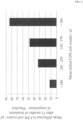
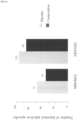
- composition of the invention protects AIDS patients by preventing the loss of CD4 cells over time. Evaluation in subjects non-eligible for ARVs, and whose CD4 counts are between 250 and 400 cells per ⁇ l, of the evolution of CD4 cell counts at 12 months of the composition of the invention treatment vs. placebo.
- This figure shows the evolution of the CD4 counts in function of the initial viral charge. This figure clearly demonstrates the antiviral effect of the composition according to the invention in decreasing the viral charge. A high viral charge is a factor of acceleration for CD4 decrease, and thus of progression towards AIDS disease.
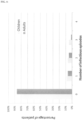
- This figure shows the evolution of the CD4 counts over time. Each point corresponds to the mean difference in the loss of CD4 cells due to the composition of the invention vs. placebo.
- composition of the invention protects AIDS patients by preventing the loss of CD4 over time.
- composition of the invention protects AIDS patients by preventing the loss of CD4 cells over time. See figures 1 and 2 .
- composition of the invention protects HIV-infected patients by preventing the loss of CD4 cells over time.
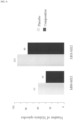
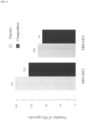
- composition of the invention leads to the disappearance of the infectious episodes during all winter in a range of 78% in children and of 86% in adults, likely by strengthening of the natural immunity ( figure 4 ). This is a dramatic improvement compared to the infectious episodes having affected these patients in the previous two years ( figure 3 ).
- composition of the invention in a prophylaxis setting allows the elimination of infectious episodes during the winter period in a great majority of cases. 82.5% of the studied population, who in previous years were presenting recurring lung and ENT infections, did not suffer such episodes when taking the composition of the invention.
- Table 3 Frequency of infections in COPD patients Number of patients Before composition of the invention With composition of the invention % difference 12 5 3 13 4 4 14 4 2 Total 13 9 30%
- Table 4 frequency of infections in COPD patients with tuberculosis history Number of patients Before composition of the invention With composition of the invention % difference 10 5 3 11 3 3 Total 8 6 25%
- Table 5 Number of hospitalizations and length of stay in hospital of COPD patients Number of patients Number of hospitalizations Number of days in hospital Base 53 Before I After Before After 41 2 1 10 6
- Table 6 Quantity of expectorations in COPD patients Number of patients Before composition of the invention After composition of the invention % difference 18 35 ml 15 ml 27 20 ml ⁇ 5 ml Total: 45 55 ml 20 ml 64%
- composition of the invention in prevention in patients suffering from COPD enables to reduce:
- composition of the invention is effective in alleviating or preventing COPD signs as an adjuvant to usual treatments.
- Table 7 frequency of infections in bronchiectasis patients Number of patients Before composition of the invention After composition of the invention % difference 8 7 4 12 6 3 7 5 5 Total: 27 18 12 33%
- Table 8 Number of hospitalizations and length of stay in hospital of bronchiectasis patients Number of patients Number of hospitalizations Number of days in hospital Base 27 Before After Before After 18 2 1 15 8
- composition of the invention in prevention in patients suffering from Bronchiectasis enables to reduce:
- composition of the invention is effective as an adjuvant to the usual treatments.
- the main objective was to compare infectious episodes in pediatric populations of 12 to 60 months old children over a period of 12 months depending on whether they received the composition of the invention or Placebo.
- the pleiotropic protective effect of the composition of the invention was evidenced when the placebo- and composition-treated children were classified according to the number of infections: Table 9: Number of children of both the placebo and the composition-treated groups according to the number of infectious episodes recorded during the study. Nb of infectious episodes Composition Placebo Total 0 1 3 4 1 11 5 16 2 18 11 29 3 20 15 35 4 14 16 30 5 16 15 31 6 11 10 21 7 9 17 26 8 3 7 10 9 1 5 6 10 1 0 1 11 0 2 2 12 2 1 3 13 1 2 3 14 0 0 0 15 0 0 0 16 1 0 1 Median 2.0 5.0
- the median is the numerical value separating the higher half of a data sample, a population, or a probability distribution, from the lower half.
- the median is the "middle" value in the list of numbers.
- the group of children treated with the composition of the invention showed a median value of 2, while the mean value of the placebo group was 5. This indicates that the composition shifts to lower numbers the middle of the infectious episodes ranking.
- composition of the invention was evidenced when the total number of infectious episodes was recorded in the placebo and composition-treated groups: Table 10: Number of infectious episodes in the placebo and composition-treated children: Diagnostic Placebo Composition % difference Total Flu 161 126 21.2 287 Diarrhea (intestinal infections) 112 96 14.3 208 Malaria 112 88 21.4 200 Bronchitis with fever 29 25 13.8 54 Bronchitis ( ⁇ 3 y.o.) 21 10 52.0 31 Fever alone 10 1 90 11 Urinary tract infection 2 0 100 2 Parotiditis 1 0 100 1 Total 448 346 22.8 794
- composition of the invention significantly reduces the number of Malaria episodes: - 21.4 % between months 1 and 12 (p ⁇ 0.001) and up to - 30 % between months 6 to 12 ( Figure 5 )
- composition of the invention significantly reduced the number of mucosal and skin infections.
- the composition of the invention significantly reduced the number of severe illnesses: -
- the protective effect of the composition was also evidenced when the number of severe cases of malaria, associated with anemia, convulsion or gastroenteritis, was recorded: Table 12: Number of severe cases of malaria episodes Associated medical issue Placebo Composition % difference Anemia 2 0 100 Convulsion 5 3 40 Gastroenteritis 2 0 100 Total 9 3 66 -
- the protective effect of the composition was also evidenced when the number of severe cases of bronchitis, associated with bronchopneumonia, were recorded: Table 14: Number of severe cases of bronchitis Associated medical issue Placebo Composition % difference Bronchopneumonia 9 6 33
- the intake of the composition of the invention reduces significantly the number of infectious episodes.
- composition of the invention is effective in the prevention of the most common infections: flu, bronchitis, intestinal infections.
- the intake of the composition of the invention is effective in the prevention of malaria episodes.
- the intake of the composition of the invention is effective in the prevention of severe illnesses.
- composition of the inventions enables a strengthening of natural immune defence:
- composition of the invention decreases the occurrence and severity of all diseases studied:
- composition of the invention is efficient in the prevention and/or the treatment of the most frequent diseases, comprising:
- composition of the invention in the prevention and the treatment of these diseases occurs by a strengthening and a better regulation of the immune system, making such immune system more effective against all external aggressions due to pathogens or diseases, those skilled in the art will appreciate that the effect of the composition of the invention is not limited to the diseases investigated in these studies.
- composition of the invention As the intake of the composition of the invention decreased the frequency and severity of the wide spectrum of diseases investigated in these studies, those skilled in the art will appreciate that the composition is effective for protection against pathogens or immune disorders infecting or affecting a subject through various routes, such as:
- PBMC peripheral blood mononuclear cells
- CD3+CD28 anti-CD28 antibodies
- IFN- ⁇ Interferon- ⁇
- TNF- ⁇ Tumor Necrosis Factor- ⁇
- PBMC peripheral blood mononuclear cells
- PBMCs were stimulated by the association of anti-CD3 and anti-CD28 antibodies, a stimulatory regime that mimics antigen-triggered T cell activation.
- PBMC Peripheral Blood Mononuclear Cells
- Interferon-gamma is a pro-inflammatory cytokine produced by activated T cells.
- Tumor Necrosis Factor-alpha TNF-a
- IFN- ⁇ and TNF- ⁇ both participate in cell-mediated immunity.
- PBMC peripheral blood mononuclear cells
- PBMC peripheral blood mononuclear cells
- PBMC peripheral blood mononuclear cells
- Cyclosporin A was used as positive control at a concentration of 1 ⁇ M.
- IFN- ⁇ and TNF- ⁇ were quantified in cell culture supernatants with an ELISA (Diaclone) according to manufacturer's instructions.
- Table 15 Inhibition of IFN- ⁇ secretion by the composition of the invention Composition of the invention (ng/ml) Donor 1 Donor 2 Donor 3 Average inhibition (%) Standard Deviation % inhibition of IFN- ⁇ secretion 0.04 27 1 6 11 14 0.6 1 1 4 2 2 8.8 18 10 11 13 4 133 78 26 64 56 26 Cyclosporin A 97 95 93 95 2
- Table 16 Inhibition of TNF- ⁇ secretion by the composition of the invention Composition of the invention (ng/ml) Donor 1 Donor 2 Donor 3 Average inhibition (%) Standard Deviation % inhibition of TNF- ⁇ secretion 0.04 1 1 23 8 12 0.6 3 25 40 23 19 8.8 11 29 24 21 9 133 10 46 72 43 31 Cyclosporin A 88 91 92 91 2
- composition induced a significant inhibitory effect on IFN- ⁇ release by activated PBMC, reaching up to 78% inhibition (donor 1) at 133 ng /ml.
- composition induced a significant inhibitory effect on TNF- ⁇ release by activated PBMC, reaching up to 40% (donor 3) inhibition at 0.6 ng/ml and 72% (donor 3) at 133 ng/ml.
- donor 3 The reference cyclosporin A, tested at 1 ⁇ M, significantly inhibited IFN- ⁇ and TNF- ⁇ release by activated PBMC.
- the composition induced a significant inhibition of IFN- ⁇ and TNF- ⁇ cytokine release by activated PBMC.
- the composition showed significant anti-inflammatory activity in a T cell antigenic stimulation model and this effect was observed for concentrations as low as 0.6.
- PBMC from one donor were extracted and activated for 2 days in vitro with a combination of antibodies anti-CD3 and anti-CD28 (CD3: 10 ⁇ g/ml, CD28: 3 ⁇ g/ml) as in study 1.
- PBMC peripheral blood mononuclear cells
- Cyclosporin A was used as positive control at a concentration of 1 ⁇ M.
- IFN- ⁇ and TNF- ⁇ were quantified in cell culture supernatants with an ELISA (Diaclone) according to manufacturer's instructions.
- Table 17 Inhibition of IFN- ⁇ secretion by the composition of the invention Composition of the invention (ng/ml) % inhibition of IFN- ⁇ secretion Standard Deviation 0.6 62 3 8.8 28 2 Cyclosporin A 90 0
- Table 18 Inhibition of TNF- ⁇ secretion by the composition of the invention Composition of the invention (ng/ml) % inhibition of TNF- ⁇ secretion Standard Deviation 0.6 44 1 8.8 27 9 Cyclosporin A 91 1
- composition induced a significant inhibitory effect on IFN- ⁇ release by activated PBMC, reaching up to 62% inhibition at 0.6 ng /ml.
- composition induced a significant inhibitory effect on TNF- ⁇ release by activated PBMC, reaching up to 44% inhibition at 0.6 ng/ml.
- the MTT assay is a colorimetric assay for assessing cell viability.
- NAD(P)H-dependent cellular oxidoreductase enzymes may, under defined conditions, reflect the number of viable cells present. These enzymes are capable of reducing the tetrazolium dye MTT 3-(4,5-dimethylthiazol-2-yl)-2,5-diphenyltetrazolium bromide to its insoluble formazan, which has a purple color.
- Tetrazolium dye assays can be used to measure cytotoxicity (loss of viable cells) or cytostatic activity (shift from proliferative to resting status).
- Table 19 Effect of the composition of the invention on Jurkat cell viability Composition of the invention (ng/ml) Cell viability (% of the control) Standard deviation 0 100 2 0.000128 94 4 0.00064 104 4 0.0032 102 4 0.016 100 3 0.08 104 3 0.4 98 3 2 104 4 10 97 4
- composition of the invention showed no cytotoxicity in vitro under the conditions of the assay as evidenced by the lack of effect on cell viability at all concentrations tested.
- mice C57BL/6 female mice (8 mice / group) at 8 weeks of age were fed for 3 weeks with chow containing or not the composition of the invention at 10, 100 or 800 ng / day / mouse.
- Mice were infected intranasally with 40 ⁇ l of saline solution containing 300 PFU (plaque forming Units) of Influenza A virus (H3N2 Scotland/20/74) under a mixture of ketamine-xylazine (1 and 0.2 mg per mouse, respectively) anesthesia.
- PFU plaque forming Units
- Influenza A virus H3N2 Scotland/20/74
- BALF bronchoalveolar fluid
- Lung tissue was homogenized, RNA was extracted and viral load was quantified using the Polymerase chain reaction technique. This expression denotes the number of viral DNA copies, so the viral load.
- mice were as follows: Group number Infection IMT-A Tamiflu IMT-B (IMT10) IMT-C (IMT100) IMT-D (IMT800) 1 - 2 + + 3 + + 4 + + 5 + + 6 + +
- the + symbol refers to the treatment indicated at the top of the column received by the group number of mice indicated in the left column of the table.
- Figure 9A and Figure 9B effect of the composition on recruitment of immune cells in the bronchoalveolar lavage fluid (BALF) of mice infected with Influenza Virus A.
- BALF bronchoalveolar lavage fluid
- mice The bronchoalveolar fluid of mice was analyzed cytologically for the presence of infiltrating cells. Total cells and neutrophils ( Figure 9A ) as well as macrophages and lymphocytes ( Figure 9B ) were quantified.
- Figure 10 effect of the composition on the Influenza viral load in the lungs of mice infected with Influenza Virus A.
- mice The lungs of mice were homogenized, RNA was extracted and the number of viral copies was quantified using a quantitative polymerase chain reaction protocol.
- composition significantly decreased the number of infiltrating cells, including neutrophils, macrophages and lymphocytes in the lungs of infected mice.
- mice (5 mice per group) were fed with control chow or chow containing the composition of the invention (corresponding to a daily intake of 800 ng / mouse) for 21 days. Mice were then immunized a first time with 20 ⁇ g of the protein P27A of the plasmodium falciparum parasite using Alum as an adjuvant, then two times at 21 days interval with 20 ⁇ g of the protein P27A of the plasmodium falciparum parasite using Alum as an adjuvant. Blood was drawn 11 days after the last immunization and antibody titers specific for the P27A proteins were quantified by Enzyme-linked immunosorbent assay (ELISA).
- ELISA Enzyme-linked immunosorbent assay
- Antibody titers to the P27A protein were augmented more than two-fold in the blood of mice treated with the composition of the invention ( Figure 11 ).
- composition of the invention is effective in enhancing the immune response to antigens in vaccination protocols.
- Aluminum adjuvants are adjuvants for vaccines that confer protection by inducing antibodies via the induction of a type 2 immune response.
- the composition of the invention enhances this adjuvant effect by stimulating the production of an increased number of antibodies specific for the P27A antigen. This effect may be mediated by increasing the adjuvant effect of the Alum or by rendering the P27A antigen more immunogenic by itself, both mechanisms contribute to an increased antibody production.
- Alum is the most commonly used adjuvant in human vaccination. It is found in numerous vaccines, including diphtheria-tetanus-pertussis, human papillomavirus and hepatitis vaccines. Therefore, the composition of the invention may be used for potentiating the immune response to numerous vaccines, and contribute to a better vaccine-mediated prevention of multiple diseases.
- Table 20 Example of preparation of the formulation for a daily intake / GDA (Guideline Daily Amounts): Formula of the composition of the invention for one dosis/day Latin name Official English name Daily intake Magnesium Magnesium 0.050 to 5 ⁇ g Ferrum Iron 0.050 to 5 ⁇ g Zincum Zinc 0.050 to 5 ⁇ g Thymus vulgaris Common thyme 0.030 to 3 ⁇ g Cicer arietinum Chickpea 0.030 to 3 ⁇ g Ervum lens (Lens culinaris) Lentil 0.030 to 3 ⁇ g Ribes nigrum Blackcurrant oil 0.035 to 3.5 ⁇ g Elaeis guineensis Palm oil 0.035 to 3.5 ⁇ g Fucus vesiculosus Fucus 0.030 to 3 ⁇ g Undaria pinnatifida Wakame 0.030 to 3 ⁇ g Palmaria palmata Dulse 0.030 to 3 ⁇ g Lentinula e
Landscapes
- Health & Medical Sciences (AREA)
- Life Sciences & Earth Sciences (AREA)
- Chemical & Material Sciences (AREA)
- Veterinary Medicine (AREA)
- Medicinal Chemistry (AREA)
- General Health & Medical Sciences (AREA)
- Public Health (AREA)
- Pharmacology & Pharmacy (AREA)
- Animal Behavior & Ethology (AREA)
- Natural Medicines & Medicinal Plants (AREA)
- Epidemiology (AREA)
- Engineering & Computer Science (AREA)
- Mycology (AREA)
- Biotechnology (AREA)
- Botany (AREA)
- Microbiology (AREA)
- Medical Informatics (AREA)
- Alternative & Traditional Medicine (AREA)
- Chemical Kinetics & Catalysis (AREA)
- Nuclear Medicine, Radiotherapy & Molecular Imaging (AREA)
- General Chemical & Material Sciences (AREA)
- Organic Chemistry (AREA)
- Nutrition Science (AREA)
- Polymers & Plastics (AREA)
- Food Science & Technology (AREA)
- Inorganic Chemistry (AREA)
- Bioinformatics & Cheminformatics (AREA)
- Oncology (AREA)
- Communicable Diseases (AREA)
- Immunology (AREA)
- Virology (AREA)
- Pulmonology (AREA)
- Oil, Petroleum & Natural Gas (AREA)
- Tropical Medicine & Parasitology (AREA)
- Hematology (AREA)
- Urology & Nephrology (AREA)
- Pain & Pain Management (AREA)
- Molecular Biology (AREA)
- Obesity (AREA)
- AIDS & HIV (AREA)
Priority Applications (1)
| Application Number | Priority Date | Filing Date | Title |
|---|---|---|---|
| EP14733097.1A EP3027056B1 (en) | 2013-04-19 | 2014-04-22 | Composition for enhancing immunity |
Applications Claiming Priority (4)
| Application Number | Priority Date | Filing Date | Title |
|---|---|---|---|
| EP13164434 | 2013-04-19 | ||
| EP13197725 | 2013-12-17 | ||
| EP14733097.1A EP3027056B1 (en) | 2013-04-19 | 2014-04-22 | Composition for enhancing immunity |
| PCT/EP2014/058162 WO2014170505A2 (en) | 2013-04-19 | 2014-04-22 | Immunity micronutrition |
Publications (3)
| Publication Number | Publication Date |
|---|---|
| EP3027056A2 EP3027056A2 (en) | 2016-06-08 |
| EP3027056C0 EP3027056C0 (en) | 2025-06-25 |
| EP3027056B1 true EP3027056B1 (en) | 2025-06-25 |
Family
ID=51022289
Family Applications (1)
| Application Number | Title | Priority Date | Filing Date |
|---|---|---|---|
| EP14733097.1A Active EP3027056B1 (en) | 2013-04-19 | 2014-04-22 | Composition for enhancing immunity |
Country Status (11)
| Country | Link |
|---|---|
| US (1) | US20160095879A1 (enExample) |
| EP (1) | EP3027056B1 (enExample) |
| JP (1) | JP6321781B2 (enExample) |
| CN (1) | CN105555150A (enExample) |
| AP (1) | AP2015008861A0 (enExample) |
| AU (1) | AU2014255617B2 (enExample) |
| EA (1) | EA029476B1 (enExample) |
| IL (1) | IL242072B (enExample) |
| SG (2) | SG11201508640SA (enExample) |
| WO (1) | WO2014170505A2 (enExample) |
| ZA (1) | ZA201508547B (enExample) |
Families Citing this family (11)
| Publication number | Priority date | Publication date | Assignee | Title |
|---|---|---|---|---|
| FR3026643B1 (fr) * | 2014-10-02 | 2018-03-09 | Biodevas Laboratoires | Aliment complementaire a base d'extraits de plantes aromatiques pour la gestion de la dermatite digitee ou mortellaro par la gestion du stress abiotique |
| CN106236787A (zh) * | 2016-08-30 | 2016-12-21 | 青海民族大学 | 圆孢蘑菇抗hiv‑1病毒有效部位及制法和应用 |
| RS20171030A1 (sr) | 2017-10-12 | 2019-04-30 | Pavlovic Bojan | F-fukoidani, desulfonovani f-fukoidani i njihovi derivati, desulfonovane oligo-fukoze kao inhibitori gastrointestinalnih infekcija |
| IT201700115753A1 (it) * | 2017-10-13 | 2019-04-13 | Cristalfarma S R L | Integratore per attenuare i disturbi nella donna causati dall’invecchiamento |
| GB2578417B (en) * | 2018-06-11 | 2022-09-28 | Hunt Dev Uk Ltd | Airway sampling device and associated methods |
| US20230148646A1 (en) * | 2020-04-24 | 2023-05-18 | Patrick Todorov ANGELOV | Anti-viral, anti-microbial and stimulating immunity food supplement |
| US20210386779A1 (en) * | 2020-04-30 | 2021-12-16 | Leon Margolin | Compositions and methods for dietary enhancement of immune system function |
| EP4014759A1 (en) * | 2020-12-18 | 2022-06-22 | VIRAofSWEDEN AB | Novel product comprising brown alga extract |
| US20230149493A1 (en) * | 2021-06-08 | 2023-05-18 | Yuva Biosciences, Inc. | Compositions and methods for treating covid-19 and symptoms thereof |
| TR2022000292A2 (tr) | 2022-01-11 | 2022-02-21 | Tuerkiye Bilimsel Veteknolojik Arastirma Kurumu | SARS-CoV-2 Virüsüne Karşı Koruyucu Pastil/Çiğneme Tableti Üretimi |
| GR1010704B (el) * | 2023-04-11 | 2024-06-03 | Ιουλια Κλεωνος Τσετη | Συνθεση για την ομαλοποιηση των λειτουργιων του ανοσοποιητικου συστηματος και τη φυσικη καθαρση του ιου hpv (human papilloma virus) |
Family Cites Families (8)
| Publication number | Priority date | Publication date | Assignee | Title |
|---|---|---|---|---|
| US20040146545A1 (en) * | 1999-05-19 | 2004-07-29 | Elisabeth Caenazzo | Method for making products used in sequential micronutrition and uses of resulting products |
| CN1829453A (zh) * | 2003-06-04 | 2006-09-06 | 威廉·雅各布·塞尔方丹 | 营养组合物及其用途 |
| EP1643865A1 (en) * | 2003-06-04 | 2006-04-12 | Willem Jacob Serfontein | Nutritional compositions and use thereof |
| US20080038367A1 (en) * | 2006-08-11 | 2008-02-14 | Sal Saloum | Nutritional supplement compositions and methods of preparing |
| RU2010132283A (ru) * | 2008-02-06 | 2012-03-20 | Дзе Проктер Энд Гэмбл Компани (US) | Композиции, способы и наборы для повышения иммунного ответа на респираторное заболевание |
| JP2009221112A (ja) * | 2008-03-13 | 2009-10-01 | Unitec Foods Co Ltd | 免疫機能調節組成物 |
| US8518459B2 (en) * | 2009-04-15 | 2013-08-27 | Actigenomics S.A. | Composition for regulating lipid metabolism |
| KR20110121088A (ko) * | 2010-04-30 | 2011-11-07 | 주식회사 엔케이바이오 | 치료 후 손상된 세포조직의 재생과 성장 및 체내 면역력을 증가시켜주는 2차 감염 방지용 면역강화 조성물 |
-
2014
- 2014-04-22 SG SG11201508640SA patent/SG11201508640SA/en unknown
- 2014-04-22 CN CN201480035144.9A patent/CN105555150A/zh active Pending
- 2014-04-22 AU AU2014255617A patent/AU2014255617B2/en not_active Ceased
- 2014-04-22 WO PCT/EP2014/058162 patent/WO2014170505A2/en not_active Ceased
- 2014-04-22 JP JP2016508193A patent/JP6321781B2/ja not_active Expired - Fee Related
- 2014-04-22 EP EP14733097.1A patent/EP3027056B1/en active Active
- 2014-04-22 SG SG10201708545TA patent/SG10201708545TA/en unknown
- 2014-04-22 AP AP2015008861A patent/AP2015008861A0/xx unknown
- 2014-04-22 EA EA201592003A patent/EA029476B1/ru active IP Right Revival
- 2014-04-22 US US14/785,548 patent/US20160095879A1/en not_active Abandoned
-
2015
- 2015-10-14 IL IL242072A patent/IL242072B/en not_active IP Right Cessation
- 2015-11-19 ZA ZA2015/08547A patent/ZA201508547B/en unknown
Non-Patent Citations (1)
| Title |
|---|
| None * |
Also Published As
| Publication number | Publication date |
|---|---|
| AP2015008861A0 (en) | 2015-11-30 |
| WO2014170505A3 (en) | 2014-12-04 |
| AU2014255617B2 (en) | 2019-11-07 |
| EP3027056A2 (en) | 2016-06-08 |
| JP2016516801A (ja) | 2016-06-09 |
| CN105555150A (zh) | 2016-05-04 |
| EP3027056C0 (en) | 2025-06-25 |
| SG10201708545TA (en) | 2017-11-29 |
| SG11201508640SA (en) | 2015-11-27 |
| IL242072B (en) | 2020-01-30 |
| JP6321781B2 (ja) | 2018-05-09 |
| AU2014255617A1 (en) | 2015-12-03 |
| ZA201508547B (en) | 2017-09-27 |
| EA201592003A1 (ru) | 2016-04-29 |
| US20160095879A1 (en) | 2016-04-07 |
| WO2014170505A2 (en) | 2014-10-23 |
| EA029476B1 (ru) | 2018-03-30 |
Similar Documents
| Publication | Publication Date | Title |
|---|---|---|
| EP3027056B1 (en) | Composition for enhancing immunity | |
| Zakay-Rones et al. | Randomized study of the efficacy and safety of oral elderberry extract in the treatment of influenza A and B virus infections | |
| CN101889679B (zh) | 一种具有解酒保肝作用的组合物及其在食品、保健食品中的应用 | |
| RU2668126C2 (ru) | Композиция, содержащая комбинацию экстракта бузины и штамма lactobacillus rhamnosus | |
| JP2018519361A (ja) | 口腔、咽喉及び気道の障害の治療のための配合物 | |
| US20190070240A1 (en) | Gynostemma pentaphyllum-containing health care pharmaceutical composition for preventing hyperlipidemia, hypertension, hyperglycemia and gout | |
| MX2013000670A (es) | Propiedades antivirales del aloe vera y tratamiento para el sindrome de inmunodeficiencia adquirida (sida). | |
| CN105764519B (zh) | 用于治疗咳嗽的基于植物的组合物 | |
| EP4137511A1 (en) | New composition for use to treat and prevent infections by covid-19 and other coronaviruses | |
| US7867523B2 (en) | Pharmaceutical composition | |
| US20090175971A1 (en) | Method of using composition comprising pomegranate extracts against the common cold | |
| Al-Taie et al. | Supplementary medicines and antioxidants in viral infections: A review of proposed effects for COVID-19 | |
| WO2021240293A1 (en) | Combination of active ingredients, compositions containing it and their use to sustain and strengthen the immune system | |
| US20080254143A1 (en) | Composition for improving immune system health | |
| JP4556009B2 (ja) | 抗炎症剤、アレルギー性疾患予防又は改善剤及び機能性食品 | |
| US20080057143A1 (en) | Method of using composition comprising pomegranate extracts against influenza | |
| CN112870206B (zh) | 甘露糖在制备预防脑型疟疾药物中的应用 | |
| US20250268967A1 (en) | Nutraceutical compounds useful in the treatment of coronavirus disease | |
| CA2846513C (en) | Natural antioxidant anti-influenza composition | |
| EP3977989A1 (en) | Composition for the treatment of novel corona virus disease (covid-19) | |
| CN102579606B (zh) | 一种抗球虫中药制剂及其制备方法 | |
| KR20030027133A (ko) | 블렉엘더베리를 주원료로하며 인풀루엔자 바이러스 감염의예방 및 퇴치를 위한 건강기능식품 또는 약품 제조방법 | |
| TWI240631B (en) | Peroral medicine for prevention of virus infection | |
| WO2022024147A1 (en) | Compositions of lactoferrin whey protein and jackfruit seed powder | |
| WO2022091023A1 (en) | Combination of active ingredients, compositions containing it and their use to sustain and strengthen the immune system |
Legal Events
| Date | Code | Title | Description |
|---|---|---|---|
| PUAI | Public reference made under article 153(3) epc to a published international application that has entered the european phase |
Free format text: ORIGINAL CODE: 0009012 |
|
| 17P | Request for examination filed |
Effective date: 20160301 |
|
| AK | Designated contracting states |
Kind code of ref document: A2 Designated state(s): AL AT BE BG CH CY CZ DE DK EE ES FI FR GB GR HR HU IE IS IT LI LT LU LV MC MK MT NL NO PL PT RO RS SE SI SK SM TR |
|
| AX | Request for extension of the european patent |
Extension state: BA ME |
|
| DAX | Request for extension of the european patent (deleted) | ||
| STAA | Information on the status of an ep patent application or granted ep patent |
Free format text: STATUS: EXAMINATION IS IN PROGRESS |
|
| 17Q | First examination report despatched |
Effective date: 20180416 |
|
| GRAP | Despatch of communication of intention to grant a patent |
Free format text: ORIGINAL CODE: EPIDOSNIGR1 |
|
| STAA | Information on the status of an ep patent application or granted ep patent |
Free format text: STATUS: GRANT OF PATENT IS INTENDED |
|
| INTG | Intention to grant announced |
Effective date: 20190328 |
|
| GRAS | Grant fee paid |
Free format text: ORIGINAL CODE: EPIDOSNIGR3 |
|
| GRAA | (expected) grant |
Free format text: ORIGINAL CODE: 0009210 |
|
| STAA | Information on the status of an ep patent application or granted ep patent |
Free format text: STATUS: THE PATENT HAS BEEN GRANTED |
|
| AK | Designated contracting states |
Kind code of ref document: B1 Designated state(s): AL AT BE BG CH CY CZ DE DK EE ES FI FR GB GR HR HU IE IS IT LI LT LU LV MC MK MT NL NO PL PT RO RS SE SI SK SM TR |
|
| REG | Reference to a national code |
Ref country code: GB Ref legal event code: FG4D |
|
| REG | Reference to a national code |
Ref country code: CH Ref legal event code: EP |
|
| REG | Reference to a national code |
Ref country code: AT Ref legal event code: REF Ref document number: 1208270 Country of ref document: AT Kind code of ref document: T Effective date: 20191215 |
|
| REG | Reference to a national code |
Ref country code: DE Ref legal event code: R096 Ref document number: 602014057785 Country of ref document: DE |
|
| REG | Reference to a national code |
Ref country code: IE Ref legal event code: FG4D |
|
| REG | Reference to a national code |
Ref country code: CH Ref legal event code: NV Representative=s name: REUTELER AND CIE S.A., CH |
|
| REG | Reference to a national code |
Ref country code: NL Ref legal event code: MP Effective date: 20191204 |
|
| REG | Reference to a national code |
Ref country code: LT Ref legal event code: MG4D |
|
| PG25 | Lapsed in a contracting state [announced via postgrant information from national office to epo] |
Ref country code: NO Free format text: LAPSE BECAUSE OF FAILURE TO SUBMIT A TRANSLATION OF THE DESCRIPTION OR TO PAY THE FEE WITHIN THE PRESCRIBED TIME-LIMIT Effective date: 20200304 Ref country code: FI Free format text: LAPSE BECAUSE OF FAILURE TO SUBMIT A TRANSLATION OF THE DESCRIPTION OR TO PAY THE FEE WITHIN THE PRESCRIBED TIME-LIMIT Effective date: 20191204 Ref country code: BG Free format text: LAPSE BECAUSE OF FAILURE TO SUBMIT A TRANSLATION OF THE DESCRIPTION OR TO PAY THE FEE WITHIN THE PRESCRIBED TIME-LIMIT Effective date: 20200304 Ref country code: GR Free format text: LAPSE BECAUSE OF FAILURE TO SUBMIT A TRANSLATION OF THE DESCRIPTION OR TO PAY THE FEE WITHIN THE PRESCRIBED TIME-LIMIT Effective date: 20200305 Ref country code: LT Free format text: LAPSE BECAUSE OF FAILURE TO SUBMIT A TRANSLATION OF THE DESCRIPTION OR TO PAY THE FEE WITHIN THE PRESCRIBED TIME-LIMIT Effective date: 20191204 Ref country code: LV Free format text: LAPSE BECAUSE OF FAILURE TO SUBMIT A TRANSLATION OF THE DESCRIPTION OR TO PAY THE FEE WITHIN THE PRESCRIBED TIME-LIMIT Effective date: 20191204 Ref country code: SE Free format text: LAPSE BECAUSE OF FAILURE TO SUBMIT A TRANSLATION OF THE DESCRIPTION OR TO PAY THE FEE WITHIN THE PRESCRIBED TIME-LIMIT Effective date: 20191204 |
|
| PG25 | Lapsed in a contracting state [announced via postgrant information from national office to epo] |
Ref country code: RS Free format text: LAPSE BECAUSE OF FAILURE TO SUBMIT A TRANSLATION OF THE DESCRIPTION OR TO PAY THE FEE WITHIN THE PRESCRIBED TIME-LIMIT Effective date: 20191204 Ref country code: HR Free format text: LAPSE BECAUSE OF FAILURE TO SUBMIT A TRANSLATION OF THE DESCRIPTION OR TO PAY THE FEE WITHIN THE PRESCRIBED TIME-LIMIT Effective date: 20191204 |
|
| PG25 | Lapsed in a contracting state [announced via postgrant information from national office to epo] |
Ref country code: AL Free format text: LAPSE BECAUSE OF FAILURE TO SUBMIT A TRANSLATION OF THE DESCRIPTION OR TO PAY THE FEE WITHIN THE PRESCRIBED TIME-LIMIT Effective date: 20191204 |
|
| PG25 | Lapsed in a contracting state [announced via postgrant information from national office to epo] |
Ref country code: NL Free format text: LAPSE BECAUSE OF FAILURE TO SUBMIT A TRANSLATION OF THE DESCRIPTION OR TO PAY THE FEE WITHIN THE PRESCRIBED TIME-LIMIT Effective date: 20191204 Ref country code: ES Free format text: LAPSE BECAUSE OF FAILURE TO SUBMIT A TRANSLATION OF THE DESCRIPTION OR TO PAY THE FEE WITHIN THE PRESCRIBED TIME-LIMIT Effective date: 20191204 Ref country code: RO Free format text: LAPSE BECAUSE OF FAILURE TO SUBMIT A TRANSLATION OF THE DESCRIPTION OR TO PAY THE FEE WITHIN THE PRESCRIBED TIME-LIMIT Effective date: 20191204 Ref country code: CZ Free format text: LAPSE BECAUSE OF FAILURE TO SUBMIT A TRANSLATION OF THE DESCRIPTION OR TO PAY THE FEE WITHIN THE PRESCRIBED TIME-LIMIT Effective date: 20191204 Ref country code: EE Free format text: LAPSE BECAUSE OF FAILURE TO SUBMIT A TRANSLATION OF THE DESCRIPTION OR TO PAY THE FEE WITHIN THE PRESCRIBED TIME-LIMIT Effective date: 20191204 Ref country code: PT Free format text: LAPSE BECAUSE OF FAILURE TO SUBMIT A TRANSLATION OF THE DESCRIPTION OR TO PAY THE FEE WITHIN THE PRESCRIBED TIME-LIMIT Effective date: 20200429 |
|
| PG25 | Lapsed in a contracting state [announced via postgrant information from national office to epo] |
Ref country code: SK Free format text: LAPSE BECAUSE OF FAILURE TO SUBMIT A TRANSLATION OF THE DESCRIPTION OR TO PAY THE FEE WITHIN THE PRESCRIBED TIME-LIMIT Effective date: 20191204 Ref country code: IS Free format text: LAPSE BECAUSE OF FAILURE TO SUBMIT A TRANSLATION OF THE DESCRIPTION OR TO PAY THE FEE WITHIN THE PRESCRIBED TIME-LIMIT Effective date: 20200404 Ref country code: SM Free format text: LAPSE BECAUSE OF FAILURE TO SUBMIT A TRANSLATION OF THE DESCRIPTION OR TO PAY THE FEE WITHIN THE PRESCRIBED TIME-LIMIT Effective date: 20191204 |
|
| REG | Reference to a national code |
Ref country code: DE Ref legal event code: R097 Ref document number: 602014057785 Country of ref document: DE |
|
| REG | Reference to a national code |
Ref country code: AT Ref legal event code: MK05 Ref document number: 1208270 Country of ref document: AT Kind code of ref document: T Effective date: 20191204 |
|
| PLBE | No opposition filed within time limit |
Free format text: ORIGINAL CODE: 0009261 |
|
| STAA | Information on the status of an ep patent application or granted ep patent |
Free format text: STATUS: NO OPPOSITION FILED WITHIN TIME LIMIT |
|
| PG25 | Lapsed in a contracting state [announced via postgrant information from national office to epo] |
Ref country code: DK Free format text: LAPSE BECAUSE OF FAILURE TO SUBMIT A TRANSLATION OF THE DESCRIPTION OR TO PAY THE FEE WITHIN THE PRESCRIBED TIME-LIMIT Effective date: 20191204 |
|
| 26N | No opposition filed |
Effective date: 20200907 |
|
| PG25 | Lapsed in a contracting state [announced via postgrant information from national office to epo] |
Ref country code: PL Free format text: LAPSE BECAUSE OF FAILURE TO SUBMIT A TRANSLATION OF THE DESCRIPTION OR TO PAY THE FEE WITHIN THE PRESCRIBED TIME-LIMIT Effective date: 20191204 Ref country code: AT Free format text: LAPSE BECAUSE OF FAILURE TO SUBMIT A TRANSLATION OF THE DESCRIPTION OR TO PAY THE FEE WITHIN THE PRESCRIBED TIME-LIMIT Effective date: 20191204 Ref country code: SI Free format text: LAPSE BECAUSE OF FAILURE TO SUBMIT A TRANSLATION OF THE DESCRIPTION OR TO PAY THE FEE WITHIN THE PRESCRIBED TIME-LIMIT Effective date: 20191204 Ref country code: MC Free format text: LAPSE BECAUSE OF FAILURE TO SUBMIT A TRANSLATION OF THE DESCRIPTION OR TO PAY THE FEE WITHIN THE PRESCRIBED TIME-LIMIT Effective date: 20191204 |
|
| PG25 | Lapsed in a contracting state [announced via postgrant information from national office to epo] |
Ref country code: LU Free format text: LAPSE BECAUSE OF NON-PAYMENT OF DUE FEES Effective date: 20200422 Ref country code: IT Free format text: LAPSE BECAUSE OF FAILURE TO SUBMIT A TRANSLATION OF THE DESCRIPTION OR TO PAY THE FEE WITHIN THE PRESCRIBED TIME-LIMIT Effective date: 20191204 |
|
| PGFP | Annual fee paid to national office [announced via postgrant information from national office to epo] |
Ref country code: DE Payment date: 20210420 Year of fee payment: 8 Ref country code: FR Payment date: 20210423 Year of fee payment: 8 |
|
| PGFP | Annual fee paid to national office [announced via postgrant information from national office to epo] |
Ref country code: CH Payment date: 20210521 Year of fee payment: 8 Ref country code: IE Payment date: 20210428 Year of fee payment: 8 Ref country code: GB Payment date: 20210422 Year of fee payment: 8 Ref country code: BE Payment date: 20210420 Year of fee payment: 8 |
|
| PG25 | Lapsed in a contracting state [announced via postgrant information from national office to epo] |
Ref country code: TR Free format text: LAPSE BECAUSE OF FAILURE TO SUBMIT A TRANSLATION OF THE DESCRIPTION OR TO PAY THE FEE WITHIN THE PRESCRIBED TIME-LIMIT Effective date: 20191204 Ref country code: MT Free format text: LAPSE BECAUSE OF FAILURE TO SUBMIT A TRANSLATION OF THE DESCRIPTION OR TO PAY THE FEE WITHIN THE PRESCRIBED TIME-LIMIT Effective date: 20191204 Ref country code: CY Free format text: LAPSE BECAUSE OF FAILURE TO SUBMIT A TRANSLATION OF THE DESCRIPTION OR TO PAY THE FEE WITHIN THE PRESCRIBED TIME-LIMIT Effective date: 20191204 |
|
| PG25 | Lapsed in a contracting state [announced via postgrant information from national office to epo] |
Ref country code: MK Free format text: LAPSE BECAUSE OF FAILURE TO SUBMIT A TRANSLATION OF THE DESCRIPTION OR TO PAY THE FEE WITHIN THE PRESCRIBED TIME-LIMIT Effective date: 20191204 |
|
| REG | Reference to a national code |
Ref country code: DE Ref legal event code: R409 Ref country code: DE Ref legal event code: R409 Ref document number: 602014057785 Country of ref document: DE Ref country code: DE Ref legal event code: R119 Ref document number: 602014057785 Country of ref document: DE |
|
| REG | Reference to a national code |
Ref country code: CH Ref legal event code: PL |
|
| GBPC | Gb: european patent ceased through non-payment of renewal fee |
Effective date: 20220422 |
|
| REG | Reference to a national code |
Ref country code: BE Ref legal event code: MM Effective date: 20220430 |
|
| PG25 | Lapsed in a contracting state [announced via postgrant information from national office to epo] |
Ref country code: LI Free format text: LAPSE BECAUSE OF NON-PAYMENT OF DUE FEES Effective date: 20220430 Ref country code: GB Free format text: LAPSE BECAUSE OF NON-PAYMENT OF DUE FEES Effective date: 20220422 Ref country code: FR Free format text: LAPSE BECAUSE OF NON-PAYMENT OF DUE FEES Effective date: 20220430 Ref country code: DE Free format text: LAPSE BECAUSE OF NON-PAYMENT OF DUE FEES Effective date: 20221103 Ref country code: CH Free format text: LAPSE BECAUSE OF NON-PAYMENT OF DUE FEES Effective date: 20220430 |
|
| PG25 | Lapsed in a contracting state [announced via postgrant information from national office to epo] |
Ref country code: BE Free format text: LAPSE BECAUSE OF NON-PAYMENT OF DUE FEES Effective date: 20220430 |
|
| PG25 | Lapsed in a contracting state [announced via postgrant information from national office to epo] |
Ref country code: IE Free format text: LAPSE BECAUSE OF NON-PAYMENT OF DUE FEES Effective date: 20220422 |
|
| PLAA | Information modified related to event that no opposition was filed |
Free format text: ORIGINAL CODE: 0009299DELT |
|
| PUAC | Information related to the publication of a b1 document modified or deleted |
Free format text: ORIGINAL CODE: 0009299EPPU |
|
| STAA | Information on the status of an ep patent application or granted ep patent |
Free format text: STATUS: GRANT OF PATENT IS INTENDED |
|
| REG | Reference to a national code |
Ref country code: CH Ref legal event code: PK Free format text: DIE ERTEILUNG WURDE VOM EPA WIDERRUFEN. |
|
| 29U | Proceedings interrupted after grant according to rule 142 epc |
Effective date: 20170920 |
|
| 29W | Proceedings resumed after grant [after interruption of proceedings according to rule 142 epc] |
Effective date: 20250502 |
|
| D26N | No opposition filed (deleted) | ||
| DB1 | Publication of patent cancelled |
Effective date: 20250220 |
|
| REG | Reference to a national code |
Ref country code: DE Ref legal event code: R107 Ref country code: DE Ref legal event code: R107 Ref document number: 602014057785 Country of ref document: DE |
|
| REG | Reference to a national code |
Ref country code: AT Ref legal event code: REZ Ref document number: 1208270 Country of ref document: AT Kind code of ref document: T Effective date: 20191204 |
|
| GRAA | (expected) grant |
Free format text: ORIGINAL CODE: 0009210 |
|
| STAA | Information on the status of an ep patent application or granted ep patent |
Free format text: STATUS: THE PATENT HAS BEEN GRANTED |
|
| RAP3 | Party data changed (applicant data changed or rights of an application transferred) |
Owner name: IDC INVESTMENT DEVELOPMENT CORPORATION LIMITED |
|
| REG | Reference to a national code |
Ref country code: DE Ref legal event code: R081 Ref document number: 602014057785 Country of ref document: DE Owner name: IDC INVESTMENT DEVELOPMENT CORPORATION LIMITED, HK Free format text: FORMER OWNER: ACTIGENOMICS S.A., EPALINGES, CH |
|
| AK | Designated contracting states |
Kind code of ref document: B1 Designated state(s): AL AT BE BG CH CY CZ DE DK EE ES FI FR GB GR HR HU IE IS IT LI LT LU LV MC MK MT NL NO PL PT RO RS SE SI SK SM TR |
|
| REG | Reference to a national code |
Ref country code: CH Ref legal event code: EP |
|
| REG | Reference to a national code |
Ref country code: CH Ref legal event code: EP |
|
| REG | Reference to a national code |
Ref country code: DE Ref legal event code: R096 Ref document number: 602014057785 Country of ref document: DE |
|
| PG2D | Information on lapse in contracting state deleted |
Ref country code: CZ |
|
| U01 | Request for unitary effect filed |
Effective date: 20250721 |
|
| U07 | Unitary effect registered |
Designated state(s): AT BE BG DE DK EE FI FR IT LT LU LV MT NL PT RO SE SI Effective date: 20250725 |
|
| PG25 | Lapsed in a contracting state [announced via postgrant information from national office to epo] |
Ref country code: NO Free format text: LAPSE BECAUSE OF FAILURE TO SUBMIT A TRANSLATION OF THE DESCRIPTION OR TO PAY THE FEE WITHIN THE PRESCRIBED TIME-LIMIT Effective date: 20250925 |
|
| PG25 | Lapsed in a contracting state [announced via postgrant information from national office to epo] |
Ref country code: HR Free format text: LAPSE BECAUSE OF FAILURE TO SUBMIT A TRANSLATION OF THE DESCRIPTION OR TO PAY THE FEE WITHIN THE PRESCRIBED TIME-LIMIT Effective date: 20250625 |