EP2968210B1 - Phenyl carbamate compounds for use in preventing or treating pediatric epilesy - Google Patents
Phenyl carbamate compounds for use in preventing or treating pediatric epilesy Download PDFInfo
- Publication number
- EP2968210B1 EP2968210B1 EP14762362.3A EP14762362A EP2968210B1 EP 2968210 B1 EP2968210 B1 EP 2968210B1 EP 14762362 A EP14762362 A EP 14762362A EP 2968210 B1 EP2968210 B1 EP 2968210B1
- Authority
- EP
- European Patent Office
- Prior art keywords
- chlorophenyl
- hydroxypropyl
- carbamate
- epilepsy
- preparation example
- Prior art date
- Legal status (The legal status is an assumption and is not a legal conclusion. Google has not performed a legal analysis and makes no representation as to the accuracy of the status listed.)
- Active
Links
Images
Classifications
-
- A—HUMAN NECESSITIES
- A61—MEDICAL OR VETERINARY SCIENCE; HYGIENE
- A61K—PREPARATIONS FOR MEDICAL, DENTAL OR TOILETRY PURPOSES
- A61K31/00—Medicinal preparations containing organic active ingredients
- A61K31/325—Carbamic acids; Thiocarbamic acids; Anhydrides or salts thereof
-
- A—HUMAN NECESSITIES
- A61—MEDICAL OR VETERINARY SCIENCE; HYGIENE
- A61K—PREPARATIONS FOR MEDICAL, DENTAL OR TOILETRY PURPOSES
- A61K31/00—Medicinal preparations containing organic active ingredients
- A61K31/16—Amides, e.g. hydroxamic acids
- A61K31/165—Amides, e.g. hydroxamic acids having aromatic rings, e.g. colchicine, atenolol, progabide
- A61K31/166—Amides, e.g. hydroxamic acids having aromatic rings, e.g. colchicine, atenolol, progabide having the carbon of a carboxamide group directly attached to the aromatic ring, e.g. procainamide, procarbazine, metoclopramide, labetalol
-
- A—HUMAN NECESSITIES
- A61—MEDICAL OR VETERINARY SCIENCE; HYGIENE
- A61K—PREPARATIONS FOR MEDICAL, DENTAL OR TOILETRY PURPOSES
- A61K31/00—Medicinal preparations containing organic active ingredients
- A61K31/02—Halogenated hydrocarbons
- A61K31/025—Halogenated hydrocarbons carbocyclic
- A61K31/03—Halogenated hydrocarbons carbocyclic aromatic
-
- A—HUMAN NECESSITIES
- A61—MEDICAL OR VETERINARY SCIENCE; HYGIENE
- A61K—PREPARATIONS FOR MEDICAL, DENTAL OR TOILETRY PURPOSES
- A61K31/00—Medicinal preparations containing organic active ingredients
- A61K31/045—Hydroxy compounds, e.g. alcohols; Salts thereof, e.g. alcoholates
-
- A—HUMAN NECESSITIES
- A61—MEDICAL OR VETERINARY SCIENCE; HYGIENE
- A61K—PREPARATIONS FOR MEDICAL, DENTAL OR TOILETRY PURPOSES
- A61K31/00—Medicinal preparations containing organic active ingredients
- A61K31/045—Hydroxy compounds, e.g. alcohols; Salts thereof, e.g. alcoholates
- A61K31/047—Hydroxy compounds, e.g. alcohols; Salts thereof, e.g. alcoholates having two or more hydroxy groups, e.g. sorbitol
-
- A—HUMAN NECESSITIES
- A61—MEDICAL OR VETERINARY SCIENCE; HYGIENE
- A61K—PREPARATIONS FOR MEDICAL, DENTAL OR TOILETRY PURPOSES
- A61K31/00—Medicinal preparations containing organic active ingredients
- A61K31/045—Hydroxy compounds, e.g. alcohols; Salts thereof, e.g. alcoholates
- A61K31/05—Phenols
- A61K31/055—Phenols the aromatic ring being substituted by halogen
-
- A—HUMAN NECESSITIES
- A61—MEDICAL OR VETERINARY SCIENCE; HYGIENE
- A61K—PREPARATIONS FOR MEDICAL, DENTAL OR TOILETRY PURPOSES
- A61K31/00—Medicinal preparations containing organic active ingredients
- A61K31/13—Amines
- A61K31/135—Amines having aromatic rings, e.g. ketamine, nortriptyline
-
- A—HUMAN NECESSITIES
- A61—MEDICAL OR VETERINARY SCIENCE; HYGIENE
- A61K—PREPARATIONS FOR MEDICAL, DENTAL OR TOILETRY PURPOSES
- A61K31/00—Medicinal preparations containing organic active ingredients
- A61K31/21—Esters, e.g. nitroglycerine, selenocyanates
- A61K31/27—Esters, e.g. nitroglycerine, selenocyanates of carbamic or thiocarbamic acids, meprobamate, carbachol, neostigmine
-
- A—HUMAN NECESSITIES
- A61—MEDICAL OR VETERINARY SCIENCE; HYGIENE
- A61P—SPECIFIC THERAPEUTIC ACTIVITY OF CHEMICAL COMPOUNDS OR MEDICINAL PREPARATIONS
- A61P21/00—Drugs for disorders of the muscular or neuromuscular system
-
- A—HUMAN NECESSITIES
- A61—MEDICAL OR VETERINARY SCIENCE; HYGIENE
- A61P—SPECIFIC THERAPEUTIC ACTIVITY OF CHEMICAL COMPOUNDS OR MEDICINAL PREPARATIONS
- A61P21/00—Drugs for disorders of the muscular or neuromuscular system
- A61P21/02—Muscle relaxants, e.g. for tetanus or cramps
-
- A—HUMAN NECESSITIES
- A61—MEDICAL OR VETERINARY SCIENCE; HYGIENE
- A61P—SPECIFIC THERAPEUTIC ACTIVITY OF CHEMICAL COMPOUNDS OR MEDICINAL PREPARATIONS
- A61P25/00—Drugs for disorders of the nervous system
-
- A—HUMAN NECESSITIES
- A61—MEDICAL OR VETERINARY SCIENCE; HYGIENE
- A61P—SPECIFIC THERAPEUTIC ACTIVITY OF CHEMICAL COMPOUNDS OR MEDICINAL PREPARATIONS
- A61P25/00—Drugs for disorders of the nervous system
- A61P25/08—Antiepileptics; Anticonvulsants
-
- A—HUMAN NECESSITIES
- A61—MEDICAL OR VETERINARY SCIENCE; HYGIENE
- A61P—SPECIFIC THERAPEUTIC ACTIVITY OF CHEMICAL COMPOUNDS OR MEDICINAL PREPARATIONS
- A61P25/00—Drugs for disorders of the nervous system
- A61P25/08—Antiepileptics; Anticonvulsants
- A61P25/10—Antiepileptics; Anticonvulsants for petit-mal
-
- A—HUMAN NECESSITIES
- A61—MEDICAL OR VETERINARY SCIENCE; HYGIENE
- A61P—SPECIFIC THERAPEUTIC ACTIVITY OF CHEMICAL COMPOUNDS OR MEDICINAL PREPARATIONS
- A61P25/00—Drugs for disorders of the nervous system
- A61P25/08—Antiepileptics; Anticonvulsants
- A61P25/12—Antiepileptics; Anticonvulsants for grand-mal
-
- A—HUMAN NECESSITIES
- A61—MEDICAL OR VETERINARY SCIENCE; HYGIENE
- A61P—SPECIFIC THERAPEUTIC ACTIVITY OF CHEMICAL COMPOUNDS OR MEDICINAL PREPARATIONS
- A61P25/00—Drugs for disorders of the nervous system
- A61P25/14—Drugs for disorders of the nervous system for treating abnormal movements, e.g. chorea, dyskinesia
- A61P25/16—Anti-Parkinson drugs
-
- C—CHEMISTRY; METALLURGY
- C07—ORGANIC CHEMISTRY
- C07C—ACYCLIC OR CARBOCYCLIC COMPOUNDS
- C07C271/00—Derivatives of carbamic acids, i.e. compounds containing any of the groups, the nitrogen atom not being part of nitro or nitroso groups
- C07C271/06—Esters of carbamic acids
- C07C271/08—Esters of carbamic acids having oxygen atoms of carbamate groups bound to acyclic carbon atoms
- C07C271/10—Esters of carbamic acids having oxygen atoms of carbamate groups bound to acyclic carbon atoms with the nitrogen atoms of the carbamate groups bound to hydrogen atoms or to acyclic carbon atoms
- C07C271/12—Esters of carbamic acids having oxygen atoms of carbamate groups bound to acyclic carbon atoms with the nitrogen atoms of the carbamate groups bound to hydrogen atoms or to acyclic carbon atoms to hydrogen atoms or to carbon atoms of unsubstituted hydrocarbon radicals
-
- C—CHEMISTRY; METALLURGY
- C07—ORGANIC CHEMISTRY
- C07C—ACYCLIC OR CARBOCYCLIC COMPOUNDS
- C07C271/00—Derivatives of carbamic acids, i.e. compounds containing any of the groups, the nitrogen atom not being part of nitro or nitroso groups
- C07C271/06—Esters of carbamic acids
- C07C271/08—Esters of carbamic acids having oxygen atoms of carbamate groups bound to acyclic carbon atoms
- C07C271/24—Esters of carbamic acids having oxygen atoms of carbamate groups bound to acyclic carbon atoms with the nitrogen atom of at least one of the carbamate groups bound to a carbon atom of a ring other than a six-membered aromatic ring
-
- C—CHEMISTRY; METALLURGY
- C07—ORGANIC CHEMISTRY
- C07C—ACYCLIC OR CARBOCYCLIC COMPOUNDS
- C07C2601/00—Systems containing only non-condensed rings
- C07C2601/02—Systems containing only non-condensed rings with a three-membered ring
-
- C—CHEMISTRY; METALLURGY
- C07—ORGANIC CHEMISTRY
- C07C—ACYCLIC OR CARBOCYCLIC COMPOUNDS
- C07C2601/00—Systems containing only non-condensed rings
- C07C2601/12—Systems containing only non-condensed rings with a six-membered ring
- C07C2601/14—The ring being saturated
-
- C—CHEMISTRY; METALLURGY
- C07—ORGANIC CHEMISTRY
- C07C—ACYCLIC OR CARBOCYCLIC COMPOUNDS
- C07C2601/00—Systems containing only non-condensed rings
- C07C2601/12—Systems containing only non-condensed rings with a six-membered ring
- C07C2601/16—Systems containing only non-condensed rings with a six-membered ring the ring being unsaturated
-
- C—CHEMISTRY; METALLURGY
- C07—ORGANIC CHEMISTRY
- C07C—ACYCLIC OR CARBOCYCLIC COMPOUNDS
- C07C2602/00—Systems containing two condensed rings
- C07C2602/36—Systems containing two condensed rings the rings having more than two atoms in common
- C07C2602/42—Systems containing two condensed rings the rings having more than two atoms in common the bicyclo ring system containing seven carbon atoms
Definitions
- the present invention provides a pharmaceutical composition for preventing and/or treating a pediatric epilepsy or epilepsy-related syndrome comprising the phenyl carbamate compound as an active ingredient, and a use of the phenyl carbamate compound for preventing and/or treating pediatric epilepsy or pediatric epilepsy-related syndromes.
- Epilepsy and its related syndromes may be classified according to whether the associated seizures are partial or generalized, and whether the etiology is idiopathic or symptomatic/cryptogenic. Several important pediatric syndromes can be further grouped according to age of onset and prognosis. Epilepsy is one of the most common and disabling neurologic disorders in childhood. These may be divided into the epileptic encephalopathies of infancy and early childhood, febrile convulsions, and benign partial and generalized syndromes of later childhood and adolescence.
- Some childhood-onset epilepsy syndromes are well defined and easily recognizable. These include benign rolandic, various syndromes with absence, the Landau-Kleffner syndrome (LKS), and continuous spike-wave inslow sleep. Others have somewhat vague characteristics including the Lennox-Gastaut syndrome. Some are still very difficult to define including benign occipital epilepsy and myoclonic-astatic epilepsy.
- LLS Landau-Kleffner syndrome
- Others have somewhat vague characteristics including the Lennox-Gastaut syndrome.
- Some are still very difficult to define including benign occipital epilepsy and myoclonic-astatic epilepsy.
- benign epilepsy is used to refer to a group of pediatric epileptic disorders in which remission and lack of significant neurologic sequelae are expected in the vast majority of patients. These disorders are idiopathic, occur in otherwise healthy children, and have (with rare exceptions) a strong genetic component. They include generalized epilepsies and partial epilepsies. These epilepsies are presented according to the age of onset, starting from the neonatal period. Although the prognosis of neonatal convulsions remains poor, benign neonatal convulsions are differentiated by their generally good prognosis.
- Two syndromes in which no metabolic, hypoxic-ischemic, or structural etiology is apparent are benign familial neonatal convulsions and benign idiopathic neonatal convulsions. (Regarding the former syndrome, some authors prefer to identify it by the term familial neonatal convulsions, dispensing with the adjective benign. )
- These include generalized, as well as partial, epilepsies.
- the generalized epilepsies discussed are limited to childhood absence epilepsy, which is also called pyknolepsy, and juvenile absence epilepsy, also known as epilepsy with nonpyknoleptic absences or epilepsy with spanioleptic absences.
- the benign partial epilepsies include benign partial epilepsy of childhood with centrotemporal spikes, benign occipital epilepsy, and benign epilepsy with affective symptoms.
- BME Benign Myoclonic Epilepsy
- SMEB Severe Myoclonic Epilepsy of Infancy Borderland
- SIMFE Severe Infantile Multifocal Epilepsy
- ICE-GTC Intractable Childhood Epilepsy with Generalized Tonic Clonic Seizures
- Ds Dravet syndrome(Ds), also known as Severe Myoclonic Epilepsy of Infancy (SMEI)
- SMEI Severe Myoclonic Epilepsy of Infancy
- Lennox-Gastaut Syndrome also known as Lennox syndrome
- Lennox syndrome is a difficult-to-treat form of childhood-onset epilepsy that most often appears between the second and sixth year of life, and is characterized by frequent seizures and different seizure types; it is often accompanied by developmental delay and psychological and behavioral problems.
- the age of seizure onset in LGS patients is between the ages of two and six; however, this does not exclude the possibility that seizures can begin before age two, or after age six.
- the syndrome shows clear parallels to West syndrome, enough to suggest a connection.
- West syndrome or West's Syndrome is an uncommon to rare epileptic disorder in infants.
- infantile spasms can be used to describe the specific seizure manifestation in the syndrome, but is also used as a synonym for the syndrome itself.
- West syndrome in modern usage is the triad of infantile spasms, a pathognomonic EEG pattern (called hypsarrhythmia), and developmental regression.
- hypsarrhythmia a pathognomonic EEG pattern
- developmental regression a pathognomonic EEG pattern
- US 2013005801 A1 discloses a phenylcarbamate compound and a pharmaceutical composition for muscle relaxation containing the compound.
- An embodiment provides a pharmaceutical composition for the prevention and the treatment of a pedicatric epilepsy or epilepsy-related symptom, comprising a phenyl carbamate compound of the following Chemical Formula 1, an enantiomer or a diastereomer thereof, or a mixture of enantiomers or diastereomers; or a pharmaceutically acceptable salt thereof.
- a method of preventing and/or treating an epilepsy or an epilepsy-related symptom in pediatric subject comprising administering a pharmaceutically effective amount of a phenyl carbamate compound represented by Chemical Formula 1; a racemate, an enantiomer, a diastereomer, a mixture of enantiomers, or a mixture of diastereomers thereof; or a pharmaceutically acceptable salt thereof, to the pediatric subject in need.
- a phenyl carbamate compound represented by Chemical Formula 1 represented by Chemical Formula 1; a racemate, an enantiomer, a diastereomer, a mixture of enantiomers, or a mixture of diastereomers thereof; or a pharmaceutically acceptable salt thereof, for use in the prevention and/or treatment of epilepsy or the manufacture of a pharmaceutical composition for preventing and/or treating a pediatric epilepsy or an epilepsy-related symptom.
- an embodiment provides a pharmaceutical composition for the prevention and the treatment of a pediatric epilepsy or epilepsy-related symptom, comprising an organic compound, i.e., phenyl carbamate derivatives, more particularly, a phenyl carbamate compound represented by following Chemical Formula 1; a racemate, an enantiomer, a diastereomer, a mixture of enantiomers, or a mixture of diastereomers thereof; or a pharmaceutically acceptable salt thereof: wherein,
- the phenyl carbamate compound may be selected from the group consisting of:
- the compound may not include 1-(2-chlorophenyl)-1,2-propanediol, 1-(2-chlorophenyl)-1-hydroxybutyl-2-carbamate, and 1-(2,6-dichlorophenyl)-1-hydroxybutyl-2-carbamate.
- the compound may exist in the form of an enantiomer, a diastereomer, a mixture of enantiomers, or a mixture of diastereomers, as well as a racemate.
- the phenyl carbamate compound is selected from the group consisting of:
- the compound may be in the form of a pharmaceutically acceptable salt.
- the pharmaceutically acceptable salt may include an additional salt of acid or base, and its stereochemical isomer.
- the compound may be in the form of an additional salt of an organic or inorganic acid.
- the salt may not be specially limited, and include any salts that maintain the activities of their parent compounds, with no undesirable effects, in the subject, when they are administered to the subject.
- Such salts may include inorganic and organic salts, such as salts of acetic acid, nitric acid, aspartic acid, sulfonic acid, sulfuric acid, maleic acid, glutamic acid, formic acid, succinic acid, phosphoric acid, phthalic acid, tannic acid, tartaric acid, hydrobromic acid, propionic acid, benzene sulfonic acid, benzoic acid, stearic acid, lactic acid, bicarbonic acid, bisulfuric acid, bitartaric acid, oxalic acid, butyric acid, calcium edetate, carbonic acid, chlorobezoic acid, citric acid, edetic acid, toluenesulfonic acid, fumaric acid, gluceptic acid, esilic acid, pamoic acid, gluconic acid, methyl nitric acid, malonic acid, hydrochloric acid, hydroiodic, hydroxynaphtholic acid, isethionic acid
- the additional salts of base may include salts of akali metal or alkaline earth metal, such as salts of ammonium, lithium, sodium, potassium, magnesium, calcium, and the like; salts having an organic base, such as benzathine, N-methyl-D- glucamine, hydrabamine, and the like; and salts having an amino acid such as arginine, lysine, and the like.
- these salts may be converted to a released form by treating with a proper base or acid.
- the compound of Chemical Formula 1; a racemate, an enantiomer, a diastereomer, a mixture of enantiomers, or a mixture of diastereomers thereof; or pharmaceutically acceptable salt thereof exhibits an excellent effect on preventing, improving and/or treating epilepsy. Therefore, another embodiment provides a pharmaceutical composition for preventing and/or treating epilepsy containing a phenyl carbamate compound represented by Chemical Formula 1; a racemate, an enantiomer, a diastereomer, a mixture of enantiomers, or a mixture of diastereomers thereof; or a pharmaceutically acceptable salt thereof, as an active ingredient.
- a diol compound used in the synthesis of the carbamate compound may be synthesized by dihydroxylation of a trans-olefin compound.
- a diol compound having optical activity may be synthesized using a sharpless asymmetric dihydroxylation catalyst.
- the optically active substance of diol may also be synthesized using an reduction reagent after synthesizing a hydroxy-ketone compound using Haloro-Mandelic acid.
- PG may be Trialkyl Silyl group(TMS, TES, TIPS, TBDMS, TBDPS), Ether group[MOM(Mothoxymethyl ether), MEM(2-Methoxyethoxymethyl ether), BOM(Benzyloxymethyl ether).
- a diol compound used in the synthesis of the carbamate compound may be synthesized by dihydroxylation of a trans-olefin compound.
- a diol compound having optical activity may be synthesized using a sharpless asymmetric dihydroxylation catalyst.
- the optically active substance of diol may also be synthesized using a reduction reagent after synthesizing a hydroxy-ketone compound using Haloro-Mandelic acid.
- PG(protecting group) may be selected from the group consisting of trialkyl silyl group(e.g., a trimethyl silyl (TMS) group, a triethyl silyl (TES) group, a triisopropyl silyl (TIPS) group, t-butyl dimethyl silyl (TBDMS) group, and the like), trialkylaryl silyl groups (wherein the total number of alkyl and aryl groups is three; e.g., a t-butyl diphenyl silyl (TBDPS) group and the like), ester group[Ac(acetate), Bz(benzoate), Pv(pivaloate), Cbz(benzyl carbonate), BOC(t-butyl carbonate), Fmoc(9-fluoroenylmethyl)carbaonate, Alloc(allyl Carbonate), Troc(trichloroethyl carbonate), p-methoxy
- PG(protecting group) may be selected from the group consisting of trialkyl silyl group(e.g., a trimethyl silyl (TMS) group, a triethyl silyl (TES) group, a triisopropyl silyl (TIPS) group, t-butyl dimethyl silyl (TBDMS) group, and the like), trialkylaryl silyl groups (wherein the total number of alkyl and aryl groups is three; e.g., a t-butyl diphenyl silyl (TBDPS) group and the like), ester group[Ac(acetate), Bz(benzoate), Pv(pivaloate), Cbz(benzyl carbonate), BOC(t-butyl carbonate), Fmoc(9-fluoroenylmethyl)carbaonate, Alloc(allyl Carbonate), Troc(trichloroethyl carbonate), p-methoxy
- R4 and R5 may be the same as or different from each other, and independently selected from the group consisting of hydrogen, a linear or branched alkyl group of C1-C4, for example C1-C3, a cycloalkyl group of C3-C8, for example C3-C7, and benzyl group, and more specifically, R4 and R5 may be the same as or different from each other, and independently selected from the group consisting of hydrogen, methyl group, propyl group, isopropyl group, cyclopropyl group, cyclohexyl group, bicycloheptane group, and benzyl group.
- Two substances in the form of regioisomers of a single carbamate of diol having halogen substituent at phenyl ring may be separated by flash column chromatography to obtain two kinds of single carbamate compounds.
- a method of preventing and/or treating a pediatric epilepsy and a pediatric epilepsy-related symptoms comprising administering a pharmaceutically effective amount of a phenyl carbamate compound represented by Chemical Formula 1; a racemate, an enantiomer, a diastereomer, a mixture of enantiomers, or a mixture of diastereomers thereof; or a pharmaceutically acceptable salt thereof, to a subject in need of preventing and/or treating a pediatric epilepsy and a pediatric epilepsy-related symptoms.
- the method can be applied for preventing and/or treating an epilepsy and an epilepsy-related symptoms in pediatrics.
- the method may further comprise a step of identifying the subject in need of preventing and/or treating a pediatric epilepsy and a pediatric epilepsy-related symptoms prior to the step of administering.
- Another embodiment provides a phenyl carbamate compound represented by Chemical Formula 1; a racemate, an enantiomer, a diastereomer, a mixture of enantiomers, or a mixture of diastereomers thereof; or a pharmaceutically acceptable salt thereof, for use in the prevention and/or treatment of a pediatric epilepsy and a pediatric epilepsy-related symptoms.
- a phenyl carbamate compound represented by Chemical Formula 1 represented by Chemical Formula 1; a racemate, an enantiomer, a diastereomer, a mixture of enantiomers, or a mixture of diastereomers thereof; or a pharmaceutically acceptable salt thereof for the manufacture of a pharmaceutical composition for preventing and/or treating pediatric epilepsy and pediatric epilepsy-related symptom.
- an epileptic seizure results from a sudden and abnormal electrical discharge originating from a collection of interconnected neurons in the brain or elsewhere in the nervous system.
- the resulting nerve cell activity may be manifested by a wide variety of clinical symptoms such as uncontrollable motor movements, changes in the patient's level of consciousness and the like.
- Epilepsy and epileptic seizures and syndromes may be classified in a variety of ways (See, The Treatment of Epilepsy, Principles & Practice, Third Edition, C3-C8, for example C3-C7, and benzyl group, and more specifically, R4 and R5 may be the same as or different from each other, and independently selected from the group consisting of hydrogen, methyl group, propyl group, isopropyl group, cyclopropyl group, cyclohexyl group, bicycloheptane group, and benzyl group.
- Two substances in the form of regioisomers of a single carbamate of diol having halogen substituent at phenyl ring may be separated by flash column chromatography to obtain two kinds of single carbamate compounds.
- Another embodiment provides a method of preventing and/or treating a pediatric epilepsy and a pediatric epilepsy-related symptoms comprising administering a pharmaceutically effective amount of a phenyl carbamate compound represented by Chemical Formula 1; a racemate, an enantiomer, a diastereomer, a mixture of enantiomers, or a mixture of diastereomers thereof; or a pharmaceutically acceptable salt thereof, to a subject in need of preventing and/or treating a pediatric epilepsy and a pediatric epilepsy-related symptoms.
- the method can be applied for preventing and/or treating an epilepsy and an epilepsy-related symptoms in pediatrics.
- the method may further comprise a step of identifying the subject in need of preventing and/or treating a pediatric epilepsy and a pediatric epilepsy-related symptoms prior to the step of administering.
- Another embodiment provides a phenyl carbamate compound represented by Chemical Formula 1; a racemate, an enantiomer, a diastereomer, a mixture of enantiomers, or a mixture of diastereomers thereof; or a pharmaceutically acceptable salt thereof, for use in the prevention and/or treatment of a pediatric epilepsy and a pediatric epilepsy-related symptoms.
- Another embodiment provides a use of a phenyl carbamate compound represented by Chemical Formula 1; a racemate, an enantiomer, a diastereomer, a mixture of enantiomers, or a mixture of diastereomers thereof; or a pharmaceutically acceptable salt thereof for the manufacture of a pharmaceutical composition for preventing and/or treating pediatric epilepsy and pediatric epilepsy-related symptom.
- an epileptic seizure results from a sudden and abnormal electrical discharge originating from a collection of interconnected neurons in the brain or elsewhere in the nervous system.
- the resulting nerve cell activity may be manifested by a wide variety of clinical symptoms such as uncontrollable motor movements, changes in the patient's level of consciousness and the like.
- Epilepsy and epileptic seizures and syndromes may be classified in a variety of ways (See, The Treatment of Epilepsy, Principles & Practice, Third Edition, Elaine Wyllie, M.D. Editor, Lippincott Williams & Wilkins, 2001 ).
- epileptic seizures and “epileptic syndromes” are meant to include all known types of epileptic seizures and syndromes including; partial seizures, including simple, complex and partial seizures evolving to generalized tonic-clonic convulsions and generalized seizures, both convulsive and nonconvulsive and unclassified epileptic seizures.
- a subject in need of treatment would include an individual who does not have epilepsy or analogous seizure-related disorder but who may be in a high-risk group for the development of seizures or a seizure related disorder.
- subject or patient are used herein interchangeably and as used herein, refer to a human being, who has been the object of treatment, observation or experiment.
- pediatric subject means human subject in neonatal period, infancy, toddler, Childhood (School age), adolescence and young adulthood.
- subject or “patient” are used herein interchangeably and as used herein, refer to a human being, who has been the object of treatment, observation or experiment.
- the term "pediatric epilepsy-related syndrome” refers to onset of epilepsy syndromes in the periods of neonatal period, infant, the childhood which means usually the birth to age 12, and adolescence. These may be divided into the epileptic encephalopathies of infancy and early childhood, febrile convulsions, and benign partial and generalized syndromes of later childhood and adolescence.
- the examples of the pediatric epilepsy and the pediatric epilepsy-related symptoms are listed as Epilepsy syndromes according to usual age at onset in Epilepsia. 1996;37 Suppl 1:526-40 .
- the examples of the pediatric epilepsy and the pediatric epilepsy-related symptoms include benign myoclonic epilepsy of infancy, benign partial epilepsy of infancy with complex partial seizure, benign partial epilepsy with secondarily generalized seizures in infancy, benign infantile familial convulsions, infantile spasm, Lennox-Gastaut syndrome, Childhood absence epilepsy, West's syndrome, rolandic epilepsy, benign focal epilepsy of childhood, Benign centrotemporal lobe epilepsy of childhood, Benign occipital epilepsy of childhood, Juvenile absence epilepsy, and Juvenile myoclonic epilepsy.
- the pediatric epilepsy or a pediatric epilepsy-related syndrome is selected from the group consisting of Benign Myoclonic Epilepsy(BME), Severe Myoclonic Epilepsy of Infancy Borderland(SMEB), Severe Infantile Multifocal Epilepsy(SIMFE), and Intractable Childhood Epilepsy with Generalized Tonic Clonic Seizures(ICE-GTC), Dravet syndrome(Ds), Severe Myoclonic Epilepsy of Infancy (SMEI), Benign neonatal convulsions, Benign neonatal familial convulsions, Miscellaneous neonatal seizures, Febrile seizures, Early infantile epileptic encephalopathy, Early myoclonic encephalopathy, Infantile spasm, West syndromes, Severe myoclonic epilepsy of infancy, Benign myoclonic epilepsy of infancy, Benign partial epilepsy of infancy, Benign infantile familial convulsion, Symptomatic/cryptogenic partial epi epi
- Lithium-pilocarpine induced Status epilepticus is a frequent neurologic emergency. SE is common in infants and toddlers, with more than 50% of cases of SE occurring under the age of 2 years. SE is associated with an increased risk of developing epilepsy. 30% of children presenting with SE were found to develop epilepsy subsequently. More recently, 41% of patients with acute symptomatic SE (one-third were children) developed epilepsy within the next 10 y ( Treatment of Experimental Status Epilepticus in Immature Rats: Dissociation Between Anticonvulsant and Antiepileptogenic Effects(2006), PEDIATRIC RESEARCH, SUCHOMELOVA et. al . ).
- Picrotoxin is thought to induce generalised convulsive seizure ( Picrotoxin-induced generalized convulsive seizure in rat: changes in regional distribution and frequency of the power of electroencephalogram rhythms(2002), Clin Neurophysiol.Apr;1 13(4):586-96. Mackenzie L et. al .)
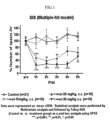
- PTZ test is thought to be predictive of anticonvulsant drug activity against nonconvulsive(absence or myoclonic) seizures( Critical review of current animal models of seizures and epilepsy used in the discovery and development of new antiepileptic drugs(2011), Seizure 20, 359- 368, Wolfgang Loscher ). 6Hz test is Minimal Clonic Seizure. Multiple-hit rat model of IS is thought to be predictive of ACTH(Adrenocorticotropic hormone)-refractory infantile spasm, may be Lennox-Gastaut syndrome and West syndrome because Children with infantile spasms present typically between 4 and 18 months of age( US7,863,499 ).
- Lennox-Gastaut syndrome has an onset between 3 and 5 years of age and is characterized by intractable mixed seizures with a combination of tonic, myoclonic, atonic, and absence seizures.
- Children between 3 and 13 years of age who suffer from benign rolandic epilepsy experience nighttime seizures during sleep.
- Juvenile myoclonic epilepsy of Janz is inherited as an autosomal dominant trait that manifests in early adolescence (onset 12-18 years of age). Patients experience myoclonic jerks typically on awakening but may also have tonic-clonic (80%) or absence (25%) seizures.
- Children with infantile spasms or West's syndrome present typically between 4 and 18 months of age.
- West syndrome is an epileptic syndrome characterized by the triad of infantile spasm (generalized seizures), hypsarrhythmia (chaotic, abnormal EEG pattern), and arrest of psychomotor development at seizure onset(Wong & Trevathan, 2001). It occurs in approximately 0.7/100,000 people and accounts for 28-30% of infants with epilepsy. The age of onset is usually around 3 to 12 months with peak at 4-7 months (Dulac, 2001). Males tend to be at a greater risk of acquiring West syndrome than females. A family history of infantile spasms is reported in 3-6% of cases. Prenatal causes of West syndrome include tuberous sclerosis, intrauterine infections, brain malformations, and inborn errors of metabolism.
- Postnatal causes include cerebral hypoxic events, head trauma, and infections. Cognitive impairment is found in approximately 60-70% of patients at onset of infantile spasms.
- the seizure characteristics found in West syndrome include a sudden onset of a tonic seizure that is bilateral and symmetrical.
- the spasms may vary from massive contractions of large muscle groups to contractions of only neck and abdominal muscles.
- a patient may have more than one type of spasm and they tend to occur in clusters of 5-10 individual spasms.
- An aura or warning signal such as a cry may precede the seizure.
- Treatment for West syndrome includes hormonal therapy with adrenocorticotropic hormone (ACTH) or prednisone (Snead, 1996).
- infantile spasm syndrome or infantile spasms (IS) represents an age-related epileptic syndrome characterized by brief spasms, specific EEG patterns [hysarrhythmia (interictally) and electrodecremental response (ictally)], with frequent subsequent cognitive deterioration.
- EEG patterns hysarrhythmia (interictally) and electrodecremental response (ictally)
- the incidence of IS is 2.5 per 10,000 live births (Bobo et al., 1994; Hrachovy and Frost, 2003) with a slight (60%) male predominance (Webbet al., 1996).
- IS can be classified into symptomatic, cryptogenic and idiopathic groups.
- the ILAE classification 8 typical form of DS(Dravet syndrome), is defined by a refractory and mixed seizure disorder (most commonly myoclonus, atypical absence, and partial seizures) which starts after different types of febrile and afebrile seizures in an, otherwise, healthy infant.
- a refractory and mixed seizure disorder most commonly myoclonus, atypical absence, and partial seizures
- the child develops cognitive and behavioral difficulties(Dravet syndrome, what is new?(2013), Neurosciences, Raidah S. Al-Baradie)
- the pharmaceutical composition may be formulated in various forms for oral or parenteral administration.
- the pharmaceutical composition may be formulated in the oral administration form, such as a tablet, pill, soft or hard capsule, liquid, suspension, emulsion, syrup, granules, elixirs, and the like.
- the oral administration form may further include pharmaceutically acceptable and conventional components, for example, a diluent such as lactose, dextrose, sucrose, mannitol, sorbitol, cellulose, glycine, and the like; a lubricant such as silica, talc, stearic acid, magnesium or calcium salt thereof, polyethyleneglycol, and the like.
- the oral administration form is a tablet, it may further include a binder such as magnesium aluminium silicate, starch paste, gelatin, tragacanth, methylcellulose, sodium carboxymethylcellulose, polyvinylpirrolidine, and the like; and optionally include one or more additives selected from the group consisting of a disintegrant such as starch, agar, arginic acid or sodium salt thereof, an absorbent, a colorant, a flavoring, a sweetener, and the like.
- the pharmaceutical composition may also be formulated in a parenteral administration form, which can be administered by subcutaneous injection, intravenous injection, intramuscular injection, injection into thoracic cavity, and the like.
- the pharmaceutical composition may be prepared as a solution or suspension wherein the active ingredient is dissolved in water together with a stabilizer and/or a buffering agent, and such solution or suspension formulation may be prepared as a dosage form in ample or vial.
- the pharmaceutical composition may be sterilized, and/or include further additives such as a preservative, a stabilizer, a hydrating agent, an emulsification accelerator, a salt and/or buffering agent for osmoregulation, and the like, and/or further therapeutically effective ingredients.
- the pharmaceutical composition may be formulated by any conventional method for mixing, granulating, coating, and the like.
- the pharmaceutical composition may be administered to a mammal including human, in the pharmaceutically effective amount of 0.01 to 750 mg/kg(body weight), preferably 0.1 to 500 mg/kg(body weight) per one day, based on the active ingredient.
- the pharmaceutically effective amount may refers to an amount capable of exhibiting a desired effect, i,e., an effect of treating and/or preventing epilepsy.
- the pharmaceutically effective amount may be administered through oral or parenteral pathway (e.g., an intravenous injection, an intramusclular injection, etc.), one or two or more times per one day.
- the pharmaceutically effective amount and the administration pathway of the present pharmaceutical composition may be properly adjusted by a person skilled in the relevant field considering the conditions of the subject (patient), desired effects, and the like.
- the subject may be a mammal including human or cells and/or tissues obtained therefrom.
- Fig. 1 is a graph showing the test result of Compound 1(1-(2-chlorophenyl)-(S)-1-hydroxypropyl-(S)-2-carbamate) by using Multiple-hit rat model of IS.
- N,O-dimethylhydroxylamine hydrochloride (N,O-dimethylhydroxylamine.HCl, 15.2g) was dissolved in dichloromethane (DCM, 150ml), and cooled to 0°C using an ice-bath. Then, 77.7ml of 2.0M trimethylaluminium in hexane was slowly added thereto in drop-wise manner for 30 minutes. Thereafter, the ice-bath was removed, and the obtained product was stirred at the room temperature for 2 hours.
- DCM dichloromethane
- Methyl-2-(2-chlorophenyl)-(R)-2-hydroxyacetate(15.64g) dissolved in dichloromethane(DCM, 150ml) was added in drop-wise manner thereto at the room temperature for 30 minutes, and subjected to reflux for 12 hours.
- the obtained product was cooled to 0 °C, and washed by a slow drop-wise addition of hydrochloric acid (HCl, 200ml).
- the obtained organic layer was washed with distilled water and brine, dehydrated with anhydrous magnesium sulfate (MgSO 4 ), filtrated, and concented under reduced pressure.
- the EtOAc layer was washed with sat. NaHCO 3 (500mL) and H 2 O(500mL).
- the organic phase was treated with Charcol for 1.5hr.
- the organic phase was filtered with Cellite, dreid over MgSO 4 .
- Example 72 The substantially same method as described in Example 1 was conducted, except that 1-(2-chlorophenyl)-(S,R)-1,2-(Bis-trimethylsilanyloxy) propane (Preparation example72)was used instead of 1-(2-chlorophenyl)-(S,S)-1,2-(Bis-trimethylsilanyloxy) propane (Preparation example69) to obtain the title compound (2.4g, yield 60 ⁇ 90%).
- Example 76 The substantially same method as described in Example 1 was conducted, except that 1-(2-chlorophenyl)-1,2-(Bis-trimethylsilanyloxy)butane (Preparation Example 76) was used instead of 1-(2-chlorophenyl)-(S,S)-1,2-(Bis-trimethylsilanyloxy) propane (Preparation example69) to obtain the title compound (1.9g, yield 60 ⁇ 90%).
- Example 77 The substantially same method as described in Example 1 was conducted, except that 1-(2-chlorophenyl)-3-methyl-(S,S)-1,2-(Bis-trimethylsilanyloxy)butane (Preparation Example 77) was used instead of 1-(2-chlorophenyl)-(S,S)-1,2-(Bis-trimethylsilanyloxy) propane (Preparation example69) to obtain the title compound (1.7g, yield 60 ⁇ 90%).
- Example 78 The substantially same method as described in Example 1 was conducted, except that 1-(2-chlorophenyl)-3-methyl-(R,R)-1,2-(Bis-trimethylsilanyloxy)butane (Preparation Example 78) was used instead of 1-(2-chlorophenyl)-(S,S)-1,2-(Bis-trimethylsilanyloxy) propane (Preparation example69) to obtain the title compound (1.6g, yield 60 ⁇ 90%).
- Example 79 The substantially same method as described in Example 1 was conducted, except that 1-(2-chlorophenyl)-3-methyl-1,2-(Bis-trimethylsilanyloxy)butane (Preparation Example 79) was used instead of 1-(2-chlorophenyl)-(S,S)-1,2-(Bis-trimethylsilanyloxy) propane (Preparation example69) to obtain the title compound (1.7g, yield 60 ⁇ 90%).
- Example 81 The substantially same method as described in Example 1 was conducted, except that 1-(2-chlorophenyl)-(R,R)-1,2-(Bis-trimethylsilanyloxy)hexane (Preparation Example 81) was used instead of 1-(2-chlorophenyl)-(S,S)-1,2-(Bis-trimethylsilanyloxy) propane (Preparation example69) to obtain the title compound (2.2g, yield 60 ⁇ 90%).
- Example 82 The substantially same method as described in Example 1 was conducted, except that 1-(2-chlorophenyl)-1,2-(Bis-trimethylsilanyloxy)hexane (Preparation Example 82) was used instead of 1-(2-chlorophenyl)-(S,S)-1,2-(Bis-trimethylsilanyloxy) propane (Preparation example69) to obtain the title compound (2.1g, yield 60 ⁇ 90%).
- Example 15 The substantially same method as described in Example 15 was conducted, except that 1-(2-chlorophenyl)-(R,R)-1,2-propanediol(Preparation example 15) was used instead of 1-(2-chlorophenyl)-(S,S)-1,2-propanediol(Preparation example 14), to obtain the title compound (3.36g, yield 60%).
- Example 15 The substantially same method as described in Example 15 was conducted, except that 1-(2-chlorophenyl)-1,2-propanediol(Preparation example 16) was used instead of 1-(2-chlorophenyl)-(S,S)-1,2-propanediol(Preparation example 14), to obtain the title compound (2.6g, yield 45%).
- Example 83 1-(2,4-dichlorophenyl)-(S,S)-1,2-(Bis-trimethylsilanyloxy)propane
- Preparation Example 83 1-(2-chlorophenyl)-(S,S)-1,2-(Bis-trimethylsilanyloxy) propane
- Example 84 1-(2,6-dichlorophenyl)-(S,S)-1,2-(Bis-trimethylsilanyloxy)propane
- Preparation Example 84 1-(2-chlorophenyl)-(S,S)-1,2-(Bis-trimethylsilanyloxy) propane
- Example 86 The substantially same method as described in Example 1 was conducted, except that 1-(2,4-dichlorophenyl)-(S,S)-1,2-(Bis-trimethylsilanyloxy)butane (Preparation Example 86) was used instead of 1-(2-chlorophenyl)-(S,S)-1,2-(Bis-trimethylsilanyloxy) propane (Preparation example69) to obtain the title compound (2.3g, yield 60 ⁇ 90%).
- Example 87 The substantially same method as described in Example 1 was conducted, except that 1-(2,6-dichlorophenyl)-(S,S)-1,2-(Bis-trimethylsilanyloxy)butane (Preparation Example 87) was used instead of 1-(2-chlorophenyl)-(S,S)-1,2-(Bis-trimethylsilanyloxy) propane (Preparation example69) to obtain the title compound (1.7g, yield 60 ⁇ 90%).
- Example 88 The substantially same method as described in Example 1 was conducted, except that 1-(2,4-dichlorophenyl)-3-methyl-(S,S)-1,2-(Bis-trimethylsilanyloxy)butane (Preparation Example 88) was used instead of 1-(2-chlorophenyl)-(S,S)-1,2-(Bis-trimethylsilanyloxy) propane (Preparation example69) to obtain the title compound (1.9g, yield 60 ⁇ 90%).
- Example 89 The substantially same method as described in Example 1 was conducted, except that 1-(2,6-dichlorophenyl)-3-methyl-(S,S)-1,2-(Bis-trimethylsilanyloxy)butane (Preparation Example 89) was used instead of 1-(2-chlorophenyl)-(S,S)-1,2-(Bis-trimethylsilanyloxy) propane (Preparation example69) to obtain the title compound (2.4g, yield 60 ⁇ 90%).
- Example 96 The substantially same method as described in Example 1 was conducted, except that 1-(2,6-dichlorophenyl)-(R,R)-1,2-(Bis-trimethylsilanyloxy)butane (Preparation Example 96) was used instead of 1-(2-chlorophenyl)-(S, S)- 1,2-(Bis-trimethylsilanyloxy) propane (Preparation example69) to obtain the title compound (2.5g, yield 60 ⁇ 90%).
- Example 97 The substantially same method as described in Example 1 was conducted, except that 1-(2,4-dichlorophenyl)-3-methyl-(R,R)-1,2-(Bis-trimethylsilanyloxy)butane (Preparation Example 97) was used instead of 1-(2-chlorophenyl)-(S,S)-1,2-(Bis-trimethylsilanyloxy) propane (Preparation example69) to obtain the title compound (2.8g, yield 60 ⁇ 90%).
- Example 98 The substantially same method as described in Example 1 was conducted, except that 1-(2,6-dichlorophenyl)-3-methyl-(R,R)-1,2-(Bis-trimethylsilanyloxy)butane (Preparation Example 98) was used instead of 1-(2-chlorophenyl)-(S,S)-1,2-(Bis-trimethylsilanyloxy) propane (Preparation example69) to obtain the title compound (2.6g, yield 60 ⁇ 90%).
- Example 99 The substantially same method as described in Example 1 was conducted, except that 1-(2,4-dichlorophenyl)-(R,R)-1,2-(Bis-trimethylsilanyloxy)hexane (Preparation Example 99) was used instead of 1-(2-chlorophenyl)-(S,S)-1,2-(Bis-trimethylsilanyloxy) propane (Preparation example69) to obtain the title compound (2.5g, yield 60 ⁇ 90%).
- Example 100 1-(2,6-dichlorophenyl)-(R,R)-1,2-(Bis-trimethylsilanyloxy)hexane
- Preparation Example 100 1-(2-chlorophenyl)-(S,S)-1,2-(Bis-trimethylsilanyloxy) propane
- Example 101 The substantially same method as described in Example 1 was conducted, except that 1-(2,4-dichlorophenyl)-1,2-(Bis-trimethylsilanyloxy)propane (Preparation Example 101) was used instead of 1-(2-chlorophenyl)-(S,S)-1,2-(Bis-trimethylsilanyloxy) propane (Preparation example69) to obtain the title compound (1.7g, yield 60 ⁇ 90%).
- Example 102 The substantially same method as described in Example 1 was conducted, except that 1-(2,6-dichlorophenyl)-1,2-(Bis-trimethylsilanyloxy)propane (Preparation Example 102) was used instead of 1-(2-chlorophenyl)-(S,S)-1,2-(Bis-trimethylsilanyloxy) propane (Preparation example69) to obtain the title compound (2.4g, yield 60 ⁇ 90%).
- Example 103 The substantially same method as described in Example 1 was conducted, except that 1-(2,3-dichlorophenyl)-1,2-(Bis-trimethylsilanyloxy)propane (Preparation Example 103) was used instead of 1-(2-chlorophenyl)-(S,S)-1,2-(Bis-trimethylsilanyloxy) propane (Preparation example69) to obtain the title compound (1.6g, yield 60 ⁇ 90%).
- Example 104 The substantially same method as described in Example 1 was conducted, except that 1-(2,4-dichlorophenyl)-1,2-(Bis-trimethylsilanyloxy)butane (Preparation Example 104) was used instead of 1-(2-chlorophenyl)-(S,S)-1,2-(Bis-trimethylsilanyloxy) propane (Preparation example69) to obtain the title compound (1.7g, yield 60 ⁇ 90%).
- Example 105 The substantially same method as described in Example 1 was conducted, except that 1-(2,6-dichlorophenyl)-1,2-(Bis-trimethylsilanyloxy)butane (Preparation Example 105) was used instead of 1-(2-chlorophenyl)-(S,S)-1,2-(Bis-trimethylsilanyloxy) propane (Preparation example69) to obtain the title compound (2.4g, yield 60 ⁇ 90%).
- Example 106 1-(2,4-dichlorophenyl)-3-methyl-1,2-(Bis-trimethylsilanyloxy)butane
- Preparation Example 106 1-(2-chlorophenyl)-(S,S)-1,2-(Bis-trimethylsilanyloxy) propane
- Example 107 The substantially same method as described in Example 1 was conducted, except that 1-(2,6-dichlorophenyl)-3-methyl-1,2-(Bis-trimethylsilanyloxy)butane (Preparation Example 107) was used instead of 1-(2-chlorophenyl)-(S,S)-1,2-(Bis-trimethylsilanyloxy) propane (Preparation example69) to obtain the title compound (1.7g, yield 60 ⁇ 90%).
- Example 108 The substantially same method as described in Example 1 was conducted, except that 1-(2,4-dichlorophenyl)-1,2-(Bis-trimethylsilanyloxy)hexane (Preparation Example 108) was used instead of 1-(2-chlorophenyl)-(S,S)-1,2-(Bis-trimethylsilanyloxy) propane (Preparation example69) to obtain the title compound (2.6g, yield 60 ⁇ 90%).
- Example 109 The substantially same method as described in Example 1 was conducted, except that 1-(2,6-dichlorophenyl)-1,2-(Bis-trimethylsilanyloxy)hexane (Preparation Example 109) was used instead of 1-(2-chlorophenyl)-(S,S)-1,2-(Bis-trimethylsilanyloxy) propane (Preparation example69) to obtain the title compound (2.5g, yield 60 ⁇ 90%).
- Example 110 The substantially same method as described in Example 1 was conducted, except that 1-(2-fluorophenyl)-(S,S)-1,2-(Bis-trimethylsilanyloxy)propane (Preparation Example 110) was used instead of 1-(2-chlorophenyl)-(S,S)-1,2-(Bis-trimethylsilanyloxy) propane (Preparation example69) to obtain the title compound (1.8g, yield 60 ⁇ 90%).
- Example 111 The substantially same method as described in Example 1 was conducted, except that 1-(2-fluorophenyl)-(R,R)-1,2-(Bis-trimethylsilanyloxy)propane (Preparation Example 111) was used instead of 1-(2-chlorophenyl)-(S,S)-1,2-(Bis-trimethylsilanyloxy) propane (Preparation example69) to obtain the title compound (1.6g, yield 60 ⁇ 90%).
- Example 112 The substantially same method as described in Example 1 was conducted, except that 1-(2-iodophenyl)-(S,S)-1,2-(Bis-trimethylsilanyloxy)propane (Preparation Example 112) was used instead of 1-(2-chlorophenyl)-(S,S)-1,2-(Bis-trimethylsilanyloxy) propane (Preparation example69) to obtain the title compound (2.2g, yield 60 ⁇ 90%).
- 1 H NMR(400MHz, CDCl 3 ) ⁇ 1.27(d, J 6.4Hz, 3H), 3.09(br s, 1H), 4.83(br s, 2H), 5.00 ⁇ 5.10(m, 2H), 7.00 ⁇ 7.76(m, 4H)
- Example 113 The substantially same method as described in Example 1 was conducted, except that 1-(2-iodophenyl)-(R,R)-1,2-(Bis-trimethylsilanyloxy)propane (Preparation Example 113) was used instead of 1-(2-chlorophenyl)-(S,S)-1,2-(Bis-trimethylsilanyloxy) propane (Preparation example69) to obtain the title compound (1.7g, yield 60 ⁇ 90%).
- Example 114 The substantially same method as described in Example 1 was conducted, except that 1-(2-iodophenyl)-(S,S)-1,2-(Bis-trimethylsilanyloxy)butane (Preparation Example 114) was used instead of 1-(2-chlorophenyl)-(S,S)-1,2-(Bis-trimethylsilanyloxy) propane (Preparation example69) to obtain the title compound (2.1g, yield 60 ⁇ 90%).
- Example 68 The chemical induced seizure model
- Picrotoxin were used to induce the behavioral seizures in the experiments.
- the test materials were administered intraperitoneal(ip) route in a volume of 4ul/g (rats) or 10ul/g (mice) weight in rats or mice, respectively.
- the time that the most protect was defined as a peak time and ED50 was determined by other dose administration at the peak time.
- Chemical (PIC) was dissolved in 0.9% saline and administered subcutaneously (s.c.) at its CD97 (convulsive dose 97%), the dose of Chemical (PIC) that produced clonic seizures in 97% into a loose fold of skin in the midline of the neck in a volume of 2ul/g (rats) or 10ul/g (mice) body weight. The animals were then transferred to observation cages and observed continuously for 45 min (PIC). Clonic seizure was elicited in approximately 97% of control group. Protection was defined as a complete absence of clonic seizure over the 30-min or 45-min observation period.
- Example 69 Multiple-hit rat model of IS(Infantile Spasms).
- non-human mammals treated with doxorubicin, lipopolysaccharide (LPS), and p-chlorophenylalanine (PCPA), where the mammal exhibits a symptom characteristic of infantile spasms.
- methods of making a non-human mammal exhibit a symptom of infantile spasms are also provided.
- methods are provided for screening a compound for the potential to attenuate a symptom of infantile spasms. (Table 5) Measurement results of anti-ACTH(Adrenocorticotropic hormone)-refractory infantile spasm activity of compounds in the test animals(Rats) Compound (Example) No.
- Some clinically useful AEDs are ineffective in the standard MES and scPTZ tests but still have anticonvulsant activities in vivo.
- compounds may be tested in the minimal clonic seizure (6Hz or 'psychomotor') test (Barton et al., 2001).
- the minimal clonic seizure (6Hz) test is used to assess a compound's efficacy against electrically induced seizures but used a lower frequency (6Hz) and longer duration of stimulation (3s).
- Test compound is pre-administrated to mice via i.p. injection.
- individual mice four per time point
- Untreated mice will display seizures characterized by a minimal clonic phase followed by stereotyped, automatistic behaviors described originally as being similar to the aura of human patients with partial seizures. Animals not displaying this behavior are considered protected.
- the test may be evaluated quantitatively by measuring the response at varying doses at a determined time of peak effect (TPE).
- TPE time of peak effect
- Example 71 Lithium-pilocarpine induced status epilepticus model
- mice Male Sprague-Dawley rats (purchased from Orient Bio Inc. Korea) of body weight 200-230g were used for these studies and housed 4-5 rats per a cage for 4-5 days.
- rats received 127 mg/kg lithium chloride (Sigma, St. Louis, MO, U.S.A.) intraperitoneally (i.p.).
- the rats were given 43 mg/kg pilocarpine (Sigma) intraperitoneally.
- An i.p. injection of 2 mg/kg methyl-scopolamine (Sigma) was administered 30 min prior to pilocarpine to block the effects of the muscarinic agonist on peripheral cholinergic receptors.
- mice Male Sprague-Dawley rats (purchased from Orient Bio Inc. Korea) of body weight 200-230g were used for these studies and housed 4-5 rats per a cage for 4-5 days.
- rats received 127 mg/kg lithium chloride (Sigma, St. Louis, MO, U.S.A.) intraperitoneally (i.p.).
- the rats were given 43 mg/kg pilocarpine (Sigma) intraperitoneally.
- An i.p. injection of 2 mg/kg methyl-scopolamine (Sigma) was administered 30 min prior to pilocarpine to block the effects of the muscarinic agonist on peripheral cholinergic receptors.
- mice administered intraperitoneally or orally to test animals (Mouse; ICR, and Rats; SD); Experimental animal, male SD rats, were purchased from OrientBio or Nara biotech, Korea, and housed 4-5 mice per a cage for 4-5 days. The range of mice body weight was used between 19 and 26 grams and range of rats body weight was used between 100 and 130 grams.
- PTZ Pentylenetetrazol
- clonic seizure was not observed for at least 3 seconds in the PTZ administered animal, it can be considered that the test compound has anti-nonconvulsive seizure activity.
- the median effective dose (ED50) is determined using 6 animals per a concentration (total three different concentrations), and calculated by Litchfield and Wicoxon log-probit method which is a dose-response relationship. The obtained results are shown in following Tables 9 and 10. (Table 9) Measurement results of anti-nonconvulsive seizure activity of compounds in the test animals(Mice) Compound No.
Landscapes
- Health & Medical Sciences (AREA)
- Chemical & Material Sciences (AREA)
- Organic Chemistry (AREA)
- Life Sciences & Earth Sciences (AREA)
- General Health & Medical Sciences (AREA)
- Veterinary Medicine (AREA)
- Public Health (AREA)
- Animal Behavior & Ethology (AREA)
- Pharmacology & Pharmacy (AREA)
- Medicinal Chemistry (AREA)
- Epidemiology (AREA)
- Engineering & Computer Science (AREA)
- Bioinformatics & Cheminformatics (AREA)
- Neurology (AREA)
- Nuclear Medicine, Radiotherapy & Molecular Imaging (AREA)
- Chemical Kinetics & Catalysis (AREA)
- General Chemical & Material Sciences (AREA)
- Biomedical Technology (AREA)
- Neurosurgery (AREA)
- Pain & Pain Management (AREA)
- Emergency Medicine (AREA)
- Orthopedic Medicine & Surgery (AREA)
- Physical Education & Sports Medicine (AREA)
- Psychology (AREA)
- Acyclic And Carbocyclic Compounds In Medicinal Compositions (AREA)
- Organic Low-Molecular-Weight Compounds And Preparation Thereof (AREA)
- Agricultural Chemicals And Associated Chemicals (AREA)
- Pharmaceuticals Containing Other Organic And Inorganic Compounds (AREA)
Applications Claiming Priority (2)
| Application Number | Priority Date | Filing Date | Title |
|---|---|---|---|
| US201361776926P | 2013-03-12 | 2013-03-12 | |
| PCT/KR2014/001903 WO2014142477A1 (en) | 2013-03-12 | 2014-03-07 | Phenyl carbamate compounds for use in preventing or treating pediatric epilesy and epilesy-related syndromes |
Publications (3)
| Publication Number | Publication Date |
|---|---|
| EP2968210A1 EP2968210A1 (en) | 2016-01-20 |
| EP2968210A4 EP2968210A4 (en) | 2016-12-28 |
| EP2968210B1 true EP2968210B1 (en) | 2024-09-11 |
Family
ID=51530016
Family Applications (4)
| Application Number | Title | Priority Date | Filing Date |
|---|---|---|---|
| EP14762362.3A Active EP2968210B1 (en) | 2013-03-12 | 2014-03-07 | Phenyl carbamate compounds for use in preventing or treating pediatric epilesy |
| EP14765077.4A Withdrawn EP2968213A4 (en) | 2013-03-12 | 2014-03-11 | PHENYL CARBAMATE COMPOUNDS FOR PREVENTING OR TREATING MOTION TROUBLESHOOTING |
| EP14764907.3A Active EP2968212B1 (en) | 2013-03-12 | 2014-03-11 | Phenyl carbamate compounds for use in preventing or treating epilepsy or epilepsy-related syndrome |
| EP14764227.6A Active EP2968211B1 (en) | 2013-03-12 | 2014-03-11 | Phenyl alkyl carbamate compounds for use in preventing or treating epilepsy or epilepsy-related syndrome |
Family Applications After (3)
| Application Number | Title | Priority Date | Filing Date |
|---|---|---|---|
| EP14765077.4A Withdrawn EP2968213A4 (en) | 2013-03-12 | 2014-03-11 | PHENYL CARBAMATE COMPOUNDS FOR PREVENTING OR TREATING MOTION TROUBLESHOOTING |
| EP14764907.3A Active EP2968212B1 (en) | 2013-03-12 | 2014-03-11 | Phenyl carbamate compounds for use in preventing or treating epilepsy or epilepsy-related syndrome |
| EP14764227.6A Active EP2968211B1 (en) | 2013-03-12 | 2014-03-11 | Phenyl alkyl carbamate compounds for use in preventing or treating epilepsy or epilepsy-related syndrome |
Country Status (7)
| Country | Link |
|---|---|
| US (5) | US9504668B2 (enExample) |
| EP (4) | EP2968210B1 (enExample) |
| JP (5) | JP6062077B2 (enExample) |
| KR (5) | KR101717872B1 (enExample) |
| CN (6) | CN109939092B (enExample) |
| ES (3) | ES2998534T3 (enExample) |
| WO (4) | WO2014142477A1 (enExample) |
Families Citing this family (9)
| Publication number | Priority date | Publication date | Assignee | Title |
|---|---|---|---|---|
| CN109939092B (zh) * | 2013-03-12 | 2022-03-22 | 比皮艾思药物研发有限公司 | 用于预防或治疗小儿癫痫和癫痫相关综合征的苯基氨基甲酸酯化合物 |
| CN110478343A (zh) | 2013-03-12 | 2019-11-22 | 比皮艾思药物研发有限公司 | 氨基甲酸苯酯化合物和包含该化合物的用于预防或治疗神经性毒气引起的疾病的组合物 |
| WO2017150903A1 (en) * | 2016-02-29 | 2017-09-08 | Bio-Pharm Solutions Co., Ltd. | Sulfamate derivative compounds, processes for preparing them and their uses |
| KR102635941B1 (ko) * | 2016-12-14 | 2024-02-13 | 에스케이바이오팜 주식회사 | 진전 또는 진전 증후군의 예방, 경감 또는 치료를 위한 카바메이트 화합물의 용도 |
| CN109920550A (zh) * | 2018-12-25 | 2019-06-21 | 天津大学 | 一种基于dMRI研究青少年肌阵挛性癫痫的方法 |
| CA3191072A1 (en) | 2020-08-31 | 2022-03-03 | Bio-Pharm Solutions Co., Ltd. | Phenyl alkyl carbamate compounds for use in preventing or treating neurodegenerative disease |
| CN116234798A (zh) | 2020-09-10 | 2023-06-06 | 生物药品解决方案有限公司 | 用于治疗或缓解精神疾病的氨基磺酸酯衍生物化合物 |
| US12054449B2 (en) | 2021-08-05 | 2024-08-06 | Bio-Pharm Solutions Co., Ltd. | Phenylcarbamate crystalline form and method for manufacturing the same |
| CN119552104B (zh) * | 2024-12-03 | 2025-07-15 | 西安瑞谱源生物技术有限公司 | 一种氘代维生素a的制备方法 |
Family Cites Families (44)
| Publication number | Priority date | Publication date | Assignee | Title |
|---|---|---|---|---|
| US3313692A (en) * | 1958-04-21 | 1967-04-11 | Armour Pharma | Method of inducing calming and muscle relaxation with carbamates |
| US3313696A (en) | 1962-06-26 | 1967-04-11 | Armour Pharmacentical Company | Carbamate sedative compositions and method of use |
| US3313699A (en) | 1962-06-26 | 1967-04-11 | Armour Pharma | Compositions for and method of treating the central nervous system |
| US3313697A (en) * | 1962-06-26 | 1967-04-11 | Armour Pharma | Carbamate compositions for and methods of treating the central nervous system |
| US3313700A (en) * | 1962-07-18 | 1967-04-11 | Armour Pharmacentical Company | Method of treating the central nervous system with substituted phenethyl carbamates and compositions therefor |
| US3265728A (en) * | 1962-07-18 | 1966-08-09 | Armour Pharma | Substituted phenethyl carbamates |
| FR5671M (enExample) * | 1965-04-23 | 1968-01-02 | ||
| JPS61271992A (ja) | 1985-05-28 | 1986-12-02 | Central Glass Co Ltd | 光学活性ジオ−ルの製造方法 |
| US5258397A (en) | 1988-11-30 | 1993-11-02 | Novapharme | 3-Isoxazoyl derivatives endowed with anticonvulsant activity, procedure for their preparation and their pharmaceutical compositions |
| FR2686084B1 (fr) * | 1992-01-10 | 1995-12-22 | Bioprojet Soc Civ | Nouveaux derives de l'imidazole, leur preparation et leurs applications therapeutiques. |
| KR100197901B1 (ko) * | 1994-02-21 | 1999-06-15 | 남창우 | 페닐-1,2-에탄디올 광학이성체의 단일 카바메이트 |
| US20100210590A1 (en) * | 1995-09-27 | 2010-08-19 | Northwestern University | Compositions and treatments for seizure-related disorders |
| US20010034365A1 (en) * | 1996-01-16 | 2001-10-25 | Choi Yong Moon | Halogen substituted carbamate compounds from 2-phenyl-1,2-ethanediol |
| US5698588A (en) | 1996-01-16 | 1997-12-16 | Yukong Limited | Halogen substituted carbamate compounds from 2-phenyl-1,2-ethanediol |
| UA65607C2 (uk) * | 1998-03-04 | 2004-04-15 | Орто-Макнейл Фармацевтикал, Інк. | Фармацевтична композиція (варіанти) та спосіб її приготування |
| AU4215499A (en) | 1998-05-28 | 2002-07-08 | Codon Pharmaceuticals, Inc. | Treatment of neurodegenerative diseases |
| TW544311B (en) * | 1998-08-06 | 2003-08-01 | Daiichi Seiyaku Co | Therapeutic or preventive agent for intractable epilepsies |
| AU2002242296B2 (en) | 2001-02-27 | 2006-06-29 | Ortho-Mcneil Pharmaceutical, Inc. | Carbamate compounds for use in preventing or treating psychotic disorders |
| PT1383489E (pt) | 2001-02-27 | 2007-06-21 | Ortho Mcneil Pharm Inc | Compostos carbamato para utilização na prevenção ou tratamento de distúrbios neurodegenerativos |
| US7078436B2 (en) * | 2001-02-27 | 2006-07-18 | Ortho-Mcneil Pharmaceutical, Inc. | Carbamate compounds for use in preventing or treating anxiety disorders |
| ATE369130T1 (de) * | 2001-02-27 | 2007-08-15 | Ortho Mcneil Pharm Inc | Carbamatverbindungen zur vorbeugung und behandlung von bewegungsstörungen |
| MXPA03007721A (es) | 2001-02-27 | 2004-11-12 | Johnson & Johnson | Compuesto de carbamato para su uso en el tratamiento del dolor. |
| US7199135B2 (en) * | 2001-07-05 | 2007-04-03 | H. Lundbeck A/S | Substituted alkyl amido piperidines |
| AU2003242124A1 (en) * | 2002-06-11 | 2003-12-22 | Institute Of Medicinal Molecular Design, Inc. | Medicament for treatment of neurodegenerative diseases |
| ATE464044T1 (de) | 2004-09-16 | 2010-04-15 | Janssen Pharmaceutica Nv | Verwendung von 2-phenyl-1,2-ethanediol- (di)carbamaten zur behandlung von epileptogenese |
| EP1717235A3 (en) * | 2005-04-29 | 2007-02-28 | Bioprojet | Phenoxypropylpiperidines and -pyrrolidines and their use as histamine H3-receptor ligands |
| US20070021501A1 (en) * | 2005-07-12 | 2007-01-25 | Twyman Roy E | Methods of treating epileptogenesis |
| SA07280403B1 (ar) | 2006-07-28 | 2010-12-01 | إيساي أر أند دي منجمنت كو. ليمتد | ملح رباعي لمركب سيناميد |
| AU2007313018A1 (en) * | 2006-10-13 | 2008-04-24 | Janssen Pharmaceutica N.V. | Phenylalkyl carbamate compositions |
| MX2009003926A (es) | 2006-10-13 | 2009-06-26 | Janssen Pharmaceutica Nv | Composiciones de fenilalquilamino-carbamato. |
| US20080103198A1 (en) | 2006-10-27 | 2008-05-01 | Haas Magali | Methods for treatment of cochlear and vestibular disorders |
| EP2081648A2 (en) | 2006-10-30 | 2009-07-29 | Janssen Pharmaceutica, N.V. | Carbamate compounds for use in treating depression |
| US7863499B2 (en) | 2007-02-08 | 2011-01-04 | Albert Einstein College Of Medicine Of Yeshiva University | Model of infantile spasm syndrome |
| CA2683398A1 (en) | 2007-04-10 | 2008-10-16 | Sgx Pharmaceuticals, Inc. | Fused ring heterocycle kinase modulators |
| WO2010022300A1 (en) | 2008-08-21 | 2010-02-25 | Forest Laboratories Holdings Limited | Methods for treating neuropathic pain |
| BRPI0925343A2 (pt) | 2008-10-02 | 2015-07-28 | Taisho Pharmaceutical Co Ltd | Composto, composição farmacêutica, e, droga profilática ou terapêutica |
| CN102448937A (zh) | 2009-05-29 | 2012-05-09 | 拉夸里亚创药株式会社 | 作为钙或钠通道阻滞剂的芳基取代羧酰胺衍生物 |
| EP2461807A1 (en) * | 2009-08-05 | 2012-06-13 | Convergence Pharmaceuticals Limited | Co-therapy for the treatment of epilepsy and related disorders |
| ES2711619T3 (es) * | 2010-07-02 | 2019-05-06 | Bio Pharm Solutions Co Ltd | Compuesto carbamato de fenilo y relajante muscular que contiene dicho compuesto |
| US9018253B2 (en) | 2010-07-02 | 2015-04-28 | Bio-Pharm Solutions Co., Ltd. | Phenylcarbamate compound and muscle relaxant containing the same |
| CA2815460C (en) * | 2011-01-13 | 2017-04-18 | Bio-Pharm Solutions Co., Ltd. | Process for preparation of phenyl carbamate derivatives |
| WO2013100566A1 (en) | 2011-12-27 | 2013-07-04 | Bio-Pharm Solutions Co., Ltd. | Phenyl alkyl carbamate derivative compound and pharmaceutical composition containing the same |
| CN109939092B (zh) | 2013-03-12 | 2022-03-22 | 比皮艾思药物研发有限公司 | 用于预防或治疗小儿癫痫和癫痫相关综合征的苯基氨基甲酸酯化合物 |
| CN110478343A (zh) | 2013-03-12 | 2019-11-22 | 比皮艾思药物研发有限公司 | 氨基甲酸苯酯化合物和包含该化合物的用于预防或治疗神经性毒气引起的疾病的组合物 |
-
2014
- 2014-03-07 CN CN201910335069.2A patent/CN109939092B/zh active Active
- 2014-03-07 CN CN201480015460.XA patent/CN105228604A/zh active Pending
- 2014-03-07 JP JP2015562906A patent/JP6062077B2/ja active Active
- 2014-03-07 KR KR1020157026389A patent/KR101717872B1/ko active Active
- 2014-03-07 EP EP14762362.3A patent/EP2968210B1/en active Active
- 2014-03-07 WO PCT/KR2014/001903 patent/WO2014142477A1/en not_active Ceased
- 2014-03-07 ES ES14762362T patent/ES2998534T3/es active Active
- 2014-03-11 ES ES14764907T patent/ES3046835T3/es active Active
- 2014-03-11 WO PCT/KR2014/002007 patent/WO2014142520A1/en not_active Ceased
- 2014-03-11 CN CN201480015456.3A patent/CN105209027A/zh active Pending
- 2014-03-11 ES ES14764227T patent/ES2881850T3/es active Active
- 2014-03-11 EP EP14765077.4A patent/EP2968213A4/en not_active Withdrawn
- 2014-03-11 KR KR1020157026378A patent/KR20150120518A/ko not_active Ceased
- 2014-03-11 US US14/774,287 patent/US9504668B2/en active Active
- 2014-03-11 WO PCT/KR2014/002005 patent/WO2014142518A1/en not_active Ceased
- 2014-03-11 JP JP2015562915A patent/JP6062078B2/ja active Active
- 2014-03-11 US US14/204,298 patent/US20140275243A1/en not_active Abandoned
- 2014-03-11 EP EP14764907.3A patent/EP2968212B1/en active Active
- 2014-03-11 JP JP2015562913A patent/JP6200526B2/ja active Active
- 2014-03-11 CN CN202010408166.2A patent/CN111419830B/zh active Active
- 2014-03-11 US US14/775,189 patent/US9682059B2/en active Active
- 2014-03-11 CN CN201480015516.1A patent/CN105188690B/zh active Active
- 2014-03-11 JP JP2015562914A patent/JP6215971B2/ja active Active
- 2014-03-11 KR KR1020157026369A patent/KR101739676B1/ko active Active
- 2014-03-11 KR KR1020177013680A patent/KR101992035B1/ko active Active
- 2014-03-11 WO PCT/KR2014/002006 patent/WO2014142519A1/en not_active Ceased
- 2014-03-11 KR KR1020157026390A patent/KR101717873B1/ko active Active
- 2014-03-11 EP EP14764227.6A patent/EP2968211B1/en active Active
- 2014-03-11 CN CN201480015472.2A patent/CN105188689B/zh active Active
- 2014-03-11 US US14/775,092 patent/US9872847B2/en active Active
-
2016
- 2016-06-22 US US15/190,123 patent/US9956197B2/en active Active
-
2017
- 2017-07-07 JP JP2017133937A patent/JP2017206546A/ja active Pending
Non-Patent Citations (3)
| Title |
|---|
| CHING-HSIN KUNG ET AL: "Carbamate derivatives of felbamate as potential anticonvulsant agents", MEDICINAL CHEMISTRY RESEARCH, BIRKHÄUSER-VERLAG, BOSTON, vol. 19, no. 5, 15 May 2009 (2009-05-15), pages 498 - 513, XP019849436, ISSN: 1554-8120 * |
| NOVAK ET AL: "Carisbamate (RWJ-333369)", 20061230, vol. 4, no. 1, 30 December 2006 (2006-12-30), pages 106 - 109, XP005735284 * |
| TOMONORI ONO ET AL: "Carisbamate acutely suppresses spasms in a rat model of symptomatic infantile spasms : Carisbamate Therapy for Infantile Spasms", EPILEPSIA, vol. 52, no. 9, 19 July 2011 (2011-07-19), NEW YORK, US, pages 1678 - 1684, XP055623376, ISSN: 0013-9580, DOI: 10.1111/j.1528-1167.2011.03173.x * |
Also Published As
Similar Documents
| Publication | Publication Date | Title |
|---|---|---|
| EP2968210B1 (en) | Phenyl carbamate compounds for use in preventing or treating pediatric epilesy | |
| EP2797878B1 (en) | Phenyl carbamate compounds for use in preventing or treating stroke | |
| US9907776B2 (en) | Phenyl carbamate compound and a composition for preventing or treating a psychiatric disorder comprising the same | |
| EP2590936B1 (en) | Phenylcarbamate compound and muscle relaxant containing the same |
Legal Events
| Date | Code | Title | Description |
|---|---|---|---|
| PUAI | Public reference made under article 153(3) epc to a published international application that has entered the european phase |
Free format text: ORIGINAL CODE: 0009012 |
|
| 17P | Request for examination filed |
Effective date: 20150921 |
|
| AK | Designated contracting states |
Kind code of ref document: A1 Designated state(s): AL AT BE BG CH CY CZ DE DK EE ES FI FR GB GR HR HU IE IS IT LI LT LU LV MC MK MT NL NO PL PT RO RS SE SI SK SM TR |
|
| AX | Request for extension of the european patent |
Extension state: BA ME |
|
| DAX | Request for extension of the european patent (deleted) | ||
| A4 | Supplementary search report drawn up and despatched |
Effective date: 20161125 |
|
| RIC1 | Information provided on ipc code assigned before grant |
Ipc: A61K 31/045 20060101ALI20161121BHEP Ipc: A61P 25/00 20060101ALI20161121BHEP Ipc: A61K 31/135 20060101ALI20161121BHEP Ipc: A61K 31/055 20060101AFI20161121BHEP Ipc: A61K 31/047 20060101ALI20161121BHEP |
|
| STAA | Information on the status of an ep patent application or granted ep patent |
Free format text: STATUS: EXAMINATION IS IN PROGRESS |
|
| 17Q | First examination report despatched |
Effective date: 20180626 |
|
| REG | Reference to a national code |
Ref legal event code: R079 Free format text: PREVIOUS MAIN CLASS: A61K0031055000 Ipc: A61K0031270000 Ref country code: DE Ref legal event code: R079 Ref document number: 602014090854 Country of ref document: DE Free format text: PREVIOUS MAIN CLASS: A61K0031055000 Ipc: A61K0031270000 |
|
| GRAP | Despatch of communication of intention to grant a patent |
Free format text: ORIGINAL CODE: EPIDOSNIGR1 |
|
| STAA | Information on the status of an ep patent application or granted ep patent |
Free format text: STATUS: GRANT OF PATENT IS INTENDED |
|
| RIC1 | Information provided on ipc code assigned before grant |
Ipc: A61P 25/08 20060101ALI20240228BHEP Ipc: A61K 31/325 20060101ALI20240228BHEP Ipc: A61K 31/27 20060101AFI20240228BHEP |
|
| INTG | Intention to grant announced |
Effective date: 20240402 |
|
| GRAS | Grant fee paid |
Free format text: ORIGINAL CODE: EPIDOSNIGR3 |
|
| GRAA | (expected) grant |
Free format text: ORIGINAL CODE: 0009210 |
|
| STAA | Information on the status of an ep patent application or granted ep patent |
Free format text: STATUS: THE PATENT HAS BEEN GRANTED |
|
| AK | Designated contracting states |
Kind code of ref document: B1 Designated state(s): AL AT BE BG CH CY CZ DE DK EE ES FI FR GB GR HR HU IE IS IT LI LT LU LV MC MK MT NL NO PL PT RO RS SE SI SK SM TR |
|
| REG | Reference to a national code |
Ref country code: GB Ref legal event code: FG4D |
|
| REG | Reference to a national code |
Ref country code: CH Ref legal event code: EP |
|
| REG | Reference to a national code |
Ref country code: DE Ref legal event code: R096 Ref document number: 602014090854 Country of ref document: DE |
|
| REG | Reference to a national code |
Ref country code: IE Ref legal event code: FG4D |
|
| REG | Reference to a national code |
Ref country code: LT Ref legal event code: MG9D |
|
| PG25 | Lapsed in a contracting state [announced via postgrant information from national office to epo] |
Ref country code: NO Free format text: LAPSE BECAUSE OF FAILURE TO SUBMIT A TRANSLATION OF THE DESCRIPTION OR TO PAY THE FEE WITHIN THE PRESCRIBED TIME-LIMIT Effective date: 20241211 |
|
| REG | Reference to a national code |
Ref country code: NL Ref legal event code: MP Effective date: 20240911 |
|
| PG25 | Lapsed in a contracting state [announced via postgrant information from national office to epo] |
Ref country code: GR Free format text: LAPSE BECAUSE OF FAILURE TO SUBMIT A TRANSLATION OF THE DESCRIPTION OR TO PAY THE FEE WITHIN THE PRESCRIBED TIME-LIMIT Effective date: 20241212 Ref country code: FI Free format text: LAPSE BECAUSE OF FAILURE TO SUBMIT A TRANSLATION OF THE DESCRIPTION OR TO PAY THE FEE WITHIN THE PRESCRIBED TIME-LIMIT Effective date: 20240911 |
|
| PG25 | Lapsed in a contracting state [announced via postgrant information from national office to epo] |
Ref country code: BG Free format text: LAPSE BECAUSE OF FAILURE TO SUBMIT A TRANSLATION OF THE DESCRIPTION OR TO PAY THE FEE WITHIN THE PRESCRIBED TIME-LIMIT Effective date: 20240911 |
|
| PG25 | Lapsed in a contracting state [announced via postgrant information from national office to epo] |
Ref country code: LV Free format text: LAPSE BECAUSE OF FAILURE TO SUBMIT A TRANSLATION OF THE DESCRIPTION OR TO PAY THE FEE WITHIN THE PRESCRIBED TIME-LIMIT Effective date: 20240911 |
|
| PG25 | Lapsed in a contracting state [announced via postgrant information from national office to epo] |
Ref country code: HR Free format text: LAPSE BECAUSE OF FAILURE TO SUBMIT A TRANSLATION OF THE DESCRIPTION OR TO PAY THE FEE WITHIN THE PRESCRIBED TIME-LIMIT Effective date: 20240911 |
|
| PG25 | Lapsed in a contracting state [announced via postgrant information from national office to epo] |
Ref country code: RS Free format text: LAPSE BECAUSE OF FAILURE TO SUBMIT A TRANSLATION OF THE DESCRIPTION OR TO PAY THE FEE WITHIN THE PRESCRIBED TIME-LIMIT Effective date: 20241211 |
|
| PG25 | Lapsed in a contracting state [announced via postgrant information from national office to epo] |
Ref country code: RS Free format text: LAPSE BECAUSE OF FAILURE TO SUBMIT A TRANSLATION OF THE DESCRIPTION OR TO PAY THE FEE WITHIN THE PRESCRIBED TIME-LIMIT Effective date: 20241211 Ref country code: NO Free format text: LAPSE BECAUSE OF FAILURE TO SUBMIT A TRANSLATION OF THE DESCRIPTION OR TO PAY THE FEE WITHIN THE PRESCRIBED TIME-LIMIT Effective date: 20241211 Ref country code: LV Free format text: LAPSE BECAUSE OF FAILURE TO SUBMIT A TRANSLATION OF THE DESCRIPTION OR TO PAY THE FEE WITHIN THE PRESCRIBED TIME-LIMIT Effective date: 20240911 Ref country code: HR Free format text: LAPSE BECAUSE OF FAILURE TO SUBMIT A TRANSLATION OF THE DESCRIPTION OR TO PAY THE FEE WITHIN THE PRESCRIBED TIME-LIMIT Effective date: 20240911 Ref country code: GR Free format text: LAPSE BECAUSE OF FAILURE TO SUBMIT A TRANSLATION OF THE DESCRIPTION OR TO PAY THE FEE WITHIN THE PRESCRIBED TIME-LIMIT Effective date: 20241212 Ref country code: FI Free format text: LAPSE BECAUSE OF FAILURE TO SUBMIT A TRANSLATION OF THE DESCRIPTION OR TO PAY THE FEE WITHIN THE PRESCRIBED TIME-LIMIT Effective date: 20240911 Ref country code: BG Free format text: LAPSE BECAUSE OF FAILURE TO SUBMIT A TRANSLATION OF THE DESCRIPTION OR TO PAY THE FEE WITHIN THE PRESCRIBED TIME-LIMIT Effective date: 20240911 |
|
| REG | Reference to a national code |
Ref country code: AT Ref legal event code: MK05 Ref document number: 1722083 Country of ref document: AT Kind code of ref document: T Effective date: 20240911 |
|
| PG25 | Lapsed in a contracting state [announced via postgrant information from national office to epo] |
Ref country code: NL Free format text: LAPSE BECAUSE OF FAILURE TO SUBMIT A TRANSLATION OF THE DESCRIPTION OR TO PAY THE FEE WITHIN THE PRESCRIBED TIME-LIMIT Effective date: 20240911 |
|
| REG | Reference to a national code |
Ref country code: ES Ref legal event code: FG2A Ref document number: 2998534 Country of ref document: ES Kind code of ref document: T3 Effective date: 20250220 |
|
| PG25 | Lapsed in a contracting state [announced via postgrant information from national office to epo] |
Ref country code: IS Free format text: LAPSE BECAUSE OF FAILURE TO SUBMIT A TRANSLATION OF THE DESCRIPTION OR TO PAY THE FEE WITHIN THE PRESCRIBED TIME-LIMIT Effective date: 20250111 Ref country code: PT Free format text: LAPSE BECAUSE OF FAILURE TO SUBMIT A TRANSLATION OF THE DESCRIPTION OR TO PAY THE FEE WITHIN THE PRESCRIBED TIME-LIMIT Effective date: 20250113 |
|
| PG25 | Lapsed in a contracting state [announced via postgrant information from national office to epo] |
Ref country code: RO Free format text: LAPSE BECAUSE OF FAILURE TO SUBMIT A TRANSLATION OF THE DESCRIPTION OR TO PAY THE FEE WITHIN THE PRESCRIBED TIME-LIMIT Effective date: 20240911 Ref country code: SM Free format text: LAPSE BECAUSE OF FAILURE TO SUBMIT A TRANSLATION OF THE DESCRIPTION OR TO PAY THE FEE WITHIN THE PRESCRIBED TIME-LIMIT Effective date: 20240911 |
|
| PG25 | Lapsed in a contracting state [announced via postgrant information from national office to epo] |
Ref country code: EE Free format text: LAPSE BECAUSE OF FAILURE TO SUBMIT A TRANSLATION OF THE DESCRIPTION OR TO PAY THE FEE WITHIN THE PRESCRIBED TIME-LIMIT Effective date: 20240911 Ref country code: AT Free format text: LAPSE BECAUSE OF FAILURE TO SUBMIT A TRANSLATION OF THE DESCRIPTION OR TO PAY THE FEE WITHIN THE PRESCRIBED TIME-LIMIT Effective date: 20240911 |
|
| PG25 | Lapsed in a contracting state [announced via postgrant information from national office to epo] |
Ref country code: PL Free format text: LAPSE BECAUSE OF FAILURE TO SUBMIT A TRANSLATION OF THE DESCRIPTION OR TO PAY THE FEE WITHIN THE PRESCRIBED TIME-LIMIT Effective date: 20240911 Ref country code: CZ Free format text: LAPSE BECAUSE OF FAILURE TO SUBMIT A TRANSLATION OF THE DESCRIPTION OR TO PAY THE FEE WITHIN THE PRESCRIBED TIME-LIMIT Effective date: 20240911 |
|
| PG25 | Lapsed in a contracting state [announced via postgrant information from national office to epo] |
Ref country code: SK Free format text: LAPSE BECAUSE OF FAILURE TO SUBMIT A TRANSLATION OF THE DESCRIPTION OR TO PAY THE FEE WITHIN THE PRESCRIBED TIME-LIMIT Effective date: 20240911 |
|
| REG | Reference to a national code |
Ref country code: DE Ref legal event code: R097 Ref document number: 602014090854 Country of ref document: DE |
|
| PG25 | Lapsed in a contracting state [announced via postgrant information from national office to epo] |
Ref country code: DK Free format text: LAPSE BECAUSE OF FAILURE TO SUBMIT A TRANSLATION OF THE DESCRIPTION OR TO PAY THE FEE WITHIN THE PRESCRIBED TIME-LIMIT Effective date: 20240911 |
|
| PLBE | No opposition filed within time limit |
Free format text: ORIGINAL CODE: 0009261 |
|
| STAA | Information on the status of an ep patent application or granted ep patent |
Free format text: STATUS: NO OPPOSITION FILED WITHIN TIME LIMIT |
|
| 26N | No opposition filed |
Effective date: 20250612 |
|
| PG25 | Lapsed in a contracting state [announced via postgrant information from national office to epo] |
Ref country code: SE Free format text: LAPSE BECAUSE OF FAILURE TO SUBMIT A TRANSLATION OF THE DESCRIPTION OR TO PAY THE FEE WITHIN THE PRESCRIBED TIME-LIMIT Effective date: 20240911 |
|
| PGFP | Annual fee paid to national office [announced via postgrant information from national office to epo] |
Ref country code: ES Payment date: 20250731 Year of fee payment: 12 |
|
| PGFP | Annual fee paid to national office [announced via postgrant information from national office to epo] |
Ref country code: DE Payment date: 20250730 Year of fee payment: 12 |
|
| PG25 | Lapsed in a contracting state [announced via postgrant information from national office to epo] |
Ref country code: MC Free format text: LAPSE BECAUSE OF FAILURE TO SUBMIT A TRANSLATION OF THE DESCRIPTION OR TO PAY THE FEE WITHIN THE PRESCRIBED TIME-LIMIT Effective date: 20240911 |
|
| PGFP | Annual fee paid to national office [announced via postgrant information from national office to epo] |
Ref country code: IT Payment date: 20250825 Year of fee payment: 12 |
|
| PGFP | Annual fee paid to national office [announced via postgrant information from national office to epo] |
Ref country code: GB Payment date: 20250730 Year of fee payment: 12 |
|
| PGFP | Annual fee paid to national office [announced via postgrant information from national office to epo] |
Ref country code: FR Payment date: 20250828 Year of fee payment: 12 |
|
| REG | Reference to a national code |
Ref country code: CH Ref legal event code: H13 Free format text: ST27 STATUS EVENT CODE: U-0-0-H10-H13 (AS PROVIDED BY THE NATIONAL OFFICE) Effective date: 20251024 |
|
| PG25 | Lapsed in a contracting state [announced via postgrant information from national office to epo] |
Ref country code: LU Free format text: LAPSE BECAUSE OF NON-PAYMENT OF DUE FEES Effective date: 20250307 |
|
| REG | Reference to a national code |
Ref country code: BE Ref legal event code: MM Effective date: 20250331 |