EP2885010B1 - Methods of treating a tauopathy - Google Patents
Methods of treating a tauopathy Download PDFInfo
- Publication number
- EP2885010B1 EP2885010B1 EP13830020.7A EP13830020A EP2885010B1 EP 2885010 B1 EP2885010 B1 EP 2885010B1 EP 13830020 A EP13830020 A EP 13830020A EP 2885010 B1 EP2885010 B1 EP 2885010B1
- Authority
- EP
- European Patent Office
- Prior art keywords
- antibody
- tau
- seq
- amino acid
- acid sequence
- Prior art date
- Legal status (The legal status is an assumption and is not a legal conclusion. Google has not performed a legal analysis and makes no representation as to the accuracy of the status listed.)
- Active
Links
Images






















Classifications
-
- C—CHEMISTRY; METALLURGY
- C07—ORGANIC CHEMISTRY
- C07K—PEPTIDES
- C07K16/00—Immunoglobulins [IGs], e.g. monoclonal or polyclonal antibodies
- C07K16/18—Immunoglobulins [IGs], e.g. monoclonal or polyclonal antibodies against material from animals or humans
-
- A—HUMAN NECESSITIES
- A61—MEDICAL OR VETERINARY SCIENCE; HYGIENE
- A61K—PREPARATIONS FOR MEDICAL, DENTAL OR TOILETRY PURPOSES
- A61K39/00—Medicinal preparations containing antigens or antibodies
- A61K39/395—Antibodies; Immunoglobulins; Immune serum, e.g. antilymphocytic serum
-
- A—HUMAN NECESSITIES
- A61—MEDICAL OR VETERINARY SCIENCE; HYGIENE
- A61K—PREPARATIONS FOR MEDICAL, DENTAL OR TOILETRY PURPOSES
- A61K39/00—Medicinal preparations containing antigens or antibodies
- A61K39/395—Antibodies; Immunoglobulins; Immune serum, e.g. antilymphocytic serum
- A61K39/39533—Antibodies; Immunoglobulins; Immune serum, e.g. antilymphocytic serum against materials from animals
- A61K39/3955—Antibodies; Immunoglobulins; Immune serum, e.g. antilymphocytic serum against materials from animals against proteinaceous materials, e.g. enzymes, hormones, lymphokines
-
- A—HUMAN NECESSITIES
- A61—MEDICAL OR VETERINARY SCIENCE; HYGIENE
- A61K—PREPARATIONS FOR MEDICAL, DENTAL OR TOILETRY PURPOSES
- A61K47/00—Medicinal preparations characterised by the non-active ingredients used, e.g. carriers or inert additives; Targeting or modifying agents chemically bound to the active ingredient
- A61K47/50—Medicinal preparations characterised by the non-active ingredients used, e.g. carriers or inert additives; Targeting or modifying agents chemically bound to the active ingredient the non-active ingredient being chemically bound to the active ingredient, e.g. polymer-drug conjugates
- A61K47/51—Medicinal preparations characterised by the non-active ingredients used, e.g. carriers or inert additives; Targeting or modifying agents chemically bound to the active ingredient the non-active ingredient being chemically bound to the active ingredient, e.g. polymer-drug conjugates the non-active ingredient being a modifying agent
- A61K47/56—Medicinal preparations characterised by the non-active ingredients used, e.g. carriers or inert additives; Targeting or modifying agents chemically bound to the active ingredient the non-active ingredient being chemically bound to the active ingredient, e.g. polymer-drug conjugates the non-active ingredient being a modifying agent the modifying agent being an organic macromolecular compound, e.g. an oligomeric, polymeric or dendrimeric molecule
- A61K47/59—Medicinal preparations characterised by the non-active ingredients used, e.g. carriers or inert additives; Targeting or modifying agents chemically bound to the active ingredient the non-active ingredient being chemically bound to the active ingredient, e.g. polymer-drug conjugates the non-active ingredient being a modifying agent the modifying agent being an organic macromolecular compound, e.g. an oligomeric, polymeric or dendrimeric molecule obtained otherwise than by reactions only involving carbon-to-carbon unsaturated bonds, e.g. polyureas or polyurethanes
- A61K47/60—Medicinal preparations characterised by the non-active ingredients used, e.g. carriers or inert additives; Targeting or modifying agents chemically bound to the active ingredient the non-active ingredient being chemically bound to the active ingredient, e.g. polymer-drug conjugates the non-active ingredient being a modifying agent the modifying agent being an organic macromolecular compound, e.g. an oligomeric, polymeric or dendrimeric molecule obtained otherwise than by reactions only involving carbon-to-carbon unsaturated bonds, e.g. polyureas or polyurethanes the organic macromolecular compound being a polyoxyalkylene oligomer, polymer or dendrimer, e.g. PEG, PPG, PEO or polyglycerol
-
- A—HUMAN NECESSITIES
- A61—MEDICAL OR VETERINARY SCIENCE; HYGIENE
- A61K—PREPARATIONS FOR MEDICAL, DENTAL OR TOILETRY PURPOSES
- A61K47/00—Medicinal preparations characterised by the non-active ingredients used, e.g. carriers or inert additives; Targeting or modifying agents chemically bound to the active ingredient
- A61K47/50—Medicinal preparations characterised by the non-active ingredients used, e.g. carriers or inert additives; Targeting or modifying agents chemically bound to the active ingredient the non-active ingredient being chemically bound to the active ingredient, e.g. polymer-drug conjugates
- A61K47/51—Medicinal preparations characterised by the non-active ingredients used, e.g. carriers or inert additives; Targeting or modifying agents chemically bound to the active ingredient the non-active ingredient being chemically bound to the active ingredient, e.g. polymer-drug conjugates the non-active ingredient being a modifying agent
- A61K47/62—Medicinal preparations characterised by the non-active ingredients used, e.g. carriers or inert additives; Targeting or modifying agents chemically bound to the active ingredient the non-active ingredient being chemically bound to the active ingredient, e.g. polymer-drug conjugates the non-active ingredient being a modifying agent the modifying agent being a protein, peptide or polyamino acid
-
- A—HUMAN NECESSITIES
- A61—MEDICAL OR VETERINARY SCIENCE; HYGIENE
- A61K—PREPARATIONS FOR MEDICAL, DENTAL OR TOILETRY PURPOSES
- A61K51/00—Preparations containing radioactive substances for use in therapy or testing in vivo
- A61K51/02—Preparations containing radioactive substances for use in therapy or testing in vivo characterised by the carrier, i.e. characterised by the agent or material covalently linked or complexing the radioactive nucleus
- A61K51/04—Organic compounds
- A61K51/08—Peptides, e.g. proteins, carriers being peptides, polyamino acids, proteins
- A61K51/10—Antibodies or immunoglobulins; Fragments thereof, the carrier being an antibody, an immunoglobulin or a fragment thereof, e.g. a camelised human single domain antibody or the Fc fragment of an antibody
-
- A—HUMAN NECESSITIES
- A61—MEDICAL OR VETERINARY SCIENCE; HYGIENE
- A61P—SPECIFIC THERAPEUTIC ACTIVITY OF CHEMICAL COMPOUNDS OR MEDICINAL PREPARATIONS
- A61P25/00—Drugs for disorders of the nervous system
- A61P25/28—Drugs for disorders of the nervous system for treating neurodegenerative disorders of the central nervous system, e.g. nootropic agents, cognition enhancers, drugs for treating Alzheimer's disease or other forms of dementia
-
- C—CHEMISTRY; METALLURGY
- C07—ORGANIC CHEMISTRY
- C07K—PEPTIDES
- C07K16/00—Immunoglobulins [IGs], e.g. monoclonal or polyclonal antibodies
- C07K16/46—Hybrid immunoglobulins
- C07K16/461—Igs containing Ig-regions, -domains or -residues form different species
-
- C—CHEMISTRY; METALLURGY
- C12—BIOCHEMISTRY; BEER; SPIRITS; WINE; VINEGAR; MICROBIOLOGY; ENZYMOLOGY; MUTATION OR GENETIC ENGINEERING
- C12N—MICROORGANISMS OR ENZYMES; COMPOSITIONS THEREOF; PROPAGATING, PRESERVING, OR MAINTAINING MICROORGANISMS; MUTATION OR GENETIC ENGINEERING; CULTURE MEDIA
- C12N15/00—Mutation or genetic engineering; DNA or RNA concerning genetic engineering, vectors, e.g. plasmids, or their isolation, preparation or purification; Use of hosts therefor
- C12N15/09—Recombinant DNA-technology
- C12N15/63—Introduction of foreign genetic material using vectors; Vectors; Use of hosts therefor; Regulation of expression
-
- G—PHYSICS
- G01—MEASURING; TESTING
- G01N—INVESTIGATING OR ANALYSING MATERIALS BY DETERMINING THEIR CHEMICAL OR PHYSICAL PROPERTIES
- G01N33/00—Investigating or analysing materials by specific methods not covered by groups G01N1/00 - G01N31/00
- G01N33/48—Biological material, e.g. blood, urine; Haemocytometers
- G01N33/50—Chemical analysis of biological material, e.g. blood, urine; Testing involving biospecific ligand binding methods; Immunological testing
- G01N33/68—Chemical analysis of biological material, e.g. blood, urine; Testing involving biospecific ligand binding methods; Immunological testing involving proteins, peptides or amino acids
-
- G—PHYSICS
- G01—MEASURING; TESTING
- G01N—INVESTIGATING OR ANALYSING MATERIALS BY DETERMINING THEIR CHEMICAL OR PHYSICAL PROPERTIES
- G01N33/00—Investigating or analysing materials by specific methods not covered by groups G01N1/00 - G01N31/00
- G01N33/48—Biological material, e.g. blood, urine; Haemocytometers
- G01N33/50—Chemical analysis of biological material, e.g. blood, urine; Testing involving biospecific ligand binding methods; Immunological testing
- G01N33/68—Chemical analysis of biological material, e.g. blood, urine; Testing involving biospecific ligand binding methods; Immunological testing involving proteins, peptides or amino acids
- G01N33/6893—Chemical analysis of biological material, e.g. blood, urine; Testing involving biospecific ligand binding methods; Immunological testing involving proteins, peptides or amino acids related to diseases not provided for elsewhere
- G01N33/6896—Neurological disorders, e.g. Alzheimer's disease
-
- A—HUMAN NECESSITIES
- A61—MEDICAL OR VETERINARY SCIENCE; HYGIENE
- A61K—PREPARATIONS FOR MEDICAL, DENTAL OR TOILETRY PURPOSES
- A61K39/00—Medicinal preparations containing antigens or antibodies
- A61K2039/505—Medicinal preparations containing antigens or antibodies comprising antibodies
-
- C—CHEMISTRY; METALLURGY
- C07—ORGANIC CHEMISTRY
- C07K—PEPTIDES
- C07K2317/00—Immunoglobulins specific features
- C07K2317/20—Immunoglobulins specific features characterized by taxonomic origin
- C07K2317/24—Immunoglobulins specific features characterized by taxonomic origin containing regions, domains or residues from different species, e.g. chimeric, humanized or veneered
-
- C—CHEMISTRY; METALLURGY
- C07—ORGANIC CHEMISTRY
- C07K—PEPTIDES
- C07K2317/00—Immunoglobulins specific features
- C07K2317/30—Immunoglobulins specific features characterized by aspects of specificity or valency
- C07K2317/34—Identification of a linear epitope shorter than 20 amino acid residues or of a conformational epitope defined by amino acid residues
-
- C—CHEMISTRY; METALLURGY
- C07—ORGANIC CHEMISTRY
- C07K—PEPTIDES
- C07K2317/00—Immunoglobulins specific features
- C07K2317/50—Immunoglobulins specific features characterized by immunoglobulin fragments
- C07K2317/56—Immunoglobulins specific features characterized by immunoglobulin fragments variable (Fv) region, i.e. VH and/or VL
- C07K2317/565—Complementarity determining region [CDR]
-
- C—CHEMISTRY; METALLURGY
- C07—ORGANIC CHEMISTRY
- C07K—PEPTIDES
- C07K2317/00—Immunoglobulins specific features
- C07K2317/50—Immunoglobulins specific features characterized by immunoglobulin fragments
- C07K2317/56—Immunoglobulins specific features characterized by immunoglobulin fragments variable (Fv) region, i.e. VH and/or VL
- C07K2317/567—Framework region [FR]
-
- C—CHEMISTRY; METALLURGY
- C07—ORGANIC CHEMISTRY
- C07K—PEPTIDES
- C07K2317/00—Immunoglobulins specific features
- C07K2317/70—Immunoglobulins specific features characterized by effect upon binding to a cell or to an antigen
- C07K2317/76—Antagonist effect on antigen, e.g. neutralization or inhibition of binding
-
- C—CHEMISTRY; METALLURGY
- C07—ORGANIC CHEMISTRY
- C07K—PEPTIDES
- C07K2317/00—Immunoglobulins specific features
- C07K2317/90—Immunoglobulins specific features characterized by (pharmaco)kinetic aspects or by stability of the immunoglobulin
- C07K2317/92—Affinity (KD), association rate (Ka), dissociation rate (Kd) or EC50 value
-
- C—CHEMISTRY; METALLURGY
- C07—ORGANIC CHEMISTRY
- C07K—PEPTIDES
- C07K2319/00—Fusion polypeptide
- C07K2319/01—Fusion polypeptide containing a localisation/targetting motif
- C07K2319/10—Fusion polypeptide containing a localisation/targetting motif containing a tag for extracellular membrane crossing, e.g. TAT or VP22
-
- G—PHYSICS
- G01—MEASURING; TESTING
- G01N—INVESTIGATING OR ANALYSING MATERIALS BY DETERMINING THEIR CHEMICAL OR PHYSICAL PROPERTIES
- G01N2333/00—Assays involving biological materials from specific organisms or of a specific nature
- G01N2333/435—Assays involving biological materials from specific organisms or of a specific nature from animals; from humans
- G01N2333/46—Assays involving biological materials from specific organisms or of a specific nature from animals; from humans from vertebrates
- G01N2333/47—Assays involving proteins of known structure or function as defined in the subgroups
- G01N2333/4701—Details
- G01N2333/4709—Amyloid plaque core protein
-
- G—PHYSICS
- G01—MEASURING; TESTING
- G01N—INVESTIGATING OR ANALYSING MATERIALS BY DETERMINING THEIR CHEMICAL OR PHYSICAL PROPERTIES
- G01N2800/00—Detection or diagnosis of diseases
- G01N2800/52—Predicting or monitoring the response to treatment, e.g. for selection of therapy based on assay results in personalised medicine; Prognosis
Definitions
- the microtubule associated protein tau is abundant in the central nervous system and is produced primarily by neurons. The primary function of tau is to stabilize microtubules. Six tau isoforms exist in the adult human brain; tau isoforms are the products of alternative splicing of a single gene. Monoclonal antibodies Tau-12 and Tau-13, and the use of Tau-13 in the investigation of Tau protein truncation during the progression of Alzheimer's disease have been described by Garcia-Sierra et al. (Journal of Alzheimer's Disease 5:65-77, 2003 ). Tau-12 and Tau-13 are described by this publication of Garcia-Sierra et al. to bind to residues 9-18 of the N-terminus of tau protein.
- the present disclosure provides methods of treating a tauopathy, involving administering an anti-Tau antibody.
- the present disclosure also provides anti-Tau antibodies, and formulations comprising same, for use in the methods.
- the present disclosure provides an isolated humanized monoclonal antibody that specifically binds an epitope within amino acids 15-24 of a Tau polypeptide.
- the epitope does not comprise a phosphorylated amino acid.
- the epitope does not comprise a nitrated amino acid.
- the epitope comprises a phosphorylated amino acid, a nitrated amino acid, or both a phosphorylated amino acid and a nitrated amino acid.
- the present disclosure provides an isolated antibody comprising a humanized light chain framework region; and a humanized heavy chain framework region, wherein the isolated antibody competes for binding to an epitope in an N-terminal region of a Tau polypeptide with an antibody that comprises: a) a light chain region comprising: i) a V L CDR1 comprising an amino acid sequence of SEQ ID NO:1 or SEQ ID NO:7; (ii) a V L CDR2 comprising an amino acid sequence of SEQ ID NO:2 or SEQ ID NO:8; and (iii) a V L CDR3 comprising an amino acid sequence of SEQ ID NO:3 or SEQ ID NO:9; and b) a heavy chain region comprising: (i) a V H CDR1 comprising an amino acid sequence of SEQ ID NO:4 or SEQ ID NO:10; (ii) a V H CDR2 comprising an amino acid sequence of SEQ ID NO:5 or SEQ ID NO:11; and (iii) a V
- the antibody comprises a covalently linked non-peptide synthetic polymer, e.g., a poly(ethylene glycol) polymer.
- the antibody is fused, directly or via a linker, to a carrier molecule, a peptide or a protein that promotes the crossing of the blood-brain barrier.
- the epitope is within amino acids 15-24 of a Tau polypeptide.
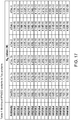
- the humanized light chain framework region comprises 1, 2, 3, 4, 5, 6, 7, 8, 9, or 10 of the amino acid substitutions depicted in Table 3.
- the humanized heavy chain framework region comprises 1, 2, 3, 4, 5, 6, 7, 8, 9, 10, 11, or 12 of the amino acid substitutions depicted in Table 2.
- the present disclosure provides an isolated antibody, wherein the antibody is a Fv, scFv, Fab, F(ab')2, or Fab', and wherein the antibody competes for binding to an epitope in an N-terminal region of a Tau polypeptide with an antibody that comprises: a) a light chain region comprising: i) a V L CDR1 comprising an amino acid sequence of SEQ ID NO:1 or SEQ ID NO:7; (ii) a V L CDR2 comprising an amino acid sequence of SEQ ID NO:2 or SEQ ID NO:8; and (iii) a V L CDR3 comprising an amino acid sequence of SEQ ID NO:3 or SEQ ID NO:9; and b) a heavy chain region comprising: (i) a V H CDR1 comprising an amino acid sequence of SEQ ID NO:4 or SEQ ID NO:10; (ii) a V H CDR2 comprising an amino acid sequence of SEQ ID NO:5 or SEQ ID NO:
- the isolated antibody comprises a humanized light chain framework region.
- the humanized light chain framework region comprises 1, 2, 3, 4, 5, 6, 7, 8, 9, or 10 of the amino acid substitutions depicted in Table 3.
- the isolated antibody comprises a humanized heavy chain framework region.
- the humanized heavy chain framework region comprises 1, 2, 3, 4, 5, 6, 7, 8, 9, 10, 11, or 12 of the amino acid substitutions depicted in Table 2.
- the present disclosure provides an isolated antibody, wherein the isolated antibody comprises a human light chain constant region and a human heavy chain constant region, and wherein the isolated antibody competes for binding to an epitope in an N-terminal region of a Tau polypeptide with an antibody that comprises: a) a light chain region comprising: i) a V L CDR1 comprising an amino acid sequence of SEQ ID NO:1 or SEQ ID NO:7; (ii) a V L CDR2 comprising an amino acid sequence of SEQ ID NO:2 or SEQ ID NO:8; and (iii) a V L CDR3 comprising an amino acid sequence of SEQ ID NO:3 or SEQ ID NO:9; and b) a heavy chain region comprising: (i) a V H CDR1 comprising an amino acid sequence of SEQ ID NO:4 or SEQ ID NO:10; (ii) a V H CDR2 comprising an amino acid sequence of SEQ ID NO:5 or SEQ ID NO:11; and (iii)
- the present disclosure provides a pharmaceutical formulation comprising: a) an anti-Tau antibody of the present disclosure; and b) a pharmaceutically acceptable excipient.
- the present disclosure provides a pharmaceutical formulation comprising: a) an antibody that specifically binds an epitope within an N-terminal portion of Tau, wherein the antibody comprises: (i) a V L CDR1 comprising an amino acid sequence of SEQ ID NO:1 or SEQ ID NO:7; (ii) a V L CDR2 comprising an amino acid sequence of SEQ ID NO:2 or SEQ ID NO:8; (iii) a V L CDR3 comprising an amino acid sequence of SEQ ID NO:3 or SEQ ID NO:9; (iv) a V H CDR1 comprising an amino acid sequence of SEQ ID NO:4 or SEQ ID NO:10; (v) a V H CDR2 comprising an amino acid sequence of SEQ ID NO:5 or SEQ ID NO:11; and (vi) a V H CDR3 comprising an amino acid sequence of SEQ ID NO:6 or SEQ ID NO:12; and b) a pharmaceutically acceptable excipient suitable for administration to a human, wherein
- the antibody comprises a humanized light chain framework region.
- the humanized light chain framework region comprises 1, 2, 3, 4, 5, 6, 7, 8, 9, or 10 of the amino acid substitutions depicted in Table 3.
- the antibody comprises a humanized heavy chain framework region.
- the humanized heavy chain framework region comprises 1, 2, 3, 4, 5, 6, 7, 8, 9, 10, 11, or 12 of the amino acid substitutions depicted in Table 2.
- the antibody is encapsulated in a liposome.
- the antibody is formulated with an agent that facilitates crossing the blood-brain barrier.
- the antibody is fused, directly or via a linker, to a carrier molecule, a peptide or a protein that promotes the crossing of the blood-brain barrier.
- the antibody is a Fv, scFv, Fab, F(ab')2, or Fab'.
- the present disclosure provides a recombinant expression vector comprising a nucleotide sequence encoding an anti-Tau antibody of the present disclosure, wherein the nucleotide sequence is operably linked to a transcriptional control element that is active in a eukaryotic cell.
- the present disclosure provides an in vitro host cell genetically modified with a recombinant expression vector of the present disclosure.
- the present disclosure provides a sterile container comprising a pharmaceutical formulation of the present disclosure.
- the container is a syringe.
- the present disclosure provides a method of treating a tauopathy in an individual, the method comprising administering to the individual an anti-Tau antibody of the present disclosure, or a pharmaceutical composition of the present disclosure.
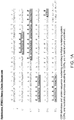
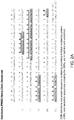
- the present disclosure provides a method of treating a tauopathy in an individual, the method comprising administering to the individual a pharmaceutical composition comprising: a) an antibody that competes for binding to an epitope in an N-terminal region of a Tau polypeptide with an antibody that comprises: i) light chain complementarity-determining regions (CDRs) of an antibody depicted in Figure 1B ; and heavy chain CDRs of an antibody depicted in Figure 1A ; or ii) light chain CDRs of an antibody depicted in Figure 2B ; and heavy chain CDRs of an antibody depicted in Figure 2A ; and b) a pharmaceutically acceptable excipient suitable for administration to a human.
- a pharmaceutical composition comprising: a) an antibody that competes for binding to an epitope in an N-terminal region of a Tau polypeptide with an antibody that comprises: i) light chain complementarity-determining regions (CDRs) of an antibody depicted in Figure 1B ; and heavy chain CDRs of an
- the antibody comprises: (i) a V L CDR1 comprising an amino acid sequence of SEQ ID NO:1 or SEQ ID NO:7; (ii) a V L CDR2 comprising an amino acid sequence of SEQ ID NO:2 or SEQ ID NO:8; (iii) a V L CDR3 comprising an amino acid sequence of SEQ ID NO:3 or SEQ ID NO:9; (iv) a V H CDR1 comprising an amino acid sequence of SEQ ID NO:4 or SEQ ID NO:10; (v) a V H CDR2 comprising an amino acid sequence of SEQ ID NO:5 or SEQ ID NO:11; and (vi) a V H CDR3 comprising an amino acid sequence of SEQ ID NO:6 or SEQ ID NO:12.
- the antibody comprises a humanized light chain framework region. In some cases, the antibody comprises a humanized heavy chain framework region. In some cases, the antibody is encapsulated in a liposome. In some cases, the antibody is formulated with an agent that facilitates crossing the blood-brain barrier. In some cases, the antibody is fused, directly or via a linker, to a carrier molecule, a peptide or a protein that promotes the crossing of the blood-brain barrier. In some cases, the antibody is a Fv, scFv, Fab, F(ab')2, or Fab'. In some cases, the administering is intravenous. In some cases, the administering is intrathecal.
- administration of a subject anti-Tau antibody results in a change in one or more of: a) the amount of free extracellular tau in brain tissue; b) the amount of free extracellular tau in interstitial fluid (ISF); c) the amount of free extracellular tau in cerebrospinal fluid (CSF); d) the neuron-to-neuron spread of tau; e) the amount of intraneuron tau aggregates; f) the degree of microglial and/or astrocyte activation; g) the amount of phosphorylated or hyperphosphorylated tau; h) the amount of total Tau or free tau in ISF or CSF; i) the amount of intracellular N-terminal tau fragments; j) neuronal hyperactivity; k) the amount of A ⁇ 40 and/or A ⁇ 42 in CSF; 1) the A ⁇ plaque burden; m) secretion of A ⁇ 40 and/or A ⁇ 42 from a neuron; n) amyloid precursor protein (APP) promoter activity; o) APP
- a method of the present disclosure for treating a tauopathy in an individual further comprises administering at least one additional agent that treats the tauopathy.
- the present disclosure provides a method of monitoring progression of a tauopathy in an individual, the method comprising: a) determining a first level of a Tau polypeptide in a biological sample obtained from the individual at a first time point; b) determining a second level of a Tau polypeptide in a biological sample obtained from the individual at a second time point; and c) comparing the second level of Tau with the first level of Tau, wherein said determining comprises: i) contacting the biological sample with an antibody of any one of claims 1, 5, 16, and 21; and ii) quantitating binding of the antibody to Tau polypeptide present in the sample.
- the biological sample is cerebrospinal fluid, blood, plasma, serum, urine, or saliva.
- the quantitated Tau polypeptide is total Tau polypeptide. In some cases, the quantitated Tau polypeptide is an N-terminal fragment of a full-length Tau polypeptide. In some cases, the first time point is a time point before initiation of a treatment regimen, and the second time point is a time point after initiation of a treatment regimen.
- the present disclosure provides a method of detecting a Tau polypeptide in a living individual in vivo, the method comprising: a) administering to the individual an antibody of any one of claims 1, 5, 16, and 21; and b) detecting binding of the antibody to tau polypeptide in a brain tissue in the individual using an imaging method.
- the antibody comprises a contrast agent suitable for use in the imaging method.
- the imaging method is magnetic resonance imaging or positron emission tomography.
- the present disclosure provides an in vitro method of detecting a Tau polypeptide in a biological sample obtained from an individual, the method comprising: a) contacting the biological sample with an antibody competes for binding to an epitope within the N-terminal region of Tau with an antibody that comprises: i) light chain complementarity-determining regions (CDRs) of an antibody depicted in Figure 1B ; and heavy chain CDRs of an antibody depicted in Figure 1A ; or ii) light chain CDRs of an antibody depicted in Figure 2B ; and heavy chain CDRs of an antibody depicted in Figure 2A ; and b) detecting binding of the antibody to Tau polypeptide present in the sample.
- CDRs light chain complementarity-determining regions
- the biological sample is blood, serum, plasma, urine, saliva, or cerebrospinal fluid.
- the individual is suspected of having a tauopathy, has been diagnosed as having a tauopathy, or has a genetic predisposition to developing a tauopathy.
- the method is quantitative.
- the Tau polypeptide detected is total Tau polypeptide.
- the Tau polypeptide detected is an N-terminal fragment of a full-length Tau polypeptide.
- the present invention provides an antibody that specifically binds Tau, wherein the antibody comprises:
- the present invention provides a pharmaceutical composition, comprising:
- the present invention provides a recombinant expression vector comprising a nucleotide sequence encoding the antibody of the invention, wherein the nucleotide sequence is operably linked to a transcriptional control element that is active in a eukaryotic cell.
- the present invention provides an in vitro host cell genetically modified with the recombinant expression vector of the invention.
- the present invention provides the antibody of the invention, or the pharmaceutical composition of the invention, for use in treatment of a tauopathy in a human subject.
- the present invention provides a method of monitoring progression of a tauopathy in a human subject, the method comprising:
- the present invention provides the antibody of the invention for use in a method of detecting a Tau polypeptide in a living human subject who has been administered the antibody, wherein said method comprises detecting binding of the antibody to a Tau polypeptide in the brain tissue in the living human subject using an imaging method.
- antibodies and immunoglobulin include antibodies or immunoglobulins of any isotype, fragments of antibodies which retain specific binding to antigen, including, but not limited to, Fab, Fv, scFv, and Fd fragments, chimeric antibodies, humanized antibodies, single-chain antibodies, bi-specific antibodies, and fusion proteins comprising an antigen-binding portion of an antibody and a non-antibody protein.
- the antibodies may be detectably labeled, e.g ., with a radioisotope, an enzyme which generates a detectable product, a fluorescent protein, and the like.
- the antibodies may be further conjugated to other moieties, such as members of specific binding pairs, e.g ., biotin (member of biotin-avidin specific binding pair), and the like.
- the antibodies may also be bound to a solid support, including, but not limited to, polystyrene plates or beads, and the like.
- Fab', Fv, F(ab') 2 are also encompassed by the term.
- An antibody may be monovalent or bivalent.
- humanized immunoglobulin refers to an immunoglobulin comprising portions of immunoglobulins of different origin, wherein at least one portion comprises amino acid sequences of human origin.
- the humanized antibody can comprise portions derived from an immunoglobulin of nonhuman origin with the requisite specificity, such as a mouse, and from immunoglobulin sequences of human origin (e.g., chimeric immunoglobulin), joined together chemically by conventional techniques (e.g., synthetic) or prepared as a contiguous polypeptide using genetic engineering techniques (e.g., DNA encoding the protein portions of the chimeric antibody can be expressed to produce a contiguous polypeptide chain).
- humanized immunoglobulins can be produced using synthetic and/or recombinant nucleic acids to prepare genes (e.g., cDNA) encoding the desired humanized chain.
- nucleic acid (e.g., DNA) sequences coding for humanized variable regions can be constructed using PCR mutagenesis methods to alter DNA sequences encoding a human or humanized chain, such as a DNA template from a previously humanized variable region (see e.g., Kamman, M., et al., Nucl. Acids Res., 17: 5404 (1989 )); Sato, K., et al., Cancer Research, 53: 851-856 (1993 ); Daugherty, B. L.
- variants can also be readily produced.
- cloned variable regions can be mutagenized, and sequences encoding variants with the desired specificity can be selected (e.g., from a phage library; see e.g., Krebber et al., U.S. Pat. No. 5,514,548 ; Hoogenboom et al., WO 93/06213, published Apr. 1, 1993 )).
- Antibody fragments comprise a portion of an intact antibody, for example, the antigen binding or variable region of the intact antibody.
- antibody fragments include Fab, Fab', F(ab') 2 , and Fv fragments; diabodies; linear antibodies ( Zapata et al., Protein Eng. 8(10): 1057-1062 (1995 )); single-chain antibody molecules; and multispecific antibodies formed from antibody fragments.
- Papain digestion of antibodies produces two identical antigen-binding fragments, called “Fab” fragments, each with a single antigen-binding site, and a residual "Fc” fragment, a designation reflecting the ability to crystallize readily.
- Pepsin treatment yields an F(ab') 2 fragment that has two antigen combining sites and is still capable of cross-linking antigen.
- Fv is the minimum antibody fragment which contains a complete antigen-recognition and - binding site. This region consists of a dimer of one heavy- and one light-chain variable domain in tight, non-covalent association. It is in this configuration that the three CDRS of each variable domain interact to define an antigen-binding site on the surface of the V H -V L dimer. Collectively, the six CDRs confer antigen-binding specificity to the antibody. However, even a single variable domain (or half of an Fv comprising only three CDRs specific for an antigen) has the ability to recognize and bind antigen, although at a lower affinity than the entire binding site.
- the "Fab” fragment also contains the constant domain of the light chain and the first constant domain (CH 1 ) of the heavy chain.
- Fab fragments differ from Fab' fragments by the addition of a few residues at the carboxyl terminus of the heavy chain CH 1 domain including one or more cysteines from the antibody hinge region.
- Fab'-SH is the designation herein for Fab' in which the cysteine residue(s) of the constant domains bear a free thiol group.
- F(ab') 2 antibody fragments originally were produced as pairs of Fab' fragments which have hinge cysteines between them. Other chemical couplings of antibody fragments are also known.
- immunoglobulins The "light chains" of antibodies (immunoglobulins) from any vertebrate species can be assigned to one of two clearly distinct types, called kappa and lambda, based on the amino acid sequences of their constant domains. Depending on the amino acid sequence of the constant domain of their heavy chains, immunoglobulins can be assigned to different classes. There are five major classes of immunoglobulins: IgA, IgD, IgE, IgG, and IgM, and several of these may be further divided into subclasses (isotypes), e.g., IgG1, IgG2, IgG3, IgG4, IgA, and IgA2.
- immunoglobulins There are five major classes of immunoglobulins: IgA, IgD, IgE, IgG, and IgM, and several of these may be further divided into subclasses (isotypes), e.g., IgG1, IgG2, IgG3, IgG
- Single-chain Fv or “sFv” antibody fragments comprise the V H and V L domains of antibody, wherein these domains are present in a single polypeptide chain.
- the Fv polypeptide further comprises a polypeptide linker between the V H and V L domains, which enables the sFv to form the desired structure for antigen binding.
- diabodies refers to small antibody fragments with two antigen-binding sites, which fragments comprise a heavy-chain variable domain (V H ) connected to a light-chain variable domain (V L ) in the same polypeptide chain (V H -V L ).
- V H heavy-chain variable domain
- V L light-chain variable domain
- the domains are forced to pair with the complementary domains of another chain and create two antigen-binding sites.
- Diabodies are described more fully in, for example, EP 404,097 ; WO 93/11161 ; and Hollinger et al. (1993) Proc. Natl. Acad. Sci. USA 90:6444-6448 .
- affinity refers to the equilibrium constant for the reversible binding of two agents (e.g., an antibody and an antigen) and is expressed as a dissociation constant (Kd).
- Affinity can be at least 1-fold greater, at least 2-fold greater, at least 3-fold greater, at least 4-fold greater, at least 5-fold greater, at least 6-fold greater, at least 7-fold greater, at least 8-fold greater, at least 9-fold greater, at least 10-fold greater, at least 20-fold greater, at least 30-fold greater, at least 40-fold greater, at least 50-fold greater, at least 60-fold greater, at least 70-fold greater, at least 80-fold greater, at least 90-fold greater, at least 100-fold greater, or at least 1000-fold greater, or more, than the affinity of an antibody for unrelated amino acid sequences.
- Affinity of an antibody to a target protein can be, for example, from about 100 nanomolar (nM) to about 0.1 nM, from about 100 nM to about 1 picomolar (pM), or from about 100 nM to about 1 femtomolar (fM) or more.
- nM nanomolar
- pM picomolar
- fM femtomolar
- the term “avidity” refers to the resistance of a complex of two or more agents to dissociation after dilution.
- the terms “immunoreactive” and “preferentially binds” are used interchangeably herein with respect to antibodies and/or antigen-binding fragments.
- binding refers to a direct association between two molecules, due to, for example, covalent, electrostatic, hydrophobic, and ionic and/or hydrogen-bond interactions, including interactions such as salt bridges and water bridges.
- a subject anti-Tau antibody binds specifically to an epitope within a Tau polypeptide. Non-specific binding would refer to binding with an affinity of less than about 10 -7 M, e.g., binding with an affinity of 10 -6 M, 10 -5 M, 10 -4 M, etc.
- CDR complementarity determining region
- CDRs have been described by Kabat et al., J. Biol. Chem. 252:6609-6616 (1977 ); Kabat et al., U.S. Dept. of Health and Human Services, "Sequences of proteins of immunological interest” (1991 ); by Chothia et al., J. Mol. Biol. 196:901-917 (1987 ); and MacCallum et al., J. Mol. Biol.
- variable region when used in reference to an antibody variable region is intended to mean all amino acid residues outside the CDR regions within the variable region of an antibody.
- a variable region framework is generally a discontinuous amino acid sequence between about 100-120 amino acids in length but is intended to reference only those amino acids outside of the CDRs.
- framework region is intended to mean each domain of the framework that is separated by the CDRs.
- an “isolated” antibody is one that has been identified and separated and/or recovered from a component of its natural environment. Contaminant components of its natural environment are materials that would interfere with diagnostic or therapeutic uses for the antibody, and may include enzymes, hormones, and other proteinaceous or nonproteinaceous solutes.
- the antibody will be purified (1) to greater than 90%, greater than 95%, or greater than 98%, by weight of antibody as determined by the Lowry method, for example, more than 99% by weight, (2) to a degree sufficient to obtain at least 15 residues of N-terminal or internal amino acid sequence by use of a spinning cup sequenator, or (3) to homogeneity by sodium dodecyl sulfate-polyacrylamide gel electrophoresis (SDS-PAGE) under reducing or nonreducing conditions using Coomassie blue or silver stain.
- Isolated antibody includes the antibody in situ within recombinant cells since at least one component of the antibody's natural environment will not be present. In some instances, isolated antibody will be prepared by at least one purification step.
- polypeptide refers to a polymeric form of amino acids of any length, which can include genetically coded and non-genetically coded amino acids, chemically or biochemically modified or derivatized amino acids, and polypeptides having modified peptide backbones.
- the term includes fusion proteins, including, but not limited to, fusion proteins with a heterologous amino acid sequence, fusions with heterologous and homologous leader sequences, with or without N-terminal methionine residues; immunologically tagged proteins; and the like.
- treatment refers to obtaining a desired pharmacologic and/or physiologic effect.
- the effect may be prophylactic in terms of completely or partially preventing a disease or symptom thereof and/or may be therapeutic in terms of a partial or complete cure for a disease and/or adverse effect attributable to the disease.
- Treatment covers any treatment of a disease in a mammal, particularly in a human, and includes: (a) preventing the disease from occurring in a subject which may be predisposed to the disease but has not yet been diagnosed as having it; (b) inhibiting the disease, i.e., arresting its development; and (c) relieving the disease, i.e., causing regression of the disease.
- the terms "individual,” “subject,” “host,” and “patient,” used interchangeably herein, refer to a mammal, including, but not limited to, murines (rats, mice), non-human primates, humans, canines, felines, ungulates (e.g., equines, bovines, ovines, porcines, caprines), etc.
- a “therapeutically effective amount” or “efficacious amount” refers to the amount of an anti-Tau antibody that, when administered to a mammal or other subject for treating a disease, is sufficient to effect such treatment for the disease.
- the “therapeutically effective amount” will vary depending on the anti-Tau antibody, the disease and its severity and the age, weight, etc., of the subject to be treated.
- a “biological sample” encompasses a variety of sample types obtained from an individual and can be used in a diagnostic or monitoring assay.
- the definition encompasses blood and other liquid samples of biological origin, solid tissue samples such as a biopsy specimen or tissue cultures or cells derived therefrom and the progeny thereof.
- the definition also includes samples that have been manipulated in any way after their procurement, such as by treatment with reagents, solubilization, or enrichment for certain components, such as polynucleotides.
- the term “biological sample” encompasses a clinical sample, and also includes cells in culture, cell supernatants, cell lysates, serum, plasma, biological fluid, and tissue samples.
- biological sample includes urine, saliva, cerebrospinal fluid, blood fractions such as plasma and serum, and the like.
- the present disclosure provides methods of treating a tauopathy, involving administering an anti-Tau antibody.
- the present disclosure also provides anti-Tau antibodies, and formulations comprising same, for use in the methods.
- the present disclosure further provides in vitro and in vivo detection methods using an anti-Tau antibody described herein.
- the present disclosure provides methods of treating a tauopathy.
- the methods generally involve administering an effective amount of an anti-Tau antibody of the present disclosure to an individual in need thereof.
- administration of a subject anti-tau antibody reduces the level of a pathological tau polypeptide in a cell, a tissue, or a fluid of an individual, and treats the tauopathy.
- a subject method can comprise administering to an individual in need thereof an effective amount of an isolated humanized monoclonal antibody that specifically binds an epitope within amino acids 15-24 of a Tau polypeptide.
- the antibody is present in a pharmaceutical formulation with a pharmaceutically acceptable excipient, e.g., a pharmaceutically acceptable excipient that is suitable for administration to a human.
- a subject method can comprise administering to an individual in need thereof an effective amount of an isolated antibody comprising a humanized light chain framework region; and a humanized heavy chain framework region, wherein the isolated antibody competes for binding to an epitope in an N-terminal region of a Tau polypeptide with an antibody that comprises: a) a light chain region comprising: i) a V L CDR1 comprising an amino acid sequence of SEQ ID NO:1 or SEQ ID NO:7; (ii) a V L CDR2 comprising an amino acid sequence of SEQ ID NO:2 or SEQ ID NO:8; and (iii) a V L CDR3 comprising an amino acid sequence of SEQ ID NO:3 or SEQ ID NO:9; and b) a heavy chain region comprising: (i) a V H CDR1 comprising an amino acid sequence of SEQ ID NO:4 or SEQ ID NO:10; (ii) a V H CDR2 comprising an amino acid sequence of SEQ
- a subject method can comprise administering to an individual in need thereof an effective amount of an isolated antibody, wherein the antibody is a Fv, scFv, Fab, F(ab')2, or Fab', and wherein the antibody competes for binding to an epitope in an N-terminal region of a Tau polypeptide with an antibody that comprises: a) a light chain region comprising: i) a V L CDR1 comprising an amino acid sequence of SEQ ID NO:1 or SEQ ID NO:7; (ii) a V L CDR2 comprising an amino acid sequence of SEQ ID NO:2 or SEQ ID NO:8; and (iii) a V L CDR3 comprising an amino acid sequence of SEQ ID NO:3 or SEQ ID NO:9; and b) a heavy chain region comprising: (i) a V H CDR1 comprising an amino acid sequence of SEQ ID NO:4 or SEQ ID NO:10; (ii) a V H C
- a subject method can comprise administering to an individual in need thereof an effective amount of an isolated antibody, wherein the isolated antibody comprises a human light chain constant region and a human heavy chain constant region, and wherein the isolated antibody competes for binding to an epitope in an N-terminal region of a Tau polypeptide with an antibody that comprises: a) a light chain region comprising: i) a V L CDR1 comprising an amino acid sequence of SEQ ID NO:1 or SEQ ID NO:7; (ii) a V L CDR2 comprising an amino acid sequence of SEQ ID NO:2 or SEQ ID NO:8; and (iii) a V L CDR3 comprising an amino acid sequence of SEQ ID NO:3 or SEQ ID NO:9; and b) a heavy chain region comprising: (i) a V H CDR1 comprising an amino acid sequence of SEQ ID NO:4 or SEQ ID NO:10; (ii) a V H CDR2 comprising an amino acid sequence
- eTau Extracellular tau
- CSF cerebrospinal fluid
- ISF interstitial fluid
- eTau is a polypeptide having a length of 175 amino acids and comprising amino acids 2-176 of full-length tau; for example, in some embodiments eTau is a polypeptide comprising the amino acid sequence set forth in SEQ ID NO:45.
- eTau is a polypeptide having a length of 171 amino acids and comprising amino acids 2-172 (SEQ ID NO:44) of full-length tau; for example, in some embodiments eTau is a polypeptide comprising the amino acid sequence set forth in SEQ ID NO:44. In some embodiments, eTau is an eTau-2 polypeptide comprising the amino acid sequence set forth in SEQ ID NO:46. In some embodiments, eTau is an eTau-3 polypeptide comprising the amino acid sequence set forth in SEQ ID NO:47. In some embodiments, eTau is an eTau-4 polypeptide comprising the amino acid sequence set forth in SEQ ID NO:48.
- an eTau polypeptide has a length of from about 50 amino acids to about 175 amino acids, e.g., from about 50 amino acids (aa) to about 75 aa, from about 75 aa to about 100 aa, from about 100 aa to about 125 aa, from about 125 aa to about 150 aa, or from about 150 aa to about 175 aa; and can comprise from 50 to about 75, from about 75 to about 100, from about 100 to about 125, from about 125 to about 150, or from about 150 to about 175, contiguous amino acids of amino acids 2-176 of full-length tau.
- Exemplary eTau polypeptides are depicted in Figure 20 .
- an anti-Tau antibody of the present disclosure specifically binds Tau, where the epitope bound by the antibody is a linear epitope, and comprises amino acid residues within an amino-terminal (N-terminal) portion of Tau, e.g., within amino acids 1-25 of Tau, within amino acids 1-18 of Tau, within amino acids 9 to 18 of Tau, within amino acids 13-24 of Tau, within amino acids 15-44 of Tau, or within amino acids 15-24 of Tau.
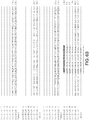
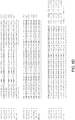
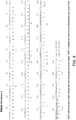
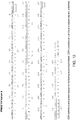
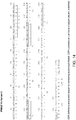
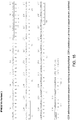
- Amino acid sequences of human Tau isoforms are depicted in Figures 6A-D .
- Amino acids 1-18 of Tau are: MAEPRQEFEVMEDHAGTY; SEQ ID NO:53). See, e.g., Garcia-Sierra et al. (2003) J. Alzheimer's Disease 5:65 ; and Horowitz et al. (2004) J. Neurosci. 24:7895 .
- Amino acids 15-24 of Tau are: AGTYGLGDRK (SEQ ID NO:51).
- an anti-Tau antibody of the present disclosure specifically binds Tau, where the epitope bound by the antibody is a linear epitope, and comprises amino acid residues within amino acids 1-25 of Tau, within amino acids 13-24 of Tau, or within amino acids 15-24 of Tau.
- a humanized anti-Tau antibody of the present disclosure specifically binds a linear epitope comprising amino acid residues within amino acids 1-25 of Tau, within amino acids 13-24 of Tau, or within amino acids 15-24 of Tau, where the epitope does not include a phosphorylated amino acid.
- a humanized anti-Tau antibody of the present disclosure specifically binds a linear epitope comprising amino acid residues within amino acids 1-25 of Tau, within amino acids 13-24 of Tau, or within amino acids 15-24 of Tau, where the epitope includes a phosphorylated amino acid.
- a humanized anti-Tau antibody of the present disclosure specifically binds a linear epitope comprising amino acid residues within amino acids 1-25 of Tau, within amino acids 13-24 of Tau, or within amino acids 15-24 of Tau, where the epitope does not include a nitrated amino acid.
- a humanized anti-Tau antibody of the present disclosure specifically binds a linear epitope comprising amino acid residues within amino acids 1-25 of Tau, within amino acids 13-24 of Tau, or within amino acids 15-24 of Tau, where the epitope includes a nitrated amino acid. In some cases, a humanized anti-Tau antibody of the present disclosure specifically binds a linear epitope comprising amino acid residues within amino acids 1-25 of Tau, within amino acids 13-24 of Tau, or within amino acids 15-24 of Tau, where the epitope includes a nitrated amino acid, and does not include a phosphorylated amino acid.
- a humanized anti-Tau antibody of the present disclosure specifically binds a linear epitope comprising amino acid residues within amino acids 1-25 of Tau, within amino acids 13-24 of Tau, or within amino acids 15-24 of Tau, where the epitope includes a phosphorylated amino acid and does not include a nitrated amino acid.
- a humanized anti-Tau antibody of the present disclosure specifically binds a linear epitope comprising amino acid residues within amino acids 1-25 of Tau, within amino acids 13-24 of Tau, or within amino acids 15-24 of Tau, where the epitope includes a nitrated amino acid and a phosphorylated amino acid.
- a humanized anti-Tau antibody of the present disclosure specifically binds a linear epitope comprising amino acid residues within amino acids AGTYGLGDRK (SEQ ID NO:51) of Tau, where the epitope does not include a phosphorylated amino acid.
- a humanized anti-Tau antibody of the present disclosure specifically binds a linear epitope comprising amino acid residues within amino acids AGTYGLGDRK (SEQ ID NO:51) of Tau, where the epitope includes a phosphorylated amino acid.
- a humanized anti-Tau antibody of the present disclosure specifically binds a linear epitope comprising amino acid residues within amino acids AGTYGLGDRK (SEQ ID NO:51) of Tau, where the epitope does not include a nitrated amino acid.
- a humanized anti-Tau antibody of the present disclosure specifically binds a linear epitope comprising amino acid residues within amino acids AGTYGLGDRK (SEQ ID NO:51) of Tau, where the epitope includes a nitrated amino acid.
- a humanized anti-Tau antibody of the present disclosure specifically binds a linear epitope comprising amino acid residues within amino acids AGTYGLGDRK (SEQ ID NO:51) of Tau, where the epitope includes a nitrated amino acid, and does not include a phosphorylated amino acid.
- a humanized anti-Tau antibody of the present disclosure specifically binds a linear epitope comprising amino acid residues within amino acids AGTYGLGDRK (SEQ ID NO:51) of Tau, where the epitope includes a phosphorylated amino acid and does not include a nitrated amino acid.
- a humanized anti-Tau antibody of the present disclosure specifically binds a linear epitope comprising amino acid residues within amino acids AGTYGLGDRK (SEQ ID NO:51) of Tau, where the epitope includes a nitrated amino acid and a phosphorylated amino acid.
- a method of the present disclosure for treating a tauopathy comprises administering to an individual in need thereof a pharmaceutical composition comprising: a) an anti-Tau antibody comprising: i) one, two, or three light chain complementarity-determining regions (CDRs) of an antibody depicted in Figure 1 ; and one, two, or three heavy chain CDRs of an antibody depicted in Figure 1 ; or ii) one, two, or three light chain CDRs of an antibody depicted in Figure 2 ; and one, two, or three heavy chain CDRs of an antibody depicted in Figure 2 ; and b) a pharmaceutically acceptable excipient suitable for administration to a human.
- an anti-Tau antibody comprising: i) one, two, or three light chain complementarity-determining regions (CDRs) of an antibody depicted in Figure 1 ; and one, two, or three heavy chain CDRs of an antibody depicted in Figure 1 ; or ii) one, two, or three light chain CDRs of an antibody depict
- a method of the present disclosure for treating a tauopathy comprises administering to an individual in need thereof a pharmaceutical composition comprising: a) an antibody that competes for binding with humanized IPN002 (hu-IPN002) to an epitope in Tau that is recognized by hu-IPN002 (e.g., a linear epitope within an N-terminal portion of Tau, e.g., within amino acids 1-25 of Tau, within amino acids 1-18 of Tau, within amino acids 9 to 18 of Tau, within amino acids 15-44 of Tau, within amino acids 13-24 of Tau, or within amino acids 15-24 of Tau); and b) a pharmaceutically acceptable excipient suitable for administration to a human.
- a pharmaceutical composition comprising: a) an antibody that competes for binding with humanized IPN002 (hu-IPN002) to an epitope in Tau that is recognized by hu-IPN002 (e.g., a linear epitope within an N-terminal portion of Tau, e.g., within
- IPN001 specifically bind Tau.
- the epitope bound by IPN001 is a linear epitope, and comprises amino acid residues within an amino-terminal (N-terminal) portion of Tau, e.g., within amino acids 1-25 of Tau.
- an anti-Tau antibody of the present disclosure (e.g., a subject antibody that specifically binds an epitope in a Tau polypeptide, where the epitope is within an amino-terminal (N-terminal) portion of Tau, e.g., within amino acids 1-25 of Tau, within amino acids 1-18 of Tau, within amino acids 9 to 18 of Tau, within amino acids 15-44 of Tau, within amino acids 13-24 of Tau, or within amino acids 15-24 of Tau) comprises: a) a light chain region comprising: i) one, two, or three V L CDRs of an IPN002 antibody; and ii) a humanized light chain framework region; and b) a heavy chain region comprising: i) one, two, or three V H CDRs of an IPN002 antibody; and ii) a humanized heavy chain framework region; where the V H and V L CDRs are as defined by Chothia (see, e.g., Table 1, above; and Chothia et al
- a method of the present disclosure for treating a tauopathy comprises administering to an individual in need thereof an effective amount of a pharmaceutical composition comprising: a) an antibody that specifically binds a linear epitope within an amino-terminal (N-terminal) portion of Tau, e.g., within amino acids 1-25 of Tau, within amino acids 1-18 of Tau, within amino acids 9 to 18 of Tau (where amino acids 1-18 of Tau are: MAEPRQEFEVMEDHAGTY; SEQ ID NO:53), within amino acids 15-44 of Tau, within amino acids 13-24 of Tau, or within amino acids 15-24 of Tau (where amino acids 15-24 of Tau are: AGTYGLGDRK (SEQ ID NO:51)), where the antibody comprises: (i) a V L CDR1 comprising an amino acid sequence of SEQ ID NO:1 or SEQ ID NO:7; (ii) a V L CDR2 comprising an amino acid sequence of SEQ ID NO:2 or SEQ ID NO:8; (iii) a V L C
- SEQ ID Nos:1-12 are as follows:
- the antibody comprises a humanized light chain framework region and/or a humanized heavy chain framework region.
- Humanized anti-Tau antibodies are described in detail below.
- a tauopathy is a disorder characterized by an abnormal level of tau in a cell, a tissue, or a fluid in an individual.
- a tauopathy is characterized by the presence in a cell, a tissue, or a fluid of elevated (higher than normal) levels of tau or tau polypeptides and/or pathological forms of tau.
- a tauopathy is characterized by the presence in brain tissue and/or cerebrospinal fluid of elevated levels of tau or tau polypeptides and/or pathological forms of tau.
- a "higher than normal" level of tau in a cell, a tissue, or a fluid indicates that the level of tau in the tissue or fluid is higher than a normal, control level, e.g., higher than a normal, control level for an individual or population of individuals of the same age group. See, e.g., Blomberg et al. (2001) "Cerebrospinal fluid tau levels increase with age in healthy individuals" Dement. Geriatr. Cogn. Disord. 12:127 . In some cases, an individual having a tauopathy exhibits one or more additional symptoms of a tauopathy (e.g., cognitive decline).
- a normal, control level e.g., higher than a normal, control level for an individual or population of individuals of the same age group. See, e.g., Blomberg et al. (2001) "Cerebrospinal fluid tau levels increase with age in healthy individuals" Dement. Geriatr. Cogn. Disord. 12:127 .
- a tauopathy is characterized by the presence in a cell, a tissue, or a fluid of lower than normal levels of tau.
- a "lower than normal" level of tau in a tissue or a fluid indicates that the level of tau in the cell, tissue, or fluid is lower than a normal, control level, e.g., lower than a normal, control level for an individual or population of individuals of the same age group.
- Alzheimer's disease and certain forms of Frontotemporal dementia are the most common forms of tauopathy.
- the present disclosure provides a treatment method as described above, wherein the tauopathy is Alzheimer's, Pick's disease, sporadic Frontotemporal dementia and Frontotemporal dementia with Parkinsonism linked to chromosome 17.
- Other tauopathies include, but are not limited to, Progressive supranuclear palsy (PSP), Corticobasal degeneration (CBD) and Subacute sclerosing panencephalitis.
- a neurodegenerative tauopathy includes Alzheimer's disease, amyotrophic lateral sclerosis/parkinsonism-dementia complex, argyrophilic grain dementia, British type amyloid angiopathy, cerebral amyloid angiopathy, corticobasal degeneration, Creutzfeldt-Jakob disease, dementia pugilistica, diffuse neurofibrillary tangles with calcification, Down's syndrome, frontotemporal dementia (FTD), frontotemporal dementia with parkinsonism linked to chromosome 17, frontotemporal lobar degeneration, Gerstmann-Straussler-Scheinker disease, Hallervorden-Spatz disease, inclusion body myositis, multiple system atrophy, myotonic dystrophy, Niemann-Pick disease type C, non-Guamanian motor neuron disease with neurofibrillary tangles, Pick's disease, postencephalitic parkinsonism, prion protein cerebral amyloid angiopathy, progressive subcortical
- the present disclosure also provides methods of treating a synucleinopathy, e.g., Parkinson's disease (PD); dementia with Lewy Bodies (DLB); multiple system atrophy (MSA); etc.
- a synucleinopathy e.g., Parkinson's disease (PD); dementia with Lewy Bodies (DLB); multiple system atrophy (MSA); etc.
- PD with dementia can be treated with a subject method.
- the symptom can also be the level of a Tau polypeptide in the CSF of the individual.
- a subject anti-tau antibody when administered in one or more doses as monotherapy or in combination therapy to an individual having a tauopathy, reduces the level of a Tau polypeptide in the CSF of the individual by at least about 10%, at least about 15%, at least about 20%, at least about 25%, at least about 30%, at least about 40%, at least about 50%, or more than 50%, compared to the level of the Tau polypeptide in the CSF of the individual before treatment with the anti-tau antibody.
- Total Tau can include the sum total of full-length Tau of any isoform; and any N-terminal Tau fragments that are present and that display the epitope recognized by a subject anti-Tau antibody.
- Amino acid sequences of human full-length Tau are presented in Figures 6A-D .
- Reduction in phosphorylated Tau can be determined using any known method, e.g., an immunological method using an anti-phospho-Tau antibody.
- Administration of a subject anti-tau antibody to an individual can result in a change in one or more of: a) the amount of free extracellular tau in brain tissue; b) the amount of free extracellular tau in interstitial fluid (ISF); c) the amount of free extracellular tau in cerebrospinal fluid (CSF); d) the neuron-to-neuron spread of tau; e) the amount of intraneuron tau aggregates; f) the degree of microglial and/or astrocyte activation; g) the amount of phosphorylated or hyperphosphorylated tau; h) the amount of total Tau or free tau in ISF or CSF; i) the amount of intracellular N-terminal tau fragments; j) neuronal hyperactivity; k) the amount of A ⁇ 40 and/or A ⁇ 42 in CSF; 1) the A ⁇ plaque burden; m) secretion of A ⁇ 40 and/or A ⁇ 42 from a neuron; n) amyloid precursor protein (APP) promoter activity; o)
- Administration of a subject anti-tau antibody to an individual can in some cases improve cognitive function in the individual, or at least reduce the rate of decline of cognitive function in the individual.
- administration of a subject anti-tau antibody to an individual reduces the amount of free extracellular tau polypeptide (e.g., the amount of free extracellular tau polypeptide in a brain tissue) by at least about 10%, at least about 20%, at least about 25%, at least about 50%, or more than 50%, compared to the amount of free extracellular tau polypeptide in the individual before administration with the anti-tau antibody.
- amount of free extracellular tau polypeptide e.g., the amount of free extracellular tau polypeptide in a brain tissue
- administration of a subject anti-tau antibody to an individual reduces the cell-to-cell (e.g., neuron-to-neuron) spread of a tau polypeptide (e.g., a pathological tau polypeptide) by at least about 10%, at least about 20%, at least about 25%, at least about 50%, or more than 50%, compared to the cell-to-cell spread before administration with a subject anti-tau antibody.
- a cell-to-cell e.g., neuron-to-neuron
- a tau polypeptide e.g., a pathological tau polypeptide
- administration of a subject anti-tau antibody to an individual reduces the amount of tau aggregates (e.g., intracellular (e.g., intraneuronal) tau aggregates) by at least about 10%, at least about 20%, at least about 25%, at least about 50%, or more than 50%, compared to the amount of tau aggregates before administration with the anti-tau antibody.
- tau aggregates e.g., intracellular (e.g., intraneuronal) tau aggregates
- administration of a subject anti-tau antibody to an individual reduces neurotoxicity in an individual; and/or reduces neuroinflammation in an individual; and/or reduces activation of astrocytes and microglia; and/or reduces induction of pathological electrophysiological effects; and/or reduces the amount of tau in exosomes.
- administration of a subject anti-tau antibody to an individual reduces neuronal hyperactivity by at least about 10%, at least about 20%, at least about 25%, at least about 50%, or more than 50%, compared to the level of degree of neuronal hyperactivity before administration with the anti-tau antibody.
- administration of a subject anti-tau antibody to an individual reduces neuronal hyperactivity by at least about 10%, at least about 20%, at least about 25%, at least about 50%, or more than 50%, as determined by whole cell patch clamp recording of a neuron; e.g., whole cell patch clamp recording of an induced pluripotent stem cell-derived cortical neuron (iPSC-CN) or of a human cortical neuron cultures (HCC).
- iPSC-CN induced pluripotent stem cell-derived cortical neuron
- HCC human cortical neuron cultures
- compositions may be effected by different ways, e.g., by intravenous, intraperitoneal, subcutaneous, intracranial, intrathecal, intraarterial (e.g., via the carotid artery), intramuscular, intranasal, topical or intradermal administration or spinal or brain delivery.
- Aerosol formulations such as nasal spray formulations include purified aqueous or other solutions of the active agent with preservative agents and isotonic agents. Such formulations are adjusted to a pH and isotonic state compatible with the nasal mucous membranes.
- a subject anti-tau antibody is modified, or formulated, in such a manner as to provide the ability of the antibody to cross the blood-brain barrier.
- Such an antibody or antibody composition can be administered to an individual having a tauopathy by various enteral and parenteral routes of administration including oral, intravenous, etc.
- Preparations for parenteral administration include sterile aqueous or non-aqueous solutions, suspensions, and emulsions.
- non-aqueous solvents are propylene glycol, polyethylene glycol, vegetable oils such as olive oil, and injectable organic esters such as ethyl oleate.
- Aqueous carriers include water, alcoholic/aqueous solutions, emulsions or suspensions, including saline and buffered media.
- Parenteral vehicles include sodium chloride solution, Ringer's dextrose, dextrose and sodium chloride, lactated Ringer's, or fixed oils.
- Intravenous vehicles include fluid and nutrient replenishers, electrolyte replenishers (such as those based on Ringer's dextrose), and the like. Preservatives and other additives may also be present such as, for example, antimicrobials, anti-oxidants, chelating agents, and inert gases and the like.
- the pharmaceutical composition of the present disclosure may comprise further agents such as dopamine or psychopharmacologic drugs, depending on the intended use of the pharmaceutical composition.
- the dosage regimen will be determined by the attending physician or other medical personnel, based on various clinical factors. As is well known in the medical arts, dosages for any one patient depends upon various factors, including the patient's size, body surface area, age, the particular compound to be administered, sex, time and route of administration, general health, and other drugs being administered concurrently.
- a dose of a subject anti-tau antibody can be, for example, in the range of 0.001 ⁇ g to 1000 ⁇ g; however, doses below or above this exemplary range are envisioned, especially considering the aforementioned factors.
- the dosage can range, e.g., from about 0.0001 to 100 mg/kg, or from about 0.01 to 5 mg/kg (e.g., 0.02 mg/kg, 0.25 mg/kg, 0.5 mg/kg, 0.75 mg/kg, 1 mg/kg, 2 mg/kg, etc.), of the host body weight.
- dosages can be 1 mg/kg body weight or 10 mg/kg body weight or within the range of 1-10 mg/kg, or at least 1 mg/kg.
- Doses intermediate in the above ranges are also intended to be within the scope of the invention.
- Subjects can be administered such doses daily, on alternative days, weekly or according to any other schedule determined by empirical analysis.
- An exemplary treatment entails administration in multiple dosages over a prolonged period, for example, of at least six months. Additional exemplary treatment regimens entail administration once per every two weeks or once a month or once every 3 to 6 months. Exemplary dosage schedules include 1-10 mg/kg or 15 mg/kg on consecutive days, 30 mg/kg on alternate days or 60 mg/kg weekly. In some methods, two or more monoclonal antibodies with different binding specificities are administered simultaneously, in which case the dosage of each antibody administered falls within the ranges indicated. Progress can be monitored by periodic assessment.
- An anti-tau antibody of the present disclosure can be administered to an individual in need thereof alone (e.g., as monotherapy); or in combination therapy with one or more additional therapeutic agents.
- suitable additional therapeutic agents include, but are not limited to, acetylcholinesterase inhibitors, including, but not limited to, Aricept (donepezil), Exelon (rivastigmine), metrifonate, and tacrine (Cognex); an anti-A ⁇ antibody; non-steroidal anti-inflammatory agents, including, but not limited to, ibuprofen and indomethacin; cyclooxygenase-2 (Cox2) inhibitors such as Celebrex; and monoamine oxidase inhibitors, such as Selegilene (Eldepryl or Deprenyl). Dosages for each of the above agents are known in the art.
- Another suitable additional therapeutic agent in the treatment of AD is an agent that inhibits tau aggregation, e.g., a napthoquinone derivative that inhibits tau aggregation, as described in U.S. Pat. No. 7,605,179 .
- Another suitable additional therapeutic agent is an agent that inhibits phosphorylation of tau, e.g., a 3-substituted-4-pyrimidone derivative that inhibits tau protein kinase 1, as described in U.S. Pat. No. 7,572,793 .
- “In combination with” as used herein refers to uses where, for example, the first compound is administered during the entire course of administration of the second compound; where the first compound is administered for a period of time that is overlapping with the administration of the second compound, e.g. where administration of the first compound begins before the administration of the second compound and the administration of the first compound ends before the administration of the second compound ends; where the administration of the second compound begins before the administration of the first compound and the administration of the second compound ends before the administration of the first compound ends; where the administration of the first compound begins before administration of the second compound begins and the administration of the second compound ends before the administration of the first compound ends; where the administration of the second compound begins before administration of the first compound begins and the administration of the first compound ends before the administration of the second compound ends.
- in combination can also refer to regimen involving administration of two or more compounds.
- “In combination with” as used herein also refers to administration of two or more compounds which may be administered in the same or different formulations, by the same of different routes, and in the same or different dosage form type.
- Individuals suitable for treatment with a subject anti-tau antibody include individuals who have been diagnosed as having a tauopathy; individuals at greater risk than the general population for developing a tauopathy (e.g., individuals having a genetic predisposition to developing a tauopathy); individuals with PDD; and the like.
- the individual is an adult human.
- the adult human is 30 years of age or older; 40 years of age or older, 50 years of age or older, 60 years of age or older, 70 years of age or older, or 80 years of age or older.
- the adult human can be from 40 years old to 50 years old, from 50 years old to 60 years old, from 60 years old to 70 years old, or older than 70 years.
- the present disclosure provides a method of reducing the level of A ⁇ 40 and/or A ⁇ 42 in a neuronal cell and/or extracellular fluid in an individual.
- the method generally involves administering to the individual: a) an effective amount of a humanized antibody that binds an N-terminal region of a tau polypeptide; or b) a pharmaceutical composition comprising the humanized antibody.
- a humanized antibody that binds an N-terminal region of a tau polypeptide, and that is suitable for use in a subject method of reducing A ⁇ 40 and A ⁇ 42 in a neuronal cell and/or extracellular fluid is a humanized antibody that binds an epitope of Tau that is within amino acids 2-176 of Tau, e.g., within amino acids 2-15, amino acids 15-24, amino acids 24-50, amino acids 2-25, amino acids 15 to 50, amino acids 50 to 75, amino acids 40 to 60, amino acids 75 to 100, amino acids 60 to 80, amino acids 100 to 125, amino acids 80-115, amino acids 125 to 150, amino acids 115 to 140, amino acids 150 to 176, or amino acids 140 to 160, of Tau.
- Exemplary Tau polypeptides are depicted in Figure 20 ; an antibody that reduces the level of A ⁇ 40 and/or A ⁇ 42 in a neuronal cell and/or extracellular fluid in an individual can be a humanized antibody that specifically binds an epitope in a Tau polypeptide depicted in Figure 20 .
- an antibody that reduces the level of A ⁇ 40 and/or A ⁇ 42 in a neuronal cell and/or extracellular fluid in an individual, and that is suitable for use in a subject method is a humanized anti-Tau antibody of the present disclosure.
- the antibody is a humanized antibody that binds an epitope within amino acids 15-24 of Tau.
- the present disclosure provides isolated anti-Tau antibodies, and pharmaceutical formulations comprising same.
- the present disclosure provides an isolated antibody that specifically binds an epitope within an N-terminal region of a Tau polypeptide (e.g., a linear epitope within an amino-terminal (N-terminal) portion of Tau, e.g., within amino acids 1-25 of Tau, within amino acids 1-18 of Tau, within amino acids 9 to 18 of Tau (where amino acids 1-18 of Tau are: MAEPRQEFEVMEDHAGTY; SEQ ID NO:53), within amino acids 15-44 of Tau, within amino acids 13-24 of Tau, or within amino acids 15-24 of Tau (where amino acids 15-24 of Tau are: AGTYGLGDRK (SEQ ID NO:51).
- the antibody is humanized, e.g., one or more framework regions of the heavy chain variable region and/or the light chain variable region includes sequences derived from a human immunoglobulin framework.
- the present disclosure provides an isolated humanized monoclonal antibody that specifically binds an epitope within amino acids 15-24 of a Tau polypeptide.
- the epitope does not comprise a phosphorylated amino acid.
- the epitope does not comprise a nitrated amino acid.
- the epitope comprises a phosphorylated amino acid, a nitrated amino acid, or both a phosphorylated amino acid and a nitrated amino acid.
- Humanization of a framework region(s) reduces the risk of the antibody eliciting a human-anti-mouse-antibody (HAMA) response in humans.
- Art-recognized methods of determining immune response can be performed to monitor a HAMA response in a particular patient or during clinical trials. Patients administered humanized antibodies can be given an immunogenicity assessment at the beginning and throughout the administration of the therapy.
- the HAMA response is measured, for example, by detecting antibodies to the humanized therapeutic reagent, in serum samples from the patient using a method known to one in the art, including surface plasmon resonance technology (BIACORE) and/or solid-phase enzyme-linked immunosorbent assay (ELISA) analysis.
- BIACORE surface plasmon resonance technology
- ELISA solid-phase enzyme-linked immunosorbent assay
- a subject humanized anti-Tau antibody does not substantially elicit a HAMA response in a human subject.
- a subject humanized anti-Tau antibody has reduced immunogenic potential, as determined by an EpiScreenTM assay performed using CD8 + -depleted peripheral blood mononuclear cells.
- a subject humanized anti-Tau antibody exhibits a Stimulation Index of less than 2.0.
- Certain amino acids from the human variable region framework residues are selected for substitution based on their possible influence on CDR conformation and/or binding to antigen.
- the unnatural juxtaposition of murine CDR regions with human variable framework region can result in unnatural conformational restraints, which, unless corrected by substitution of certain amino acid residues, lead to loss of binding affinity.
- the solved starting structures are modified to allow for differences between the actual amino acids in the immunoglobulin chains or domains being modeled, and those in the starting structure.
- the modified structures are then assembled into a composite immunoglobulin.
- the model is refined by energy minimization and by verifying that all atoms are within appropriate distances from one another and that bond lengths and angles are within chemically acceptable limits.
- CDR and framework regions are as defined by Kabat, Sequences of Proteins of Immunological Interest (National Institutes of Health, Bethesda, Md., 1987 and 1991 ).
- An alternative structural definition has been proposed by Chothia et al., J. Mol. Biol. 196:901 (1987 ); Nature 342:878 (1989 ); and J. Mol. Biol. 186:651 (1989 ) (collectively referred to as "Chothia").
- framework residues as defined by Kabat, supra, constitute structural loop residues as defined by Chothia, supra, the amino acids present in the mouse antibody may be selected for substitution into the humanized antibody.
- Residues which are "adjacent to a CDR region” include amino acid residues in positions immediately adjacent to one or more of the CDRs in the primary sequence of the humanized immunoglobulin chain, for example, in positions immediately adjacent to a CDR as defined by Kabat, or a CDR as defined by Chothia (See e.g., Chothia and Lesk JMB 196:901 (1987 )). These amino acids are particularly likely to interact with the amino acids in the CDRs and, if chosen from the acceptor, to distort the donor CDRs and reduce affinity. Moreover, the adjacent amino acids may interact directly with the antigen ( Amit et al., Science, 233:747 (1986 )) and selecting these amino acids from the donor may be desirable to keep all the antigen contacts that provide affinity in the original antibody.
- the light chain region and the heavy chain region are present in separate polypeptides. In other cases, the light chain region and the heavy chain region are present in a single polypeptide.
- the isolated antibody can include a heavy chain that comprises a constant region of the isotype IgG1, IgG2, IgG3, or IgG4. In other cases, the antibody is a Fv, scFv, Fab, F(ab')2, or Fab'.
- the antibody can comprise a covalently linked non-peptide synthetic polymer, e.g., where the synthetic polymer is a poly(ethylene glycol) polymer.
- an anti-Tau antibody of the present disclosure comprises: a) a light chain region comprising: i) one, two, or three complementarity determining regions (CDRs) of an IPN001 antibody, where the CDRs are as defined by Kabat (see, e.g., Table 1, above; and Kabat et al., U.S.
- an anti-Tau antibody of the present disclosure comprises: a) a light chain region comprising: i) one, two, or three V L CDRs of an IPN001 antibody; and ii) a humanized light chain framework region; and b) a heavy chain region comprising: i) one, two, or three V H CDRs of an IPN001 antibody; and ii) a humanized light chain framework region; and b) a heavy chain region comprising: i) one, two, or three V H CDRs of an IPN001 antibody; and ii) a humanized light chain framework region; and b) a heavy chain region comprising: i) one, two, or three V H CDRs of an IPN001 antibody; and ii) a humanized light chain framework region; and b) a heavy chain region comprising: i) one, two, or three V H CDRs of an IPN001 antibody; and ii) a humanized light chain framework region; and b) a heavy chain
- an anti-Tau antibody of the present disclosure comprises: a) a light chain region comprising: i) one, two, or three V L CDRs of an IPN001 antibody; and ii) a humanized light chain framework region; and b) a heavy chain region comprising: i) one, two, or three V H CDRs of an IPN001 antibody; and ii) a humanized light chain framework region; and b) a heavy chain region comprising: i) one, two, or three V H CDRs of an IPN001 antibody; and ii) a humanized light chain framework region; and b) a heavy chain region comprising: i) one, two, or three V H CDRs of an IPN001 antibody; and ii) a humanized light chain framework region; and b) a heavy chain region comprising: i) one, two, or three V H CDRs of an IPN001 antibody; and ii) a humanized light chain framework region; and b) a heavy chain
- an anti-Tau antibody of the present disclosure comprises: a) a light chain region comprising: i) one, two, or three V L CDRs of an IPN002 antibody; and ii) a humanized light chain framework region; and b) a heavy chain region comprising: i) one, two, or three V H CDRs of an
- an anti-Tau antibody of the present disclosure comprises: a) a light chain region comprising: i) one, two, or three CDRs selected from SEQ ID NO:1, SEQ ID NO:2, and SEQ ID NO:3; and ii) a humanized light chain framework region; and b) a heavy chain region comprising: i)
- an anti-Tau antibody of the present disclosure comprises: a) a light chain region comprising: i) one, two, or three CDRs selected from SEQ ID NO:7, SEQ ID NO:8, and SEQ ID NO:9; and ii) a humanized light chain framework region; and b) a heavy chain region comprising: i)
- the antibody comprises: a) a light chain region comprising: i) a V L CDR1 comprising an amino acid sequence of SEQ ID NO:1 or SEQ ID NO:7; (ii) a V L CDR2 comprising an amino acid sequence of SEQ ID NO:2 or SEQ ID NO:8; (iii) a V L CDR3 comprising an amino acid sequence of SEQ ID NO:3 or SEQ ID NO:9; and (iv) a humanized light chain framework region; and b) a heavy chain region comprising: (i) a V H CDR1 comprising an amino acid sequence of SEQ ID NO:4 or SEQ ID NO:10; (ii) a V H CDR2 comprising an amino acid sequence of SEQ ID NO:5 or SEQ ID NO:11; (iii) a V H CDR3 comprising an amino acid sequence of SEQ ID NO:6 or SEQ ID NO:12; and iv) a humanized heavy chain framework region.
- a subject anti-Tau antibody comprises a light chain variable region comprising one, two, or three of the light chain CDRs having a polypeptide sequence selected from one or more of SEQ ID NOs:1, 2, and 3; and one, two, three, or four FR regions that are humanized.
- a subject antibody comprises a light chain variable region that comprises, in order from N-terminus to C-terminus: a humanized light chain FR1; a CDR1 comprising the amino acid sequence set forth in SEQ ID NO:1; a humanized light chain FR2; a CDR2 comprising the amino acid sequence set forth in SEQ ID NO:2; a humanized light chain FR3; a CDR3 comprising the amino acid sequence set forth in SEQ ID NO:3; and a humanized light chain FR4.
- a subject anti-Tau antibody comprises a heavy chain variable region comprising one, two, or three of the heavy chain CDRs having an amino acid sequence selected from one or more of SEQ ID NOs:10, 11, and 12; and one, two, three, or four FR regions that are humanized.
- a subject antibody comprises a heavy chain variable region that comprises, in order from N-terminus to C-terminus: a humanized heavy chain FR1; a CDR1 comprising the amino acid sequence set forth in SEQ ID NO:10; a humanized heavy chain FR2; a CDR2 comprising the amino acid sequence set forth in SEQ ID NO:11; a humanized heavy chain FR3; a CDR3 comprising the amino acid sequence set forth in SEQ ID NO:12; and a humanized heavy chain FR4.
- a subject anti-Tau antibody comprises a light chain variable region comprising one, two, or three of the light chain CDRs having a polypeptide sequence selected from one or more of SEQ ID NOs:7, 8, and 9; and one, two, three, or four FR regions that are humanized.
- a subject antibody comprises a light chain variable region that comprises, in order from N-terminus to C-terminus: a humanized light chain FR1; a CDR1 comprising the amino acid sequence set forth in SEQ ID NO:7; a humanized light chain FR2; a CDR2 comprising the amino acid sequence set forth in SEQ ID NO:8; a humanized light chain FR3; a CDR3 comprising the amino acid sequence set forth in SEQ ID NO:9; and a humanized light chain FR4.
- SEQ ID Nos:1-12 are as follows:
- a subject anti-Tau antibody can comprise a light chain variable region comprising an amino acid sequence that is 85%, 86%, 87%, 88%, 89%, 90%, 91%, 92%, 93%, 94%, 95%, 96%, 97%, 98% or 99% identical to the sequence depicted in Figure 1B and set forth in SEQ ID NO:13.
- a subject anti-Tau antibody can comprise a heavy chain variable region comprising an amino acid sequence that is 85%, 86%, 87%, 88%, 89%, 90%, 91%, 92%, 93%, 94%, 95%, 96%, 97%, 98% or 99% identical to the sequence depicted in Figure 1A and set forth in SEQ ID NO:14.
- a subject anti-Tau antibody can comprise a light chain variable region comprising an amino acid sequence that is 85%, 86%, 87%, 88%, 89%, 90%, 91%, 92%, 93%, 94%, 95%, 96%, 97%, 98% or 99% identical to the sequence depicted in Figure 2B and set forth in SEQ ID NO:15.
- a subject anti-Tau antibody can comprise a heavy chain variable region comprising an amino acid sequence that is 85%, 86%, 87%, 88%, 89%, 90%, 91%, 92%, 93%, 94%, 95%, 96%, 97%, 98% or 99% identical to the sequence depicted in Figure 9 (VH variant 1).
- a subject anti-Tau antibody can comprise a heavy chain variable region comprising an amino acid sequence that is 85%, 86%, 87%, 88%, 89%, 90%, 91%, 92%, 93%, 94%, 95%, 96%, 97%, 98% or 99% identical to the sequence depicted in Figure 10 (VH variant 2).
- a subject anti-Tau antibody can comprise a heavy chain variable region comprising an amino acid sequence that is 85%, 86%, 87%, 88%, 89%, 90%, 91%, 92%, 93%, 94%, 95%, 96%, 97%, 98% or 99% identical to the sequence depicted in Figure 11 (VH variant 3).
- a subject anti-Tau antibody can comprise a heavy chain variable region comprising an amino acid sequence that is 85%, 86%, 87%, 88%, 89%, 90%, 91%, 92%, 93%, 94%, 95%, 96%, 97%, 98% or 99% identical to the sequence depicted in Figure 12 (VH variant 4).
- a subject anti-Tau antibody can comprise a light chain variable region comprising an amino acid sequence that is 85%, 86%, 87%, 88%, 89%, 90%, 91%, 92%, 93%, 94%, 95%, 96%, 97%, 98% or 99% identical to the sequence depicted in Figure 13 (Vk variant 1).
- a subject anti-Tau antibody can comprise a heavy chain variable region comprising 1, 2, 3, 4, 5, 6, 7, 8, 9, 10, 11, or 12 of the framework (FR) amino acid substitutions, relative to the IPN002 parental antibody FR amino acid sequences, depicted in Table 2.
- Table 2 VH Variants Amino Acid Position IPN002 (Parental antibody) VH Variant 1 VH Variant 2 VH Variant 3 VH Variant 4 FR1 3 H H H H Q Q 19 K R R R R FR2 40 T A A A A 42 D G G G G 44 R G G G G FR3 66 Q R R R R 83 S S N N N 85 L S L L L L L 86 K K R R R 87 S S A A A 93 S S S S A FR4 108 S S T T T T T T
- a subject anti-Tau antibody can comprise a heavy chain variable region comprising an H ⁇ Q substitution at amino acid position 3 in VH FR1 and/or a K ⁇ R substitution at amino acid position 19 in VH FR1.
- a subject anti-Tau antibody can comprise a heavy chain variable region comprising a T ⁇ A substitution at amino acid position 40 in VH FR2 and/or a D ⁇ G substitution at amino acid position 42 in VH FR2 and/or an R ⁇ G substitution at position 44 in VH FR2.
- a subject anti-Tau antibody can comprise a heavy chain variable region comprising a Q ⁇ R substitution at amino acid position 66 in VH FR3 and/or an S ⁇ N substitution at amino acid position 83 in VH FR3 and/or an L ⁇ S substitution at amino acid position 85 in VH FR3 and/or a K ⁇ R substitution at amino acid position 86 in FR3 and/or an S ⁇ A substitution at amino acid position 87 in VH FR3 and/or an S ⁇ A substitution at amino acid position 93 in VH FR3.
- a subject isolated anti-Tau antibody can comprise, in order from N-terminus to C-terminus a VH region comprising:
- a subject anti-Tau antibody can comprise a light chain variable region comprising 1, 2, 3, 4, 5, 6, 7, 8, 9, or 10 of the framework (FR) amino acid substitutions, relative to the IPN002 parental antibody FR amino acid sequences, depicted in Table 3.
- Table 3 Vk Variants Amino Acid Position IPN002 (Parental antibody) Vk Variant 1 Vk Variant 2 Vk Variant 3 Vk Variant 4 FR1 3 L L V V V V 7 T S S S S 14 S T T T T 17 D Q Q Q Q 18 Q P P P P FR2 45 K Q Q Q Q 48 V V V V I FR3 83 L V V V V V 85 T T T V V FR4 104 L V V V V V V V
- a subject anti-Tau antibody can comprise a light chain variable region comprising an L ⁇ V substitution at amino acid position 3 in VL FR1 and/or a T ⁇ S substitution at amino acid position 7 in VL FR1 and/or an S ⁇ T substitution at amino acid position 14 in VL FR1 and/or a D ⁇ Q substitution at amino acid position 17 in VL FR1 and/or a Q ⁇ P substitution at amino acid position 18 in VL FR1.
- a subject anti-Tau antibody can comprise a light chain variable region comprising a K ⁇ Q substitution at amino acid position 45 of VL FR2 and/or a V ⁇ I substitution at amino acid position 48 of VL FR2.
- a subject anti-Tau antibody can comprise a light chain variable region comprising an L ⁇ V substitution at amino acid position 83 of VL FR3 and/or a T ⁇ V substitution at amino acid position 85 of VL FR3.
- a subject anti-Tau antibody can comprise a light chain variable region comprising an L ⁇ V substitution at amino acid position 104 of VL FR4.
- a subject isolated anti-Tau antibody can comprise, in order from N-terminus to C-terminus a VL region comprising: DVX 1 MTQSPLSLPVTLGQPASISC (SEQ ID NO:54); VL CDR1 as shown in Figure 2B ; WYLQKPGQSPQLLX 2 Y (SEQ ID NO:55); VL CDR2 as shown in Figure 2B ; GVPDRFSGSGSGTDFTLKISRVEAEDVGX 3 YYC (SEQ ID NO:56); VL CDR3 as shown in Figure 2B ; FGGGTKVEIK (SEQ ID NO:57); where X 1 is L or V; X 2 is V or I; and X 3 is T or V.
- a subject antibody comprises, in order from N-terminus to C-terminus: a light chain FR1 region; a CDR1 comprising the amino acid sequence set forth in SEQ ID NO:1; a light chain FR2 region; a CDR2 comprising the amino acid sequence set forth in SEQ ID NO:2; a light chain FR3 region; a CDR3 comprising the amino acid sequence set forth in SEQ ID NO:3; optionally a light chain FR4 region; a linker region; optionally a heavy chain FR1 region; a CDR1 comprising the amino acid sequence set forth in SEQ ID:4; a heavy chain FR2 region; a CDR2 comprising the amino acid sequence set forth in SEQ ID NO:5; a heavy chain FR3 region; a CDR3 comprising the amino acid sequence set forth in SEQ ID NO:6; and a heavy chain FR4 region.
- one or more of the FR regions is a humanized FR region.
- each of the FR regions is a humanized FR region.
- the linker region can be from about 5 amino acids to about 50 amino acids in length, e.g., from about 5 aa to about 10 aa, from about 10 aa to about 15 aa, from about 15 aa to about 20 aa, from about 20 aa to about 25 aa, from about 25 aa to about 30 aa, from about 30 aa to about 35 aa, from about 35 aa to about 40 aa, from about 40 aa to about 45 aa, or from about 45 aa to about 50 aa in length.
- a subject antibody comprises, in order from N-terminus to C-terminus: a heavy chain FR1 region; a CDR1 comprising the amino acid sequence set forth in SEQ ID:10; a heavy chain FR2 region; a CDR2 comprising the amino acid sequence set forth in SEQ ID NO:11; a heavy chain FR3 region; a CDR3 comprising the amino acid sequence set forth in SEQ ID NO:12; optionally a heavy chain FR4 region; a linker; optionally a light chain FR1 region; a CDR1 comprising the amino acid sequence set forth in SEQ ID NO:7; a light chain FR2 region; a CDR2 comprising the amino acid sequence set forth in SEQ ID NO:8; a light chain FR3 region; a CDR3 comprising the amino acid sequence set forth in SEQ ID NO:9; and a light chain FR4 region.
- Linkers suitable for use a subject antibody include "flexible linkers". If present, the linker molecules are generally of sufficient length to permit some flexible movement between linked regions. The linker molecules are generally about 6-50 atoms long. The linker molecules may also be, for example, aryl acetylene, ethylene glycol oligomers containing 2-10 monomer units, diamines, diacids, amino acids, or combinations thereof. Other linker molecules which can bind to polypeptides may be used in light of this disclosure.
- Suitable linkers can be readily selected and can be of any of a suitable of different lengths, such as from 1 amino acid (e.g., Gly) to 20 amino acids, from 2 amino acids to 15 amino acids, from 3 amino acids to 12 amino acids, including 4 amino acids to 10 amino acids, 5 amino acids to 9 amino acids, 6 amino acids to 8 amino acids, or 7 amino acids to 8 amino acids, and may be 1, 2, 3, 4, 5, 6, or 7 amino acids.
- Exemplary flexible linkers include glycine polymers (G) n , glycine-serine polymers (including, for example, (GS) n , GSGGS n (SEQ ID NO:58) and GGGS n (SEQ ID NO:59), where n is an integer of at least one), glycine-alanine polymers, alanine-serine polymers, and other flexible linkers known in the art. Glycine and glycine-serine polymers are of interest since both of these amino acids are relatively unstructured, and therefore may serve as a neutral tether between components.
- Glycine polymers are of particular interest since glycine accesses significantly more phi-psi space than even alanine, and is much less restricted than residues with longer side chains (see Scheraga, Rev. Computational Chem. 11173-142 (1992 )).
- Exemplary flexible linkers include, but are not limited GGSG (SEQ ID NO:60), GGSGG (SEQ ID NO:61), GSGSG (SEQ ID NO:62), GSGGG (SEQ ID NO:63), GGGSG (SEQ ID NO:64), GSSSG (SEQ ID NO:65), and the like.
- the ordinarily skilled artisan will recognize that design of a peptide conjugated to any elements described above can include linkers that are all or partially flexible, such that the linker can include a flexible linker as well as one or more portions that confer less flexible structure.
- a subject isolated antibody is an antibody fragment, an Fv, scFv, Fab, F(ab')2, or Fab'.
- the present disclosure provides an isolated antibody, wherein the antibody is a Fv, scFv, Fab, F(ab')2, or Fab', and wherein the antibody competes for binding to an epitope in an N-terminal region of a Tau polypeptide with an antibody that comprises: a) a light chain region comprising: i) a V L CDR1 comprising an amino acid sequence of SEQ ID NO:1 or SEQ ID NO:7; (ii) a V L CDR2 comprising an amino acid sequence of SEQ ID NO:2 or SEQ ID NO:8; and (iii) a V L CDR3 comprising an amino acid sequence of SEQ ID NO:3 or SEQ ID NO:9; and b) a heavy chain region comprising: (i) a V H CDR1 comprising an amino acid sequence of SEQ ID NO:
- an anti-Tau antibody of the present disclosure is a scFv antibody.
- an anti-Tau antibody of the present disclosure comprises scFv multimers.
- a subject antibody is an scFv dimer (e.g., comprises two tandem scFv (scFv 2 )), an scFv trimer (e.g., comprises three tandem scFv (scFv 3 )), an scFv tetramer (e.g., comprises four tandem scFv (scFv 4 )), or is a multimer of more than four scFv (e.g., in tandem).
- the scFv monomers can be linked in tandem via linkers of from about 2 amino acids to about 10 amino acids (aa) in length, e.g., 2 aa, 3 aa, 4 aa, 5 aa, 6 aa, 7 aa, 8 aa, 9 aa, or 10 aa in length.
- Suitable linkers include, e.g., (Gly) x , where x is an integer from 2 to 10. Other suitable linkers are those discussed above.
- each of the scFv monomers in a subject scFV multimer is humanized, as described above.
- a subject antibody comprises a constant region of an immunoglobulin (e.g., an Fc region).
- the Fc region if present, can be a human Fc region. If constant regions are present, the antibody can contain both light chain and heavy chain constant regions. Suitable heavy chain constant region include CH1, hinge, CH2, CH3, and CH4 regions.
- the antibodies described herein include antibodies having all types of constant regions, including IgM, IgG, IgD, IgA and IgE, and any isotype, including IgG1, IgG2, IgG3 and IgG4.
- An example of a suitable heavy chain Fc region is a human isotype IgG1 Fc. In some cases, the heavy chain region is of the isotype IgG4.
- the hinge region comprises an S241P substitution. See, e.g., Angal et al. (1993) Mol. Immunol. 30:105 .
- Light chain constant regions can be lambda or kappa.
- a subject antibody e.g., a subject humanized antibody
- Antibodies can be expressed as tetramers containing two light and two heavy chains, as separate heavy chains, light chains, as Fab, Fab' F(ab')2, and Fv, or as single chain antibodies in which heavy and light chain variable domains are linked through a spacer.
- the present disclosure provides an isolated antibody, wherein the isolated antibody comprises a human light chain constant region and a human heavy chain constant region, and wherein the isolated antibody competes for binding to an epitope in an N-terminal region of a Tau polypeptide with an antibody that comprises: a) a light chain region comprising: i) a V L CDR1 comprising an amino acid sequence of SEQ ID NO:1 or SEQ ID NO:7; (ii) a V L CDR2 comprising an amino acid sequence of SEQ ID NO:2 or SEQ ID NO:8; and (iii) a V L CDR3 comprising an amino acid sequence of SEQ ID NO:3 or SEQ ID NO:9; and b) a heavy chain region comprising: (i) a V H CDR1 comprising an amino acid sequence of SEQ ID NO:4 or SEQ ID NO:10; (ii) a V H CDR2 comprising an amino acid sequence of SEQ ID NO:5 or SEQ ID NO:11; and (
- a subject antibody can comprise a free thiol (-SH) group at the carboxyl terminus, where the free thiol group can be used to attach the antibody to a second polypeptide (e.g., another antibody, including a subject antibody), a scaffold, a carrier, etc.
- a second polypeptide e.g., another antibody, including a subject antibody
- a subject antibody comprises one or more non-naturally occurring amino acids.
- the non-naturally encoded amino acid comprises a carbonyl group, an acetyl group, an aminooxy group, a hydrazine group, a hydrazide group, a semicarbazide group, an azide group, or an alkyne group. See, e.g., U.S. Patent No. 7,632,924 for suitable non-naturally occurring amino acids. Inclusion of a non-naturally occurring amino acid can provide for linkage to a polymer, a second polypeptide, a scaffold, etc.
- a subject antibody linked to a water-soluble polymer can be made by reacting a water-soluble polymer (e.g., PEG) that comprises a carbonyl group to the antibody, where the antibody comprises a non-naturally encoded amino acid that comprises an aminooxy, hydrazine, hydrazide or semicarbazide group.
- a subject antibody linked to a water-soluble polymer can be made by reacting a subject antibody that comprises an alkyne-containing amino acid with a water-soluble polymer (e.g., PEG) that comprises an azide moiety; in some embodiments, the azide or alkyne group is linked to the PEG molecule through an amide linkage.
- non-naturally encoded amino acid refers to an amino acid that is not one of the 20 common amino acids or pyrrolysine or selenocysteine.
- Other terms that may be used synonymously with the term “non-naturally encoded amino acid” are “non-natural amino acid,” “unnatural amino acid,” “non-naturally-occurring amino acid,” and variously hyphenated and non-hyphenated versions thereof.
- the term “non-naturally encoded amino acid” also includes, but is not limited to, amino acids that occur by modification (e.g.
- a naturally encoded amino acid including but not limited to, the 20 common amino acids or pyrrolysine and selenocysteine
- non-naturally-occurring amino acids include, but are not limited to, N-acetylglucosaminyl-L-serine, N-acetylglucosaminyl-L-threonine, and O-phosphotyrosine.
- a subject antibody is linked (e.g., covalently linked) to a polymer (e.g., a polymer other than a polypeptide).
- a polymer e.g., a polymer other than a polypeptide.
- Suitable polymers include, e.g., biocompatible polymers, and water-soluble biocompatible polymers.
- Suitable polymers include synthetic polymers and naturally-occurring polymers.
- Suitable polymers include, e.g., substituted or unsubstituted straight or branched chain polyalkylene, polyalkenylene or polyoxyalkylene polymers or branched or unbranched polysaccharides, e.g. a homo- or hetero-polysaccharide.
- Suitable synthetic polymers include unsubstituted and substituted straight or branched chain poly(ethyleneglycol), poly(propyleneglycol) poly(vinylalcohol), and derivatives thereof, e.g., substituted poly(ethyleneglycol) such as methoxypoly(ethyleneglycol), and derivatives thereof.
- Suitable naturally-occurring polymers include, e.g., albumin, amylose, dextran, glycogen, and derivatives thereof.
- PEG suitable for conjugation to a protein is generally soluble in water at room temperature, and has the general formula R(O-CH 2 -CH 2 ) n O-R, where R is hydrogen or a protective group such as an alkyl or an alkanol group, and where n is an integer from 1 to 1000. Where R is a protective group, it generally has from 1 to 8 carbons.
- the PEG conjugated to the subject antibody can be linear.
- the PEG conjugated to the subject protein may also be branched. Branched PEG derivatives such as those described in U.S. Pat. No. 5,643,575 , "star-PEG's" and multi-armed PEG's such as those described in Shearwater Polymers, Inc. catalog “Polyethylene Glycol Derivatives 1997-1998 .” Star PEGs are described in the art including, e.g., in U.S. Patent No. 6,046,305 .
- a subject antibody can be glycosylated, e.g., a subject antibody can comprise a covalently linked carbohydrate or polysaccharide moiety.
- Glycosylation of antibodies is typically either N-linked or O-linked.
- N-linked refers to the attachment of the carbohydrate moiety to the side chain of an asparagine residue.
- the tripeptide sequences asparagine-X-serine and asparagine-X-threonine, where X is any amino acid except proline, are the recognition sequences for enzymatic attachment of the carbohydrate moiety to the asparagine side chain.
- the presence of either of these tripeptide sequences in a polypeptide creates a potential glycosylation site.
- O-linked glycosylation refers to the attachment of one of the sugars N-acetylgalactosamine, galactose, or xylose to a hydroxyamino acid, most commonly serine or threonine, although 5-hydroxyproline or 5-hydroxylysine may also be used.
- glycosylation sites to an antibody is conveniently accomplished by altering the amino acid sequence such that it contains one or more of the above-described tripeptide sequences (for N-linked glycosylation sites).
- the alteration may also be made by the addition of, or substitution by, one or more serine or threonine residues to the sequence of the original antibody (for O-linked glycosylation sites).
- removal of glycosylation sites can be accomplished by amino acid alteration within the native glycosylation sites of an antibody.
- a subject antibody will in some embodiments comprise a "radiopaque" label, e.g. a label that can be easily visualized using for example x-rays.
- Radiopaque materials are well known to those of skill in the art. The most common radiopaque materials include iodide, bromide or barium salts. Other radiopaque materials are also known and include, but are not limited to organic bismuth derivatives (see, e.g., U.S. Pat. No. 5,939,045 ), radiopaque multiurethanes (see U.S. Pat. No. 5,346,981 ), organobismuth composites (see, e.g., U.S. Pat. No. 5,256,334 ), radiopaque barium multimer complexes (see, e.g., U.S. Pat. No. 4,866,132 ), and the like.
- a subject antibody can be covalently linked to a second moiety (e.g., a lipid, a polypeptide other than a subject antibody, a synthetic polymer, a carbohydrate, and the like) using for example, glutaraldehyde, a homobifunctional cross-linker, or a heterobifunctional cross-linker.
- Glutaraldehyde cross-links polypeptides via their amino moieties.
- Homobifunctional sulfhydryl reactive cross-linkers includes bismaleimidhexane (BMH), 1,5-difluoro-2,4-dinitrobenzene (DFDNB), and 1,4-di-(3',2'-pyridyldithio) propinoamido butane (DPDPB).
- BMH bismaleimidhexane
- DFDNB 1,5-difluoro-2,4-dinitrobenzene
- DPDPB 1,4-di-(3',2'-pyridyldithio) propinoamido butane
- Heterobifunctional cross-linkers have two or more different reactive moieties (e.g., amine reactive moiety and a sulfhydryl-reactive moiety) and are cross-linked with one of the polypeptides via the amine or sulfhydryl reactive moiety, then reacted with the other polypeptide via the non-reacted moiety.
- Multiple heterobifunctional haloacetyl cross-linkers are available, as are pyridyl disulfide cross-linkers.
- Carbodiimides are a classic example of heterobifunctional cross-linking reagents for coupling carboxyls to amines, which results in an amide bond.
- a subject antibody can be immobilized on a solid support.
- Suitable supports are well known in the art and comprise, inter alia, commercially available column materials, polystyrene beads, latex beads, magnetic beads, colloid metal particles, glass and/or silicon chips and surfaces, nitrocellulose strips, nylon membranes, sheets, duracytes, wells of reaction trays (e.g., multi-well plates), plastic tubes, etc.
- a solid support can comprise any of a variety of substances, including, e.g., glass, polystyrene, polyvinyl chloride, polypropylene, polyethylene, polycarbonate, dextran, nylon, amylose, natural and modified celluloses, polyacrylamides, agaroses, and magnetite.
- Solid supports can be soluble or insoluble, e.g., in aqueous solution.
- a suitable solid support is generally insoluble in an aqueous solution.
- a subject antibody will in some embodiments comprise a detectable label.
- Suitable detectable labels include any composition detectable by spectroscopic, photochemical, biochemical, immunochemical, electrical, optical or chemical means. Suitable include, but are not limited to, magnetic beads (e.g.
- DynabeadsTM fluorescent dyes (e.g., fluorescein isothiocyanate, texas red, rhodamine, a green fluorescent protein, a red fluorescent protein, a yellow fluorescent protein, and the like), radiolabels (e.g., 3 H, 125 I, 35 S, 14 C, or 32 P), enzymes (e.g., horse radish peroxidase, alkaline phosphatase, luciferase, and others commonly used in an enzyme-linked immunosorbent assay (ELISA)), and colorimetric labels such as colloidal gold or colored glass or plastic (e.g. polystyrene, polypropylene, latex, etc.) beads.
- fluorescent dyes e.g., fluorescein isothiocyanate, texas red, rhodamine, a green fluorescent protein, a red fluorescent protein, a yellow fluorescent protein, and the like
- radiolabels e.g., 3 H, 125
- a subject antibody comprises a contrast agent or a radioisotope, where the contrast agent or radioisotope is one that is suitable for use in imaging, e.g., imaging procedures carried out on humans.
- labels include radioisotope such as 1231 I (iodine), 18 F (fluorine), 99 Tc (technetium), 111 In (indium), and 67 Ga (gallium), and contrast agent such as gadolinium (Gd), dysprosium, and iron.
- Radioactive Gd isotopes ( 153 Gd) also are available and suitable for imaging procedures in non-human mammals.
- a subject antibody can be labeled using standard techniques.
- a subject antibody can be labeled with Gd by conjugating low molecular Gd chelates such as Gd diethylene triamine pentaacetic acid (GdDTPA) or Gd tetraazacyclododecanetetraacetic (GdDOTA) to the antibody.
- GdDTPA Gd diethylene triamine pentaacetic acid
- GdDOTA Gd tetraazacyclododecanetetraacetic
- a subject antibody can be labeled with Gd by, for example, conjugating polylysine-Gd chelates to the antibody. See, for example, Curtet et al., Invest.
- a subject antibody can be labeled with Gd by incubating paramagnetic polymerized liposomes that include Gd chelator lipid with avidin and biotinylated antibody. See, for example, Sipkins et al., Nature Med., 4:623-626 (1998 ).
- Suitable fluorescent proteins that can be linked to a subject antibody include, but are not limited to, a green fluorescent protein from Aequoria victoria or a mutant or derivative thereof e.g., as described in U.S. Patent No. 6,066,476 ; 6,020,192 ; 5,985,577 ; 5,976,796 ; 5,968,750 ; 5,968,738 ; 5,958,713 ; 5,919,445 ; 5,874,304 ; e.g., Enhanced GFP, many such GFP which are available commercially, e.g., from Clontech, Inc.; a red fluorescent protein; a yellow fluorescent protein; any of a variety of fluorescent and colored proteins from Anthozoan species, as described in, e.g., Matz et al. (1999) Nature Biotechnol. 17:969-973 ; and the like.
- a subject antibody will in some embodiments be linked to (e.g., covalently or non-covalently linked) a fusion partner, e.g., a ligand; an epitope tag; a peptide; a protein other than an antibody; and the like.
- a fusion partner e.g., a ligand; an epitope tag; a peptide; a protein other than an antibody; and the like.
- the fusion may also include an affinity domain, including peptide sequences that can interact with a binding partner, e.g., such as one immobilized on a solid support, useful for identification or purification.
- a binding partner e.g., such as one immobilized on a solid support
- Consecutive single amino acids, such as histidine when fused to a protein, can be used for one-step purification of the fusion protein by high affinity binding to a resin column, such as nickel sepharose.
- affinity domains include His5 (HHHHH) (SEQ ID NO:66), HisX6 (HHHHHH) (SEQ ID NO:67), C-myc (EQKLISEEDL) (SEQ ID NO:68), Flag (DYKDDDDK) (SEQ ID NO:69), StrepTag (WSHPQFEK) (SEQ ID NO:70), hemagglutinin, e.g., HA Tag (YPYDVPDYA; SEQ ID NO:71), glutathinone-S-transferase (GST), thioredoxin, cellulose binding domain, RYIRS (SEQ ID NO:72), Phe-His-His-Thr (SEQ ID NO:73), chitin binding domain, S-peptide, T7 peptide, SH2 domain, C-end RNA tag, WEAAAREACCRECCARA (SEQ ID NO:74), metal binding domains, e.g., zinc binding domains or calcium binding domains such as those from calcium-binding proteins,
- a subject antibody will in some embodiments be fused to a polypeptide that binds to an endogenous blood brain barrier (BBB) receptor.
- BBB blood brain barrier
- Linking a subject antibody to a polypeptide that binds to an endogenous BBB receptor facilitates crossing the BBB, e.g., in a subject treatment method (see below) involving administration of a subject antibody to an individual in need thereof.
- Suitable polypeptides that bind to an endogenous BBB receptor include antibodies, e.g., monoclonal antibodies, or antigen-binding fragments thereof, that specifically bind to an endogenous BBB receptor.
- a peptide that facilitates crossing the BBB can be fused to the N-terminus of an anti-Tau light chain region, to the C-terminus of an anti-Tau light chain region, to the N-terminus of an anti-Tau heavy chain region, to the C-terminus of an anti-Tau heavy chain region, to the N-terminus of a subject anti-Tau single-chain antibody, to the C-terminus of a subject anti-Tau single-chain antibody, etc.
- a subject antibody comprises a polyamine modification.
- Polyamine modification of a subject antibody enhances permeability of the modified antibody at the BBB.
- a subject antibody can be modified with polyamines that are either naturally occurring or synthetic. See, for example, U.S. Pat. No. 5,670,477 .
- Useful naturally occurring polyamines include putrescine, spermidine, spermine, 1,3-diaminopropane, norspermidine, synhomospermidine, thermine, thermospermine, caldopentamine, homocaldopentamine, and canavalmine. Putrescine, spermidine and spermine are particularly useful.
- a subject antibody is modified to include a carbohydrate moiety, where the carbohydrate moiety can be covalently linked to the antibody.
- a subject antibody is modified to include a lipid moiety, where the lipid moiety can be covalently linked to the antibody.
- Suitable lipid moieties include, e.g., an N-fatty acyl group such as N-lauroyl, N-oleoyl, etc.; a fatty amine such as dodecyl amine, oleoyl amine, etc.; a C3-C16 longchain aliphatic lipid; and the like. See, e.g., U.S. Pat. No. 6,638,513 ).
- a subject antibody is incorporated into a liposome.
- a subject antibody can be produced by any known method, e.g., conventional synthetic methods for protein synthesis; recombinant DNA methods; etc.
- the free N-terminal amine of a solid-phase attached is coupled to a single N-protected amino acid unit. This unit is then deprotected, revealing a new N-terminal amine to which a further amino acid may be attached.
- the peptide remains immobilized on the solid-phase and undergoes a filtration process before being cleaved off.
- Standard recombinant methods can be used for production of a subject antibody.
- nucleic acids encoding light and heavy chain variable regions, optionally linked to constant regions are inserted into expression vectors.
- the light and heavy chains can be cloned in the same or different expression vectors.
- the DNA segments encoding immunoglobulin chains are operably linked to control sequences in the expression vector(s) that ensure the expression of immunoglobulin polypeptides.
- Expression control sequences include, but are not limited to, promoters (e.g., naturally-associated or heterologous promoters), signal sequences, enhancer elements, and transcription termination sequences.
- nucleic acid sequences can encode each immunoglobulin amino acid sequence.
- the desired nucleic acid sequences can be produced by de novo solid-phase DNA synthesis or by polymerase chain reaction (PCR) mutagenesis of an earlier prepared variant of the desired polynucleotide.
- Oligonucleotide-mediated mutagenesis is an example of a suitable method for preparing substitution, deletion and insertion variants of target polypeptide DNA. See Adelman et al., DNA 2:183 (1983 ). Briefly, the target polypeptide DNA is altered by hybridizing an oligonucleotide encoding the desired mutation to a single-stranded DNA template. After hybridization, a DNA polymerase is used to synthesize an entire second complementary strand of the template that incorporates the oligonucleotide primer, and encodes the selected alteration in the target polypeptide DNA.
- Suitable expression vectors are typically replicable in the host organisms either as episomes or as an integral part of the host chromosomal DNA. Commonly, expression vectors contain selection markers (e.g., ampicillin-resistance, hygromycin-resistance, tetracycline resistance, kanamycin resistance or neomycin resistance) to permit detection of those cells transformed with the desired DNA sequences.
- selection markers e.g., ampicillin-resistance, hygromycin-resistance, tetracycline resistance, kanamycin resistance or neomycin resistance
- any number of a variety of well-known promoters will be present, such as the lactose promoter system, a tryptophan (trp) promoter system, a beta-lactamase promoter system, or a promoter system from phage lambda.
- the promoters will typically control expression, optionally with an operator sequence, and have ribosome binding site sequences and the like, for initiating and completing transcription and translation.
- yeast Other microbes, such as yeast, are also useful for expression.
- Saccharomyces e.g., S. cerevisiae
- Pichia are examples of suitable yeast host cells, with suitable vectors having expression control sequences (e.g., promoters), an origin of replication, termination sequences and the like as desired.
- Typical promoters include 3-phosphoglycerate kinase and other glycolytic enzymes.
- Inducible yeast promoters include, among others, promoters from alcohol dehydrogenase, isocytochrome C, and enzymes responsible for maltose and galactose utilization.
- mammalian cells e.g., mammalian cells grown in in vitro cell culture
- an anti-tau antibody of the present disclosure e.g., polynucleotides encoding a subject anti-Tau antibody.
- Suitable mammalian host cells include CHO cell lines, various Cos cell lines, HeLa cells, myeloma cell lines, and transformed B-cells or hybridomas.
- Expression vectors for these cells can include expression control sequences, such as an origin of replication, a promoter, and an enhancer ( Queen et al., Immunol.
- RNA splice sites such as ribosome binding sites, RNA splice sites, polyadenylation sites, and transcriptional terminator sequences.
- suitable expression control sequences are promoters derived from immunoglobulin genes, SV40, adenovirus, bovine papilloma virus, cytomegalovirus and the like. See Co et al., J. Immunol. 148:1149 (1992 ).
- the whole antibodies, their dimers, individual light and heavy chains, or other forms of a subject antibody can be purified according to standard procedures of the art, including ammonium sulfate precipitation, affinity columns, column chromatography, high performance liquid chromatography (HPLC) purification, gel electrophoresis, and the like (see generally Scopes, Protein Purification (Springer-Verlag, N.Y., (1982 )).
- a subject antibody composition can comprise, in addition to a subject antibody, one or more of: a salt, e.g., NaCl, MgCl 2 , KCl, MgSO 4 , etc.; a buffering agent, e.g., a Tris buffer, N-(2-Hydroxyethyl)piperazine-N'-(2-ethanesulfonic acid) (HEPES), 2-(N-Morpholino)ethanesulfonic acid (MES), 2-(N-Morpholino)ethanesulfonic acid sodium salt (MES), 3-(N-Morpholino)propanesulfonic acid (MOPS), N-tris[Hydroxymethyl]methyl-3-aminopropanesulfonic acid (TAPS), etc.; a solubilizing agent; a detergent, e.g., a non-ionic detergent such as Tween-20,
- the present disclosure provides nucleic acids comprising nucleotide sequences encoding a subject anti-Tau antibody.
- a nucleotide sequence encoding subject anti-Tau antibody can comprise a nucleotide sequence encoding a light chain variable region and having at least 85%, 86%, 87%, 88%, 89%, 90%, 91%, 92%, 93%, 94%, 95%, 96%, 97%, 98% or 99% nucleotide sequence identity to the nucleotide sequence depicted in Figure 1B and set forth in SEQ ID NO:17.
- a nucleotide sequence encoding subject anti-Tau antibody can comprise a nucleotide sequence encoding a heavy chain variable region and having at least 85%, 86%, 87%, 88%, 89%, 90%, 91%, 92%, 93%, 94%, 95%, 96%, 97%, 98% or 99% nucleotide sequence identity to the nucleotide sequence depicted in Figure 1A and set forth in SEQ ID NO:18.
- a nucleotide sequence encoding subject anti-Tau antibody can comprise a nucleotide sequence encoding a light chain variable region and having at least 85%, 86%, 87%, 88%, 89%, 90%, 91%, 92%, 93%, 94%, 95%, 96%, 97%, 98% or 99% nucleotide sequence identity to the nucleotide sequence depicted in Figure 2B and set forth in SEQ ID NO:19.
- a nucleotide sequence encoding subject anti-Tau antibody can comprise a nucleotide sequence encoding a heavy chain variable region and having at least 85%, 86%, 87%, 88%, 89%, 90%, 91%, 92%, 93%, 94%, 95%, 96%, 97%, 98% or 99% nucleotide sequence identity to the nucleotide sequence depicted in Figure 2A and set forth in SEQ ID NO:20.
- a nucleotide sequence encoding a subject antibody can be operably linked to one or more regulatory elements, such as a promoter and enhancer, that allow expression of the nucleotide sequence in the intended target cells (e.g., a cell that is genetically modified to synthesize the encoded antibody).
- regulatory elements such as a promoter and enhancer
- Suitable promoters for use in prokaryotic host cells include, but are not limited to, a bacteriophage T7 RNA polymerase promoter; a trp promoter; a lac operon promoter; a hybrid promoter, e.g., a lac/tac hybrid promoter, a tac/trc hybrid promoter, a trp/lac promoter, a T7/lac promoter; a trc promoter; a tac promoter, and the like; an araBAD promoter; in vivo regulated promoters, such as an ssaG promoter or a related promoter (see, e.g., U.S. Patent Publication No.
- a sigma70 promoter e.g., a consensus sigma70 promoter (see, e.g., GenBank Accession Nos. AX798980, AX798961, and AX798183); a stationary phase promoter, e.g., a dps promoter, an spv promoter, and the like; a promoter derived from the pathogenicity island SPI-2 (see, e.g., WO96/17951 ); an actA promoter (see, e.g., Shetron-Rama et al. (2002) Infect. Immun.
- rpsM promoter see, e.g., Valdivia and Falkow (1996). Mol. Microbiol. 22:367
- a tet promoter see, e.g., Hillen,W. and Wissmann,A. (1989) In Saenger,W. and Heinemann,U. (eds), Topics in Molecular and Structural Biology, Protein-Nucleic Acid Interaction. Macmillan, London, UK, Vol. 10, pp. 143-162
- SP6 promoter see, e.g., Melton et al. (1984) Nucl. Acids Res. 12:7035 ); and the like.
- Suitable strong promoters for use in prokaryotes such as Escherichia coli include, but are not limited to Trc, Tac, T5, T7, and P Lambda .
- operators for use in bacterial host cells include a lactose promoter operator (LacI repressor protein changes conformation when contacted with lactose, thereby preventing the LacI repressor protein from binding to the operator), a tryptophan promoter operator (when complexed with tryptophan, TrpR repressor protein has a conformation that binds the operator; in the absence of tryptophan, the TrpR repressor protein has a conformation that does not bind to the operator), and a tac promoter operator (see, for example, deBoer et al. (1983) Proc. Natl. Acad. Sci. U.S.A. 80:21-25 ).
- a nucleotide sequence encoding a subject antibody can be present in an expression vector and/or a cloning vector. Where a subject antibody comprises two separate polypeptides, nucleotide sequences encoding the two polypeptides can be cloned in the same or separate vectors.
- An expression vector can include a selectable marker, an origin of replication, and other features that provide for replication and/or maintenance of the vector.
- Bacterial pBs, phagescript, PsiX174, pBluescript SK, pBs KS, pNH8a, pNH16a, pNH18a, pNH46a (Stratagene, La Jolla, Calif., USA); pTrc99A, pKK223-3, pKK233-3, pDR540, and pRIT5 (Pharmacia, Uppsala, Sweden).
- Eukaryotic pWLneo, pSV2cat, pOG44, PXR1, pSG (Stratagene) pSVK3, pBPV, pMSG and pSVL (Pharmacia).
- Expression vectors generally have convenient restriction sites located near the promoter sequence to provide for the insertion of nucleic acid sequences encoding heterologous proteins.
- a selectable marker operative in the expression host may be present.
- Suitable expression vectors include, but are not limited to, viral vectors (e.g.
- viral vectors based on vaccinia virus; poliovirus; adenovirus see, e.g., Li et al., Invest Opthalmol Vis Sci 35:2543 2549, 1994 ; Borras et al., Gene Ther 6:515 524, 1999 ; Li and Davidson, PNAS 92:7700 7704, 1995 ; Sakamoto et al., H Gene Ther 5:1088 1097, 1999 ; WO 94/12649 , WO 93/03769 ; WO 93/19191 ; WO 94/28938 ; WO 95/11984 and WO 95/00655 ); adeno-associated virus (see, e.g., Ali et al., Hum Gene Ther 9:81 86, 1998 , Flannery et al., PNAS 94:6916 6921, 1997 ; Bennett et al., Invest Opthalmol Vis Sci 38:2857 2863, 1997 ;
- SV40 herpes simplex virus
- human immunodeficiency virus see, e.g., Miyoshi et al., PNAS 94:10319 23, 1997 ; Takahashi et al., J Virol 73:7812 7816, 1999
- a retroviral vector e.g., Murine Leukemia Virus, spleen necrosis virus, and vectors derived from retroviruses such as Rous Sarcoma Virus, Harvey Sarcoma Virus, avian leukosis virus, human immunodeficiency virus, myeloproliferative sarcoma virus, and mammary tumor virus
- a subject nucleic acid comprises a nucleotide sequence encoding a subject antibody.
- a subject nucleic acid can comprise a nucleotide sequence encoding heavy-and light-chain CDRs of IPN001.
- a subject nucleic acid comprises a nucleotide sequence encoding heavy- and light-chain CDRs of IPN002, where the CDR-encoding sequences are interspersed with FR-encoding nucleotide sequences.
- the FR-encoding nucleotide sequences are human FR-encoding nucleotide sequences.
- the present disclosure provides isolated genetically modified host cells (e.g., in vitro cells) that are genetically modified with a subject nucleic acid.
- a subject isolated genetically modified host cell can produce a subject antibody.
- Suitable host cells include eukaryotic host cells, such as a mammalian cell, an insect host cell, a yeast cell; and prokaryotic cells, such as a bacterial cell.
- eukaryotic host cells such as a mammalian cell, an insect host cell, a yeast cell
- prokaryotic cells such as a bacterial cell.
- Introduction of a subject nucleic acid into the host cell can be effected, for example by calcium phosphate precipitation, DEAE dextran mediated transfection, liposome-mediated transfection, electroporation, or other known method.
- Suitable mammalian cells include primary cells and immortalized cell lines.
- Suitable mammalian cell lines include human cell lines, non-human primate cell lines, rodent (e.g., mouse, rat) cell lines, and the like.
- Suitable mammalian cell lines include, but are not limited to, HeLa cells (e.g., American Type Culture Collection (ATCC) No. CCL-2), CHO cells (e.g., ATCC Nos. CRL9618, CCL61, CRL9096), 293 cells (e.g., ATCC No. CRL-1573), Vero cells, NIH 3T3 cells (e.g., ATCC No. CRL-1658), Huh-7 cells, BHK cells (e.g., ATCC No.
- ATCC American Type Culture Collection
- the cells are HEK cells.
- the cells are CHO cells, e.g., CHO-K1 cells (ATCC No. CCL-61), CHO-M cells, CHO-DG44 cells (ATCC No. PTA-3356), and the like.
- Suitable yeast cells include, but are not limited to, Pichia pastoris, Pichia finlandica, Pichia trehalophila, Pichia koclamae, Pichia membranaefaciens, Pichia opuntiae, Pichia thermotolerans, Pichia salictaria, Pichia guercuum, Pichia pijperi, Pichia stiptis, Pichia methanolica, Pichia sp., Saccharomyces cerevisiae, Saccharomyces sp., Hansenula polymorpha, Kluyveromyces sp., Kluyveromyces lactis, Candida albicans, Aspergillus nidulans, Aspergillus niger, Aspergillus oryzae, Trichoderma reesei, Chrysosporium lucknowense, Fusarium sp., Fusarium gramineum, Fusarium
- Suitable prokaryotic cells include, but are not limited to, any of a variety of laboratory strains of Escherichia coli, Lactobacillus sp., and the like. See, e.g., Carrier et al. (1992) J. Immunol. 148:1176-1181 ; U.S. Patent No. 6,447,784 ; and Sizemore et al. (1995) Science 270:299-302 .
- the laboratory strain is one that is non-pathogenic.
- suitable bacteria include, but are not limited to, Bacillus subtilis, and the like.
- the host cell is Escherichia coli.
- compositions comprising a subject antibody.
- a formulation comprises an effective amount of a subject antibody.
- An "effective amount” means a dosage sufficient to produce a desired result, e.g., reduction in an adverse symptom associated with a tauopathy, amelioration of a symptom of a tauopathy, slowing progression of a tauopathy, etc.
- the desired result is at least a reduction in a symptom of a tauopathy, as compared to a control.
- a subject antibody can be delivered in such a manner as to avoid the blood-brain barrier, as described in more detail below.
- a subject antibody can be formulated and/or modified to enable the antibody to cross the blood-brain barrier.
- the present disclosure provides a pharmaceutical formulation comprising: a) an antibody that specifically binds an epitope within an N-terminal portion of Tau, wherein the antibody comprises: (i) a V L CDR1 comprising an amino acid sequence of SEQ ID NO:1 or SEQ ID NO:7; (ii) a V L CDR2 comprising an amino acid sequence of SEQ ID NO:2 or SEQ ID NO:8; (iii) a V L CDR3 comprising an amino acid sequence of SEQ ID NO:3 or SEQ ID NO:9; (iv) a V H CDR1 comprising an amino acid sequence of SEQ ID NO:4 or SEQ ID NO:10; (v) a V H CDR2 comprising an amino acid sequence of SEQ ID NO:5 or SEQ ID NO:11; and (vi) a V H CDR3 comprising an amino acid sequence of SEQ ID NO:6 or SEQ ID NO:12; and b) a pharmaceutically acceptable excipient suitable for administration to a human, wherein
- the present disclosure provides a pharmaceutical formulation comprising: a) an isolated humanized monoclonal antibody that specifically binds an epitope within amino acids 15-24 of a Tau polypeptide; and b) a pharmaceutically acceptable excipient, where in some embodiments the pharmaceutically acceptable excipient is suitable for administration to a human.
- the present disclosure provides a pharmaceutical formulation comprising: A) an isolated antibody comprising a humanized light chain framework region; and a humanized heavy chain framework region, wherein the isolated antibody competes for binding to an epitope in an N-terminal region of a Tau polypeptide with an antibody that comprises: a) a light chain region comprising: i) a V L CDR1 comprising an amino acid sequence of SEQ ID NO:1 or SEQ ID NO:7; (ii) a V L CDR2 comprising an amino acid sequence of SEQ ID NO:2 or SEQ ID NO:8; and (iii) a V L CDR3 comprising an amino acid sequence of SEQ ID NO:3 or SEQ ID NO:9; and b) a heavy chain region comprising: (i) a V H CDR1 comprising an amino acid sequence of SEQ ID NO:4 or SEQ ID NO:10; (ii) a V H CDR2 comprising an amino acid sequence of SEQ ID NO:5 or SEQ ID NO:11;
- the present disclosure provides a pharmaceutical formulation comprising: A) an isolated antibody, wherein the antibody is a Fv, scFv, Fab, F(ab')2, or Fab', and wherein the antibody competes for binding to an epitope in an N-terminal region of a Tau polypeptide with an antibody that comprises: a) a light chain region comprising: i) a V L CDR1 comprising an amino acid sequence of SEQ ID NO:1 or SEQ ID NO:7; (ii) a V L CDR2 comprising an amino acid sequence of SEQ ID NO:2 or SEQ ID NO:8; and (iii) a V L CDR3 comprising an amino acid sequence of SEQ ID NO:3 or SEQ ID NO:9; and b) a heavy chain region comprising: (i) a V H CDR1 comprising an amino acid sequence of SEQ ID NO:4 or SEQ ID NO:10; (ii) a V H CDR2 comprising an amino acid sequence of SEQ ID
- the present disclosure provides a pharmaceutical formulation comprising: A) an isolated antibody, wherein the isolated antibody comprises a human light chain constant region and a human heavy chain constant region, and wherein the isolated antibody competes for binding to an epitope in an N-terminal region of a Tau polypeptide with an antibody that comprises: a) a light chain region comprising: i) a V L CDR1 comprising an amino acid sequence of SEQ ID NO:1 or SEQ ID NO:7; (ii) a V L CDR2 comprising an amino acid sequence of SEQ ID NO:2 or SEQ ID NO:8; and (iii) a V L CDR3 comprising an amino acid sequence of SEQ ID NO:3 or SEQ ID NO:9; and b) a heavy chain region comprising: (i) a V H CDR1 comprising an amino acid sequence of SEQ ID NO:4 or SEQ ID NO:10; (ii) a V H CDR2 comprising an amino acid sequence of SEQ ID NO:5 or SEQ ID NO
- a subject antibody in the subject methods, can be administered to the host using any convenient means capable of resulting in the desired therapeutic effect or diagnostic effect.
- the agent can be incorporated into a variety of formulations for therapeutic administration.
- a subject antibody can be formulated into pharmaceutical compositions by combination with appropriate, pharmaceutically acceptable carriers or diluents, and may be formulated into preparations in solid, semi-solid, liquid or gaseous forms, such as tablets, capsules, powders, granules, ointments, solutions, suppositories, injections, inhalants and aerosols.
- a subject antibody in pharmaceutical dosage forms, can be administered in the form of their pharmaceutically acceptable salts, or they may also be used alone or in appropriate association, as well as in combination, with other pharmaceutically active compounds.
- the following methods and excipients are merely exemplary and are in no way limiting.
- a subject antibody can be used alone or in combination with appropriate additives to make tablets, powders, granules or capsules, for example, with conventional additives, such as lactose, mannitol, corn starch or potato starch; with binders, such as crystalline cellulose, cellulose derivatives, acacia, corn starch or gelatins; with disintegrators, such as corn starch, potato starch or sodium carboxymethylcellulose; with lubricants, such as talc or magnesium stearate; and if desired, with diluents, buffering agents, moistening agents, preservatives and flavoring agents.
- conventional additives such as lactose, mannitol, corn starch or potato starch
- binders such as crystalline cellulose, cellulose derivatives, acacia, corn starch or gelatins
- disintegrators such as corn starch, potato starch or sodium carboxymethylcellulose
- lubricants such as talc or magnesium stearate
- a subject antibody can be formulated into preparations for injection by dissolving, suspending or emulsifying them in an aqueous or nonaqueous solvent, such as vegetable or other similar oils, synthetic aliphatic acid glycerides, esters of higher aliphatic acids or propylene glycol; and if desired, with conventional additives such as solubilizers, isotonic agents, suspending agents, emulsifying agents, stabilizers and preservatives.
- compositions comprising a subject antibody are prepared by mixing the antibody having the desired degree of purity with optional physiologically acceptable carriers, excipients, stabilizers, surfactants, buffers and/or tonicity agents.
- Acceptable carriers, excipients and/or stabilizers are nontoxic to recipients at the dosages and concentrations employed, and include buffers such as phosphate, citrate, and other organic acids; antioxidants including ascorbic acid, glutathione, cysteine, methionine and citric acid; preservatives (such as ethanol, benzyl alcohol, phenol, m-cresol, p-chlor-m-cresol, methyl or propyl parabens, benzalkonium chloride, or combinations thereof); amino acids such as arginine, glycine, ornithine, lysine, histidine, glutamic acid, aspartic acid, isoleucine, leucine, alanine, phenylalanine, tyrosine, tryptophan
- the pharmaceutical composition may be in a liquid form, a lyophilized form or a liquid form reconstituted from a lyophilized form, wherein the lyophilized preparation is to be reconstituted with a sterile solution prior to administration.
- the standard procedure for reconstituting a lyophilized composition is to add back a volume of pure water (typically equivalent to the volume removed during lyophilization); however solutions comprising antibacterial agents may be used for the production of pharmaceutical compositions for parenteral administration; see also Chen (1992) Drug Dev Ind Pharm 18, 1311-54 .
- Exemplary antibody concentrations in a subject pharmaceutical composition may range from about 1 mg/mL to about 200 mg/ml or from about 50 mg/mL to about 200 mg/mL, or from about 150 mg/mL to about 200 mg/mL.
- An aqueous formulation of the antibody may be prepared in a pH-buffered solution, e.g., at pH ranging from about 4.0 to about 7.0, or from about 5.0 to about 6.0, or alternatively about 5.5.
- buffers that are suitable for a pH within this range include phosphate-, histidine-, citrate-, succinate-, acetate-buffers and other organic acid buffers.
- the buffer concentration can be from about 1 mM to about 100 mM, or from about 5 mM to about 50 mM, depending, e.g., on the buffer and the desired tonicity of the formulation.
- a tonicity agent may be included in the antibody formulation to modulate the tonicity of the formulation.
- exemplary tonicity agents include sodium chloride, potassium chloride, glycerin and any component from the group of amino acids, sugars as well as combinations thereof.
- the aqueous formulation is isotonic, although hypertonic or hypotonic solutions may be suitable.
- isotonic denotes a solution having the same tonicity as some other solution with which it is compared, such as physiological salt solution or serum.
- Tonicity agents may be used in an amount of about 5 mM to about 350 mM, e.g., in an amount of 100 mM to 350 nM.
- a surfactant may also be added to the antibody formulation to reduce aggregation of the formulated antibody and/or minimize the formation of particulates in the formulation and/or reduce adsorption.
- exemplary surfactants include polyoxyethylensorbitan fatty acid esters (Tween), polyoxyethylene alkyl ethers (Brij), alkylphenylpolyoxyethylene ethers (Triton-X), polyoxyethylene-polyoxypropylene copolymer (Poloxamer, Pluronic), and sodium dodecyl sulfate (SDS).
- Suitable polyoxyethylenesorbitan-fatty acid esters are polysorbate 20, (sold under the trademark Tween 20TM) and polysorbate 80 (sold under the trademark Tween 80TM).
- suitable polyethylene-polypropylene copolymers are those sold under the names Pluronic® F68 or Poloxamer 188TM.
- suitable Polyoxyethylene alkyl ethers are those sold under the trademark BrijTM.
- Exemplary concentrations of surfactant may range from about 0.001% to about 1% w/v.
- a lyoprotectant may also be added in order to protect the labile active ingredient (e.g. a protein) against destabilizing conditions during the lyophilization process.
- lyoprotectants include sugars (including glucose and sucrose); polyols (including mannitol, sorbitol and glycerol); and amino acids (including alanine, glycine and glutamic acid). Lyoprotectants can be included in an amount of about 10 mM to 500 nM.
- a subject formulation includes a subject antibody, and one or more of the above-identified agents (e.g., a surfactant, a buffer, a stabilizer, a tonicity agent) and is essentially free of one or more preservatives, such as ethanol, benzyl alcohol, phenol, m-cresol, p-chlor-m-cresol, methyl or propyl parabens, benzalkonium chloride, and combinations thereof.
- a preservative is included in the formulation, e.g., at concentrations ranging from about 0.001 to about 2% (w/v).
- a subject formulation can be a liquid or lyophilized formulation suitable for parenteral administration, and can comprise: about 1 mg/mL to about 200 mg/mL of a subject antibody; about 0.001 % to about 1 % of at least one surfactant; about 1 mM to about 100 mM of a buffer; optionally about 10 mM to about 500 mM of a stabilizer; and about 5 mM to about 305 mM of a tonicity agent; and has a pH of about 4.0 to about 7.0.
- a subject parenteral formulation is a liquid or lyophilized formulation comprising: about 1 mg/mL to about 200 mg/mL of a subject antibody; 0.04% Tween 20 w/v; 20 mM L-histidine; and 250 mM Sucrose; and has a pH of 5.5.
- a subject parenteral formulation comprises a lyophilized formulation comprising: 1) 15 mg/mL of a subject antibody; 0.04% Tween 20 w/v; 20 mM L-histidine; and 250 mM sucrose; and has a pH of 5.5; or 2) 75 mg/mL of a subject antibody; 0.04% Tween 20 w/v; 20 mM L-histidine; and 250 mM sucrose; and has a pH of 5.5; or 3) 75 mg/mL of a subject antibody; 0.02% Tween 20 w/v; 20 mM L-histidine; and 250 mM Sucrose; and has a pH of 5.5; or 4) 75 mg/mL of a subject antibody; 0.04% Tween 20 w/v; 20 mM L-histidine; and 250 mM trehalose; and has a pH of 5.5; or 6) 75 mg/mL of a subject antibody; 0.02% Tween 20 w/
- a subject parenteral formulation is a liquid formulation comprising: 1) 7.5 mg/mL of a subject antibody; 0.022% Tween 20 w/v; 120 mM L-histidine; and 250 125 mM sucrose; and has a pH of 5.5; or 2) 37.5 mg/mL of a subject antibody; 0.02% Tween 20 w/v; 10 mM L-histidine; and 125 mM sucrose; and has a pH of 5.5; or 3) 37.5 mg/mL of a subject antibody; 0.01% Tween 20 w/v; 10 mM L-histidine; and 125 mM sucrose; and has a pH of 5.5; or 4) 37.5 mg/mL of a subject antibody; 0.02% Tween 20 w/v; 10 mM L-histidine; 125 mM trehalose; and has a pH of 5.5; or 5) 37.5 mg/mL of a subject antibody; 0.0
- a subject antibody can be utilized in aerosol formulation to be administered via inhalation.
- a subject antibody can be formulated into pressurized acceptable propellants such as dichlorodifluoromethane, propane, nitrogen and the like.
- a subject antibody can be made into suppositories by mixing with a variety of bases such as emulsifying bases or water-soluble bases.
- bases such as emulsifying bases or water-soluble bases.
- a subject antibody can be administered rectally via a suppository.
- the suppository can include vehicles such as cocoa butter, carbowaxes and polyethylene glycols, which melt at body temperature, yet are solidified at room temperature.
- Unit dosage forms for oral or rectal administration such as syrups, elixirs, and suspensions may be provided wherein each dosage unit, for example, teaspoonful, tablespoonful, tablet or suppository, contains a predetermined amount of the composition containing one or more inhibitors.
- unit dosage forms for injection or intravenous administration may comprise a subject antibody in a composition as a solution in sterile water, normal saline or another pharmaceutically acceptable carrier.
- unit dosage form refers to physically discrete units suitable as unitary dosages for human and animal subjects, each unit containing a predetermined quantity of an anti-Tau antibody of the present disclosure, calculated in an amount sufficient to produce the desired effect in association with a pharmaceutically acceptable diluent, carrier or vehicle.
- the specifications for a subject antibody may depend on the particular antibody employed and the effect to be achieved, and the pharmacodynamics associated with each antibody in the host.
- a subject antibody can be formulated in suppositories and, in some cases, aerosol and intranasal compositions.
- the vehicle composition will include traditional binders and carriers such as, polyalkylene glycols, or triglycerides.
- suppositories may be formed from mixtures containing the active ingredient in the range of about 0.5% to about 10% (w/w), e.g., about 1% to about 2%.
- Intranasal formulations will usually include vehicles that neither cause irritation to the nasal mucosa nor significantly disturb ciliary function. Diluents such as water, aqueous saline or other known substances can be employed.
- the nasal formulations may also contain preservatives such as, but not limited to, chlorobutanol and benzalkonium chloride.
- a surfactant may be present to enhance absorption of the subject antibody by the nasal mucosa.
- a subject antibody can be administered as an injectable formulation.
- injectable compositions are prepared as liquid solutions or suspensions; solid forms suitable for solution in, or suspension in, liquid vehicles prior to injection may also be prepared.
- the preparation may also be emulsified or the antibody encapsulated in liposome vehicles.
- Suitable excipient vehicles are, for example, water, saline, dextrose, glycerol, ethanol, or the like, and combinations thereof.
- the vehicle may contain minor amounts of auxiliary substances such as wetting or emulsifying agents or pH buffering agents.
- auxiliary substances such as wetting or emulsifying agents or pH buffering agents.
- Actual methods of preparing such dosage forms are known, or will be apparent, to those skilled in the art. See , e.g., Remington's Pharmaceutical Sciences, Mack Publishing Company, Easton, Pennsylvania, 17th edition, 1985 .
- the composition or formulation to be administered will, in any event, contain a quantity of a subject antibody adequate to achieve the desired state in the subject being treated.
- the pharmaceutically acceptable excipients such as vehicles, adjuvants, carriers or diluents, are readily available to the public.
- pharmaceutically acceptable auxiliary substances such as pH adjusting and buffering agents, tonicity adjusting agents, stabilizers, wetting agents and the like, are readily available to the public.
- a subject antibody is formulated in a controlled release formulation.
- Sustained-release preparations may be prepared using methods well known in the art. Suitable examples of sustained-release preparations include semipermeable matrices of solid hydrophobic polymers containing the antibody in which the matrices are in the form of shaped articles, e.g. films or microcapsules. Examples of sustained-release matrices include polyesters, copolymers of L-glutamic acid and ethyl-L-glutamate, non-degradable ethylene-vinyl acetate, hydrogels, polylactides, degradable lactic acid-glycolic acid copolymers and poly-D-(-)-3-hydroxybutyric acid. Possible loss of biological activity and possible changes in immunogenicity of antibodies comprised in sustained-release preparations may be prevented by using appropriate additives, by controlling moisture content and by developing specific polymer matrix compositions.
- Controlled release within the scope of the present disclosure can be taken to mean any one of a number of extended release dosage forms.
- the following terms may be considered to be substantially equivalent to controlled release, for the purposes of the present disclosure: continuous release, controlled release, delayed release, depot, gradual release, long-term release, programmed release, prolonged release, proportionate release, protracted release, repository, retard, slow release, spaced release, sustained release, time coat, timed release, delayed action, extended action, layered-time action, long acting, prolonged action, repeated action, slowing acting, sustained action, sustained-action medications, and extended release. Further discussions of these terms may be found in Lesczek Krowczynski, Extended-Release Dosage Forms, 1987 (CRC Press, Inc. ).
- Controlled release technologies cover a very broad spectrum of drug dosage forms. Controlled release technologies include, but are not limited to physical systems and chemical systems.
- Physical systems include, but are not limited to, reservoir systems with rate-controlling membranes, such as microencapsulation, macroencapsulation, and membrane systems; reservoir systems without rate-controlling membranes, such as hollow fibers, ultra microporous cellulose triacetate, and porous polymeric substrates and foams; monolithic systems, including those systems physically dissolved in non-porous, polymeric, or elastomeric matrices (e.g., nonerodible, erodible, environmental agent ingression, and degradable), and materials physically dispersed in non-porous, polymeric, or elastomeric matrices (e.g., nonerodible, erodible, environmental agent ingression, and degradable); laminated structures, including reservoir layers chemically similar or dissimilar to outer control layers; and other physical methods, such as osmotic pumps, or adsorption onto ion-exchange resins.
- rate-controlling membranes such as microencapsulation, macroencapsulation, and membrane systems
- Chemical systems include, but are not limited to, chemical erosion of polymer matrices (e.g., heterogeneous, or homogeneous erosion), or biological erosion of a polymer matrix (e.g., heterogeneous, or homogeneous). Additional discussion of categories of systems for controlled release may be found in Agis F. Kydonieus, Controlled Release Technologies: Methods, Theory and Applications, 1980 (CRC Press, Inc. ).
- controlled release drug formulations that are developed for oral administration. These include, but are not limited to, osmotic pressure-controlled gastrointestinal delivery systems; hydrodynamic pressure-controlled gastrointestinal delivery systems; membrane permeation-controlled gastrointestinal delivery systems, which include microporous membrane permeation-controlled gastrointestinal delivery devices; gastric fluid-resistant intestine targeted controlled-release gastrointestinal delivery devices; gel diffusion-controlled gastrointestinal delivery systems; and ion-exchange-controlled gastrointestinal delivery systems, which include cationic and anionic drugs. Additional information regarding controlled release drug delivery systems may be found in Yie W. Chien, Novel Drug Delivery Systems, 1992 (Marcel Dekker, Inc. ).
- a suitable dosage can be determined by an attending physician or other qualified medical personnel, based on various clinical factors. As is well known in the medical arts, dosages for any one patient depend upon many factors, including the patient's size, body surface area, age, the particular compound to be administered, sex of the patient, time, and route of administration, general health, and other drugs being administered concurrently.
- a subject antibody may be administered in amounts between 1 ng/kg body weight and 20 mg/kg body weight per dose, e.g. between 0.1 mg/kg body weight to 10 mg/kg body weight, e.g. between 0.5 mg/kg body weight to 5 mg/kg body weight; however, doses below or above this exemplary range are envisioned, especially considering the aforementioned factors. If the regimen is a continuous infusion, it can also be in the range of 1 ⁇ g to 10 mg per kilogram of body weight per minute.
- dose levels can vary as a function of the specific antibody, the severity of the symptoms and the susceptibility of the subject to side effects.
- Preferred dosages for a given compound are readily determinable by those of skill in the art by a variety of means.
- a subject antibody is administered to an individual using any available method and route suitable for drug delivery, including in vivo and ex vivo methods, as well as systemic and localized routes of administration.
- a subject antibody composition can be administered in a single dose or in multiple doses.
- a subject antibody composition is administered orally.
- a subject antibody composition is administered via an inhalational route.
- a subject antibody composition is administered intranasally.
- a subject antibody composition is administered locally.
- a subject antibody composition is administered intracranially.
- a subject antibody composition is administered intravenously.
- a subject antibody composition is administered intrathecally.
- An antibody of the present disclosure can be administered to a host using any available conventional methods and routes suitable for delivery of conventional drugs, including systemic or localized routes.
- routes of administration contemplated by the invention include, but are not necessarily limited to, enteral, parenteral, or inhalational routes.
- Parenteral routes of administration other than inhalation administration include, but are not necessarily limited to, topical, transdermal, subcutaneous, intramuscular, intraorbital, intracapsular, intraspinal, intrasternal, intrathecal, and intravenous routes, i.e., any route of administration other than through the alimentary canal.
- Parenteral administration can be carried to effect systemic or local delivery of a subject antibody. Where systemic delivery is desired, administration typically involves invasive or systemically absorbed topical or mucosal administration of pharmaceutical preparations.
- a subject antibody can also be delivered to the subject by enteral administration.
- Enteral routes of administration include, but are not necessarily limited to, oral and rectal (e.g., using a suppository) delivery.
- treatment is meant at least an amelioration of the symptoms associated with the pathological condition afflicting the host, where amelioration is used in a broad sense to refer to at least a reduction in the magnitude of a parameter, e.g. symptom, associated with the pathological condition being treated, such as a tauopathy.
- amelioration also includes situations where the pathological condition, or at least symptoms associated therewith, are completely inhibited, e.g. prevented from happening, or stopped, e.g. terminated, such that the host no longer suffers from the pathological condition, or at least the symptoms that characterize the pathological condition.
- a subject antibody is administered by injection and/or delivery, e.g., to a site in a brain artery or directly into brain tissue.
- a subject antibody can also be administered directly to a target site e.g., by biolistic delivery to the target site.
- hosts are treatable according to the subject methods.
- hosts are “mammals” or “mammalian,” where these terms are used broadly to describe organisms which are within the class mammalia, including the orders carnivore (e.g., dogs and cats), rodentia (e.g., mice, guinea pigs, and rats), and primates (e.g., humans, chimpanzees, and monkeys).
- the hosts will be humans.
- Kits with unit doses of a subject antibody e.g. in oral or injectable doses, are provided.
- kits in addition to the containers containing the unit doses will be an informational package insert describing the use and attendant benefits of the antibody in treating pathological condition of interest.
- Preferred compounds and unit doses are those described herein above.
- the present disclosure provides in vitro methods of detecting a Tau polypeptide in a biological sample obtained from an individual; and methods of detecting a Tau polypeptide in a living individual in vivo.
- a subject in vitro detection method can be quantitative. Tau can thus serve as a biomarker for progression of a tauopathy, or response to treatment for a tauopathy.
- the Tau polypeptide that is detected/quantitated can be: a) full-length Tau; b) an N-terminal fragment of full-length Tau; c) total Tau, where "total Tau” can include full-length Tau of any isoform; d) free Tau, e.g., Tau that is not bound to a subject anti-tau antibody; and e) any N-terminal Tau fragments that are present in a biological sample and that display the epitope recognized by a subject anti-Tau antibody.
- Amino acid sequences of human full-length Tau are presented in Figures 6A-D .
- a subject detection method can further comprise determining the level of A ⁇ 40 and/or A ⁇ 42 in a biological sample. Determination of the level of A ⁇ 40 and/or A ⁇ 42 in a biological sample can be carried out using an immunological assay (e.g., an ELISA), e.g., using antibody that binds A ⁇ 40 and/or A ⁇ 42.
- an immunological assay e.g., an ELISA
- Suitable biological samples include, e.g., cerebrospinal fluid, blood, plasma, serum, urine, and saliva.
- An in vitro method of the present disclosure of detecting a Tau polypeptide in a biological sample obtained from an individual generally involves: a) contacting the biological sample with an anti-Tau antibody as described herein; and b) detecting binding of the antibody to Tau polypeptide present in the sample.
- the anti-Tau antibody comprises VH and/or VL CDRs of depicted in Figures 1A and 1B .
- the anti-Tau antibody comprises VH and/or VL CDRs of Figures 2A and 2B .
- a detection method of the present disclosure can be used to determine whether an individual has, or is at risk of developing, a tauopathy.
- a detection method of the present disclosure can be used to determine the stage (severity) of a tauopathy.
- a detection method of the present disclosure can be used to determine a patient's response to a treatment regimen for treating a tauopathy.
- a biological sample can be tested using a subject detection method, where the biological sample is obtained from an individual suspected of having a tauopathy, an individual who has been diagnosed as having a tauopathy, an individual who has a genetic predisposition to developing a tauopathy, etc.
- the present disclosure provides a method of diagnosing a neurodegenerative tauopathy in an individual.
- the method generally involves (a) assessing the level of a Tau polypeptide in a biological sample obtained from the individual; and (b) comparing the level of the Tau polypeptide to a reference, a standard, or a normal control value that indicates the level of Tau in normal control subjects. A significant difference between the level of Tau polypeptide in the biological sample and the normal control value indicates that the individual has a neurodegenerative tauopathy.
- the present disclosure provides a method of monitoring the progression of, or monitoring response to treatment for, a neurodegenerative tauopathy in an individual.
- the method generally involves comparing the level of a Tau polypeptide in a biological sample obtained from the individual at a first time point with the level of a Tau polypeptide in a biological sample obtained from the individual at a second time point.
- a difference in the level of the Tau polypeptide in a biological sample obtained from the individual at a second time point, compared to the level of the Tau polypeptide in a biological sample obtained from the individual at a first time point, can provide an indication as to: i) whether the tauopathy is progressing or whether progression of the disease has halted; and/or ii) how quickly the tauopathy is progressing; and/or iii) whether the individual is exhibiting a beneficial clinical response to treatment with a drug or other treatment regimen for treating the tauopathy.
- the first time point is a time point before initiation of a treatment regimen
- the second time point is a time point after initiation of a treatment regimen.
- the instant disclosure provides a method of monitoring response to treatment with an agent that treats a tauopathy, where the method involves: a) determining a first level of a Tau polypeptide in a biological sample obtained from the individual at a first time point that is before treatment with an agent to treat a tauopathy is initiated; b) determining a second level of a Tau polypeptide in a biological sample obtained from the individual at a second time point that is after initiation of treatment with an agent to treat a tauopathy; and c) comparing the second level of Tau with the first level of Tau.
- a subject method can involve use of a kit or an assay device comprising a subject anti-Tau antibody.
- the present disclosure provides kits and assay devices for carrying out a method as described herein.
- a subject kit includes an anti-tau antibody of the present disclosure.
- Suitable detectable labels include, but are not limited to, fluorescent labels (e.g., fluorescein isothiocyanate, texas red, rhodamine, a green fluorescent protein, a red fluorescent protein, a yellow fluorescent protein, and the like); radiolabels (e.g., 3 H, 125 I, 35 S, 14 C, or 32 P); and enzymes (e.g., horse radish peroxidase, alkaline phosphatase, luciferase, and other enzymes that act on a substrate to produce a product that can be detected by fluorometric, colorimetric, or spectrophotometric means).
- fluorescent labels e.g., fluorescein isothiocyanate, texas red, rhodamine, a green fluorescent protein, a red fluorescent protein, a yellow fluorescent protein, and the like
- radiolabels e.g., 3 H, 125 I, 35 S, 14 C, or 32 P
- enzymes
- a subject kit can further include one or more additional components, where suitable additional components include: 1) a positive control; 2) a buffer (e.g., a binding buffer; a wash buffer; etc.); 3) reagents for use in generating a detectable signal; and the like.
- Other optional components of the kit include: a protease inhibitor; a detectable label; etc.
- the various components of the kit may be present in separate containers or certain compatible components may be pre-combined into a single container, as desired.
- the actual instructions are not present in the kit, but means for obtaining the instructions from a remote source, e.g. via the internet, are provided.
- An example of this embodiment is a kit that includes a web address where the instructions can be viewed and/or from which the instructions can be downloaded. As with the instructions, this means for obtaining the instructions is recorded on a suitable substrate.
- An assay device can include a subject anti-Tau antibody immobilized on a solid substrate.
- the assay device can be in any of a variety of formats, e.g., a test strip, a dipstick; etc.
- in vivo imaging of a Tau polypeptide can be accomplished by positron emission tomography (PET), single photon emission tomography (SPECT), near infrared (NIR) optical imaging, or magnetic resonance imaging (MRI).
- PET positron emission tomography
- SPECT single photon emission tomography
- NIR near infrared
- MRI magnetic resonance imaging
- a subject anti-tau antibody is administered to an individual, and the presence and/or level of the tau polypeptide is detected.
- the anti-tau antibody can comprise a label suitable for use in PET, SPECT, NIR, or MRI.
- Such labels include a contrast agent or a radioisotope, where the contrast agent or radioisotope is one that is suitable for use in imaging, e.g., imaging procedures carried out on humans, as described above.
- the anti-Tau antibody comprises VH and/or VL CDRs of IPN001.
- the anti-Tau antibody comprises VH and/or VL CDRs of IPN002.
- the anti-Tau antibody can comprise one or more humanized framework regions, as described above.
- a subject detection method comprises detecting a Tau polypeptide in a biological sample obtained from an individual; and, based on the level of detected Tau polypeptide, generating a report and/or directing therapy or management of the individual from whom the biological sample was obtained.
- a report can include one or more of: an indication as to whether the individual likely has a tauopathy; an indication of the severity of the tauopathy; an indication as to whether the individual exhibits a beneficial clinical response to treatment for the tauopathy; and the like.
- a report can include information such as a predicted likelihood that the individual has, or will develop, a tauopathy; a recommendation regarding further evaluation; a recommendation regarding therapeutic drug and/or other health management intervention; and the like.
- the methods disclosed herein can further include a step of generating or outputting a report providing the results of a subject assessment, which report can be provided in the form of an electronic medium (e.g., an electronic display on a computer monitor), or in the form of a tangible medium (e.g., a report printed on paper or other tangible medium).
- An assessment as to the likelihood that a person has, or at risk of developing, a tauopathy can be referred to as a "risk report,” "a risk score,” or "a likelihood score.”
- a person or entity that prepares a report (“report generator”) may also perform steps such as sample gathering, sample processing, and the like. Alternatively, an entity other than the report generator can perform steps such as sample gathering, sample processing, and the like.
- a risk assessment report can be provided to a user.
- a "user” can be a health professional (e.g., a clinician, a laboratory technician, or a physician).
- a subject detection method comprises detecting a Tau polypeptide in a biological sample obtained from an individual; and, based on the level of detected Tau polypeptide, generating a report and/or directing therapy or management of the individual from whom the biological sample was obtained.
- a recommendation can be made that the individual undergo therapeutic intervention (treatment) for the tauopathy and/or that the individual be considered for special health management.
- Therapeutic intervention can include, e.g., drug therapy for the treatment of Alzheimer's disease.
- drug therapy for the treatment of Alzheimer's disease include, but are not limited to, acetylcholinesterase inhibitors, including, but not limited to, Aricept (donepezil), Exelon (rivastigmine), metrifonate, and tacrine (Cognex); an anti-A ⁇ antibody (e.g., solanezumab); an anti-tau antibody; non-steroidal anti-inflammatory agents, including, but not limited to, ibuprofen and indomethacin; cyclooxygenase-2 (Cox2) inhibitors such as Celebrex; and monoamine oxidase inhibitors, such as Selegilene (Eldepryl or Deprenyl).
- Aricept can be administered at 50 mg orally per day for 6 weeks, and, if well tolerated by the individual, at 10 mg per day thereafter.
- a subject method will comprise: a) determining the amount of eTau unbound to an anti-eTau antibody in a sample of CSF or ISF obtained from a subject undergoing therapy with the anti-eTau antibody, as described above; and b) comparing the level of unbound Tau in the sample to the level of total tau in a CSF or ISF sample obtained from the individual before treatment with the anti-eTau antibody.
- eTau is a polypeptide having a length of 171 amino acids and comprising amino acids 2-172 of full-length tau; for example, in some embodiments eTau is a polypeptide comprising the amino acid sequence set forth in SEQ ID NO:44. In some embodiments, eTau is an eTau-2 polypeptide comprising the amino acid sequence set forth in SEQ ID NO:46. In some embodiments, eTau is an eTau-3 polypeptide comprising the amino acid sequence set forth in SEQ ID NO:47. In some embodiments, eTau is an eTau-4 polypeptide comprising the amino acid sequence set forth in SEQ ID NO:48.
- the present disclosure provides a method of determining the amount of eTau bound to a therapeutic anti-eTau antibody in a sample of CSF or ISF obtained from a subject undergoing therapy with the therapeutic anti-eTau antibody.
- the method generally involves: a) contacting an immobilized antibody with a sample of CSF or ISF obtained from the subject, where the immobilized antibody does not compete for binding to eTau with the anti-eTau antibody administered to the subject, said contacting being under conditions suitable for binding of the therapeutic antibody-bound eTau to the immobilized antibody; and b) determining the amount of therapeutic anti-eTau/eTau complex bound to the immobilized antibody, wherein the amount of therapeutic anti-eTau antibody/eTau complex bound to the immobilized antibody is an indication of the amount of therapeutic antibody-bound eTau present in the sample.
- the amount of therapeutic anti-eTau antibody/eTau complex bound to the immobilized antibody is determined by detecting the anti-eTau antibody present in the anti-eTau antibody/eTau complex.
- the amount of therapeutic anti-eTau antibody/eTau complex bound to the immobilized antibody is determined by detecting the anti-eTau antibody present in the anti-eTau antibody/eTau complex provides an indication of the amount of Tau bound to the therapeutic antibody in the CSF or ISF sample.
- the assay measures the amount of therapeutic antibody-bound eTau in a CSF or ISF sample obtained from an individual undergoing therapy with the anti-eTau antibody.
- the anti-eTau antibody is a therapeutic humanized anti-eTau antibody.
- the anti-eTau antibody is a humanized anti-eTau antibody of the present disclosure.
- the anti-eTau antibody is hu-IPN002.
- a subject method will comprise: a) determining the amount of eTau bound to an anti-eTau antibody in a sample of CSF or ISF obtained from a subject undergoing therapy with the anti-eTau antibody, as described above; and b) determining the level of total tau in the sample.
- a subject method will comprise: a) determining the amount of eTau bound to an anti-eTau antibody in a sample of CSF or ISF obtained from a subject undergoing therapy with the anti-eTau antibody, as described above; and b) determining the amount of eTau in the CSF or ISF sample that is not bound to the therapeutic anti-eTau antibody.
- a subject method will comprise: a) determining the amount of eTau bound to an anti-eTau antibody in a sample of CSF or ISF obtained from a subject undergoing therapy with the anti-eTau antibody, as described above; and b) comparing the level of anti-e-Tau antibody-bound Tau in the sample to the level of total tau in a CSF or ISF sample obtained from the individual before treatment with the anti-eTau antibody.
- a subject method will comprise: a) determining the amount of eTau unbound to an anti-eTau antibody in a sample of CSF or ISF obtained from a subject undergoing therapy with the anti-eTau antibody, as described above; b) determining the amount of eTau bound to an anti-eTau antibody in a sample of CSF or ISF obtained from a subject undergoing therapy with the anti-eTau antibody, as described above; and c) comparing the level of unbound Tau and the level of anti-eTau antibody-bound Tau in the sample to the level of total tau in a CSF or ISF sample obtained from the individual before treatment with the anti-eTau antibody.
- eTau Extracellular tau
- CSF cerebrospinal fluid
- ISF interstitial fluid
- eTau is a polypeptide having a length of 175 amino acids and comprising amino acids 2-176 of full-length tau; for example, in some embodiments eTau is a polypeptide comprising the amino acid sequence set forth in SEQ ID NO:45.
- a subject method will comprise: a) determining the amount of eTau bound to an anti-eTau antibody in a sample of CSF or ISF obtained from a subject undergoing therapy with the anti-eTau antibody, as described above; and b) generating a report with the results of the determination.
- the report can further include one or both of the amount of unbound Tau in the sample to the level of total tau in a CSF or ISF sample after treatment with the anti-Tau antibody; and the amount of total Tau in a CSF or ISF sample obtained from the individual before treatment with the anti-eTau antibody.
- the methods disclosed herein can further include a step of generating or outputting a report providing the results of a subject assessment, which report can be provided in the form of an electronic medium (e.g., an electronic display on a computer monitor), or in the form of a tangible medium (e.g., a report printed on paper or other tangible medium).
- a person or entity that prepares a report (“report generator”) may also perform steps such as sample gathering, sample processing, and the like.
- an entity other than the report generator can perform steps such as sample gathering, sample processing, and the like.
- a risk assessment report can be provided to a user.
- a "user” can be a health professional (e.g., a clinician, a laboratory technician, or a physician).
- a subject method comprises a) determining the amount of eTau unbound to an anti-eTau antibody in a sample of CSF or ISF obtained from a subject undergoing therapy with the anti-eTau antibody, as described above; and, based on the determined amount of eTau unbound to an anti-eTau antibody, maintaining the dosage of anti-eTau antibody that was administered to the subject.
- Standard abbreviations may be used, e.g., bp, base pair(s); kb, kilobase(s); pl, picoliter(s); s or sec, second(s); min, minute(s); h or hr, hour(s); aa, amino acid(s); kb, kilobase(s); bp, base pair(s); nt, nucleotide(s); i.m., intramuscular(ly); i.p., intraperitoneal(ly); s.c., subcutaneous(ly); and the like.
- Amino acid sequences of the VH and VL regions of IPN001 (also referred to herein as “IPN1” or “IPN-1") and IPN002 (also referred to herein as “IPN2" or “IPN-2") antibodies were determined.
- the amino acid sequences of the VH and VL regions of IPN001 are depicted in Figures 1A and 1B , respectively.
- the amino acid sequences of the VH and VL regions of IPN002 are depicted in Figures 2A and 2B , respectively.
- the CDRs are in bold text and are underlined. CDRs were determined using the method of Kabat et al. (see Table 1; and J. Biol. Chem. 252:6609-6616 (1977 ); and Kabat et al., U.S. Dept. of Health and Human Services, "Sequences of proteins of immunological interest" (1991 )).
- iPSC induced pluripotent stem cells
- AD-Tau (6 ⁇ g/ml) causes cortical neuron membrane depolarization ( A, B, and C).
- Pre-incubation of AD-Tau (6 ⁇ g/ml) with IPN001 (60 ⁇ g/ml) (A) or IPN002 (60 ⁇ g/ml) (B) for >2hrs reduces AD-Tau mediated membrane depolarization.
- C Pre-incubation of AD-Tau (6 ⁇ g/ml) with mouse IgG (60 ⁇ g/ml) did not reduce AD-Tau mediated membrane depolarization in cortical neurons.
- D Data summary showing IPN001 and IPN002 significantly reduced AD-Tau mediated membrane depolarization (Paired t-test * p ⁇ 0.037; ** p ⁇ 0.009, p ⁇ 0.003).
- Cerebrospinal fluid was pooled from 10 healthy donors (1ml each). CSF was also pooled from 10 Alzheimer's disease (AD) patients (1ml each). Aliquots of CSF pools were saved for ELISA analysis. 10mls of conditioned media from cortical neurons differentiated for 315 days from a Down's induced pluripotent stem cell (iPSC) iPSC line (8941.1) was used as a control for the CSF affinity isolations and an aliquot was also saved for ELISA analysis.
- iPSC Down's induced pluripotent stem cell
- each of the CSF pooled samples and conditioned media were precleared on an IgG1 coupled resin and the flow-through subsequently applied to an IPN001-coupled resin.
- the IPN001 resins were washed thoroughly with phosphate buffered saline (PBS) and bound proteins eluted with 50mM Glycine, 150mM NaCl, pH 2.3 and neutralized with 1M Tris, pH 8.3 after elution.
- PBS phosphate buffered saline
- the eluted proteins were concentrated on YM10 concentrators and added to sample buffer for sodium dodecyl sulfate-polyacrylamide gel electrophoresis (SDS-PAGE) electrophoresis and Western blotting analysis.
- iPSC-derived cortical neurons cultured for 108 days, were washed, fresh media added, and conditioned media collected after three days unless otherwise noted. Multiple differentiations from the lines were conducted to ensure reproducibility of the eTau levels. Conditioned media was spun at 15,000 rpm for 15 minutes prior to processing for Western blot or tau ELISA. For the brefeldin A experiment, iPSC-CN cultures were washed with PBS prior to addition of fresh media with and without 1 ⁇ M brefeldin A and media conditioned for one hour prior to collection.
- mice were anesthetized using isoflurane (2%, 800 mL/min O 2 ).
- Bupivacain/epinephrine was used for local analgesia and fynadine or carprophen for peri-/post-operative analgesia.
- the animals were placed in a stereotaxic frame (Kopf instruments, USA).
- Push-pull microdialysis probes phosphatidyl ethanolamine (PEE) membrane, Brainlink, the Netherlands) were inserted into the hippocampus (3 mm exposed surface). Microdialysis sampling was performed 24 and 48 hours after surgery.
- Conditioned media were diluted in Laemmli buffer (Sigma). Cultured neurons were rinsed with PBS before incubation in 0.05% trypsin in DMEM (Invitrogen), rinsed and lysed in Laemmli buffer. All samples were boiled, separated on tris-glycine polyacrylamide gels (Invitrogen) and transferred to nitrocellulose using iBlot (Invitrogen). Membranes were incubated in blocking buffer (LiCor), probed with 0.5 ⁇ g/ml IPN001 antibody to tau and antibody to ⁇ -actin (1:2000; Abcam) in blocking buffer containing 0.1% Tween-20, and anti-mouse 680 and anti-rabbit 800 secondary antibodies (LiCor). Blots were scanned with the Odyssey SA infrared imaging system and analyzed using Odyssey SA software (LiCor).
- eTau levels are increased in CSF from AD patients, and in multiple lines from familial AD (fAD) patients compared to lines from healthy patients. As shown in Figure 7 , right panels, eTau was also detected in CSF from PSP patients.
- Example 5 eTau induces neuronal hyperactivity
- TTX tetrodotoxin
- MK801 and NBQX the NMDA and AMPA glutamate receptor antagonists
- Humanized variants of IPN002 were generated. Amino acid sequences of the heavy chain VH domains of humanized variants 1-4, and nucleotide sequences encoding the heavy chain VH domain of the humanized variants, are shown in Figures 9-12 . Amino acid sequences of the light chain VL domain of humanized variants 1-4, and nucleotide sequences encoding the light chain VL domain of the humanized variants, are shown in Figures 13-16 . Amino acid differences relative to the amino acid sequence of IPN002 are summarized in Tables 4 and 5.
- the relative tau binding affinities for binding to each of the recombinant tau (383 amino acid recombinant tau) as well as to eTau 1a, eTaulb, eTau2, eTau3 and eTau4 for each of the 16 antibody combinations of VH#1-4 with Vk#1-4 are shown in Table 4, which is presented in Figure 17 .
- the relative binding affinities for each tau and eTau species range from 121 pM to 1030 pM for each of the VH/Vk antibody combinations.
- eTau 1a includes amino acids 2-166 of fetal tau, i.e., amino acids 2-166 of SEQ ID NO:27; and eTau 1b includes amino acids 2-196 and 217-228 of fetal tau, i.e., amino acids 2-196 and 217-228 of SEQ ID NO:27.
- Amino acid sequences of eTau3 and eTau 4 are depicted in Figure 20 .
- FIG. 19A A subset of the above-described humanized IPN002 variants was tested in additional analysis. As shown in Figure 19A , three variants, VH2/Vk1, VH2/Vk2, and VH2/Vk3, were used in a Western blot assay with a variety for samples containing tau.
- the tau-containing samples included iPSC-CN conditioned media; iPSC-CN lysates; AD brain lysates; and P301L tau mouse brain cortex lysates; and cynomologus monkey brain lysates.
- the data show that the above-described humanized IPN002 variants are reactive with tau in a variety of samples.
- PBMC peripheral blood mononuclear cells
- Test samples humanized IPN002 variant were added to PBMC cultures in vitro to a final concentration of 50 ⁇ g/ml in culture medium, to generate a test sample.
- a clinical antibody control positive control
- a culture medium-only control unstimulated control
- Test samples (PBMC plus test antibody), and control samples, were incubated for 8 days at 37°C with 5% CO 2 .
- On days 5, 6, 7, and 7, the cells in the test and control samples were suspended and transferred to wells of a multi-well culture plate.
- the test and control samples were pulsed with 0.75 ⁇ Ci [ 3 H]-thymidine and incubated for a further 18 hours before harvesting onto filter mats. Counts per minute (cpm) for each well were determined using scintillation counting.
- SI Stimulation Index
- FIGS 21A-C Healthy donor T cell proliferation responses to a humanized IPN002 test antibody.
- PBMC from bulk cultures were sampled an assessed for proliferation on days 5, 6, 7, and 8 after incubation with the test samples.
- Proliferation responses with an SI ⁇ 2.0 (p ⁇ 0.05), indicated by the dashed horizontal line, that were significant (p ⁇ 0.05) using an unpaired, two sample student's t test were considered positive.
- Figure 21A a test fully humanized IPN002 antibody had low immunogenic potential (below the SI threshold of 2.0).
- Figure 21B shows results with a reference chimeric antibody, where the reference chimeric antibody has IPN002 murine heavy and light chain variable regions and human IgG4 constant region; and
- Figure 21C shows results with an immunogenic clinical control humanized A33 antibody.
- Example 10 IPN002 reduces the level of phosphorylated Tau in vivo
- P301L mouse model was used.
- P301L mice are transgenic for a form of human tau having a P301L mutation;
- P301L mice are models for human tauopathy. See, e.g., Götz et al. (2001) J. Biol. Chem. 276:529 .
- mice (3-4 months old) were treated with: 1) control IgG; 2) PHF1 anti-phosphorylated Tau antibody; or 3) IPN002.
- IgG control and IPN002 antibodies were injected intraperitoneally at a concentration of 10 mg/kg for 4 weeks; then at 20 mg/kg for a further 4 weeks.
- PHF1 was administered at 10 mg/kg for the entire 8-week course.
- the level of phosphorylated Tau was measured in the hippocampus. The data are depicted in Figure 22 .
- Tau that is phosphorylated at amino acids 202 and 205 is referred to as "AT8.”
- treatment with IPN002 resulted in a statistically significant decrease in insoluble phospho-Tau (AT8) as assessed by ELISA (left panel), and trending toward a decrease as assessed by Western blot analysis (right panel) compared to IgG control treatment.
- PHF1 treatment showed a trend toward a decrease in insoluble AT8, in support of findings by Chai et al. ((2011) J. Biol. Chem. 286:34457 ) and Boutajangout et al. ((2011) J. Neurochem. 118:658 ).
- Example 11 IPN002 reduces free tau levels in both ISF and CSF
- IPN002 interstitial fluid
- P301L mice were treated as described in Example 10.
- the level of free tau present in ISF that is not bound to IPN002 was determined using IPN001.
- IPN002 treatment reduced free Tau levels (not bound to IPN002) (left panel) in ISF in P301L mice treated with IPN002.
- IPN002 reduces free Tau levels in CSF to the same extent as it does in ISF
- P301L mice were treated as described in Example 10, and the effect of IPN002 treatment on the level of free tau (not bound to IPN002) in the CSF of the treated mice was determined. The results are shown in Figure 24 .
- Example 12 Anti-tau antibody reduces eTau-mediated neuronal hyperactivity
- Electrophysiological analyses were carried out as described in Example 5. The effect of IPN002 on e-Tau-induced neuronal hyperactivity was assessed.
- IPN002 reduces eTau-mediated neuronal hyperactivity.
- Example 13 Tau fragments are present in CSF obtained from individuals with likely chronic traumatic encephalopathy (CTE)
- CSF samples were obtained from former National Football League linemen, who exhibited behavioral/cognitive deficits, and who were considered likely to have CTE.
- the CSF samples were assayed for the presence of eTau fragments.
- eTau fragments were affinity isolated from pooled CSF from healthy individuals and individuals with likely CTE.
- the isolated eTau fragments were separated using polyacrylamide gel electrophoresis; and the separated fragments were transferred to a membrane.
- the membrane was probed with IPN001.
- the results, presented in Figure 26 show that Tau fragments are present in CSF obtained from individuals with likely CTE.
- Example 14 Binding of a humanized variant of IPN002 to synthetic Tau peptides
- amino acid sequences of Peptide 1 and Peptide 2 are as follows:
- Antibody or biotinylated peptide was diluted in phosphate-buffered saline. The final concentrations were as follows: 1 ⁇ g/ml hu-IPN002; 1 ⁇ g/ml rTau383 (full-length recombinant Tau); 5 ⁇ g/ml (biotinylated Peptide 1); and 5 ⁇ g/ml (biotinylated Peptide 2). 100 ⁇ l 0.1% casein in PBS was added to wells of a multi-well plate. 150 ⁇ l of the 1 ⁇ g/ml solution of hu-IPN002 was added. Serial dilutions were made.
- biotin-peptides 100 ⁇ l biotin-peptides were added to the wells containing serially diluted antibody.
- the multi-well plate was incubated for one hour at room temperature. After the incubation period, wells were washed 5 times with a solution of 0.05% Tween 20 in PBS; followed by 2 washes with PBS.
- Streptavidin-horse radish peroxidase (HRP)-conjugated secondary antibody was added to wells, and the plates were incubated at room temperature for 1 hour. After the incubation period, wells were washed 5 times with a solution of 0.05% Tween 20 in PBS; followed by 2 washes with PBS.
- HRP substrate 3,3',5,5'-tetramethylbenzidine (TMB) was added, and incubated for 1-15 minutes. The reaction was stopped by addition of 100 ⁇ l 1 N sulfuric acid. Absorbance at 450 nm was read.
- Figure 29 depicts binding of hu-IPN002 to full-length recombinant Tau (rTau-383) and phosphatase-activating domain (PAD) peptide (tau amino acids 2-28; AEPRQEFEVMEDHAGTY; SEQ ID NO:80). As shown in Figure 29 , hu-IPN002 does not bind to PAD peptide.
- PAD phosphatase-activating domain
- FIG. 30 shows that non-biotinylated Tau Peptide 1 (Tau amino acids 13-24) and non-biotinylated Peptide 2 (Tau amino acids 15-44) compete with biotinylated forms of Tau Peptide 1 and Tau Peptide 2 for binding to hu-IPN002.
- These data show that the binding of Tau Peptide 1 and Tau Peptide 2 to hu-IPN002 is specific and not due to the addition of the biotin.
- mice (3-4 months old) were treated with: 1) control IgG; 2) PHF1 anti-phosphorylated Tau antibody; or 3) IPN002.
- IgG control and IPN002 antibodies were injected intraperitoneally at a concentration of 20 mg/kg once a week for 6 months.
- PHF1 was administered at 10 mg/kg for 6 months.
- PHF1 is a mouse monoclonal antibody that recognizes an epitope that includes phospho-Ser 396 and phospho-Ser 404 . Santacruz et al. (2005) Science 309:476 .
- Body weights were determined weekly during treatment and at sacrifice. Body weight and clasping score were recorded weekly as of study start up to the age of 7 months. From the age of 7 months onwards, mice were monitored twice a week for mobility in home cage, weight loss and first signs of clasping of the hind and fore limbs. Once clasping signs were present, body weight was determined daily and clasping behavior was scored until moment of 'premature sacrifice'. To score clasping behavior, mice were kept approximately 1.5 cm above their tail base for about ten seconds. Clasping was scored for each limb separately using a 4-point rating scale. Preliminary sacrificed mice were ascribed a maximum score. Forelimb scores were primarily used as supporting evidence for sacrifice decisions.
- the beam walk test was performed with the baseline group and at 7, 8, 8.5, and 9 months of age, as well as the day before study termination, with the treatment groups, to determine motor dysfunction and motor learning.
- the ability of a given mouse to balance on the beam and the time that is needed to walk over a distance of 1 meter is a measure of their balance, coordination, physical condition and motor-planning.
- a copper beam with a circular diameter of 12 mm was placed under an angle of 30°.
- the start area of the beam was illuminated with a desk lamp, while an indoor escape platform was placed at the end.
- a wider beam was used to train mice to balance and walk to the platform.
- the latency of the mice was timed over a distance of 1 m.
- the first symptoms of motor dysfunction foot slips and belly dragging
- IPN002 The effect of IPN002 on clasping behavior is depicted in Figure 31 .
- IPN002 treatment reduced the clasping score, compared to control IgG.
- the effect of IPN002 on motor function, as assessed by the beam walk, is depicted in Figure 32 .
- IPN002 treatment significantly reduced the average latency (and thus improved motor function), compared to control IgG.
- IPN002 treatment significantly reduces the motor deficit in P301L tau transgenic mice.
- the results with PHF1 treatment did not reach significance.
- the level of free tau (tau unbound to IPN002) in the CSF of P301L mice following treatment with control IgG, PHF1, or IPN002 was assessed.
- the level of free tau present in CSF that is not bound to IPN002 was determined using IPN001.
- the data are shown in Figure 33 .
- IPN002 treatment reduced free tau (unbound to IPN002) levels by96%, compared to the levels in mice treated with control IgG.
- iPSC-derived cortical neurons were cultured in vitro.
- the iPSCs were generated from healthy individuals; individuals with familial AD with a mutation in a presenilin protein (PSEN1); an individual with familial AD with a mutation in a presenilin protein (PSEN2); and an individual with sporadic AD (sAD).
- PSEN1 a presenilin protein
- PSEN2 an individual with familial AD with a mutation in a presenilin protein
- sAD sporadic AD
- iPSC-CN were sorted based on L1-CAM (CD171) expression to enrich for mature cortical neurons; the sorted cells were grown in co-culture with normal human astrocytes for 30 days.
- iPSC-CN were treated for an additional 25 days with various concentrations of beta-site amyloid precursor protein cleaving enzyme (BACE) inhibitor, control IgG, or IPN002, with 2X/week media changes.
- BACE beta-site amyloid precursor protein cleaving enzyme
- Conditioned media was collected and tested in Millipore High Sensitivity Human Amyloid-beta 40 and Amyloid-beta 42 ELISAs, to detect A ⁇ 1-40 ("A ⁇ 40") and A ⁇ 1-42 (“A42").
- a ⁇ 40 and A ⁇ 42 are cleavage products of amyloid precursor protein; senile plaques contain both A ⁇ 42 and A ⁇ 40.
- Human fetal cerebral cortical tissue was obtained by Advanced Bioscience Resources (Alameda, CA) and complied with federal guidelines for fetal research and with the Uniform Anatomical Gift Act.
- the tissue was rinsed in Hank's buffered saline solution (Cellgro) and triturated in the presence of 1 mg/ml DNase (EMD) and passed through a 100 mm cell strainer. After centrifugation, the pellet was resuspended in 0.05% trypsin/EDTA (Invitrogen) for 20 min at 37°C. Trypsin was inactivated by adding an equal volume of media containing 10% fetal bovine serum (FBS) and sample gently triturated again in presence of DNase.
- FBS fetal bovine serum
- Figure 38 shows dose-dependent effects of various antibodies on the amount of A ⁇ 40 secreted by primary human cortical neurons.
- incubation of primary human cortical neurons with 10 ⁇ g/ml or 30 ⁇ g/ml IPN001, IPN002, or hu-IPN002 (humanized variant of IPN002) reduced the amount of A ⁇ 40 secreted.
- hu-IPN002 humanized variant of IPN002
- Figure 39 shows dose-dependent effects of various antibodies on the amount of A ⁇ 42 secreted by primary human cortical neurons. As shown in Figure 39 , incubation of primary human cortical neurons with 10 ⁇ g/ml or 30 ⁇ g/ml IPN001, IPN002, or hu-IPN002 reduced the amount of A ⁇ 42 secreted. Neither control IgG nor PHF1 had any significant effect on the amount of A ⁇ 42 secreted.
- Example 18 Epitope mapping of a humanized variant of IPN002
- Antibody or biotinylated peptide was diluted in phosphate-buffered saline (PBS).
- PBS phosphate-buffered saline
- the final concentrations were as follows: 1 ⁇ g/ml humanized variant of IPN002 (hu-IPN002); 1 ⁇ g/ml rTau383 (full-length recombinant Tau); 5 ⁇ g/ml biotinylated Peptides. 100 ⁇ l 0.1% casein in PBS was added to wells of a multi-well plate. 150 ⁇ l of the 1 ⁇ g/ml solution of hu-IPN002 was added. Serial dilutions of hu-IPN002 were made, and were coated onto wells of a multi-well plate.
- Streptavidin-horse radish peroxidase (HRP)-conjugated secondary antibody was added to wells, and the plates were incubated at room temperature for 1 hour. After the incubation period, wells were washed 5 times with a solution of 0.05% Tween 20 in PBS; followed by 2 washes with PBS.
- HRP substrate 3,3',5,5'-tetramethylbenzidine (TMB) was added, and incubated for 1-15 minutes. The reaction was stopped by addition of 100 ⁇ l 1 N sulfuric acid. Absorbance at 450 nm was read.
- the data are shown in Figure 40 .
- the data presented in Figure 40 show that biotin-Tau 13-24, biotin-Tau 15-24, biotin-Tau15-44, and biotin-phospho Tau 15-24 (with a phosphorylated Tyr corresponding to amino acid 18 of full-length Tau), and full-length Tau (rTau383) all bound efficiently to hu-IPN002.
- hu-IPN002 binds an epitope within Tau amino acids 15-24, regardless of the phosphorylation status of Tyr-18.
- a binding assay to identify antibodies that bind tau present in CSF was developed.
- the assay is depicted schematically in Figure 41 .
- Control IgG, polyclonal antibody specific for a linear phosphorylated epitope ("polyAb-C-terminal tau"), PHF1, or IPN002 was coated on wells of a multi-well plate.
- Antibody was diluted in phosphate-buffered saline (PBS). The final concentrations were as follows: 5 ⁇ g/ml IPN002, IgG, PHF1, or polyAb-C-terminal tau. 100 ⁇ l 0.1% casein in PBS was added to wells of a multi-well plate. 100 ⁇ l human CSF was added and incubated for 1 hour at RT.
- biotin-BT2 + biotin-HT7 were added to the wells.
- BT2 is a mouse monoclonal antibody that binds an epitope within amino acids 194-198 of human tau.
- HT7 is a mouse monoclonal antibody that binds an epitope within amino acids 159-163 of human tau.
- the multi-well plate was incubated for one hour at room temperature. After the incubation period, wells were washed 5 times with a solution of 0.05% Tween 20 in PBS; followed by 2 washes with PBS.
- HRP Streptavidin-horse radish peroxidase
- the assay was quantitated using known amounts of full-length phospho-tau or known amounts of eTaula (amino acids 2-166 of tau). As shown in Figure 41 , lower panel, the assay was carried out using full-length tau (lower left panel) or eTau-1a (lower right panel), in concentrations of 0 ng/ml, 0.16 ng/ml, 0.8 ng/ml, 4 ng/ml, 20 ng/ml, and 100 ng/ml. As shown in Figure 41 , lower left panel, IPN002, polyAb-C-terminal tau, and PHF1 bind full-length tau. As shown in Figure 41 , lower right panel, only IPN002 binds eTaula.
- the above-described assay was carried out to test binding of polyAb-C-terminal tau, PHF1, and IPN002 to tau present in human CSF from: 1) control (healthy) patients; 2) MCI patients; 3) patients with mild AD ("mild”); 4) patients with moderate AD ("moderate”); and patients with severe AD.
- the results are shown in Figure 42 .
- tau present in CSF is bound by IPN002, but not by pAb-tau linear epitope or by PHF1.
- the data show that: 1) N-terminal Tau fragments are present in CSF; 2) full-length tau was detected in CSF; and 3) no C-terminal tau fragments that include BT2 and HT7 epitopes were detected in CSF.
- results were obtained from a six month tau antibody efficacy study in P301L tau transgenic mice. It was found that IPN002 globally reduces disease progression, as exemplified by dramatically lowered free tau levels in the CSF, reduced levels of a protein marker of astrogliosis, improvement in tau pathology across multiple brain regions and phosphotau epitopes, and improved behavioral/ functional read outs. IPN002 performed as well or better than the anti-tau antibody PHF1. Finally, in vivo confirmation was obtained for a novel secreted tau mechanism-of-action: positive feedback regulation of amyloid-beta levels. This study clearly distinguished the ability of the eTau antibody, IPN002, compared to PHF1, to modulate amyloid beta levels.
- the P301L transgenic mouse model was used.
- the P301L transgenic mouse includes a murine Thy1 promoter (neuron-specific expression) expression driven 4R2N human tau mutated at P301L as a transgene.
- the P301L transgenic model displays an age-dependent hyperphosphorylation of tau (AT8 and AT100) in spinal cord, brainstem, midbrain and cortex.
- the hyperphosphorylated tau shows conformational changes which lead to tau aggregation and mice develop neurofibrillary tangles from the age of 6 months, although with a high variability of onset. Concomitant to the pathology, these mice progressively develop motoric deficits such as hind limb clasping, decreased mobility on beam walk and require premature sacrifice at the age range between 8-11 months.
- Terwel et al. (2005) Proc. Natl. Acad. Sci. USA 280:3963 .
- mice 100 randomized mice were dosed i.p. weekly with antibody from 3.5 months of age for 6 months through 9.5 months of age. 20 mg/kg (mpk) IPN002 treatment was compared to a negative control antibody, 20 mpk IgG1, and to an anti-tau antibody, 10 mpk PHF1.
- PHF1 is a mouse monoclonal antibody that recognizes an epitope that includes phospho-Ser 396 and phospho-Ser 404 .
- Santacruz et al. (2005) Science 309:476 Living mice were examined for clasping deficits and on beam walk performance. Mice that rapidly progressed to end-stage disease were prematurely sacrificed (prior to 9.5 months of age) using predetermined criteria.
- Serum, CSF, hippocampus, cortex, mid-brain and hind brain were obtained; and hemibrains were sagittally sectioned for histopathology.
- Antibody levels were measured in serum and CSF; total tau and free tau (tau not bound to IPN002; "free of IPN002" tau) were measured in CSF; biochemical/histological analyses on human and mouse tau were conducted; and mouse amyloid-beta, inflammatory and synaptic protein markers and gene expression changes in inflammatory, synaptic and neuronal activity markers were analyzed. All analyses were conducted in a blinded manner.
- mice dedicated to this study were 25-33 mice per study arm and 10 for baseline. All mice reserved for this study were given a random number by computer and allocated randomly to a treatment.
- the mouse groups are shown in Table 7.
- Table 7 Group N Strain Treatment 1 10 hTau.P301L-Tg None (baseline group) 2 32 hTau.P301L-Tg 20 mpk mIgG1 in vehicle 3 25 hTau.P301L-Tg 10 mpk PHF1 in vehicle 4 33 hTau.P301L-Tg 20 mpk IPN002 in vehicle
- Table 8 provides the treatment parameters. Table 8 Administration route i.p. Dosing volume, concentration 10 ml/kg; 1mg/ml; 10mpk/day Frequency of treatment Once per week Duration of treatment Up to 6 months dependent on survival Allocation to treatment group Randomized
- Body weights were determined weekly during treatment and at sacrifice. Clasping scores were recorded weekly from 7 months of age onward. From 7 months of age onward, mice were monitored twice a week for mobility in cage, weight loss and first signs of clasping of the hind limbs.
- Hind limb clasping is scored using a 3-point rating scale: 0. Hind limbs stretched and toes spread. 1. One hind limb partially retracted > 50% of the time. 2. Both hind limbs partially retracted > 50% of the time. 3. Both hind limbs retracted completely during > 50% of the time. Forelimb clasping is scored according to 0. Forelimbs stretched forward and distant from body. 1. One forelimb partially retracted > 50% of the time. 2. Both forelimbs partially retracted > 50% of the time. 3. Both forelimbs completely retracted, immobile, muscle loss, mouse is "praying". The mice showing severe clasping phenotype were early sacrificed.
- Beam walk The beam walk was performed at 7 months, 8 months, 8.5 months, 9 months, and 8.5 months of age to determine motor dysfunction and motor learning.
- the ability of a mouse to balance on the beam and the time needed to walk 1 meter is a measure of its balance, coordination, physical condition, and motor-planning.
- a copper beam with a circular diameter of 12 mm was placed at an angle of 30°.
- the start area was illuminated and an indoor escape platform was placed at the far end. After the training trials, the latency of the mice was timed. In addition, foot slips and belly dragging were counted.
- mice in the study arms that displayed severe clasping, reduced body weight and/or became moribund were prematurely sacrificed (early sacrifice). The remaining mice were sacrificed after 6 months of treatment (late sacrifice).
- Table 9 Anaesthesia A mixture of ketamine, xylazine 2%, atropine and saline / isoflurane. Perfusion The thoracic cavity was accessed for perfusion via trans-cardial perfusion with ice-cold saline for 3 minutes via the left ventricle. The right atrium was cut as an outflow route. Left hemisphere Dissected into hippocampus, cortex, midbrain, cerebellum and brainstem and rest, frozen in liquid nitrogen.
- Free PHF1 in plasma was measured by adding appropriately diluted plasma to tau-coated plates and detecting using an ELISA with HRP-anti-mouse IgG antibody and TMB. The sensitivity of the Free PHF1 assay was insufficient to measure free PHF1 levels in the CSF.
- Free IPN002 in plasma and in CSF was measured by adding appropriately diluted plasma or CSF to tau-coated plates and detecting using an ELISA with HRP-anti-mouse IgG antibody and TMB.
- Total tau in CSF was measured using a sandwich ELISA using both coating anti-tau antibody and detecting anti-tau antibodies that were demonstrated to not compete with either IPN002 or PHF1.
- Free tau (of IPN002) in CSF was measured using a homogenous ELISA using two anti-tau antibodies to capture the tau in CSF. One of these antibodies competes with IPN002 and therefore will not interact with the tau that is previously bound to IPN002 in the CSF.
- Hippocampus and cortex was fractionated by homogenizing in 10 weight volumes of cold TBS/Roche protease/phosphatase inhibitor cocktail.
- the homogenate was generated by spinning debris out at 10,000 x g for 15 minutes.
- BCA protein content was conducted on homogenates; all homogenates were diluted to 1mg/ml and corresponding fractions diluted equivalently.
- a portion of the homogenate was spun 1 hour at 100,000 x g at 4°C to generate a soluble fraction (S1) and insoluble pellet.
- the insoluble pellets were resuspended in 1% Sarkosyl/Roche protease/phosphatase inhibitor cocktail and spun again for 1 hour at 100,000 x g.
- the Sarkosyl solubilized supernatants were labeled (PI); the Sarkosyl insoluble pellet was resuspended and was labeled (P2).
- the hindbrains were similarly fractionated, except high salt (0.85M NaCl) followed by 1% Sarkosyl was used to solubilize the PI pellets.
- the human tau homogenous ELISA specifically reports on human tau and was used to determine human tau levels in the homogenate, S1, P1 and P2 fractions in hippocampus, cortex and hindbrain.
- the human AT8 homogenous ELISA specifically reports on human p202/205 tau and was used to determine human AT8 levels in the homogenate, S1, P1 and P2 fractions in hippocampus, cortex and hindbrain.
- HT7, IPN001, Dako polyclonal-tau, AT8, AT100, anti-p262, anti-p396 and AD2, GFAP, Iba1, synapsin SDS-PAGE Western blots were conducted on hippocampus, cortex and/or hindbrain fractions (Homogenate, S1, PI and/or P2). One or more lysate controls were run on each gel to ensure proper normalization between gels. All analyzed bands were normalized to ⁇ -actin in the corresponding homogenate sample. Antibodies and their targets are shown in Table 10.
- Mouse amyloid-beta ELISAs (both A ⁇ 40 and A ⁇ 42) were conducted for specific detection of A ⁇ 40 and A ⁇ 42 in mouse brain homogenates.
- the mouse A ⁇ 42 ELISA was not sensitive enough to reliably detect levels in mouse brain homogenates.
- the mouse A ⁇ 40 ELISA detected mouse A ⁇ 40 levels well within the linear range of the assay.
- the mouse A ⁇ 40 ELISA was used to determine A ⁇ 40 levels in all cohort homogenates and soluble (S1) fractions.
- Clasping and Beam walk Longitudinal statistical analysis was conducted by an independent statistician. In brief, the slope of the curve of decline was determined for each mouse both for clasping deficit and beam walk and these coefficients used to determine if significant differences existed between groups. Multiple methods were used to determine the slope of the curves and significance. For clasping these included Longitudinal Complete Case Analysis, Joint Model Adjusting for Missing Data and Bayesian Ordered Longitudinal Analysis. For Beam walk these included Longitudinal Complete Case Analysis, Joint Model Adjusting for Missing Data, Longitudinal Analysis using 30 Second Values, Bayesian Longitudinal Analysis with Missing Values and Alive but Non-cross Analysis.
- Plasma and CSF were obtained prior to sacrifice. The levels of Free IPN002 and Free PHF1 in plasma, and Free IPN002 in the CSF, were determined. The Free PHF1 assay was not sensitive enough to measure Free PHF1 levels in the CSF. Sufficient CSF was also obtained to determine levels of both Total Tau and Free Tau (free of IPN002).
- P301L Tau transgenic mice were treated with 20 mpk IgG, 20 mpk IPN002 or 10 mpk PHF1. These dosages were chosen based on results from the Target Engagement #1 study. Summary data are shown in Table 12. Table 12 Antibody Target Engagement Study #1 Efficacy Study Dose administered Average Free Antibody levels (Plasma) Dose administered Average Free Antibody levels (Plasma) IPN002 10 mpk for 4 wks-> 20 mpk for 4 wks 0.65 ⁇ M 20 mpk for 26 weeks 0.9 -/+ 0.26 ⁇ M PHF1 10 mpk for 8 wks 0.65 ⁇ M 10 mpk for 26 weeks 0.55 -/+ 0.05 ⁇ M
- FIG 43 Total tau levels in the P301L tau transgenic mice CSF were measured using a tau antibody sandwich ELISA assay. As shown in Figure 43 , tau levels in the CSF significantly increased with age (compare 3 month baseline to mouse IgG). Neither PHF1 nor IPN002 altered total tau levels.
- hippocampus, cortex, and hindbrain were fractionated into homogenate, soluble (Sarkosyl solubilized), and insoluble (Sarkosyl insoluble) fractions.
- the fractions were analyzed for both human and mouse tau, and for multiple phosphotau epitopes (AT8, AT100, p262, p396 and AD2) that are hyperphosphorylated in Alzheimer's disease brains.
- IPN002 treatment reduced AT8 levels in the hippocampal homogenate ( Figure 44A ), hippocampal S1 fraction ( Figure 44B ), hippocampal PI fraction ( Figure 44C ), hippocampal P2 fraction ( Figure 44D ), cortical homogenate ( Figure 44E ), and cortical PI fraction ( Figure 44G ), compared to treatment with mouse IgG control antibody.
- the data in Figure 44A-H show that IPN002 treatment reduced AT8 levels to a similar or greater degree than PHF1 treatment.
- the data depicted in Figures 44A-H were normalized to BCA.
- IPN002 treatment reduced the level of human p396-tau in the cortex S1 fraction, compared to treatment with mouse IgG control antibody.
- IPN002 treatment reduced the level of phospho-tau S262 in the cortex homogenate ( Figure 45B ), and in the cortex S1 fraction ( Figure 45C ), compared to treatment with mouse IgG control antibody.
- treatment with IPN002 reduced the level of mouse p396-tau in the cortex S1 fraction ( Figure 45D ), and reduced the level of mouse AT100 in the cortex S1 fraction ( Figure 45E ), compared to treatment with mouse IgG control antibody.
- Tau histopathology was analyzed in two distinct nuclei within the hindbrain, the Subthalamic nucleus annex zona incerta (STH) and the Interposed nucleus of the cerebellum (anterior and posterior part) annex lateral cerebellar nucleus (IntA/P/LAT).
- STH Subthalamic nucleus annex zona incerta
- IntA/P/LAT Interposed nucleus of the cerebellum (anterior and posterior part) annex lateral cerebellar nucleus
- IPN002 in the late sacrifice mice, significantly improved AT8 disease pathology.
- PHF1 trended toward a decrease, but did not significantly improve, tau histopathology.
- IPN002 treatment improved AT100 and MC1 disease pathology, compared to treatment with control IgG.
- astrogliosis and microgliosis develop in models of AD and tauopathies.
- GFAP astrogliosis
- Iba1 microgliosis
- GFAP protein levels are increased with disease progression in both the hippocampus and cortex. These data indicate either that astrocytes are activated in the hippocampus and cortex or that they have infiltrated these brain regions. IPN002 treatment significantly reduced GFAP protein levels in both the hippocampus and cortex, showing that IPN002 treatment reduced the disease-related increase in astrogliosis. PHF1 significantly reduced GFAP in the hippocampus but not in the cortex.
- Iba1 protein levels a marker for microglia, were measured in both hippocampus and cortex. As shown in Figures 49A and 49B , Iba1 is not increased with disease progression in the hippocampus but is increased in the cortex. IPN002 treatment had no effect on disease progression of Iba1 protein levels. In contrast, PHF1 treatment did significantly reduce Iba1 protein levels. The data suggest different mechanisms of action for IPN002 and PHF1.
- Example 17 treatment of iPSC-CN with IPN002 reduced the levels of A ⁇ 40 and A ⁇ 42 secreted by all iPSC-CN, whereas control IgG did not reduce A ⁇ 40 or A ⁇ 42 secretion. It was then determined whether IPN002 also modulates A ⁇ levels in vivo. In the P301L mouse model, there is no over overexpression of human APP; therefore, mouse A ⁇ levels were measured. The sensitivity of the mouse A ⁇ 42 ELISA was not sufficient to measure A ⁇ 42 levels in these homogenates. The mouse A ⁇ 40 ELISA, however, was sufficiently sensitive and was therefore used to determine mouse A ⁇ 40 levels in the homogenates and supernatant fractions. Mouse A ⁇ 40 levels increase with disease progression. The observed increase in A ⁇ 40 levels could be tau dependent and/or age dependent. As shown in Figures 50A and 50B , IPN002 treatment lowered Ab40 levels in both the homogenate ( Figure 50A ) and soluble fraction ( Figure 50B ).
- IPN002 treatment improved clasping scores, compared to treatment with mouse IgG control.
- IPN002 treatment improved average latency in the beam walk test ( Figure 32 ), and reduced the percent of mice unable to walk the beam ( Figure 51 ), compared to treatment with mouse IgG control.
- Figure 30 shows that unbiotinylated tau peptides compete with biotinylated forms of tau.
- the upper panel shows competition of biotinylated Tau 13-24 peptide (IPIG-2; SEQ ID NO:49) with unbiotinylated Tau 13-24 for binding to hu-IPN002.
- Figure 52 shows that full-length tau, IPIG-1, IPIG-2, and IPIG-4 were bound by hu-IPN002.
- IPIG-3 which lacks resides 23 and 24, was not bound by hu-IPN002, nor was PAD. Thus, residues 23 and 24 appear to be required for hu-IPN002 binding.
- Figure 53 shows that eTau-4 peptide binds hu-IPN002; however, PAD (tau 2-18), Tau 15-22, Tau 19-28, and Tau 21-31 peptides did not bind hu-IPN002.
Landscapes
- Health & Medical Sciences (AREA)
- Life Sciences & Earth Sciences (AREA)
- Chemical & Material Sciences (AREA)
- Engineering & Computer Science (AREA)
- Medicinal Chemistry (AREA)
- General Health & Medical Sciences (AREA)
- Immunology (AREA)
- Biomedical Technology (AREA)
- Molecular Biology (AREA)
- Organic Chemistry (AREA)
- Proteomics, Peptides & Aminoacids (AREA)
- Biochemistry (AREA)
- Bioinformatics & Cheminformatics (AREA)
- Genetics & Genomics (AREA)
- Hematology (AREA)
- Urology & Nephrology (AREA)
- Pharmacology & Pharmacy (AREA)
- Microbiology (AREA)
- Public Health (AREA)
- Veterinary Medicine (AREA)
- Animal Behavior & Ethology (AREA)
- Neurology (AREA)
- Neurosurgery (AREA)
- Biophysics (AREA)
- Epidemiology (AREA)
- Biotechnology (AREA)
- Physics & Mathematics (AREA)
- General Physics & Mathematics (AREA)
- Cell Biology (AREA)
- Pathology (AREA)
- Food Science & Technology (AREA)
- Analytical Chemistry (AREA)
- Mycology (AREA)
- Endocrinology (AREA)
- Zoology (AREA)
- Wood Science & Technology (AREA)
- General Engineering & Computer Science (AREA)
- General Chemical & Material Sciences (AREA)
- Nuclear Medicine, Radiotherapy & Molecular Imaging (AREA)
- Hospice & Palliative Care (AREA)
Priority Applications (7)
| Application Number | Priority Date | Filing Date | Title |
|---|---|---|---|
| RS20200245A RS60080B1 (sr) | 2012-08-16 | 2013-08-15 | Metodi lečenja tauopatije |
| PL13830020T PL2885010T3 (pl) | 2012-08-16 | 2013-08-15 | Metody leczenia tauopatii |
| HRP20200036TT HRP20200036T1 (hr) | 2012-08-16 | 2013-08-15 | Postupci liječenja tauopatije |
| MEP-2020-44A ME03667B (me) | 2012-08-16 | 2013-08-15 | Metodi lečenja tauopatije |
| EP19213625.7A EP3685854A1 (en) | 2012-08-16 | 2013-08-15 | Methods of treating a tauopathy |
| SM20200180T SMT202000180T1 (it) | 2012-08-16 | 2013-08-15 | Metodi di trattamento di una taupatia |
| SI201331657T SI2885010T1 (sl) | 2012-08-16 | 2013-08-15 | Metode zdravljenja tauopatije |
Applications Claiming Priority (6)
| Application Number | Priority Date | Filing Date | Title |
|---|---|---|---|
| US201261683902P | 2012-08-16 | 2012-08-16 | |
| US201361754085P | 2013-01-18 | 2013-01-18 | |
| US201361781823P | 2013-03-14 | 2013-03-14 | |
| US201361813797P | 2013-04-19 | 2013-04-19 | |
| US201361833355P | 2013-06-10 | 2013-06-10 | |
| PCT/US2013/055203 WO2014028777A2 (en) | 2012-08-16 | 2013-08-15 | Methods of treating a tauopathy |
Related Child Applications (1)
| Application Number | Title | Priority Date | Filing Date |
|---|---|---|---|
| EP19213625.7A Division EP3685854A1 (en) | 2012-08-16 | 2013-08-15 | Methods of treating a tauopathy |
Publications (3)
| Publication Number | Publication Date |
|---|---|
| EP2885010A2 EP2885010A2 (en) | 2015-06-24 |
| EP2885010A4 EP2885010A4 (en) | 2016-06-08 |
| EP2885010B1 true EP2885010B1 (en) | 2020-01-01 |
Family
ID=50101612
Family Applications (2)
| Application Number | Title | Priority Date | Filing Date |
|---|---|---|---|
| EP13830020.7A Active EP2885010B1 (en) | 2012-08-16 | 2013-08-15 | Methods of treating a tauopathy |
| EP19213625.7A Withdrawn EP3685854A1 (en) | 2012-08-16 | 2013-08-15 | Methods of treating a tauopathy |
Family Applications After (1)
| Application Number | Title | Priority Date | Filing Date |
|---|---|---|---|
| EP19213625.7A Withdrawn EP3685854A1 (en) | 2012-08-16 | 2013-08-15 | Methods of treating a tauopathy |
Country Status (32)
| Country | Link |
|---|---|
| US (6) | US9567395B2 (pl) |
| EP (2) | EP2885010B1 (pl) |
| JP (1) | JP6290212B2 (pl) |
| KR (1) | KR102076384B1 (pl) |
| CN (1) | CN104736185B (pl) |
| AU (1) | AU2013302540B2 (pl) |
| BR (1) | BR112015003326A2 (pl) |
| CA (1) | CA2882034C (pl) |
| CL (1) | CL2015000352A1 (pl) |
| CY (1) | CY1123515T1 (pl) |
| DK (1) | DK2885010T3 (pl) |
| EA (2) | EA035976B1 (pl) |
| ES (1) | ES2775192T3 (pl) |
| GB (1) | GB2507207A (pl) |
| HR (1) | HRP20200036T1 (pl) |
| HU (1) | HUE048780T2 (pl) |
| IL (1) | IL237153B (pl) |
| LT (1) | LT2885010T (pl) |
| ME (1) | ME03667B (pl) |
| MX (1) | MX359817B (pl) |
| MY (1) | MY176838A (pl) |
| NZ (2) | NZ630542A (pl) |
| PE (1) | PE20150646A1 (pl) |
| PH (1) | PH12015500196B1 (pl) |
| PL (1) | PL2885010T3 (pl) |
| PT (1) | PT2885010T (pl) |
| RS (1) | RS60080B1 (pl) |
| SG (2) | SG10201701181XA (pl) |
| SI (1) | SI2885010T1 (pl) |
| SM (1) | SMT202000180T1 (pl) |
| TN (1) | TN2015000050A1 (pl) |
| WO (1) | WO2014028777A2 (pl) |
Families Citing this family (63)
| Publication number | Priority date | Publication date | Assignee | Title |
|---|---|---|---|---|
| US9365634B2 (en) | 2007-05-29 | 2016-06-14 | Angiochem Inc. | Aprotinin-like polypeptides for delivering agents conjugated thereto to tissues |
| CA2740316A1 (en) | 2008-10-15 | 2010-04-22 | Angiochem Inc. | Conjugates of glp-1 agonists and uses thereof |
| EP3838921A3 (en) | 2012-07-03 | 2021-09-01 | Washington University | Antibodies to tau |
| NZ630542A (en) | 2012-08-16 | 2017-06-30 | Ipierian Inc | Methods of treating a tauopathy |
| US8980270B2 (en) | 2013-01-18 | 2015-03-17 | Ipierian, Inc. | Methods of treating a tauopathy |
| CA2902026C (en) | 2013-03-13 | 2023-08-29 | Prothena Biosciences Limited | Tau immunotherapy |
| EP3007726B1 (en) * | 2013-06-10 | 2020-04-08 | Ipierian, Inc. | Methods of treating a tauopathy |
| MX384909B (es) * | 2013-11-27 | 2025-03-14 | Ipierian Inc | Un anticuerpo anti-tau para usarse al tratar una tauopatía. |
| ES2778498T3 (es) | 2013-12-20 | 2020-08-10 | Hoffmann La Roche | Anticuerpos anti-tau(pS422) humanizados y procedimientos de uso |
| US10400018B2 (en) | 2014-02-14 | 2019-09-03 | Ipierian, Inc. | Tau peptides, anti-tau antibodies, and methods of use thereof |
| AR100978A1 (es) * | 2014-06-26 | 2016-11-16 | Hoffmann La Roche | LANZADERAS CEREBRALES DE ANTICUERPO HUMANIZADO ANTI-Tau(pS422) Y USOS DE LAS MISMAS |
| TWI734975B (zh) * | 2014-06-27 | 2021-08-01 | 美商C2N醫療診斷有限責任公司 | 人類化抗-tau抗體 |
| JO3576B1 (ar) | 2015-02-26 | 2020-07-05 | Lilly Co Eli | أجسام مضادة لـ tau واستخداماتها |
| WO2016146655A1 (en) | 2015-03-16 | 2016-09-22 | INSERM (Institut National de la Santé et de la Recherche Médicale) | Novel 1,4-bis(3-aminopropyl)piperazine derivative and its use |
| PL3303386T3 (pl) | 2015-06-05 | 2025-03-03 | Genentech, Inc. | Przeciwciała anty-tau i sposoby zastosowania |
| EP3307320A4 (en) * | 2015-06-12 | 2019-03-06 | C2N Diagnostics LLC | Stable formulations of humanized anti-tau antibodies |
| DK3307326T3 (da) | 2015-06-15 | 2020-10-19 | Angiochem Inc | Fremgangsmåder til behandling af leptomeningeal karcinomatose |
| EP3744732B1 (en) | 2015-06-24 | 2025-09-10 | F. Hoffmann-La Roche AG | Humanized anti-tau(ps422) antibodies and methods of use |
| AU2016289753C1 (en) * | 2015-07-06 | 2021-08-05 | UCB Biopharma SRL | Tau-binding antibodies |
| WO2017005734A1 (en) * | 2015-07-06 | 2017-01-12 | Ucb Biopharma Sprl | Tau-binding antibodies |
| JO3711B1 (ar) | 2015-07-13 | 2021-01-31 | H Lundbeck As | أجسام مضادة محددة لبروتين تاو وطرق استعمالها |
| EP3334761B1 (en) * | 2015-08-13 | 2023-07-19 | New York University | Antibody-based molecules selective for the {p}ser404 epitope of tau and their uses in the diagnosis and treatment of tauopathy |
| PE20190208A1 (es) | 2016-05-02 | 2019-02-07 | Prothena Biosciences Ltd | Anticuerpos que reconocen tau |
| EP3452508A1 (en) | 2016-05-02 | 2019-03-13 | Prothena Biosciences Limited | Antibodies recognizing tau |
| US10752679B2 (en) | 2016-05-02 | 2020-08-25 | Prothena Biosciences Limited | Tau immunotherapy |
| MA56165A (fr) | 2016-07-12 | 2022-04-20 | H Lundbeck As | Anticorps spécifiques de la protéine tau hyperphosphorylée et leurs procédés d'utilisation |
| WO2018017370A1 (en) * | 2016-07-20 | 2018-01-25 | Anahit Ghochikyan | Humanized anti-tau antibodies and compositions for and methods of making and using in treatment, diagnosis and monitoring of tauopathies |
| CN109562067A (zh) * | 2016-08-02 | 2019-04-02 | 库里尔克思股份有限公司 | 制备脂质体的方法 |
| WO2018031361A2 (en) * | 2016-08-09 | 2018-02-15 | Eli Lilly And Company | Combination therapy |
| CA3045294A1 (en) | 2016-12-07 | 2018-06-14 | Genentech, Inc. | Anti-tau antibodies and methods of use |
| TWI787219B (zh) * | 2016-12-07 | 2022-12-21 | 美商建南德克公司 | 抗-tau抗體及使用方法 |
| WO2018152359A1 (en) | 2017-02-17 | 2018-08-23 | Denali Therapeutics Inc. | Anti-tau antibodies and methods of use thereof |
| JP2018139530A (ja) | 2017-02-27 | 2018-09-13 | 帝人ファーマ株式会社 | 認知症治療又は予防のためのヒト化抗体及びその製造方法、並びにそれを用いた認知症治療剤又は予防剤 |
| WO2018183175A1 (en) | 2017-03-28 | 2018-10-04 | Genentech, Inc. | Methods of treating neurodegenerative diseases |
| MX2019013045A (es) | 2017-05-02 | 2020-02-12 | Prothena Biosciences Ltd | Anticuerpos que reconocen tau. |
| KR20200018502A (ko) * | 2017-06-16 | 2020-02-19 | 브리스톨-마이어스 스큅 컴퍼니 | 타우병증 치료를 위한 조성물 및 방법 |
| PE20210115A1 (es) | 2017-10-16 | 2021-01-19 | Eisai Randd Man Co Ltd | Anticuerpos anti-tau y uso de los mismos |
| CN108103027B (zh) * | 2018-02-02 | 2021-12-24 | 中国医学科学院血液病医院(血液学研究所) | 高效率血细胞重编程同时实现基因编辑的方法 |
| BR112021000895A2 (pt) * | 2018-07-19 | 2021-04-13 | Genentech, Inc. | Métodos para identificar um indivíduo como possuindo ou estando em risco de desenvolver uma demência positiva para amilóide e para detectar um indivíduo com um valor aumentado para uma combinação de marcadores e uso de ass40, ass42 e ttau |
| JP2021530552A (ja) | 2018-07-31 | 2021-11-11 | イーライ リリー アンド カンパニー | 併用療法 |
| AU2019371814A1 (en) | 2018-10-29 | 2021-06-17 | Biogen Ma Inc. | Humanized and stabilized fc5 variants for enhancement of blood brain barrier transport |
| CA3118818A1 (en) * | 2018-11-08 | 2020-05-14 | Prothena Biosciences Limited | Antibodies recognizing tau |
| KR20250130862A (ko) * | 2019-01-22 | 2025-09-02 | 클렘손 유니버서티 리서치 화운데이션 | 항-엘라스틴 항체 및 사용 방법 |
| AU2020231366A1 (en) | 2019-03-03 | 2021-08-12 | Prothena Biosciences Limited | Antibodies recognizing tau |
| EP4007773A1 (en) | 2019-08-06 | 2022-06-08 | Aprinoia Therapeutics Limited | Antibodies that bind to pathological tau species and uses thereof |
| CA3159311A1 (en) * | 2019-12-05 | 2021-06-10 | Axoltis Pharma | Peptide compositions and methods for treating tauopathies |
| WO2021211753A1 (en) | 2020-04-15 | 2021-10-21 | Voyager Therapeutics, Inc. | Tau binding compounds |
| WO2021262791A1 (en) | 2020-06-25 | 2021-12-30 | Merck Sharp & Dohme Corp. | High affinity antibodies targeting tau phosphorylated at serine 413 |
| EP4236988A4 (en) * | 2020-10-30 | 2024-10-30 | Rush University Medical Center | INTRANASAL IMMUNOTHERAPY FOR THE TREATMENT OF ALZHEIMER'S DISEASE |
| WO2022132923A1 (en) | 2020-12-16 | 2022-06-23 | Voyager Therapeutics, Inc. | Tau binding compounds |
| CL2021001380A1 (es) | 2021-05-26 | 2022-01-14 | Corporacion Centro Int De Biomedicina Icc | Generación de un nuevo anticuerpo monoclonal sitio específico para la proteína tau y su uso como herramienta en biomarcadores específicos para la detección temprana de enfermedades neurodegenerativas y patologías involucradas con la proteína tau como alzheimer y otras demencias. |
| MX2024002295A (es) | 2021-08-27 | 2024-03-07 | Genentech Inc | Metodos para tratar las patologias de tau. |
| CA3231228A1 (en) * | 2021-09-09 | 2023-03-16 | Andreas Jeromin | Phospho-tau antibodies and methods of use |
| EP4426349A4 (en) * | 2021-11-03 | 2025-10-29 | Biogen Ma Inc | METHODS OF TREATMENT FOR ALZHEIMER'S DISEASE |
| US20250034559A1 (en) | 2021-11-17 | 2025-01-30 | Voyager Therapeutics, Inc. | Compositions and methods for the treatment of tau-related disorders |
| US12337309B2 (en) | 2022-03-07 | 2025-06-24 | Pavel Kudryavtsev | Method of manufacturing inorganic ion exchanger for the selective extraction of lithium from lithium-containing natural and technological brines |
| US12350658B2 (en) | 2022-03-07 | 2025-07-08 | Pavel Kudryavtsev | Inorganic ion-exchanger for selective extraction of lithium from lithium-containing natural and industrial brines |
| JP2025512740A (ja) | 2022-03-14 | 2025-04-22 | ジェネンテック, インコーポレイテッド | 音声分析に基づく神経変性疾患の予測 |
| WO2023250326A1 (en) | 2022-06-21 | 2023-12-28 | Genentech, Inc. | Detecting longitudinal progression of alzheimer's disease (ad) based on speech analyses |
| EP4543473A1 (en) | 2022-06-22 | 2025-04-30 | Voyager Therapeutics, Inc. | Tau binding compounds |
| CN120019071A (zh) | 2022-09-15 | 2025-05-16 | 沃雅戈治疗公司 | Tau结合化合物 |
| CN116948025B (zh) * | 2023-09-14 | 2024-04-02 | 北京凯祥弘康生物科技有限公司 | 一种抗Tau蛋白的抗体 |
| WO2025122634A1 (en) | 2023-12-05 | 2025-06-12 | Voyager Therapeutics, Inc. | Compositions and methods for the treatment of tau-related disorders |
Family Cites Families (128)
| Publication number | Priority date | Publication date | Assignee | Title |
|---|---|---|---|---|
| GB8308235D0 (en) | 1983-03-25 | 1983-05-05 | Celltech Ltd | Polypeptides |
| US4816567A (en) | 1983-04-08 | 1989-03-28 | Genentech, Inc. | Recombinant immunoglobin preparations |
| GB8422238D0 (en) | 1984-09-03 | 1984-10-10 | Neuberger M S | Chimeric proteins |
| US5225539A (en) | 1986-03-27 | 1993-07-06 | Medical Research Council | Recombinant altered antibodies and methods of making altered antibodies |
| GB8607679D0 (en) | 1986-03-27 | 1986-04-30 | Winter G P | Recombinant dna product |
| US4866132A (en) | 1986-04-17 | 1989-09-12 | The Research Foundation Of State University Of New York | Novel radiopaque barium polymer complexes, compositions of matter and articles prepared therefrom |
| US4946778A (en) | 1987-09-21 | 1990-08-07 | Genex Corporation | Single polypeptide chain binding molecules |
| US5811310A (en) | 1986-09-30 | 1998-09-22 | Albert Einstein College Of Medicine Of Yeshiva Univ. | The Alz-50 monoclonal antibody and diagnostic assay for alzheimer's disease |
| JPH02500329A (ja) | 1987-05-21 | 1990-02-08 | クリエイテイブ・バイオマリキユールズ・インコーポレーテツド | ターゲット化多機能蛋白質 |
| US5256334A (en) | 1988-09-08 | 1993-10-26 | The Research Foundation Of The State University Of New York | Homogeneous radiopaque polymer-organobismuth composites |
| DE3920358A1 (de) | 1989-06-22 | 1991-01-17 | Behringwerke Ag | Bispezifische und oligospezifische, mono- und oligovalente antikoerperkonstrukte, ihre herstellung und verwendung |
| US5585362A (en) | 1989-08-22 | 1996-12-17 | The Regents Of The University Of Michigan | Adenovirus vectors for gene therapy |
| US5595732A (en) | 1991-03-25 | 1997-01-21 | Hoffmann-La Roche Inc. | Polyethylene-protein conjugates |
| DE69233482T2 (de) | 1991-05-17 | 2006-01-12 | Merck & Co., Inc. | Verfahren zur Verminderung der Immunogenität der variablen Antikörperdomänen |
| AU2414092A (en) | 1991-08-01 | 1993-03-02 | Paul H. Voorheis | Diagnostic method for alzheimer's disease |
| US5733734A (en) | 1991-08-14 | 1998-03-31 | The Trustees Of The University Of Pennsylvania | Method of screening for Alzheimer's disease or disease associated with the accumulation of paired helical filaments |
| DK0648271T3 (da) | 1991-08-20 | 2003-07-21 | Us Gov Health & Human Serv | Adenovirusmedieret overførsel af gener til mave-/tarmkanal |
| EP0605522B1 (en) | 1991-09-23 | 1999-06-23 | Medical Research Council | Methods for the production of humanized antibodies |
| CA2121599C (en) | 1991-10-25 | 2007-04-10 | Marc Mercken | Monoclonal antibodies directed against the microtubule-associated protein tau |
| US5252479A (en) | 1991-11-08 | 1993-10-12 | Research Corporation Technologies, Inc. | Safe vector for gene therapy |
| EP0617706B1 (en) | 1991-11-25 | 2001-10-17 | Enzon, Inc. | Multivalent antigen-binding proteins |
| FR2688514A1 (fr) | 1992-03-16 | 1993-09-17 | Centre Nat Rech Scient | Adenovirus recombinants defectifs exprimant des cytokines et medicaments antitumoraux les contenant. |
| JP2579202Y2 (ja) | 1992-04-10 | 1998-08-20 | 株式会社小松製作所 | 圧力補償弁を備えた操作弁 |
| US5600392A (en) | 1992-11-25 | 1997-02-04 | Copal Company Limited | Position sensor |
| EP1024198A3 (en) | 1992-12-03 | 2002-05-29 | Genzyme Corporation | Pseudo-adenoviral vectors for the gene therapy of haemophiliae |
| DE69318420T2 (de) | 1992-12-14 | 1999-01-28 | Naamloze Vennootschap Innogenetics S.A., Gent | Monoklonale antikörper gegen das mikrotubulusassoziierte tauprotein,hybridomen, die diese antikörper sezernieren, antigenerkennung durch diese monoklonalen antikörper und deren verwendung |
| US6010913A (en) | 1992-12-14 | 2000-01-04 | N.V. Innogenetics S.A. | Isolated human tau peptide |
| US5346981A (en) | 1993-01-13 | 1994-09-13 | Miles Inc. | Radiopaque polyurethanes |
| DE614989T1 (de) | 1993-02-17 | 1995-09-28 | Morphosys Proteinoptimierung | Verfahren für in vivo Selektion von Ligandenbindende Proteine. |
| JP3532566B2 (ja) | 1993-06-24 | 2004-05-31 | エル. グラハム,フランク | 遺伝子治療のためのアデノウイルスベクター |
| DE69435223D1 (de) | 1993-10-25 | 2009-09-03 | Canji Inc | Rekombinanter Adenoviren-Vektor und Verfahren zur Verwendung |
| US5643575A (en) | 1993-10-27 | 1997-07-01 | Enzon, Inc. | Non-antigenic branched polymer conjugates |
| ATE335007T1 (de) * | 1993-12-21 | 2006-08-15 | Innogenetics Nv | Monoklonale antikörper gegen phf-tau, hybridomen die diese ausscheiden, antigenerkennung durch diesen antikörper und deren verwendungen |
| AU710952B2 (en) | 1994-07-29 | 1999-09-30 | Innogenetics N.V. | Monoclonal antibodies specific for an epitope of a particular subclass or form of phosphorylated tau, hybridomas secreting them, antigen recognition of these antibodies and their applications |
| US5625048A (en) | 1994-11-10 | 1997-04-29 | The Regents Of The University Of California | Modified green fluorescent proteins |
| US7427392B1 (en) | 1994-11-14 | 2008-09-23 | Elan Pharmaceuticals, Inc. | Methods for aiding in the diagnosis of alzheimer's disease by measuring amyloid-β peptide (x-≧41) and tau |
| KR20060099543A (ko) | 1994-12-09 | 2006-09-19 | 임페리얼 컬리지 이노베이션스 리미티드 | 유전자의 동정 |
| AU4188196A (en) | 1994-12-22 | 1996-07-10 | Nissan Chemical Industries Ltd. | Organobismuth derivatives and process for producing the same |
| US5958713A (en) | 1995-01-31 | 1999-09-28 | Novo Nordisk A/S | Method of detecting biologically active substances by using green fluorescent protein |
| US5670477A (en) | 1995-04-20 | 1997-09-23 | Joseph F. Poduslo | Method to enhance permeability of the blood/brain blood/nerve bariers to therapeutic agents |
| US5968738A (en) | 1995-12-06 | 1999-10-19 | The Board Of Trustees Of The Leland Stanford Junior University | Two-reporter FACS analysis of mammalian cells using green fluorescent proteins |
| US5874304A (en) | 1996-01-18 | 1999-02-23 | University Of Florida Research Foundation, Inc. | Humanized green fluorescent protein genes and methods |
| US6020192A (en) | 1996-01-18 | 2000-02-01 | University Of Florida | Humanized green fluorescent protein genes and methods |
| PT939647E (pt) | 1996-08-27 | 2002-04-29 | Chiron Corp | Glicpconjugados do serogrupo b de neisseria meningitidis e metodos de utilizacao dos mesmos |
| US5976796A (en) | 1996-10-04 | 1999-11-02 | Loma Linda University | Construction and expression of renilla luciferase and green fluorescent protein fusion genes |
| TW371617B (en) | 1996-10-09 | 1999-10-11 | Of Animal And Plant Health Inspection And Quarantine Council Of Agriculture Executive Yuan Bureau | Method to transplant GFP into autographa californica multiple nuclear polyhedrosis virus for inflicting pest in an attempt to detect and flow up it existence and to improve life span against UV |
| WO1998022120A1 (en) | 1996-11-19 | 1998-05-28 | The Wistar Institute Of Anatomy & Biology | Diagnostic and therapeutic reagents for alzheimer's disease |
| US6080849A (en) | 1997-09-10 | 2000-06-27 | Vion Pharmaceuticals, Inc. | Genetically modified tumor-targeted bacteria with reduced virulence |
| ZA9811379B (en) | 1997-12-12 | 1999-08-27 | Macromed Inc | Hetero-functionalized star-shaped poly(ethylene glycols) for protein modification. |
| US20040014142A1 (en) | 1998-07-03 | 2004-01-22 | Innogenetics N.V. | Differential diagnosis of neurodegeneration |
| US5985577A (en) | 1998-10-14 | 1999-11-16 | The Trustees Of Columbia University In The City Of New York | Protein conjugates containing multimers of green fluorescent protein |
| WO2001006989A2 (en) | 1999-07-27 | 2001-02-01 | Abgenix, Inc. | Methods and compositions for inhibiting polypeptide accumulation associated with neurological disorders |
| JP5247963B2 (ja) | 2000-01-24 | 2013-07-24 | インノジェネティクス・エヌ・ブイ | タウオパチーの診断 |
| DE60141752D1 (de) | 2000-06-30 | 2010-05-20 | Innogenetics Nv | Differentielle diagnose von neurologischen krankheiten |
| JP2004503747A (ja) | 2000-07-11 | 2004-02-05 | モレキュラー ジェリアトリクス コーポレイション | 結合物質の同定するための試薬と方法 |
| WO2002045743A2 (en) * | 2000-12-09 | 2002-06-13 | Cambridge University Technical Services Limited | Hcv vaccines |
| US7466180B2 (en) | 2000-12-12 | 2008-12-16 | Intel Corporation | Clock network |
| GB0101049D0 (en) | 2001-01-15 | 2001-02-28 | Univ Aberdeen | Materials and methods relating to protein aggregation in neurodegenerative disease |
| AT500379B8 (de) | 2001-02-02 | 2009-08-15 | Axon Neuroscience | Tau-proteine |
| GB0105924D0 (en) | 2001-03-09 | 2001-04-25 | Microscience Ltd | Promoter |
| WO2002094191A2 (en) | 2001-05-23 | 2002-11-28 | New York University | Detection of alzheimer's amyloid by magnetic resonance imaging |
| GB0117326D0 (en) | 2001-07-16 | 2001-09-05 | Univ Aberdeen | Napthoquinone-type inhibitors of protein aggregation |
| EP1425694A2 (en) | 2001-08-03 | 2004-06-09 | Medical Research Council | Method of identifying a consensus sequence for intracellular antibodies |
| TWI303171B (en) | 2001-09-21 | 2008-11-21 | Mitsubishi Tanabe Pharma Corp | 3-substituted-4-pyrimidone derivatives |
| AU2003253014A1 (en) | 2002-06-21 | 2004-01-06 | Innogenetics N.V. | Method for the diagnosis and differential diagnosis of neurological diseases |
| DK1521774T3 (da) | 2002-07-12 | 2008-10-27 | Axon Neuroscience | Trunkerede Tau-proteiner |
| US7250551B2 (en) | 2002-07-24 | 2007-07-31 | President And Fellows Of Harvard College | Transgenic mice expressing inducible human p25 |
| JP4393382B2 (ja) | 2002-08-14 | 2010-01-06 | 三菱化学株式会社 | 中枢性タウ蛋白質特異的抗体 |
| EP1480041A1 (en) | 2003-05-22 | 2004-11-24 | Innogenetics N.V. | Method for the prediction, diagnosis and differential diagnosis of Alzheimer's disease |
| AU2004259638C1 (en) | 2003-07-08 | 2018-12-20 | Novartis Pharma Ag | IL-17 A/F heterologous polypeptides and therapeutic uses thereof |
| US20050261475A1 (en) | 2004-02-13 | 2005-11-24 | Harvard Medical School | Solid-phase capture-release-tag methods for phosphoproteomic analyses |
| US7238788B2 (en) | 2004-02-18 | 2007-07-03 | University Of Iowa Foundation | Antibodies to phosphorylated tau, methods of making and methods of use |
| CA2555989A1 (en) | 2004-02-24 | 2005-09-01 | Innogenetics N.V. | Method for determining the risk of developing a neurological disease |
| EP1747282B1 (en) | 2004-04-15 | 2011-06-08 | University of Florida Research Foundation, Inc. | Map-2 proteolytic breakdown products as diagnostic biomarkers for neural injury |
| US20100062001A1 (en) * | 2004-06-09 | 2010-03-11 | Technion Research & Development | Antibodies for selective apoptosis of cells |
| MXPA06014684A (es) | 2004-06-18 | 2007-02-12 | Ambrx Inc | Novedosos polipeptidos de enlace antigeno y sus usos. |
| CN1721437A (zh) * | 2004-07-13 | 2006-01-18 | 中南大学 | 一种与Tau蛋白相关的多肽抗原及抗体 |
| JP4730584B2 (ja) | 2004-12-06 | 2011-07-20 | 東亞合成株式会社 | 抗菌ペプチド及びその利用 |
| US20090016959A1 (en) | 2005-02-18 | 2009-01-15 | Richard Beliveau | Delivery of antibodies to the central nervous system |
| EP1772732A1 (en) | 2005-10-07 | 2007-04-11 | Innogenetics N.V. | Polymer replicated interdigitated electrode arrays for (bio)sensing applications |
| US8741260B2 (en) | 2005-10-07 | 2014-06-03 | Armagen Technologies, Inc. | Fusion proteins for delivery of GDNF to the CNS |
| WO2007068105A1 (en) | 2005-12-12 | 2007-06-21 | Robarts Research Institute | Method of diagnosing amyotrophic lateral sclerosis |
| US20070218491A1 (en) | 2006-02-08 | 2007-09-20 | Oligomerix, Inc. | Oligomerization of amyloid proteins |
| US20110143380A1 (en) | 2006-03-14 | 2011-06-16 | The Washington University | Alzheimer's disease biomarkers and methods of use |
| US8012936B2 (en) | 2006-03-29 | 2011-09-06 | New York University | Tau fragments for immunotherapy |
| US8729225B2 (en) | 2006-11-13 | 2014-05-20 | Intrexon Corporation | Glycogen synthase kinase heteropolyligand polypeptide |
| HRP20140049T1 (hr) | 2007-01-05 | 2014-02-28 | University Of Zürich | Anti beta-amiloid antitijela i njihova upotreba |
| WO2008140639A2 (en) | 2007-02-08 | 2008-11-20 | Oligomerix, Inc. | Biomarkers and assays for alzheimer's disease |
| US8178317B2 (en) | 2007-05-01 | 2012-05-15 | Dana-Farber Cancer Institute, Inc. | Compositions and methods for identifying transforming and tumor suppressor genes |
| PE20090329A1 (es) | 2007-05-30 | 2009-03-27 | Abbott Lab | Anticuerpos humanizados contra el globulomero ab(20-42) y sus usos |
| WO2009026432A1 (en) | 2007-08-21 | 2009-02-26 | Washington University | Improved alzheimer's diagnosis |
| JP2010536907A (ja) | 2007-08-31 | 2010-12-02 | ニューリミューン セラピューティクス エイジー | 患者にアミロイドーシスおよびタンパク質凝集性障害における特異的免疫応答をもたらす方法 |
| JP2010538611A (ja) | 2007-09-07 | 2010-12-16 | ザ トラスティーズ オブ コロンビア ユニヴァーシティ イン ザ シティ オブ ニューヨーク | タウタンパク質スクリーニングアッセイ |
| US8506933B2 (en) | 2007-11-30 | 2013-08-13 | Msdx, Inc. | Methods of detecting a neurological condition via analysis of circulating phagocytes |
| CA2730737A1 (en) | 2008-07-15 | 2010-01-21 | Novartis Ag | Immunogenic amphipathic peptide compositions |
| US9464122B2 (en) | 2008-08-20 | 2016-10-11 | Oligomerix, Inc. | Methods and compositions comprising tau oligomers |
| WO2010021755A2 (en) | 2008-08-20 | 2010-02-25 | Oligomerix, Inc. | Tau protease compositions and methods |
| CA2745499A1 (en) | 2008-12-05 | 2010-06-10 | Angiochem Inc. | Peptide therapeutic conjugates and uses thereof |
| US9605054B2 (en) | 2009-02-23 | 2017-03-28 | The Board Of Trustees Of The University Of Illinois | Composition and method for treating a tauopathy |
| UA107571C2 (xx) | 2009-04-03 | 2015-01-26 | Фармацевтична композиція | |
| US8409584B2 (en) | 2009-05-05 | 2013-04-02 | New York University | Immunotherapy targeting of the shared abnormal conformational state of amyloidogenic peptides/proteins |
| EP2430446A4 (en) | 2009-05-11 | 2012-12-05 | Nexus Dx Inc | METHOD AND COMPOSITIONS FOR DETECTING ANALYTES |
| US8609097B2 (en) | 2009-06-10 | 2013-12-17 | Hoffmann-La Roche Inc. | Use of an anti-Tau pS422 antibody for the treatment of brain diseases |
| EP2440234A4 (en) | 2009-06-10 | 2013-11-06 | Univ New York | IMMUNOLOGICAL AIMING OF PATHOLOGICAL TAU PROTEINS |
| NZ598356A (en) | 2009-07-30 | 2014-06-27 | Pfizer Vaccines Llc | Antigenic tau peptides and uses thereof |
| WO2011026031A1 (en) | 2009-08-28 | 2011-03-03 | The Board Of Regents Of The University Of Texas System | Antibodies that bind tau oligomers |
| EP2496594B1 (en) | 2009-11-06 | 2018-01-17 | The J. David Gladstone Institutes | Methods and compositions for modulating tau levels |
| WO2012020124A1 (en) | 2010-08-12 | 2012-02-16 | Ac Immune S.A. | Vaccine engineering |
| RU2603078C2 (ru) | 2010-10-07 | 2016-11-20 | Ац Иммуне С.А. | Фармацевтическая композиция |
| TR201812636T4 (tr) | 2010-10-11 | 2018-09-21 | Biogen Int Neuroscience Gmbh | İnsan anti-tau antikorları. |
| US20120244174A1 (en) | 2011-01-31 | 2012-09-27 | Intellect Neurosciences Inc. | Treatment of tauopathies |
| CA2830503A1 (en) | 2011-03-17 | 2012-09-20 | Minerva Biotechnologies Corporation | Method for making pluripotent stem cells |
| GB201111361D0 (en) | 2011-07-04 | 2011-08-17 | Nordic Bioscience As | Biochemical markers for neurodegenerative conditions |
| GB201112056D0 (en) * | 2011-07-14 | 2011-08-31 | Univ Leuven Kath | Antibodies |
| BR112014006376B1 (pt) | 2011-09-19 | 2021-07-27 | Axon Neuroscience Se | Anticorpo isolado que se liga a um ou mais epítopos tau, ácido nucleico, vetor, composição farmacêutica, artigo de fabricação, dispositivo médico, método in vitro para diagnosticar ou triar um indivíduo quanto à presença de doença de alzheimer ou de uma tauopatia relacionada e usos do referido anticorpo |
| KR20160005380A (ko) | 2011-09-23 | 2016-01-15 | 에이씨 이뮨 에스.에이. | 백신 요법 |
| CN108034005B (zh) | 2011-10-07 | 2021-06-25 | Ac免疫有限公司 | 识别Tau的磷酸化特异抗体 |
| CA2853100A1 (en) | 2011-10-24 | 2013-05-02 | Intellect Neurosciences, Inc. | Compositions and methods for treatment of proteinopathies |
| NZ626269A (en) | 2011-12-20 | 2016-06-24 | Janssen Biotech Inc | Anti-phf-tau antibodies and their uses |
| WO2013151762A1 (en) | 2012-04-05 | 2013-10-10 | Ac Immune S.A. | Humanized tau antibody |
| EP3838921A3 (en) | 2012-07-03 | 2021-09-01 | Washington University | Antibodies to tau |
| NZ630542A (en) | 2012-08-16 | 2017-06-30 | Ipierian Inc | Methods of treating a tauopathy |
| US20140056901A1 (en) | 2012-08-21 | 2014-02-27 | The Institute For Molecular Medicine | Anti-tau antibodies and compositions for and methods of making and using in treatment, diagnosis and monitoring of tauopathies |
| US8980270B2 (en) | 2013-01-18 | 2015-03-17 | Ipierian, Inc. | Methods of treating a tauopathy |
| EP3007726B1 (en) | 2013-06-10 | 2020-04-08 | Ipierian, Inc. | Methods of treating a tauopathy |
| US20160122421A1 (en) | 2013-06-10 | 2016-05-05 | Ipierian, Inc. | Methods of treating a tauopathy |
| MX384909B (es) * | 2013-11-27 | 2025-03-14 | Ipierian Inc | Un anticuerpo anti-tau para usarse al tratar una tauopatía. |
| US10400018B2 (en) | 2014-02-14 | 2019-09-03 | Ipierian, Inc. | Tau peptides, anti-tau antibodies, and methods of use thereof |
-
2013
- 2013-08-15 NZ NZ630542A patent/NZ630542A/en unknown
- 2013-08-15 PT PT138300207T patent/PT2885010T/pt unknown
- 2013-08-15 ES ES13830020T patent/ES2775192T3/es active Active
- 2013-08-15 WO PCT/US2013/055203 patent/WO2014028777A2/en not_active Ceased
- 2013-08-15 LT LTEP13830020.7T patent/LT2885010T/lt unknown
- 2013-08-15 US US14/421,073 patent/US9567395B2/en active Active
- 2013-08-15 SM SM20200180T patent/SMT202000180T1/it unknown
- 2013-08-15 MY MYPI2015700487A patent/MY176838A/en unknown
- 2013-08-15 SI SI201331657T patent/SI2885010T1/sl unknown
- 2013-08-15 HU HUE13830020A patent/HUE048780T2/hu unknown
- 2013-08-15 PL PL13830020T patent/PL2885010T3/pl unknown
- 2013-08-15 GB GB1322812.7A patent/GB2507207A/en not_active Withdrawn
- 2013-08-15 CA CA2882034A patent/CA2882034C/en active Active
- 2013-08-15 BR BR112015003326A patent/BR112015003326A2/pt not_active Application Discontinuation
- 2013-08-15 PE PE2015000195A patent/PE20150646A1/es active IP Right Grant
- 2013-08-15 SG SG10201701181XA patent/SG10201701181XA/en unknown
- 2013-08-15 ME MEP-2020-44A patent/ME03667B/me unknown
- 2013-08-15 NZ NZ730763A patent/NZ730763A/en not_active IP Right Cessation
- 2013-08-15 AU AU2013302540A patent/AU2013302540B2/en not_active Ceased
- 2013-08-15 EA EA201590388A patent/EA035976B1/ru unknown
- 2013-08-15 MX MX2015001601A patent/MX359817B/es active IP Right Grant
- 2013-08-15 RS RS20200245A patent/RS60080B1/sr unknown
- 2013-08-15 EP EP13830020.7A patent/EP2885010B1/en active Active
- 2013-08-15 SG SG11201500888SA patent/SG11201500888SA/en unknown
- 2013-08-15 JP JP2015527645A patent/JP6290212B2/ja not_active Expired - Fee Related
- 2013-08-15 HR HRP20200036TT patent/HRP20200036T1/hr unknown
- 2013-08-15 DK DK13830020.7T patent/DK2885010T3/da active
- 2013-08-15 EP EP19213625.7A patent/EP3685854A1/en not_active Withdrawn
- 2013-08-15 KR KR1020157006280A patent/KR102076384B1/ko not_active Expired - Fee Related
- 2013-08-15 CN CN201380052696.6A patent/CN104736185B/zh not_active Expired - Fee Related
- 2013-11-27 US US14/092,539 patent/US8926974B2/en active Active
- 2013-12-12 US US14/104,706 patent/US20140099303A1/en not_active Abandoned
- 2013-12-12 US US14/104,717 patent/US20140099304A1/en not_active Abandoned
-
2014
- 2014-06-09 EA EA202193044A patent/EA202193044A2/ru unknown
-
2015
- 2015-01-29 PH PH12015500196A patent/PH12015500196B1/en unknown
- 2015-02-09 IL IL237153A patent/IL237153B/en active IP Right Grant
- 2015-02-13 TN TNP2015000050A patent/TN2015000050A1/fr unknown
- 2015-02-13 CL CL2015000352A patent/CL2015000352A1/es unknown
-
2017
- 2017-01-03 US US15/397,569 patent/US10040847B2/en active Active
-
2018
- 2018-07-16 US US16/036,309 patent/US20190169275A1/en not_active Abandoned
-
2020
- 2020-03-31 CY CY20201100309T patent/CY1123515T1/el unknown
Non-Patent Citations (1)
| Title |
|---|
| JOHNSON G V ET AL: "The tau protein in human cerebrospinal fluid in Alzheimer's disease consists of proteolytically derived fragments", JOURNAL OF NEUROCHEMISTRY, WILEY INTERSCIENCE, NEW YORK, NY, US, vol. 68, no. 1, 1 January 1997 (1997-01-01), pages 430 - 433, XP008132995, ISSN: 0022-3042, [retrieved on 20021118], DOI: 10.1046/J.1471-4159.1997.68010430.X * |
Also Published As
Similar Documents
| Publication | Publication Date | Title |
|---|---|---|
| US10040847B2 (en) | Methods of treating a tauopathy | |
| US8980271B2 (en) | Methods of treating a tauopathy | |
| EP3007726B1 (en) | Methods of treating a tauopathy | |
| US20160122421A1 (en) | Methods of treating a tauopathy | |
| HK40043983A (en) | Methods of treating a tauopathy | |
| HK40031459A (en) | Methods of treating a tauopathy | |
| HK1208175B (en) | Methods of treating a tauopathy |
Legal Events
| Date | Code | Title | Description |
|---|---|---|---|
| PUAI | Public reference made under article 153(3) epc to a published international application that has entered the european phase |
Free format text: ORIGINAL CODE: 0009012 |
|
| 17P | Request for examination filed |
Effective date: 20150212 |
|
| AK | Designated contracting states |
Kind code of ref document: A2 Designated state(s): AL AT BE BG CH CY CZ DE DK EE ES FI FR GB GR HR HU IE IS IT LI LT LU LV MC MK MT NL NO PL PT RO RS SE SI SK SM TR |
|
| AX | Request for extension of the european patent |
Extension state: BA ME |
|
| REG | Reference to a national code |
Ref country code: HK Ref legal event code: DE Ref document number: 1208175 Country of ref document: HK |
|
| REG | Reference to a national code |
Ref country code: DE Ref legal event code: R079 Ref document number: 602013064679 Country of ref document: DE Free format text: PREVIOUS MAIN CLASS: A61K0051100000 Ipc: A61K0039395000 |
|
| A4 | Supplementary search report drawn up and despatched |
Effective date: 20160509 |
|
| RIC1 | Information provided on ipc code assigned before grant |
Ipc: C07K 16/18 20060101ALI20160502BHEP Ipc: A61K 51/10 20060101ALI20160502BHEP Ipc: G01N 33/68 20060101ALI20160502BHEP Ipc: A61K 39/395 20060101AFI20160502BHEP Ipc: C12N 15/63 20060101ALI20160502BHEP |
|
| STAA | Information on the status of an ep patent application or granted ep patent |
Free format text: STATUS: EXAMINATION IS IN PROGRESS |
|
| 17Q | First examination report despatched |
Effective date: 20170207 |
|
| GRAP | Despatch of communication of intention to grant a patent |
Free format text: ORIGINAL CODE: EPIDOSNIGR1 |
|
| STAA | Information on the status of an ep patent application or granted ep patent |
Free format text: STATUS: GRANT OF PATENT IS INTENDED |
|
| INTG | Intention to grant announced |
Effective date: 20190722 |
|
| GRAS | Grant fee paid |
Free format text: ORIGINAL CODE: EPIDOSNIGR3 |
|
| GRAA | (expected) grant |
Free format text: ORIGINAL CODE: 0009210 |
|
| STAA | Information on the status of an ep patent application or granted ep patent |
Free format text: STATUS: THE PATENT HAS BEEN GRANTED |
|
| AK | Designated contracting states |
Kind code of ref document: B1 Designated state(s): AL AT BE BG CH CY CZ DE DK EE ES FI FR GB GR HR HU IE IS IT LI LT LU LV MC MK MT NL NO PL PT RO RS SE SI SK SM TR |
|
| AX | Request for extension of the european patent |
Extension state: BA ME |
|
| REG | Reference to a national code |
Ref country code: GB Ref legal event code: FG4D |
|
| REG | Reference to a national code |
Ref country code: HR Ref legal event code: TUEP Ref document number: P20200036T Country of ref document: HR Ref country code: AT Ref legal event code: REF Ref document number: 1218944 Country of ref document: AT Kind code of ref document: T Effective date: 20200115 Ref country code: CH Ref legal event code: EP |
|
| REG | Reference to a national code |
Ref country code: IE Ref legal event code: FG4D |
|
| REG | Reference to a national code |
Ref country code: DE Ref legal event code: R096 Ref document number: 602013064679 Country of ref document: DE |
|
| REG | Reference to a national code |
Ref country code: DK Ref legal event code: T3 Effective date: 20200128 |
|
| REG | Reference to a national code |
Ref country code: SE Ref legal event code: TRGR Ref country code: FI Ref legal event code: FGE |
|
| REG | Reference to a national code |
Ref country code: NL Ref legal event code: FP |
|
| REG | Reference to a national code |
Ref country code: RO Ref legal event code: EPE |
|
| REG | Reference to a national code |
Ref country code: PT Ref legal event code: SC4A Ref document number: 2885010 Country of ref document: PT Date of ref document: 20200311 Kind code of ref document: T Free format text: AVAILABILITY OF NATIONAL TRANSLATION Effective date: 20200304 |
|
| REG | Reference to a national code |
Ref country code: CH Ref legal event code: NV Representative=s name: STOLMAR AND PARTNER INTELLECTUAL PROPERTY S.A., CH |
|
| REG | Reference to a national code |
Ref country code: NO Ref legal event code: T2 Effective date: 20200101 |
|
| REG | Reference to a national code |
Ref country code: EE Ref legal event code: FG4A Ref document number: E018917 Country of ref document: EE Effective date: 20200305 |
|
| REG | Reference to a national code |
Ref country code: GR Ref legal event code: EP Ref document number: 20200400924 Country of ref document: GR Effective date: 20200615 |
|
| REG | Reference to a national code |
Ref country code: SK Ref legal event code: T3 Ref document number: E 34073 Country of ref document: SK |
|
| REG | Reference to a national code |
Ref country code: ES Ref legal event code: FG2A Ref document number: 2775192 Country of ref document: ES Kind code of ref document: T3 Effective date: 20200724 |
|
| REG | Reference to a national code |
Ref country code: HR Ref legal event code: T1PR Ref document number: P20200036 Country of ref document: HR |
|
| REG | Reference to a national code |
Ref country code: HR Ref legal event code: ODRP Ref document number: P20200036 Country of ref document: HR Payment date: 20200803 Year of fee payment: 8 |
|
| REG | Reference to a national code |
Ref country code: HU Ref legal event code: AG4A Ref document number: E048780 Country of ref document: HU |
|
| REG | Reference to a national code |
Ref country code: DE Ref legal event code: R097 Ref document number: 602013064679 Country of ref document: DE |
|
| PLBE | No opposition filed within time limit |
Free format text: ORIGINAL CODE: 0009261 |
|
| STAA | Information on the status of an ep patent application or granted ep patent |
Free format text: STATUS: NO OPPOSITION FILED WITHIN TIME LIMIT |
|
| 26N | No opposition filed |
Effective date: 20201002 |
|
| REG | Reference to a national code |
Ref country code: HU Ref legal event code: HC9C Owner name: IPIERIAN, INC., US |
|
| REG | Reference to a national code |
Ref country code: HR Ref legal event code: ODRP Ref document number: P20200036 Country of ref document: HR Payment date: 20210812 Year of fee payment: 9 |
|
| PGFP | Annual fee paid to national office [announced via postgrant information from national office to epo] |
Ref country code: CY Payment date: 20210706 Year of fee payment: 9 |
|
| REG | Reference to a national code |
Ref country code: AT Ref legal event code: UEP Ref document number: 1218944 Country of ref document: AT Kind code of ref document: T Effective date: 20200101 |
|
| PGFP | Annual fee paid to national office [announced via postgrant information from national office to epo] |
Ref country code: MT Payment date: 20210819 Year of fee payment: 9 |
|
| REG | Reference to a national code |
Ref country code: HR Ref legal event code: ODRP Ref document number: P20200036 Country of ref document: HR Payment date: 20220809 Year of fee payment: 10 |
|
| PGFP | Annual fee paid to national office [announced via postgrant information from national office to epo] |
Ref country code: NL Payment date: 20220721 Year of fee payment: 10 |
|
| REG | Reference to a national code |
Ref country code: HU Ref legal event code: HC9C Owner name: IPIERIAN, INC., US |
|
| PGFP | Annual fee paid to national office [announced via postgrant information from national office to epo] |
Ref country code: TR Payment date: 20220726 Year of fee payment: 10 Ref country code: SM Payment date: 20220720 Year of fee payment: 10 Ref country code: SK Payment date: 20220729 Year of fee payment: 10 Ref country code: SE Payment date: 20220721 Year of fee payment: 10 Ref country code: RO Payment date: 20220816 Year of fee payment: 10 Ref country code: PT Payment date: 20220721 Year of fee payment: 10 Ref country code: NO Payment date: 20220721 Year of fee payment: 10 Ref country code: LU Payment date: 20220720 Year of fee payment: 10 Ref country code: LT Payment date: 20220720 Year of fee payment: 10 Ref country code: IT Payment date: 20220720 Year of fee payment: 10 Ref country code: IE Payment date: 20220721 Year of fee payment: 10 Ref country code: HR Payment date: 20220809 Year of fee payment: 10 Ref country code: GB Payment date: 20220721 Year of fee payment: 10 Ref country code: FI Payment date: 20220719 Year of fee payment: 10 Ref country code: ES Payment date: 20220901 Year of fee payment: 10 Ref country code: EE Payment date: 20220722 Year of fee payment: 10 Ref country code: DK Payment date: 20220721 Year of fee payment: 10 Ref country code: DE Payment date: 20220720 Year of fee payment: 10 Ref country code: CZ Payment date: 20220725 Year of fee payment: 10 Ref country code: BG Payment date: 20220811 Year of fee payment: 10 Ref country code: AT Payment date: 20220721 Year of fee payment: 10 |
|
| PGFP | Annual fee paid to national office [announced via postgrant information from national office to epo] |
Ref country code: SI Payment date: 20220726 Year of fee payment: 10 Ref country code: RS Payment date: 20220815 Year of fee payment: 10 Ref country code: PL Payment date: 20220720 Year of fee payment: 10 Ref country code: MC Payment date: 20220722 Year of fee payment: 10 Ref country code: LV Payment date: 20220720 Year of fee payment: 10 Ref country code: IS Payment date: 20220720 Year of fee payment: 10 Ref country code: GR Payment date: 20220721 Year of fee payment: 10 Ref country code: FR Payment date: 20220721 Year of fee payment: 10 Ref country code: BE Payment date: 20220720 Year of fee payment: 10 |
|
| PGFP | Annual fee paid to national office [announced via postgrant information from national office to epo] |
Ref country code: CH Payment date: 20220901 Year of fee payment: 10 |
|
| PGFP | Annual fee paid to national office [announced via postgrant information from national office to epo] |
Ref country code: MK Payment date: 20220725 Year of fee payment: 10 Ref country code: AL Payment date: 20220819 Year of fee payment: 10 |
|
| PG25 | Lapsed in a contracting state [announced via postgrant information from national office to epo] |
Ref country code: CY Free format text: LAPSE BECAUSE OF NON-PAYMENT OF DUE FEES Effective date: 20220815 |
|
| P01 | Opt-out of the competence of the unified patent court (upc) registered |
Effective date: 20230510 |
|
| PGFP | Annual fee paid to national office [announced via postgrant information from national office to epo] |
Ref country code: HU Payment date: 20220803 Year of fee payment: 11 |
|
| REG | Reference to a national code |
Ref country code: DE Ref legal event code: R119 Ref document number: 602013064679 Country of ref document: DE |
|
| REG | Reference to a national code |
Ref country code: HR Ref legal event code: PBON Ref document number: P20200036 Country of ref document: HR Effective date: 20230815 |
|
| PG25 | Lapsed in a contracting state [announced via postgrant information from national office to epo] |
Ref country code: MC Free format text: LAPSE BECAUSE OF NON-PAYMENT OF DUE FEES Effective date: 20230831 |
|
| REG | Reference to a national code |
Ref country code: LT Ref legal event code: MM4D Effective date: 20230815 |
|
| REG | Reference to a national code |
Ref country code: EE Ref legal event code: MM4A Ref document number: E018917 Country of ref document: EE Effective date: 20230831 |
|
| REG | Reference to a national code |
Ref country code: DK Ref legal event code: EBP Effective date: 20230831 |
|
| REG | Reference to a national code |
Ref country code: SK Ref legal event code: MM4A Ref document number: E 34073 Country of ref document: SK Effective date: 20230815 |
|
| REG | Reference to a national code |
Ref country code: CH Ref legal event code: PL |
|
| PG25 | Lapsed in a contracting state [announced via postgrant information from national office to epo] |
Ref country code: MC Free format text: LAPSE BECAUSE OF NON-PAYMENT OF DUE FEES Effective date: 20230831 |
|
| REG | Reference to a national code |
Ref country code: NL Ref legal event code: MM Effective date: 20230901 |
|
| PG25 | Lapsed in a contracting state [announced via postgrant information from national office to epo] |
Ref country code: GR Free format text: LAPSE BECAUSE OF NON-PAYMENT OF DUE FEES Effective date: 20240307 |
|
| PG25 | Lapsed in a contracting state [announced via postgrant information from national office to epo] |
Ref country code: LT Free format text: LAPSE BECAUSE OF NON-PAYMENT OF DUE FEES Effective date: 20230815 |
|
| REG | Reference to a national code |
Ref country code: AT Ref legal event code: MM01 Ref document number: 1218944 Country of ref document: AT Kind code of ref document: T Effective date: 20230815 |
|
| PG25 | Lapsed in a contracting state [announced via postgrant information from national office to epo] |
Ref country code: LU Free format text: LAPSE BECAUSE OF NON-PAYMENT OF DUE FEES Effective date: 20230815 |
|
| PG25 | Lapsed in a contracting state [announced via postgrant information from national office to epo] |
Ref country code: AT Free format text: LAPSE BECAUSE OF NON-PAYMENT OF DUE FEES Effective date: 20230815 |
|
| GBPC | Gb: european patent ceased through non-payment of renewal fee |
Effective date: 20230815 |
|
| PG25 | Lapsed in a contracting state [announced via postgrant information from national office to epo] |
Ref country code: SM Free format text: LAPSE BECAUSE OF NON-PAYMENT OF DUE FEES Effective date: 20240312 Ref country code: RO Free format text: LAPSE BECAUSE OF NON-PAYMENT OF DUE FEES Effective date: 20230815 Ref country code: LU Free format text: LAPSE BECAUSE OF NON-PAYMENT OF DUE FEES Effective date: 20230815 Ref country code: LT Free format text: LAPSE BECAUSE OF NON-PAYMENT OF DUE FEES Effective date: 20230815 Ref country code: GR Free format text: LAPSE BECAUSE OF NON-PAYMENT OF DUE FEES Effective date: 20240307 Ref country code: FI Free format text: LAPSE BECAUSE OF NON-PAYMENT OF DUE FEES Effective date: 20230815 Ref country code: EE Free format text: LAPSE BECAUSE OF NON-PAYMENT OF DUE FEES Effective date: 20230831 Ref country code: CZ Free format text: LAPSE BECAUSE OF NON-PAYMENT OF DUE FEES Effective date: 20230815 Ref country code: BG Free format text: LAPSE BECAUSE OF NON-PAYMENT OF DUE FEES Effective date: 20240229 Ref country code: AT Free format text: LAPSE BECAUSE OF NON-PAYMENT OF DUE FEES Effective date: 20230815 Ref country code: CH Free format text: LAPSE BECAUSE OF NON-PAYMENT OF DUE FEES Effective date: 20230831 Ref country code: PT Free format text: LAPSE BECAUSE OF NON-PAYMENT OF DUE FEES Effective date: 20240215 Ref country code: SK Free format text: LAPSE BECAUSE OF NON-PAYMENT OF DUE FEES Effective date: 20230815 |
|
| PG25 | Lapsed in a contracting state [announced via postgrant information from national office to epo] |
Ref country code: SI Free format text: LAPSE BECAUSE OF NON-PAYMENT OF DUE FEES Effective date: 20230816 |
|
| REG | Reference to a national code |
Ref country code: BE Ref legal event code: MM Effective date: 20230831 |
|
| PG25 | Lapsed in a contracting state [announced via postgrant information from national office to epo] |
Ref country code: NL Free format text: LAPSE BECAUSE OF NON-PAYMENT OF DUE FEES Effective date: 20230901 |
|
| REG | Reference to a national code |
Ref country code: IE Ref legal event code: MM4A |
|
| PG25 | Lapsed in a contracting state [announced via postgrant information from national office to epo] |
Ref country code: SI Free format text: LAPSE BECAUSE OF NON-PAYMENT OF DUE FEES Effective date: 20230816 Ref country code: SE Free format text: LAPSE BECAUSE OF NON-PAYMENT OF DUE FEES Effective date: 20230816 Ref country code: RS Free format text: LAPSE BECAUSE OF NON-PAYMENT OF DUE FEES Effective date: 20230815 Ref country code: NO Free format text: LAPSE BECAUSE OF NON-PAYMENT OF DUE FEES Effective date: 20230831 Ref country code: NL Free format text: LAPSE BECAUSE OF NON-PAYMENT OF DUE FEES Effective date: 20230901 Ref country code: LV Free format text: LAPSE BECAUSE OF NON-PAYMENT OF DUE FEES Effective date: 20230815 Ref country code: HR Free format text: LAPSE BECAUSE OF NON-PAYMENT OF DUE FEES Effective date: 20230815 |
|
| PG25 | Lapsed in a contracting state [announced via postgrant information from national office to epo] |
Ref country code: IE Free format text: LAPSE BECAUSE OF NON-PAYMENT OF DUE FEES Effective date: 20230815 |
|
| PG25 | Lapsed in a contracting state [announced via postgrant information from national office to epo] |
Ref country code: GB Free format text: LAPSE BECAUSE OF NON-PAYMENT OF DUE FEES Effective date: 20230815 |
|
| PG25 | Lapsed in a contracting state [announced via postgrant information from national office to epo] |
Ref country code: DK Free format text: LAPSE BECAUSE OF NON-PAYMENT OF DUE FEES Effective date: 20230831 |
|
| PG25 | Lapsed in a contracting state [announced via postgrant information from national office to epo] |
Ref country code: IT Free format text: LAPSE BECAUSE OF NON-PAYMENT OF DUE FEES Effective date: 20230815 Ref country code: IE Free format text: LAPSE BECAUSE OF NON-PAYMENT OF DUE FEES Effective date: 20230815 Ref country code: GB Free format text: LAPSE BECAUSE OF NON-PAYMENT OF DUE FEES Effective date: 20230815 Ref country code: FR Free format text: LAPSE BECAUSE OF NON-PAYMENT OF DUE FEES Effective date: 20230831 Ref country code: DK Free format text: LAPSE BECAUSE OF NON-PAYMENT OF DUE FEES Effective date: 20230831 Ref country code: DE Free format text: LAPSE BECAUSE OF NON-PAYMENT OF DUE FEES Effective date: 20240301 |
|
| PG25 | Lapsed in a contracting state [announced via postgrant information from national office to epo] |
Ref country code: MT Free format text: LAPSE BECAUSE OF NON-PAYMENT OF DUE FEES Effective date: 20230815 Ref country code: BE Free format text: LAPSE BECAUSE OF NON-PAYMENT OF DUE FEES Effective date: 20230831 |
|
| REG | Reference to a national code |
Ref country code: SI Ref legal event code: KO00 Effective date: 20240429 |
|
| REG | Reference to a national code |
Ref country code: ES Ref legal event code: FD2A Effective date: 20240930 |
|
| PG25 | Lapsed in a contracting state [announced via postgrant information from national office to epo] |
Ref country code: ES Free format text: LAPSE BECAUSE OF NON-PAYMENT OF DUE FEES Effective date: 20230816 |
|
| PG25 | Lapsed in a contracting state [announced via postgrant information from national office to epo] |
Ref country code: PL Free format text: LAPSE BECAUSE OF NON-PAYMENT OF DUE FEES Effective date: 20230815 |
|
| PG25 | Lapsed in a contracting state [announced via postgrant information from national office to epo] |
Ref country code: PL Free format text: LAPSE BECAUSE OF NON-PAYMENT OF DUE FEES Effective date: 20230815 Ref country code: ES Free format text: LAPSE BECAUSE OF NON-PAYMENT OF DUE FEES Effective date: 20230816 |
|
| PG25 | Lapsed in a contracting state [announced via postgrant information from national office to epo] |
Ref country code: HU Free format text: LAPSE BECAUSE OF NON-PAYMENT OF DUE FEES Effective date: 20240816 |
|
| PG25 | Lapsed in a contracting state [announced via postgrant information from national office to epo] |
Ref country code: IS Free format text: LAPSE BECAUSE OF NON-PAYMENT OF DUE FEES Effective date: 20240305 |